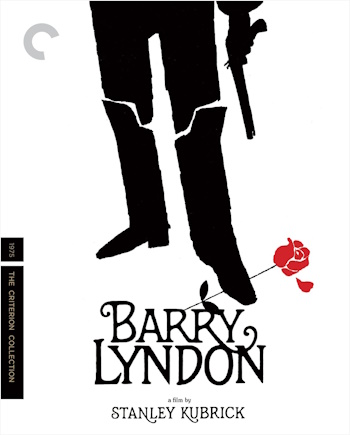
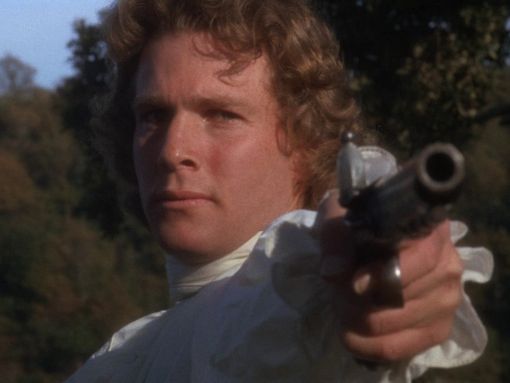
Barry Lyndon
BUY AT:


See more details, packaging, or compare
Synopsis
Stanley Kubrick bent the conventions of the historical drama to his own will in this dazzling vision of a pitiless aristocracy, adapted from a novel by William Makepeace Thackeray. In picaresque detail, Barry Lyndon chronicles the adventures of an incorrigible trickster (Ryan O’Neal) whose opportunism takes him from an Irish farm to the battlefields of the Seven Years’ War and the parlors of high society. For the most sumptuously crafted film of his career, Kubrick recreated the decadent surfaces and intricate social codes of the period, evoking the light and texture of eighteenth-century painting with the help of pioneering cinematographic techniques and lavish costume and production design, all of which earned Academy Awards. The result is a masterpiece—a sardonic, devastating portrait of a vanishing world whose opulence conceals the moral vacancy at its heart.
Picture 9/10
Criterion upgrades their special edition of Stanley Kubrick’s Barry Lyndon to 4K UHD, presenting the film with Dolby Vision on a triple-layer disc in Kubrick’s preferred aspect ratio of 1.66:1. The 2160p/24hz ultra high-definition presentation comes from a 4K restoration sourced from a scan of the 35mm original camera negative. Criterion also includes a standard dual-layer Blu-ray featuring a 1080p version of the film, along with a single-layer Blu-ray housing all of the release’s special features. These two Blu-rays are exact replicas of the ones found in Criterion’s 2017 edition.
Though Criterion’s notes aren’t entirely clear, it appears that this 4K presentation may stem from a more recent restoration done for the film’s 50th anniversary, rather than the version used for the 2017 Blu-ray. The wording suggests this, stating [bolding is mine]:
Barry Lyndon is presented in the film’s photographed aspect ratio of 1.66:1, as specified in a December 8, 1975, letter from director Stanley Kubrick to projectionists. The new 4K restoration presented on the 4K Ultra HD disc was created from the 35 mm original camera negative. The high-definition transfer created in 2000 and supervised by Leon Vitali, Kubrick’s personal assistant, served as a color reference for this new master.
That specific mention of the 4K disc implies a newer effort, though visually it’s difficult to say with certainty. Both discs look quite similar, with the 4K maybe leaning a bit warmer in tone, though not dramatically so. The image may also appear a little cleaner and sharper overall, but that could be due to the UHD format itself rather than a new restoration.
Whatever the case, the 4K presentation does deliver a noticeable upgrade, even if it's not as dramatic as I expected, possibly because Criterion’s Blu-ray was already quite good. That said, grain looks far healthier here, cleanly rendered with a more natural texture. This allows for sharper detail when the photography permits it; some shots are intentionally soft, especially the darker interiors lit only by candlelight. Colors come through beautifully, from the lush greens of the landscapes to the red British uniforms and the blues of the Prussian ones. Everything feels a tad more vibrant here. Restoration-wise, the film is in excellent shape, though that was true of Criterion’s previous disc (and even Warner’s earlier Blu-ray looked solid in this area).
The biggest upgrade, though, comes from the wider dynamic range. It’s especially evident in the candlelit sequences and the hazier interiors of the Lyndon estate later in the film. These shots, already stunning, look even more striking. Dolby Vision and HDR enhance the way light breaks through dust and smoke in those interior scenes, and the contrast in candlelit shots, from the bright flame to pure black, looks incredible. While Criterion’s and Warner’s respective Blu-rays handled these sequences admirably, this is the most filmic the movie has ever looked on home video by a fairly wide margin.
The only real shortcoming is in the handling of brighter highlights, particularly the strong light pouring through windows into dim interiors. While the encode beautifully captures how the light plays across the shadows, the window highlights themselves clip noticeably, wiping out detail and grain in those spots. It’s a minor issue, nowhere near the level of problems seen in, say, Walkabout, where blocky artifacts became apparent, but it’s a slight letdown in an otherwise near-perfect image.
Hiccup aside, this is a strong presentation. Though not the massive leap over Criterion’s Blu-ray I had hoped for, it’s still a gorgeous upgrade, and easily the best the film has ever looked on home video.
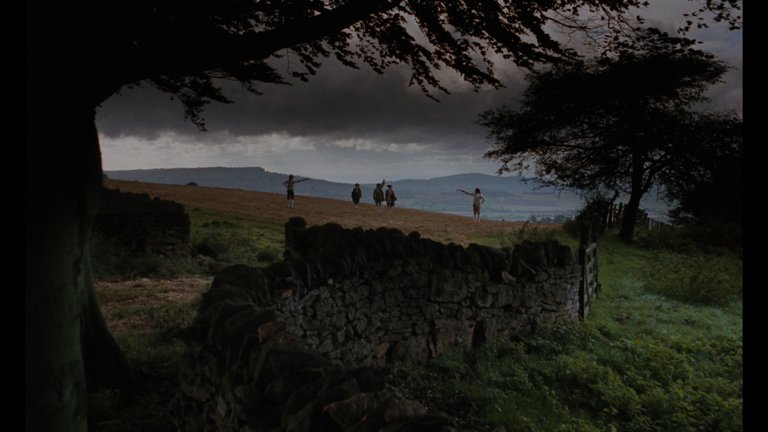
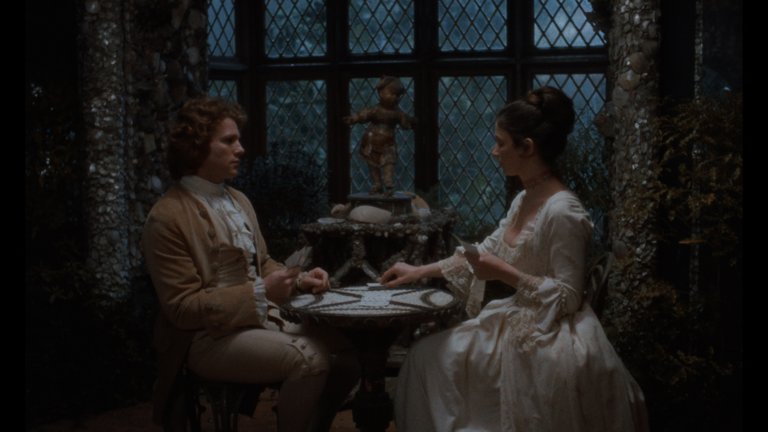
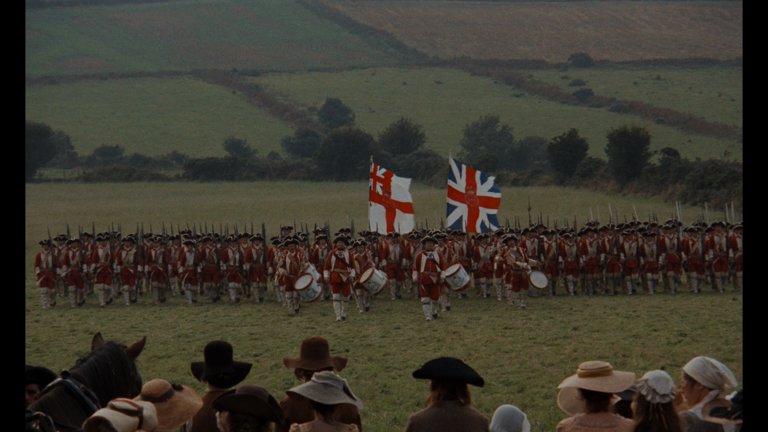
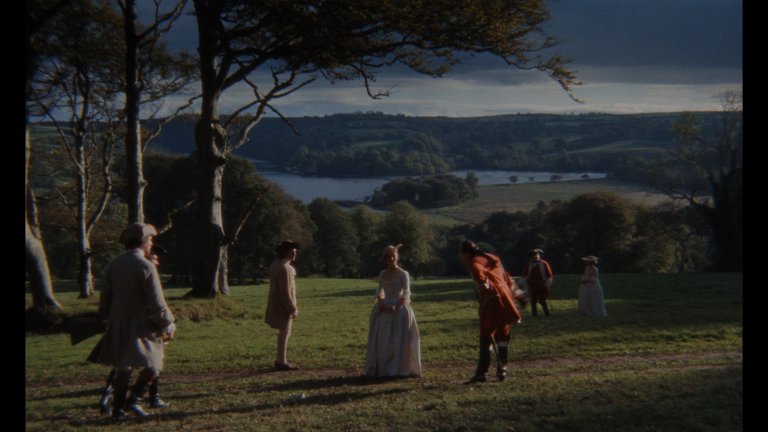
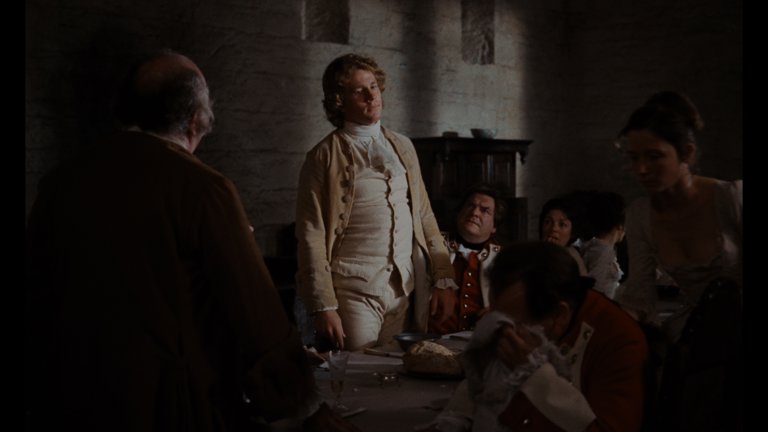
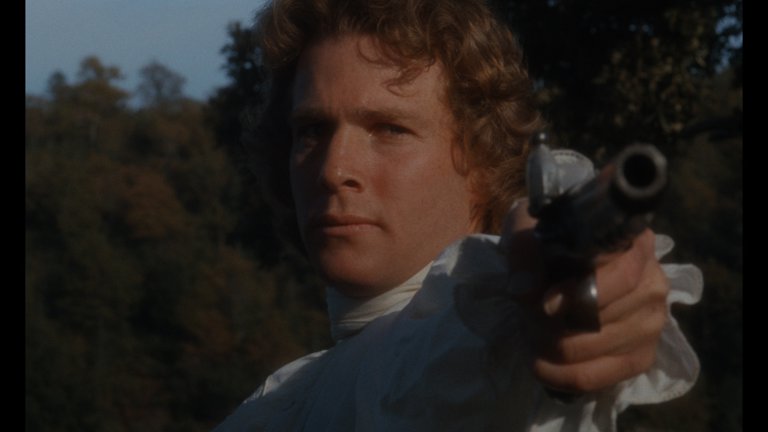
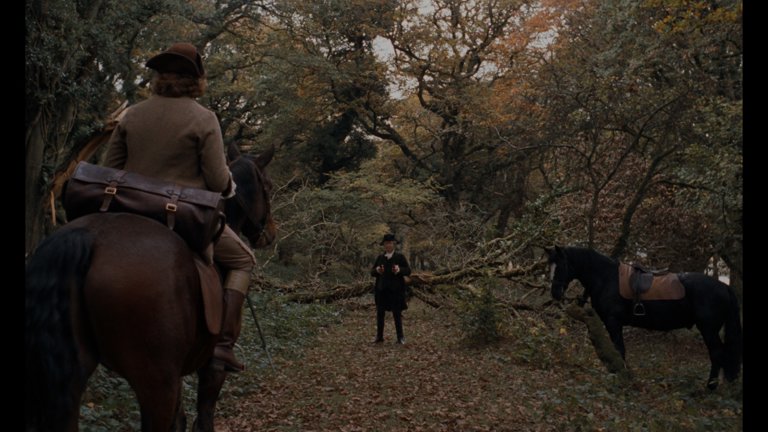
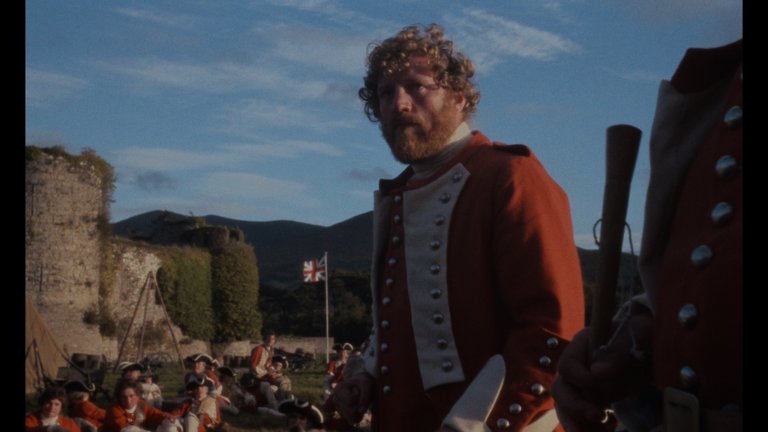
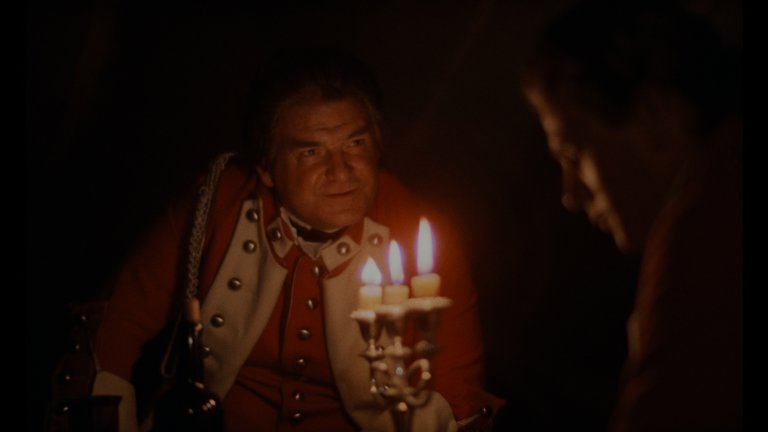
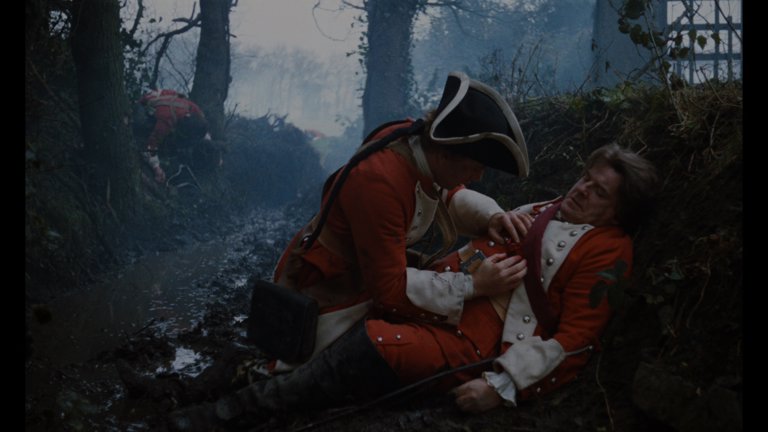
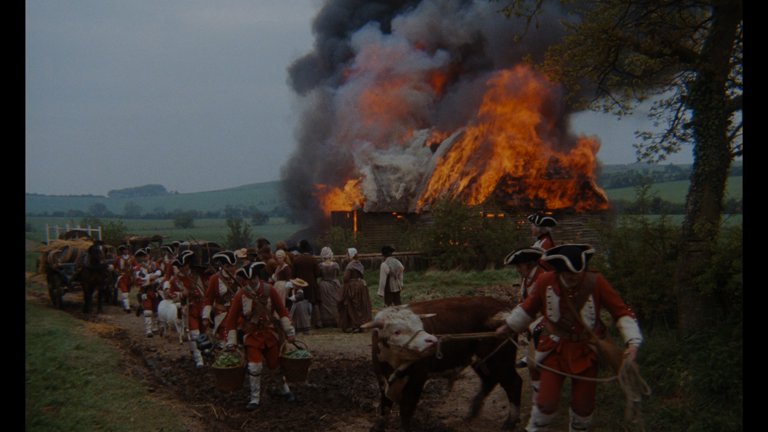
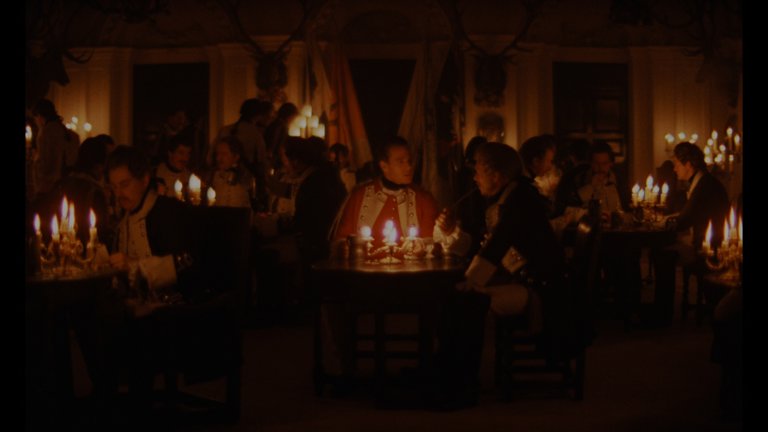
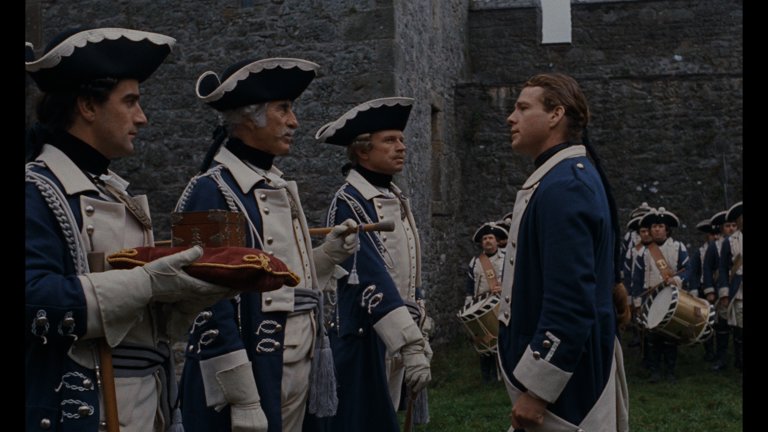
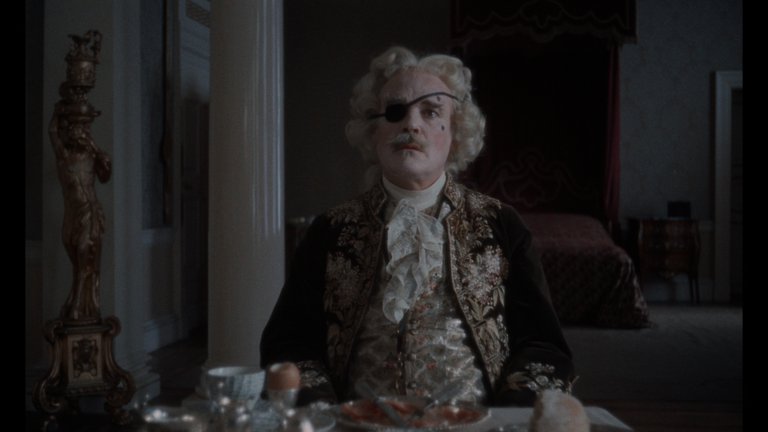
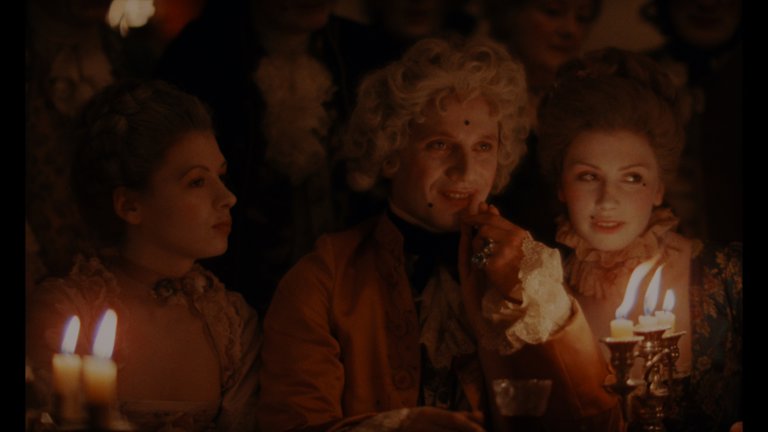
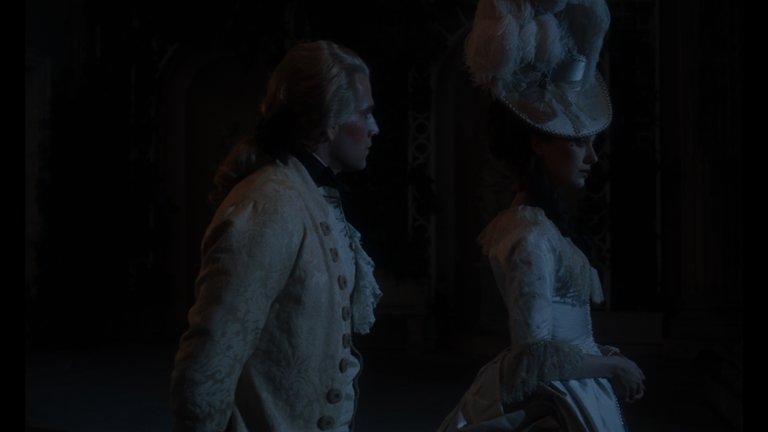
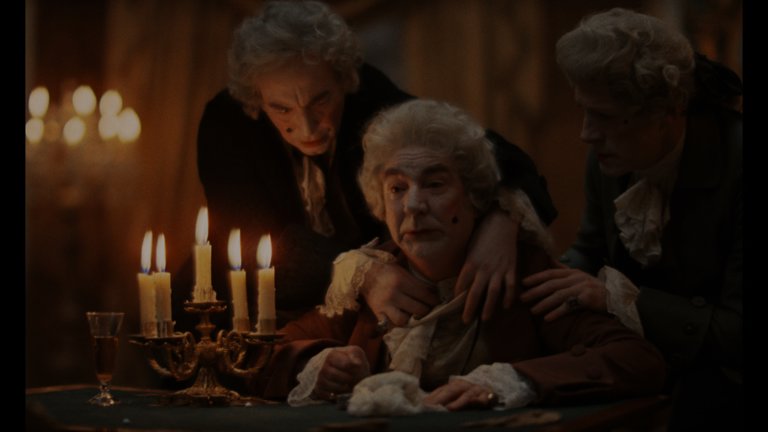
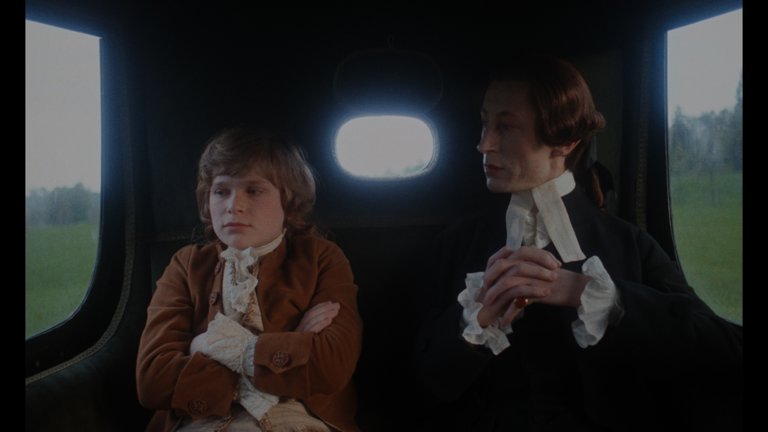
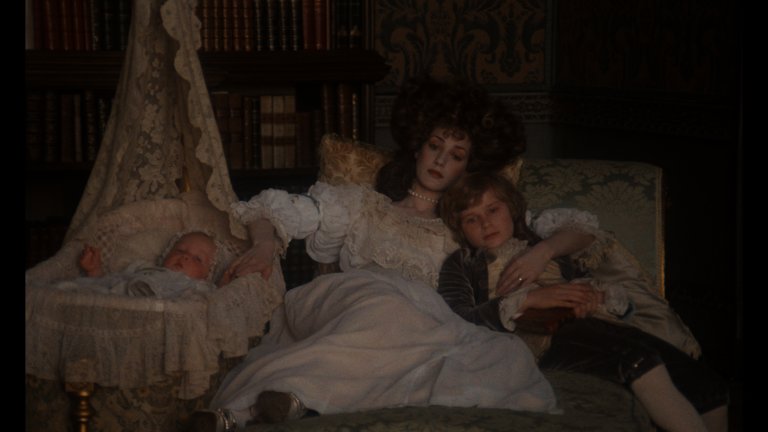
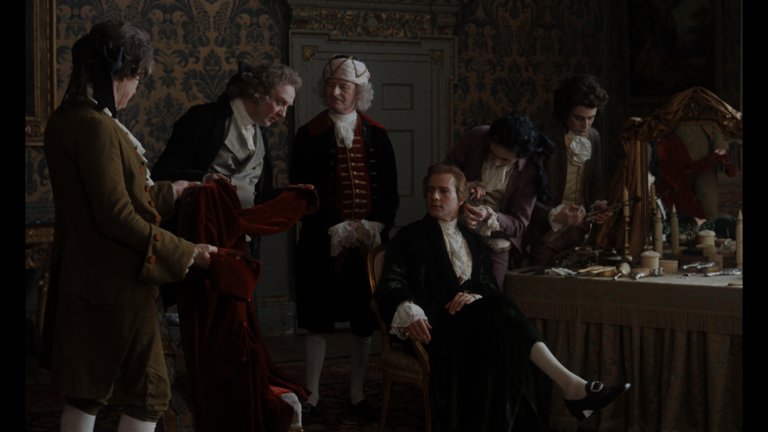
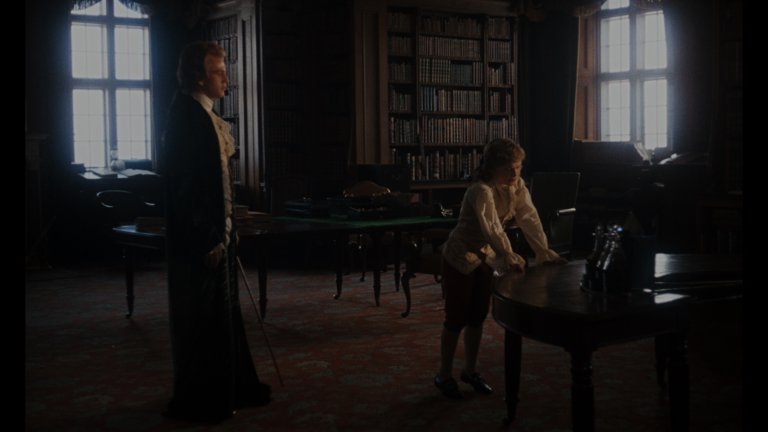
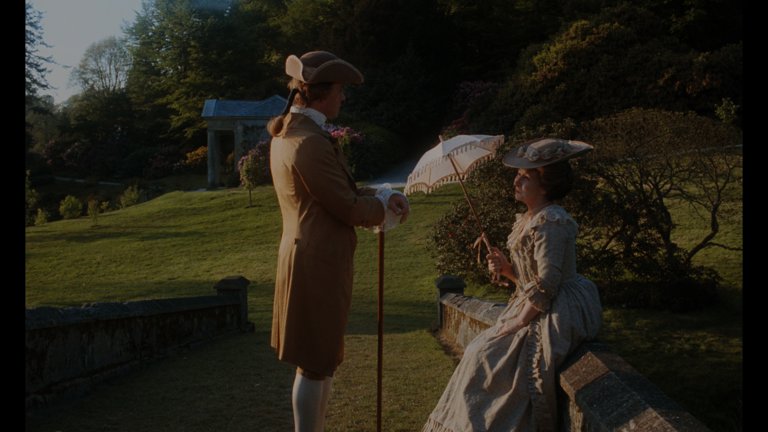
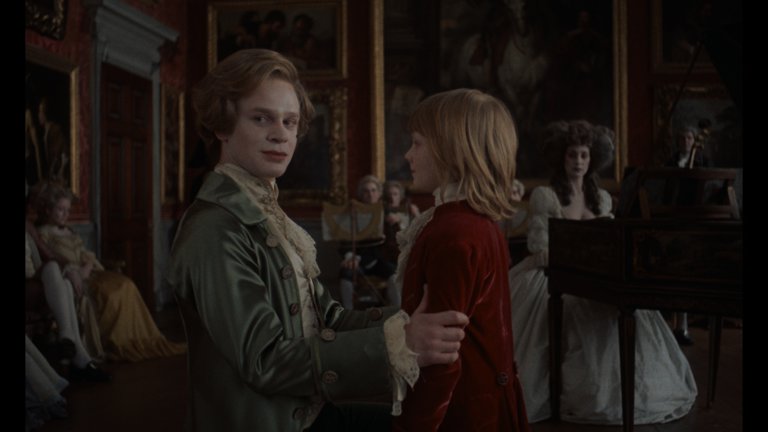
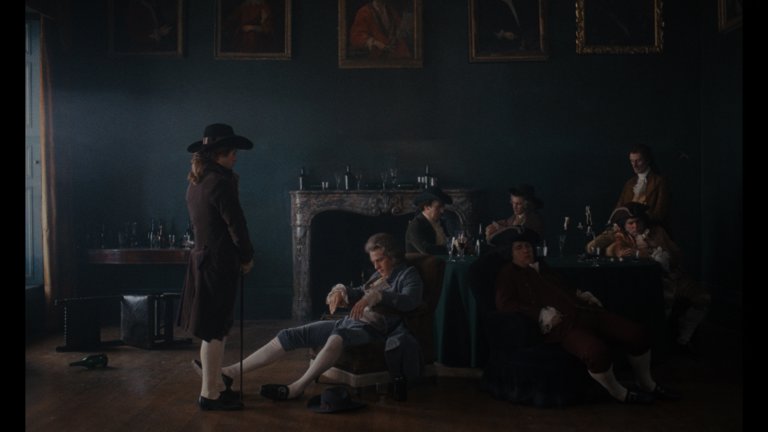
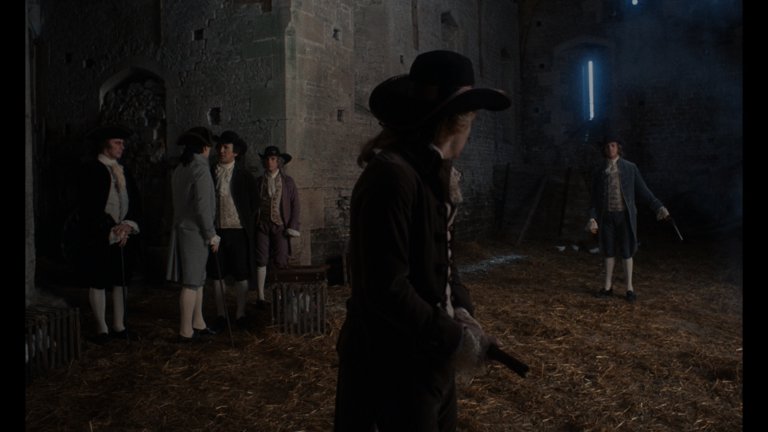
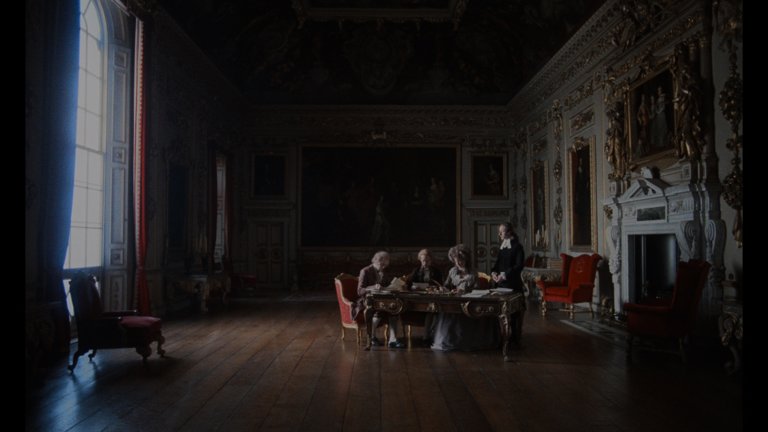
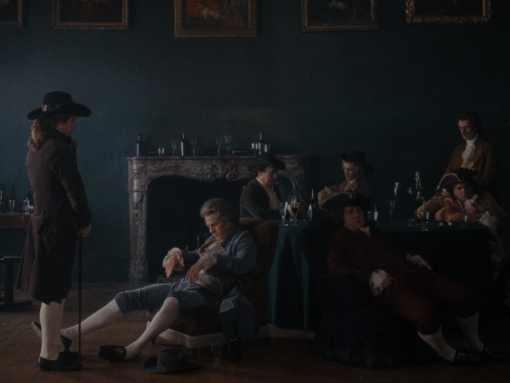
Barry Lyndon - Screen Captures
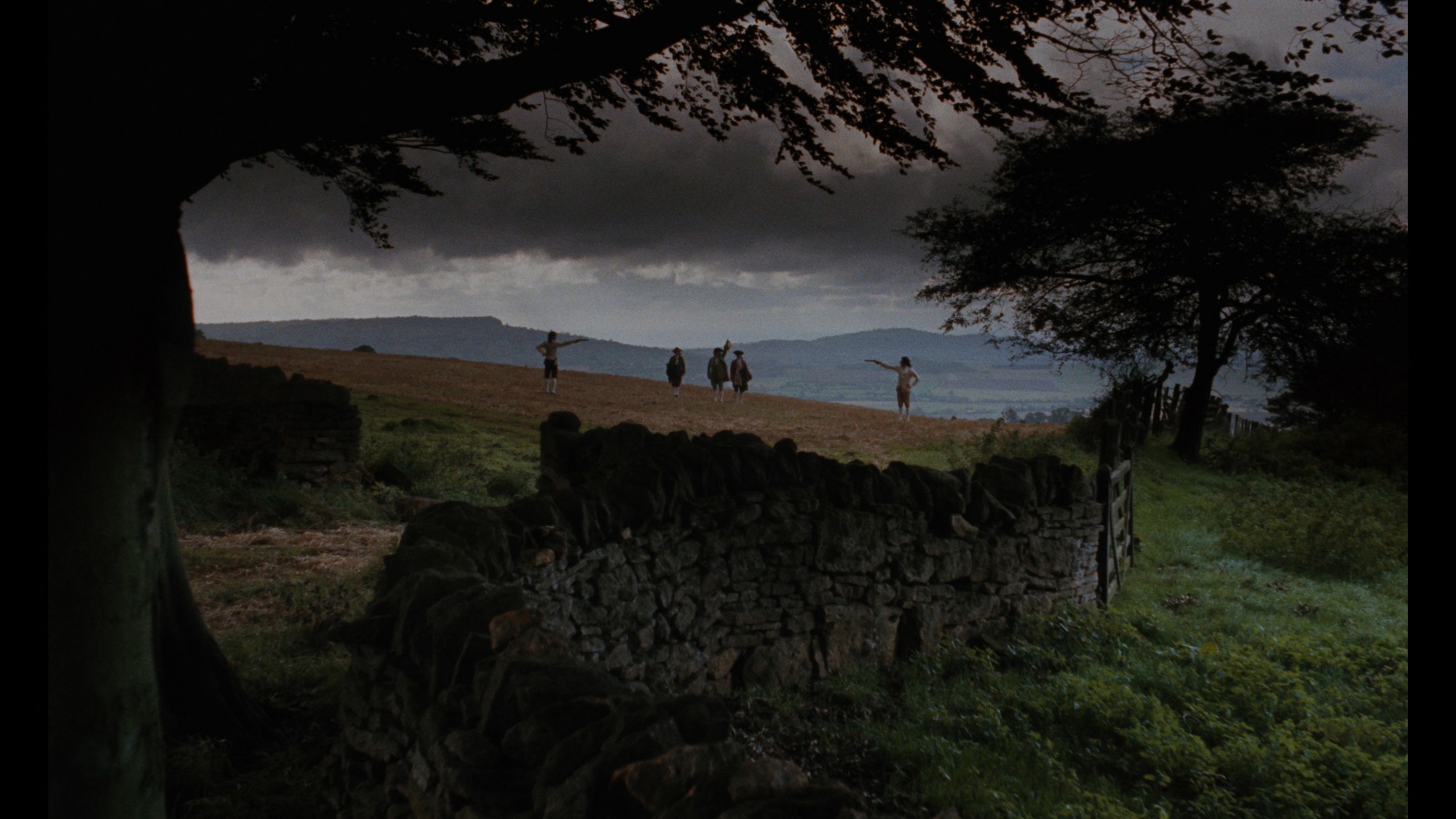
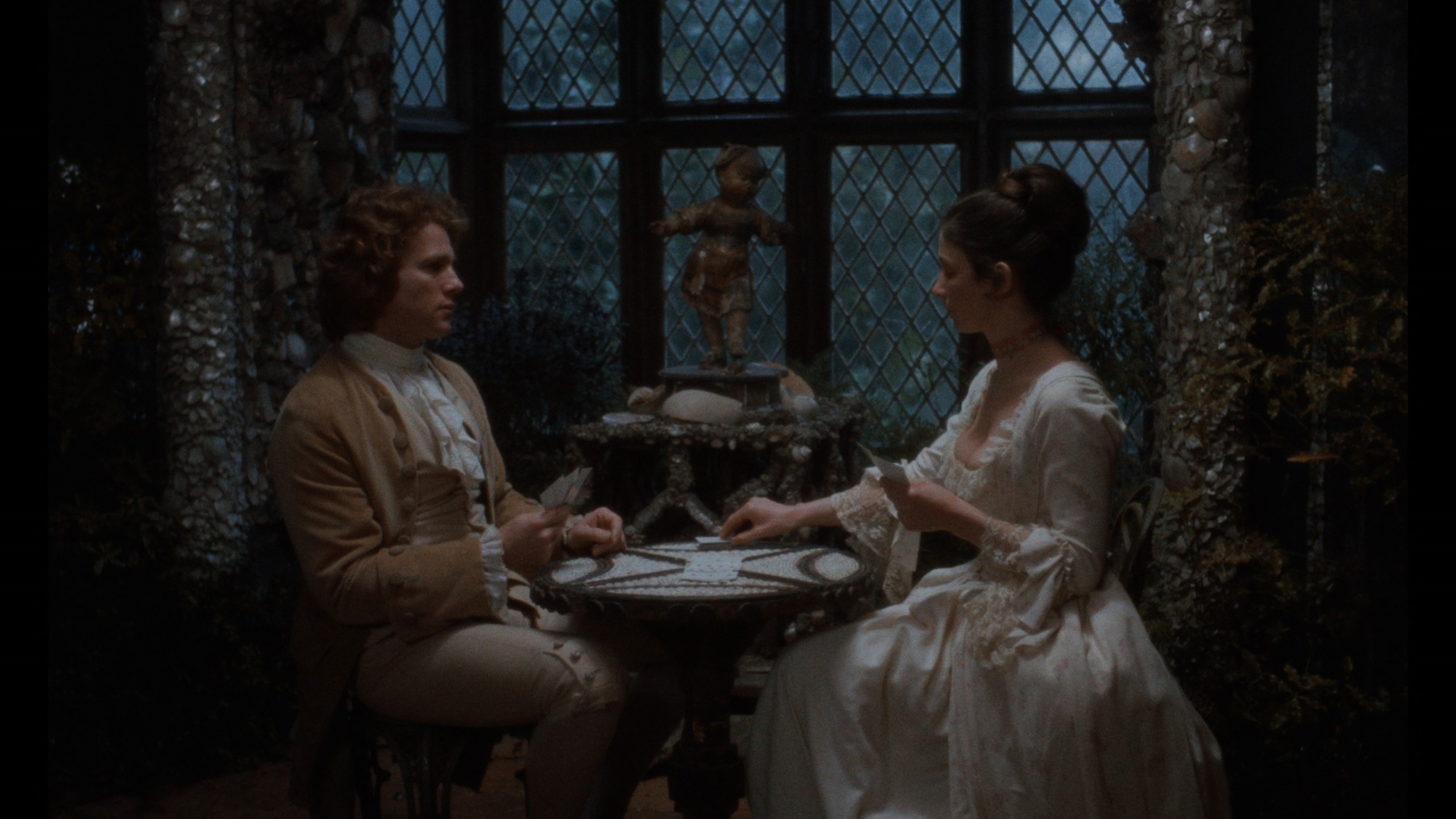
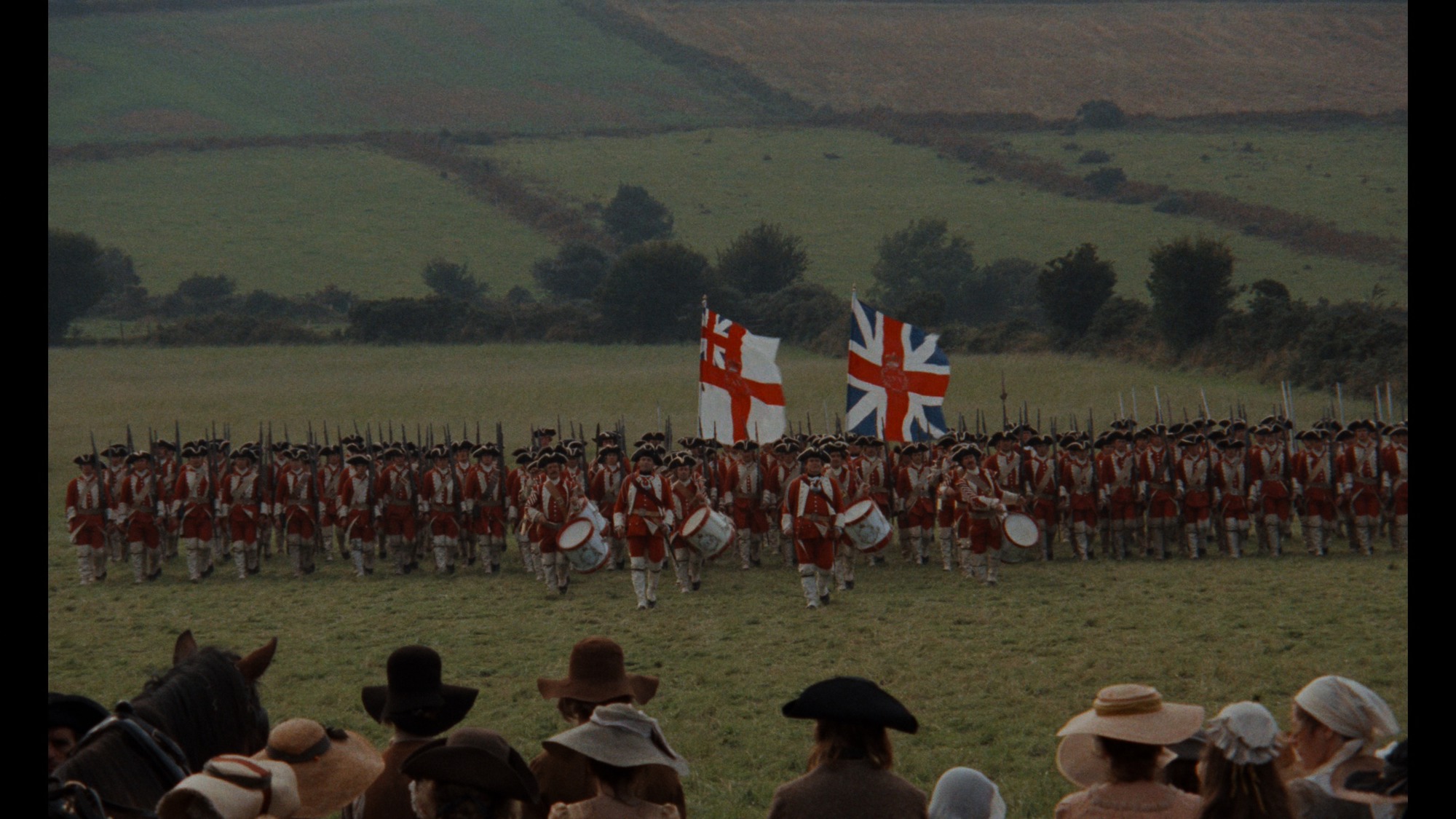
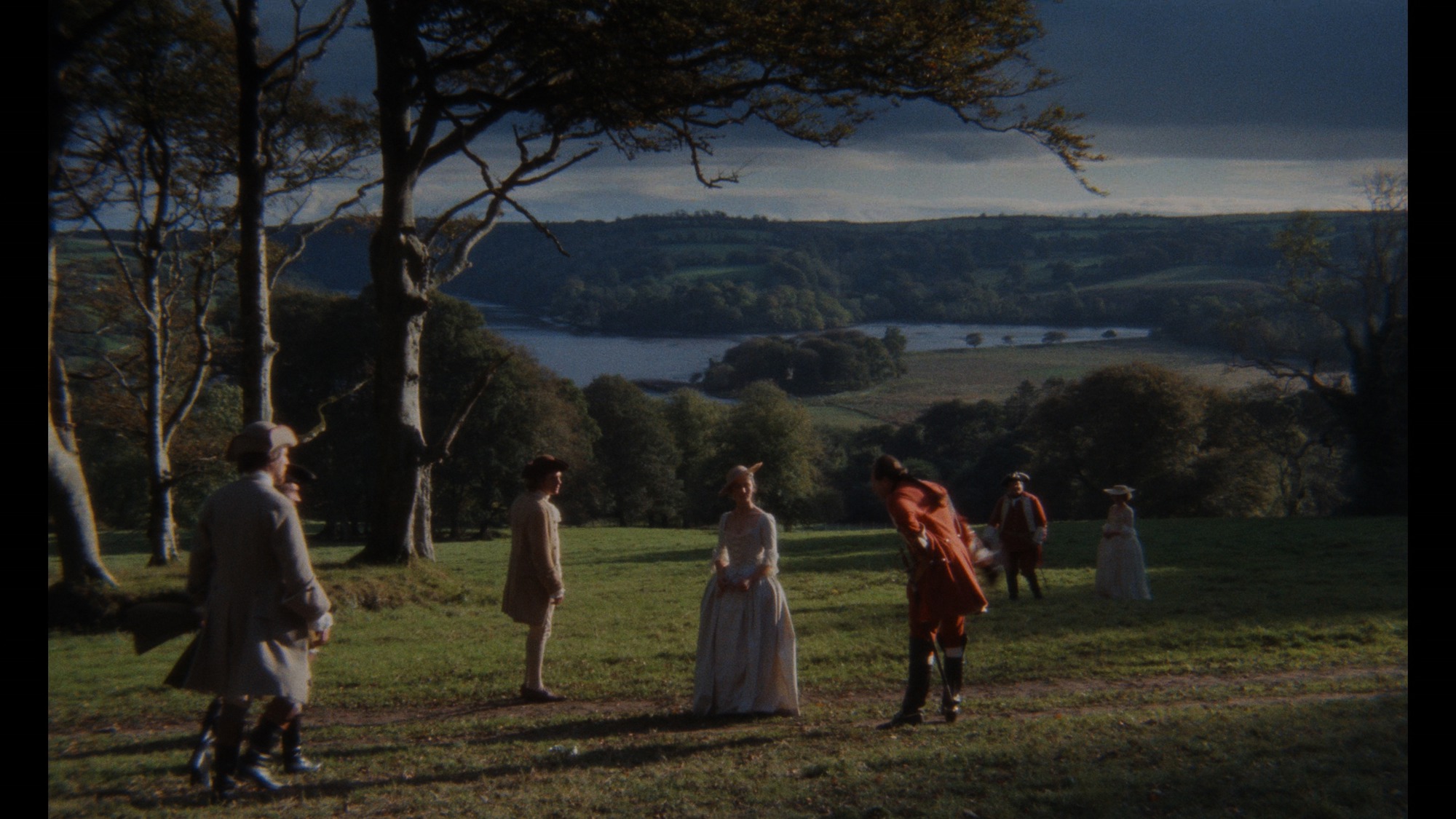
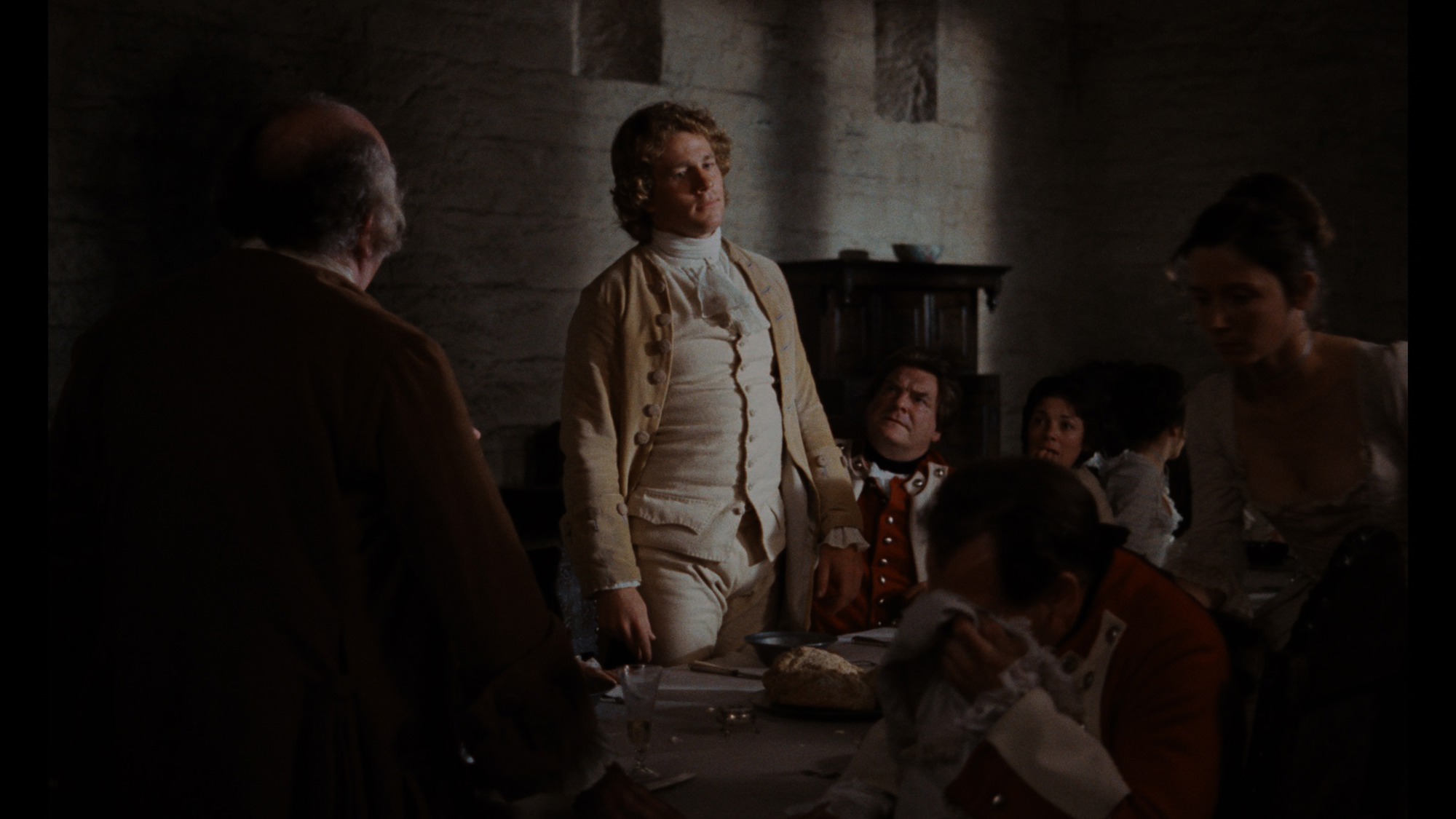
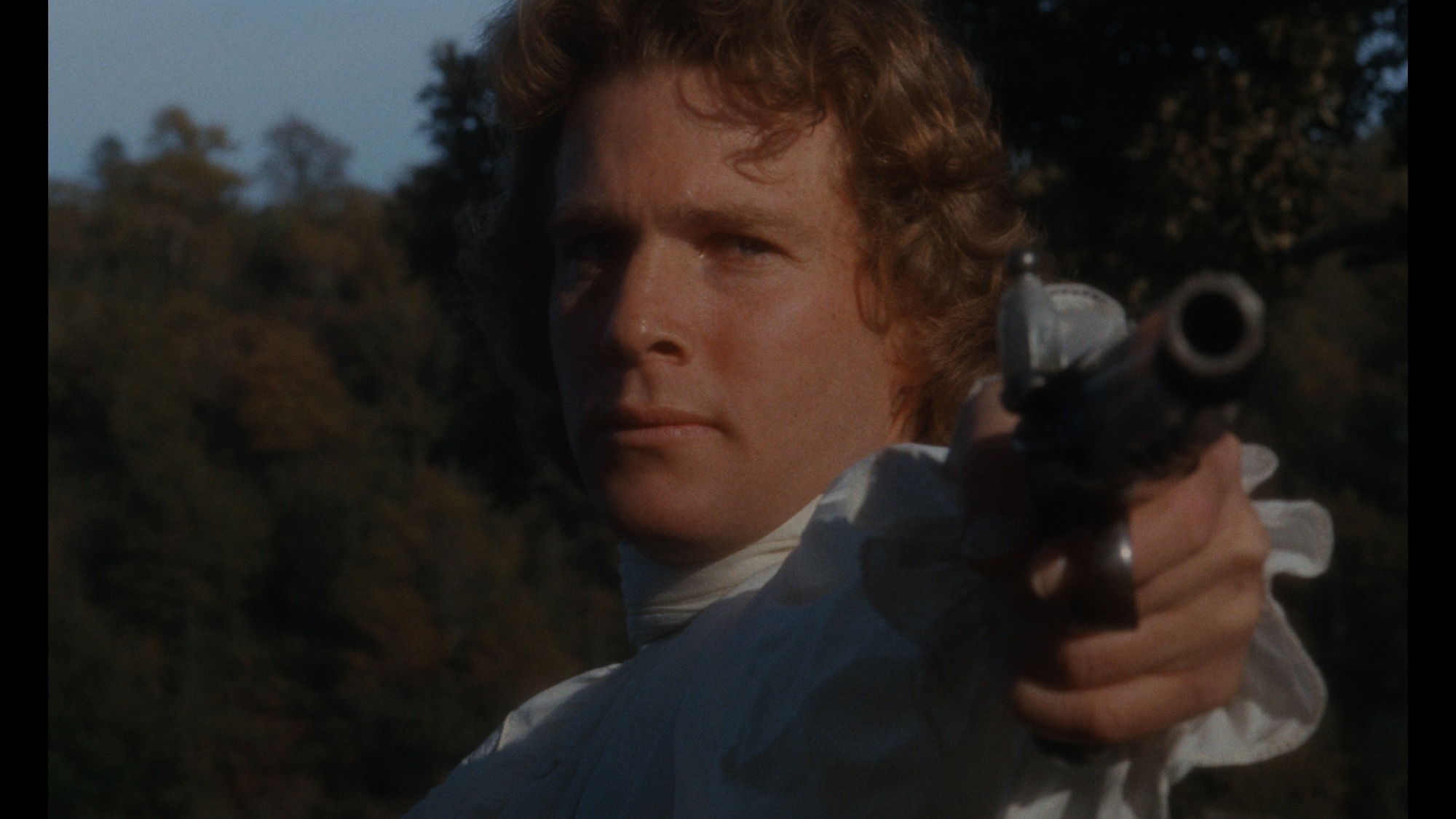
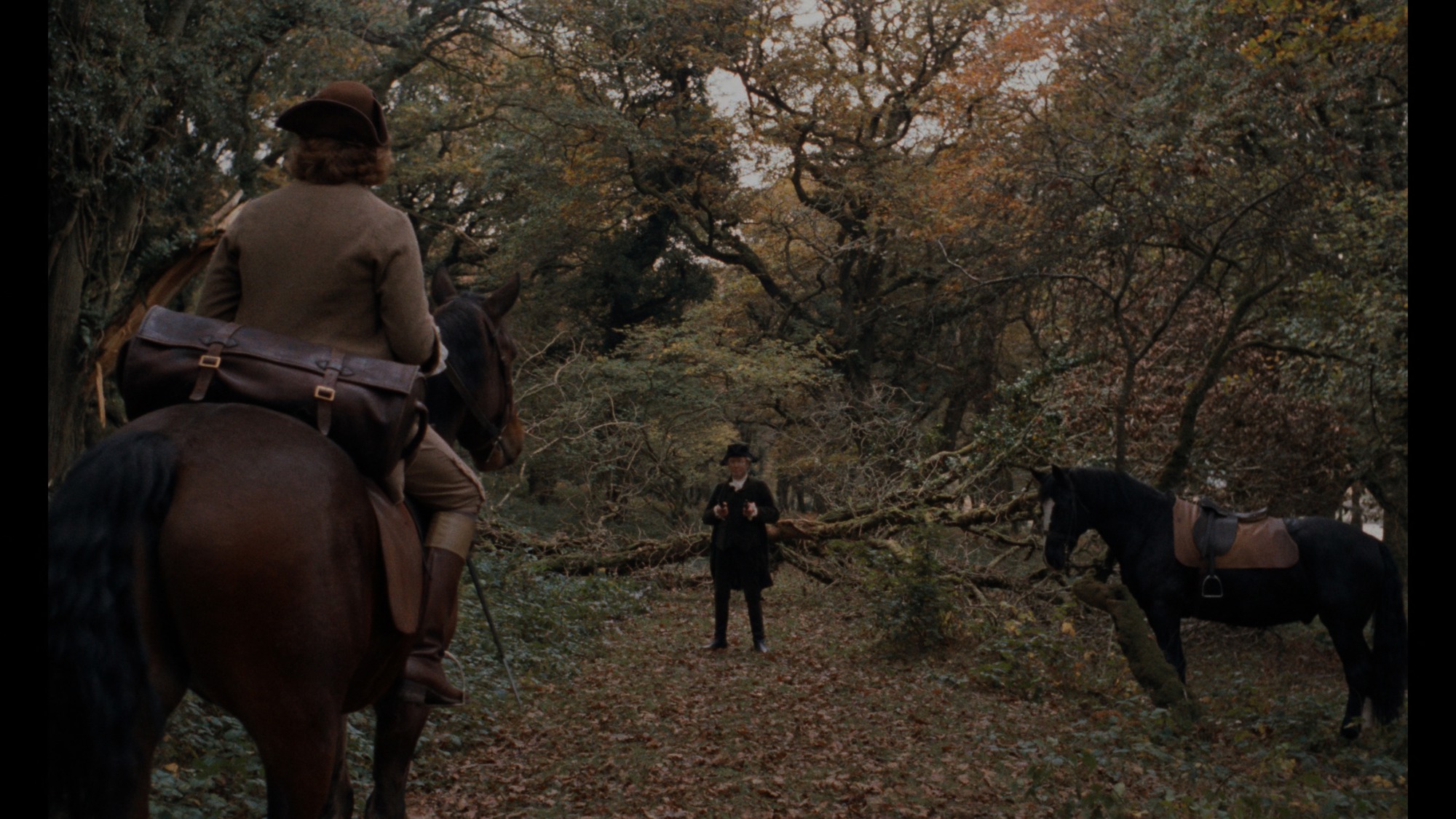
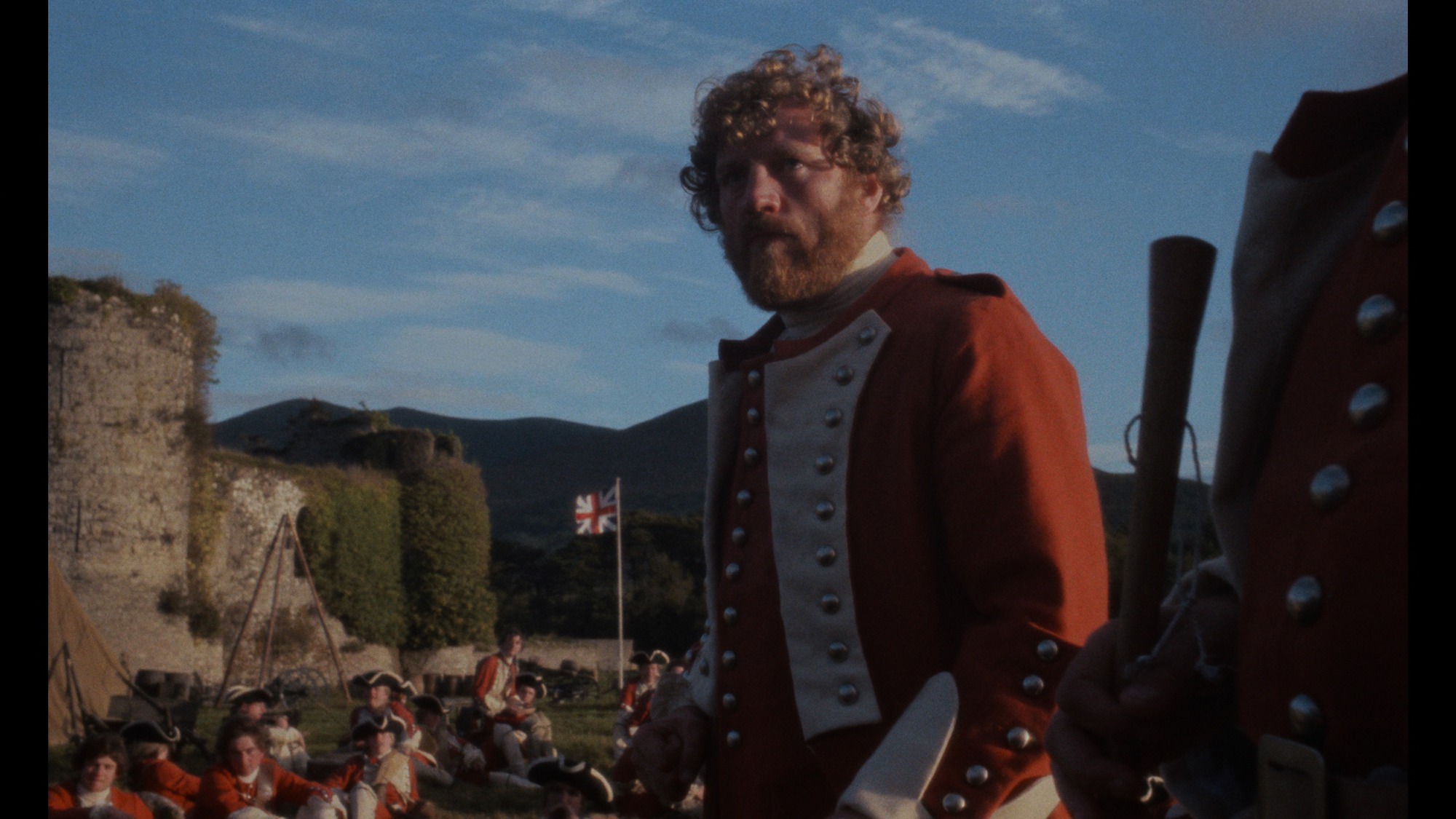
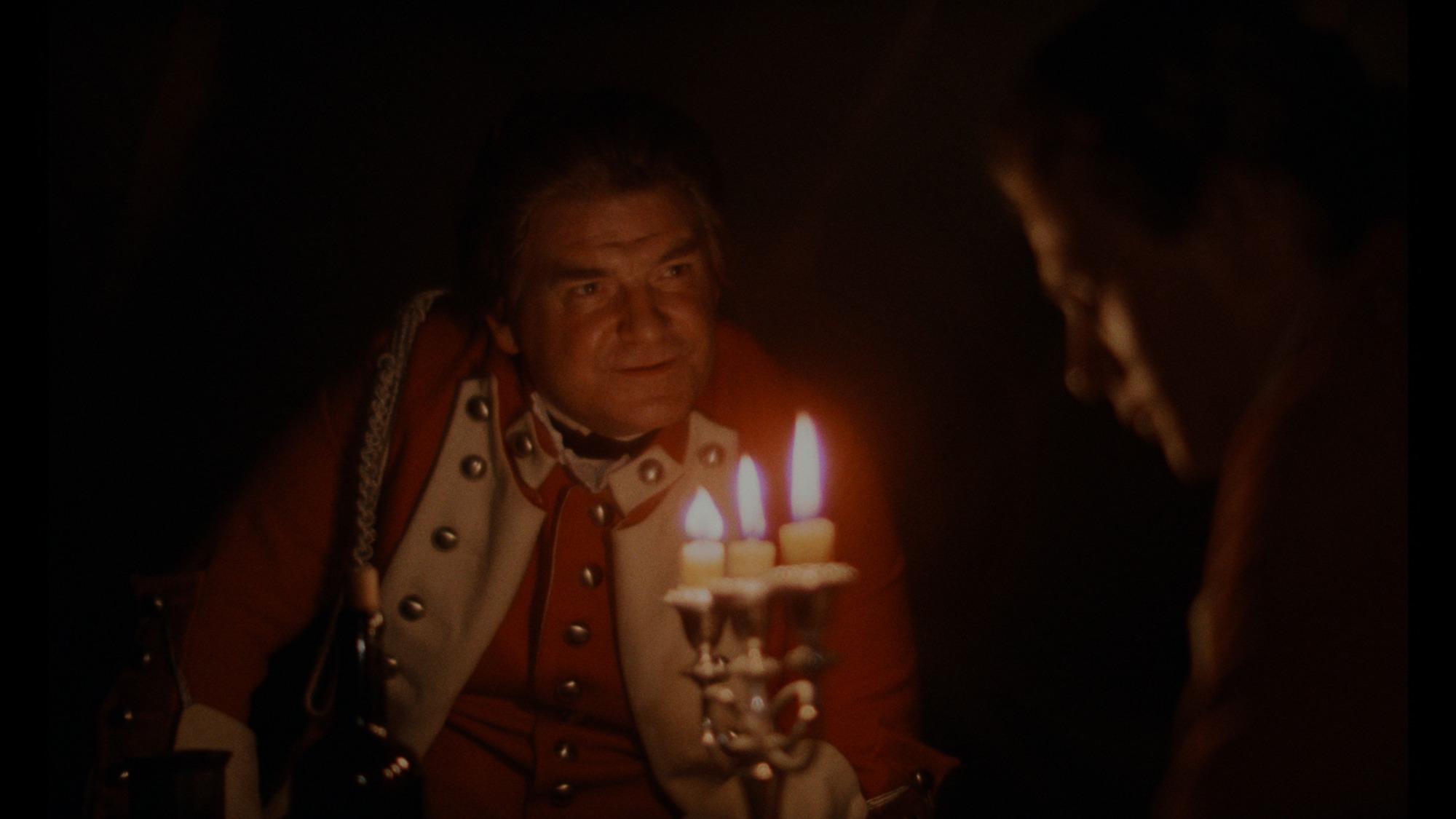
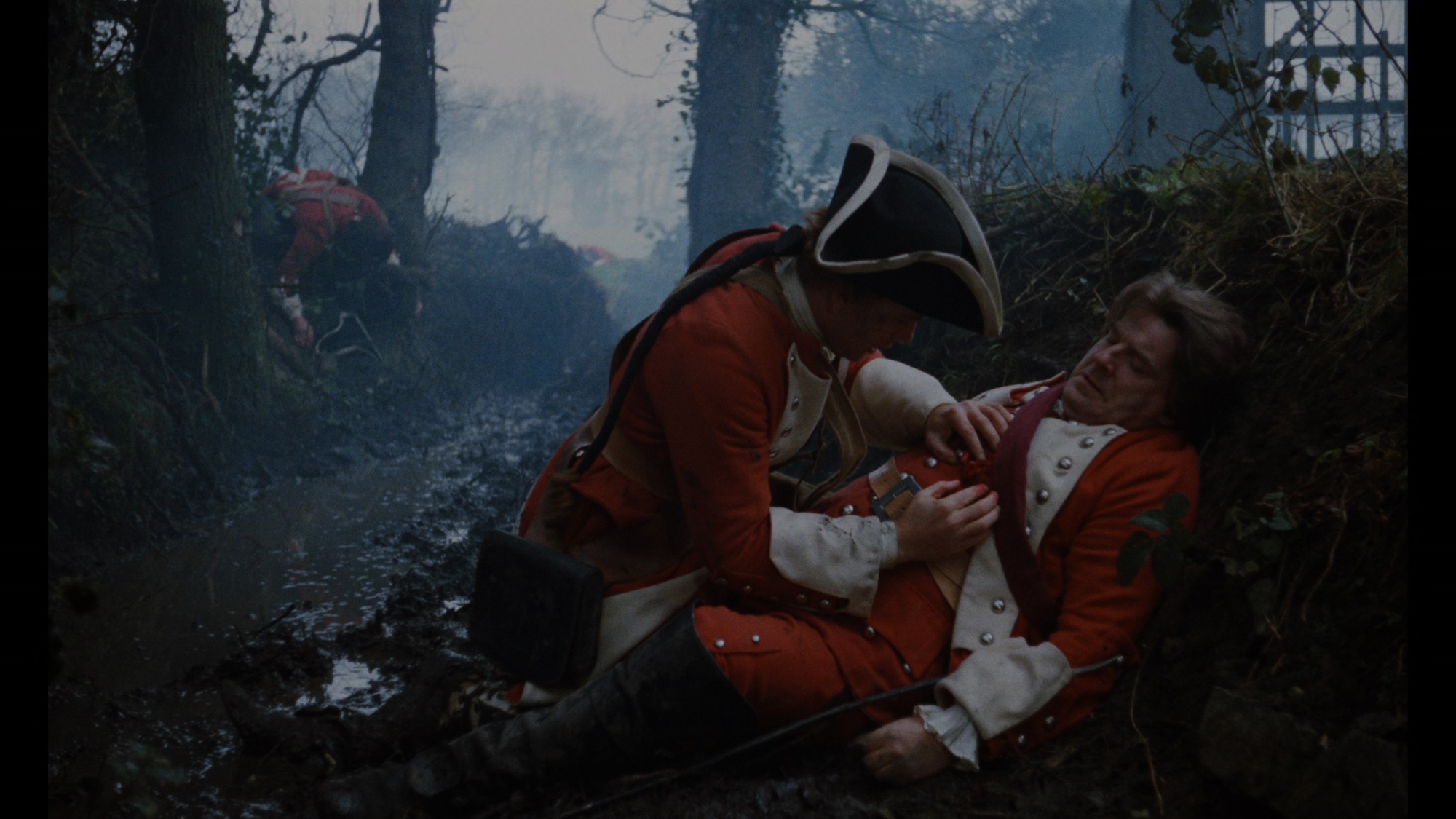
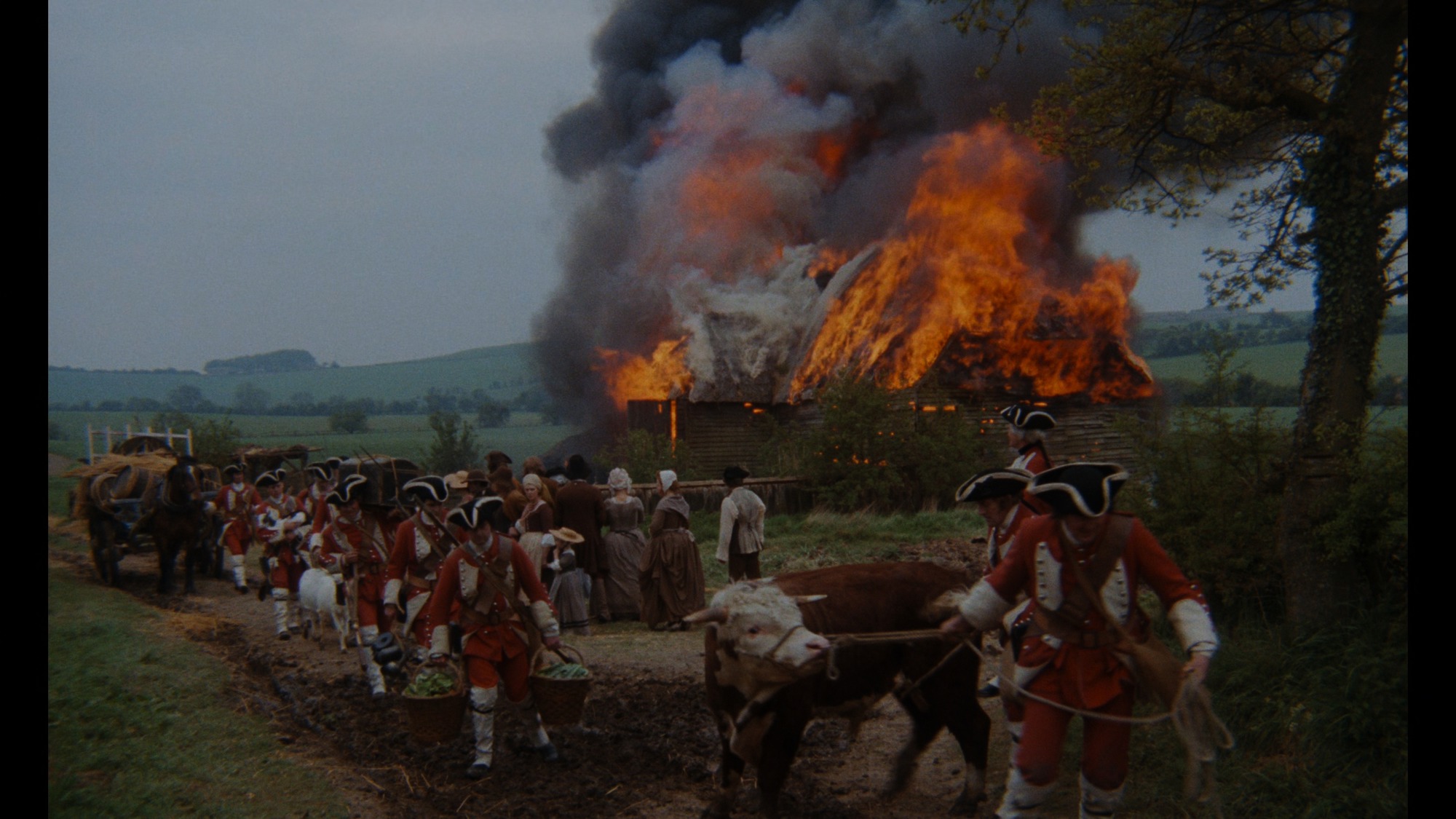
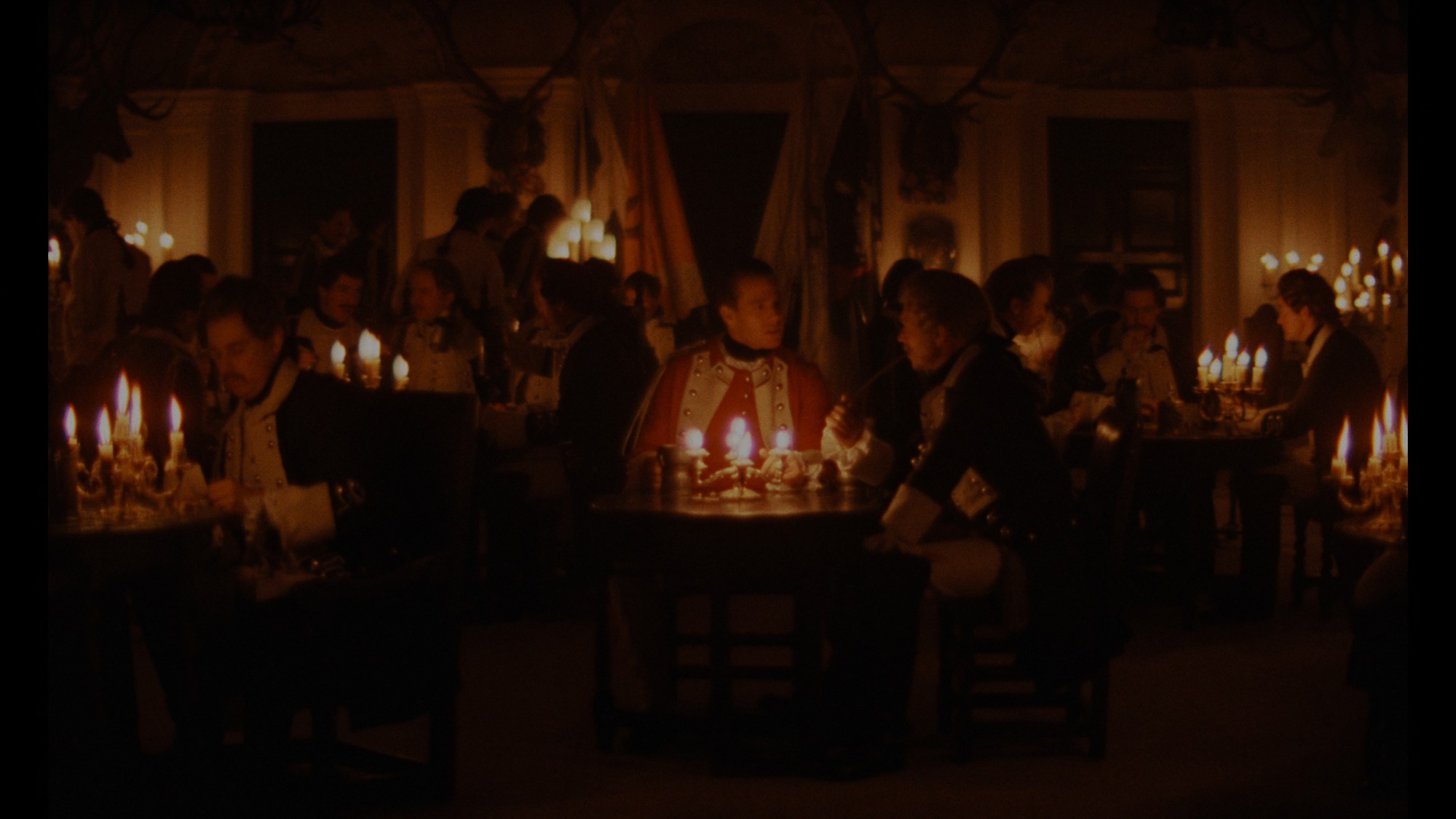
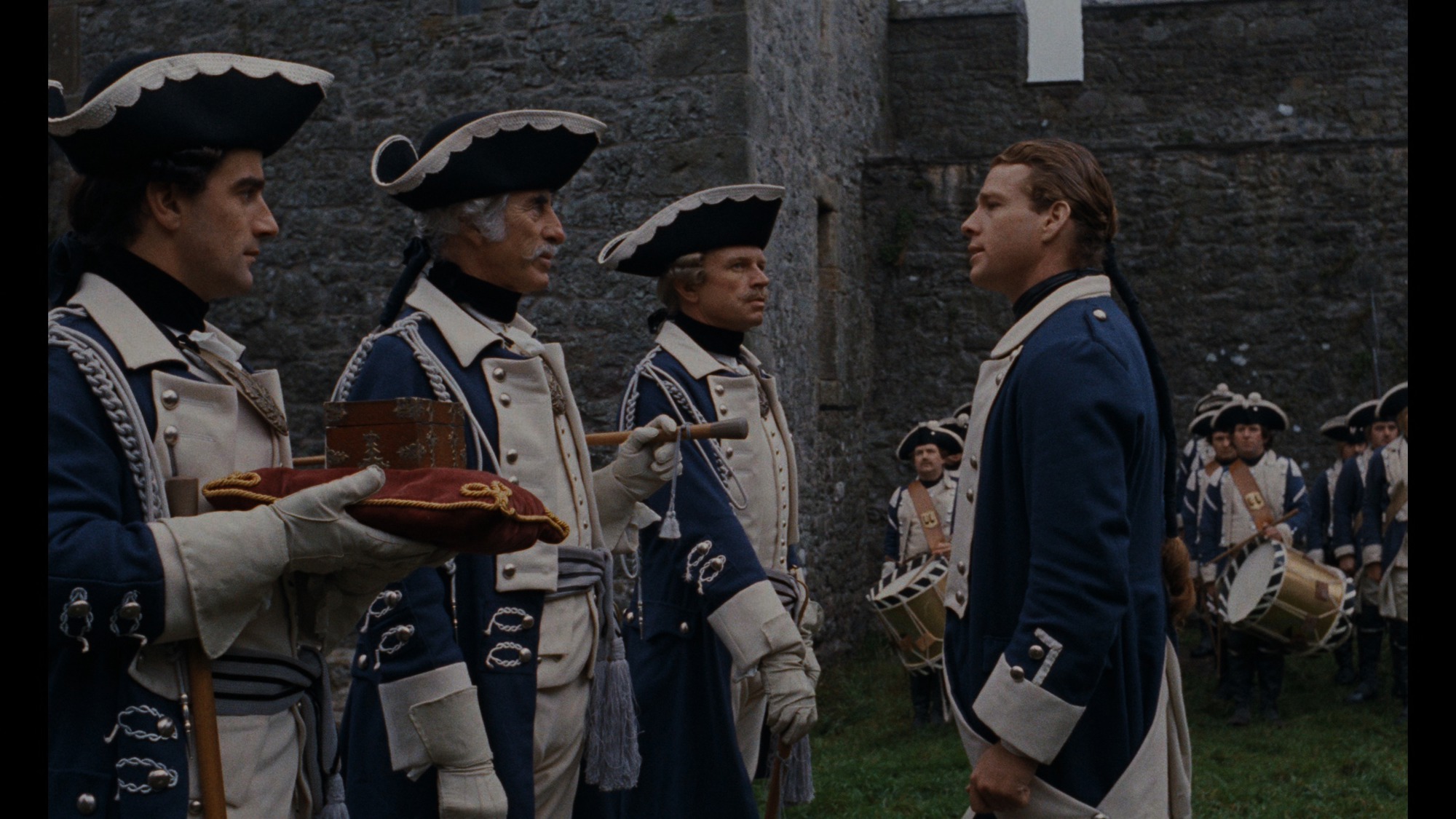
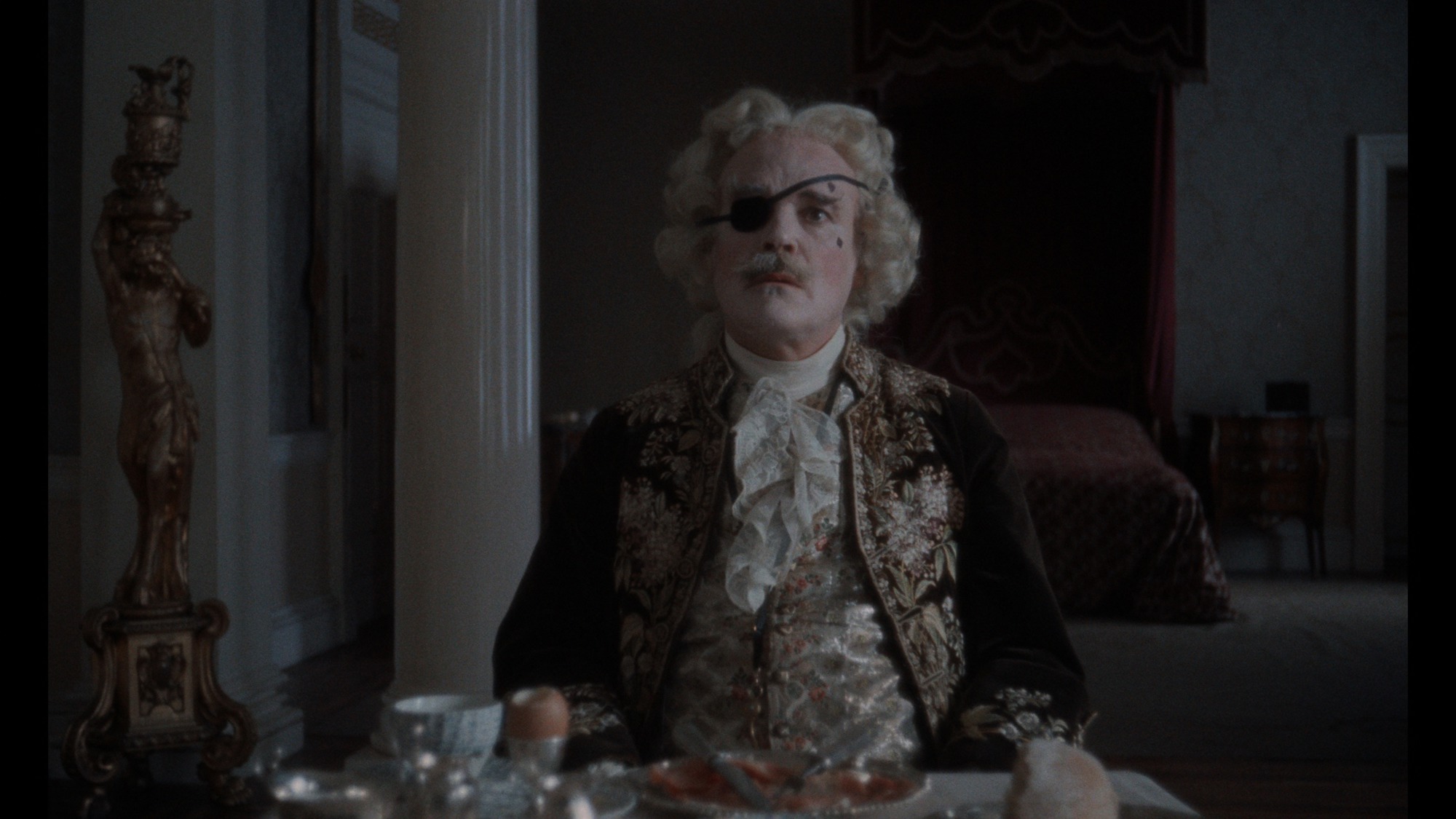
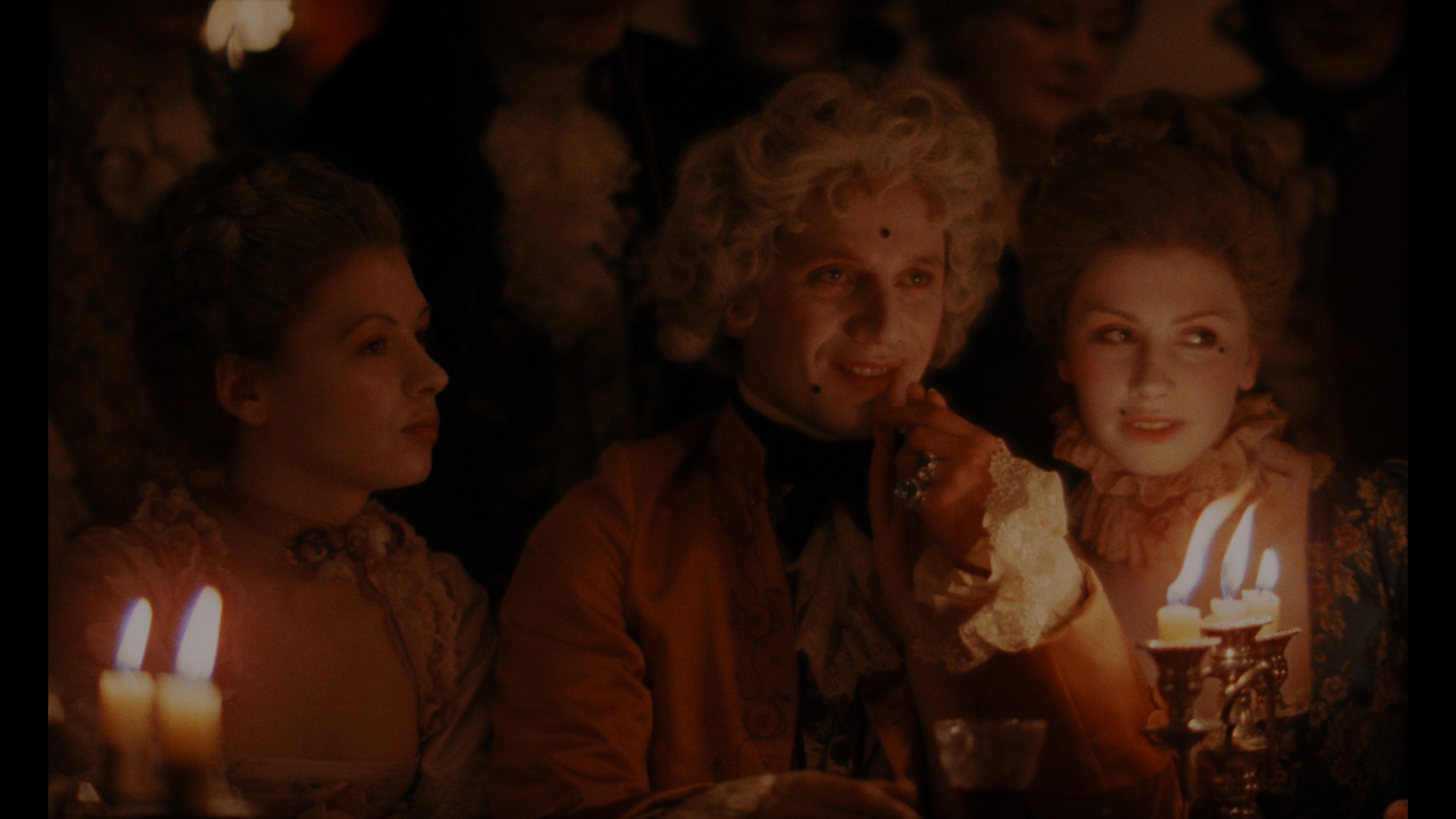
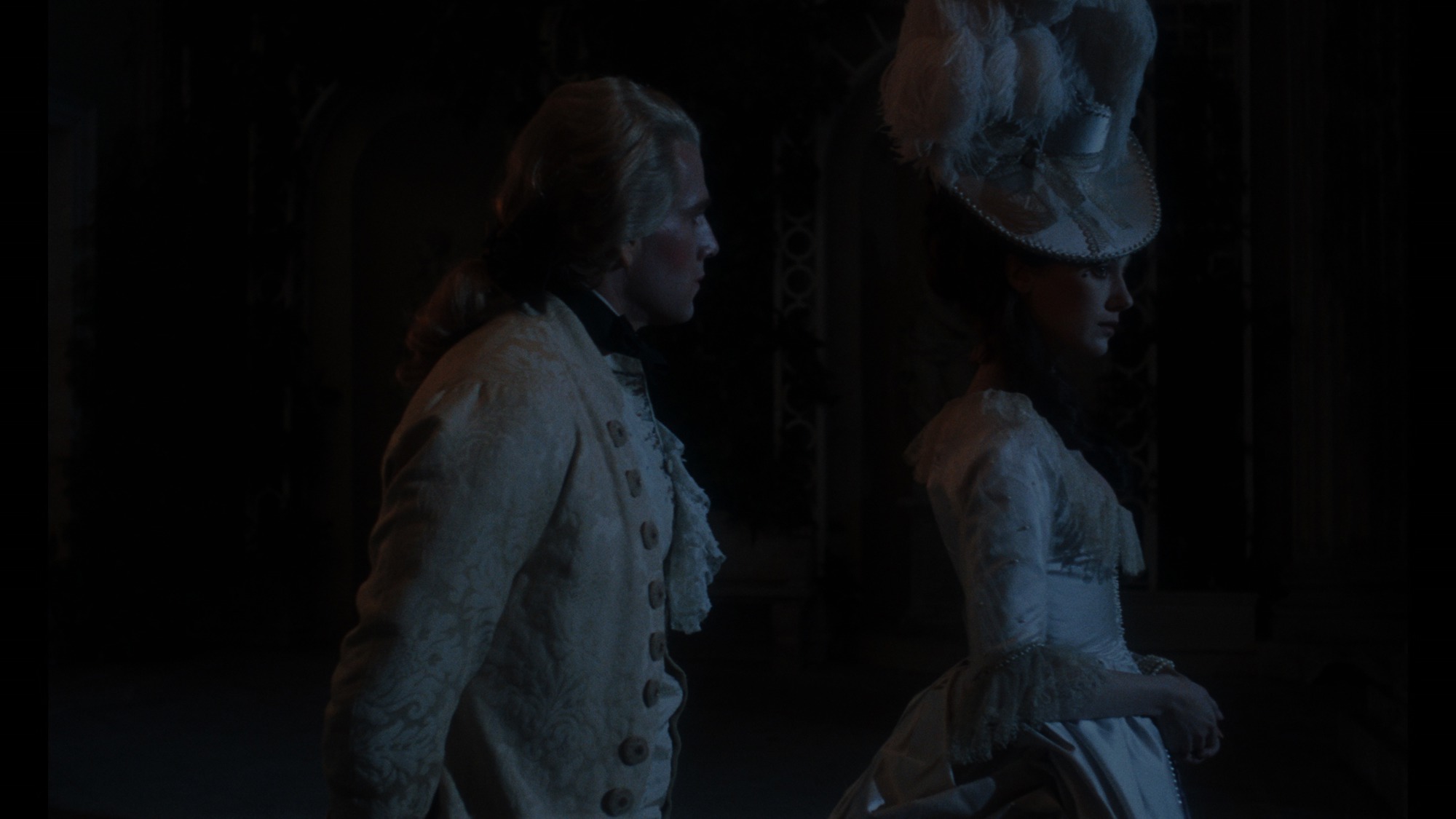
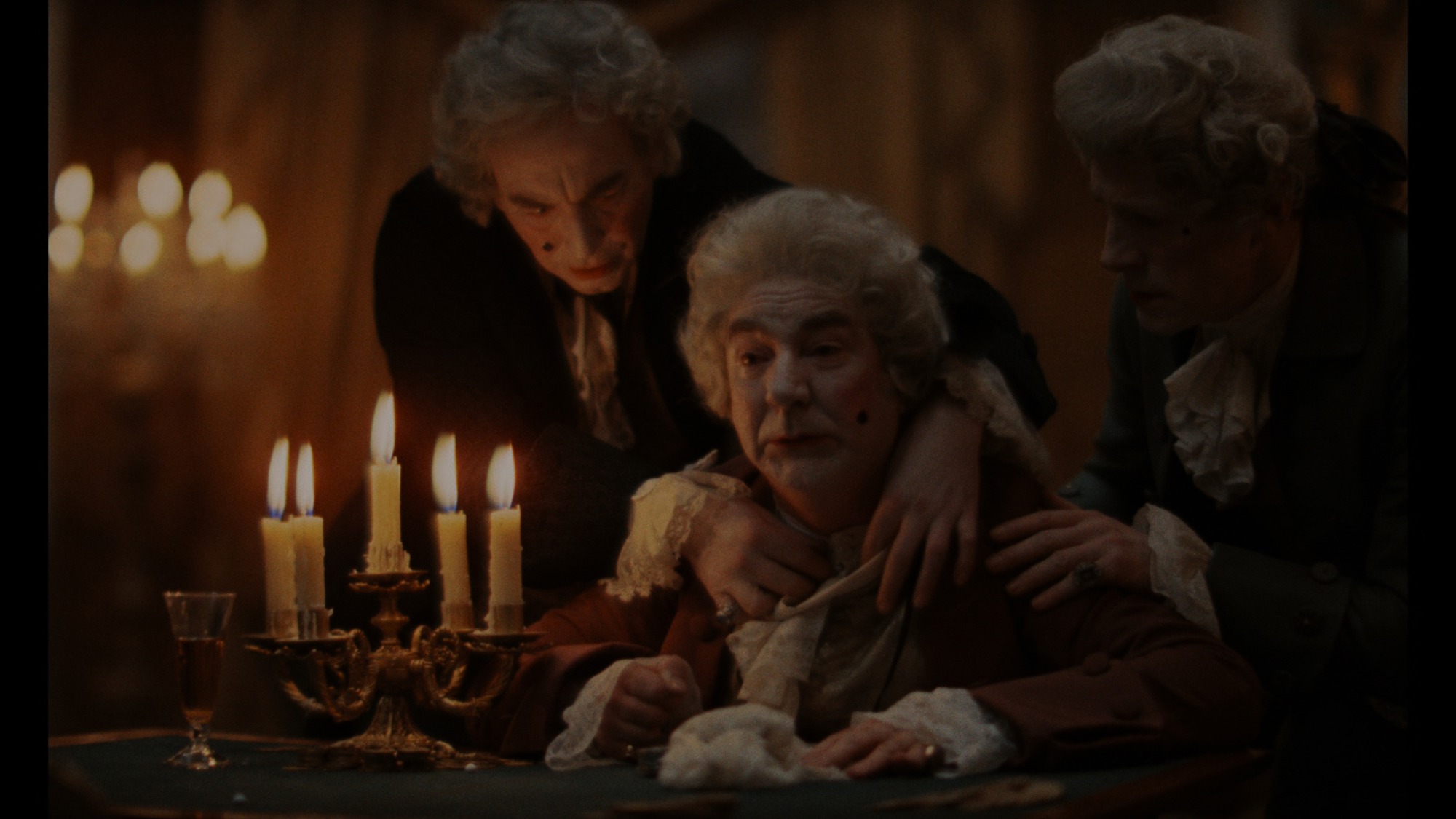
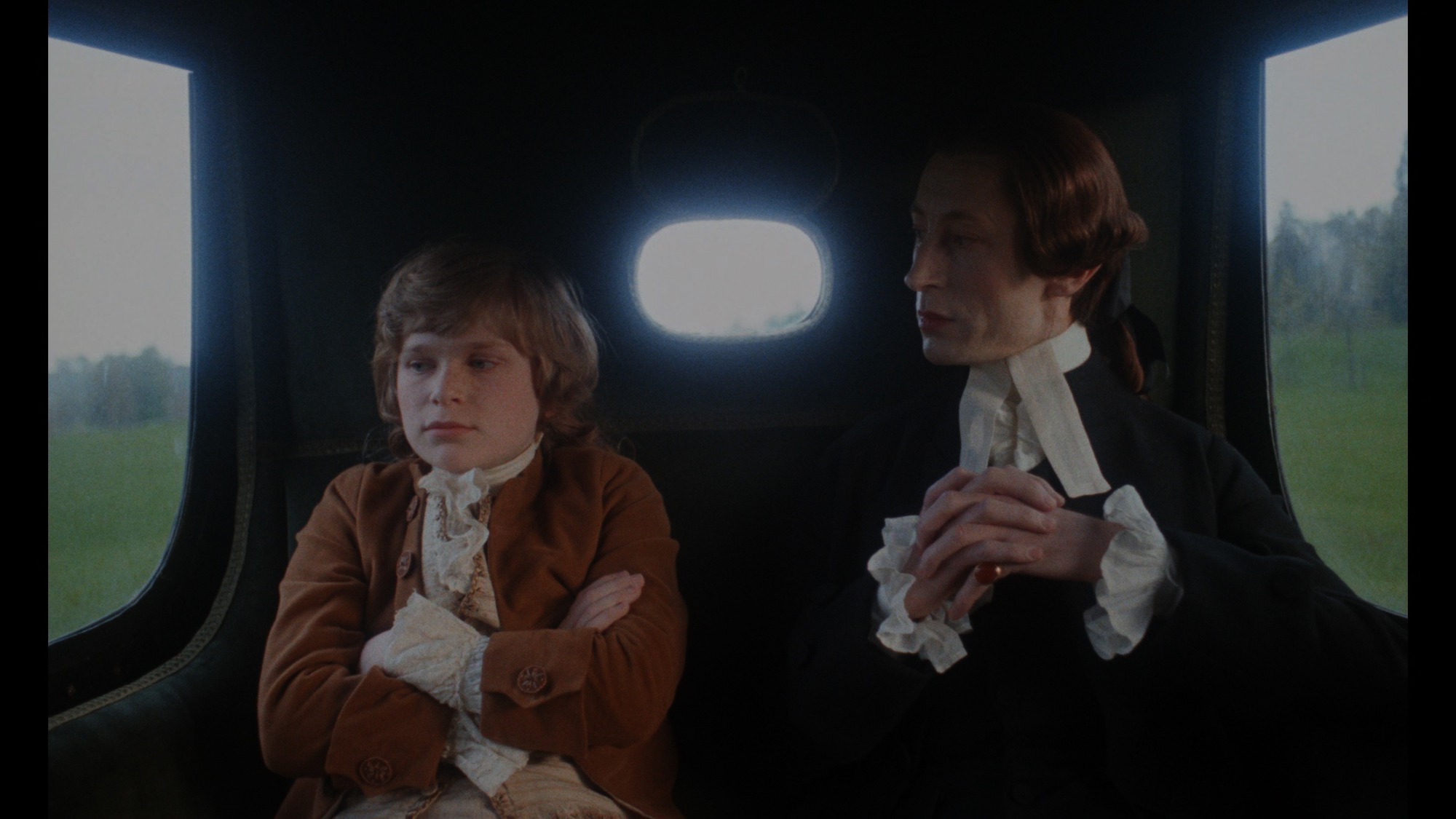
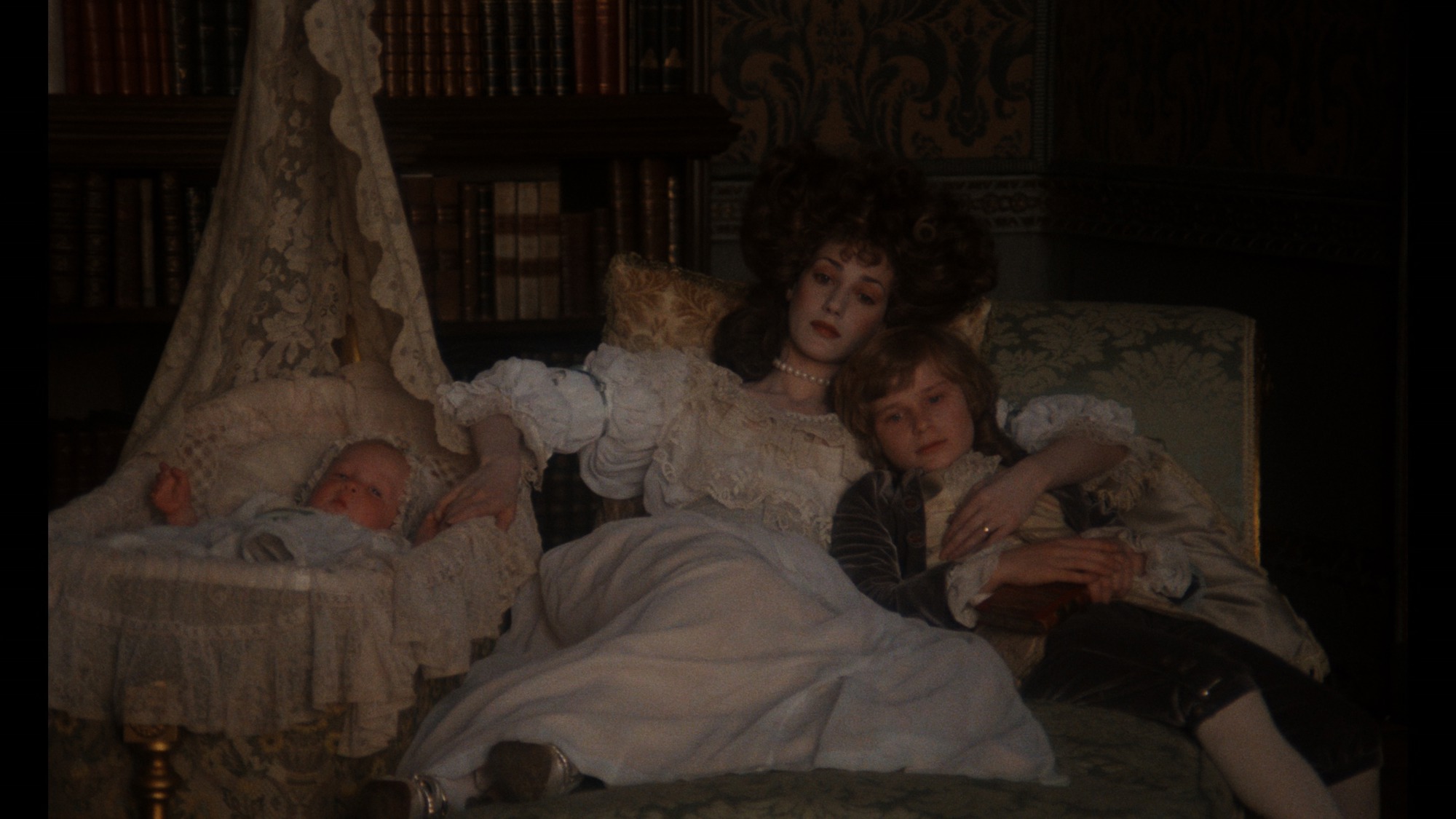
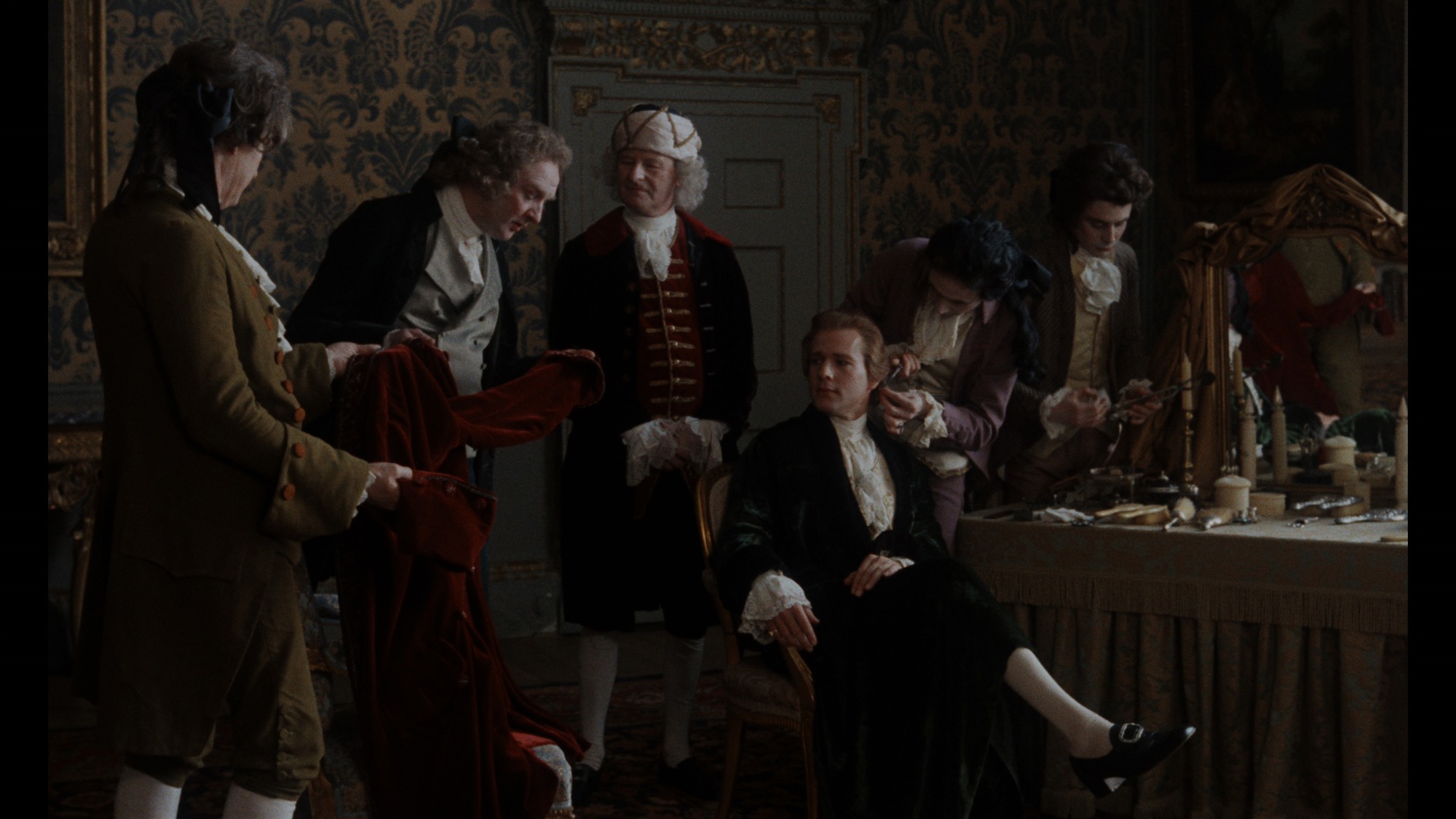
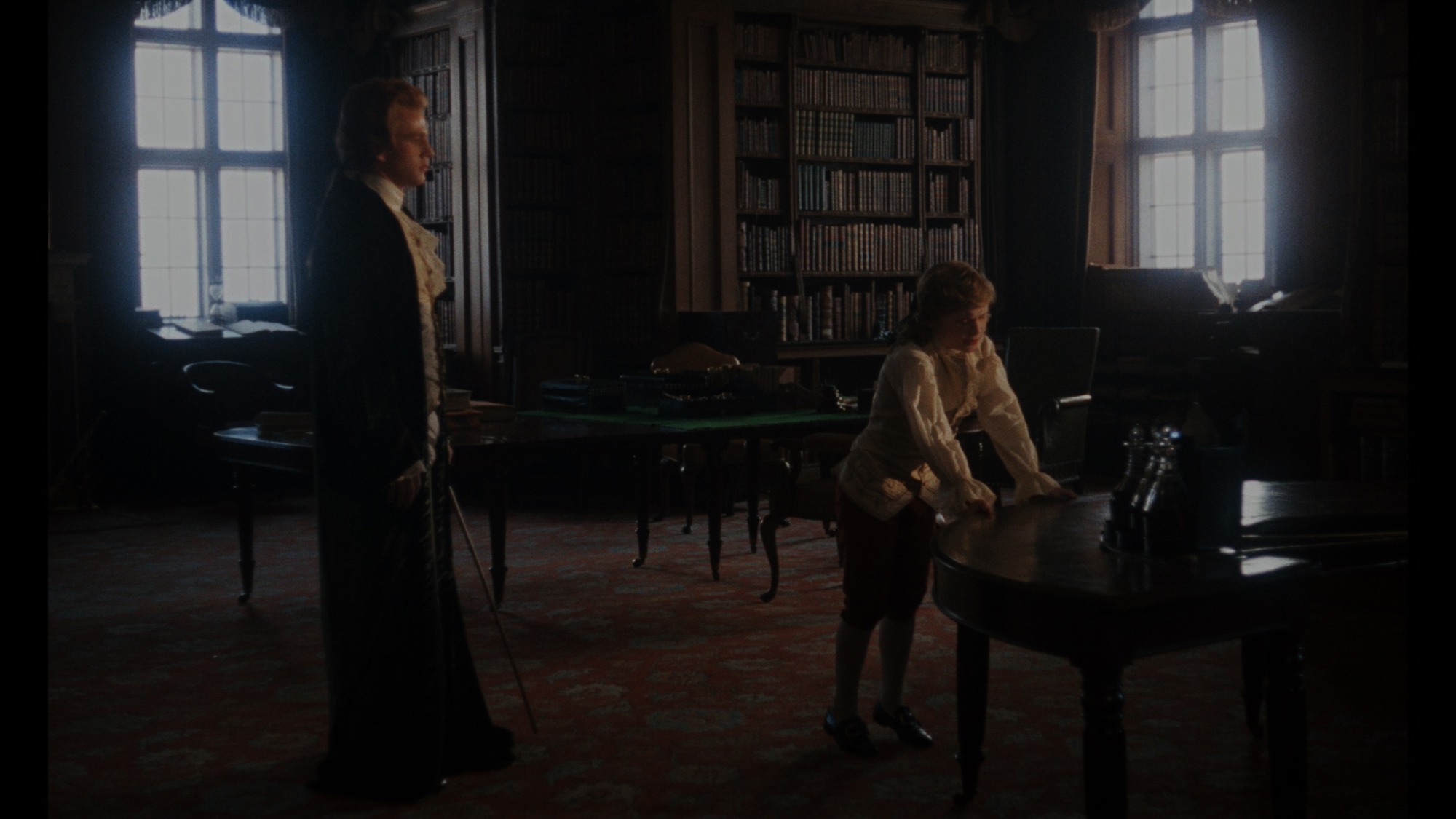
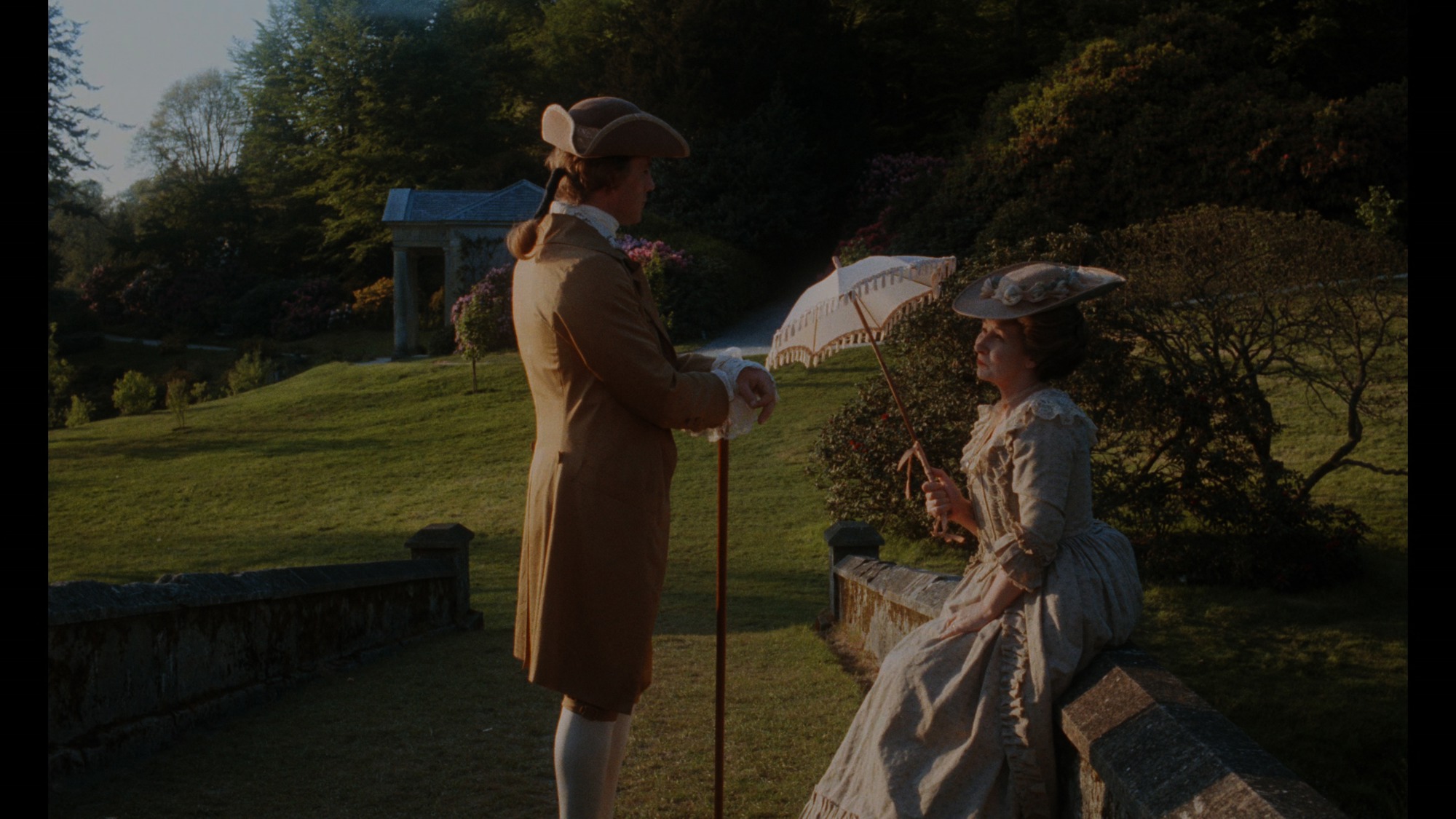
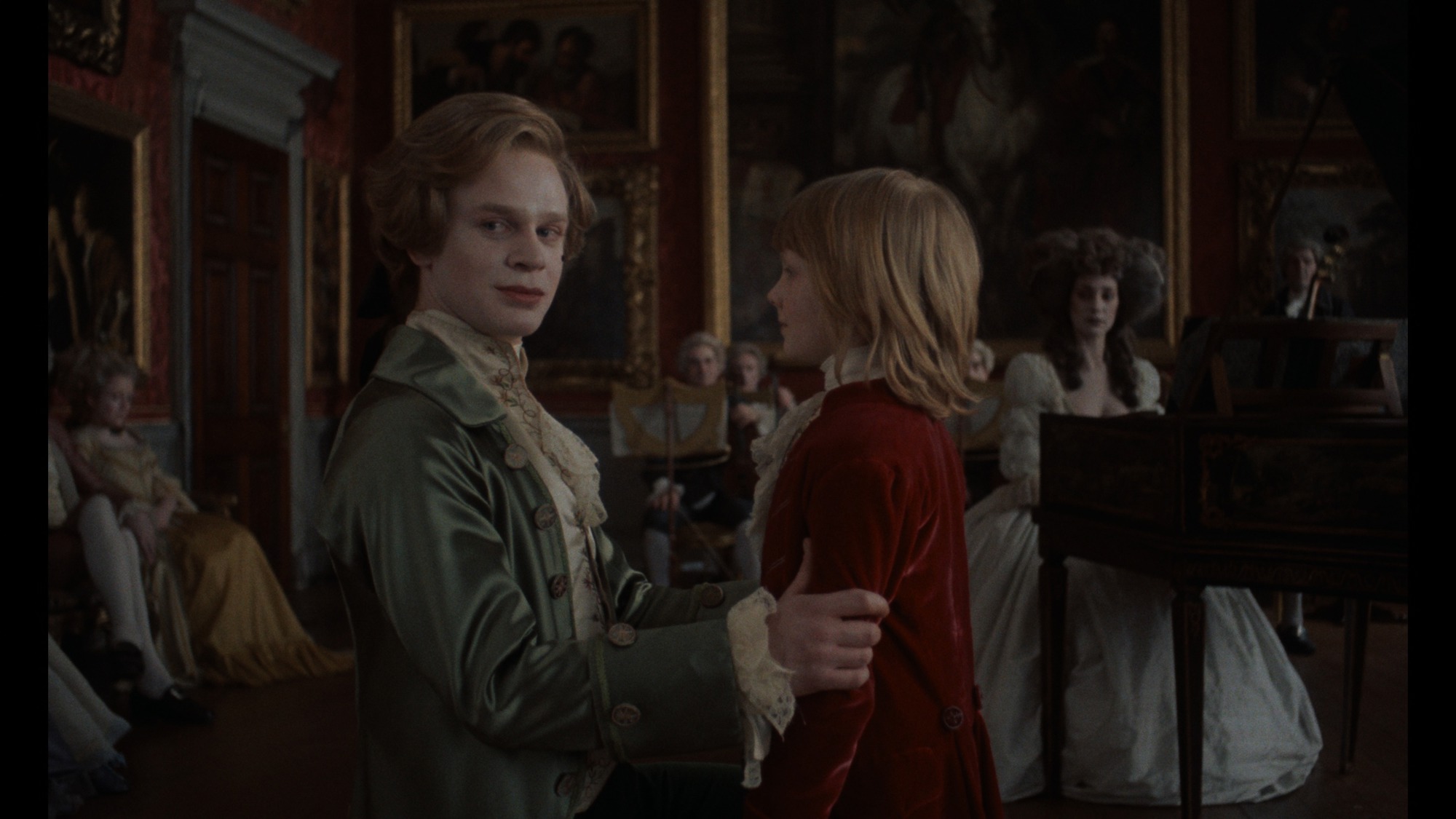

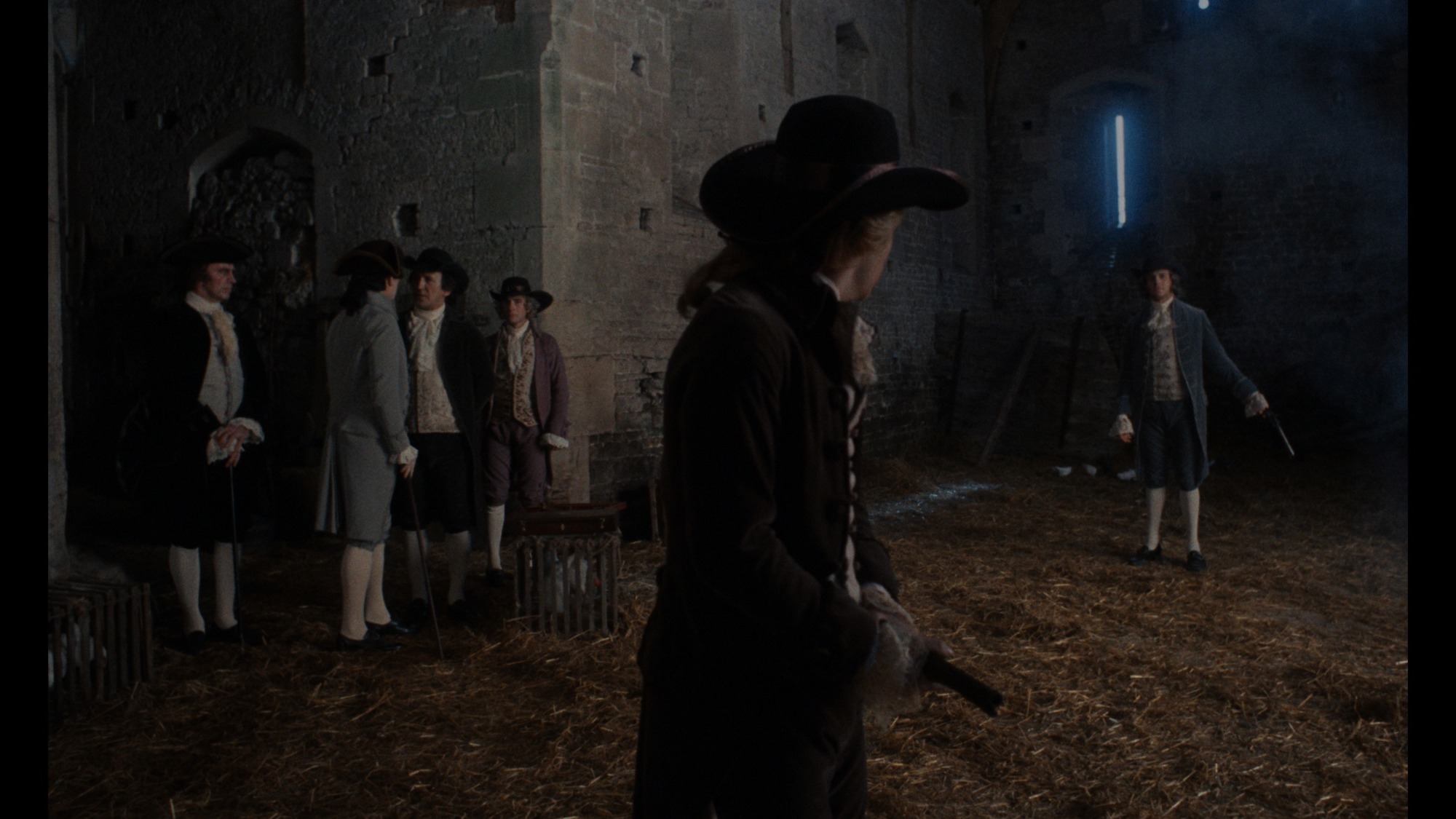
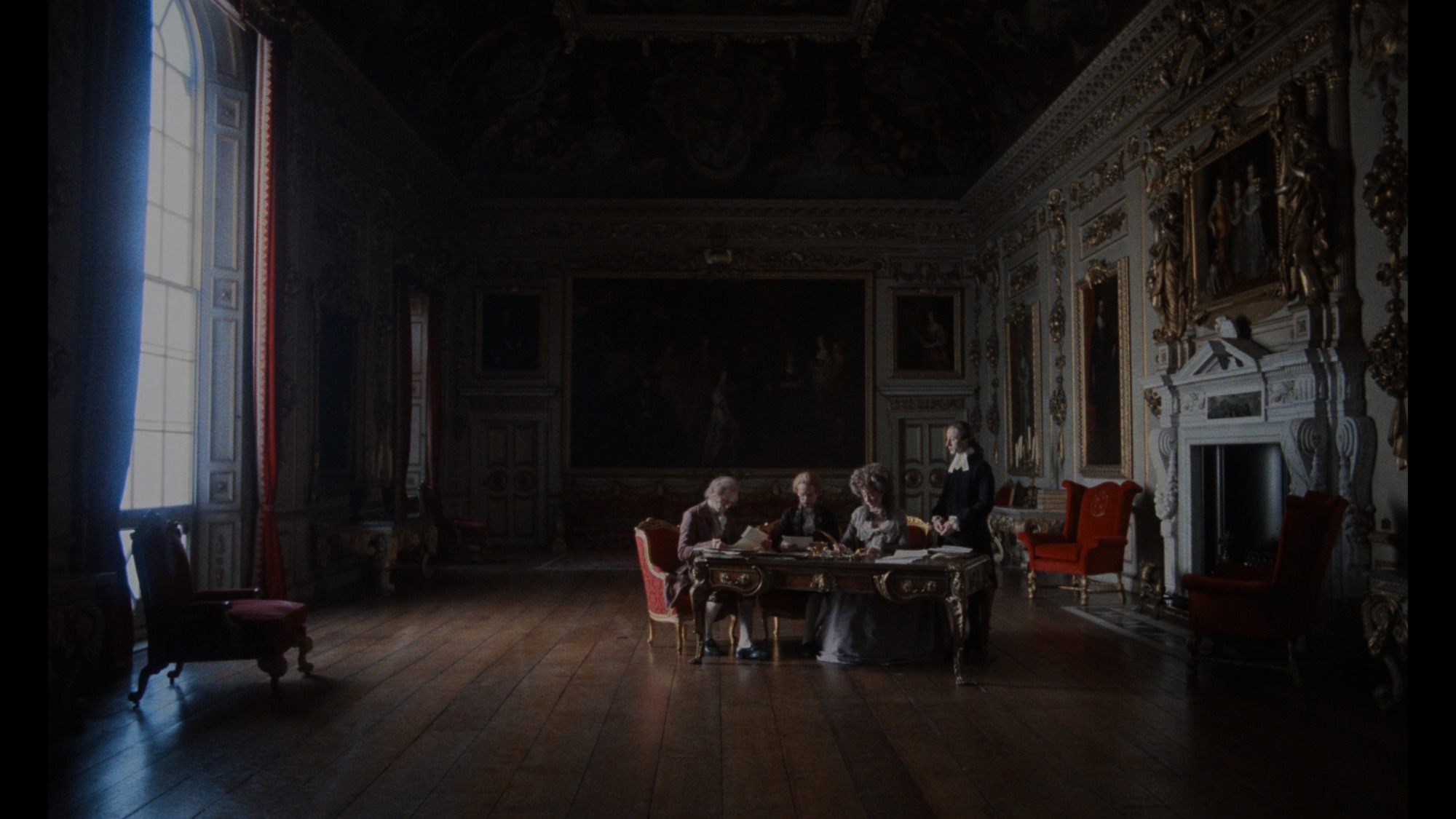
Audio 8/10
Criterion once again includes both the film’s original monaural soundtrack, presented in lossless PCM, and the 2000 remastered 5.1 surround mix, presented in DTS-HD MA. Comparing the Blu-ray and the 4K disc, the mono track on the 4K might sound a little sharper, with slightly more range, though someone with better ears may be able to confirm that. As is, it sounds quite good, with clear dialogue and sharp music. There are also still no signs of heay damage.
The 5.1 track remains unchanged and continues to be a point of debate. According to Leon Vitali, interviewed in one of the included supplements, Kubrick had expressed interest in a surround mix but didn’t like the idea that only certain theaters would be equipped to play it back. As Vitali also points out, the surround mix is ultimately just the mono track spread across additional channels. Most of the dialogue and effects remain front-focused and don’t sound drastically different from the mono version. The most noticeable difference lies in how the film’s music is presented: it's spread across the channels and mixed at a higher volume, offering significantly greater range while better enveloping the viewer.
I don’t actually mind the surround mix and think it’s a solid effort overall, but it’s nice that Criterion includes both options. And both, in the end, sound very good.
Extras 10/10
Since the Blu-ray housing the special features is a replica of the 2017 edition, all supplements from that release have been carried over.
Leading things off is an extensive 38-minute making-of documentary featuring interviews with executive producer Jan Harlan, assistant directors Brian Cook and Michael Stevenson, actors Dominic Savage and Leon Vitali, location scout Katharina Kubrick, Stanley Kubrick Archive senior archivist Richard Daniels, and Stanley Kubrick himself via archival radio interview. The feature covers a wide range of topics, including Kubrick’s research using period paintings, the loosely structured script, filming with candlelight (covered in even more depth elsewhere), etiquette and posture (Kubrick apparently consulted the Queen), and costume design. The best parts, though, are the various anecdotes about the production. I especially enjoyed Vitali’s recollection of the duel scene, where Kubrick had him act out a sequence leading up to his character vomiting, culminating in what Vitali claims was the only single take Kubrick ever allowed. There are also fond memories of working with O’Neal, along with plenty of stories illustrating Kubrick’s exacting nature and how the cast and crew adapted. For those unfamiliar with the production history, it’s an invaluable (and unexpectedly funny) feature.
Expanding on the topic of candlelit cinematography is the documentary Achieving Perfection, featuring focus puller Douglas Milsome, gaffer Lou Bogue, and archival audio from cinematographer John Alcott. It dives into the challenges of filming under such low-light conditions, including the procurement of the rare NASA lens needed to shoot in such conditions and the process of adapting a camera to use it. The lack of depth-of-field required a setup involving CCTV cameras and monitors to measure distances and allow Milsome to pull focus accurately. The participants also recount other challenges: protecting historic ceilings from heat damage, managing wax drippings, replacing candles between takes for continuity, and dealing with the oxygen being sucked out of the room by so many flames. They also touch on daylight sequences and Kubrick’s signature use of zooms. It’s all fascinating, but the candlelit details are the highlight.
Next, in the 14-minute Timing and Tension, editor Tony Lawson discusses cutting the film and offers captivating insight into Kubrick’s editing methods. He outlines Kubrick’s rudimentary, yet effective, system for assembling scenes from the countless takes he shot, comparing it to an early form of digital editing. Criterion includes visual aids to help illustrate how Kubrick would construct even simple scenes from massive amounts of footage. Some sequences took a significant amount of time to complete, with the final duel, for example, taking six weeks to edit. Though technical, Lawson’s clear explanations and Criterion’s helpful visuals make it very accessible.
In Drama in Detail, Sir Christopher Frayling explores the work of production designer Ken Adam and his often rocky relationship with Kubrick, especially on this film and Dr. Strangelove. Adam had initially sworn off working with Kubrick again after Strangelove, but was lured back for this historical epic. Though reluctant, he signed on, and experience ultimately led to a nervous breakdown. Frayling details how Kubrick’s constant questioning frustrated Adam, as did his preference for real locations over sets, limiting the Adams' and the crew’s control. Still, despite the tensions, Adam played a crucial role in dressing the sets and protecting the locations from damage. At just 13 minutes, it’s a brisk but highly engaging piece.
Leon Vitali returns for Balancing Every Sound, a 10-minute feature on the film’s sound design and 5.1 remix. Acknowledging the criticism around the remixes, Vitali explains Kubrick’s long-standing interest in multi-channel sound, though limitations of the capabilities of theaters at the time led to him never going forward with it. When Warner expressed interest in revisiting the soundtracks for DVD (following their poorly received original box set), Kubrick approved of sound mixer Chris Jenkins and supported the remastering efforts. Though Kubrick passed away before completion, Jenkins finished the job (with Vitali sounding to have acted as cosupervisor). Presented in 5.1 (Dolby Digital), the feature includes A/B comparisons of the mixes and explains the rationale behind them. Criterion includes both mono and 5.1 options with the film, so the feature helps contextualize what was attempted and why.
Following that is a 5-minute archival interview with costume designer Ulla-Britt Söderlund from a 1976 episode of Le rendez-vous du Dimanche, where she discusses how she joined the production and crafted the wardrobe (including the use of some authentic garments), along with her career trajectory.
Two academic features round out the video supplements: an 18-minute interview with Michel Ciment and a 15-minute one with MOMA assistant curator Adam Eaker. Ciment looks at Barry Lyndon within the context of Kubrick’s career, discussing recurring themes like his sympathy for victims and satire of authority. Eaker focuses on the artwork that influenced the film’s visual style, offering comparisons between its compositions and works by William Hogarth, Thomas Gainsborough, Sir Joshua Reynolds, George Stubbs, and Johan Zoffany. Going through these samples, the influences become very obvious.
The disc closes with two theatrical trailers. Criterion also ports over the excellent booklet from their 2017 edition. It features a strong essay by Geoffrey O’Brien on Kubrick’s obsession with detail, but the standouts are two more technical pieces: a reprint of a 1976 American Cinematographer interview with John Alcott and a newer article by Ed DiGiulio, president of Cinema Products Corporation, detailing the special equipment developed for the film. Both essays are highly technical (especially Alcott’s), but essential reading for anyone interested in the film’s production.
All told, this remains a strong special edition, one that finally corrects Warner’s earlier barebones releases.
Closing
Though not a massive leap over Criterion’s already strong Blu-ray, the 4K edition of Barry Lyndon still delivers a striking new presentation and is easily the best the film has looked on home video.
BUY AT: