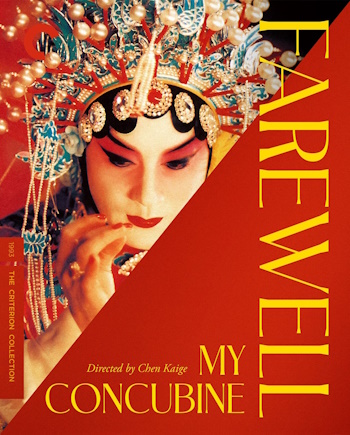
Farewell My Concubine
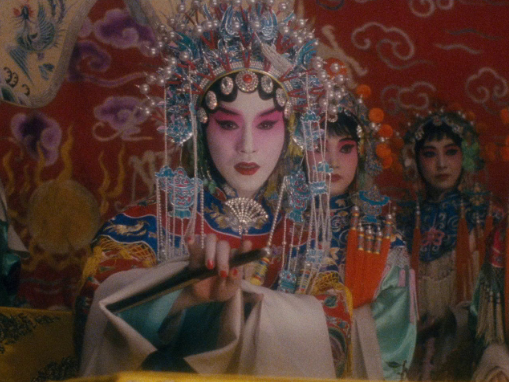
BUY AT:


See more details, packaging, or compare
Synopsis
A breathtakingly intimate romance unfolds against a sweeping backdrop of social upheaval in renowned director Chen Kaige’s sumptuous saga of passion, fate, and the transcendent possibilities of art. Spanning fifty years of twentieth-century Chinese history, Farewell My Concubine follows aspiring actors Dieyi (a heartbreaking Leslie Cheung) and Xiaolou (Zhang Fengyi) as they emerge from a childhood of brutal training to become Beijing-opera stars, with life mirroring art as Dieyi’s unrequited love for Xiaolou and the country’s changing political tides engulf them in their own personal tragedies of jealousy and betrayal. The first Chinese film to win the Palme d’Or is epic filmmaking of the highest order—visually and emotionally ravishing from frame to exquisite frame.
Picture 8/10
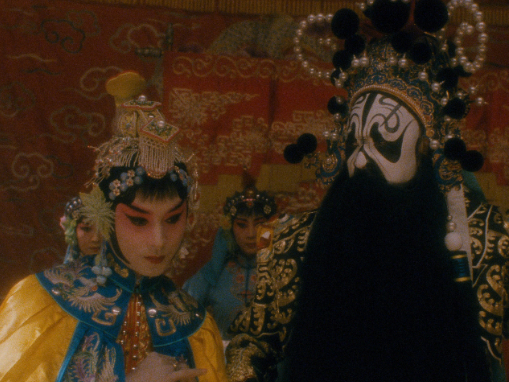
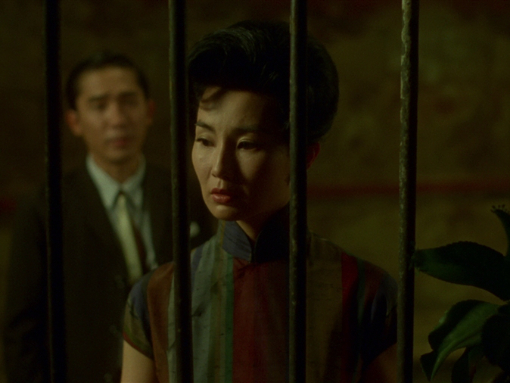
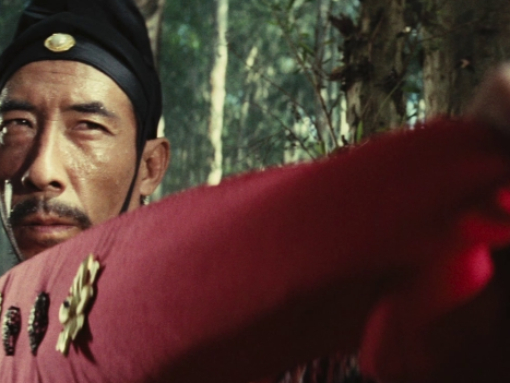
Chen Kaige’s Farewell My Concubine finally makes its way to Blu-ray in North America, courtesy of The Criterion Collection (previously receiving only a Blu-ray edition in the UK). The film is presented in 1080p/24hz high-definition in the aspect ratio of 1.85:1 on a dual-layer disc. The presentation is sourced from a new 4K restoration scanned from the 35mm original camera negative. I am working from the Blu-ray disc included with the 4K UHD edition.
Previously only available on non-anamorphic DVD, Chen’s decade-spanning epic receives a significant boost through the new restoration and high-def encoding. Despite its nearly three-hour length, the film has been encoded reasonably well, with compression not being much of an issue. Though the encode could still be a bit better (and the 4K disc’s presentation cleans this area up), noise or macroblocking was not particularly evident, outside of some slight issues during the brothel sequence, which is laced in reds. Colors otherwise look fantastic, with reds appearing particularly vibrant. The grading can lean a little green, getting heavier in some exterior nighttime shots, but I thought it all still looked rather good.
Restoration-wise, this has been cleaned up spectacularly; I don’t recall any significant blemishes ever popping up. It could be better in a couple of areas, but it’s still a lovely looking presentation that remains quite clean and film-like in the end.
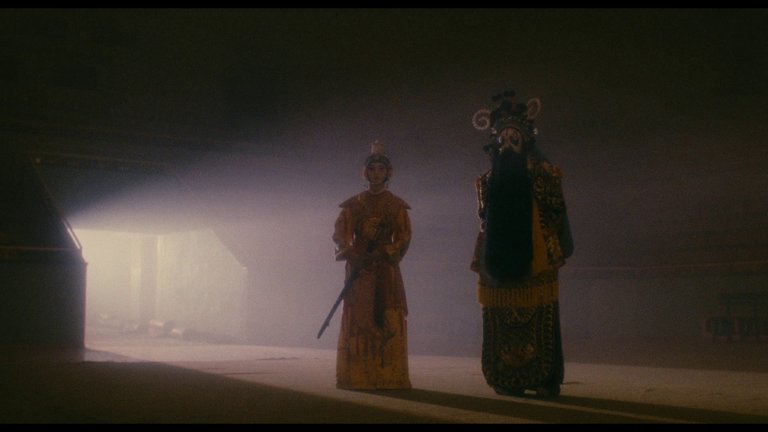
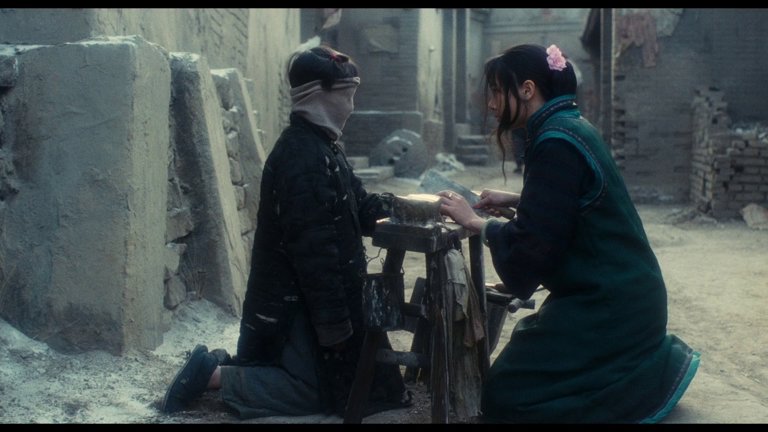
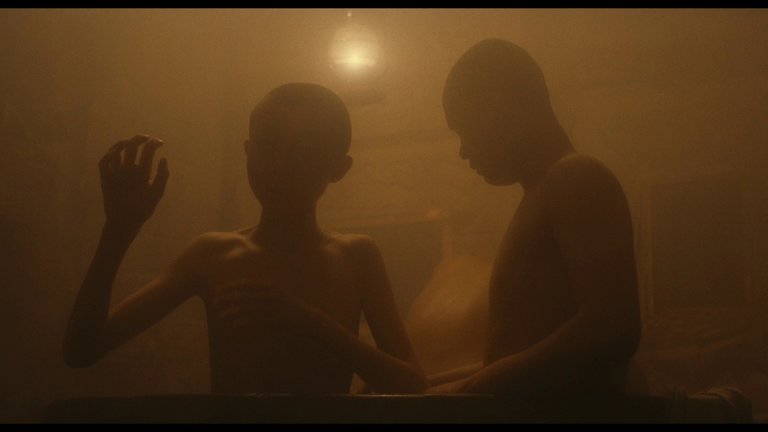
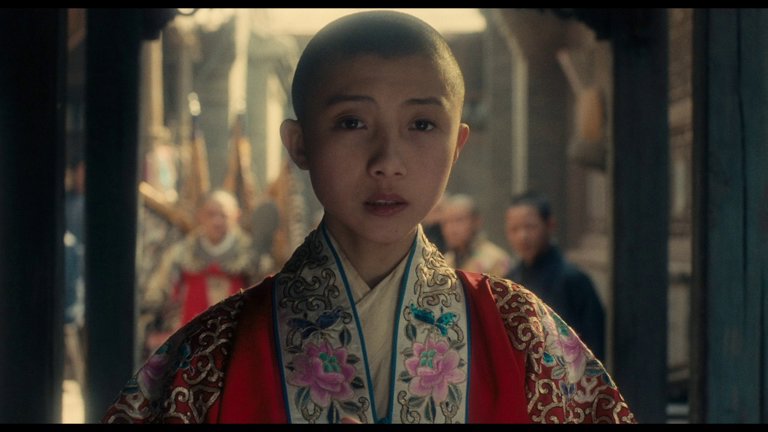
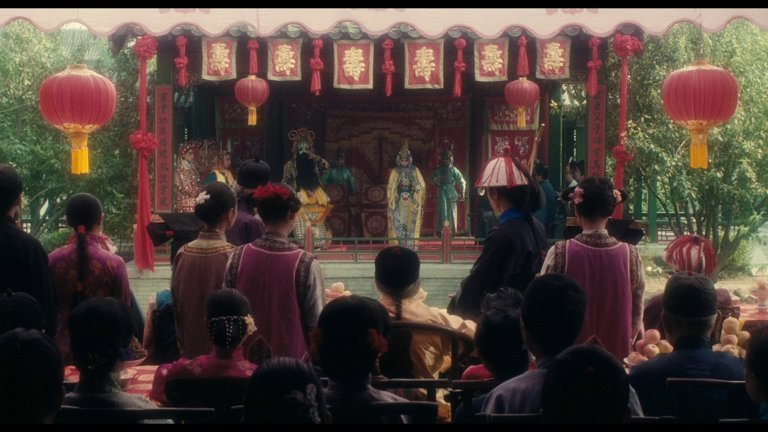
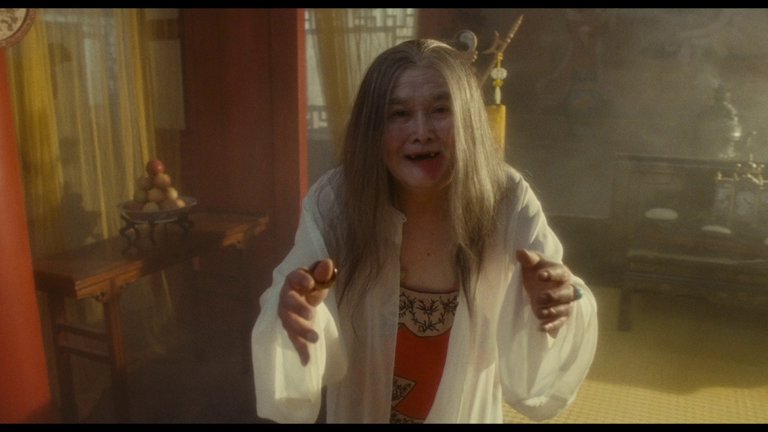
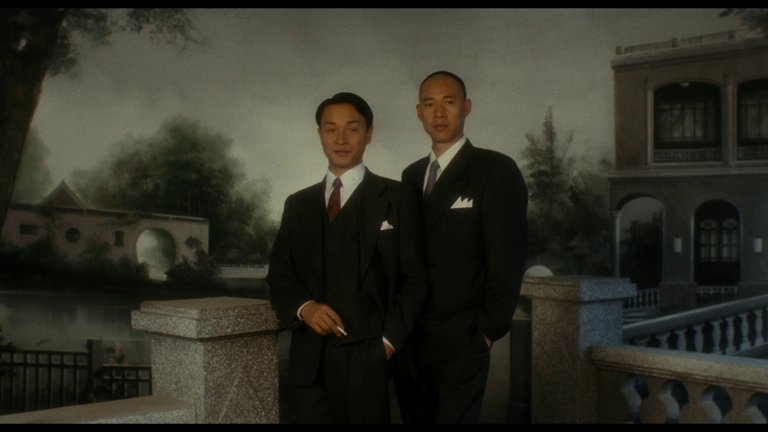
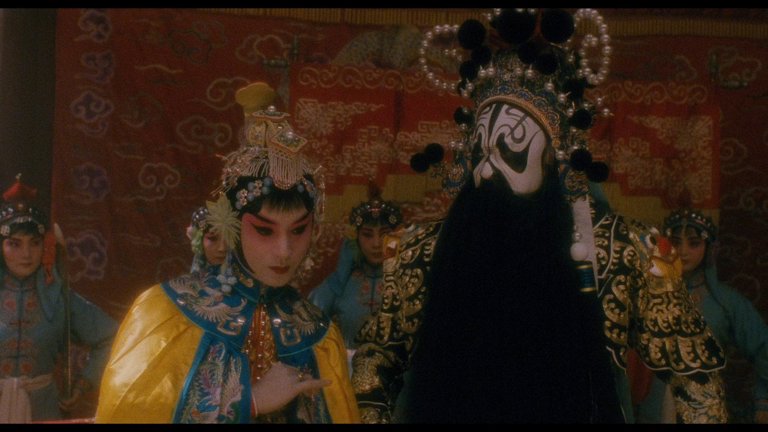
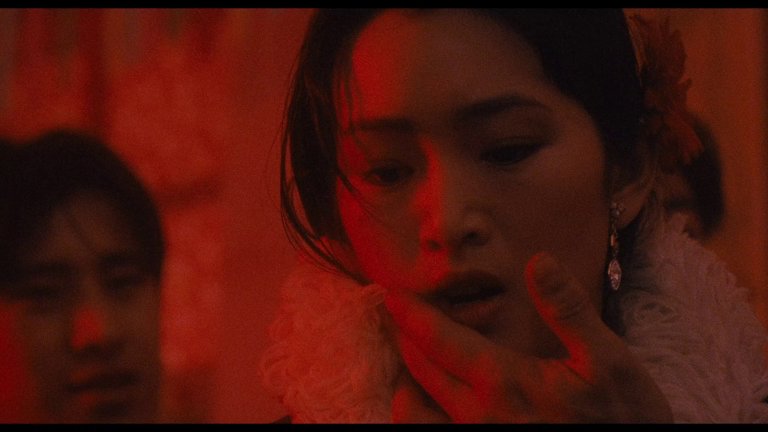
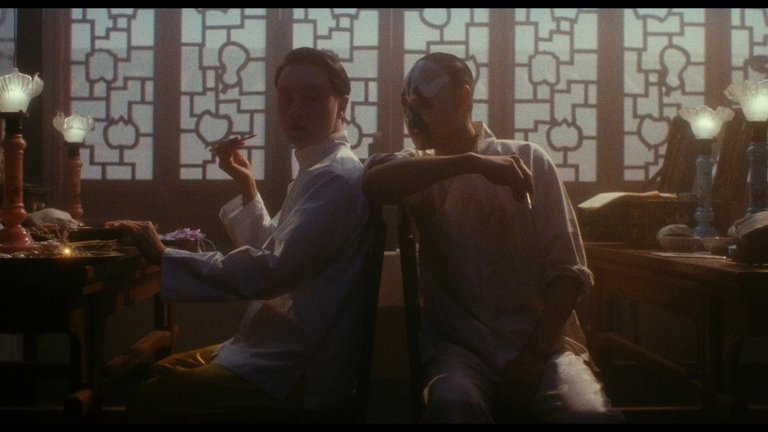
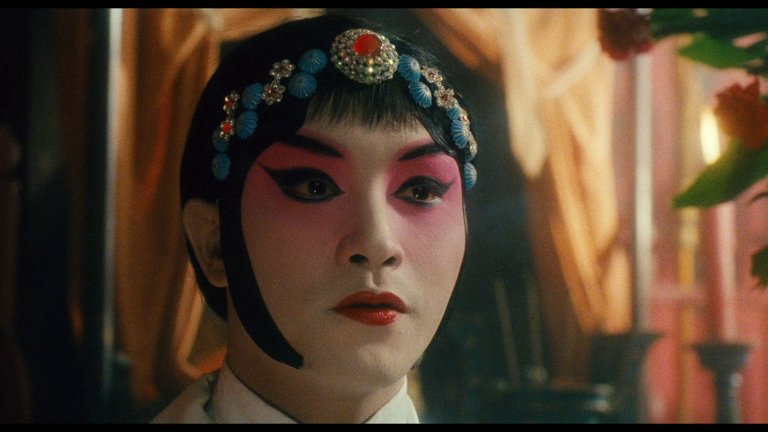
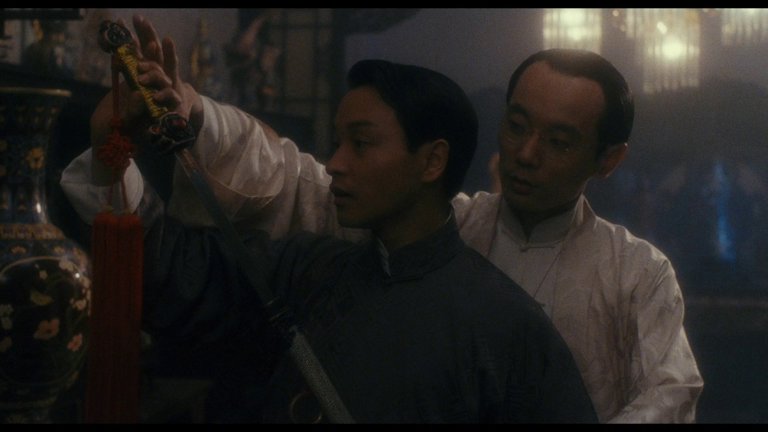
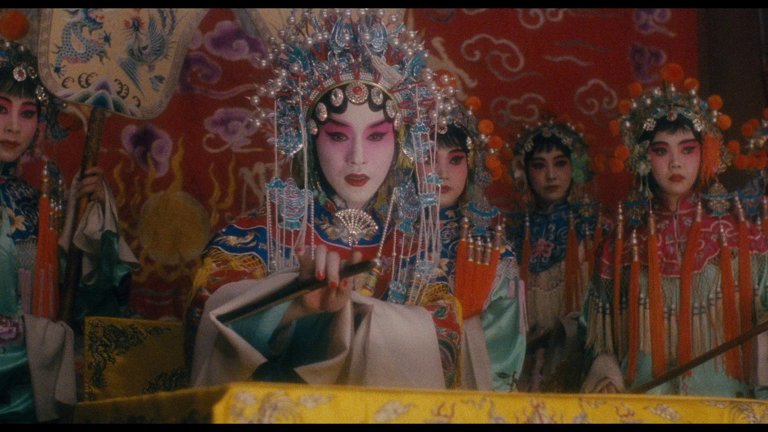
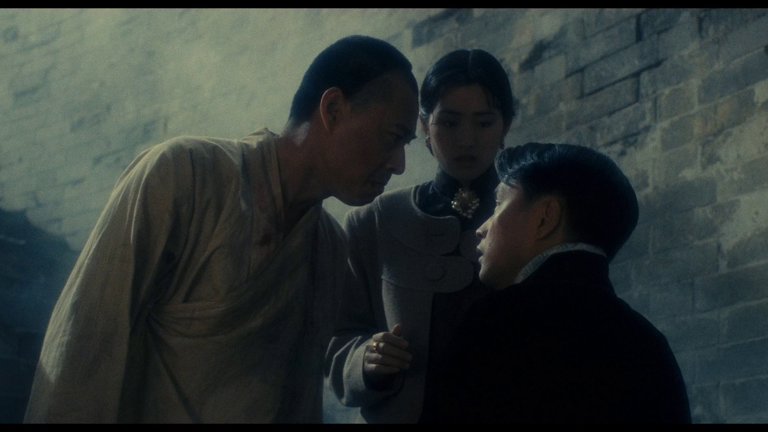
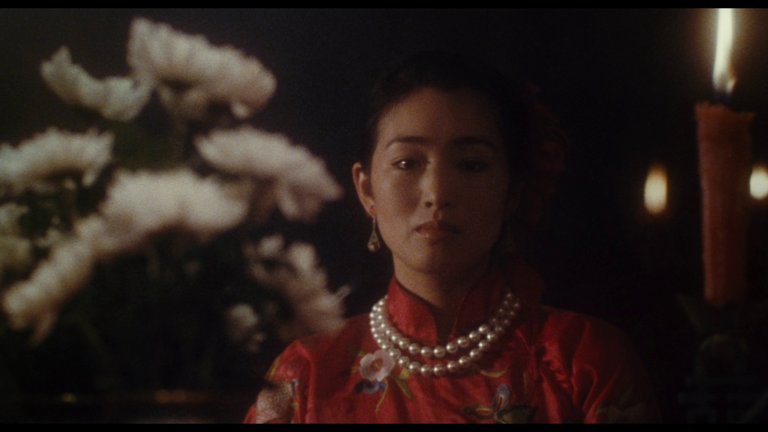
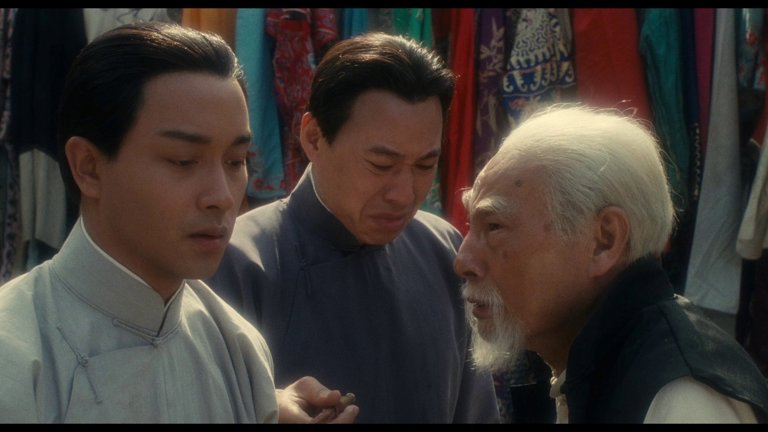
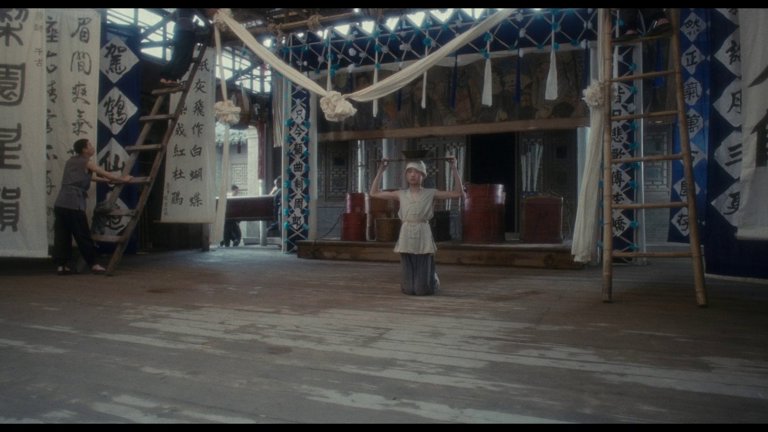
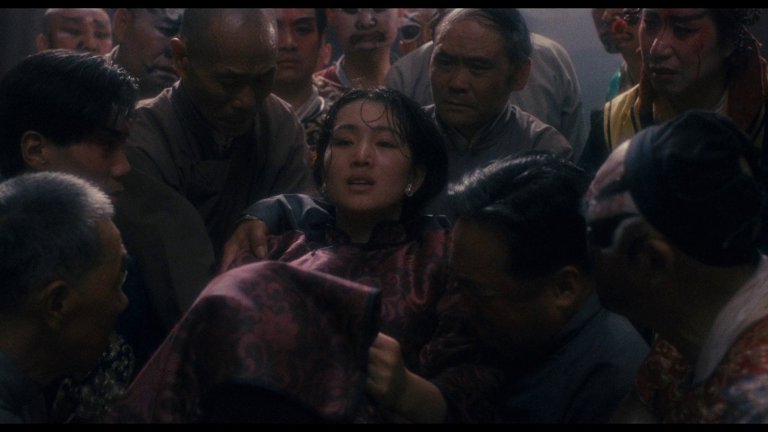
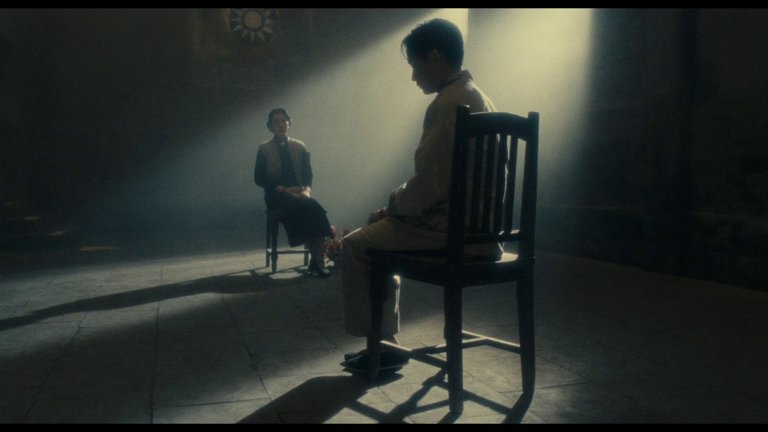
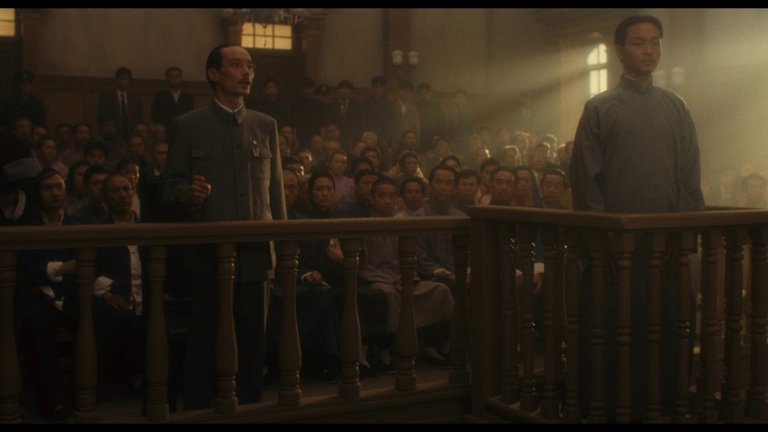
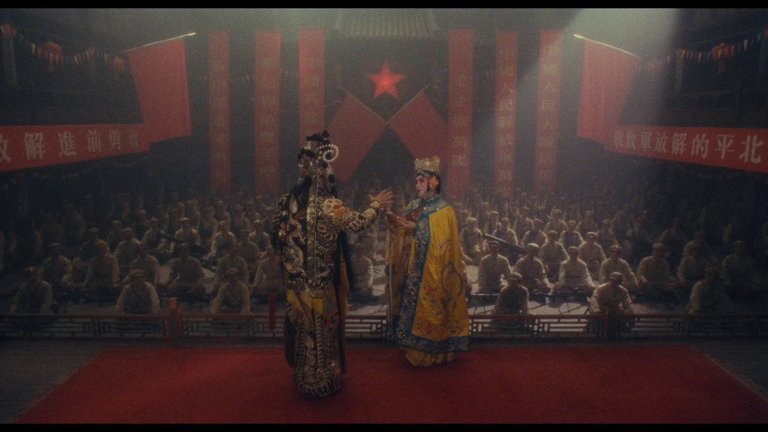
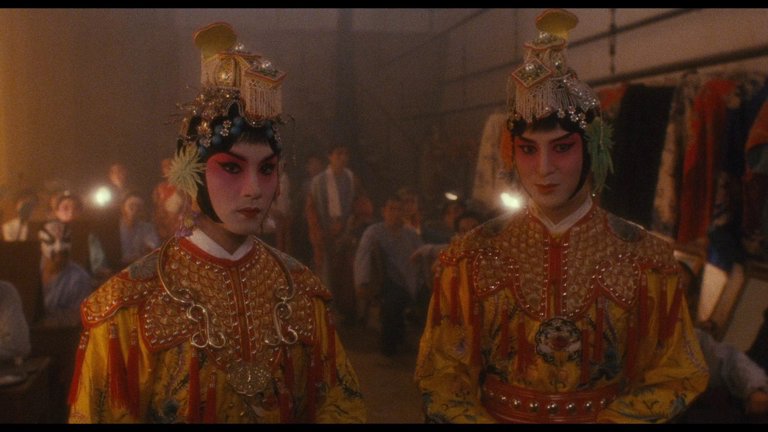
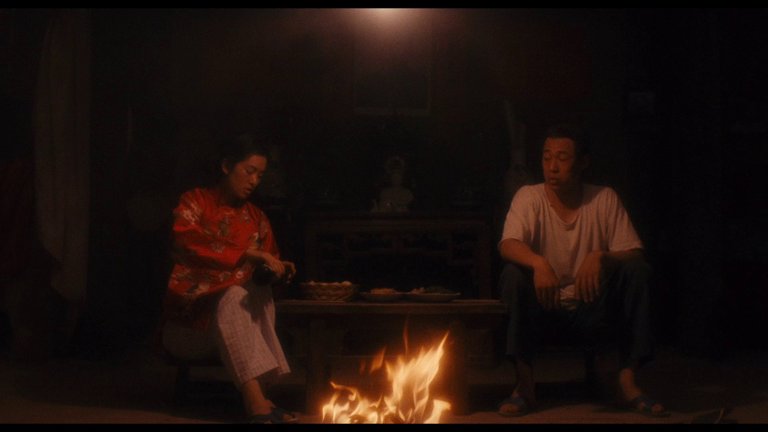
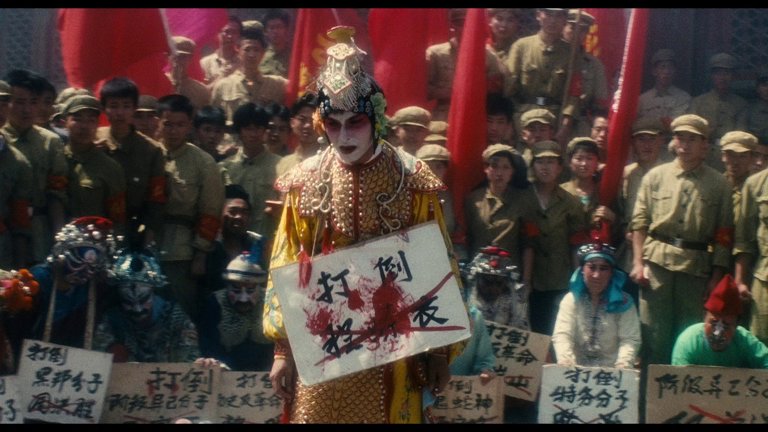
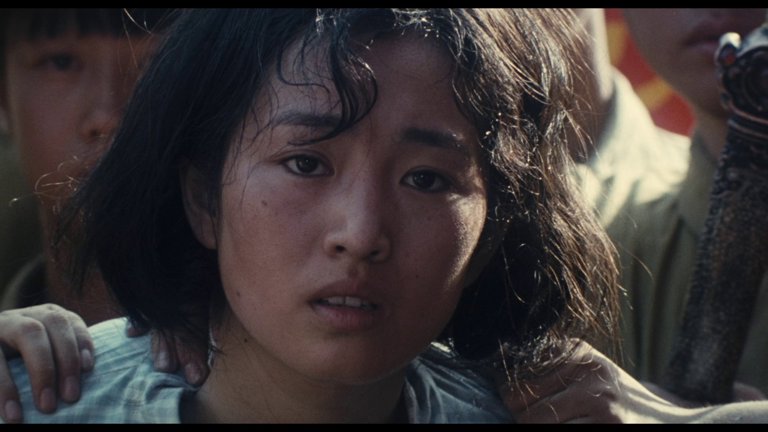
Farewell My Concubine - Screen Captures
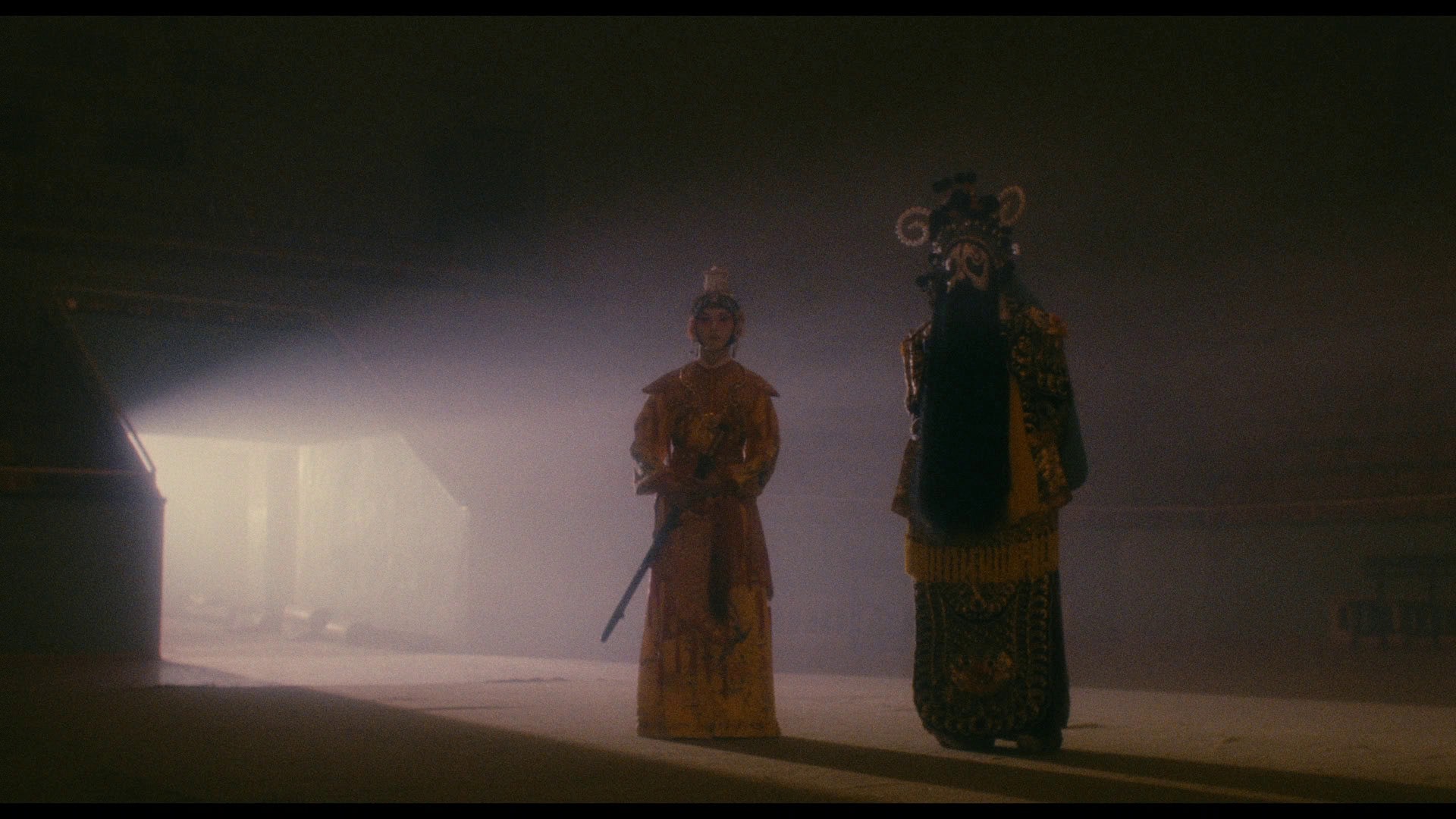
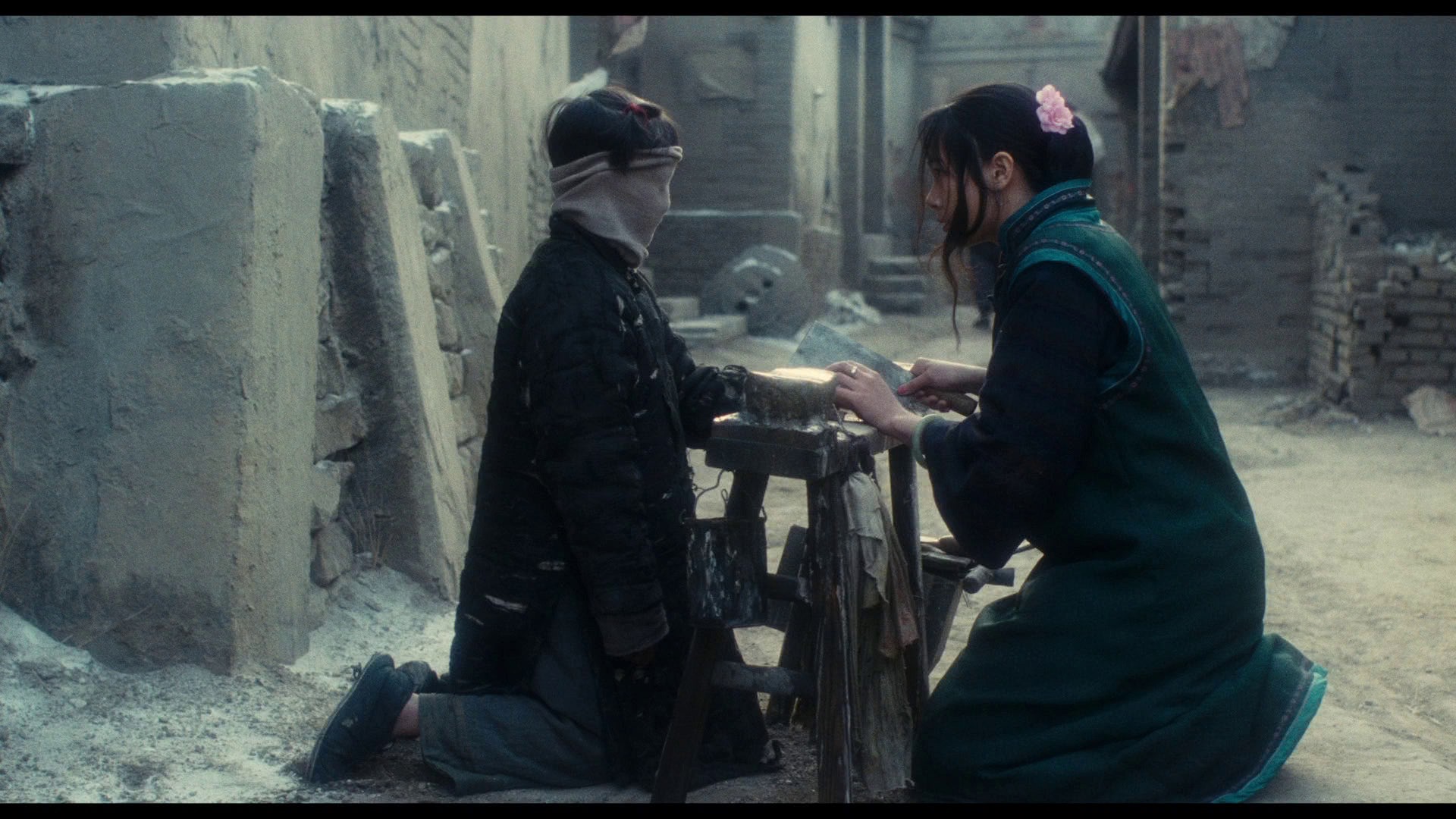
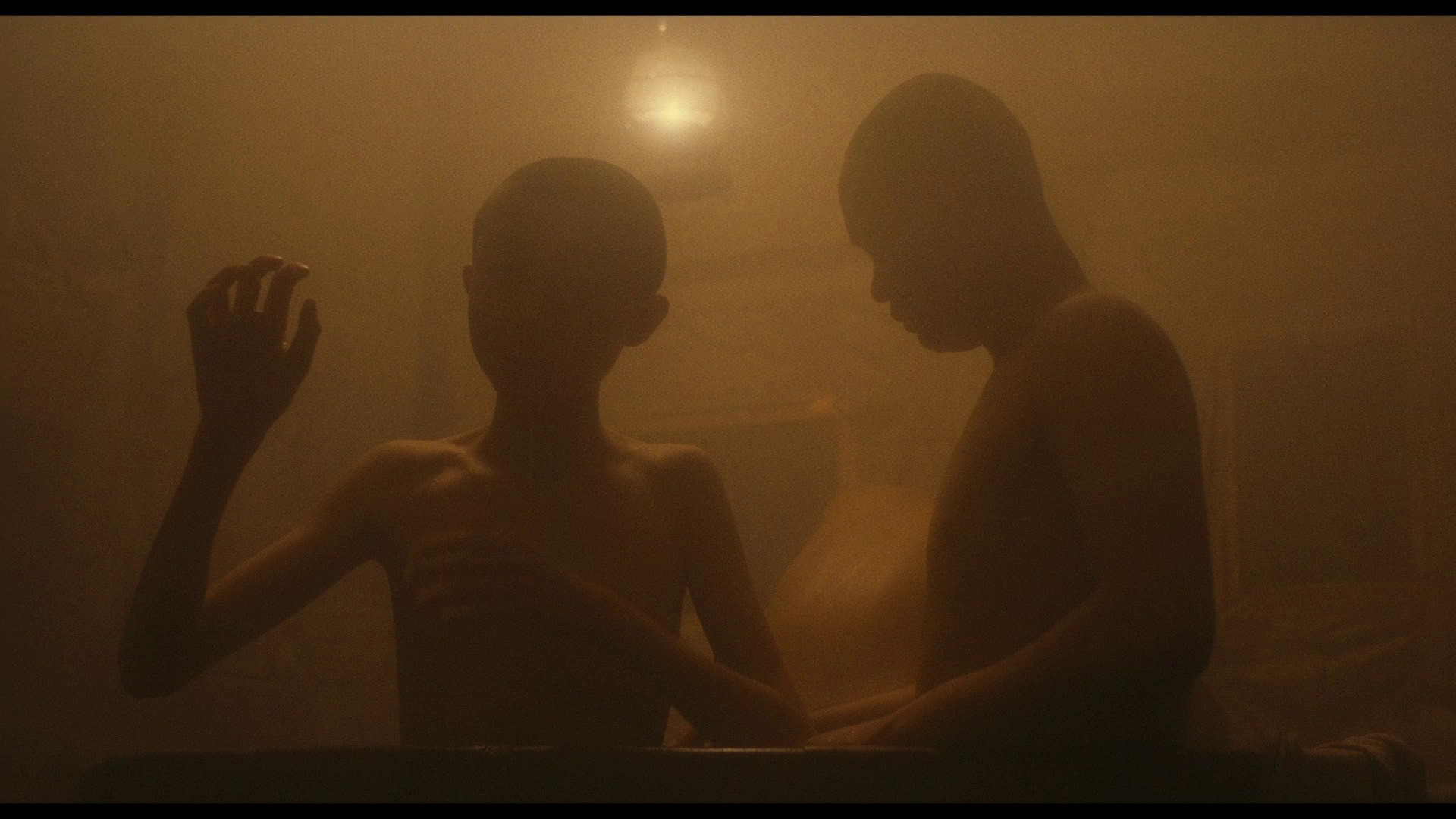
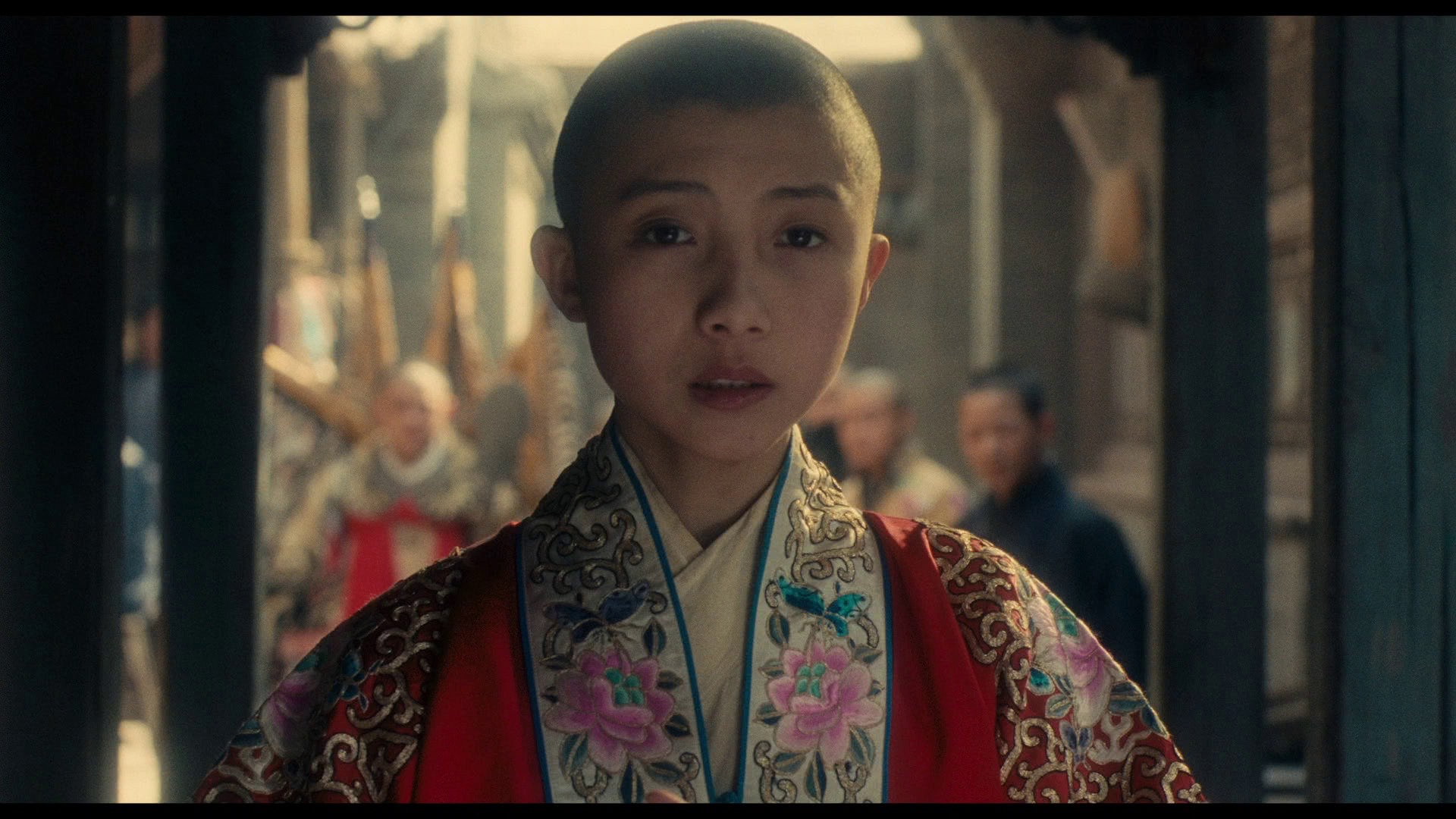
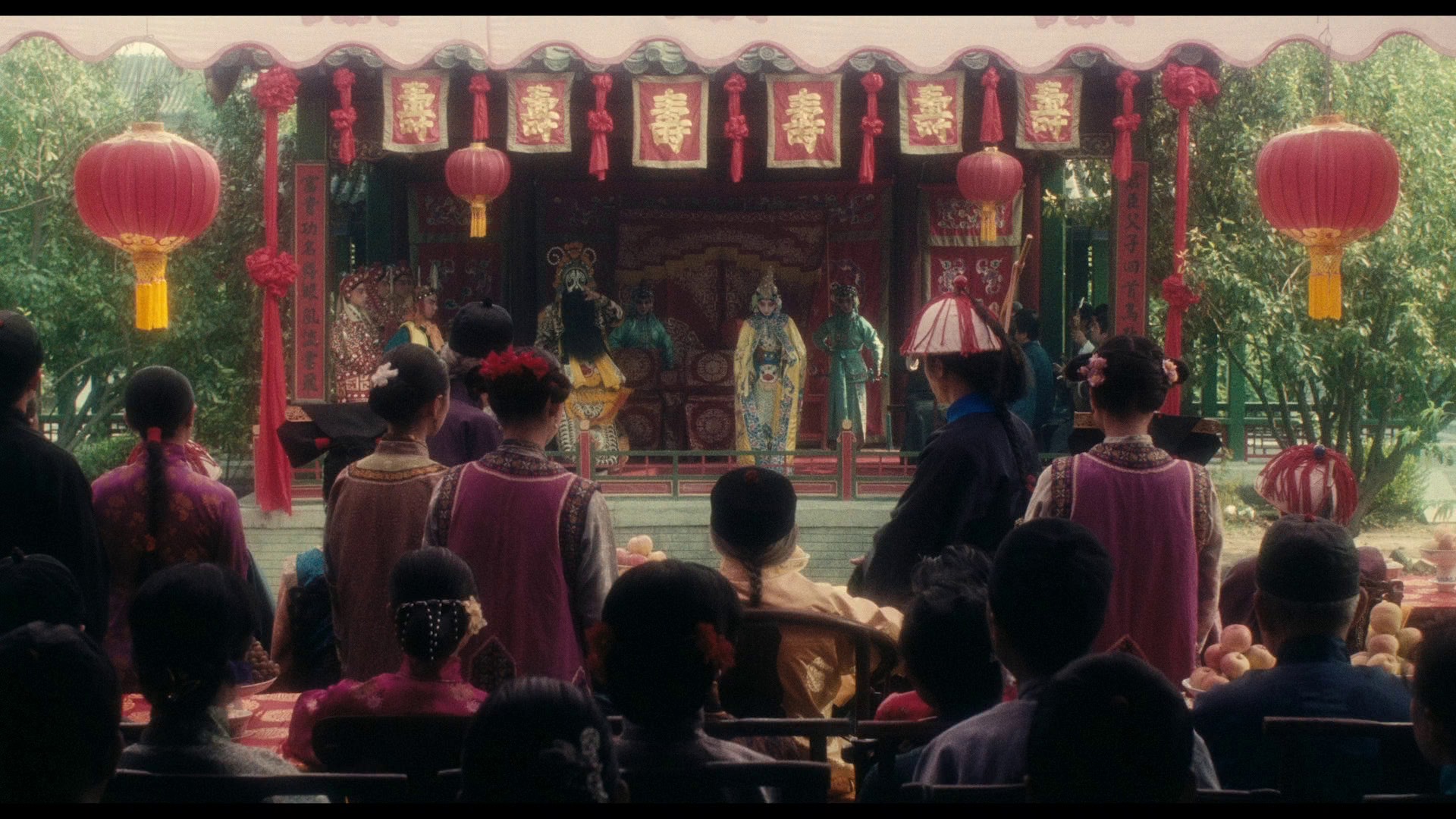
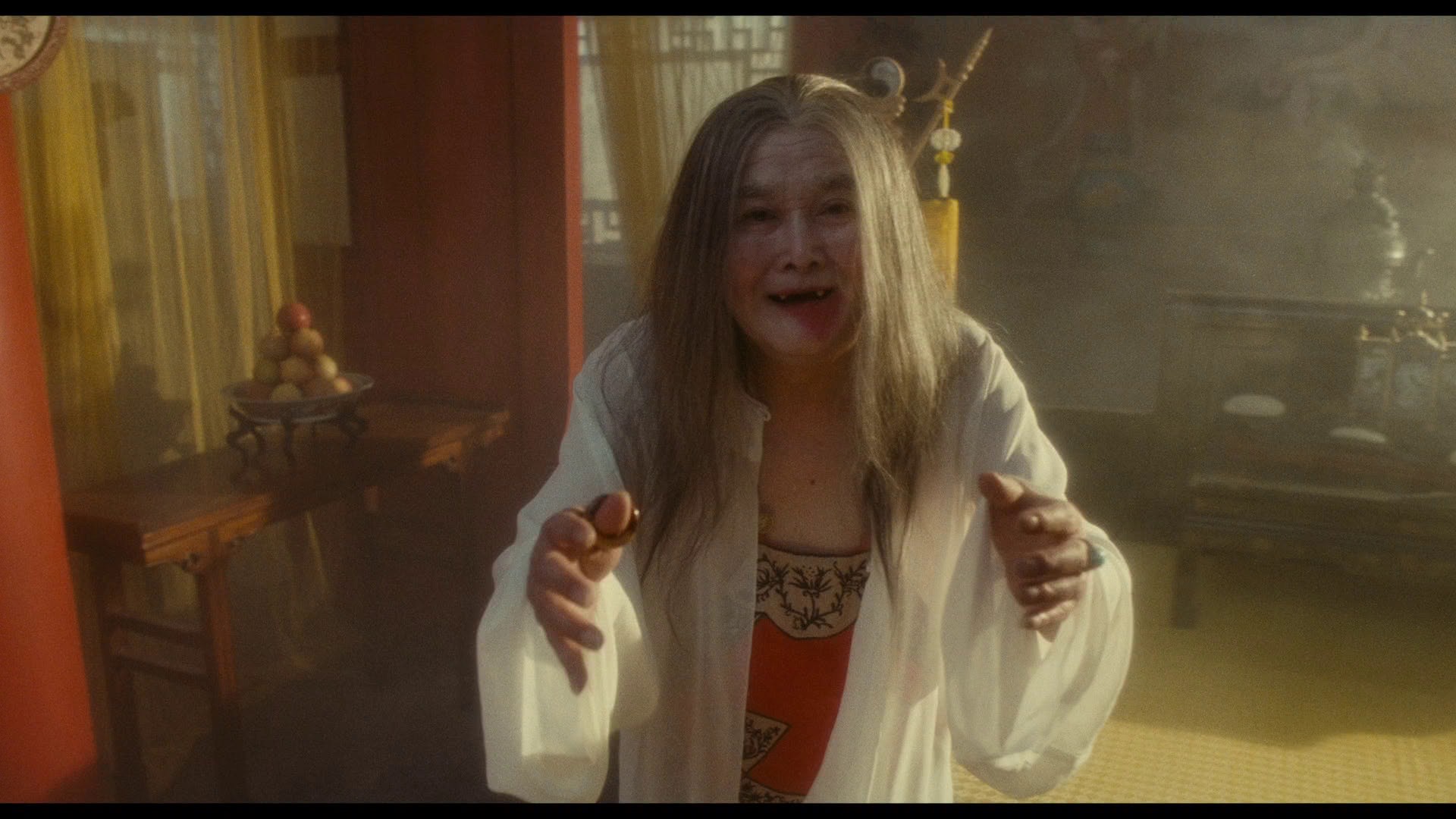
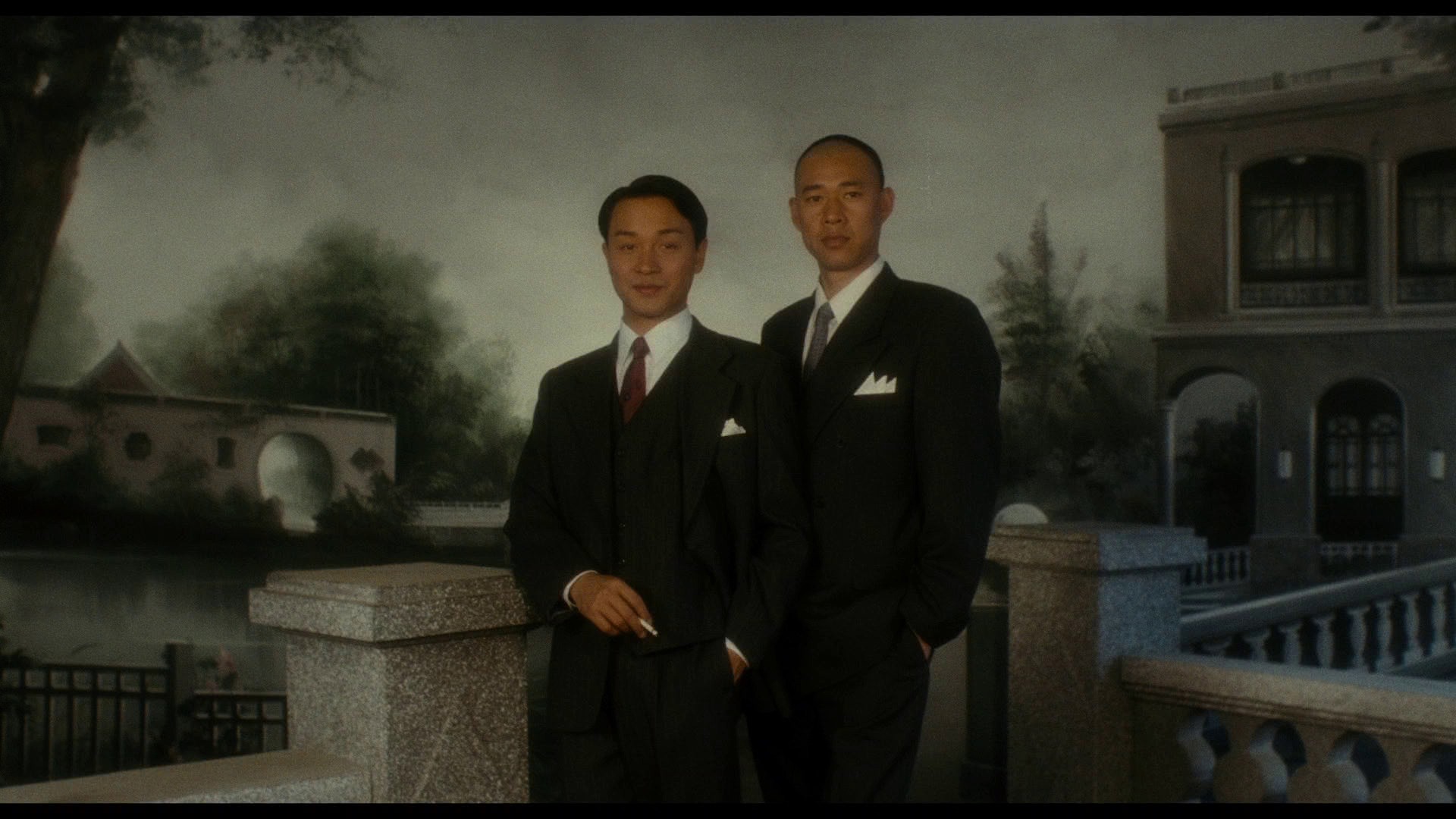
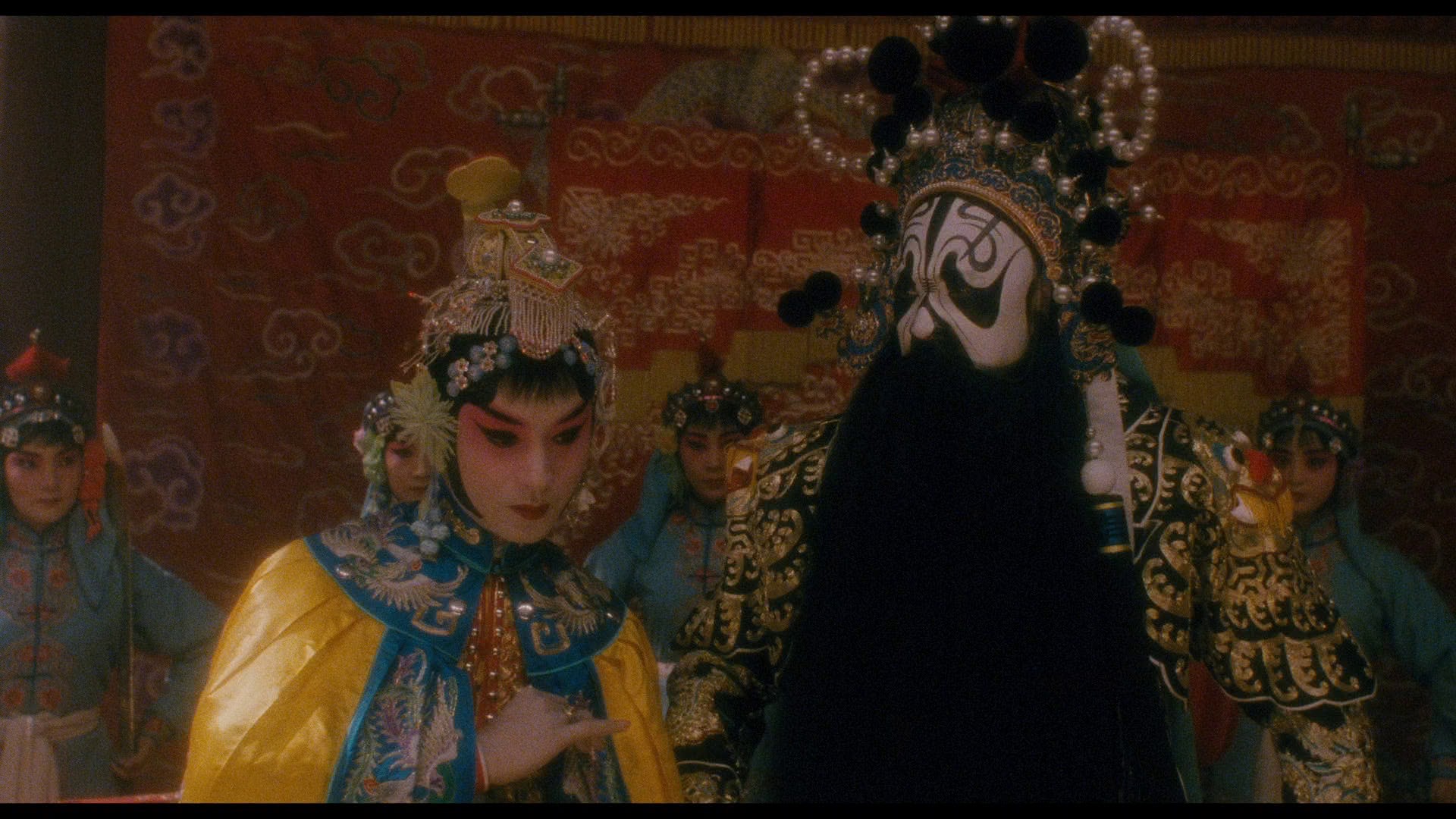
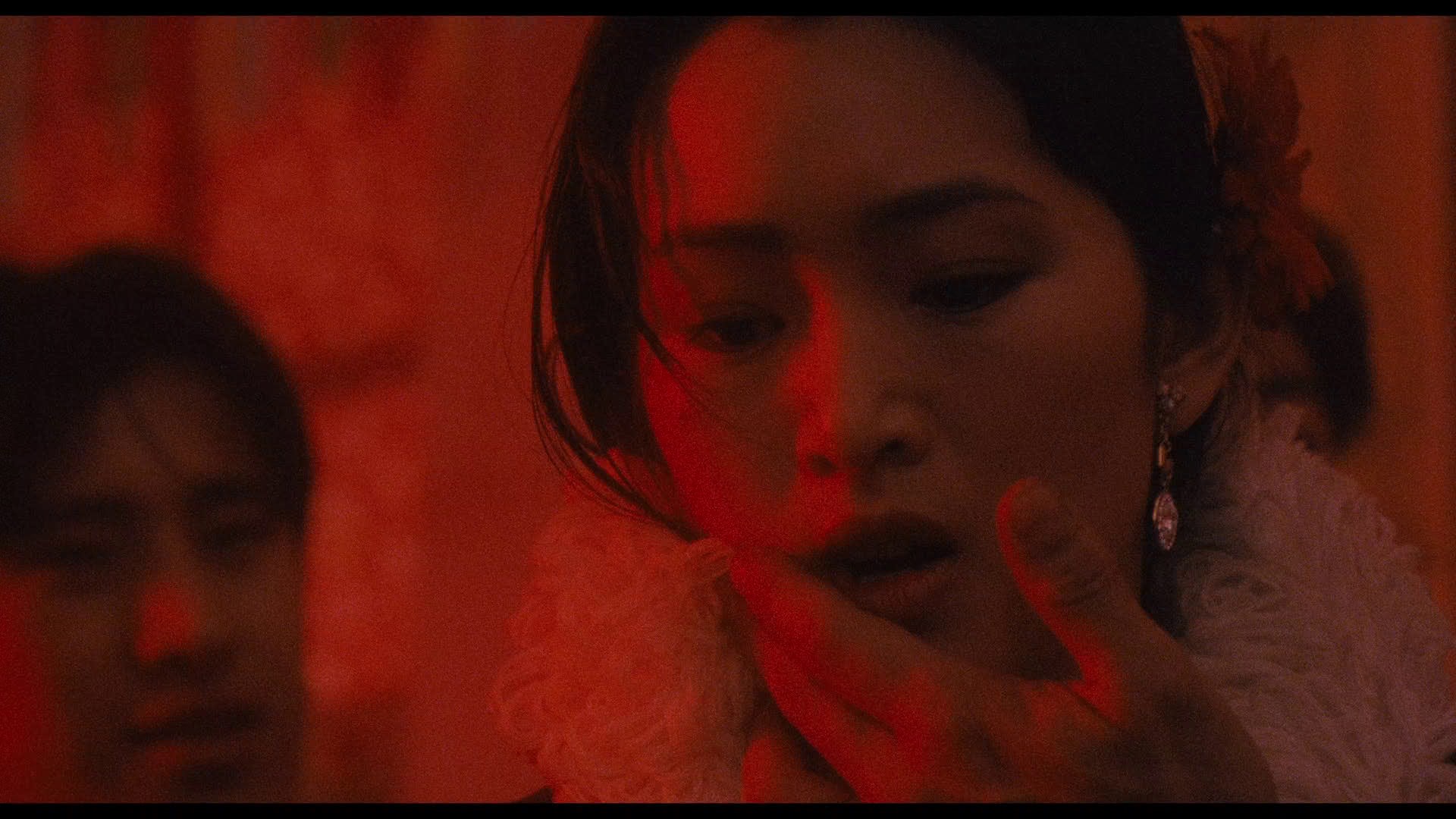
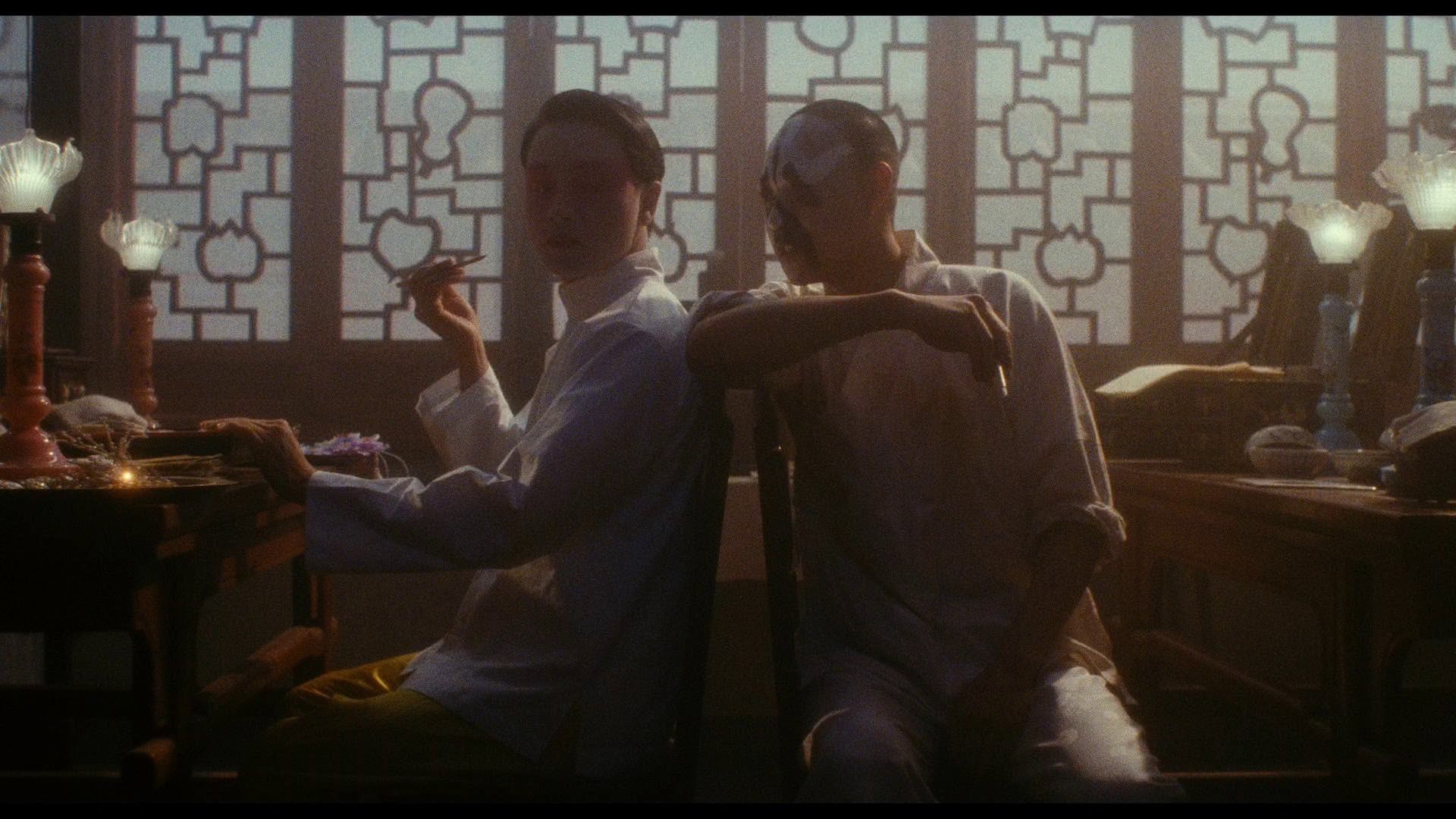
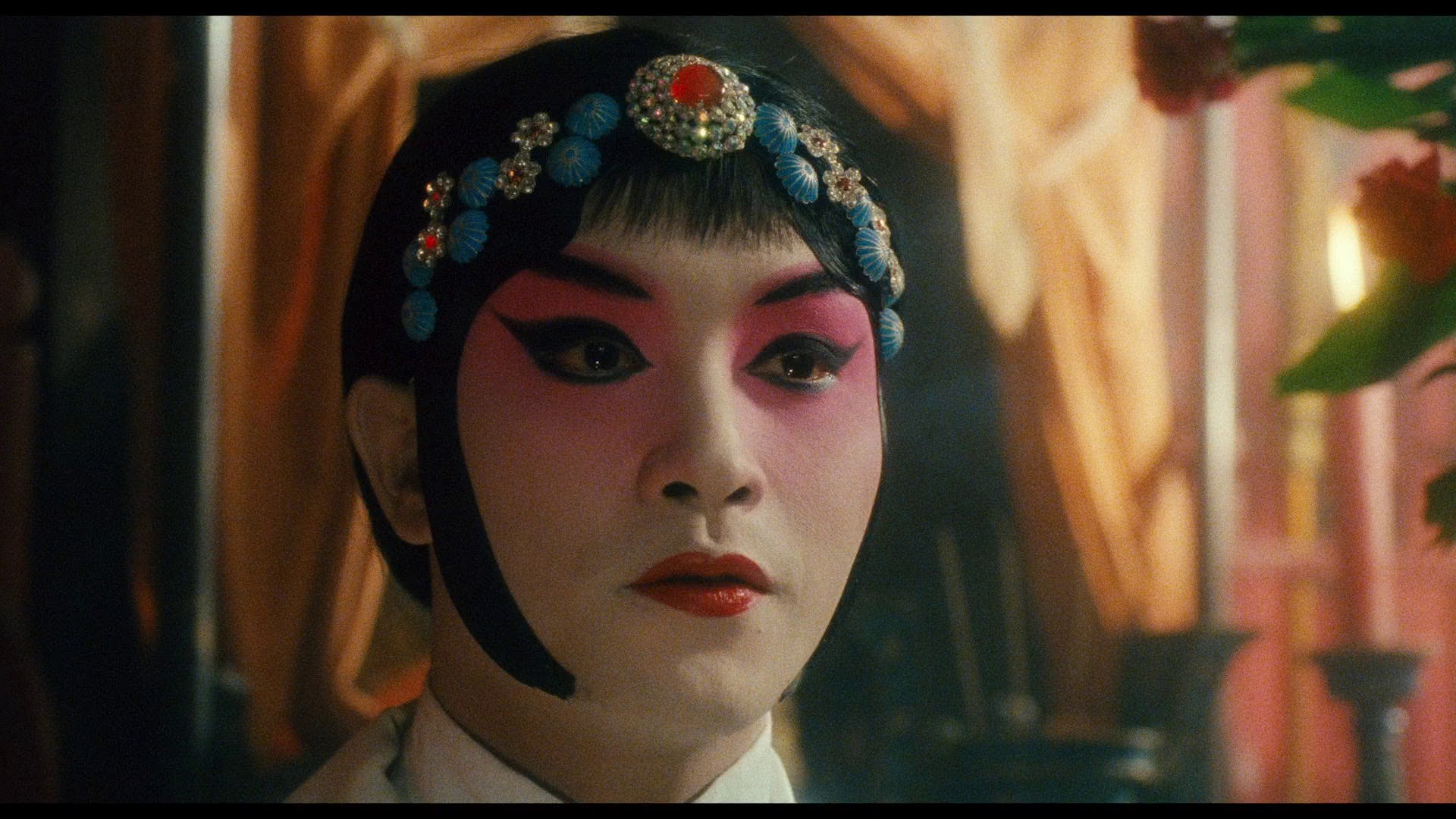
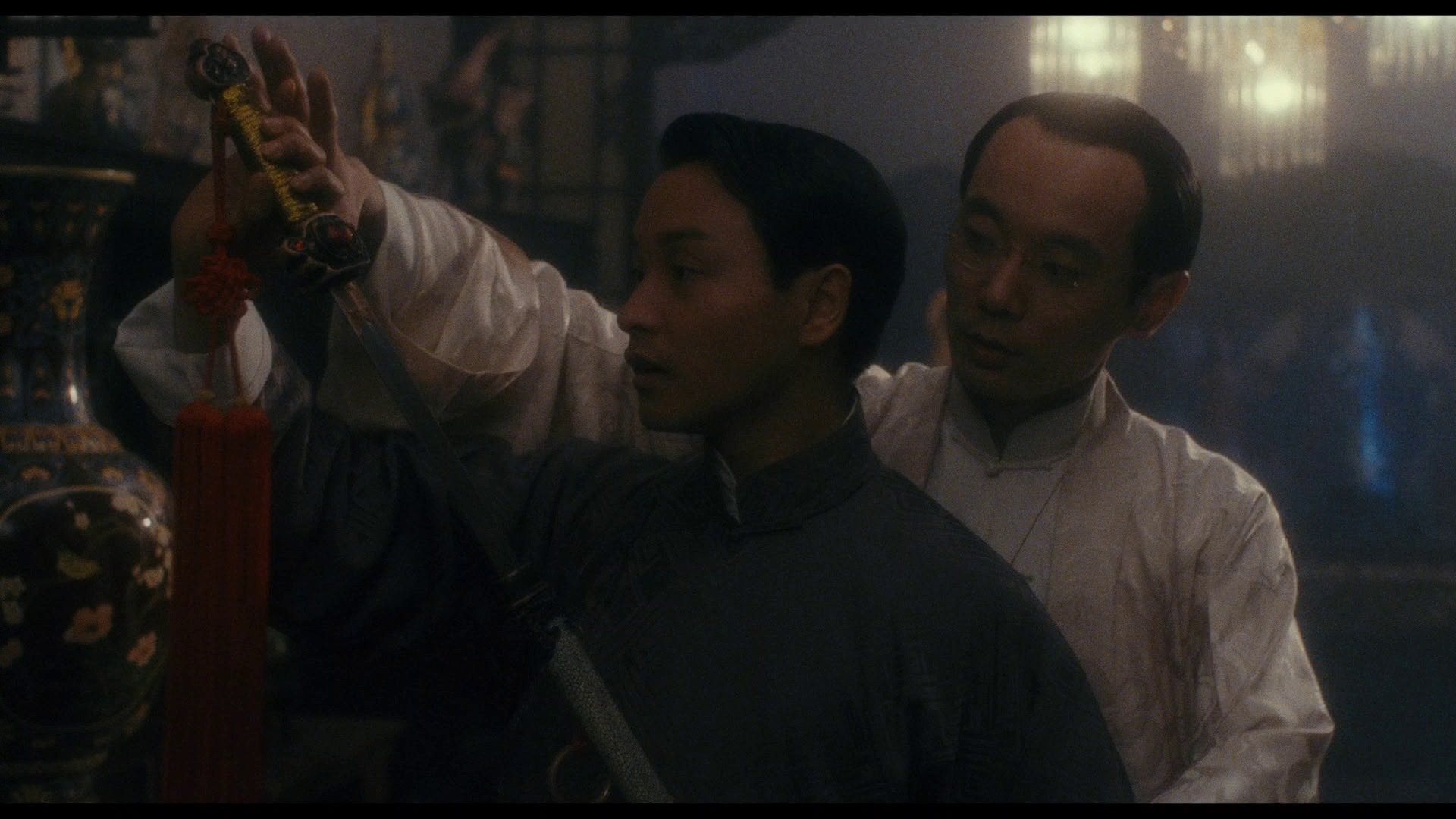
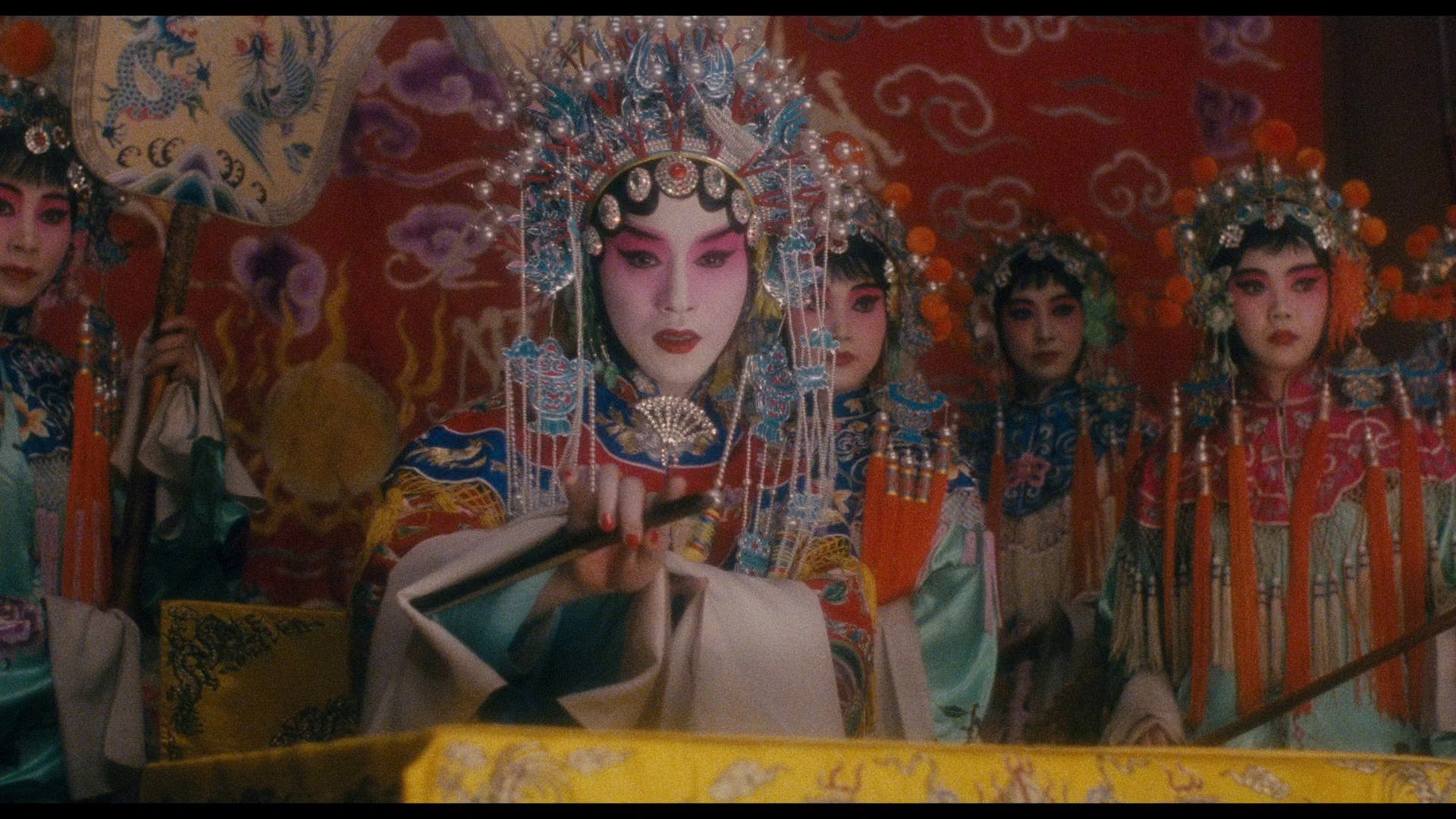
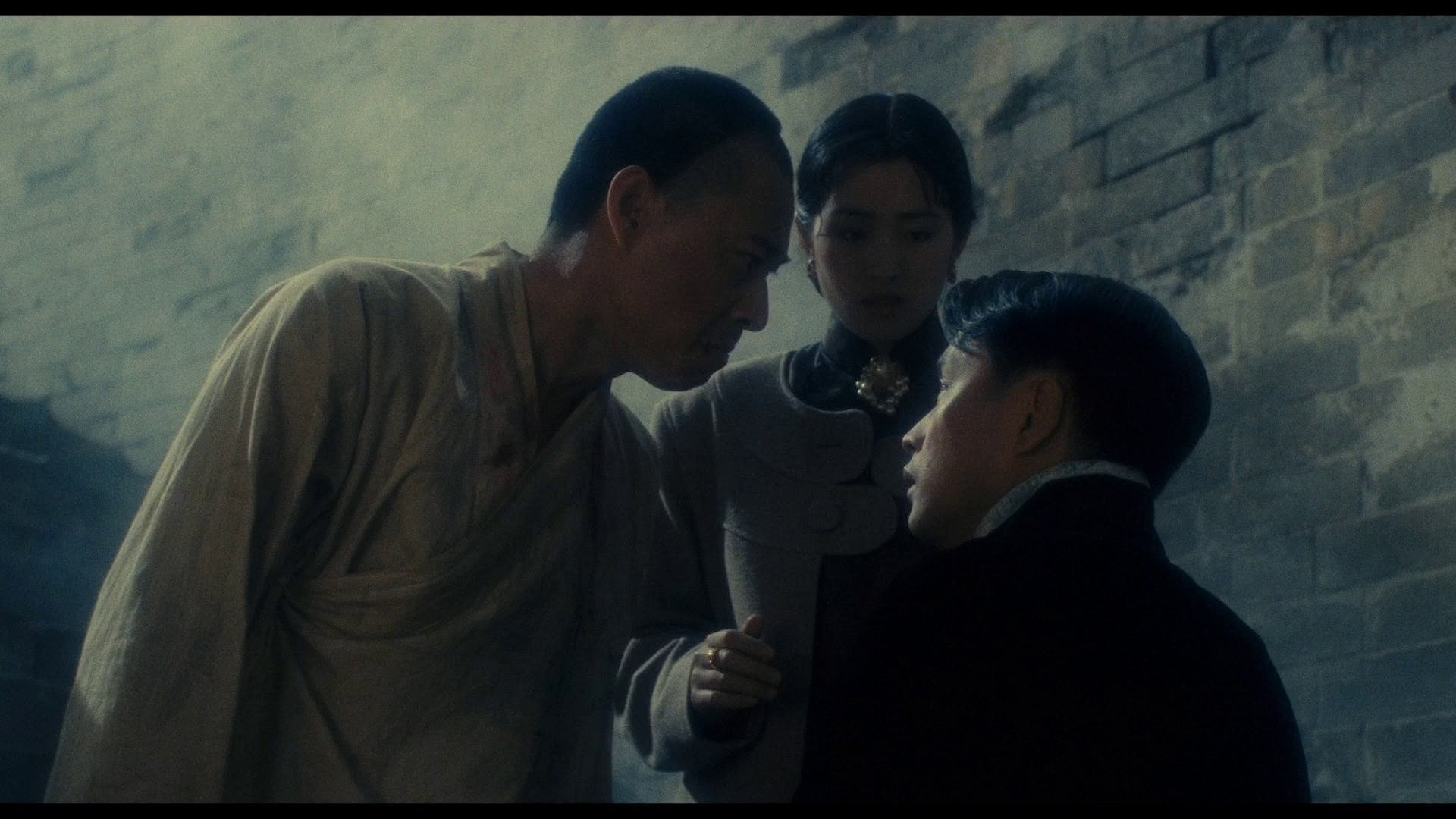
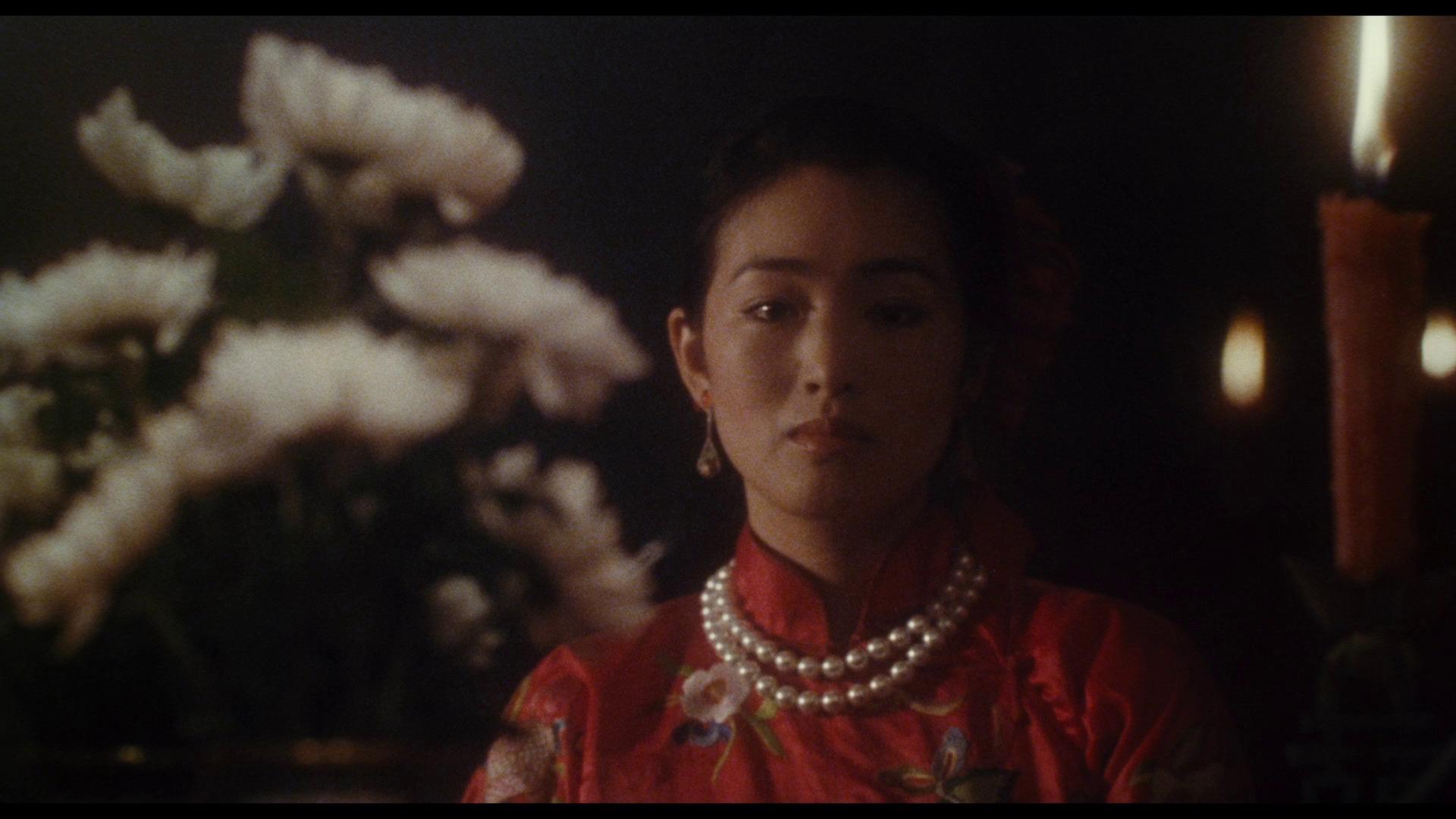
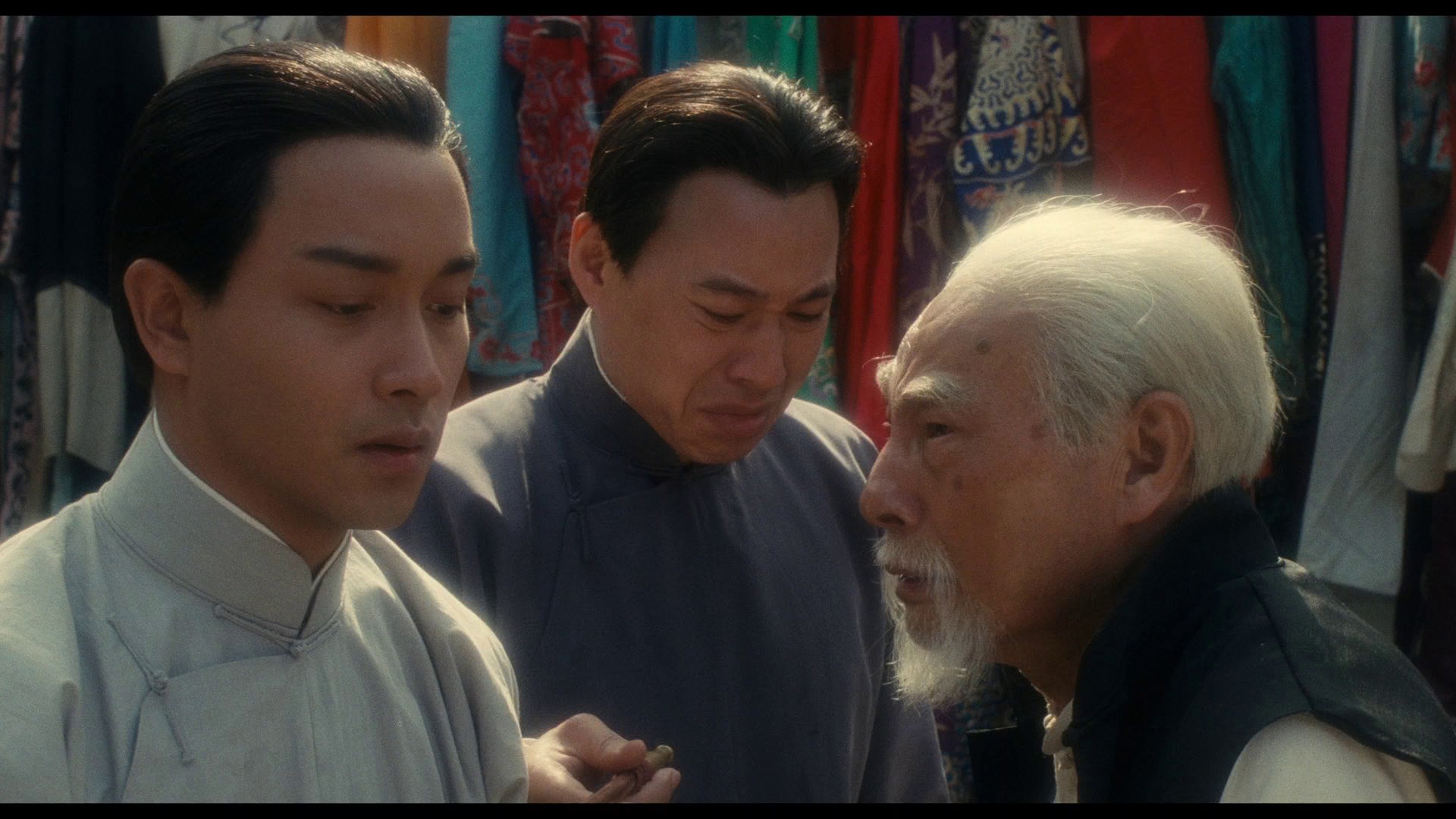
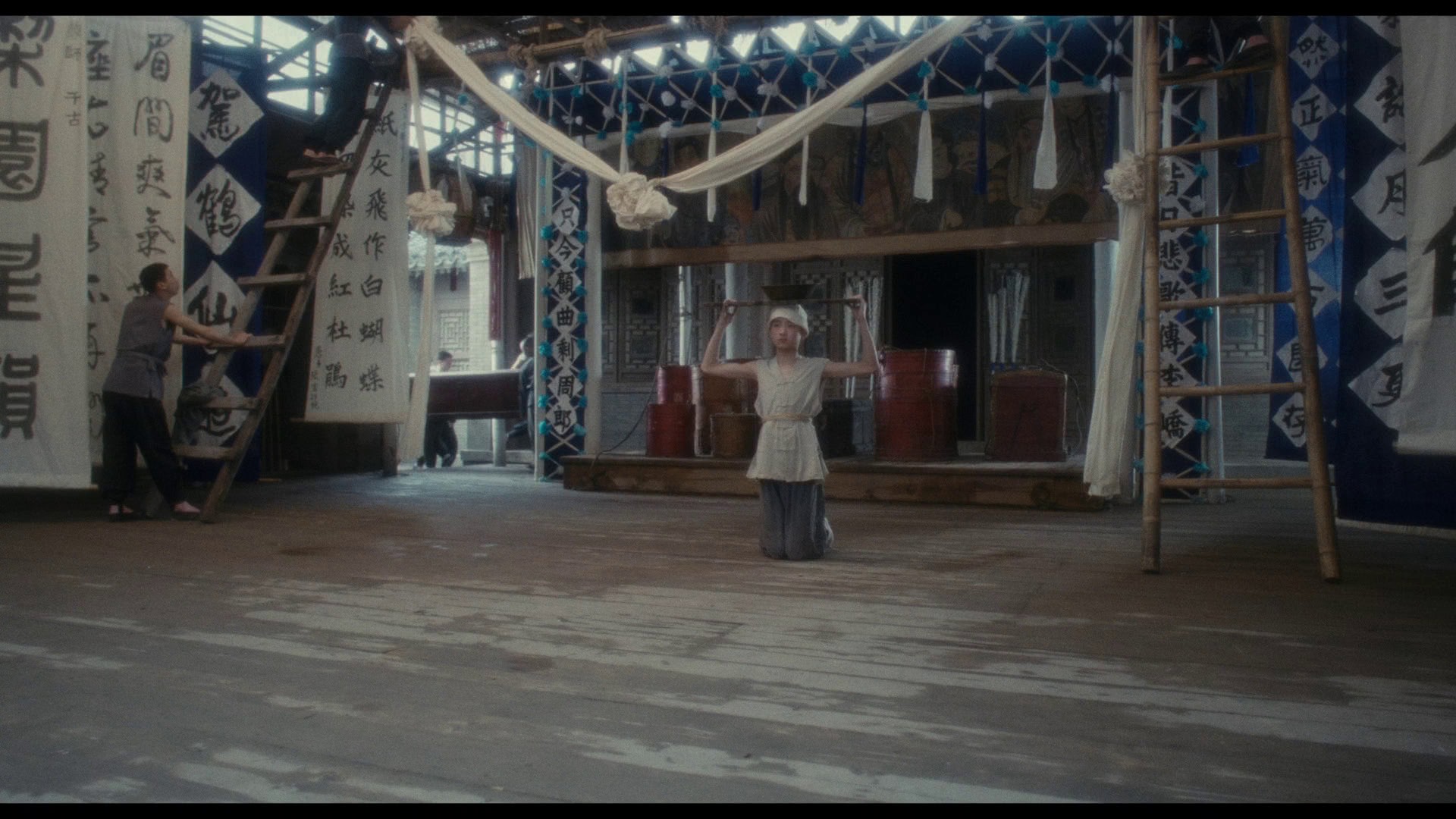
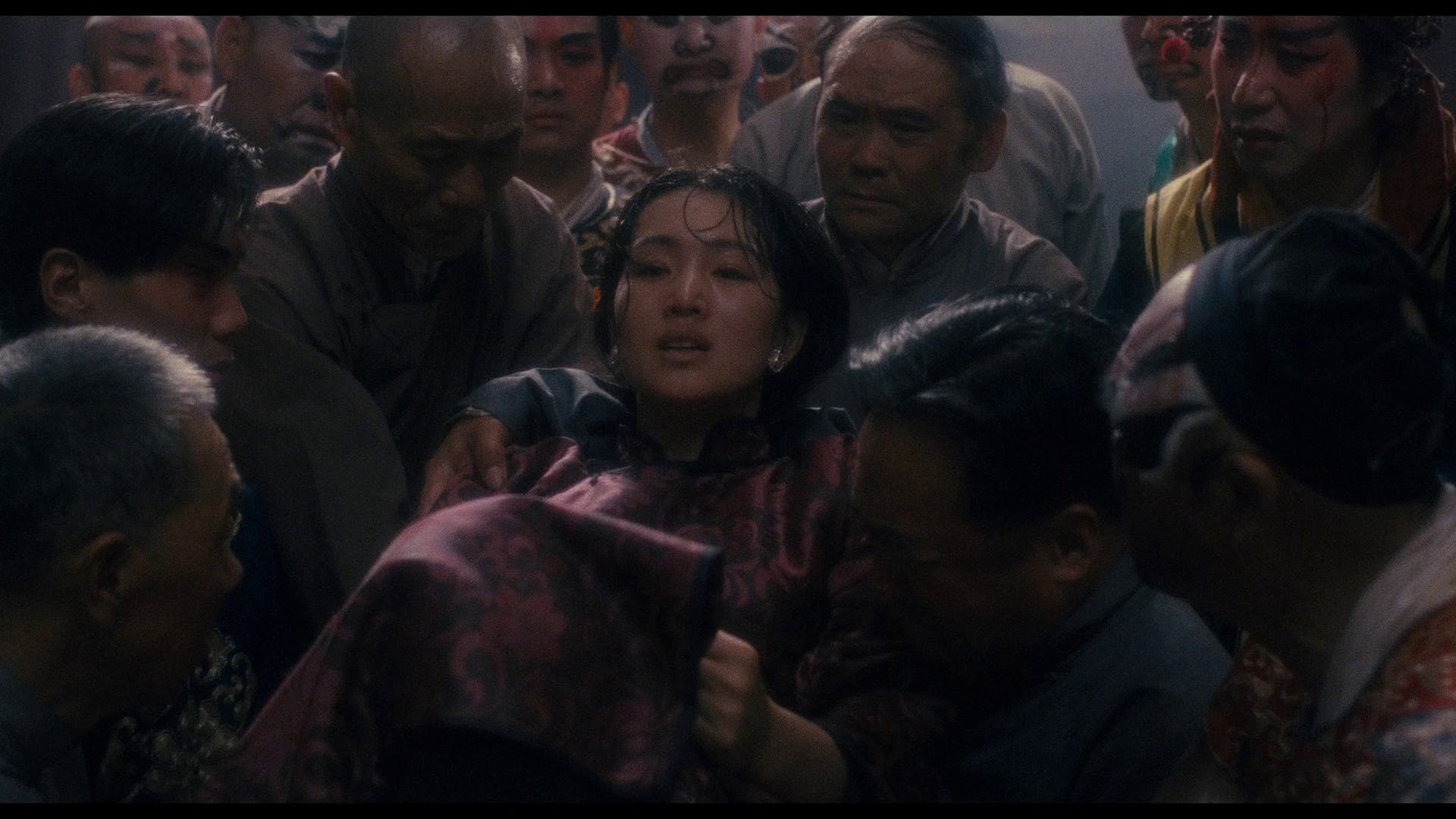
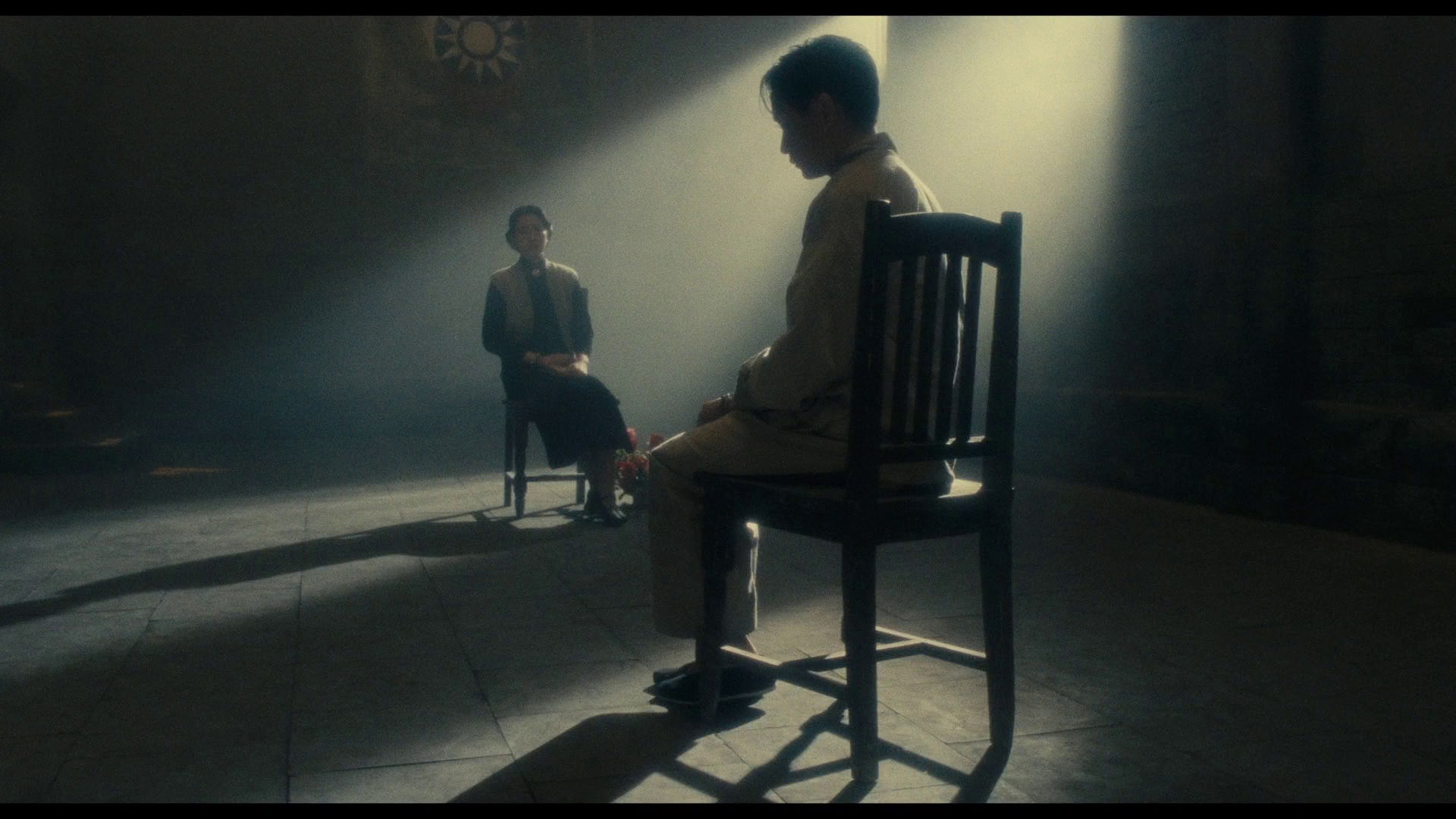
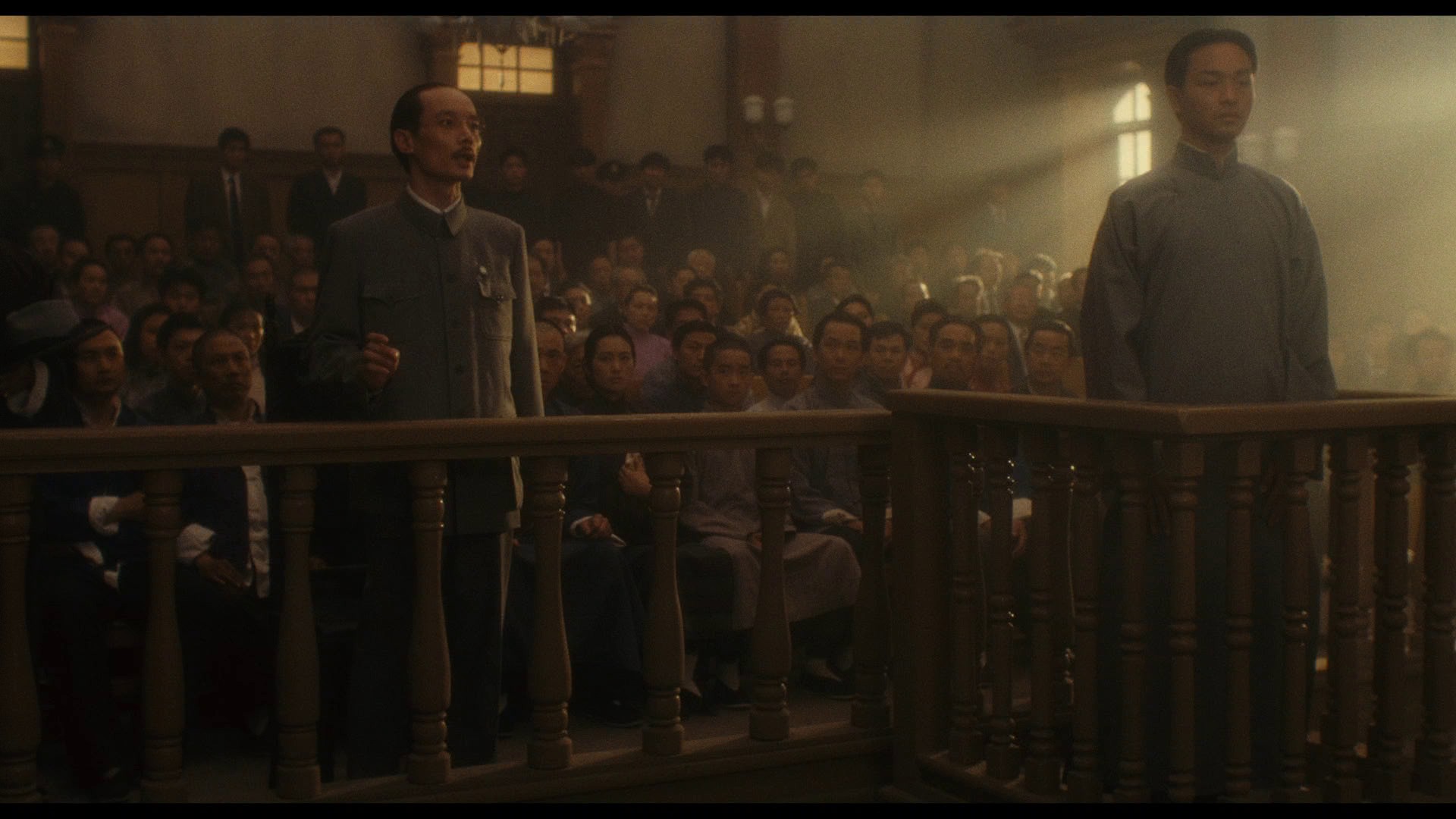
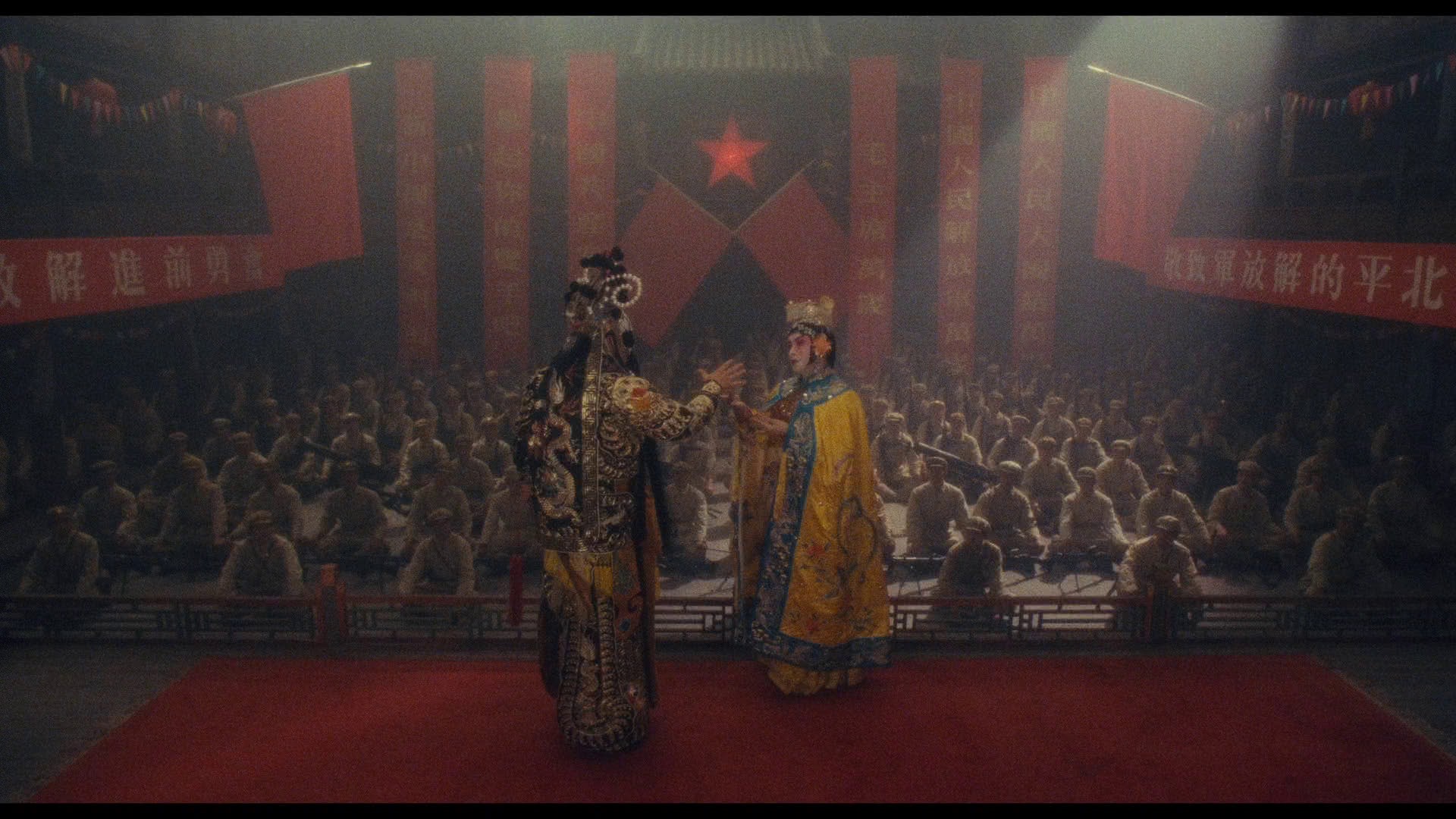
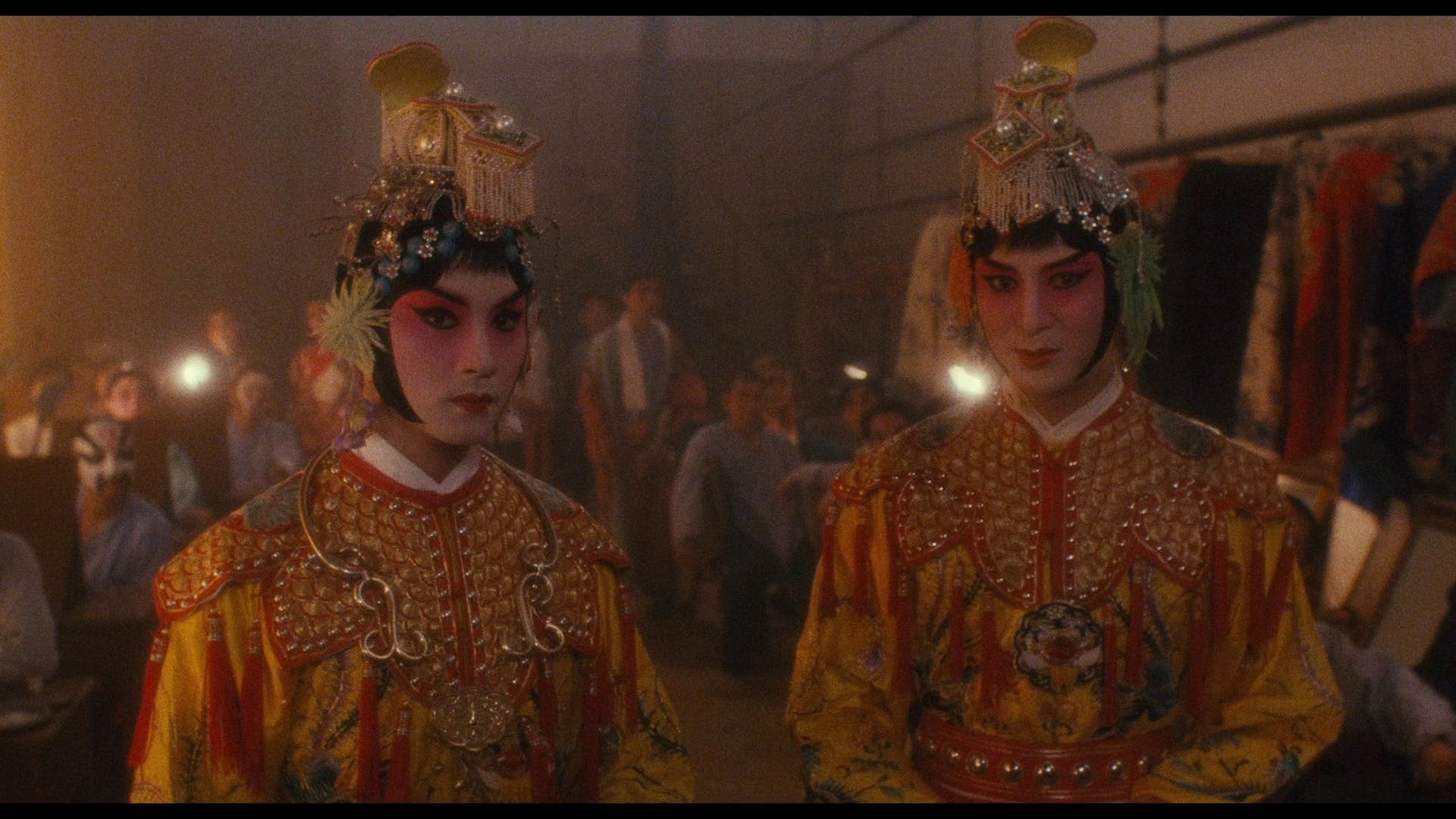
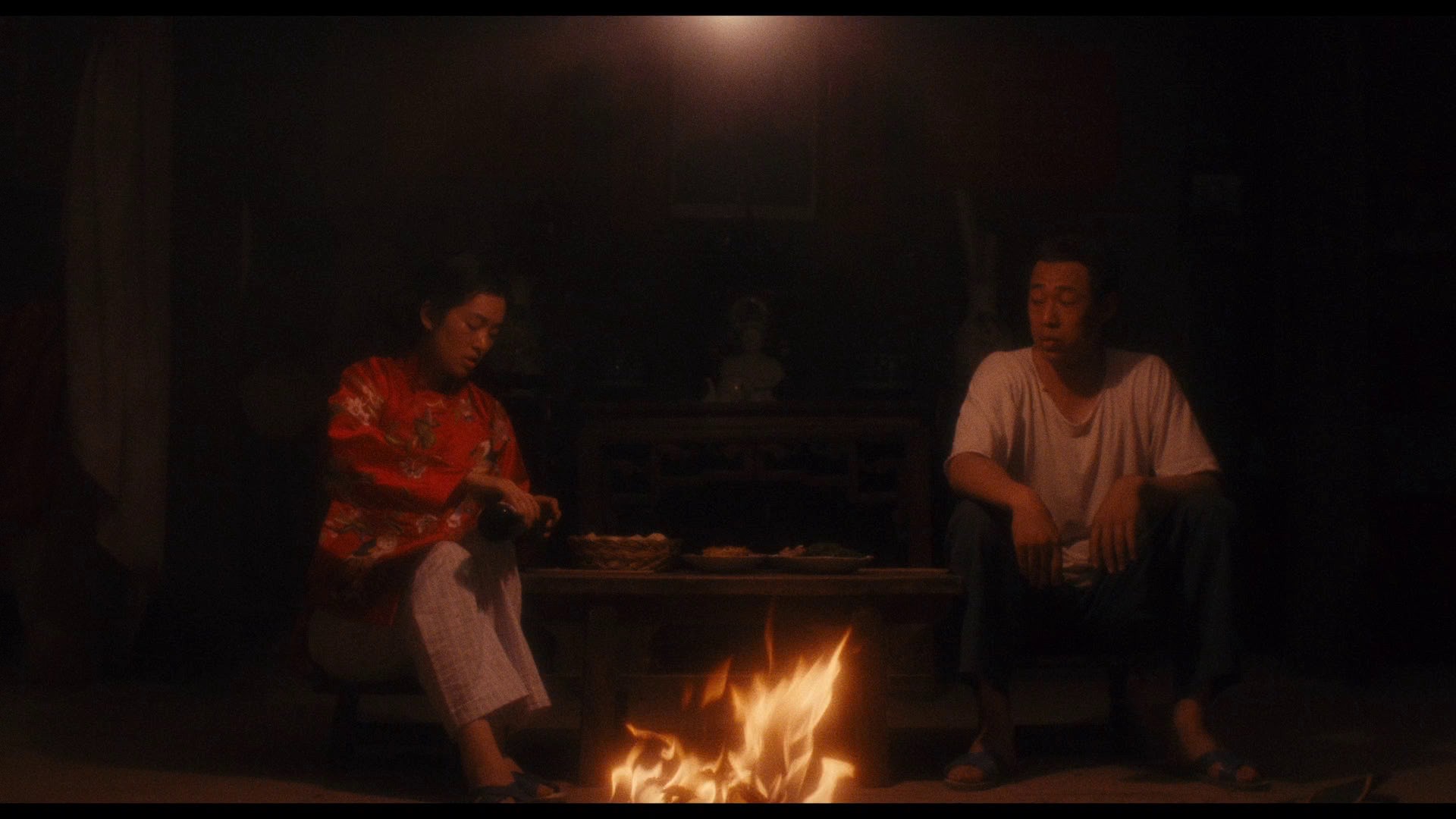
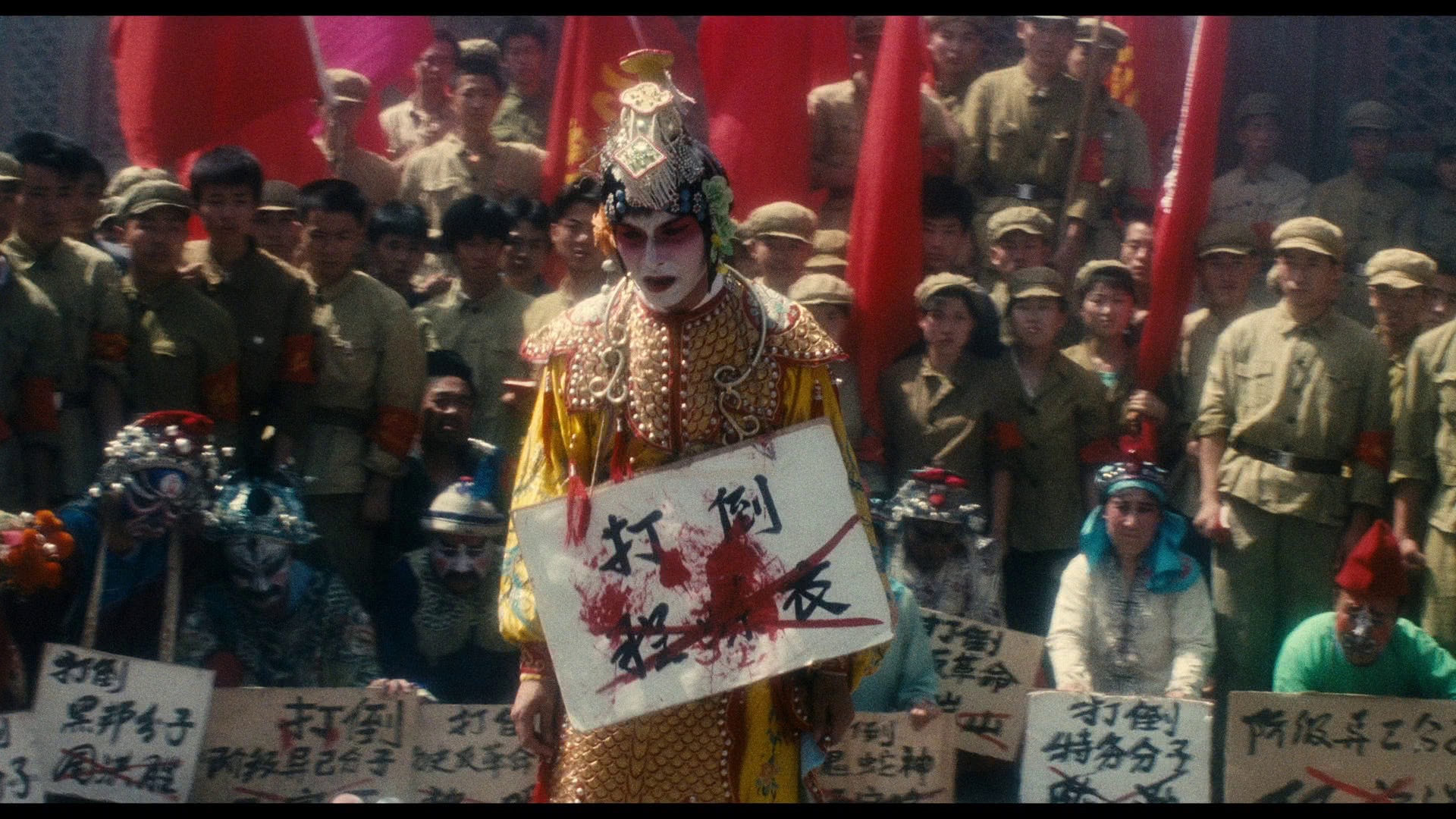
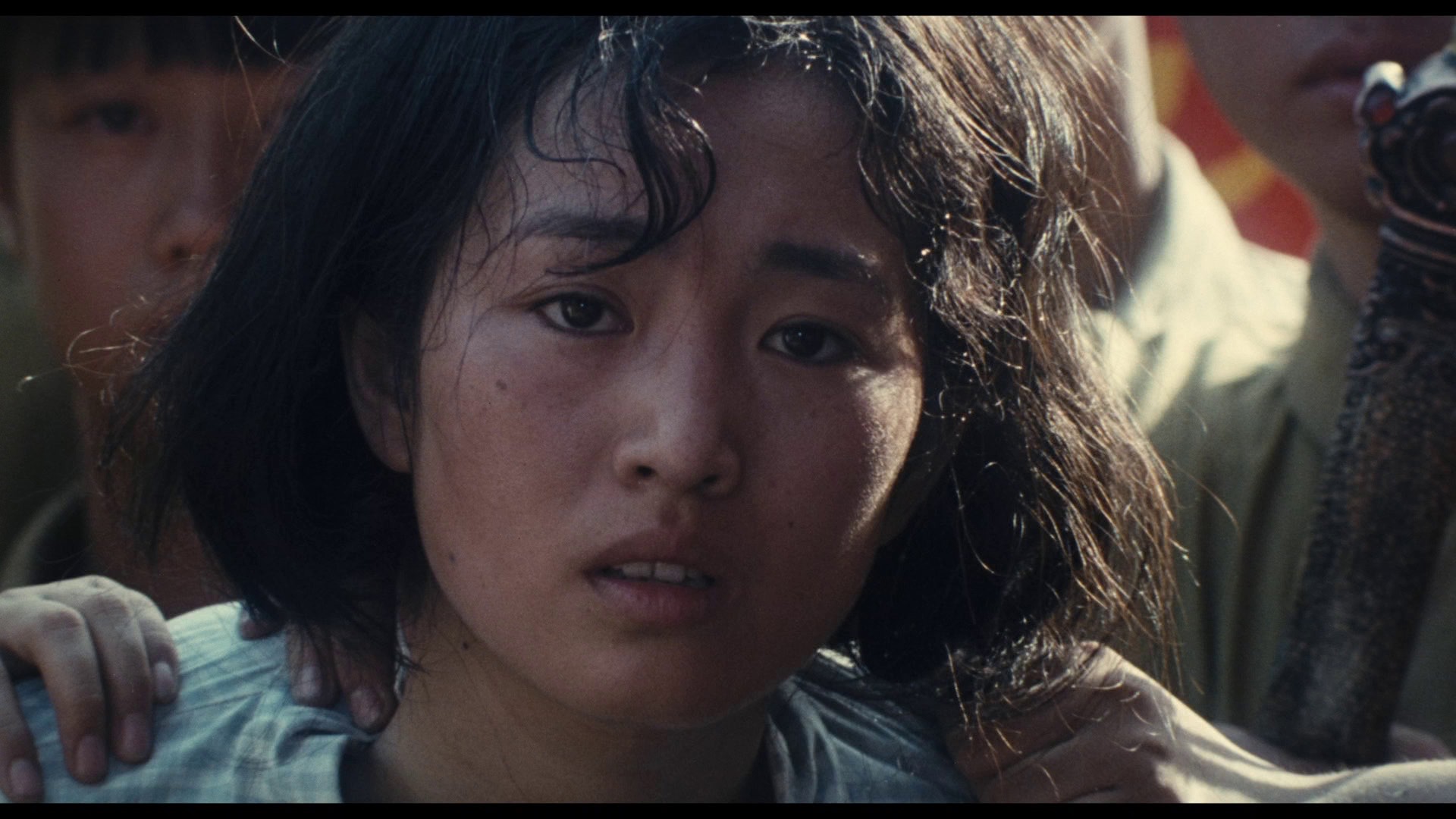
Audio 8/10
The film comes with a 5.1 surround soundtrack presented in DTS-HD MA. It’s a rather active mix, with plenty of activity pushed to the rears, whether it be the film’s music, the bustle in the streets, or echoes and activity in the theater settings. Dynamic range is very wide, and the track is crystal clear without any apparent damage.
Extras 5/10
The supplements prove a little underwhelming, but Criterion has recorded a new interview between the film’s producer, Janet Yang, and film scholar Michael Berry. The 35-minute conversation delves into Yang’s earlier years in the Chinese film business and her efforts to bring Chinese films to Western audiences before moving on to discuss Farewell My Concubine. They provide some background on the source novel and its adaptation into a film (though it apparently took years for director Chen to read it), the casting process (John Lone was first approached for what would become Leslie Cheung’s role), and the changes made to the novel to make it more cinematic, with the ending being the most significant alteration. Gong Li’s character was also fleshed out significantly once she joined the cast. From there, they discuss controversies, including the Chinese government's reactions to the film’s content and how it was edited down in some markets due to its content (and possibly length).
It's a great, wide-ranging conversation that does a decent job of covering the film's production. This is good because the included making-of documentary from 2008 doesn’t provide much insight beyond interviews with the cast. Though it runs 23 minutes, the last third consists of footage from its Cannes premiere and clips from the film.
Much better is an 18-minute 1993 interview between Chen and Charlie Rose. This interview covers the film’s success in the West and the differing expectations of European and American audiences. Chen also shares a personal story about his father that relates to the film and elaborates on why the Chinese government reacted poorly to it. It feels a bit rushed at the end (with Rose interjecting that they’re running out of time mid-sentence), but it’s a solid find on Criterion’s part.
The disc then closes with a trailer advertising the new restoration and an insert featuring an essay on the film by Pauline Chen.
The two interview features are strong additions, but there still seems to be a lot of ground that could be covered, including anything around the cuts originally made to the film during its initial release and more about the Chinese film industry during this period, which is only vaguely addressed in the current features. Overall, it’s a somewhat underwhelming edition in this department.
Closing
Disappointingly light when it comes to features, but the new restoration and high-definition presentation look excellent.
BUY AT: