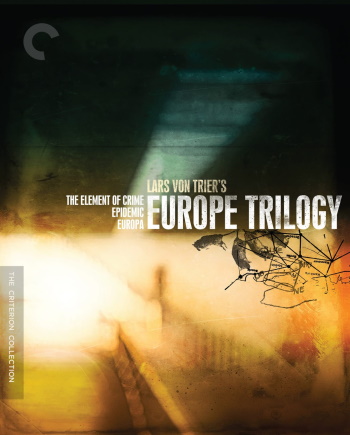
Lars von Trier’s Europe Trilogy
Epidemic
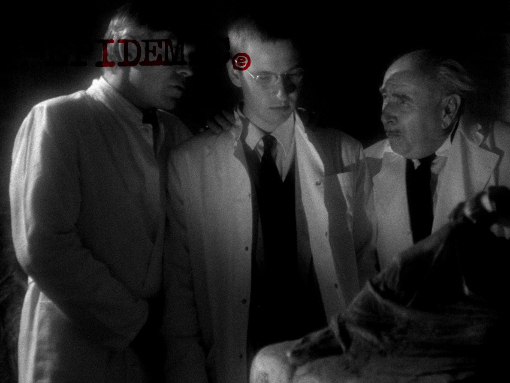
BUY AT:


See more details, packaging, or compare
Synopsis
With his dazzling first three features, Lars von Trier sought nothing less than to map the soul of Europe—its troubled past, anxious present, and uncertain future. Linked by a fascination with hypnotic states and the mesmeric possibilities of cinema, the films that make up the Europe Trilogy—The Element of Crime, Epidemic, and Europa—filter the continent’s turbulent history, guilt, and traumas through the Danish provocateur’s audacious deconstructions of genres including film noir, melodrama, horror, and science fiction. Above all, they are bravura showcases for von Trier’s hallucinatory visuals, with each shot a tour de force of technical invention and dark imagination.
Picture 7/10
Lars von Trier’s Epidemic finally makes its way into The Criterion Collection and is presented here on Blu-ray in its original aspect ratio of 1.66:1 with a 1080p/24hz high-definition encode. The film is only available on the second dual-layer disc in the Criterion box set Lars von Trier’s Europe Trilogy.
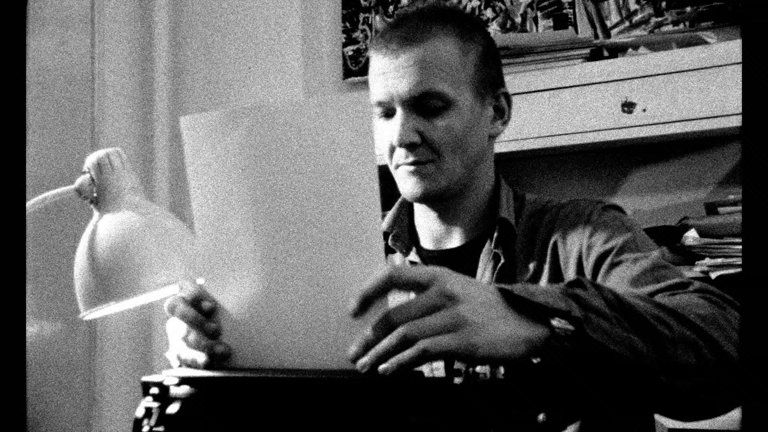
Von Trier’s second feature film centers around two screenwriters (played by von Trier and co-screenwriter Niels Vørsel) quickly writing a new screenplay for a genre film taking place during an epidemic, only for life to imitate their art suddenly. The film is split into two storylines, one involving our two “heroes” trying to get this thing done, the other a reenactment of their script. To distinguish the two storylines and give the film-within-the-film more of a polish (as much of one as he can allow himself to apply), von Trier shot the latter portion in 35mm with the help of cinematographer Henning Bendtsen while shooting the “real world” portions in 16mm.
This new presentation, as with the previous film in the set (The Element of Crime), is sourced from a 3K restoration performed by Zentropa, the notes stating it comes from a scan of the 16mm original negative. Oddly, the notes do not mention the 35mm elements, yet with how different the two sections come out when compared to one another, I have to assume that the original 35mm negatives did come into play.
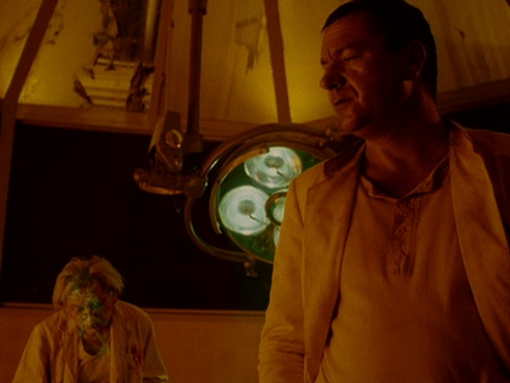
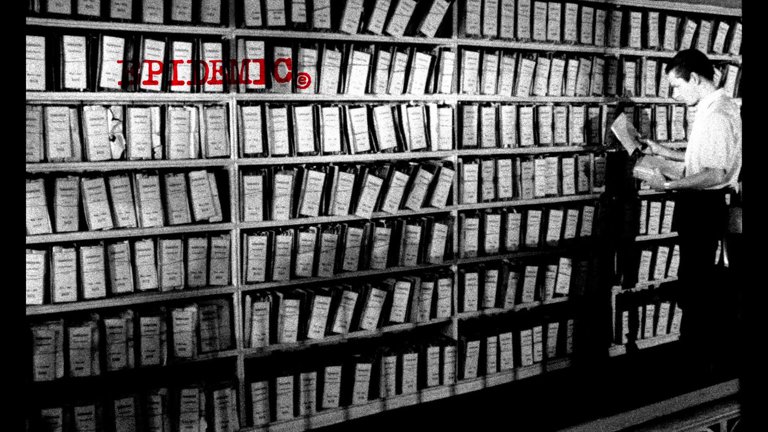
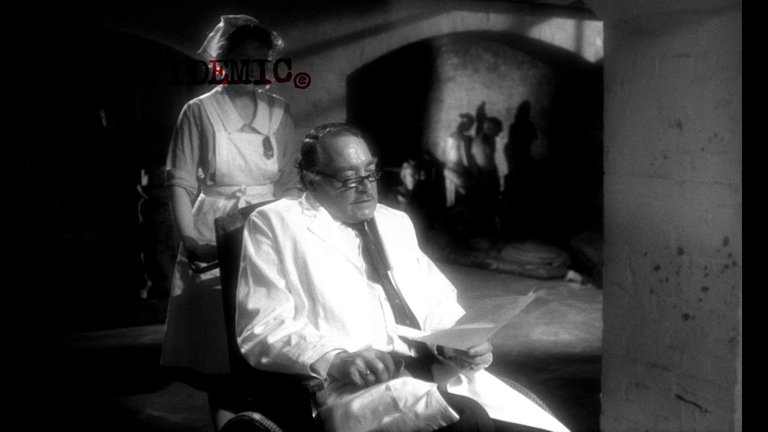
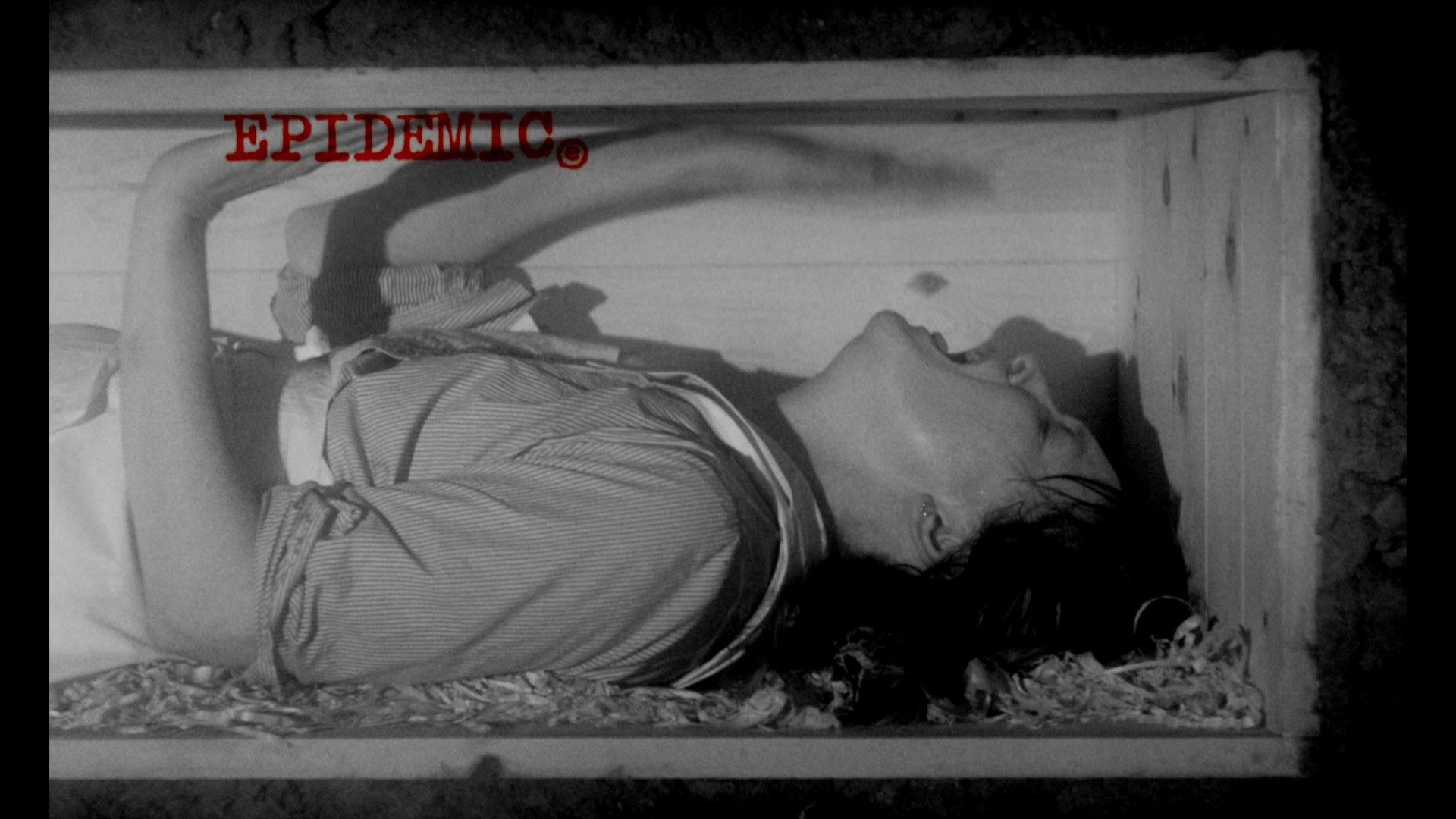
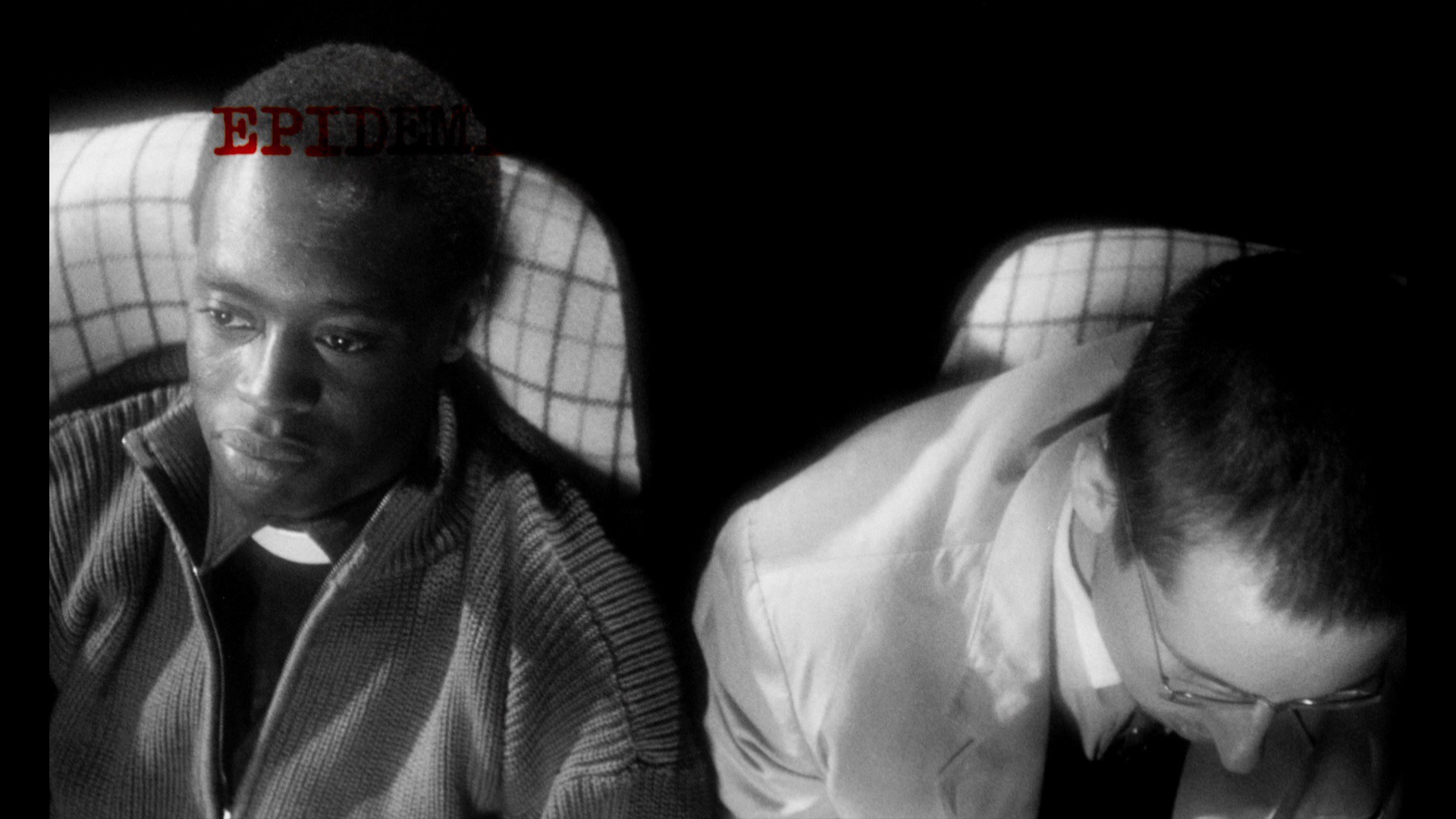
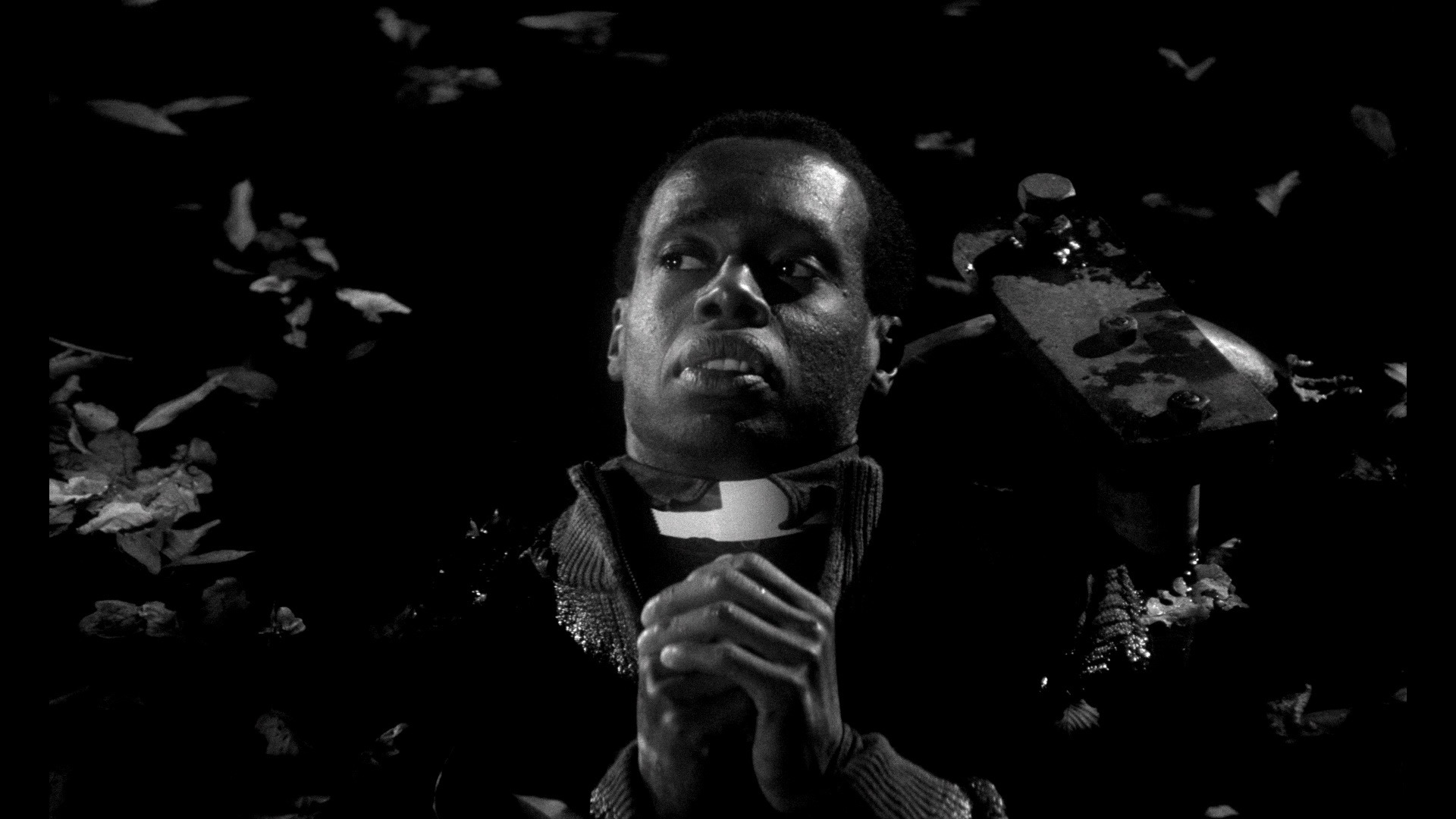
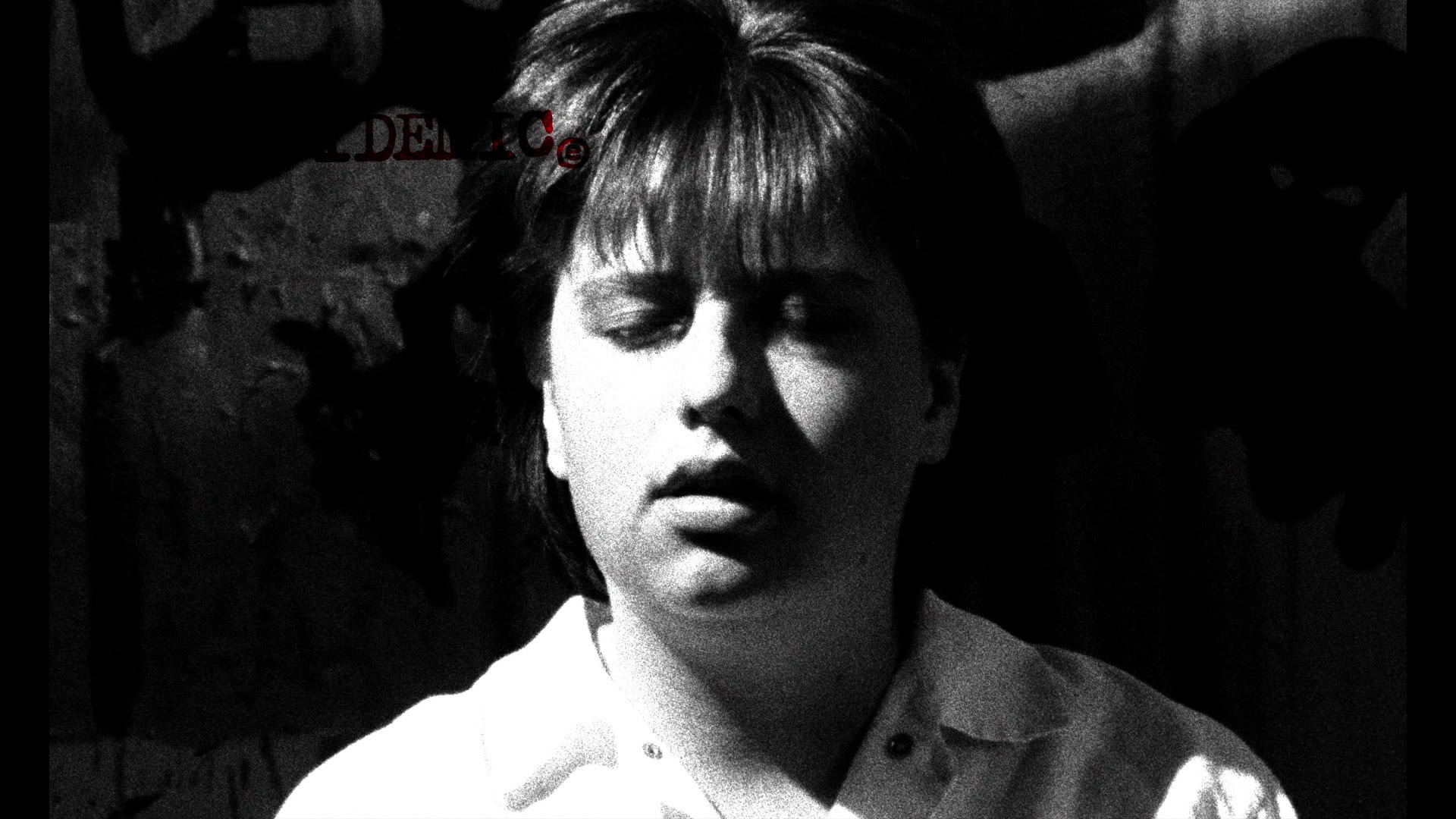
Ignoring the red-lettered “epidemic” stamp in the top left area of the screen (through more than 95% of the entire film’s runtime), the film-within-the-film portions are probably the better-looking ones on the whole. Contrast and grayscale look superb and deliver an amiable range in the shadows, all with a solid rendering of the sequence’s grain structure. Details are incredibly sharp, and there’s an incredible photographic texture to all of it. The sequences do look nice.
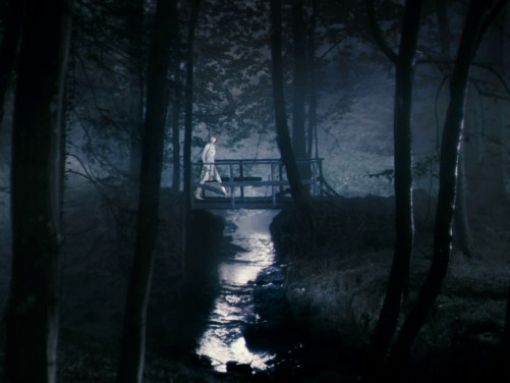
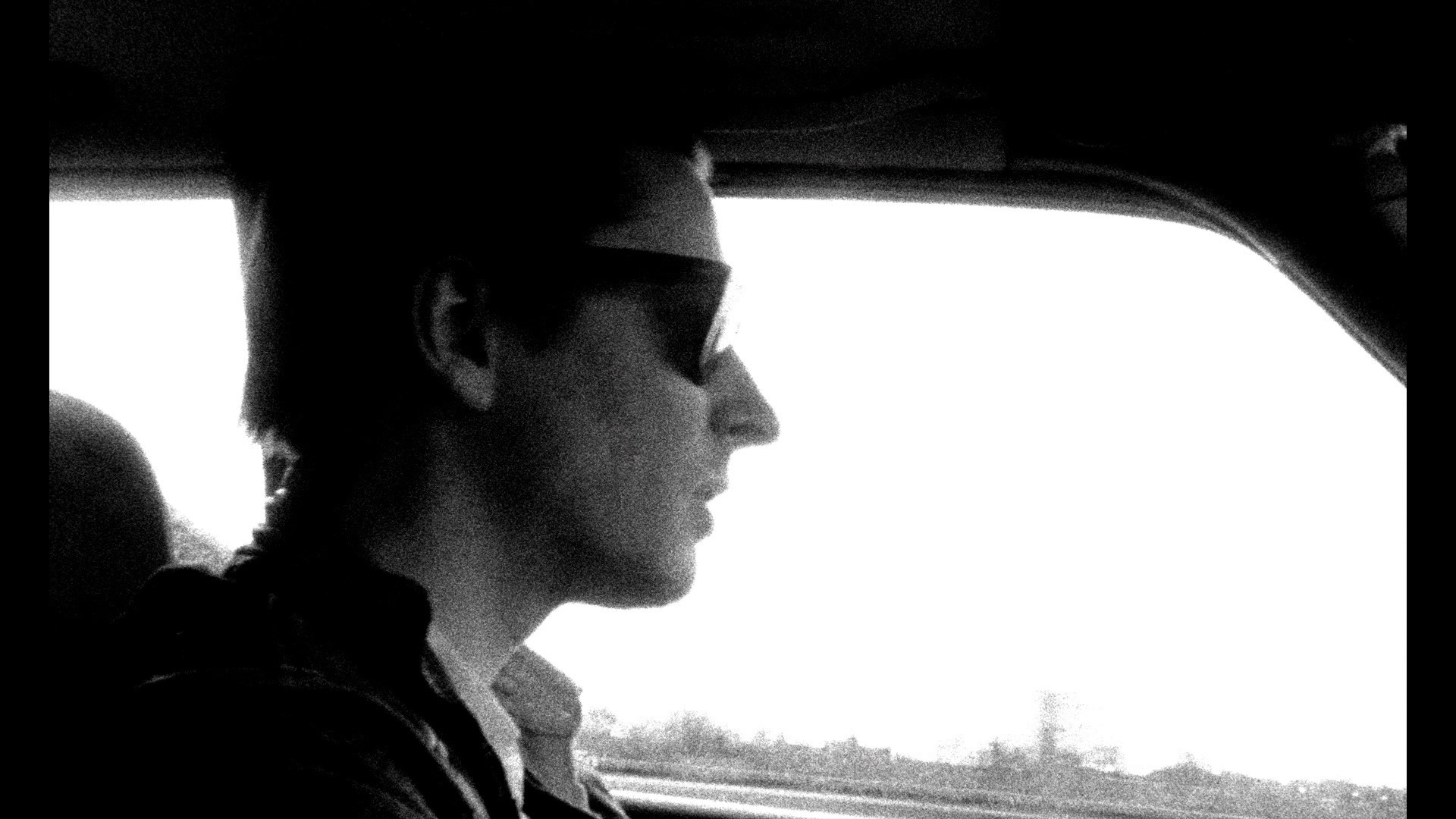
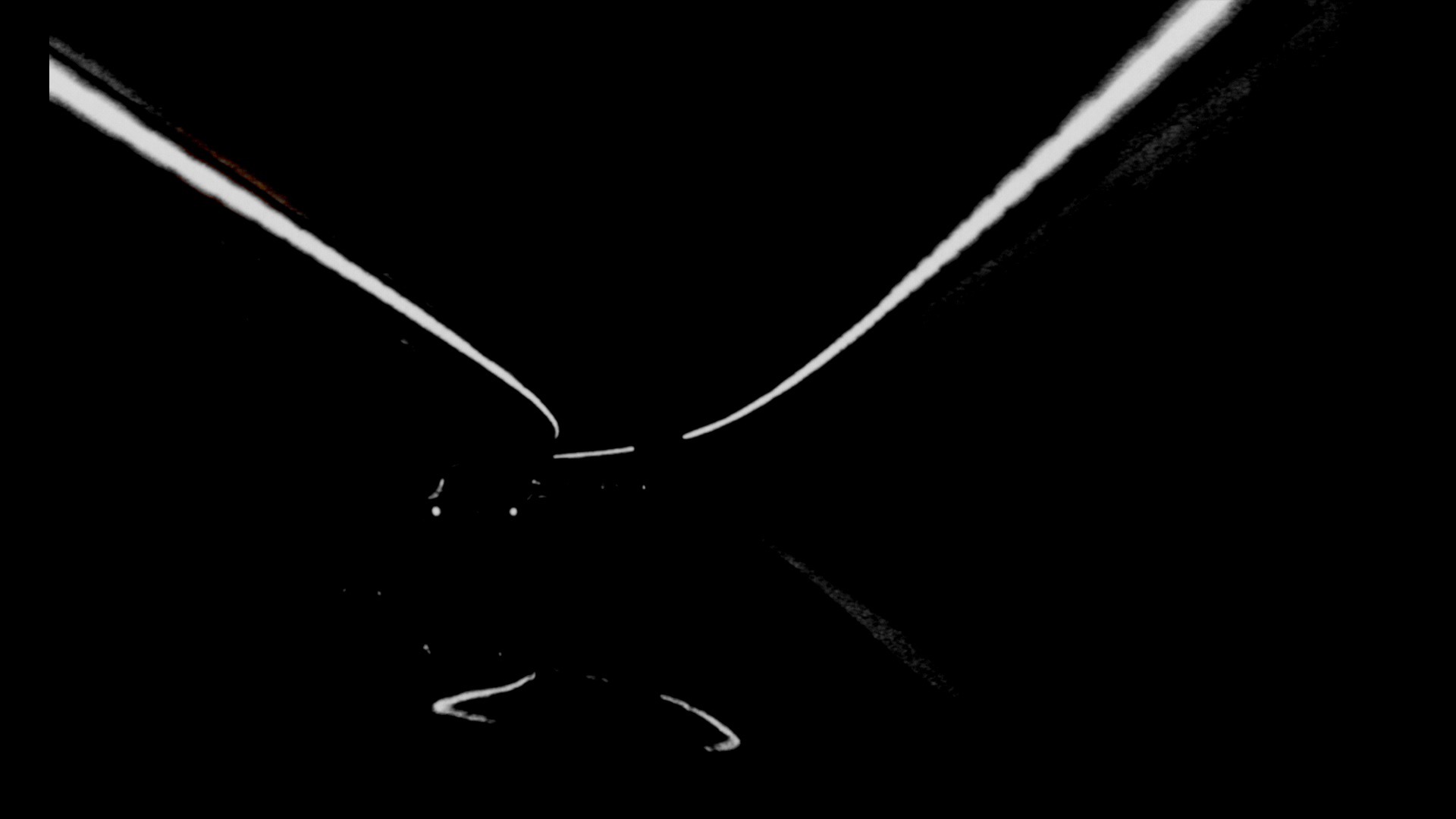
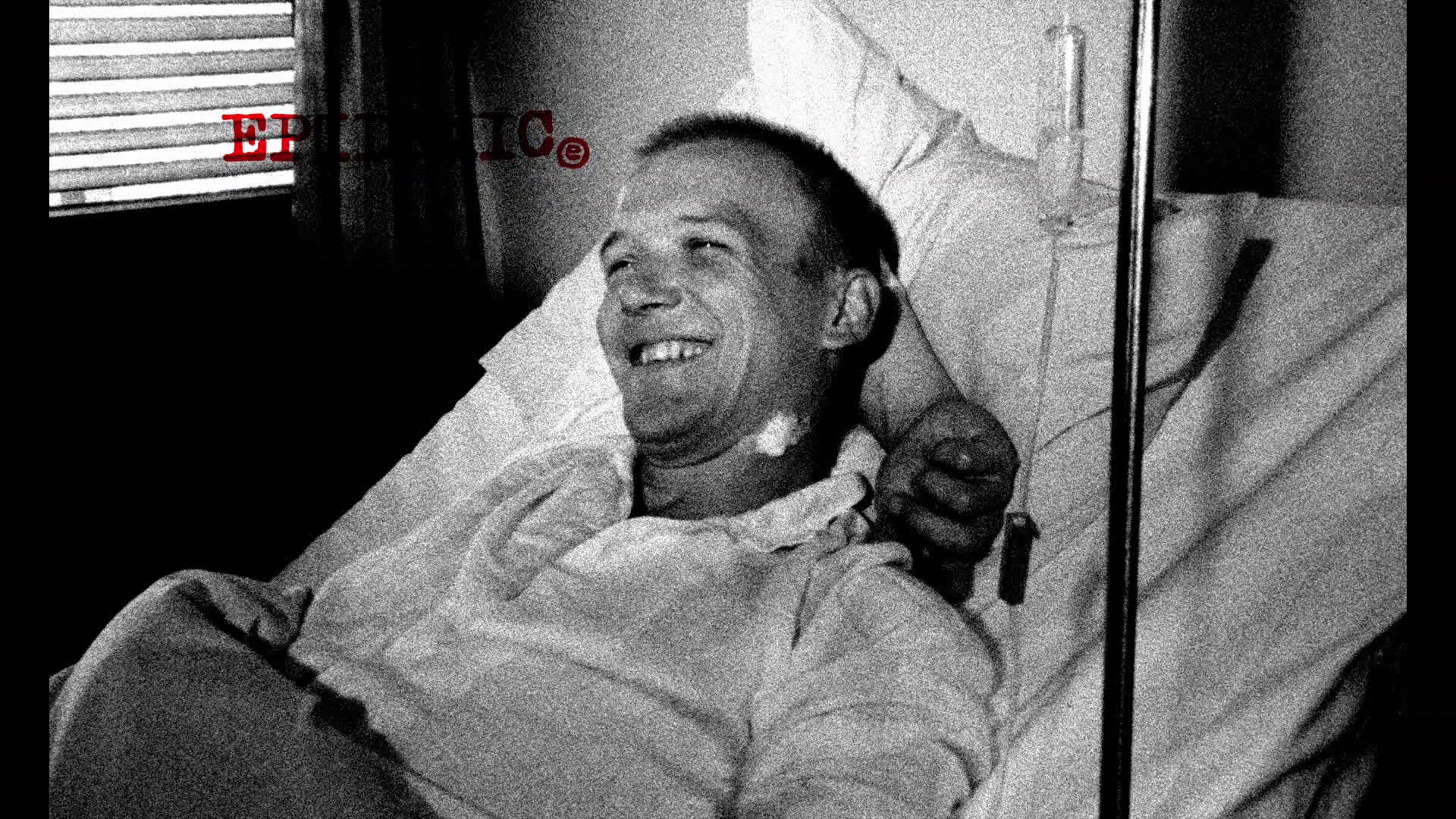
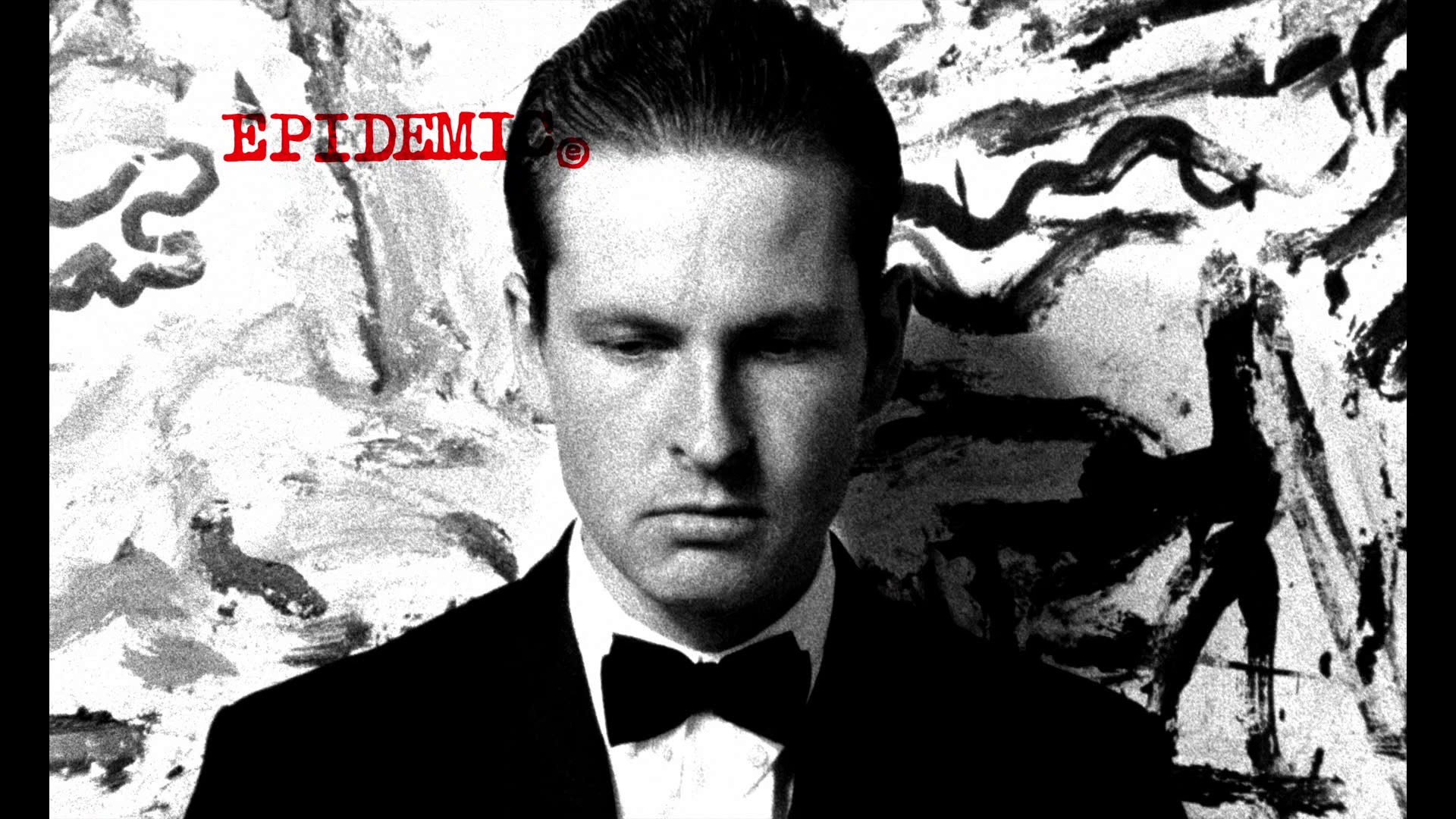
On the other hand, the 16mm portions come out looking… not as good. Part of this comes down to the materials and film stock used, and for most of these sequences, von Trier appears to be using a high-contrast stock. This leads to a very different grayscale compared to the 35mm portions in that there isn’t much of anything one could call “grayscale.” Whites are far more blown out (though impressively don’t bloom), and blacks come off much heavier, limiting shadows and details in the process. One sequence in a highway tunnel (that feels to be paying tribute to Tarkovsky’s Solaris) ends up showing nothing but a black void with some headlights and taillights moving through. This is, of course, all intentional, but the digital presentation has issues with this harsh-looking image, and they appear to bleed through into other areas, including how the grain is rendered in these sequences.
The grain in the 16mm portions is fine and heavy, which isn't a problem in and of itself but leads to a pixelated and blocky image. It still carries on into the picture when in motion and does lead to a very noisy experience much of the time, if not all of it. I have no doubt it’s tough to correctly render grain as delicate and heavy as what’s here but having viewed BFI’s Nil by Mouth around the same time, it’s clear it can be done.
On the plus side, the restoration efforts have cleaned up a lot of damage, and outside of a few minor marks, there isn’t anything significant present. Yet when all is said and done, the results are a mixed bag at best.
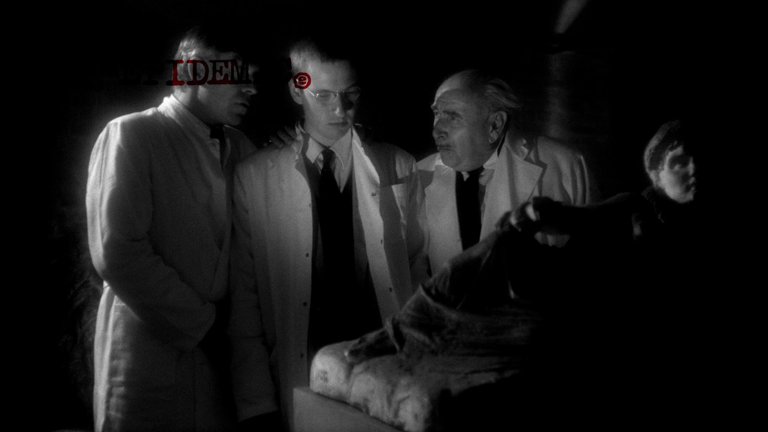
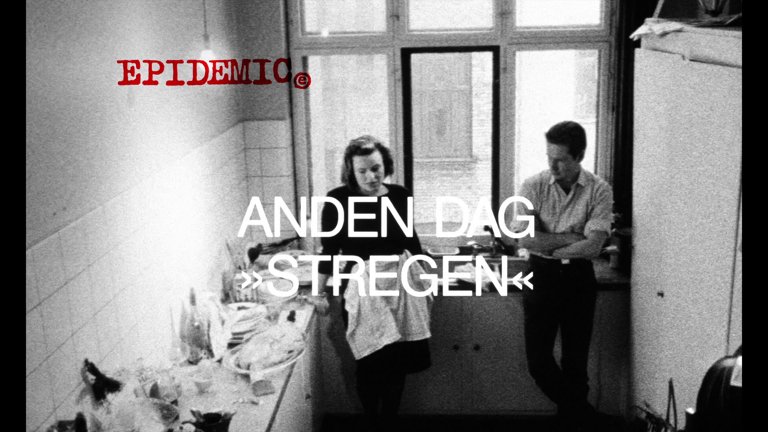
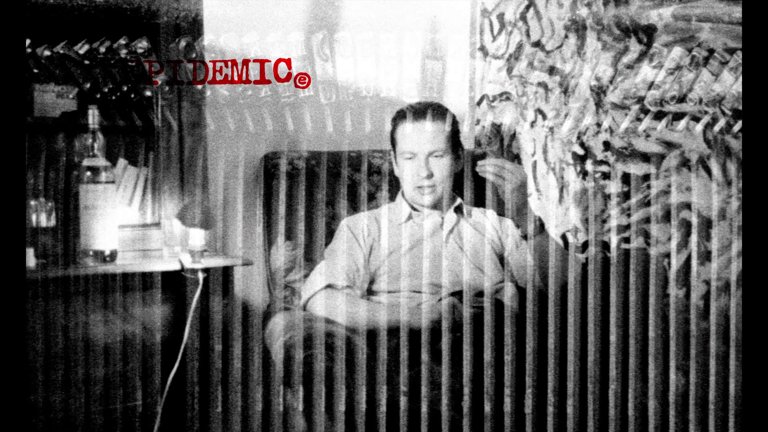
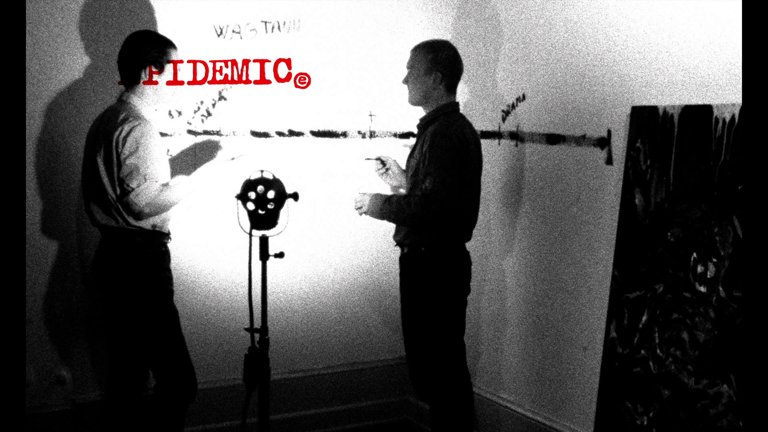
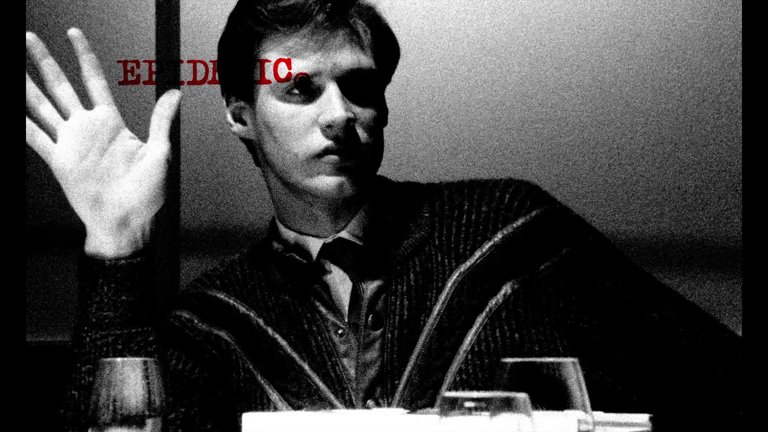
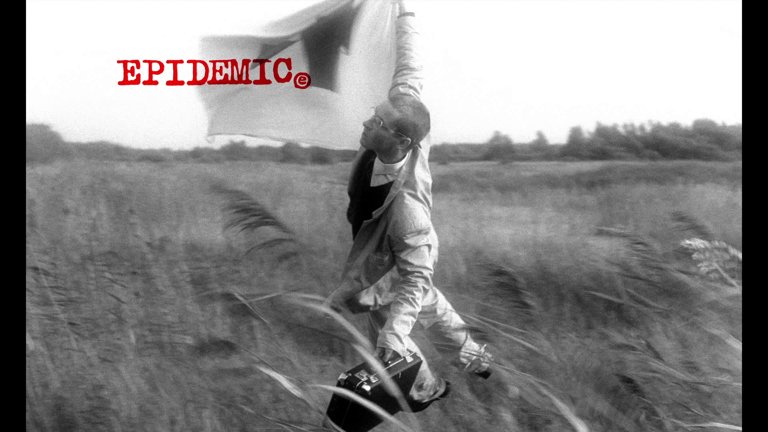
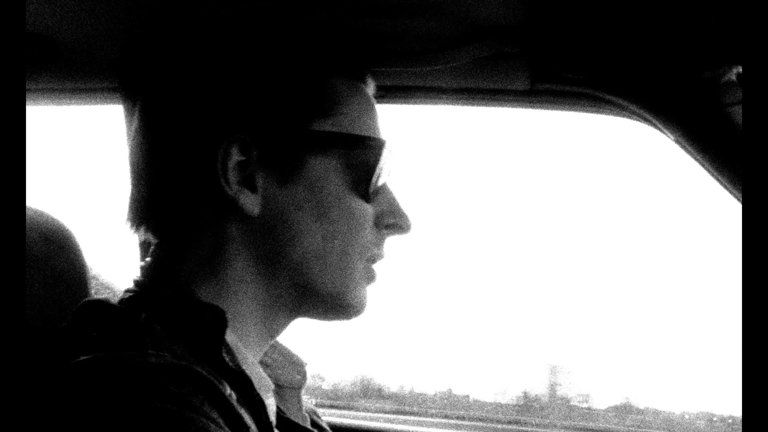
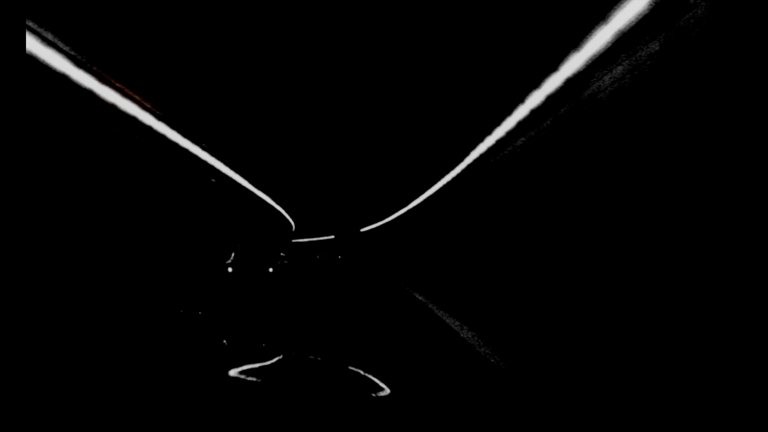
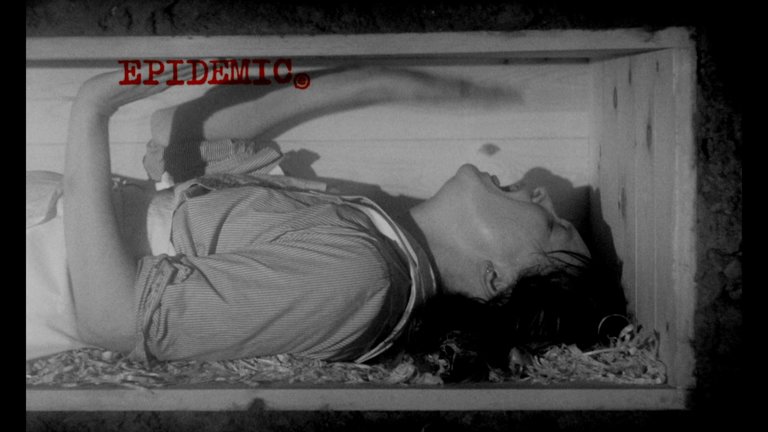
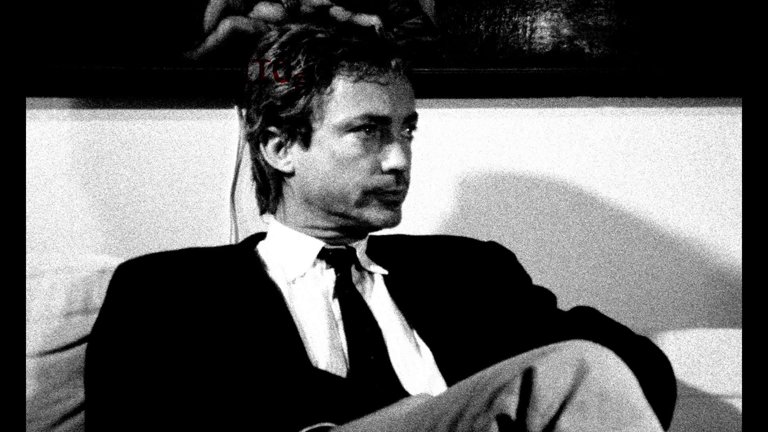
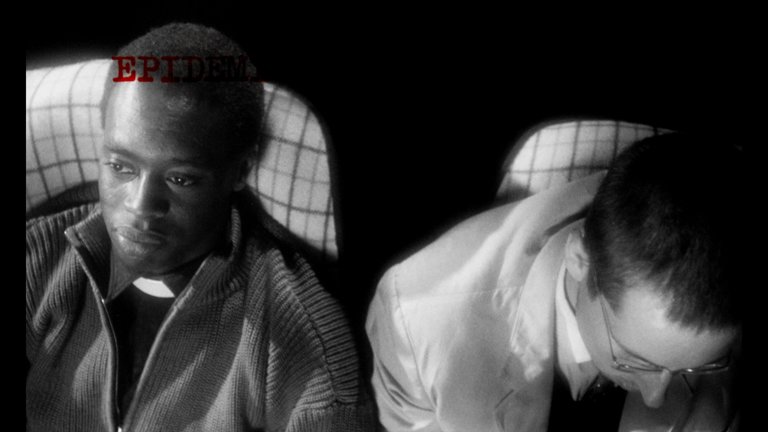
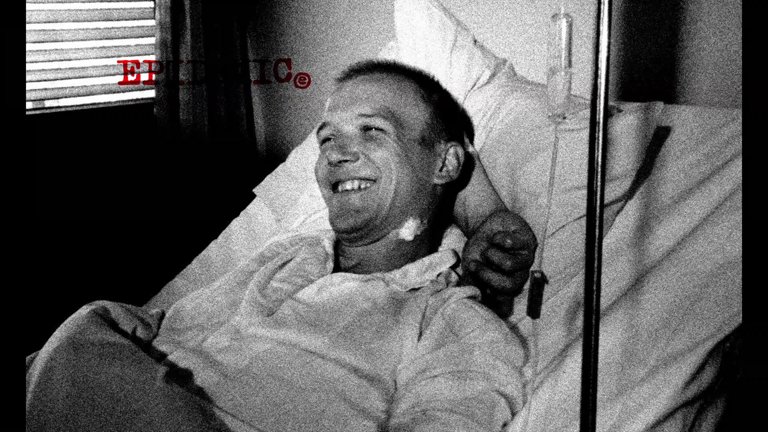
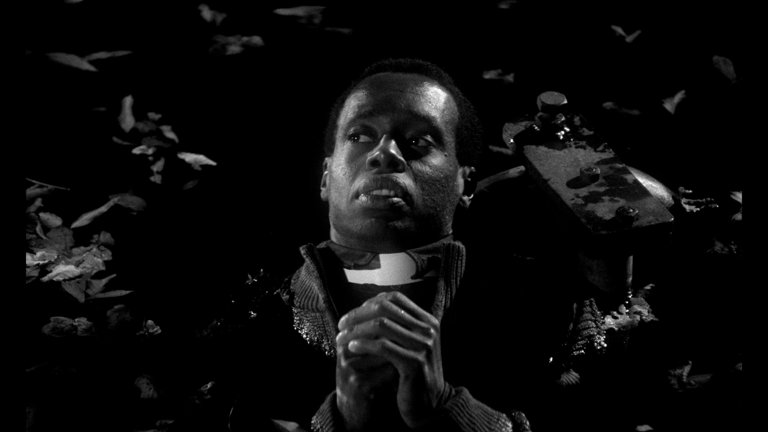
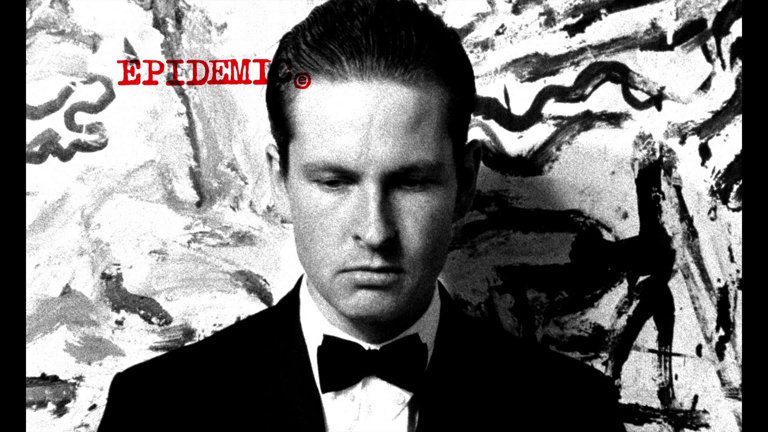
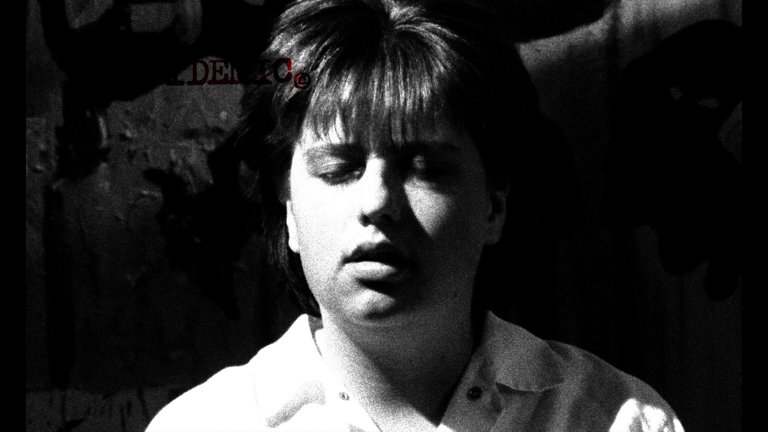
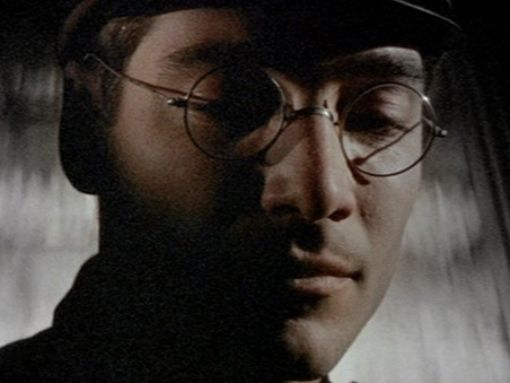
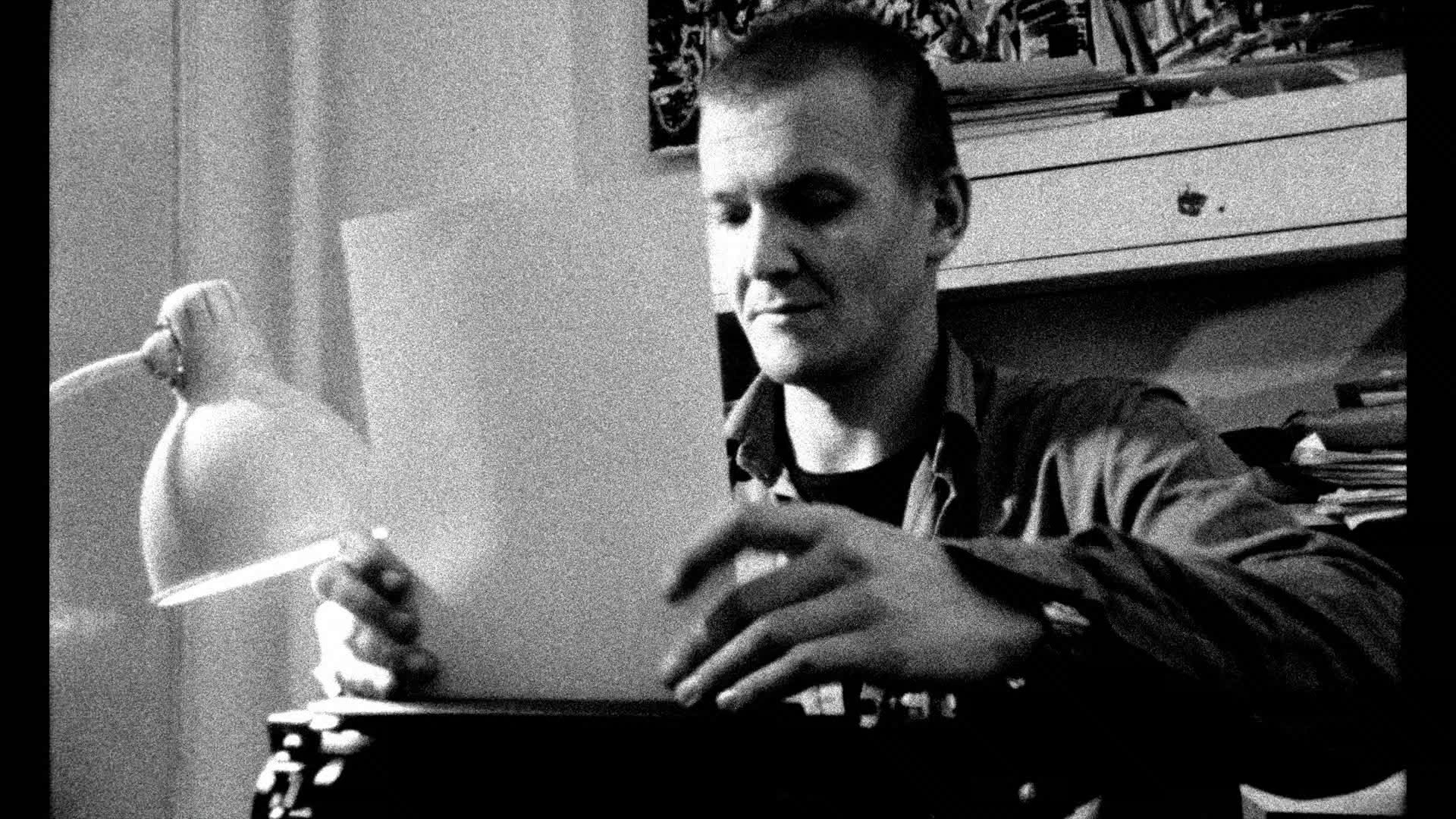
Lars von Trier’s Europe Trilogy - Screen Captures
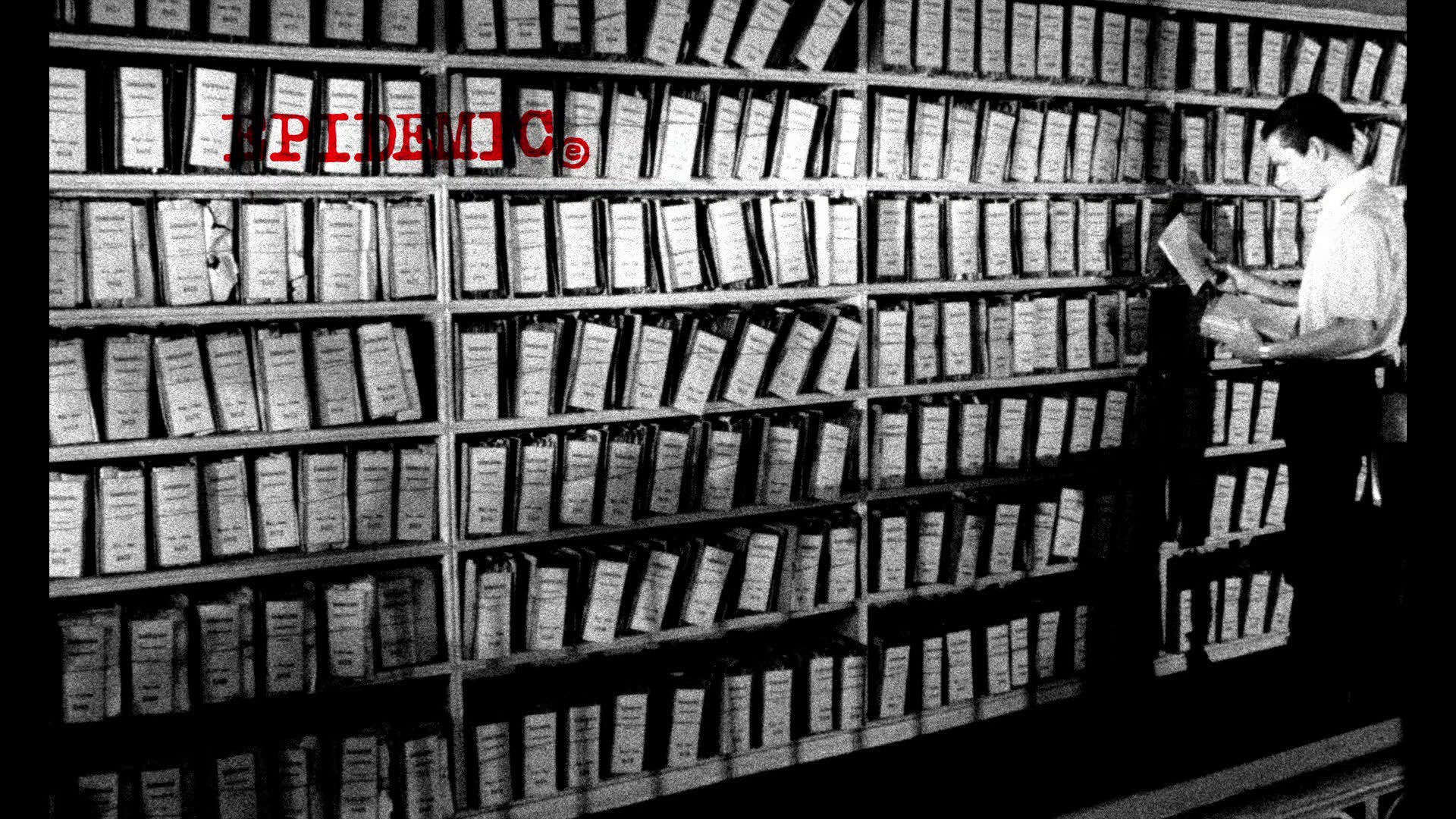
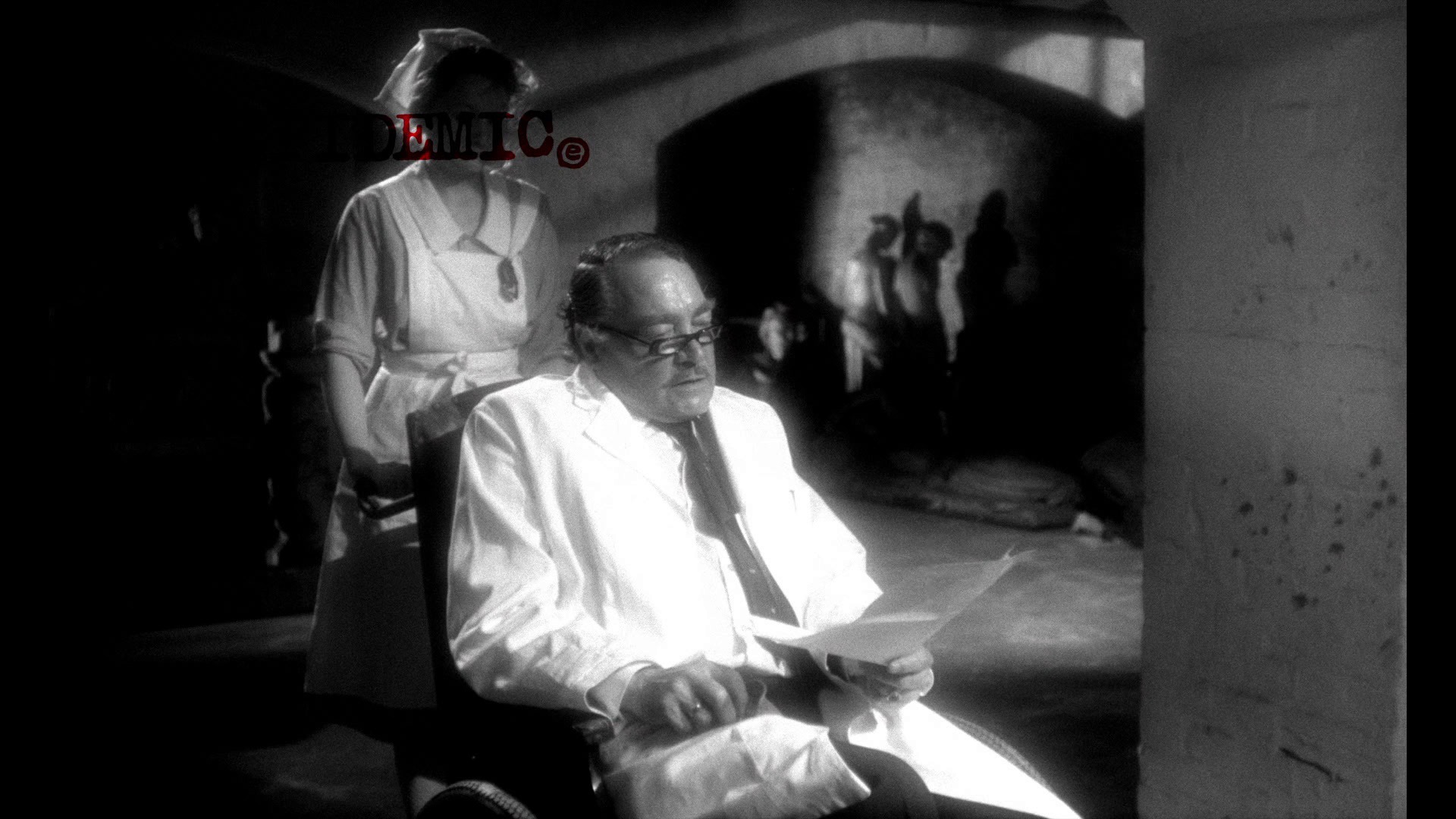
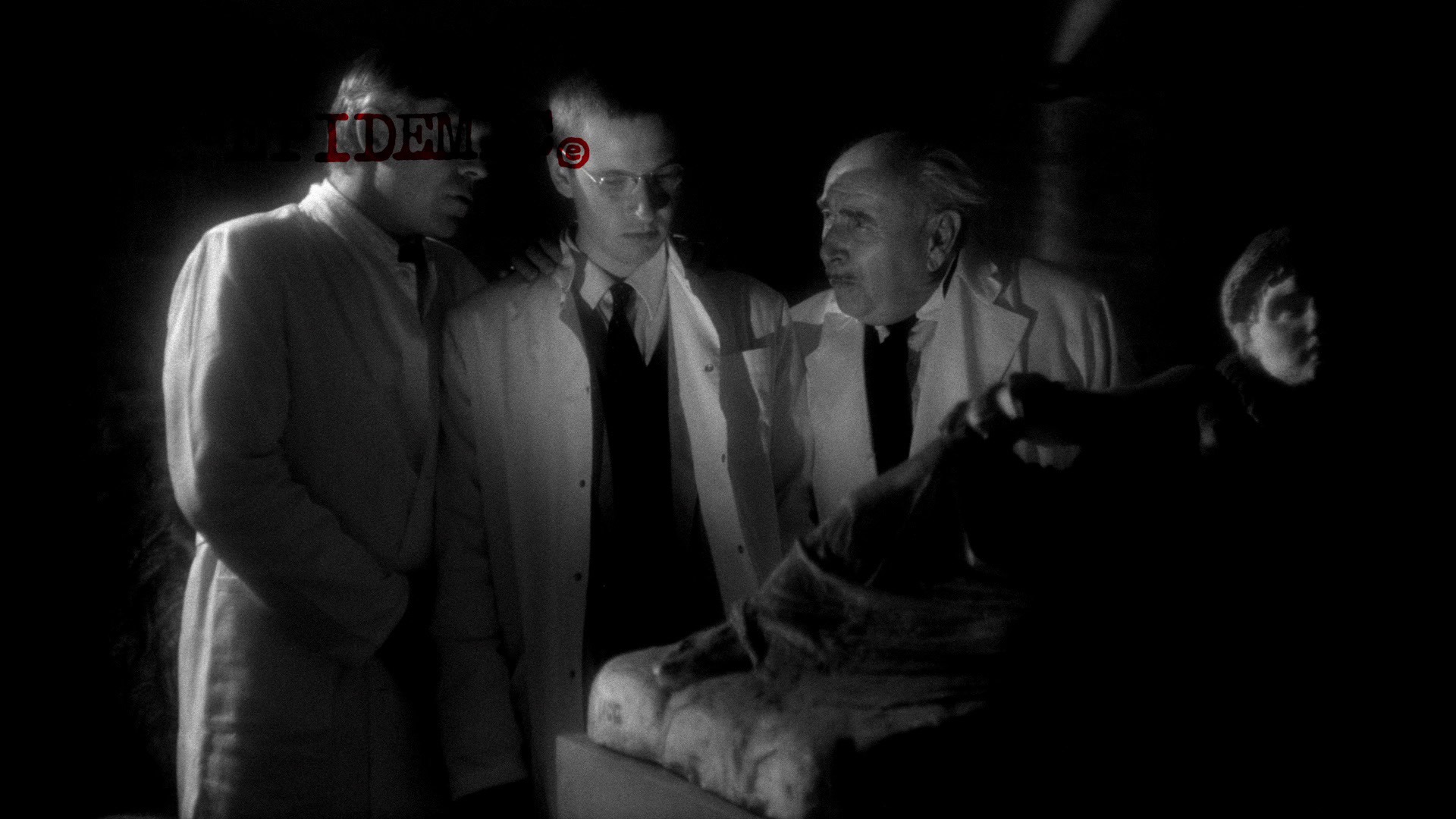
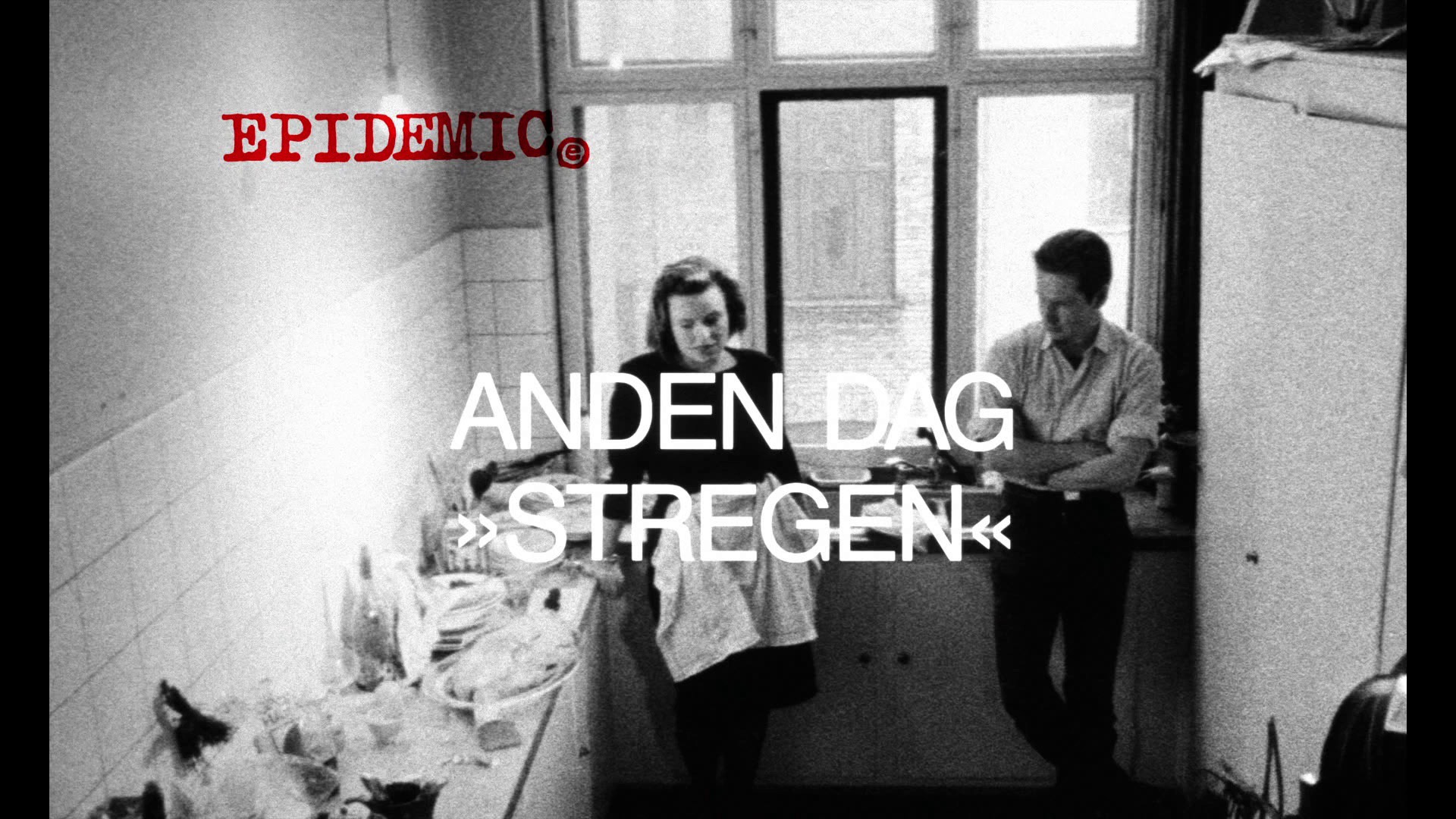
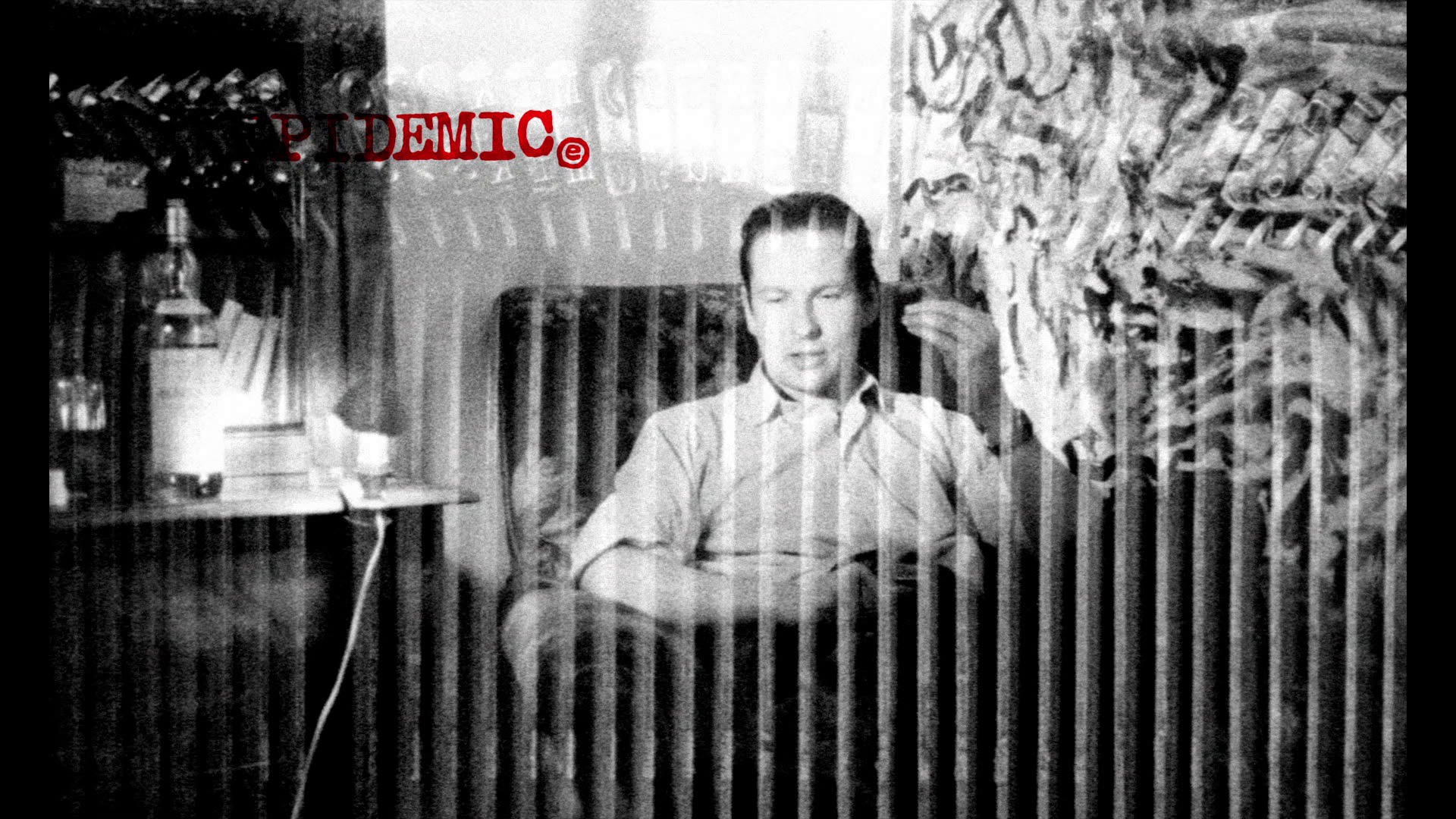
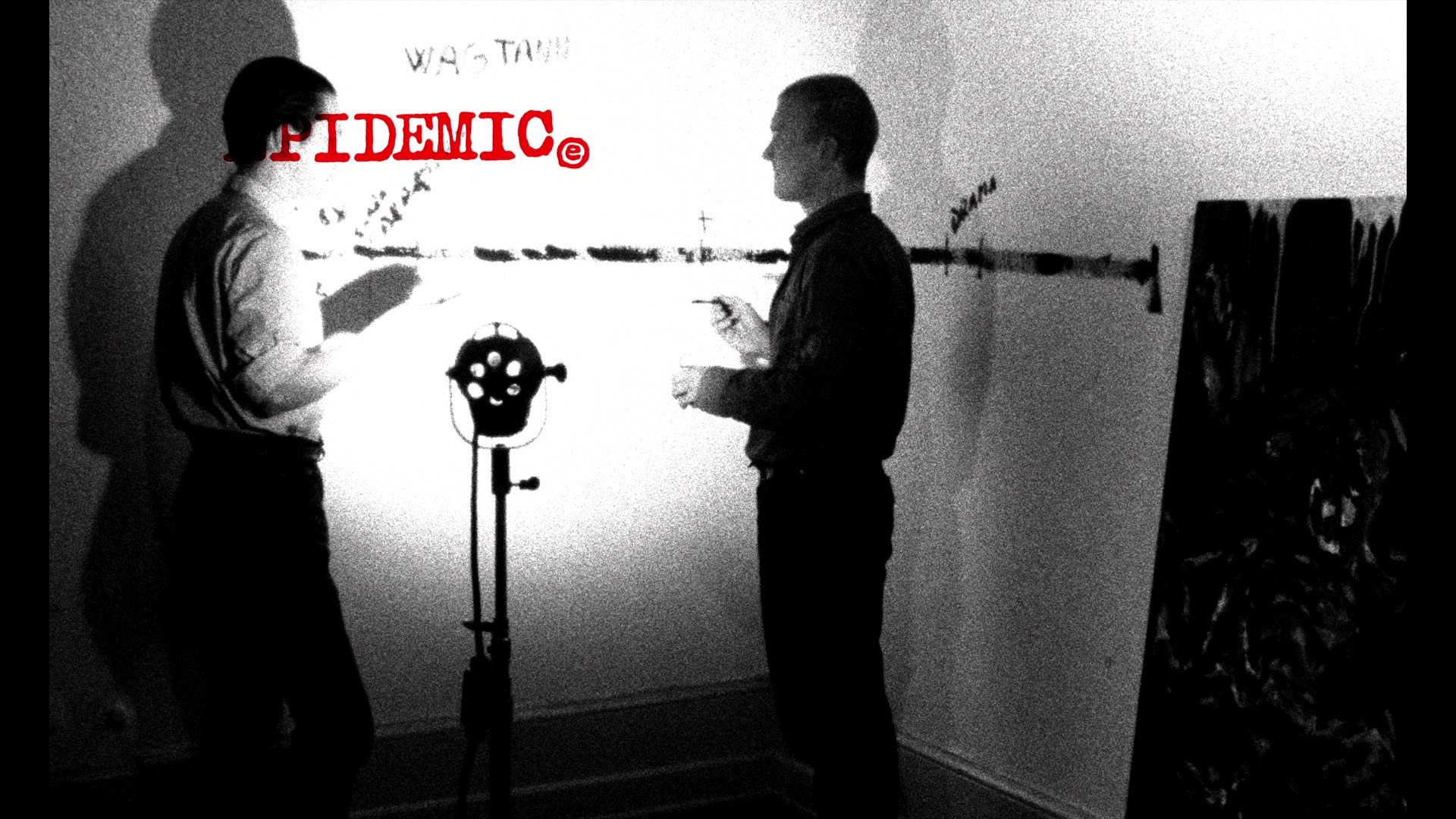
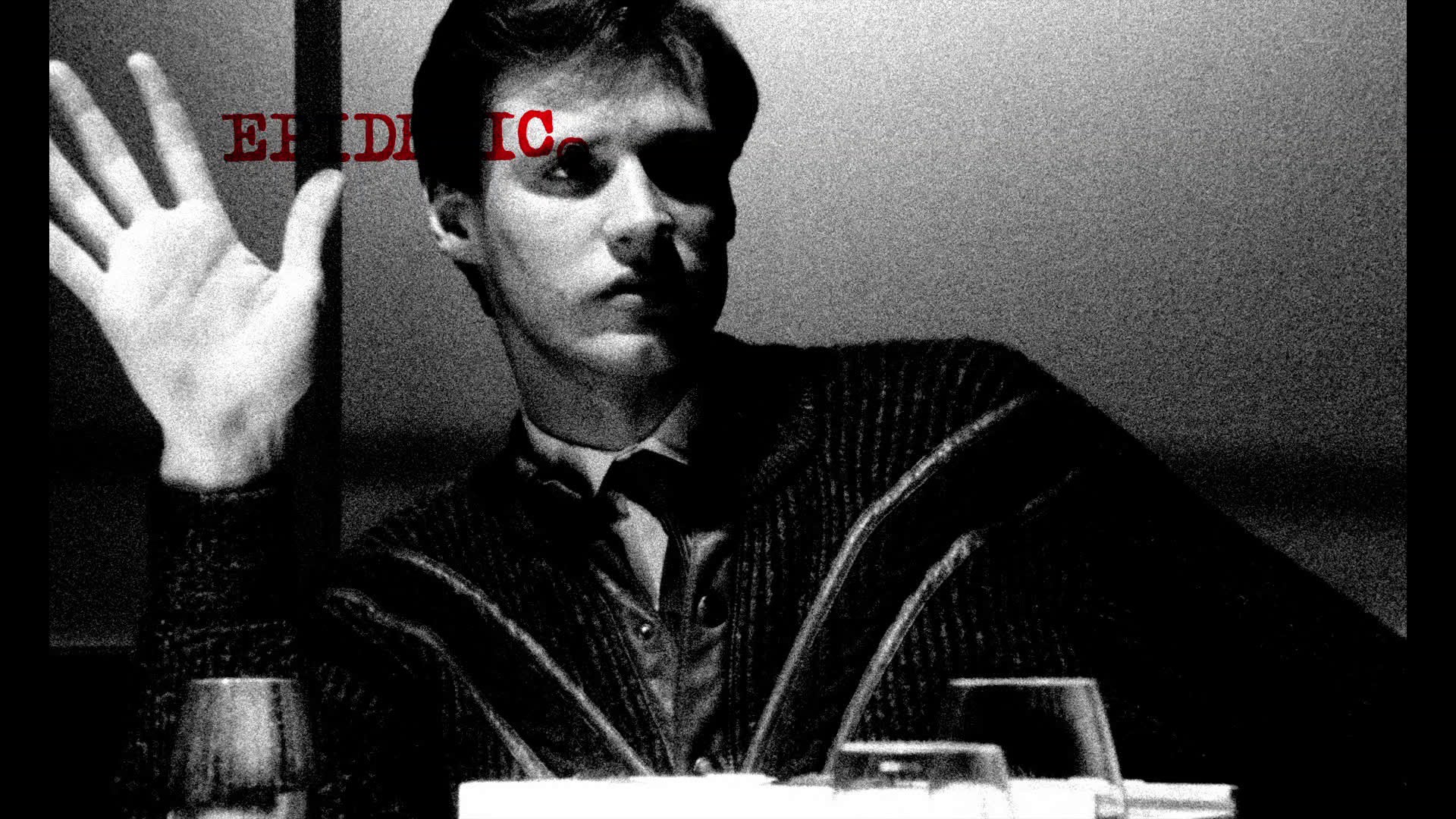
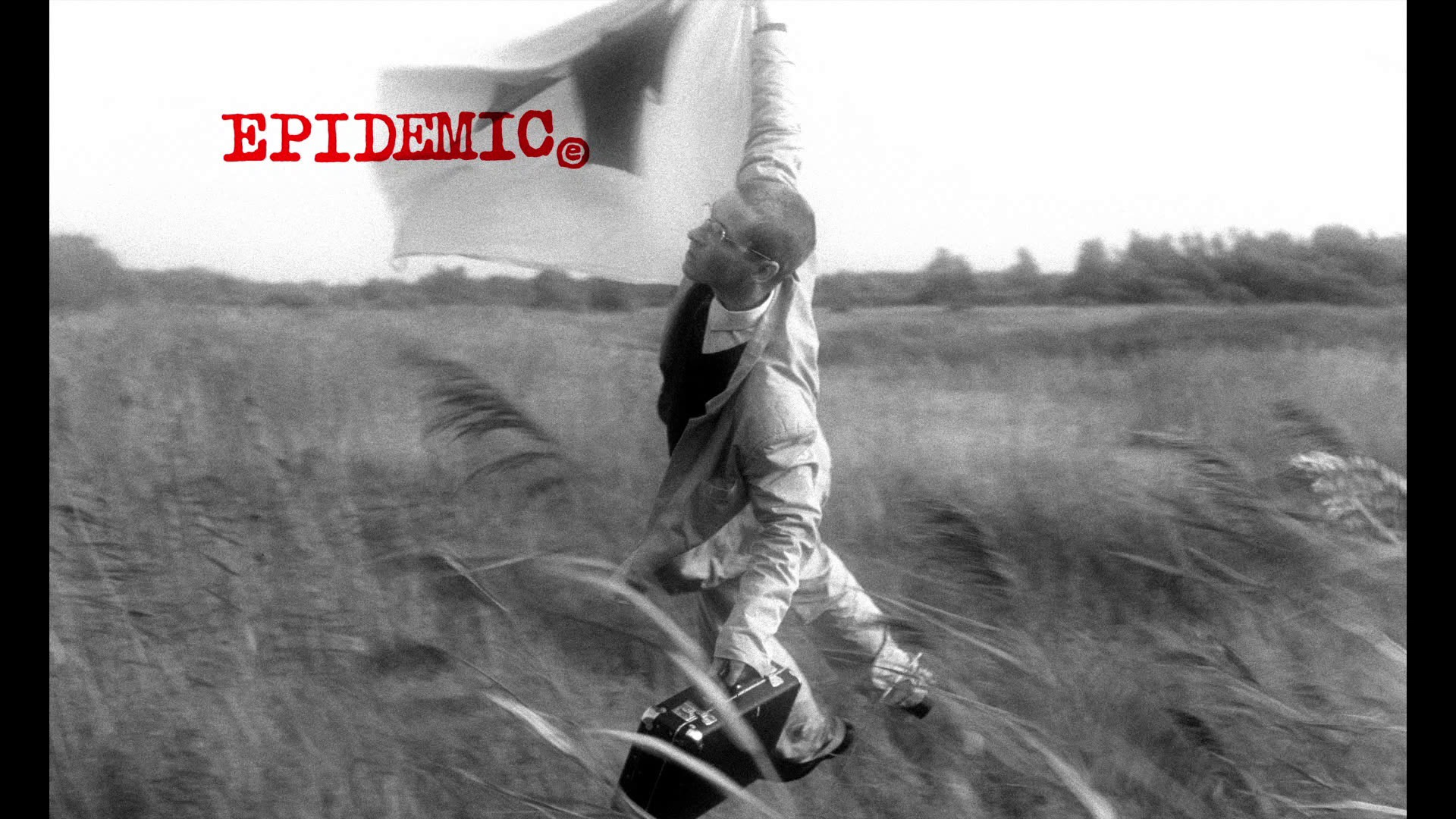
Audio 6/10
The film’s Danish/English monaural soundtrack is presented here in lossless PCM. The two sections of the film do come out sounding a bit different from one another. The film-within-the-film does sound cleaner with better range and fidelity. The Wagner excerpts end up sounding great! The “main” storyline comes out flatter and harsher, with short breadth and depth, but it reflects the documentary-like feel to these portions and is almost certainly all intentional. Despite those shortcomings, the presentation is clean and free of any severe damage.
Extras 6/10
Right off during the opening of the included supplement Anecdotes from “Epidemic,” film scholar Peter Schepelern states that Epidemic was necessary for von Trier to make but is, in the end, “not a good movie.” That opinion and feeling permeate through the rest of the features, which prove to be the weaker collection in the set. Part of the problem is that there isn’t all that much that is specific to the film, the trailer, the 17-minute Anecdote, and the 2005 audio commentary featuring Lars von Trier and Niels Vørsel being the extent of it.
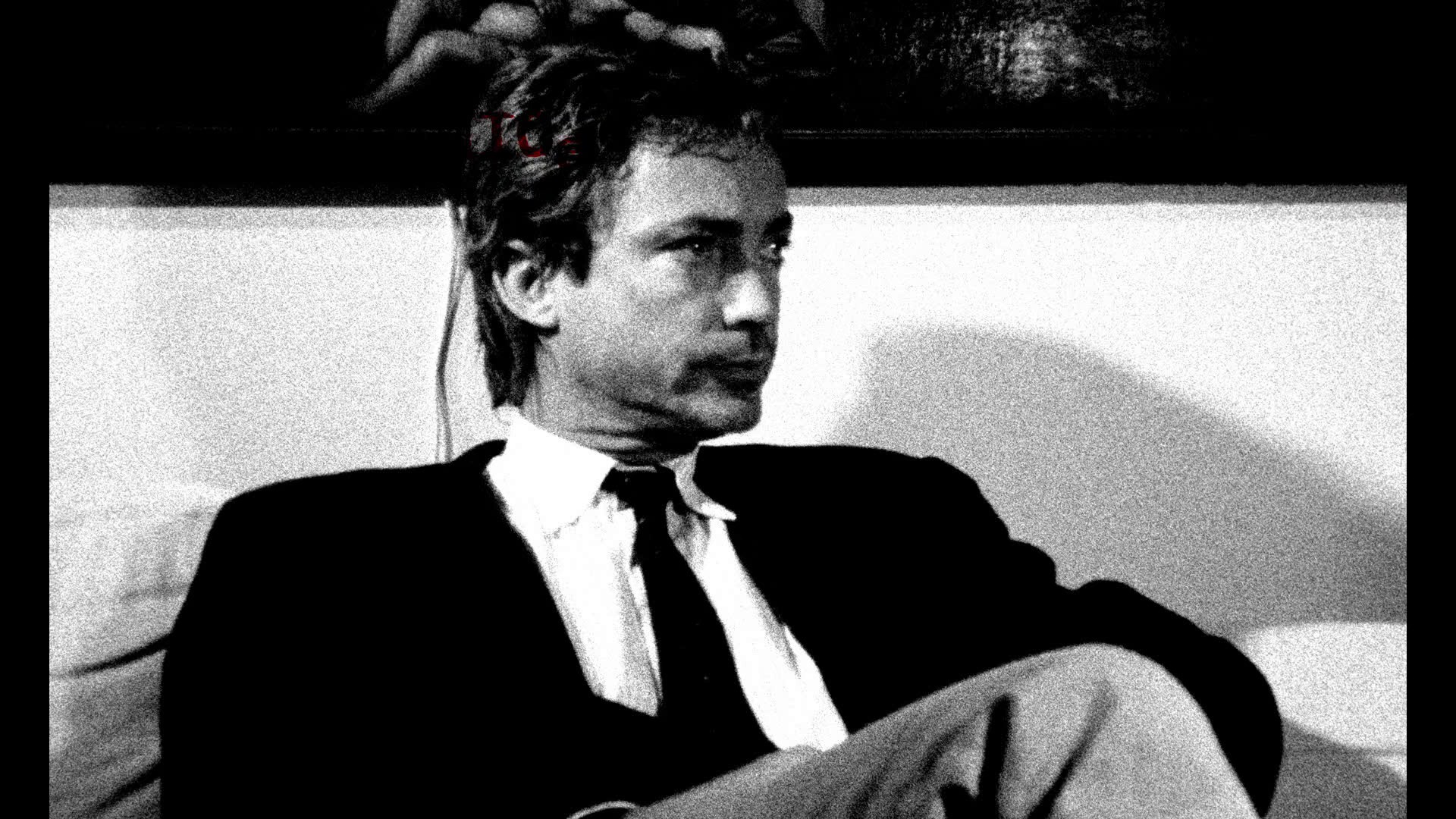
The commentary (recorded in English) disappoints after the rather interesting crew tracks found on The Element of Crime and Europa. The big issue is that there is a surprising amount of dead space, as though neither one is interested in discussing the film or production. They recall what they can about the story's development and manage to talk in-depth about a few key scenes (like the one where Udo Kier makes his appearance). Still, the most interesting discussions may revolve around the technical aspects, like filming in both 16mm and 35mm and bringing on Henning Bendtsen for the latter. There are some interesting comments and a few laughs to be found (mainly at the expense of the film), but on the whole, it’s one of the weaker tracks in the set.
The Anecdote documentary expands a bit on what’s covered in the track, getting insights from cinematographer Kristoffer Nyholm, actors Udo Kier and Michael Simpson, and film consultant Claes Kastholm Hansen. There are some interesting stories, like one where actor Michael Simpson talks about his cabbie scene, which shouldn't be a shock to learn was not scripted. This includes more discussion around the film’s origins (it was made a bet that von Trier couldn’t make a film for a million Danish krone) and how research completed for this film led to The Kingdom.
The documentary proves all well and good, but all insights into the film end there, as the following few features are broader in scope. A 32-minute television profile on von Trier (aptly titled A Portrait of Lars von Trier) goes over his career and work, with the director sitting in for an interview. It’s okay for what it is, and the interview with the filmmaker can be a bit of a riot at times (we’ll say he’s honest about things), but it is centered more around Europa, which was being released when the program originally aired. It’s a great inclusion, but it feels to be accompanying the wrong title.
And the same can be said for the next feature, which was previously found on Criterion’s DVD edition of Europa: From Dreyer to von Trier, a 13-minute interview with cinematographer Henning Bendtsen. As mentioned above, Bendtsen did film the 35mm sequences in Epidemic; however, the focus here is still primarily on Europa when the director of photography isn’t talking about von Trier or his work with director Carl Th. Dreyer. It’s still a satisfactory interview, Bendtsen even comparing the two filmmakers, but it again feels to be with the wrong title in this set.
And that's it. The film may not be considered the best in the trilogy (or in von Trier’s filmography as a whole), but I think it deserves more analysis and coverage than it has received here. A missed opportunity.
Closing
The disc is easily the weakest one in the otherwise fantastic box set, the film receiving the short end of the stick when it comes to both presentation and supplements.
BUY AT: