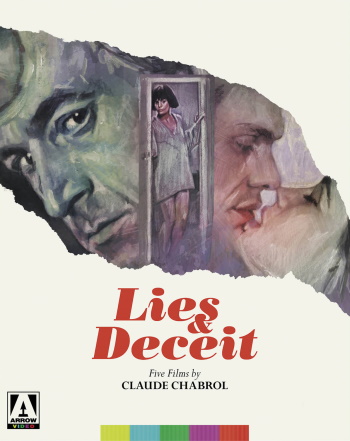
Lies & Deceit: Five Films by Claude Chabrol
BUY AT:



See more details, packaging, or compare
Synopsis
Too often overlooked and undervalued, Claude Chabrol was the first of the Cahiers du Cinema critics to release a feature film and would be among the most prolific. The sneaky anarchist of the French New Wave, he embraced genre as a means of lifting the lid on human nature. Nothing is sacred and nothing is certain in the films of Claude Chabrol: anything can be corrupted, and usually will be.
The hidden meaness of provincial life is at the heart of Cop Au Vin (Poulet au vinaigre), as deaths and disappearances intersect around the attempt by a corrupt syndicate of property developers to force a disabled woman and her son from their home. Actor Jean Poiret would prove so compelling as the laconic Detective Inspector Lavardin good cop/bad cop all in one that the sequel would be titled after him. Inspector Lavardin sees the titular detective investigating the murder of a wealthy and respected catholic author, renowned for his outspoken views against indecency, whose body is found naked and dead on the beach. In Madame Bovary, Chabrol directs one of his greatest collaborators, actress Isabelle Huppert, in perhaps the definitive depiction of Flaubert’s classic heroine. Meanwhile Betty, adapted from the novel of the same name by Maigret author Georges Simenon, is a scathing attack on the uppermiddle classes, featuring an extraordinary performance by Marie Trintignant as a woman spiraling into alcoholism, but fighting to redefine herself. Finally, in Torment (L’enfer) Chabrol picks up a project abandoned by Henri Georges Clouzot, in which a husband’s jealousy and suspicion of his wife drive him to appalling extremes. Francois Cluzet and Emmanuelle Beart give career best performances as the husband and wife tearing each other apart.
With brand new digital restorations, this inaugural Arrow Video collection of Claude Chabrol on Bluray brings together a wealth of passionate contributors and archival extras to shed fresh light on the films and the filmmaker.
Picture 8/10
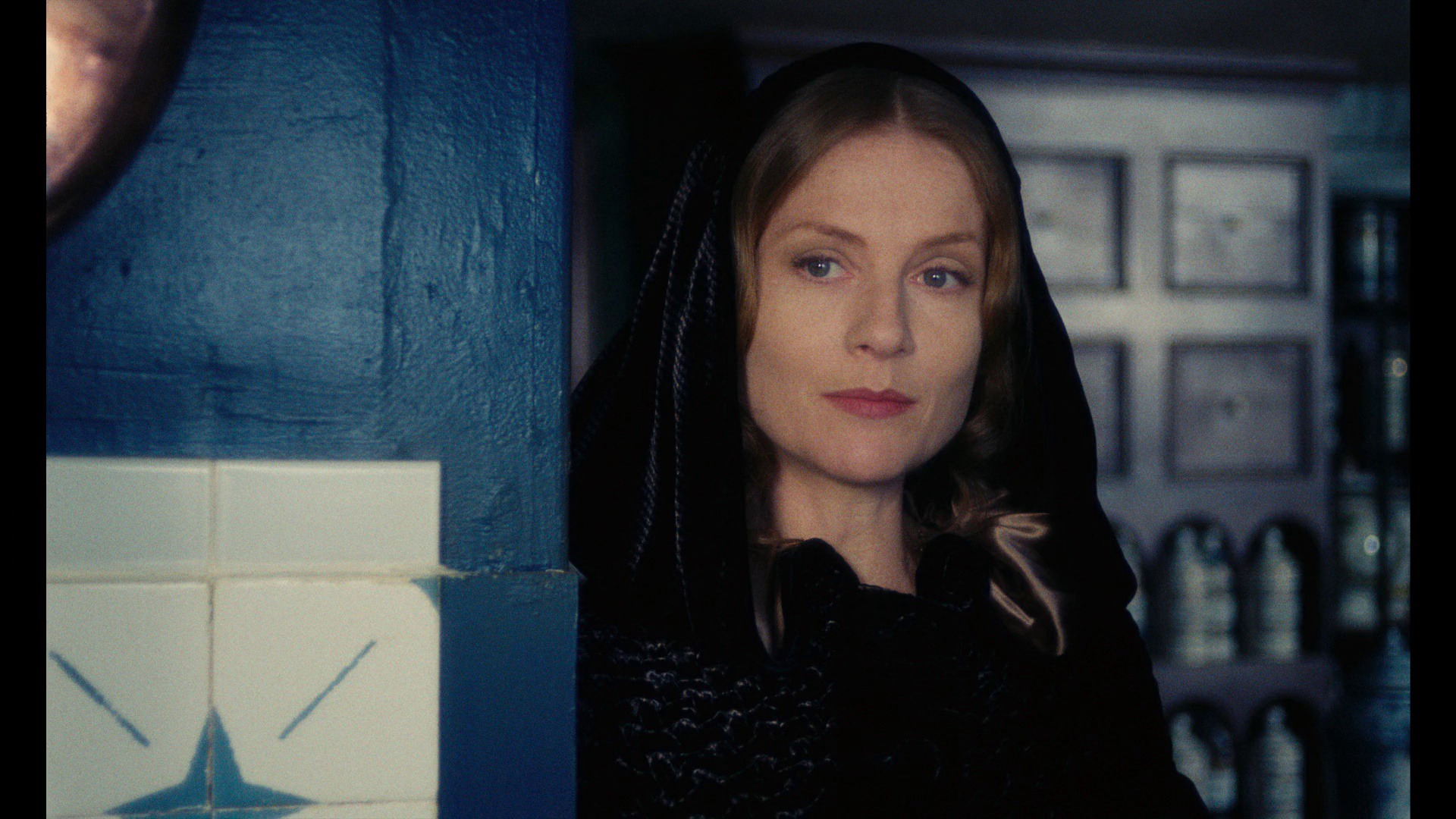
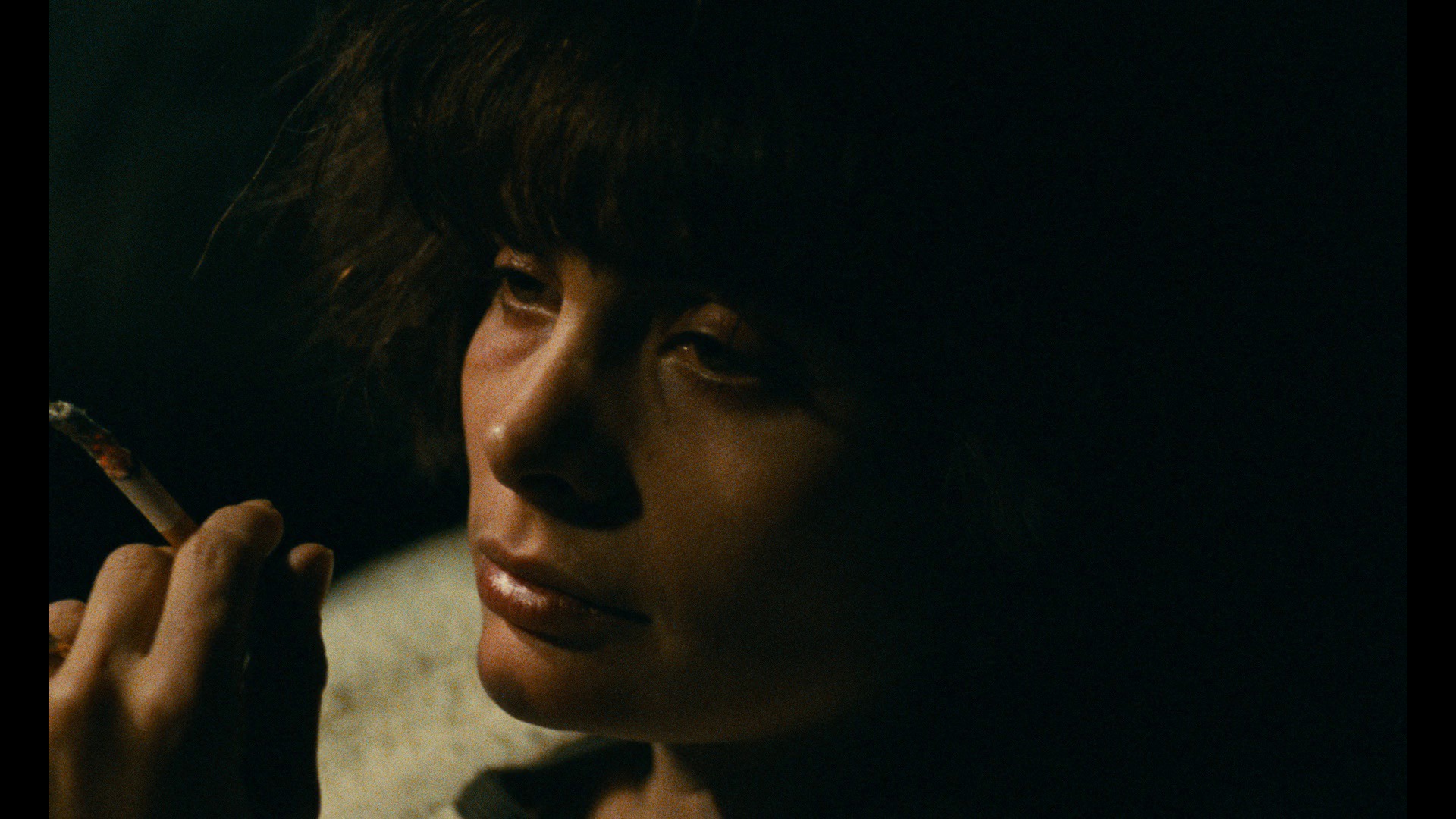
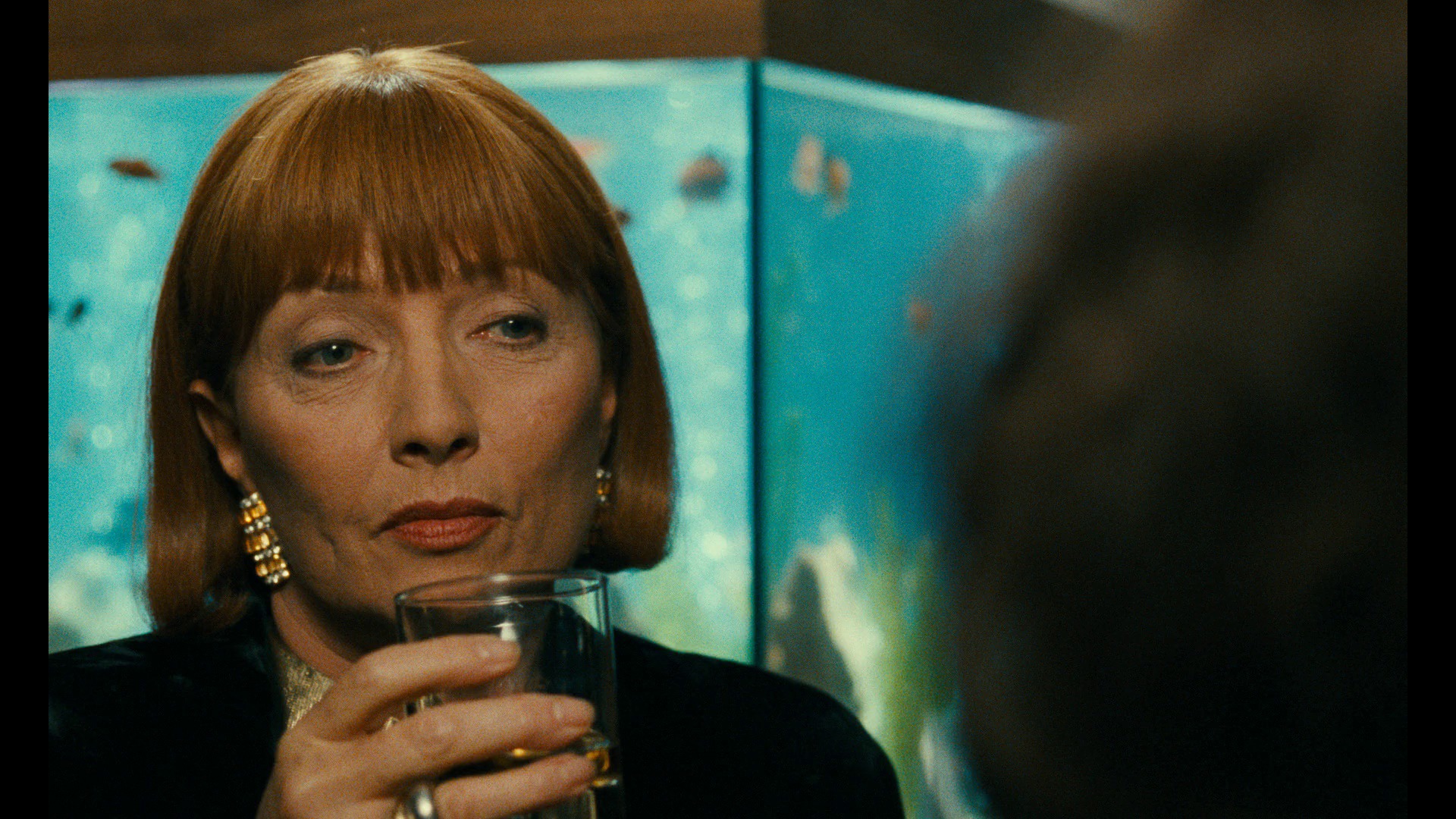
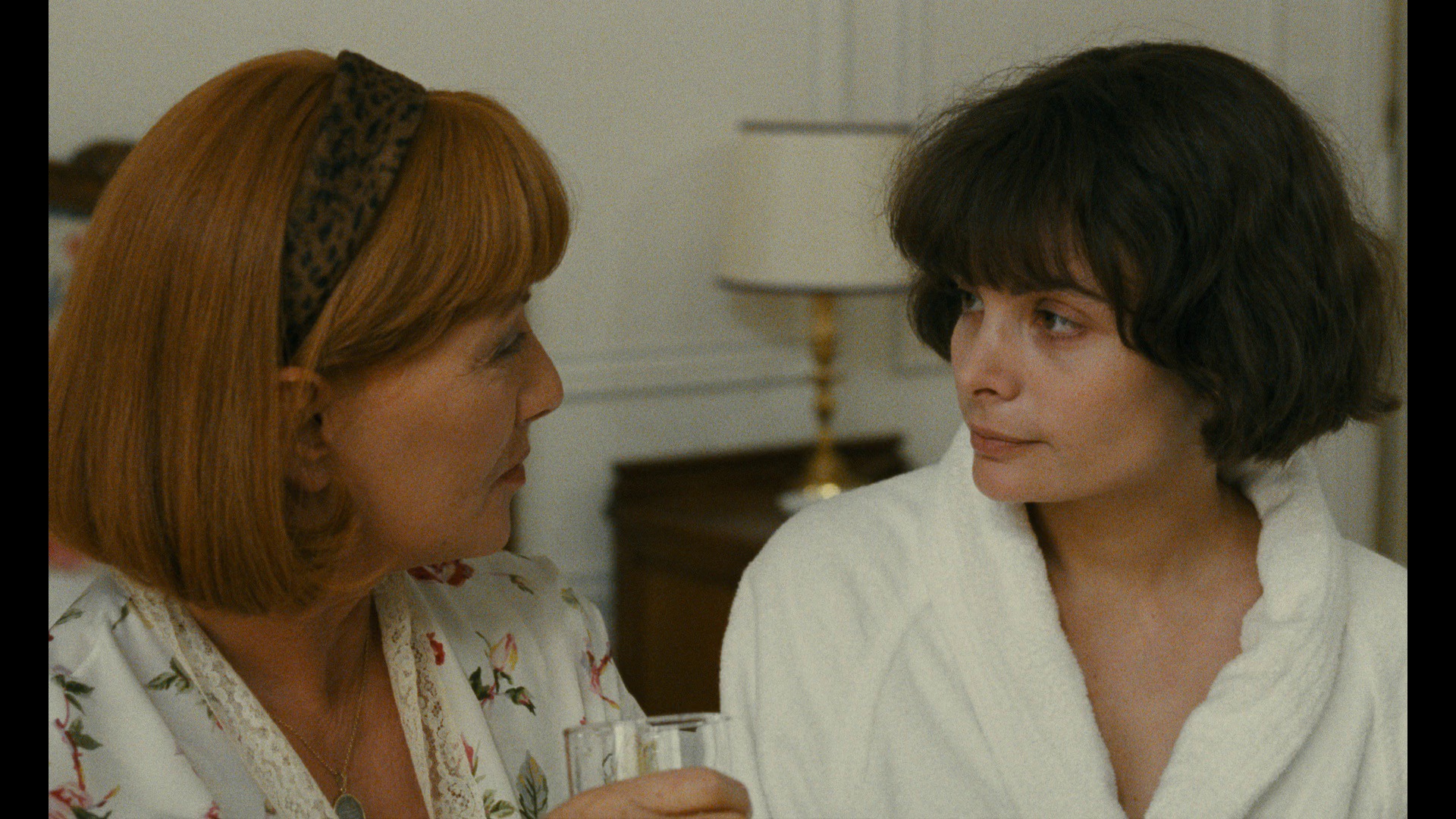
Arrow Video gathers five of director Claude Chabrol’s later films together in their latest box set, Lies & Deceit: Five Films by Claude Chabrol. Spread over five dual-layer discs are Cop au Vin, Inspector Lavardin (both featuring the same detective character), Madame Bovary, Betty, and Torment, all presented in the aspect ratio of 1.66:1 with 1080p/24hz high-definition encodes. The latter three films come from recent 4K restoration performed by MK2, more than likely scanned from the original negatives. Arrow doesn’t supply any details about the source masters for the two Inspector Lavardin films, but they could also very well be from 4K restorations, or newer, very solid 2K restorations.
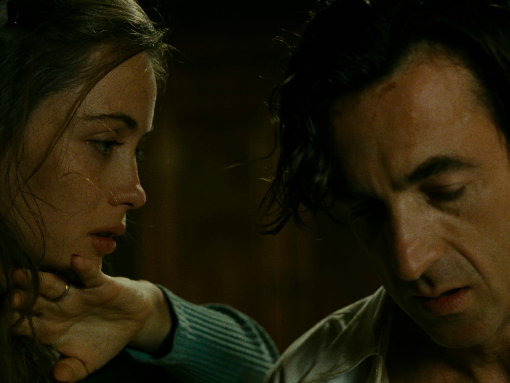
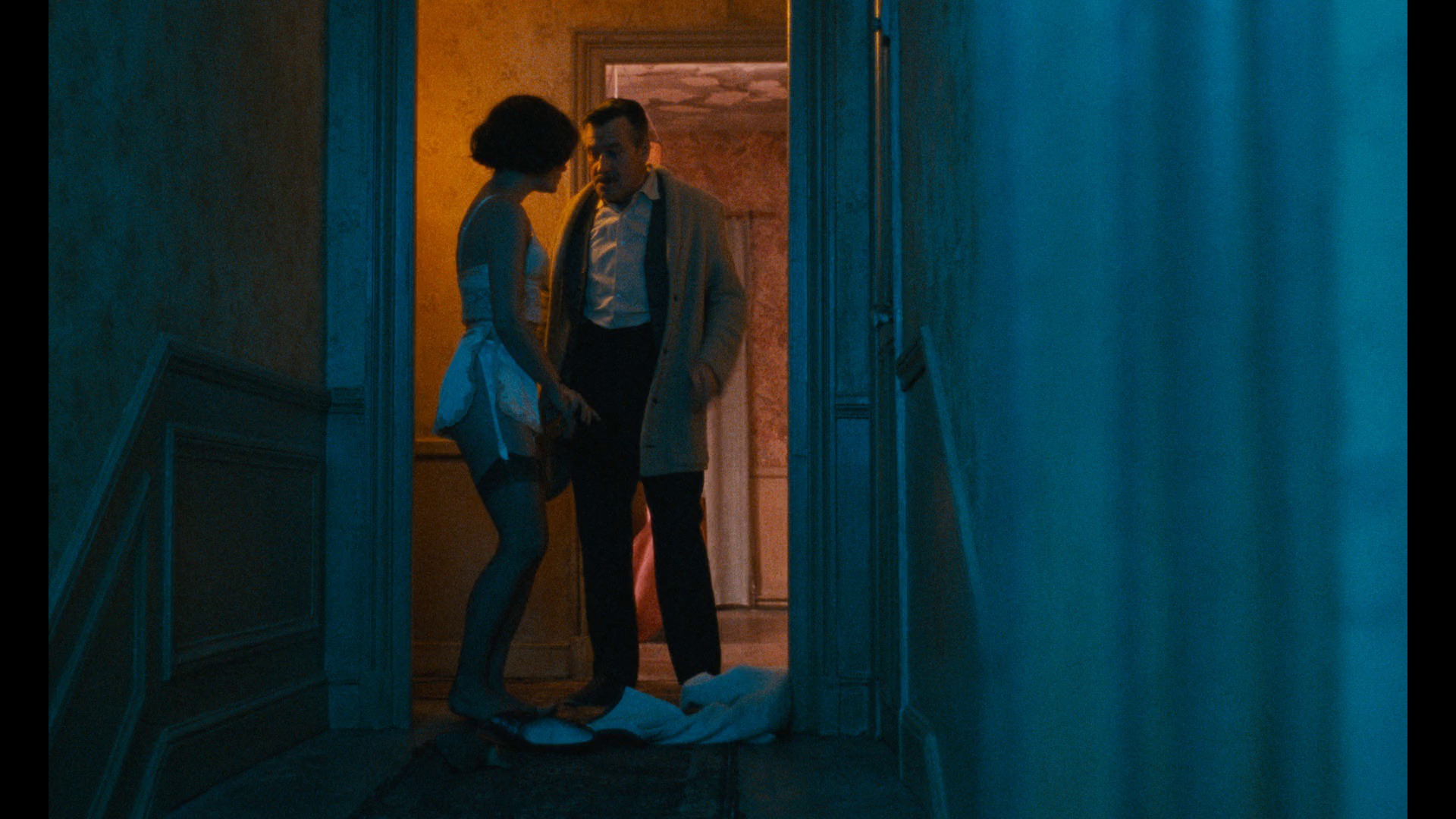
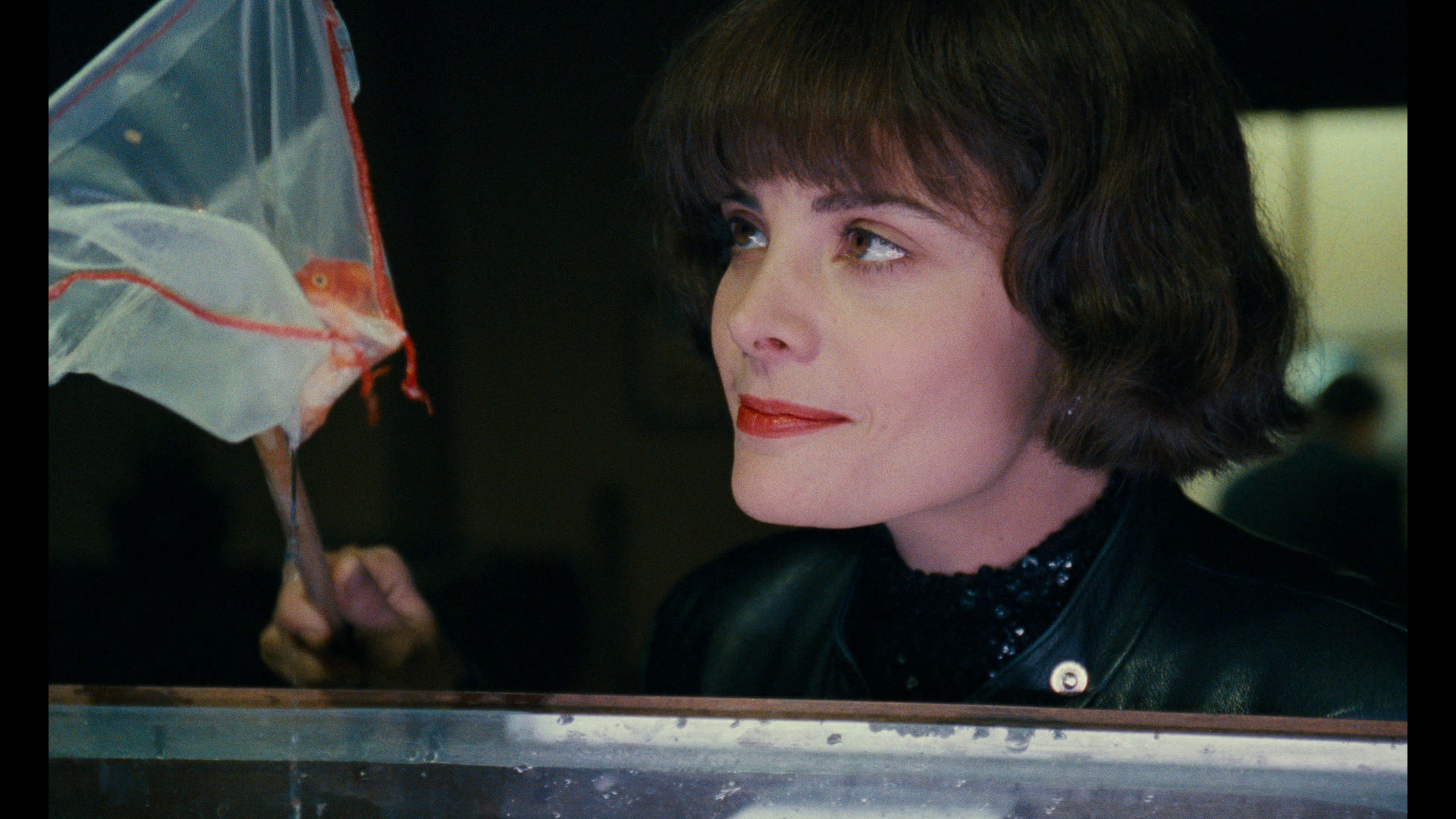
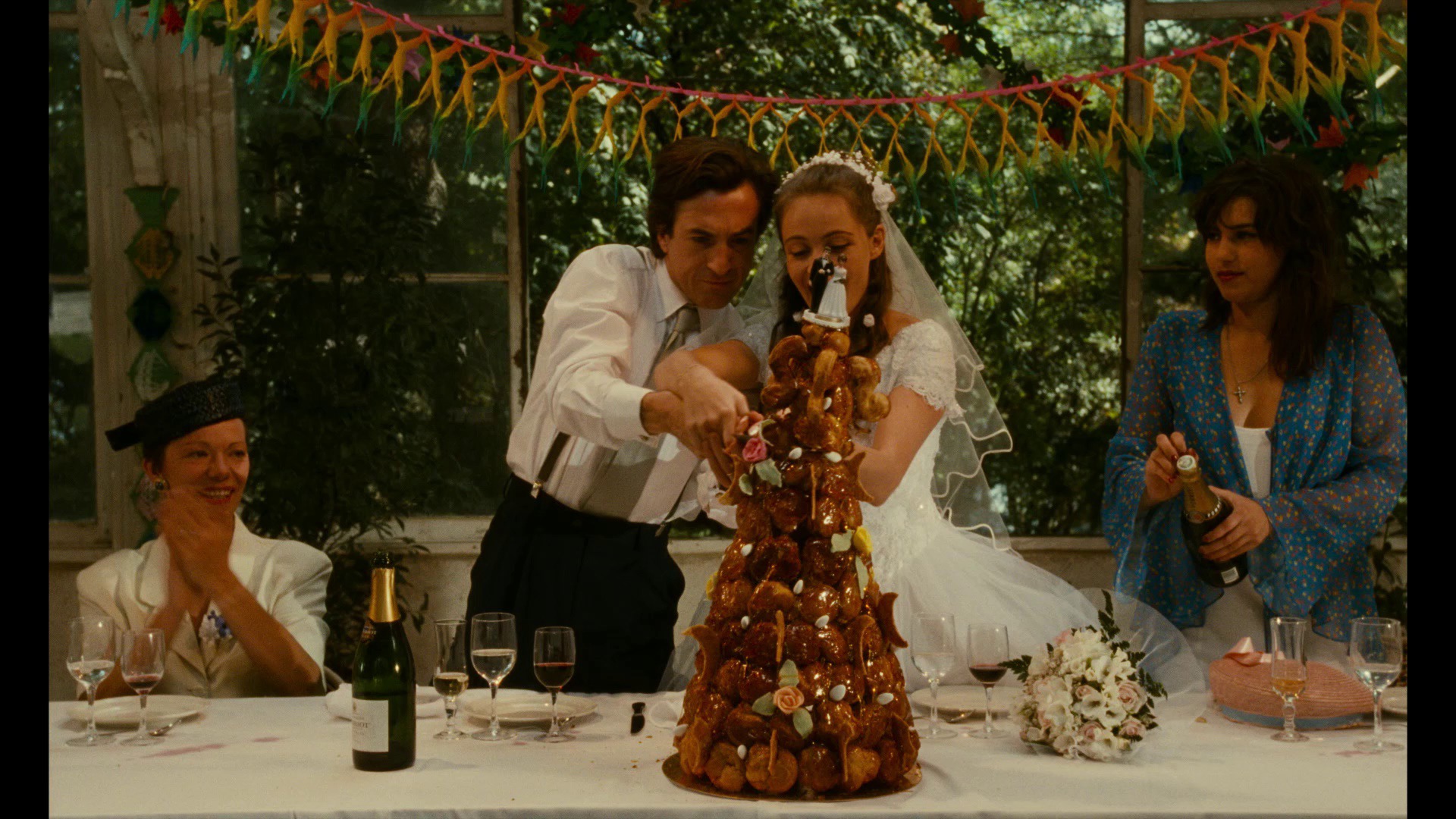
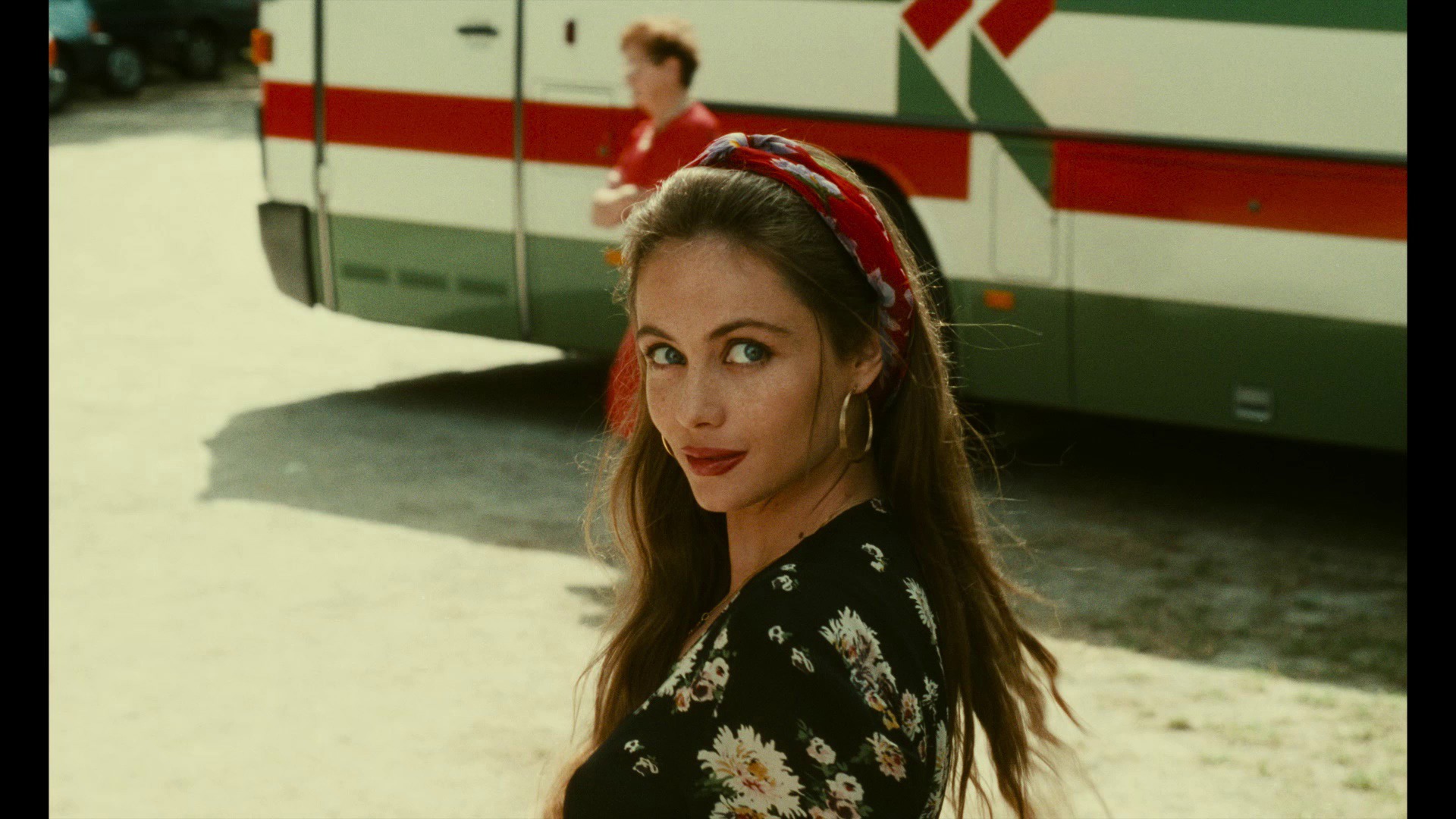
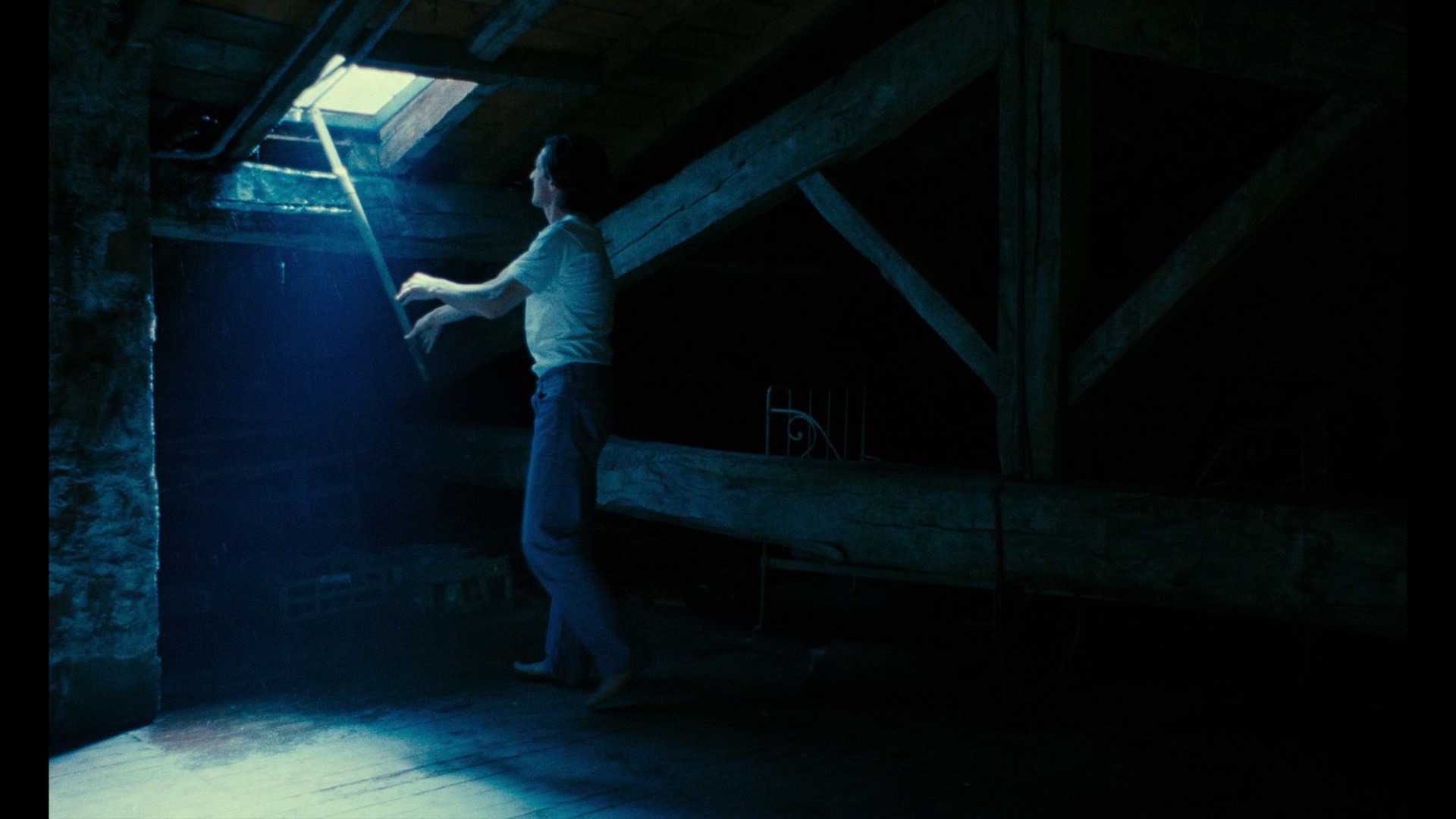
All five films come out looking incredible in the end: the restoration work has thoroughly cleaned the materials up, only leaving behind the odd spec or two, while the encodes are all gorgeous, capturing fine grain incredibly in each presentation. In this latter aspect, the last three films do end up looking cleaner with a much finer looking grain, but the two Lavardin films are no slouch themselves, rendering it impeccably even if it can look a wee-bit thicker at times. Details are always clear, right down to the finer ones like stitching and blades of grass, and there is a very nice filmic texture to each of them.
The only area where things get a bit questionable is the colour grading. Inspector Lavardin through Torment all feature a prominent warmer look, with things leaning heavily towards yellow, while Cop au Vin probably leans more on the cooler teal end of the spectrum. Usually this can bother me, though I didn’t find any of this to come off all that bad, for the most part at any rate. Outside of Inspector Lavardin the grading doesn’t impact the presentations all that much, with that film presenting blacks that can come off a little milky in the shadows. The other films handle black levels a bit better, offering up more details in the shadows, and in the case of all four yellow-er films, the whites at least come off more along the lines of a warm white and don’t look to have been soaked in something yellow. Cop au Vin has decent if unspectacular black levels, and whites do lean noticeably cooler.
Some aspects of the grading did bother me, particularly in Inspector Lavardin and Torment. While I could accept the warmer look of the films, especially in comparison to how the films look in the clips from older masters used in archival DVD features found throughout the supplements (all presenting far cooler colours, killing details in some day-for-night sequences in the process), some of the blues found in longer shots of water, or in shots featuring the sky, look greener or more along the lines of a cyan. Outside of these sequences the colours otherwise looked fine enough, other blues coming out looking strong.
In all, there are a handful of minor issues throughout the set, but on the whole I found all the presentations to look wonderful.
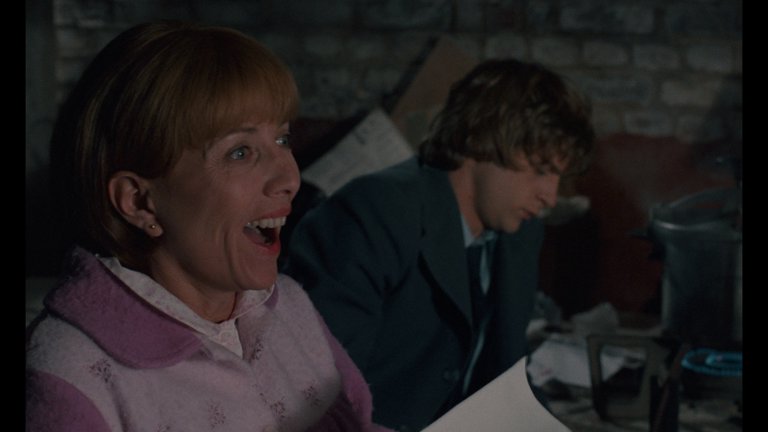
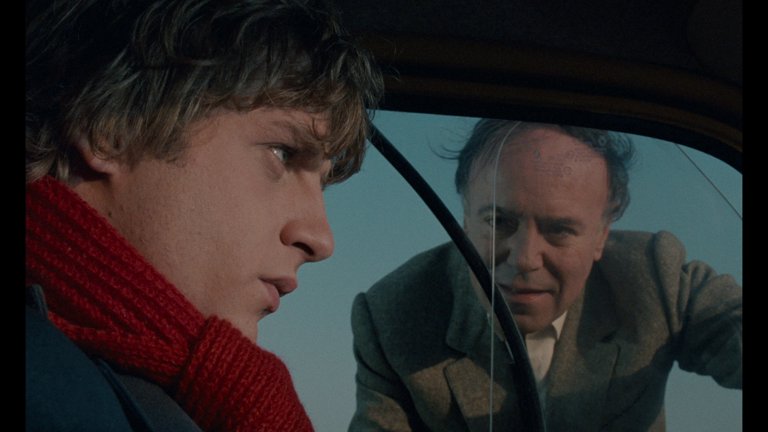
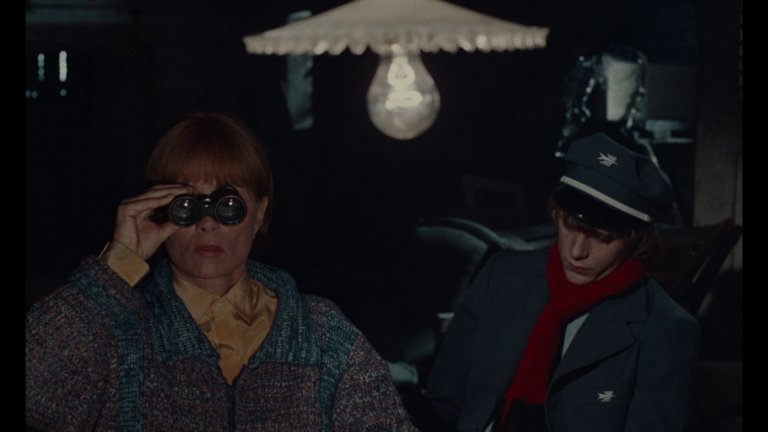
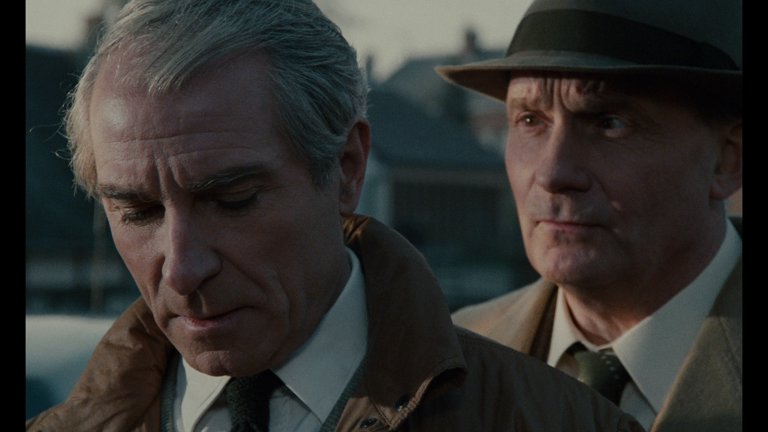
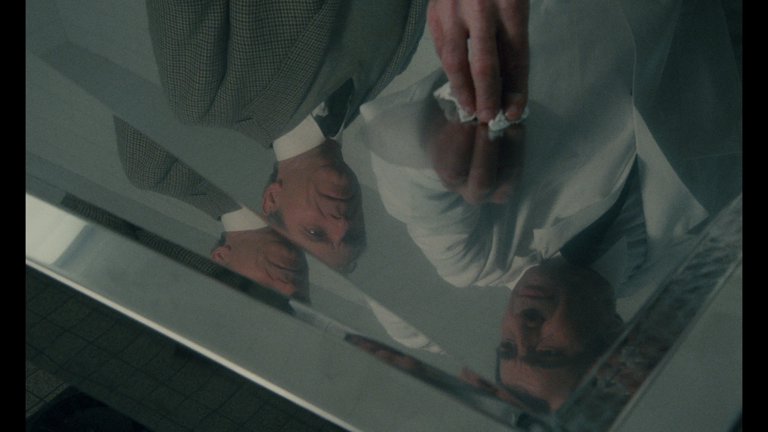
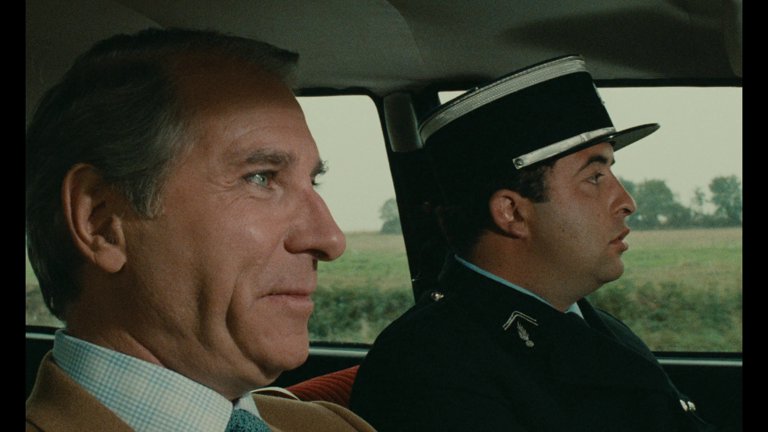
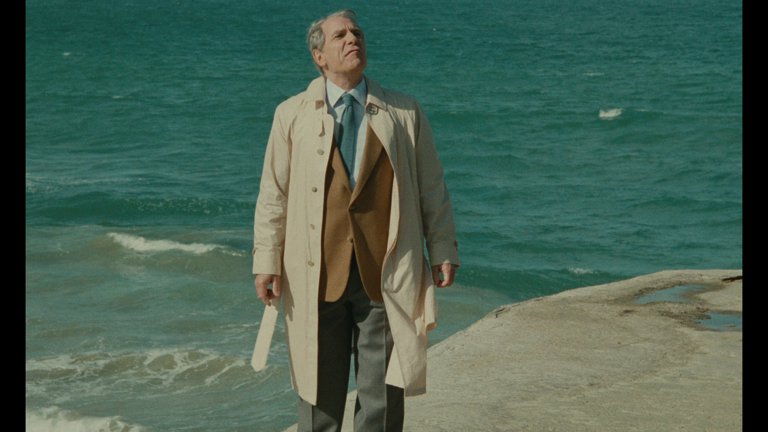
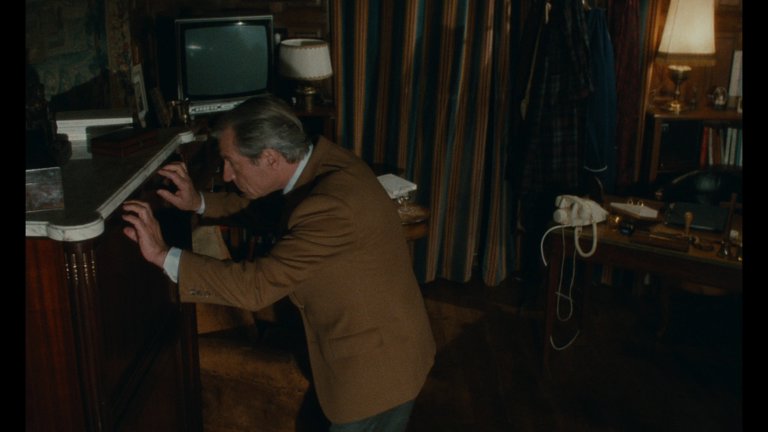
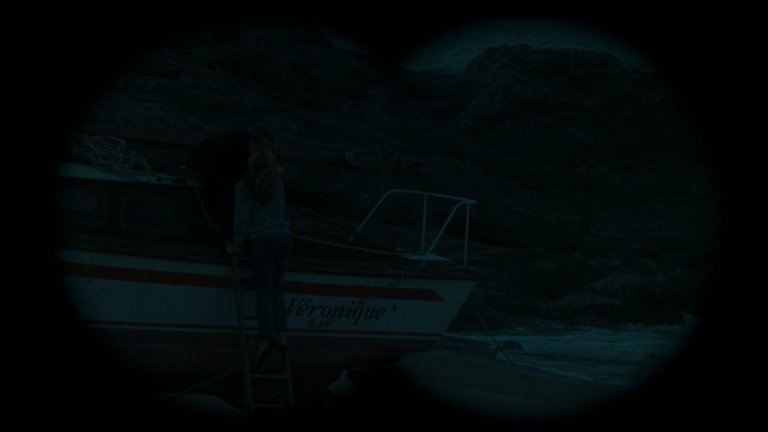
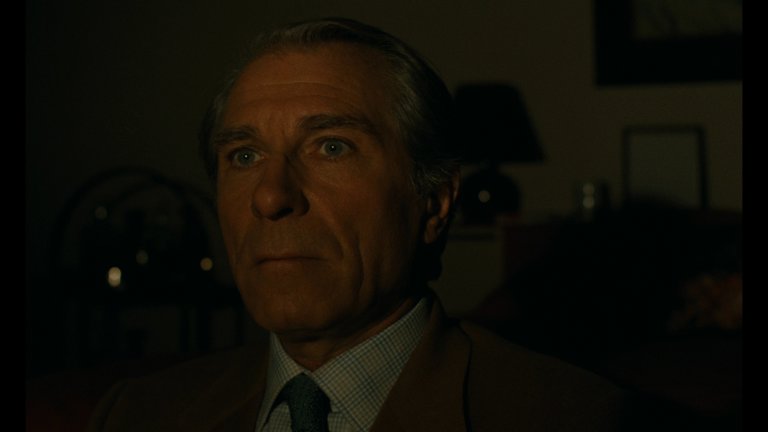
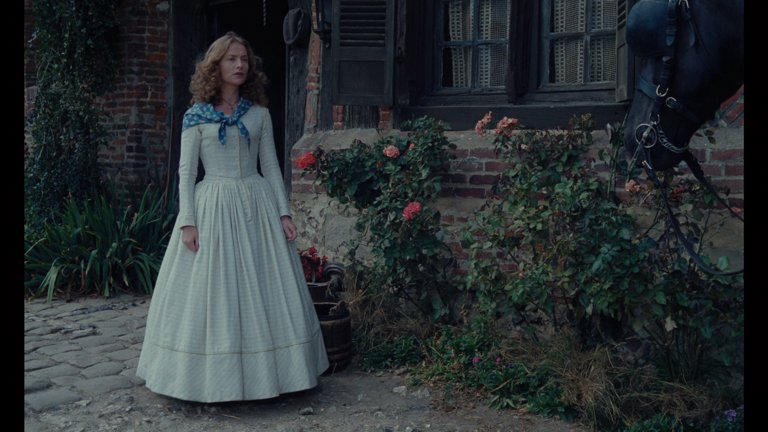
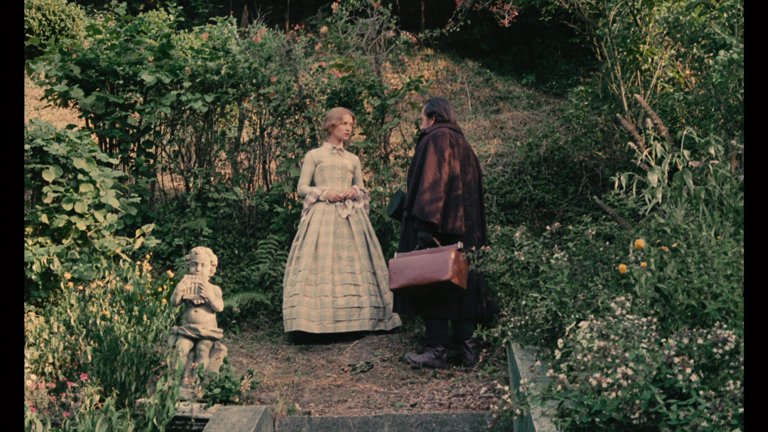
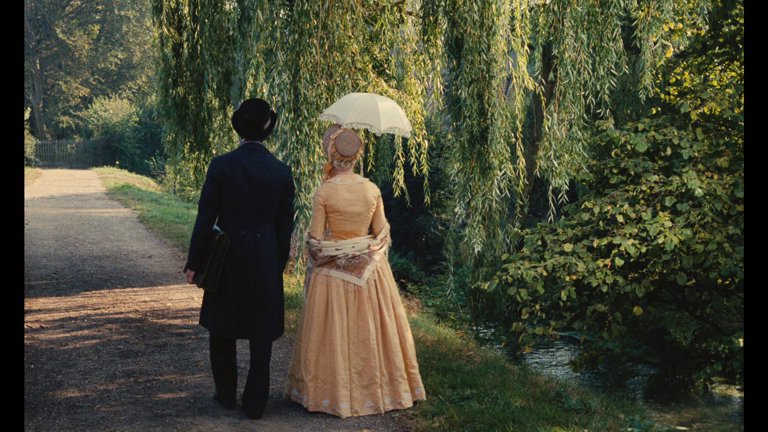
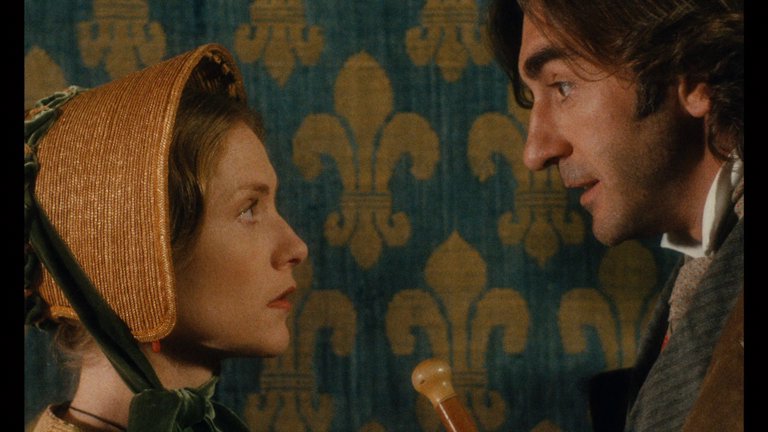
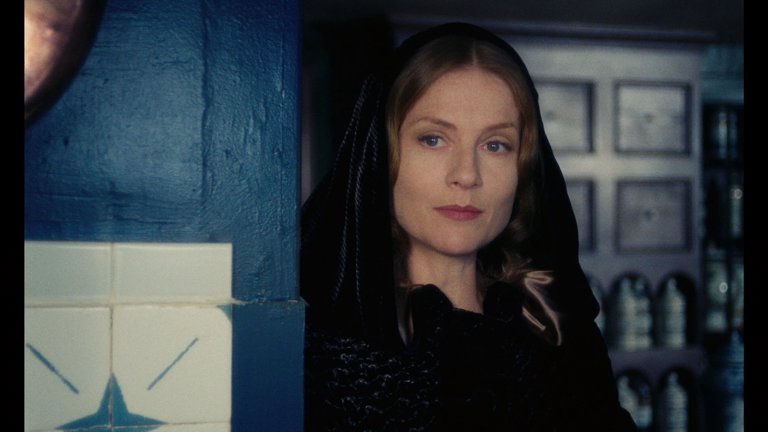
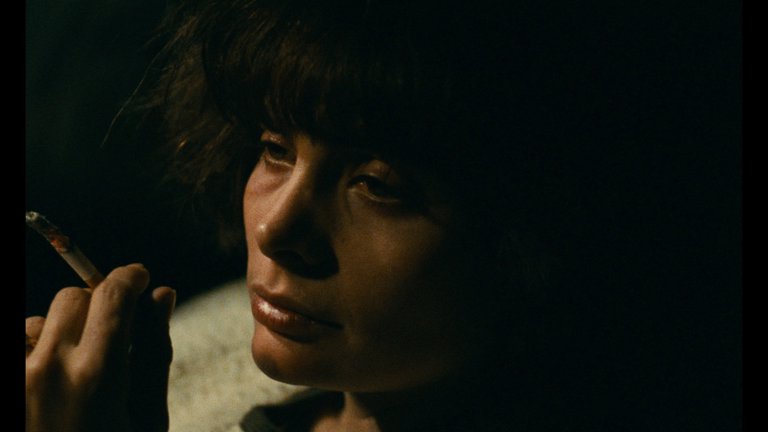
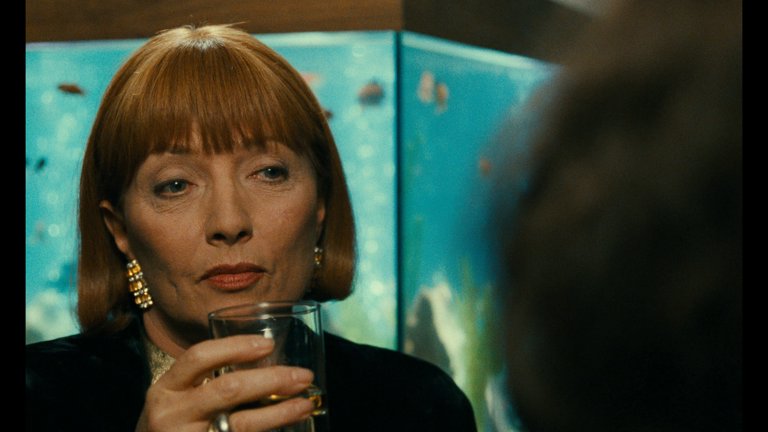
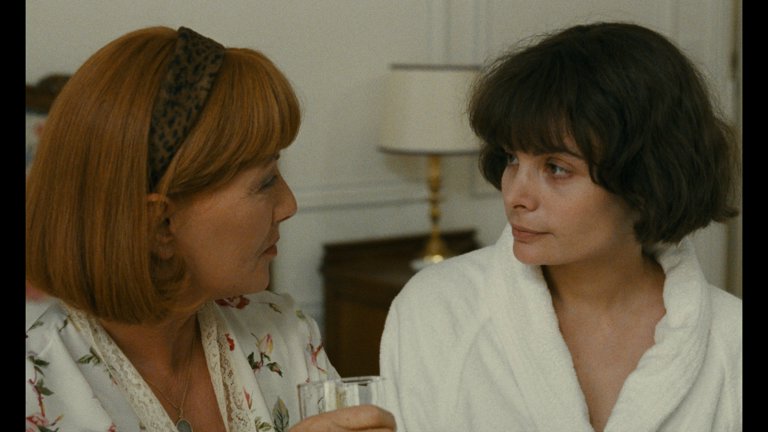
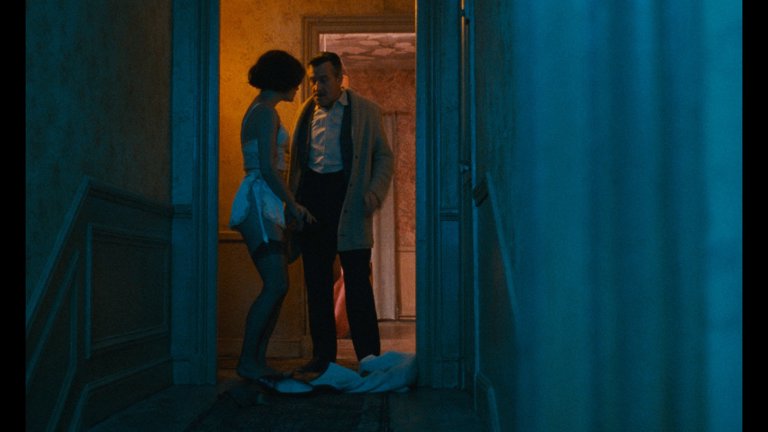
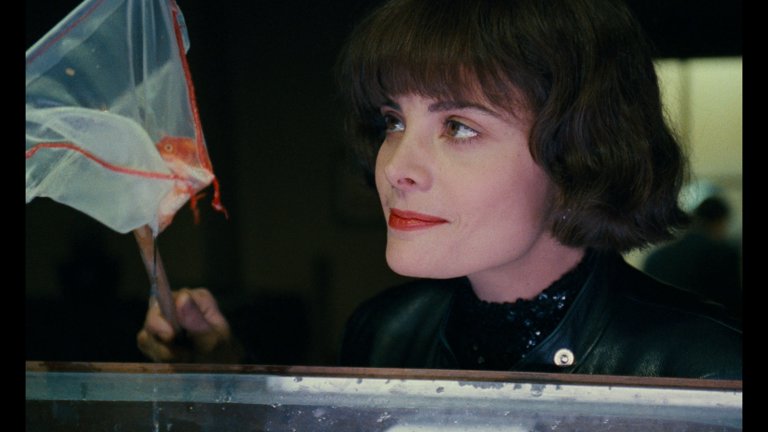
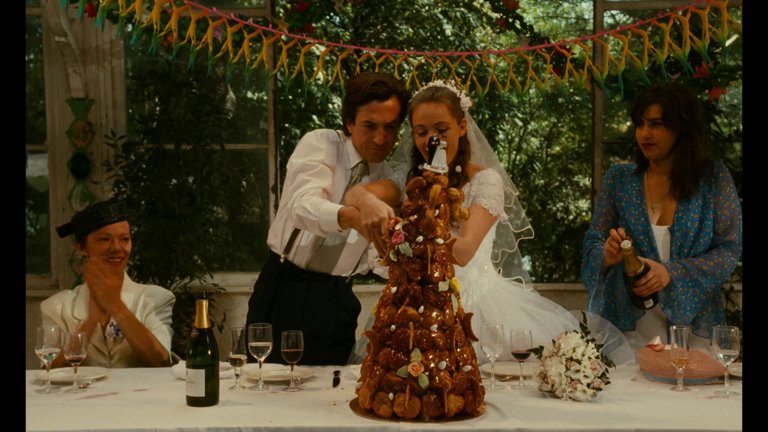
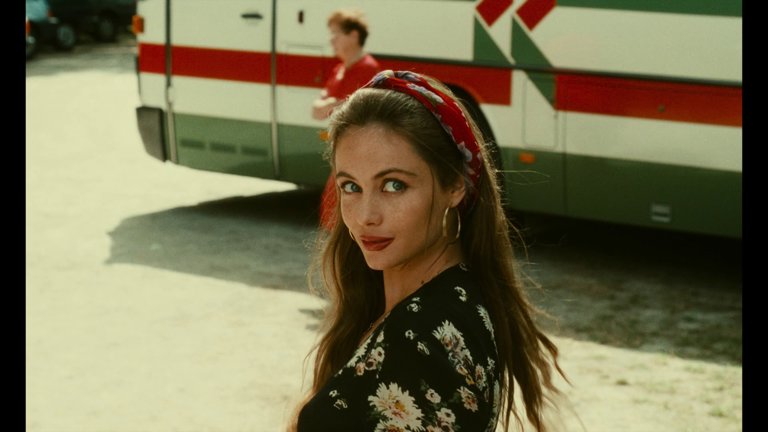

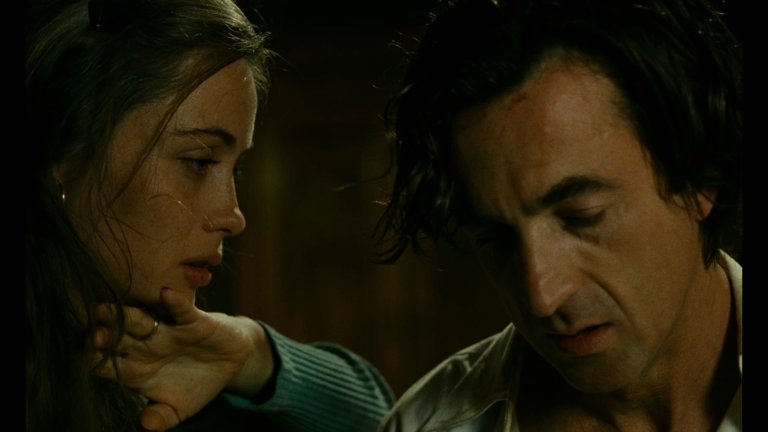
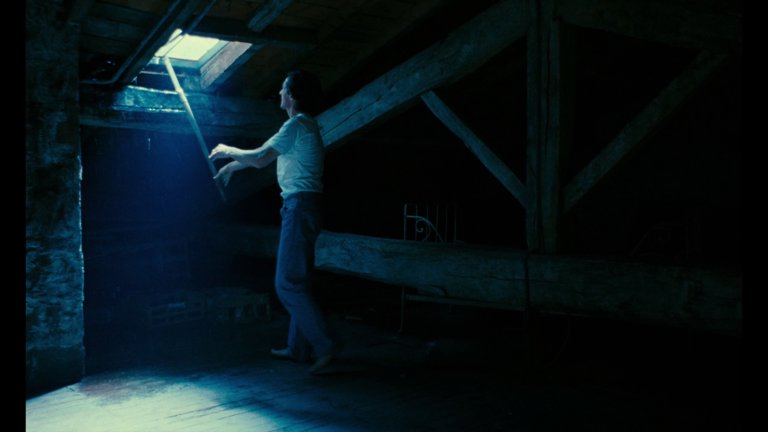
Lies & Deceit: Five Films by Claude Chabrol - Screen Captures
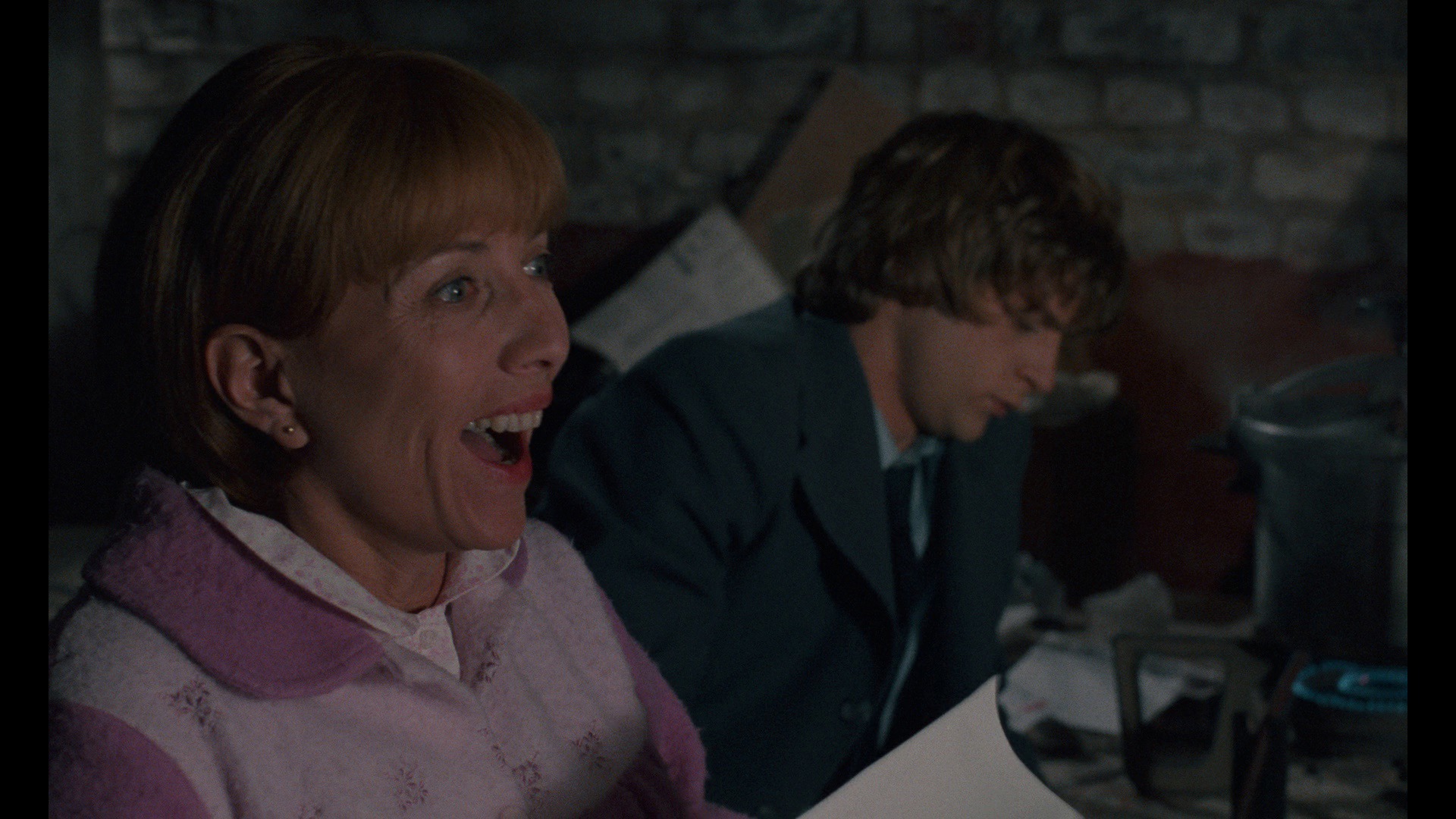
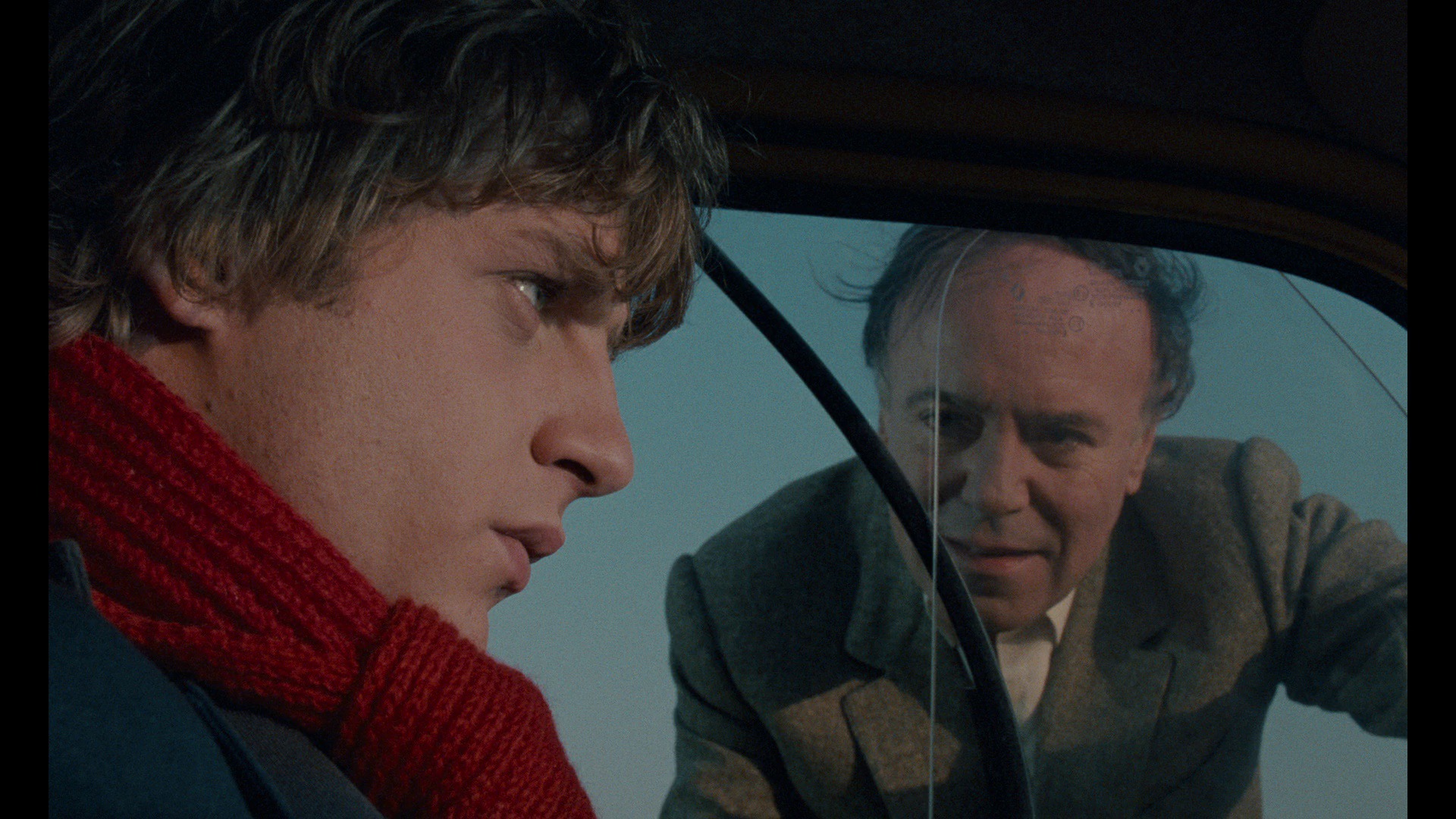
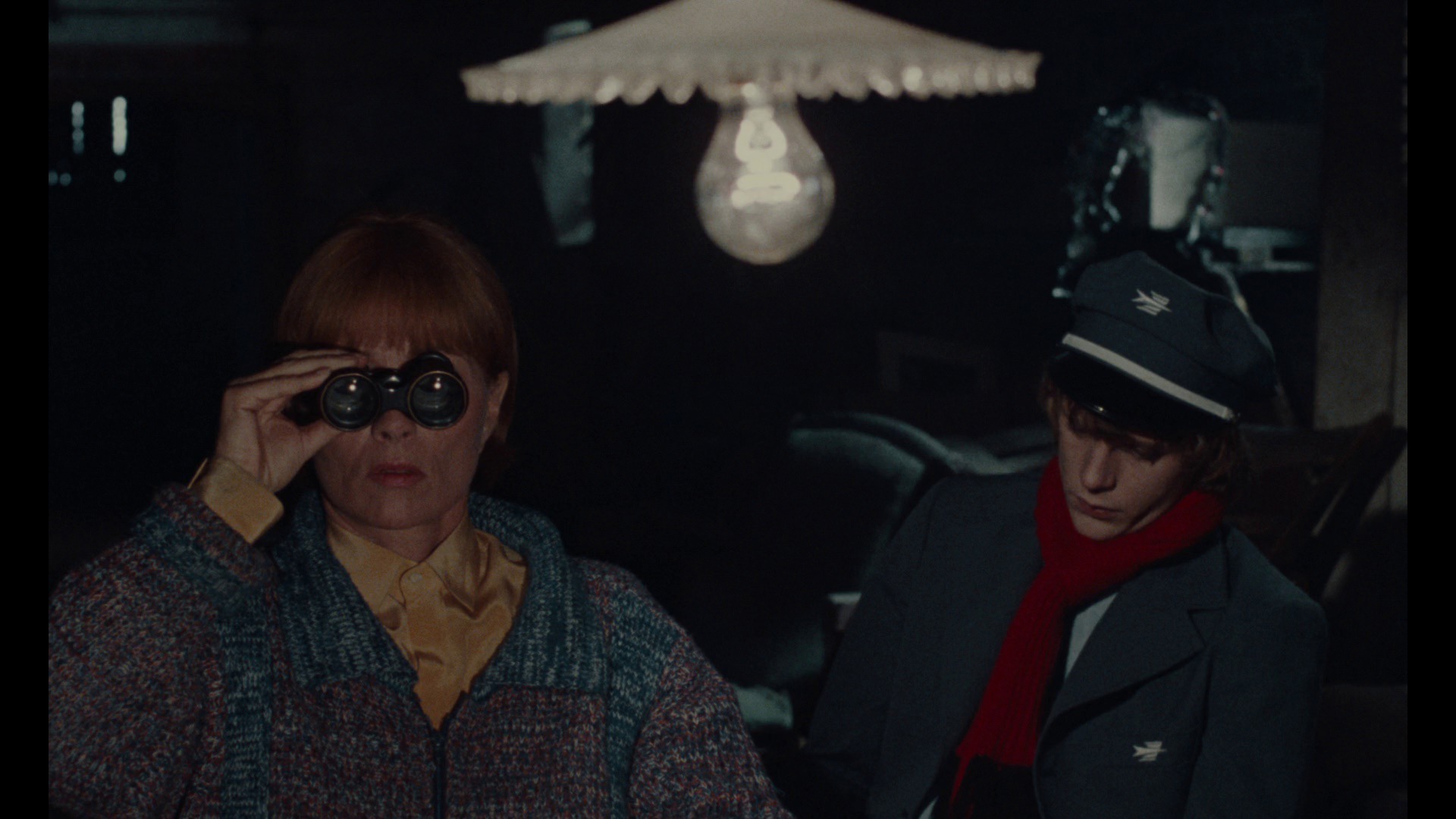
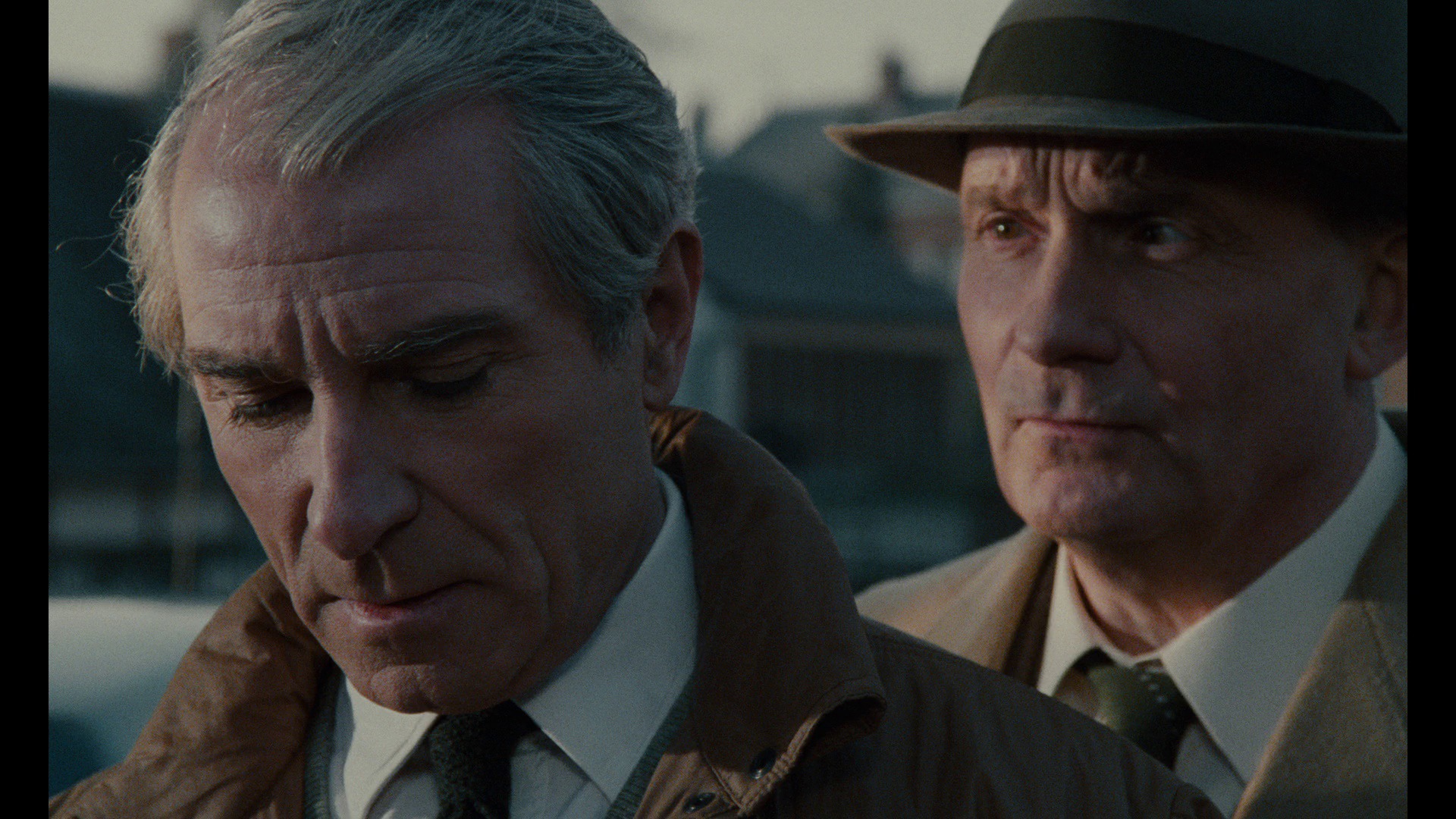
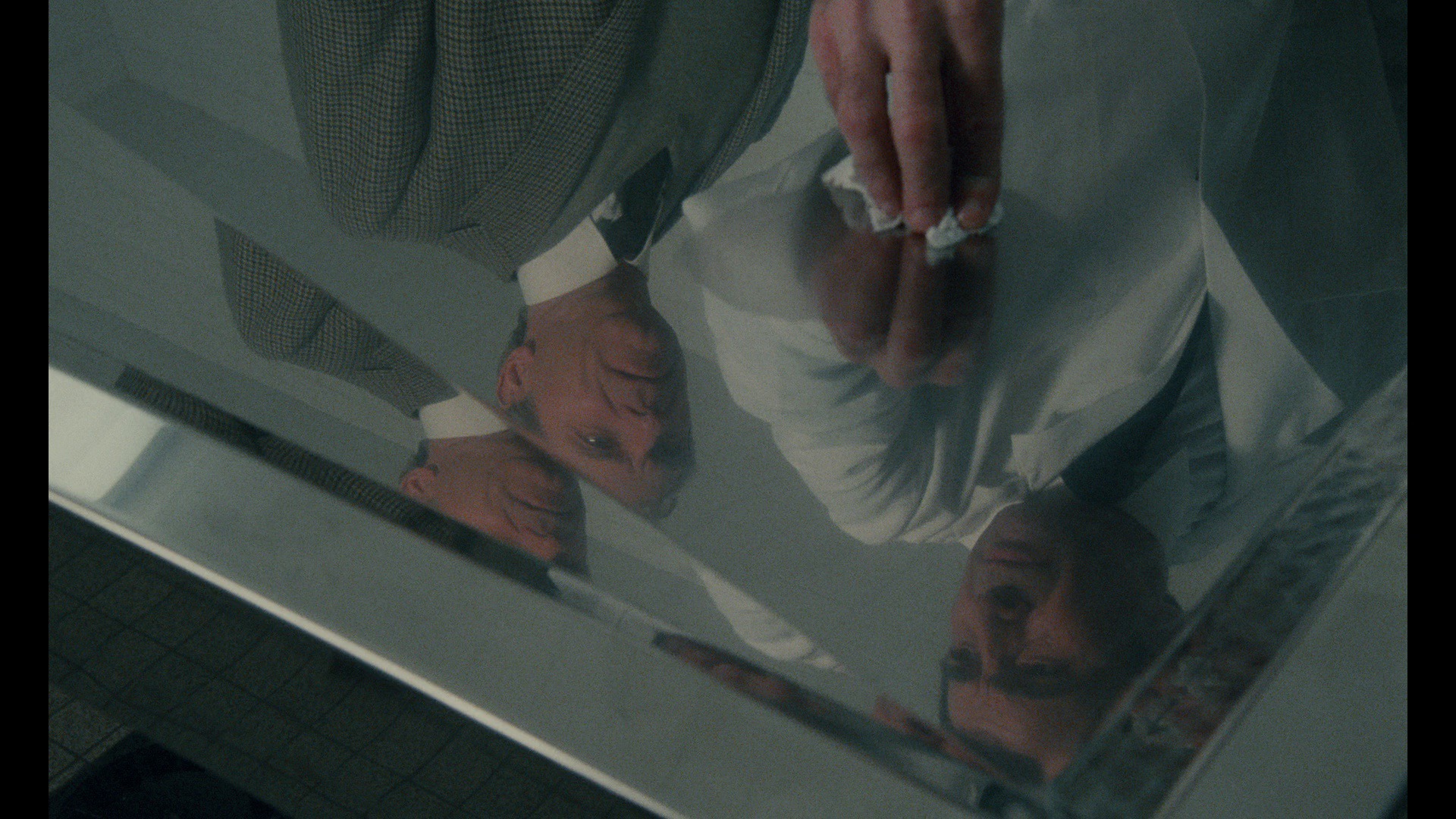
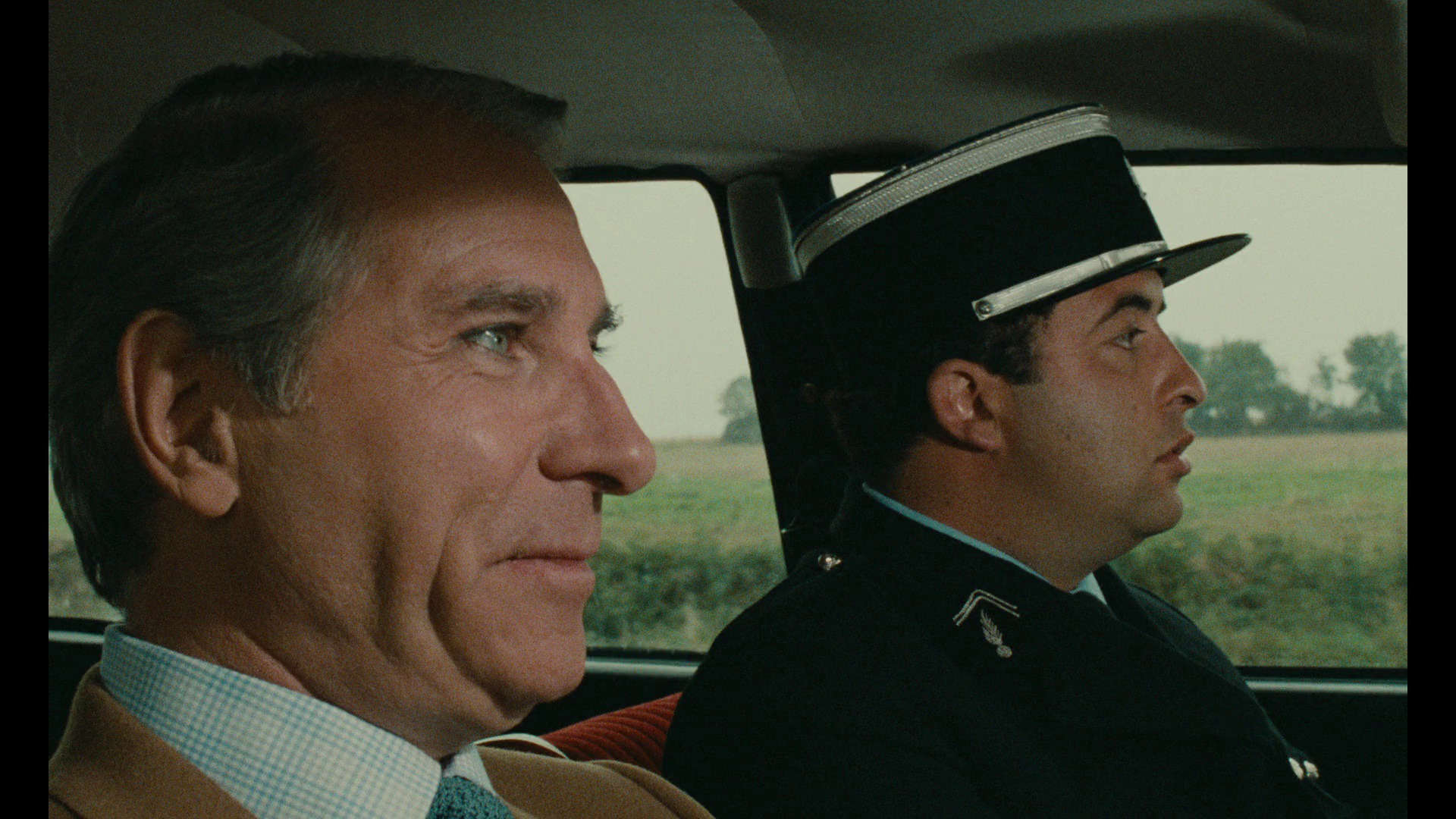
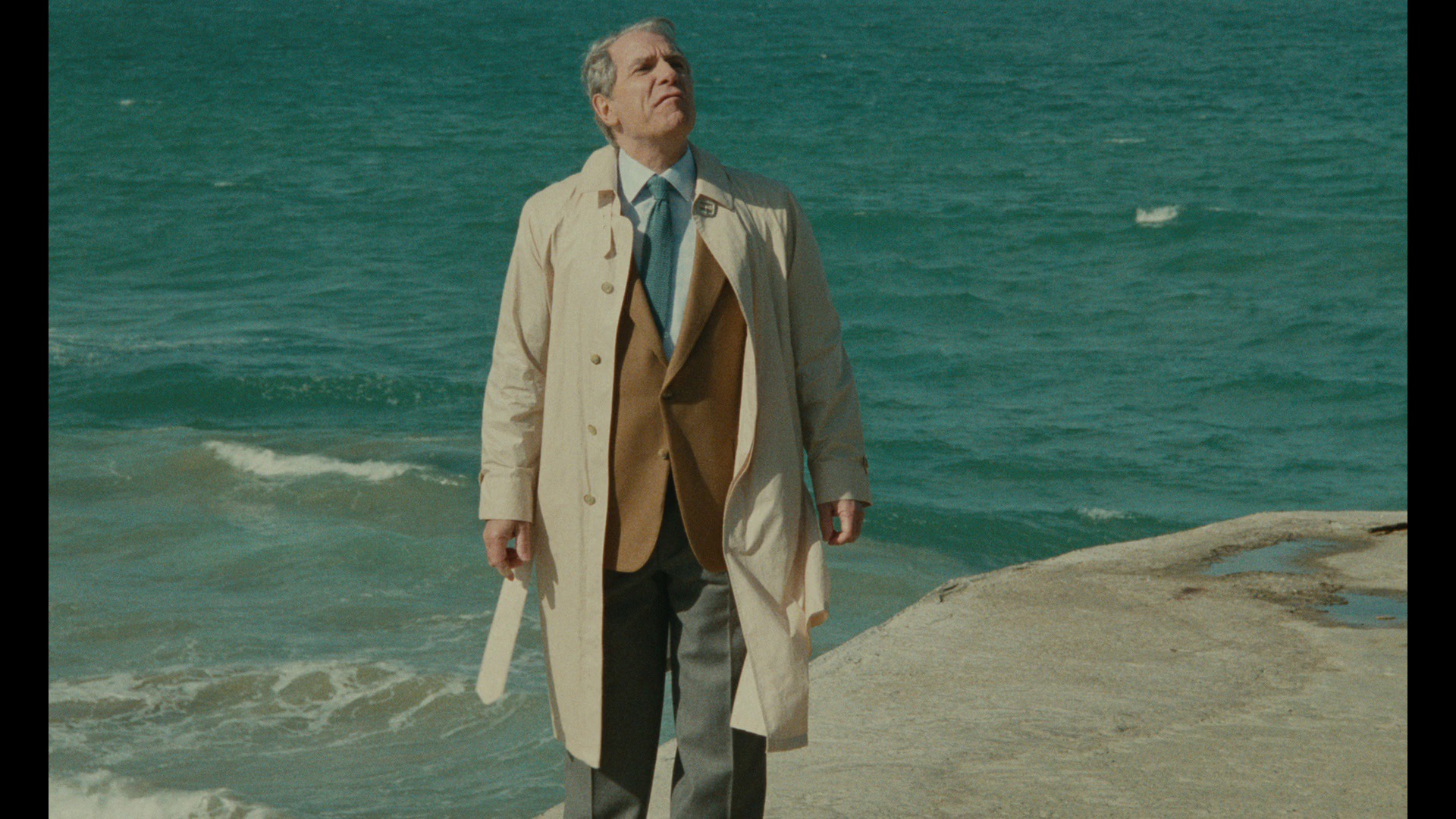
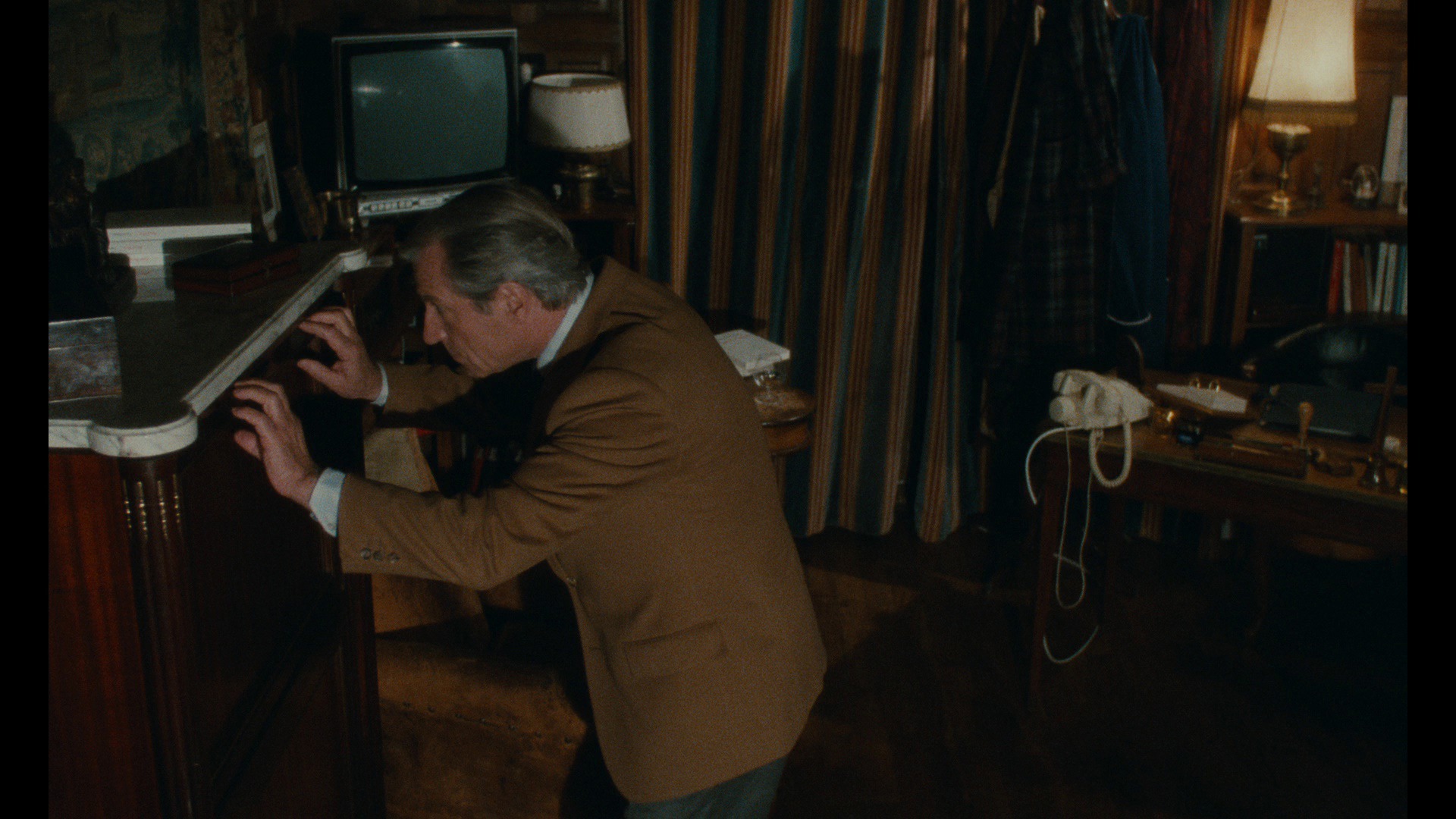
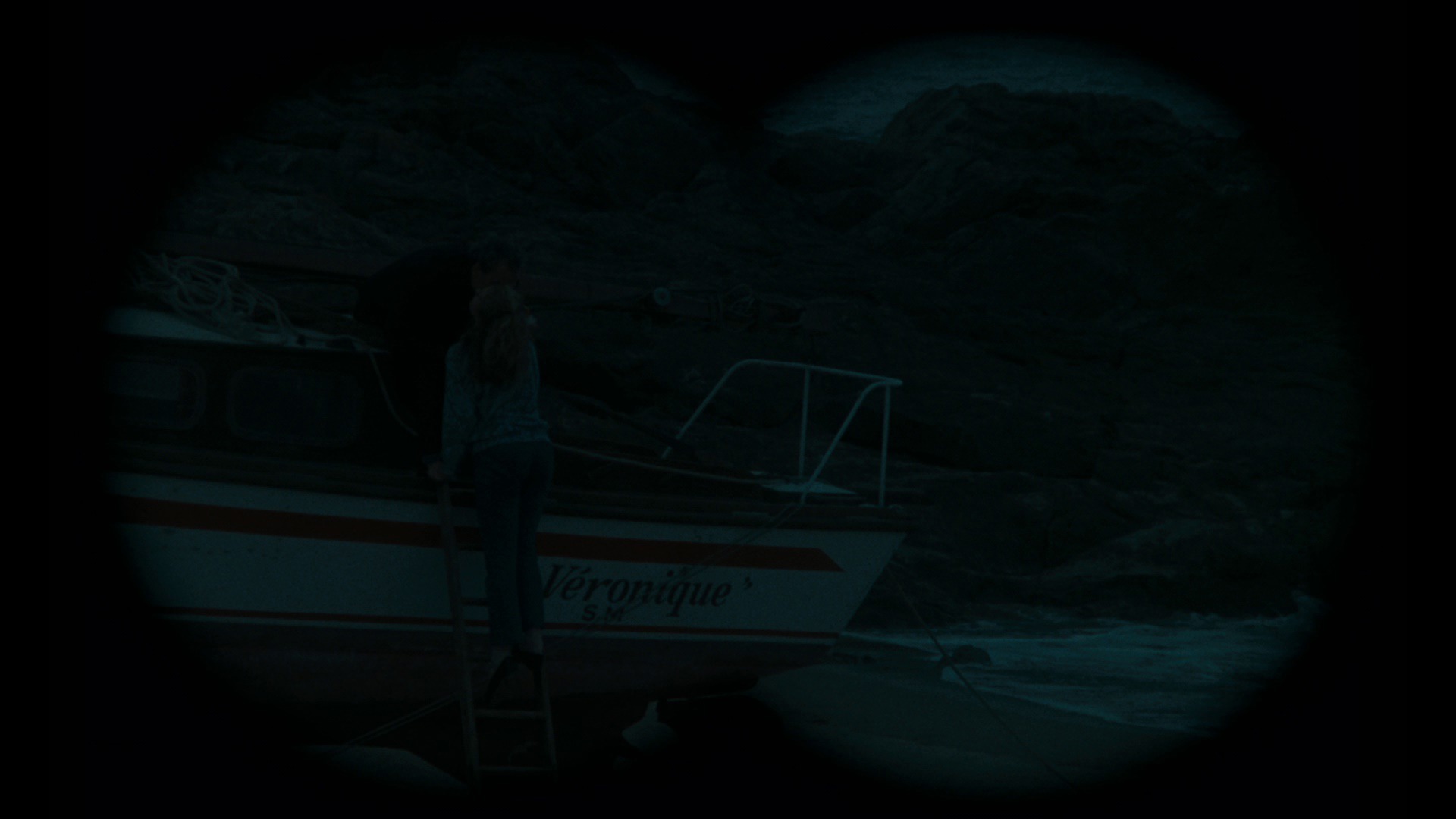
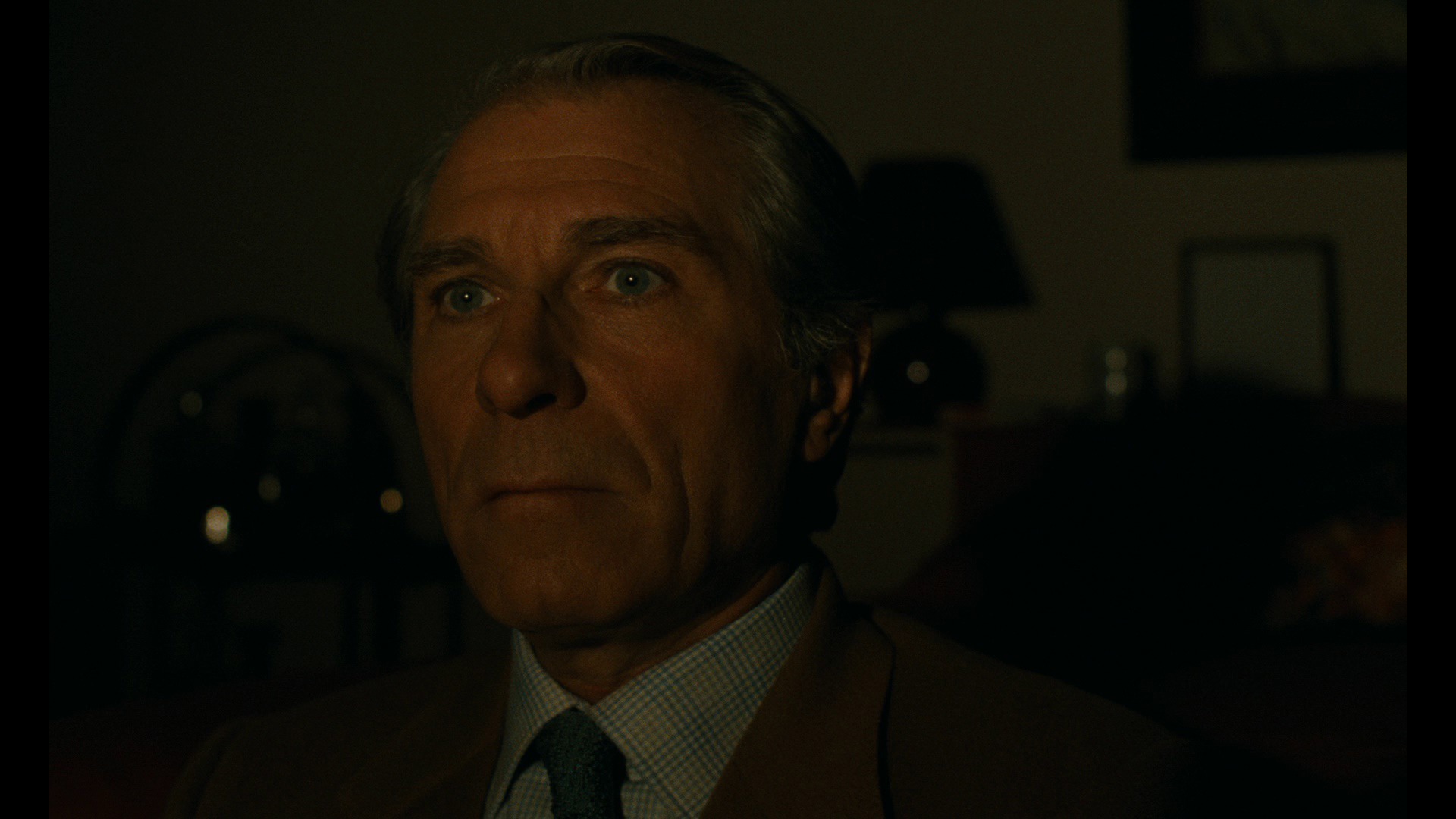
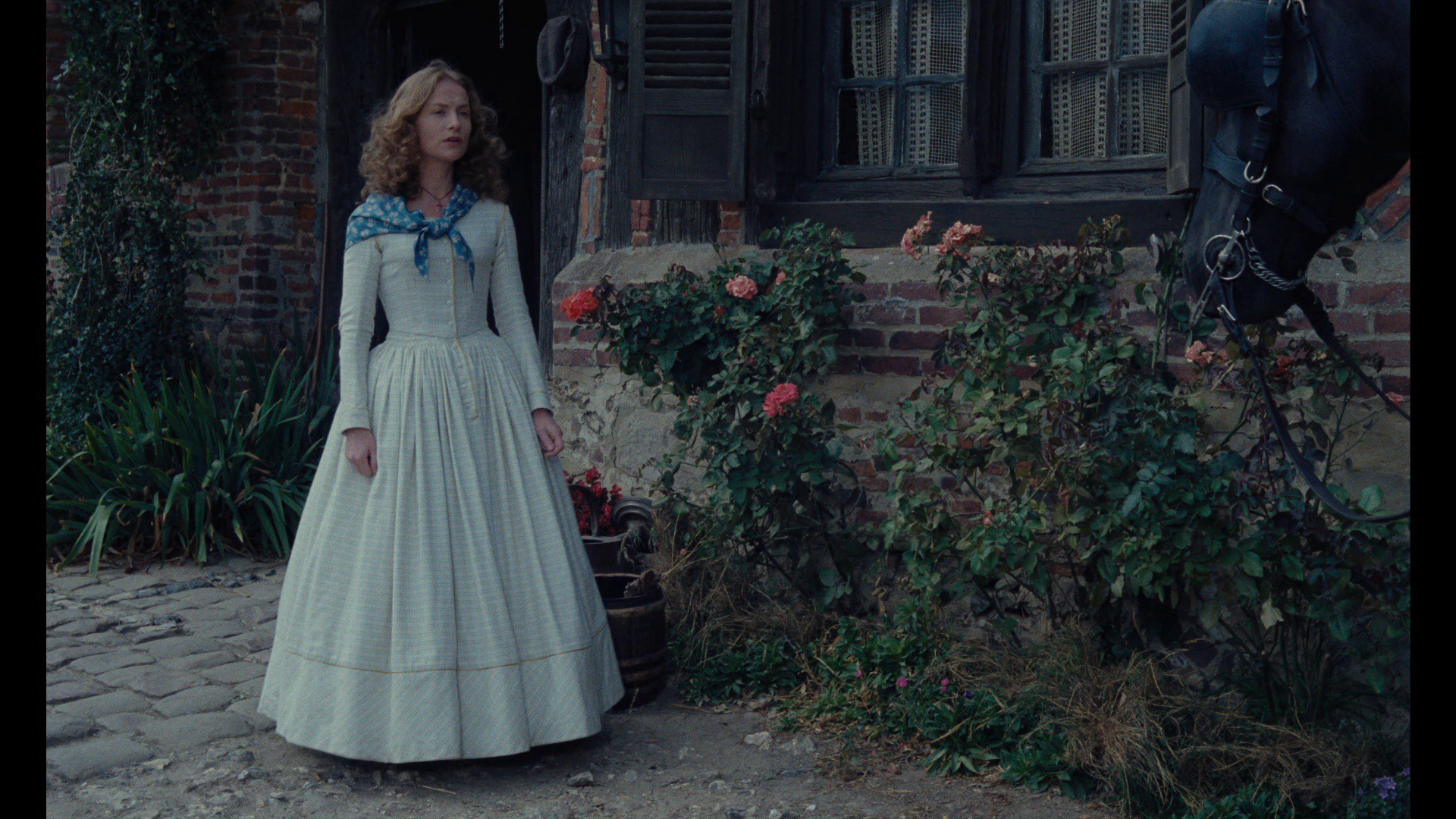
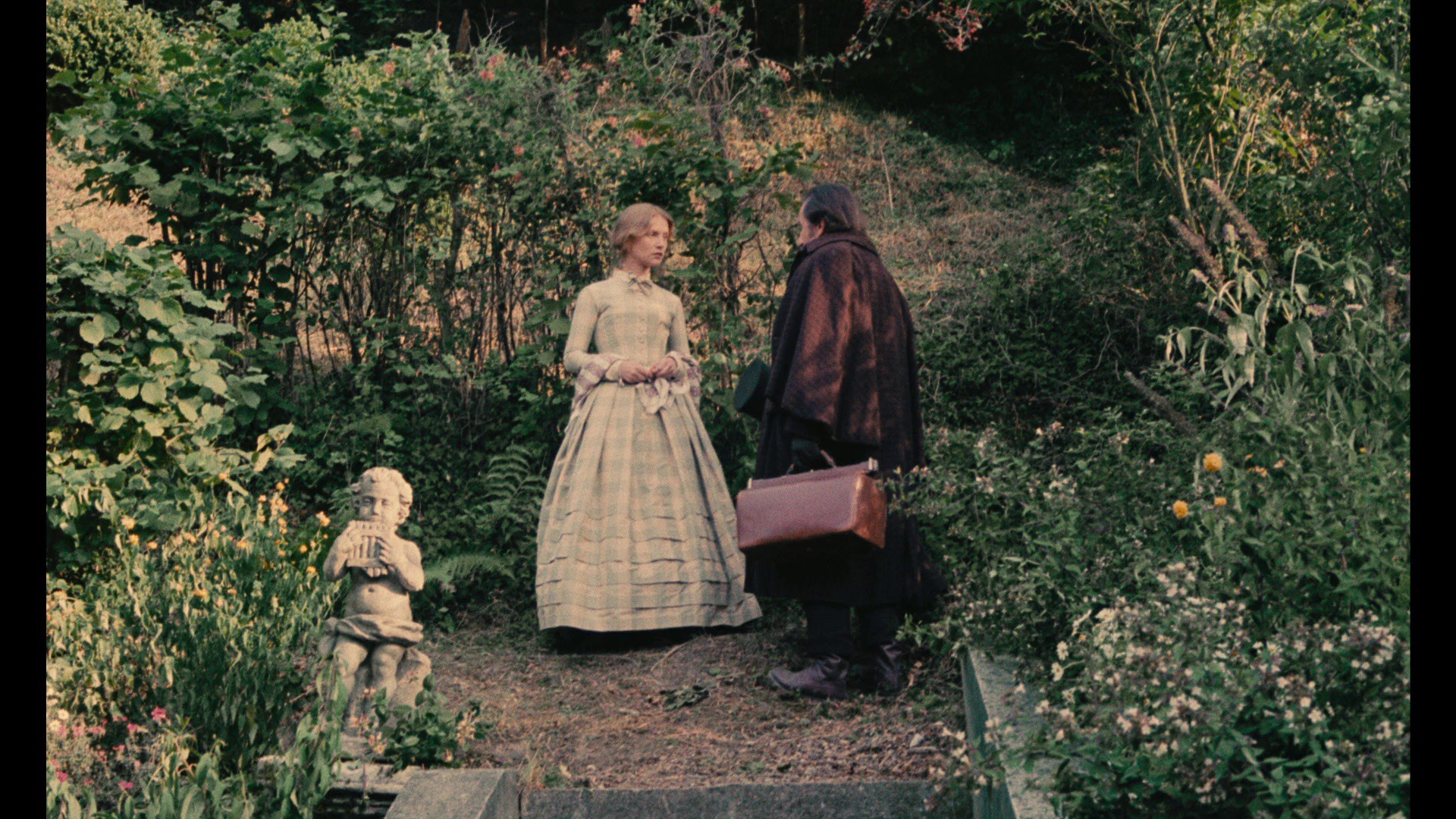
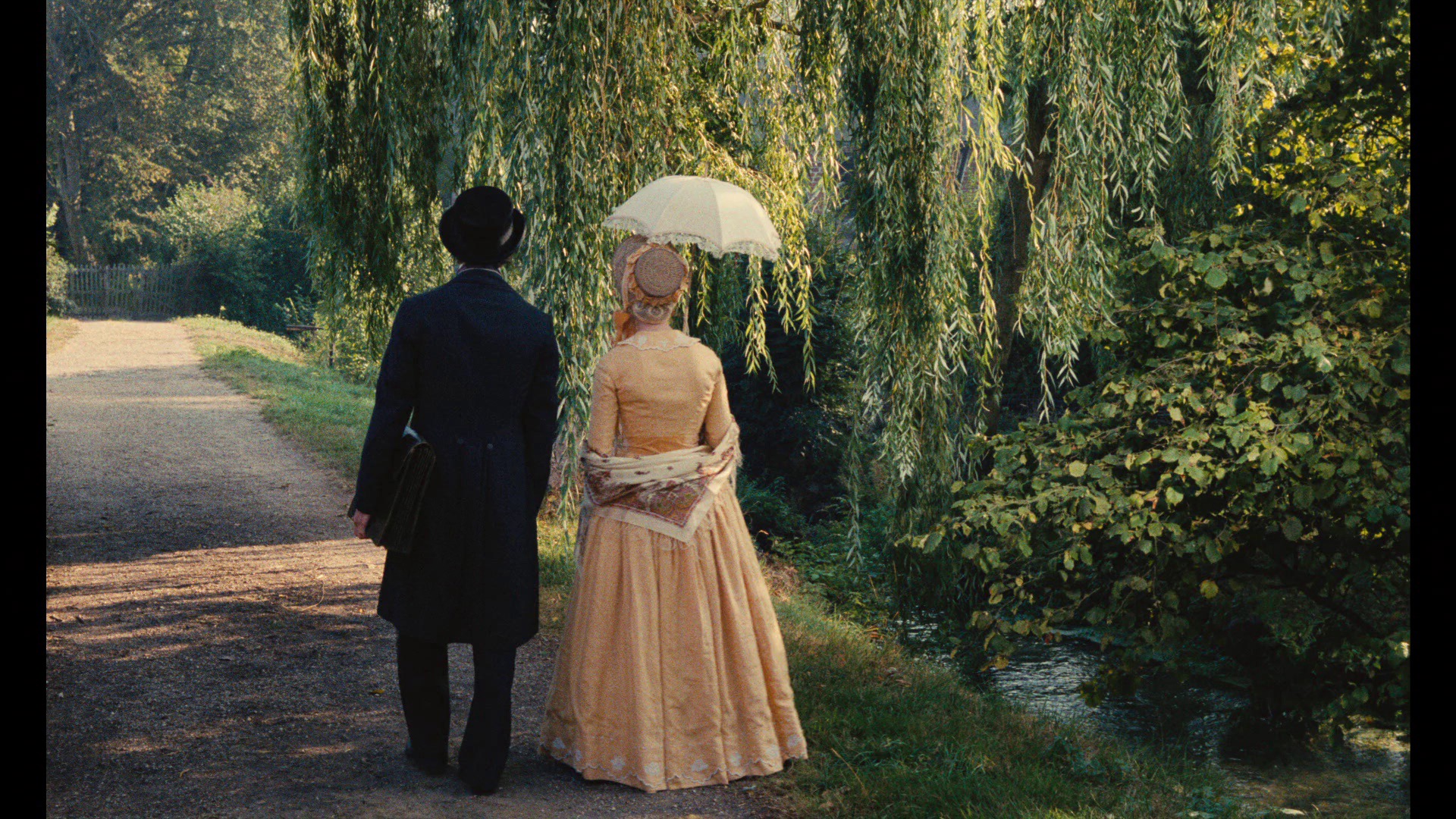
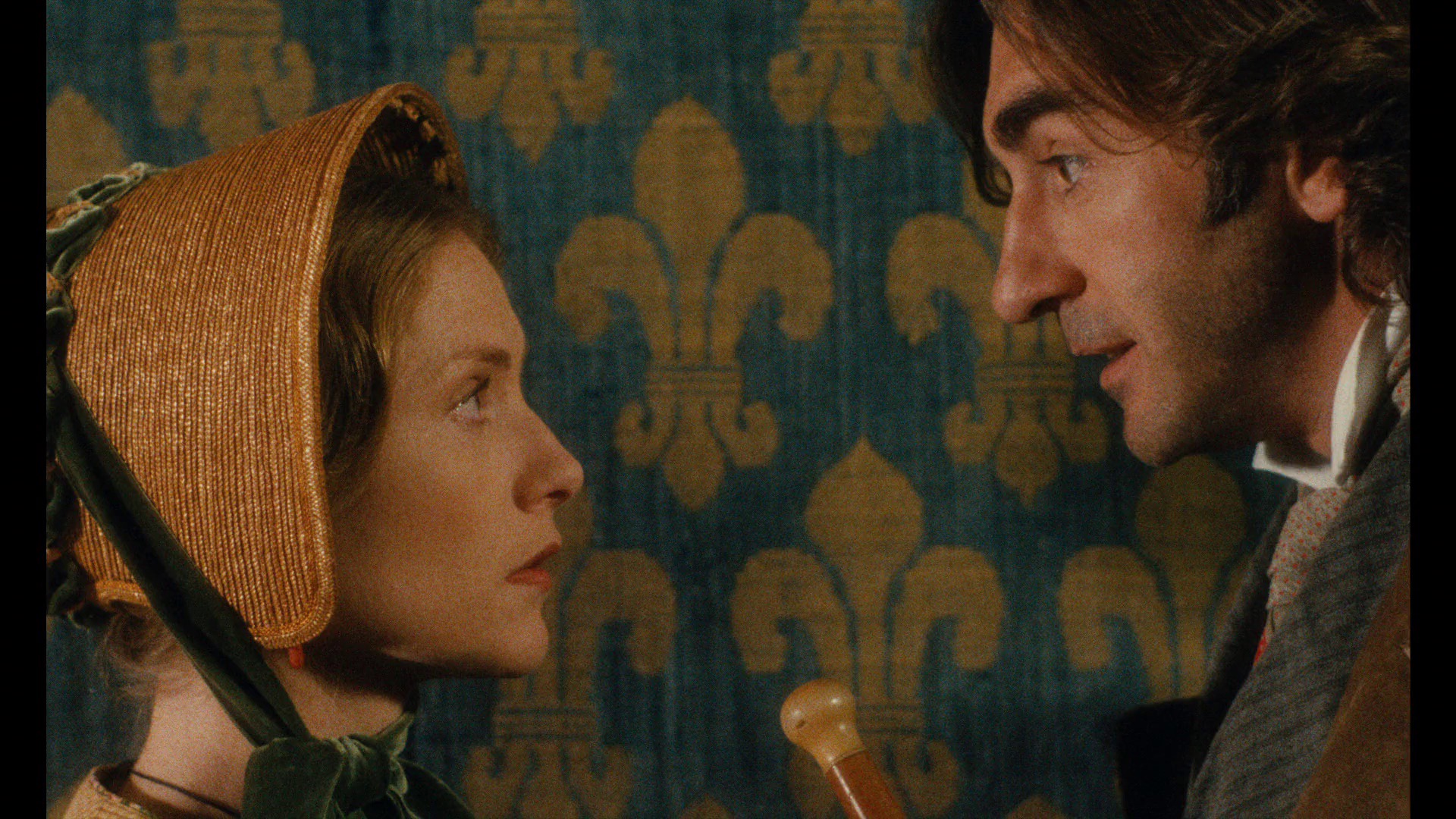


Audio 7/10
Torment is the lone film to feature a lossless PCM 2.0 stereo soundtrack, while the remaining four films all feature lossless PCM 1.0 monaural soundtracks All of the soundtracks are in French with optional English subtitles. Torment presents the more dynamic soundtrack, its sound design getting a bit more creative while its protagonist goes a bit more off the rails as the film progresses, featuring clear movement and pans between the speakers. It also offers up an impressive level of range.
The other four are simpler single-channel presentations, but they’re also crisp and clear, offering excellent fidelity with some impressive highs and lows. Distortion is never an issue and none of the tracks ever come off flat.
Extras 9/10
Arrow packs on a number of features over the five discs, carrying over archival features from previous releases and adding their own. Each film also receives its own new audio commentary, Cop au Vin and Inspector Lavardin receiving tracks from writer and critic Ben Sachs, Madame Bovary and Betty from writer and film critic Kat Ellinger, and finally Torment from critics Alexandra Heller-Nicholas and Josh Nelson.
Sachs’ tracks end up being the most disappointing, feeling to have been done on the fly with little preparation, a shame since I get the impression Sachs is a fan of Chabrol’s work. What this leads to are tracks that feel to wander without any real focus with an incredible amount of dead space. The best I can say is that they at least don’t devolve to just referencing IMDB. Ellinger’s are the exact opposite, coming off more prepared and organized with a set line of topics to cover. Her focus with each film leans more towards how Chabrol portrayal of women in his films run counter to what was usually expected at the time, while also working in his analysis and criticisms of the class structure, which can be further used to oppress the central women in the two films she covers. This then leads nicely into what may be the set’s best commentary, Heller-Nicholas’ and Nelson’s contribution for Torment, where the two discuss how the film has been misinterpreted through the years, backing this up by looking at how Chabrol changed around Henri-Georges Clouzot’s original script, along with how he edited and constructed sequences. Like Ellinger’s tracks, this one also sounds better organized and carries on through the entirety of the film.
Arrow then adds some more new content across four of the titles, starting with an interview with film scholar Ian Christie, found on the Cop au Vin disc. Christie discusses Chabrol’s work before talking about a 1994 interview he had conducted with Chabrol for the BFI. That 74-minute interview has also been included on the disc, and it’s an absolute delight as Chabrol talks about his own work, being his own worst critic through the process.
Inspector Lavardin then features a new interview with film critic Sam Wigley, who offers up a 16-minute “crash-course” on Chabrol, and though old-timers of Chabrol’s work will more than likely not get anything out of it, newcomers will probably want to watch it. I’m not all that familiar with Chabrol’s work, having only seen a handful of films prior to this set, and I did get a bit out of it.
Madame Bovary and Betty then receive new visual essays, created by Pamela Hutchinson and Ginette Vincendeau respectively. Vincendeau’s is specific to Betty and looks at how the source novel of the film and its author, Georges Simenon, were a perfect match for Chabrol, while Hutchinson’s goes through the history of the many film adaptations of Madame Bovary, whether direct adaptations or “meta” takes on the material, and what makes Chabrol’s unique. I thought both were excellently put together.
Betty also comes with one of the set’s best new features, an interview with translator Ros Schwartz, who not only translated the novel Betty to English, but was also Chabrol’s personal translator, even appearing in that BFI interview found on the disc for Cop au Vin. Her contribution is especially great because not only did she know Chabrol personally, allowing her to explain why a novel like Betty would have appealed to him, but she also talks about the art of translating literary works, which I found to be just a fascinating topic.
The rest of the material found through the set is archival. Torment features a newer interview with producer Marin Karmitz, recorded for MK2, talking about his collaborations with the director, focusing on a few key films that includes Torment (he also produced the other films in this set). Cop au Vin also features a 29-minute excerpt from a 1985 episode of the French television program Special Cinema, featuring Chabrol and actors Stephane Audran and Jean Poiret promoting the film. Swiss filmmaker Francis Reusser—there to promote his film Derborence—also chimes in to talk about the influence Chabrol’s work had had on him.
All five discs then feature archival introductions recorded for 2003 DVD editions by critic Joël Magny, all of which end up being simple 3-or-so-minute descriptions of each film that might even touch on the production. More valuable are select-scene commentaries recorded by Claude Chabrol for each film, running around 30-minutes or more each. These are far more technical in nature, Chabrol explaining his reasoning behind some of his choices and what may have influenced him. I found them all very good, the good-humored director coming off pleased with a number of his decisions, but I thought the best ones were probably around Torment and Madame Bovary. For Torment he also sat for a 12-minute discussion focussing on how the abandoned Clouzot project came to him, and he explains the alterations he made to better suit his interests. I'm incredibly happy Arrow was able to get these and they're all very much worth watching.
Each disc then comes with a trailer for the film along with small galleries, usually featuring photos, posters, and even scans from press books in some cases. The best inclusion, though, is probably Arrow’s 78-page booklet featuring essays by Philip Kemp (a general one on Chabrol’s work with a focus on his later films followed by another on the two Lavardin films), Martyn Conterio (Madame Bovary and why the material probably interested Chabrol), Sam Wigley (on Betty, even pointing out Hitchcock influences), and Kat Ellinger (on Torment and its portrayal of male insecurities and domestic violence). On top of those well-written articles, the booklet also includes reprintings of the production notes from press kits for Cop au Vin, Madame Bovary, and Betty, and then reprintings of Chabrol’s own short writings on Cop au Vin and Torment, the latter of which I found most fascinating.
It’s a beautifully put together booklet that’s stored alongside each individual digipak holding each film, all packed in a sturdy sleeve. All around it’s a (mostly) excellent set of extras presented in a lovingly assembled package.
Closing
For anyone looking to delve into Chabrol’s later work, or even get into Chabrol for the first time, Arrow has put together a comprehensive set featuring five solid presentations and a wonderful collection of supplementary material. This set comes highly recommended.
BUY AT: