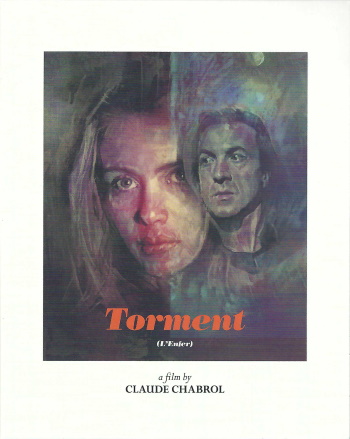
Torment (L’enfer)
BUY AT:



See more details, packaging, or compare
Synopsis
In Torment (L’enfer) Chabrol picks up a project abandoned by Henri Georges Clouzot, in which a husband’s jealousy and suspicion of his wife drive him to appalling extremes. Francois Cluzet and Emmanuelle Beart give career best performances as the husband and wife tearing each other apart.
Picture 9/10
The fifth and final dual-layer disc in Arrow’s box set Lies & Deceit: Five Films by Claude Chabrol presents the filmmaker’s take on Henri-Georges Clouzot’s unfinished film L’enfer, aka Torment. It is presented in its original aspect ratio of 1.66:1 with a 1080p/24hz high-definition encode and has been sourced from an all-new 4K restoration performed by MK2.
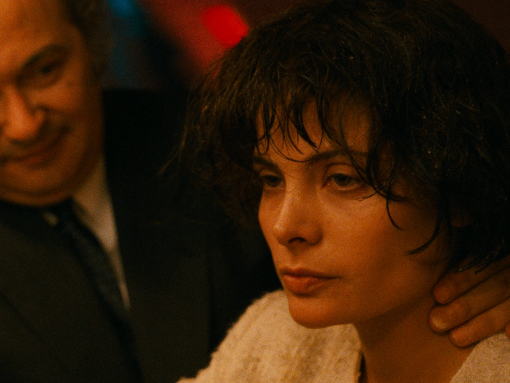
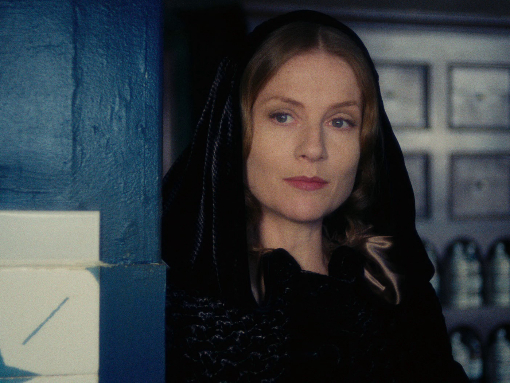
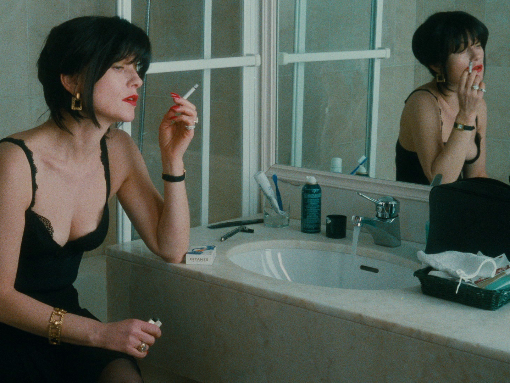
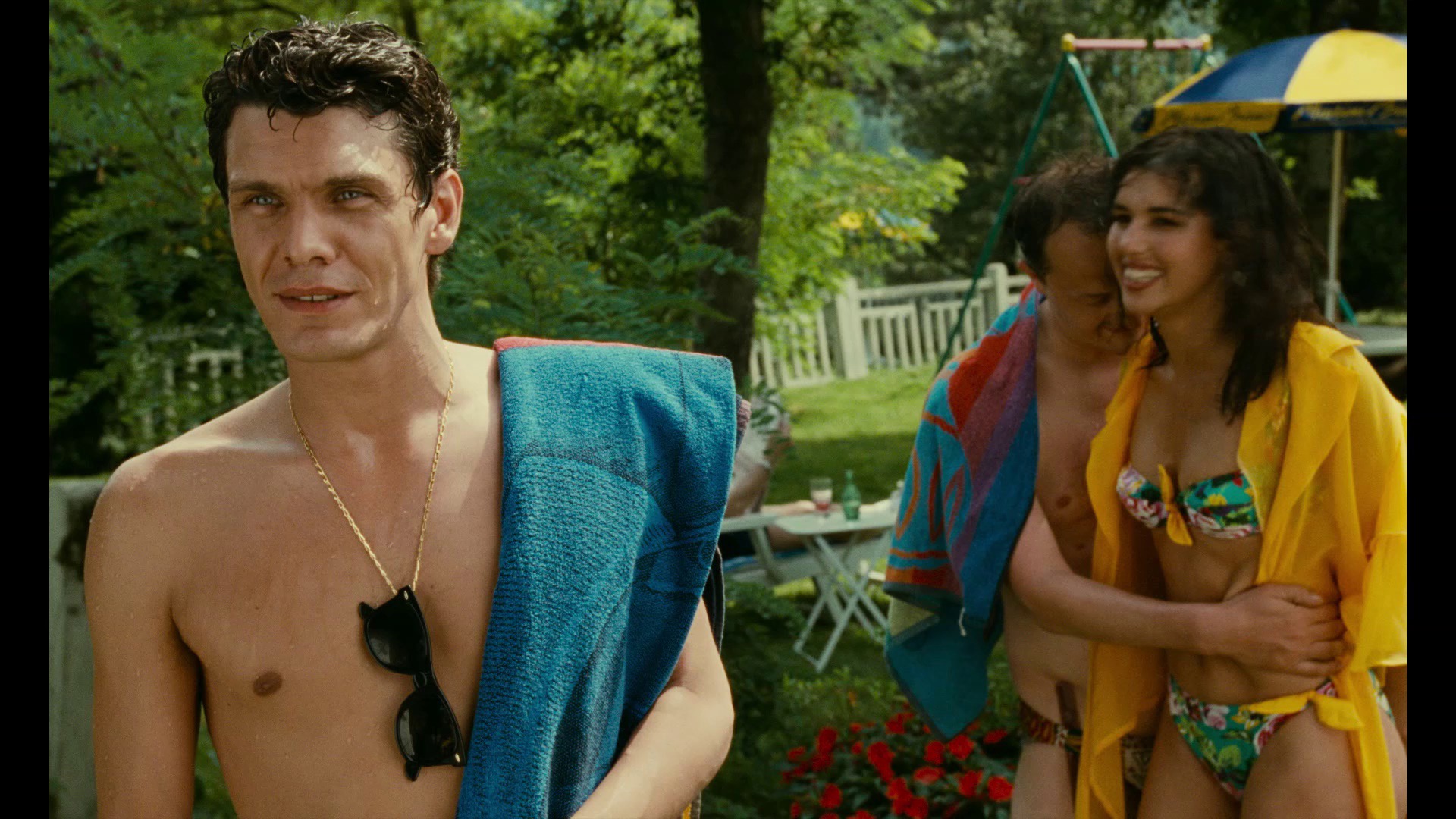
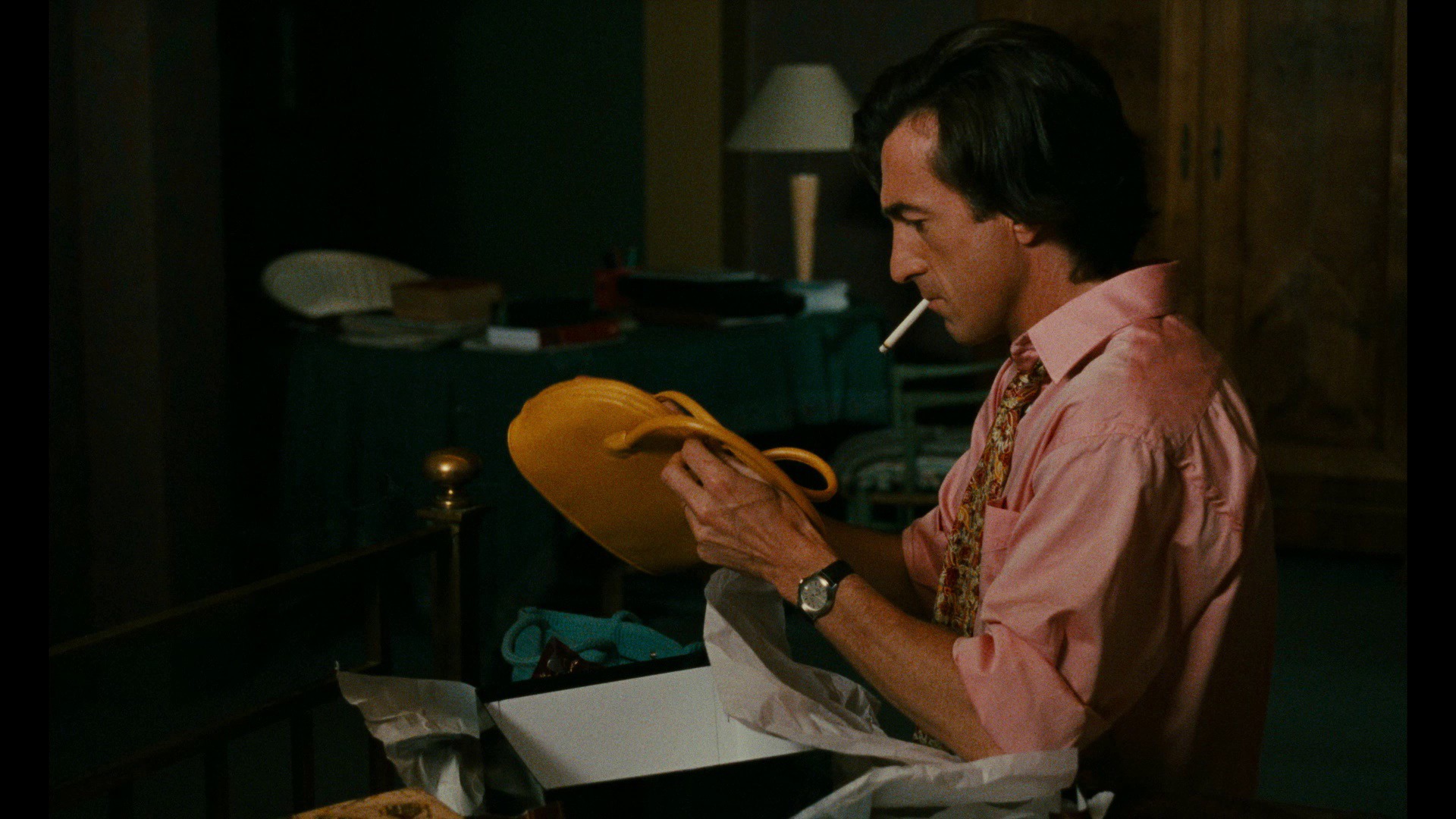
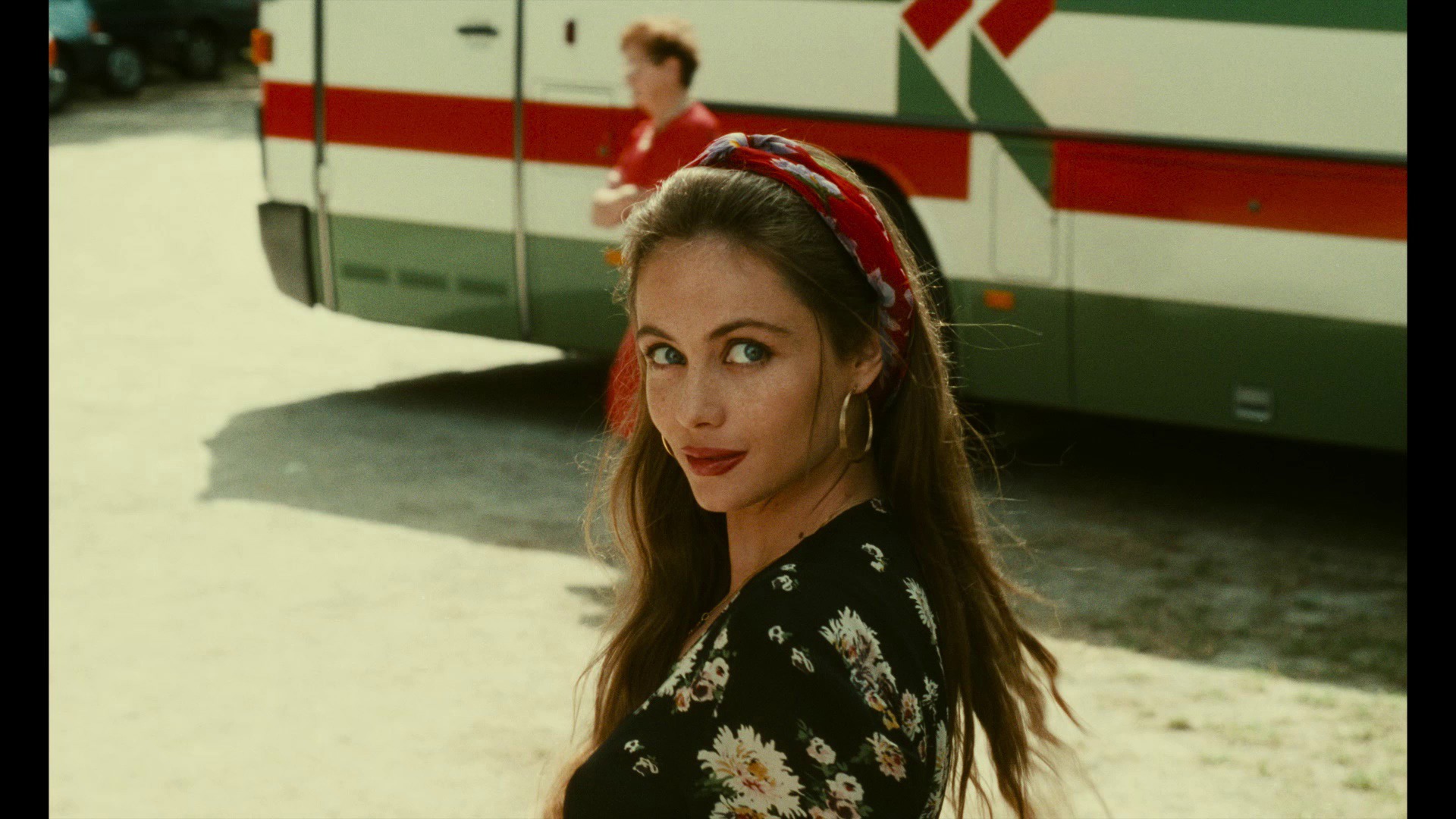
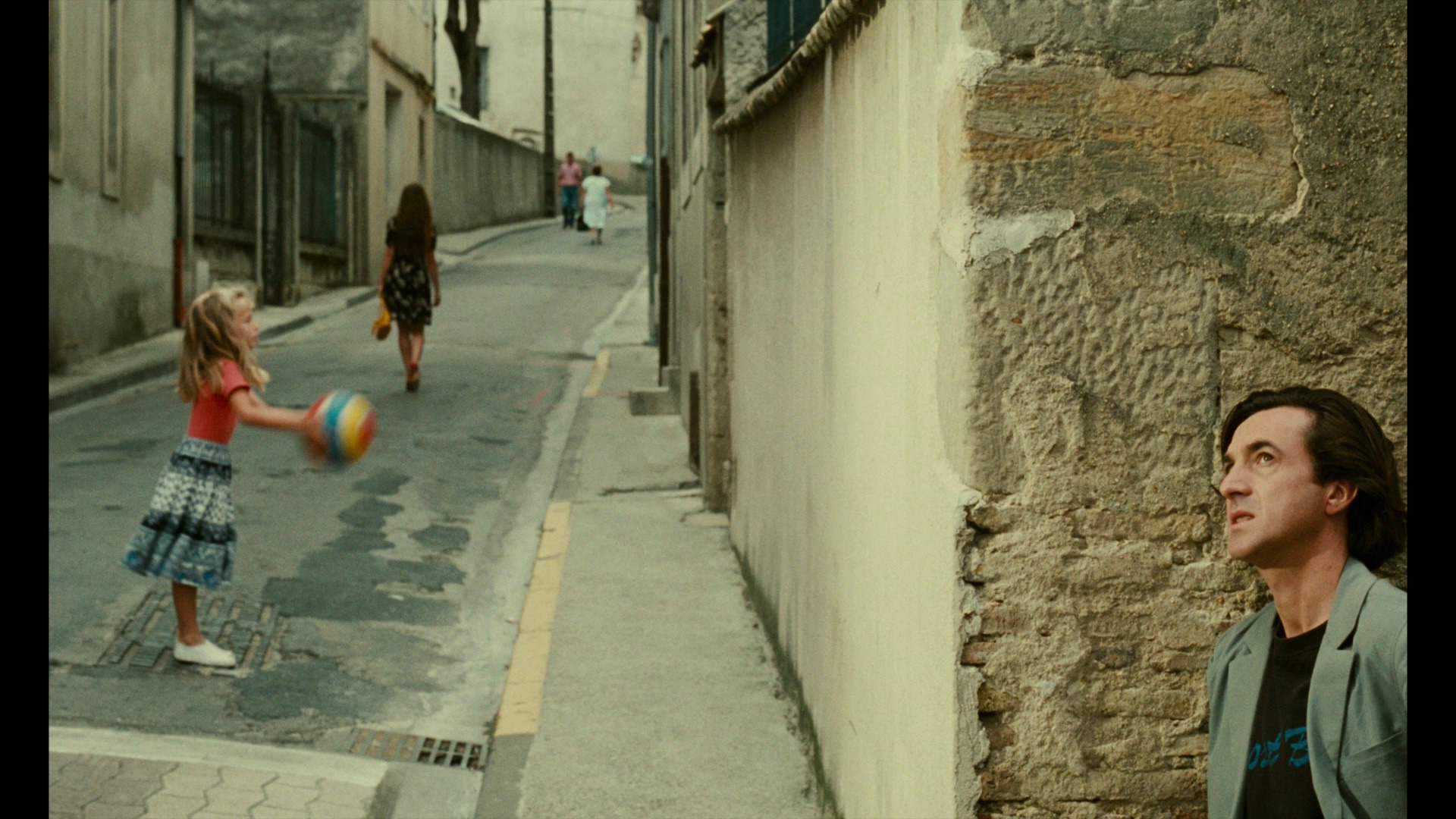
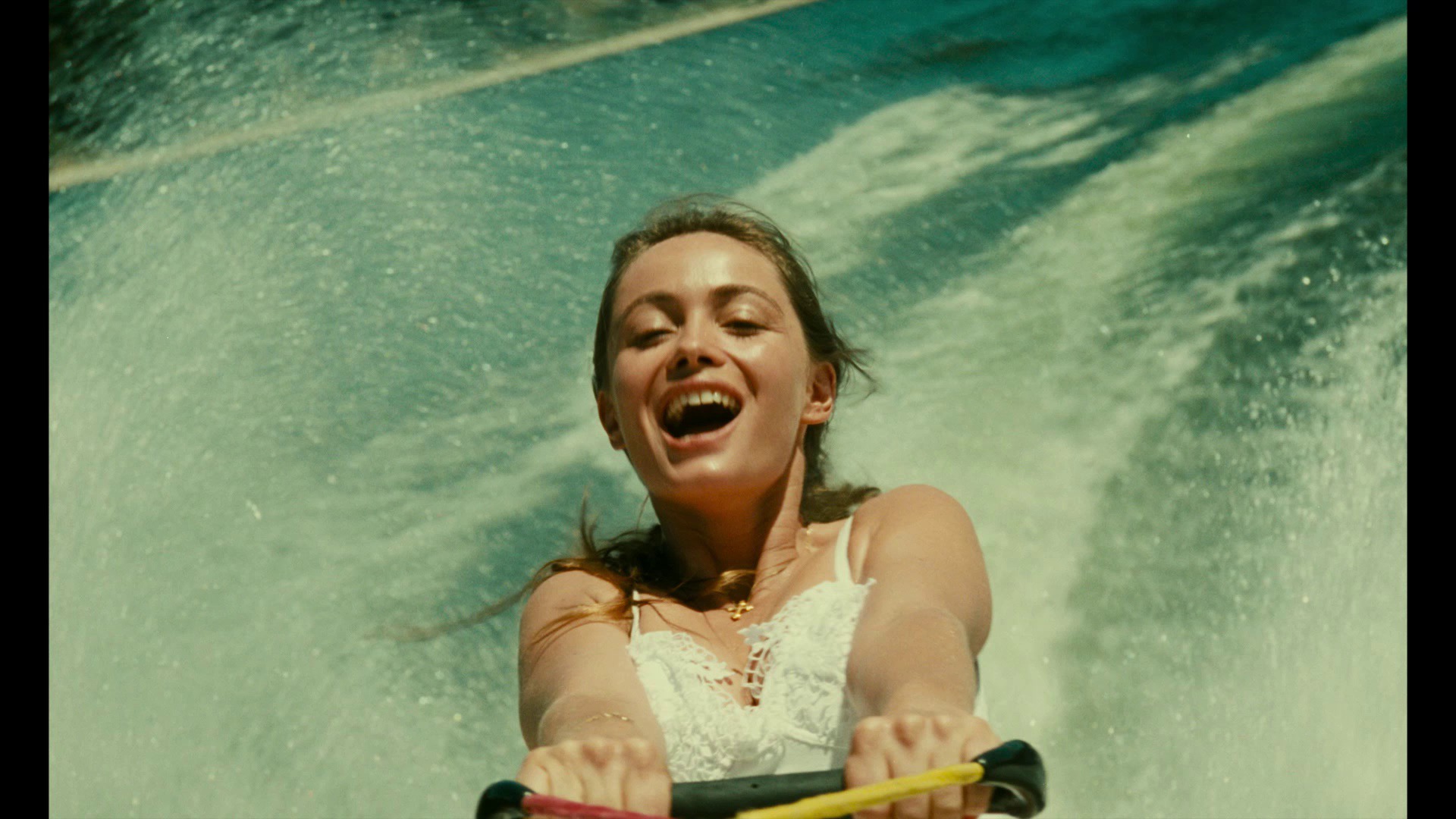
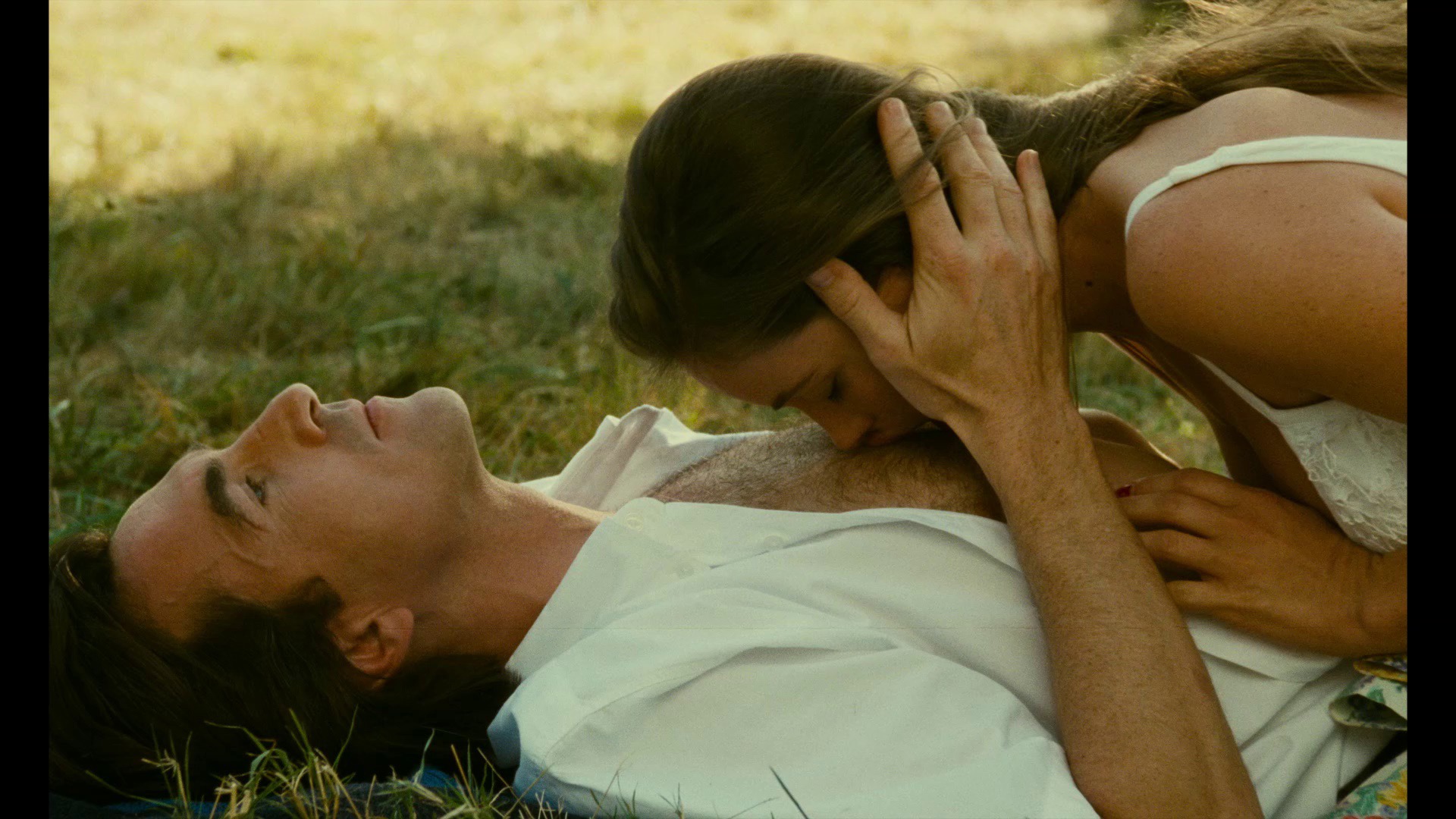
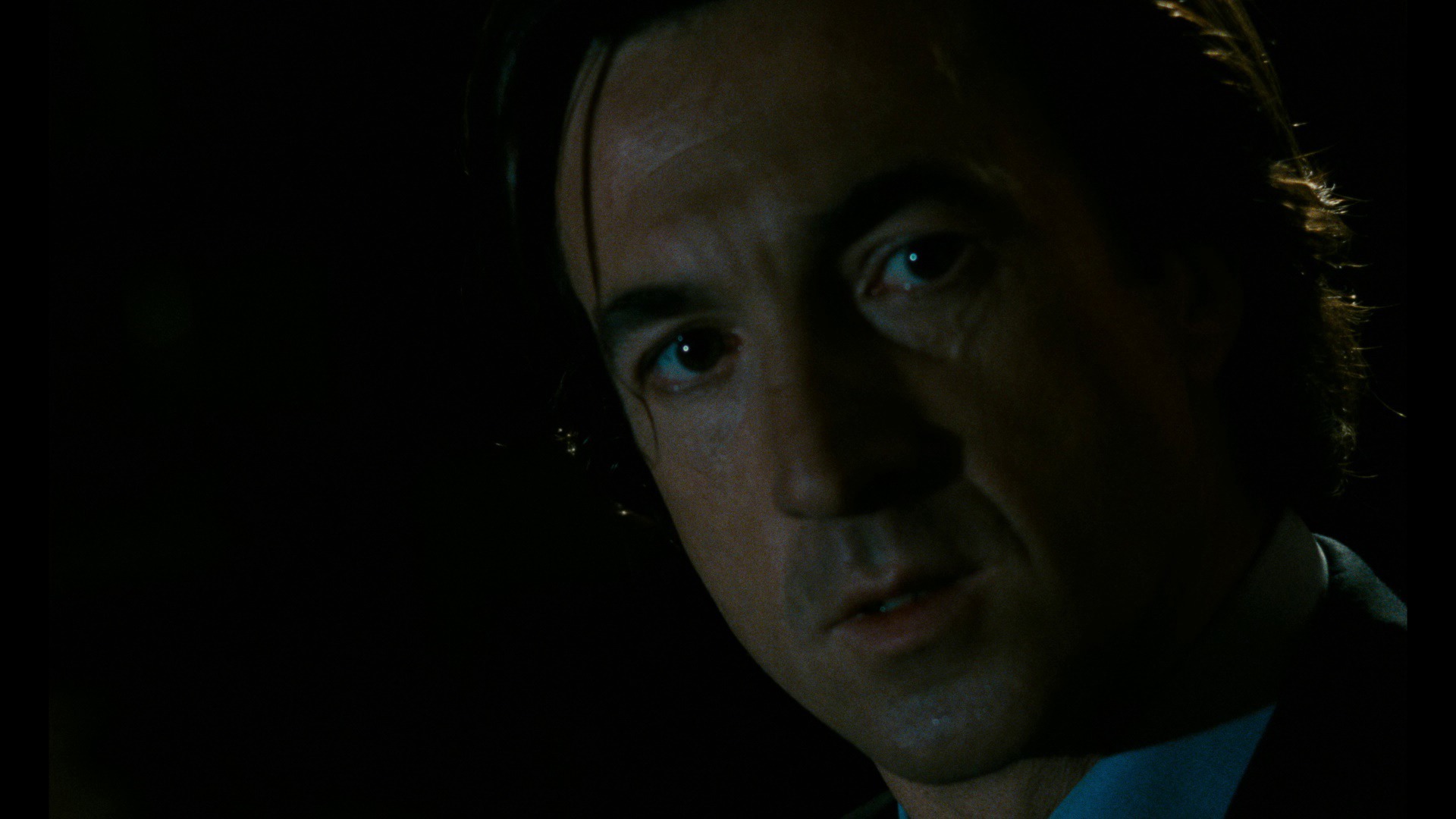
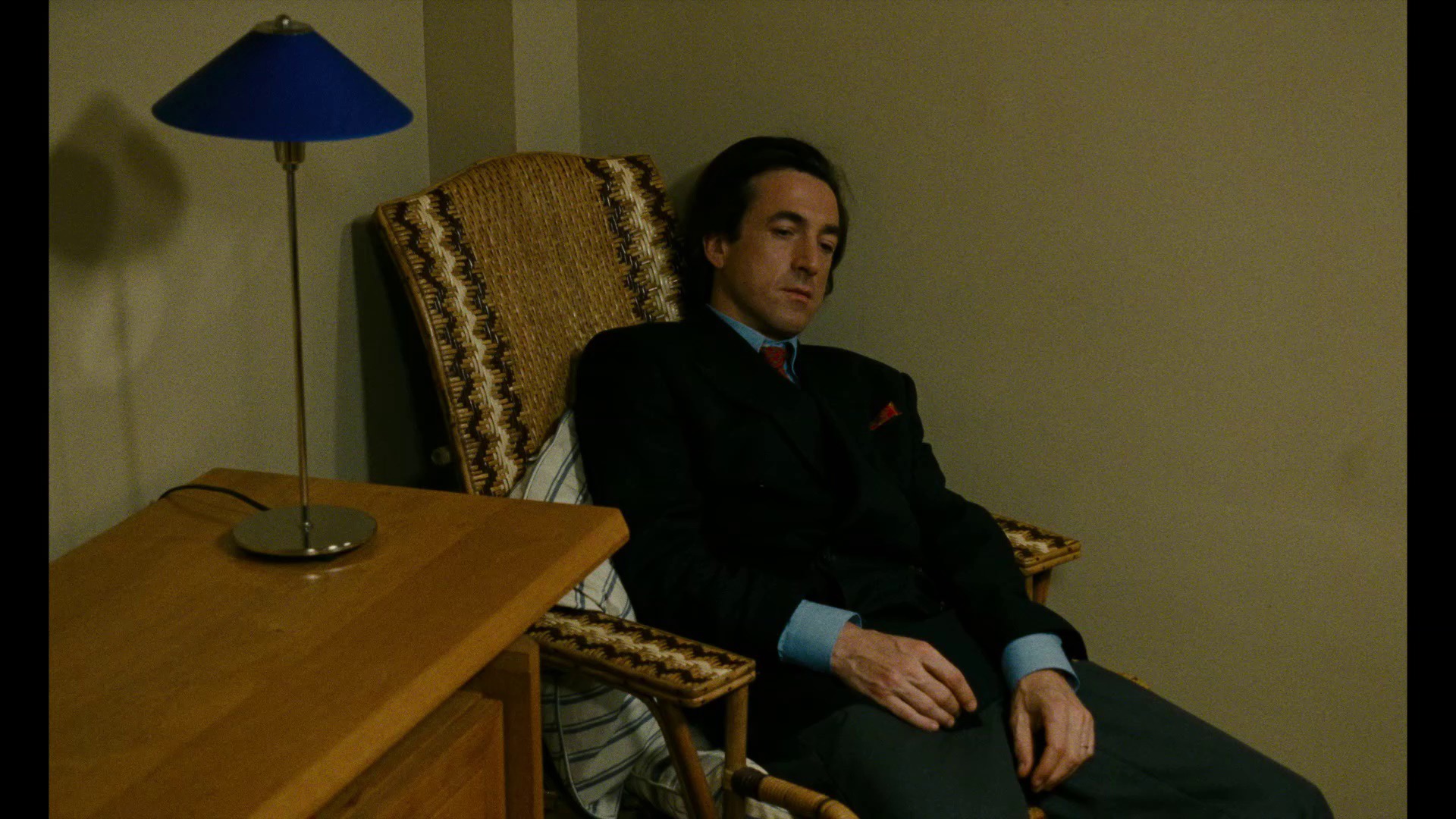
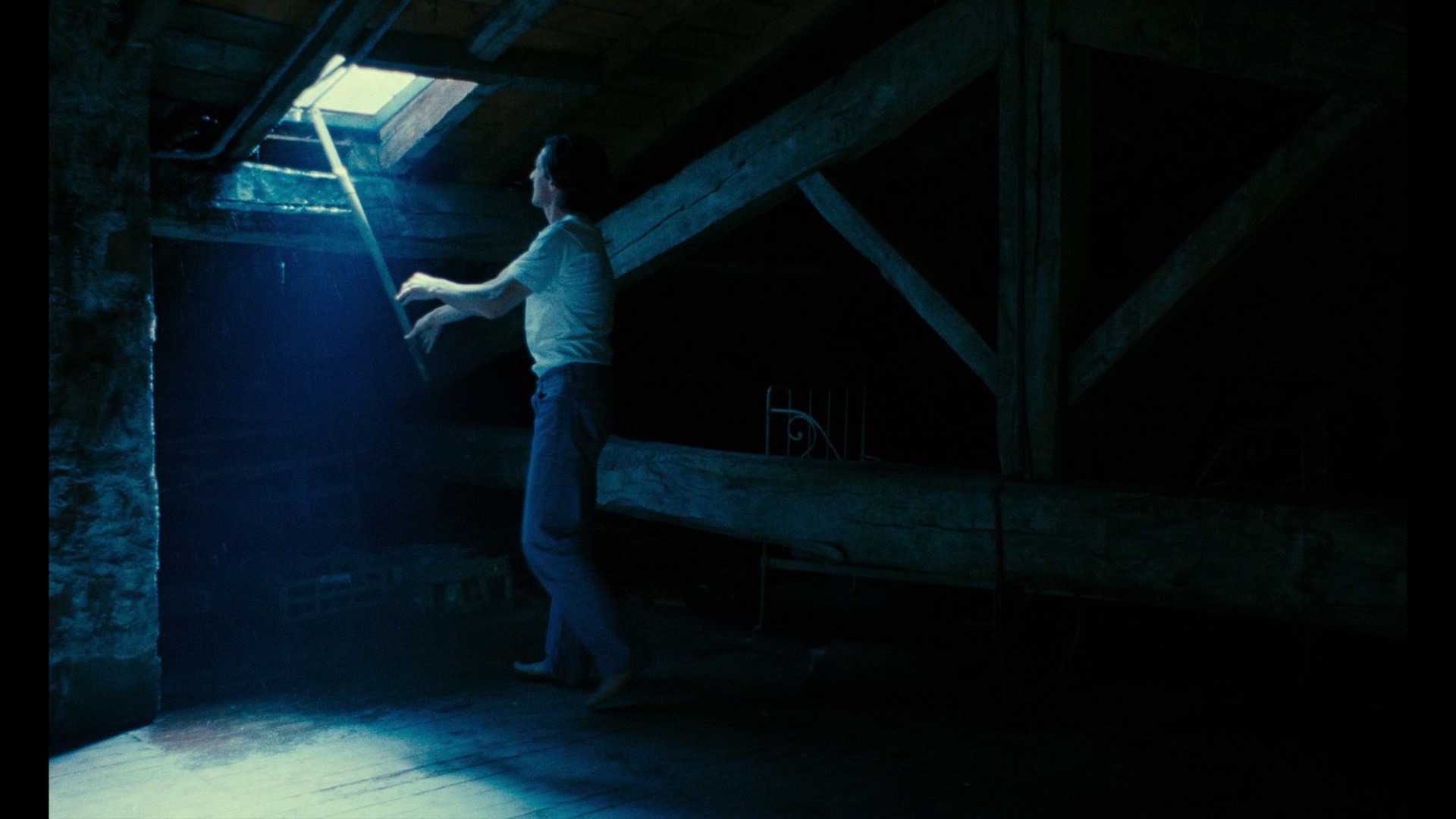
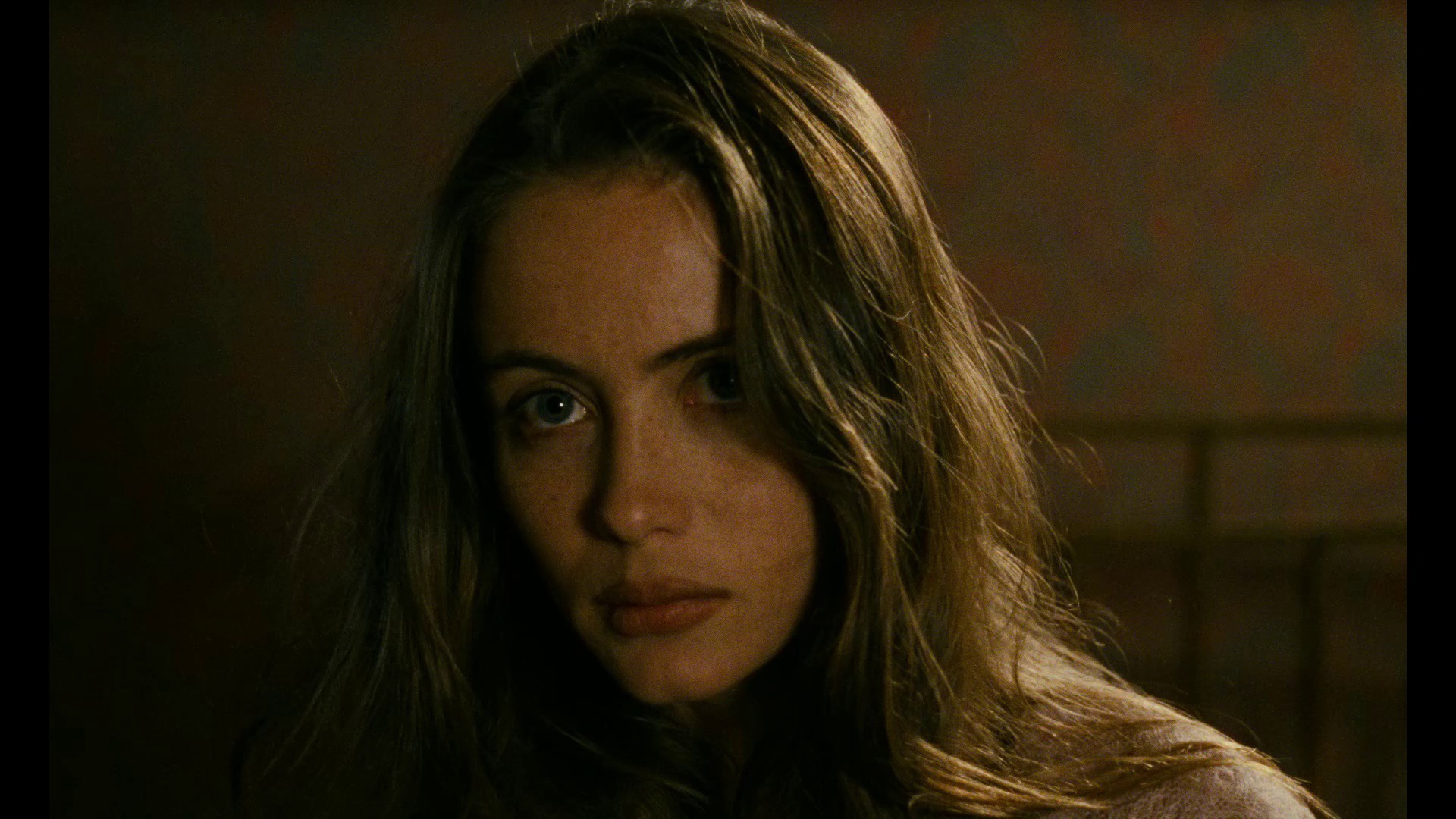
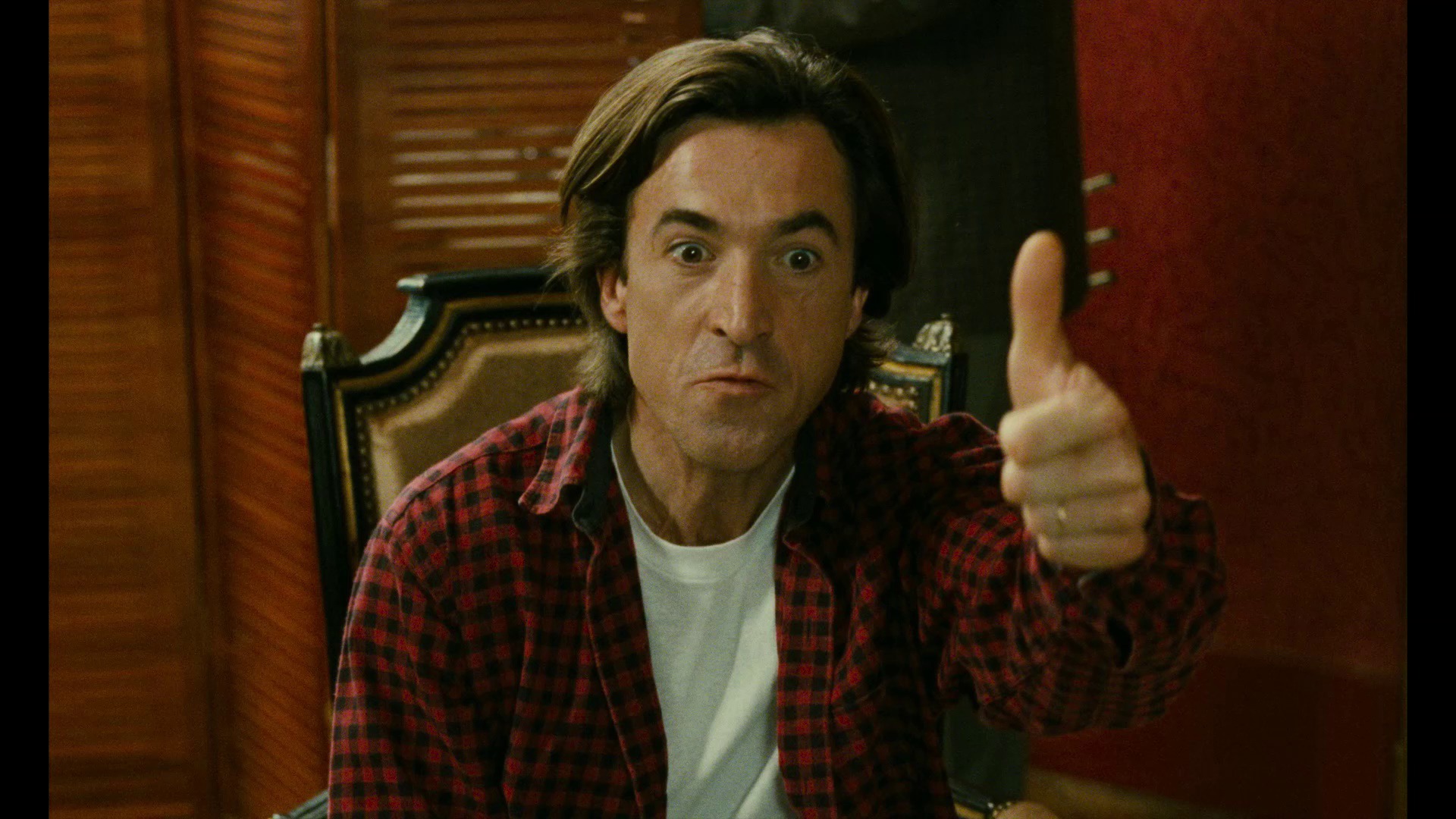
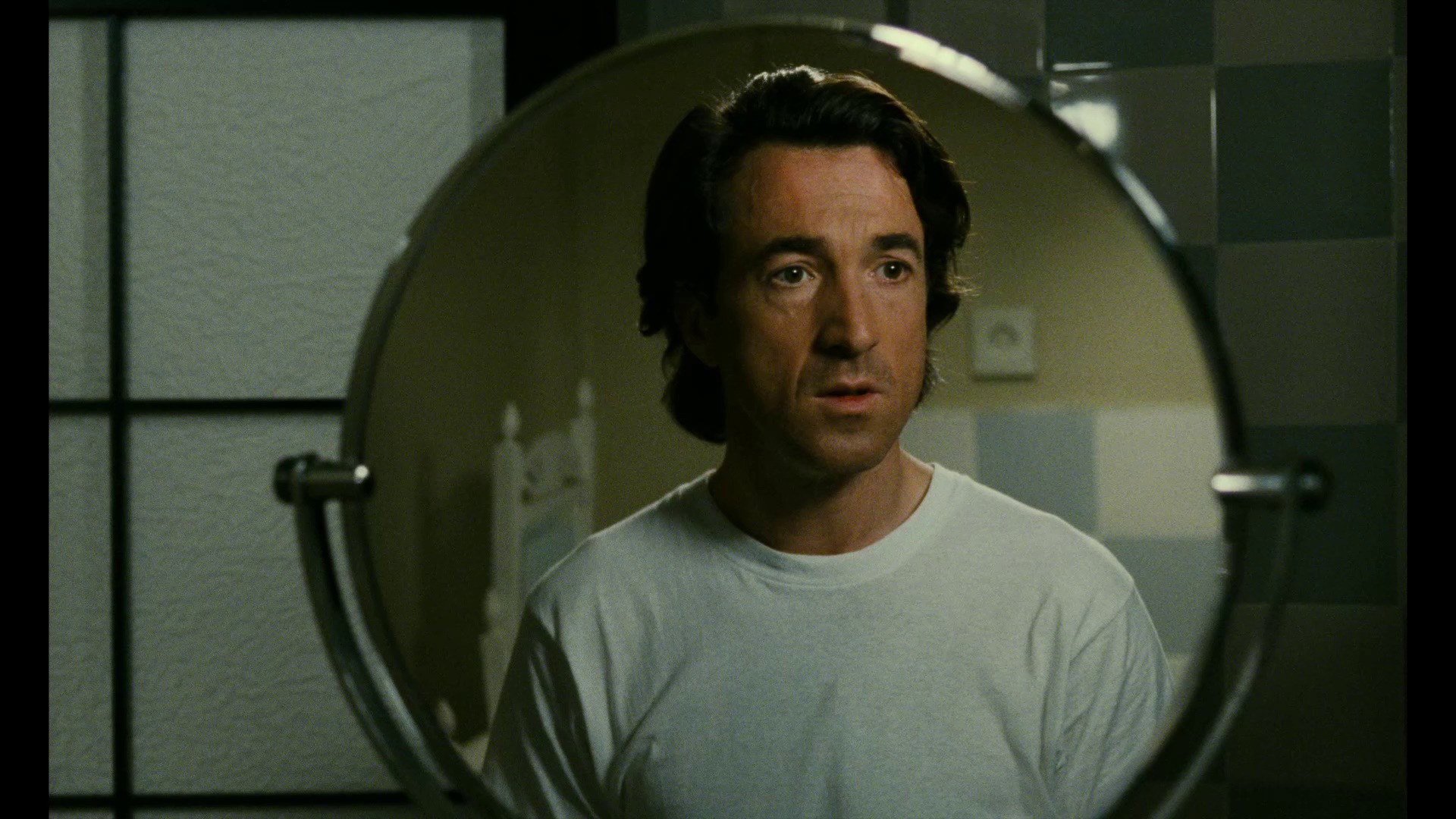
As with the other recent restorations found in the box set the film’s look leans significantly more towards the warm end of things, at least compared to how clips appear in an archival feature elsewhere on the disc, and even if I’ll yet again say the look doesn’t feel too out of place for the film, it did “irk” me in a little bit more in a few areas. As with similar looking presentations in the set the yellows are certainly heavy, but the tone doesn’t appear to have impacted the overall presentation in a negative way; whites aren’t pure but at least look like warm whites, as seen in Nelly’s (Emmanuelle Béart) wedding dress and her bathing suit later, and black levels retain a rich and deep look, never coming off muddy. There’s also a decent amount of range in the shadows, exposing some of the finer details. Where things “irked” me this time around was the heavy cyan look found in the skies and shots along the water. Blues do pop up elsewhere in the film and they look to be rendered well, from Paul’s (Francois Cluzet) various jackets, to lampshades, to a filter that looks to have been laid out over some nighttime shots, but the water and sky can look more green-ish in hue.
The truth of the matter is that the grading here is really no different than what’s found in most of the other films in the set and having nothing else to compare to at the moment (other than an included special feature created almost 2 decades ago for a DVD edition I could jump to easily), the colours look fine enough and don’t have that “Ritrovata” look at all. But these sequences end up really standing out. Considering the film’s subject matter and the original French title, the hotter look feels, at the very least, more appropriate in comparison to the colder look present in clips from that archival feature included on this disc, but I had to wonder this time around if there was maybe a happier medium between the two looks.
As to the other aspects of the presentation there isn’t anything to really fault it for. The restoration work has thoroughly cleaned this up with only a few minor specs popping up, and the encode is of Arrow’s usual quality, rendering the very fine grain structure perfectly. This also leads to an incredibly sharp and highly detailed image. My questioning of the colours aside (and they could still very well represent the intended look), I felt this was the best-looking presentation in the set.
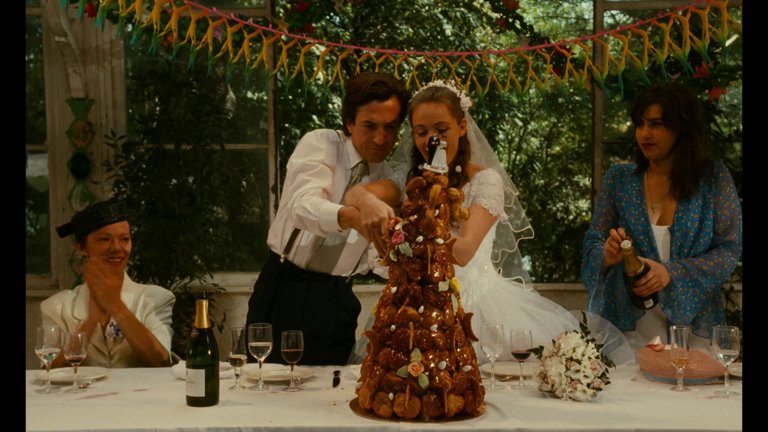
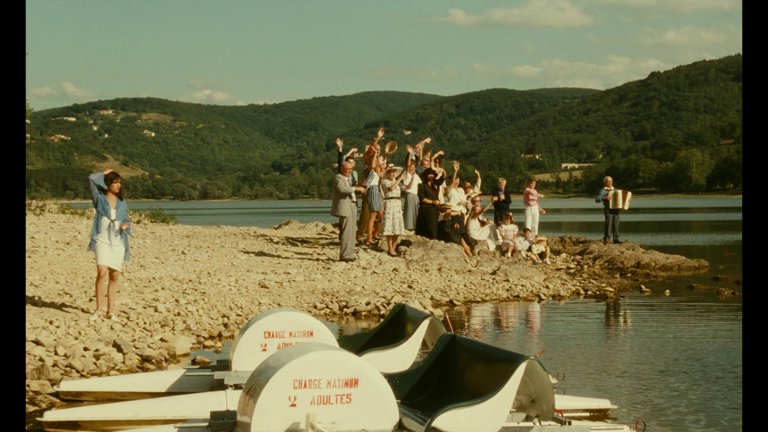
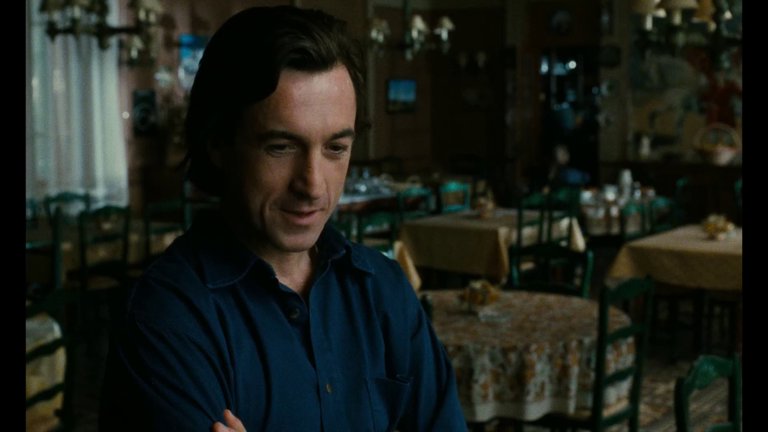
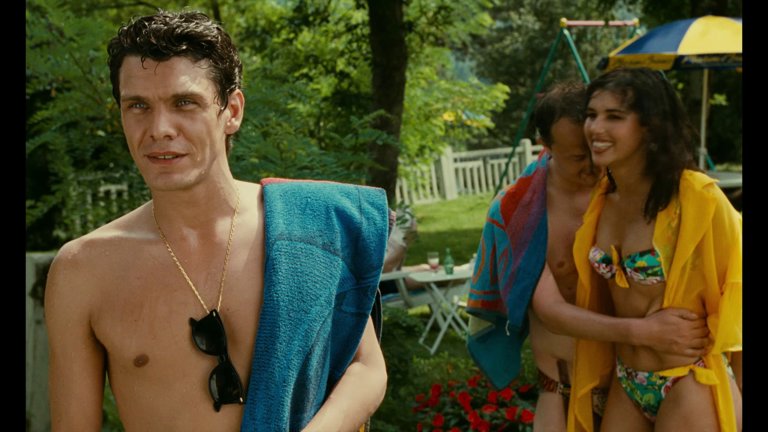
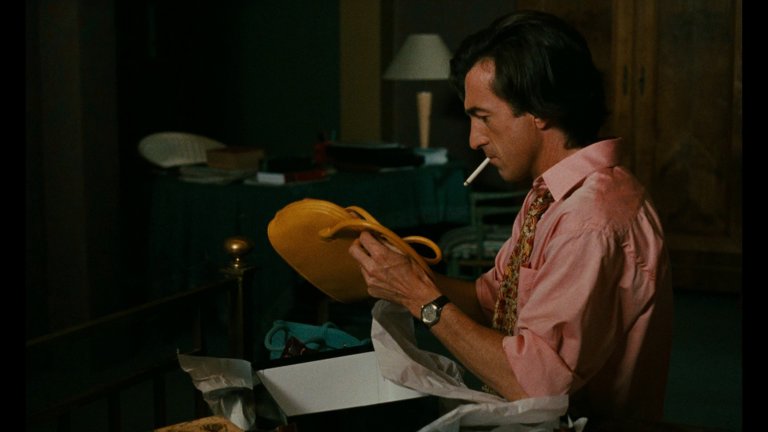
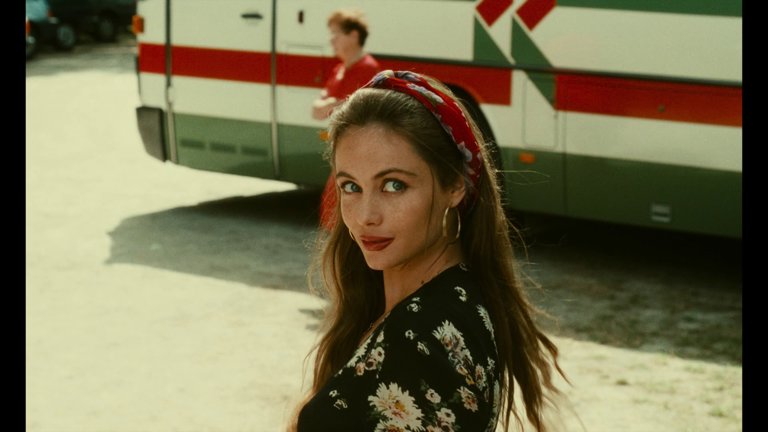
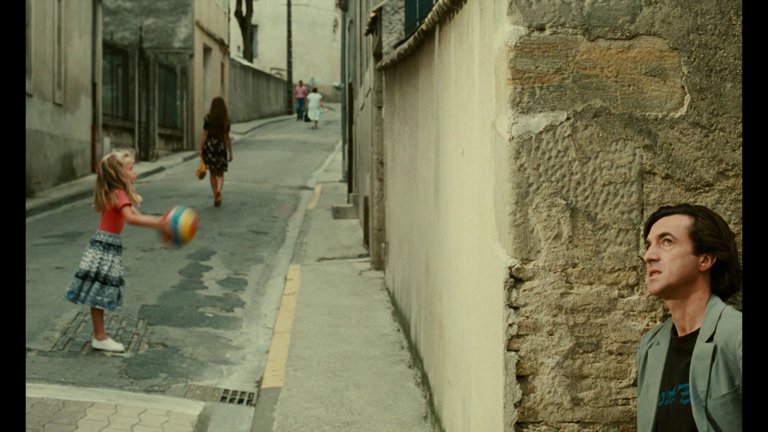
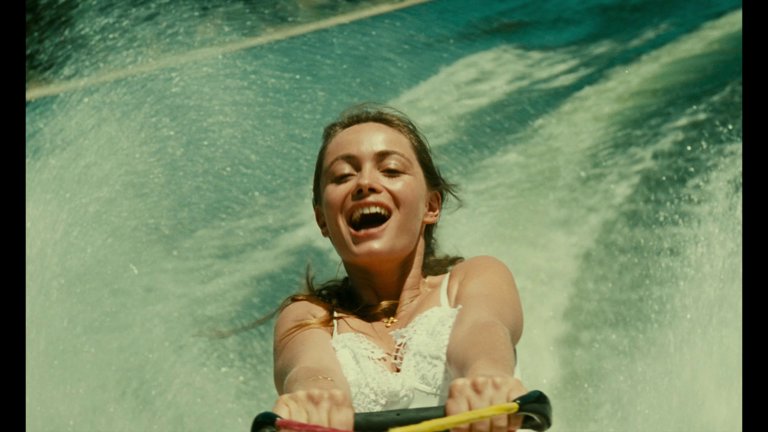
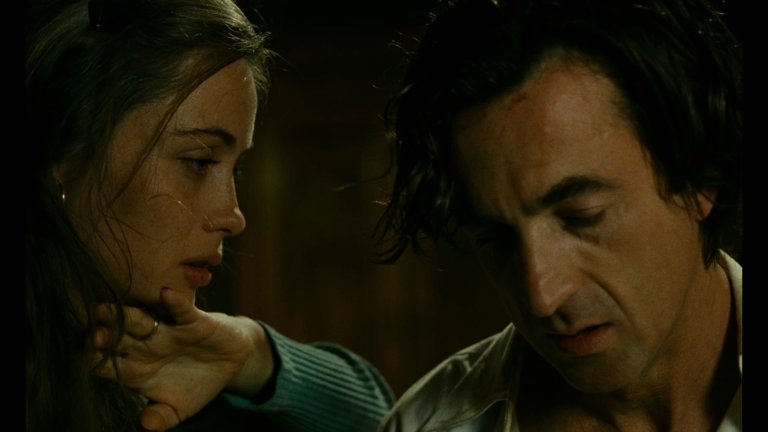
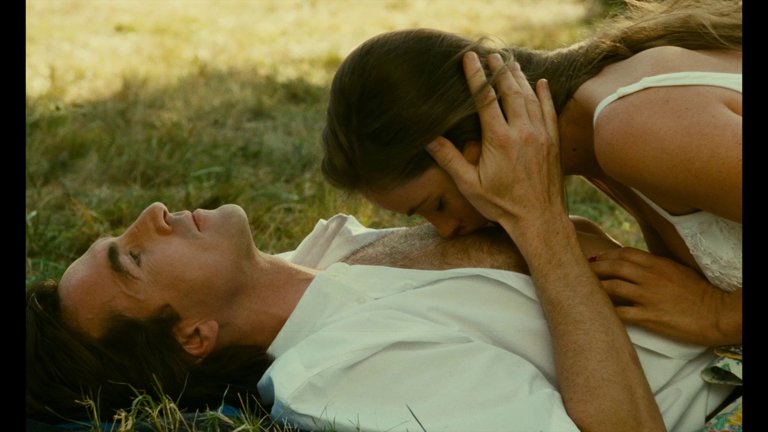
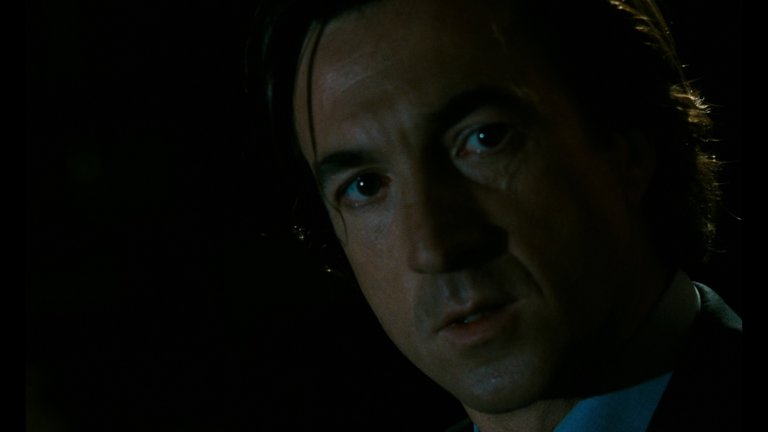
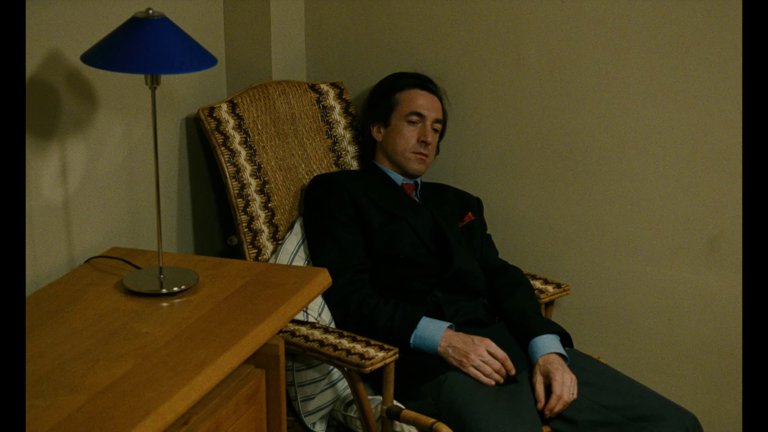
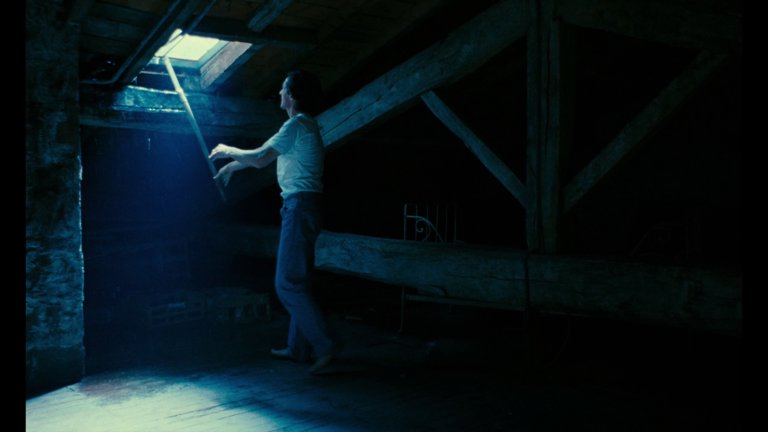
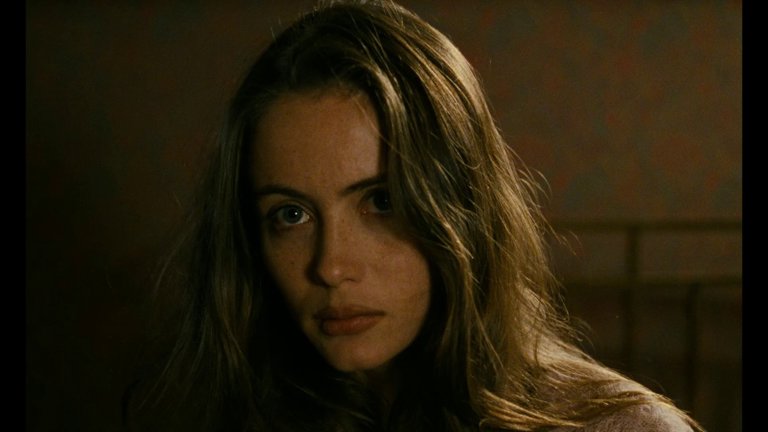
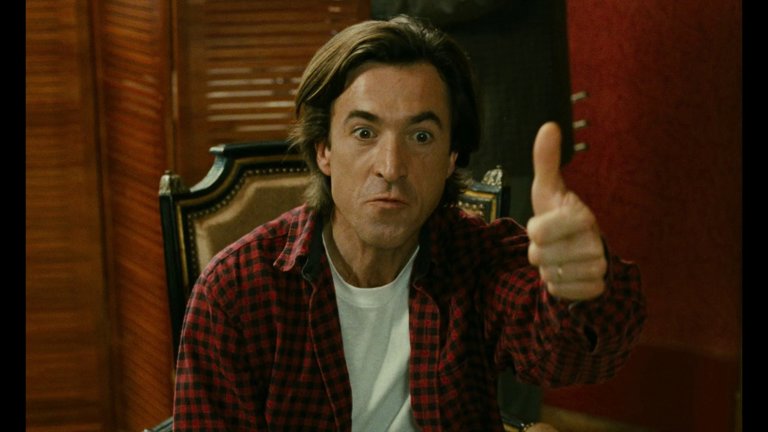
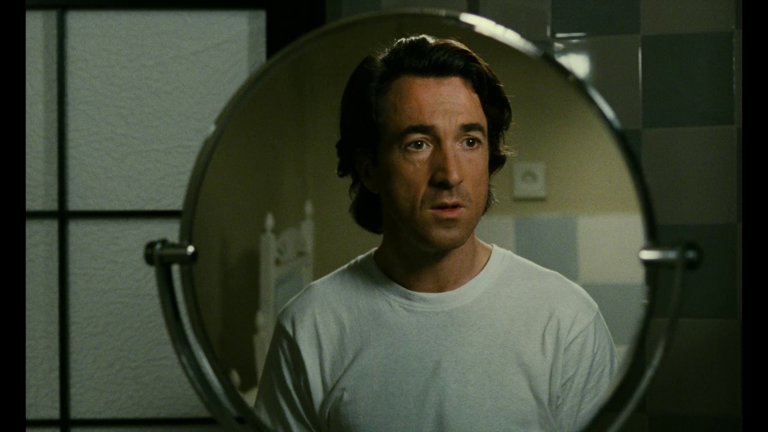
Torment (L’enfer) - Screen Captures
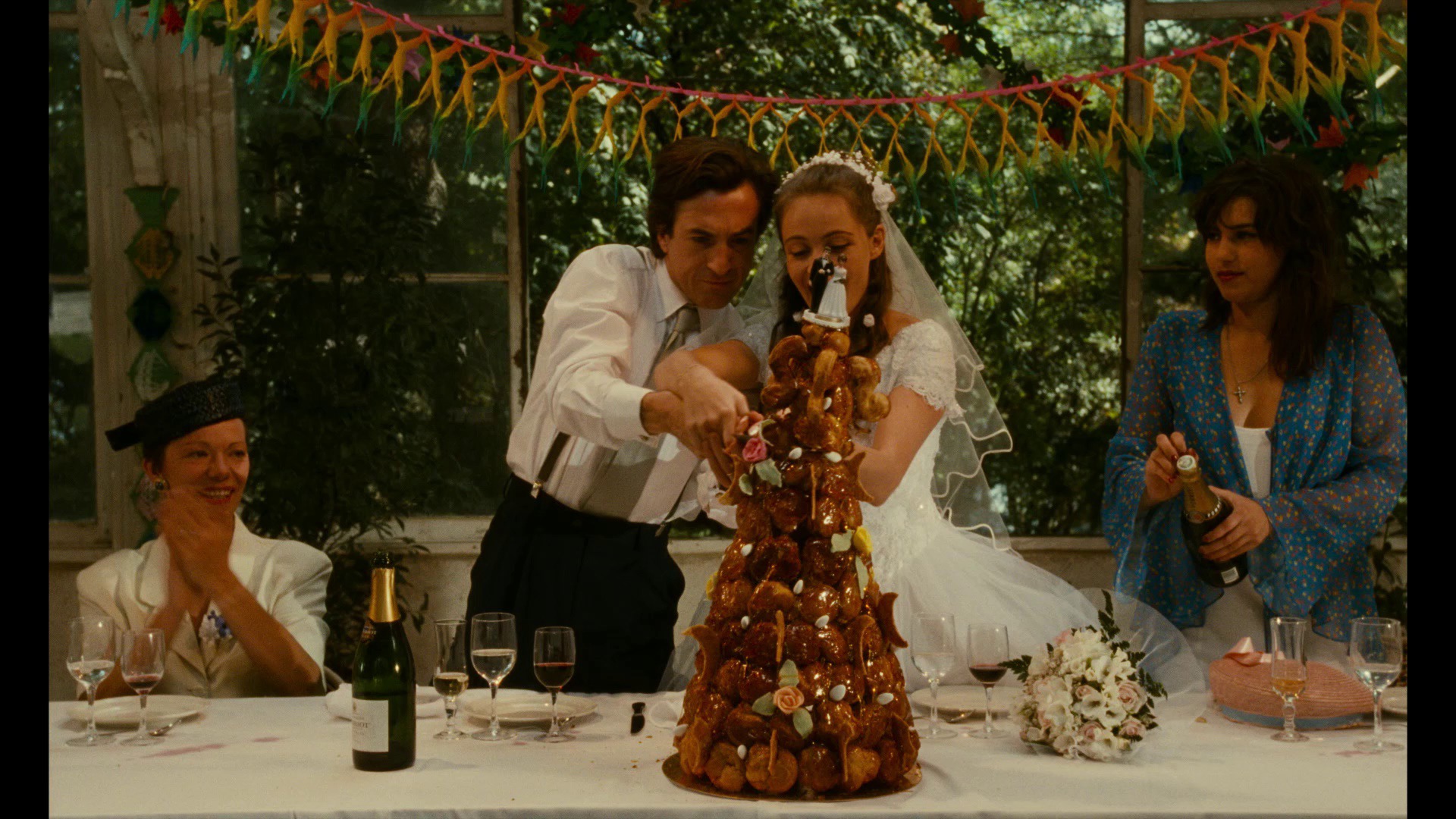
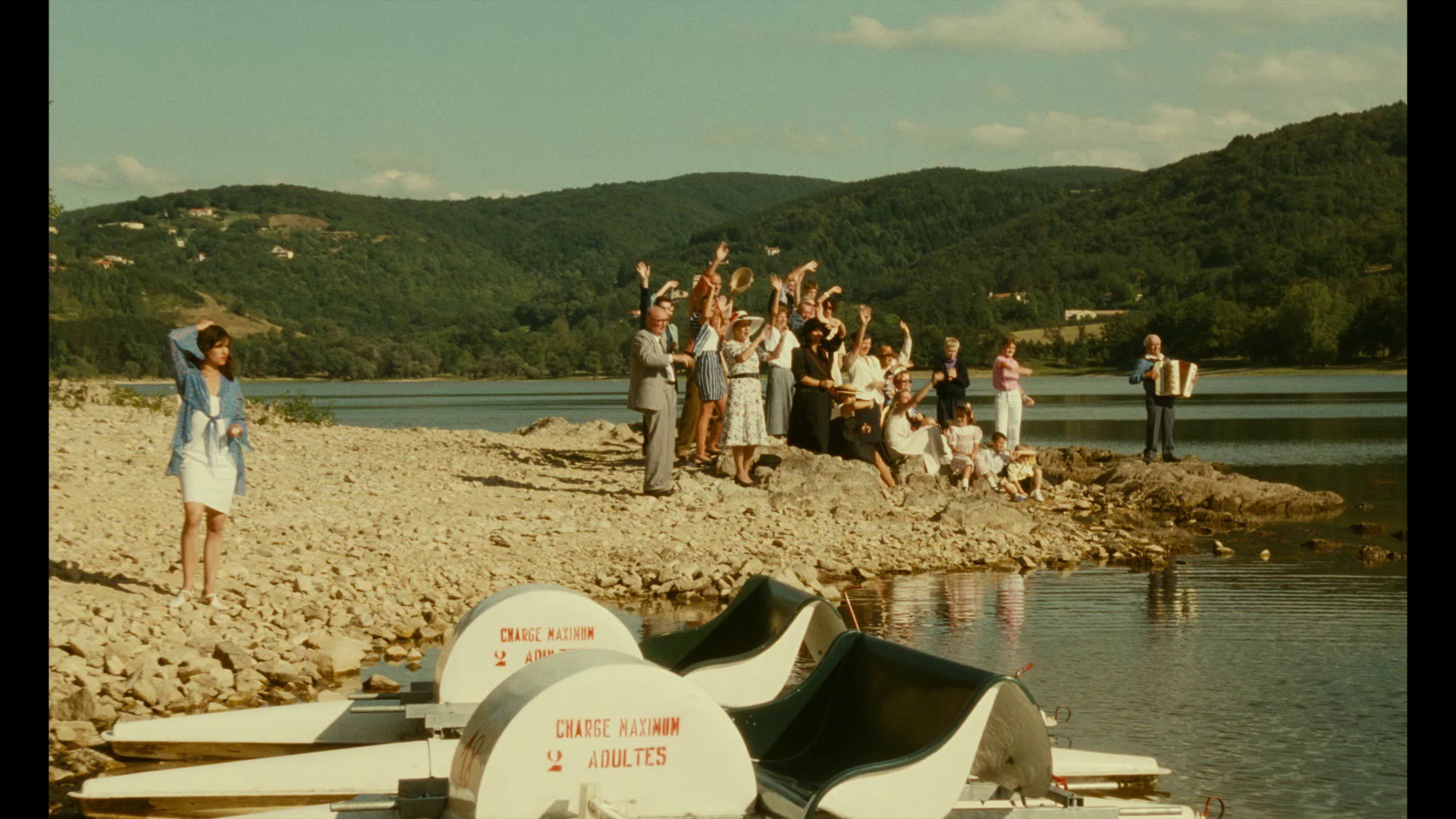
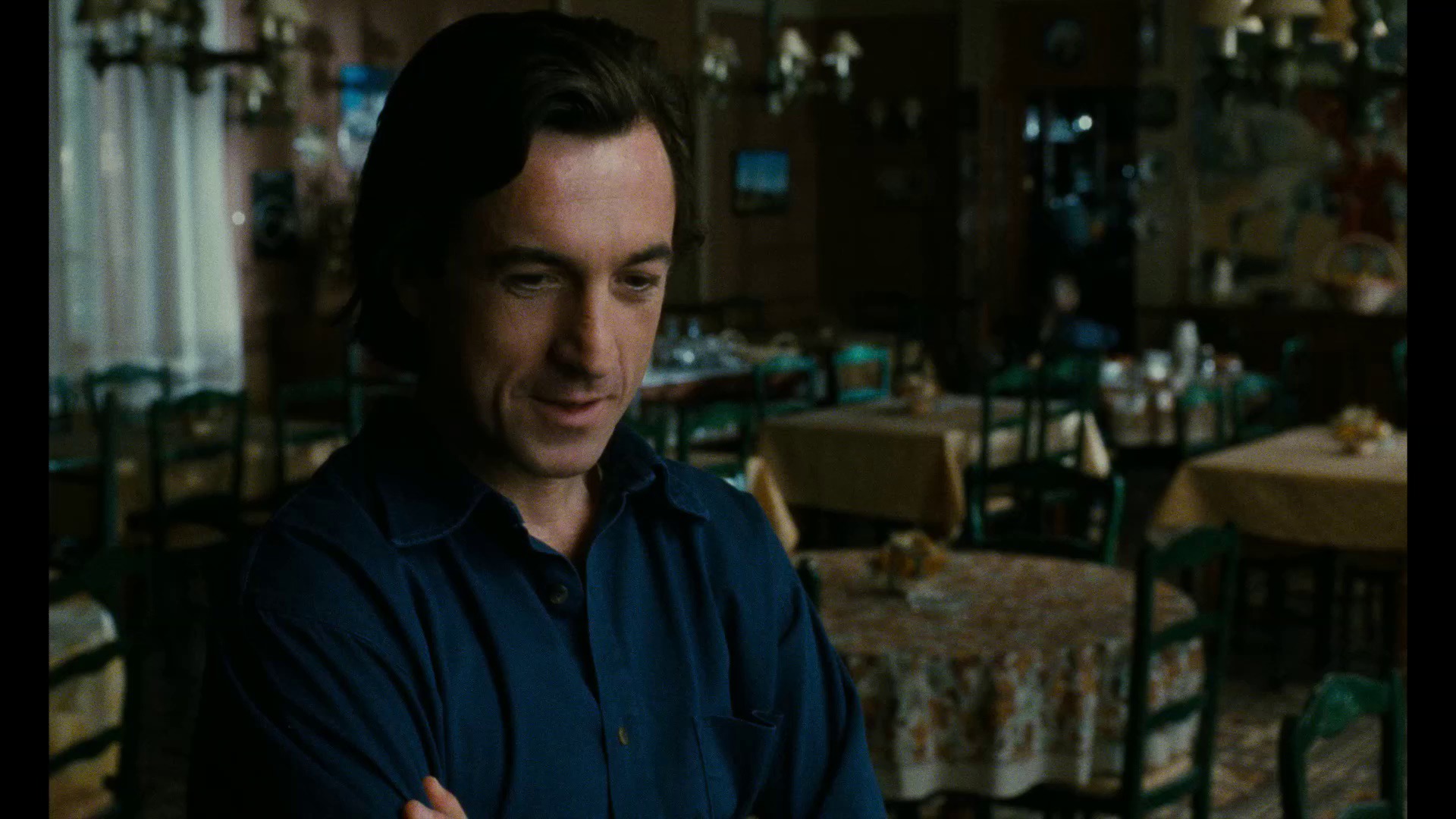

Audio 8/10
The film comes with a lossless PCM 2.0 stereo soundtrack. The track is crisp and sharp with wide range and excellent fidelity. There are some noticeable splits and pans within some of the settings, the water-skiing sequence taking the most advantage of this. It’s also free of any noise or distortion.
Extras 8/10
As with the other titles in the set Arrow throws in a few items here. Brand new is an exclusive audio commentary featuring film critics and Alexandria Heller-Nicholas and Josh Nelson. I was expecting the track to focus primarily on how the film is an adaptation of Clouzot’s own 1964 failed attempt, and though the two do spend quite a bit of time covering that subject, even referencing the 2010 documentary around Clouzot’s production by Serge Bromberg and Ruxandra Medrea (also, coincidentally, released on Blu-ray by Arrow), the track ends up being about how the film has been misinterpreted through the years by the critical community and general audiences alike, referencing writings around the film that even includes Roger Ebert’s original review. The key issue, they feel, is that many saw that Béart’s character played a significant part into Paul’s “jealousy,” blaming her for what was to come. Throughout the film the two point out how the story is entirely from the husband’s point-of-view, stating that the film is “obsessed with his obsession” and that any suggestions that she was actively seducing other men, or being playful with her sexuality, were entirely in his head. They clearly point out how Chabrol edits these sequences and gives clues around what is real and what is fabricated (with some fabricated moments having more of a Hollywood feel), and, as they eventually point out, this all manages to lead into his usual critiques against the bourgeoisie. The film, they feel, is entirely about domestic violence and what would now be called Paul’s “toxic masculinity,” and is not in any way about “jealousy.”
Having watched the film for the first time it seemed rather clear this is what Chabrol’s adaptation was about, Paul in no way coming off as a sympathetic figure, instead being simply a product of his own insecurities around his business, life, and wife; he is, to put it bluntly, an insufferable asshole. I have a hard time believing, more than likely naively, anyone would come out of this film with a different interpretation now, so it’s possible the track won’t expose anything new to a listener in this regard, yet it’s still fascinating from a historical perspective on how views on gender/relationship roles, sexuality, and domestic abuse in film have changed through the years (mostly), which ends up being best displayed in Ebert’s favorable review that seemed to sort of get what Chabrol was going for, yet still felt Nelly was in some small way to blame for Paul’s actions. Mix that with analysis of how Chabrol constructs the film, mixing fantasy and reality so seamlessly, the history of Clouzot’s original attempt, how Chabrol adapted Clouzot’s script to fit his own means and how the film reflects common themes found in his other work, and you get an incredibly energetic and insightful track, easily the best one in the set.
The remaining features, all archival, sadly don’t live up to the commentary, but they’re mostly worth going through. The 2003, 3-minute introduction by Joël Magny is probably one of his better ones in the set as he touches on the original Clouzot film, though this intro is ultimately, yet again, just a summary. We also get another select-scene commentary featuring Claude Chabrol, also done in 2003 and running 39-minutes. Chabrol focuses on a few scenes that probably blend fantasy and reality the most, and the director explains the camera and editing tricks he deployed to move viewers between reality and fantasy to visualize the “madness” in the main character’s head, which he deliberately built up so the audience was ready for the complete separation from reality that happens during the climax. He also comments on some of his specific “genre” touches, like when Paul follows Nelly into town and making it feel like a private eye story that bordered on parody. This then leads into a 12-minute one-on-one interview with the director (in the same booth he has been recording these tracks) recalling how Clouzot’s script and its various drafts came to him. This gets mentioned in the commentary as well, but Chabrol interestingly stuck with the first draft he received, thinking Clouzot was taking the film into a more “kinetic” or “hyper-aesthetic” direction, which didn’t appeal to him at all. He then describes the further adjustments he made so it would better suit his sensibilities. As usual, the director comes off quite drole self-aware.
Arrow then includes a newer interview with producer Marin Karmitz, recorded for MK2. He discusses how he came to meet Chabrol and the path that led to them working together. He talks about a few of their projects, such as Flower of Evil, Le cérémonie and Torment, and gets into why he suspects Chabrol’s later films are looked down on in comparison to his earlier works. It runs 26-minutes.
Sadly, Arrow doesn’t include any of their own new content, outside of the commentary, as they did with the other titles in the set, and the disc then closes with a trailer and small gallery that includes photos, posters and even scans of a press book. Still, despite the lack of that new interview or video essay (which I would have expected to focus on Clouzot's original film/script), I found the commentary a solid enough addition all on its own.
Closing
Though the colours felt a bit off with this title (despite looking similar to most of the other titles in the set), Arrow’s edition of Torment offers up what is probably the box set's strongest looking presentation, along with its best commentary track.
BUY AT: