Sorcerer
BUY AT:


See more details, packaging, or compare
Synopsis
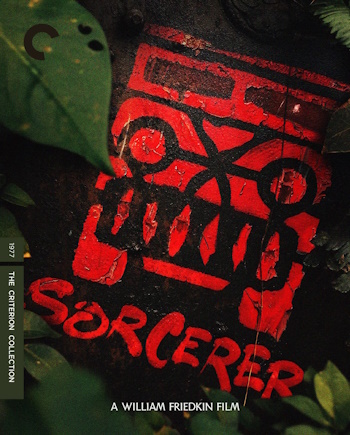
A hallucinatory journey into the heart of darkness, William Friedkin’s pulse-pounding reimagining of the suspense classic The Wages of Fear was dismissed upon its release, only to be recognized decades later as one of the boldest auteur statements of the New Hollywood. In a remote Latin American village, four desperate fugitives—a New Jersey gangster (Roy Scheider), a Mexican assassin (Francisco Rabal), an unscrupulous Parisian businessman (Bruno Cremer), and an Arab terrorist (Amidou)—take on a seemingly doomed mission: transporting two trucks full of highly explosive nitroglycerin through the treacherous jungle. Aided by Tangerine Dream’s otherworldly synth score, Friedkin turns each bump in the road into a tour de force of cold-sweat tension—conjuring a hauntingly nihilistic vision of a world ruled by chance and fate.
Picture 9/10
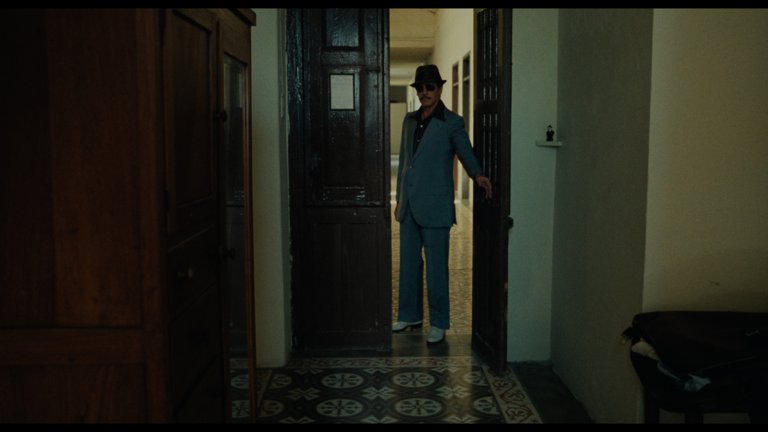
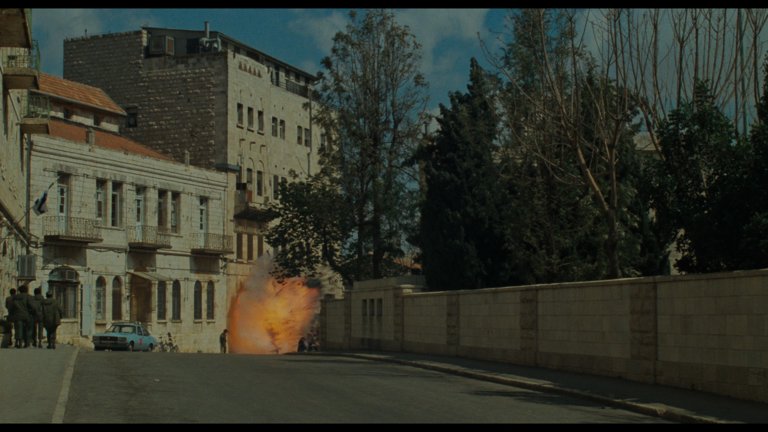
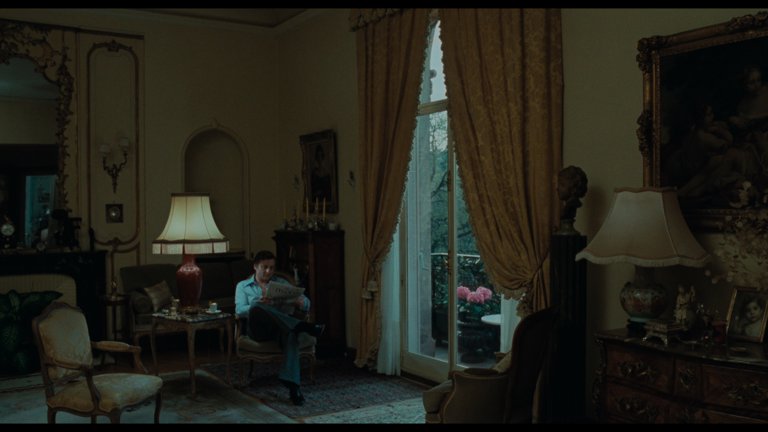
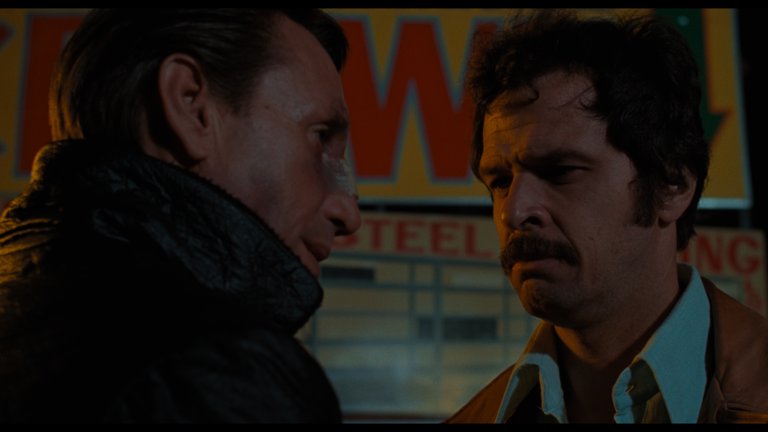
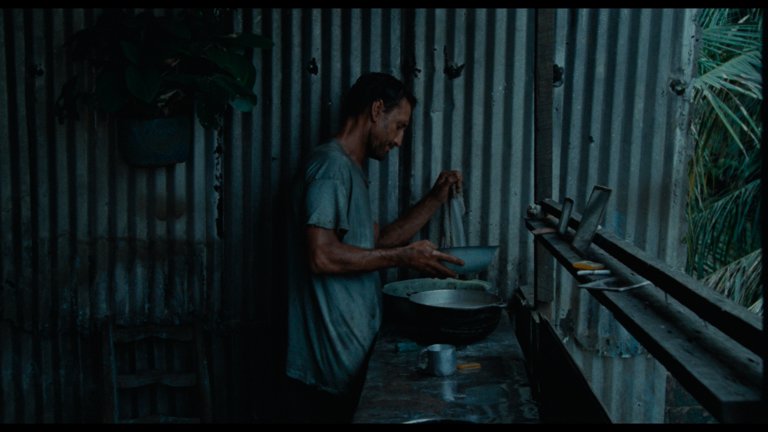
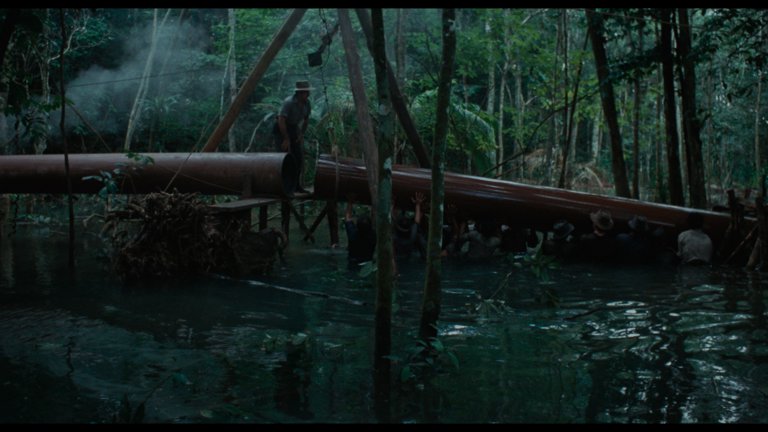
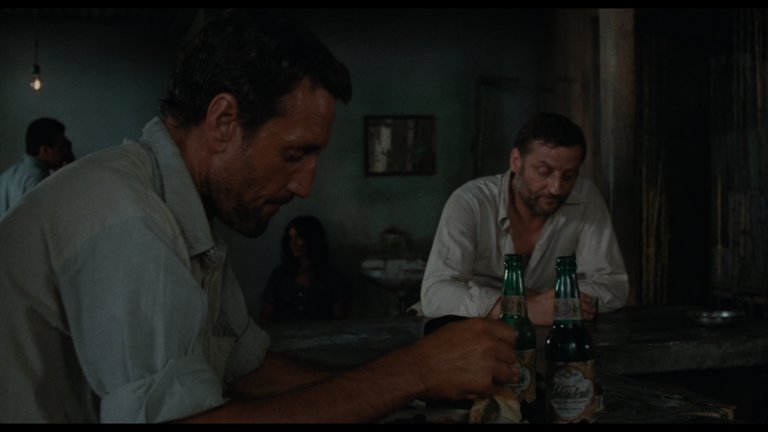
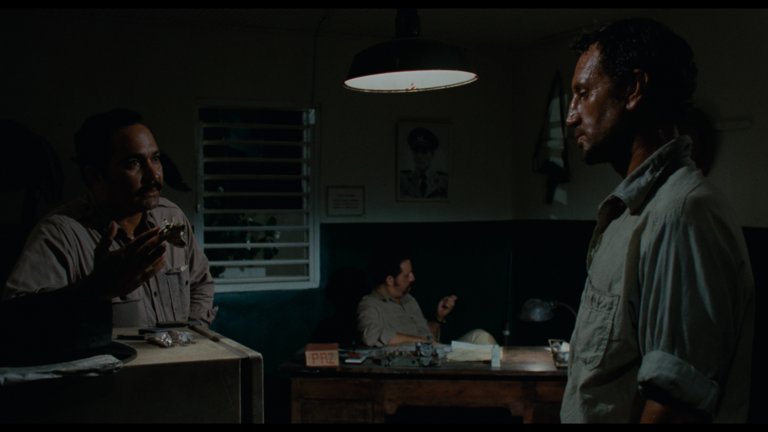
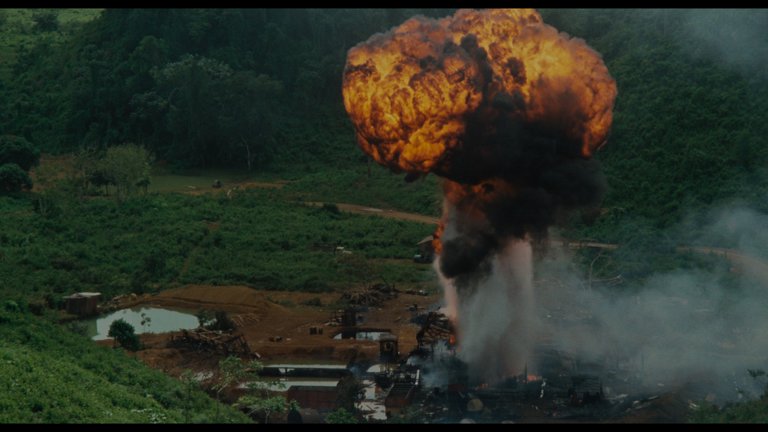
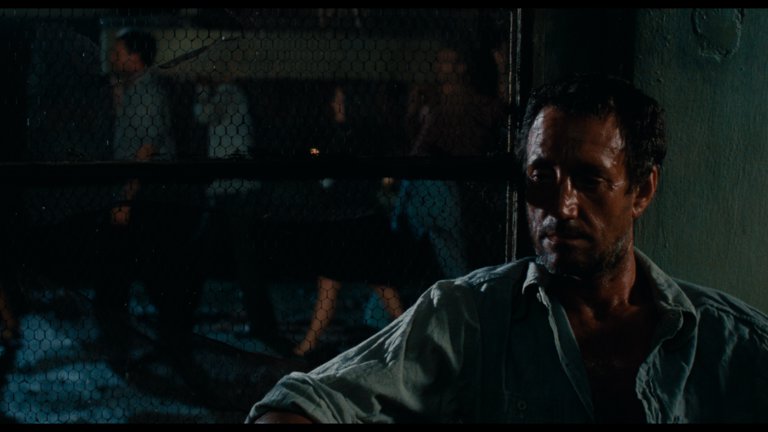
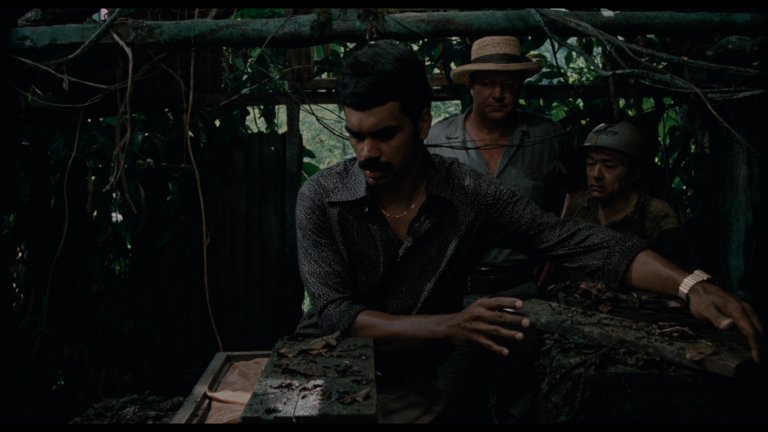
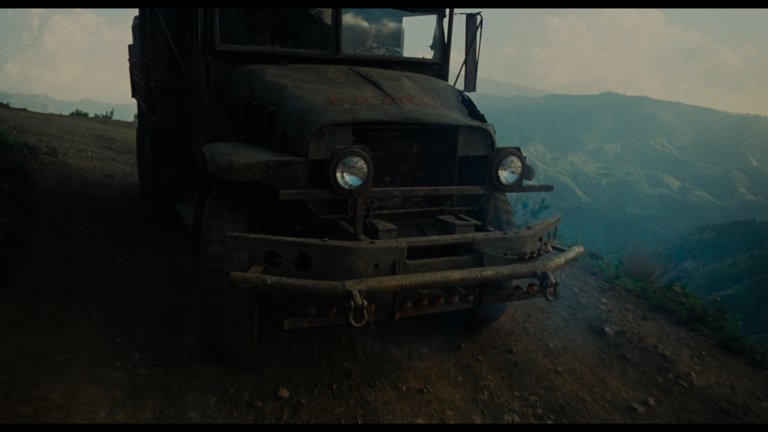
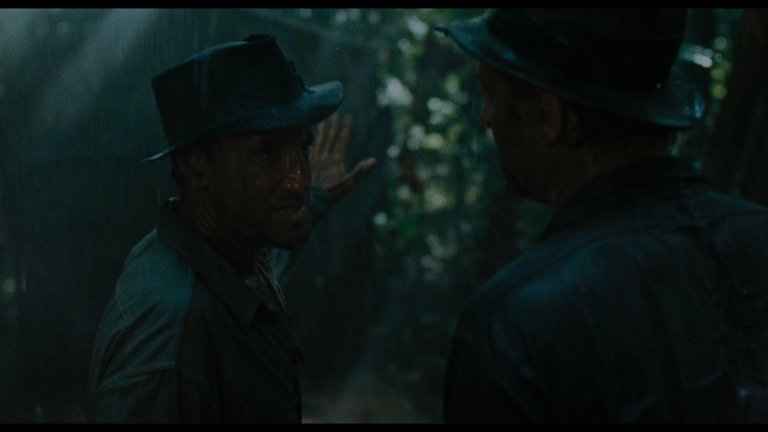
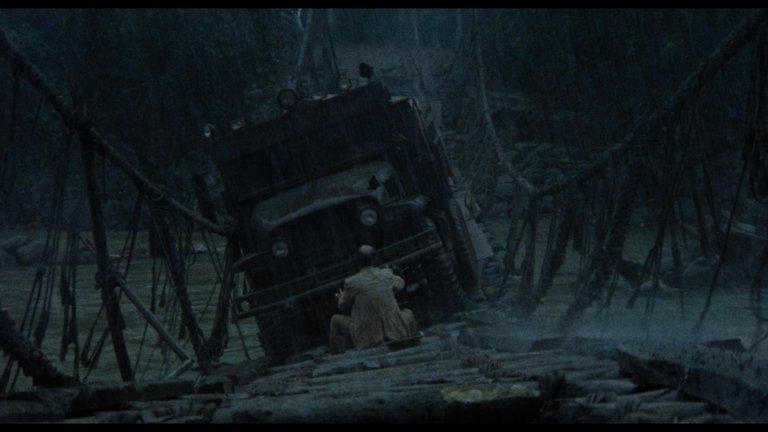
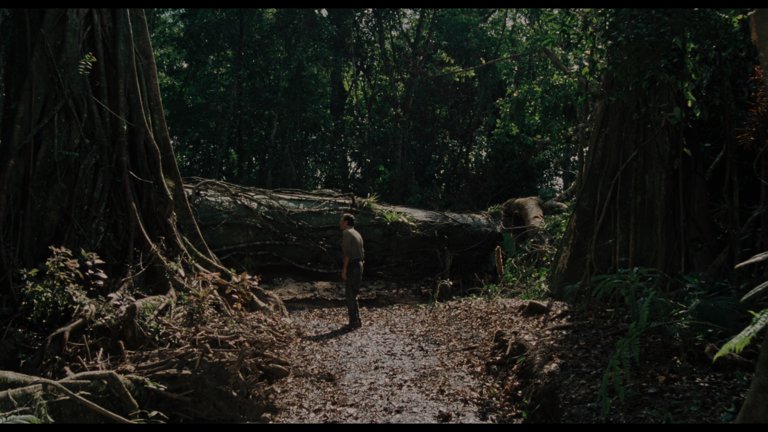
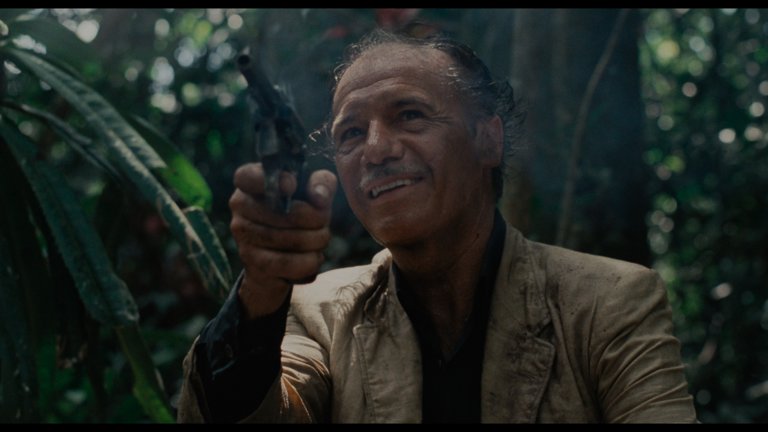
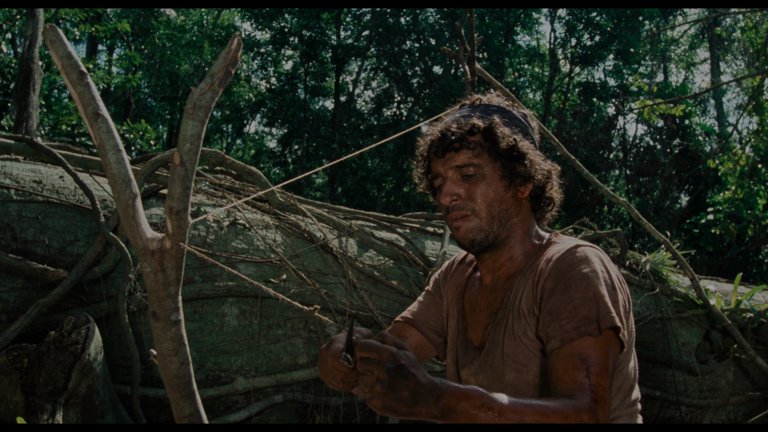
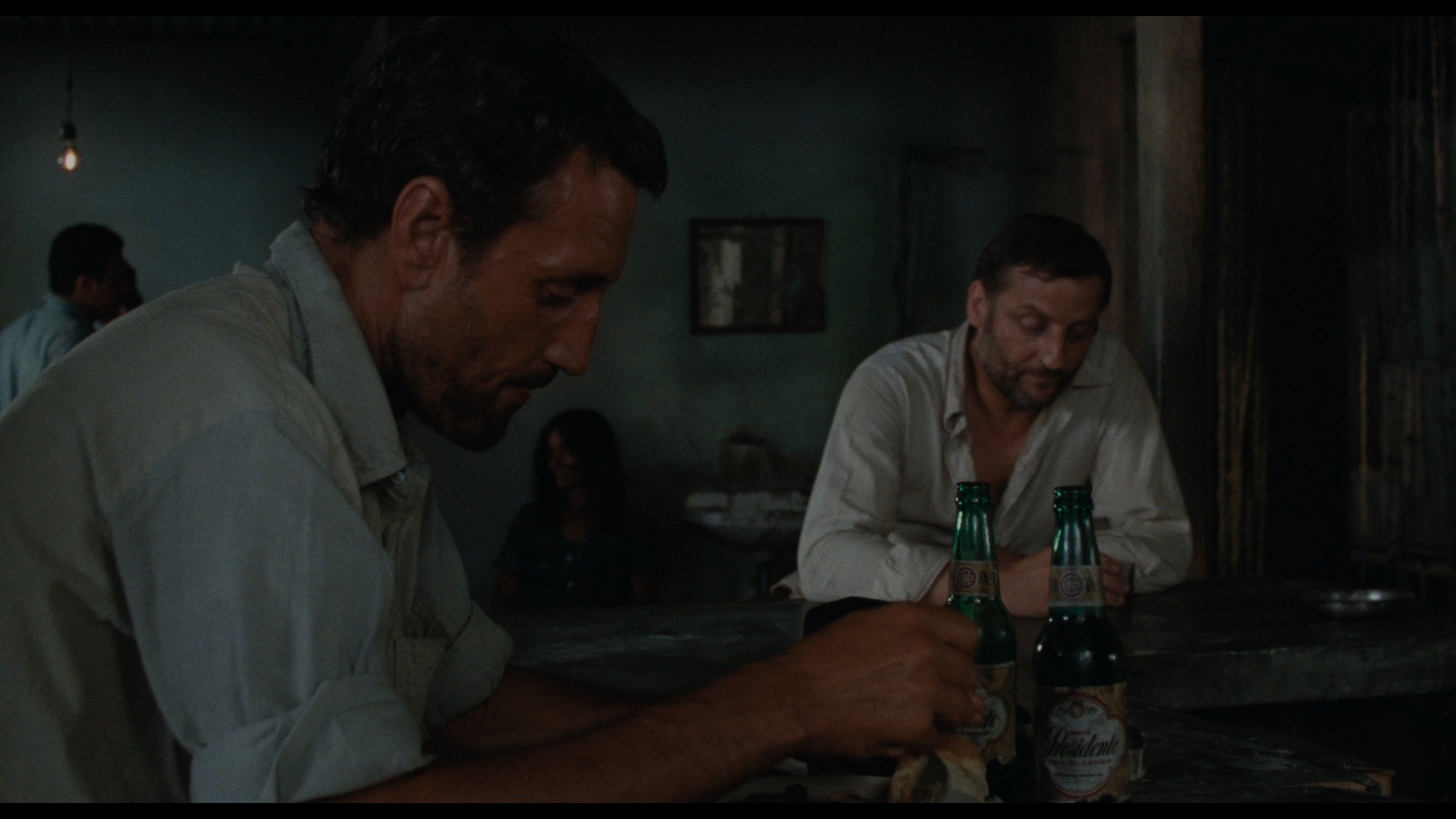
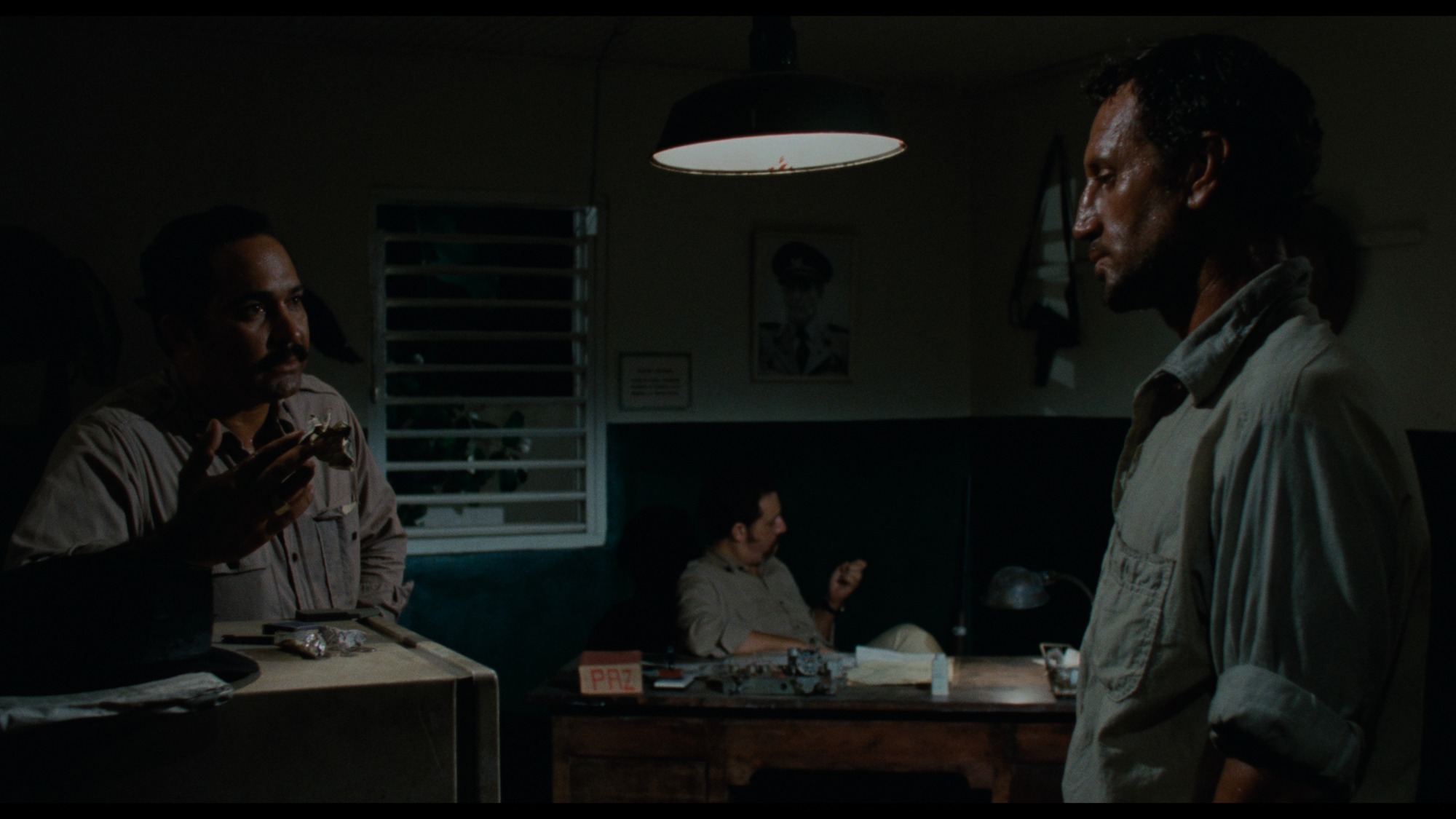
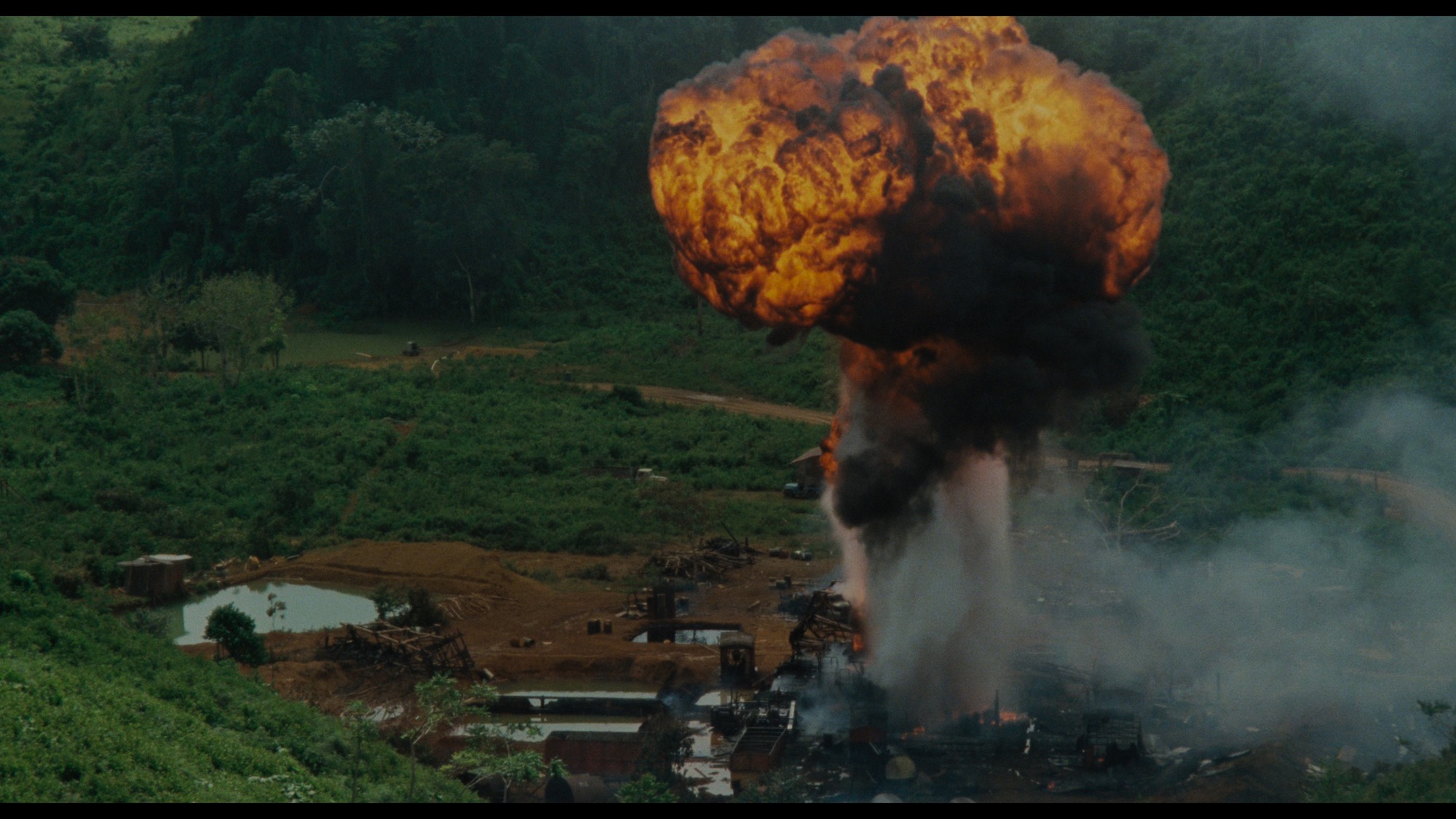
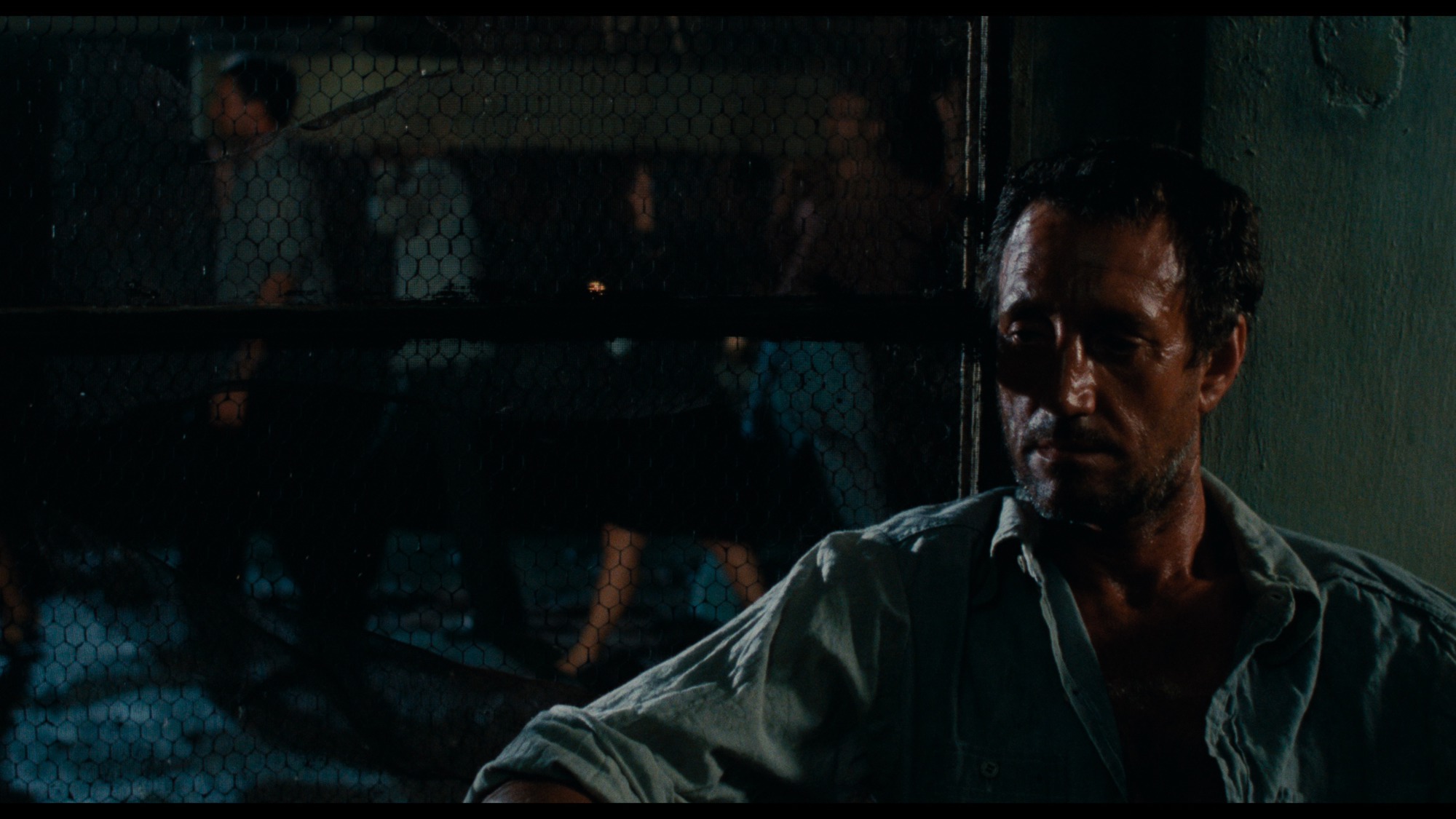
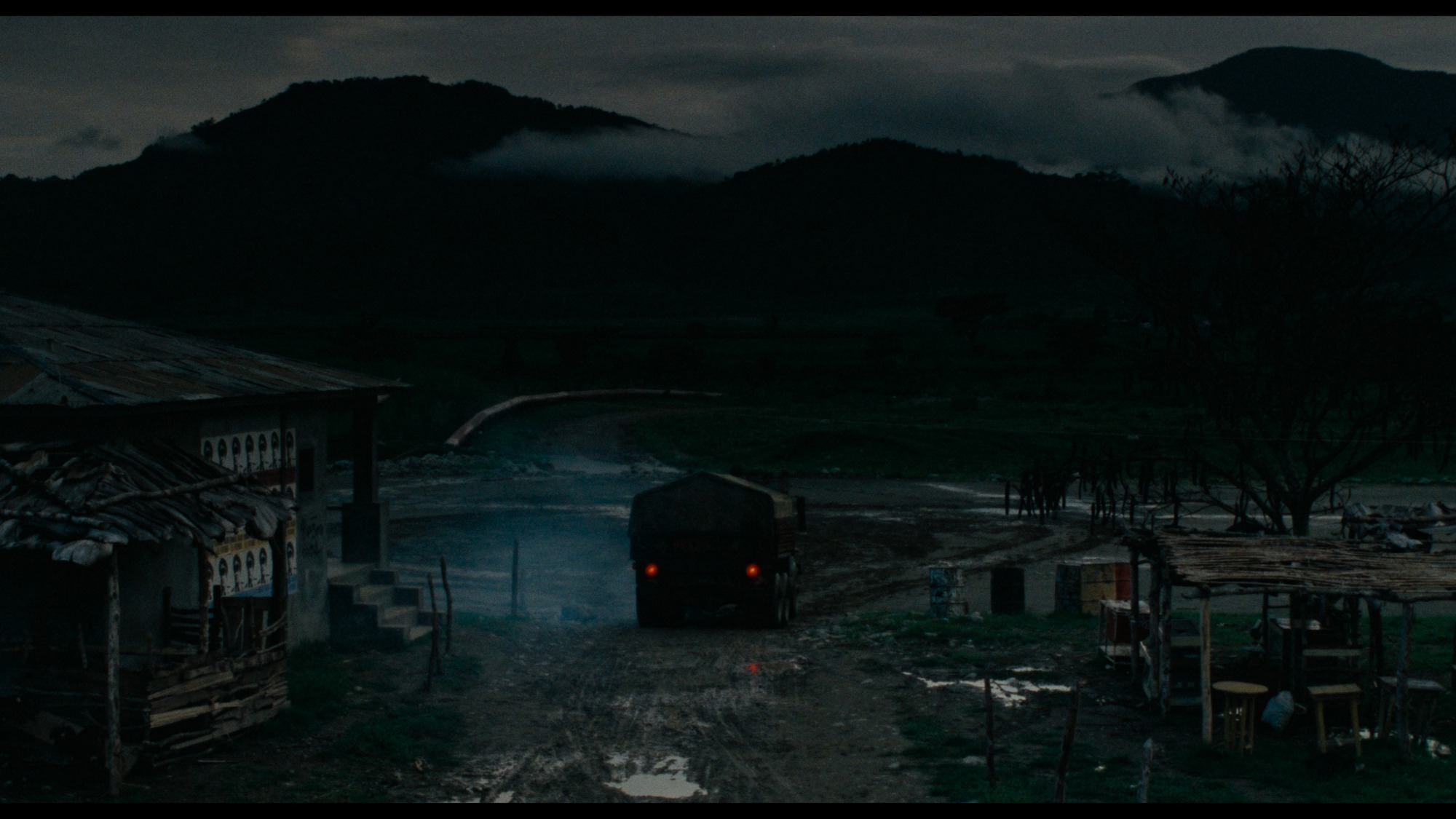
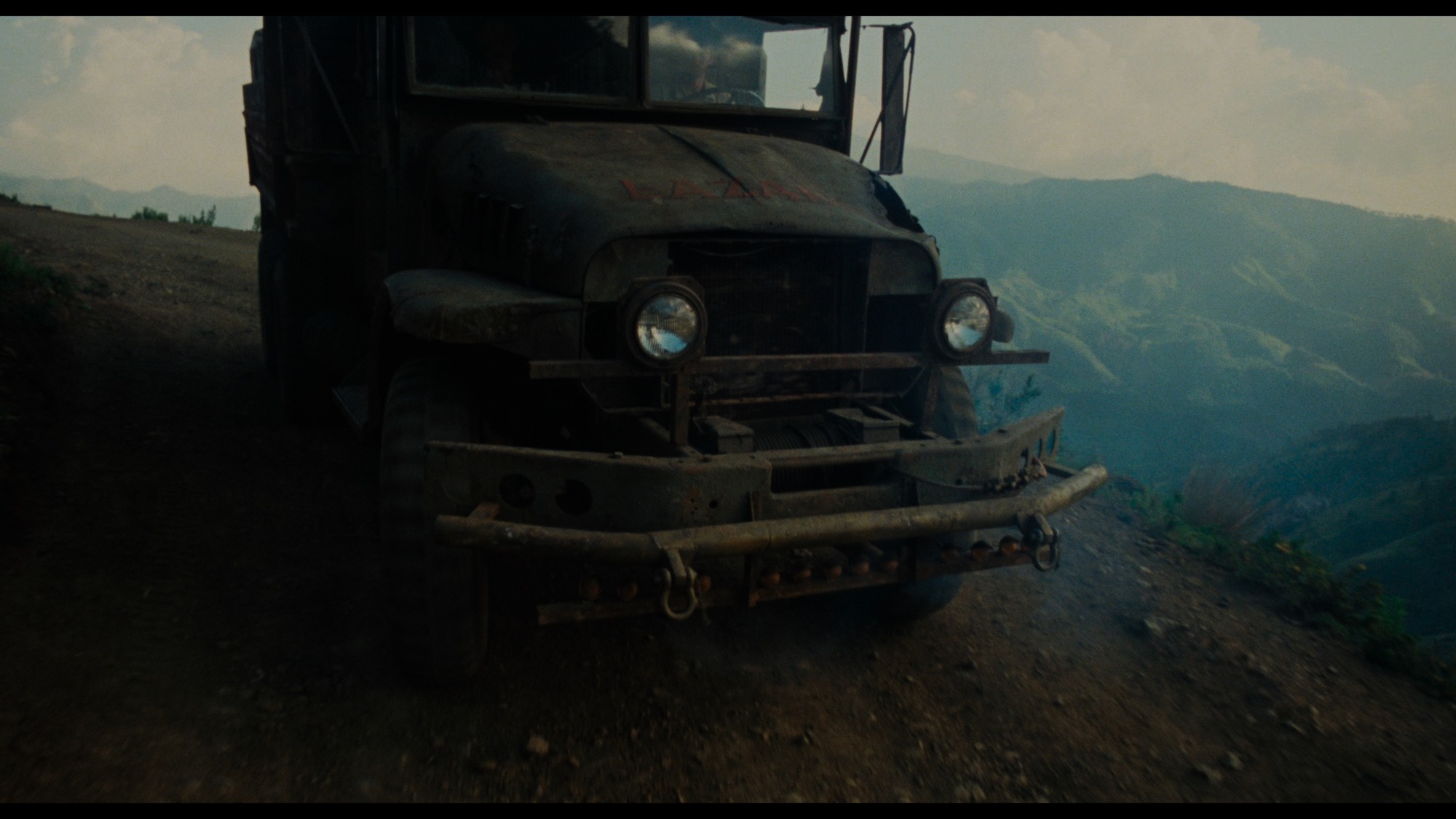
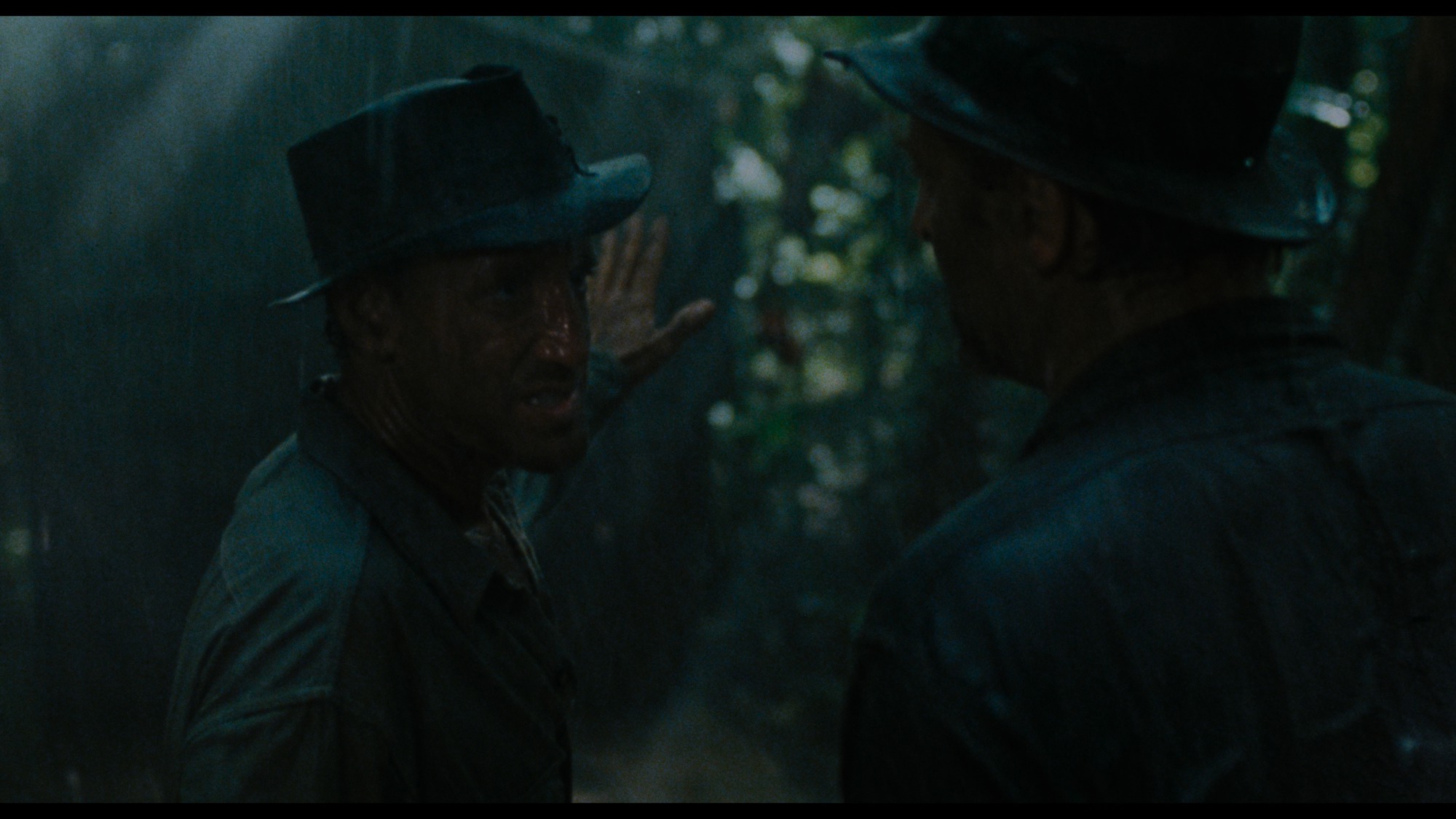
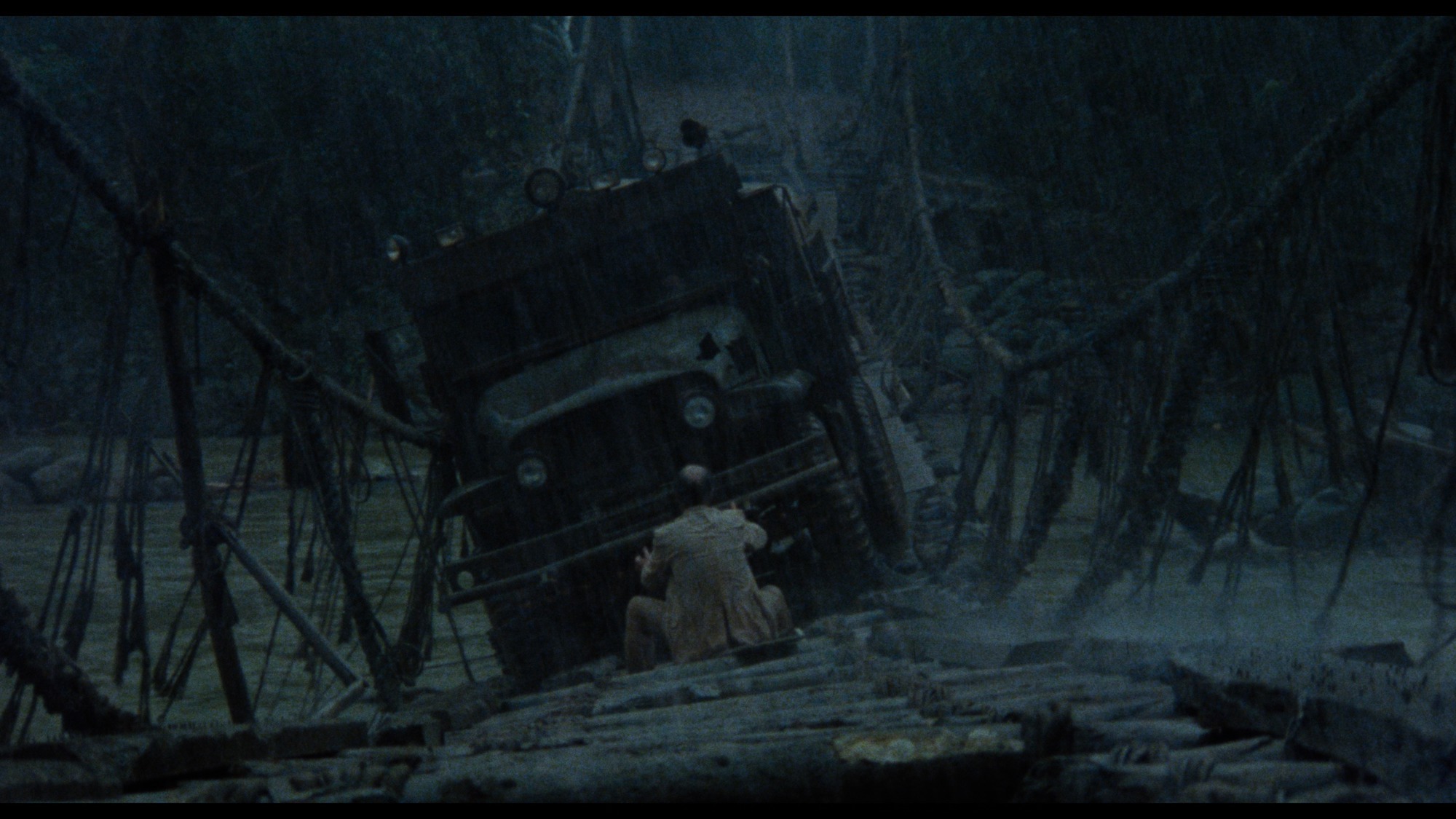
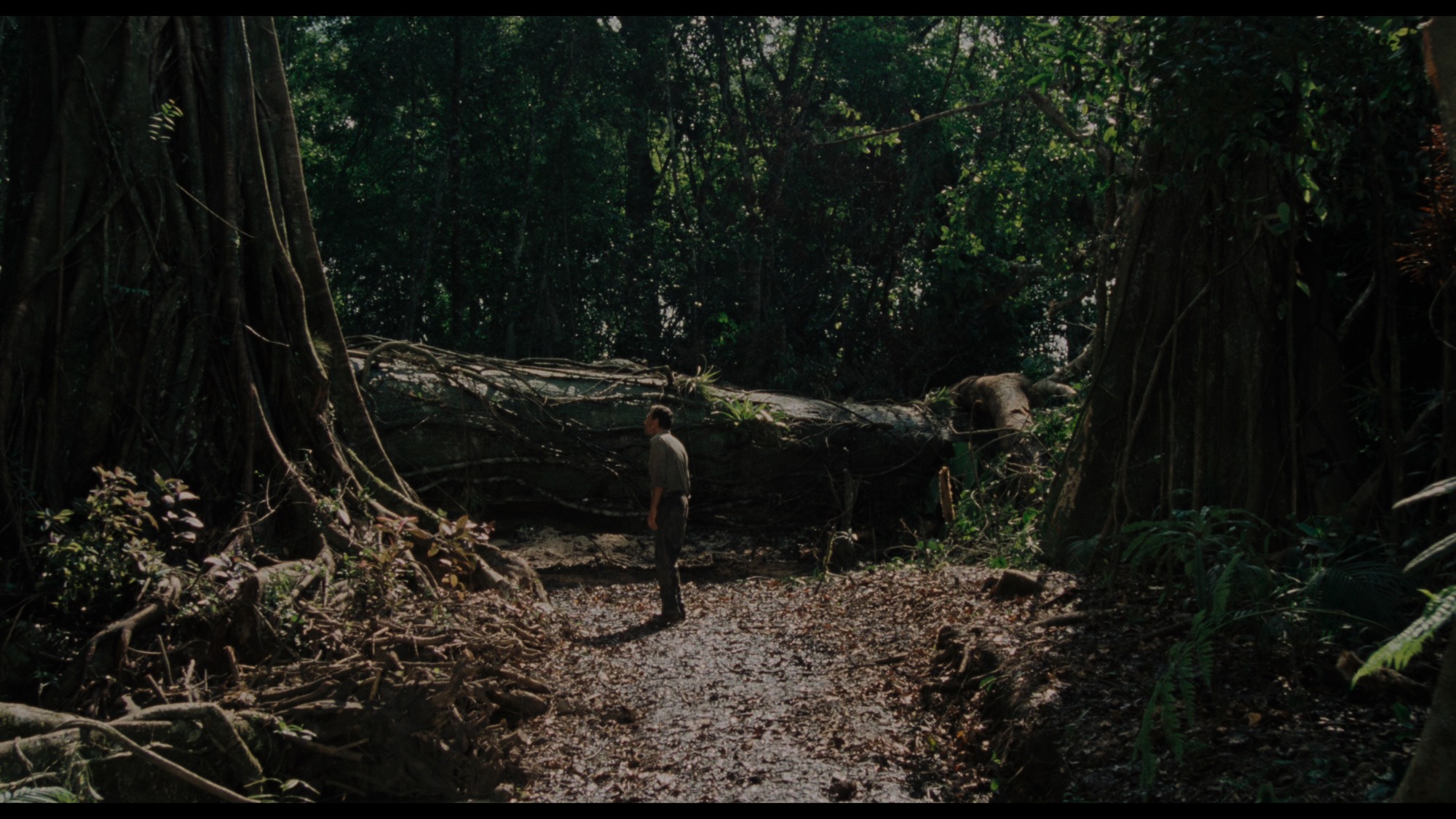
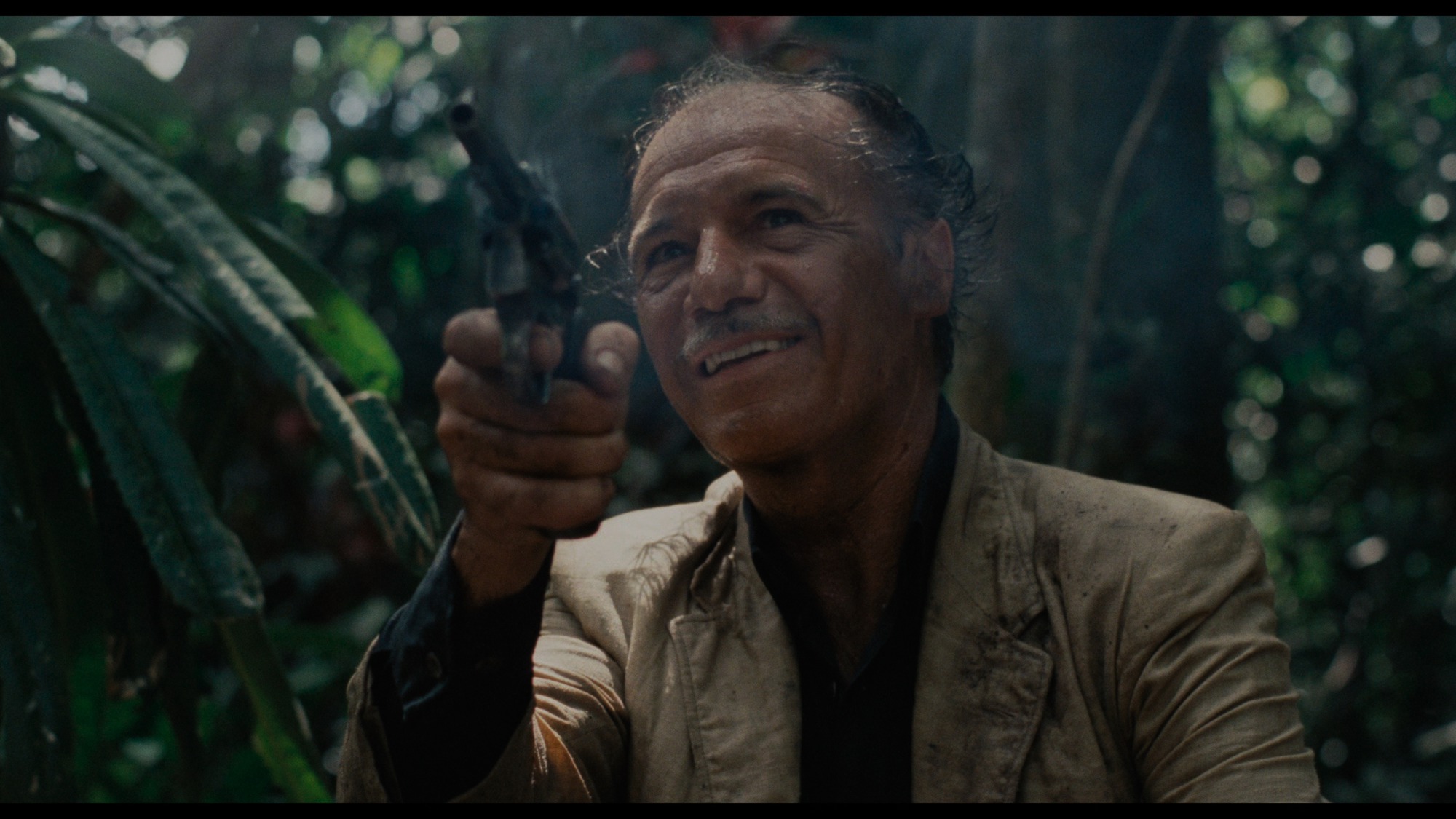
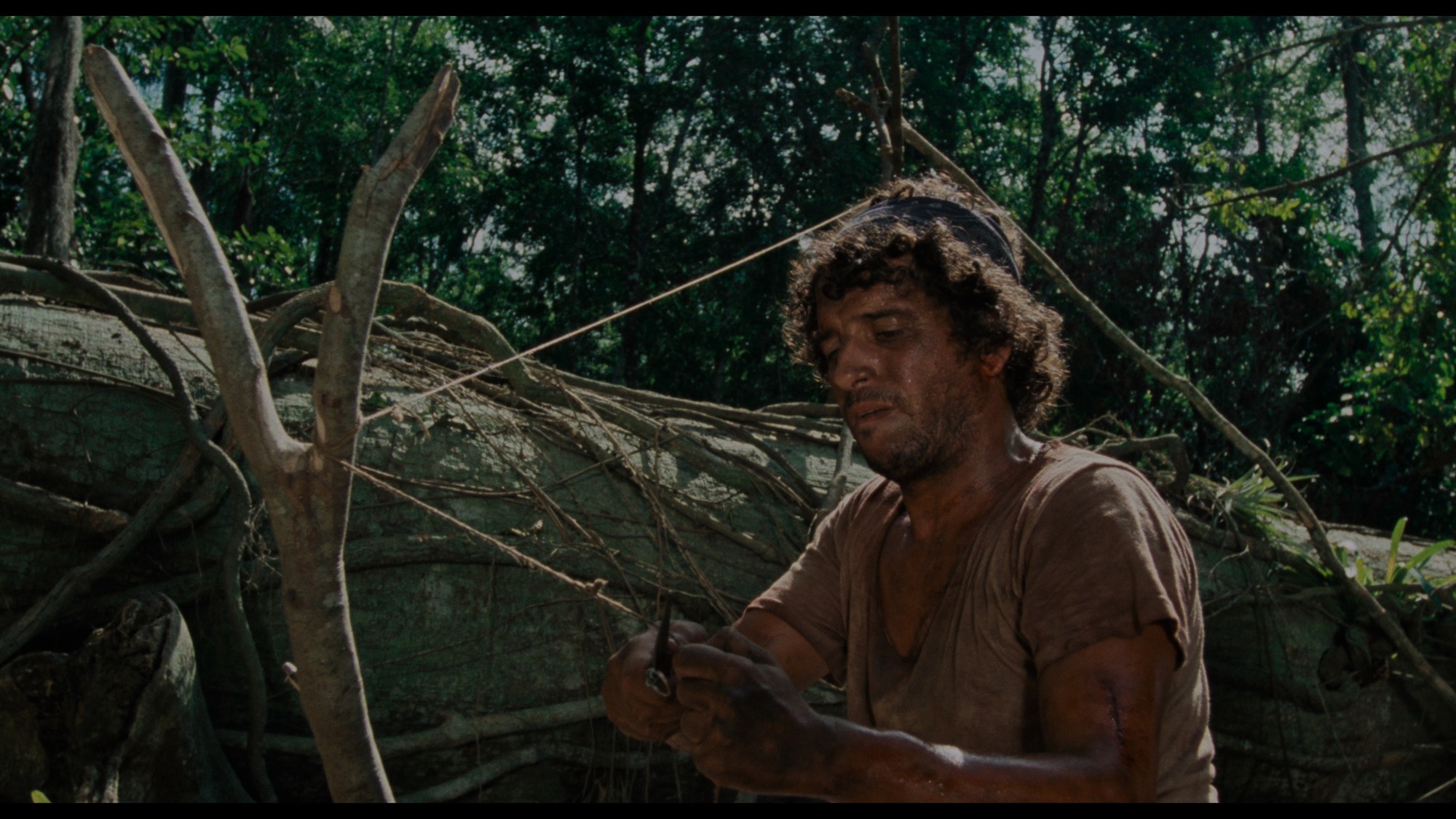
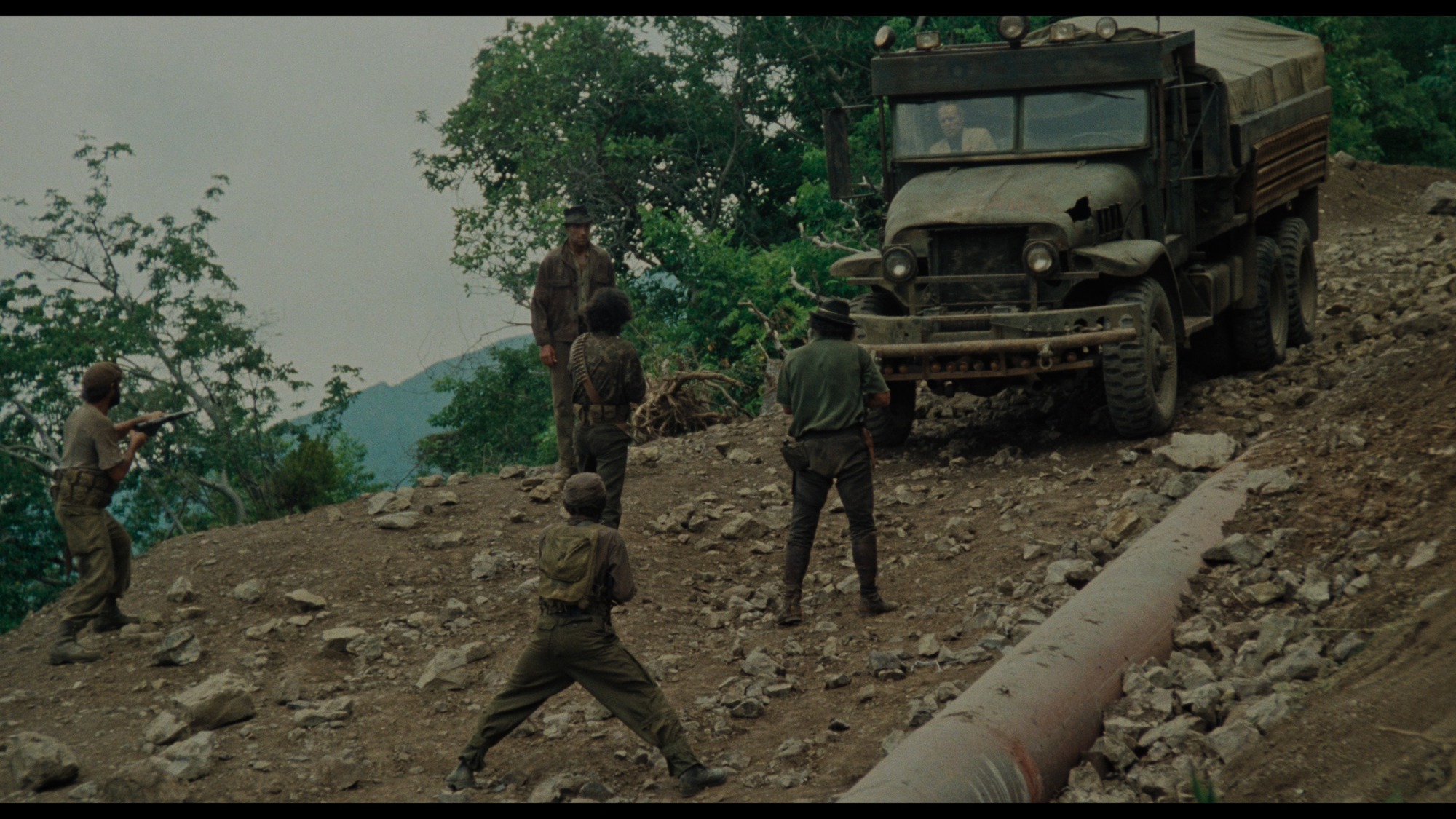
William Friedkin’s Sorcerer receives a new 4K UHD edition from The Criterion Collection, presented on a triple-layer disc in its original aspect ratio of 1.85:1 with Dolby Vision. The 2160p/24hz ultra high-definition presentation comes from a brand-new 4K restoration, sourced from a scan of the original 35mm negative. According to the notes, Criterion referenced both a 1998 35mm print provided by Paramount and a 2013 digital master, both approved by Friedkin, for color timing. The release also includes a standard dual-layer Blu-ray featuring a 1080p presentation.
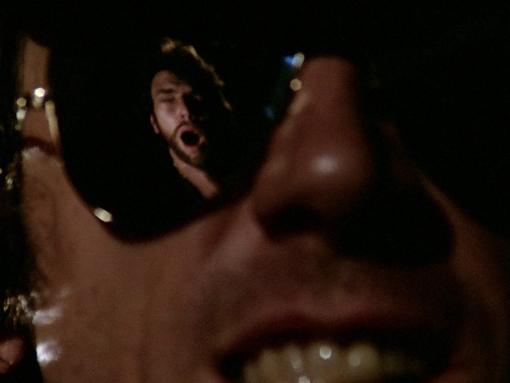
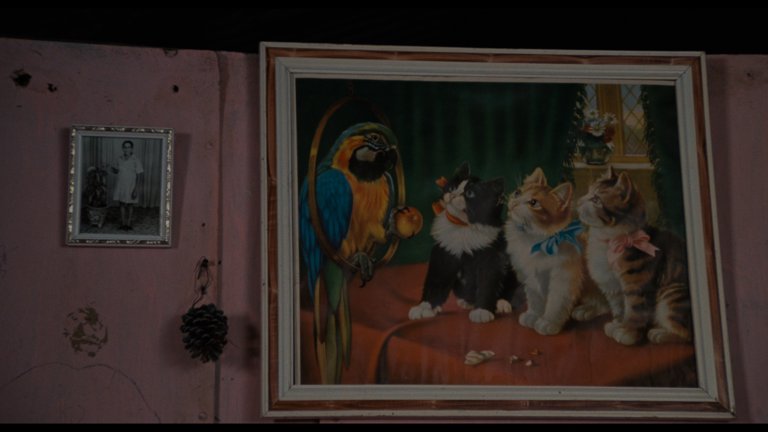
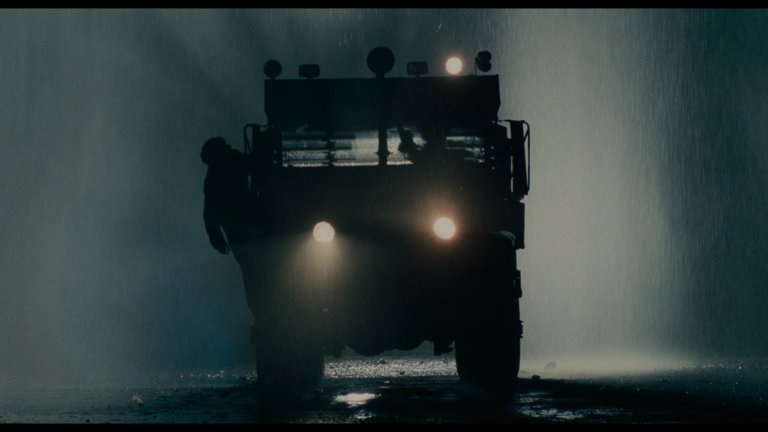
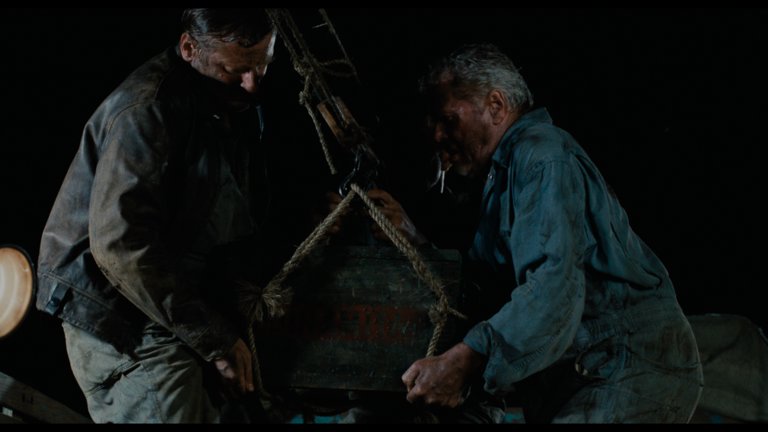
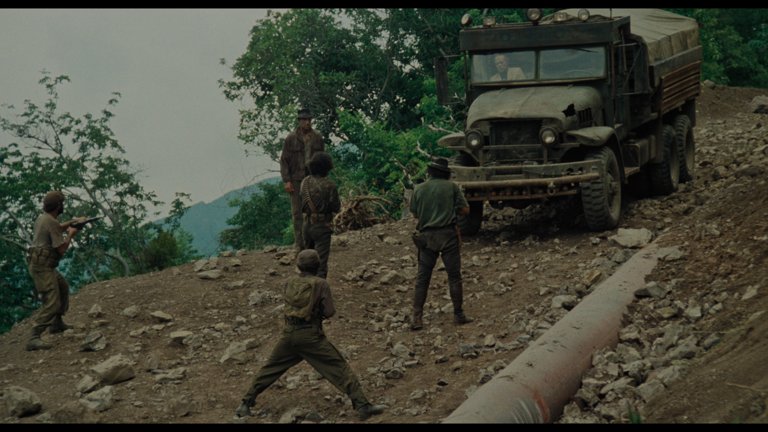
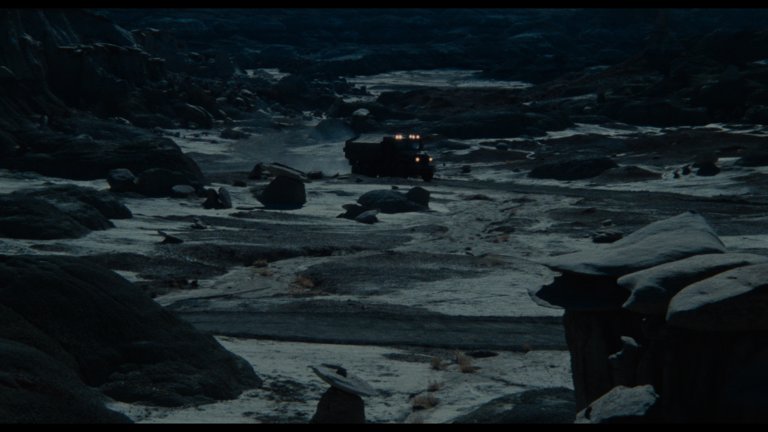
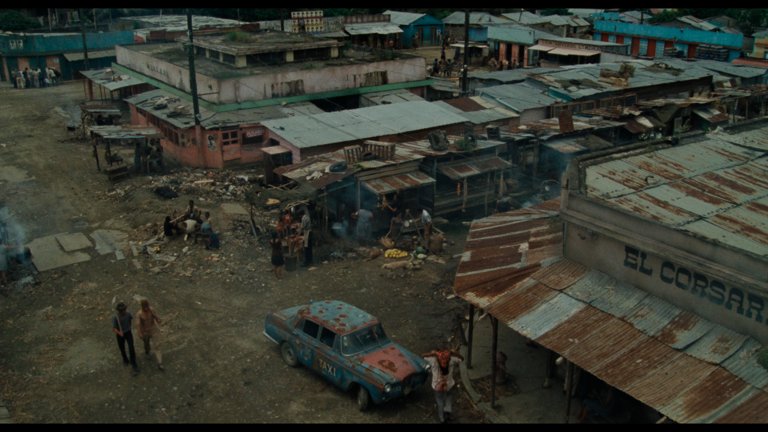
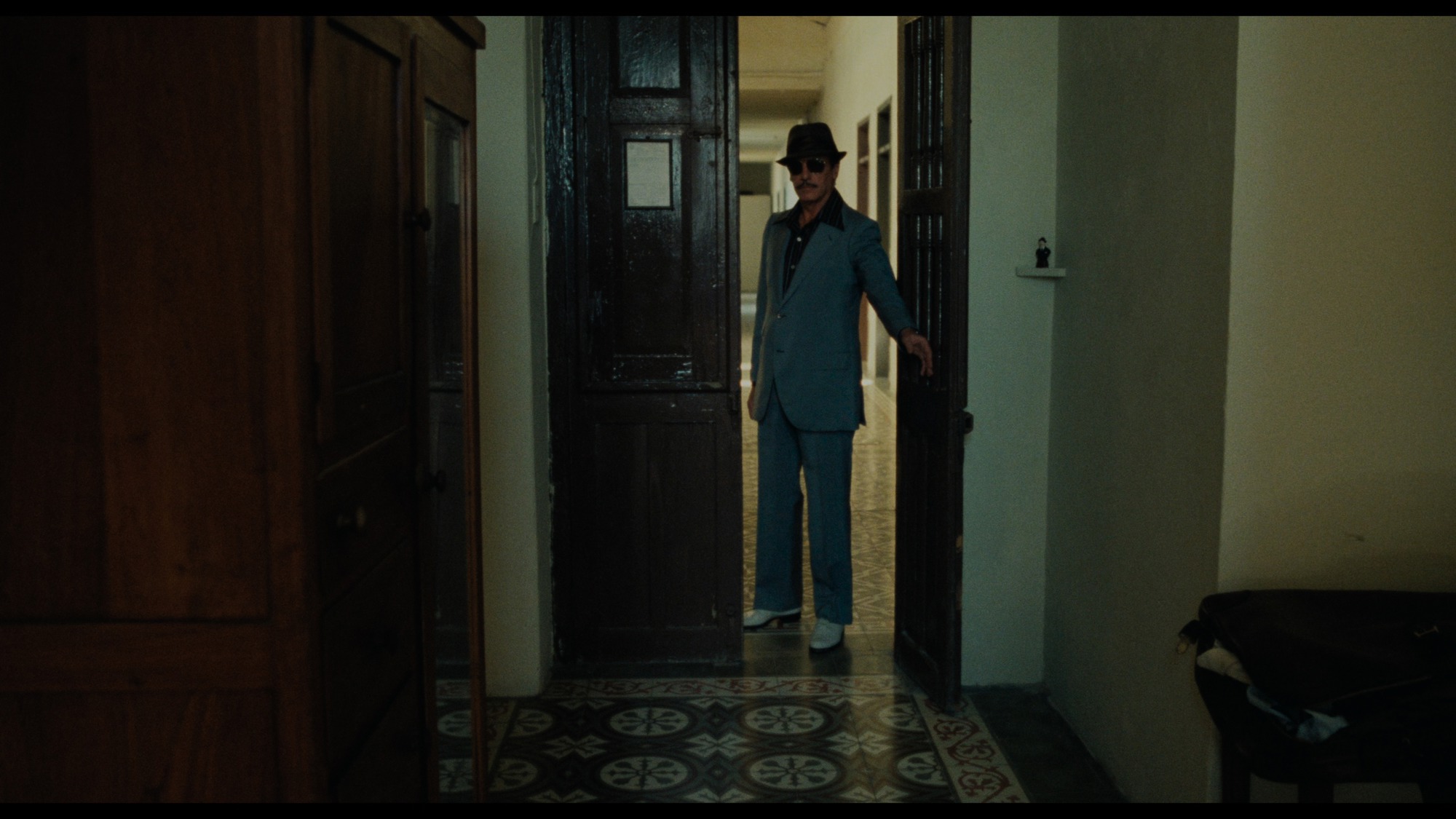
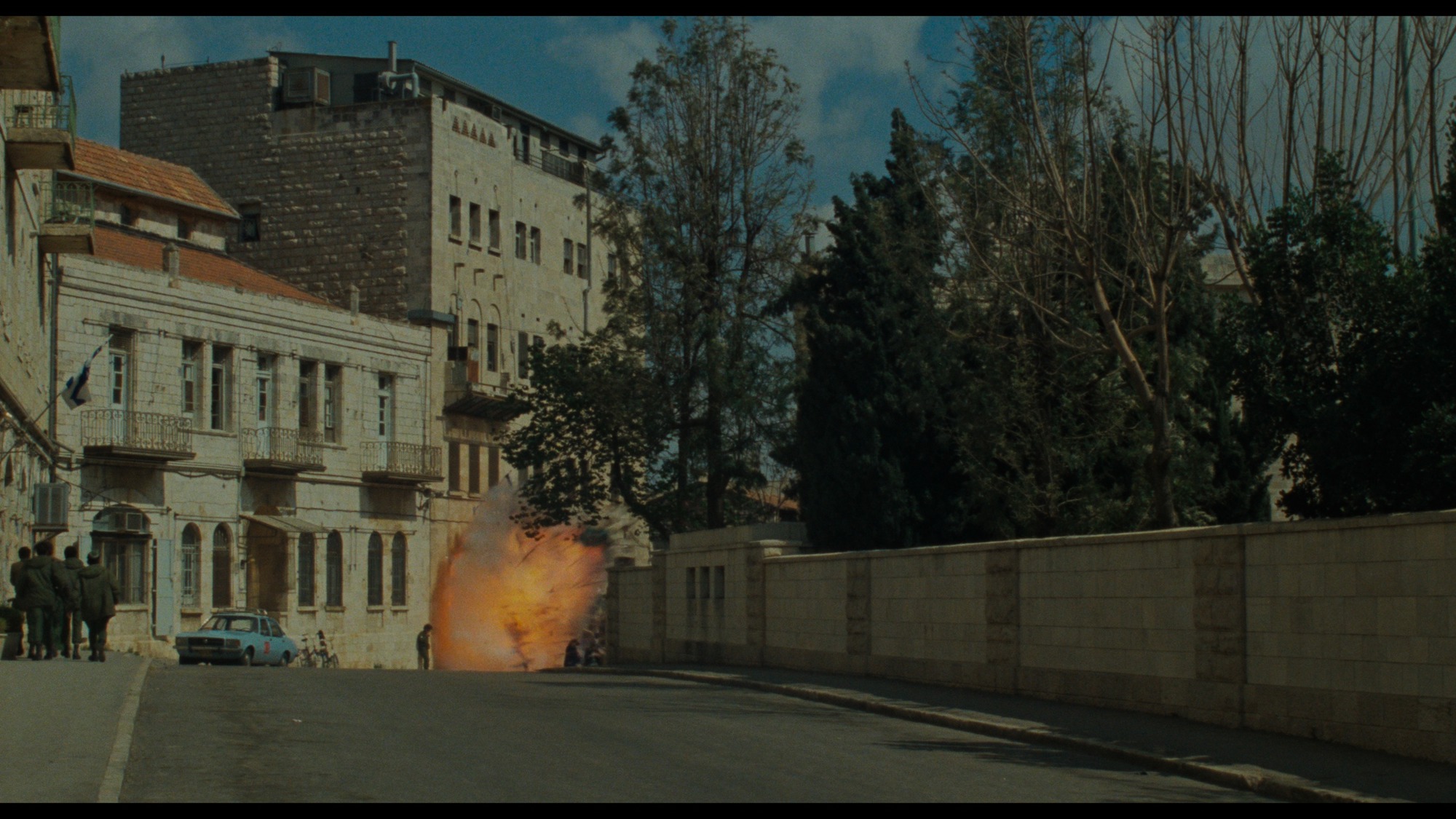
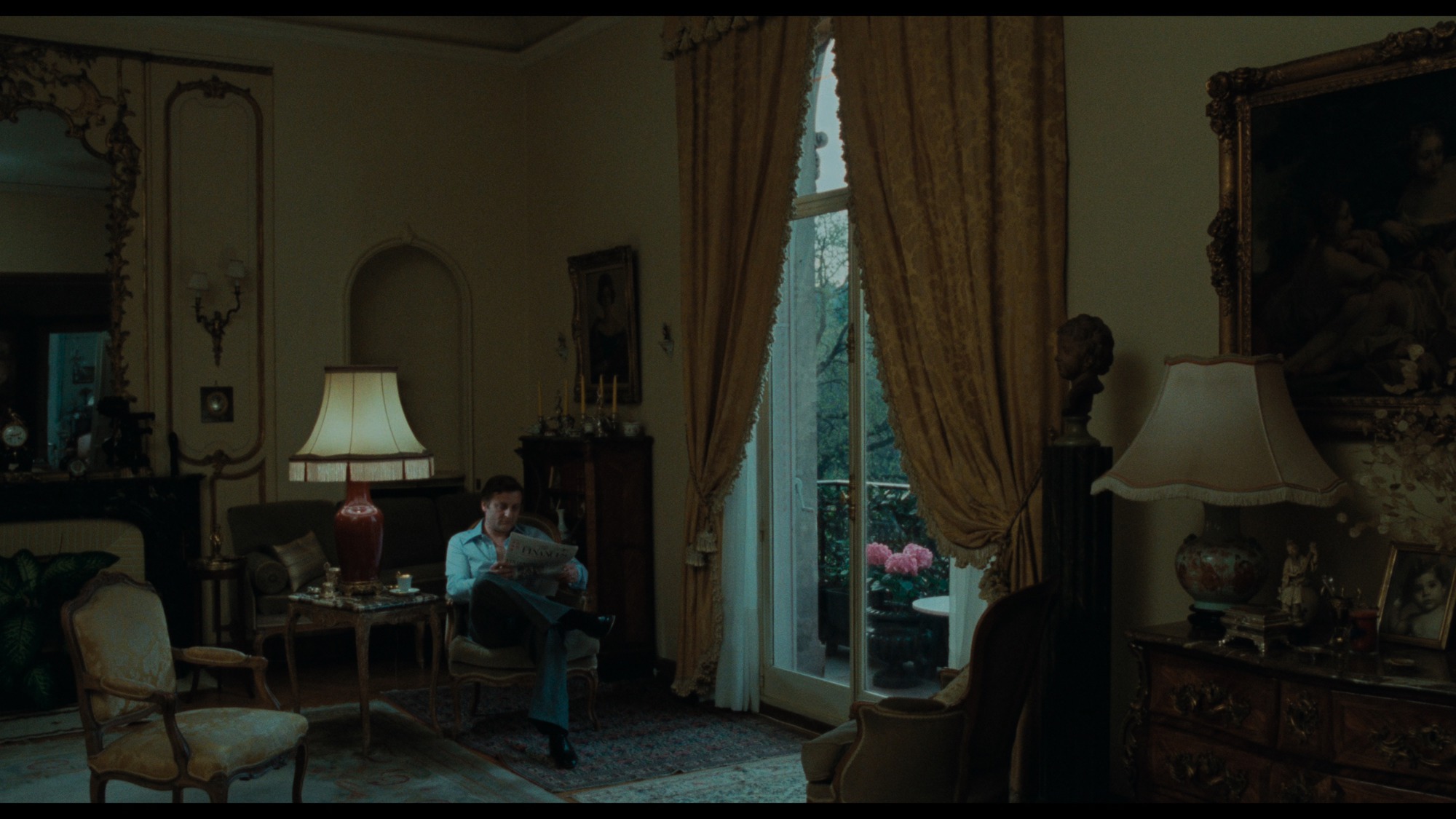
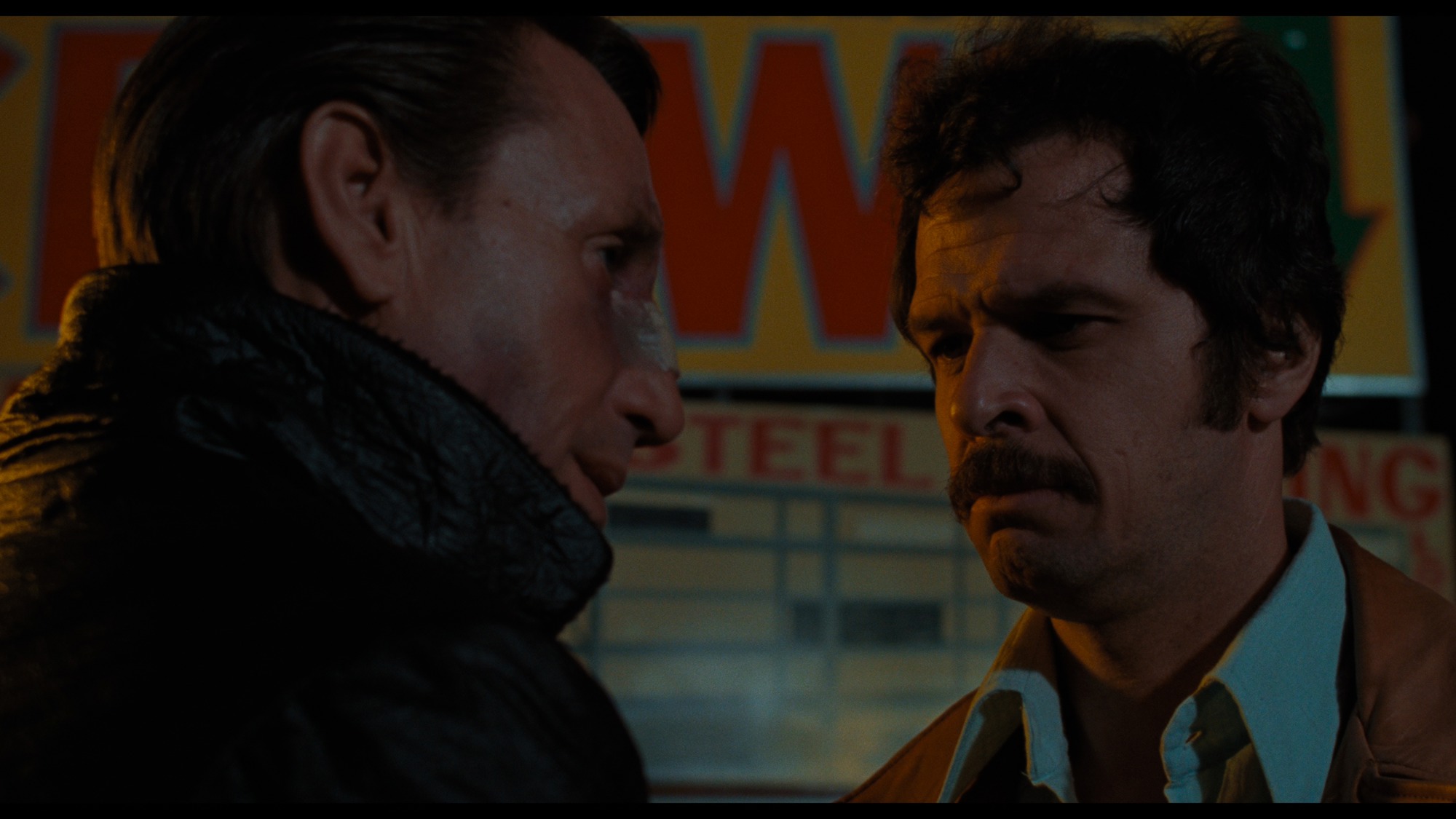
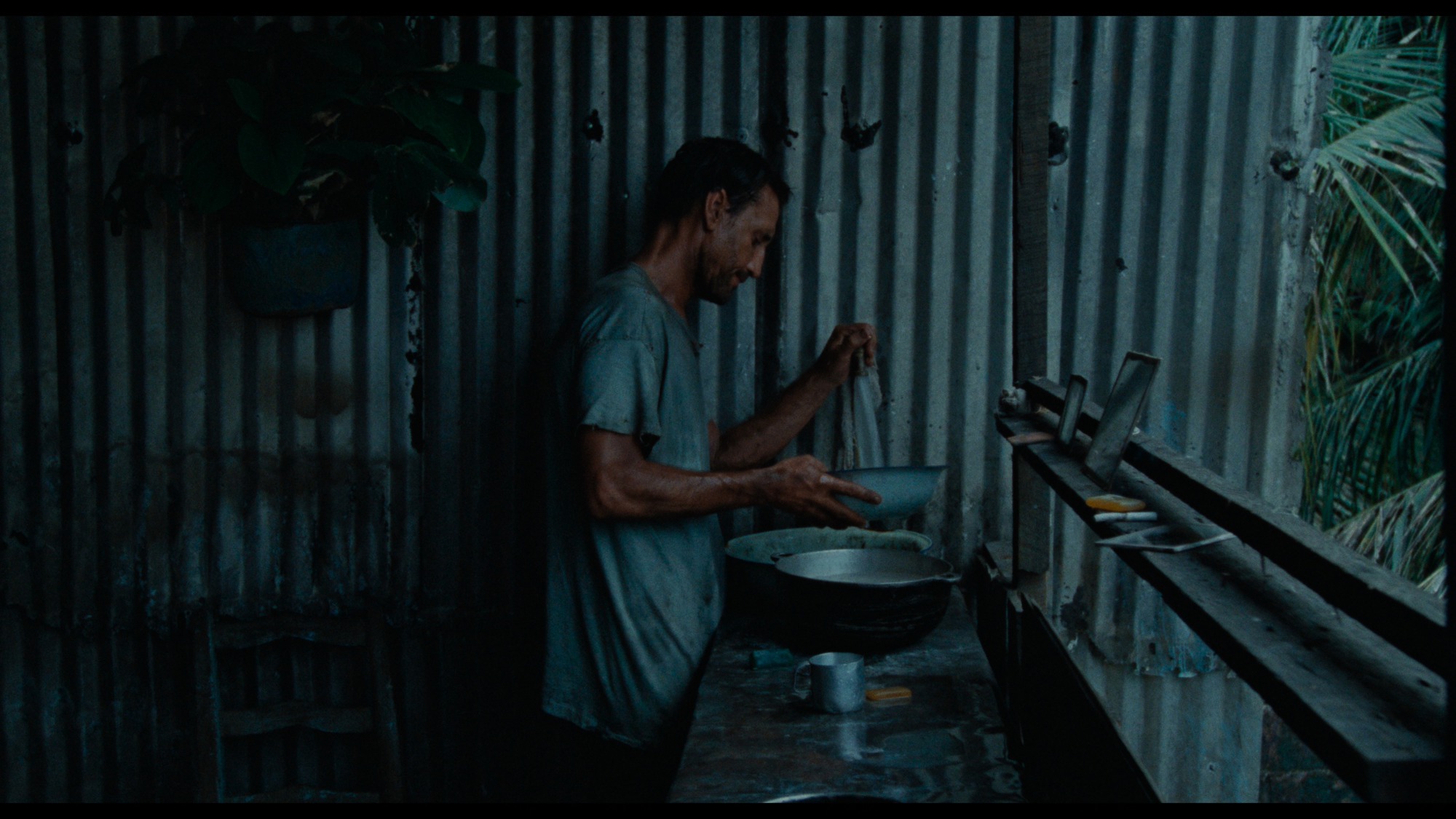
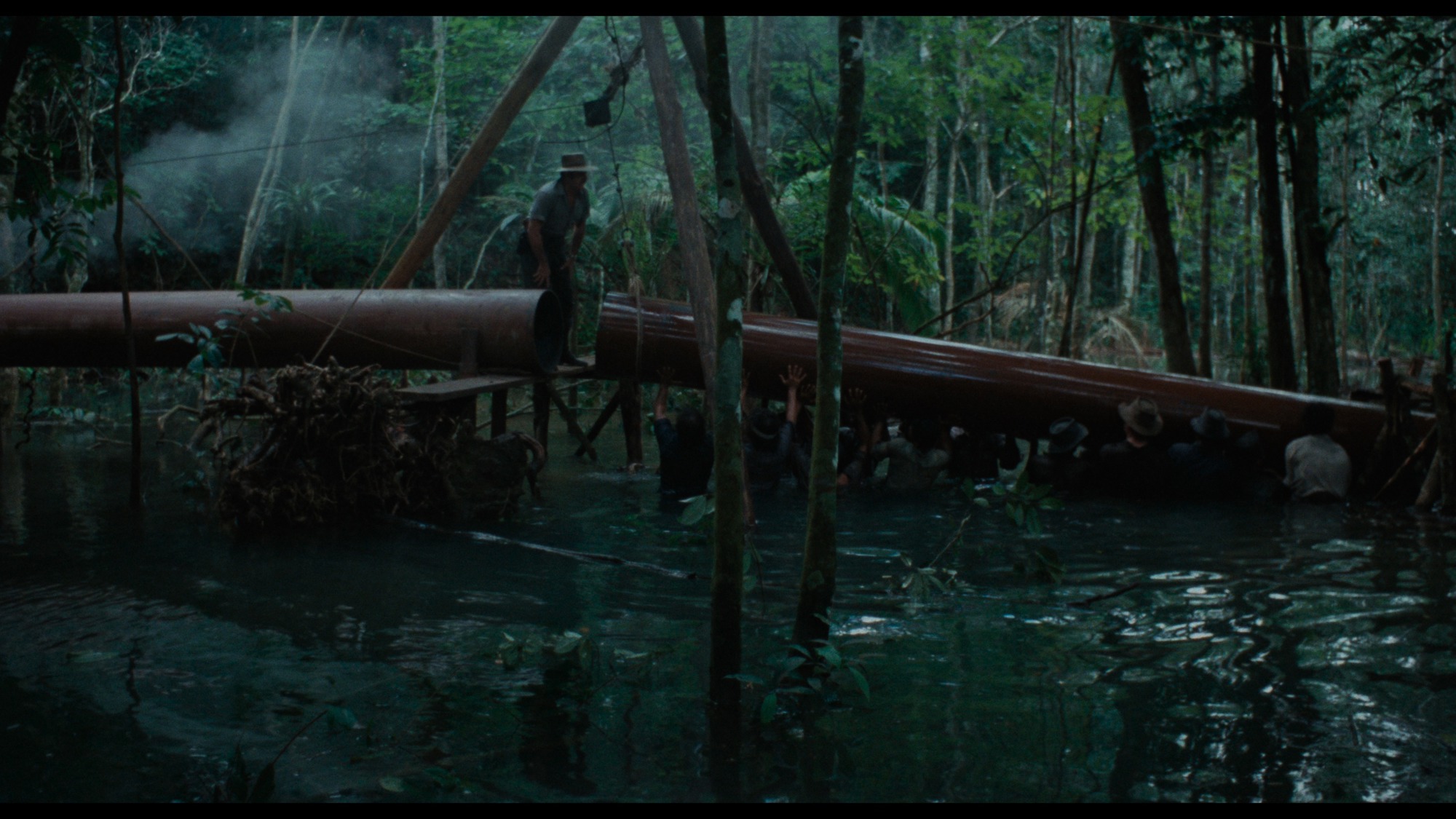
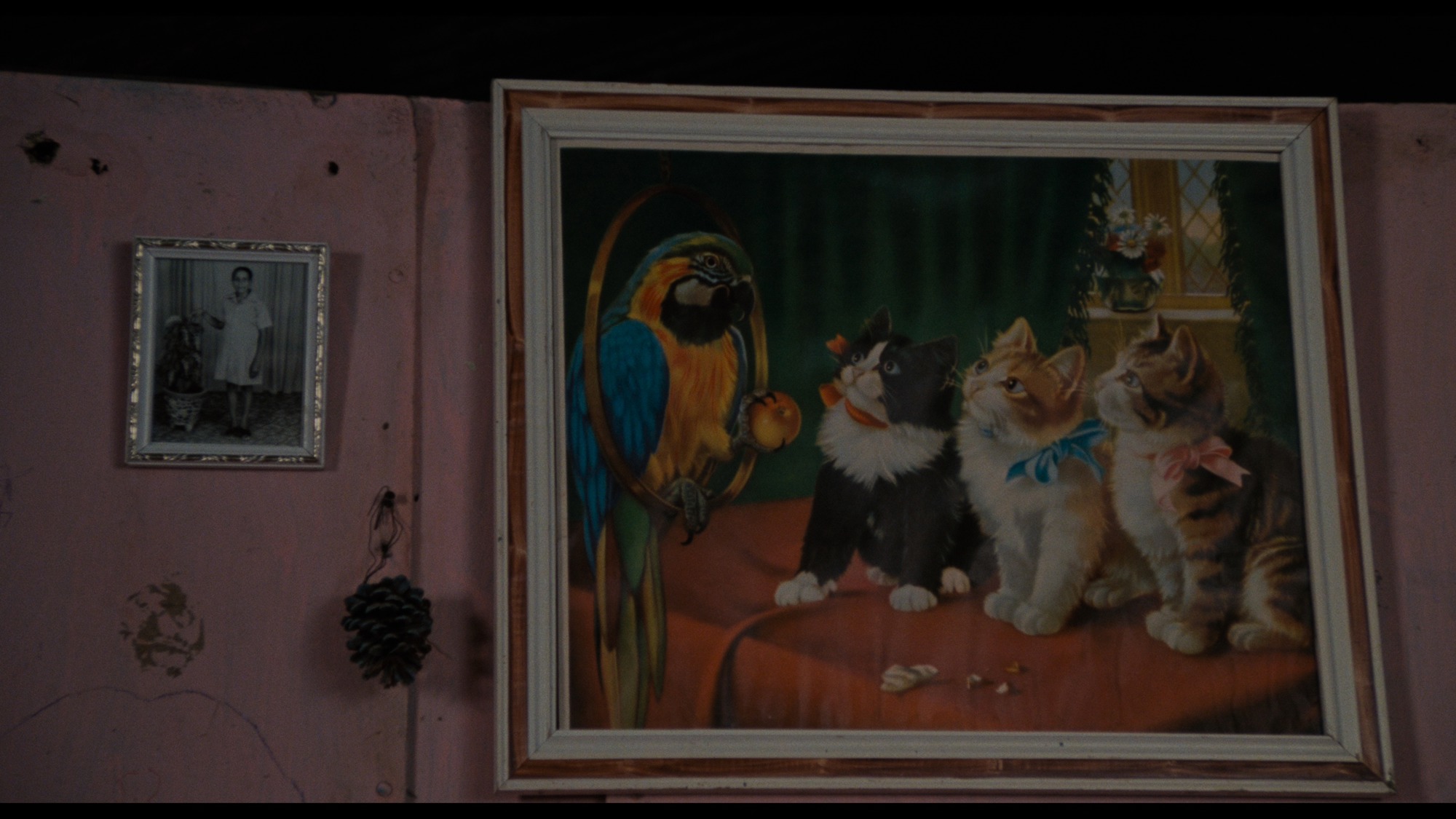
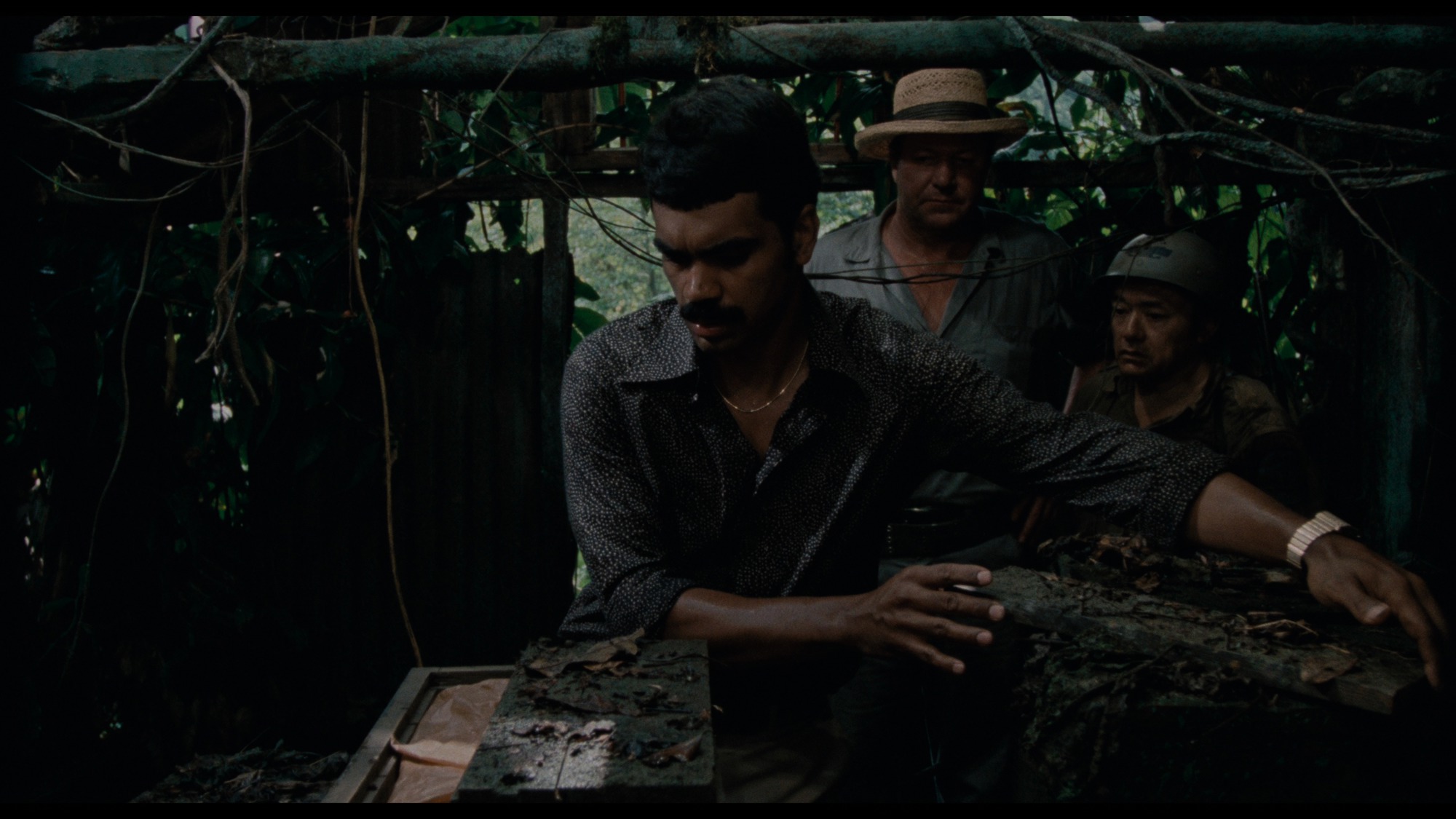
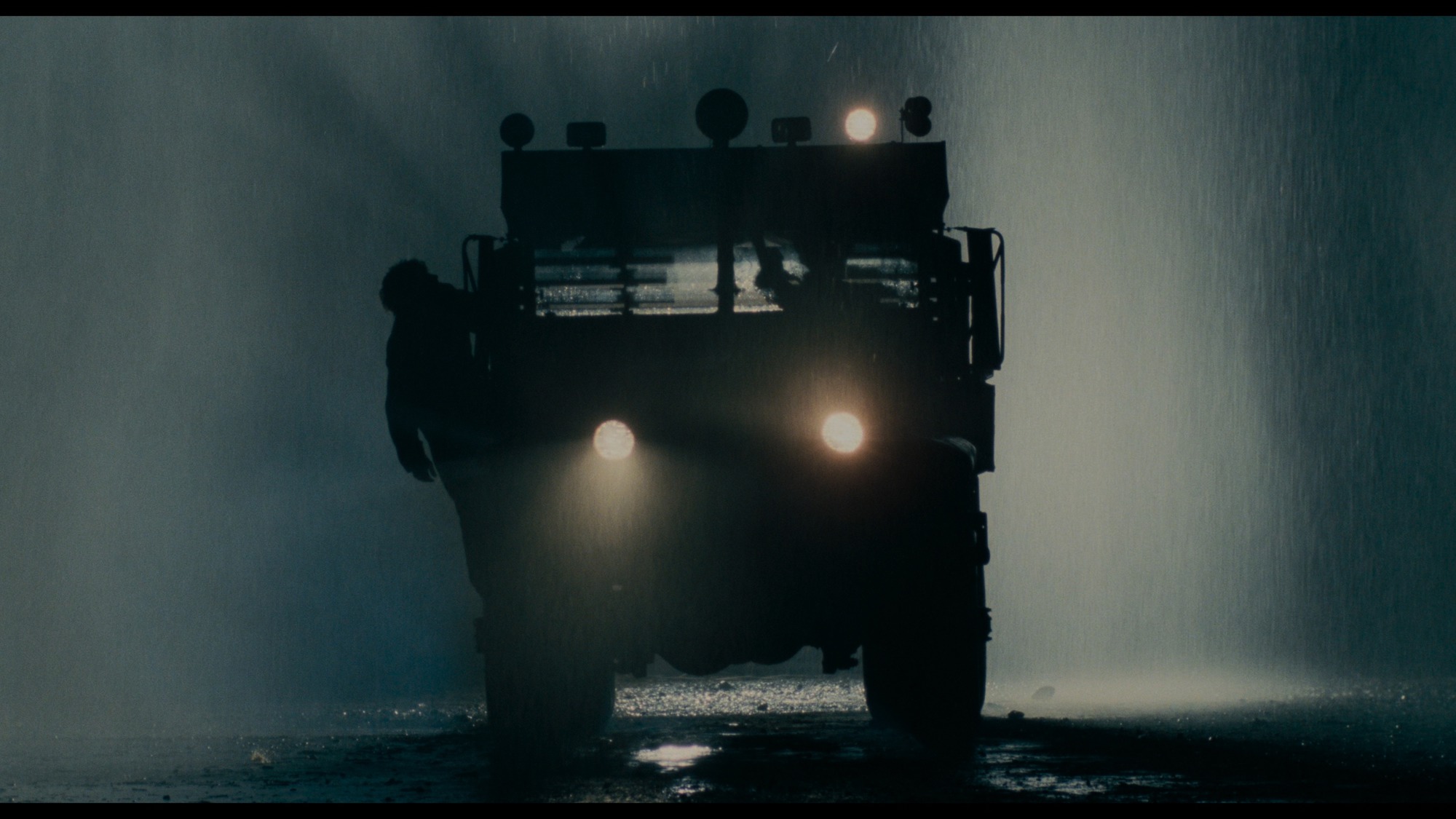
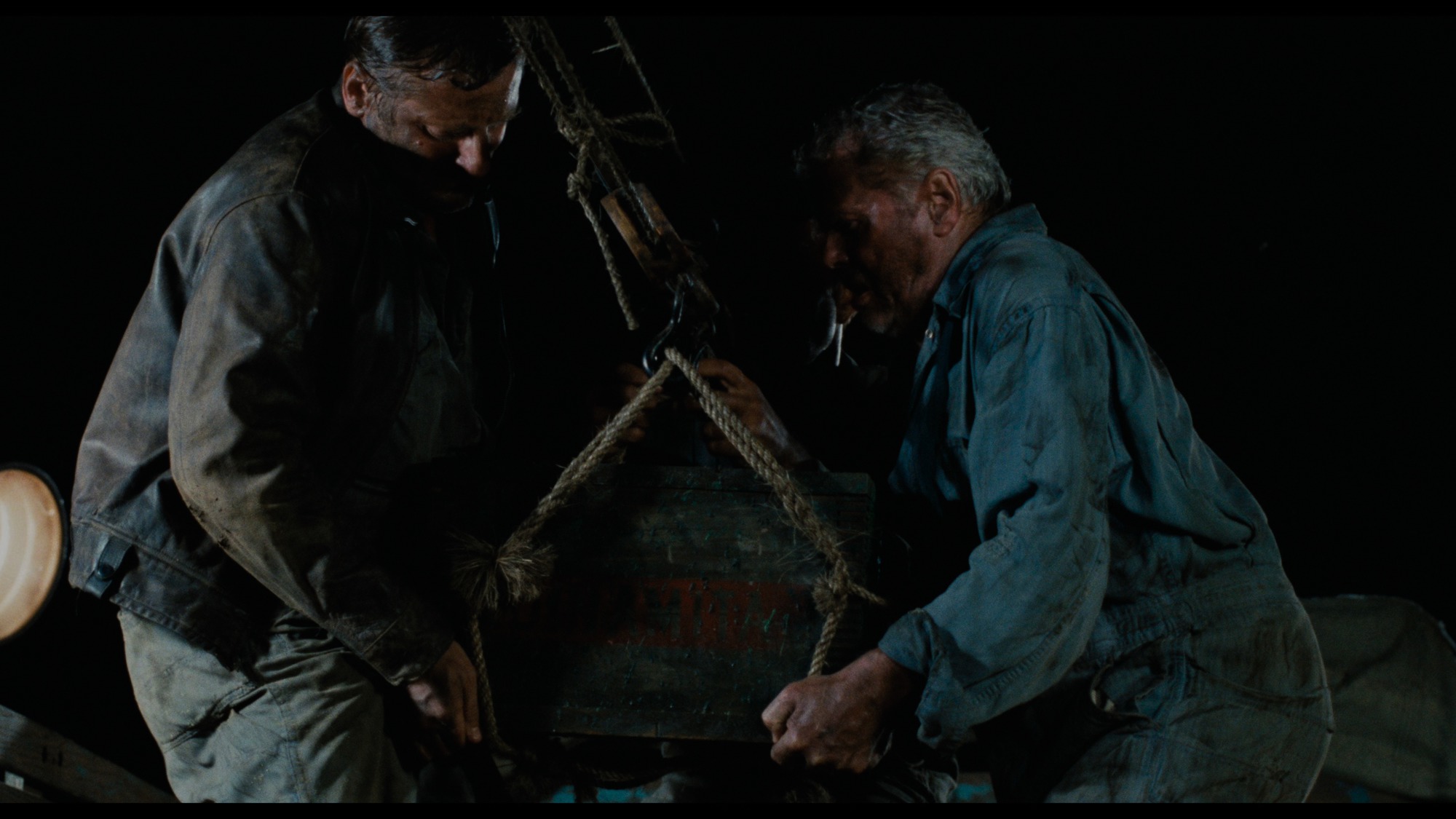
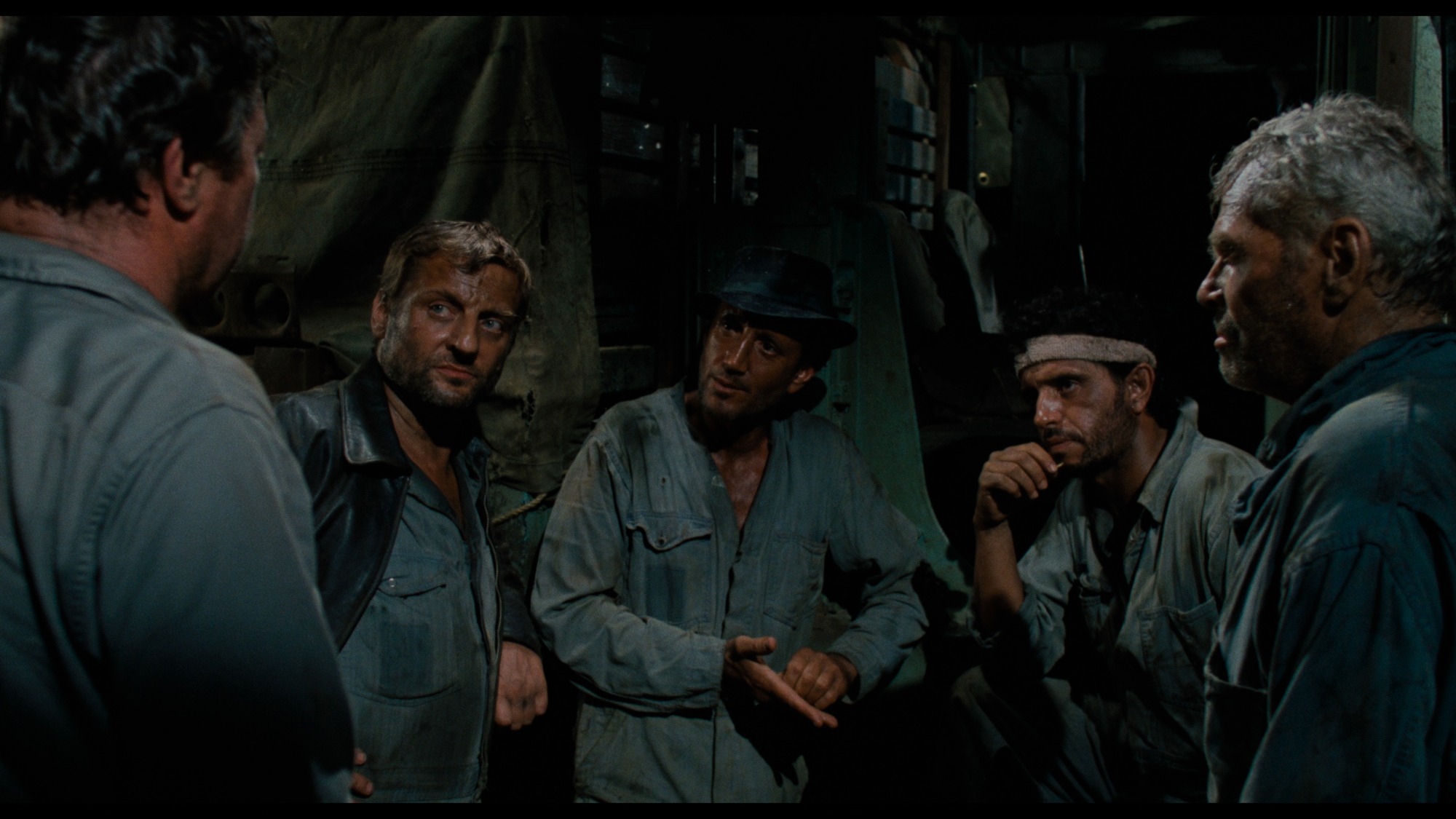
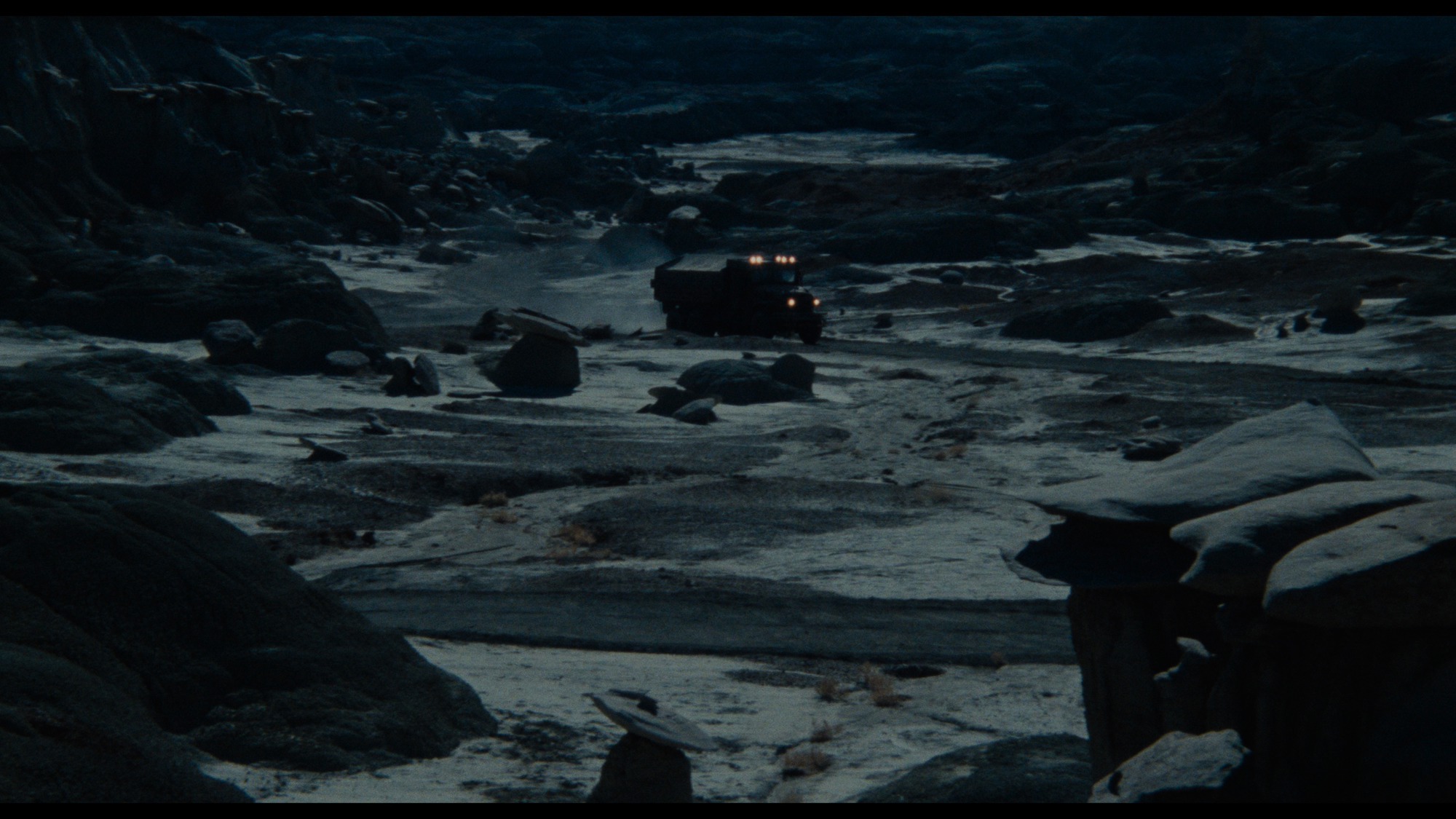
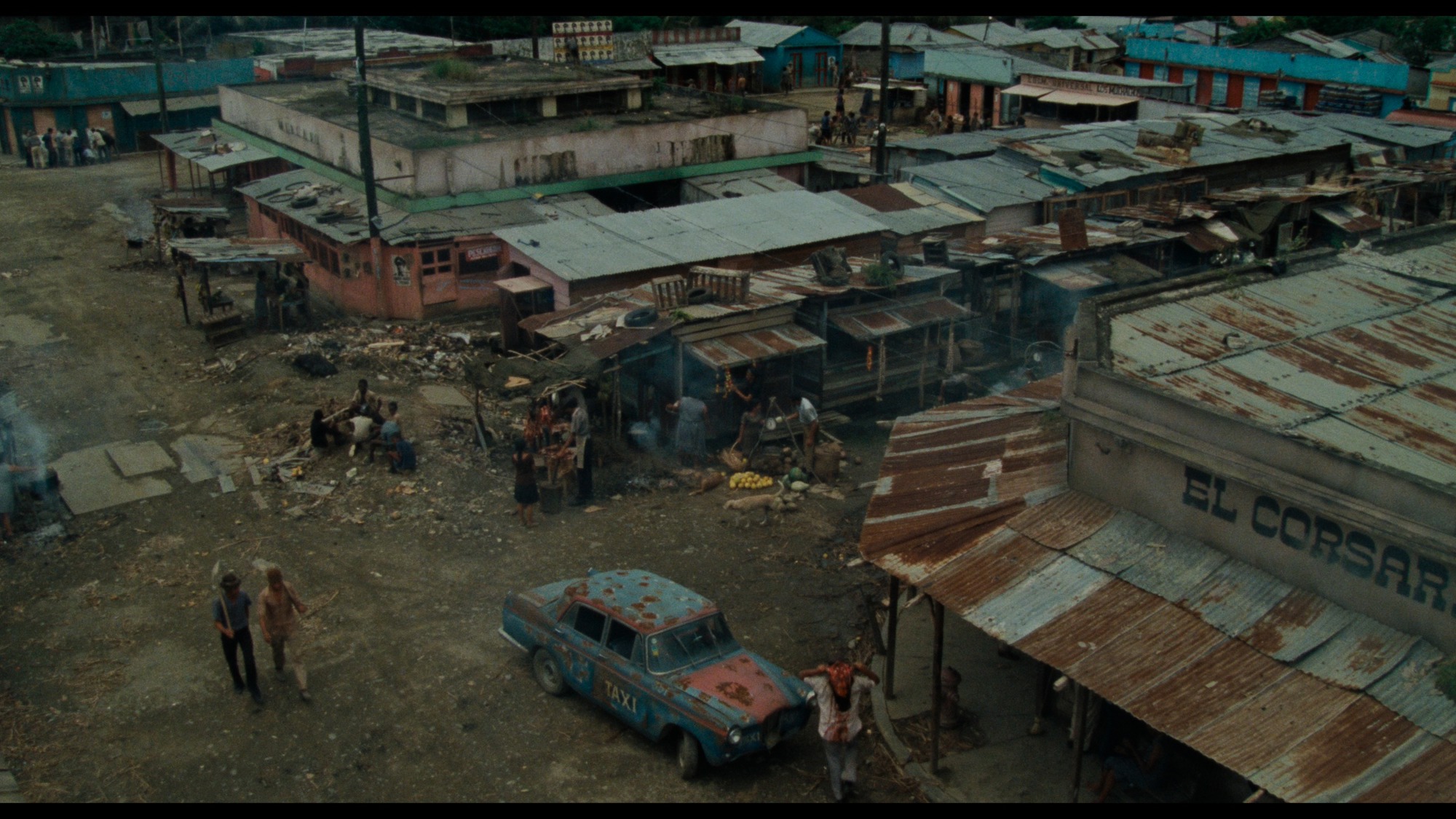
Criterion’s presentation differs noticeably from Warner’s earlier Blu-ray (the first proper North American release following years of rights issues and a full-screen 1998 DVD), and in most ways, it’s an improvement. Warner’s Blu-ray still holds up fairly well, but the 4K transfer here is cleaner and more film-like, with grain reproduction especially standing out: it resolves the film’s heavier grain structure in a far better manner. The overall image is darker, but HDR grading helps considerably, especially in the jungle scenes and dimly lit interiors, where light pierces the shadows beautifully. Headlights and taillights from the trucks also glow nicely in the darkness.
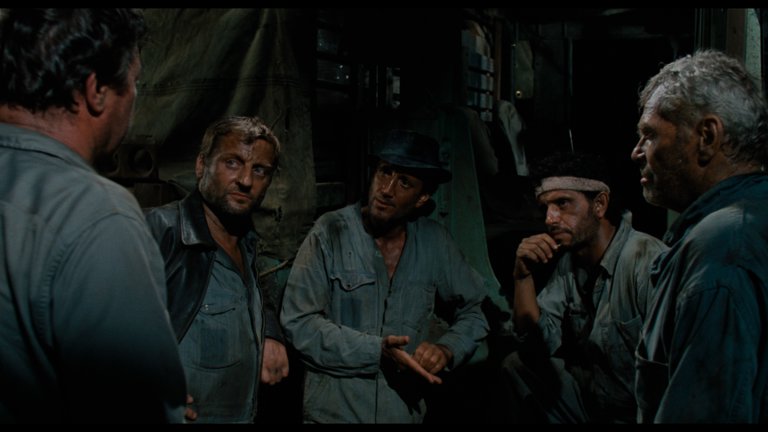
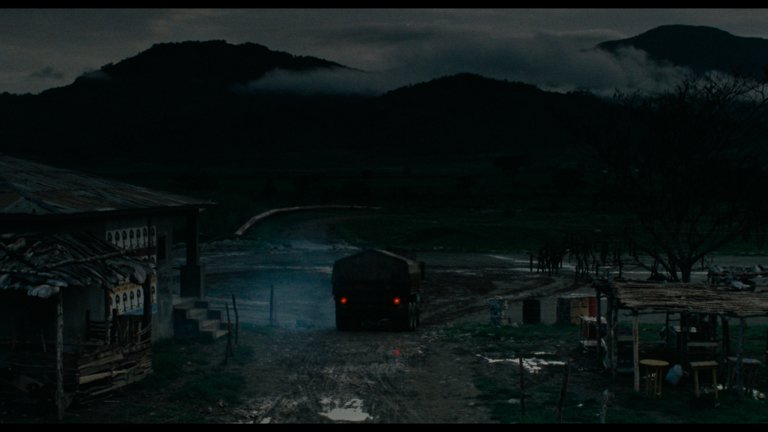
The restoration work has been careful and thorough, though to be fair, Warner’s previous restoration was no slouch either. The most notable difference between the two comes down to the color grading. Criterion’s version leans more toward green and teal tones (noticeably more so than, say, Criterion’s recent Night Moves disc), but it also dials back the strong blue tint that affected several sequences in Warner’s presentation. That blue was always a bit suspect; Friedkin had a habit of aggressively regrading his films for home video during this period (Cruising and The French Connection being prime examples), and the Warner disc had that same “revisionist” feel, if not to the same degree.
So if Warner’s presentation felt like it had been tampered with, can we trust Criterion’s as more definitive? I can't really say. Criterion used a 1998 print for reference, which gives it some credibility (depending on the condition of that print), but if the 2013 master they reference is the same one used for the Warner release (which almost certainly the case), that just muddies the waters a bit more. Ultimately, Friedkin’s tendency to revisit and revise his films makes it difficult to pin down what the “correct” look is.
At the very least, the grading here isn’t uniform or careless. The opening sequences are a bit lighter in touch when it comes to that teal leaning, with the greenish cast becoming far more prominent once the film shifts to South America. It’s clearly a deliberate choice, and it suits the tone and location. Thankfully, the grading avoids the washed look associated with some restorations by Éclair or Ritrovata, and it doesn’t negatively affect black levels, skin tones, or colors like reds and blues.
In the end, when all is said and done, the grading didn’t bother me. Switching between the Warner and Criterion discs (not using direct screenshots, just viewing them individually), both look fine, with only the heavy blues on the Warner disc standing out as questionable. I actually preferred how those scenes look here; there's a greener cast for sure, but there's far more range present, and this leads to a more photographic quality. While I can’t say definitively whether either is correct, I do think the grading here ultimately works better in the end.
Despite the uncertainty, I do think Criterion’s disc comes out ahead. Forgetting the colors, it offers a cleaner presentation overall, with a far more photographic and filmic feel.
Audio 8/10
Possible Spoilers Ahead
Criterion includes two audio tracks: the remastered 5.1 surround presentation created by William Friedkin and what appears to be the film’s original 2.0 surround soundtrack, not included on the previous Warner Bros. Blu-ray. Both are presented in DTS-HD MA.
Doing a spot check, the 5.1 track included here sounds to be the same one Friedkin created for Warner’s release. That remix drew some criticism at the time, largely due to changes Friedkin made, most notably a blunt gunshot sound added right before the final title card, which was not part of the original mix. That added effect is indeed present on the 5.1 track here, but it’s absent on the 2.0 track, confirming that Criterion’s 2.0 option is the original mix (or at least mostly is).
Beyond that obvious change, there are other subtle differences between the tracks. Some ambient effects (especially in the jungle sequences) have clearly been adjusted. For example, in the scene where Scheider and the others confront the guerrillas on the road, the 2.0 track features noticeably louder and more layered jungle sounds, whereas the 5.1 remix dampens these effects considerably. Certain effects in the 5.1 track also seem either amplified or smoothed over, and it’s not consistent.
Both tracks have clearly been cleaned up as well, but I found the 5.1 presentation to be slightly flatter overall, particularly in regard to dialogue, which can sound filtered. The 2.0 track, on the other hand, has surprisingly strong fidelity and dynamic range, with sharper, more natural-sounding dialogue most of the time. Surround activity is present in both, particularly for sequences involving jungle ambience, truck engines, and explosions, but the 5.1 track does provide directional effects clearly targeted for the individual rear channels, like vehicles passing by on the left or right. The 2.0 track, of course, lacks this effect.
Both soundtracks are solid, and I appreciate Criterion including both options. But in the end, I found myself preferring the original 2.0 track. I think it’s ultimately the sharper option with better range, and I like the ambiguity of the ending.
Extras 8/10
The previous Warner Bros. Blu-ray—likely a casualty of the film’s complex legal limbo—featured no special features beyond a booklet included with its initial pressing. Thankfully, Criterion has gone above and beyond to rectify that, packing this edition (all housed on the third dual-layer Blu-ray disc) with a generous slate of supplements. While not all of it is essential, the overall effort is commendable.
The centerpiece is Friedkin Uncut, a 107-minute feature-length documentary from 2018. Built around an extensive interview with Friedkin himself, it also features a long list of admirers and collaborators: Francis Ford Coppola, Walter Hill, Wes Anderson, Willem Dafoe, William Petersen, Gina Gershon, Matthew McConaughey, Juno Temple, Michael Shannon, screenwriter Walon Green, Quentin Tarantino, and others. As expected, it charts a familiar course through Friedkin’s early life, career beginnings, and most of his key films. The talking heads emphasize the realism Friedkin brought to his work, like how The Exorcist's grounded approach heightened its horror, and bring up how his work has influenced or impacted them. The reflections are largely affectionate, though Tarantino notably suggests Roy Scheider was wildly miscast in Sorcerer, and there are some nice little touches, like when Friedkin himself names modern directors he admires, including Kathryn Bigelow and Damien Chazelle. There's some inevitable back-patting, and Friedkin remains his usual blowhard self, but as a retrospective, it’s solid.
Still, even with any faults, it’s still far better than the uneven 77-minute archival conversation between Friedkin and Nicolas Winding Refn, recorded in 2015, presumably for a French Blu-ray release. It offers some genuinely valuable content, particularly around the production of Sorcerer: the original cast (Steve McQueen, Lino Ventura, Marcello Mastroianni) and why they dropped out, studio interference from Paramount and Universal, the poor reception, and Friedkin’s personal feelings about the film’s commercial failure. Star Wars, of course, looms large as a scapegoat throughout the supplements, and it does here as well.
And while the information is worth hearing, the presentation is grueling. The two directors’ egos clash constantly. Refn is insufferable, proclaiming himself a modern-day Friedkin whose films are already classics, while Friedkin tries—and fails—to rein him in with passive-aggressive jabs. Friedkin frequently grows impatient with Refn’s vague questions, while Refn refuses to clarify anything. It’s a cringe-fest that feels twice as long as it is, even if it does contain the occasional gem.
Thankfully, the remaining material fares much better. A new 28-minute discussion between director James Gray and critic Sean Fennessey places Sorcerer within Friedkin’s larger body of work, and they thoughtfully reflect on how the film’s reputation has grown over the decades. They consider what probably led to its box office failure, including the film’s politics, possibly alienating to audiences at the time, as well as the broader fatigue with New Hollywood’s cynicism by the late ‘70s. Gray also shares a personal anecdote about receiving jungle-shooting advice from Friedkin, though he humorously seems to be doing everything to not actually name the film (still, he's clearly referring to The Lost City of Z). It’s a strong, thoughtful addition to the set, offering a needed third-party perspective.
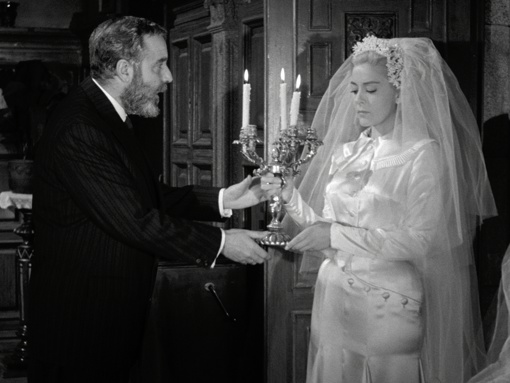
Criterion also includes a newly edited 36-minute piece constructed from audio interviews Giulia D’Agnolo Vallan conducted with screenwriter Walon Green and editor Bud Smith while researching her 2003 Friedkin book. The audio plays over a simple image of a recorder, with a few film clips cut in for context. The interview covers their early work with Friedkin, the development of Sorcerer, and decisions like adding the prologues (not found in the novel or Clouzot’s Wages of Fear), with Friedkin wanting his characters to strive for redemption, unlike those in his favorite film (as he mentions in that terrible Refn interview) Treasure of the Sierra Madre. The two also reflect on the film’s poor box office performance and are heartened by its growing critical reappraisal. You can sense that additional material was trimmed, but the edit stays focused and informative.
Rounding out the disc are the original trailer (which oddly emphasizes the prologue segments over the main plot) and six minutes of silent behind-the-scenes exterior footage showing the New Jersey heist sequence being filmed. The 4K set comes in a sturdy digipak (the Blu-ray-only version is housed in a two-disc Scanavo case) and includes a fold-out insert featuring a terrific essay by Justin Chang, who digs further into the film as an adaptation of Georges Arnaud’s novel and its parallels with Sierra Madre, at least in the closing paragraph.
Aside from the agonizing Friedkin/Refn interview, this is a strong and satisfying package of supplements, easily making up for Warner’s barebones release.
Closing
Color grading aside, Criterion delivers a first-rate edition of Sorcerer, correcting the barebones Warner release with a new 4K presentation and a strong slate of supplements that finally give the film the recognition it deserves.
BUY AT: