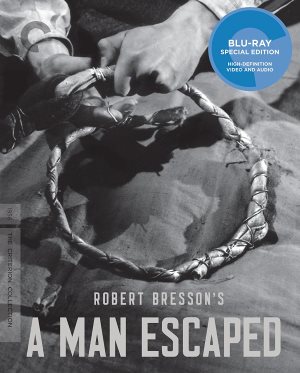
A Man Escaped
BUY AT:


See more details, packaging, or compare
Synopsis
With the simplest of concepts and sparest of techniques, Robert Bresson made one of the most suspenseful jailbreak films of all time in A Man Escaped. Based on the account of an imprisoned French Resistance leader, this unbelievably taut and methodical marvel follows the fictional Fontaine’s single-minded pursuit of freedom, detailing the planning and execution of his escape with gripping precision. But Bresson’s film is not merely about process—it’s also a work of intense spirituality and humanity.
Picture 8/10
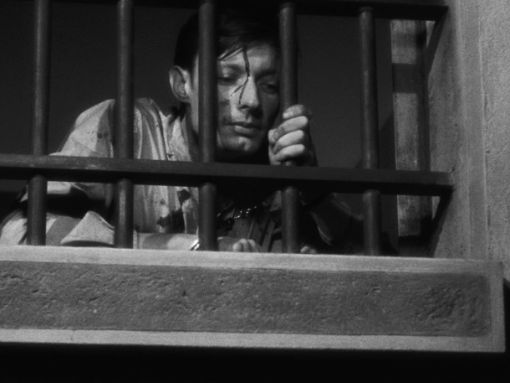
Criterion releases Robert Bresson’s A Man Escaped on Blu-ray, presenting the film in its original aspect ratio of about 1.33:1 on this dual-layer disc. The transfer is delivered in 1080p/24hz.
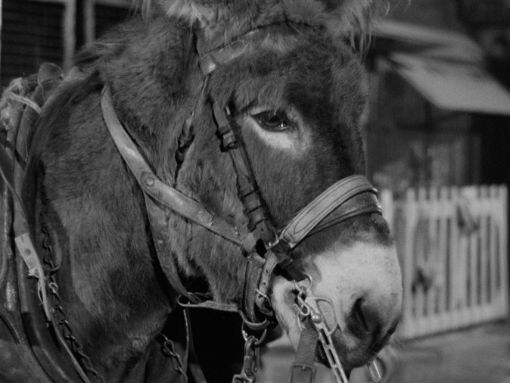
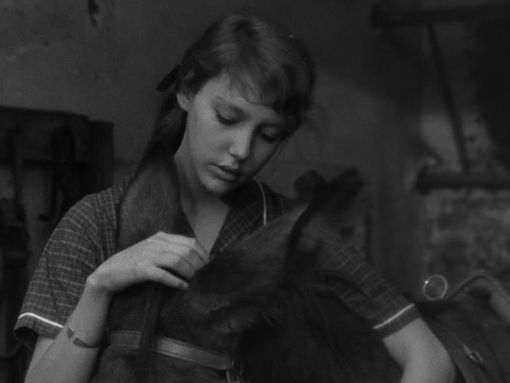
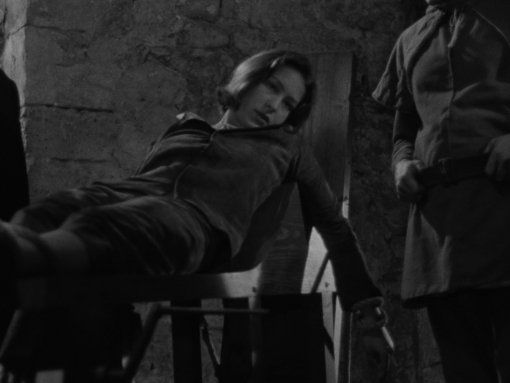
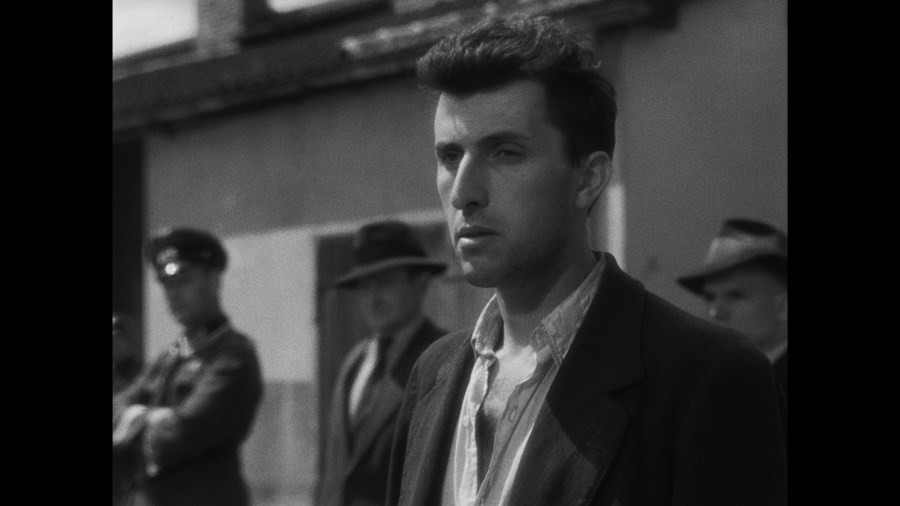
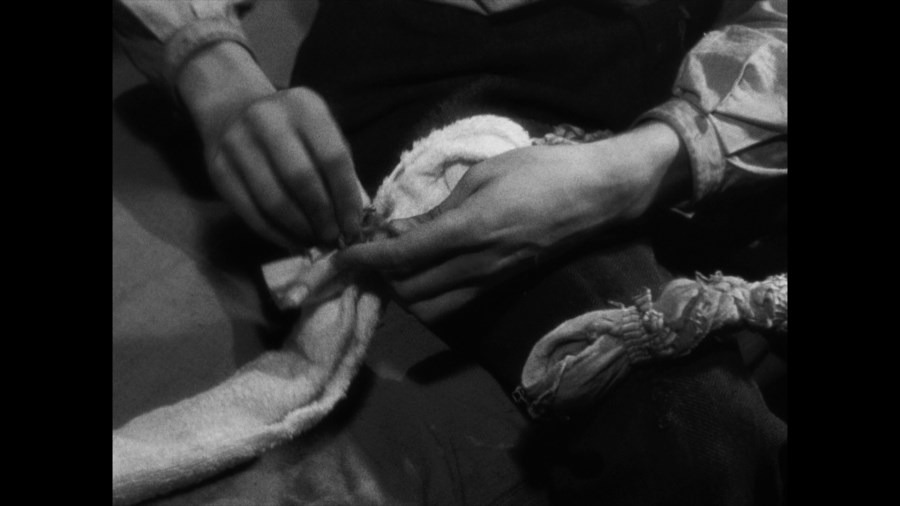
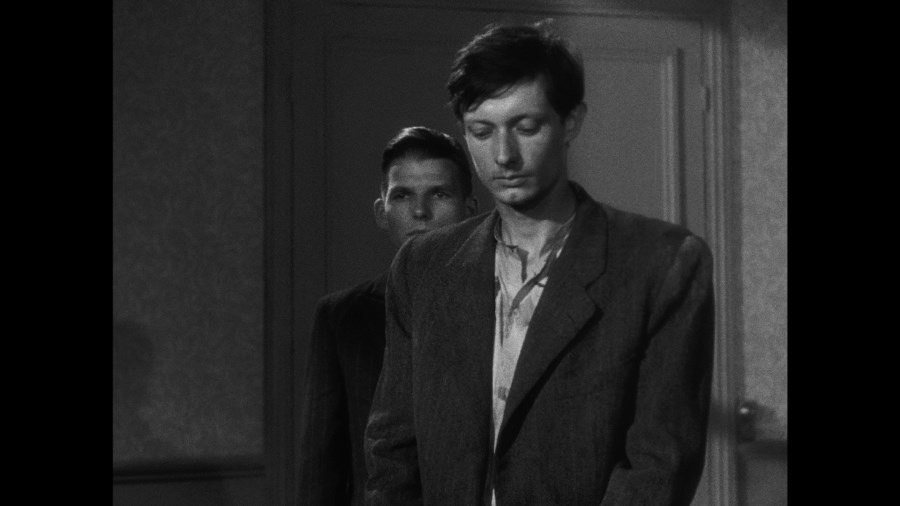
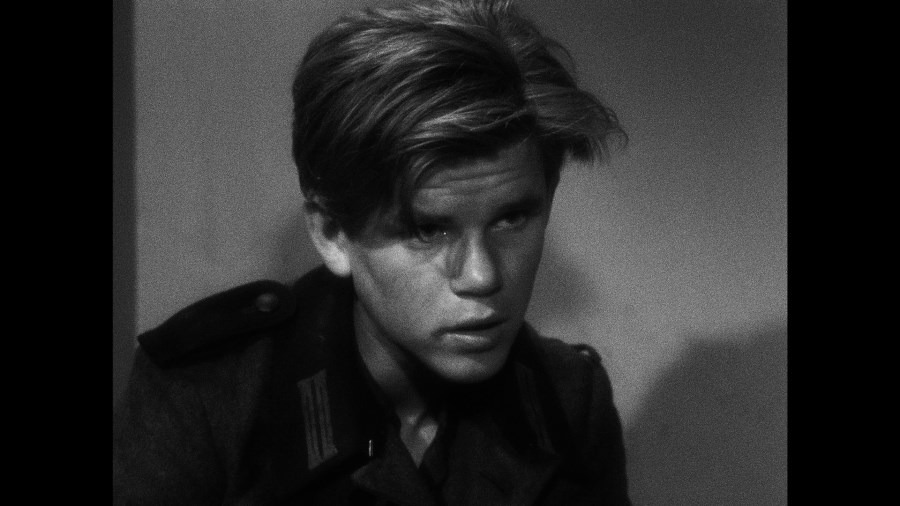
As expected Criterion delivers yet another stunning black and white transfer. The film looks natural, retaining its grain, and the image doesn’t present any noticeable manipulation or artifacts. Contrast may have been pumped a little bit, but blacks and gray levels look superb, and shadow delineation is excellent with no noticeable crushing.
The image looks sharp and delivers a decent amount of detail when the source allows, and print damage is minimal. Overall it’s a strong, film-like presentation.
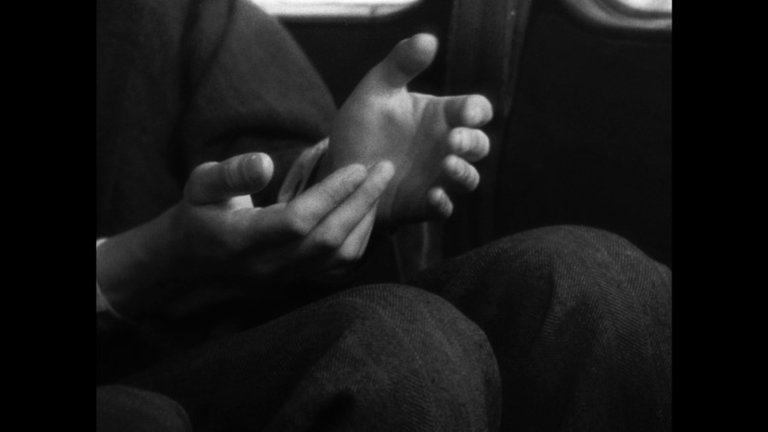
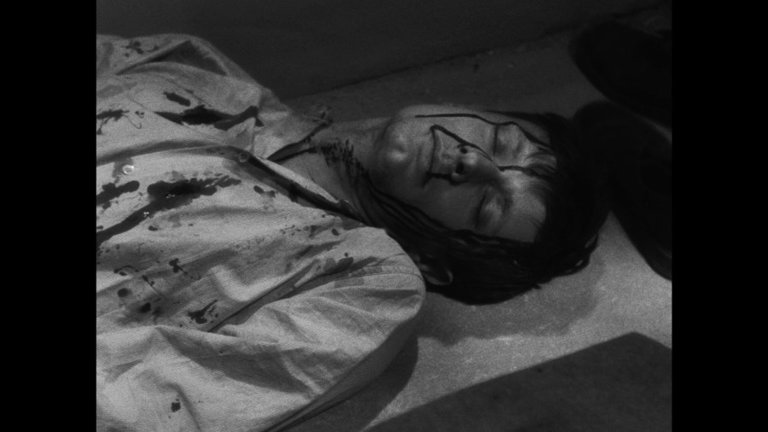
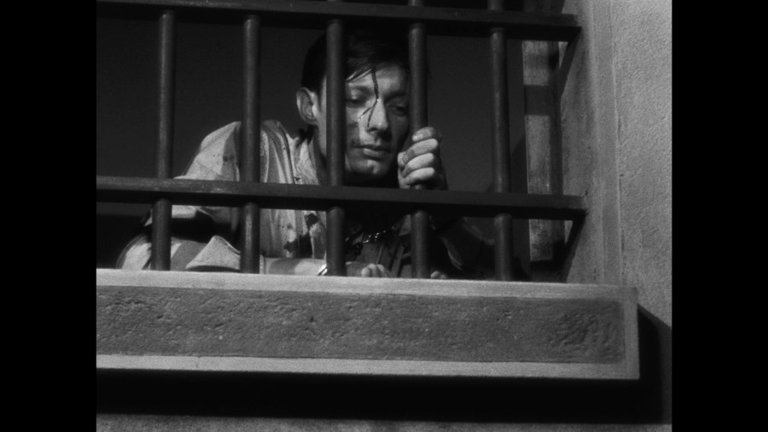
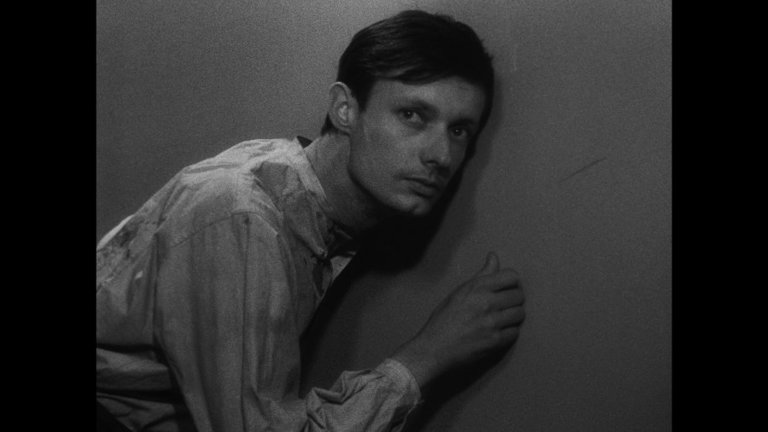
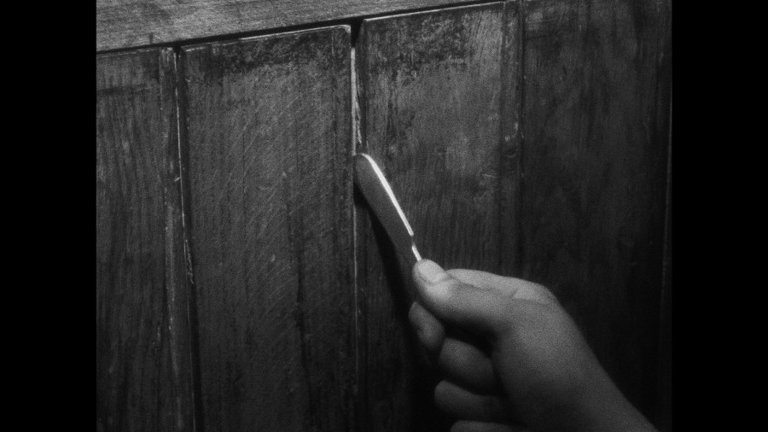
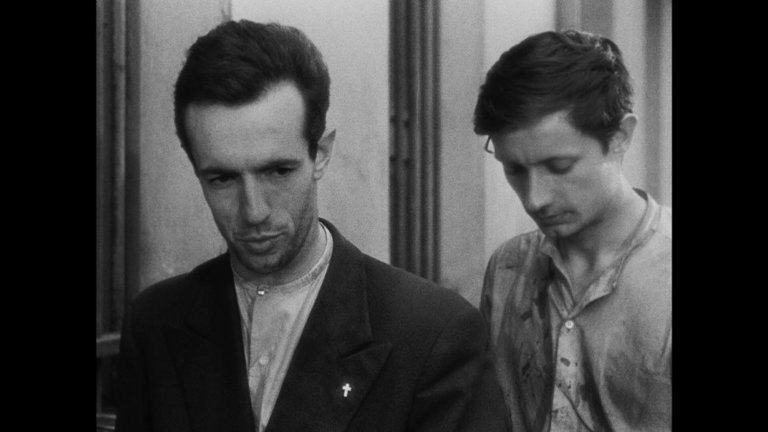
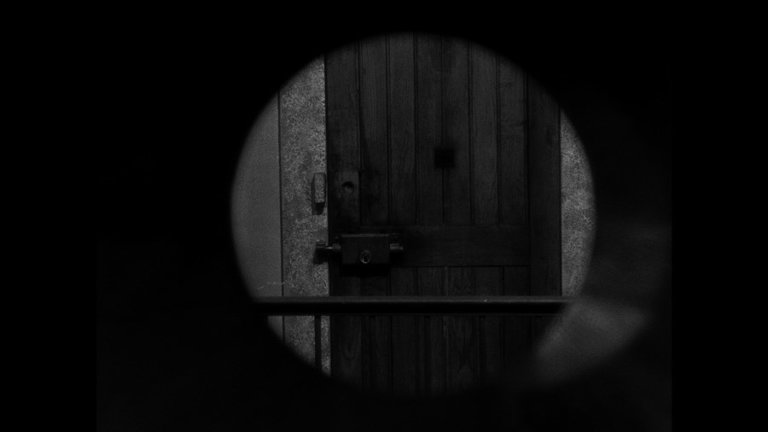
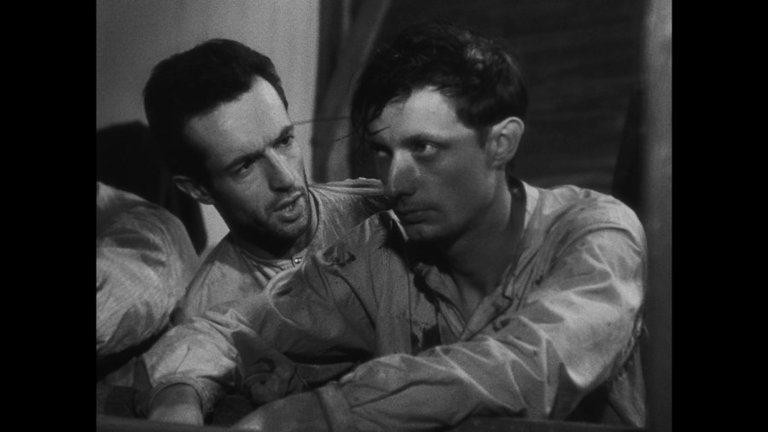
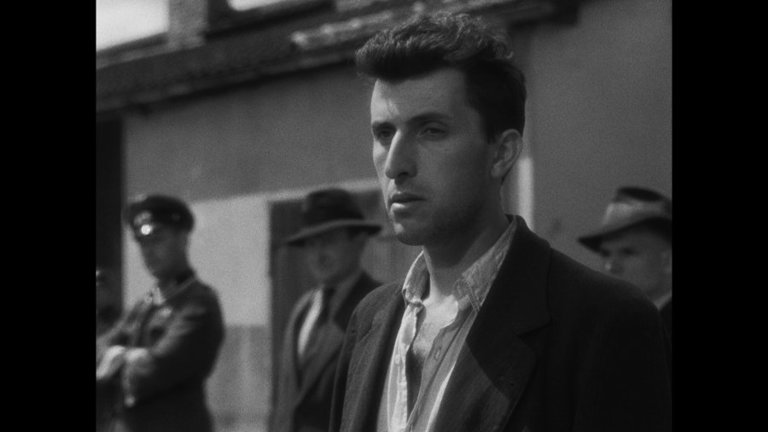
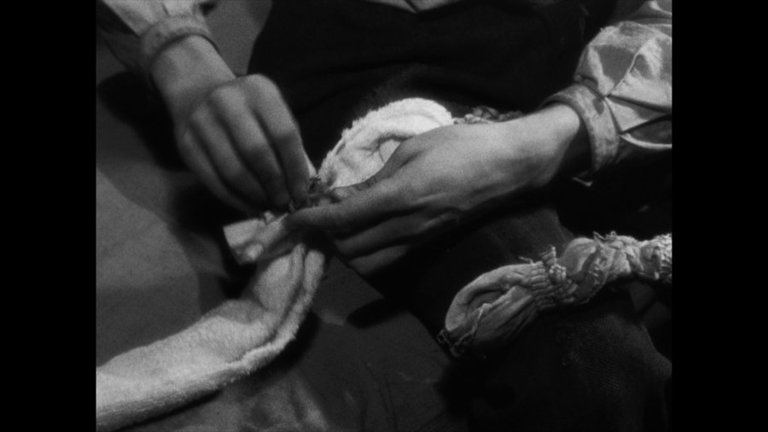
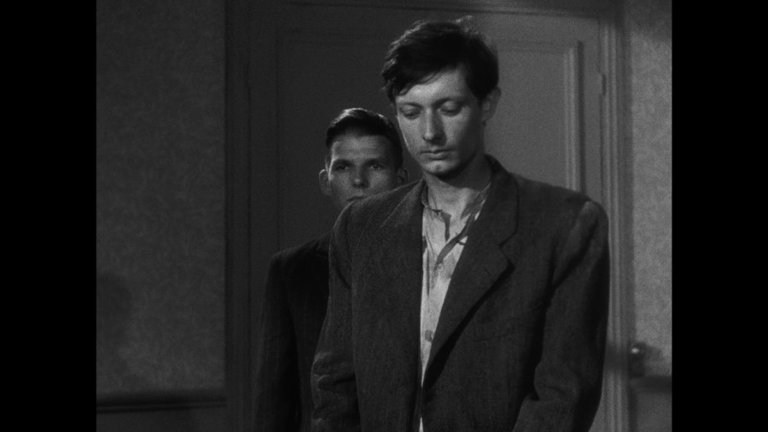
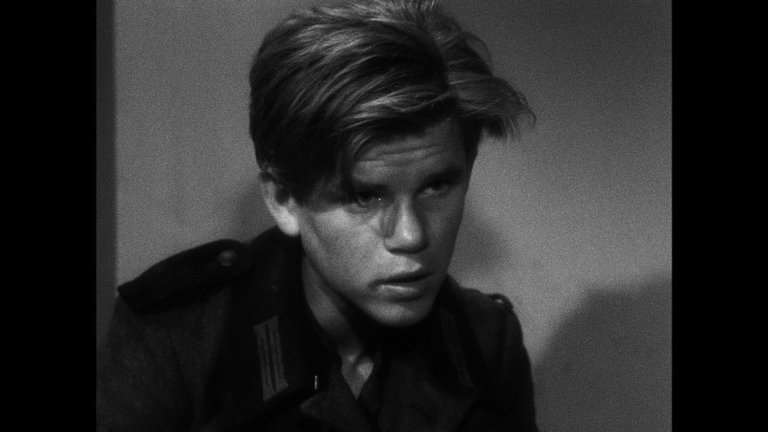
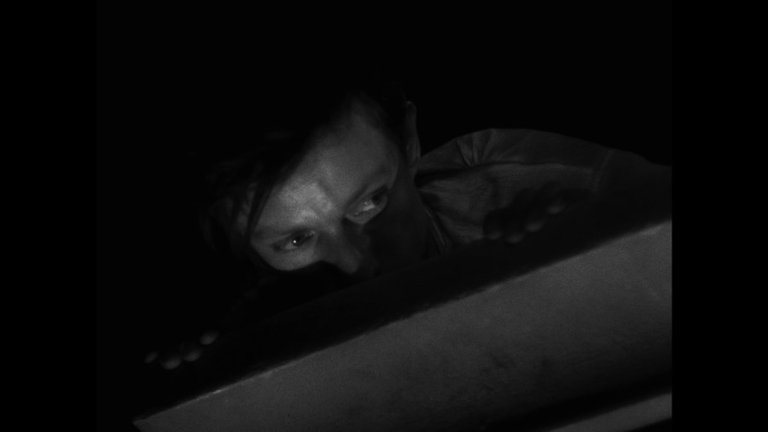
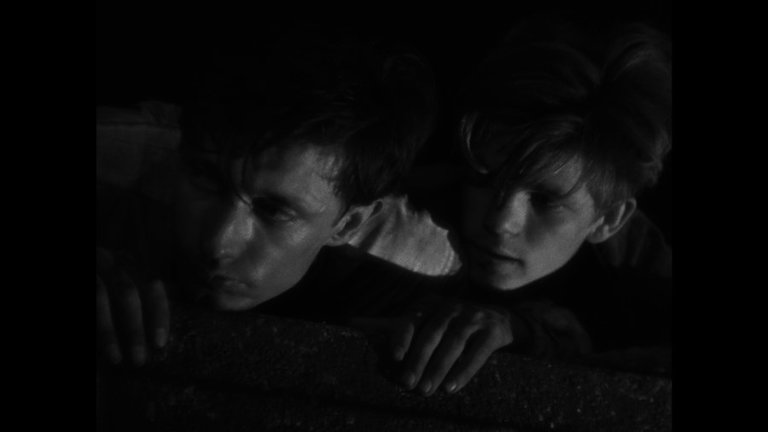
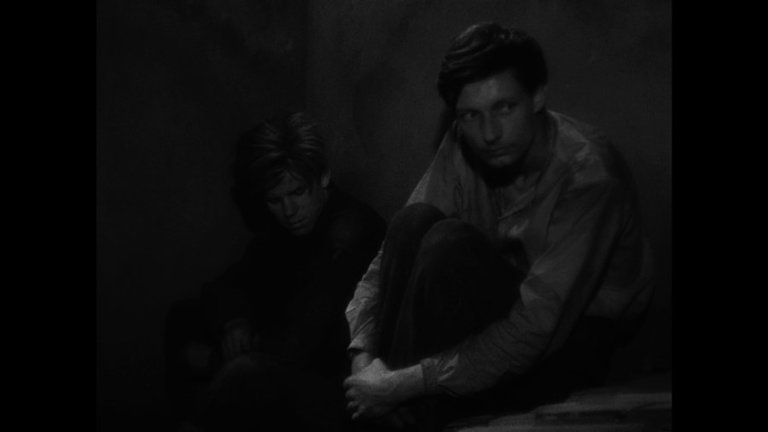
A Man Escaped - Screen Captures
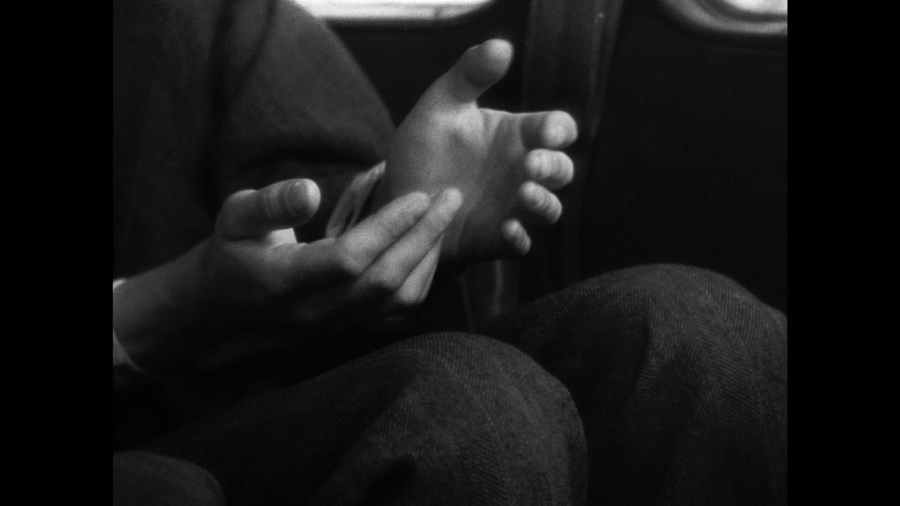
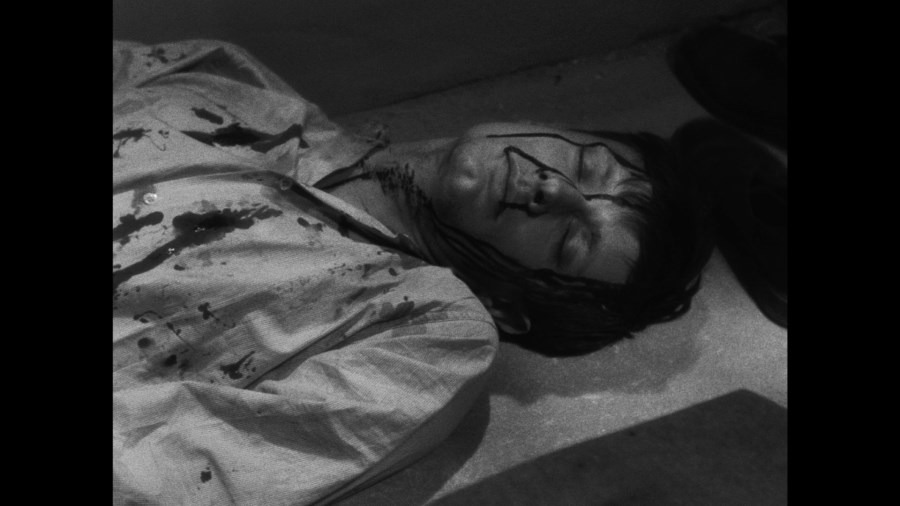
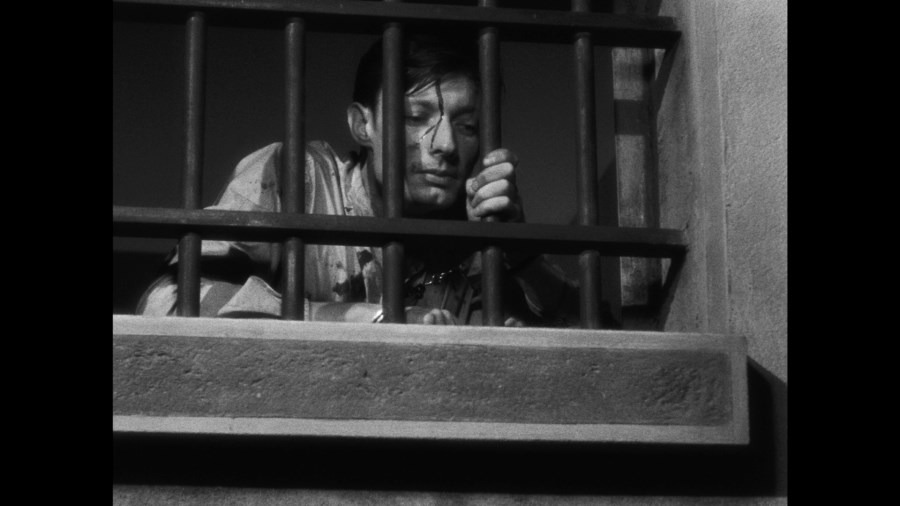
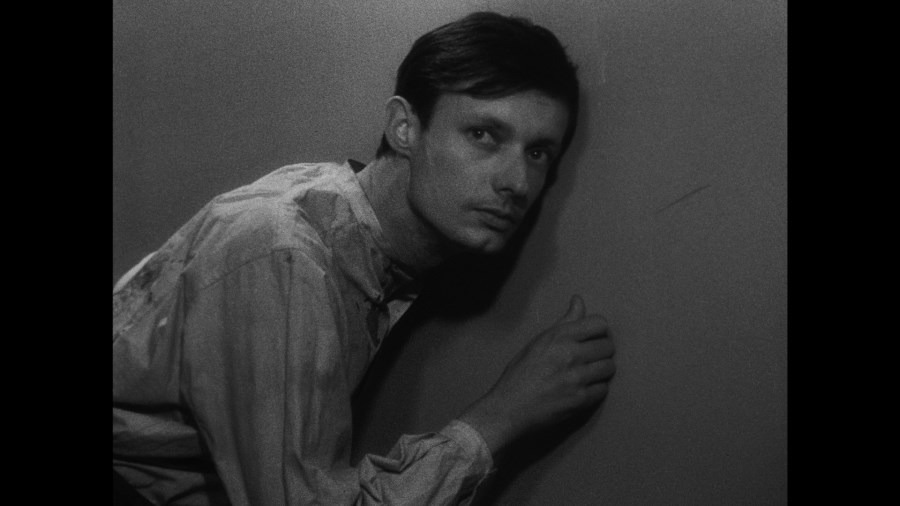
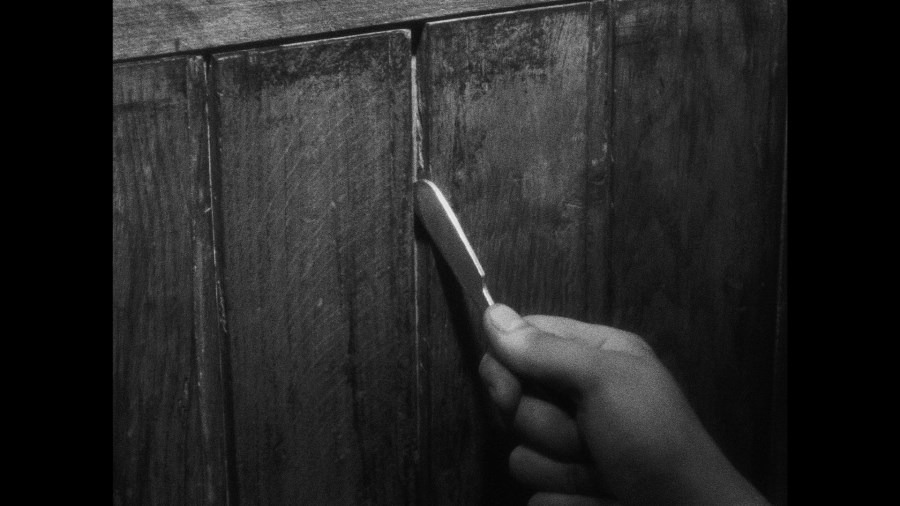
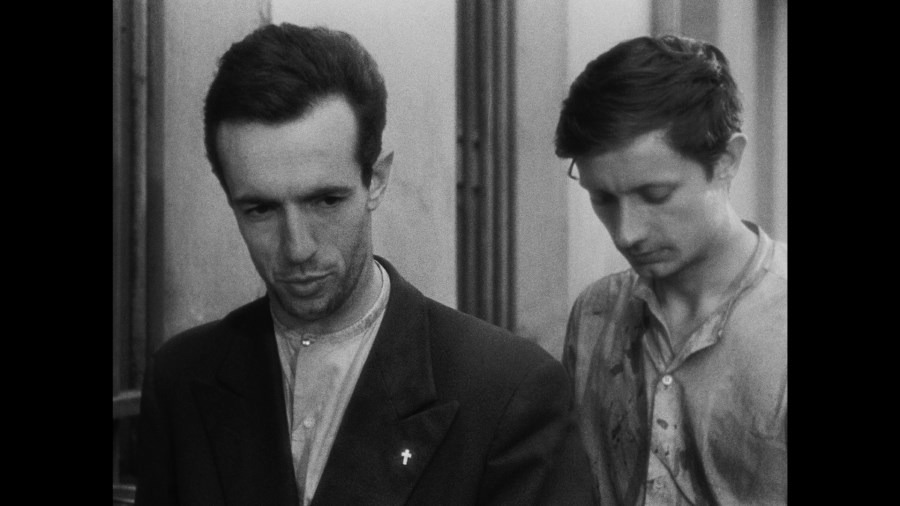
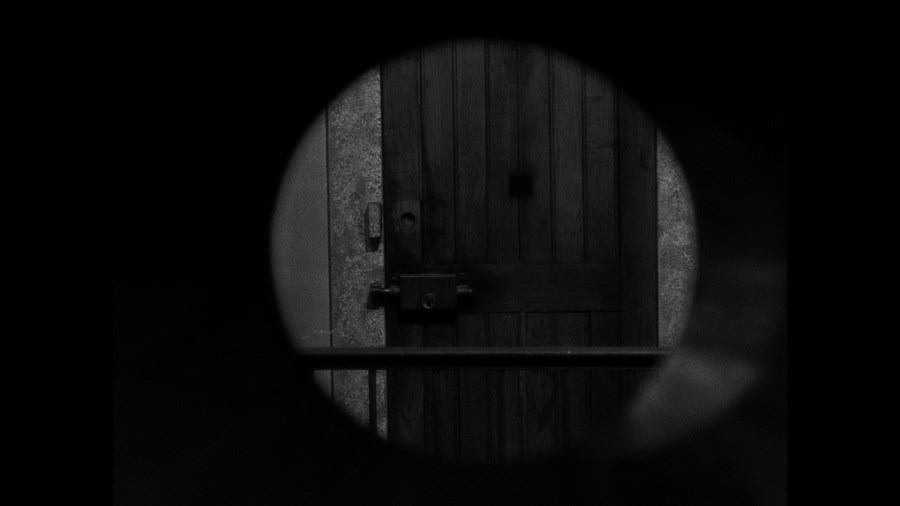
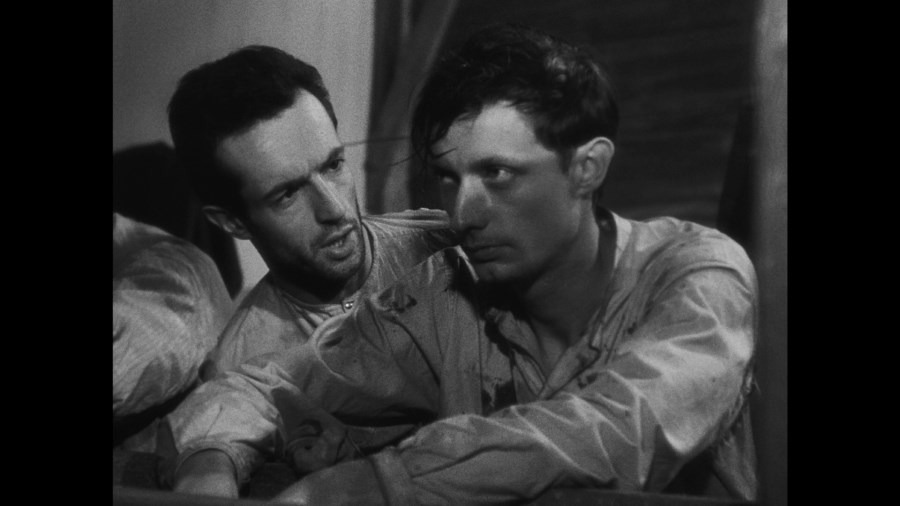
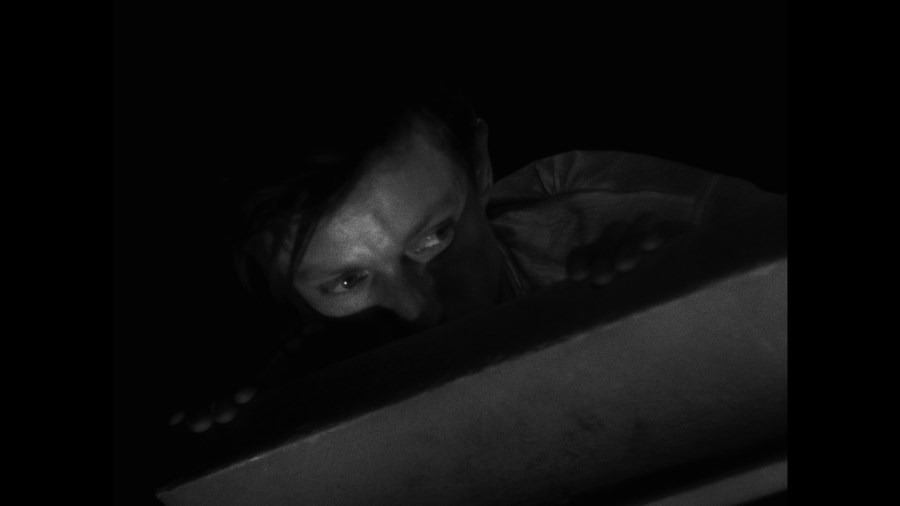
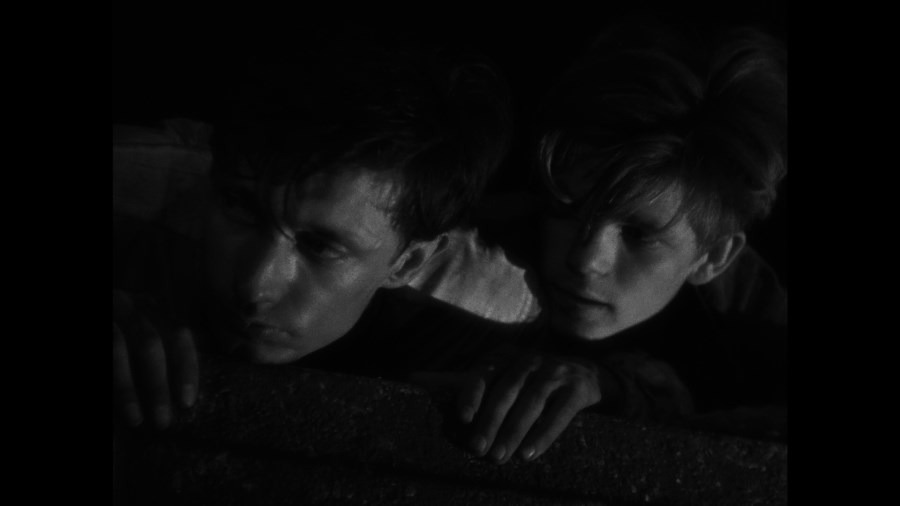
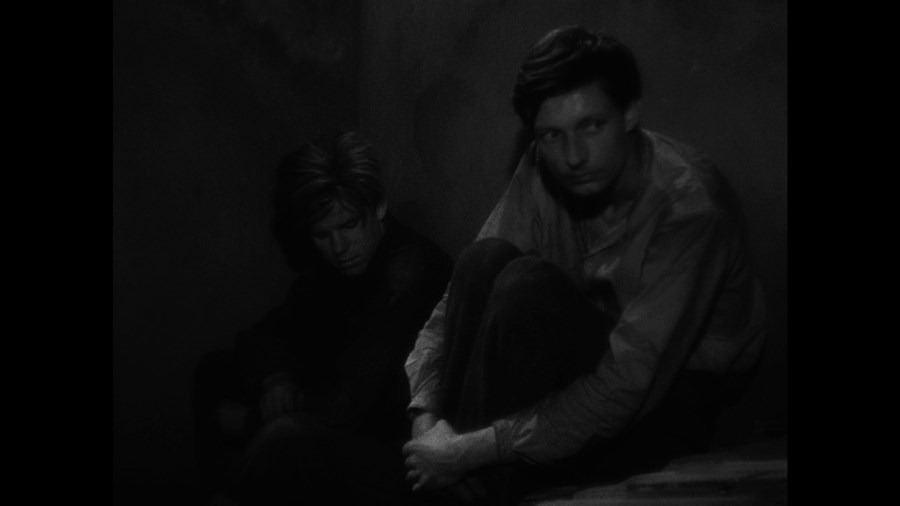
Audio 7/10
With the film being fairly quiet as a whole it should be no surprise that the lossless linear 1.0 mono PCM track doesn’t have many highs but in terms of quality it’s very strong. The narration and dialogue sound clean and natural and the music that appears doesn’t actually present any distortion or problems. In fact I’d say the music almost sounds newly recorded. A far better audio track than I would have probably expected.
Extras 8/10
Criterion delivers a number of worthwhile supplements starting with an episode of 'Cinéastes de notre temps from 1965 called Bresson: Without a Trace, which is a 67-minute interview with the normally reclusive director. I’ve always understood that Bresson had a certain disdain for film, feeling that the acting and all of the theatrical aspects got in the way, but from this interview it comes off like he absolutely hates it. He expresses his lack of concern for the acting aspects and talks primarily about the cinematography and the blending of sound, while the director of the episode asks him various questions about his thoughts on the medium and his work. It’s a bit awkward in its editing but it’s one of the few lengthy interviews I know of with the director and it proves to be fairly fascinating.
Following this is a 1984 documentary called The Road to Bresson, which features filmmakers Leo de Boer and Jurien Rood trying to get an interview with Bresson while he’s doing a press tour for what would have been his latest film, L’Argent. We get some footage from one of the press conferences, which presents a rather flustered and annoyed Bresson answering questions he obviously finds idiotic. We also get some interviews with Andrei Tarkovsky and Paul Scharader, who talk about Bresson and the genius of his work. The documentary manages to goes through his early life and his small body of films as well. Eventually the two do get an interview with the director, where he actually comes off a little more willing to talk than I would have thought. I think it’s a strong primer for those just being introduced to the director, as it covers his work and style rather well. The piece runs 56-minutes.
The Essence of Forms is a 45-minute piece from 2010, featuring interviews with A Man Escaped star François Leterrier, cinematographers Pierre Lhomme and Emmanuel Machuel, script girl Genevieve Cortier, and director Bruno Dumont. It basically gathers together the participants to talk about Bresson ranging through topics like what he was like to work with, his personality, his working method, his work in general, or how he had influenced them or impacted their lives. Not as strong as the other documentaries on the discs but it’s still a worthwhile addition, offering more insight of the man.
Criterion then includes a visual essay called Functions of Film Sound, which features Dan Stewart reading text that concentrates on the use of sound in the film from David Bordwell’s and Kristen Thompson’s book Film Art. The text goes over the narration in the film, the contradictory aspects of the sound to the image, the use of sound effects like how to focus on things off-screen through sound and so forth. Playing over relevant sequences from the film it’s a great scholarly analysis of one aspect of Bresson’s style, and also points out many things one may not have realized. It runs 20-minutes.
The disc then concludes with a 3-minute theatrical trailer. A booklet is also included featuring an essay by film scholar Tony Pipolo.
Overall it’s a fairly well-rounded selection of supplements analyzing aspects of Bresson’s style, managing to even gather interviews with the man. A rather solid, analytical set of supplements overall.
Closing
A very strong edition delivering some excellent supplements and a solid audio/video presentation. It comes with a very high recommendation.
BUY AT: