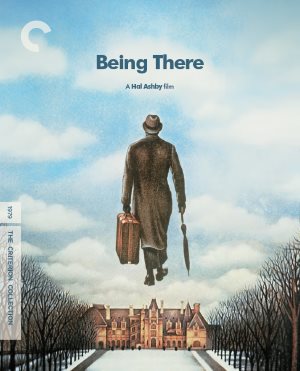
Being There
BUY AT:


See more details, packaging, or compare
Synopsis
In one of his most finely tuned performances, Peter Sellers plays the pure-hearted Chance, a gardener forced out of moneyed seclusion and into the urban wilds of Washington, D.C., after the death of his employer. Shocked to discover that the real world doesn’t respond to the click of a remote, Chance stumbles haplessly into celebrity after being taken under the wing of a tycoon (Oscar winner Melvyn Douglas), who mistakes his new protégé’s mumbling about horticulture for sagacious pronouncements on life and politics, and whose wife targets Chance as the object of her desire. Adapted from a novel by Jerzy Kosinski, this hilarious, deeply melancholy satire marks the culmination a remarkable string of films by Hal Ashby in the 1970s, and serves as a carefully modulated examination of the ideals, anxieties, and media-fueled delusions that shaped American culture during that decade.
Picture 9/10
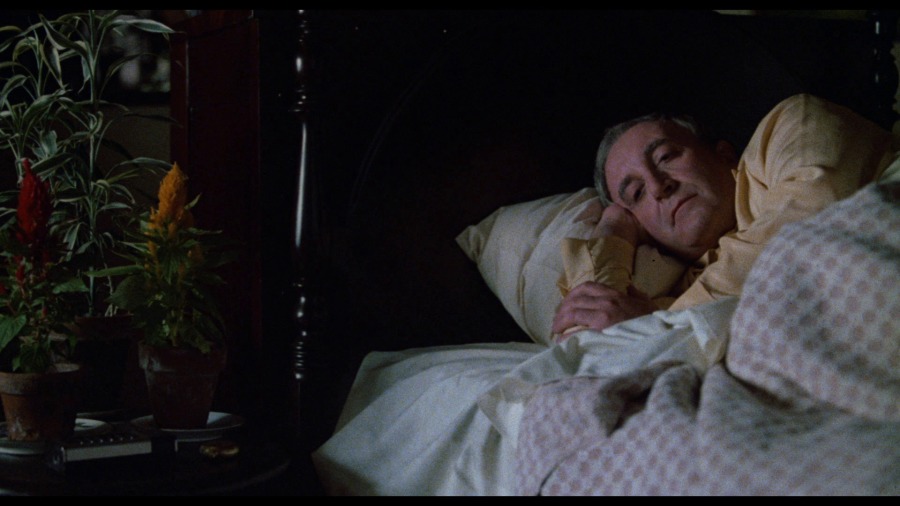
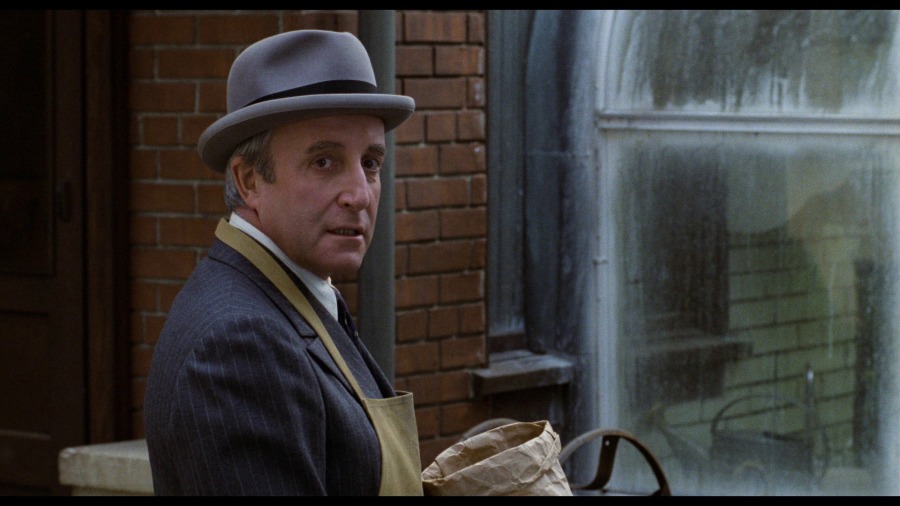
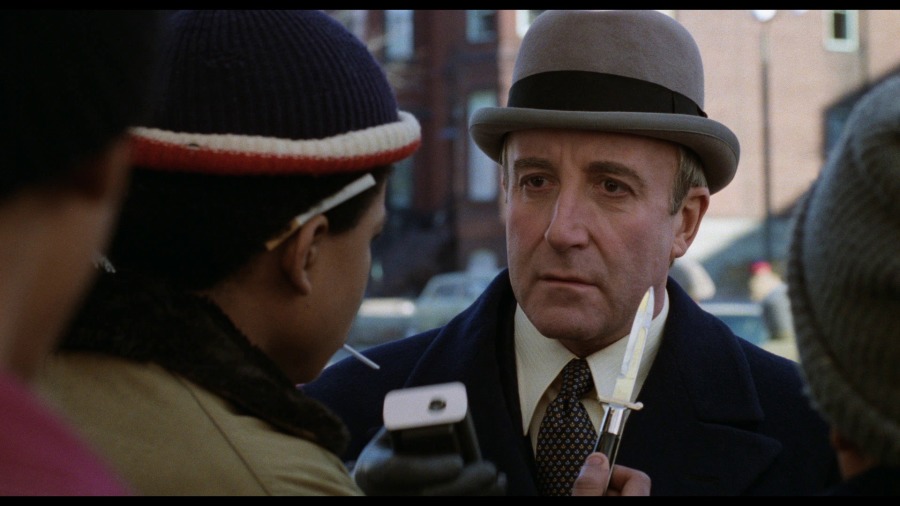
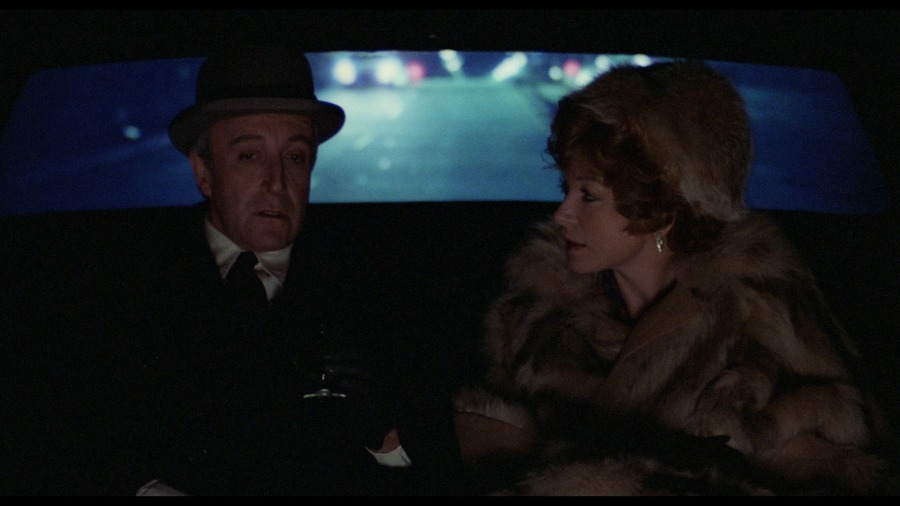
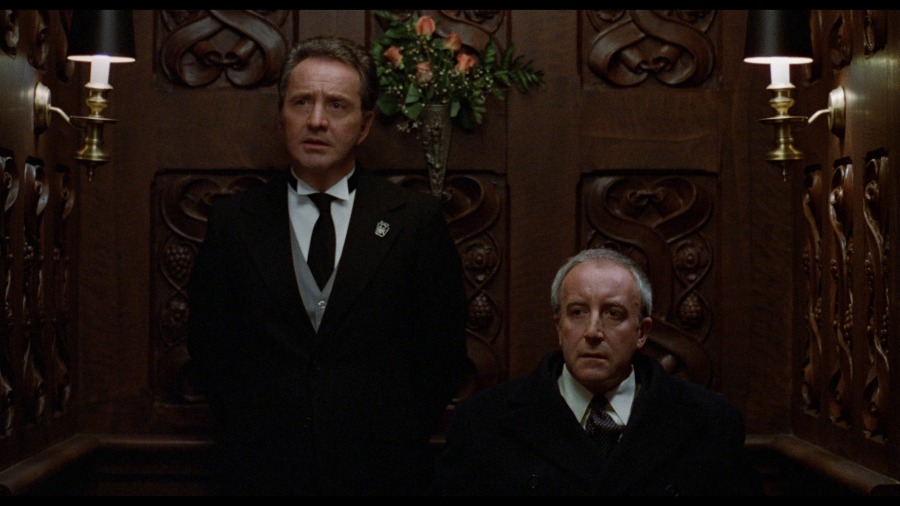
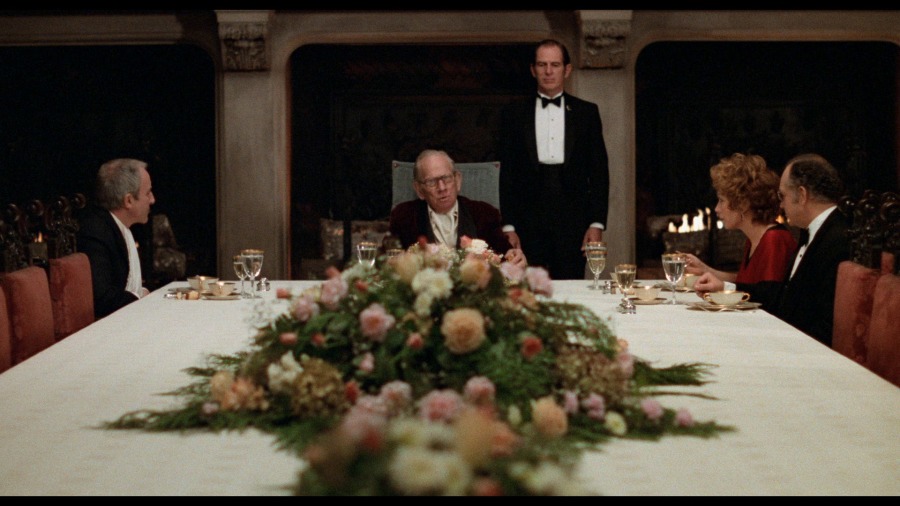
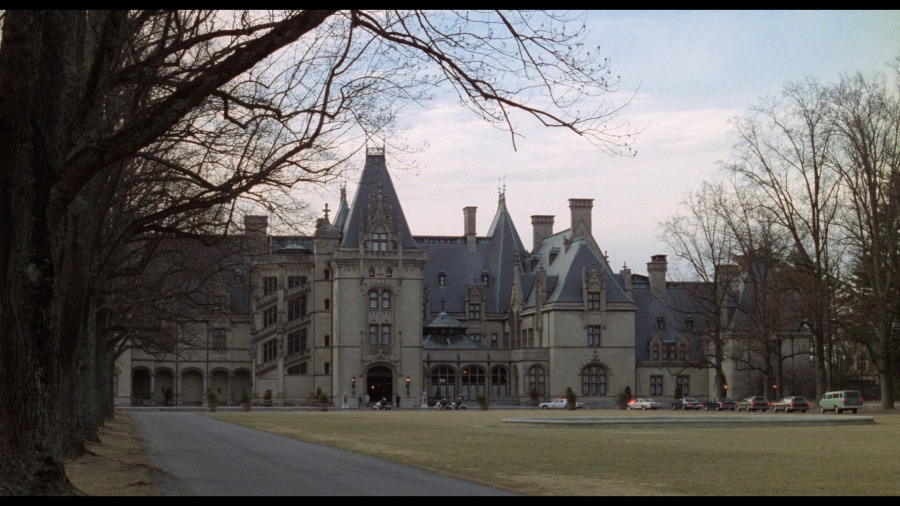
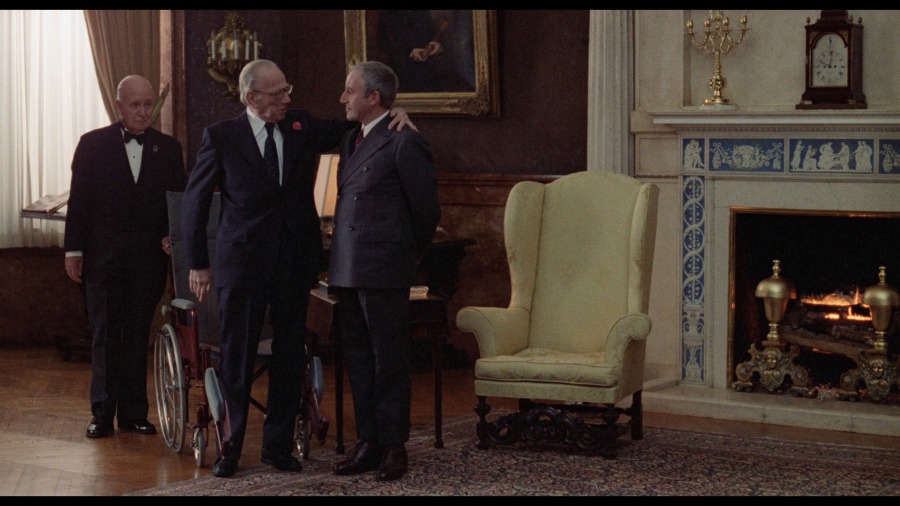
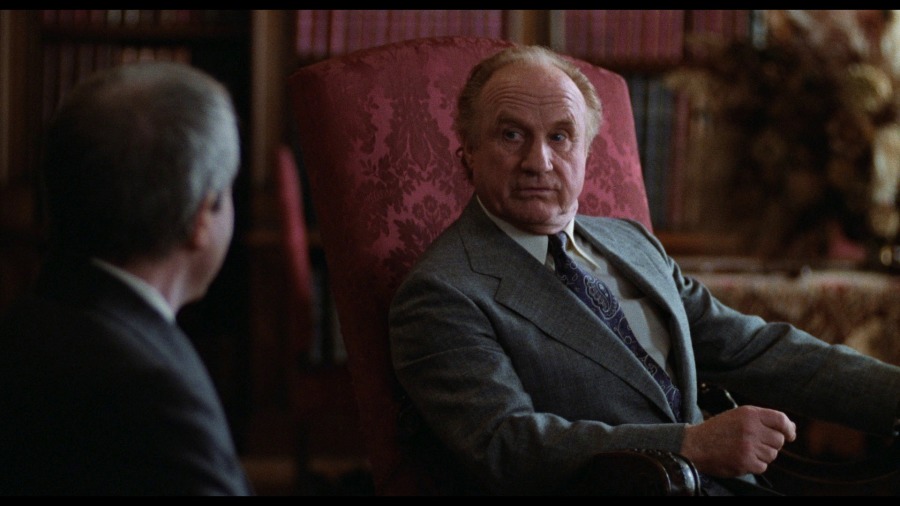
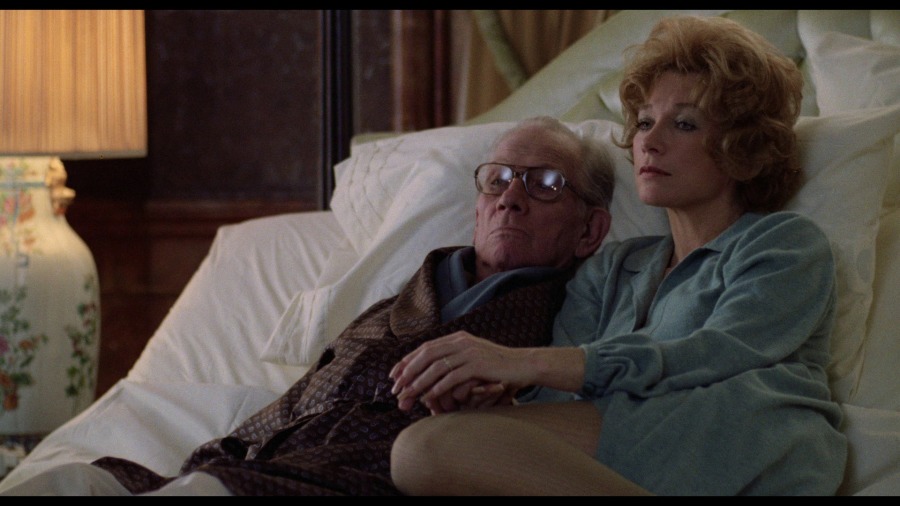
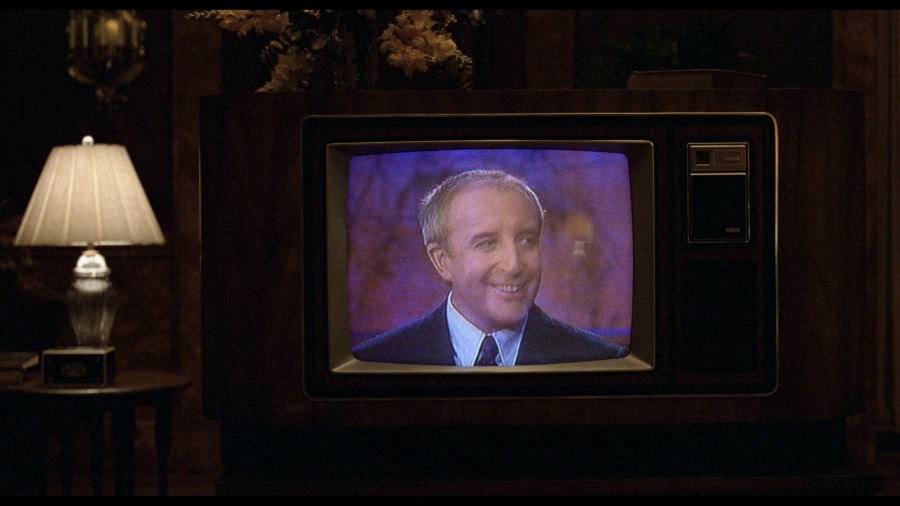
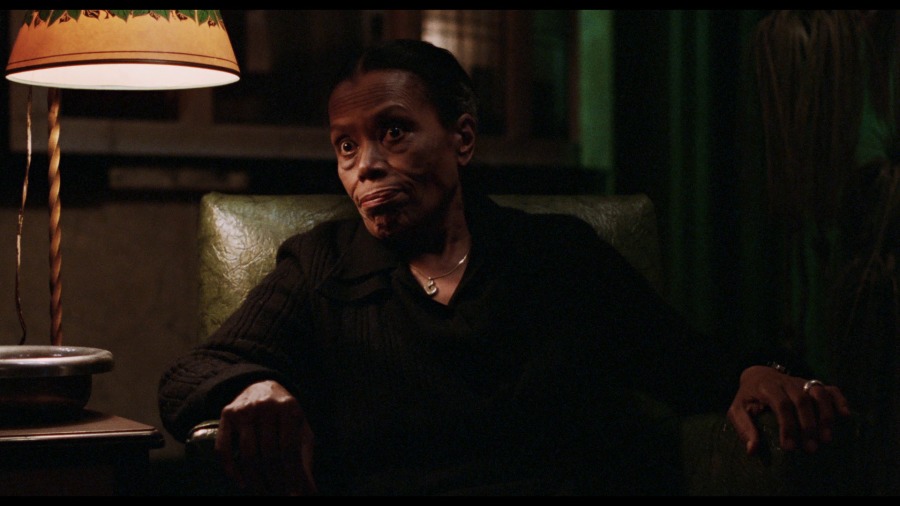
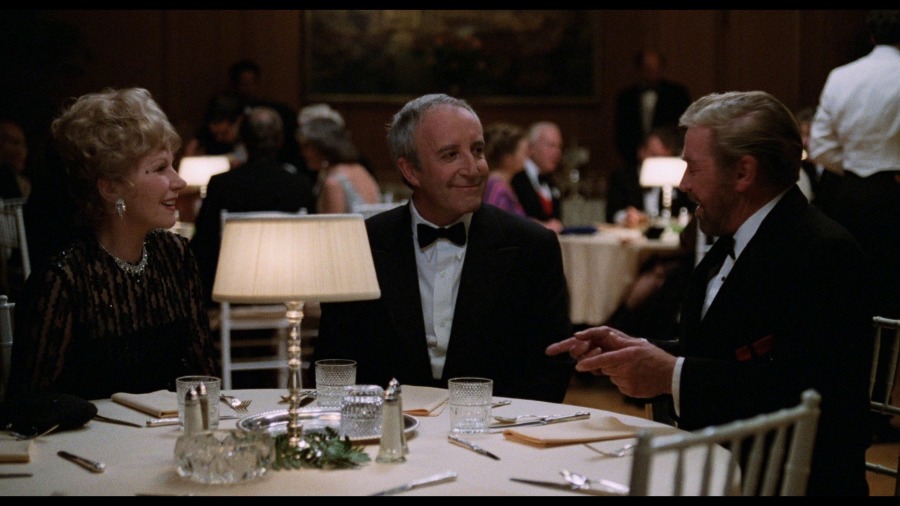
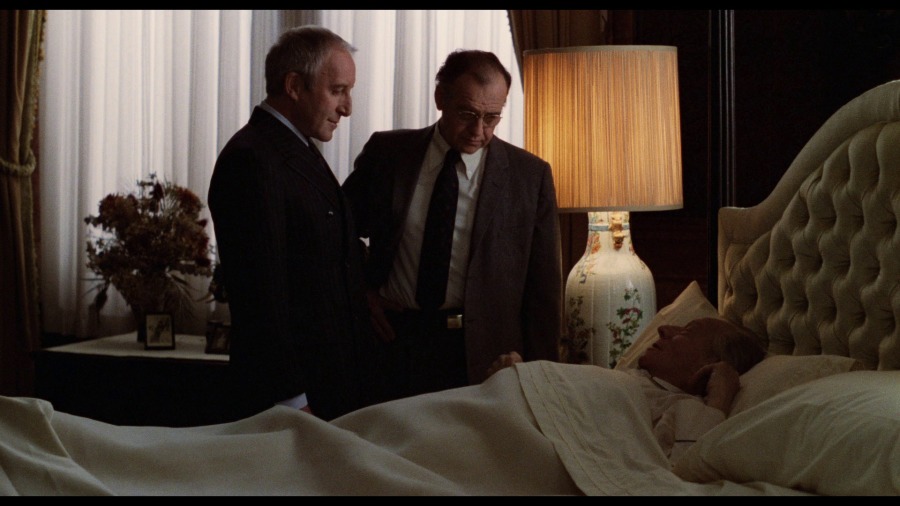
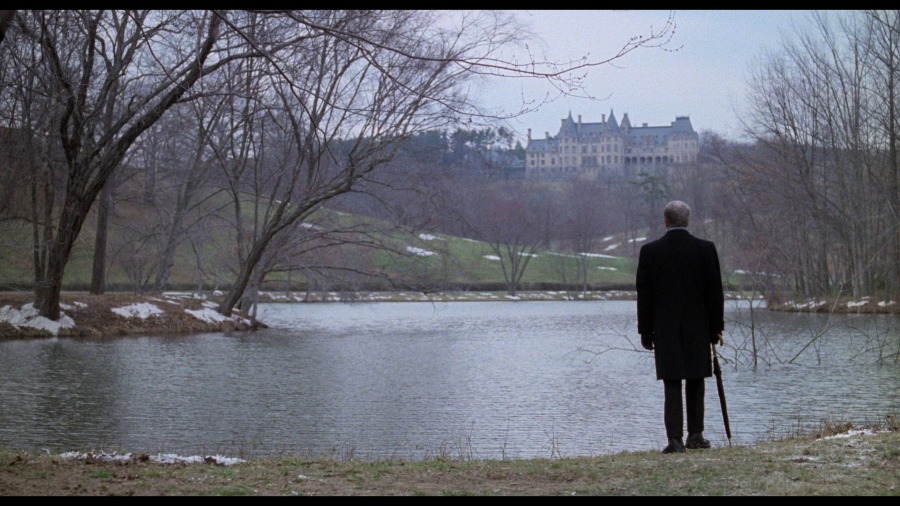
Hal Ashby’s Being There receives a new Blu-ray edition, this time from the Criterion Collection, who present the film in its original aspect ratio of 1.85:1 on this dual-layer disc. The brand new 1080p/24hz high-definition presentation comes from a new 4K restoration scanned from the original 35mm camera negative.
Being There was released previously on Blu-ray by Warner Bros. years ago, and because of that I could understand some questioning why Criterion would even bother working on their own edition. I’m happy to say the work hasn’t been in vain. There isn’t anything horrifically wrong with Warner’s own edition, but like a lot of Blu-rays from that time (around 2009 or so) it looks nice but has obviously had some filtering done; it’s not heavy but it’s noticeable. That release ultimately offers a half-decent high-definition presentation that gets the job done, but that is the limit to the praise I can heave upon it. Criterion’s, on the other hand, is a thing of beauty. Where the Warner disc leans more on the processed digital look Criterion’s has the more natural, filmic one. There is a very sharp difference between the two and it doesn’t take over-analysis of screen grabs to see that.
Because we get a less processed image grain is rendered very well throughout, even during low-lit sequences, and it looks incredibly natural. Fine object detail is also far better, with the smaller details in the fairly elaborate mansion interiors and the tighter patterns on Chauncey’s various suits (all from the “Old Man”) rendered far more clearly. Textures also look better and depth has also been improved upon.
The colours also look better here. I feel the Warner edition boosted the contrast a bit and probably (at the very least) also boosted the reds a tad. I think the colours do look more natural here and offer better saturation, even if they can maybe look a bit more muted in some regards against the Warner disc. Black levels are also fairly inky—most of the time—and shadow delineation is decent if not great, but overall better than the Warner. The restoration has been very thorough and I don’t recall a single blemish, though I also don’t recall much damage on the Warner disc.
So even though it might be an odd, maybe questionable title to upgrade, Criterion has at least done a spectacular job. The 4K restoration looks fabulous here.
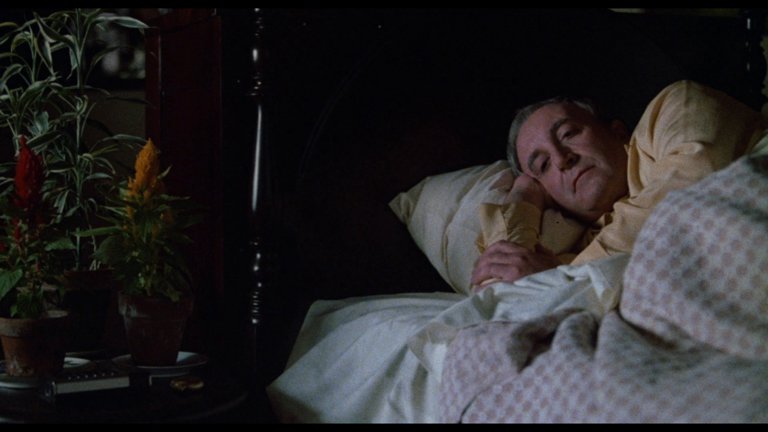
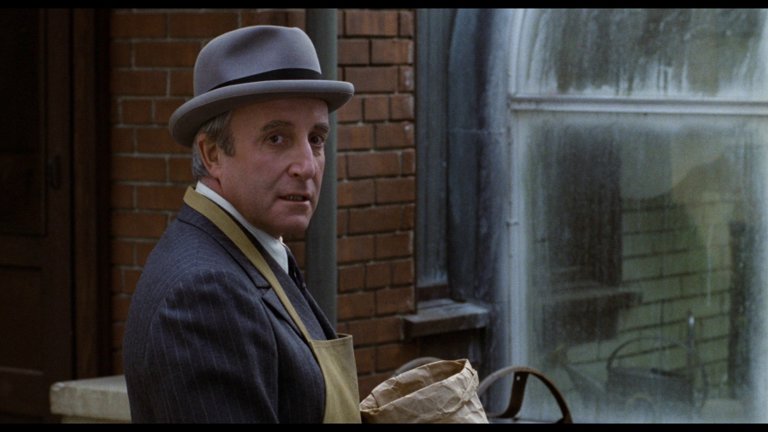
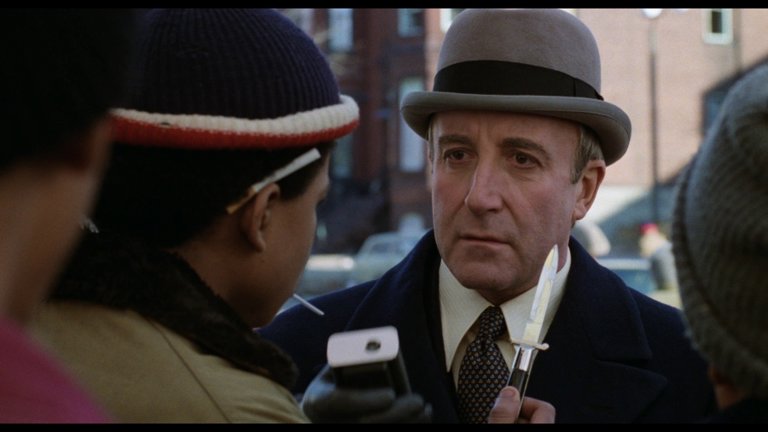
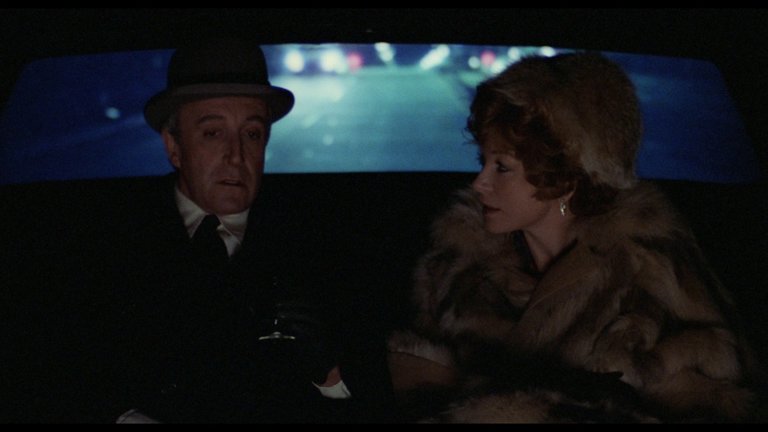
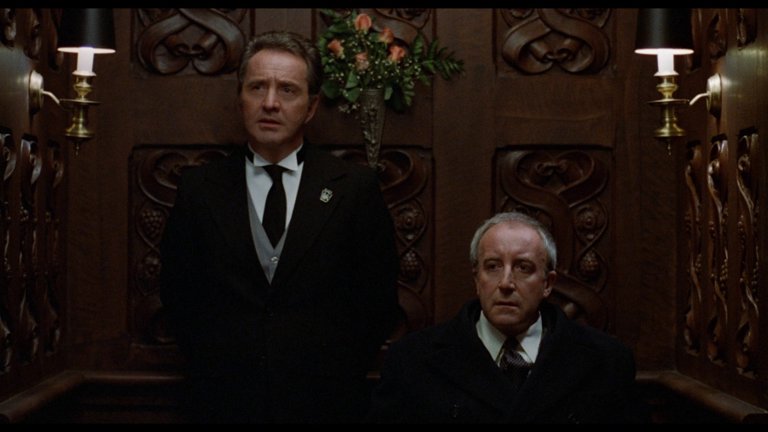
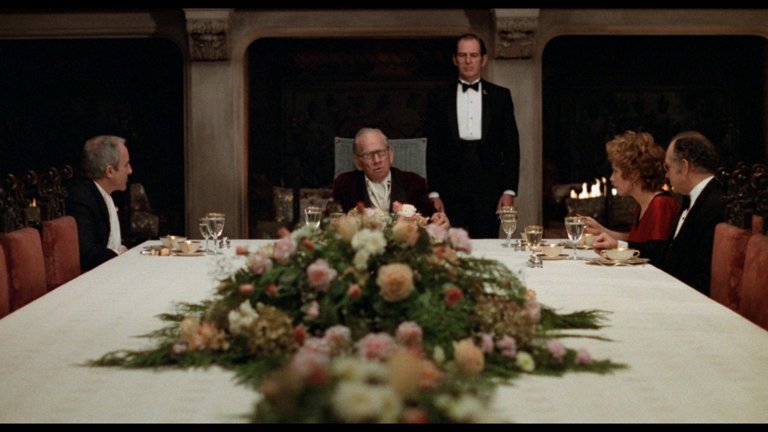
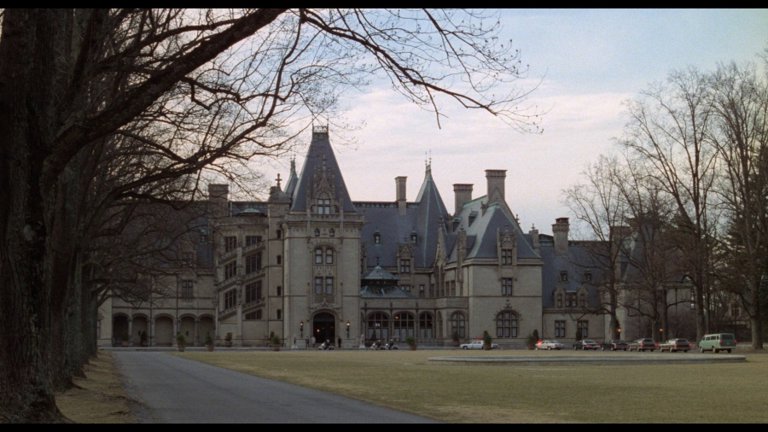
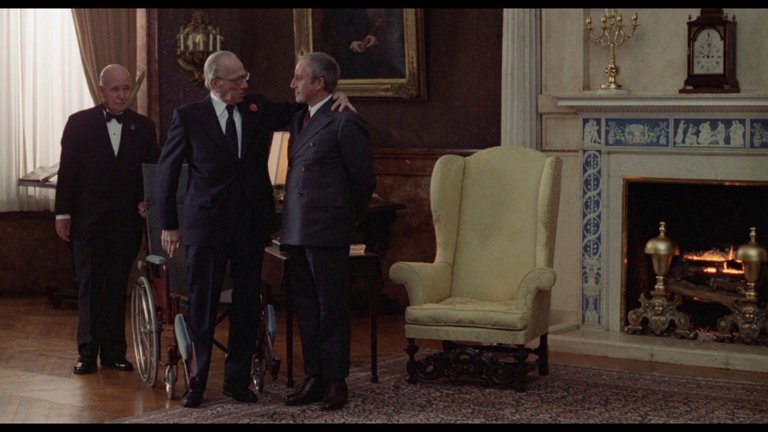
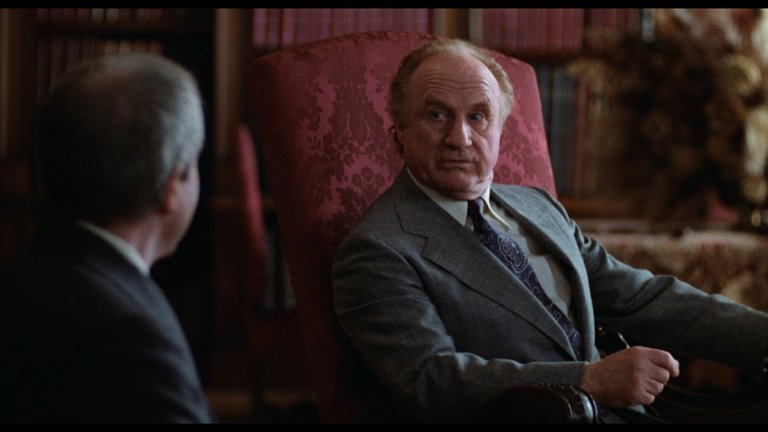
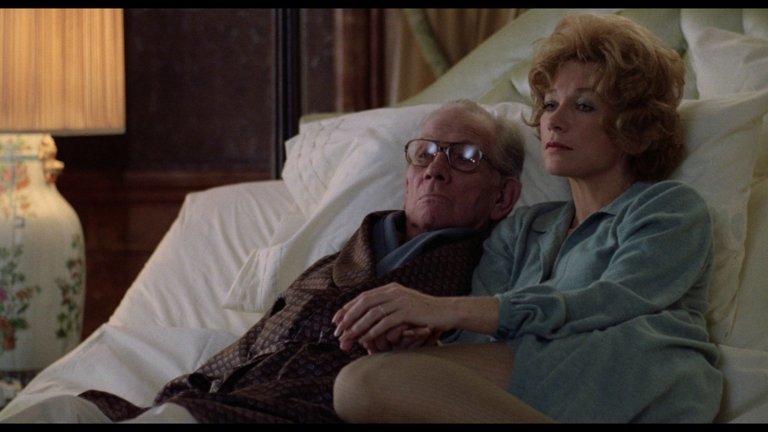
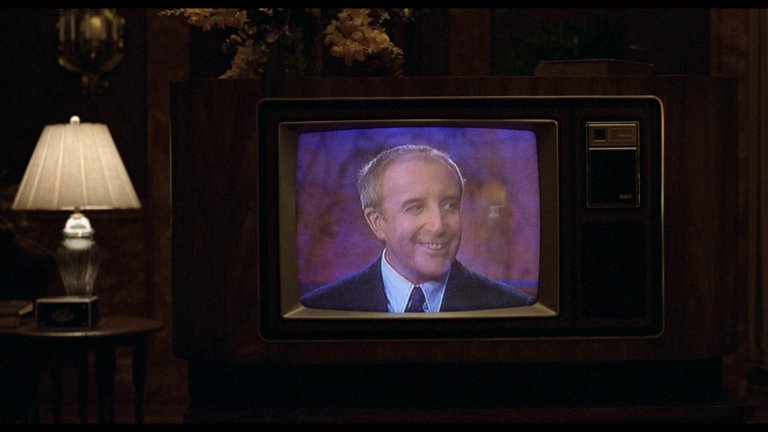
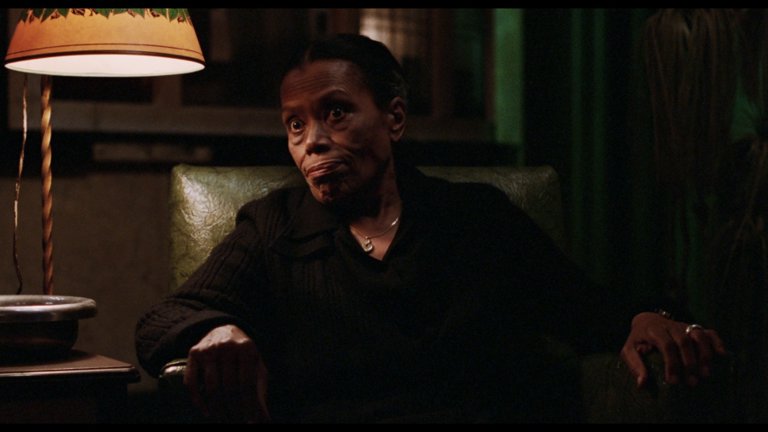
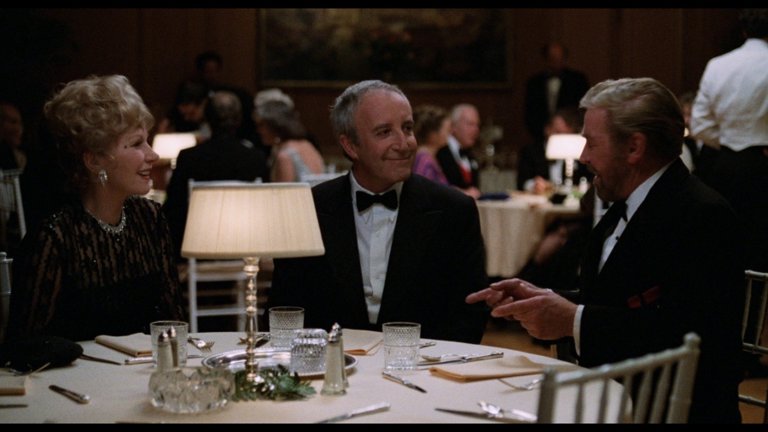
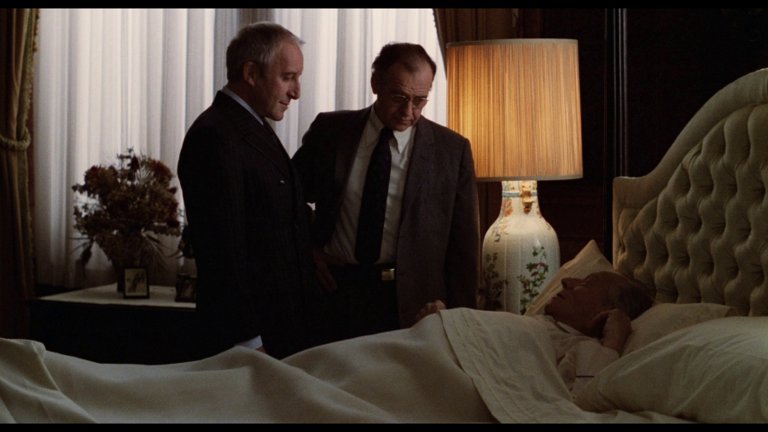
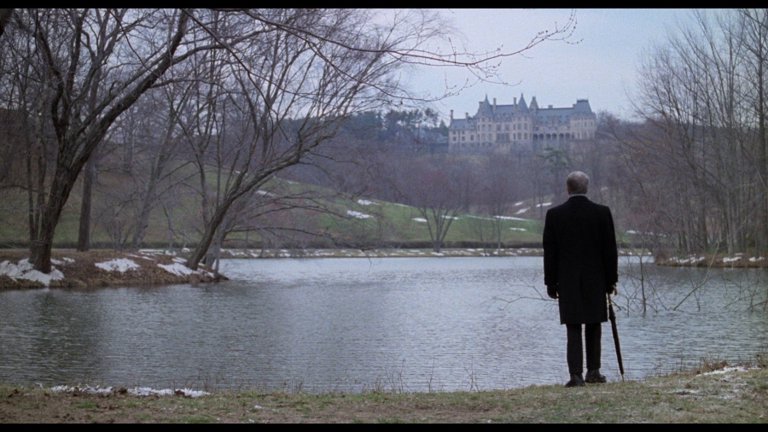
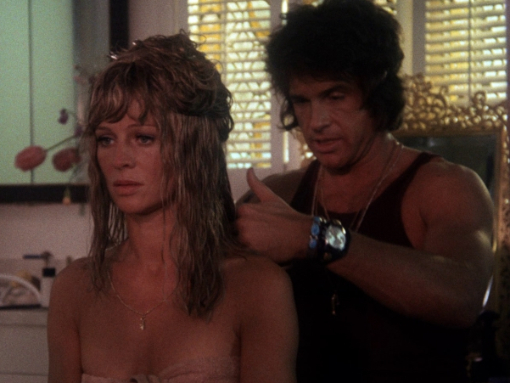
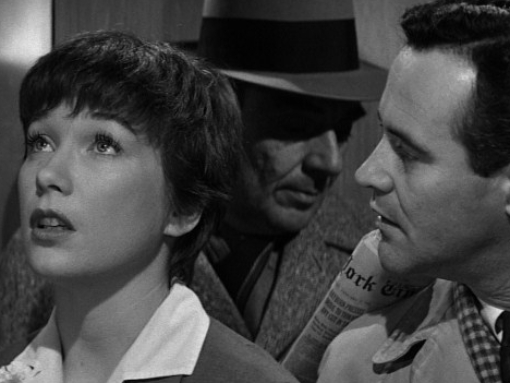
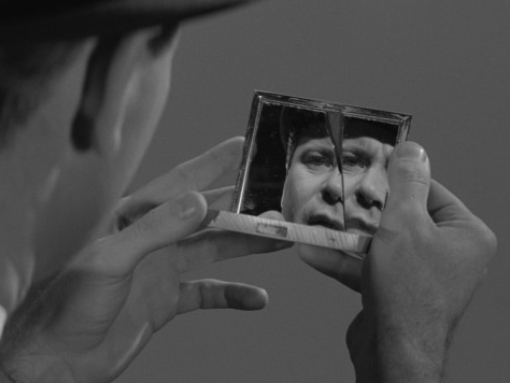
Being There - Screen Captures
Audio 6/10
The Warner disc presented a 2.0 lossless stereo track and a Dolby Digital 1.0 mono track. Criterion only presents a lossless 1.0 PCM mono track. I’m not sure what the story is behind the stereo track though I’m pretty sure the mono one is the original audio. At any rate it’s a good track with a decent bit of range, at least in terms of music, and adequate fidelity. There is audible background noise in places but otherwise it is clean and free of damage.
Extras 8/10
As mentioned previously Warner Bros. had already released Being There on Blu-ray in their own special edition, though it wasn’t a lavish special edition by any means: it contained an interview and then some odds and ends like deleted scenes and such. Criterion’s edition is not the lavish special edition I probably would have expected but it’s still a vast improvement over the previous Warner release and includes a number of good features.
Though we still don’t get a commentary Criterion manages to at least include a rather thorough making-of documentary, which features interviews with producer Andrew Braunsberg, screenwriter Robert C. Jones, director of photography Caleb Deschanel, and editor Don Zimmerman. The production history to the film proved to be quite a bit more fascinating than I would have surmised, the production hitting a few speed bumps thanks mostly to the source novel’s original author, Jerzy Kosinski. At first Kosinski would not sell the film rights to the source, despite Peter Sellers’ interest in the book, and it turns out it was because he had hopes of directing it himself. Braunsberg, who was working to get those rights, knew what an awful idea that was and eventually got Kosinski to see that it would be better in the hands of someone else. Kosinski wanted to be involved and did work on his own adaptations, handing in various drafts of the script, but by all accounts each draft was worse than the previous. Robert Jones was brought in to adapt the novel and it sounds as though his script (with some touch ups by Ashby) is what ended up on screen. Interestingly Kosiniski, who was otherwise fairly difficult throughout, adamant that the film should be exactly like his book, was actually taken by the script and apparently loved it. Unfortunately he refused to share a writing credit with Jones, and Braunsberg even took the author to court over it. Kosinski obviously won (Jones has no credit) and Jones laments how that effected his career as a screenwriter (Criterion remedies this a little bit by getting Jones for this interview and actually crediting him as one of the film’s writers on their website).
Outside of the author it sounds like the rest of the film was a pleasurable experience. Surprising to most (since he had a reputation for being difficult) Sellers was a consummate professional on set and just easy to work with, more than likely because he was incredibly passionate about this project. Ashby was also a pleasure to work with but they admit his style of directing didn’t blend with all of the actors’ style: Shirley MacLaine, for example, needed more motivation for her character and Ashby wasn’t interested in giving that. The participants also get into the more technical details, like having to shoot a lot of scenes around television using real programming and dealing with the frame rate, and then how the film’s famous final shot was done (Jones admits he’s not fond of the ending and prefers his original ending, which is included on the disc as an “alternate ending”).
It’s nothing more than a talking-heads feature with some photos thrown in here and there, but it is still a very engaging one. The one real advantage we get from the film being released by a third party label is that we probably get a more honest and open look into said film’s production and that is what it feels we are getting here.
The rest of the material is mostly archival but good. The most unexpected piece, though, is a 33-minute audio excerpt featuring director Hal Ashby at the AFI talking about the film. Ashby talks a bit about Being There (even addressing the ending though not explaining what it means in a definite manner) and working with Sellers yet I found myself more enamored by his thoughts on film editing and his process. He even talks about some of the more modern equipment of the time and about how computers could help the process substantially. Based on things he says he wants to see he would have been absolutely in love with modern digital editing. He does cover other subjects, like what it’s like revisiting his films for the first time in years, but whenever he comes back to editing it’s where he becomes most passionate and the discussion takes on a real energy.
Criterion then digs into the Dick Cavett well again and pulls up a 19-minute interview between the talk show host and author Jerzy Kosinski, filmed in 1979 before the film adaptation of Being There was even finished (or at least released). The two talk about his life and work up to that point before getting to the film version of Being There (which he makes sure to point out is “inspired” by his book and not a direct adaptation) and why he had an initial resistance to Hollywood.
That interview not one of the better Cavett interviews (I guess they can’t all be Godard or Mastroianni and Loren) and is a bit dry but fine enough. I was at least happy to get some material about Kosinski. But it probably made the following set of interviews, both with actor Peter Sellers seem better. The first is from a March, 1980 episode of Today and it’s actually the very same episode that was excerpted for Criterion’s release for Dr. Strangelove. On that disc only the opening few minutes were used but here we get the whole interview, which runs over 10-minutes. We get the same portion used on the Strangelove disc with Sellers giving a sample of various English accents before getting to the latter part of the interview where Sellers talks about how Chauncey Gardiner is probably his most difficult role, where he even had trouble coming up with his voice (Sellers would famously work on a character’s voice before anything else, probably something he more than likely carried over from his radio days). It’s still a funny and engaging conversation
Criterion then includes yet another interview, this time from the Australian Don Lane Show, with Sellers showing up via satellite. This 12-minute interview gets more into the background of the film’s production, starting with his desire to play Chauncey after reading the novel. They also talk about the development of the voice and the changes to his physical appearance, even getting plastic surgery. They also go onto other subjects, like English and American accents, how he picks up mannerisms of those he meets, and whether he breaks down laughing on set when working on his films (which he does, as evidenced by the closing credits of Being There). And for kicks they talk about his then-current project, The Fiendish Plot of Dr. Fu Manchu. It’s a very breezy interview and with a few jokes that are certainly in bad taste, it’s also quite funny.
Carried over from the Warner disc are a collection of deleted scenes and outtakes. There are two deleted scenes, one featuring Chance coming across a group of kids playing basketball and another between Chance and Eve before he appears on the talk show. There’s also an extended bit of Chance on the street, this time running into a prostitute. Criterion also includes the 2-minute alternate ending here, which ends on a more grounded note (I prefer the ending that was used). The outtakes are actually an extended presentation of what plays over the end credits, with Sellers breaking into laughing fits.
An interesting inclusion is a promo reel that was put together for a junket at a health spa for distributors and exhibitors. Featuring Sellers and Ashby welcoming the participants, it’s a very interesting find and one of the cooler features I’ve come across lately. The disc then closes with the film’s theatrical trailer. Oddly the interview with Illeana Douglas (granddaughter of Melvyn Douglas) found on the Warner disc is missing.
What’s most disappointing (and somewhat common now with Criterion releases lately) is the lack of any academic features on the disc. Making up a little for this is the essay by Mark Harris found in the included insert, covering Ashby’s career at the time, how the film reflects that same time period—and our present day. It’s a well written analysis but I’m surprised and disappointed Criterion didn’t feel the urge to have more academic material. Still, this area offers another improvement over the previous Warner disc.
Closing
I would have expected a more elaborate special edition from Criterion but this edition still offers a solid improvement over the previous Warner releases. The features are all still very good and the new 4K restoration really looks spectacular, much better than those other editions.
BUY AT: