BUY AT:


See more details, packaging, or compare
Synopsis
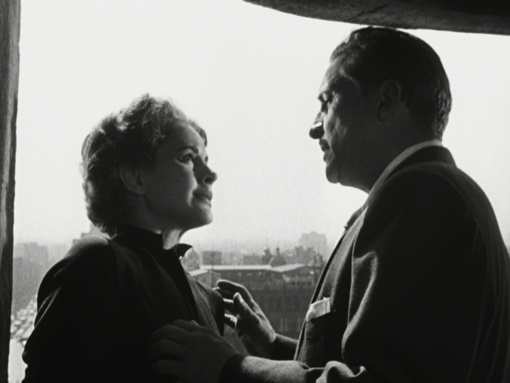
Spanish surrealist master Luis Buñuel’s fiendish tale of love gone wrong is among the most perverse and unsettling films he made during his two decades of exile in Mexico. Folding his own neuroses into an adaptation of Mercedes Pinto’s autobiographical novel, Buñuel crafts an expressionistically stylized nightmare in which a young woman (Delia Garcés) discovers that the outward sophistication of her new husband (Arturo de Córdova) masks disturbing depths of jealousy and paranoia. A characteristically raw indictment of religious and social hypocrisy, Él stands as the director’s greatest excursion into melodrama, a vivid portrayal of society’s inability to restrain the irrational urges of the human id.
Picture 7/10
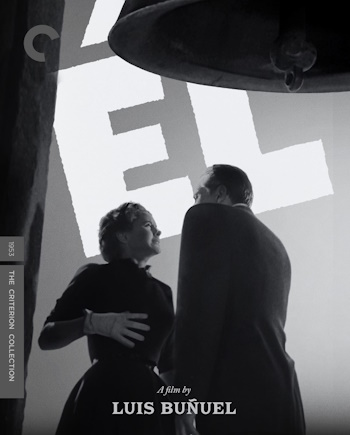
Luis Buñuel’s Él (aka This Strange Passion) makes its North American disc-format debut through a new 4K UHD edition from The Criterion Collection. The SDR 2160p/24hz ultra high-definition presentation—sourced from a new 4K restoration—is presented on a dual-layer BD-66 disc in its original aspect ratio of 1.37:1. The release also includes a 1080p presentation on a standard Blu-ray disc, alongside all supplemental material.
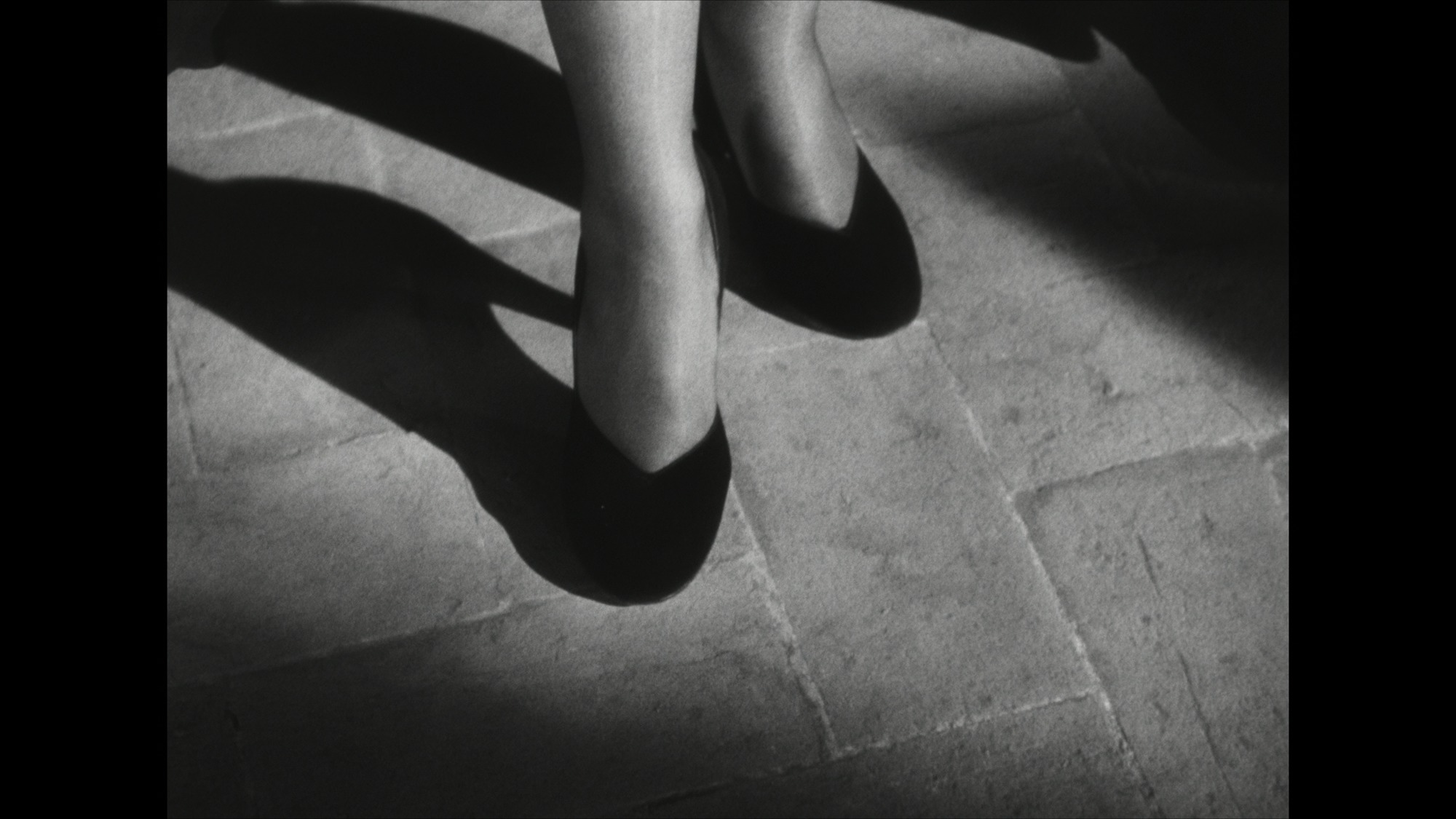
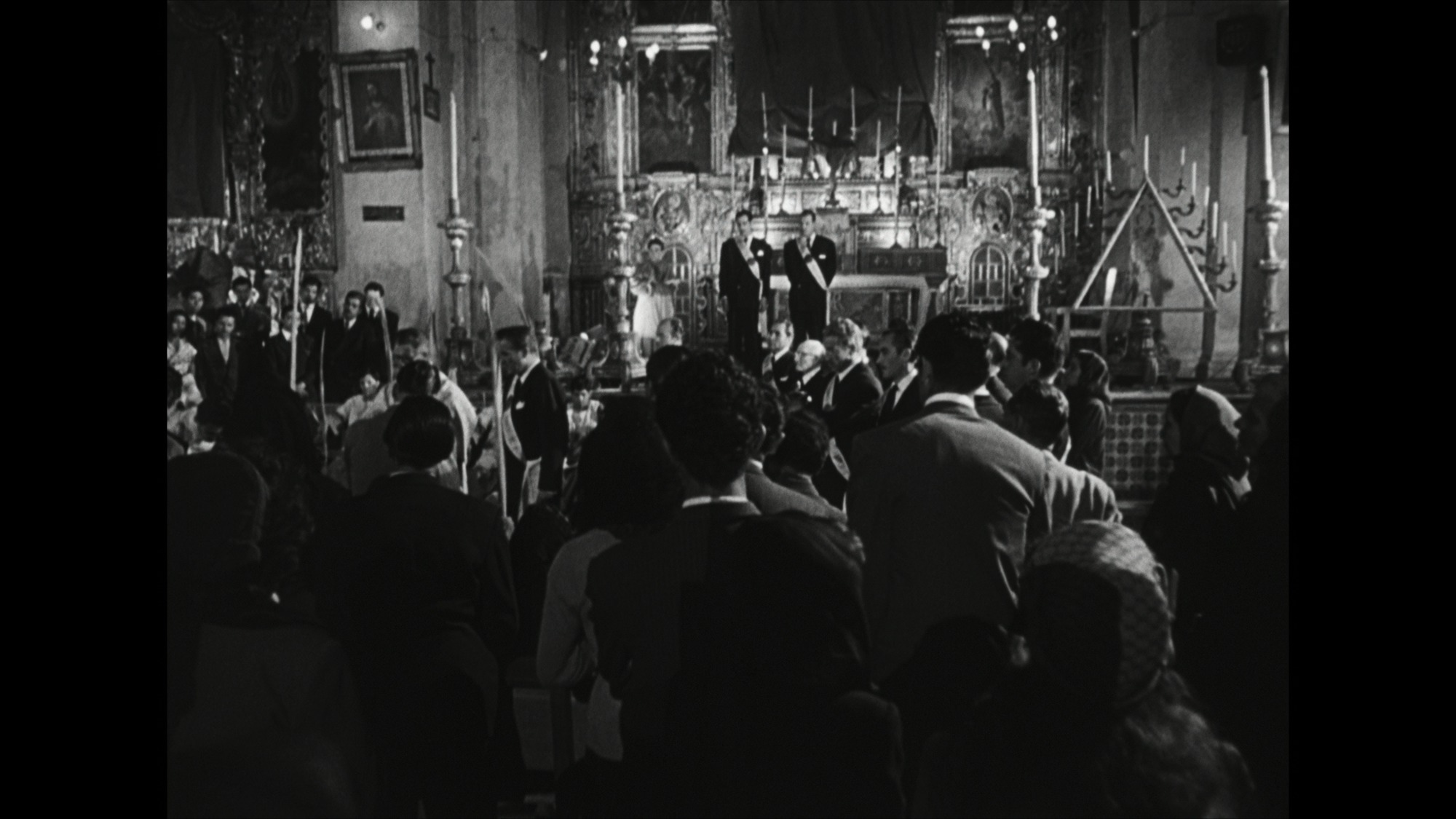
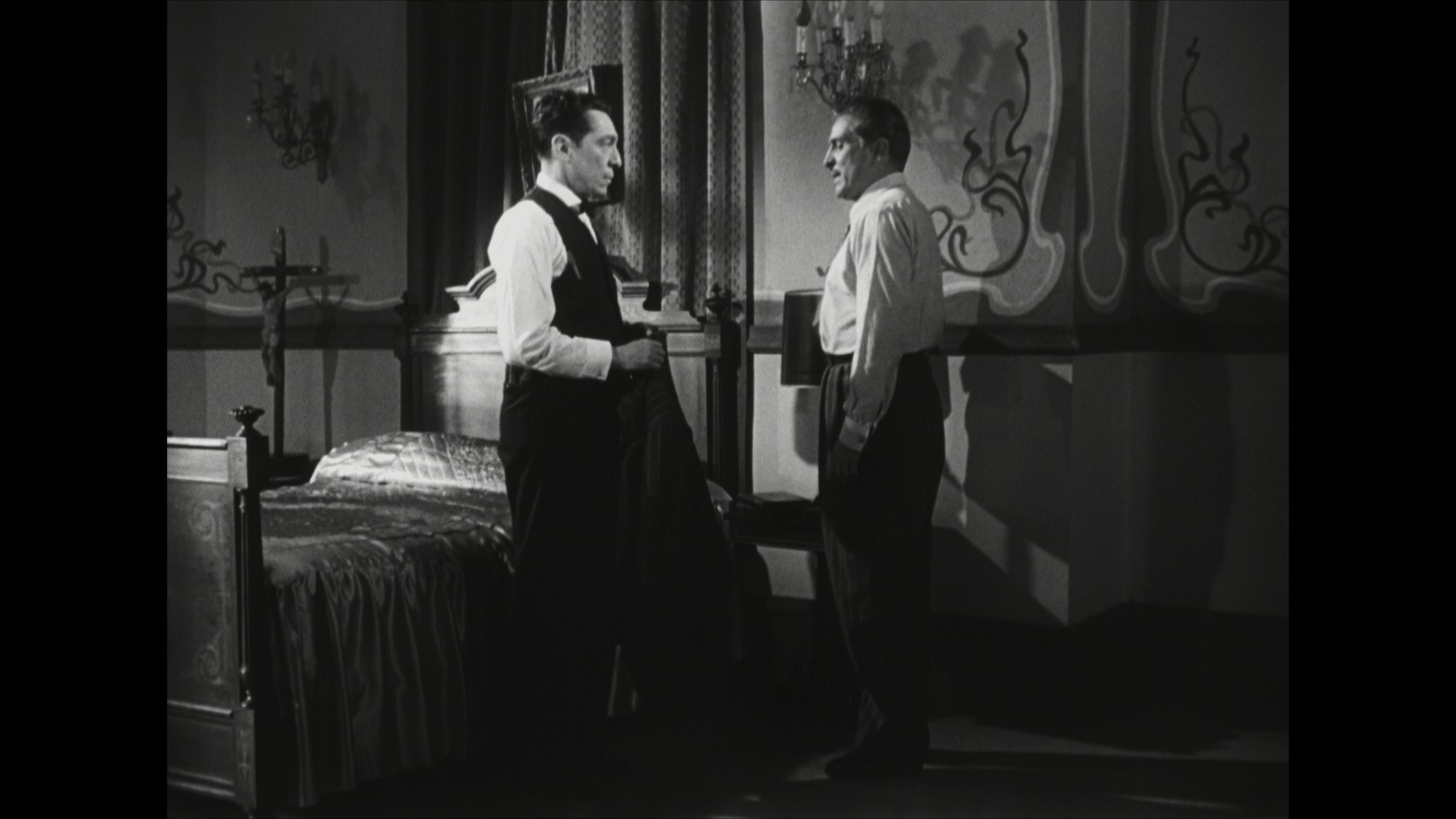
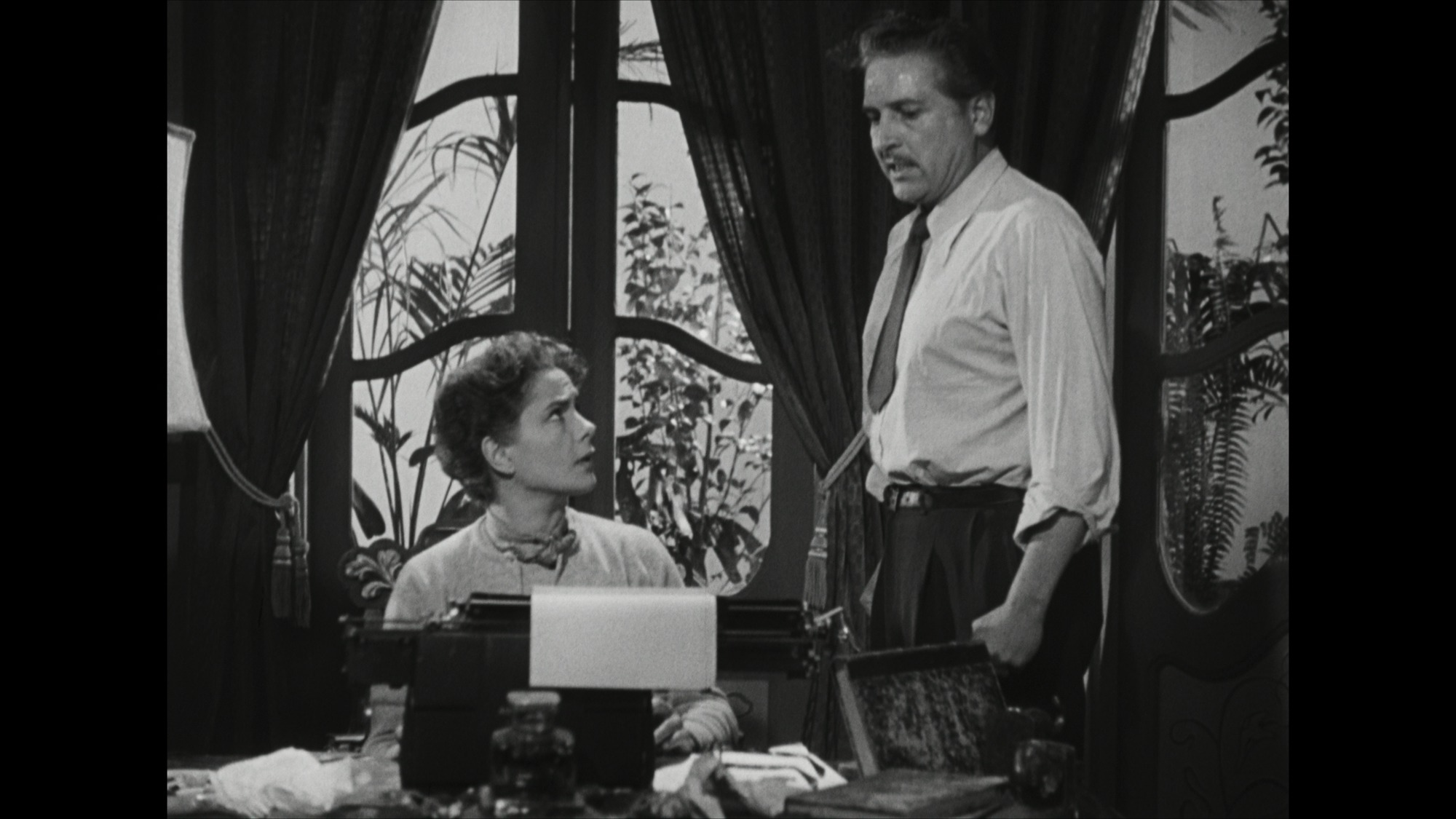
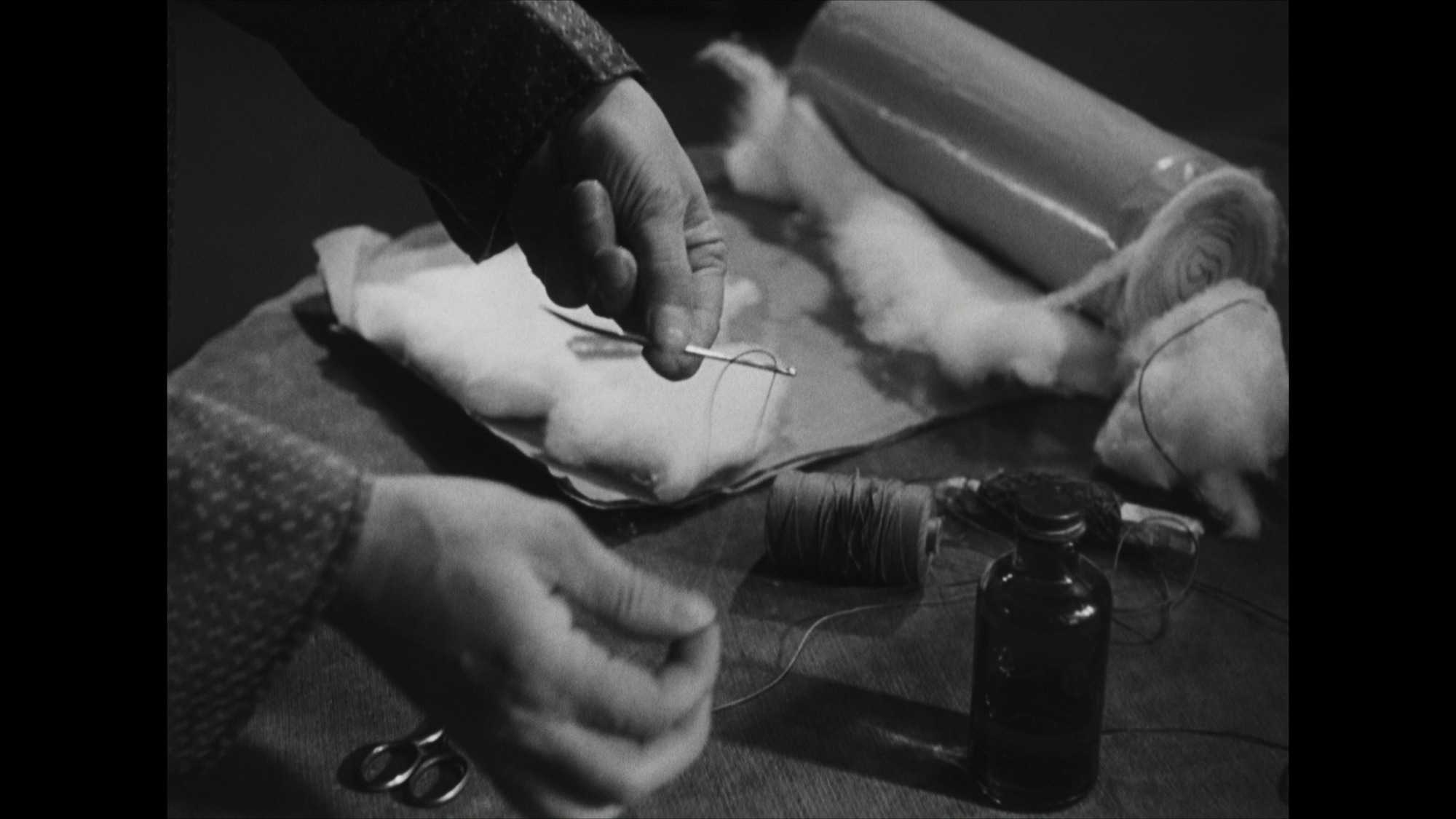
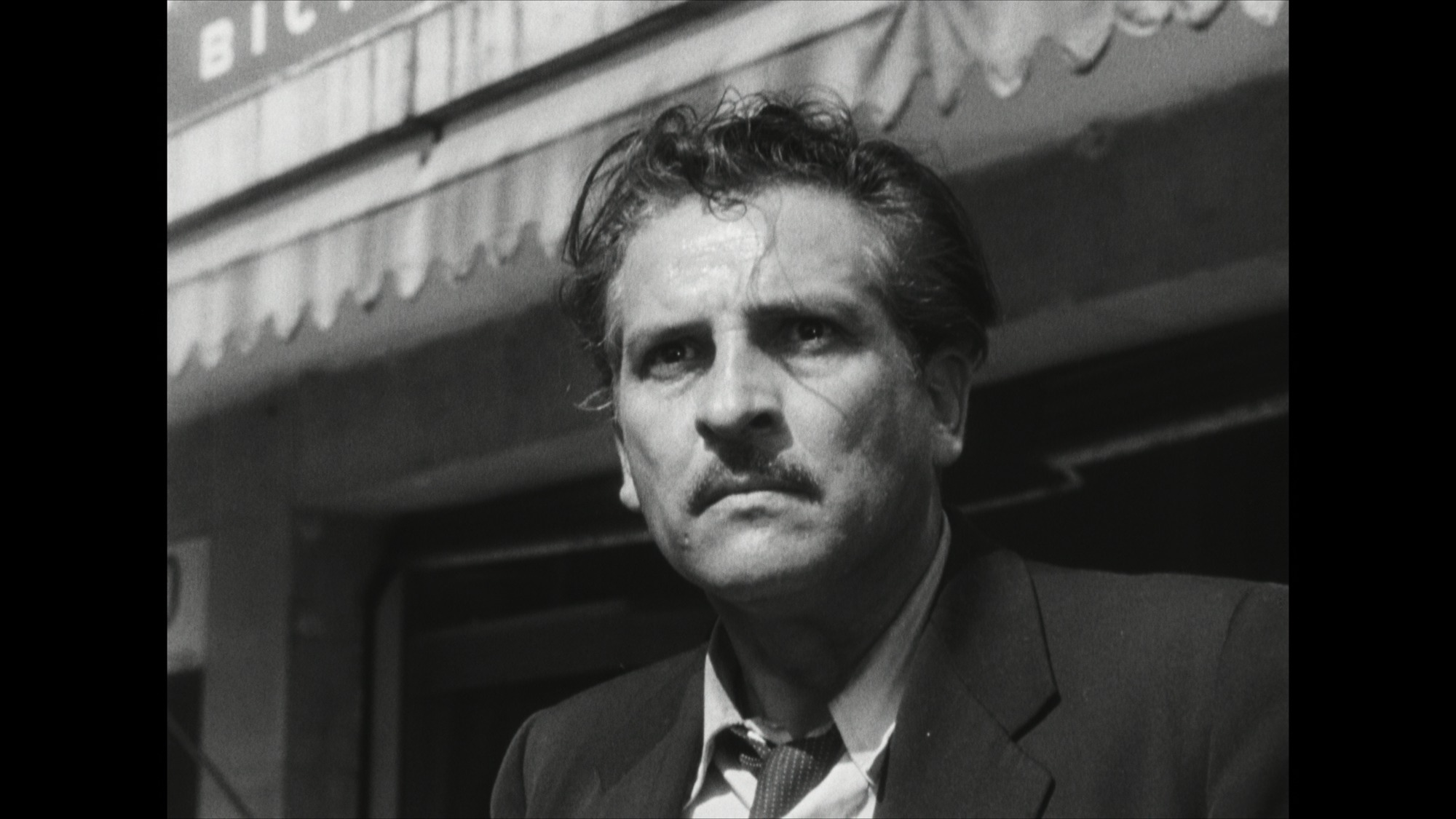
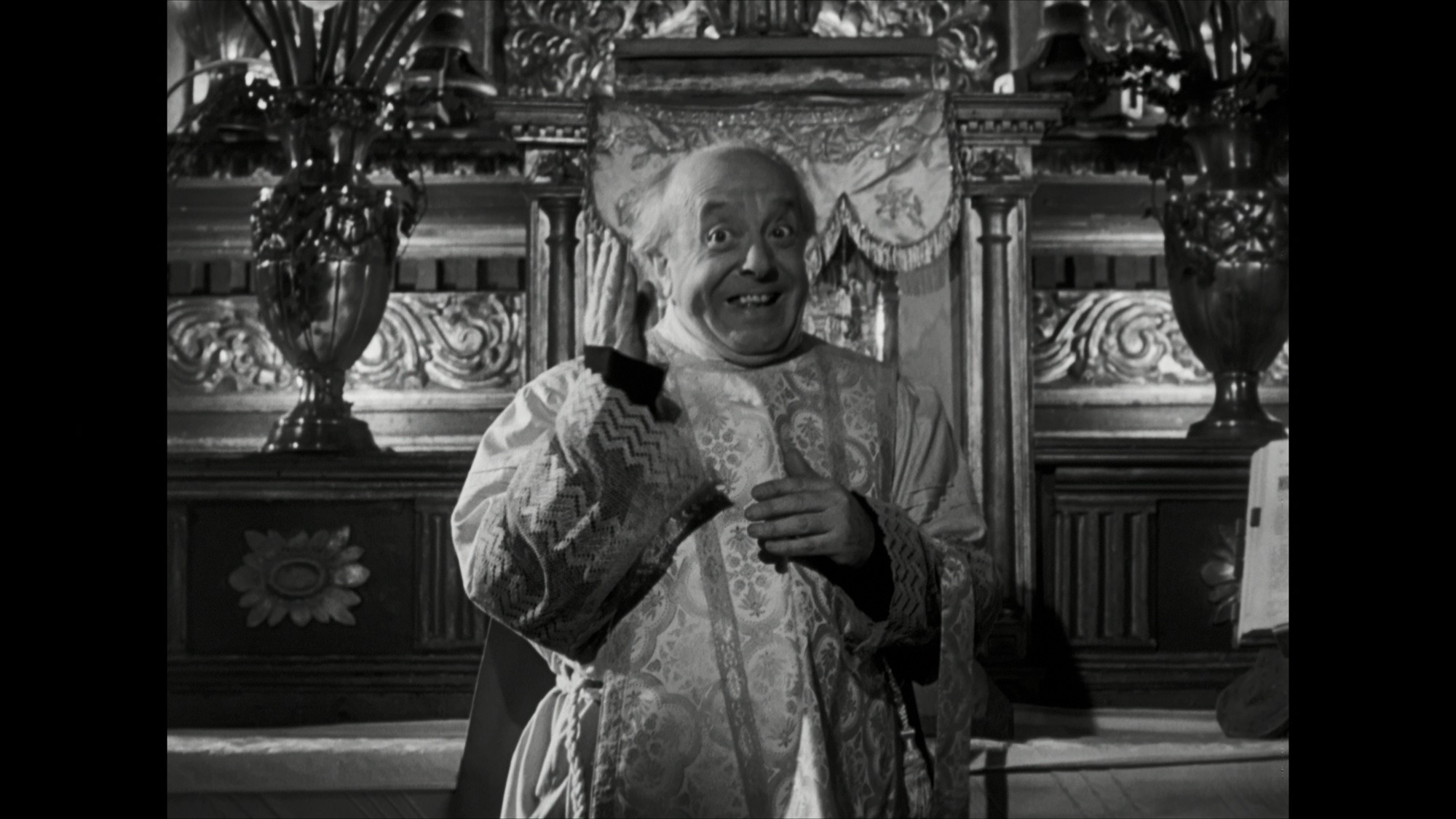
As with Shoeshine, I’ll preface this by saying I’m more than happy Criterion is so clearly committed to the 4K format, releasing most—if not all—of their titles on it, including Él. I would always rather have the option than not. That said, and to be honest, the 4K presentation here ultimately isn’t a dramatic leap over the standard high-definition presentation found on the Blu-ray. There is definitely a slight uptick in detail thanks to the increased resolution, and the overall presentation looks cleaner from a digital standpoint, supported by a very strong encode (though the Blu-ray itself is no slouch). There’s a touch more of a filmic texture as well, aided by subtly improved contrast and more naturally rendered grain. From that perspective, it looks quite good.
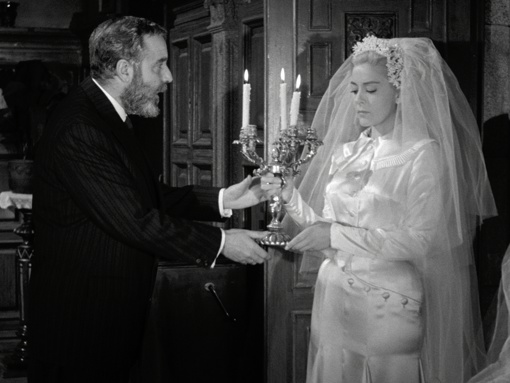
Ultimately, though, the source materials place clear limitations on the presentation. It’s evident that a tremendous amount of work went into the restoration (and I do mean a lot), but there’s only so much that can be done when the surviving elements aren’t in ideal condition. Working from a 35mm duplicate positive (and possibly additional elements, though the restoration notes don’t specify), the image can at times take on a slightly fuzzy appearance, with occasional instability (including frame shifts) and minor fluctuations. Contrast is generally strong, yet some scenes exhibit a narrower grayscale range, resulting in a flatter look. Black levels are often solid, with respectable shadow detail in darker passages, but in other moments they can appear somewhat milky. Impressively, overt damage is minimal with just a few stray marks here and there, but the image can shift or waver slightly, or even wildly, at times.
Still, considering what the restoration team likely had to work with, the results are still impressive enough. I have little doubt the film has never looked better on home video. It’s just that when directly comparing the 4K to the Blu-ray, the inherent limitations of the materials cap how much the added resolution can truly accomplish. The 4K does look better overall, but the improvement is incremental rather than significant.
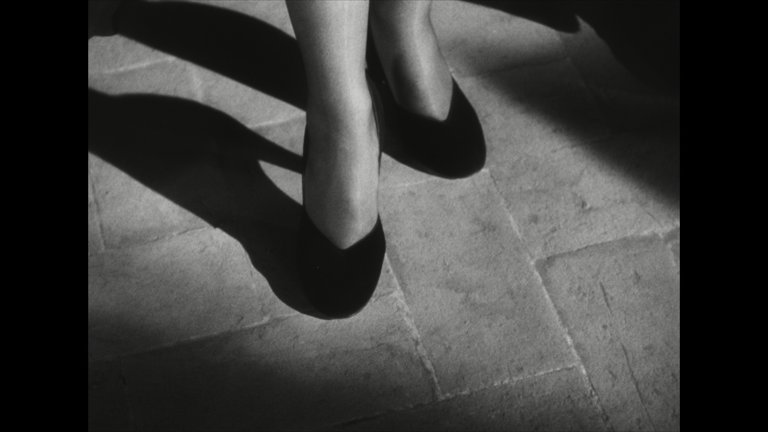
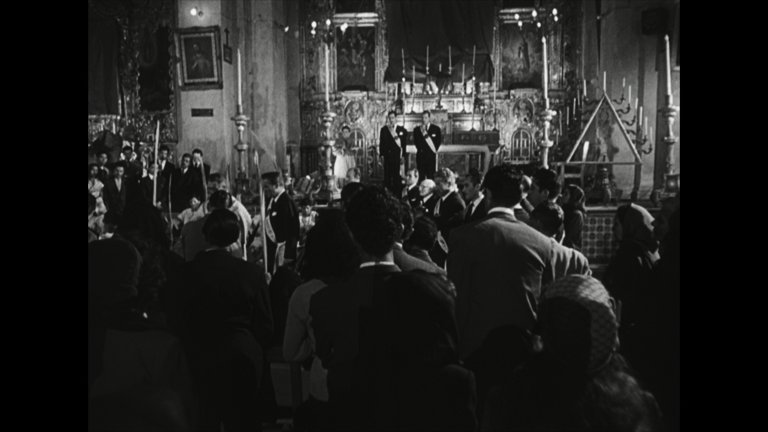
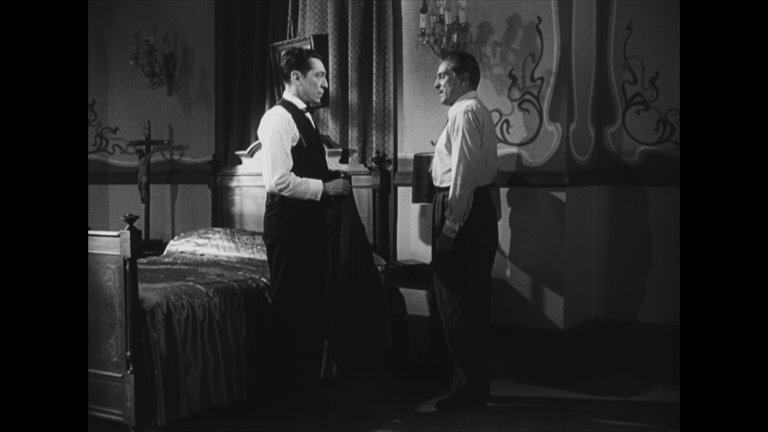
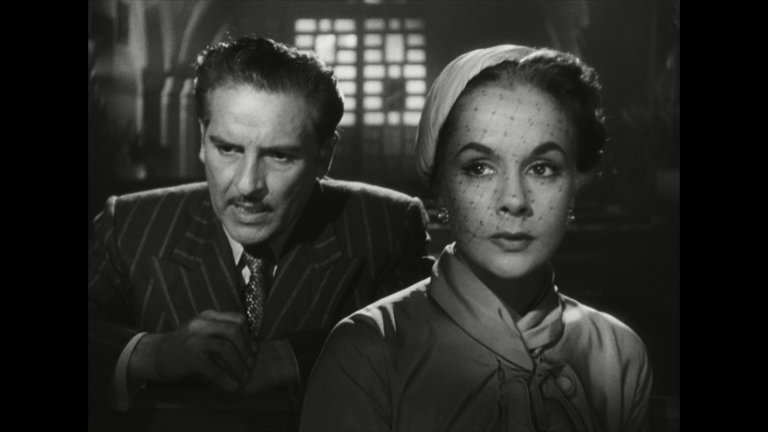
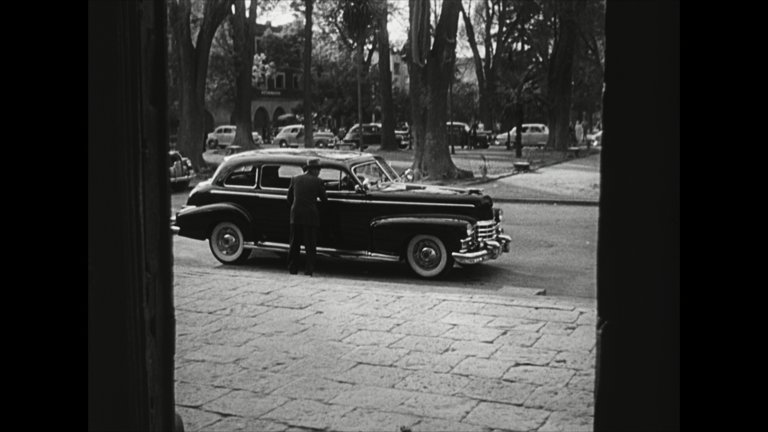
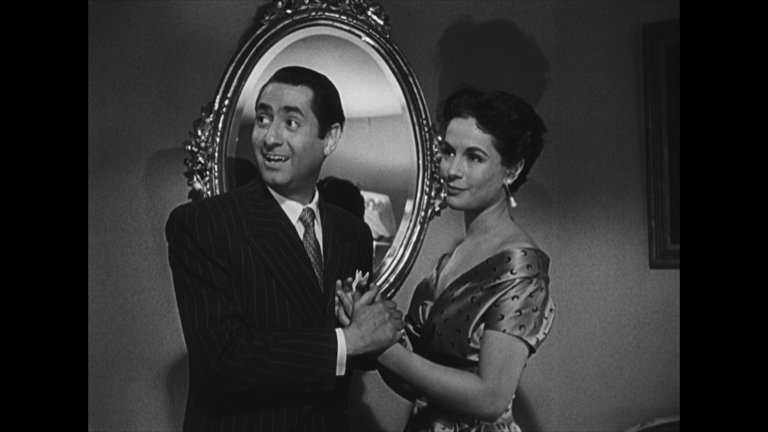
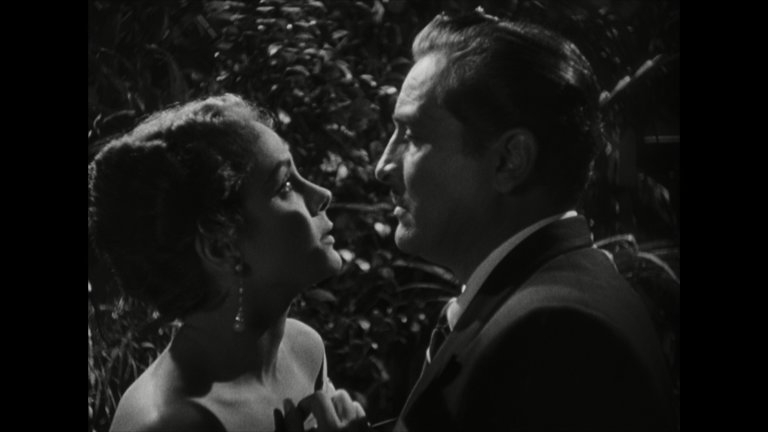
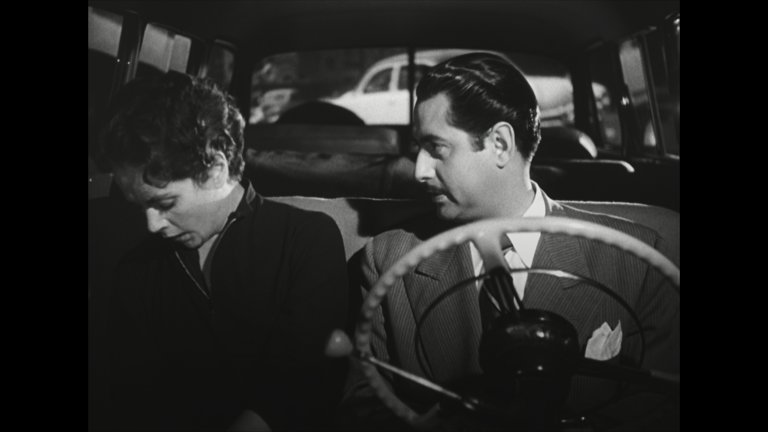
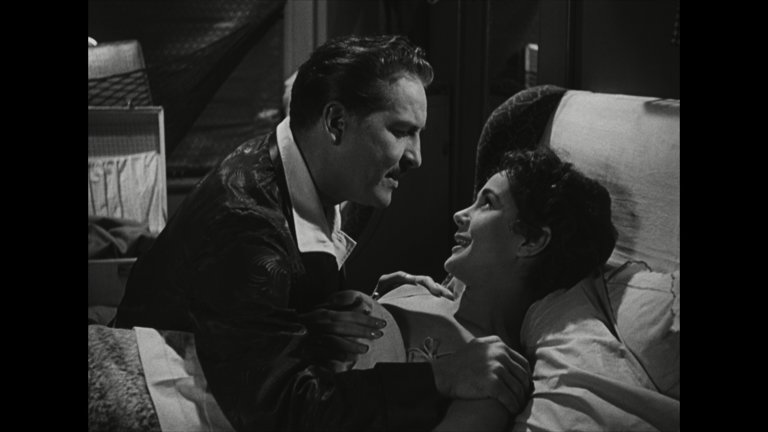
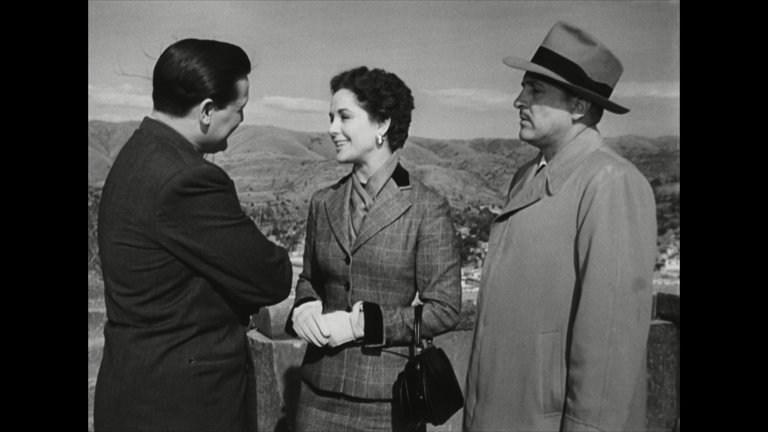
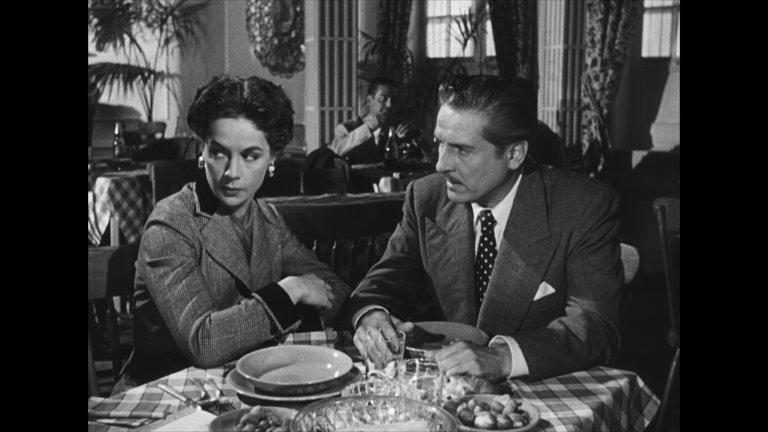
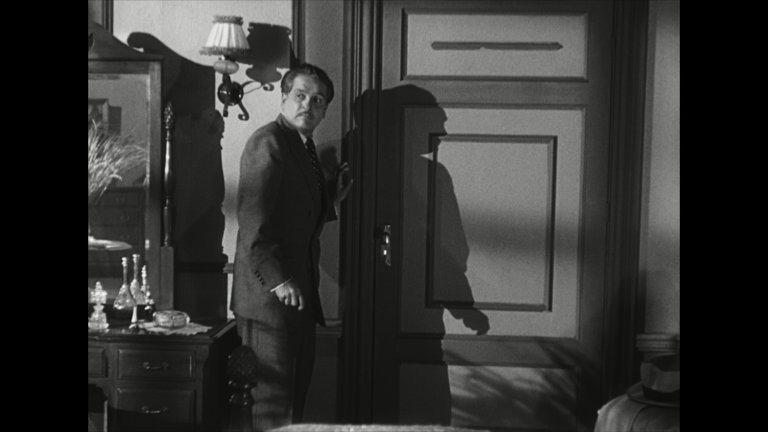
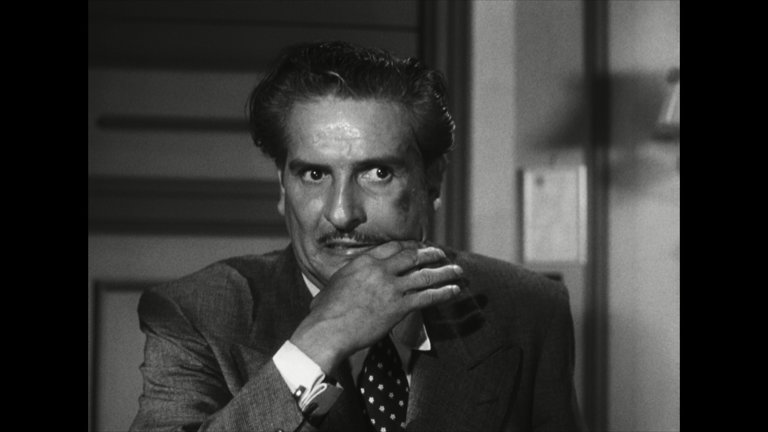
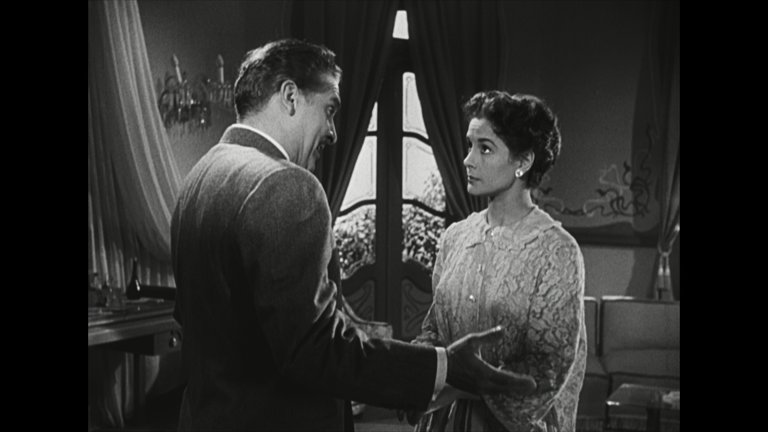
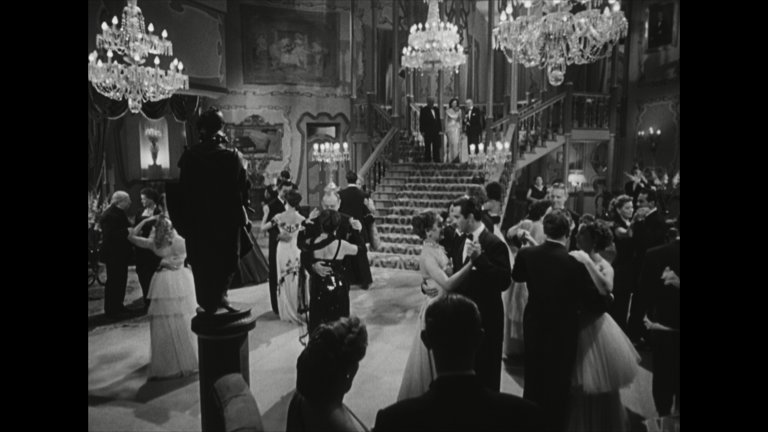
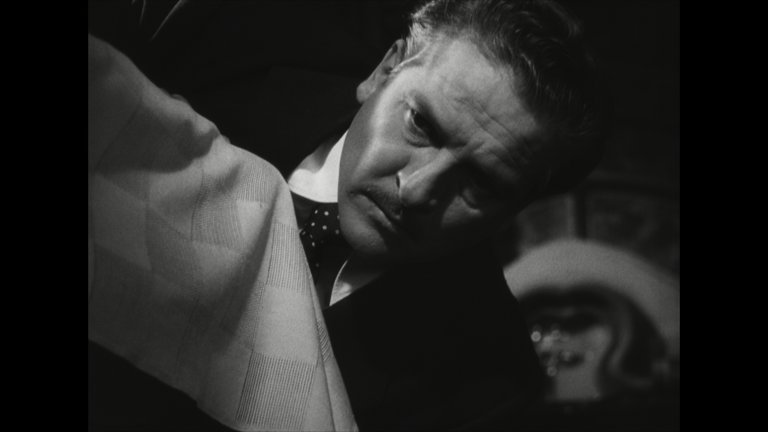
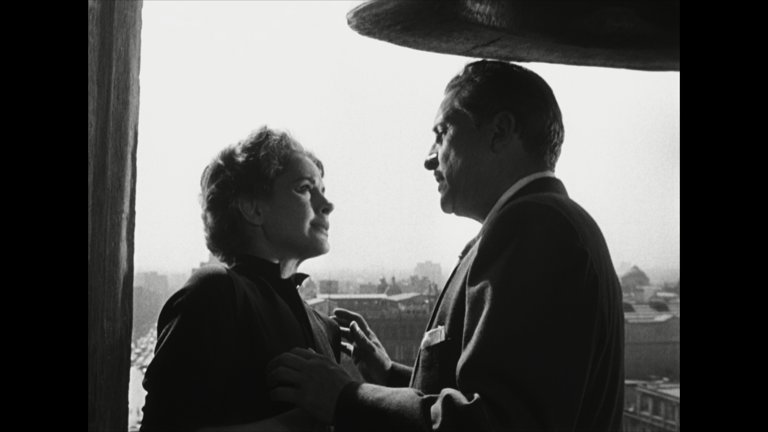
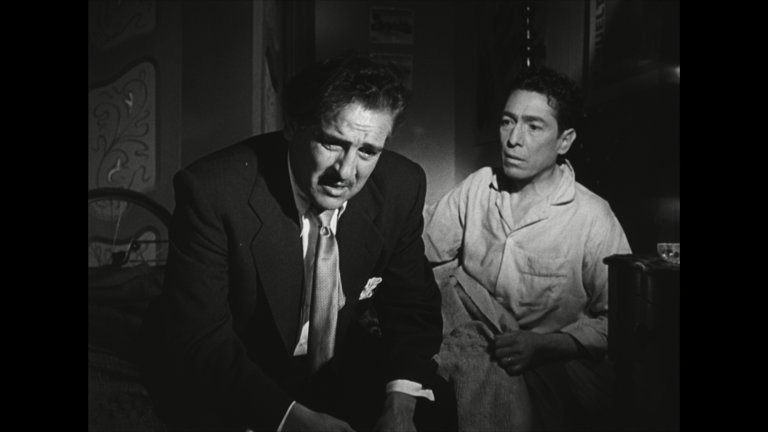
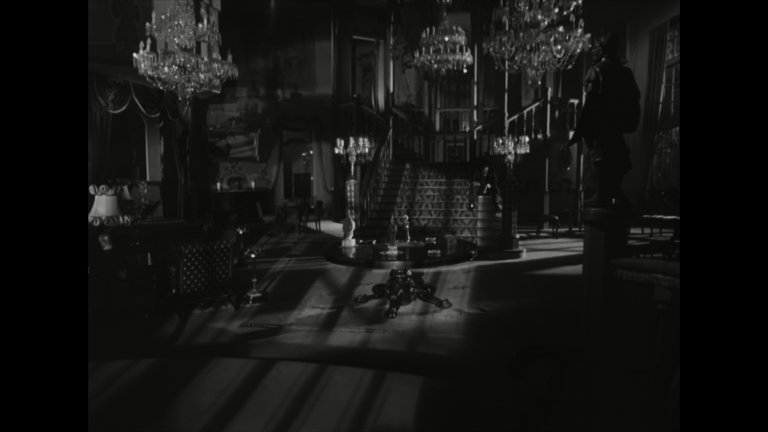
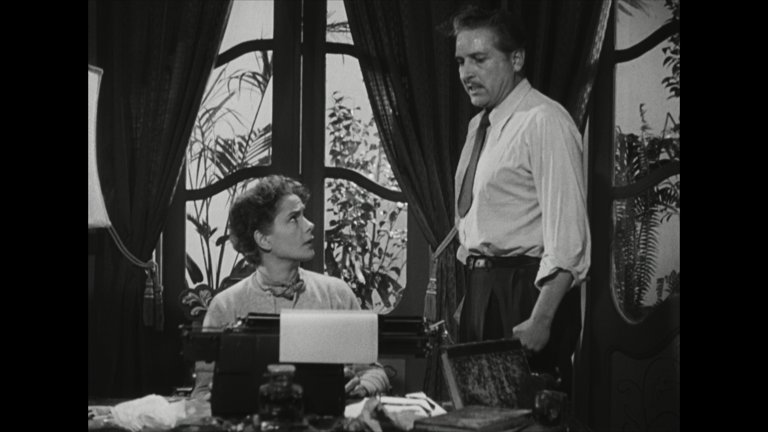
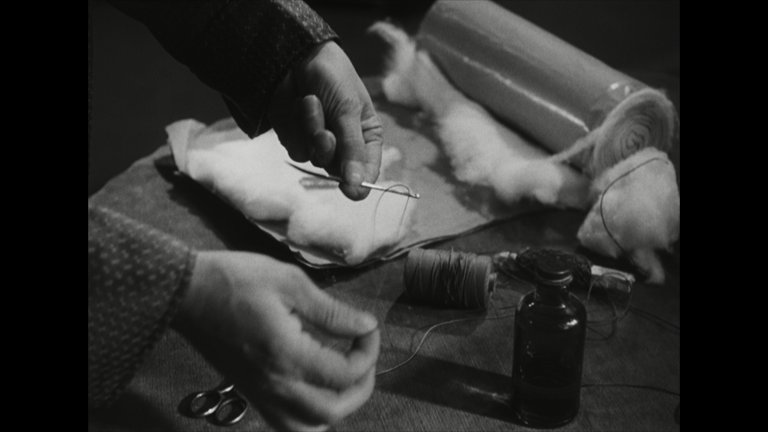
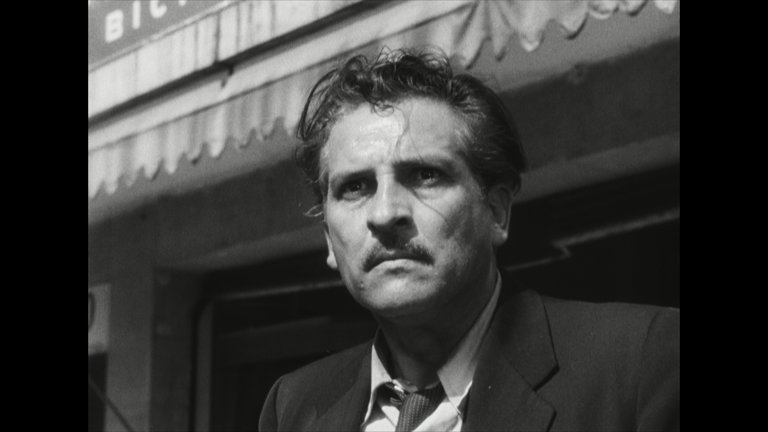
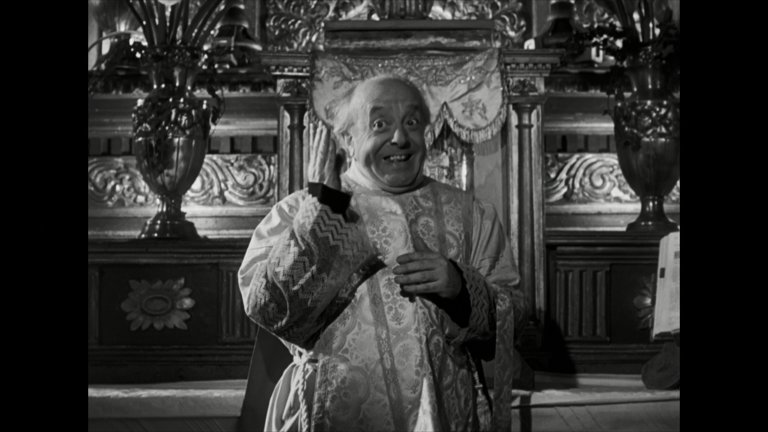
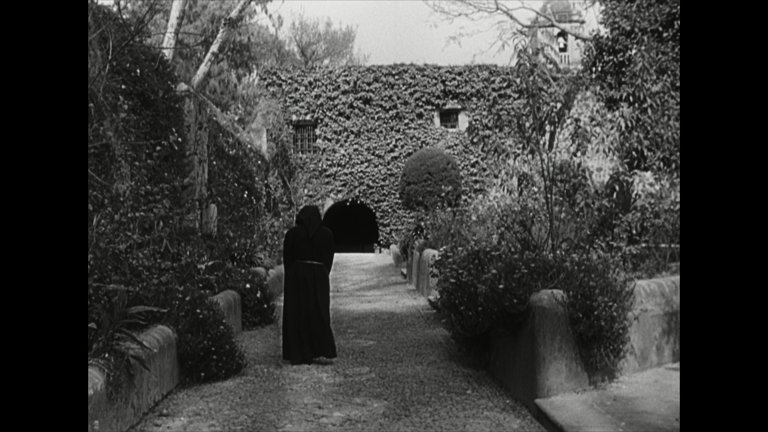
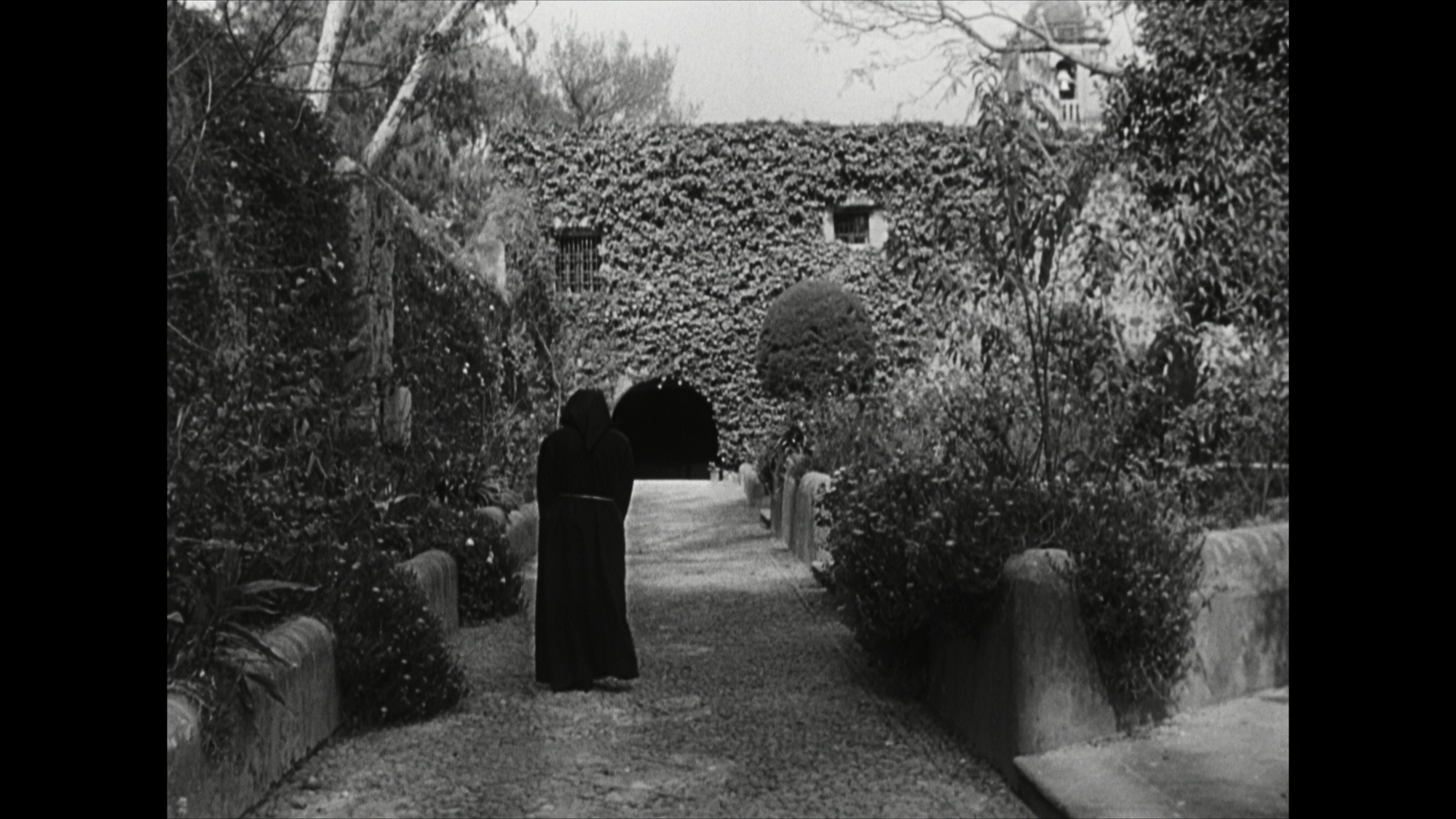
Él - Screen Captures
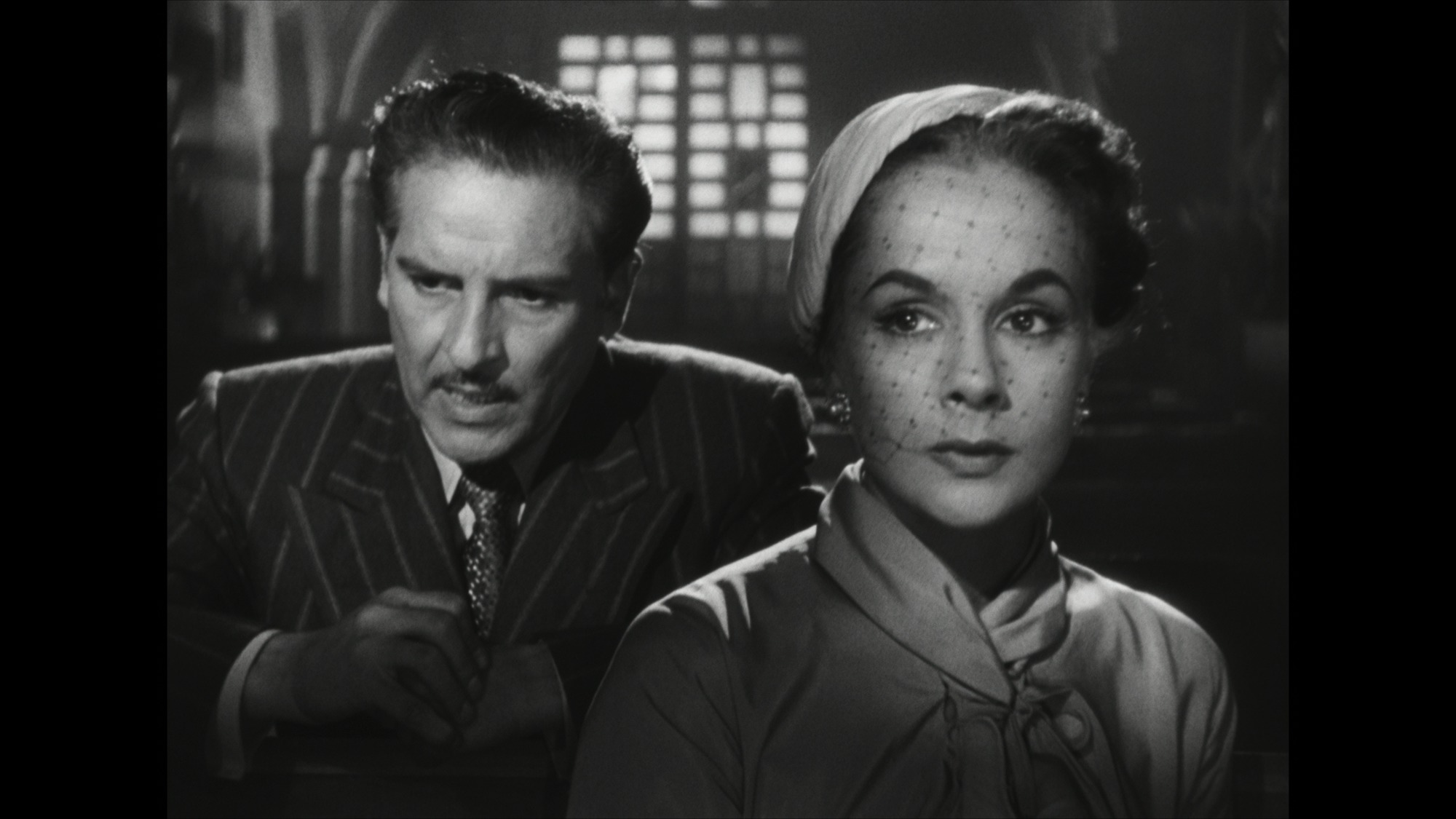
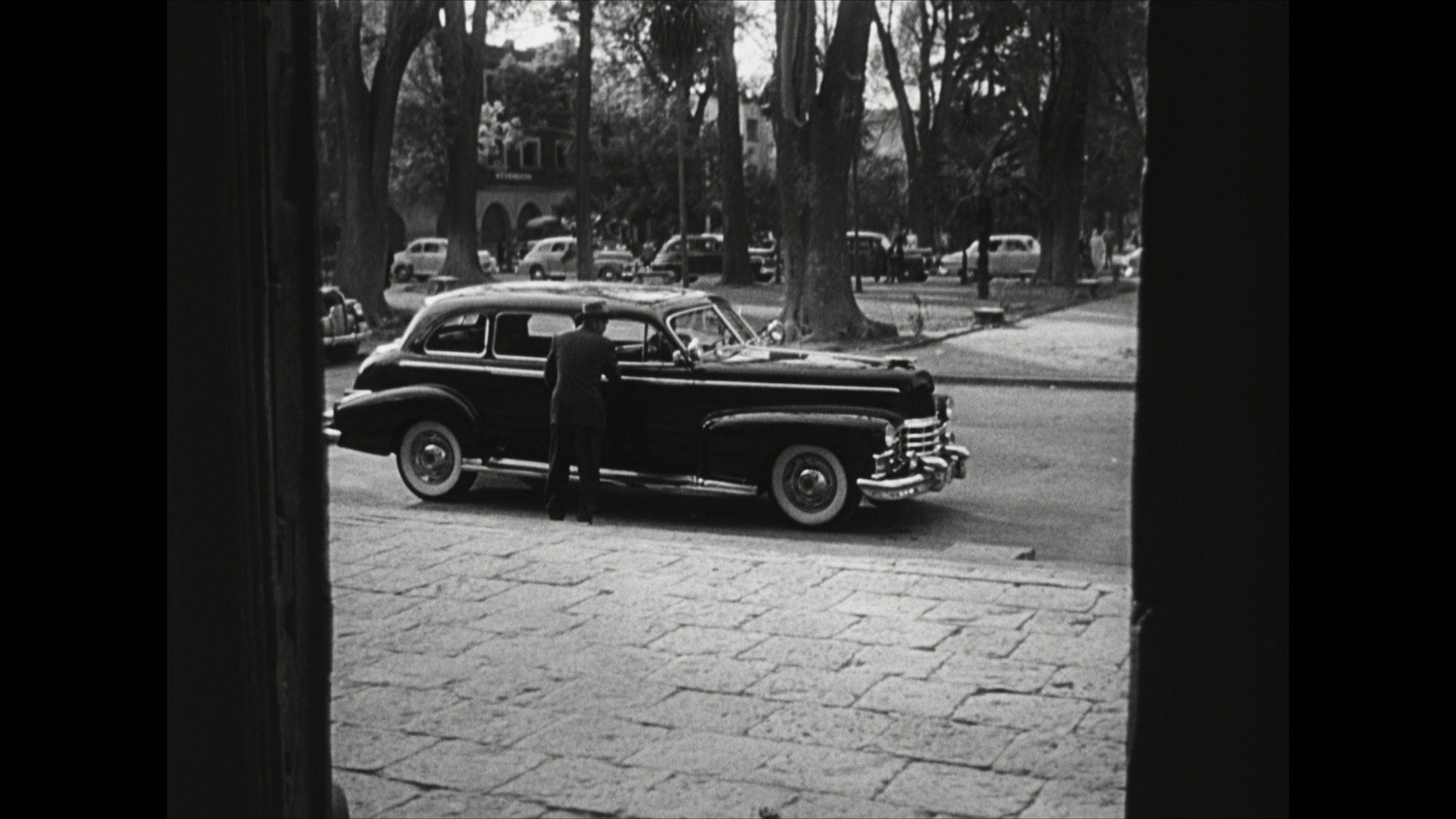
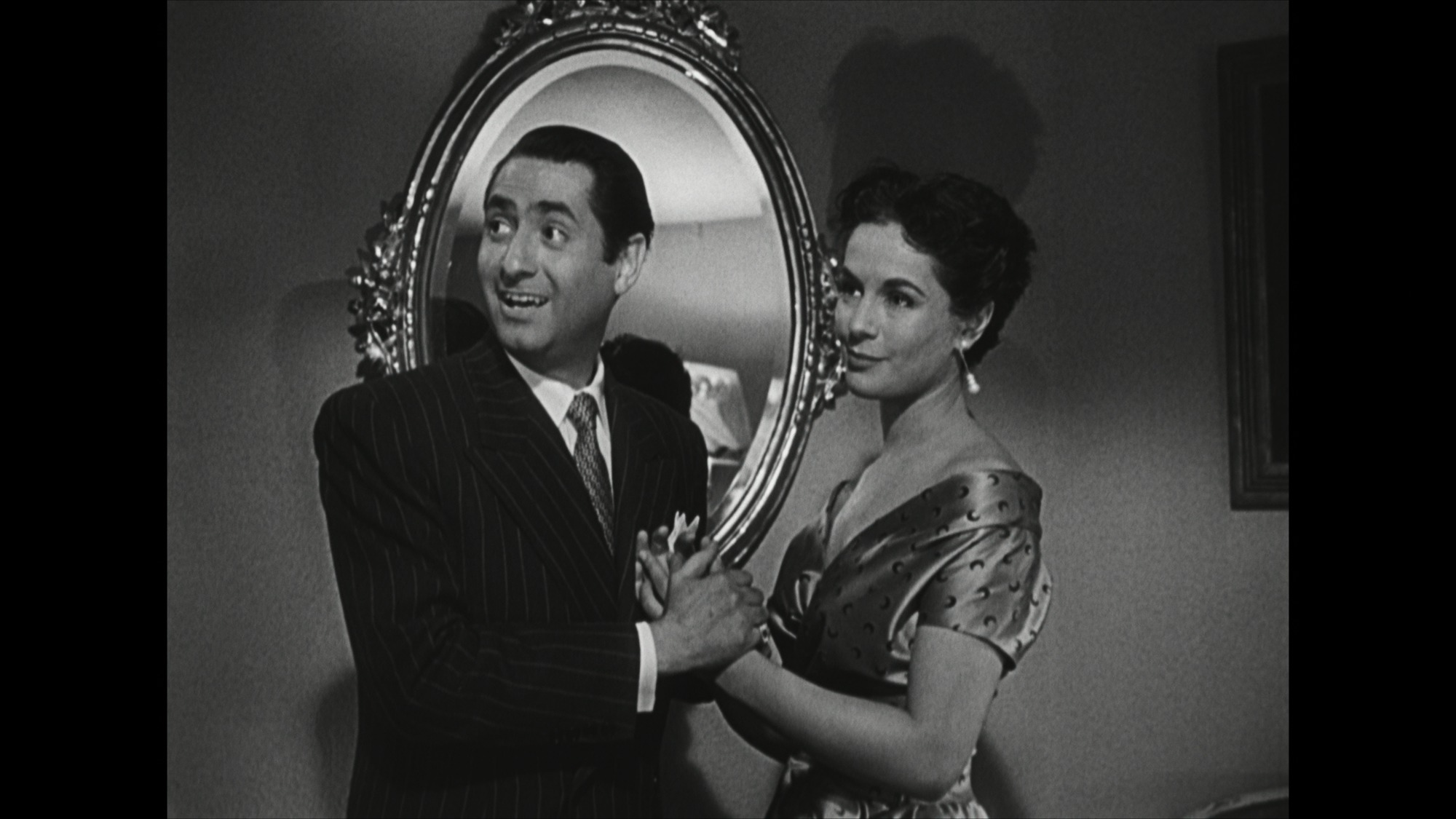
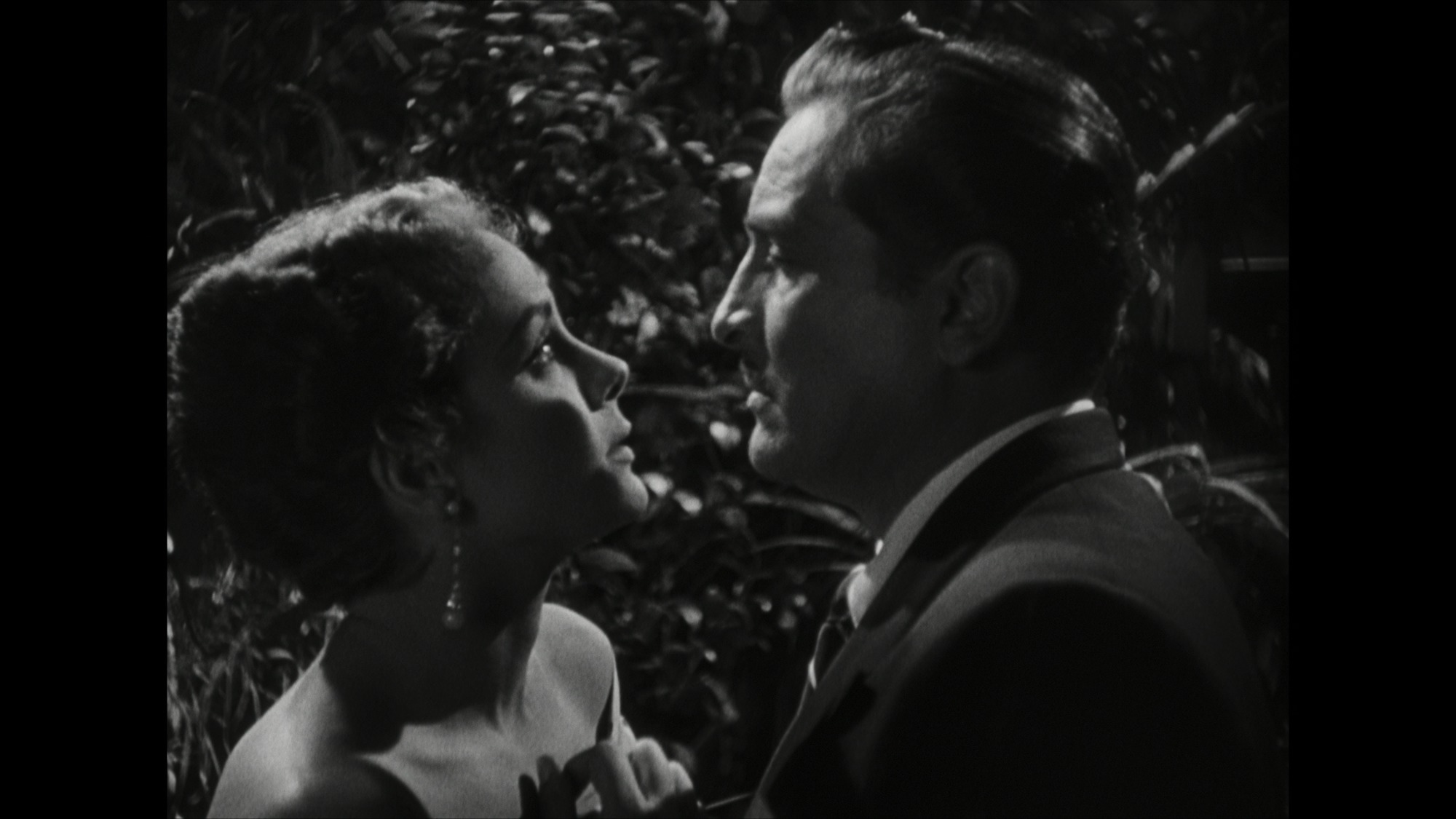
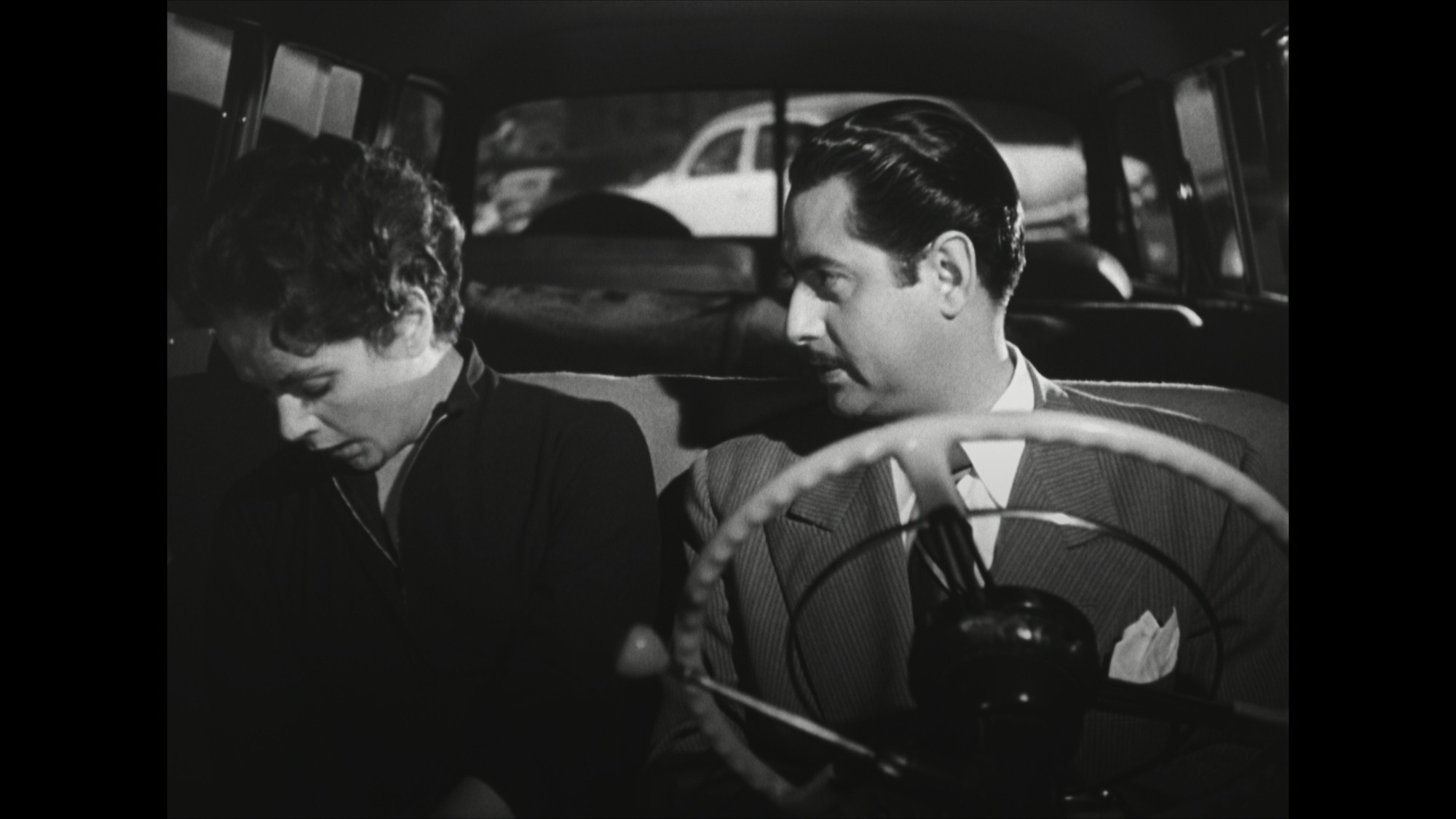
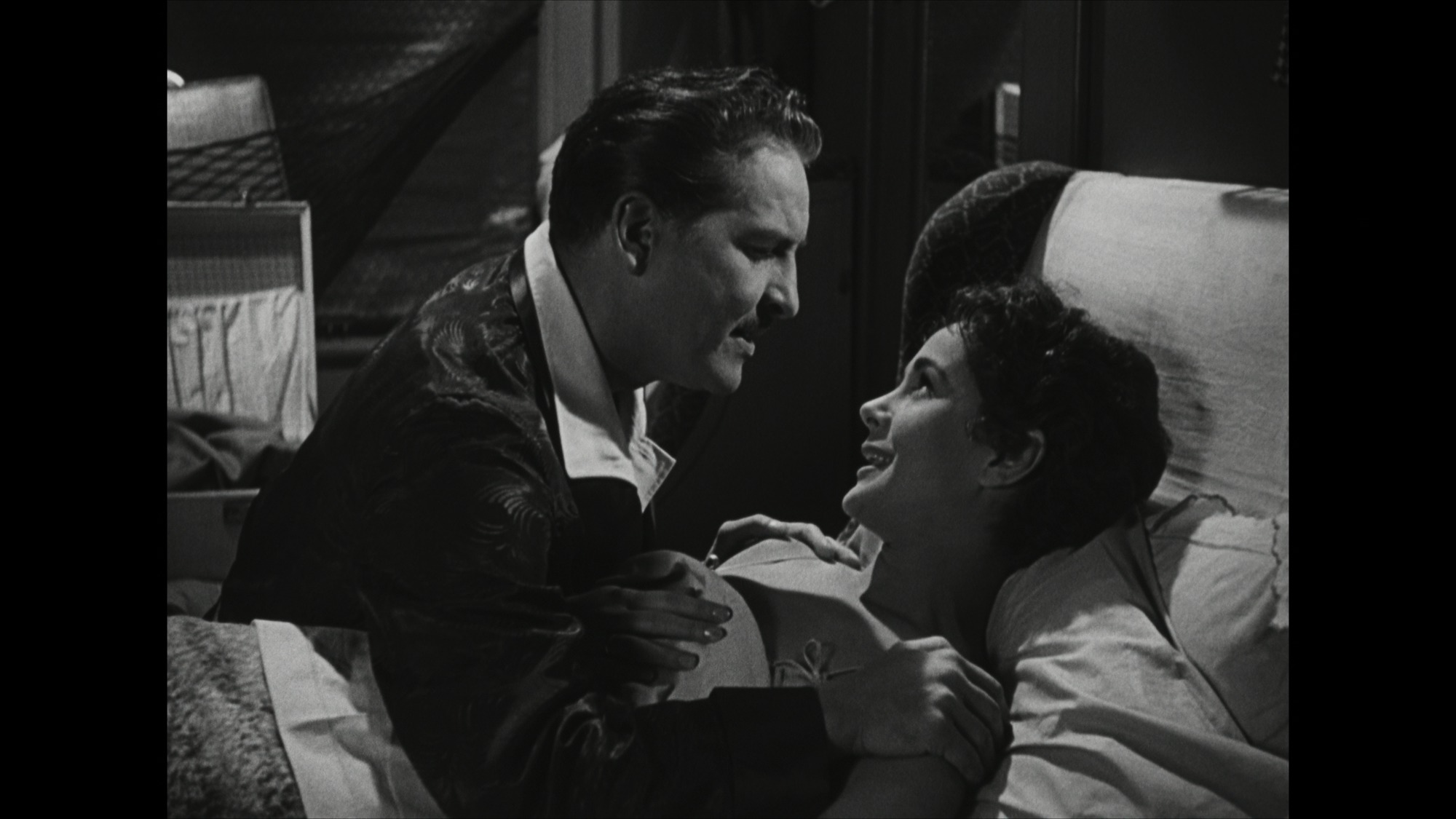
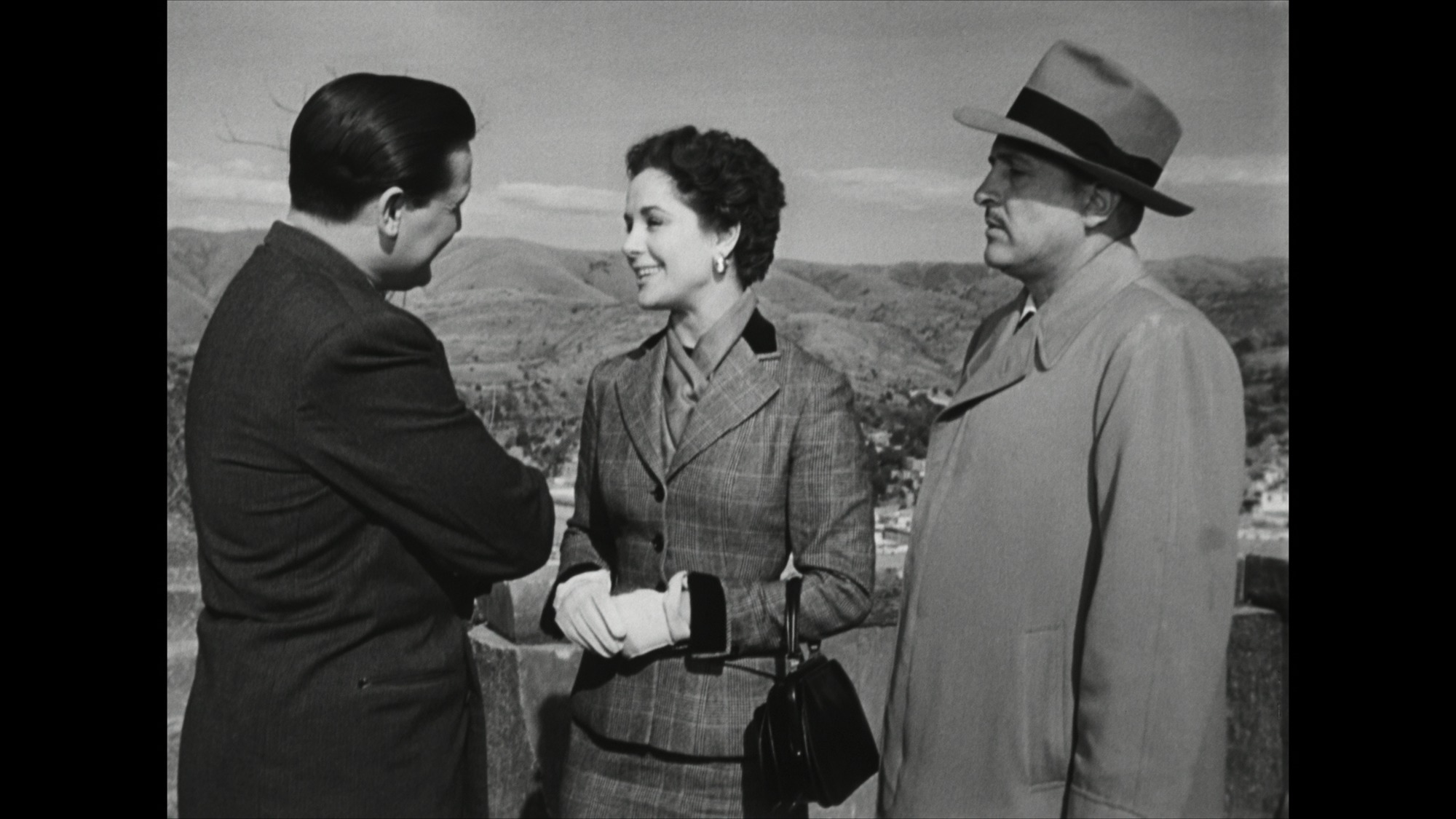
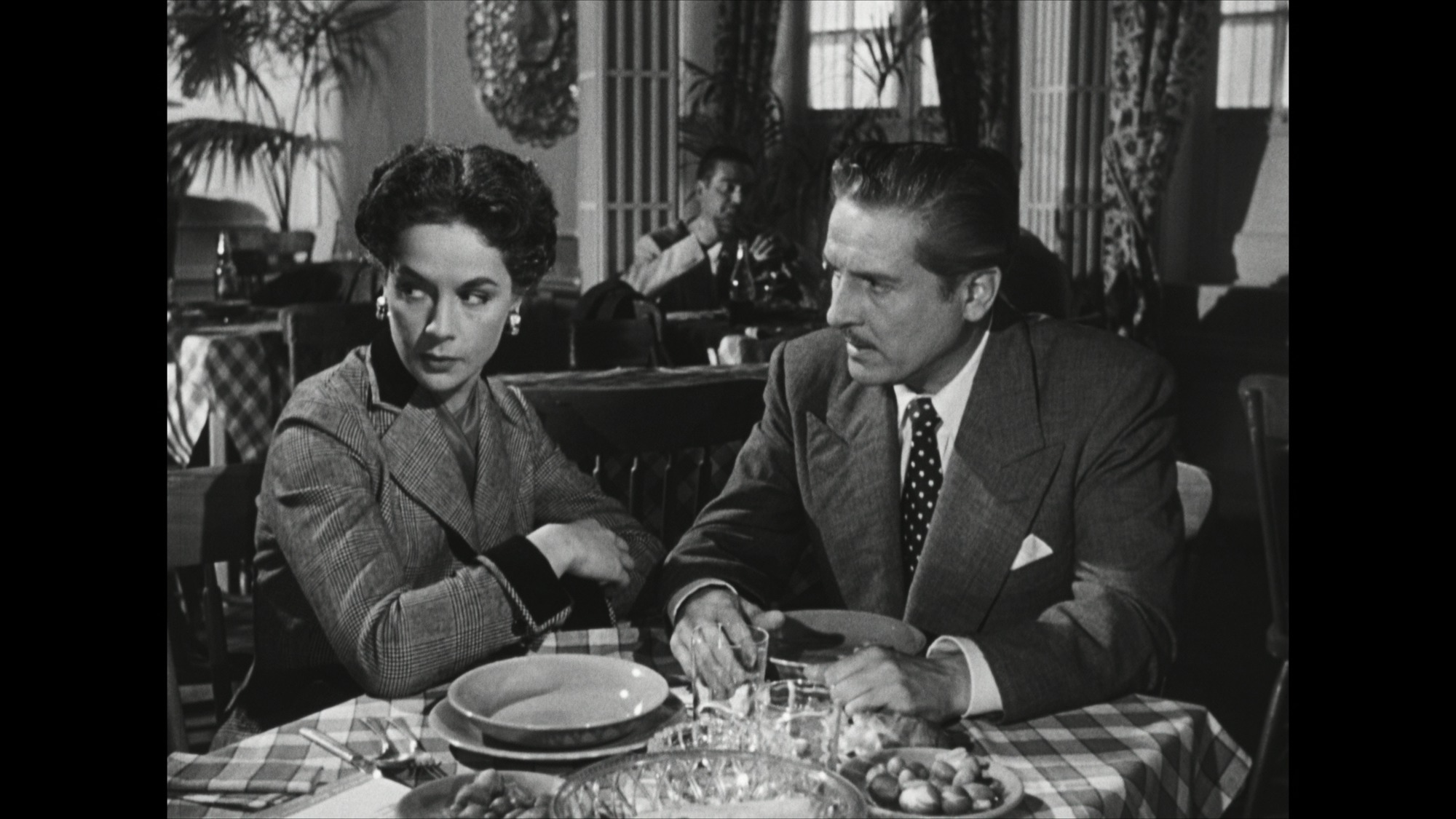
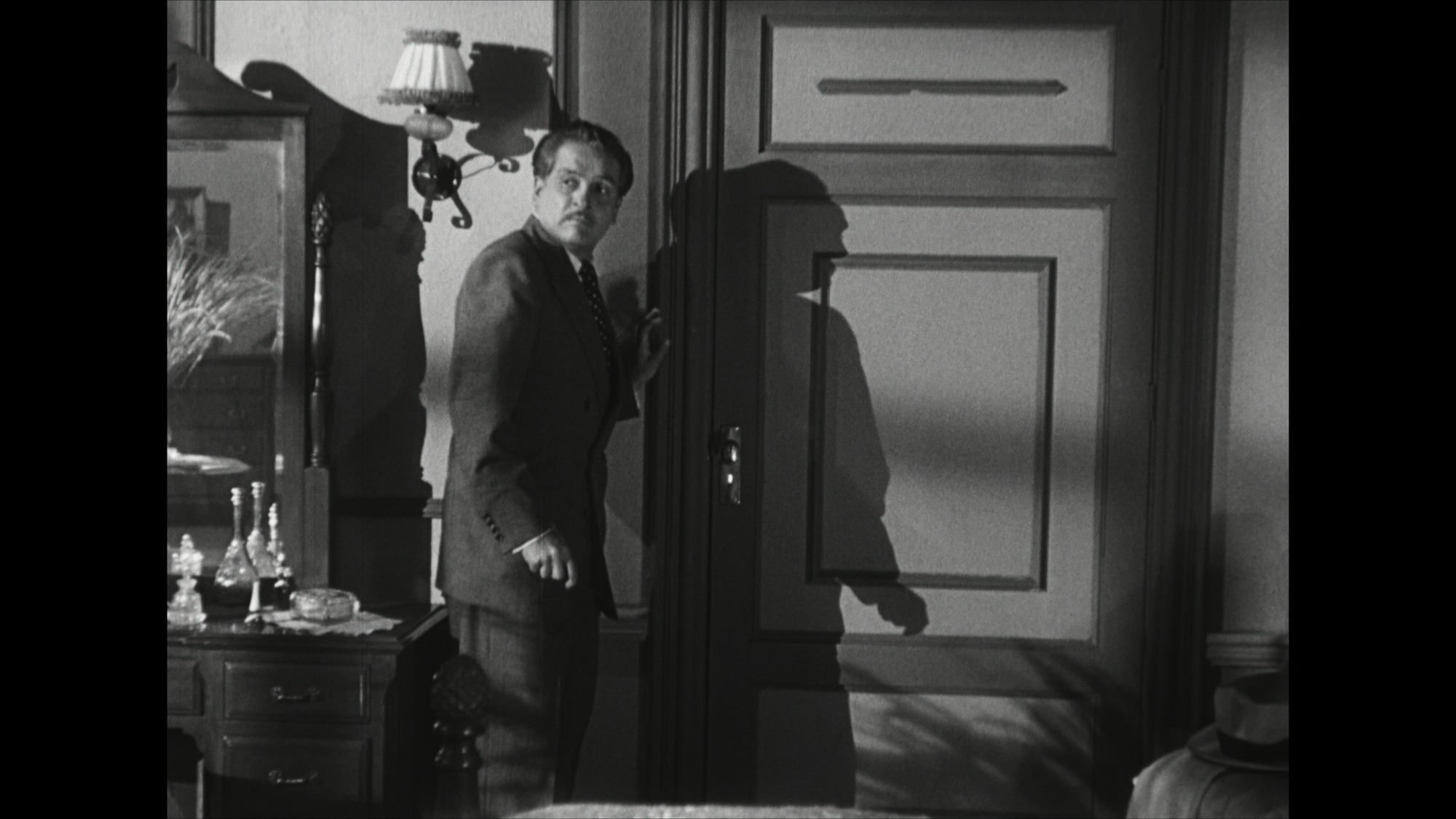
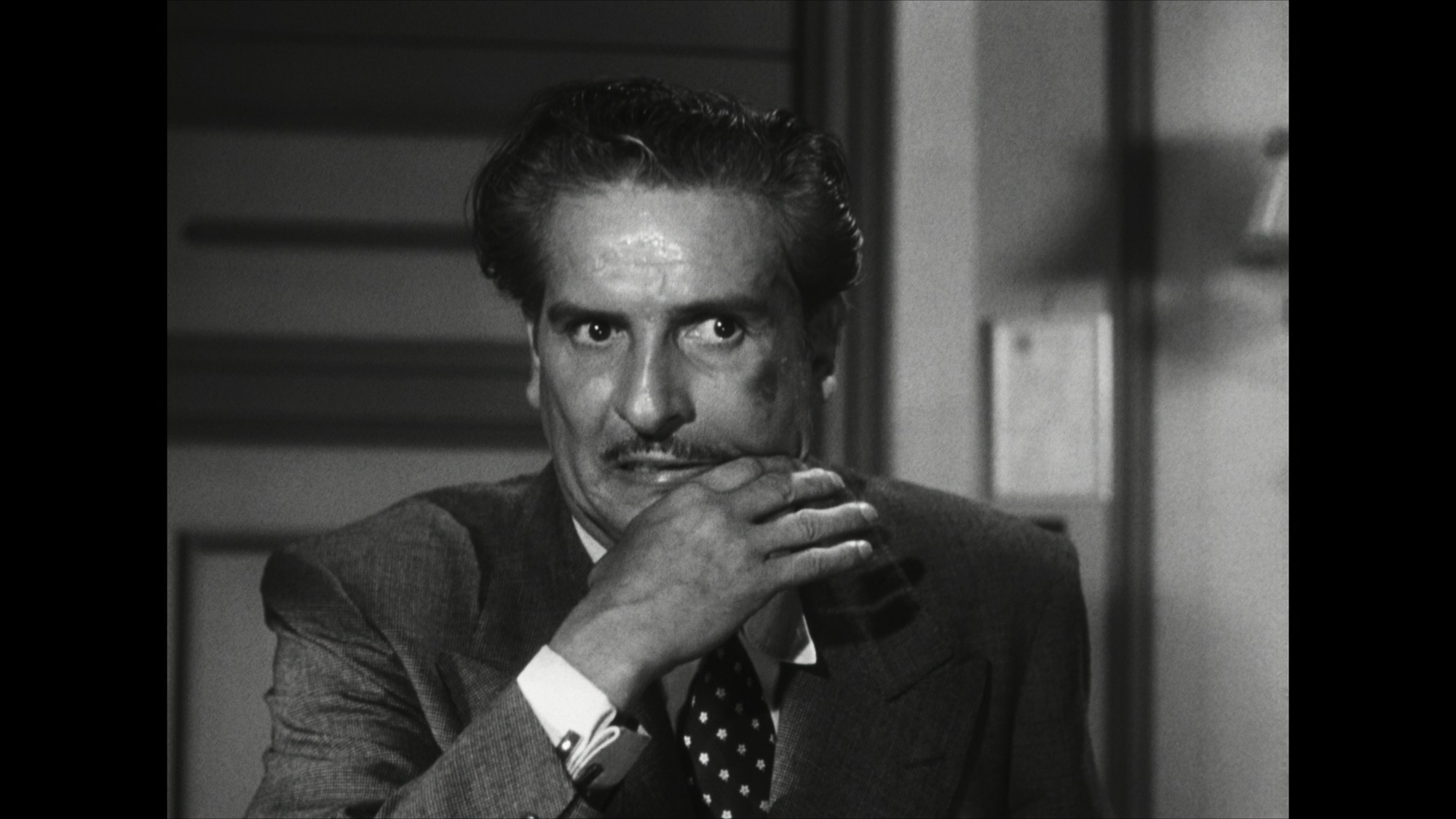
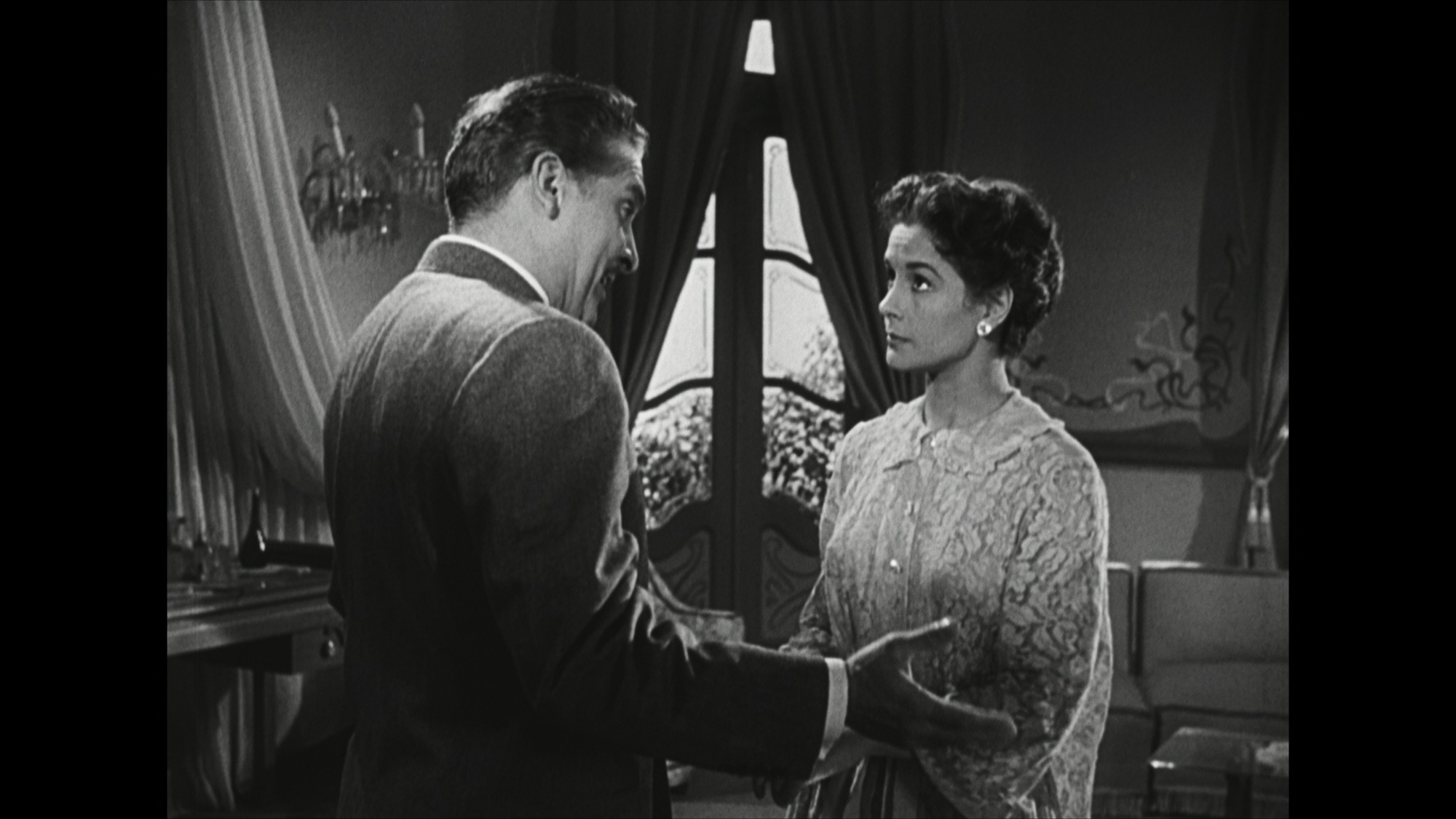
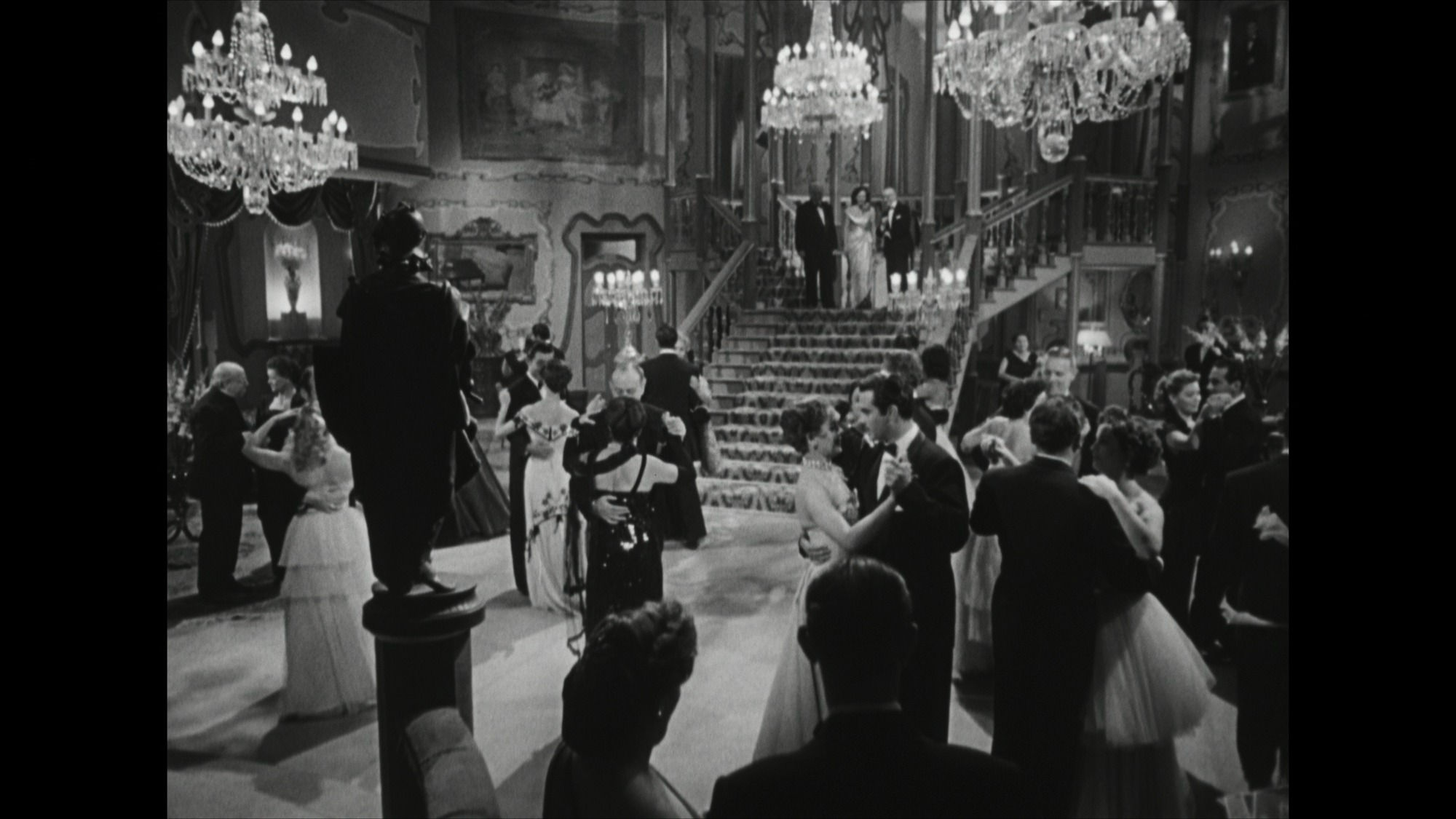
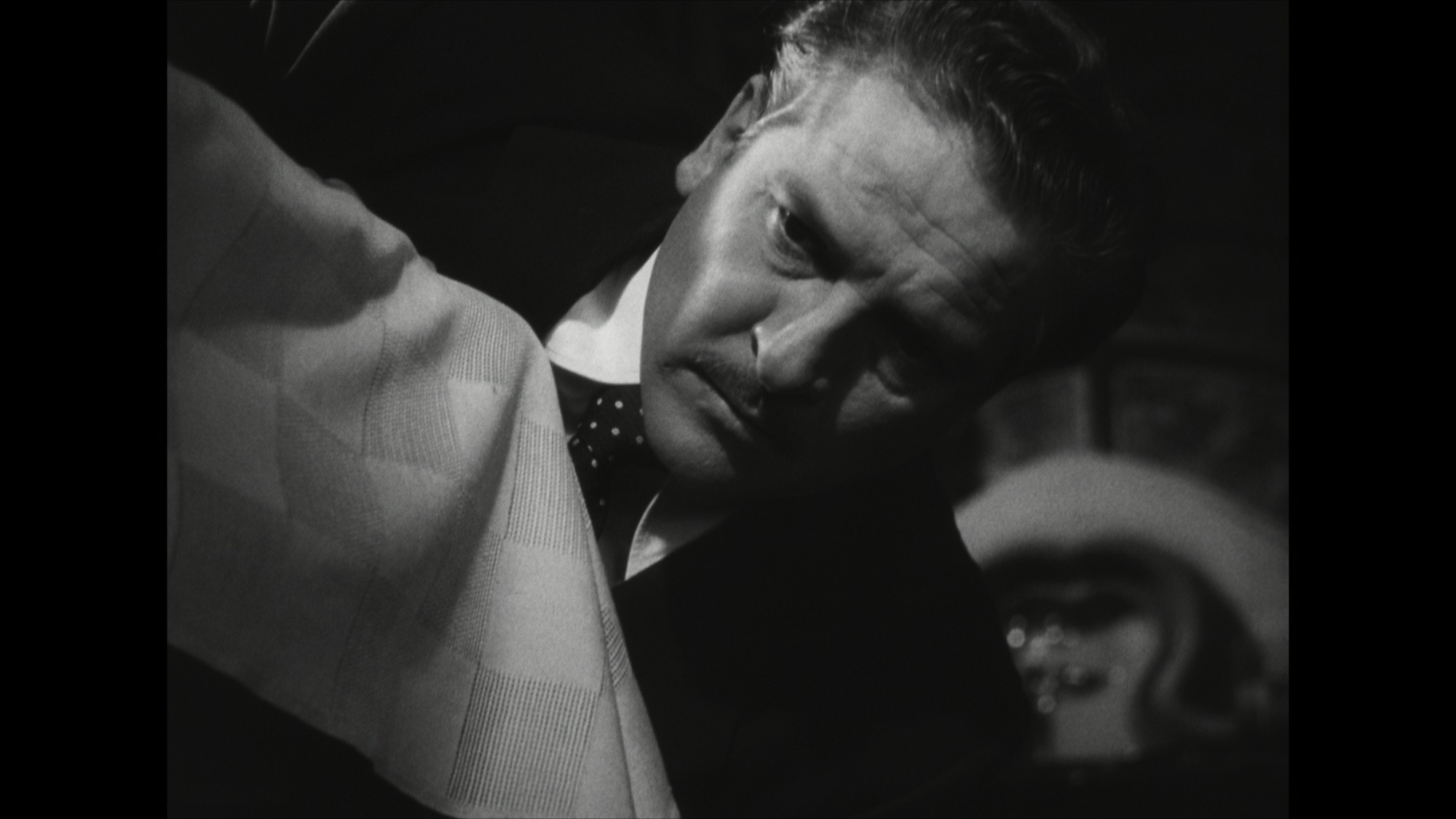
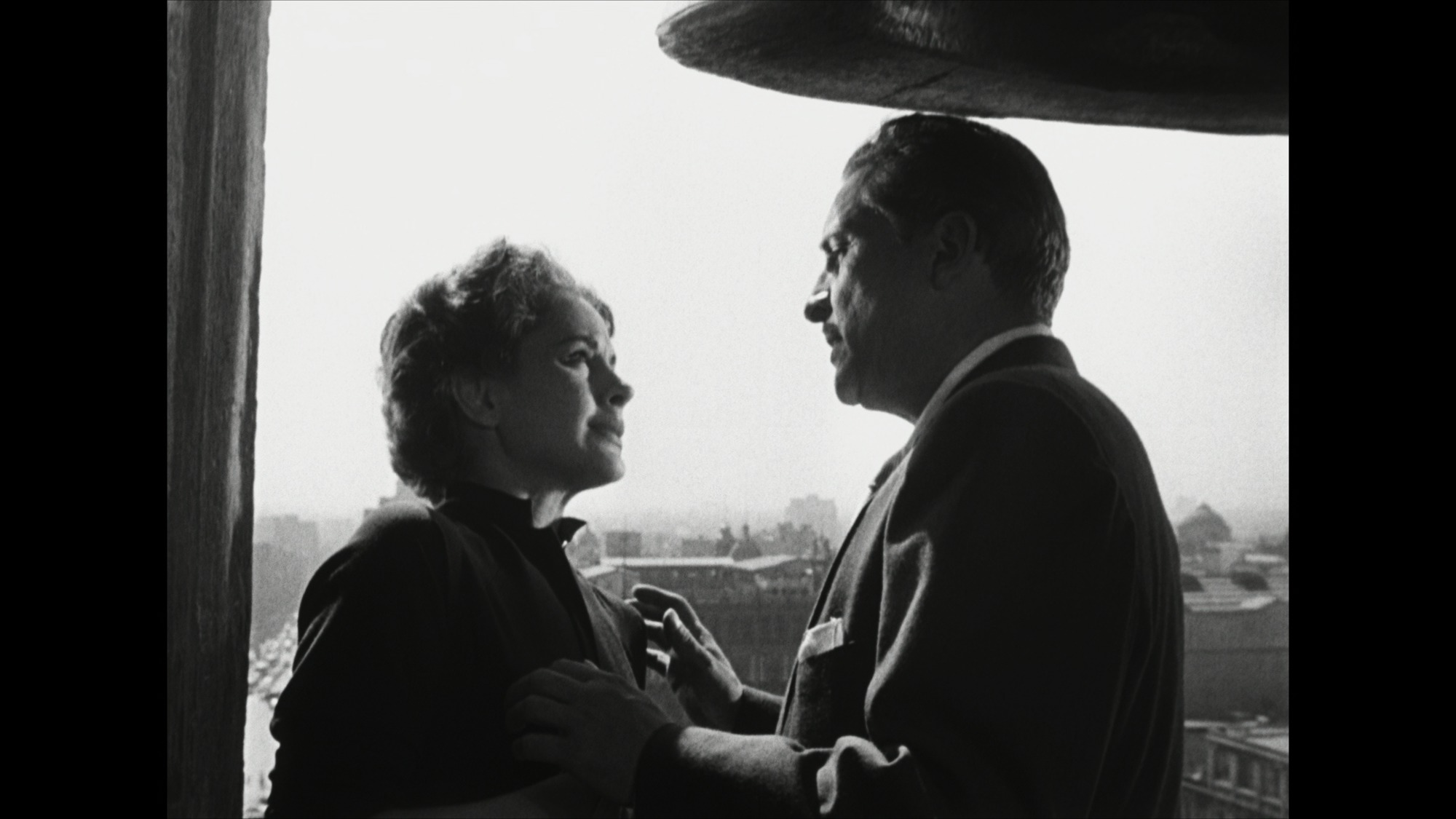
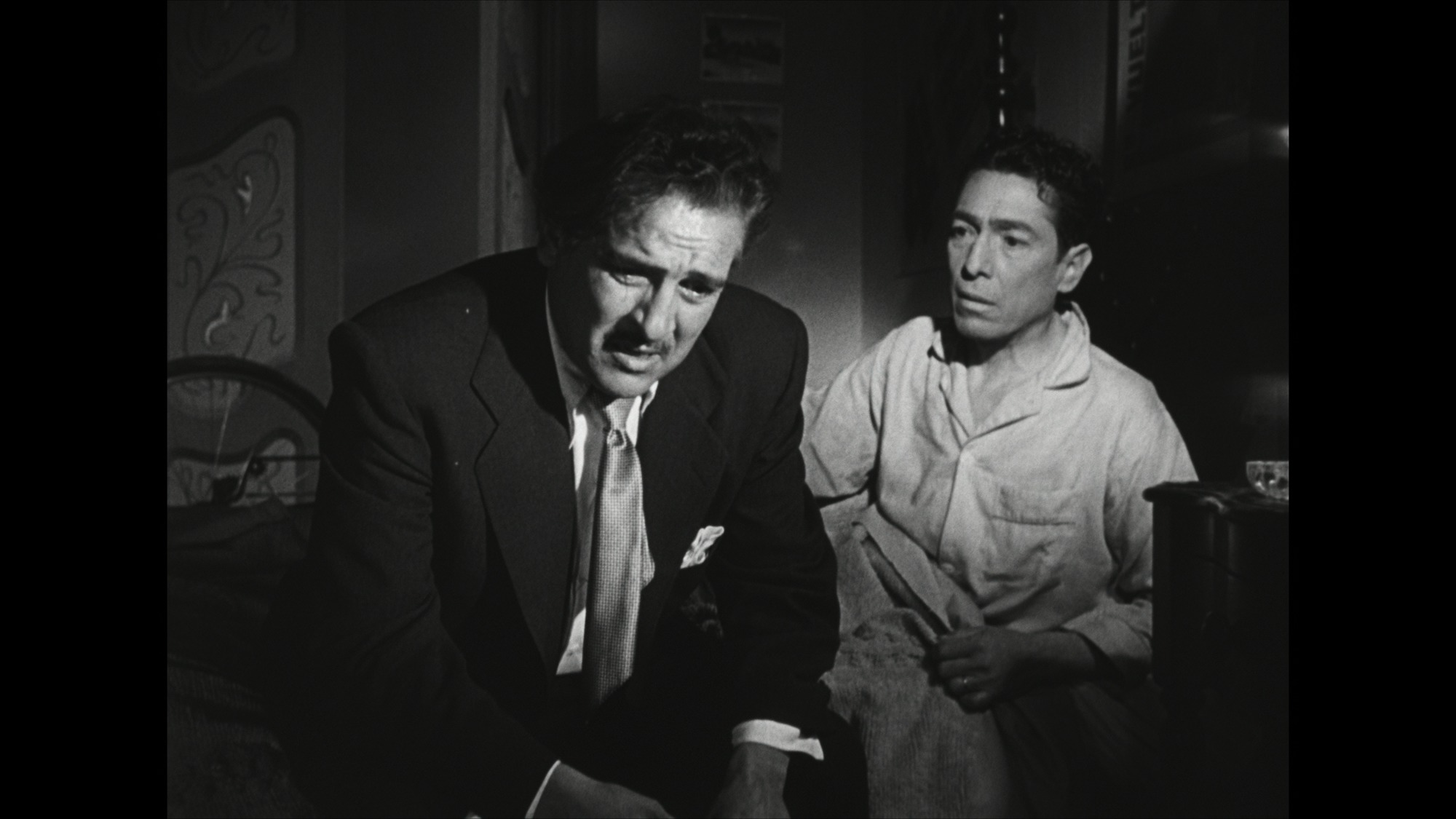
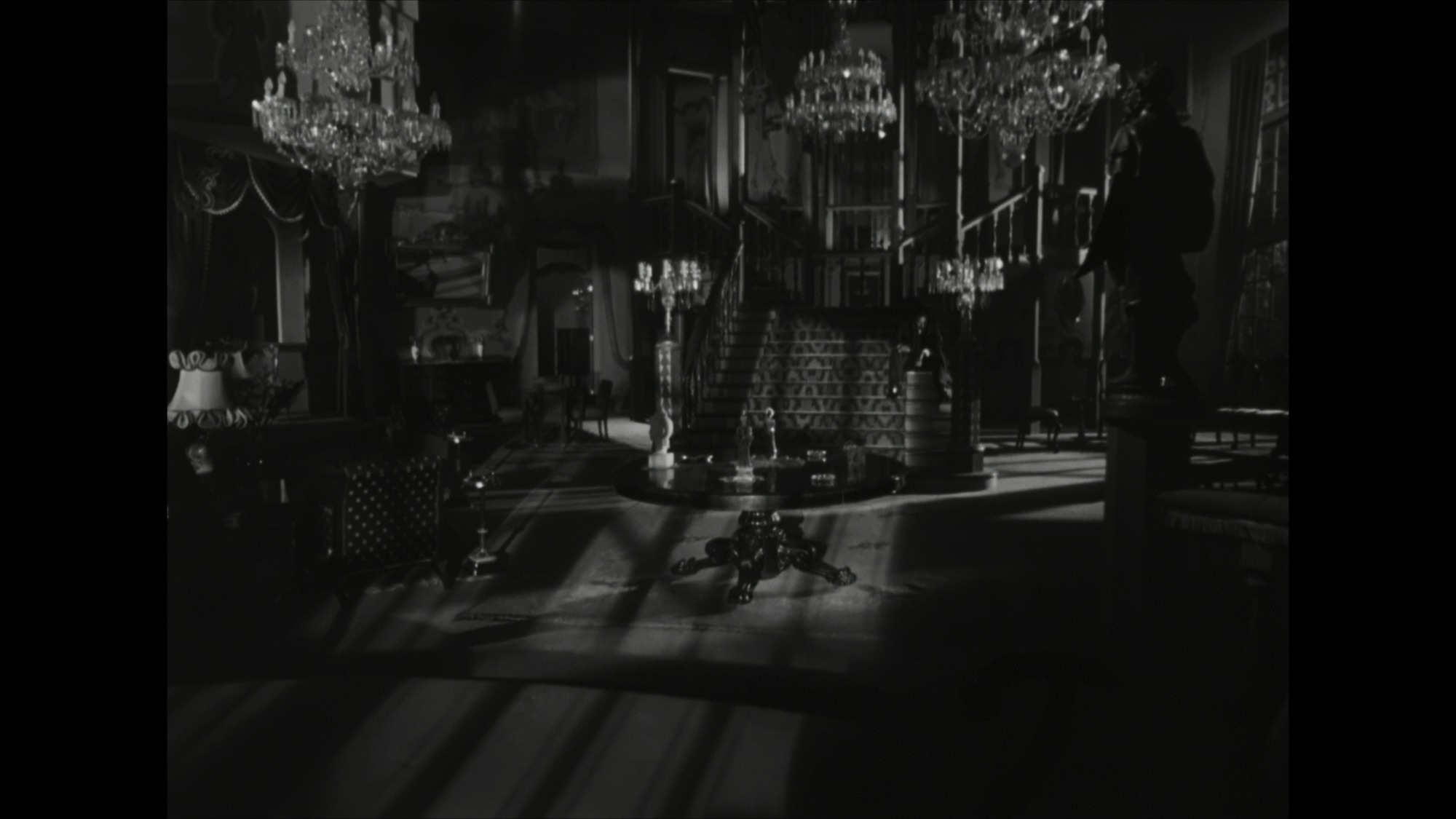
Audio 6/10
The lossless PCM monaural single-channel soundtrack certainly shows its age at times, yet it still sounds surprisingly strong overall. Dialogue and music both provide a pleasing range without ever coming off as edgy or harsh, and no significant flaws ever rear their head. There is a bit of background noise present, but it’s minor, and even then, I’d rather it remain if the alternative is aggressive filtering that would blunt some of the film’s more intense moments.
Extras 7/10
Criterion throws together a decent collection of material on the second disc, though sadly not all of it is gold. A recent 2024 interview with Guillermo del Toro proves to be one of the high points. The director reflects on the film after recalling how he first saw it while running a projector at a cinema club in his youth, explaining how it impacted him. Considering the themes that run through much of his own work, it comes as no surprise that this, of all of Buñuel’s films, seems to have left the deepest impression on him. He never quite states it outright, but as he discusses how Buñuel explores the psychology of its main character (a “paranoid,” as he rightfully calls him) through visual strategies and shifts in tone, it becomes increasingly clear that the influence is there. He briefly touches on Buñuel’s broader body of work, but the 30-minute conversation remains primarily centered on Él. I quite liked this one.
Also strong is a 22-minute video essay by Jordi Xifra titled Buñuel from “E” to “L.” And yes, he delivers exactly what the title promises, moving alphabetically through recurring elements in Buñuel’s work: “E” for Entomology (the insects that appear throughout his films), “F” for Feet (which this film opens with), and so on, all the way to “L” for Jacques Lacan, the French psychoanalyst who admired Buñuel’s portrayal of Francisco’s jealousy and even screened the film for his students. It’s a clever framework, and I found it quite engaging, particularly in how it connects Él to Buñuel’s later, more overtly surreal work.
The release also features a 30-minute interview with Buñuel himself, filmed in 1981 by longtime collaborator Jean-Claude Carrière. Here the director reflects on his early life, his first exposure to movies, and how he drifted into filmmaking despite never initially aspiring to it. He recounts meeting figures like Jean Epstein and Man Ray before discussing the making of Un Chien Andalou and what followed. He comes off surprisingly candid, and I’m honestly a bit surprised this interview hasn’t appeared on one of Criterion’s earlier Buñuel releases. It’s a terrific inclusion.
The longest supplement is a 60-minute 2009 episode of the Spanish television program Film in Black and White, featuring a panel discussion moderated by filmmaker José Luis Garci. With the participants seated behind what might as well be a sports desk, the format at times feels closer to a commentary roundtable than a focused critical discussion, and I doubt I could have found it any less interesting. There are worthwhile moments: some solid observations about the film’s visual design, Francisco’s psychological portrait, recurring visual cues like his zig-zag walk, and even discussion of his final lines (plus an amusing George Cukor party anecdote). But nothing struck me as particularly revelatory or unexpected. Personally, I would have preferred a newly produced discussion trimmed to 30 or 40 minutes.
The disc closes with the film’s trailer, while the booklet offers two welcome additions. There’s an excellent essay by Fernanda Solórzano examining the film’s depiction of its jealous “paranoiac” and situating it within Buñuel’s larger body of work. This is followed by a reprinted interview conducted by José de la Colina and Tomás Turrent for their book Objects of Desire: Conversations with Luis Buñuel, in which the director discusses the film candidly, from how aspects of himself can be found in Francisco to his own criticisms of the work. Overall it's an excellent booklet.
And that rounds things out. I could have done without the television episode, but I enjoyed everything else. For the most part, Criterion has assembled a solid new edition.
Closing
The source materials clearly place limitations on the 4K presentation, but it still looks very good for what it is, and the supplements are (mostly) worth taking the time to explore. A nicely assembled edition overall.
BUY AT: