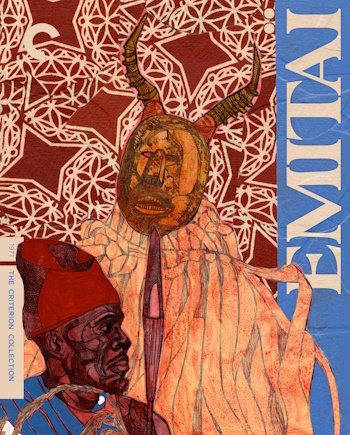
Emitaï

BUY AT:


See more details, packaging, or compare
Synopsis
With revolutionary outrage, Ousmane Sembène chronicles a period during World War II when French colonial forces in Senegal conscripted young men of the Diola people and attempted to seize rice stores for soldiers back in Europe. As the tribe’s patriarchal leaders pray and make sacrifices to their gods, the women in the community refuse to yield their harvests, incurring the French army’s wrath. With a deep understanding of the oppressive forces that have shaped Senegalese history, Emitaï explores the strains that colonialism places upon cultural traditions and, in the process, discovers a people’s hidden reserves of rebellion and dignity.
Picture 9/10
The Criterion Collection presents Ousmane Sembène's Emitaï on Blu-ray in its original aspect ratio of 1.66:1. The film is delivered with a 1080p/24hz high-definition encode from a new 4K restoration and is included on the first dual-layer disc of Criterion’s box set, Three Revolutionary Films by Ousmane Sembène.
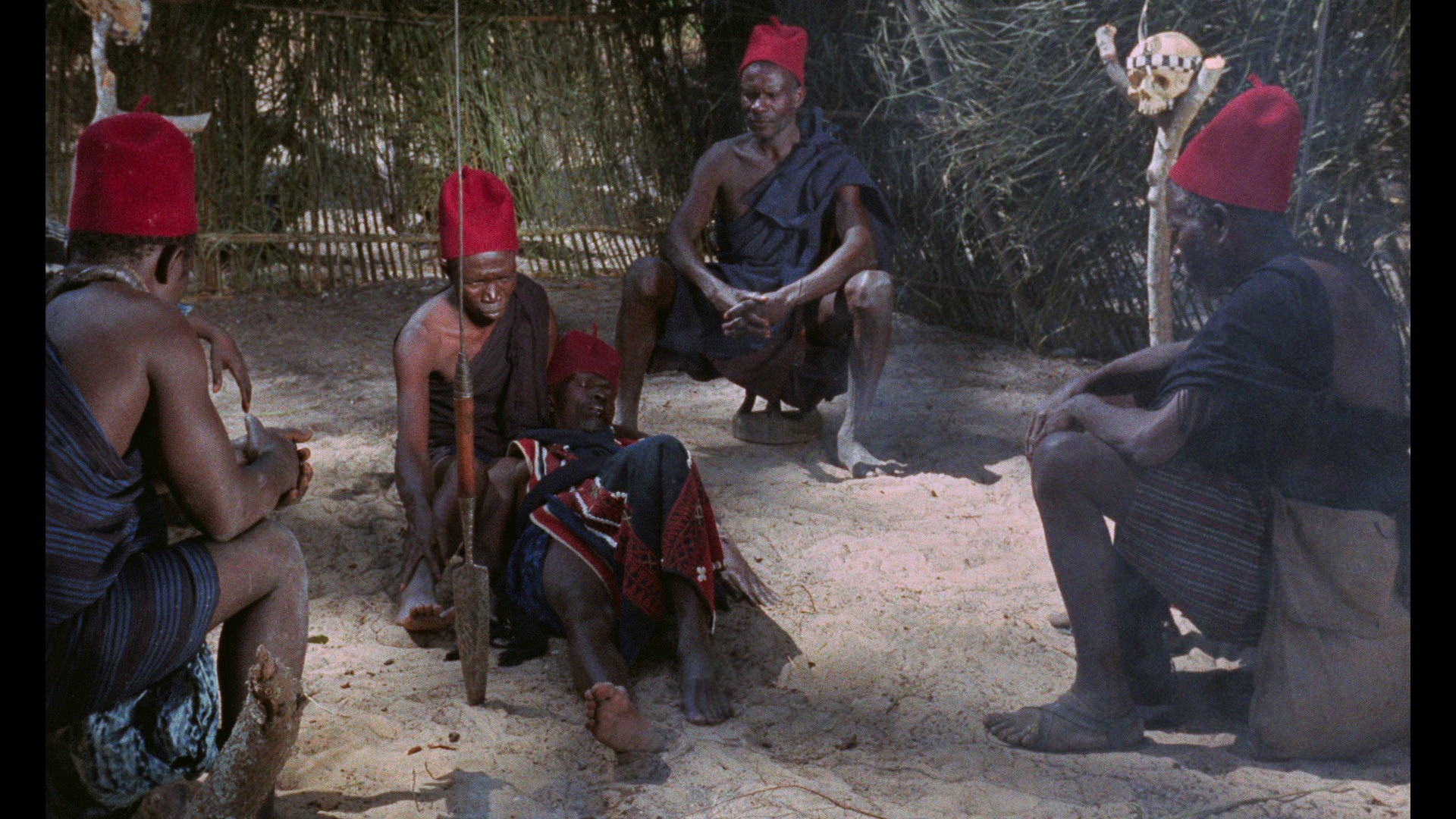
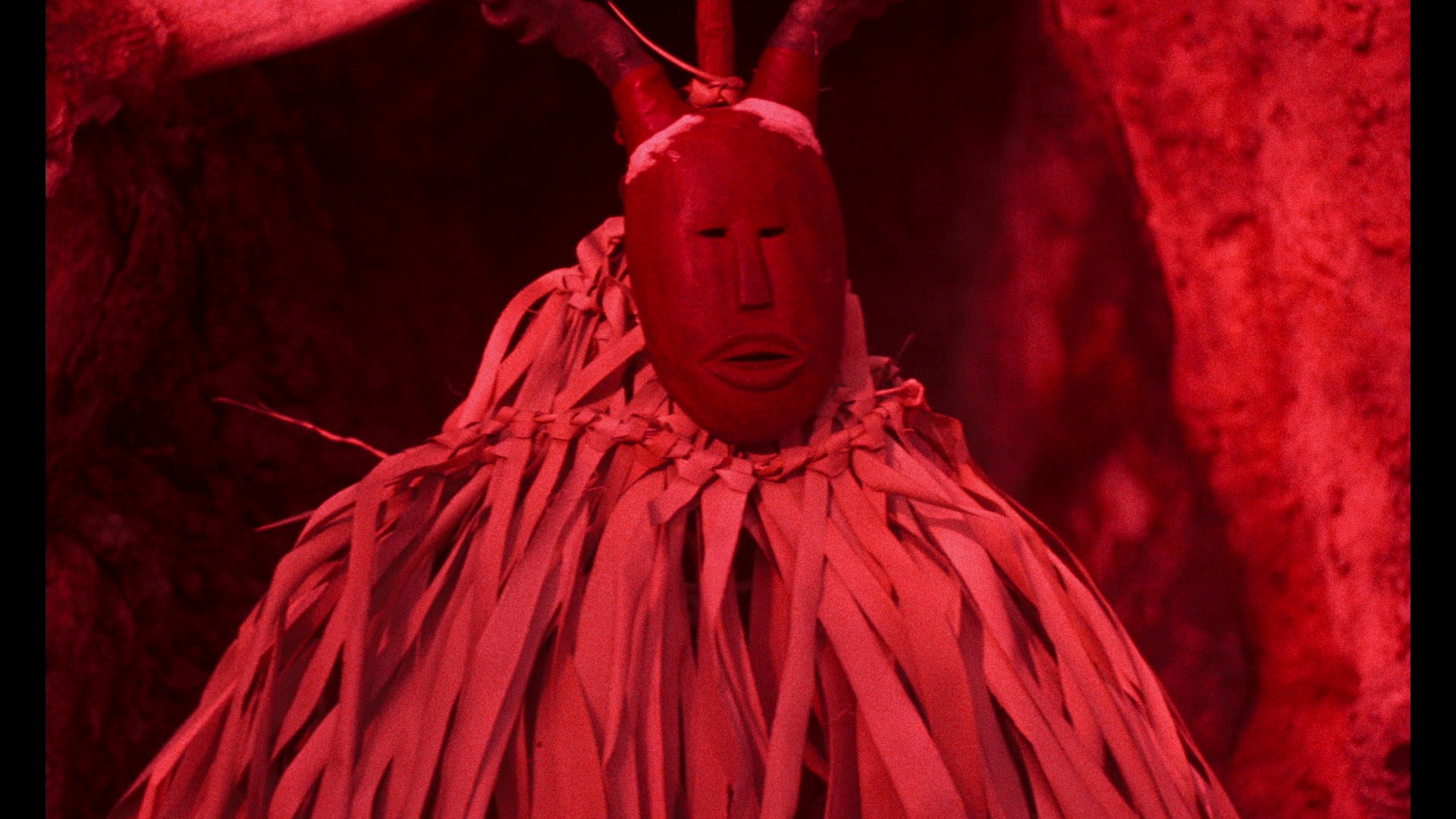
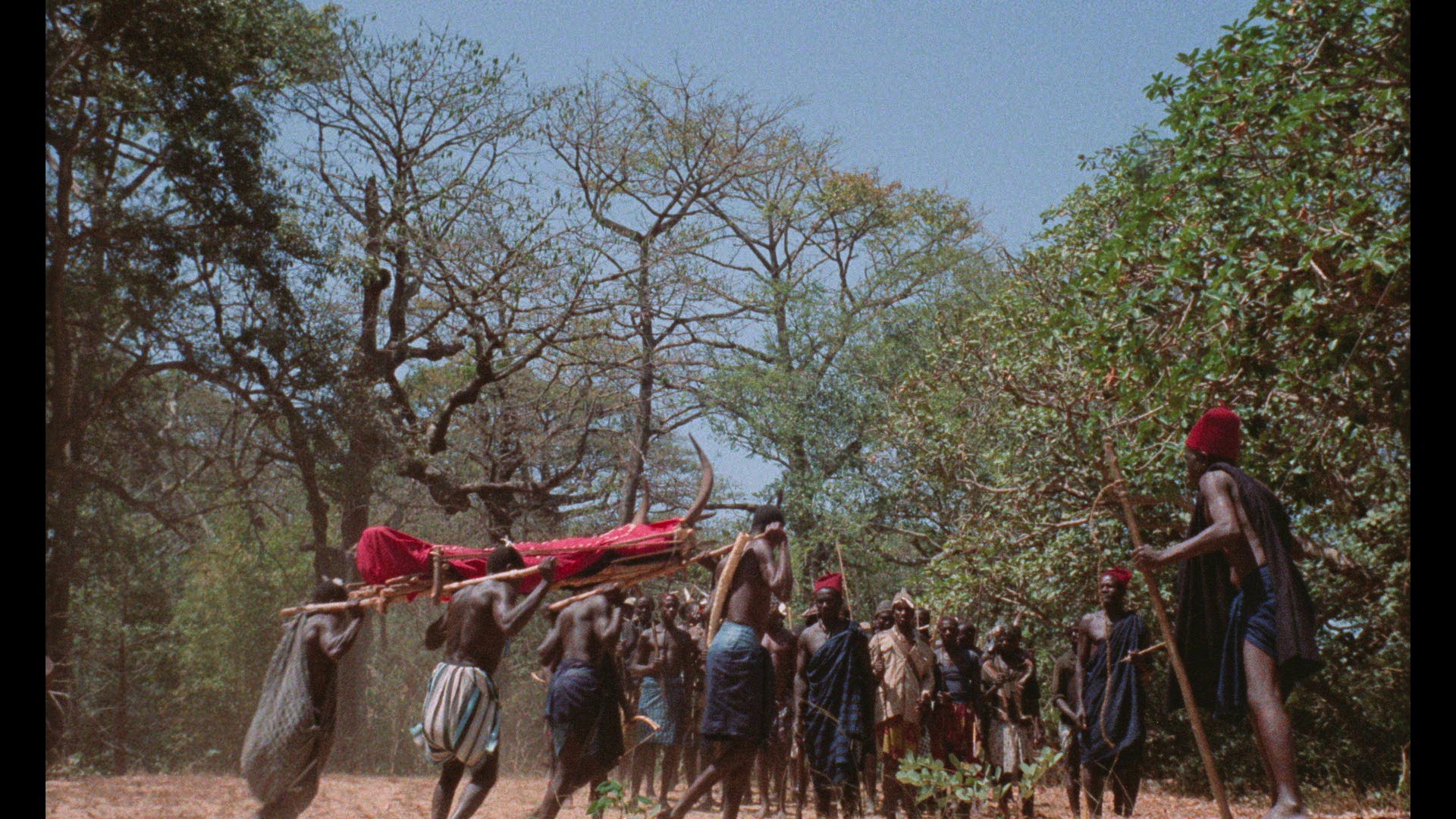
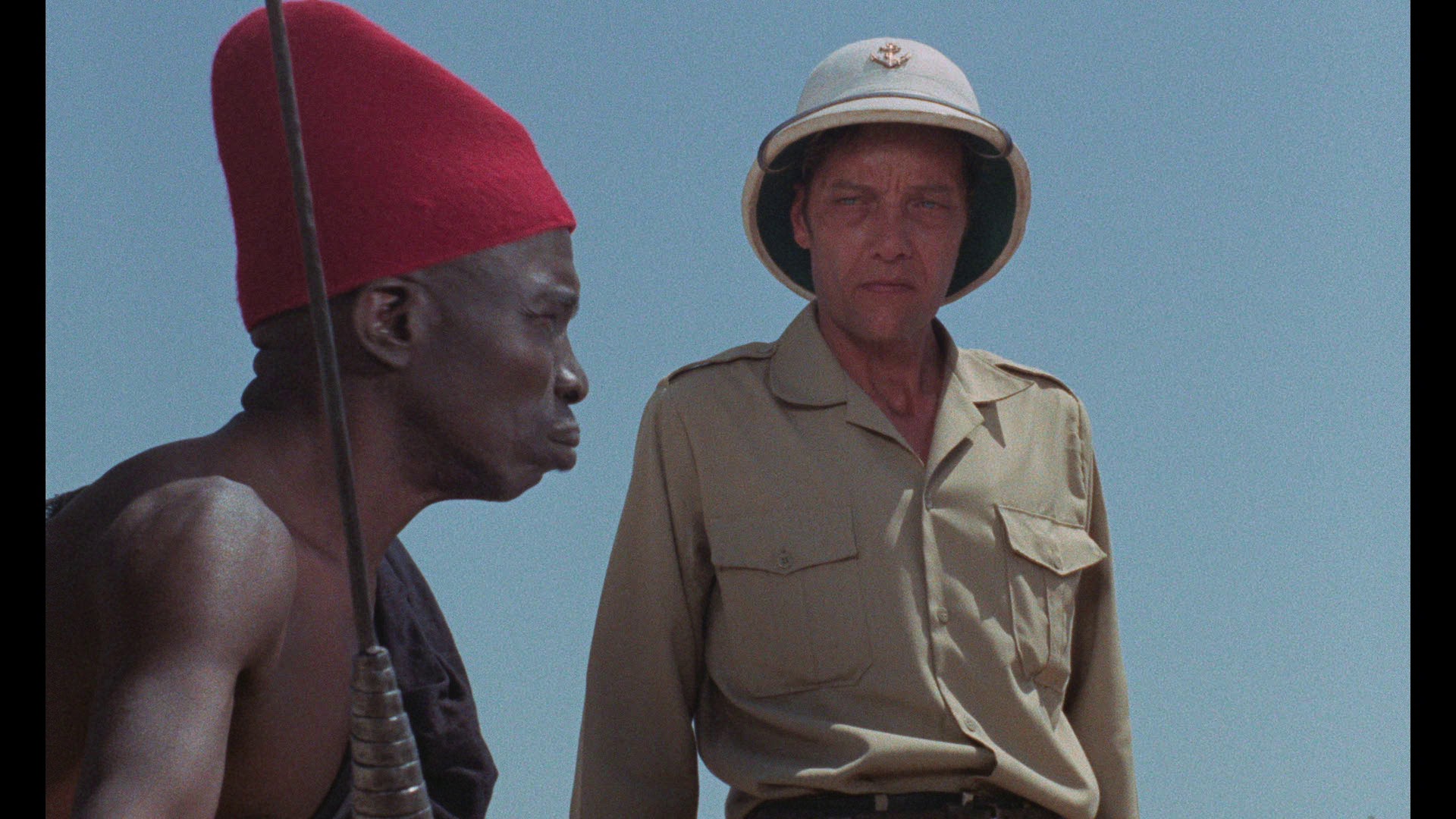
Despite a handful of larger blemishes (likely too difficult to correct), the restoration work is exceptionally thorough. The primary source for the restoration is the 35mm original camera negative, which is evident in the sharp, clean image and stunning level of detail. A few sequences appear slightly dupe-like, suggesting the use of a later-generation source at times (although the restoration notes do not mention this). However, these quality shifts are not particularly drastic.
Overall, this presentation aligns with the quality of the other films in the set. Where it slightly falters is in the encoding, which might be the weakest of the three, if only by a small margin. The others are not flawless, but macroblocking is more noticeable in Emitaï during shots with open skies, an issue less apparent in the other films.
The colors have a teal tint, though this isn’t overly problematic, as whites still appear white and blacks remain deep, with details preserved in the shadows. On the whole, the film looks new and vibrant. Despite minor issues, the presentation is impressive.
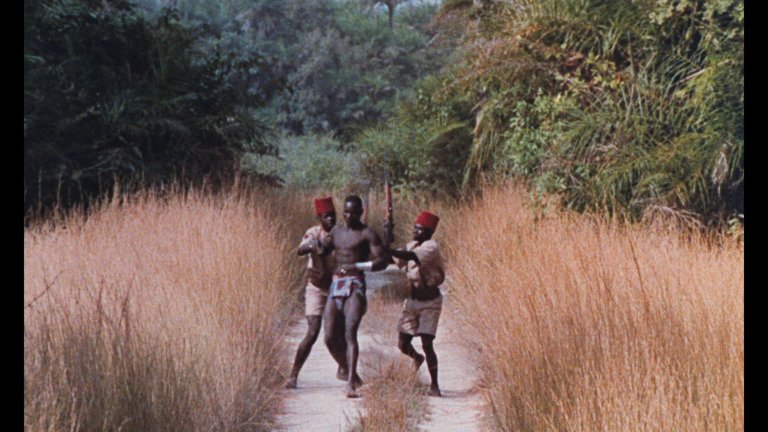
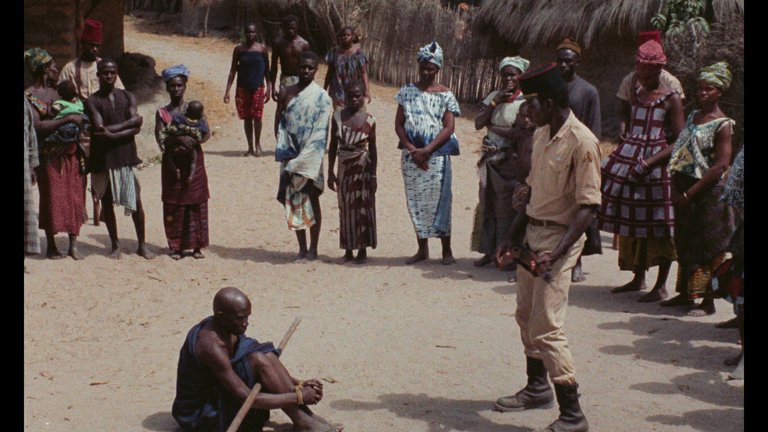
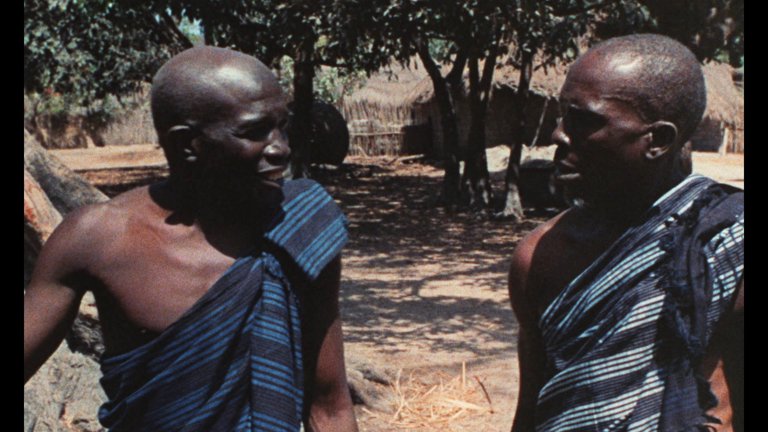
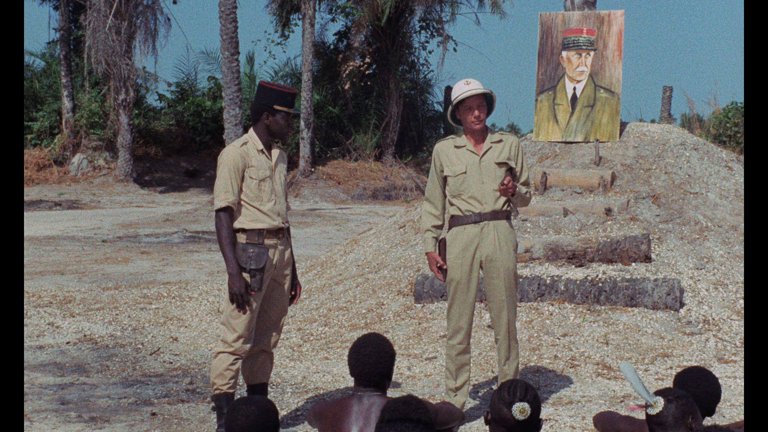

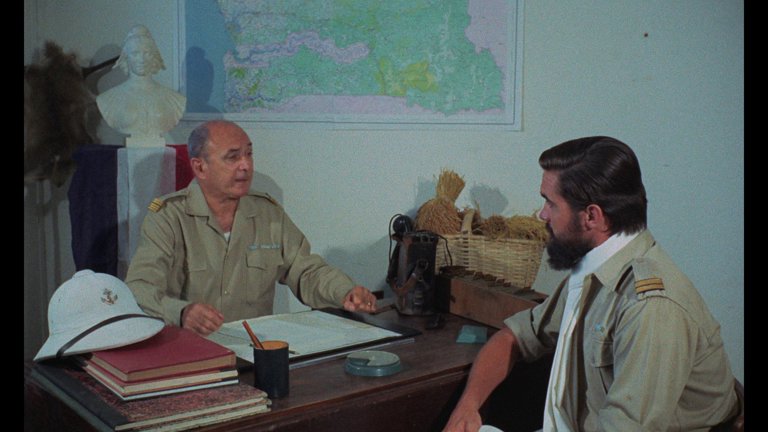
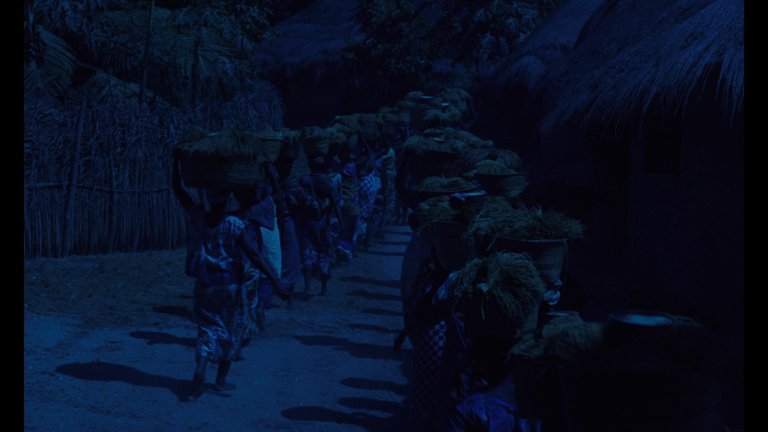

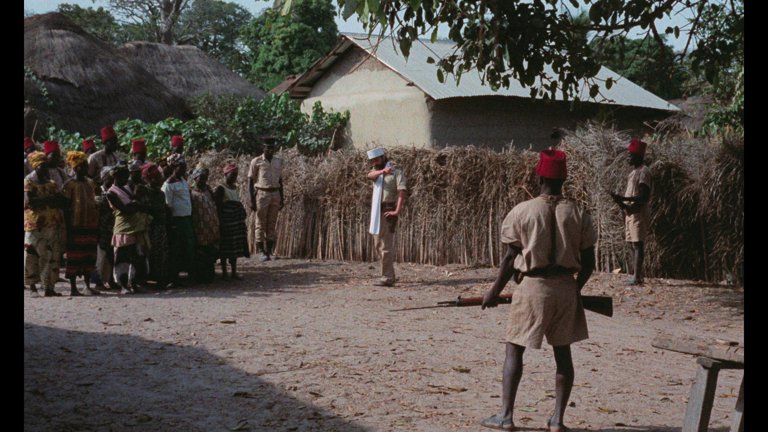
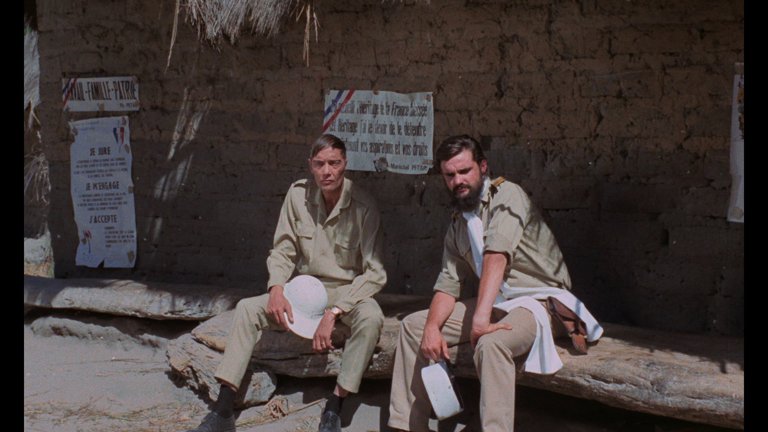
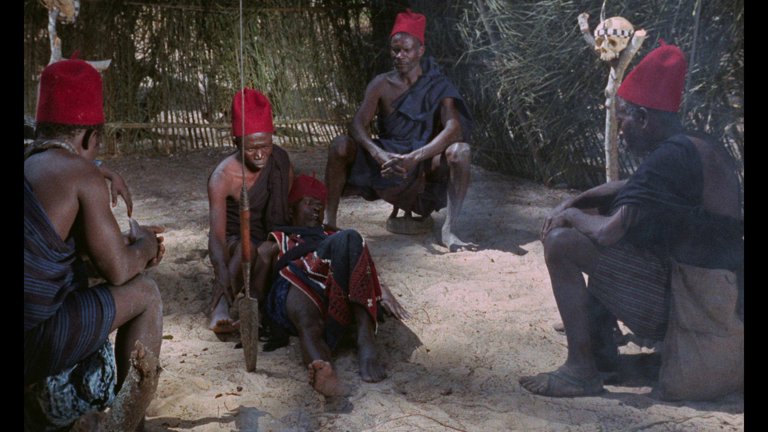
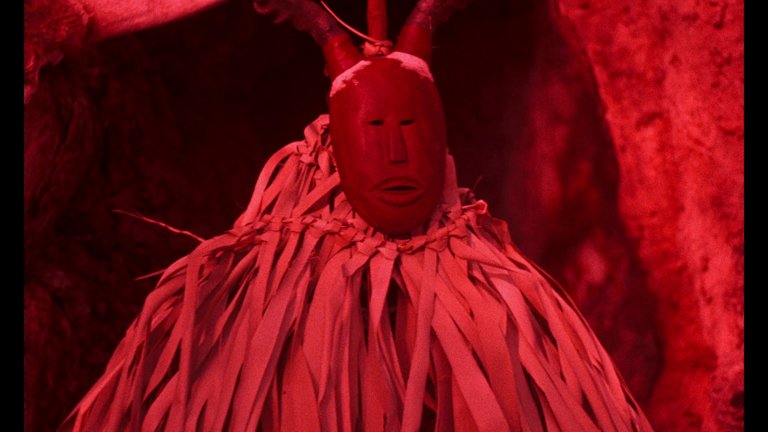
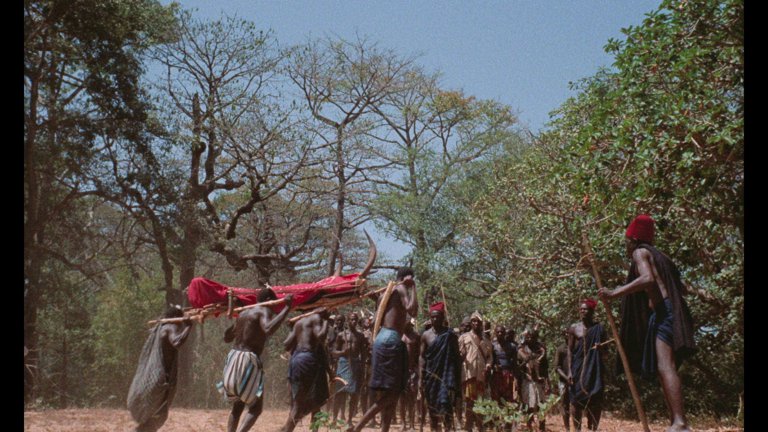
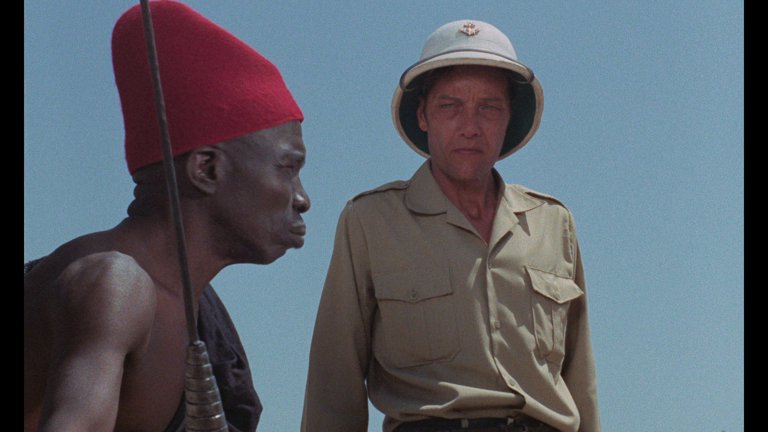
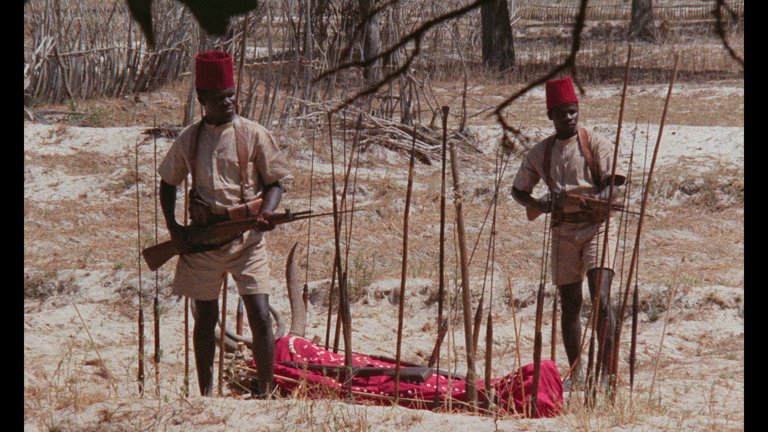
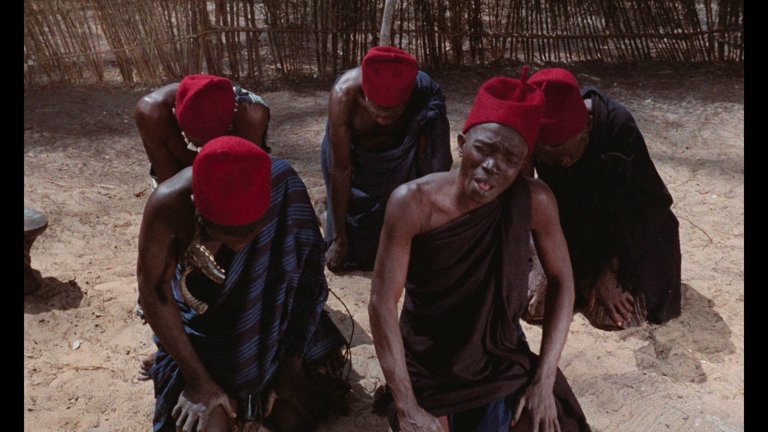
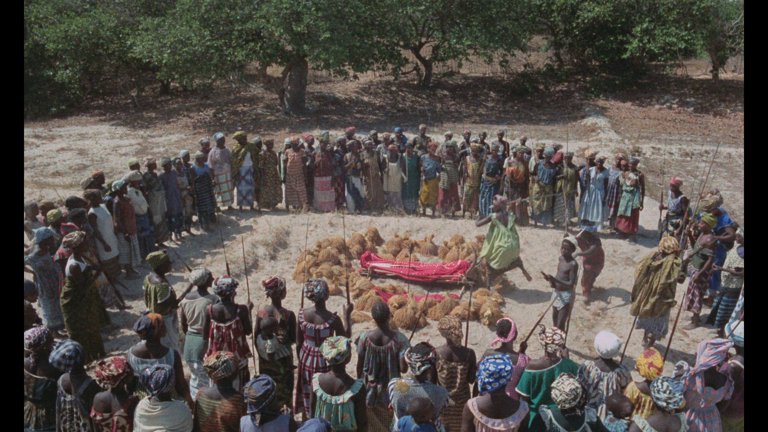
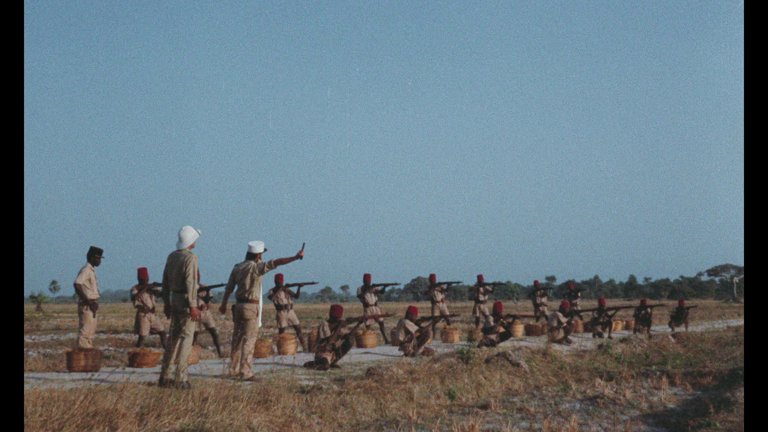
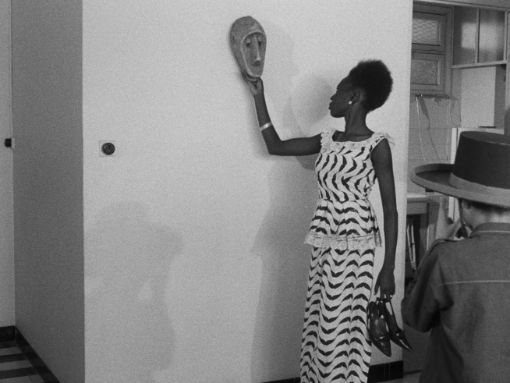
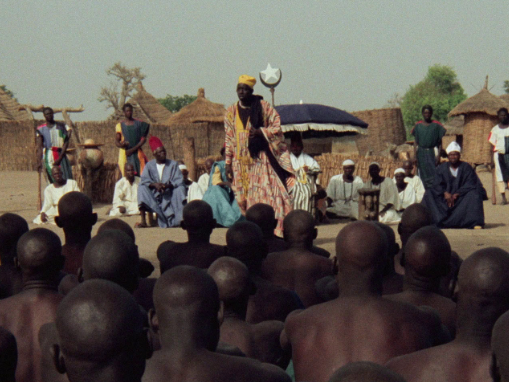
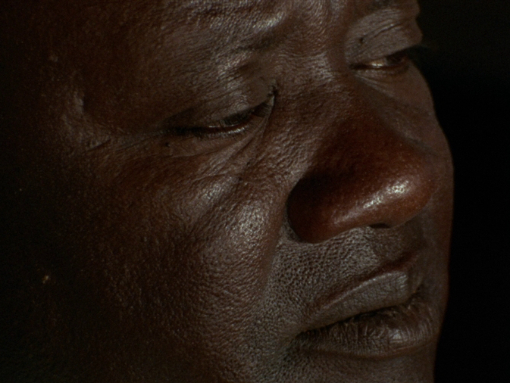
Emitaï - Screen Captures
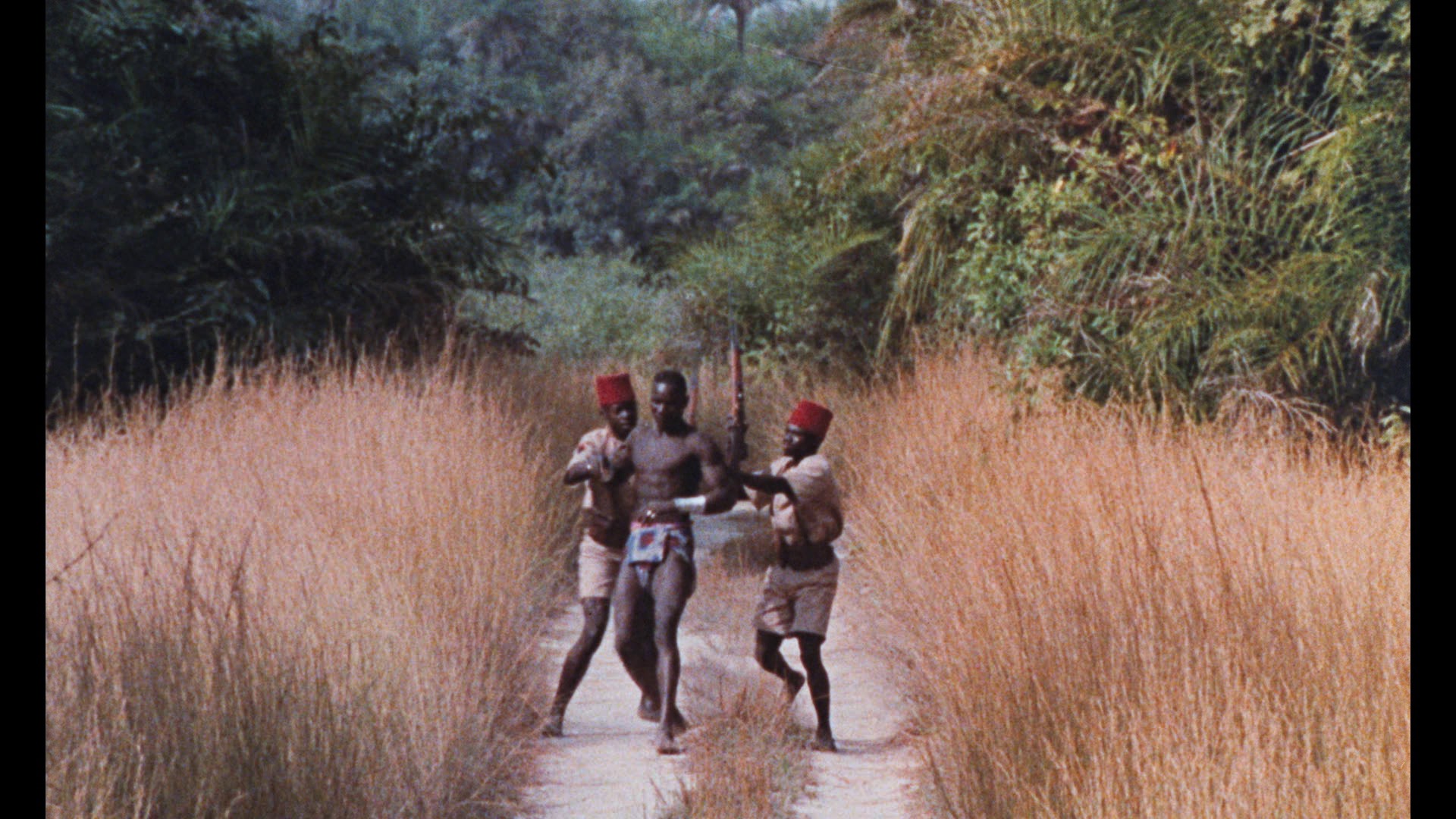
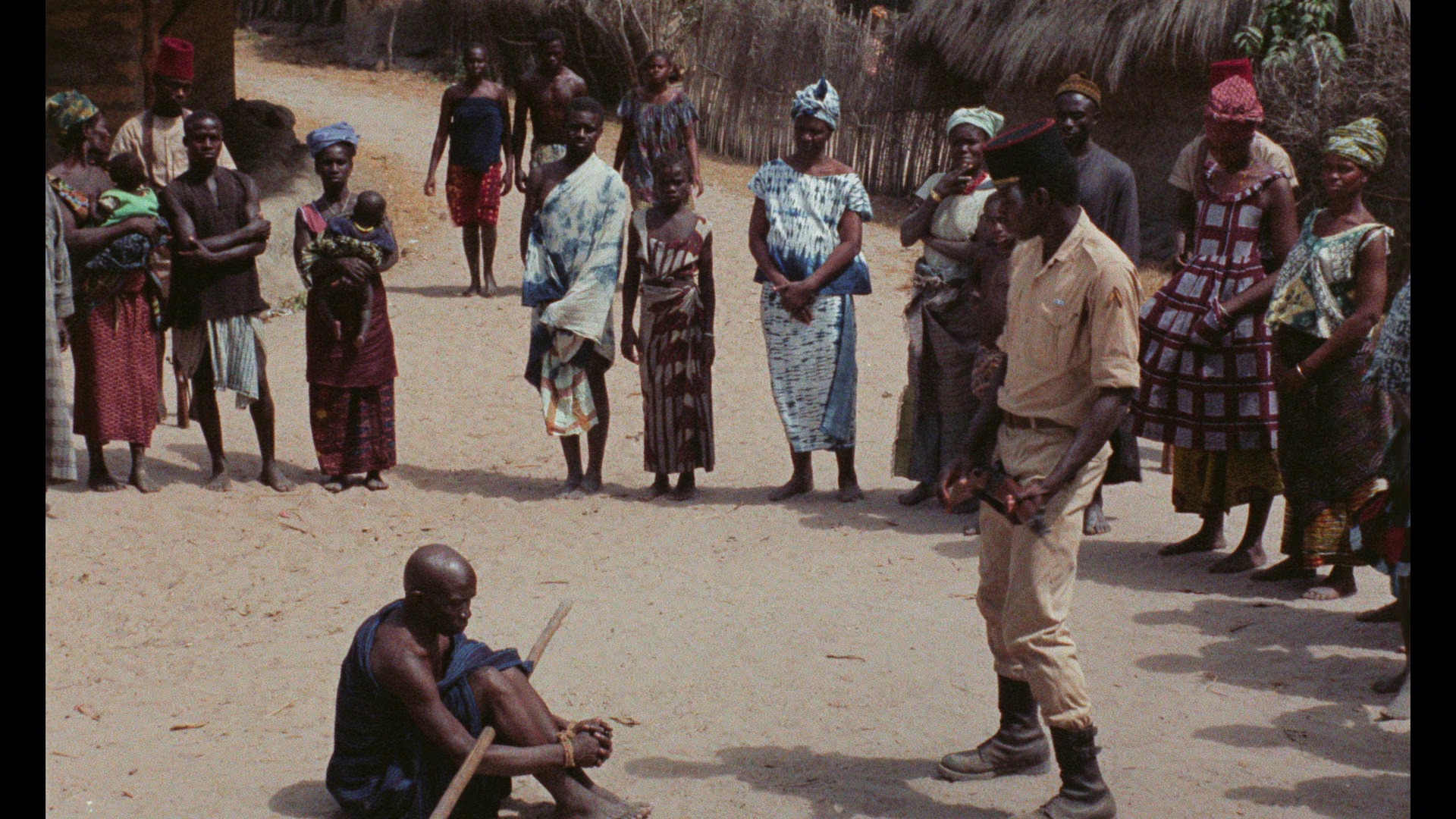

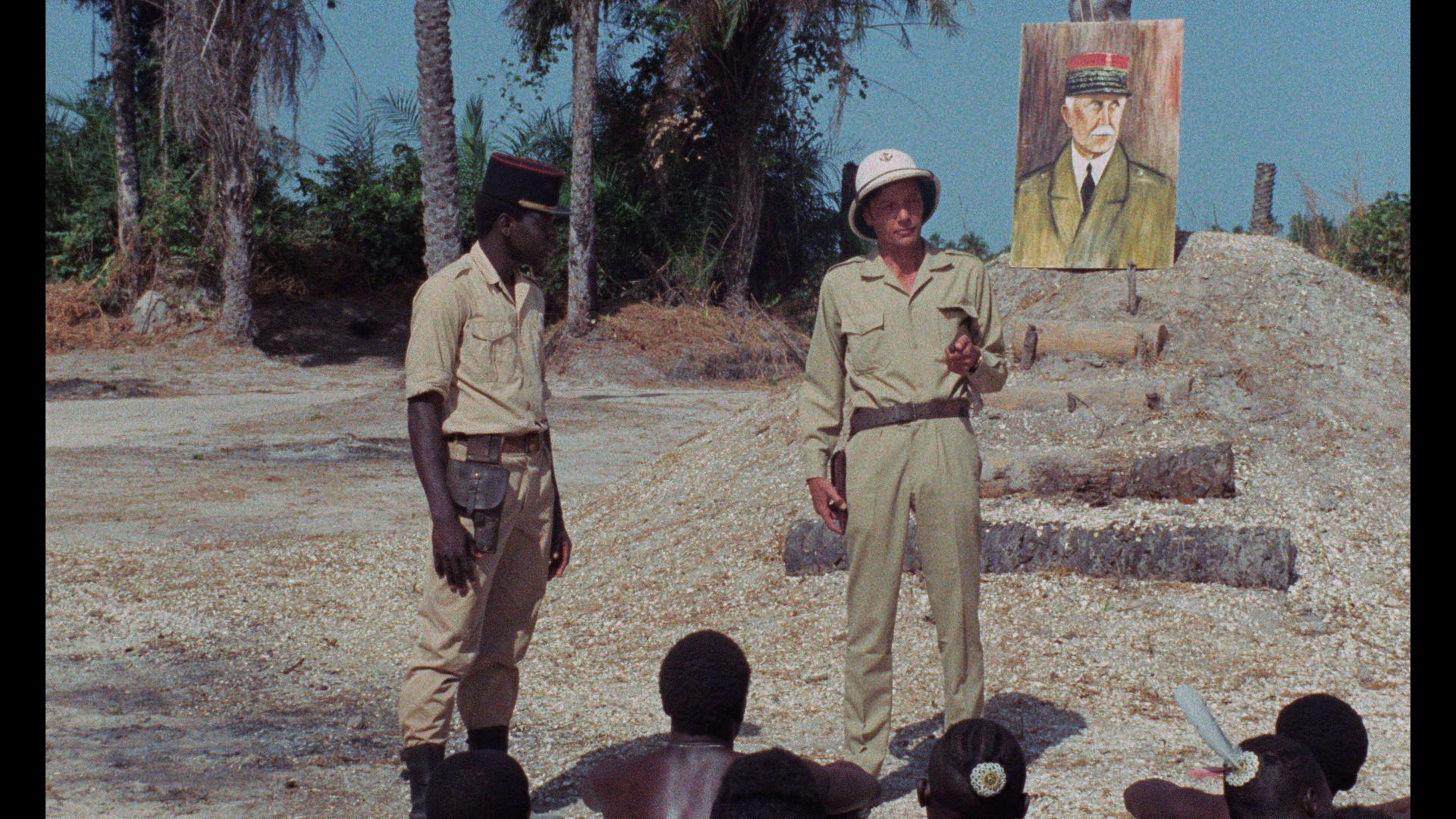

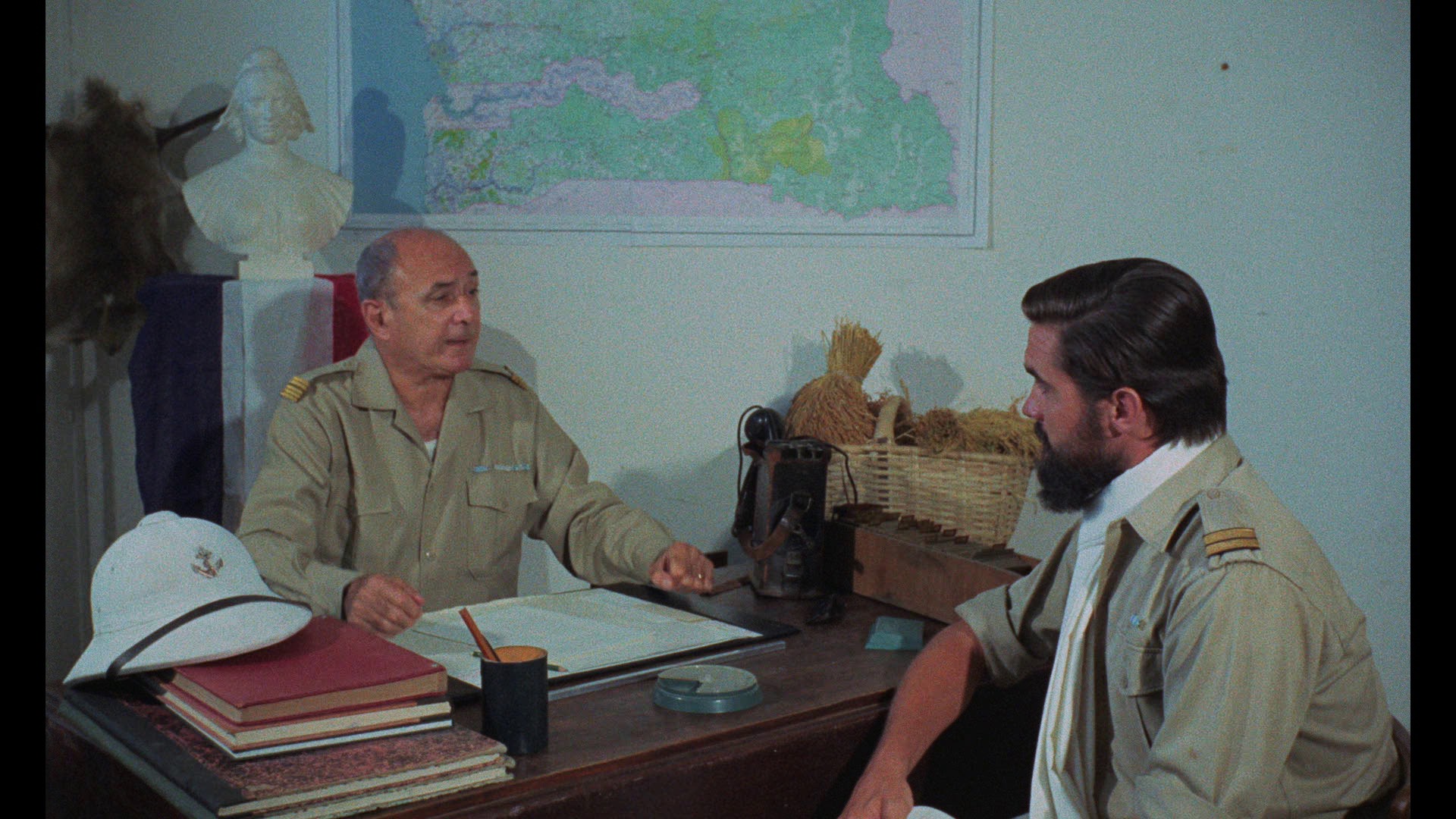




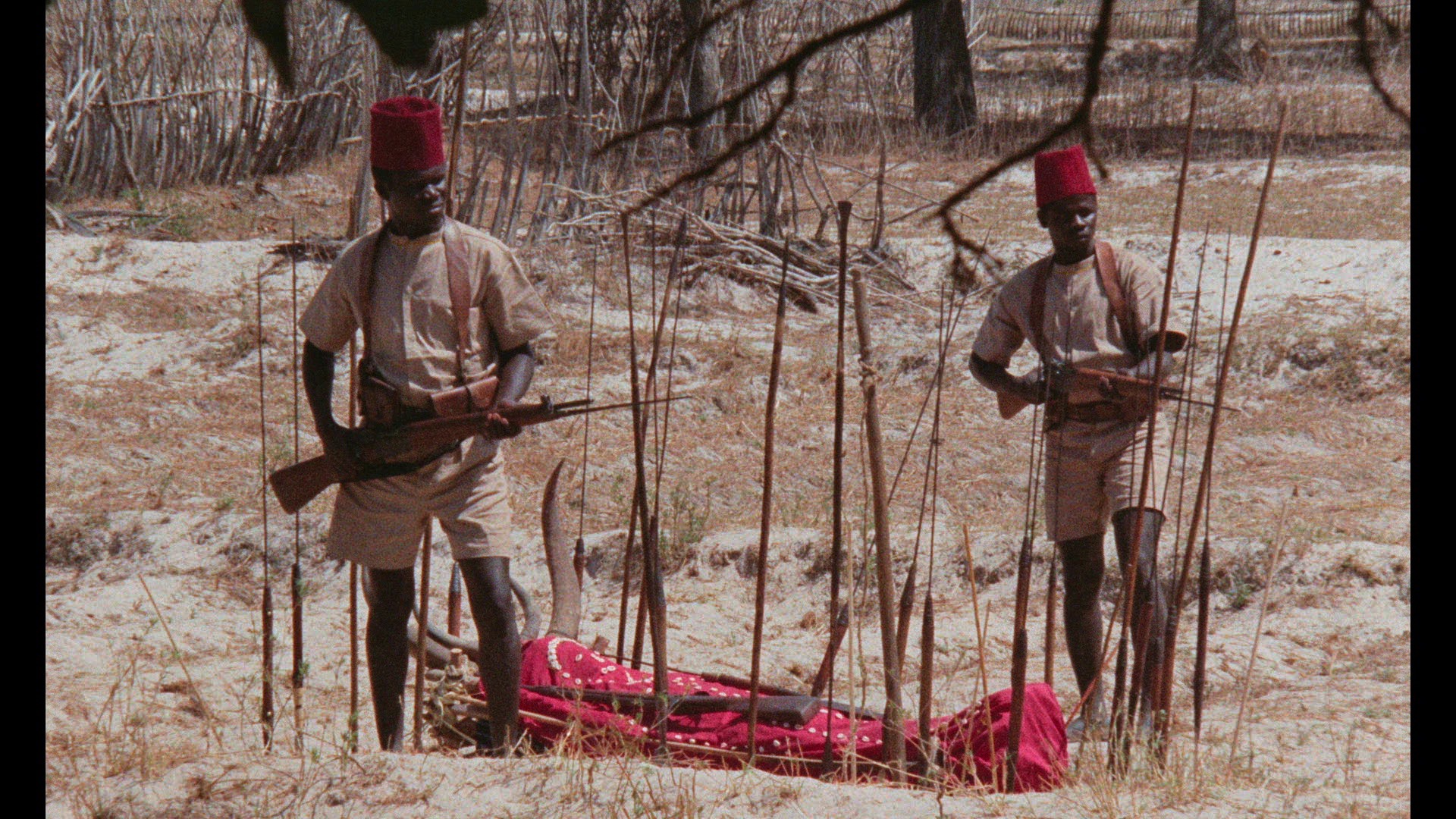
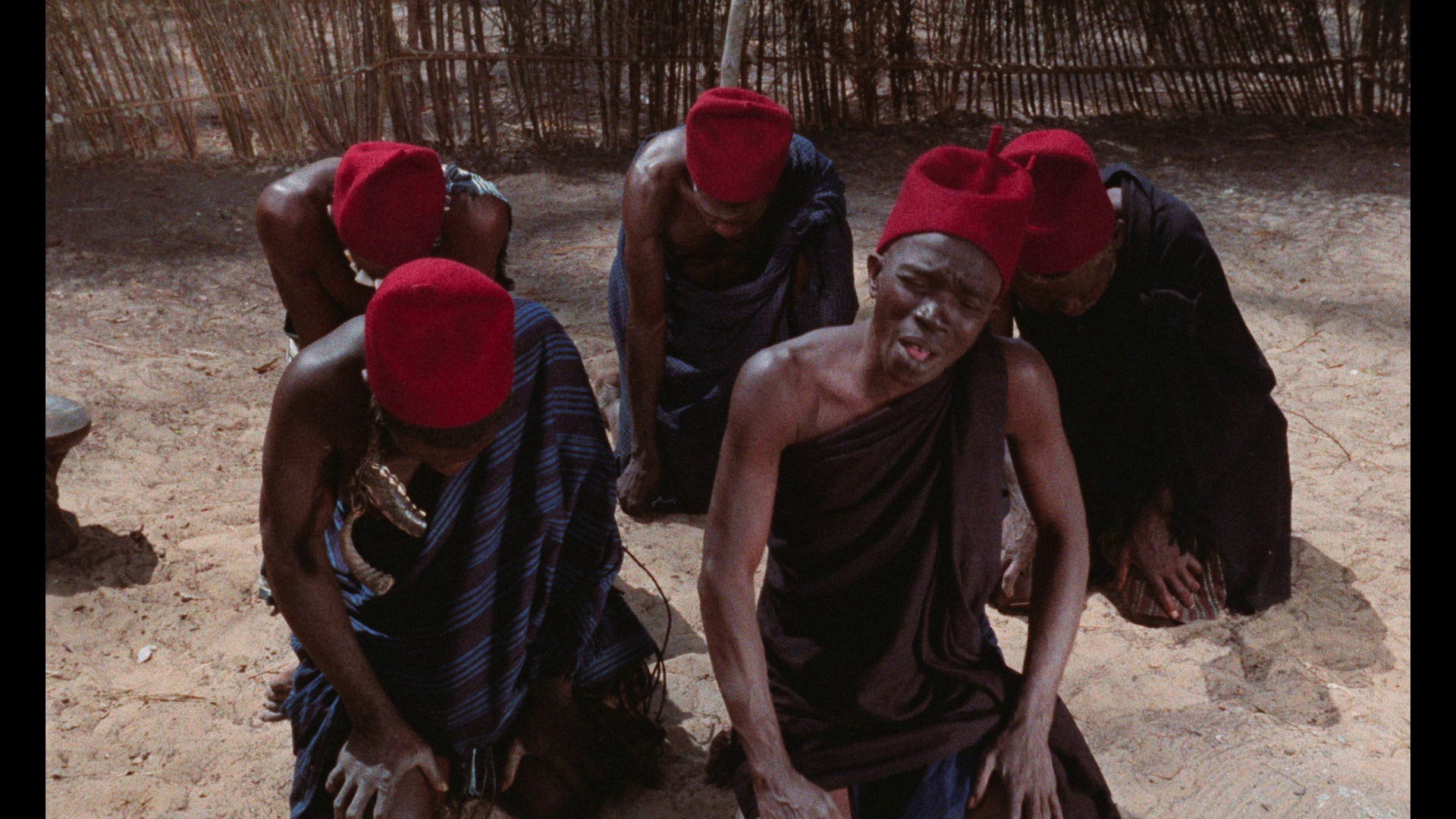
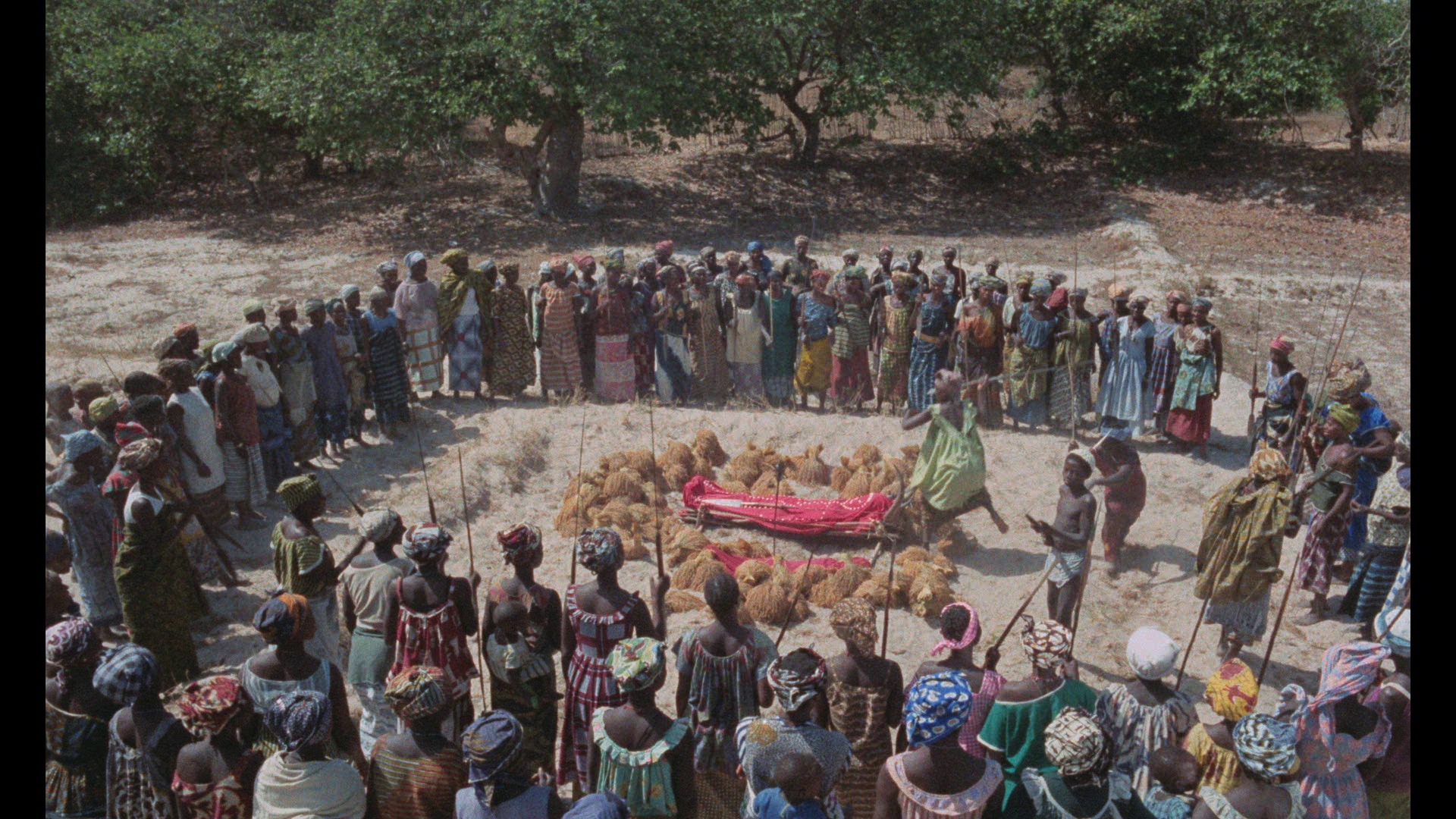
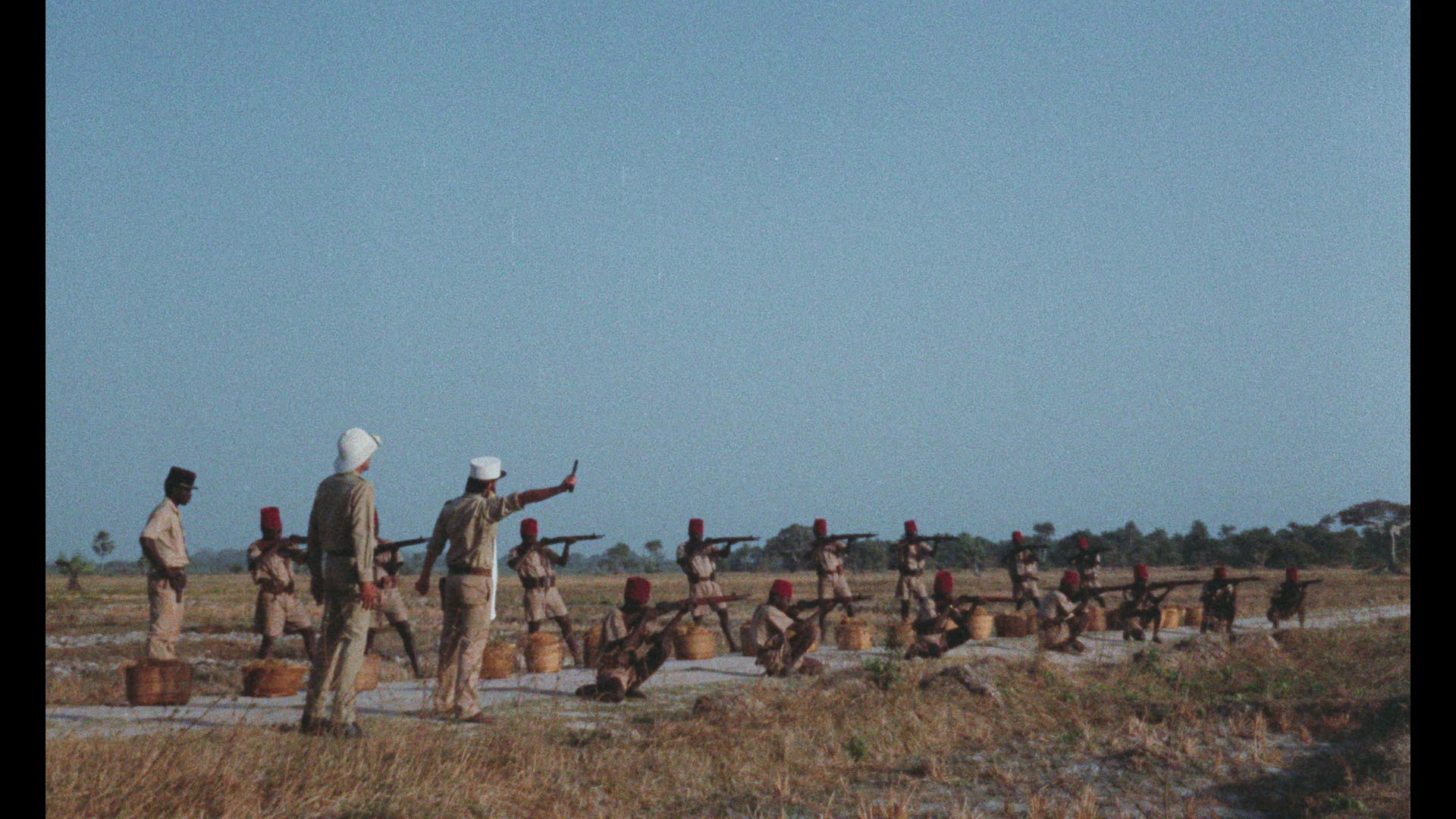
Audio 6/10
The lossless PCM monaural soundtrack is somewhat flat with a narrow range, but overall, it sounds fine. Dialogue is clear, and there are no significant signs of damage, aside from some minor background noise.
Extras 4/10
For Emitaï, Criterion includes a new 38-minute conversation between writer Amy Sall and Mehen Bonetti, founder and executive director of the African Film Festival. They begin by discussing how they first discovered the filmmaker (interestingly, both first saw Ceddo) before talking about the first African Film Festival held in 1993 and Bonetti’s working relationship with Sembène. The conversation then covers each film, discussing their representation of specific points in Senegal’s history and the commentary found in each, with Xala being the more blatant satire of the three (there are spoilers, so I suggest watching this after viewing all the films).
It's an engaging conversation, but due to its short length, there’s little time to properly cover each film. This wouldn’t be too big a deal if it wasn’t for the fact that this is the only supplement on the disc and the only one in the set that fills the academic angle (not counting the set’s booklet). Video essays, a commentary, a historical piece, or anything more specific to the film would have been welcome additions.
Closing
Overall, it is an excellent presentation, but the need for supplements targeted to the film is incredibly frustrating.
BUY AT: