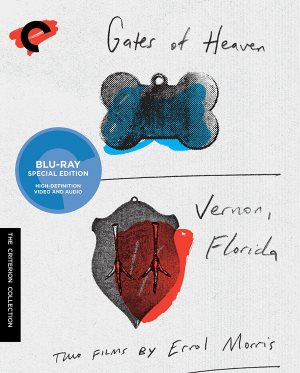
Gates of Heaven / Vernon, Florida
BUY AT:


See more details, packaging, or compare
Synopsis
With his trademark mixture of empathy and scrutiny, Errol Morris has changed the face of documentary filmmaking in the United States, and his career began with two remarkable tales of American eccentricity: Gates of Heaven and Vernon, Florida. The first uses two Northern California pet cemeteries as the basis for a profound and funny rumination on love, loss, and industry; the second travels to a languorous southern backwater and discovers a handful of fascinating folks there—a determined turkey hunter, a curious minister, a laconic policeman—engaged in individualistic, sometimes absurd pursuits. Morris consistently creates humane portraits of true candor, and these early works remain two of his greatest and most provocative films.
Picture 9/10
The Criterion Collection presents two early films by Errol Morris: his first film, Gates of Heaven, and his follow-up Vernon, Florida. The two appear together on this dual-layer Blu-ray disc with new 1080p/24hz high-definition encodes and are respectively presented in the aspect ratios of 1.33:1 and 1.66:1.
Though not as impressive as the image we got from Criterion’s Blu-ray of Morris’ The Thin Blue Line, the image for Gates of Heaven is still a pleasant surprise. A lot of long shots are a bit fuzzy, though this seems to be more a product of filming since film grain looks sharply rendered in these sequences. Close-ups and many of the interview segments on the other ahdn look crisp and highly detailed. Colours look fine enough, distinct and adequately rendered, with decent black levels. The print is also in incredible condition considering the age and nature of the film: other than a few stray hairs, like one in the very first shot, I don’t recall anything else popping up.
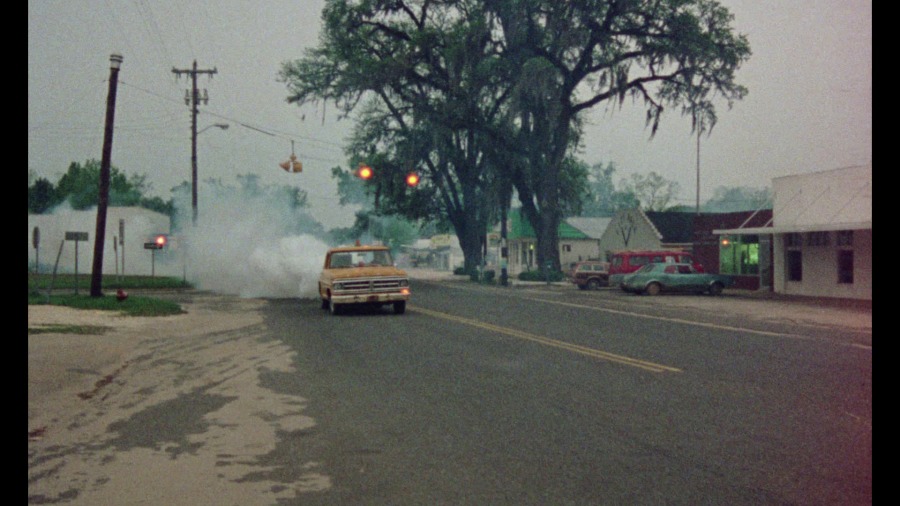
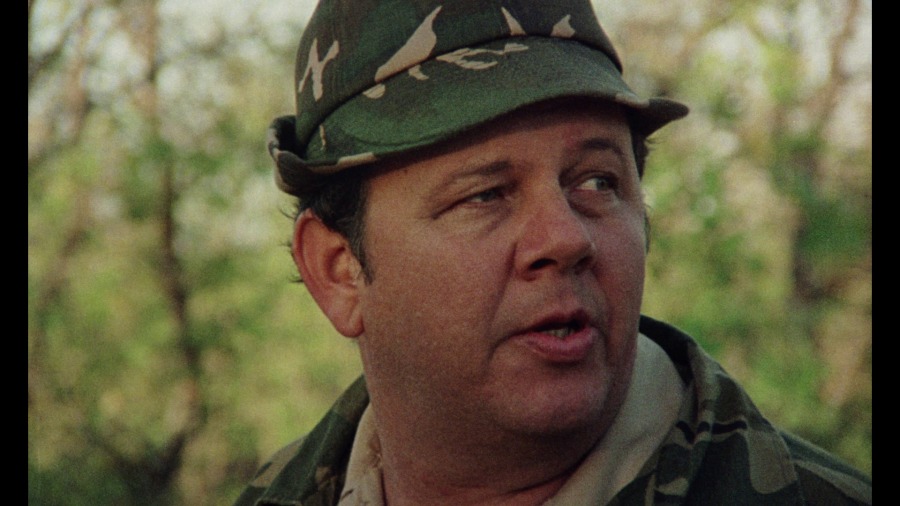
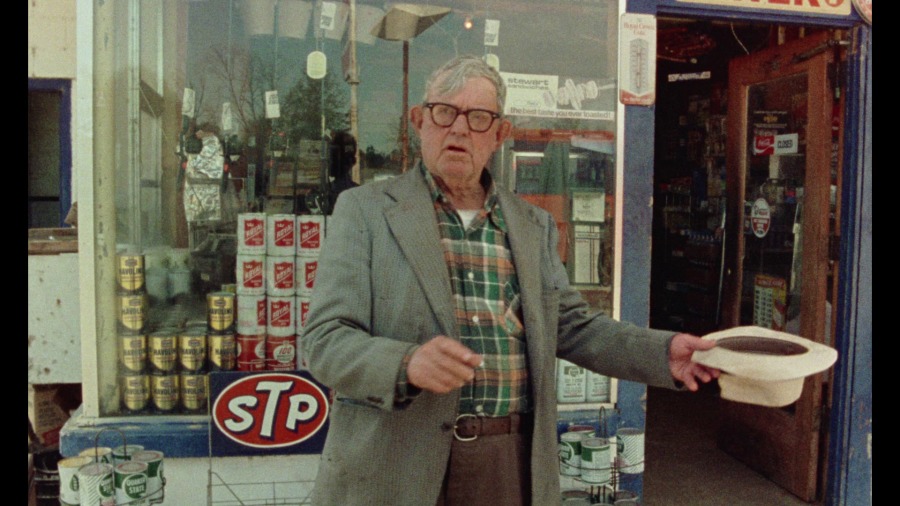
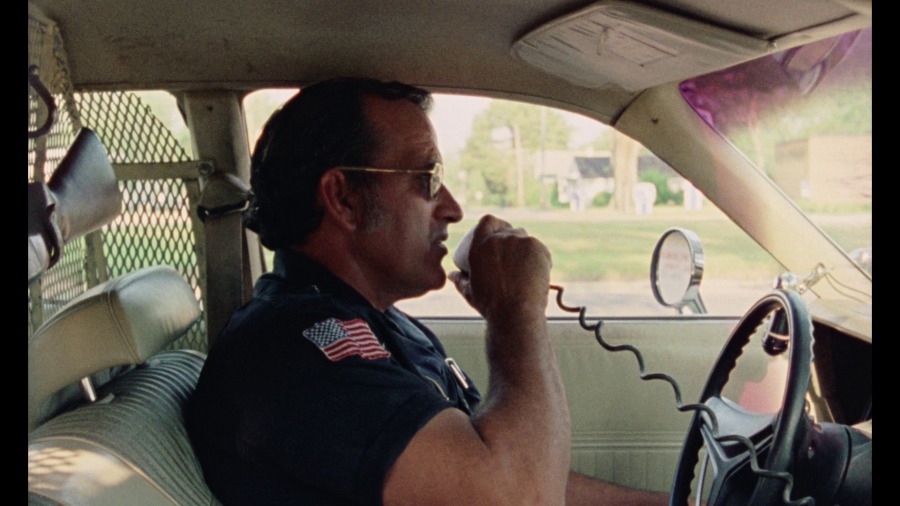
Vernon, Florida has the weakest looking presentation of the Morris films Criterion released at the time (which includes The Thin Blue Line), though this mostly has to do with the actual elements. The transfer itself looks fine and I can’t fault much with it: it’s surprisingly sharp with fine details just leaping off of the screen, nicely rendering textures. It’s very stable in motion and film grain can be a bit heavy in places but it at least looks natural. Colours are also surprisingly good with mostly strong blacks, though in a couple of sequences that look to have been shot in possibly a lower light present some minor crushing.
The print is mostly clean with a few specs I noticed early on, but there are occasions, particularly at the beginning, where the sides of the frame present some heavy colour fluctuations which are very distracting and not easy to overlook, as are some stains that rain through during the final shame. Still, past these limitations, it’s a solid looking image.
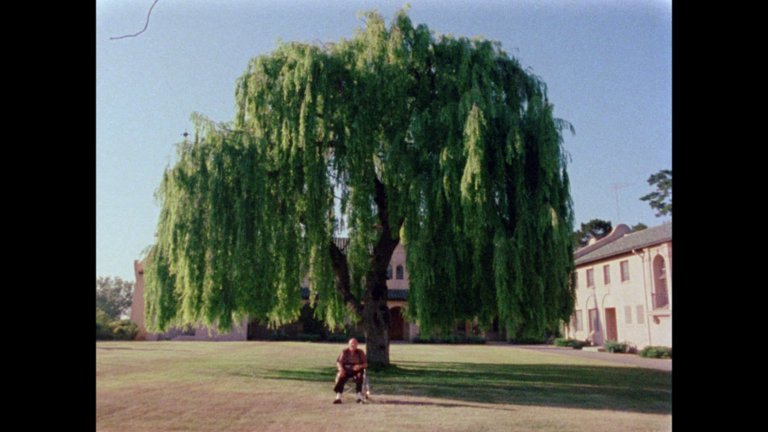
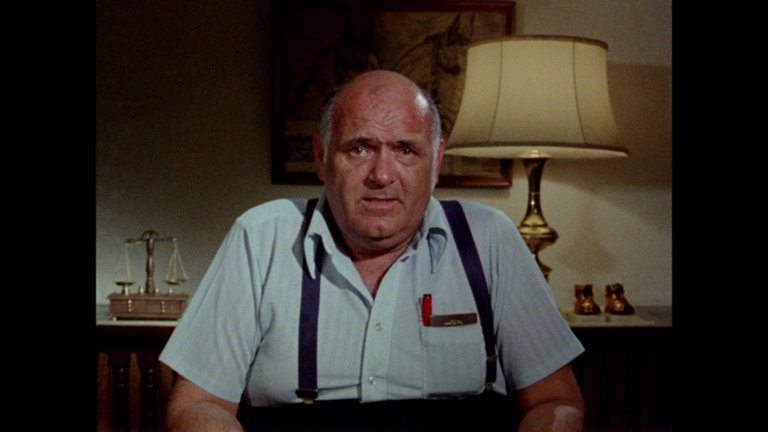
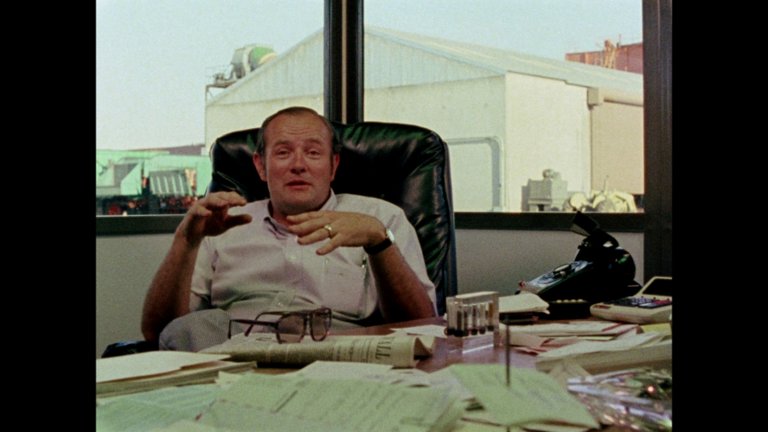
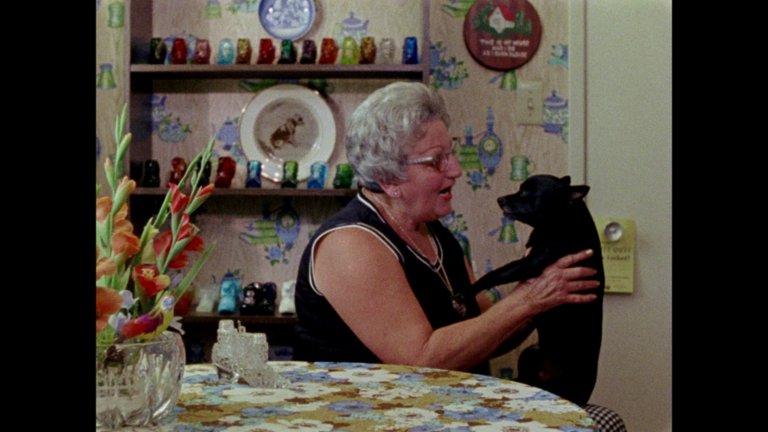
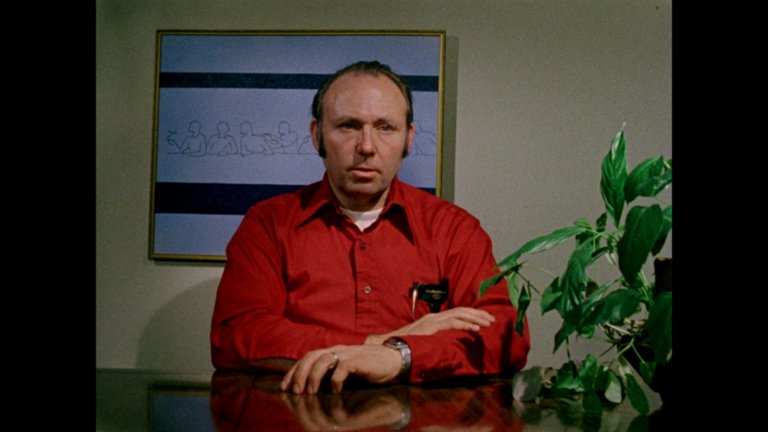
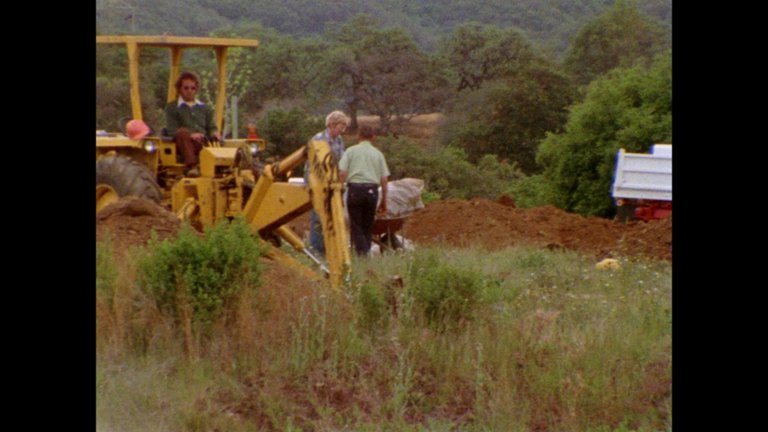
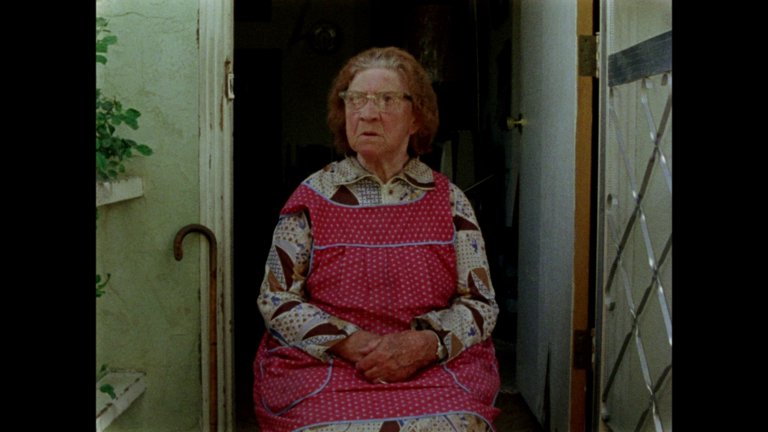
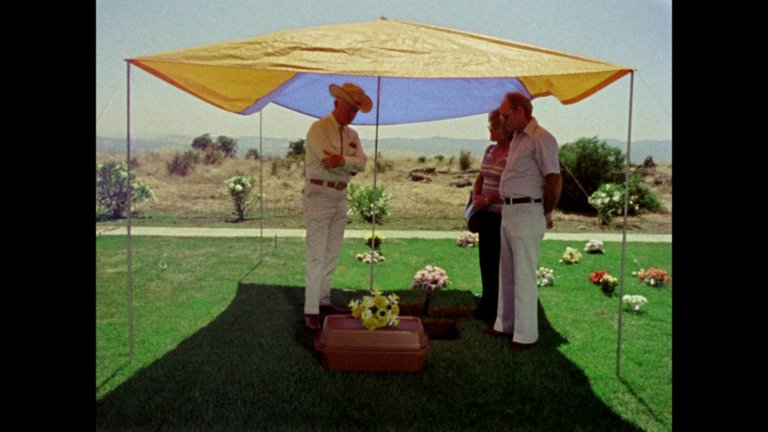
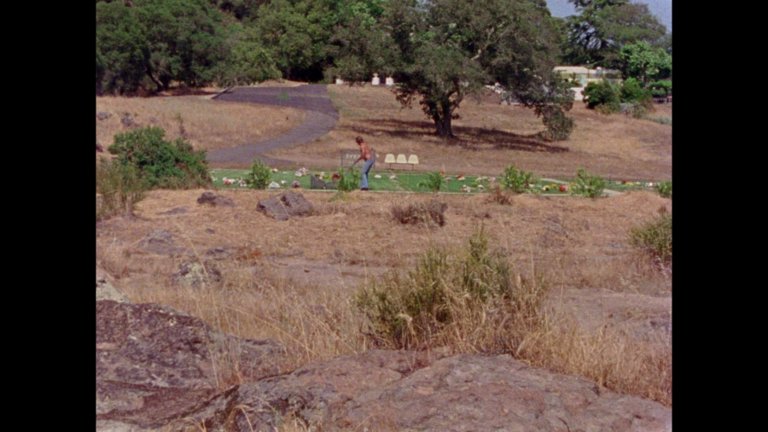
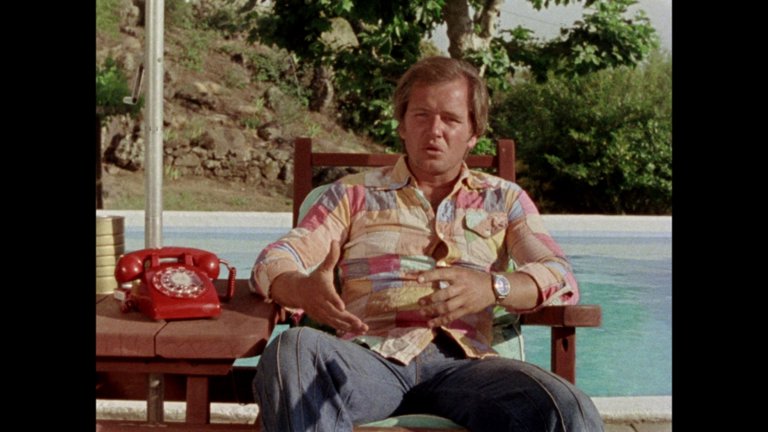
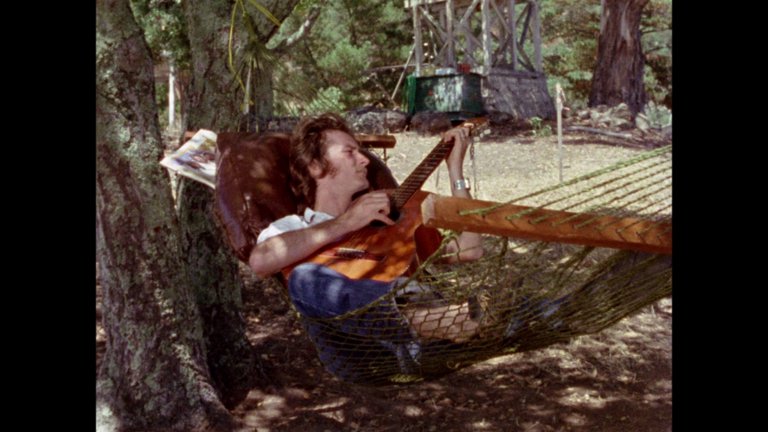
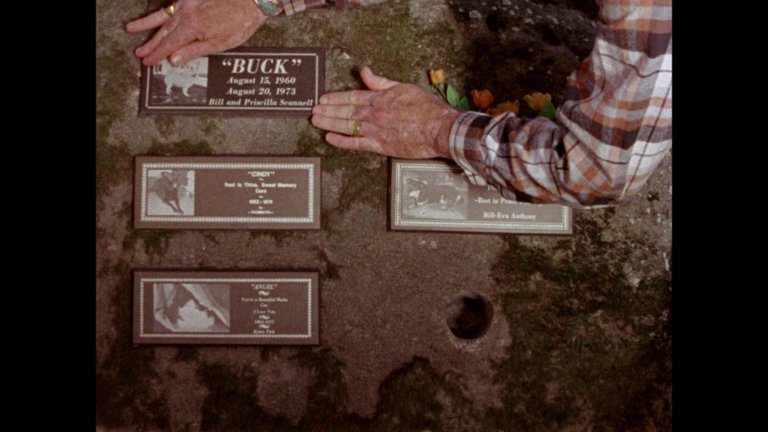
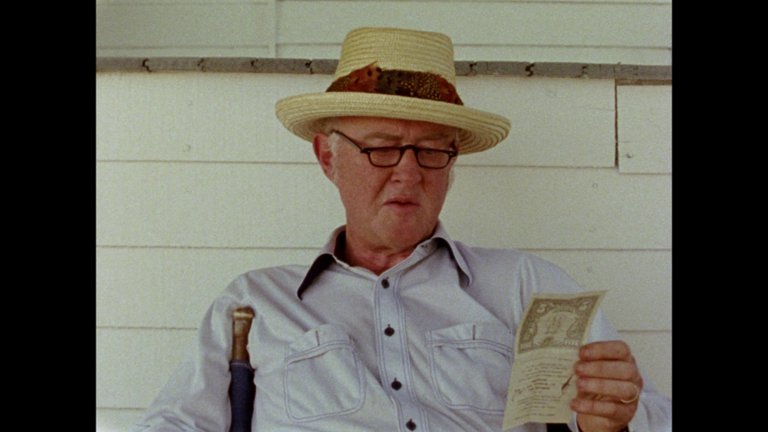
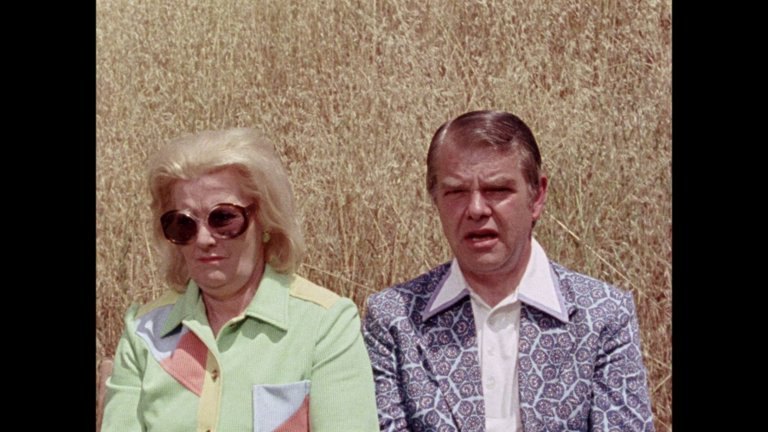
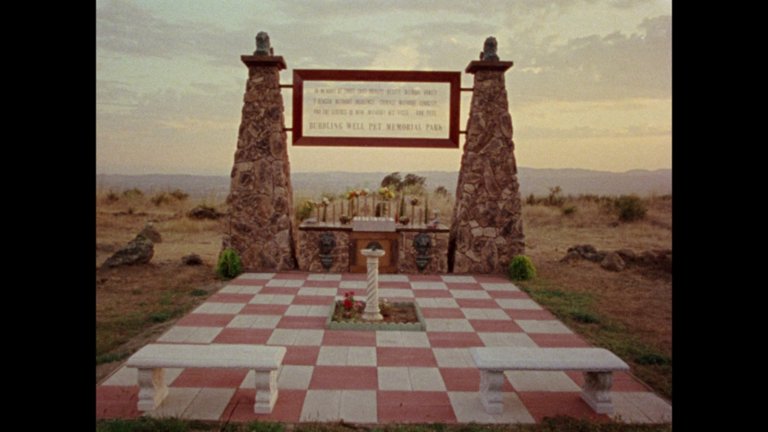
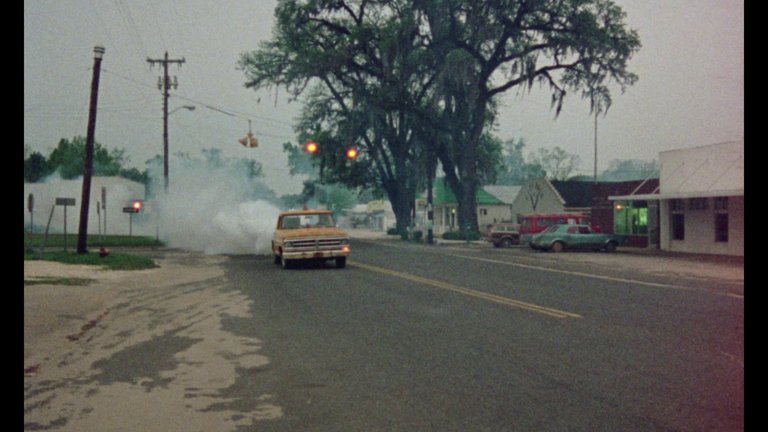
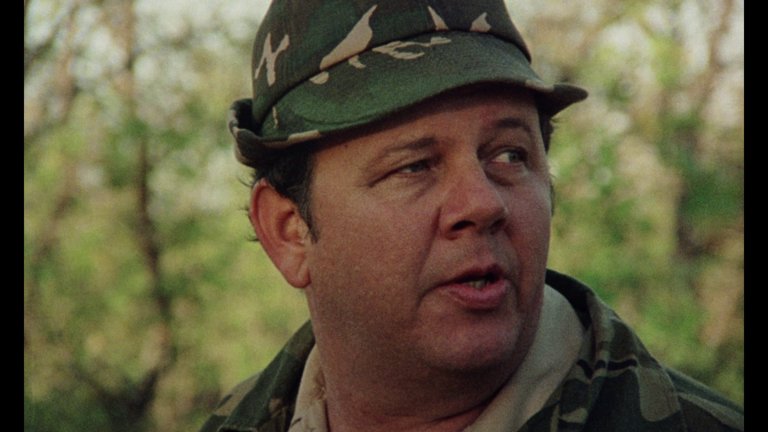
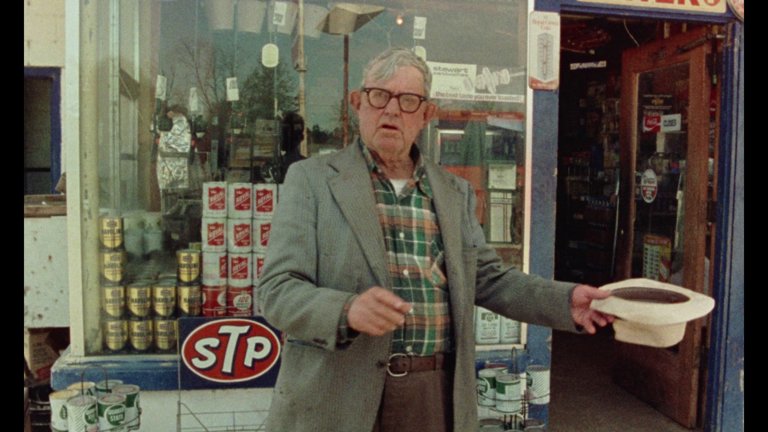
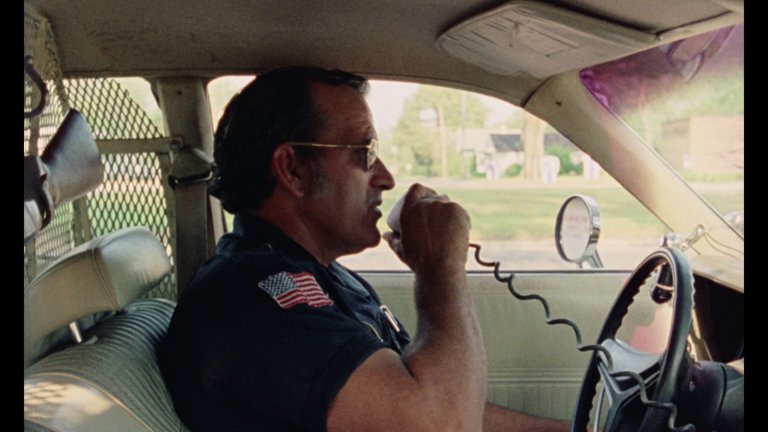
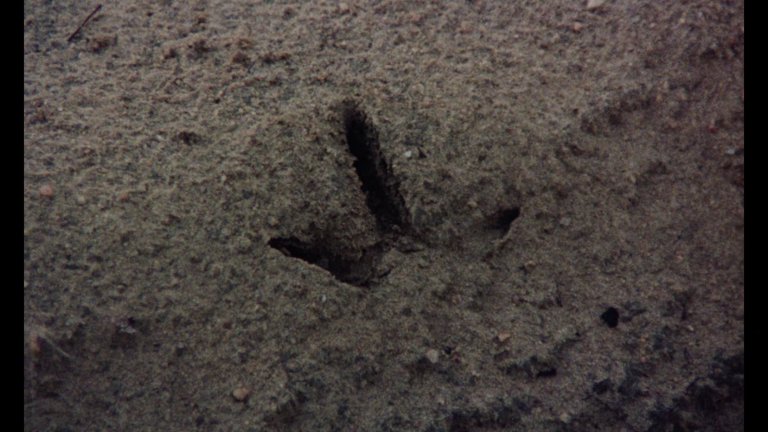
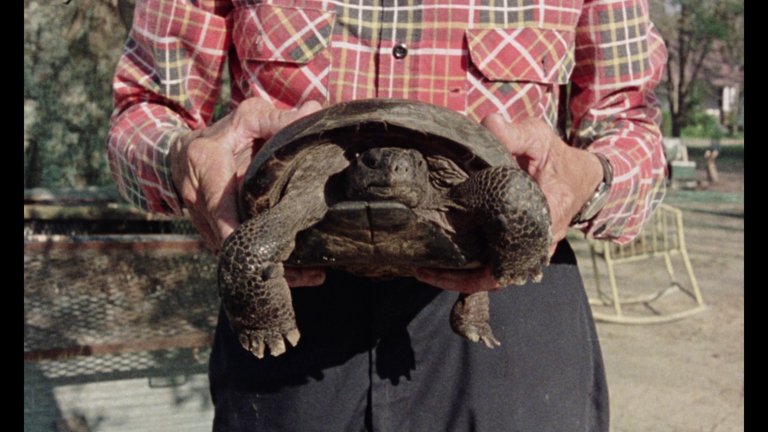
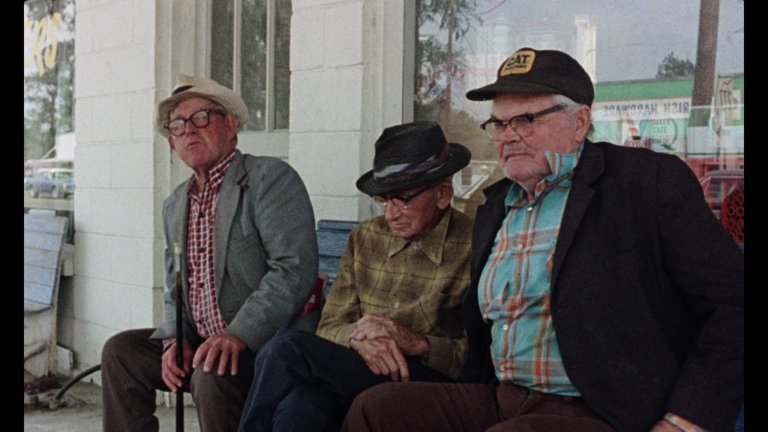
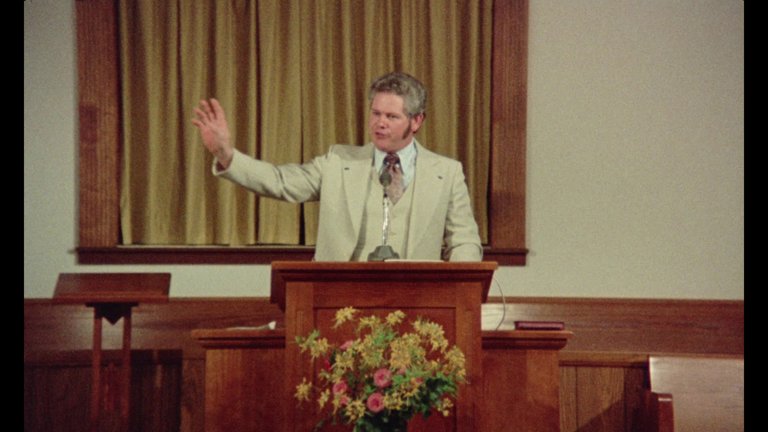
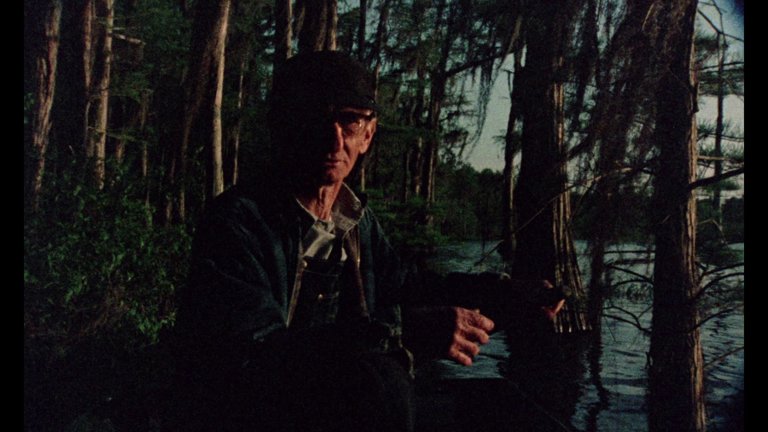
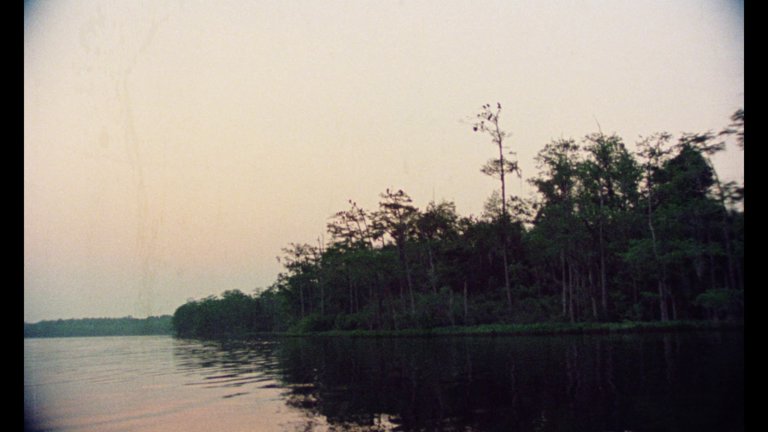
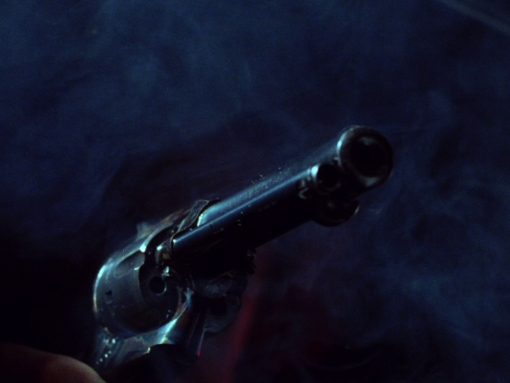
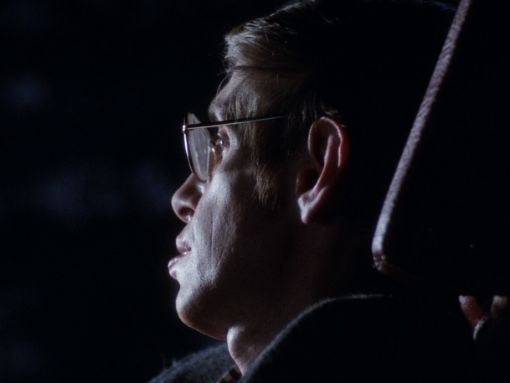
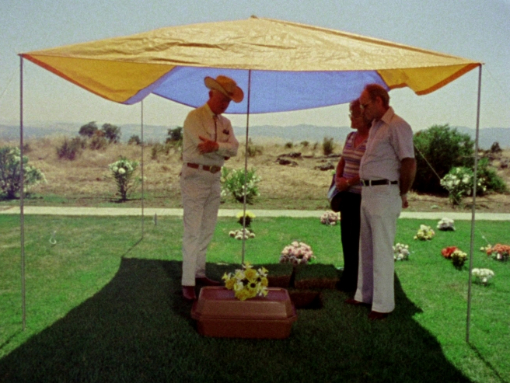
Gates of Heaven / Vernon, Florida - Screen Captures
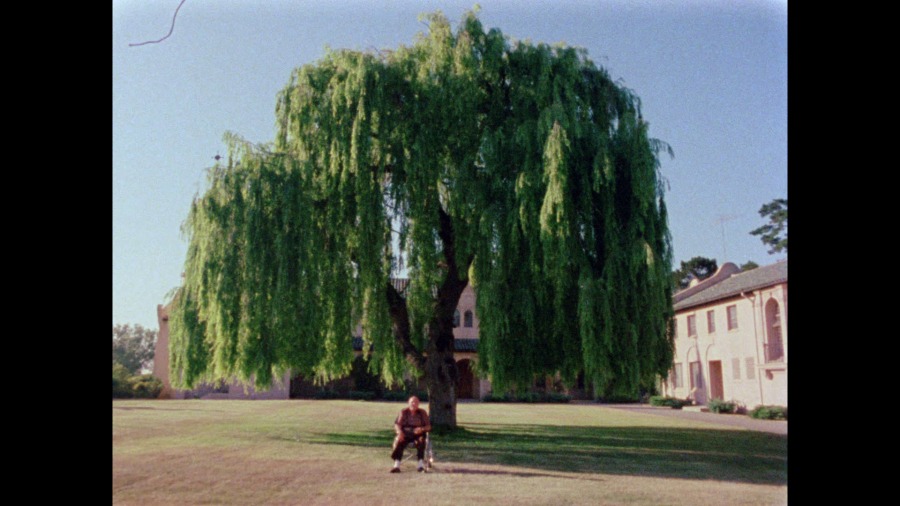
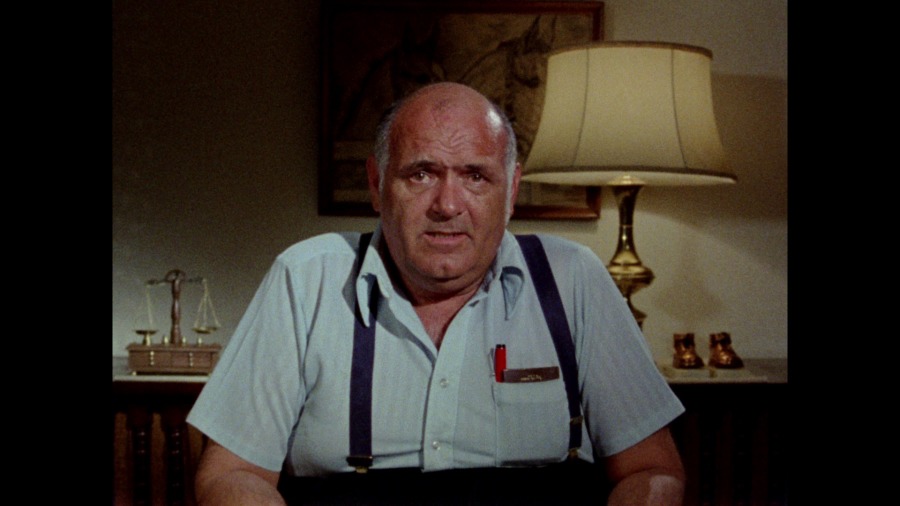
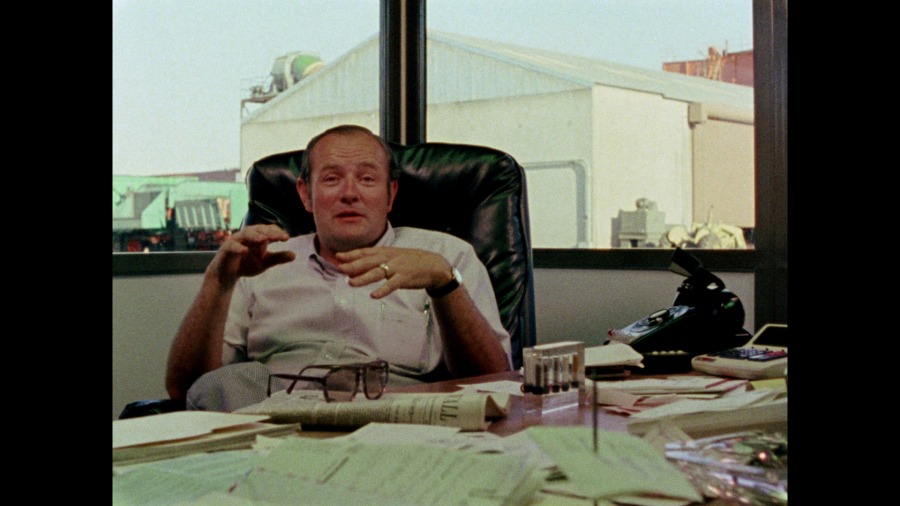
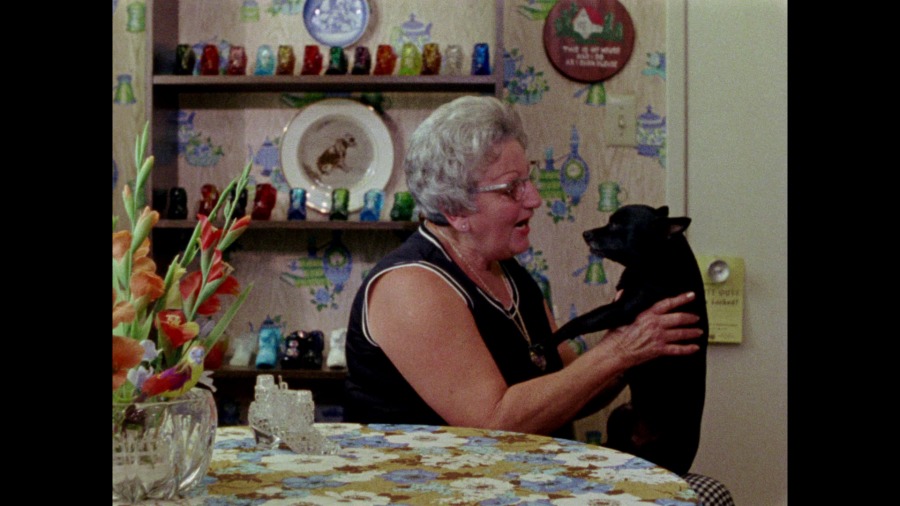
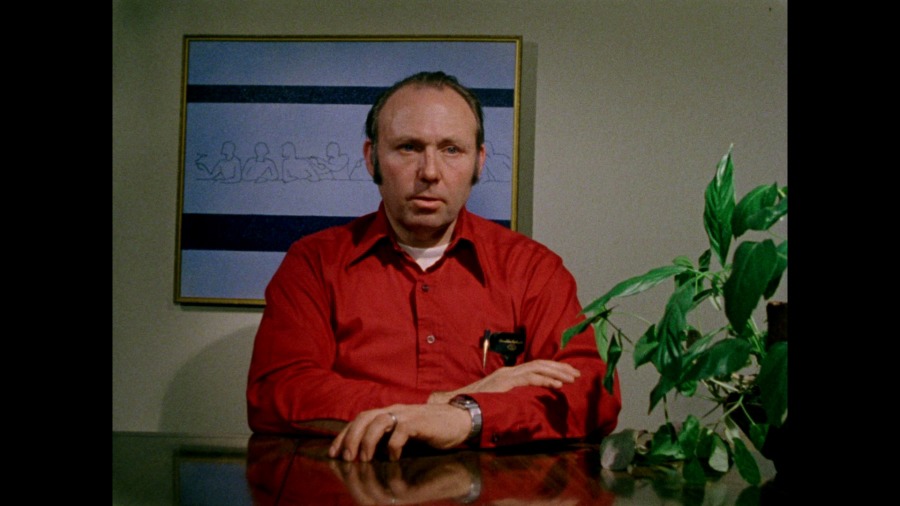
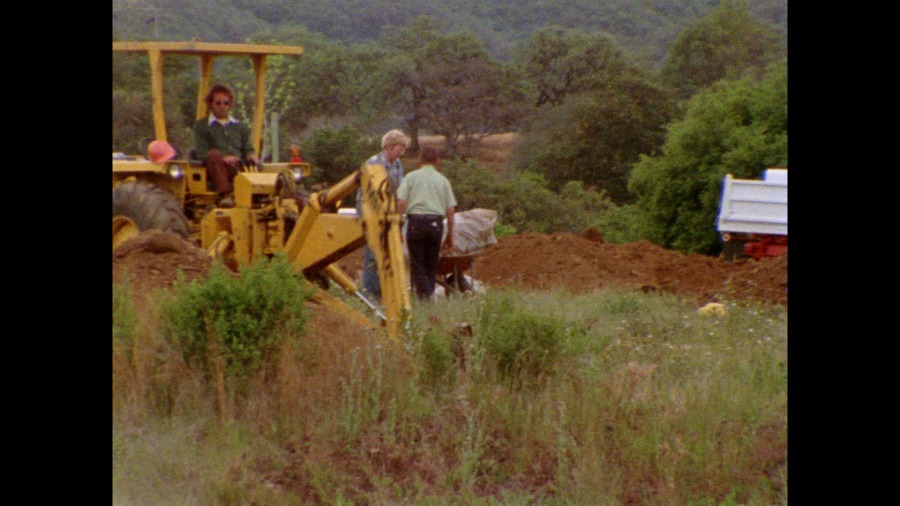
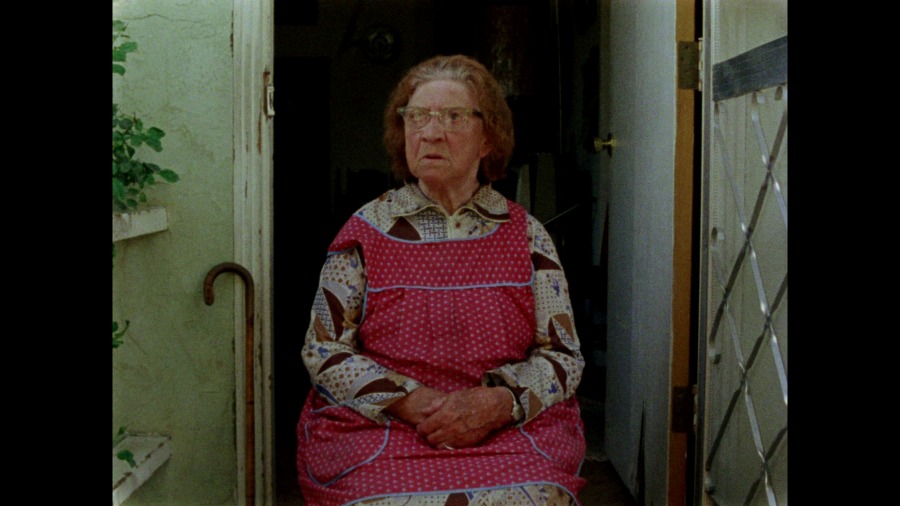
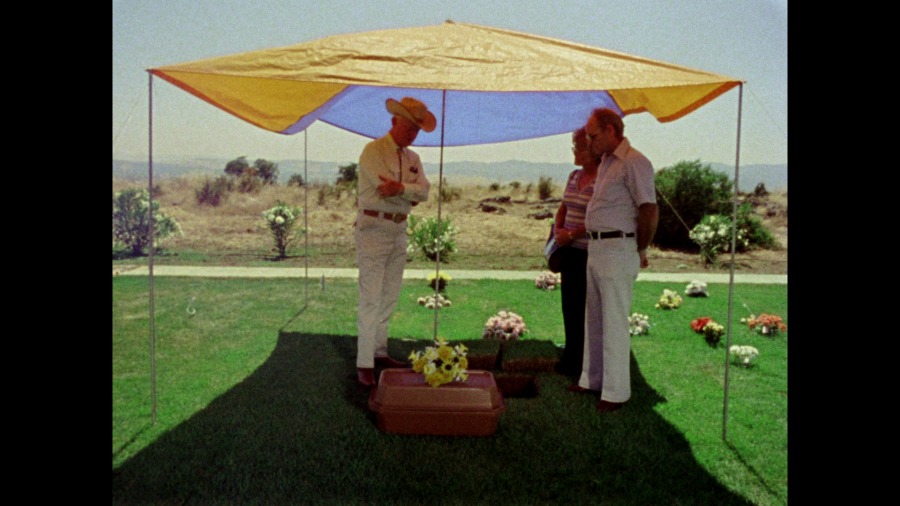
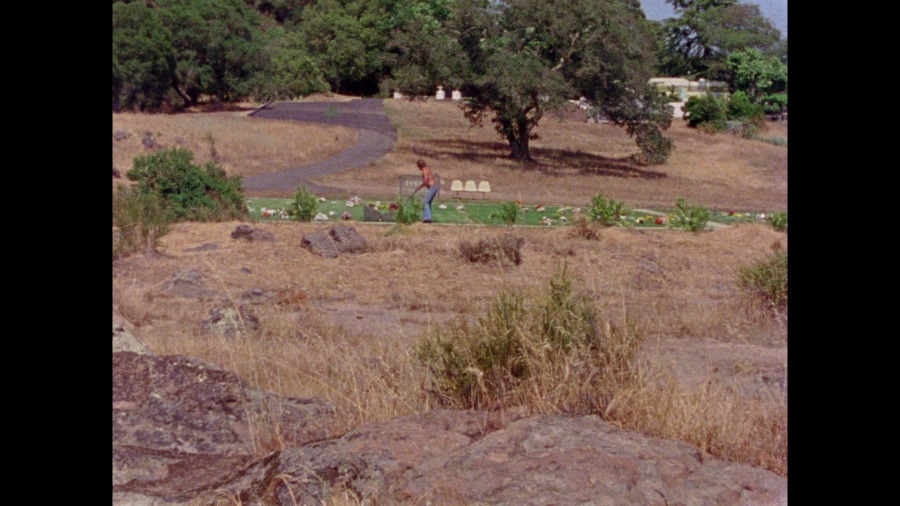
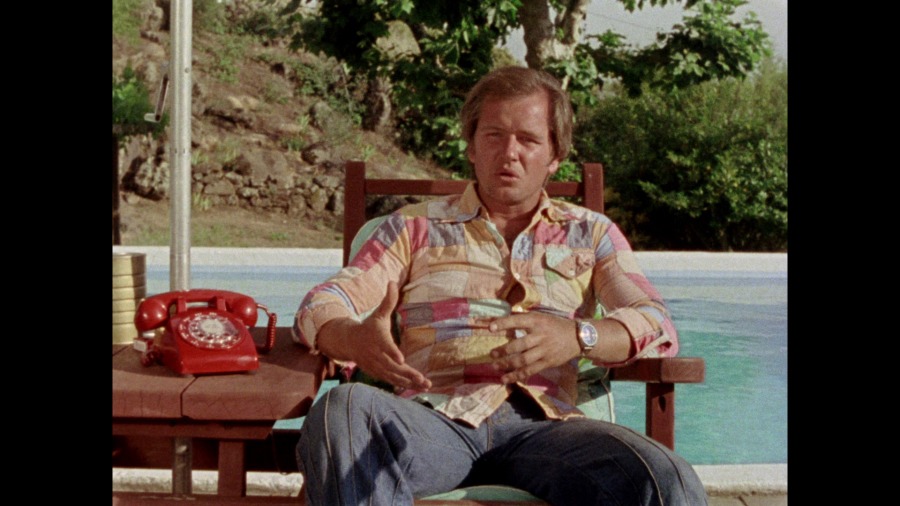
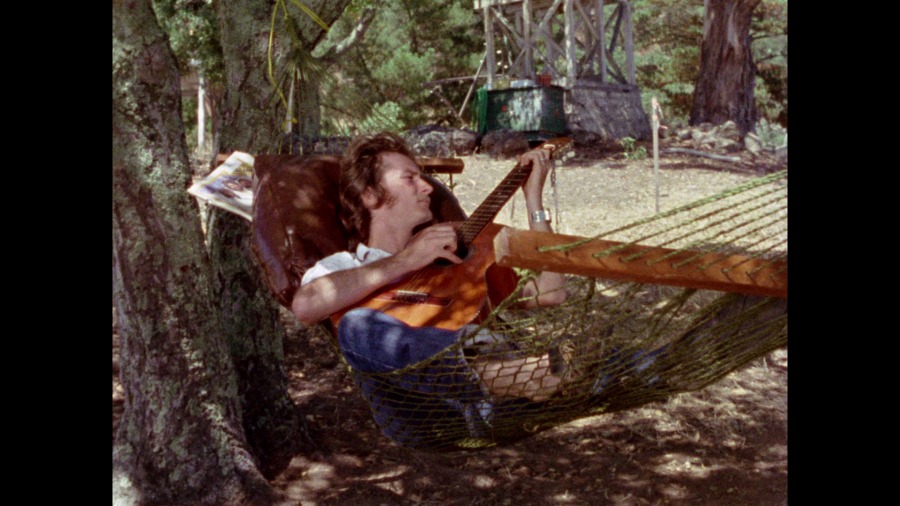
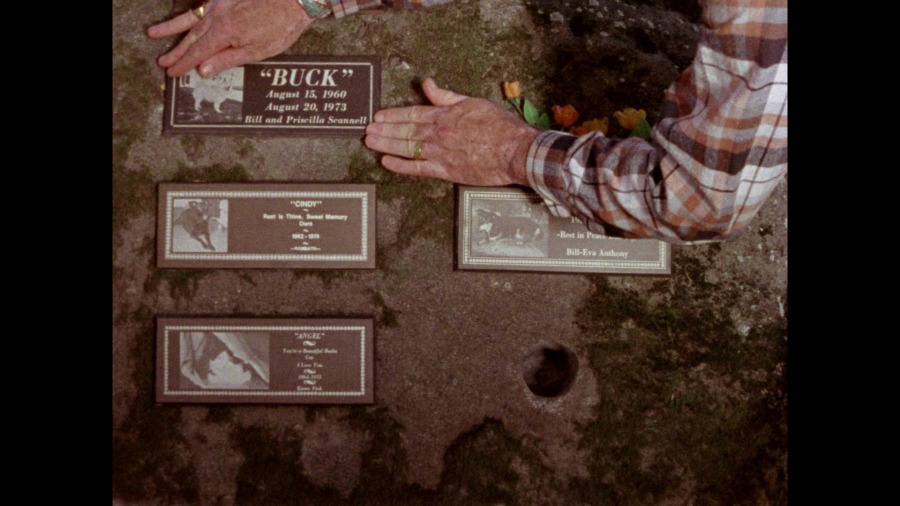
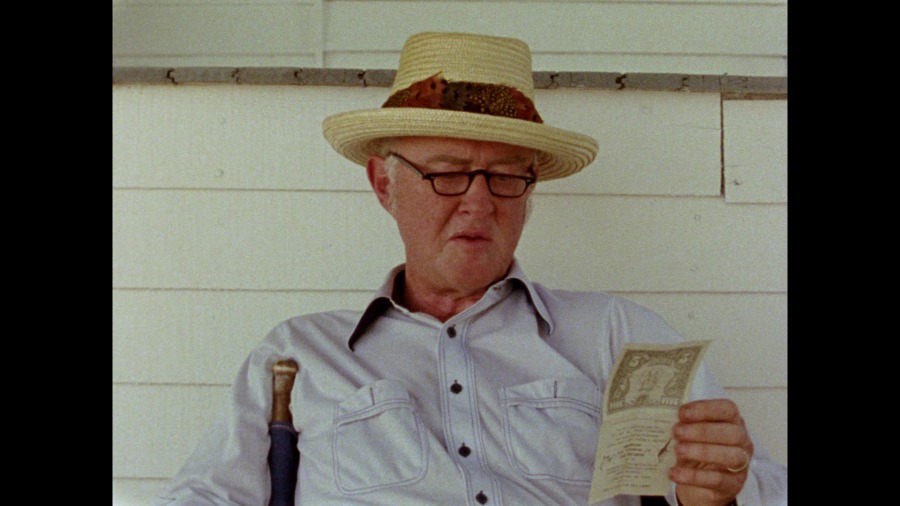
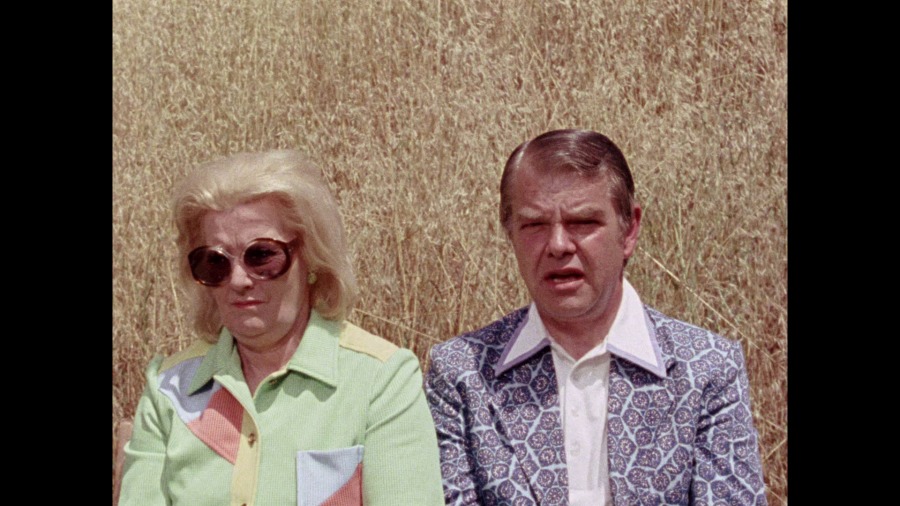
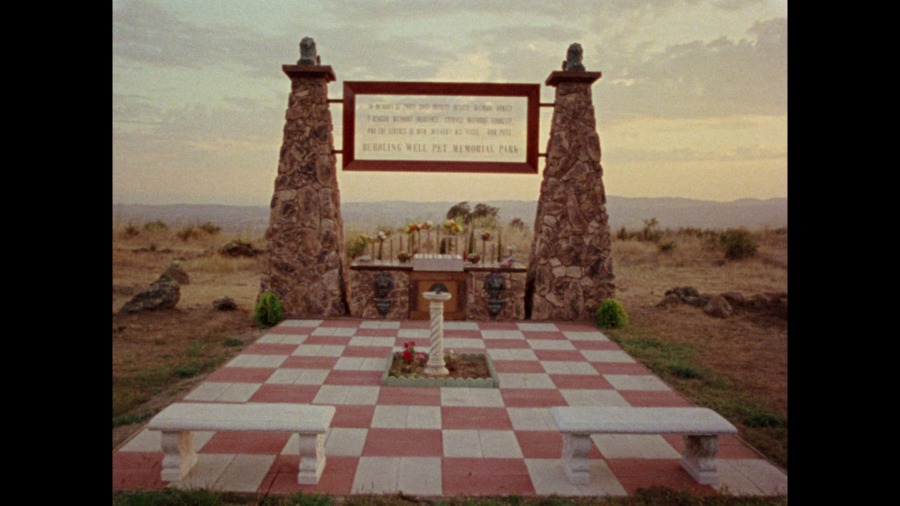
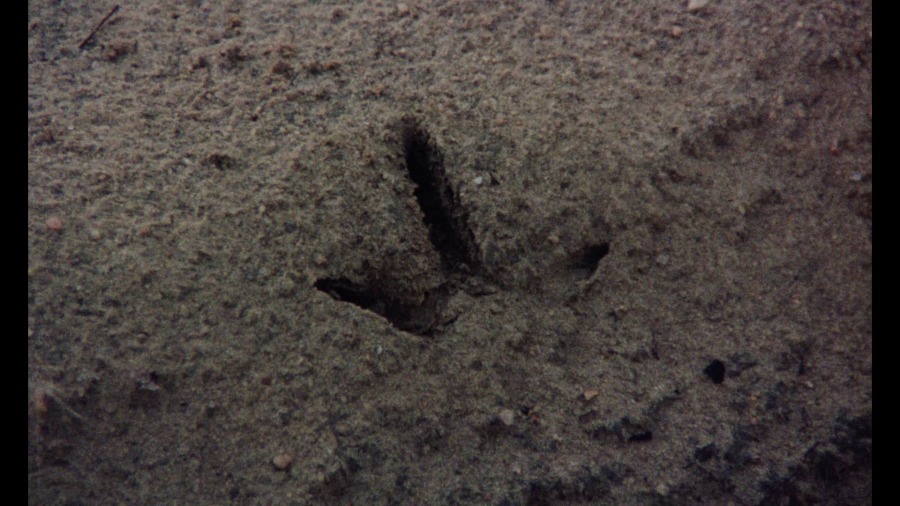
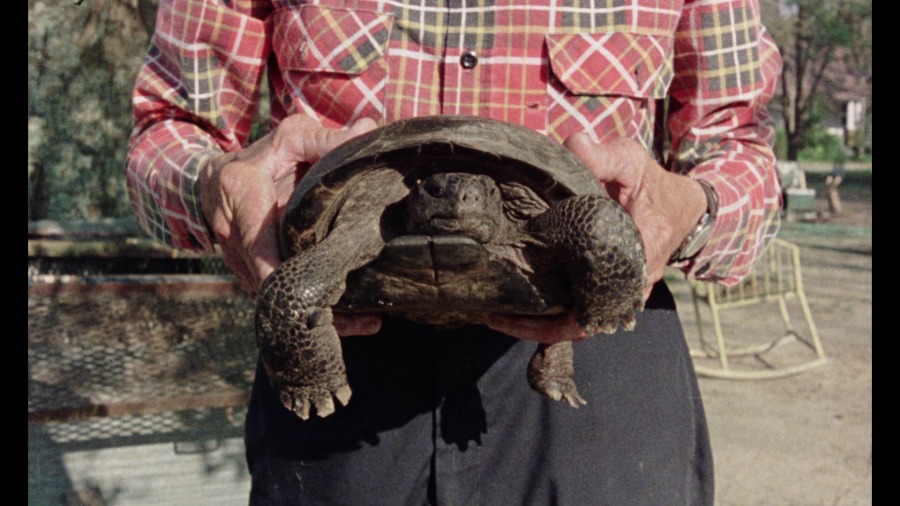
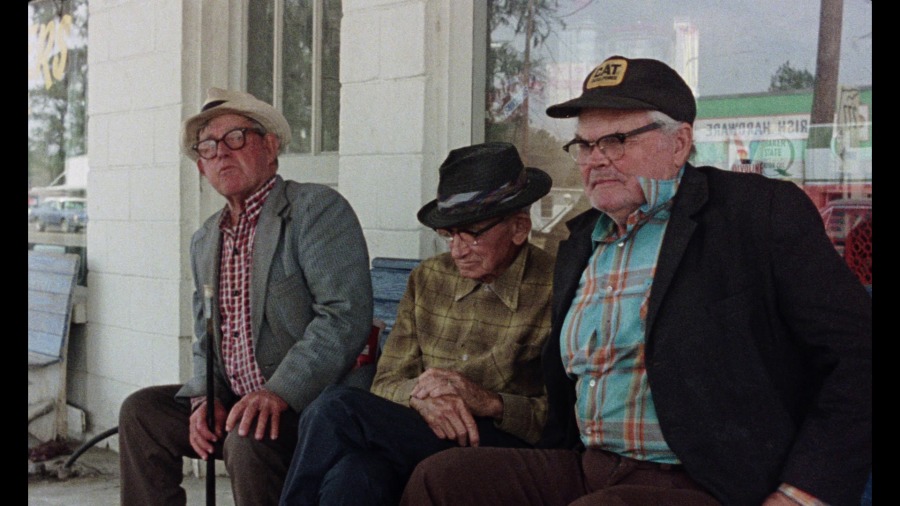
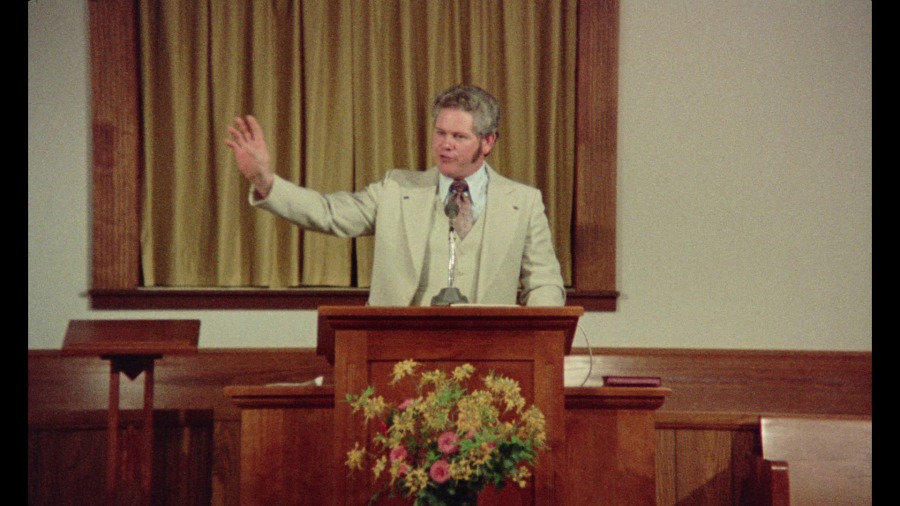
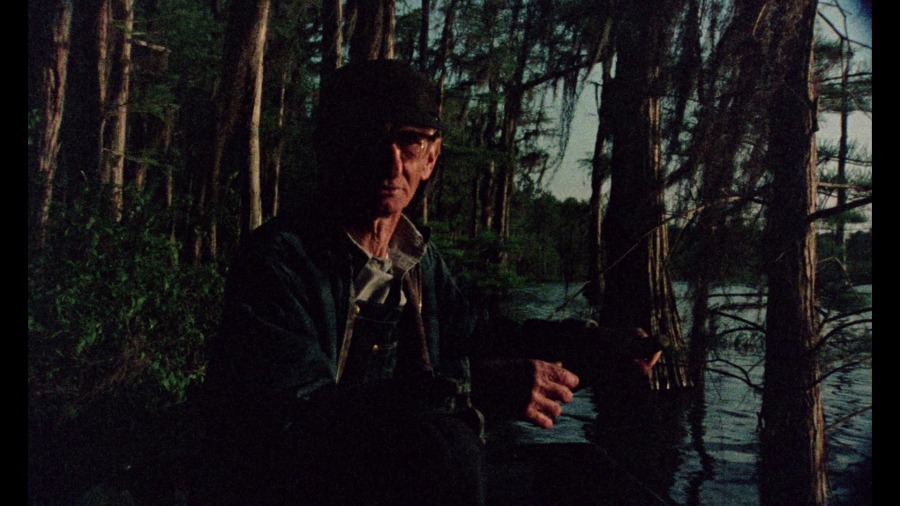
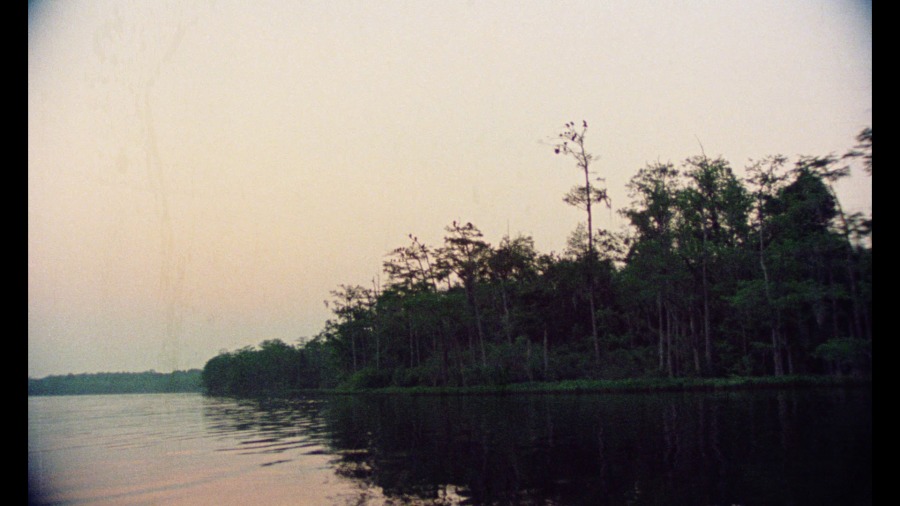
Audio 7/10
Gates of Heaven's lossless 1.0 PCM mono track has a few limitations because of its age: range is limited and fidelity isn’t too strong. But there are a few robust moments, particularly a couple of sequences where one individual shows off his sound system and then serenades one of the final sequences in the film with his guitar. Outside of these sequences dialogue sounds clean and is easy to hear if flat and there is no damage or background noise present.
Vernon, Florida features a lossless 1.0 mono PCM track. It’s limited mostly by shooting conditions, materials, and the subjects themselves. The track can sound a bit distorted when it reaches higher volume levels (and an early sequence where one subject scrapes his foot against the ground is particularly annoying, though I’m sure Morris was going for that) but through most of its run time it’s just flat. Dialogue is mostly easy to hear but the drawl of some of the interviewees can be hard to understand. Past this the rest of the audio is fine: it’s clean without any noticeable damage.
Gates of Heaven: 7/10 Vernon, Florida: 6/10
Extras 6/10
Criterion packs on a nice selection of supplements, though stick most of them with Gates of Heaven.
Though Criterion had originally included it as a supplement on their DVD edition of Les Blank’s Burden of Dreams, Criterion again presents Les Blank’s 22-minute short documentary Werner Herzog Eats His Shoe, which does somewhat make more sense as a supplement with Gates of Heaven (though I guess that is debatable). The basis of the story: Herzog had listened to Morris complain about how hard it is to get financing for a film to which Herzog replied that films are made with guts, not money, and if Morris finished his first feature film the director would eat his shoe. Morris then finished Gates of Heaven and Herzog follows through with the bet at the premiere of the film. The documentary follows Herzog around before the premier, with Herzog sharing his thoughts on independent filmmaking, the commercial side of the industry, and whatever other thoughts seem to enter his head. We then get to see the actually preparation and cooking of the shoes, shot with a similar enthusiasm in cooking that shows through in some of Blank’s other food-centric films. We then, of course, see Herzog eat his shoe during a Q&A session, intercut with footage from Chaplin’s The Gold Rush naturally. It’s a fun little short, aided by Polka music, which seems to aim to show what real passion for filmmaking will do to someone (as Herzog explains it turns you into a “clown”.)
In comparison to the short’s presentation on Criterion’s Burden of Dreams DVD it does look far better, appearing to come from a new restoration that I only assume was done around the same time as Blank’s other film. The transfer (in 1080p/24hz) is very sharp and quite filmic, and damage, while more noticeable at the beginning, tapers off as the film progresses. It looks exceptional.
Accompanying this is also a brief 1-minute clip of Herzog from the Telluride Film Festival where he talks about Morris’ film and the film industry (to applause).
The supplements for the film then close with a 19-minute interview with director Errol Morris. Morris talks about his first film and how he came across the subject matter, which was born out of his love of the absurd, and recounts the actual production, which involved firing a lot of people, particularly cameramen, because they didn’t agree with his vision. He recalls personal stories with the subjects and mentions the Herzog bet, the film’s release, and the cult status it has received over the years thanks in part to Siskel & Ebert. Not as illuminating as his lengthy interview on the Blu-ray of The Thin Blue Line but it’s a nice addition to the release and Morris is his usual enthusiastic self.
Vernon, Florida only comes with one significant feature, a 12-minute interview with Errol Morris. Here he spends half the time talking about the original intentions of the film: a documentary on a huge insurance scam in the area. After running into roadblock after roadblock (and apparently being beaten up if I heard Morris correctly) he started filming in Vernon, where he found an assortment of odd characters. From this the film began to change in direction. He talks about the experience and his favourite moments though ultimately it’s not as in-depth or as illuminating as Morris’ other interviews. Still worth a view, though.
Eric Hynes then provides an essay in the included insert on Gates of Heaven and Vernon, Florida, going over his two early films (and how they started out), his style of filmmaking, and the subjects that interest him.
It’s a bit disappointing that there isn’t much else (and it’s disappointing that the Siskel & Ebert clips aren’t here, like Criterion did with Hoop Dreams) but the material is at least strong, and I think the inclusion of a high-def version Werner Herzog Eats His Shoe adds some real value to the release as a whole.
Closing
Paired with Vernon, Florida this is a decent release. Both films sport surprisingly strong video presentations and a couple of strong supplements, including a new high-def presentation of Werner Herzog Eats His Shoe.
BUY AT: