High and Low
BUY AT:


See more details, packaging, or compare
Synopsis
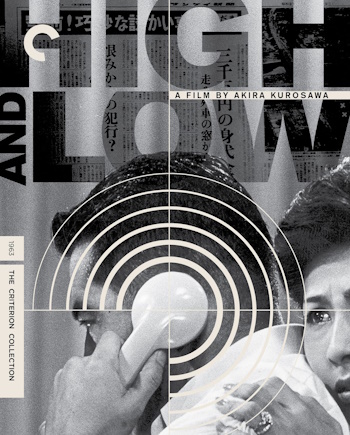
Toshiro Mifune is unforgettable as Kingo Gondo, a wealthy industrialist whose family becomes the target of a cold-blooded kidnapper in High and Low, the highly influential domestic drama and police procedural from director Akira Kurosawa. Adapting Ed McBain’s detective novel King’s Ransom, Kurosawa moves effortlessly from compelling race-against-time thriller to exacting social commentary, creating a diabolical treatise on class and contemporary Japanese society.
Picture 9/10
The Criterion Collection pays another visit to Akira Kurosawa’s High and Low, presenting the film in a new 4K UHD special edition sourced from a 4K restoration taken from a scan of the 35 mm original negative. It is presented here in SDR with a 2160p/24hz ultra high-def encode. The release also contains a standard Blu-ray featuring a 1080p presentation of the film and all video features, replicating Criterion’s original Blu-ray edition and its older restoration.
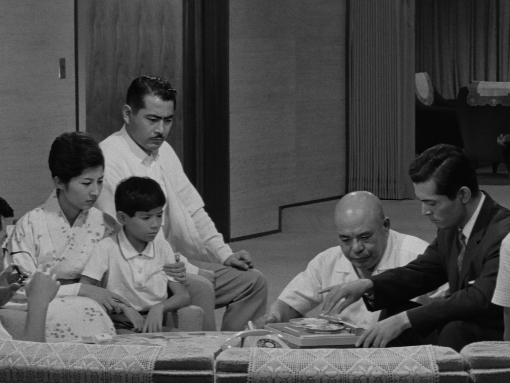
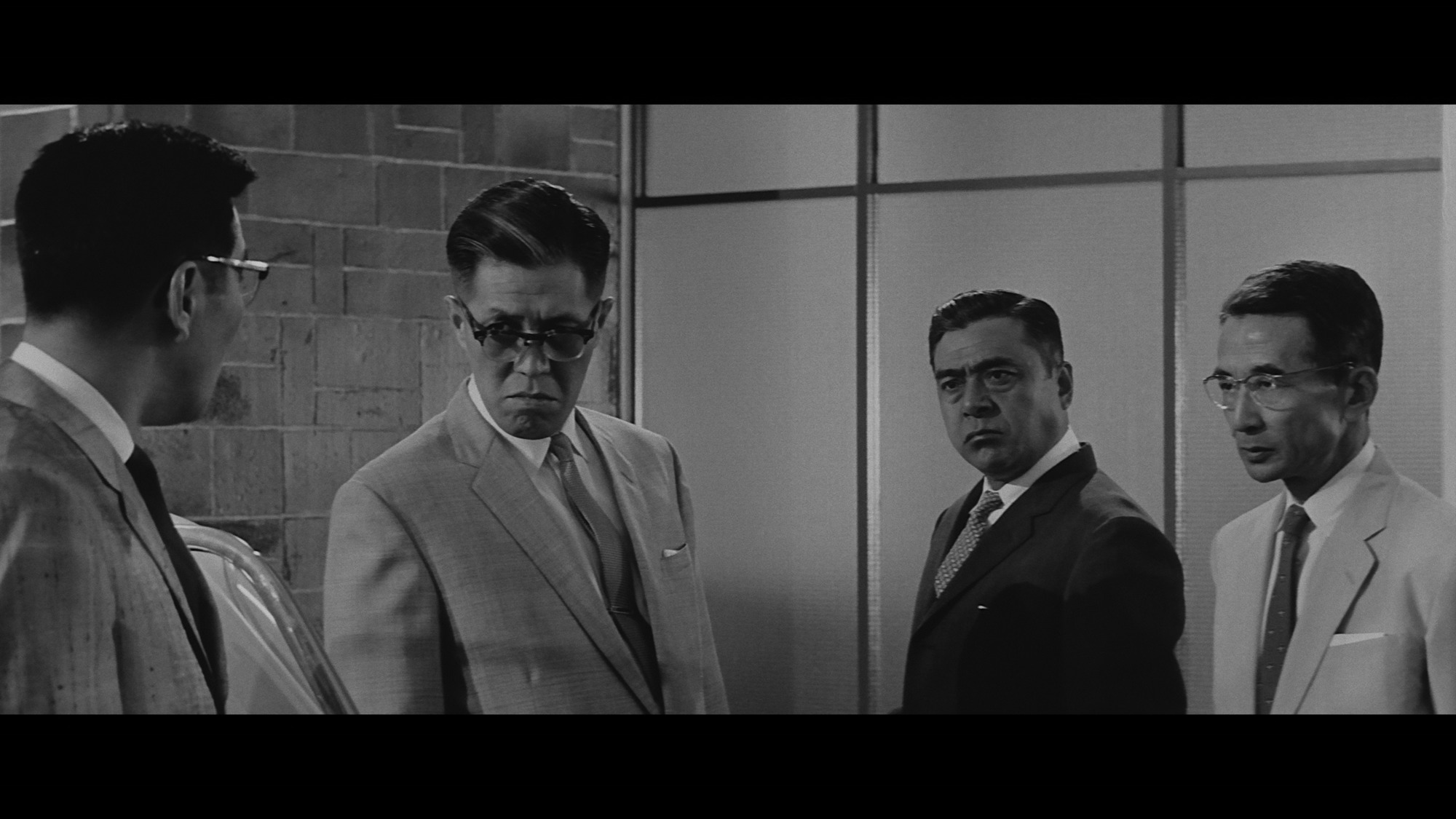
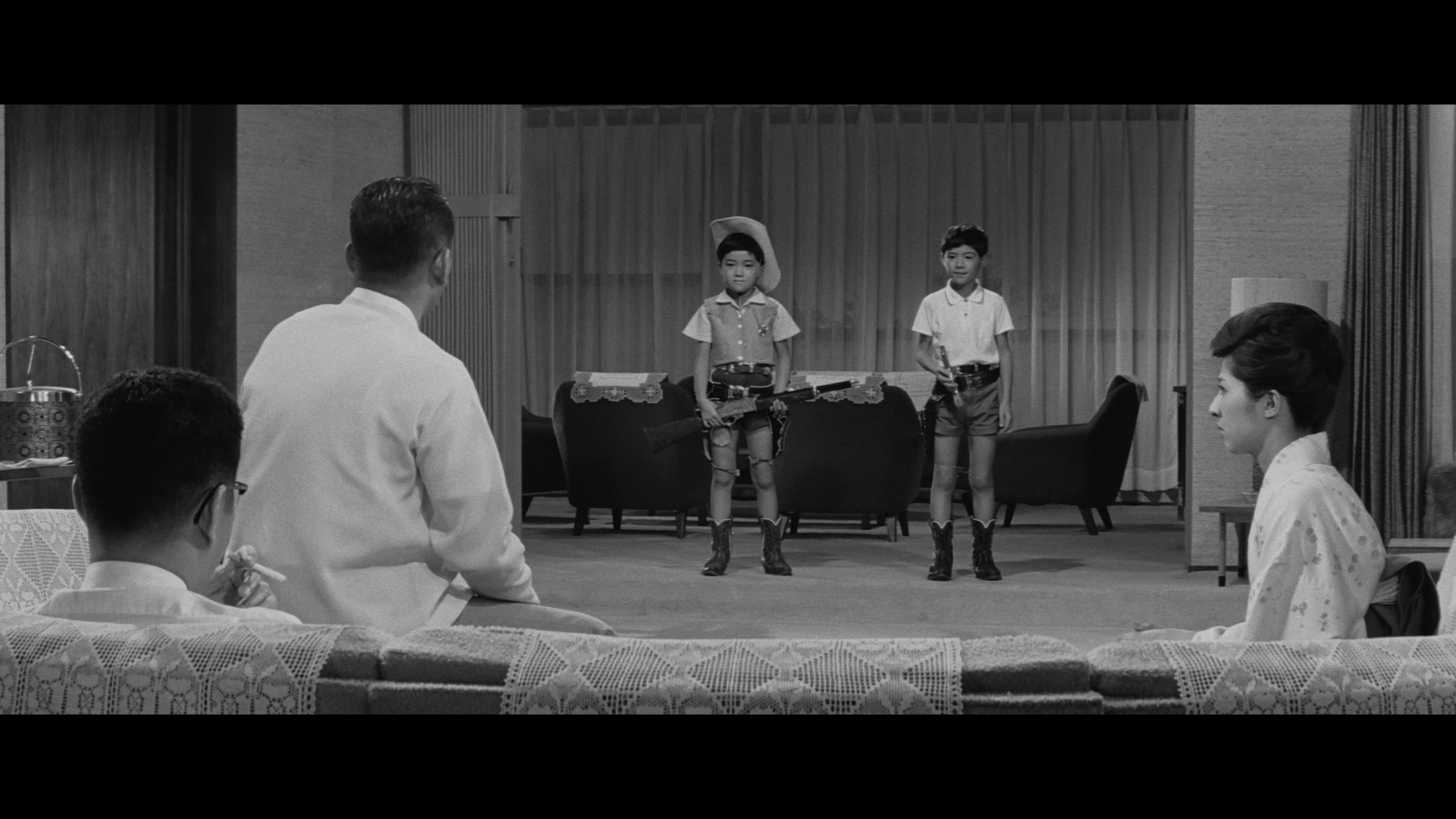
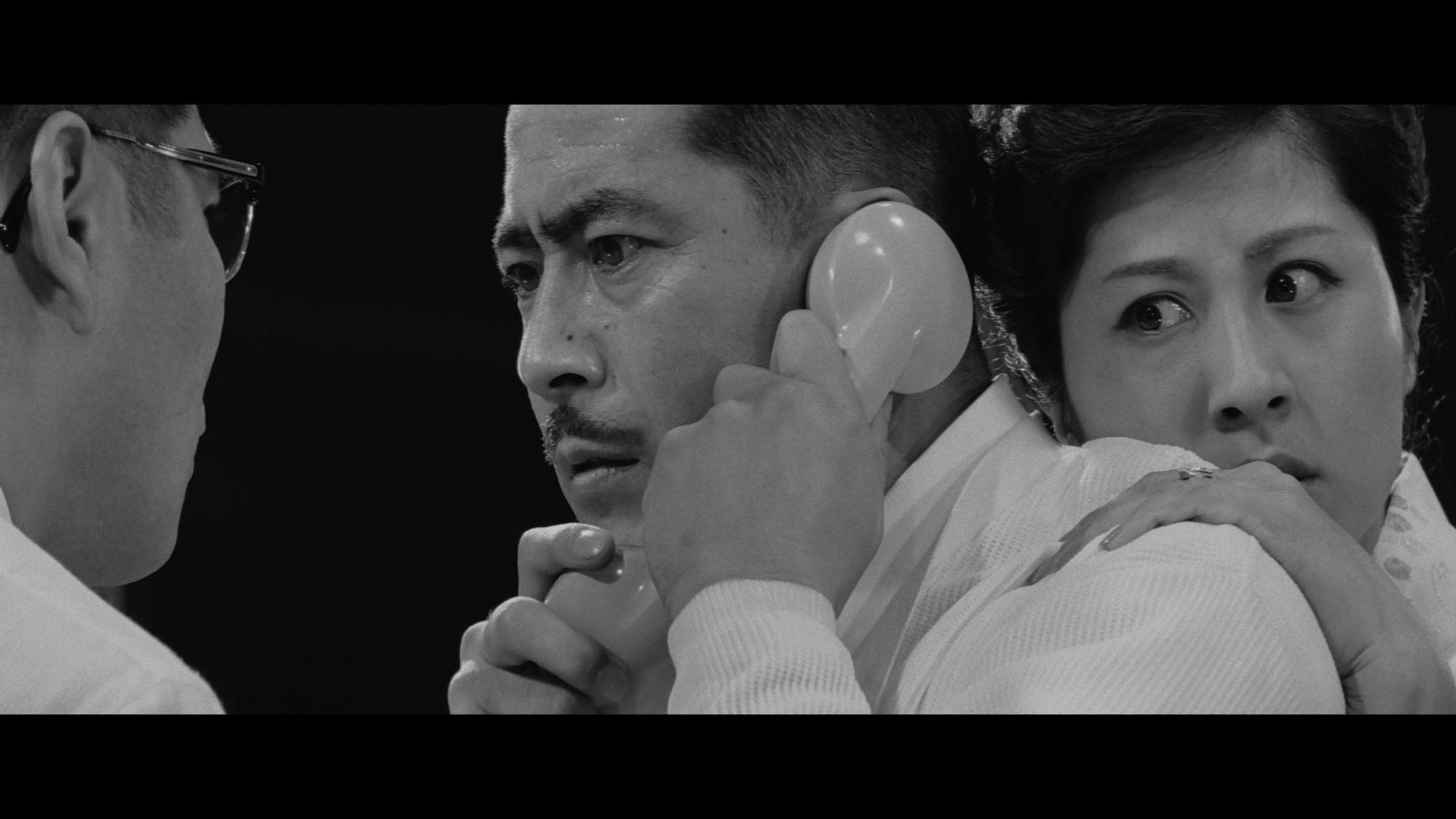
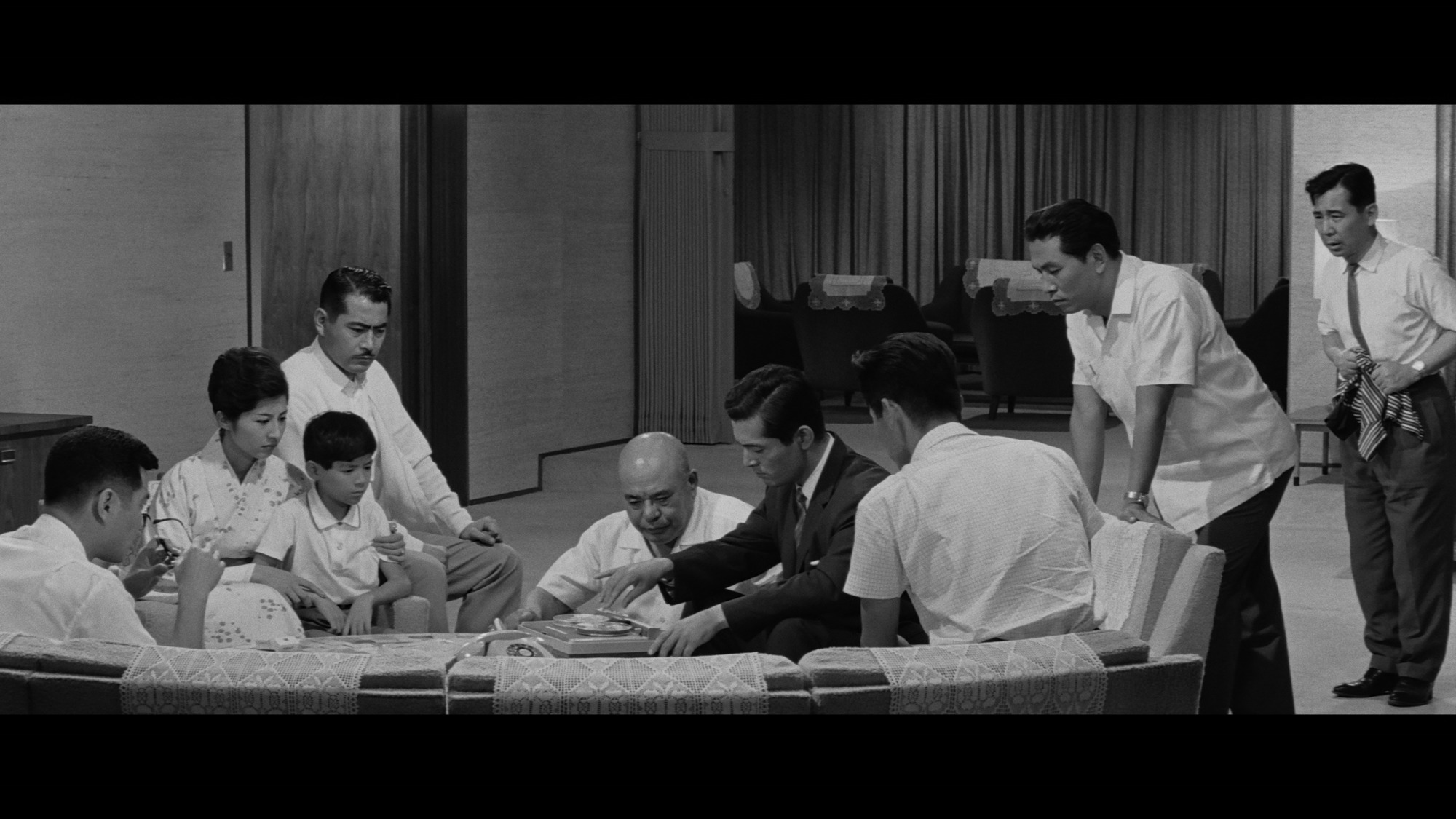
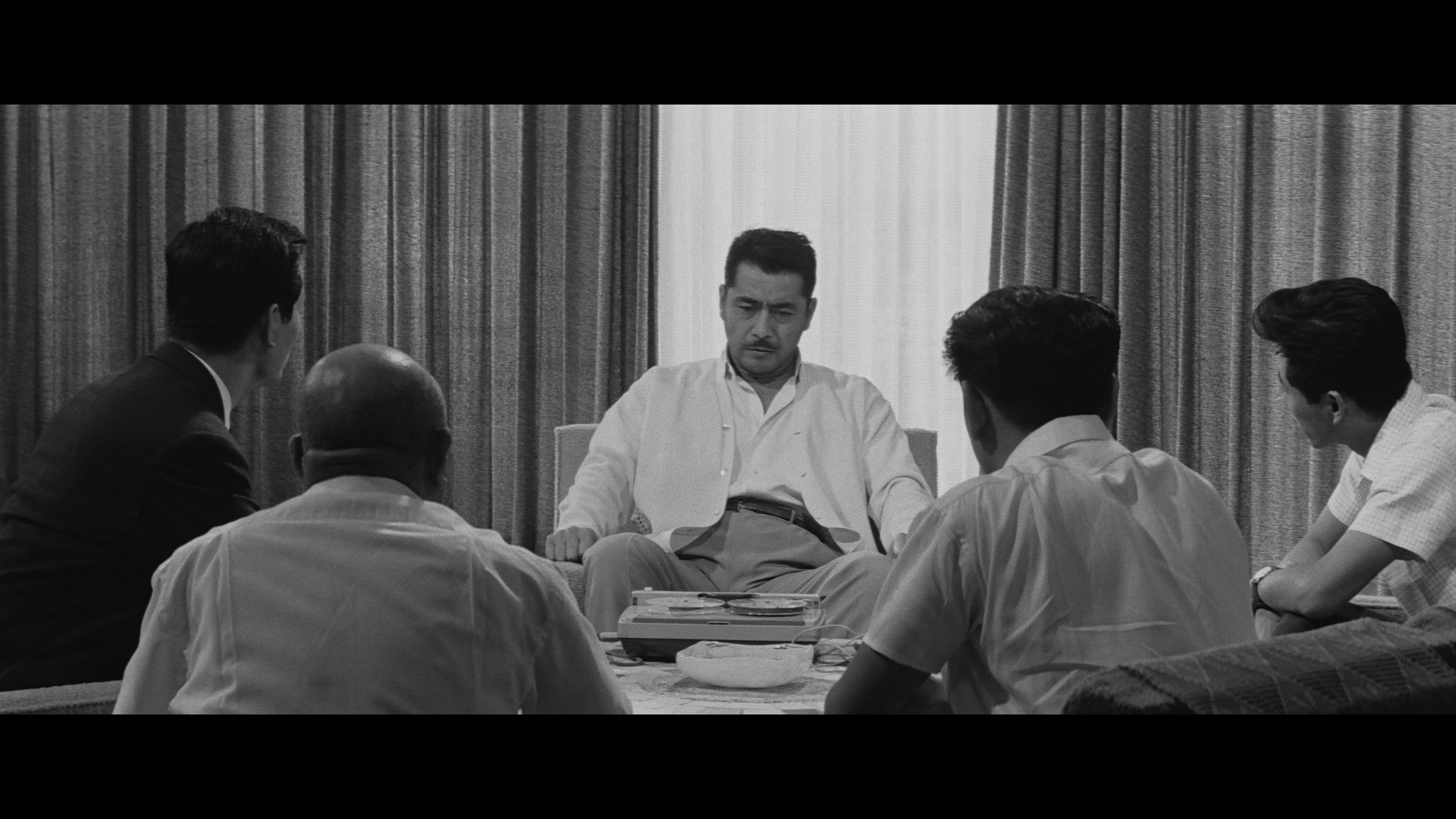
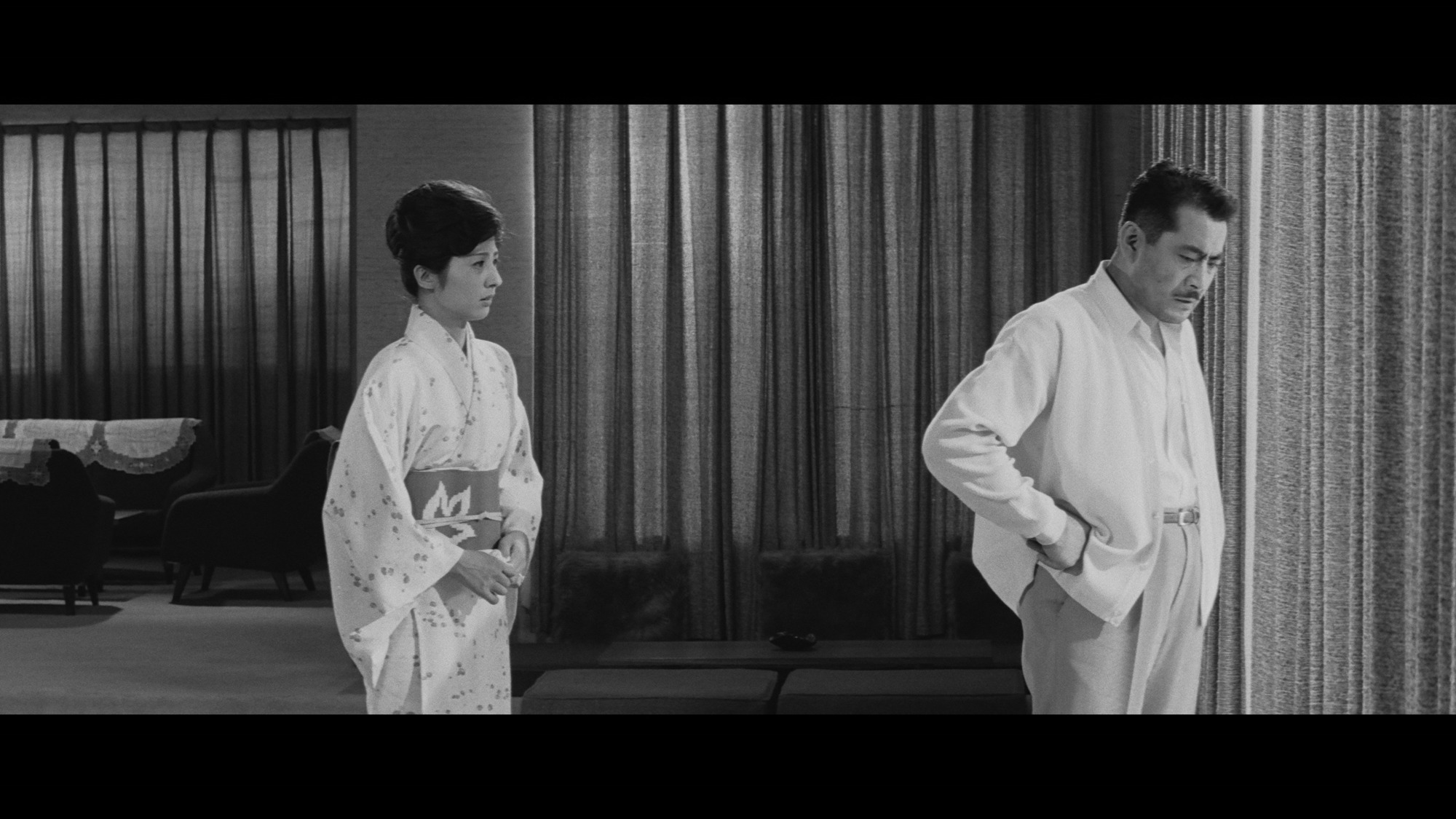
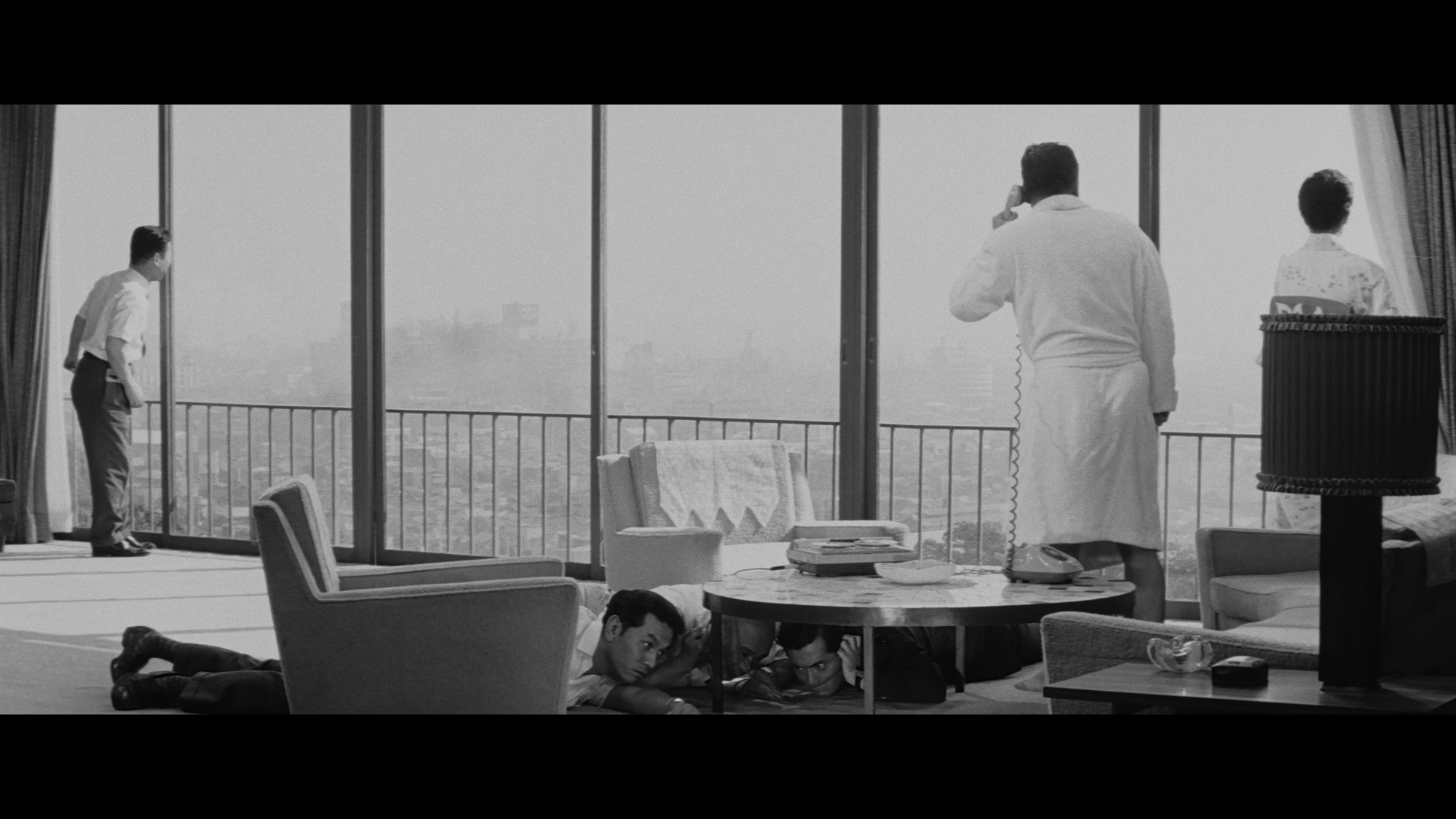
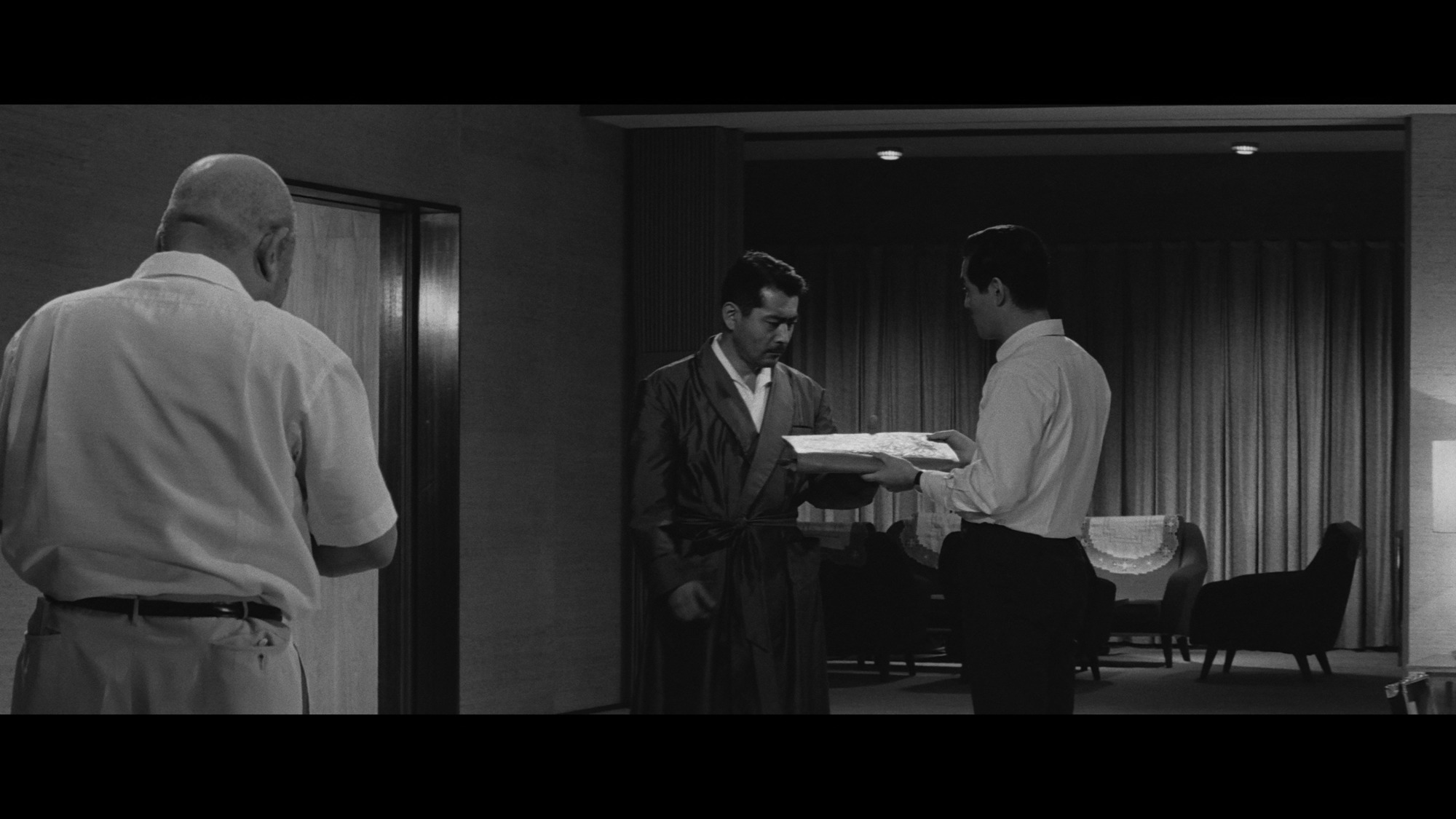
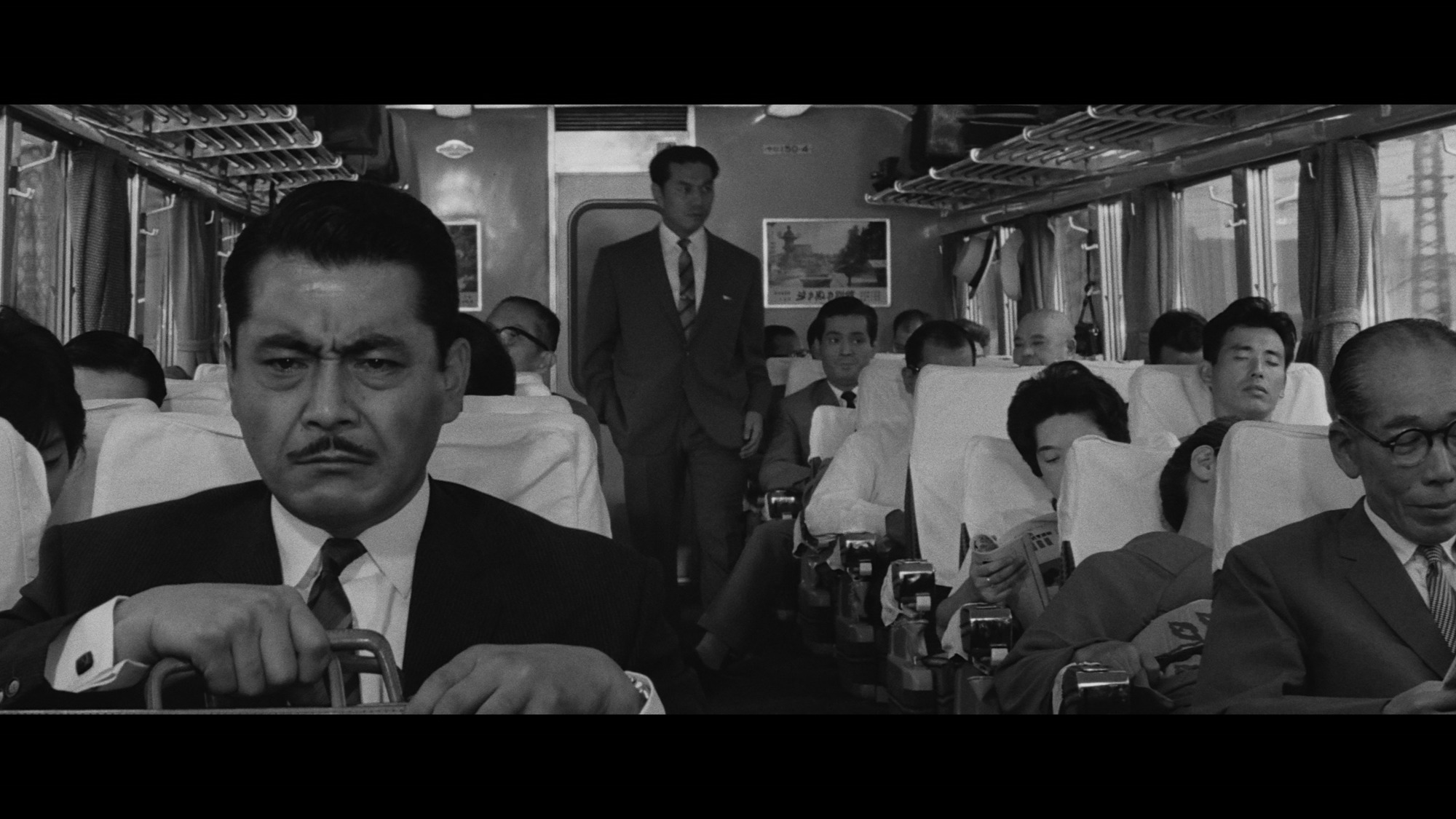
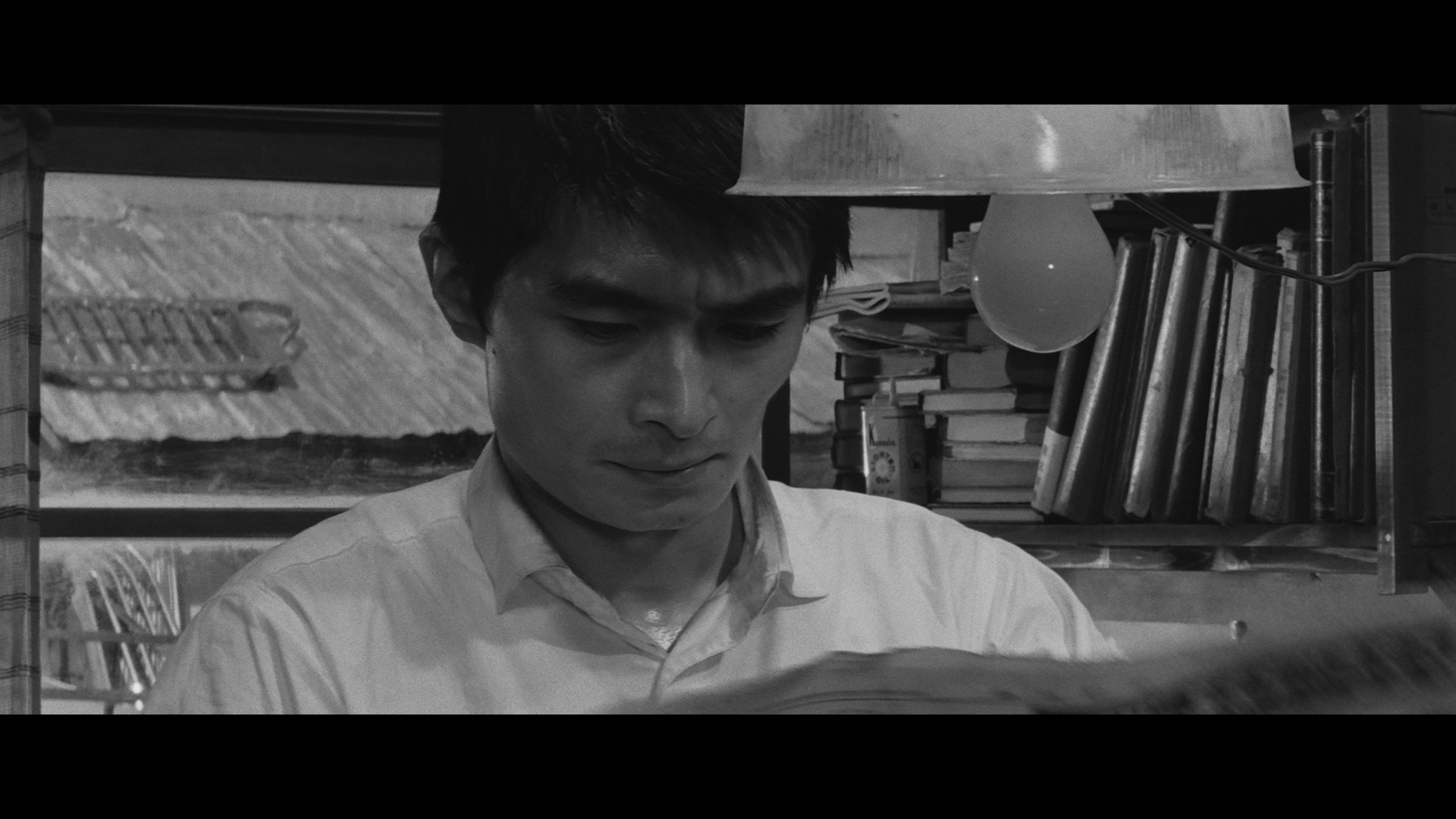
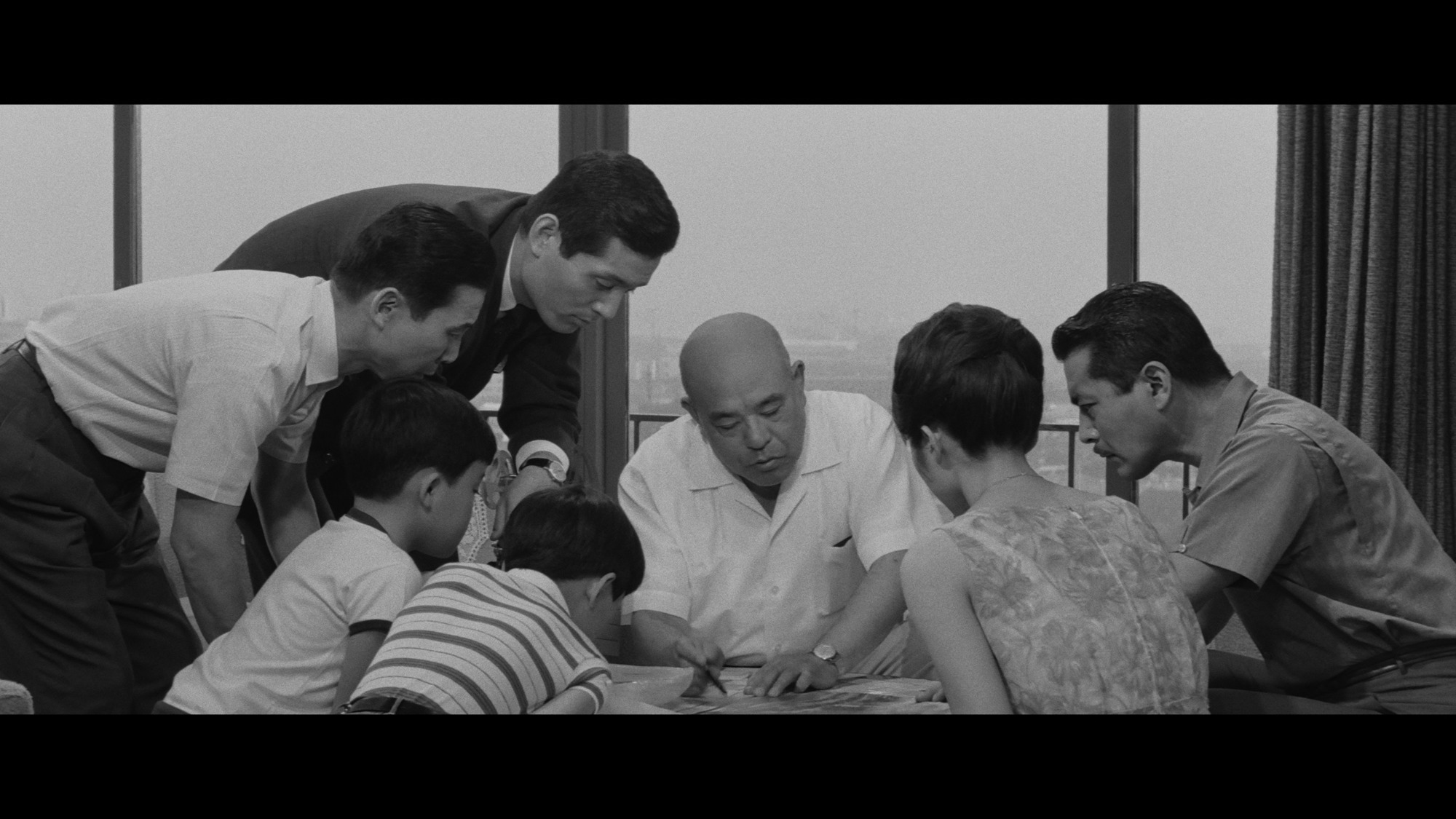
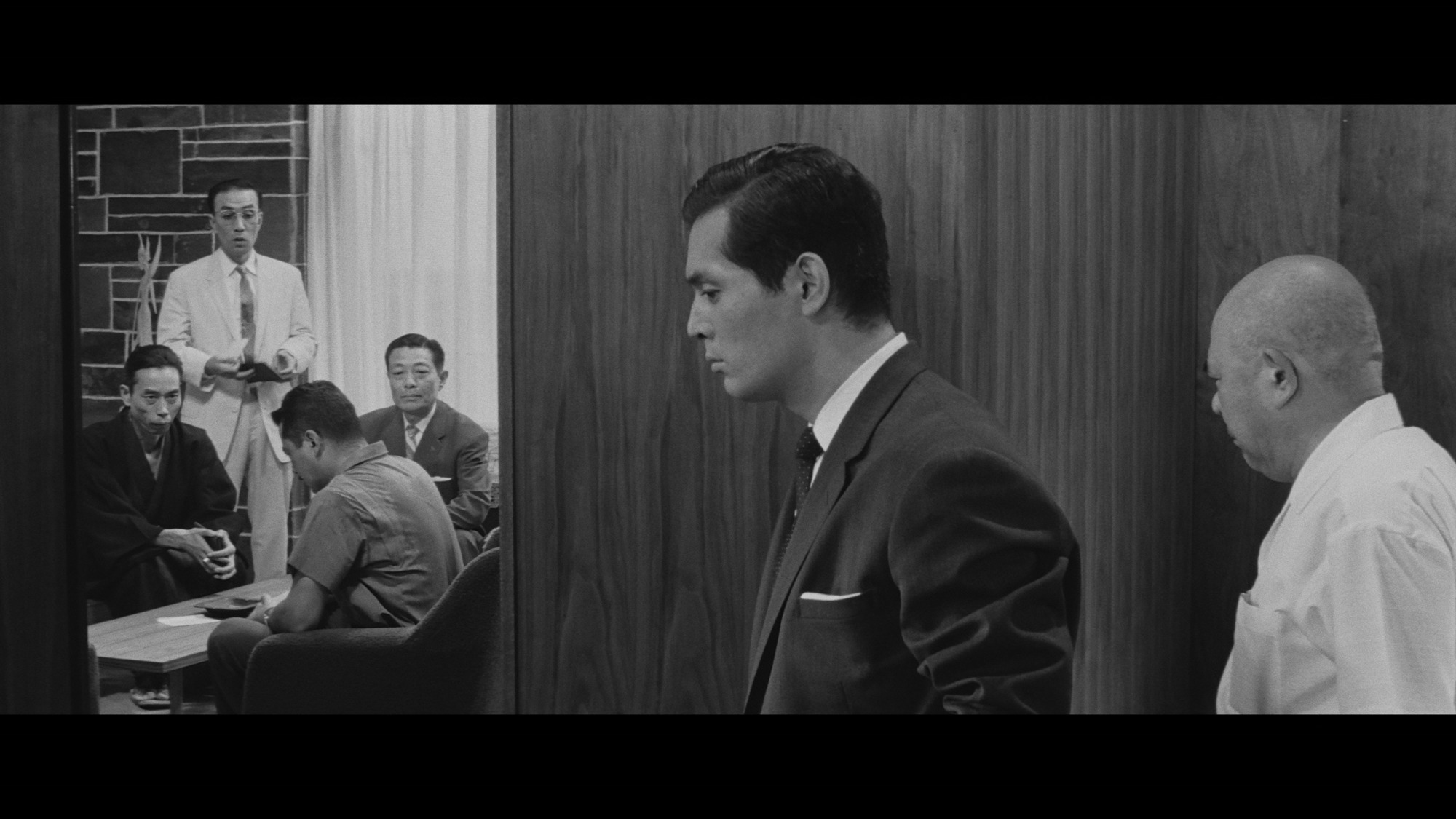
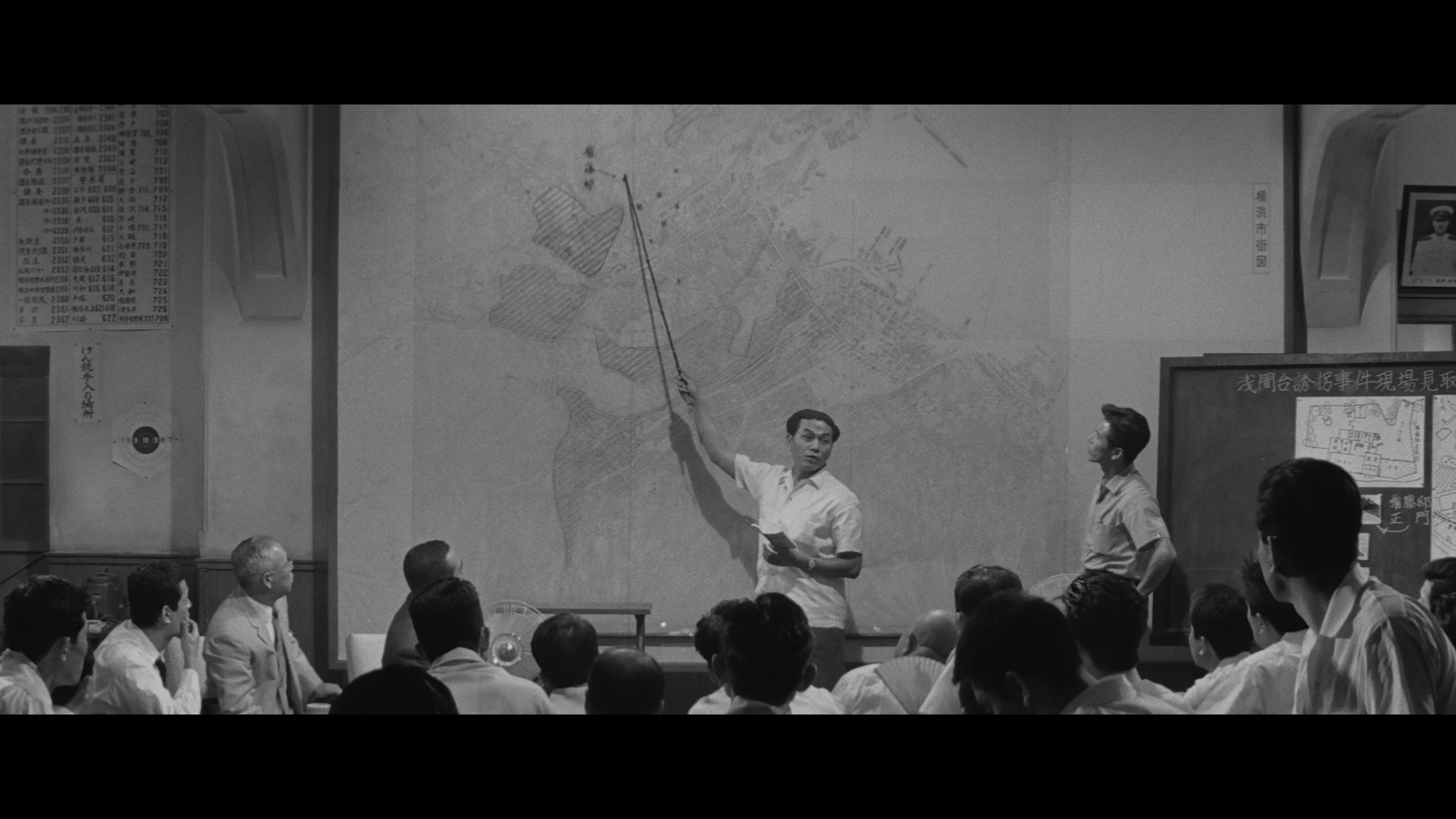
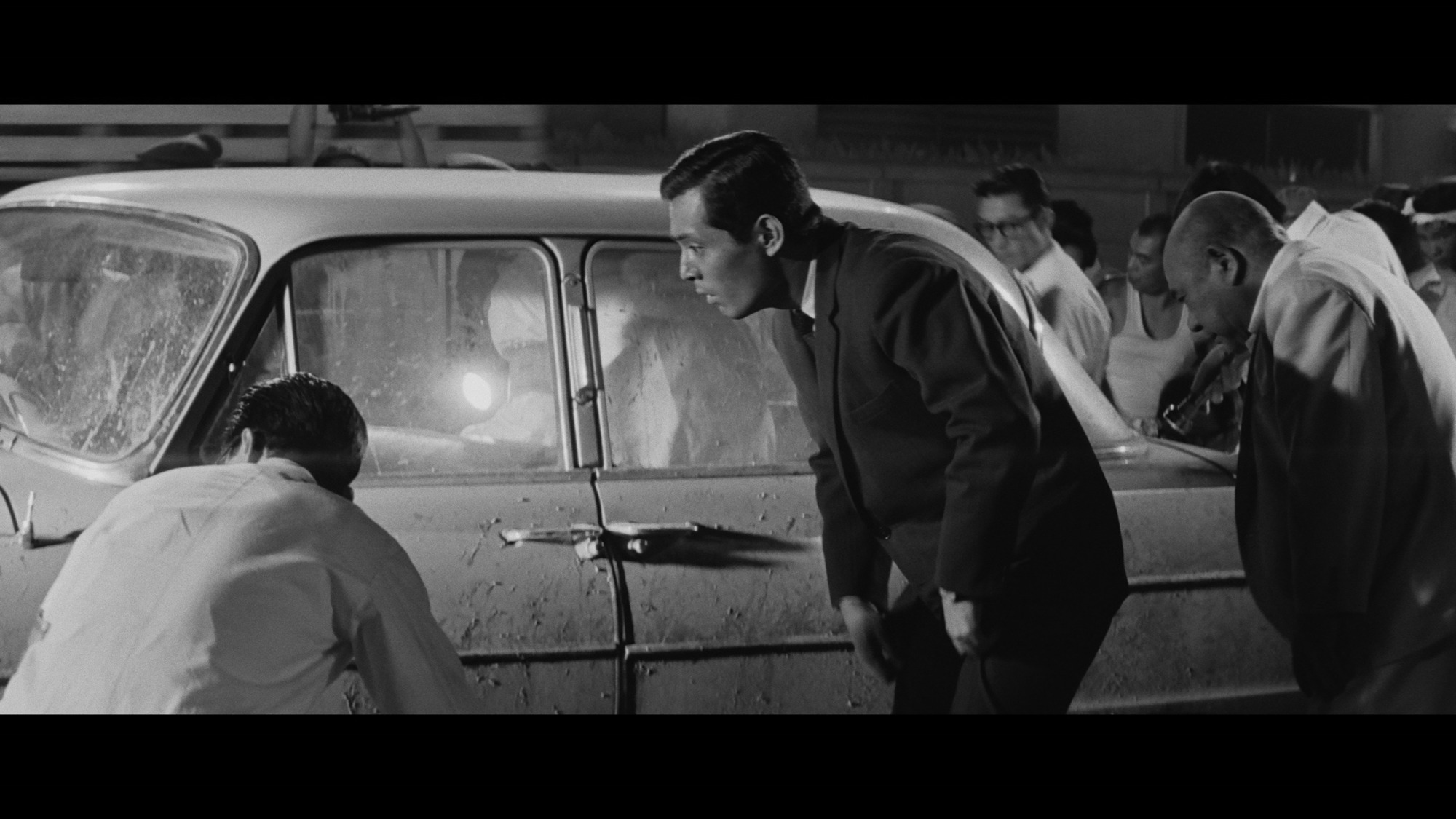
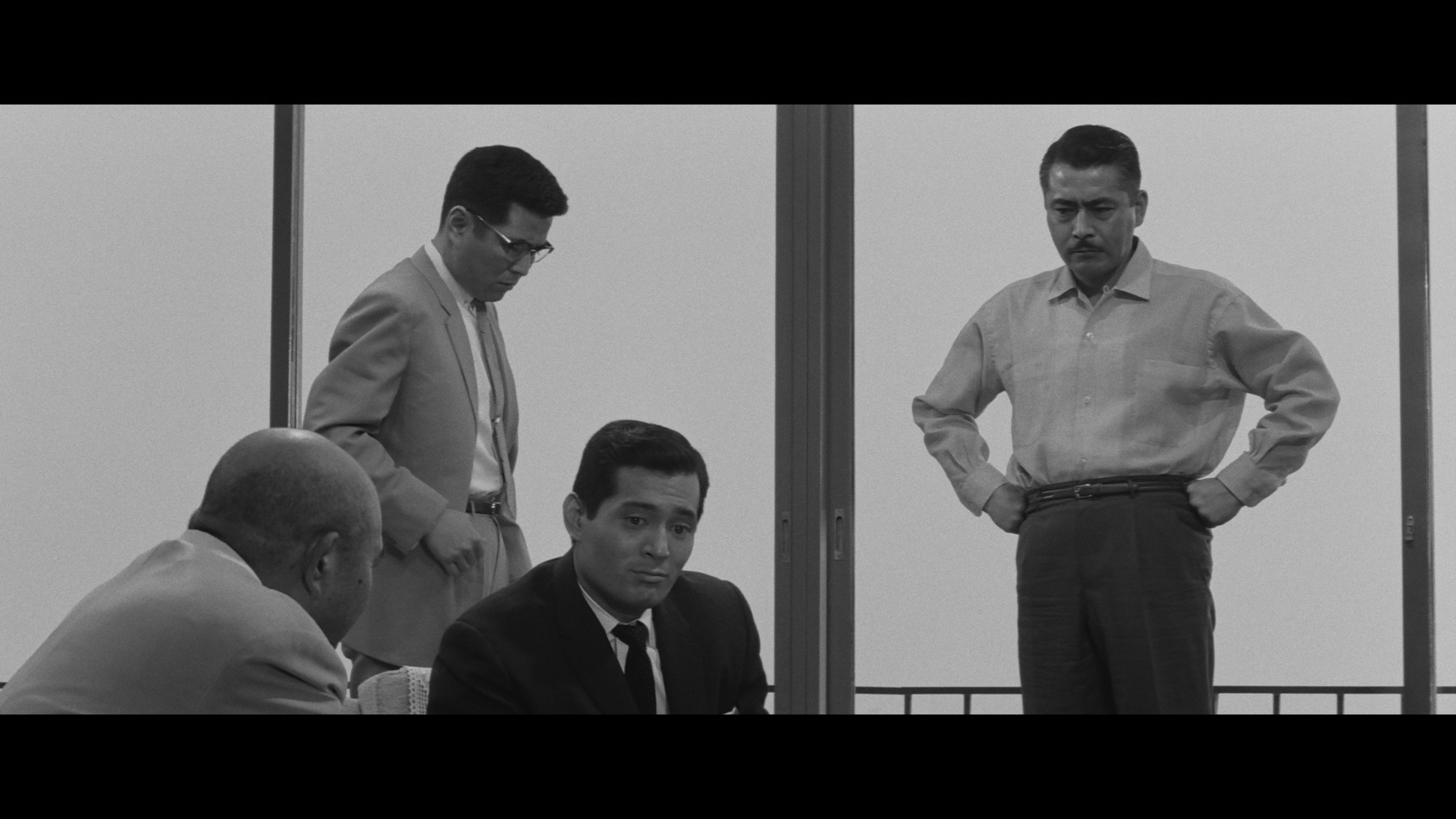
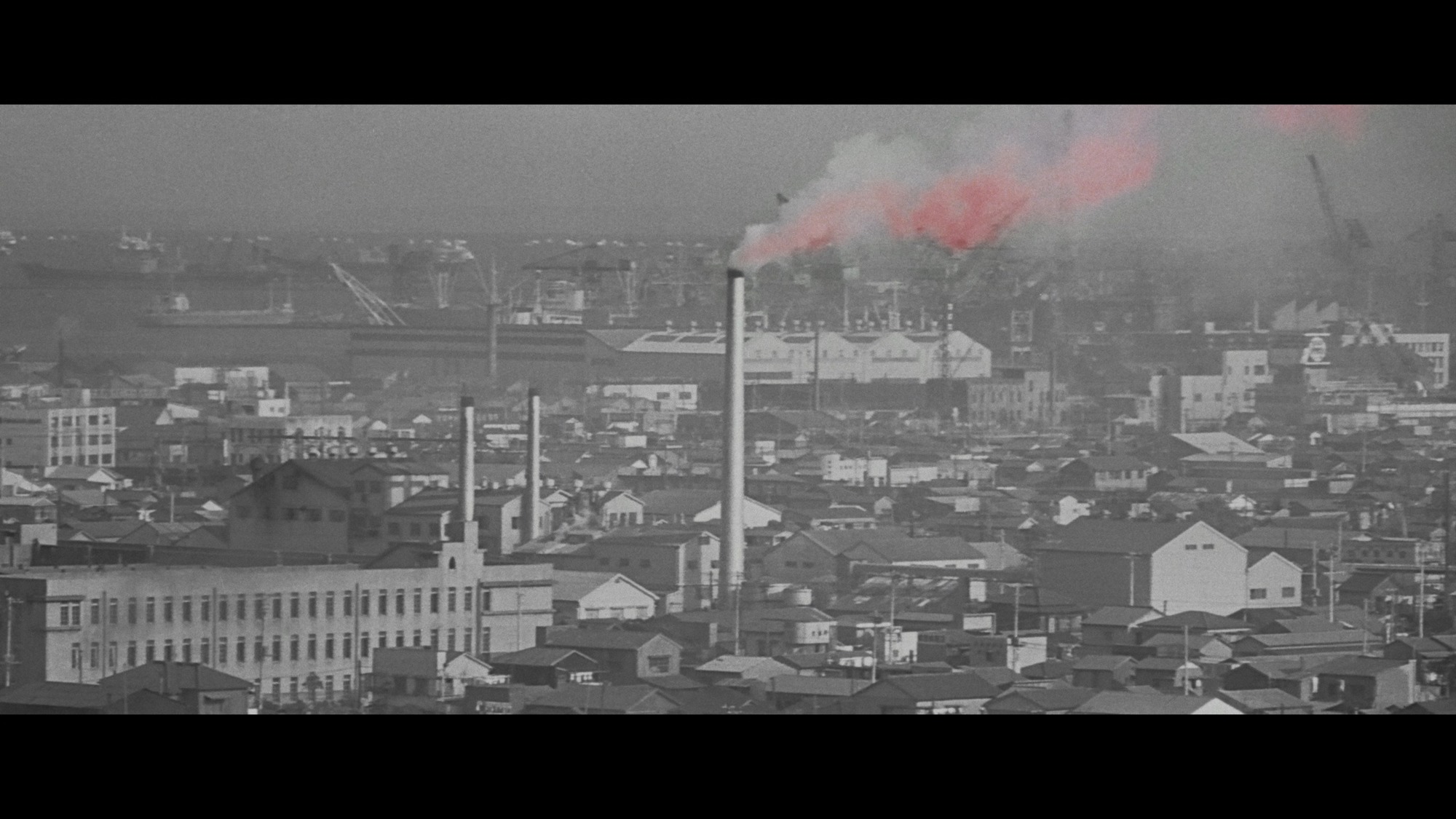
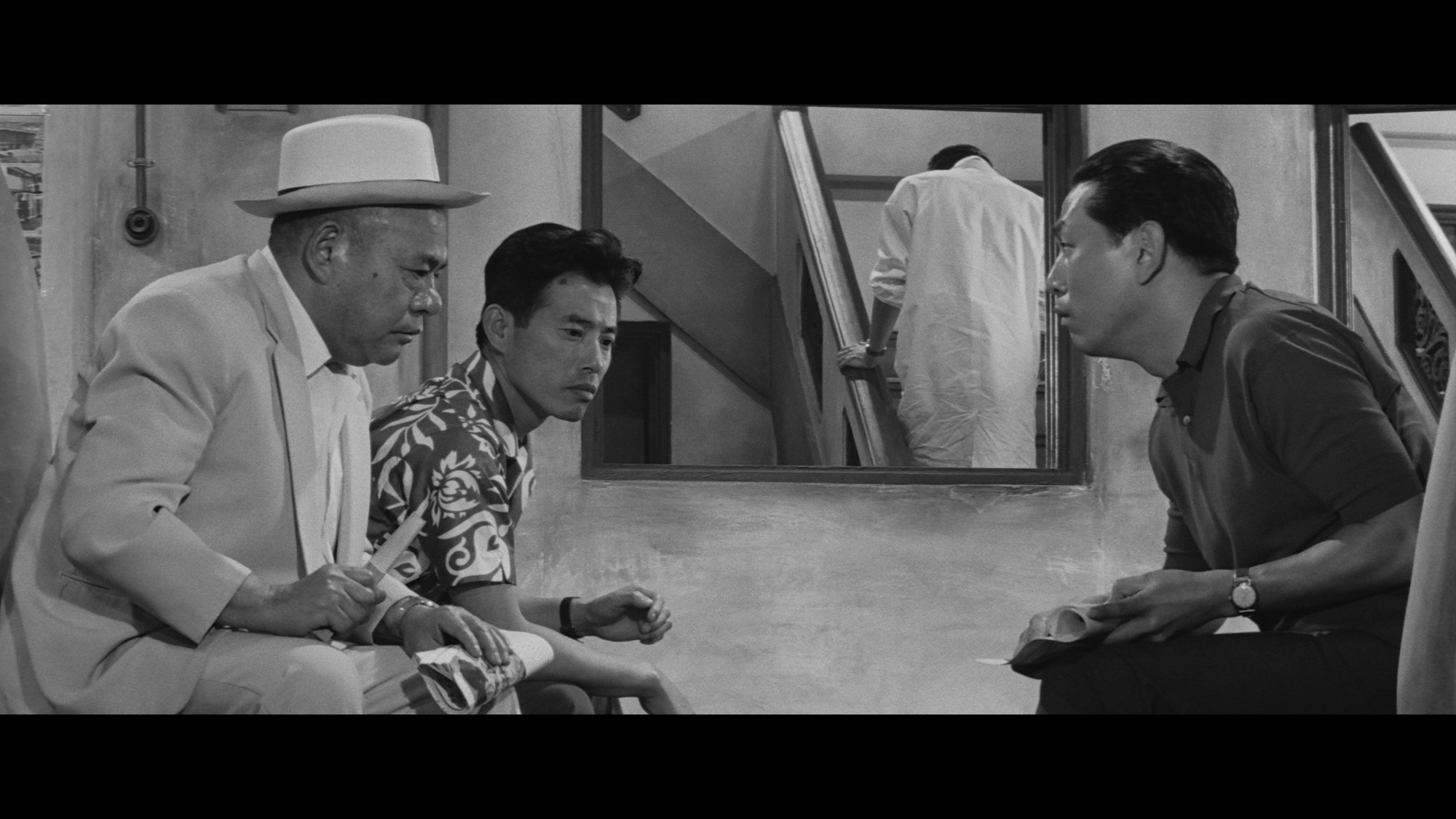
Criterion is using the same 4K restoration BFI employed for their recent Blu-ray release, though the results don’t look identical. The BFI disc carried a flatter, almost glossy appearance, with a grayscale that felt more limited. Criterion’s presentation opens that range up: whites peak more convincingly in the sunlit living room of Gondo’s house, yet never clip away detail, while grays show more nuance and black levels stay deep and stable through the darker last act. It’s still not the bold, high-contrast style I had grown used to, but the balance here does a better job of conveying the oppressive heat central to the story.
One factor that may have played into the BFI's smoother appearance is what appears to be light noise reduction applied to that high-def master (possibly by Toho), softening the grain ever-so-slightly, leading to that glossier sheen. Criterion’s presentation and encode, by contrast, leaves the grain intact and natural, which not only sharpens fine detail but also almost certainly contributes to the more film-like texture that is present.
As with BFI’s disc, the restoration itself remains excellent. The image has been aggressively cleaned, with virtually all damage removed. Fine detail is impressively strong, and there’s a crispness to the image that hadn’t been there before, further aided by Criterion’s solid encode. That encode also handles the wider tonal range and hotter whites without issue, while grain is rendered beautifully.
Overall, Criterion’s 4K not only delivers a sharper and cleaner presentation over their very dated Blu-ray, but it also marks a clear improvement over BFI’s edition. It’s the strongest I’ve seen the film look.
(As a note: I was unable to take screen captures from the last 30 minutes of the film.)
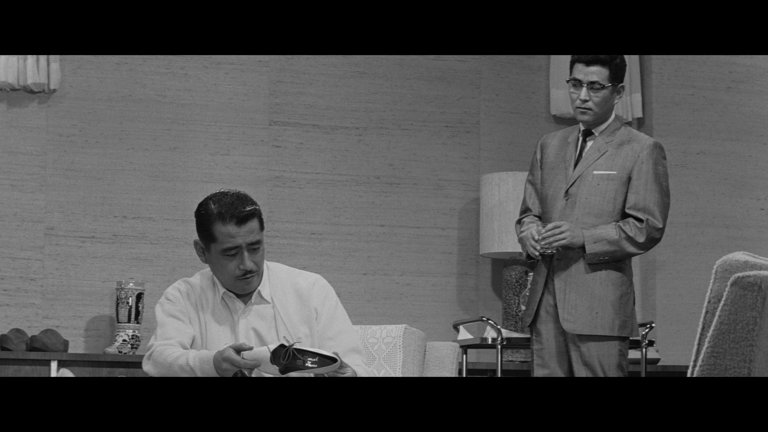
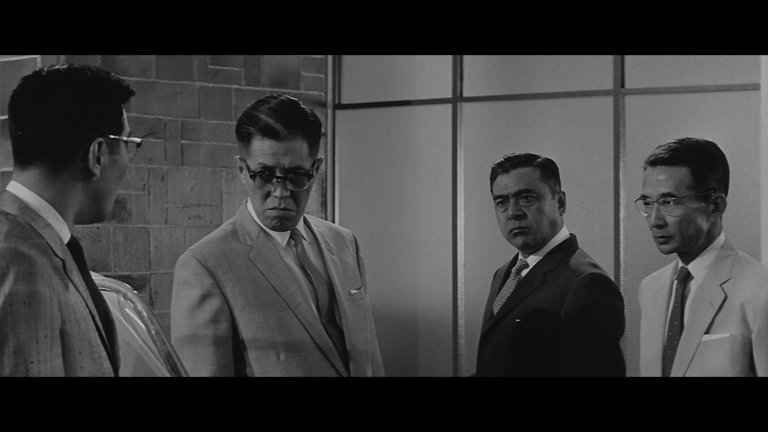
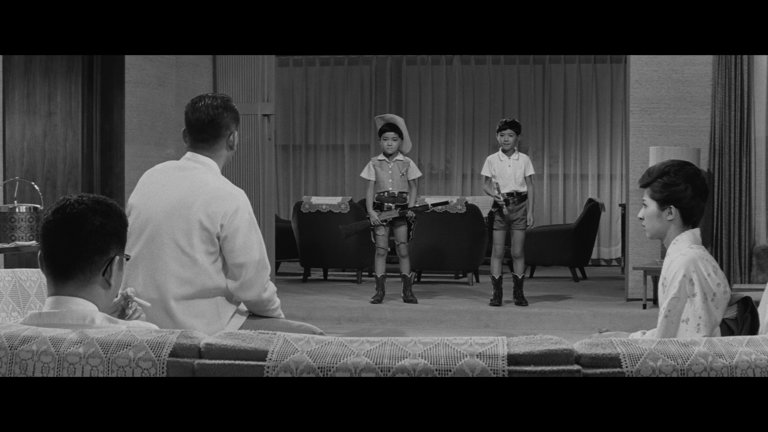
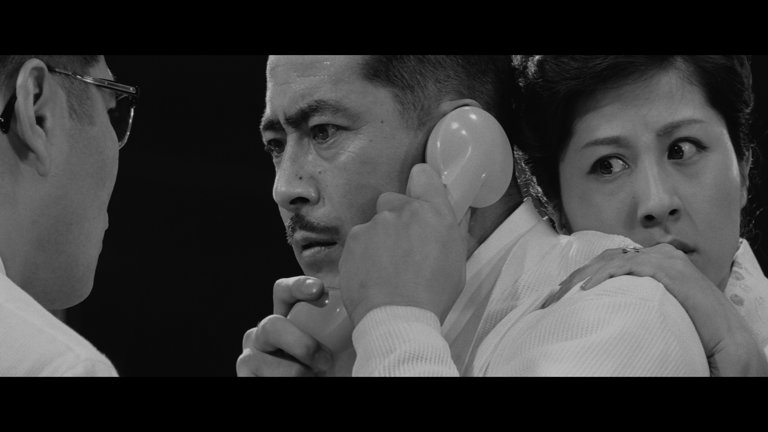
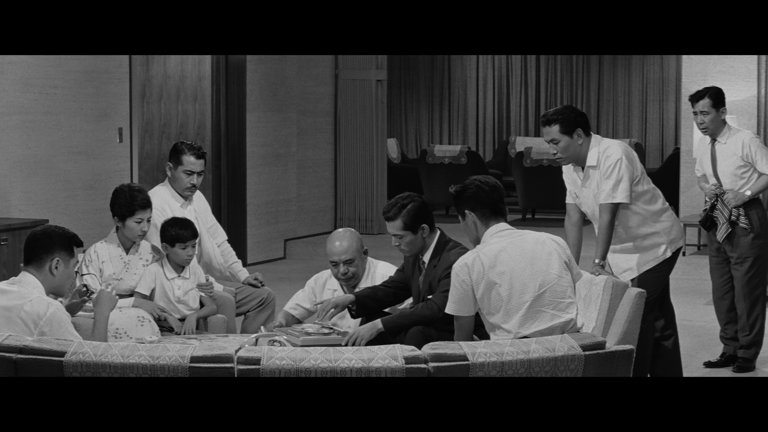
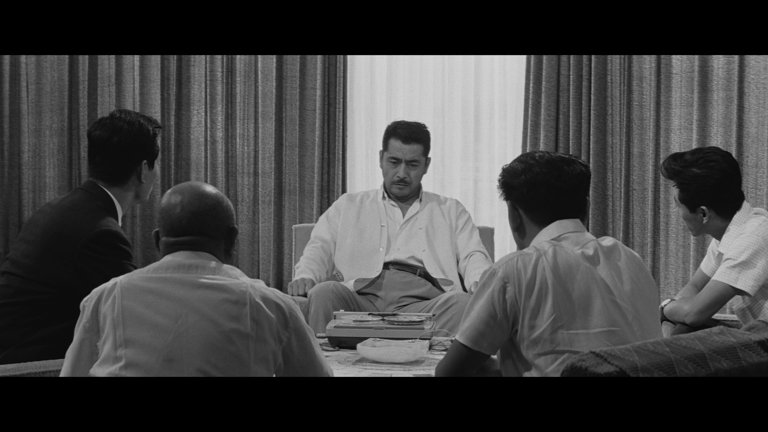
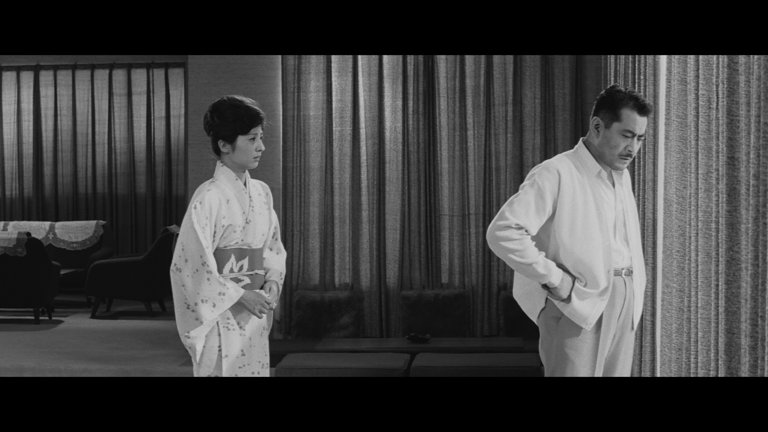
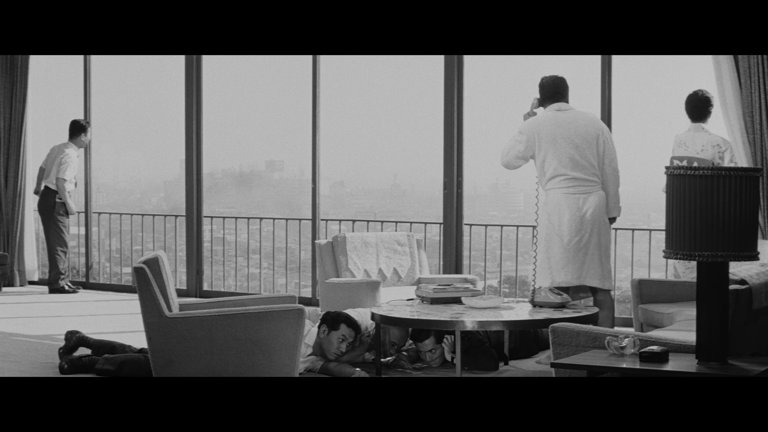
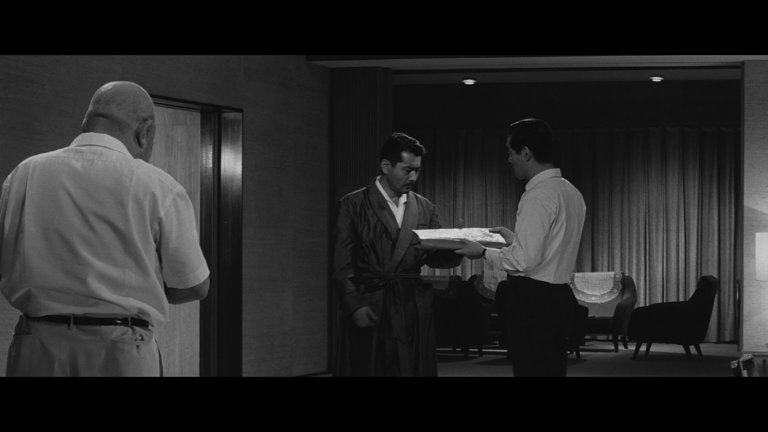
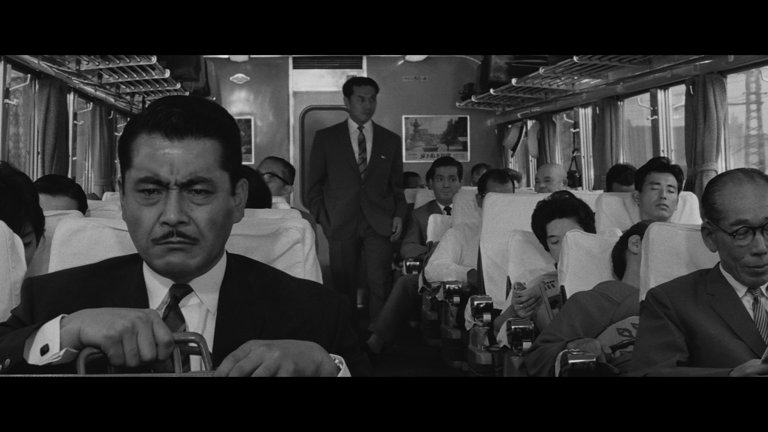
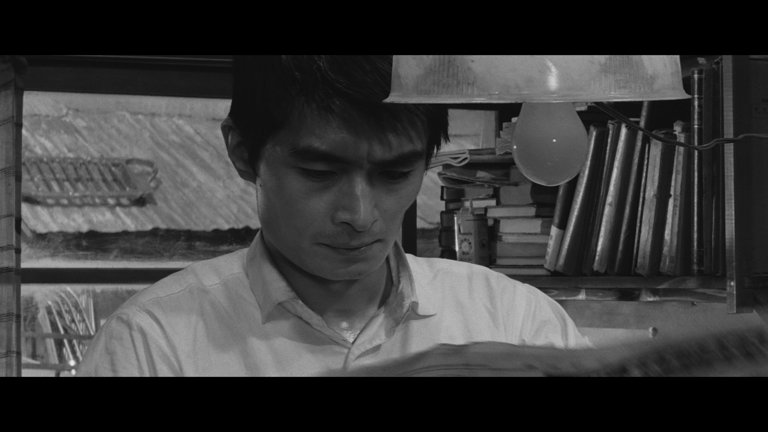
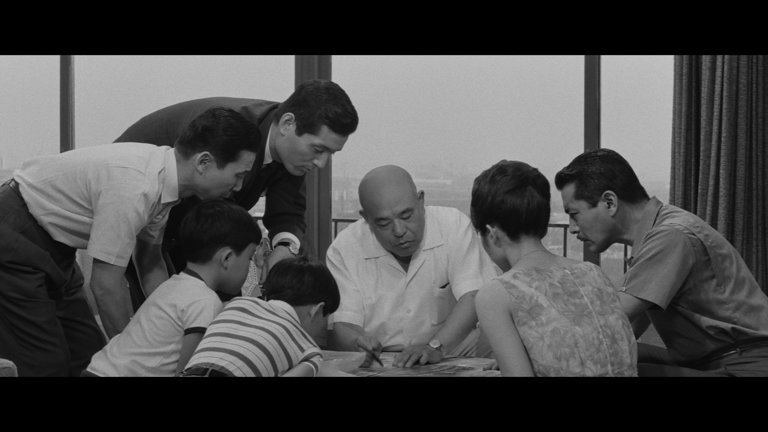
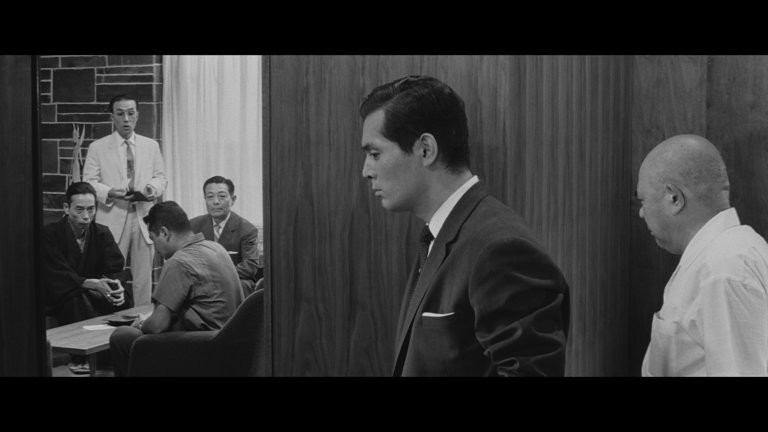
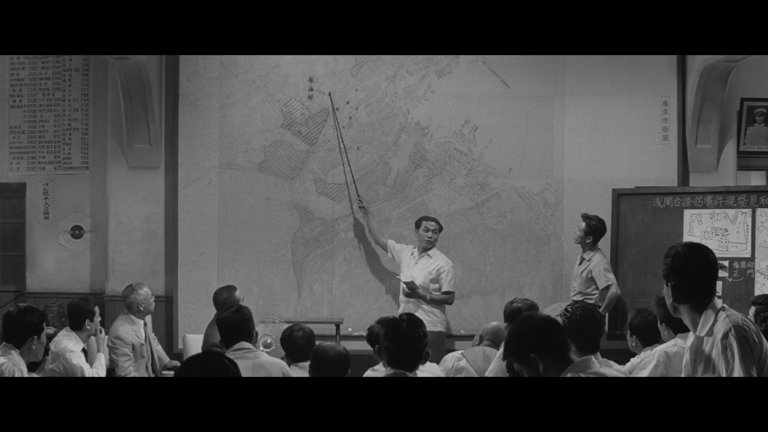
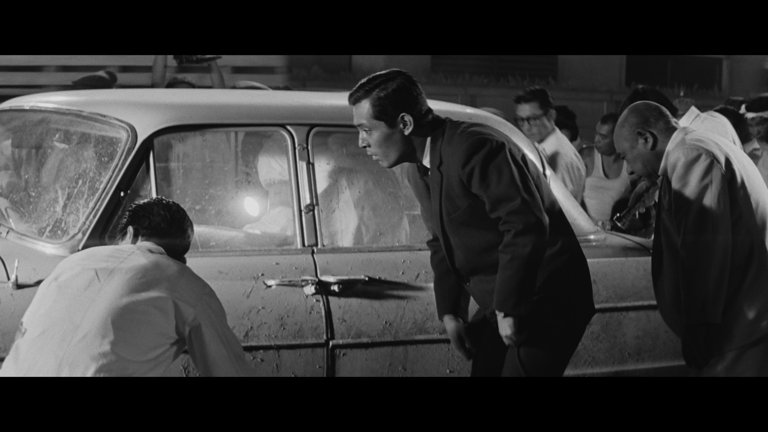
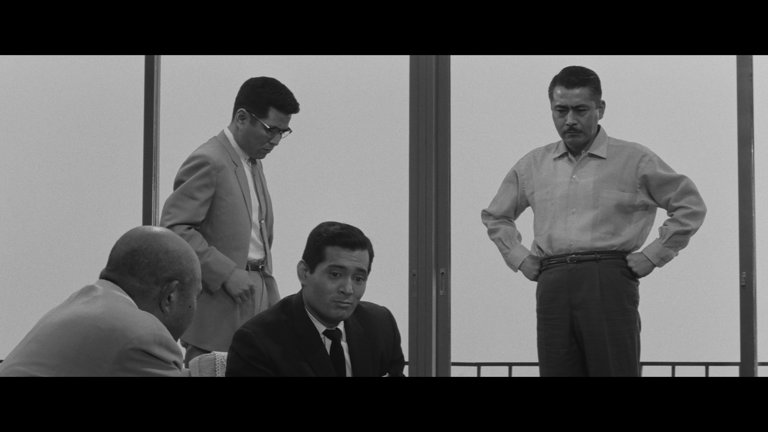
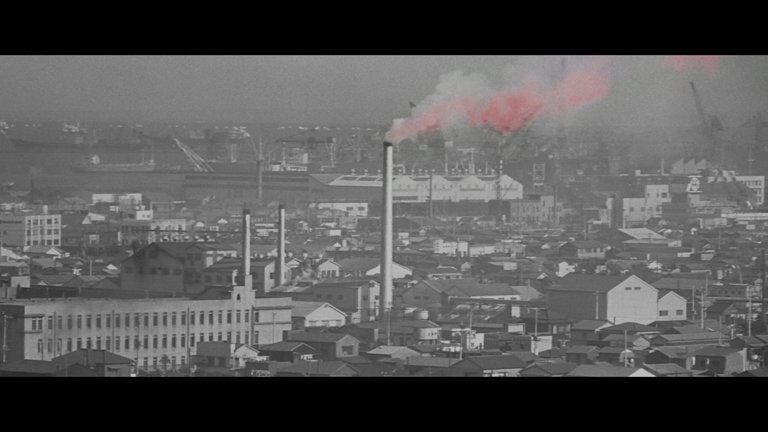
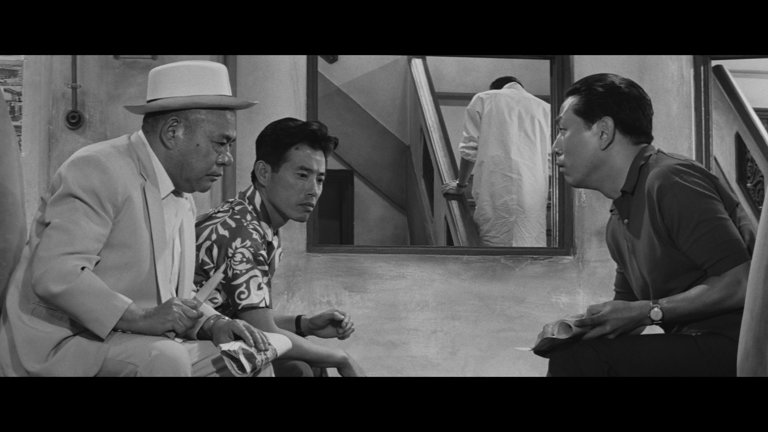
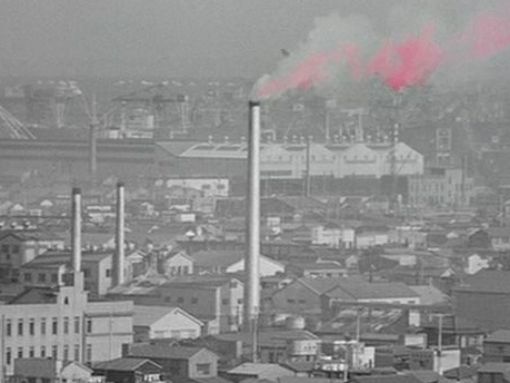
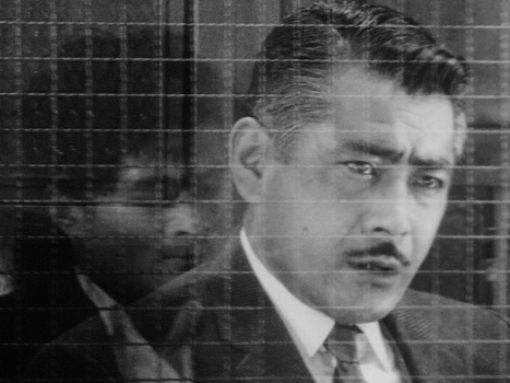
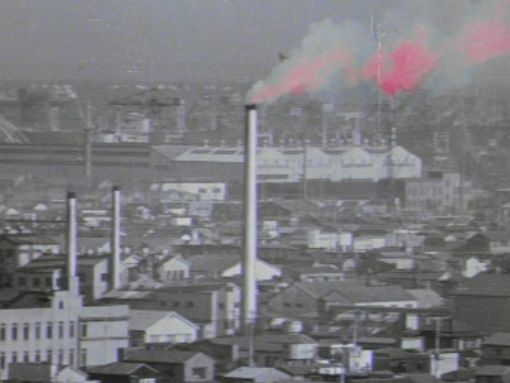
High and Low - Screen Captures
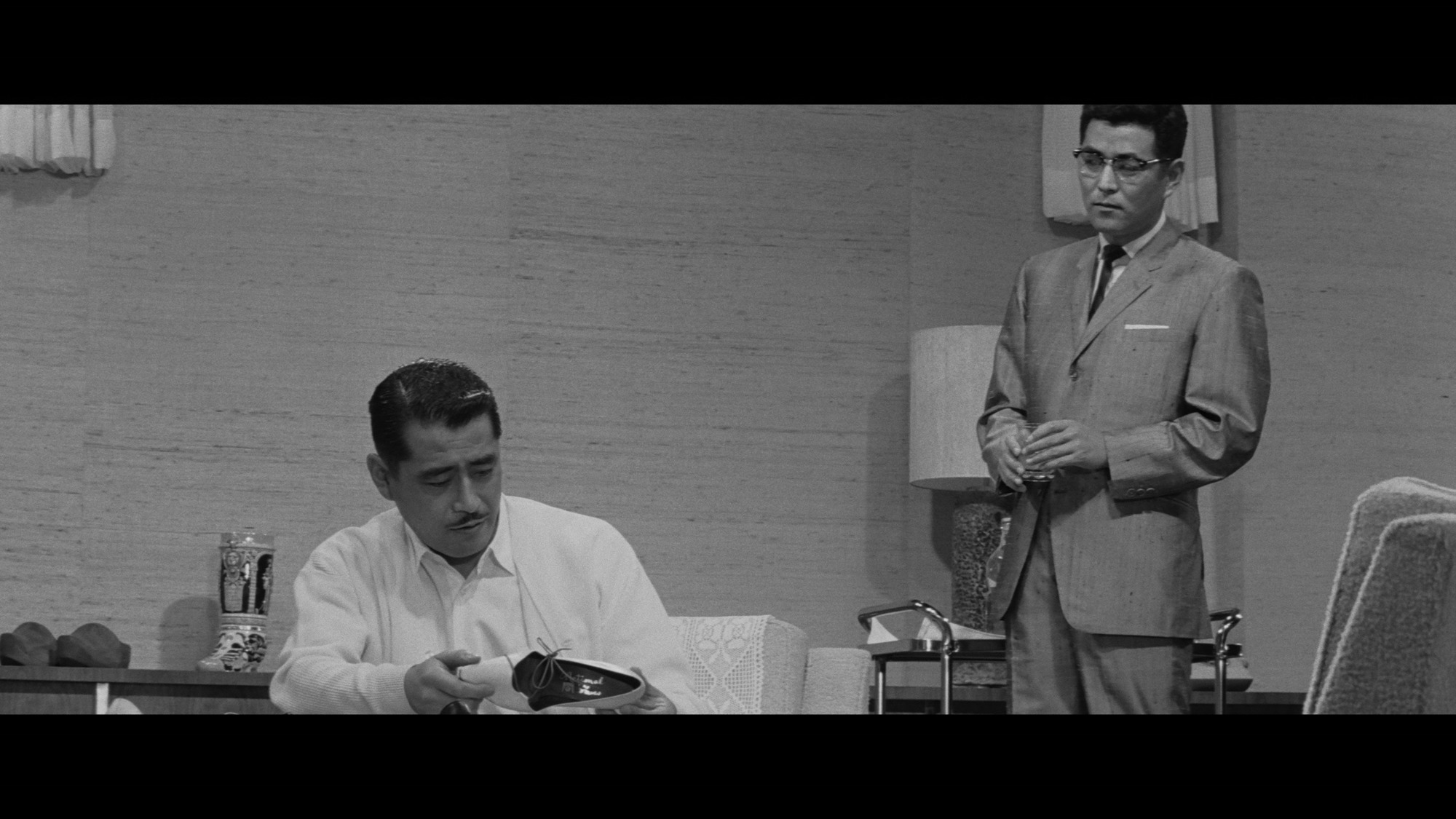
Audio 7/10
Criterion again presents the film’s 4.0 surround soundtrack in DTS-HD MA (within a 5.1 container). Though the mix stays mostly anchored to the front channels, especially the center, it does make occasional and effective use of the surrounds, most notably during the train sequence, a few exterior moments, and the club in the last act. Overall quality is strong, with clear fidelity that holds up well.
Unlike BFI’s edition, Criterion does not include the stereo option, nor the mono track that appeared on Criterion's original DVD.
Extras 8/10
Criterion includes the same Blu-ray from their 2011 release so it effectively ports over all of the features from that edition.
Things start off with the same audio commentary by Stephen Prince, featured on both discs. Prince covers nearly every aspect of the production, focusing in particular on Kurosawa’s staging and technique during the long opening section in Gondo’s (Mifune) living room. He also provides plenty of detail about other sequences—the train ride, the descent into the city’s seedier neighborhoods—while drawing comparisons to the source novel. There’s interesting context on how Japan’s judicial system treated kidnappings at the time (essentially like robberies), how laws began changing around the film’s release, and even how Kurosawa himself received threats. My favorite anecdote is Kurosawa directing Nakadai to channel Peter Fonda, even asking him to shave back his hairline. What makes the track especially valuable, though, is Prince’s knack for pointing out nuances and symbolism that are easy to miss. He drifts into describing on-screen action more in the latter half, but overall it’s an excellent and very informative track.
The supplements continue with a 37-minute installment of Toho’s Akira Kurosawa: It Is Wonderful to Create documentary series (which BFI also included on their edition). Drawing on interviews with cast and crew (and even Kurosawa himself), the program explores a number of key sequences, with participants recalling how they were shot and the challenges involved. Some of this ground is covered in the commentary, but the first-hand stories add color: Nakadai again mentions shaving his hairline, and Kurosawa’s frustration with actor Kenjiro Ishiyama is discussed, particularly during the train sequence, which required multiple takes. The documentary also touches on an alternate ending that was filmed but abandoned, a decision that apparently plagued Kurosawa for some time. As with the other entries in this series, it’s a very strong piece and a welcome inclusion.
My favorite supplement, though, is a 1981 television interview with Toshiro Mifune, excerpted from the Japanese program Tetsuko’s Room. Though recorded largely to promote the TV miniseries Shogun, the conversation ranges across Mifune’s career. He talks about Shogun and The Challenge, jokes about Terence Young’s long-gestating Inchon, and reflects on how he stumbled into acting after his military service. He also discusses plans for an acting school he was opening at the time. At over 30 minutes, it’s a fascinating chance to hear from Mifune directly and essential viewing for admirers of his work.
Criterion also includes a 19-minute interview with actor Tsutomu Yamazaki, recorded exclusively for them. Playing the kidnapper in the film, Yamazaki recalls how he landed the part (Kurosawa specifically wanted a relative newcomer), his nerves during the audition, and the difficulties of the shoot. He fondly remembers Mifune, who would give him rides to the train station in his sports car, and reflects on a friend who worked on the film but died shortly afterward. He also analyzes his character’s psychology, making this a thoughtful and informative piece.
Rounding things out are three trailers: the original Japanese trailer, notable for including footage from the abandoned ending (apparently the only place it survives); a Japanese teaser that emphasizes how the film helped influence kidnapping laws; and the American trailer, which tries to spin the film as a Hitchcock-like thriller.
Finally, Criterion includes a thick 28-page booklet (reformatting the 37-page Blu-ray version). Inside is an essay by Geoffrey O’Brien, offering his analysis of the film, and a 1963 Films and Filming article by Donald Richie written from the set, offering a contemporary perspective on Kurosawa’s methods. Both are excellent reads.
It’s not a huge collection, and I wish Criterion had revisited the supplements for this upgrade, but what’s here remains strong; informative, engaging, and well worth going through.
Closing
Though it's a shame Criterion didn't feel the need to revisit the film's supplements for an update, their new 4K edition delivers what is easily the best looking presentation of the film yet to date.
BUY AT: