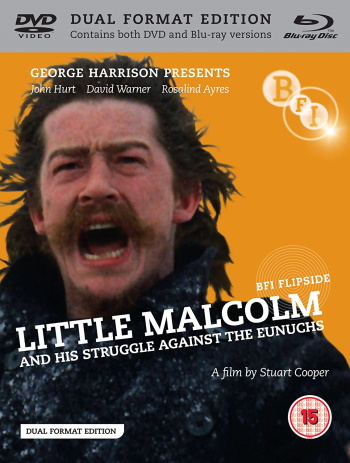
Little Malcolm (and His Struggle Against the Eunuchs)

BUY AT:

See more details, packaging, or compare
Synopsis
Delusional revolutionary Malcolm Scrawdyke (a mesmerising John Hurt) leads his Party of Dynamic Erection - Wick (John McEnery), Irwin (Raymond Platt) and Nipple (David Warner) - in an enraged battle against an unseen nemesis in this chilling dark comedy. Financed by George Harrison and based on the celebrated stage play by David Halliwell, Little Malcolm was shot in wintry Oldham by director Stuart Cooper (Overlord) and cinematographer John Alcott (A Clockwork Orange). It won the Silver Bear at the 1974 Berlin Film Festival.
Picture 8/10
Stuart Cooper’s Little Malcolm and His Struggles against the Eunuchs comes to Blu-ray from BFI, presented in its original aspect ratio of 1.85:1 on this dual-layer disc in a new 1080p/24hz transfer.
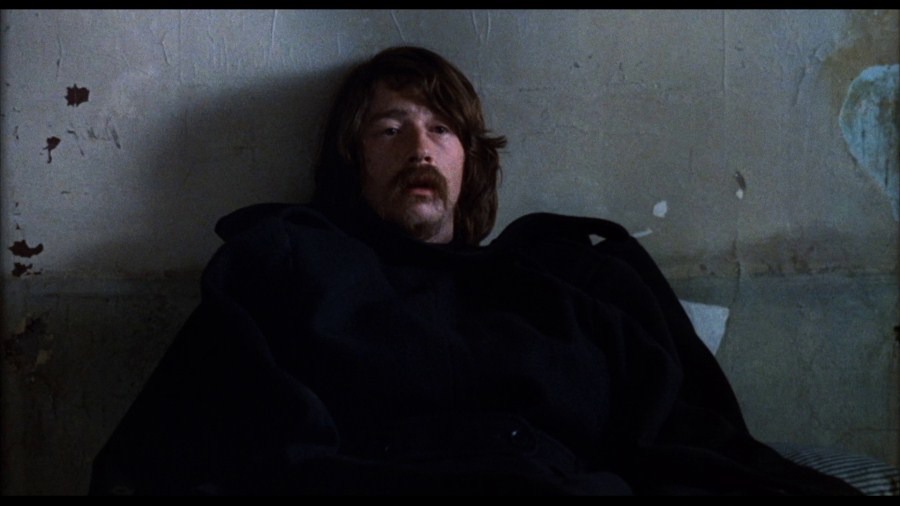
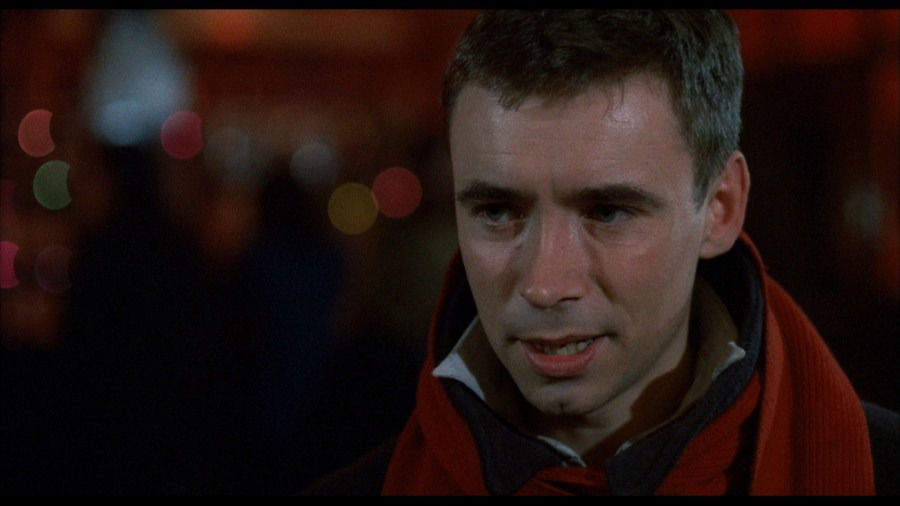
BFI yet again delivers a spot-on presentation. The film has a drab and muted look, so colours don’t necessarily pop (though some reds look splendid) but they’re rendered perfectly, with natural skin tones and strong blacks thrown in. The image remains sharp and crisp throughout, the level of detail staggering at times. Film grain is rendered naturally but is never heavy or over-bearing, and I didn’t notice any artifacts or noise. The print, surprisingly, is in pristine condition with only a few minor marks. BFI gives the royal treatment to an incredibly obscure film and again it even outshines the presentations bigger studios give their own blockbusters.
(Note: This disc is an all-region disc and should play on Blu-ray players. I had no issues playing it in my North American PS3.)


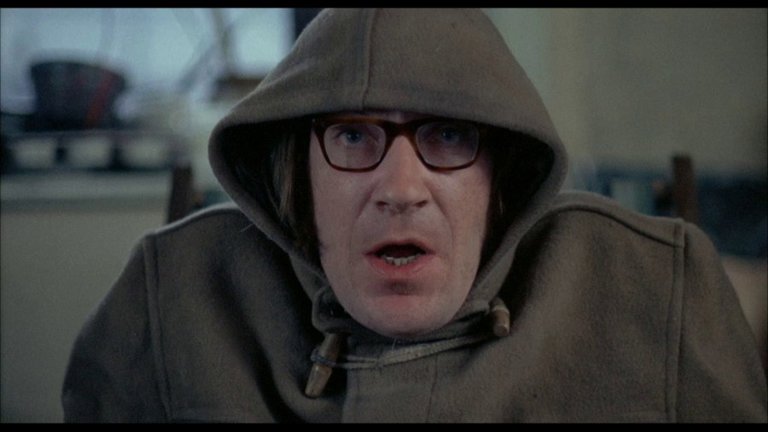
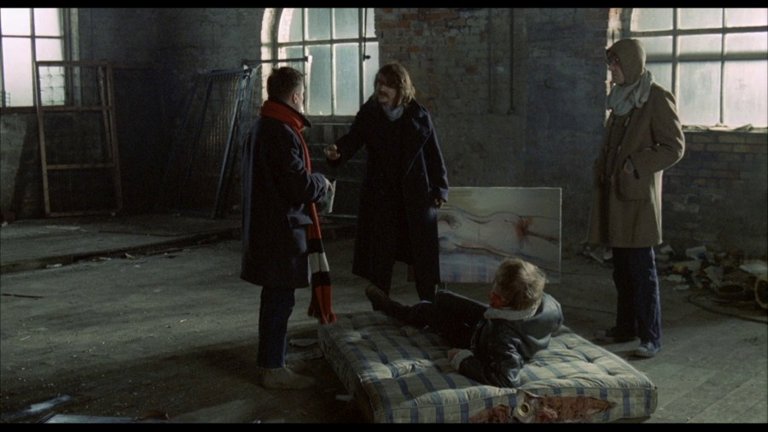

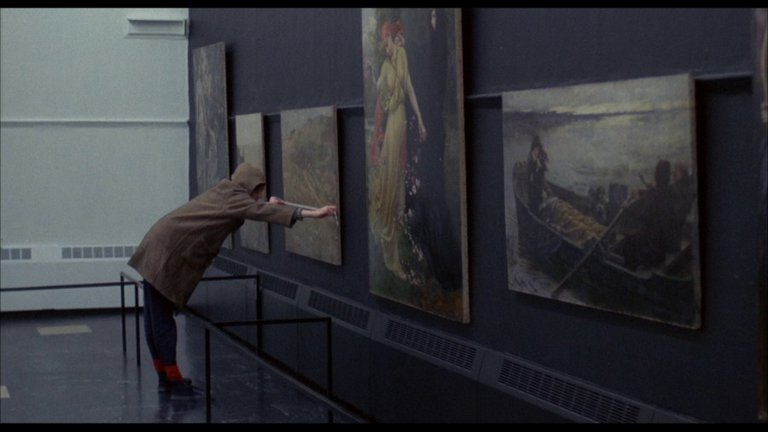

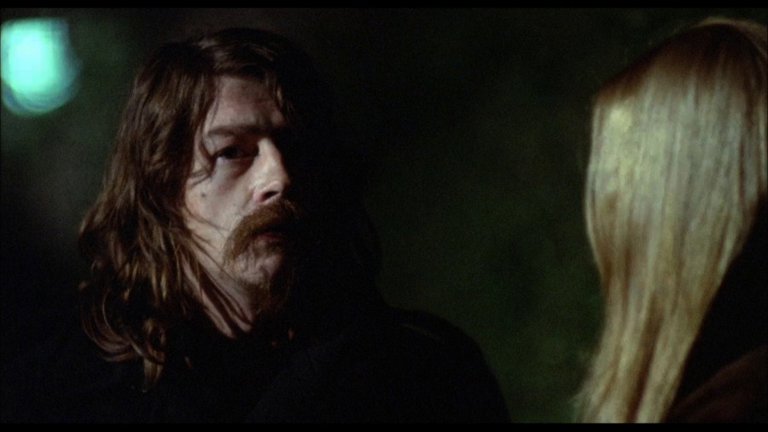



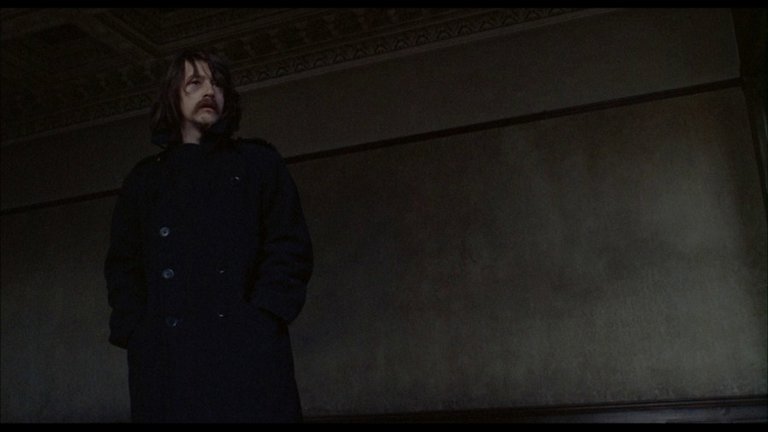
Little Malcolm (and His Struggle Against the Eunuchs) - Screen Captures
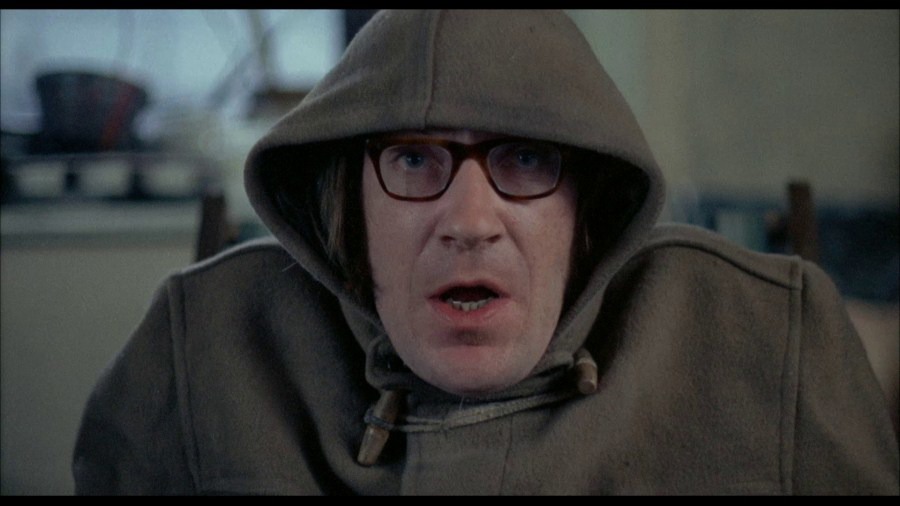
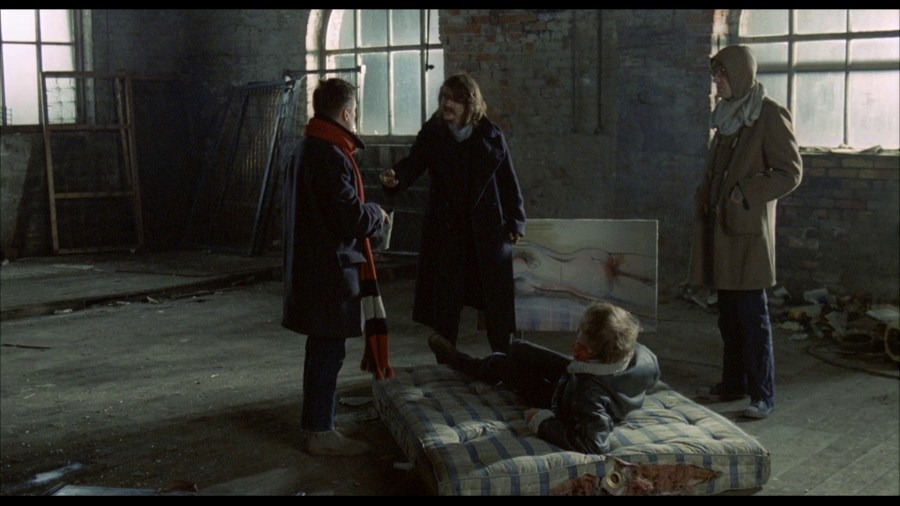

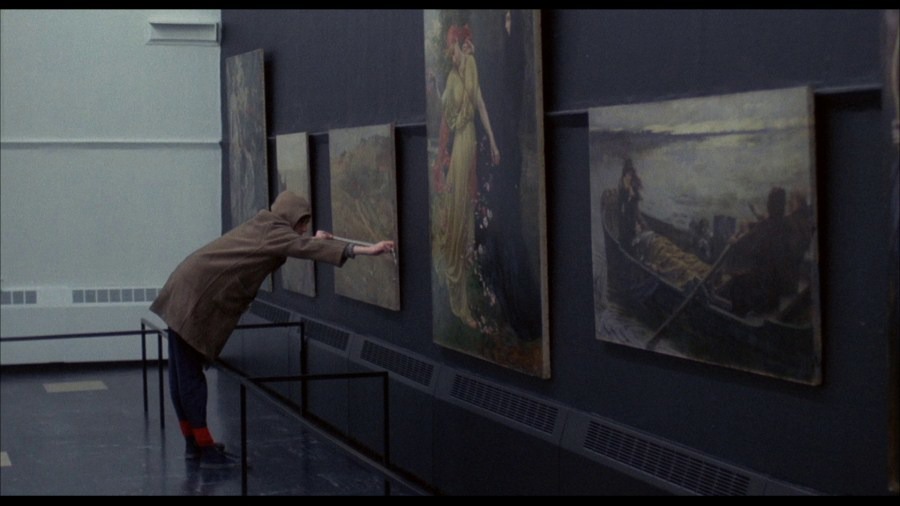
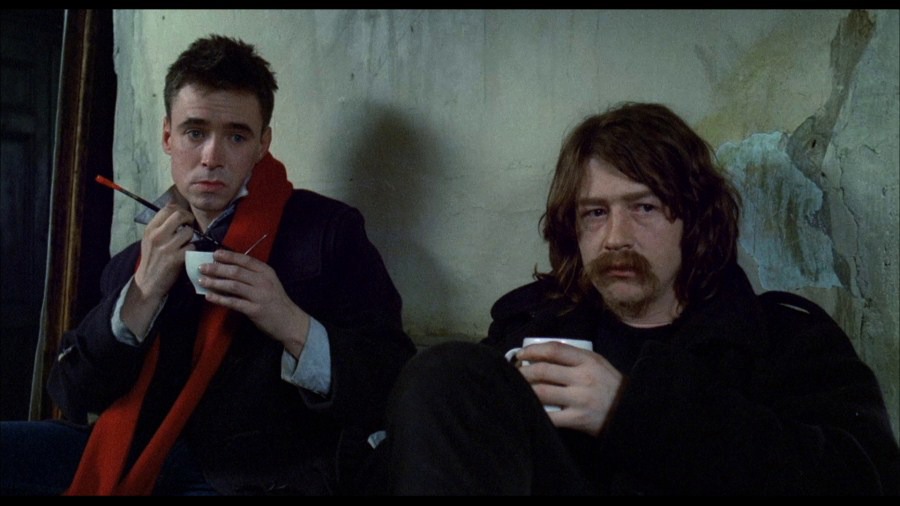
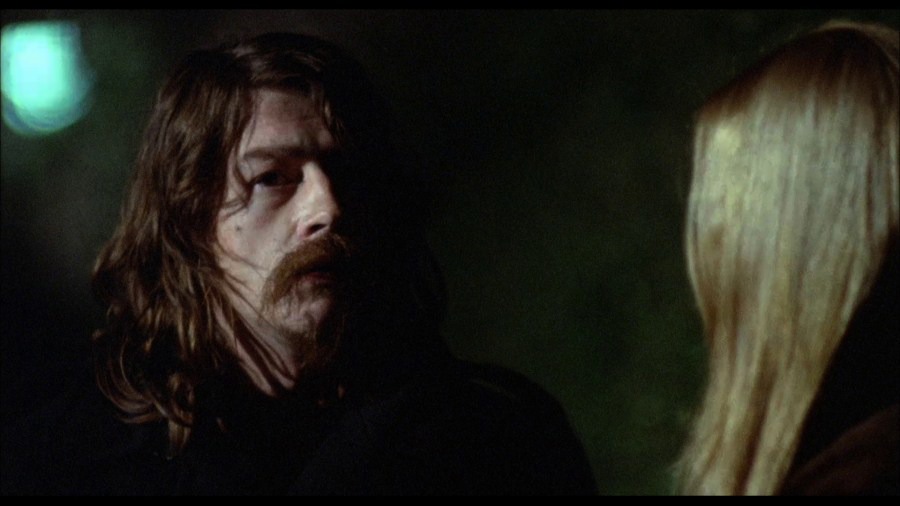

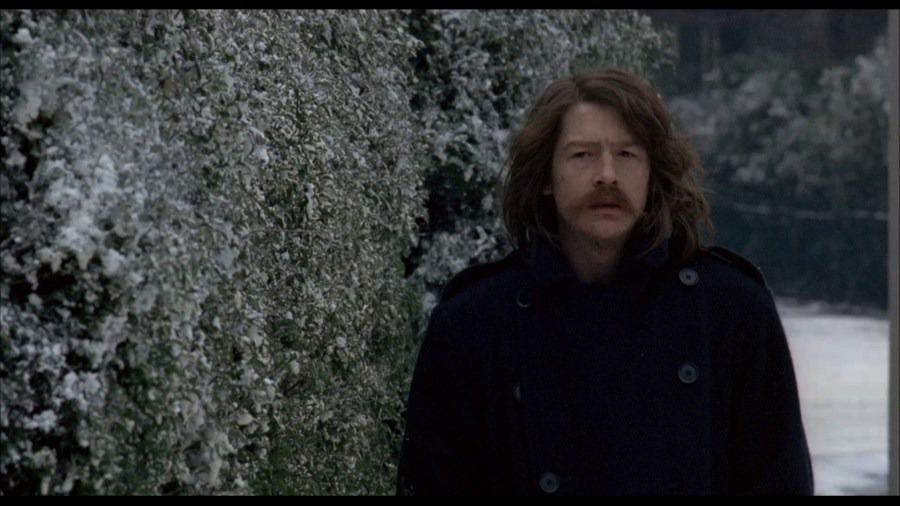

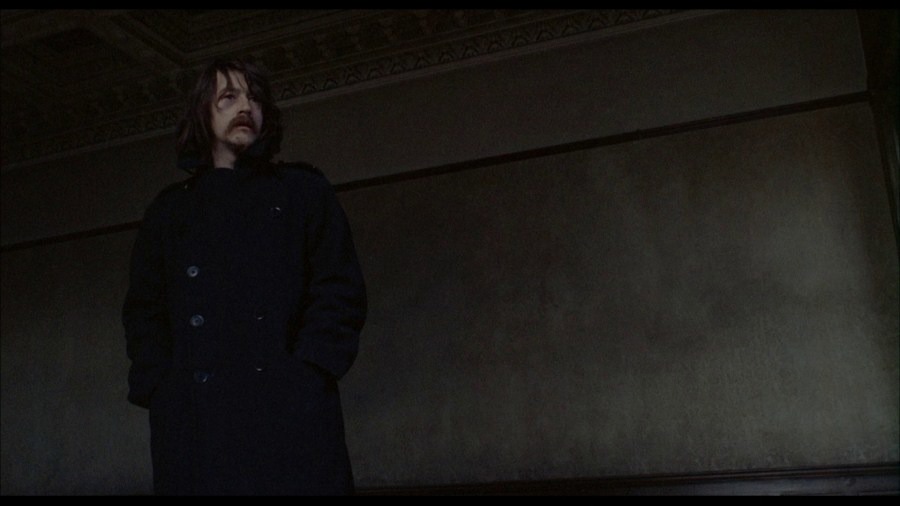
Audio 6/10
Age more than likely limits the sound presentation but the lossless linear PCM mono track at least delivers decent sounding dialogue that’s easy to hear, despite some of the accents. Music sounds hollow and flat but isn’t edgy or grating. Ultimately it’s fine enough for the film.
Extras 4/10
BFI only includes a couple of features and as usual they’re simply short films from their archives. After a short 49-second trailer for Little Malcolm (which is simply made up of accolades thrown at the film) we get two short films loosely related to the main feature in that they deal with, in their own ways, sexual politics at the time.
The first is the somewhat charming though longwinded 1974 film Put Yourself in My Place, directed by Francine Winham. The 25-minute film features a married couple who reverse roles: he becomes the stay at home housewife and she becomes the bread winner. It hasn’t aged well and is rough around the edges (you can clearly see the crew in a mirror) but has some cute moments. And though it’s presented in high-definition, and looks very sharp, the condition of the materials are rather ghastly: the image is laced with debris, scratches, burns, stains, and the like. Also, the audio can be near-impossible to hear and unfortunately there are no subtitles.
The next film is a bizarre short by James Dearden (son of Basil) called The Contraption, running over 7-minutes, featuring Richard O’Brien building some sort of device (that becomes obvious half way through.) With a fascinating use of angles and enhanced sound design this is the more interesting and technically impressive of the two, with a dark sense of humour.
And as usual BFI includes a great, rather lengthy booklet, starting with an essay on the film by Yvonne Tasker and then a film review from 1975 by Gordon Gow. We then get an interview with Stuart Cooper, who talks about the film, followed by a piece by Mike Leigh on the play (and film) and then the writer, David Halliwell. John Hurt offers a short piece on playing in both the play and the film, and then get bios on both Cooper and Halliwell. We then get notes on both short films included on this disc.
A bit disappointing but I enjoyed the Dearden short, and as usual the included booklet is fantastic.
Closing
A little stagey perhaps but it’s an intriguing enough “angry young man” film, serviced by strong performances by the cast, especially Hurt and Warner. BFI’s disc is skimpy on supplements but its video presentation is stellar and makes the disc worth picking up.
BUY AT: