Overlord
BUY AT:


See more details, packaging, or compare
Synopsis
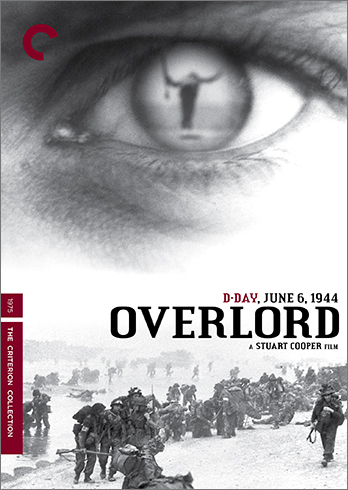
Seamlessly interweaving archival war footage and a fictional narrative, Stuart Cooper's immersive account of one twenty-year-old's journey from basic training to the front lines of D-day brings all the terrors and isolation of war to life with jolting authenticity. Overlord, impressionistically shot by Stanley Kubrick's longtime cinematographer John Alcott, is both a document of World War II and a dreamlike meditation on man's smallness in a large, incomprehensible machine.
Picture 9/10
The Criterion Collection presents Stuart Cooper’s Overlord on DVD in its original aspect ratio of 1.66:1 on this dual-layer disc. The image has been enhanced for widescreen televisions.
The video presentation is a rather stunning surprise. The film has an interesting construction, made up using newly filmed footage mixed with archival war footage to tell its story. This creates some obstacles in regards to restoring the film but not only does that come out looking well it has also been encoded rather beautifully. The film is quite grainy, the grain level varying between “new” footage and war footage, but the DVD handles this aspect quite well despite the compression, and what could have been a huge digital mess of noise and macroblocking avoids that fate. It’s of course not up to Blu-ray’s ability (and the Blu-ray edition of this film does handle this aspect better thanks to the increased resolution) but damn if it doesn’t look half-decent here. Also general detail is excellent; from close-ups to long shots clarity is superb.
And as mentioned the restoration work is impressive. The war footage still shows a lot of scratches and debris (and the frame rates seem to vary), which isn’t all that surprising, but the footage shot for this film has been beautifully restored, with only a few minor blemishes remaining. The only issue with this is that Cooper—as states in the included audio commentary—aimed to make a film where viewers could not distinguish what footage was new and what was archival, to have everything flow together seamlessly and the restoration does hamper that: the new footage looks so much cleaner in comparison to the archival material it’s not hard to see what is what.
Still it’s a really astounding presentation and was a rather big surprise when I first saw it. The restoration work has cleaned up a lot and even the standard-definition encode comes out looking sharp.
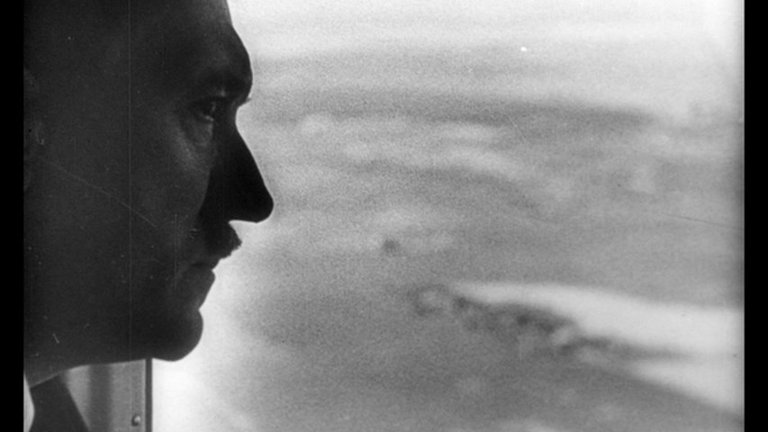
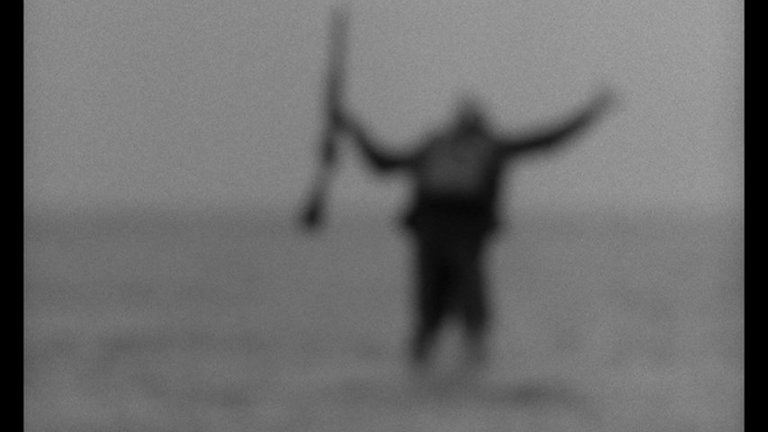
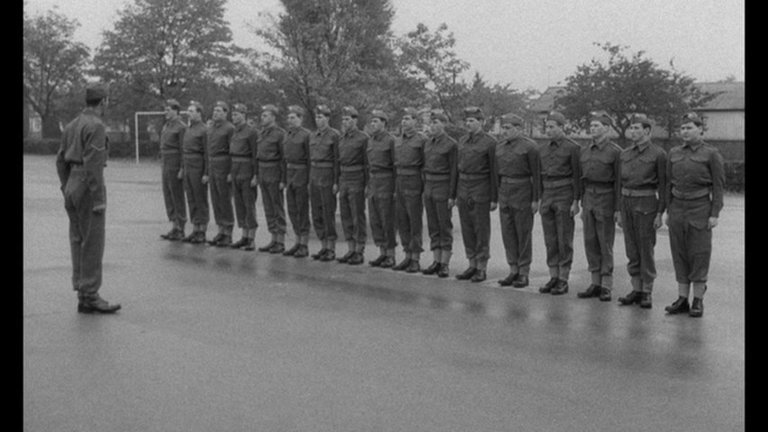
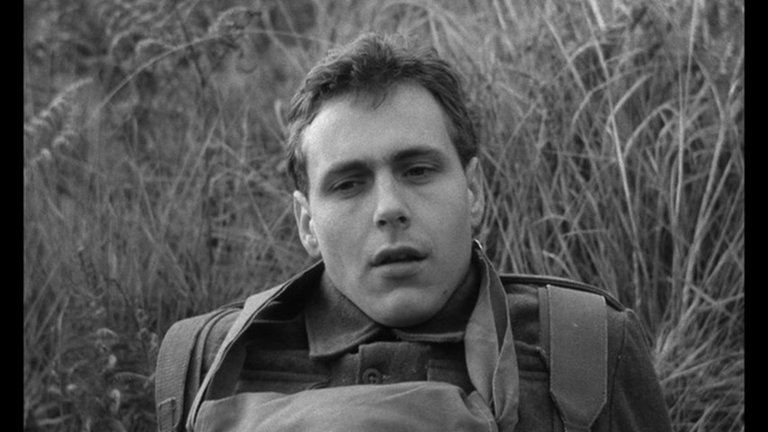
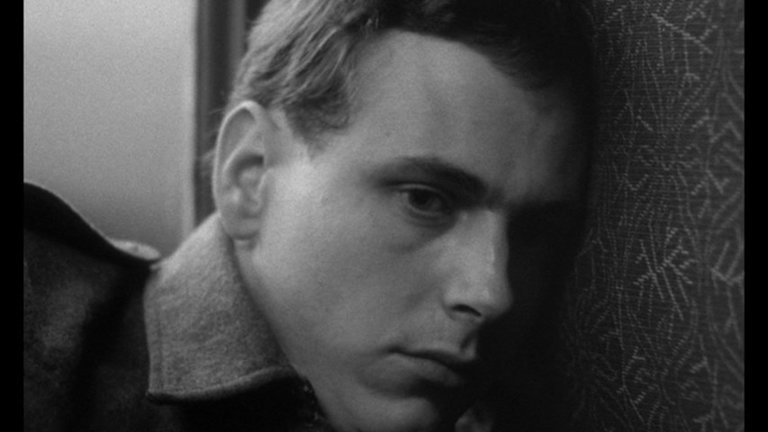
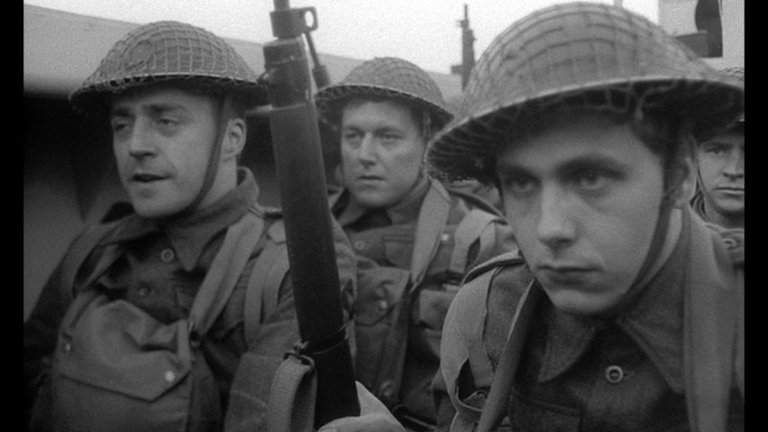
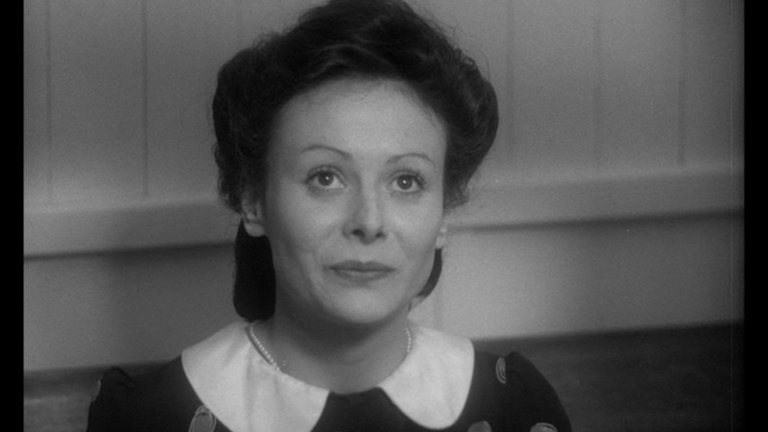
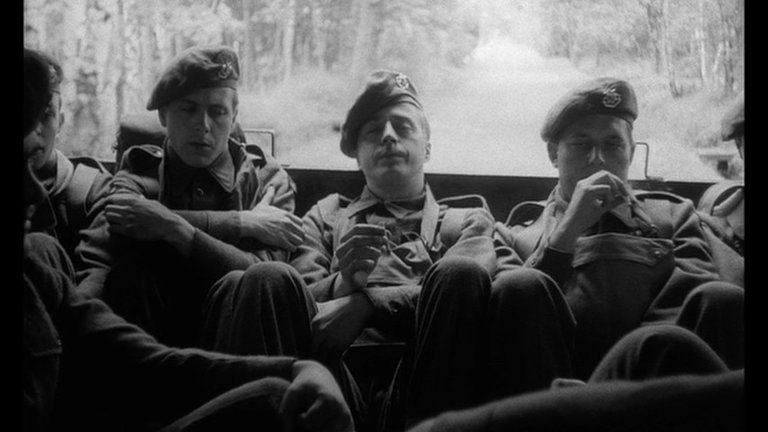
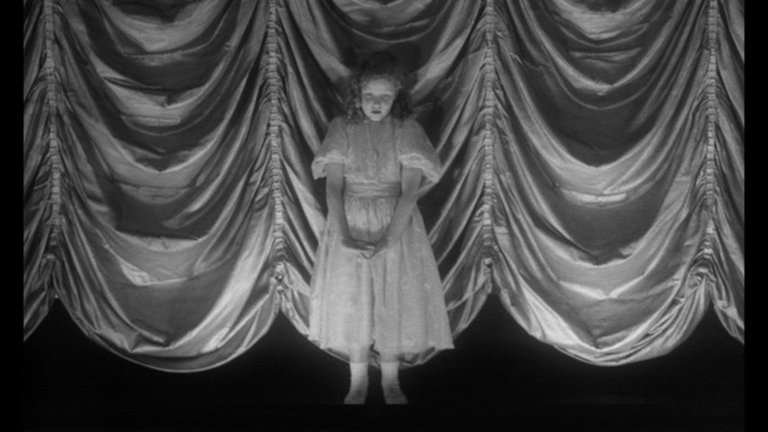
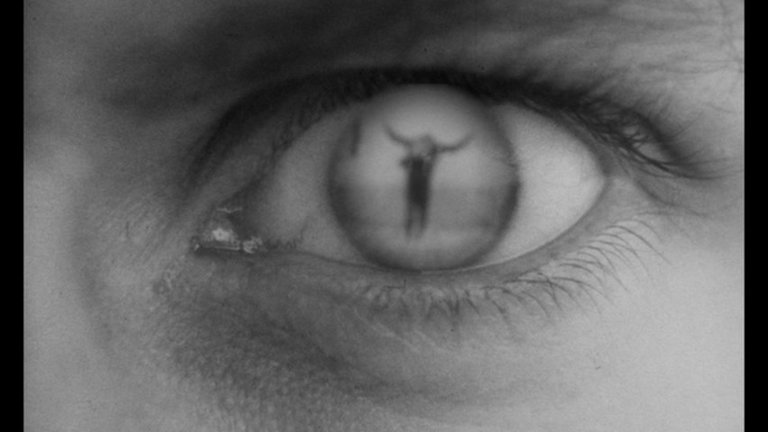
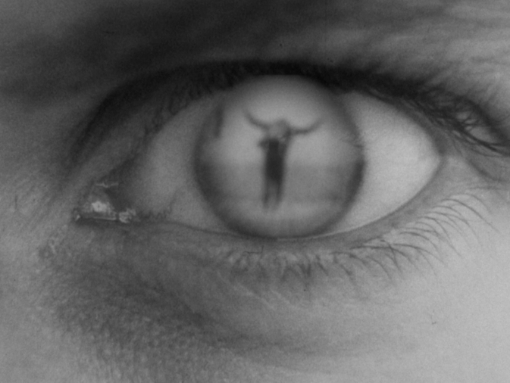
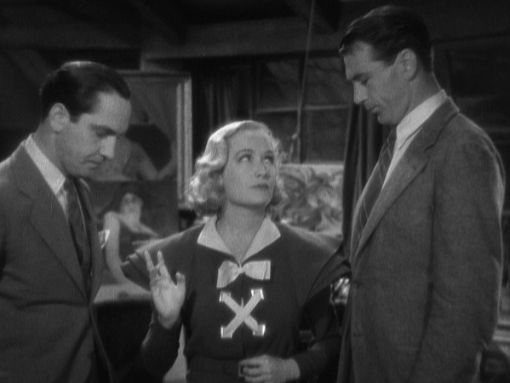
Overlord - Screen Captures
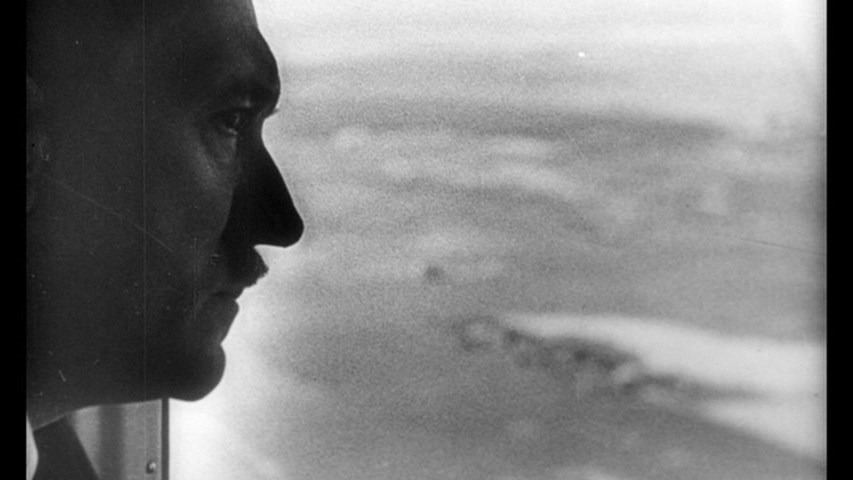
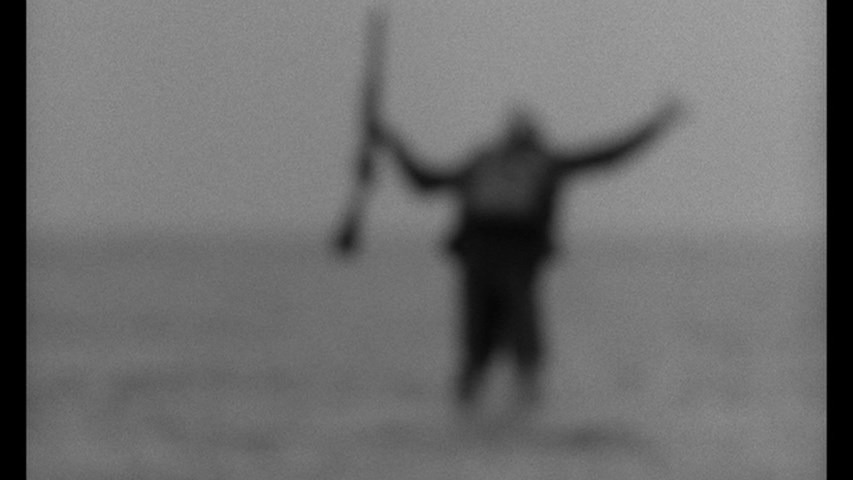
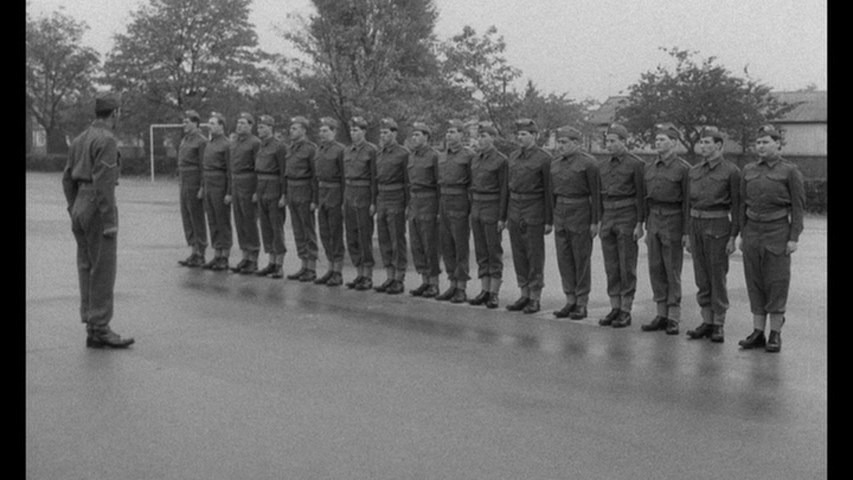
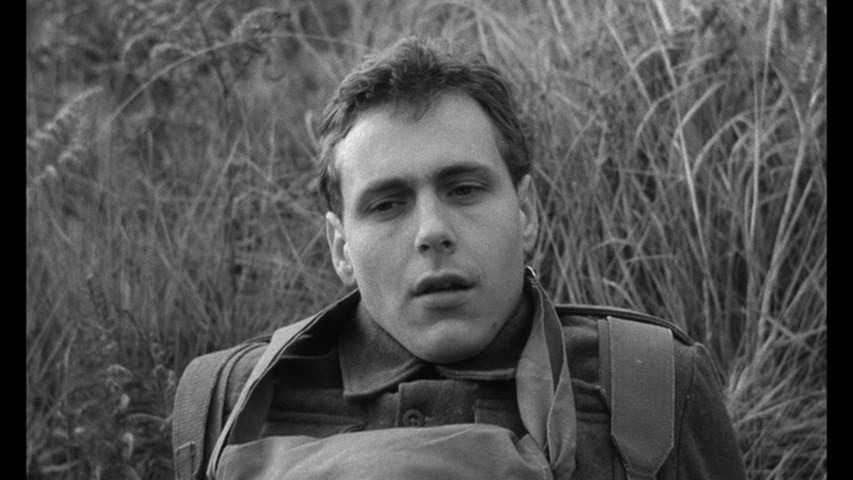
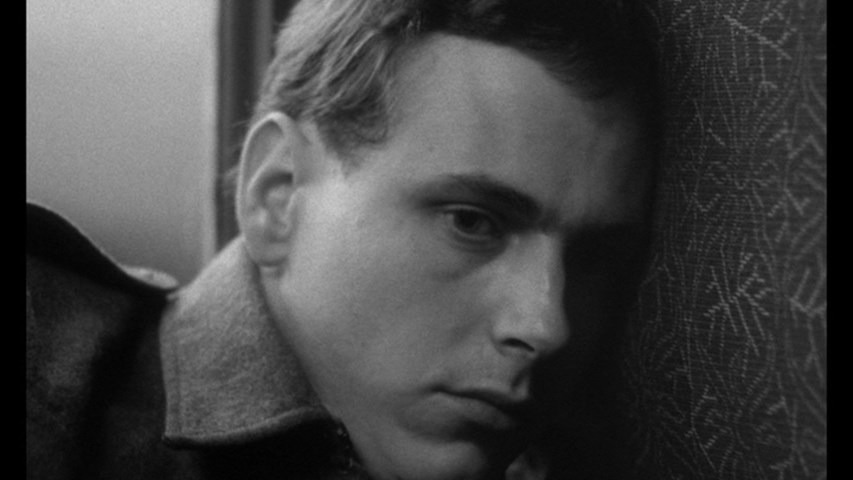
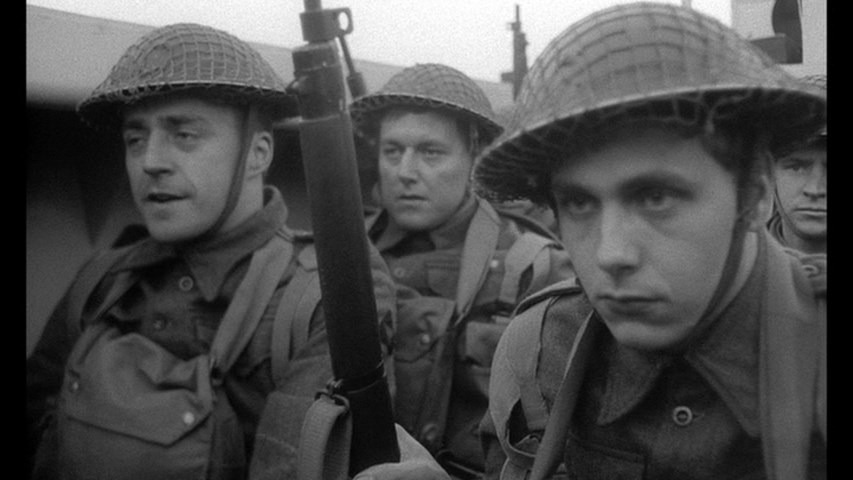
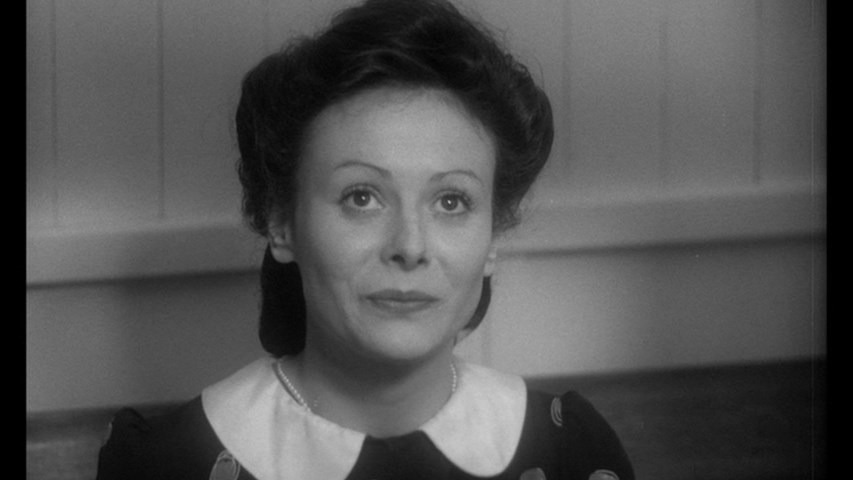
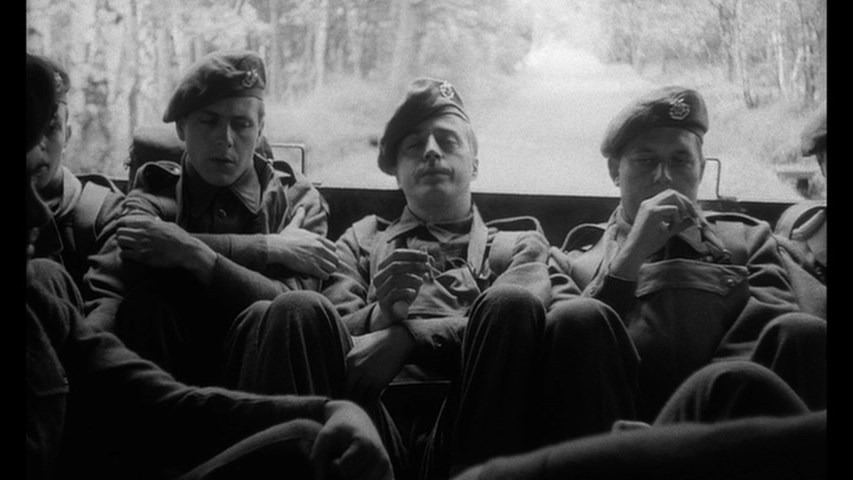
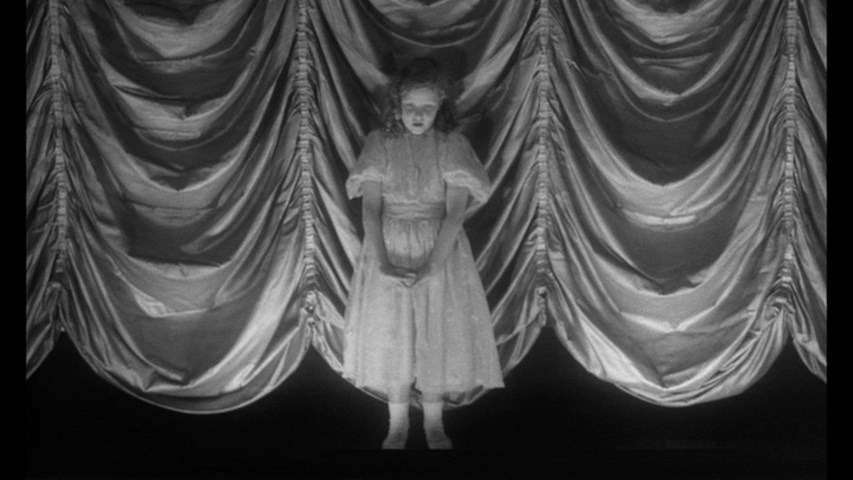
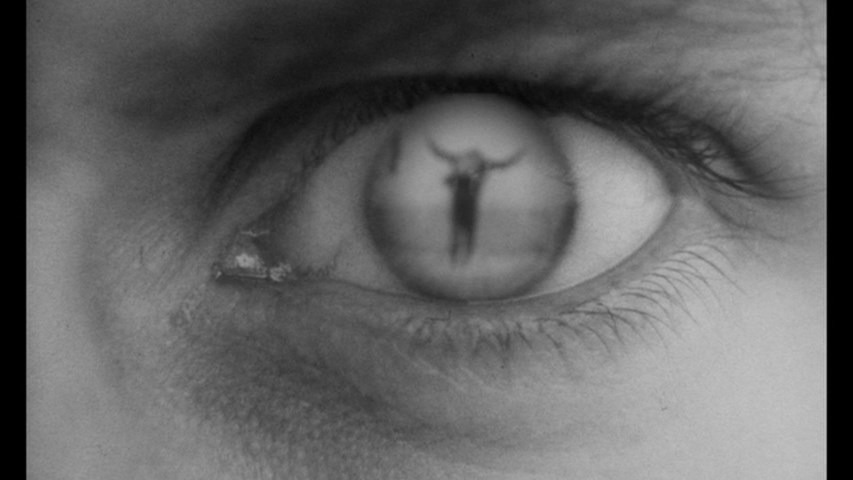
Audio 6/10
The Dolby Digital 1.0 monaural soundtrack has some minor limitations but overall is fine enough. Range and fidelity are both limited, delivering fairly flat audio throughout, but dialogue for the newer footage is clear. It appears dubbing was done over archival material and this audio can come off rather harsh and edgy, but outside of that everything else is about as good as one can expect.
Extras 10/10
The supplements start with an audio commentary featuring director Stuart Cooper and actor Brian Stirner. Both participants were recorded separately. Cooper has the bulk of the track, talking about how the project came to be and the involvement of the Imperial War Museum (who provided funding for the film) and the resources they provided to him. It was the access to their materials that influenced the storyline, gathering information from footage, clippings, and even soldier journals. There were of course other influences on the film, including Kubrick’s Paths of Glory, and he talks a little about more recent war films and the fact they seem to glorify war, even if its unintentional (The Thin Red Line being an exception.) Stirner pops up here and there, talking about getting the role and the overall experience, as well as the mild disappointment the film never really broke out. As we learn here, the film never found an American distributor during its initial release and was later discovered on the American Z Channel (the Criterion DVD release was alluded to on the commentary for the documentary Z Channel: A Magnificent Obsession.) The film received a theatrical release in the States back in 2005. It’s a wonderfully fascinating track, adding a great amount of value to this release, especially when Cooper gets into the details about forming the story and editing the appropriate footage in, which led to him taking a more abstract approach. P>
Mining the Archive presents a rather captivating 23-minute conversation with Imperial War Museum employees Roger Smither and Anne Fleming. Smither gives a surprising background to how the film came about: as it turns out the museum was looking at investing into a work that would commemorate D-Day, and this originally started as a tapestry. After members came across Cooper’s short film A Test of Violence the project turned into a film. The two participants then talk about how all of the film footage was shot during the war, the equipment used, and how the cameramen would learn to edit “in camera” as a way to preserve the film they had. They then talk about the footage used in the film and other footage shot on D-Day that doesn’t appear in the film, which we get to see bits of here. Another absolutely fascinating addition to the set.
In an audio feature Brian Stirner then reads from a couple of soldiers’ journals, which provided some inspiration to the film’s central story. The first, running 9-minutes, comes from the journal of Sgt. Edward Robert McCosh. He writes about the training and their dehumanizing effects, suicides that occurred, and then the final push, giving excellent detail about the beach that day. The next journal was written by Sgt. Finlay Campbell. Campbell’s journal also covers some training, and we hear about the requirement of all soldiers to burn their personal belongings (which influenced one of the more gut-wrenching moments in the film.) This journal gets more harrowing as he recounts his sudden realization of the reality of his situation, and the terror that followed. This one runs 12-minutes. Criterion also includes a brief 2-minute introduction from Cooper, who simply talks about coming across these journals and how the influenced the story. Yet again this is fantastic material and another great inclusion to the release.
Cooper next provides a short 8-minute video essay about Robert Capa’s photography. Capa shot 106 photos from D-Day and here Cooper talks about their effectiveness at capturing the chaos of that day. He even designed the opening of this film after a photo by Capa capturing the fall of a soldier during the Spanish Civil War (this also influenced him when making his short feature A Test of Violence.) It’s a pleasantly insightful piece, which plays over a selection of Capa’s photos.
Germany Calling presents the entire 2-minute short film that appears midway through Overlord. This piece of propaganda was edited together by the British government using footage from Leni Riefenstahl’s Triumph of the Will, making it appear as though marching German soldiers are in fact in a line dance.
Digging into the archives yet again we get a 15-minute short film made by the Ministry of Information in 1943 honouring the Cameramen at War. This footage presents the training these soldiers went through, and a nice bit of information about their equipment. We also get to see some of the footage they shot (some of it rather intense) and even get a small roll call of the various cameramen. Yet again it’s a wonderful, informative inclusion.
Criterion then provides the short film alluded to throughout the features (the one that got the museum to notice Cooper) and that’s A Test of Violence. The film is a showcase of the artwork of Juan Genoves, capturing some of the more traumatic events in Spanish history. Here Cooper shoots some live action re-enactments and then edits them together with images of Genovés’ work. And where there are multiple panels to a work representing movement, Cooper even animates them. It’s an effective short film and it’s easy to see what drew those from the Imperial War Museum to approach him about the film. The film runs about 14-minutes.
The disc then closes with the original British theatrical trailer.
The included booklet features quite a bit of material, starting with Kent Jones’ essay covering how the film was basically lost until it was discovered on Z Channel, and then examines its use of new footage and archival footage. There is then an essay taken from a screening program of the film covering the Imperial War Museum, and the booklet then concludes with excerpts from a novelization of the film, which was written in the form of soldier journals.
Overall it’s a fairly stacked special edition covering just about all the ground one could hope for the film.
Closing
It’s a rather striking DVD edition. The restoration and transfer exceed expectations and the supplements cover just about all the one could think of for the film. If one has the ability to playback Blu-ray I would of course direct them to the Blu-ray edition, which offers a cleaner, less compressed version, but people still with DVD should be quite impressed with this release.
BUY AT: