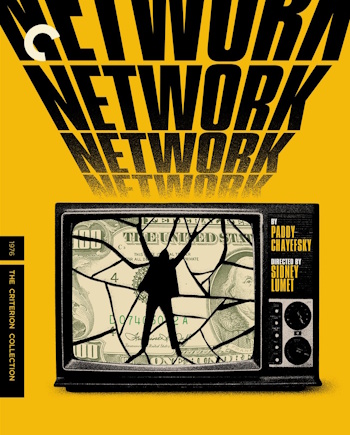
Network
BUY AT:


See more details, packaging, or compare
Synopsis
This media satire, directed by Sidney Lumet from a brilliantly incisive script by Paddy Chayefsky, is an X-ray of the corrupted soul of a corporate-dominated America, startlingly prescient in its anticipation of today’s outrage-driven news cycle. At a struggling television network, ambitious executive Diana Christensen (Faye Dunaway) finds herself with a hit on her hands when disgruntled newscaster Howard Beale (Peter Finch) goes off script, transforming himself into a mad-as-hell prophet railing against the ills of modern society. But can she control the populist revolution they have unleashed on the airwaves? Garnering four Oscars, including for Dunaway, Finch, and Chayefsky, this no-holds-barred New Hollywood classic remains as fearlessly funny as it is unnervingly relevant.
Picture 10/10
Sidney Lumet’s Network (from a script by Paddy Chayefsky) receives an all-new 4K restoration from The Criterion Collection, who present the film in a new edition on a triple-layer disc with Dolby Vision in its original aspect ratio of 1.85:1. The restoration comes from a new scan of the 35mm original camera negative, with a print supplied by Warner Bros. used for color reference. This edition also includes a standard Blu-ray featuring a 1080p presentation of the film along with all video supplements.
I know the film has long divided viewers, perhaps even more so in recent years (likely because it’s anything but subtle and, through no fault of the filmmakers, no longer plays as satire so much as documentary). Still, despite usually keeping my feelings about the films themselves out of these things, I’ll admit I adore this one. It’s one of those strange comfort films I revisit frequently, despite its dark subject matter and pervasive sense of futility (odd, I know, but I suppose it mocks all the right things for me). After being stuck with the previous Warner and Arrow (UK) Blu-rays—both sourced from a very dated master—I was looking forward to this upgrade more than most titles coming to the format, with expectations that were probably absurdly high. And damn if this presentation doesn’t come about as close as possible to meeting them.
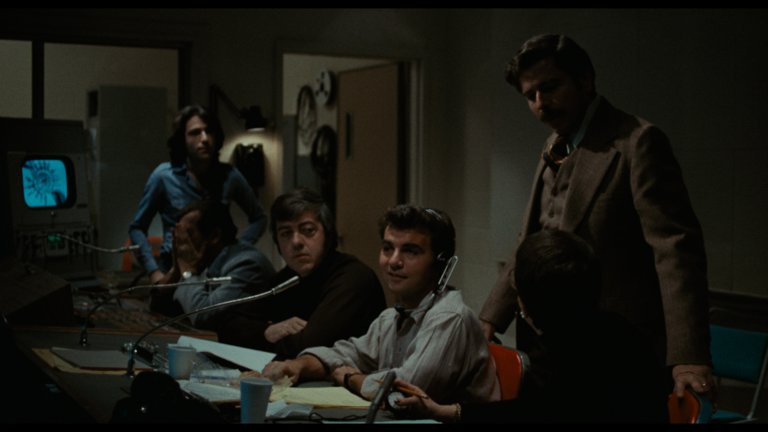
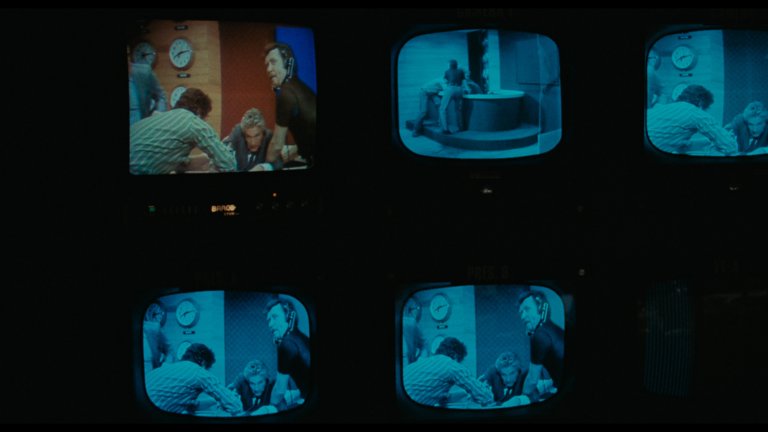
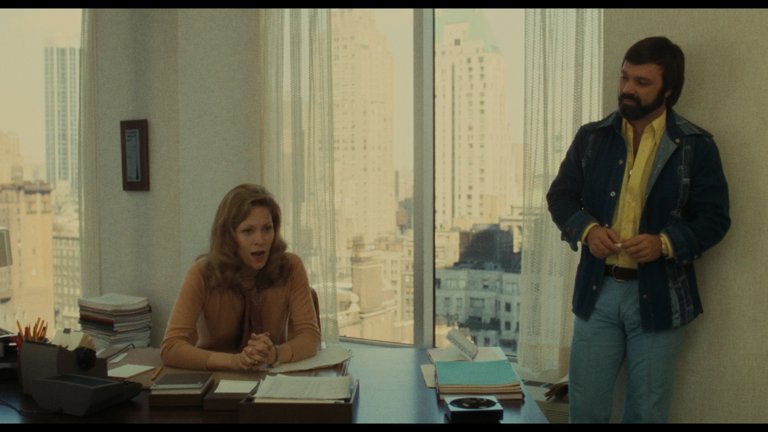
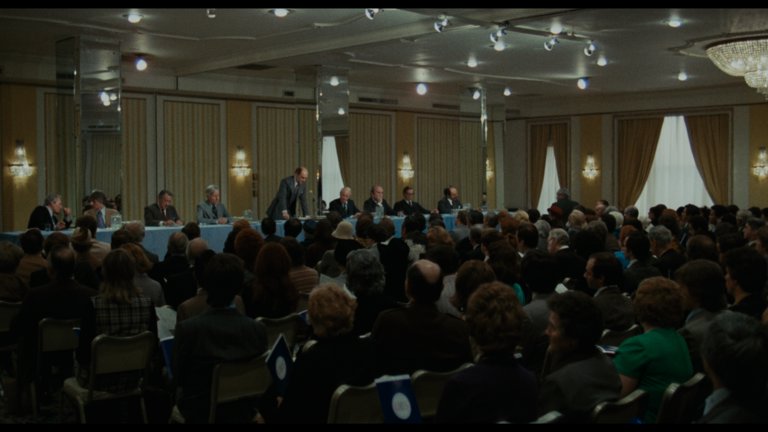
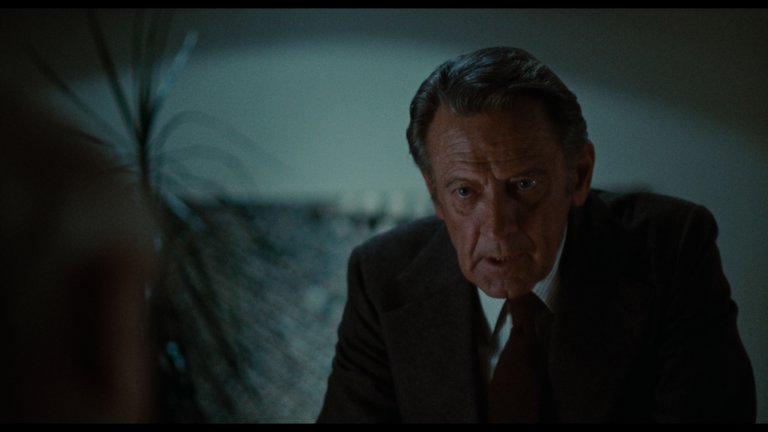
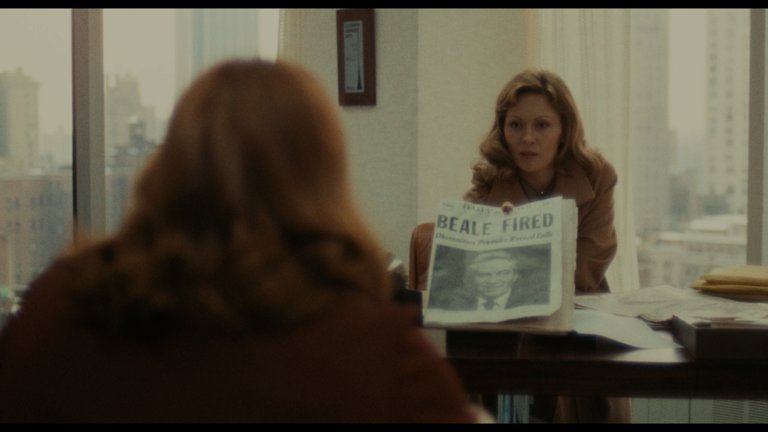
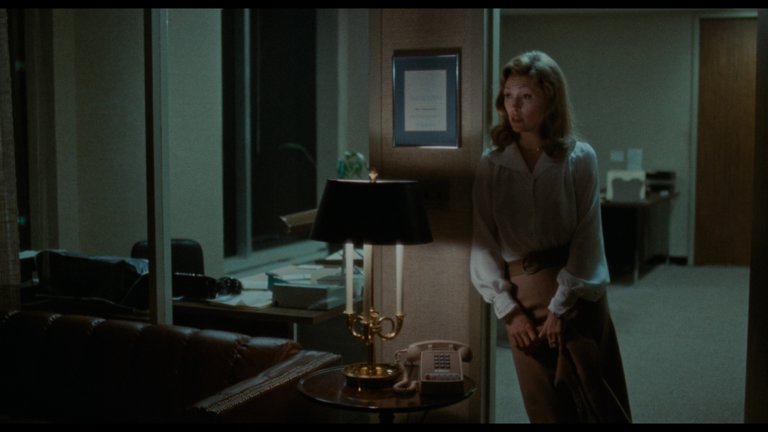
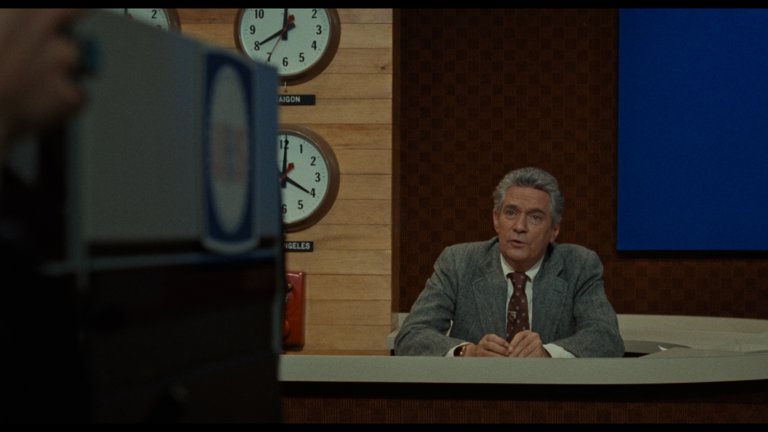
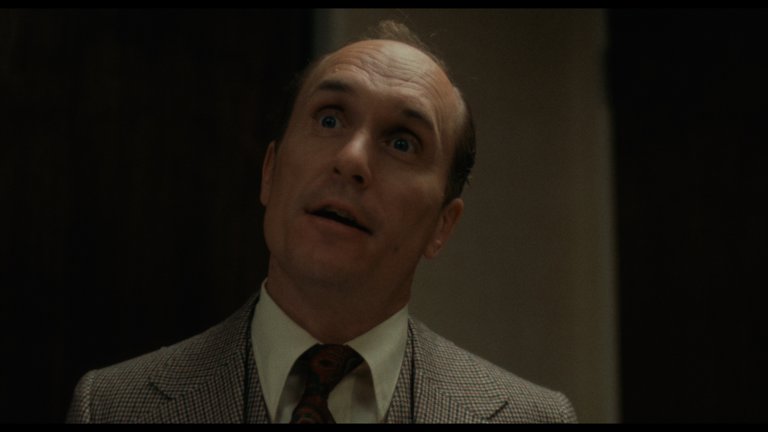
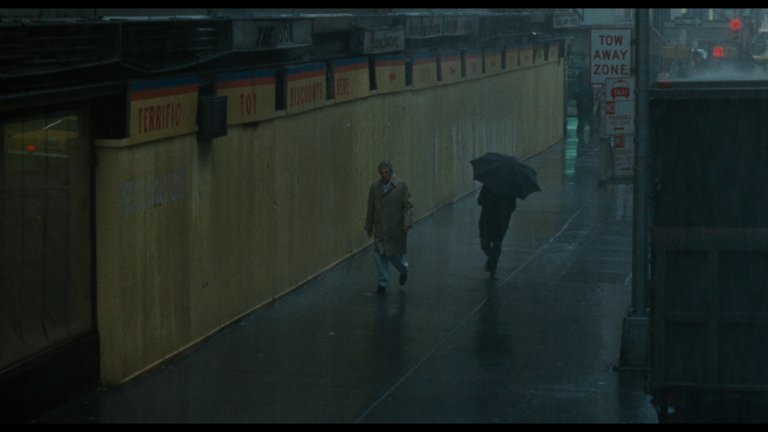
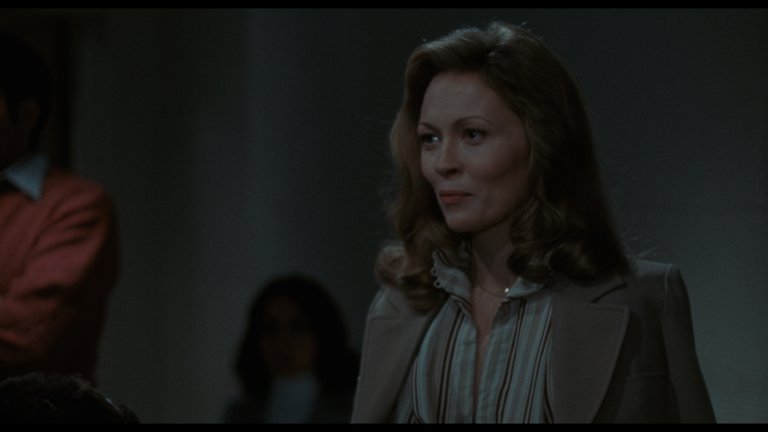
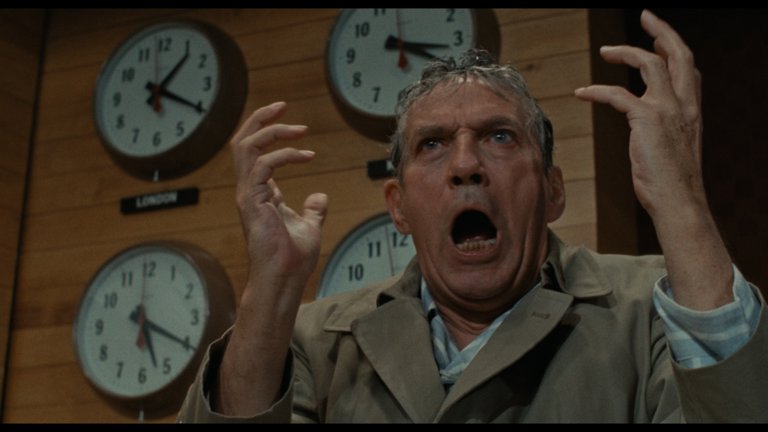
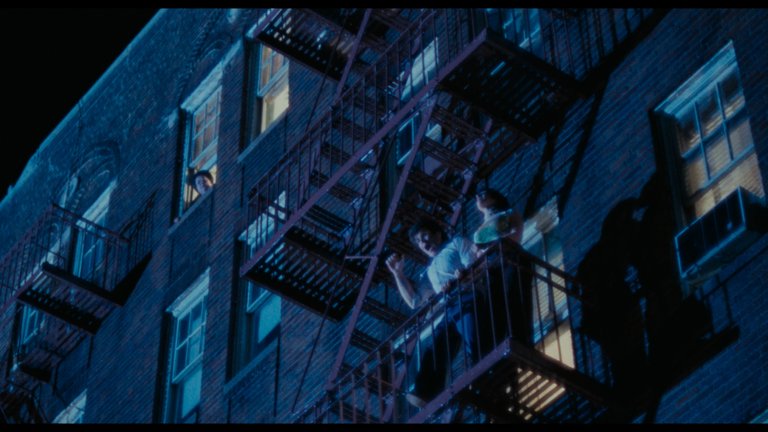
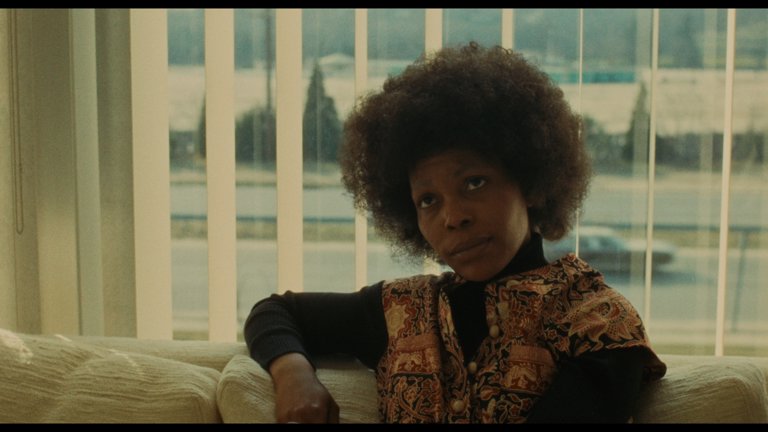
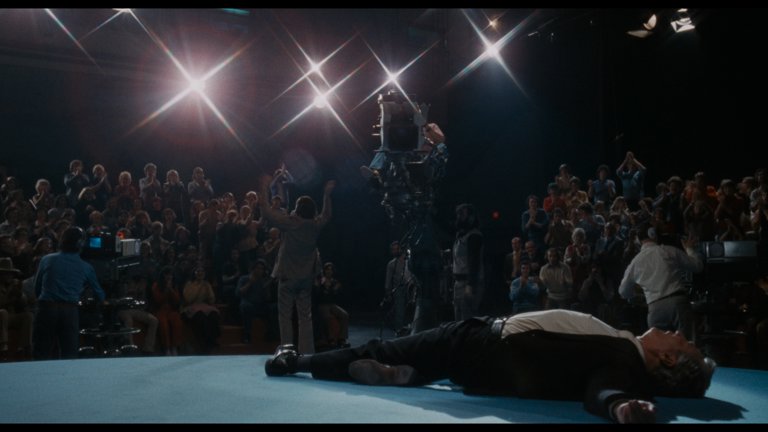
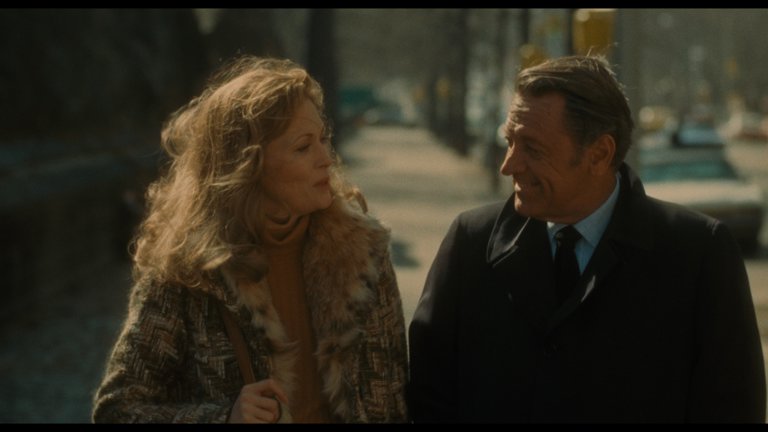
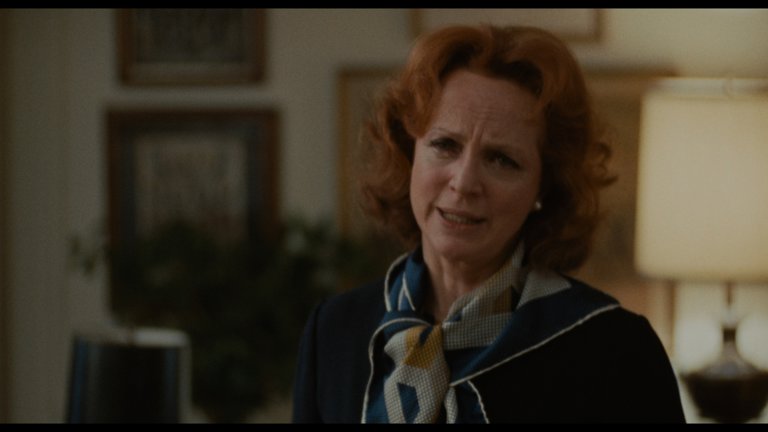
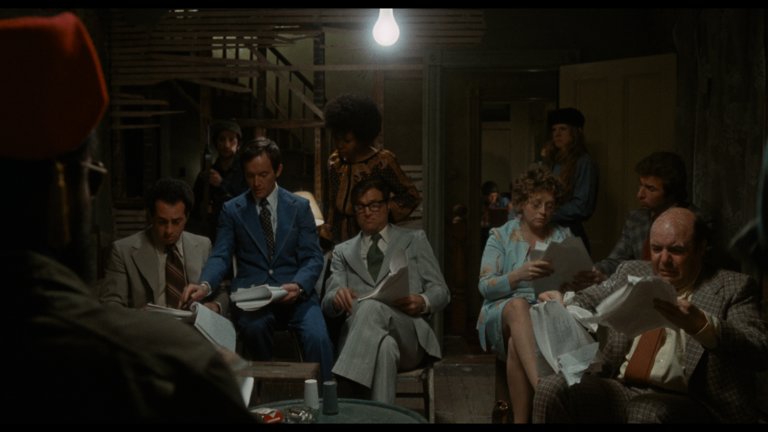
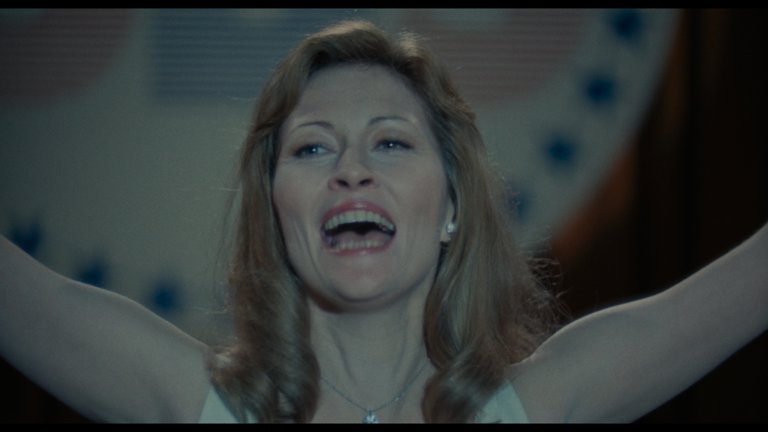
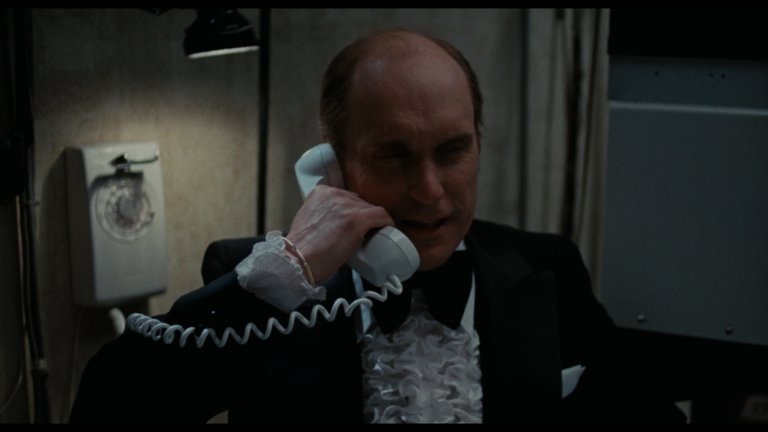
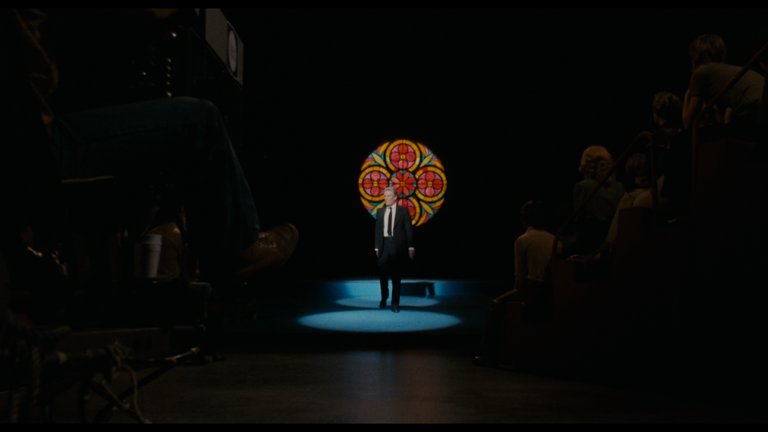
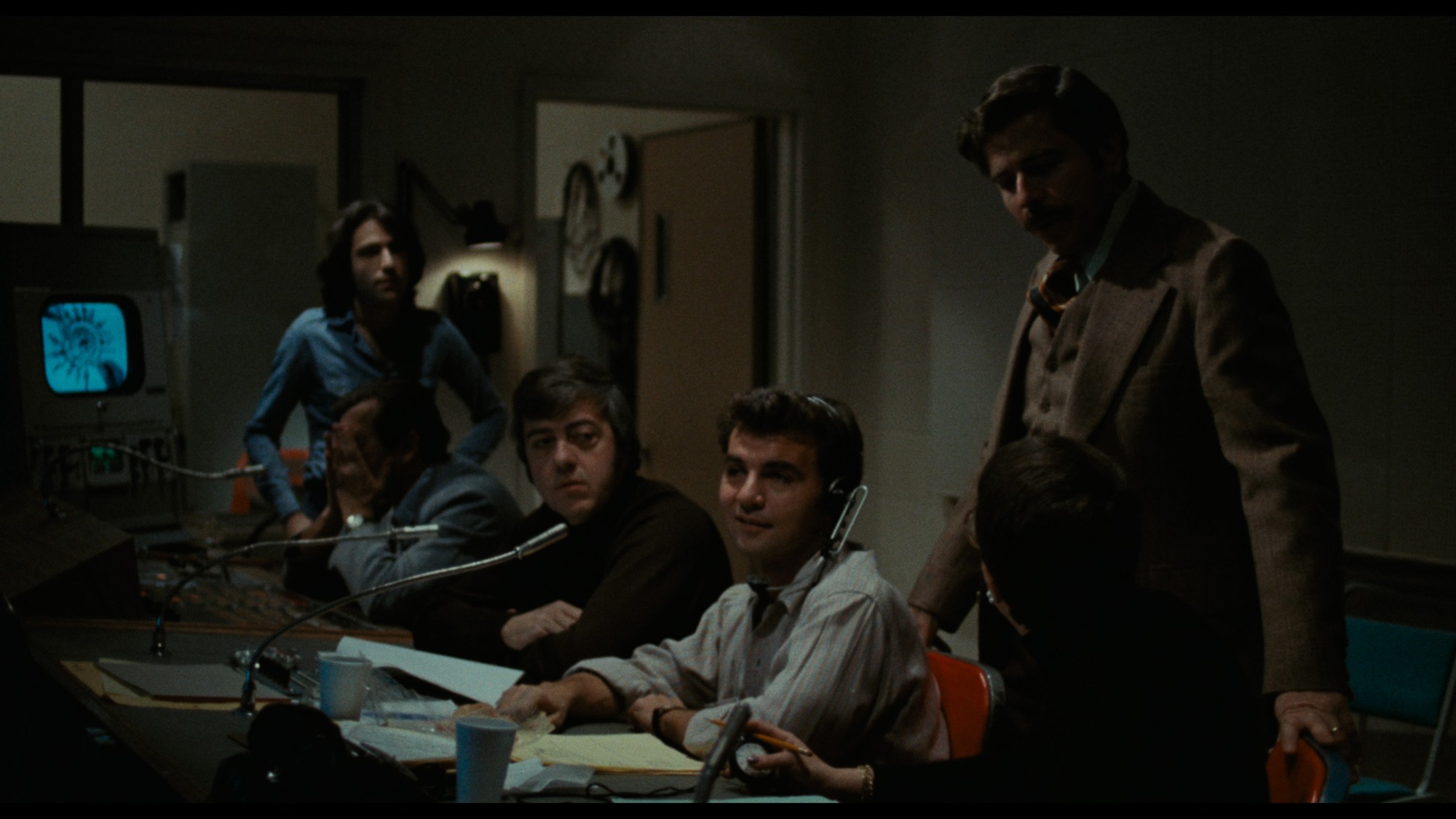
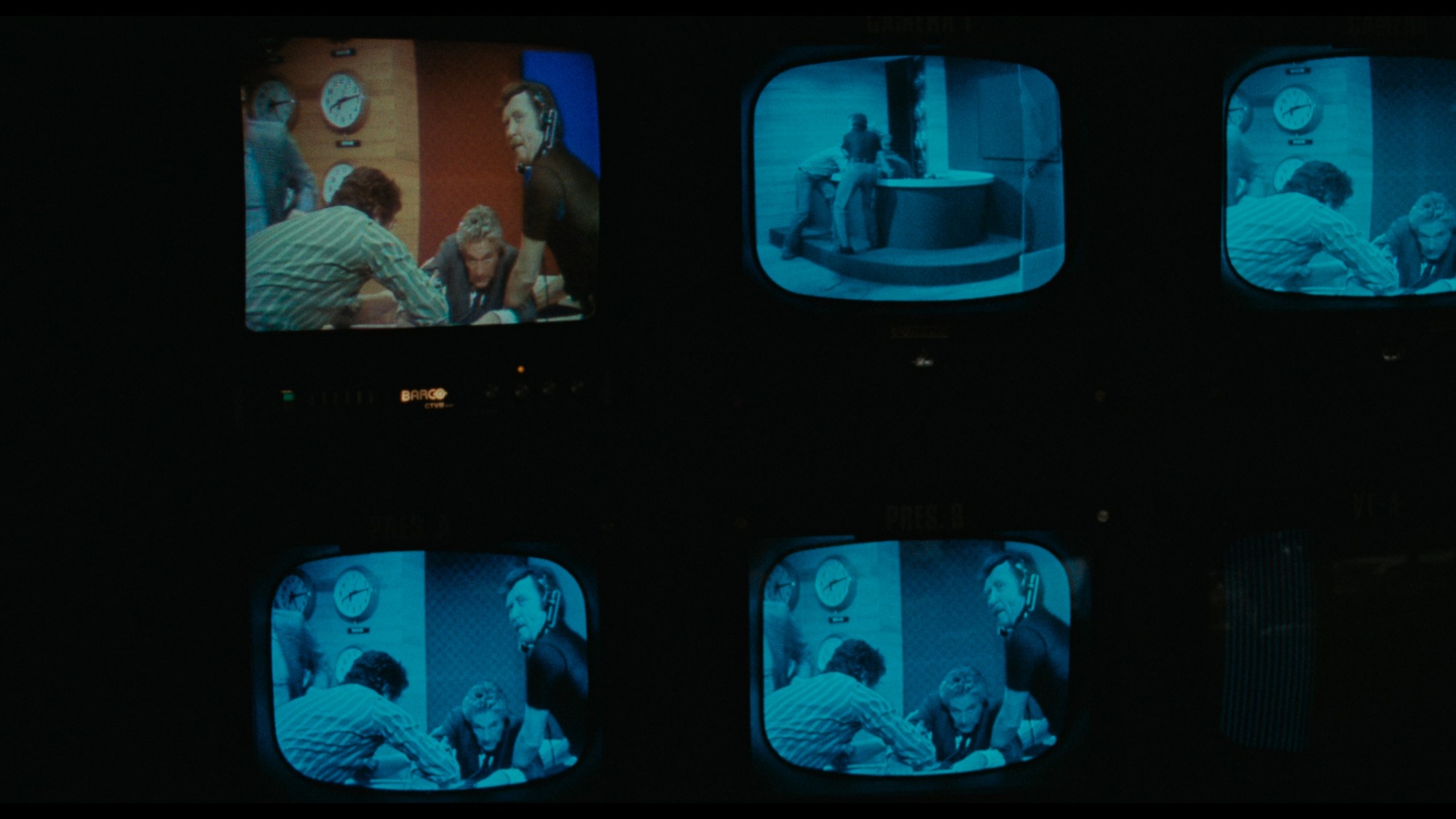
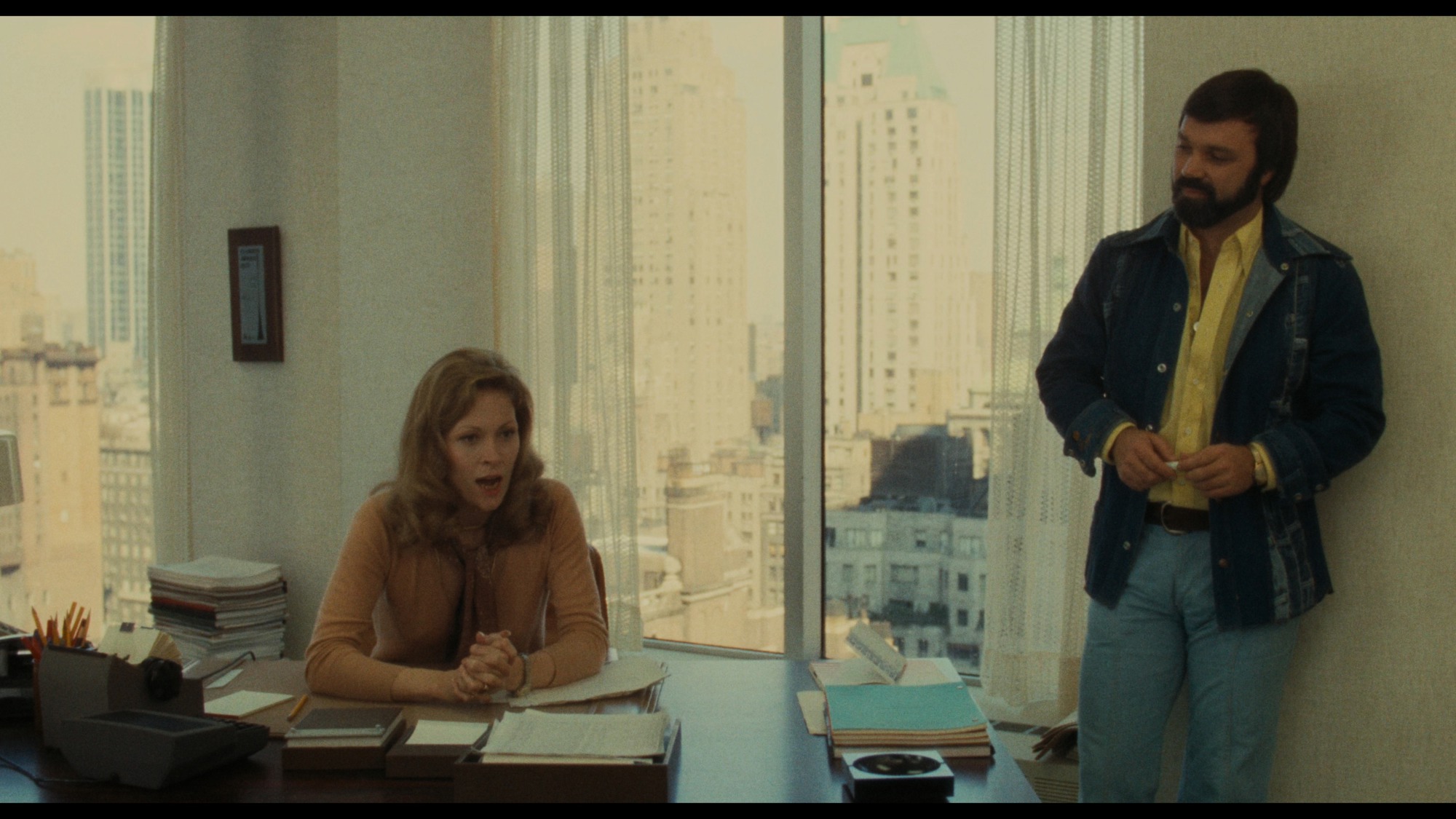
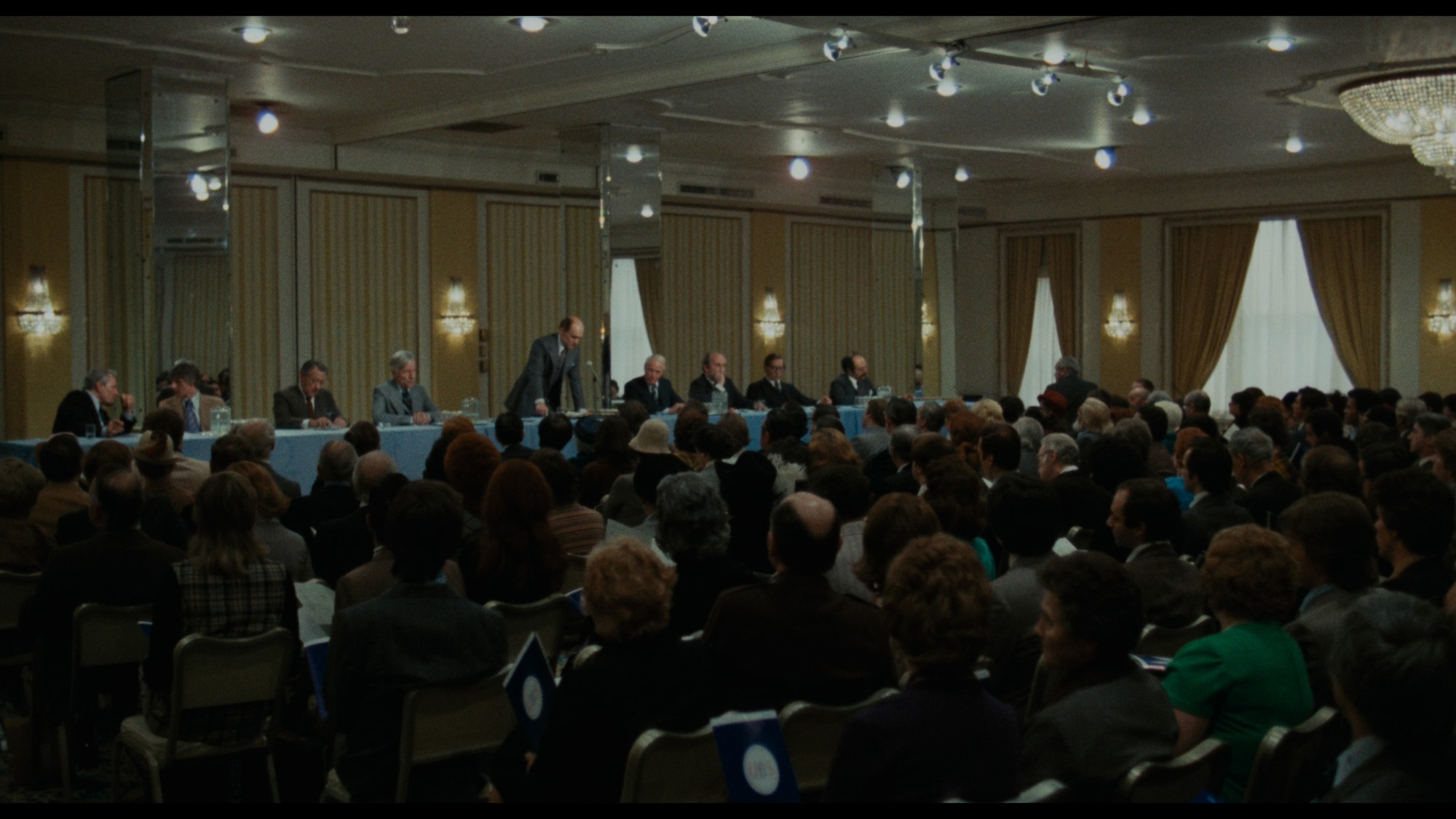
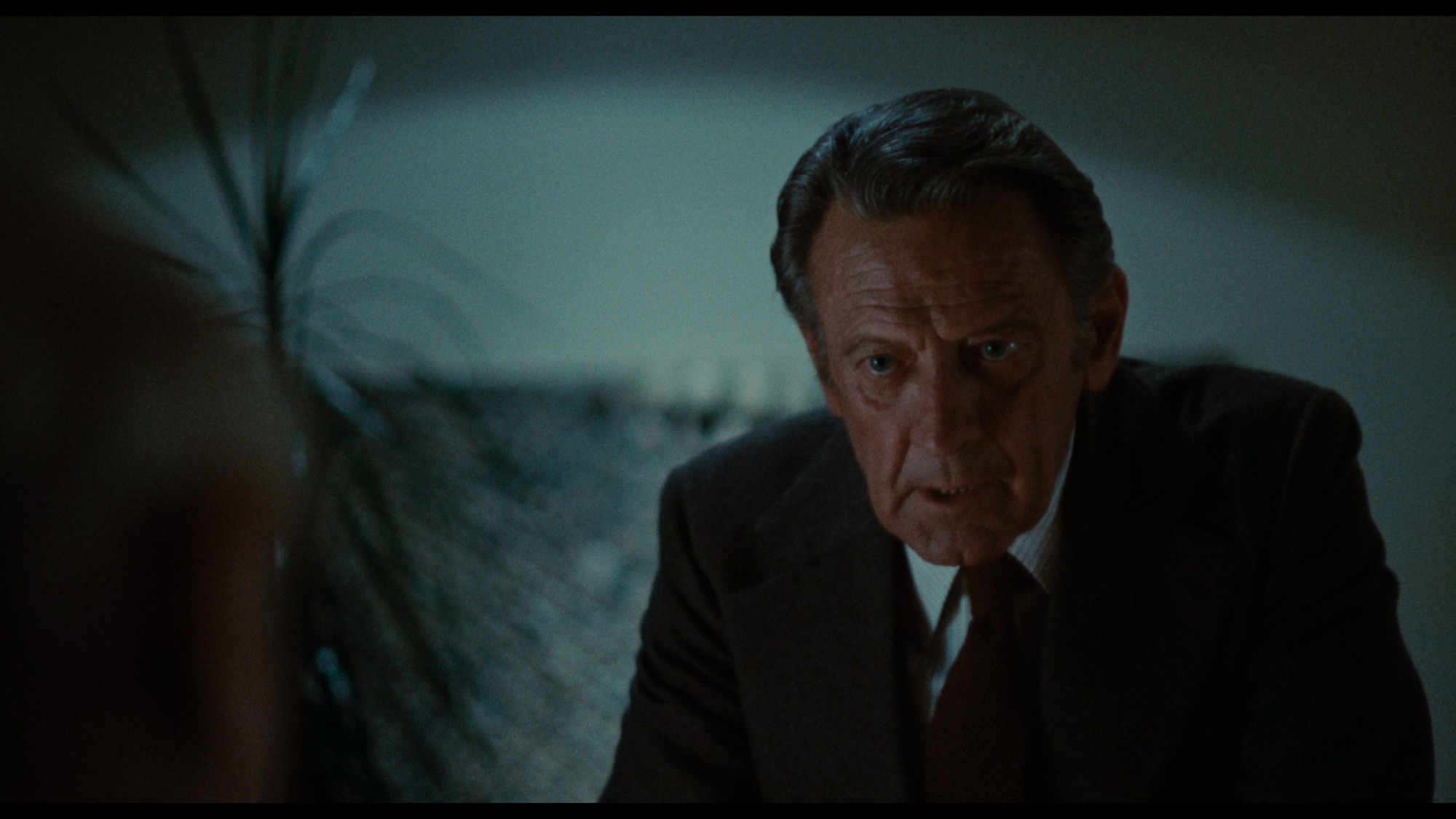
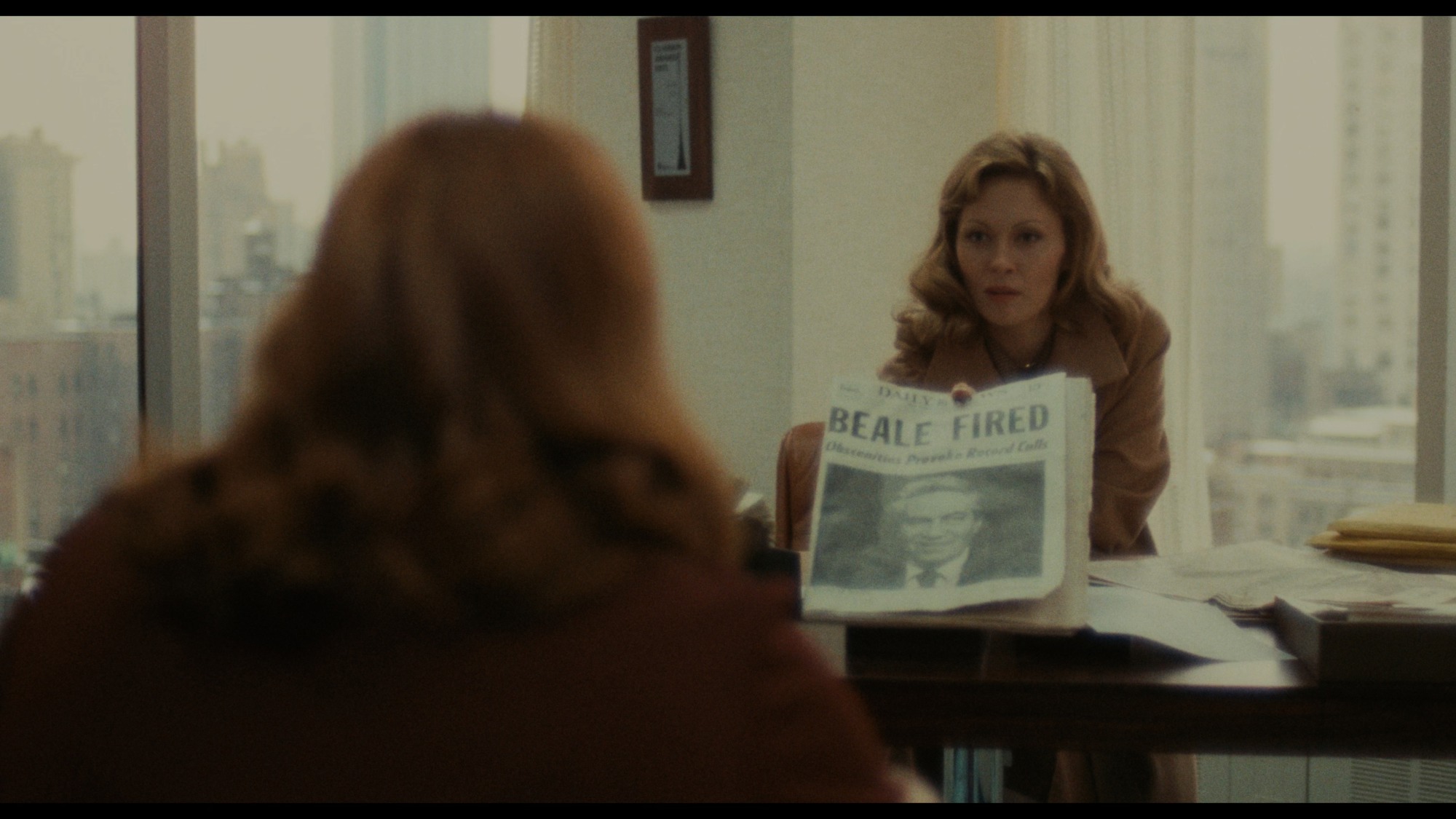
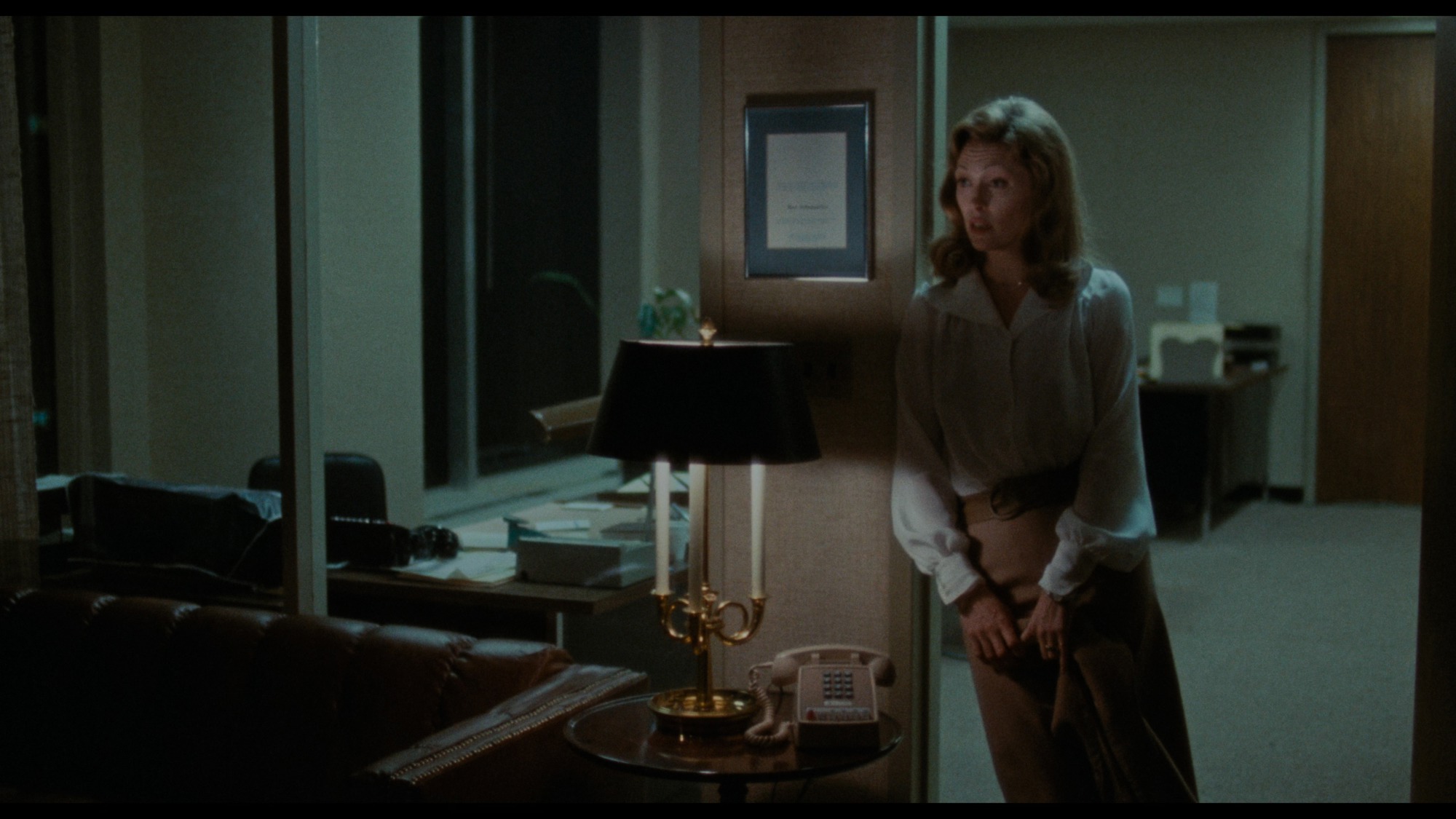
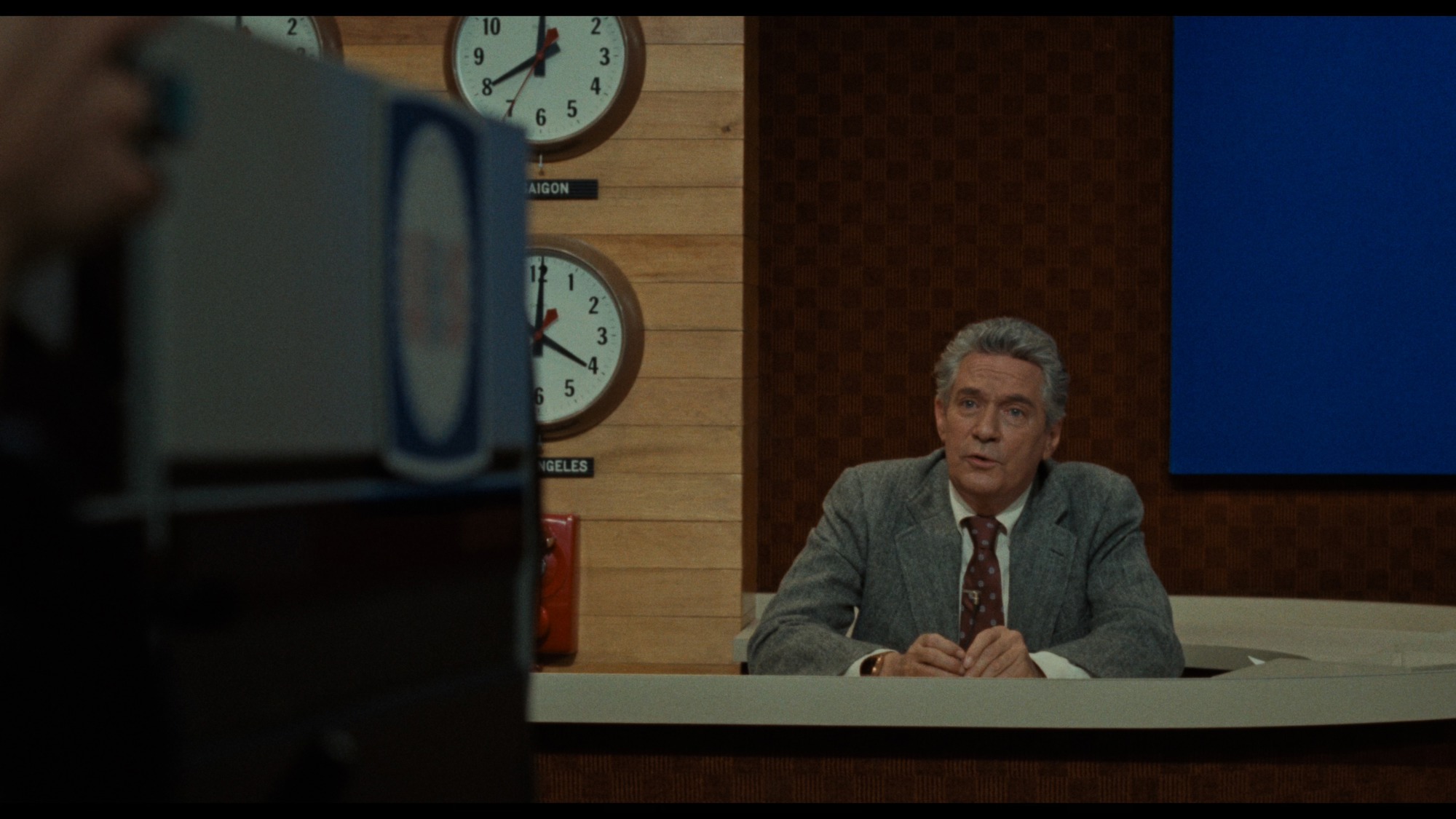
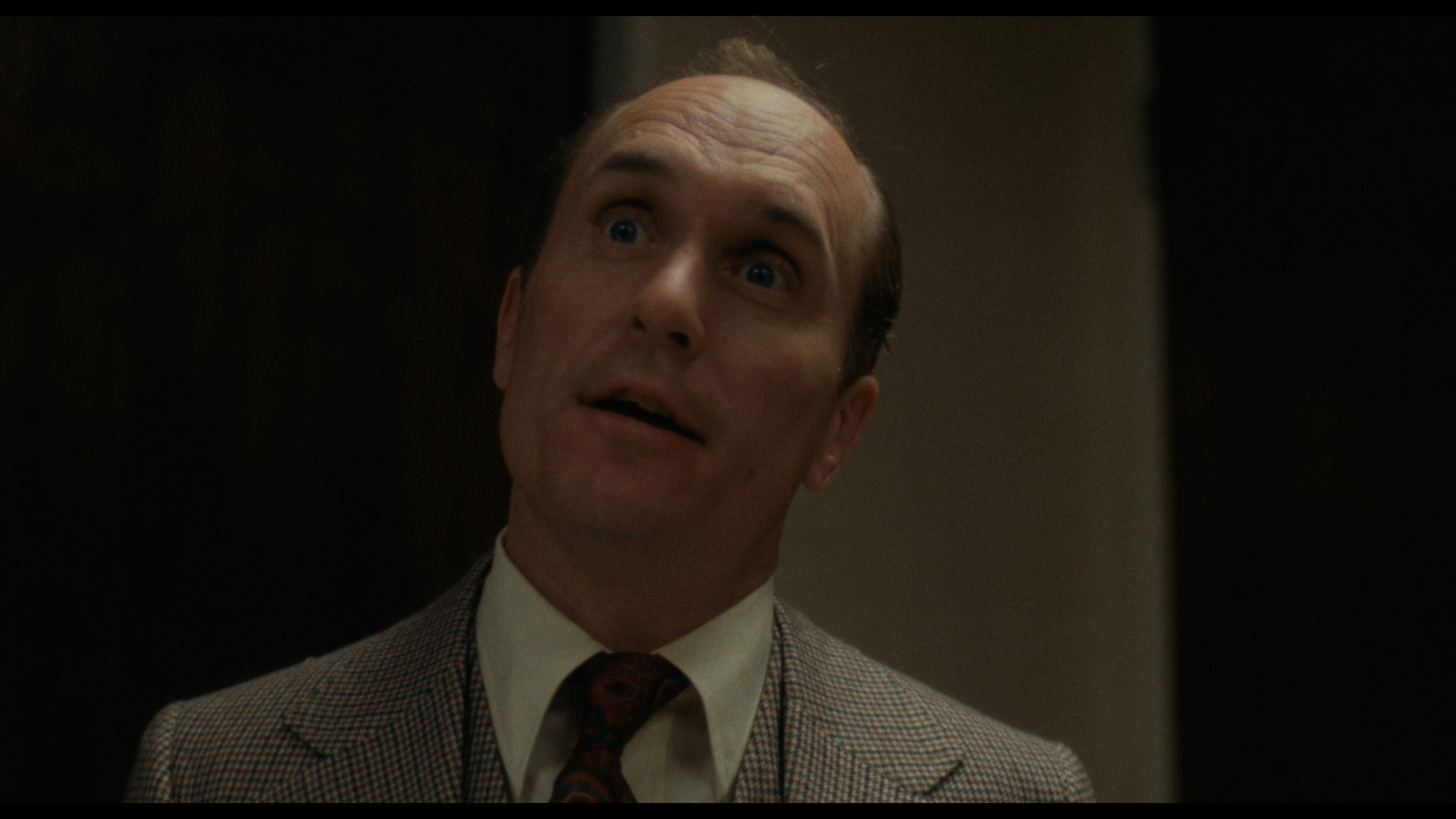
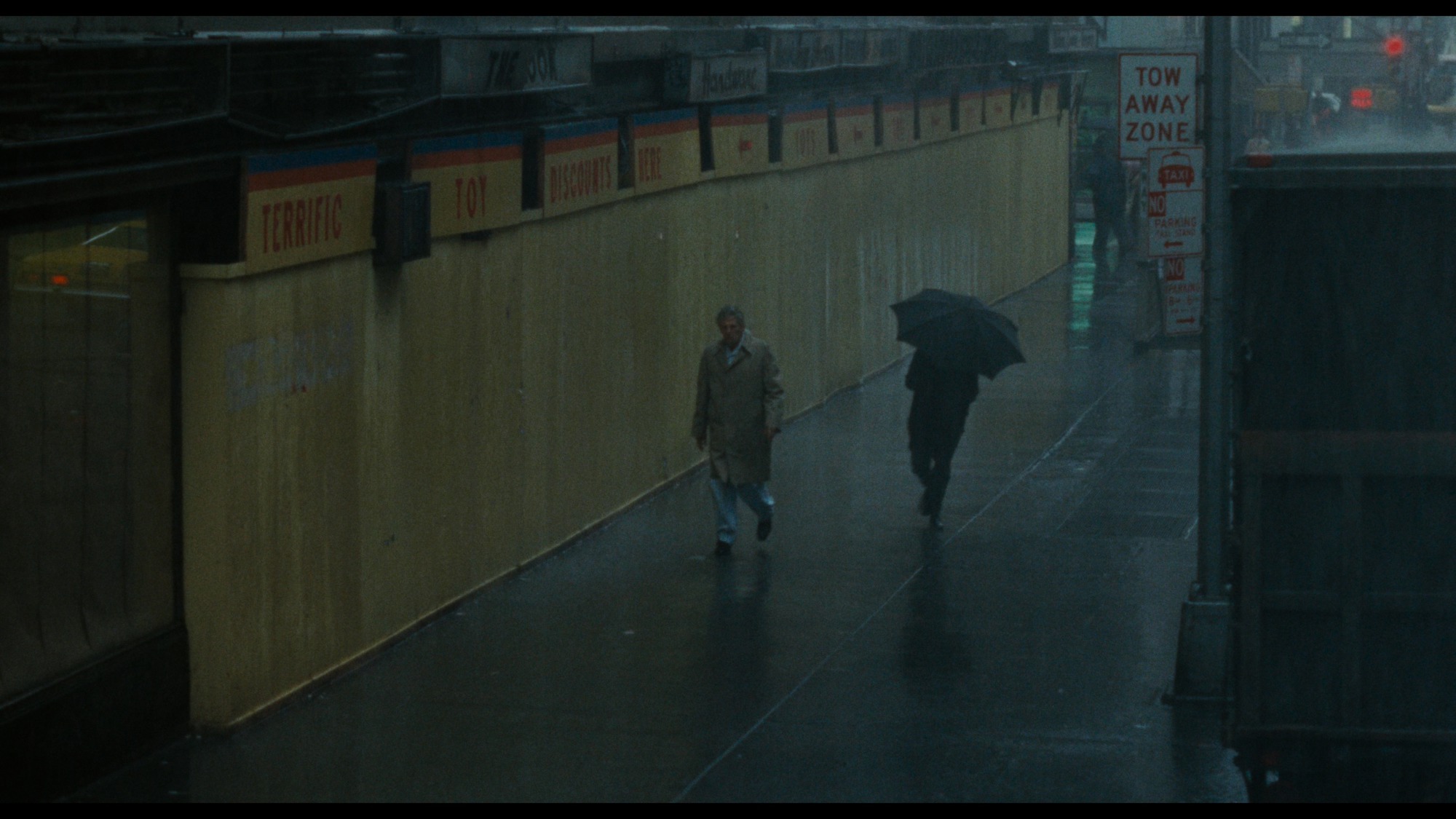
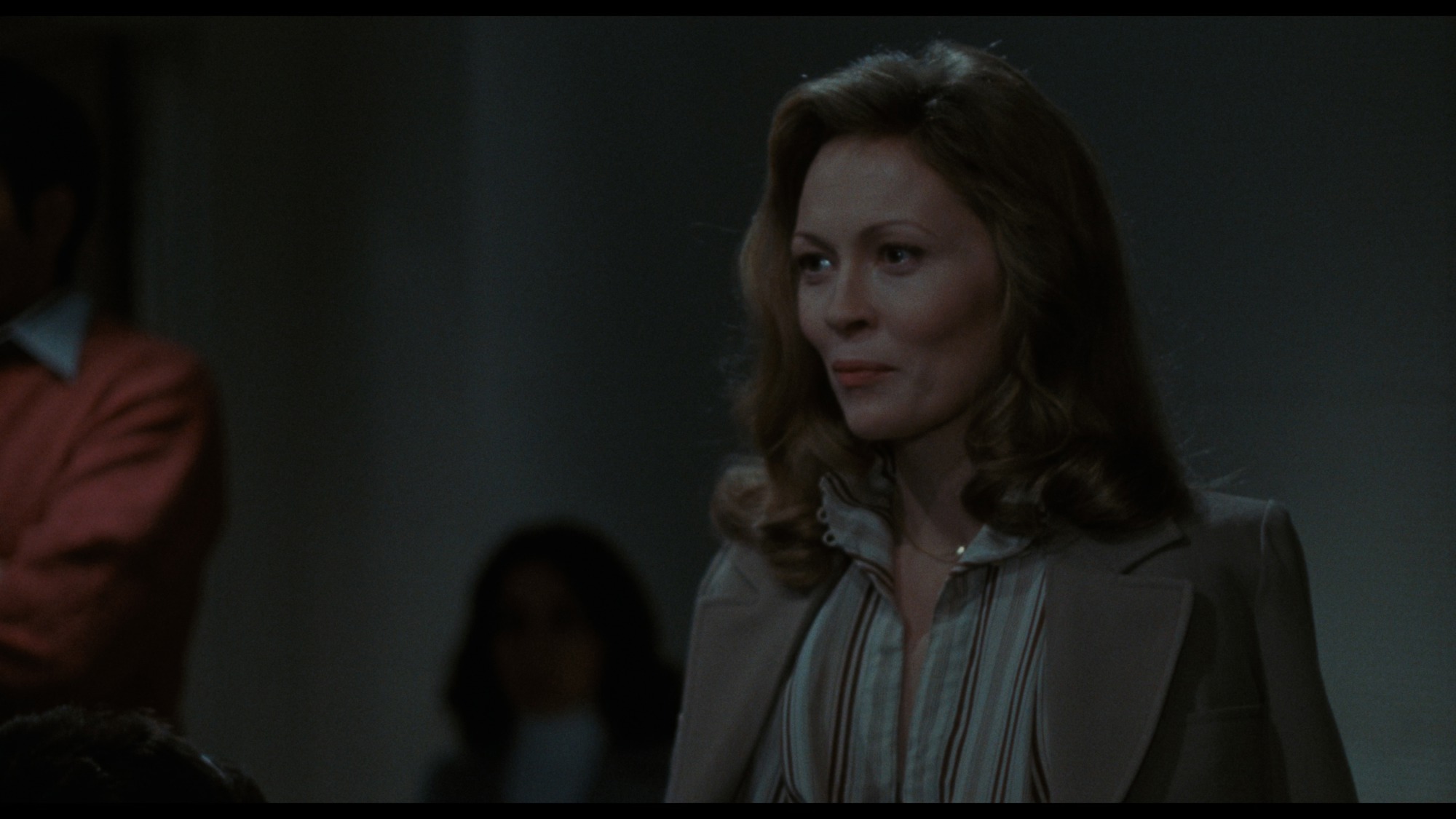
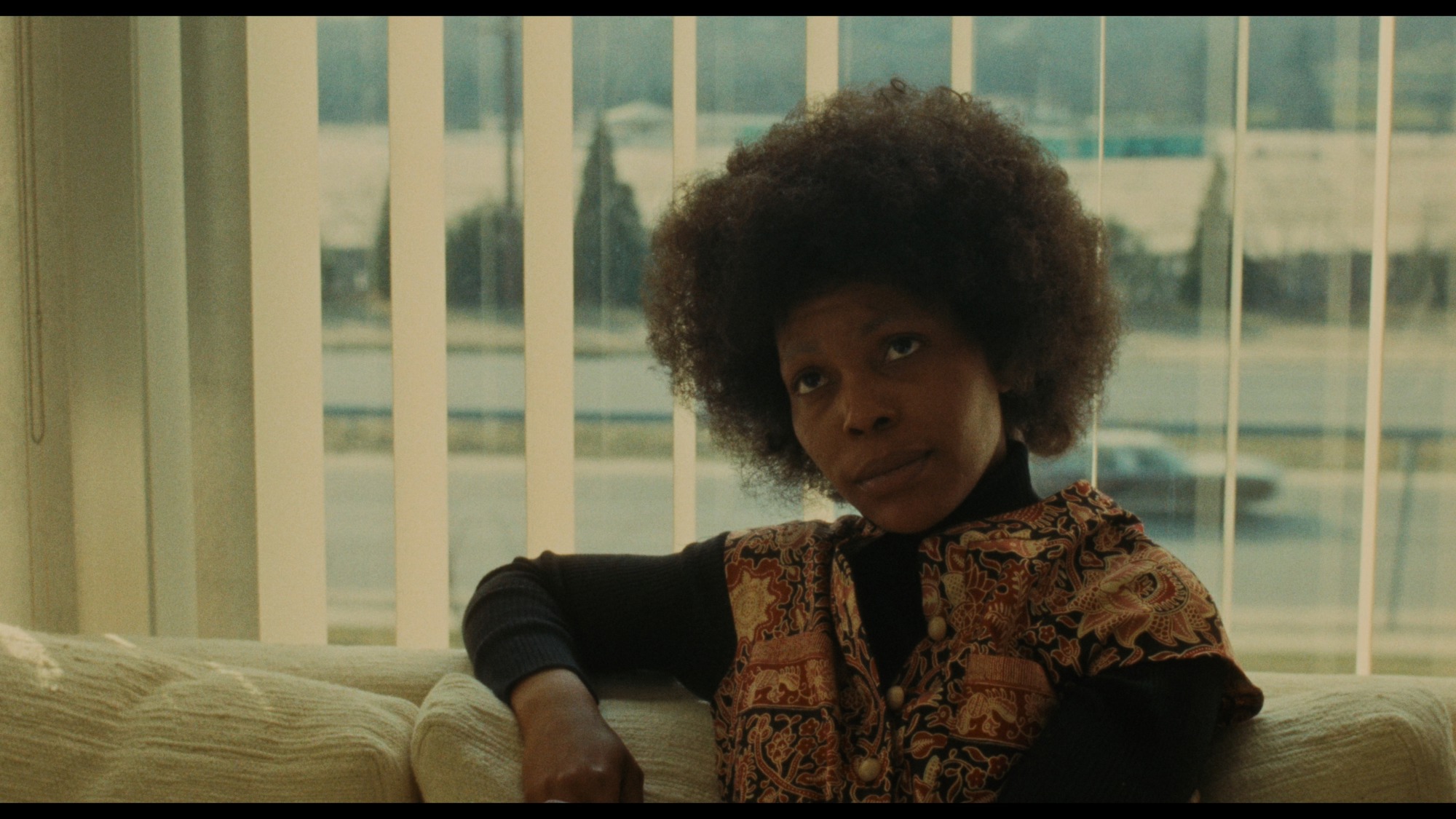
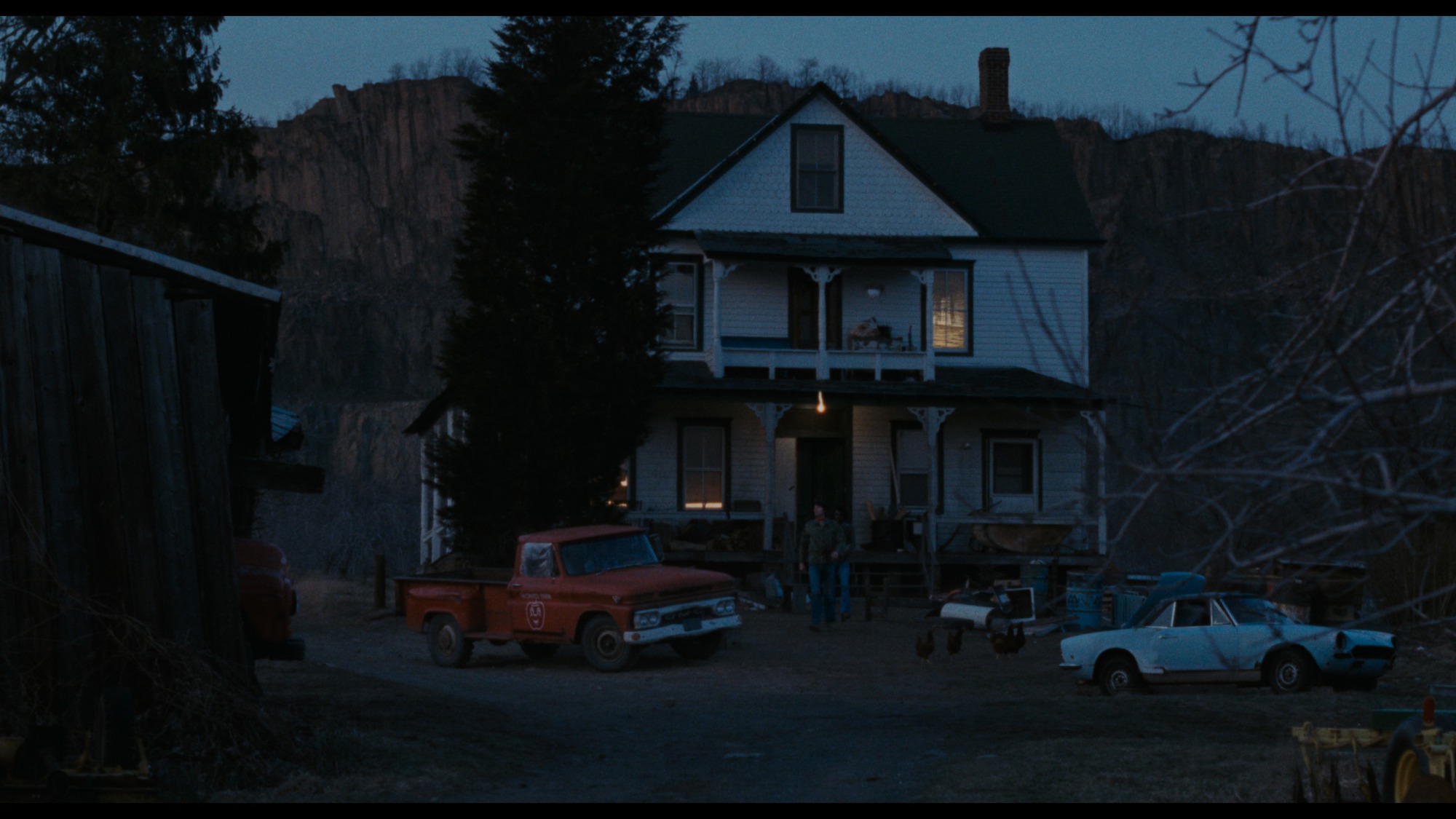
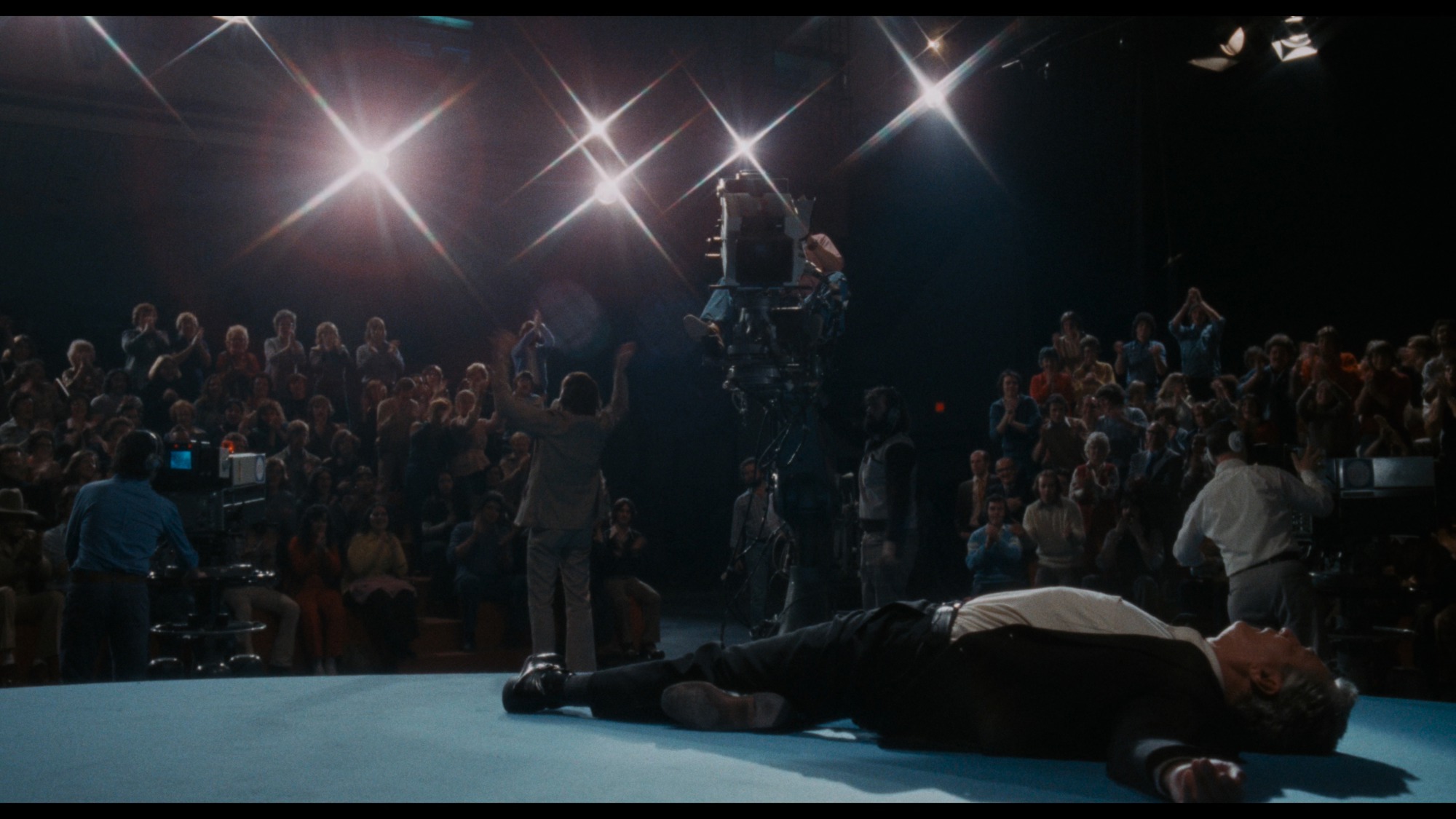
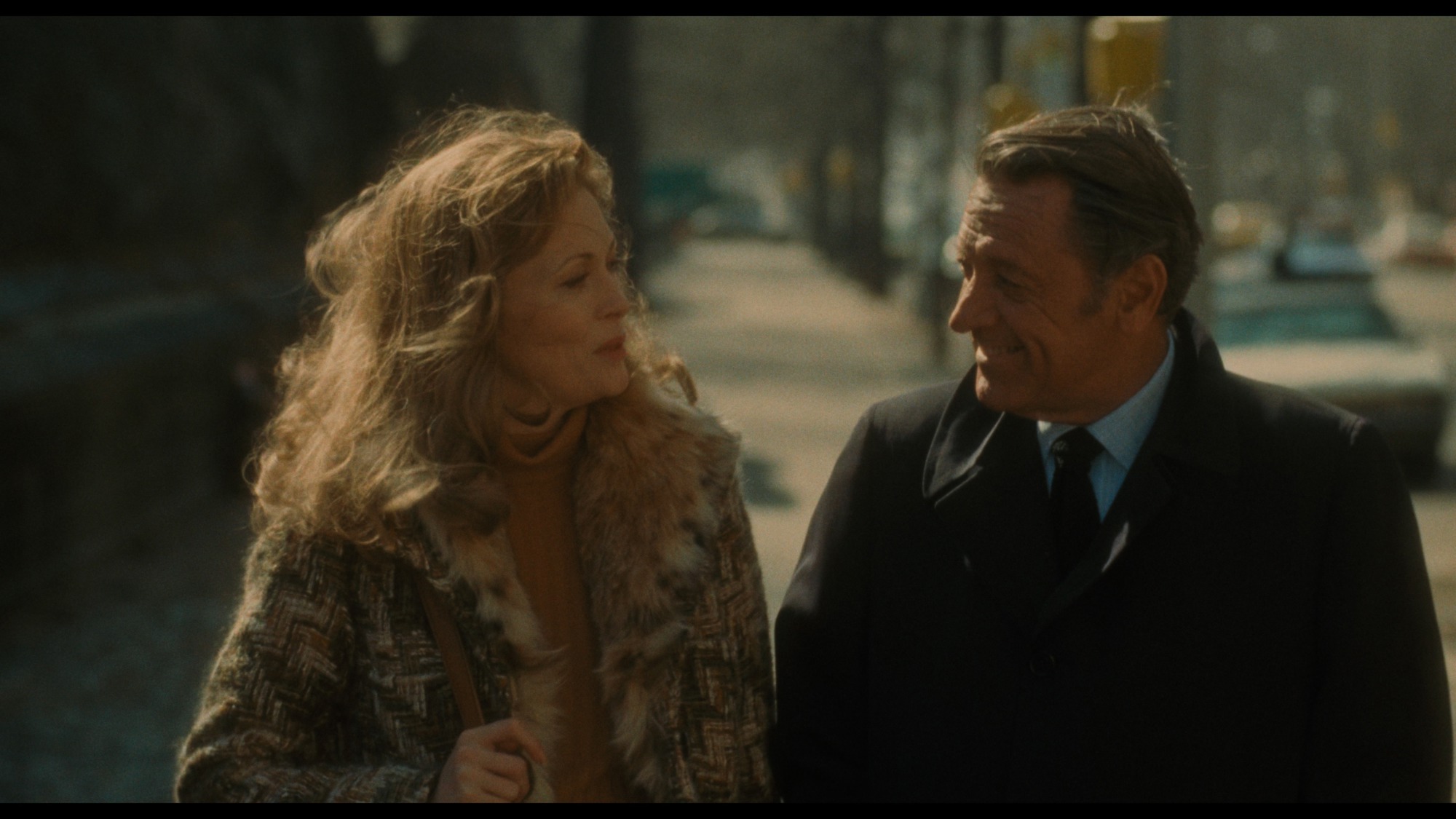
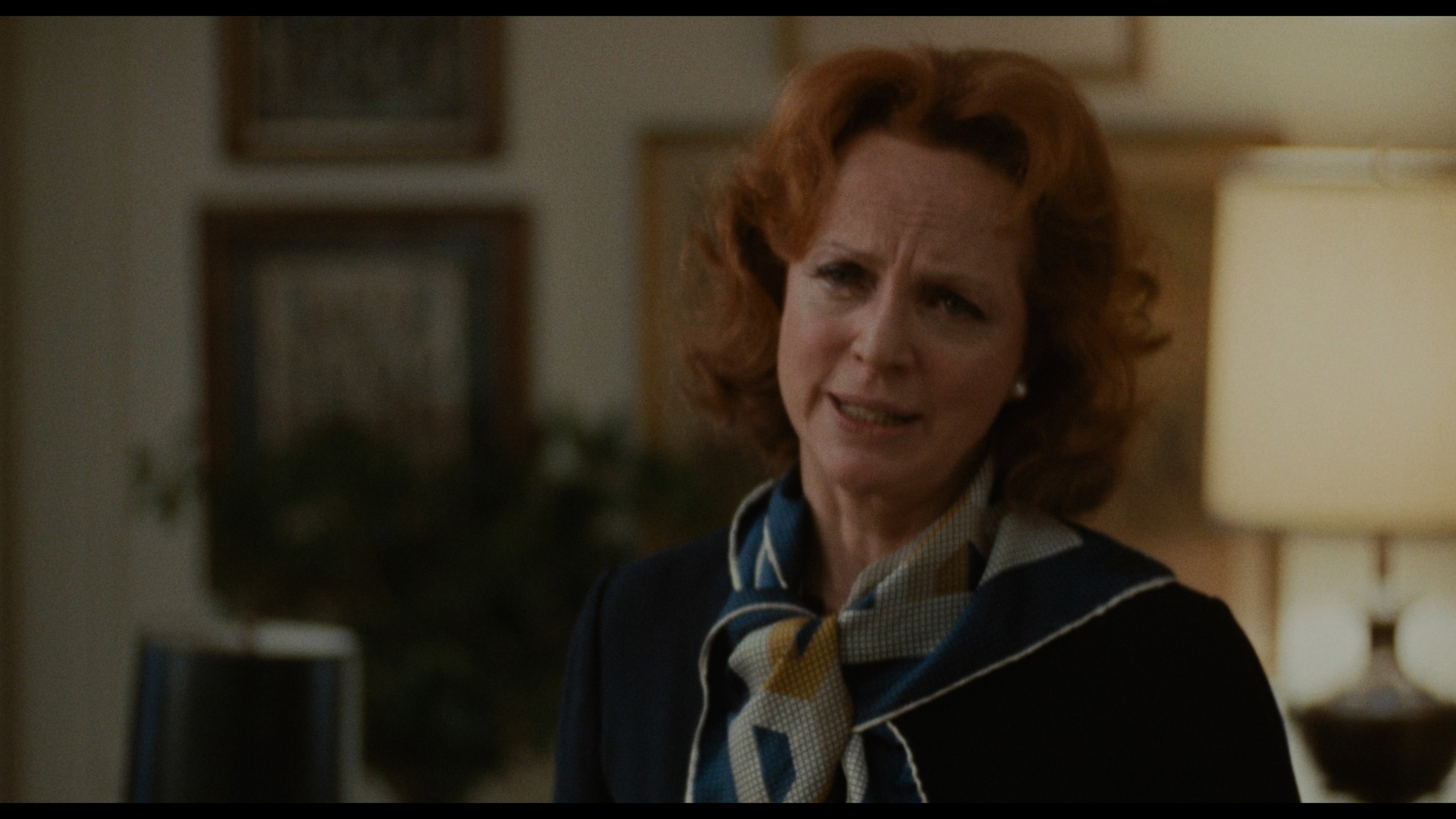
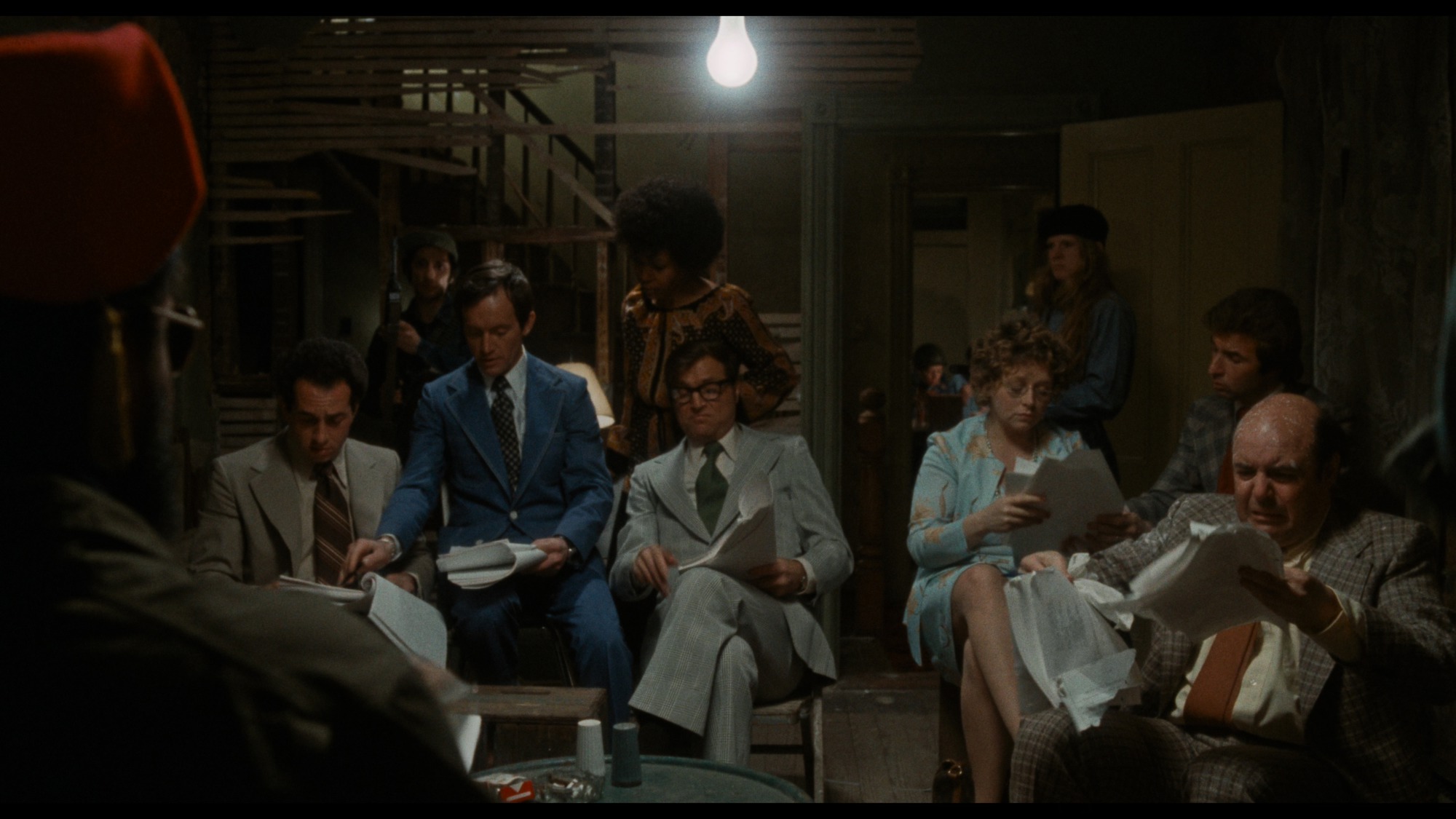
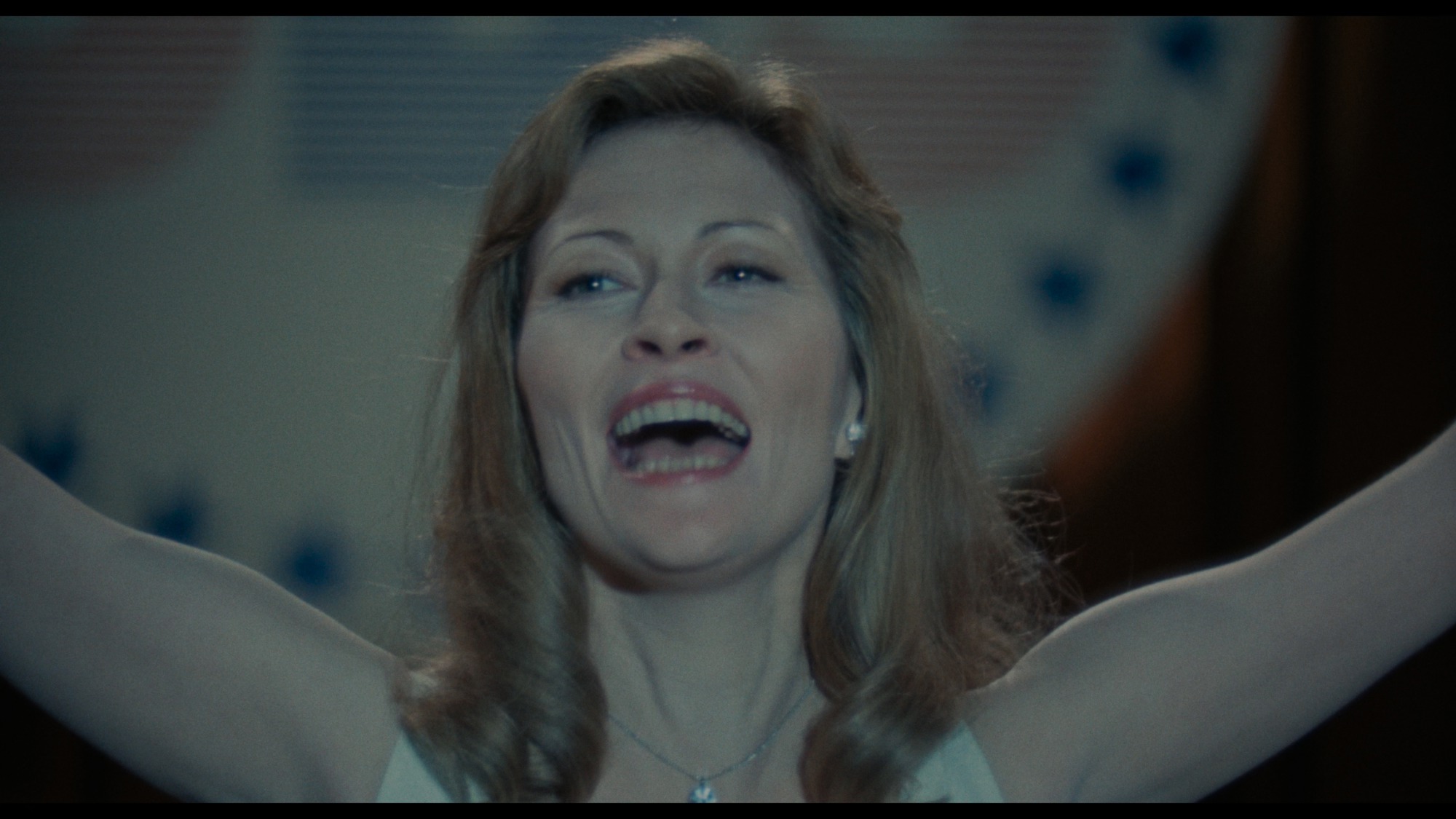
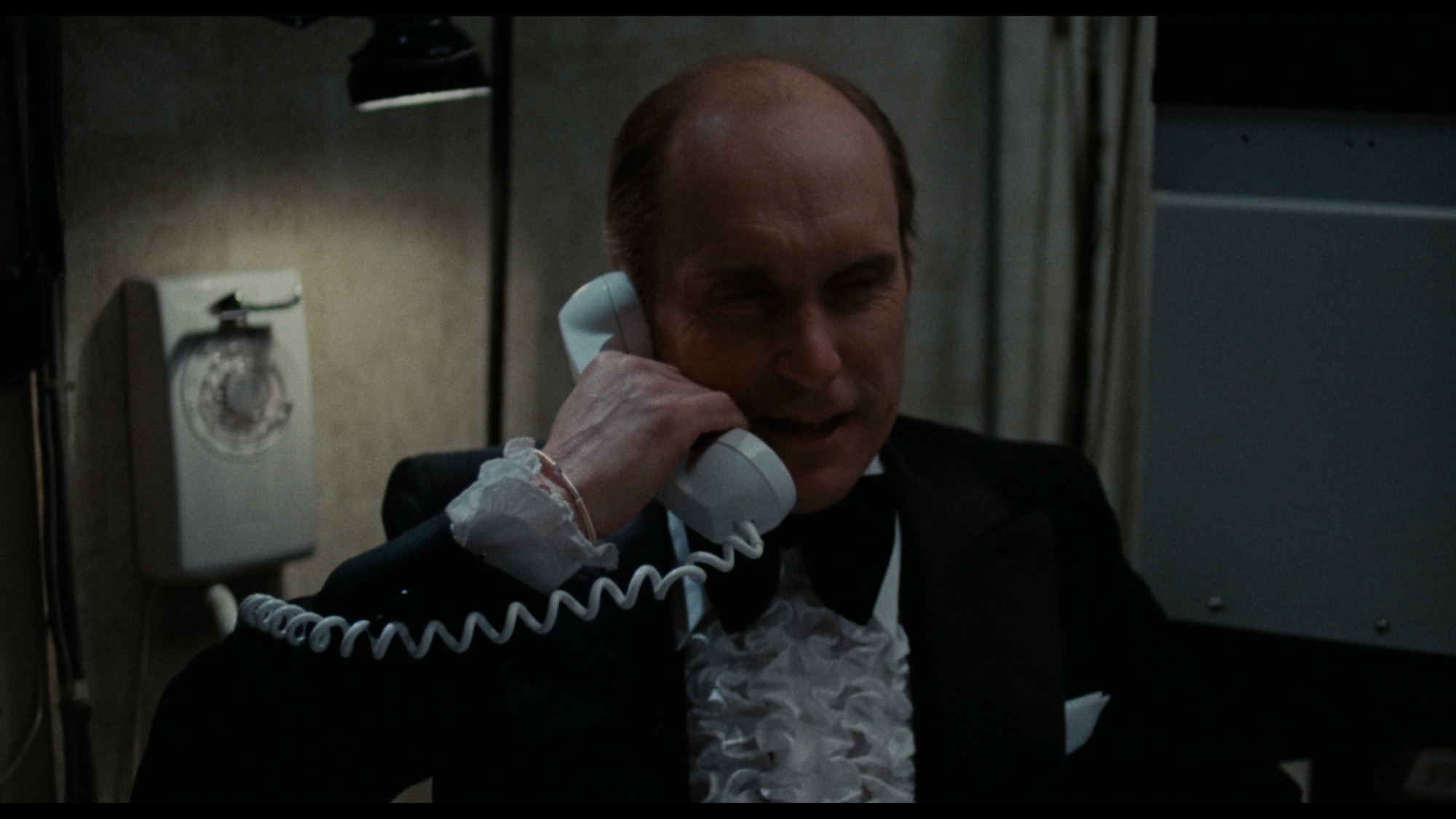
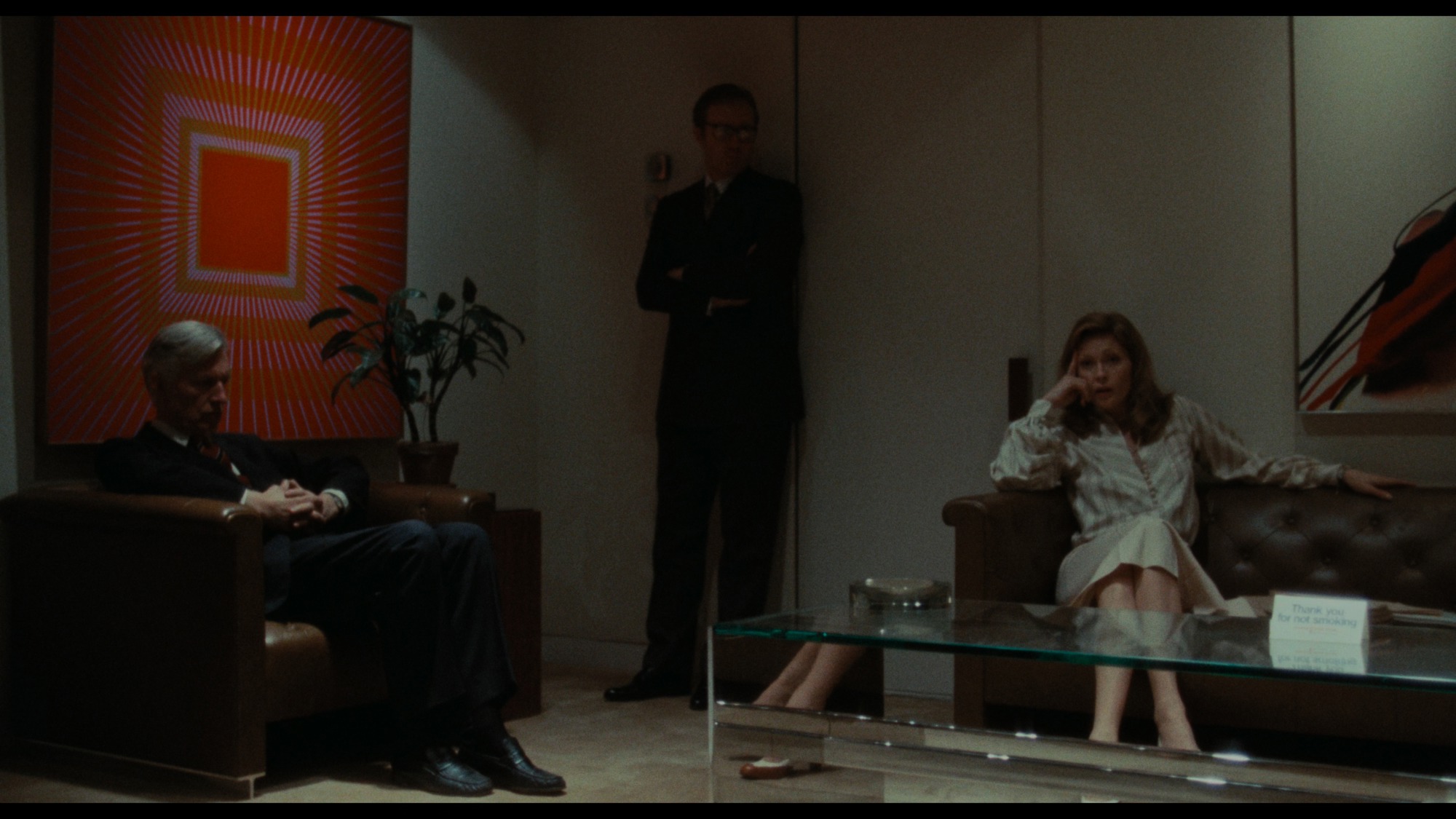
The film looks incredible, leaps and bounds beyond the earlier Warner and Arrow releases, and not by a small margin. The improvement is significant. The image no longer carries that mildly digital, occasionally processed sheen; it now looks absolutely photographic. Film grain is fine and rendered remarkably. It remains stable and intact, never noisy, holding beautifully in the shadows and even the highlights. Detail is impeccable, with every fine texture and pattern coming through clearly. The restoration work is equally impressive, eliminating imperfections without impacting the image negatively, though Warner's and Arrow's releases held up fine in this regard as well.
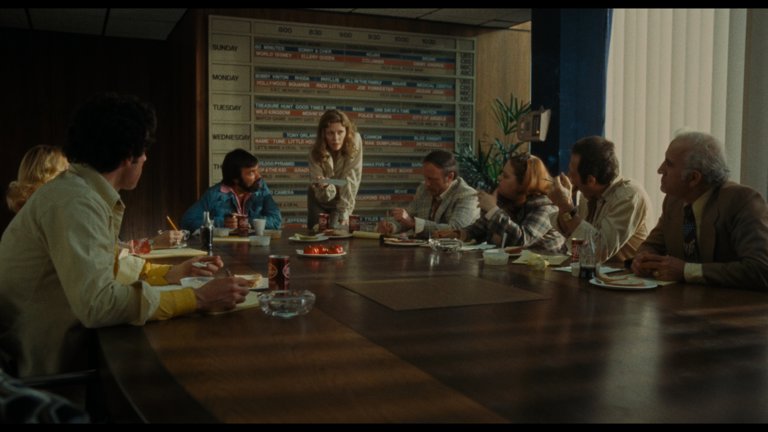
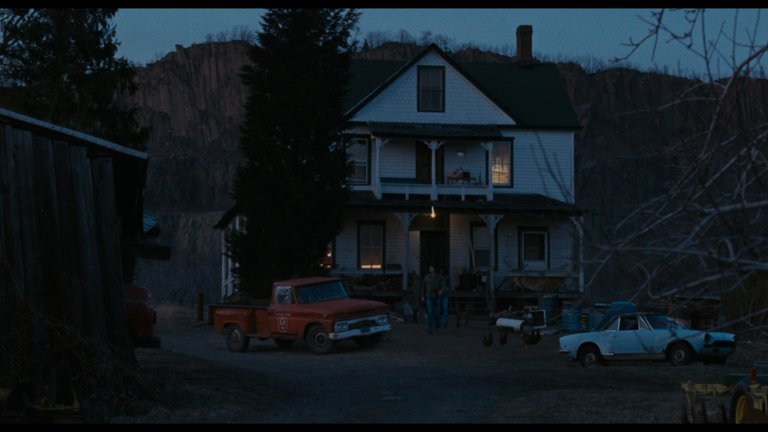
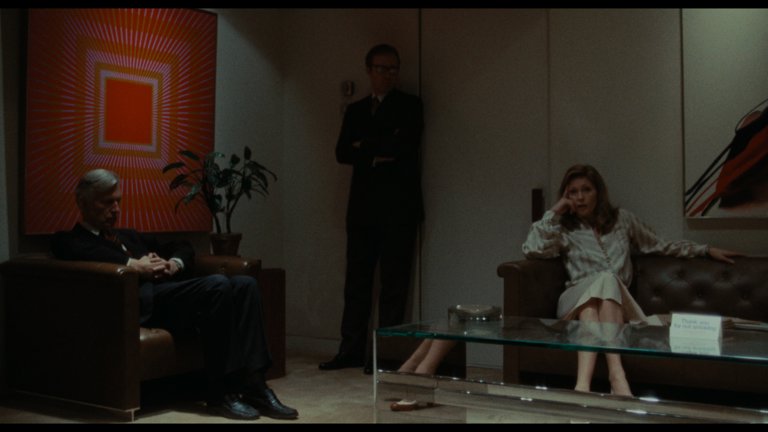
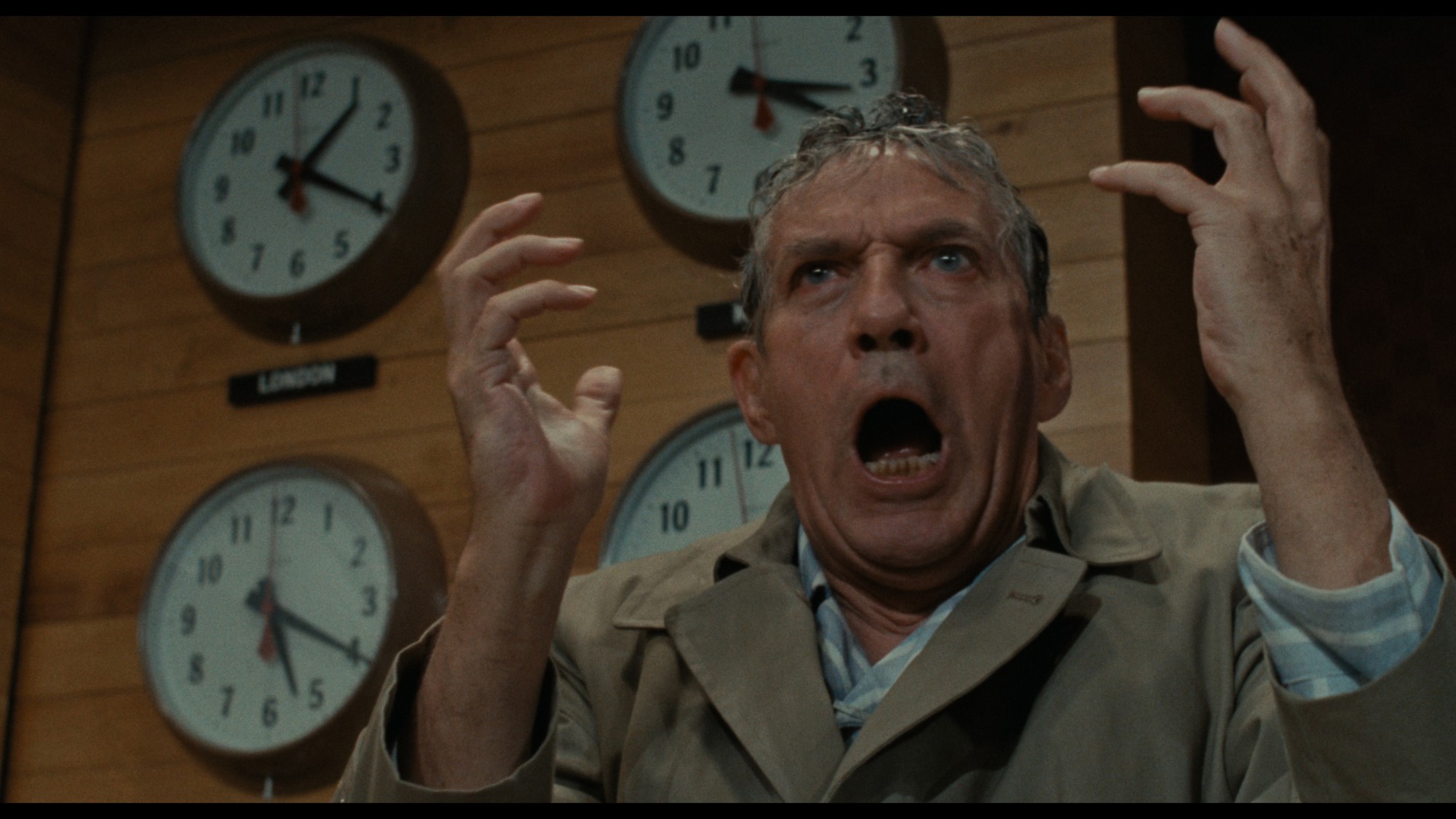
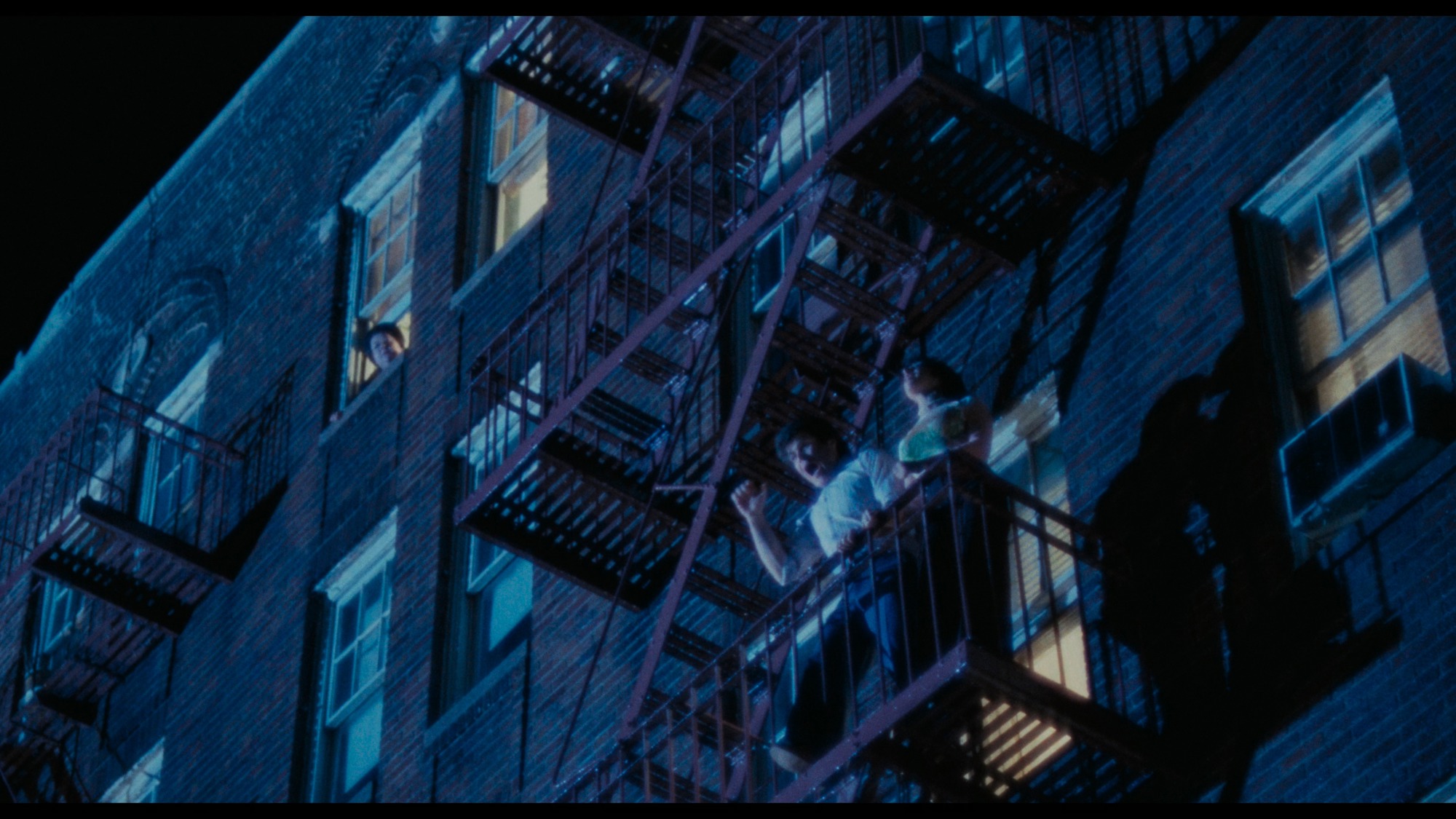
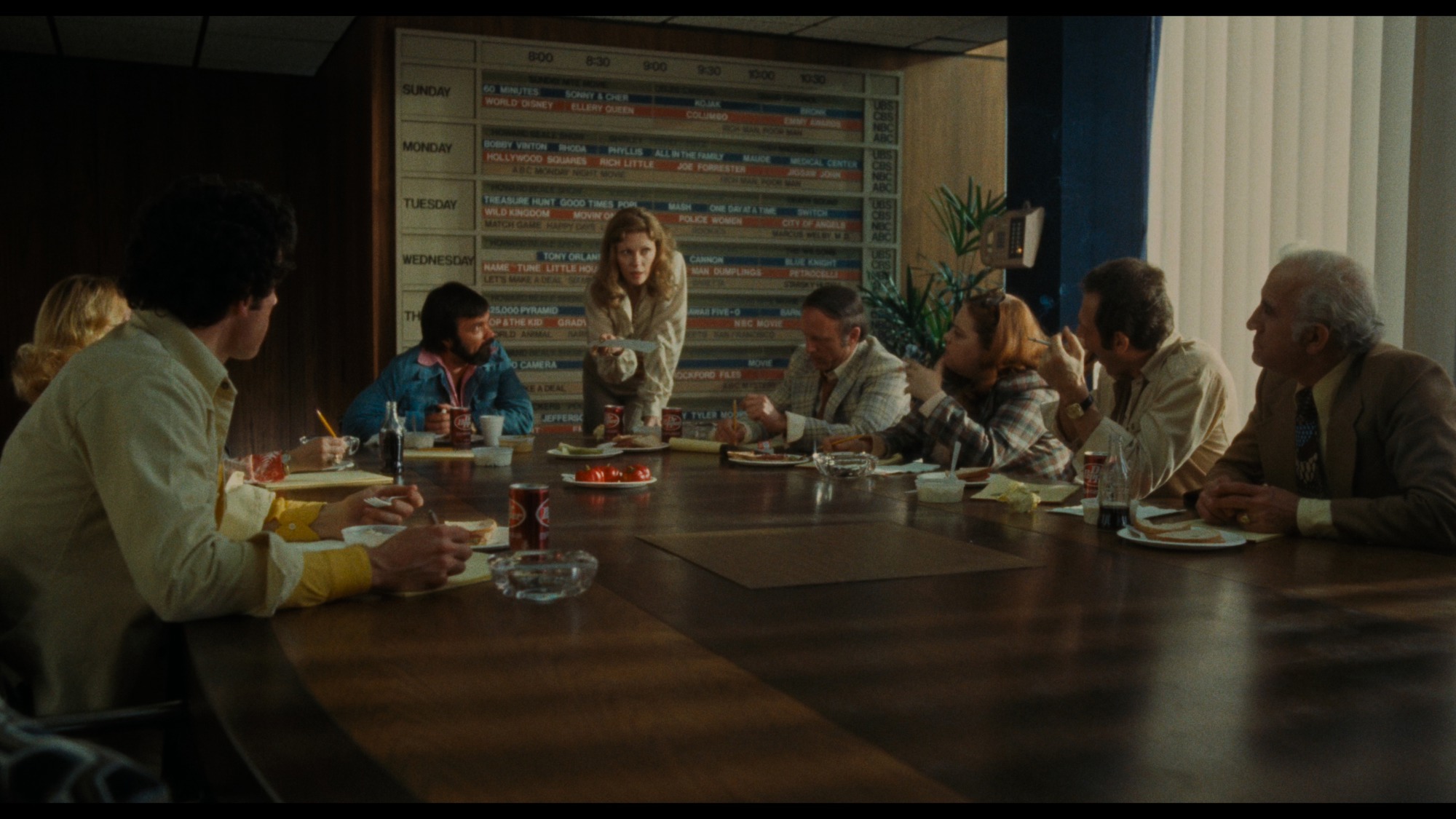
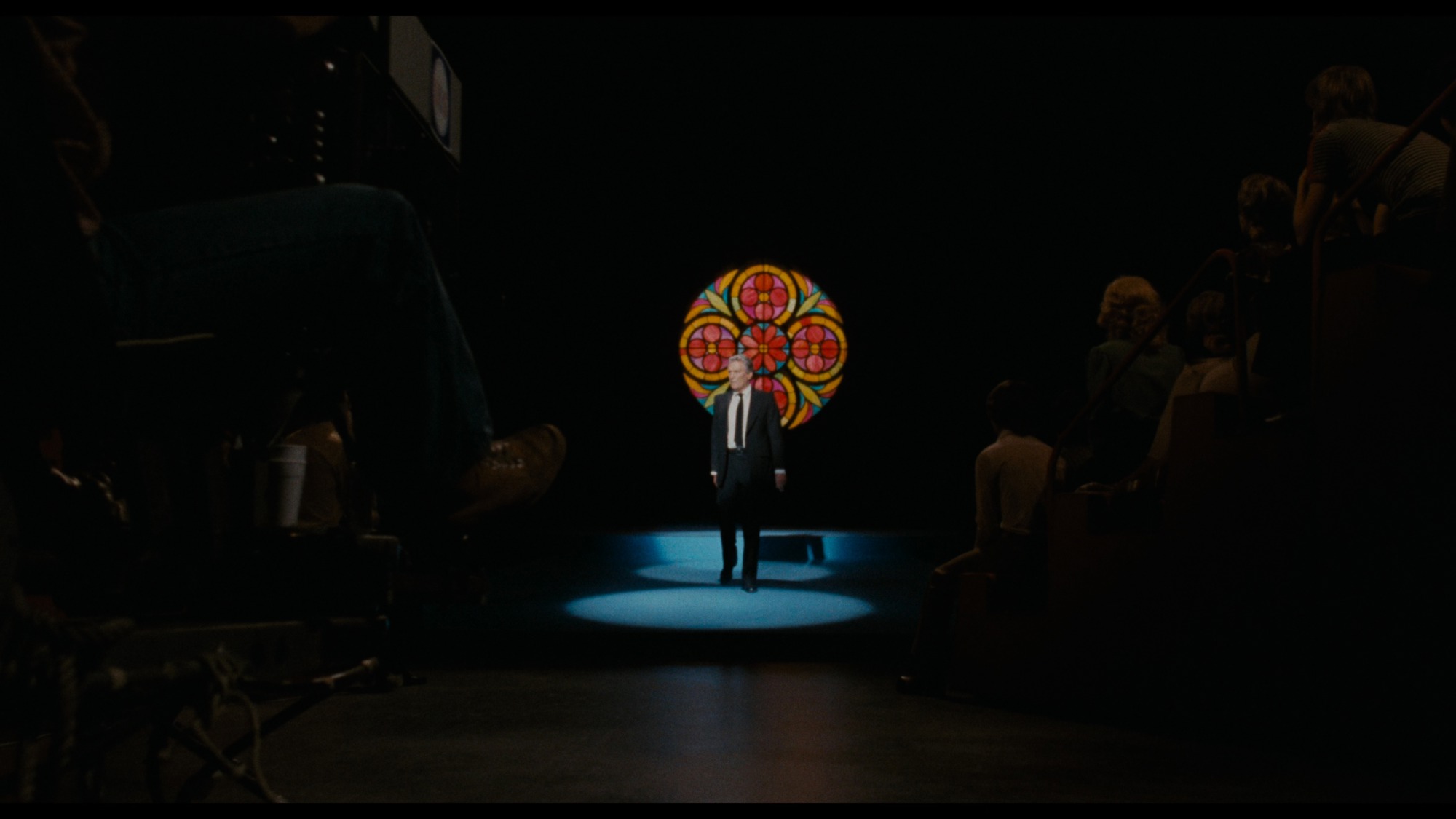
Where this presentation truly excels, though, is in the grading with Dolby Vision and HDR making a substantial difference. The colors look superb overall, though don’t panic during the opening credits when a heavier yellow tint appears; this isn’t representative of the film as a whole. The warmer hue seems largely confined to the network office interiors, likely reflecting the lighting design, with natural light from the windows helping to balance things out. The look shifts subtly throughout the film: the studio set sequences lean more neutral, daylight exteriors feel similar but warmer, and nighttime scenes carry a faint greenish tint consistent with other films of the era. Overall, the colors look superb, the best I’ve ever seen this film appear.
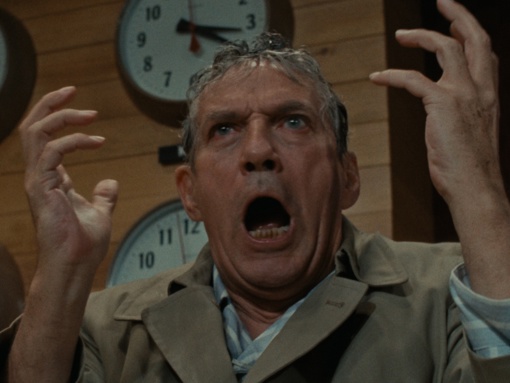
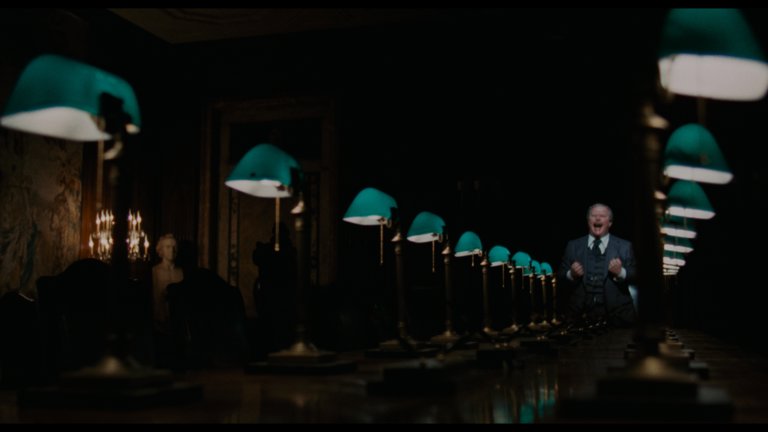
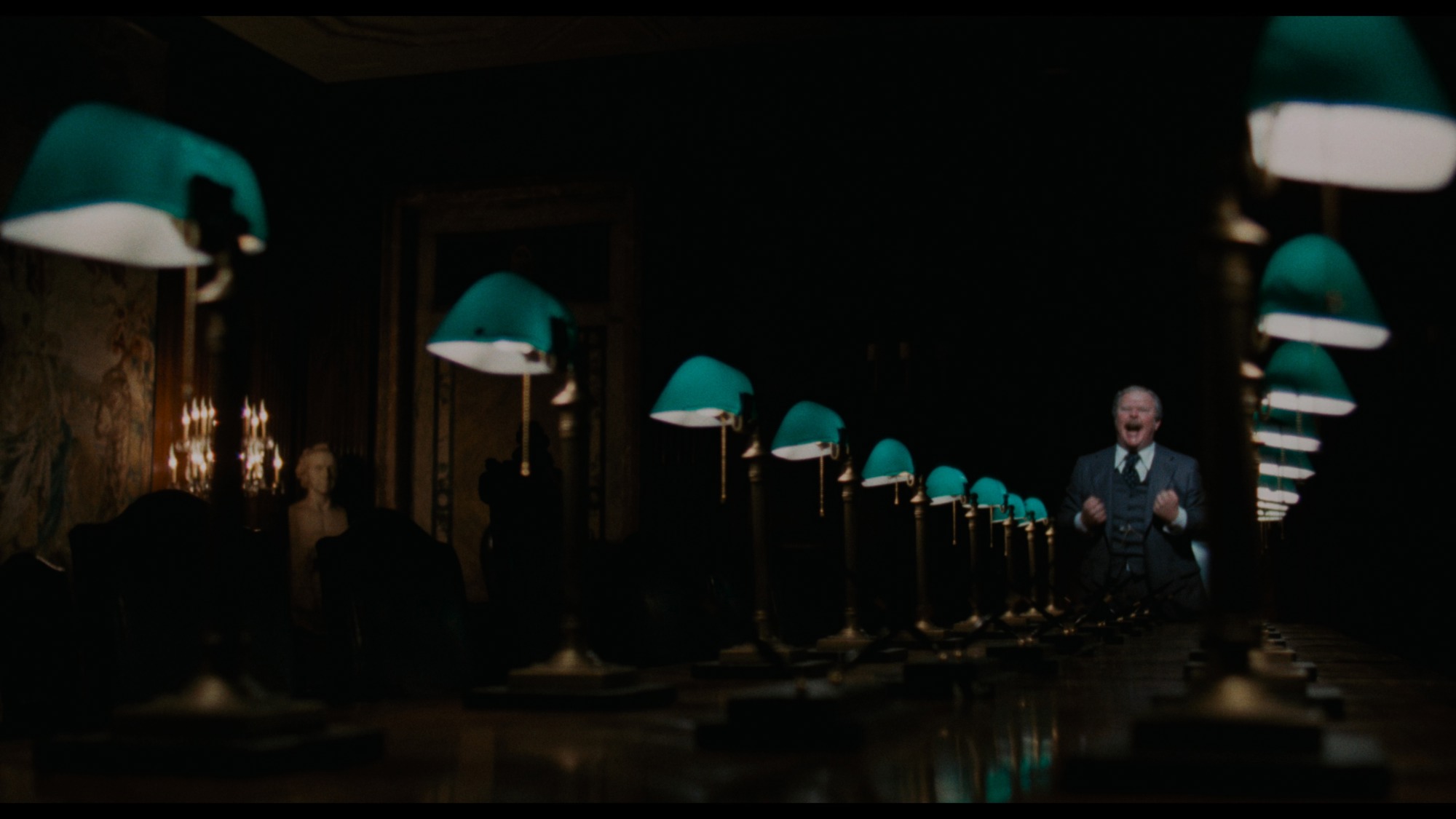
As strong as the colors are, though, HDR’s greatest contribution is the expanded dynamic range and contrast. Several sequences, particularly those darker studio interiors, benefit tremendously from the added depth. The way light creeps into the shadows is stunning, and the “I’m as mad as hell!” scene looks absolutely gorgeous here. But the true standout—the most striking moment in the entire film—is the boardroom sequence where Ned Beatty’s Arthur Jensen explains to Peter Finch’s Howard Beale how the world really works. The shot of Beatty at the far end of the room, illuminated in the darkness, with those banker’s lamps lining the conference table into the foreground, looks beyond stunning, and the depth in the shots of Beale's awe-struck face has never looked so striking. The range in contrast elevates the scene, and the image is rich and deep without crushing blacks or clipping highlights. It would have also been easy to push the light levels too far, but they have been restrained and look perfect. The Blu-ray (nicely encoded in its own right) holds up well during this scene and other similar moments as well, but the UHD’s expanded range delivers a subtlety that gives these moments real impact.
So yes, this met my ridiculous expectations. Or at least came as close as reasonably possible. The presentation is outstanding and incredibly photographic. On that basis alone, it’s absolutely worth retiring the previous Warner and Arrow Blu-rays. This is a substantial upgrade.
Audio 7/10
Audio is equally impressive. The single-channel monaural PCM track sounds noticeably sharper than previous releases. Dialogue comes through with excellent clarity and surprising range for a mono presentation, most evident in Finch’s booming monologues, delivered without distortion. The narration is admittedly a touch flat, though I’ve always assumed that was intentional, and it works perfectly in context. Even the film’s few gunshots carry a bit of heft behind them, rounding out what is ultimately a strong presentation.
Extras 7/10
If this release disappoints me anywhere, it’s in the supplements. Considering the film, its subject matter, and how painfully close it feels to reality today, it seems primed for strong new academic contributions. Instead, the package largely recycles previously released material, and while it does technically include one new feature, that addition proves somewhat underwhelming.
That would be the 2025 documentary Paddy Chayefsky: Collector of Words, directed by Matthew Miele. Right at the outset, a title card notes that the film will not focus on Chayefsky’s personal life, in keeping with his wishes for privacy. That’s understandable, and it means the 89-minute documentary centers squarely on his work. But it also limits how deeply it can explore what drove him or how his personal experiences translated into his writing. Instead, the film largely assembles an impressive roster of admirers—Andrew Sorkin, Jason Alexander, Bryan Cranston, Mel Brooks, Judd Apatow, archival footage of Rod Serling, and many others—who speak about the brilliance of his writing and its influence on them.
There is some discussion of his upbringing and how he broke into Hollywood, but it remains surface-level. Some of the commentary involves interviewees speculating about how his life and the cultural moment shaped his work, rather than offering substantive new insight. Combined with extended clips from his films highlighting his dialogue, the structure becomes repetitive. For viewers already familiar with his television work and features, there’s little here that feels revelatory. It may serve as a solid introduction for newcomers or for those unfamiliar with Chayefsky’s legacy, as it moves chronologically through his major works; from Marty to Network and even Altered States, with brief asides on lesser-known projects (though Paint Your Wagon doesn’t appear to receive mention, unless I somehow missed it). I had high hopes for this one, but ultimately came away underwhelmed.
The remaining supplements are ported over from the Warner DVD and Blu-ray releases, material I (and I'm sure others) had already worked through. To be fair, it’s all actually quite strong for studio-produced content. The six-part, 85-minute making-of documentary offers a thorough look at the production, featuring interviews with key participants including Sidney Lumet, Faye Dunaway, and Ned Beatty. Lance Henriksen also appears, amusingly so, given that it was one of his earliest roles and amounts to perhaps two minutes of screen time. The documentary underscores how much the film was Chayefsky’s passion project, with Lumet working closely alongside him to ensure their visions aligned, and I also enjoyed the details around the studio politics behind the film. It also traces the origins of the idea and how both men drew from their television backgrounds to shape the story. A brief interview with Walter Cronkite, reflecting on seeing his profession satirized on screen, is a particularly nice way to close it off.
Lumet’s audio commentary is also worthwhile. Once you move past a few “old man yelling at clouds” asides about how the world has changed for the worse, it stands as one of his better tracks. He revisits some material covered in the documentary (casting, story influences) but goes further in discussing how his television experience informed the film’s staging, especially in the depiction of the broadcast crew and behind-the-scenes mechanics. I also appreciated his reflections on his limited experience directing comedy. He readily admits that some of his early instincts might have undercut the humor and credits Chayefsky with guiding him toward better choices (by the sounds of it, he would have absolutely killed one good laugh if he went the way he envisioned). Lumet’s commentaries can be hit-or-miss, but this one lands on the stronger side.
And that’s essentially it, aside from the original theatrical trailer. It’s genuinely surprising that Criterion didn’t commission at least one new interview or academic discussion, particularly given how urgently contemporary the film feels. They also didn’t port over the visual essay Arrow produced for their UK edition. The included insert essay by Jamelle Bouie does help fill the gap, thoughtfully exploring the film’s themes and continuing relevance, but even so, it feels like there was more to mine out of the material.
Closing
Criterion sadly drops the ball on the supplements, but the 4K presentation is absolutely stunning, making this the edition to own.
BUY AT: