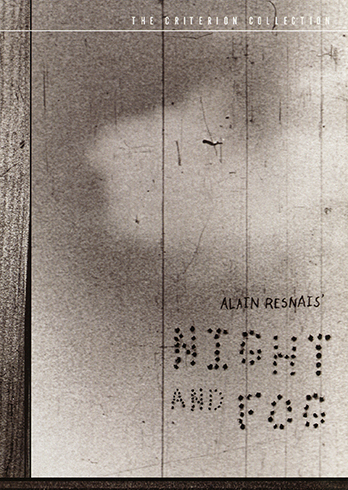
Night and Fog
BUY AT:


See more details, packaging, or compare
Synopsis
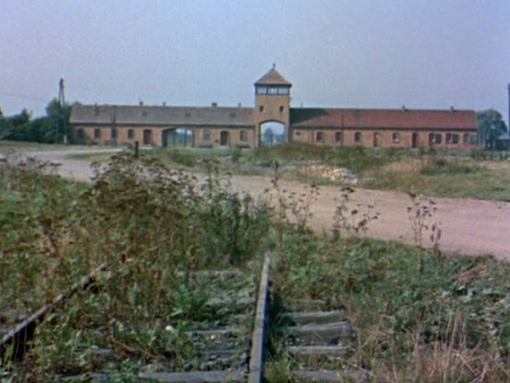
Ten years after the liberation of the Nazi concentration camps, filmmaker Alain Resnais documented the abandoned grounds of Auschwitz. One of the first cinematic reflections on the horrors of the Holocaust, Night and Fog (Nuit et brouillard) contrasts the stillness of the abandoned camps’ quiet, empty buildings with haunting wartime footage. With Night and Fog, Resnais investigates the cyclical nature of man’s violence toward man and presents the unsettling suggestion that such horrors could come again.
Picture 7/10
Criterion’s original DVD edition of Alain Resnais’ Night and Fog presents the film on a single-layer disc in the aspect ratio of 1.33:1. Because of the format it has not been enhanced for widescreen televisions.
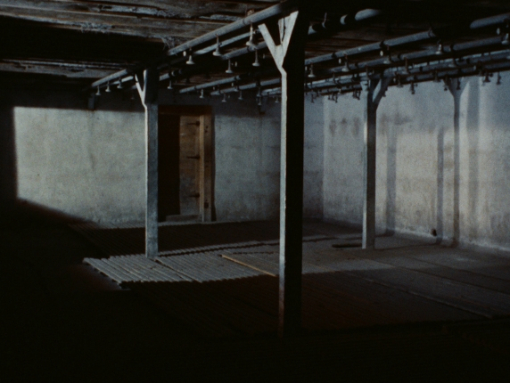
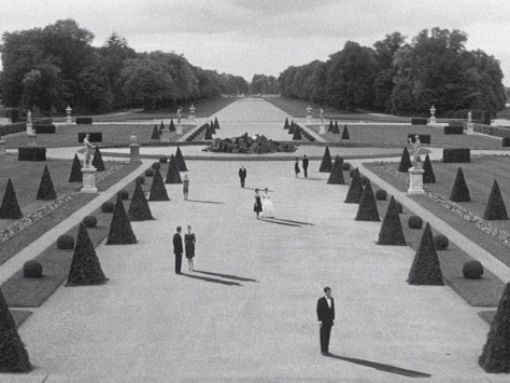
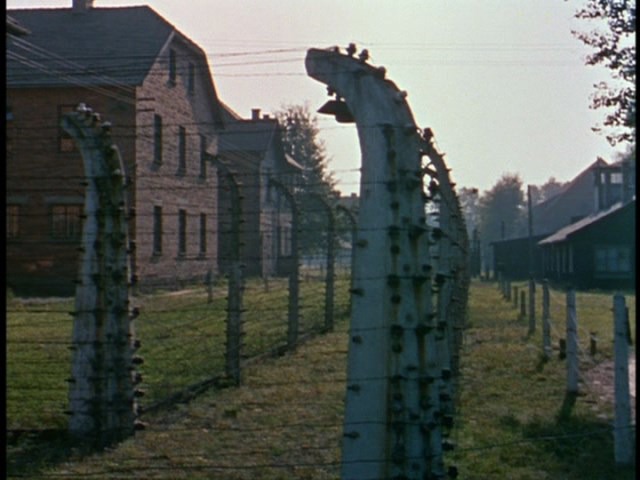
The high-definition transfer comes from a 35mm interpositive and other than a few minor issues this presentation holds up fairly well. The film is a mix of what would have been newly shot footage and archival footage that Resnais and team dug up, mixing black and white and colour. For the archival footage the restoration work is limited, more than likely how Resnais would prefer it, and it’s littered with damage like scratches, large tram lines, dirt, debris, stains, and so on. The newer colour footage is in pretty great shape, damage minimal, though a pulse is evident (as it is throughout most of the film). The new black and white footage has more marks present than the colour footage but it’s still in better shape than the archival footage. The colours are a bit muted, never jumping offscreen, but I feel this was intentional (Criterion’s new Blu-ray edition has similar, if not the exact same, colours).
The digital transfer itself is very strong. Detail is surprisingly great, even in archival footage, and many textures come through very clearly. Despite compression limitations of the format film grain still manages to look clean and fairly natural. I didn’t detect any severe anomalies and upscaled the transfer still holds up. On the whole it looks really good.
There is one odd moment, which comes before the 5-minute mark when a photo is displayed, where the image looks very unnatural as if it was just a computer still. The rest of the film showcases a number of photos, but you can make out the pulse and grain of the film stock. This one still is lacking the movement of film grain and that pulse, and it appears to be interlaced leading in and out of this shot. It’s jarring but after some research I think I know what happened: Early in the film it goes over the deportations to the camps and Resnais shows a number of photographs capturing this event. One of these photographs showed a French policeman in the foreground wearing the distinct cap and this caused a stir with French censors because, you know, they feel uncomfortable acknowledging the French played any part in this horror. The censors threatened to cut the film to hell if he didn’t remove this one image (which he claims he didn’t notice) and the compromise was to block out the distinctive police cap. It looks like this was an attempt to restore the police cap back in. I’m guessing the original print had the cap removed and so the compromise was to insert a still of the original photo. It’s certainly not part of the film so I can only guess it was done electronically. It is, again, fairly jarring but I do appreciate the effort in restoring this quick shot.
Despite that one moment the presentation is otherwise very good. It looks fairly filmic (about as filmic as the format allows) and delivers decent details. It’s a good looking presentation.
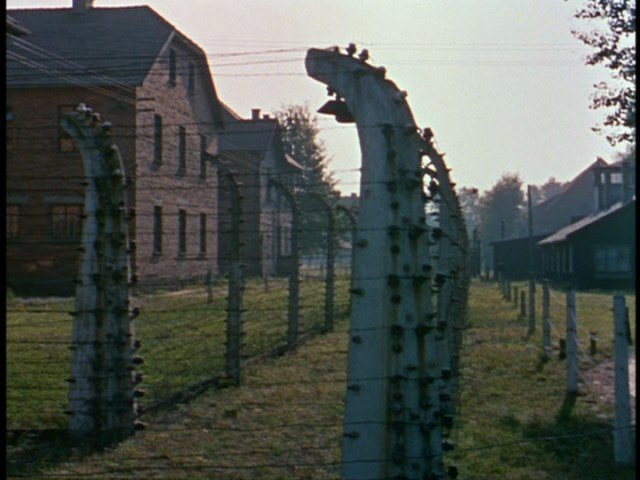
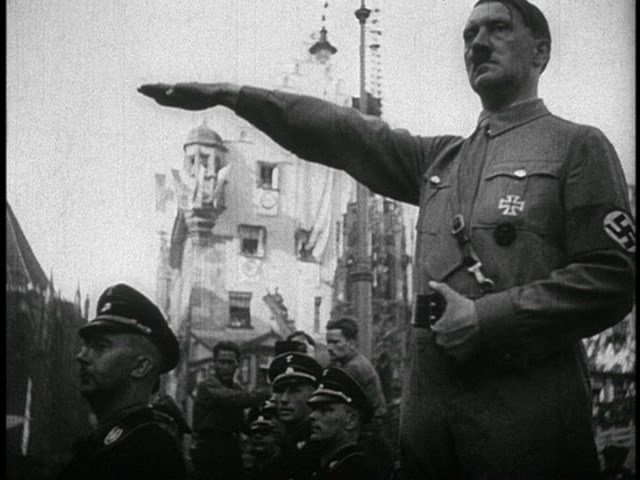
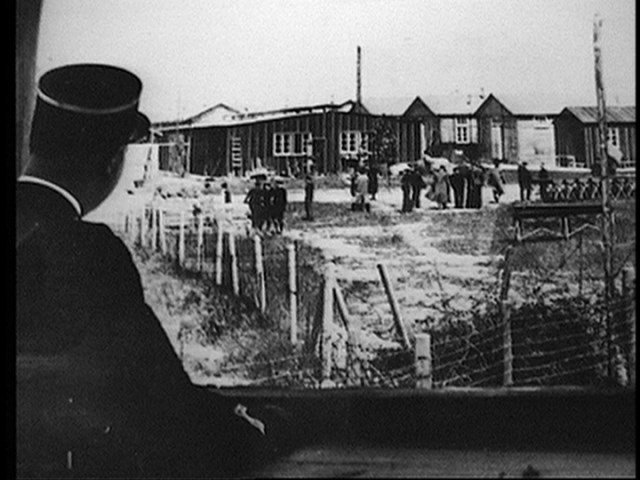
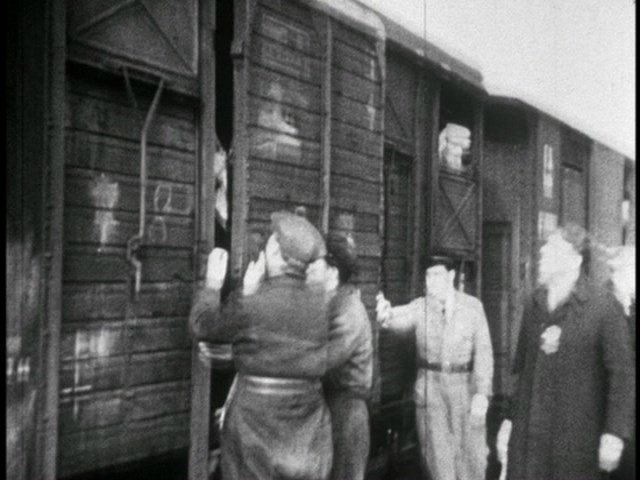
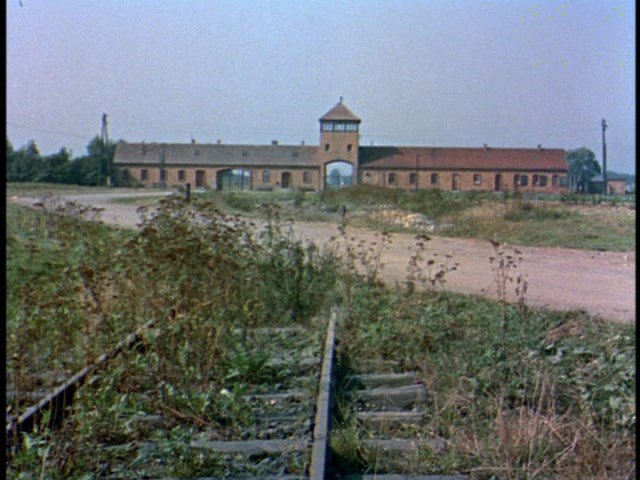
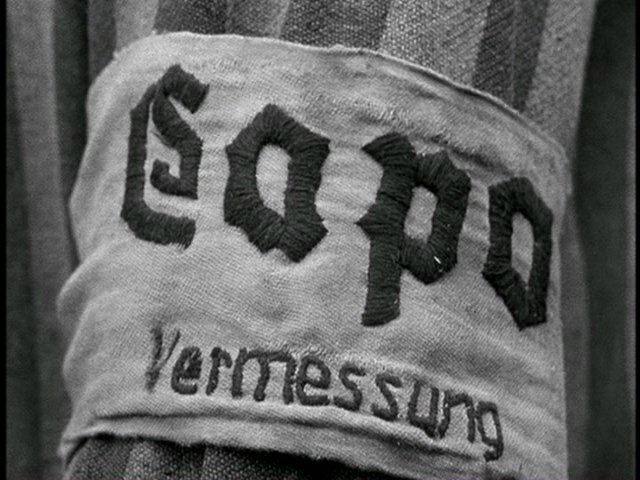
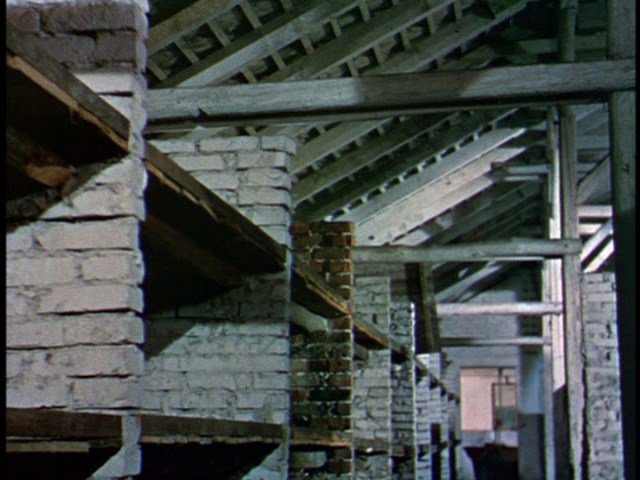
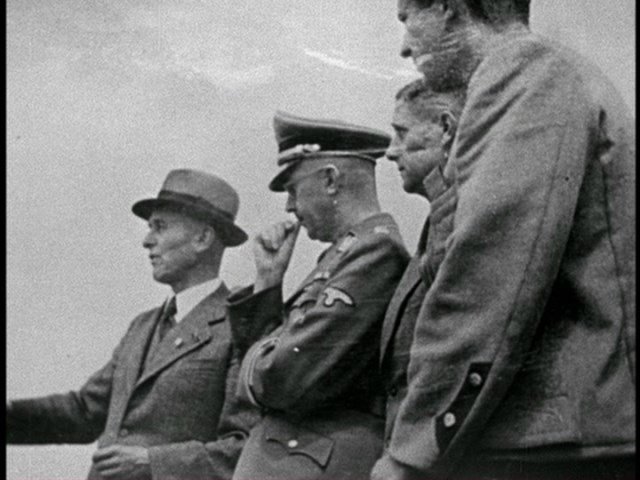
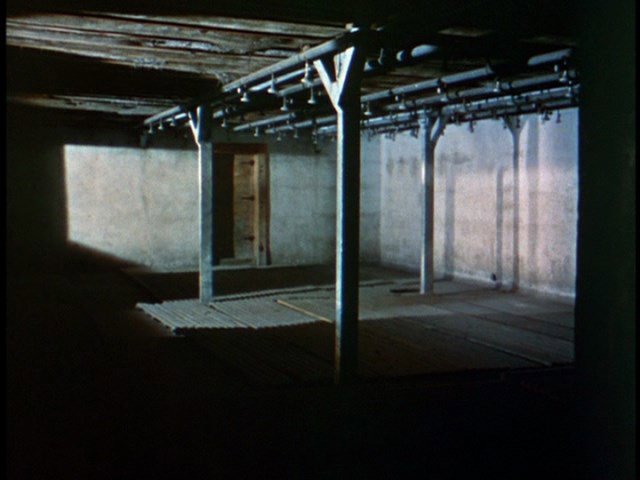
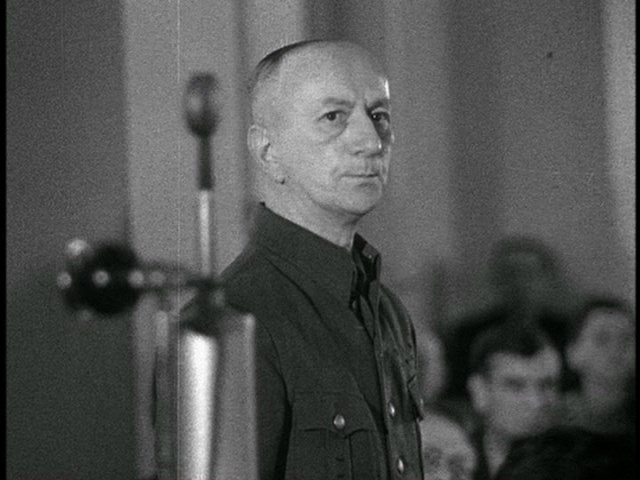
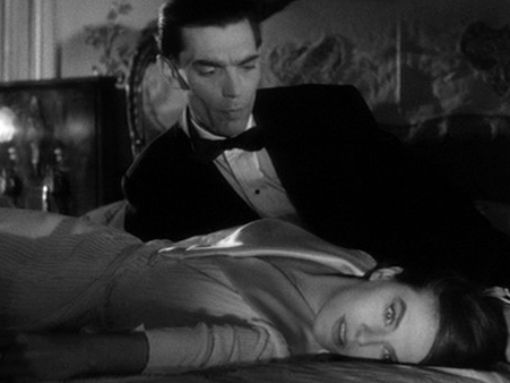
Night and Fog - Screen Captures
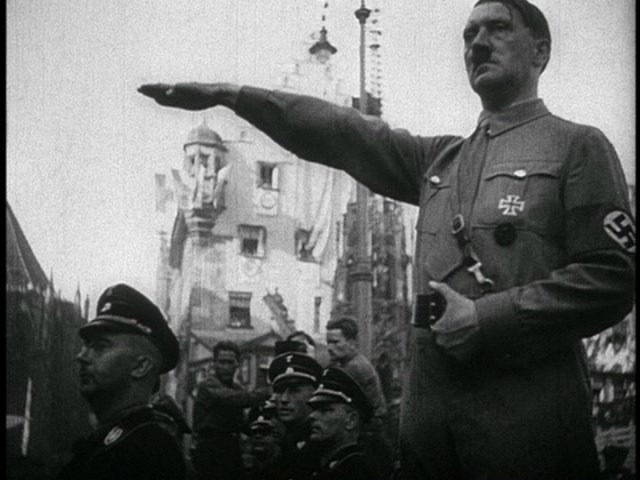
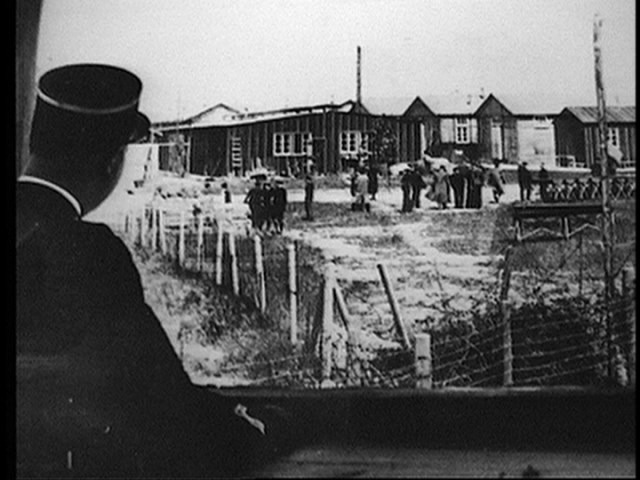
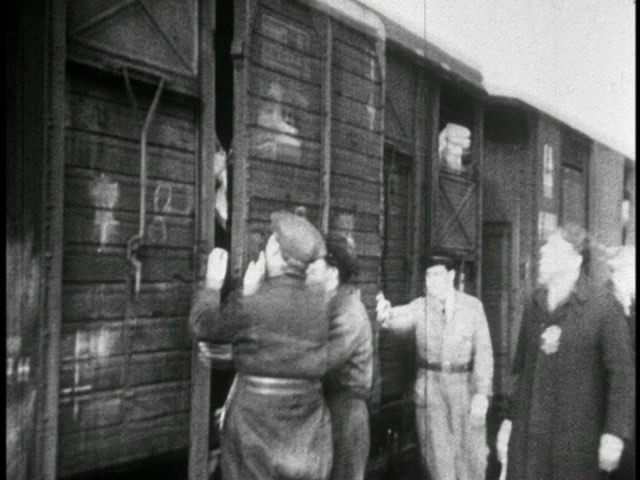
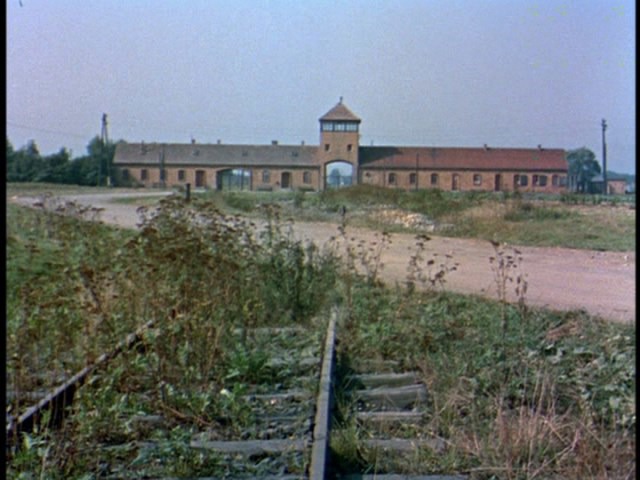
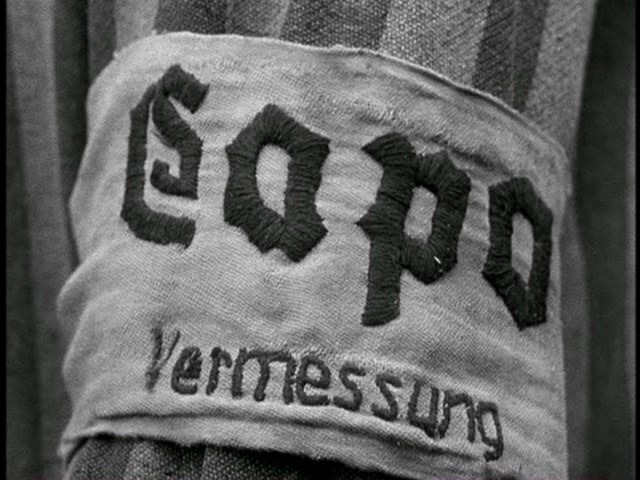
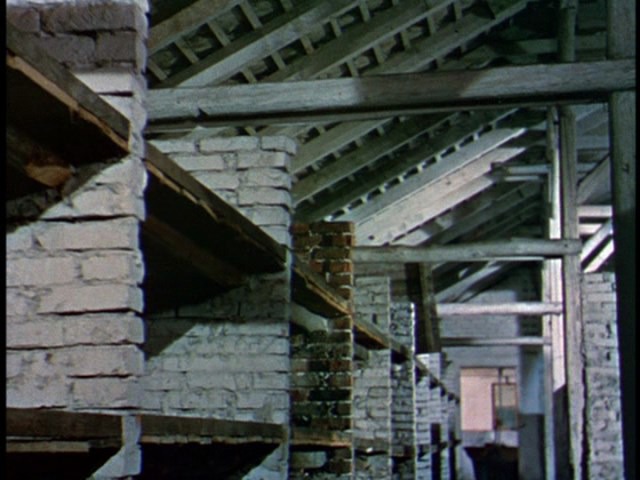
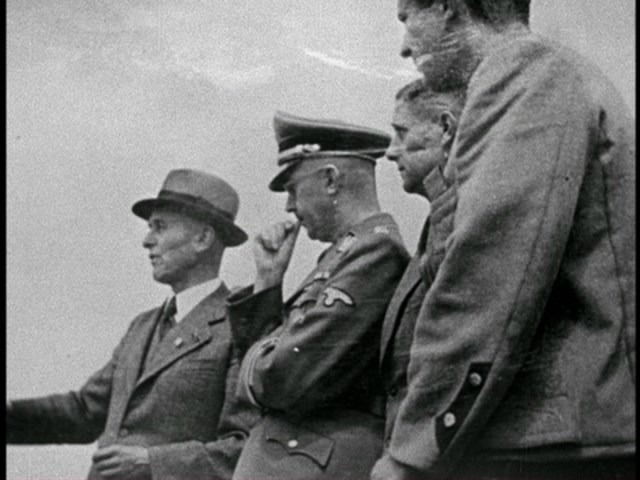
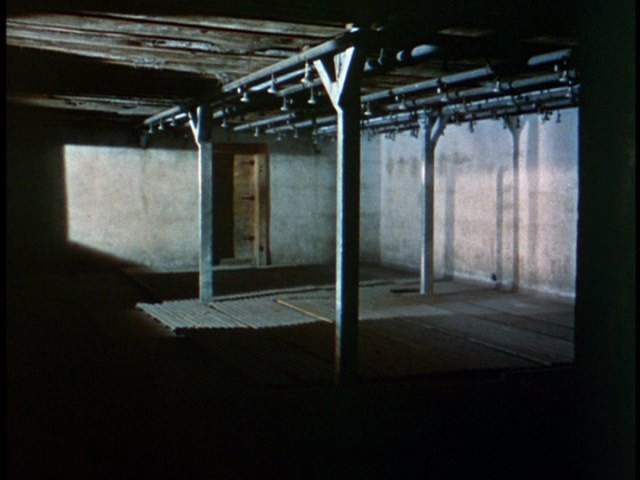
Audio 6/10
Criterion includes two tracks: the original French track and then an isolated score. Both are presented in Dolby Digital 1.0 mono. The French track can maybe be a bit flat a tinny, but the score sounds strong and doesn’t come off edgy or harsh, and dialogue is clear and easy to hear. The sound has also been cleaned up rather nicely.
The isolated score comes off a bit edgier and louder but the quality is otherwise decent.
Extras 3/10
This was a fairly budget-conscience release, retailing for $14.95, very cheap for a Criterion title. At the time they stated they might consider releasing more short films on their own in similar releases, though this never came to fruition. Because of the budget aspect there isn’t much on here other than a short 5-minute audio excerpt from an interview with Alain Resnais that was conducted on the program Les étoiles du cinema. Here Resnais quickly discusses how the film came about, his initial hesitation in doing it and issues that came about after it was finished, from being told it wouldn’t be released because of the graphic content, to issues with the censor around that one photo featuring a French policeman. Resnais says he eventually just blotted out the distinctive hat to make it less obvious (as mentioned above, this has been restored). It’s brief, but getting Resnais’ firsthand account on making the film makes it of great value.
Criterion also includes an isolated score track, and then short crew profiles for Alain Resnais, producer Anatole Dauman, writer Jean Cayrol, cinematographers Ghislain Cloquet and Sacha Vierny, composer Hanns Eisler, historical consultants Olga Wormser and Henri Michel, and assistant director Chris Marker. The included insert also features an essay on the film by Phillip Lopate, notes about the production history and controversies around the film by Peter Cowie, and then a bio of composer Hanns Eisler by Russell Lack.
Not loaded but the essays are good reads and the interview is interesting. And at the price point I can’t complain too much.
Closing
I do wish Criterion released more editions like this: budgeted editions of short films, though this was ultimately the only one. Though not loaded with a lot of features the presentation is still nice.
BUY AT: