PlayTime
BUY AT:


See more details, packaging, or compare
Synopsis
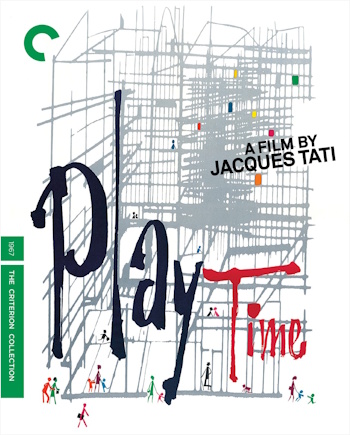
Jacques Tati’s gloriously choreographed, nearly wordless comedies about confusion in an age of high technology reached their apotheosis with PlayTime. For this monumental achievement, a nearly three-year-long, bank-breaking production, Tati again thrust the lovably old-fashioned Monsieur Hulot, along with a host of other lost souls, into a baffling modern world, this time Paris. With every inch of its superwide frame crammed with hilarity and inventiveness, PlayTime is a lasting record of a modern era tiptoeing on the edge of oblivion.
Picture 9/10
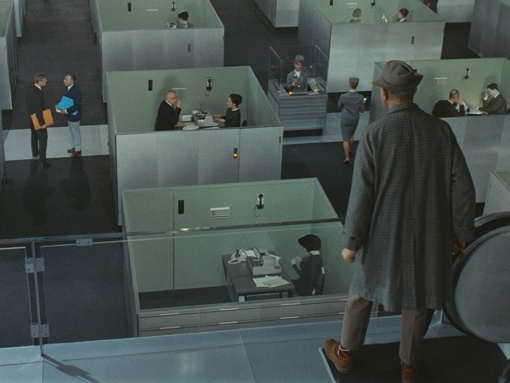
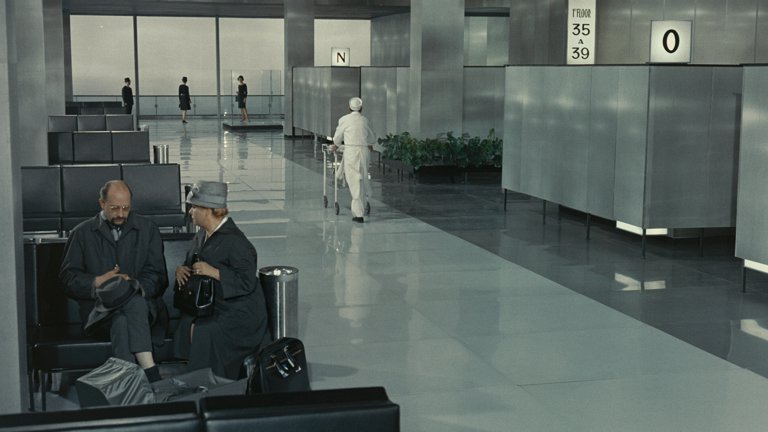
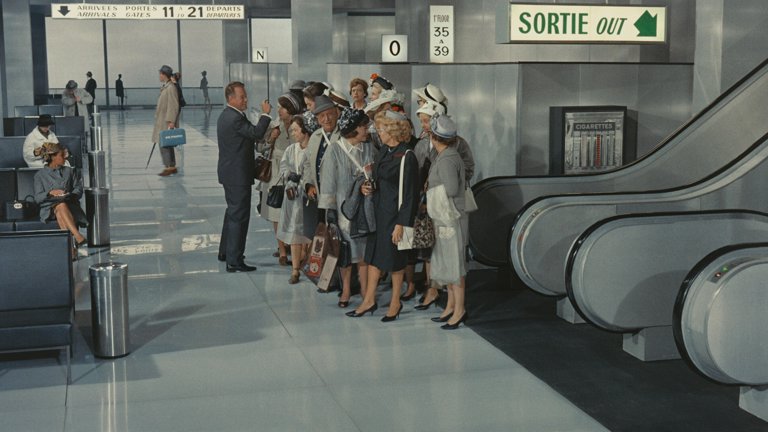
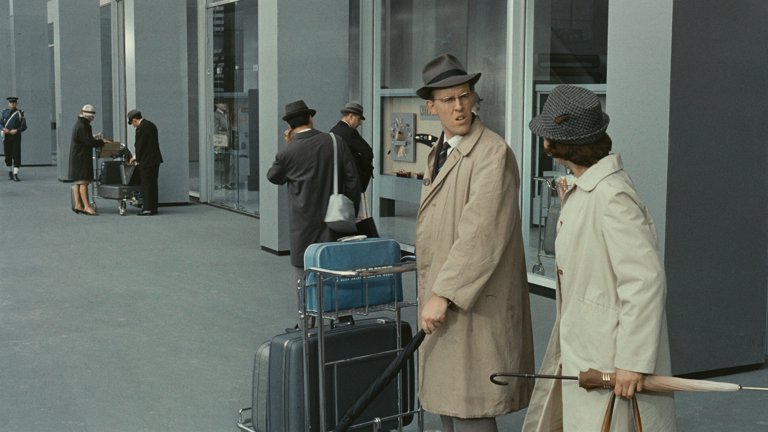
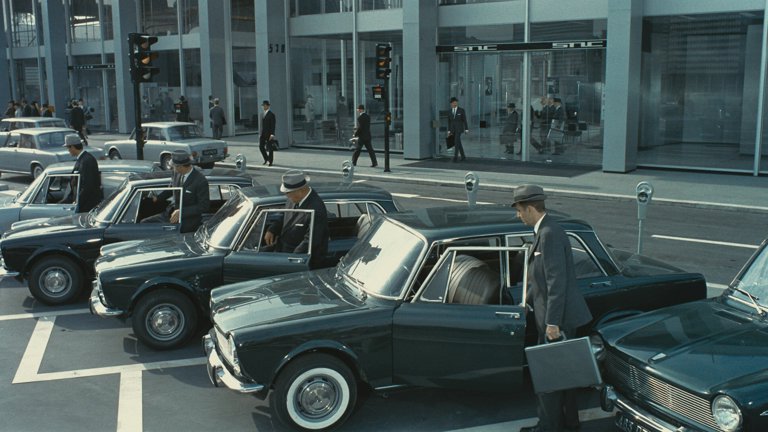
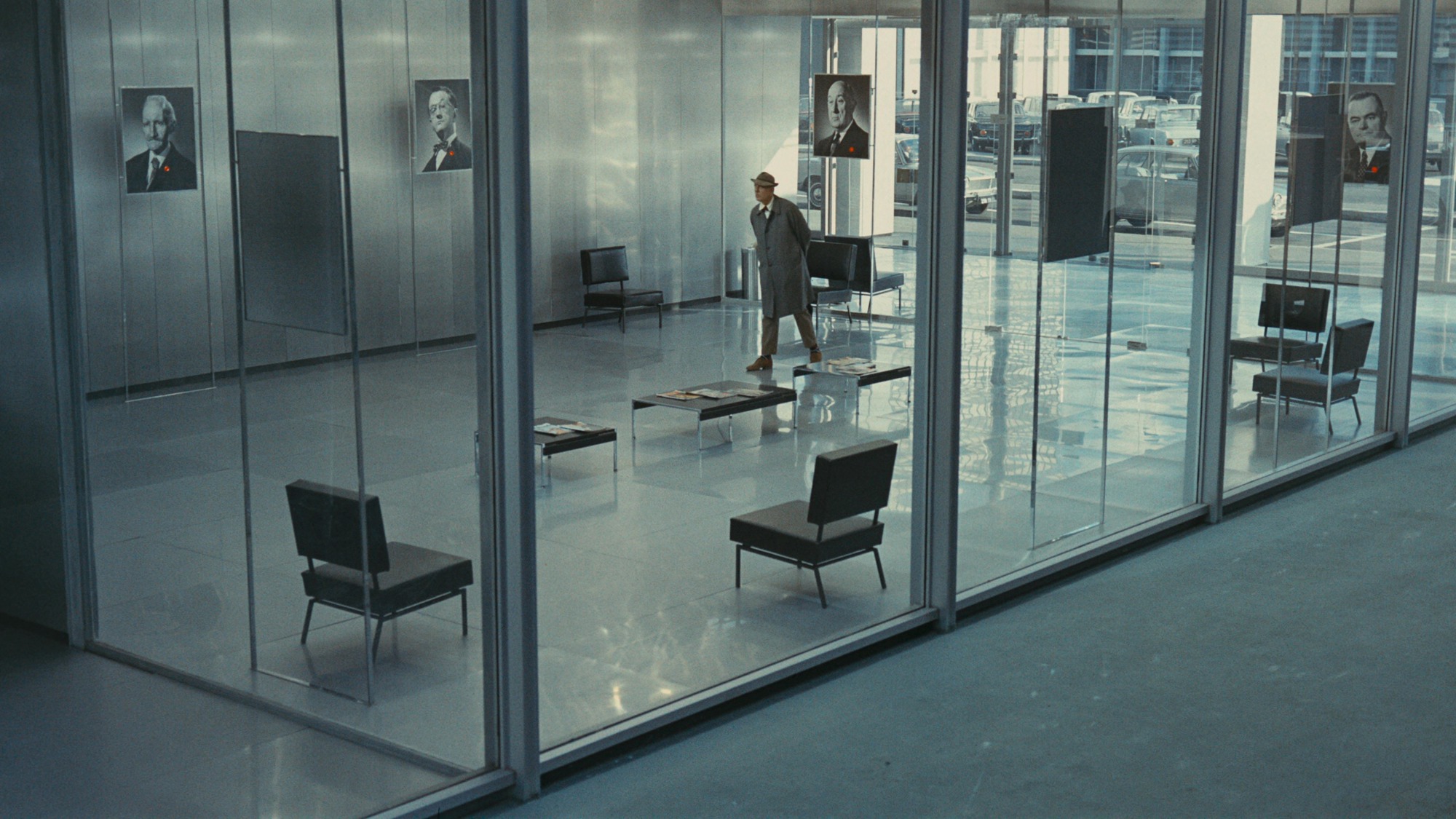
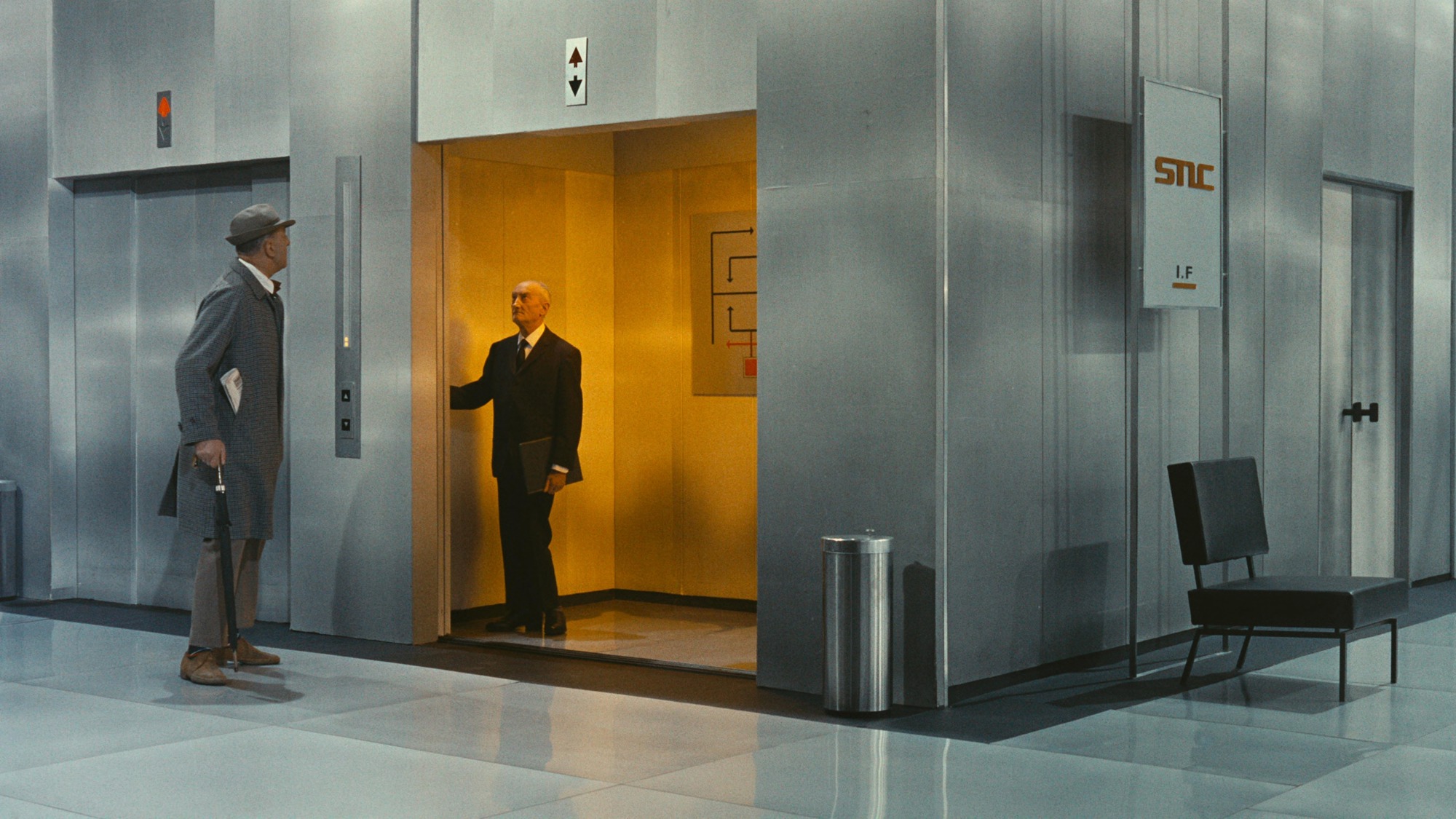
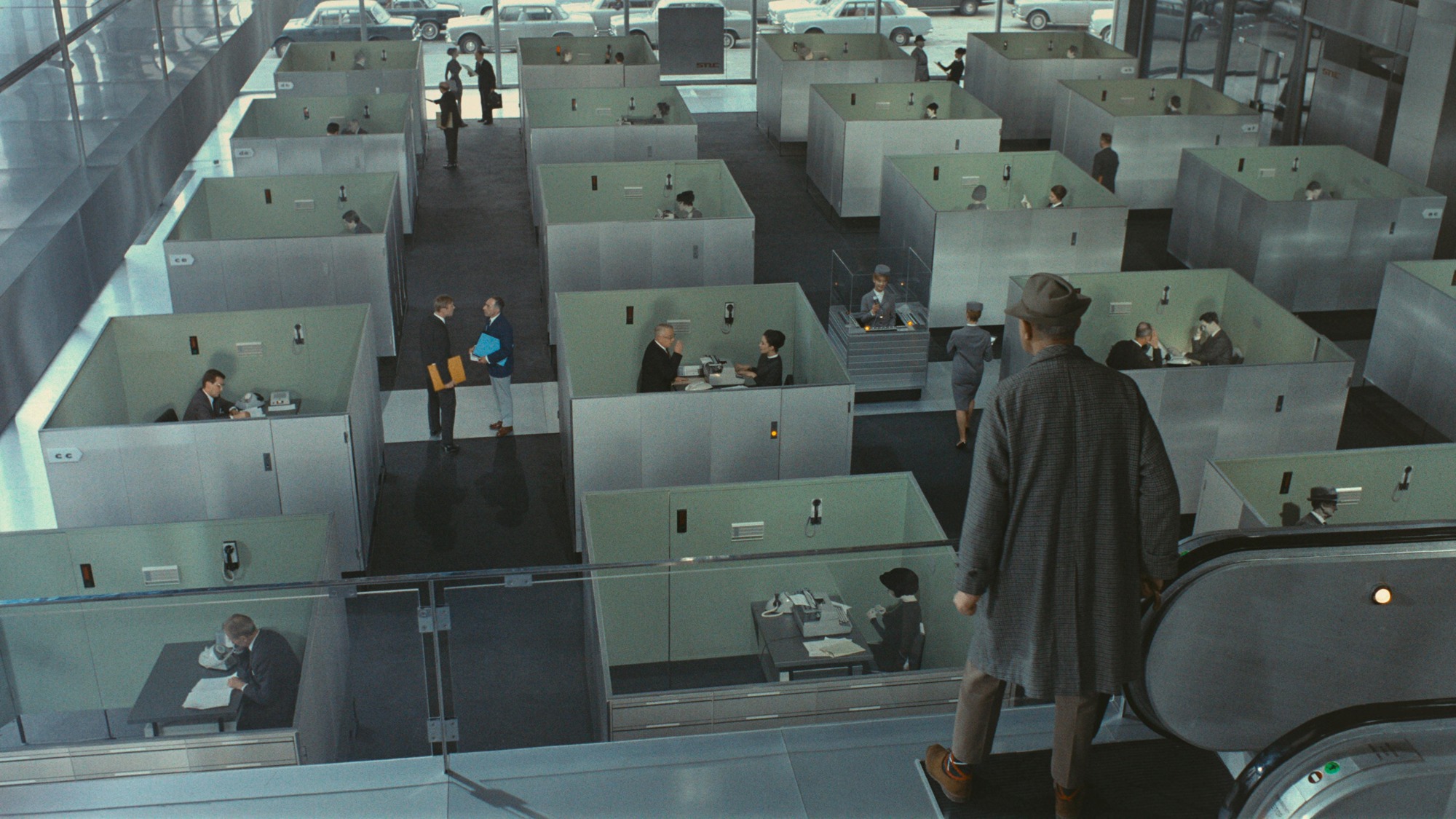
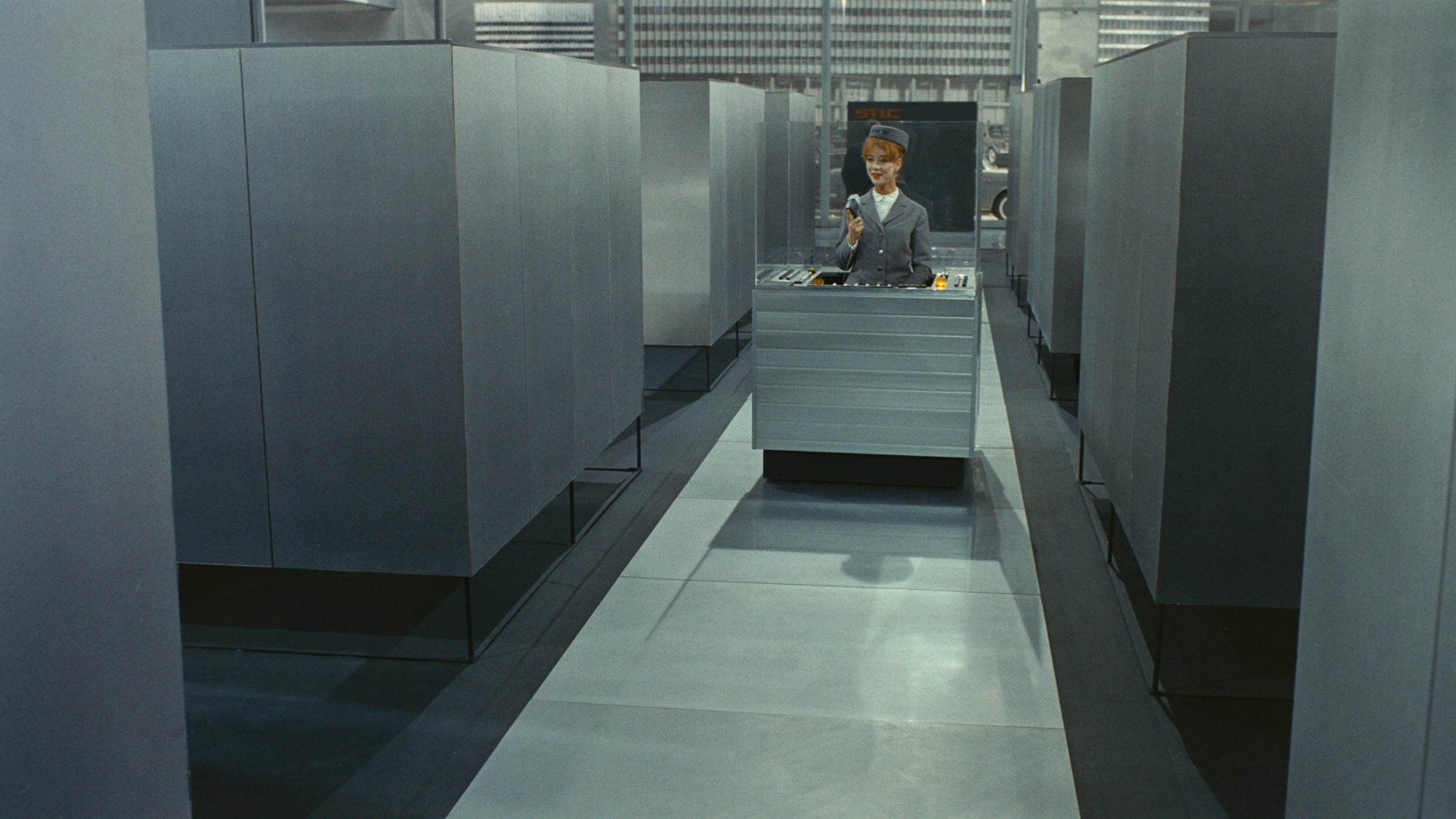
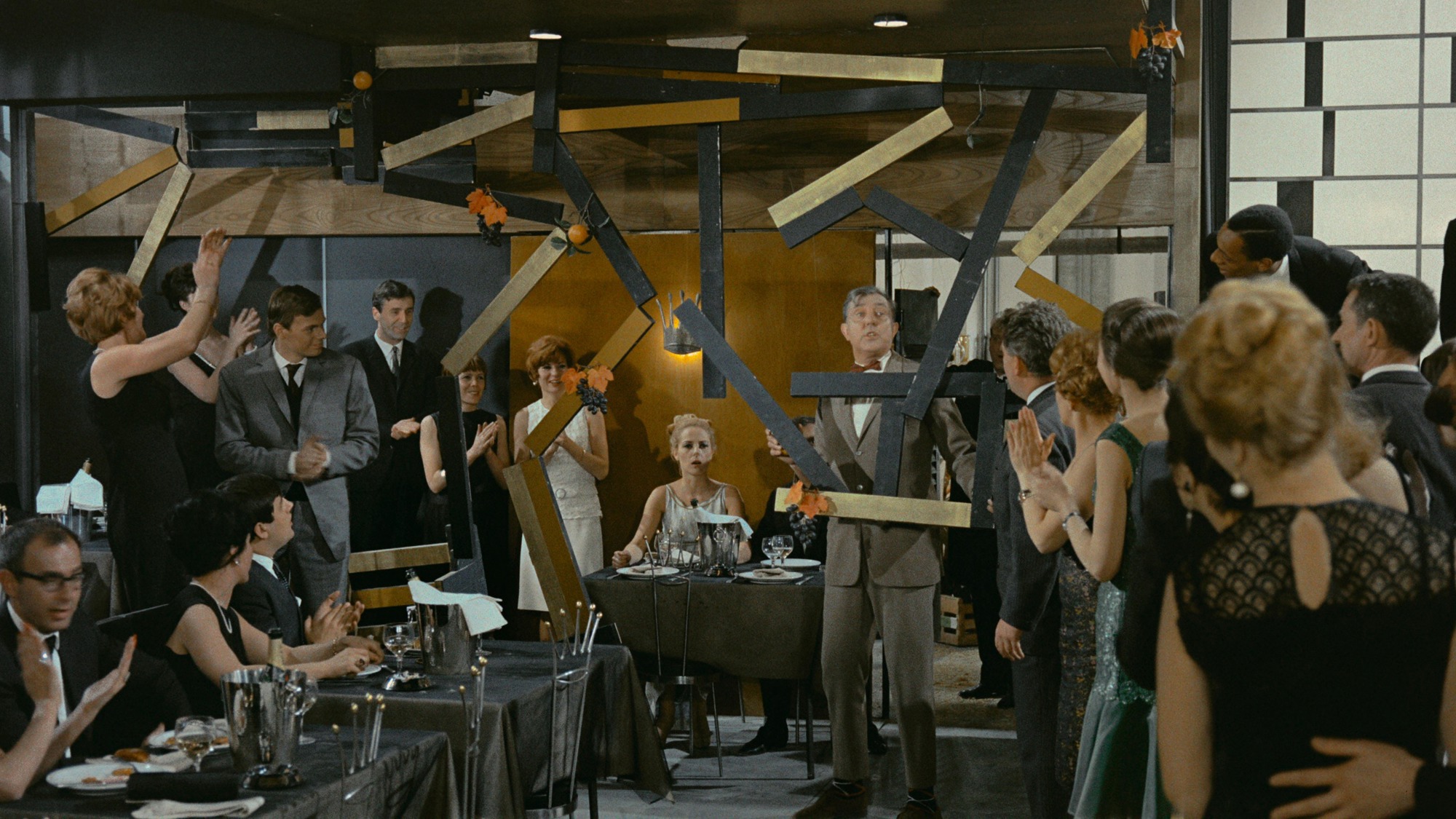
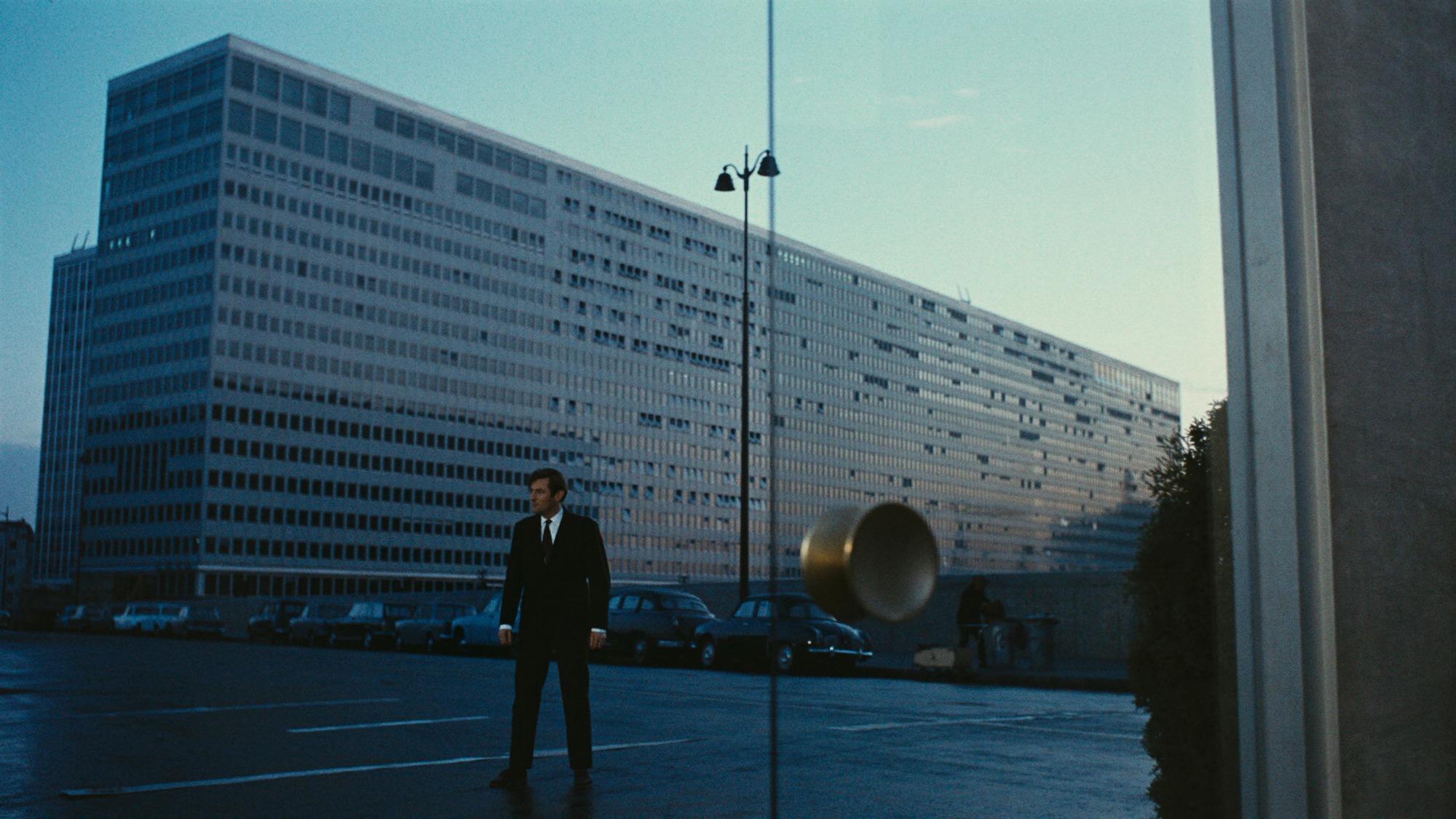
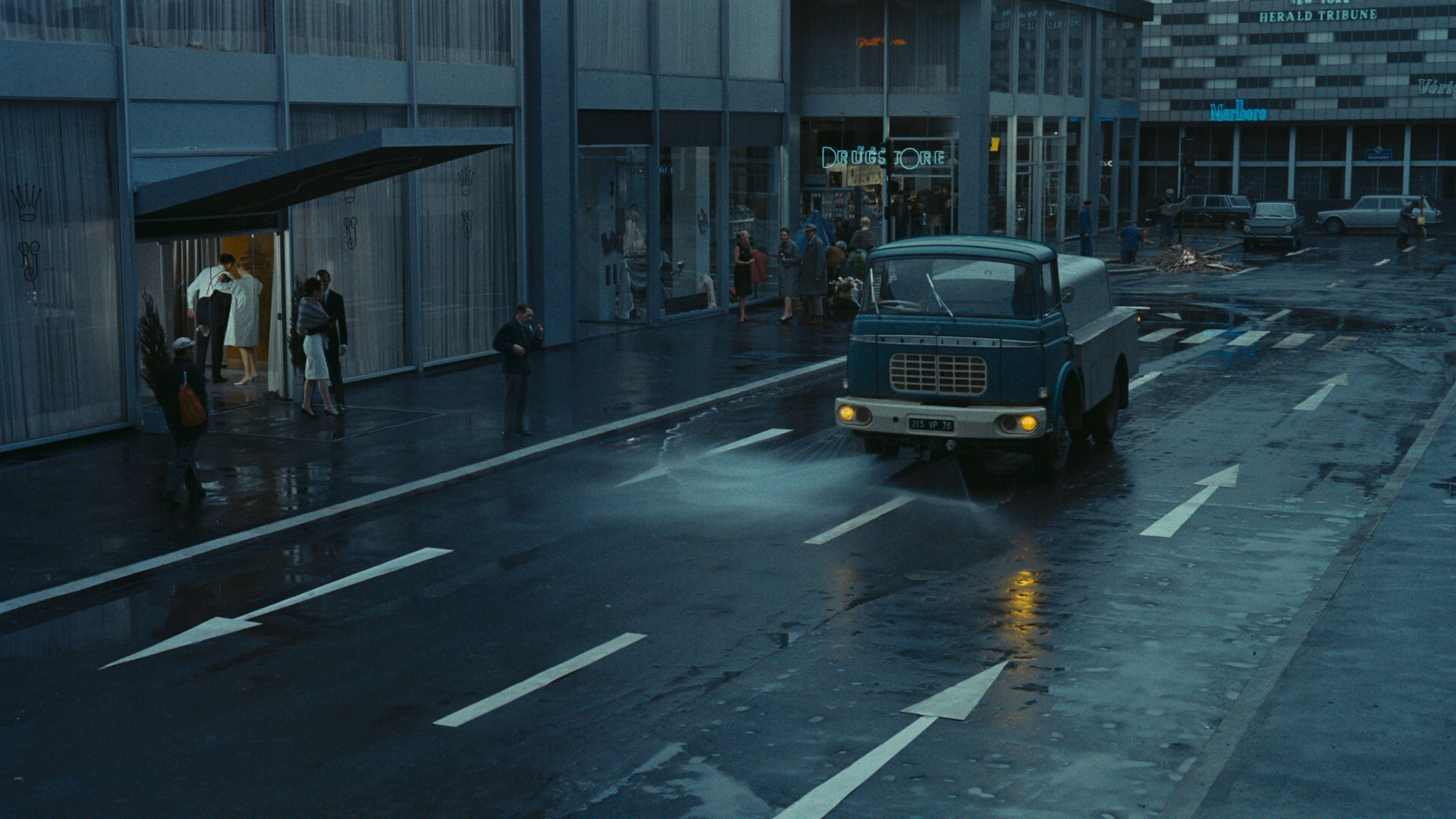
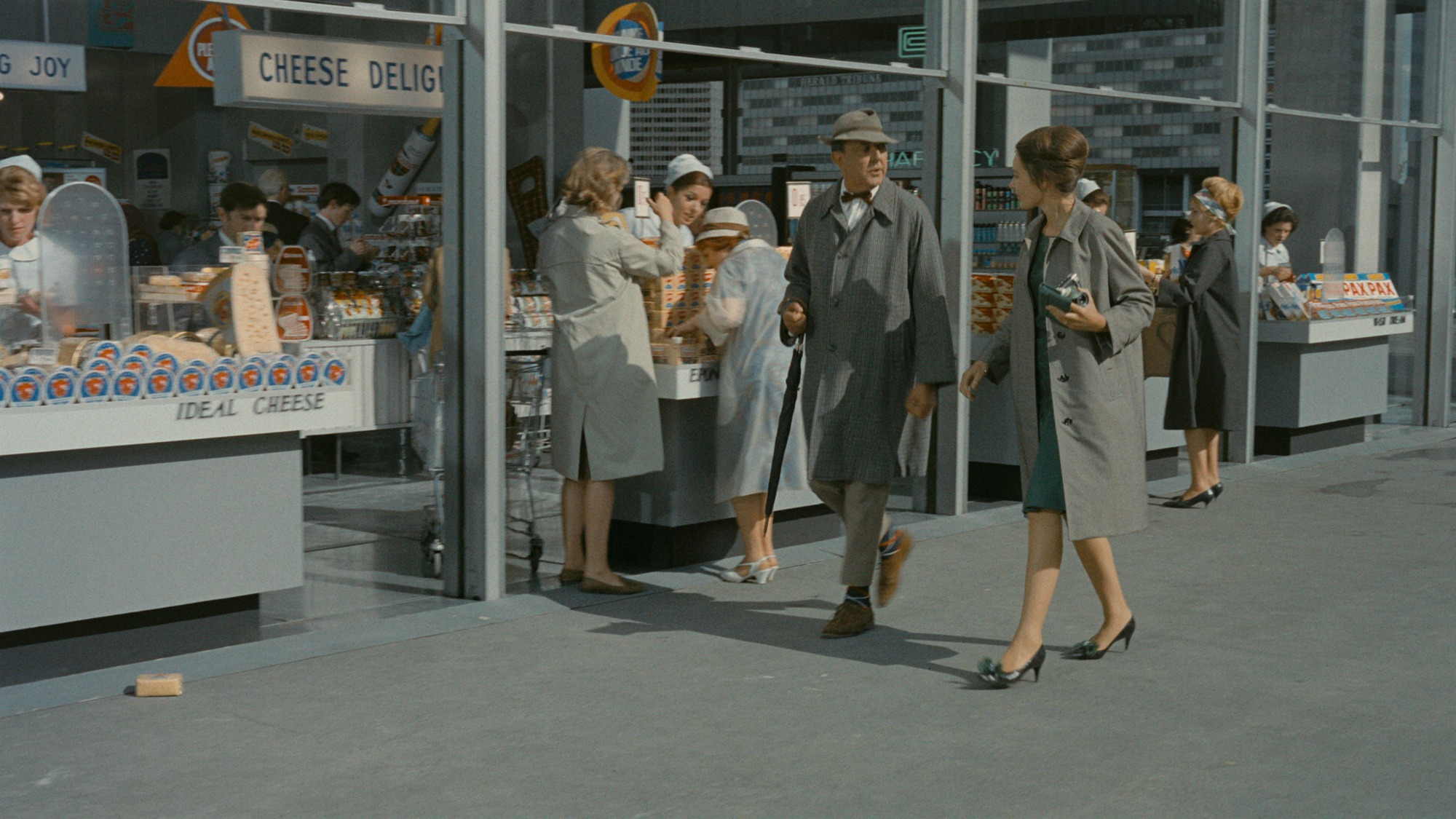
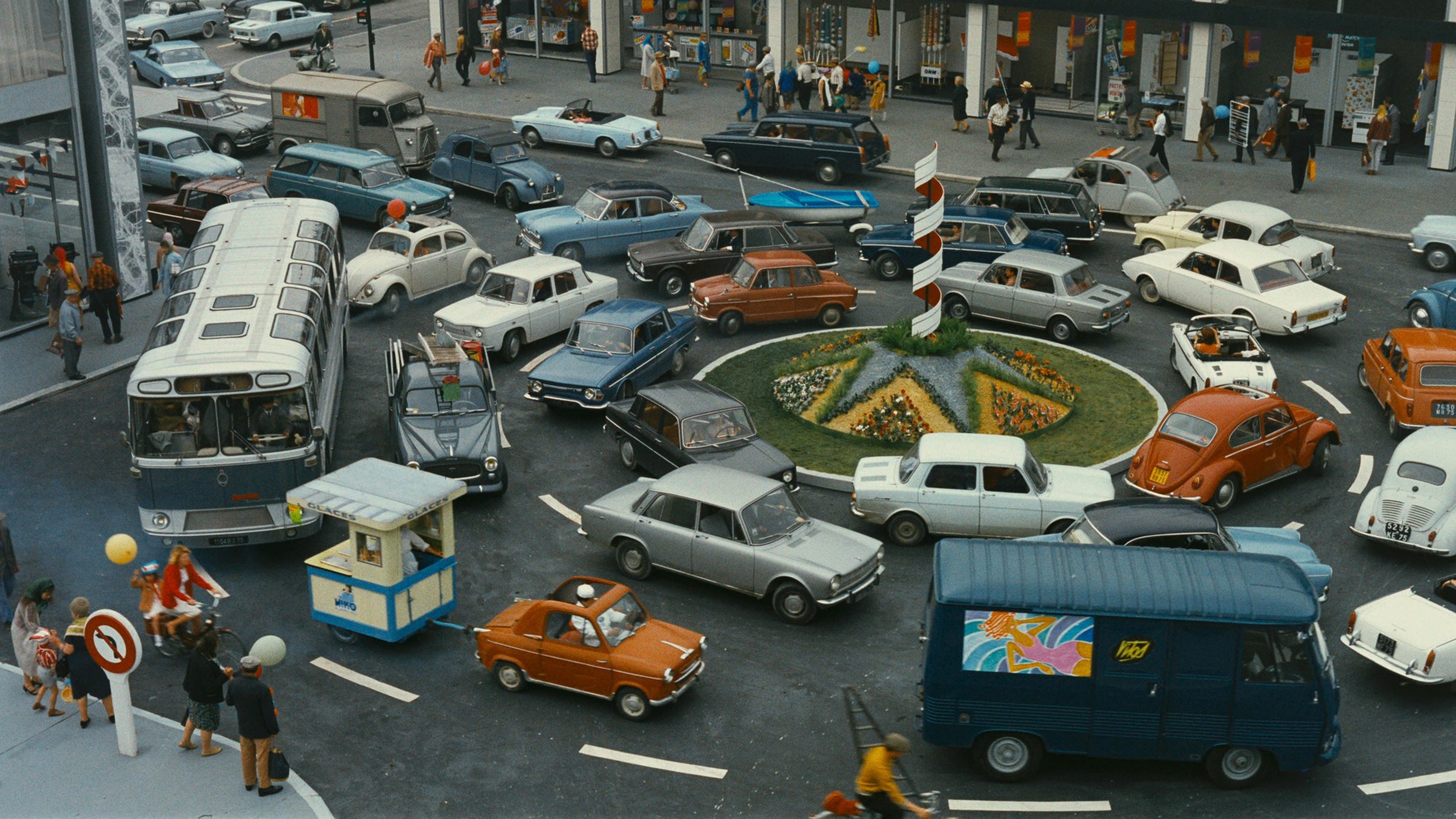
The Criterion Collection once again revisits Jacques Tati’s seminal PlayTime, upgrading the film to 4K UHD on a triple-layer disc and presented in the aspect ratio of 1.78:1. The 2160p/24Hz ultra high-definition presentation is sourced from the same 2013 4K restoration Criterion used for their 2014 box set, itself created from a 6.5K scan of the original 65mm negative, with missing portions filled in using a 1967 internegative and a 2002 interpositive. The release also includes a standard Blu-ray housing all of the supplemental material. Unlike Criterion's 4K editions up to this point, however, this set does not include a 1080p Blu-ray presentation of the film itself.
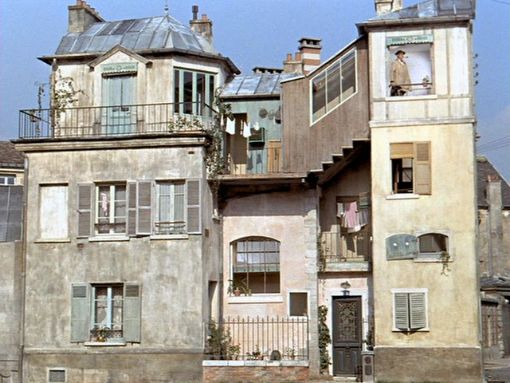
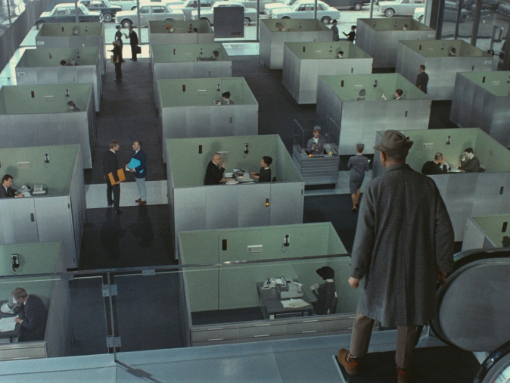
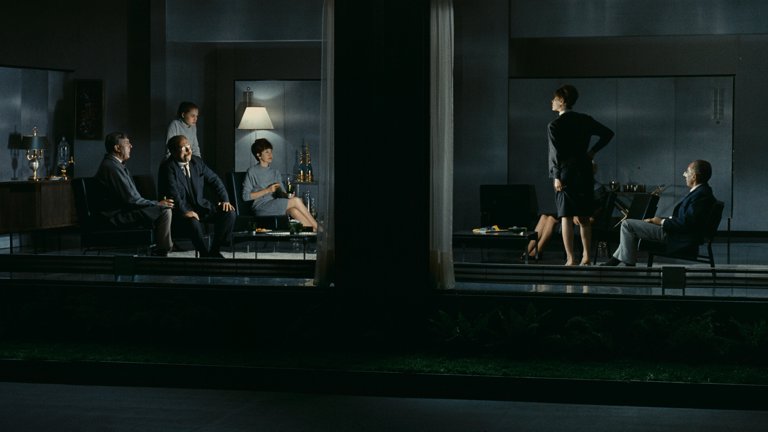
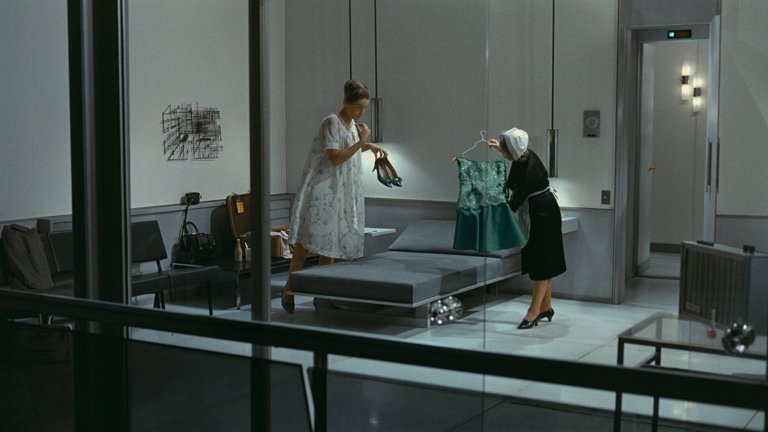
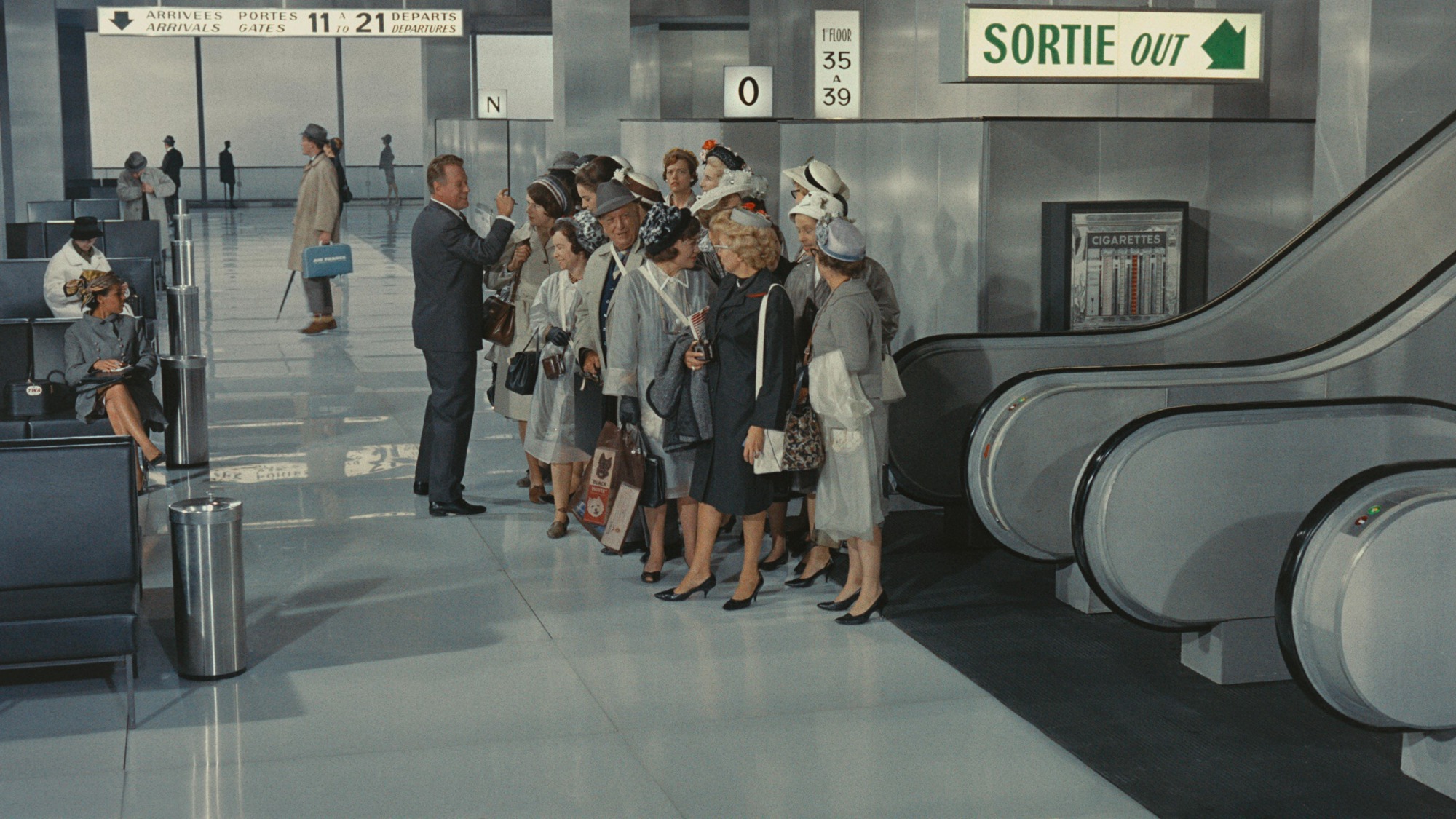
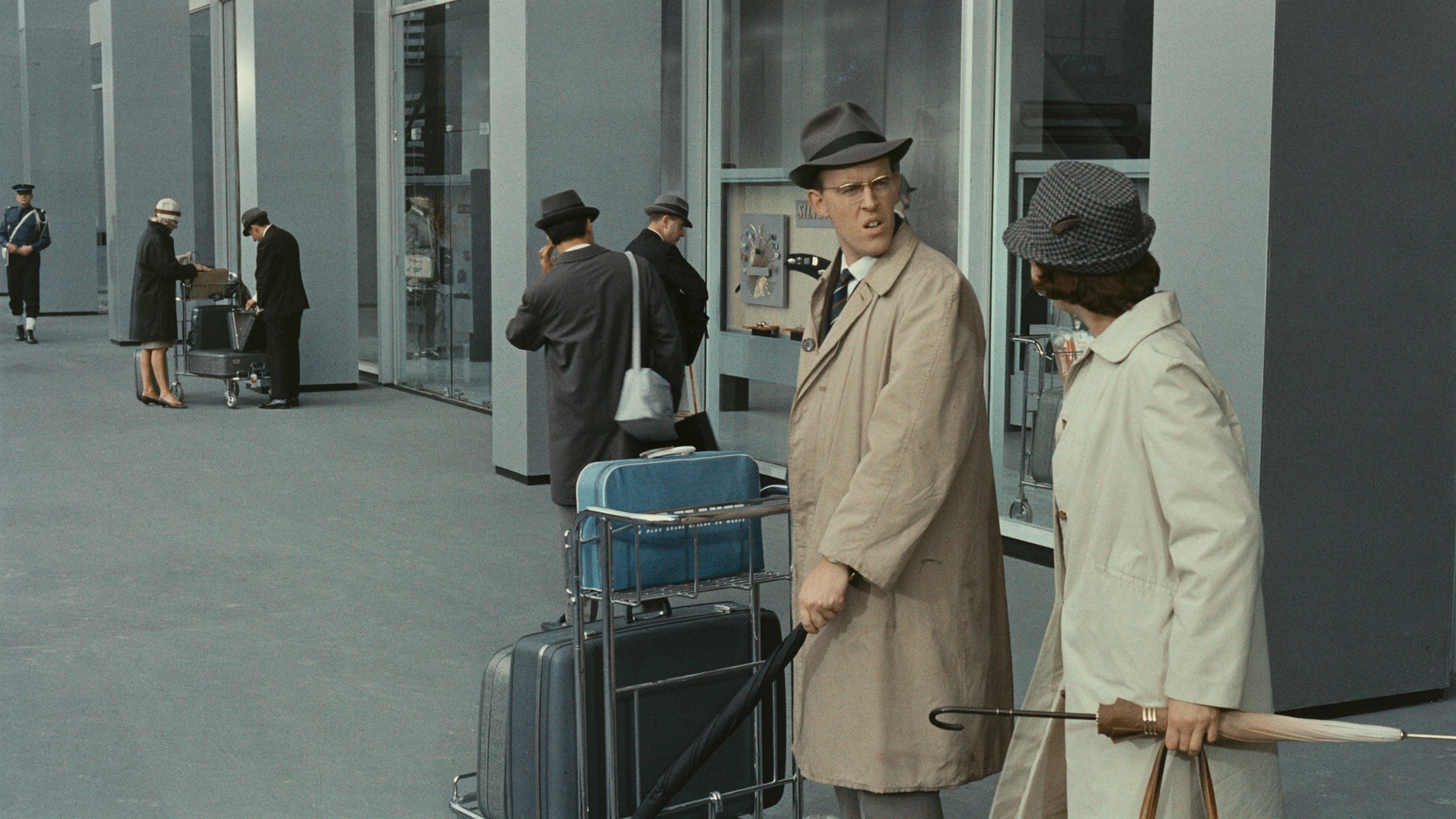
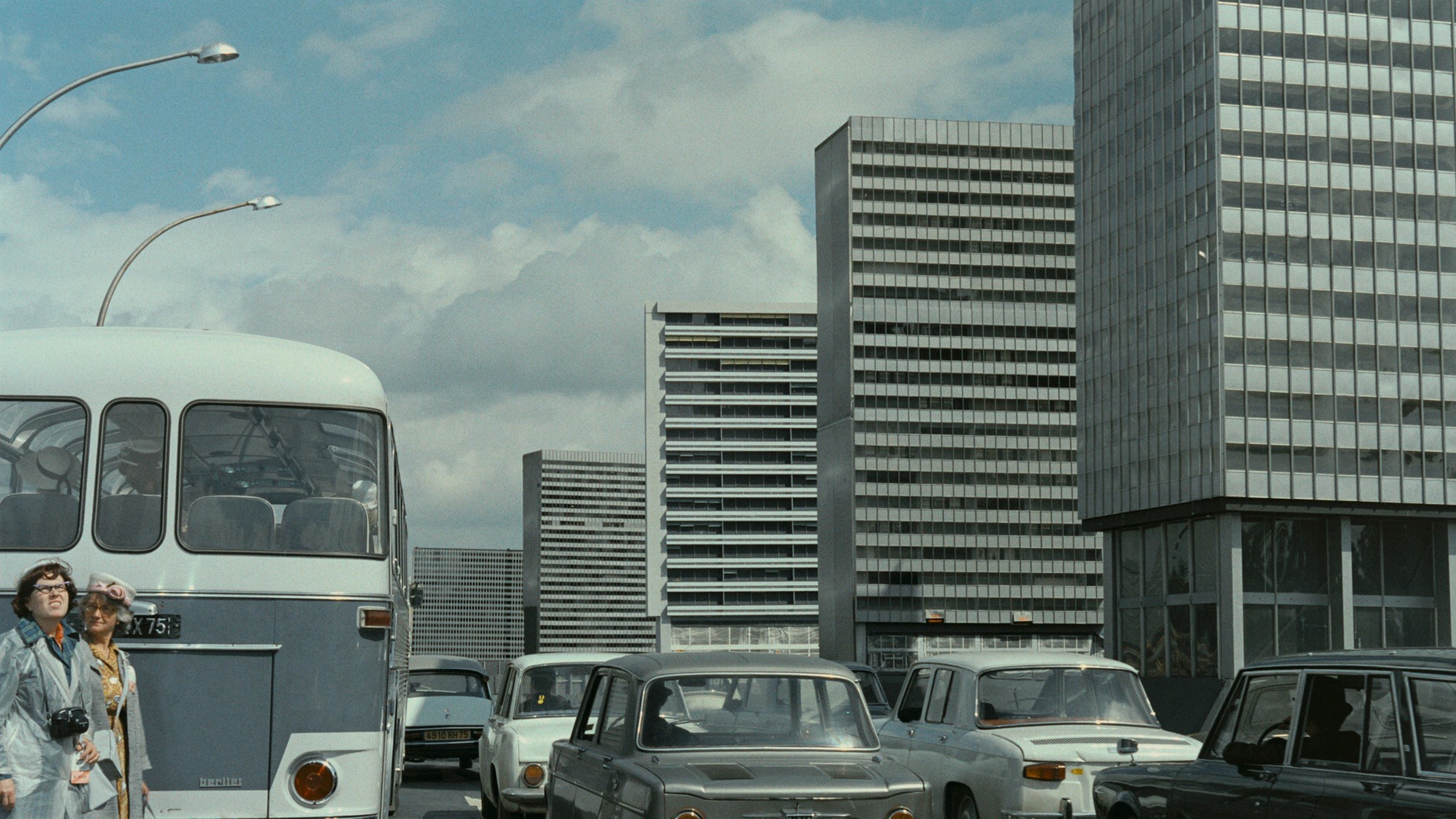
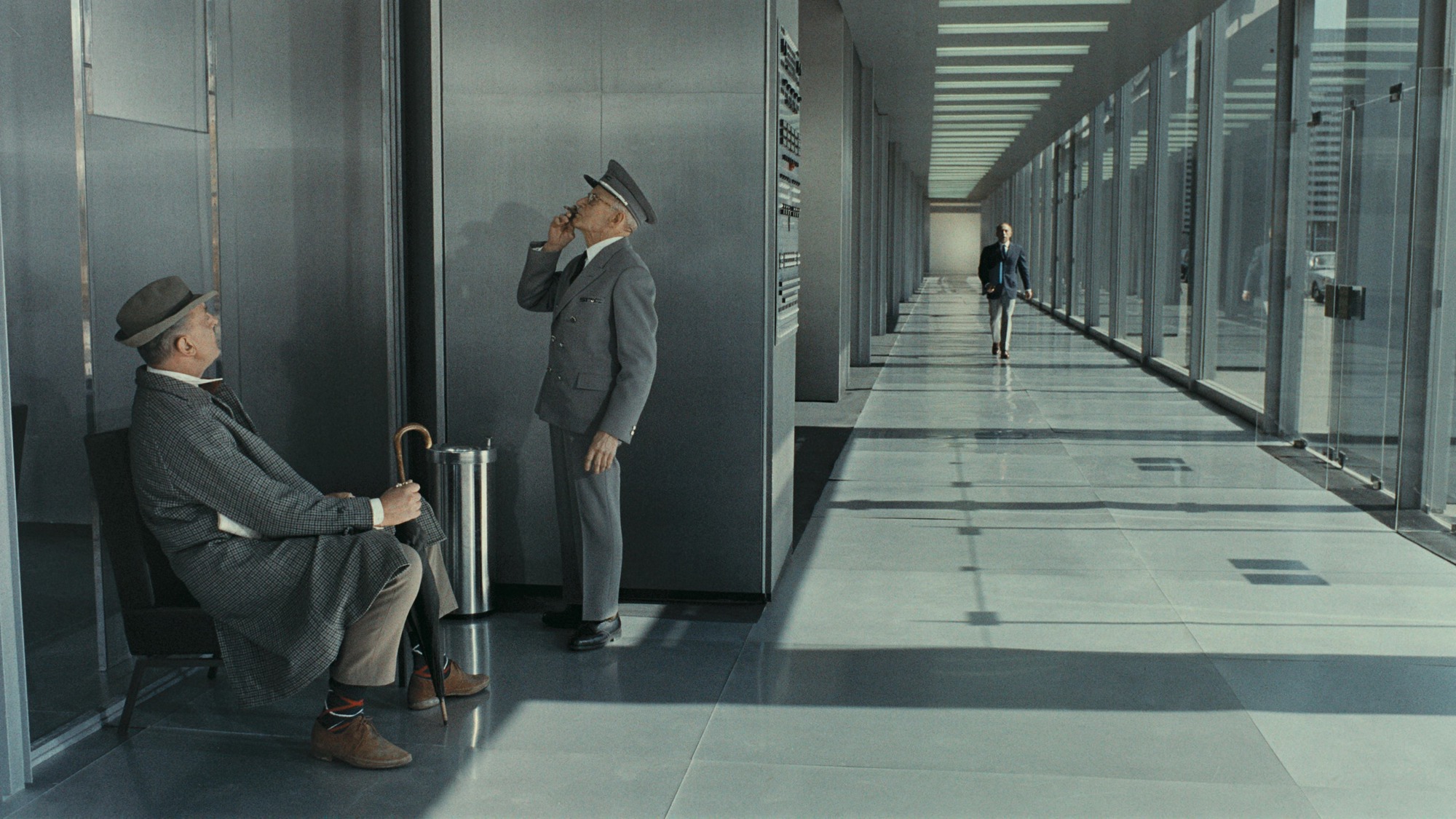
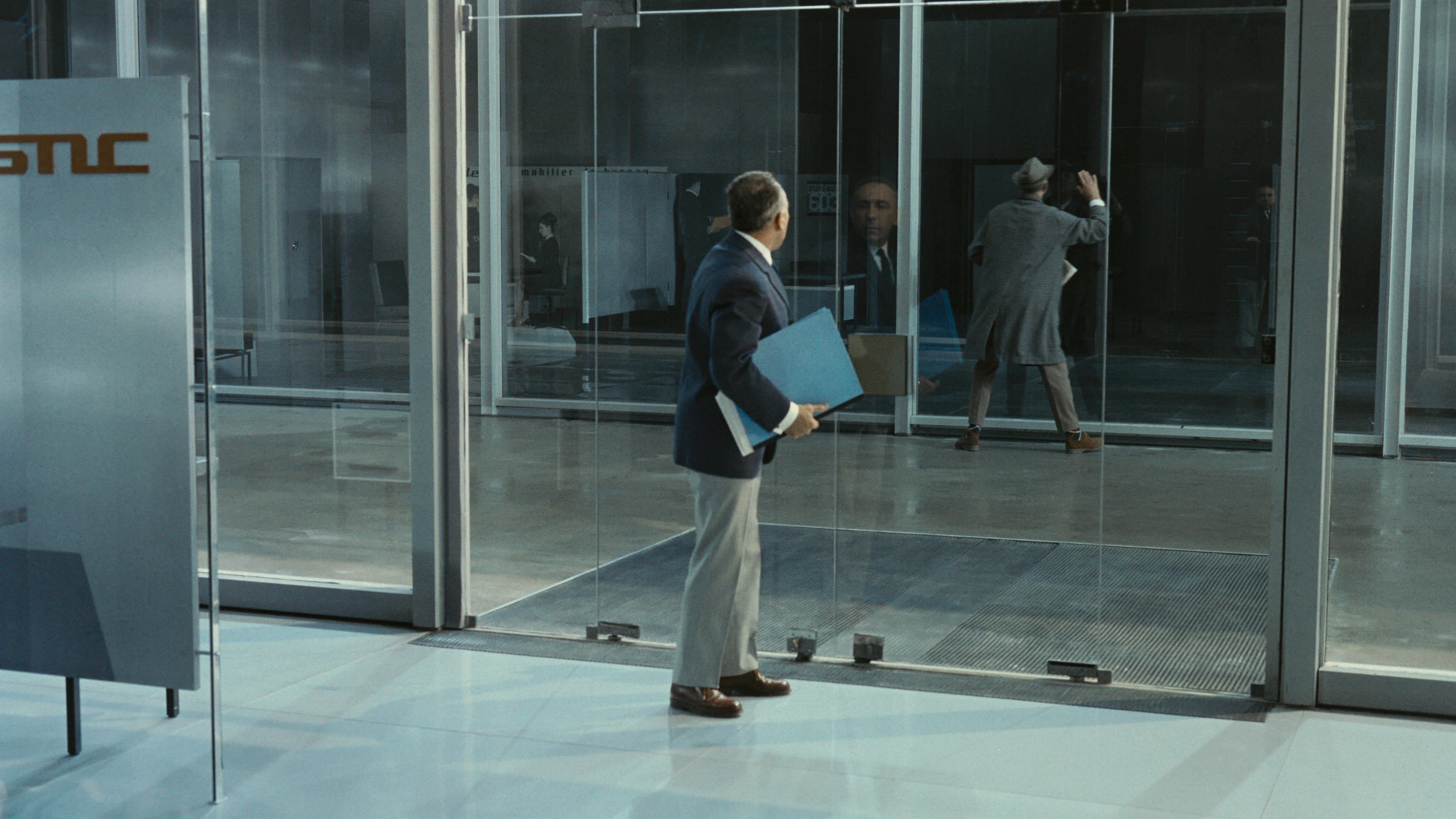
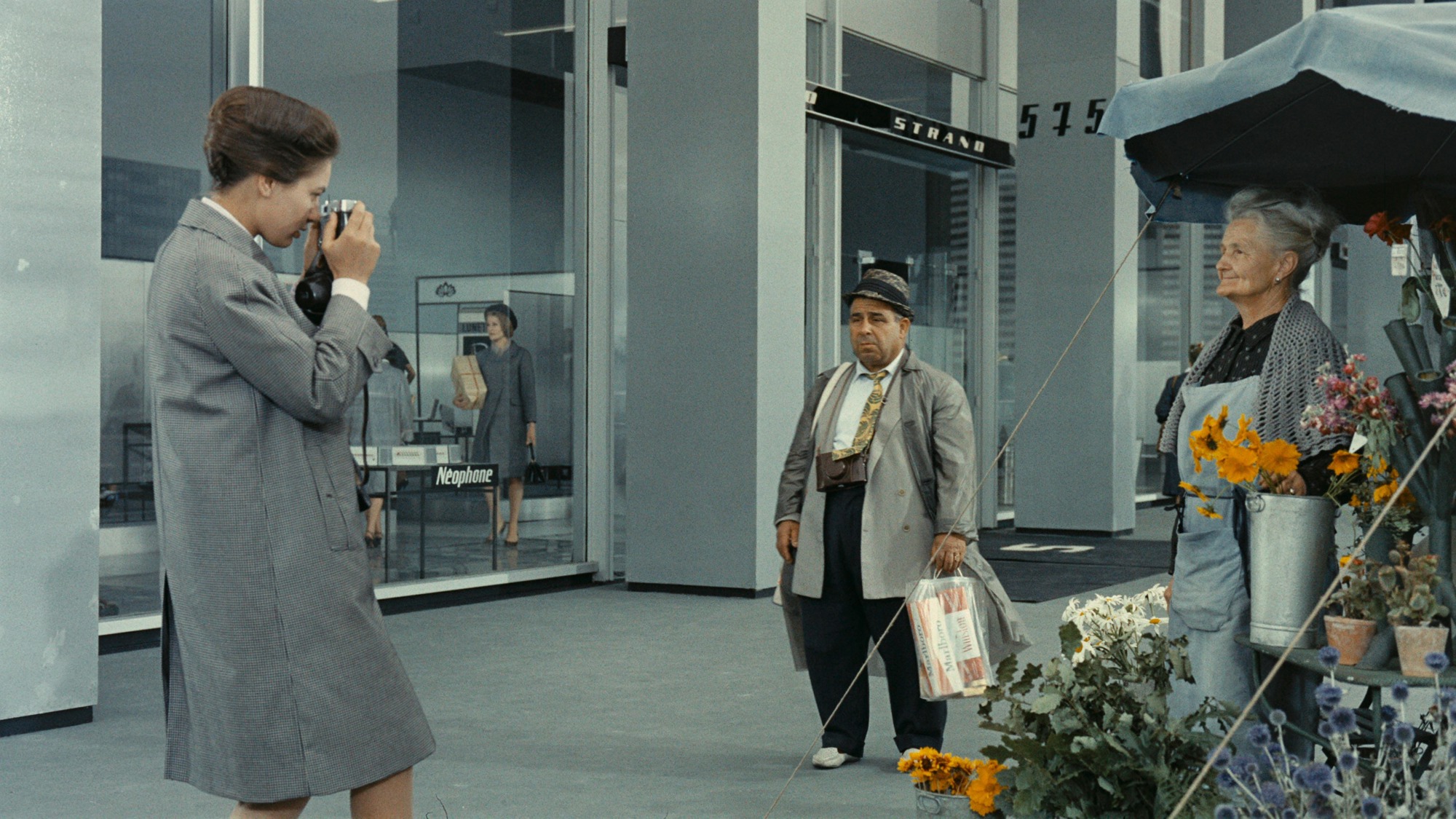
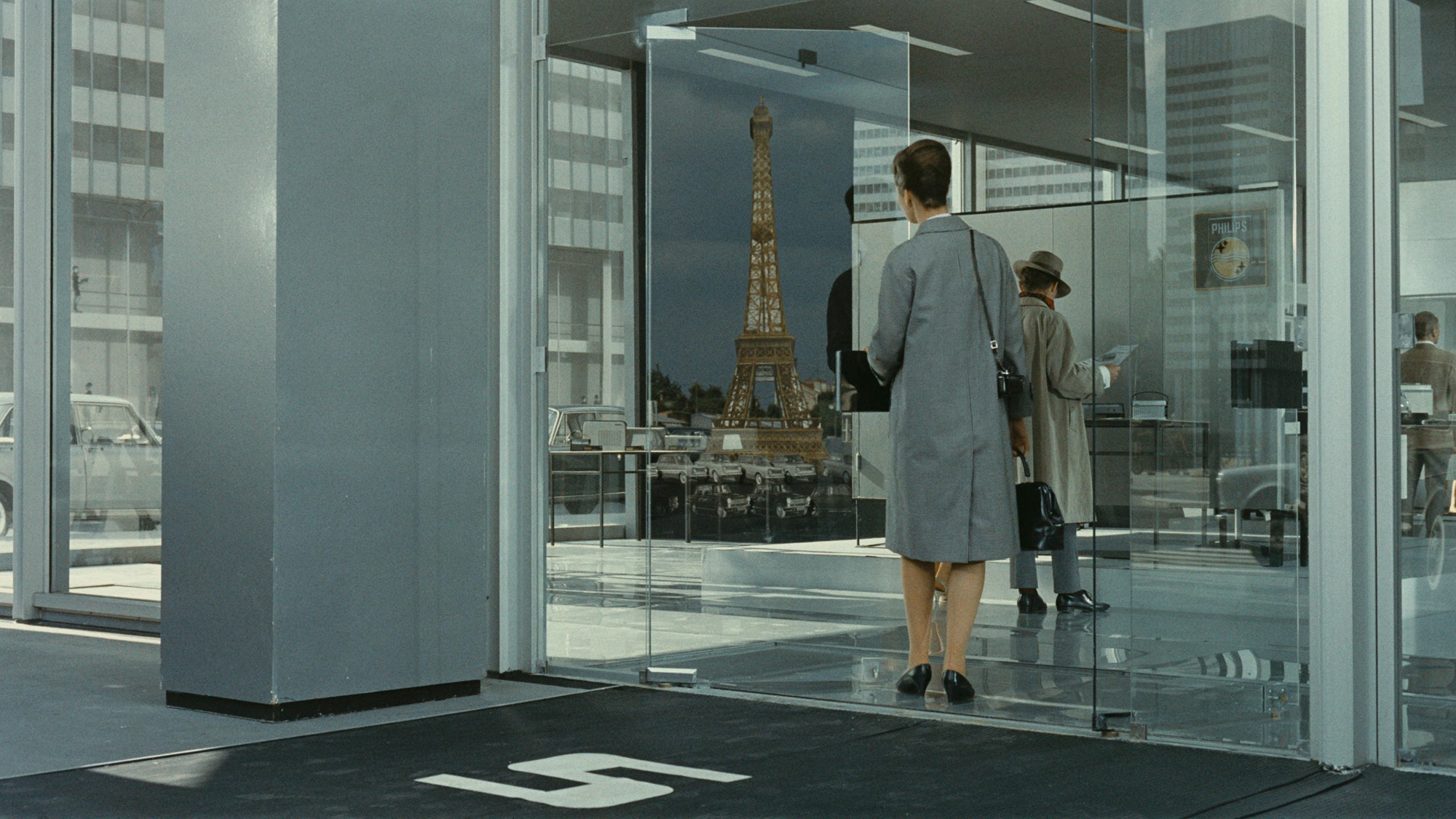
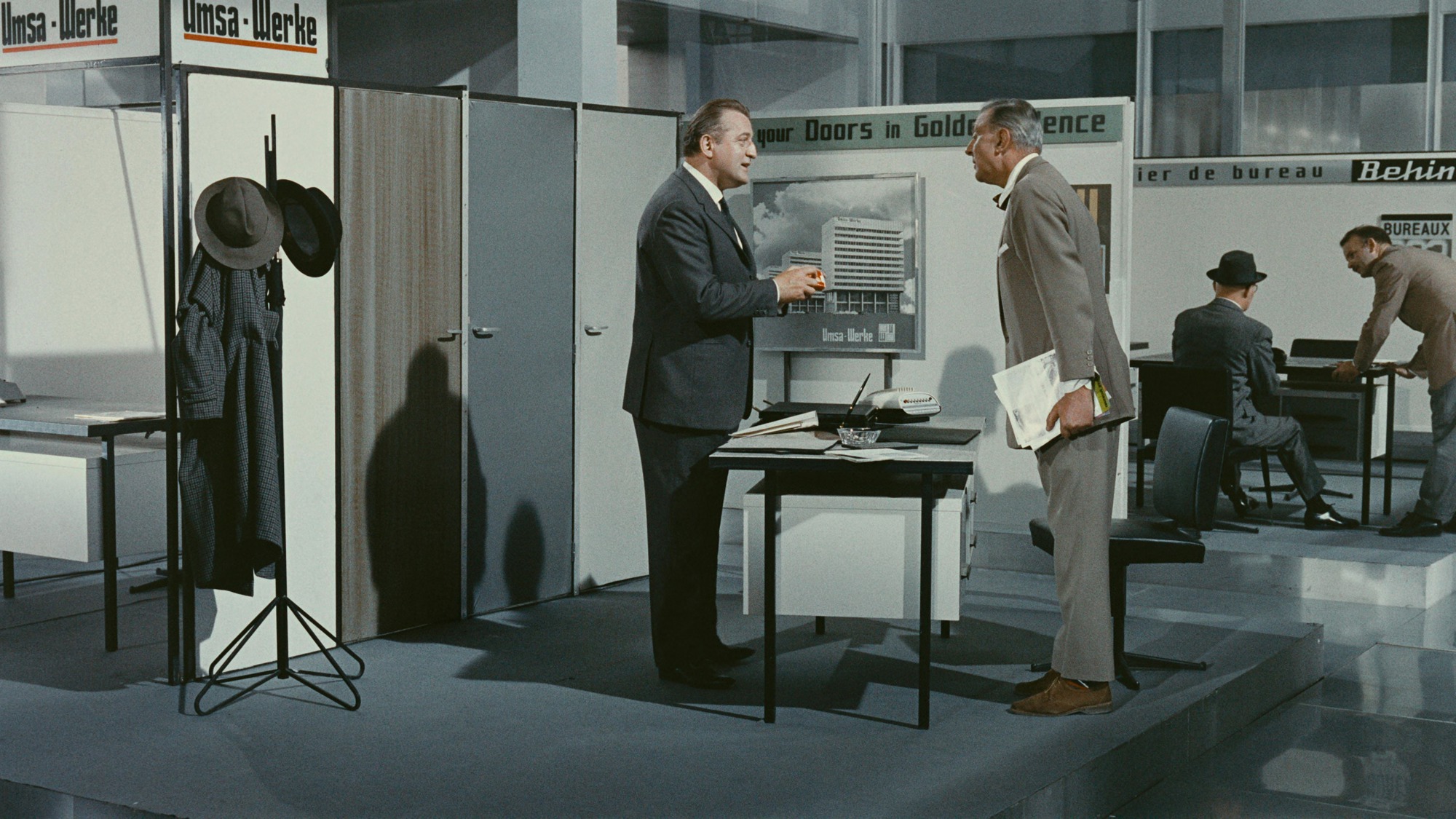
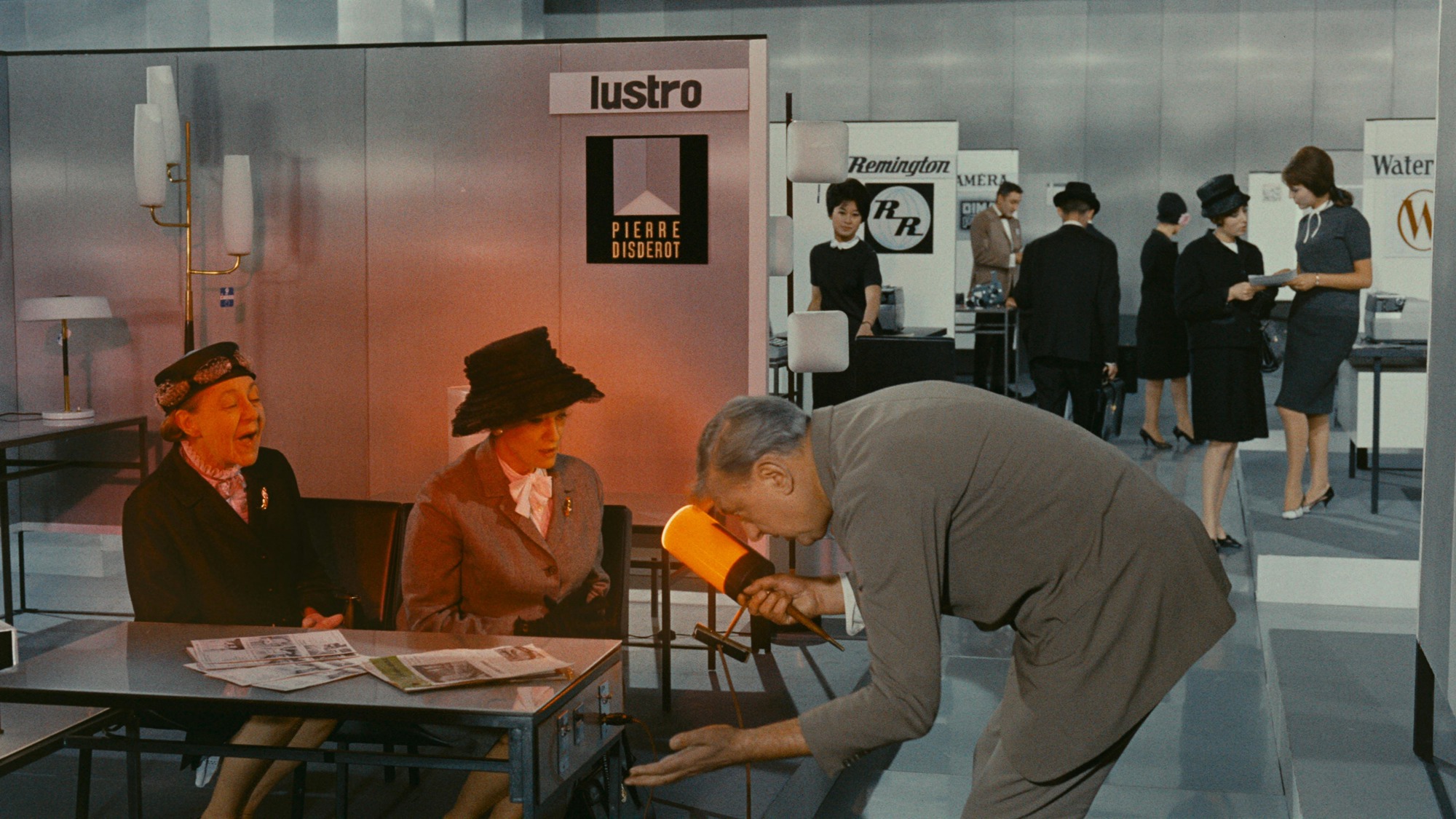
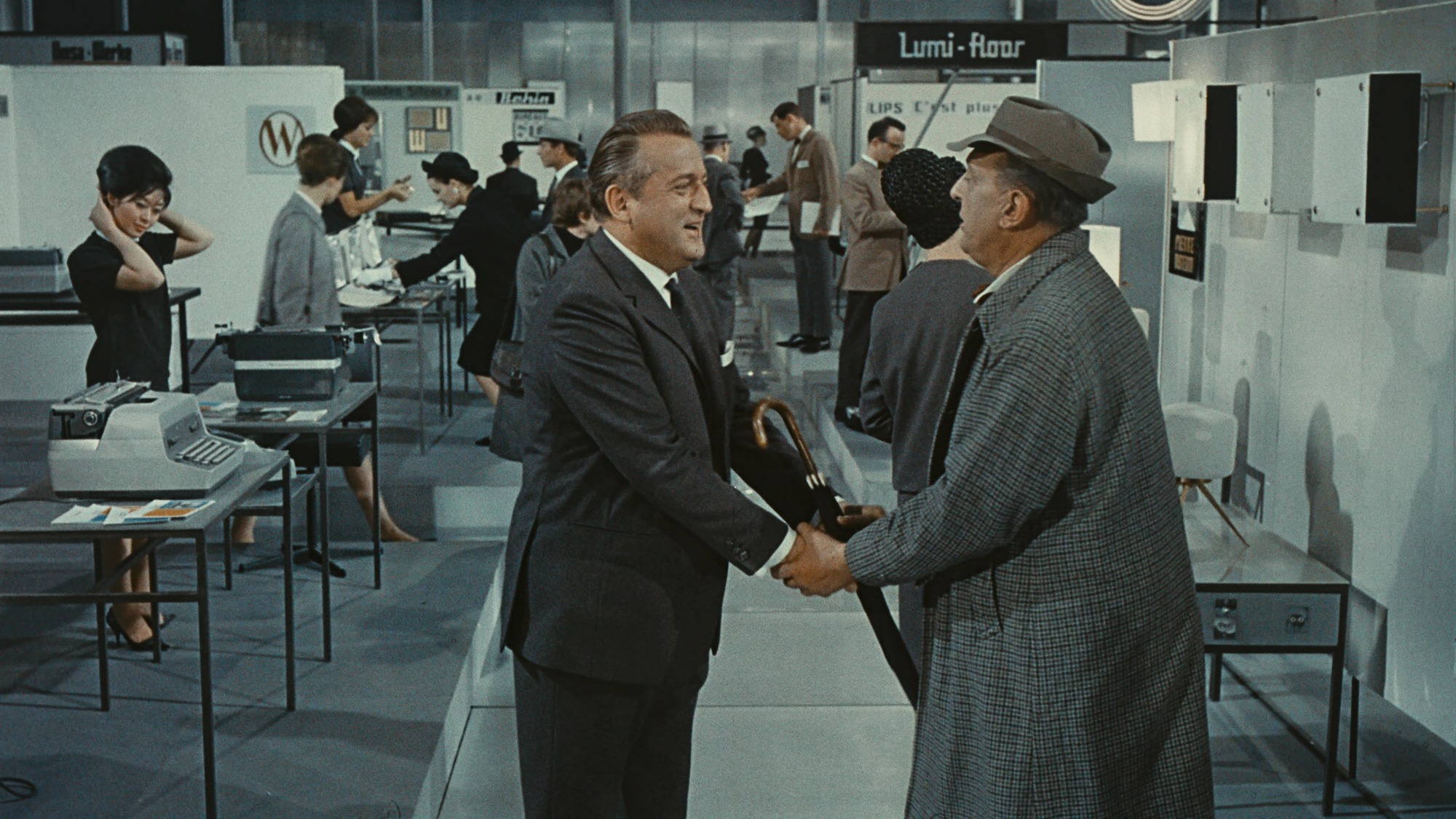
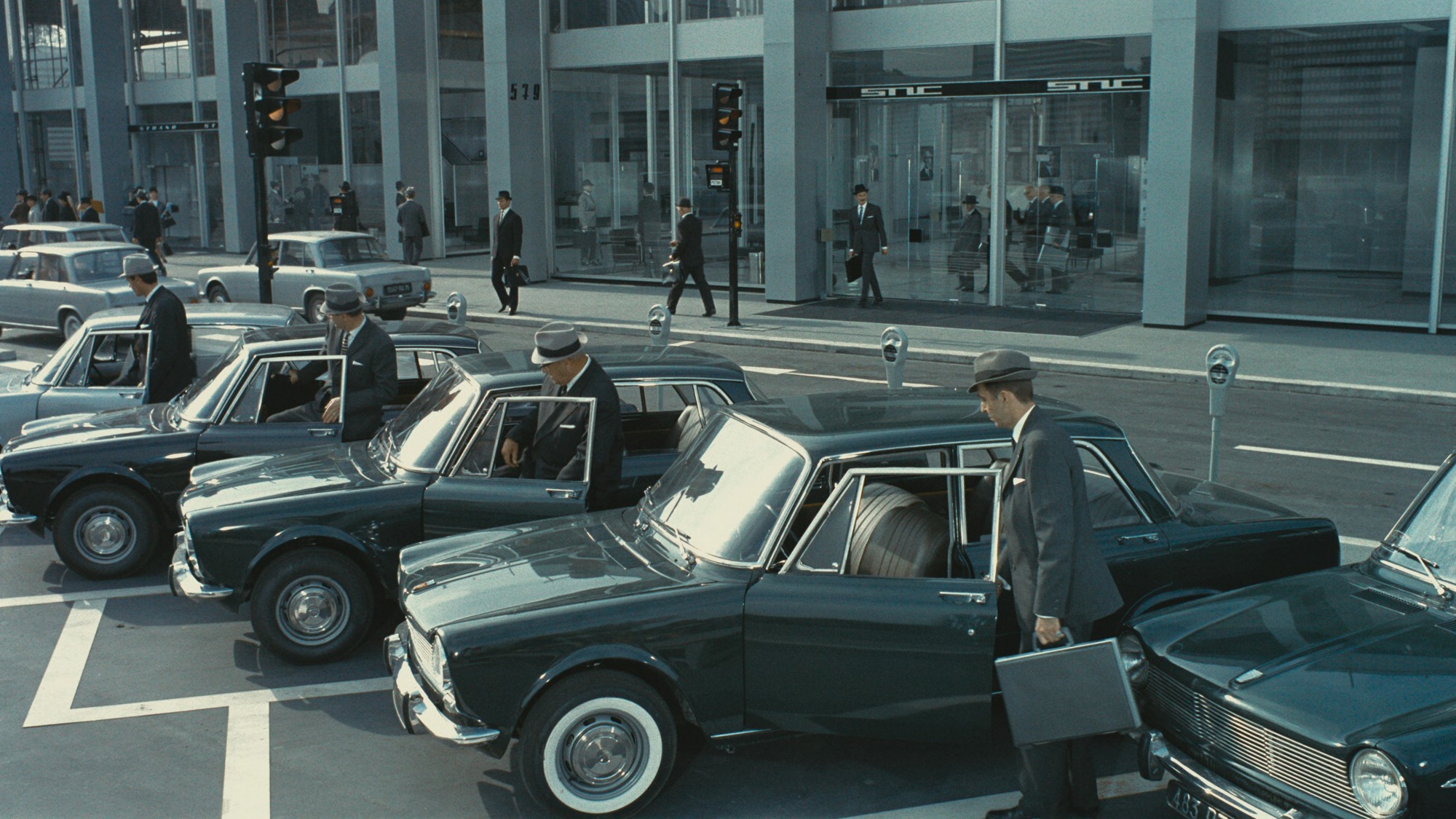
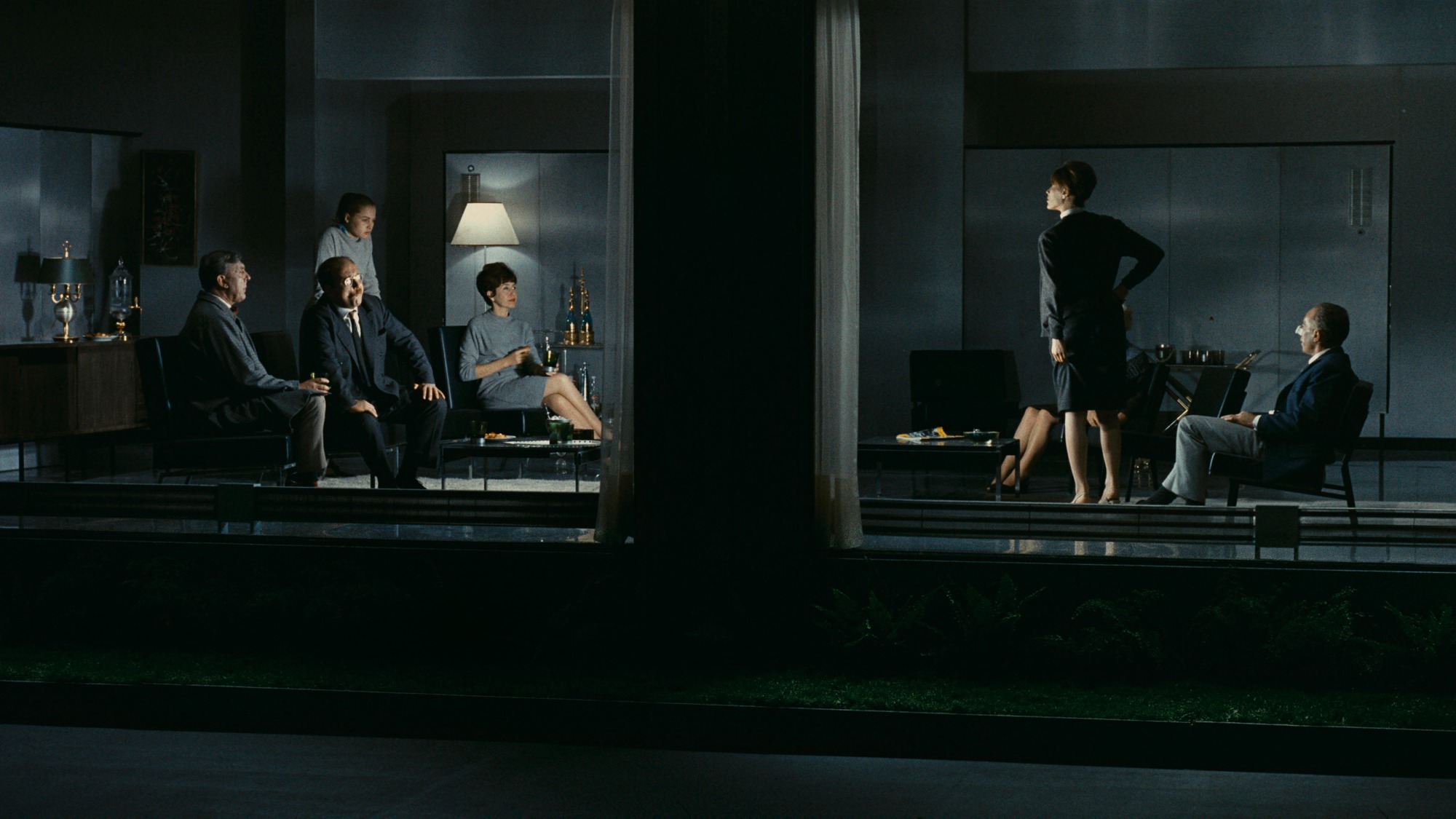
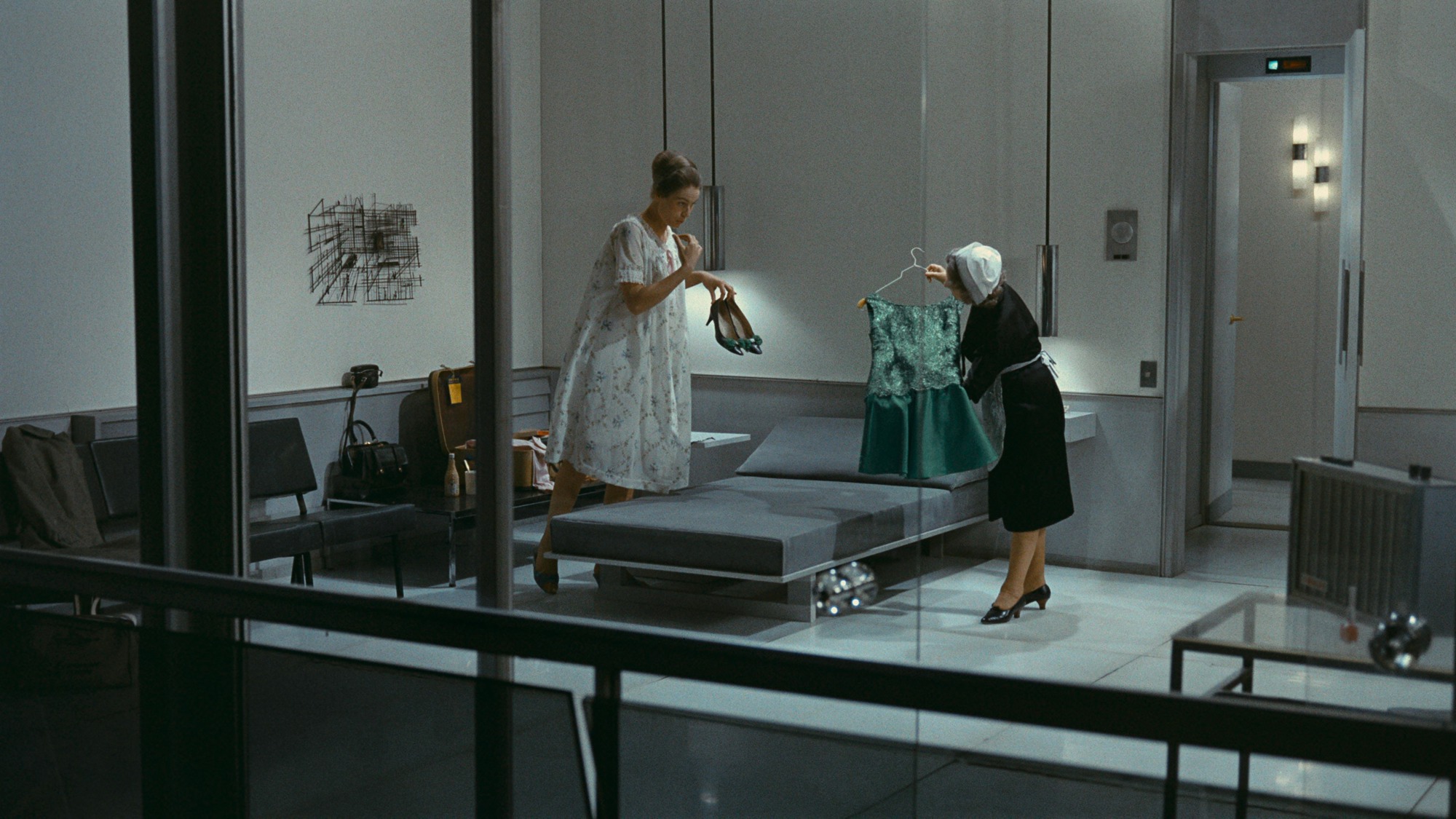
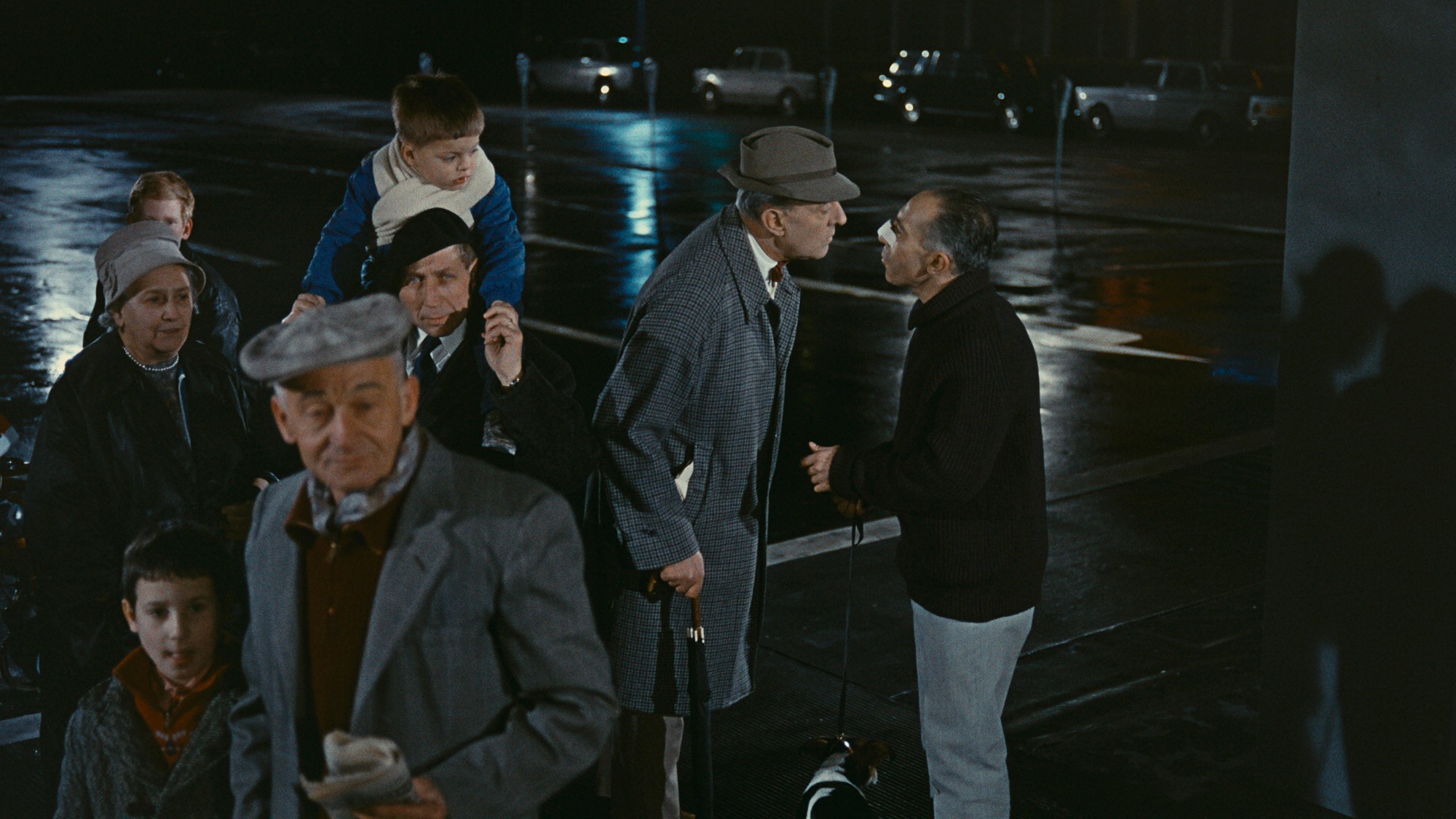
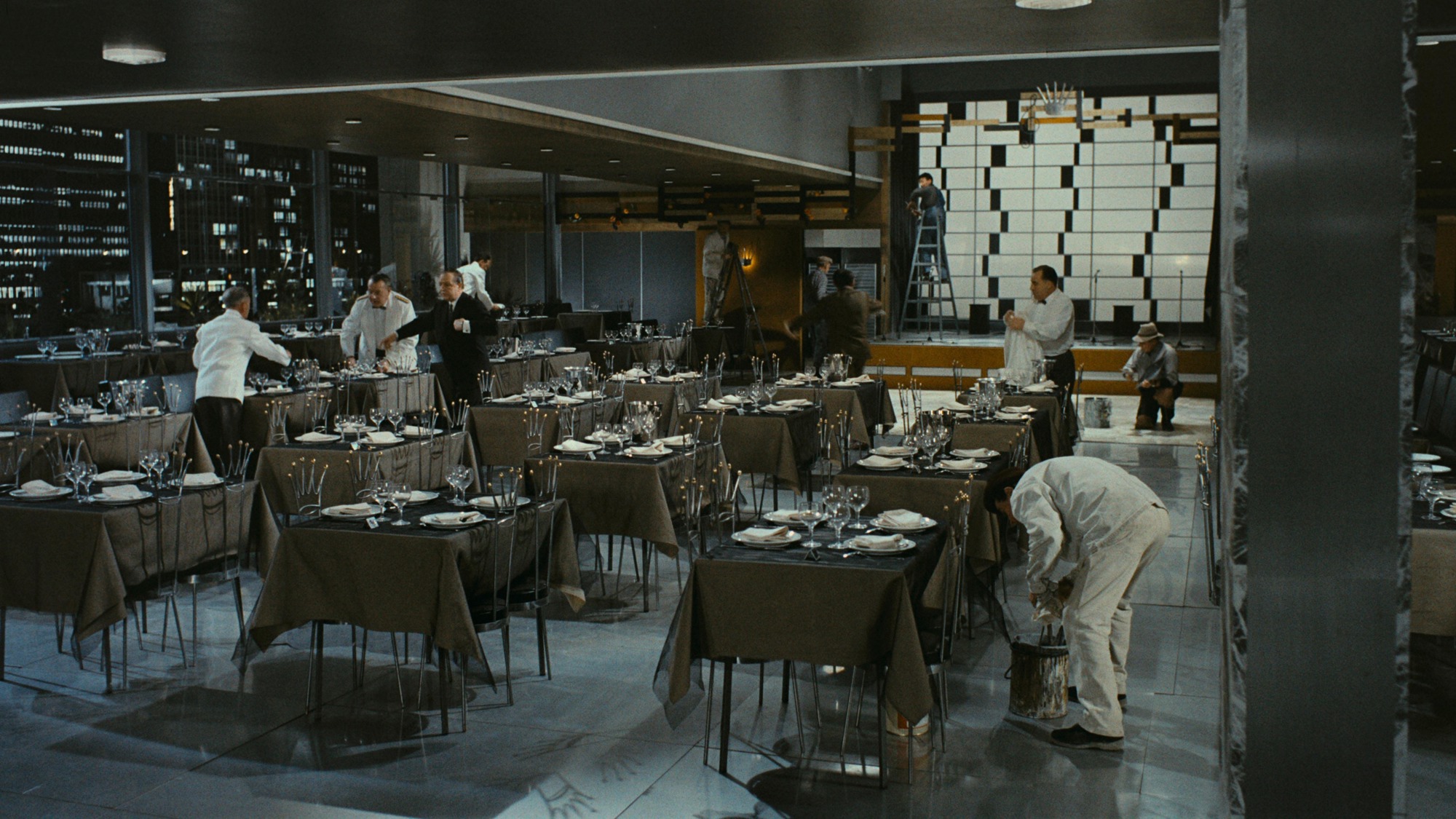
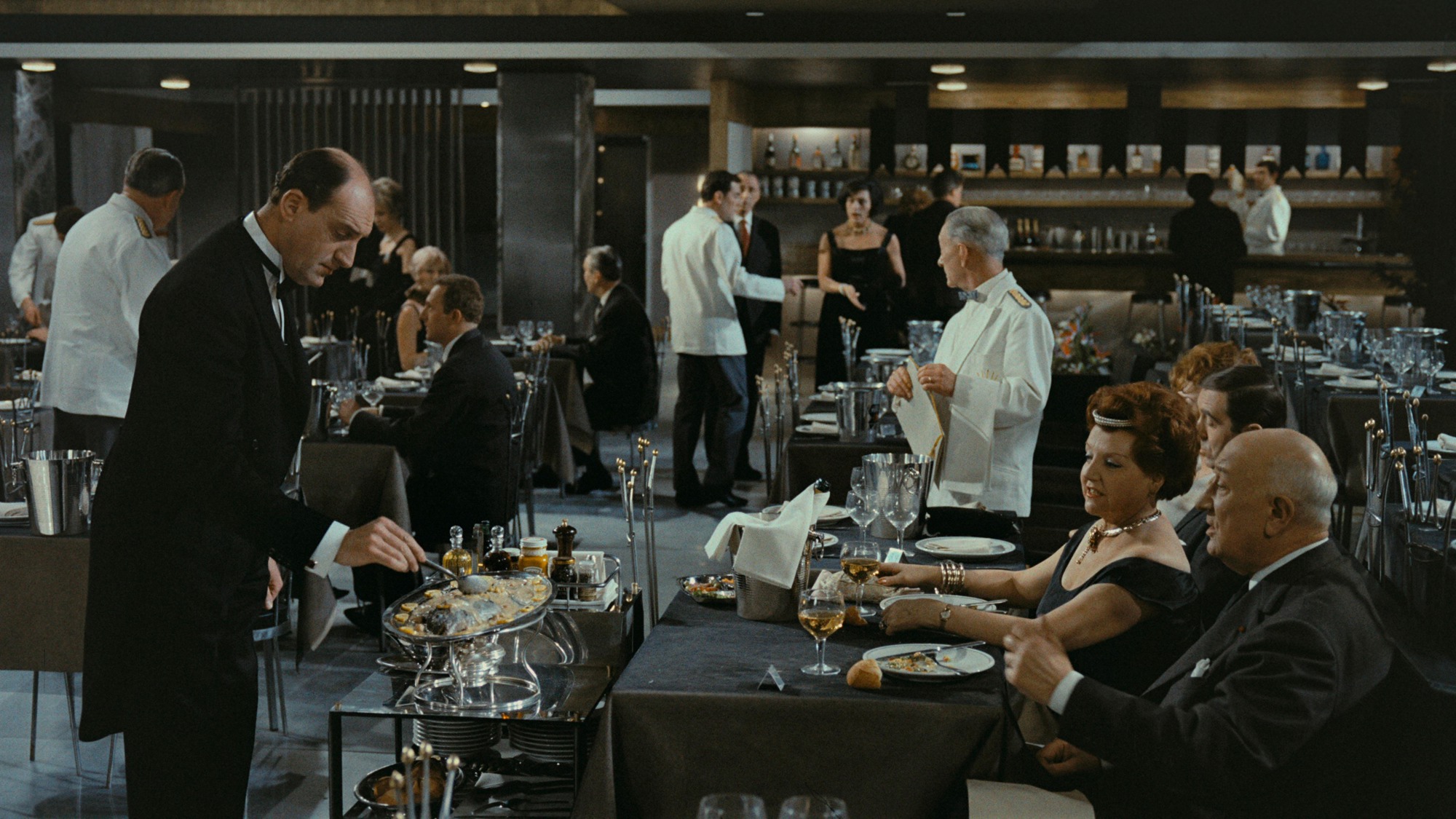
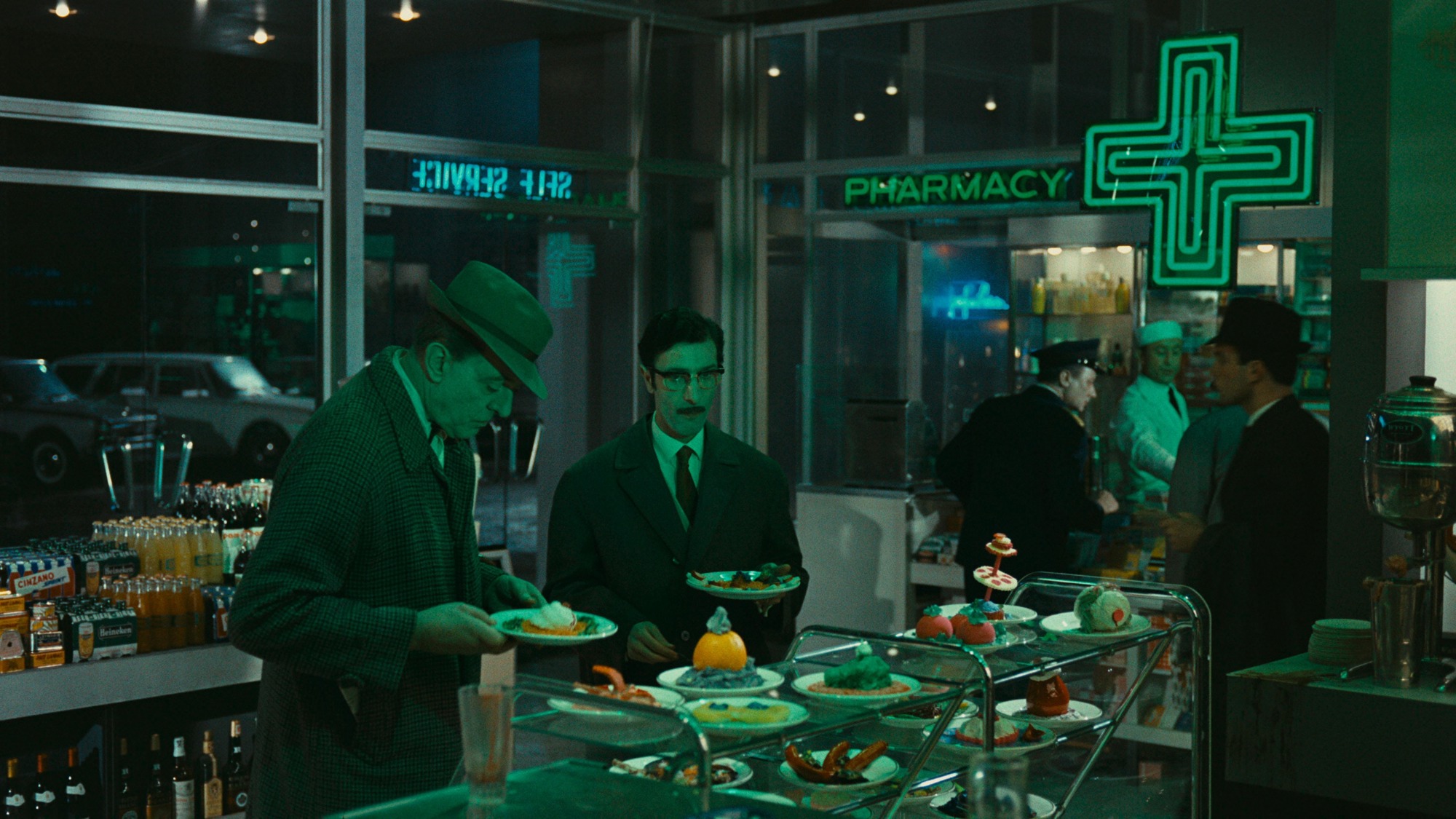
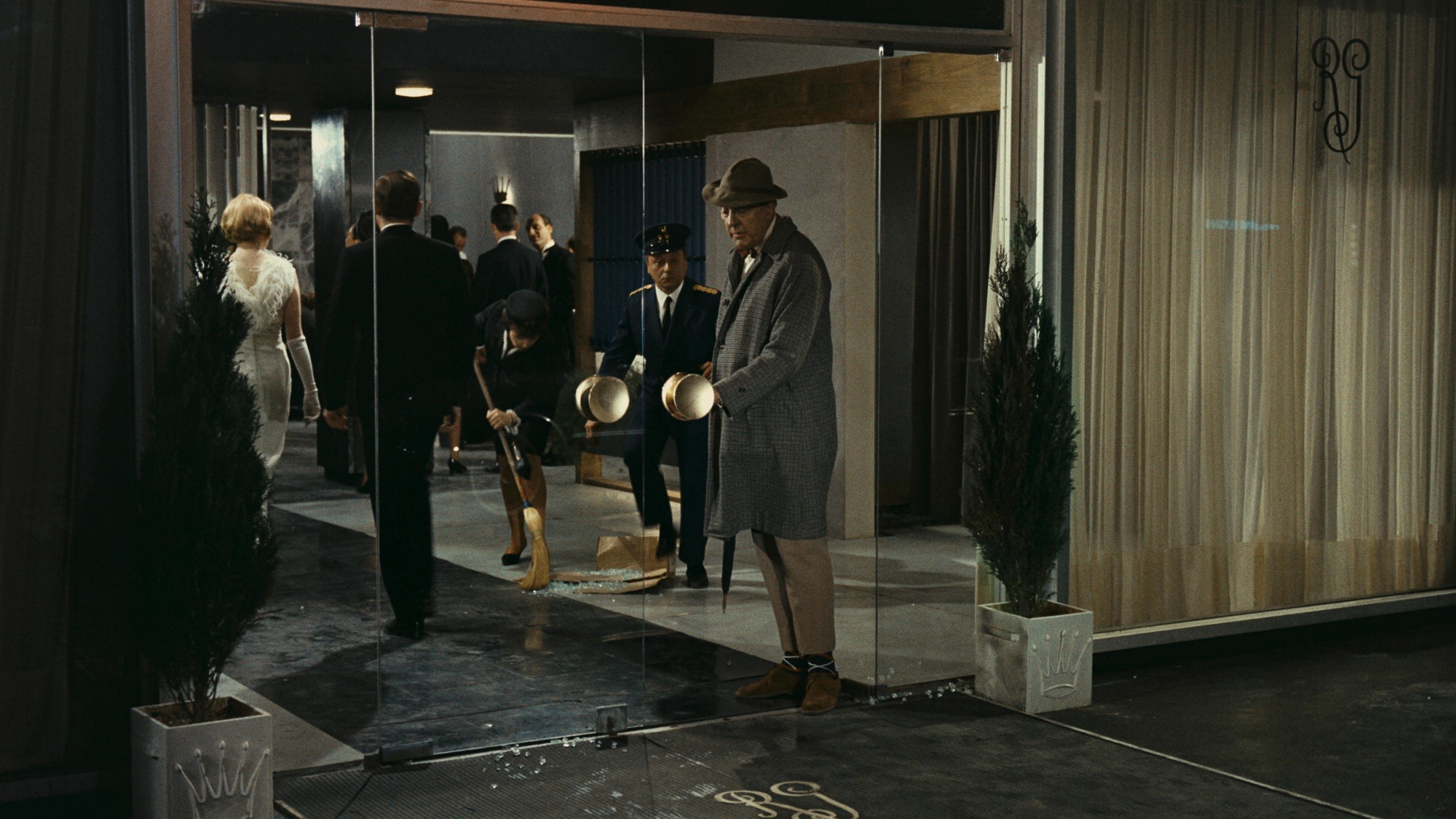
Minor issues aside, this new 4K presentation represents a clear and welcome upgrade over the Blu-ray included in Criterion’s 2014 The Complete Jacques Tati box set. While I sang that presentation's praises at the time, its shortcomings, particularly in terms of encoding and color grading, are more apparent in hindsight. As one would hope, this new presentation addresses and corrects many of those flaws, delivering a far cleaner encode that does a fantastic job rendering the film's (mostly) fine grain structure, which is more natural and film-like here. The intricate details of the film’s elaborate sets are sharper, and the overall tonal range is noticeably wider.
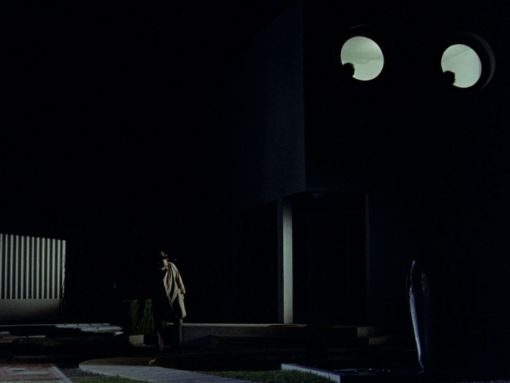
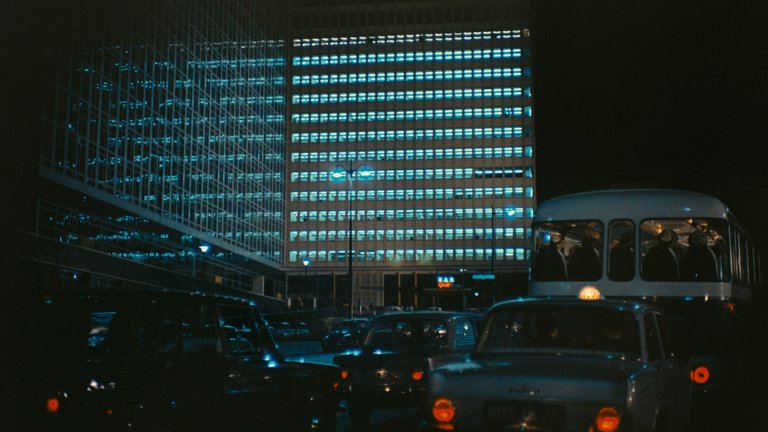
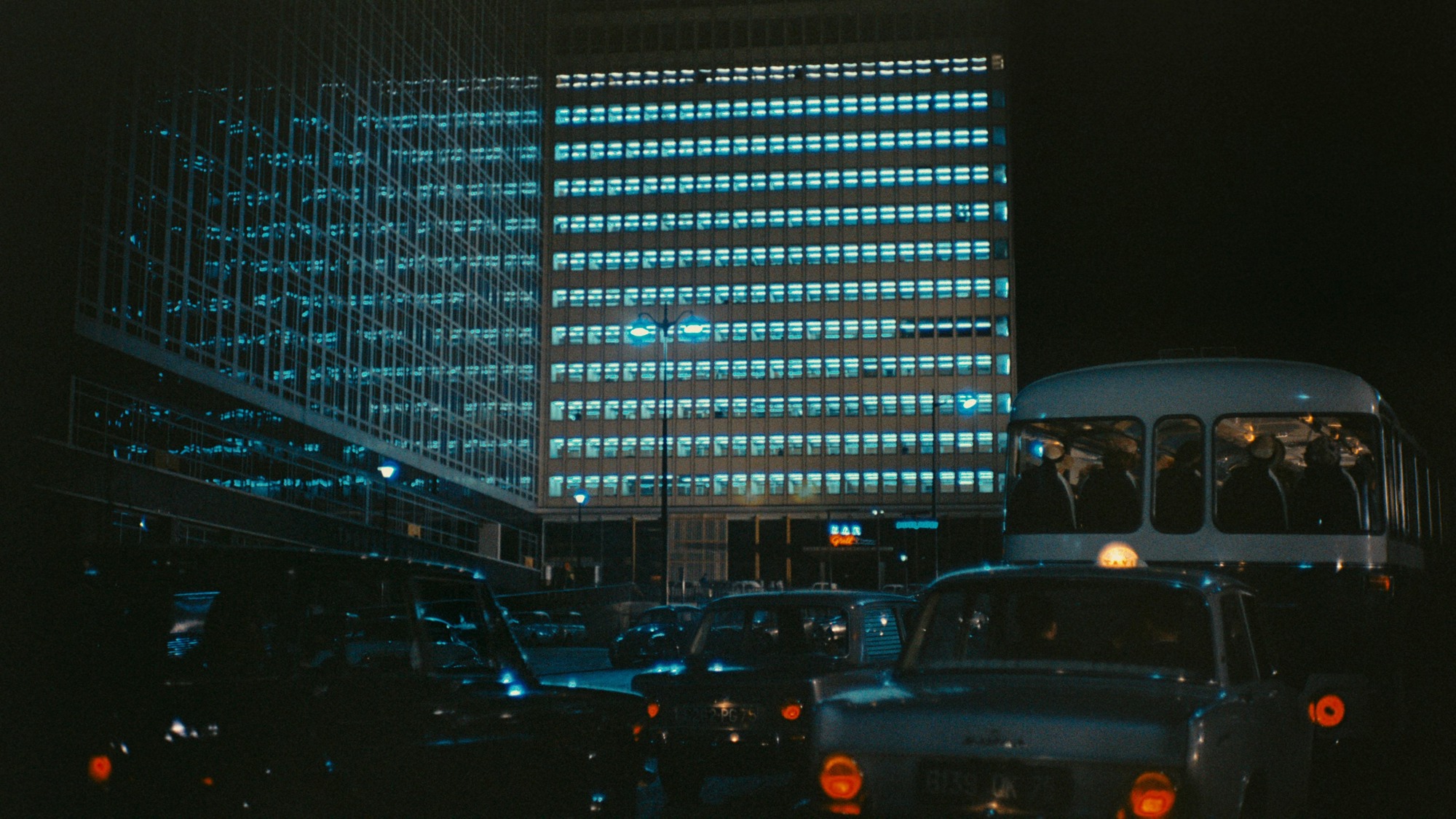
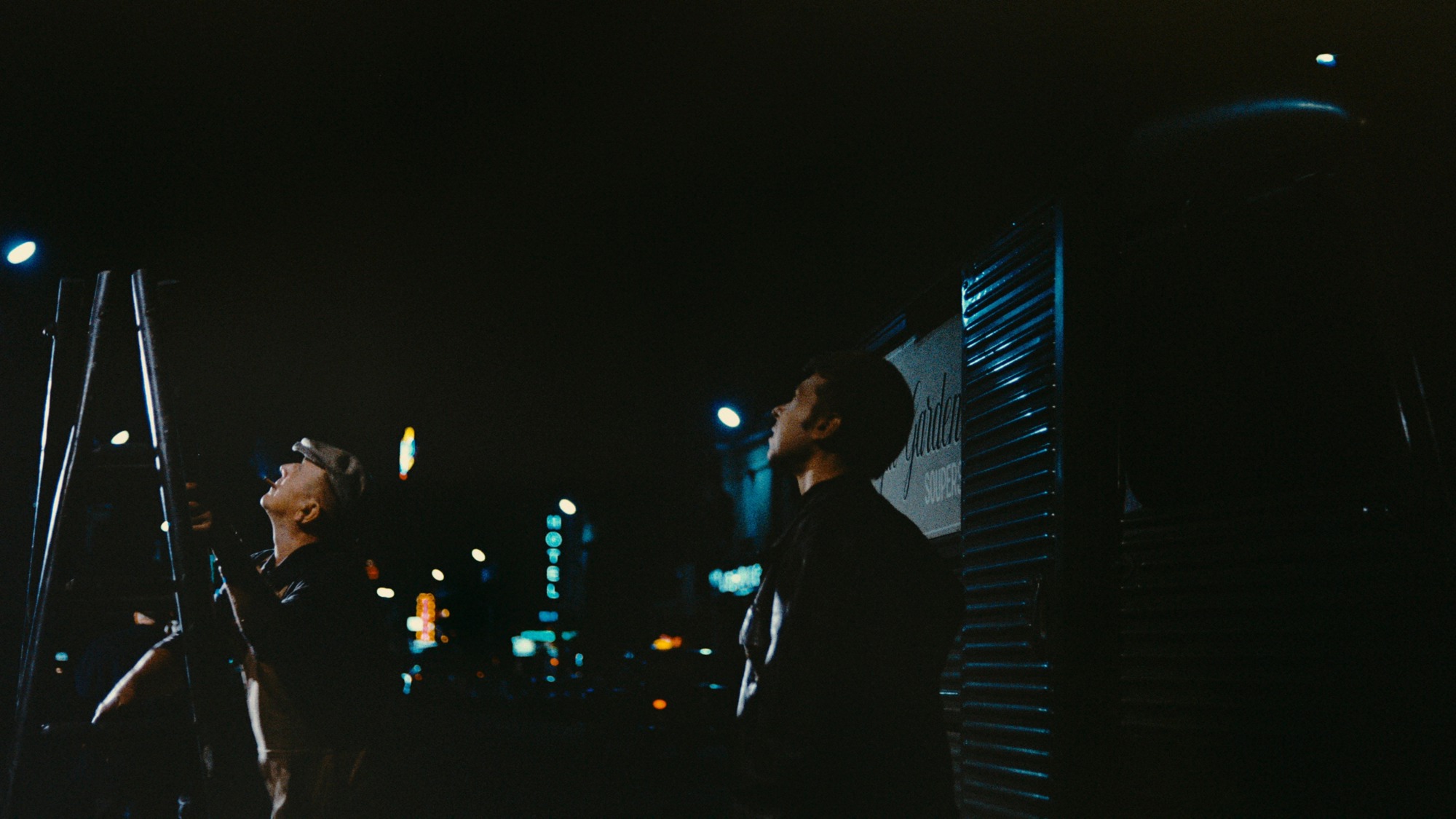
A handful of shots, that I presume are sourced from the internegative or interpositive, exhibit a coarser grain that occasionally grows heavier, almost as if pulled from blow-ups. In these moments, detail levels dip slightly and the grain can take on a faintly buzzy appearance. This becomes more noticeable in a few nighttime sequences, where heavier noise creeps into the blacks. To be fair, this was also present on the 2014 Blu-ray, though the increased resolution here seems to make it more obvious going from one shot to another.
Thankfully, these moments are few and far between, and the overall presentation remains stellar. Black levels can appear slightly milky at times, but contrast is strong overall, and dynamic range is notably improved, with smoother, cleaner gradations compared to the Blu-ray. I can’t say I missed HDR all that much here, though a proper HDR grade (rather than SDR levels in a container) could have further enhanced the image, particularly when it comes to the reflective surfaces of Tati’s “modern” city. As it stands, though, I found highlights to be excellent without clipping away fine detail.
What truly elevates this presentation, though, is the revised color grading. The 2014 release suffered from the yellow-green tint that plagued many restorations from L’immagine Ritrovata. While this new grade still leans warm compared to the older high-definition presentations, the tint is far more restrained, allowing blues to appear properly blue and whites to register closer to neutral (just warmer). I found it far more pleasing here.
In the end, mild hiccups aside, this is an excellent presentation; far sharper and cleaner than what was previously available.
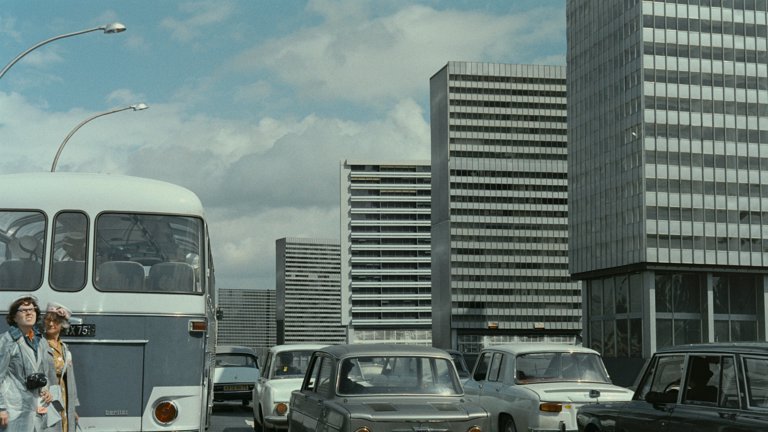
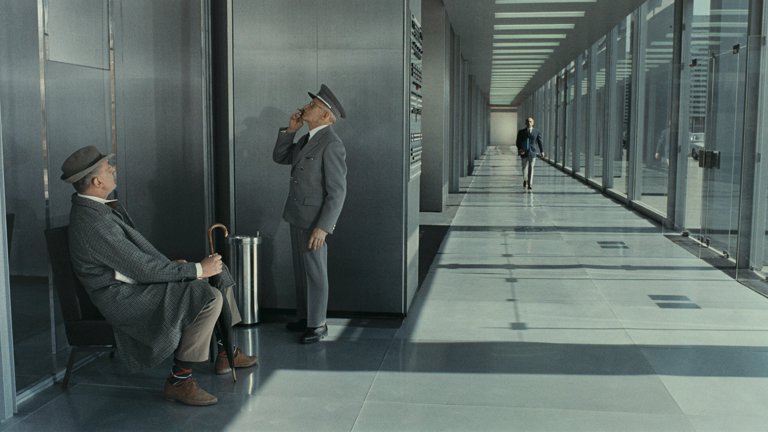
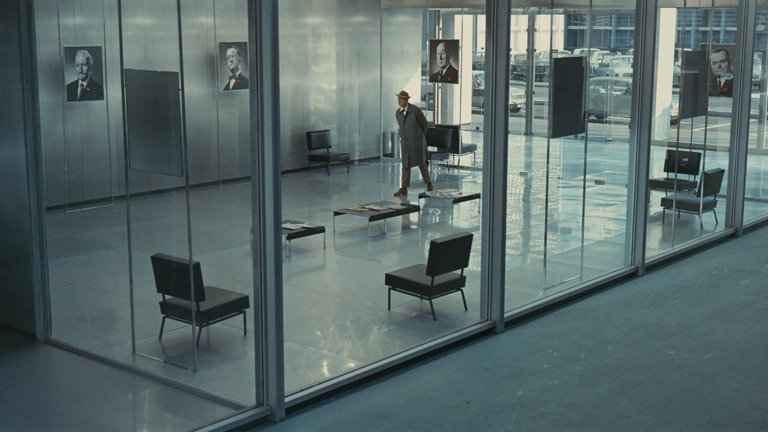
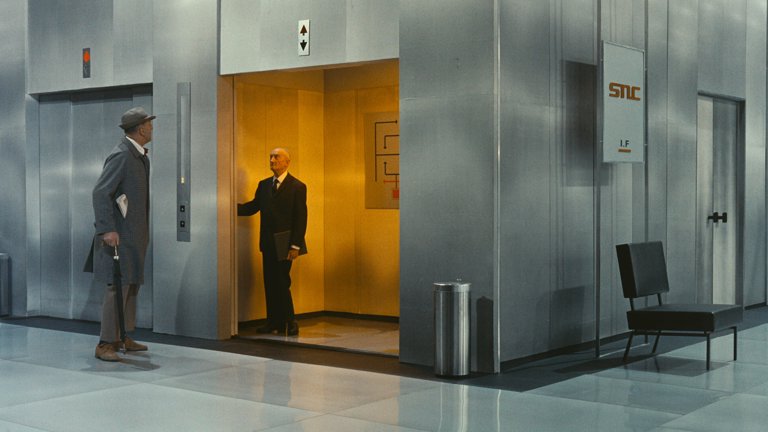
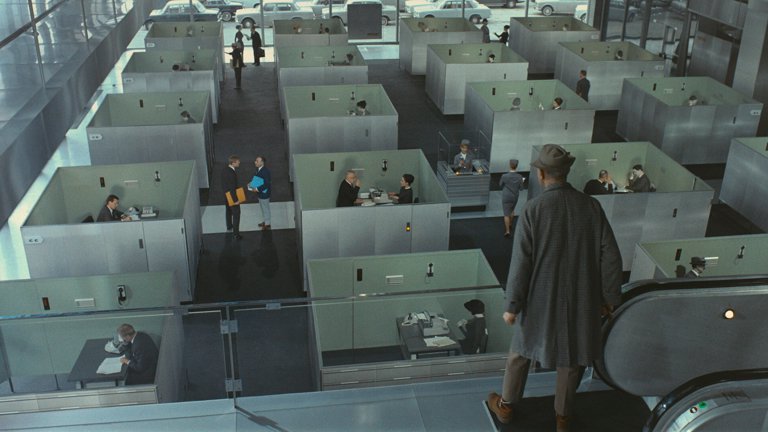
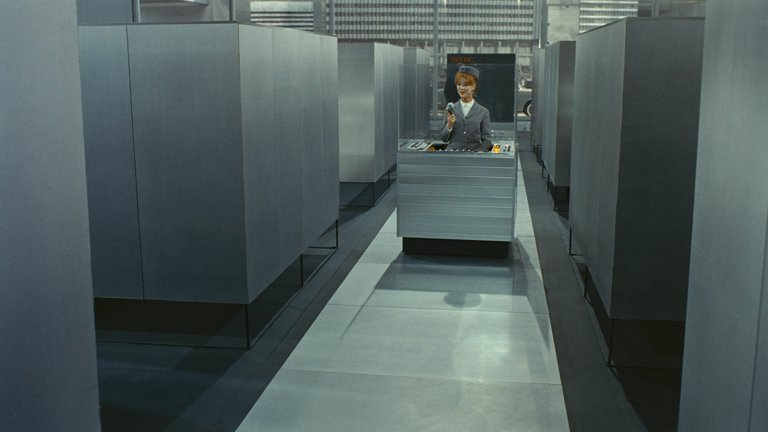
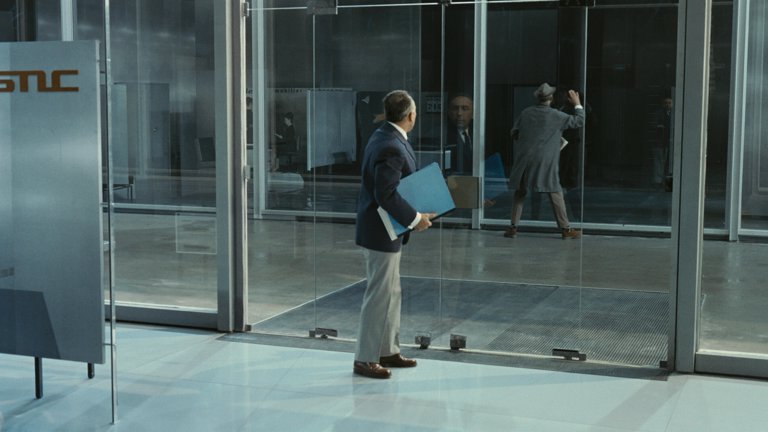
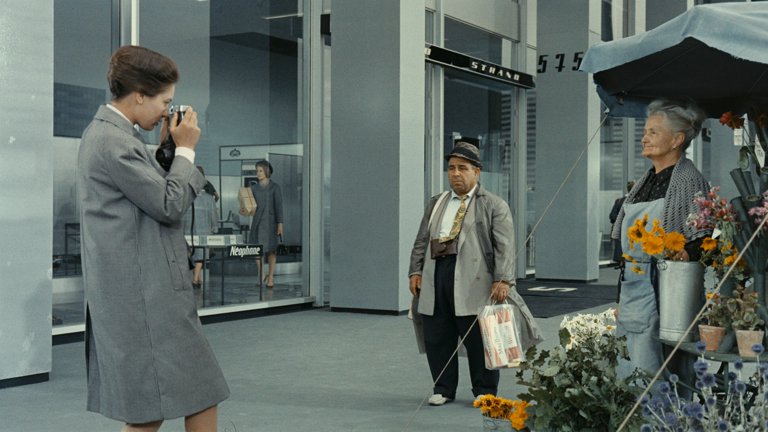
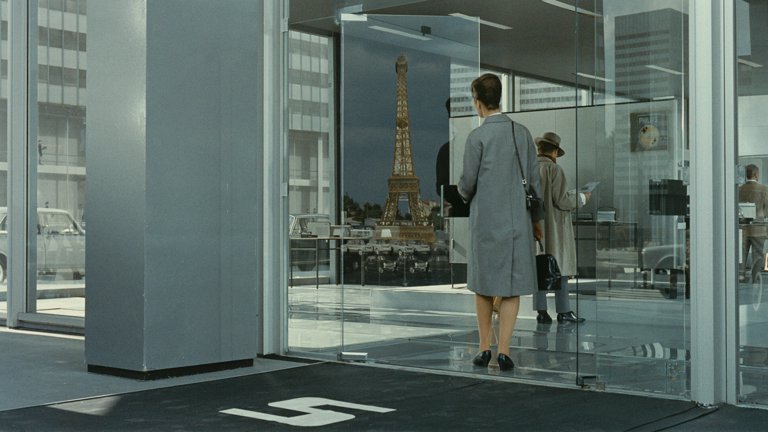
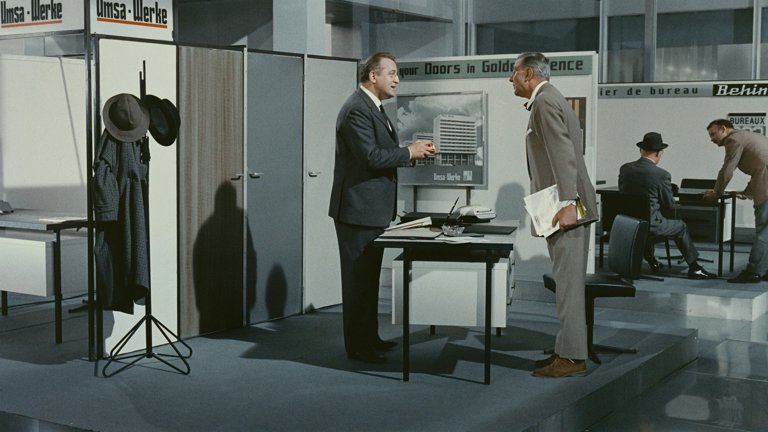
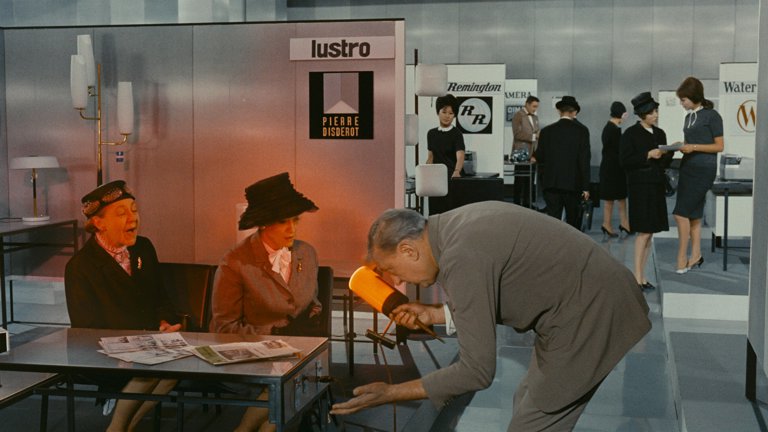
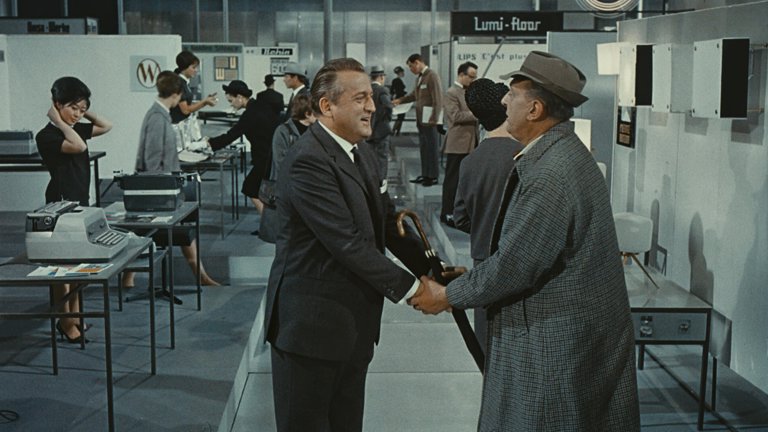
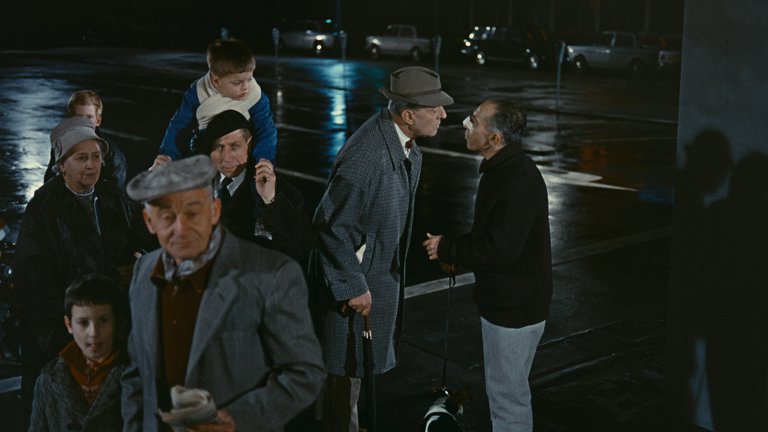
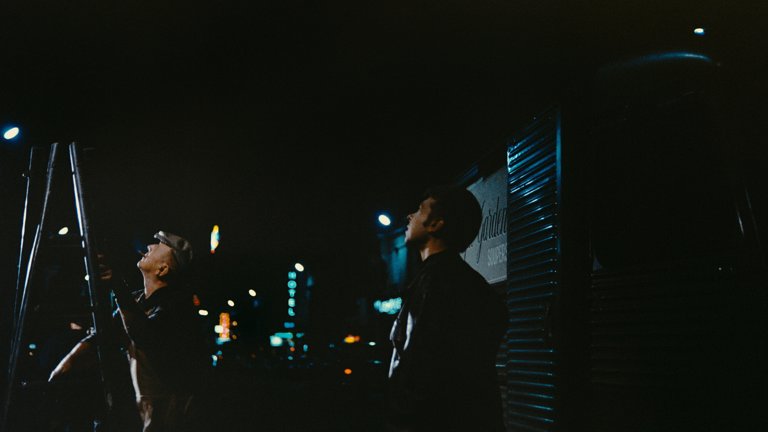
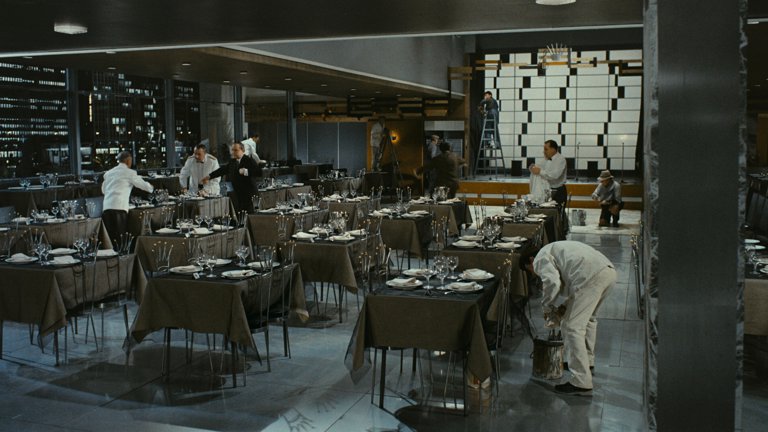
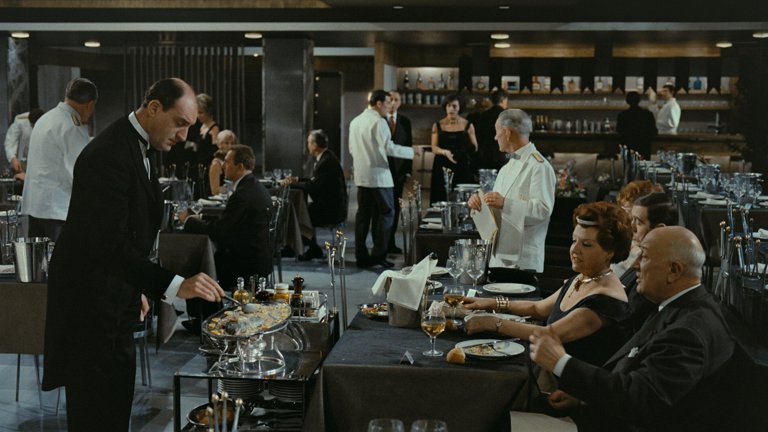
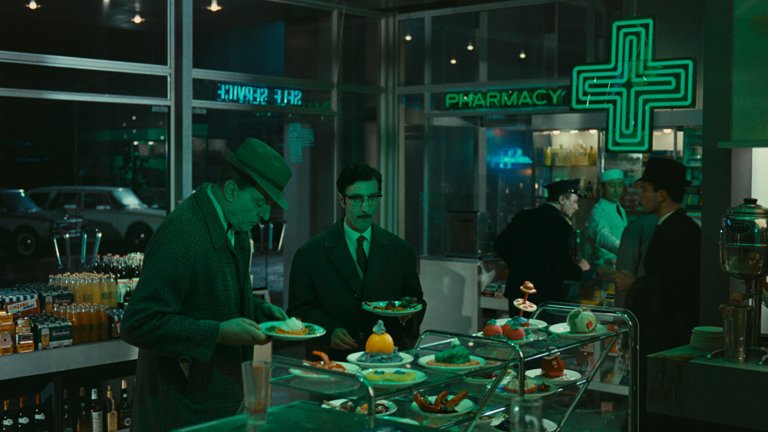
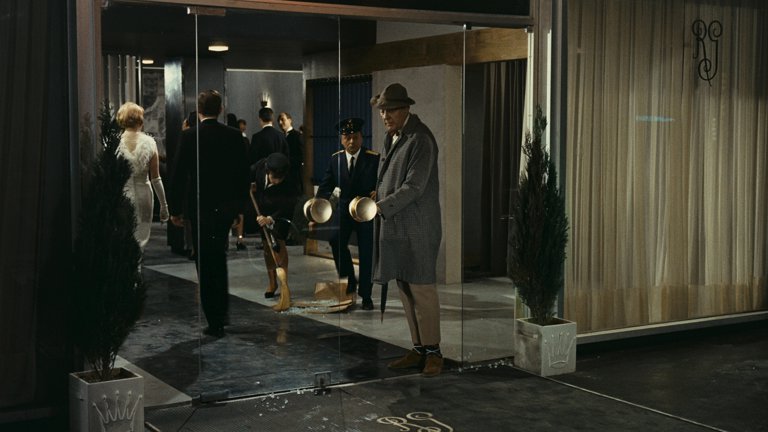
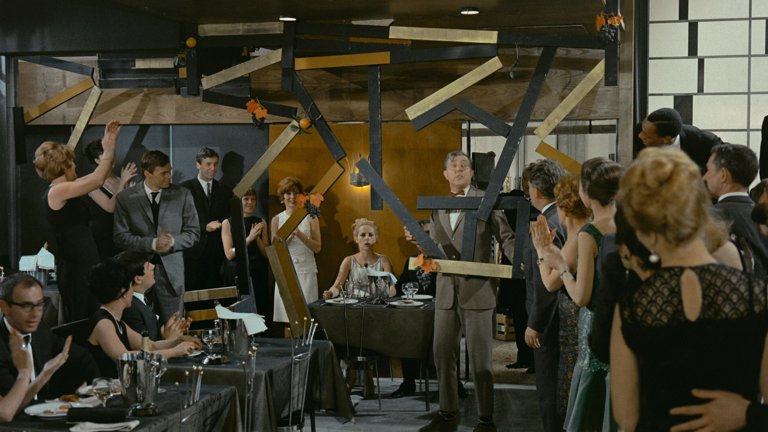
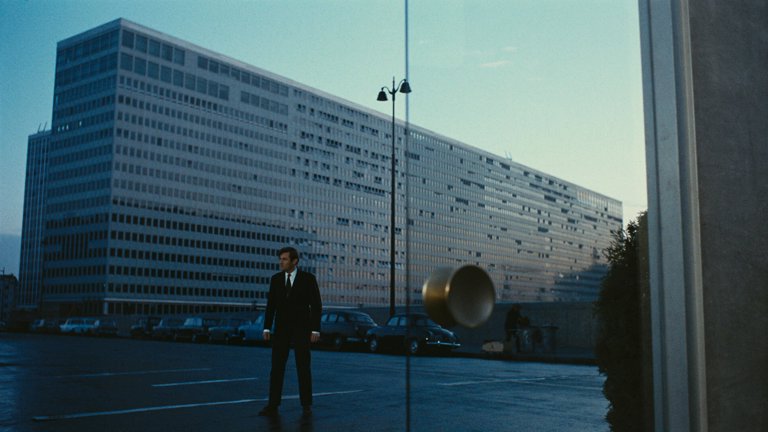
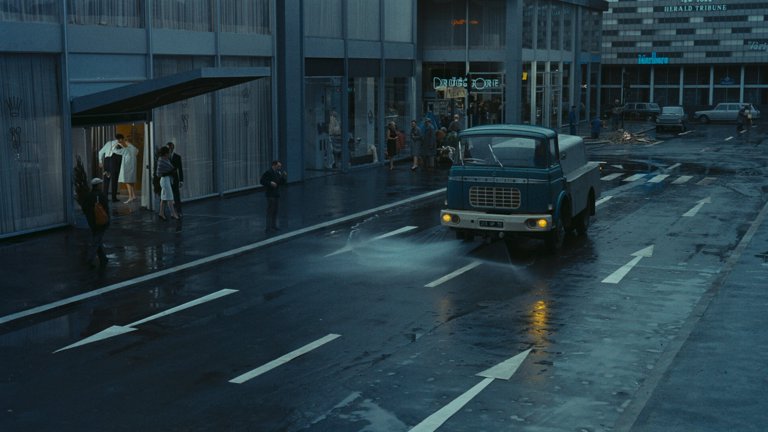
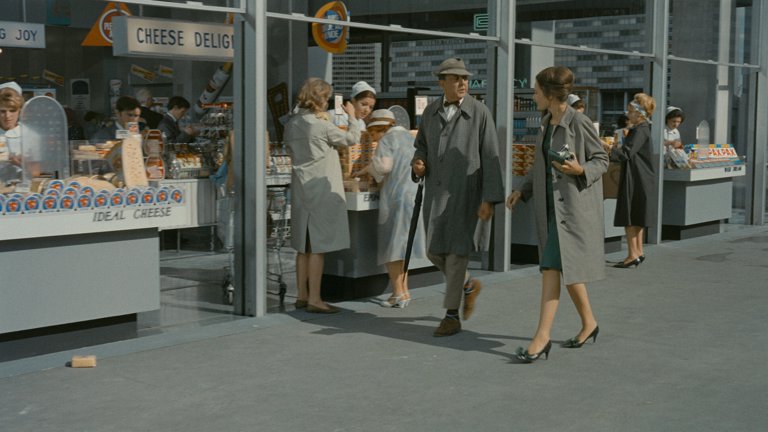
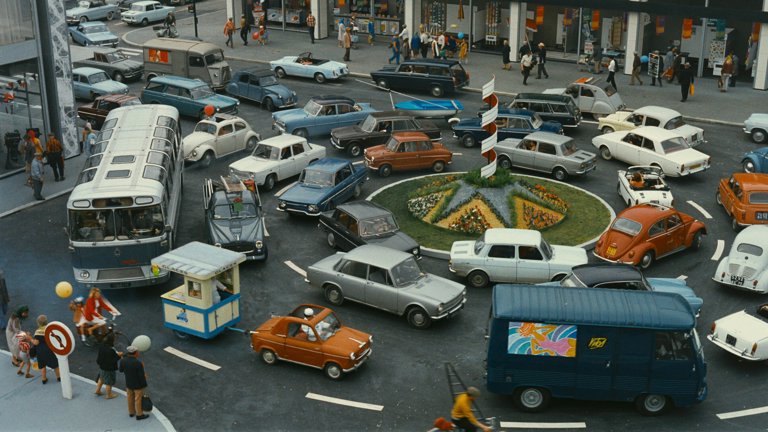
PlayTime - Screen Captures
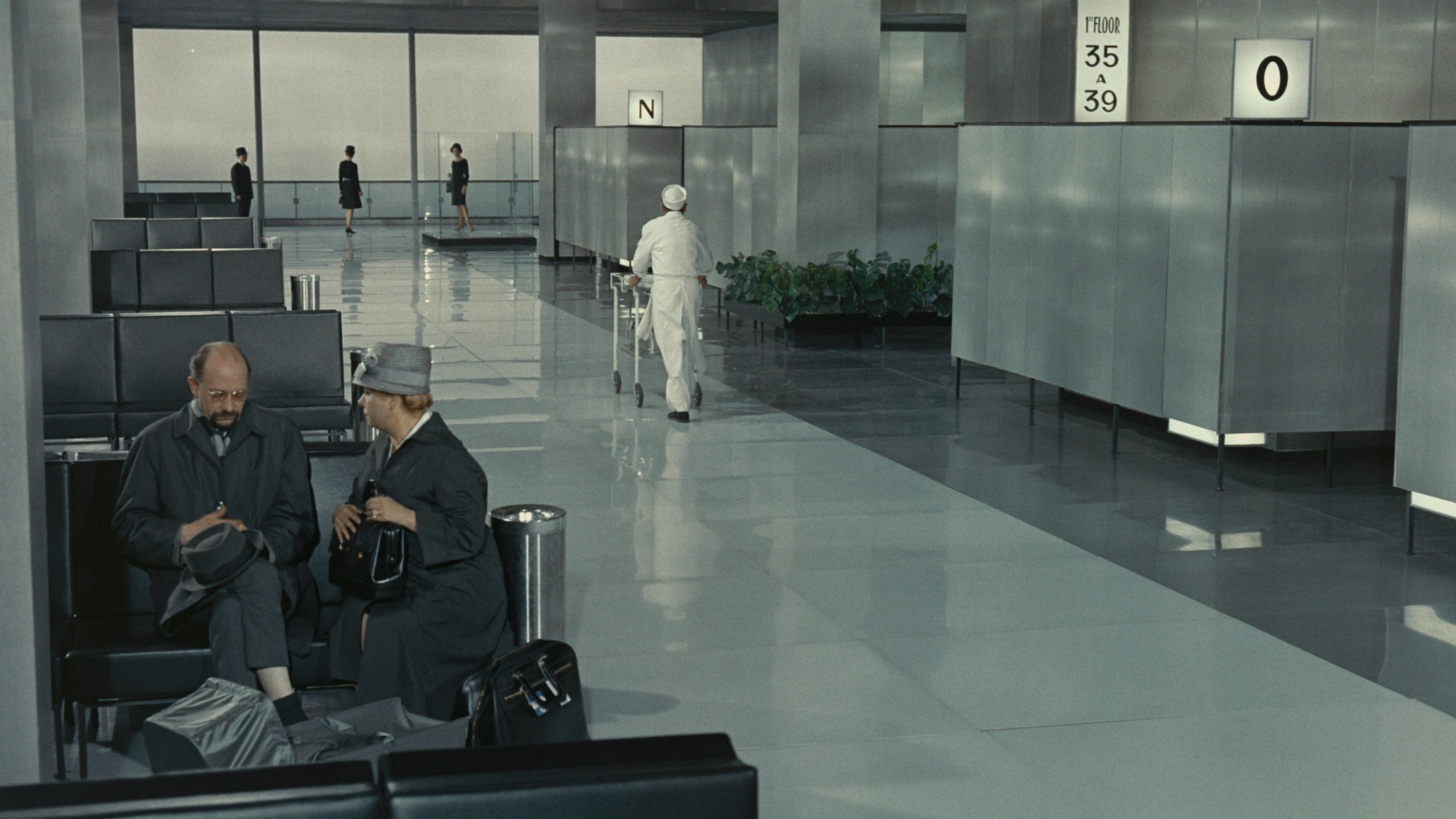
Audio 7/10
The Criterion Collection once again includes two audio options: the original 3.0 “French” soundtrack and the 2-channel “International” mix. The former is presented in a DTS-HD MA 5.1 container, while the latter has been upgraded from Dolby Digital to DTS-HD MA 2.0.
Despite that technical upgrade, the International track doesn’t sound meaningfully improved over the previous presentation. It’s competently mixed but remains fairly flat overall, feeling very much of the time. The original 3.0 mix is almost certainly the same one found on the previous release, though this time around it proved a bit more disappointing. It’s perfectly serviceable and does an exceptional job conveying the film’s intricate and often playful sound design, with effects and ambience moving cleanly across the three front channels.
That said, even with a bit more weight and range than the International track, it still doesn’t sound especially wide and ultimately comes off flat as well. Both tracks do what they need to do, but neither delivers anything I would call an "improvement" over previous releases.
Extras 9/10
Released multiple times by The Criterion Collection since 2001, this edition gathers together all of the supplemental material previously spread across those releases, collecting it on the second disc here. Things begin with Terry Jones’ introduction, the same 6-minute piece that has appeared on every edition since the original 2001 DVD. Jones recalls his initial shock at seeing PlayTime projected in 70mm and marvels at the sheer density of detail on display. He touches on the faux Hulots (one memorably played by a friend of his), the meticulous design of the gags, and offers some background on the production, namely Tati’s construction of the massive “Tativille” set, at the time the most expensive French production ever put together. Jones also notes how the film’s financial failure ultimately bankrupted Jacques Tati, something he attributes to the film’s alienating qualities. It remains a pleasant and informative intro, and I’m glad Criterion has continued to carry it over.
Also included is a selection of scene-specific commentaries, beginning with one by Philip Kemp originally included on Criterion’s 2006 DVD (itself apparently edited from a 2004 track recorded for the BFI DVD release). Spread across seven sequences and broken into chaptered segments, Kemp discusses the troubled production, the Hulot character, and Tati himself, but primarily focuses on the film’s visual design—its sets, compositions, and the wealth of subtle background details, occasionally breaking down specific gags. He also draws on interviews and research from those who worked on the film. I enjoyed this overall, though I’ll admit I’m thankful it’s fragmented; Kemp can be a bit dry in delivery (and I have to wonder if that's why Criterion edited it down).
The other two commentaries were recorded for StudioCanal releases overseas. Stéphane Goudet’s 13-minute track focuses on the cubicle chase and apartment sequences, examining how they unravel spatially through framing and choreography. Jérôme Deschamps’ contribution (also 13 minutes) spans four sequences and looks at scene composition and gag execution, while also admiring the work of several performers. Both are solid, analytical additions.
Tati Story follows, a 20-minute biographical overview narrated in French by Goudet and illustrated with archival photos, film clips, and even Tati’s César d’honneur acceptance speech. It moves briskly through Tati’s early life and career before touching briefly on PlayTime, largely in relation to his financial ruin. While PlayTime isn’t the primary focus, it serves as a decent crash course for those less familiar with the filmmaker. (Criterion’s DVD of Trafic and the Blu-ray of Parade in the Tati box set included a more expansive documentary, In the Footsteps of Mr. Hulot, for those interested.)
Monsieur Hulot’s Work is a 49-minute BBC program from 1976, featuring an extended interview with Tati filmed at the Hôtel de la Plage, where M. Hulot’s Holiday was shot. The opening compares the hotel as seen in the film to its appearance in 1976, with the interview itself beginning about ten minutes in. There’s a fair amount of non-Tati filler, but the interview itself is charming and insightful, with Tati occasionally slipping into something close to the Hulot persona. Speaking in English, he discusses his work, the character of Hulot, the mechanics of comedy, PlayTime, and modern French architecture. There’s also a particularly lovely moment where he points to a model of Hulot’s home from Mon oncle and reflects on how older architecture feels to have more life to it. It’s still one of the strongest supplements here.
Another BBC program follows with Tativille, a 26-minute behind-the-scenes piece filmed during the making of PlayTime. It offers a revealing look at the construction of the massive set (admittedly killing some of the illusion in the process) and includes plenty of footage of Tati directing, along with interviews from cast and crew. The highlight, though, is a one-on-one interview with Tati in the final third, where he discusses his visual style, use of sound and music, his sense of humor, and how he gauges audience reactions. It’s another strong inclusion.
Beyond “PlayTime” is a short six-minute feature narrated by Goudet, using behind-the-scenes footage and notes from Tati himself to chart the film’s troubled production, from conception to its initial commercial failure, due in part to the American distributor declining to handle it, despite the film being aimed largely at the U.S. market. It also includes footage of the sets being constructed and later dismantled. Brief, but effective.
Goudet’s 19-minute visual essay Like Home also returns, examining the film’s visual structure, geometric compositions, and how characters move through these spaces. He also explores the film’s narrative looseness, its visual sameness, and potential political readings, including possible commentary on the possible class divisions present.
Sylvette Baudrot’s 12-minute interview from 2006 is also carried over, with the script supervisor reflecting on PlayTime and Tati’s legendary attention to detail. She recounts the painstaking effort behind many sequences (one brief hallway shot apparently took three days to film) and shares some fun production tricks, such as metallic walls that were actually enlarged photographs. It’s brief, but packed with some great details.
The short film Cours du soir appears once again, using the same newer restoration included in the Tati box set. Made in 1967 around the same time as PlayTime, it reuses some of the sets and features Tati teaching a class on the subtleties of physical comedy. Some of the humor comes from students struggling to master it. At 28 minutes it still feels a bit long (and it may also come down to it being directed by Nicolas Rybowski in place of Tati), but it has its charms and works well as a kind of retrospective of Tati’s career, even bringing back his postman character.
Finally, the disc closes with audio recordings from the 1972 San Francisco Film Festival, running just under 17 minutes. Here Tati answers audience questions about PlayTime, the Hulot character, his approach to comedy, and the challenges of shooting humor on 70mm film. It remains a worthwhile archival inclusion.
Rounding things out is an insert featuring the essay by Jonathan Rosenbaum, originally written for the 2006 DVD and carried over across subsequent editions.
While the supplemental material remains strong, there’s sadly nothing new here. It’s still likely the most comprehensive collection of extras ever assembled for the film, but for those who’ve revisited these editions over the years, it will feel very familiar. Excellent for newcomers; less essential for longtime owners.
Closing
No new features, but the new 4K presentation delivers an impressive step up over all of Criterion’s previous releases of the film.
BUY AT: