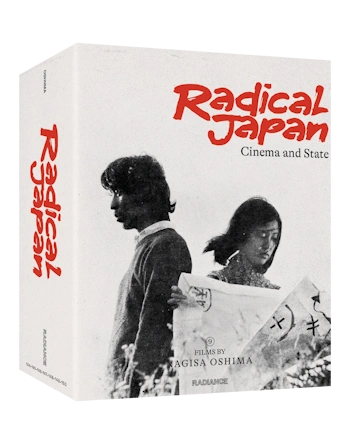
Radical Japan: Cinema and State
The Catch
BUY AT:

See more details, packaging, or compare
Synopsis
The start of an ongoing series, this first volume of Radical Japan explores the films of new wave icon Nagisa Oshima (Cruel Story of Youth, Merry Christmas, Mr. Lawrence). One of the most vital, challenging and admired bodies of work in cinema history, this boxset presents Blu-ray premieres of Oshima’s finest features across seven discs.
In The Catch (1961), a village in World War II is shaken by the capture of a pilot; in Death by Hanging (1968), a failed execution throws the justice system into disarray; Diary of a Shinjuku Thief (1969) strikingly captures Tokyo’s 1960s counter-culture; Boy (1969) is a vivid portrait of a family surviving through scams; The Man Who Left His Will on Film (1970), Oshima’s reaction to the protest movement; The Ceremony (1971), a meditation on how traditions oppress the young; and Dear Summer Sister (1972), which questions Japan’s colonial relation to Okinawa.
Picture 6/10
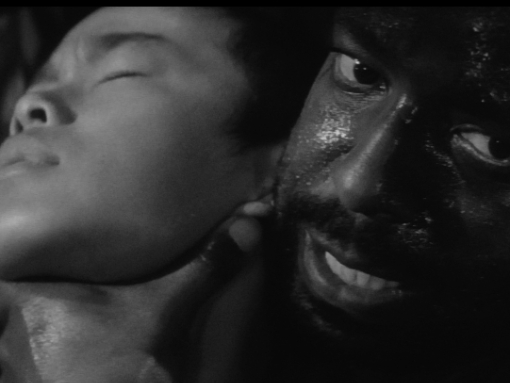
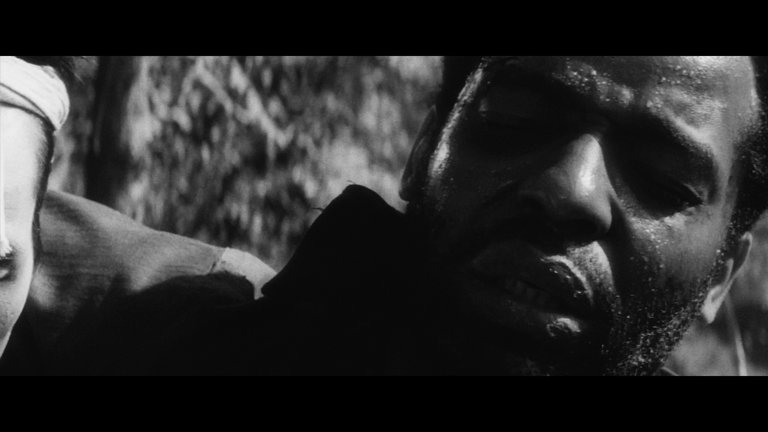
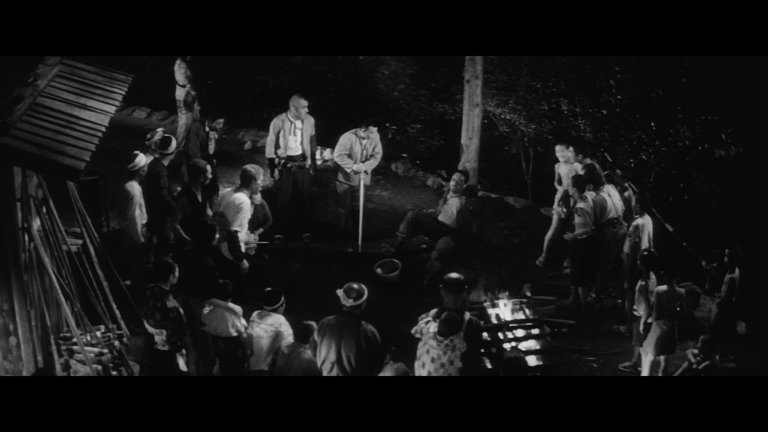
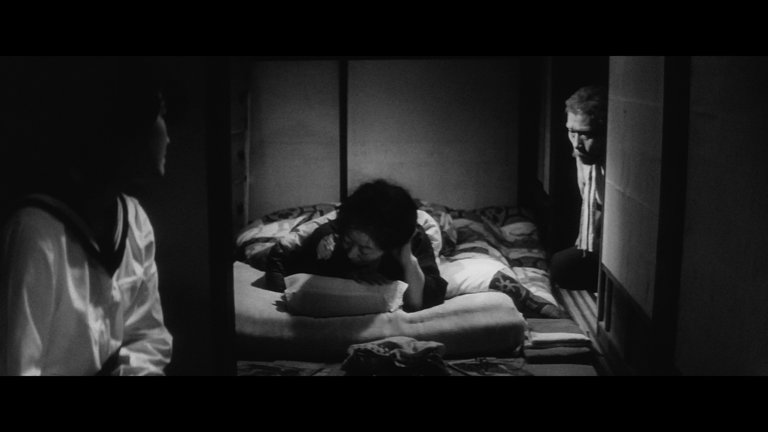
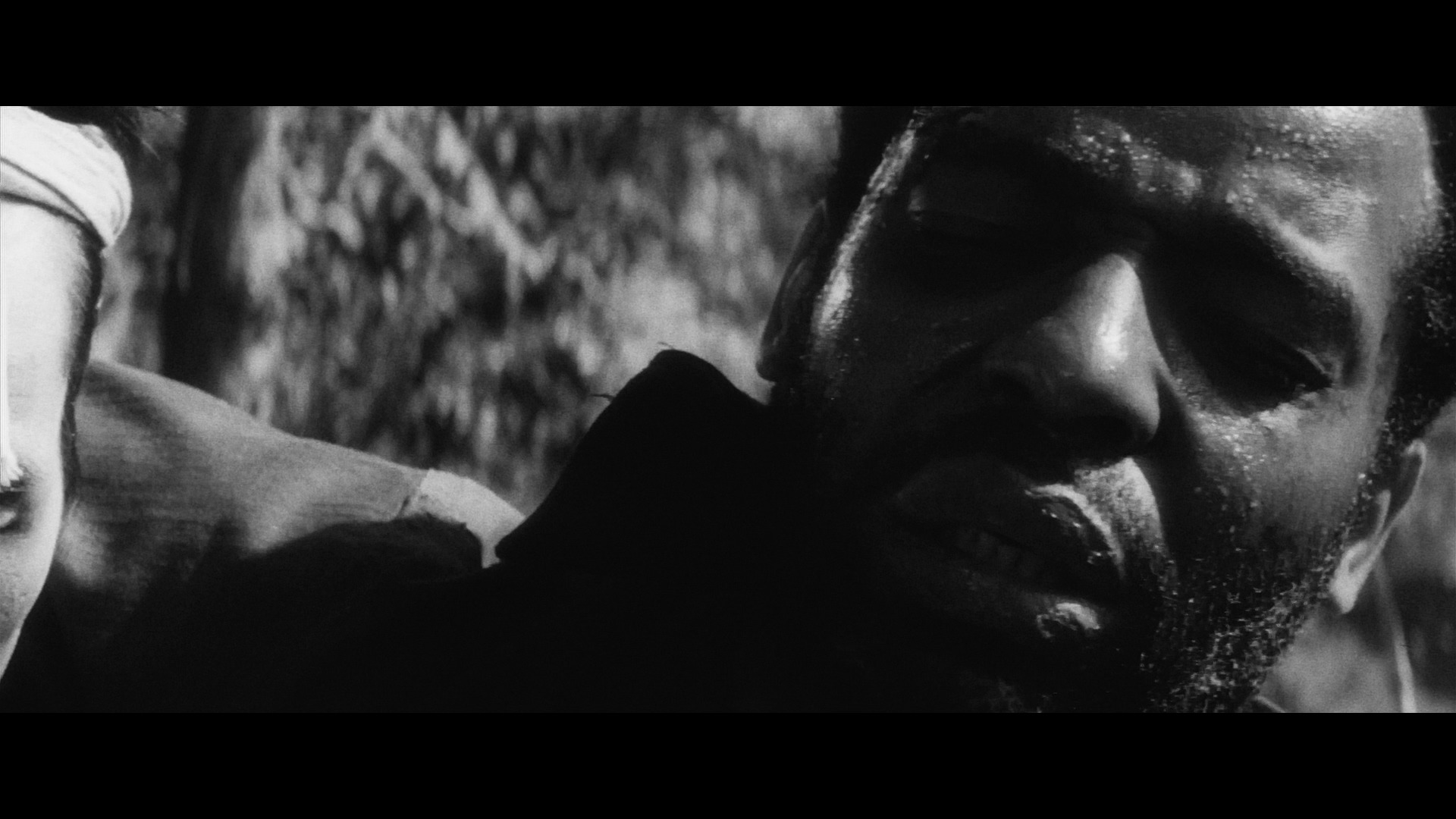
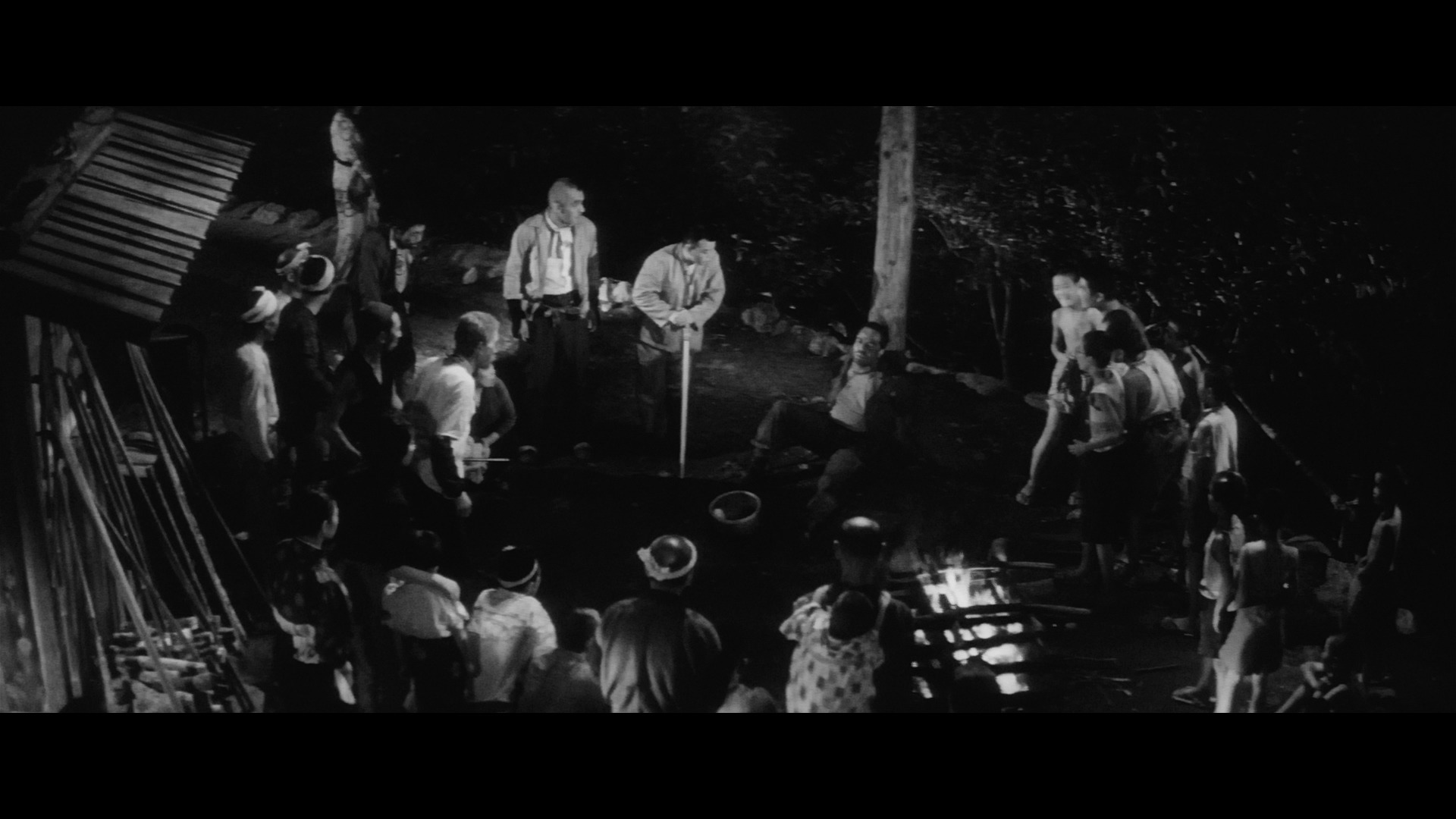
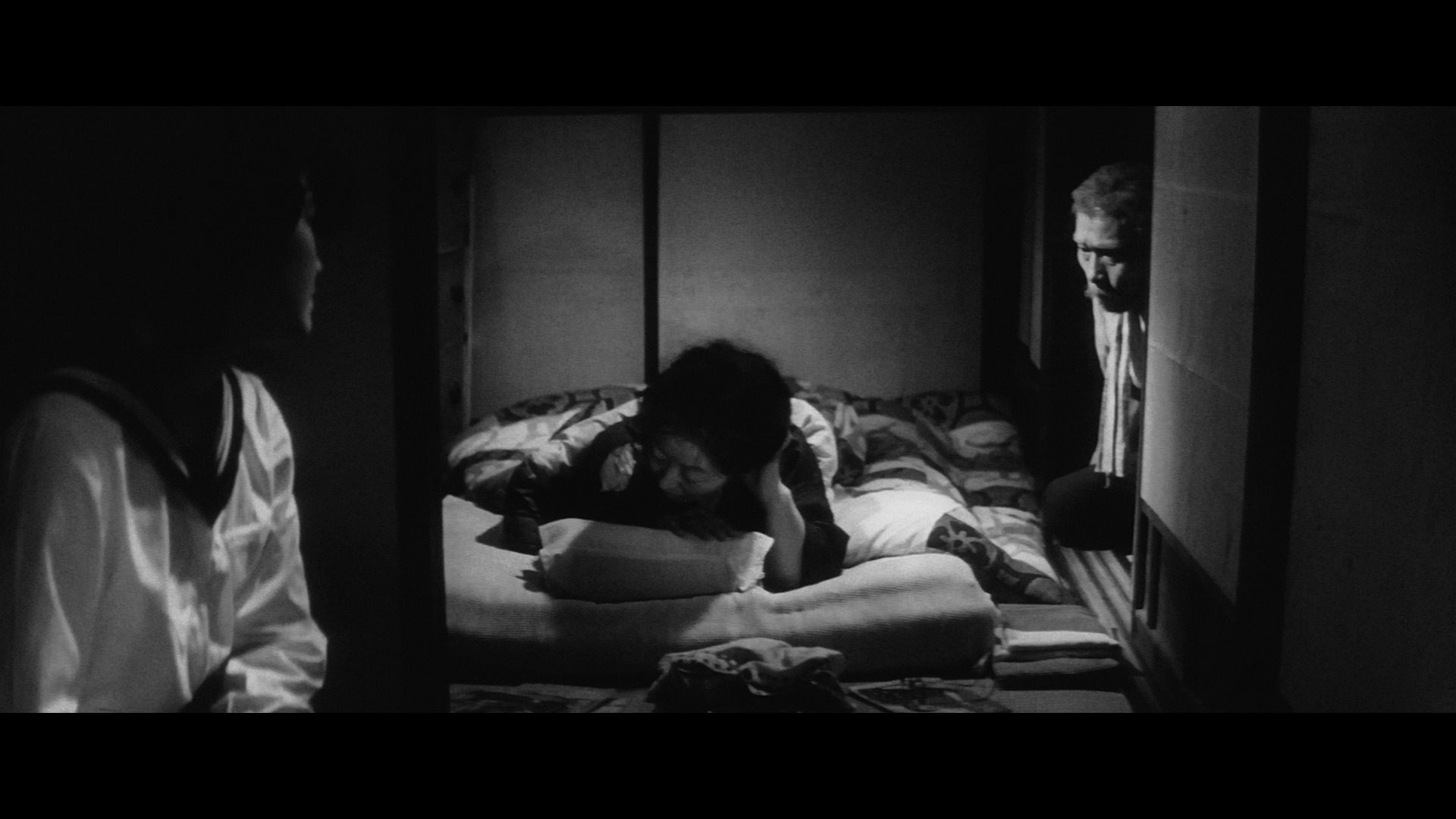
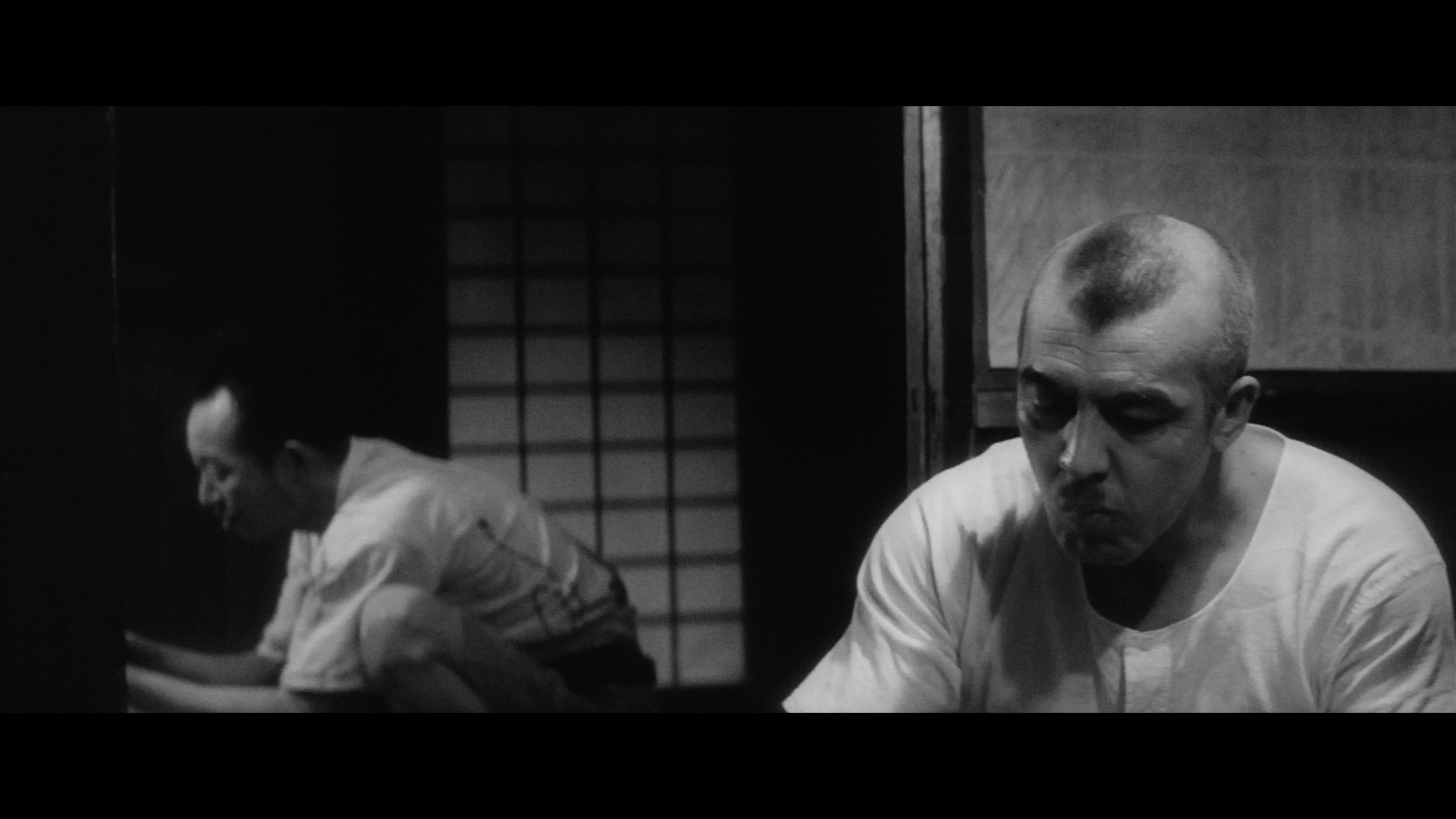
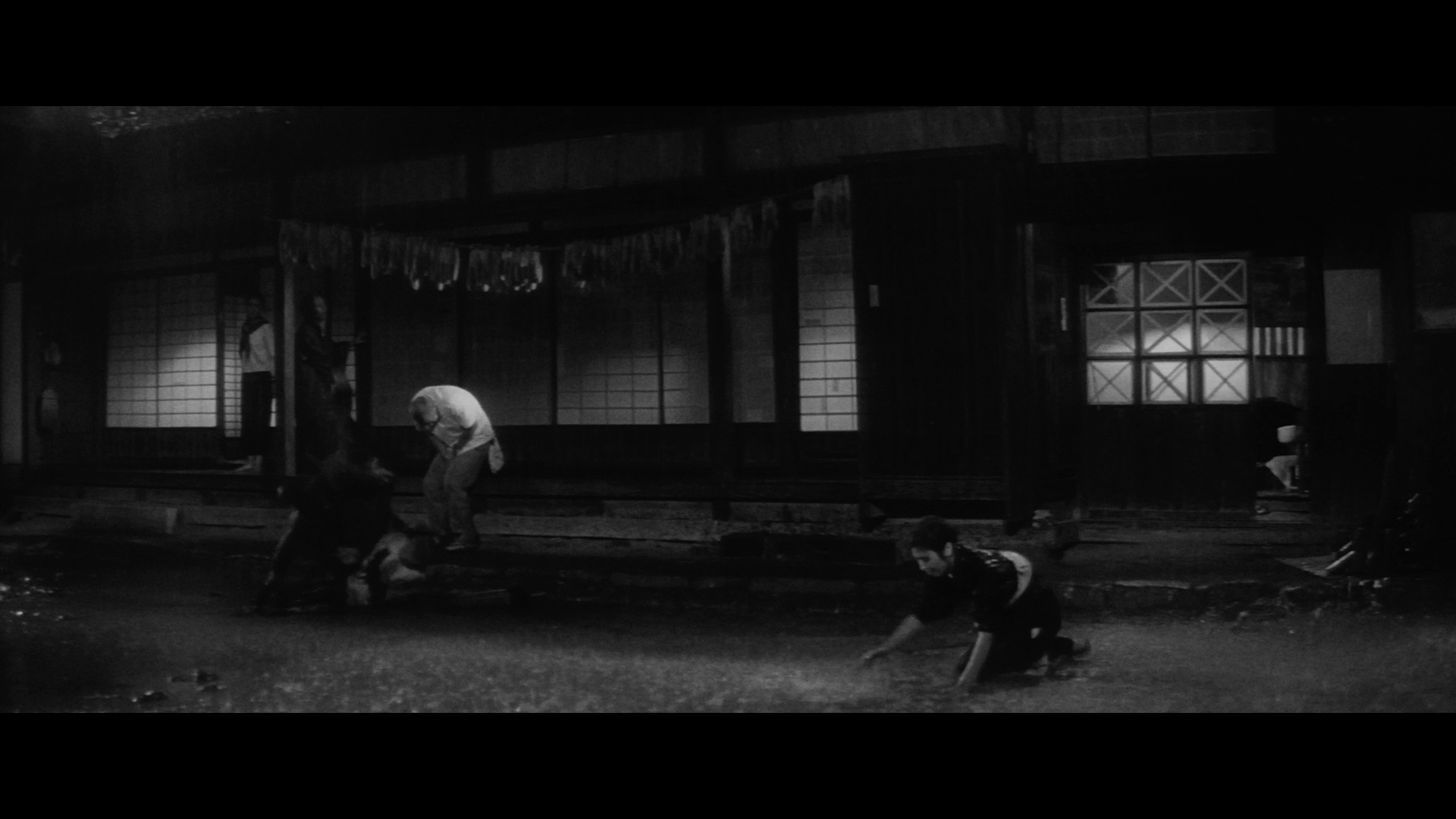
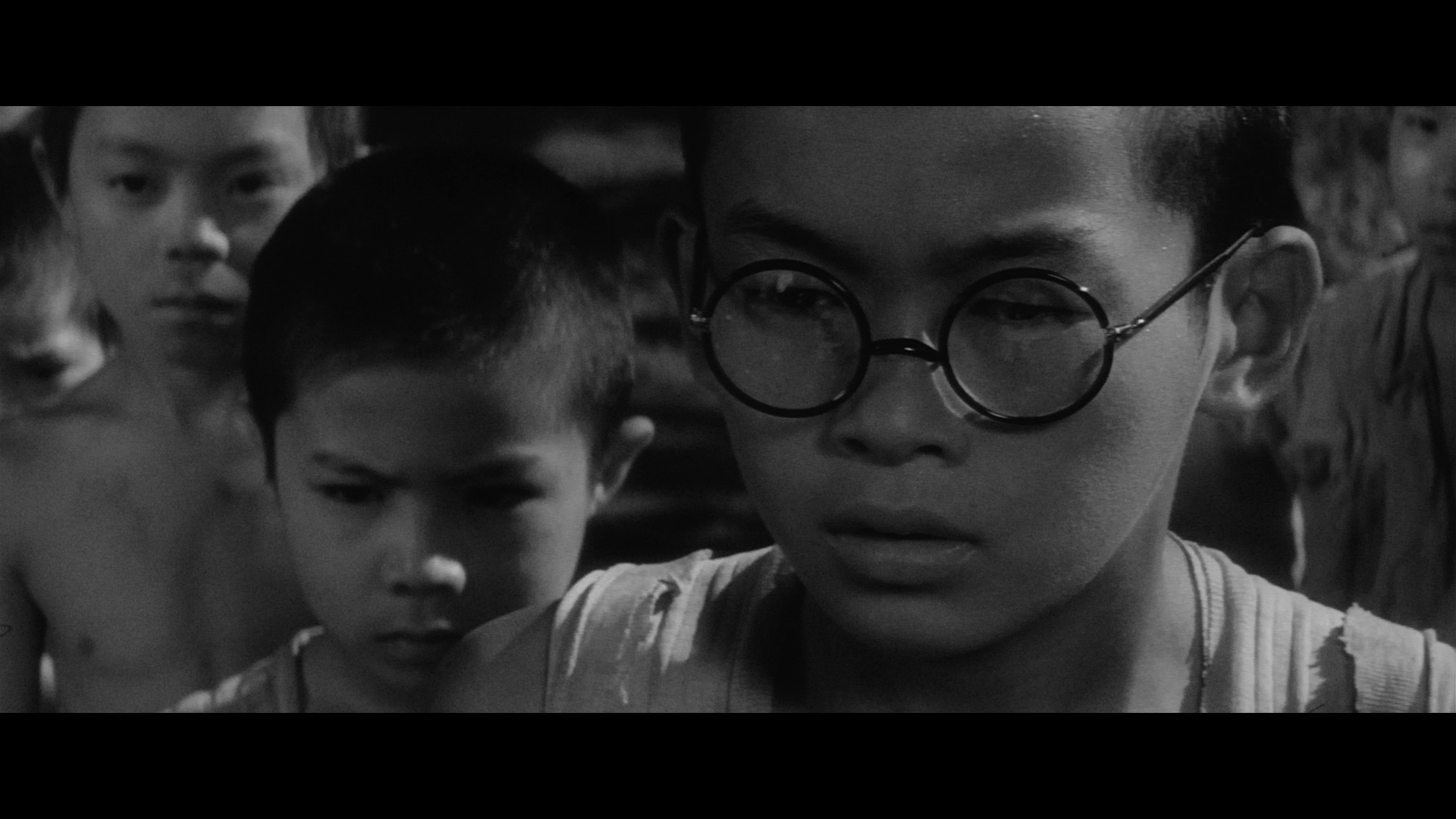
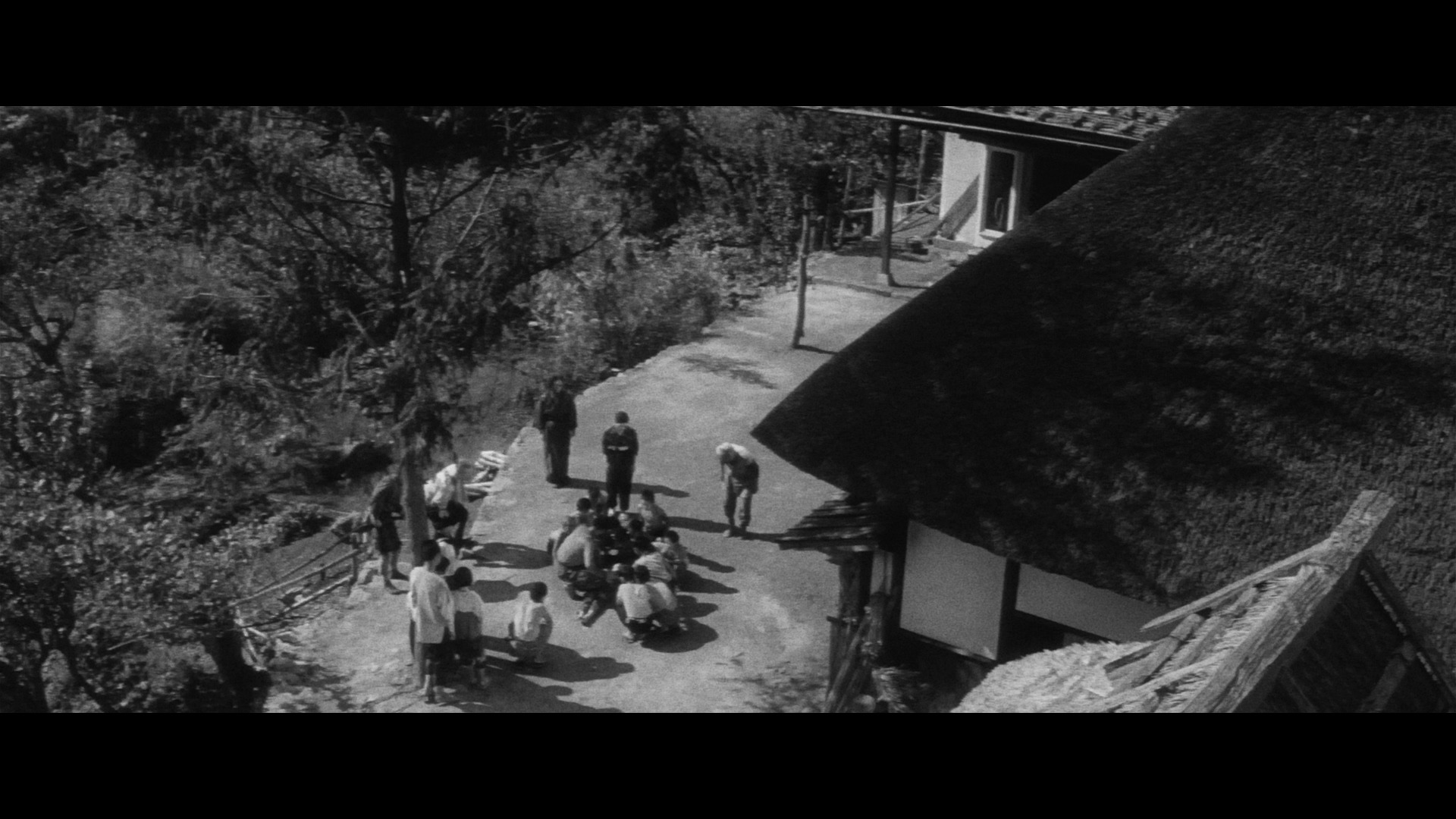
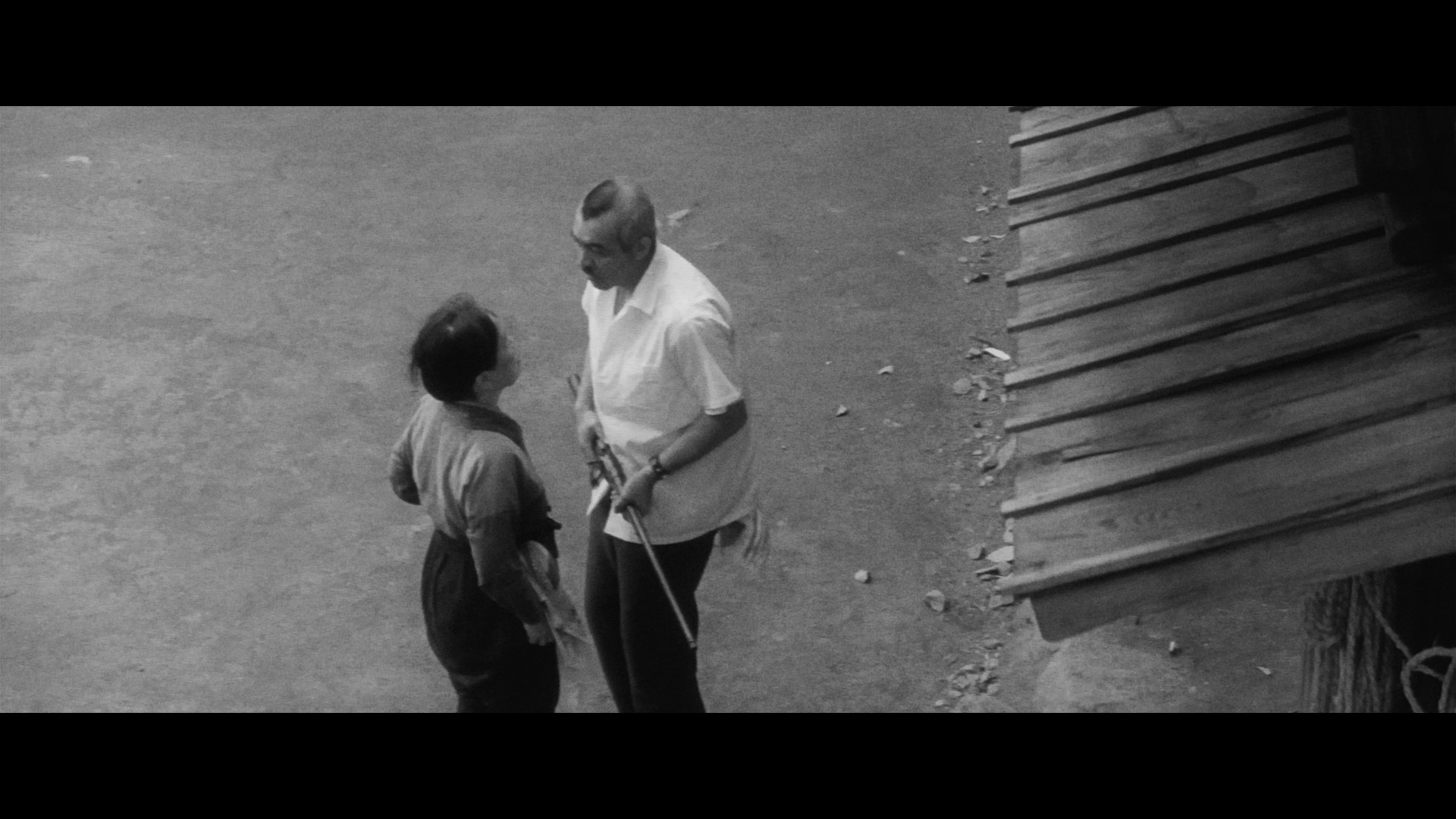
Radiance presents Nagisa Oshima’s The Catch on Blu-ray, housed on the first dual-layer disc of their excellent new seven-disc set, Radical Japan: Cinema and State, which collects seven feature films from the director. The Catch is presented in its original 2.35:1 aspect ratio and receives a 1080p/24Hz high-definition transfer.
The set as a whole is terrific, with most of the films (and even several shorts) benefiting from sharp new restorations and a generous slate of supplemental material. Unfortunately, The Catch ends up receiving the least amount of care in the package. Radiance appears to be working from an older high-definition master, likely dating back to the DVD era, and while they’ve clearly done what they can with it, its age is difficult to disguise. Contrast and fine detail are limited, leaving the image looking fairly soft and smudgy much of the time. Grain is present to a degree, lending a faintly film-like texture, but the presentation ultimately retains a dated, digital, video-like appearance due to the limitations of the source.
From a restoration standpoint, however, some effort is evident. Damage is minimal, with only occasional small marks popping up, and the image is otherwise surprisingly clean. All told, this is a somewhat rough introduction to the set, though thankfully it proves to be an outlier among what is otherwise a very strong collection of presentations.
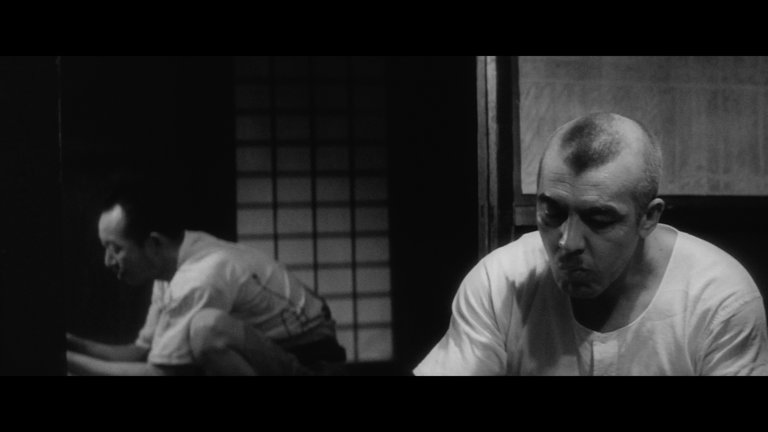
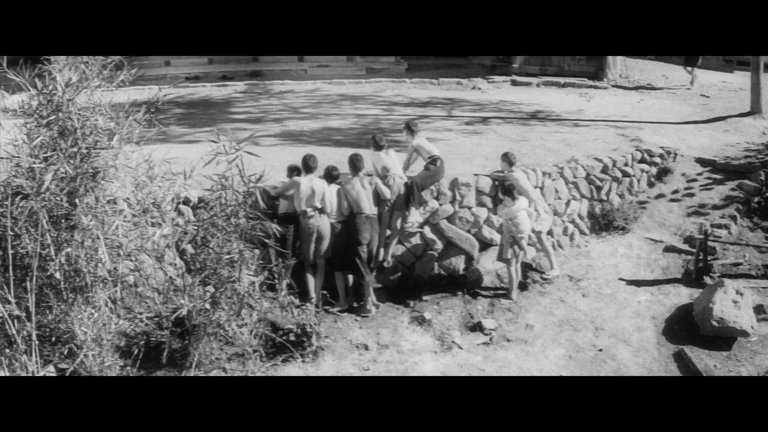
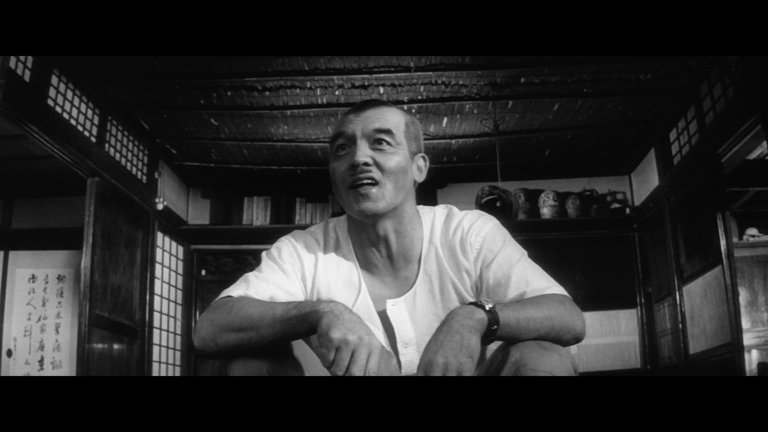
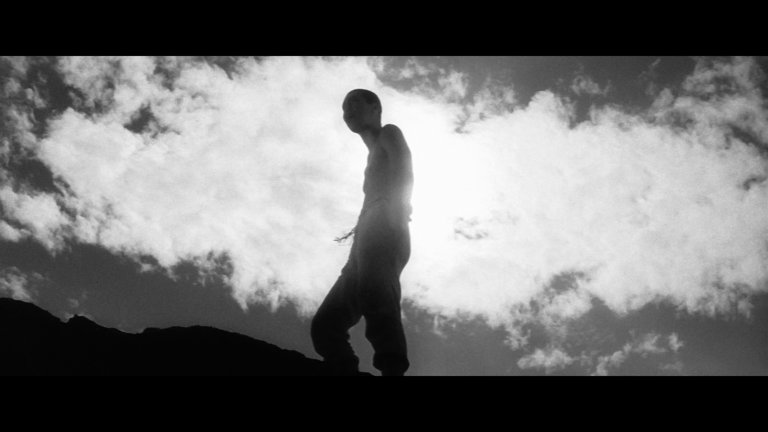
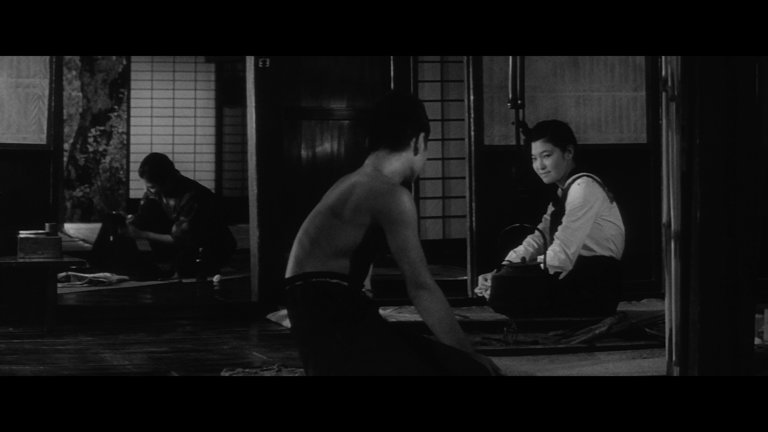
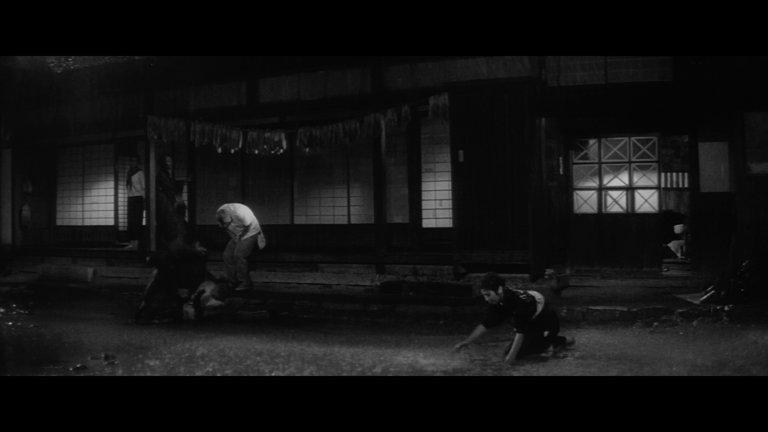
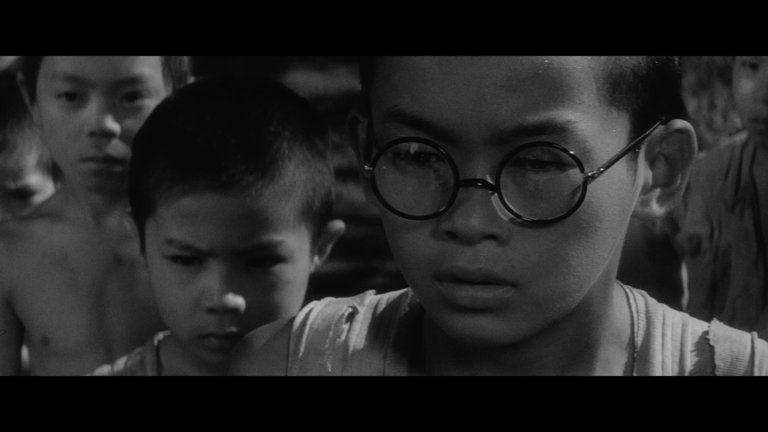
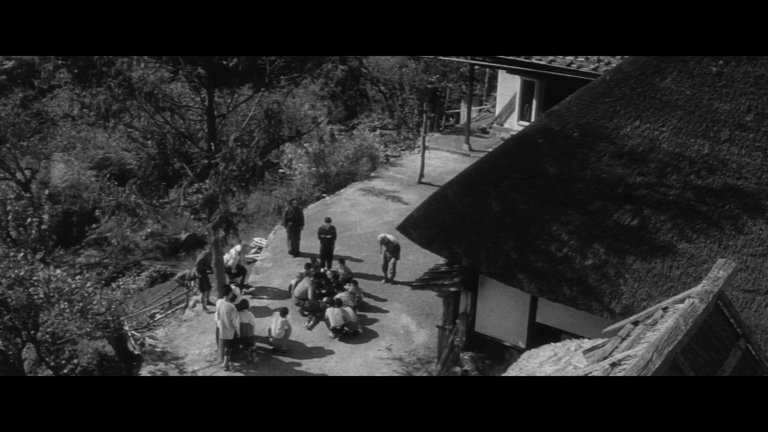
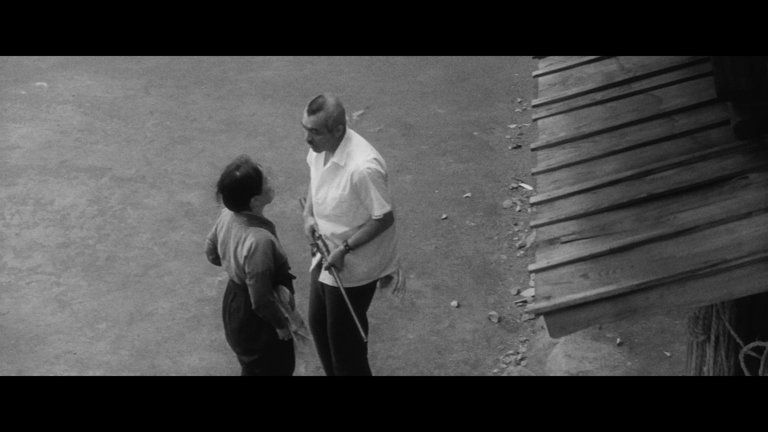
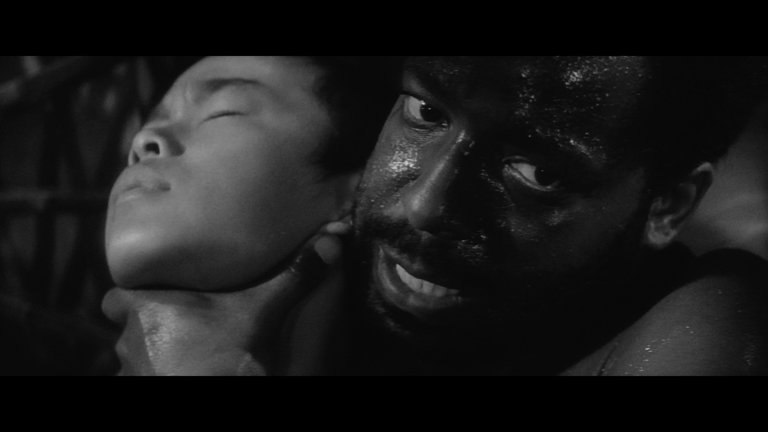
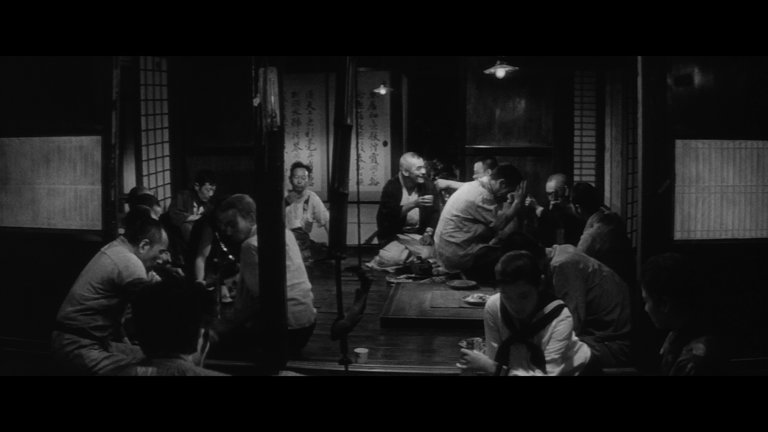
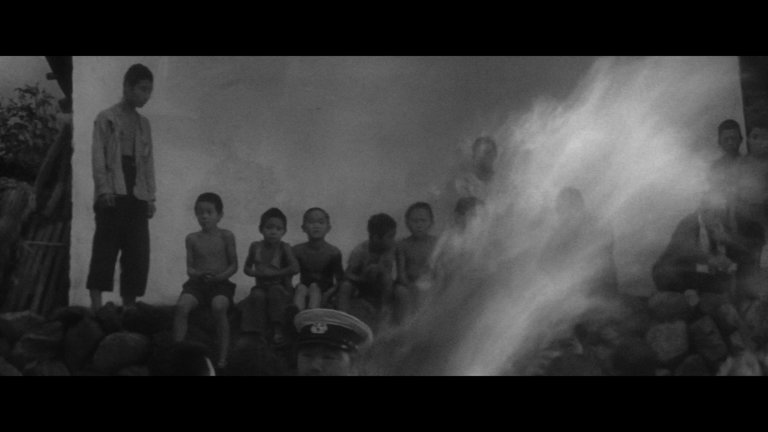
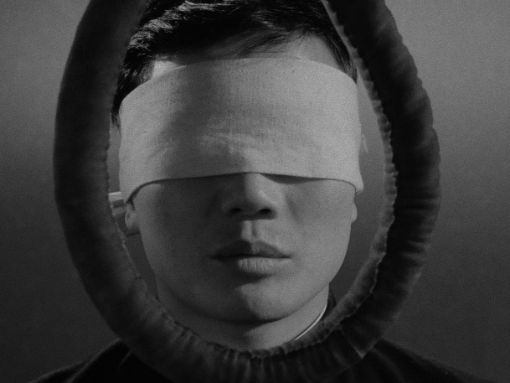
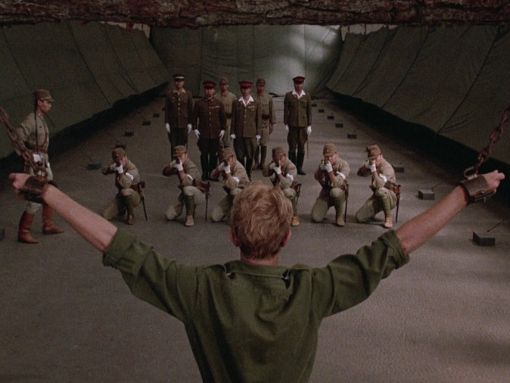
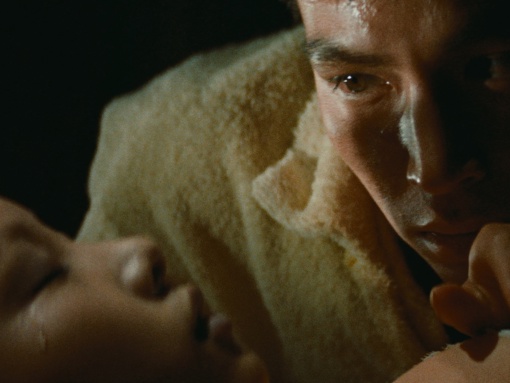
Radical Japan: Cinema and State - Screen Captures
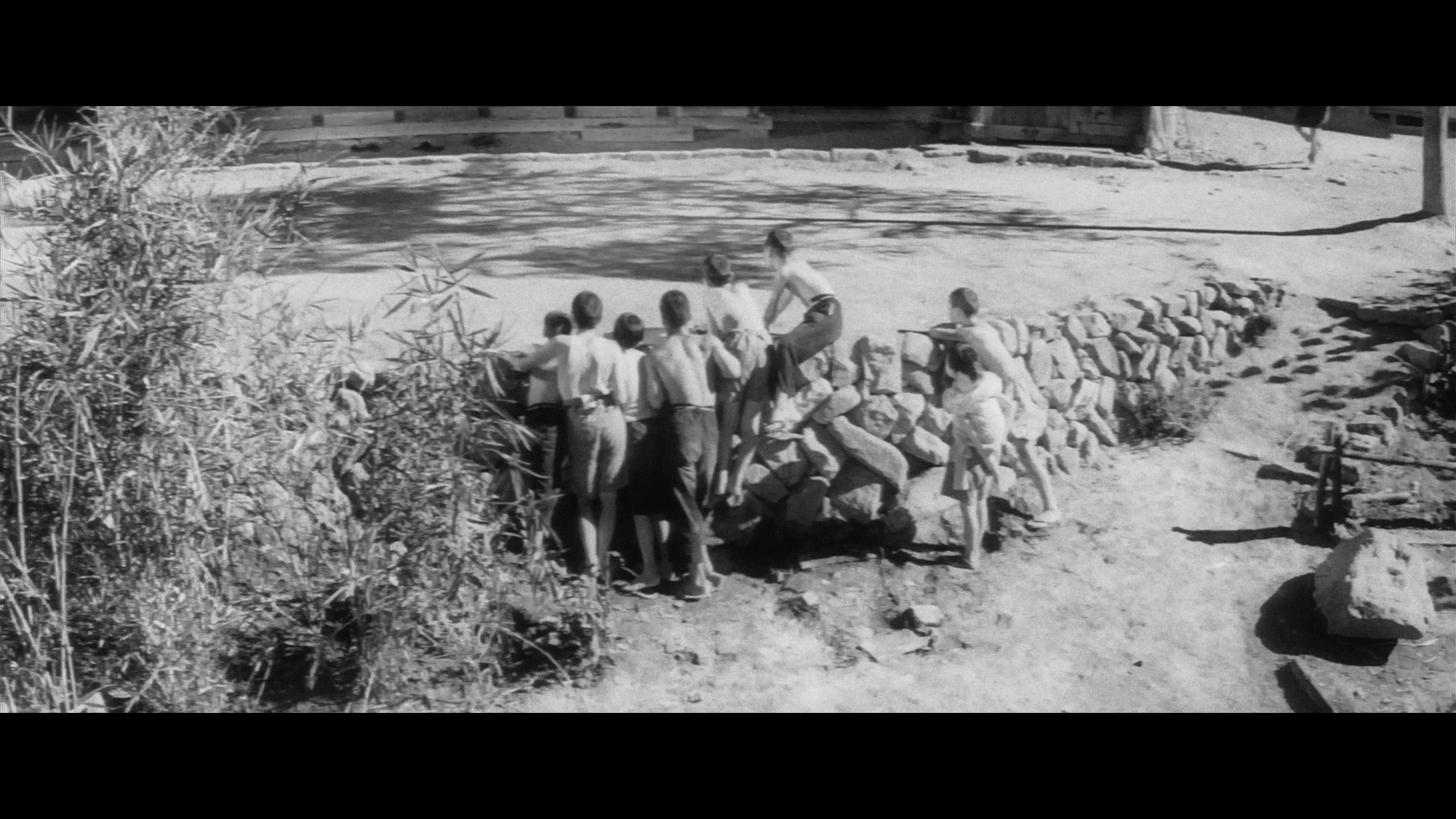
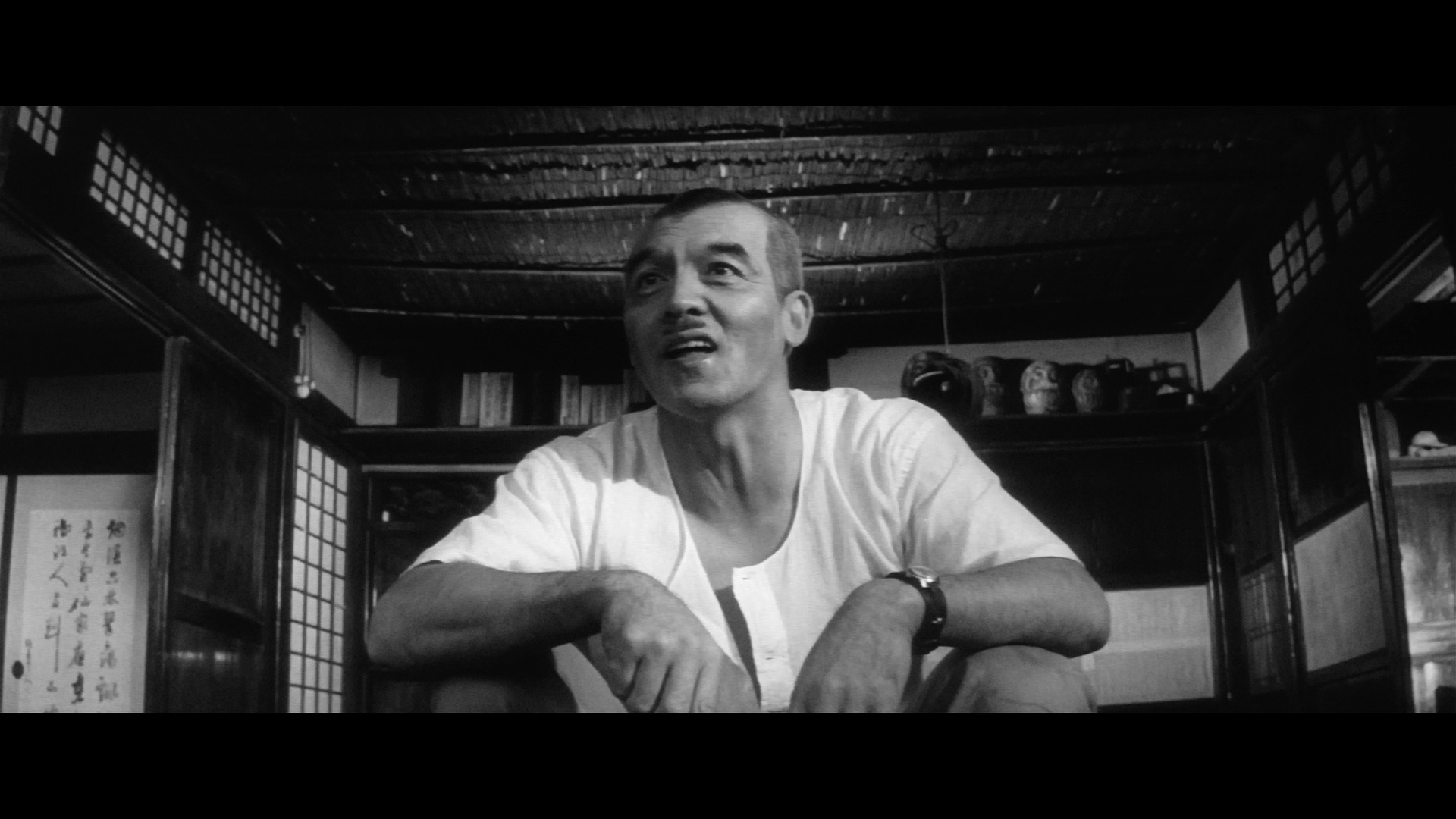
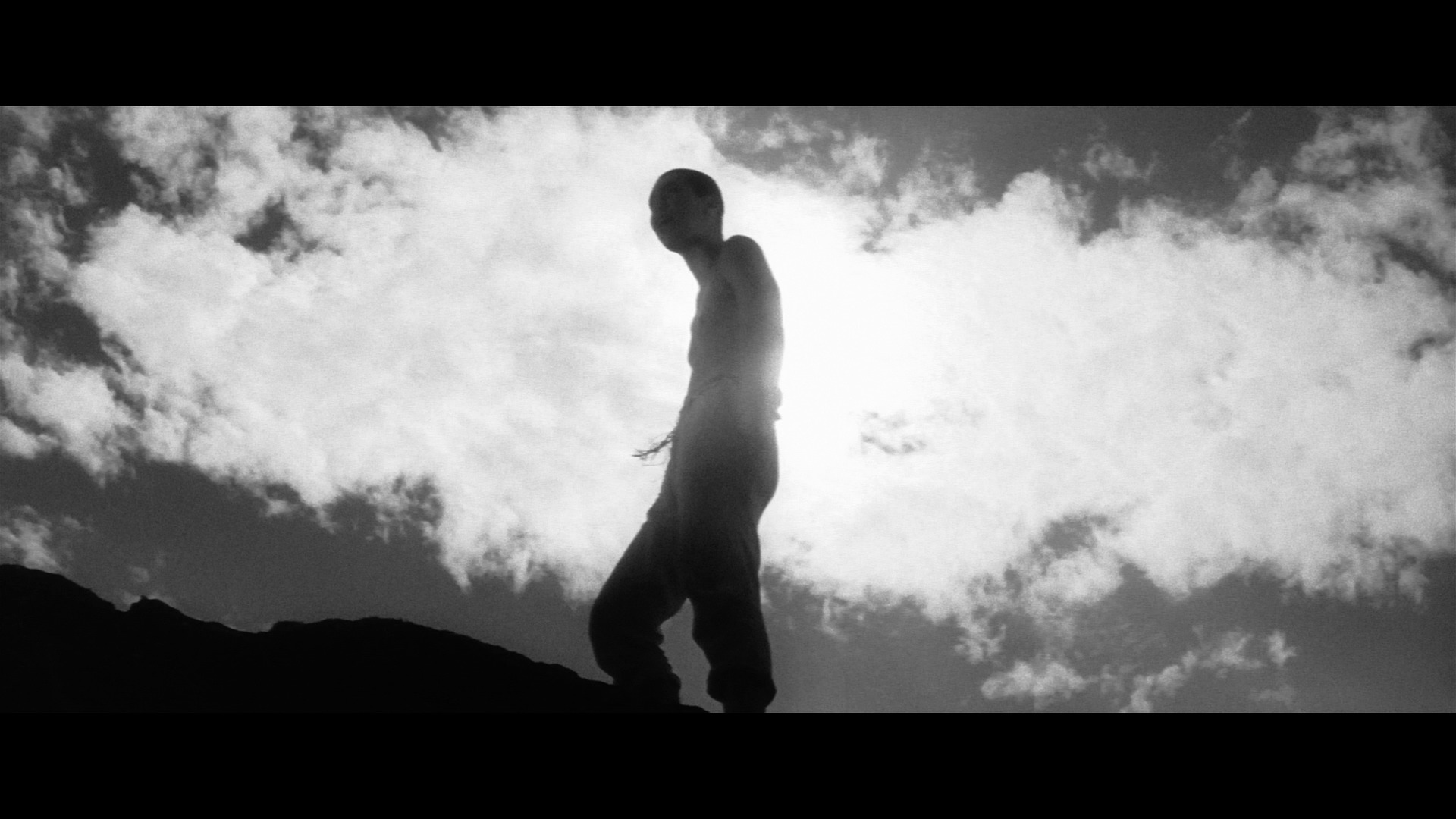
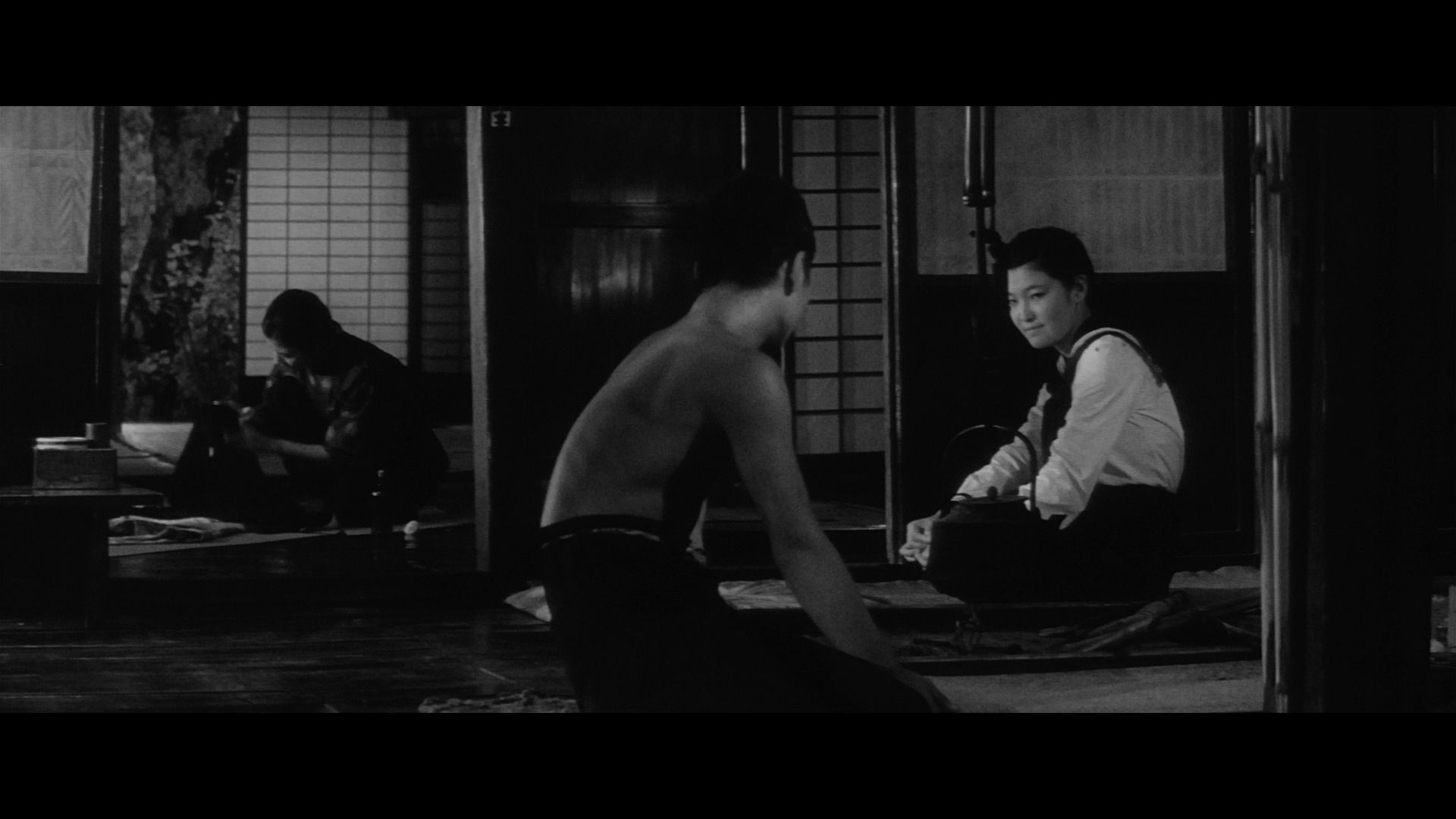
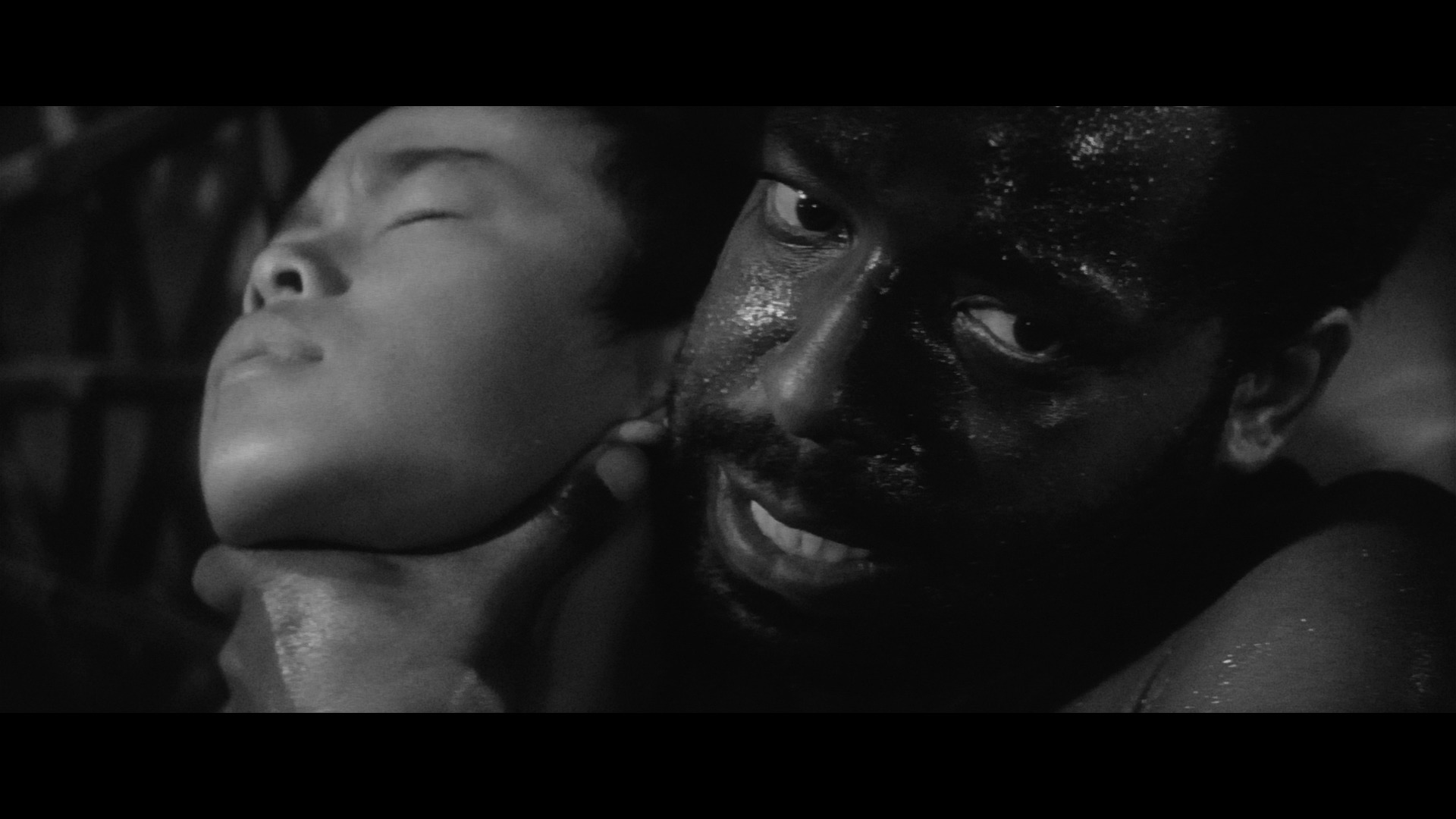
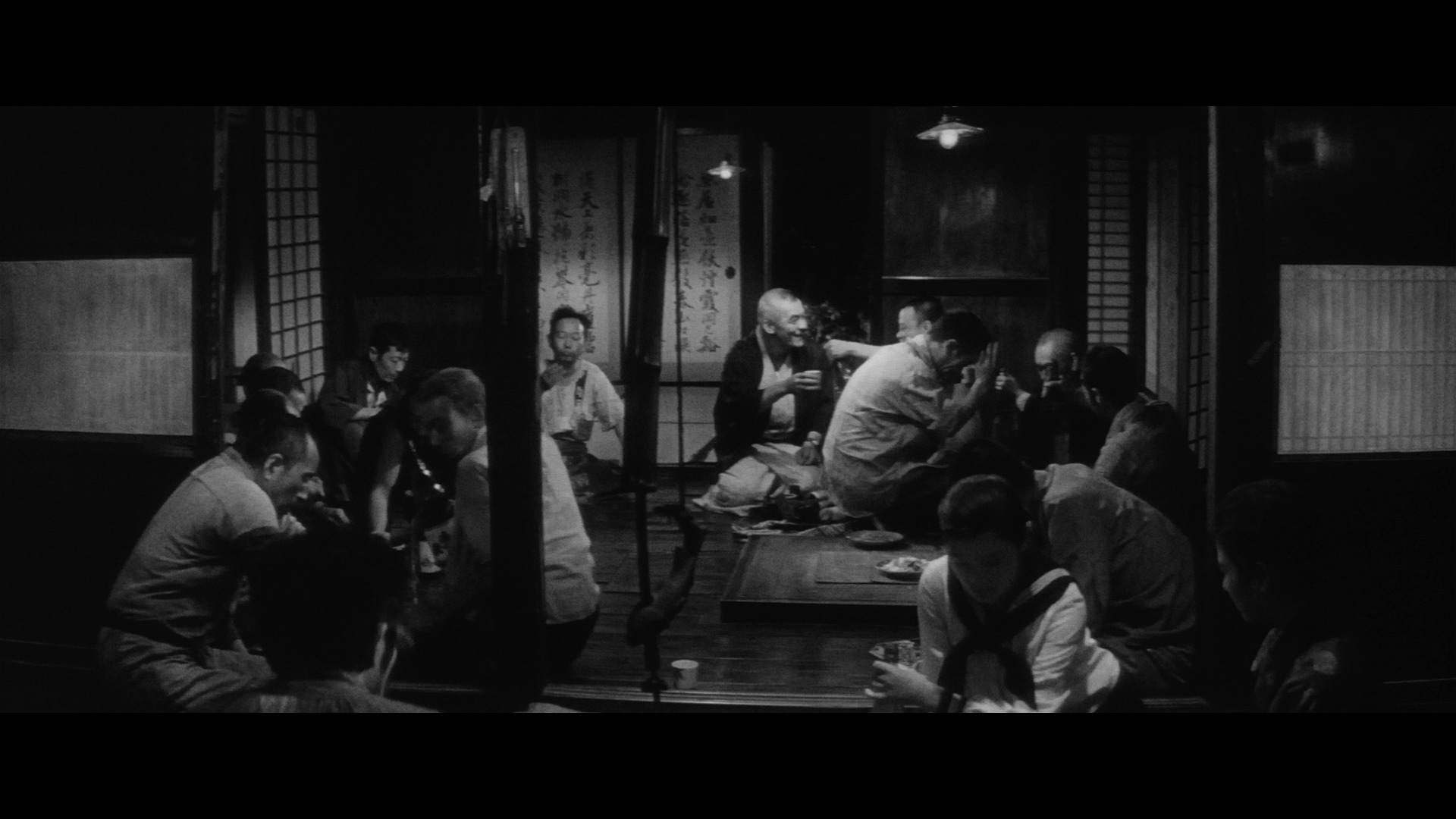
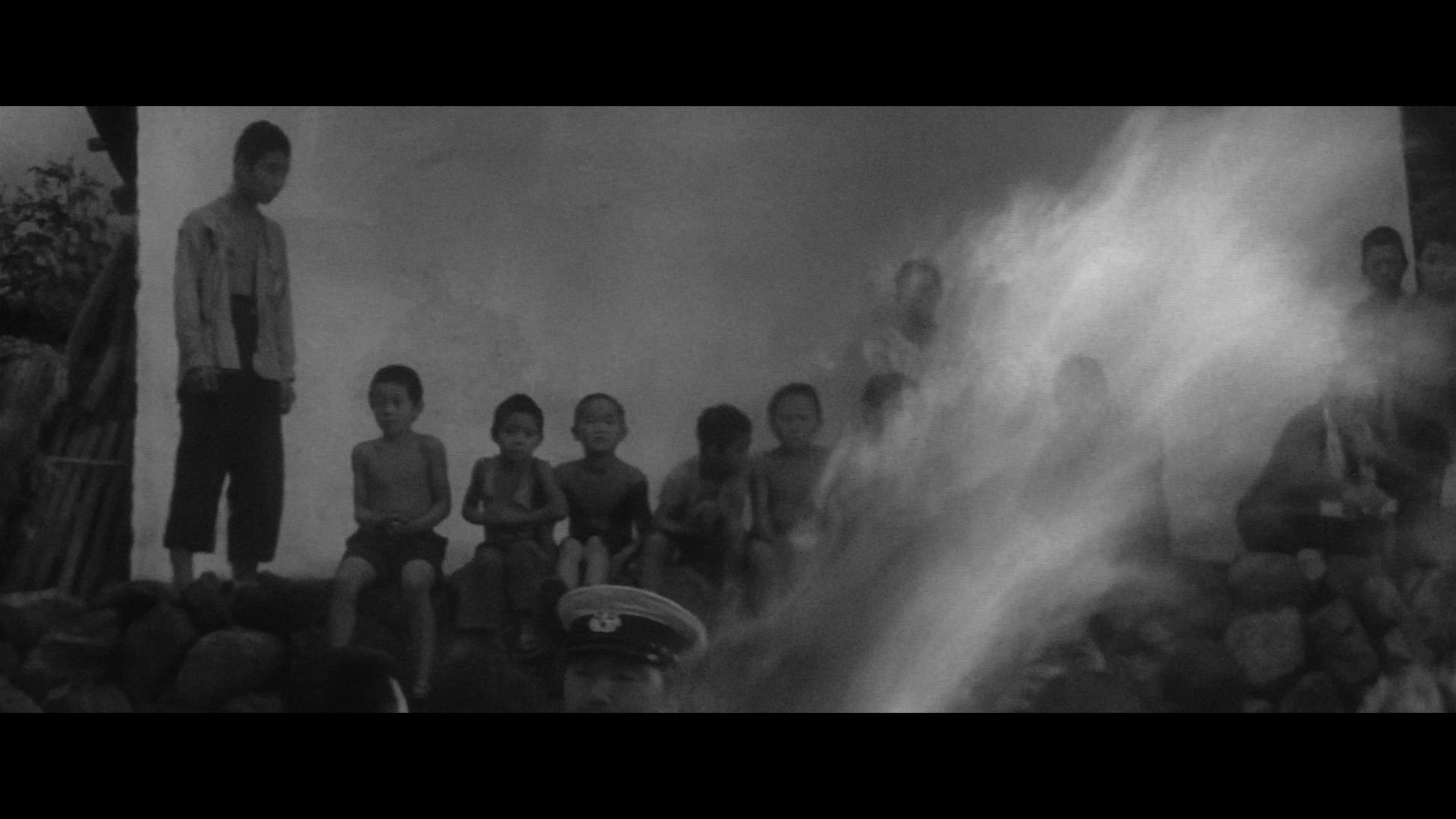
Audio 5/10
The film is accompanied by a lossless single-channel PCM monaural soundtrack. It’s serviceable but generally flat, with dialogue often coming across as one-note and the music edging toward harshness in the higher ends. Still, the track is clean overall, with no significant damage to speak of.
Extras 3/10
Radiance’s set is packed with supplemental material, though unfortunately The Catch is largely overlooked, receiving just a single extra: a new 13-minute interview with Luk Van Haute, who discusses the original story and the film’s reception. It’s an interesting inclusion, and I appreciated the comparisons to the source material—which, aside from the basic setup, differs significantly from the finished film—as well as the discussion of changes made to the language, Oshima apparently toning down the racial slurs. Still, I found myself wishing for more context around the film itself, particularly since I wasn’t even aware of its existence prior to this set.
Disappointing, but, as with the video presentation, this feels very much like an outlier within an otherwise excellent collection.
Closing
With a dated high-definition presentation and just a single supplement, it’s a less-than-ideal way to open the set, but rest assured, things improve significantly from here.
BUY AT: