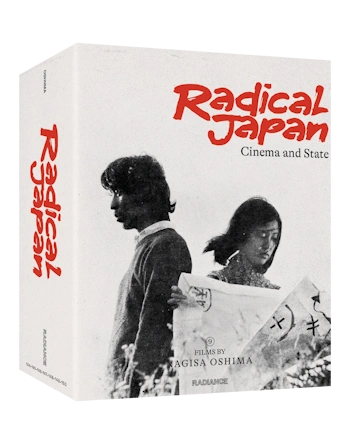
Radical Japan: Cinema and State
Death by Hanging
BUY AT:

See more details, packaging, or compare
Synopsis
The start of an ongoing series, this first volume of Radical Japan explores the films of new wave icon Nagisa Oshima (Cruel Story of Youth, Merry Christmas, Mr. Lawrence). One of the most vital, challenging and admired bodies of work in cinema history, this boxset presents Blu-ray premieres of Oshima’s finest features across seven discs.
In The Catch (1961), a village in World War II is shaken by the capture of a pilot; in Death by Hanging (1968), a failed execution throws the justice system into disarray; Diary of a Shinjuku Thief (1969) strikingly captures Tokyo’s 1960s counter-culture; Boy (1969) is a vivid portrait of a family surviving through scams; The Man Who Left His Will on Film (1970), Oshima’s reaction to the protest movement; The Ceremony (1971), a meditation on how traditions oppress the young; and Dear Summer Sister (1972), which questions Japan’s colonial relation to Okinawa.
Picture 10/10
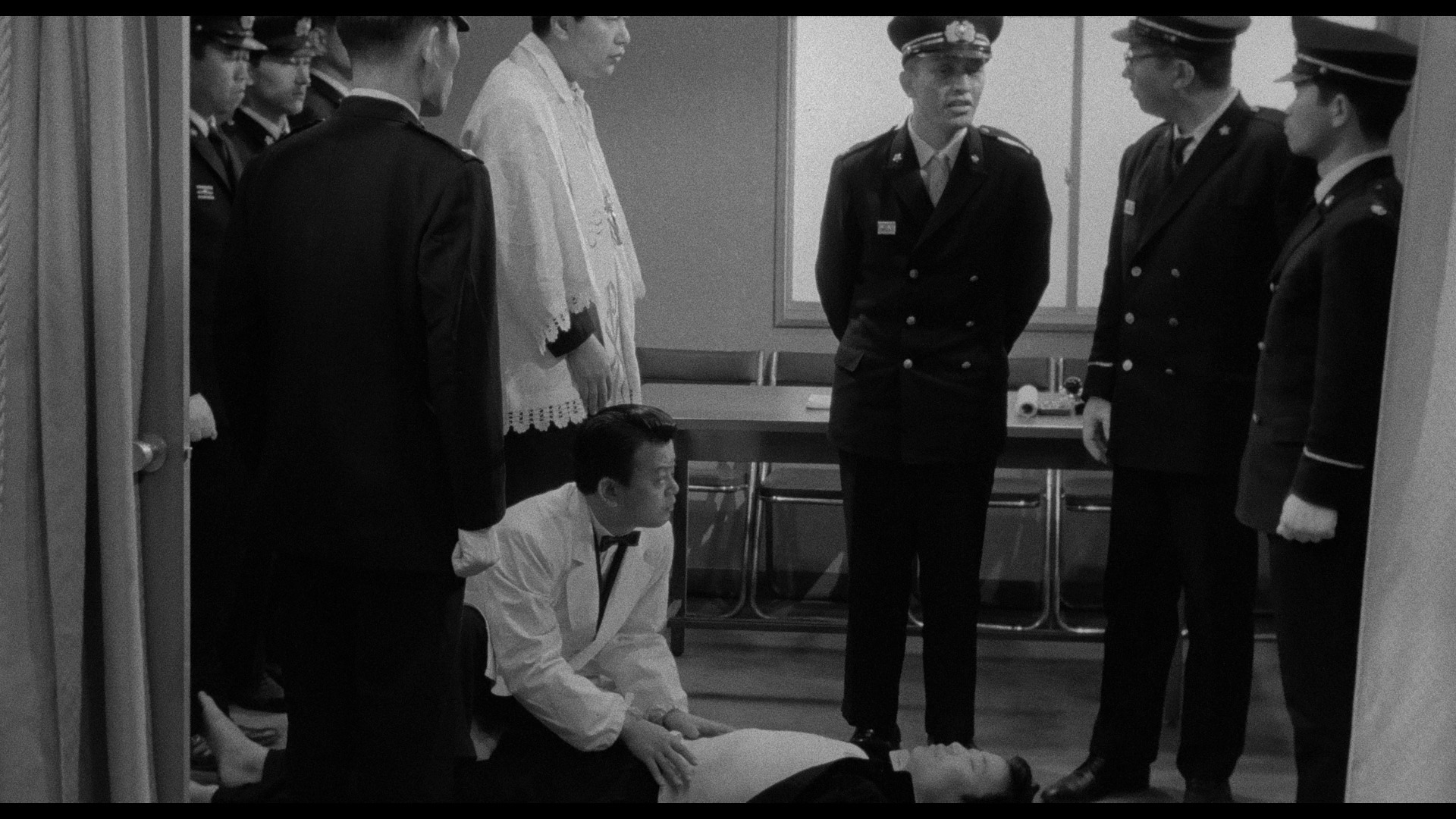
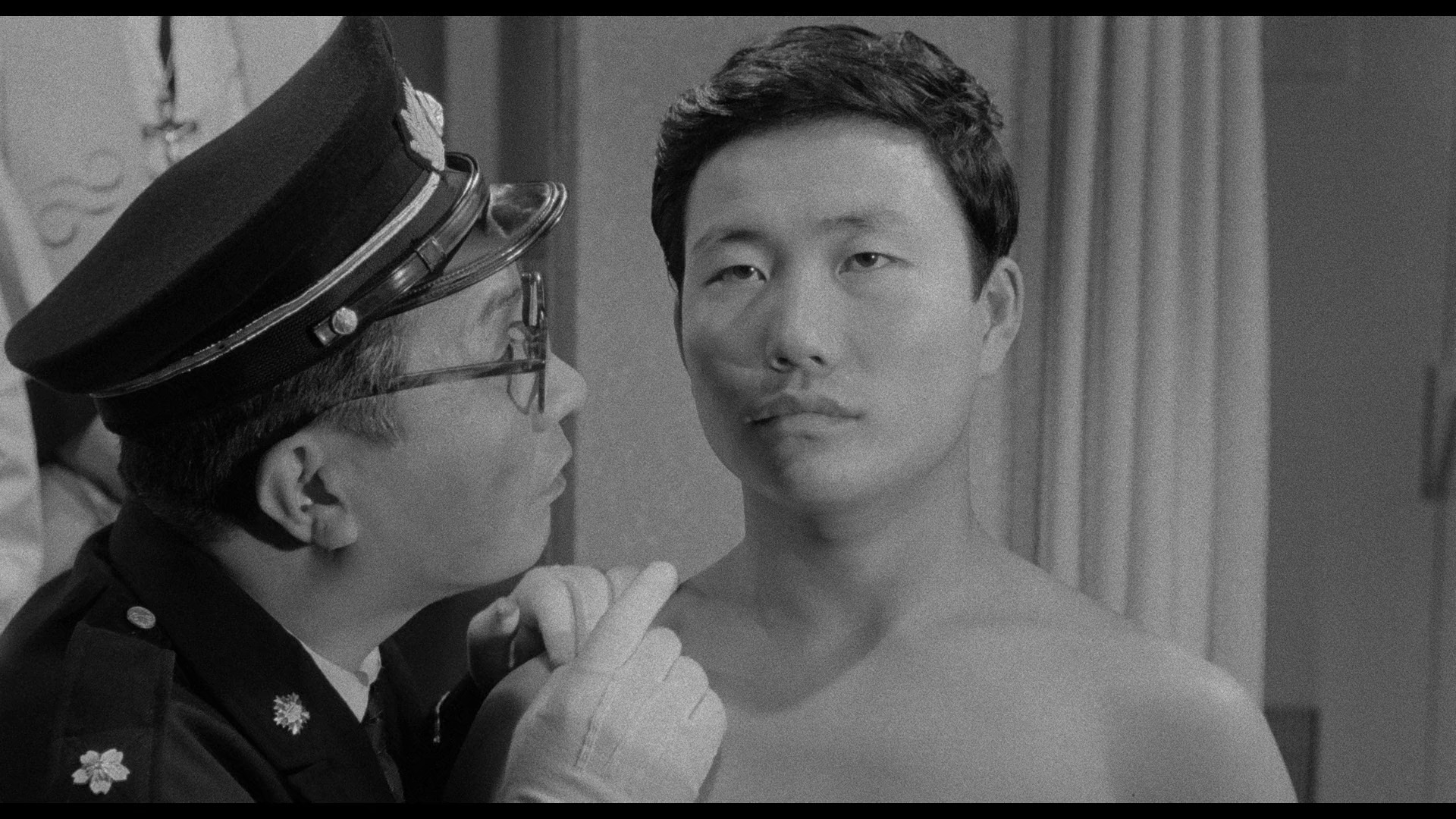
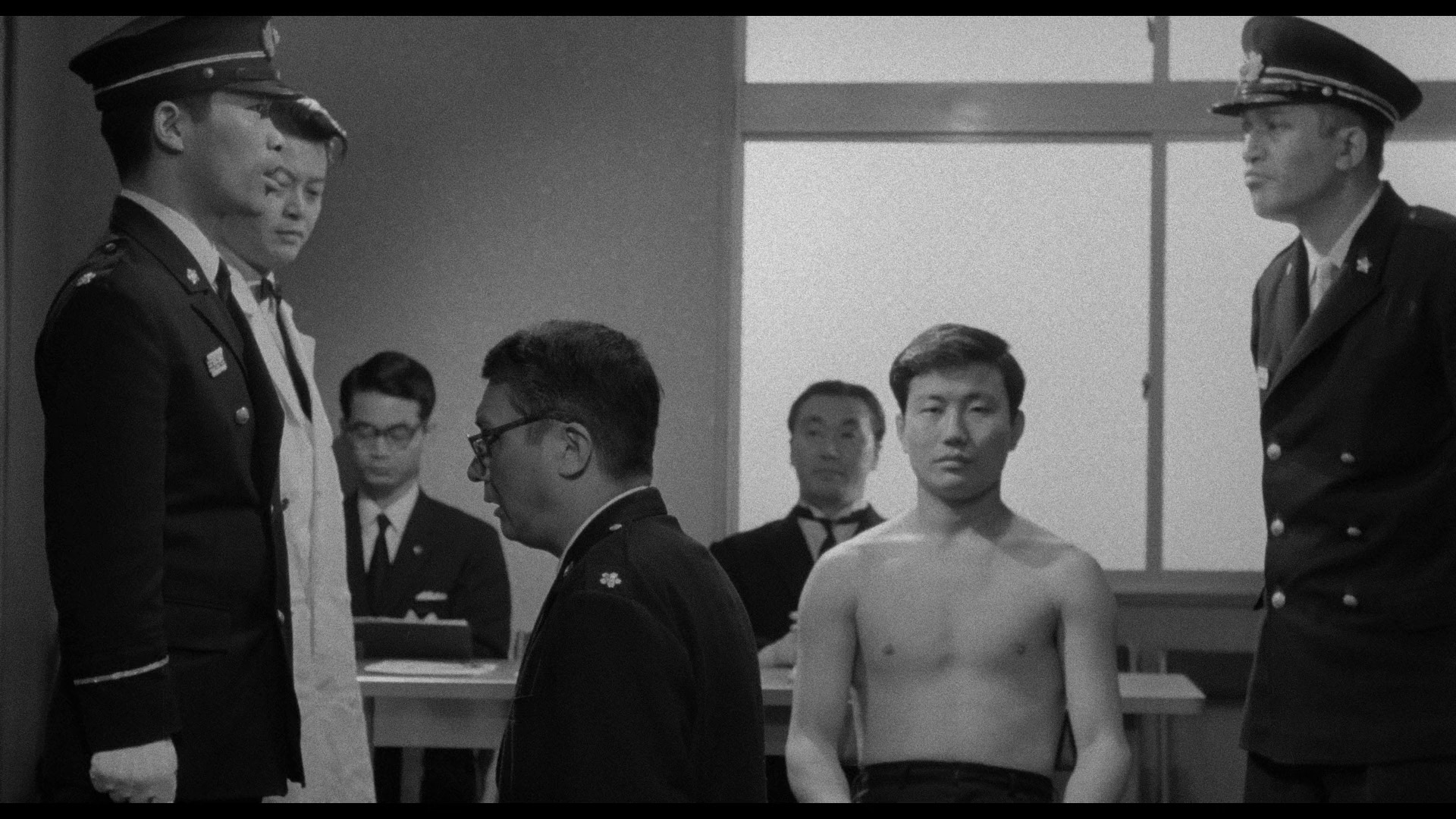
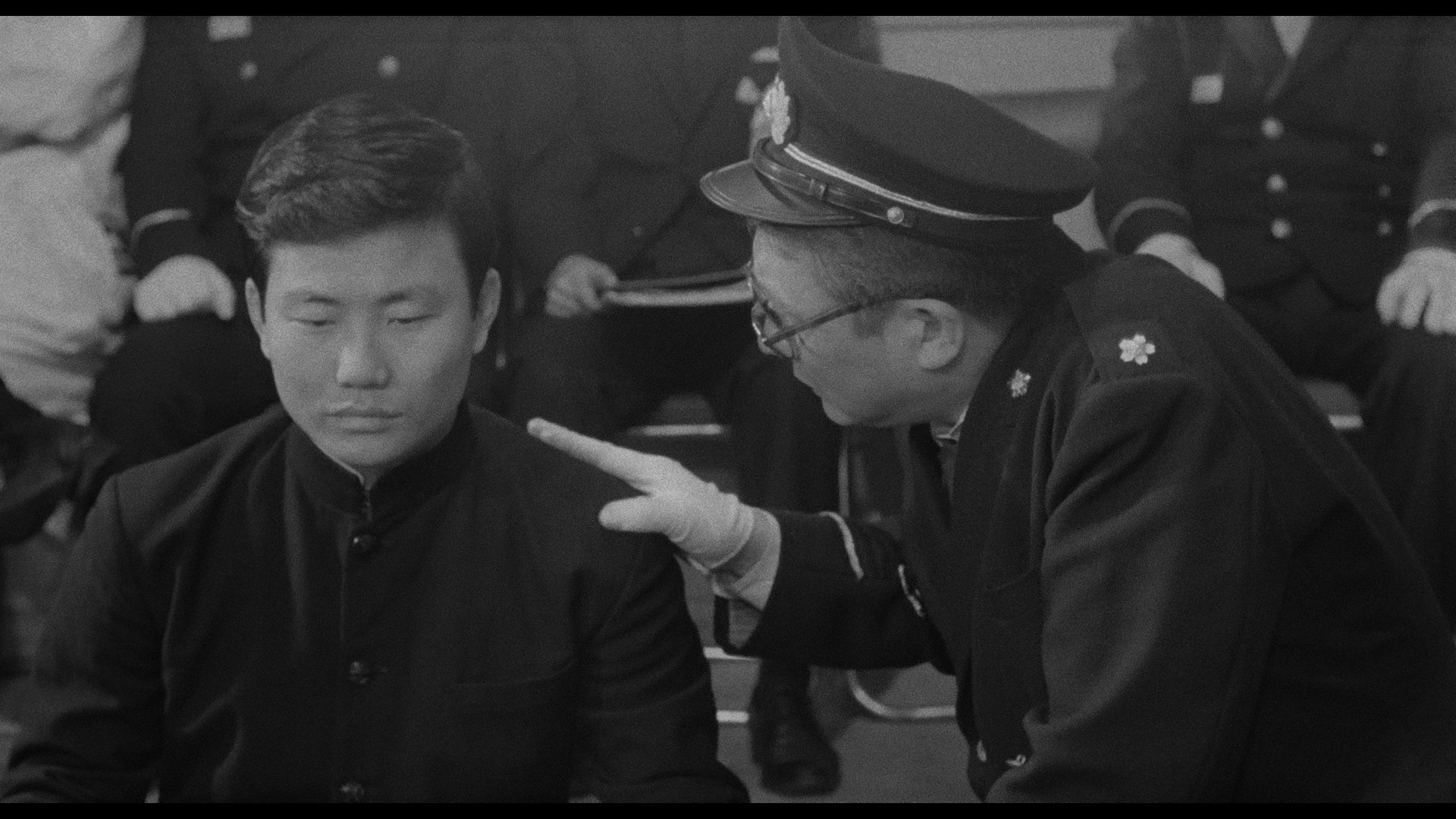
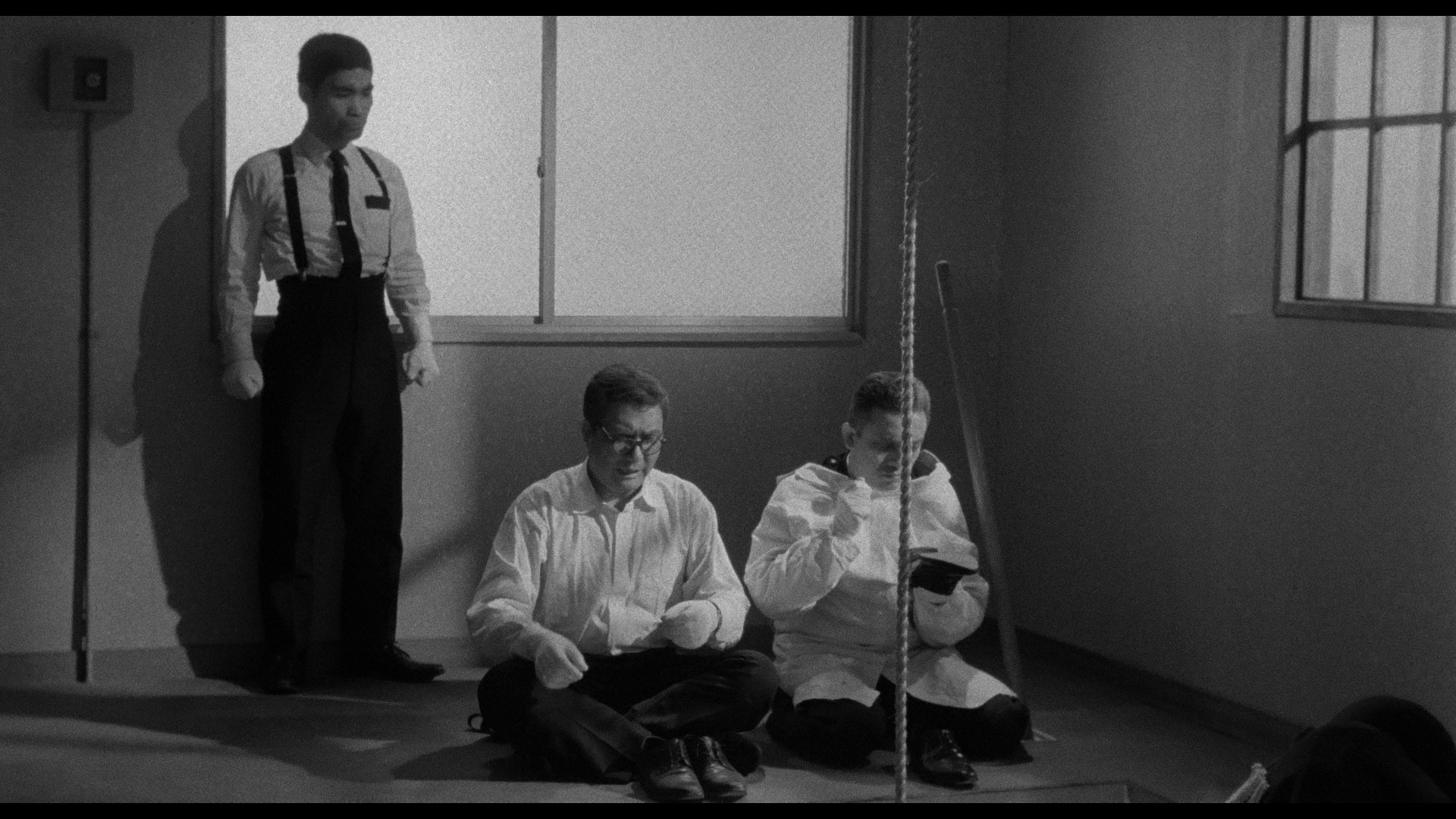
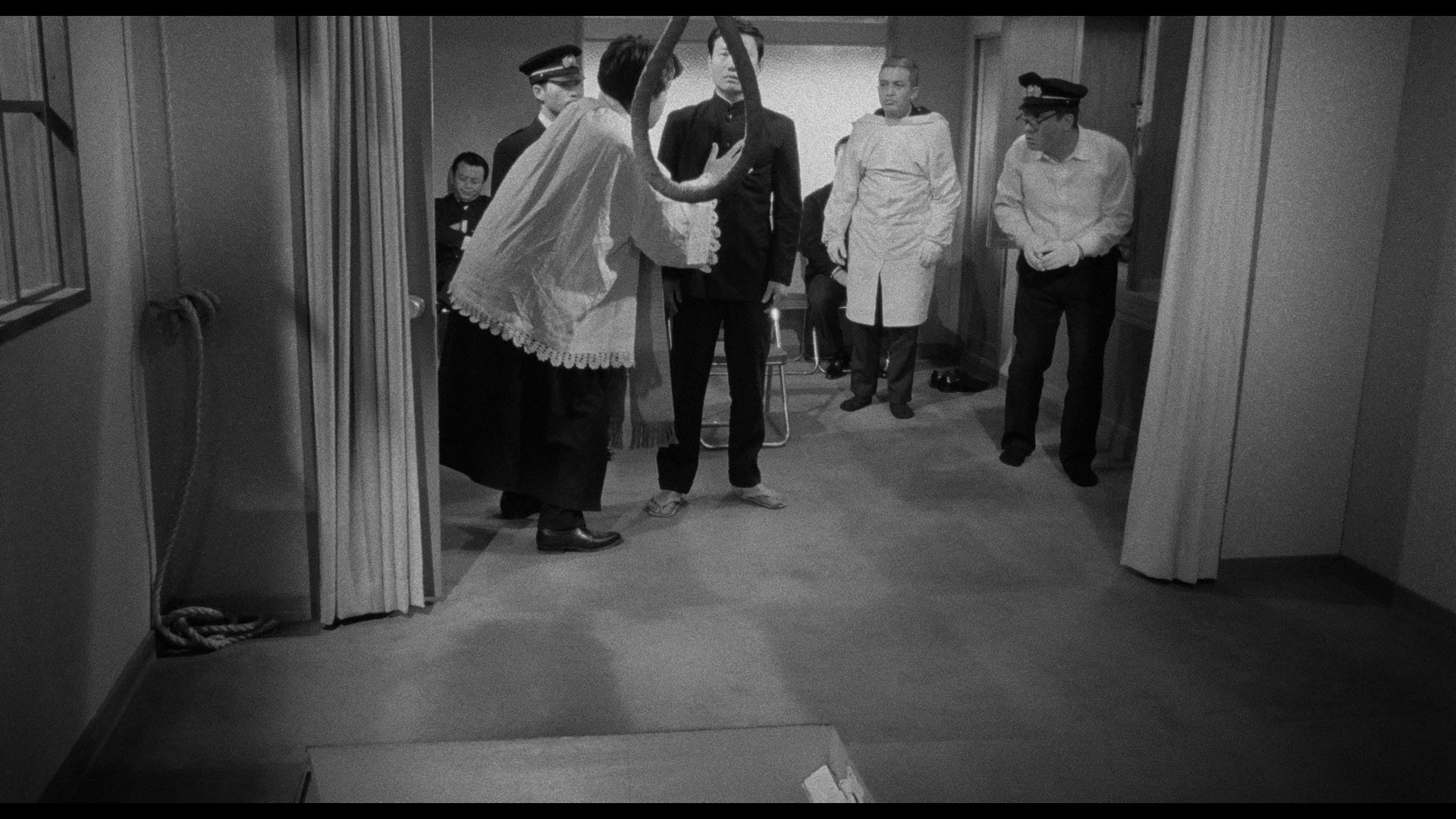
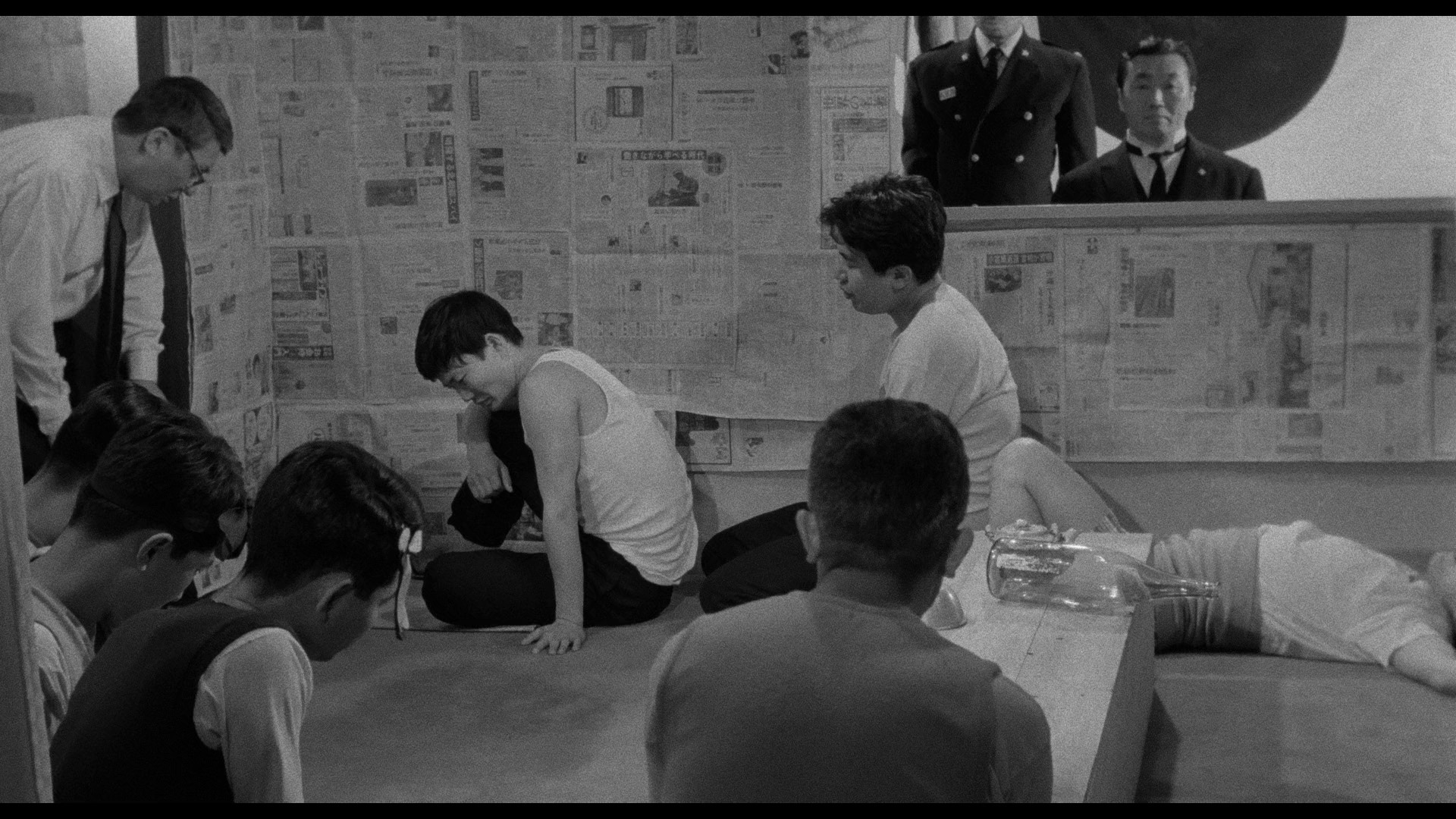
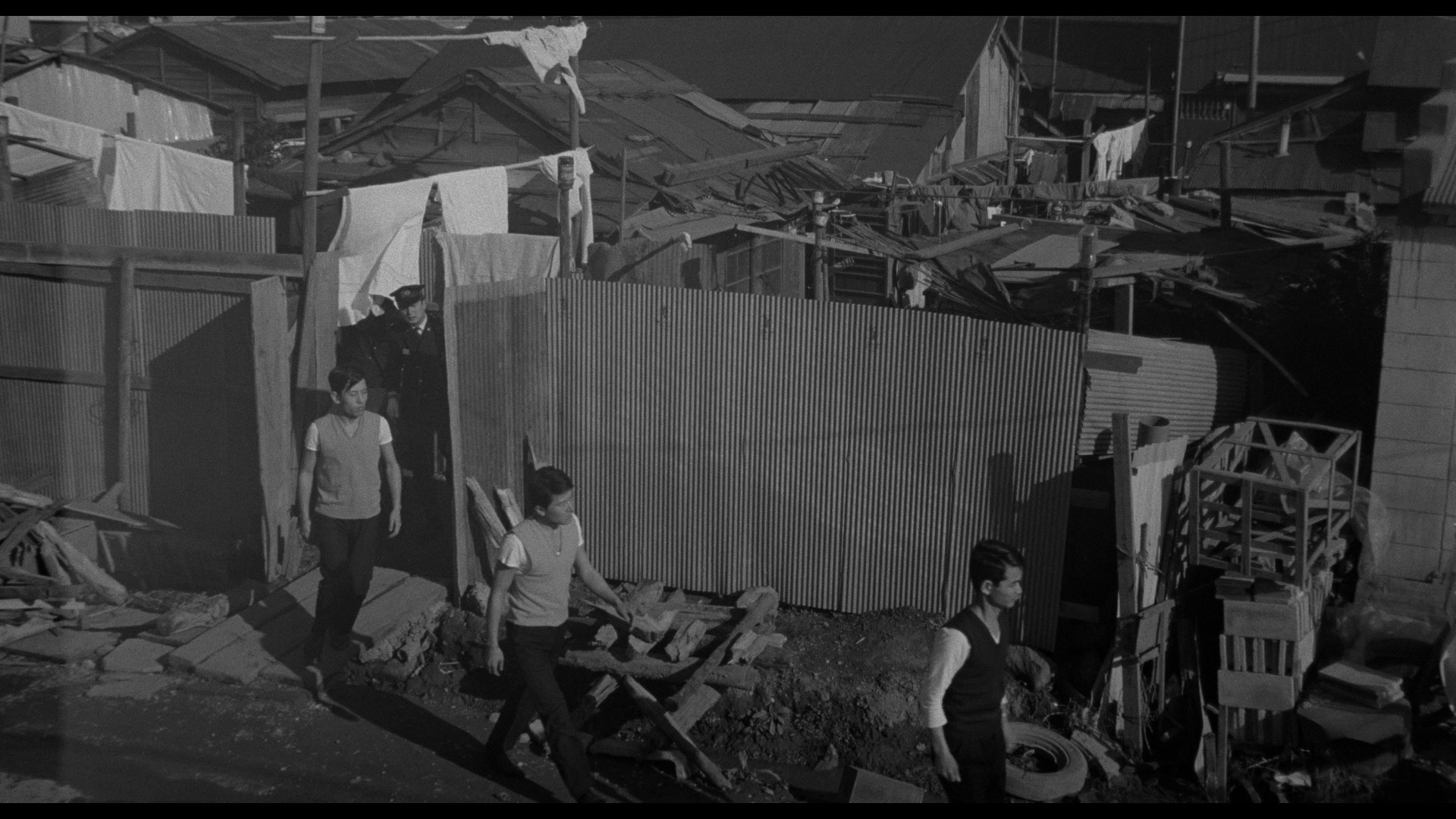
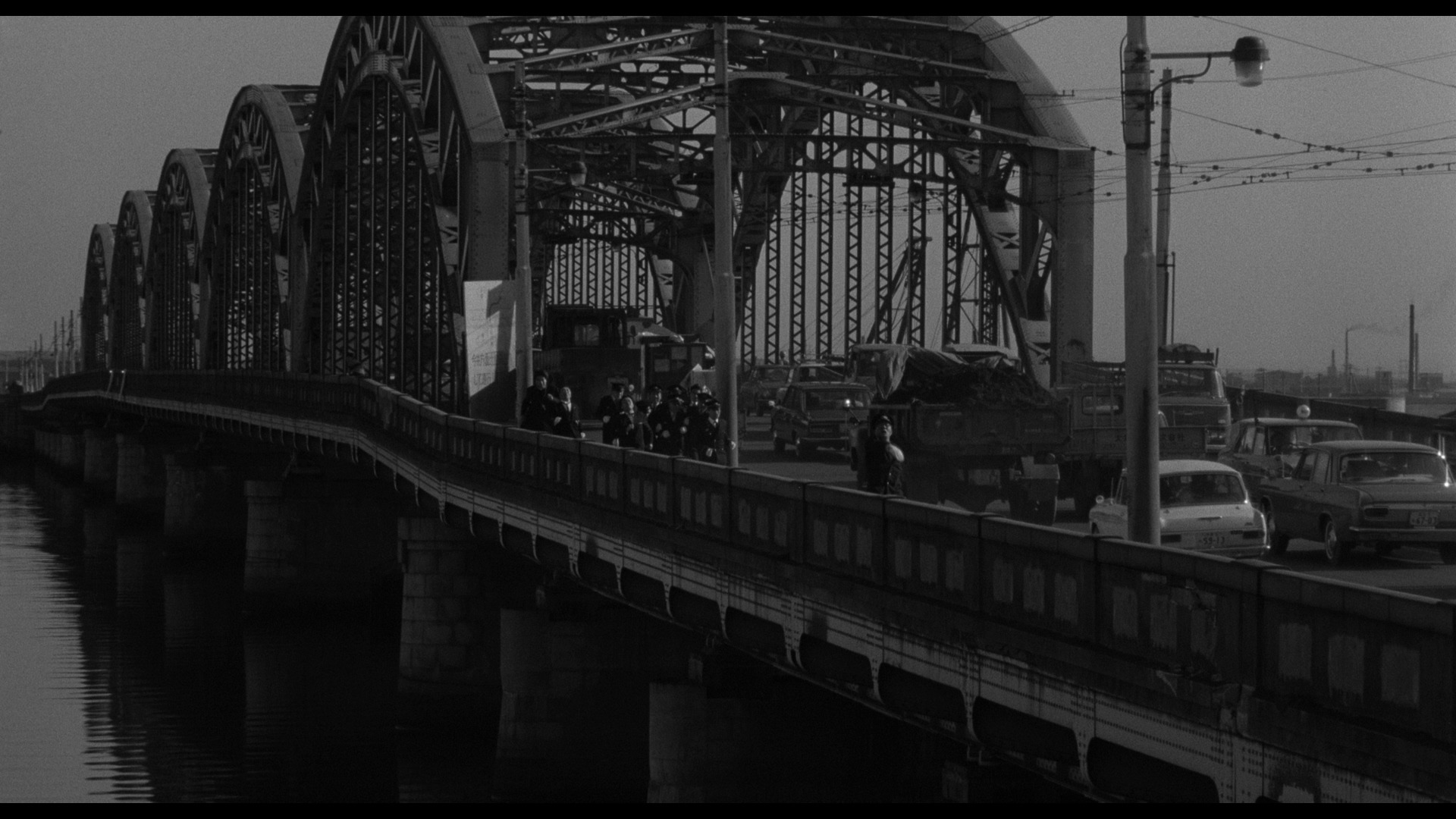
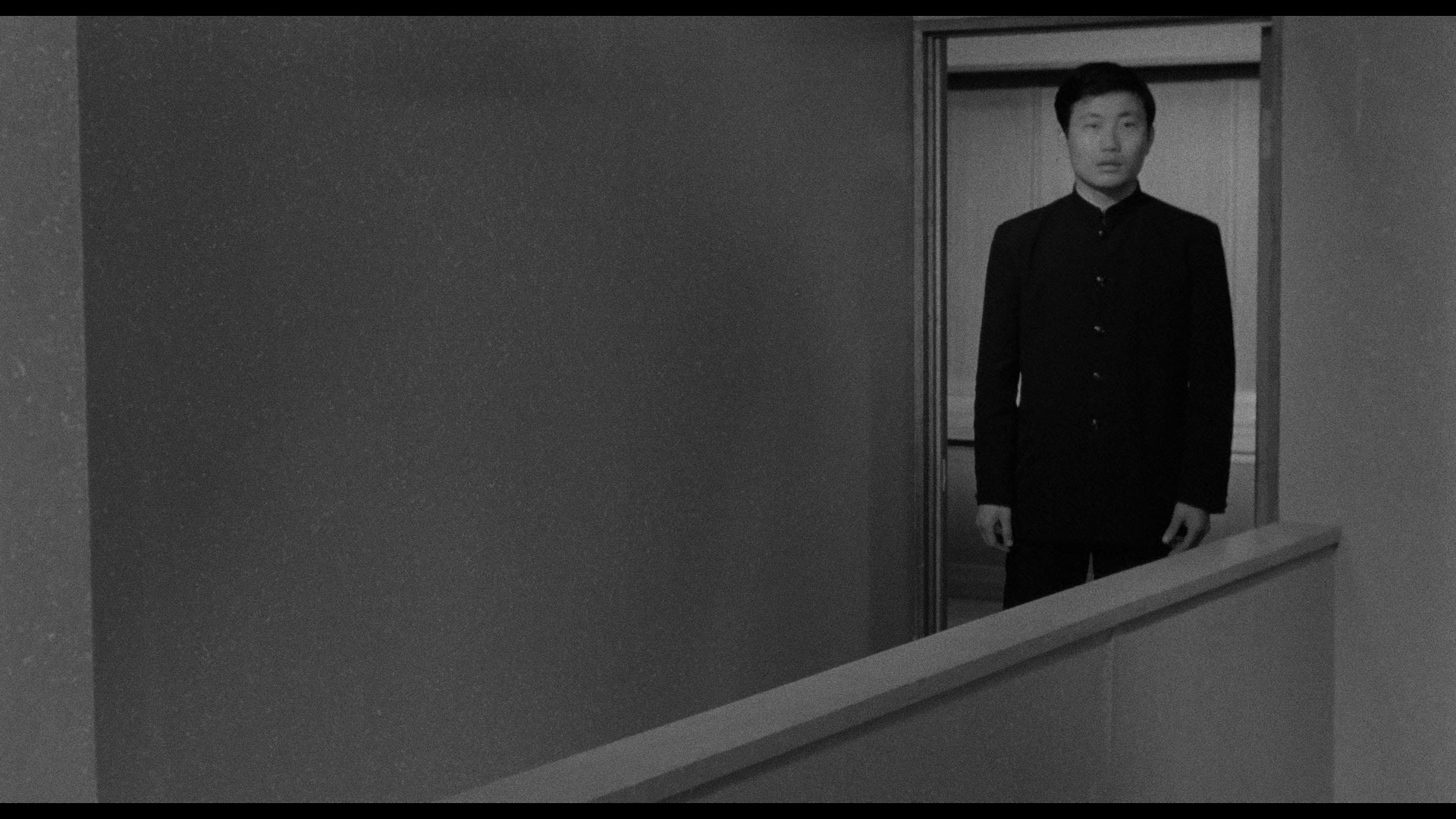
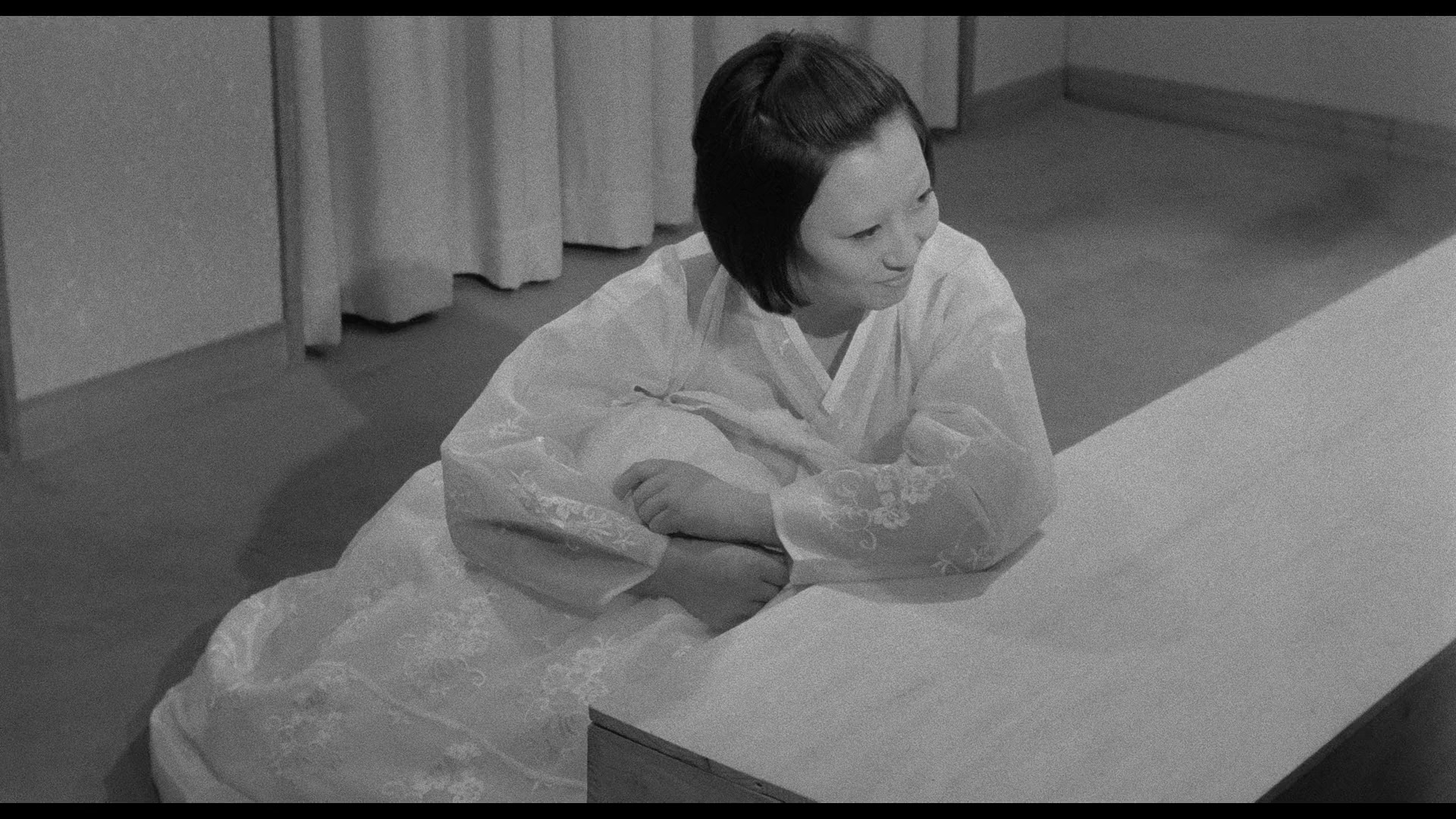
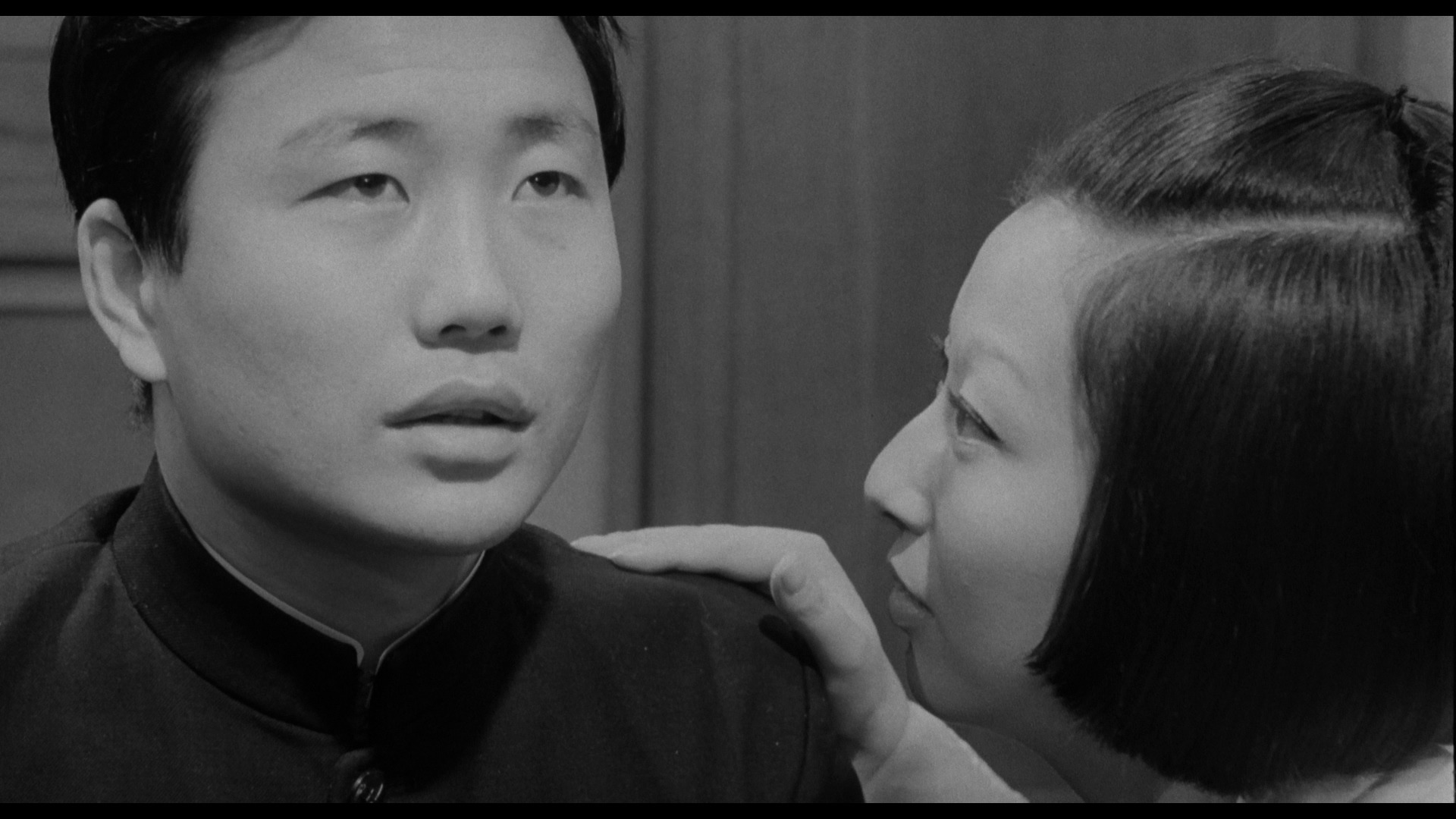
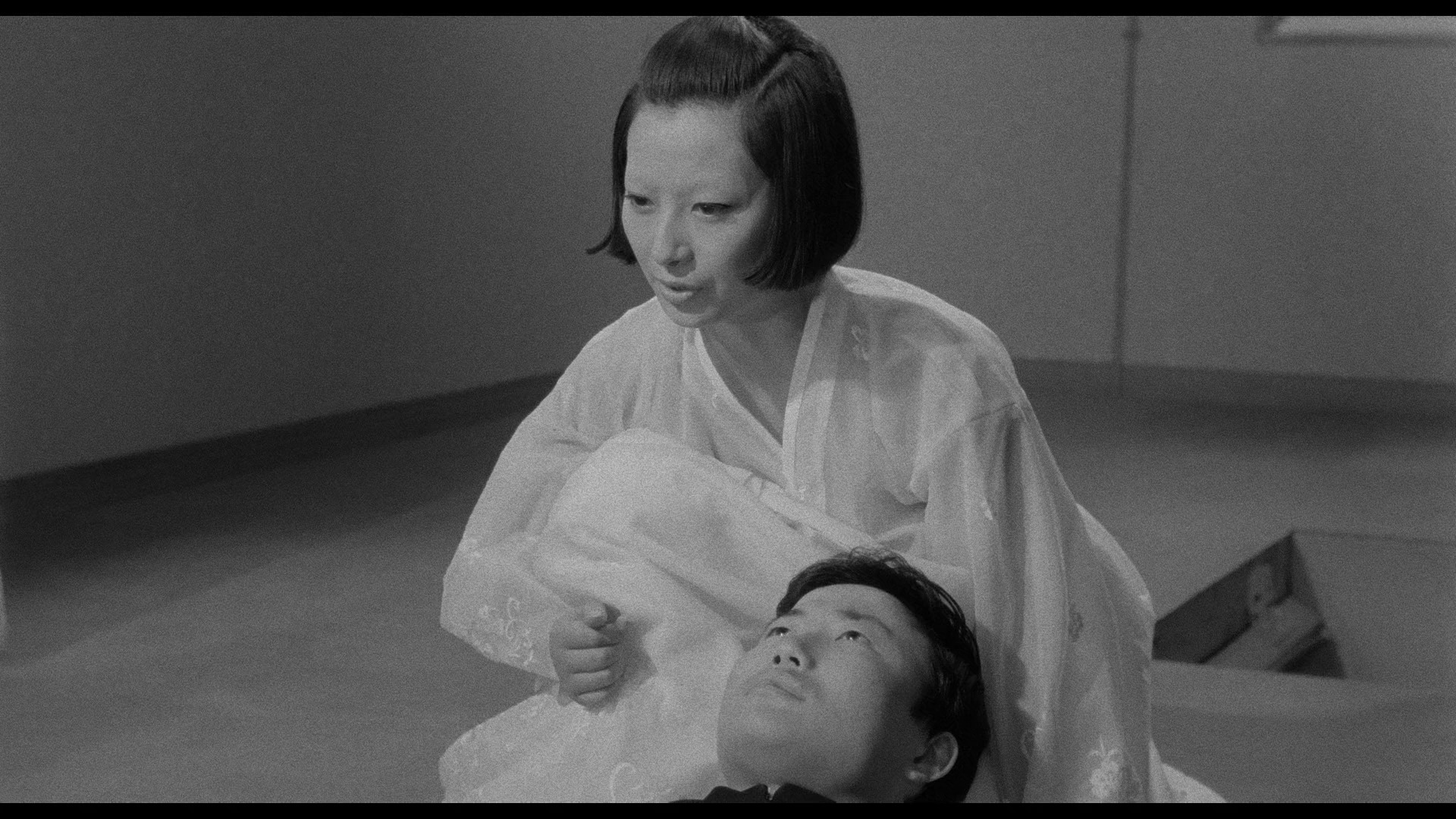
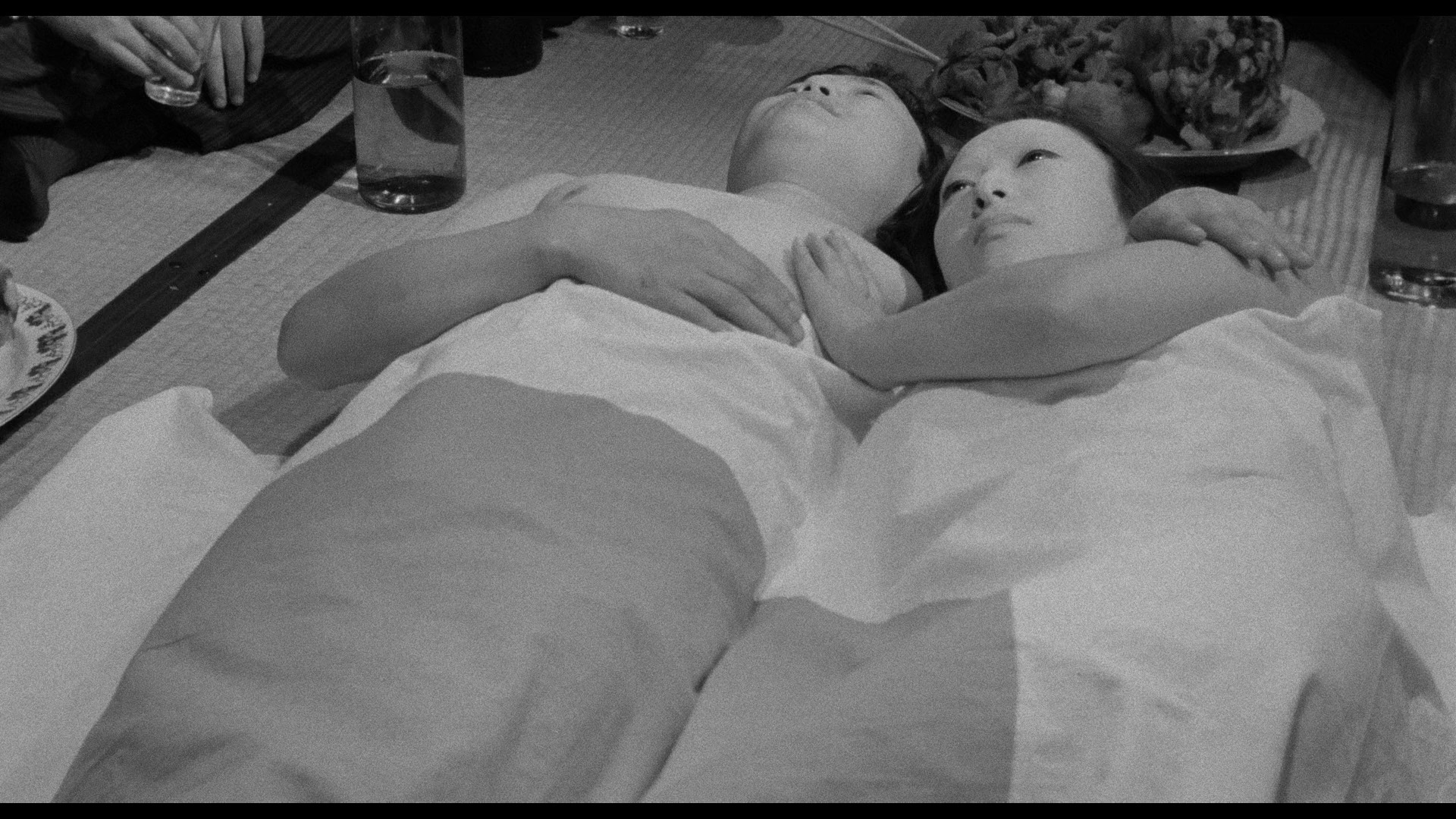
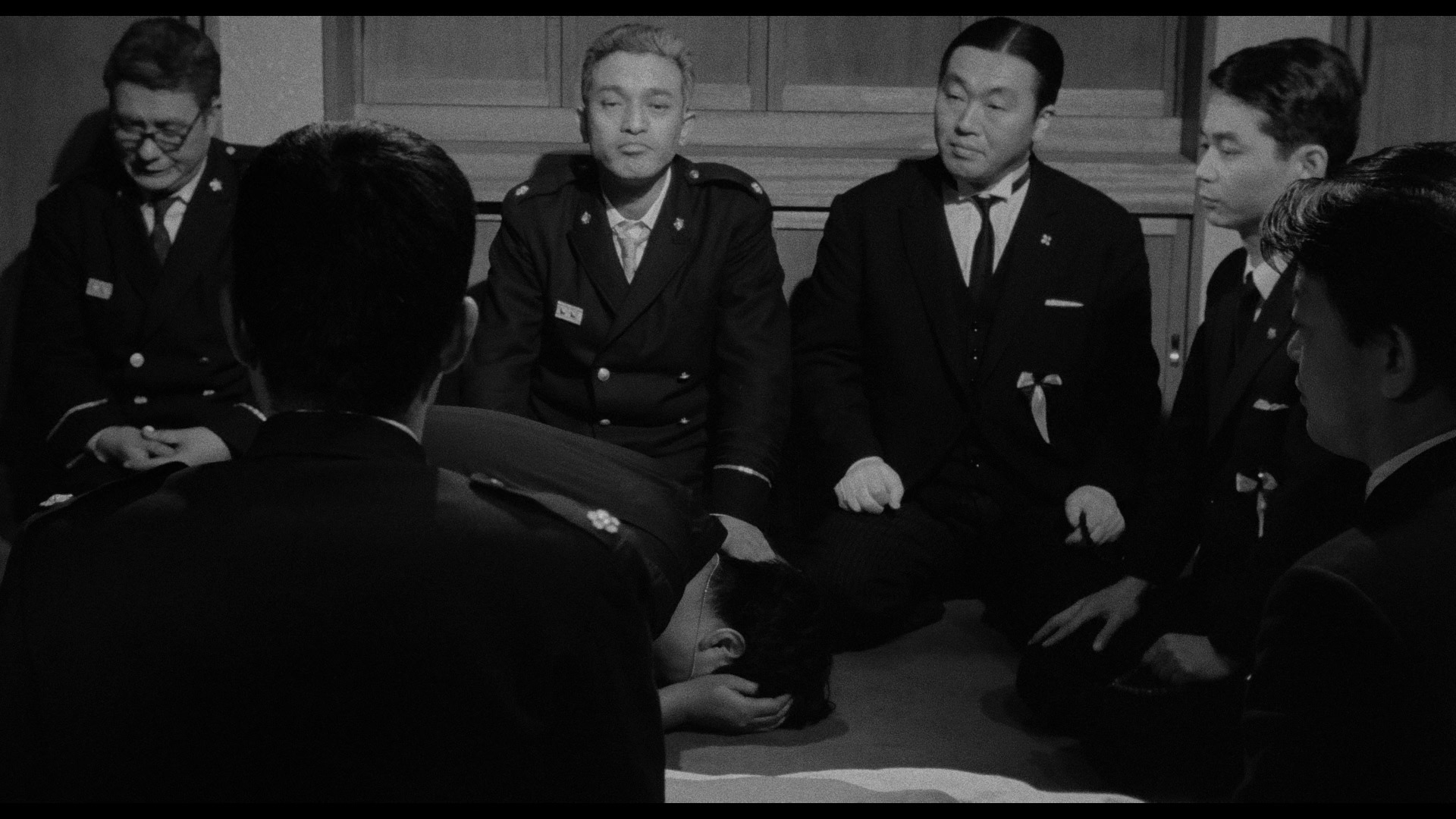
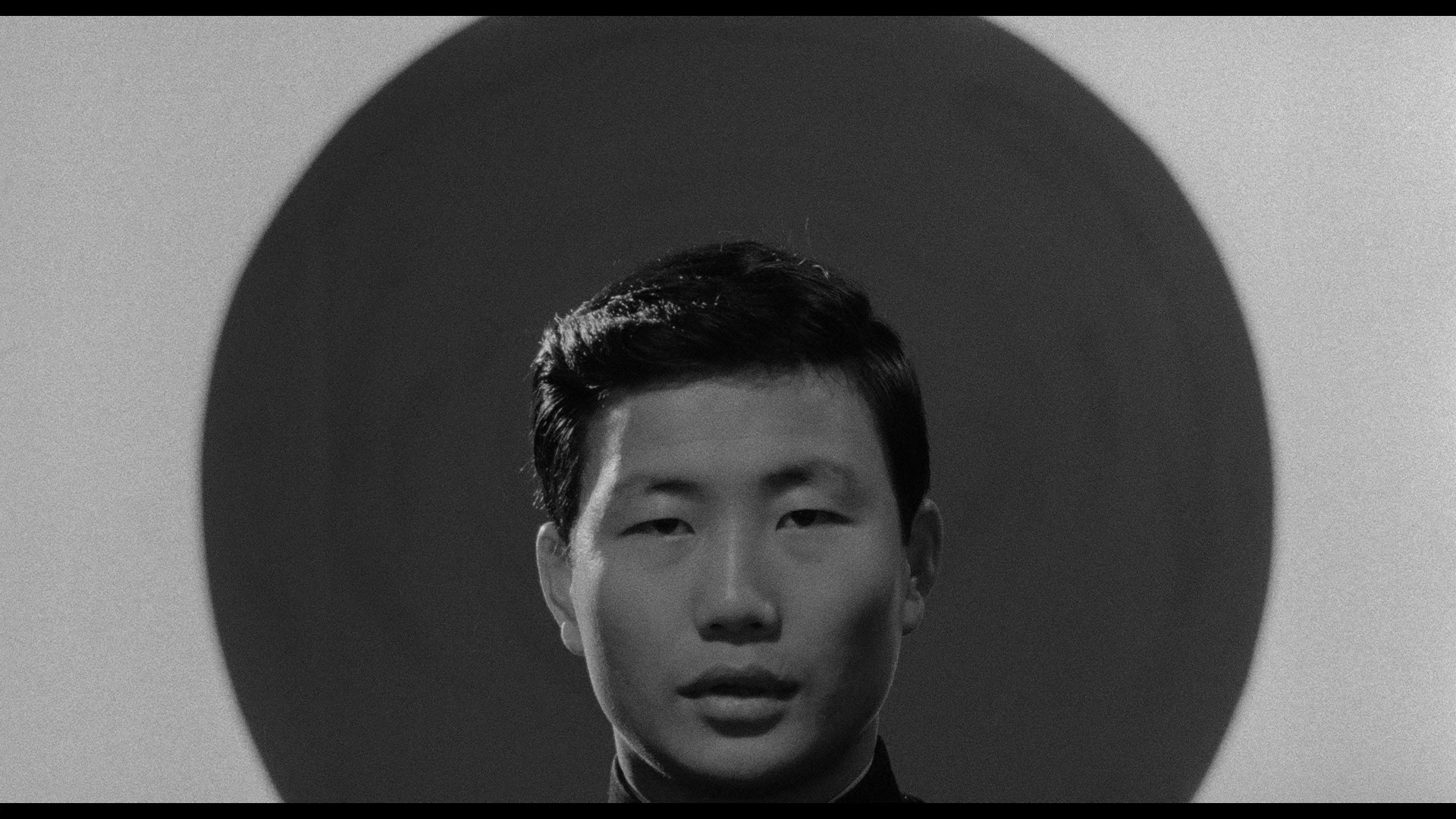
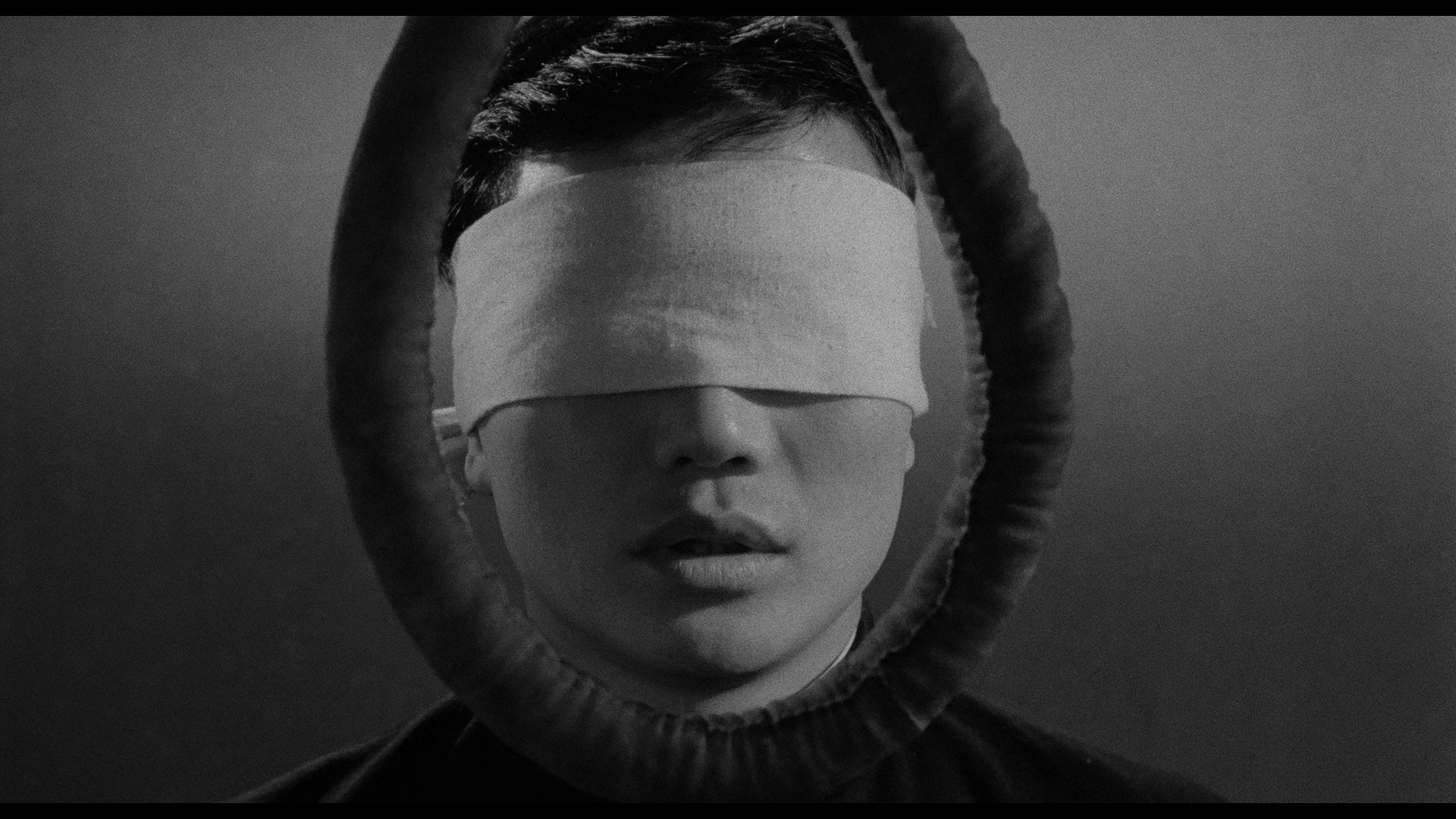
The second dual-layer disc in Radiance’s terrific Nagisa Oshima box set, Radical Japan: Cinema and State, presents Death by Hanging in its original aspect ratio of 1.85:1. The 1080p/24Hz high-definition presentation appears to be sourced from the same 4K restoration used by Criterion for their earlier release, itself derived from a scan of the 35mm original camera negative.
I was impressed with Criterion’s presentation at the time, and while its encode shows some minor limitations today, it remains an exceptionally sharp image. Radiance improves upon it with a noticeably stronger encode, rendering grain more naturally and consistently. The grayscale also appears slightly cleaner and more refined here, lending the image a more photographic, film-like appearance.
Beyond that, the two presentations are largely comparable: detail levels are excellent, with fine textures reproduced cleanly, and the restoration work has effectively eliminated visible damage, with nothing of note remaining. All told, this is an absolutely superb presentation, with Radiance’s disc offering a subtle but welcome upgrade over Criterion's.
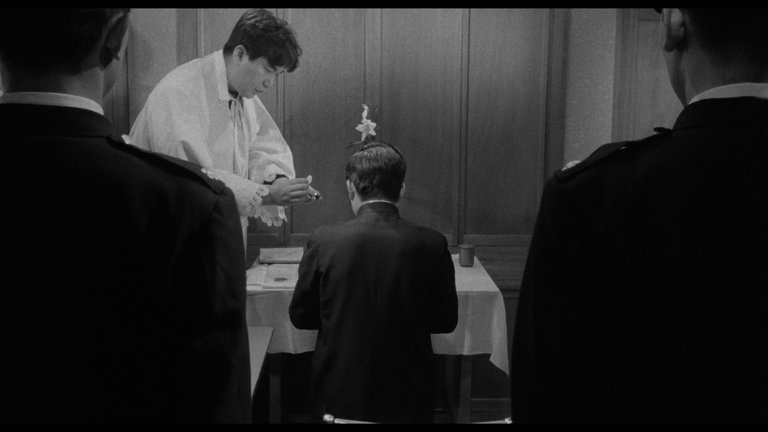
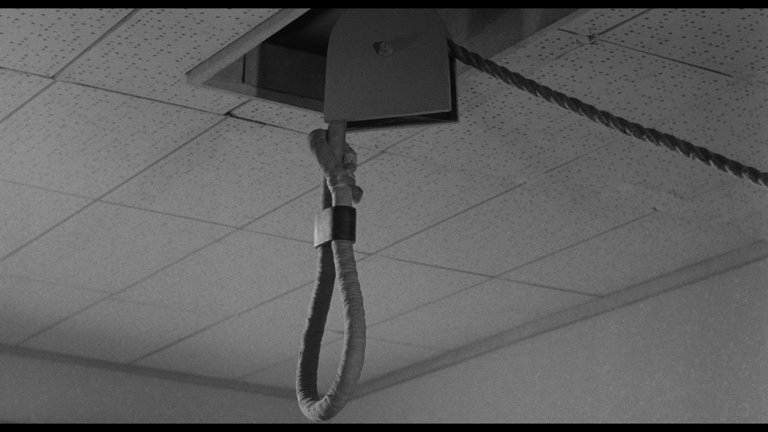
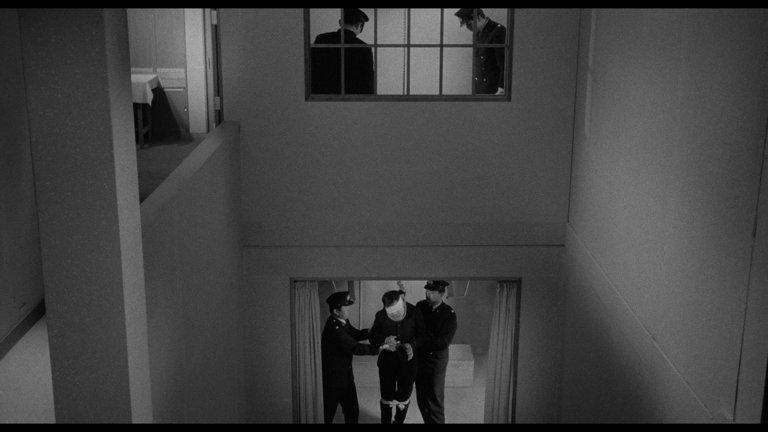
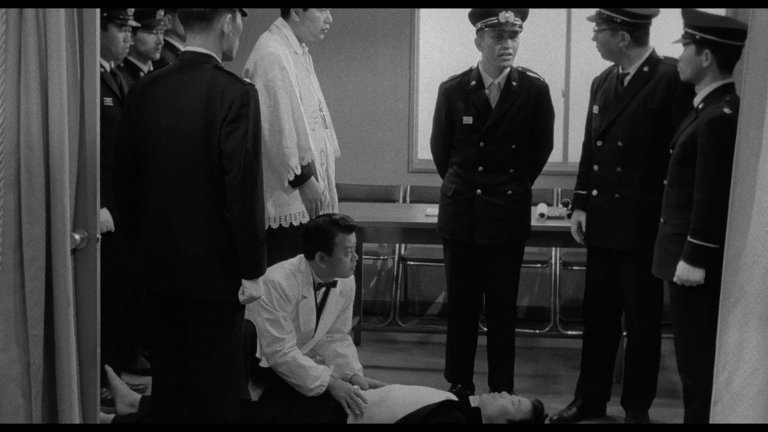
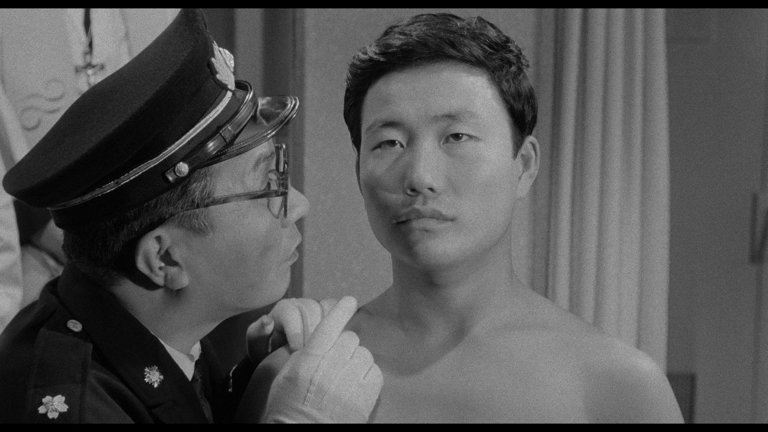
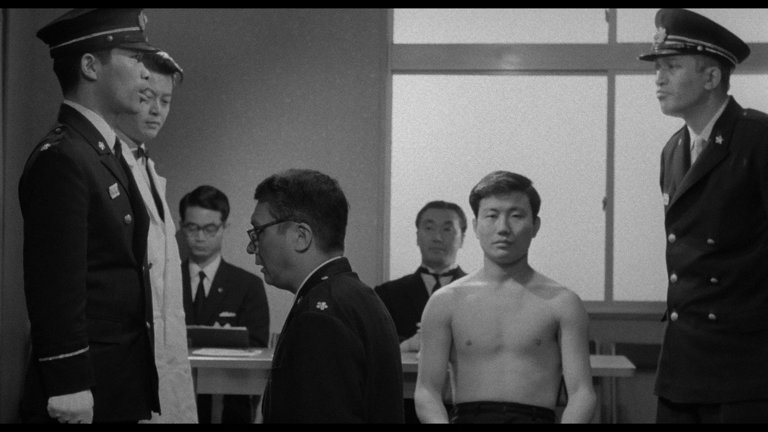
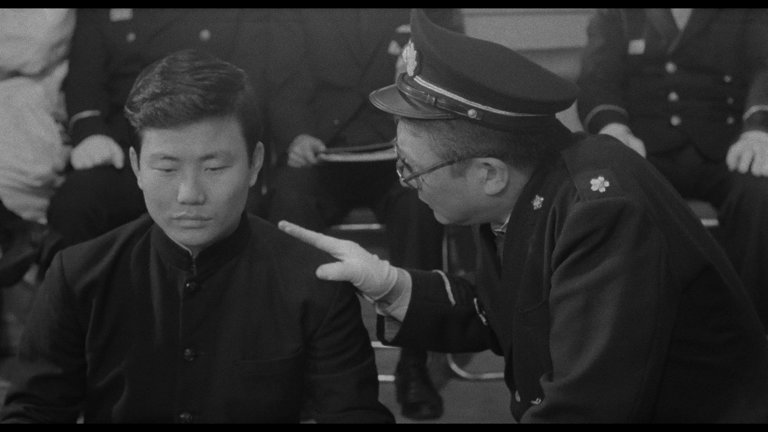
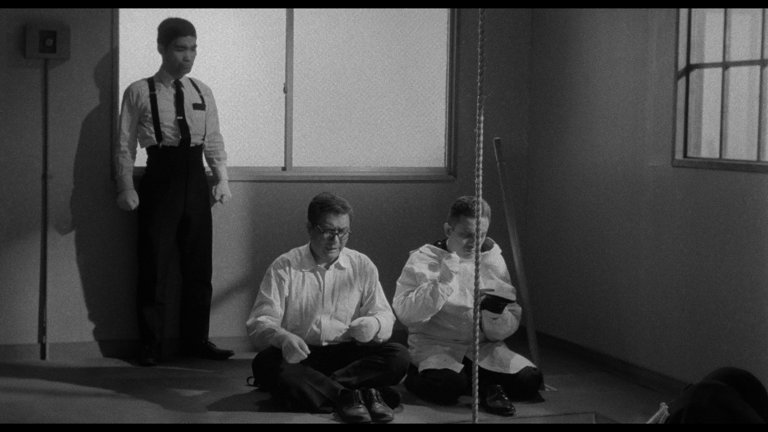
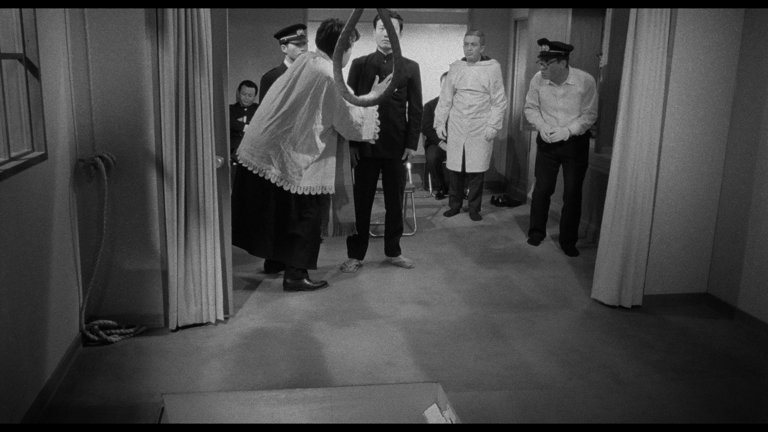
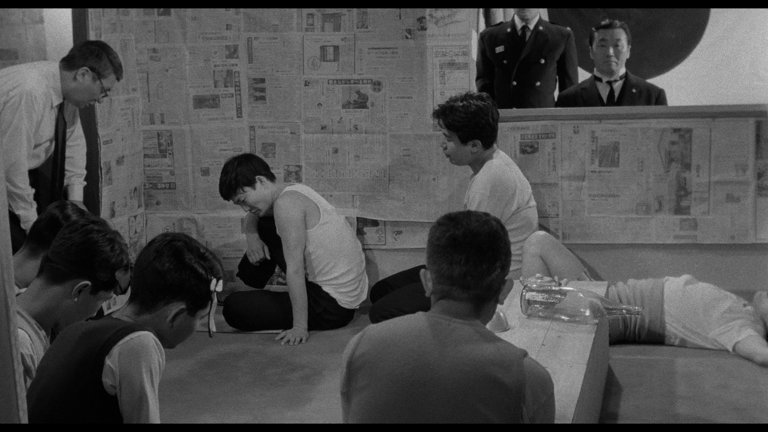
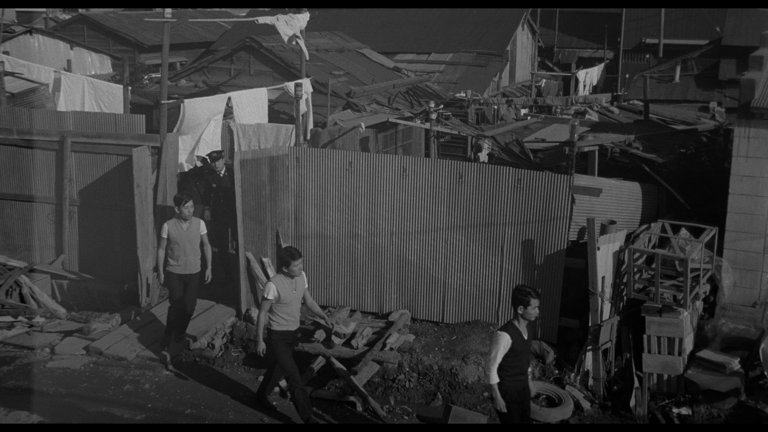
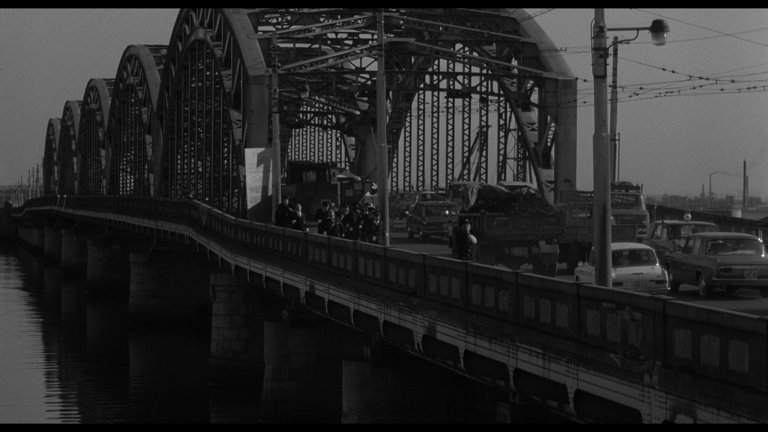
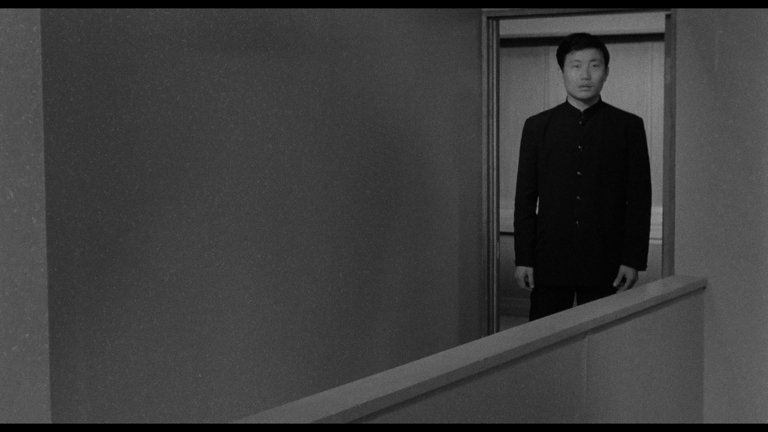
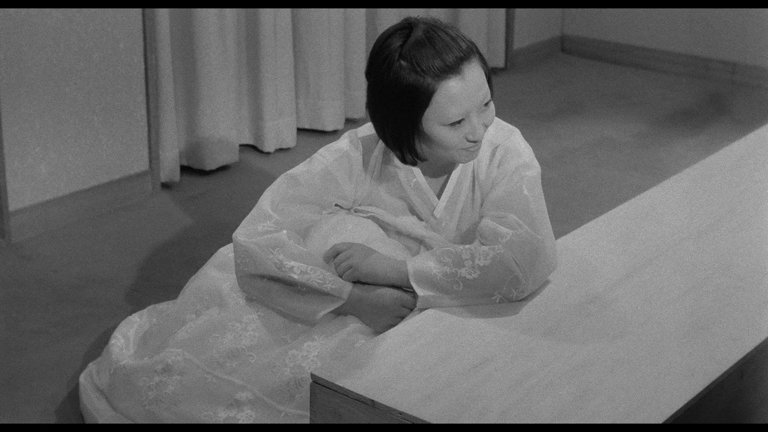
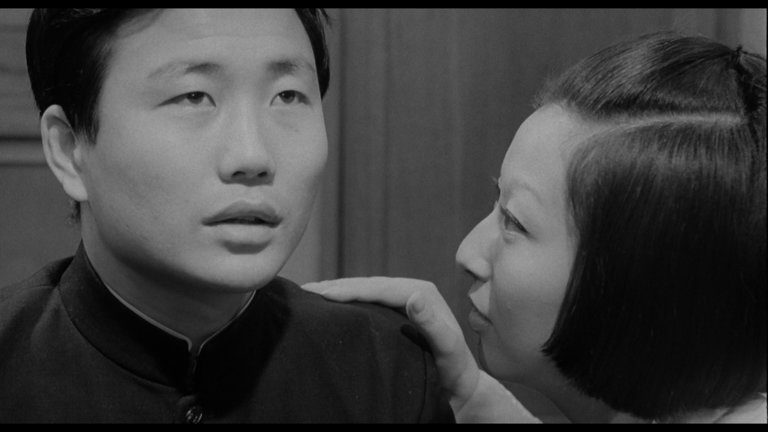
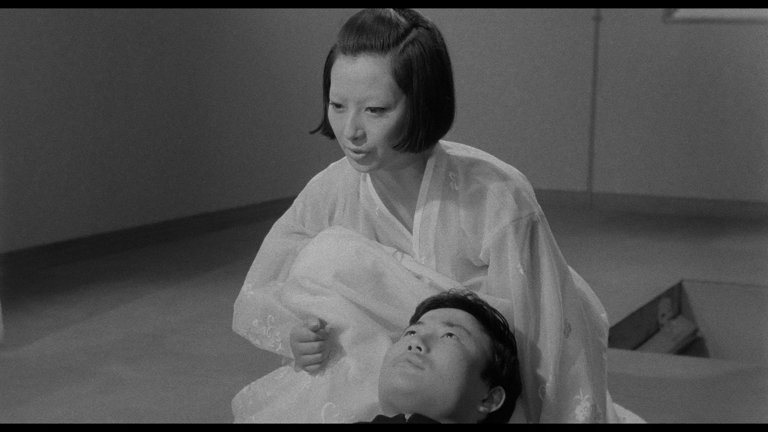
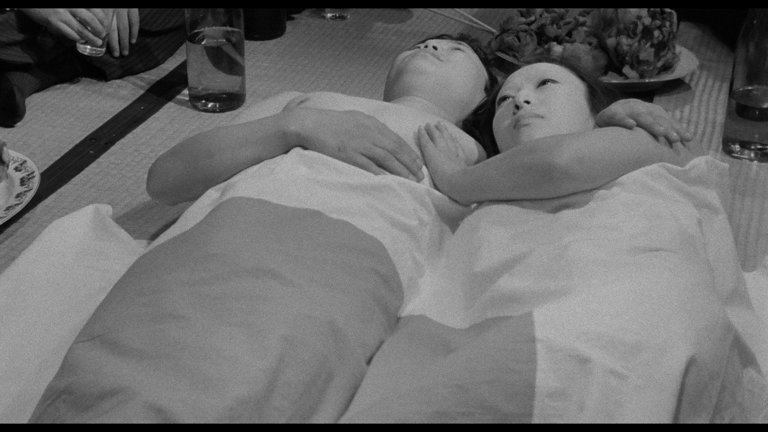
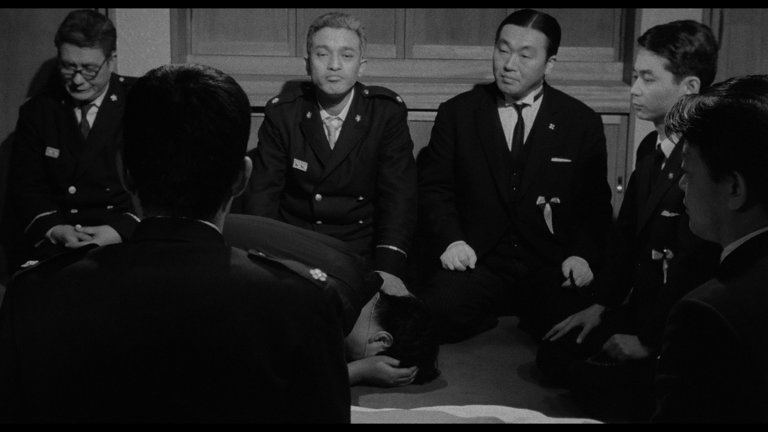
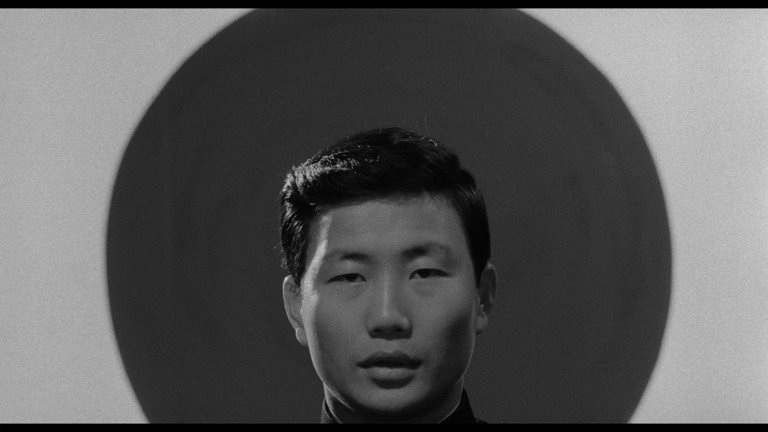
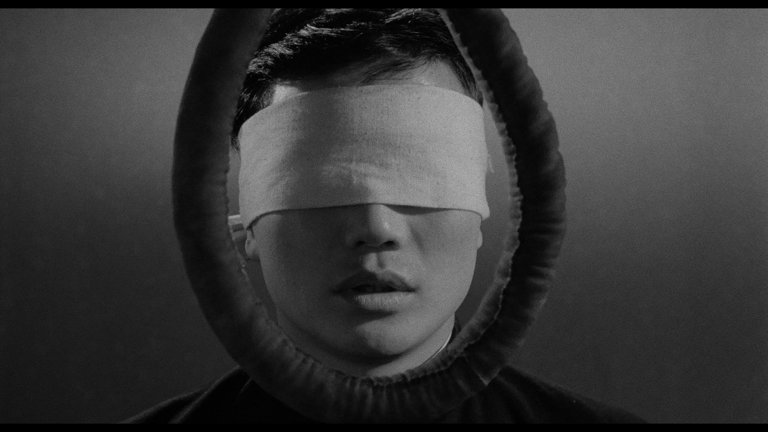
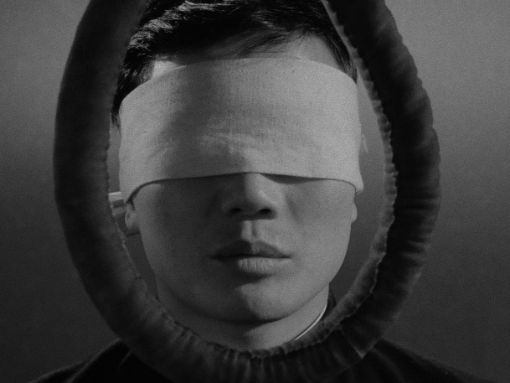
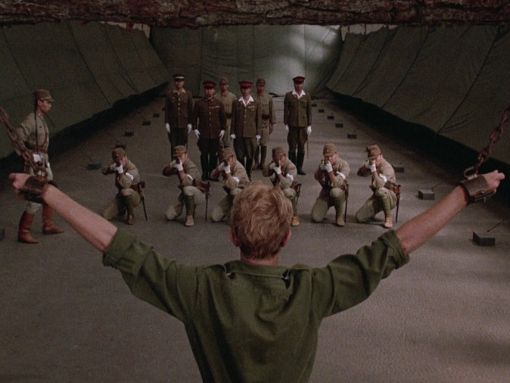
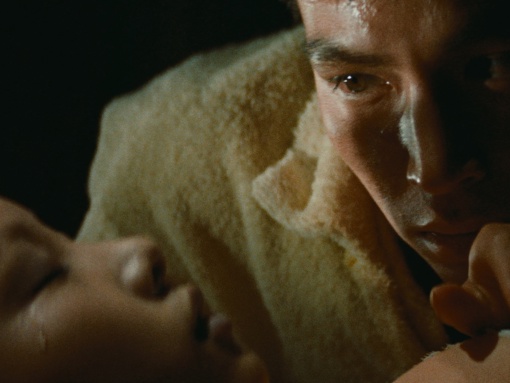
Radical Japan: Cinema and State - Screen Captures
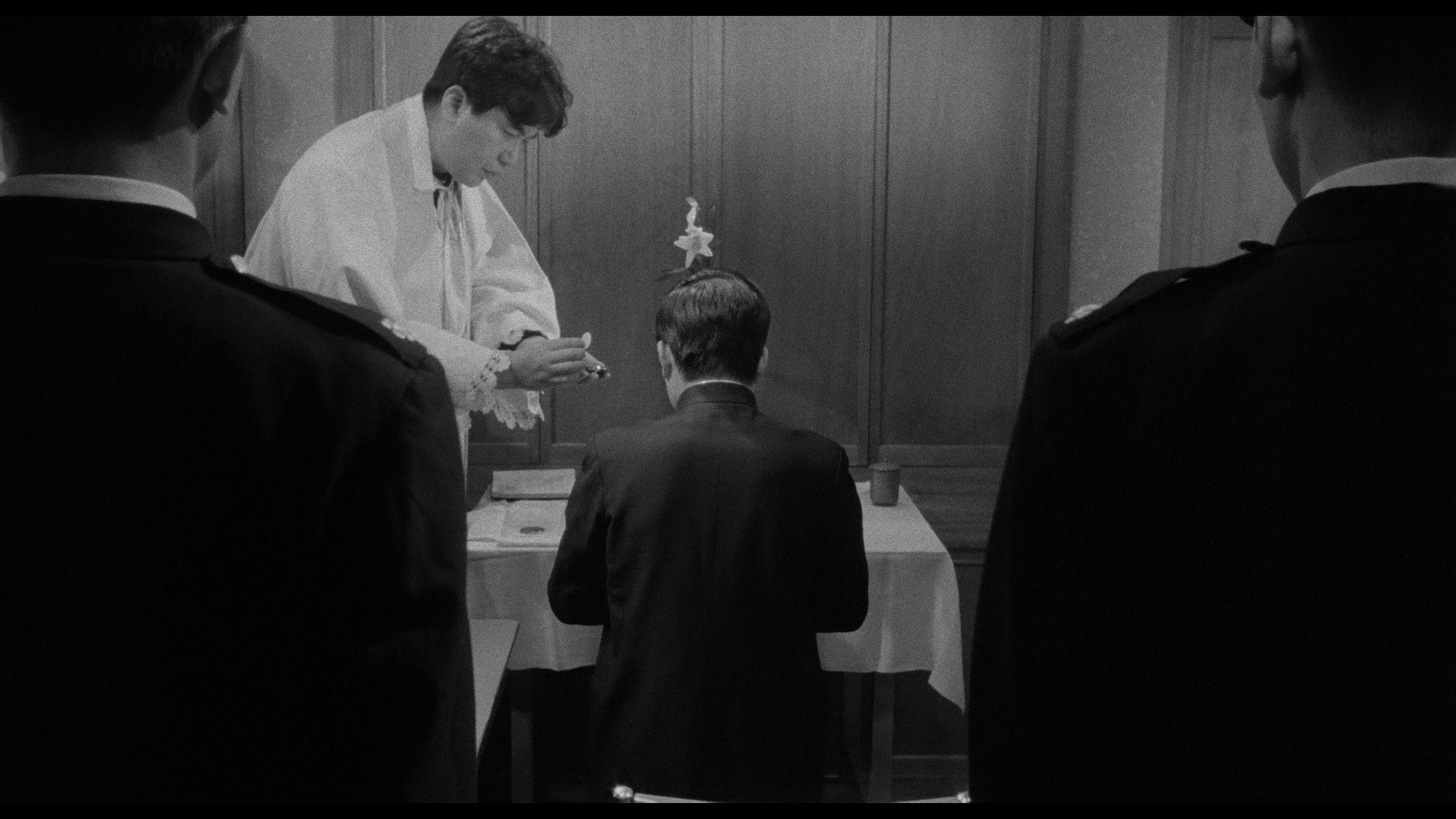
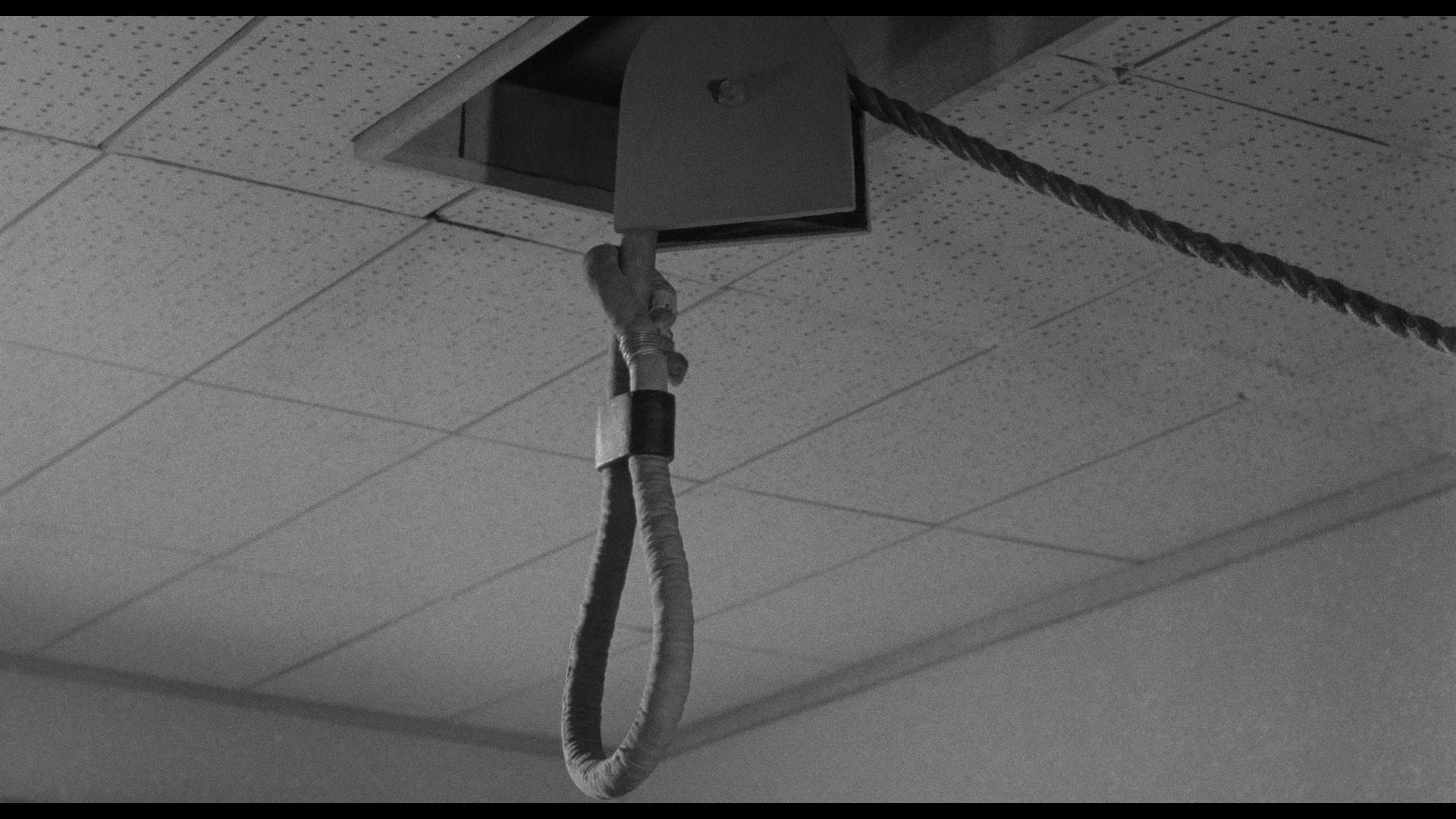
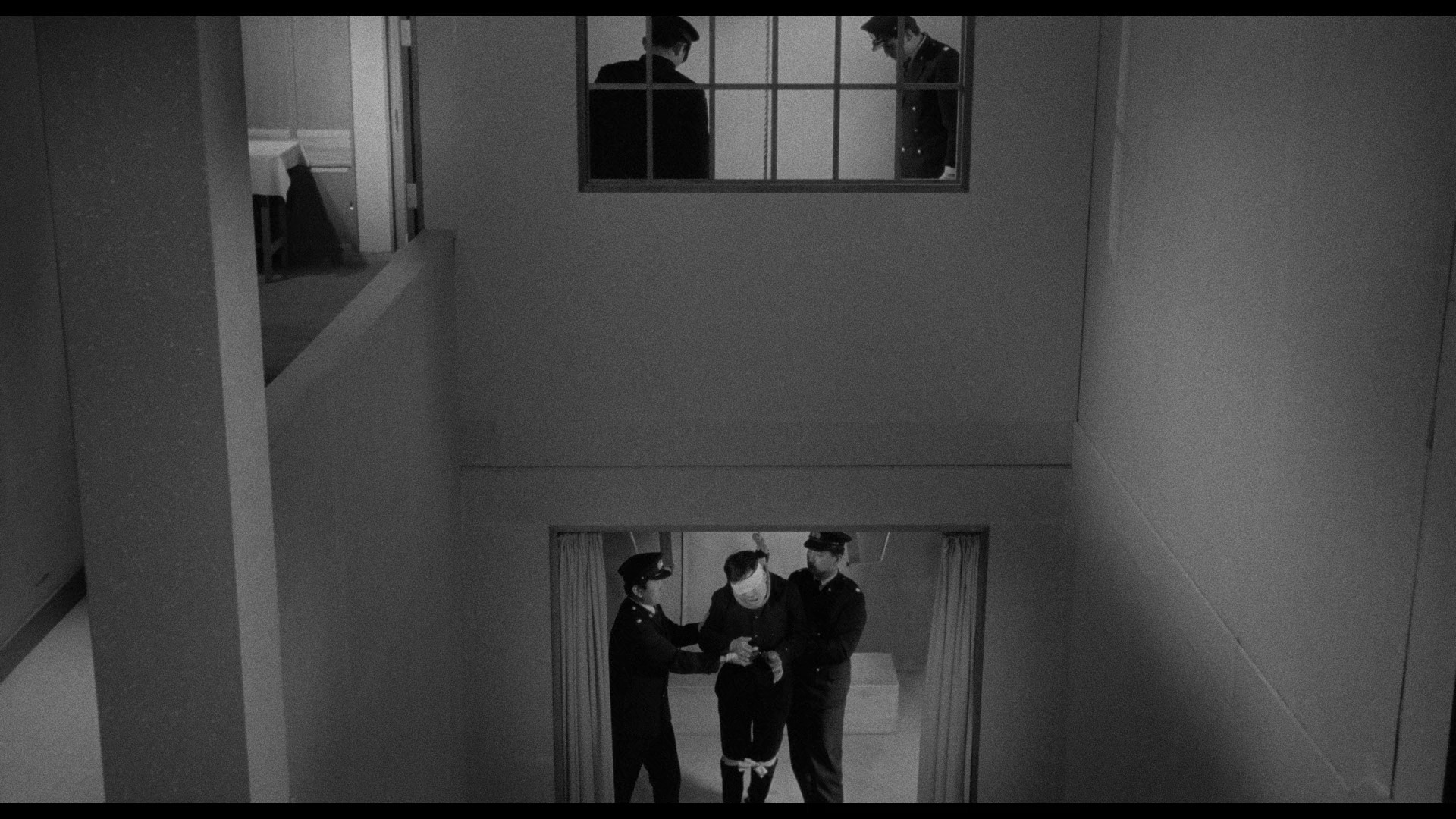
Audio 6/10
The audio sounds pretty much the same as what is found on Criterion’s edition: clean but generally flat. Dialogue is clear, the music has decent range, and there’s no severe damage to speak of.
Extras 9/10
Radiance assembles an impressive slate of supplements for their release, ultimately besting Criterion’s offerings. As with Criterion, Radiance includes Oshima’s 25-minute short film Yunbogi’s Diary (titled Diary of Yunbogi on Criterion’s edition). Told entirely through still photographs, it makes for a perfect companion to the main feature and its critique of Japan’s treatment of Koreans; Death by Hanging itself even makes use of several of the same images. The film follows an impoverished young South Korean boy, Yunbogi, who is left to fend for himself after his father, mother, and sister abandon him, scraping by however he can and navigating a series of obstacles along the way. His story is conveyed through first-person narration, occasionally interrupted by a third-person voice urging Yunbogi to rebel against the oppression imposed by the Japanese ruling class. It’s an effective, even devastating, film, both in execution and message. Radiance uses the same master as Criterion, meaning restoration work is minimal, but the high-definition presentation remains solid enough.
The remainder of the supplements are new and exclusive to this edition, beginning with an excellent commentary from Samm Deighan. While she notes up front that it’s impossible to cover everything she’d like regarding the film, the period, and Oshima’s career, she nonetheless delivers a wide-ranging and consistently engaging track. Deighan contextualizes the film within postwar Japan, digging into its critique of capital punishment and the country’s treatment of its Korean population, while also tracing how Death by Hanging reflects Oshima’s progressive beliefs and his frustrations with progressive movements of the time. She offers valuable insight into how the Japanese studio system allowed Oshima and his contemporaries a surprising degree of freedom, noting that Japan’s so-called New Wave emerged largely from commercial interests rather than purely artistic ones. Along the way, she references many of Oshima’s other films (including every title featured in Criterion’s Eclipse set), examining how his themes evolve across his body of work, and digs into the film’s characters, symbolism, theatricality, and Brechtian elements. Clearly presented and smoothly structured, it’s a terrific commentary and easily worth the time. I really, really enjoyed this one.
Radiance also includes a new 21-minute interview with filmmaker Yang Yonghi, a second-generation Korean living in Japan, who brings a personal and highly insightful perspective to the discussion. She reflects on Oshima’s depiction of Koreans in the film, offering the pointed observation that the police and legal authorities are perhaps unrealistically “too polite,” and discusses the real-life Komatsugawa Incident that may have inspired the story (also mentioned in Deighan’s commentary). She further connects the film to Park Soonam’s novel Crime, Death and Love, which she believes must have influenced Oshima as well. It’s an excellent addition, and credit is due to whoever thought to include it.
Tony Rayns, who appeared on Criterion’s release, is absent here, though he does turn up elsewhere in the set. While his contribution to Criterion’s edition was certainly worthwhile, Radiance’s lineup ultimately feels more substantial and satisfying: two strong academic pieces alongside Oshima’s short film.
Closing
With a slightly stronger presentation and a terrific slate of insightful supplements, Radiance’s edition easily bests Criterion’s previous release.
BUY AT: