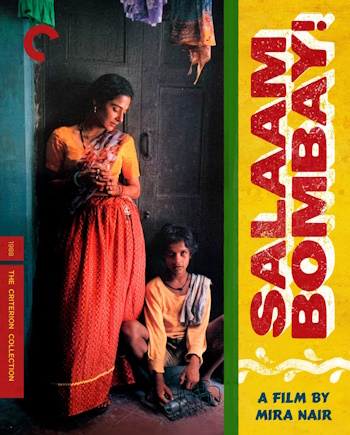
Salaam Bombay!
BUY AT:


See more details, packaging, or compare
Synopsis
A kaleidoscopic portrait of Bombay’s teeming street life, Mira Nair’s first narrative feature, Salaam Bombay!, combines a documentary-like sense of place with a poignant exploration of everyday resilience. After the young Krishna (Shafiq Syed) is cast out by his family, he makes his way to the city, where he encounters love, friendship, and tragedy in the face of extreme poverty. Drawing compellingly naturalistic performances from a cast consisting largely of children she met on the streets, Nair creates an intimate human drama that is by turns heartbreaking and life-affirming, an ode to childhood that overflows with colorful urban chaos and a deep compassion for those who live on society’s margins.
Picture 9/10
Mira Nair’s Salaam Bombay! receives a new 4K UHD edition from The Criterion Collection, presenting the film with Dolby Vision in its original aspect ratio of 1.85:1 on a triple-layer disc. The 2160p/24hz ultra high-definition presentation is sourced from a 4K restoration taken from a scan of the 35mm original negative. This release also includes a standard dual-layer Blu-ray featuring a 1080p presentation of the film (also sourced from the same 4K restoration) alongside the release’s video features.
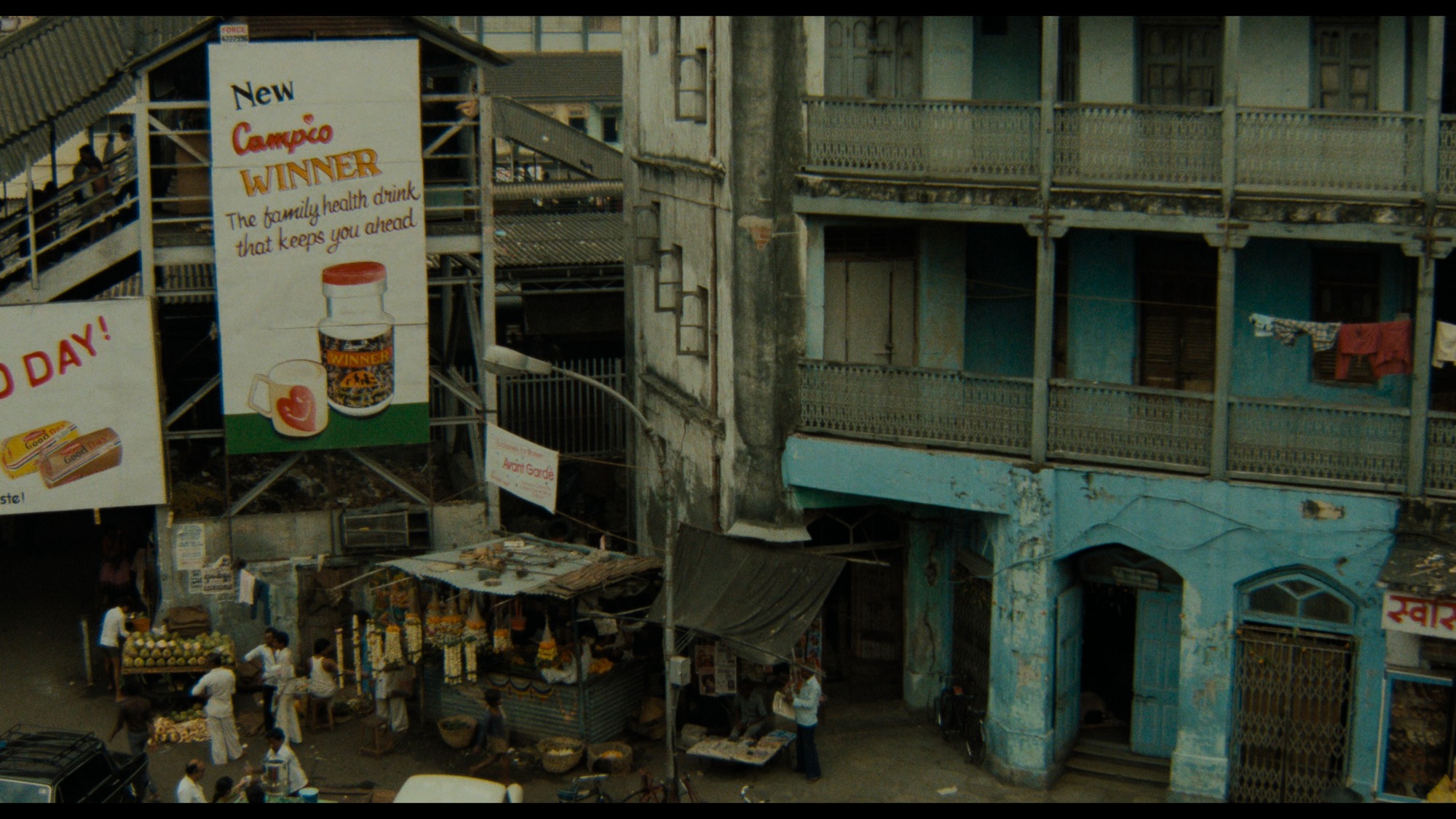
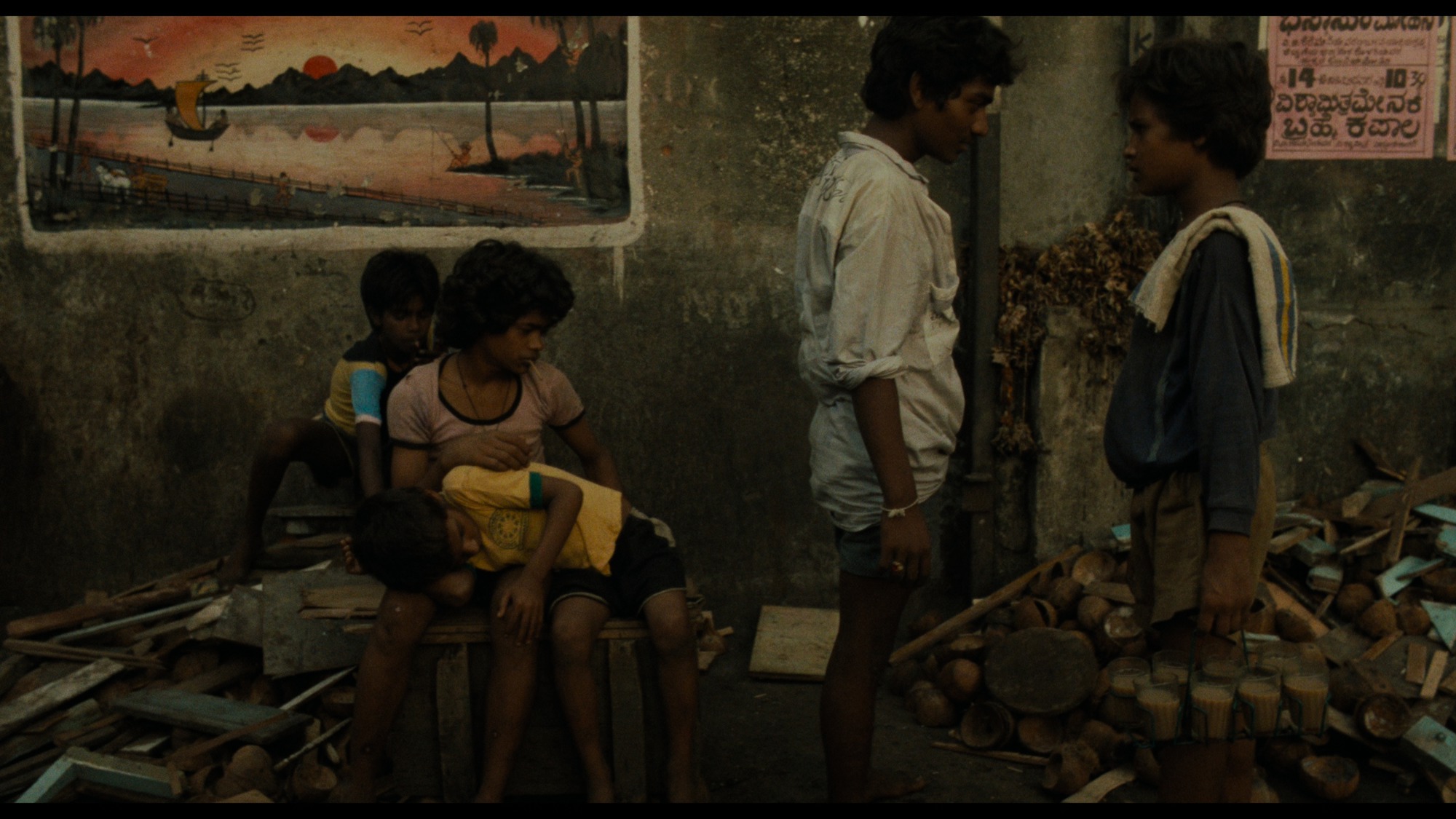
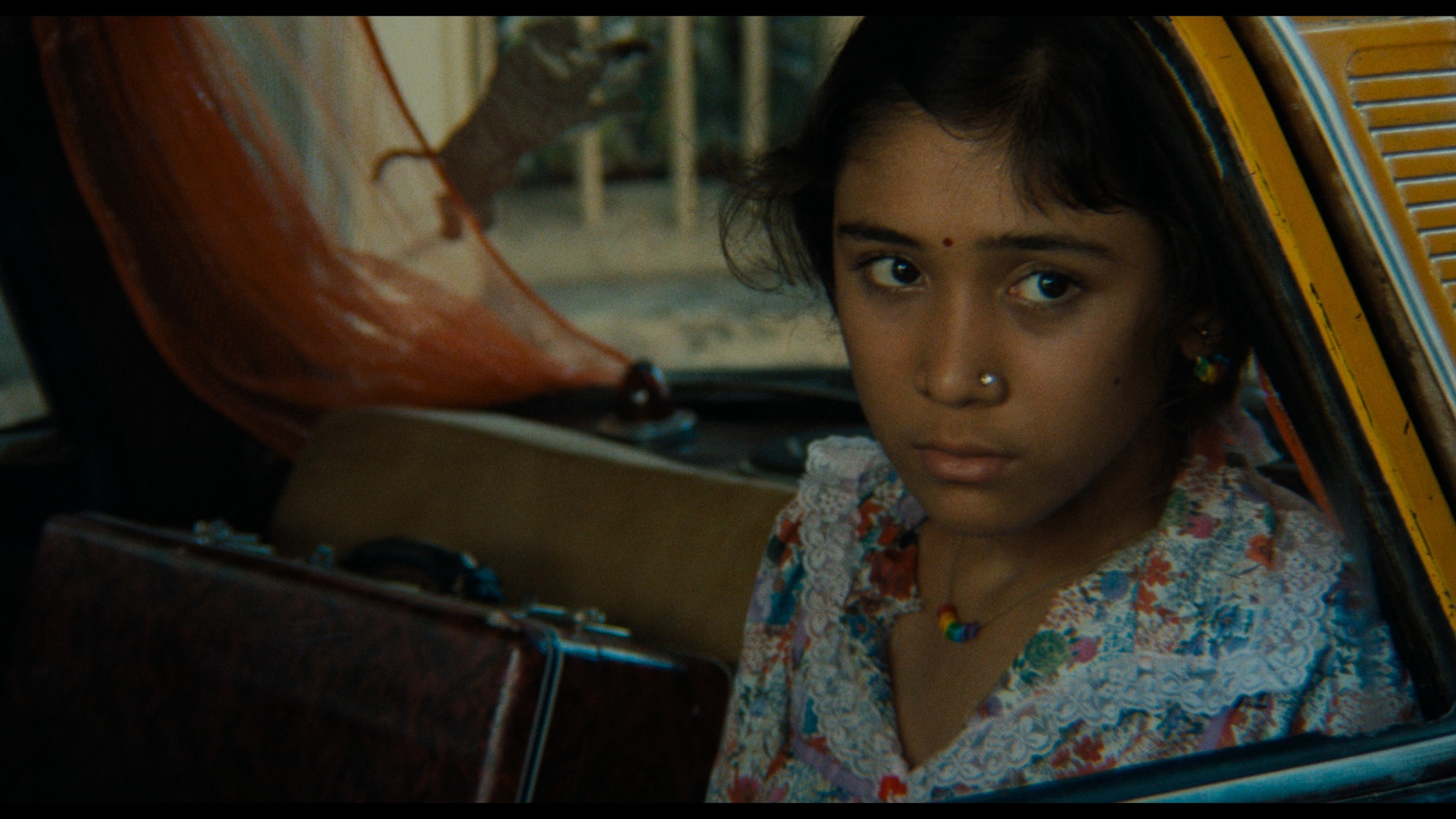
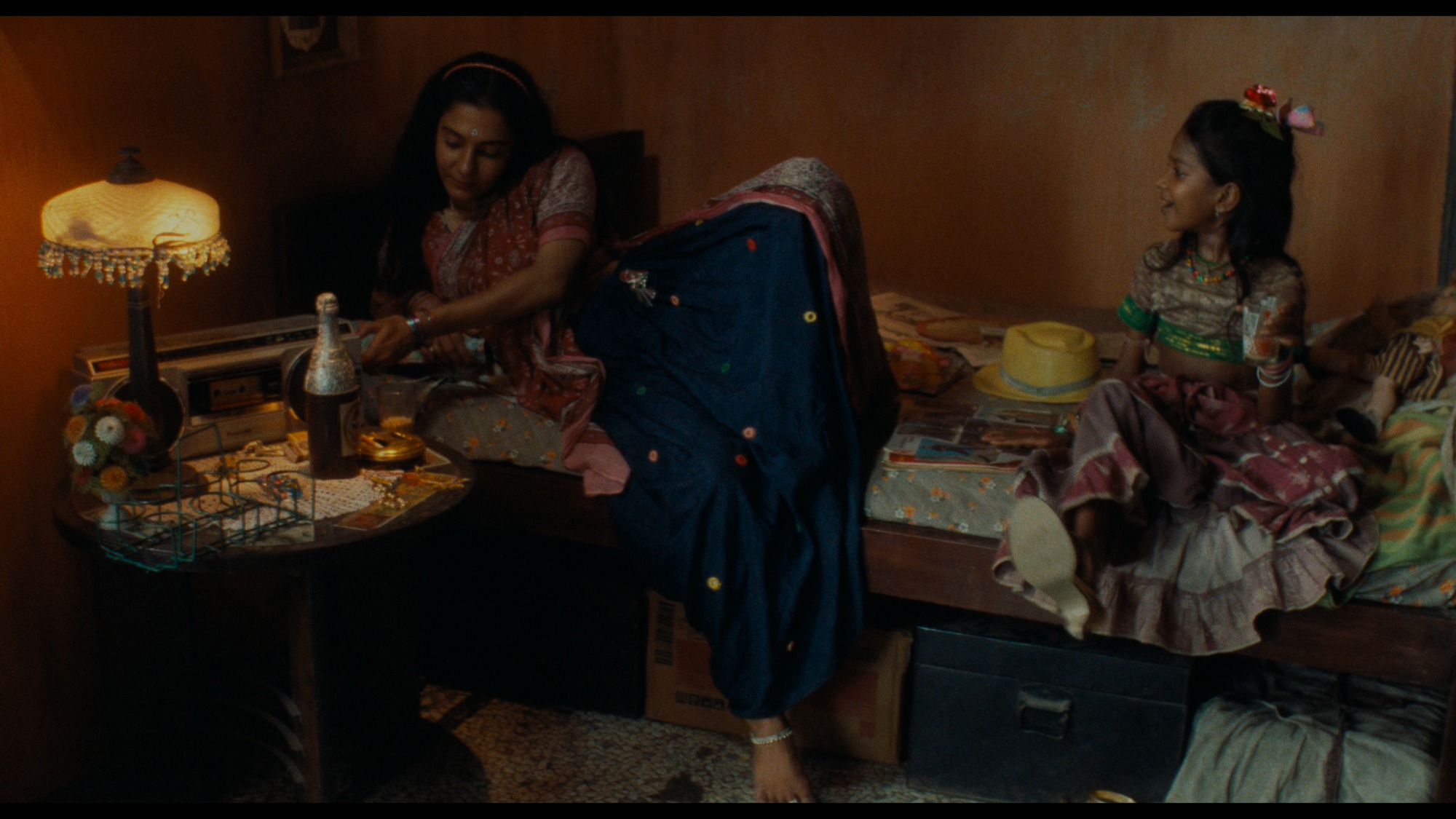
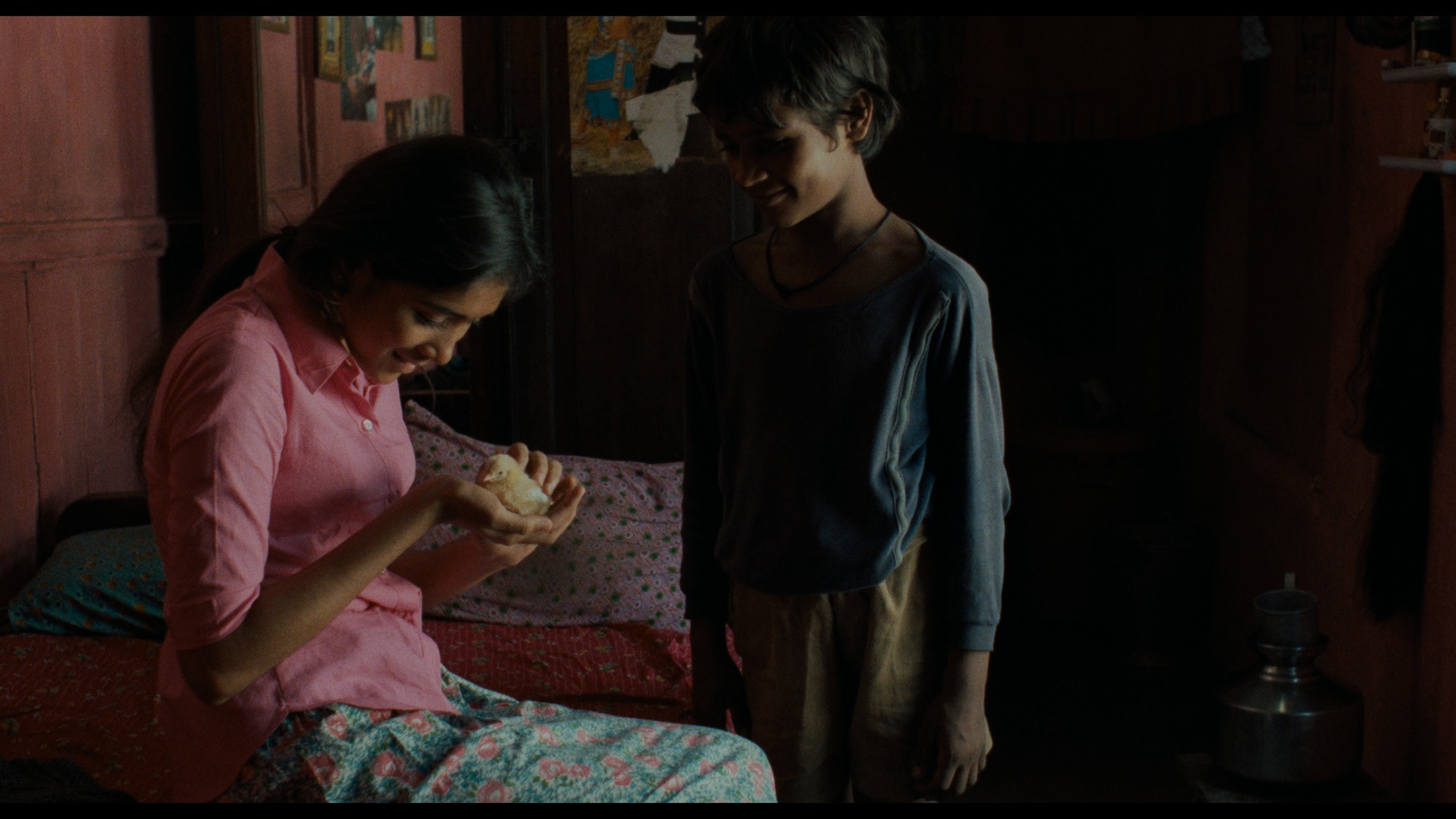
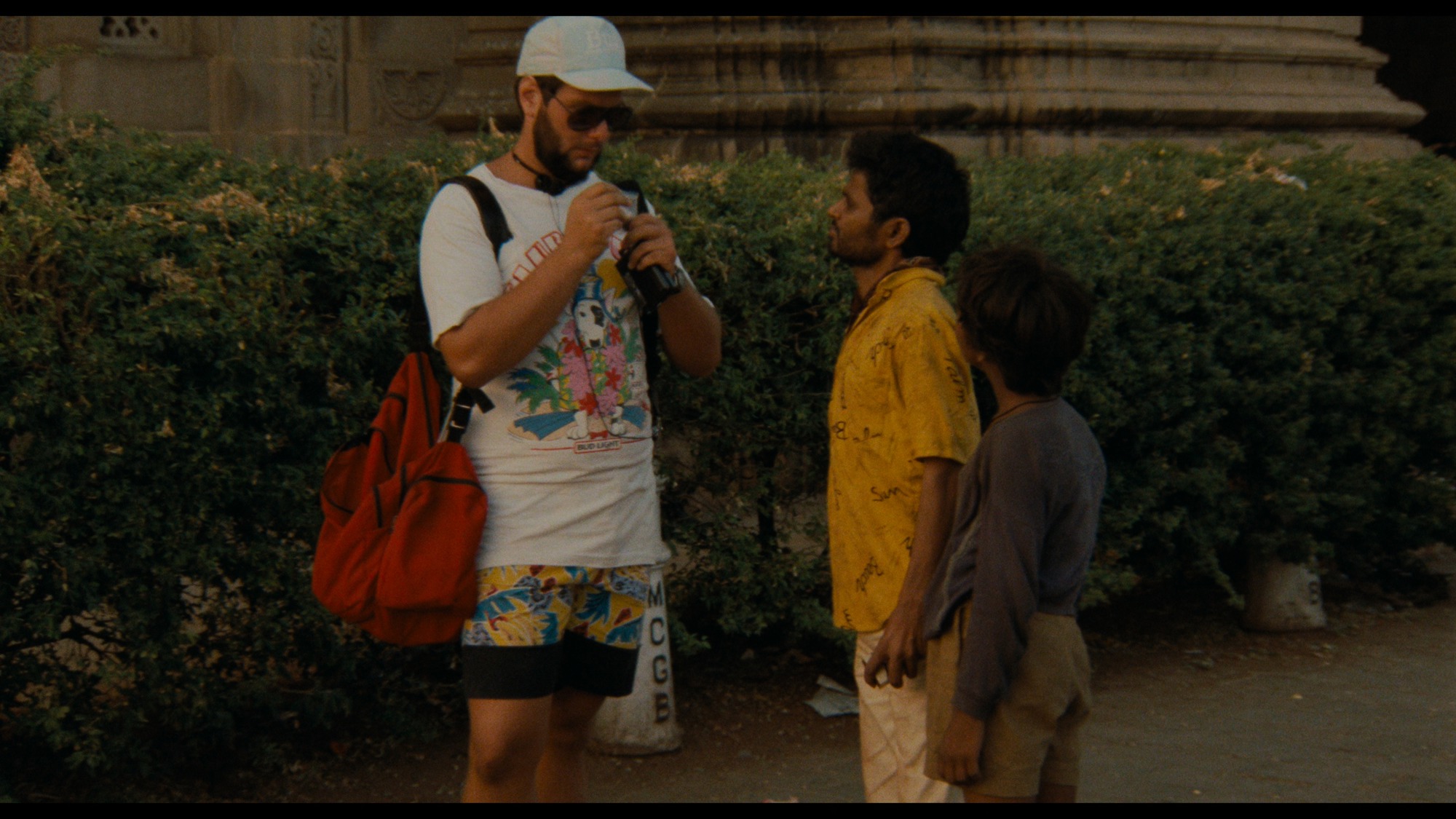
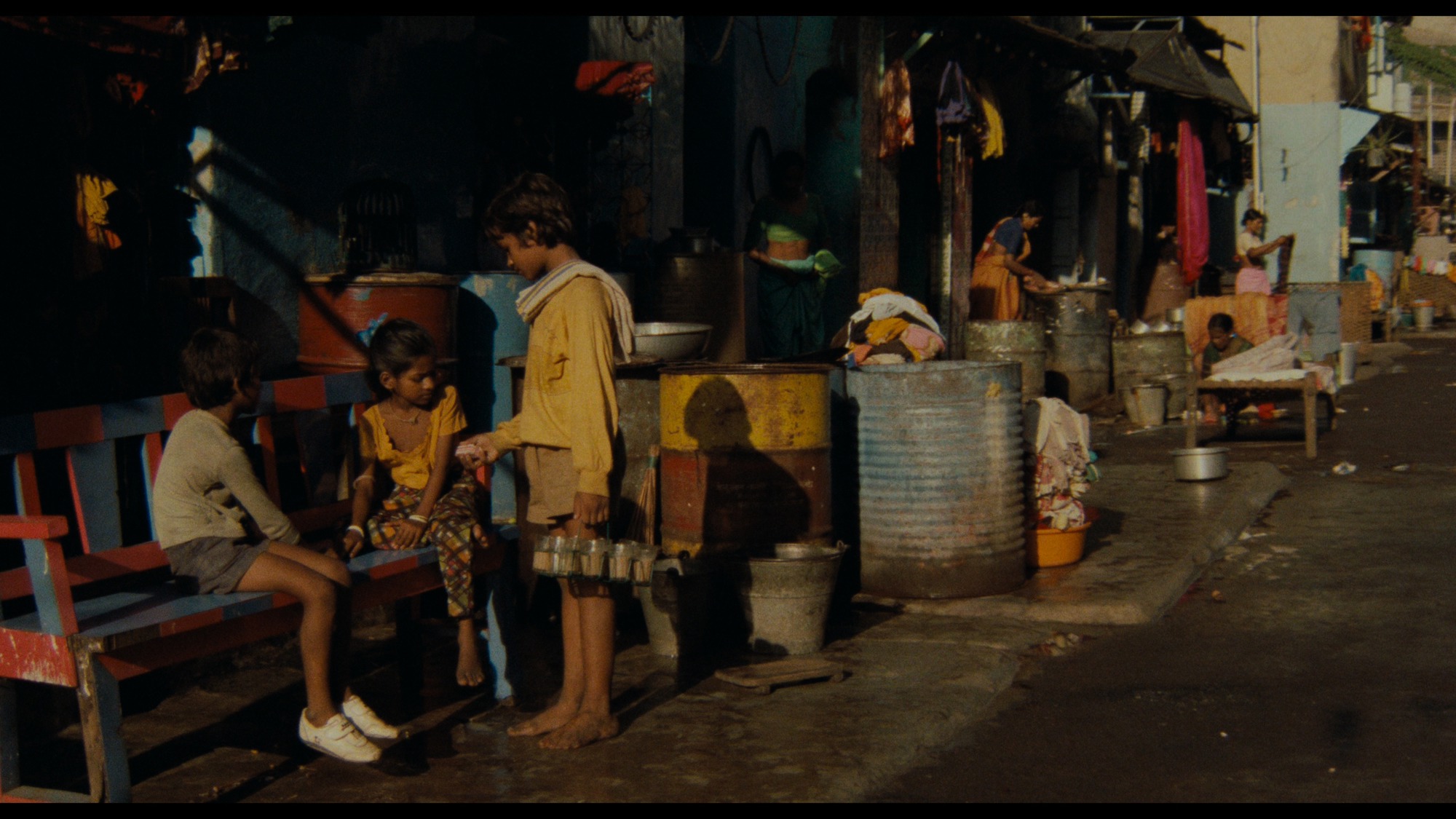
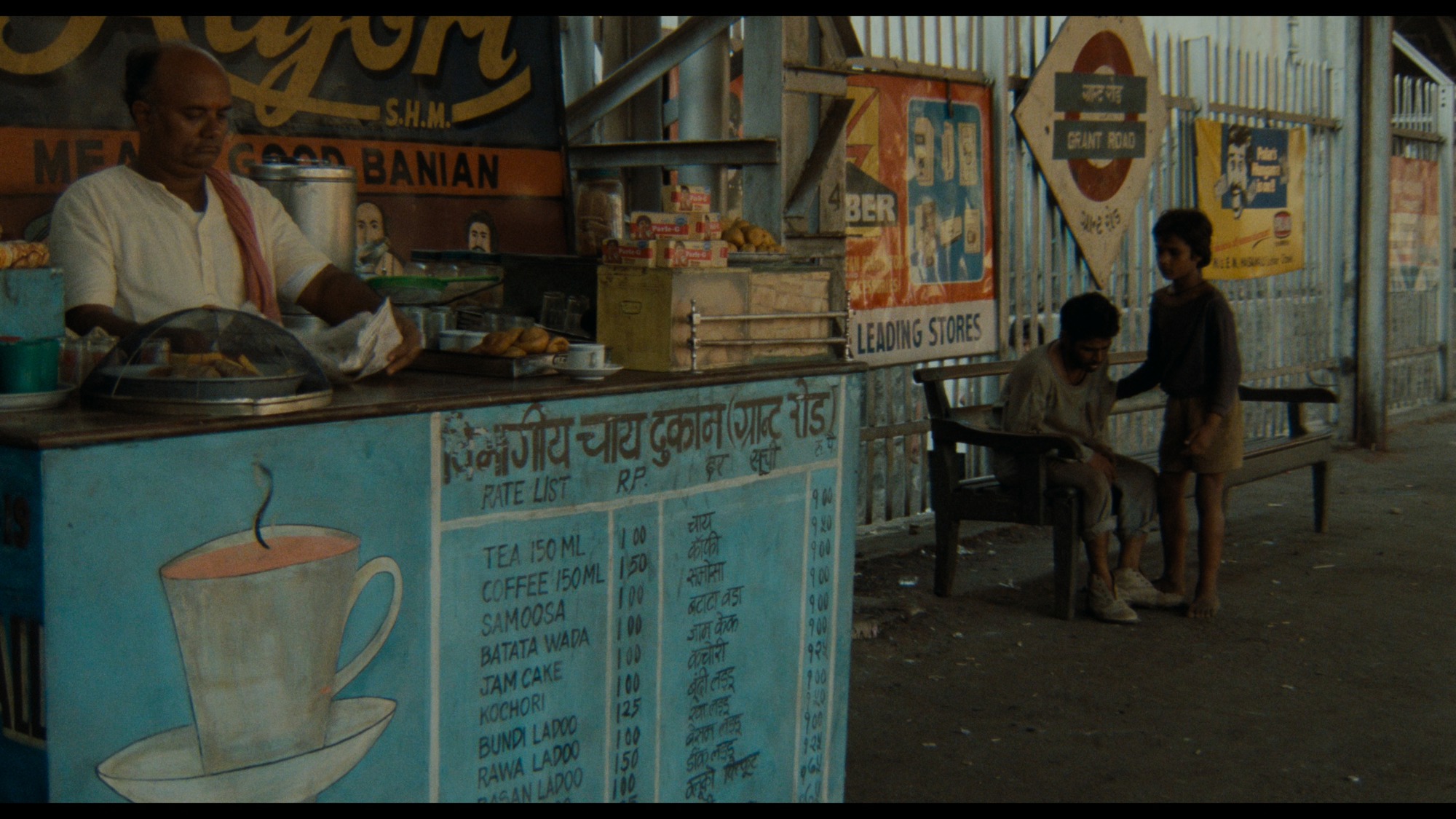
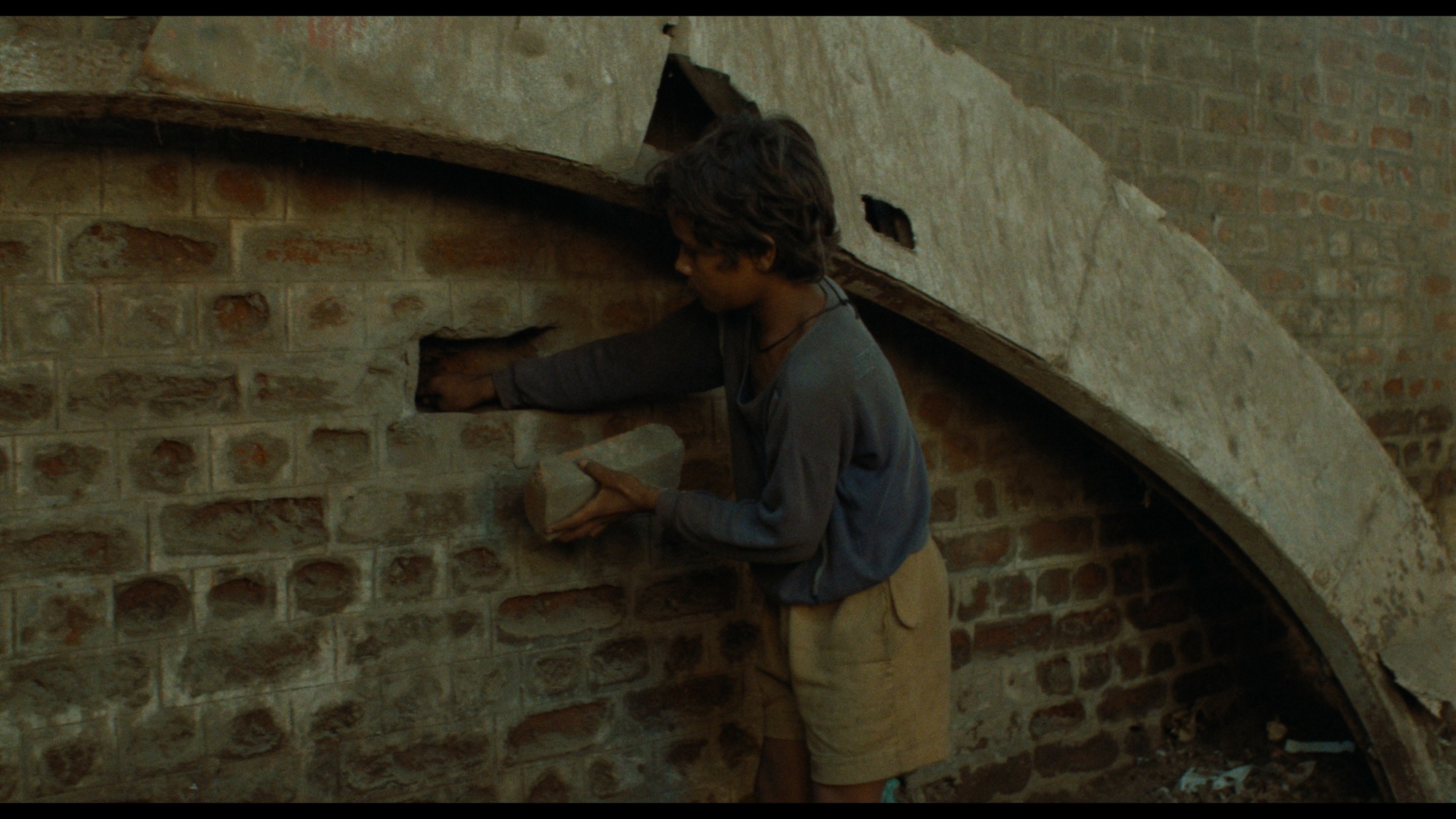
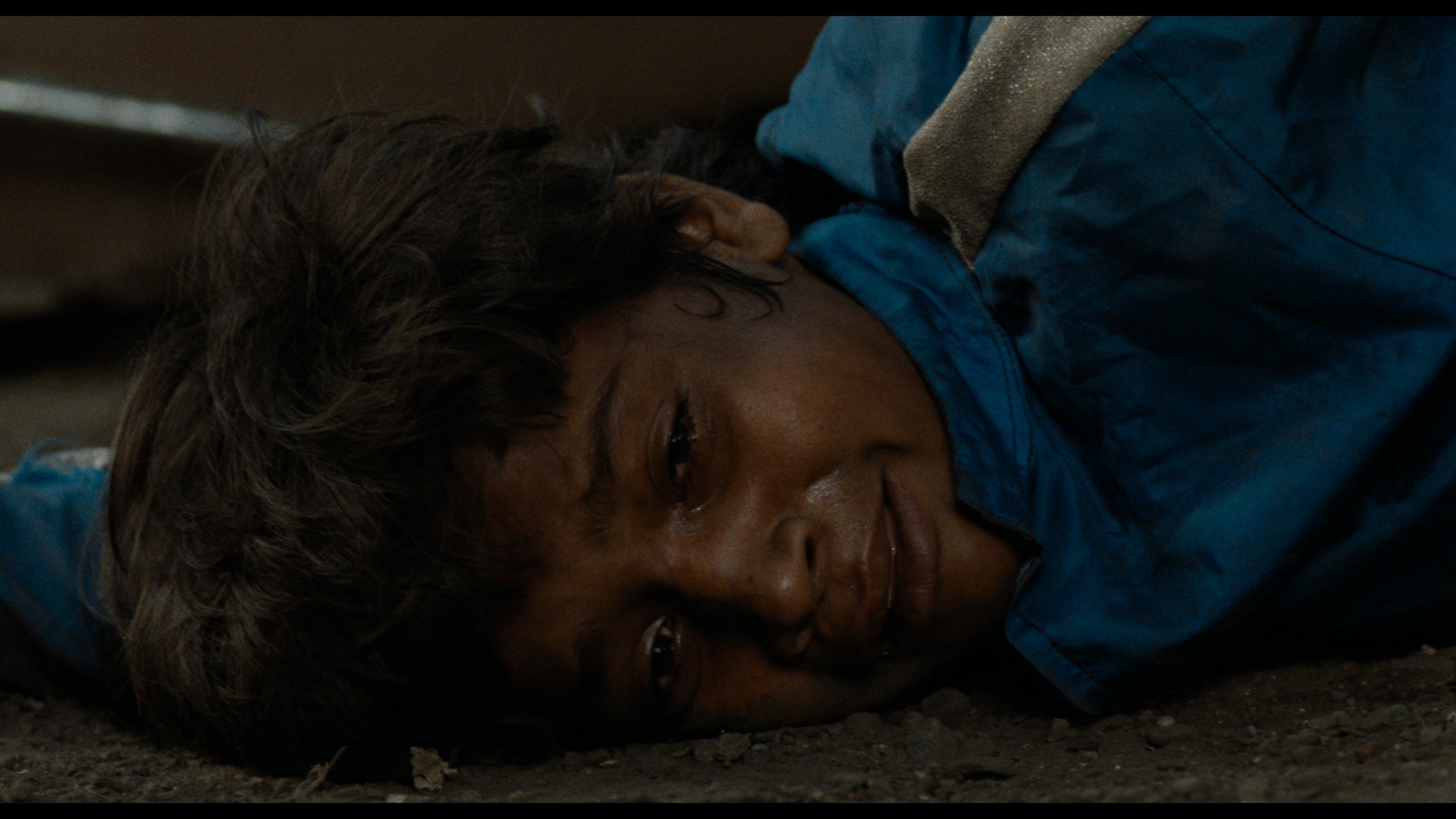
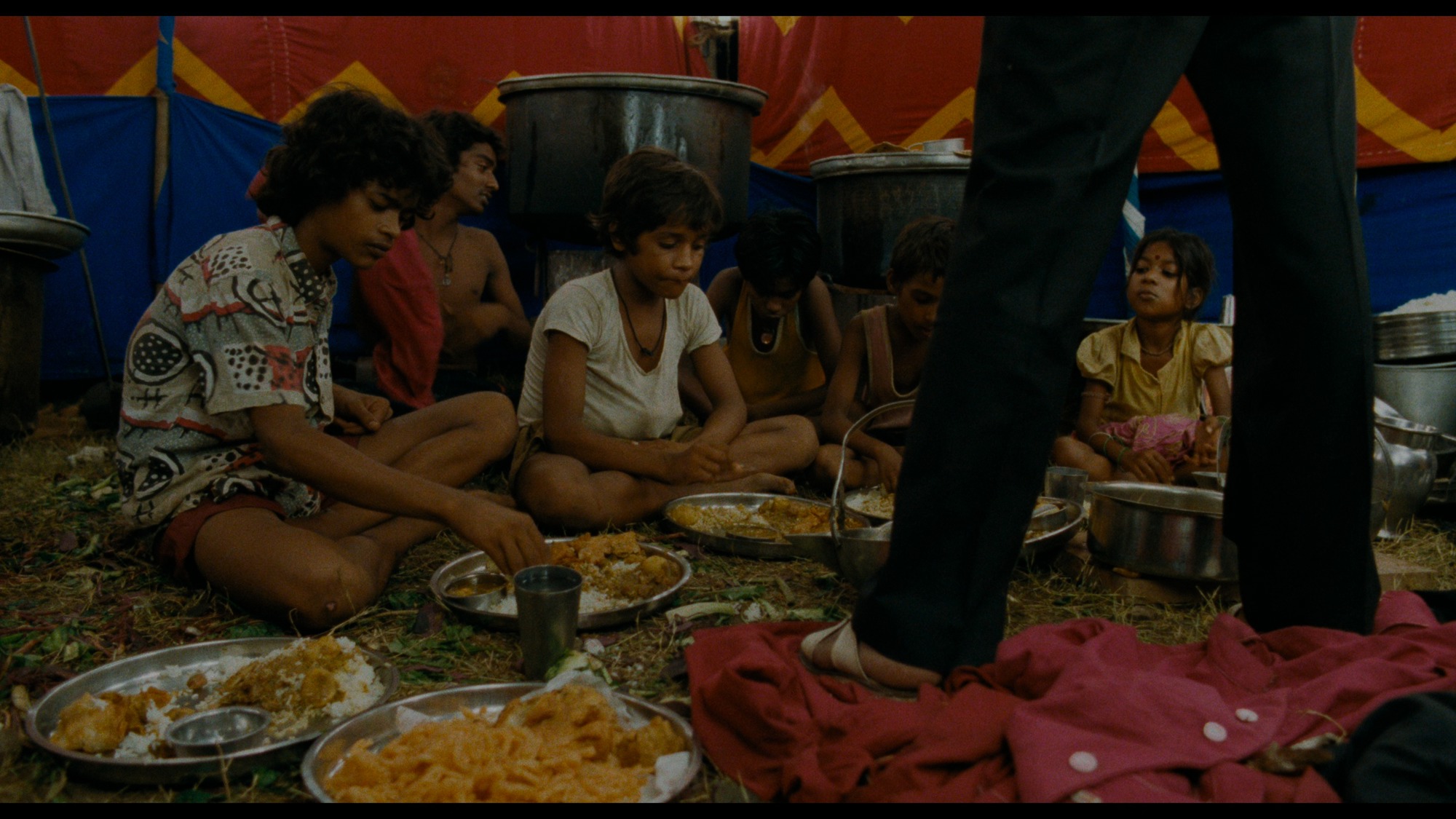
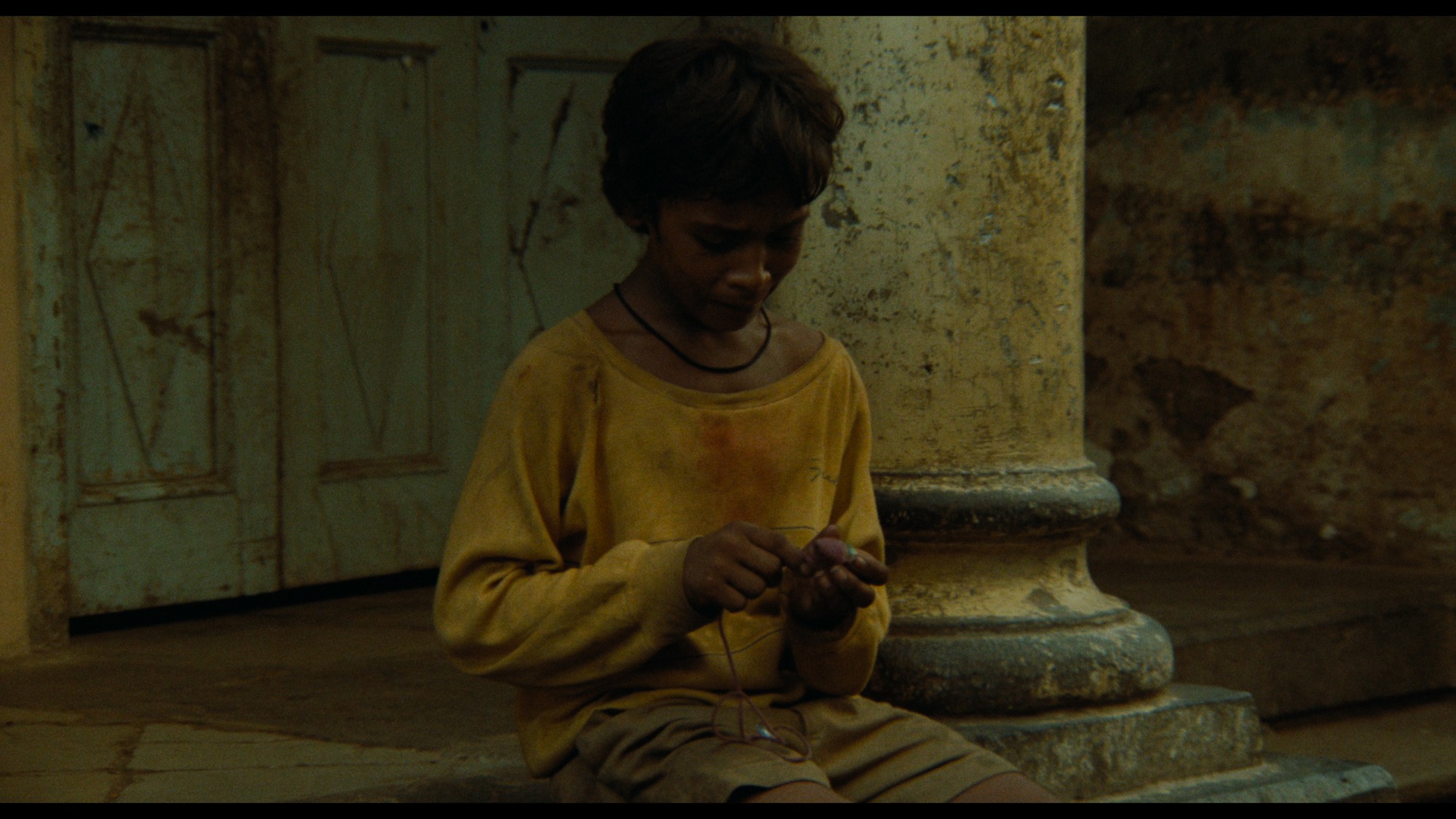
Staying in line with many of Criterion’s recent 4K releases, this one looks quite incredible. Considering how the film was made and the issues that arose along the way, I wasn’t sure how it would ultimately turn out, but it exceeds expectations by a fairly wide margin. The restoration work itself is impressive, cleaning up virtually all visible damage, with little of note remaining. And on that, given the film’s indie roots, I had assumed the elements might be in rough shape, but nothing here suggests that would have ever been a problem and the presentation is incredibly stable, with no severe fluctuations or anomalies.
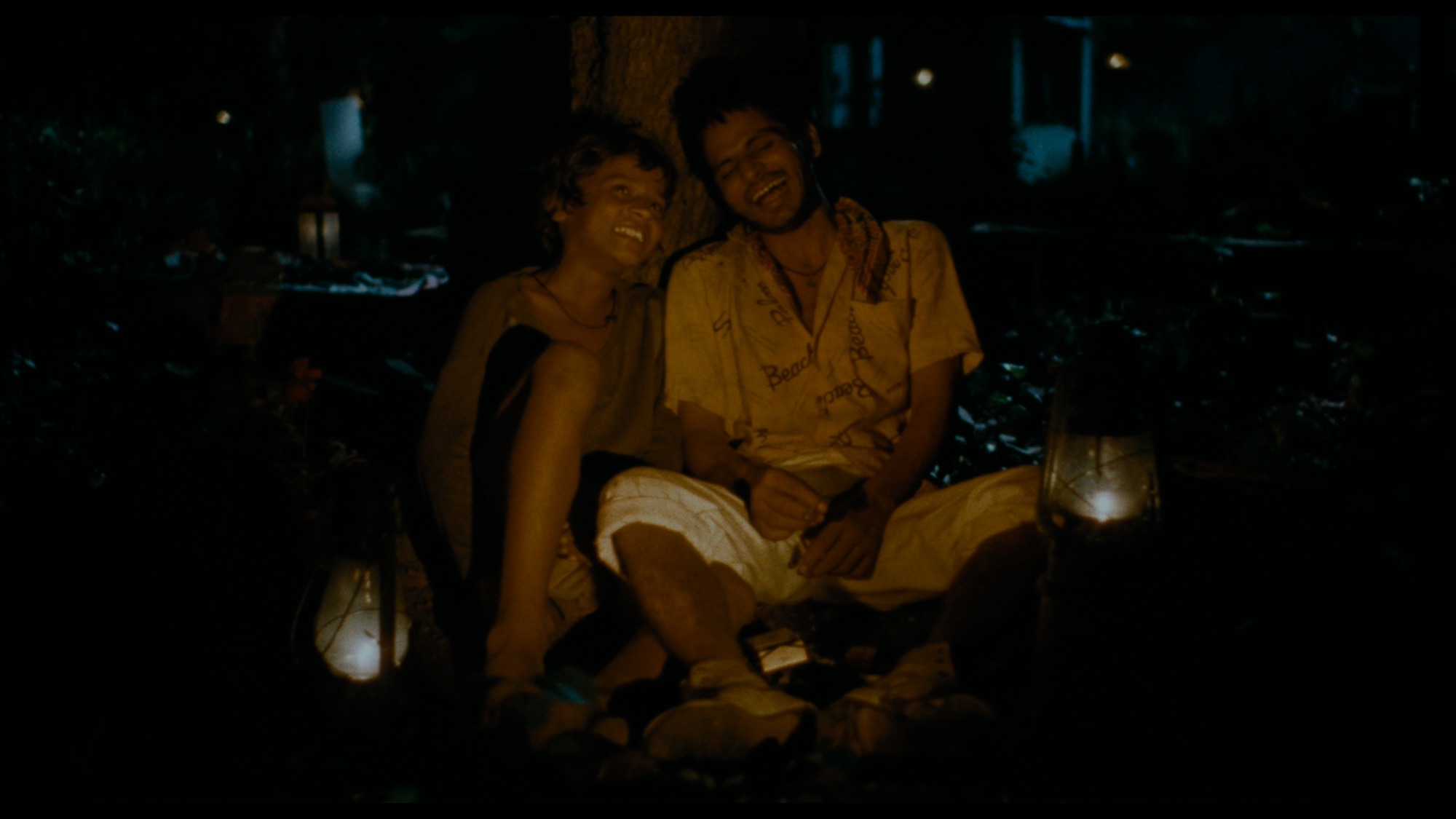
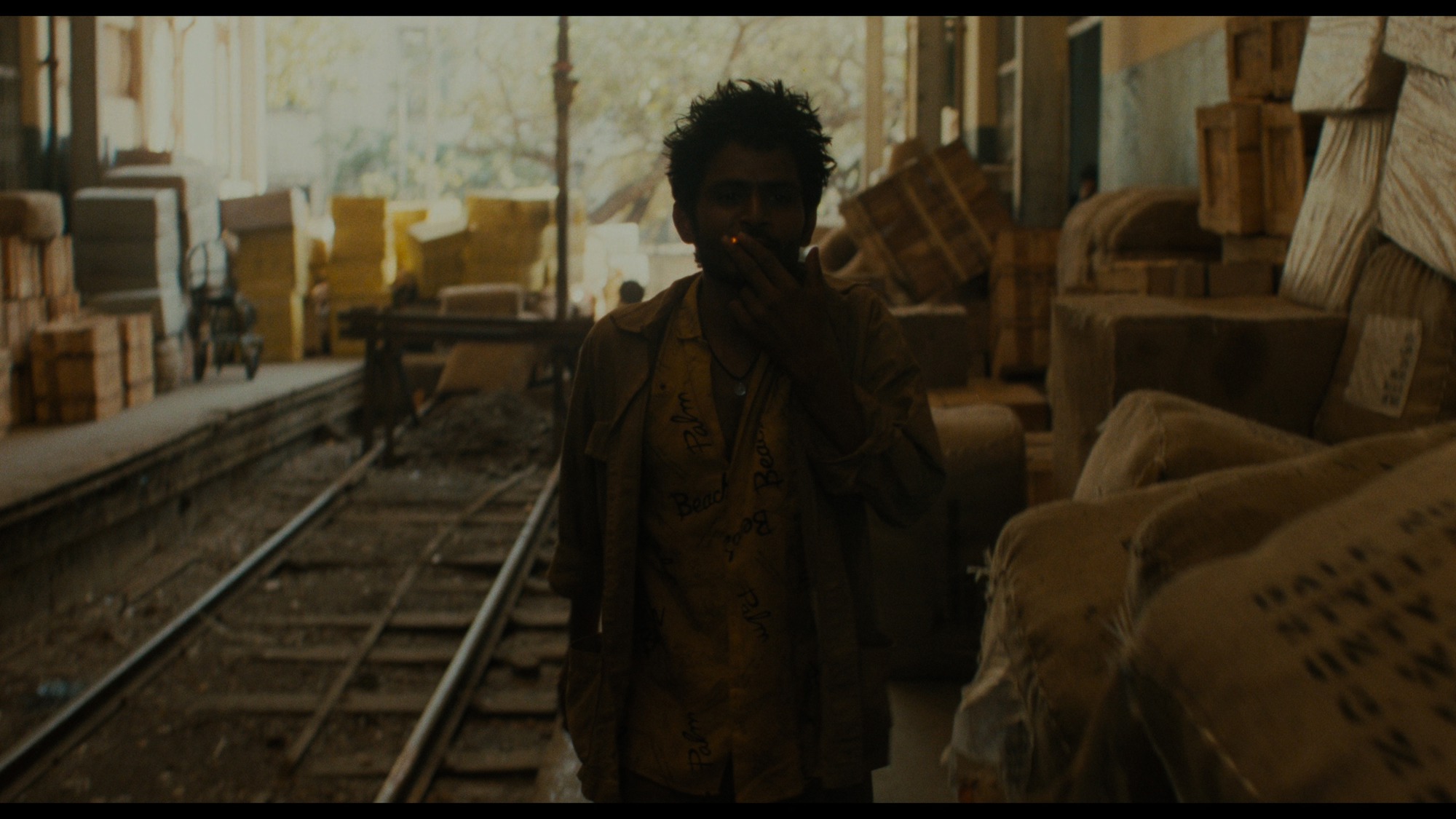
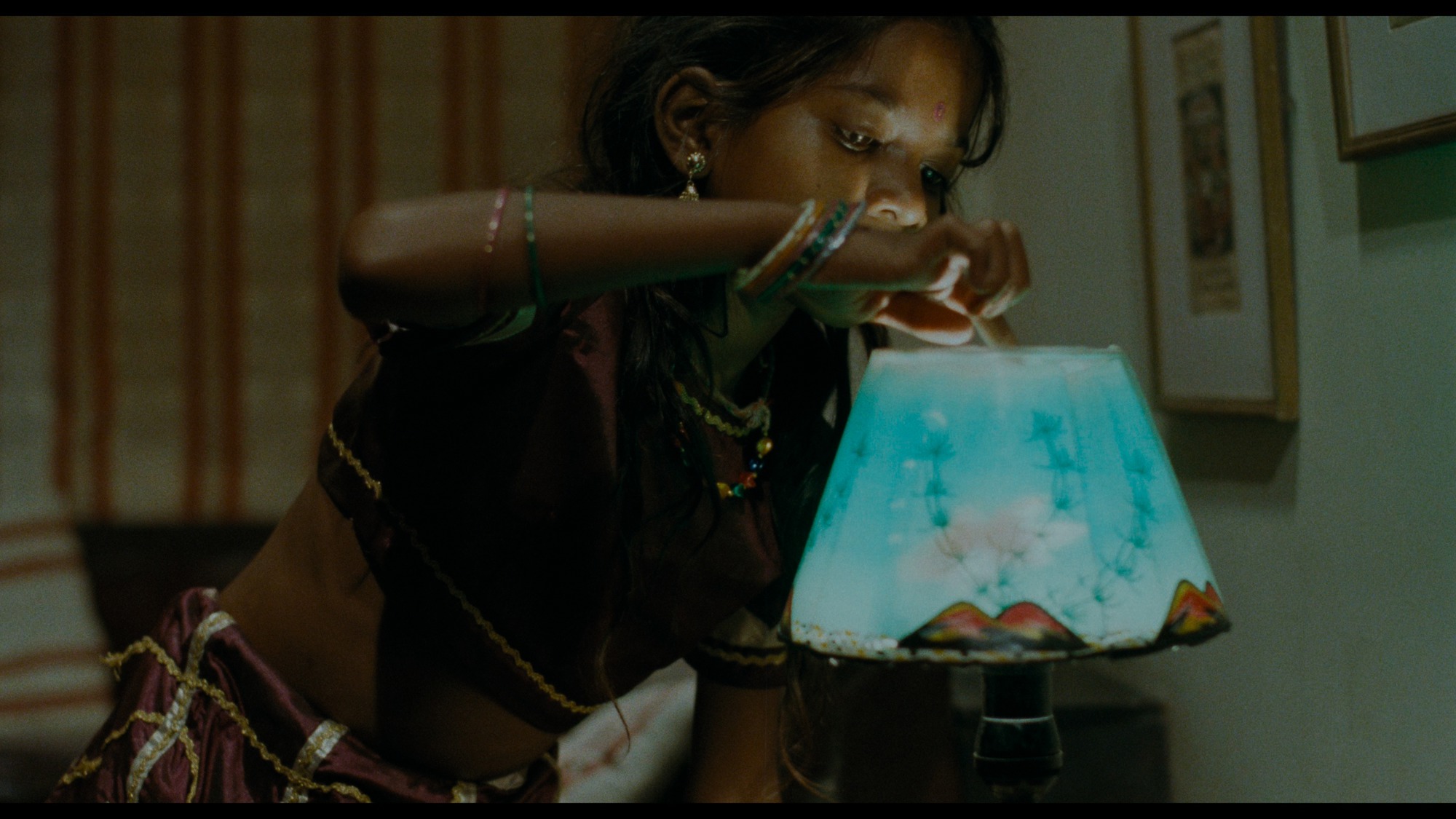
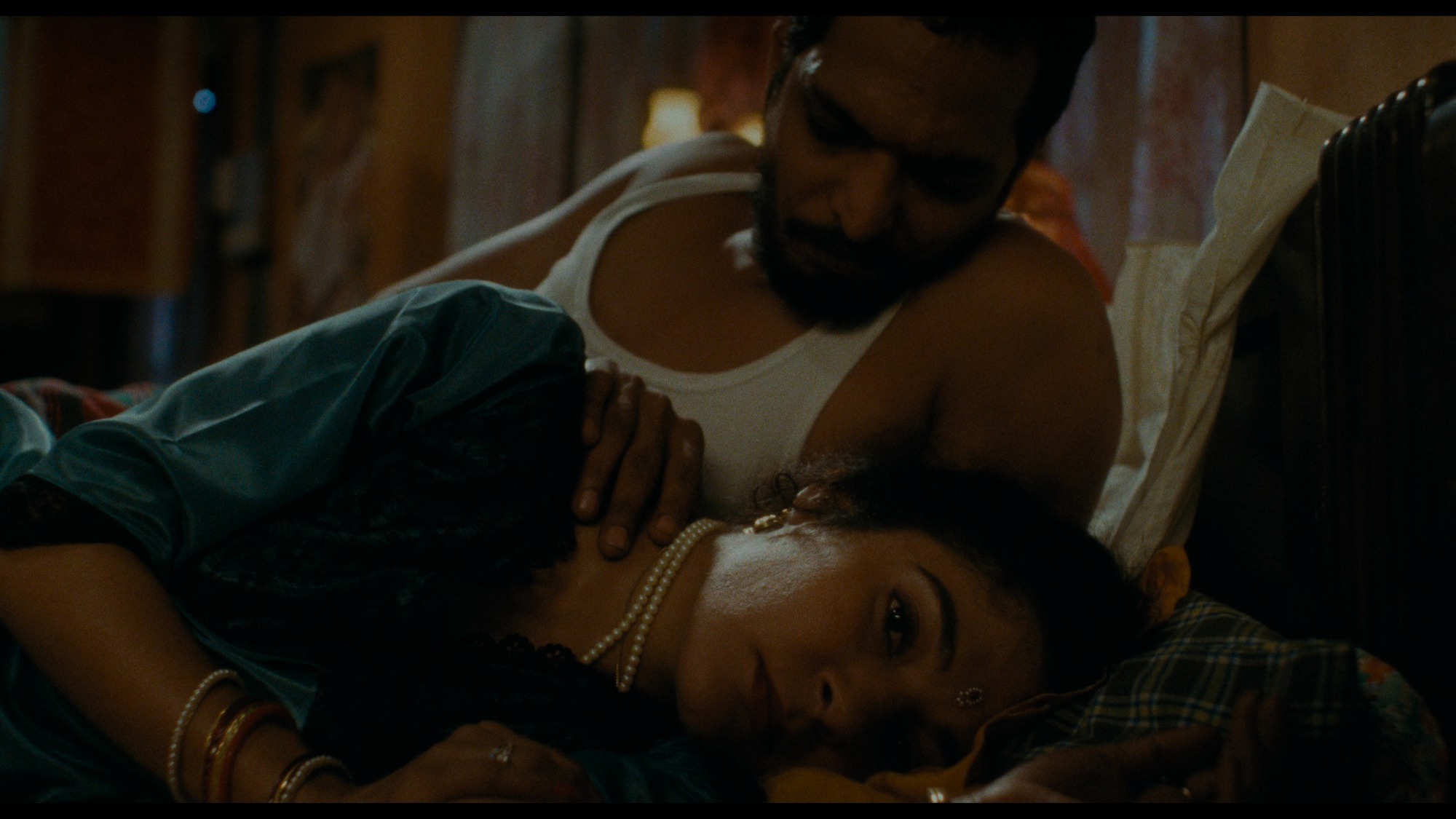
Contrast also remains strong throughout, offering pleasing tonal shifts and solid shadow detail, further enhanced by Dolby Vision. Dynamic range is fairly wide, helping darker scenes, particularly those featuring isolated light sources—like the tip of a lit cigarette—stand out nicely, while highlights remain clean without any obvious clipping.
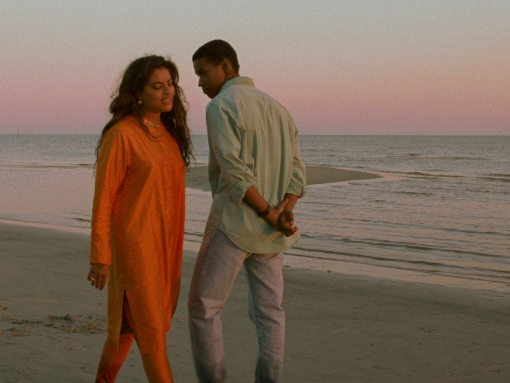
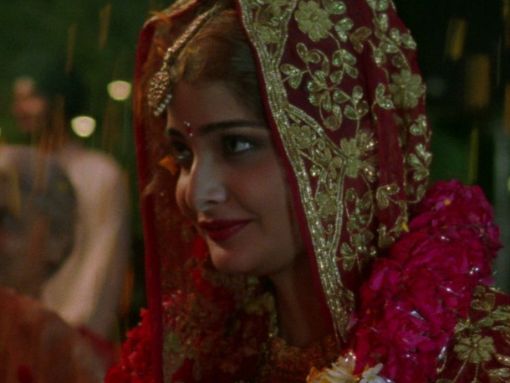
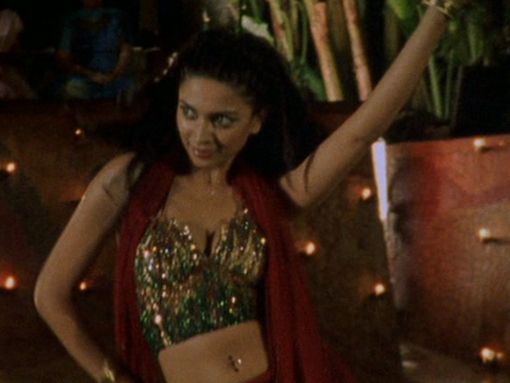
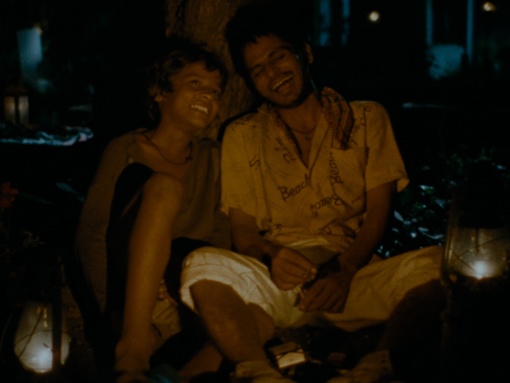
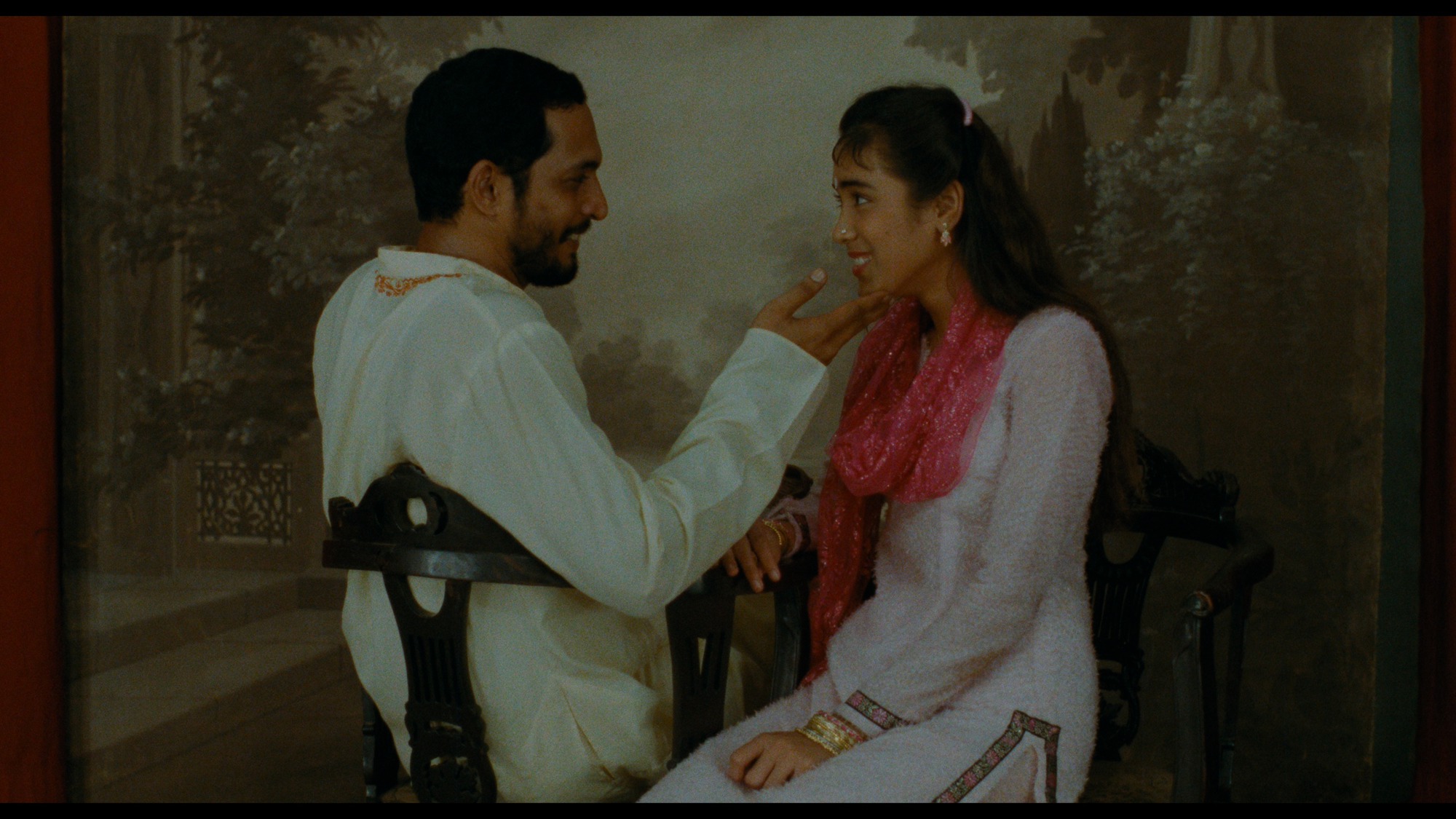
Colors look strong, though I’ll admit they initially caught me off guard. The palette leans quite warm, with a notable absence of blues, often replaced by teal and cyan tones. At first, I wondered if this was the result of questionable grading choices, but whites appear accurate, skin tones look natural, and black levels are stable, suggesting this look was a deliberate choice that does suit the film well. Listening to the included commentary by cinematographer Sandi Sissel clarifies things, as she explains that an issue during development led to the loss of much of the film’s blue color information. As a result, the film’s distinctive look appears to be something of a happy accident.
On top of that, the encode is very strong, handling the fairly heavy grain structure well and delivering a pleasing, film-like image. In all, it’s a terrific presentation.
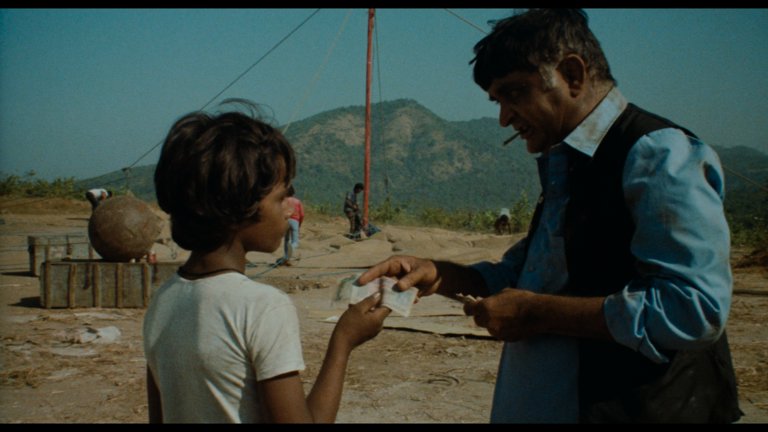
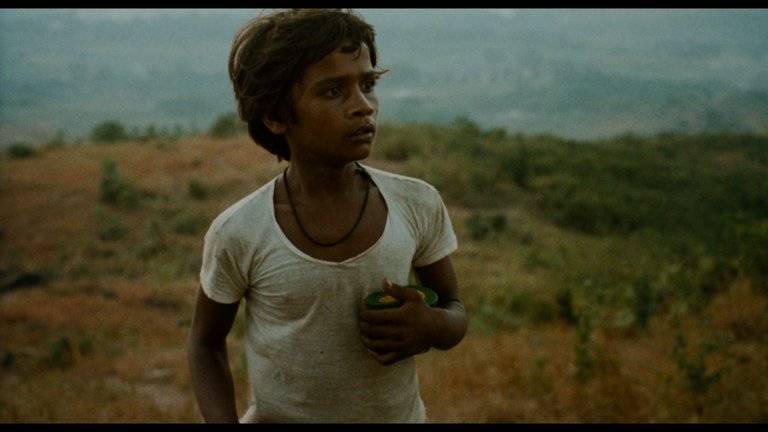
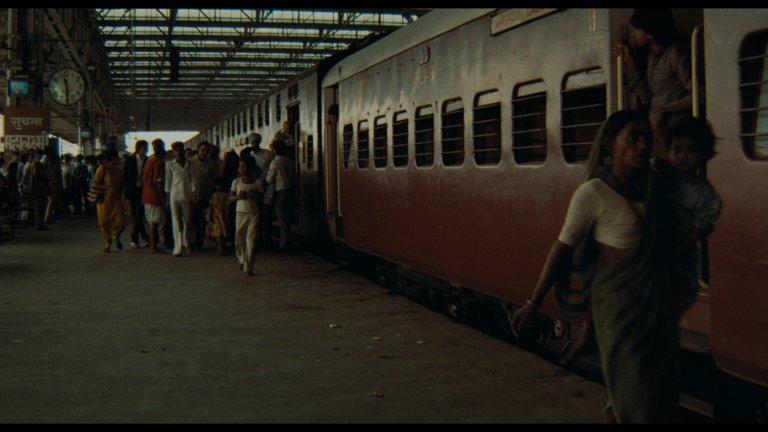
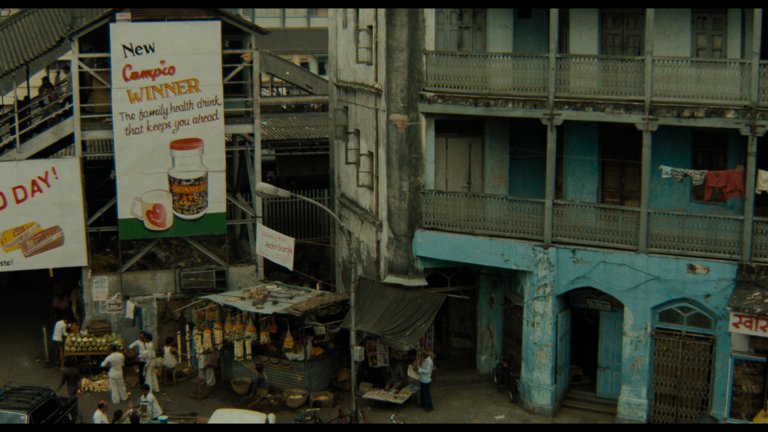
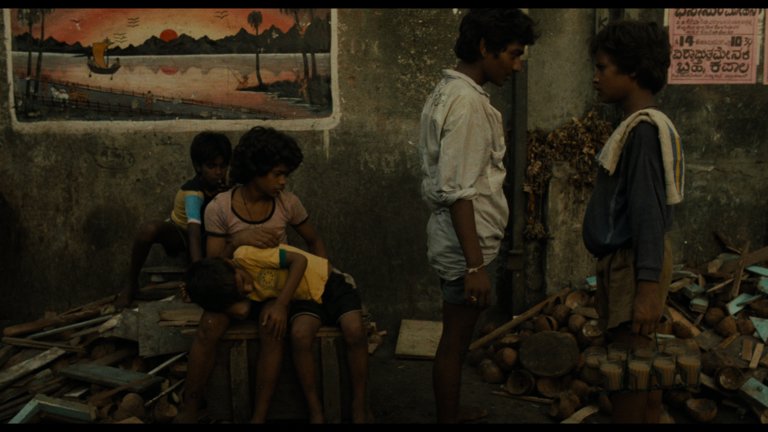
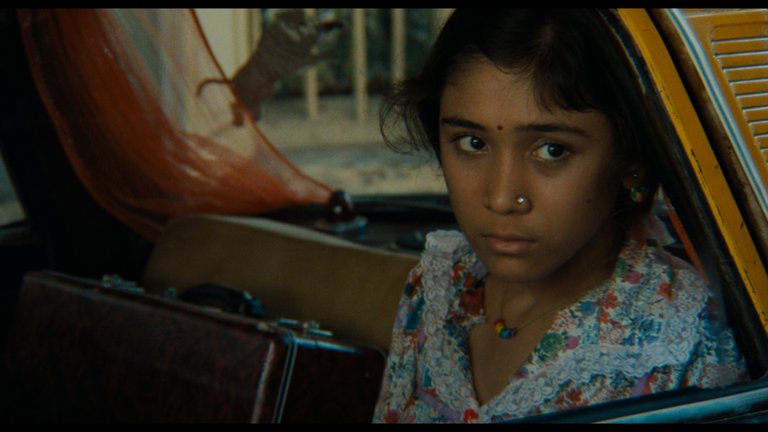
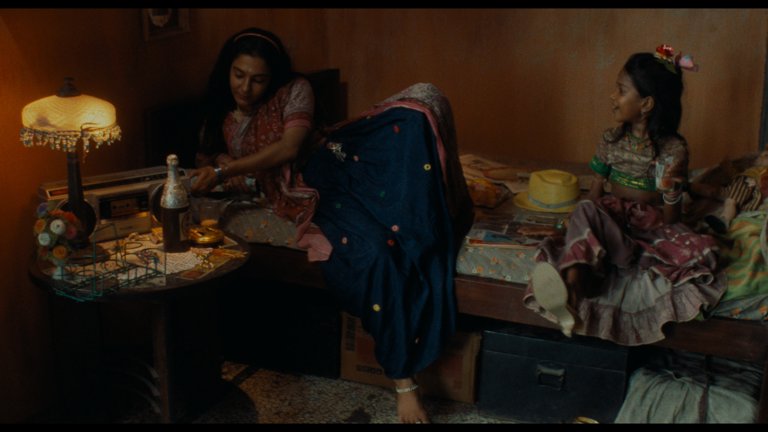
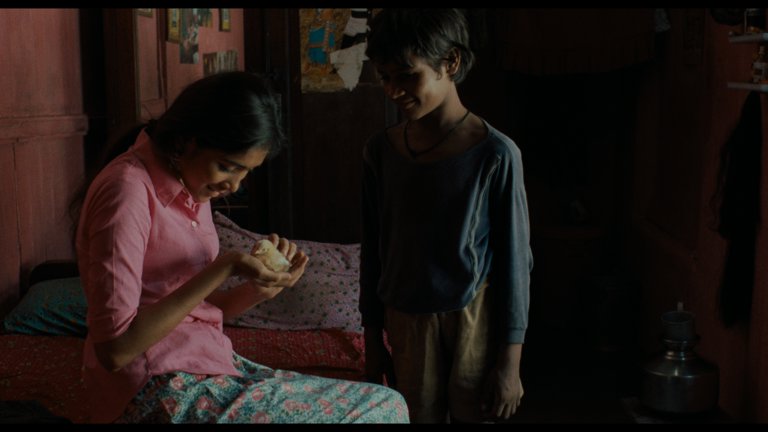
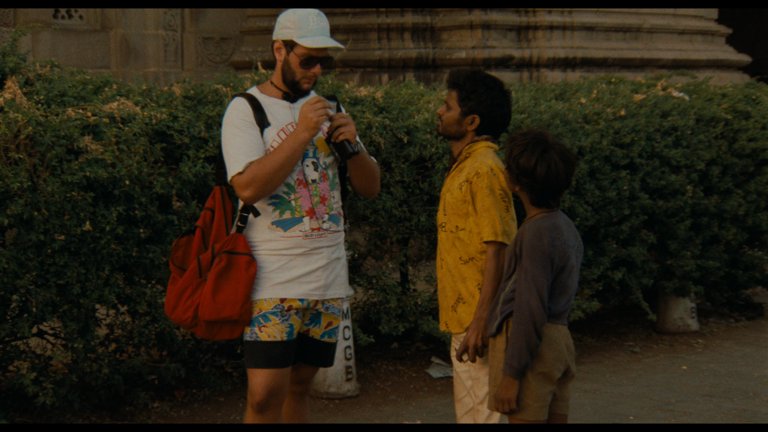
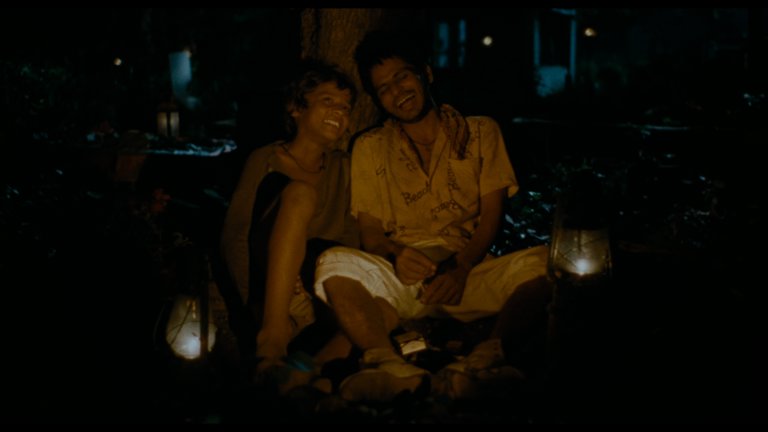
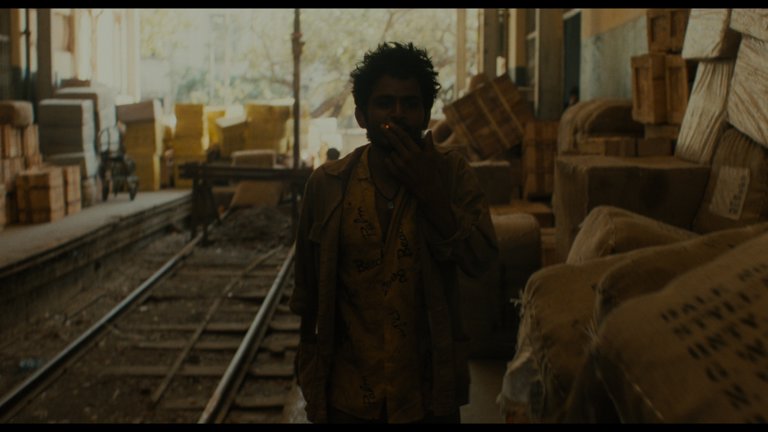
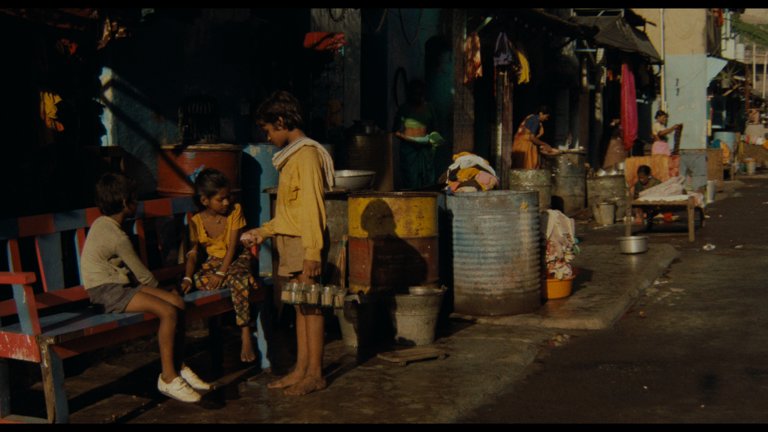
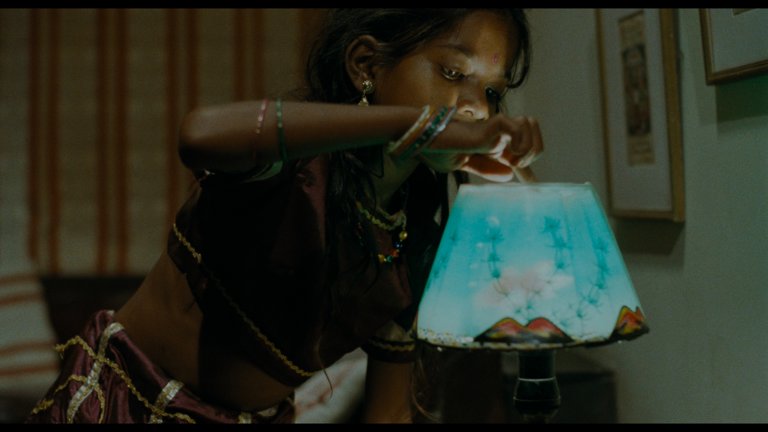
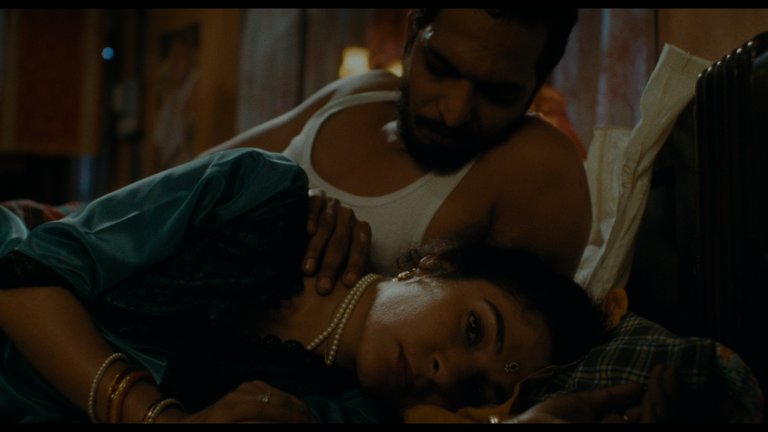
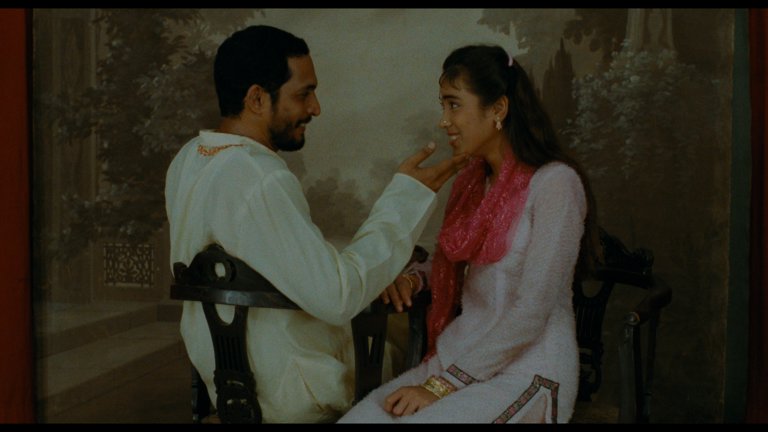
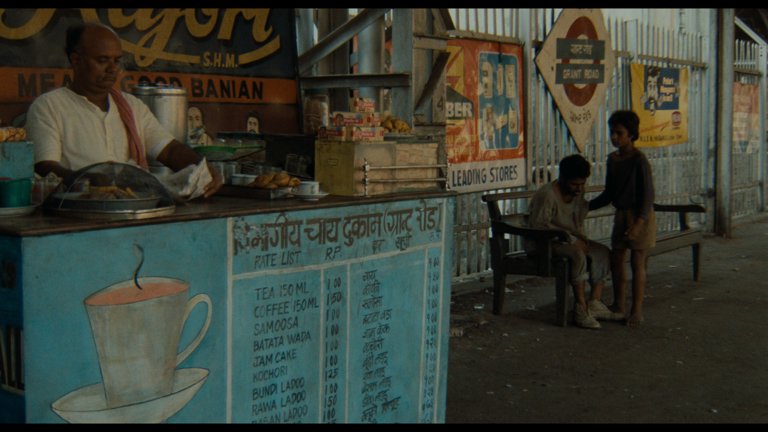
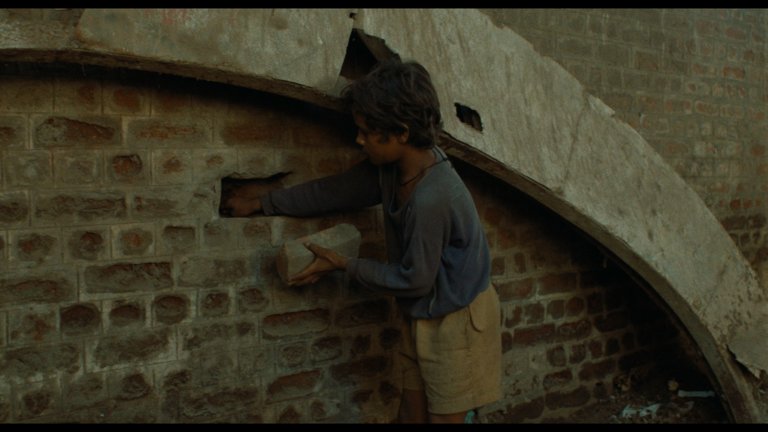
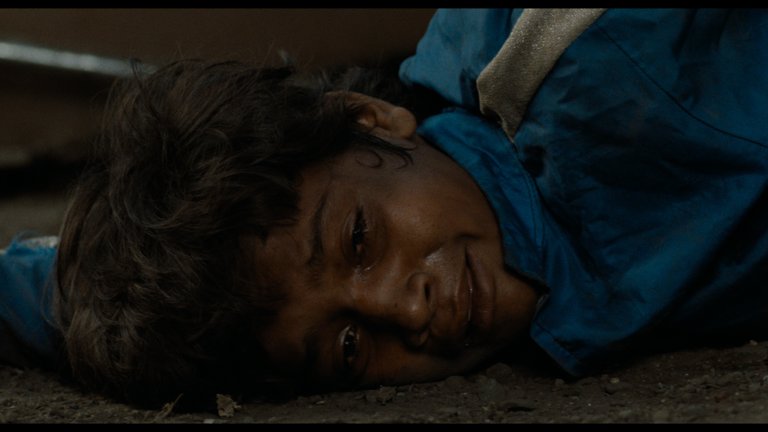
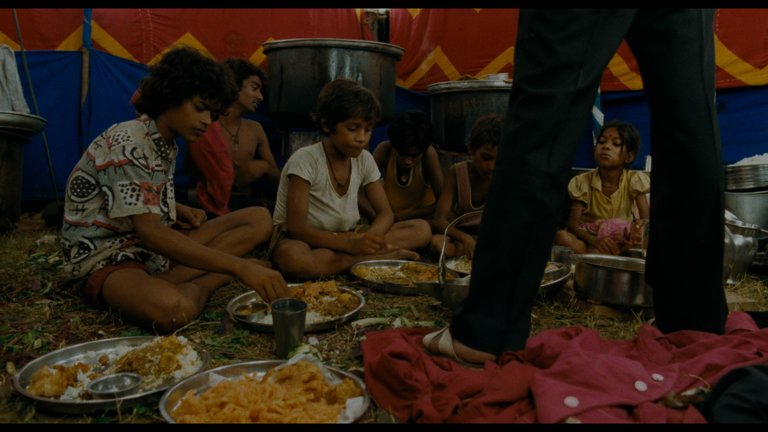
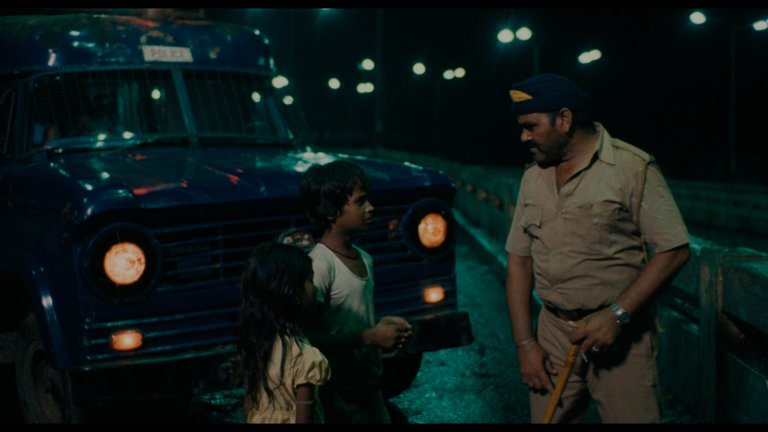
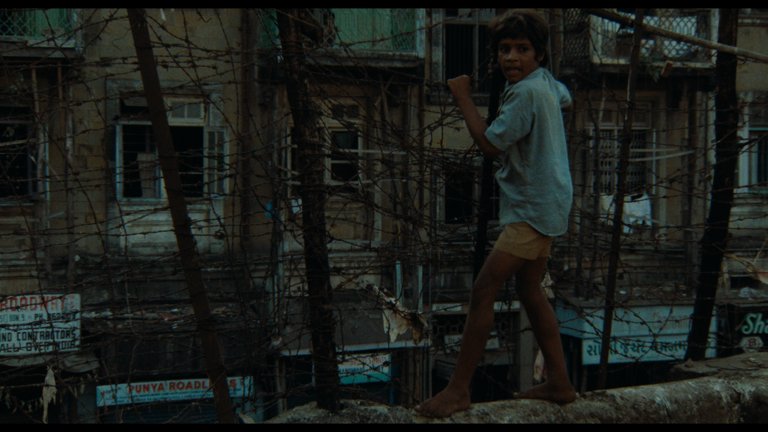
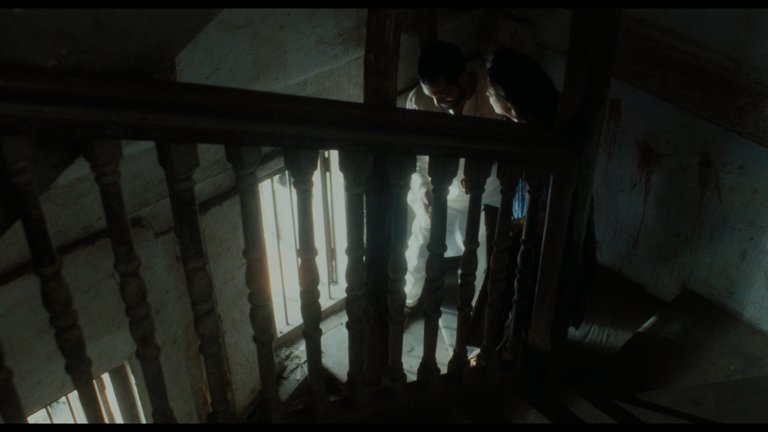
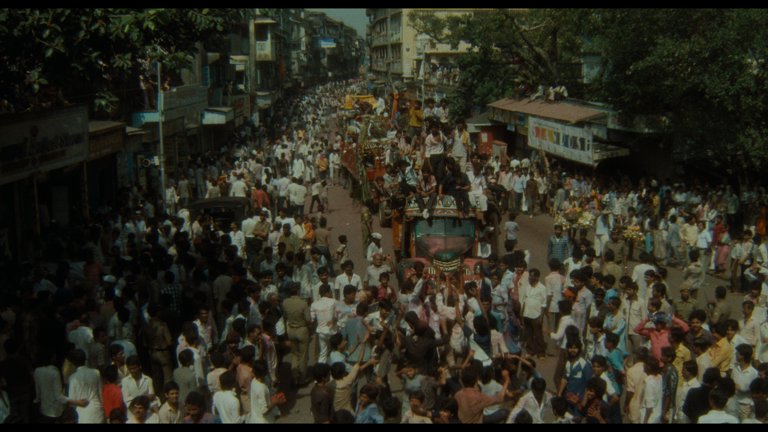
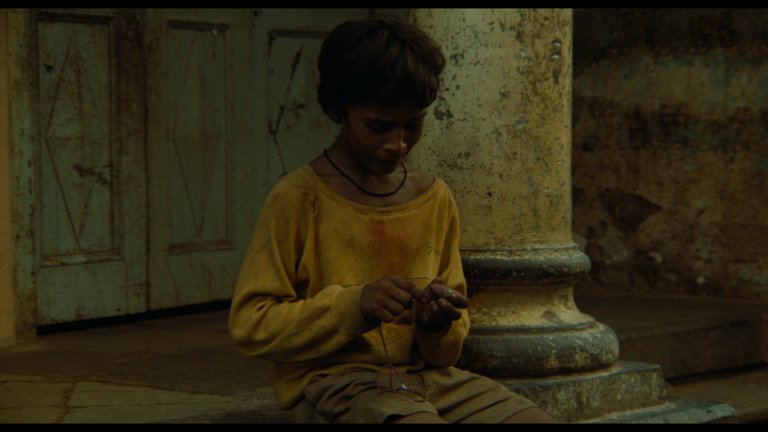
Salaam Bombay! - Screen Captures
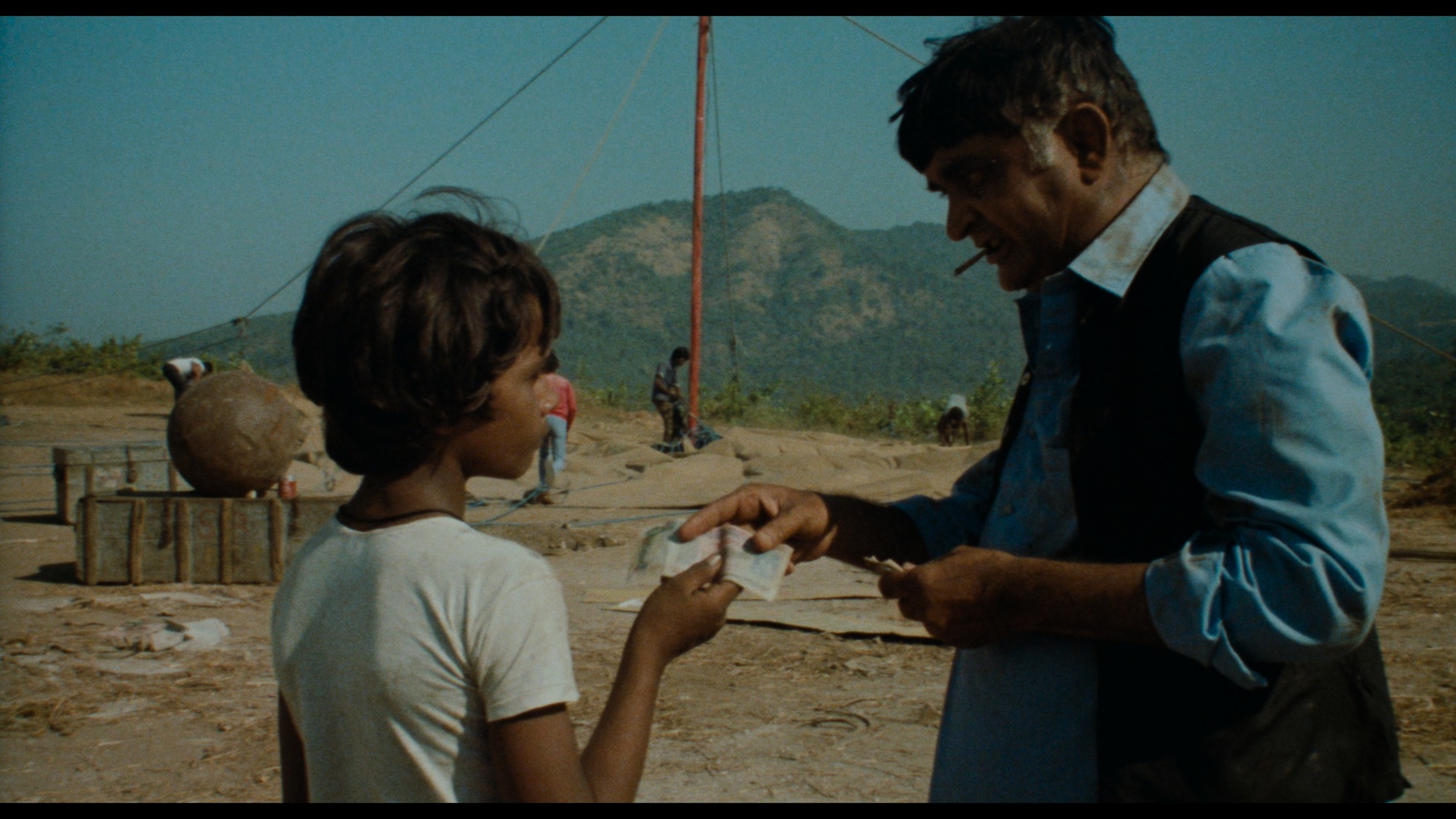
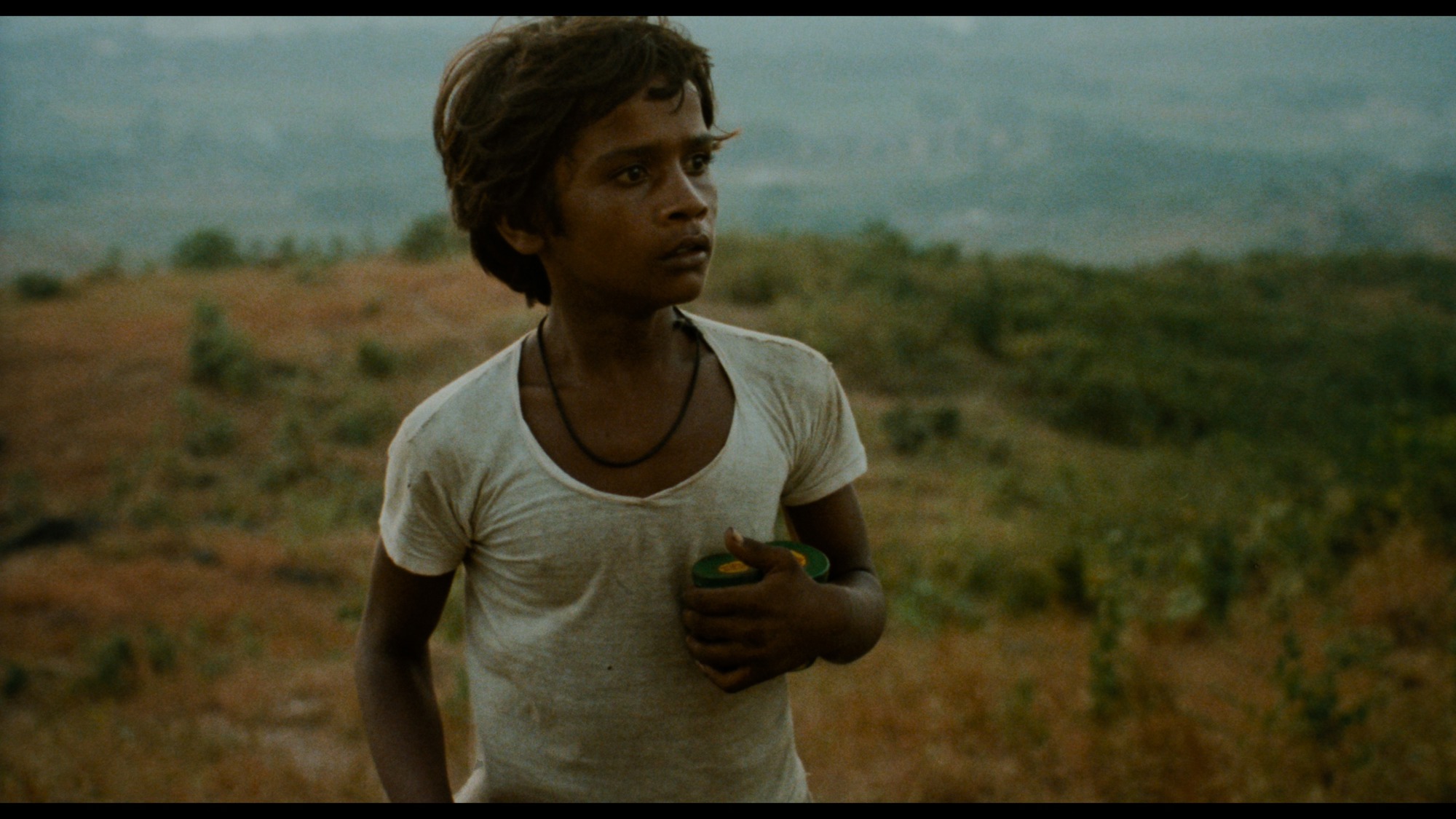
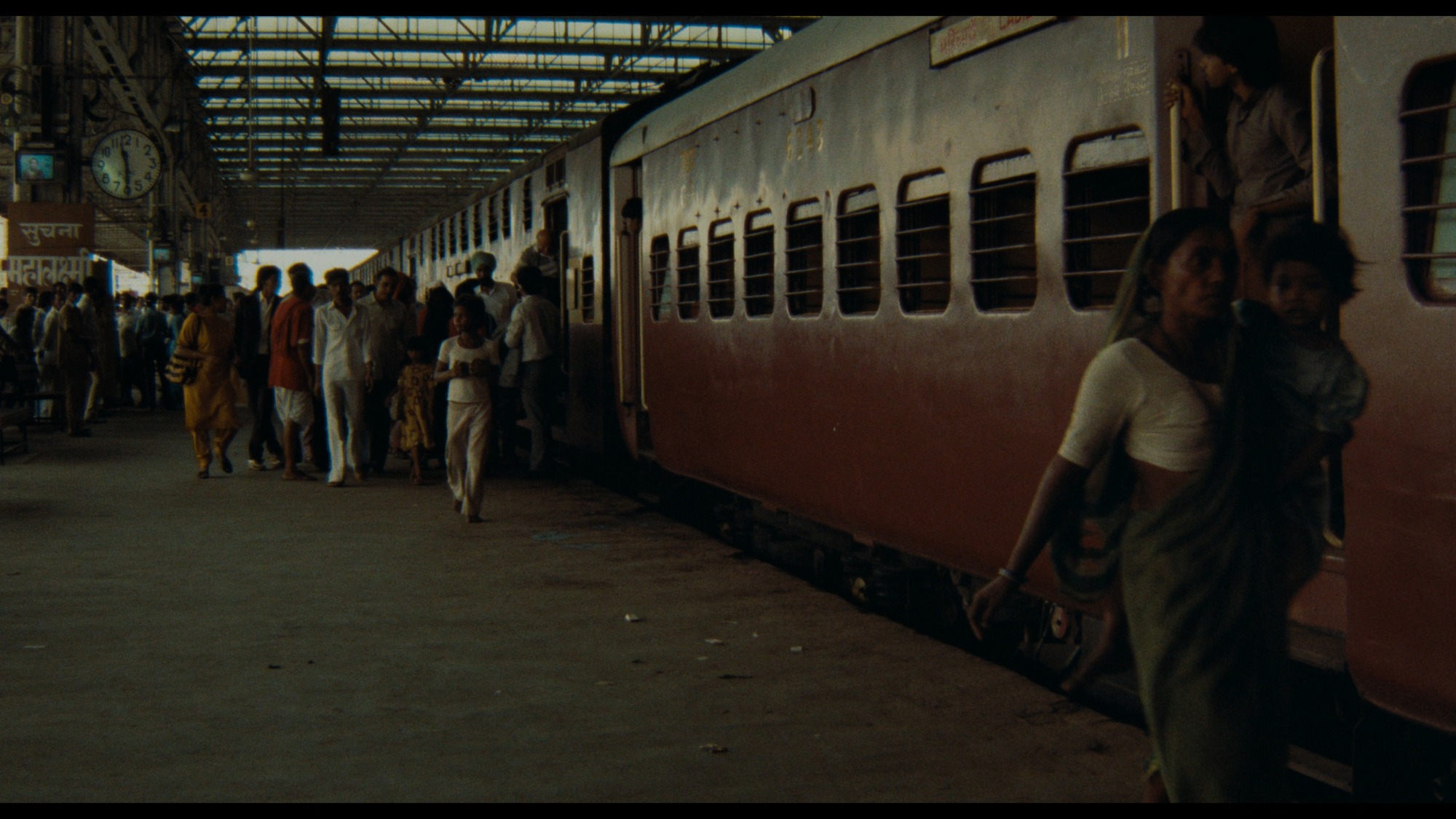
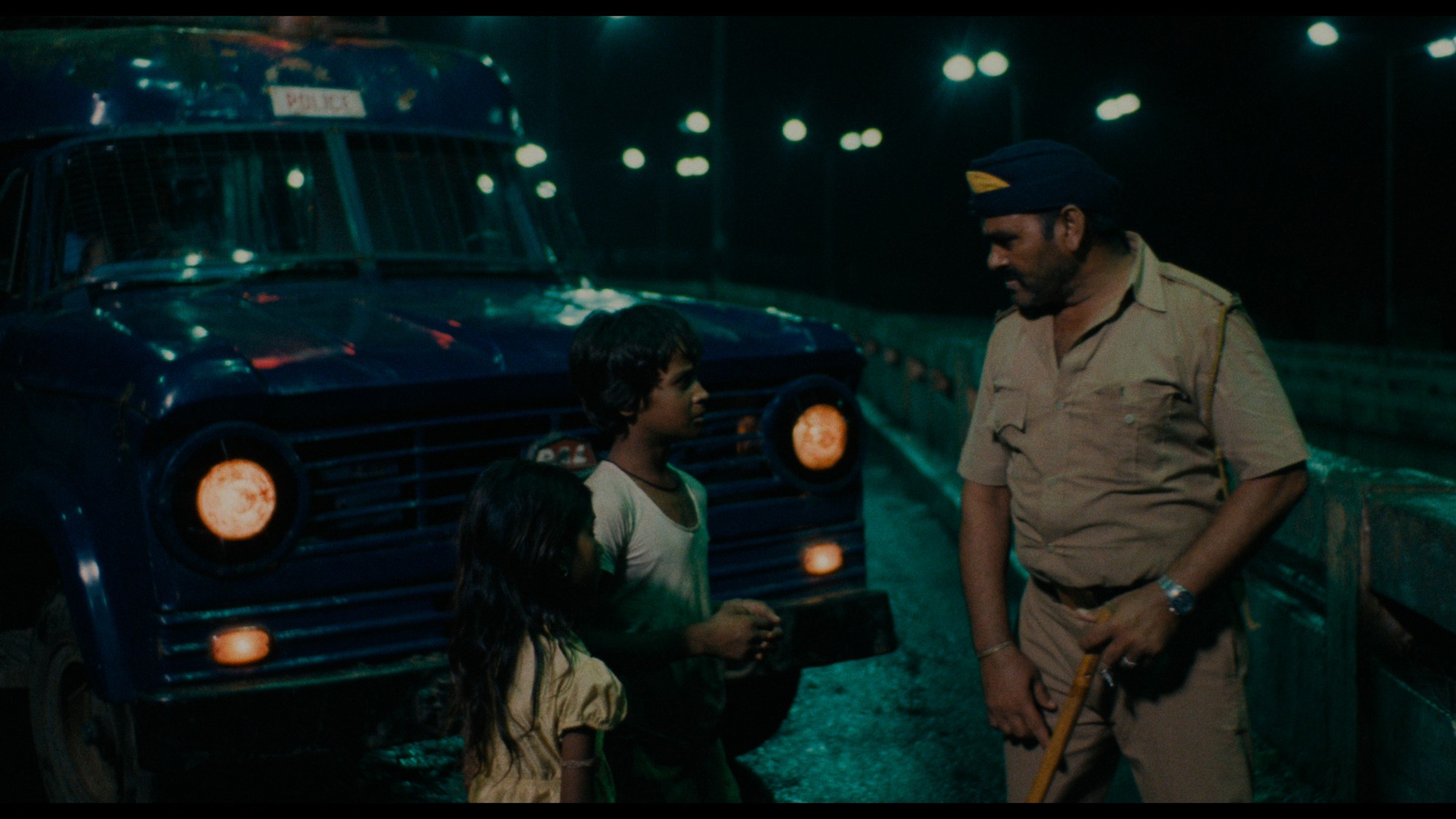
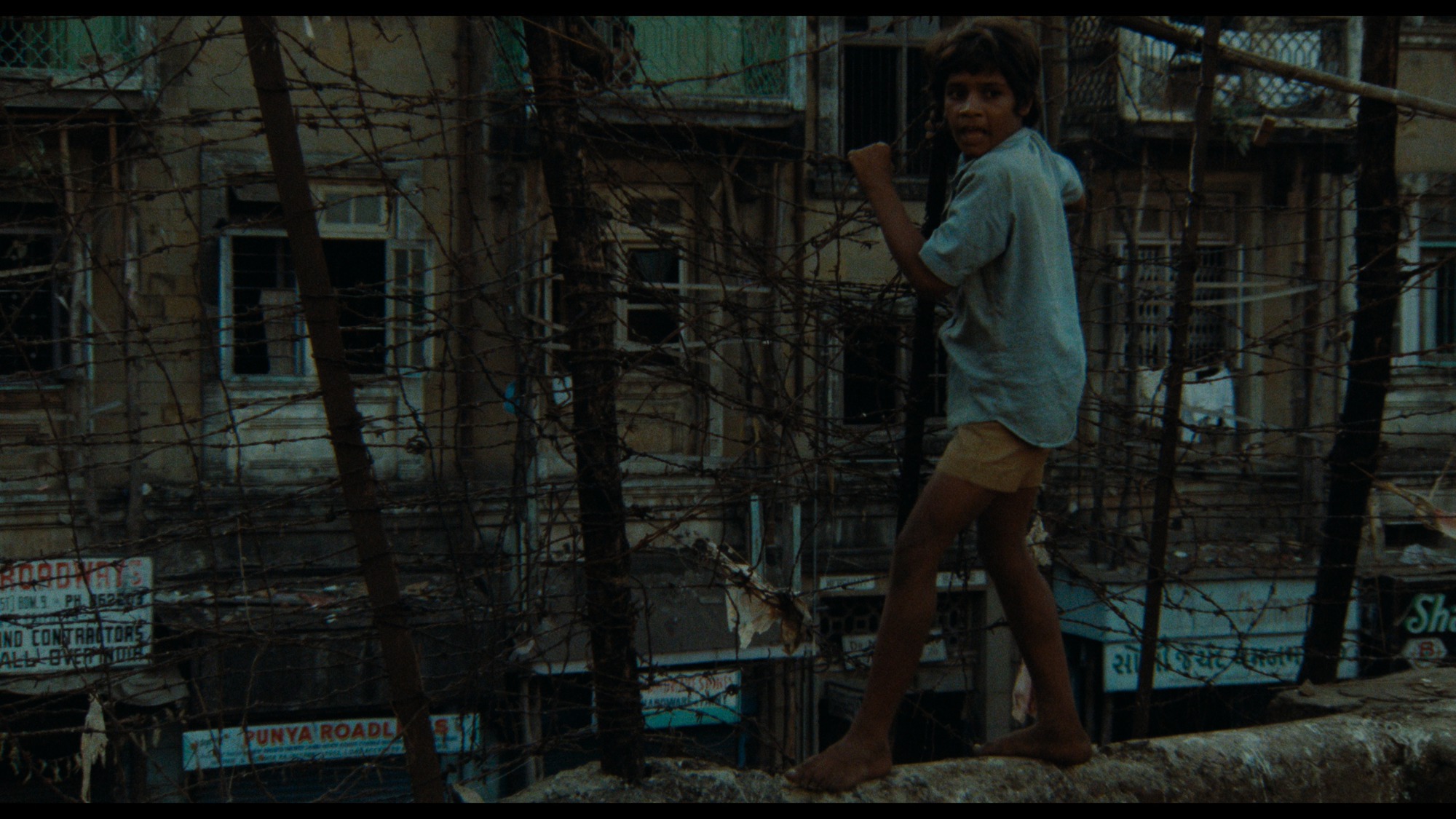
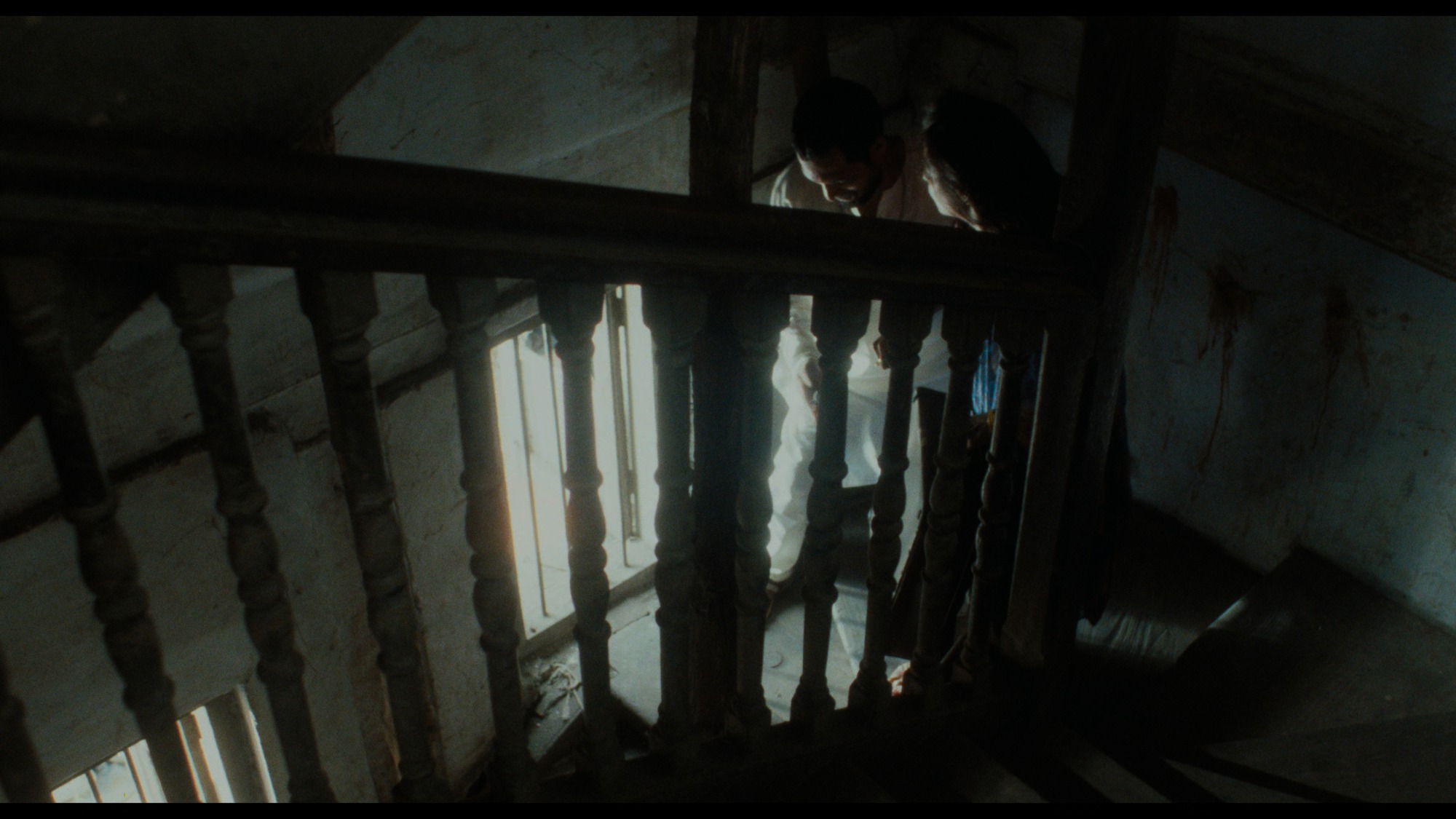
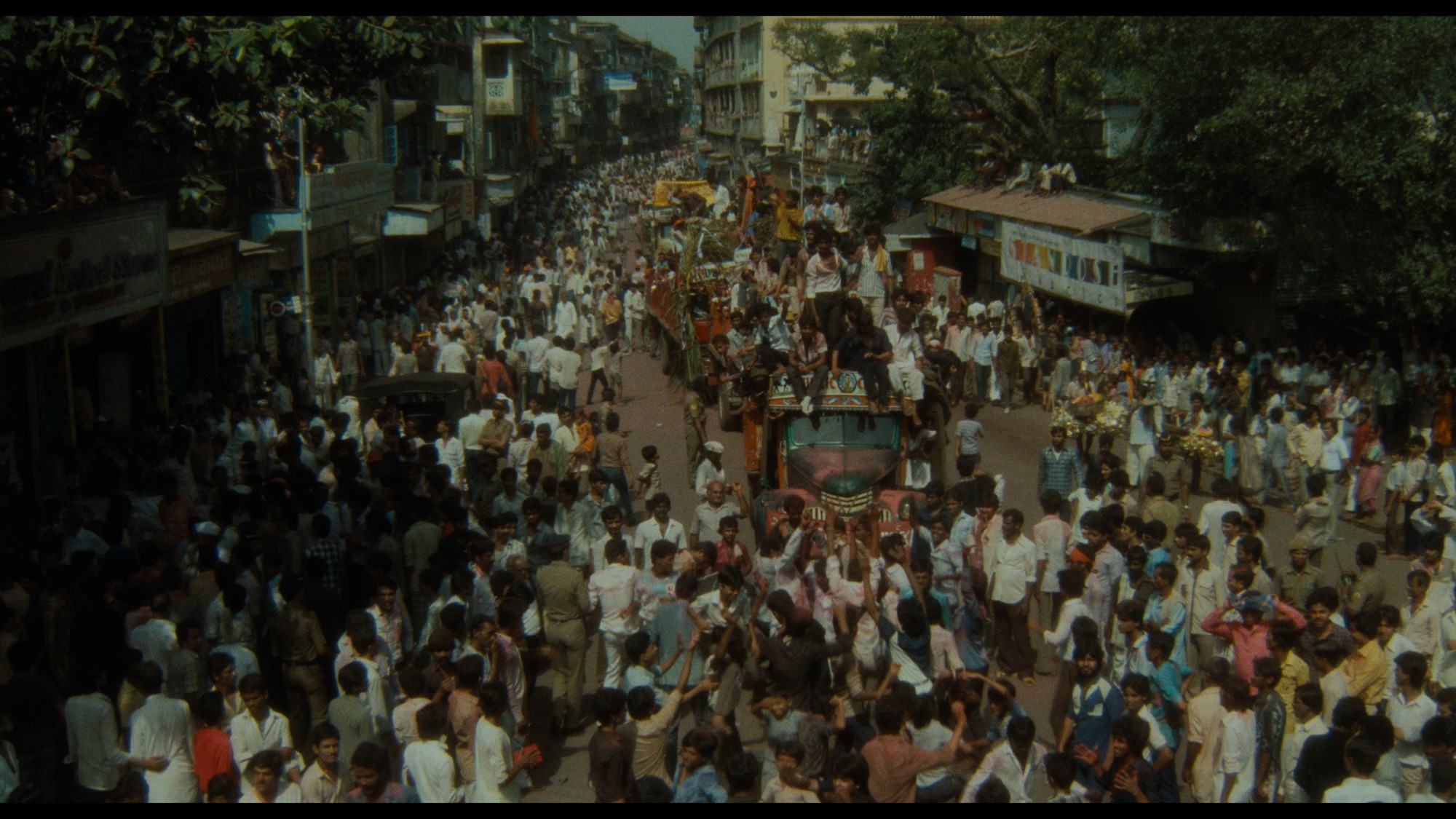
Audio 7/10
The monaural soundtrack, presented in lossless single-channel PCM, is also very solid. Range is surprisingly wide, from the film’s score to dialogue to the bustling street activity, and it all comes through cleanly and with excellent clarity. There are no notable issues with damage or distortion. Overall, it’s a very strong mono presentation.
Extras 7/10
Criterion throws together a solid set of supplements, though most of it is recycled from previous editions and was originally produced by MGM for their DVD release. This includes two audio commentaries recorded in 2003, one by Mira Nair and the other by cinematographer Sandi Sissel. Of the two, I probably preferred Sissel’s. Though it’s the more technical of the pair, she gets into the challenges of working with non-professional actors, the limitations of shooting on location, and various unexpected issues that included those problems with the film’s blue color information during development (mentioned in the video portion of this article) and not being able to review dailies. She also touches on the impact of the ongoing Sri Lankan civil war (which India was involved in at the time), along with other dangers encountered during production. On top of that, she discusses lighting choices, when natural light worked best, and how the film was ultimately aimed toward Western audiences. I was also a bit surprised to learn that Nair and Sissel heavily storyboarded the film and largely stuck to those plans.
There’s a bit of dead space here and there, but not nearly as much as on Nair’s track, which becomes noticeably quieter after the 30-minute mark. That said, her commentary is still worthwhile, focusing more on the film’s origins (specifically her documentary India Cabaret) along with the challenges of securing funding, writing the script, and accounting for dialects in the dialogue. She also discusses the decision to cast locals instead of professional actors and how her documentary background informed the film’s approach. Shooting in real locations with actual crowds also presented complications since she couldn't treat them as extras and had to work around them. It’s a good track overall, though the stretches of silence make it feel like the two commentaries might have worked better combined. Still, both are worth a listen.
The commentaries are included on both the 4K disc and the Blu-ray, while the remaining video features are found on the Blu-ray. This begins with the sole new addition, a video conference discussion between Nair and composer L. Subramaniam. The two discuss the film’s score and how they approached expressing its emotions, with a particular focus on the use of violin (chosen in part for its ability to sustain notes). It’s an interesting piece, though a bit brief at 14 minutes, and the video call format doesn’t do it any favors.
The remaining features, primarily interviews, are carried over from earlier releases, all recorded in 2003. This includes a 7-minute interview with writer Sooni Taraporevala, who discusses the film’s blend of documentary research and fictional storytelling, along with her collaboration with Nair (admitting she initially questioned some of the director’s choices) and her work with the cast.
This is followed by a set of individual interviews with the actors, each running between 6 and 7 minutes, featuring Shafiq Syed, Aneeta Kanwar, Hansa Vithal, and Bernard Sissel. Kanwar and Vithal reflect on working together and with co-star Nana Patekar, while Bernard Sissel (adopted by Sandi Sissel, as mentioned in her commentary) discusses how he was discovered and his experience eventually moving to the United States. Syed’s interview is especially affecting, as he describes the initial high of starring in the film, only to struggle finding acting work afterward despite its acclaim. This led to a difficult period in his life, though he eventually found work in the industry as an assistant cameraman after a later acting role in Patang. All four interviews are worthwhile, though updated material would have been welcome given these are now over two decades old.
The set also includes an 11-minute program on the Salaam Baalak Trust, which was established after the film to support Mumbai’s street children. The features throughout this release brought some insight into how the children involved in the film were cared for during production, effectively living in a communal environment with access to food and activities (the activities also helping them prepare to act in the film), and it appears those efforts were carried over and evolved into the organization’s ongoing work. The program includes footage of the trust in action, even showing how children are still participating in performances.
The release is rounded out with the film’s trailer and a fold-out insert featuring an essay by Devika Girish, which explores the film’s impact and its blend of fiction with performances from people living in the conditions depicted.
Though the film was previously included in Criterion’s release of Monsoon Wedding, I’m a little surprised they didn’t include India Cabaret here as well; I don't think that would have been unwarranted at all. It’s also somewhat disappointing that there’s no new academic material or updated interviews with the cast or crew. Still, what is included is well worth going through.
Closing
Nothing new has been added in terms of features, but the new 4K presentation looks fantastic.
BUY AT: