Sansho the Bailiff
BUY AT:


See more details, packaging, or compare
Synopsis
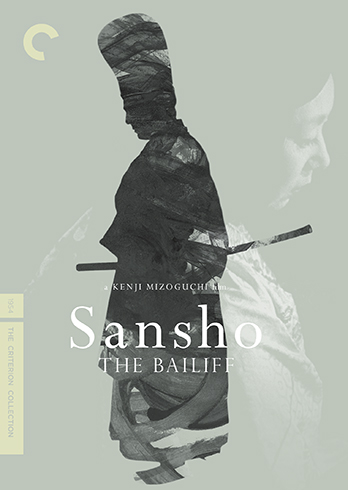
When an idealistic governor disobeys the reigning feudal lord, he is cast into exile, his wife and children left to fend for themselves and eventually wrenched apart by vicious slave traders. Under Kenji Mizoguchi's dazzling direction, this classic Japanese story became one of cinema's greatest masterpieces, a monumental, empathetic expression of human resilience in the face of evil.
Picture 8/10
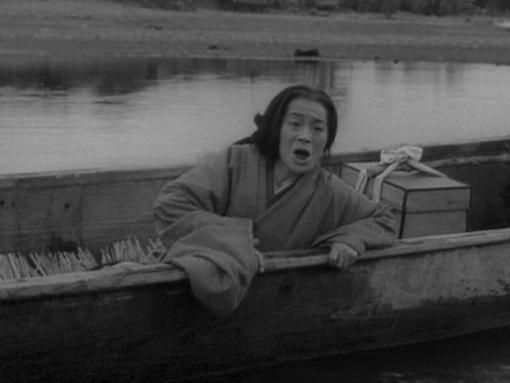
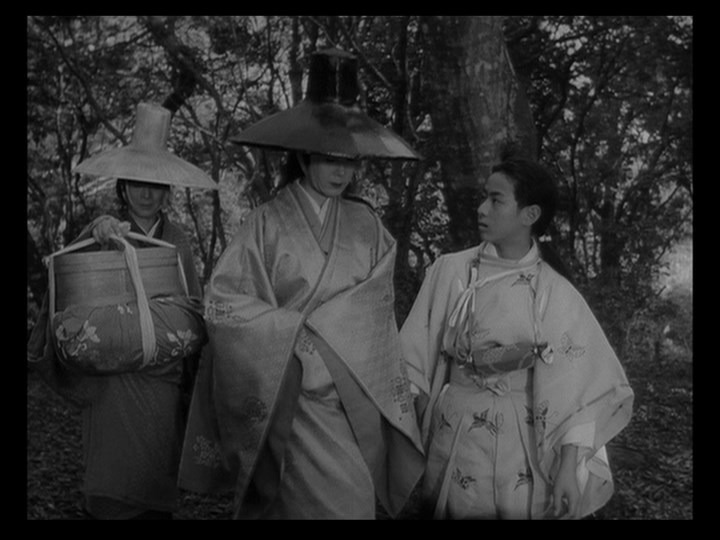
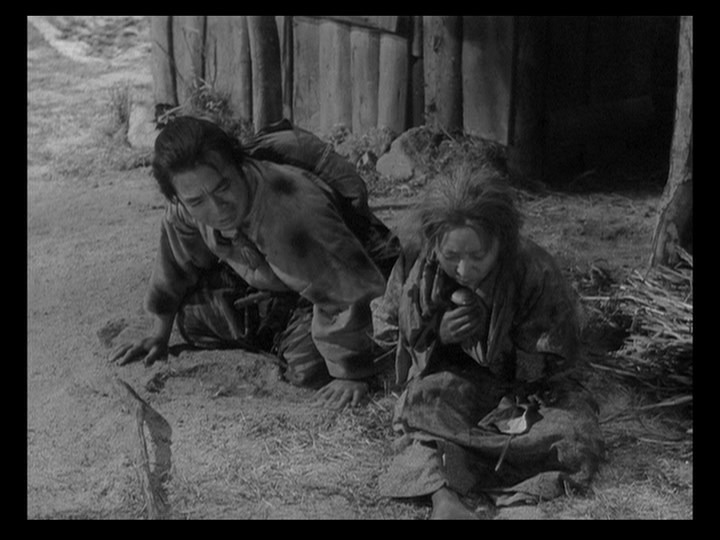
The Criterion Collection presents Kenji Mizoguchi’s Sansho the Bailiff on DVD in its original aspect ratio of 1.33:1 on a dual-layer disc. The image has unfortunately been window-boxed, meaning a black border is visible around the entire image.
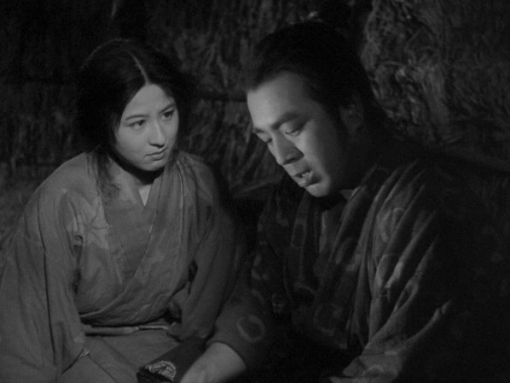
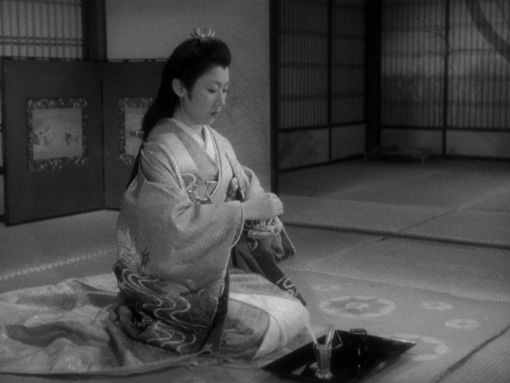
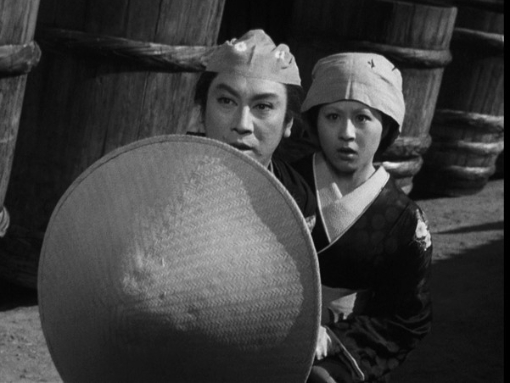
Overall the DVD looks very good. The source presents some visible wear, like tram lines, dirt, and a few scratches, but has been cleaned up nicely. The image is about as sharp as the source will allow but some decent details do manage to come through, like stray hairs and patterns in clothing. Gray levels are decent and blacks look pretty deep without losing details. Compression isn’t too bad and it’s fairly easy to overlook, and digital artifacts overall are minimal.
Though the Blu-ray recently released does look better the DVD still delivers a strong digital transfer and restoration.
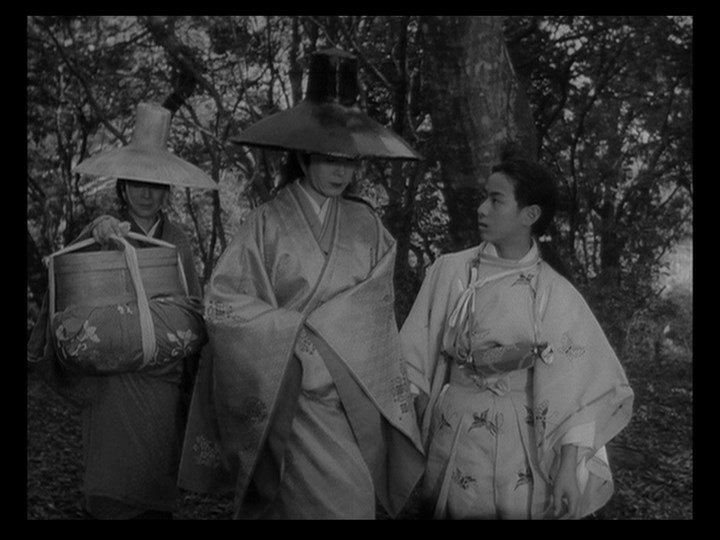
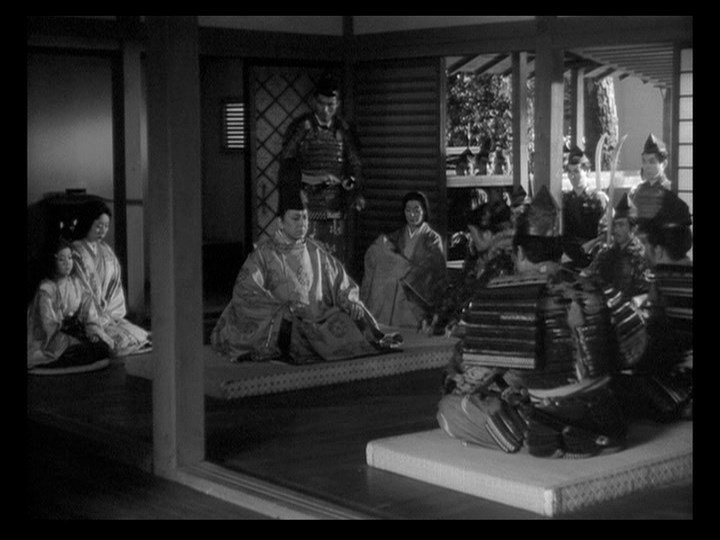
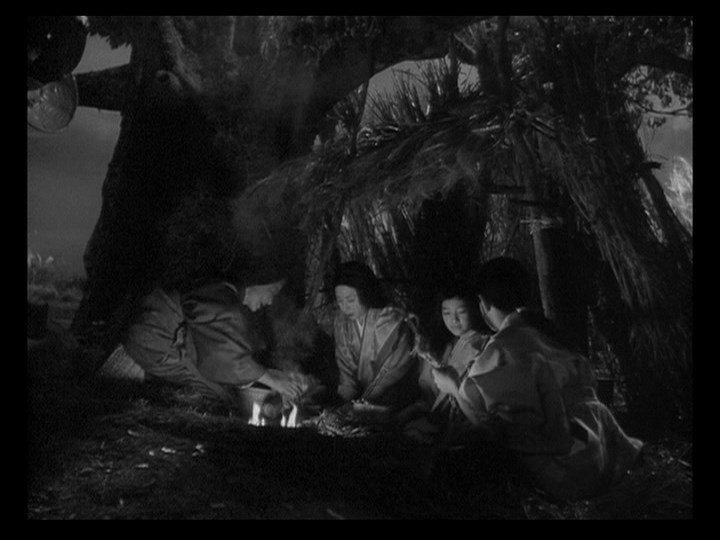
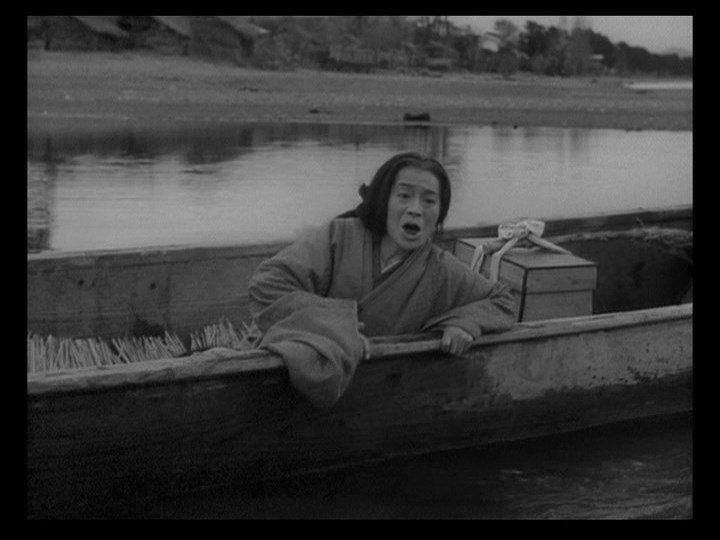
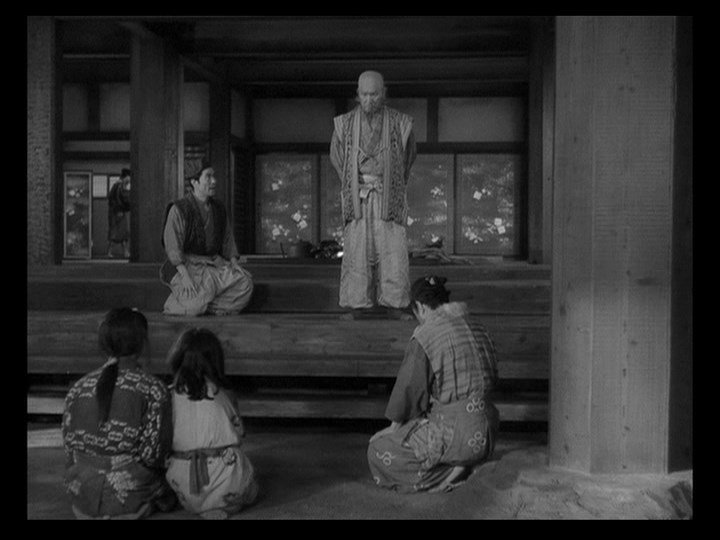
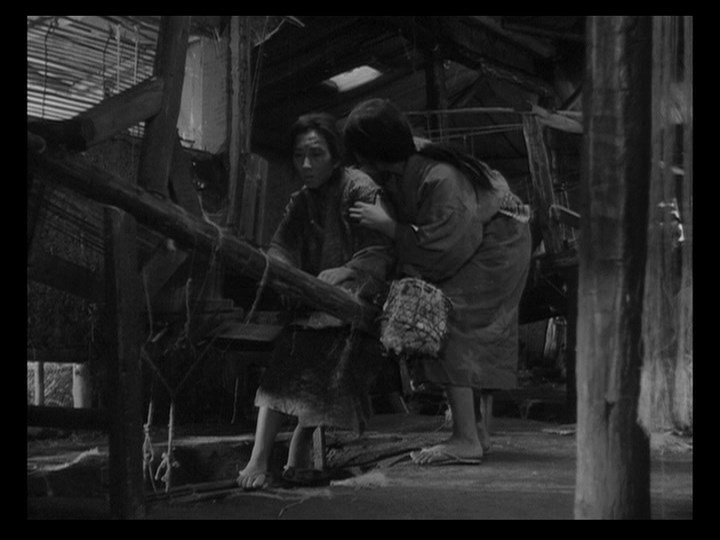
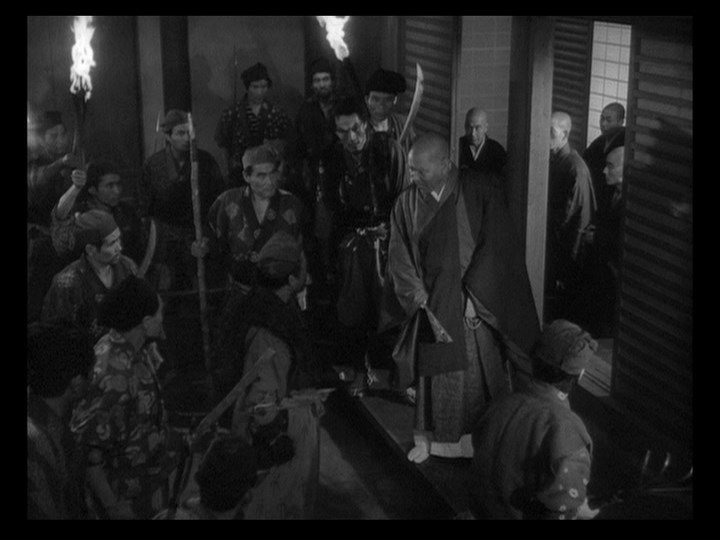
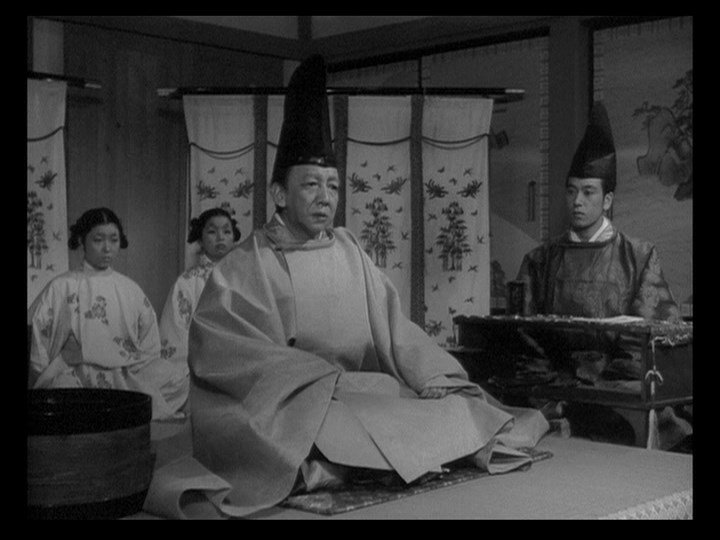
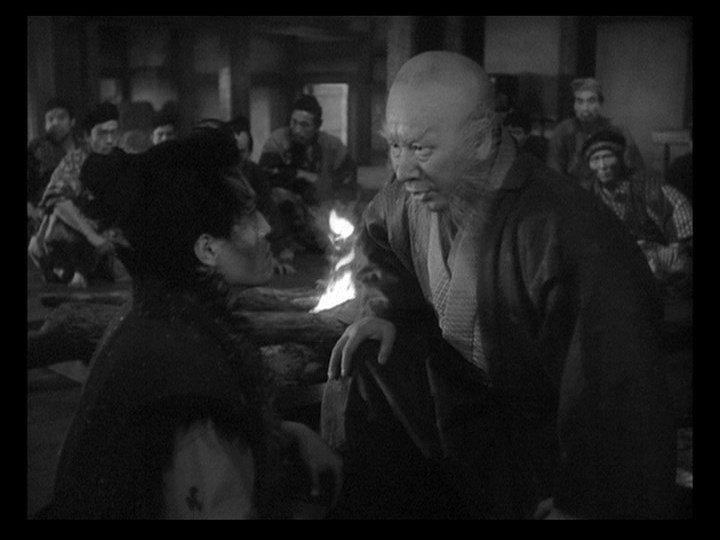
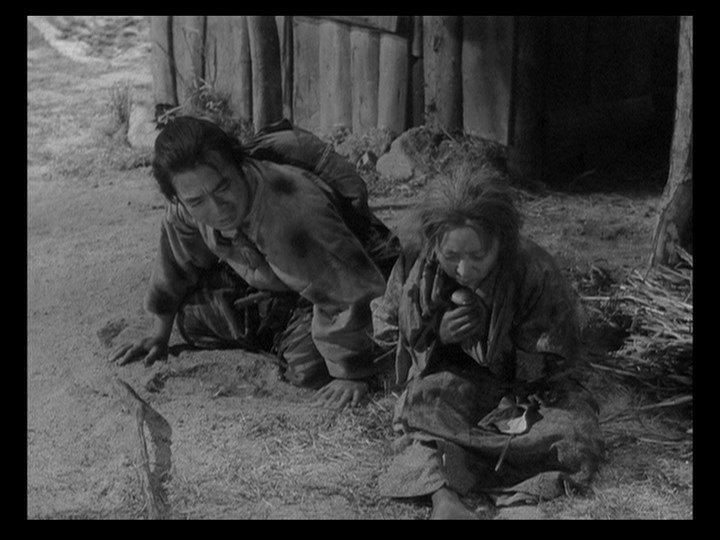
Sansho the Bailiff - Screen Captures
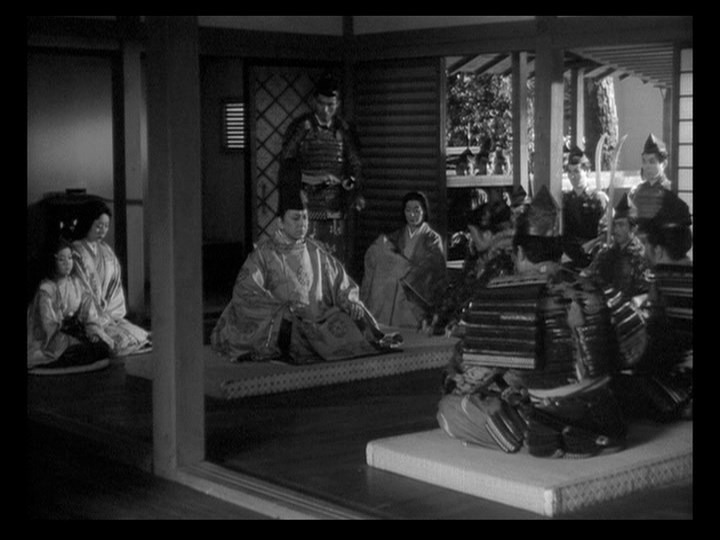
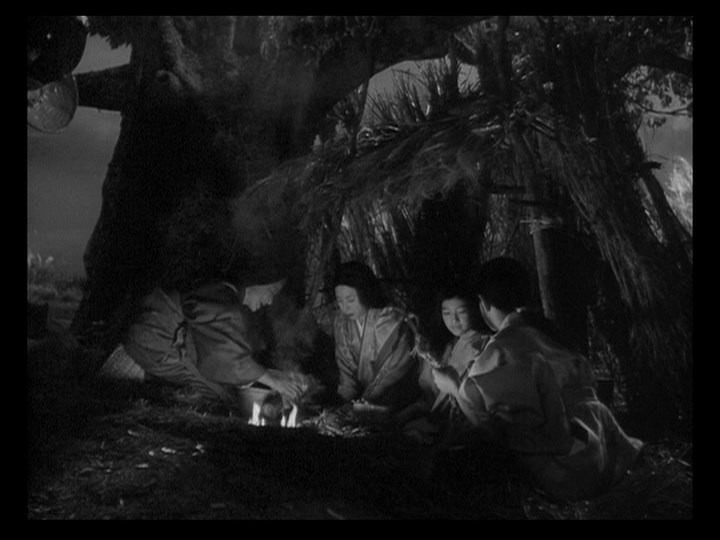
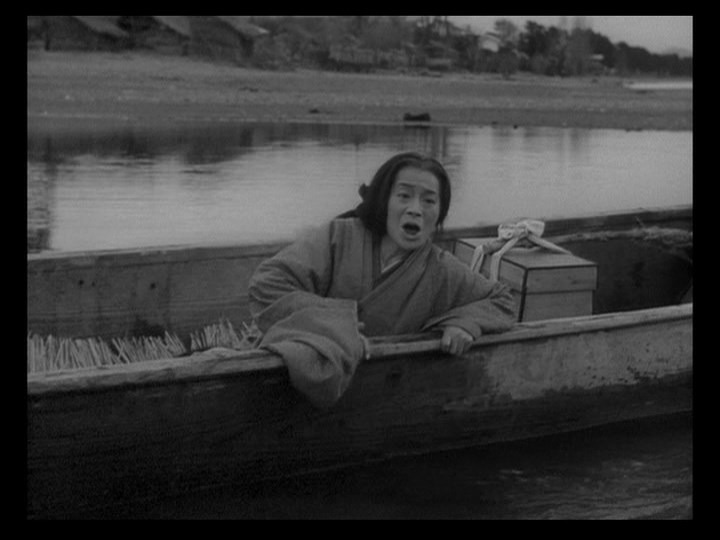
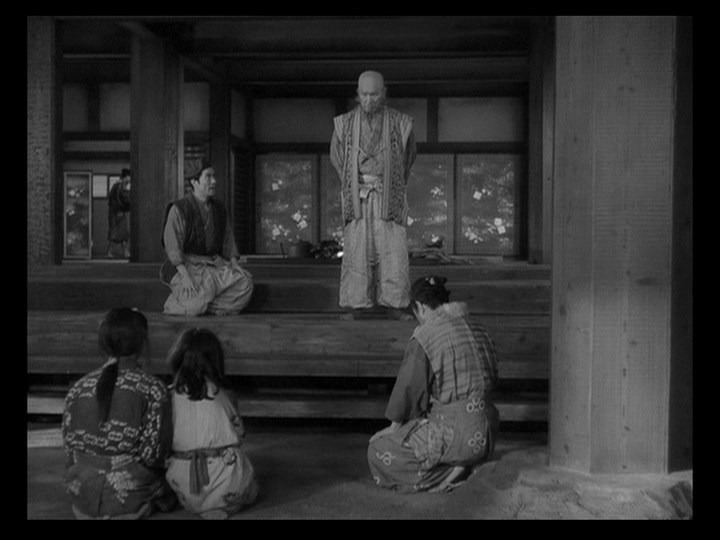
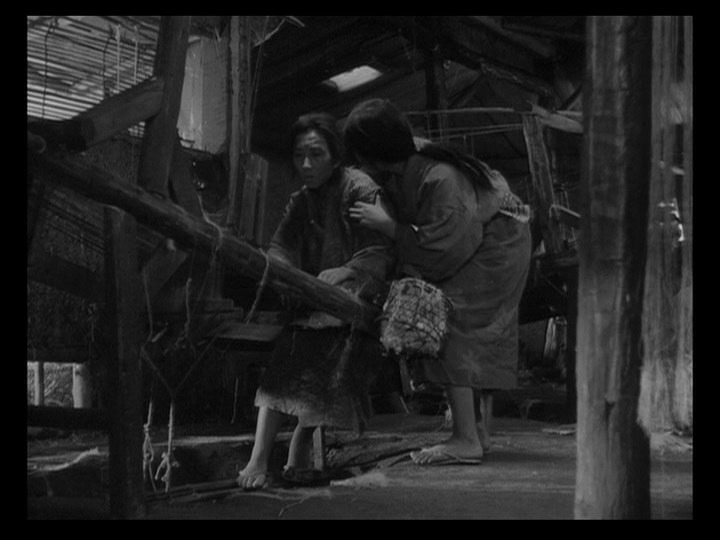
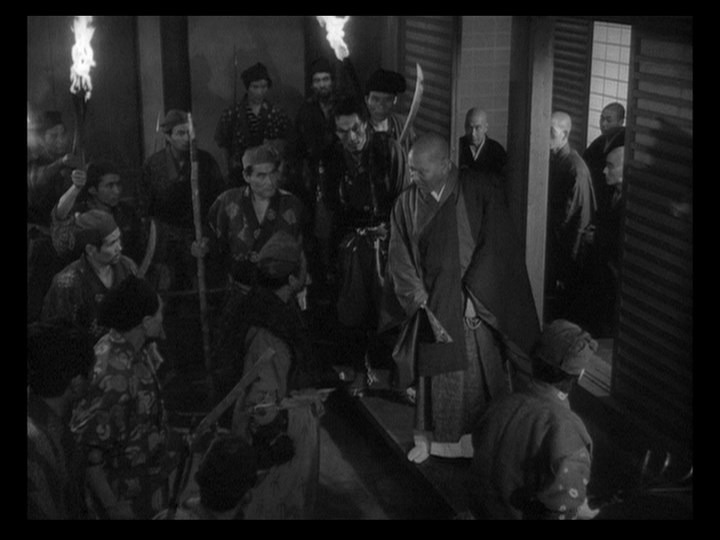
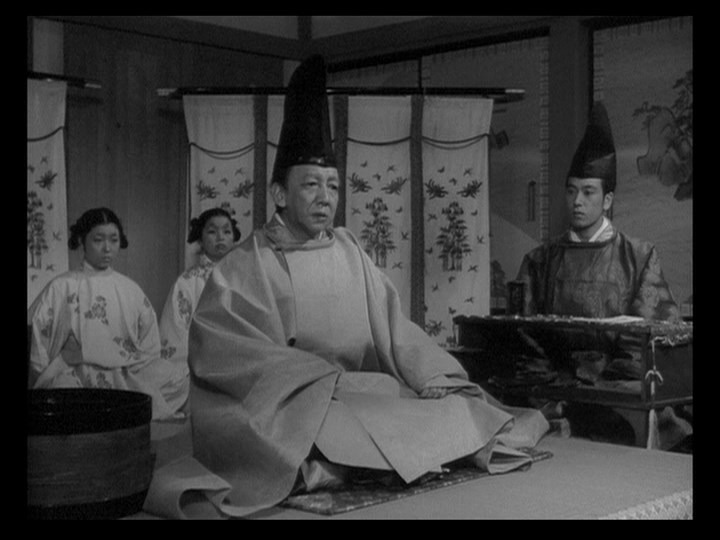
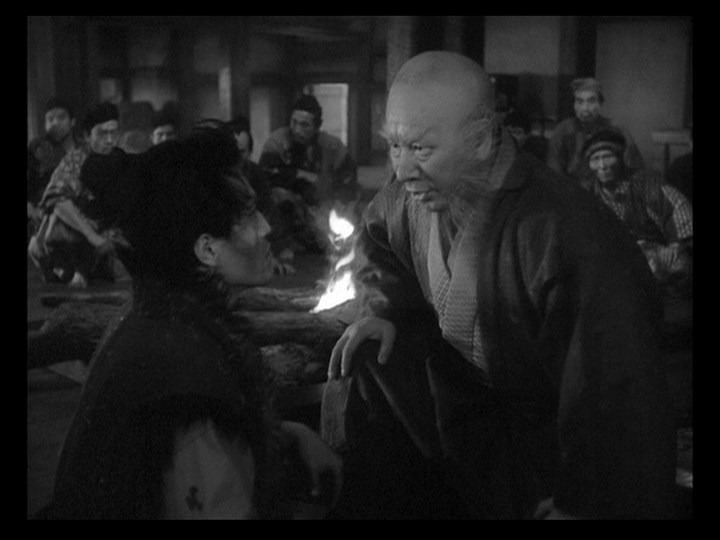
Audio 6/10
The Dolby Digital 1.0 mono track delivers the 50+ year-old track about as well as one can expect. The track sounds clean with little distortion or noise, but dialogue is a bit hollow and music can come off harsh and edgy to almost unbearable extremes.
Extras 7/10
We only get a few supplements on the single-disc release starting with an audio commentary by Japanese-literature scholar Jeffrey Angles. It may seem a little odd to have a literature scholar for a film (or at least, initially, I admit to finding it odd) though it proves to work in this case as he provides a large background on the original folk tale and the story by Ogai Mori, and how Mizoguchi has translated the film here. He talks about the stylistic choices made by the director to further enhance the story, the many changes he made, and Mizoguchi’s desire for the story to focus on the time period’s use of slavery (I can’t remember if it’s mentioned here but elsewhere in the supplements it’s mentioned that Mizoguchi was forced to focus less on this aspect by the studio.) Angles is well prepared and though I assume he is using notes it never sounds like he’s simply reading from them. Despite being dry in a few places it offers a wonderful look at the story, the adaptation here, and Japanese literature in general. A fine scholarly track.
Criterion then includes a few interviews starting with Performance, which presents an interview with actress Kyoko Kagawa. For 10-minutes the actress talks about her early work and then the character she plays in Sansho. From here she then talks a bit more about what it was like to work with Mizoguchi, who never really told her what to do, but expected her and others to reflect on their characters.
The 15-minute segment entitled Production presents assistant director Tokuzo Tanaka recalling his work on the film. He explains his duties and how it was approaching the director with suggestions or issues that had come up. He also talks a bit about the film, which he doesn’t consider Mizoguchi’s best. He also brings up how the studio forced the director to tone down the slavery aspect and amp up the brother’s and sister’s struggle, so the film isn’t entirely what Mizoguchi intended.
Simplicity is the final segment, delivering a 24-minute interview with Japanese film critic Tado Sato. He first talks about Mizoguchi’s films as a whole, particularly the social themes and their depiction of women. He then talks specifically about Sansho the Bailiff and the stories that were the basis of it before talking about his style which consisted of lengthy takes (and the slight movements of the camera to more or less keep the scene interesting) and how he worked with actors, again bringing up how Mizoguchi wanted his actors to “reflect.”
In all we get a short batch of interviews, but they all offer great value to the release about Mizoguchi’s work method with a couple of firsthand accounts.
Considering the high regard of the film I would have admittedly expected more disc content but Criterion steps it up a bit and adds a rather lengthy 80-page booklet. It starts with a lengthy essay by Mark Le Fanu and is then followed by two representations of the story that the film is based on: Sansho the Steward by Ogai Mori (and translated by J. Thomas Rimer) and then An Account of the Life of the Deity of Mount Iwaki, which is a translation of the one of the original folk tales.
Overall it’s not the edition I would have expected for the highly regarded film but Criterion has put some solid supplements together focusing on the original tale and the adaptation.
Closing
The restoration work is excellent and the transfer is strong as a whole. With some decent supplements, including a lengthy booklet, this edition comes with a high recommendation.
BUY AT: