Senso
BUY AT:

See more details, packaging, or compare
Synopsis
On the eve of the Third Italian War of Independence, Countess Livia Serpieri (Alida Valli, The Third Man) anxiously conspires to make revolution happen. Following a chance encounter at the opera, she begins an affair with Franz Mahler (Farley Granger, Rope), a charismatic Lieutenant in the occupying Austrian army who sent her rebellious cousin Marchese Roberto Ussoni (Massimo Girotti, Ossessione) into exile. As her feelings for Franz intensify, Livia’s moral compass waivers. Based on Camillo Boito's novella, Alida Valli and Farley Granger shine in this masterful period melodrama about lust and deception. Senso is widely regarded as among director Luchino Visconti’s best work and was nominated for the Golden Lion at the 15th Venice International Film Festival.
Picture 9/10
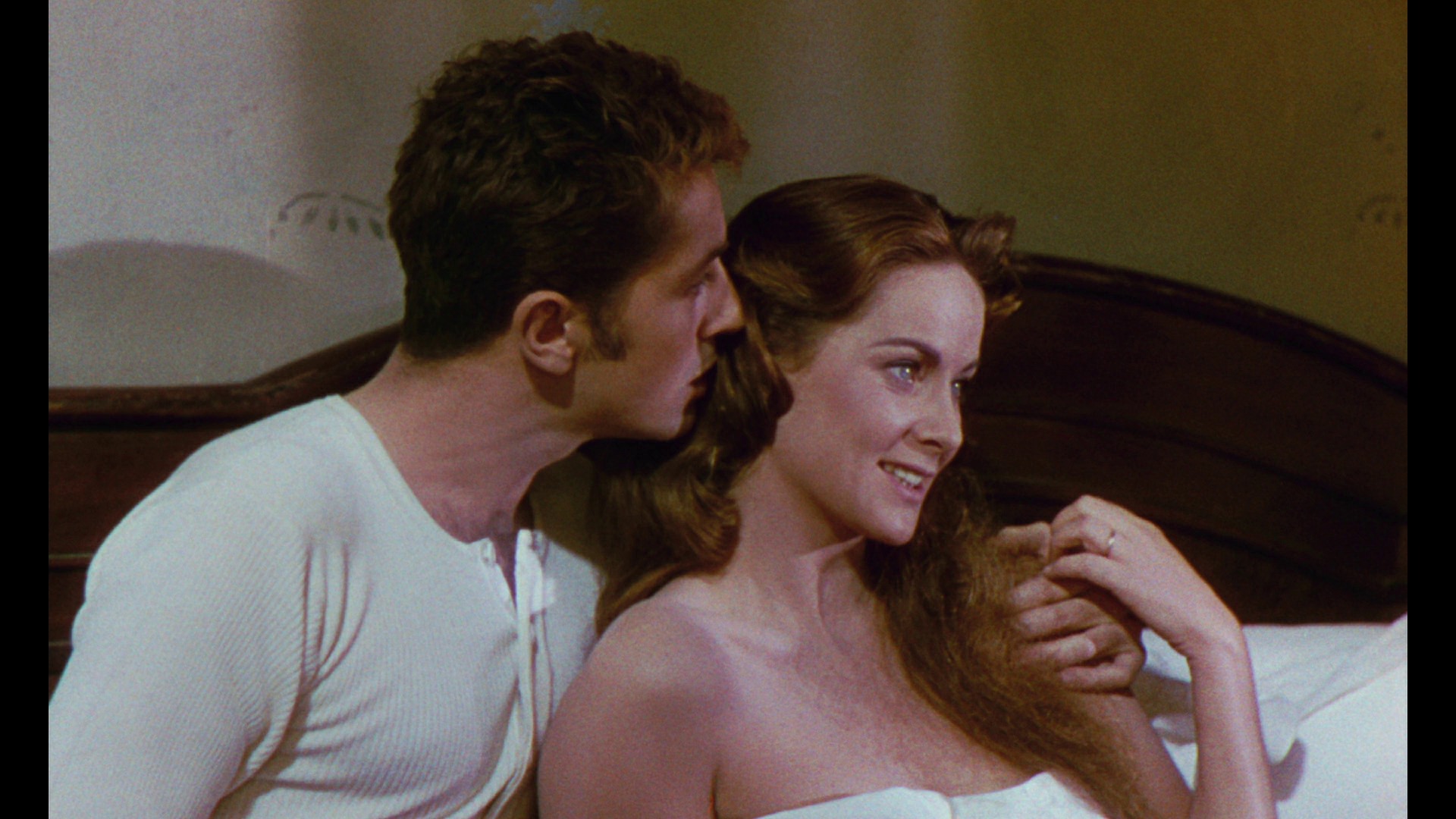
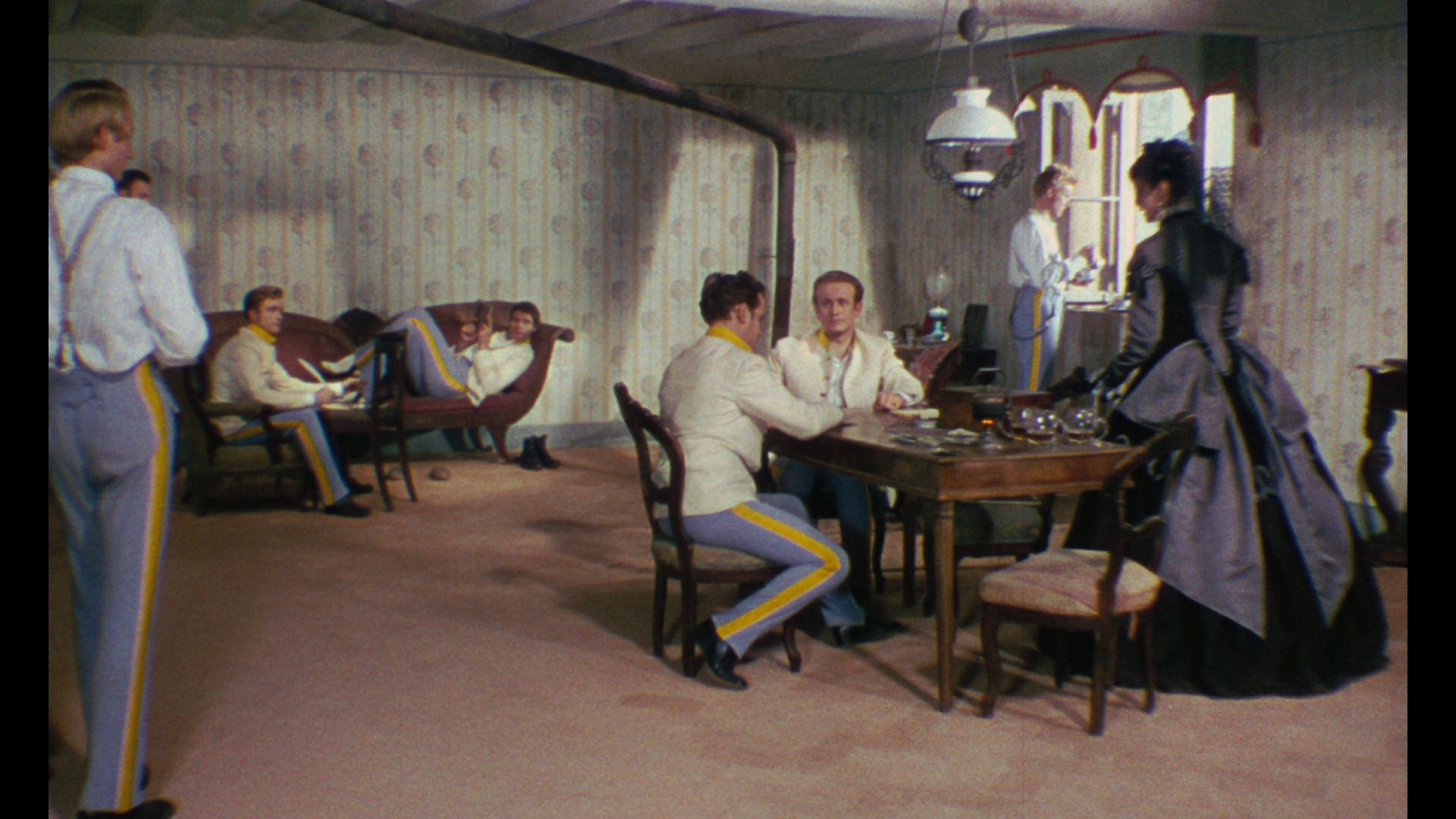
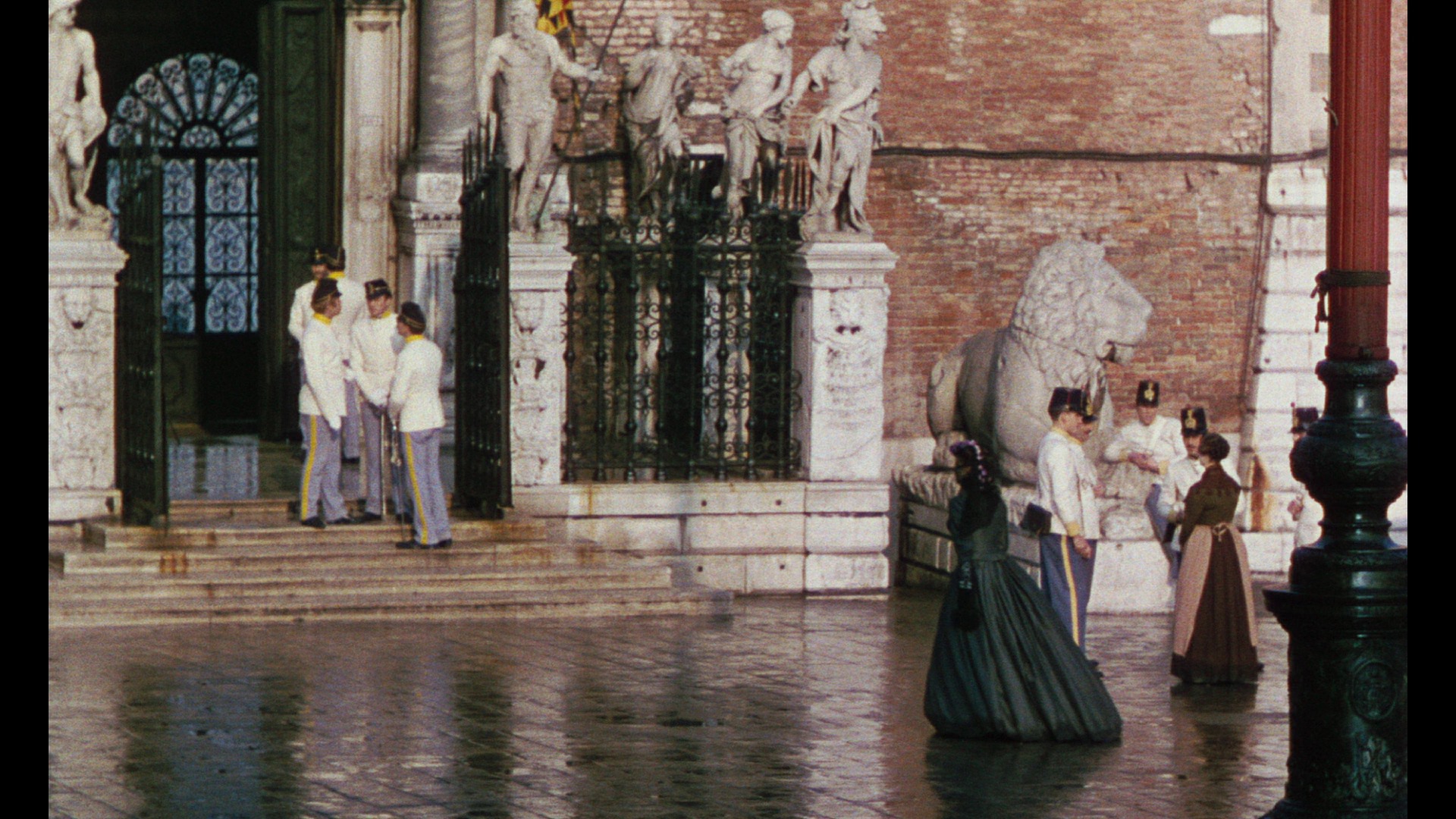
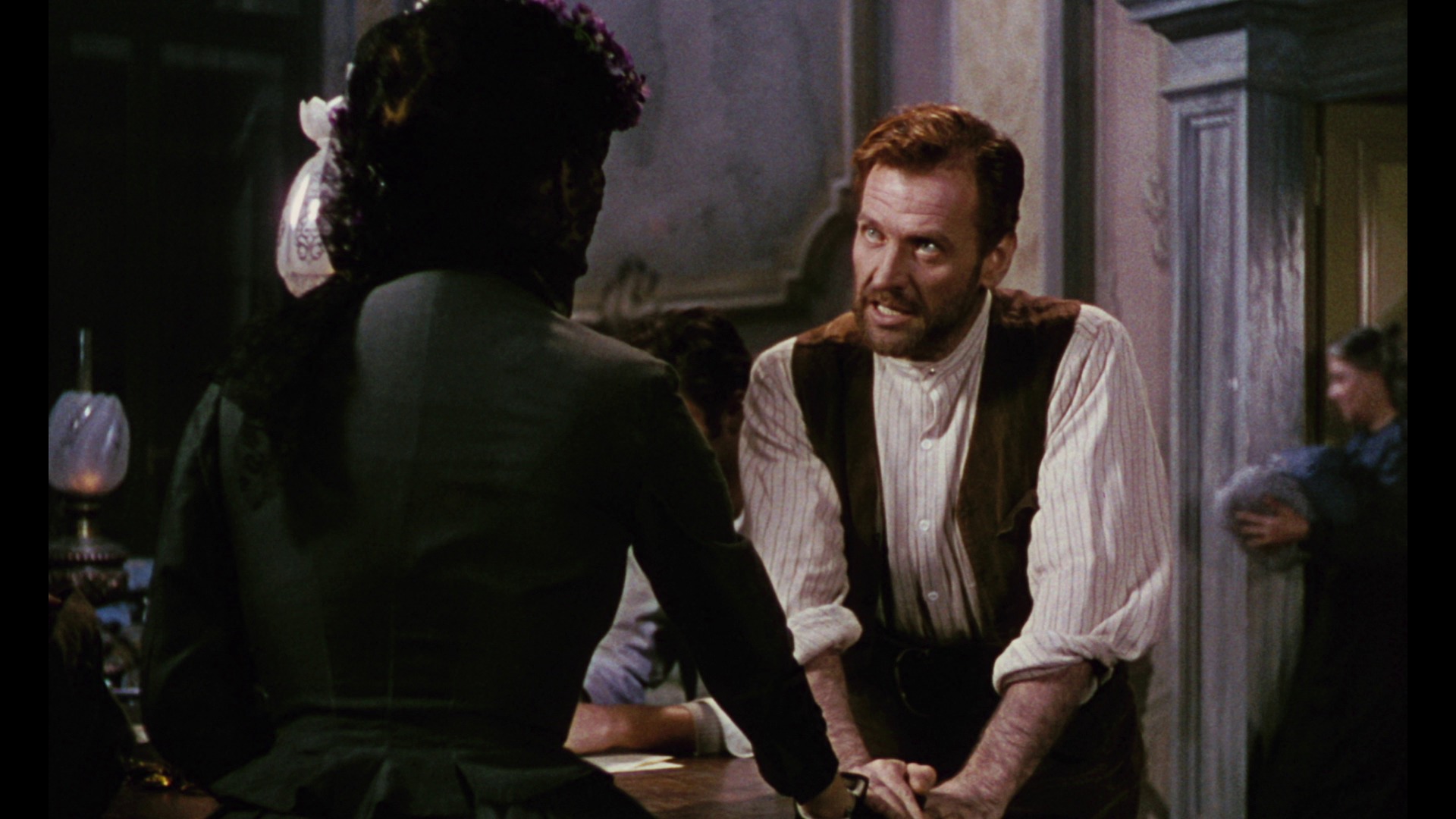
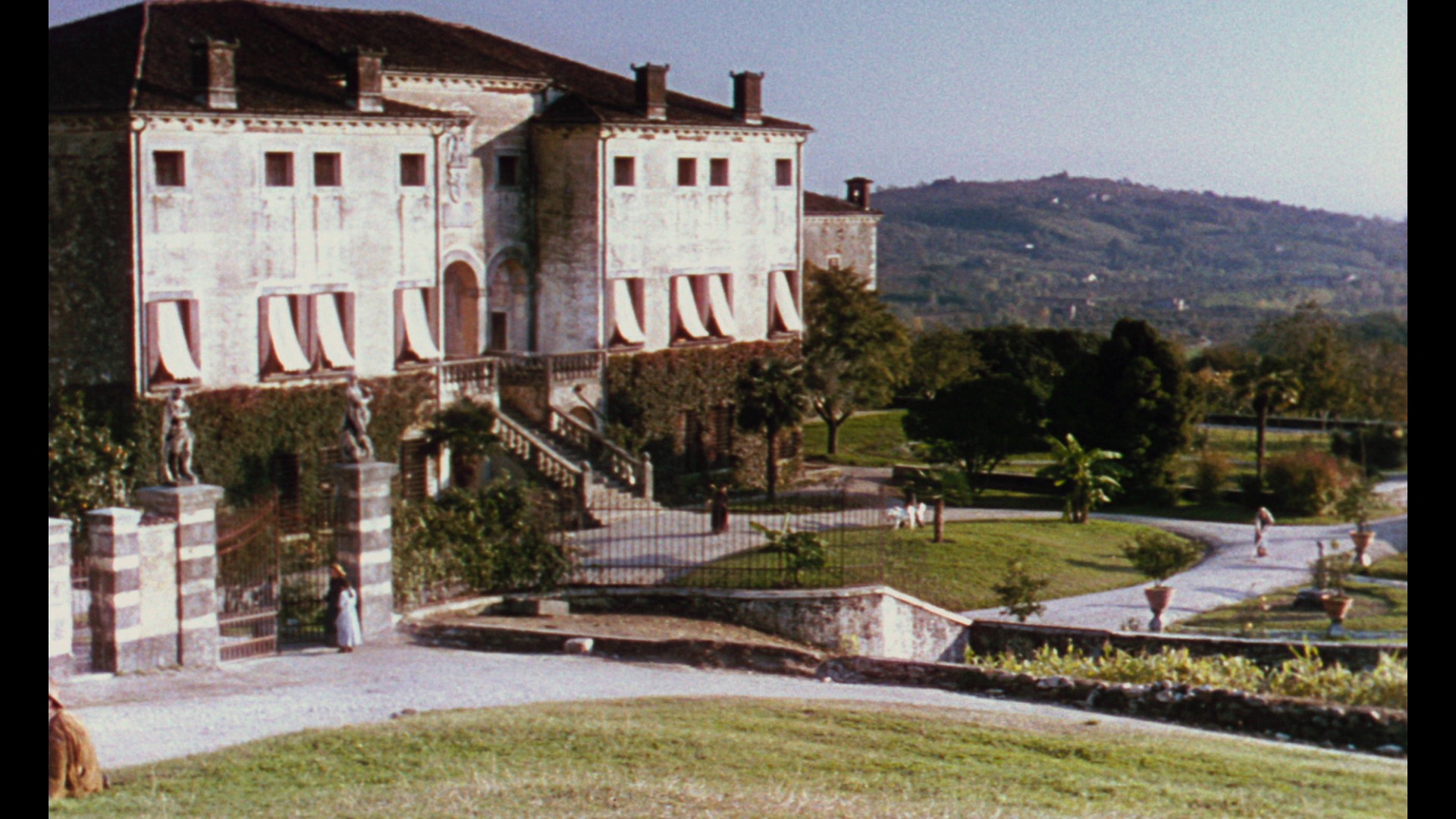
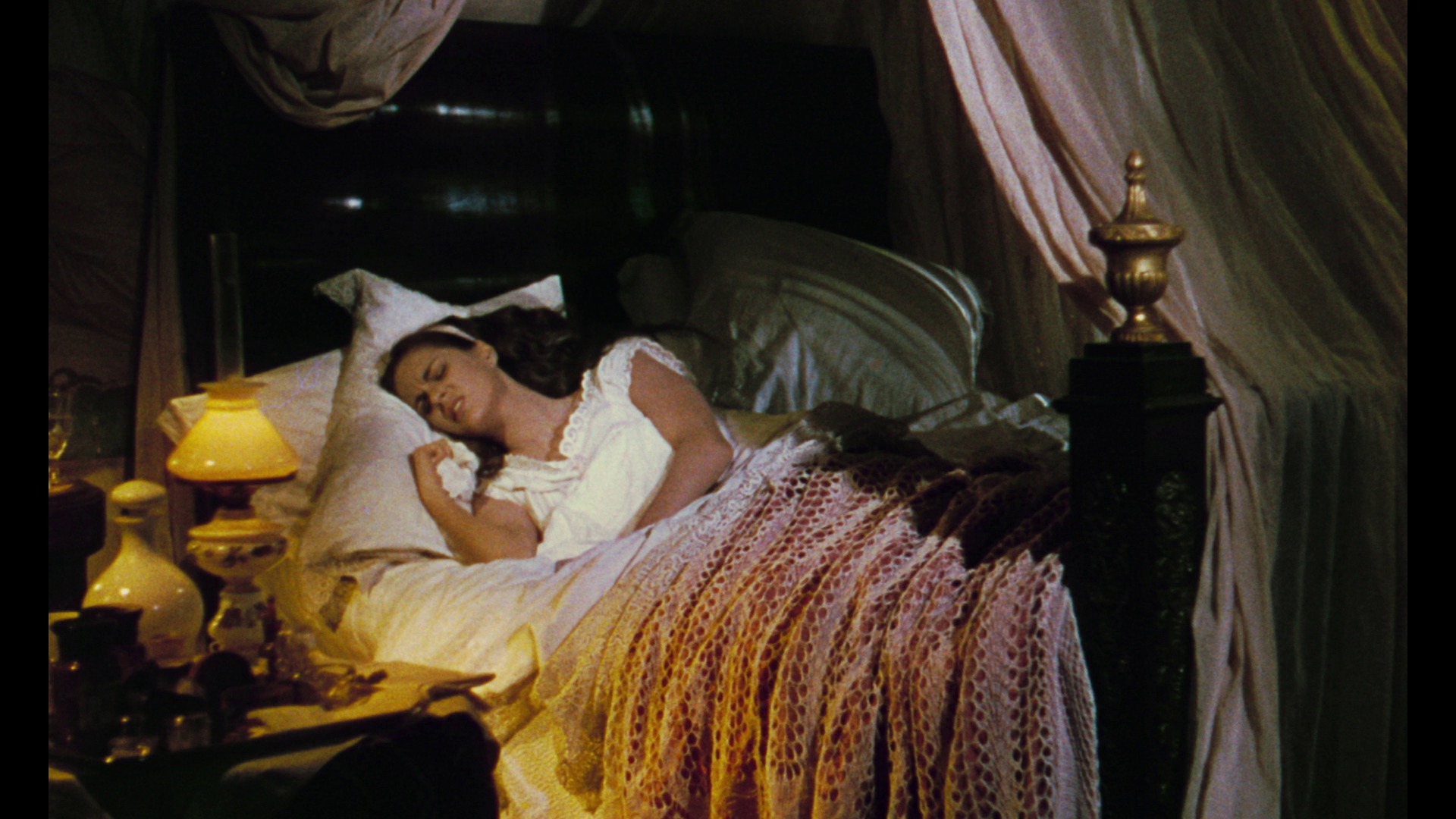
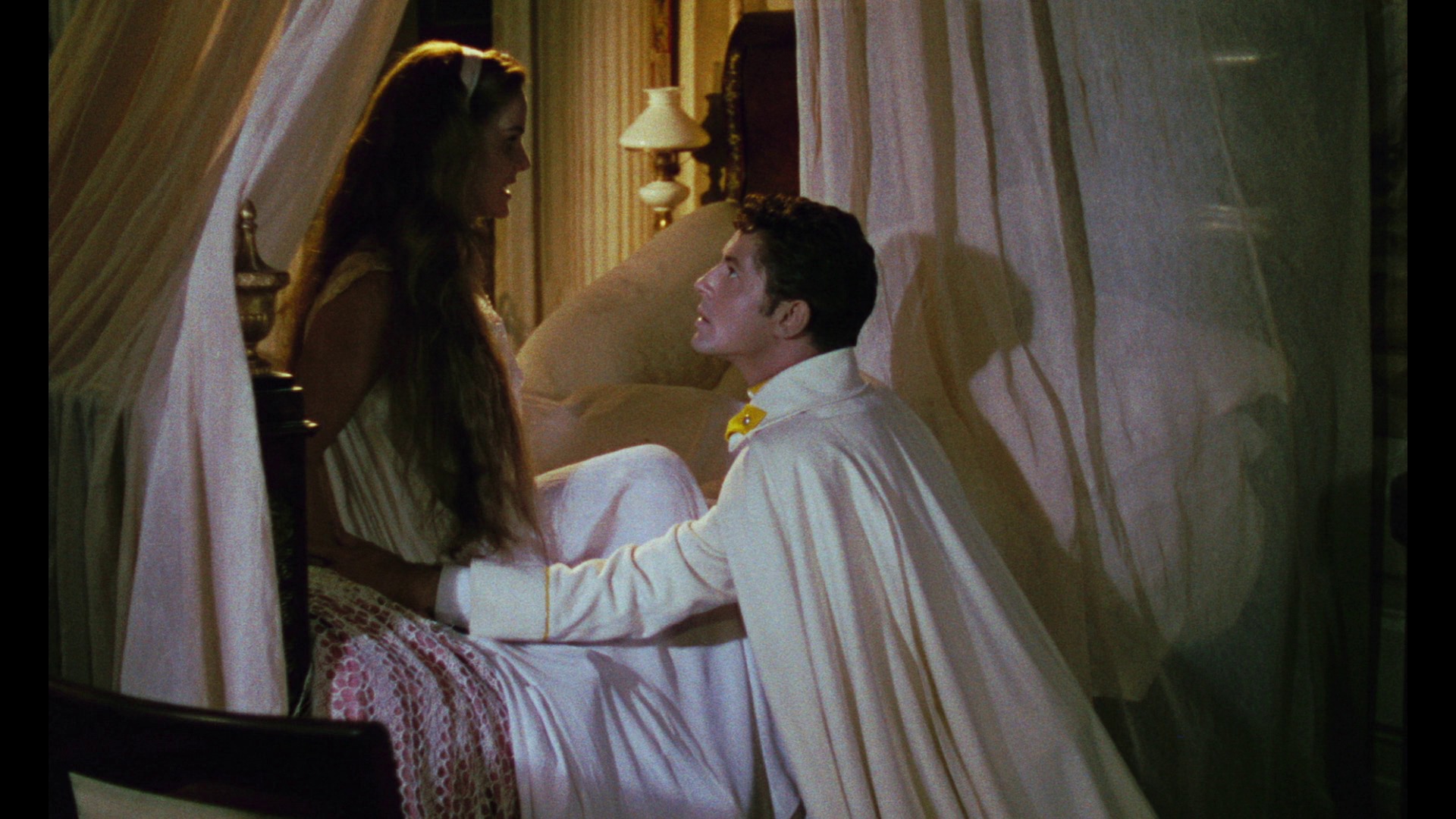
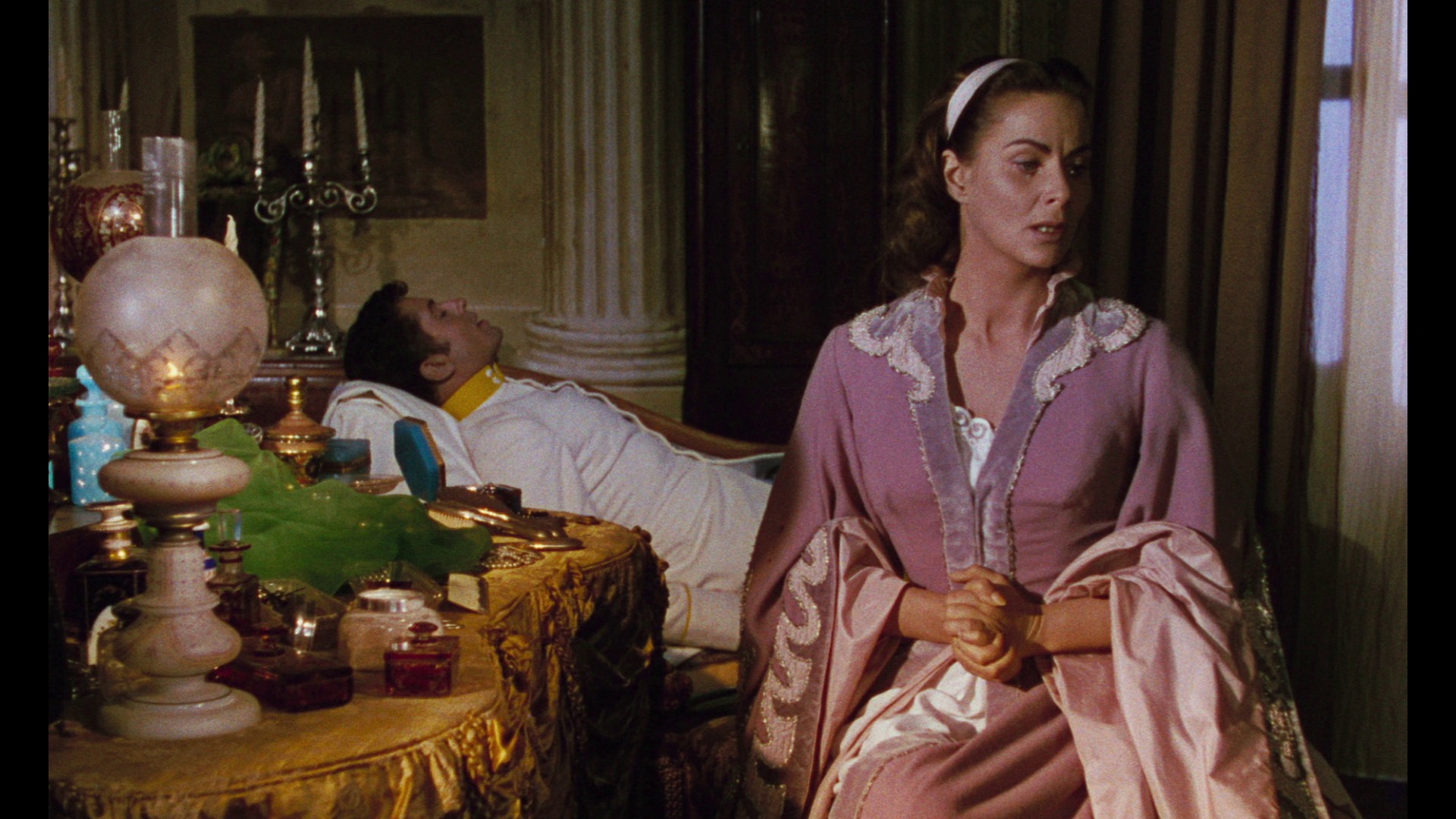
Radiance Films presents Luchino Visconti’s Senso on Blu-ray, offering both the Italian-language and English export versions in 1.37:1 on the first dual-layer disc of this two-disc set, via seamless branching. The second disc features an alternate 1.66:1 widescreen presentation of the Italian version. All three derive from a 2K restoration scanned from the original three-strip Technicolor negatives and are delivered in 1080p/24hz high definition. As a UK-exclusive release, the discs are (unfortunately for North American viewers) locked to Region B.
The restoration itself is the same one that formed the basis of Criterion’s 2010 release. At the time, it was considered a revelation, given the fragile state of the original negatives. Each of the three strips—red, blue, and green—had shrunk at different rates, making alignment nearly impossible through traditional methods. Thanks to newer digital techniques of the period, the strips could be scanned separately, corrected, and realigned, producing remarkably clean color separation. Criterion’s Blu-ray was a gift in that respect, with very little of the fringing or misalignment one might expect.
But Criterion’s release did stumbe in one area, outside the dated encode: the color grading. With L’Immagine Ritrovata among the parties involved, the familiar problem of their restorations from that era reared its head. The palette skewed heavily toward a sickly green, dulling that Technicolor look one would expect. Despite the impressive restoration work, that grading decision held everything back, and absolutely hampered the results.
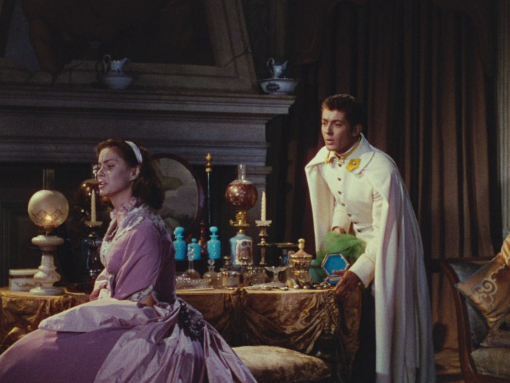
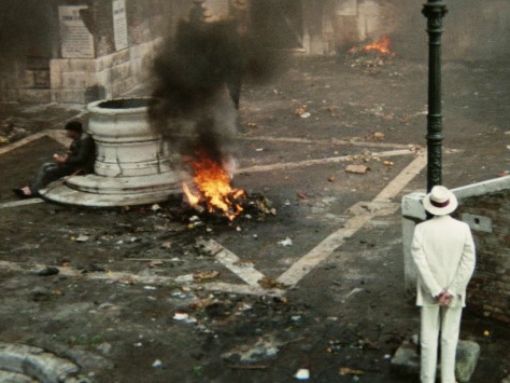
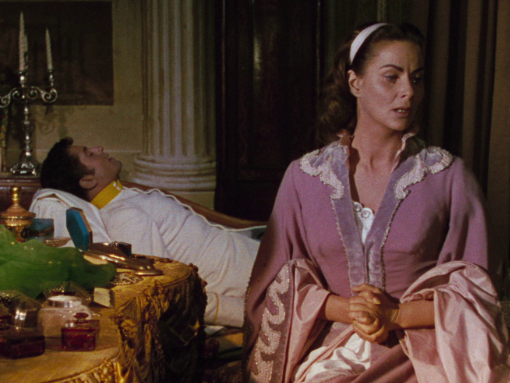
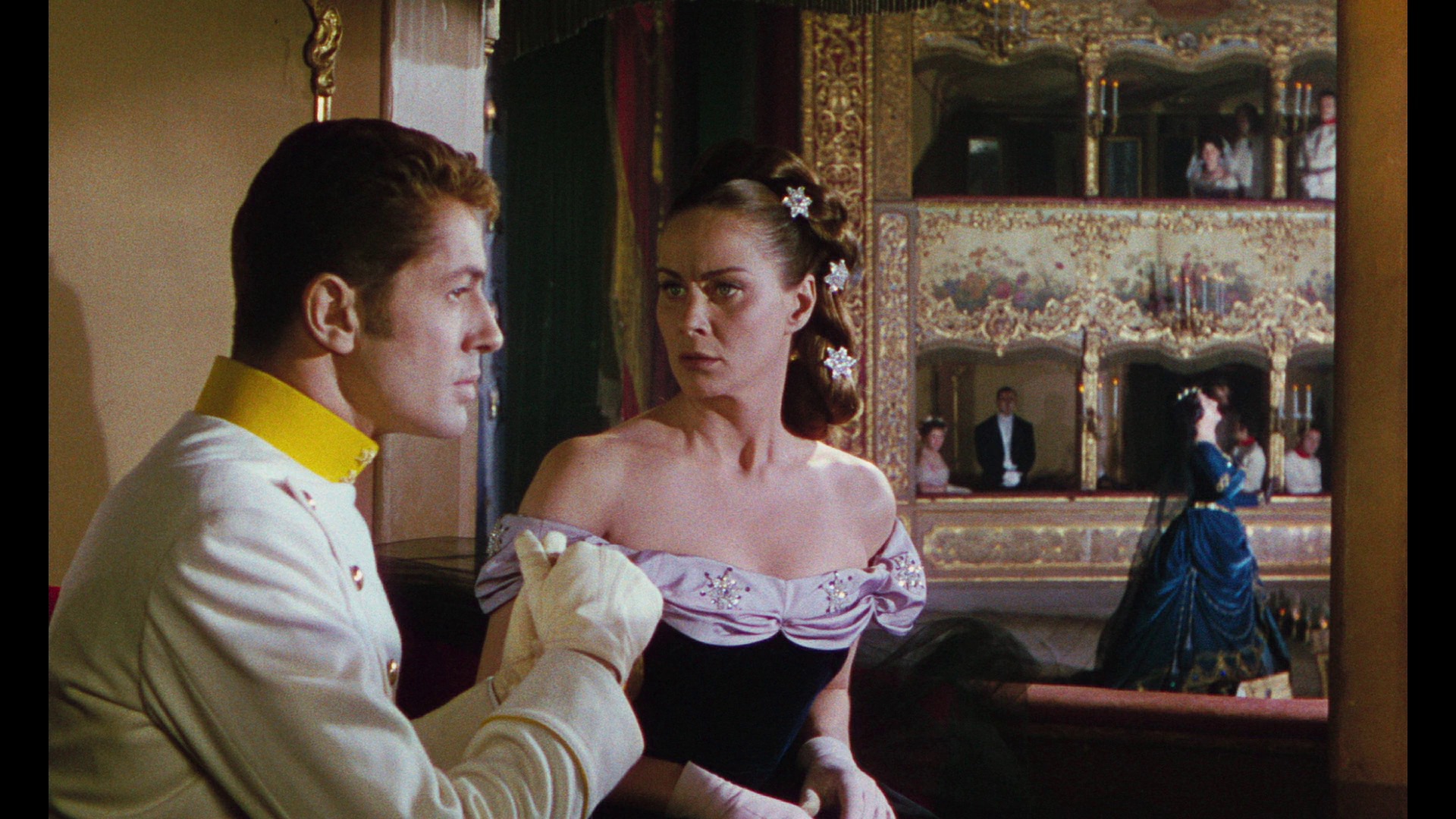
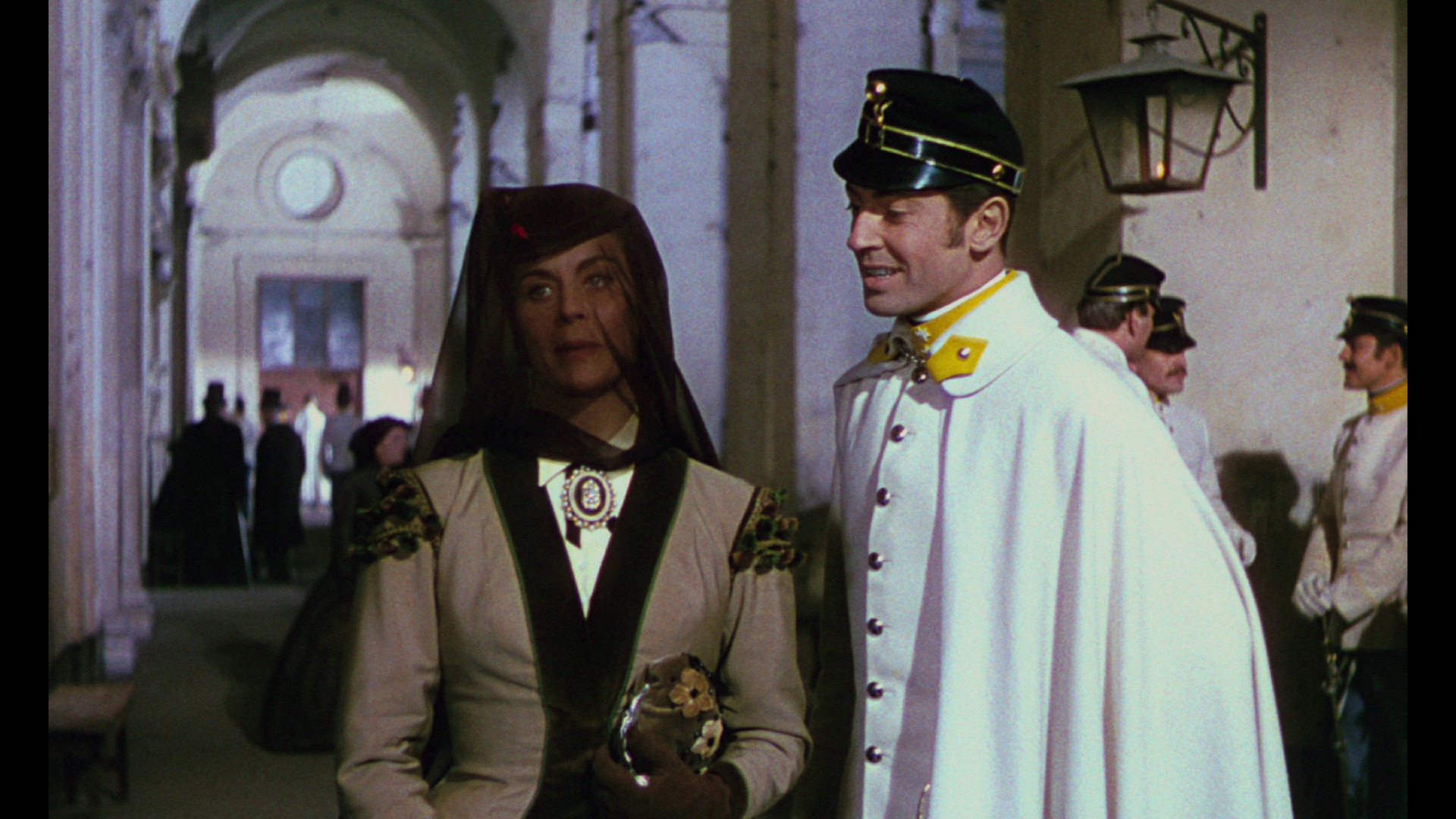
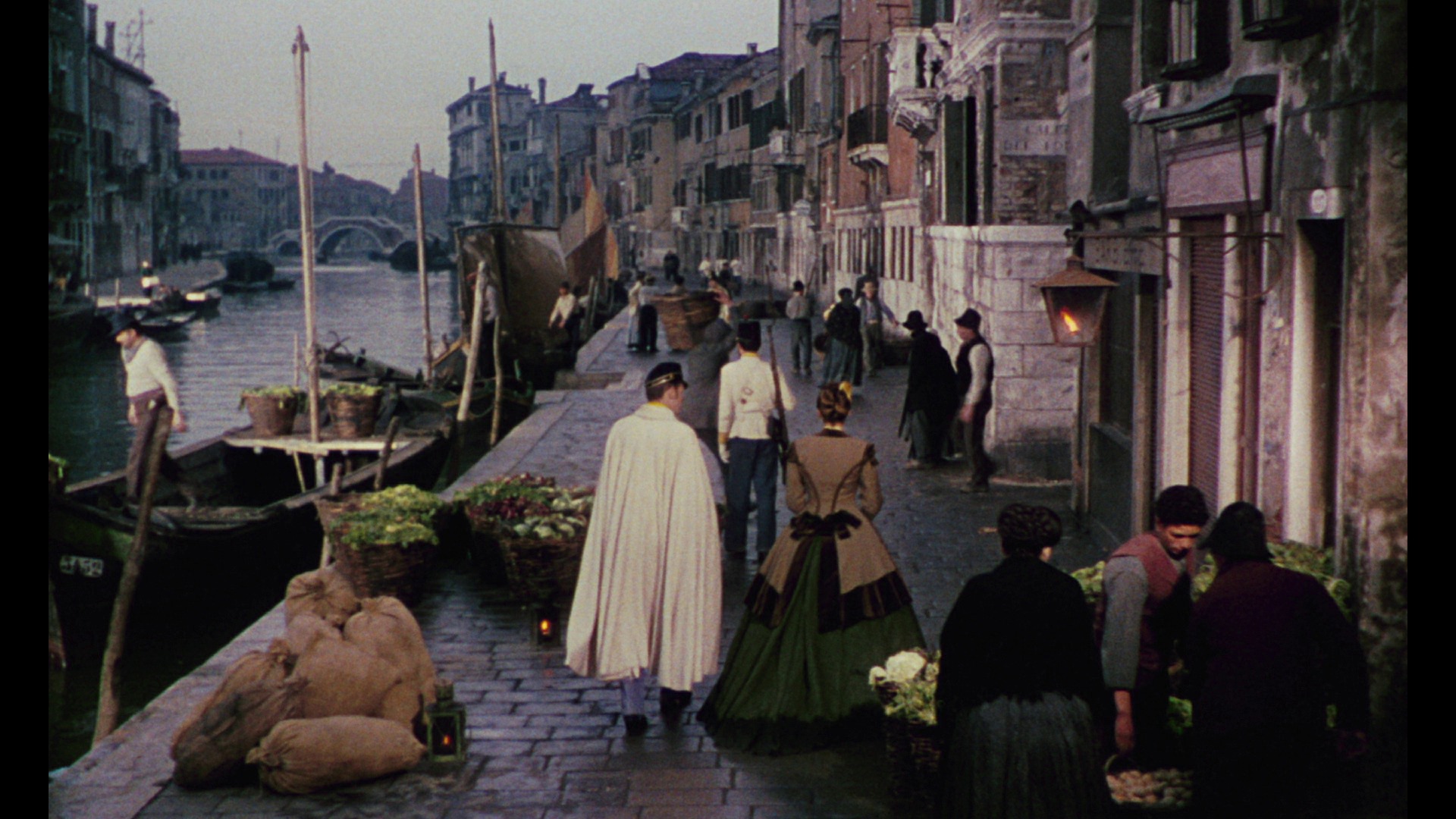
Thankfully, almost a decade-and-a-half later, Radiance corrects the course, and then some. Their new color grading, reportedly guided by reference prints, restores the expected Technicolor look that Criterion’s lacked. Whether you’re a Technicolor devotee or not, the difference is night and day. This Senso looks far closer to what I would have expected.
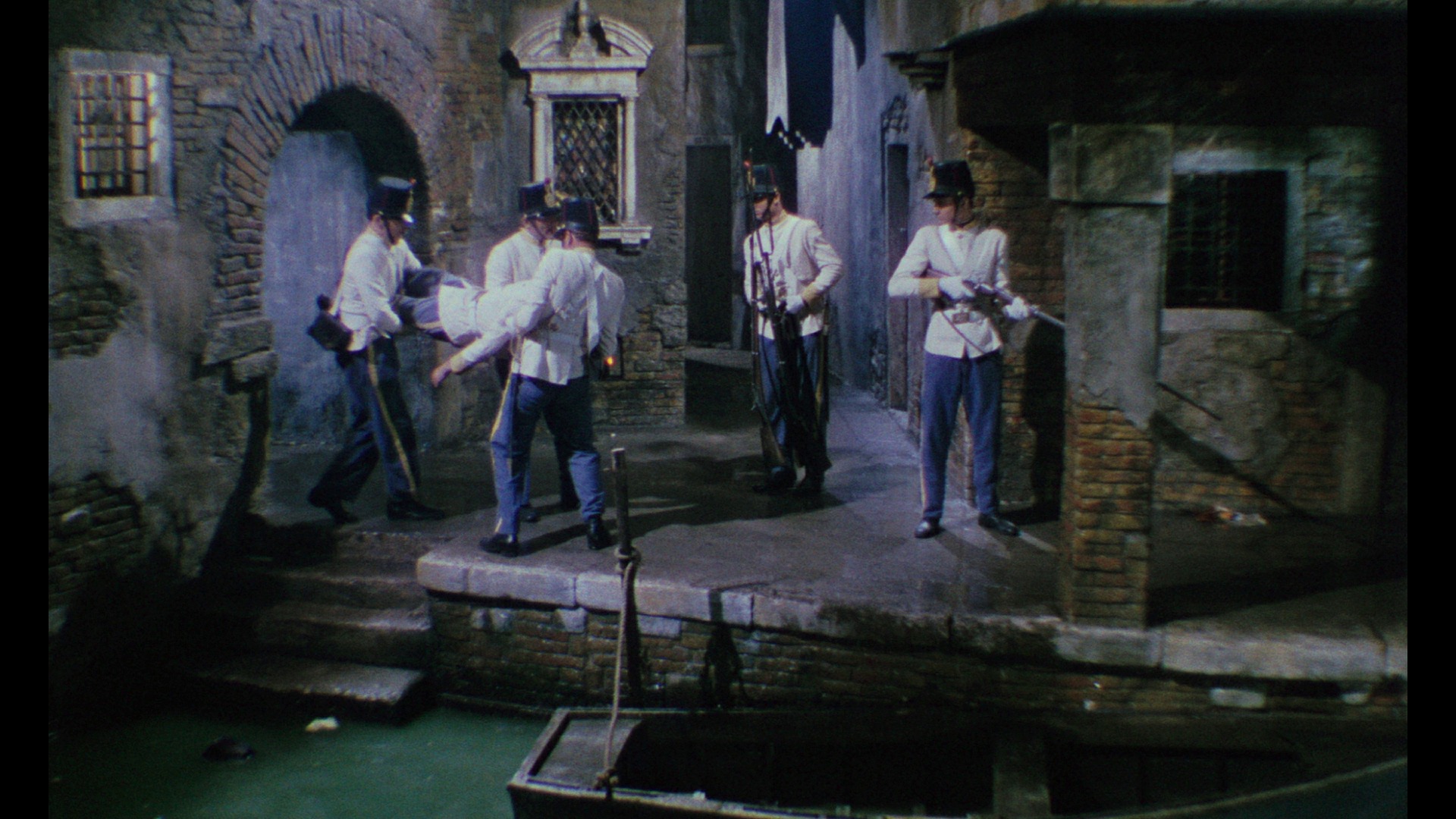
On top of that, Radiance delivers far stronger encodes for all three versions. Grain is rendered more naturally, fine detail is sharper (where the source allows of course), and textures appear cleaner and more film-like. In this regard, Criterion’s disc doesn’t even come close.
Radiance also goes further by including the widescreen Italian version, something Criterion omitted. Released at the moment when films were transitioning from Academy to widescreen, Senso was almost certainly intended for both formats. Debate has been heavy over Visconti’s preference, and the question likely remains definitively unanswerable. Still, after viewing both, the widescreen version, for me, does feel right. While the opera scenes arguably benefit from the extra vertical information in 1.37:1, the tighter widescreen framing reduces dead headroom and adds an intimacy that is just lacking from the Academy presentation. I can’t claim it’s the “correct” version, but it’s the one I prefer.
In short, while Radiance starts with the same restoration Criterion used, they’ve reworked it into a far superior presentation, and until someone sees fit to do a newer 4K restoration, this is easily the definitive way to see the film on Blu-ray.
[All screen captures are from the widescreen version.]
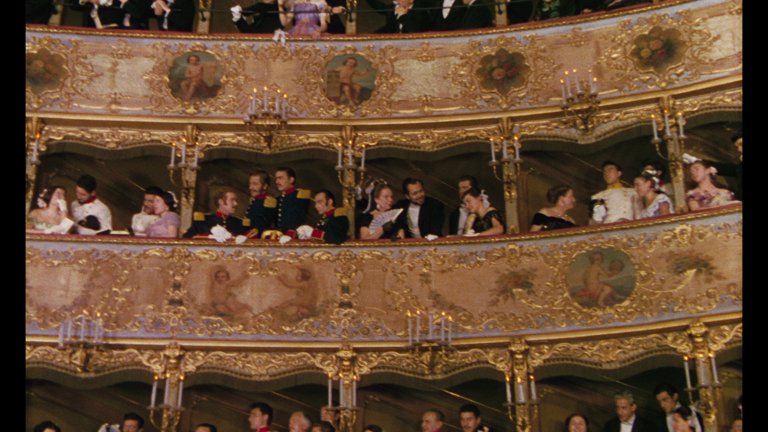
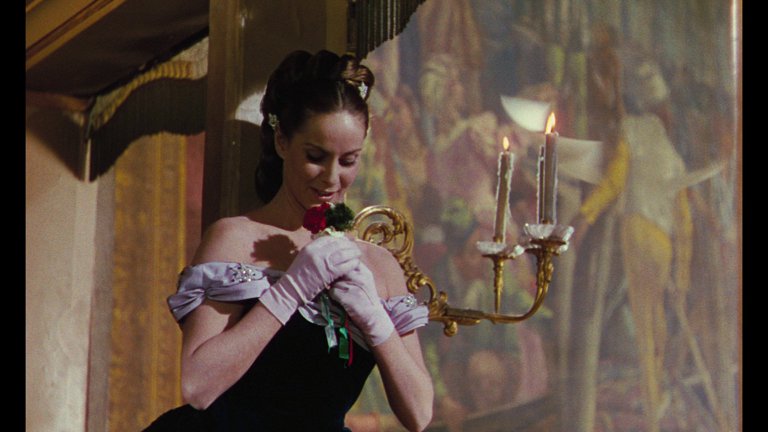
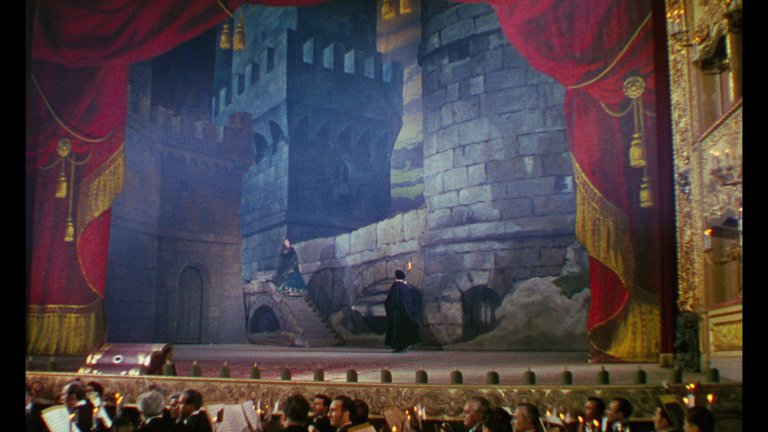
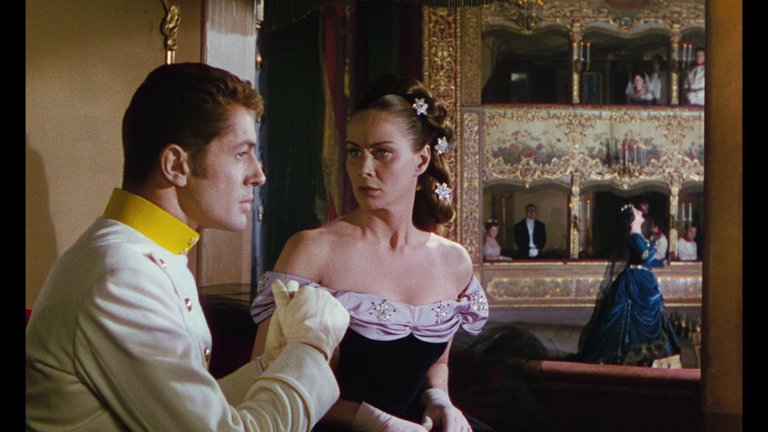
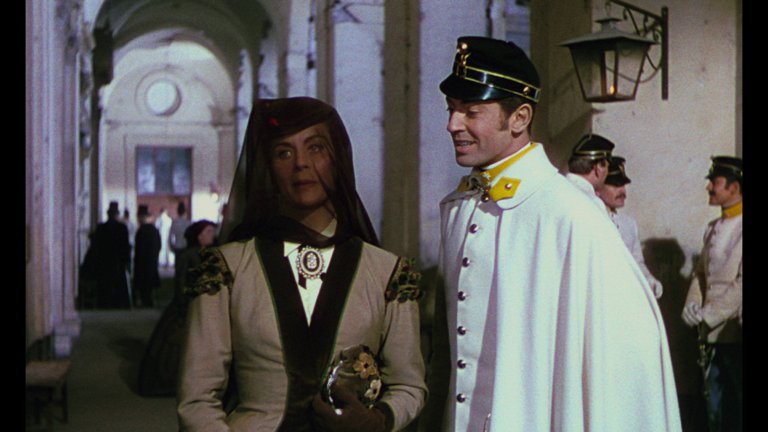
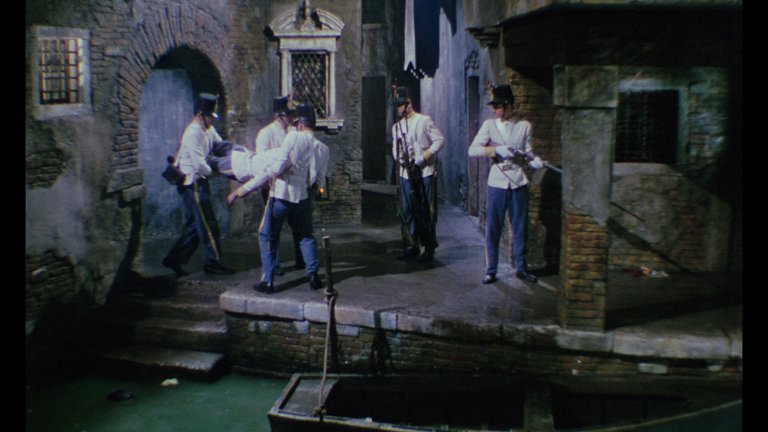
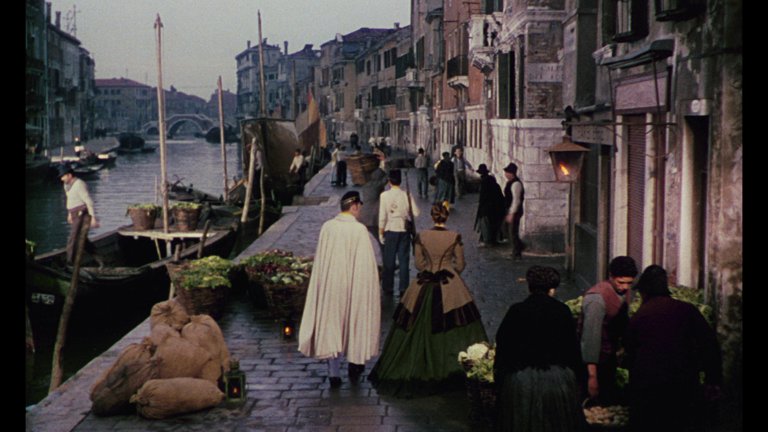
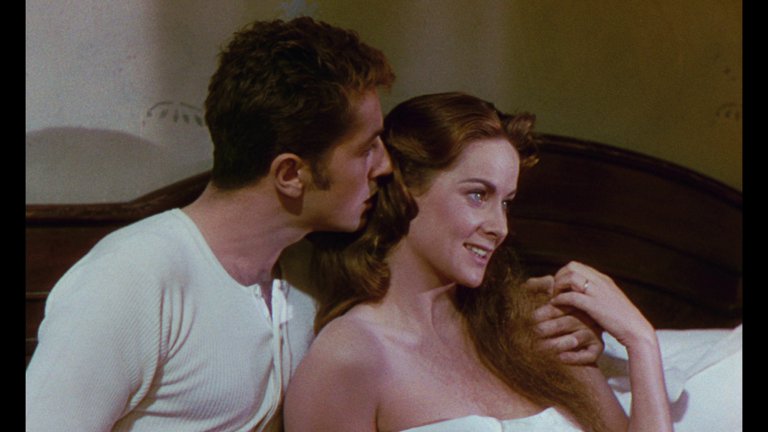
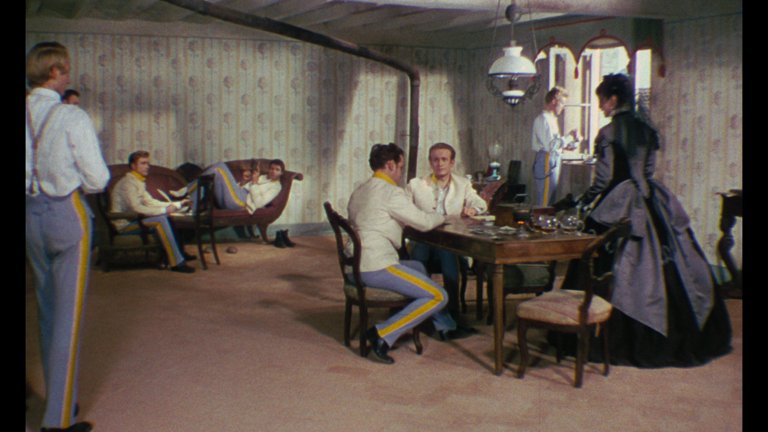
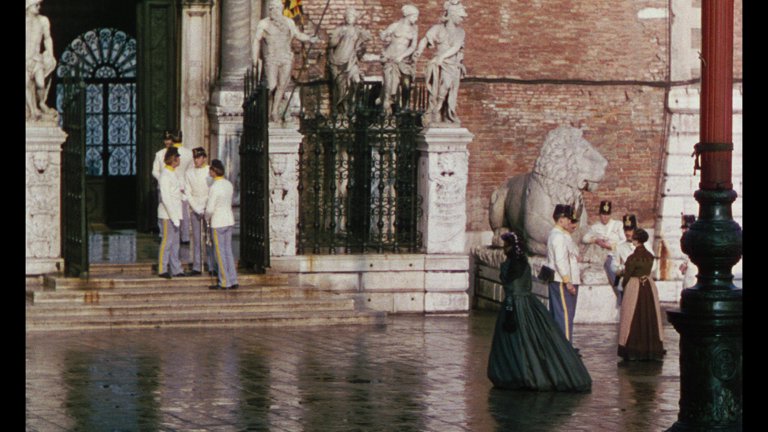
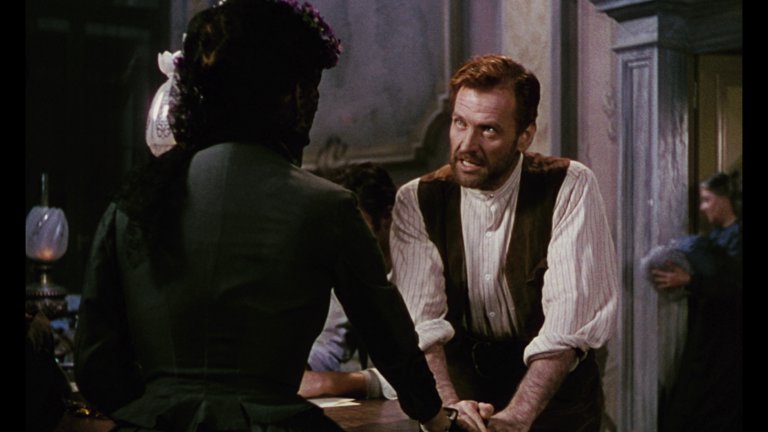
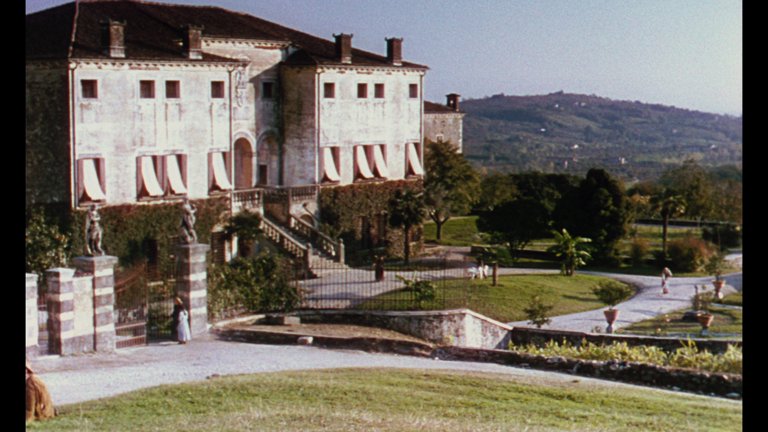
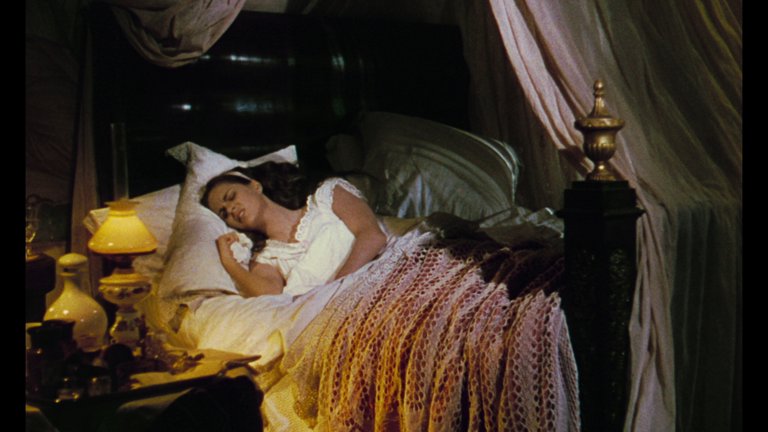
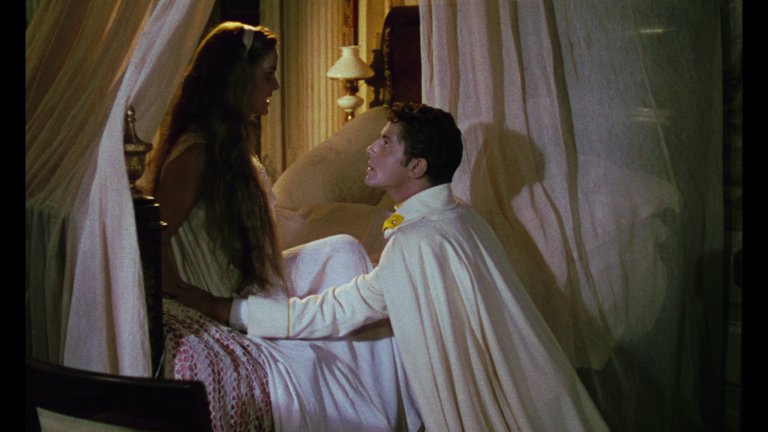
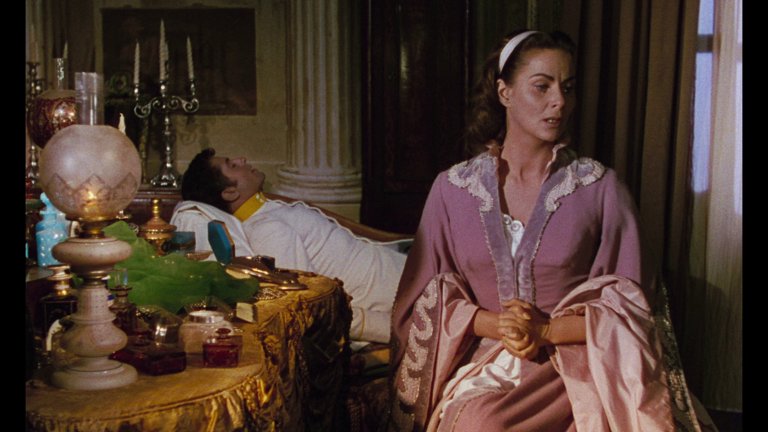
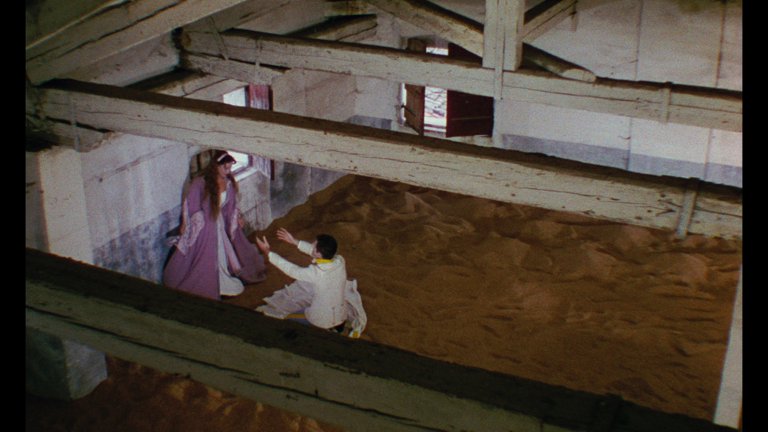
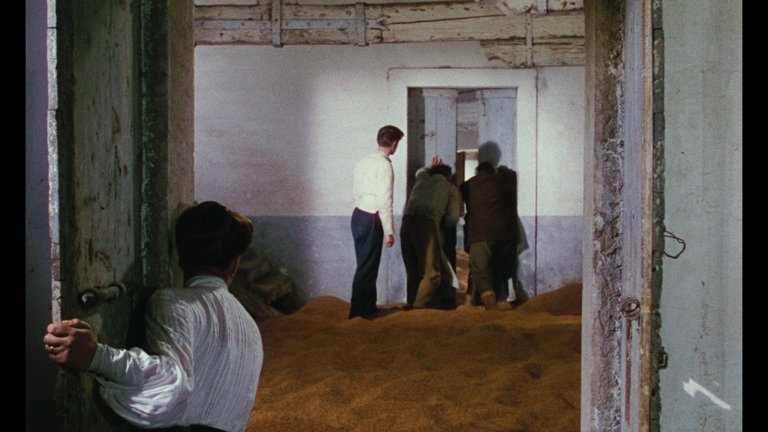
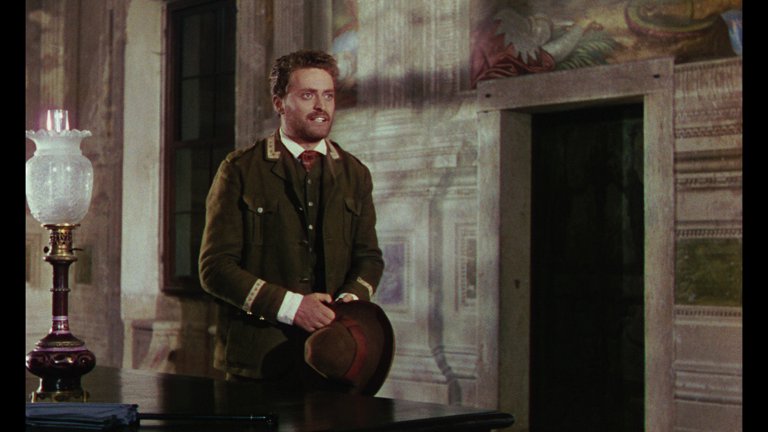
Senso - Screen Captures
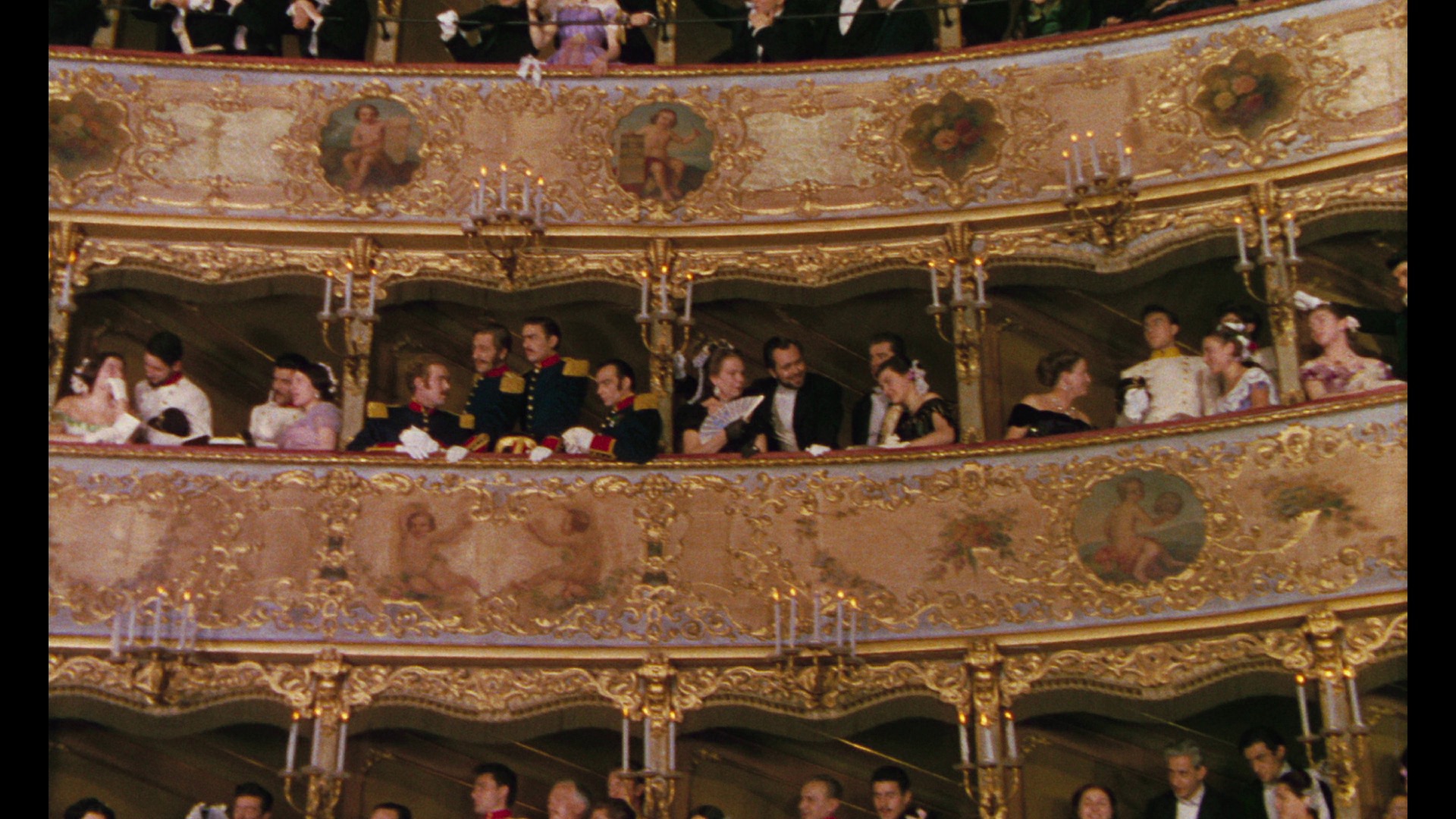
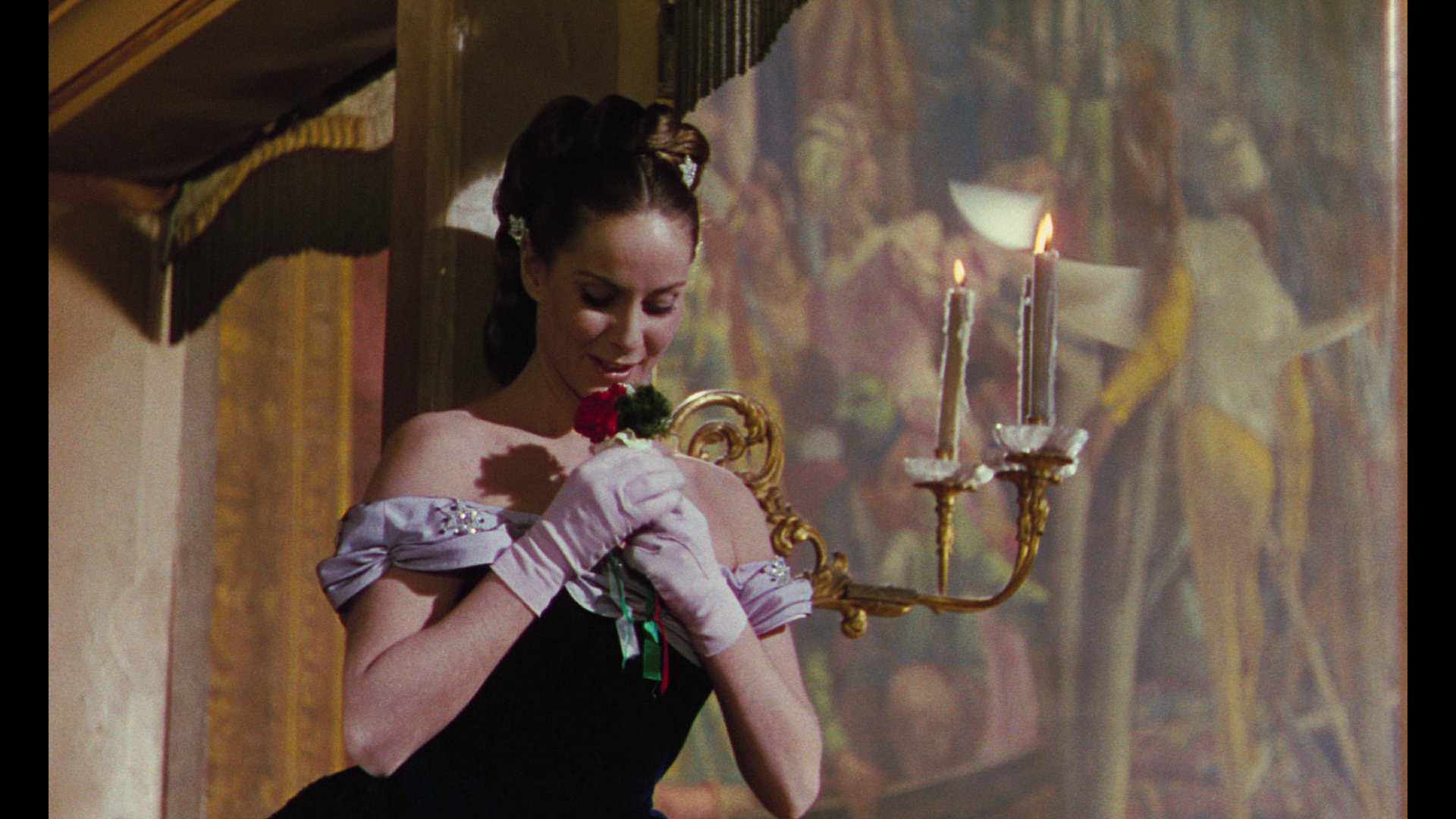
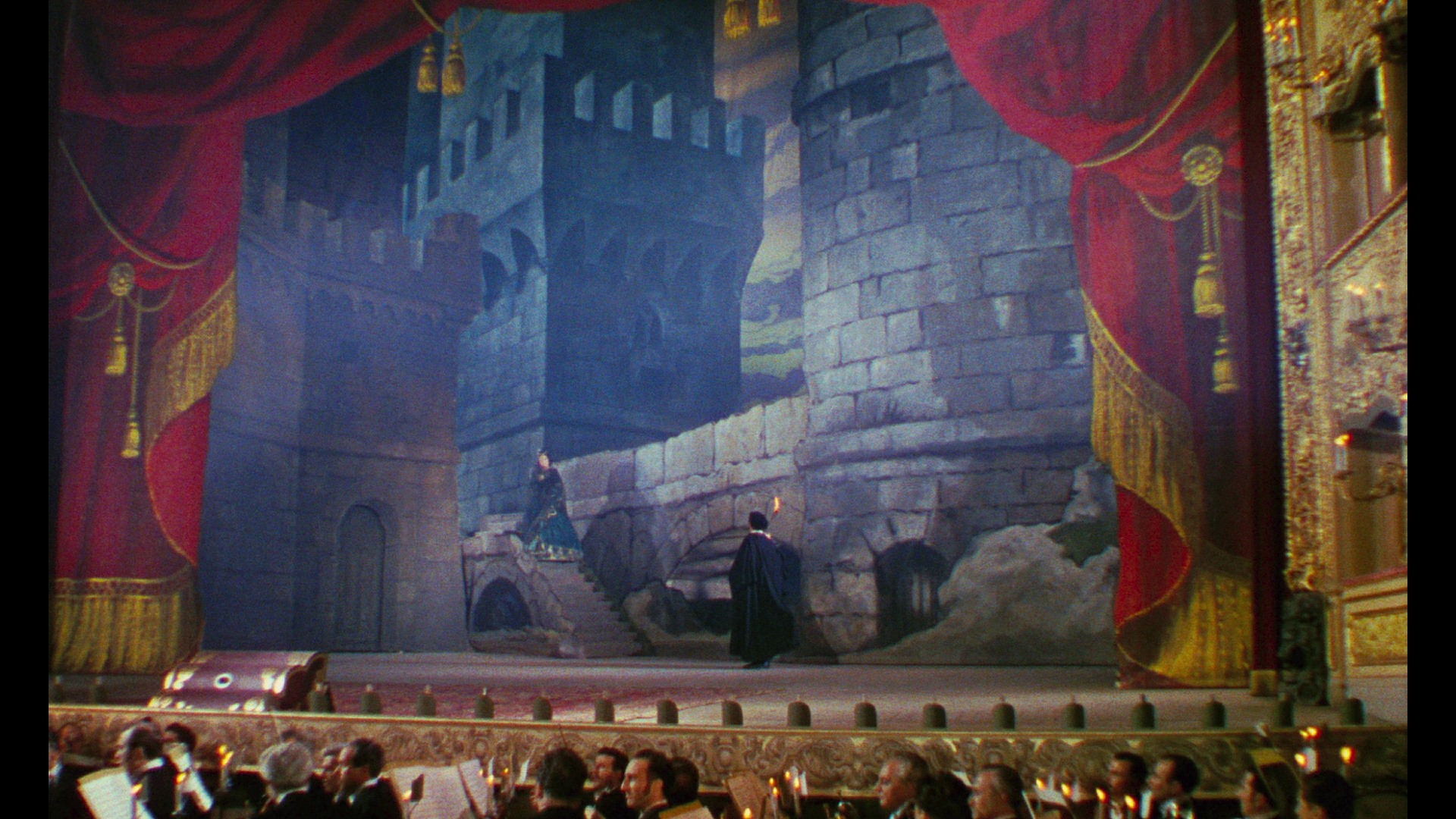
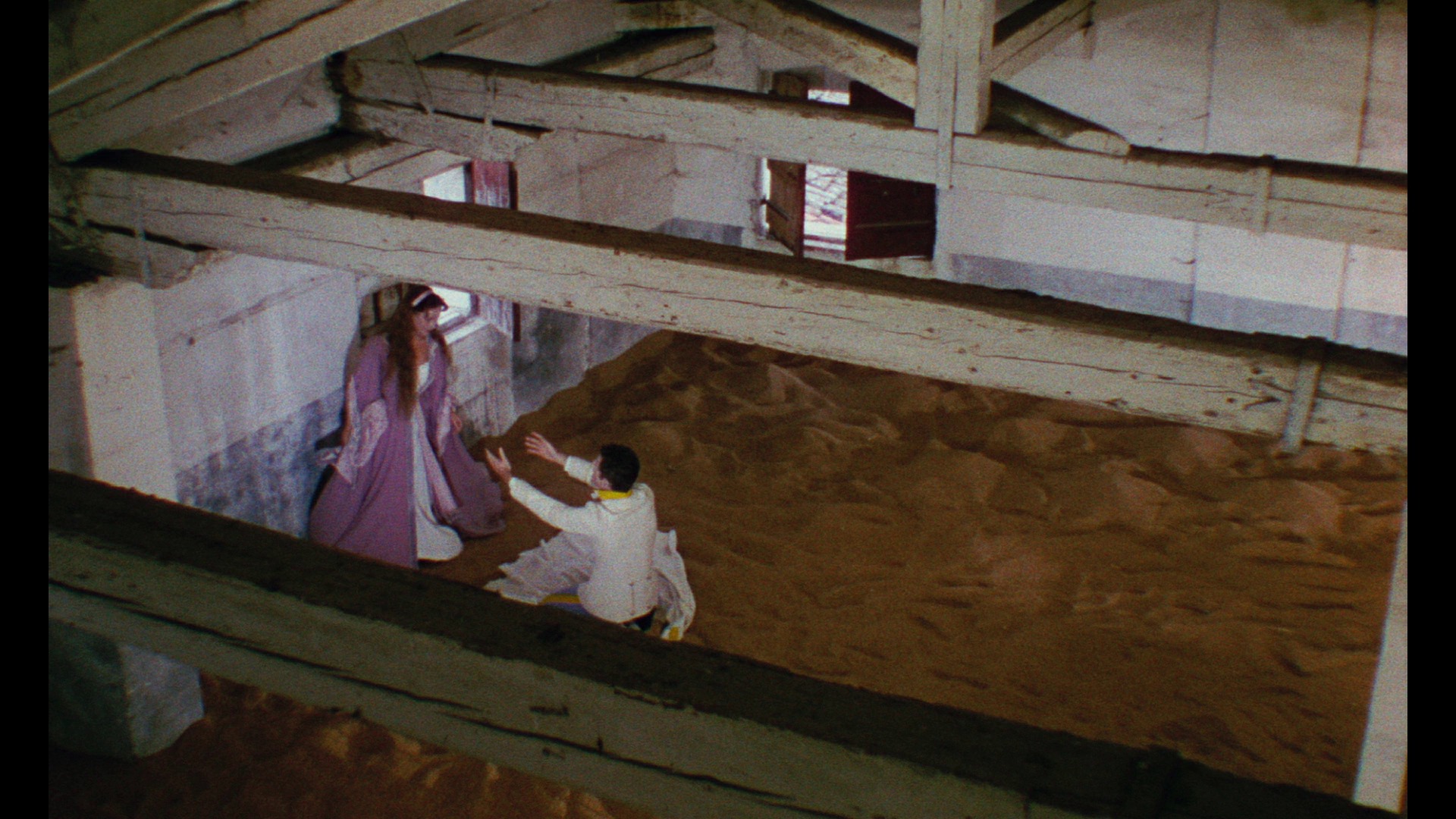
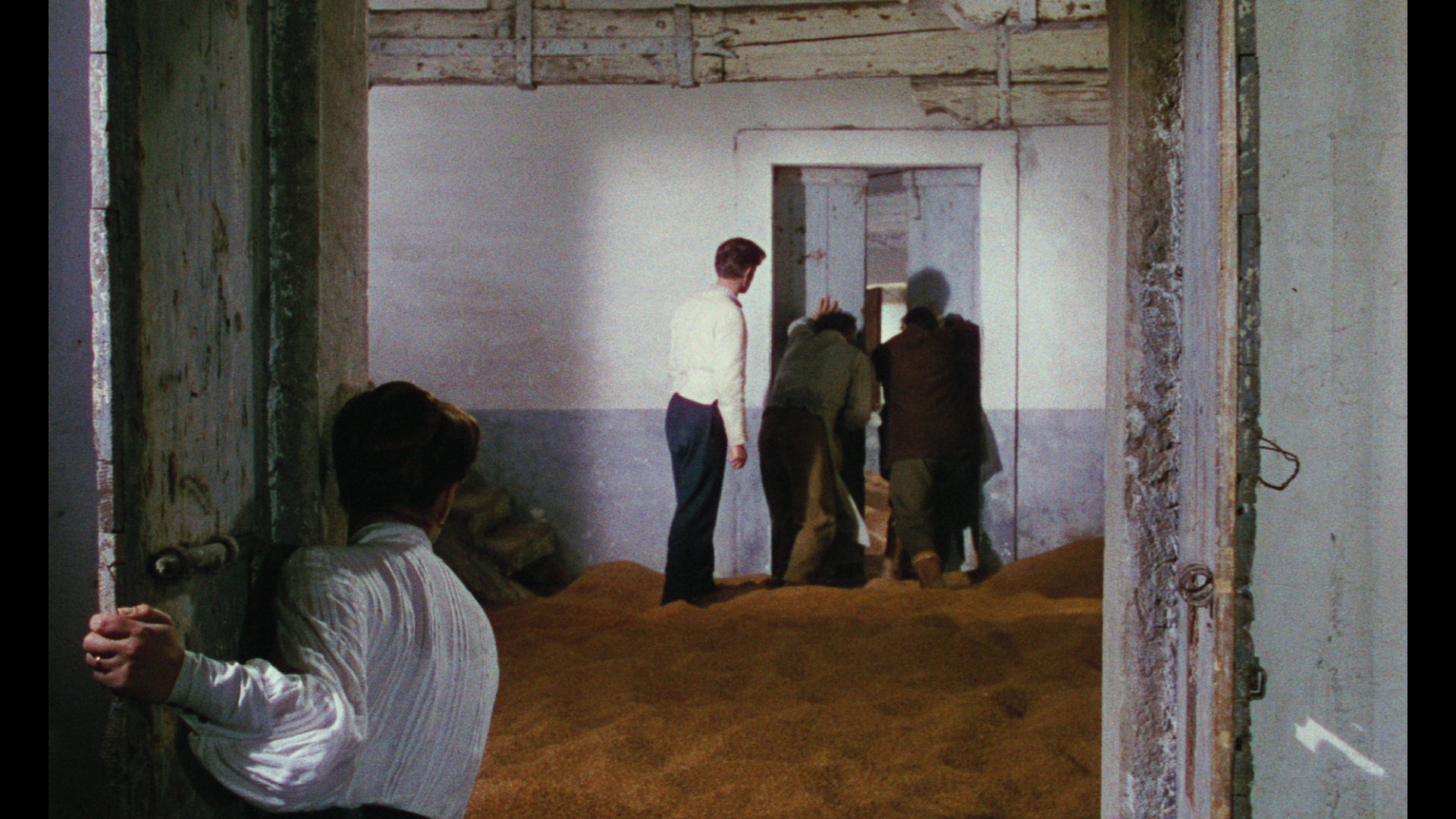
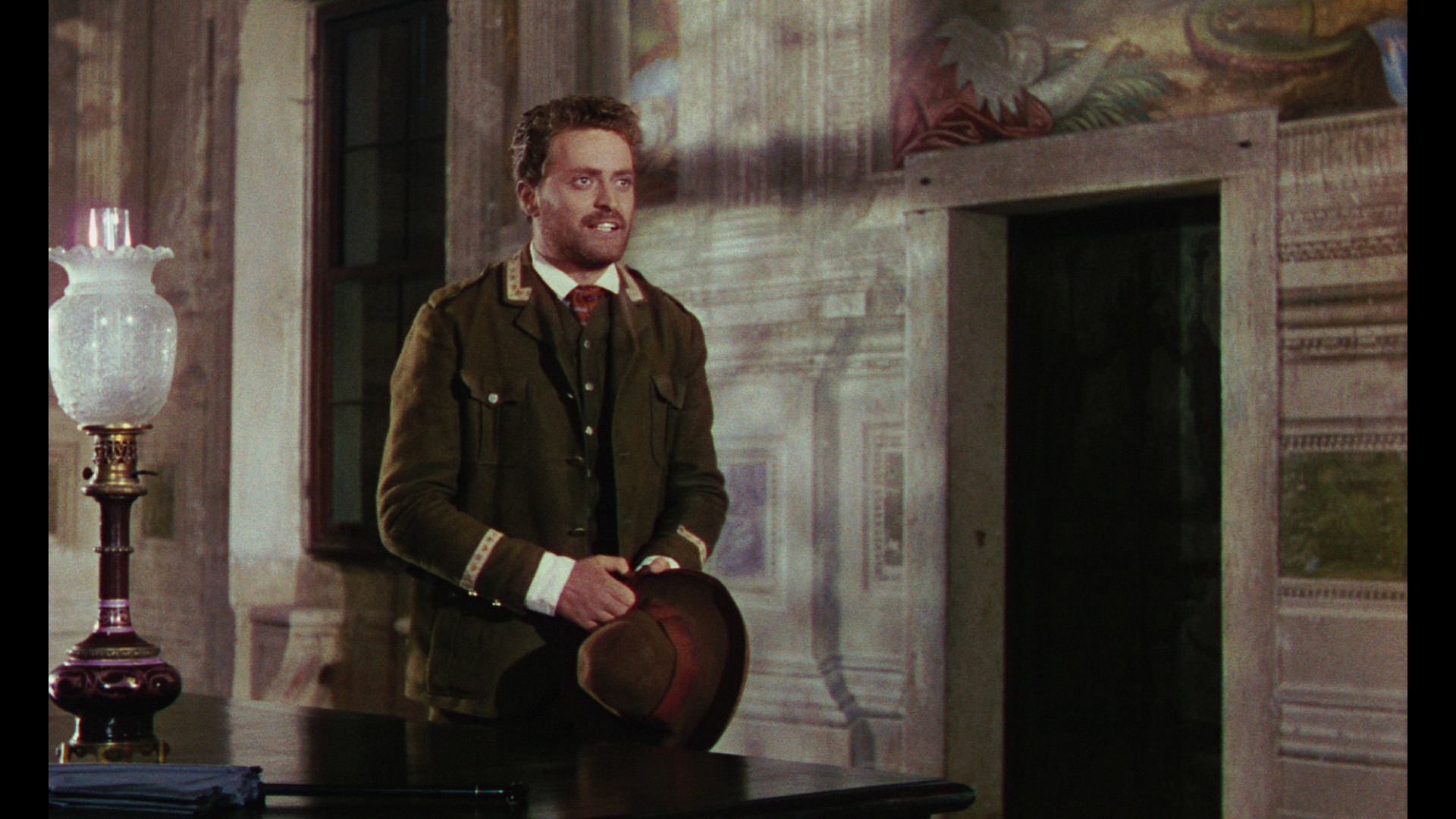
Audio 6/10
All three versions feature DTS-HD MA 2.0 mono tracks, with the English export version newly restored for this edition. As expected, there’s an inherent detachment to the obvious dubbing; less pronounced in the Italian version but present across the board. Even so, all three sound quite good for what they are.
The Italian track has a slight edge, offering sharper fidelity and a bit more depth, though it remains limited in range. The English track, while a wee-bit hollower, is cleaner than I anticipated, with respectable depth and clarity. Damage or heavy wear isn’t an issue on either.
Overall, they’re solid presentations of the film’s audio.
Extras 7/10
Radiance packs in a solid set of supplements to accompany their edition, with the alternate presentations being the most significant draw. Notably, for the English-language version, Radiance has opted against including the heavily truncated American release, the 94-minute The Wanton Contessa (as Criterion did), and instead supplies the English export version prepared for international territories. Running only a couple of minutes shorter than the Italian cut—omitting a scene where Alida Valli’s Livia receives news from the front—it’s essentially the same film. That’s a far cry from The Wanton Contessa, which chopped out large swaths of material and created an entirely different and somewhat confusing film, even eliminating the first meeting between the two leads. Paul Martinovic’s essay in the booklet digs into the film’s many versions (including Tennessee Williams’ reluctant contributions to the English script). While it might have been nice if Radiance had gone all-out in including alternate cuts, as they did with their exhaustive edition of Häxan, The Wanton Contessa is more curiosity than essential viewing, so its absence isn’t a major loss.
Radiance also includes a new 19-minute interview with critic and fashion historian Matteo Augello. He explores Visconti’s approach to style and design, arguing that the director wasn’t interested in simply recreating history but in interpreting it through his own artistic lens, heavily influenced by painting and other works. Augello highlights a number of costumes and set pieces, identifying their artistic inspirations, some merely referencing, others nearly exact reproductions. It’s a focused and insightful featurette, honing in on Visconti’s attention to detail.
The set continues with two archival pieces. The centerpiece is the 1999 television documentary Luchino Visconti, directed and hosted by Carlo Lizzani. Running 61 minutes, it’s impressive in its scope, briskly covering Visconti’s early years, wartime experiences, and later career. The documentary can only skim the surface of his personal and artistic life, but it still manages to assemble a remarkable range of interviewees: Claudia Cardinale, Alain Delon, Dirk Bogarde, Vittorio Gassman, Burt Lancaster, and more. I’ve seen plenty of material on Visconti over the years, but as an accessible crash course, this does the job.
More engaging, though, is a 22-minute excerpt from a 1969 television interview featuring Visconti in conversation with opera star Maria Callas, reflecting on their two-decade friendship. Though I have no doubt Visconti's admiration centered on her performances, Callas’ anecdotes suggest his attentions were sometimes overwhelming; lavish gifts, constant calls, repeated meet-ups. She’s diplomatic about it, but one senses she wasn’t always comfortable. At least at first. They would of course collaborate together through stage productions, and she shares that Visconti had wanted her to sing in Senso, though that never materialized. Their lively discussion ranges from the importance of opera being confined to the stage (Visconti dismissing film as inadequate for the art form) to Callas’ role in Pasolini’s Medea, which Visconti teases her about a little. It’s a charming and spirited exchange that brings the director himself (and his love for opera) into focus.
The disc closes with a short stills gallery, while the limited edition release includes a booklet with essays by Christina Newland on the film, Martinovic on its versions, and notes on the restoration.
Criterion may edge Radiance’s edition by a hair in this department, but this is still a nicely assembled package. The inclusion of alternate presentations, especially the widescreen version, remains the standout feature.
Closing
For anyone disappointed by Criterion’s Blu-ray, Radiance’s edition is well worth the upgrade. The presentation is far cleaner, the ghastly color grading has been corrected, and the inclusion of a widescreen option makes it even more enticing.
BUY AT: