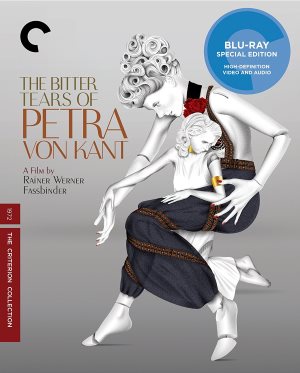
The Bitter Tears of Petra von Kant
BUY AT:


See more details, packaging, or compare
Synopsis
In the early 1970s, Rainer Werner Fassbinder discovered the American melodramas of Douglas Sirk and was inspired by them to begin working in a new, more intensely emotional register. One of the first and best-loved films of this period in his career is The Bitter Tears of Petra von Kant, which balances a realistic depiction of tormented romance with staging that remains true to the director’s roots in experimental theater. This unforgettable, unforgiving dissection of the imbalanced relationship between a haughty fashion designer (Margit Carstensen) and a beautiful but icy ingenue (Hanna Schygulla)—based, in a sly gender reversal, on the writer-director’s own desperate obsession with a young actor—is a true Fassbinder affair, featuring exquisitely claustrophobic cinematography by Michael Ballhaus and full-throttle performances by an all-female cast.
Picture 9/10
Rainer Werner Fassbinder’s The Bitter Tears of Petra von Kant comes to Blu-ray through The Criterion Collection, who presents the film with a new 1080p/24hz high-definition presentation on a dual-layer disc. The film is presented in its original aspect ratio of 1.33:1.
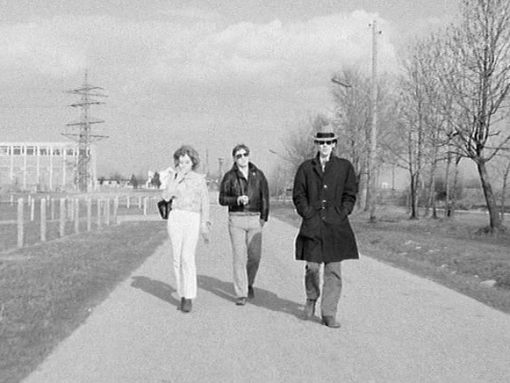
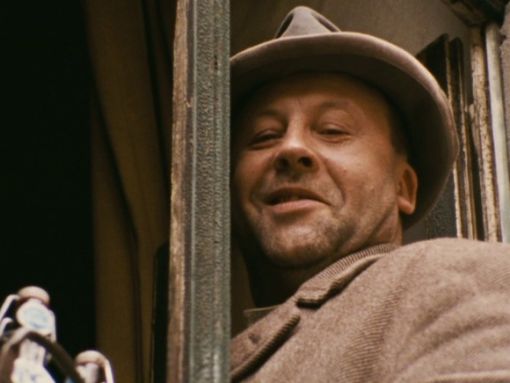
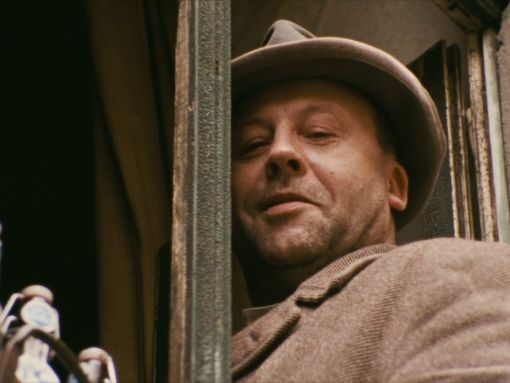
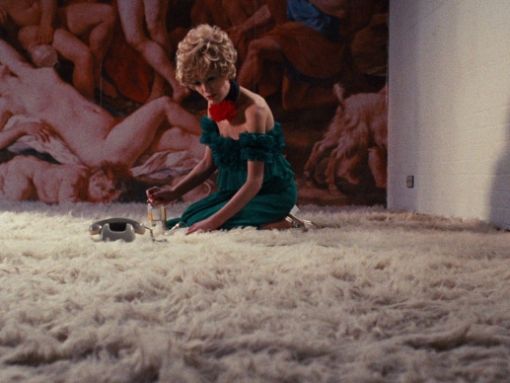
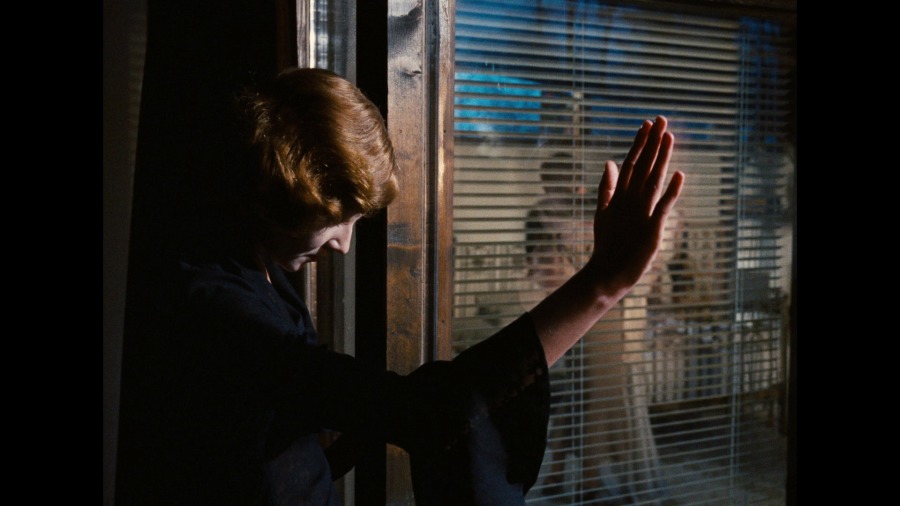
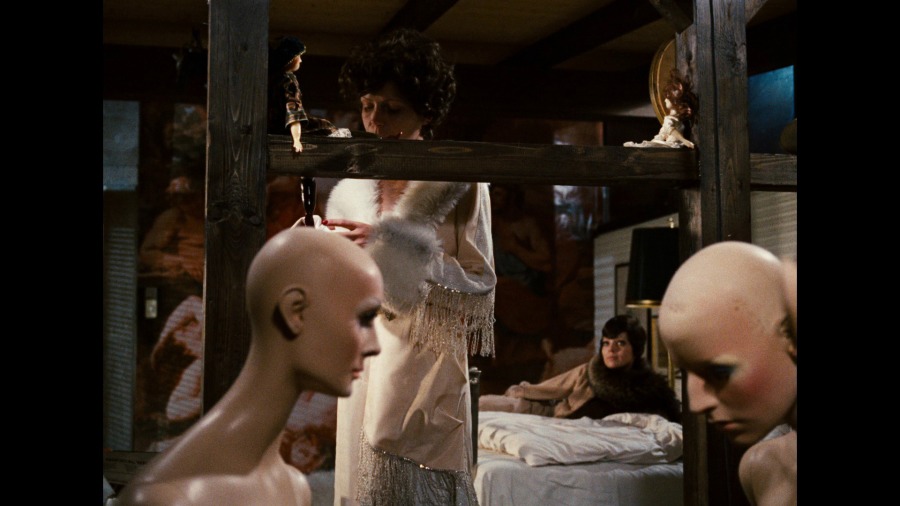
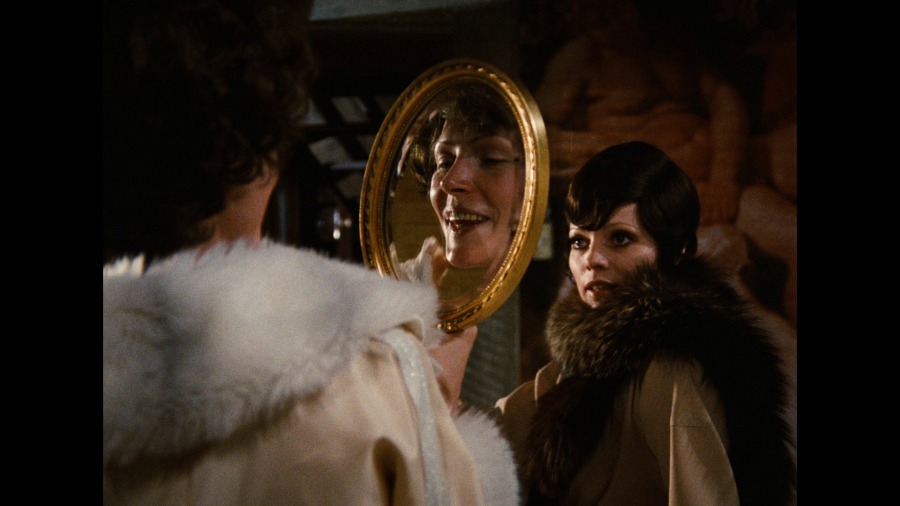
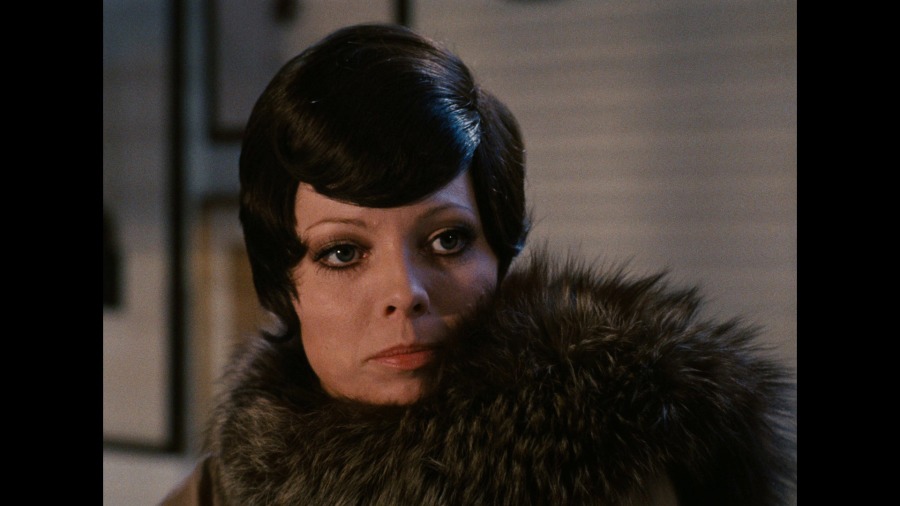
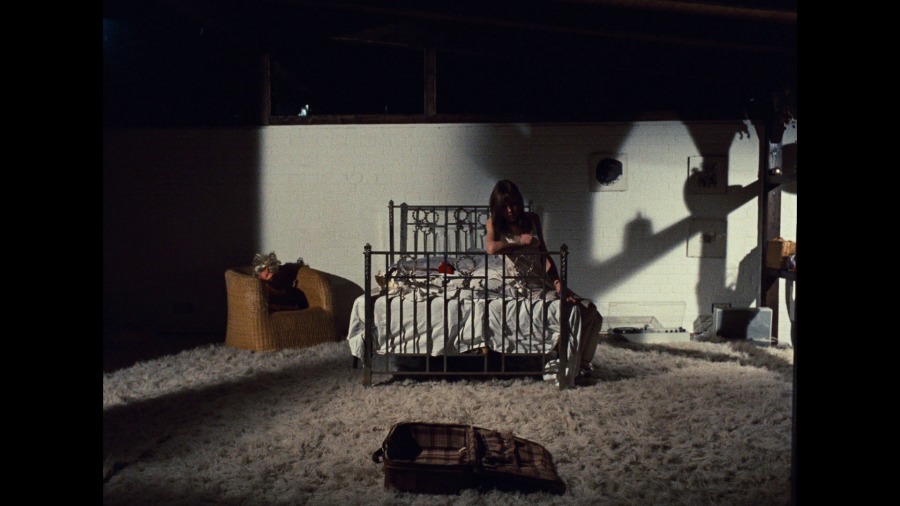
Filmed in one location with a limited colour palette the film doesn’t seem like the type that would truly impress on the format, but that isn’t the case at all: it’s a stunner of a presentation, delivering terrific detail and great depth, despite the limitations of the film’s setting. The image looks consistently crisp throughout, delivering textures and fine details (specifically in some of the outfits that appear throughout) and the colours, despite the limited autumn tones, are vibrantly rendered, looking pure and natural. Black levels are also deep and rich without crushing out details.
As with other Fassbinder releases from Criterion as of late the print appears to be in extraordinary shape, with little to no damage present. In all it’s an impressive looking presentation beyond what I would have expected.
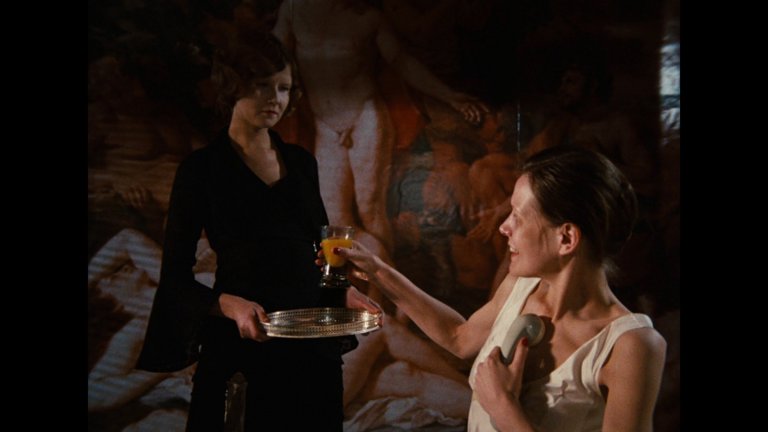
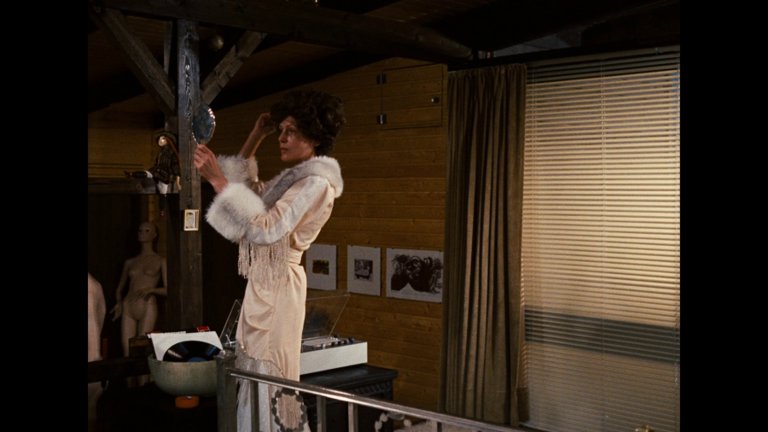
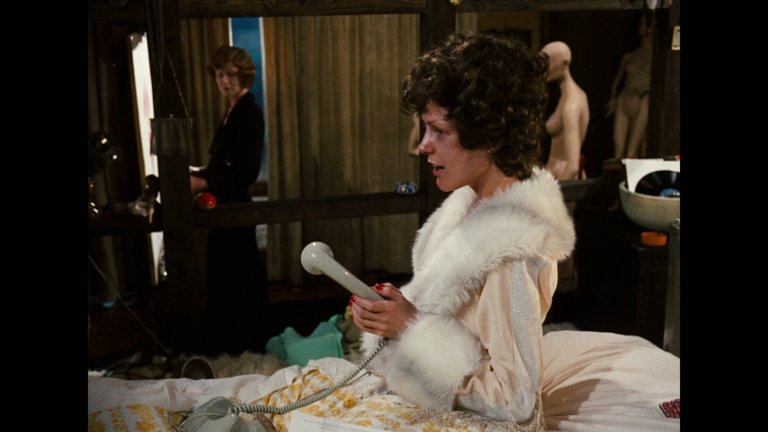
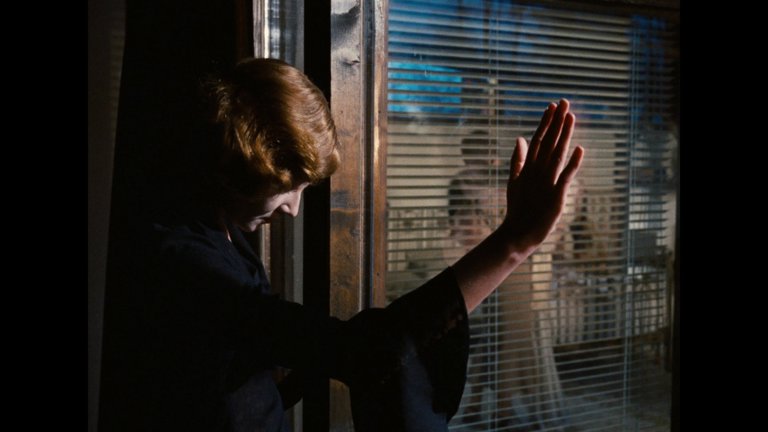
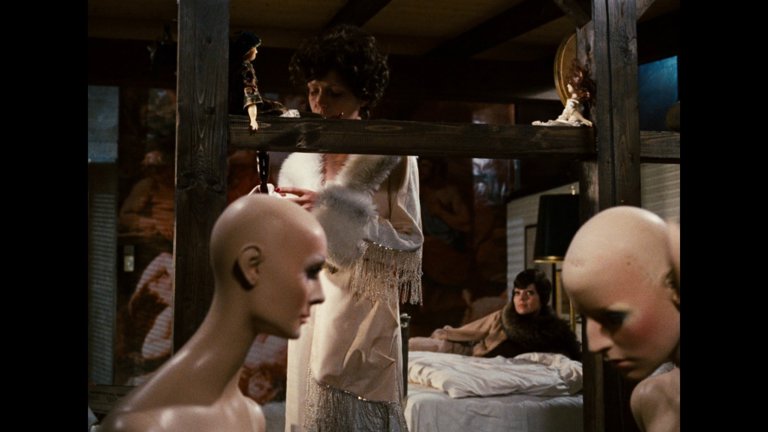
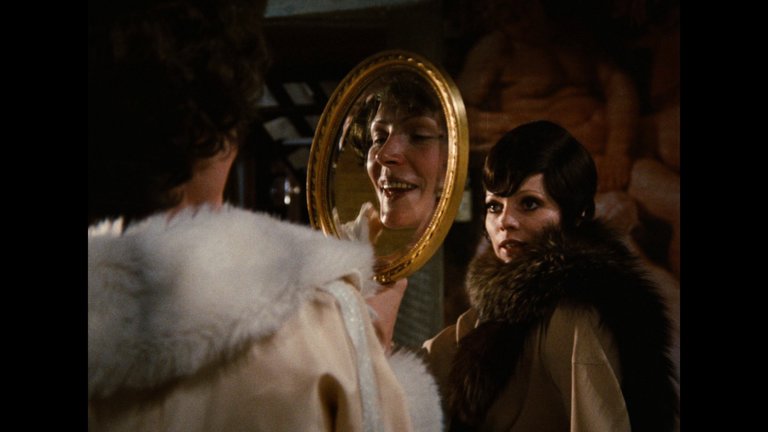
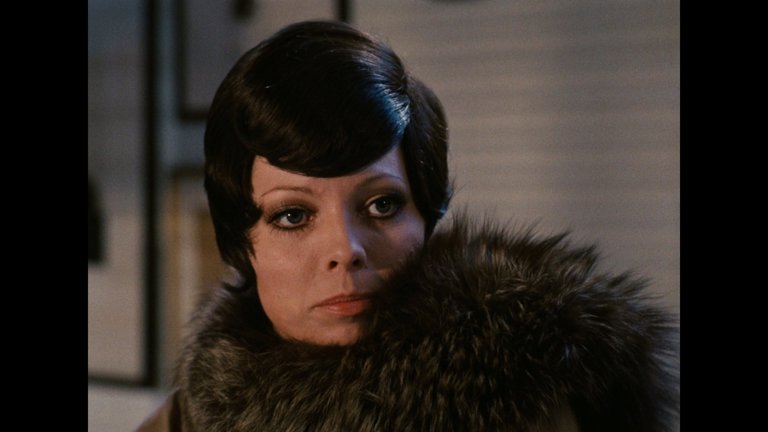
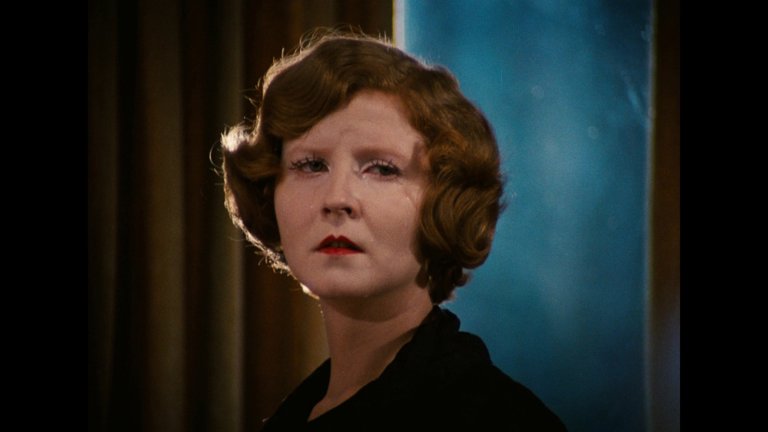
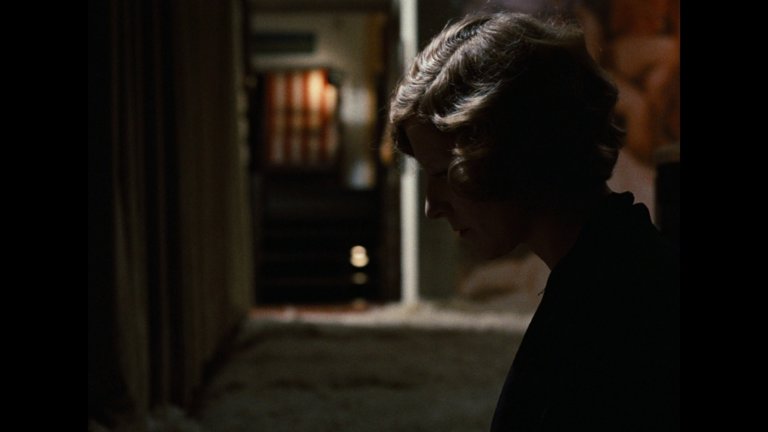
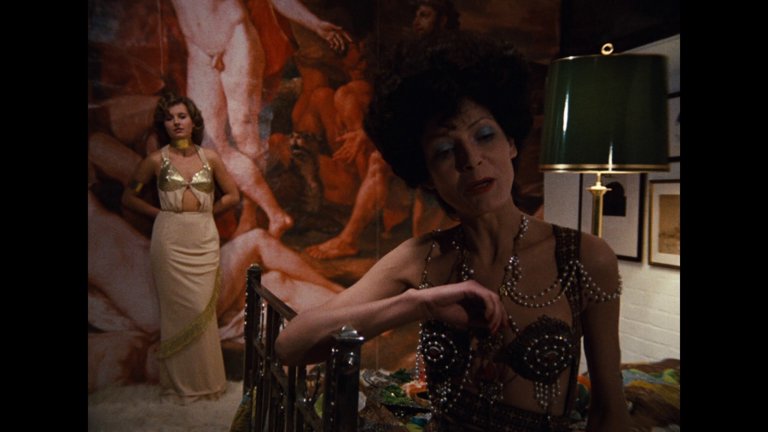
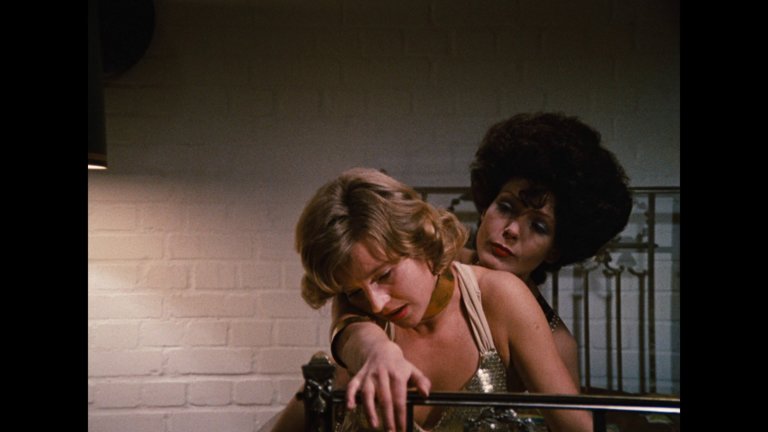
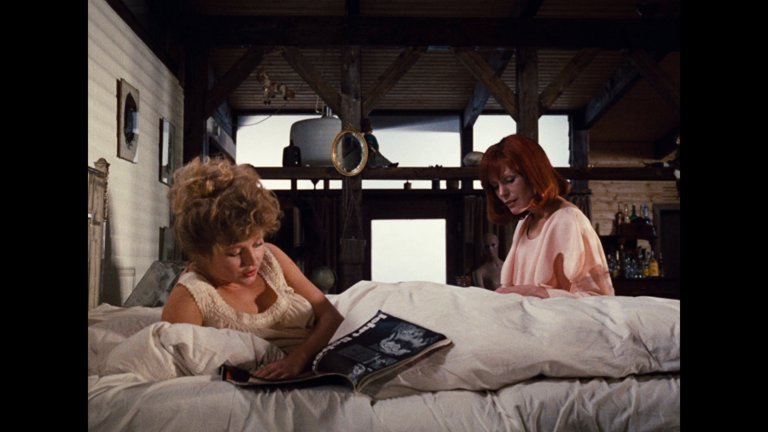
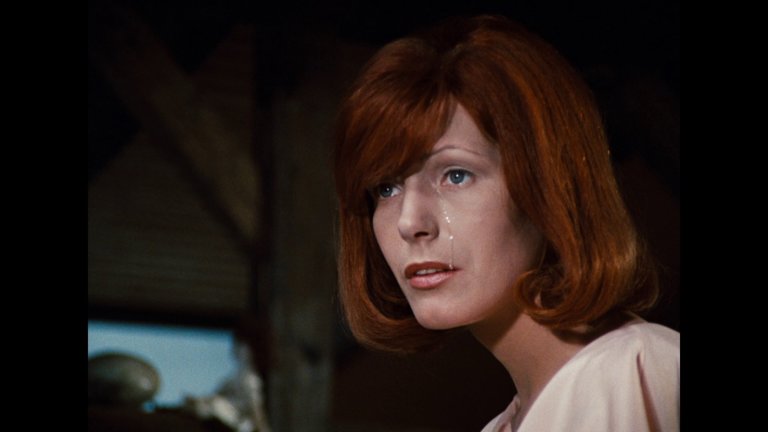
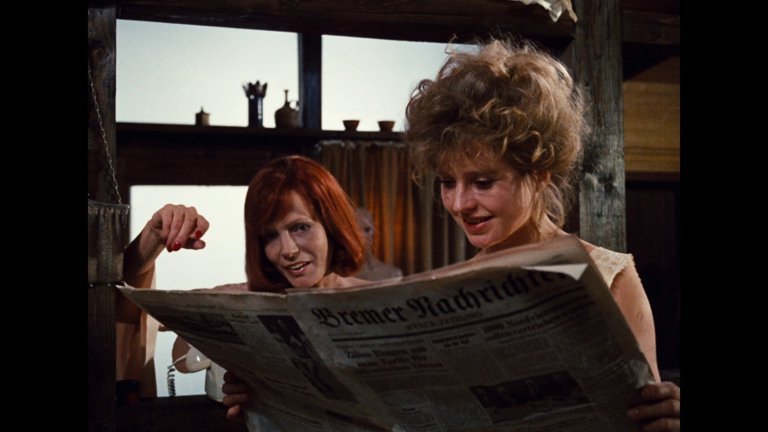
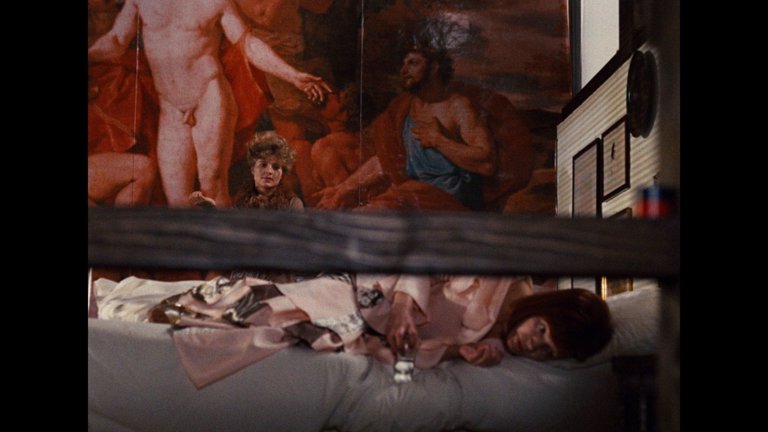
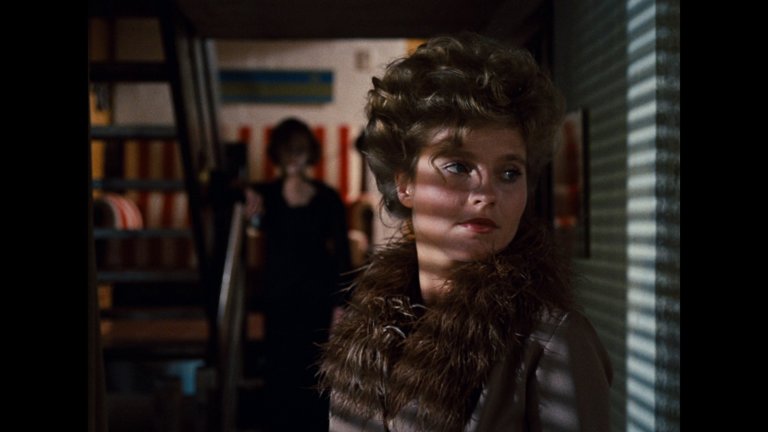
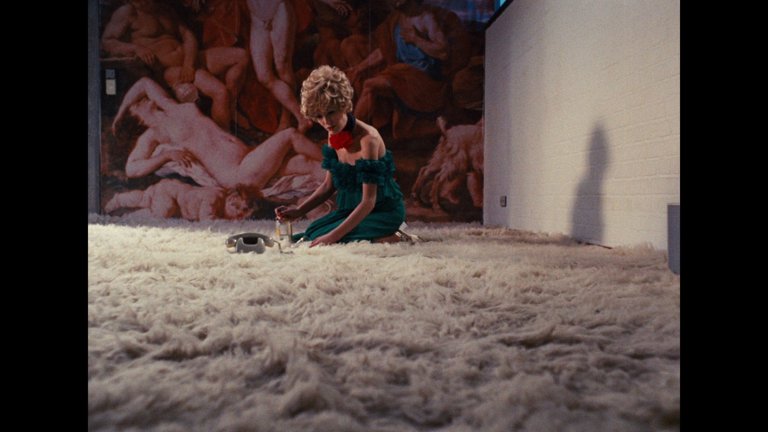
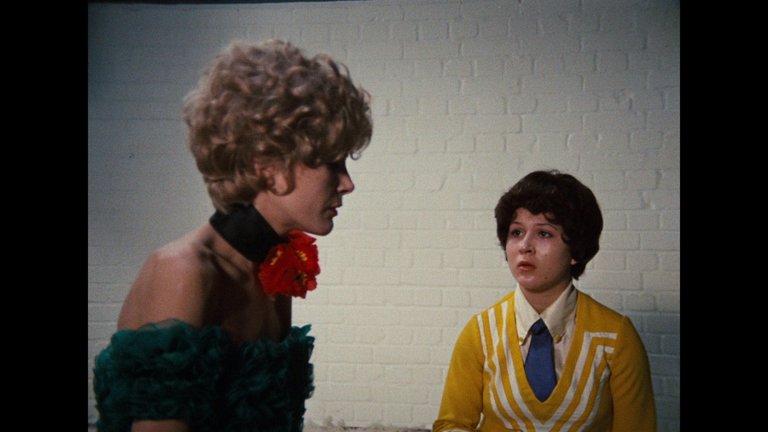
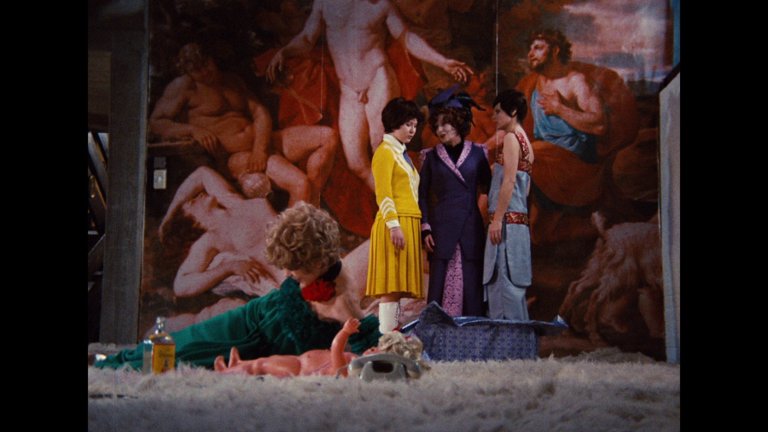
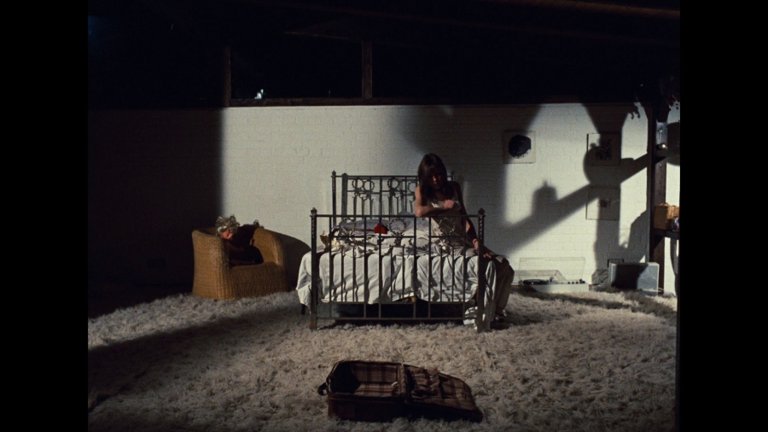
The Bitter Tears of Petra von Kant - Screen Captures
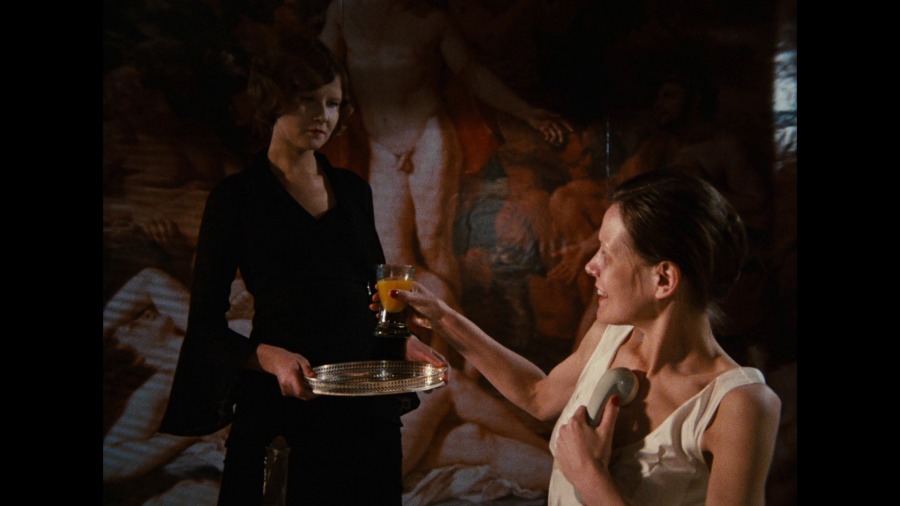
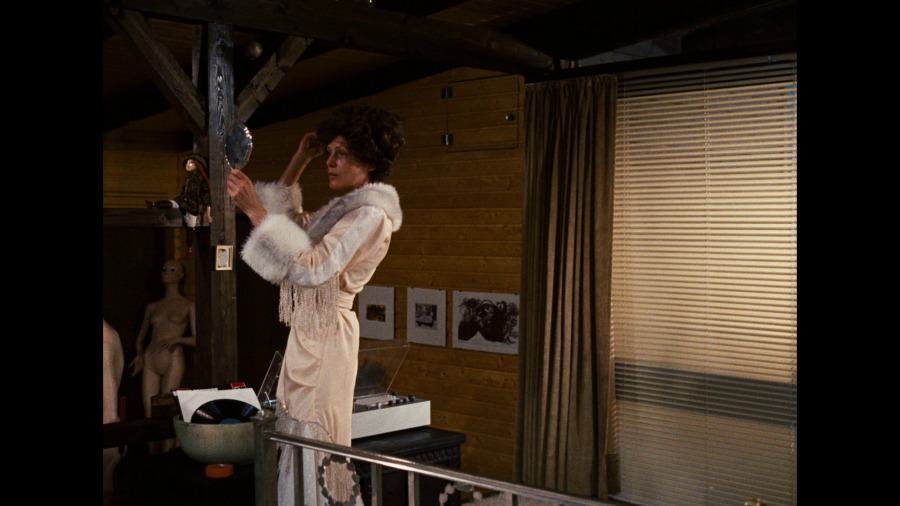
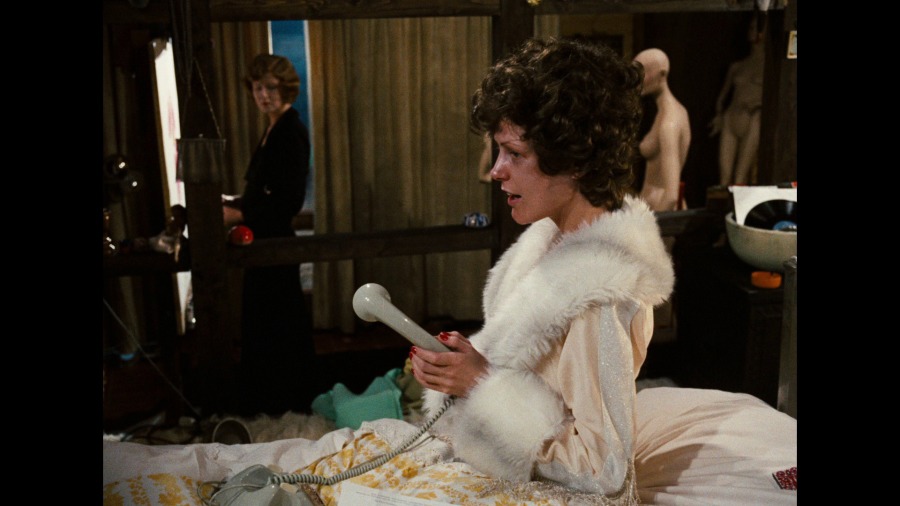
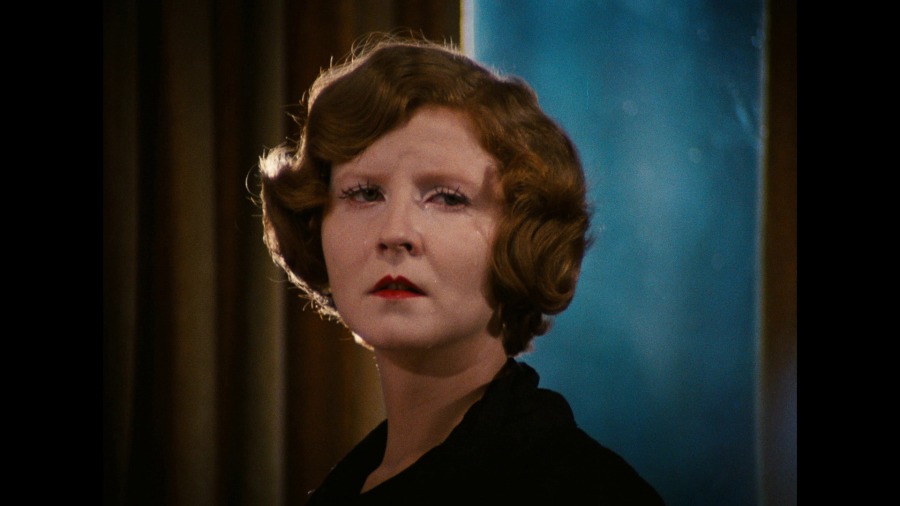
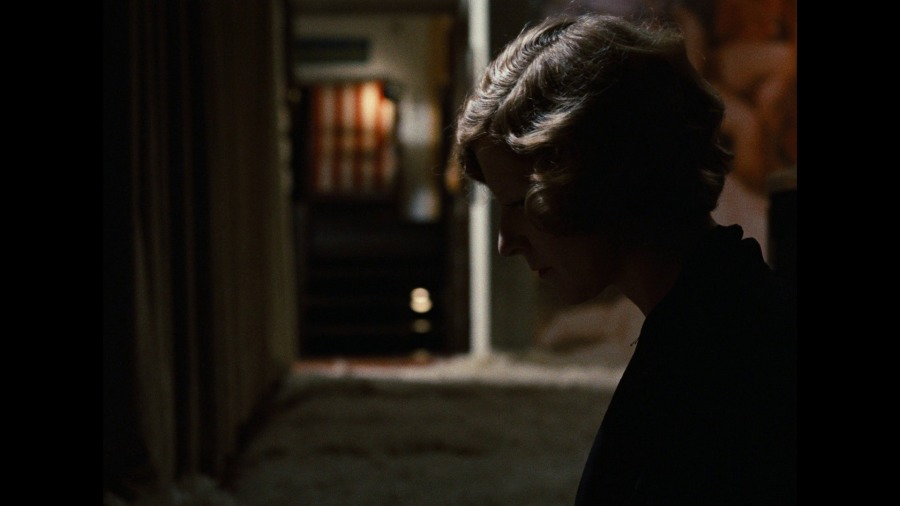
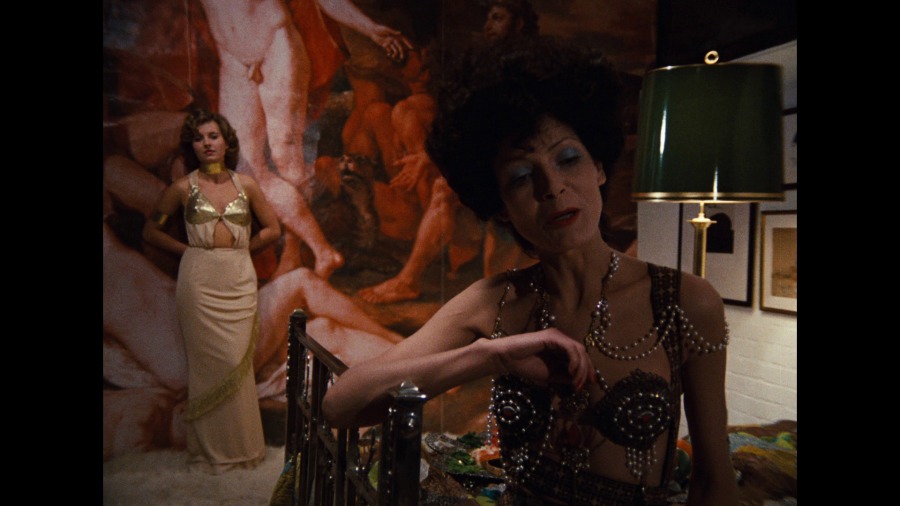
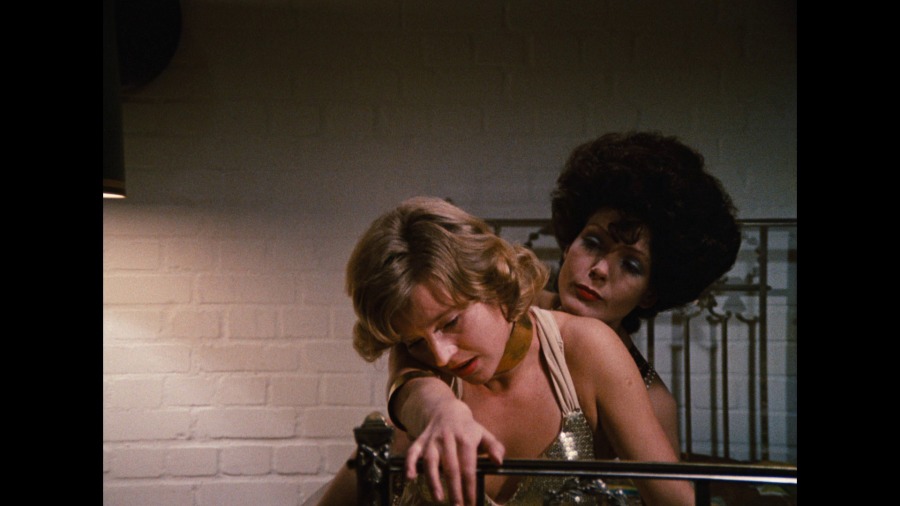
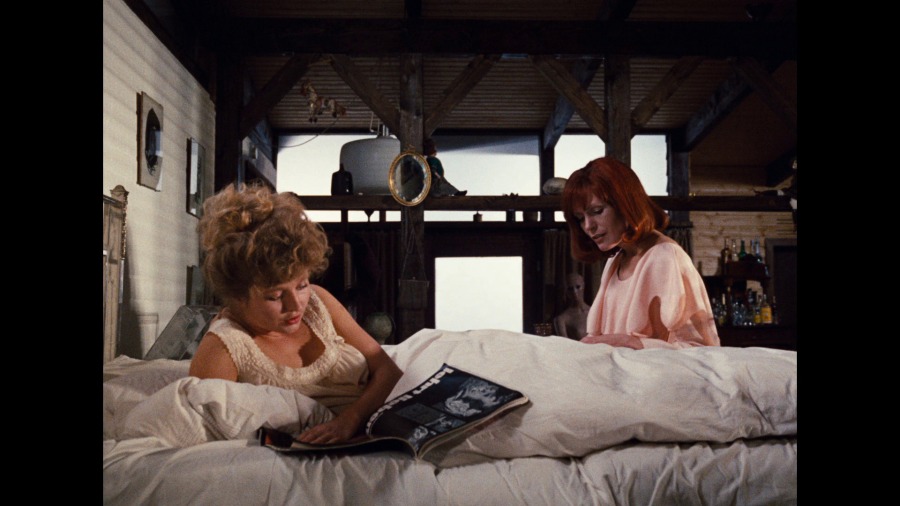
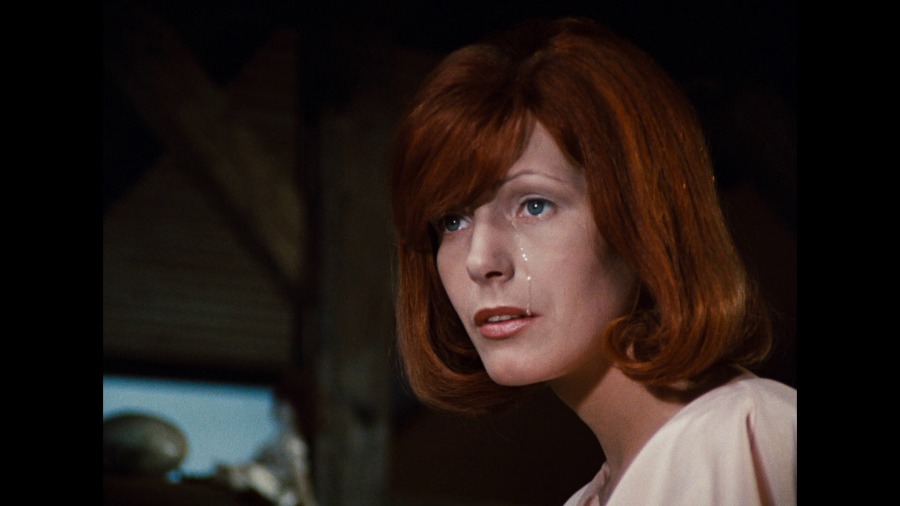
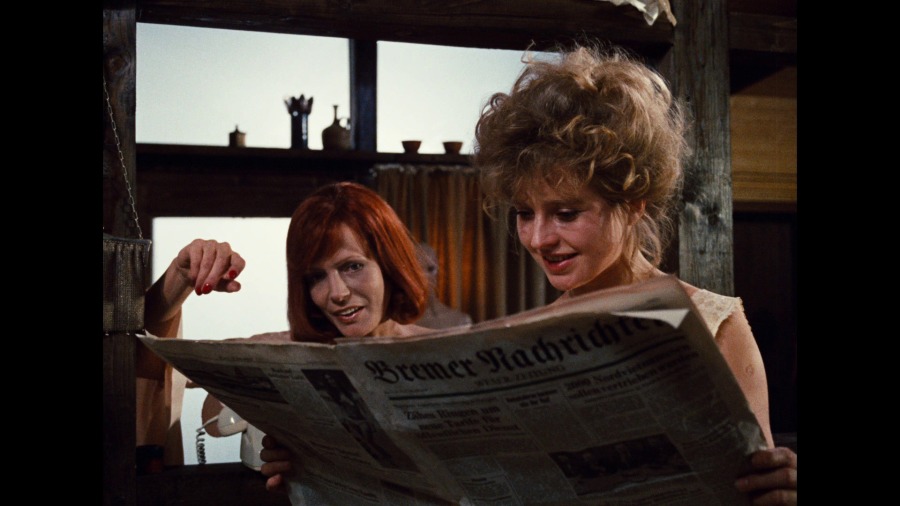
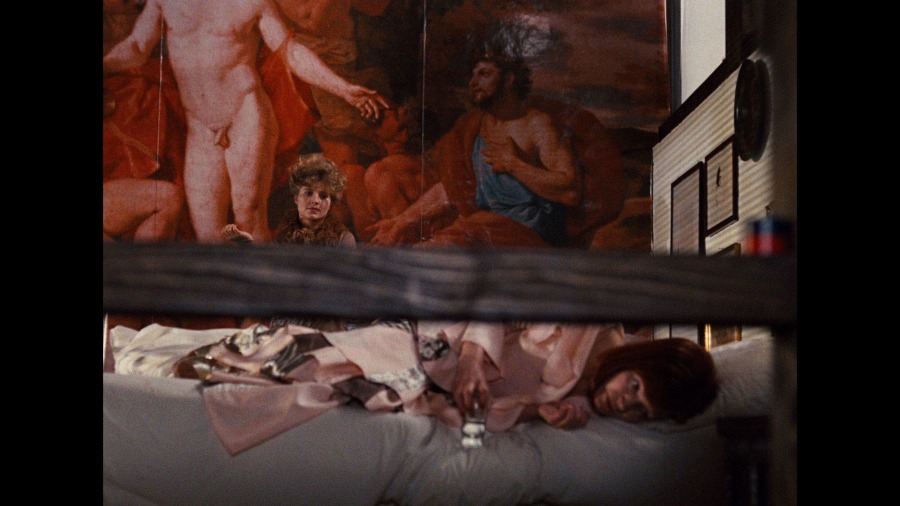
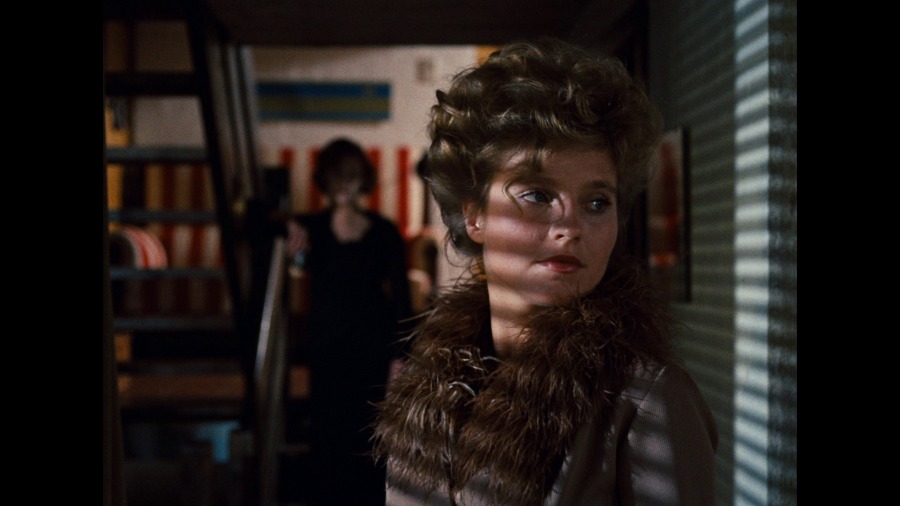
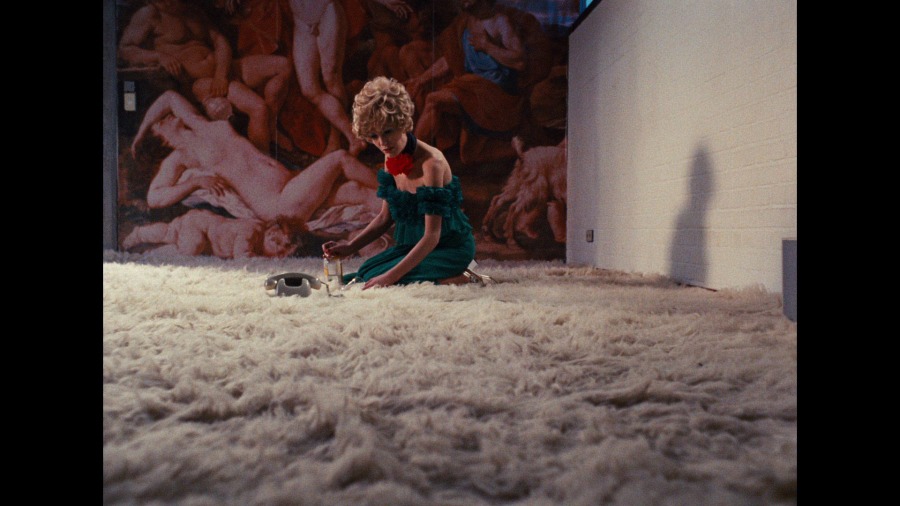
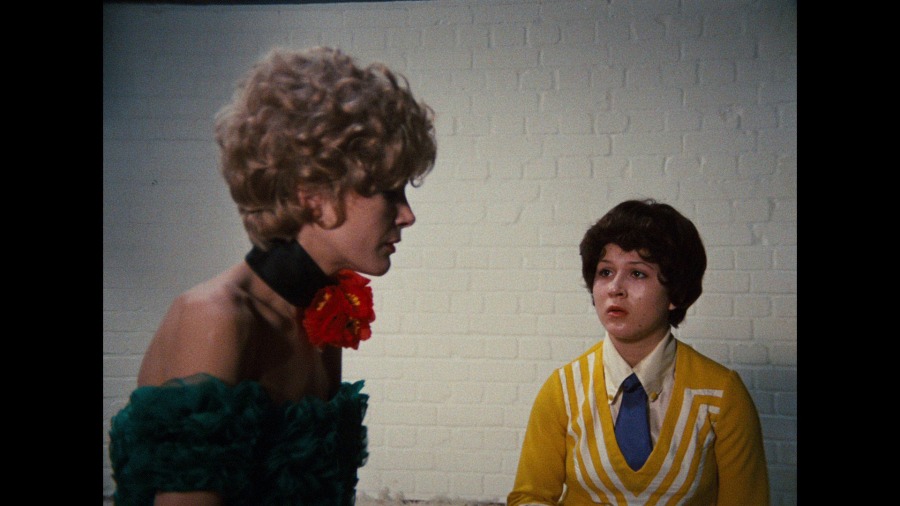
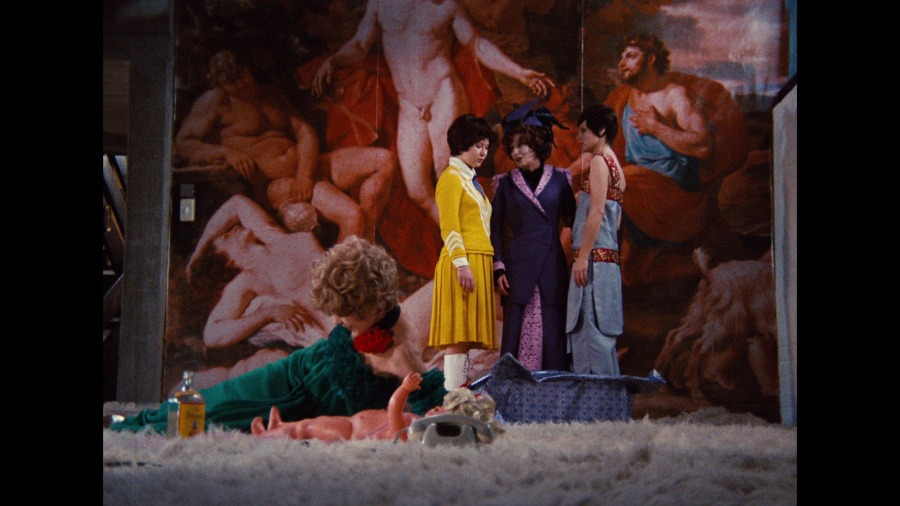
Audio 6/10
The lossless PCM mono track can come off a bit flat with little fidelity, but dialogue at least sounds clear and the music that does appear sounds clean.
Extras 8/10
Though it’s disappointing to not have a commentary here, this edition stacks on a number of strong supplements starting with Outsiders, a 30-minute piece featuring interviews with actors Margit Carstensen, Eva Mattes, Katrin Schaake, and Hanna Schygulla. The four, who refer to themselves as “outsiders” in comparison to the regular group of actors Fassbinder would work with, talk about the experience of shooting the film (based on a play he wrote) and what it was like working with the director. They get into details about how he would create conflicts between the actors, and how he directed them, which was pretty basic and simple. After this they actually then talk about the more technical aspects of the shoot, including camera work and lighting, and also talk about the possible biographical elements found within the film.
Cinematographer Michael Ballhaus next talks briefly about the challenges in shooting the film with such a closed set (it was an actual apartment they shot in, not a set), which severely limited the movement of the camera, and the kind of look he and Fassbinder were after (classic Hollywood). He also amusingly talks about the tumultuous working relationship between him and Fassbinder, with the two apparently constantly butting heads. It’s barely 8-minutes but it’s a great interview.
Criterion then includes a 23-minute interview with Jane Shattuc, professor of visual and media arts at Emerson College. She offers an examination of Fassbinder’s work, which, especially in this case, great images with awful things going on in them. She focuses a lot on the victim/victimizer relationship(s) that are in the film, breaking down a few sequences and explaining how the images, the camerawork, and the framing represent this aspect. She also talks about the film as a feminist film, even though it’s about women being awful to other women. I found it to be a good analysis of Fassbinder’s style and classic Hollywood influences.
The disc then closes with the 58-minute German television documentary, Role Play: Women on Fassbinder. Featuring interviews with Carstensen, Schygulla, Irm Hermann, and Rosel Zech, it’s a rather fascinating extension to the other interviews on this release. The four recall how difficult it could be not just to work with the man, but just to be around him in general. They share some personal stories about him, including what they know about his relationships, and their own personal feelings. Though they all appreciate his work and the work they did in his films, you get a sense that despite whatever respect they have for said work, they may not have been entirely fond of the man himself. It’s a surprisingly honest and engaging documentary, a terrific inclusion on Criterion’s part.
Closing it off with a rather nice essay by Peter Matthews in the included insert, Criterion delivers a fairly loaded and well-rounded collection of supplements going over Fassbinder’s style and his relationships (working and otherwise) with his actresses.
Closing
A strong release sporting a great visual presentation and some great supplements about the film and Fassbinder make this an easy recommendation.
BUY AT: