The Blade
BUY AT:


See more details, packaging, or compare
Synopsis
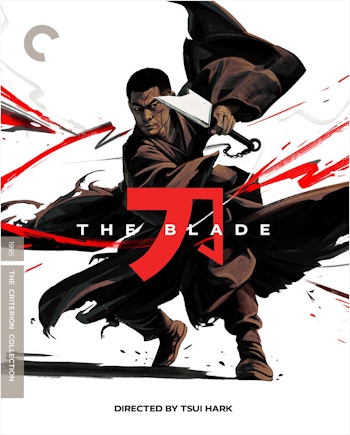
Among the boldest accomplishments of Hong Kong cinema’s golden age, this uniquely visceral martial-arts movie puts a gritty new spin on the story of the one-armed swordsman, an iconic figure from the moment he was introduced by the Shaw Brothers studio in 1967. Composed in a whirlwind of immersive close-ups and fractured editing, The Blade follows the young sword-maker Ding On (Vincent Zhao), who, after losing an arm in an ambush, transforms himself into a furious avenger. With its intentionally disorienting stylization and starkly brutal tone, The Blade was a rare commercial disappointment for Tsui Hark, but it has since been reclaimed as one of the director’s most radical visions—a tour de force of action expressionism, and a scathing reappraisal of the wuxia genre’s code of masculinity, that achieves a feverish intensity.
Picture 10/10
Having previously only been available via a Warner Archive burn-on-demand disc and another DVD that was almost certainly a bootleg (possibly sourced from a VCD) a couple of decades ago, The Blade finally receives what appears to be its first legitimate North American home video release. Criterion presents the film in a new 4K UHD edition with Dolby Vision on a triple-layer disc, framed in its original aspect ratio of 1.85:1. The 2160p/24hz ultra high-definition presentation is sourced from a new 4K restoration taken from a scan of the 35mm original camera negative. A standard dual-layer Blu-ray is also included, featuring a 1080p presentation of the film.
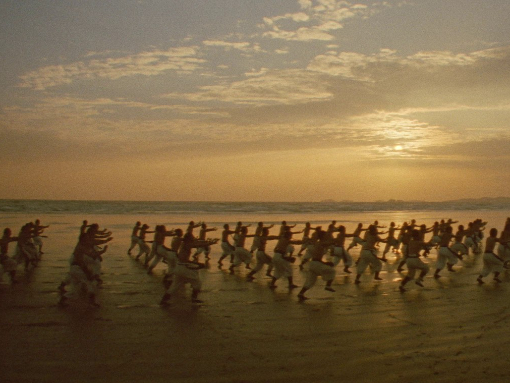
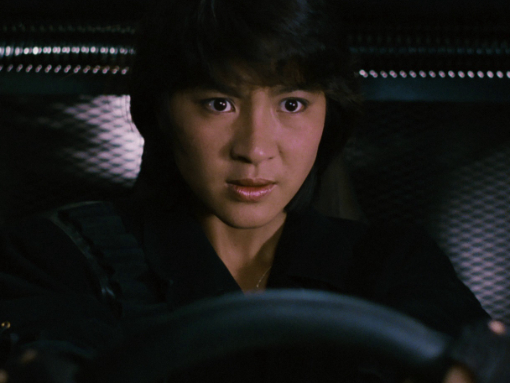
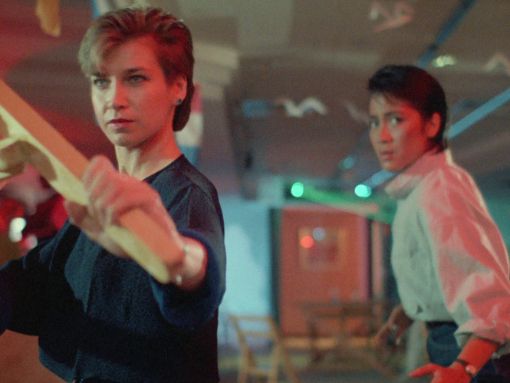
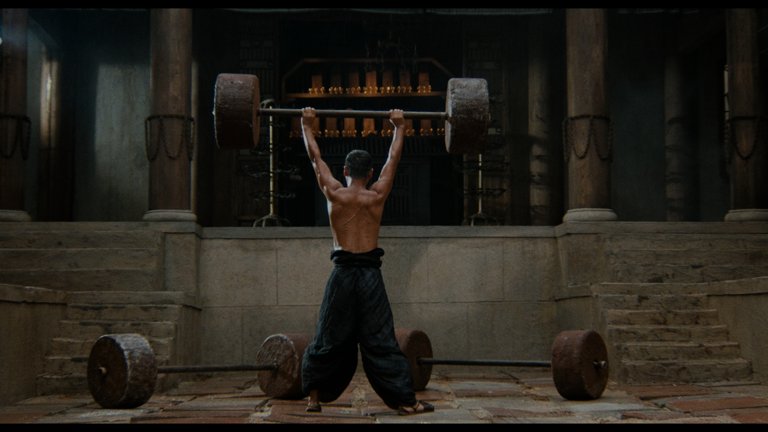
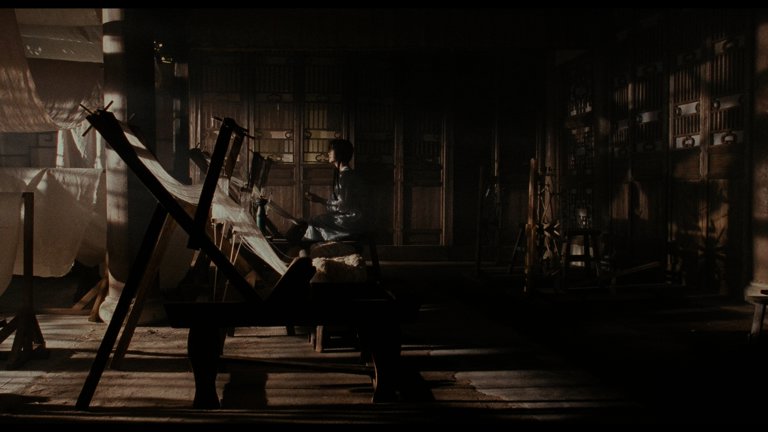
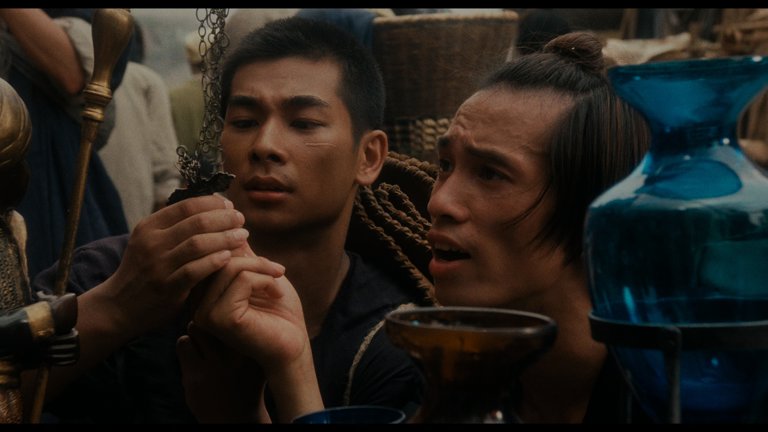
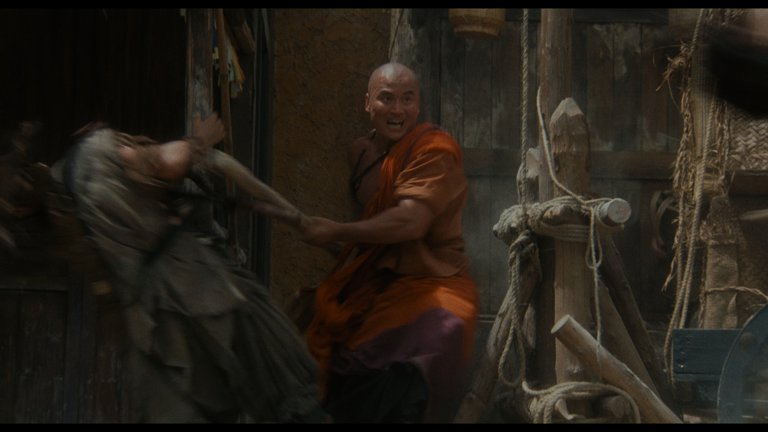
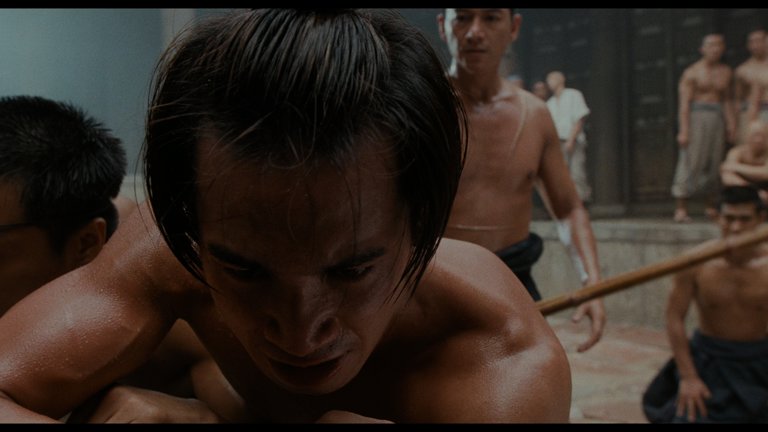
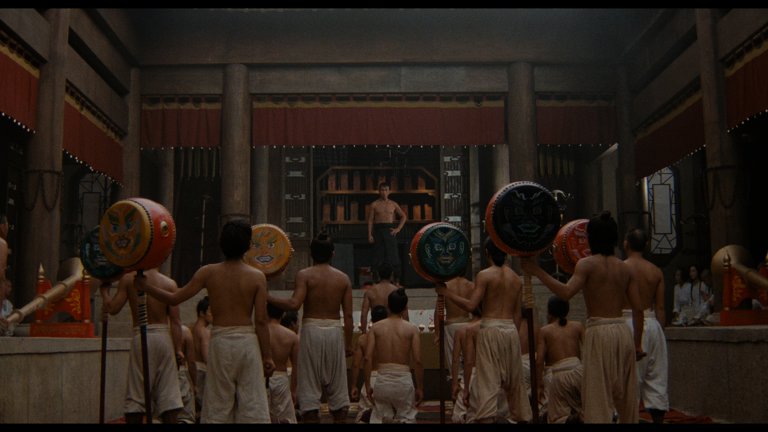
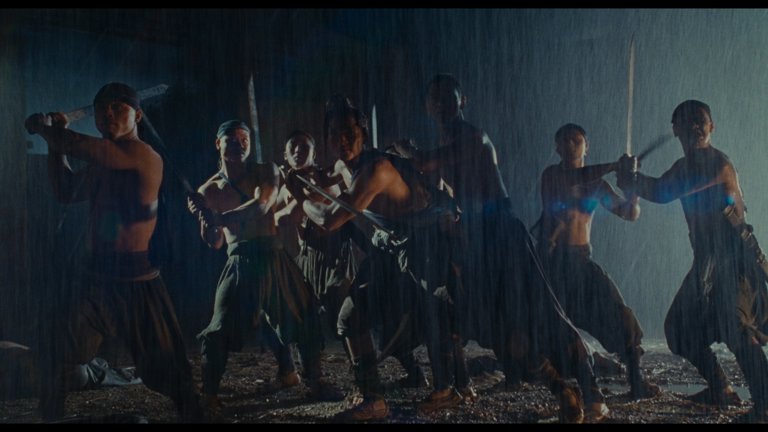
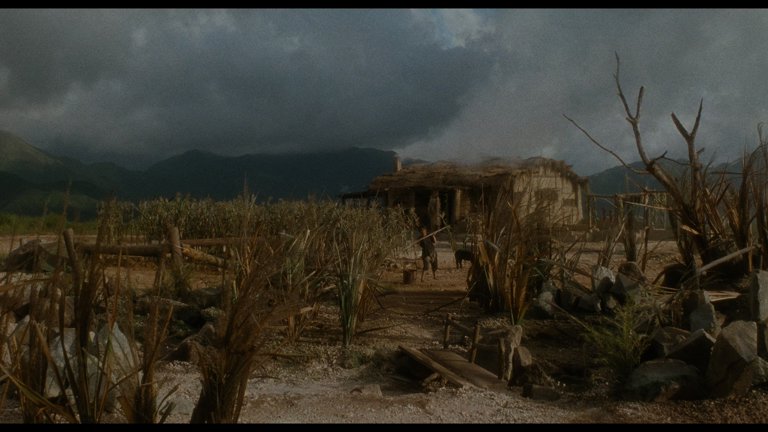
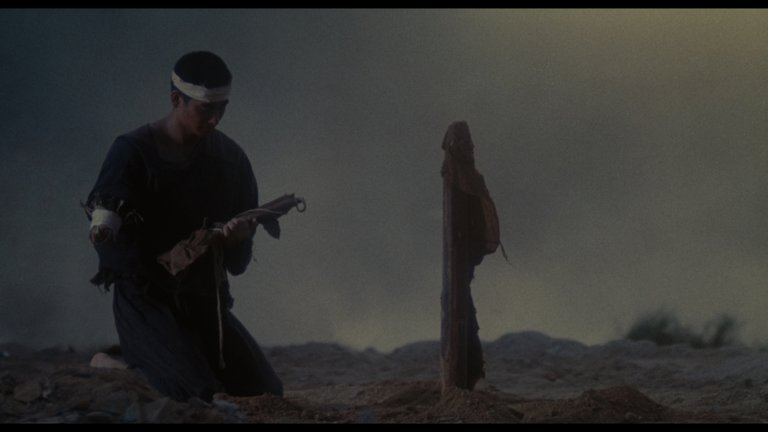
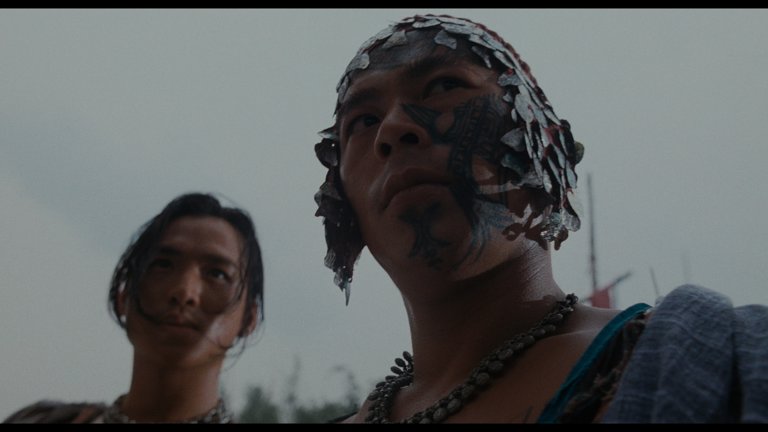
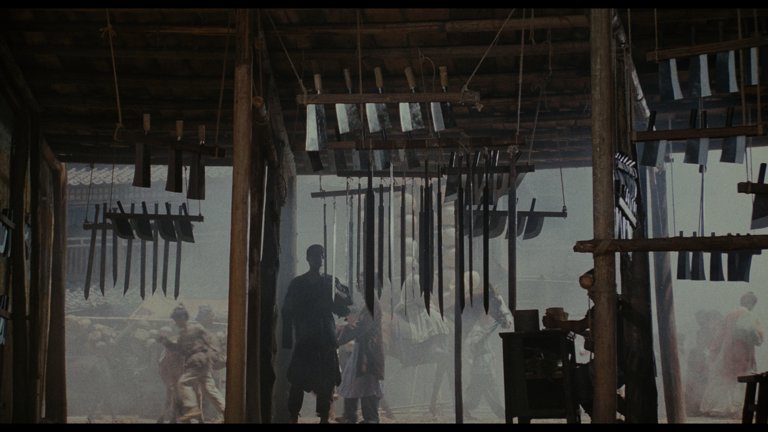
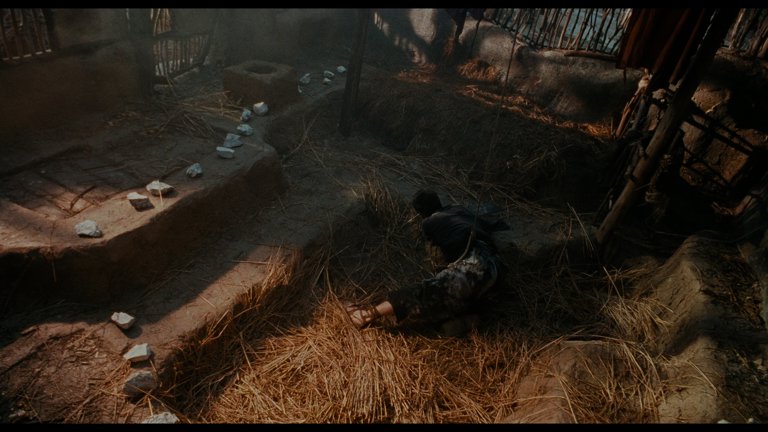
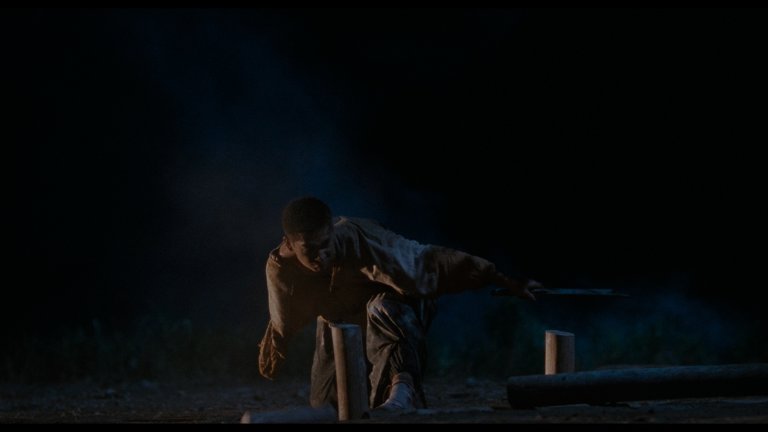
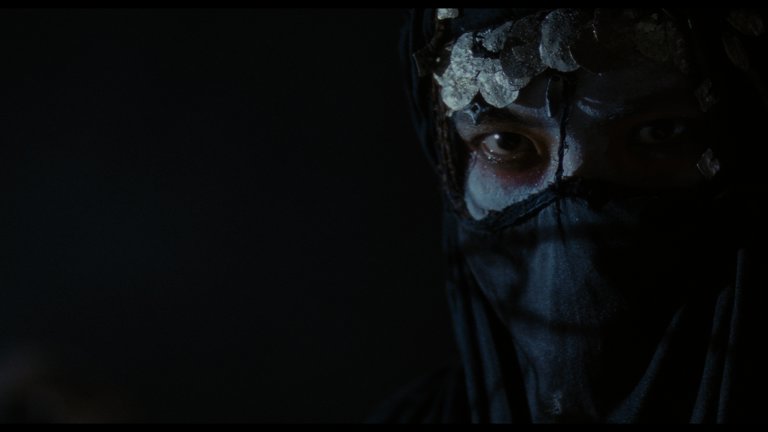
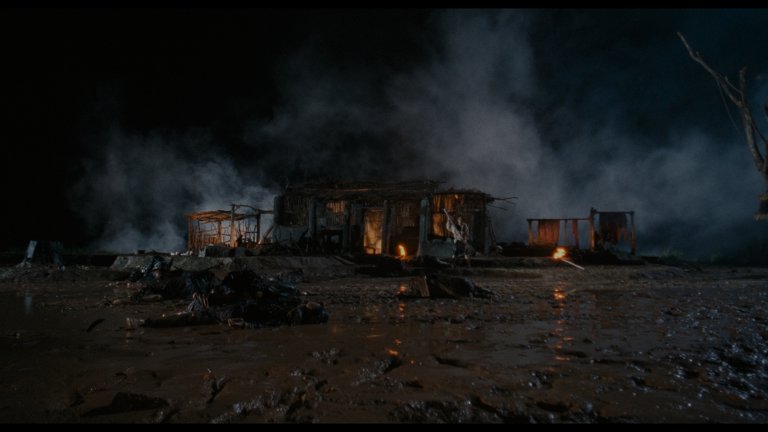
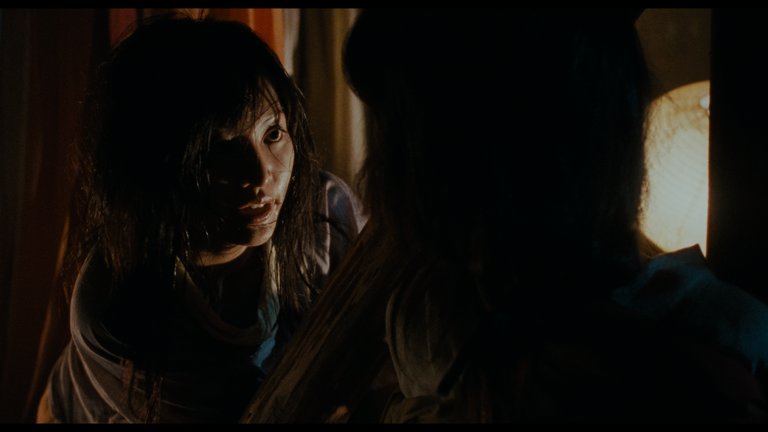
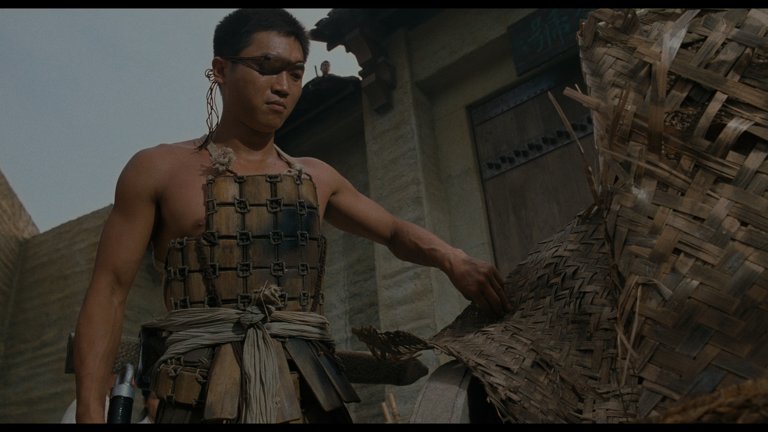
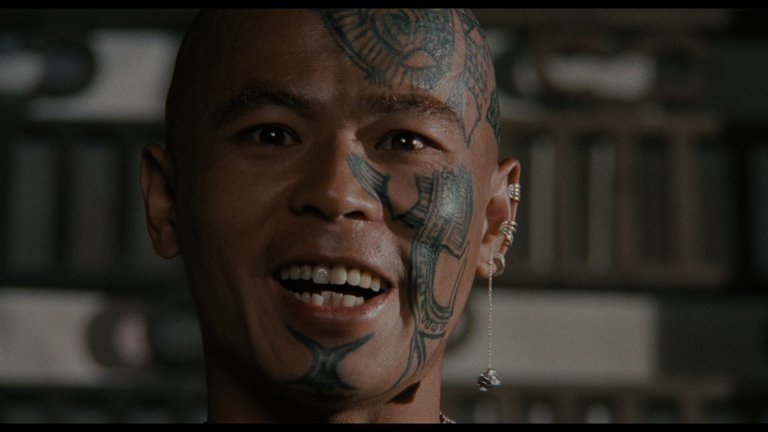
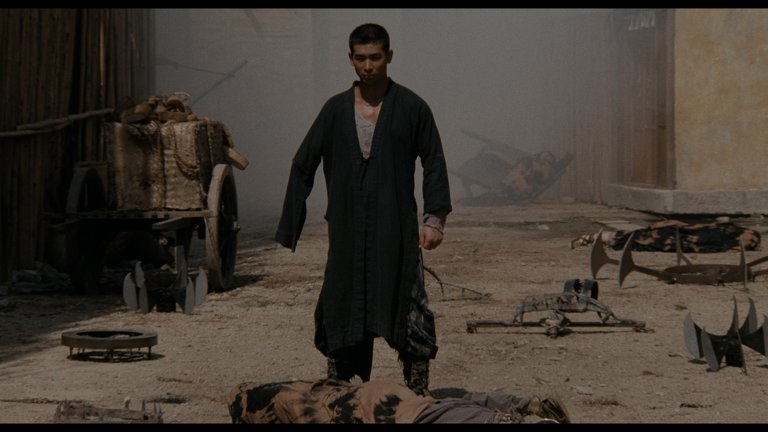
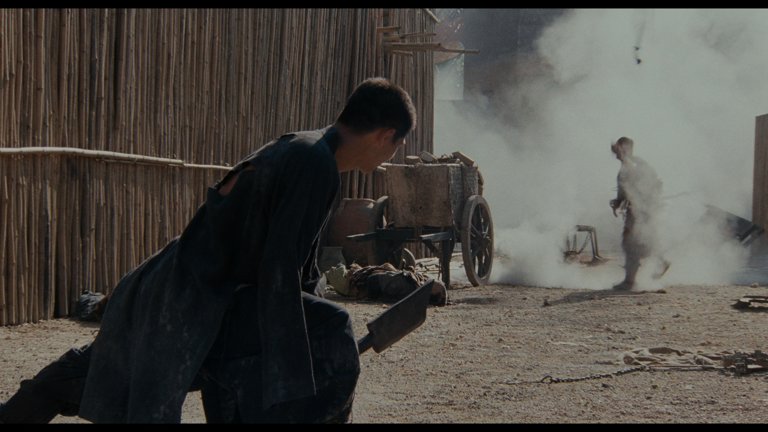
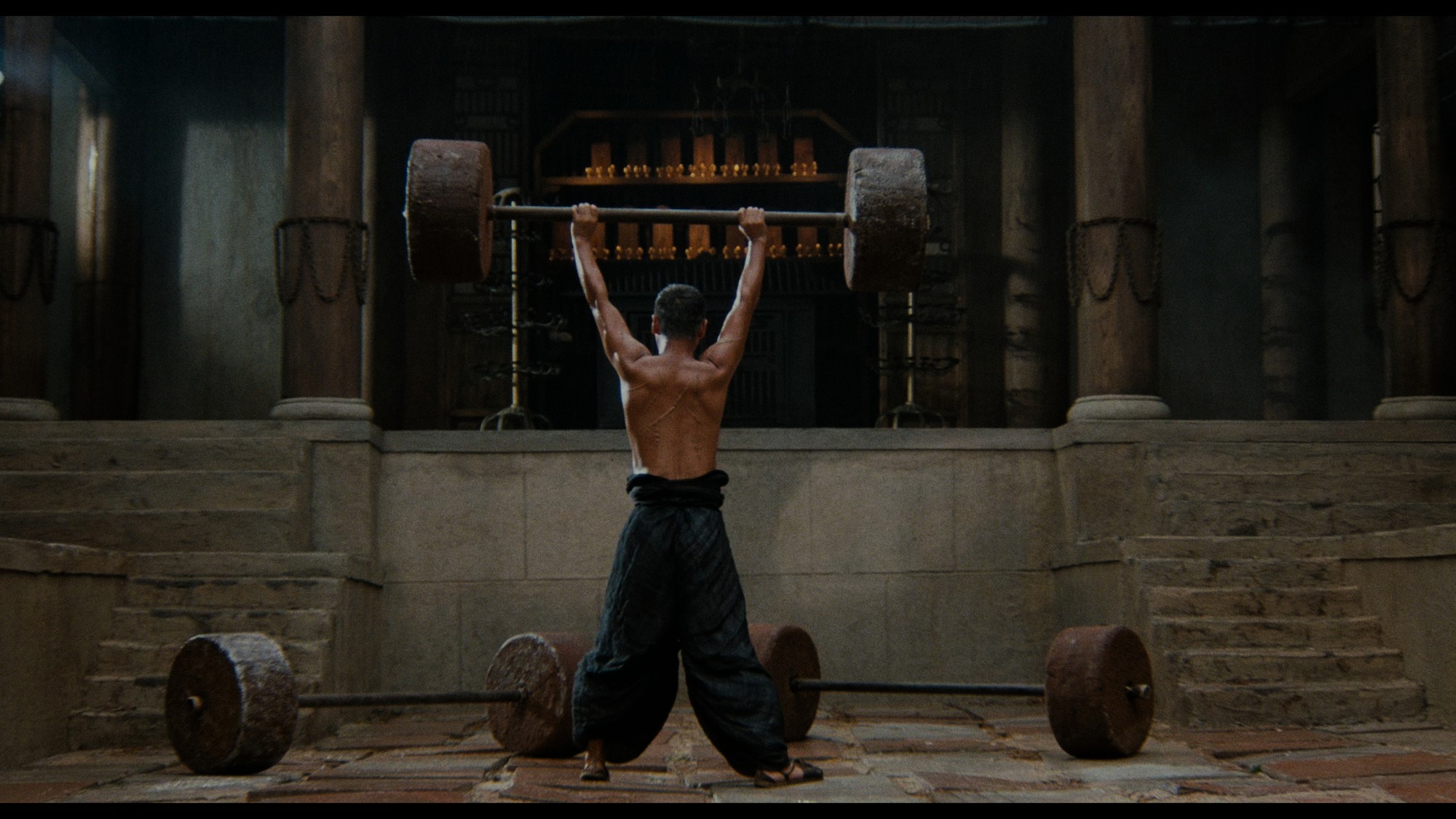
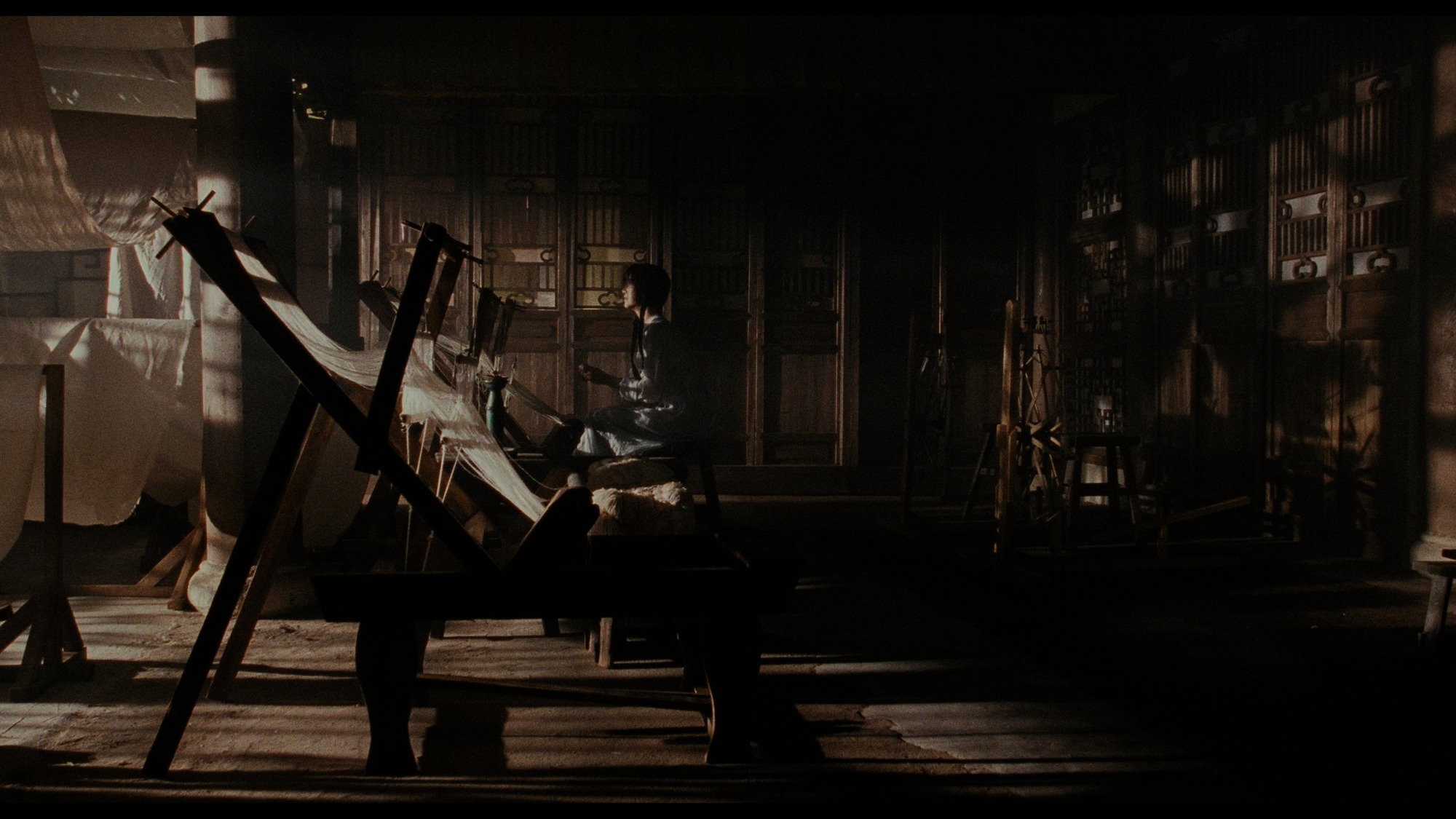
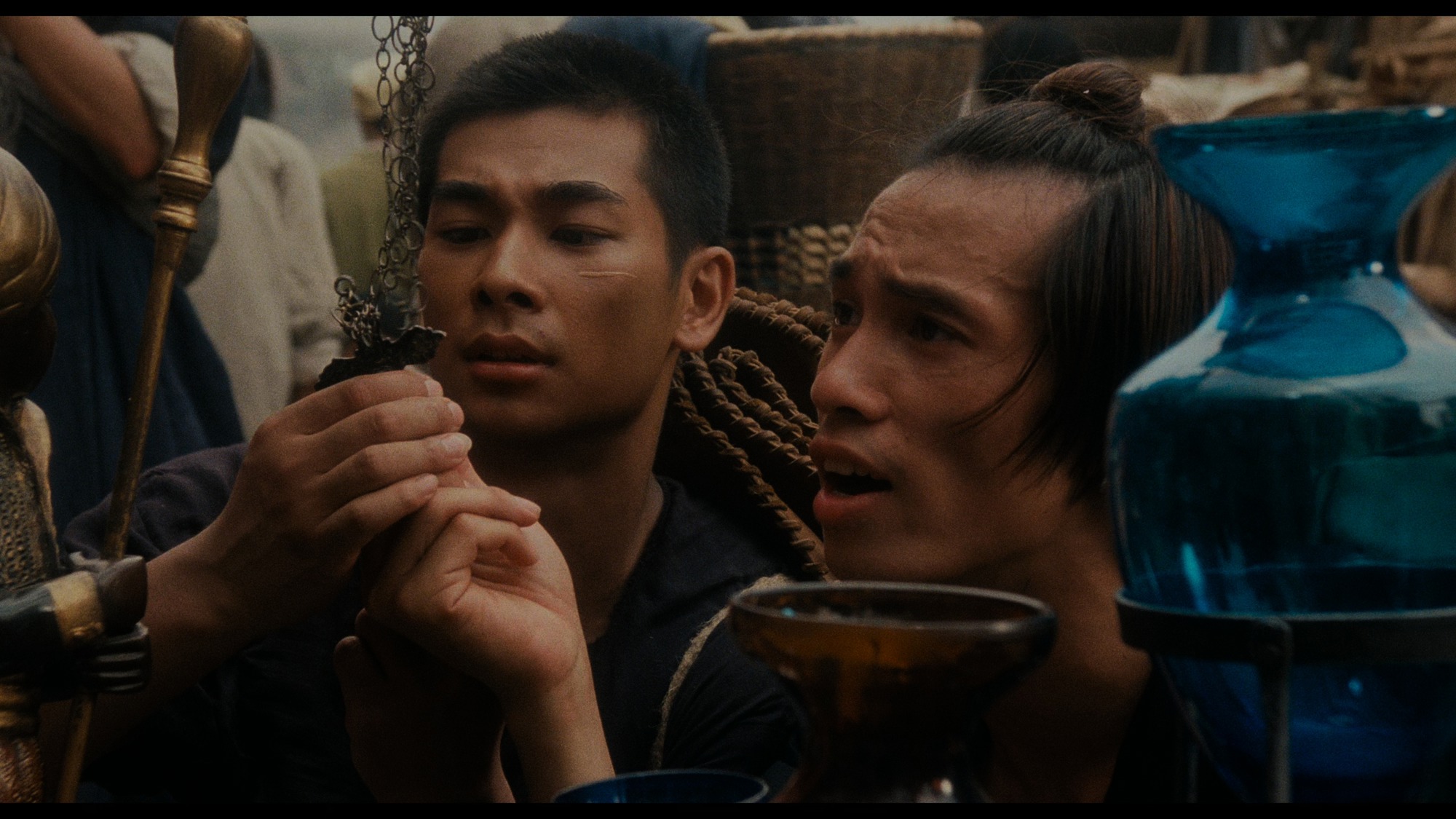
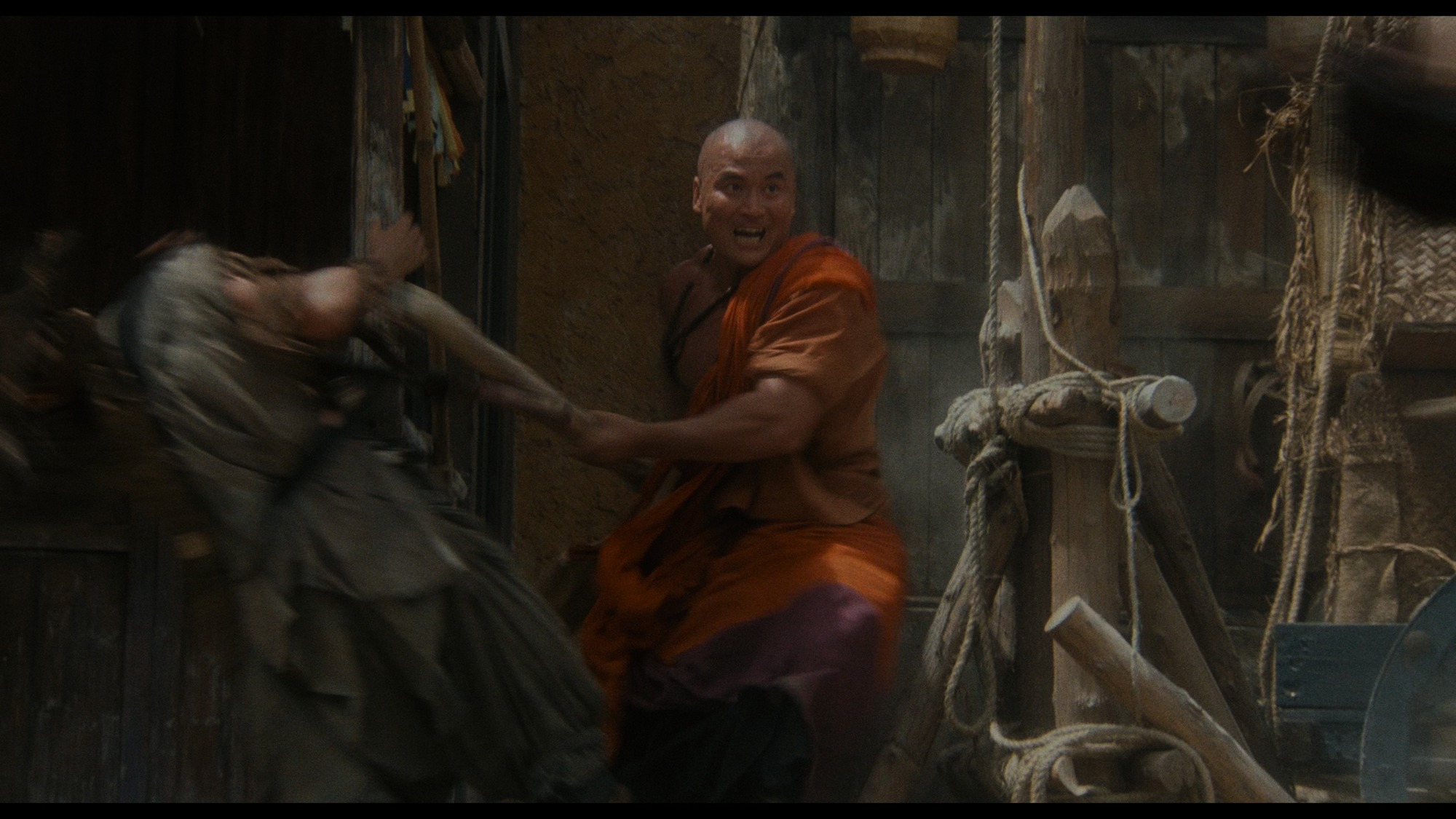
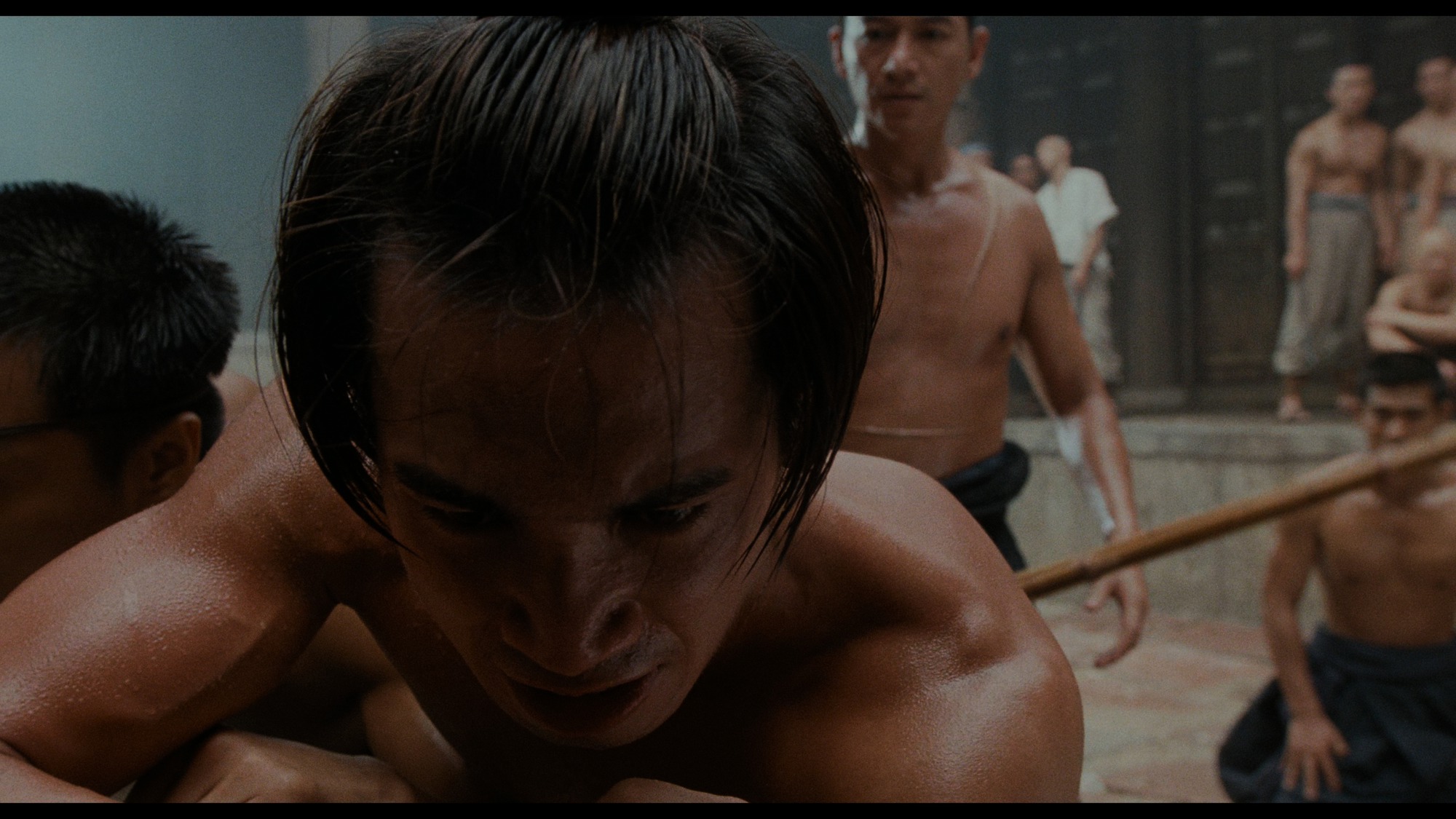
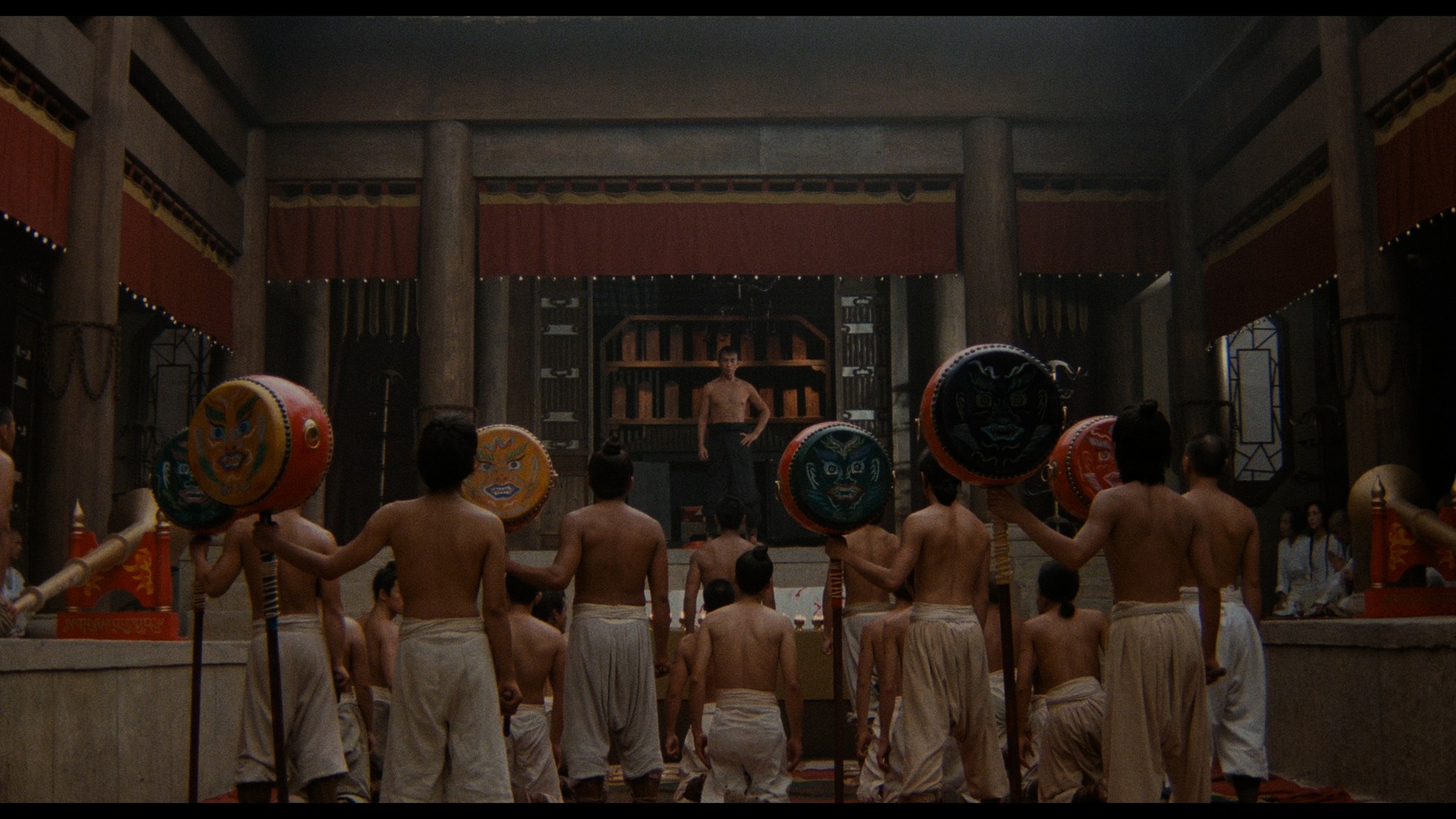
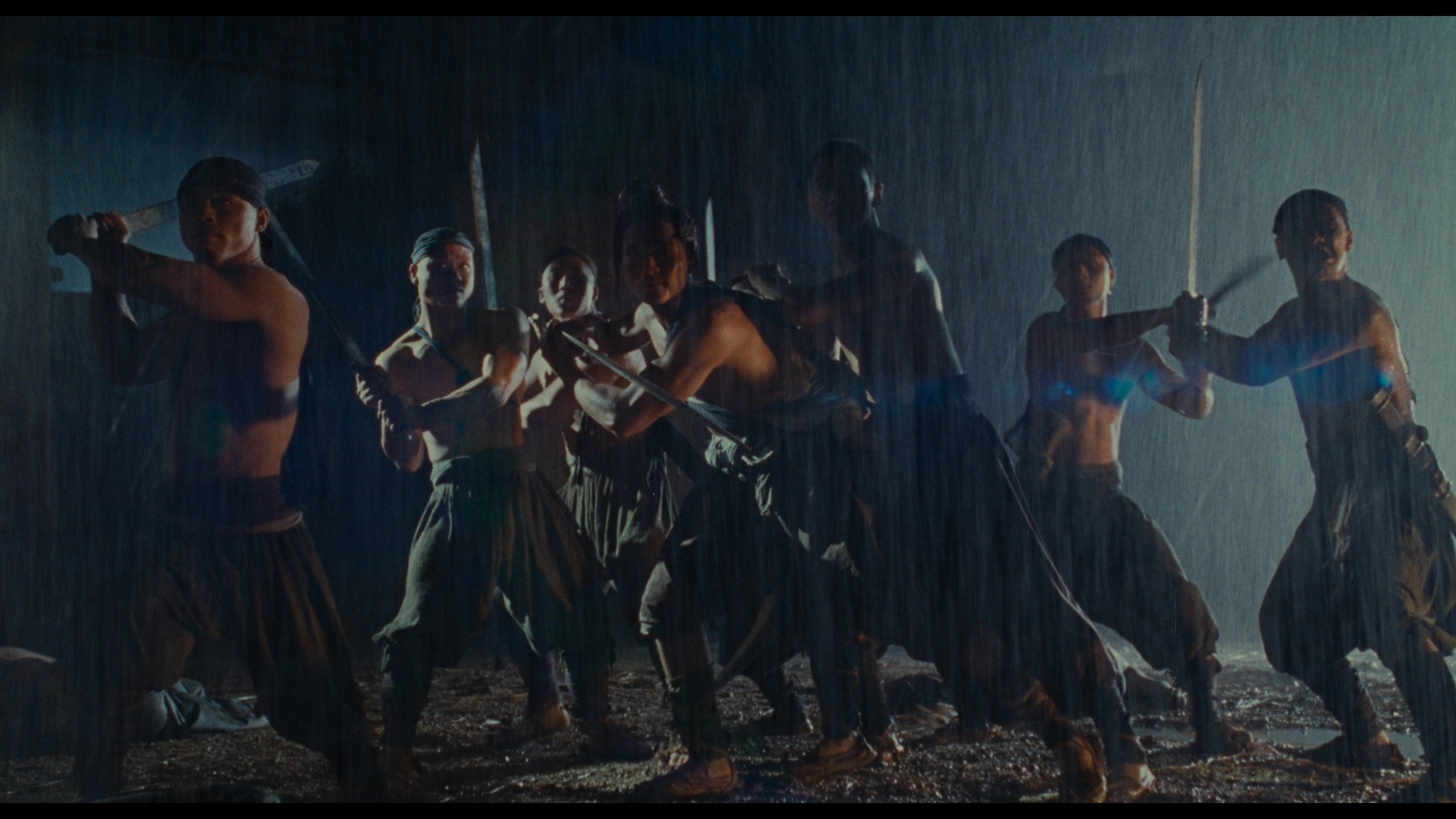
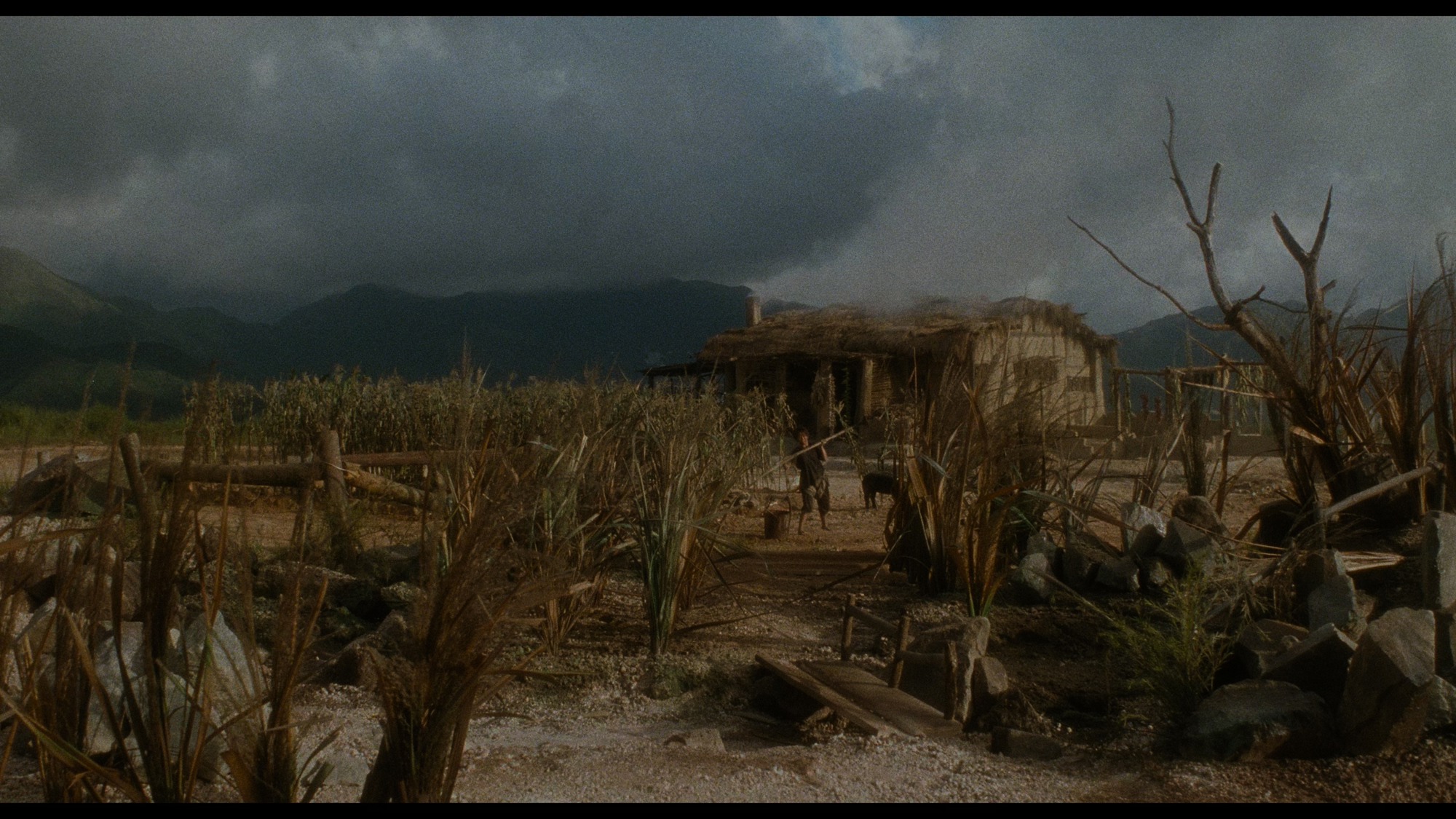
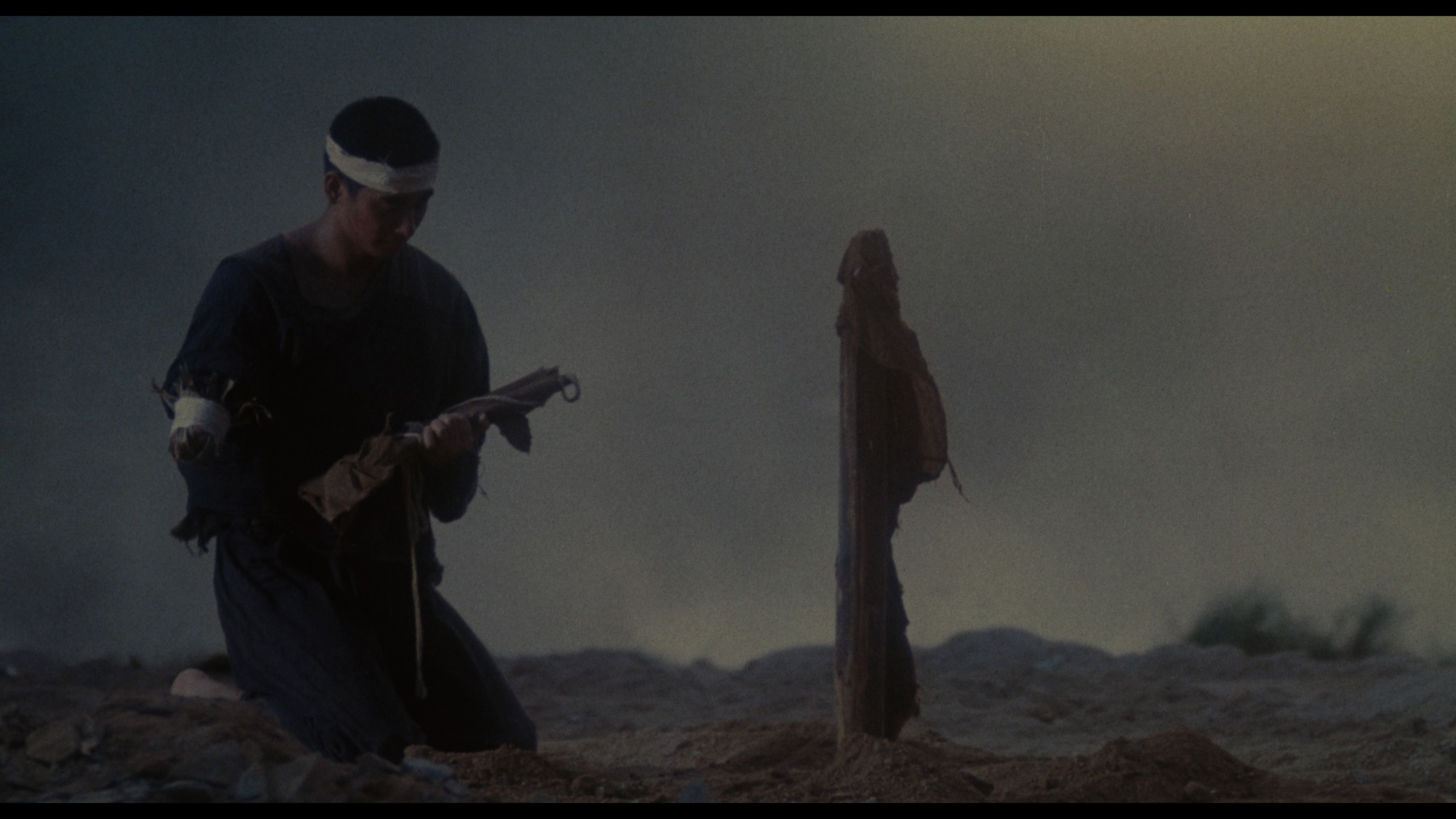
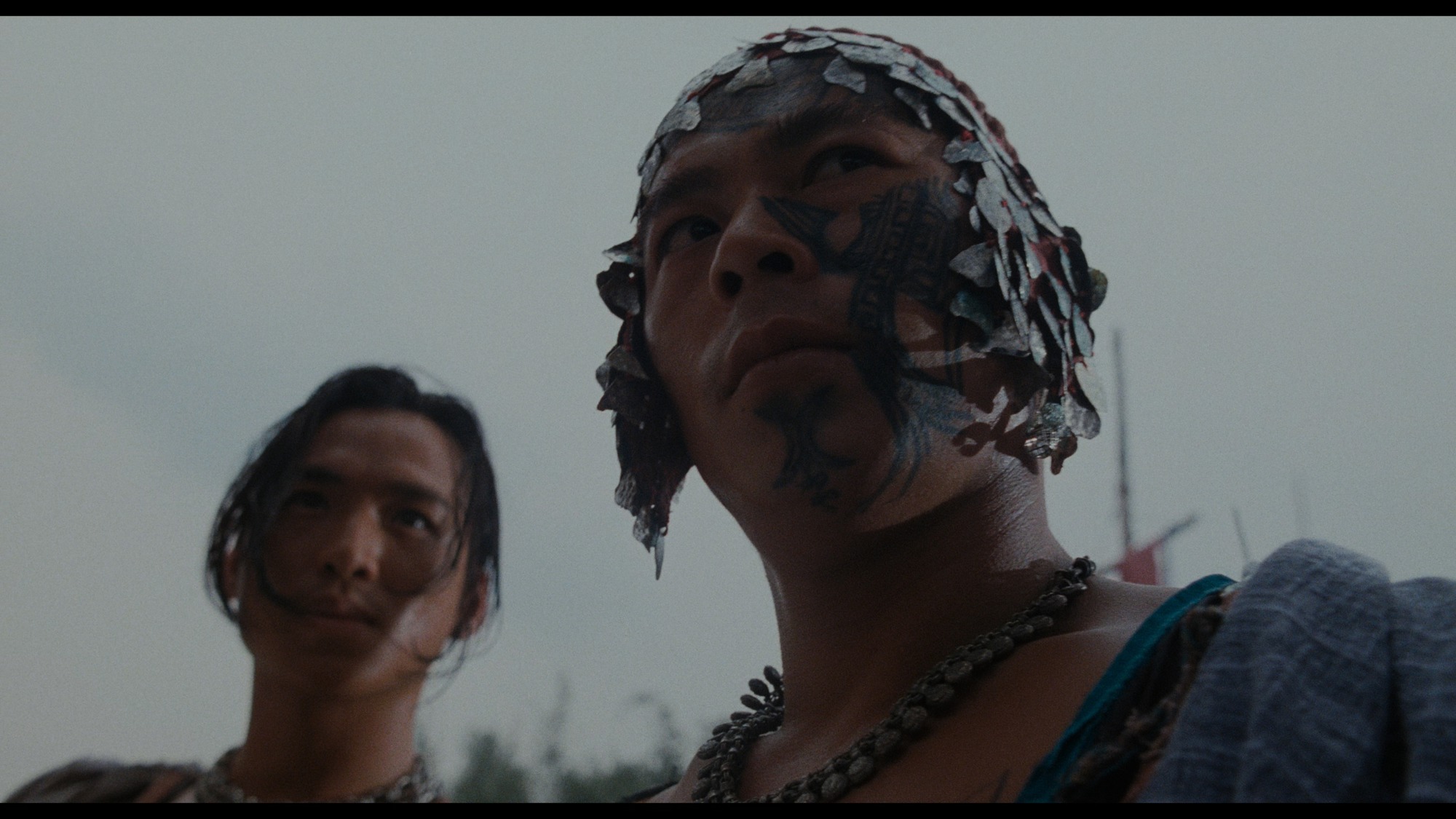
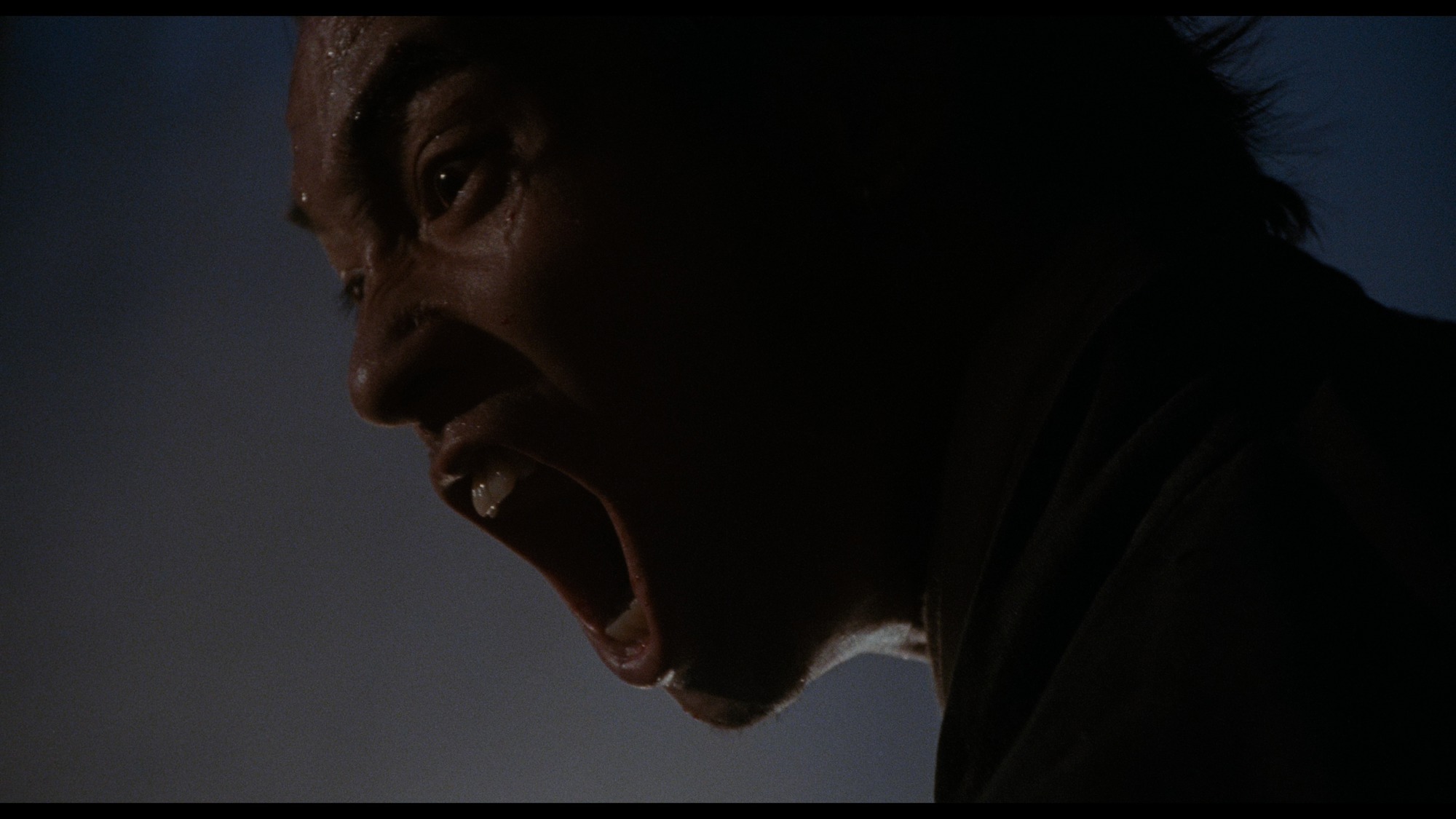
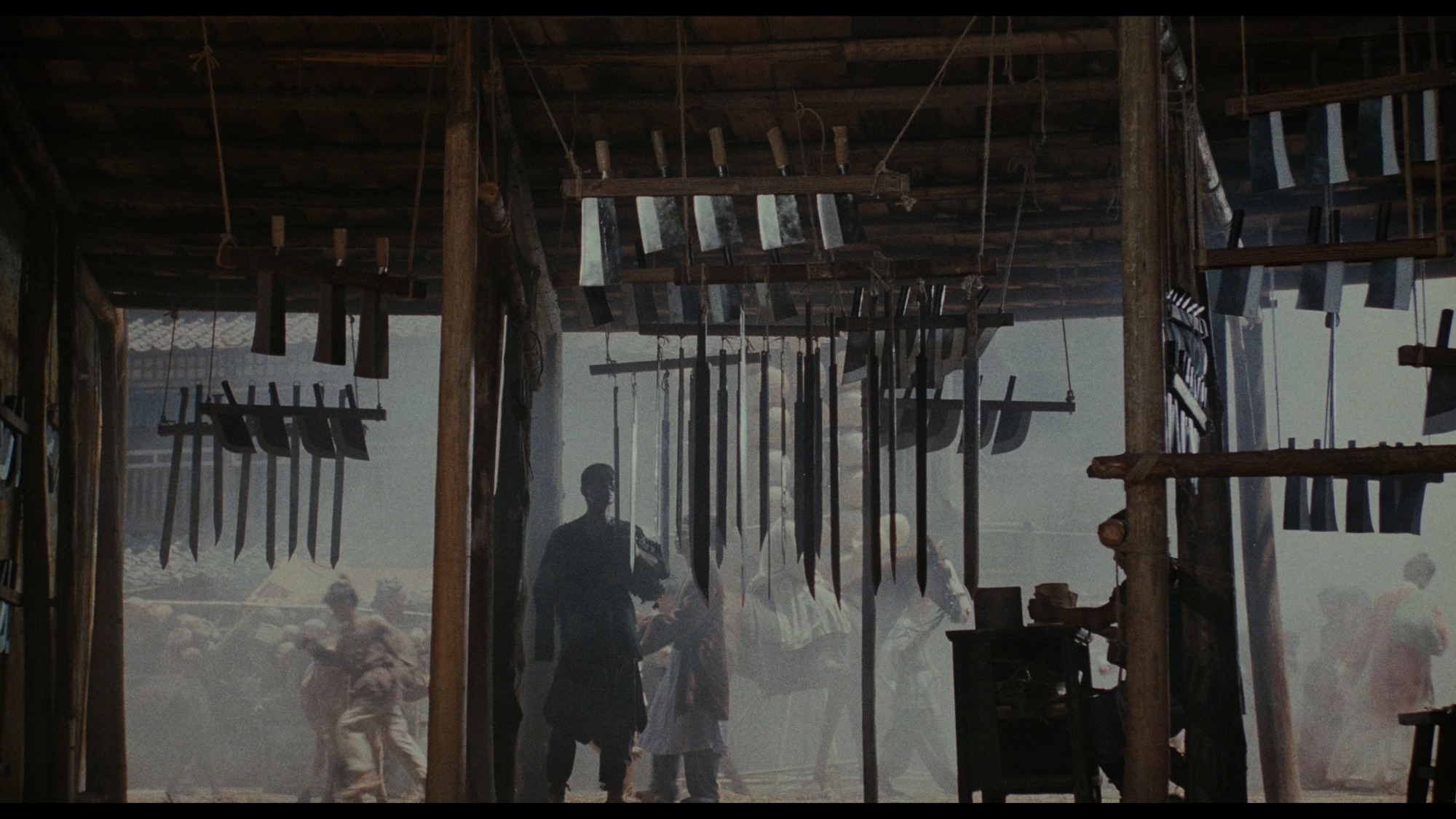
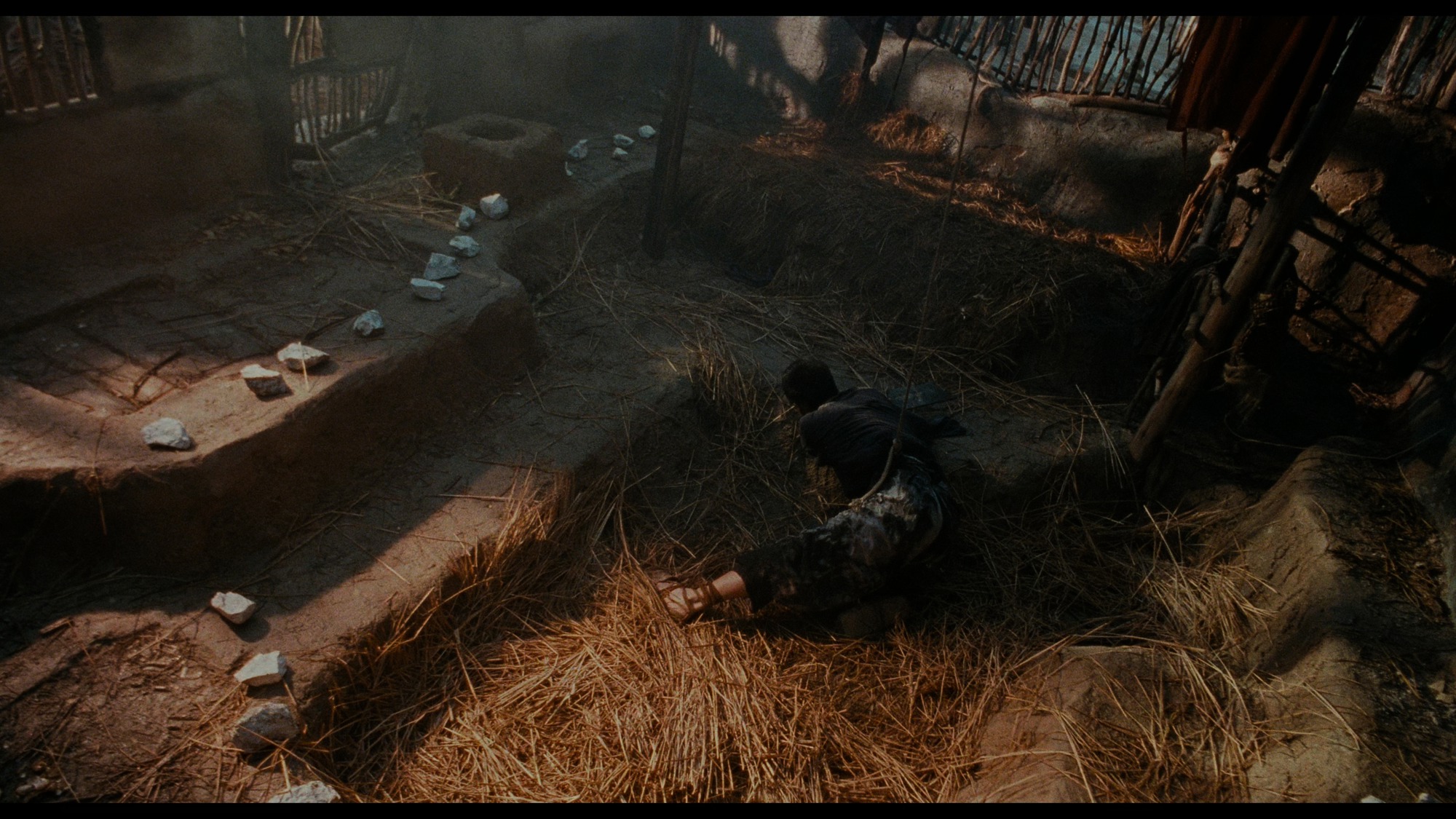
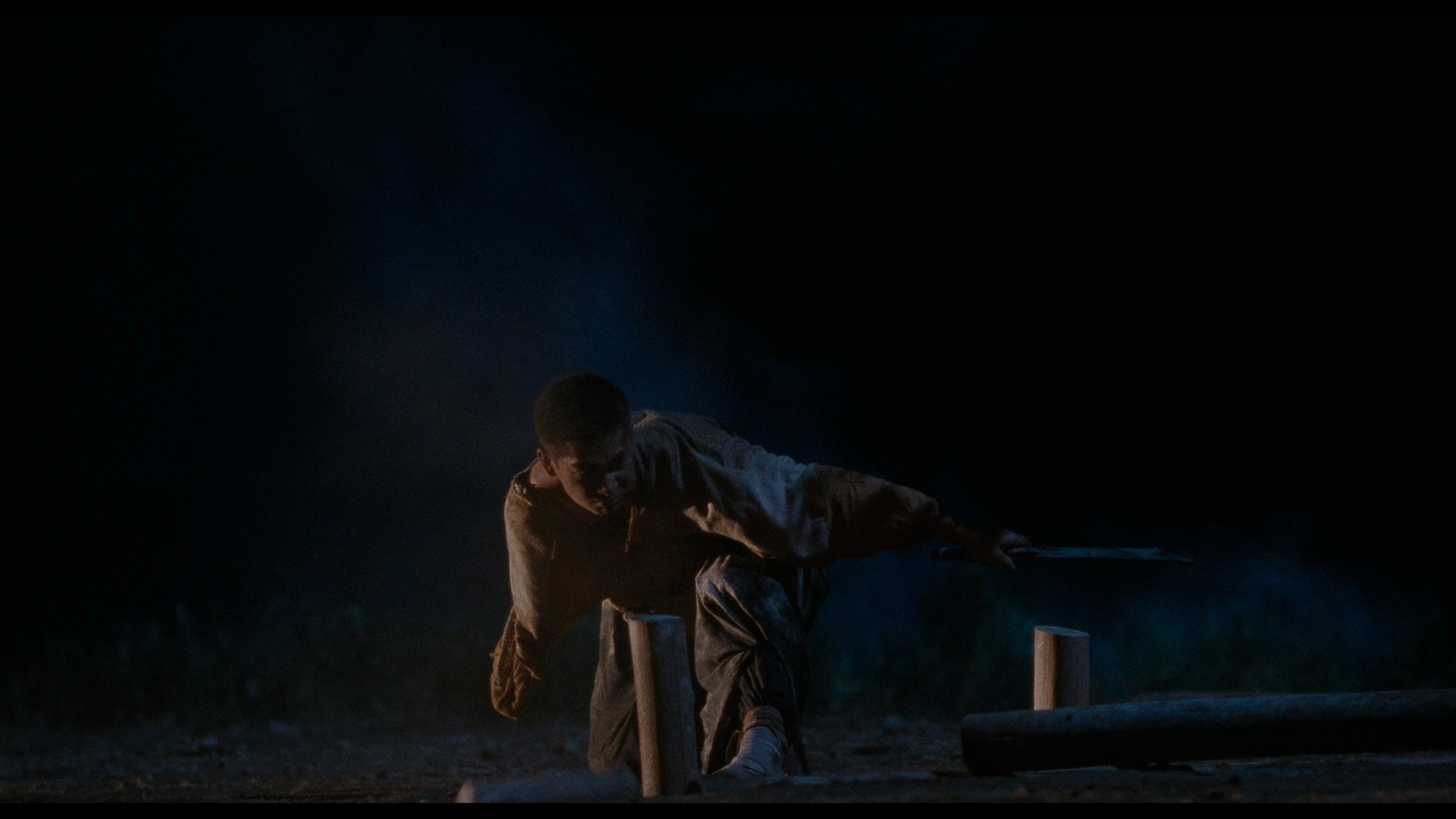
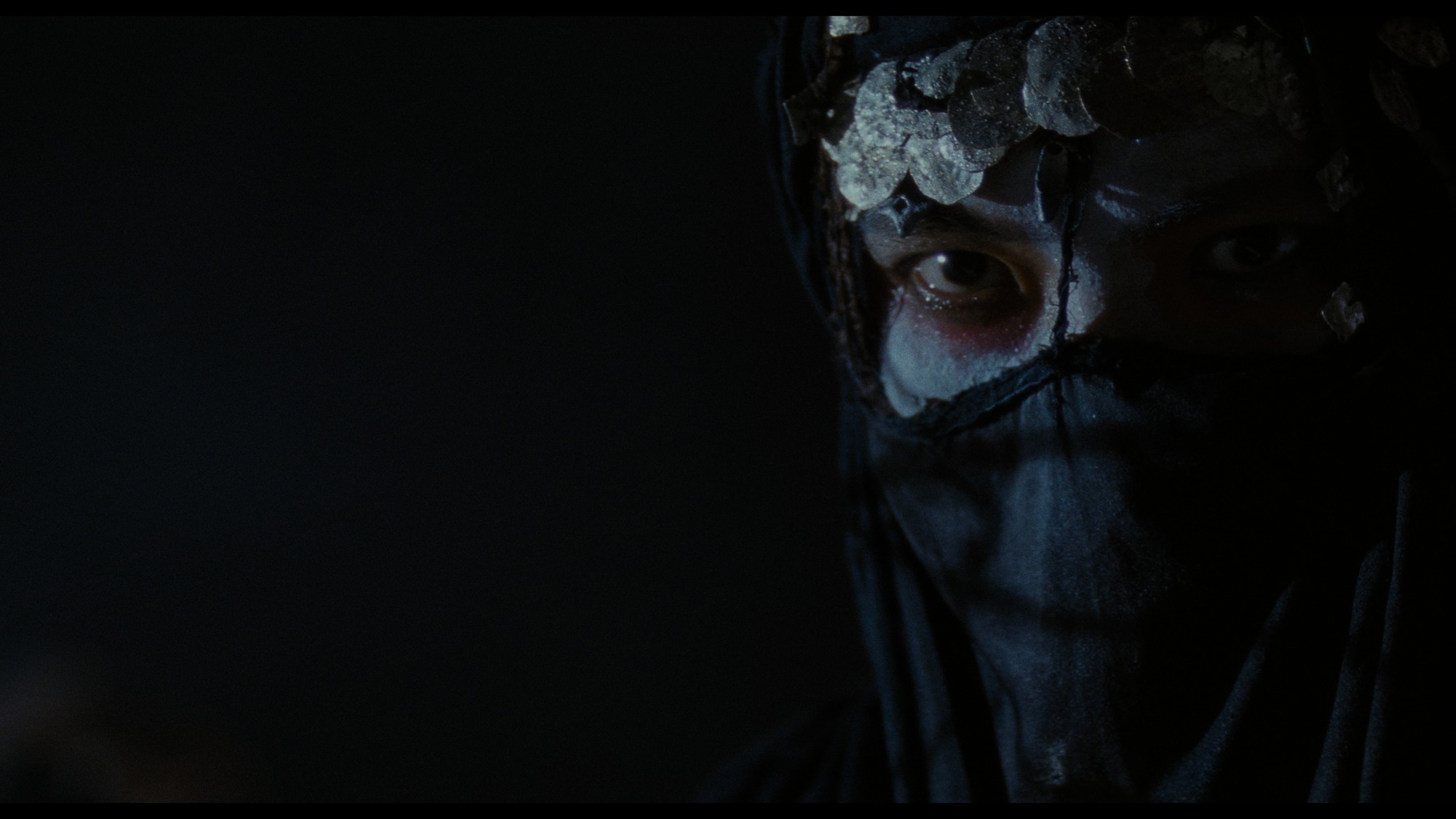
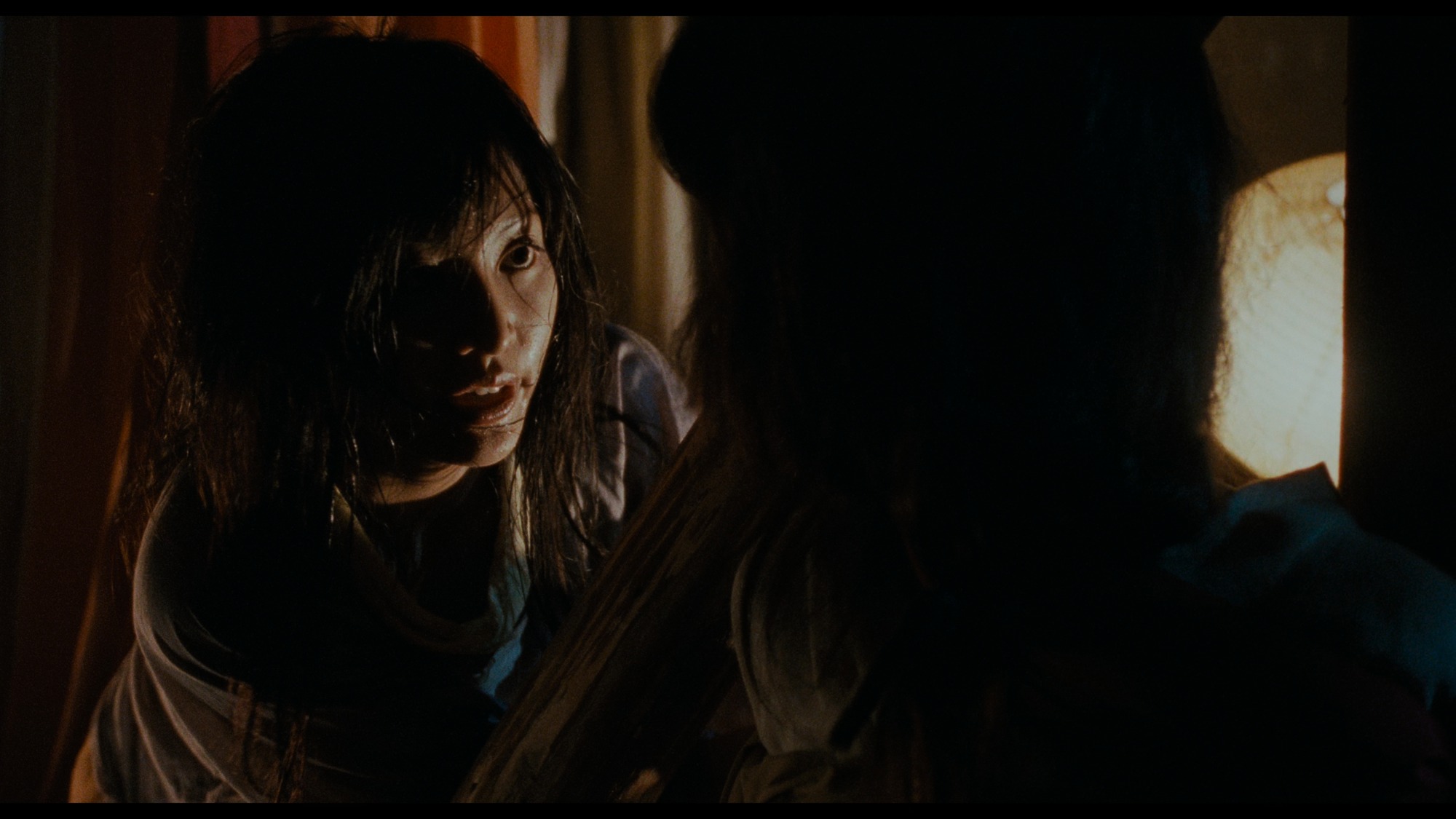
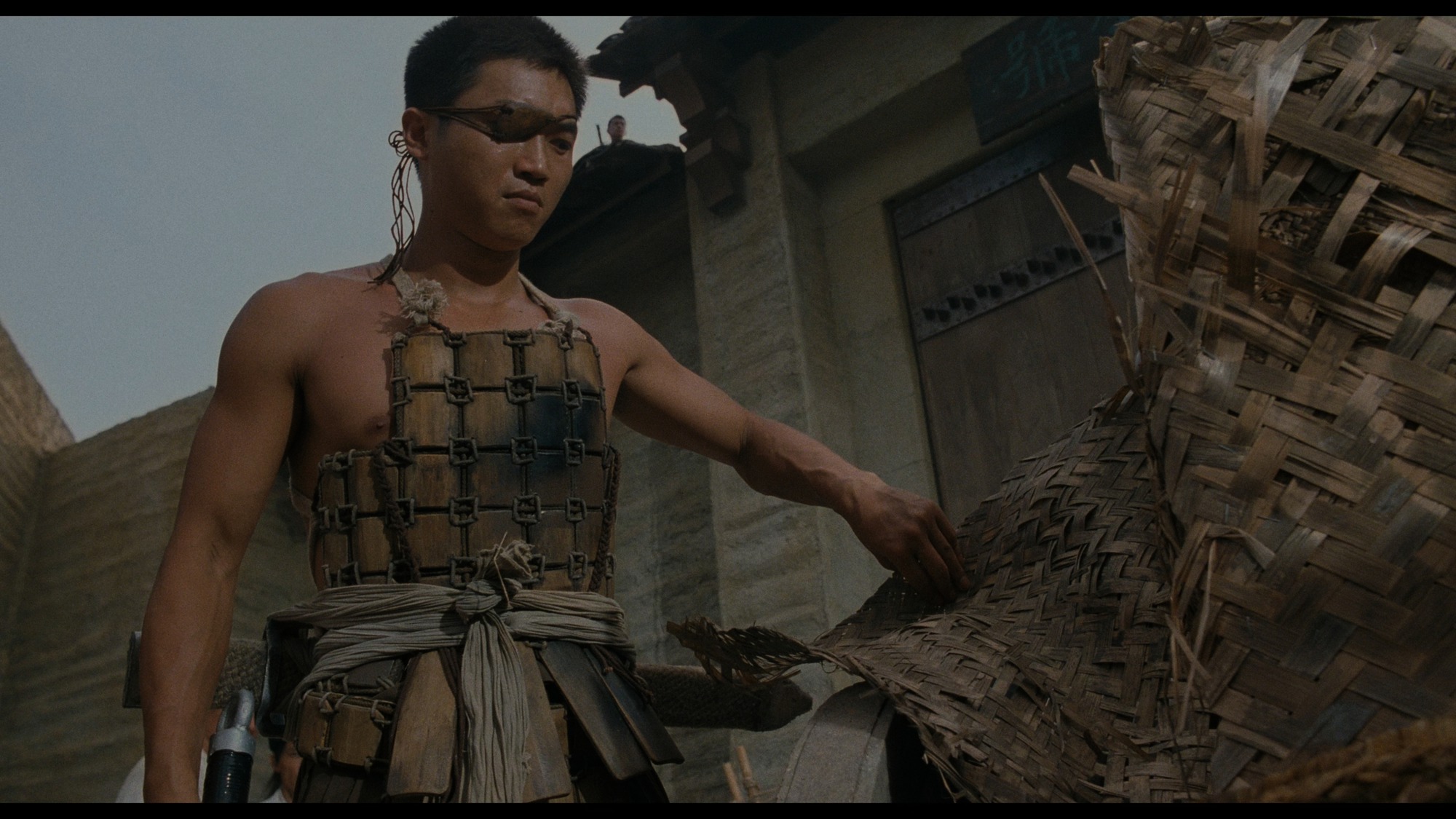
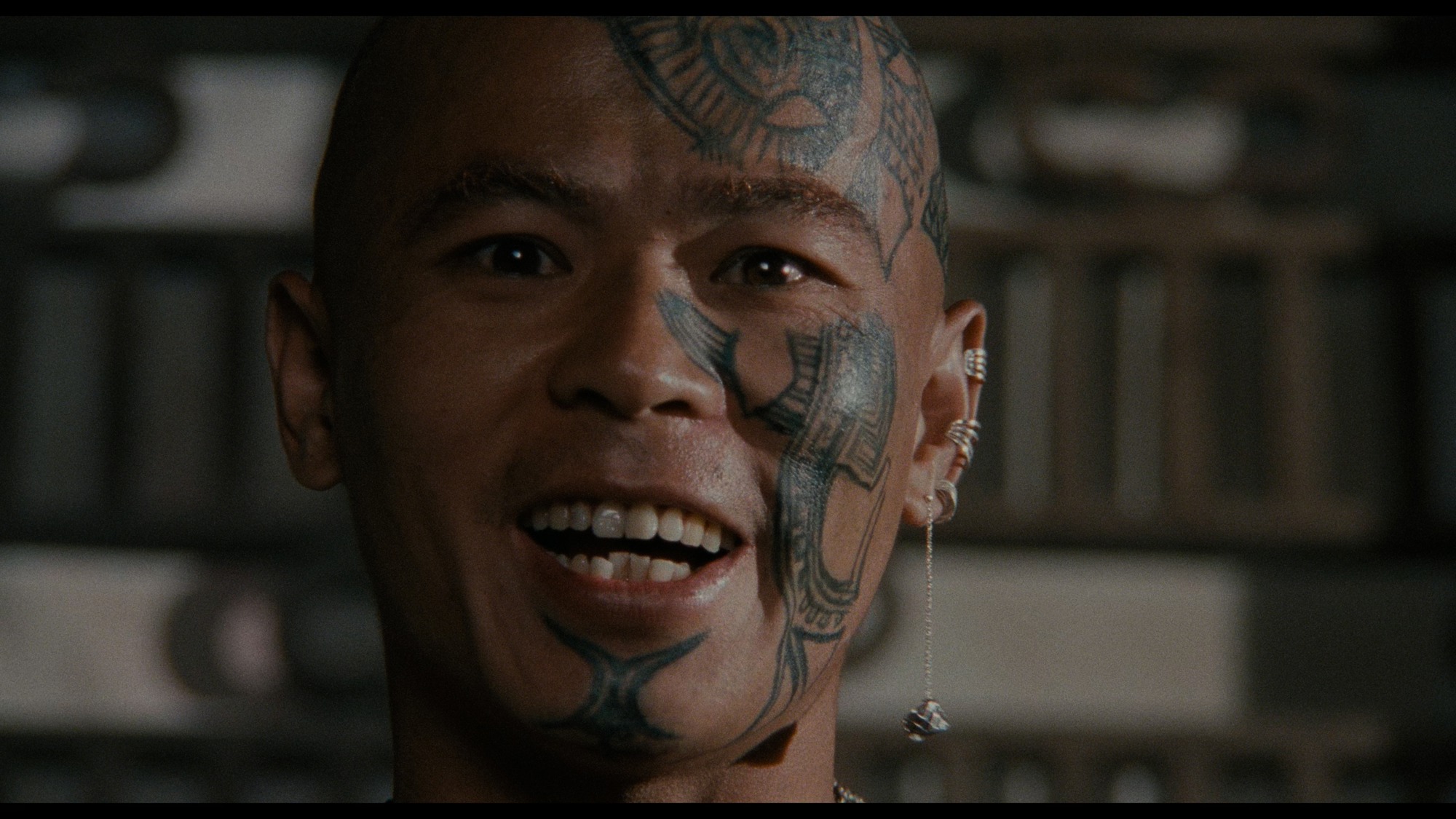
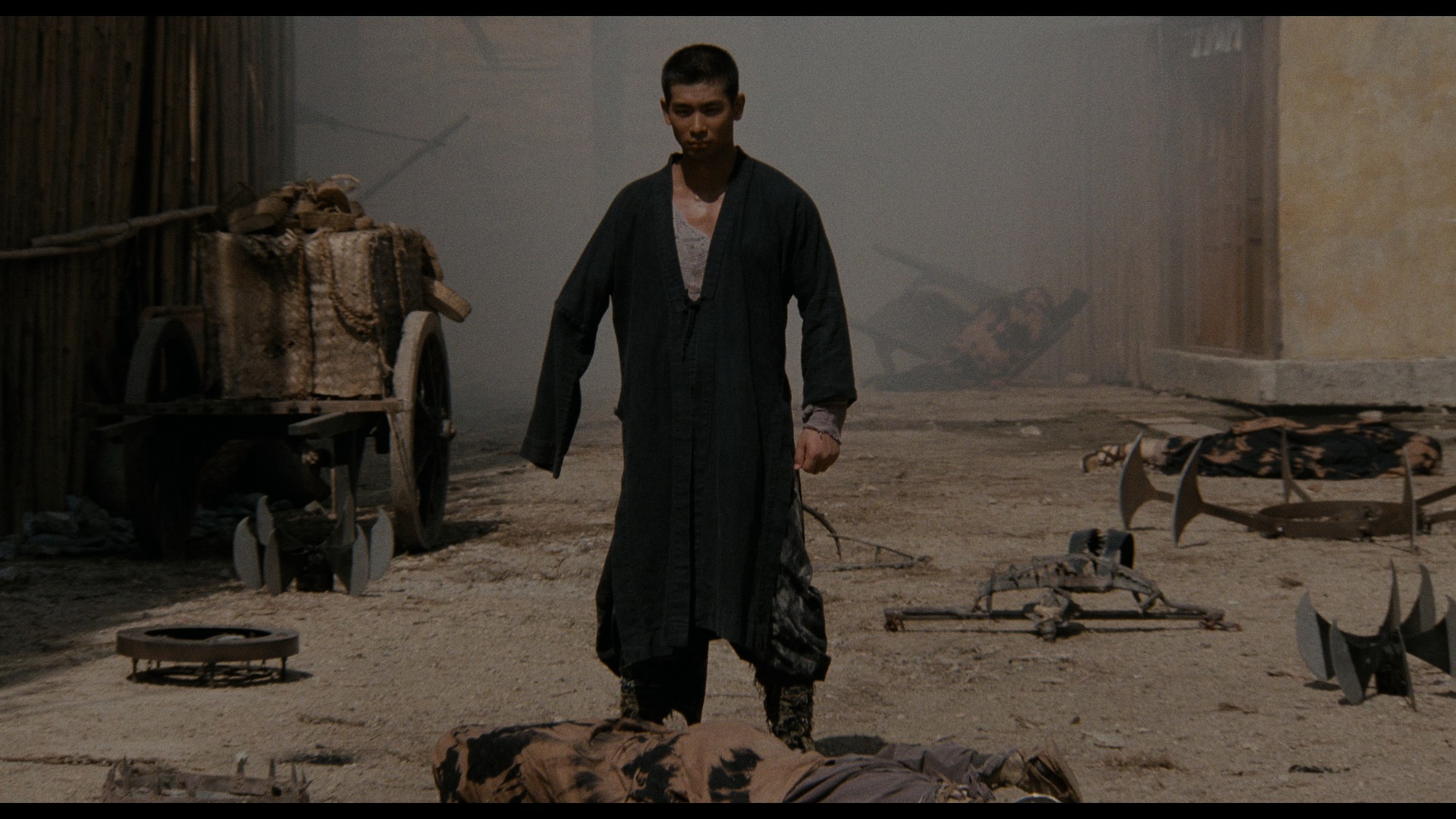
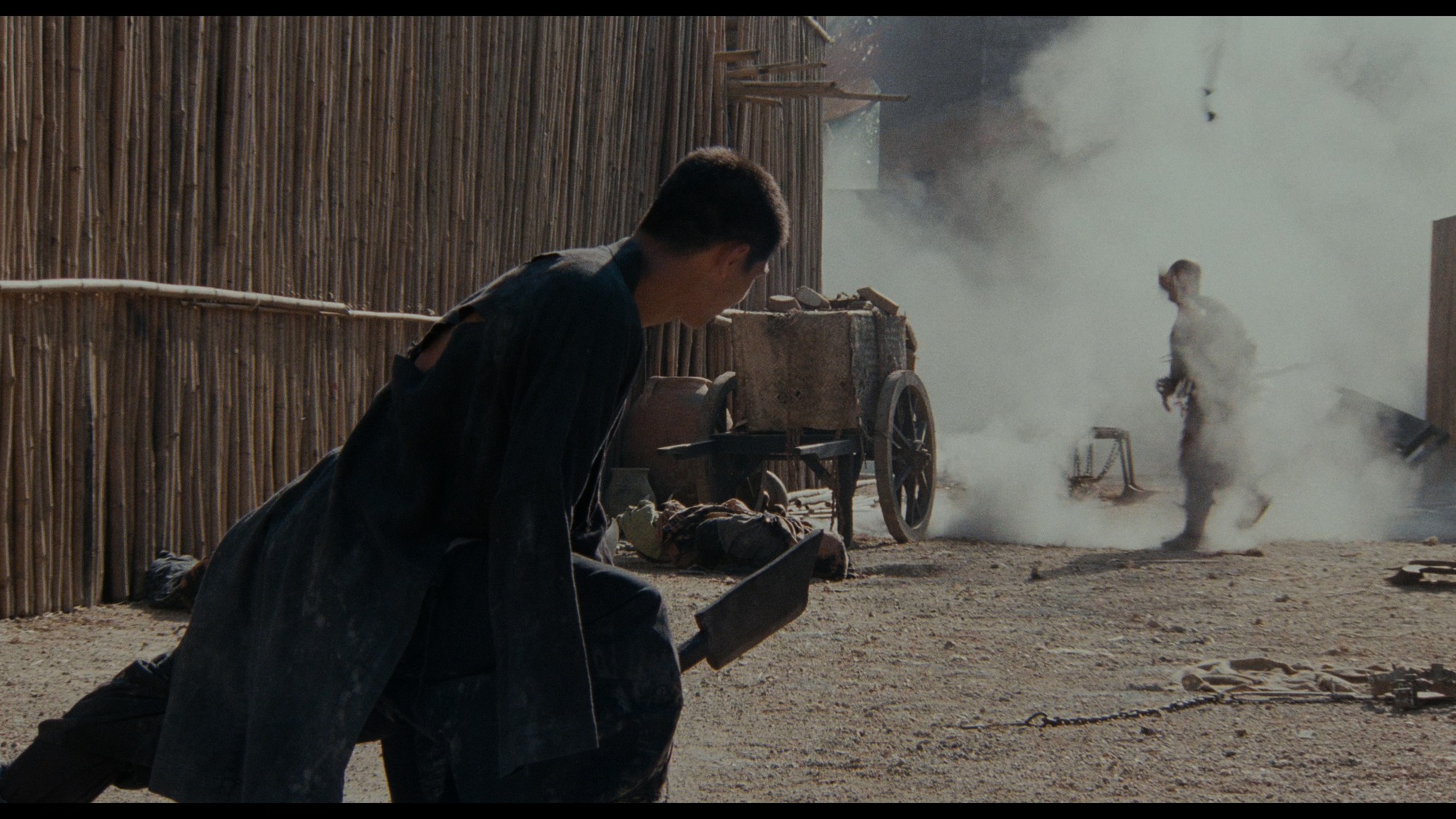
Continuing their strong run with 4K presentations, Criterion once again knocks it out of the park, delivering an unbelievably beautiful presentation. The film’s striking production design, along with its detailed costumes and character designs, is rendered effortlessly, with the base scan capturing everything cleanly while preserving the film’s heavier grain structure. Criterion’s encode is equally up to the task, handling it all impeccably without introducing noise or blocking, even in highlights and darker areas.
The restoration work also appears to be incredibly thorough. I can’t speak to how the film looked on prior home video editions, but this presentation is remarkably clean, and it’s evident that a great deal of care has gone into removing damage while leaving grain and fine detail intact. A few transitions, along with some slow-motion moments and rapid edits, can look a wee bit rough around the edges (which is to be expected), but overall the image is about as clean as one could hope for.
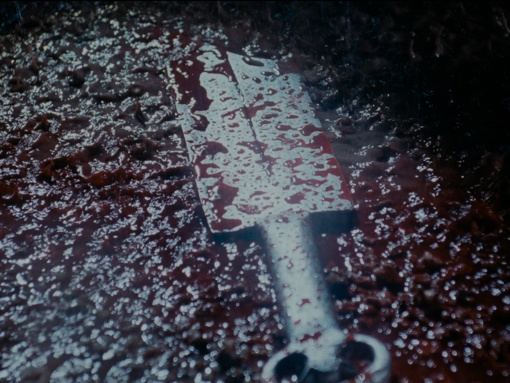
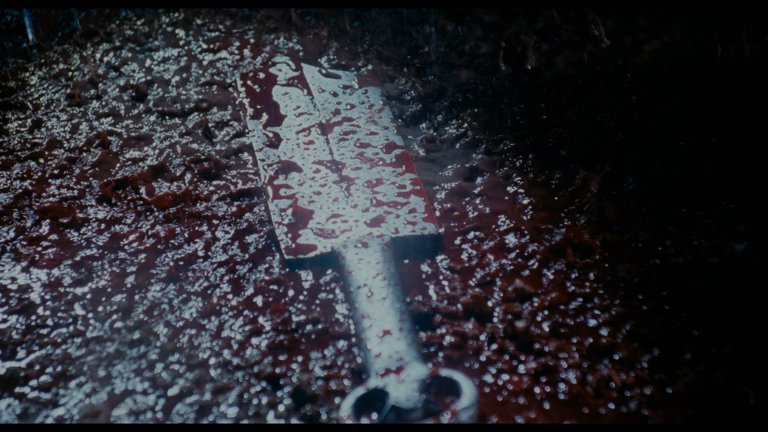
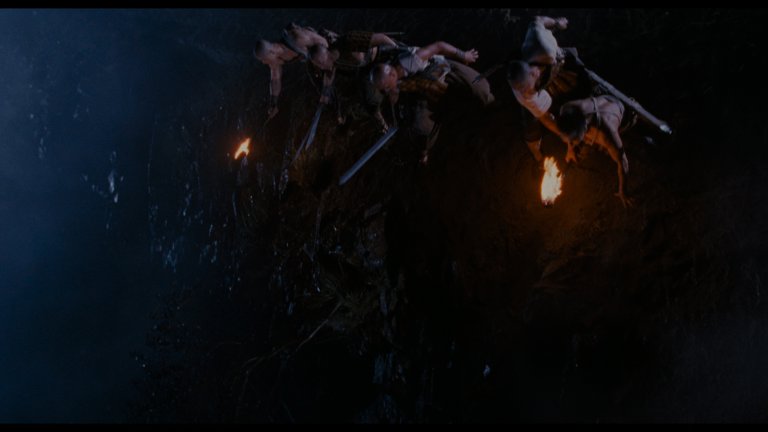
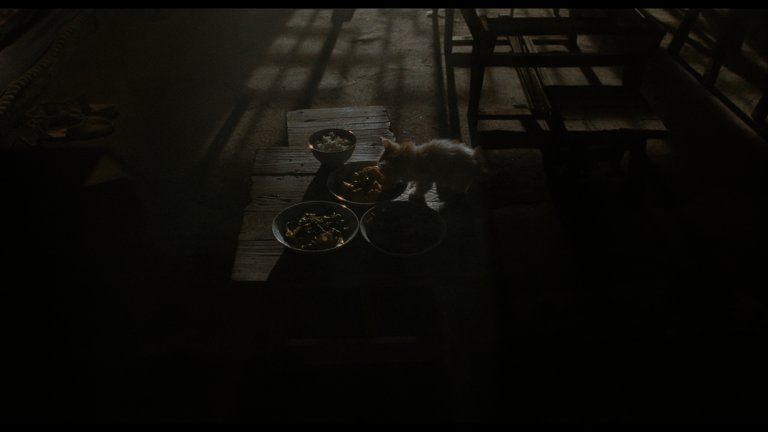
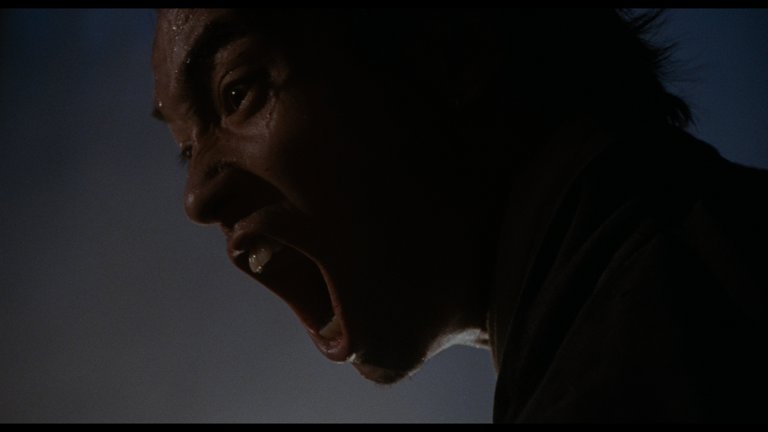
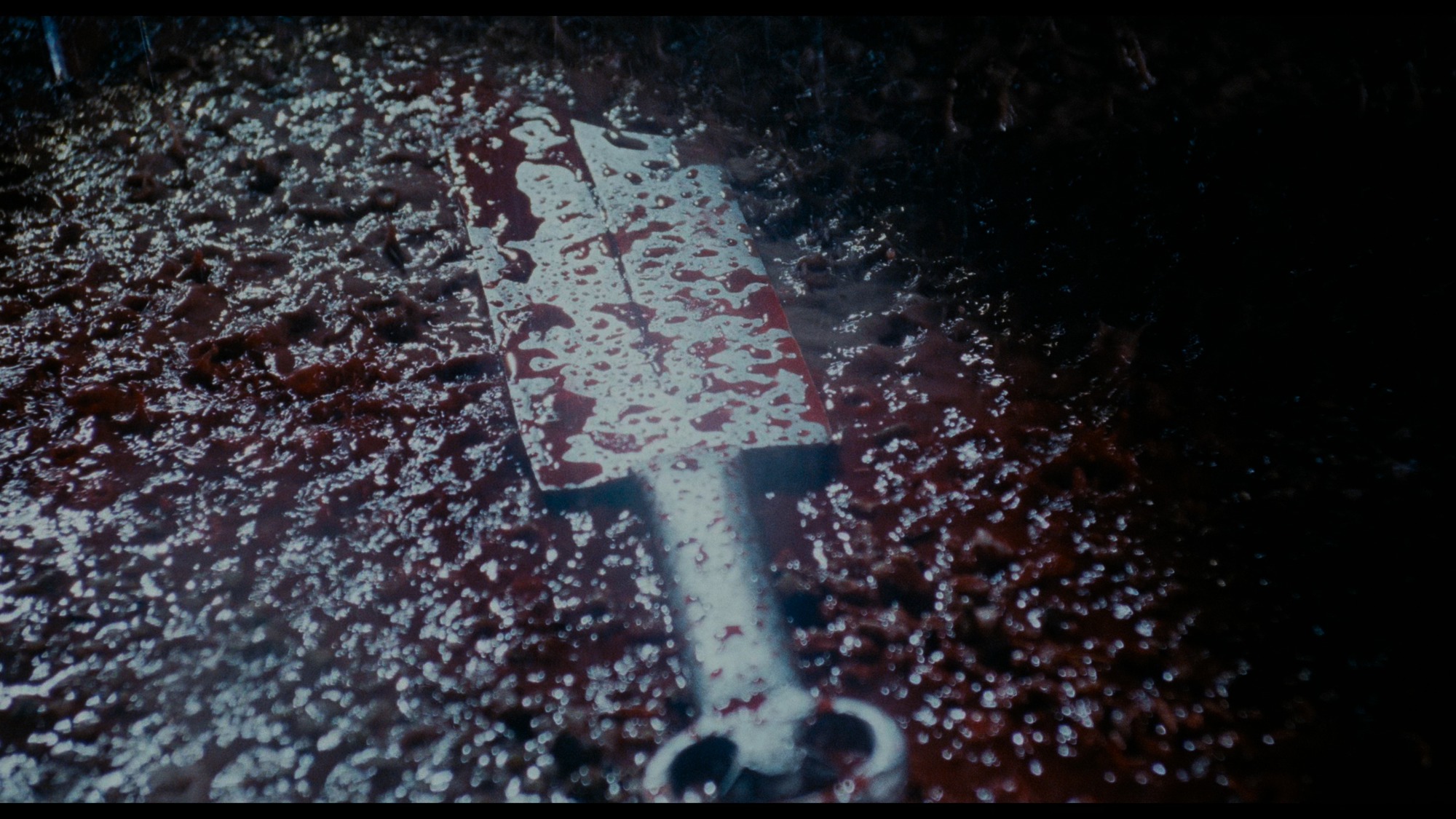
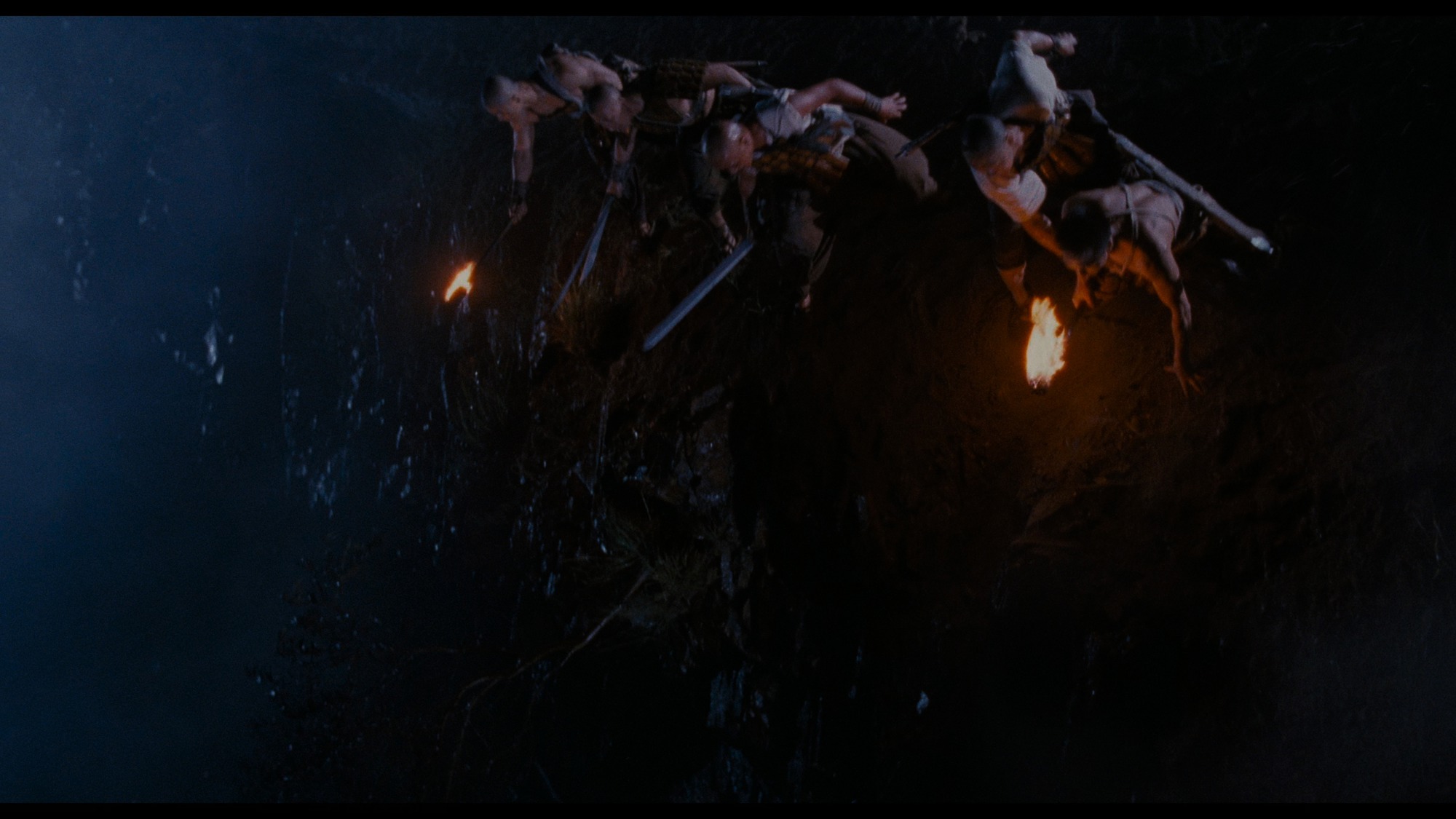
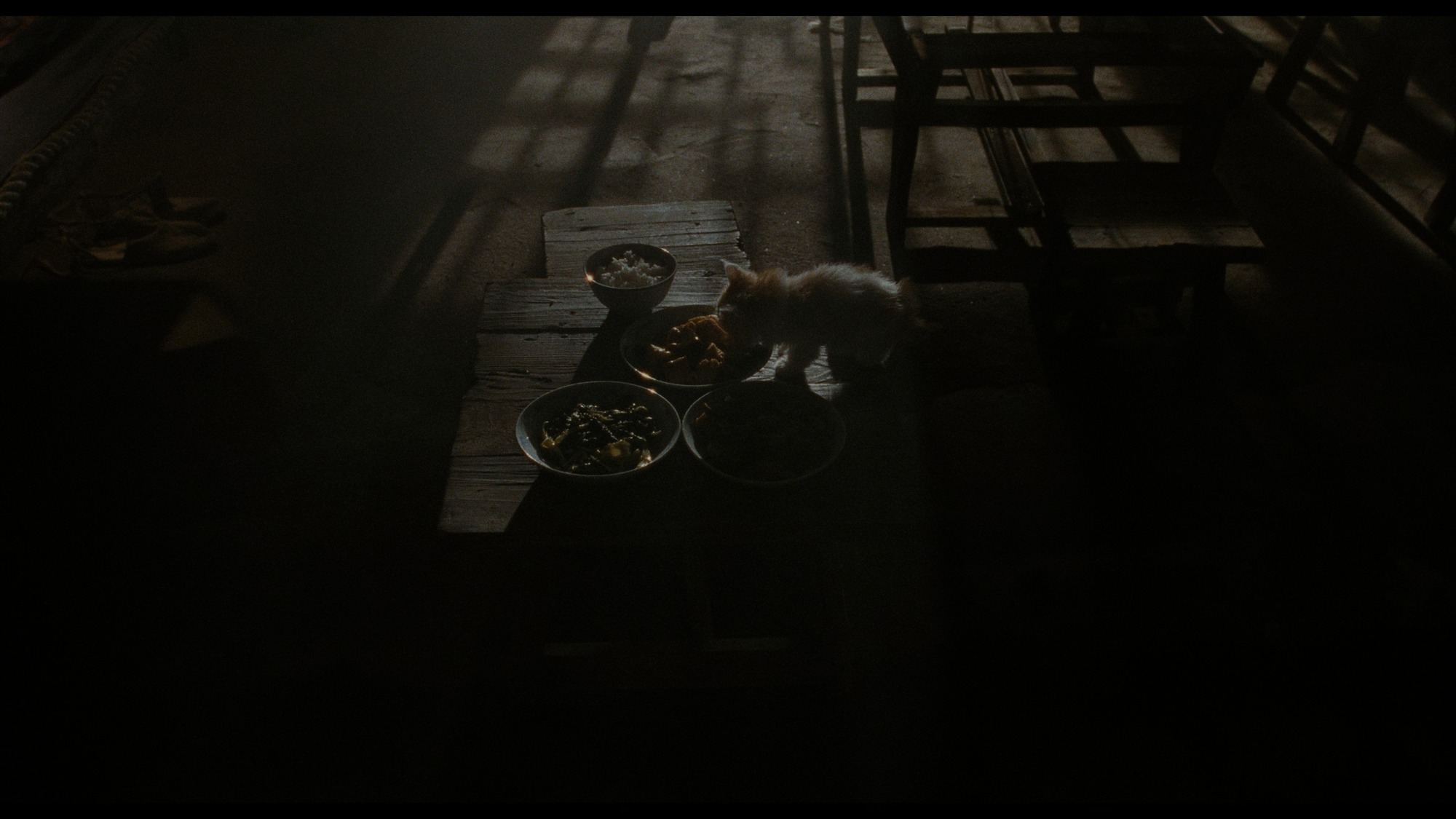
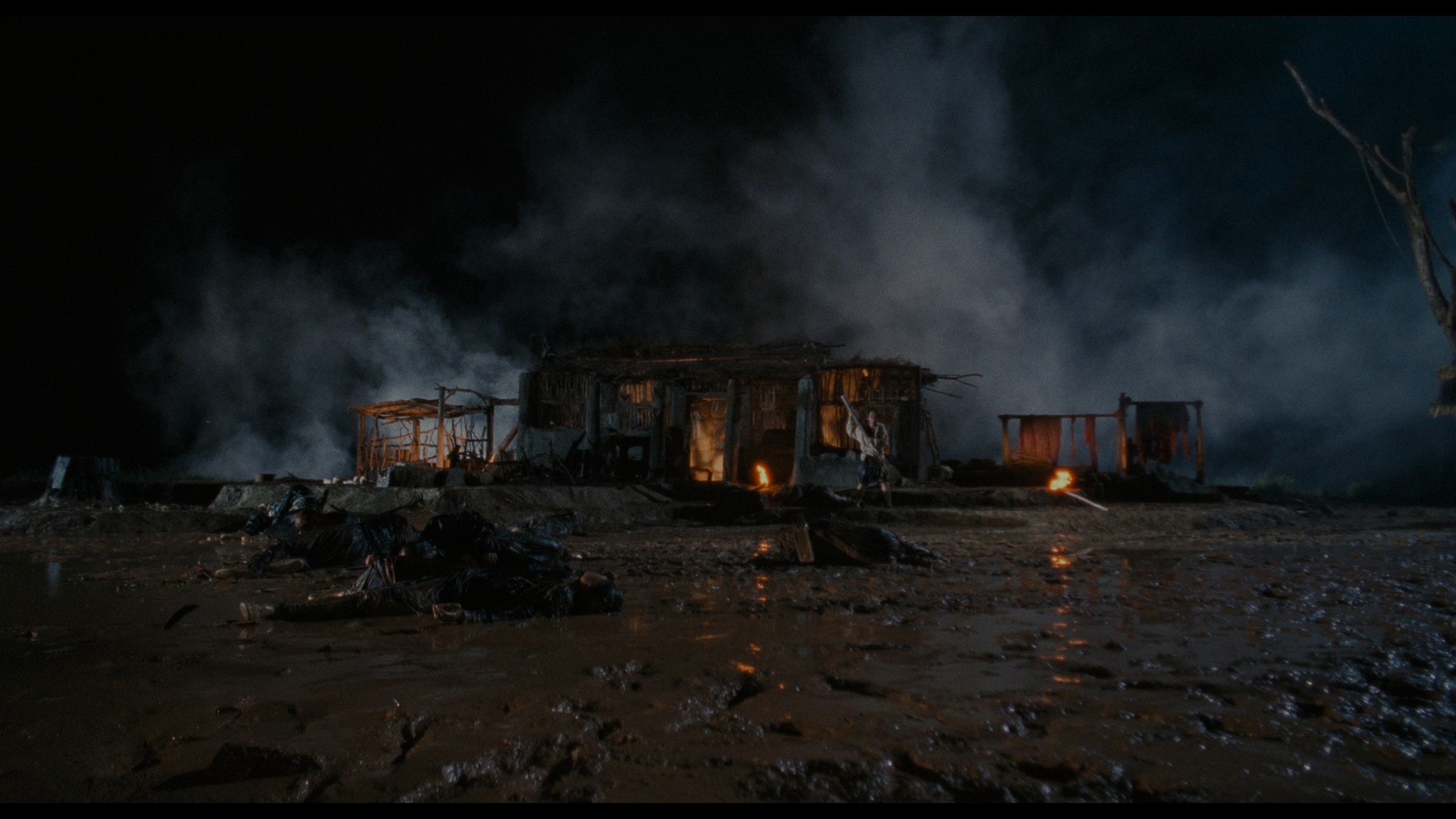
And in what has become a familiar pattern, it’s the addition of HDR and Dolby Vision that elevates the presentation from merely strong to something great. This is evident right from the opening shots, where light washes over one character (and a cat) in a dimly lit room. A later fight sequence in the mud benefits from subtle reflections off wet surfaces, while fires glow vividly against the surrounding darkness. Shadows are deep and well-defined, adding depth, and colors, particularly reds, receive a noticeable boost, featuring a striking range throughout.
In the end, this is a stunning presentation: rich, film-like, and easily one of the best-looking restorations I’ve seen for a Hong Kong film to date.
Audio 6/10
Criterion includes two audio options: the original Cantonese soundtrack in lossless PCM single-channel mono, along with an English dub presented in 1.0 Dolby Digital.
The Cantonese track sounds about as expected. Dialogue carries that familiar looped quality and comes off fairly flat overall. Sound effects, particularly the clashing during fight sequences, don’t offer much in the way of range, though they come through cleanly enough, and the same generally applies to the score. The track is also in solid condition, with no notable damage or distortion. Ultimately, it’s very much in line with what one would expect from a Hong Kong production of the period.
The English dub, on the other hand, is fairly rough, though more because of the dub itself than the presentation. The voice acting never really gels with the material, making it difficult to sit through. The overall quality is also underwhelming, resembling what you might expect from a late-’90s or early-2000s DVD release, with a dynamic range that hovers somewhere between “loud” and “really loud.” While I wouldn’t necessarily call the Cantonese track “great,” it’s still a clear step up from this one. That said, the dub likely remains included for the fans, and there may be some differences in the dialogue (though I didn’t do a close comparison).
In the end, the original Cantonese track is perfectly serviceable and easily the preferred option here, and the one I’ll be sticking with.
Extras 9/10
Criterion assembles a solid special edition for The Blade, adding a number of strong supplements. Things kick off with an all-new audio commentary by Hong Kong cinema expert Frank Djeng. Djeng brings his usual amount of energy, covering the film’s production while placing it within the broader context of Tsui Hark’s work. He also gets into why the film underperformed upon release, suggesting its bleaker tone may have tapped into anxieties surrounding Hong Kong’s impending handover to China. Stylistically, he positions it closer to Ashes of Time than to more traditional wuxia or martial arts fare, noting that fans of Tsui’s Once Upon a Time in China likely found it alienating. He expands on this by examining the film’s tone and its intentionally chaotic fight sequences (paired with chaotic camerawork), which aim more to leave an impression than to clearly map out the action. He also digs into the editing and choreography in detail. As usual, Djeng brings an incredible amount of knowledge and, as expected, keeps the track moving at a brisk pace.
Expanding on Djeng's own coverage of the production, Criterion includes on the accompanying Blu-ray a 58-minute making-of, Action et vérité, produced in 2006 for what appears to have been a French DVD release [from this French release as confirmed by our forum member, tenia]. Featuring interviews with Tsui Hark, screenwriter Koan Hui, and actor Xiong Xin-xin (who was simply told he was in the movie), the piece covers expected ground (story development, production design, and fight choreography) but also spends a good amount of time on Tsui’s creative intentions. In simplified terms, he set out to make a more “realistic,” almost documentary-like martial arts film (vérité), and the feature explains how that approach was executed. It also addresses the film’s box office failure and why those involved believe it struggled to find an audience. While it does fall into the familiar talking-heads format typical of DVD-era features, the subject matter remains engaging, helped in large part by Tsui’s candid reflections.
Expanding further on points raised in Djeng’s commentary, Taylor Ramos and Tony Zhou of Every Frame a Painting contribute a new 11-minute visual essay, The Edges of Wuxia. While Djeng touched on how the film diverges from traditional wuxia, Ramos and Zhou deepen that discussion with visual comparisons, beginning with a brief primer on the genre before contrasting the expected framing, choreography, and editing with Tsui’s approach. They also highlight tonal differences and the film’s flawed, less traditionally heroic protagonist. It works well as an introduction for newcomers while also clarifying why the film proved so divisive at the time, and how it has since been reassessed. A particularly strong addition.
The disc also includes 11 minutes of excerpts from a 2011 Q&A moderated by Grady Hendrix, with Tsui fielding questions about his intentions for the film, along with broader thoughts on the influence of Hong Kong action cinema on American films and the then-current 3D boom.
Rounding things out are the film’s English-language trailer and alternate opening titles prepared for the international release. The included insert features an essay by Lisa Morton, which covers some familiar ground but expands on the One-Armed Swordsman lineage and the role of the film’s female characters, serving as a nice complement to the on-disc material.
All told, it’s a well-rounded set of supplements, offering a thoughtful look at the film’s production while also addressing its initial failure and subsequent critical reappraisal.
Closing
A wonderful special edition, anchored by a terrific new 4K presentation, this comes highly recommended for fans of the film and the genre alike.
BUY AT: