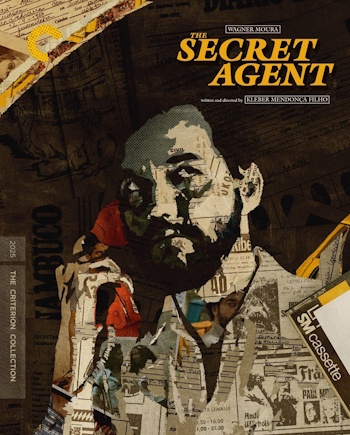
The Secret Agent
BUY AT:


See more details, packaging, or compare
Synopsis
With an electrifying blend of kinetic punch and elegiac historical sweep, Kleber Mendonça Filho connects life under Brazil’s twentieth-century military dictatorship to the living present, delivering a kaleidoscopic period thriller pulsing with resonance. In 1977, under the alias Armando, a man (Wagner Moura) arrives in the city of Recife to try to make a fresh start with his young son. However, the threat of violence immediately encroaches, while around him swirl corrupt cops, grimy hit men, haunted exiles, and a wild urban legend that ignites a public frenzy. Continually spinning off its temporal and narrative axes, The Secret Agent unfurls an epic canvas teeming with life and love for those who refuse to submit to systems of oppression.
Picture 9/10
Kleber Mendonça Filho’s The Secret Agent comes to 4K UHD through The Criterion Collection, who present the film with Dolby Vision on a triple-layer disc in the aspect ratio of 2.39:1. The release also contains two standard dual-layer Blu-rays, one featuring a 1080p presentation of the film and the other containing all of the release’s features.
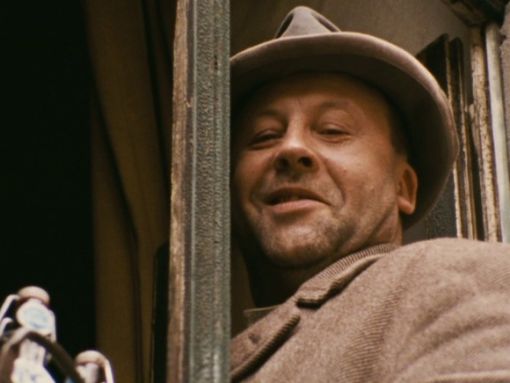
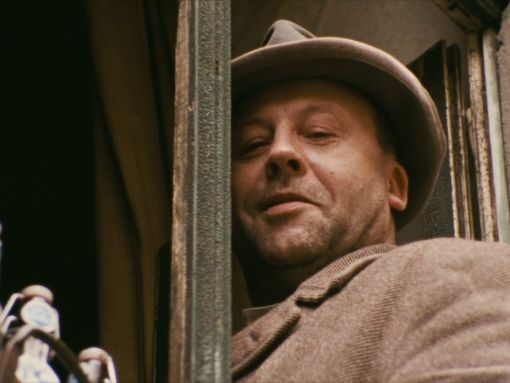
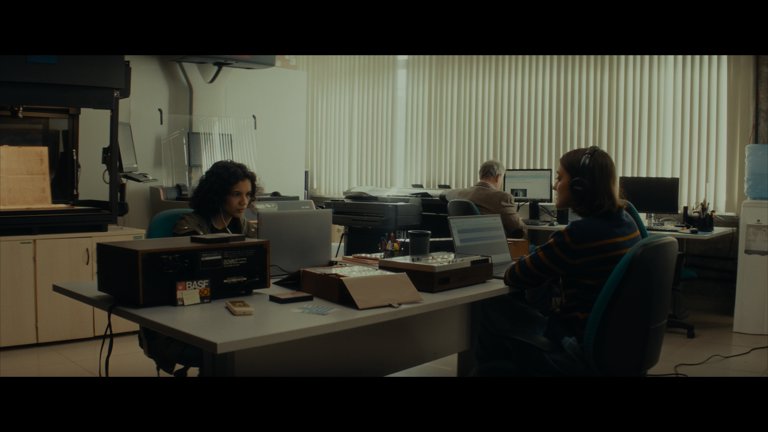
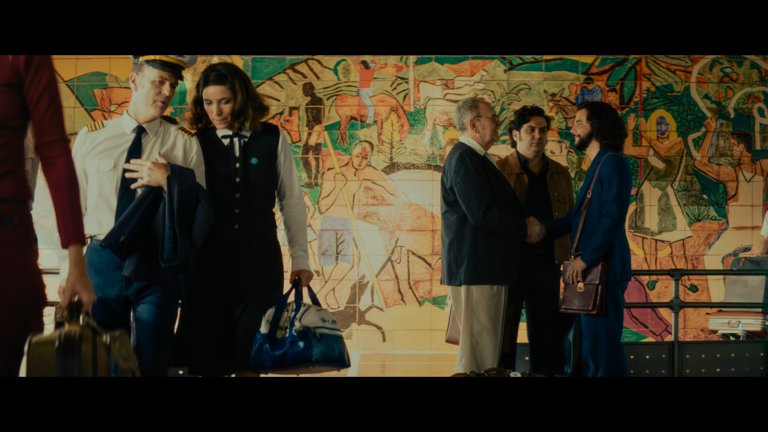
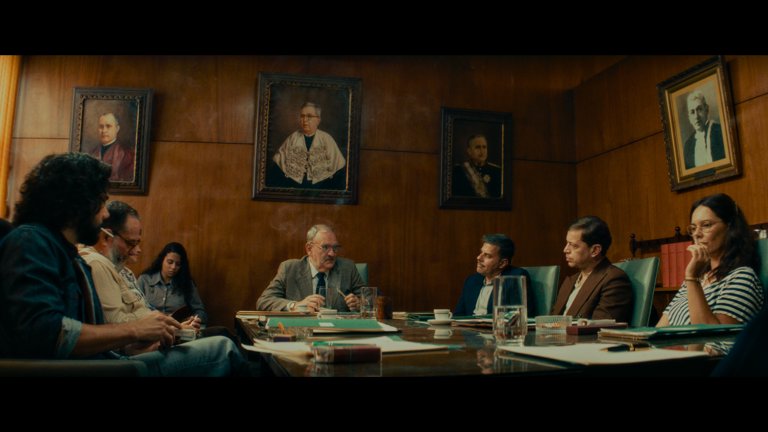
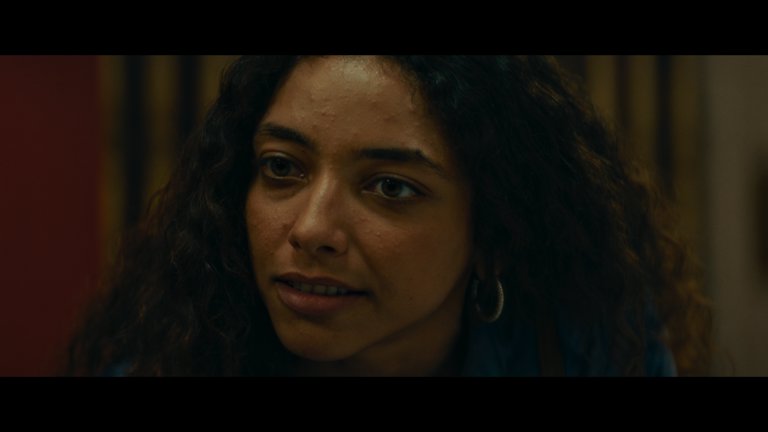
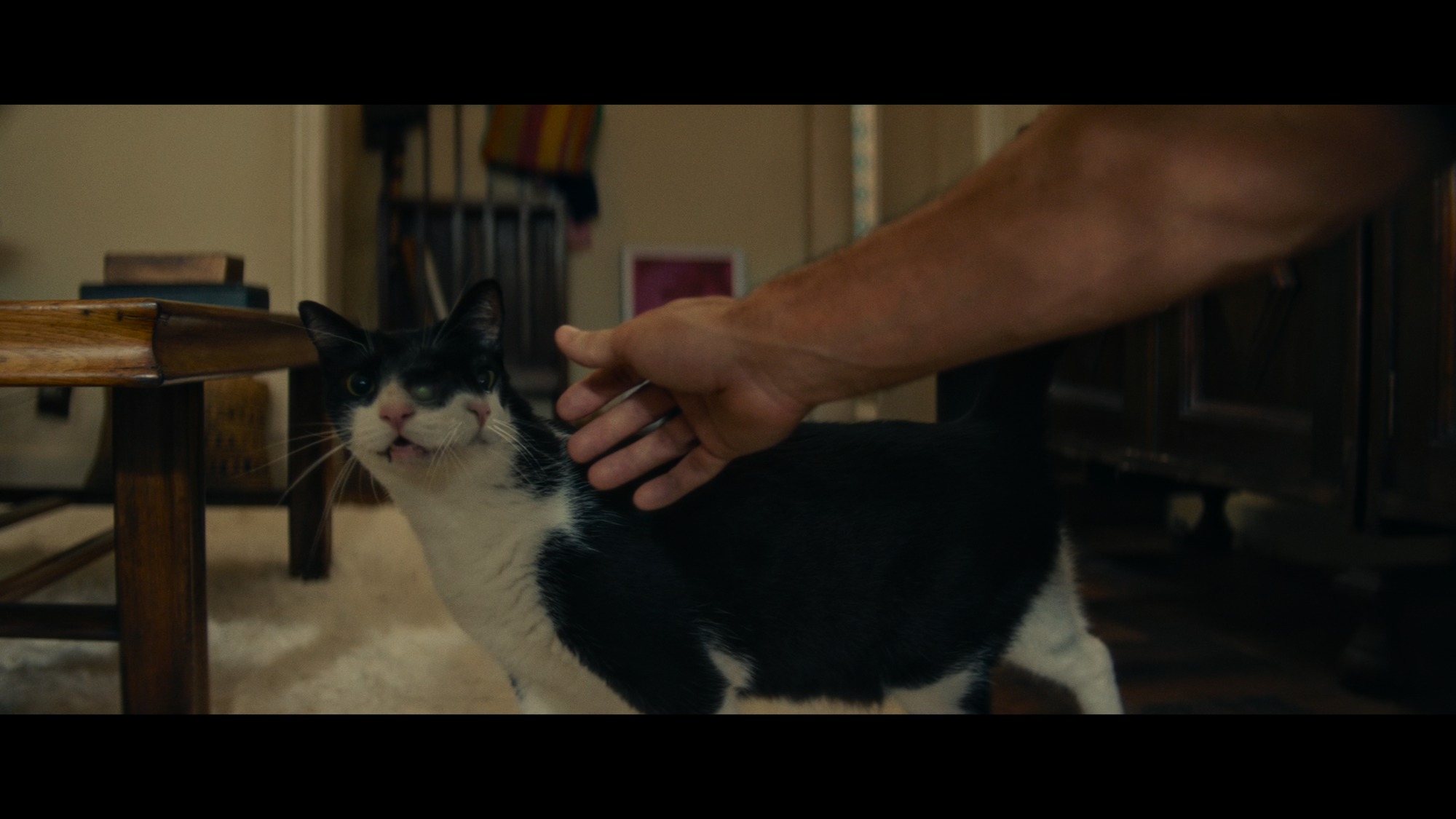
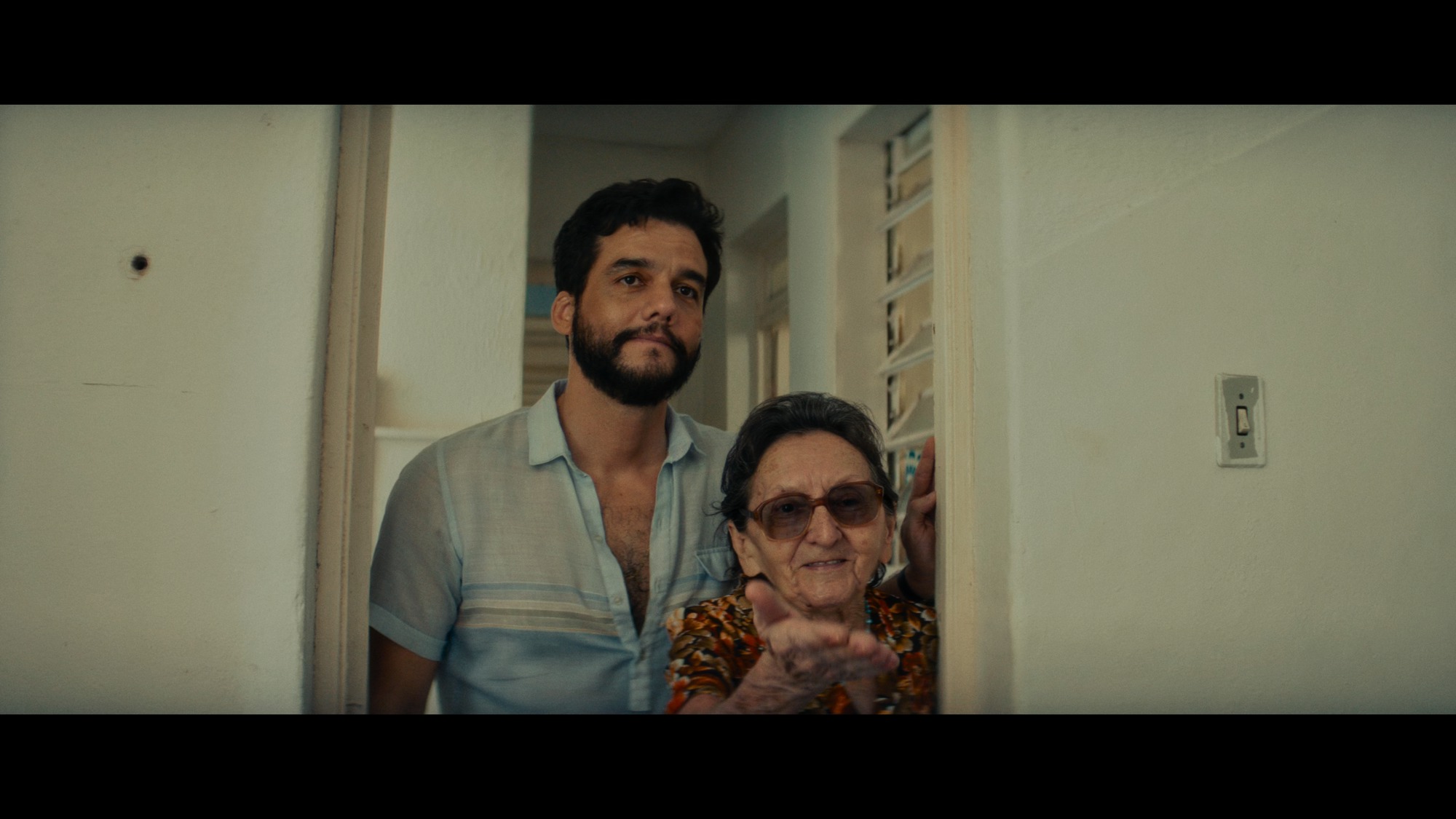
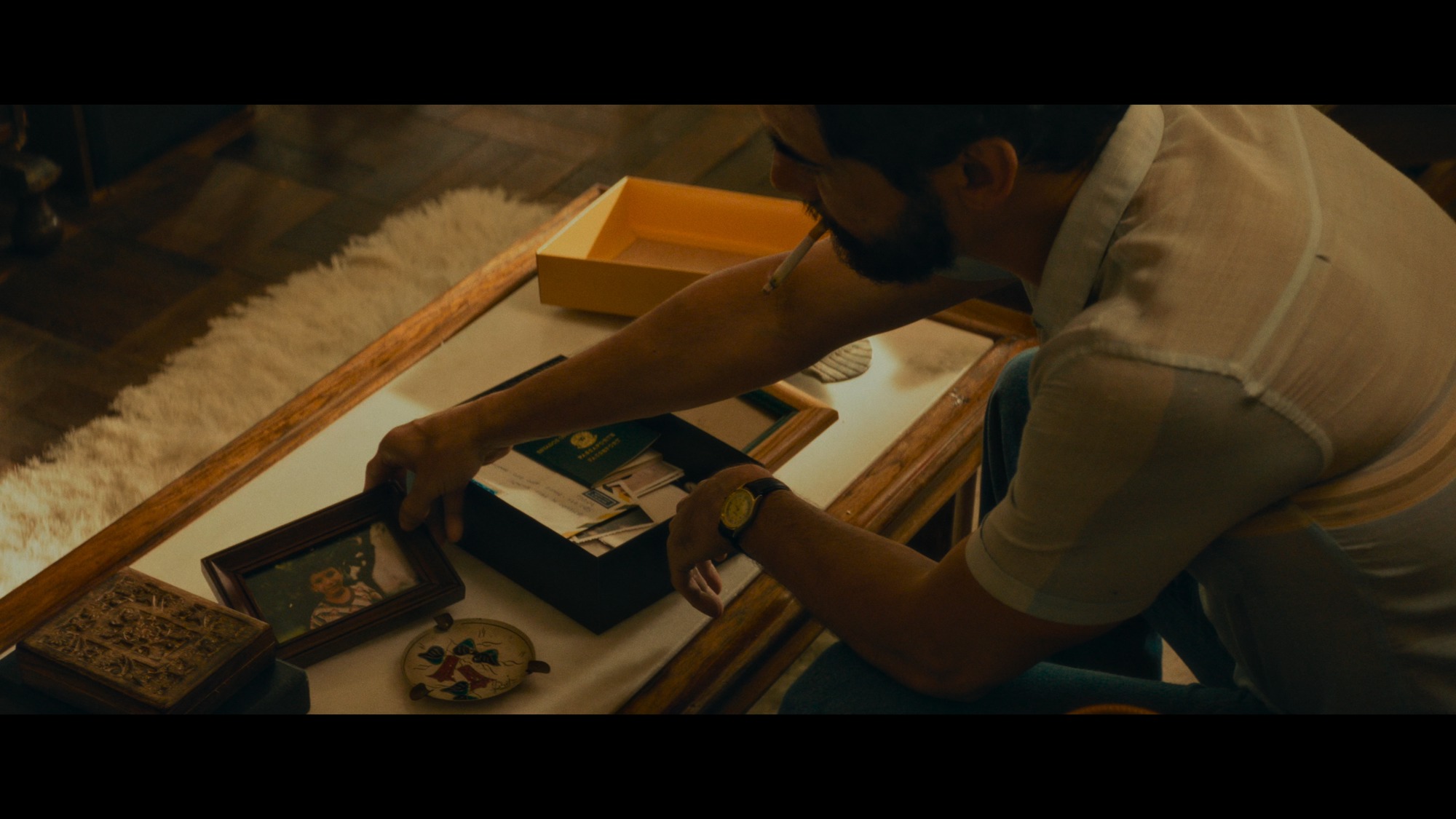
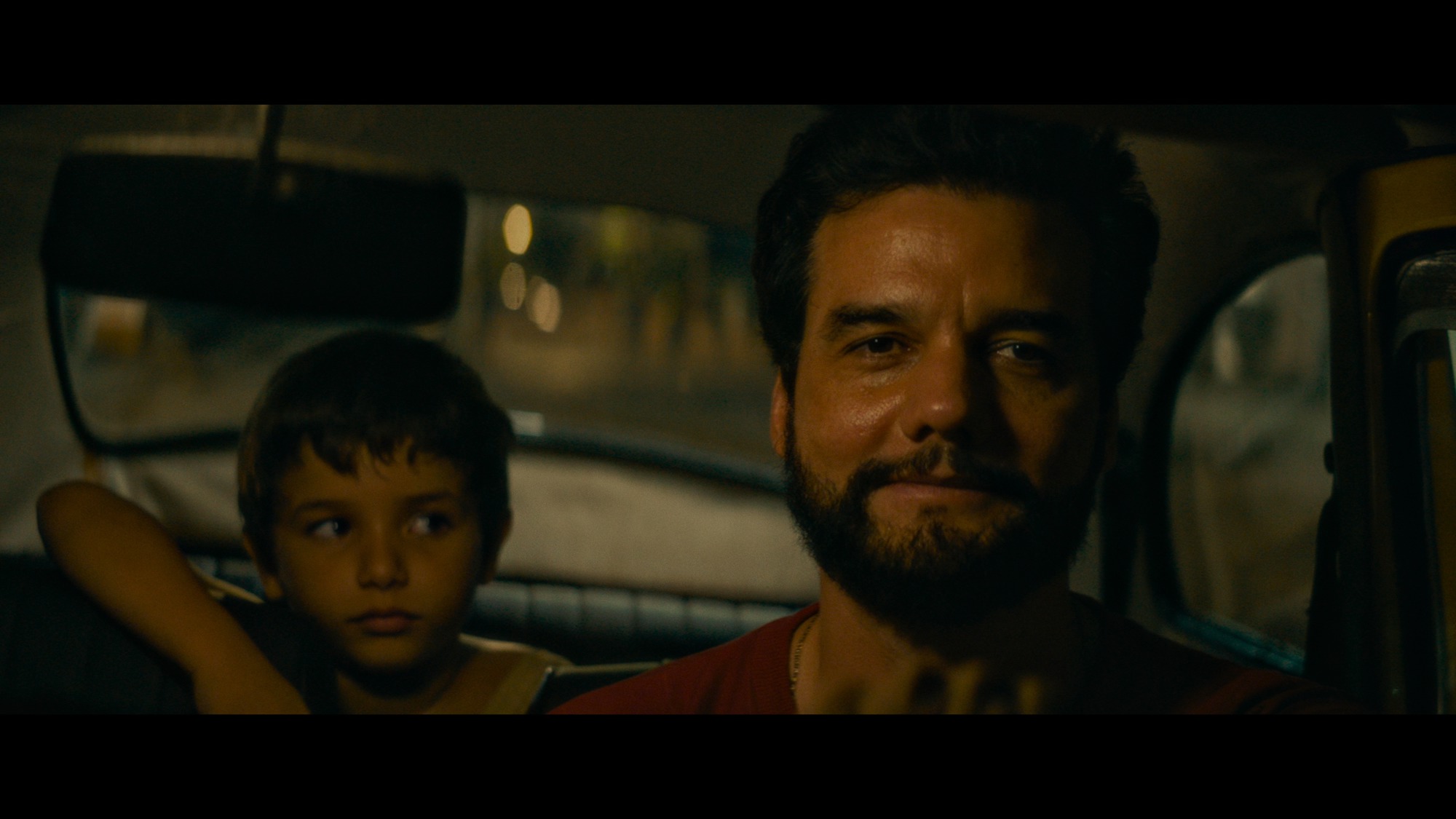
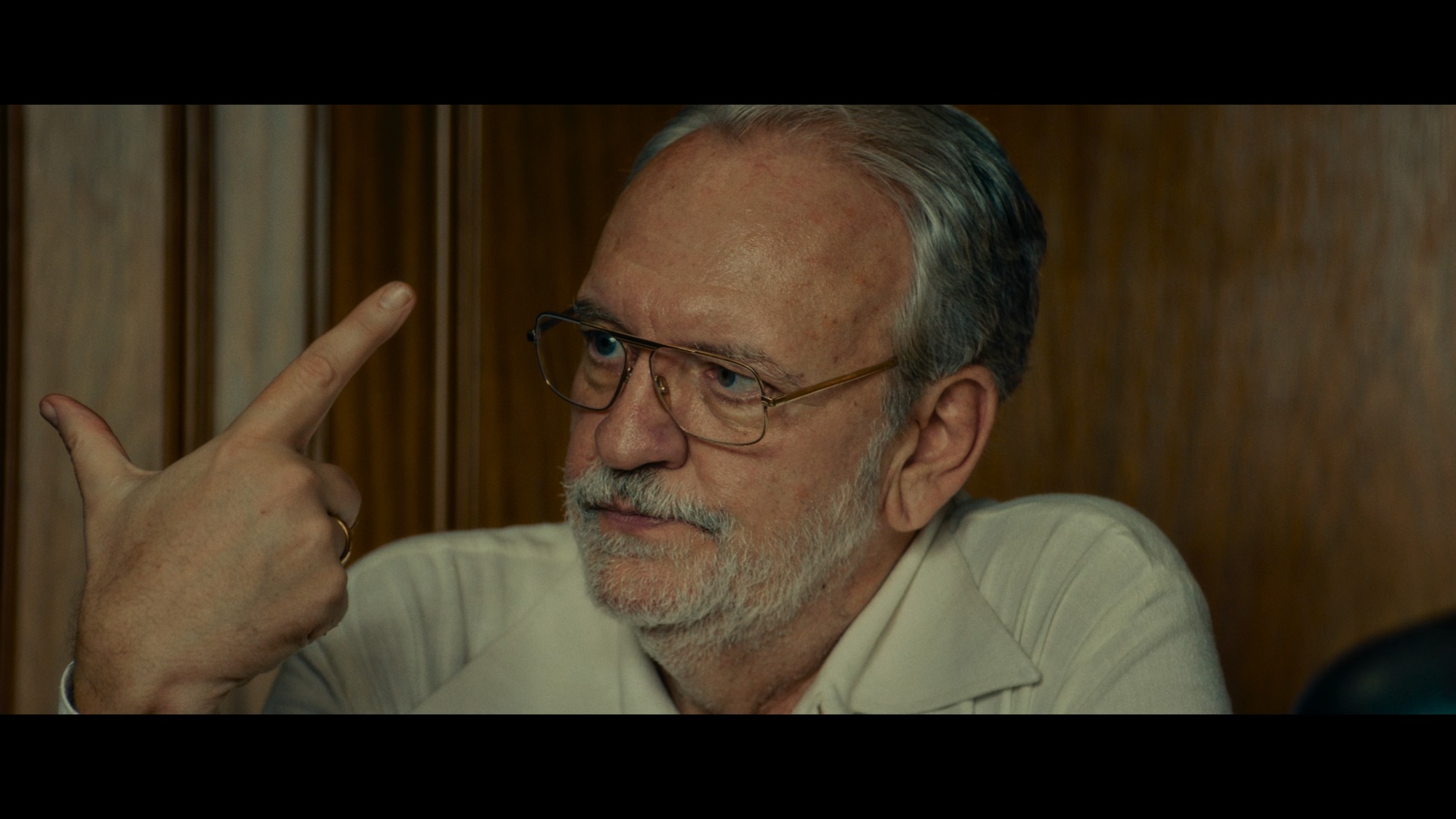
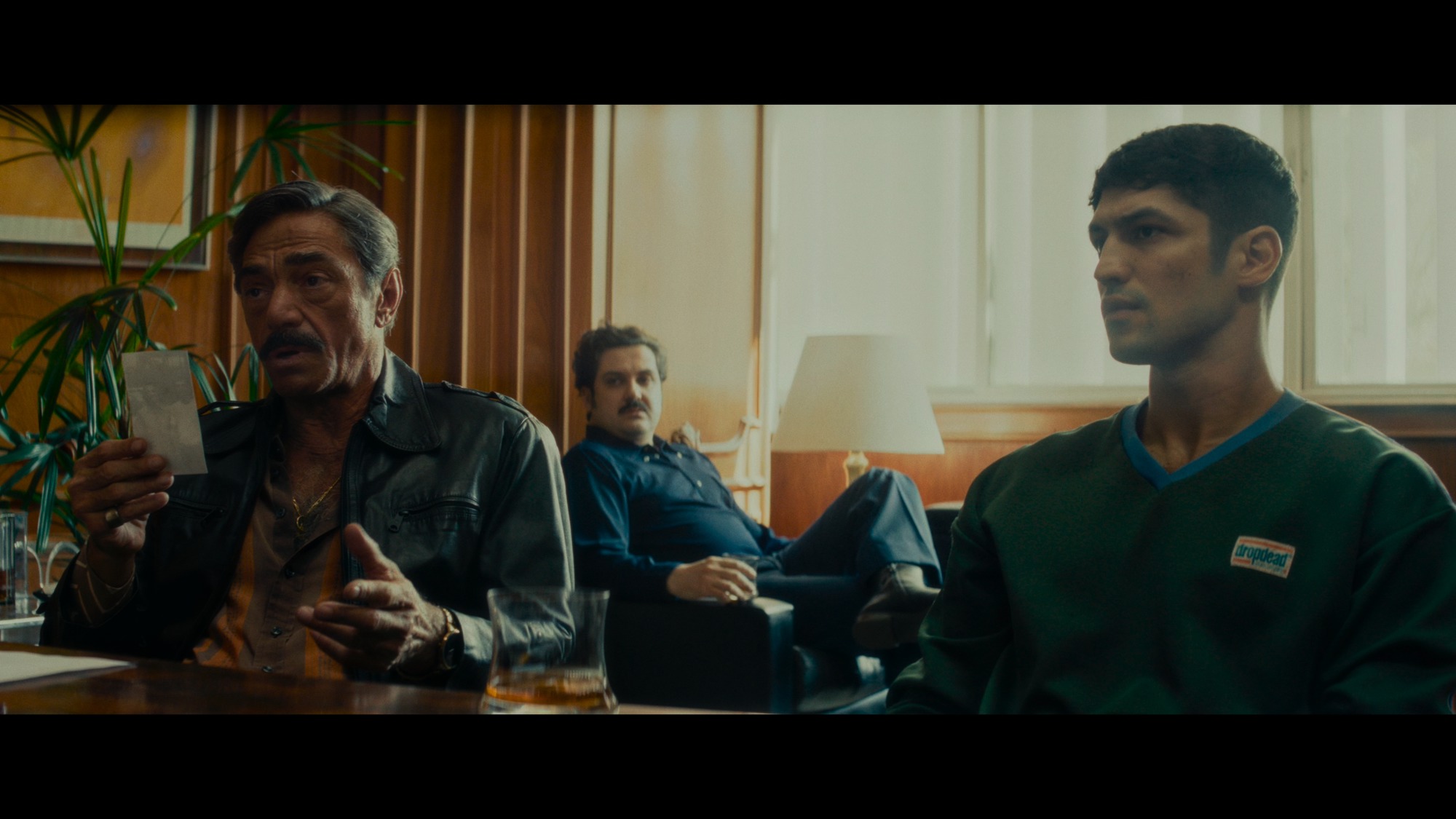
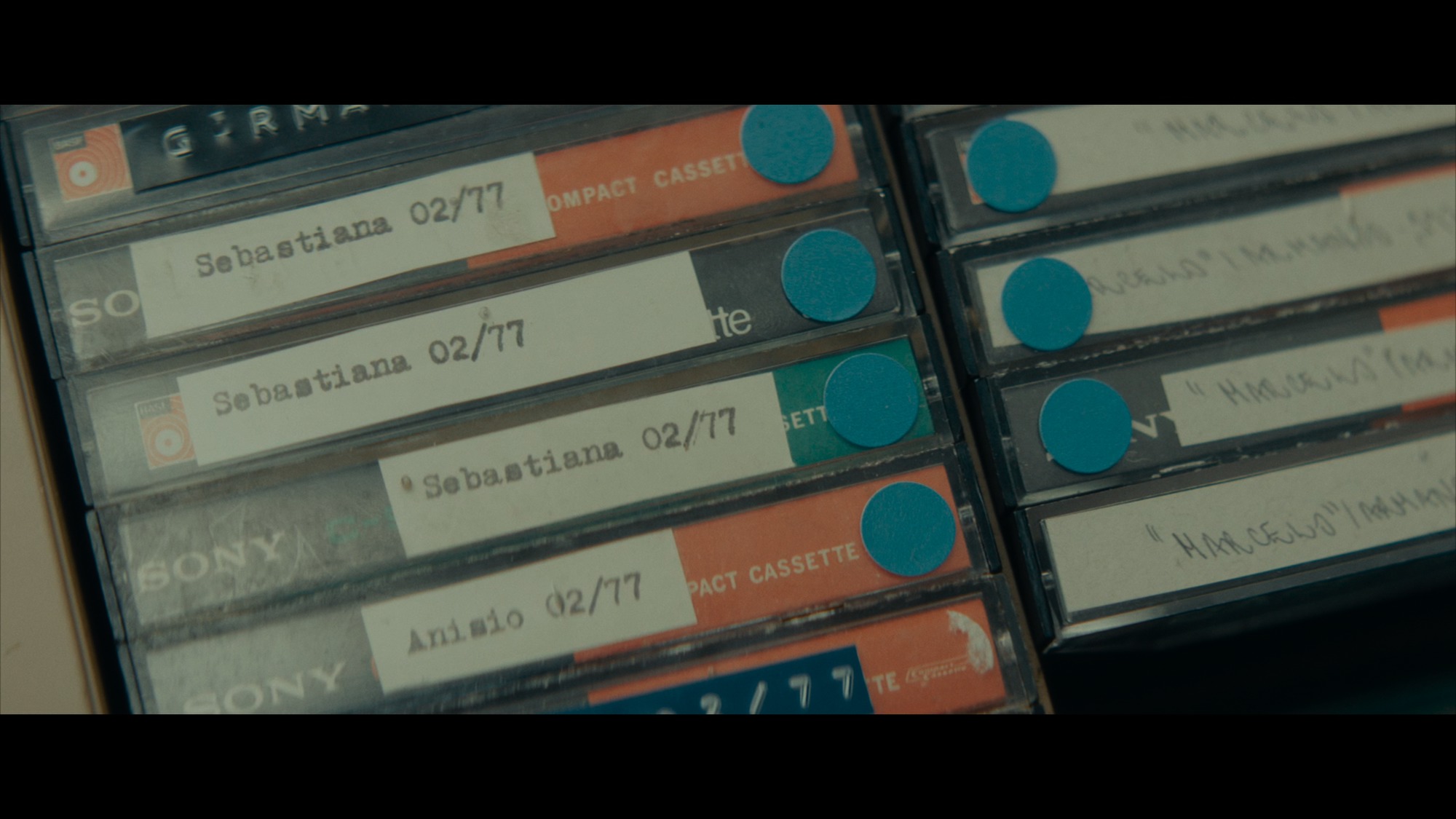
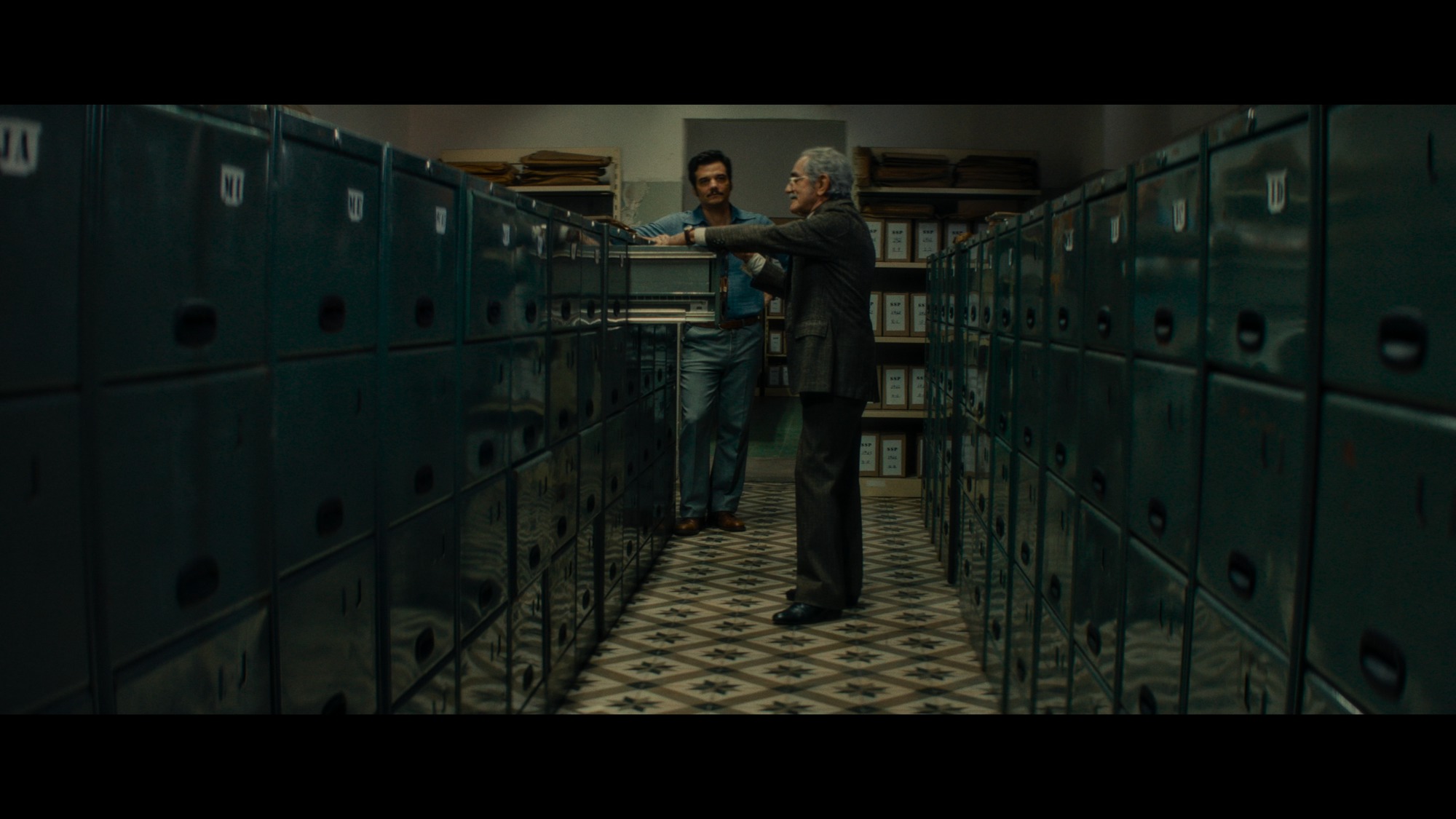
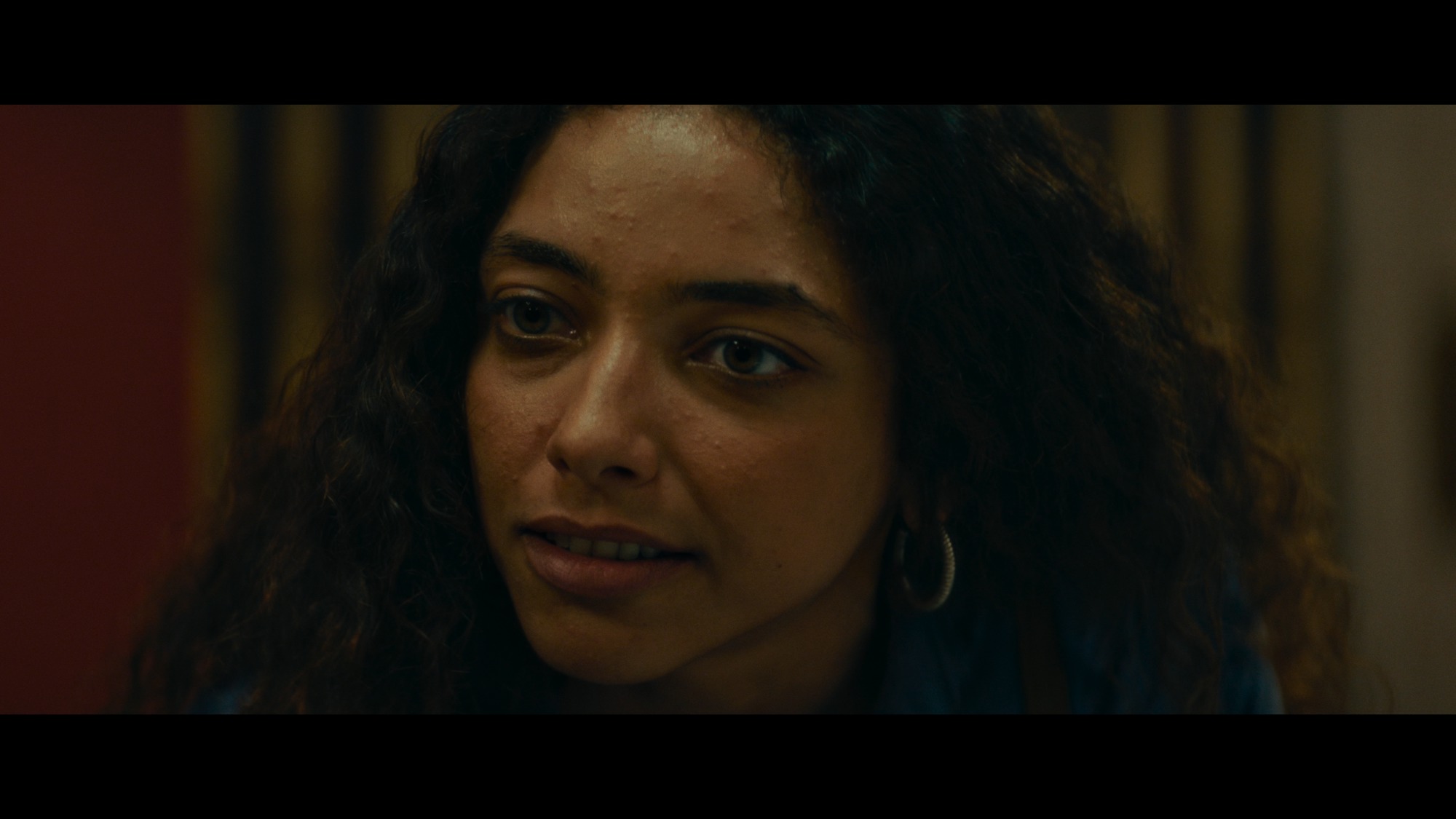
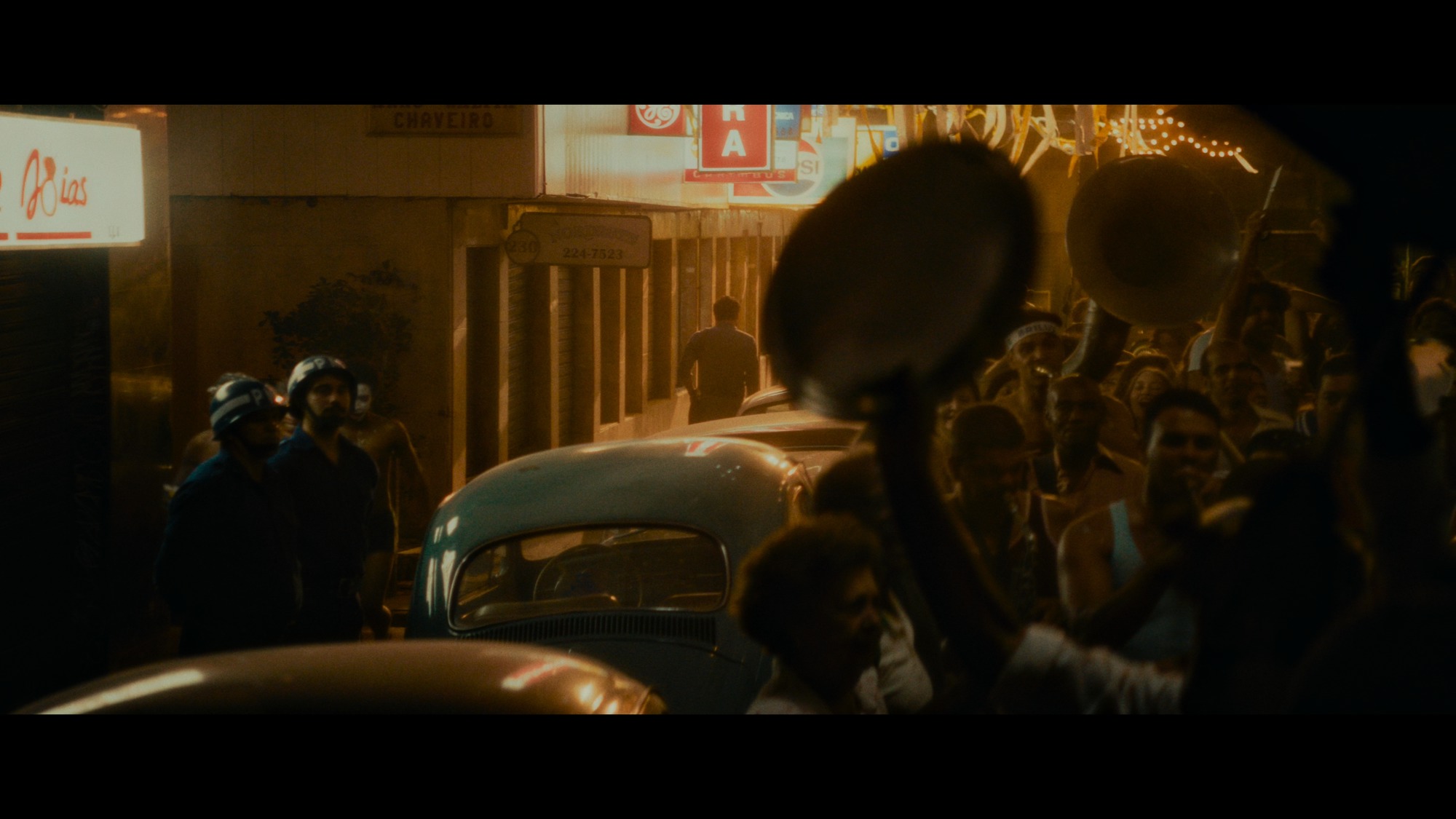
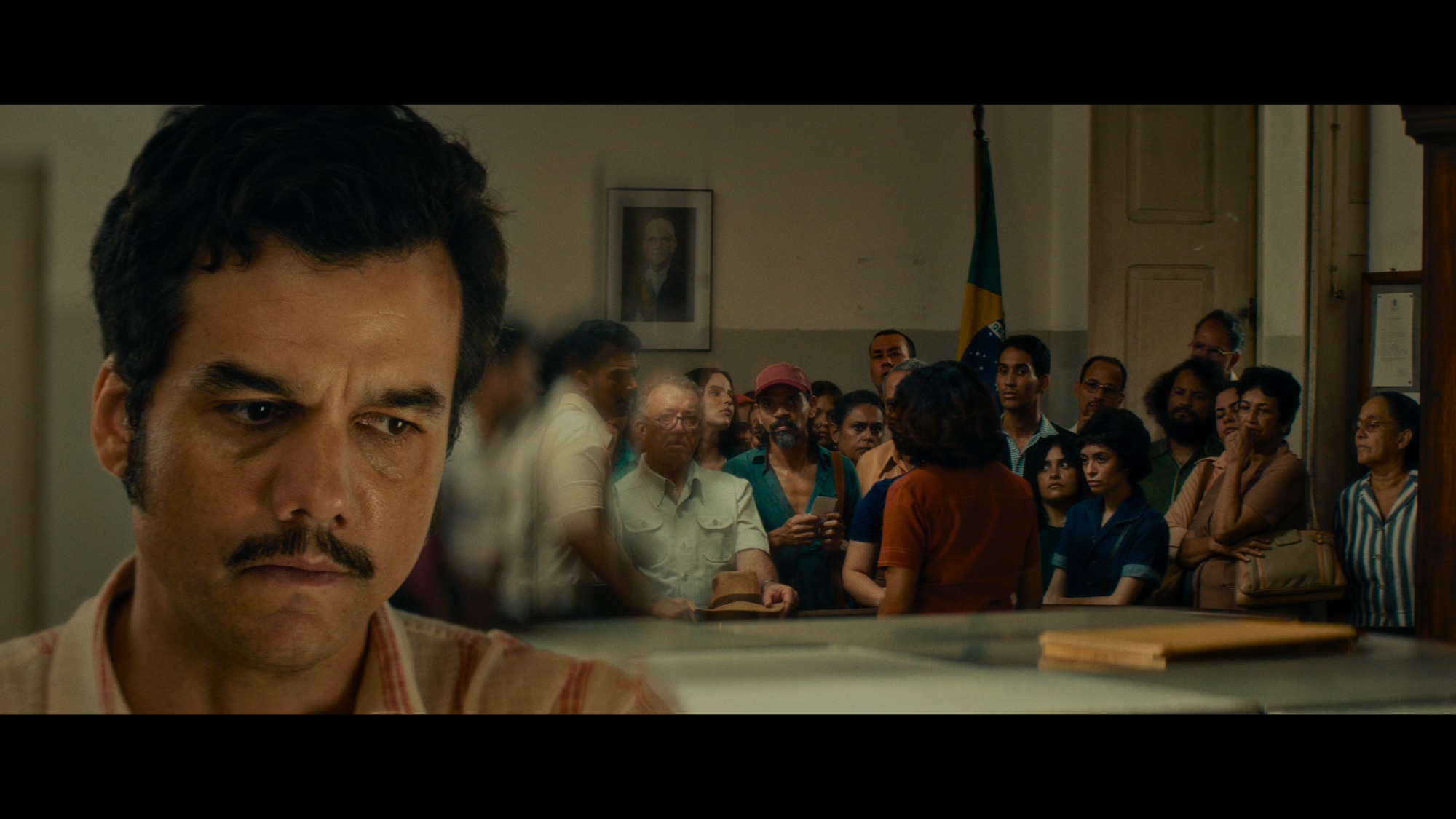
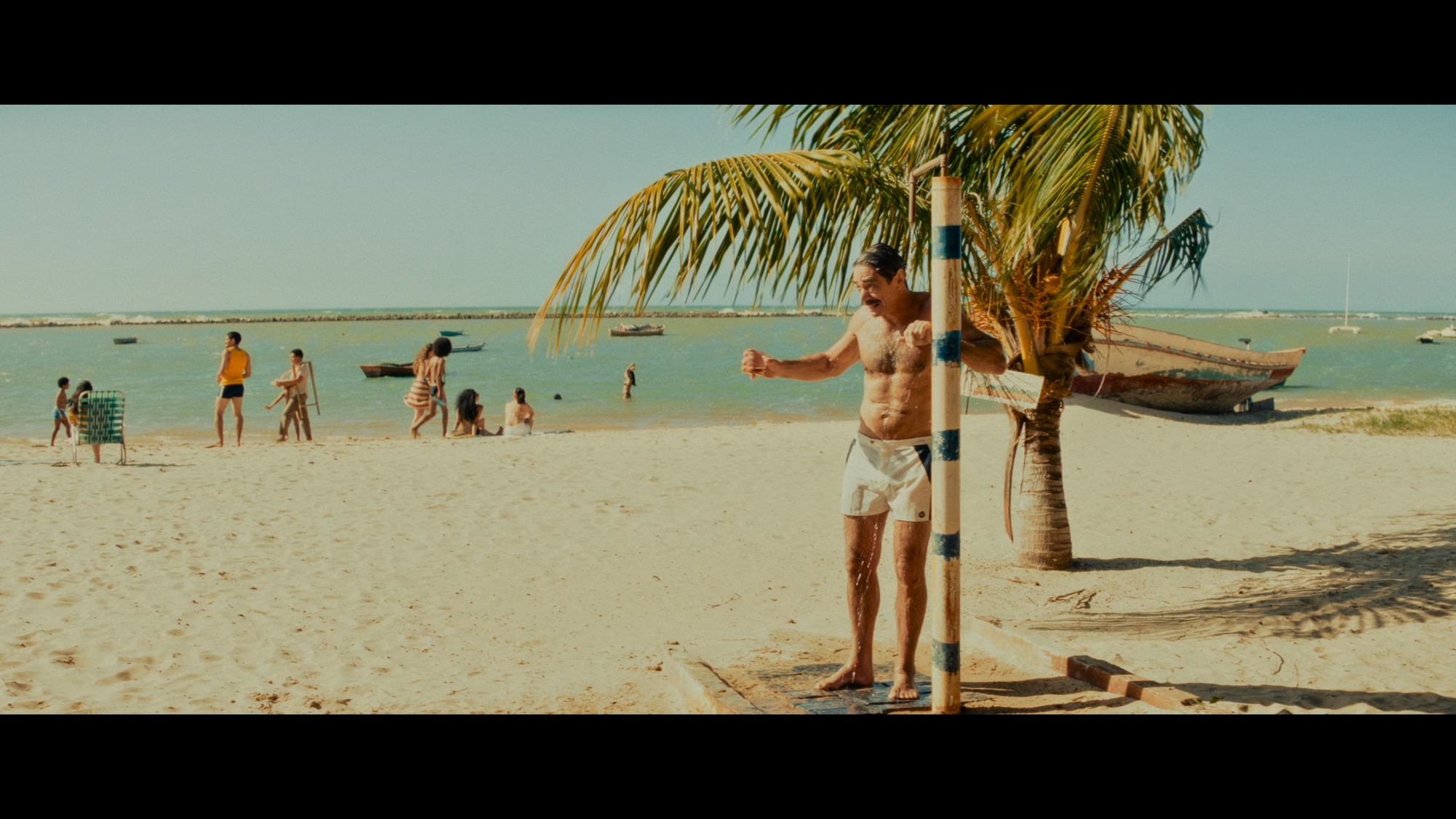
For a newer movie shot in 4K digital, I expected the presentation to look very good on the format, and indeed it does. We get a rather sharp image that delivers an ample level of detail, though I can’t say ever reaches the point of what one may call “razor sharp.” The film is also going for the look of a film from the era in which it takes place, the ’70s, with lenses from the period were used, leading to some slightly softer moments or a bit of distortion. That is all intentional, though, and the encode ultimately captures it wonderfully. A layer of faux grain was also added to give the image some texture (as mentioned in one of the included interviews), and even that comes out looking really good, surprisingly natural actually, while also being rendered beautifully without any off-putting artifacts. Despite the digital origins, the film has a shockingly convincing film-like texture.
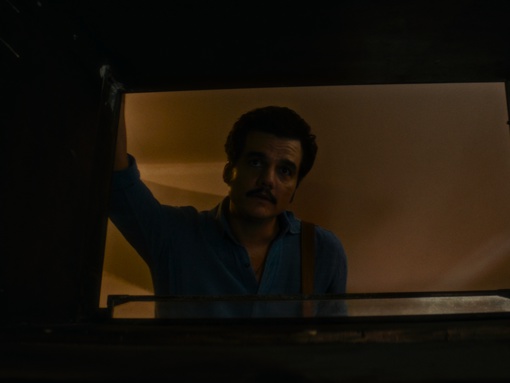
HDR and Dolby Vision do some lovely work here as well. Though the color palette is primarily made up of yellows, burnt oranges, teals, and greens (with a splash of red here and there), it’s a vibrant-looking film, and the wider dynamic range really kicks things up in places. Black levels also look great, delivering nice shadows, with the wider contrast allowing the headlights and taillights of cars to burst vividly from the darkness of the film's nighttime scenes. Smoky interiors and the haze found around some of the Carnival sequences are also brilliantly rendered, with light breaking through wonderfully.
Again, it’s a new film, so I don’t think it should come as much of a surprise that it looks very good, but it is a very clean presentation with a lovely texture to it. It looks very good.
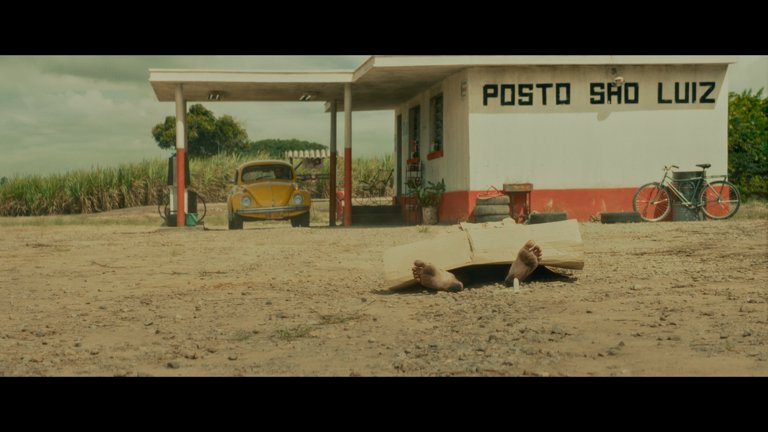
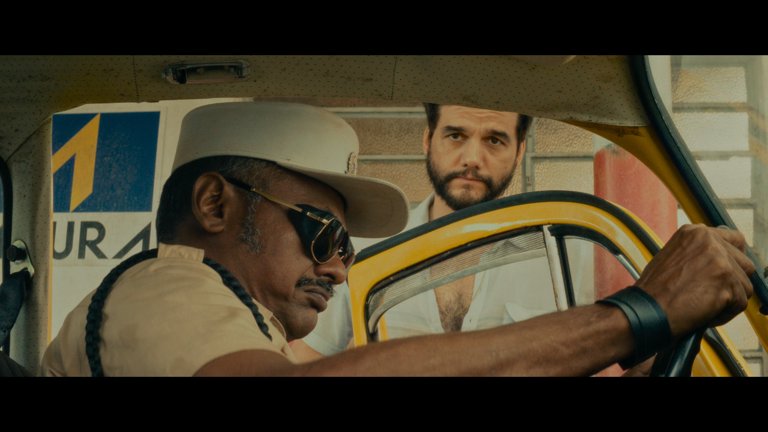
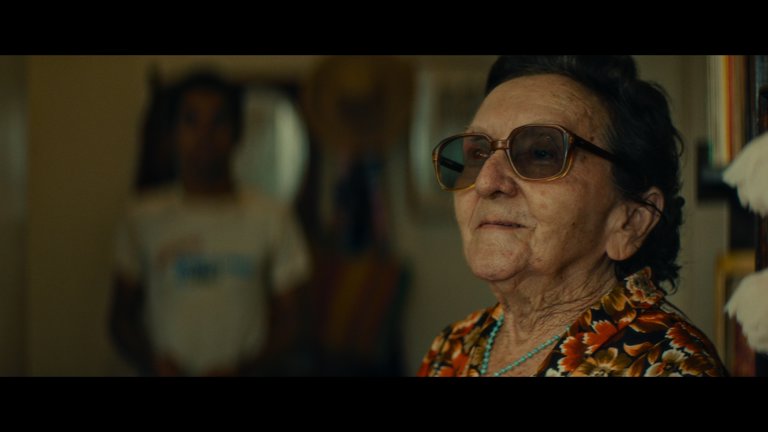
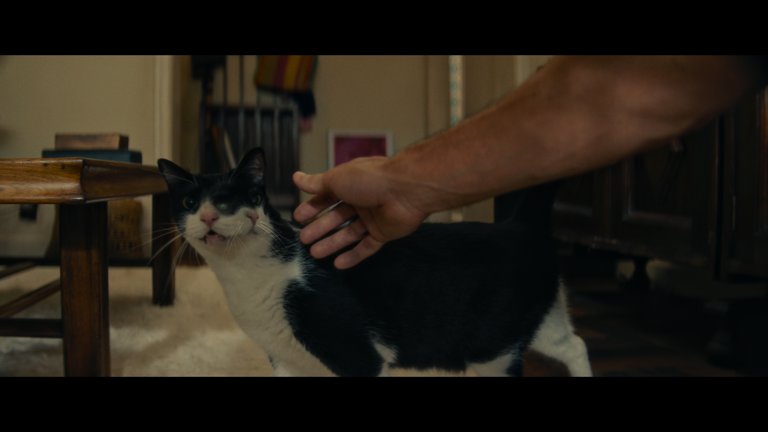
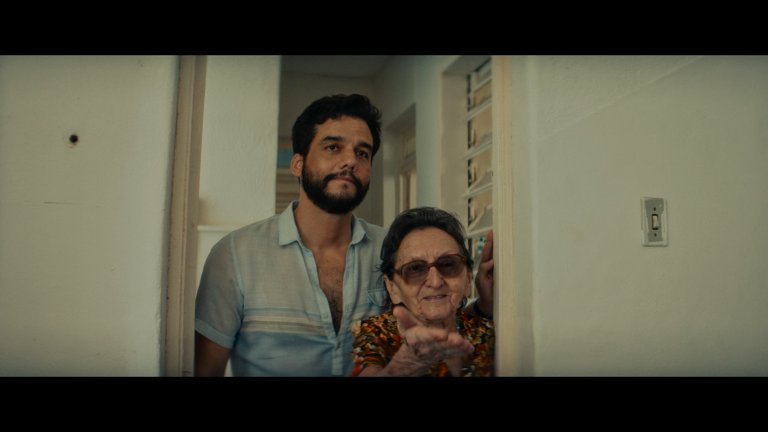
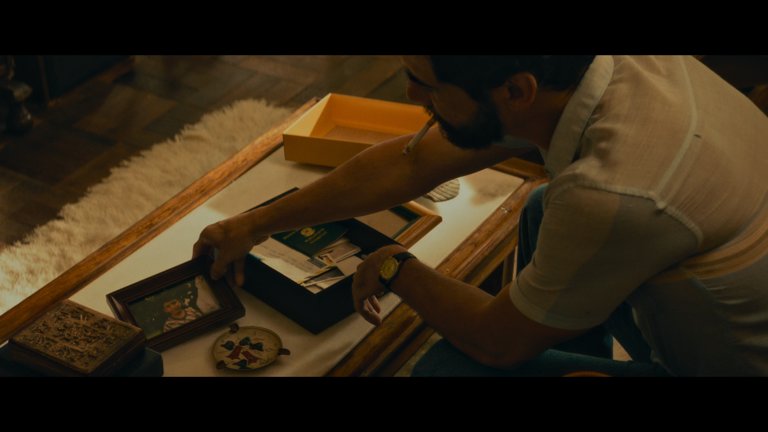
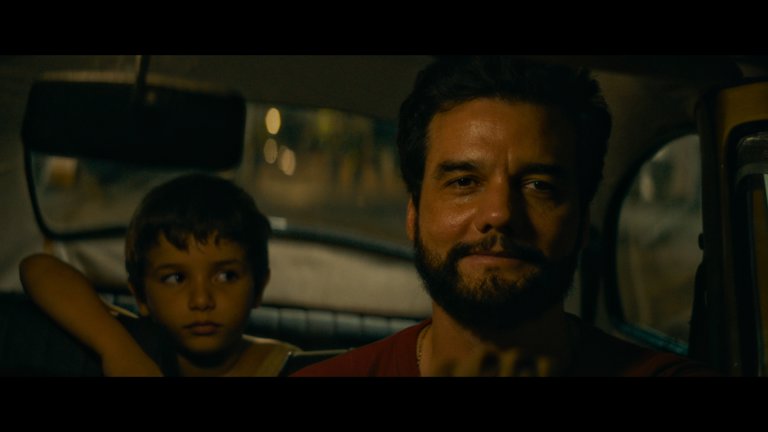
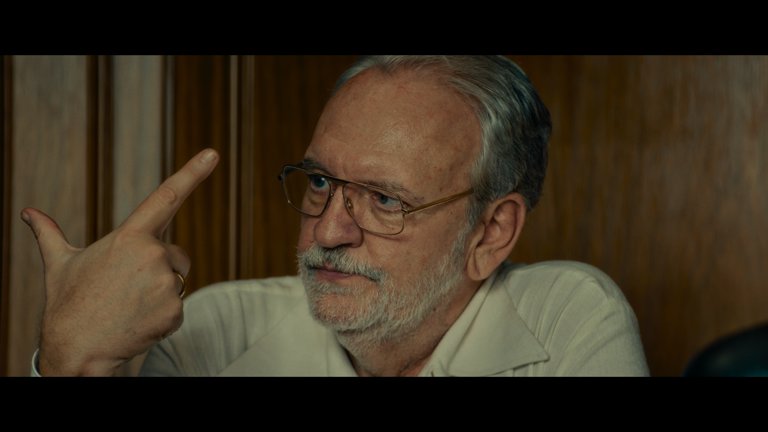
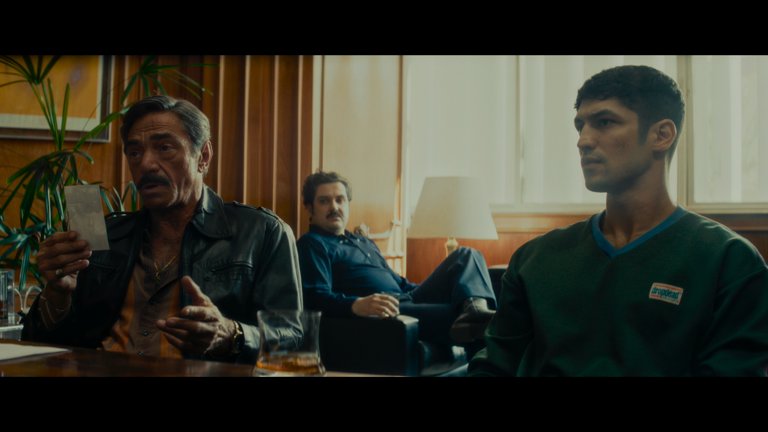
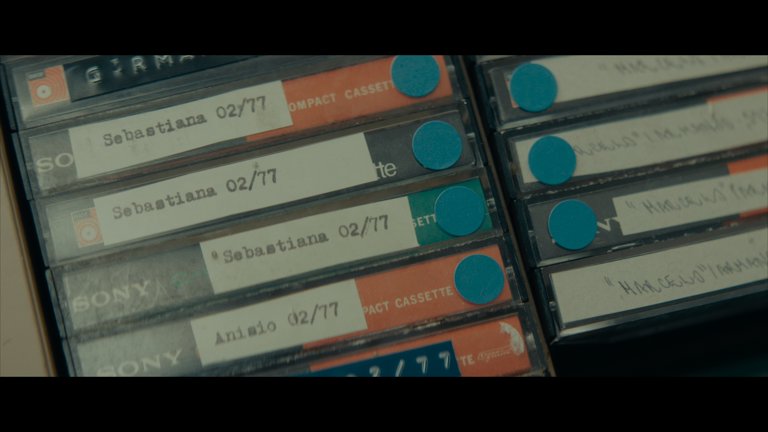
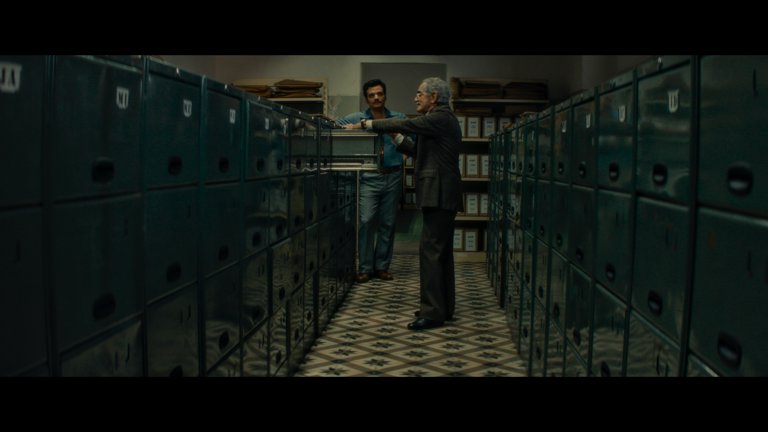
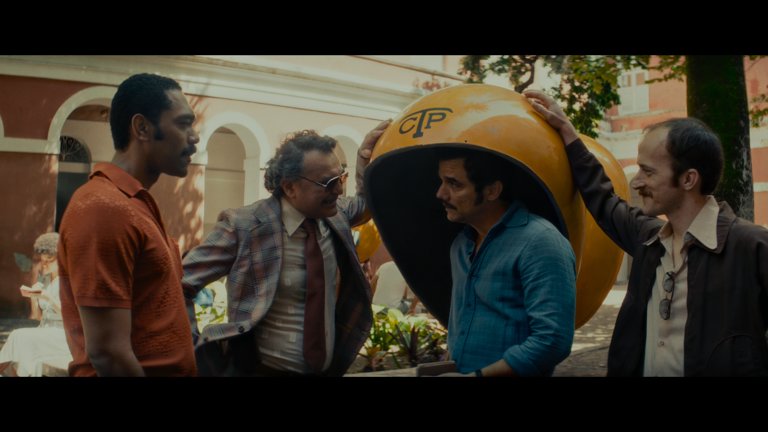
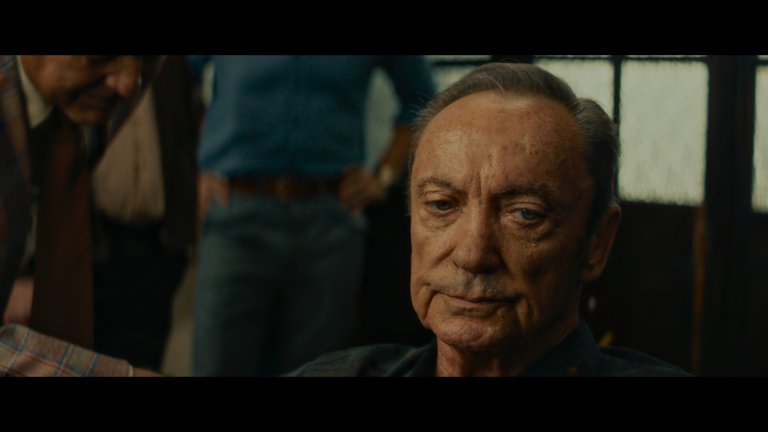
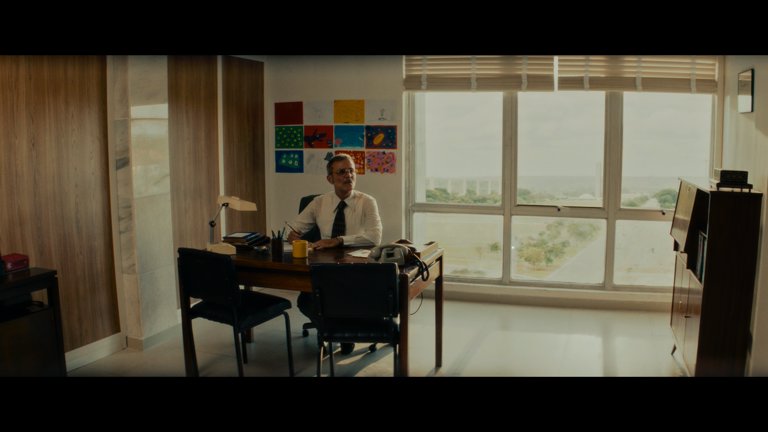
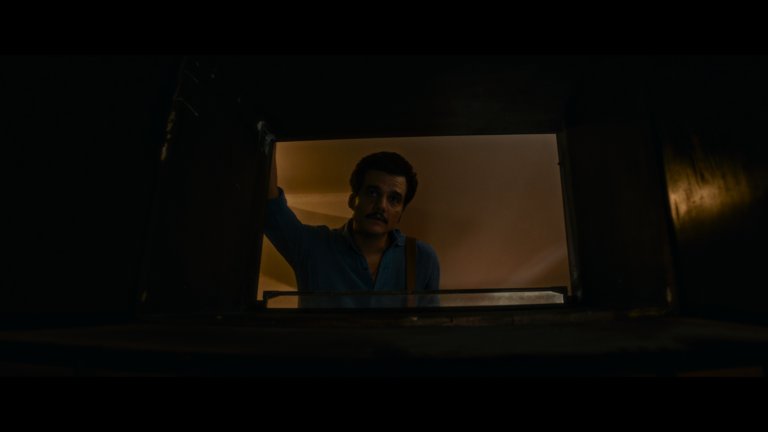
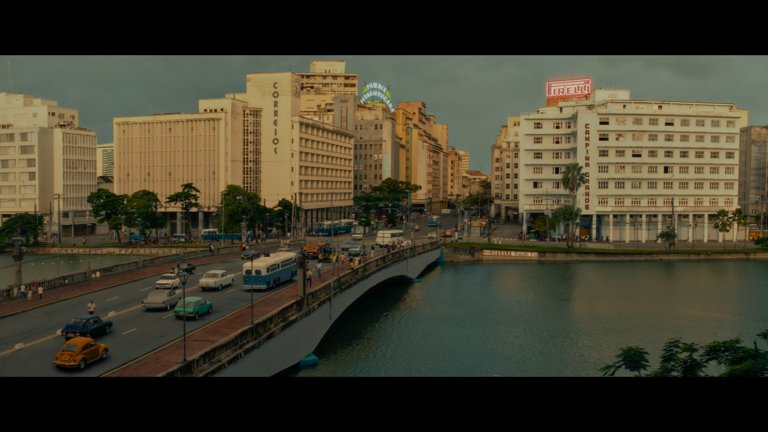
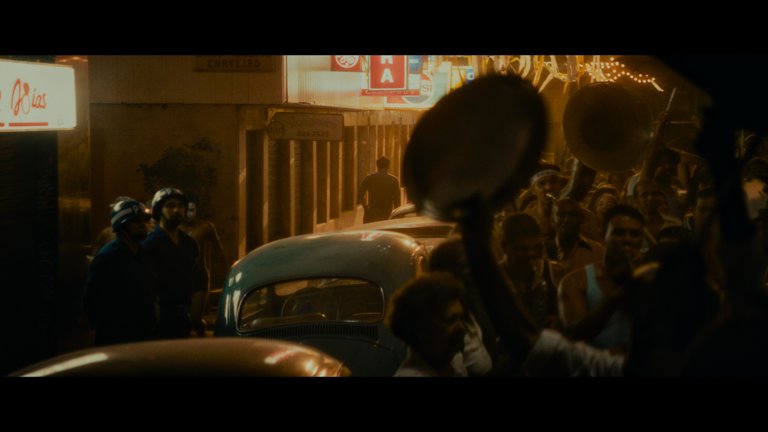
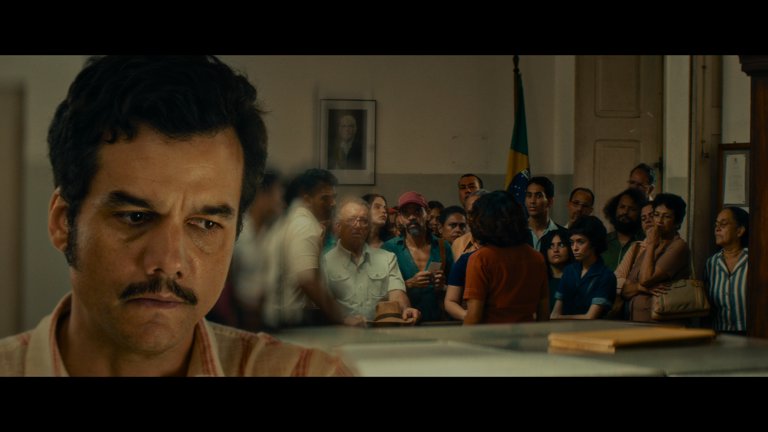
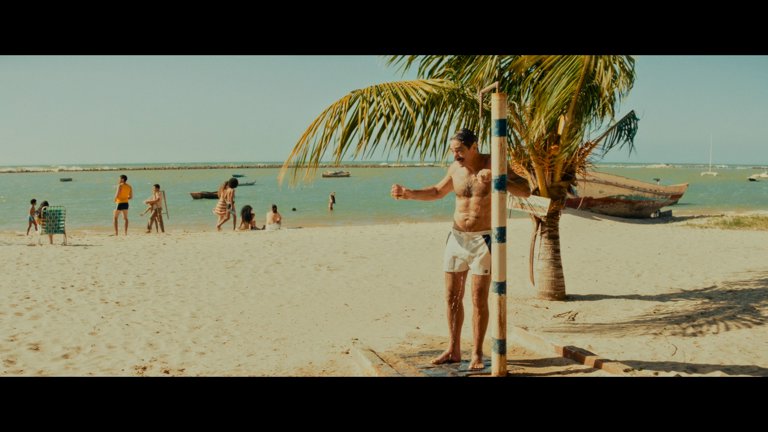
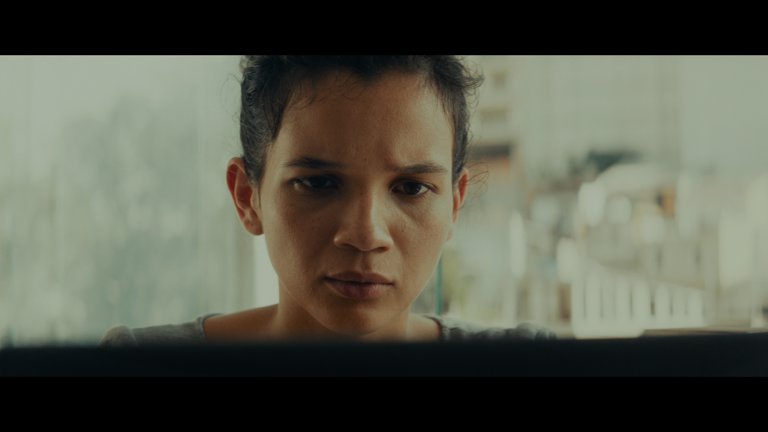
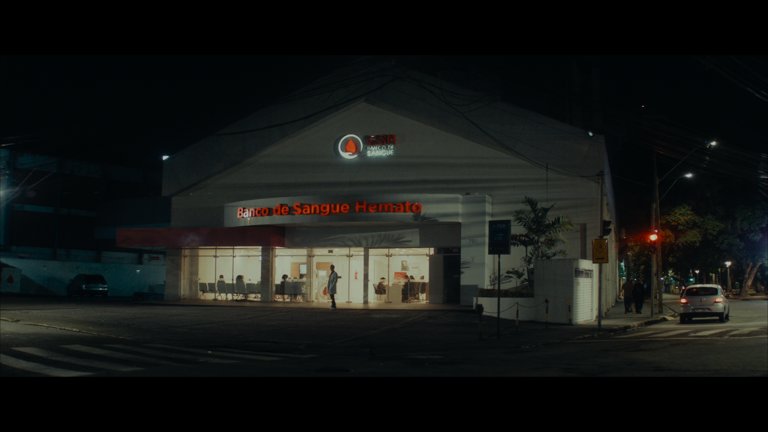
The Secret Agent - Screen Captures
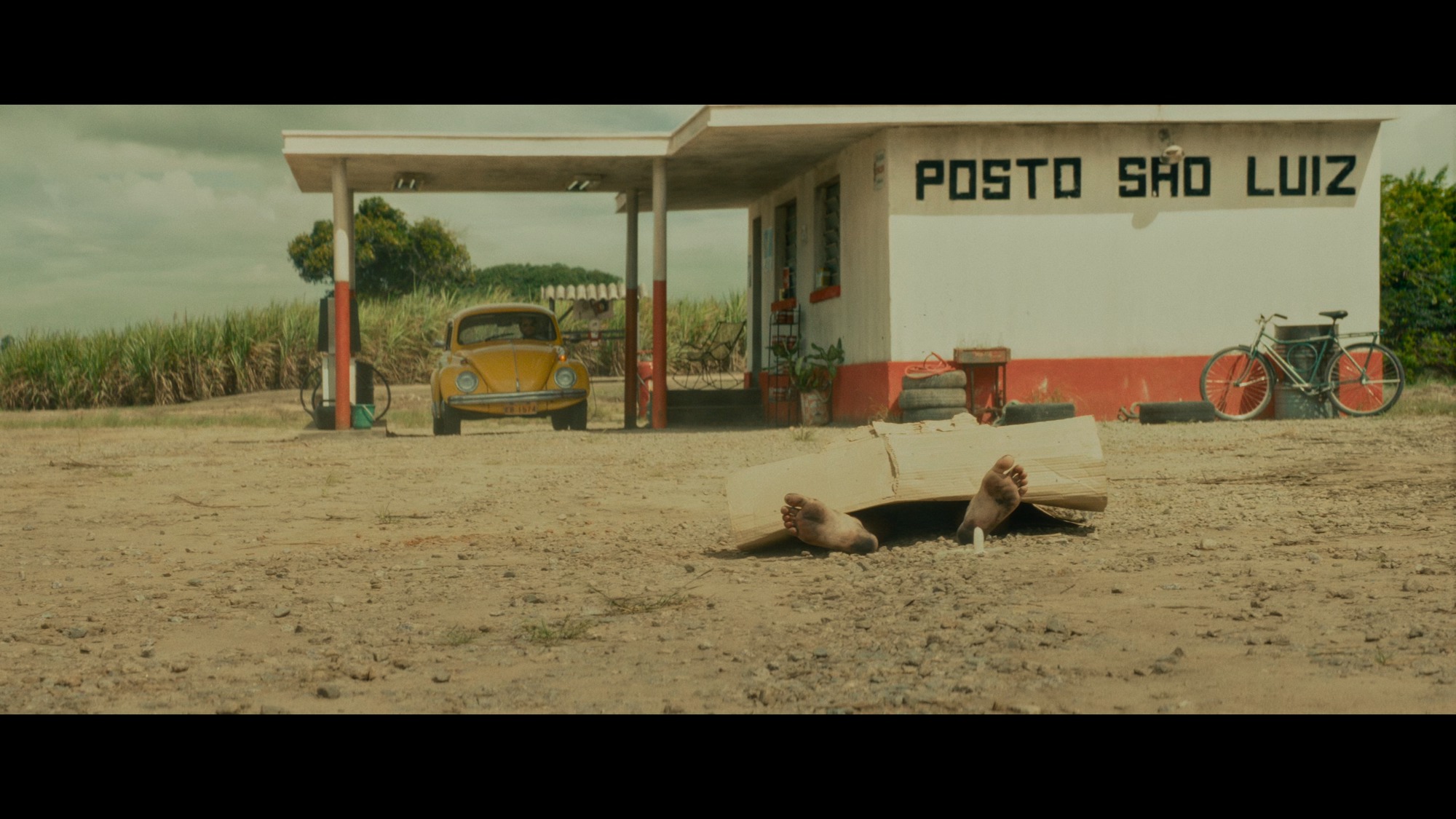
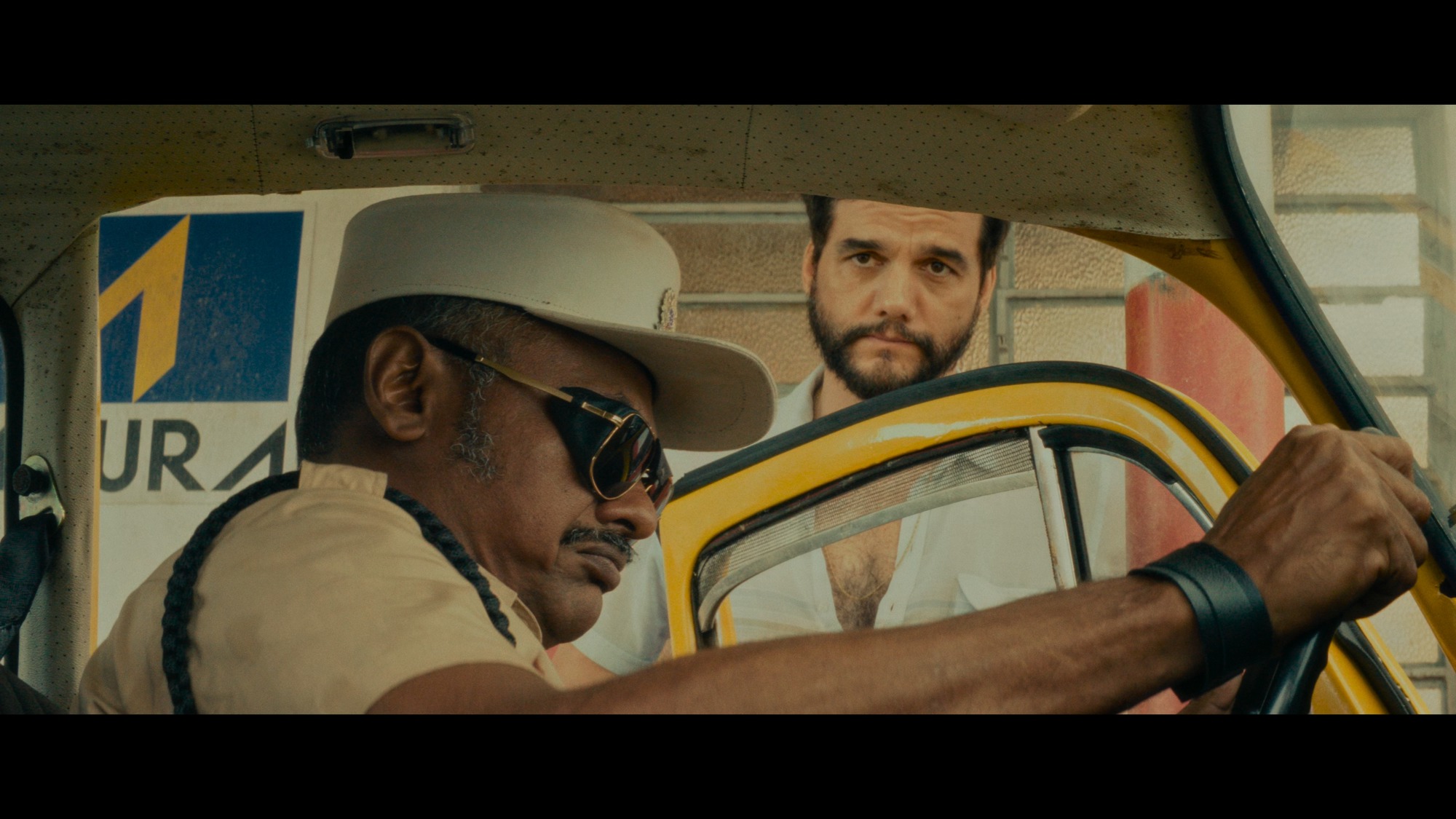
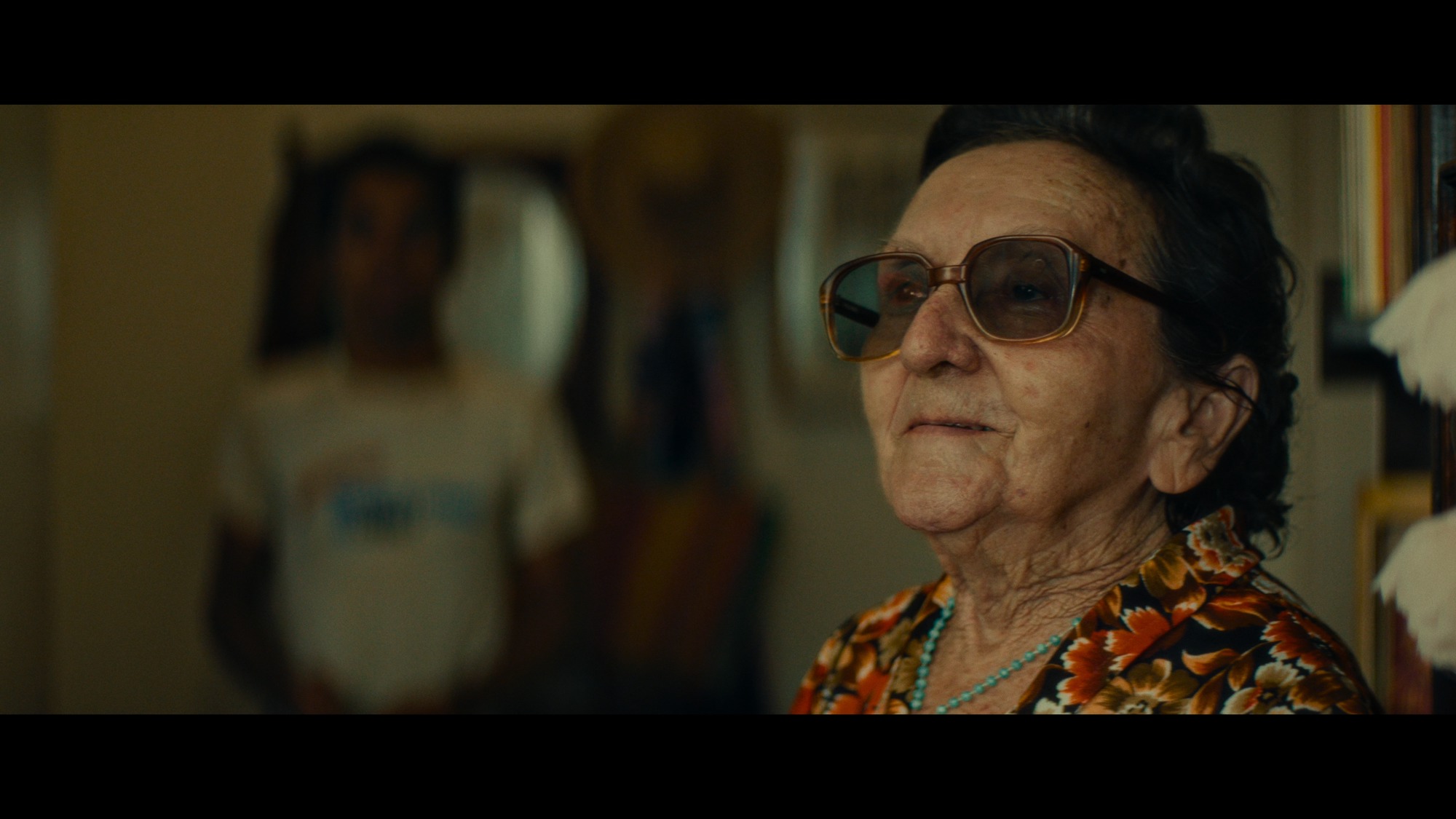
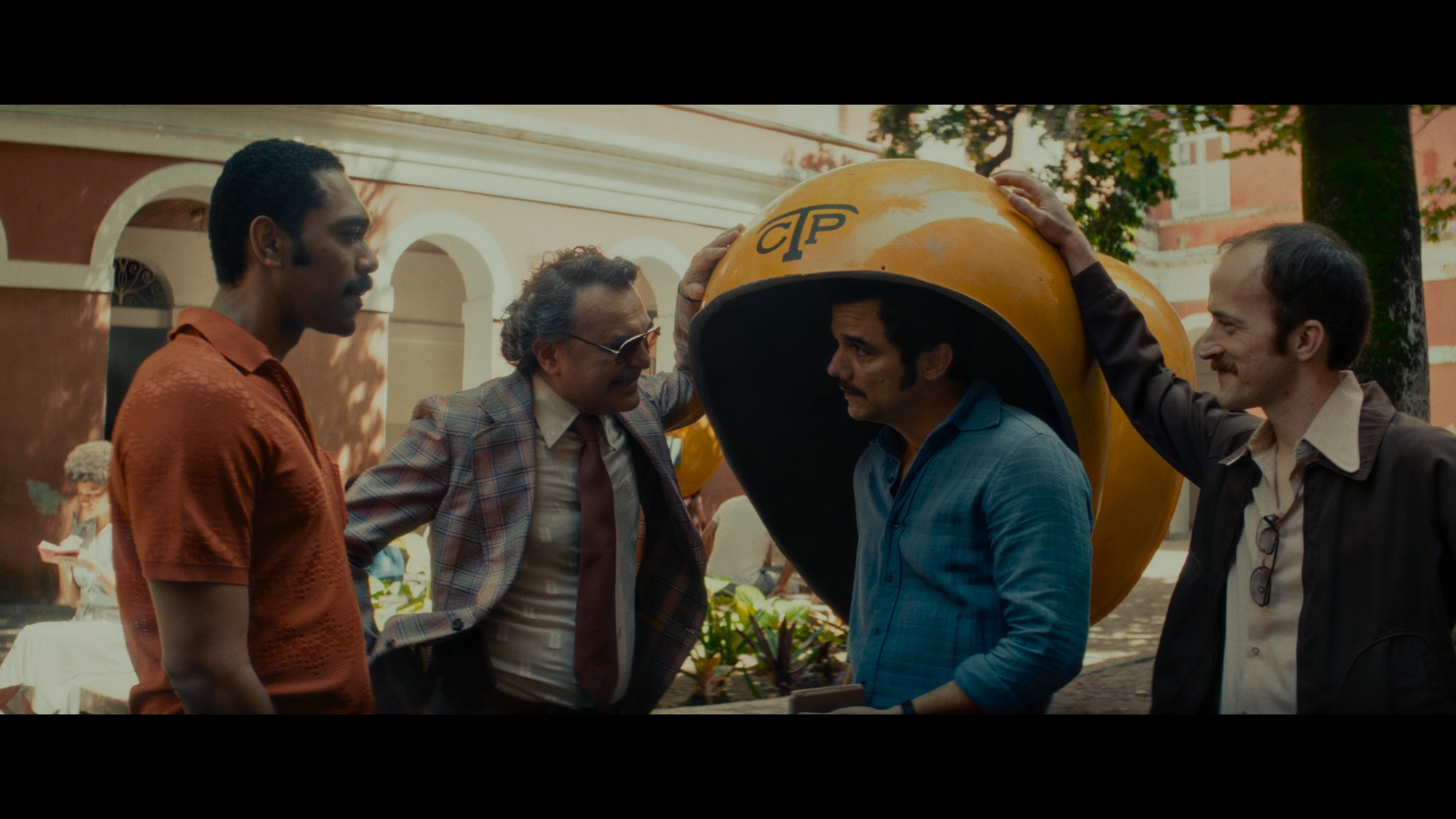
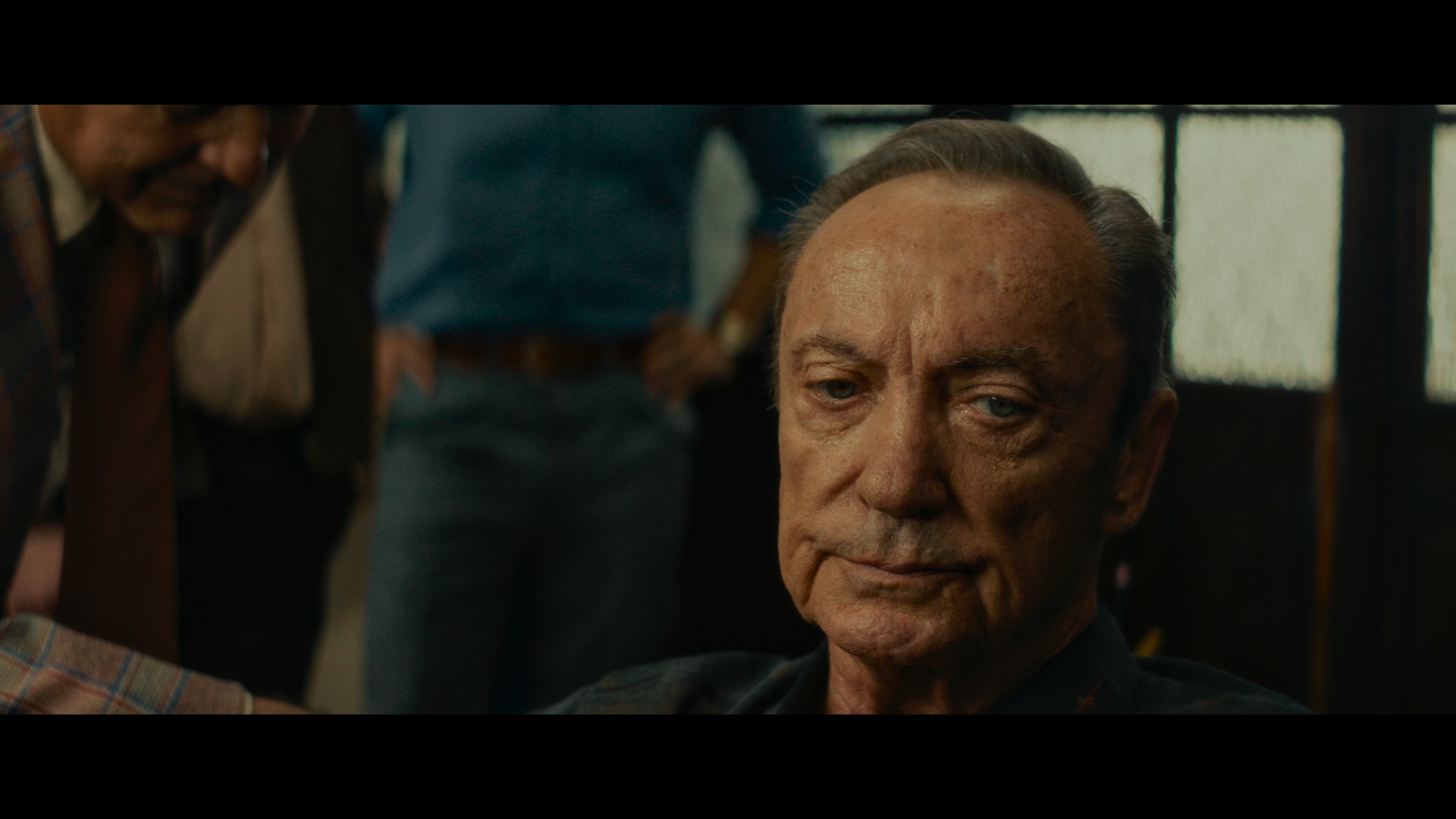
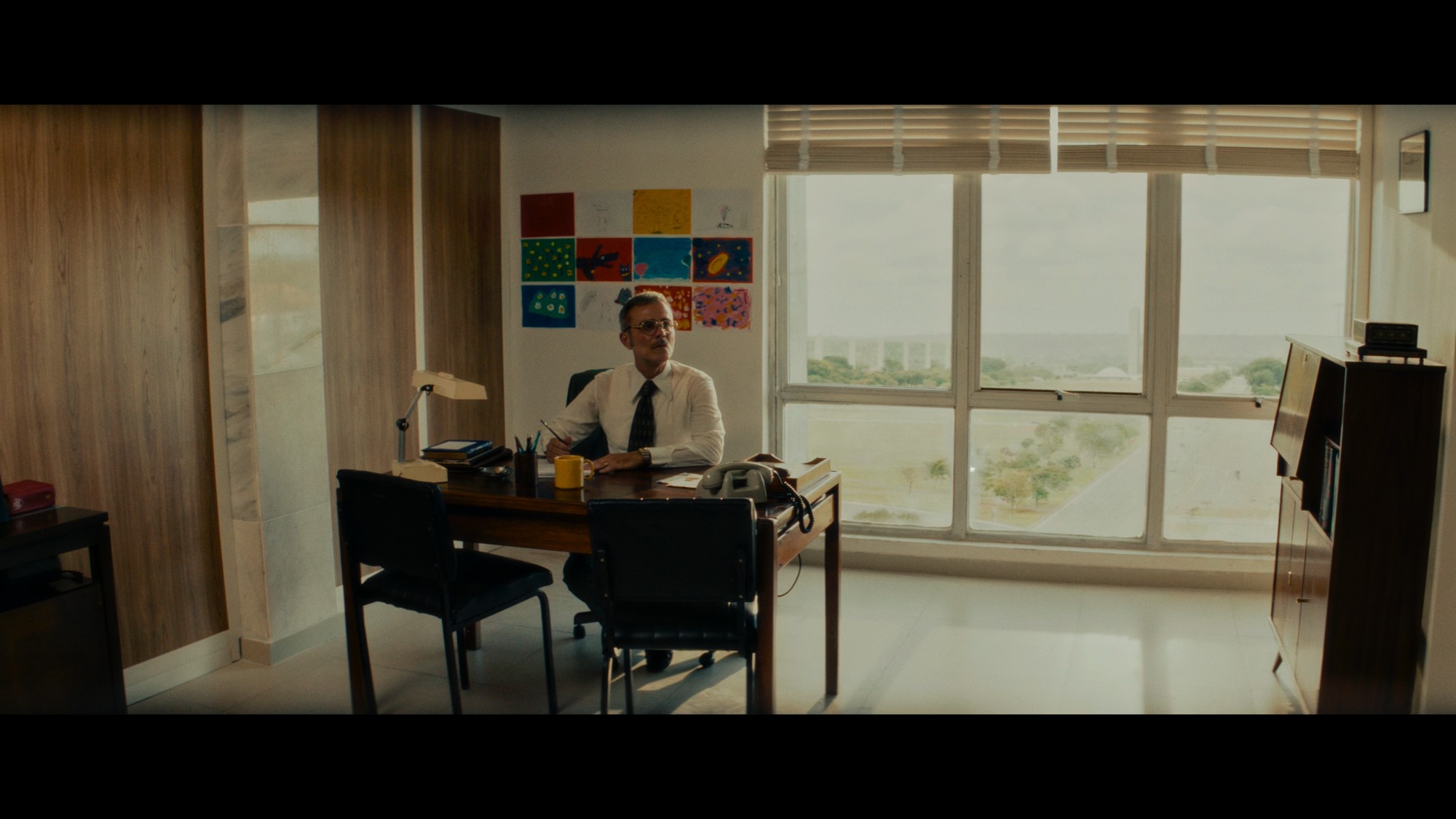
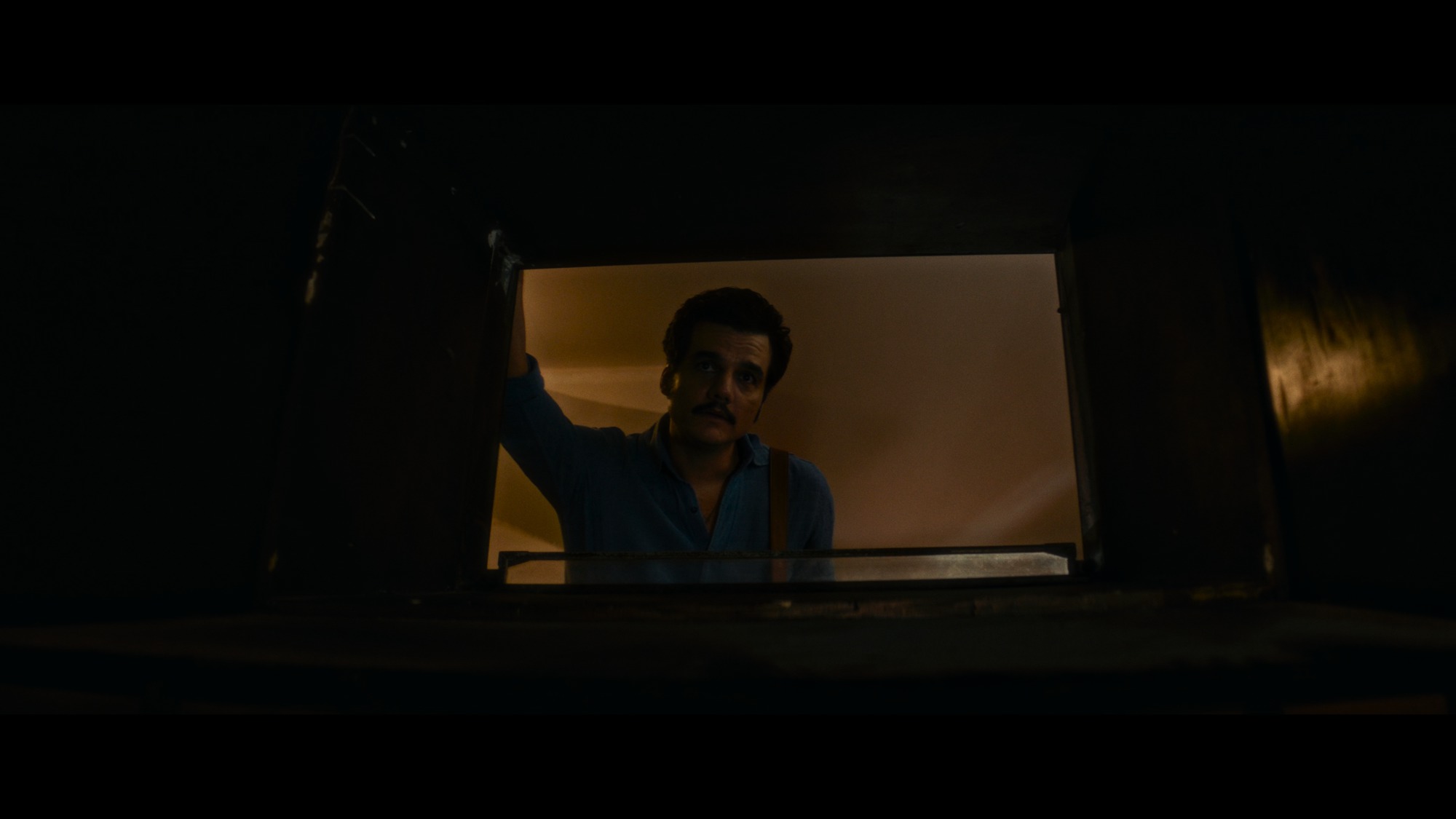
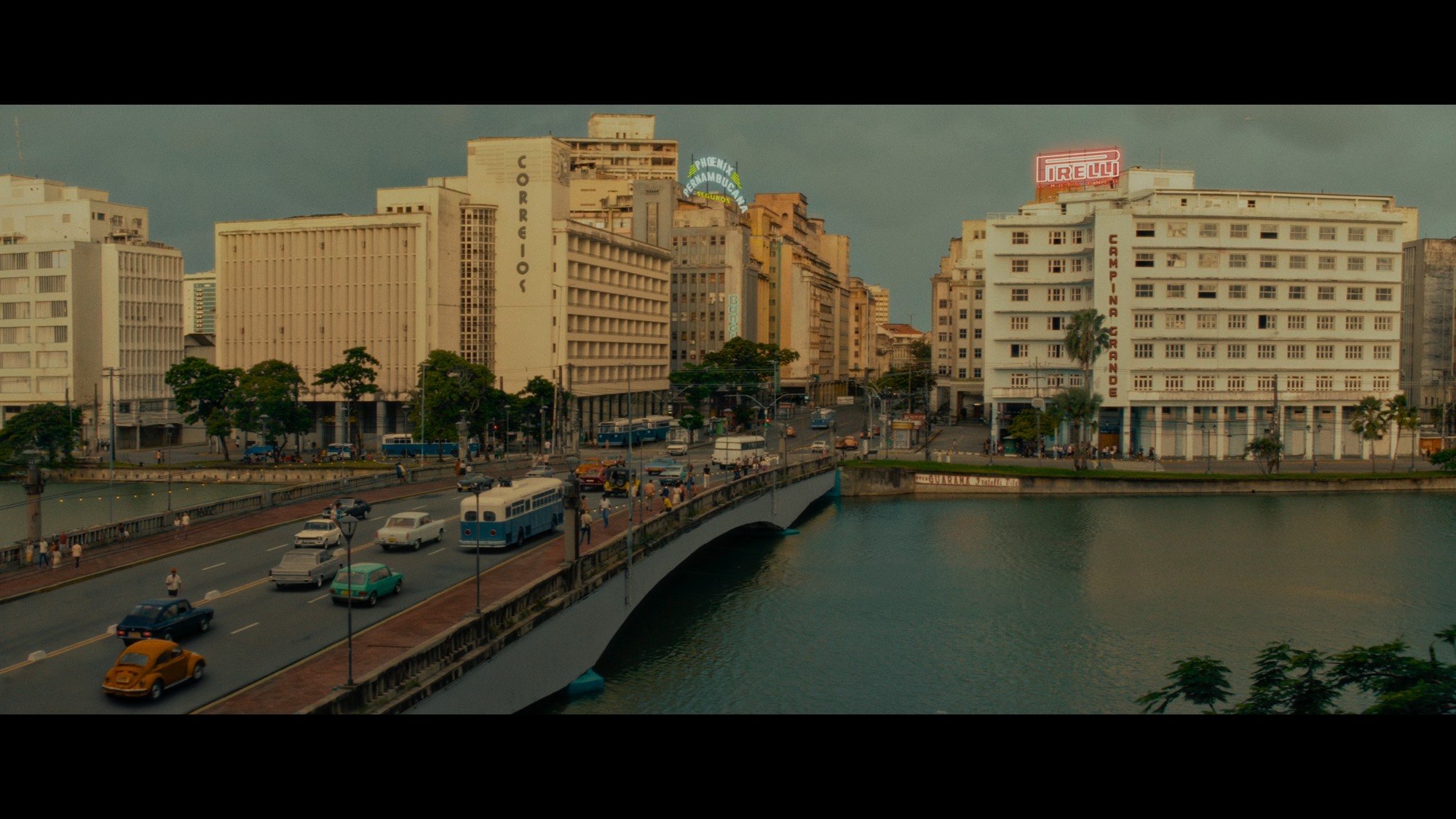
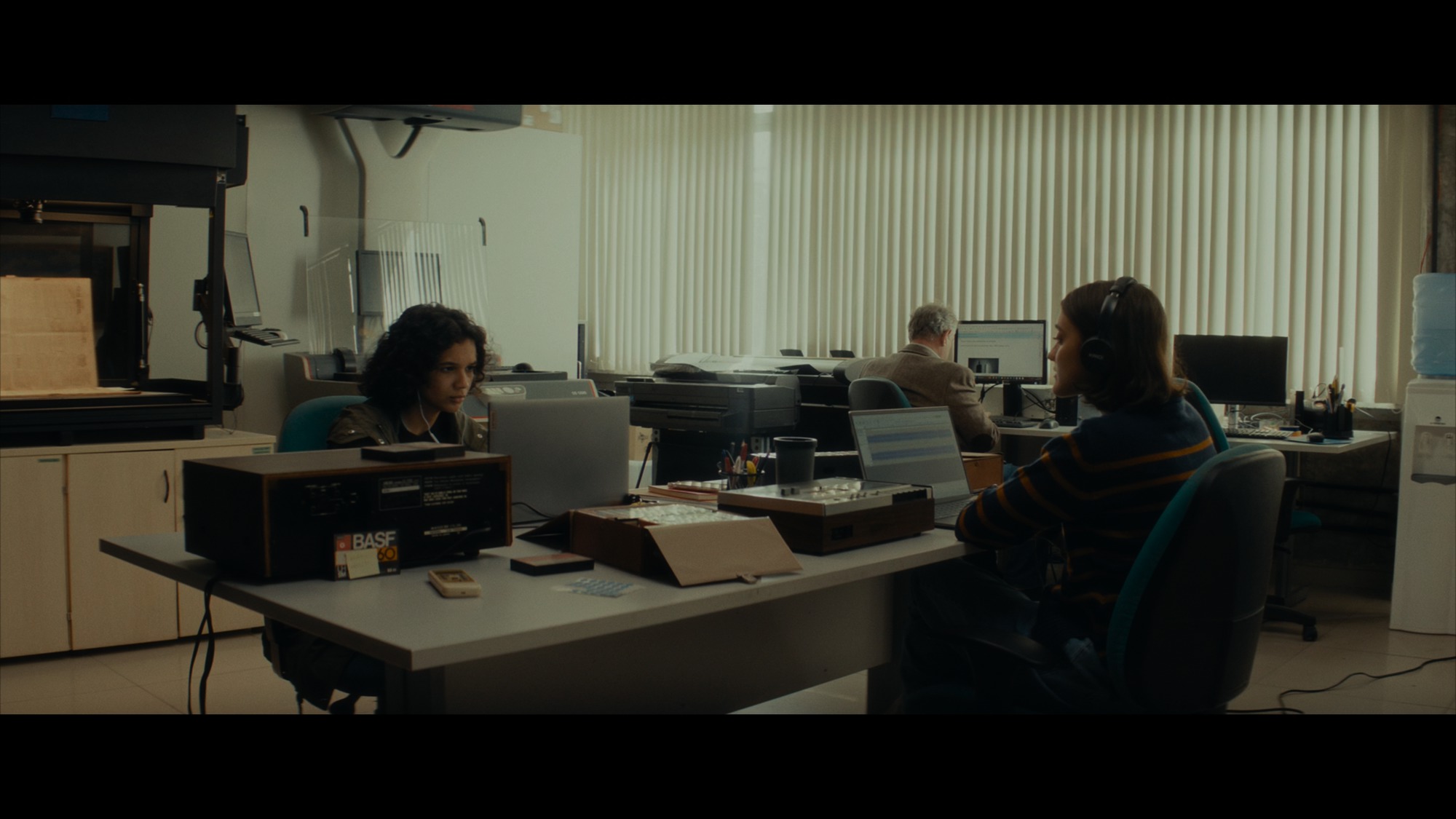
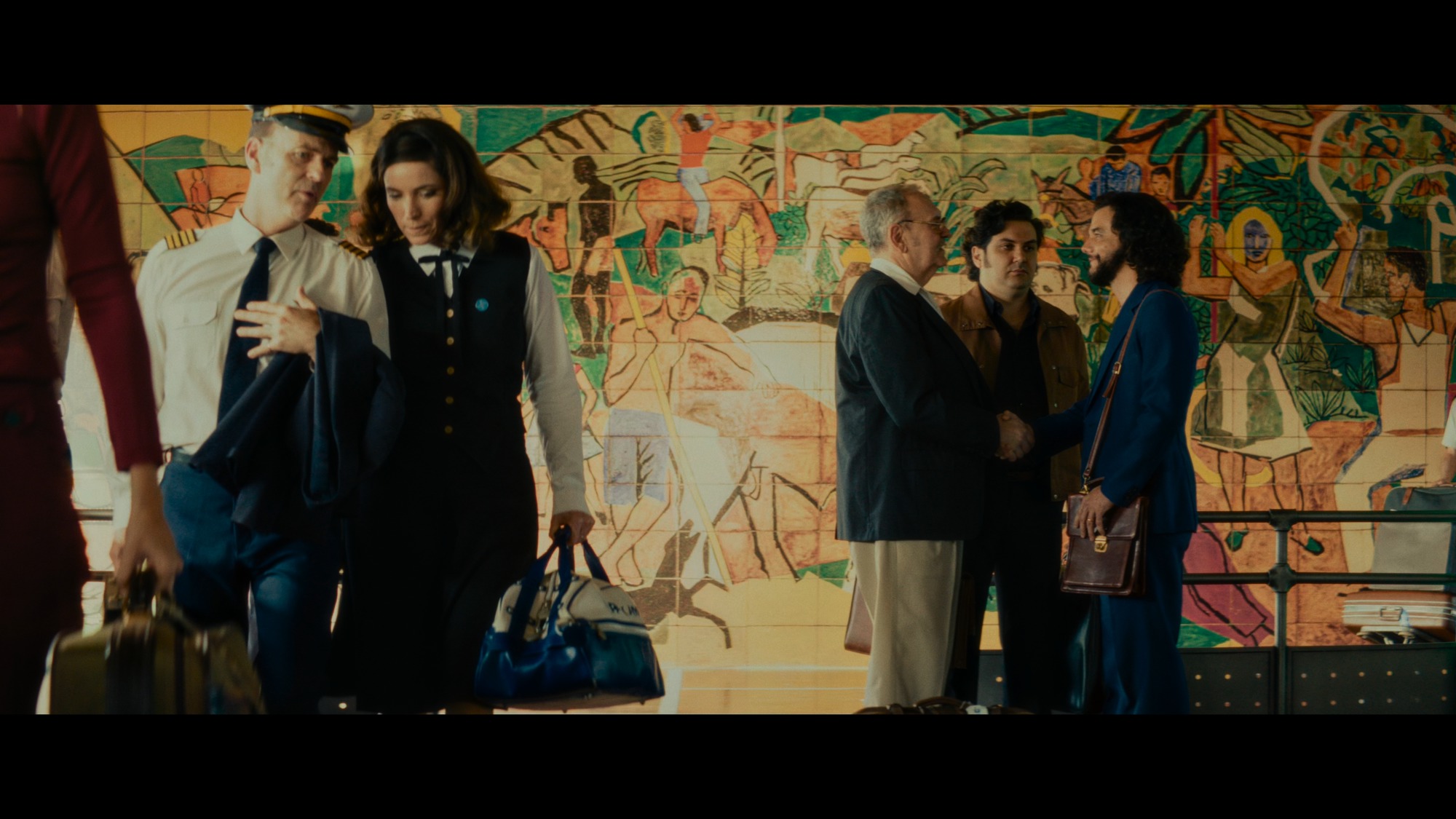
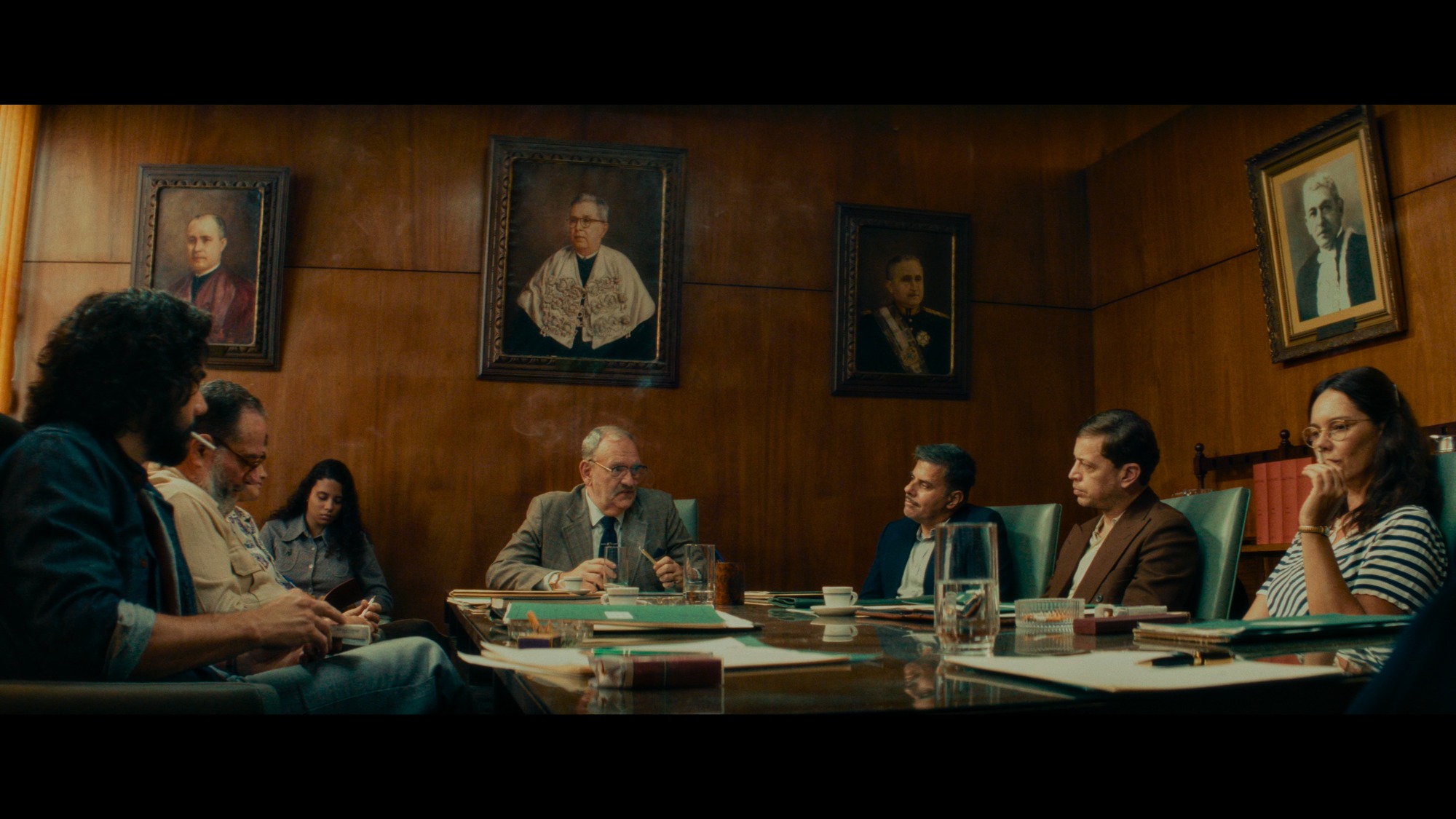
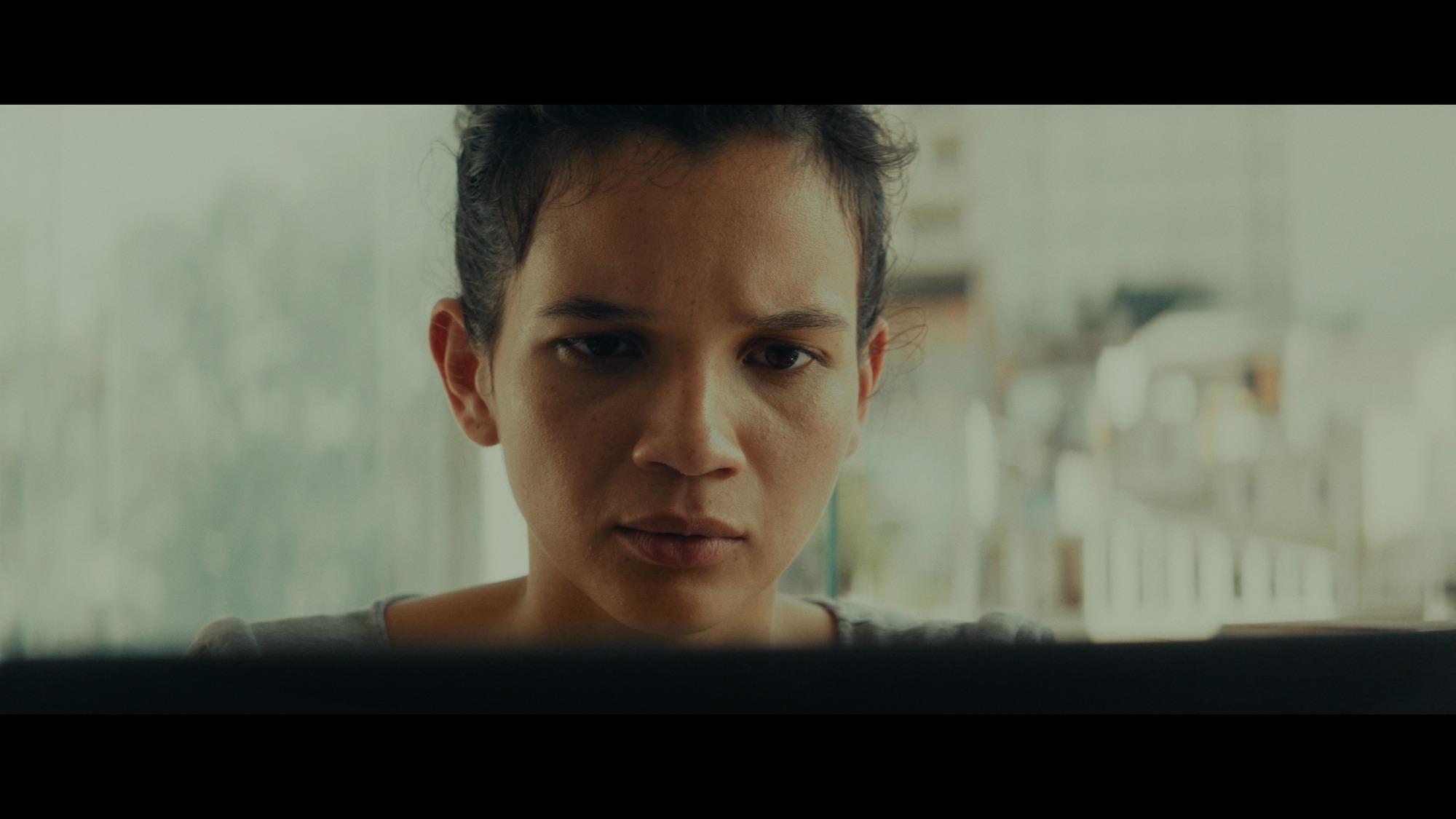
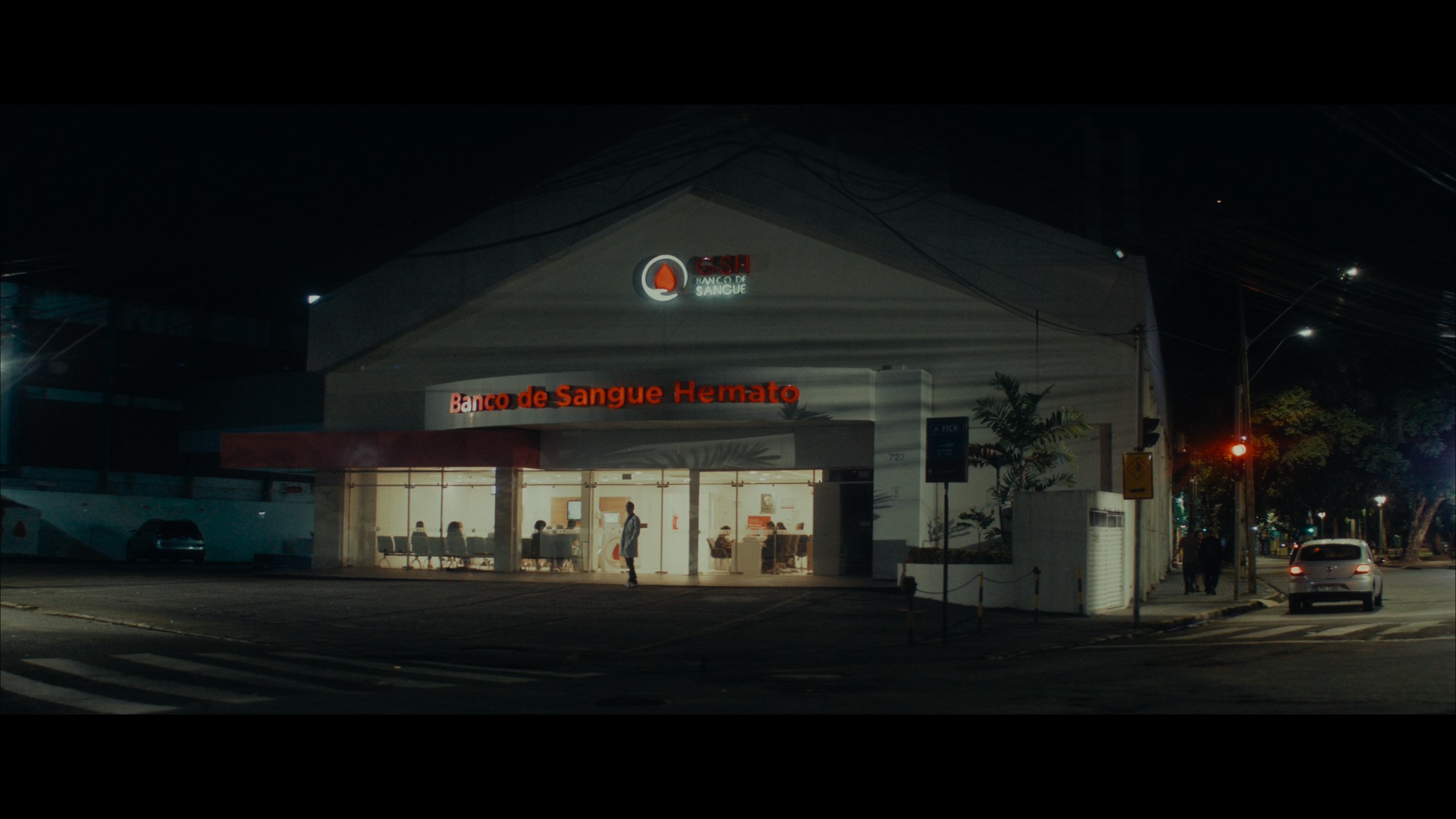
Audio 9/10
The film comes with an impressive 5.1 DTS-HD MA surround presentation that is actually quite a bit of fun in the end. Dialogue sounds very clean, with terrific range and fidelity, but it’s the film’s music and needle-drops that really come crashing in wonderfully, spreading effectively throughout the environment. The same is true of some of the Carnival sequences, where the mix does an excellent job placing the viewer right in the middle of everything.
The mix also works to especially great effect during the film’s climax, where the music, action, and sudden shifts build up the tension perfectly. All in, it’s an incredibly effective mix, and I thought it was presented brilliantly here.
Extras 8/10
Criterion manages to pack in some impressive material, all found on the third disc of the release, with the most impressive being Filho’s 2023, 93-minute essay film, Pictures of Ghosts. Through footage Filho appears to have dug up through research, mixed with his own footage that he had been shooting since his teens, the film acts as a sort of documentation of Recife and the changes that occurred through the decades, with some of the material juxtaposed against the city as it is now. The film opens by documenting Filho’s mother’s apartment, which he has been tied to for four decades and which has been significantly modified through the years, before moving out into the city and visiting what has become of the local movie theaters, all but one of which have closed and been renovated for other uses (including a church in one case).
The film is noted as being a companion to The Secret Agent, with Filho mentioning how it ultimately inspired him to make that film. At first the connection isn’t obvious, but once it moves to the movie theaters and the projectionist Filho befriended at the time (all of which feels to play a fairly big part in the latter film), it becomes clearer what pushed him toward it. There’s the realization that all of this history could have been lost if this material, whether through video footage or the paper documentation that comes up, hadn’t been created and preserved, or that the projectionist, Alexandre Moura, would be lost to time. That becomes a large theme in The Secret Agent, where there is a desire from the powers that be to simply wash everything away as though none of it happened, or certain people simply didn’t exist, leaving them in danger of being entirely forgotten.
This, of course, feeds nicely into the included video essay about The Secret Agent entitled Memory + Time, which features narration from Filho and actor Wagner Moura. Filho discusses how the film was built from some of the research he had done along with his own memories of the period, recreating the Recife of the era. The essay also shows where The Secret Agent and Pictures of Ghosts collide in terms of material, including where he placed specific details in the background representing what was going on in the country at the time, showing that events did happen and people did exist. Filho and Moura also share some of their memories from the late ’70s before talking about Brazil’s younger generation and the film's diversity. It’s a wonderfully assembled piece that runs a breezy 16 minutes.
There’s also an extensive 42-minute making-of documentary called The Secret Archive, featuring interviews with the director and members of the cast and crew (including Udo Kier briefly), on top of behind-the-scenes material. It’s probably what you’re expecting from something of this sort, but it still manages to prove quite interesting, especially when it gets into the research that went into the film, particularly around capturing the look of the period. It also briefly looks at the visual effects and even the film’s color grading, in the hopes of bringing the era to life.
Criterion next presents two new interviews under the section “Image + Sound,” one with cinematographer Evgenia Alexandrova and the other with Cyril Holtz, running 17 minutes each. Both interviews end up being quite technical, with Holtz discussing the mix and layering, even finding the humor in some aspects of the sound design. Alexandrova gets into how the visuals were already strongly laid out in Filho’s script (complete with drawings) and explains how she captured the desired look—that of a spy film from the era—through the lenses and color grade. Both are very good interviews.
Stills to Movement is then another video essay of sorts, presented more as a gallery, with Filho continuing the exploration of memory and time while narrating over photographs that were used in the research (along with photos of the one set built for the film) and showing how those images were translated to the film in order to properly reflect the era, along with traces of earlier eras that still lingered at the time. He also talks about some of the film’s poster designs, which he clearly got a kick out of upon first seeing them.
The disc then closes with the film’s trailer and a collection of four deleted scenes. Most are inserts into already existing scenes, expanding on a few details, but one has Moura’s character catching up with his brother, who works at a local newspaper and apparently withheld a story despite the severe consequences that could come from doing such a thing under the military dictatorship. I assume pacing was the reason for removing these scenes, but that one in particular stood out to me.
And finally, Criterion includes an insert made to replicate the newspaper in the film (complete with the cartoon of that monstrous leg), featuring a new essay on the film by Dennis Lim. It also features a few fun little touches that help finish off the illusion of an actual newspaper.
As usual, I don’t expect much from the features for a newer film, but Criterion has assembled a decent set here, exploring the film’s themes while also doing a good job covering its production.
Closing
A really nice special edition for the film, featuring some excellent supplements alongside a terrific 4K presentation.
BUY AT: