The Stunt Man
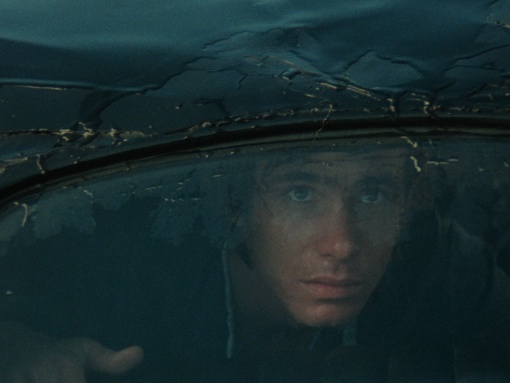
BUY AT:

See more details, packaging, or compare
Synopsis
Cameron (Steve Railsback, Lifeforce) is a man who finds himself unmoored from American life: recently returned from Vietnam, he is now a drifter on the run from the law. While evading police, he stumbles upon the filming of a World War I movie helmed by the megalomaniacal Eli Cross (Peter O’Toole, Lawrence of Arabia). When Cameron discovers that he bears a striking resemblance to the lead actor, he hatches a plan: to hide from his potential captors by disguising himself as a stunt double and agreeing to perform a series of increasingly dangerous stunts.
But nothing is what it first seems on an Eli Cross set, and as illusion and make-believe start to bleed into one another, Cameron finds himself locked in a battle of wits with a possibly insane genius, and in danger of becoming unmoored not just from society, but from reality itself…
Newly restored in 4K, The Stunt Man was a critical smash that suffered from distribution issues on its original release in 1980 - it was nevertheless nominated for three Academy Awards, including Best Director for Richard Rush, and has earned a reputation as one of the most beloved cult films of all time. Featuring one of Peter O’Toole’s greatest performances, and enough action-packed mayhem to power several blockbusters, The Stunt Man is - to use the words of Eli Cross - pure movie magic.
Picture 10/10
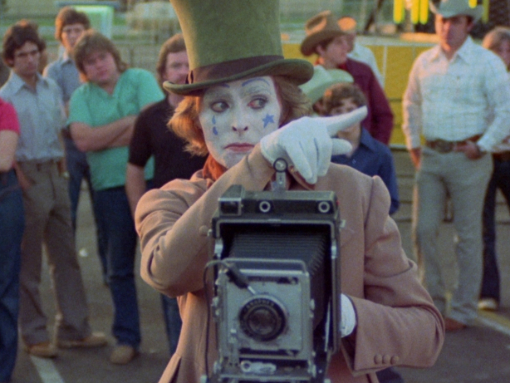
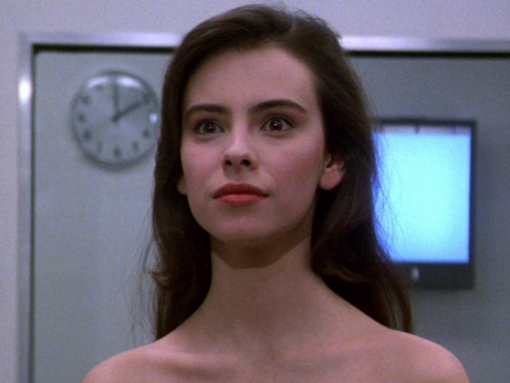
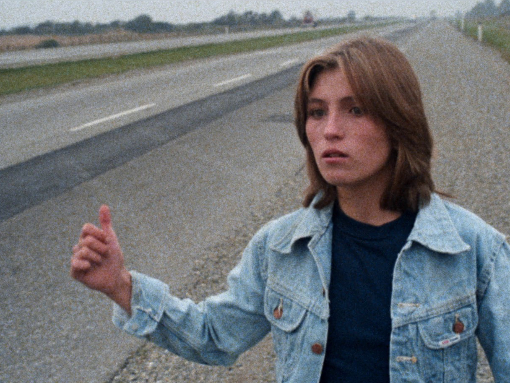
Radiance’s Transmission line brings Richard Rush’s cult classic The Stunt Man to 4K UHD, presenting the film on a triple-layer disc in its original aspect ratio of 1.85:1 with Dolby Vision. The 2160p/24hz ultra high-definition presentation is sourced from a new 4K restoration performed by Radiance, taken from a scan of the 35mm original camera negative. The release also includes a standard Blu-ray featuring a 1080p presentation of the film alongside all of the release’s video supplements.
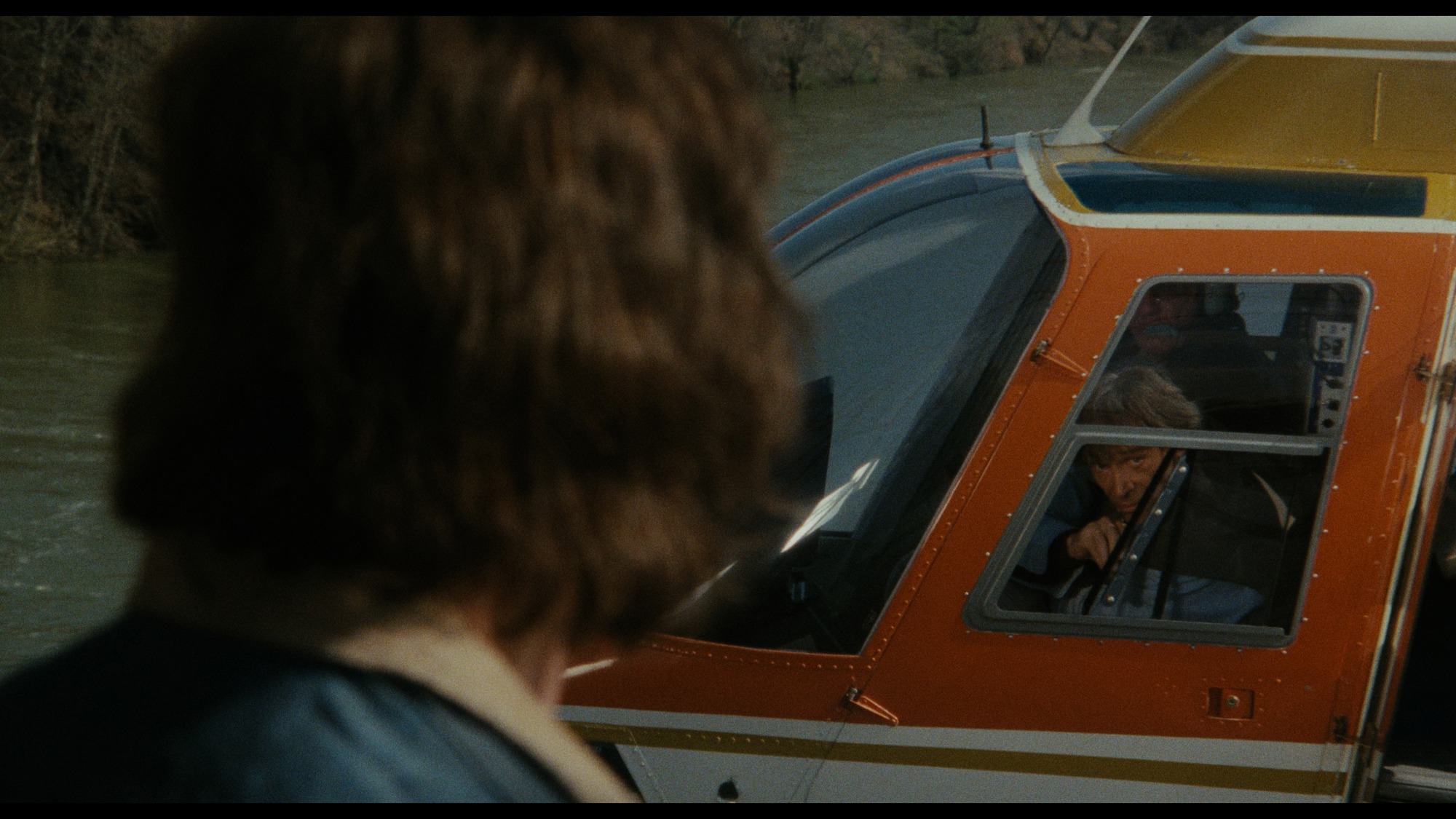
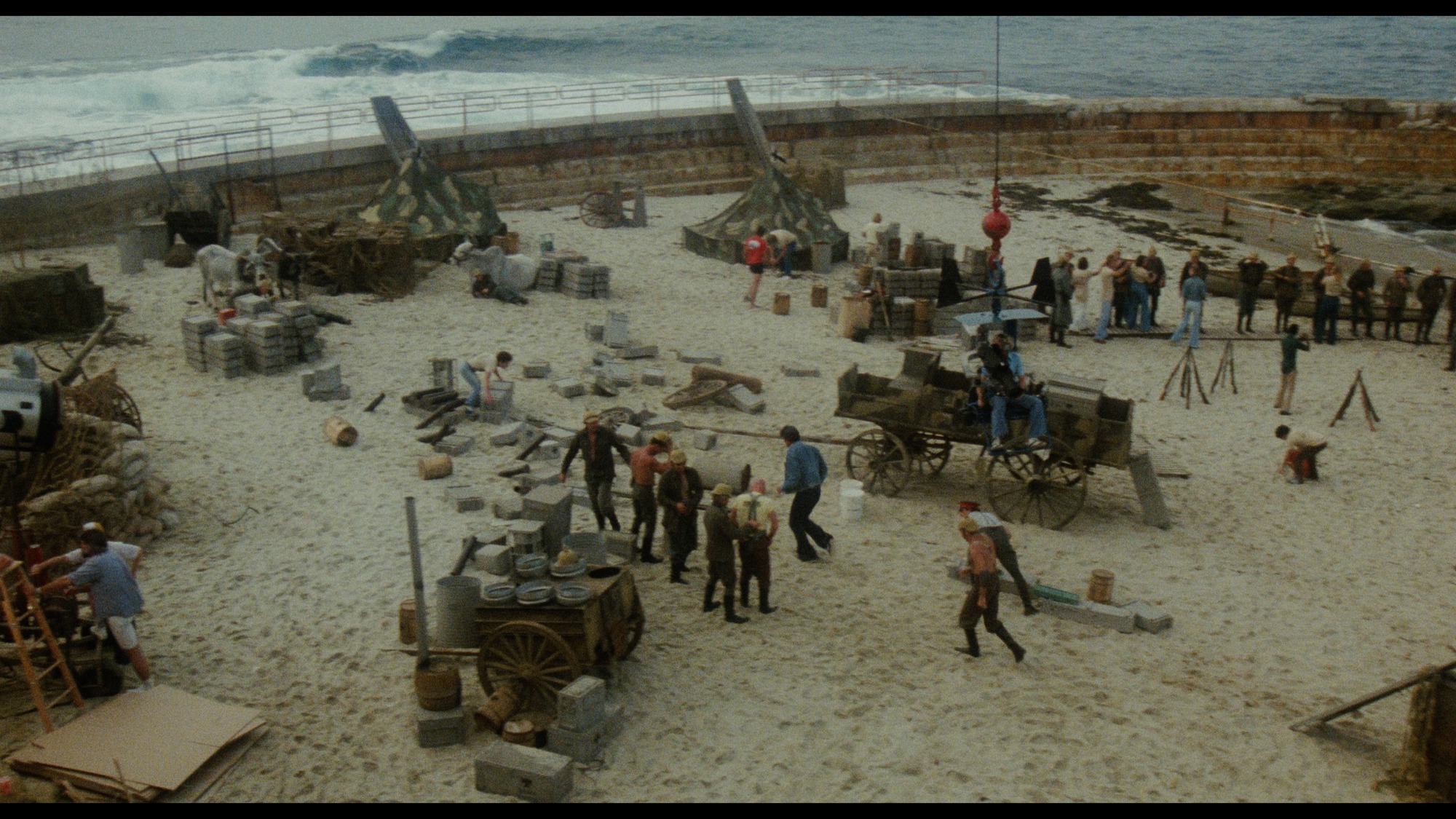
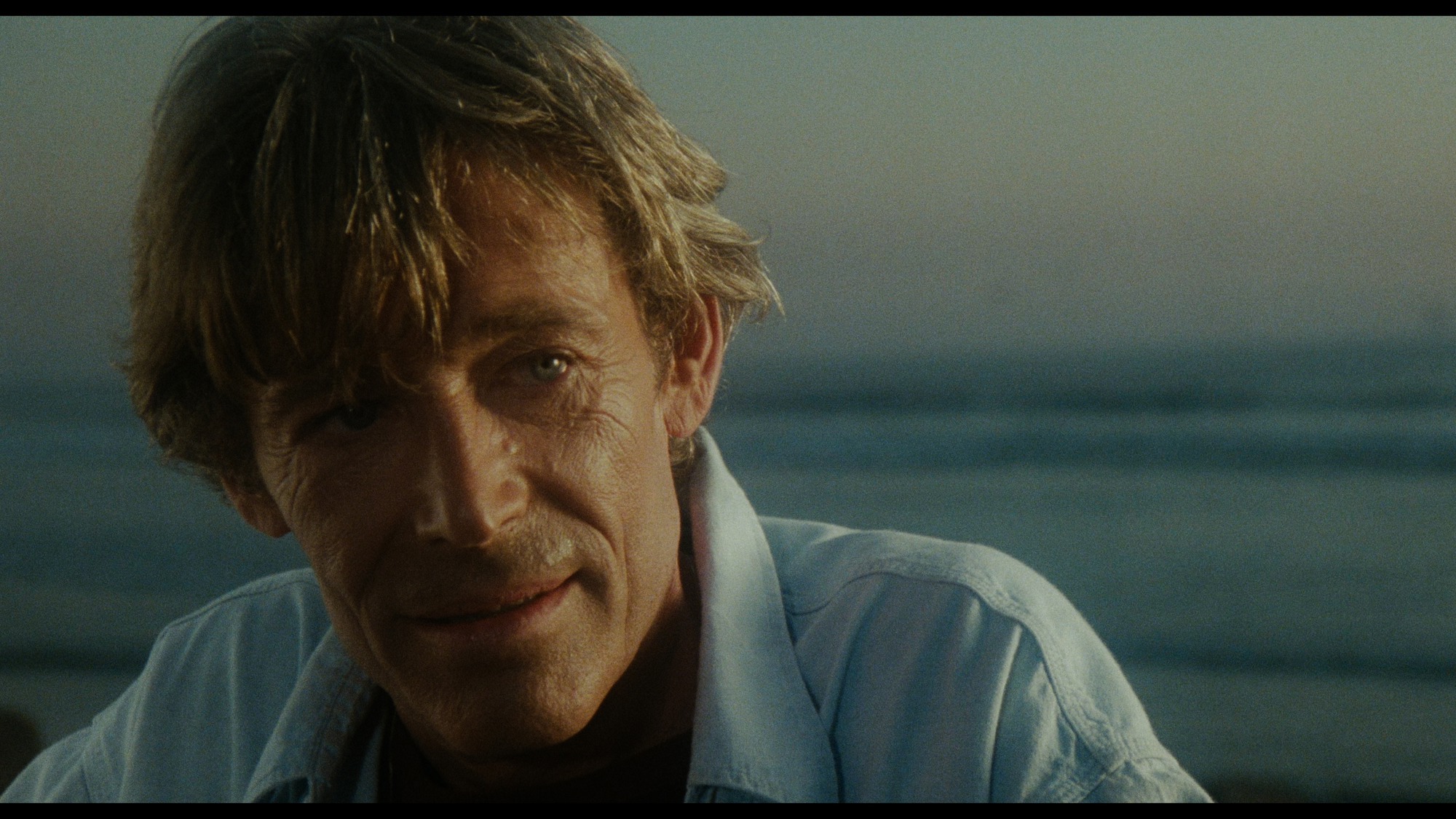
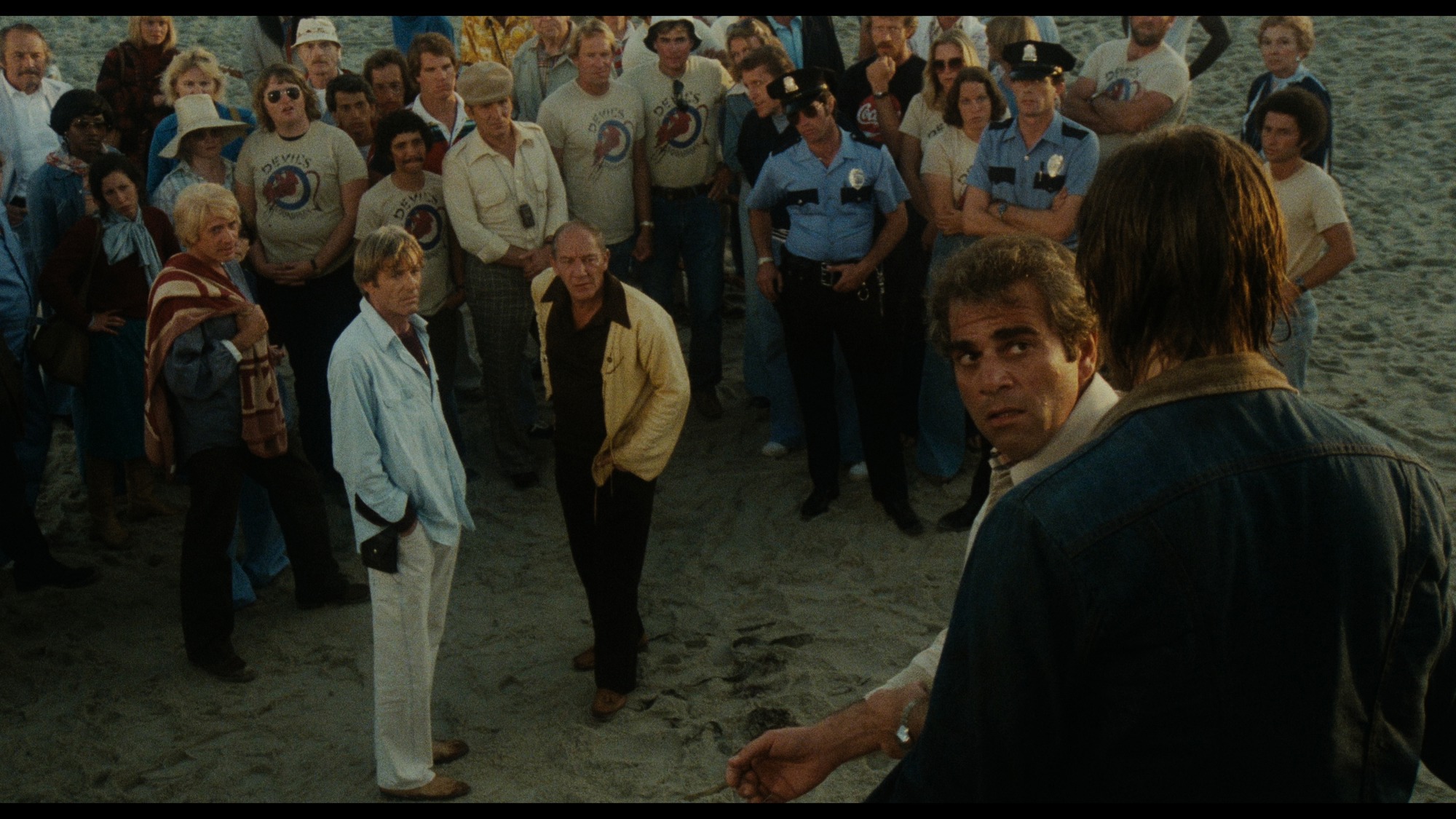
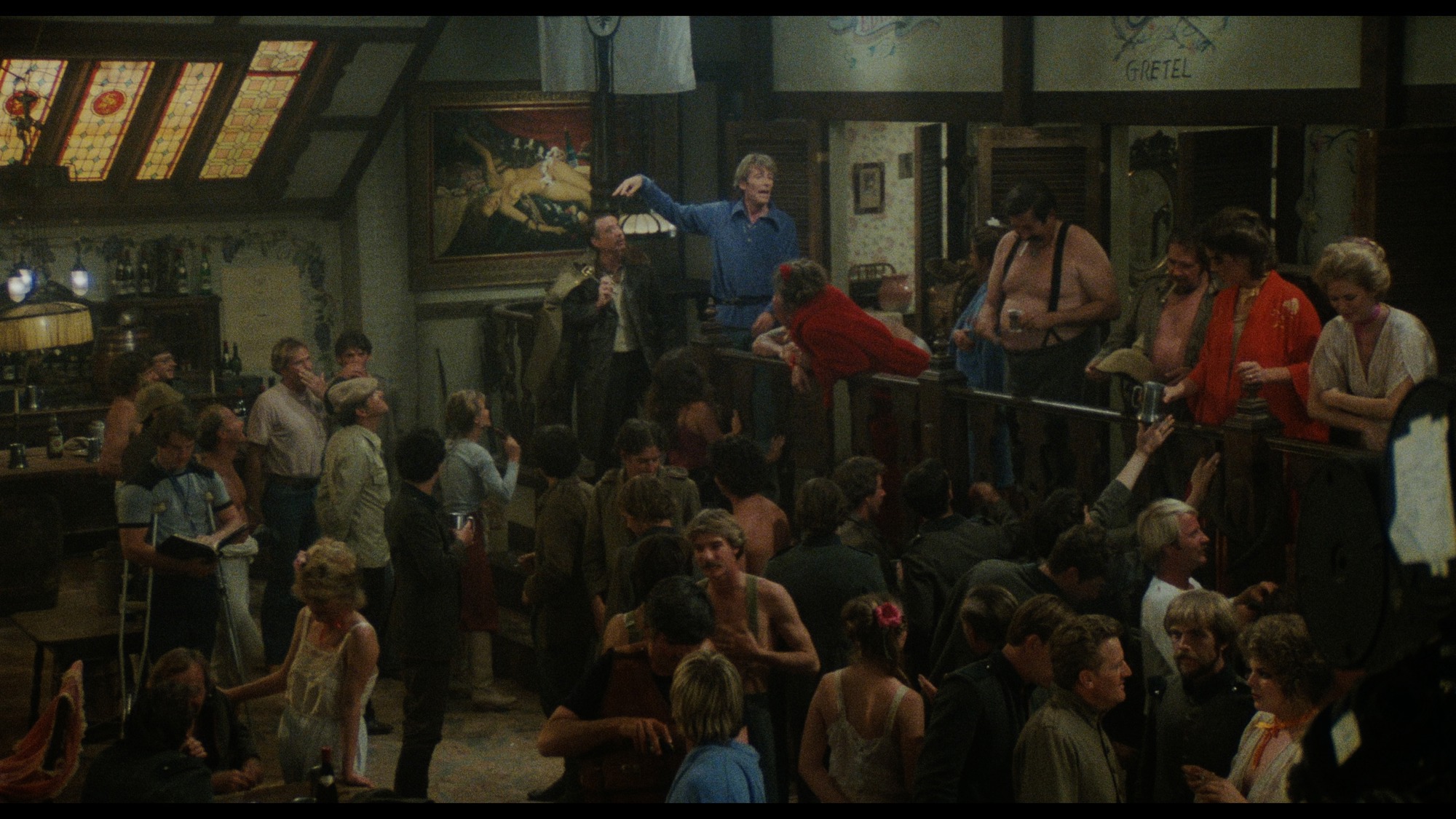
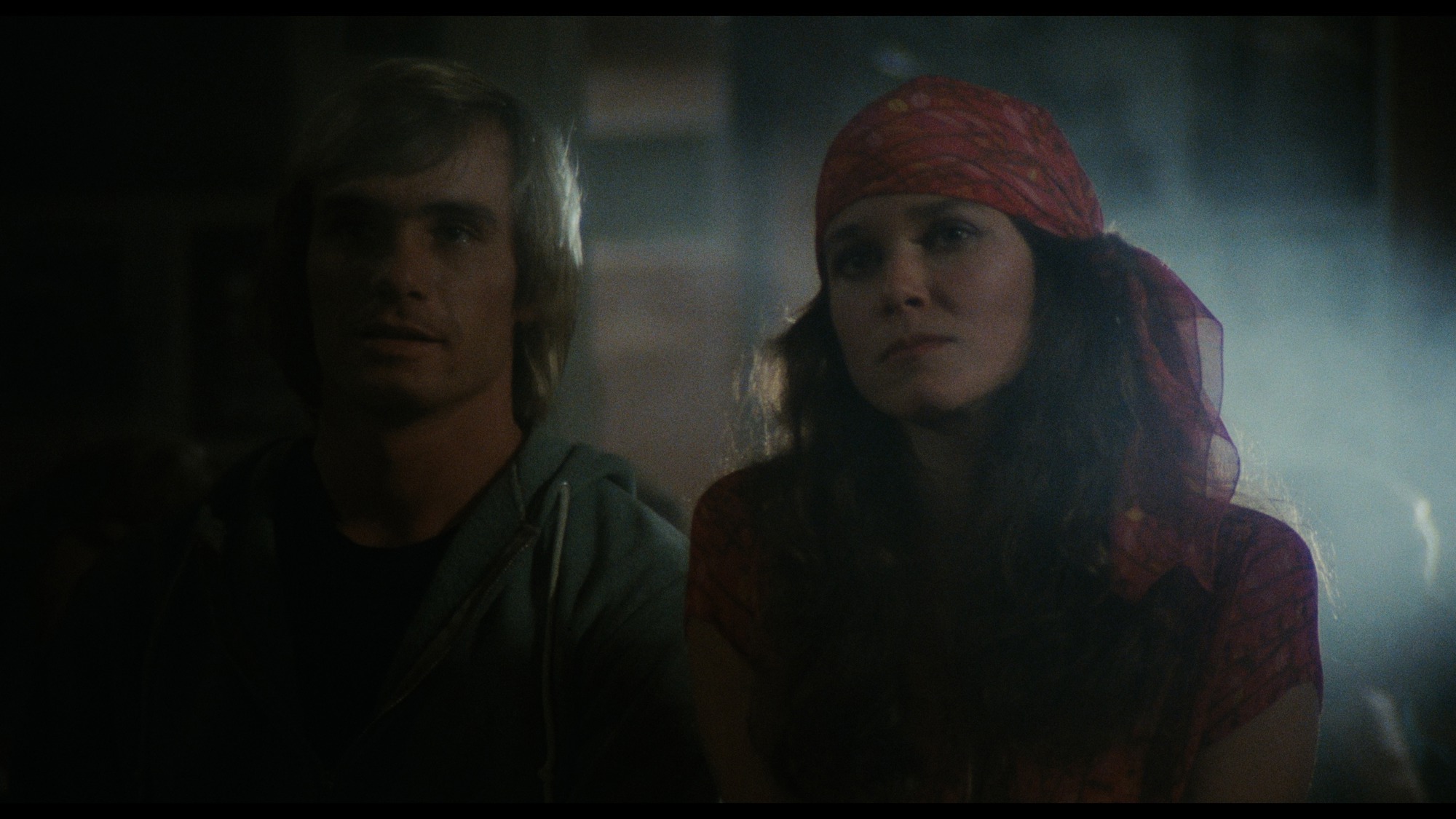
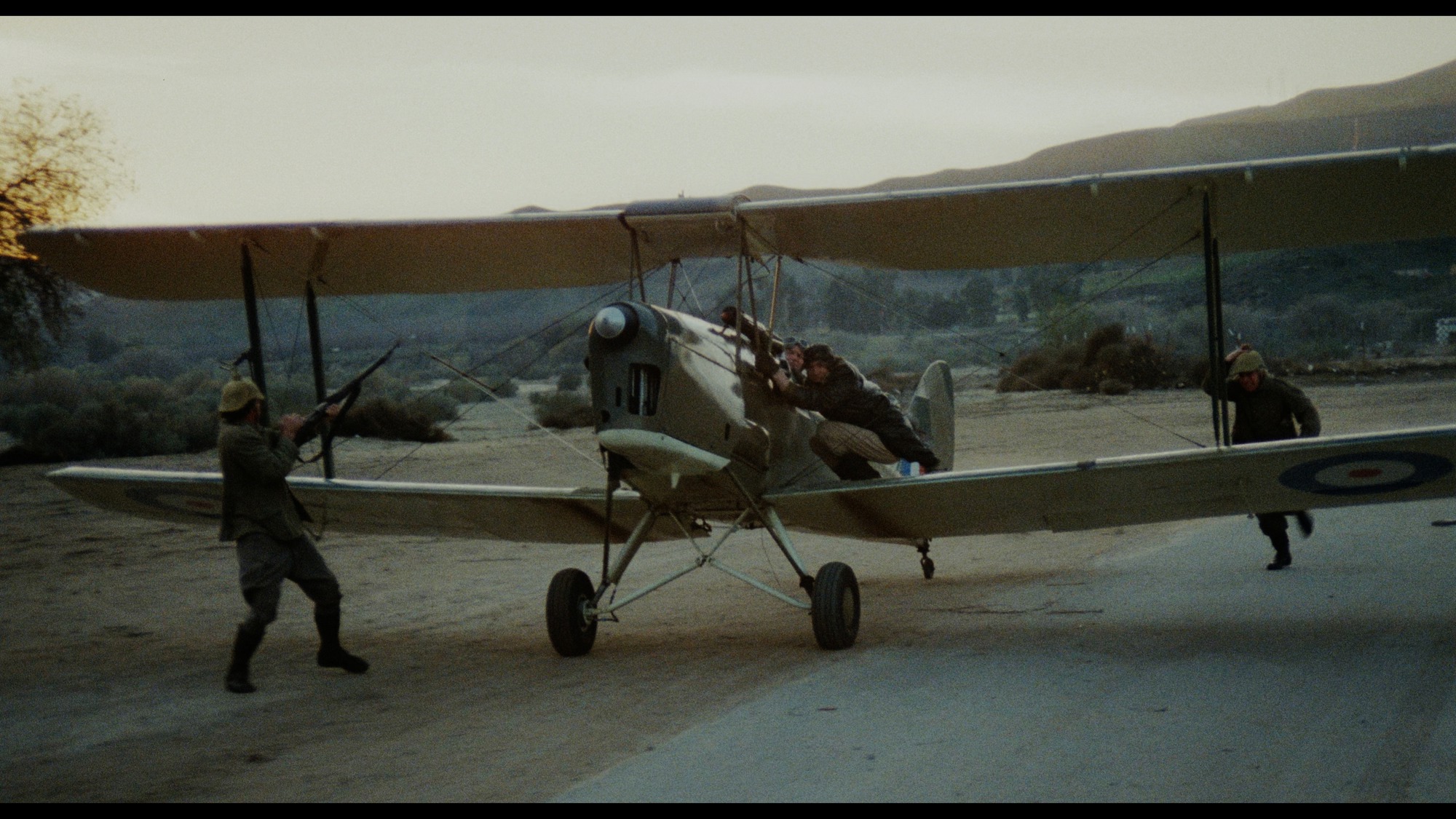
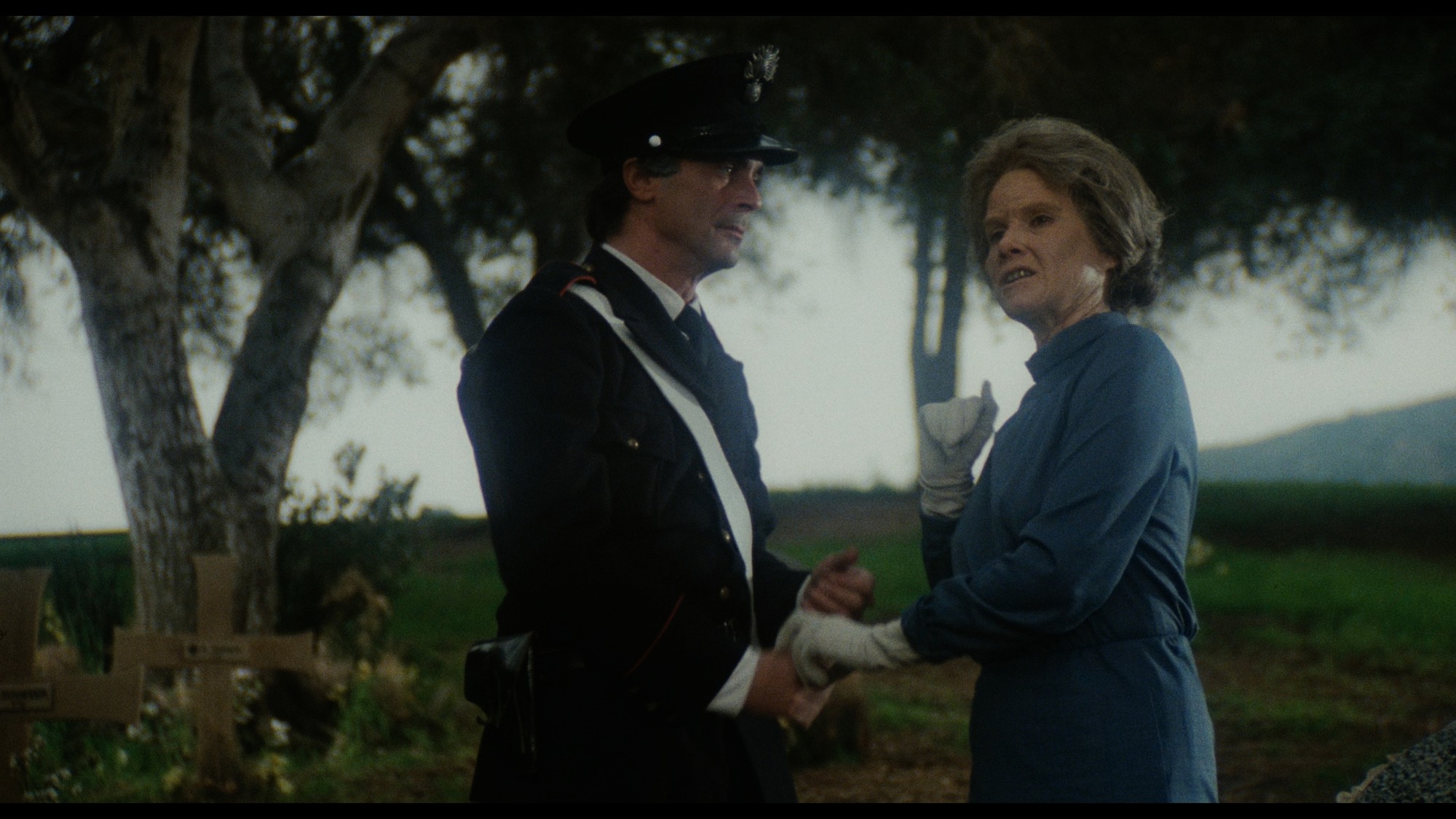
A fairly significant upgrade over Severin’s North American Blu-ray edition, this new 4K restoration and presentation is an unbelievable stunner. Not only is it significantly sharper than that old Blu-ray (as one would hope), it also features a far more natural and pleasing film texture that simply wasn’t there before. The film itself is incredibly grainy, but it remains clean and organic-looking throughout thanks to a fantastic encode that never falters. This in turn allows textures and finer details to pop through like never before.
I also very much preferred the color grading here, which on the Severin release felt too cold and teal-leaning. Colors are noticeably warmer this time around, sometimes even drifting slightly toward green, but the overall image looks far more photographic and in line with something that would have been produced during the development process at the time. Skin tones appear more natural and whites now come through closer to true white, while reds pop nicely and blues come closer to blue (not teal or cyan). Black levels are also strong, and the wider range afforded by HDR helps bring out additional detail in the film’s darker sequences. There are some bright highlights as well, but thankfully no obvious clipping (the studio lights look particularly great).
There are a handful of minor blemishes scattered throughout, but the restoration has cleaned the image up marvelously and this easily ends up being the cleanest the film has ever looked on home video. Despite some of the dated aspects of the film itself, the restoration and presentation are so strong that at times the film almost feels far more recent than a production from the late ’70s/early ’80s. It looks absolutely terrific.
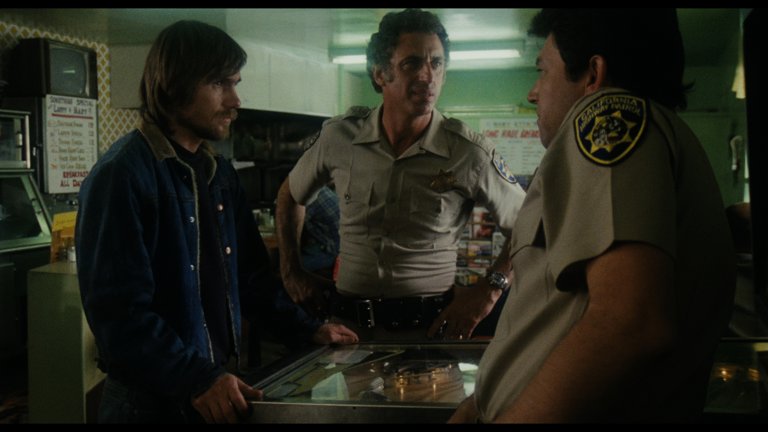
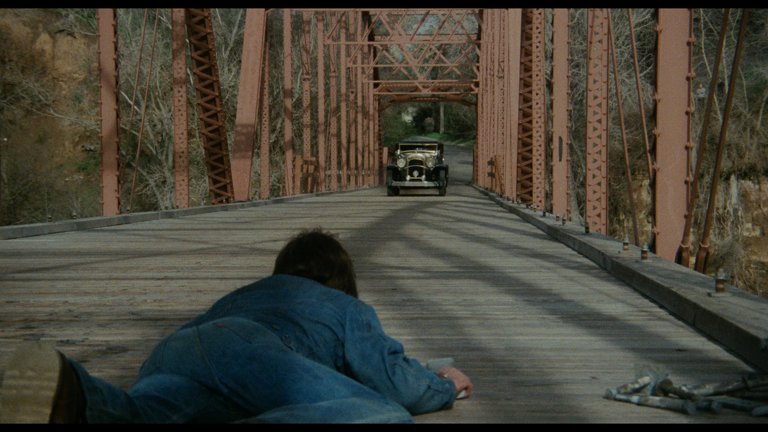
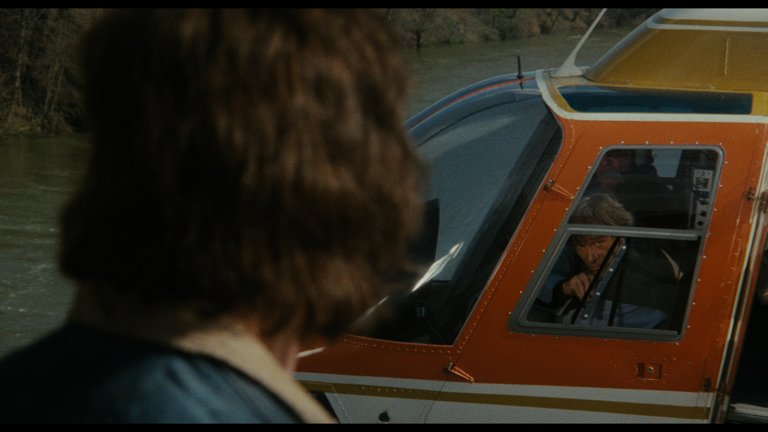
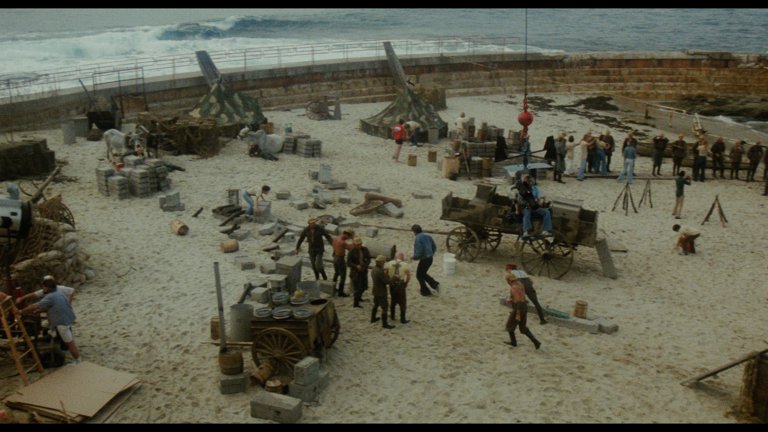
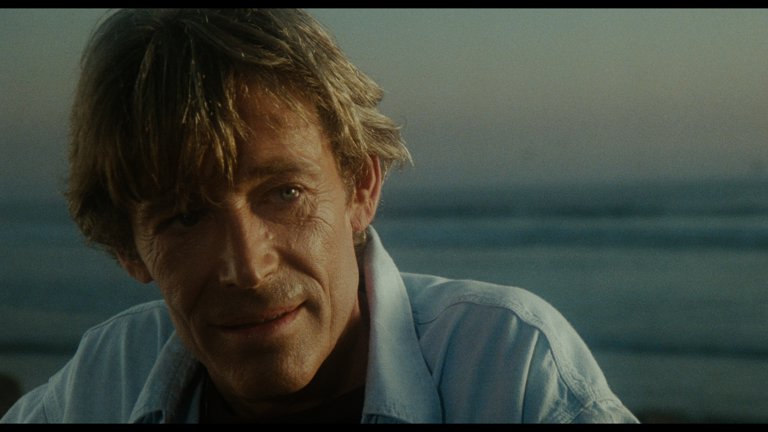
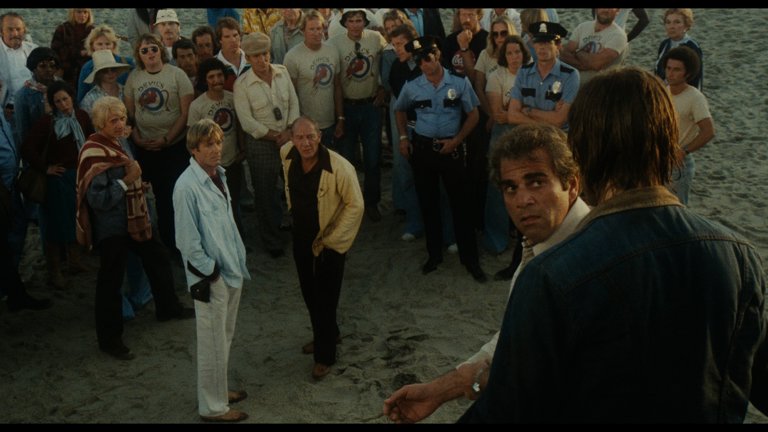
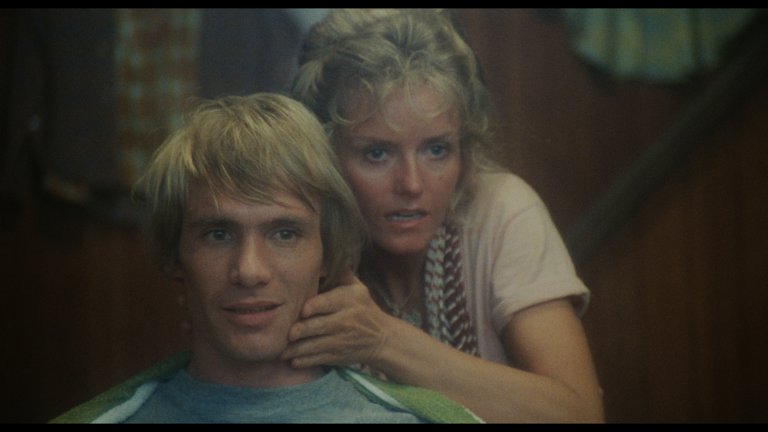
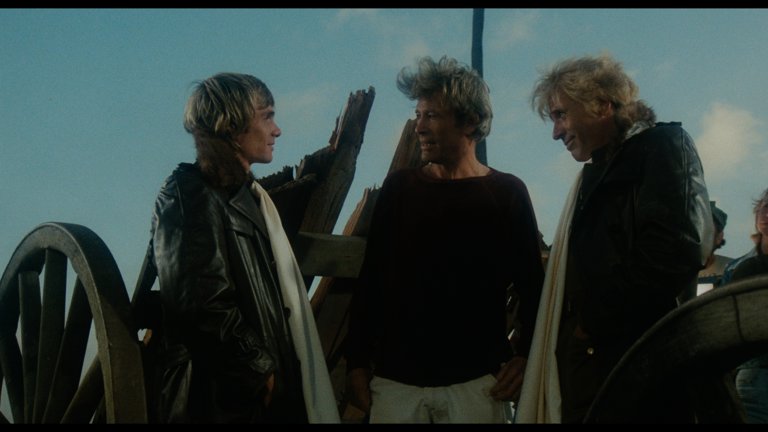
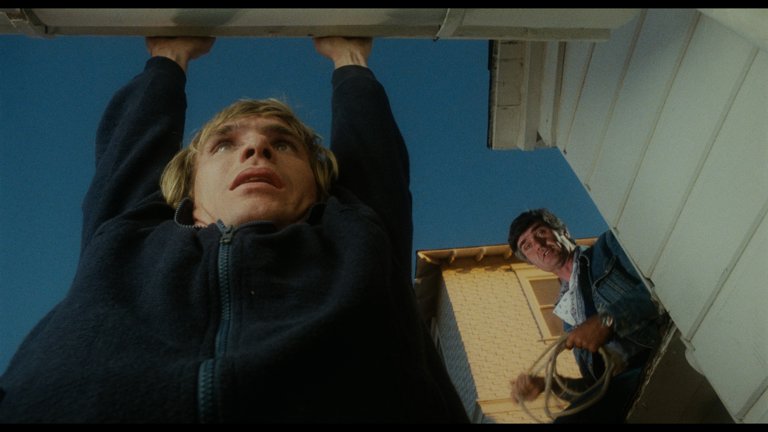
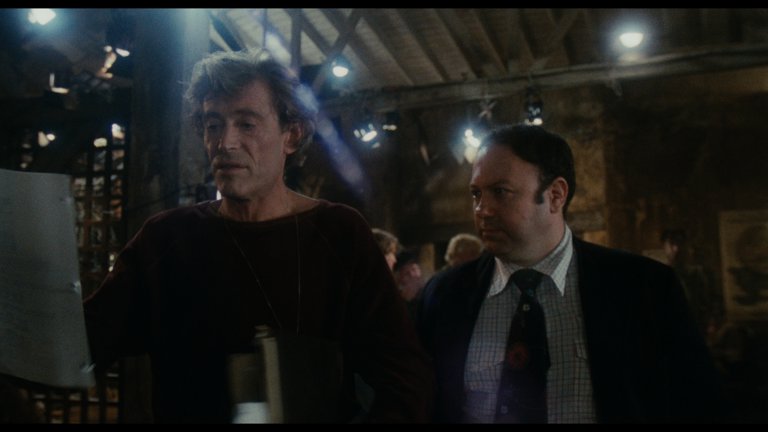
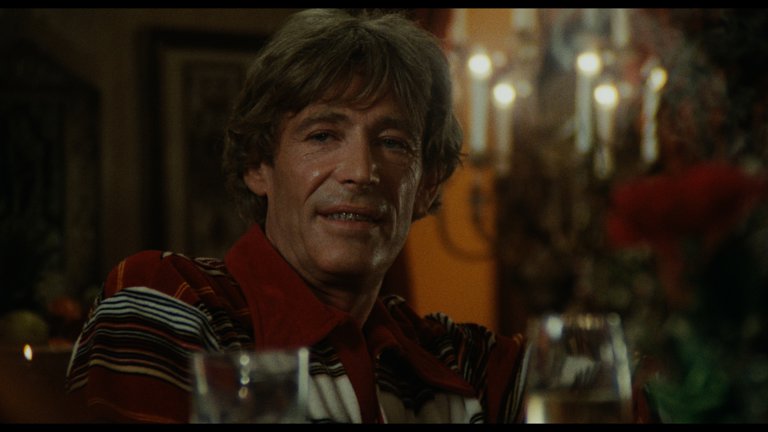
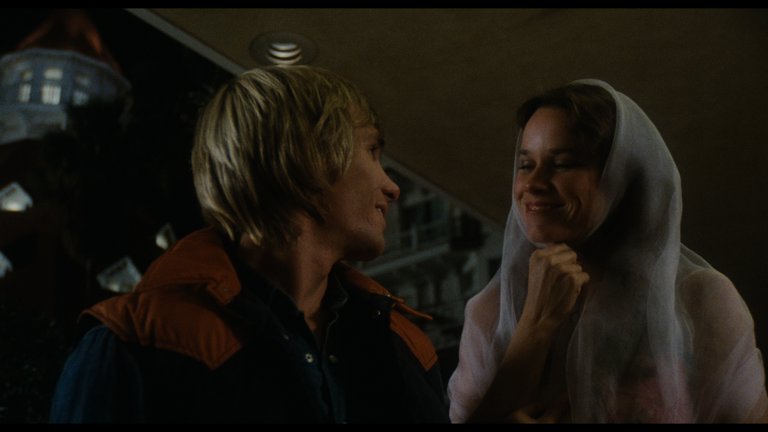
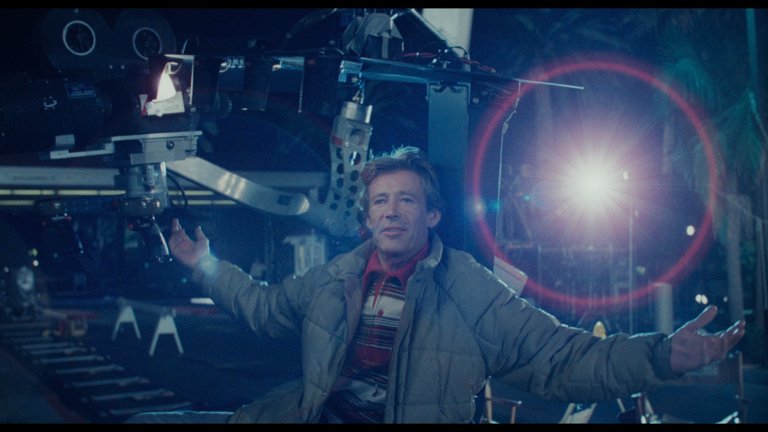
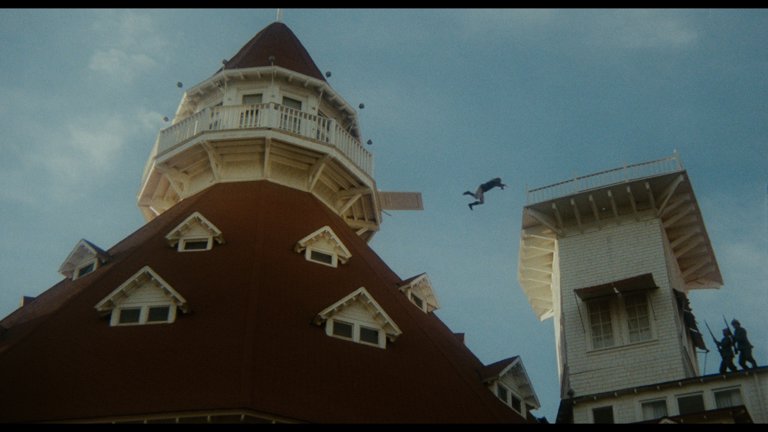
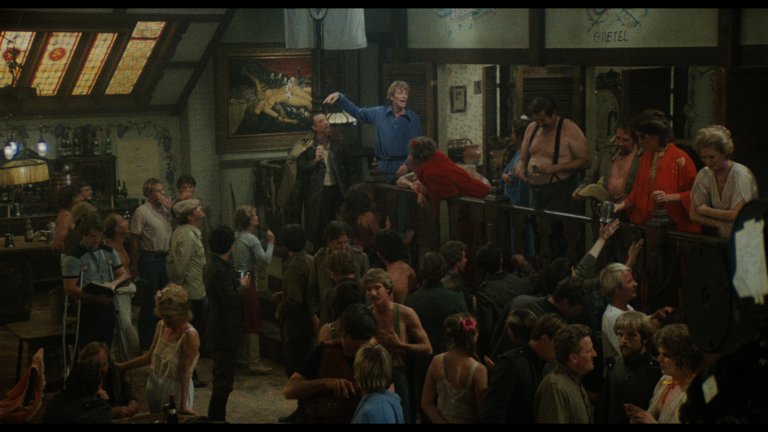
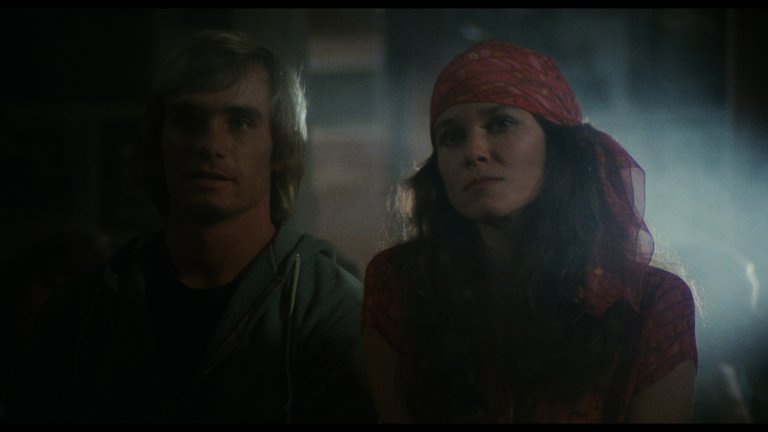
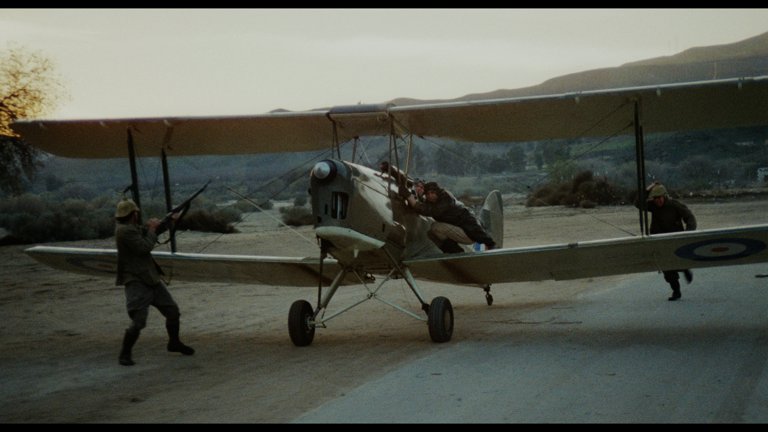
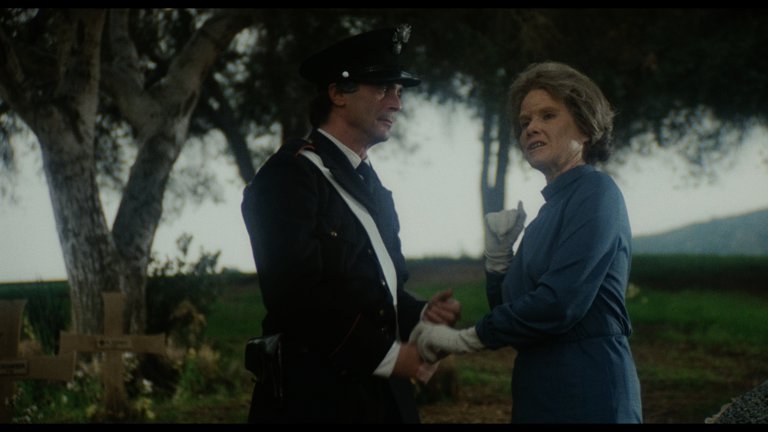
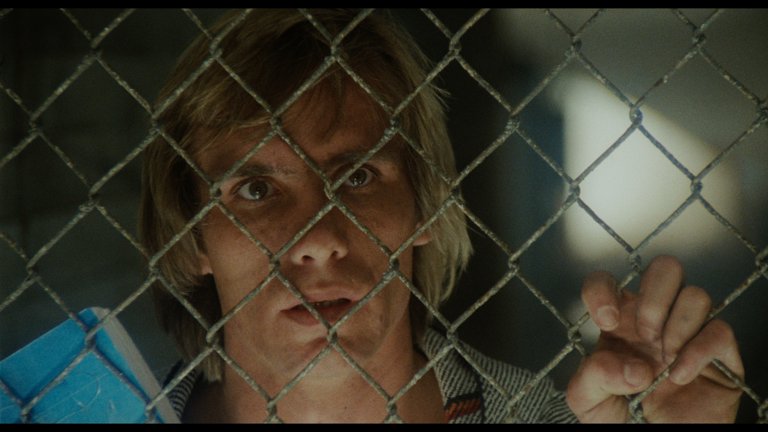
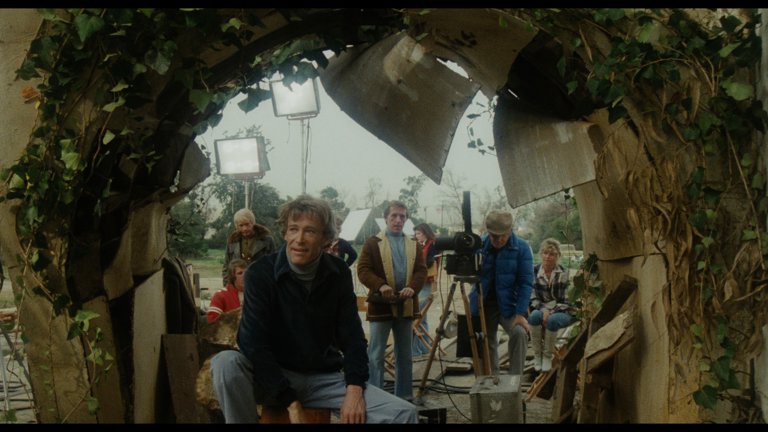
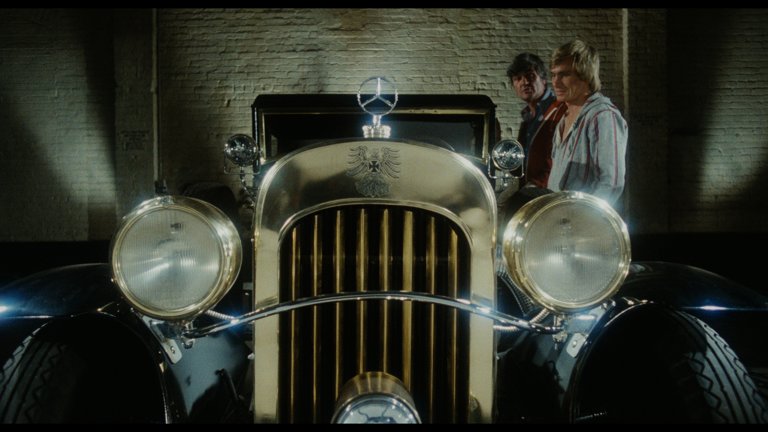
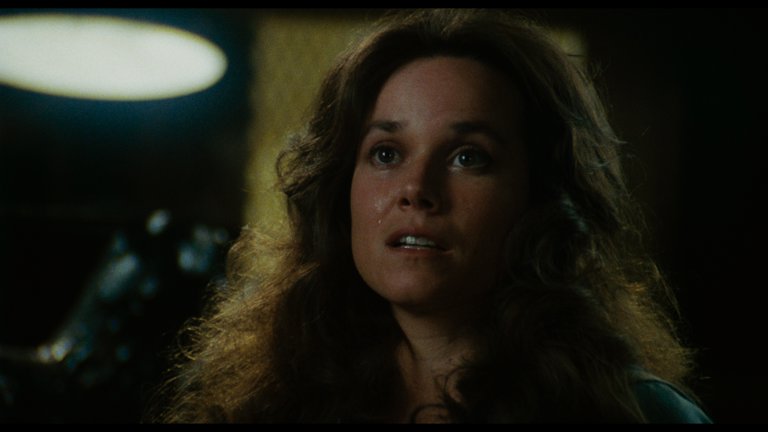
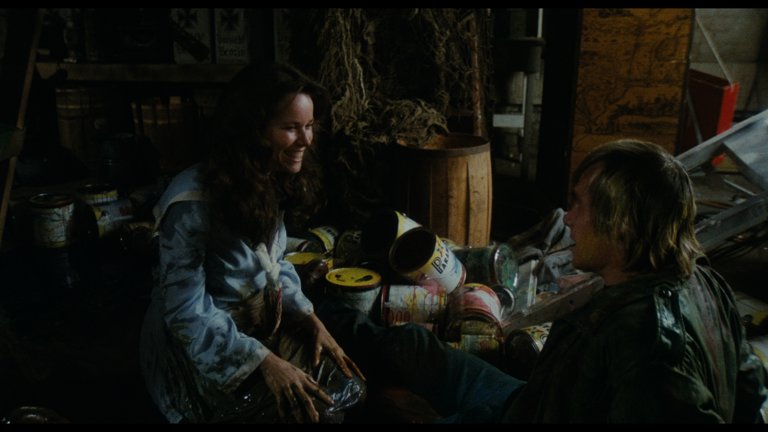
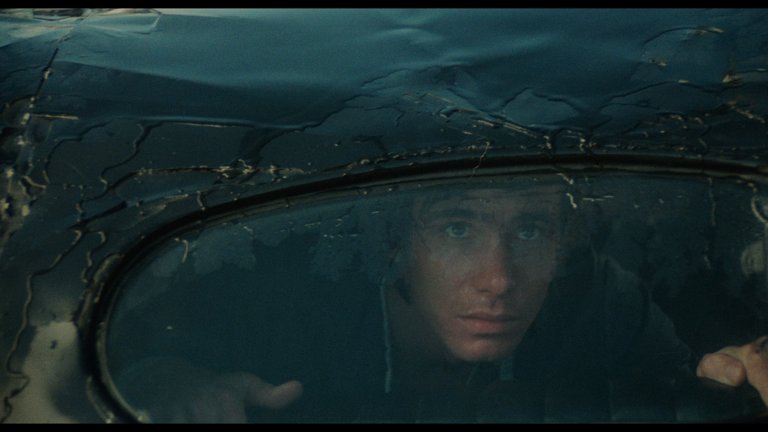
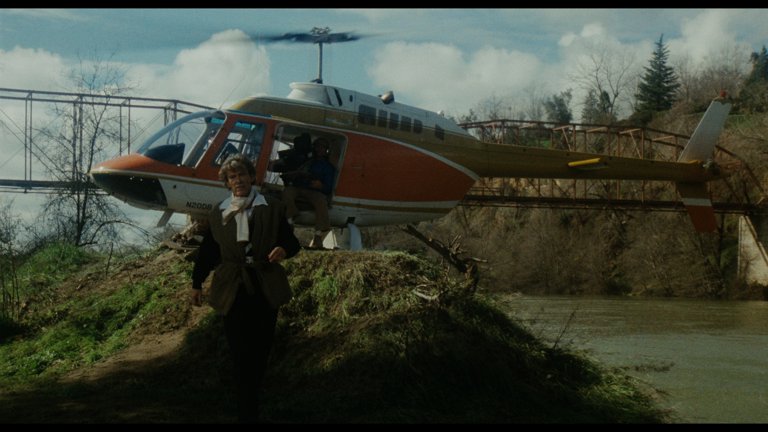
The Stunt Man - Screen Captures
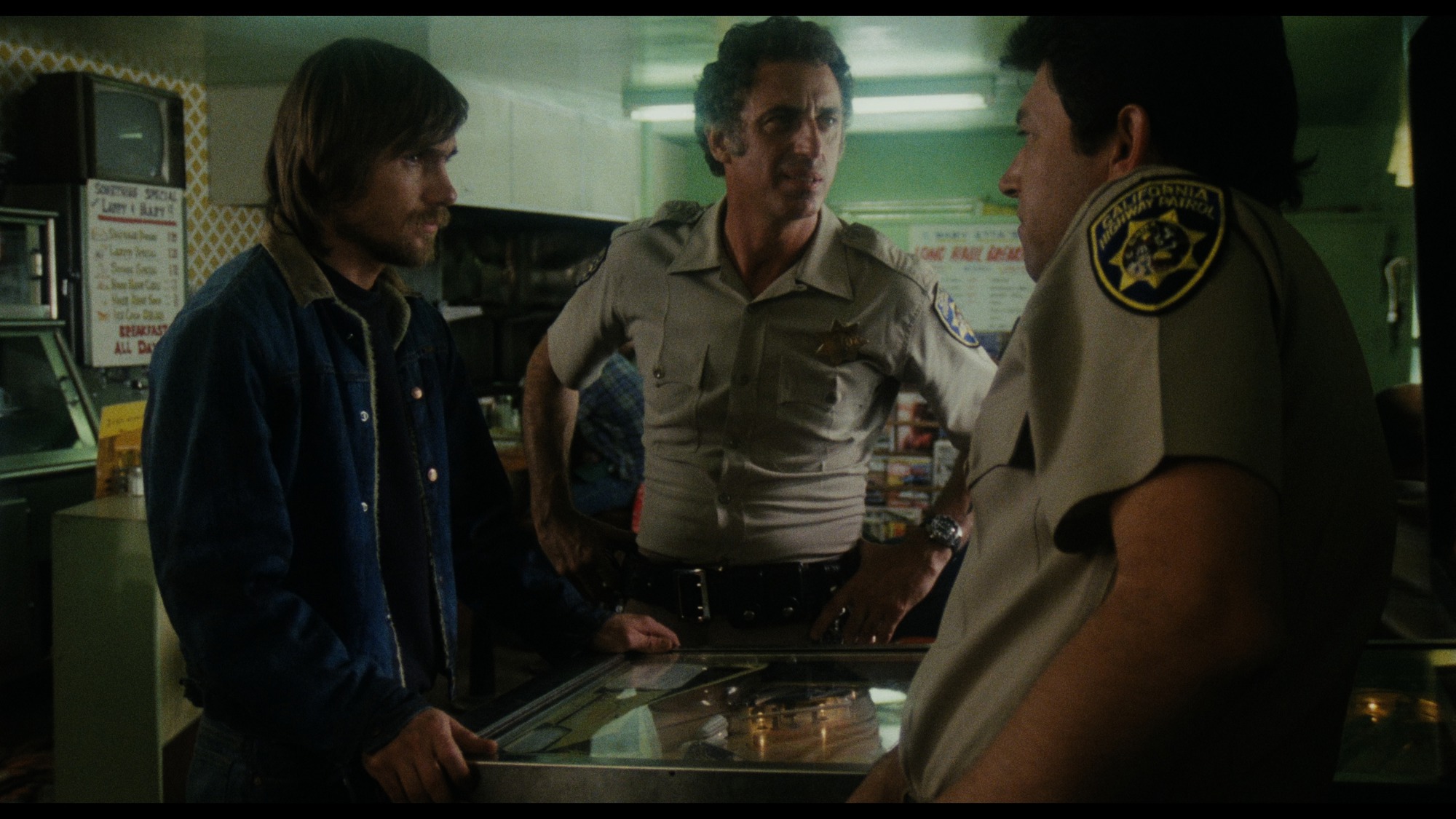
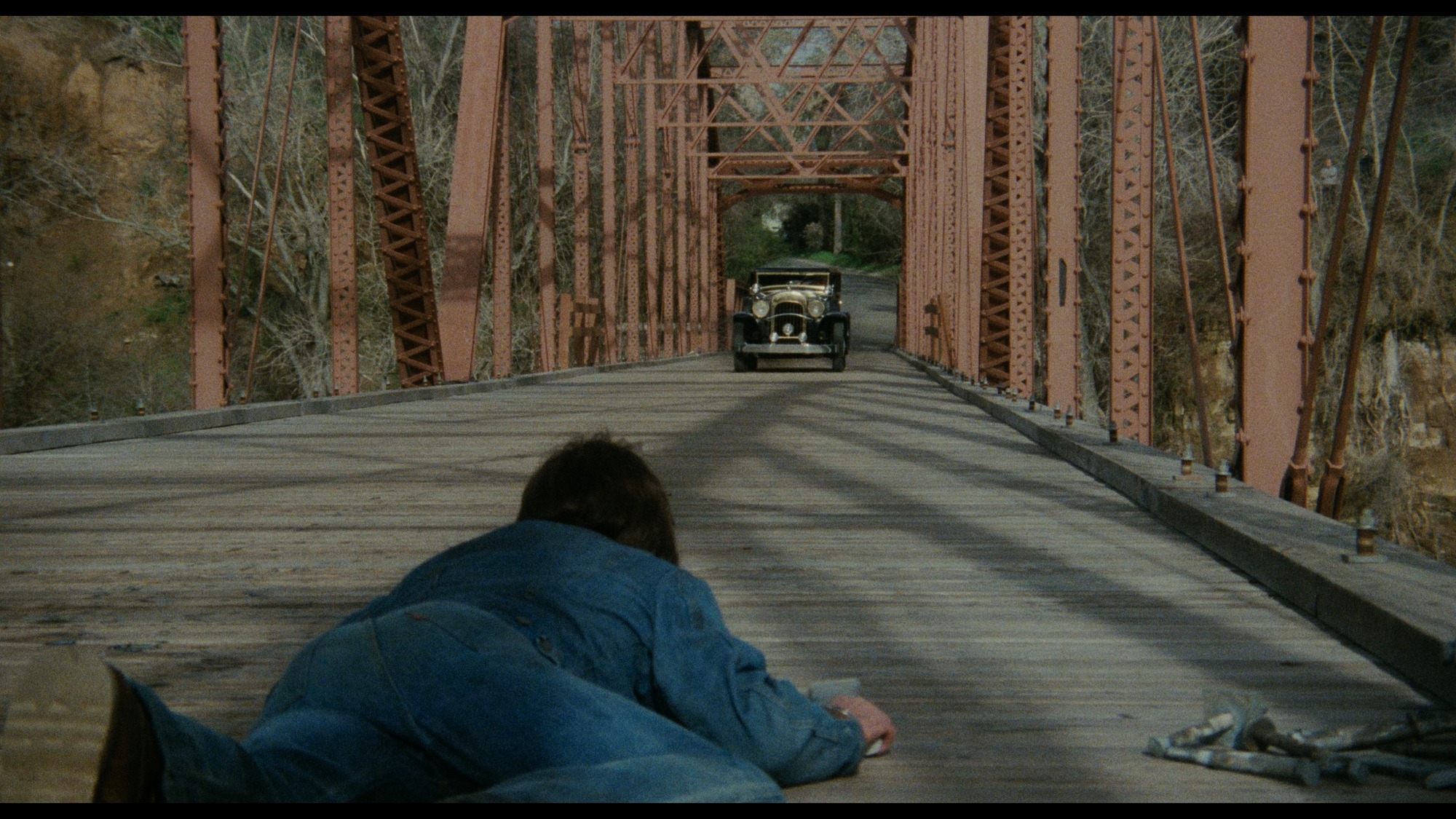
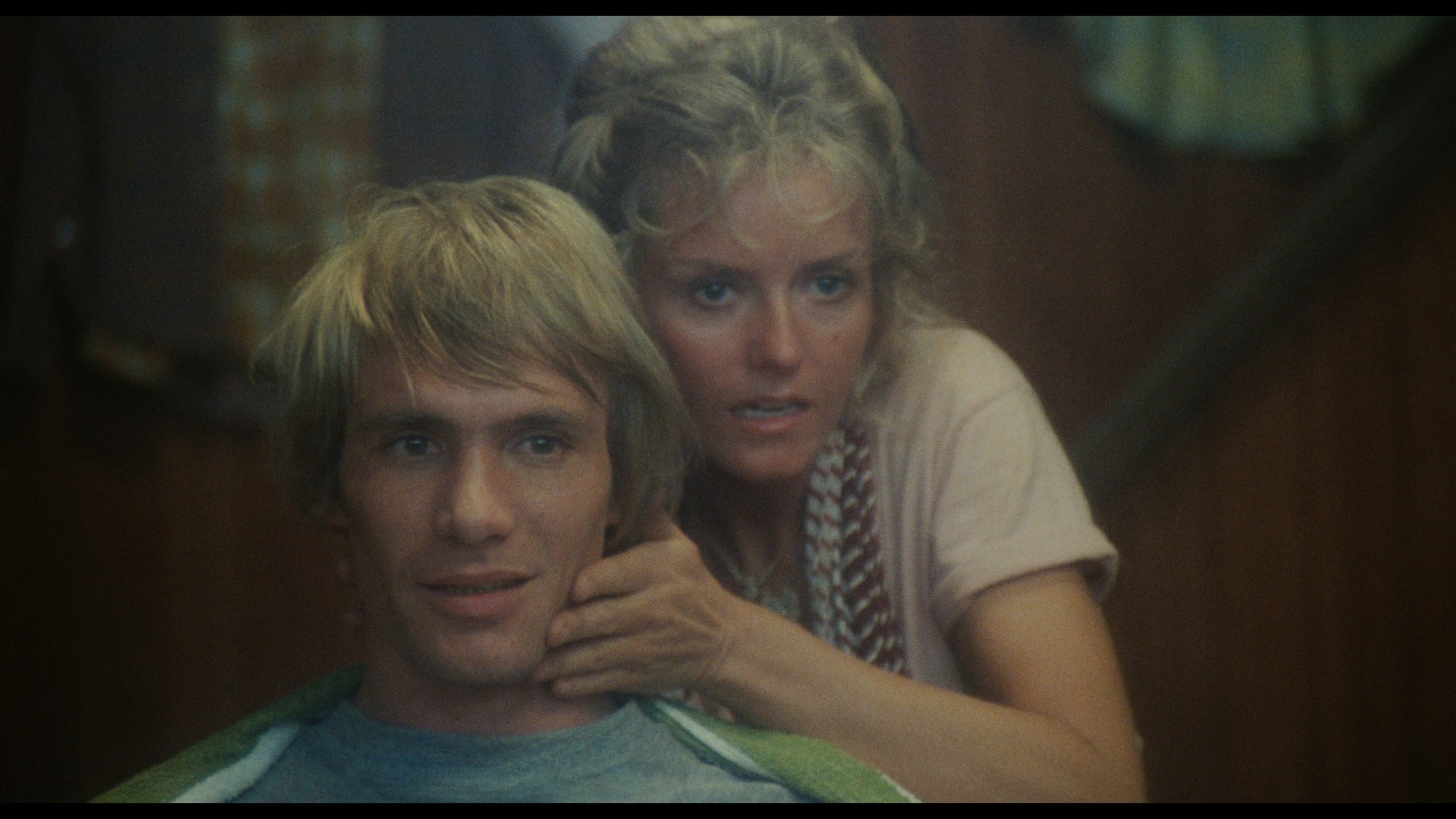
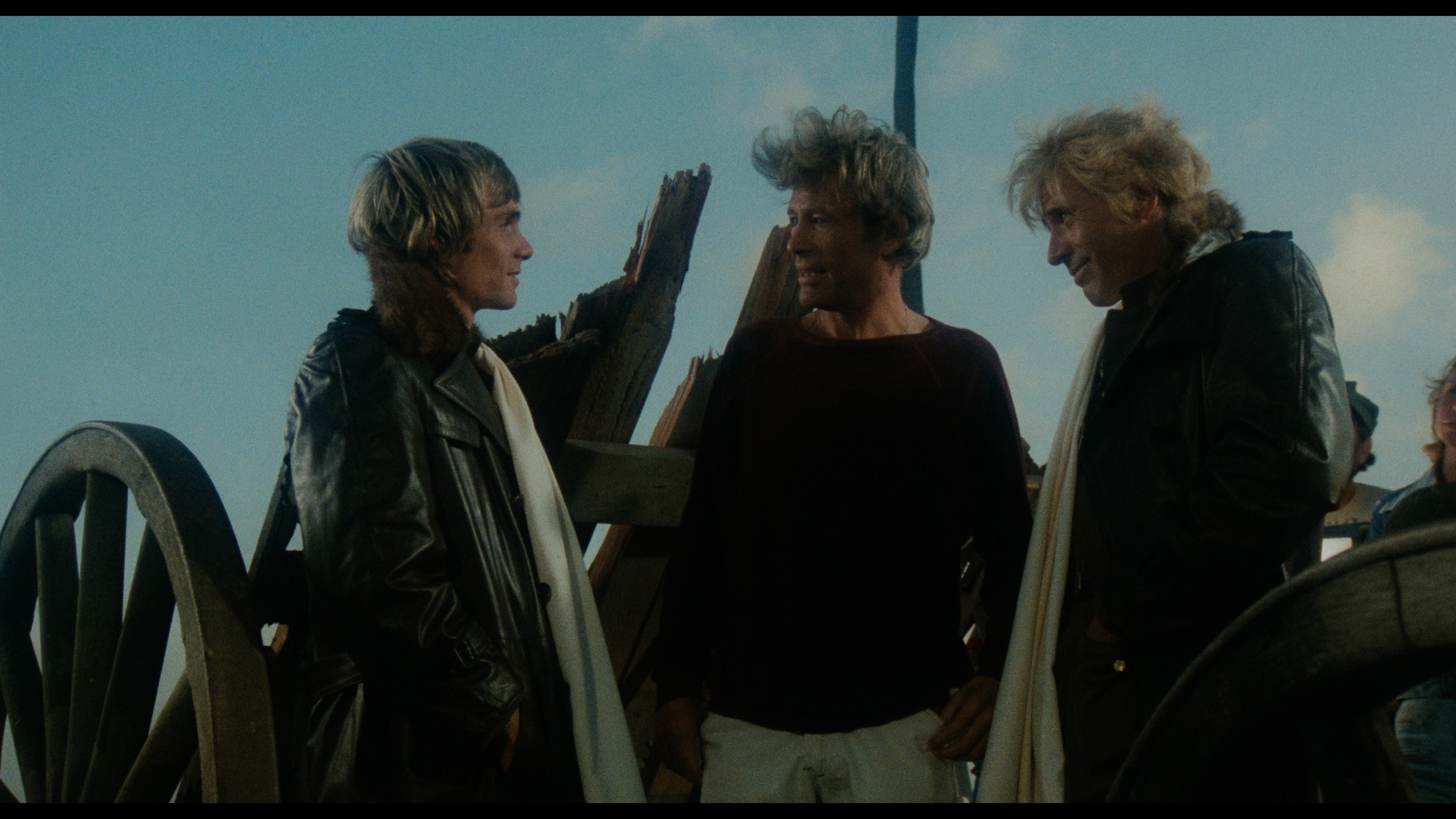
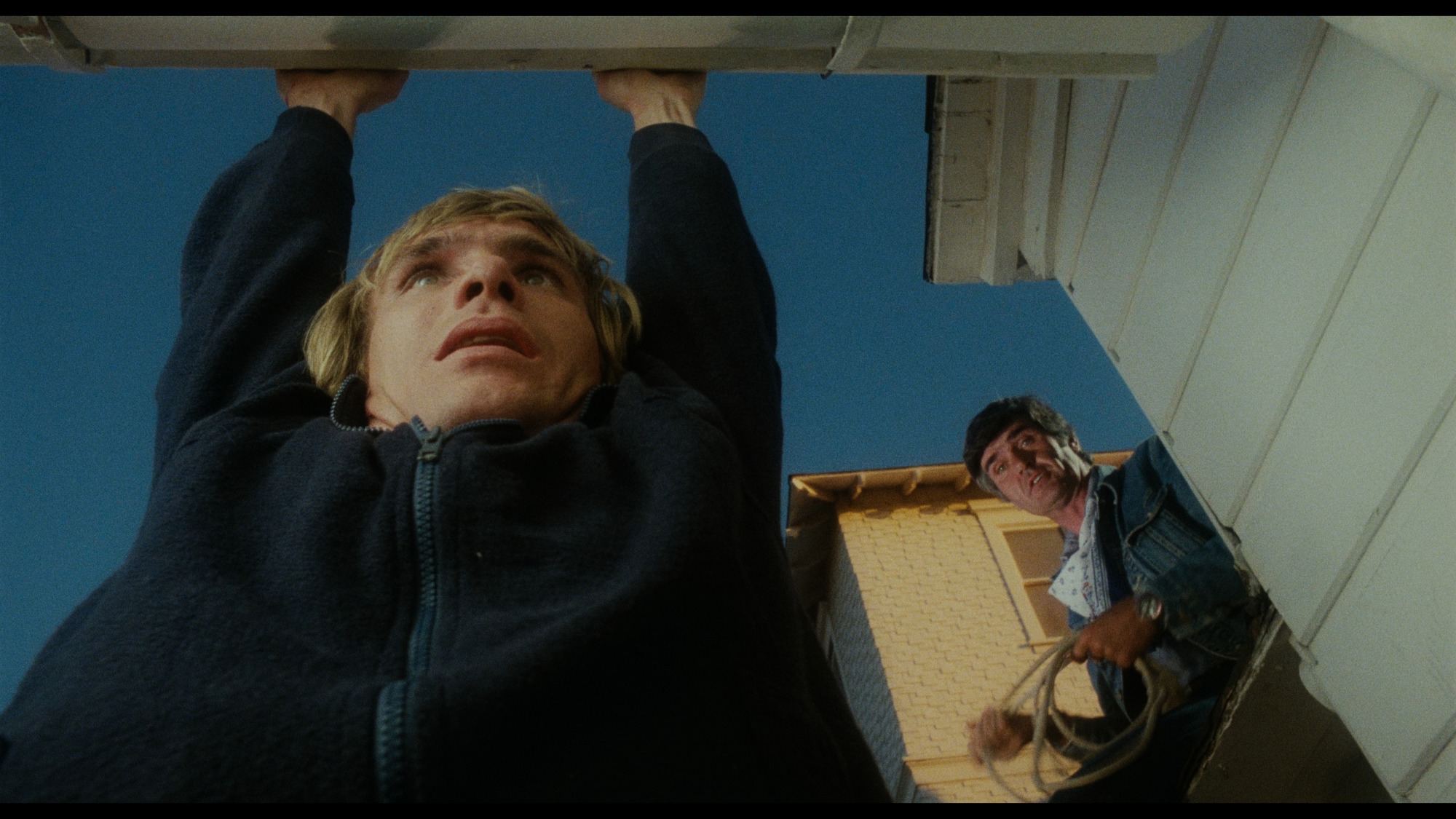
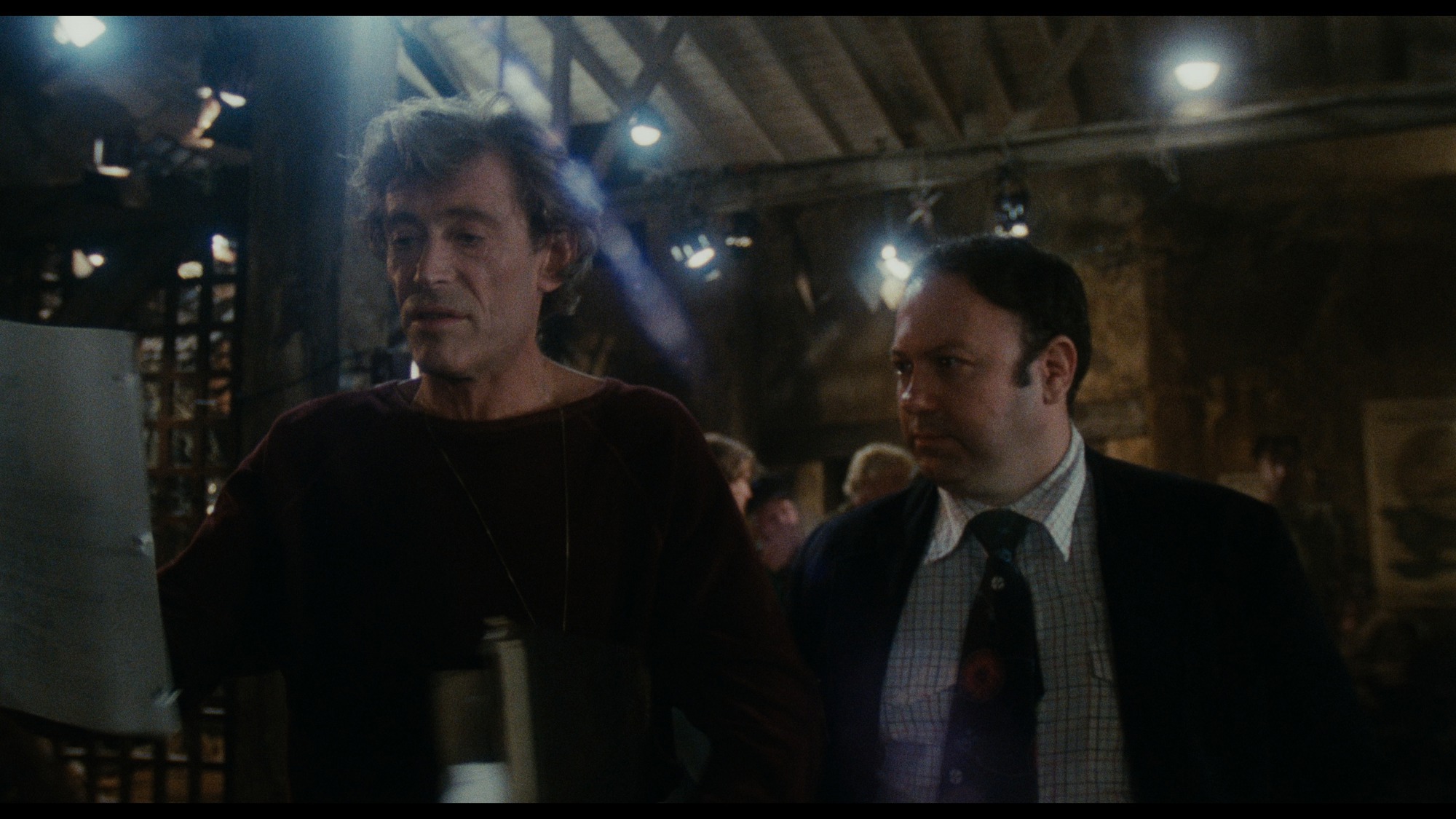
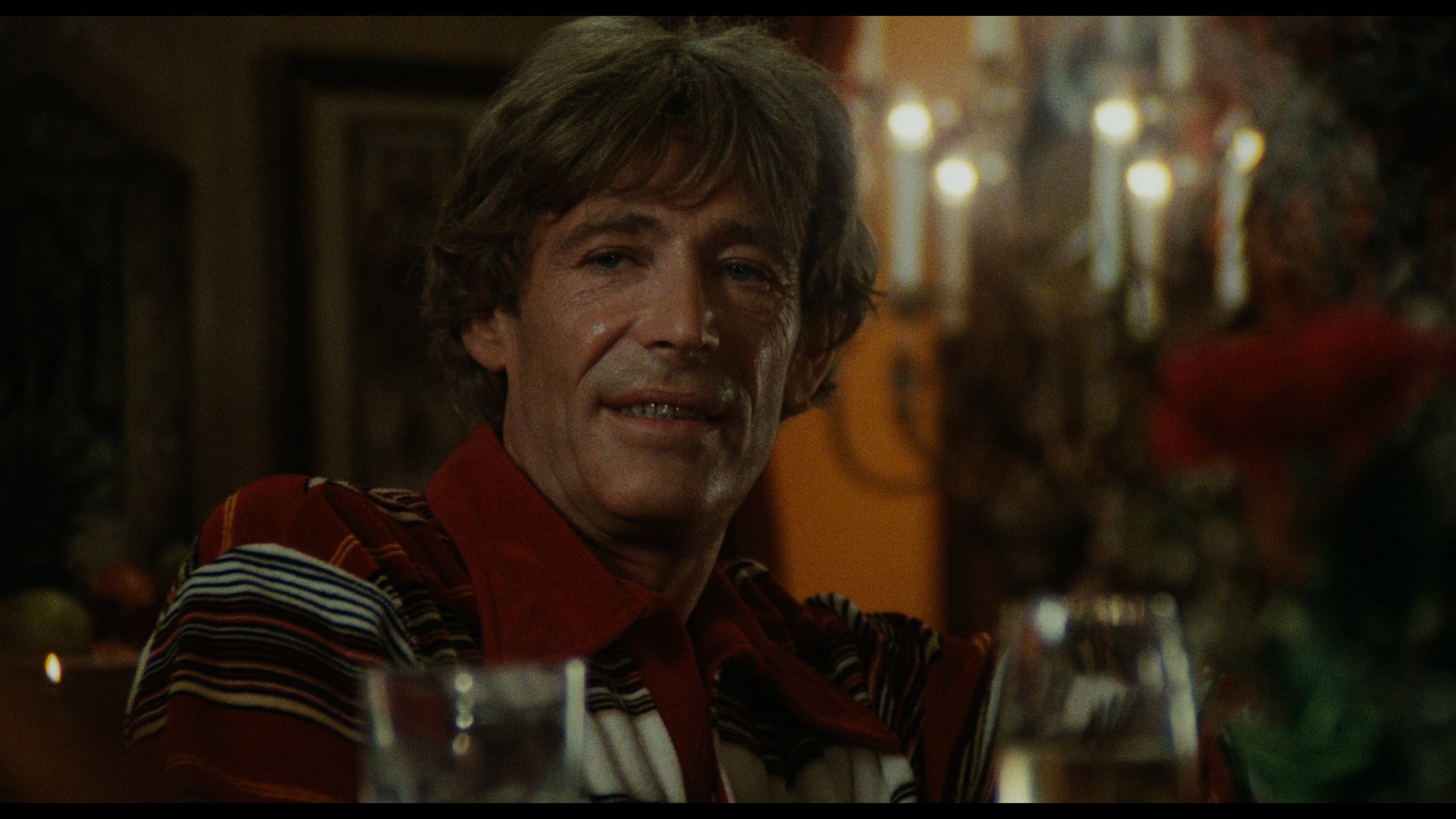
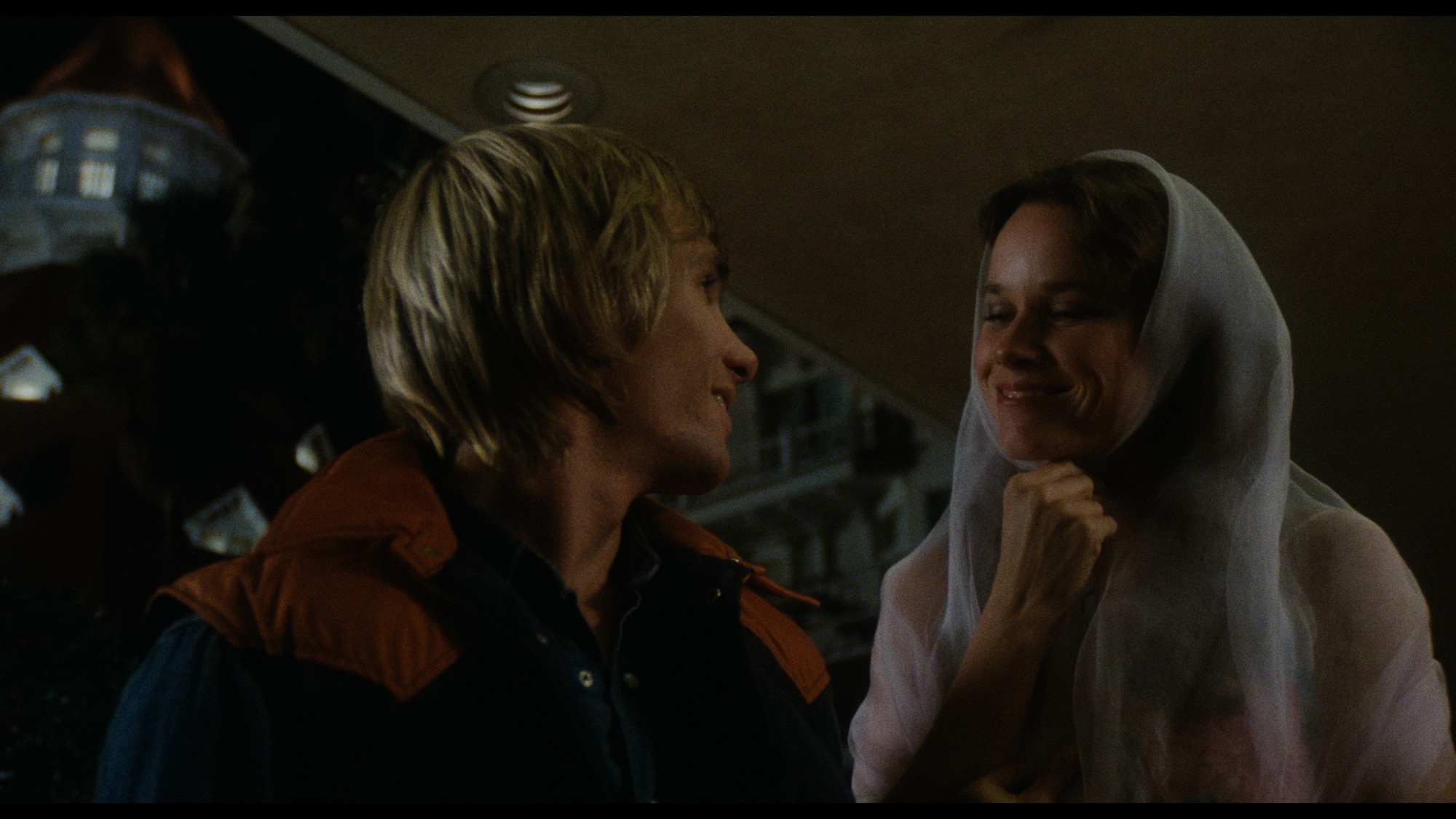
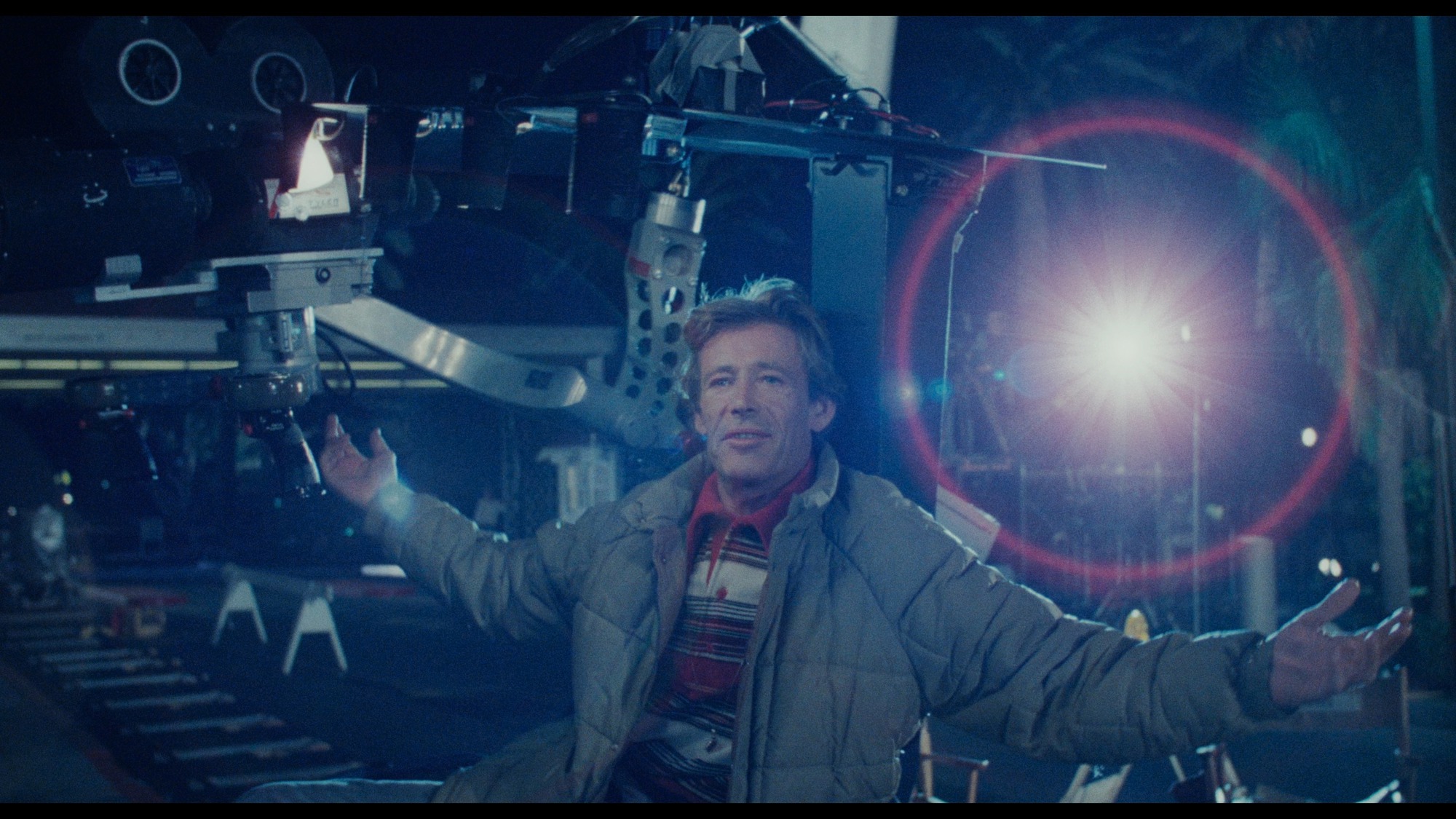
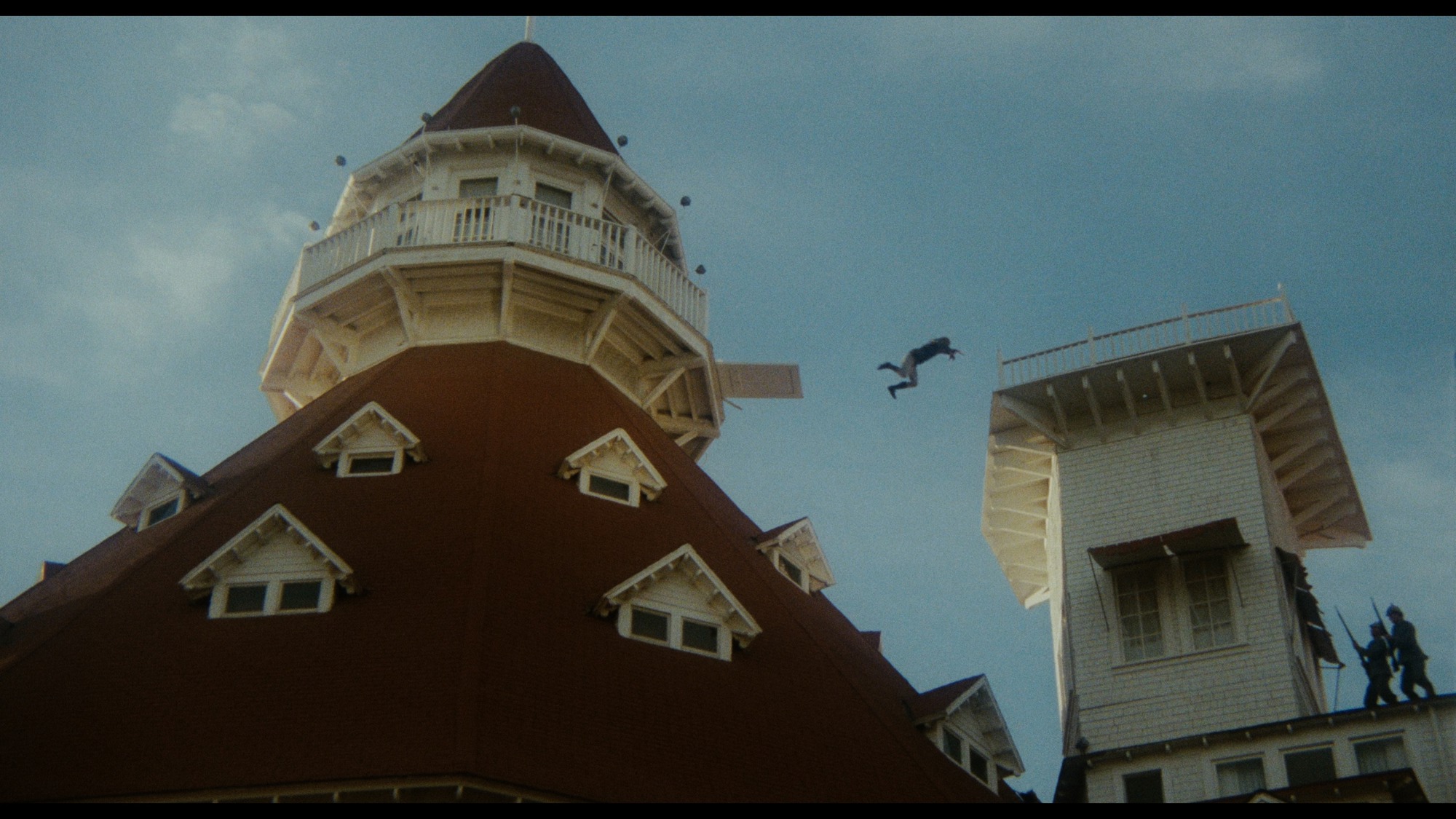
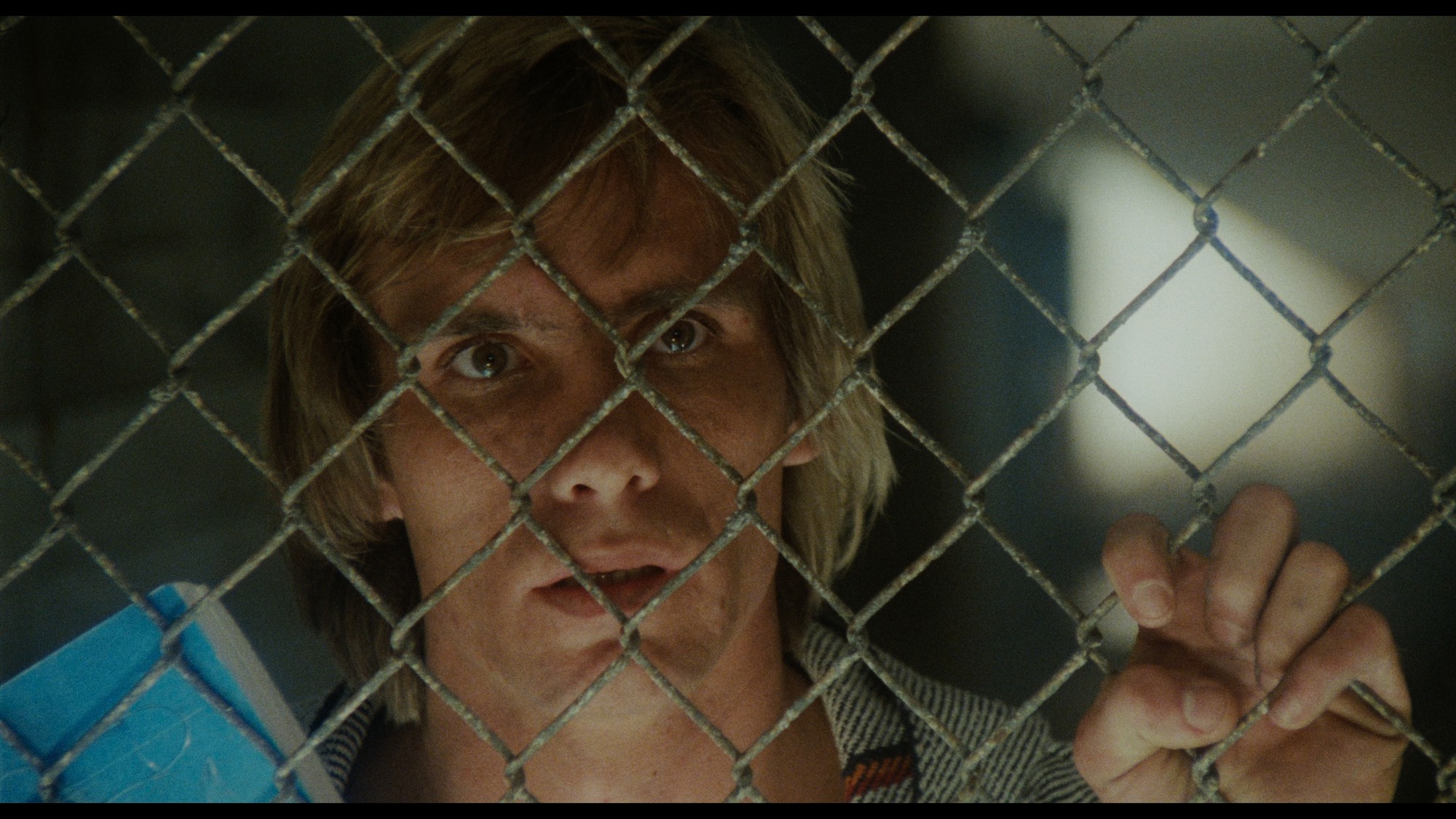
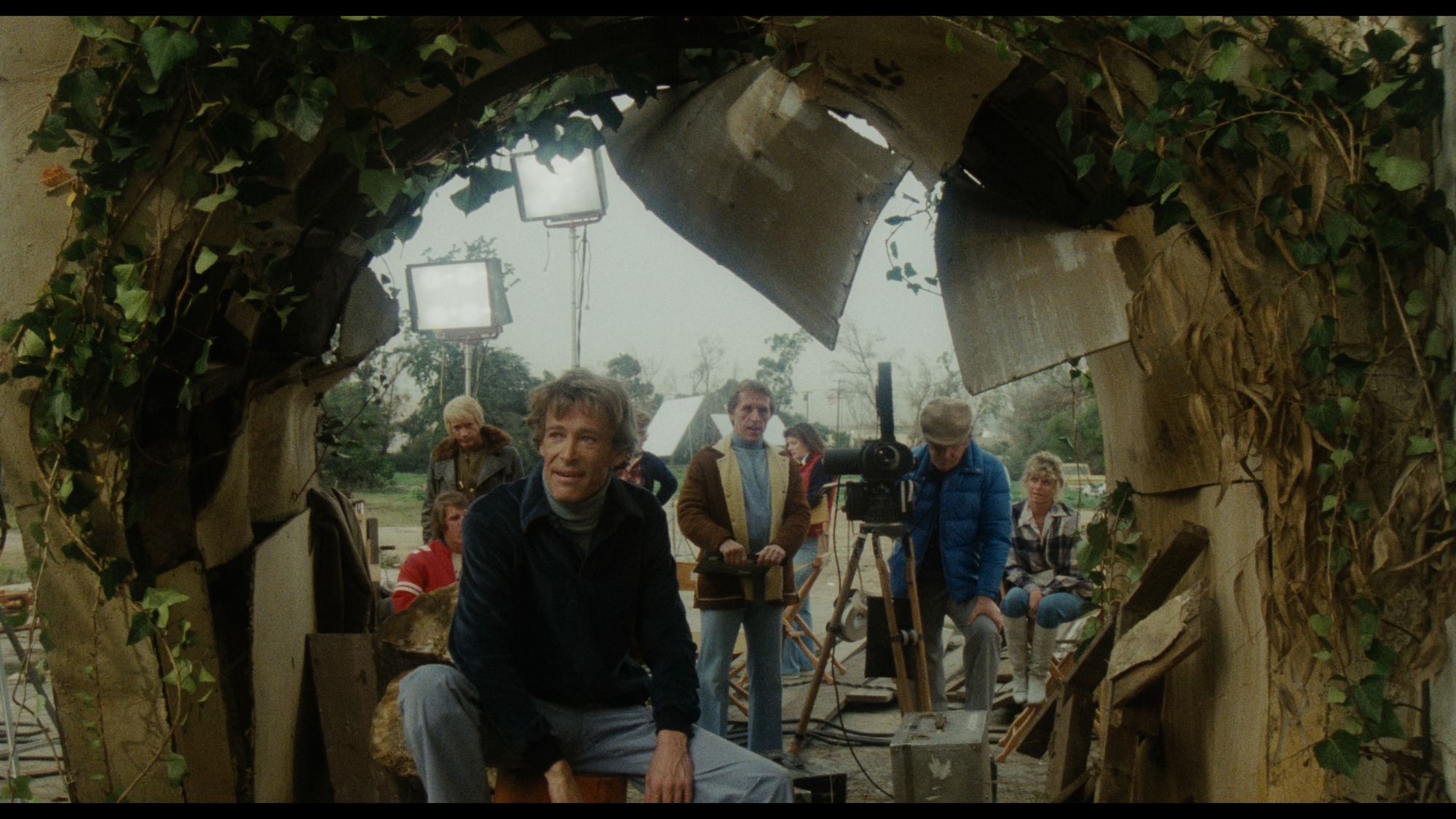
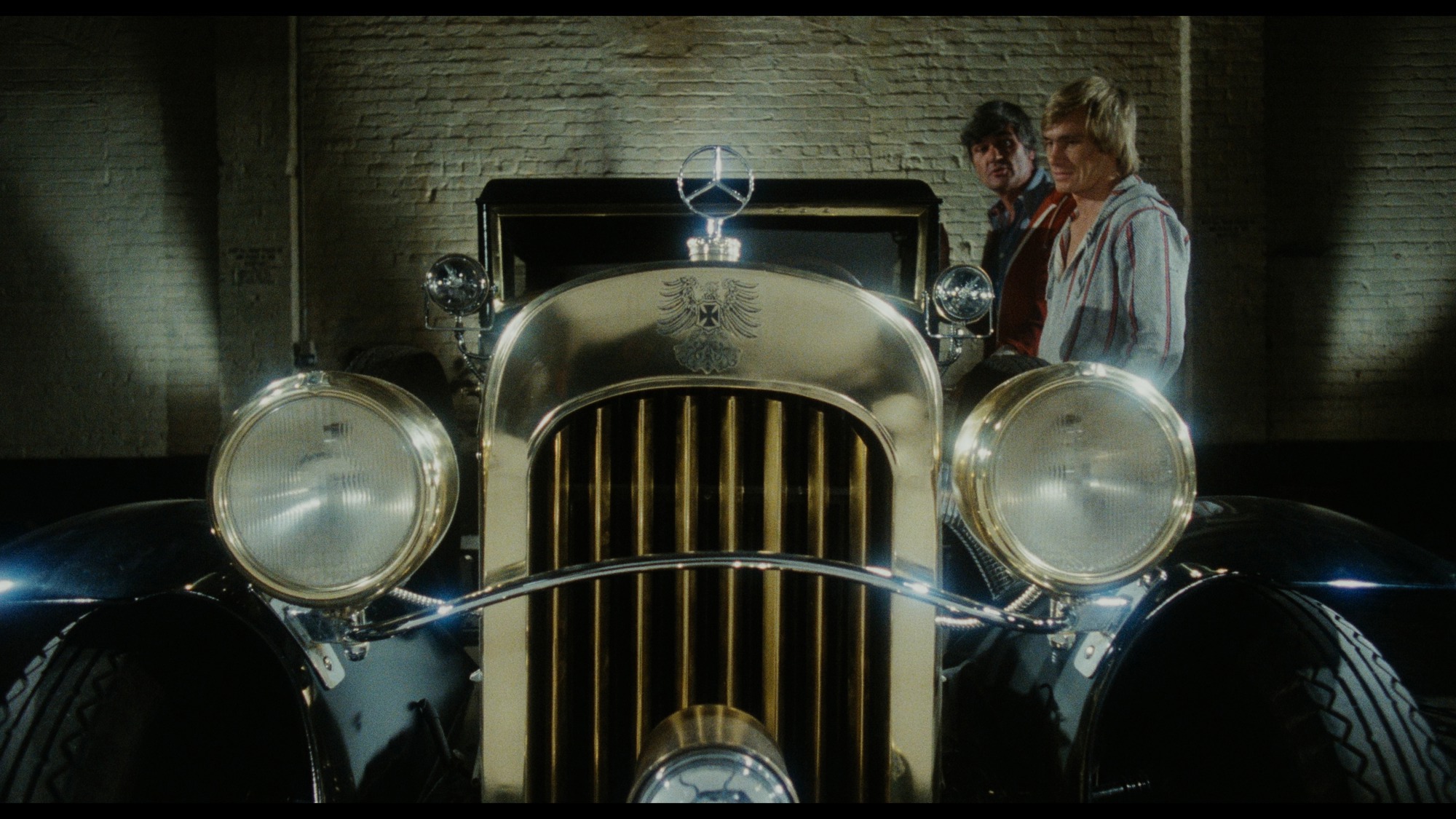
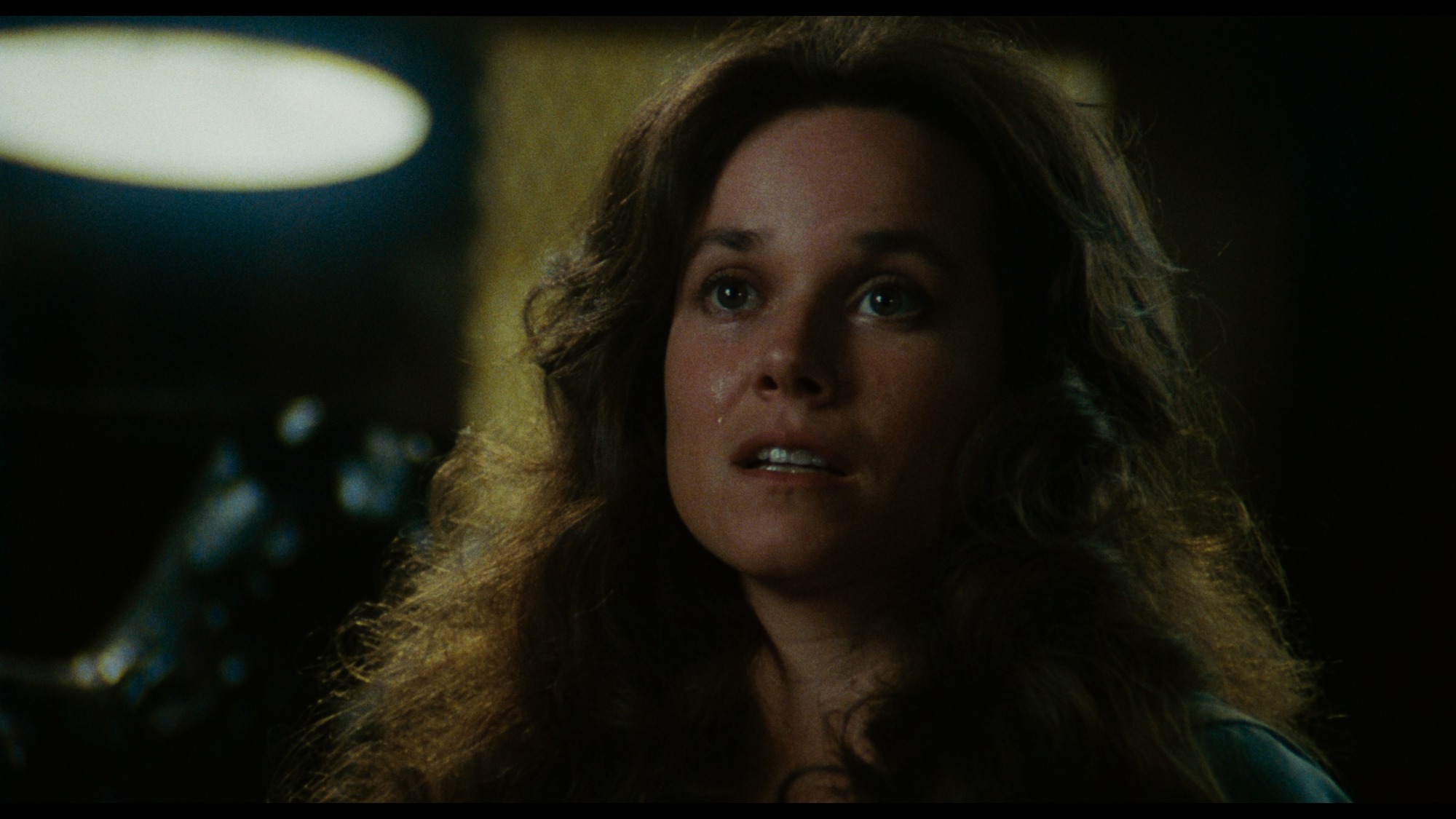
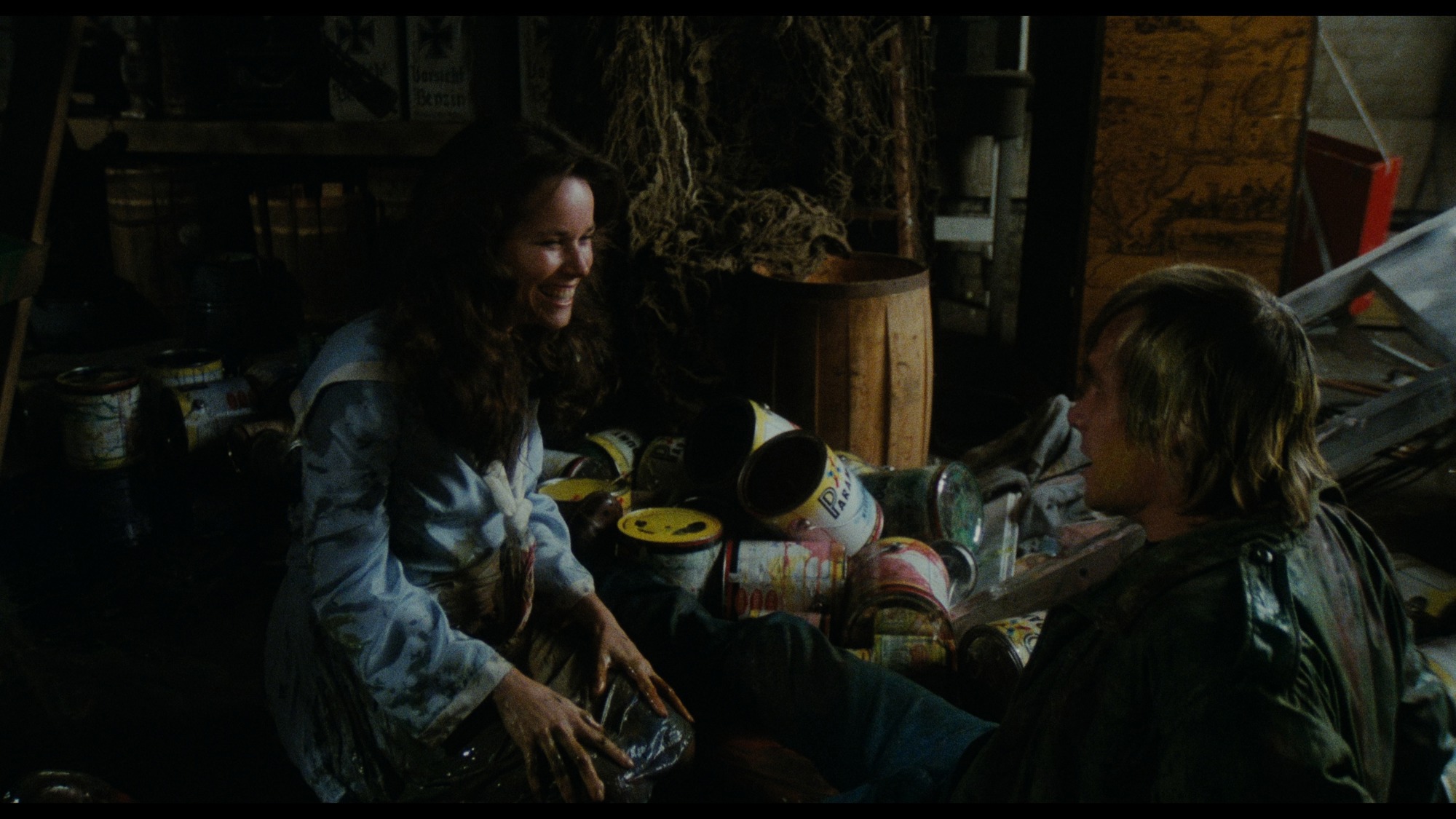
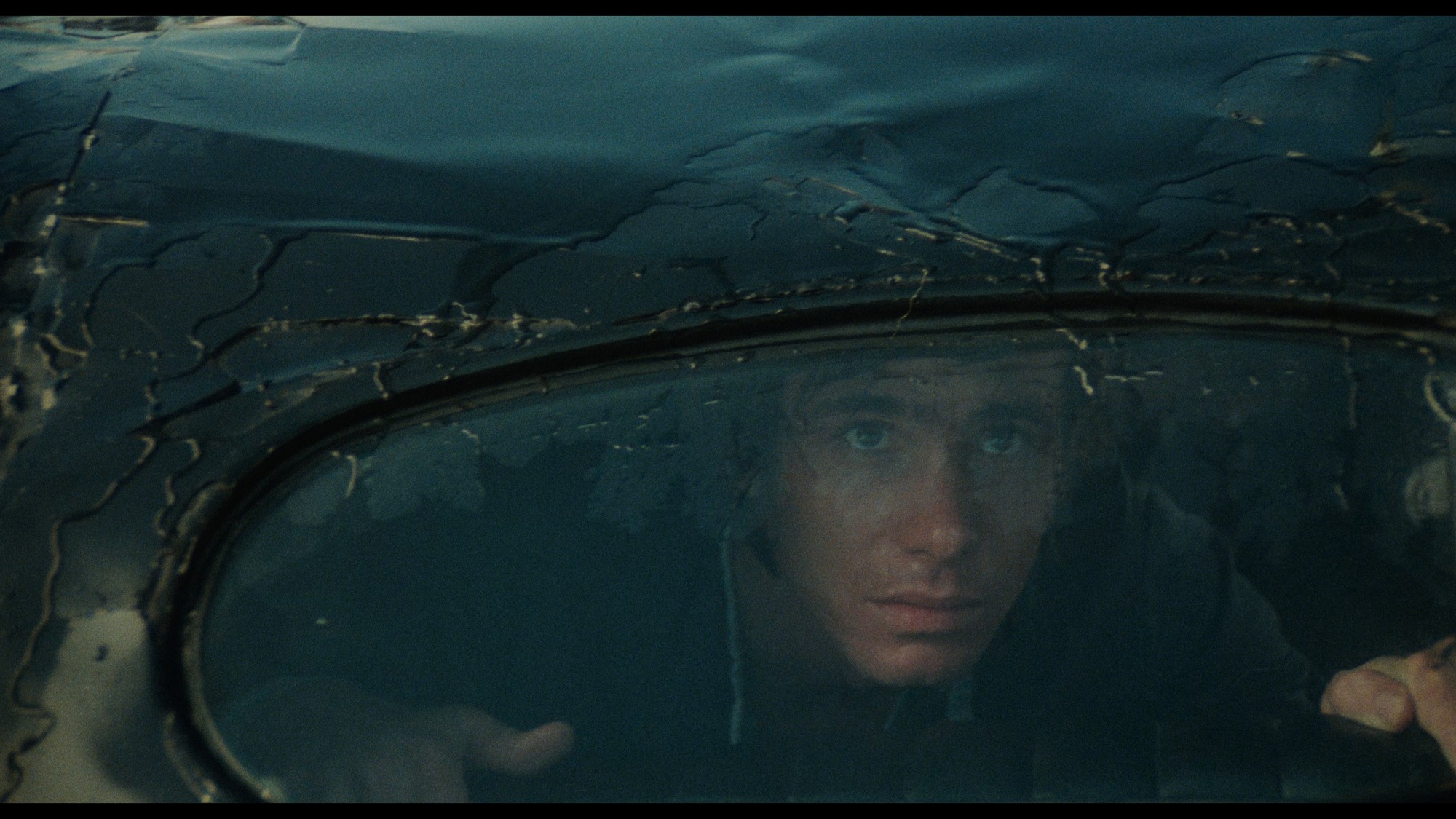
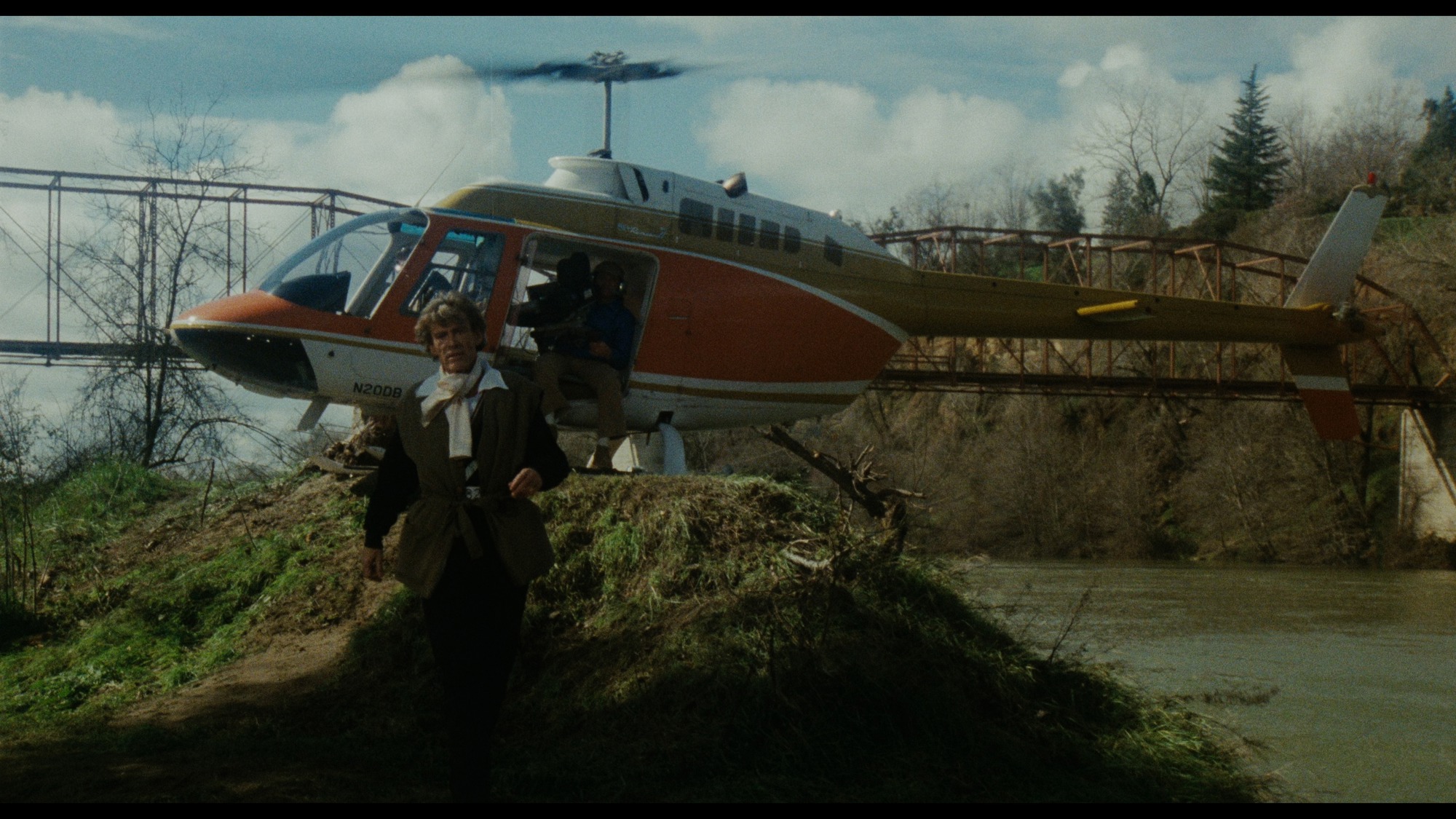
Audio 8/10
As with previous editions, going all the way back to Anchor Bay’s own DVD, Transmission’s disc presents both the film’s original monaural soundtrack (2.0) along with the later 5.1 remaster, both presented in DTS-HD MA.
I thought both sounded good, though the monaural presentation is a bit “weaker,” which is to be expected. Dialogue comes through clearly enough, with adequate range and fidelity, but music and effects can feel a little flat at times. The surround presentation has a bit more “umph” behind it, the music reaching stronger highs while effects demonstrate greater range between the low and high ends. I also thought dialogue sounded a little sharper overall.
The surround mix itself is handled well, with most of the audio anchored to the front speakers and balanced nicely across the three channels when needed. Music and some of the action do extend into the rears, but the effect feels natural and never comes across as distracting.
Ultimately it will come down to preference, but I did find the 5.1 option the more pleasing of the two, and it's a respectable mix.
Extras 8/10
Transmission’s edition ports over material from the previous Severin and Anchor Bay releases while also adding a couple of their own. Things start off with an archival audio commentary first recorded for Anchor Bay’s 2001 DVD edition, featuring director Richard Rush and actors Peter O'Toole, Steve Railsback, Barbara Hershey, Alex Rocco, Sharon Farrell, and Chuck Bail. I hadn’t listened to this one since first hearing it on that DVD. I recalled not caring much for it but couldn’t remember many specifics. I figured this time around, after revisiting other commentaries I had originally dismissed only to find them much better on a second listen (Yi Yi and A Woman Under the Influence being two examples), maybe the same would happen here. Unfortunately, that wasn’t the case.
I’m not entirely sure how this was recorded, but it sounds like the participants were recorded separately in groups or individually, or that portions of the audio were lifted from interviews. This approach can work (as evidenced by many of Criterion’s LaserDisc-era commentaries that were assembled from separate sessions and edited together) but here there’s no real cohesion in how everything has been put together. The track jumps all over the place. It will be screen-specific for a moment, then shift into general discussion, then O’Toole will randomly pop in, followed by Rush explaining why he chose certain imagery or structured a scene the way he did, before jumping back to set stories and repeating the cycle. There are some decent anecdotes scattered throughout, but it’s a frustrating listen overall, with Rush’s obviously scripted (and often random) interjections clashing with everything else. I really disliked it.
Thankfully the new track, featuring critics Cristina Newland and Monica Castillo, fares much better. In addition to offering a general appreciation of the film while discussing its technical attributes and problematic production history, the two also contextualize it for newcomers (and I assume younger viewers) who might easily be put off by the film, which requires a certain willingness to get on its “wavelength.” They place it within the cultural mood following the Vietnam War, when a growing sense of disillusionment had begun to permeate American society, something the film taps into through its paranoid protagonist. They also break down how the film deliberately blurs the line between reality and performance, making it difficult to discern what is “real” within the narrative, and how Rush plays with that concept (even if it sometimes makes the art of filmmaking appear far more streamlined than it actually is). They of course also discuss O’Toole, whose career had begun to stagnate by this point, and how the role helped revitalize it, before touching on Rush’s own career, which largely stalled afterward, with his next film not arriving until the poorly received (to put it conservatively) Color of Night in 1994. The track does meander here and there, and the audio quality is oddly not great—as though the two are sitting a bit too far from the microphone—but on the whole I liked it, particularly since it provides an outsider’s perspective, something largely missing from the other supplements.
Moving on, there is an optional introduction by director Richard Rush that plays before the film on both the 4K and Blu-ray discs. This is actually the opening portion of the extensive 131-minute making-of documentary The Sinister Saga of Making “The Stunt Man”, which originally appeared on Anchor Bay’s Limited Edition DVD (and standalone DVD release). The documentary appears here on the standard Blu-ray along with the other video supplements. Directed by Rush himself, it digs deep into the production, covering everything from the project’s origins to its numerous false starts, the actual shoot, and the lengthy period between completion and release, largely due to studios not understanding the film or how to market it.
Hosted by Rush, the documentary also features interviews with O’Toole, Railsback, Hershey, Bail, Farrell, and others, all sharing stories about joining the project and their experiences on set. It even includes a lengthy deleted scene between Railsback and Hershey that Rush had to cut—begrudgingly—to keep the film at the requested length, which in turn allowed him to retain final cut per his contract.
This documentary is genuinely interesting and absolutely worth watching for fans. But… you do have to get around Rush’s rather eccentric approach to assembling it. He goes wild with the editing tools, throwing in unnecessary effects and transitions (all that’s missing is the Homer Simpson-approved star wipe) while continuing the film’s theme of blending reality and fiction. Essentially, much like the film itself, you have to get on its “wavelength.” It’s also probably longer than it needs to be, running a full minute longer than the feature. Again, if you haven’t watched it before, it’s certainly worth seeing, but revisiting it this time, I found myself more frustrated by how Rush ultimately approached it.
Two additional deleted scenes are also included, totaling about six minutes. These are the same ones carried over from the Anchor Bay DVD (and Severin Blu-ray), with one further illustrating the tensions between O’Toole’s director and Allen Garfield’s writer, while the other is a rather absurd (but fun) sequence where the director and crew attempt to spring their film’s star from the police station after he’s been picked up.
The remaining material (outside of the theatrical trailer) consists of interviews carried over from Severin’s edition, along with a newly recorded 2024 interview featuring stuntman and actor Chuck Bail. In it, he discusses his background before talking about his experiences on the film and O’Toole’s reaction upon seeing the finished movie at the premiere.
Richard Rush’s 34-minute interview from 2011 follows, with the director offering a career retrospective, going through his films one by one, from the teen exploitation drama Too Soon to Love through the buddy cop comedy Freebie and the Bean, before eventually discussing The Stunt Man. He also recalls a proposed sequel to Air America that was apparently going to happen if he directed another project for the producer he was working with, which ultimately became the unfortunate Color of Night. He gets a little into that one and explains what went wrong. I’ll be honest; I don’t think that film ever had much hope of actually being “good,” but I would absolutely be up for a big special edition that digs into what happened with it (though since it’s owned by Disney, I’m not sure how likely that would be).
From there we get interviews with O’Toole (19 minutes), Hershey (14 minutes), and then Railsback and Alex Rocco together (19 minutes). They’re something of a mixed bag since much of the material overlaps with other supplements, with everyone recalling how they became involved in the film, discussing their characters, and sharing stories from the production. Allen Garfield even receives a little playful (if unfair) flack, with O’Toole referring to him as “tubby” and “well nourished.” O’Toole’s interview is probably the strongest of the three, as he clearly holds the film very dear to his heart and talks about the impact it had on him, even while sidestepping discussions about the film’s overall quality. Also included are 17 minutes of excerpts from a Q&A session from 2011 with Rush, Railsback, and Hershey, where they field audience questions covering topics ranging from the original script to the studio’s difficulties in marketing the film.
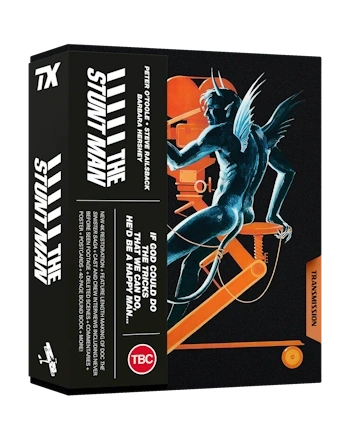
Transmission’s limited edition presents the two discs in a Scanavo case housed inside an o-sleeve, which itself is placed inside a sturdier outer sleeve. The set also includes a poster and a set of lobby cards. A 38-page booklet rounds things out, featuring a brief biography on Rush, an essay on the film by Adam Nayman, excerpts from a 1990 interview with Rush conducted by Kenneth Turan (focused primarily on The Stunt Man), and finally a piece by Brandon Streussnig discussing the art of stunt work and how underappreciated the profession often is.
Overall, the supplements are still something of a mixed bag. The cast and crew commentary is frustrating, the making-of documentary has its own quirks, and much of the Severin-produced material can feel somewhat repetitive. Still, Transmission has assembled a lovely set for the film, and the new commentary ends up being a particularly strong addition, offering an outsider perspective that is very much needed.
Closing
The supplements are still a mixed bag overall, but Transmission’s new contributions are solid and the set itself is a lovely package. In the end, though, it’s the new 4K presentation that makes this upgrade worthwhile. It looks incredible.
BUY AT: