The Wes Anderson Archive: Ten Films, Twenty-Five Years
Bottle Rocket
BUY AT:


See more details, packaging, or compare
Synopsis
Wes Anderson’s first ten features represent twenty-five years of irrepressible creativity, an ongoing ode to outsiders and quixotic dreamers, and a world unto themselves, graced with a mischievous wit and a current of existential melancholy that flows through every captivating frame. This momentous twenty-disc collector’s set includes new 4K masters of the films, over twenty-five hours of special features, and ten illustrated books, presented in a deluxe clothbound edition.
Picture 9/10
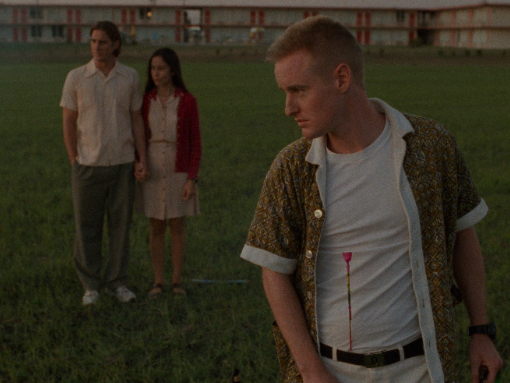
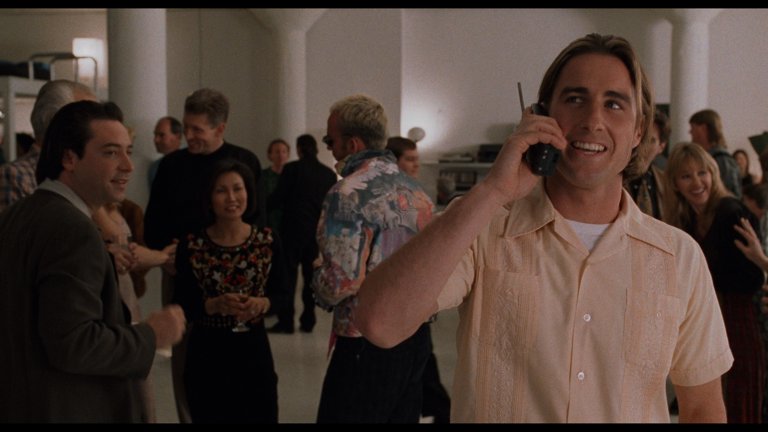
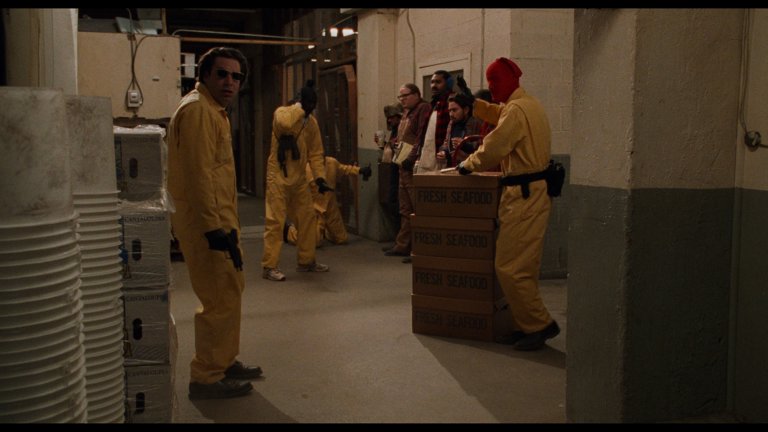
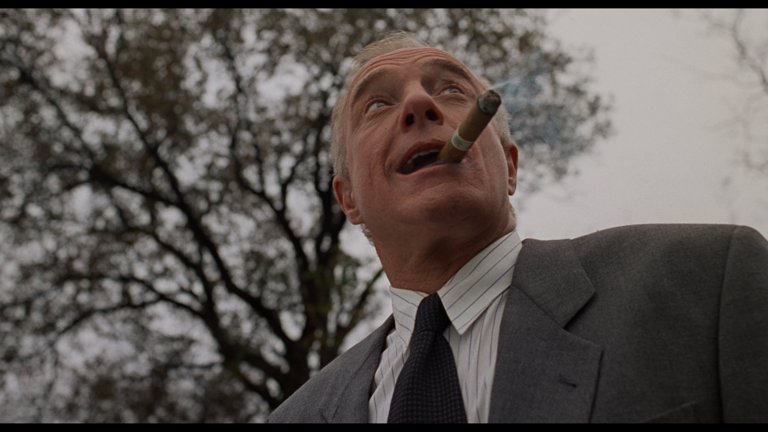
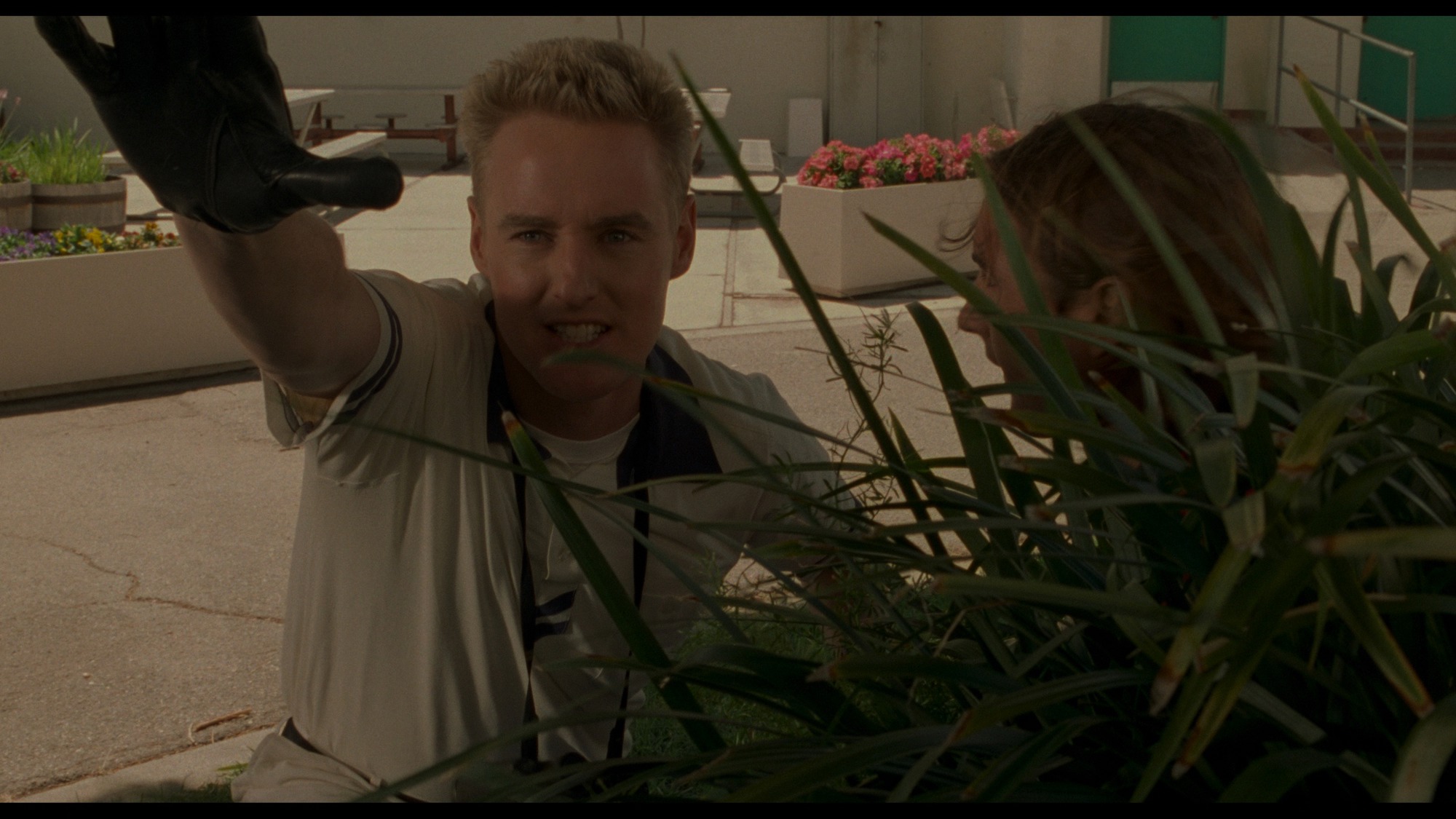
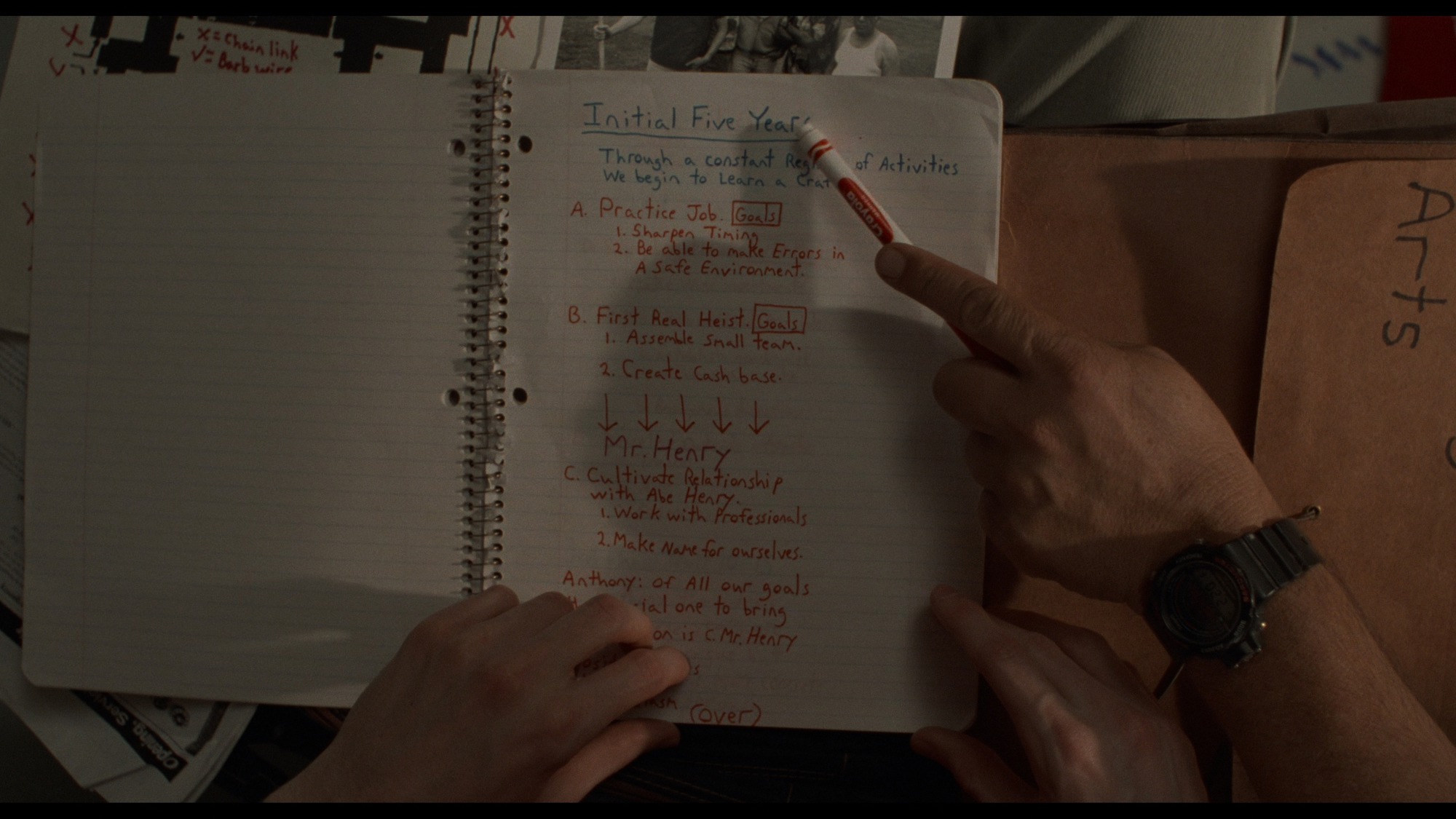
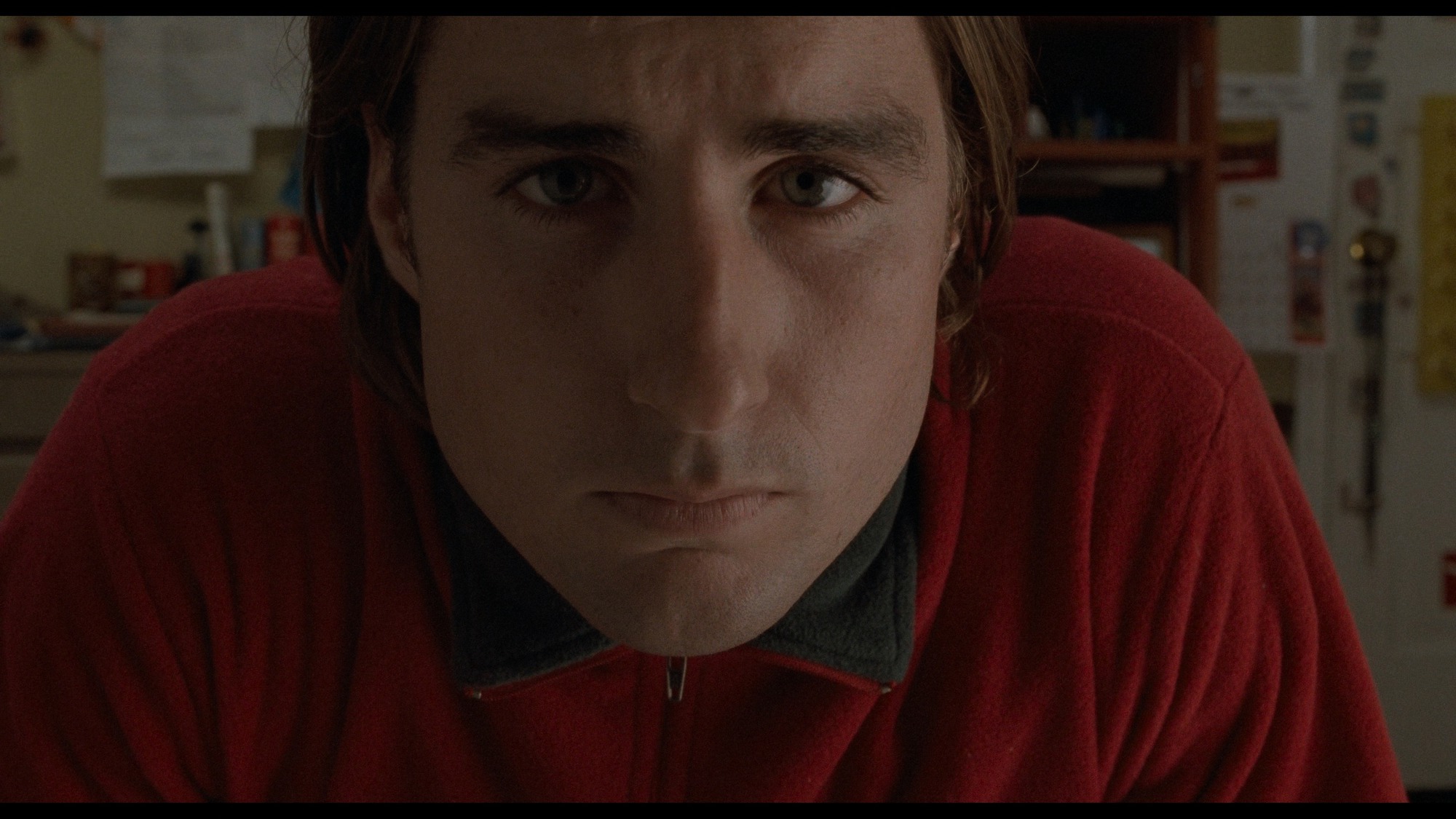
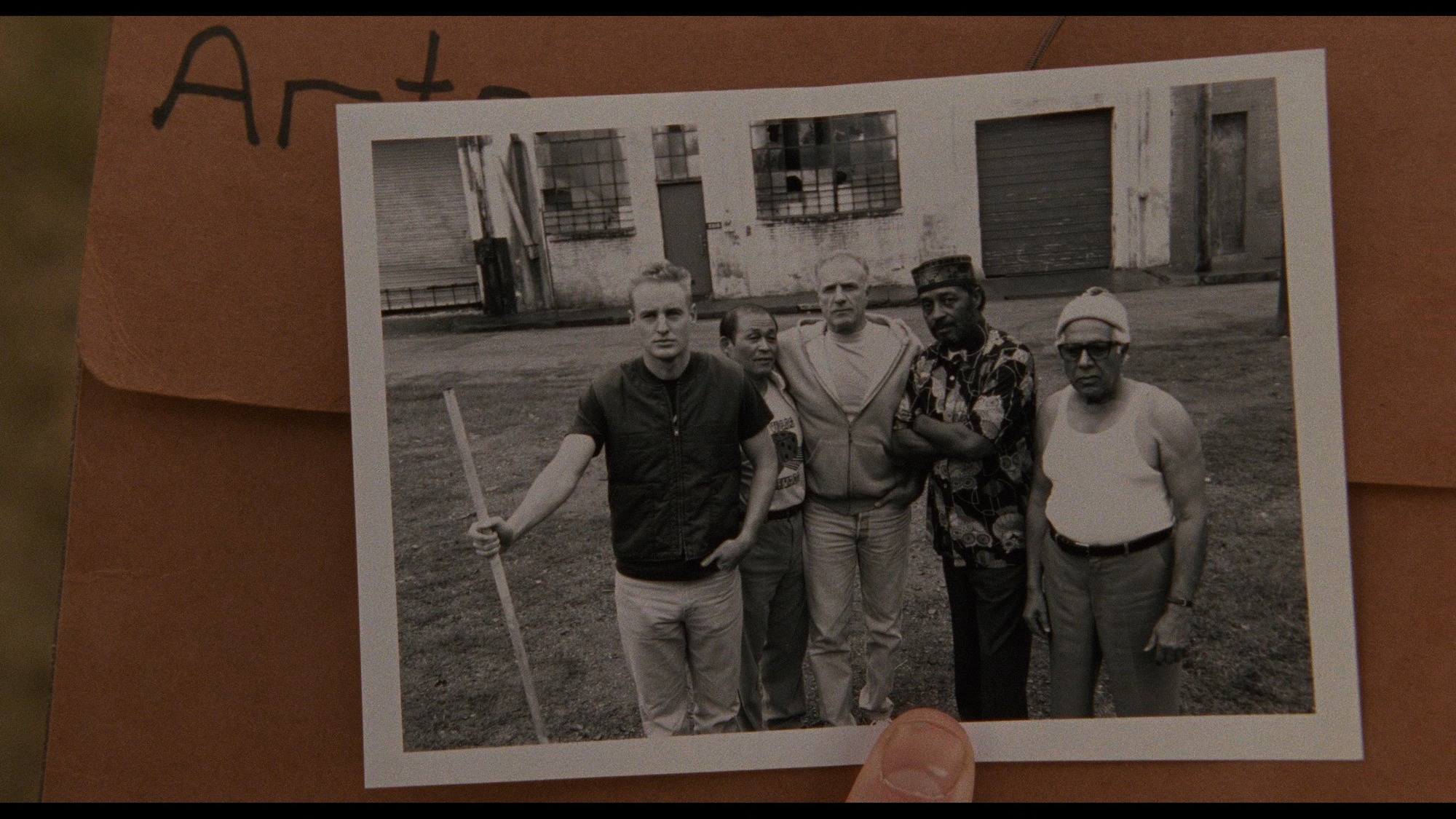
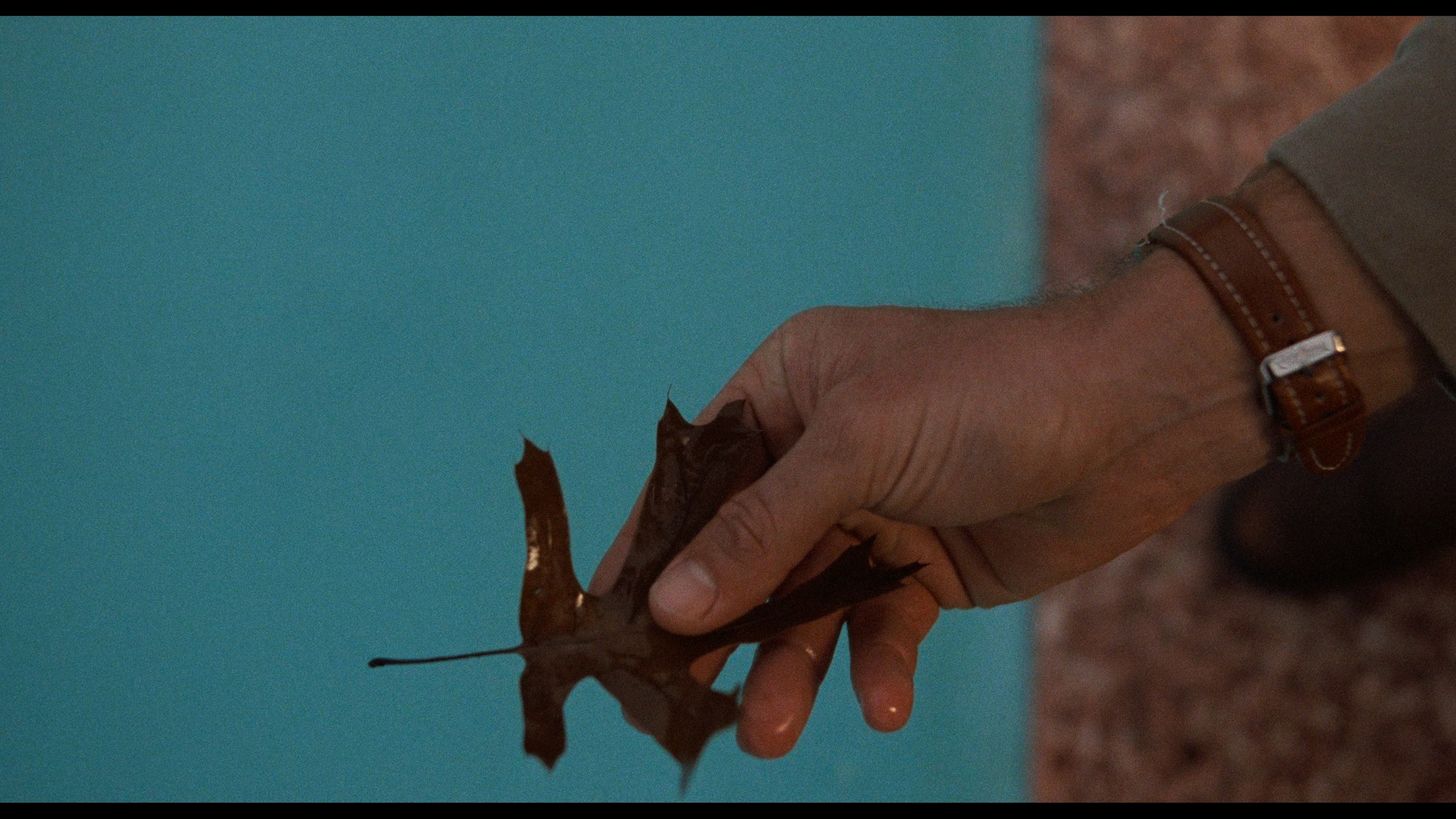
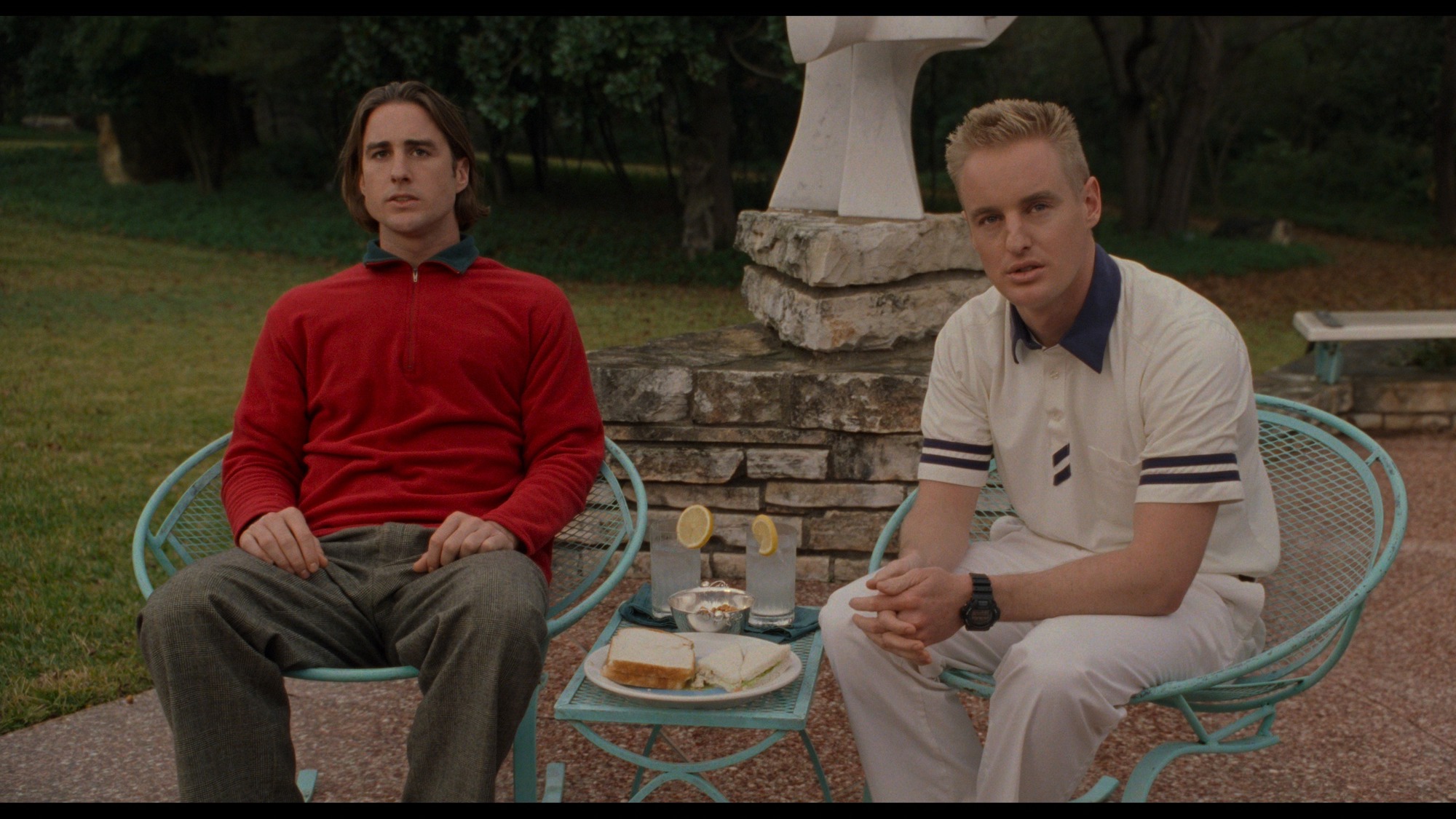
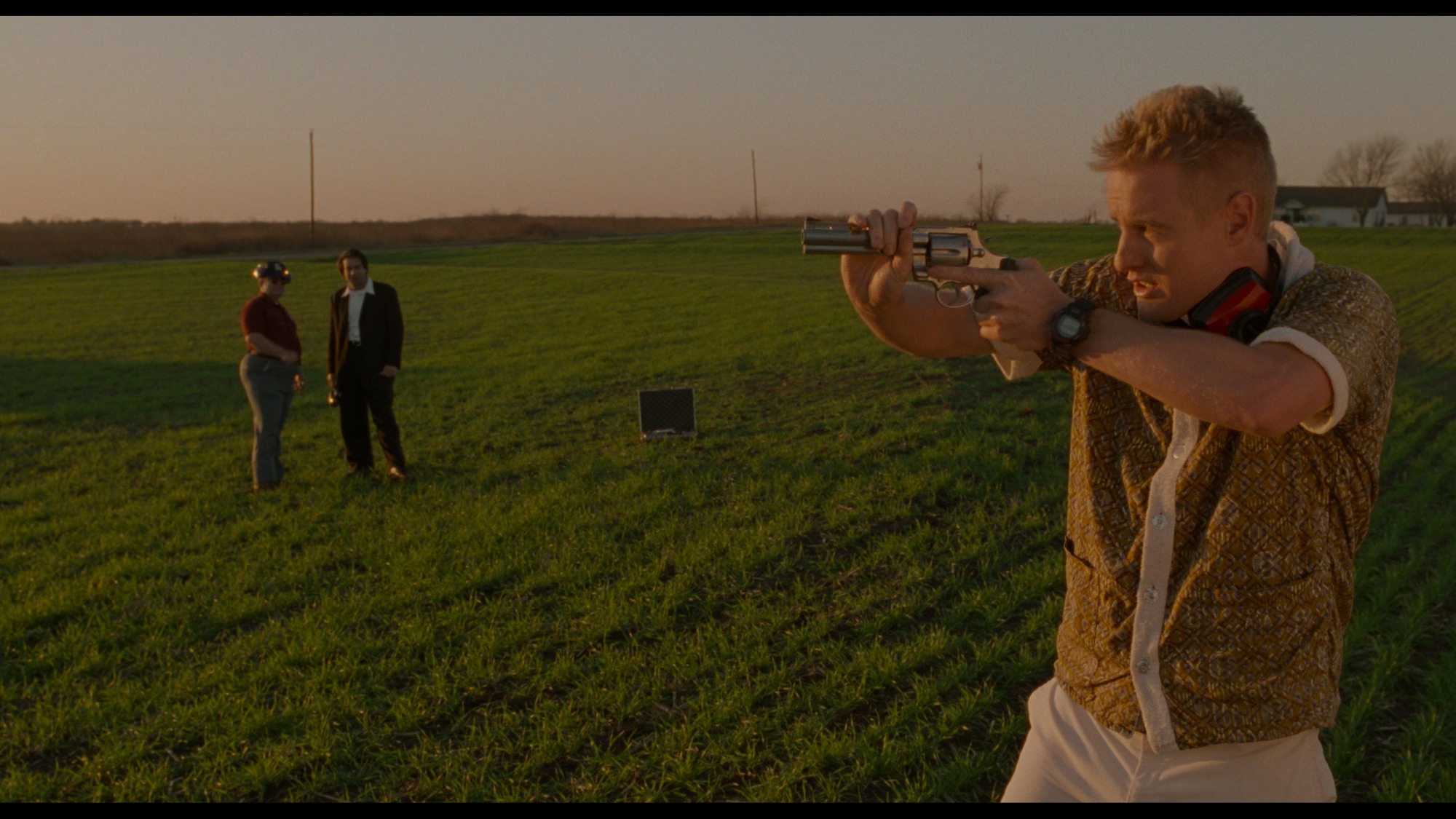
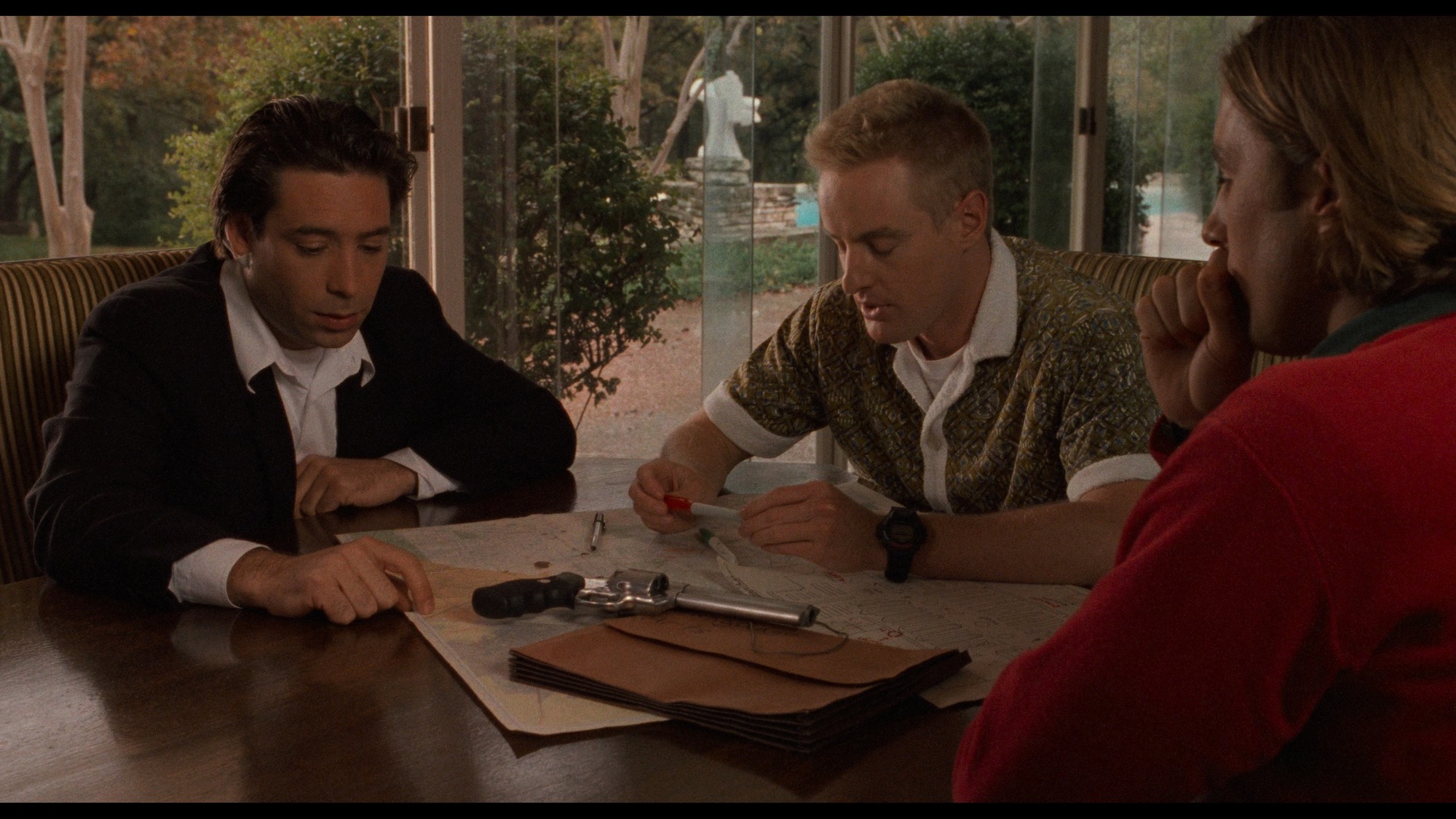
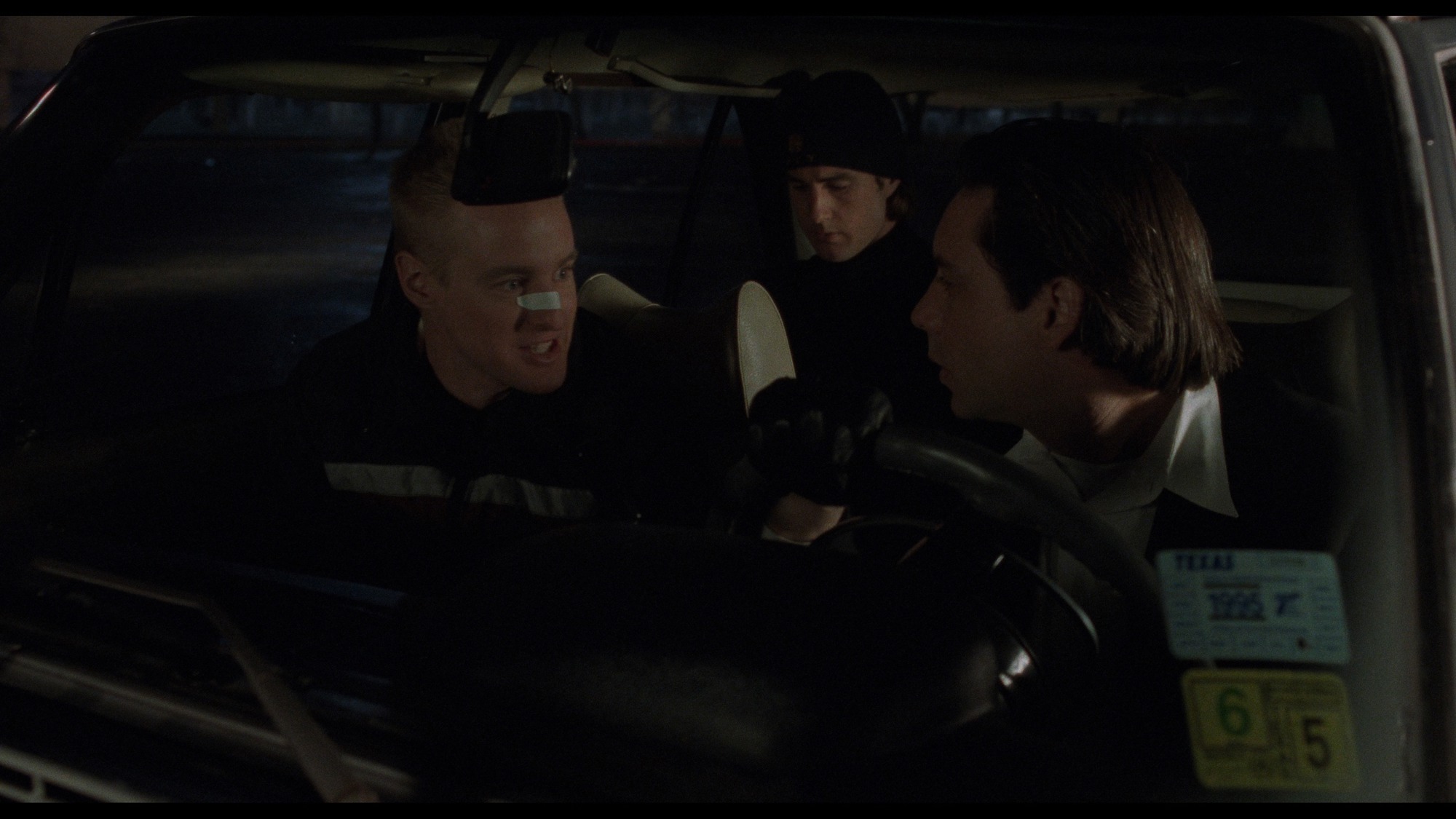
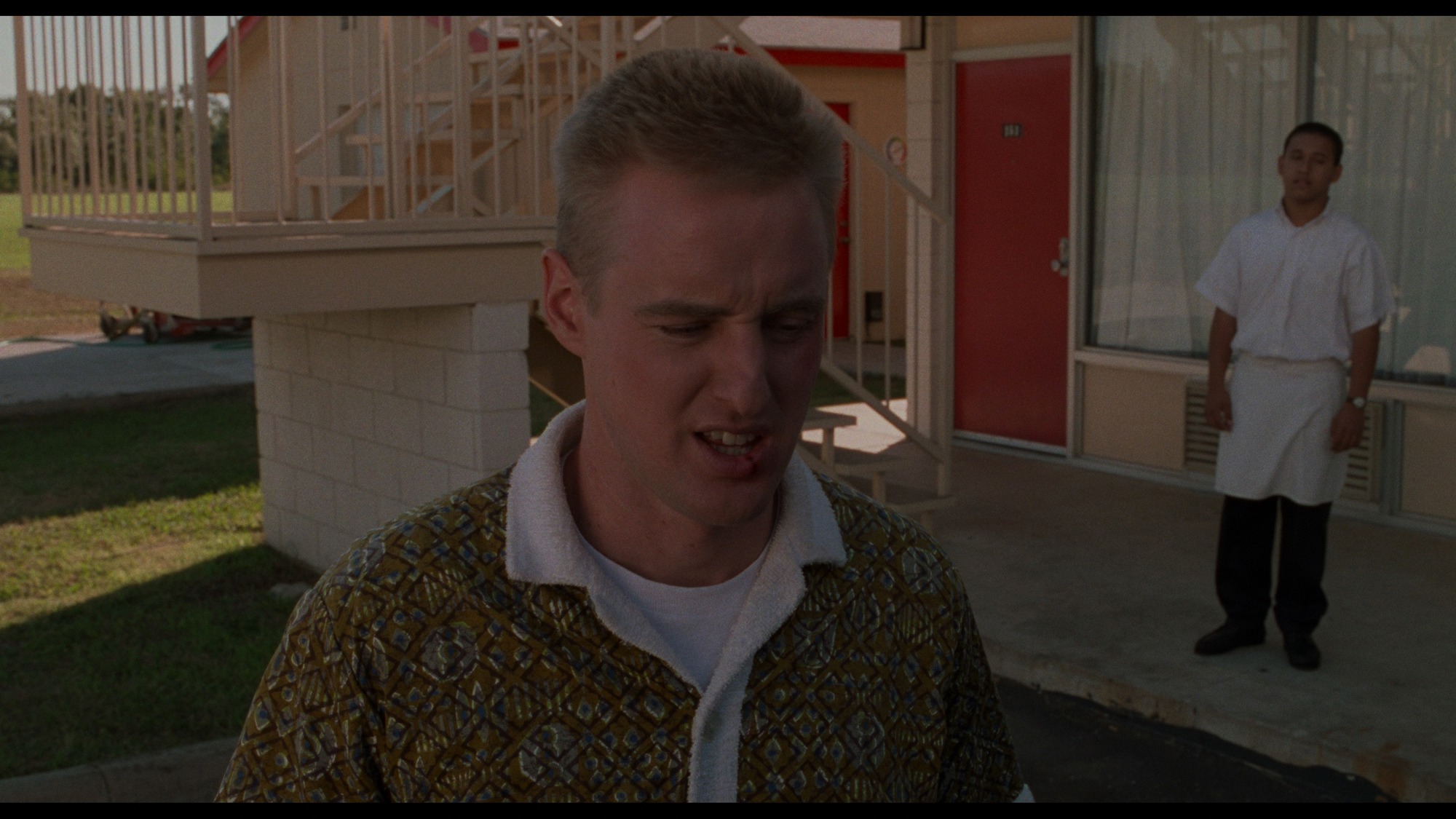
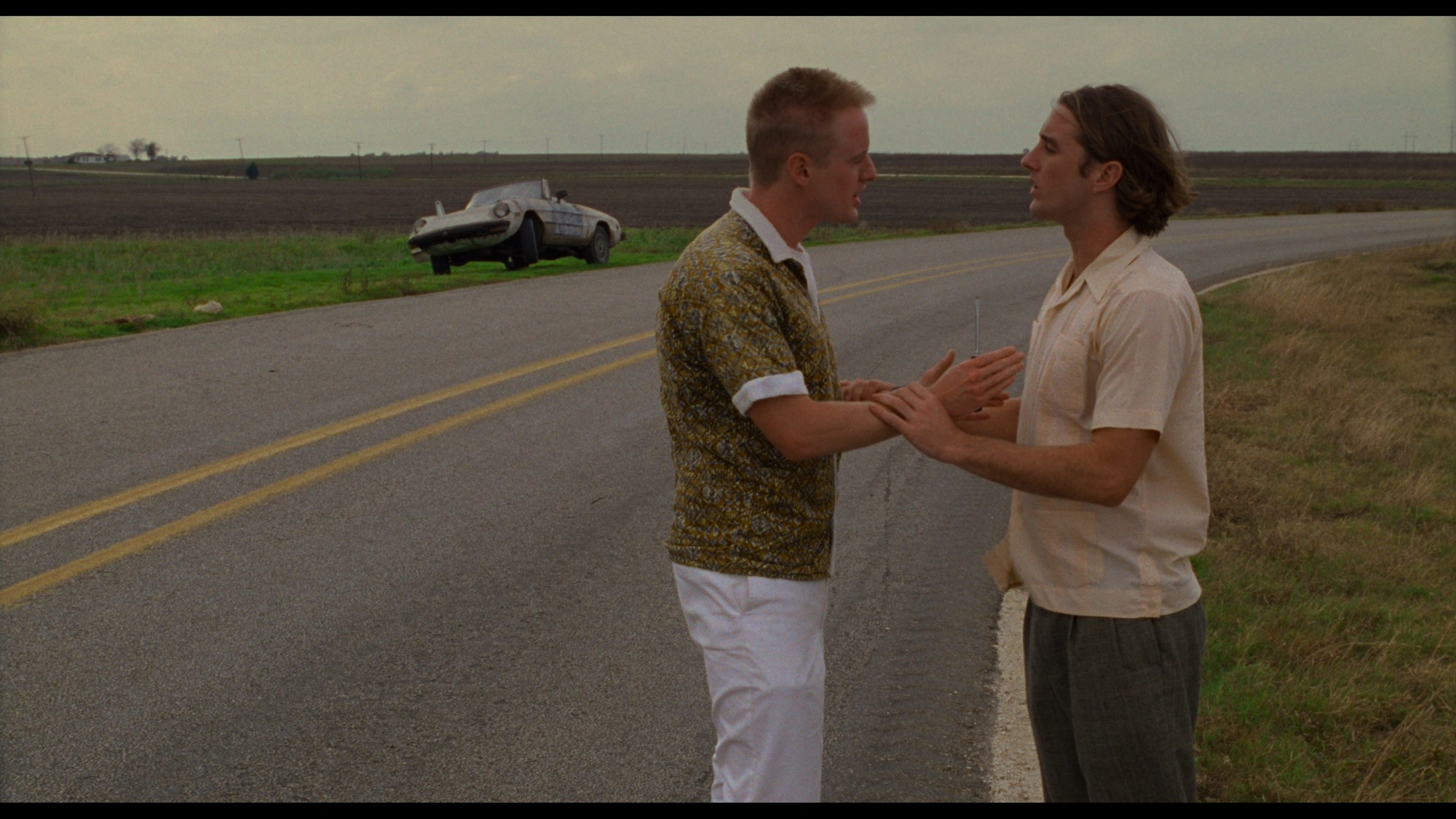
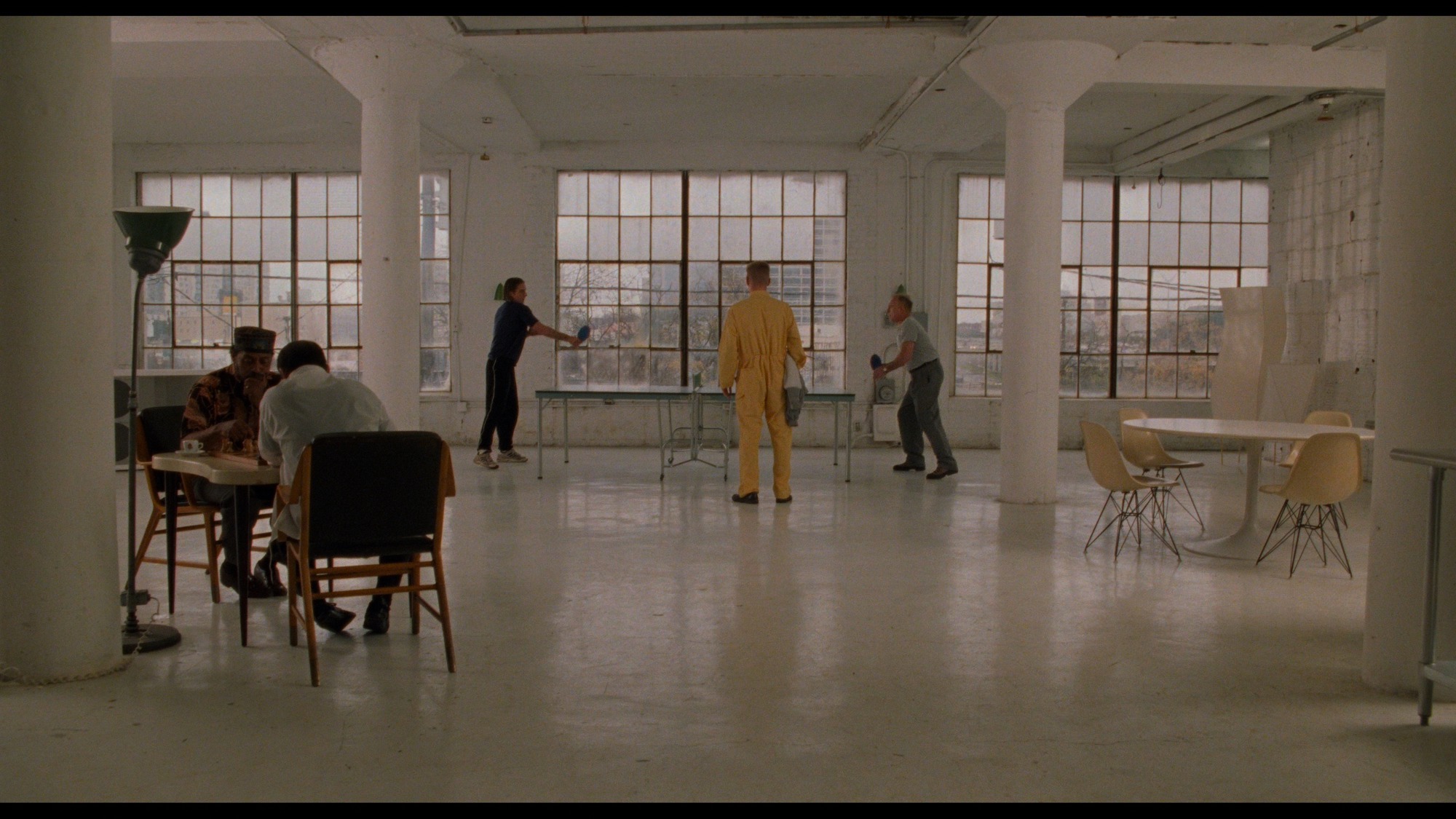
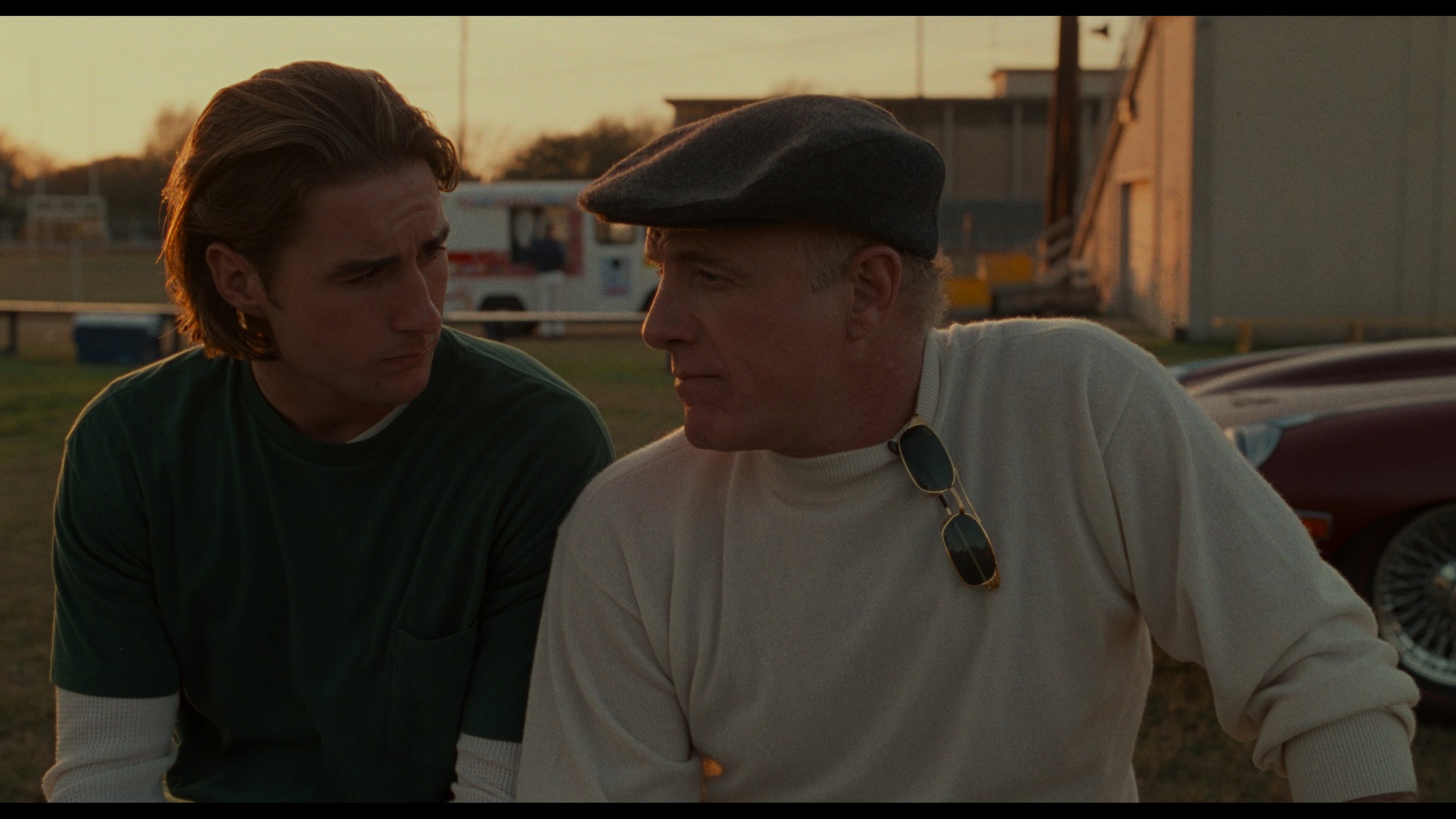
Criterion upgrades Bottle Rocket to 4K UHD as part of The Wes Anderson Collection set, presenting the film with Dolby Vision in its original 1.85:1 aspect ratio on a triple-layer disc. The 2160p/24hz ultra high-definition transfer comes from a new 4K restoration performed by Sony Pictures Home Entertainment, sourced from a scan of the 35mm original negative. A 1080p Blu-ray is also included, featuring the same high-def master used for Criterion’s 2008 edition; essentially the same disc, though with new menu artwork to match the overall design of the set.
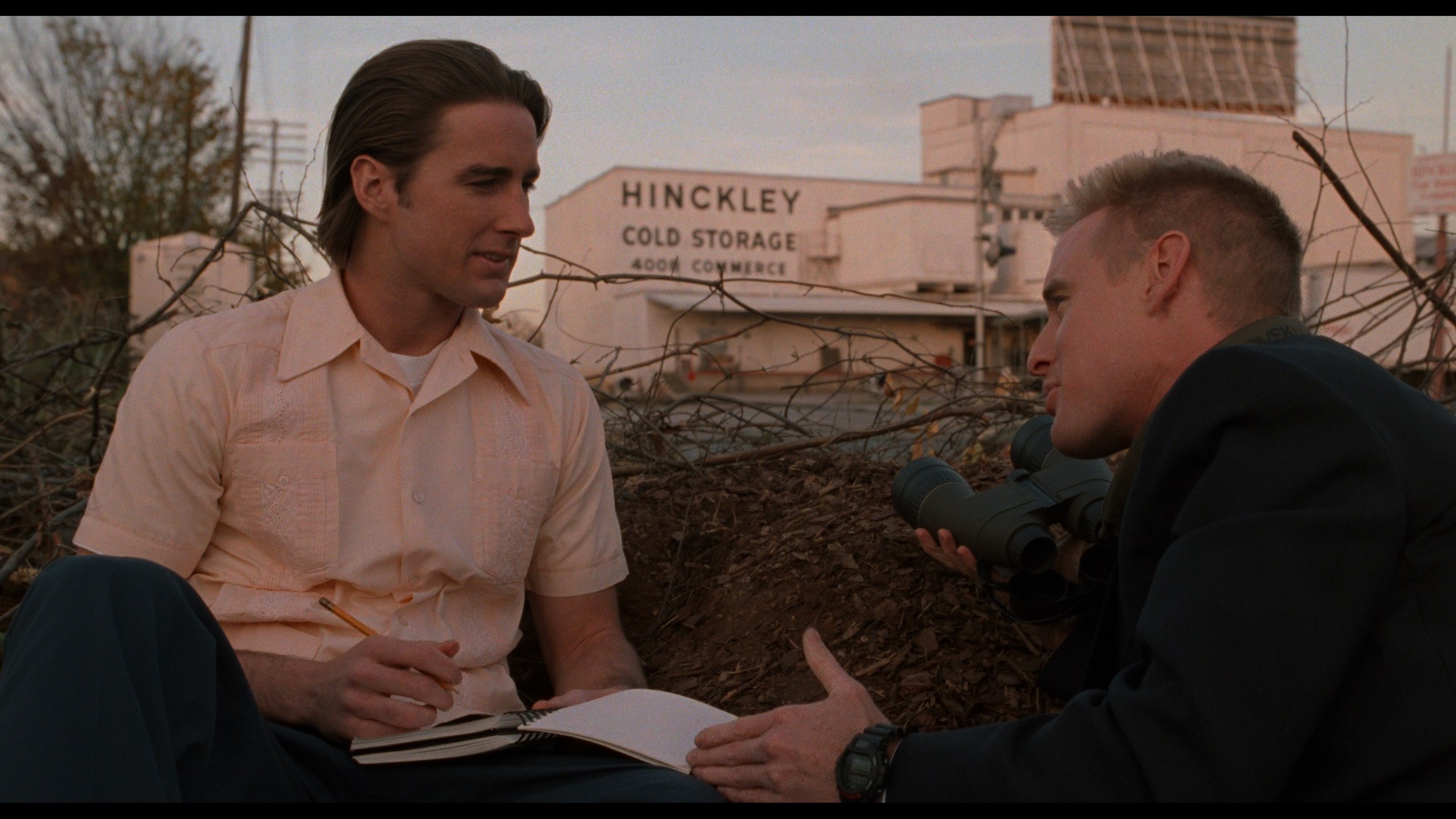
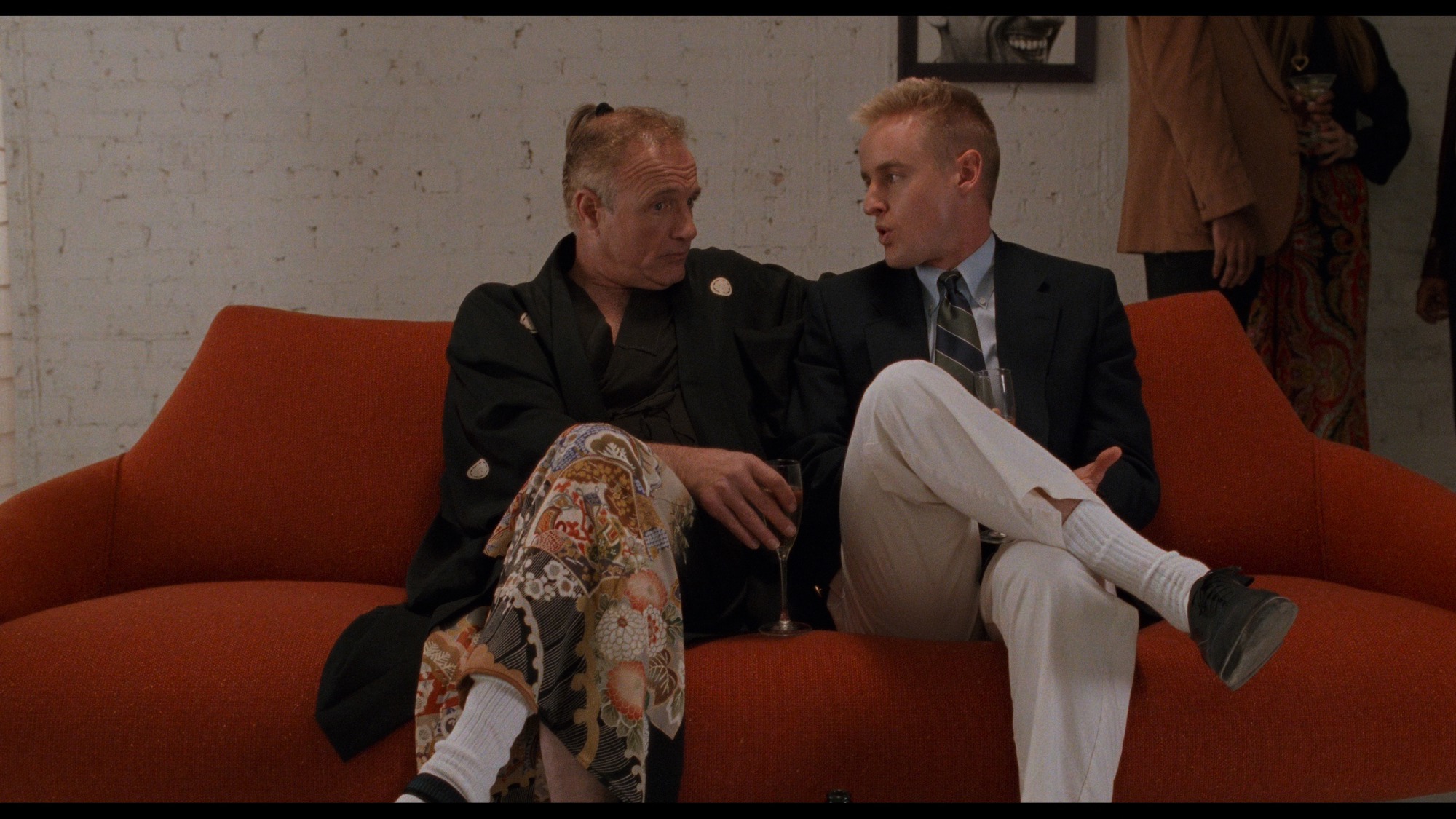
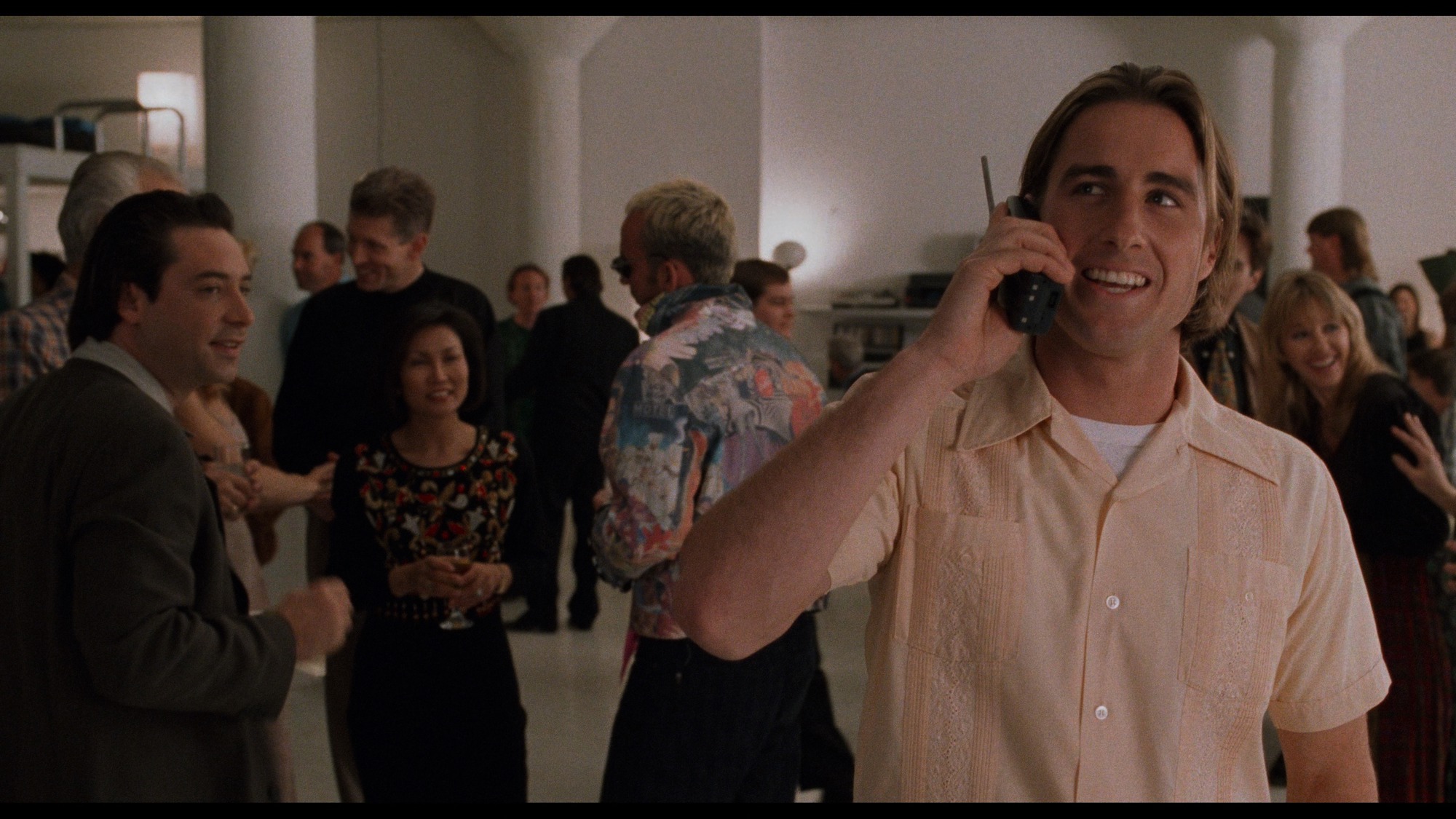
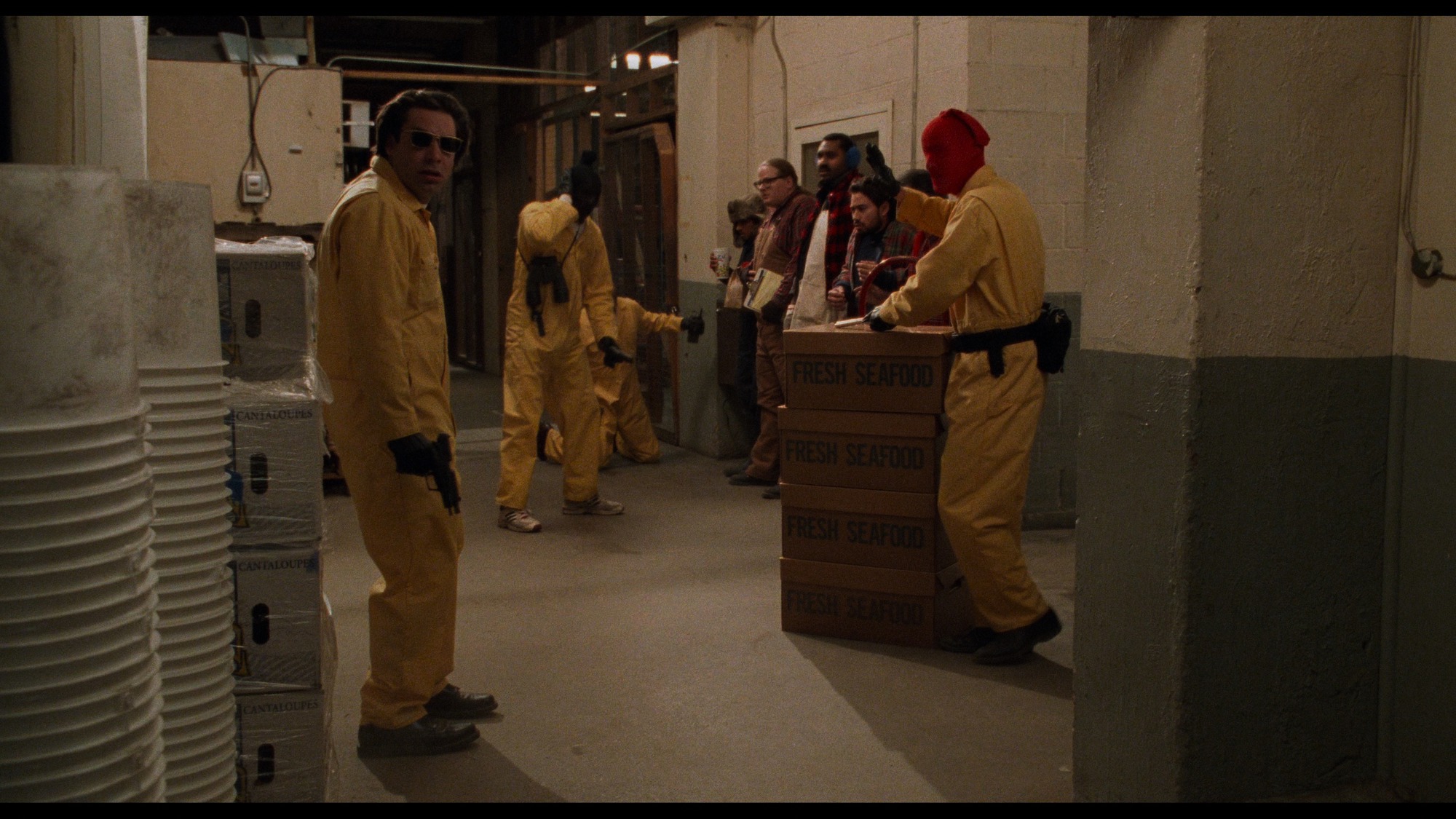
Criterion’s original Blu-ray was one of their earliest HD titles, and by modern standards, those early efforts were a bit rough (though I was apparently fine with it at the time). Unsurprisingly, this new 4K presentation surpasses it in every conceivable way. Yet even on its own, it’s a strikingly beautiful transfer.
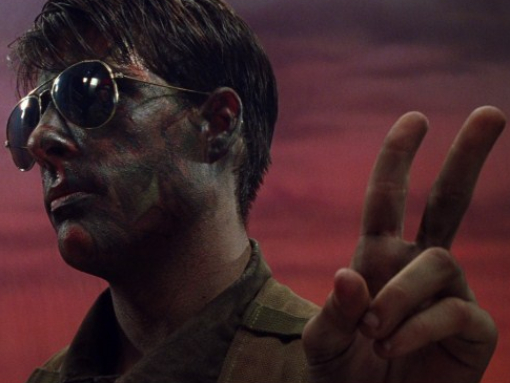
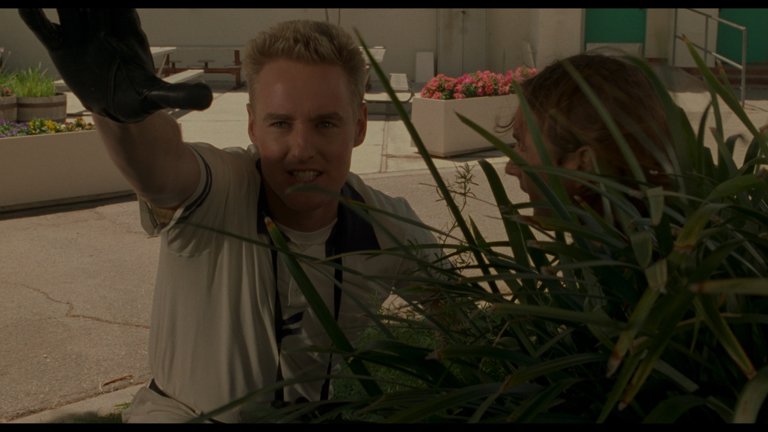
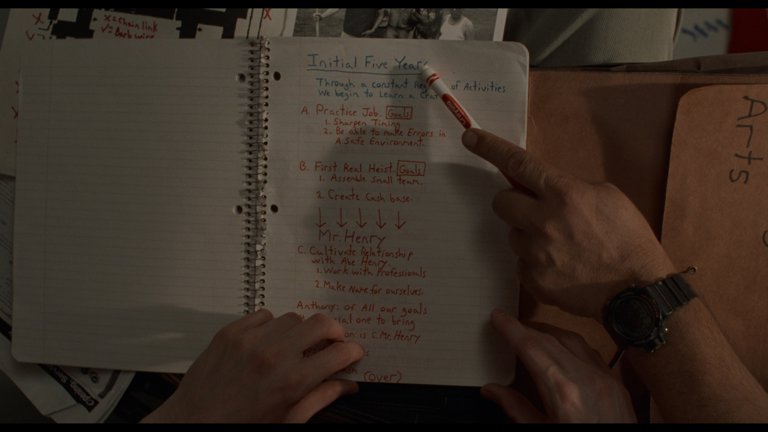
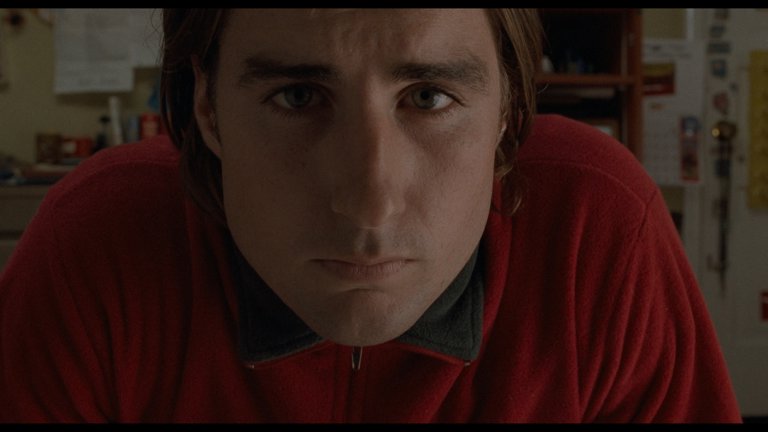
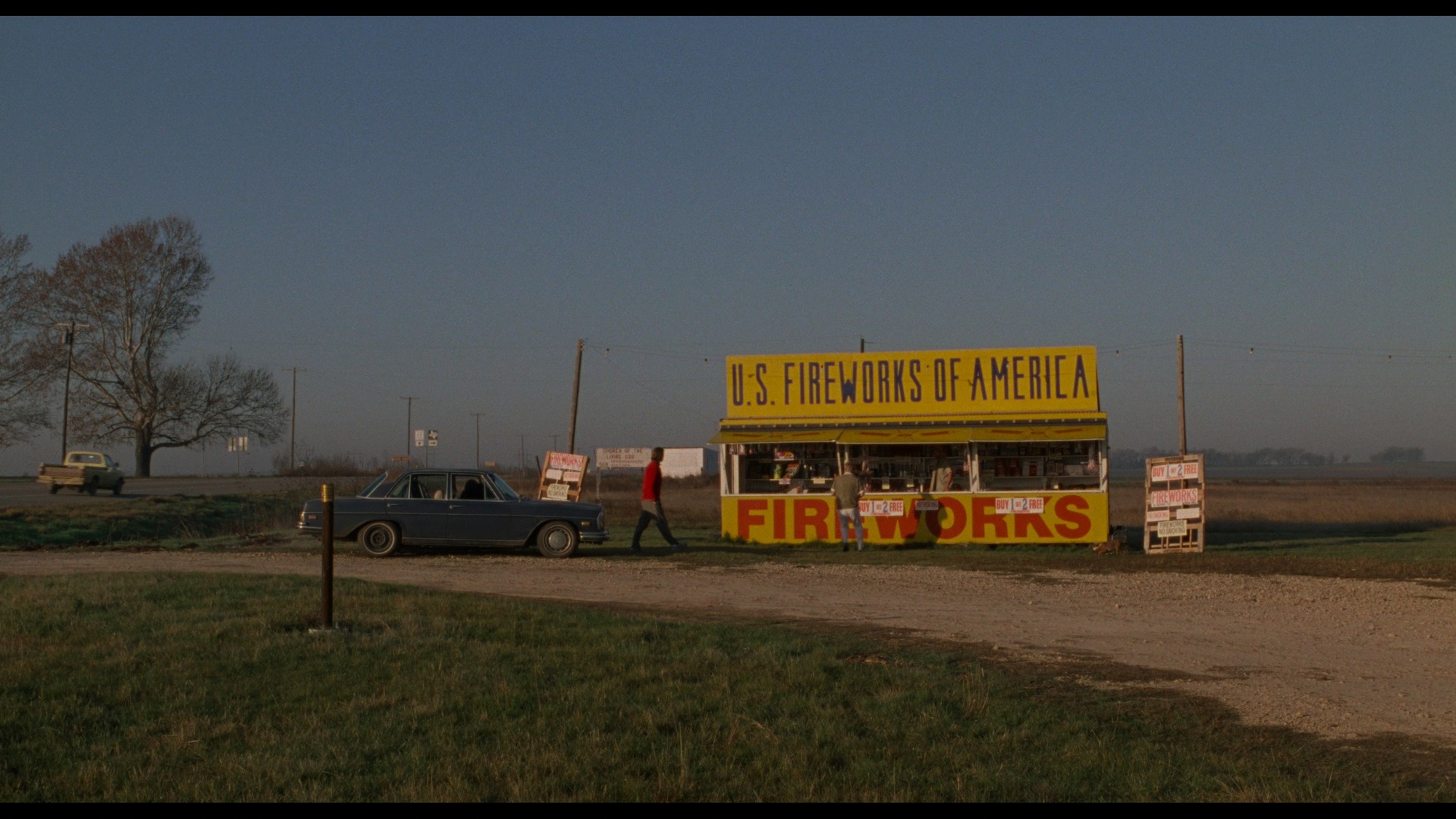
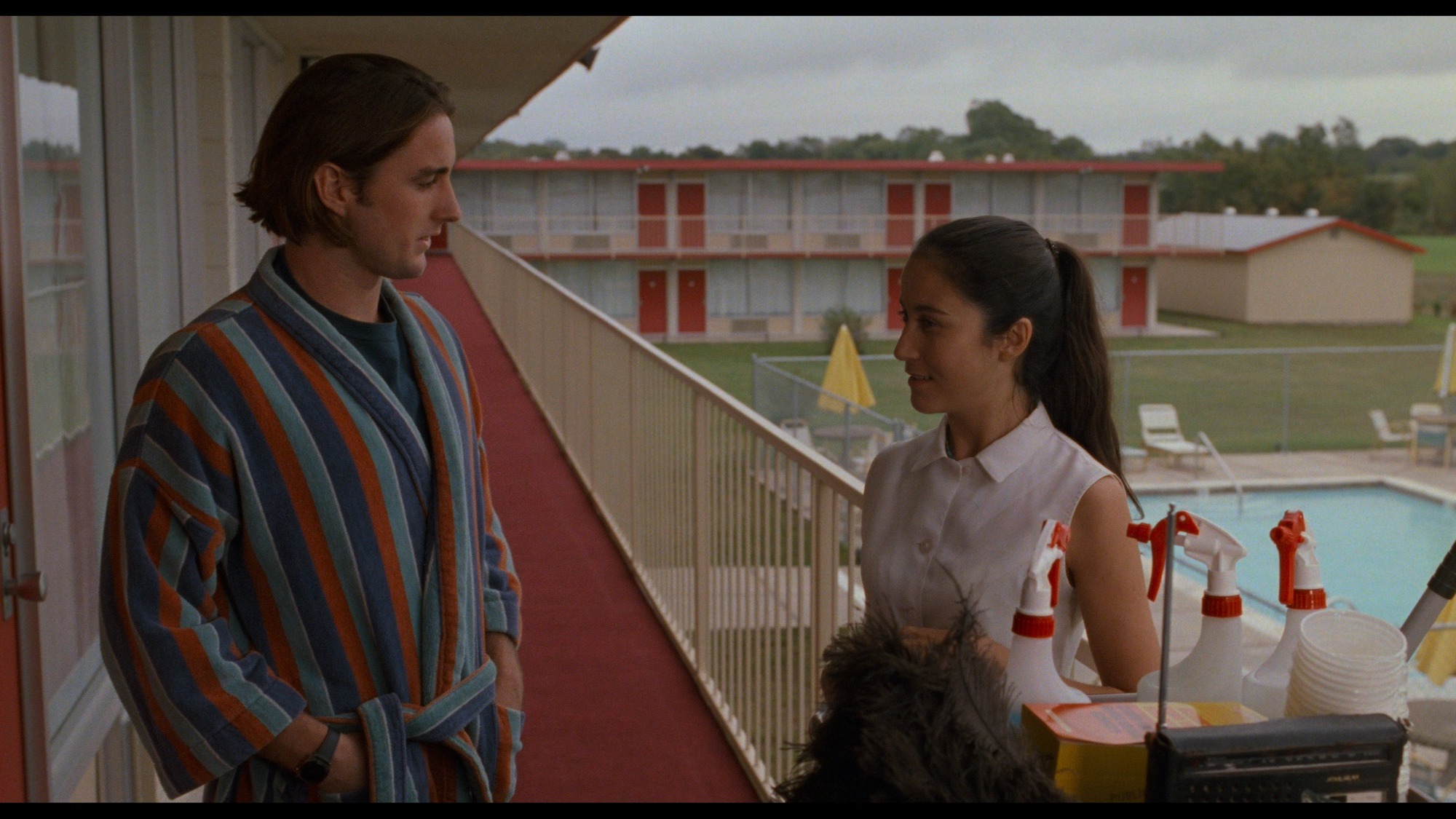
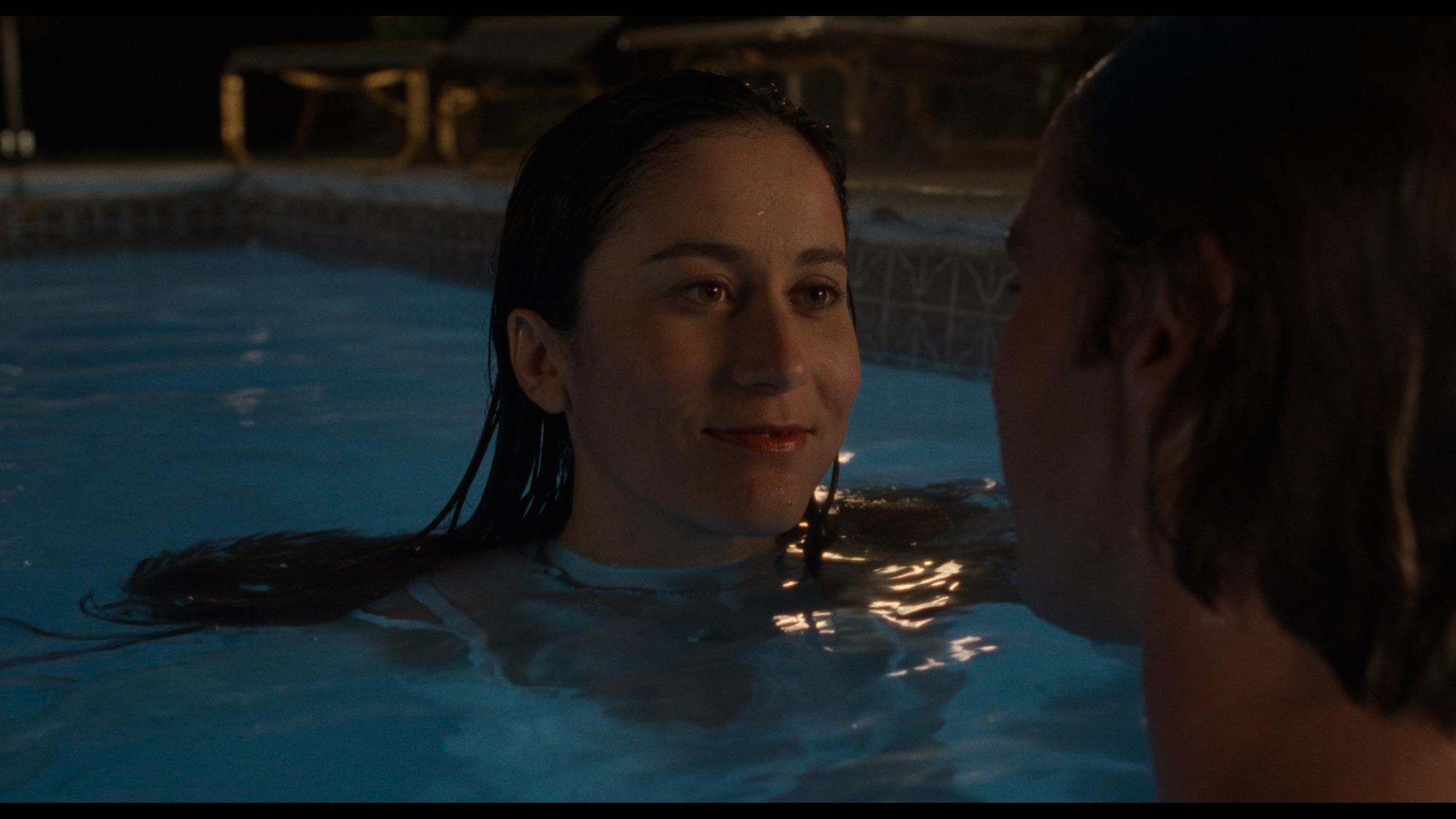
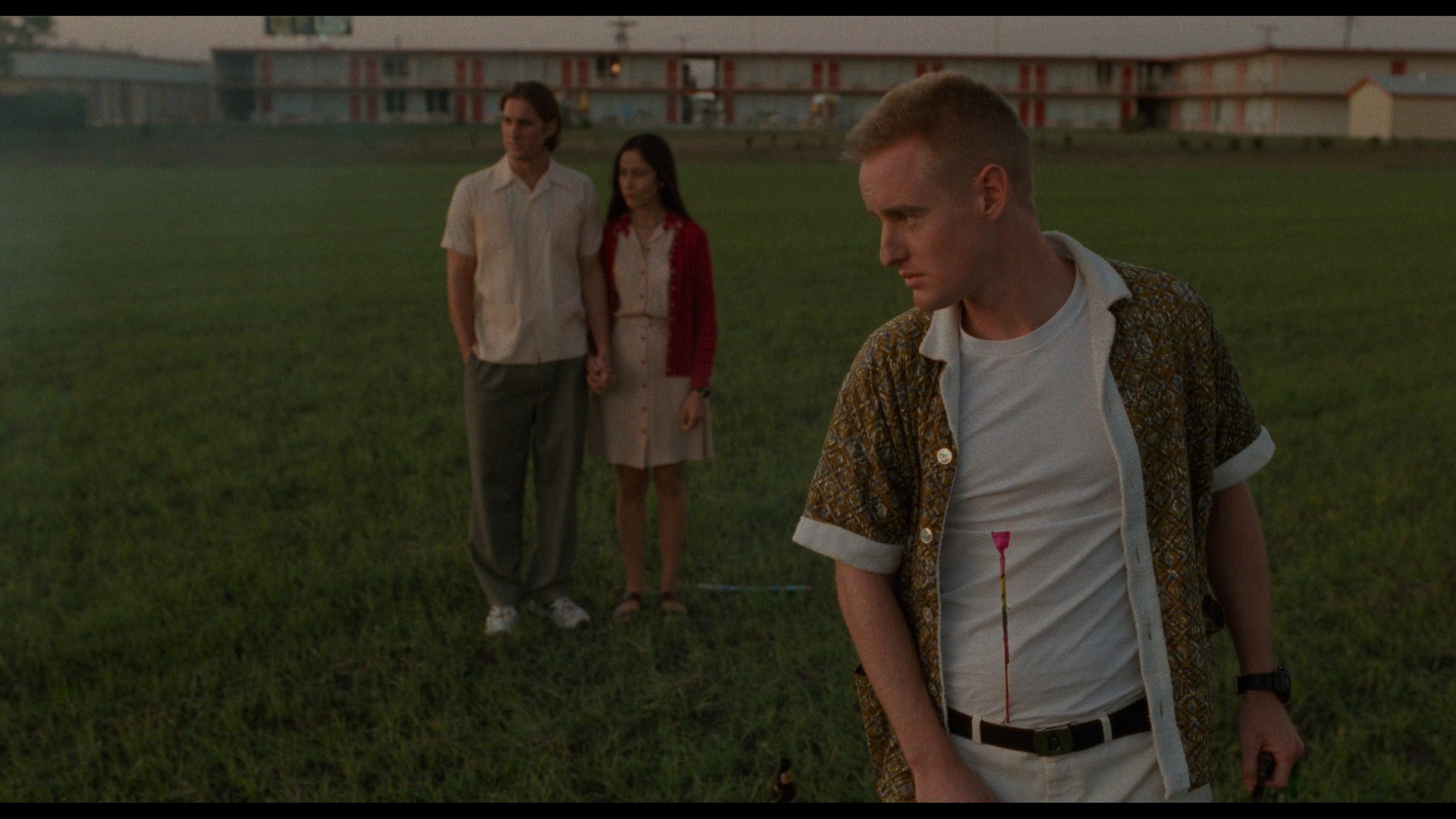
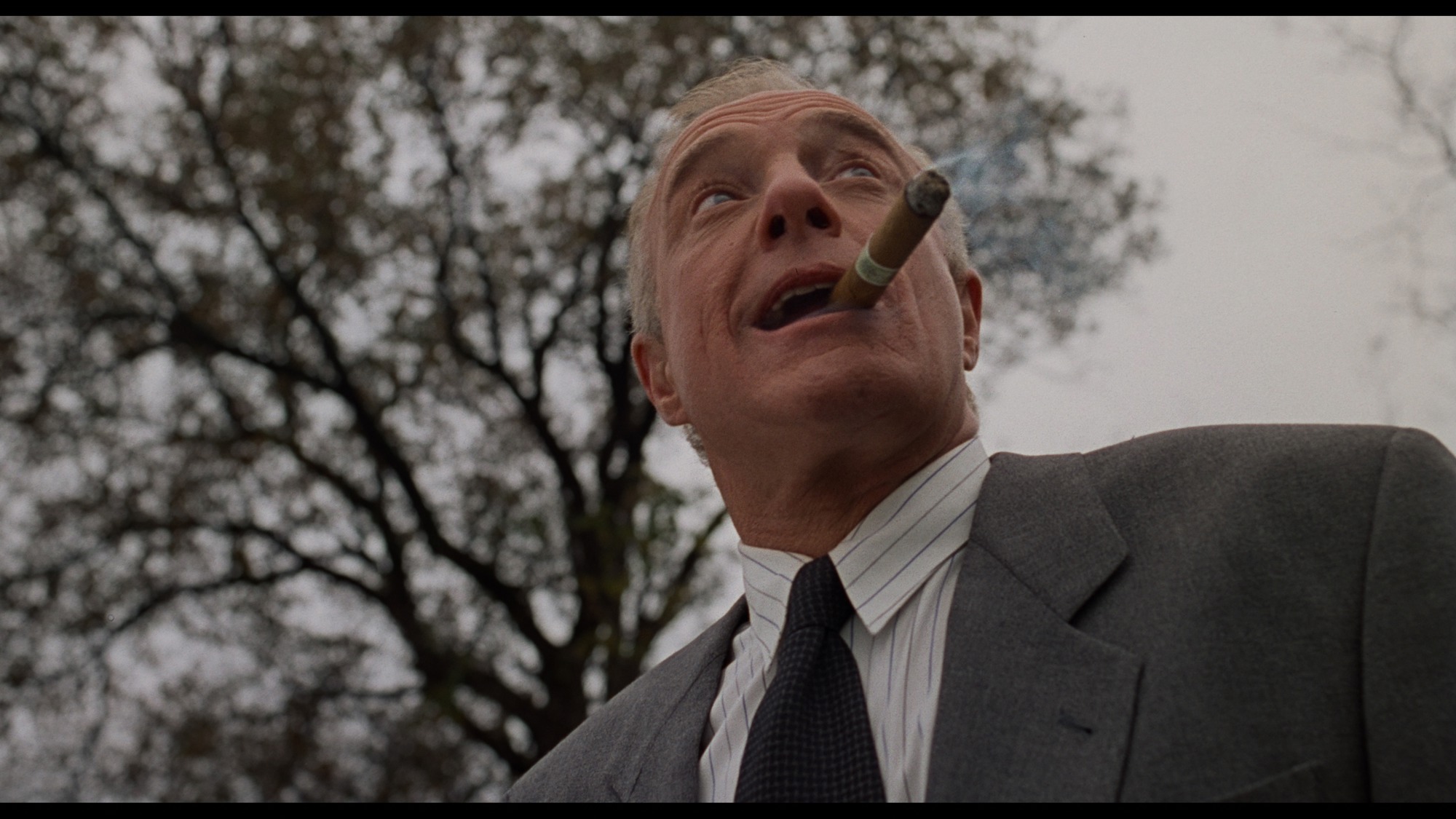
The image is crisp and clean, revealing finer textures and subtler details with little effort. Film grain appears tight and organic, a huge improvement over the earlier disc’s coarser, digital look. The color timing is also rebalanced: it’s no longer as red as the old Blu-ray, still warm overall but with beautifully saturated hues; reds and blues in particular stand out vividly. Dolby Vision and HDR add a gentle lift, deepening blacks (now far less gray) and giving shadows more definition. Highlights are well controlled, and the contrast range throughout, especially in darker scenes, is impressive.
The restoration work also looks better. Though a couple of slo-mo shots show a slightly dupey appearance (which is to be expected), the film has been cleaned up extensively and has a an unbelievably crisp appearance.
There’s really no contest: the 4K presentation offers a dramatic upgrade over the old Blu-ray. Even judged on its own merits, though, it’s a wonderful, filmic presentation that perfectly suits Anderson’s debut.
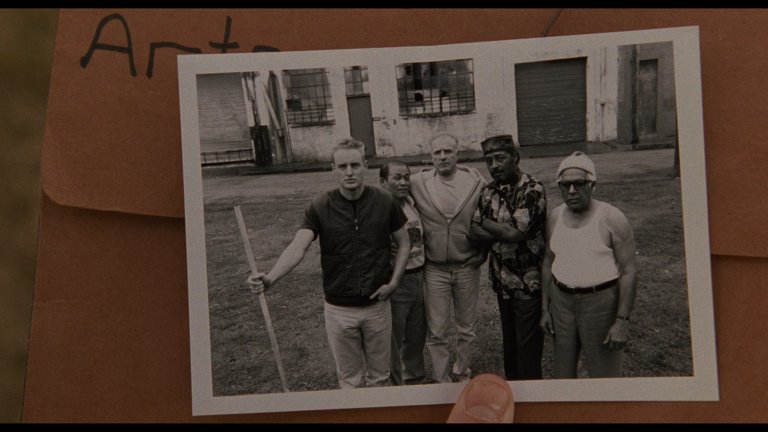
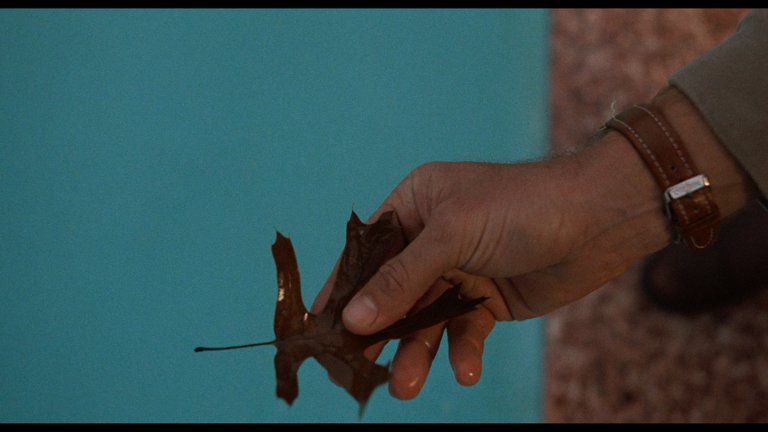
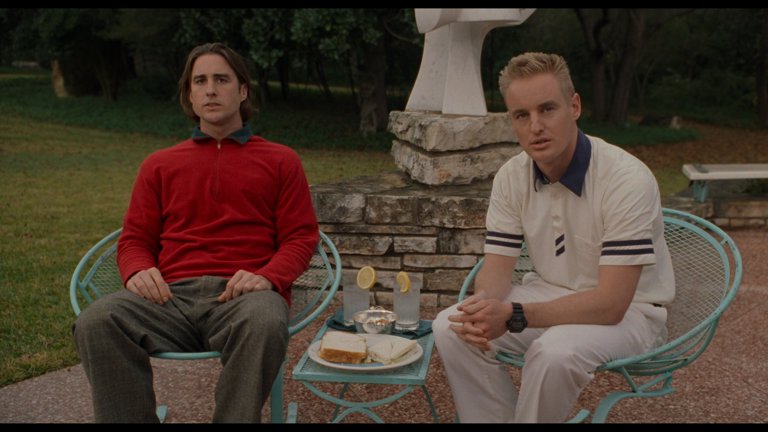
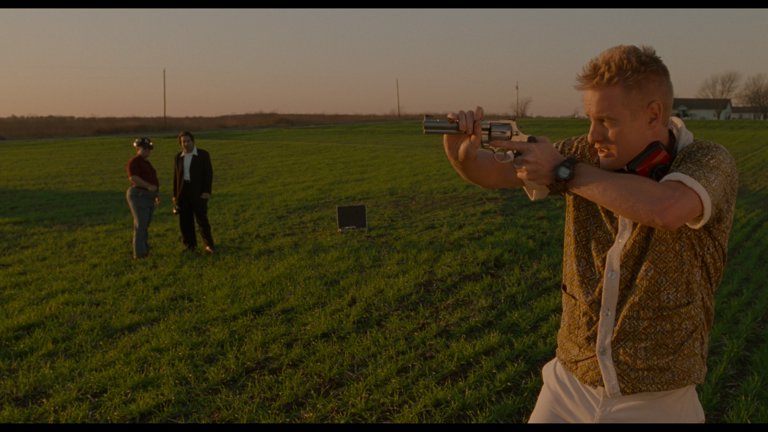
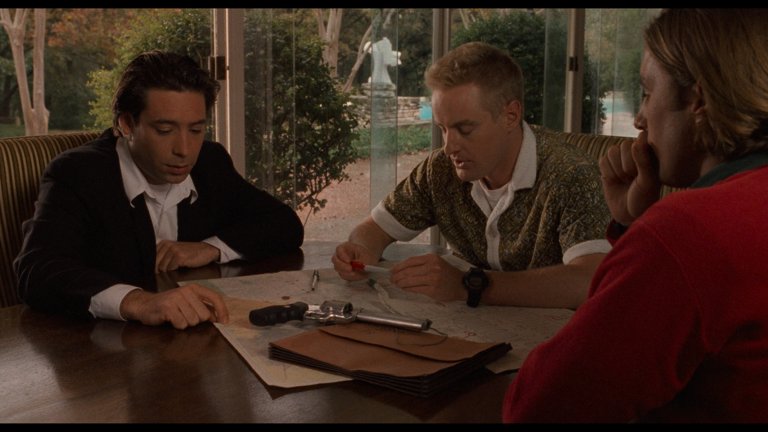
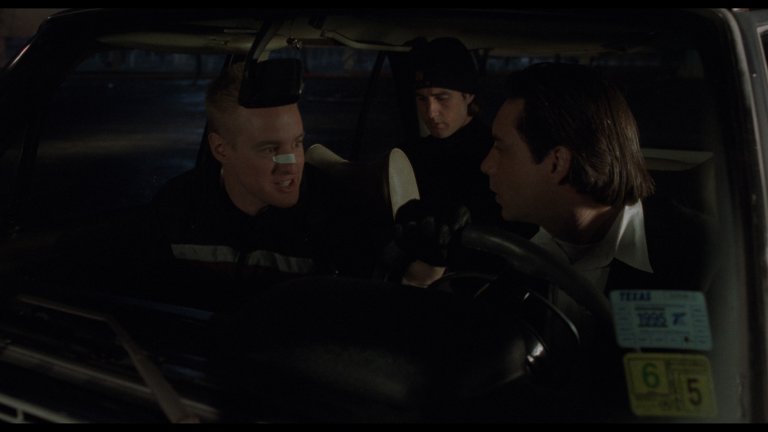
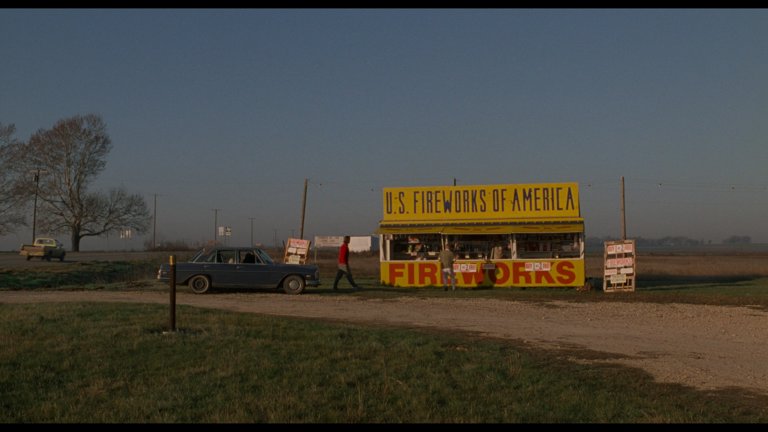
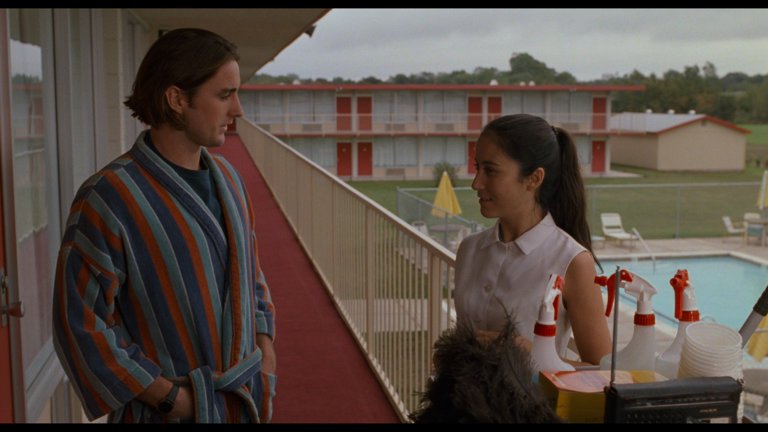
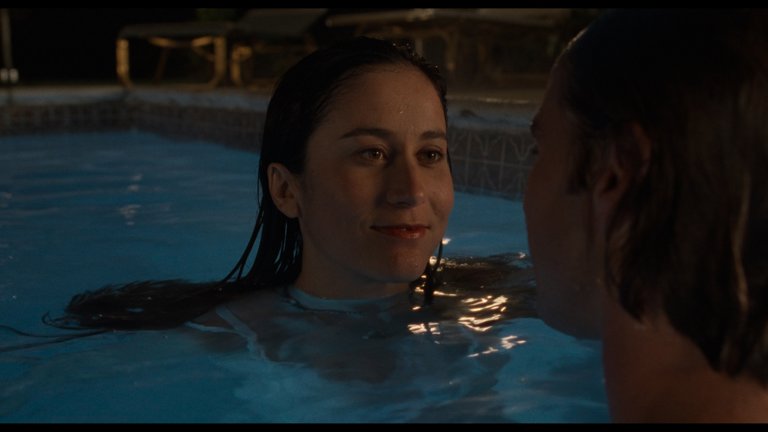
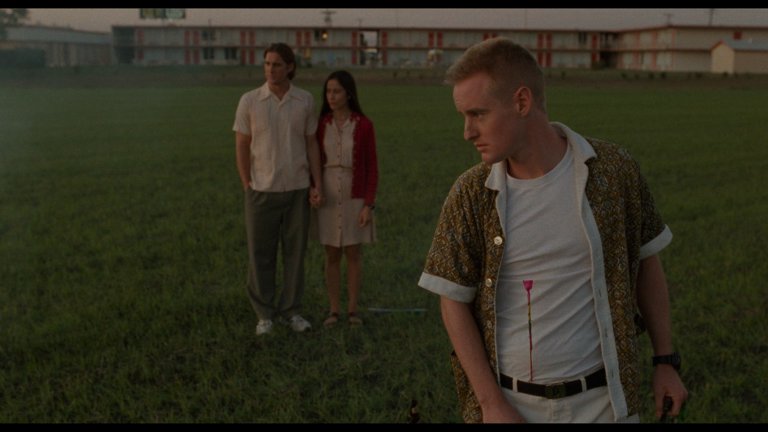
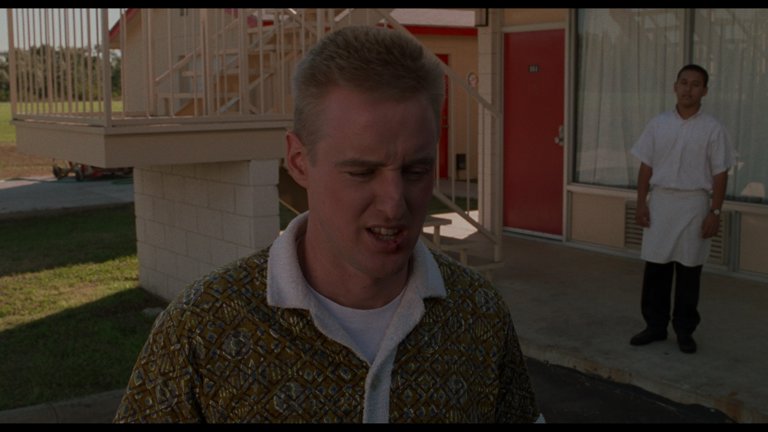
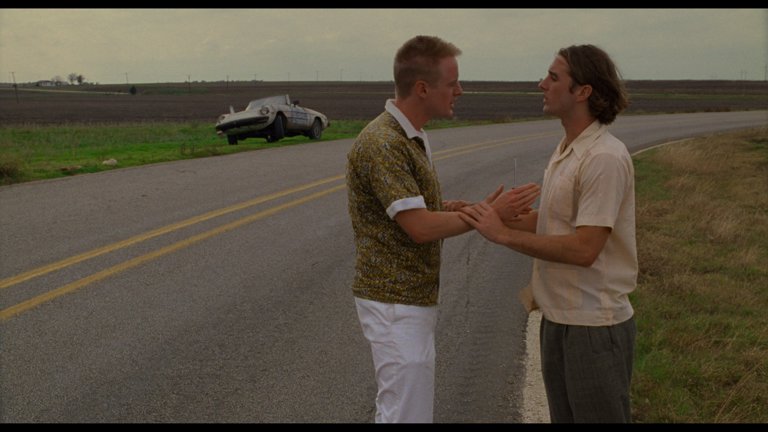
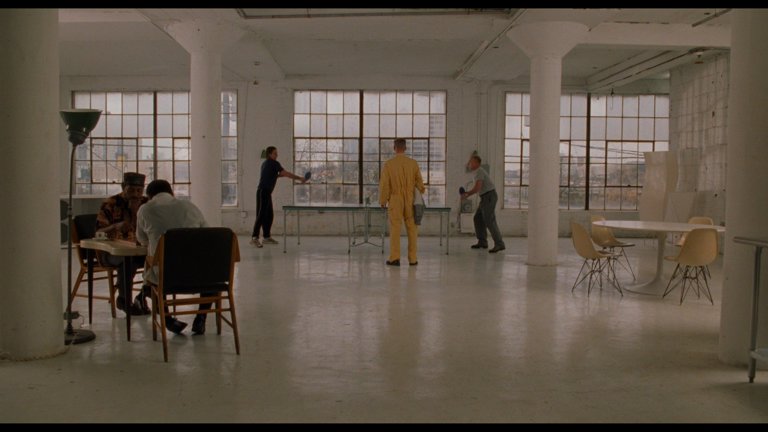
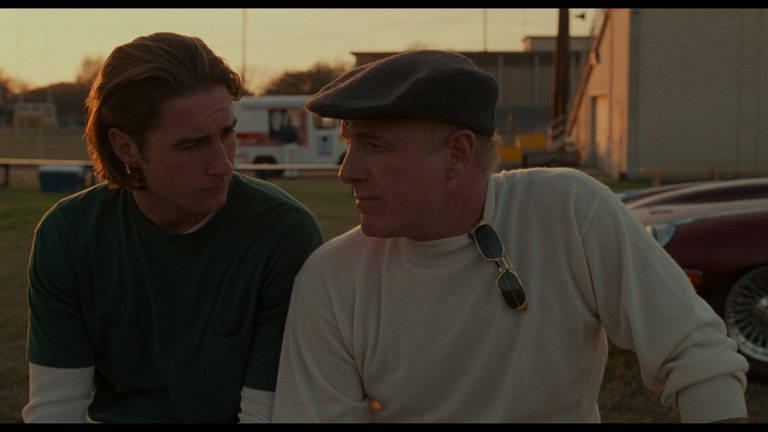
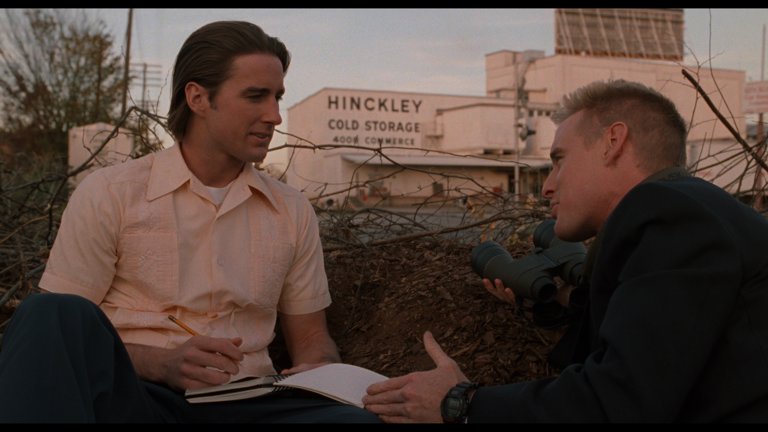
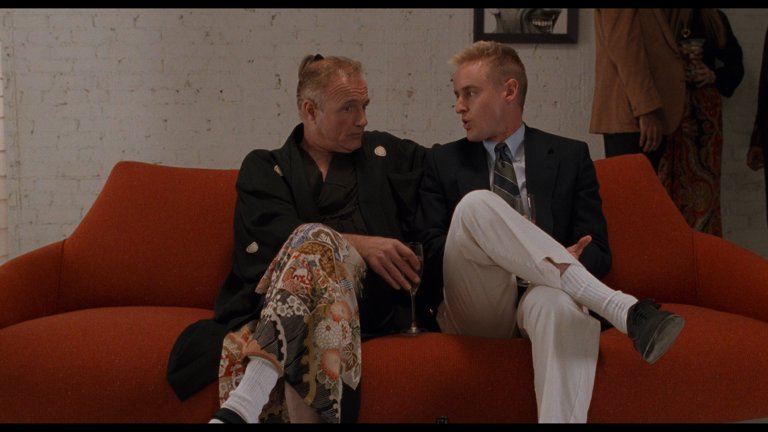
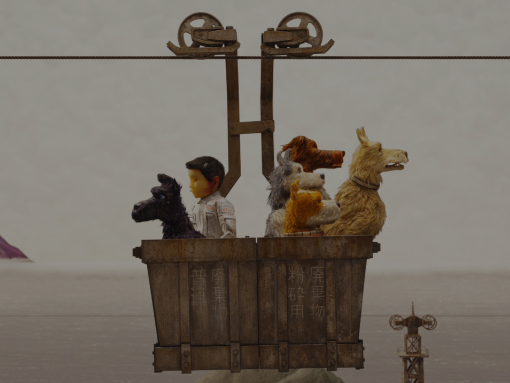
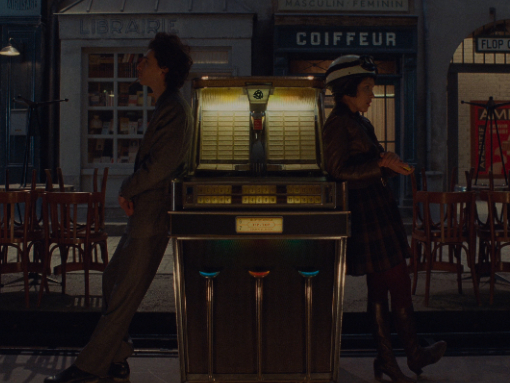
The Wes Anderson Archive: Ten Films, Twenty-Five Years - Screen Captures
Audio 8/10
As with Criterion’s earlier Blu-ray, the 4K edition includes a DTS-HD MA 5.1 surround track. Most of the action still stays up front, with the surrounds mainly reserved for music and the occasional ambient effect. It’s a sharp, clean mix with plenty of range and excellent fidelity,perfectly suited to the film’s low-key tone and understated energy.
Extras 8/10
Criterion ports over everything from their previous Blu-ray, starting with the audio commentary featuring director and co-writer Wes Anderson and actor and co-writer Owen Wilson. I usually enjoy Anderson’s commentaries, though I tend to prefer when he’s paired or edited with someone else. Usually anyways; the track for Moonrise Kingdom was all over the place. Here, Anderson and Wilson were recorded together—apparently via a transcontinental phone call, with Wilson in Miami, though Anderson never says where he was. Still, they watch the film together and bounce off one another well despite that distance.
Much of the track focuses on writing the script and the countless rewrites (the original draft reportedly ran about 225 pages, which is still absolutely wild to me). They also spend a lot of time revisiting the disastrous test screenings, recalling the comment cards in detail and explaining how the film’s opening was later reshot. Criterion producer Susan Arosteguy provided them with a list of questions in case they ran out of things to discuss, though Anderson only references them occasionally. The two reminisce about casting friends, Wilson’s uncertainty about acting, and the film’s lukewarm critical reception. They also recall their delight when Martin Scorsese named Bottle Rocket one of his ten favorite films of the ’90s. It’s an entertaining and relaxed track packed with anecdotes and insights that fans will appreciate.
The commentary appears on both the 4K and Blu-ray presentations, while the remaining supplements are housed on the Blu-ray.
First up is The Making of Bottle Rocket, a 26-minute documentary made up primarily of interviews with cast and crew, including James L. Brooks, Anderson, the Wilson brothers, Robert Musgrave, James Caan, and Kumar Pallana. Intercut with audition footage, deleted material, and test scenes, it offers a thorough, if traditional, account of the film’s long road to completion, from the early short and meetings with Brooks to the move to Hollywood and years of script revisions. The rough test screening (a “long, incredibly slow mess”) and the extensive reshoots that followed are detailed again here, though this time with input from the broader team, filling in some of the gaps left in the commentary.
Storyboards presents Anderson’s rough sketches for the film, navigable by remote. Though labeled as a “selection,” they appear to cover nearly the entire movie. Anderson is of course very detailed oriented, and that comes through clearly here. He would later move to animatics to also help him pace out each shot and sequence.
The Bottle Rocket short film—the 13-minute black-and-white piece that inspired the feature—is included in full, presented in its original 1.33:1 ratio and looking nicely restored (for the time anyways). It condenses the film’s opening act almost beat for beat, and it’s a charming, energetic piece in its own right, arguably even more appealing in its simplicity. The disc also includes a “Miscellaneous” gallery of photos, storyboards, and an amusing invoice, all related to the short, all browsable by remote.
A set of 11 deleted scenes (about 19 minutes total) follows. There’s some great material here, much of it funny, but it’s easy to see why it was trimmed. A few bits echo moments from the original short, and others expand on details later dropped, like the origin of Andrew Wilson’s nickname “Future Man” (also covered in the commentary). The cut scene where Inez slaps Dignan, mentioned elsewhere, is unfortunately absent, though what’s here remains engaging.
Perhaps the most fascinating extra is Murita Cycles, a 27-minute 1978 short by Barry Braverman, a friend and collaborator of the Wilsons and Anderson. The film, an unvarnished portrait of Braverman’s eccentric father and his cluttered Staten Island “bicycle shop,” clearly influenced Anderson and Wilson’s sensibilities. It’s not always flattering; at one point Braverman’s sister accuses him of ridiculing their father, but it’s a striking, personal piece and a remarkable inclusion. It’s the sort of idiosyncratic supplement you’d never expect from a studio edition, and Criterion deserves credit for championing it.
Next up is The Shafrazi Lectures, No. 1: Bottle Rocket, a ten-minute tongue-in-cheek piece featuring “gallerist” Tony Shafrazi extolling the film as if it were a cinematic revelation. With some out there comments (“It’s like watching Breathless… but in color!”), it’s fairly amusing.
An anamorphic test follows, in which Anderson and cinematographer Robert Yeoman explore shooting the film in Panavision widescreen. The brief test, of a scene later deleted, offers a glimpse of how Bottle Rocket might have looked had they gone that route. Anderson, of course, would later adopt the format for his subsequent films.
Rounding out the package is a gallery of black-and-white photographs by Laura Wilson, mother of the Wilson brothers. The collection spans 1992 to 1995, documenting the early short, the move to Hollywood, production of the feature, Sundance screenings, and editing sessions. It’s a lovely visual chronicle that ties together many of the stories told elsewhere in the set.
And finally, the set includes a booklet mirroring the one from Criterion’s original Blu-ray release, featuring James L. Brooks’s essay and Martin Scorsese’s appreciation of the film. The presentation differs slightly this time: rather than using the old 75-Year Plan format, it adopts a design consistent with the rest of the set. Each title comes housed in a small hardbound book-like digipak, with the booklet affixed opposite the discs. It’s an attractive design, though I admit I miss some of the personality of the standalone Blu-ray packaging.
Altogether, it’s still a solid batch of material that nicely charts the beginnings of Anderson’s and Wilson’s careers.
Closing
Criterion's new 4K presentation (currently only found in their new box set, The Wes Anderson Archive) breathes new life into Wes Anderson's debut feature.
BUY AT: