BUY AT:


See more details, packaging, or compare
Synopsis
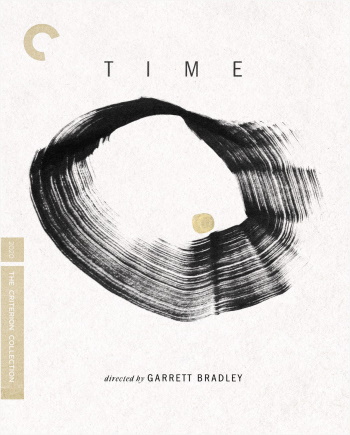
What does the weight of time’s passage feel like for a family caught in the jaws of a brutal carceral system? Both a breathtaking cinematic love story and a bruising indictment of American injustice, the Academy Award–nominated feature documentary debut of Garrett Bradley traces the decades-long quest of Sibil Fox Richardson, an indefatigable mother of six and a fiercely outspoken prison abolitionist, to free her husband from the Louisiana State Penitentiary, where he is serving a sixty-year sentence for robbery. Gracefully interweaving twenty years’ worth of Richardson’s own intimate home movies with luminously expressive monochrome footage of her present-day joys and struggles, Bradley crafts in Time a transcendentally poetic, soul-shaking look at the devastating toll of mass incarceration and one family’s extraordinary efforts to stay whole.
Picture 8/10
The Criterion Collection presents Garrett Bradley’s documentary Time on Blu-ray in the aspect ratio of 1.89:1 on a dual-layer disc. The film has been encoded here in high-definition at 1080p/24hz and is sourced from the original 4K digital master.
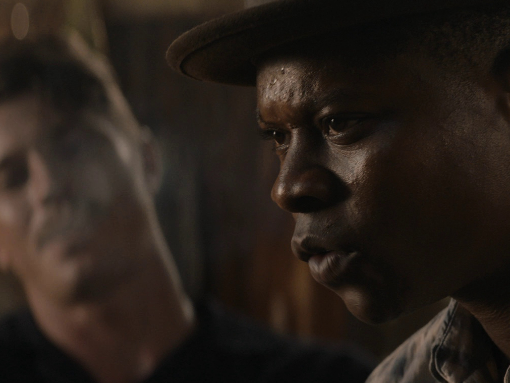
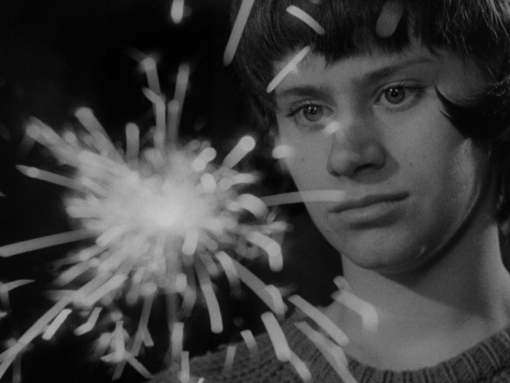
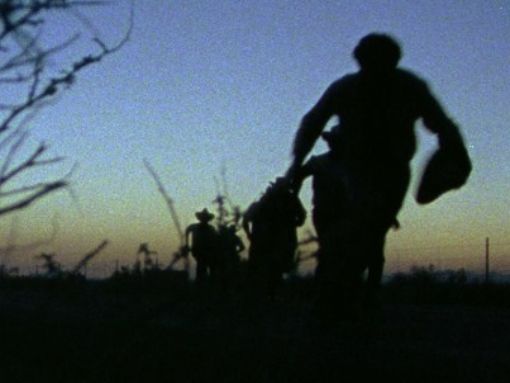
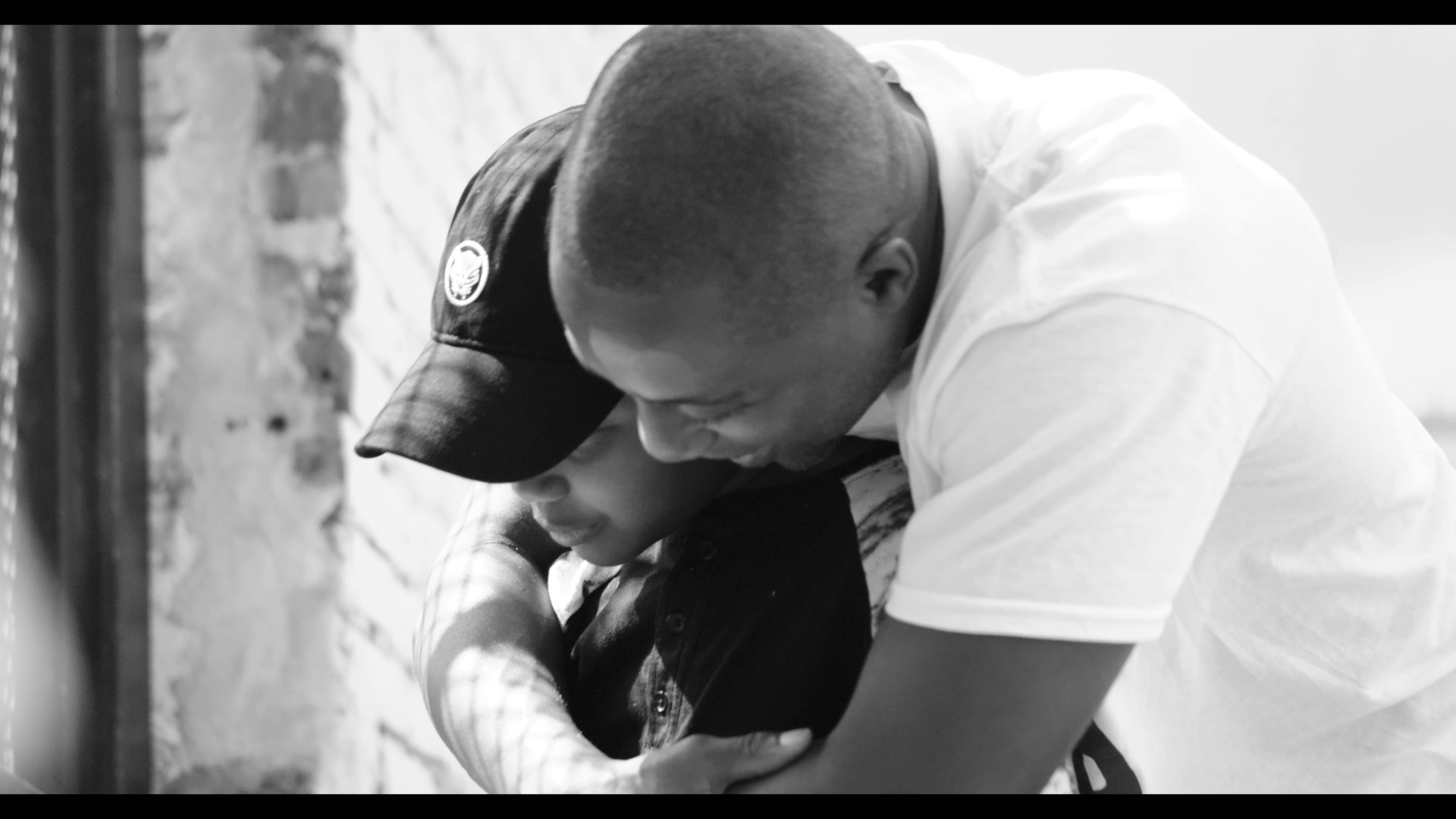
The film (converted to black and white) is comprised of footage from various sources filmed on several formats, though all new material was filmed in 4K HDR through a Sony FS7 digital camera. Bradley has incorporated a lot of archival video footage spanning over 20-years and shot by the film’s central figure, Sibil Fox Richardson, all of which appears to have come from various video formats. Those formats aren’t listed out (Criterion’s notes only mention MiniDV) but Richardson mentions in an interview included on the disc that she went through many cameras through the years, so I wouldn’t be surprised if VHS and other formats are in there as well. At any rate, while I didn’t let this aspect play much into the overall grade since it’s all archival footage, I’ll just mention that some of this video footage is in rough shape, complete with tracking problems, blocky patterns, digital noise, halos, and more, but it’s pretty much to be expected.
As to the rest of the film, the new footage, it all comes out looking surprisingly good. Digital black-and-white rarely ever looks like black-and-white film since it’s not capturing the light the way film would, so it usually has an odd, filtered look that can get especially limiting in the shadows. An HDR-capable camera was used for this film so that possibly aided things when it comes to shadows (they do look good), but then whites can look a little blown out. Still, even if some of those anticipated issues still hold true here, the film’s imagery is very striking, the look capturing the reflective nature of the film, and Criterion’s Blu-ray does a superb job delivering it.
While whites can be a bit much at times, maybe even blooming a wee-bit, the gray scale is absolutely striking. There are a number of shots of clouds and the gradients of the grays within them are very fine and clean. These shots are probably the best examples of the film’s grayscale, but this aspect carries on through to the rest of the film, outside of that archival footage that looks to have boosted contrast (a side effect of the formats used I’m sure). This also seems to help detail levels, which are mostly sharp, even the tiniest ones coming out clearly in long shots.
The image is incredibly clean and Criterion’s encode looks good, even if some artifacts, particularly banding, sneak in there. This could all be baked into the master, though. The issue subtly appears throughout the film but the most prominent banding artifact I came across involves an aerial shot over what I assume is Angola (Louisiana State Penitentiary). Though an issues, comparing the same sequence to the 4K HDR version offered on Amazon Prime shows the same artifact is present. While other factors could be playing into how it looks through Amazon, including the compression of the image and my own internet bandwidth (which takes a hit when my kids are streaming as well), the artifacts do look the same, so I’m still going to lean that they’re likely present in the source files as well.
Past all of that I thought the image still looks very striking. It’s a sharp looking film and Criterion does an outstanding job presenting it here.
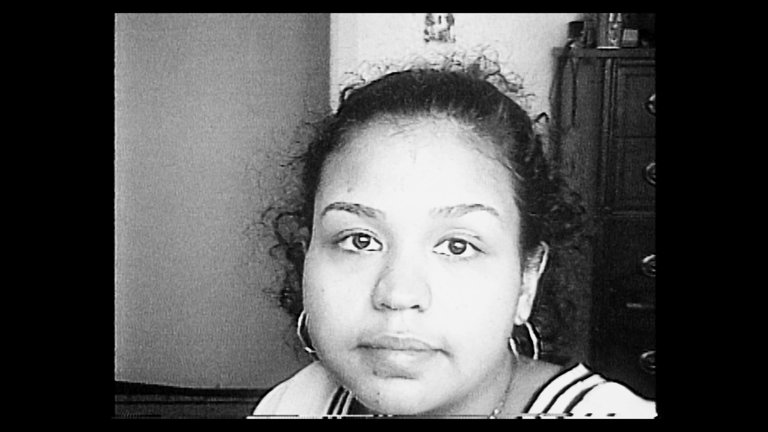
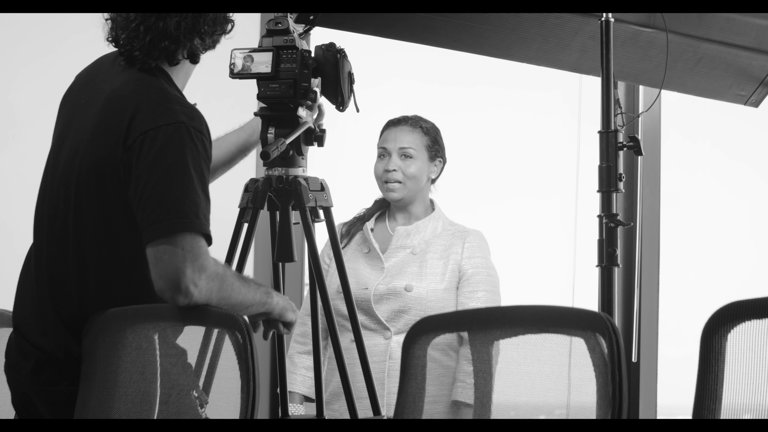
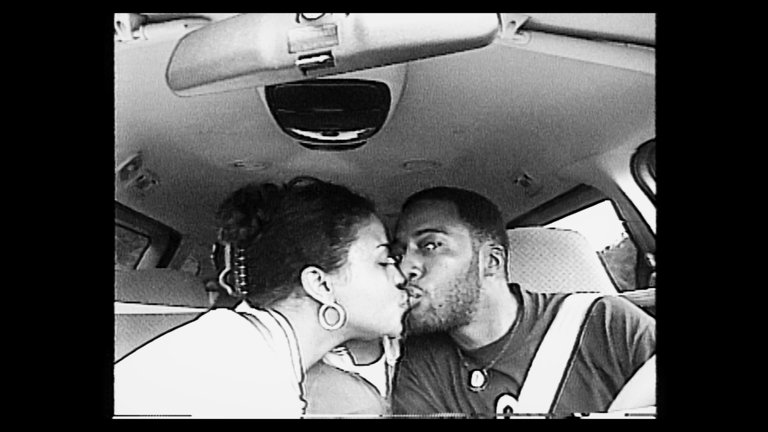
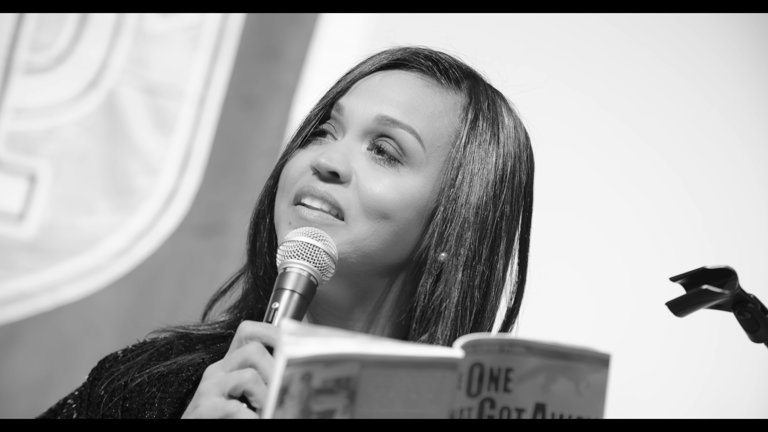
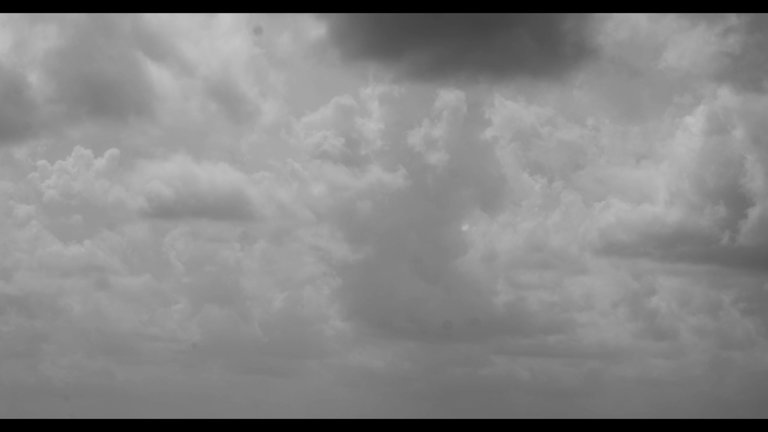
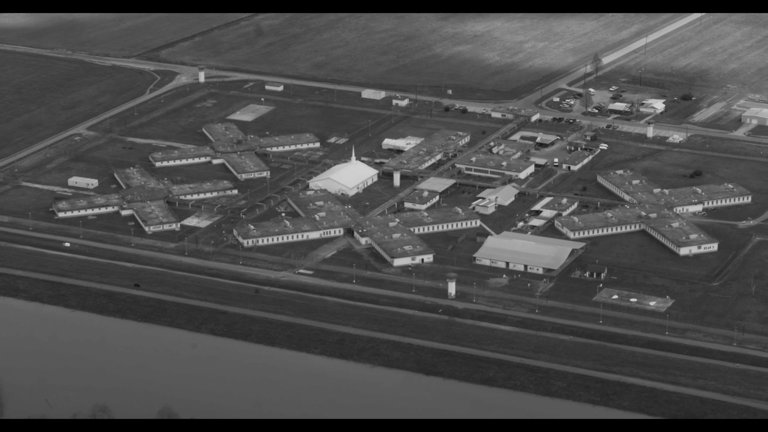
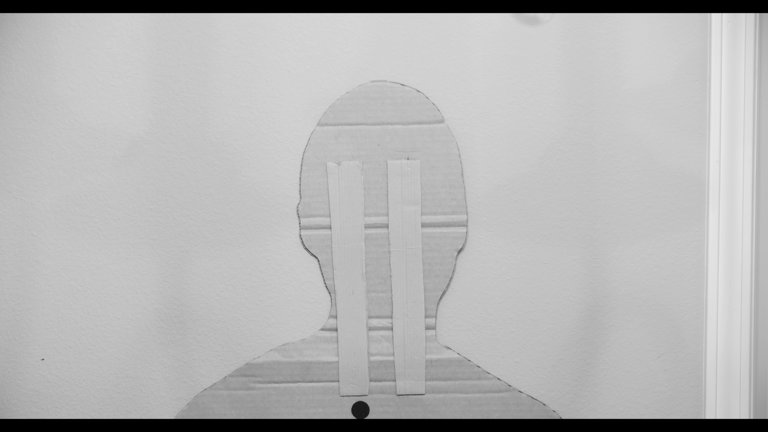
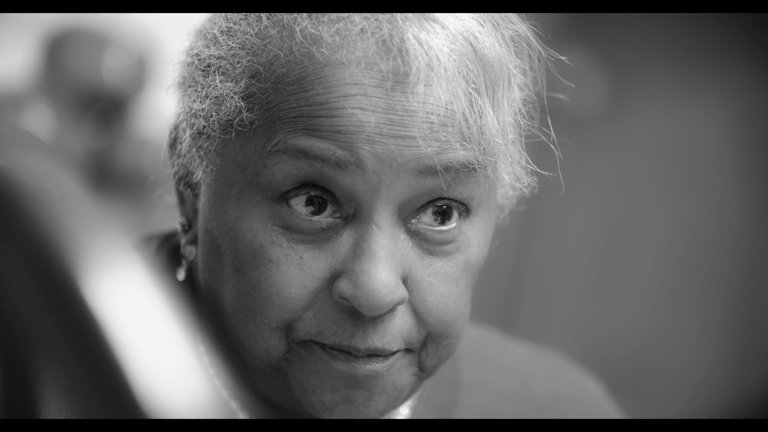
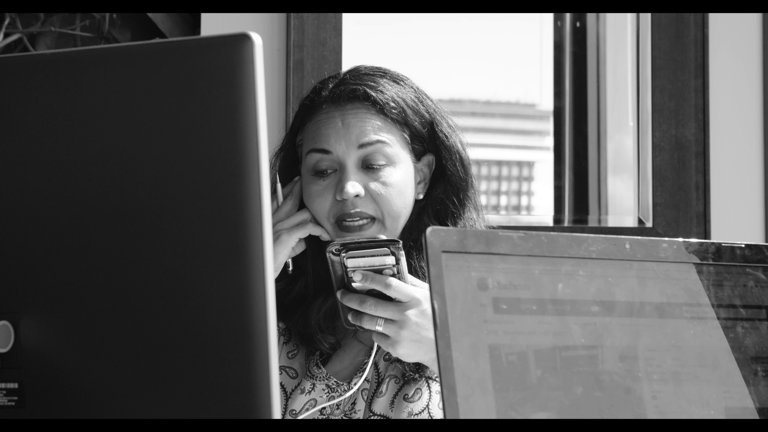
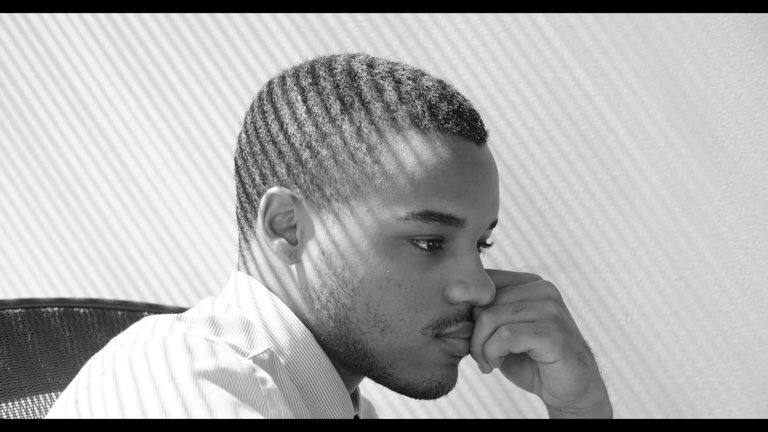
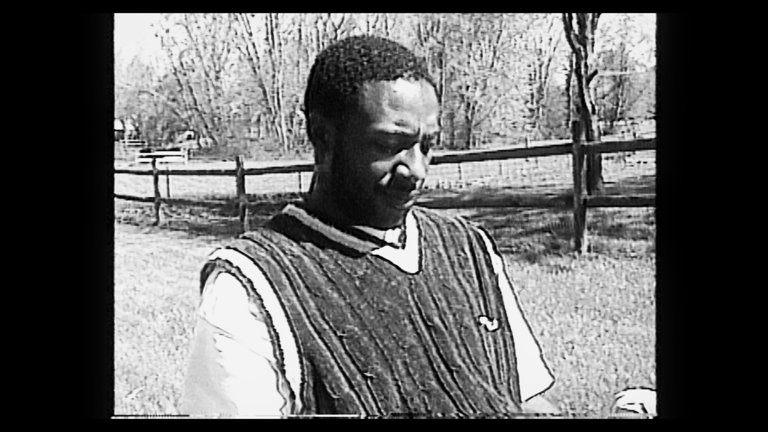
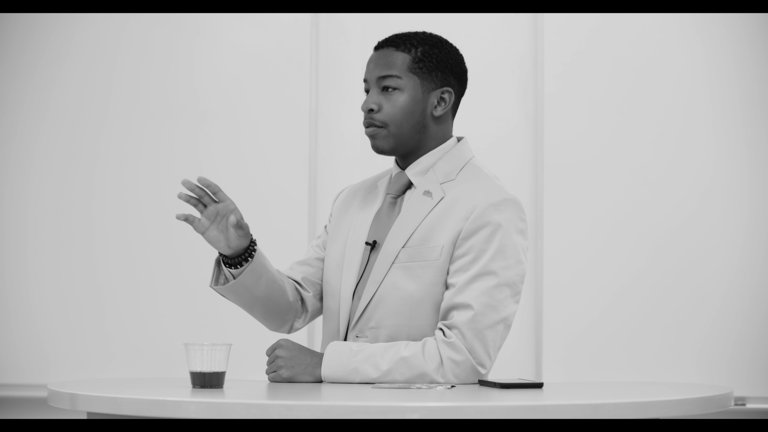
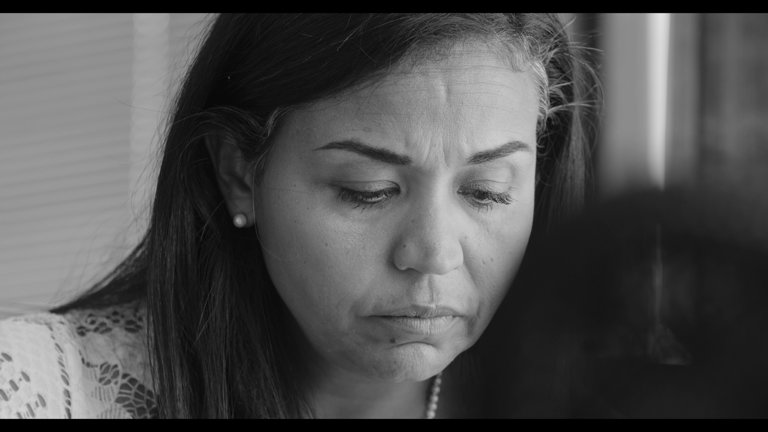
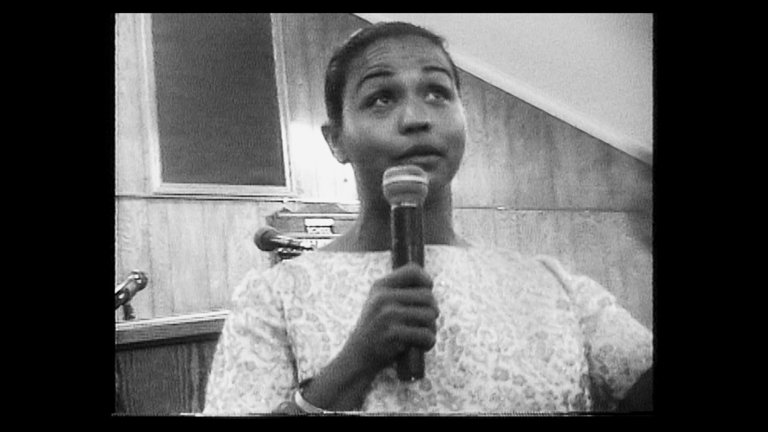
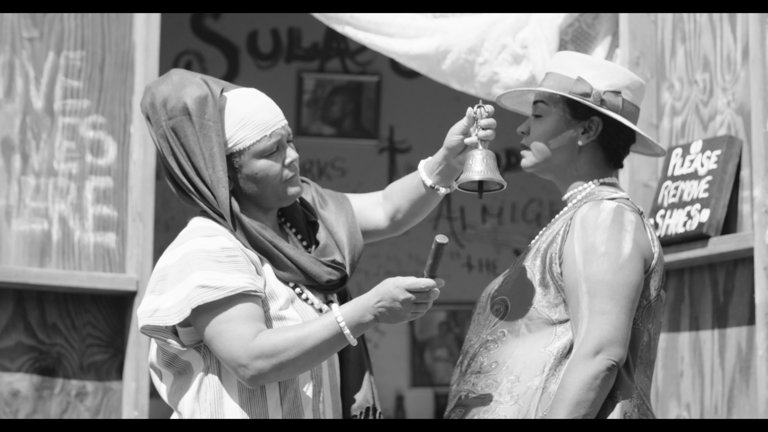
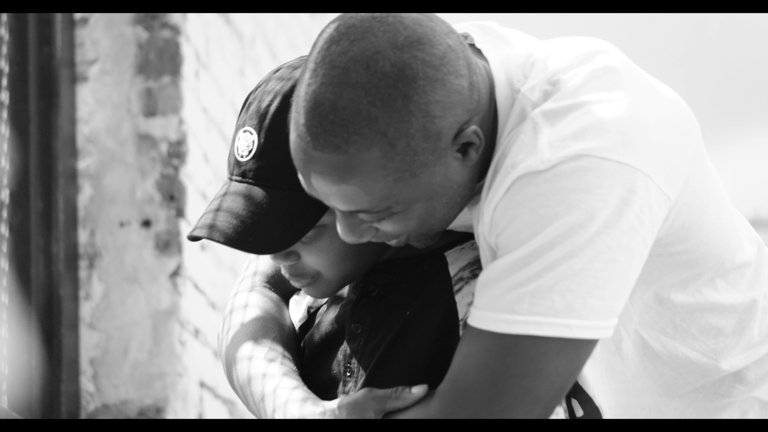
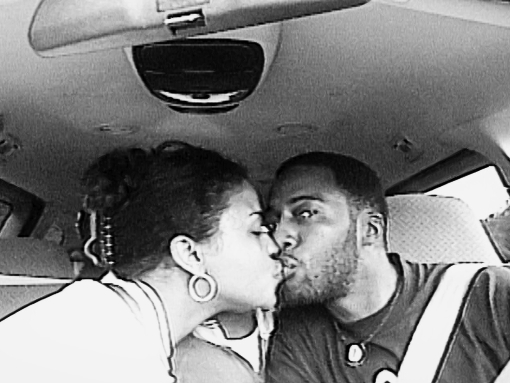
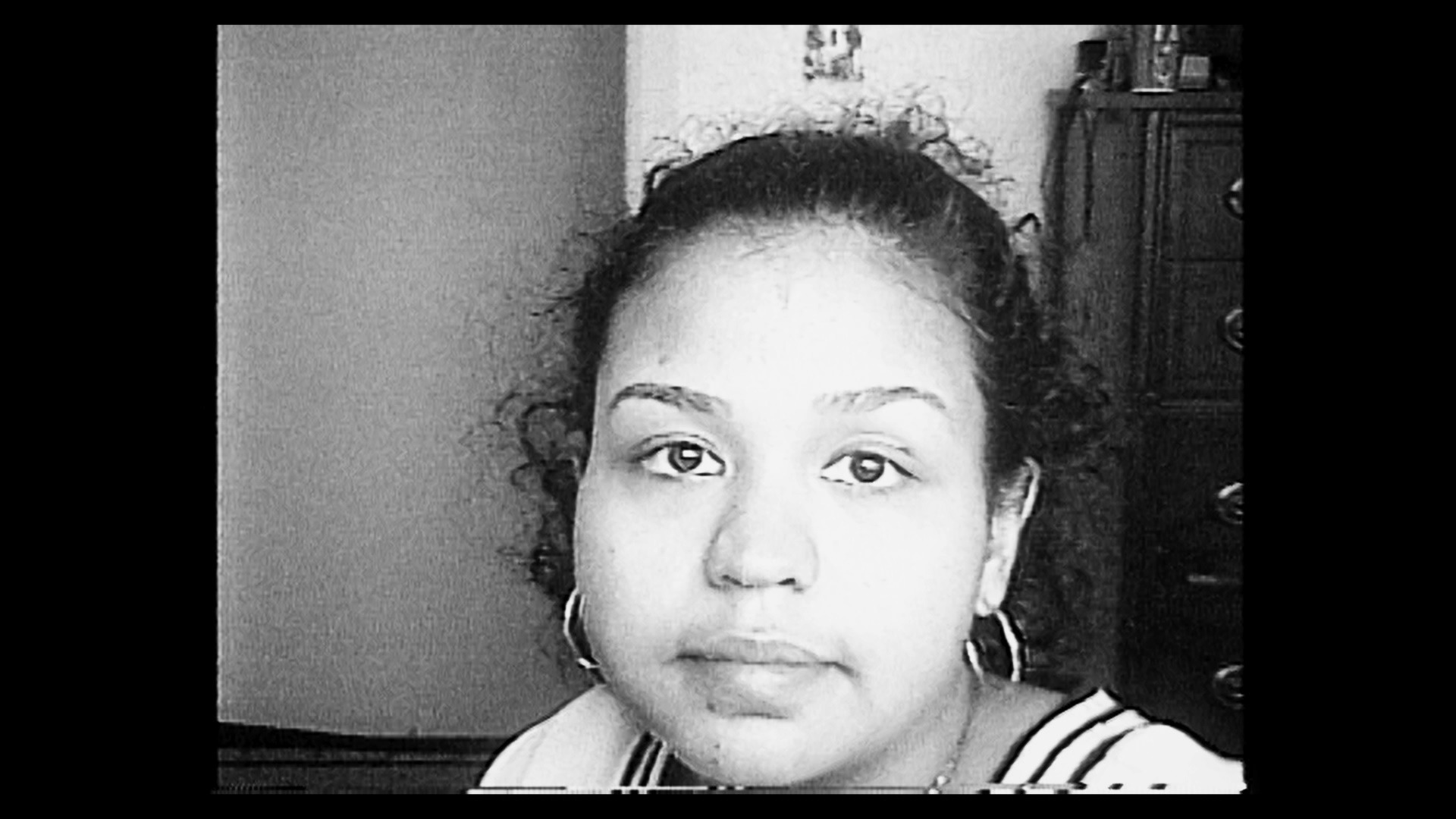
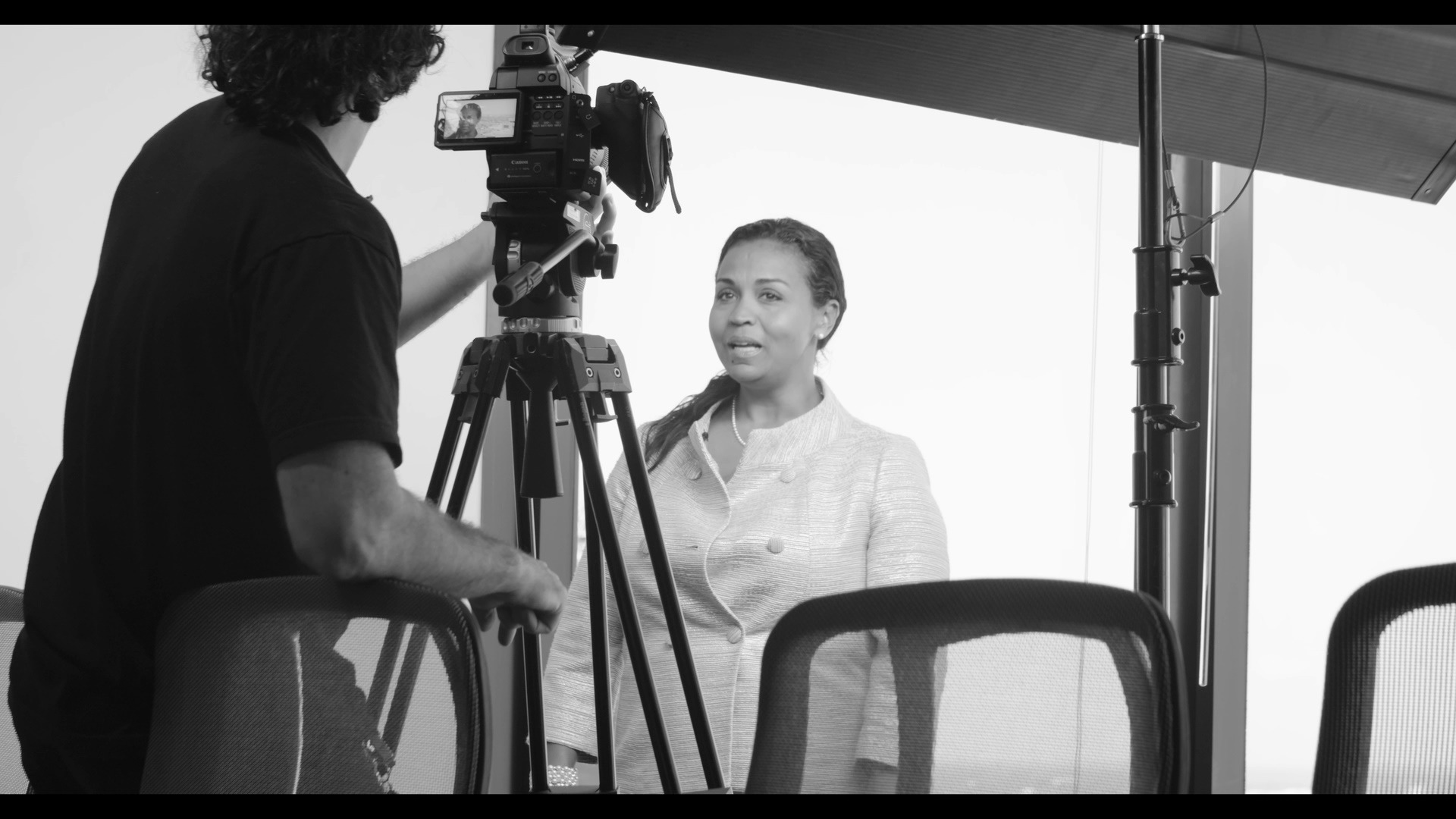
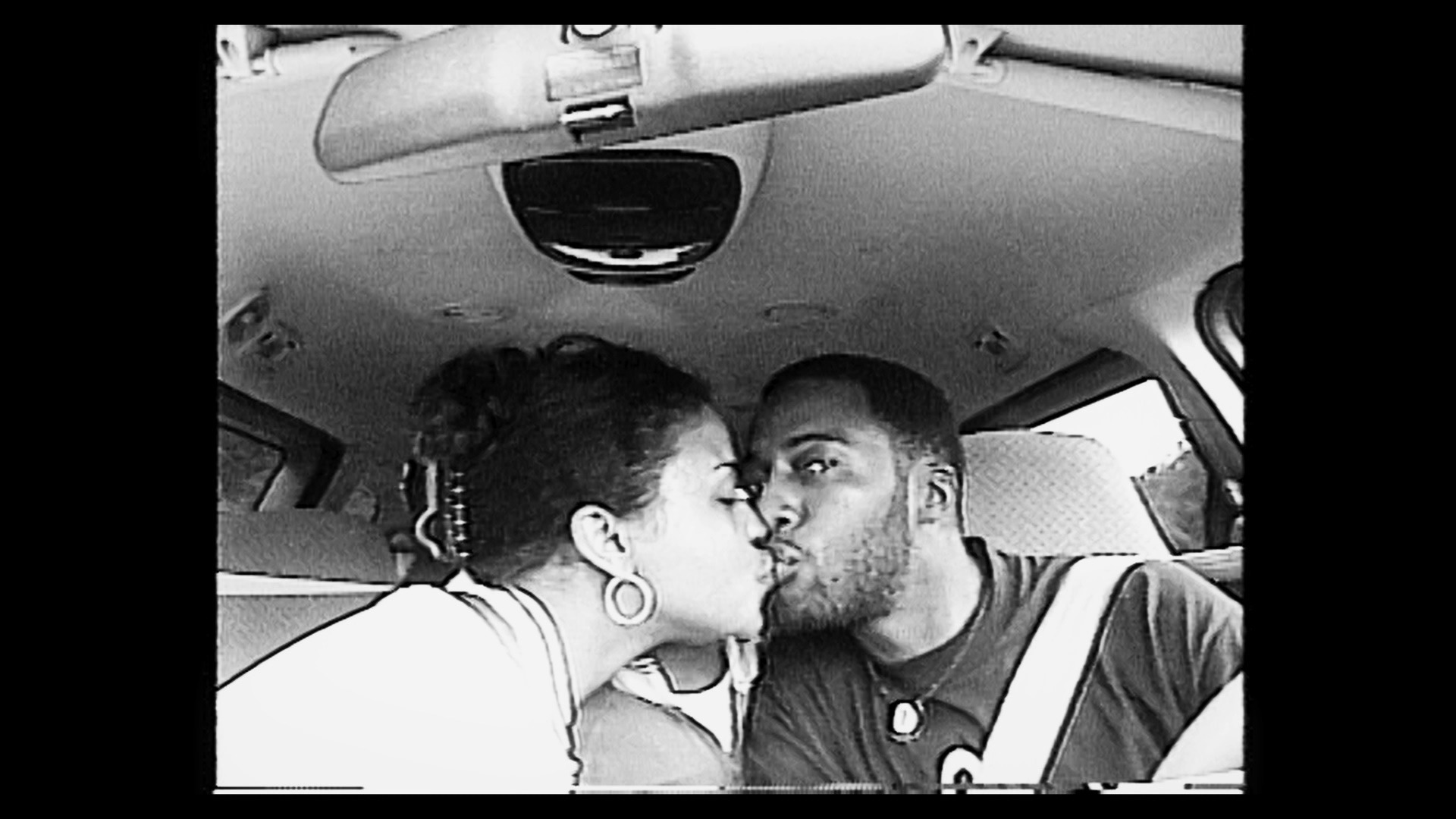
Time - Screen Captures
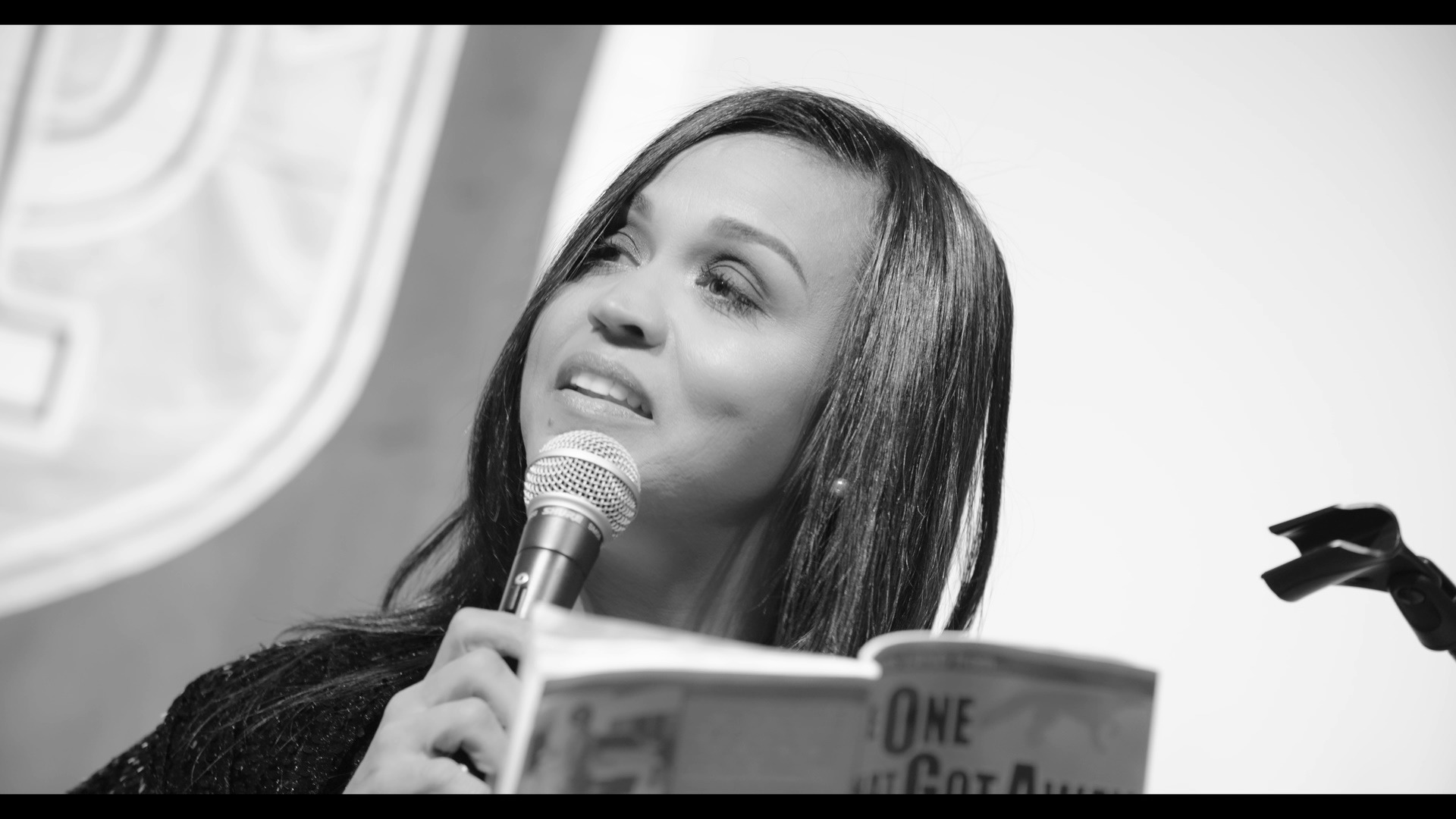
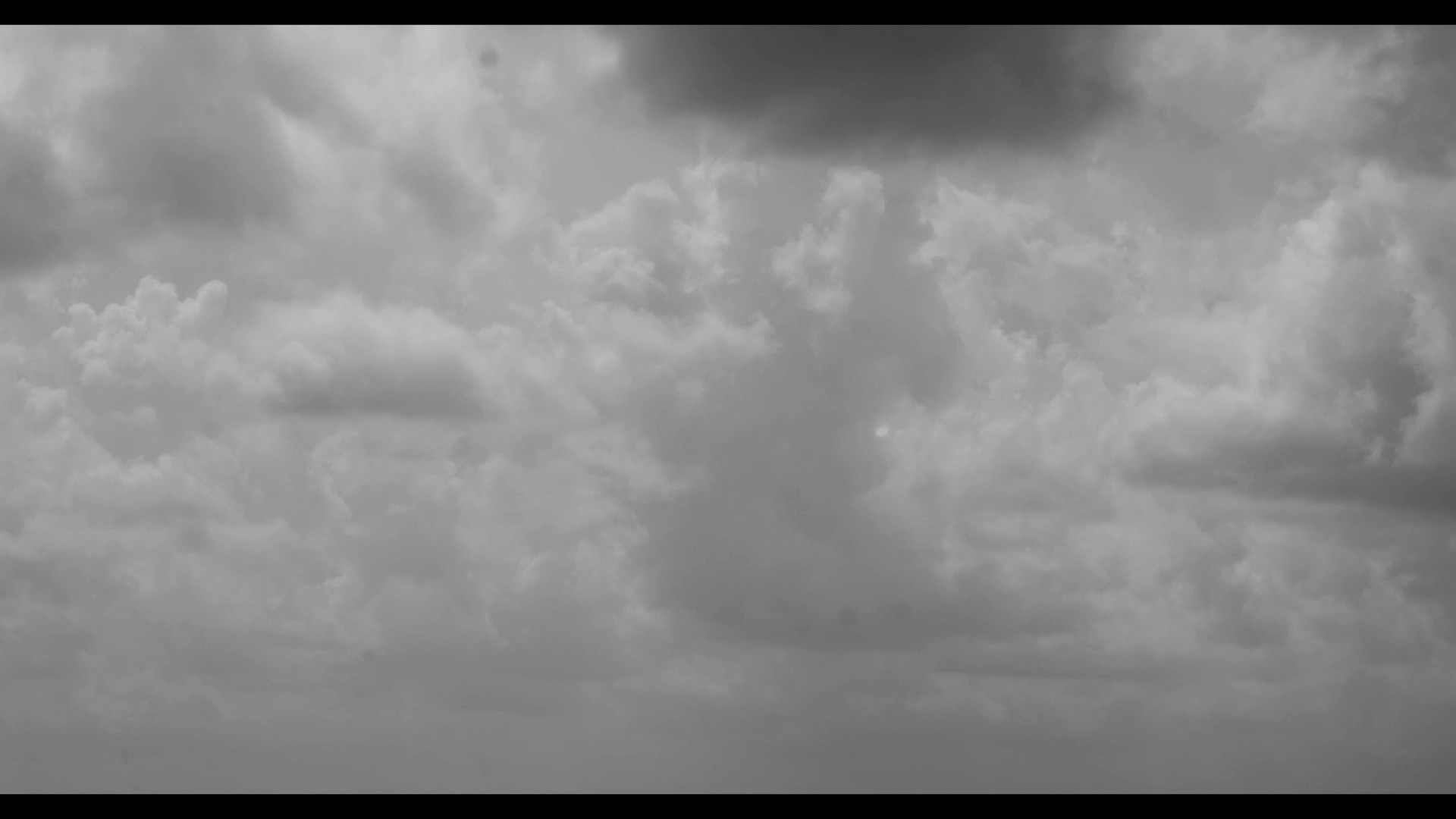
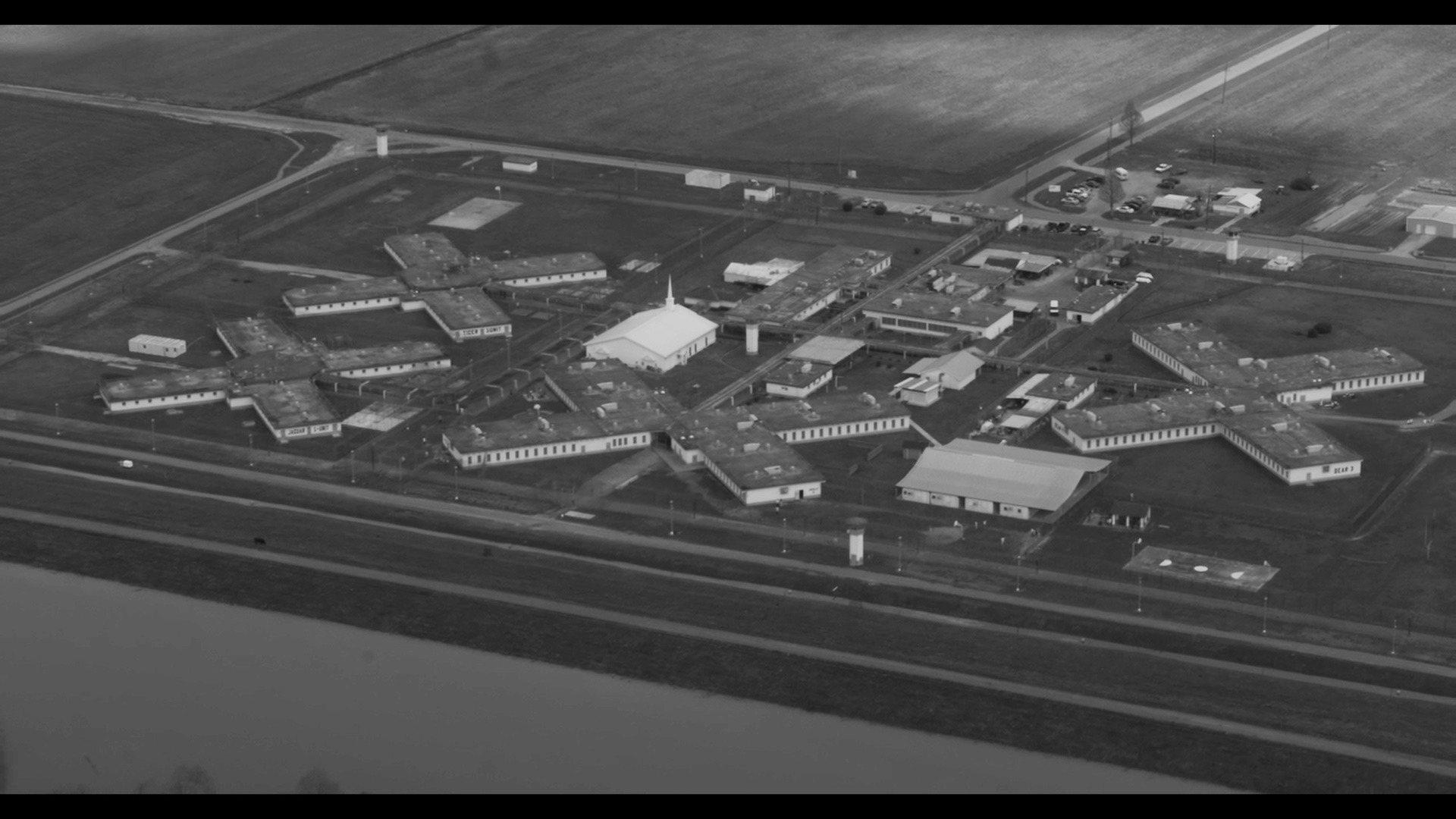
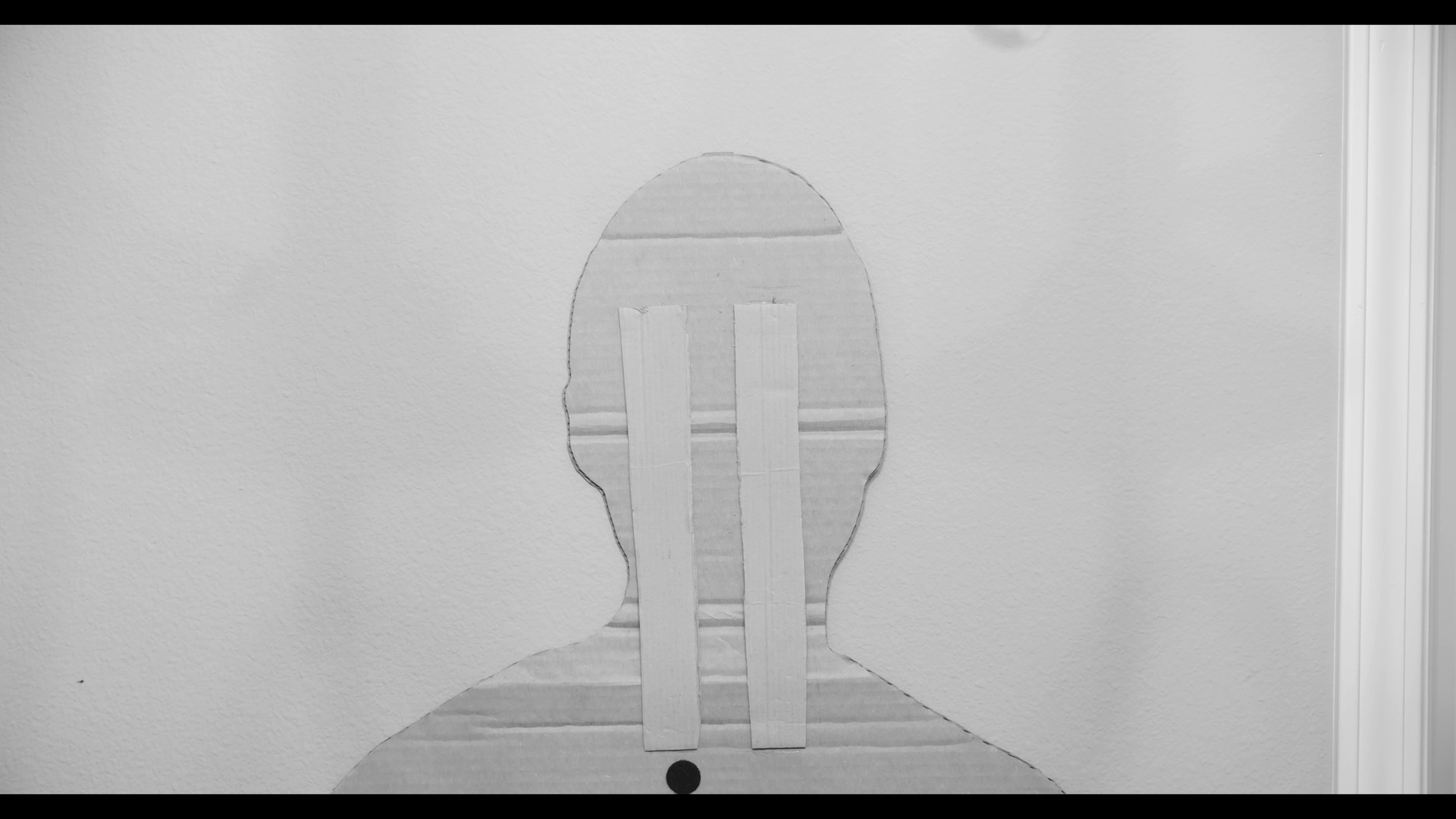
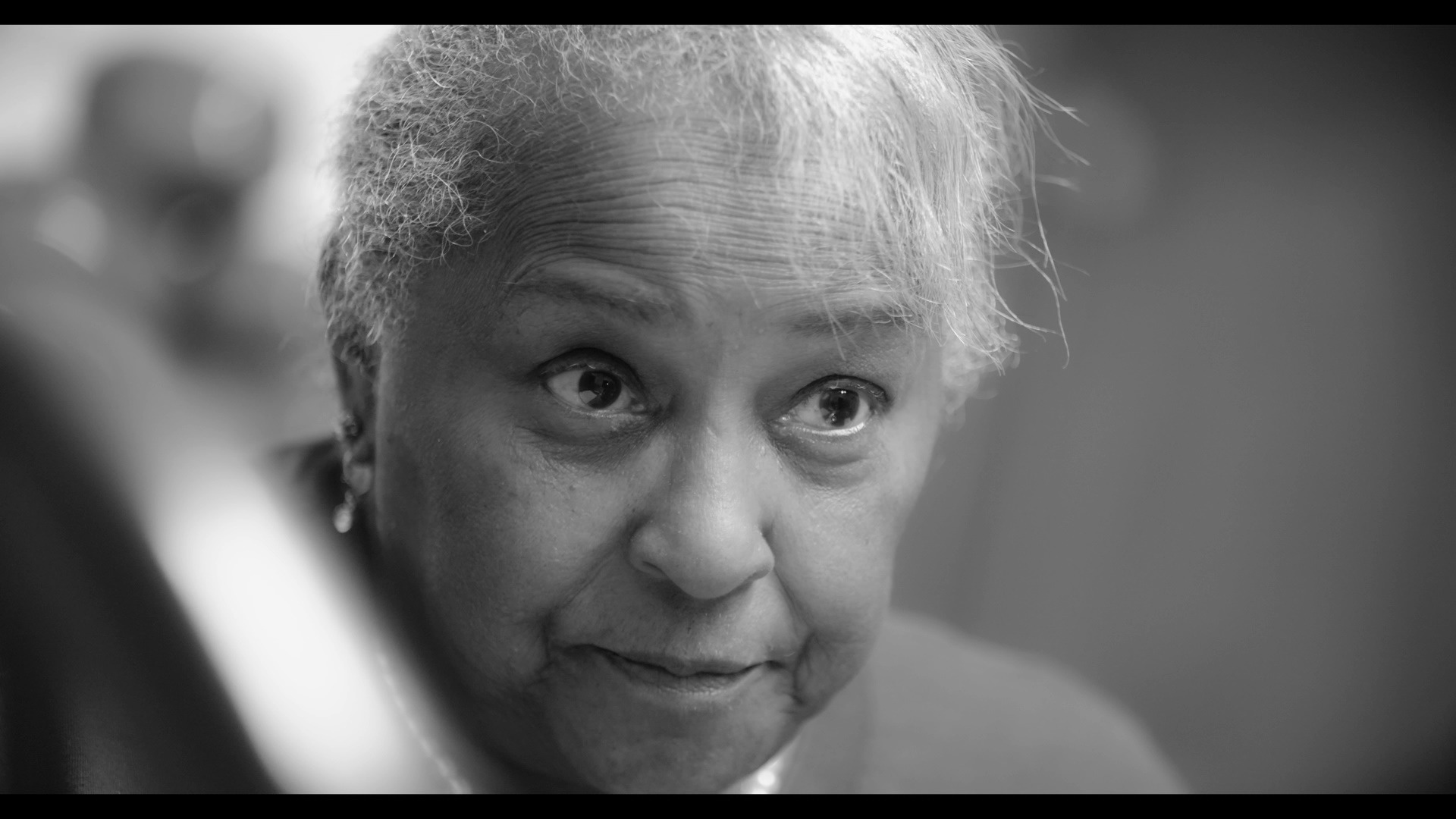
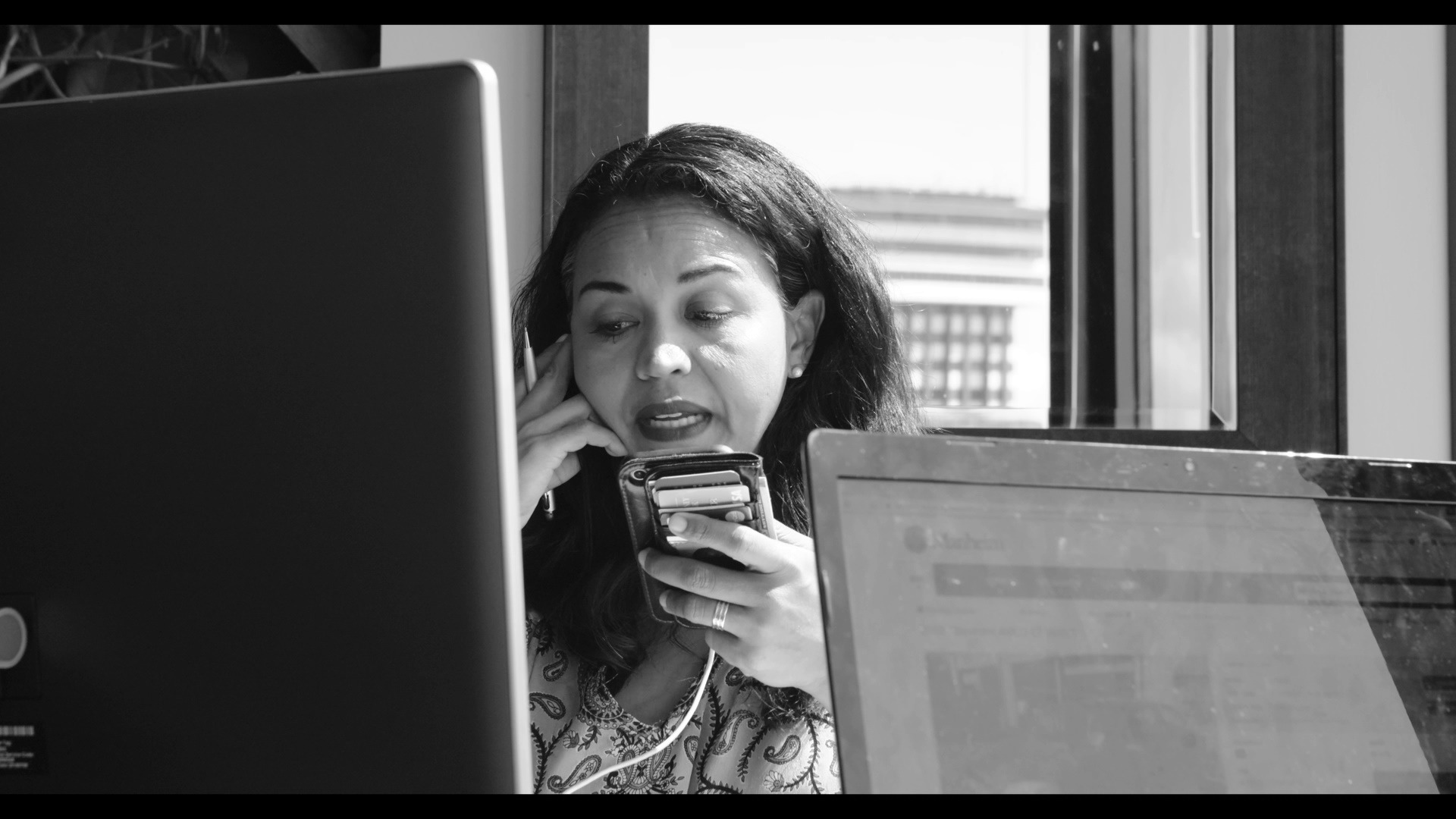
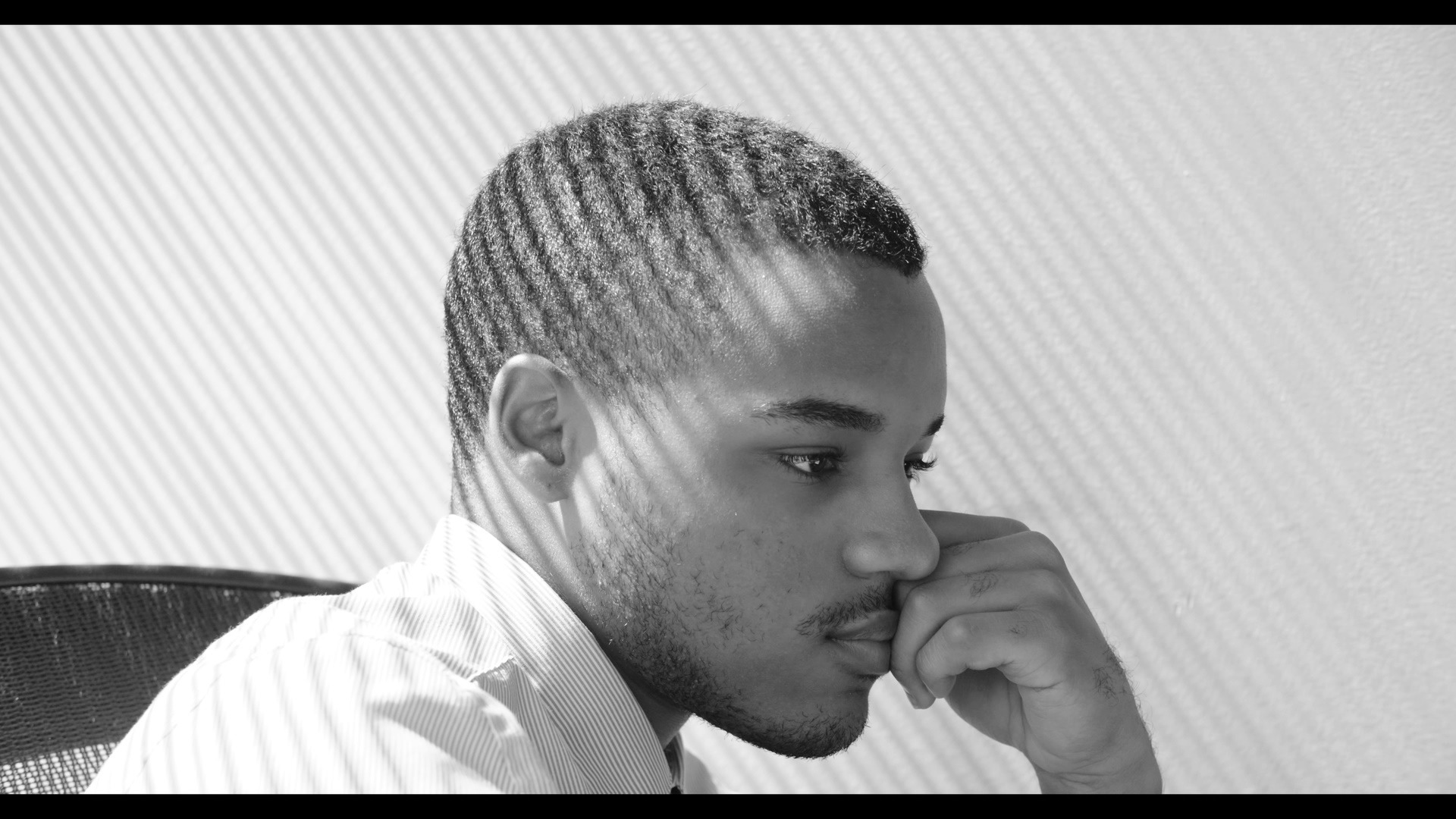
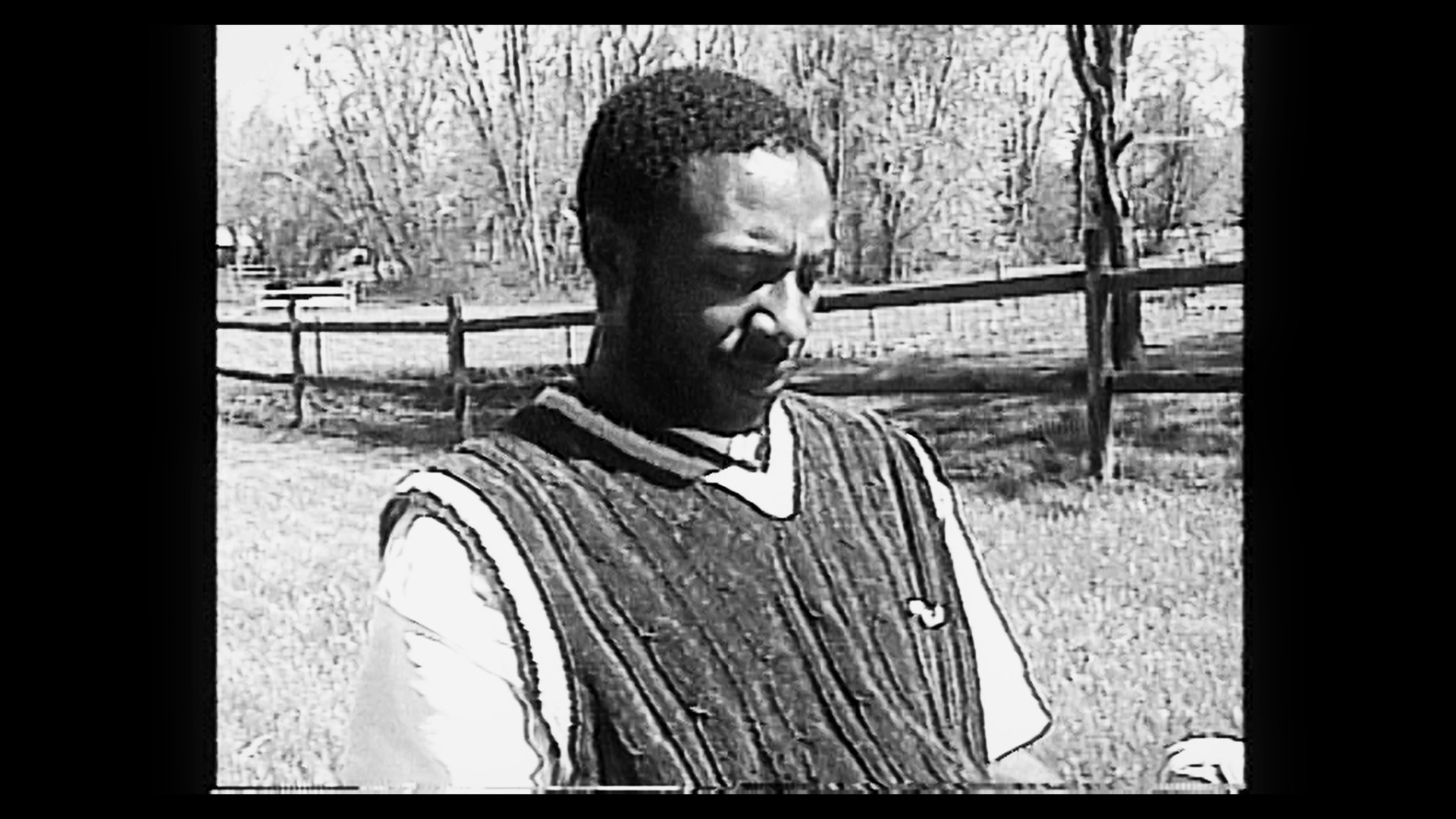
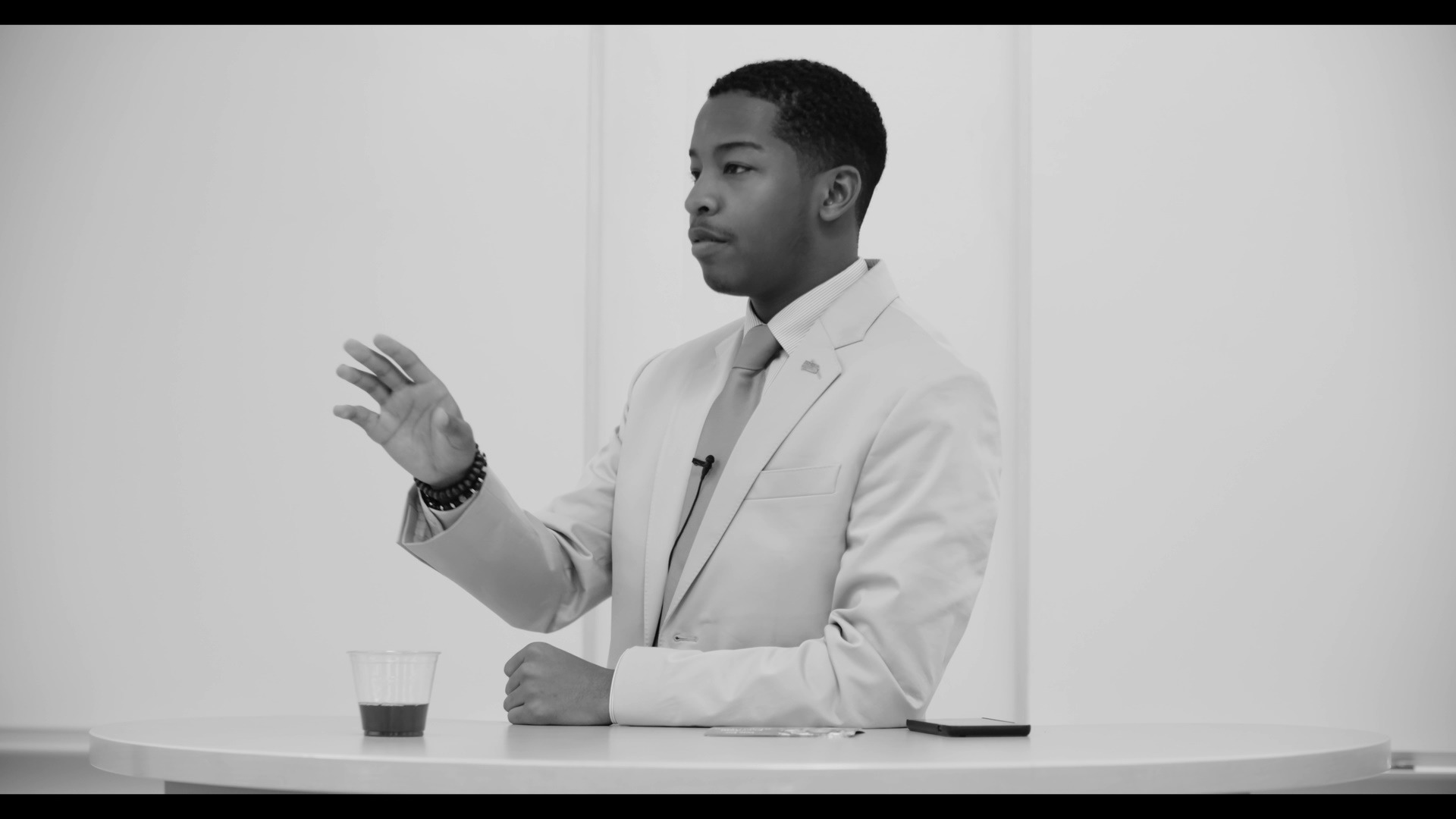
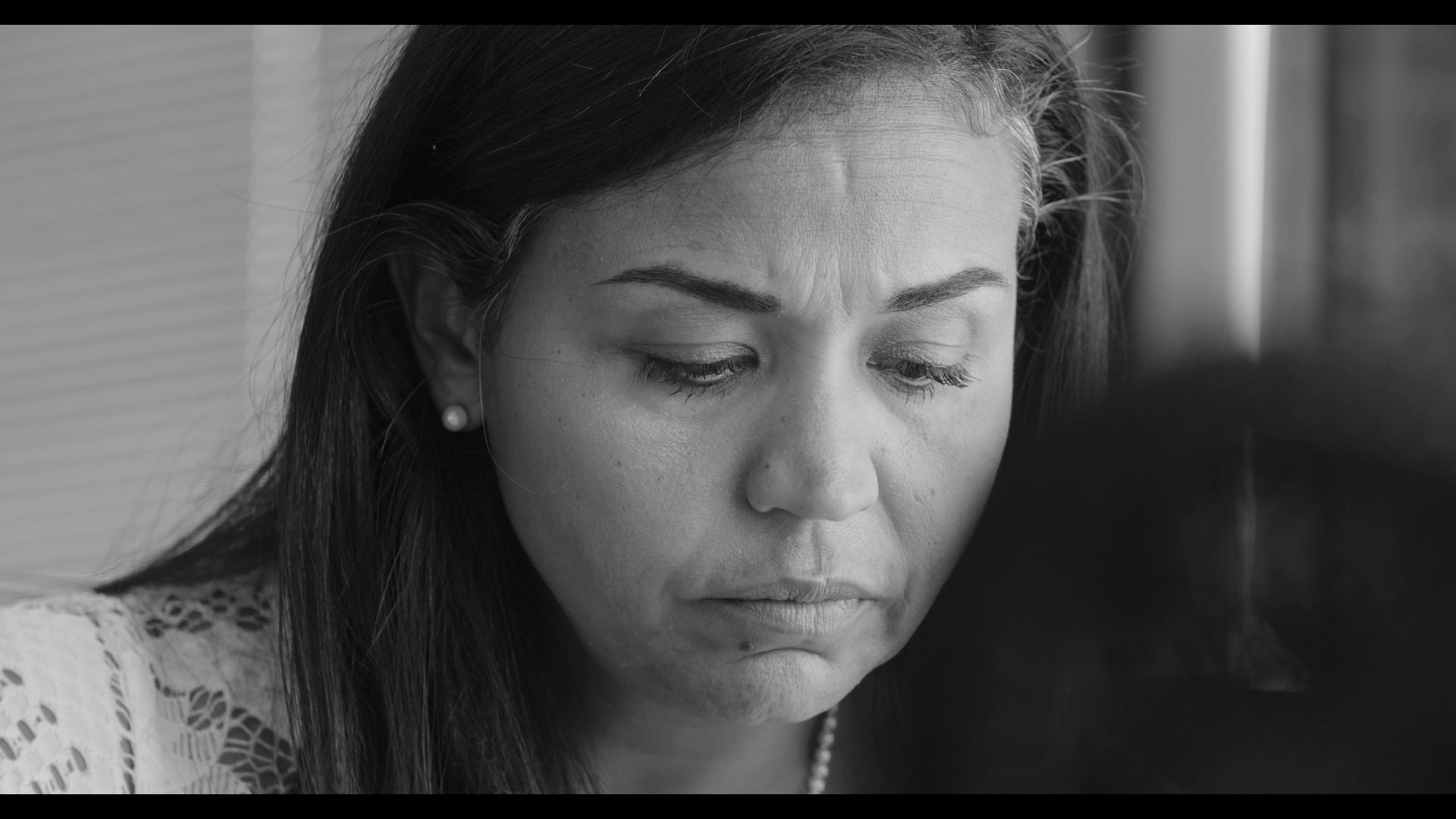
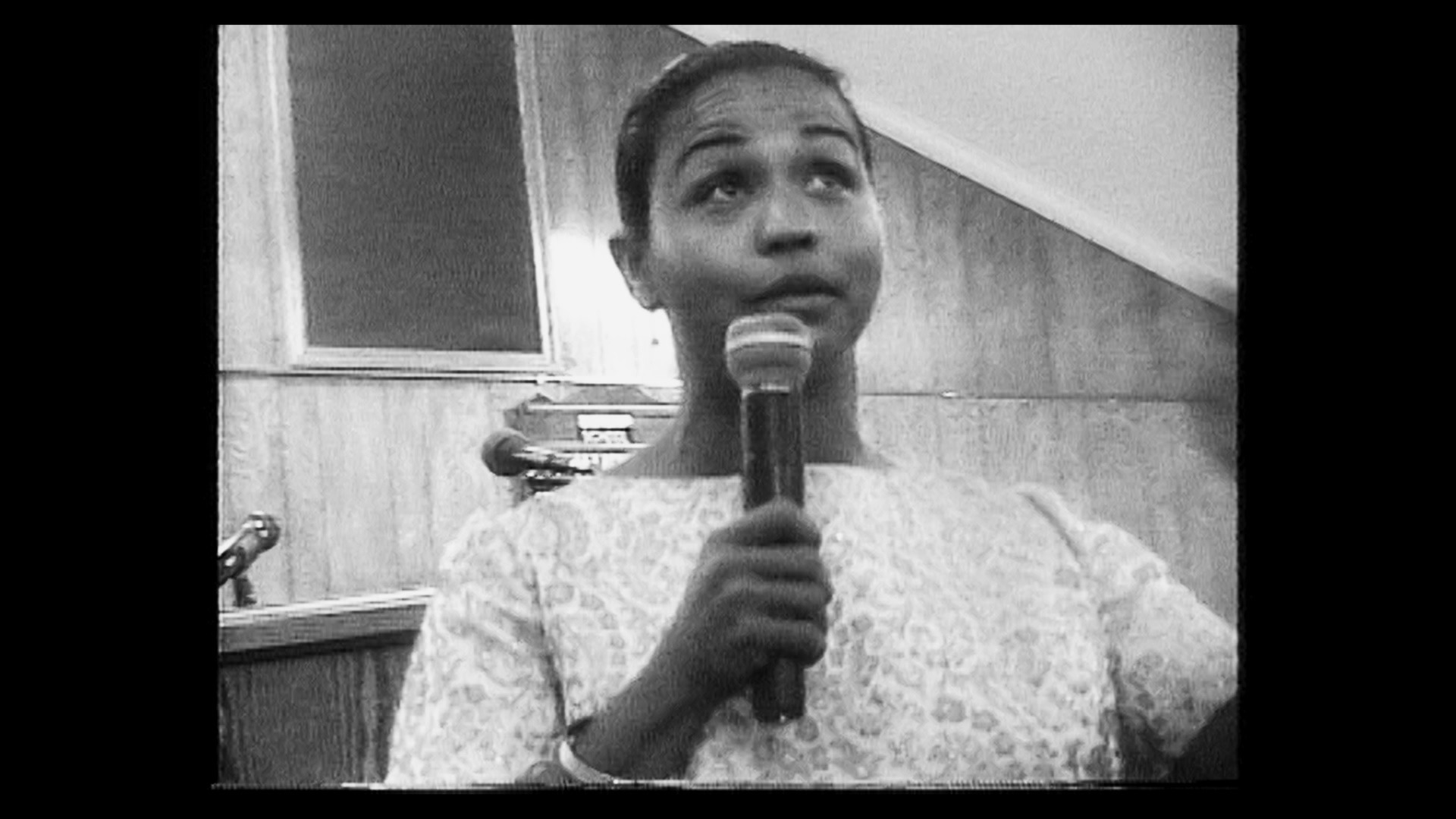
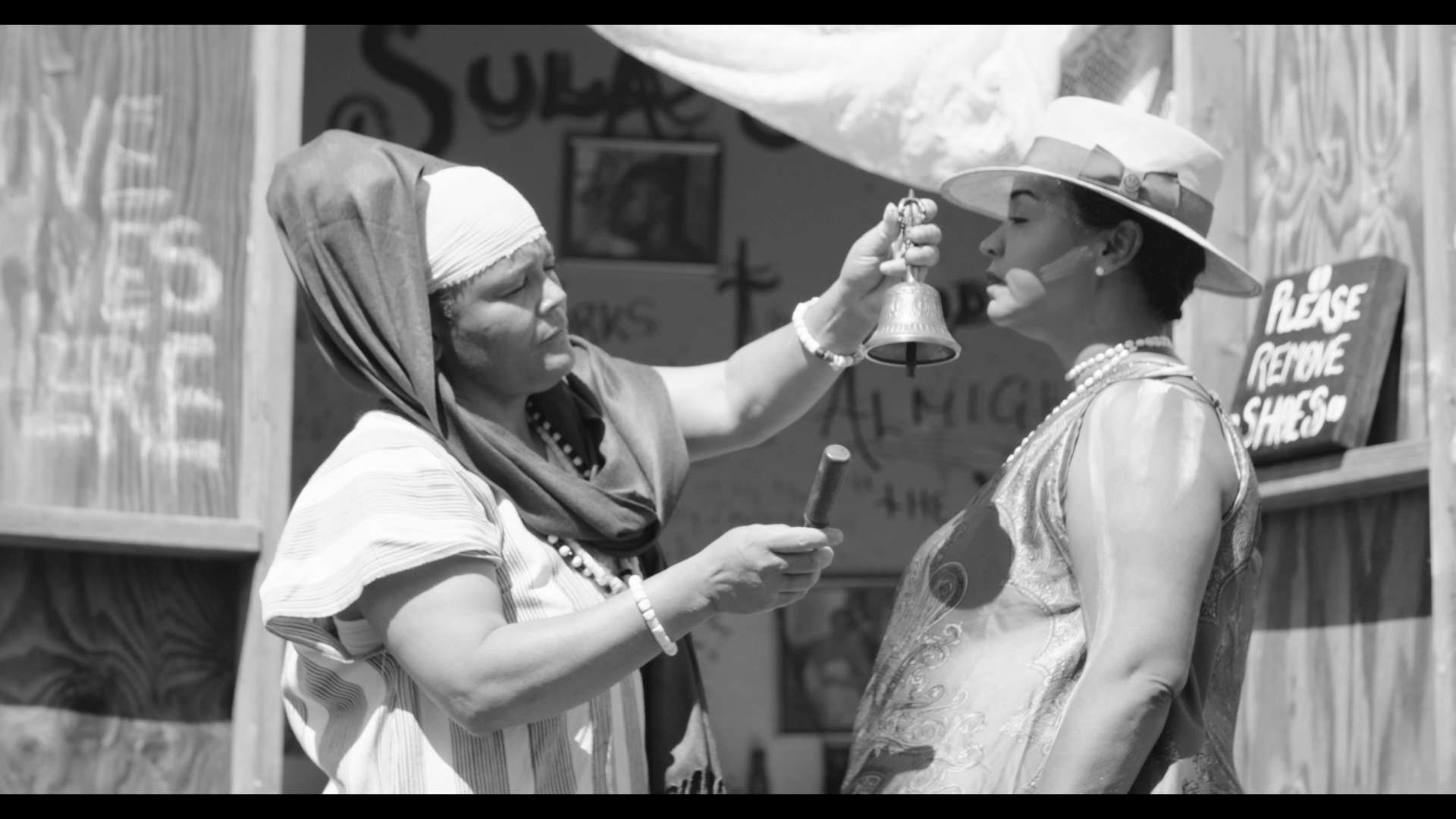
Audio 8/10
The film comes with a DTS-HD MA 5.1 surround soundtrack. The film’s sound design is interesting, especially in its use of music, which shows incredible range here. It’s also mixed effectively through the surround environment, sharp and clear as can be. Even the lower frequency manages to get some subtle use. The live sounds and the voice-over narration also come out sounding very good, sharp and clean for the most part. On occasion the environment of a certain sequence may not be the friendliest for sound, but everything is still easy to hear.
In all it’s an effective track.
Extras 8/10
Criterion’s edition isn’t a stacked one when it comes to supplements, but it seems suiting to the film’s nature and still manages to delve fairly deep in the work. Director Garrett Bradley does provide a new audio commentary for the film that I’d say was worth a listen. Admittedly, for an 81-minute film there is a surprising amount of dead space on the track, but Bradley talks in detail about the project and how it came about in its current format, the original intention being for the film to be a short alongside her previous 2016 short covering a similar topic, Alone. That changed when Richardson dropped off the video footage she had shot through the years (at first to capture all of the good things that were to be coming up for her and her husband, Robert), in what sounds to have been an “oh, by the way” manner, and Bradley took the film in another direction. Despite the dead spaces that pop up, Bradley does a commendable job in explaining the editing process that led to discovering the film and what it would be about (stressing it’s about “forgiveness” not “innocence”), capturing things like “hope” in a visual sense, and even being sure to present everyone in the film appropriately. Along the way she shares stories outside of what we see in the documentary and even addresses the subject matter of scenes as they come up.
The track is then accompanied by a new interview between Bradley and critic and author Hilton Als, the two discussing the film’s subject matter and the film's importance in how it captures it through a black experience, particularly that of a black woman, and the two people at the center of the film. Bradley also shares her film background, including how she first got into it, and talks about her influences, which included the likes of John Cassavetes, Federico Fellini, and Andrei Tarkovsky before discovering Charles Burnett and Julie Dash.
The excellent 24-minute interview even concludes with a “where are they now?” where Bradley gives an update on how the Richardsons are doing now, but there wasn’t much need for that as Criterion has thankfully managed to include a new 22-minute interview with the two subjects of the film, Sibil Fox and Robert Richardson. In what is probably one of the most delightful interviews I’ve seen in an incredibly long time (at least when it comes to home video extras), the two, clearly elated to be there together, talk honestly and openly about the whole experience. Fox explains why she started filming, the aim being to capture all of the good things coming up for them: new family, new home, and a new business. Unfortunately, they “harmed it” all with their rash decision after things took a sudden, unexpected turn, leading to both going to prison, Fox for only a few years. From there the home videos then took on a different purpose. The two then share how they handled the children visiting their father, explaining why this was still important for both the children and their father, and Fox also gets into the experience of being filmed by Bradley. The most charming portion comes when the two talk about the aftermath and finally being back together, laughing about how things don’t work out exactly as you imagine in a situation like that, and musing how life just doesn't give you a chance to catch up. It really is a wonderful interview, and it’s almost a shame the two didn’t participate in some sort of commentary over the film.
Criterion then includes I guess what could be called the feature’s sister film, Alone, a short 12-minute film directed by Bradley in 2016 for the New York Times’ Op-Doc series. This film focuses on Aloné Watts after her boyfriend was picked up for a non-violent crime and was holed up in prison for (at least) 18-months awaiting trial. The documentary effectively covers how the system manages to impact those on the outside by giving Watts the focus, showing her day-to-day and dealing with the stresses and lost time around all of it. Sibil Fox Richardson also shows up (I believe this is where Bradley first met her) to talk about the impact the system can have on people of colour. Though Bradley would capture that sense of lost time better in her longer follow-up, it’s effectively made and has a couple of harrowing moments, like when Watts goes to tell her mother she’s gotten engaged to her boyfriend while he’s in prison. Watts also appears on an optional audio commentary, and she expands on those experiences, especially that one with her mother, confirming that her mother was “definitely not happy.”
Criterion also includes a nice-looking fold-out insert that features an essay by critic Doreen St. Félix and Bradley’s eye in handling the topics she brings up.
It's clearly not a "stacked" edition by any means, but it does manage to cover a lot of the bases you would hope for. It captures the film's production, its editing, structure and visuals, approaches its subject academically, and even throws in that short documentary that led to it and a really great interview with the film's subjects. The supplements are concise and effective.
Closing
The release ends up being quite the surprise. The fact the film is easily available for streaming probably makes the release less enticing, but I must say that Criterion has done a lovely job on presenting the film on Blu-ray, from a solid looking high-def encode to some wonderful, reflective features around the film’s production and subject matter, the new interview featuring the Richardsons being the highlight.
BUY AT: