Blind Chance
BUY AT:


See more details, packaging, or compare
Synopsis
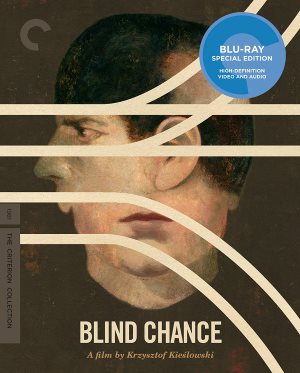
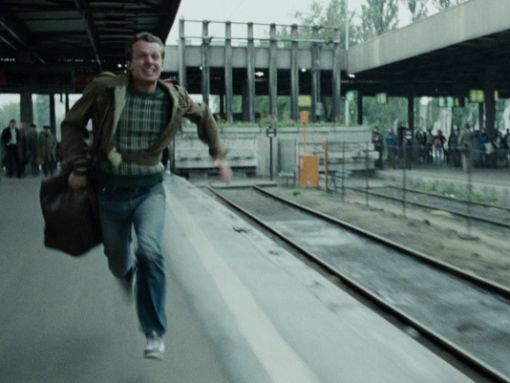
Before he stunned the cinematic world with the epic series The Decalogue and the Three Colors trilogy, the great Polish filmmaker Krzysztof Kieślowski made his first work of metaphysical genius, Blind Chance, a compelling drama about the difficulty of reconciling political ideals with personal happiness. This unforgettable film follows Witek (the magnetic Bogusław Linda), a medical student with an uncertain future in Communist Poland; Kieślowski dramatizes Witek’s journey as a series of different possibilities, suggesting that chance rules our lives as much as choice does. First suppressed and then censored by the Polish government, Blind Chance is here presented in its complete original form.
Picture 10/10
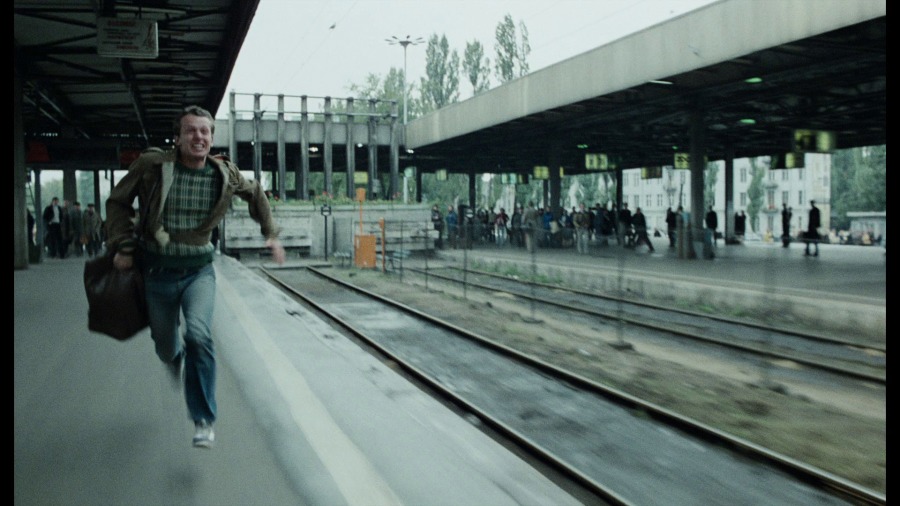
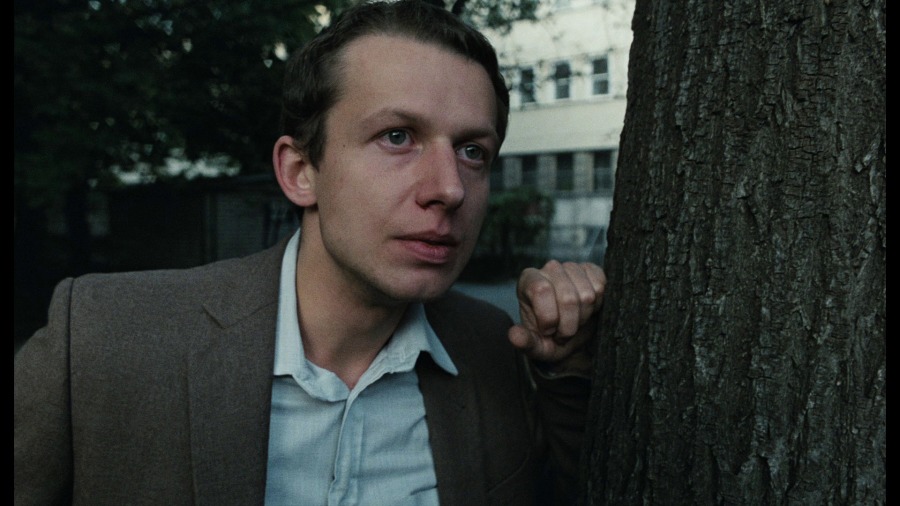
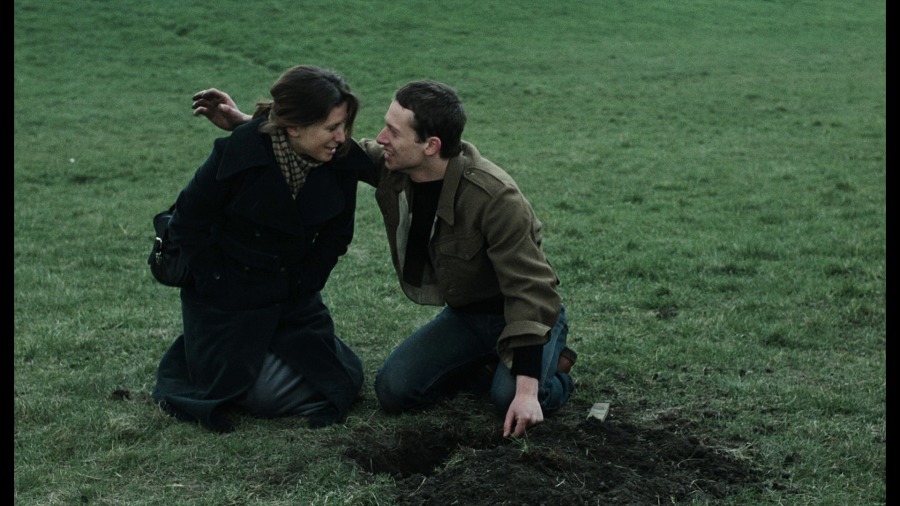
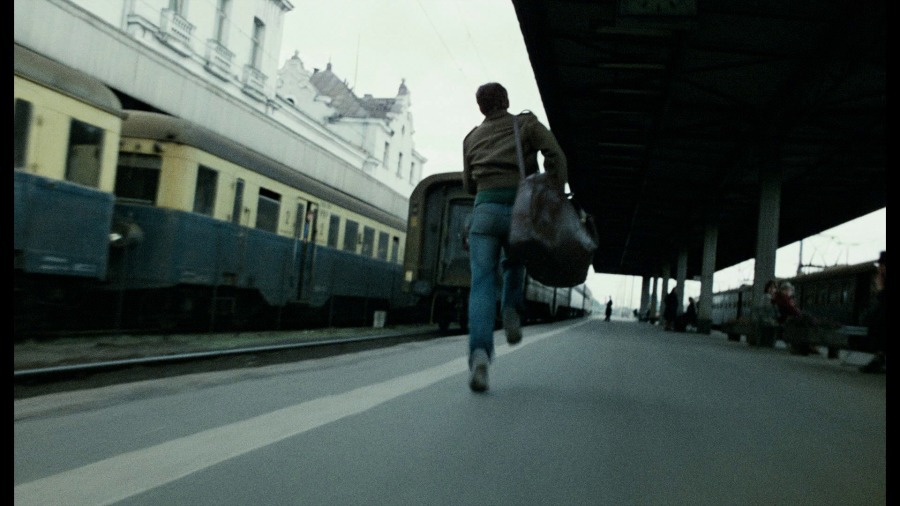
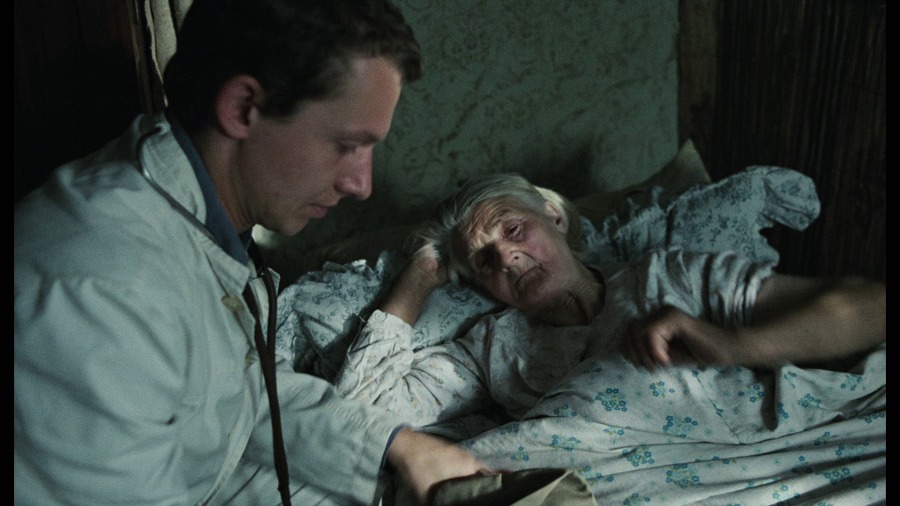
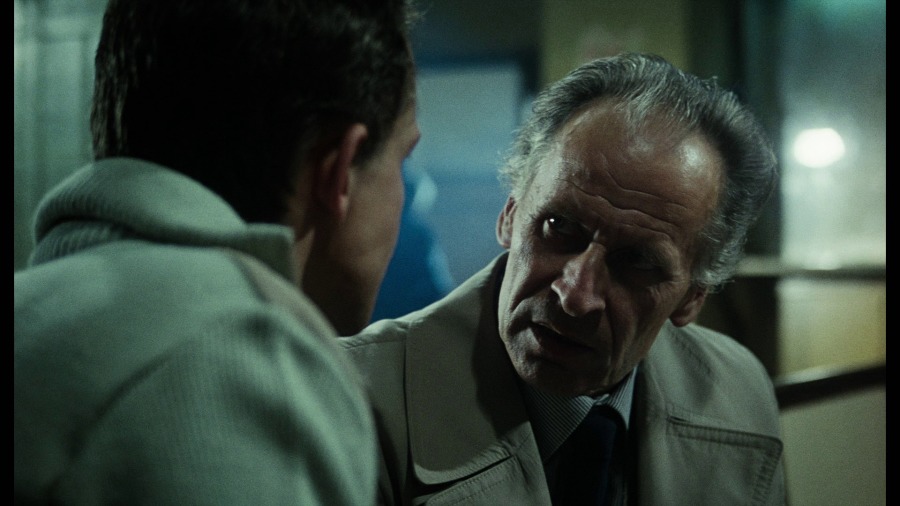
Krzysztof Kie?lowski’s Blind Chance gets a beautiful upgrade on Blu-ray through The Criterion Collection, who state to be presenting the film in its original aspect ratio of about 1.66:1 (in all honesty it looks closer to 1.70:1 or so). The new 1080p/24hz high-definition digital presentation comes from a new 2K restoration made from a 4K scan of the original 35mm negative.
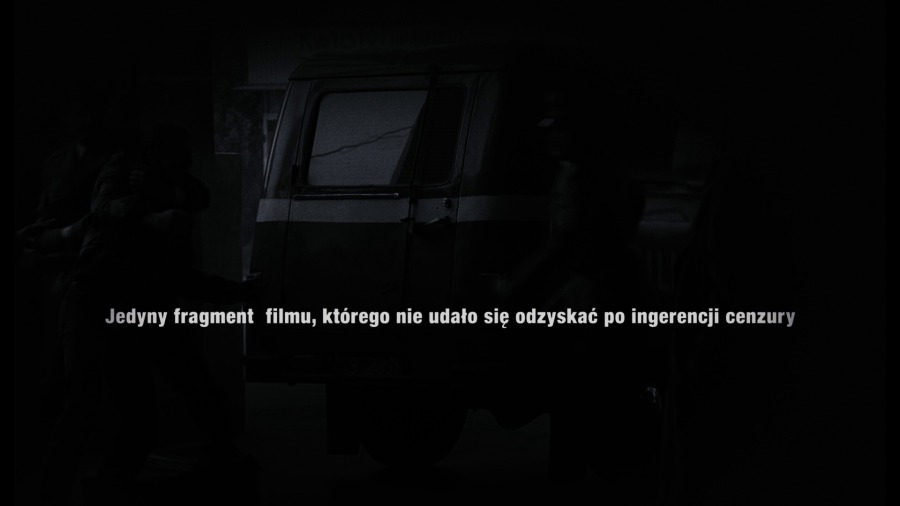
Despite the film’s fairly dreary look this sucker’s impressive, especially considering its history. Due to really bad timing and bad luck the film wasn’t completed until December of 1981, when martial law was declared in Poland. The film was deemed politically unsound and effectively banned. It was released later in 1987, though in a truncated form that cut out elements that were unflattering of the government or the political climate of the time. The film was finally released in its full form in the 90’s and that is the version Criterion presents to us here. Unfortunately one small section of the film is still missing, and a title card that plays over the still-surviving audio marks this portion about half way through.
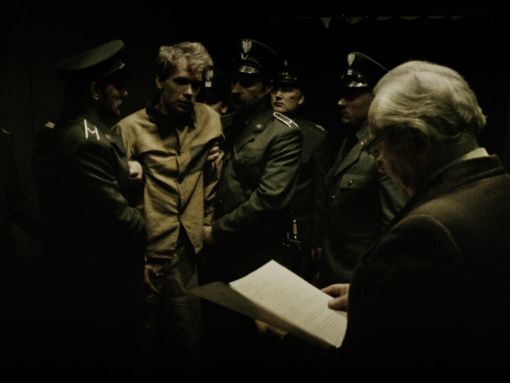
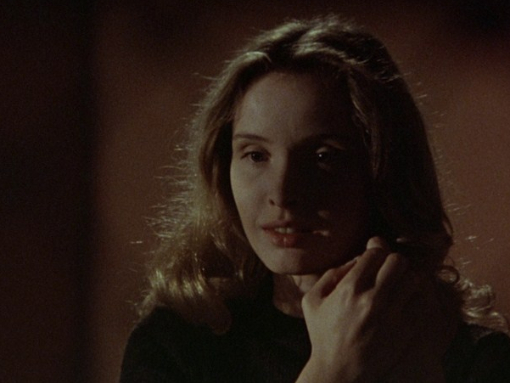
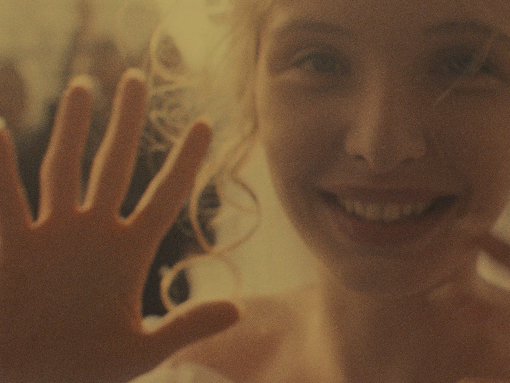
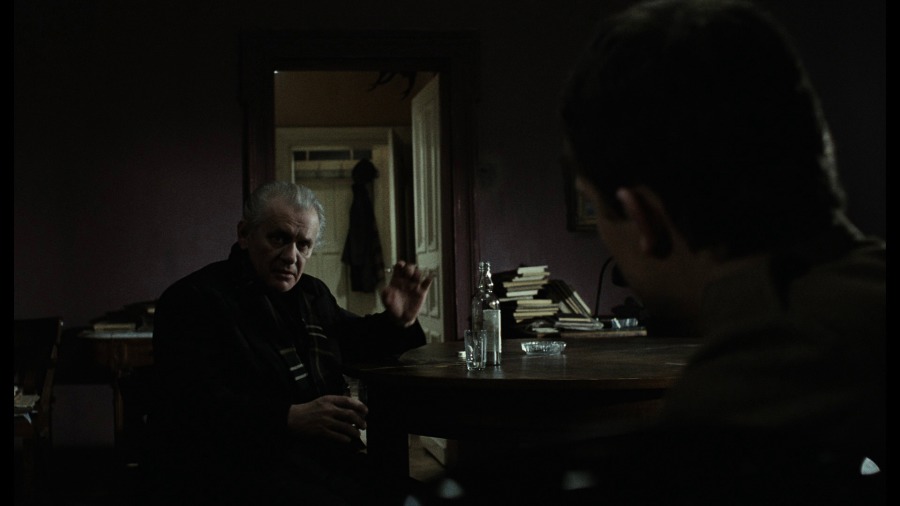
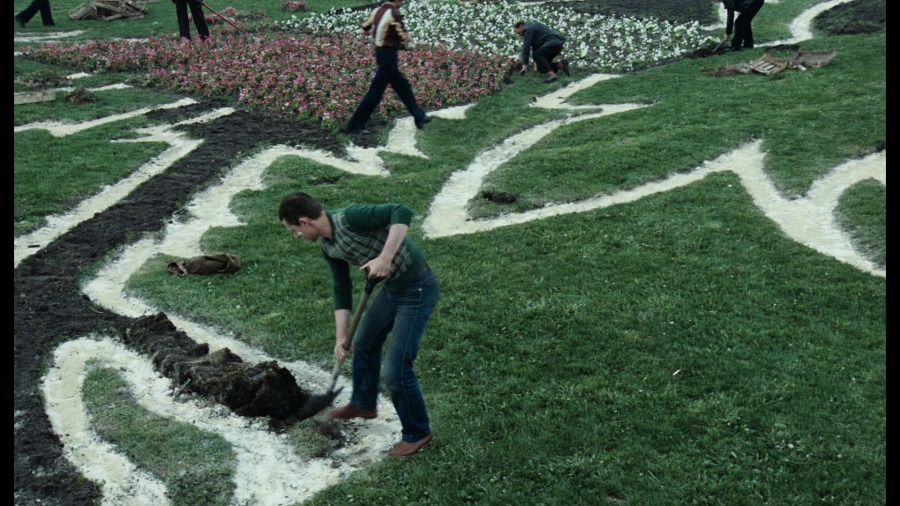
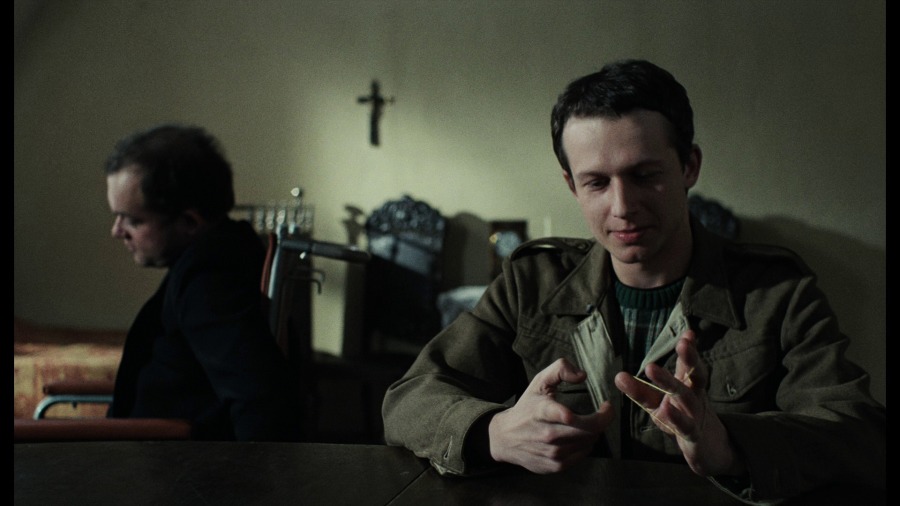
Despite this one little issue, which was beyond anybody’s control (my understanding is this footage is long gone) the presentation is otherwise perfect. As mentioned previously the colour scheme is very dank, but saturation looks very good and black levels are also rich and inky without any issues like crushing (there are a number of dark scenes in the film and details can be easily made out). The print is in excellent condition and I don’t actually recall any flaws or imperfections.
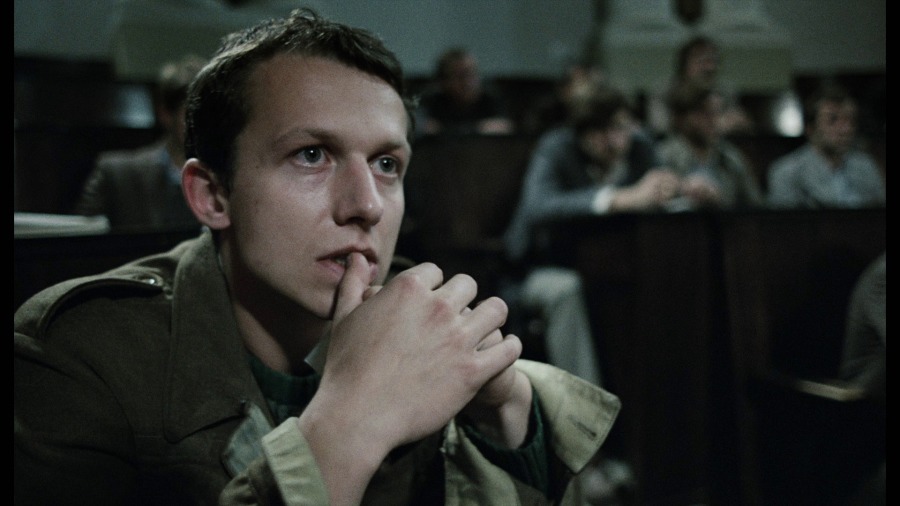
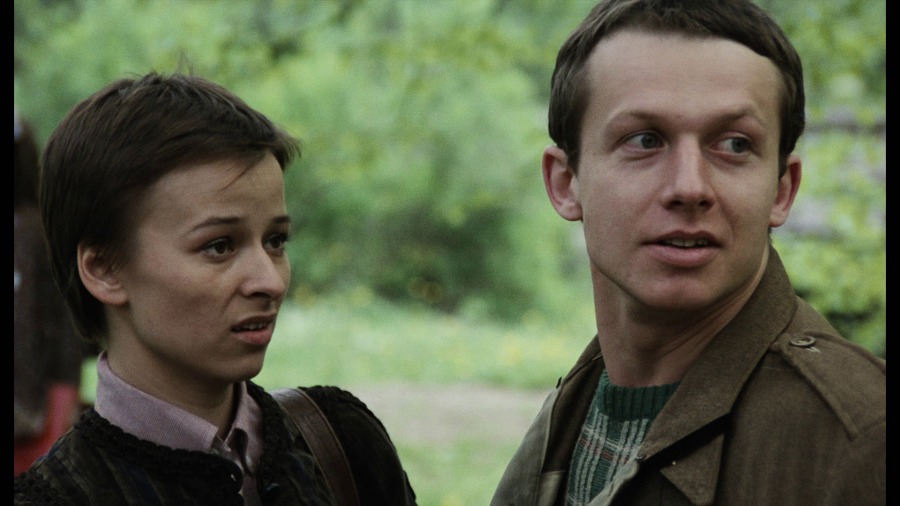
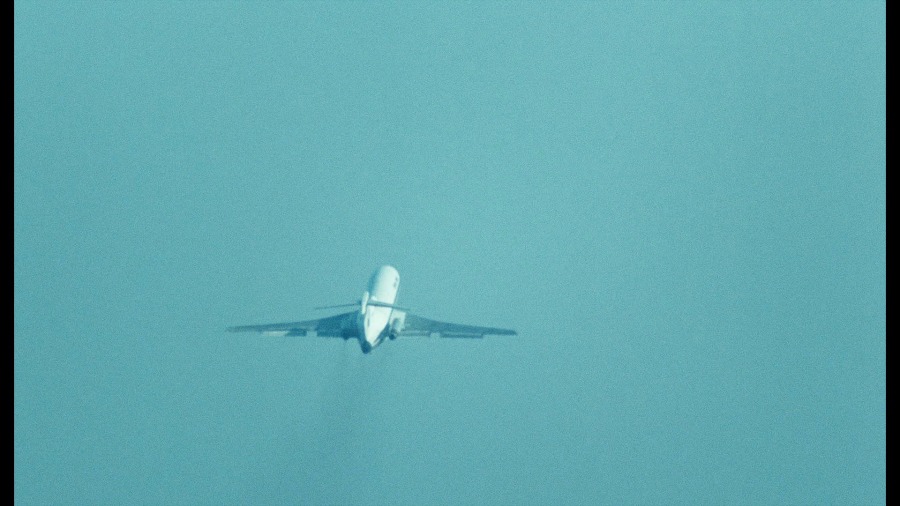
The digital transfer itself, along with the encode, looks superb. Detail levels are high, and textures look natural and clean. Close-ups are particularly impressive, but long shots also deliver an extraordinary amount of detail in the backgrounds, and the sense of depth is terrific. Film grain is present but looks naturally rendered and I didn’t detect any pixilation or blocky patterns. All in all it looks outstanding.
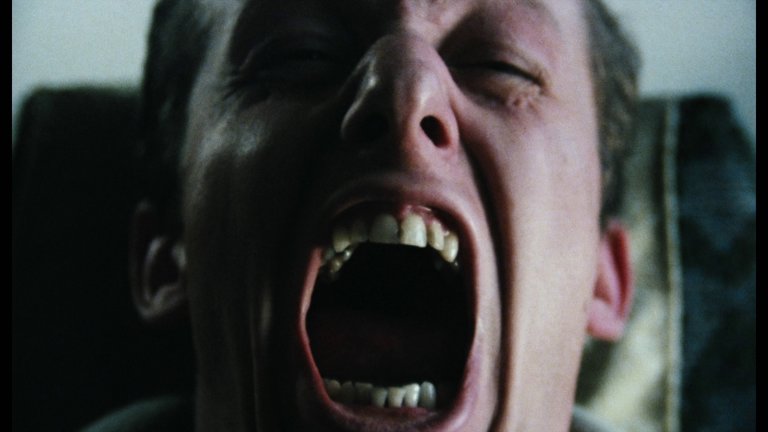
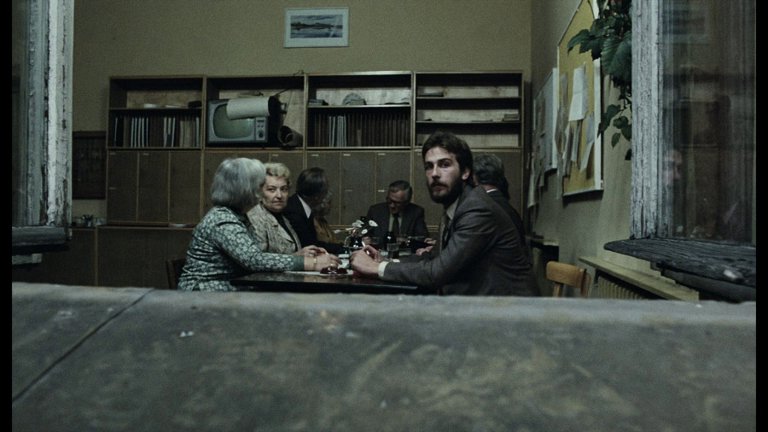
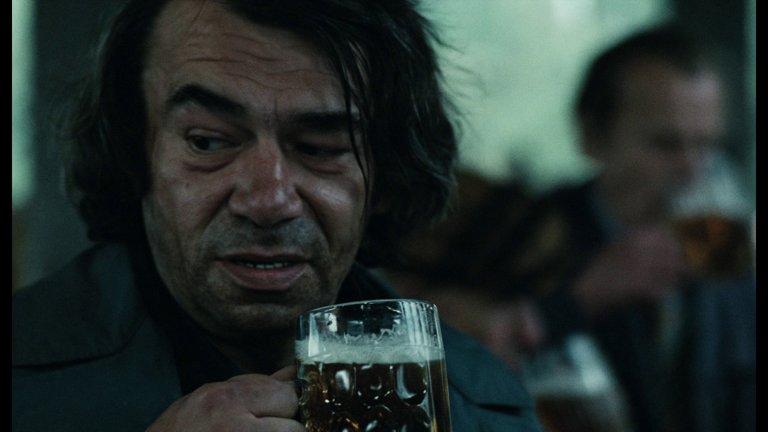
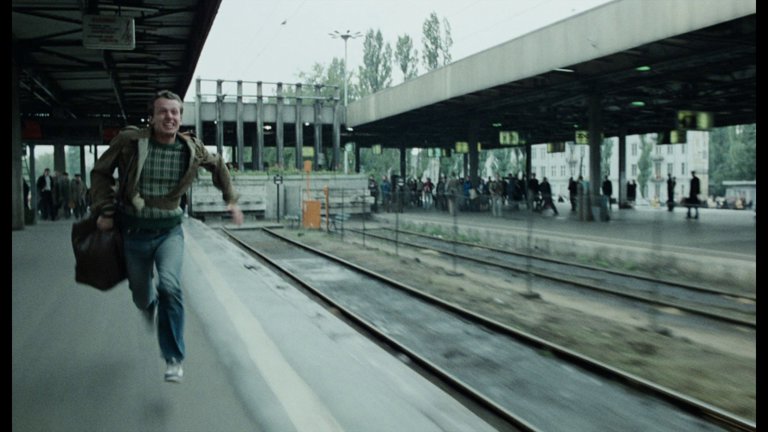
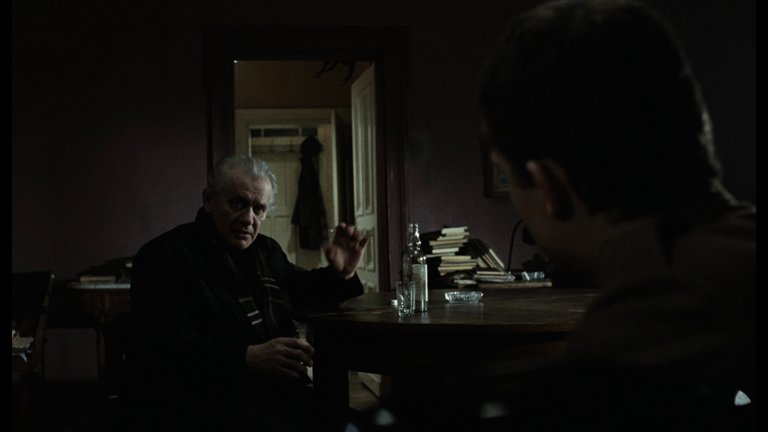
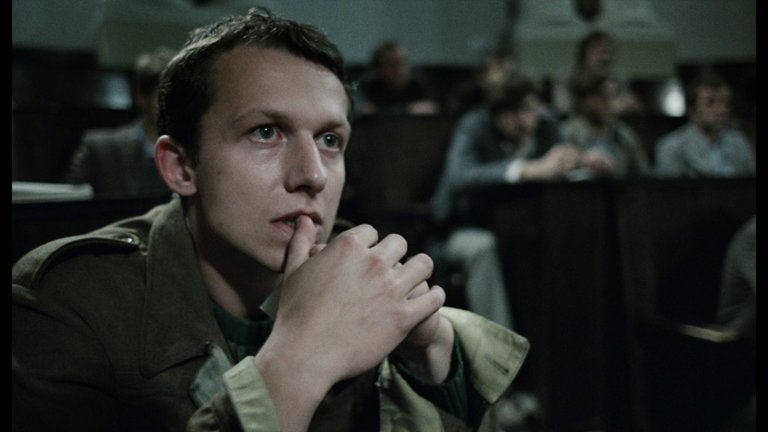
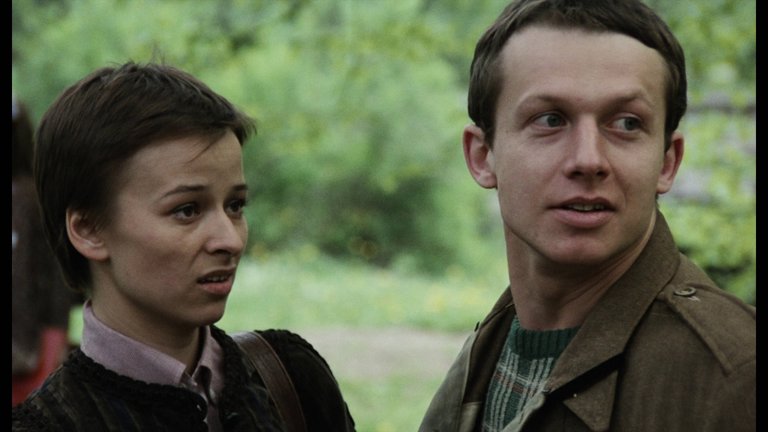
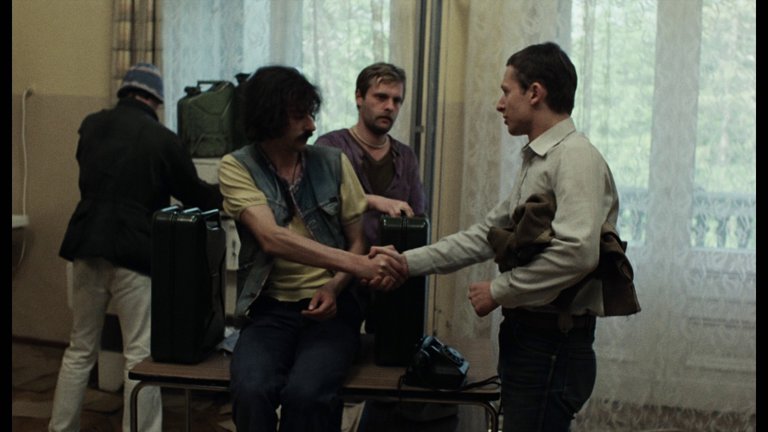
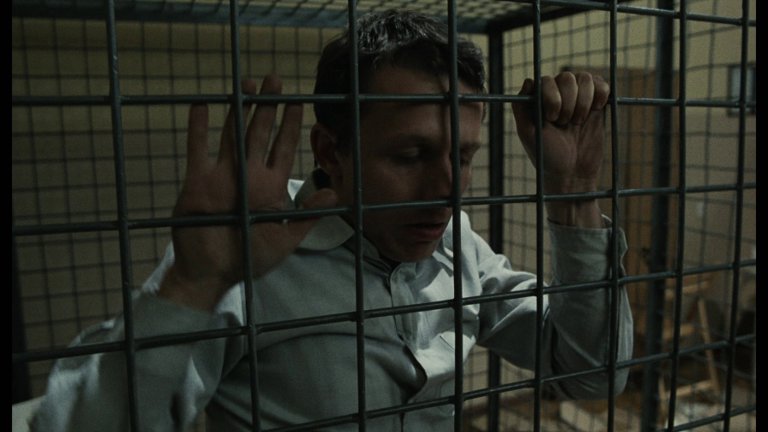
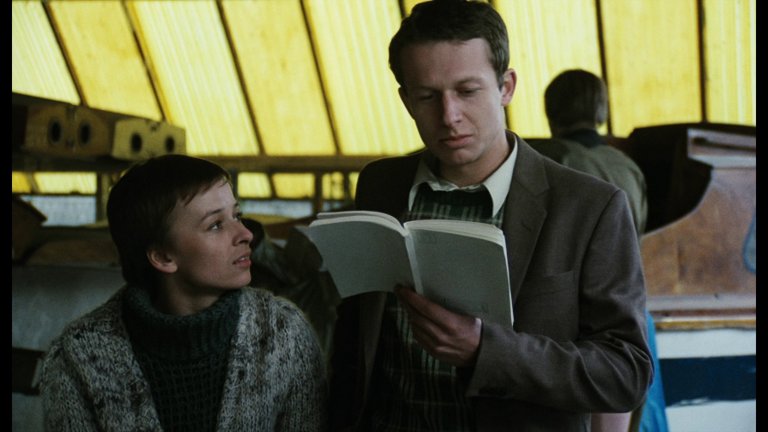
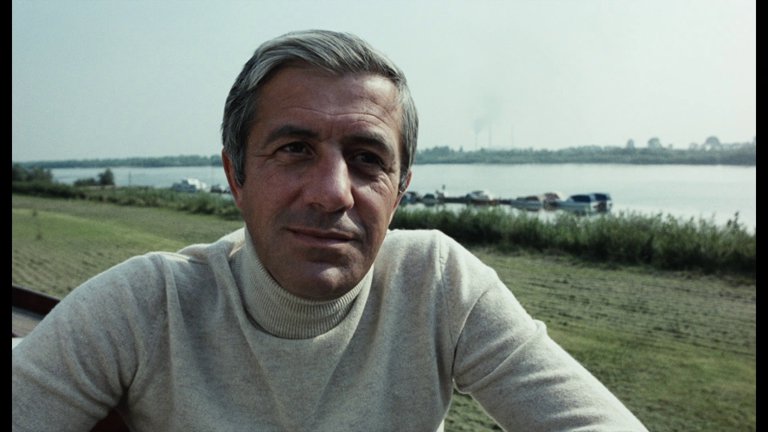
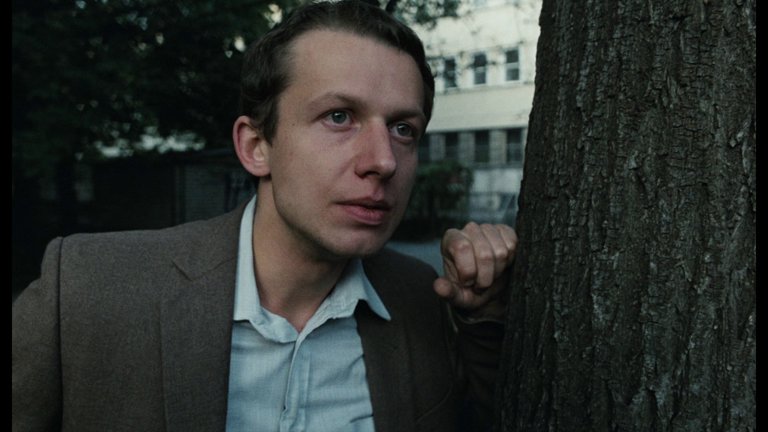
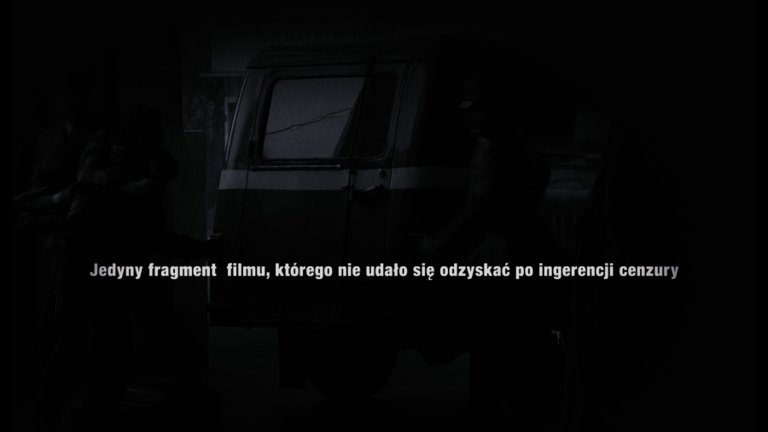
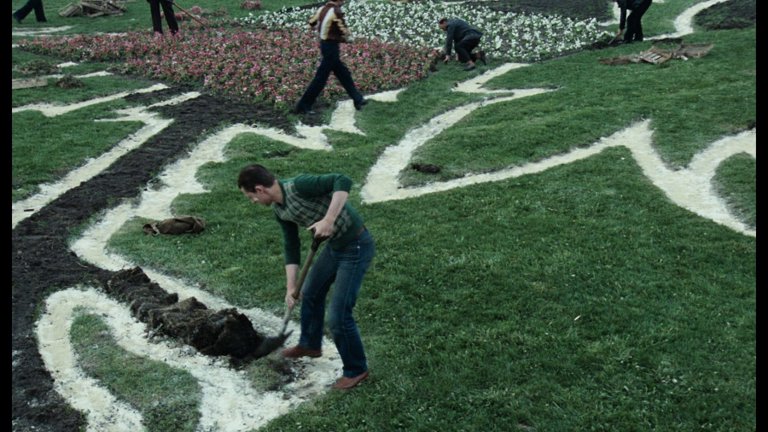
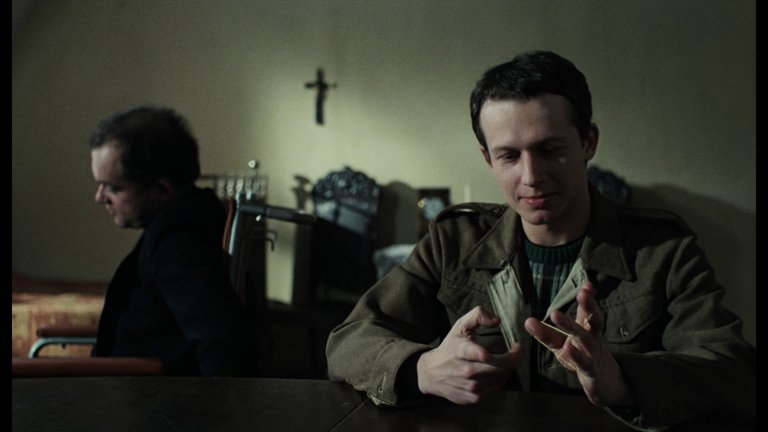
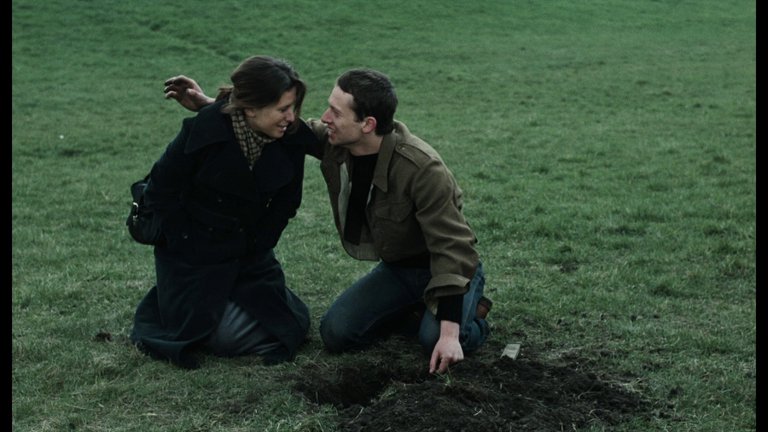
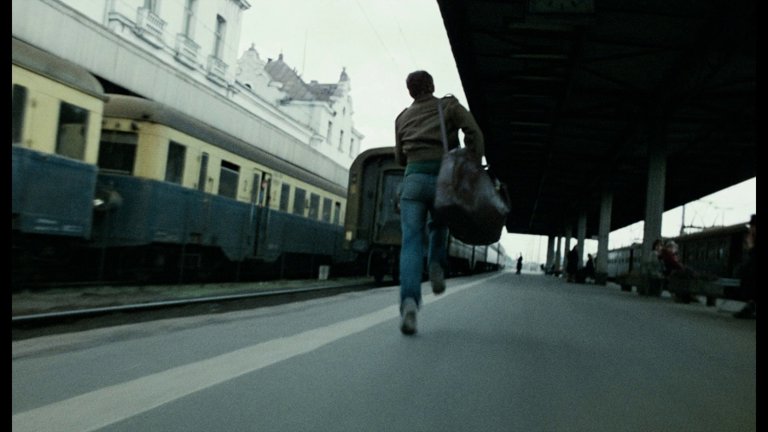
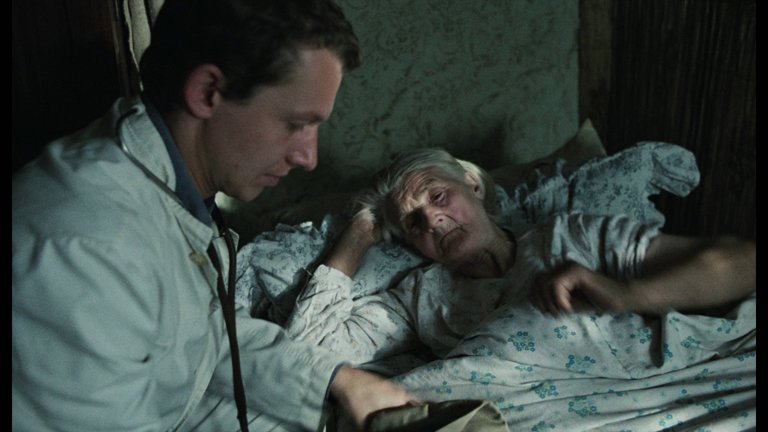
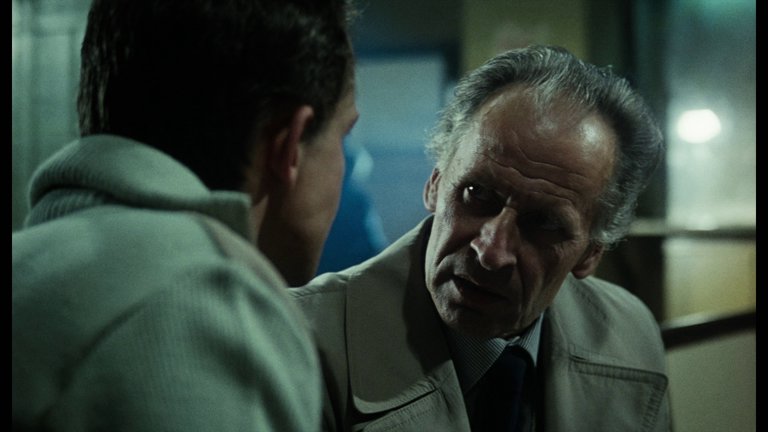
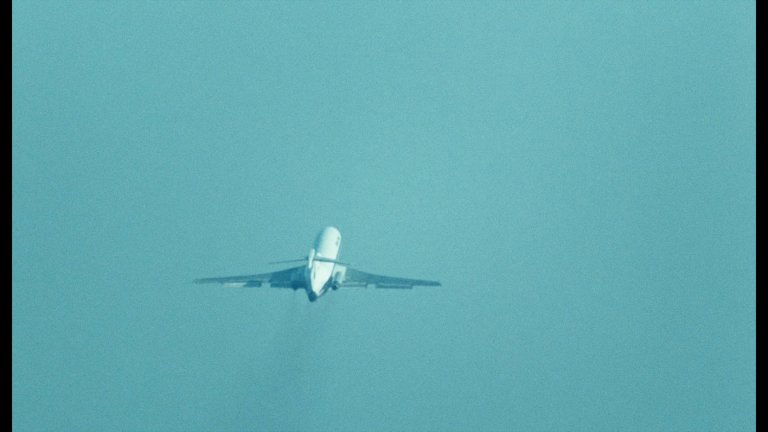
Blind Chance - Screen Captures
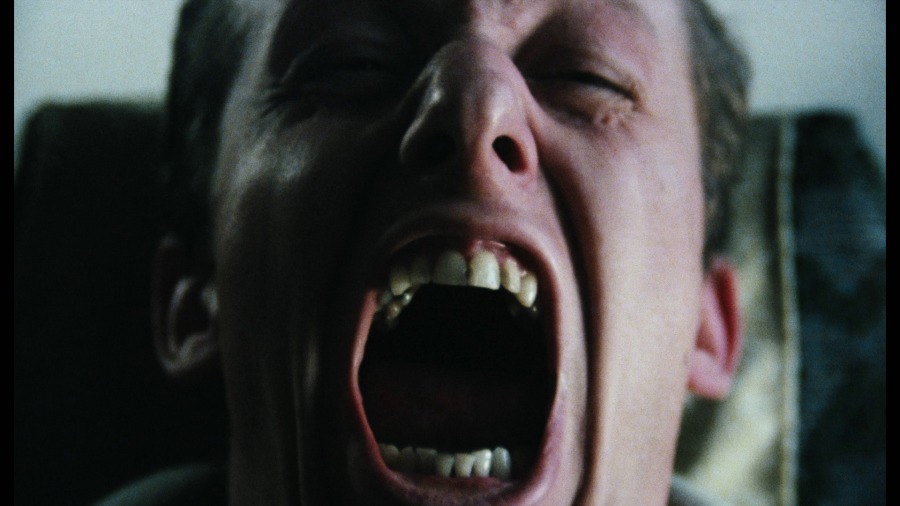
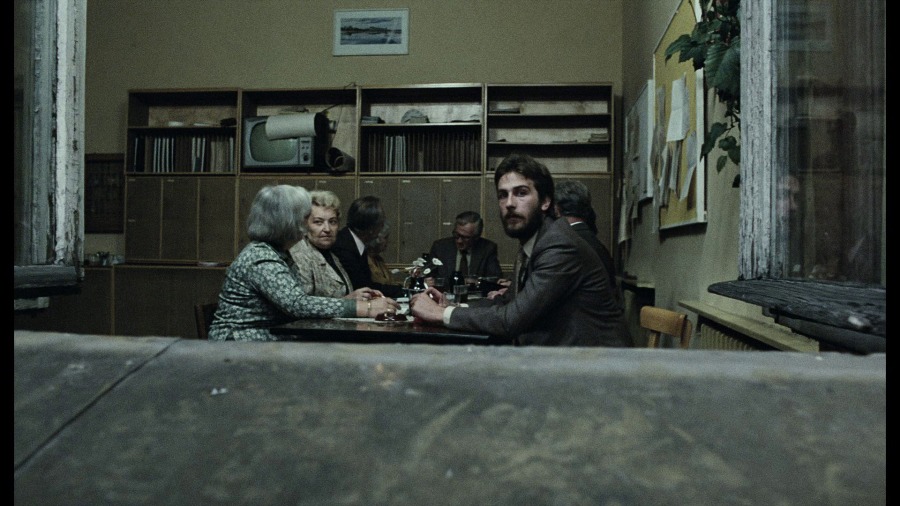
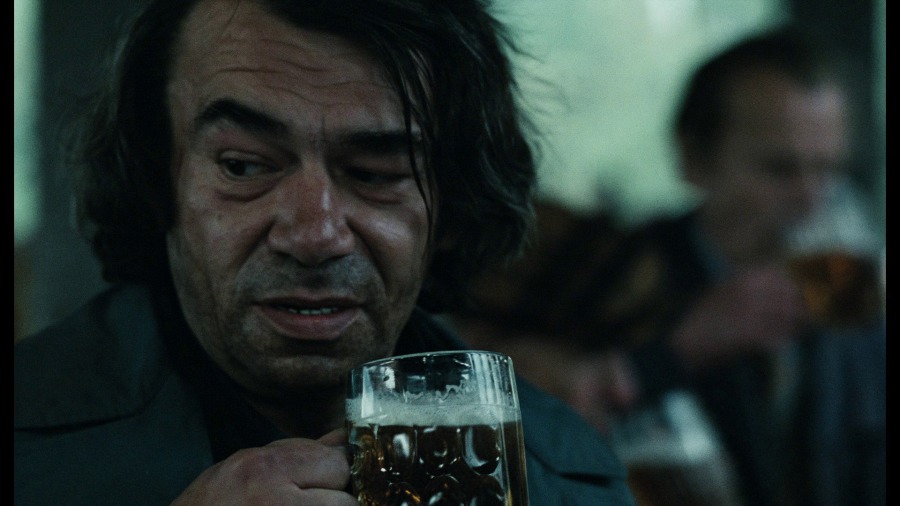
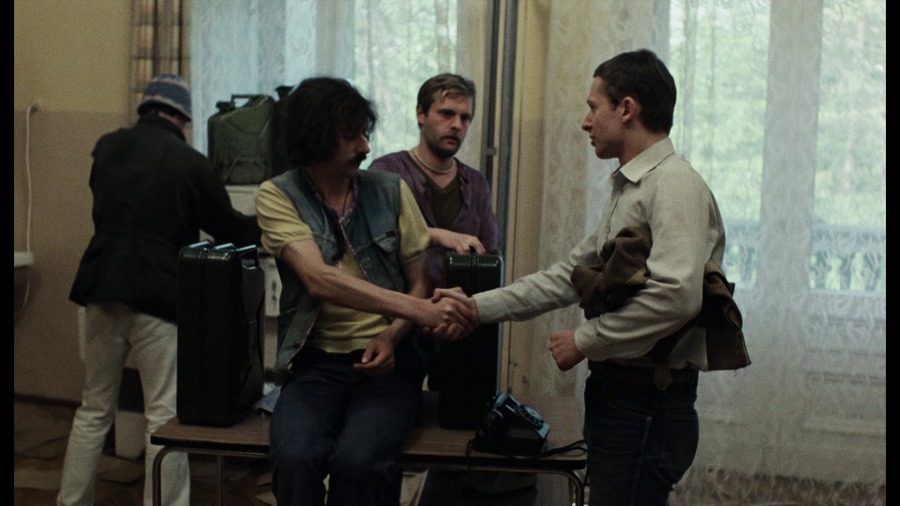
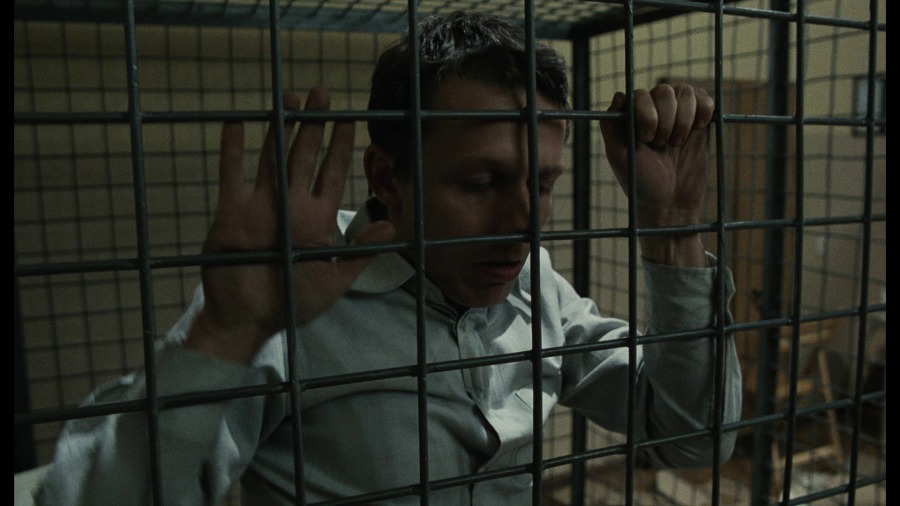
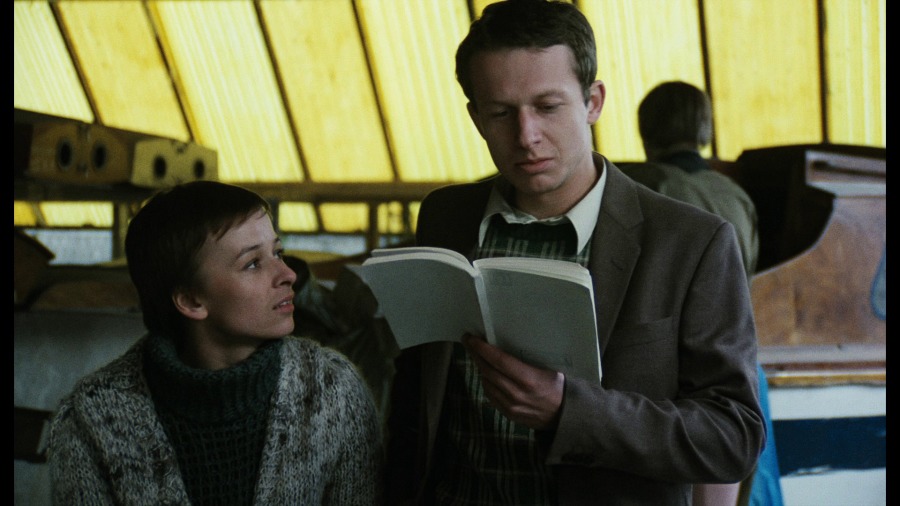
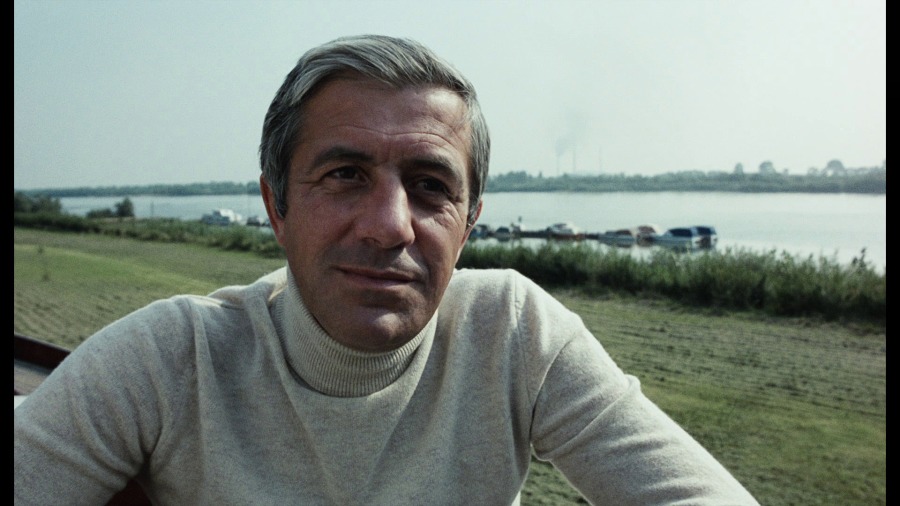
Audio 7/10
The Polish PCM 2.0 stereo track provides a surprisingly ample amount of range, with superb clarity and depth. Dialogue sounds clean and is easy to hear while sound effects are effectively mixed and display decent fidelity. The film’s score is easily the most impressive aspect, swelling nicely and filling out the environment when called for, never sounding harsh or edgy (it actually almost sounds like it could have been recorded recently). The track is also clean, free of any noticeable distortion or damage. Altogether it’s an effective track.
Extras 4/10
Unfortunately the release disappoints in the area of supplements, only presenting a small handful, starting with an interview with Polish film critic Tadeusz Sobolewski, which is found under ”Blind Chance” Unshelved. Though only 18-minutes it still manages to be a fairly essential addition to the set. Though he does talk a bit about the film on its own merits and how it effectively took Kie?lowski down the path of filmmaking he went (while also looking at his work before, primarily Camera Buff, clips of which sadly appear to come from a standard-definition source), it proves to be a valuable resource for the context he adds. He talks about the political climate of the time and explains how the film represents this era, and then how and why the film was effectively banned just after it was finished. He also talks a little about the film’s various releases that followed. Though the release as a whole may feel very slim at least this supplement is a worthwhile addition.
The next supplement is an interview with filmmaker Agnieszka Holland, which was recorded in 2003 for another DVD release. This interview only runs a little over 5-minutes but she talks about Kie?lowski and the film, recalling primarily how the director asked to get her opinion on a rough cut for Blind Chance, which she thought was terrible. From here he reshot material (an excerpt from Kie?lowski’s bio, found in the included insert, states he took a few months off before shooting anything) and then showed her a different edit, which was a vast improvement and closer to what we have now. Interestingly, after the film didn’t do so well in the States (when it finally saw the light of day) Kie?lowski considered doing a remake, though the film Sliding Doors and “other” films like it (I assume she may be referring to Run Lola Run) that were bigger successes, moved him to scrap that idea. Holland was obviously deeply offended by Sliding Doors based on her comments here. It’s a short piece but it’s interesting to get whatever details we can about Kie?lowski’s work method.
Criterion then includes a 10-minute feature about the censored version of the film. I appreciate this addition, though found it a bit frustrating. 9 sequences that were altered are presented in their entirety. The portions that remained in the censored version are presented in black-and-white while the parts that were cut out are presented in colour. Some of the trims are not surprising but others are a little bewildering, especially when the excised portion only lasts a couple of seconds and appears to be there just to shorten a shot or reaction. We get very little context for the edits, other than one portion where a singer was completely cut out (even a turn towards the camera was trimmed so we don’t see his face) and a song replaced. In the instance Criterion provides some notes and then actually shows the censored version of the scene as it was (appearing to come from a VHS tape) and then plays the uncensored version after it. I actually wish Criterion did more of this, playing the sequence as it was in the censored version, and then comparing with the uncensored version. As it is, I don’t think I received the full impact of the trims since I’m still technically seeing the full scene in its entirety. Still it’s an interesting inclusion.
The included insert then first features an essay by Dennis Lim. Here Lim looks at the film’s structure and what each segment represents and Kie?lowski might be saying (interestingly Lim takes a more pessimistic view while Sobolewski, in his interview, actually puts a bit of a positive spin on it), while also offering a bit of context to the bewildering opening that only makes more sense as the film goes on. This is followed by an excerpt from the director’s book Kie?lowski on Kie?lowski, where the filmmaker recalls coming up with the idea for the film and gets into more detail about the reshoots he did. On its own the insert makes for a fascinating read.
And unfortunately that’s it. Though the material is decent it’s disappointing that the release is so bare, especially at the higher price point: back in the DVD only days a release like this would have been at the $29.95 point, though maybe that’s just representative of the state of physical media probably being a more niche product.
Closing
It’s a bit underwhelming that the supplements are as slim as they are, especially at the pricier $39.95 (which admittedly seems to be now the norm for Criterion). Still, the presentation is fantastic, making this release a must for admirers of the film and its director.
BUY AT: