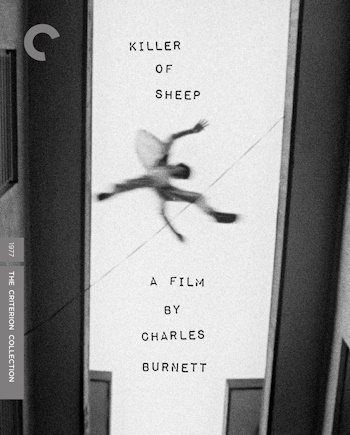
Killer of Sheep
BUY AT:


See more details, packaging, or compare
Synopsis
A quiet revelation of American independent filmmaking, Charles Burnett’s lyrical debut feature unfolds as a mosaic of Black life in the Watts neighborhood of Los Angeles, where Stan (Henry Gayle Sanders), a father worn down by his job in a slaughterhouse, and his wife (Kaycee Moore) seek moments of tenderness in the face of myriad disappointments. Equally attuned to the world of children and that of adults, Burnett—acting as director, writer, producer, cinematographer, and editor—finds poetry amid everyday struggles in indelible images that glow with compassionate beauty. Largely unseen for decades following its completion in 1977, Killer of Sheep is now recognized as a touchstone of the groundbreaking LA Rebellion movement, and a masterpiece that brought Black American lives to the screen with an aching intimacy like no film before.
Killer of Sheep was restored and remastered by UCLA Film & Television Archive, Milestone Films, and the Criterion Collection.
Picture 9/10
The Criterion Collection presents Charles Burnett’s seminal debut, Killer of Sheep, on 4K UHD in its original aspect ratio of 1.33:1. The 2160p/24hz SDR presentation is sourced from a brand-new 4K restoration scanned from the 16mm original camera negatives and encoded on a dual-layer BD-66 disc. Criterion has also included a standard Blu-ray with the film in 1080p high-definition, and the video supplements.
Given the film’s long and complicated history, the quality of this new presentation is frankly astonishing. Killer of Sheep was shot on 16mm as Burnett’s thesis film at UCLA in the early 1970s. It wasn’t officially released until later that decade, and even then its circulation was limited due in part to costly music rights that couldn’t be cleared, and the film was largely unseen. A restoration in the early 2000s, working from badly damaged materials, finally brought the film some long-overdue recognition, though even that version had to substitute one of the key musical cues. Now, this new 4K restoration, which reverts to the original soundtrack and draws directly from the camera negatives, is something of a small miracle.
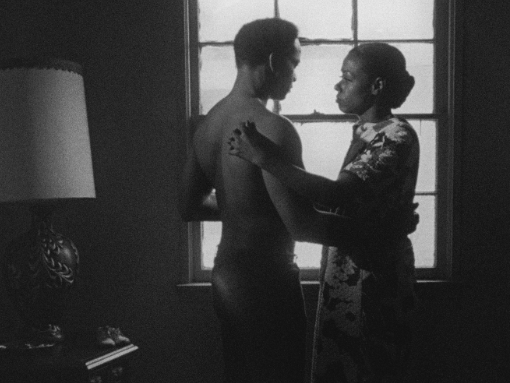
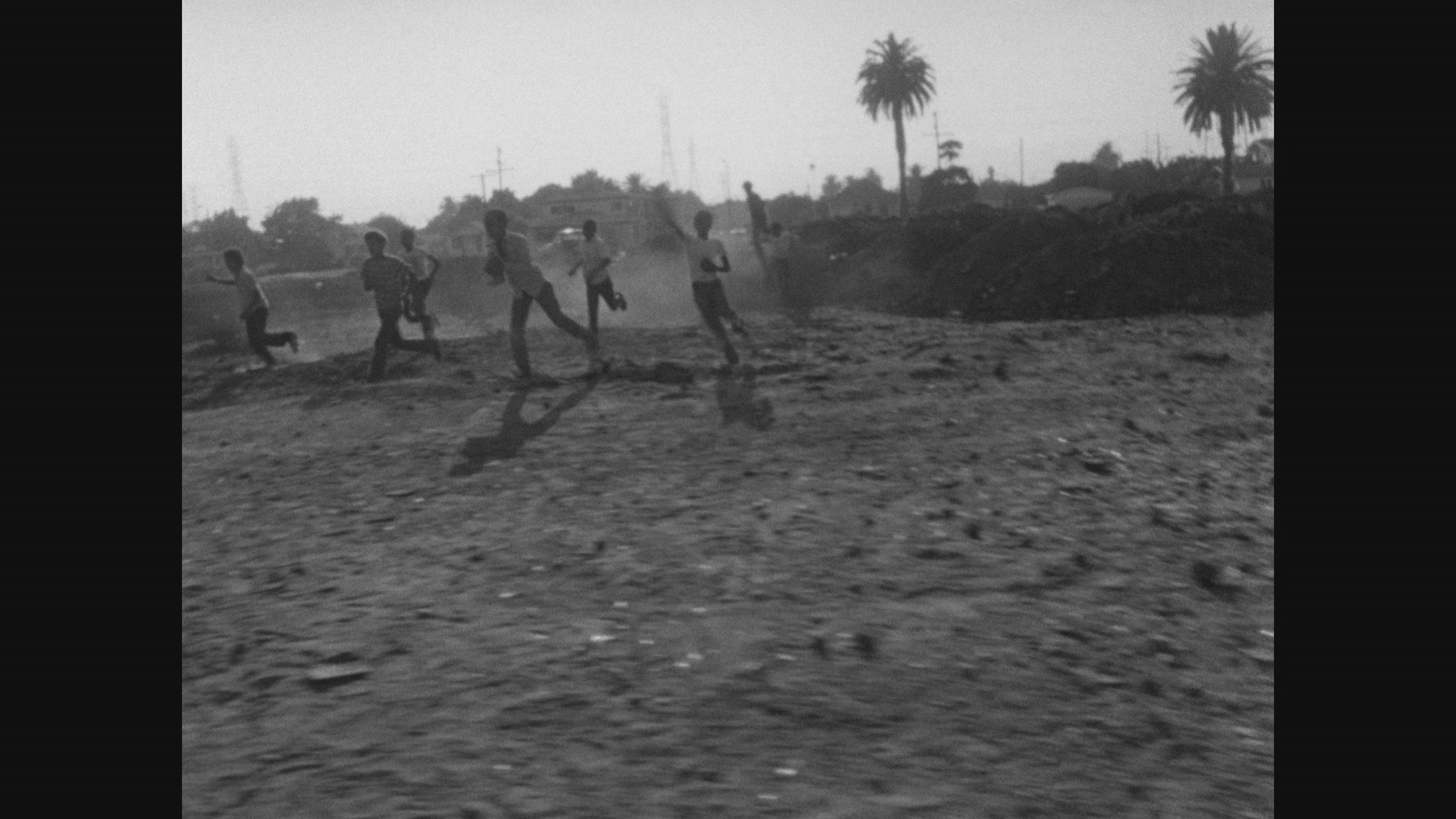
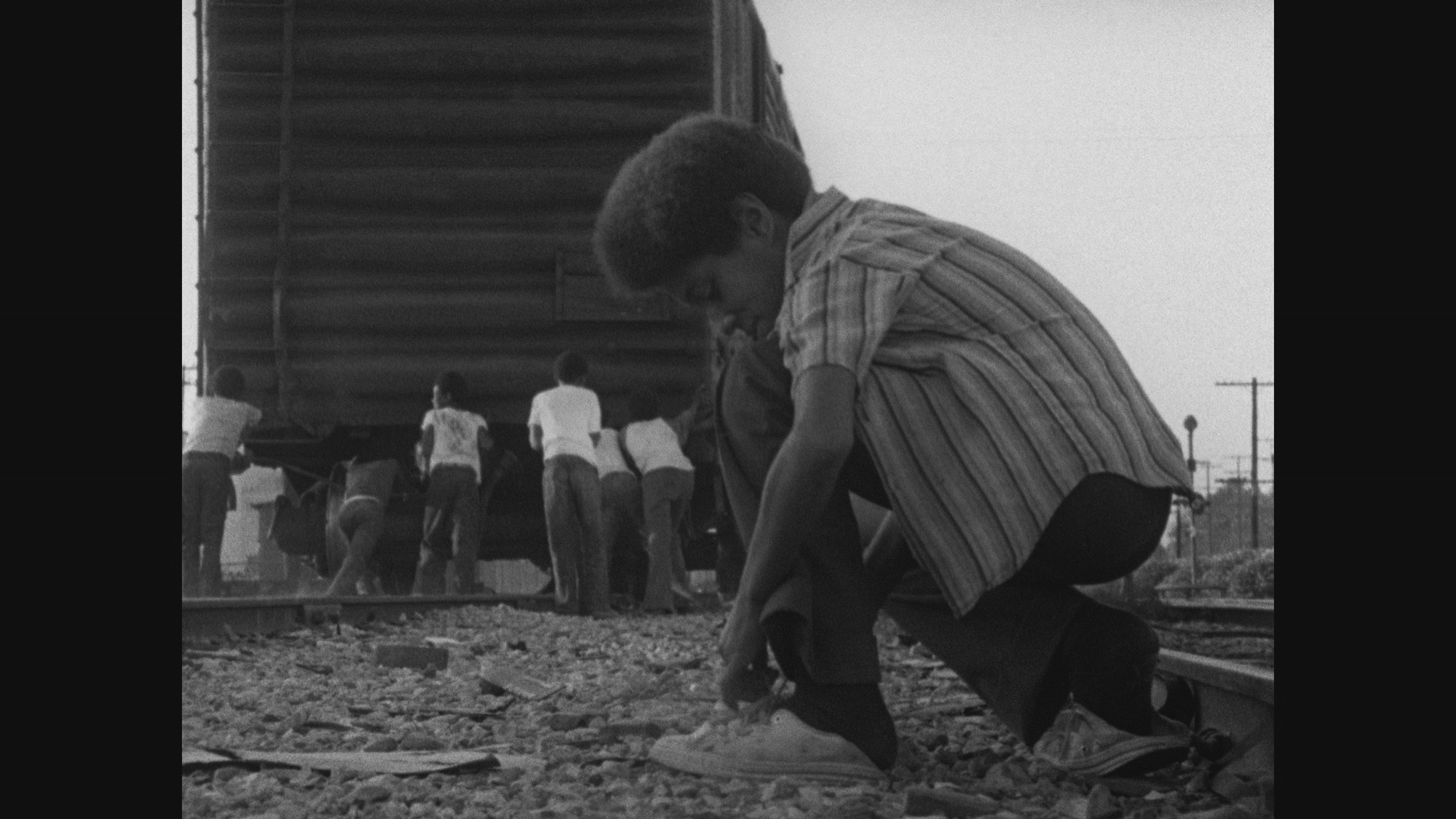
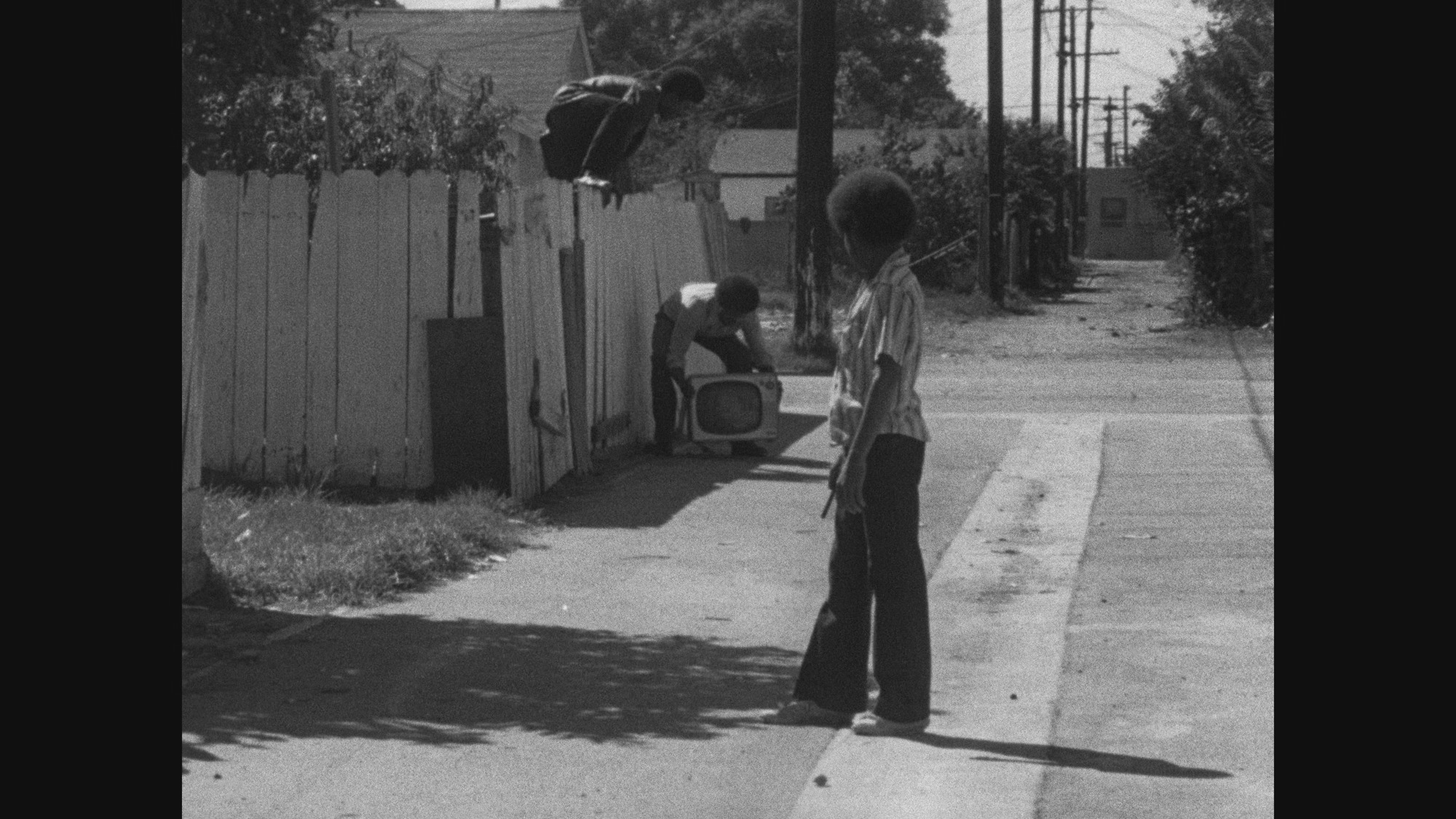
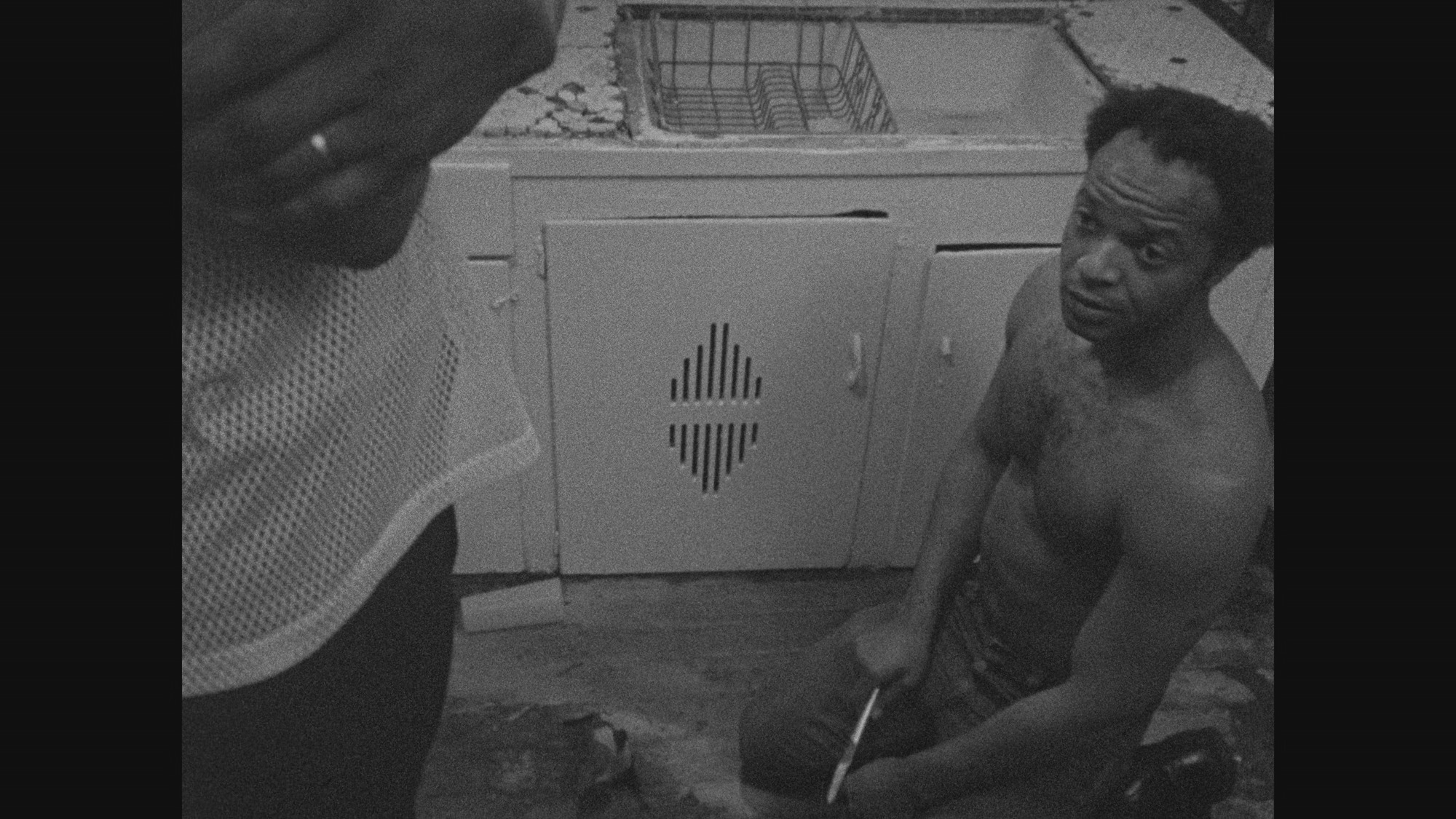
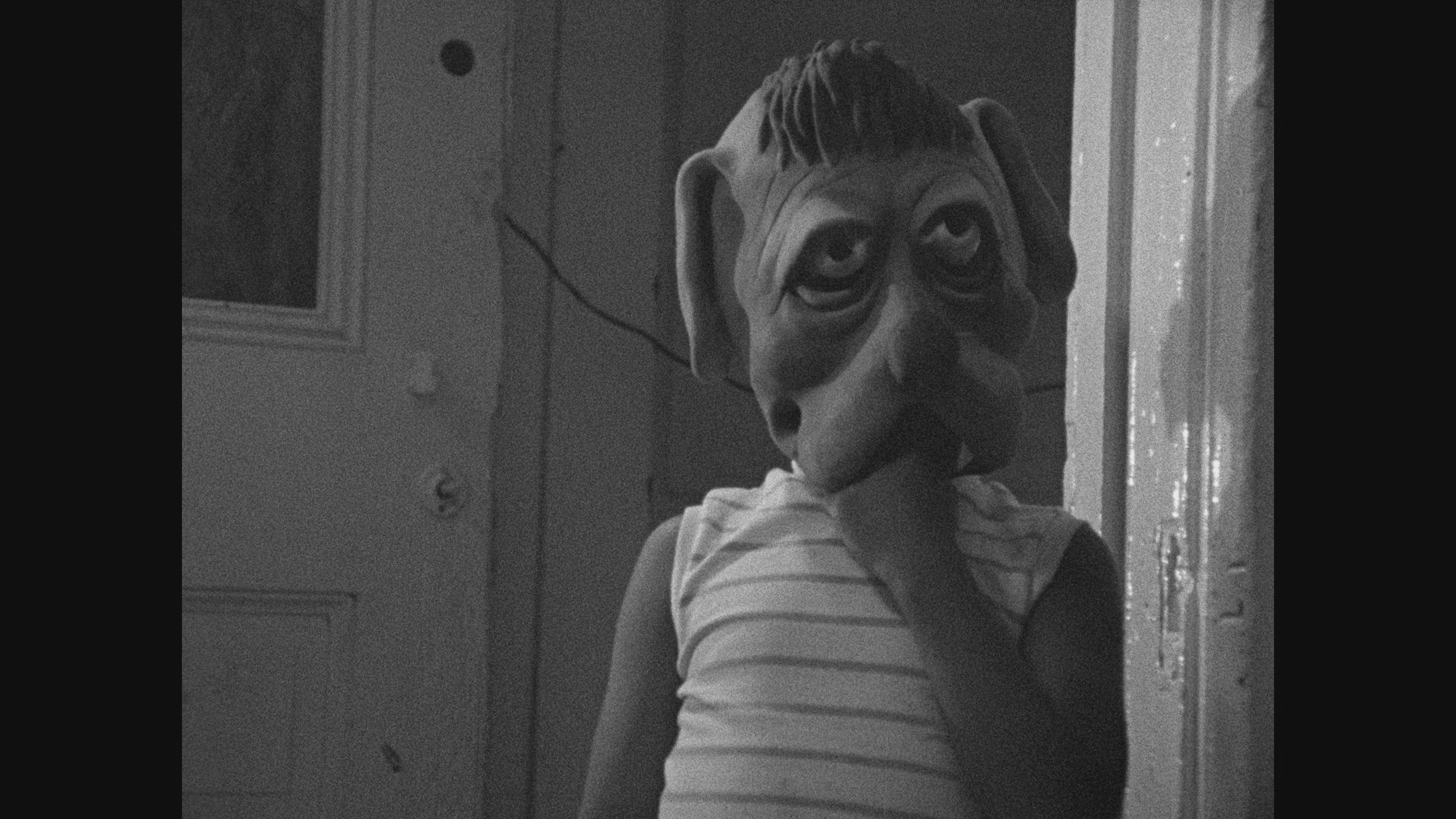
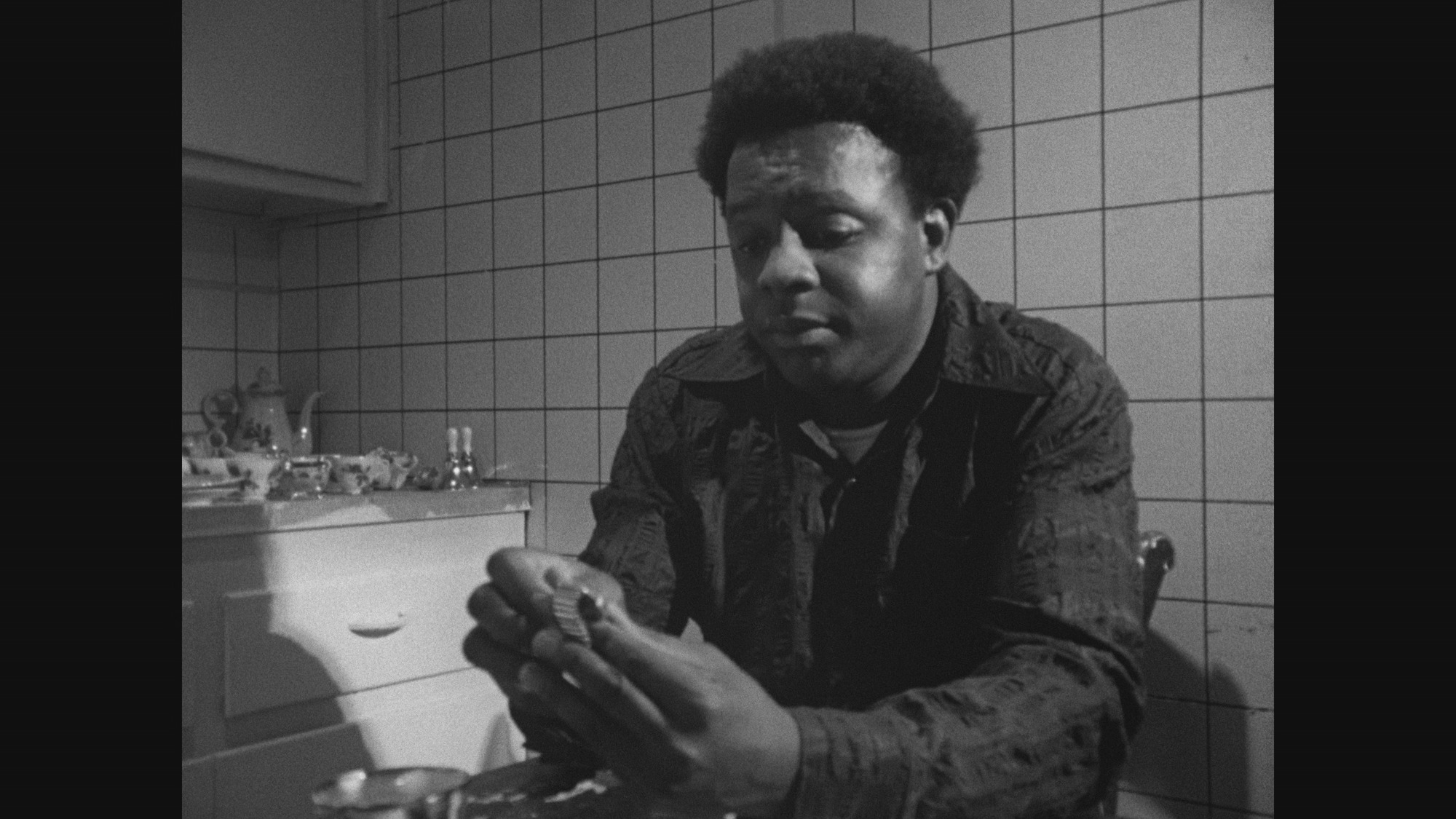
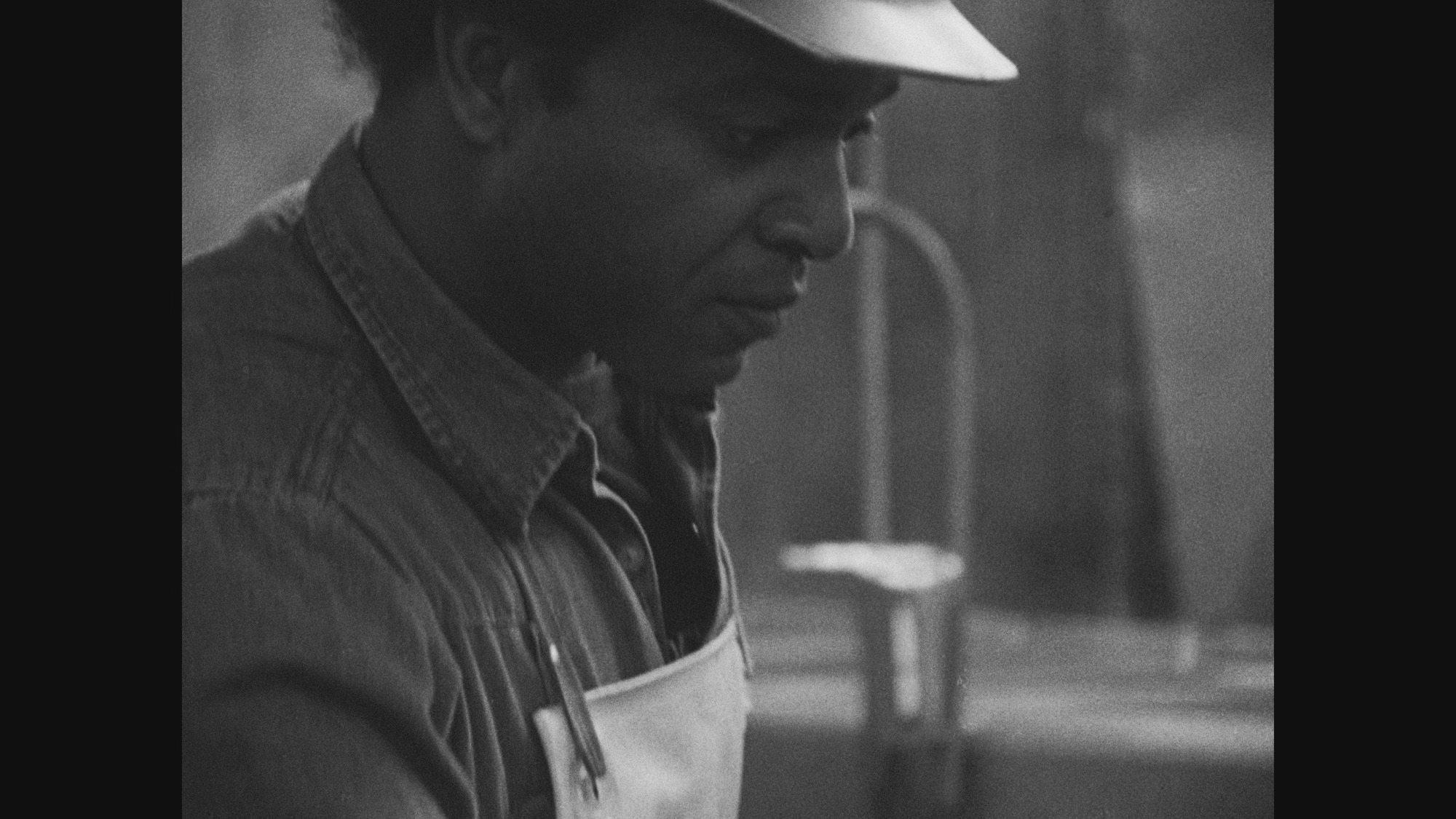
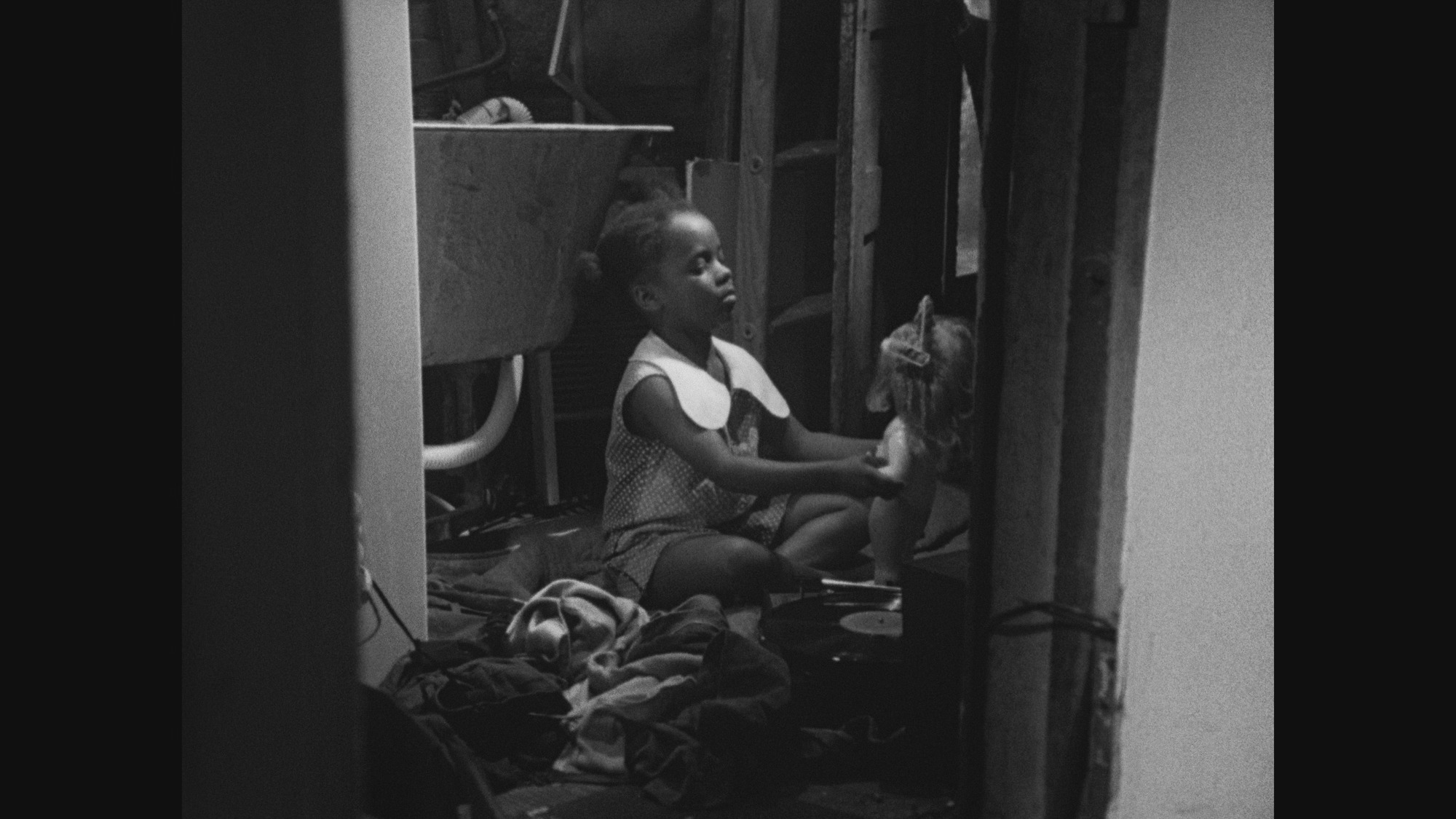
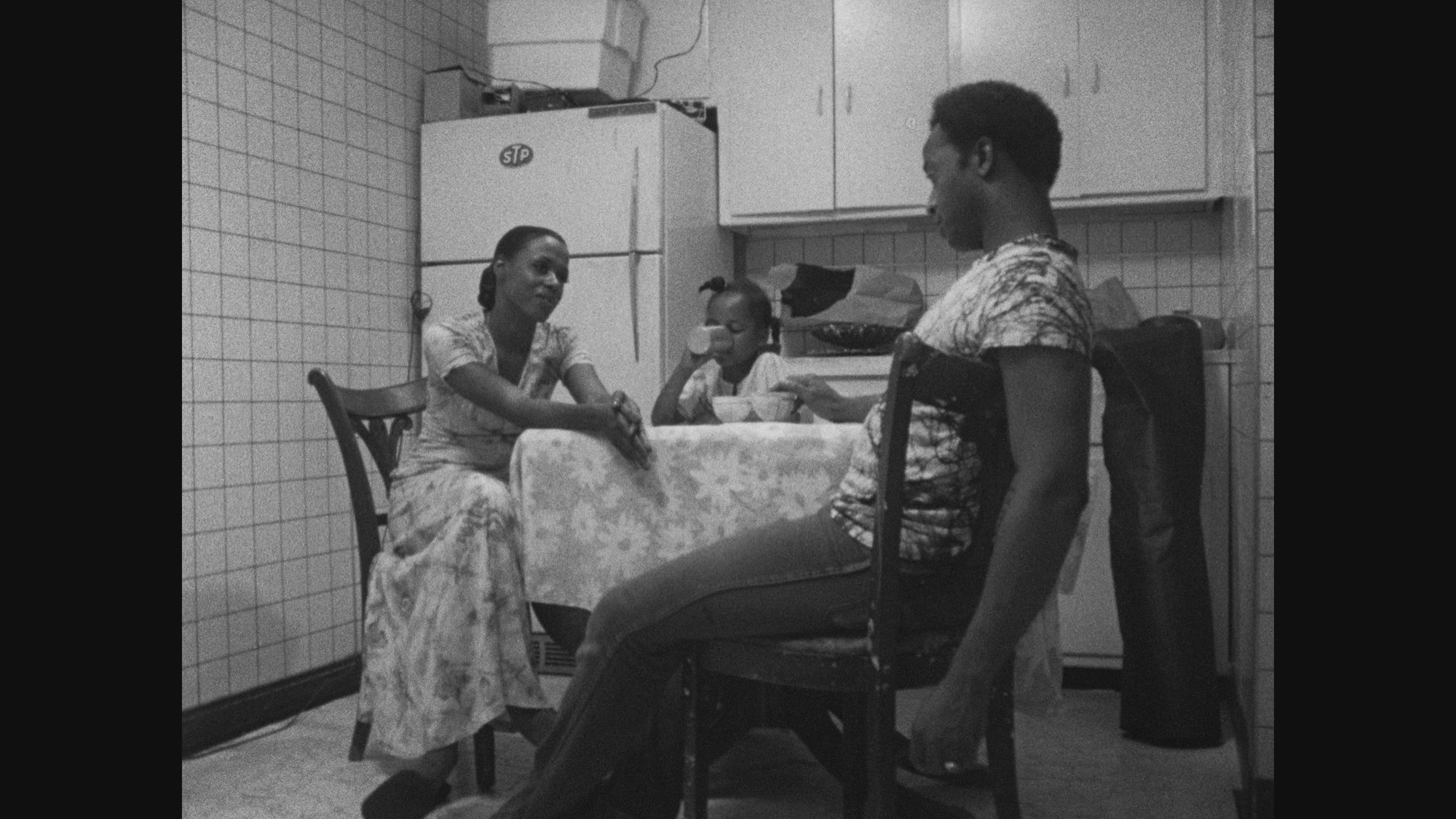
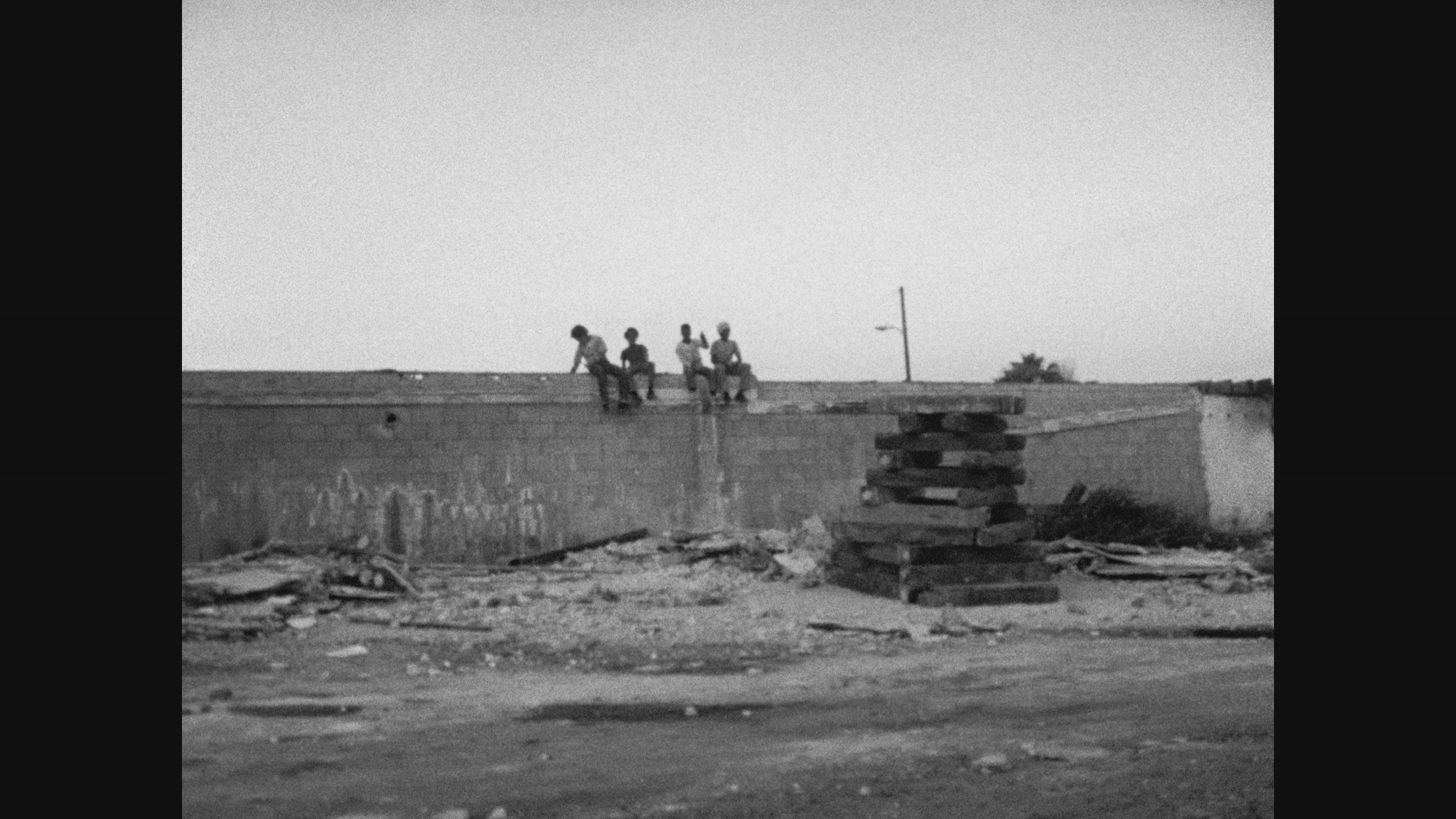
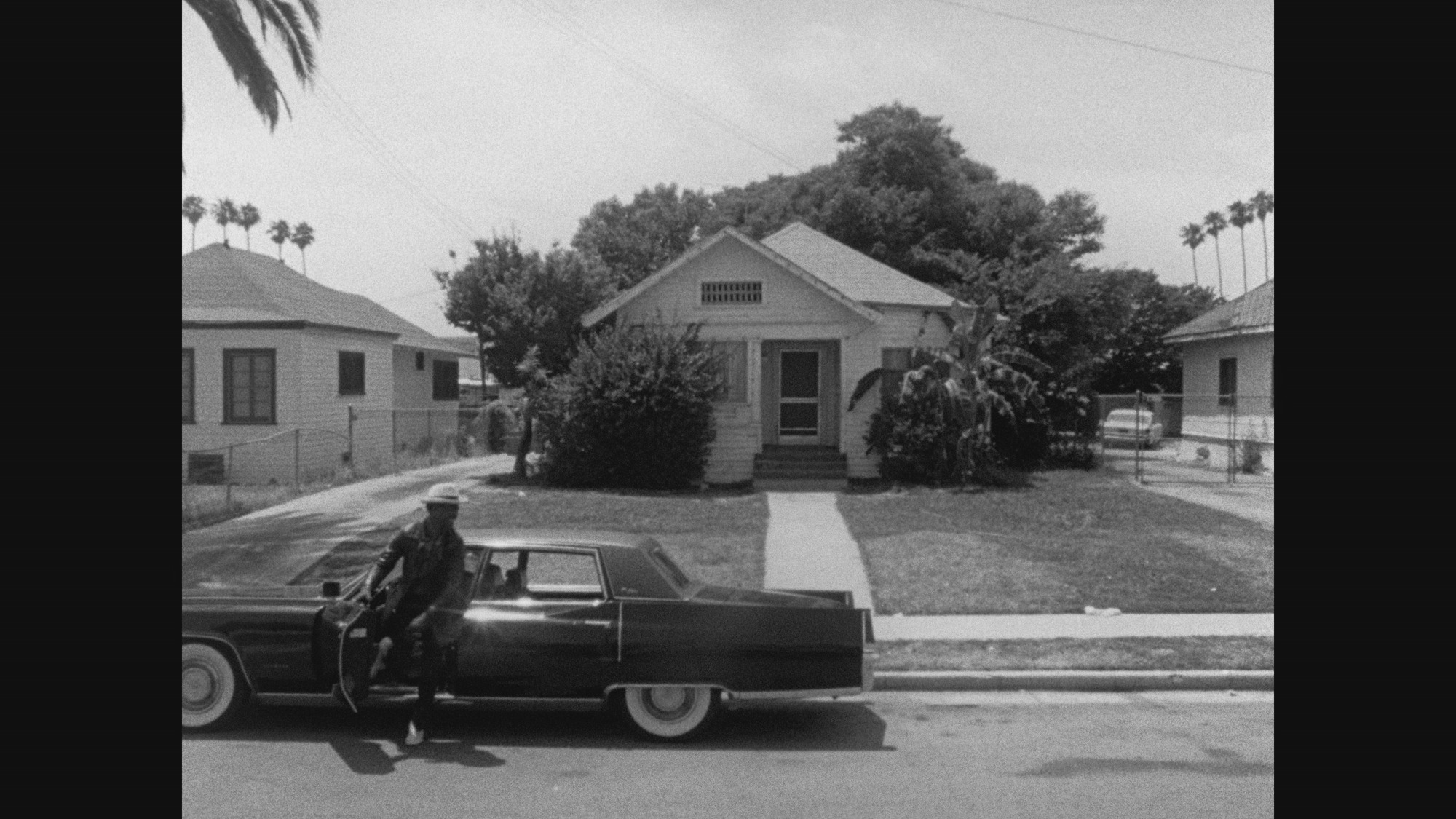
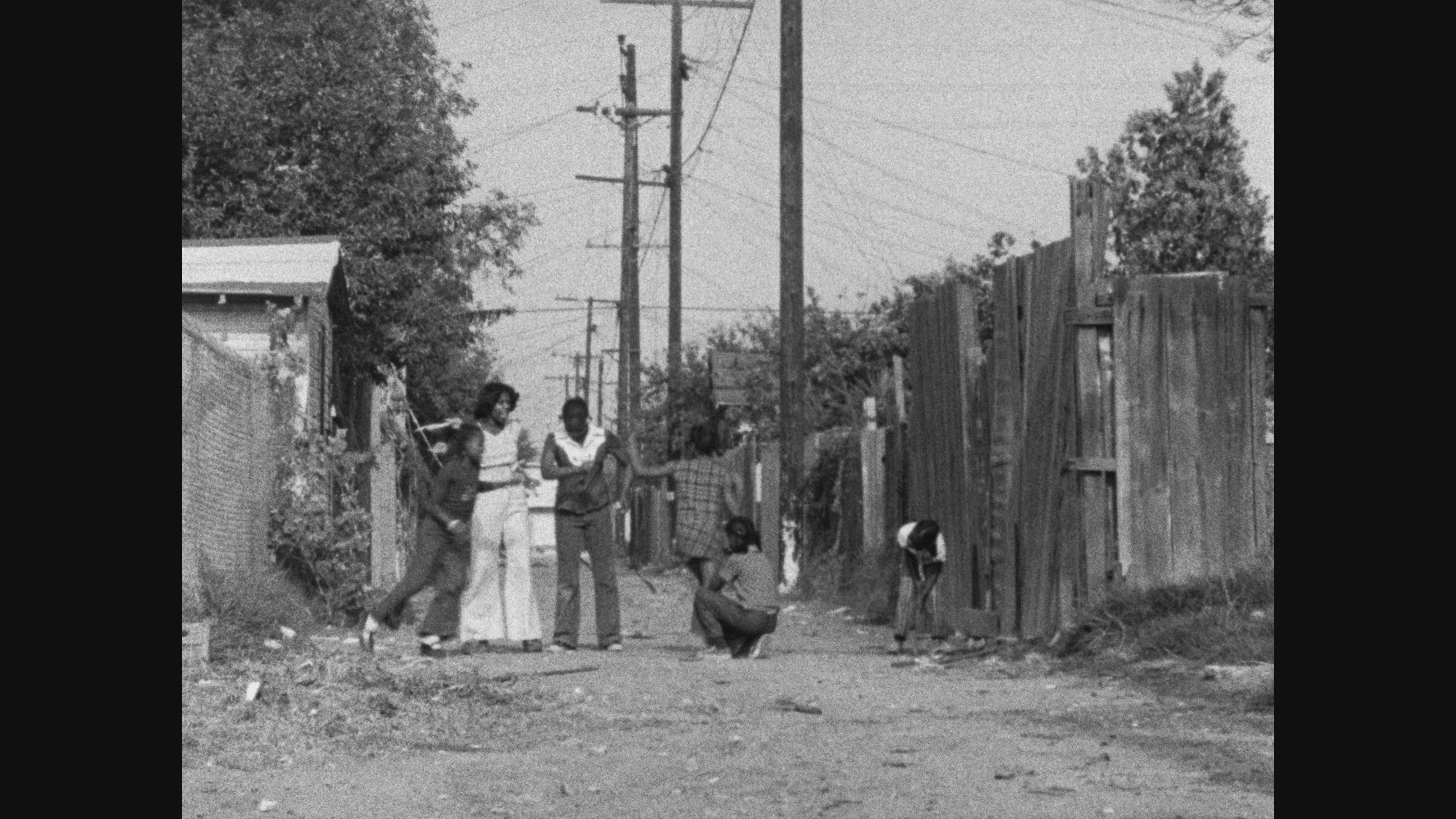
The image is razor-sharp where the source allows, showcasing a stunning amount of detail for a film of such modest production. Focus can drift slightly in some shots, likely a byproduct of the original handheld photography, but when things lock in, it’s incredible how clean and sharp the image is. Grain is prominent, as expected from 16mm, but it looks perfectly resolved and organic throughout, never noisy or overbearing. Contrast is excellent, with a wide dynamic range that renders the bright exteriors beautifully while giving indoor and lower-lit scenes a nice decent level of depth. Black levels are deep and stable, and while shadow detail can be limited in some dimly lit interiors, presumably due to the use of natural light, it all feels true to the original conditions of the shoot. Though the disc doesn’t include HDR, the SDR grading looks perfectly fine.
Restoration work is also top-tier. Aside from some light specks, minor dirt, and the occasional faint scratch, almost all of which require close inspection to notice, the image is remarkably clean. Given the state of the materials just two decades ago, this is a remarkable looking presentation.
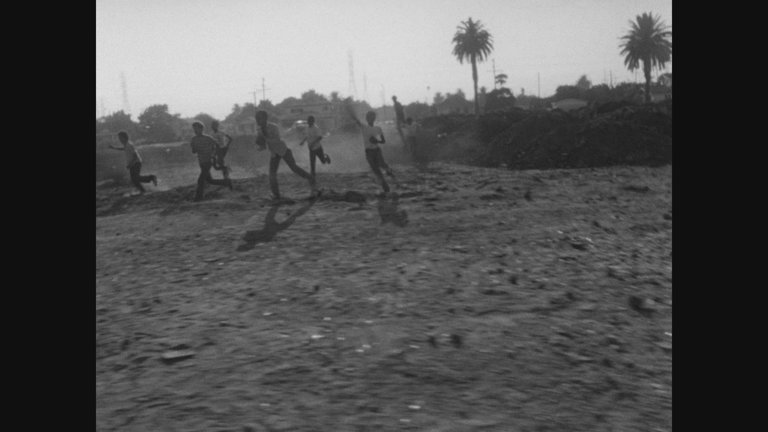
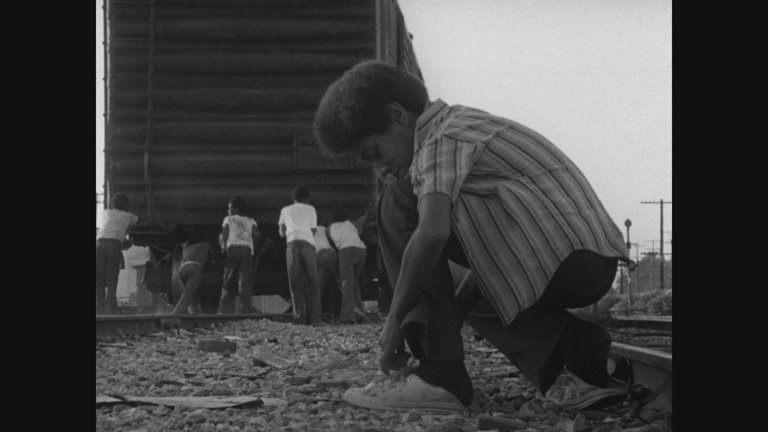
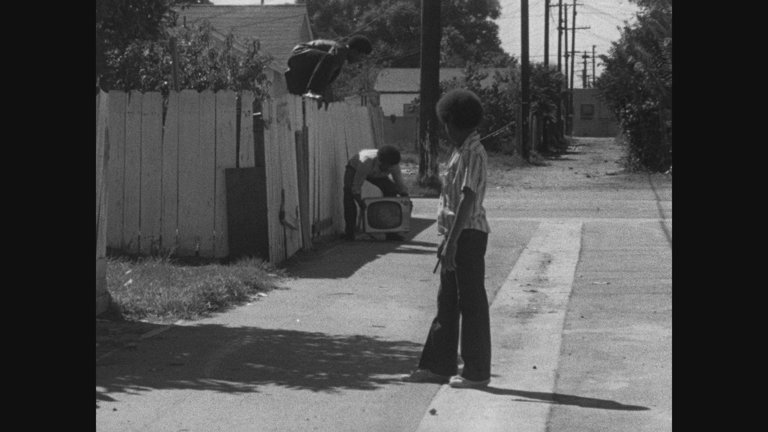
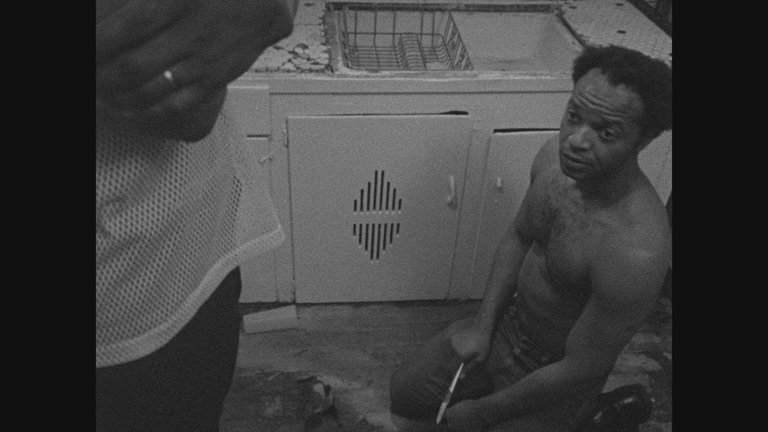
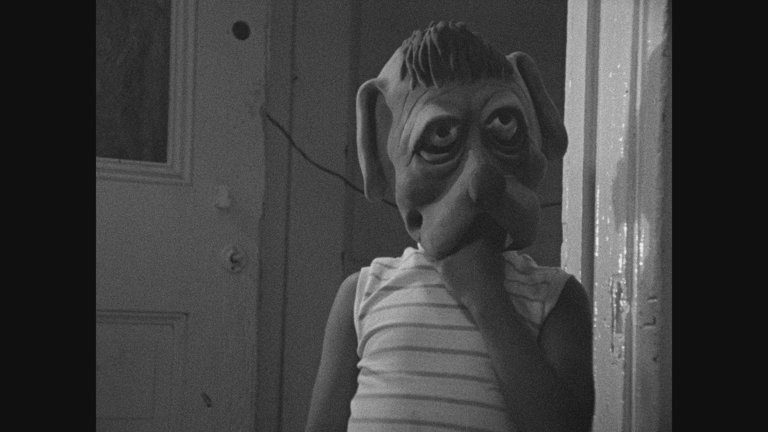
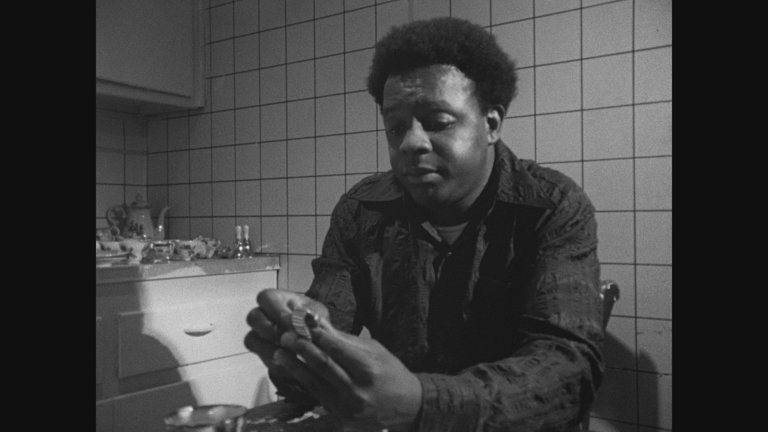
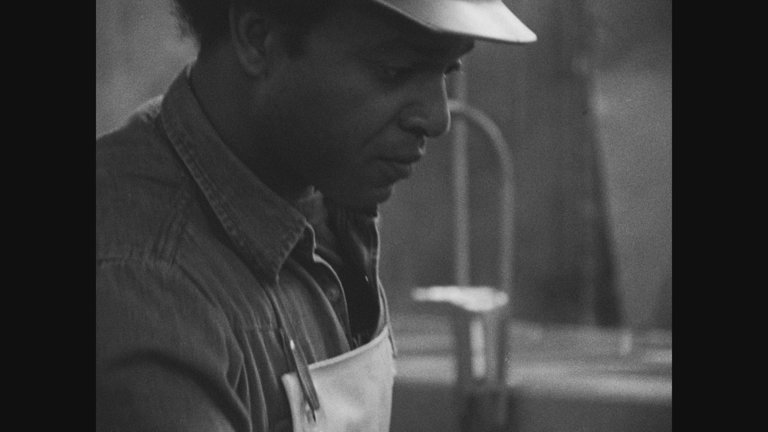
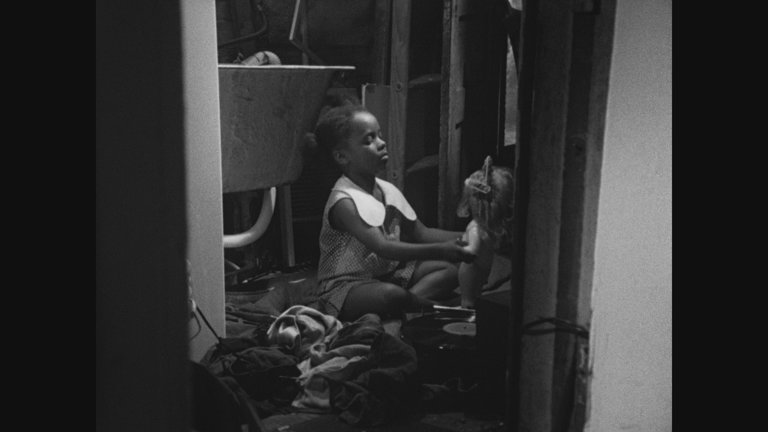
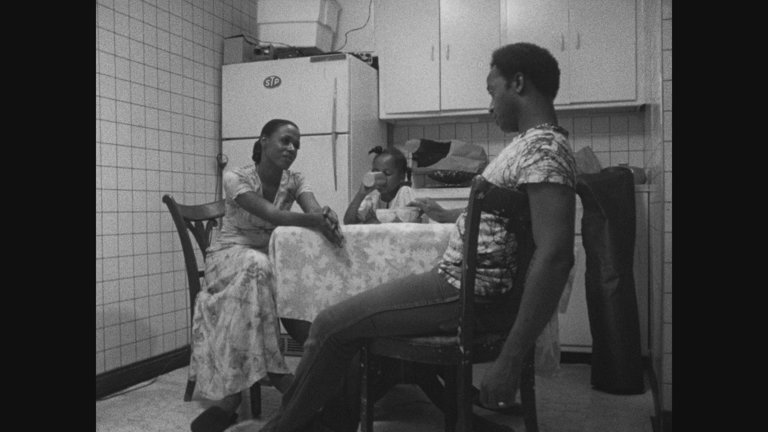
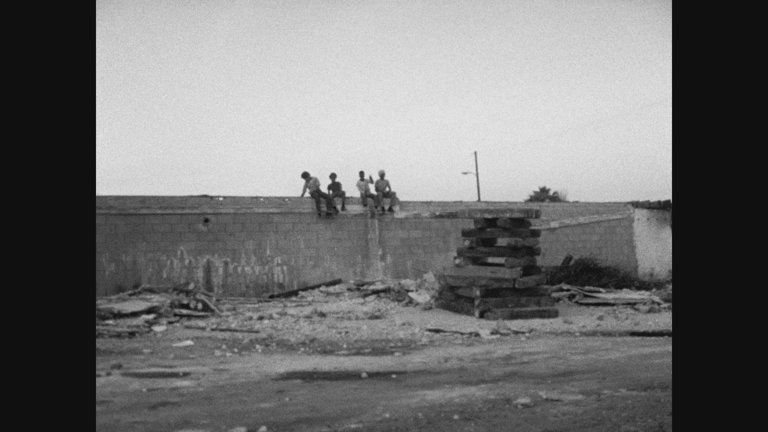
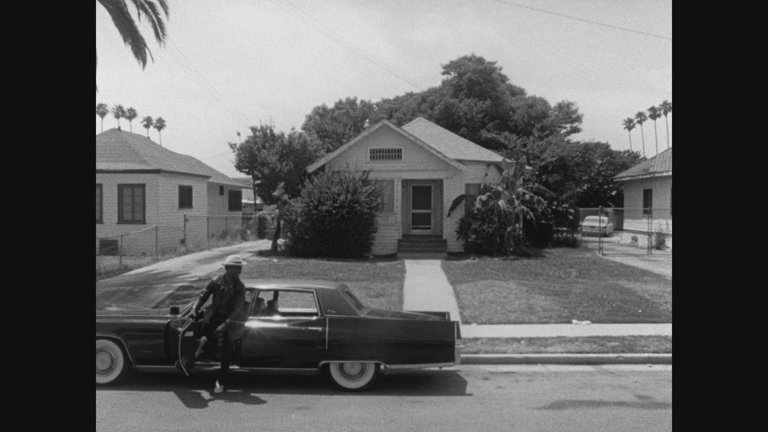
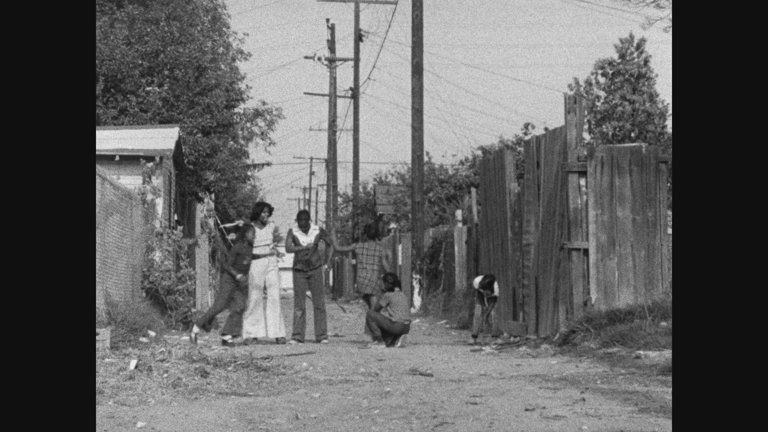
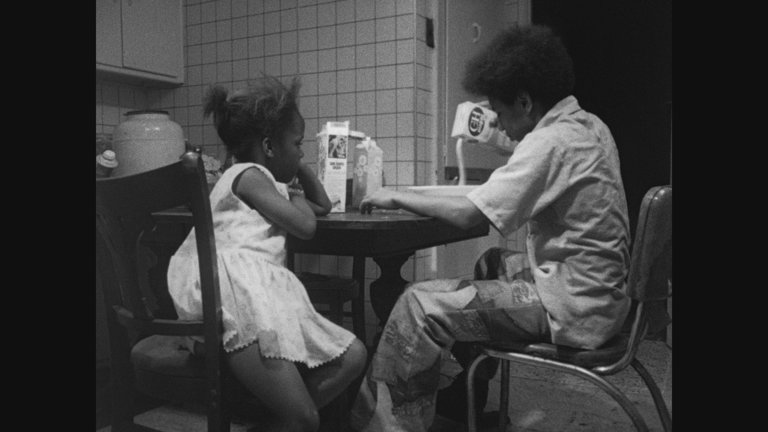
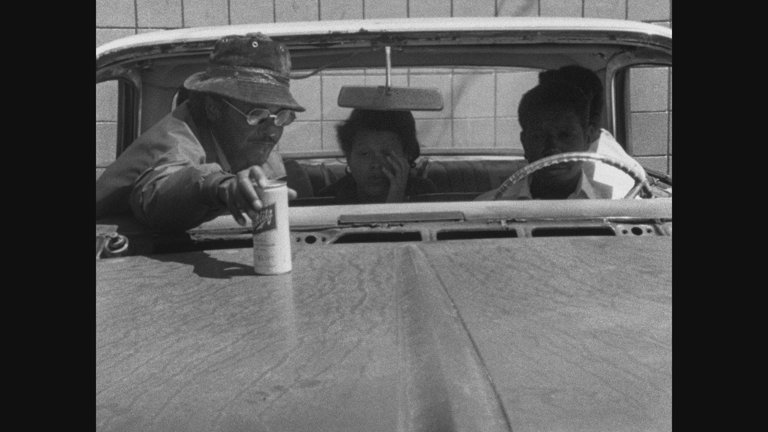
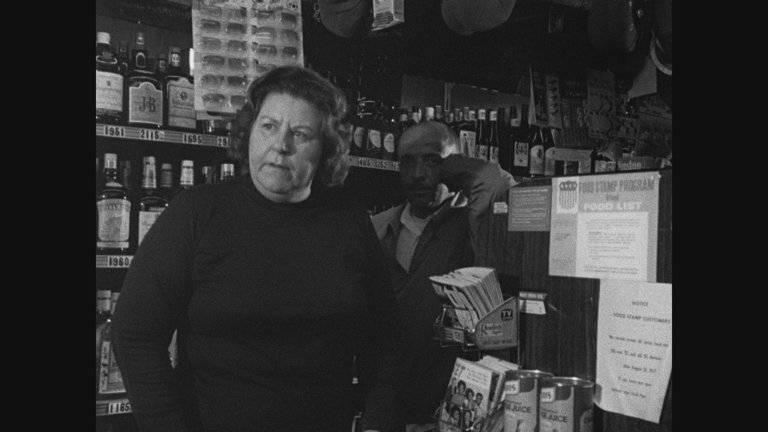
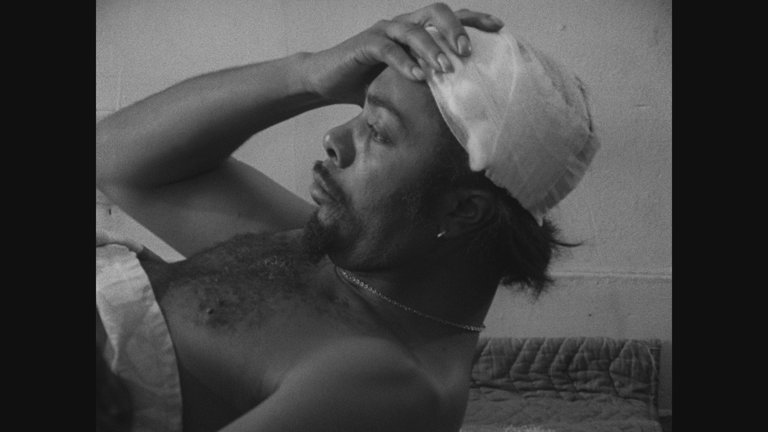
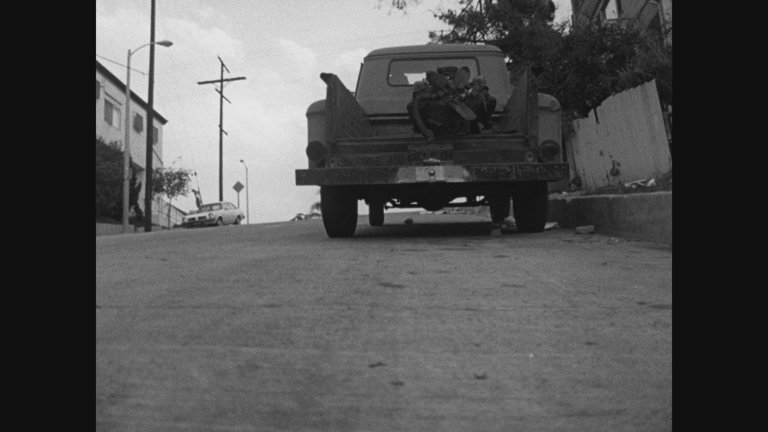
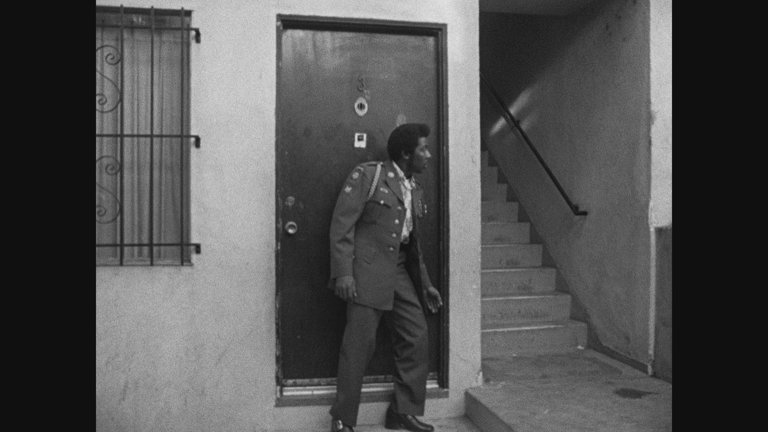
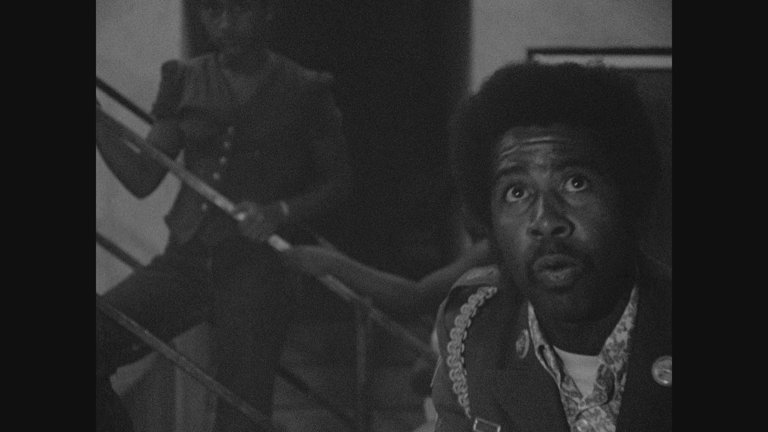
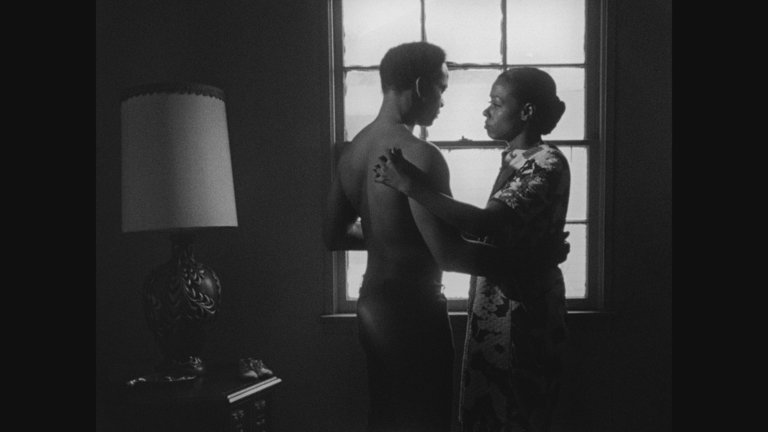
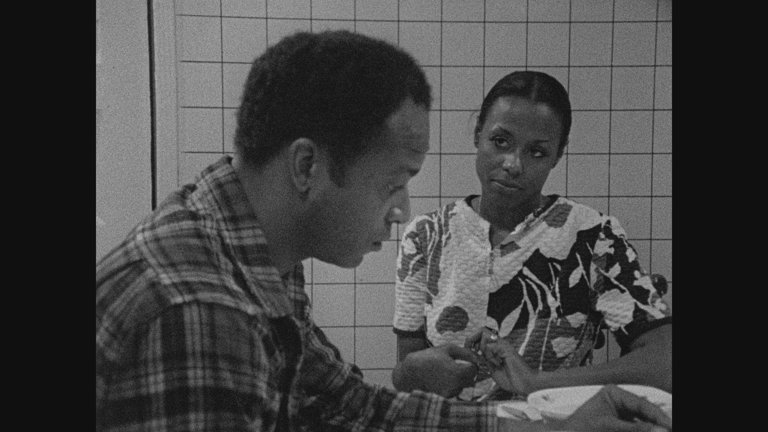
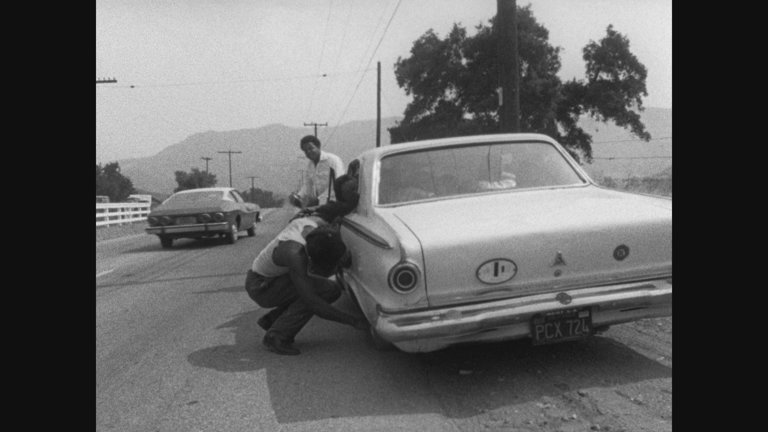
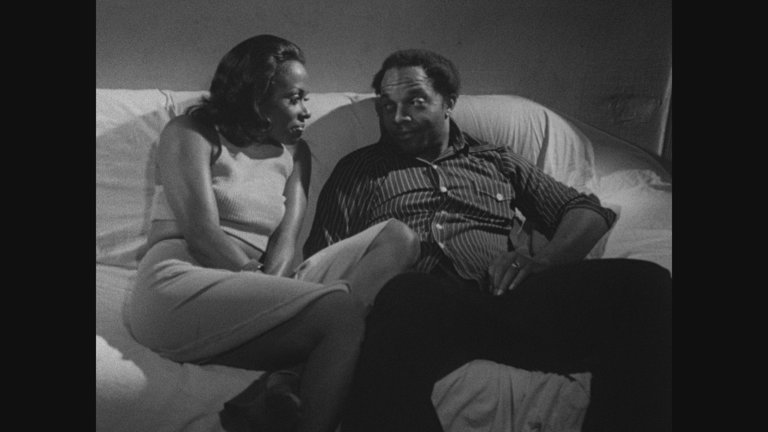
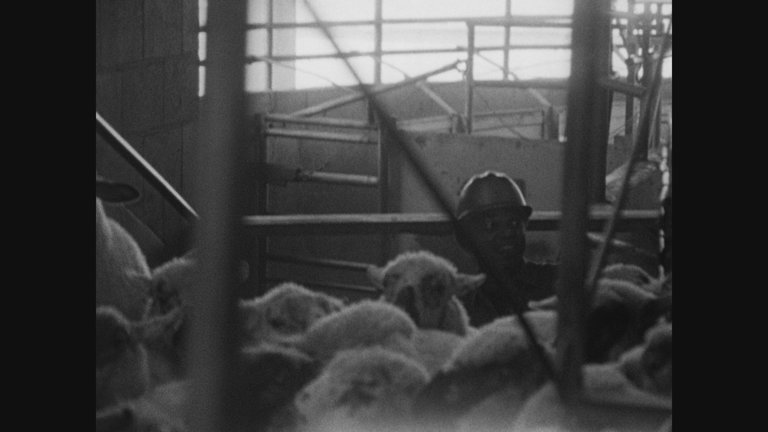
Killer of Sheep - Screen Captures
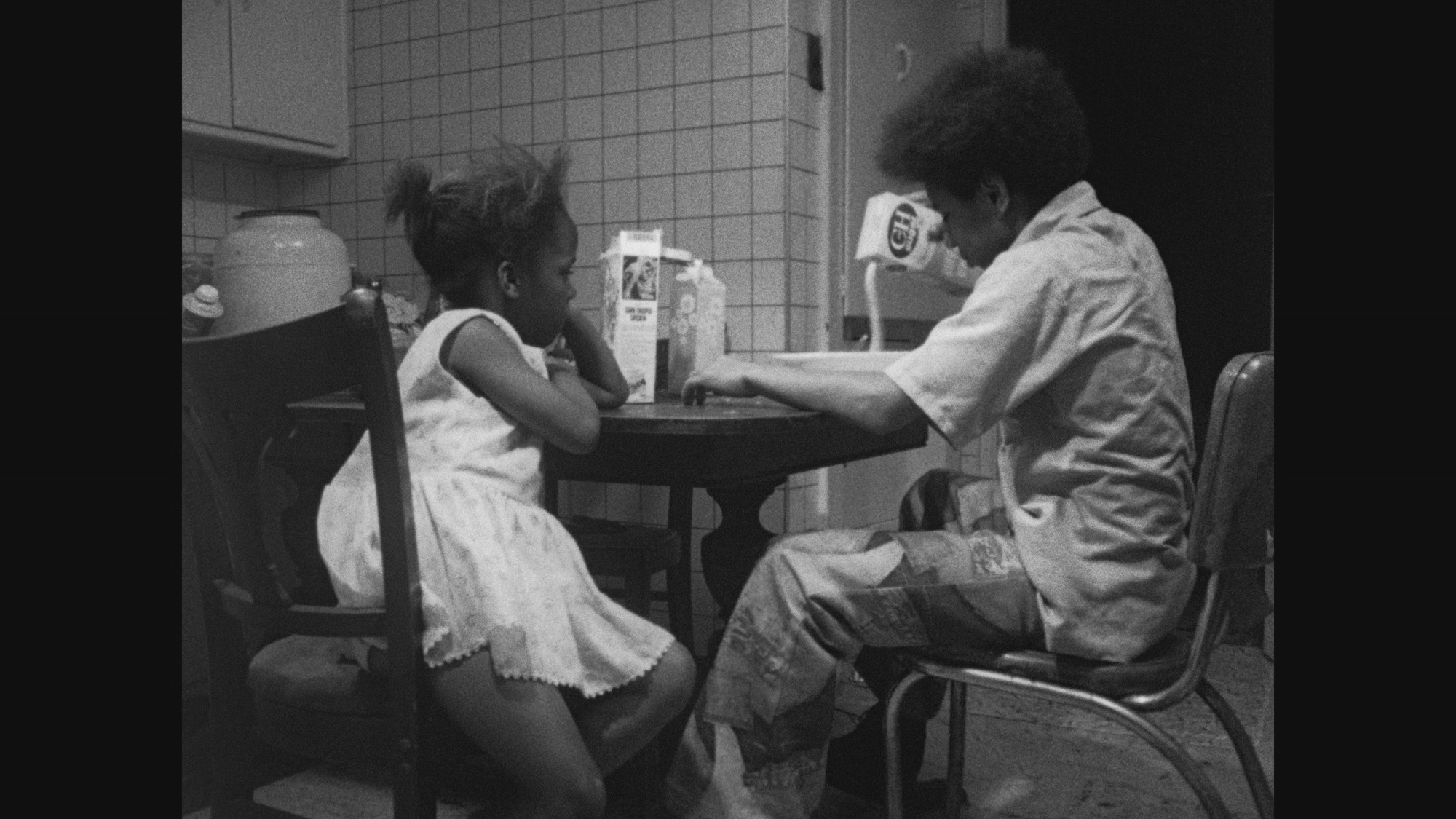
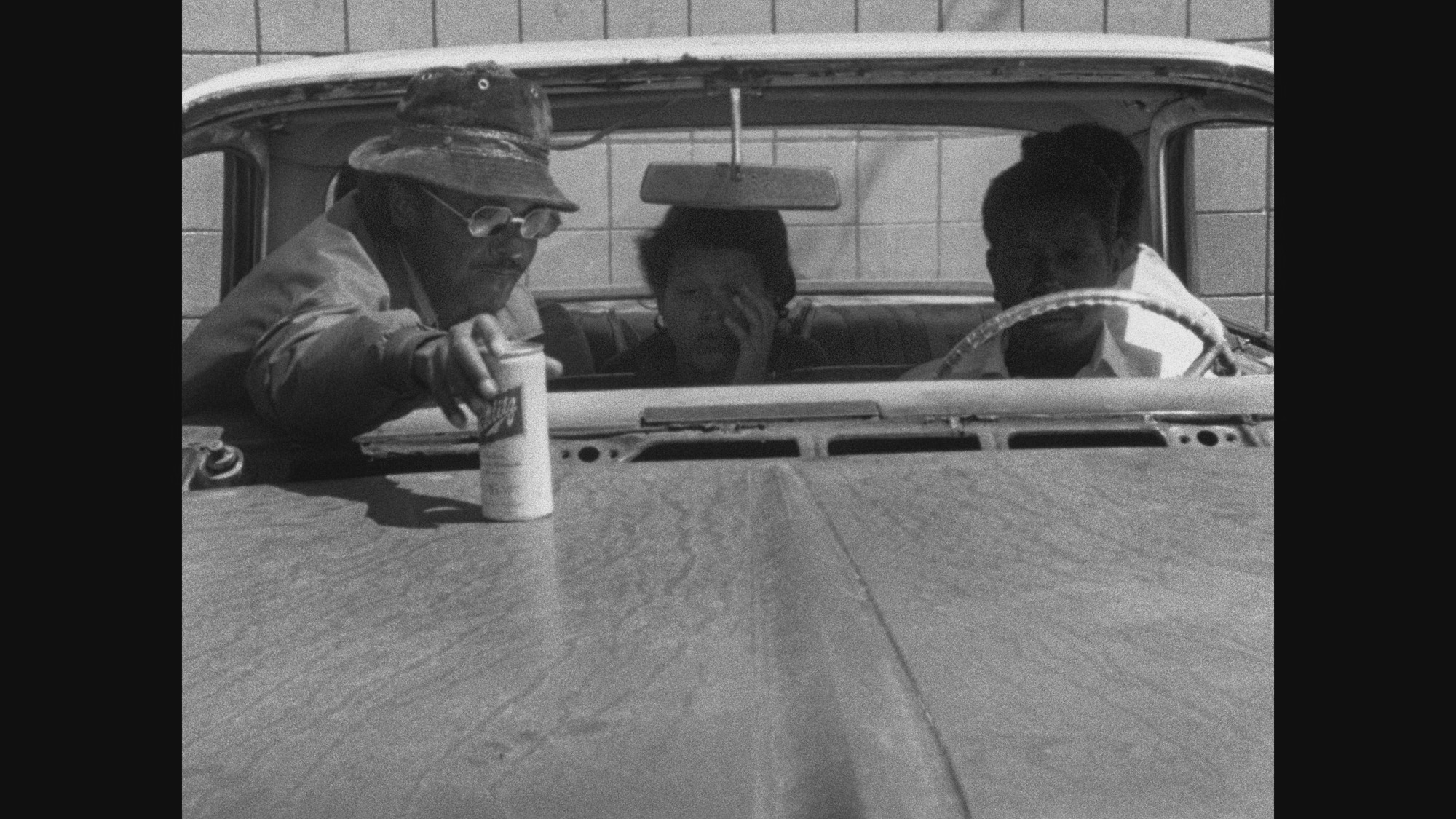
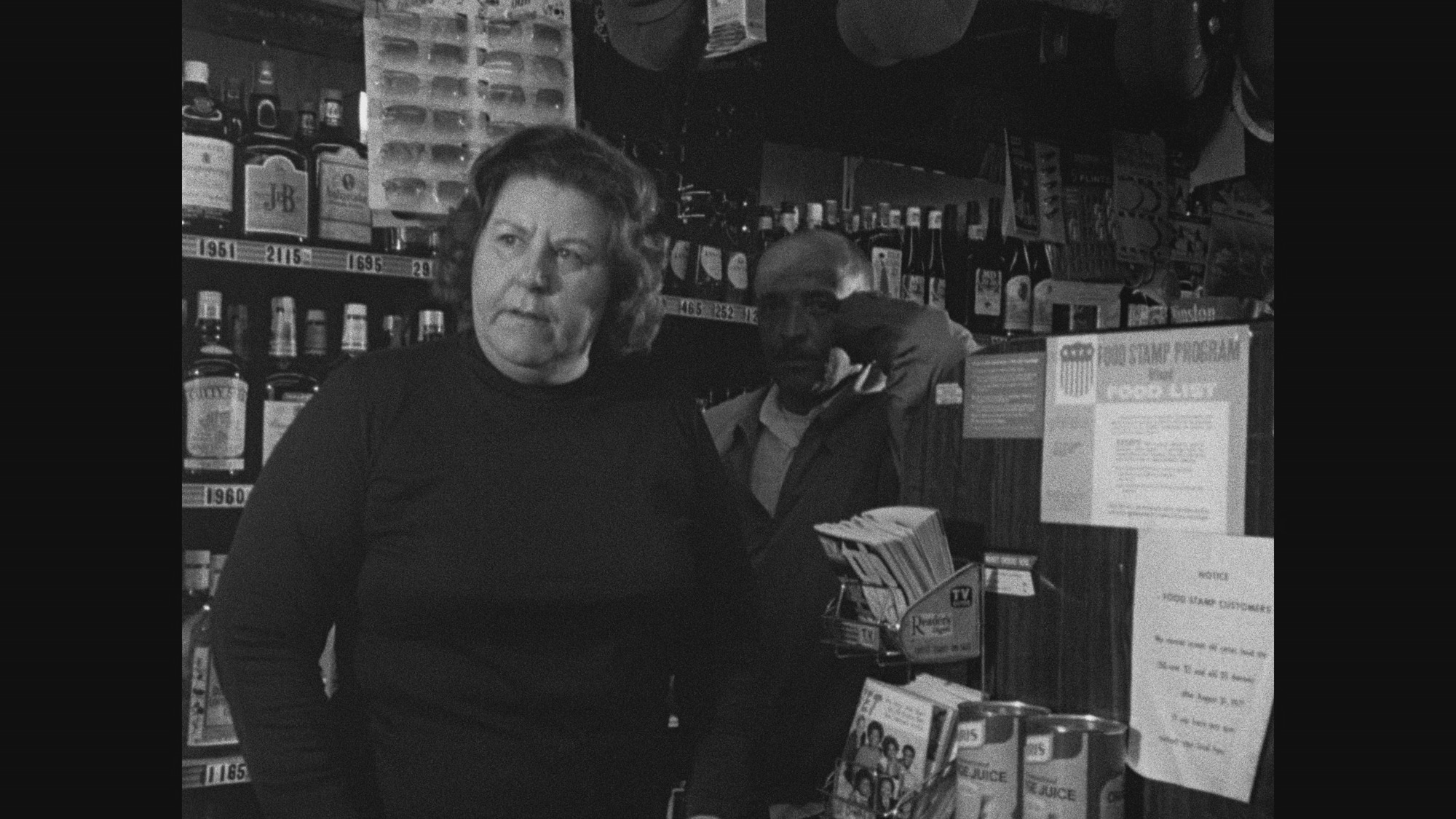
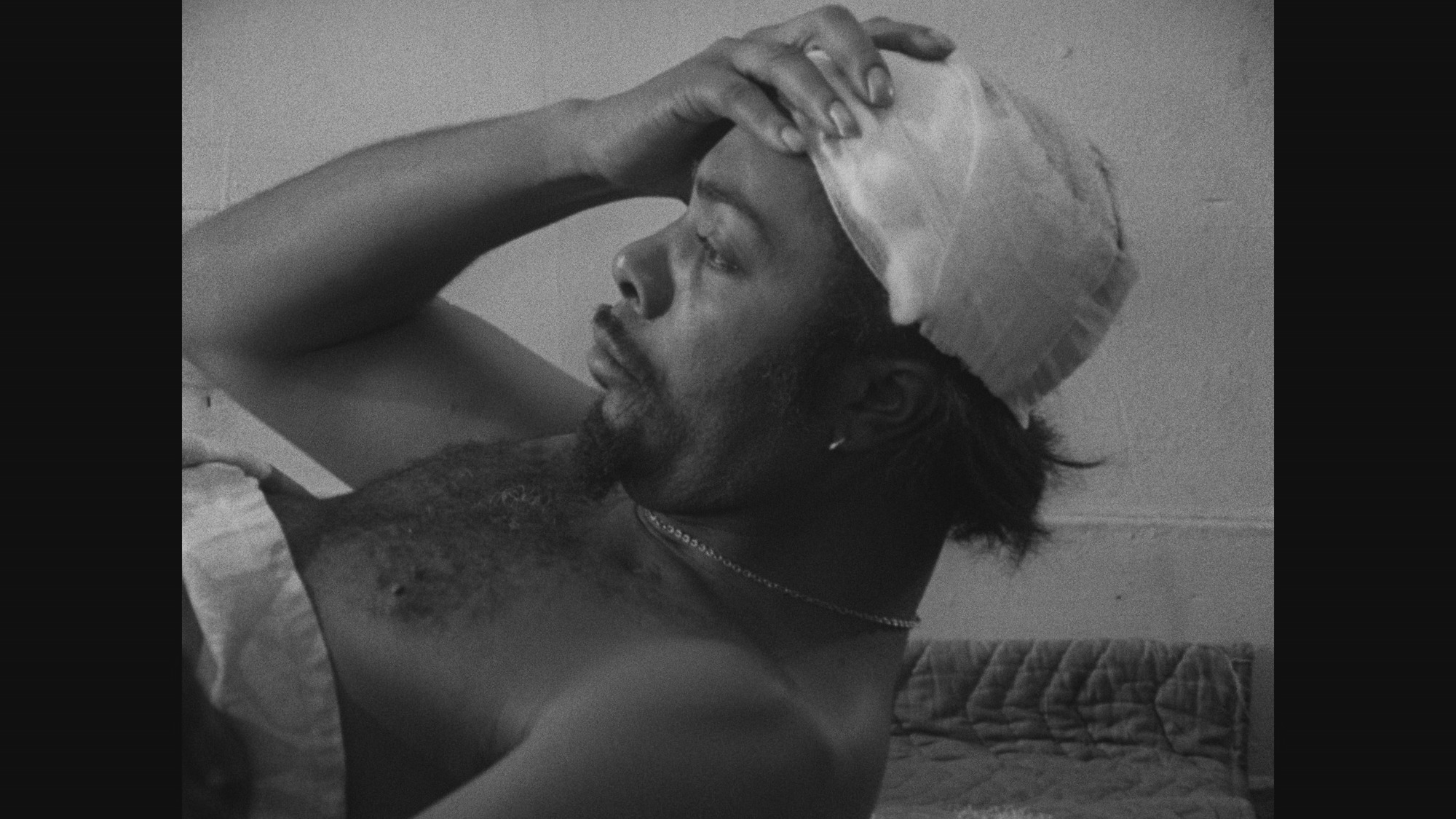
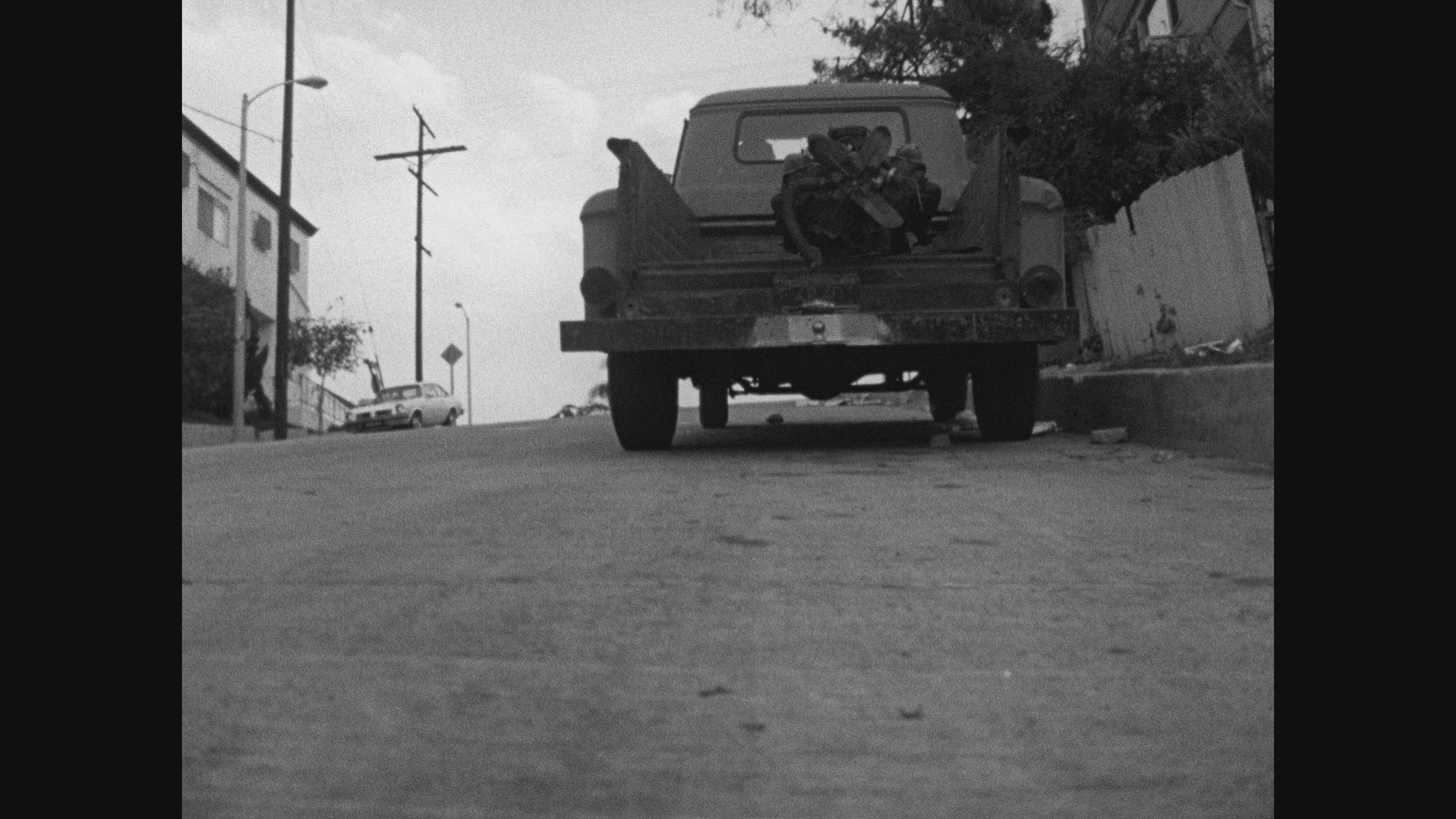
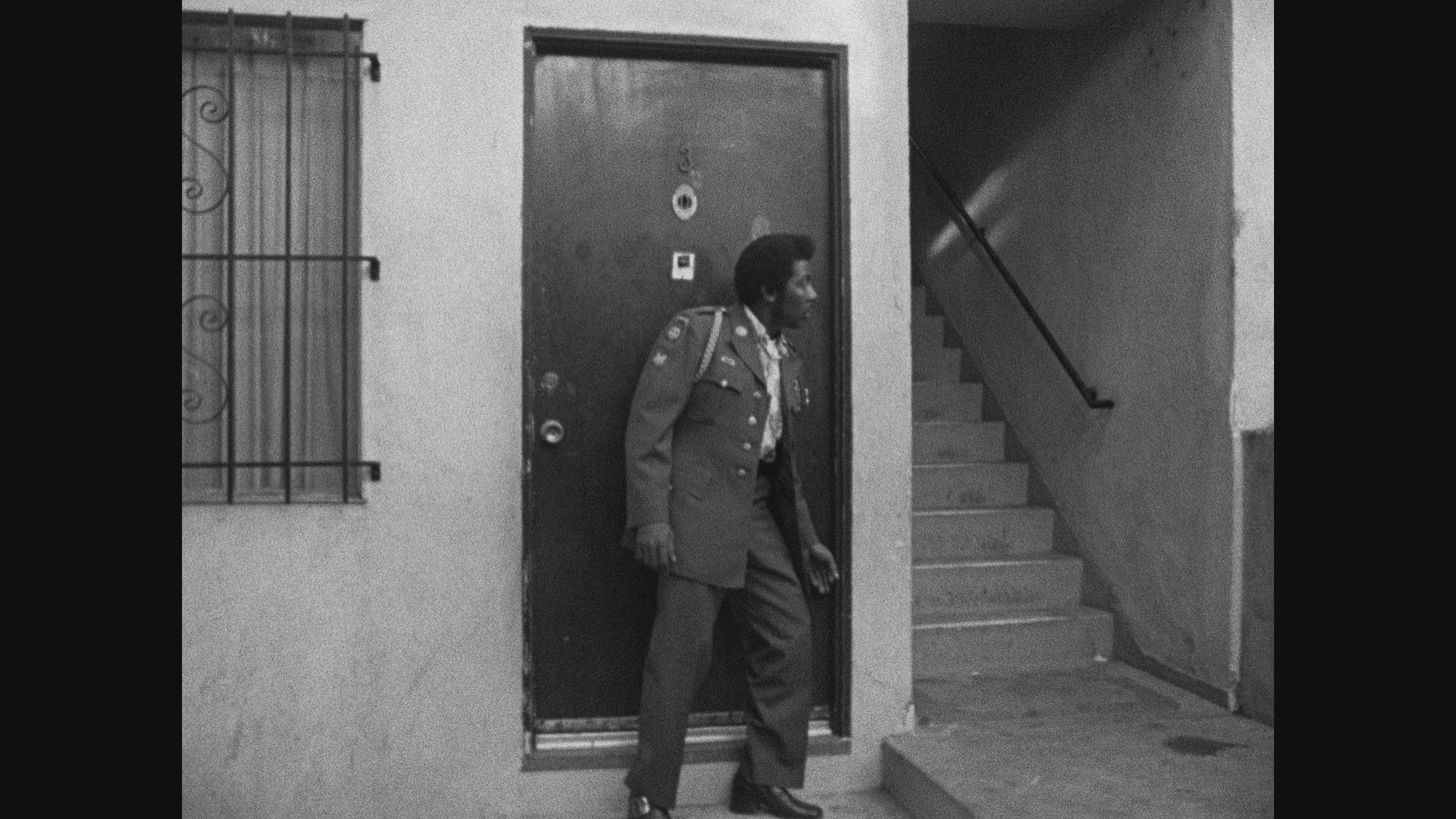
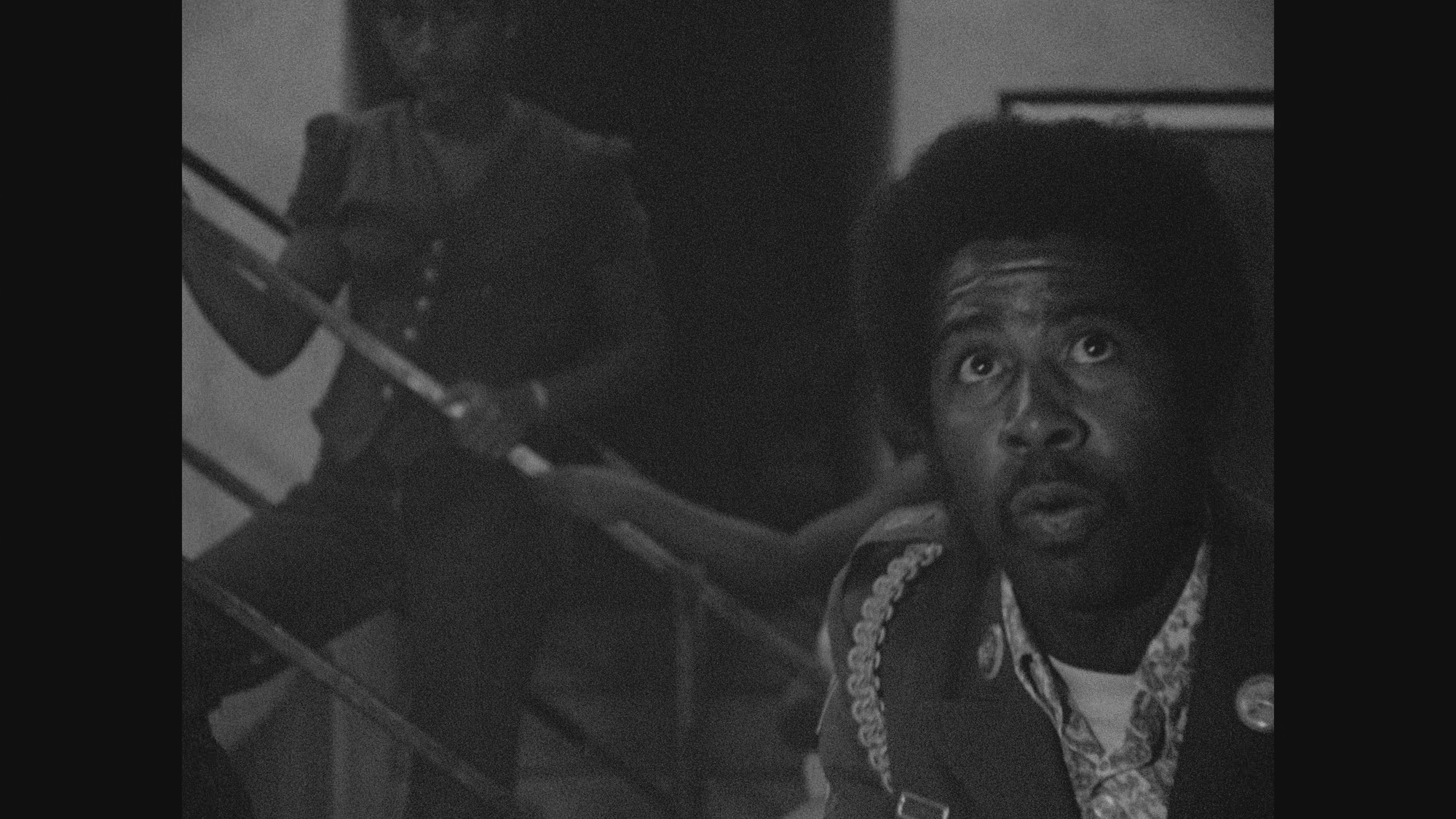
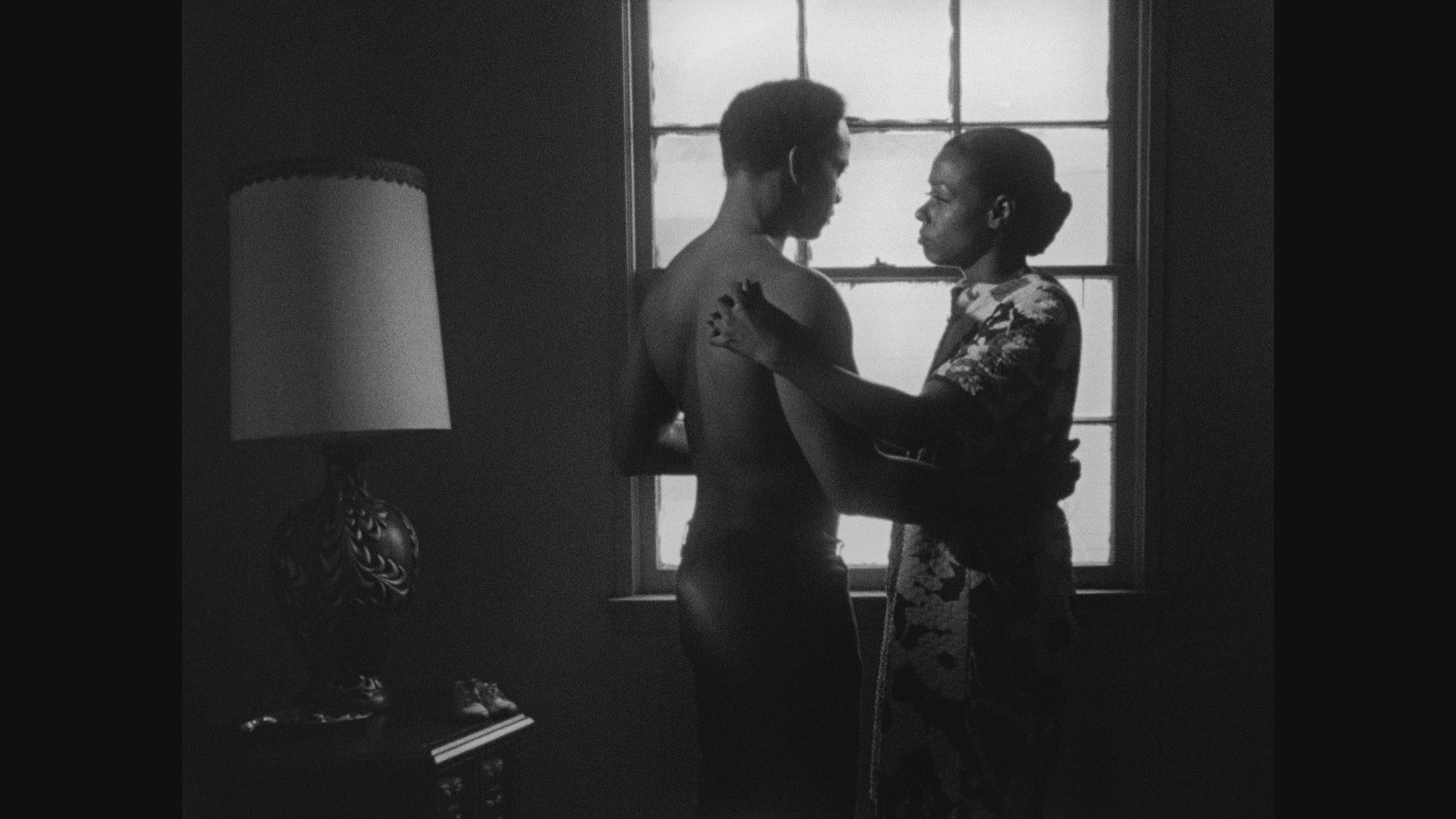
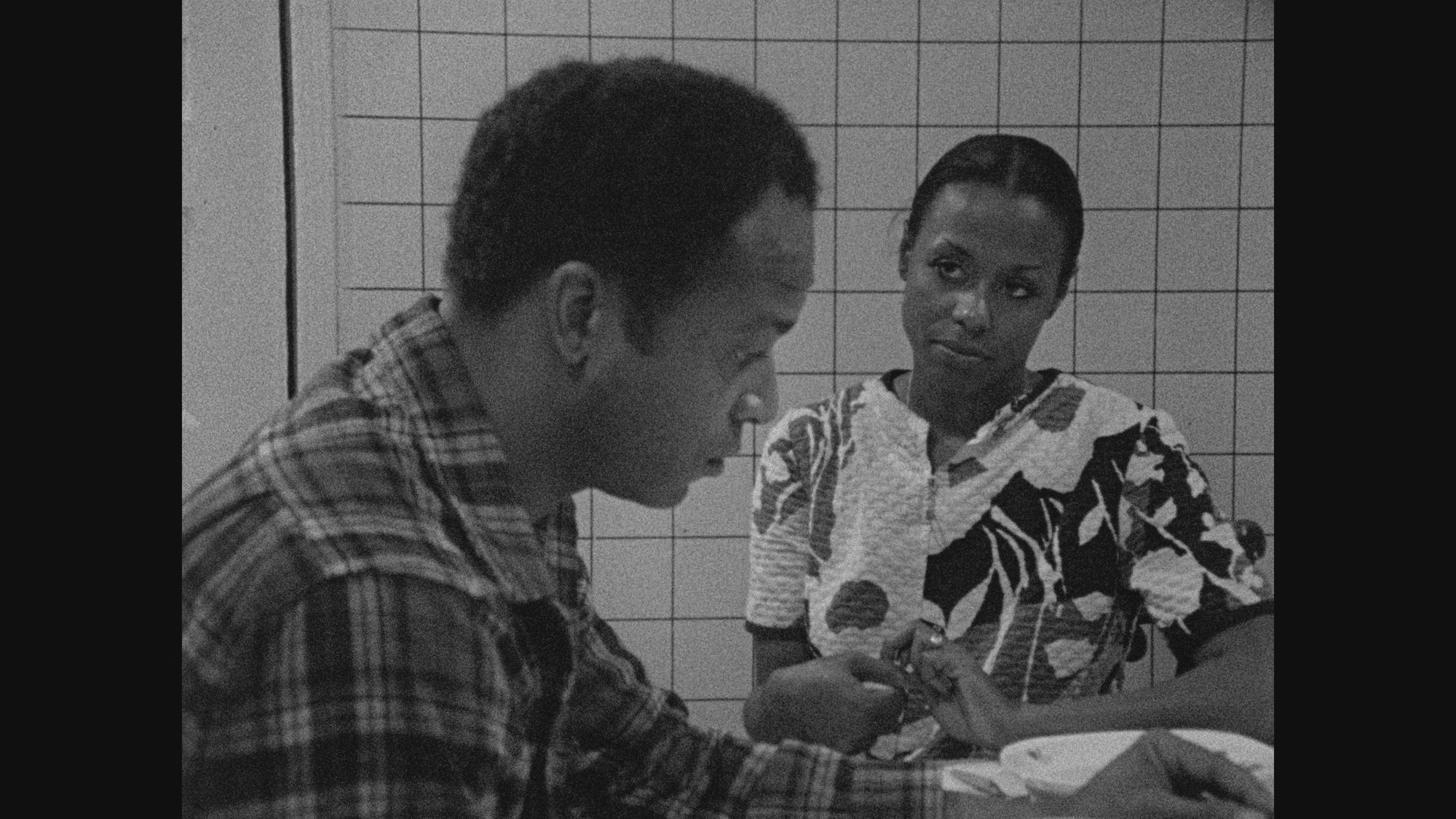
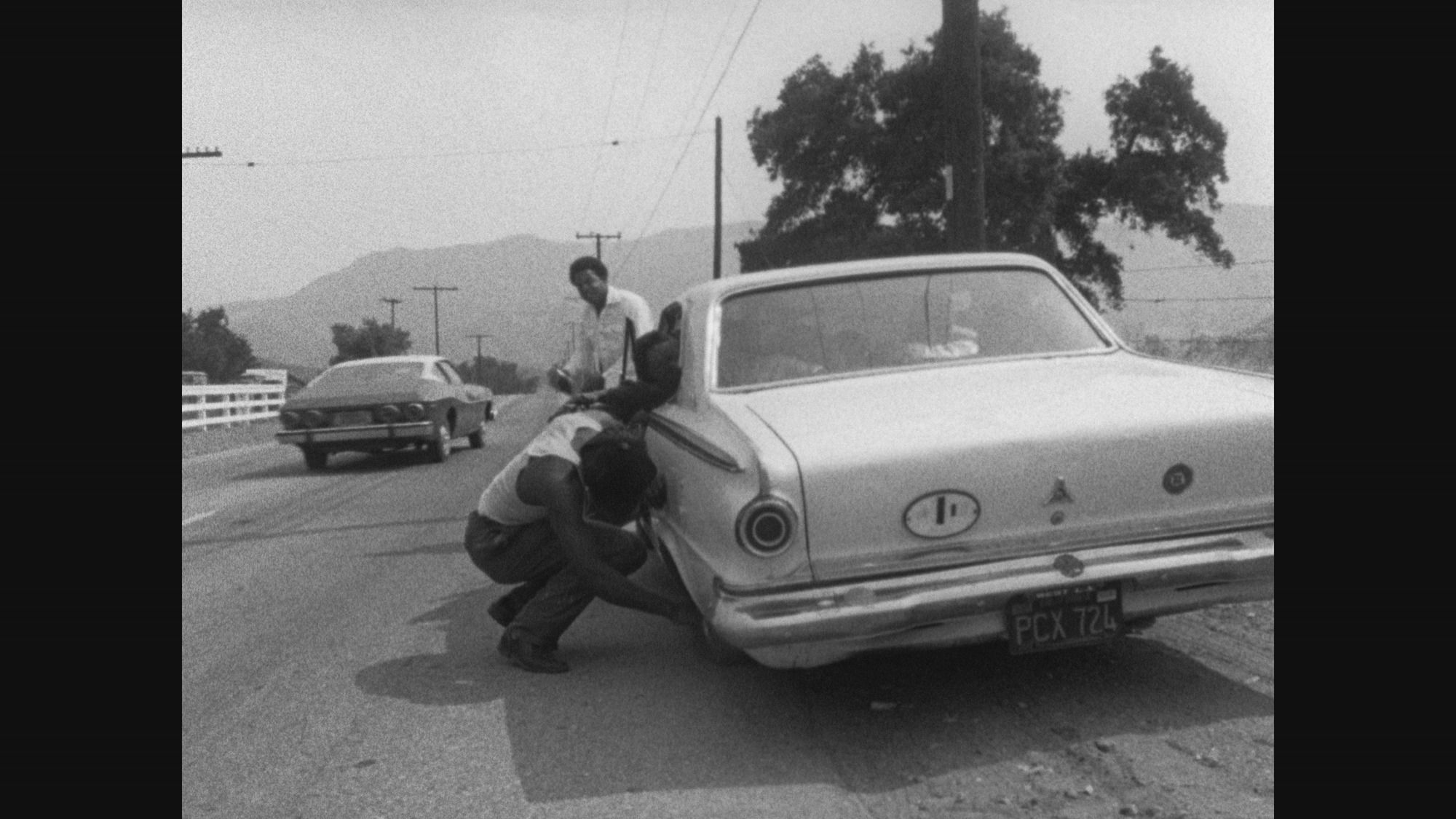
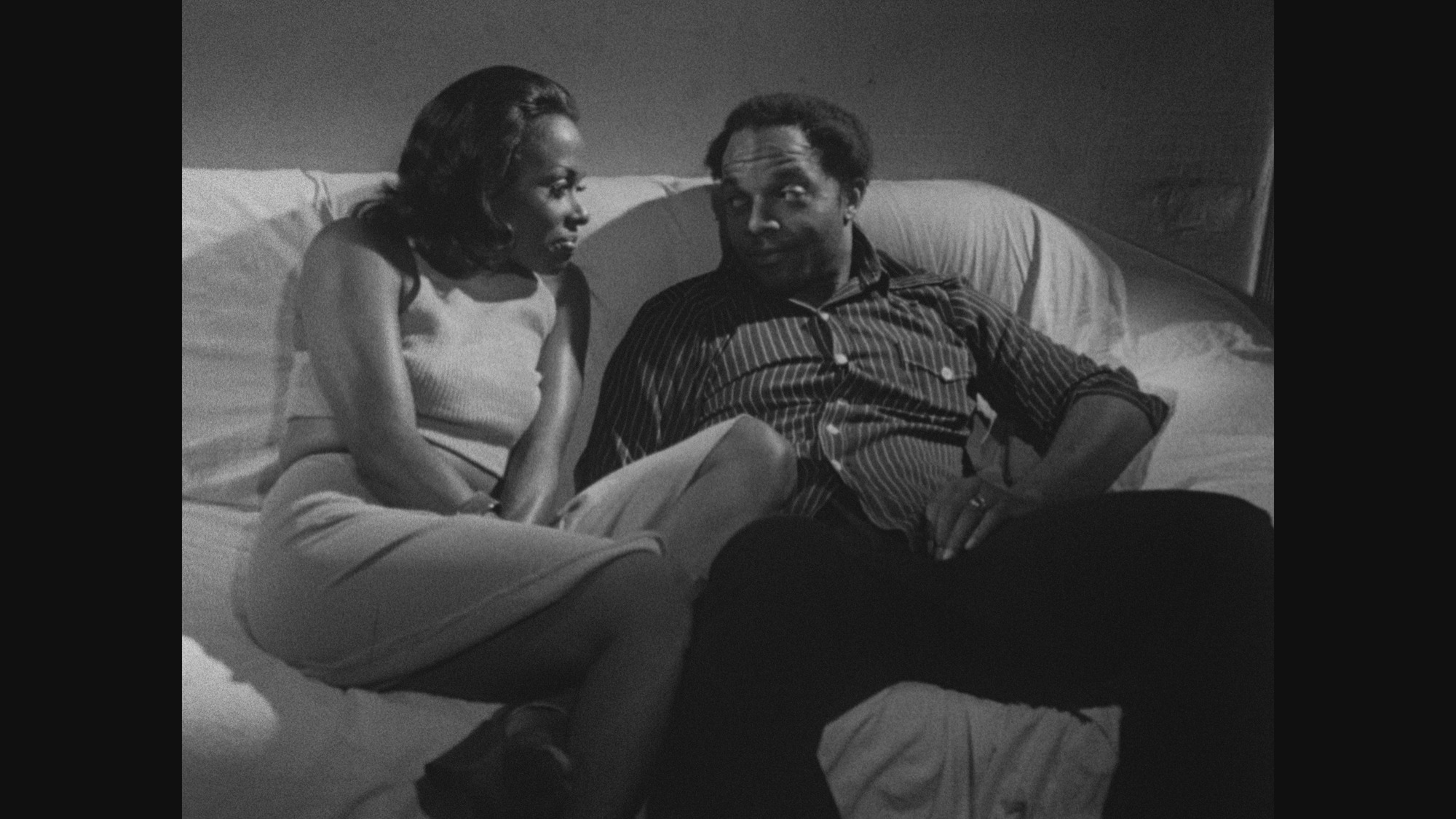
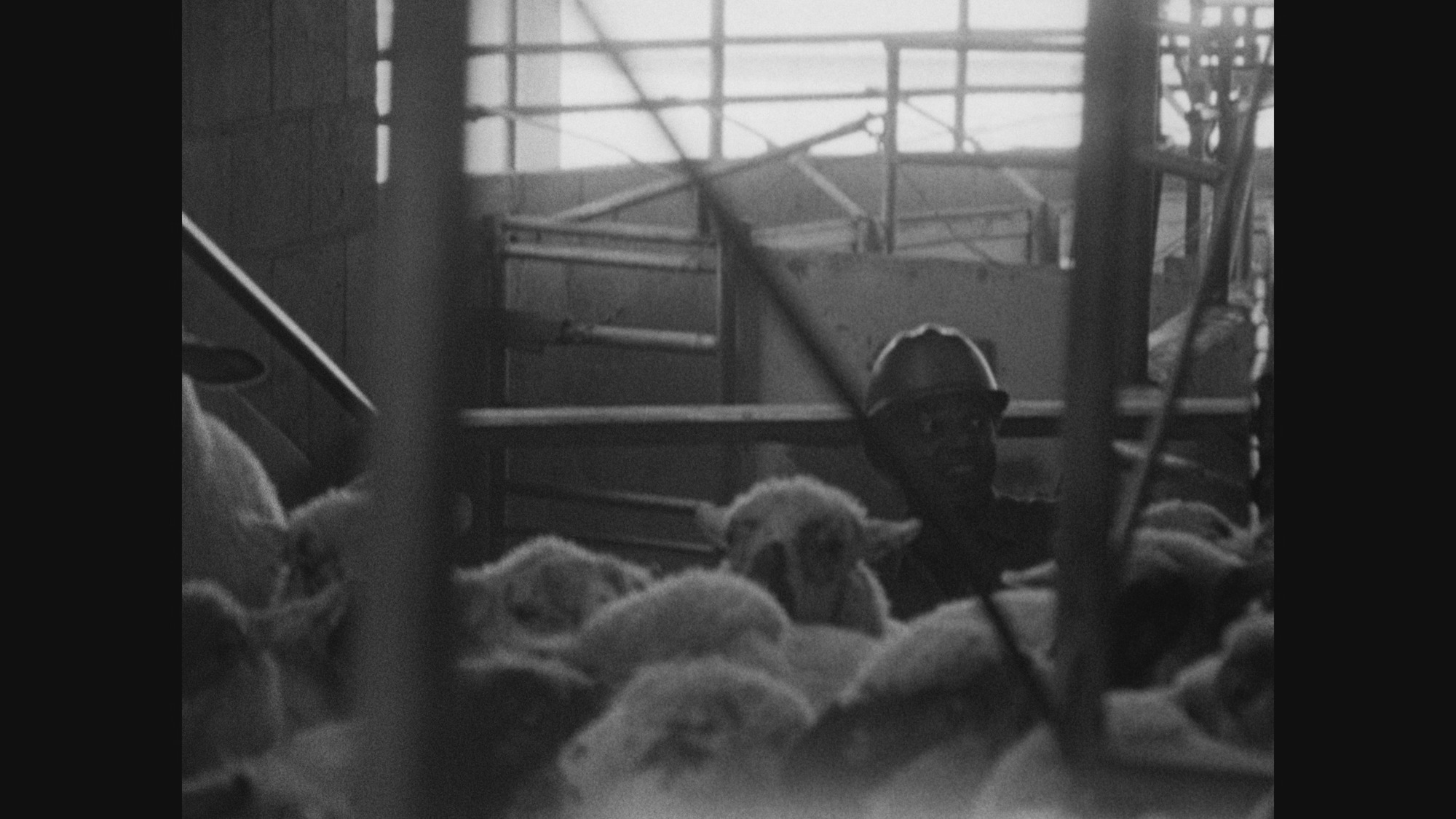
Audio 6/10
The film features a newly restored soundtrack presented in lossless PCM. Given how the film was shot and its long, bumpy path to release, the audio sounds remarkably good. Dialogue can be a little muffled or low at times, but that appears to stem from the original production conditions rather than any shortcomings in the restoration or encoding. At its best, particularly when music cues appear on the soundtrack, the track delivers impressive clarity, range, and fidelity. There are also no noticeable signs of damage or distortion.
(The new restoration also restores Dinah Washington’s “Unforgettable” over the closing moments of the film.)
Extras 9/10
Criterion carries over several extras from previous editions and expands the offering with a handful of new and newly produced features, presenting them all on the included Blu-ray disc.
First is an audio commentary (also found on the 4K disc) recorded in 2007 for the Milestone DVD, featuring Charles Burnett and film scholar Richard Peña. The two focus primarily on the film’s production, Burnett’s intentions and inspirations, and his efforts to authentically represent his South Central community. They comment on specific sequences, including an in-depth discussion of the engine-moving scene, and briefly touch on the film’s earlier restoration (not the one used for this release). Toward the end, Burnett reflects on the shift to digital filmmaking, praising its ease while also lamenting how it can discourage the kind of discipline and forethought necessary when shooting on film, since one can shoot as much material as they want. It’s a decent track, though it suffers from long stretches of silence. Thankfully, the other features help fill in the gaps.
That includes three newly recorded interviews filmed by Criterion for this edition. Burnett appears in a 13-minute segment to discuss the origins of the film, his time at UCLA (after initially studying electronics), and his desire to counter Hollywood’s harmful portrayals of Black life with something rooted in truth and affection. He also talks about the influences that shaped him, Italian neorealism, Bresson, Renoir, Flaherty, and his one teacher, Basil Wright, all of which fed into the film’s style and rhythm.
In a 17-minute interview, actor Henry Gayle Sanders reflects on his role and working with Burnett. He talks about coming to L.A. to publish a book (mistakenly, he admits) and finding his way into theater before connecting with Burnett. He shares stories about the production, which he recalls unfolding without a traditional script, and elaborates on the challenges of filming the engine scene. He also recounts working with Ava DuVernay on Selma, and his surprise at how passionately she spoke of Killer of Sheep.
Barry Jenkins contributes a 19-minute piece in which he talks about discovering the film in college in 1999 and how deeply it resonated with him. He recalls being struck by how familiar the world on screen felt to him, something he hadn’t often seen in cinema, not even Spike Lee's work. He later came to appreciate the film’s technical accomplishment as well, marveling that something so accomplished could be a student project. For Jenkins, the film became proof that you don’t have to wait for permission, you just go and make the thing you want to make.
Also included are two of Burnett’s early short films: Several Friends (22 minutes) and The Horse (14 minutes), both presented from standard-definition masters. Several Friends plays like a dry run for Killer of Sheep, following a loosely assembled group around the neighborhood. Some scenes meander and the audio can be spotty, but there’s a tenderness that anticipates the later film. The Horse is more enigmatic, centered on a Black boy visiting a group of White farmers to be with a dying horse while they wait for someone (the boy's father) to put it down. Though more abstract in structure, it’s assuredly made. Burnett provides a short new one-minute introduction to contextualize the latter.
A newly produced video essay on the L.A. Rebellion movement runs 19 minutes and draws from a 2010 interview between Burnett and Jacqueline Stewart. Burnett recounts his time at UCLA and the impact of being introduced to politically charged international films like The Hour of the Furnaces. That exposure inspired him and other minority filmmakers in a mostly white program to reclaim portrayals of their own communities through film, pushing back against Hollywood’s stereotypes. The piece is well-structured, with text, archival footage, and stills used to effectively complement Burnett's comments.
Also included is the 2019 documentary A Walk with Charles Burnett, previously featured on Criterion’s To Sleep with Anger Blu-ray. In this 56-minute feature, Burnett walks through South Central Los Angeles with filmmaker Robert Townsend, revisiting locations from Killer of Sheep and To Sleep with Anger, as well as his childhood home. Along the way they discuss Burnett’s youth, the influence of local events like the L.A. riots, his views on filmmaking and music, and the significance of receiving an honorary Oscar. I'm disappointed that Criterion reused the feature instead of getting something new (like maybe even getting a new interview with Townsend as well), but for those that missed it on the other release, it’s an engaging and rich portrait that moves briskly despite its length
The disc closes with a 6-minute cast reunion filmed in 2007, featuring several actors from the film gathered around a table reminiscing about the production (this was on the Milestone DVD). Also included is the trailer for Milestone’s 40th anniversary release. The insert features a superb essay by Danielle Amir Jackson, who examines the film’s legacy and social impact. Along with the Jenkins interview, it brings a welcome academic angle to the package. All in, it's a nicely assembled and comprehensive package.
Closing
Criterion has put together a solid new edition for one of the essential American independent films, delivering an incredible 4K presentation sourced from a new restoration and backed by a thoughtful selection of new and archival supplements.
BUY AT: