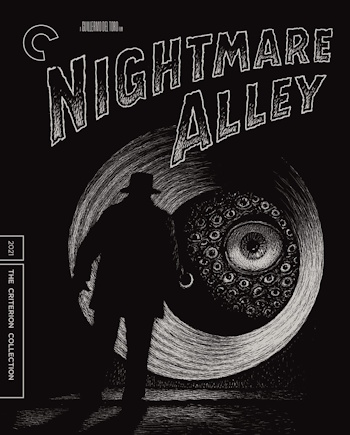
Nightmare Alley
BUY AT:


See more details, packaging, or compare
Synopsis
Noir fatalism has rarely been so alluring as in this vision of the world as a soul-sick carnival of corruption. Putting his own luxuriantly stylized spin on the classic hard-boiled novel by William Lindsay Gresham, master fabulist Guillermo del Toro conjures a sordid, seductive portrait of America on the cusp of World War II. The film follows Stan Carlisle (Bradley Cooper), a roustabout in a traveling sideshow who uses charm and deception to become a phony mentalist preying on the rich and powerful—but at what cost? Brought to life by an all-star cast that includes Cate Blanchett, Toni Collette, Willem Dafoe, and Rooney Mara, and nominated for four Oscars (including Best Picture), Nightmare Alley is a haunting descent into the illusory abyss of the American dream.
Picture 10/10
The Criterion Collection presents Guillermo del Toro’s Nightmare Alley in an all-new 4K UHD special edition, featuring both the original color theatrical cut and del Toro’s extended black-and-white version. Each version receives its own triple-layer 2160p/24 Hz UHD disc with Dolby Vision, framed at 1.85:1, and both are also included in 1080p high definition on separate dual-layer Blu-rays. The masters were supplied to Criterion by Disney/Searchlight Pictures.
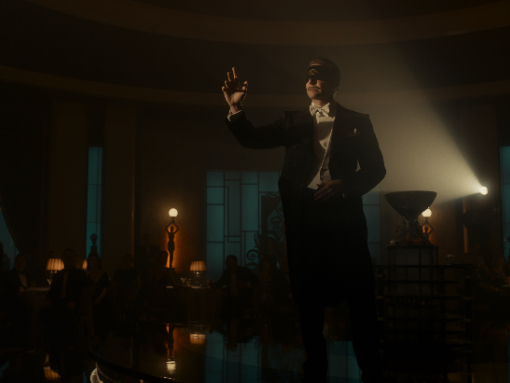
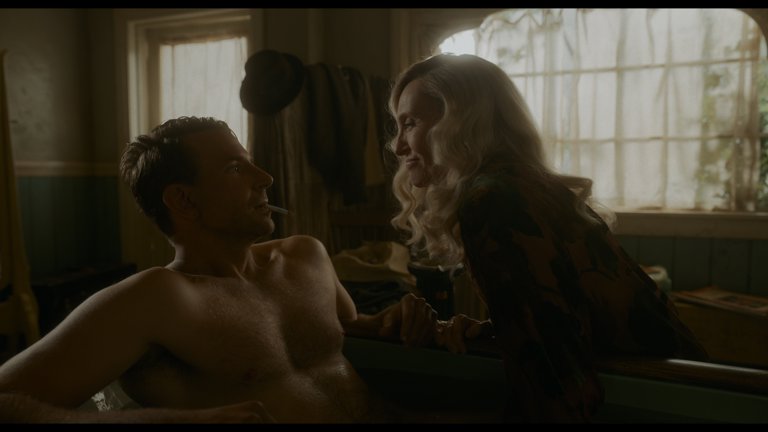
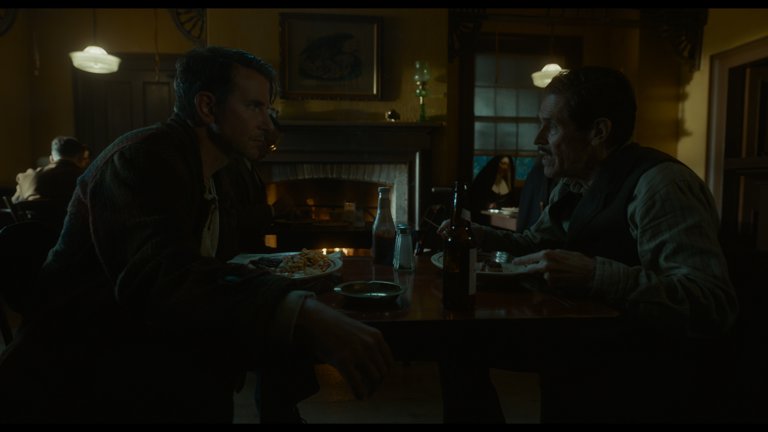
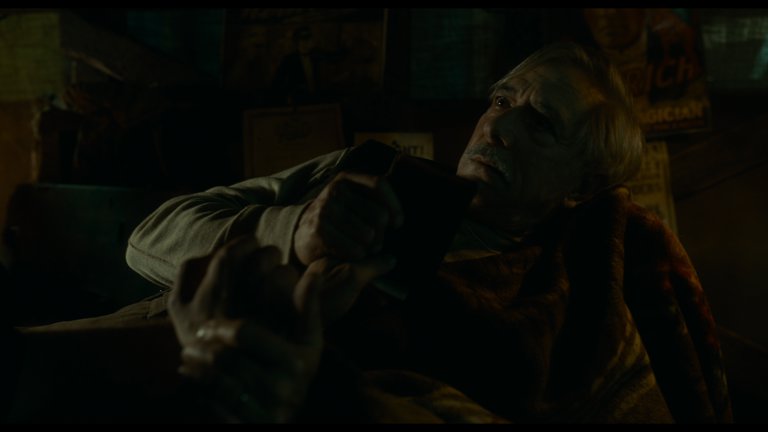
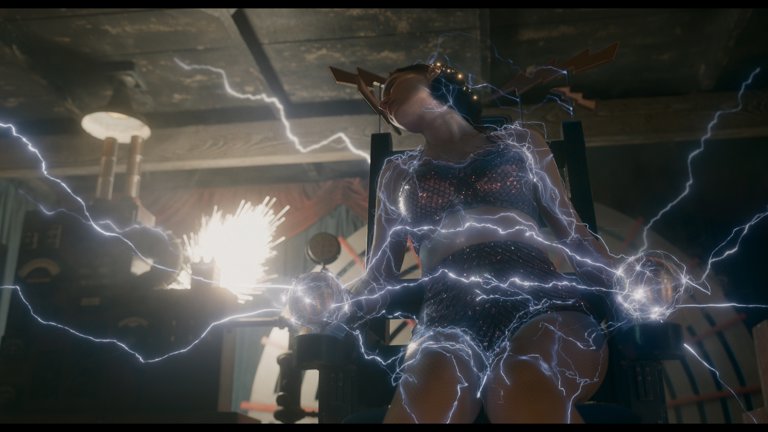
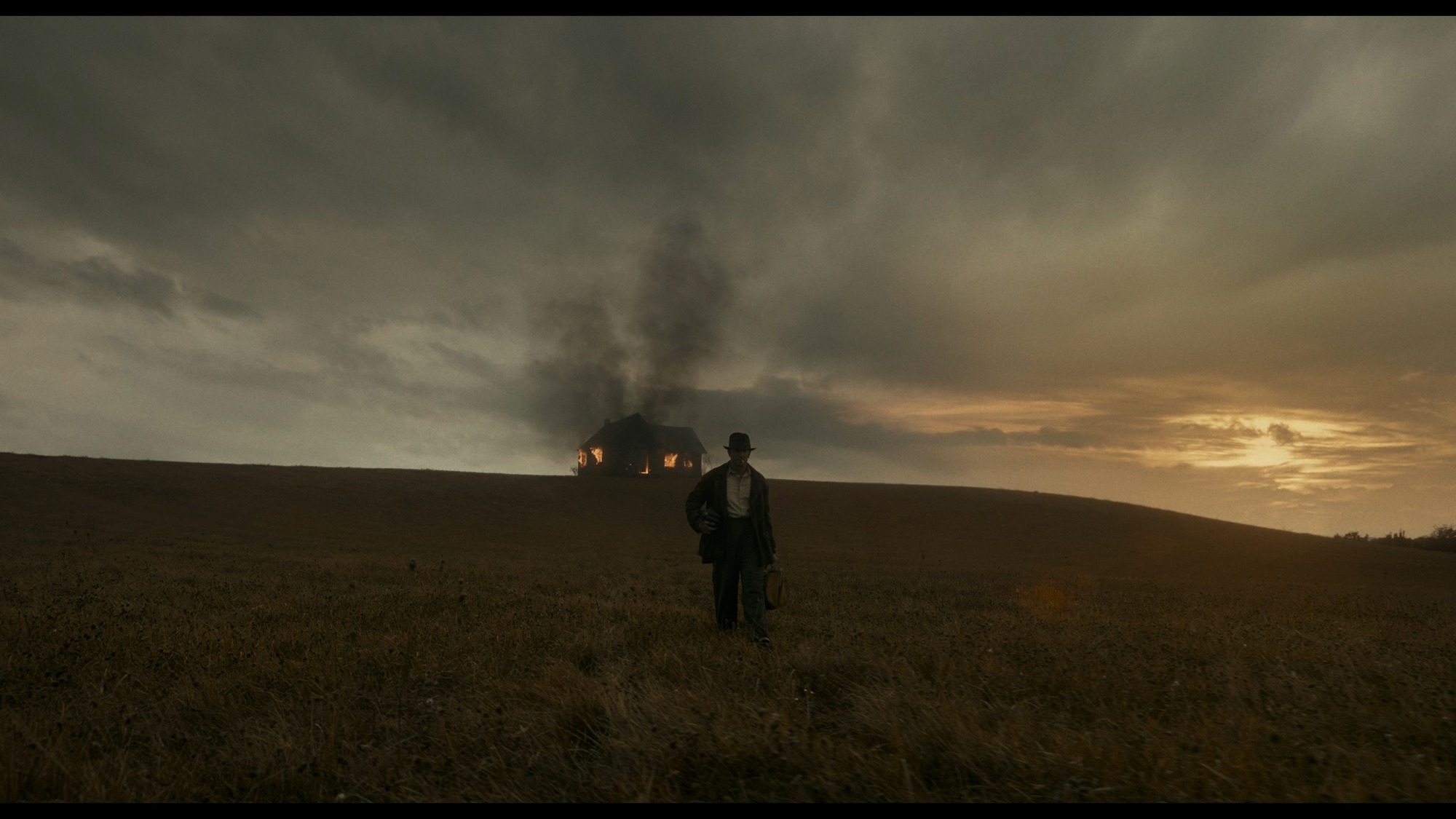
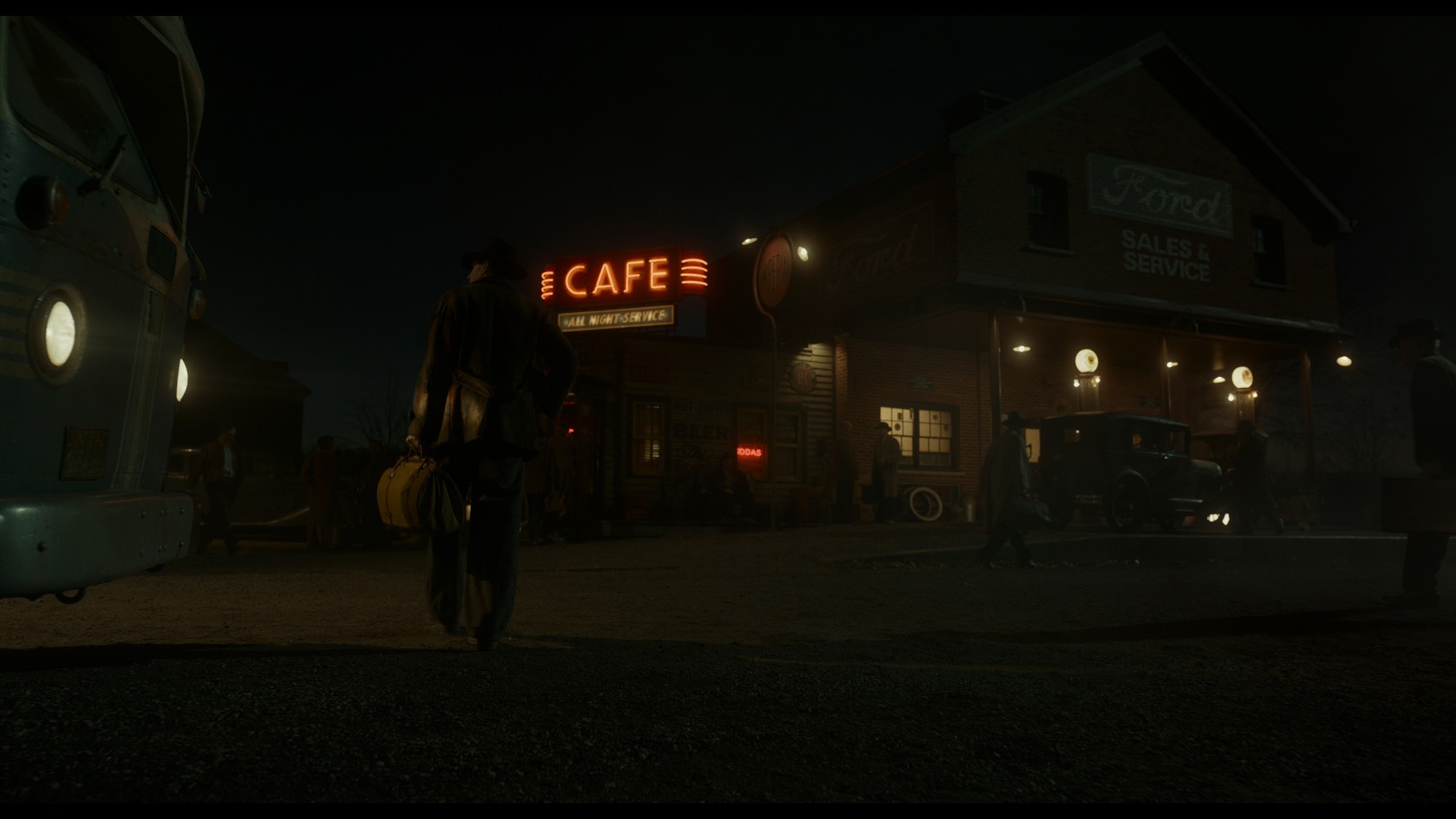
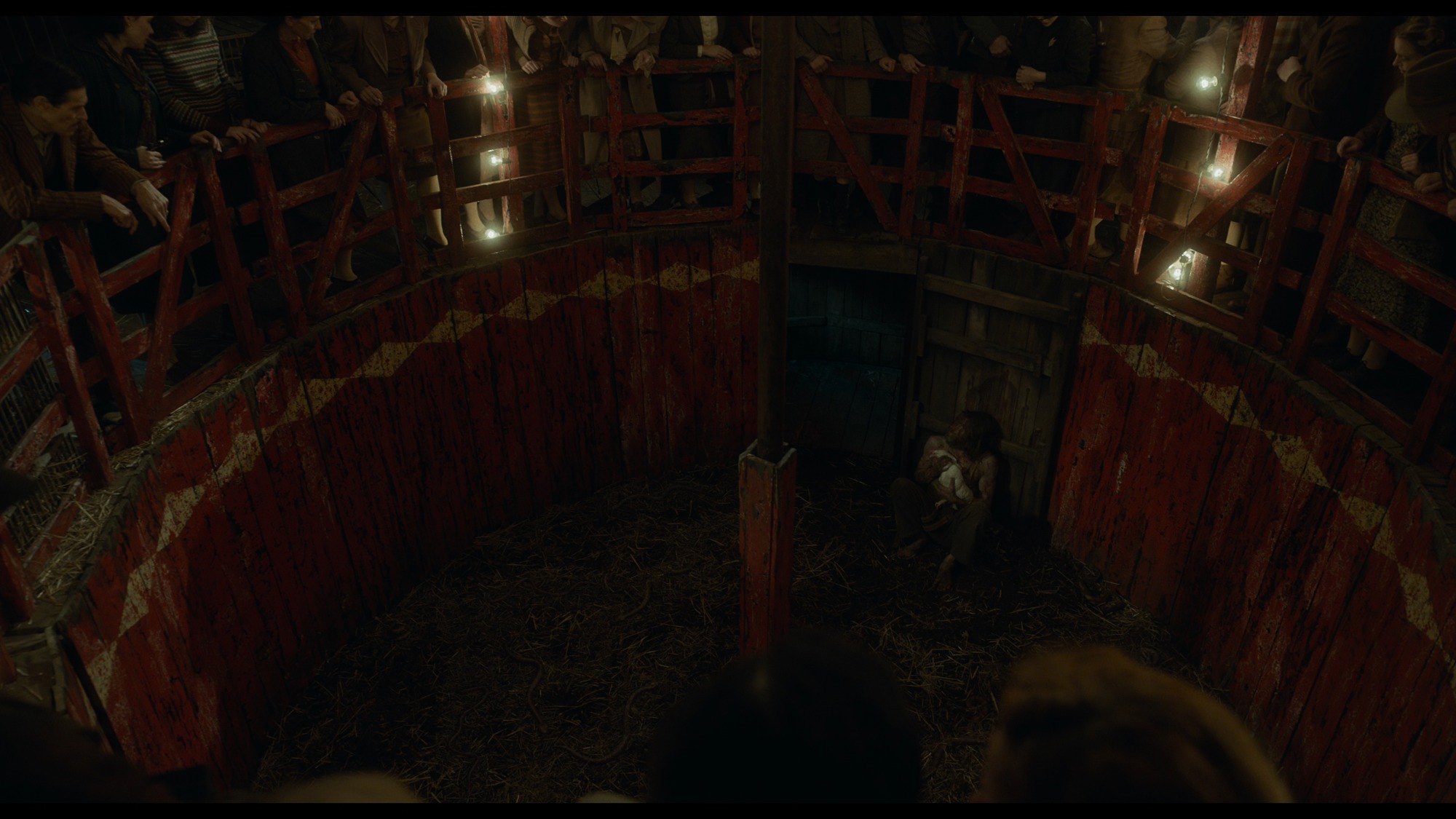
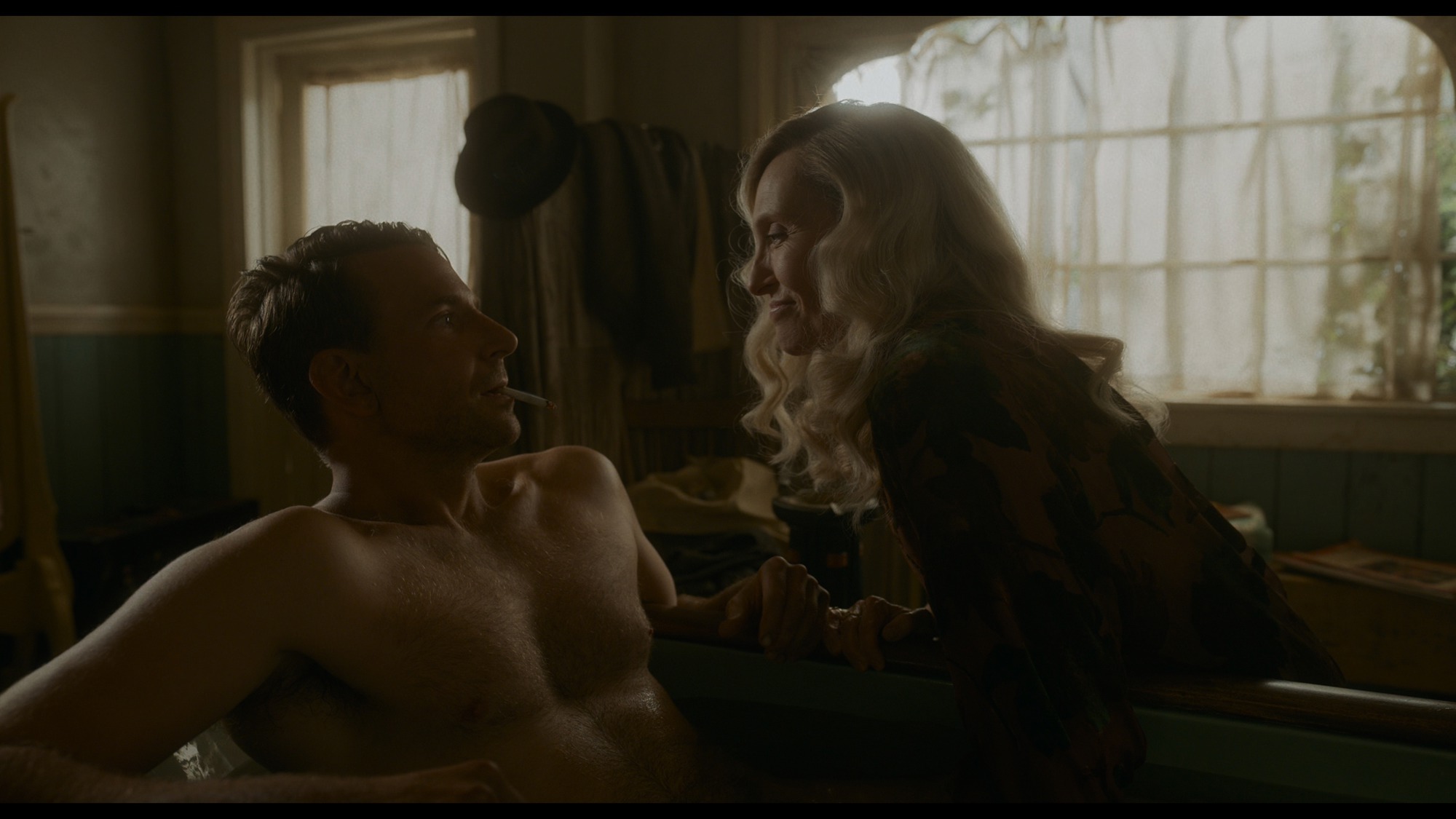
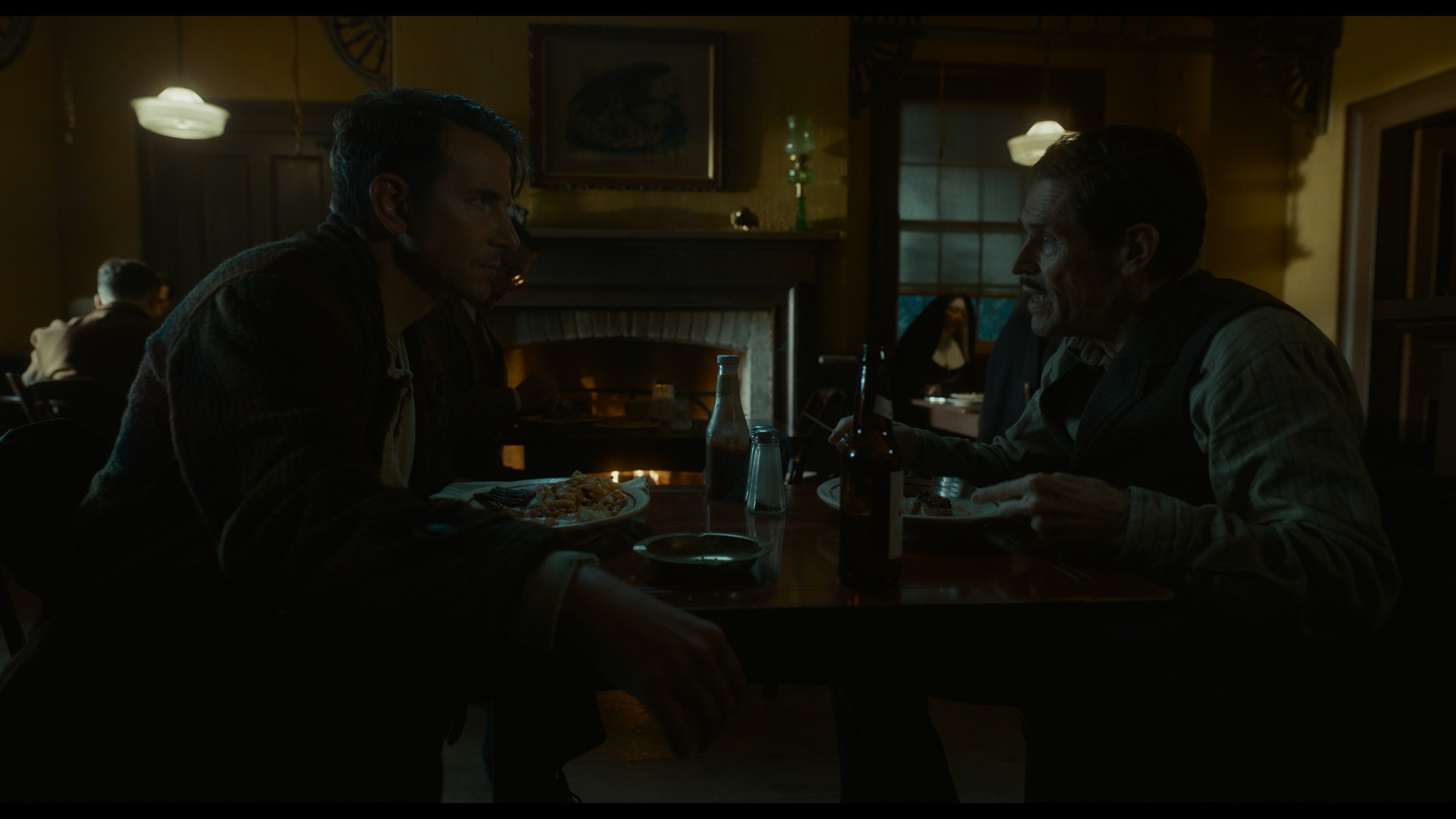
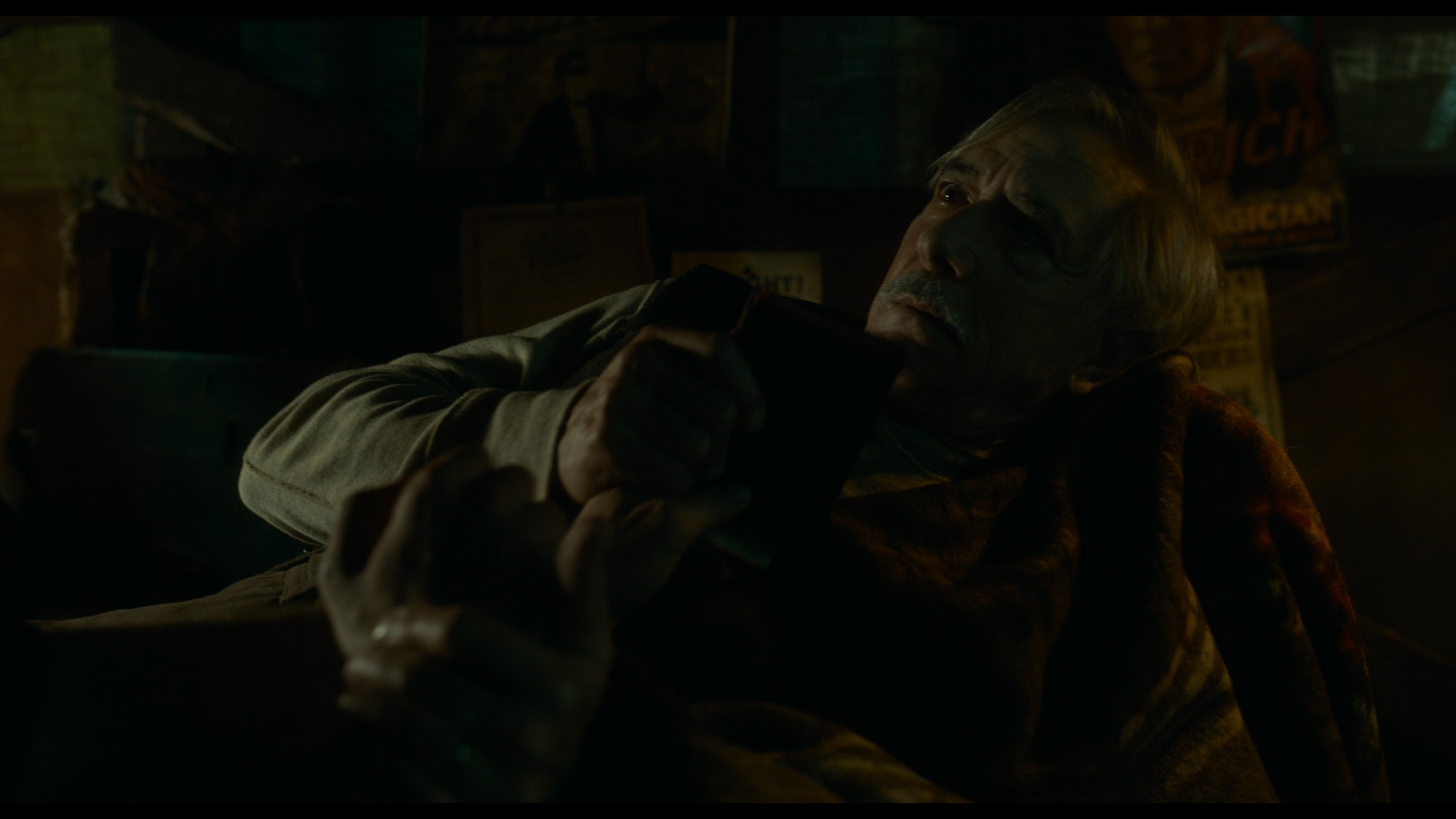
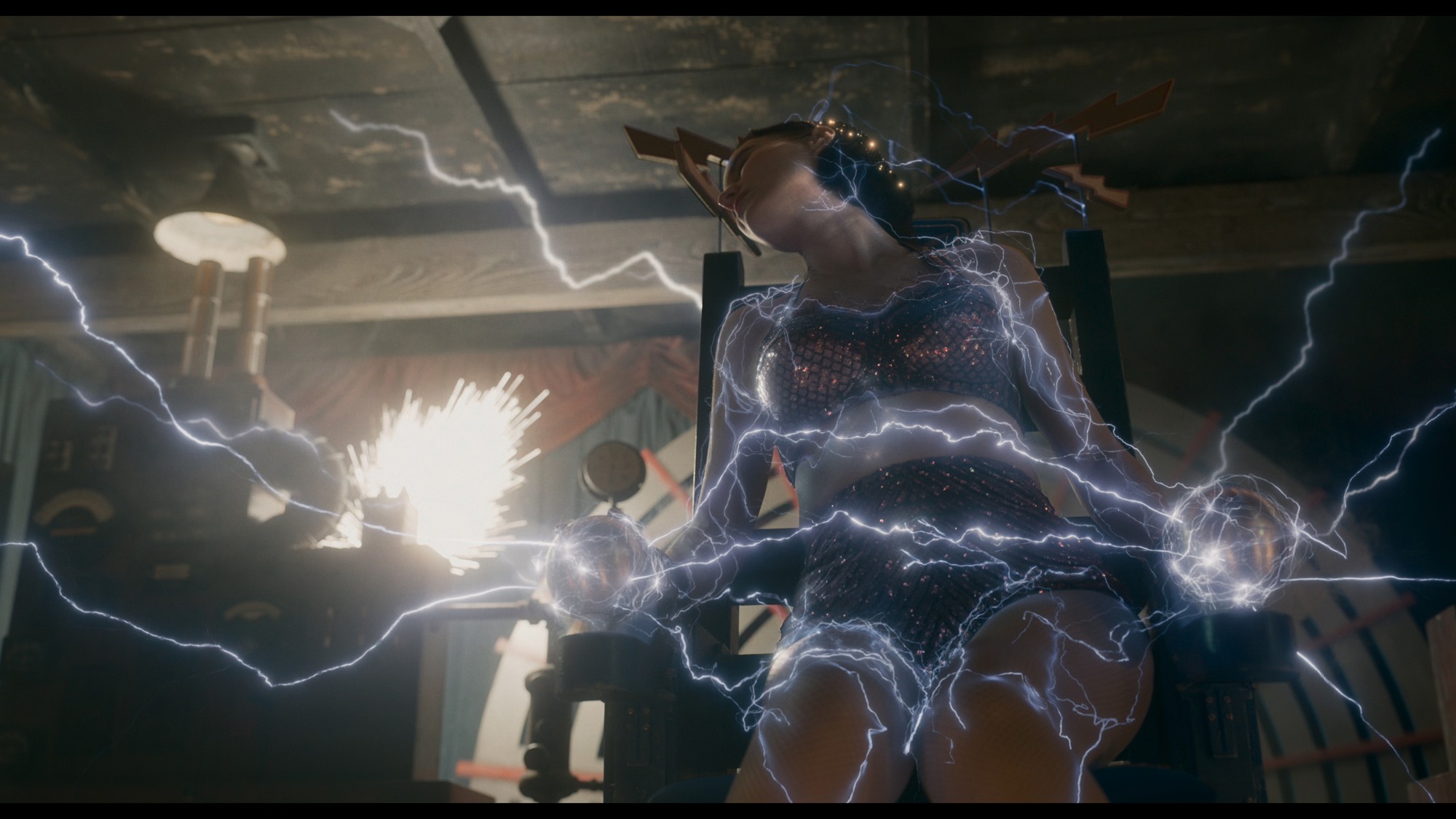
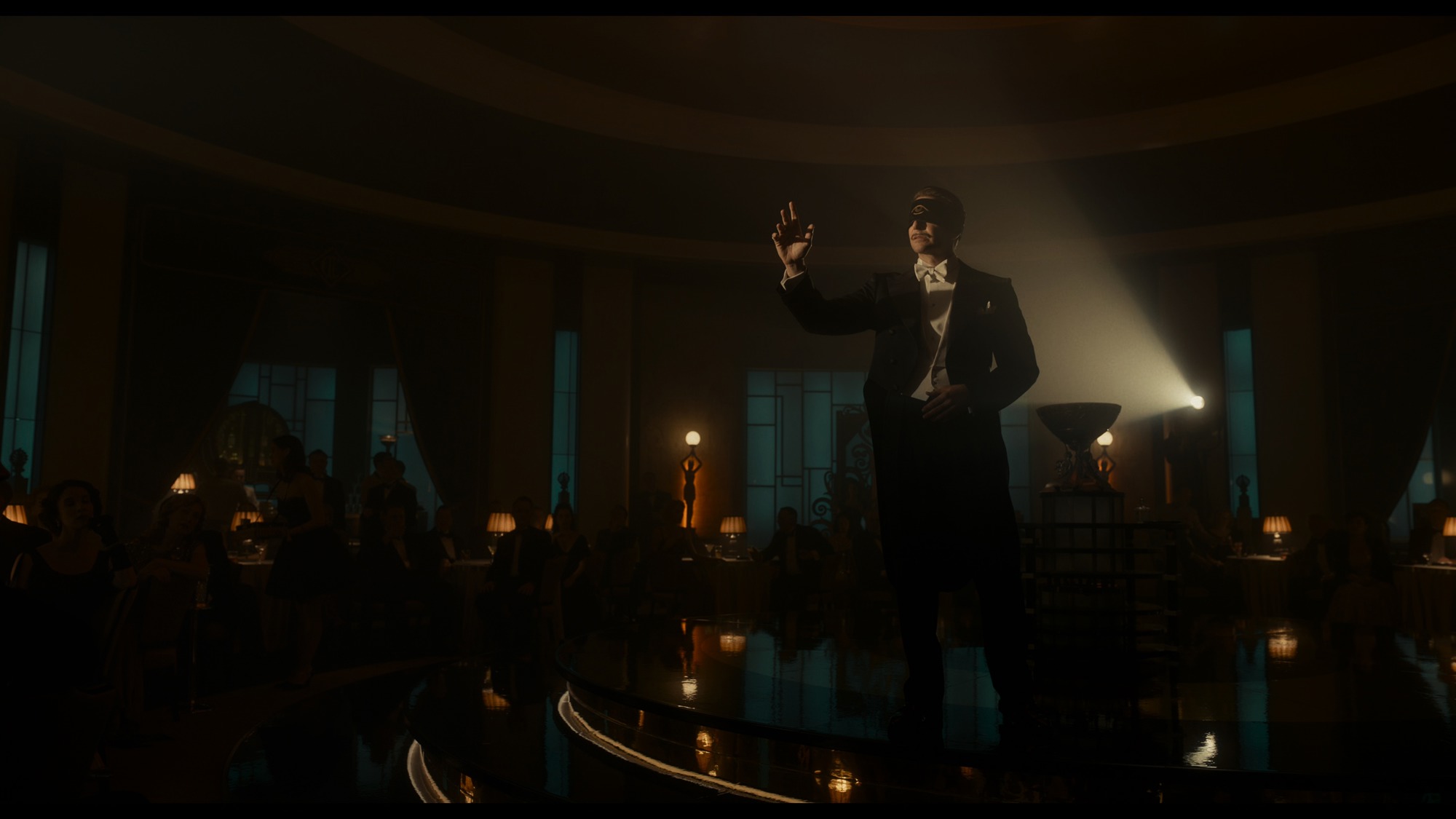
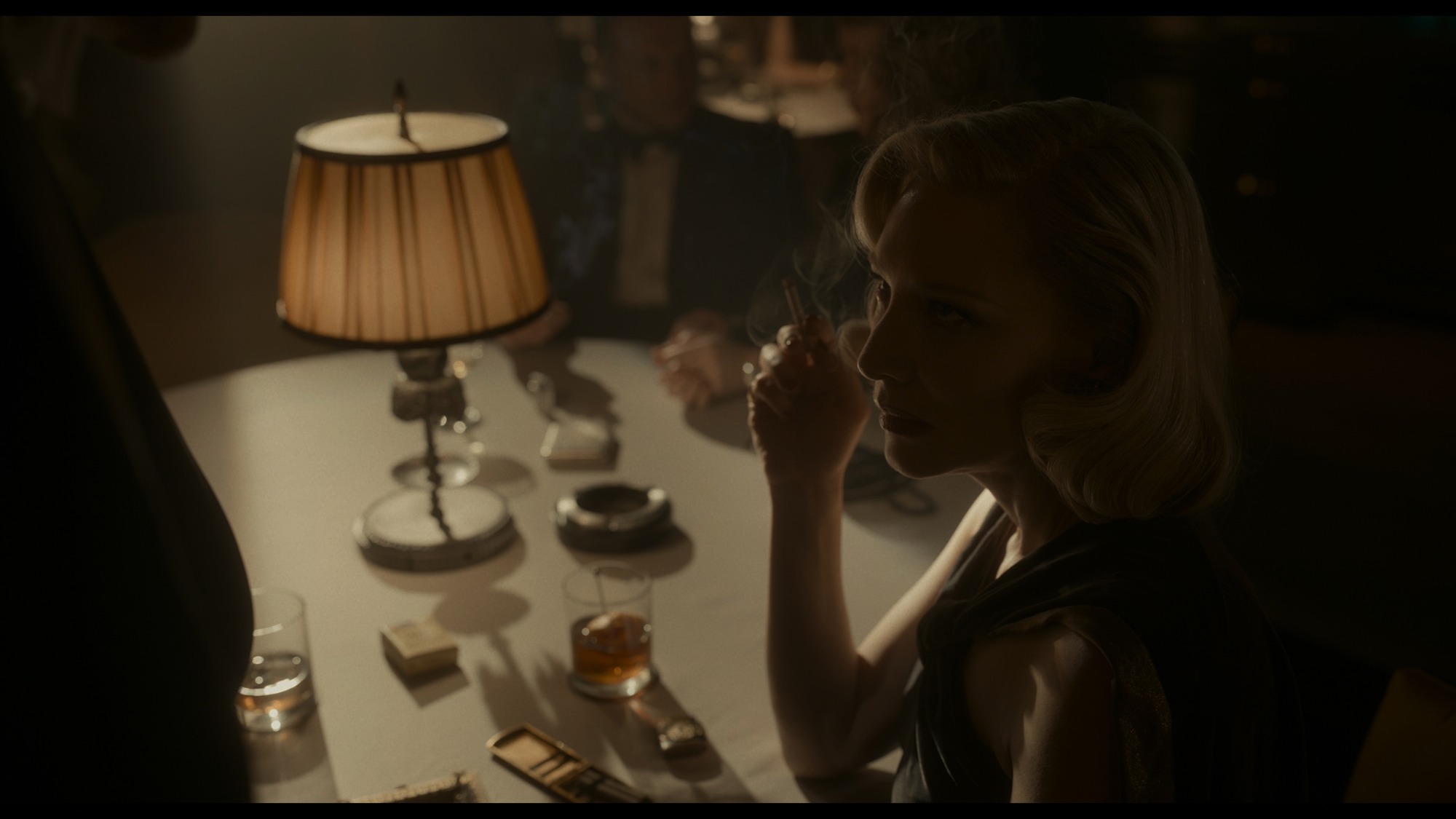
A recent digitally photographed production, it’s no surprise that both presentations look terrific. I haven’t seen Disney’s own 4K disc—only the 4K stream on Hulu—but Criterion’s Dolby Vision grading easily outclasses the latter. For the theatrical version, contrast is exceptionally wide, from deep, inky blacks to brilliant highlights that retain detail without clipping. The gradations between are superb, delivering a wonderful sense of depth to the shadows and interiors lit by daylight or lamps (the evening scenes in Dr. Ritter’s office are especially striking). Fine textures and intricate design elements, from the carnival’s weathered surfaces to the gleaming art-deco interiors, come out looking strikingly sharp, while smoke and mist are beautifully rendered without issue.
The color palette is intentionally narrow, leaning toward blue-greens and brown-golds, but the saturation is excellent and the range within those hues gives the image an almost monochrome look. Pops of red, including neon lights and other accents, also pop vividly when they appear.
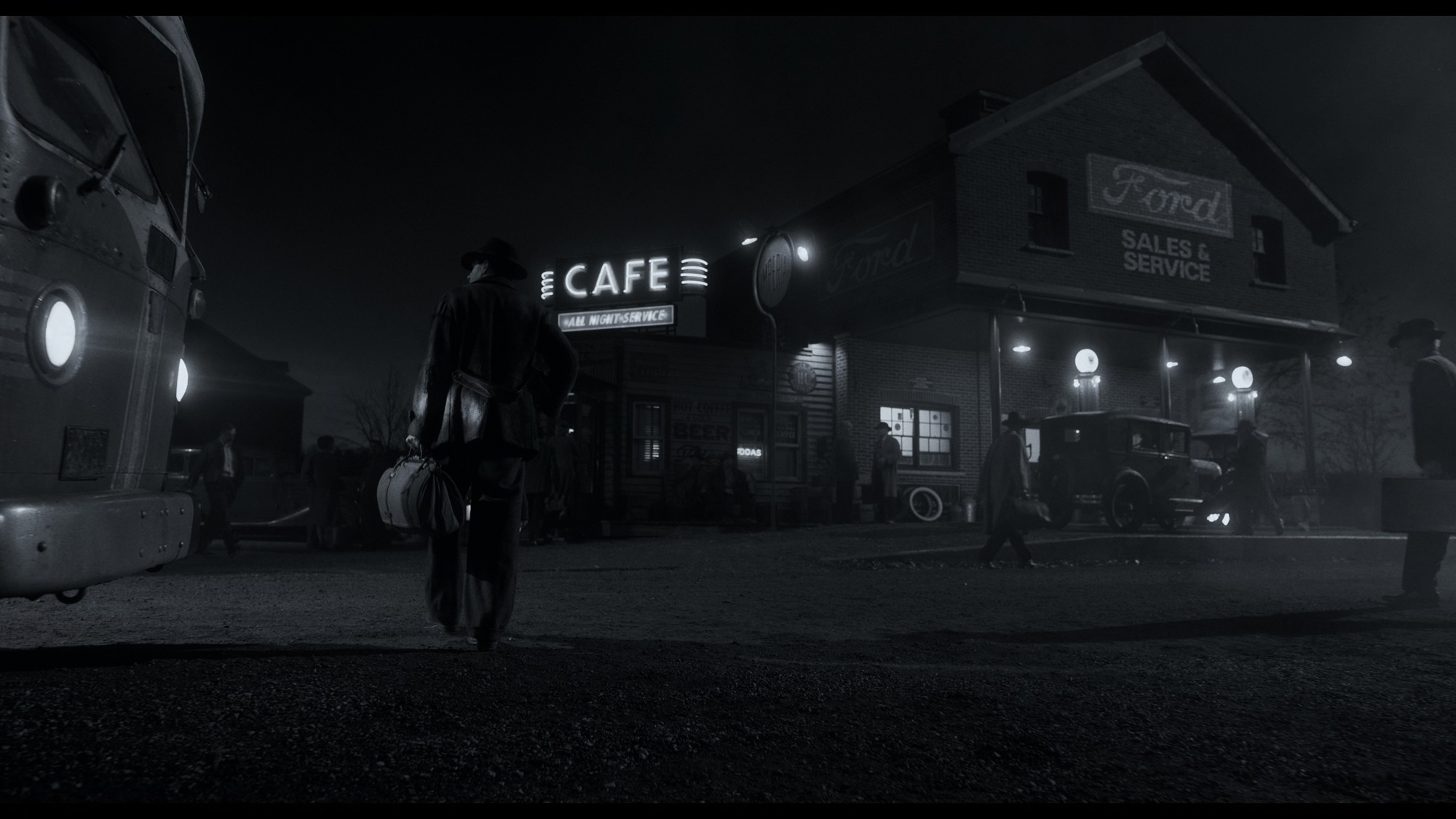
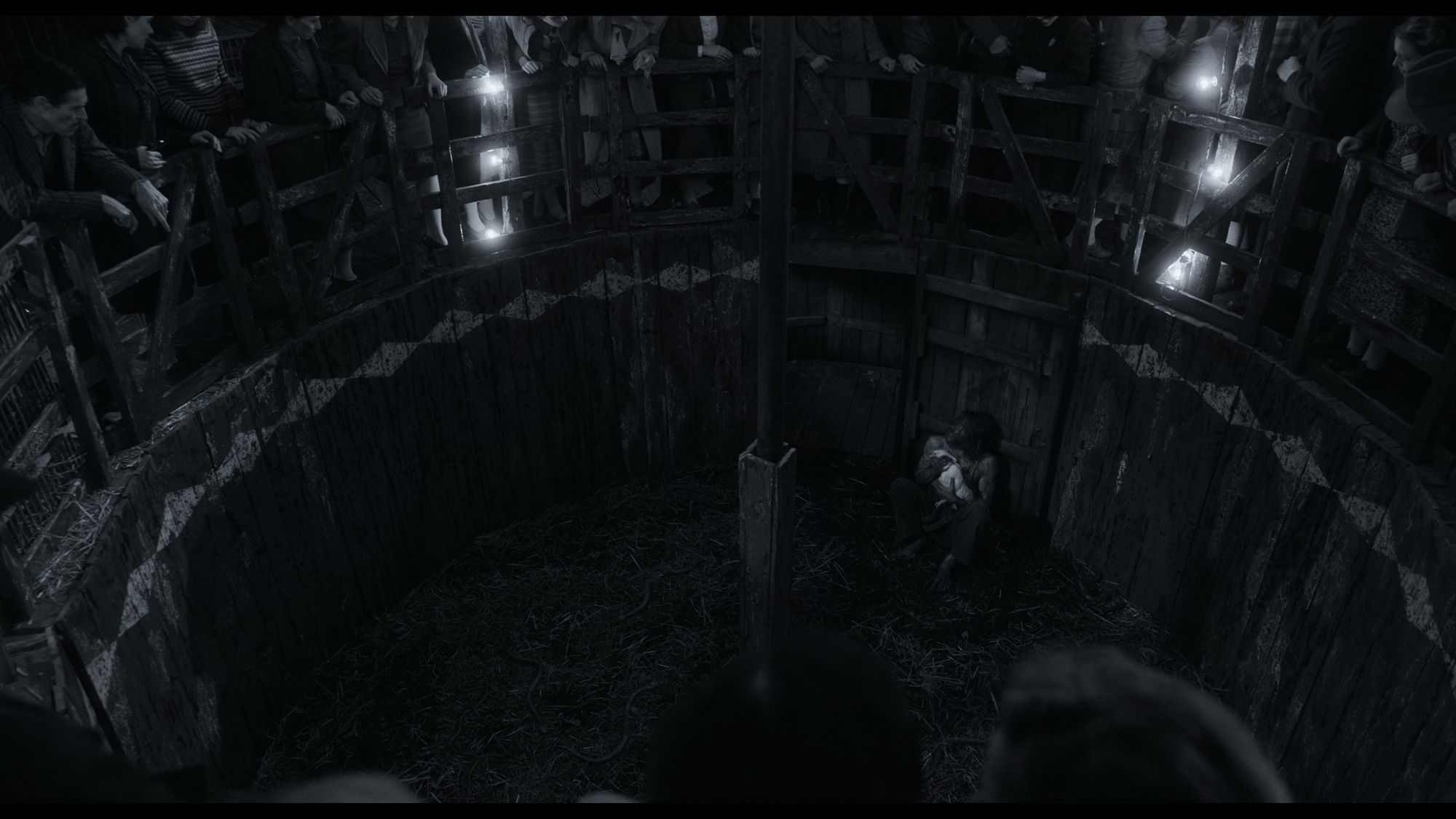
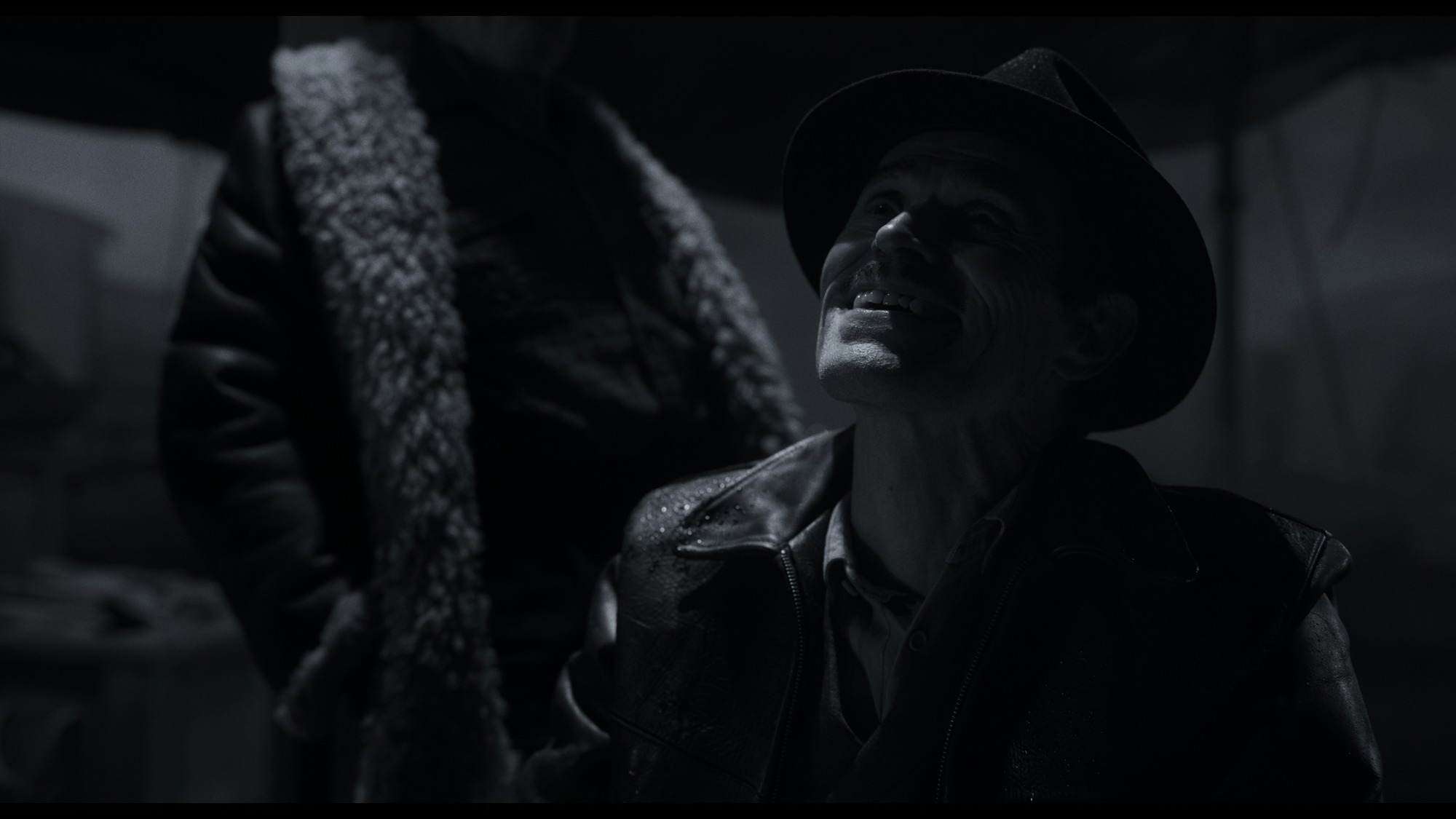
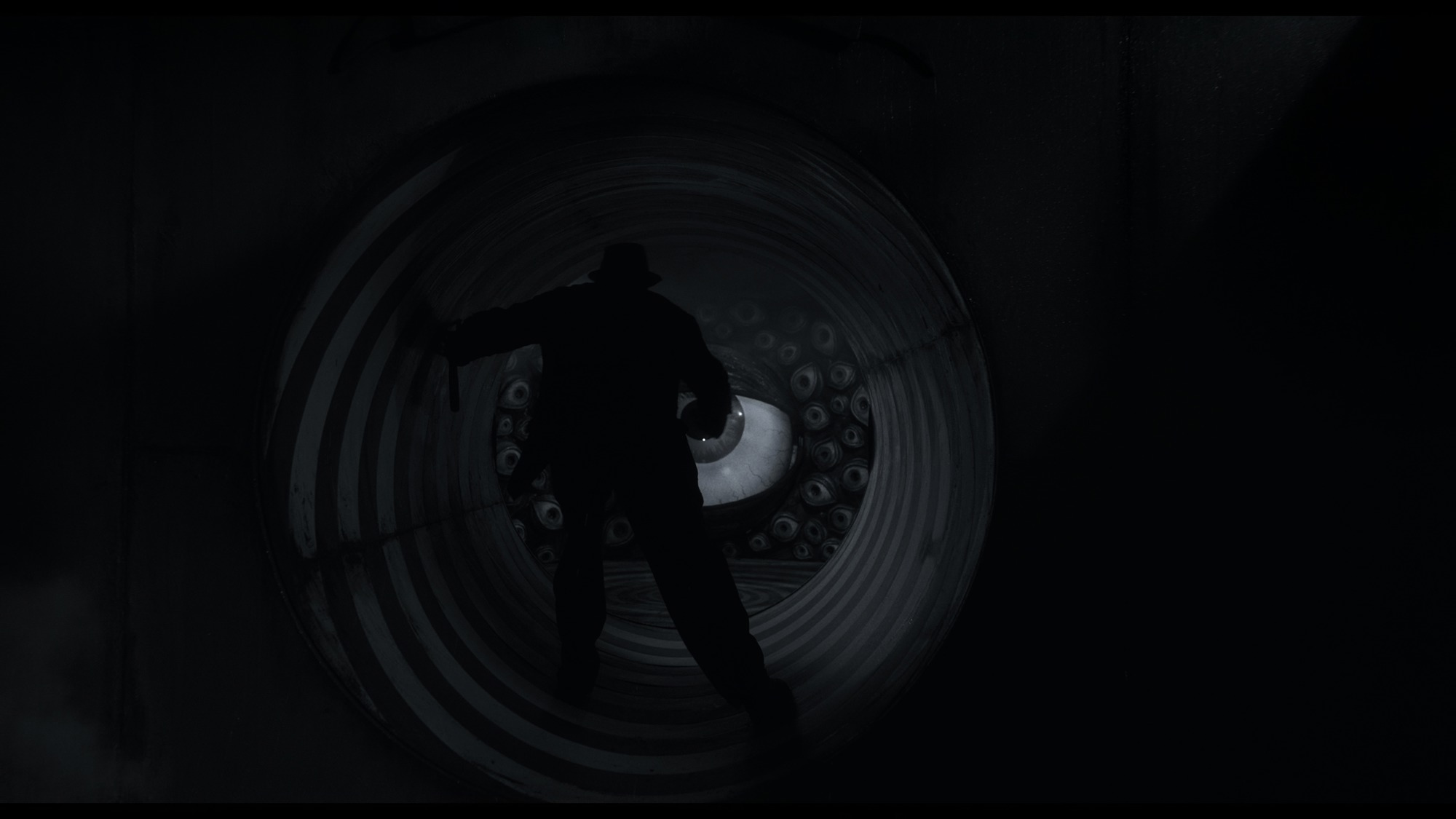
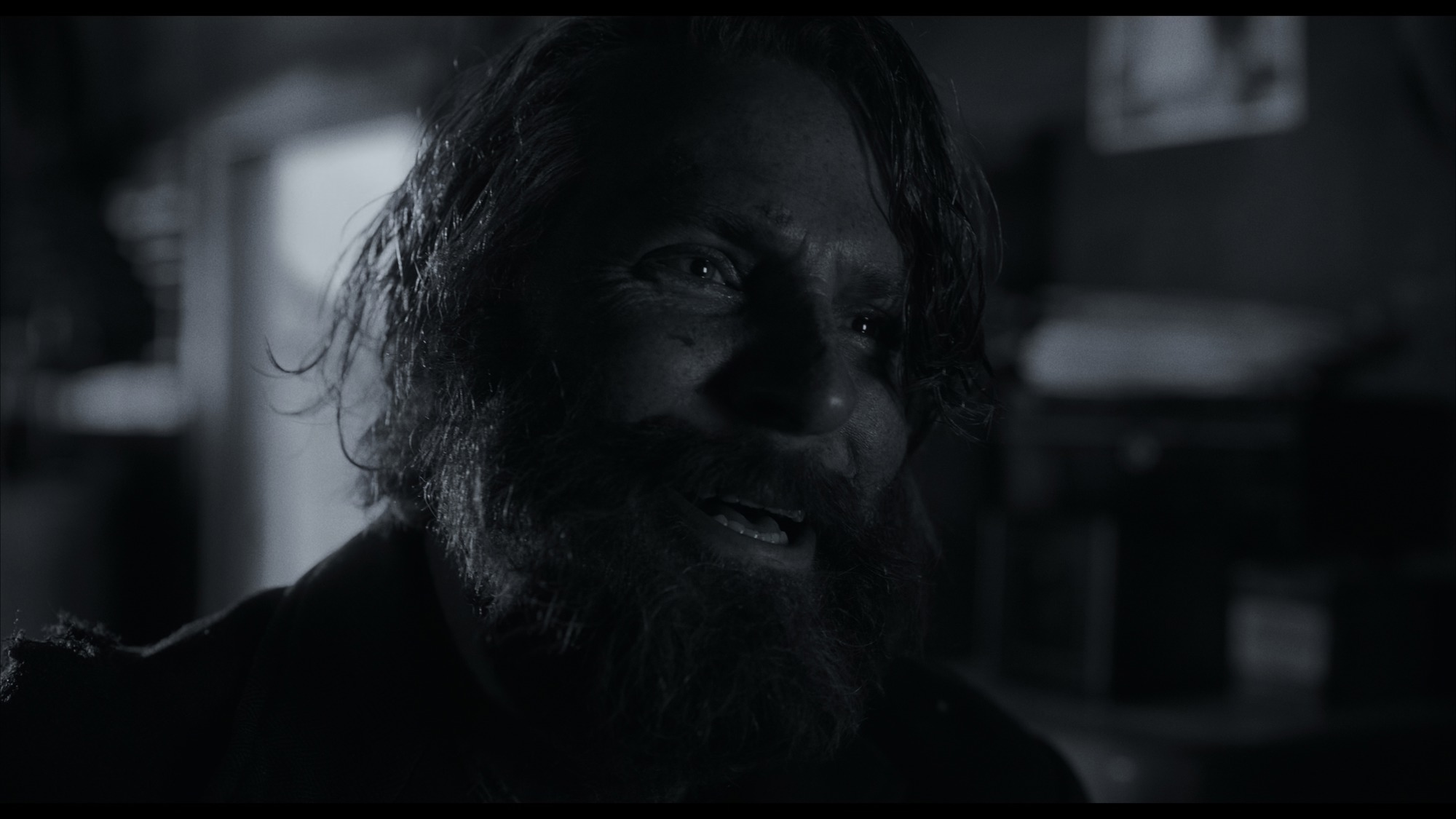
Colors aside, many of the strengths of that version carry over to the black-and-white version, though with a few caveats. Blacks remain dense and whites bright, but where the color version’s light sources show depth and nuance, the grayscale presentation can occasionally flatten out under intense highlights, such as neon or carnival bulbs. Even so, grayscale is still broad and finely tuned, producing outstanding shadow detail. My only real reservation is that, strong as it is, the image never fully shakes a faintly digital sheen, giving it a slightly synthetic black-and-white texture; it never comes off truly photographic.
Despite that minor quibble, both versions look excellent. It's clean, sharp, and consistently striking, with Dolby Vision and HDR adding tremendous range and dimension.
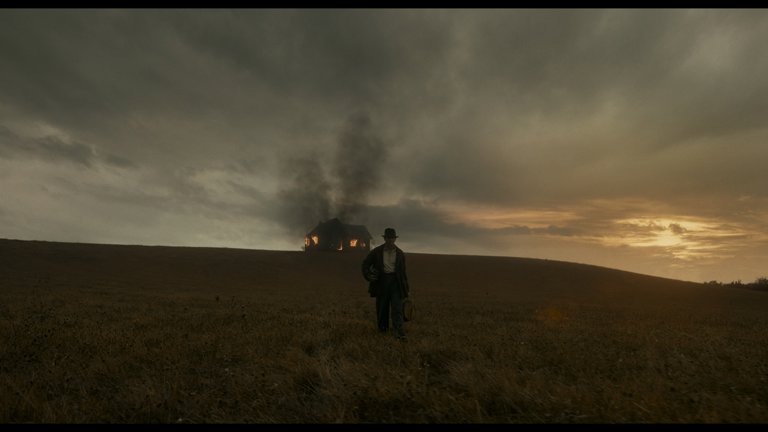
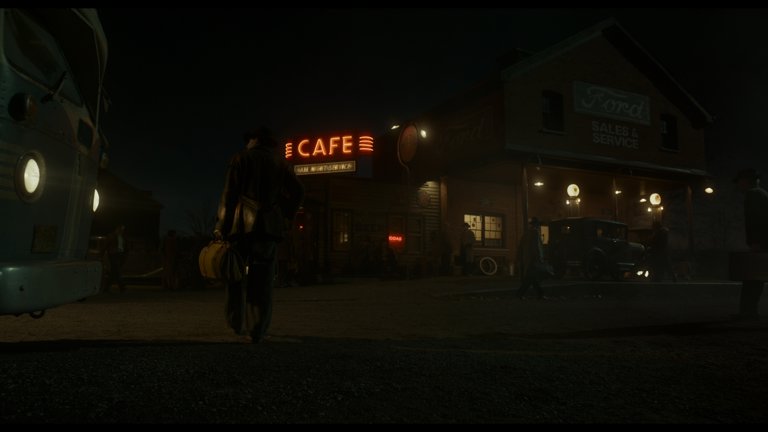
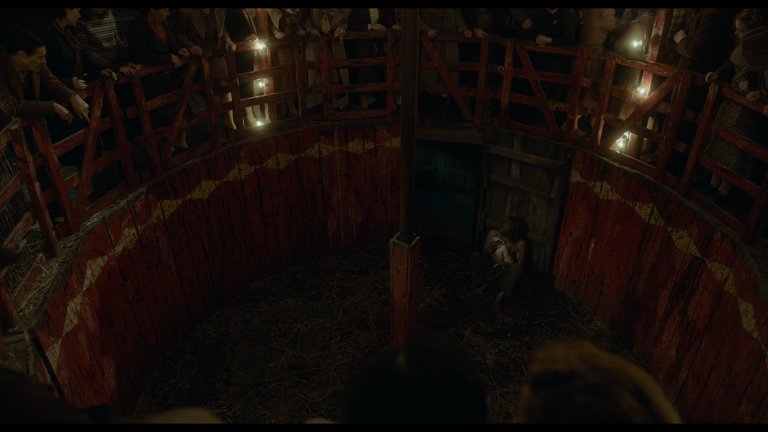
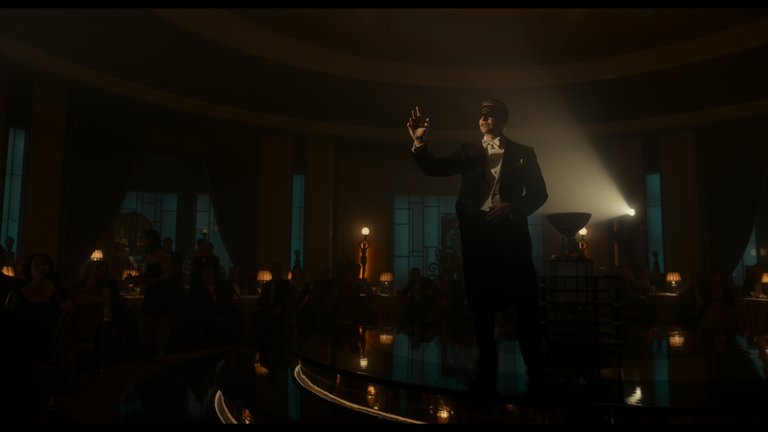
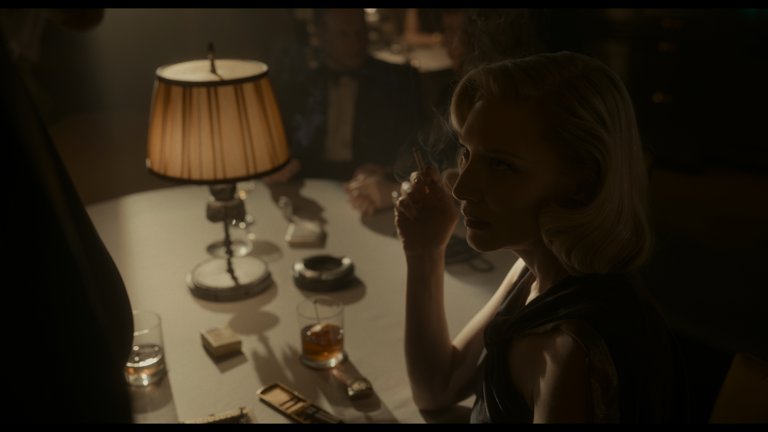
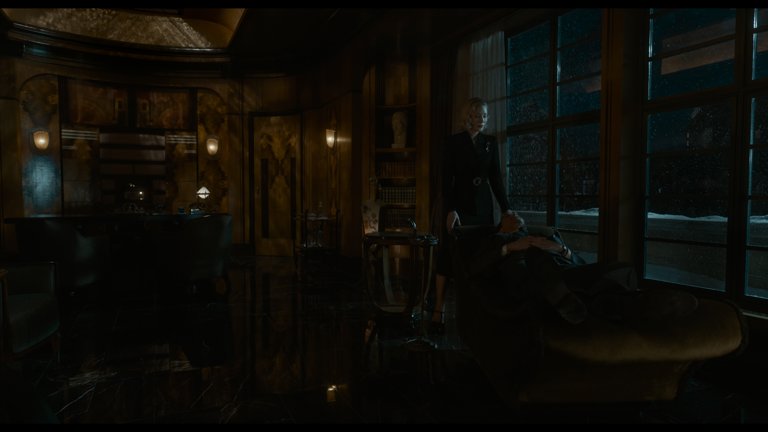
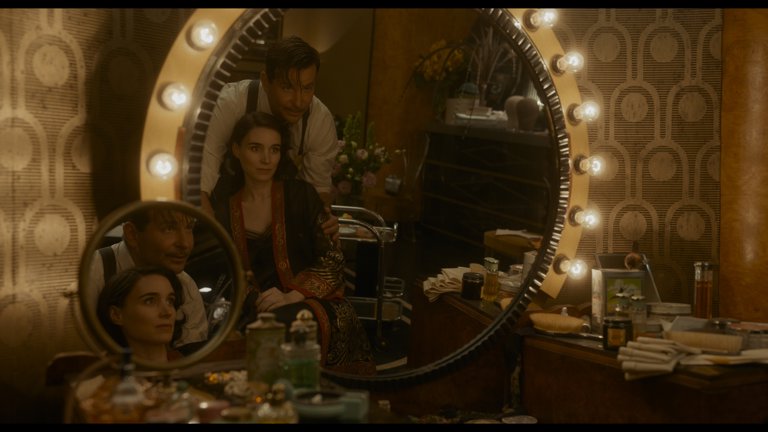
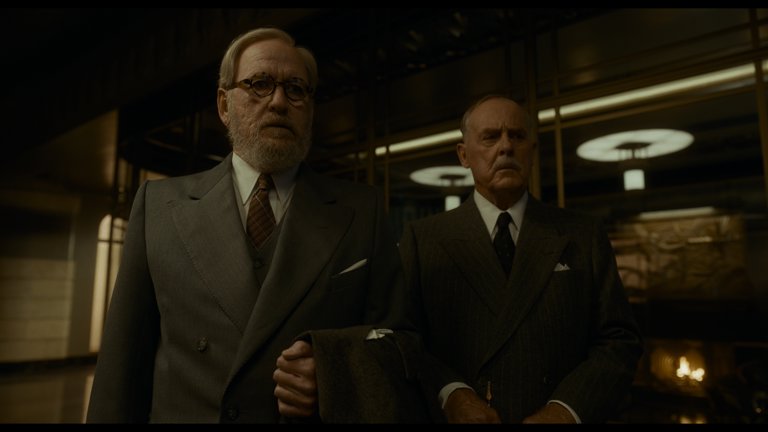
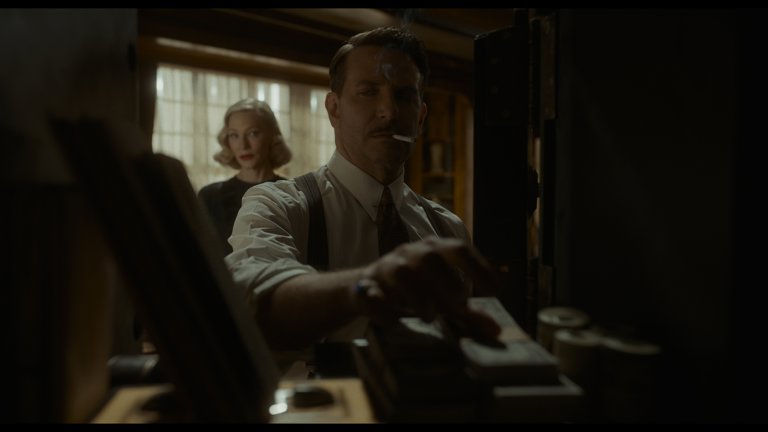
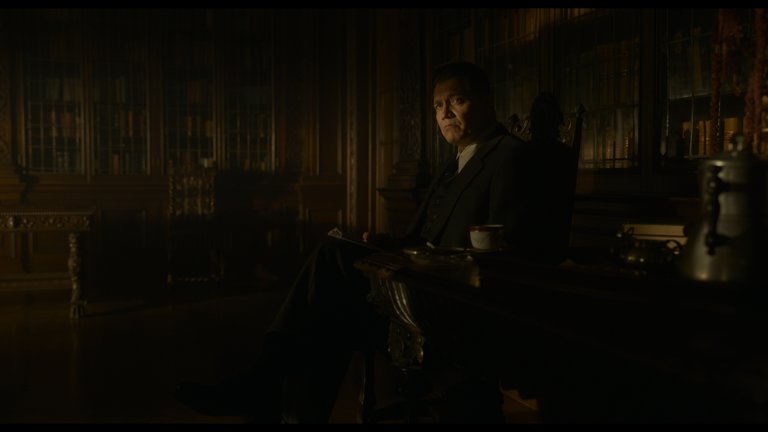
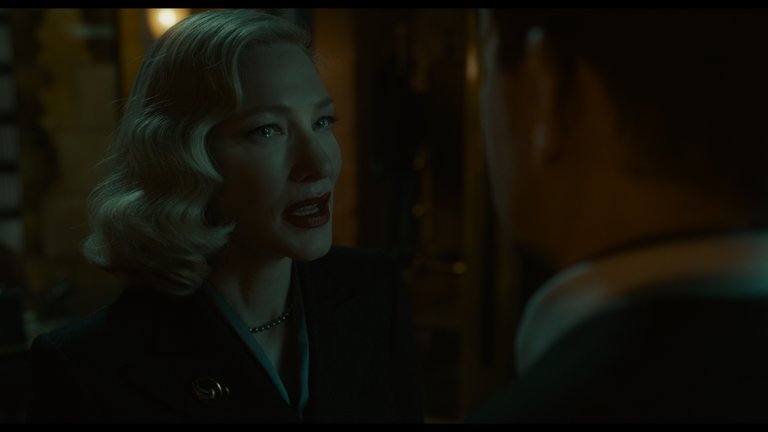
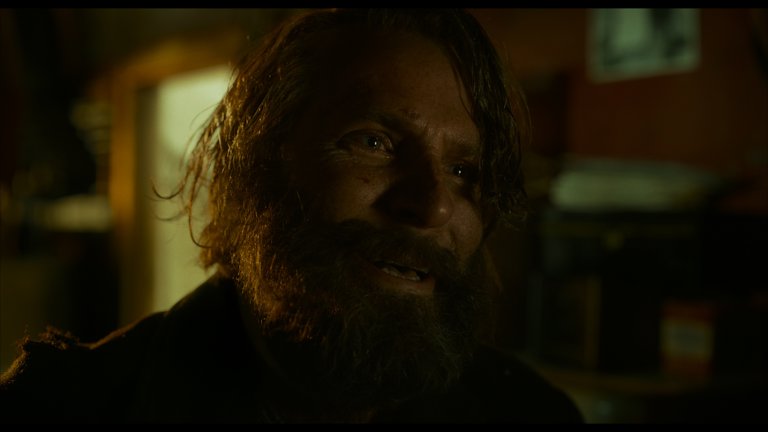
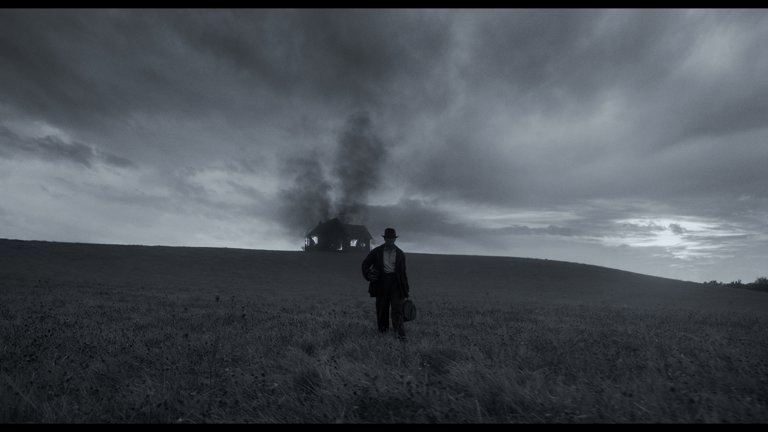
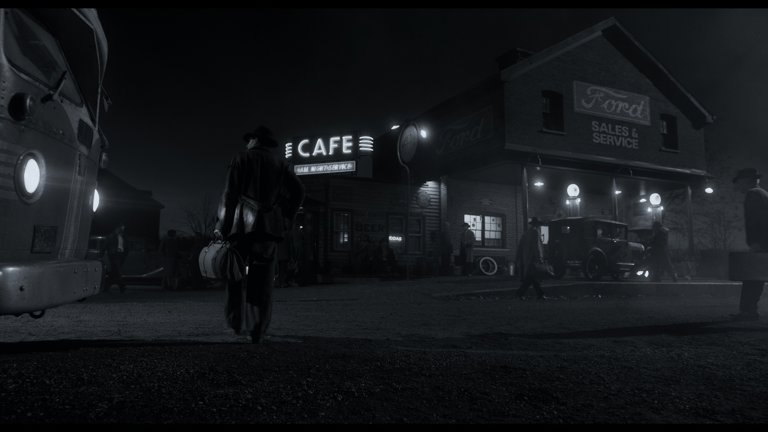
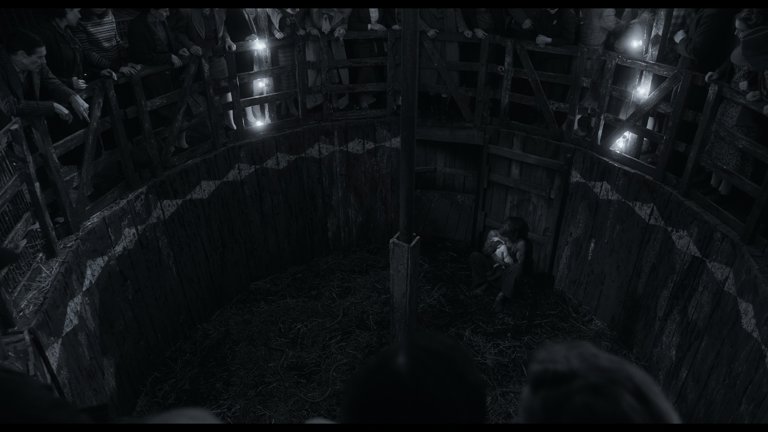
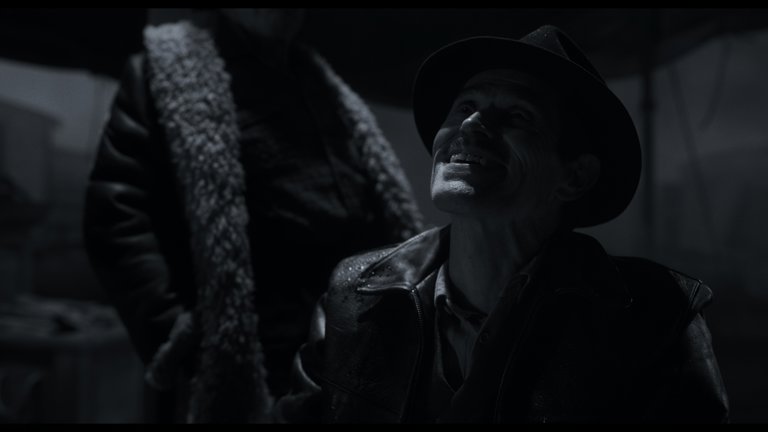
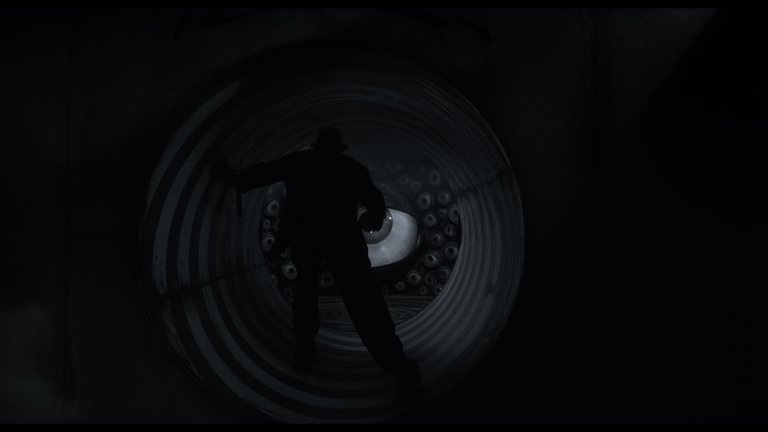
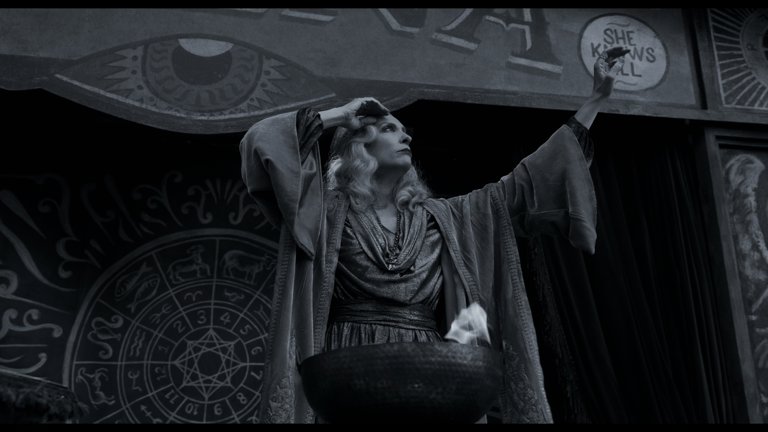
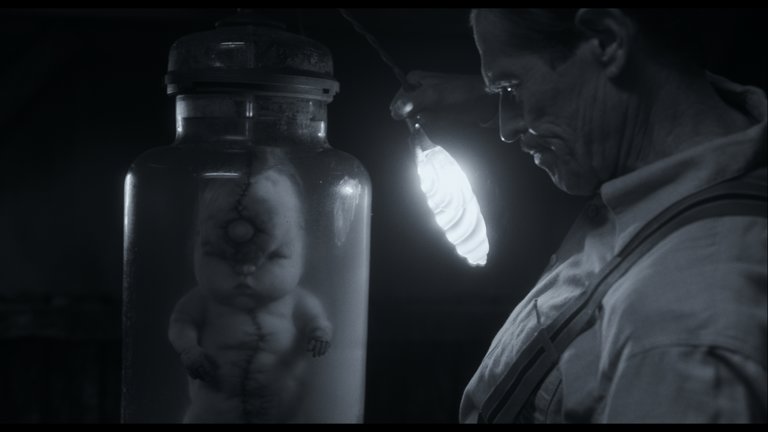
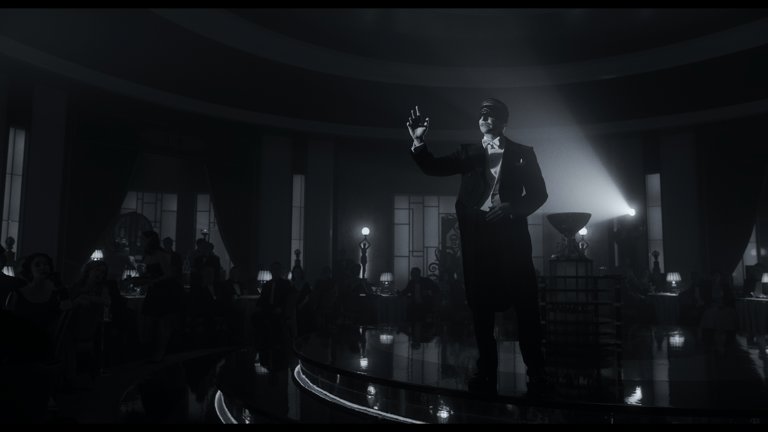
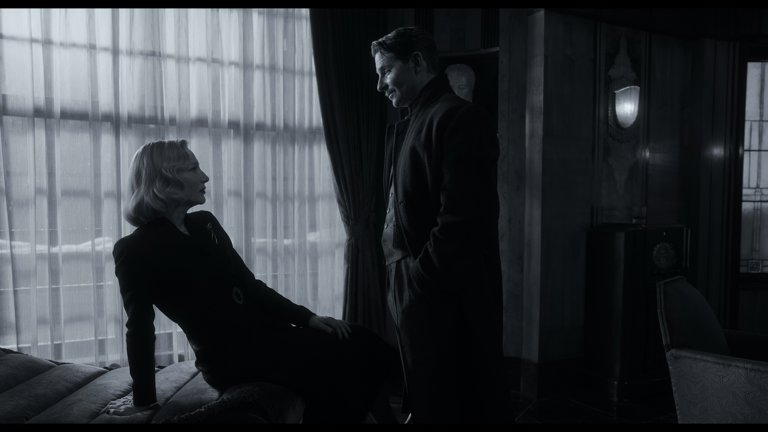
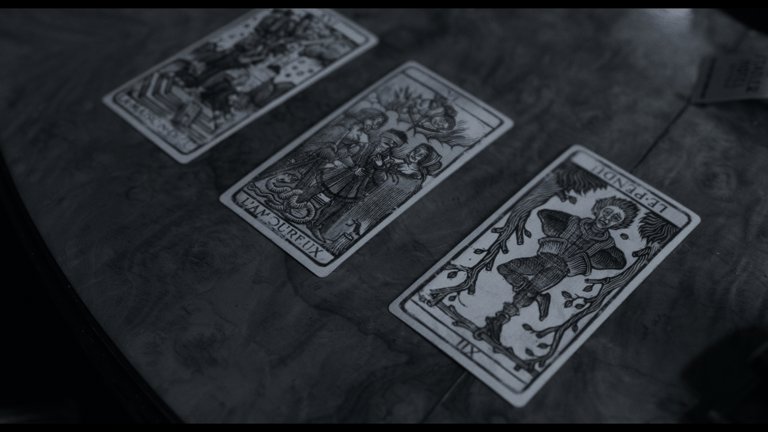
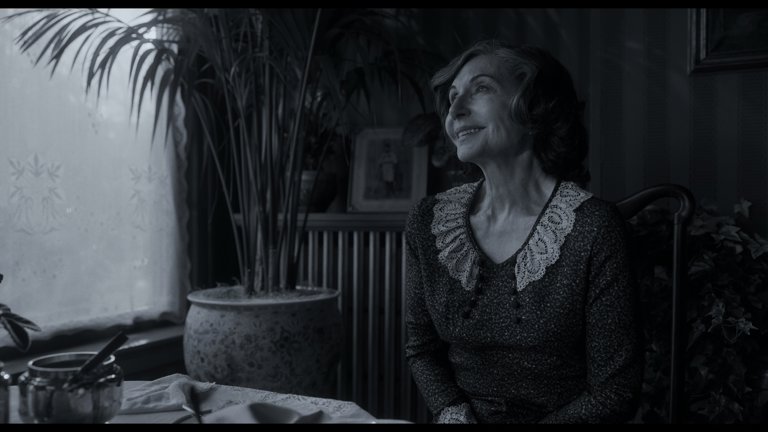
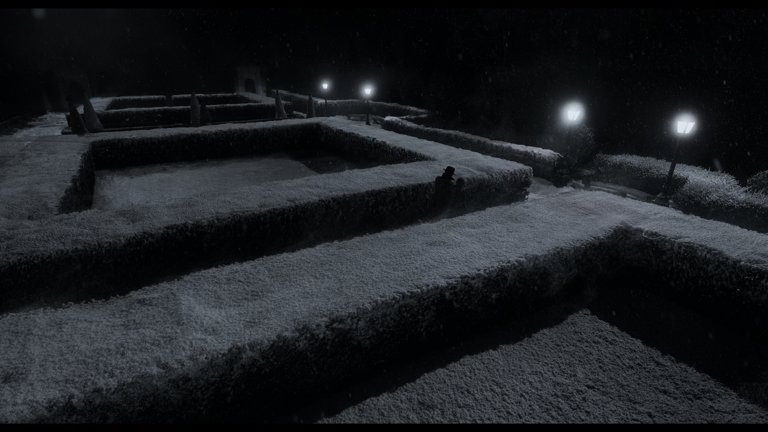
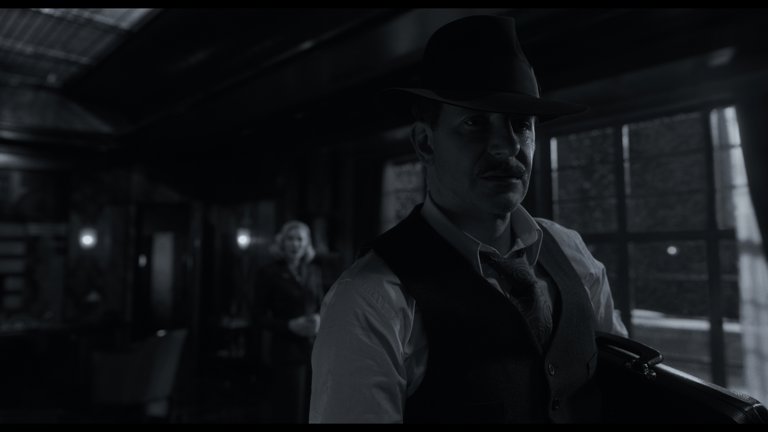
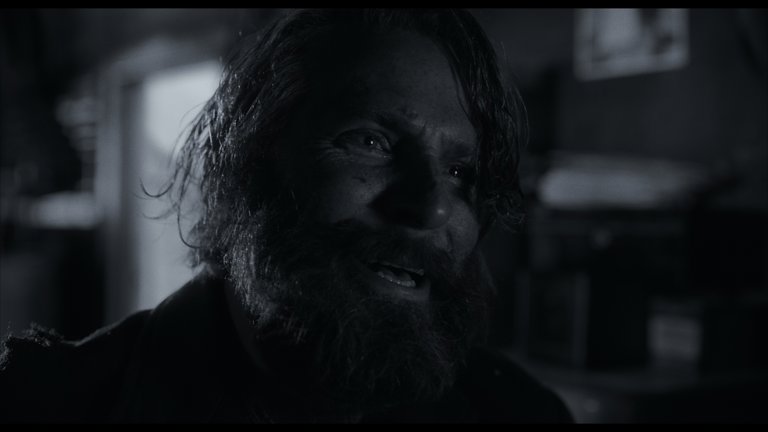
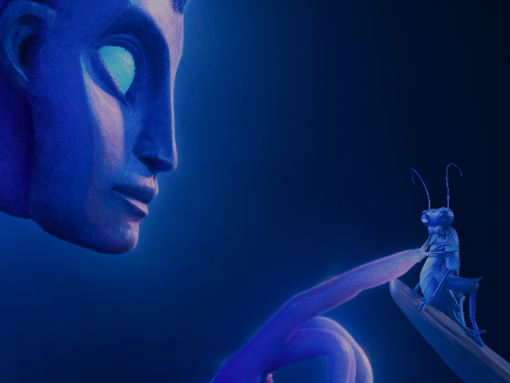
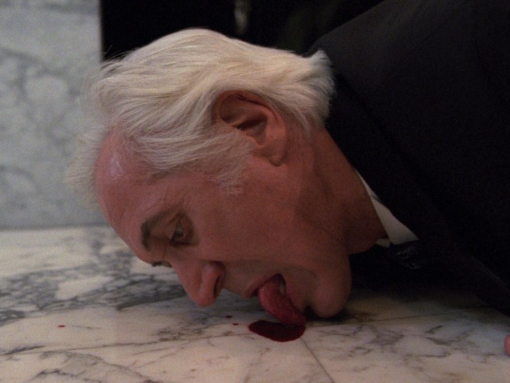
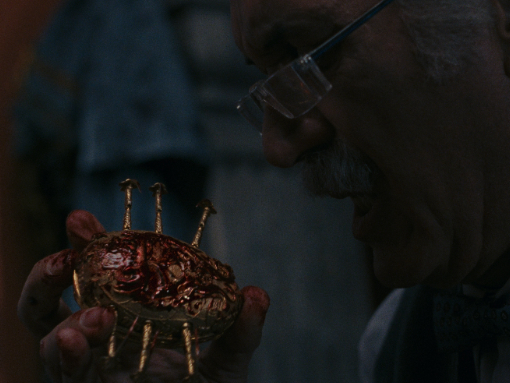
Nightmare Alley - Screen Captures
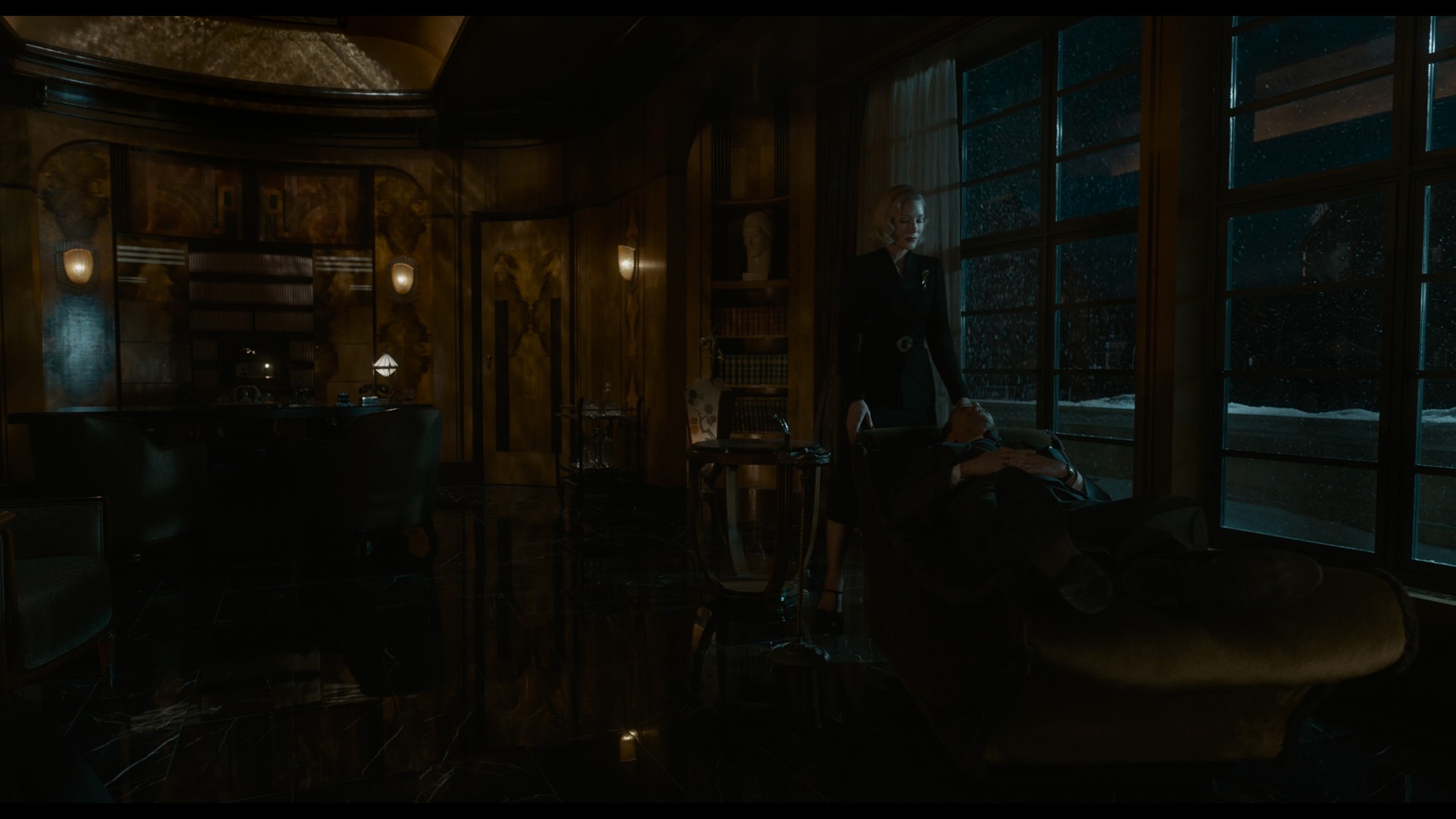
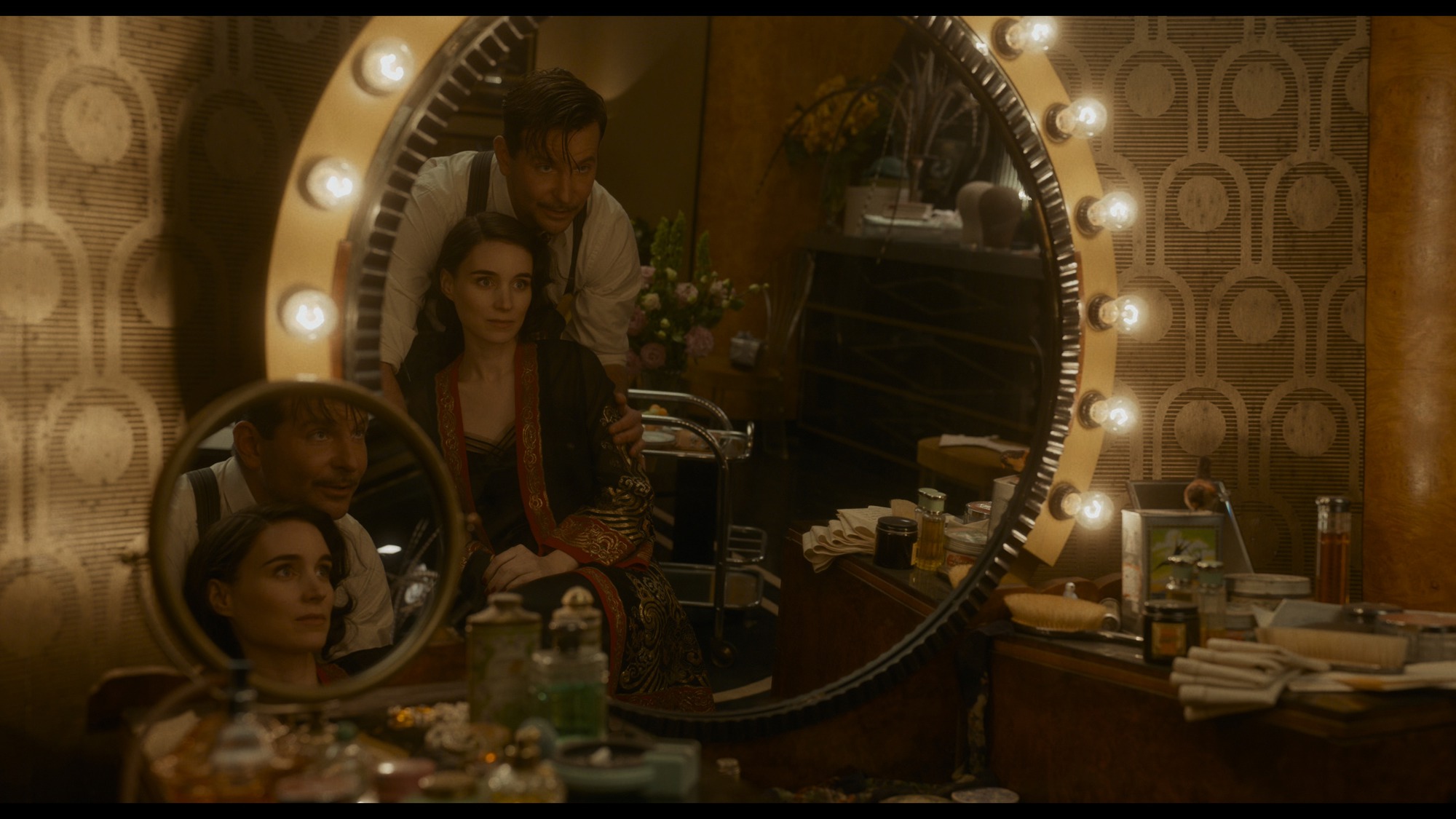
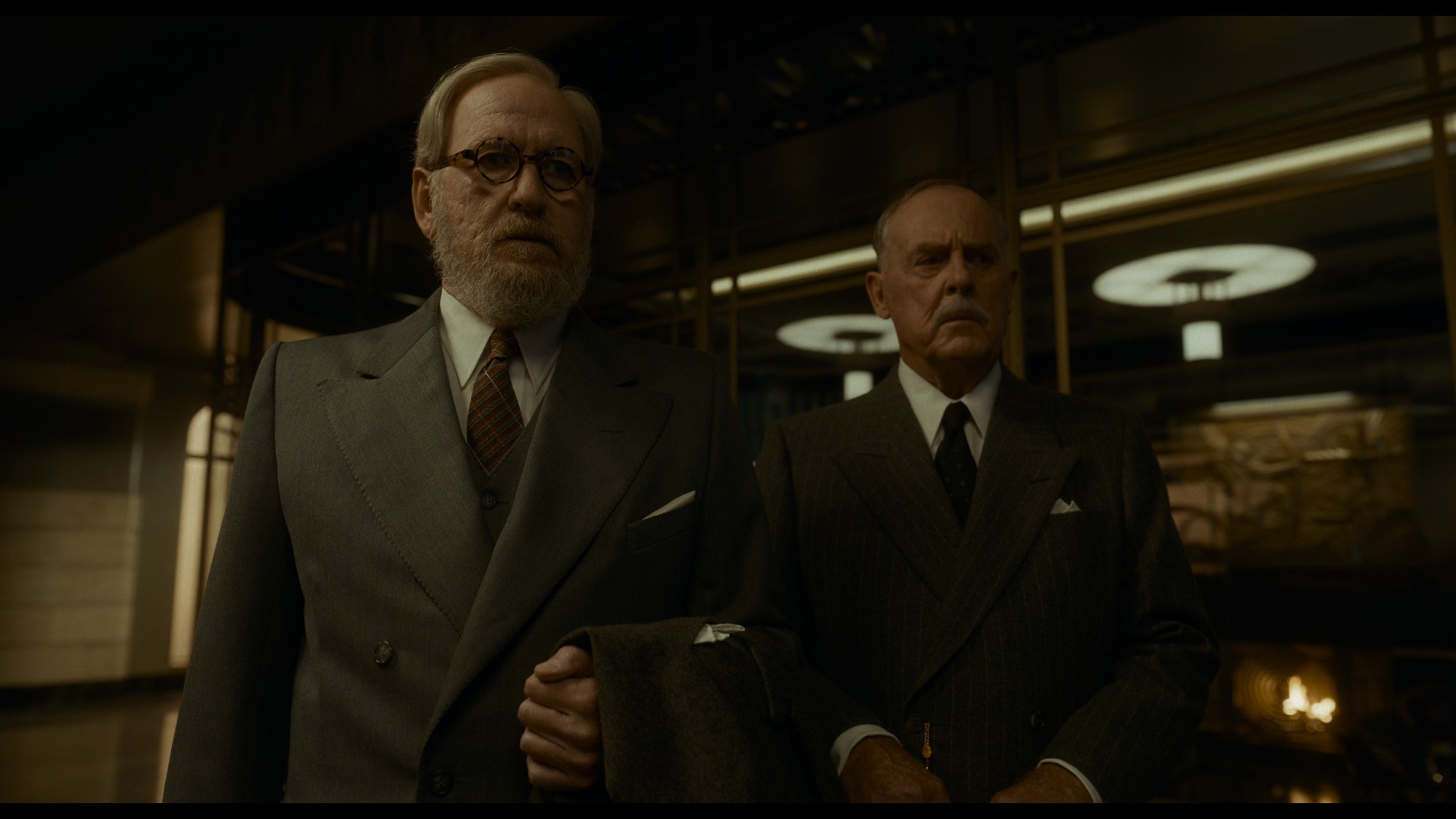
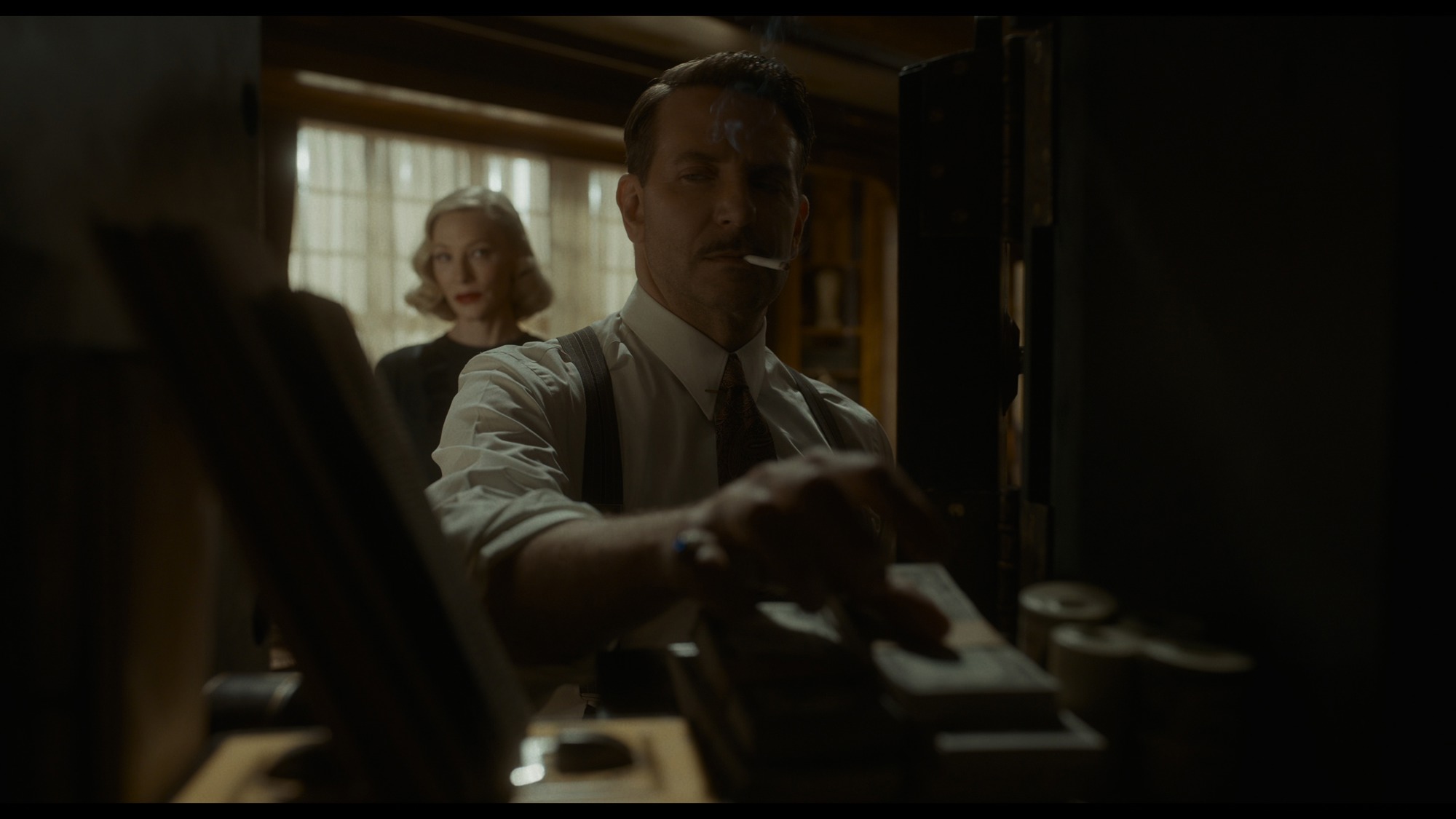
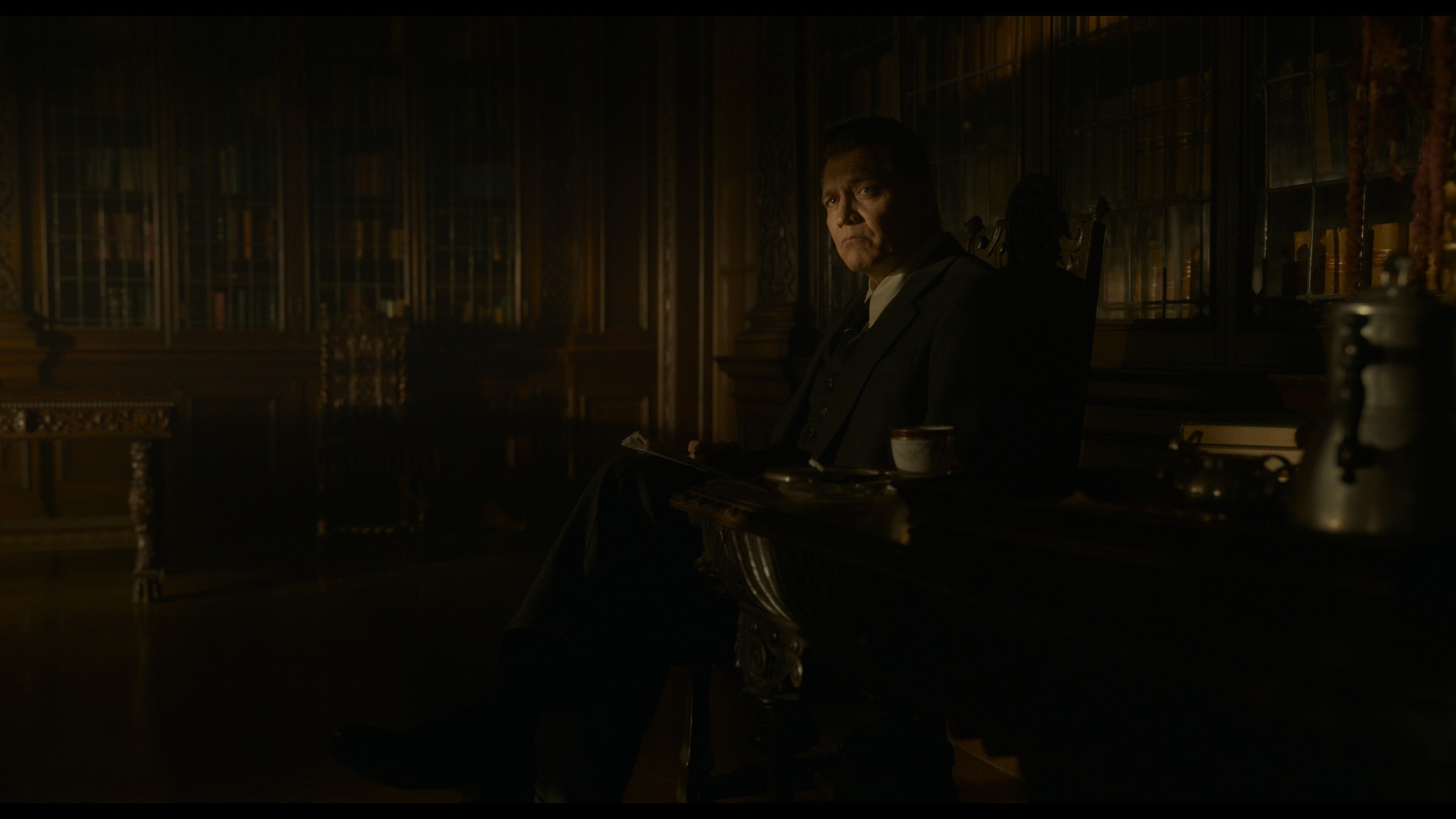
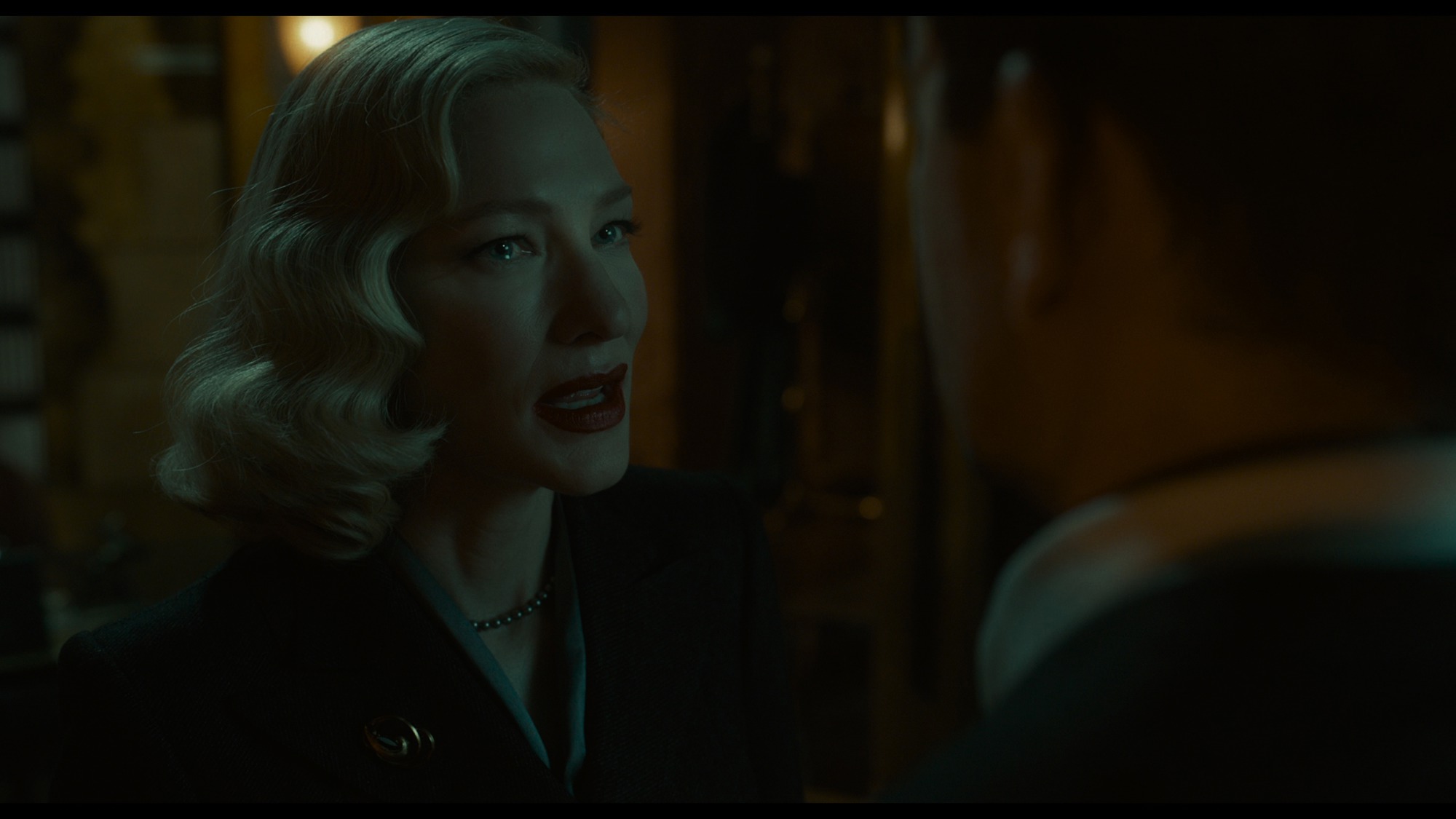
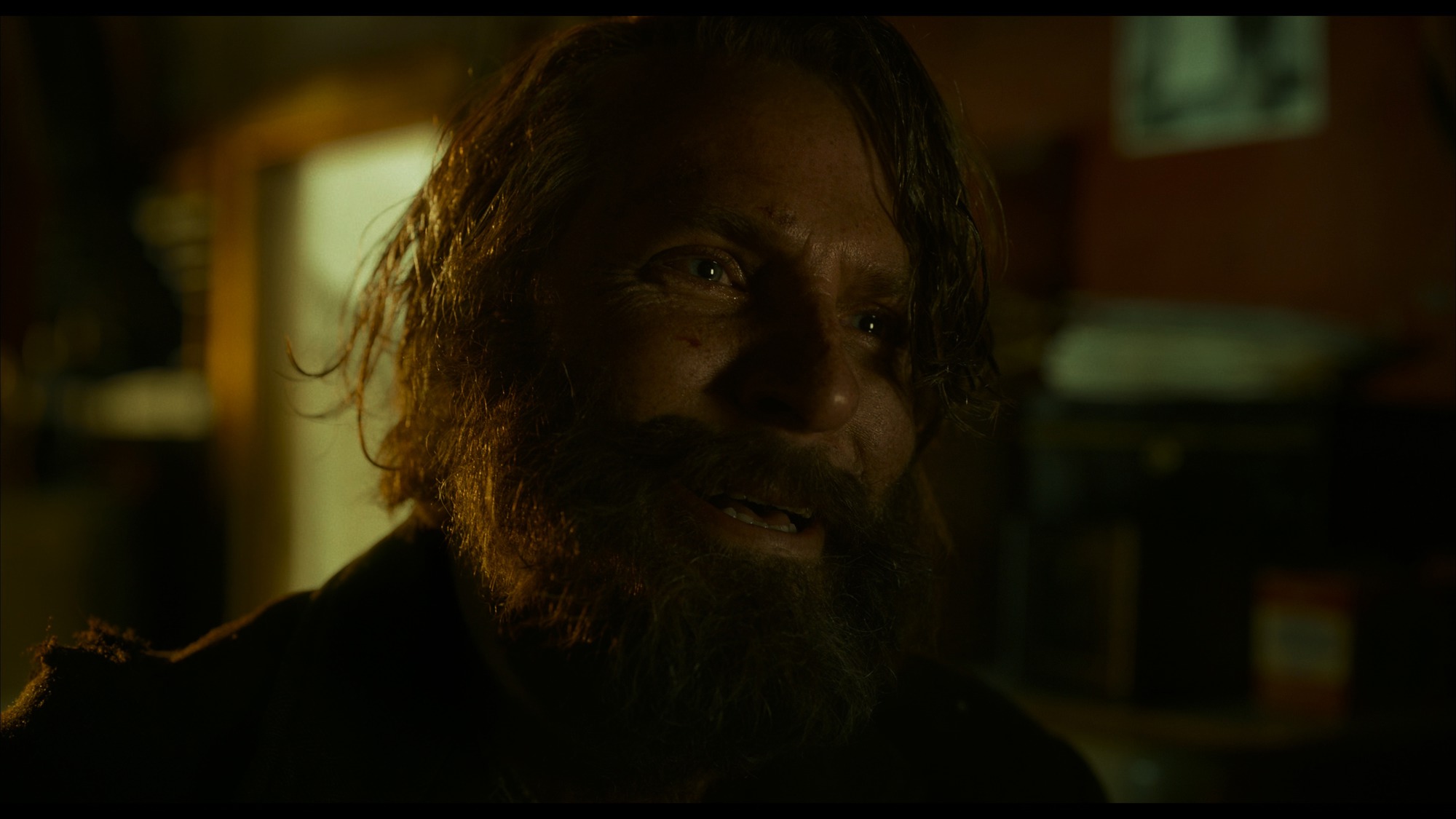
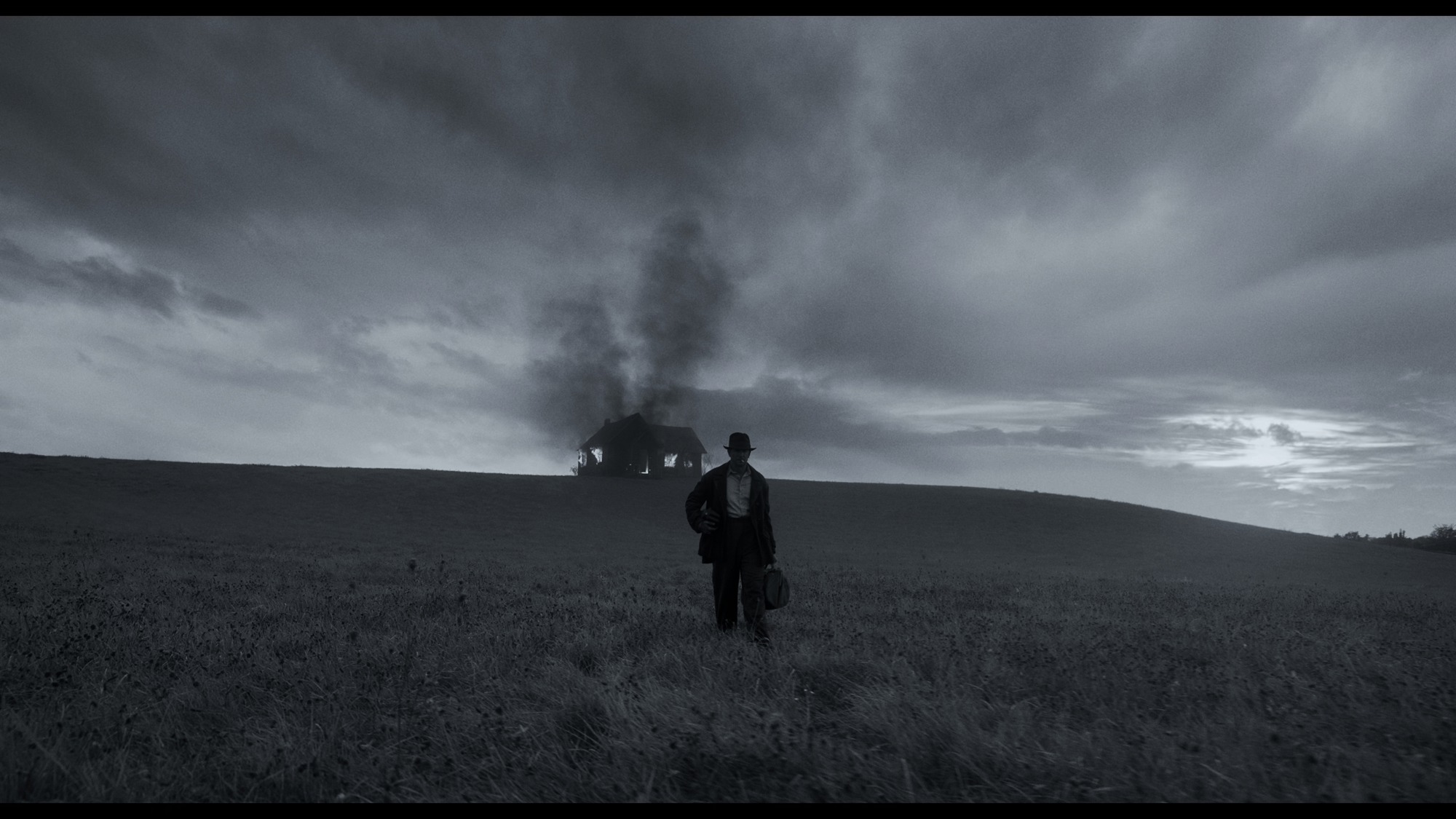
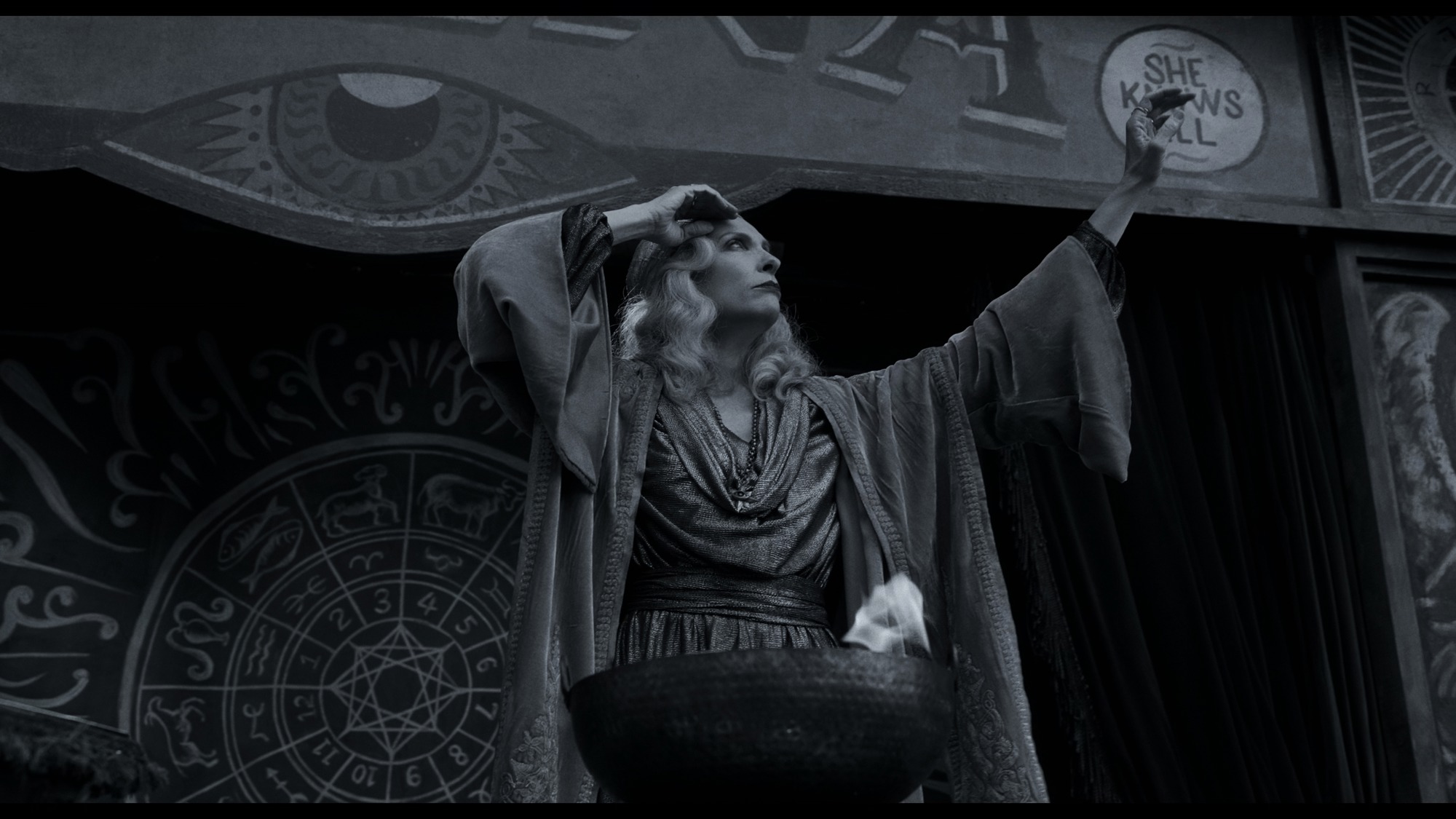
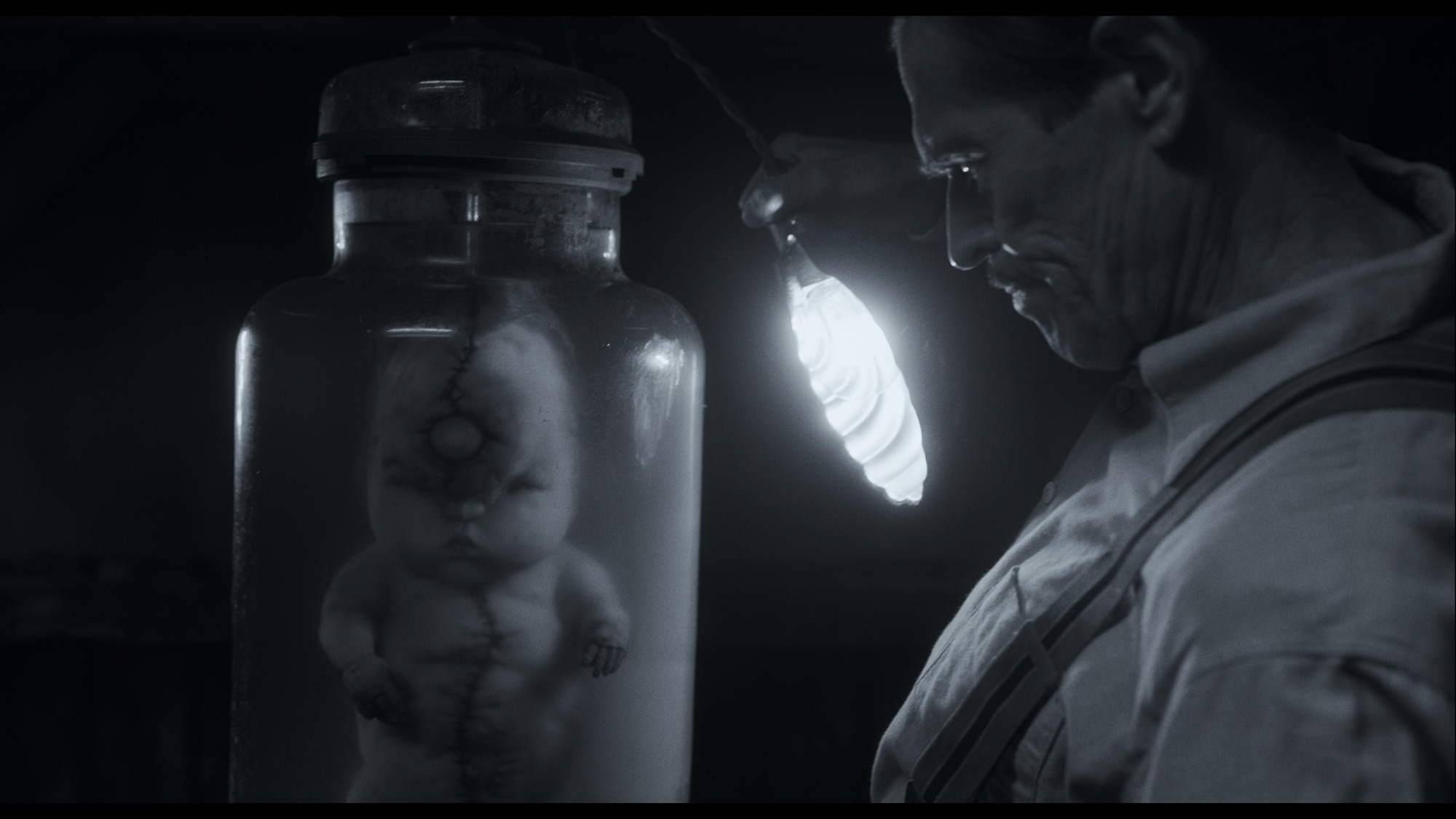
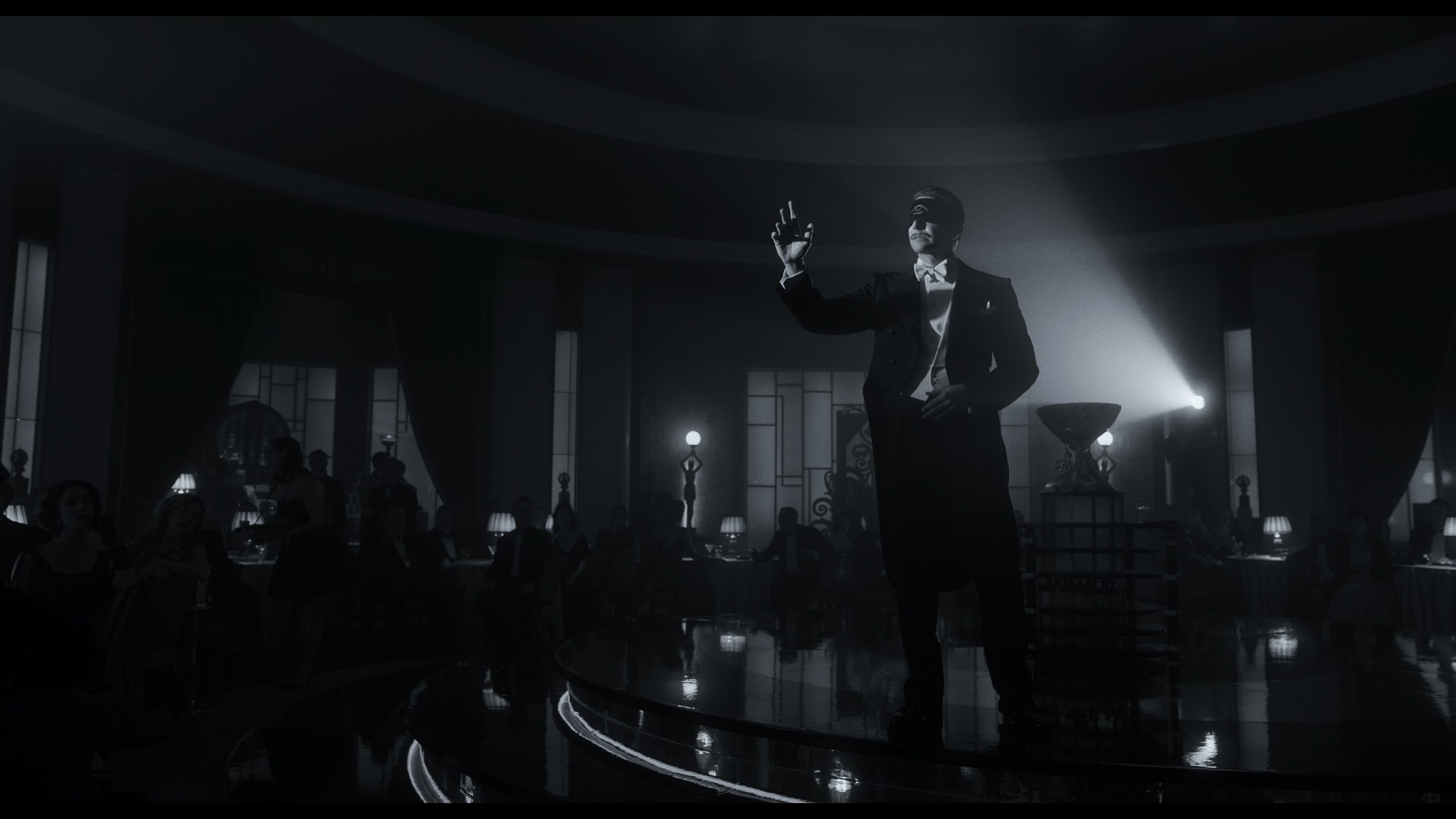
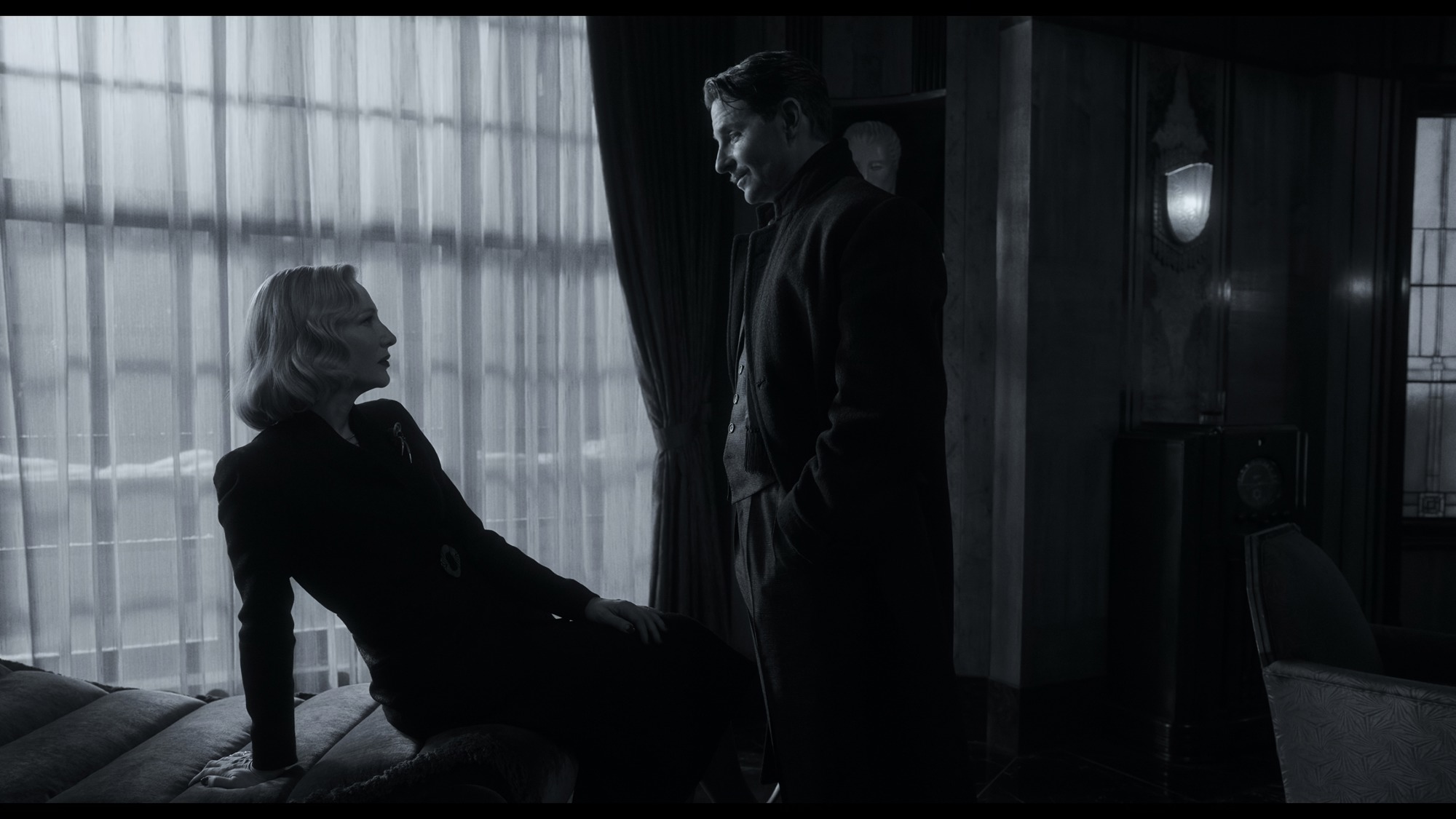
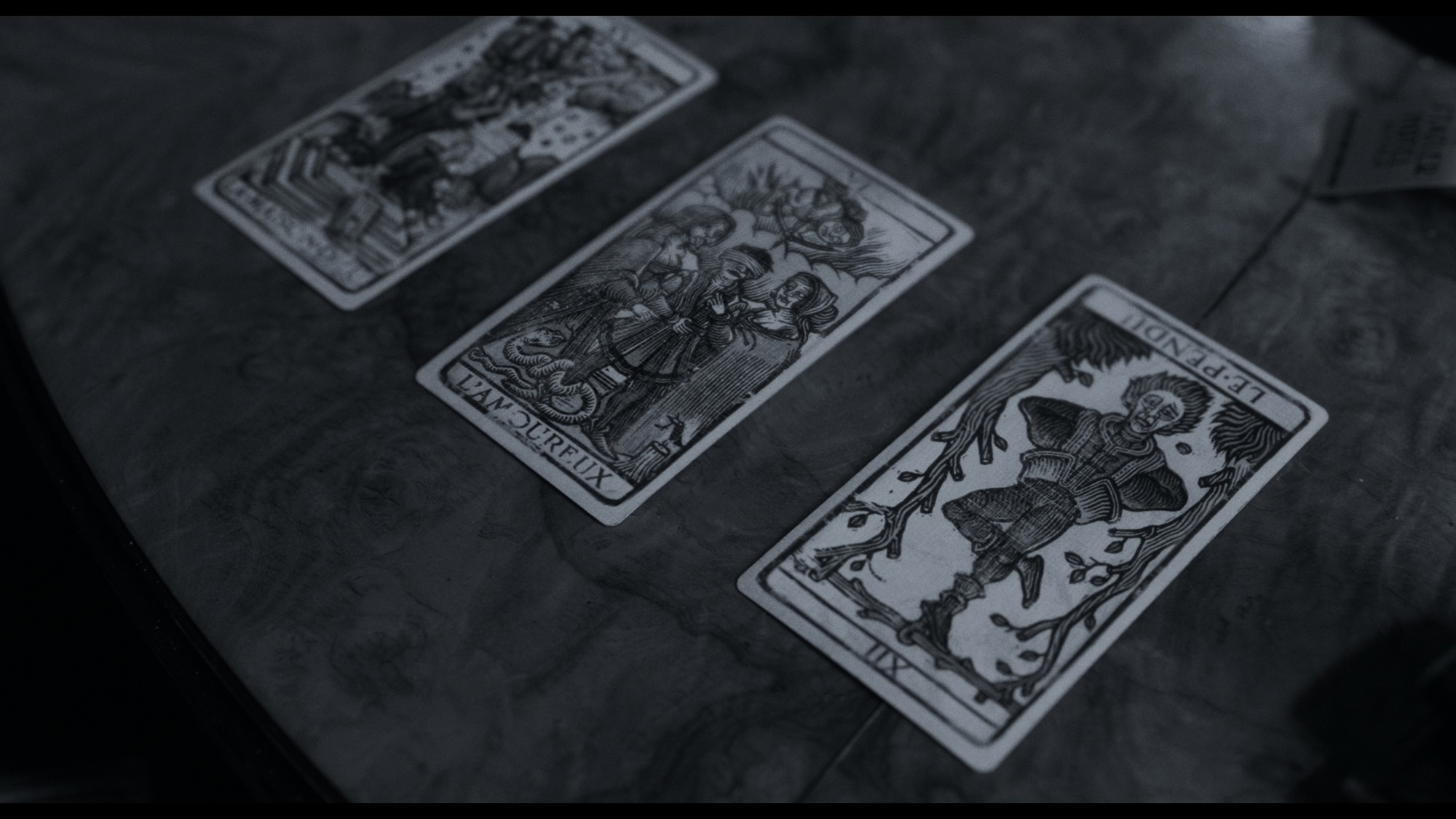
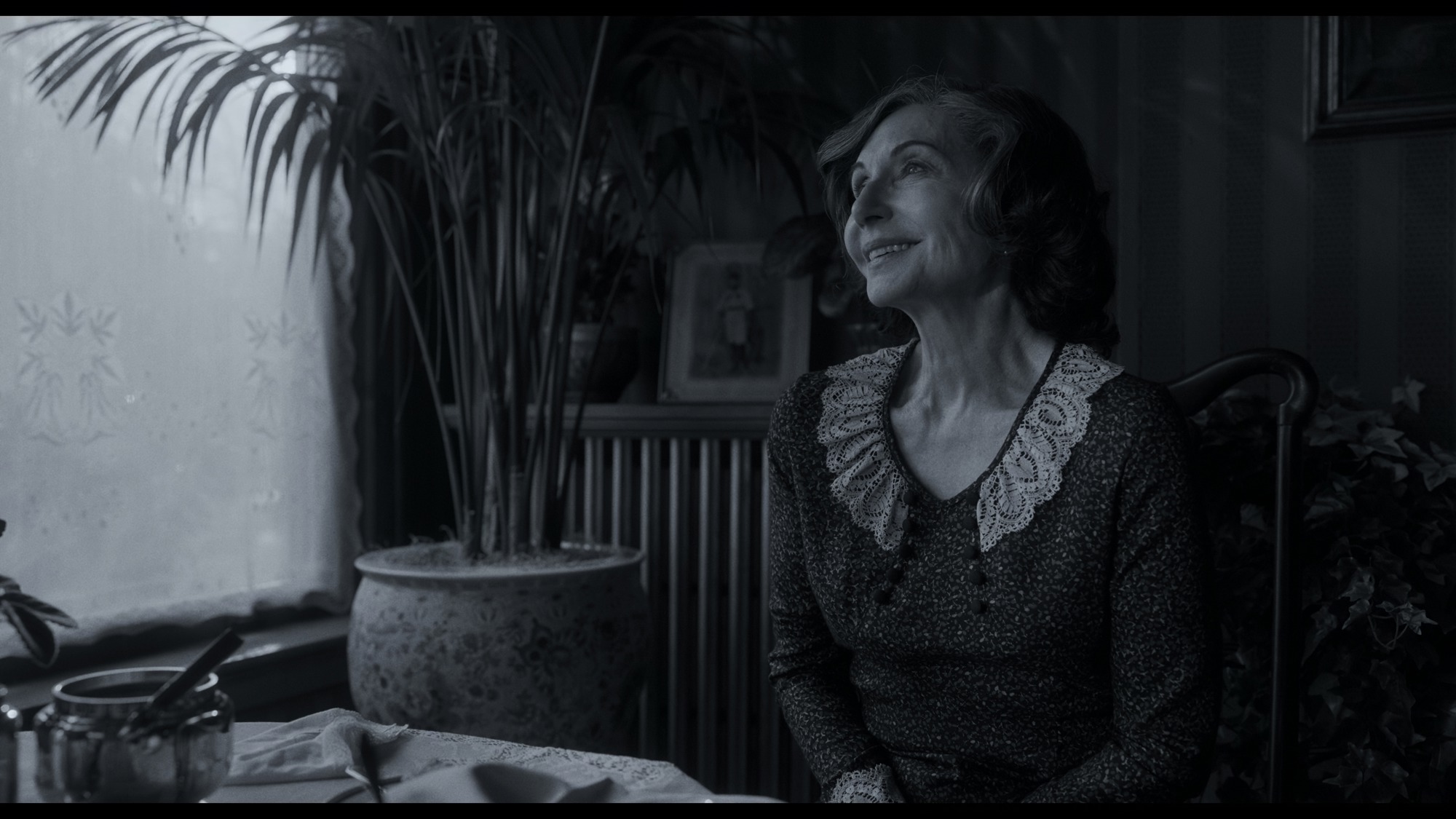
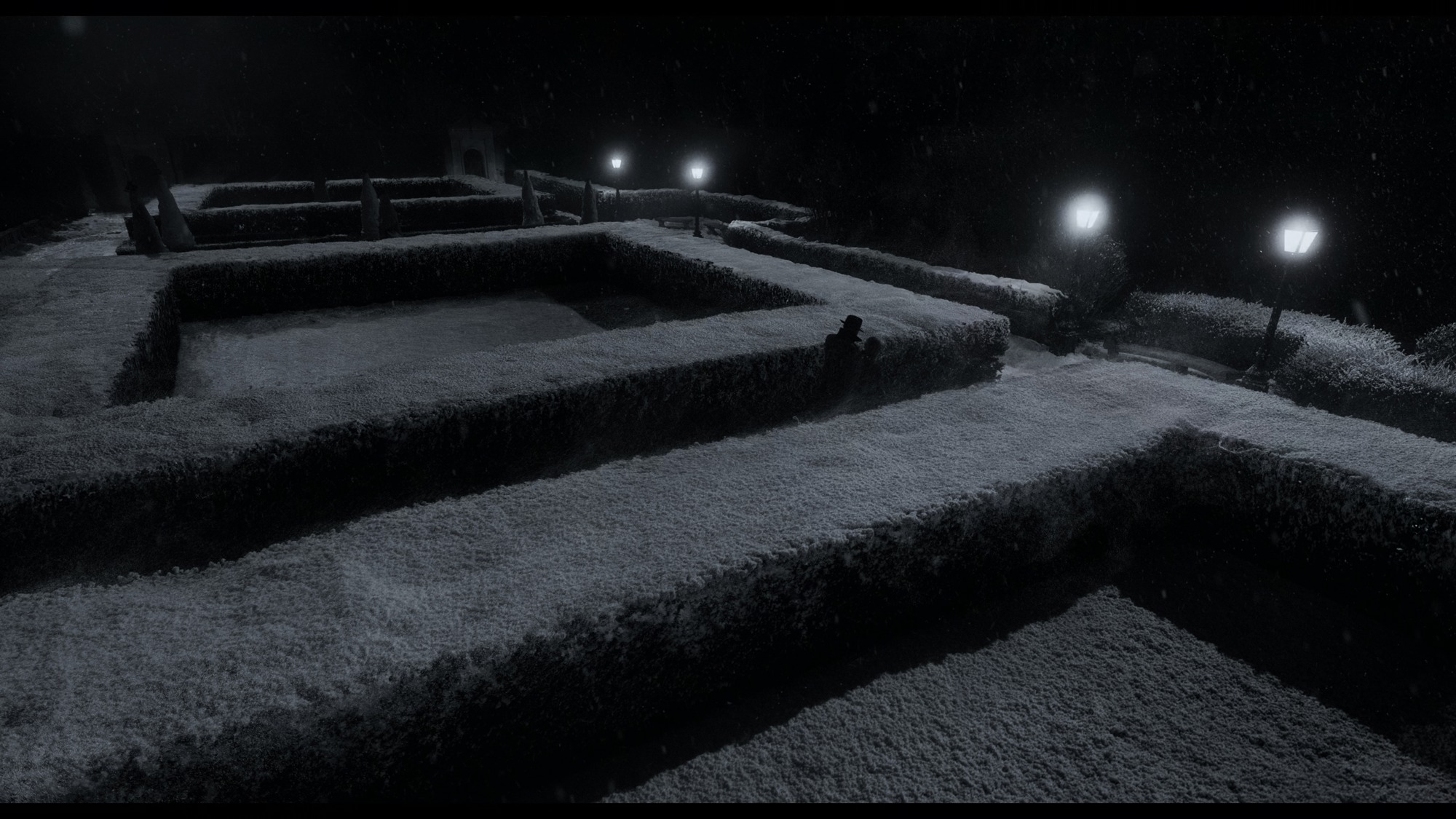
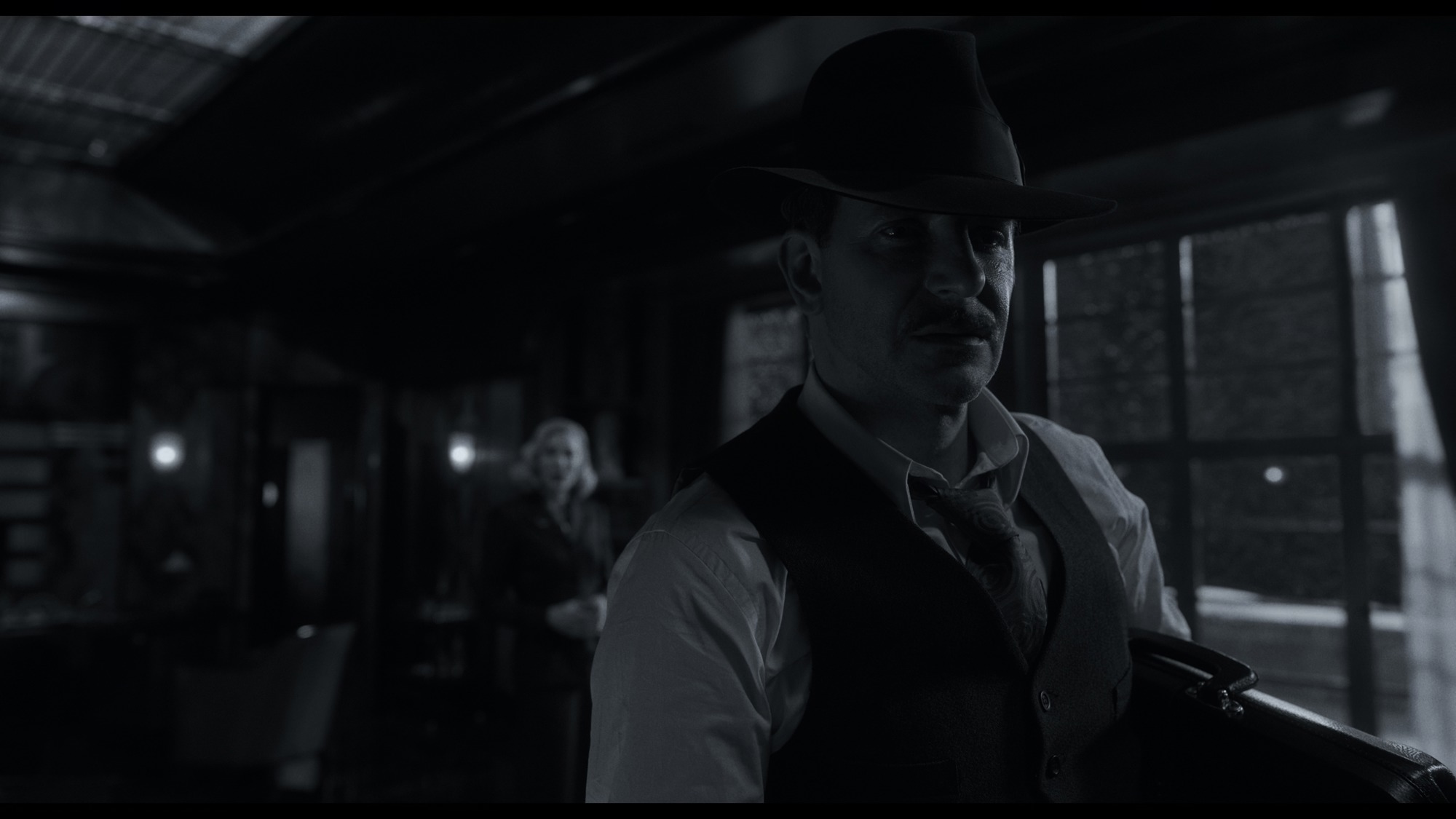
Audio 9/10
The color theatrical version features a Dolby Atmos soundtrack, while the extended black-and-white version includes a DTS-HD MA 5.1 mix. Both are impressively wide and immersive, though the Atmos track edges out the 5.1 presentation with a slightly richer sense of spatial depth. This is most apparent during the carnival sequences, where layers of crowd chatter, machinery, and ambient sound surround the viewer. Nathan Johnson’s score also expands beautifully across the channels, enveloping the environment without overpowering it.
The latter portions of the film are more subdued (aside from the shockingly violent climax) but still deliver strong presence and clarity. Both mixes offer excellent dynamic range, with crisp highs that never sound harsh and solid low ends with subtle bass. Dialogue remains clean and well-prioritized throughout. Altogether, they are both wonderfully balanced tracks that perfectly capture the film’s moody atmosphere.
Extras 8/10
Disney’s original 4K release only offered a few brief promotional featurettes. Criterion drops those and builds its own package, though the results are a bit uneven overall.
The biggest addition is, naturally, the extended black-and-white version of the film. Del Toro first began experimenting with a monochrome grade during the COVID lockdowns and later persuaded the studio to let him complete it after initial tests proved successful. The version runs about ten minutes longer than the theatrical cut—not because of new scenes per se, but because the filmmaker restored shots and moments he had trimmed from the color release (he also adds title cards distinguishing chapters within the film). As he explains in the supplements, the alternate grading allowed him to let the film “breathe” more since it had an "older" feel. The extra material mostly works, though the only truly significant change is a slightly longer scene (left ambiguous in the original cut) that clarifies one plot point. Personally, I preferred the uncertainty present in the earlier version.
Visually, the black-and-white presentation looks good, and HDR helps give the image real depth, but (as I noted in the video section) it can’t quite shake a faintly artificial, digital sheen. It feels less like light captured on film than a color image converted in post. I also found myself missing the limited yet beautifully balanced color scheme of the theatrical version, the muted blue-greens, browns, and golds, and those striking splashes of red. Still, the noir textures come through effectively, and it’s certainly more justified here than in other recent black-and-white “experiments” (Parasite, Justice League). Ultimately, it’s a matter of preference; I lean toward the color version, but I’m glad Criterion includes both, and I may revisit the monochrome cut later with fresh eyes.
Criterion also includes a new audio commentary recorded by del Toro specifically for the black-and-white version. While he does touch on why and how that version came about, the track is more of a general production discussion. He talks at length about adapting William Lindsay Gresham’s novel (which he only discovered after Ron Perlman showed him the original film, Perlman once hoping to mount his own remake), scouting locations around Toronto, designing sets, and the film’s art direction. He also details how COVID shutdowns affected the shoot, including aging the sets naturally and allowing Rooney Mara to give birth before returning to production. As usual, del Toro’s commentary is packed with information and delivered at an engaging pace, covering just about every aspect of the production.
The remaining extras appear on the two Blu-ray discs. The disc with the extended cut includes three items: a set of trailers, a brief three-minute piece on the different versions, and A Geek’s Tale: Adapting “Nightmare Alley” (13 minutes). The latter, featuring del Toro and co-writer Kim Morgan, is easily the stronger of the two new items, with the pair discussing their approach to adapting Gresham’s novel. They share some fun anecdotes (like del Toro once pitching a remake to Fox decades ago and being laughed off the lot) and explore their influences and the novel’s themes. I do wish they’d dug further into their writing process; they mention merging two separate drafts but only touch on it lightly.
The disc containing the theatrical version adds two more features: a 21-minute video-conference conversation between del Toro and Bradley Cooper, and a 43-minute making-of documentary, Noir Anew. The del Toro/Cooper discussion is casual but enjoyable, with the two reflecting on Cooper’s character arc and their working relationship. Cooper even touches on what he learned about directing from watching del Toro on set. Noir Anew is more of a standard studio EPK piece, likely repurposed from Disney’s production materials, mixing interviews and behind-the-scenes footage. It covers the expected ground—performances, production design, costumes, and so on—but rarely digs very deep. Some of the moments del Toro mentions in the commentary (like the clever car-stunt setup using a foam vehicle) do appear here, but fleetingly.
In the end, while Criterion’s new material is worthwhile, particularly the black-and-white version and del Toro’s commentary, it’s not the most robust package. The absence of any scholarly or historical context (beyond Sarah Weinman’s essay in the insert, which compares the two film adaptations of the novel, plus a short note from del Toro reiterating familiar points on the new version) leaves the edition feeling a bit slight. The supplements are fine, just not particularly revelatory.
Closing
Criterion’s 4K edition of Nightmare Alley may fall short as a special edition, but, at the very least, the set delivers excellent presentations for both cuts of the film, ensuring the dark film looks and sounds as striking as ever.
BUY AT: