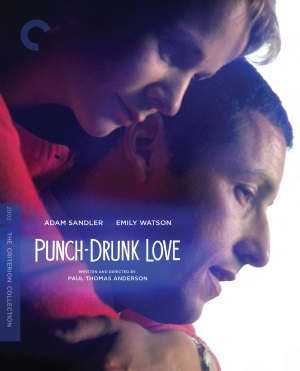
Punch-Drunk Love
BUY AT:


See more details, packaging, or compare
Synopsis
Chaos lurks in every corner of this giddily off-kilter foray into romantic comedy by Paul Thomas Anderson. Struggling to cope with his erratic temper, novelty toilet plunger salesman Barry Egan (Adam Sandler, demonstrating remarkable versatility in his first dramatic role) spends his days collecting frequent-flyer-mile coupons and dodging the insults of his seven sisters. The promise of a new life emerges when Barry inadvertently attracts the affections of a mysterious woman named Lena (Emily Watson), but their budding relationship is threatened when he falls prey to the swindling operator of a phone sex line and her deranged boss (played with maniacal brio by Philip Seymour Hoffman). Fueled by the careening momentum of a baroque-futurist score by Jon Brion, the Cannes-award-winning Punch-Drunk Love channels the spirit of classic Hollywood musicals and the whimsy of Jacques Tati into an idiosyncratic ode to the delirium of new romance.
Picture 8/10
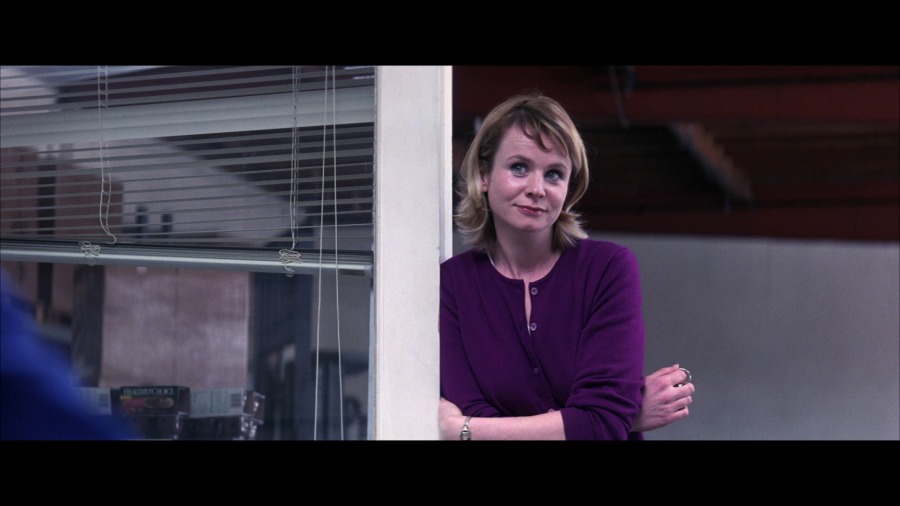
Surprisingly missing a Blu-ray release prior to this, Paul Thomas Anderson’s off-beat romantic comedy Punch-Drunk Love finally comes to the format thanks to The Criterion Collection. The film is presented on this dual-layer disc in its original aspect ratio of around 2.39:1. The 1080p/24hz high-definition presentation comes from a high-def scan of a 35mm interpositive.
Anybody who has recently revisited the Sony “Suberbit” edition (either the single-disc release or the two-disc special edition) were more than likely horrified by what they saw. Like most Superbit releases (which promised to deliver the best presentation possible in both terms of image and sound thanks to maxing out the bitrate) it underwhelms, to say the least, but this title is particularly bad: littered with compression noise and various artifacts it’s a fairly blocky, digitized mess. Yes, it’s DVD, but there are a number of DVDs from that time and since that hold up well. The only thing it really had going for it is its colour presentation, which was impressive, especially for DVD. But when one considers all of other drawbacks, which severely limited the wonderful look of this film, this could create a tremendous amount of frustration.
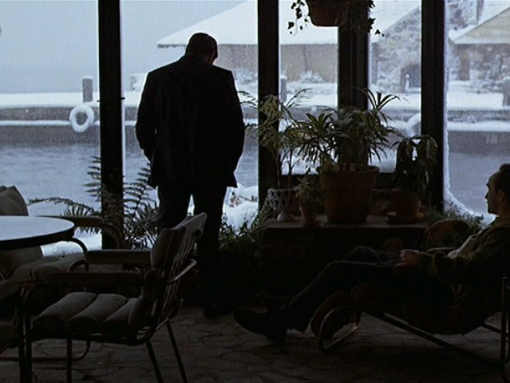
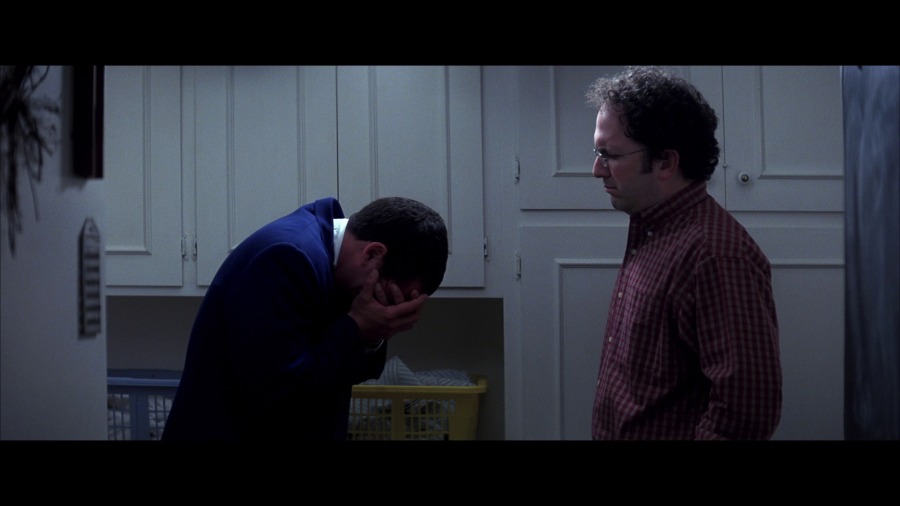
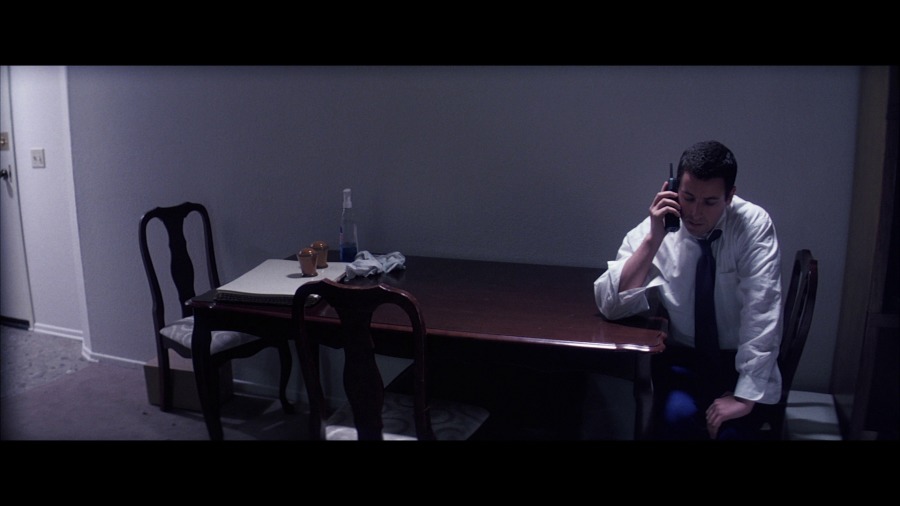
I’m admittedly not entirely sure but I do suspect that Criterion may be using the same high-def master here that was used for that DVD (the vague notes don’t get into much detail outside of the source materials used and that Anderson was involved). The film’s look comes off about the same in comparison to the DVD and a handful of darker interior shots show weaker, muddy blacks with limited detail and some mild noise, which is evident on the DVD as well. But even if this is an older master it does hold up incredibly well and I was very pleased with the presentation in the end. The biggest boon, certainly, is the improved compression management and encode. This aspect alone easily blows away the Sony DVD.
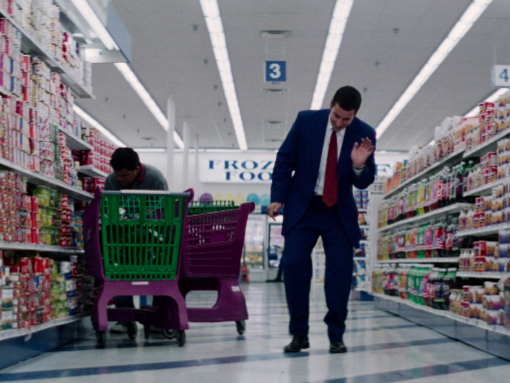
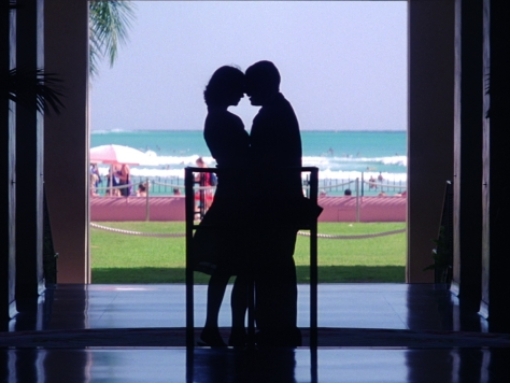
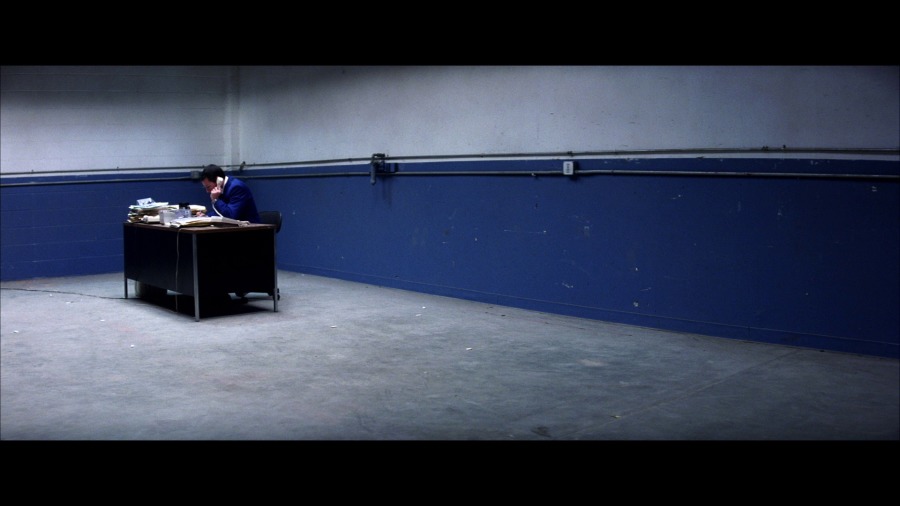
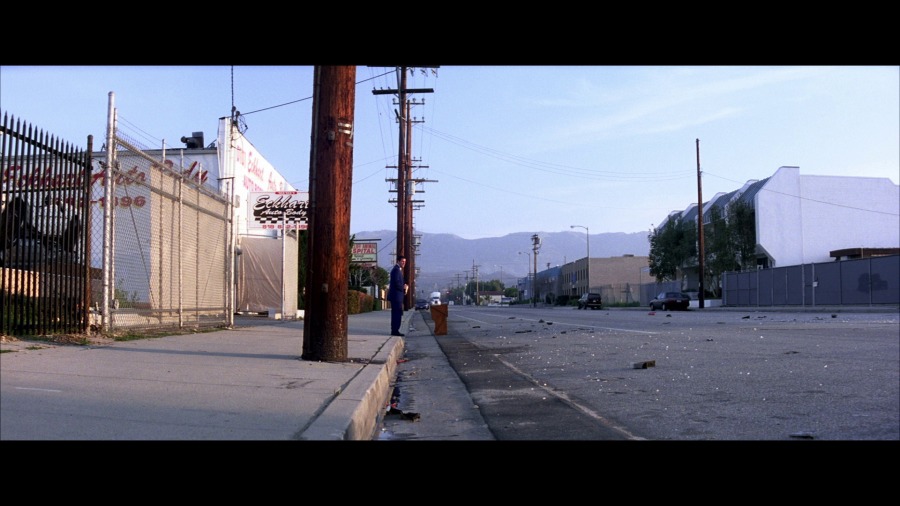
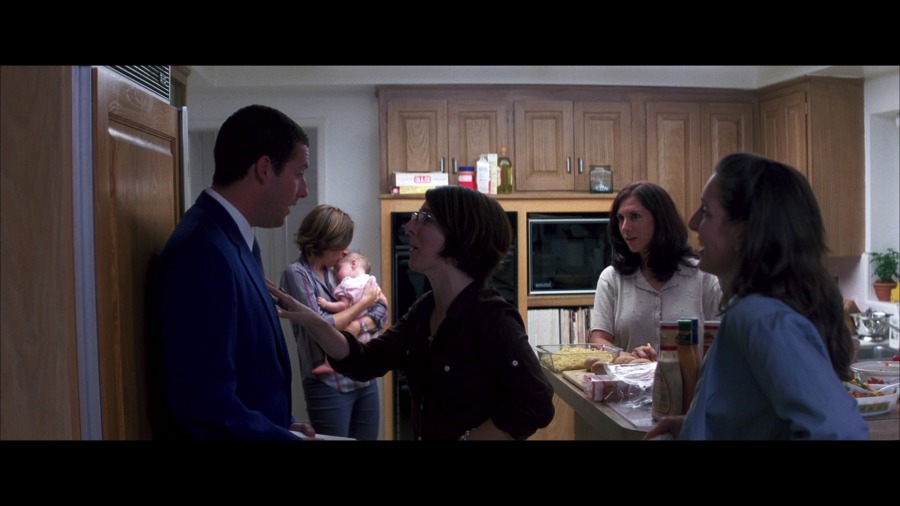
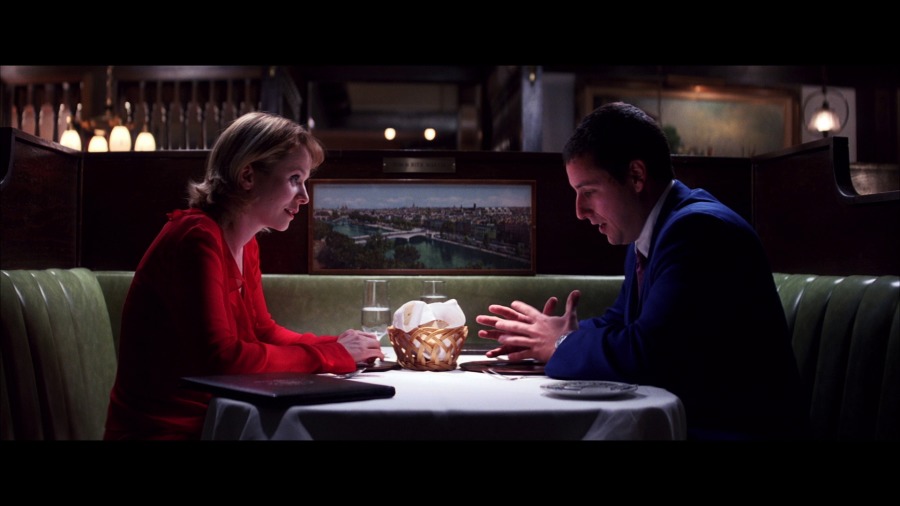
All of that nasty compression is gone. There can be some mild ringing in a few places but it seems that it’s more a product of the photography and part of the film’s look (which can be fairly intense in the whites and contrast) rather than an issue with the digital presentation itself. Other artifacts that littered the DVD are also gone. The film does have a very busy look, and its look changes, even going softer at times, but even taking that into account detail is vastly improved upon in both long shots and close-ups, and textures look fantastic. The opening shots, which show the California valley backdrop in all of its urban glory, are highly detailed and deliver excellent depth. The image really does look substantially crisper here and all of those details packed into this film come to life.
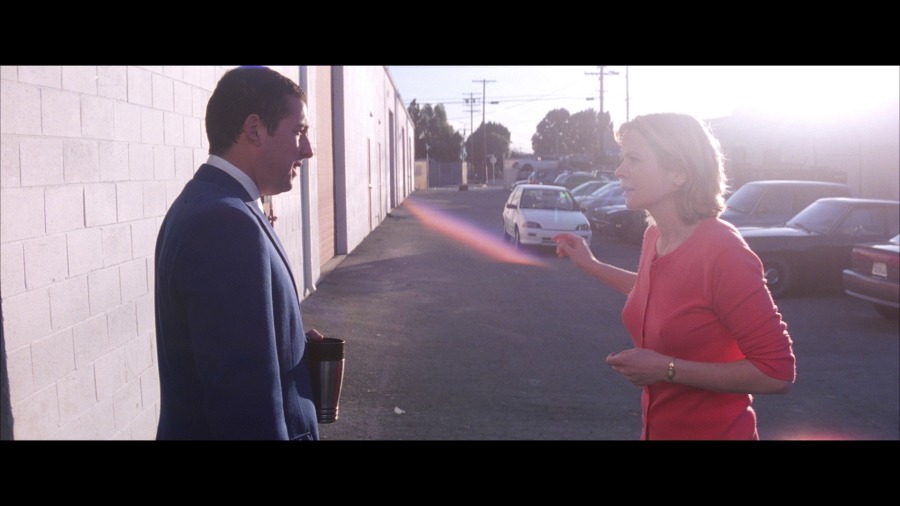
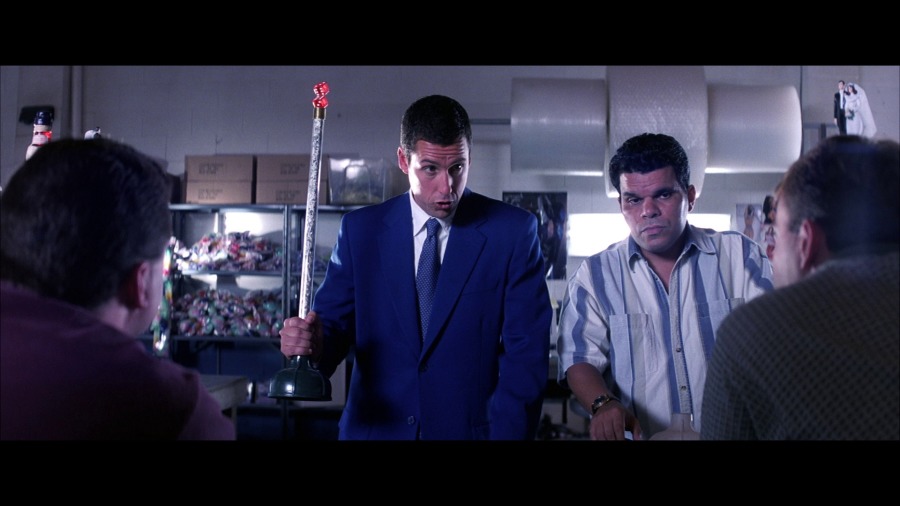
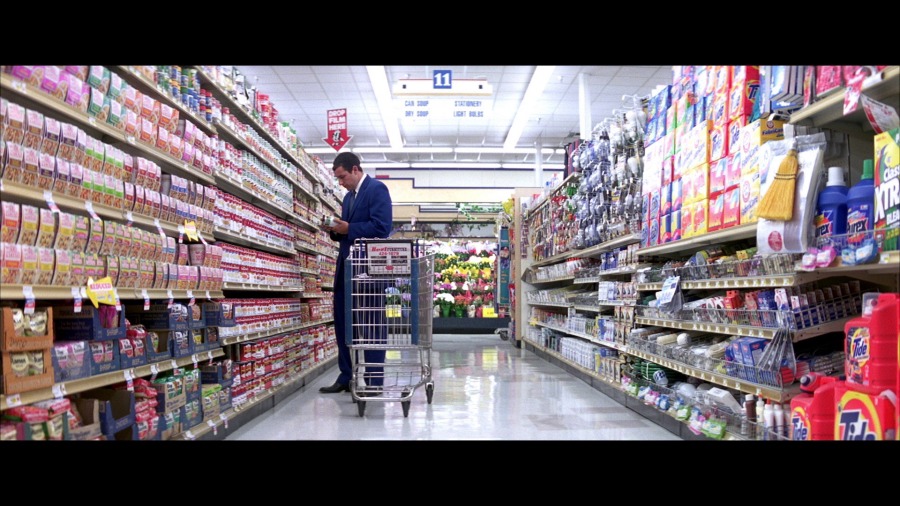
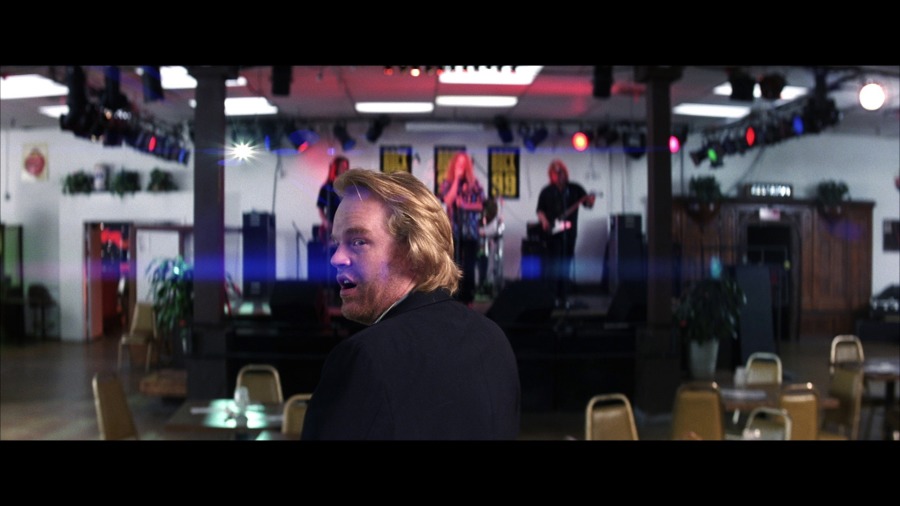
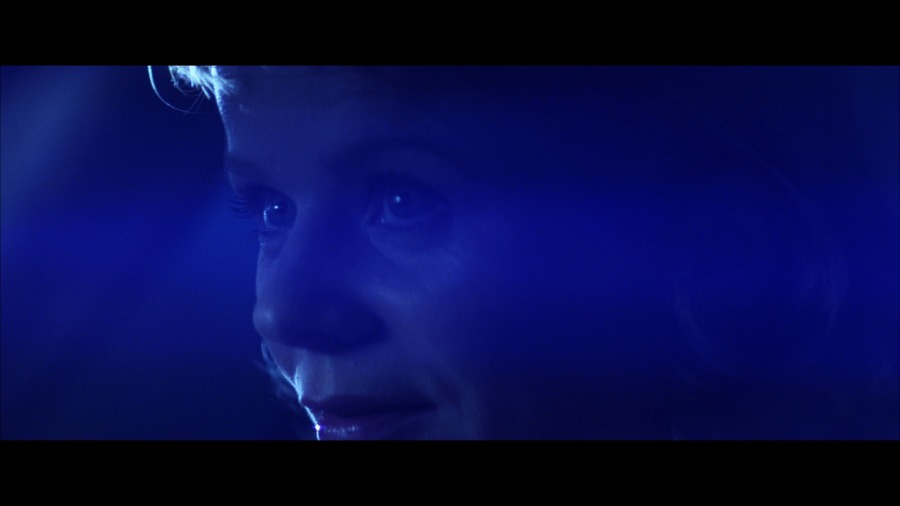
Colours, the DVD’s one decent aspect, also look far better. This is a very colourful film with some intense blues and violets. They look far better here, gorgeously saturated, Barry’s trademark blue suit being the stand out: it’s blue, very blue. Lens flare (all of it intended) pops up consistently through the film, delivering more nice blues, pinks, and violets. Whites, which look fairly pure, are very intense, to a point where they can bloom a bit at times (as do some of the other colours), though this is like everything else, part of the intended look of the film. As I mentioned before some blacks can come off a bit weak in some interiors, but the black levels are otherwise quite spot on, looking rich and deep.
Also improving over the old DVD: damage. There was a surprising number of flaws present in the old DVD, primarily dirt and debris, which is rather surprising considering that the film was brand new when the DVD was released. Criterion cleans all of those up here and I don’t recall a single blemish appearing throughout the film. Film grain is present, though not heavy or really too noticeable. The grain can look a bit muddled at times, like a couple of dark interior shots, but for the most part it’s rendered well.
Is this another case where a new 4K, or even 2K scan could improve things? I’m sure it could, though I’ll still say this presentation isn’t in any way shabby and that it definitely captures the film’s intended look. In fact, considering that “intended look,” I wouldn’t be surprised to learn that Anderson is completely happy with how this turned out and wouldn’t want to mess with it. Despite some mild shortcomings I still think it looks rather stunning. It’s a sharp looking presentation, comes off very clean and natural in the end, and is a drastic upgrade over the previous DVD edition. Fans looking to trash their DVD based on presentation alone will want to pick this one up.
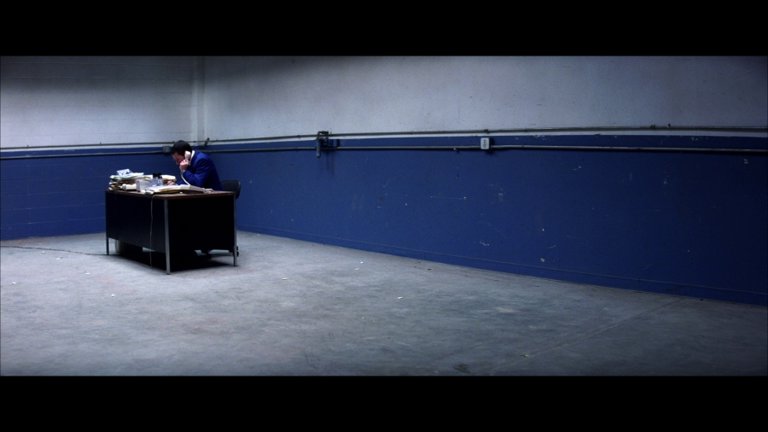
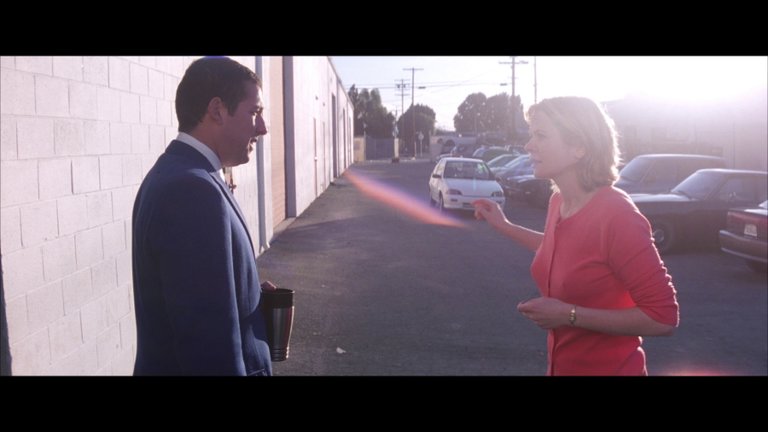
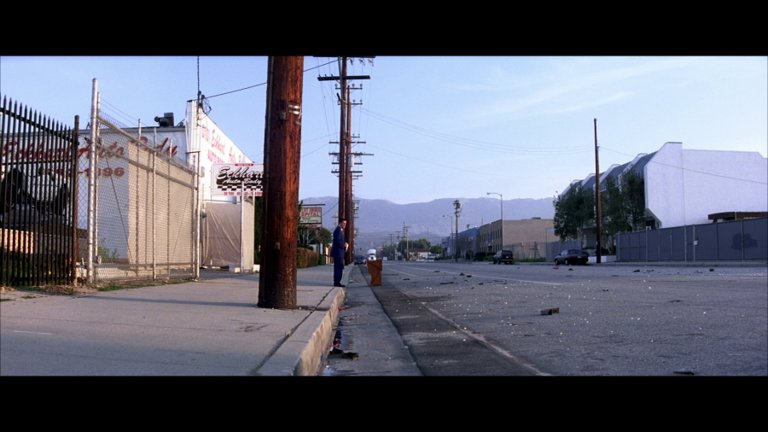
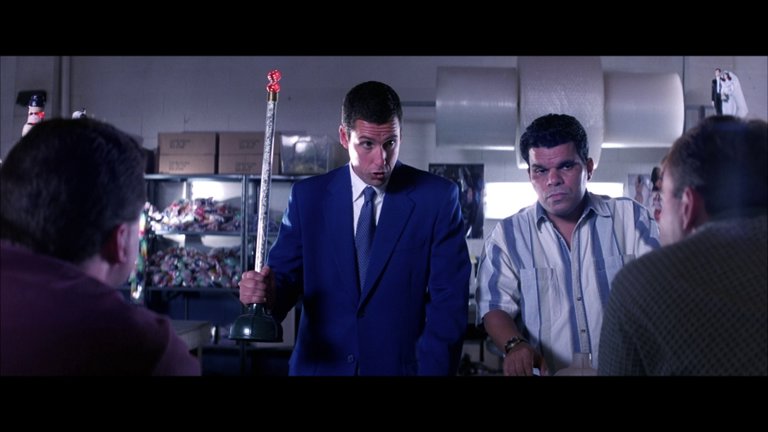
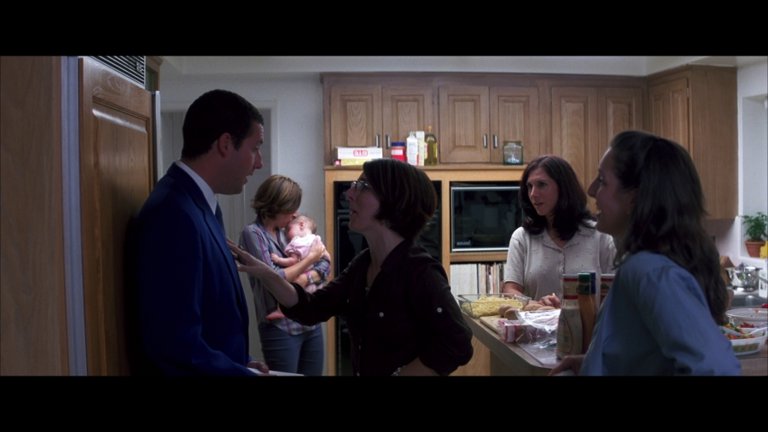
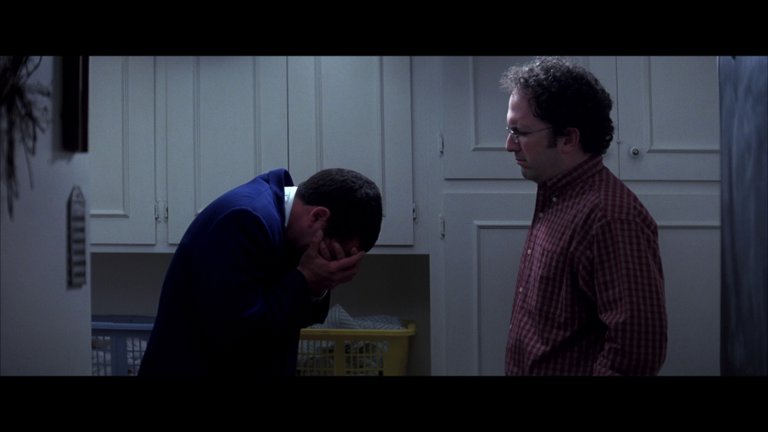
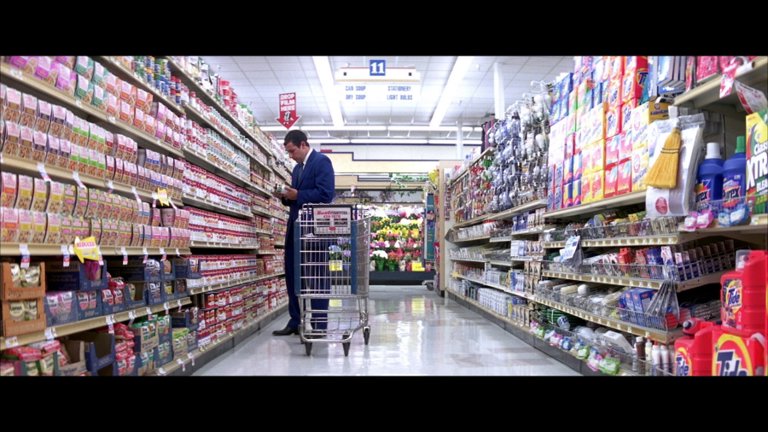
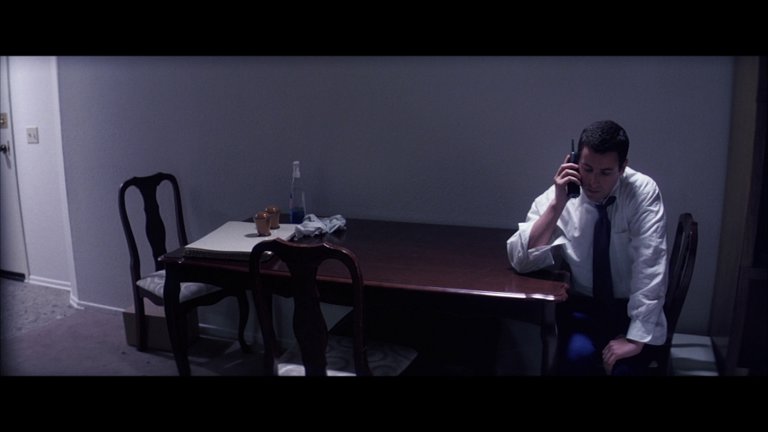
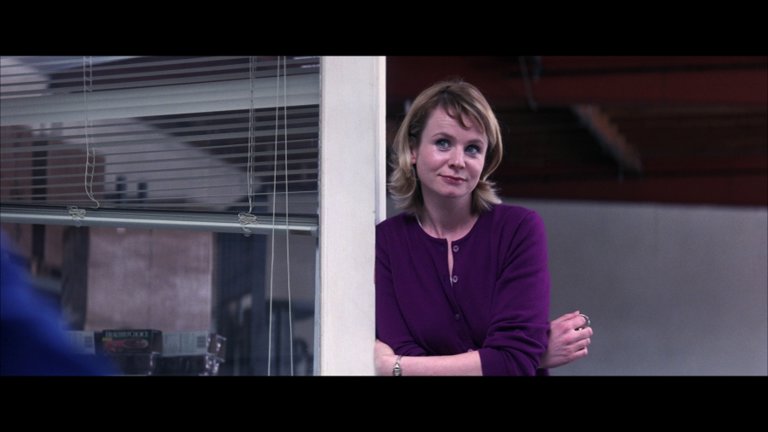
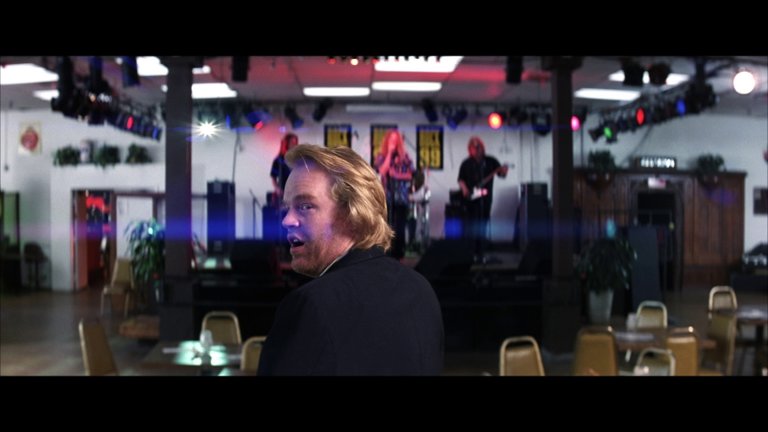
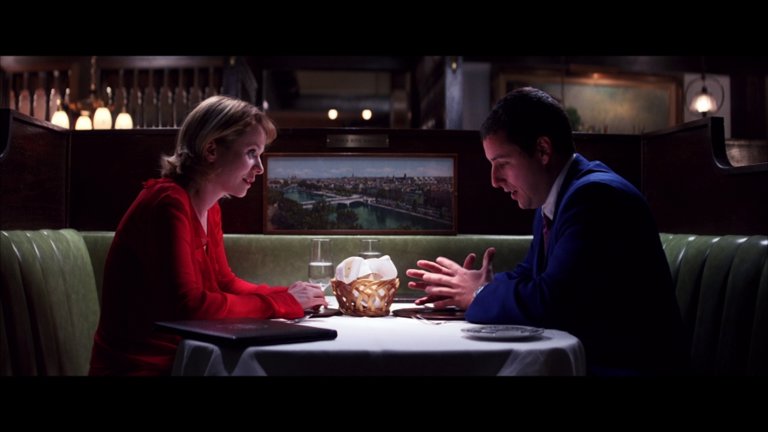
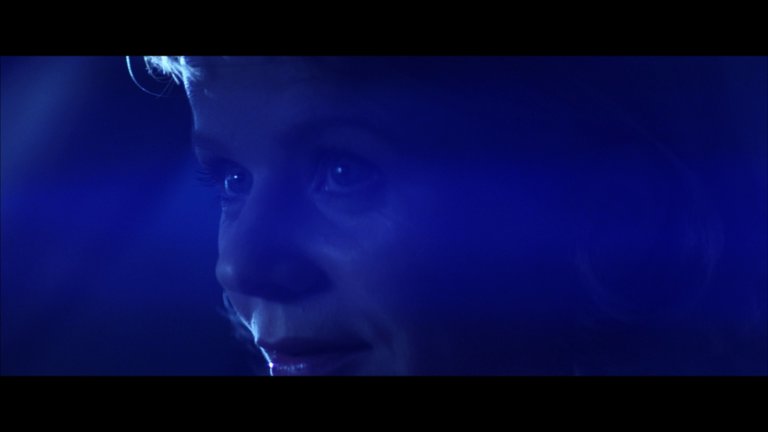
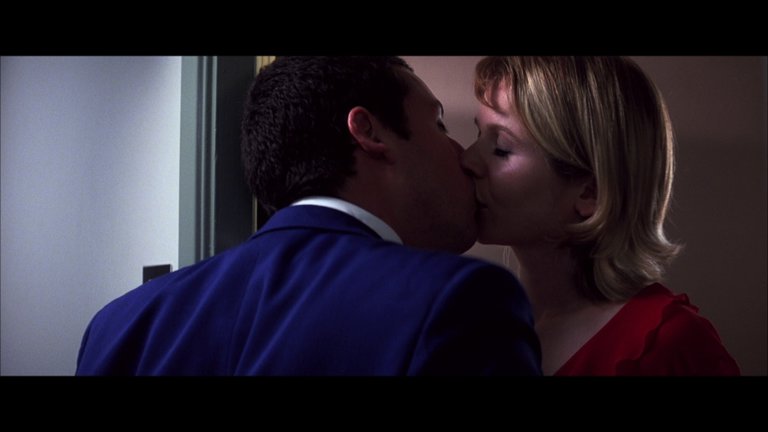
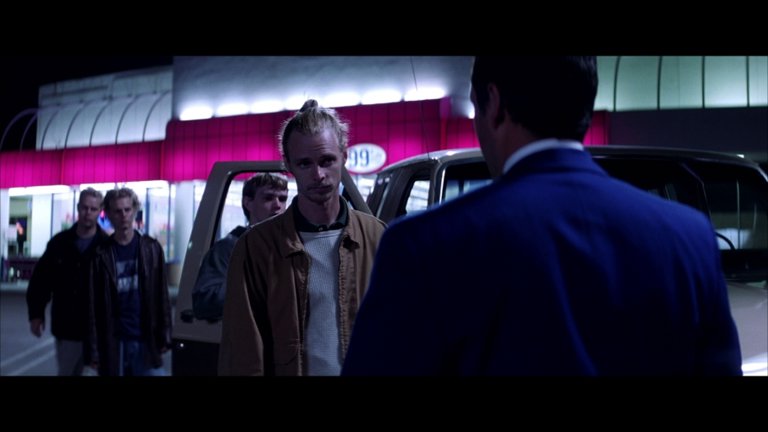
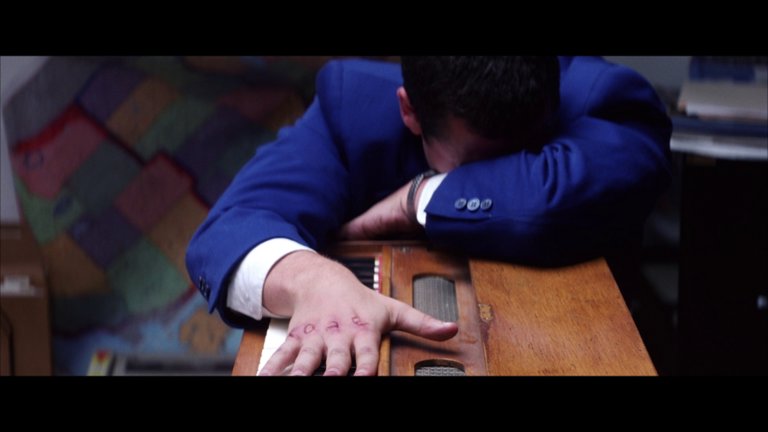
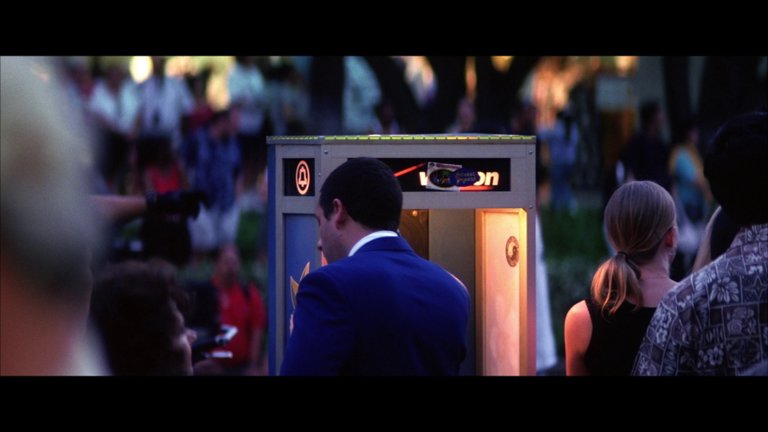
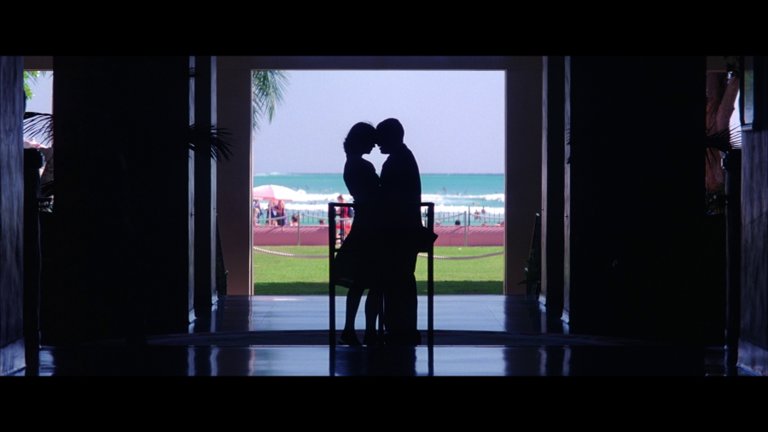
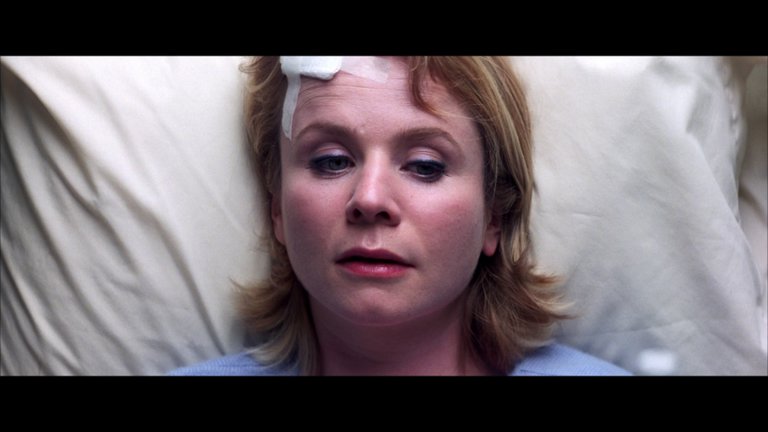
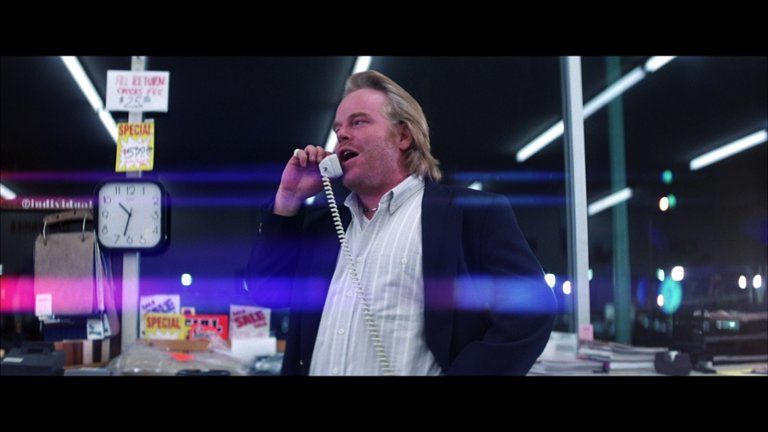
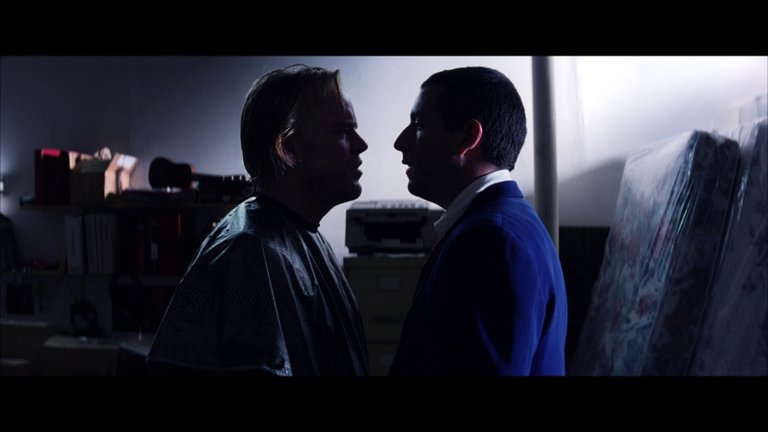
Punch-Drunk Love - Screen Captures
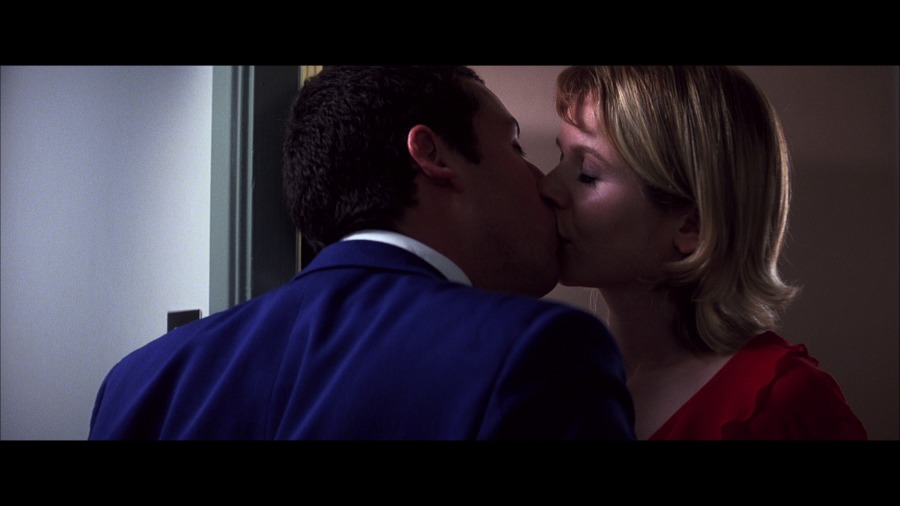
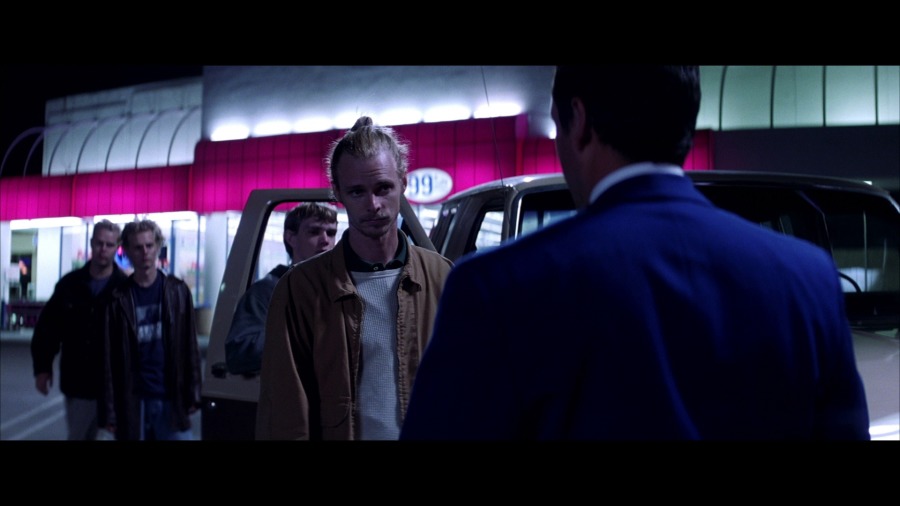
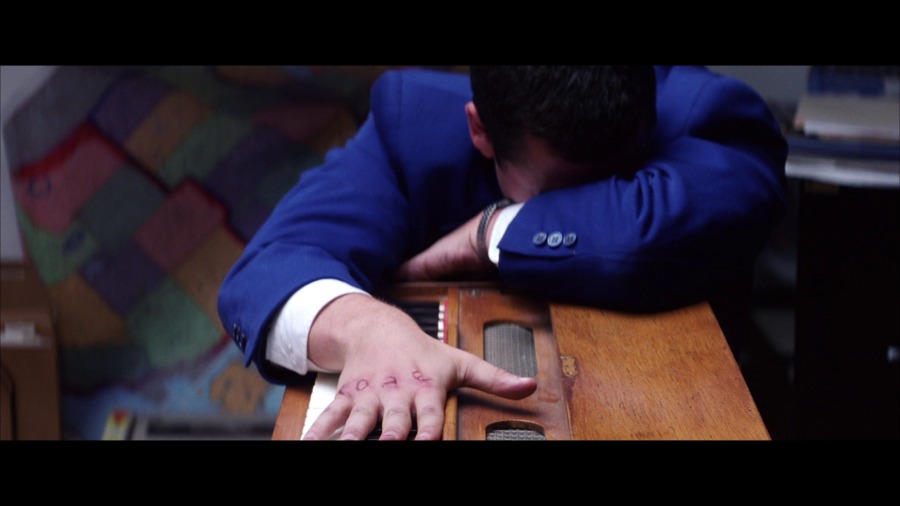
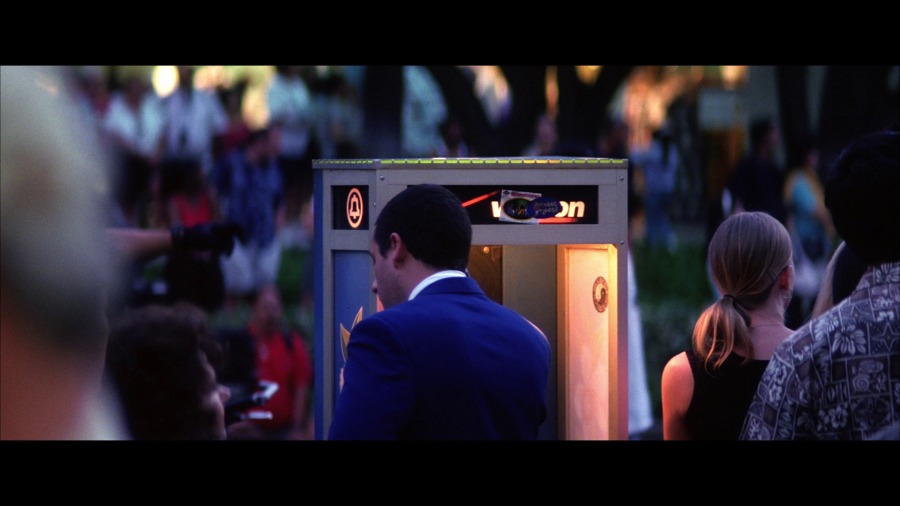
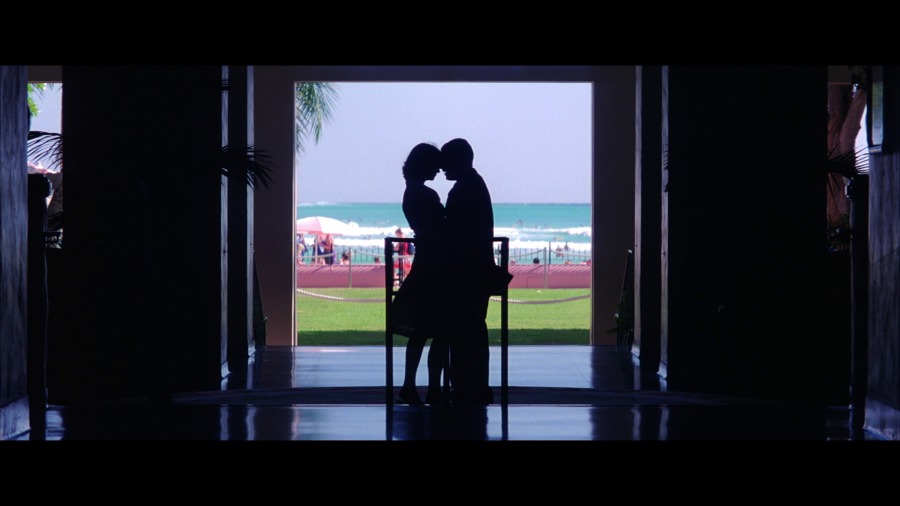
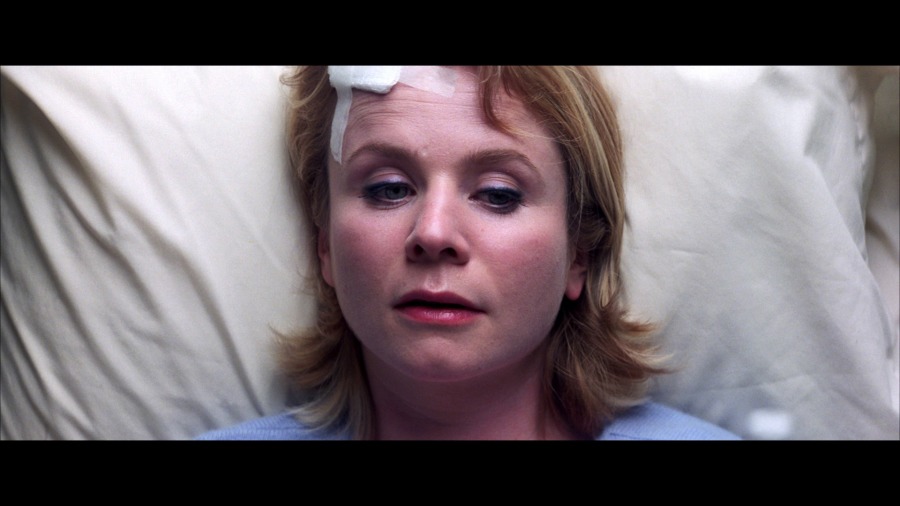
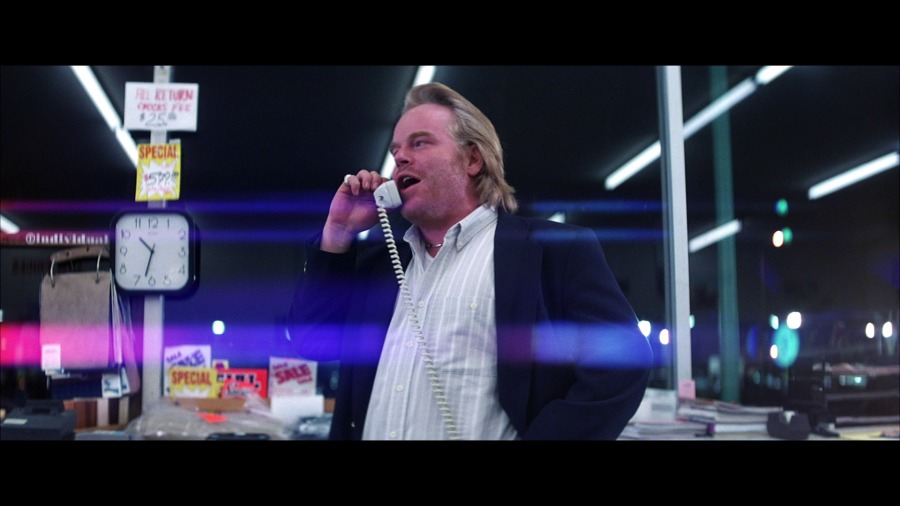
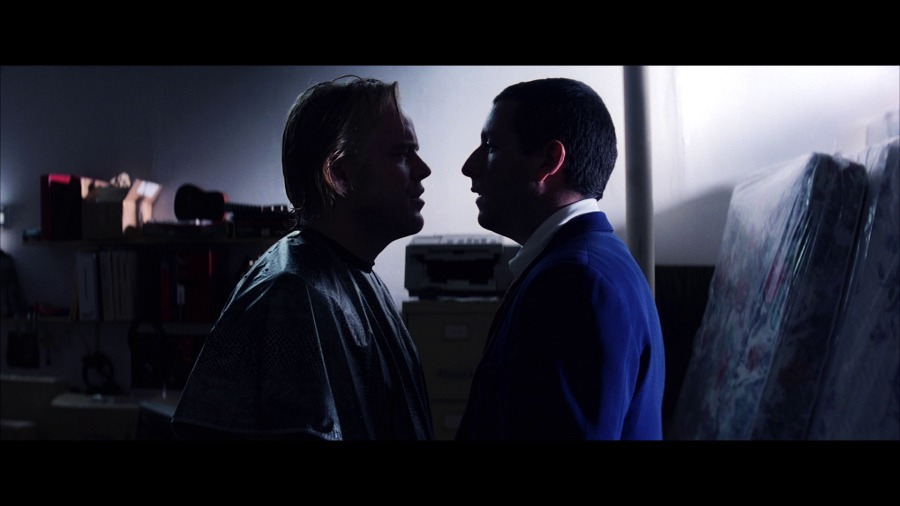
Audio 10/10
Where it failed in video presentation the DVD actually did deliver in terms of sound. With the disc providing both 5.1 Dolby Digital and DTS tracks, the film’s rather intense soundtrack really did sound incredible, and though it didn’t have heavy action scenes or very loud explosions I did consider the disc demo-worthy.
The 5.1 DTS-HD MA track offers a fairly noticeable improvement over Sony’s old DVD and it sounds incredible. Jon Brion’s score is the stand-out element to the track, handsomely mixed between all five speakers with some very distinct splits and direction present. There are also various sequences throughout which become even more busy audio-wise with so much activity going on it’s sometimes hard to figure out what you should be focusing on (a lot like Robert Altman I guess). One scene in particular, when Lena and Barry have their first real introduction in Barry’s warehouse, presents all sorts of chaos: not only do you have Lena and Barry talking, you have other characters interjecting, people talking in the background, Brion’s score going in overdrive jumping around between speakers, and then various background incidents happening in the background, like a forklift crashing into shelves, on top of all of that. It’s such a busy, almost overwhelming sequence, even borderline stressful just in terms of its sound design, but it’s so beautifully mixed. Splits and direction are terrific, volume levels are perfect (you still hear the dialogue clearly) and fidelity is also excellent.
The lower frequency also works with a wide range. There’s a lot of subtle accompaniment to the music and various sound effects, but there are a couple of sequences where it comes front and center: a couple of car crashes and a scene where Barry destroys a bathroom really show off this aspect. It’s deep and booming but not oppressive in any way.
It’s a stellar presentation for the film. It sounds absolutely great and I’d still consider it a demo-worthy presentation.
Extras 7/10
Getting a Criterion edition for this film is a wonderful surprise, and the film looks and sounds great on Blu-ray, but things start to get underwhelming with this release starting with the packaging (which is just a simple Scanavo case release, a step down from Sony’s rather nice looking digipak release making use of Jeremy Blake’s artwork inside) and then moving on to the supplements: most of the material is ported over from the original Sony two-disc DVD, and the new material we do get is fairly standard. All of the content that originally appeared on the previous DVD is presented as upscaled standard-definition.
The same deleted scenes are included here, running a little under 10-minutes altogether. There are two scenes and both appear to be more along the lines of alternate scenes, though the first one presents a lot of footage not in the film. They also both suggest that Anderson had a fairly different edit for the film initially. The first sequence gives us a bit of a different introduction to Barry’s sisters, with Barry receiving a number of phone calls from his sisters about the upcoming party, with him being on the receiving end of some quarrel that is going on between a couple of them. The sequence goes on quite long (about 7-minutes actually) and it was wise for Anderson to go the route he did in the film (he only gets a couple of phone calls during one quick scene). The other “deleted” scene is an alternate edit for the sequence where Barry is withdrawing money from the ATM for the brothers who are harassing him. The scene here is edited in a far different way than what is in the film, coming off a bit slower and less frantic. The scenes are interesting to see but it’s clear Anderson made the right choices in removing them.
Criterion also carries over the 52-second Mattress Man Commercial, featuring Philip Seymour Hoffman in character doing a commercial for his furniture store. I won’t spoil this one if you haven’t seen it, but something tells me that what happens wasn’t actually planned, but it shows Hoffman sticking to character.
Blossoms and Blood, also from the DVD originally, appears to be a compilation of deleted scenes and alternate takes mixed in with some more of Jeremy Blake’s artwork. It’s also plays along with Brion’s score and the song “Here We Go.” It’s an interesting presentation but holds a few little gems, like an extended sequence where Barry is trying to find Lena’s apartment.
Scopitones appears to be a 6-minute compilation of Blake’s artwork mixed with footage from the film. Unfortunately the standard-def upscale for this one is a bit rough and it looks quite blocky at times.
We then get to the new material, most of which is presented in high-definition. Composer Jon Brion’s interview is probably the best feature on here. Brion gives a very thorough account on the development of the sound design and music for the film, which he worked on with Anderson, both of which ended up working as a starting point for the film, with the rest of the film, from editing and rhythm to even elements of the story (the harmonium that becomes a central aspect in the film was not actually in the original script), all following what they came up with. Brion even says that Anderson wanted to make a “musical where no one breaks into song.” This interview actually offers the most insight into making the film and Anderson’s insight. Accompanying this is actually about 10-minutes from the orchestra recording session for the film’s score. Altogether, with the 27-minute interview, this is an incredibly fascinating overview of the film’s music and sound design, and the importance it played into structuring the film. Of all of the features it would be the “one to watch” I would say.
Also new, though not as engaging, is a 20-minute discussion between gallerist Lia Gangitano and curator Michael Connor about Jeremy Blake’s digital artwork in the film. The two talk about his history while also giving a brief overview of digital art, though from a fairly high level. There’s mention of Blake’s influences, and they get a little bit into how his work is integrated into the narrative of the film, while also talking about his other work (with some samples). Still, other than explanations on how his art is usually displayed, I found it a generally bland discussion. A 3-minute slideshow of additional artwork for the film is also included here.
Two video segments made from the film’s Cannes premiere are also included. The first is a 7-minute studio interview gathering together Anderson, Sandler, Watson, and Hoffman. It’s a fairly light affair, with a lot of joking and very little substance, but it’s amusing to watch.
A bit better, but not by a hell of a lot since Anderson doesn’t like answering questions, is the 38-minute press conference featuring the four yet again along with producer Joanne Sellar. After some odd introductions (especially for Hoffman) by the moderator, Henri Behar, the four start taking questions from the audience. There are questions about the title, about how Sandler came to be in the film, about Anderson’s and Hoffman’s working relationship, and the use of the song “He Needs Me” from Robert Altman’s Popeye, and we get some good answers from most of the panel, even Sandler who is a bit more forthcoming here. But Anderson really comes off guarded and usually gives very vague answers, unless the question is about a technical aspect of the film (like its look or sound) or something along the lines of the use of the Popeye song. It’s understandable, though admittedly it makes the feature a bit frustrating, especially since Anderson doesn’t appear anywhere else. Still, it’s worth viewing.
A fun little feature is the inclusion of a 5-minute 2000 NBC interview segment with David Phillips, The Pudding Guy, whose quest to take advantage of a Healthy Choice air mileage promotion is the basis for Barry’s similar quest in the film. Here Phillips simply explains how he was able to collect millions of air miles for only $3000.
The disc then closes with the film’s theatrical trailer, a teaser using Blake’s artwork, and then what appears to be a television spot. Criterion also includes an insert featuring an essay by filmmaker Miranda July, who offers a stream-of-conscious piece on why she loves the film.
Again I would have expected Criterion to go a little more out on the features, but that’s disappointingly not the case. The new features are fine for the most part (Brion’s interview is easily the best feature of the new batch) and I’m glad Criterion did carry over all of the DVD features, but it feels sort of rushed.
Closing
The features definitely could be better but just for the audio and video upgrade alone this release comes with a very high recommendation. It looks and sounds very good.
BUY AT: