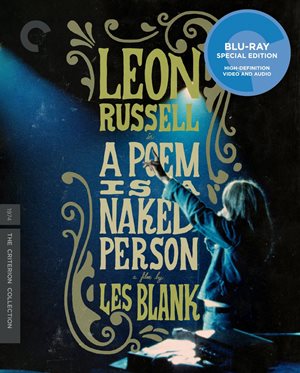
A Poem is a Naked Person
BUY AT:


See more details, packaging, or compare
Synopsis
Les Blank considered this free-form feature documentary about beloved singer-songwriter Leon Russell, filmed between 1972 and 1974, to be one of his greatest accomplishments. Yet it has not been released until now. Hired by Russell to film him at his recording studio in northeast Oklahoma, Blank ended up constructing a unique, intimate portrait of a musician and his environment. Made up of mesmerizing scenes of Russell and his band performing, both in concert and in the studio, as well as off-the-cuff moments behind the scenes, this singular film—which also features performances by Willie Nelson and George Jones—has attained legendary status over the years. It’s a work of rough beauty that serves as testament to Blank’s cinematic daring and Russell’s immense musical talents.
Picture 9/10
Les Blank’s A Poem is a Naked Person—his 1974 documentary capturing musician Leon Russell’s recordings and performances over a 3-year period—never had an official release during the first four decades of its existence due to legal issues, only showing up at non-commercial, unadvertised screenings with Blank in attendance, his presence being a legal requirement in order to screen the film. Thanks to Blank’s son, Harrod, Russell was finally convinced to relent any grievances he had toward the film and allow the film a wider release, which finally happened in 2015. Now, Criterion (who also recently just saved Edward Yang’s A Brighter Summer Day from doomed obscurity, along with Howard Brookner’s though-to-be-lost Burroughs: The Movie) presents this mostly unseen film on Blu-ray, delivering the film in its original aspect ratio of about 1.33:1 on a dual-layer disc. The new high-definition presentation is presented in 1080p/24hz.
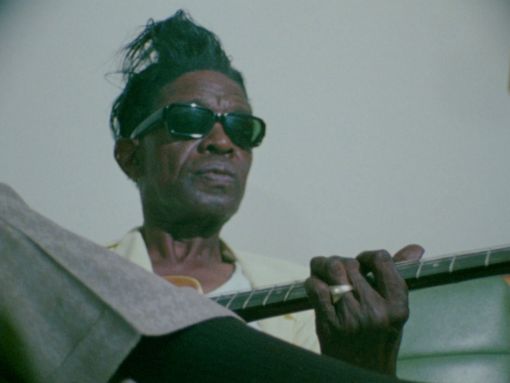
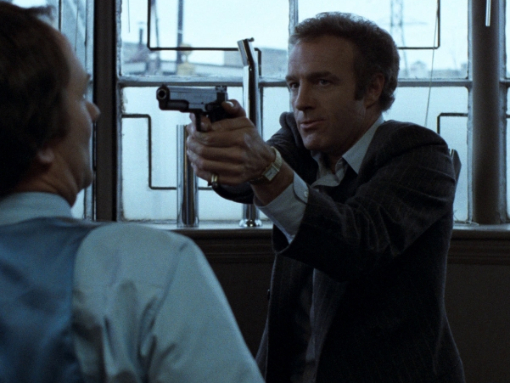
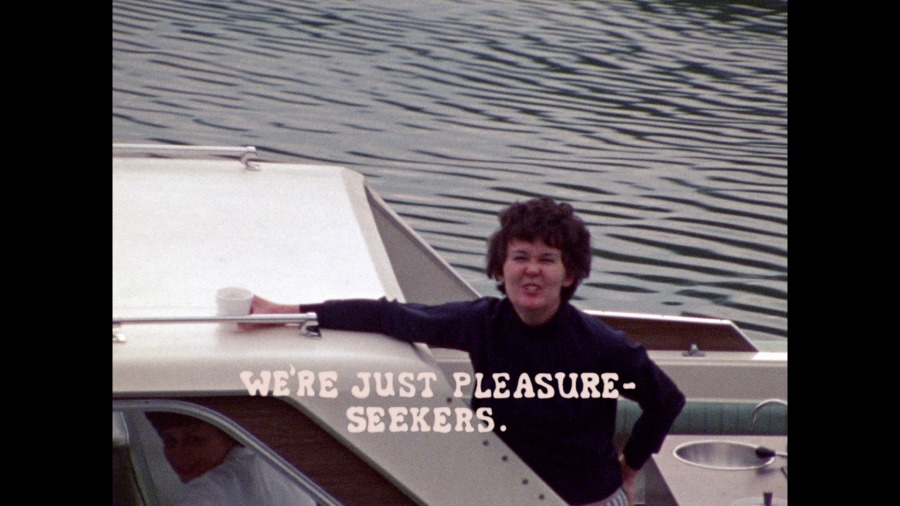
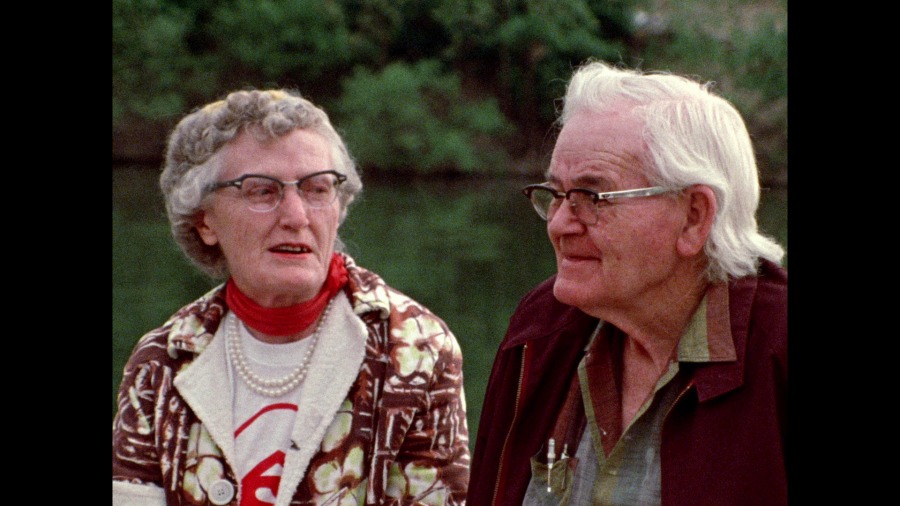
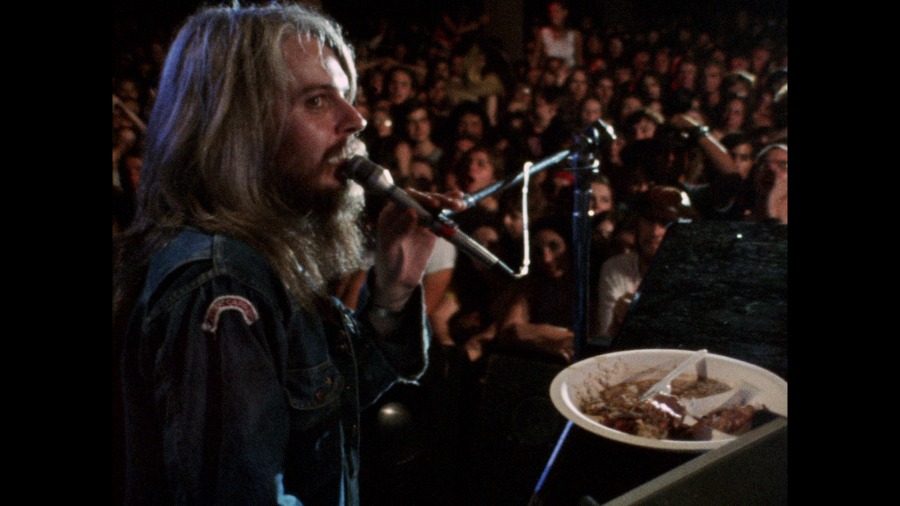
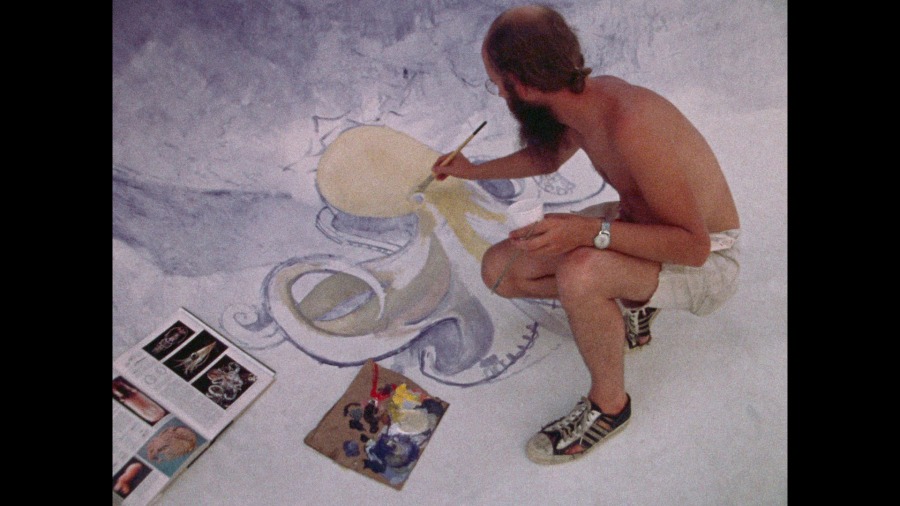
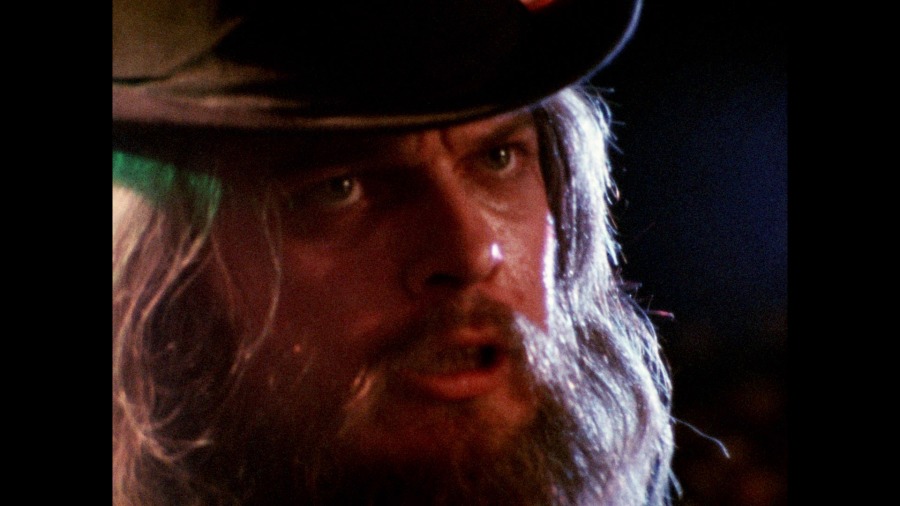
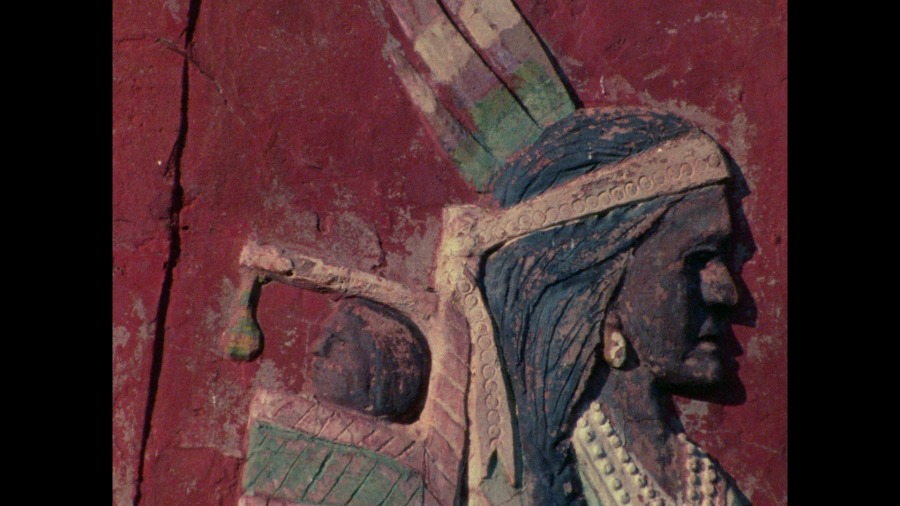
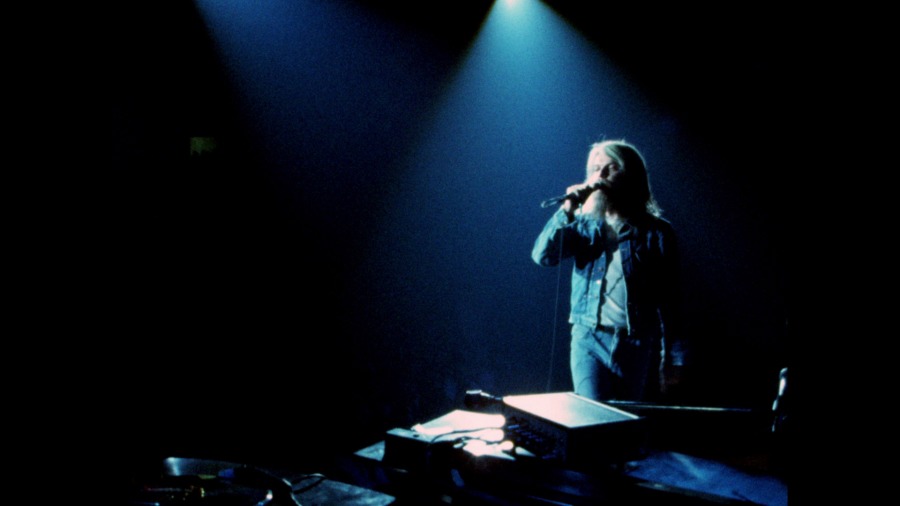
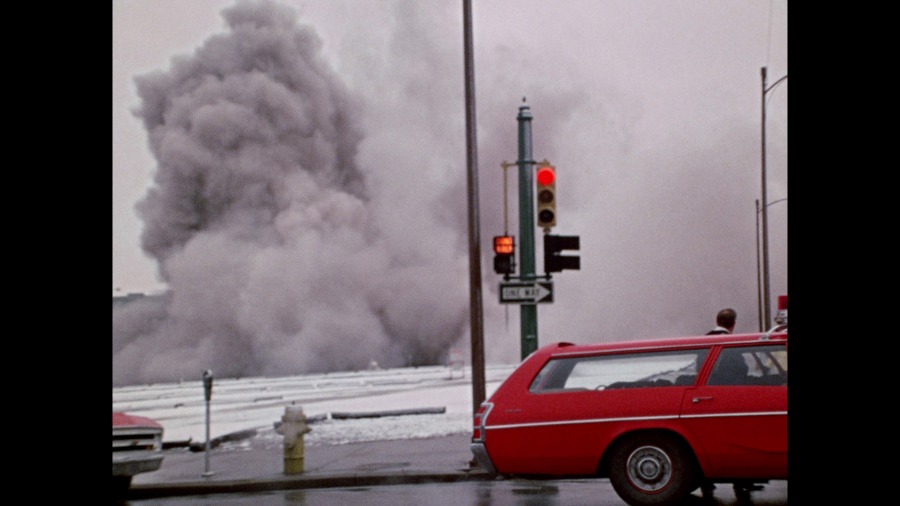
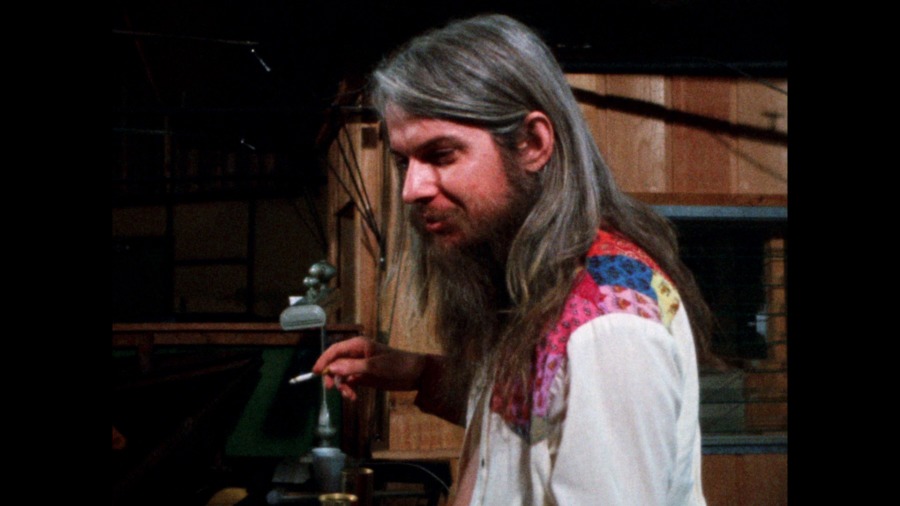
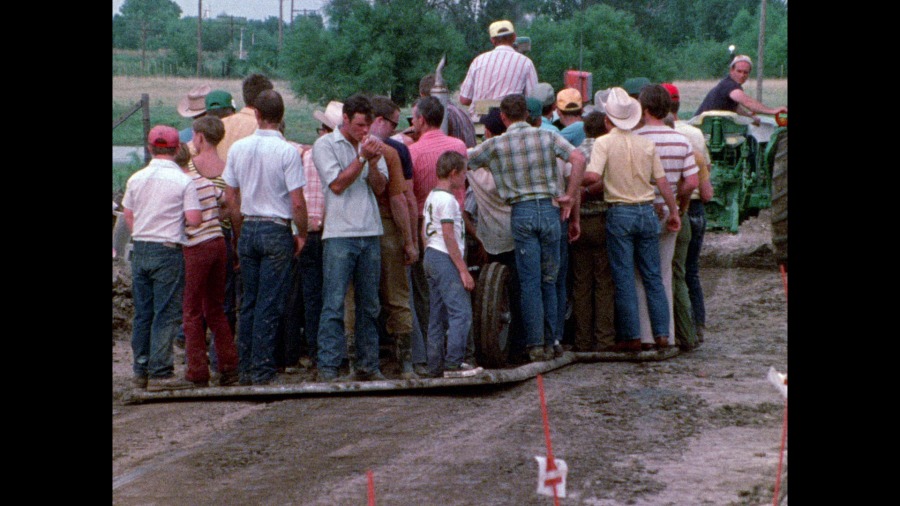
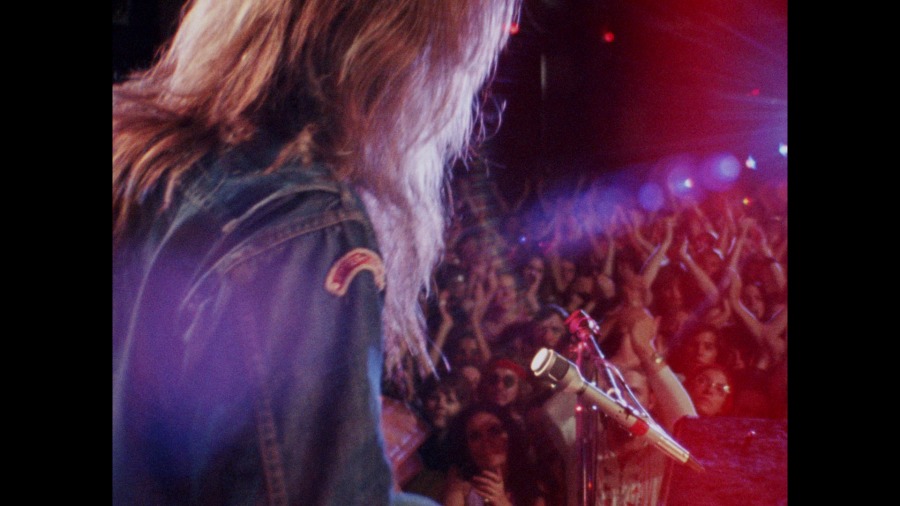
The presentation is nothing short of stunning, though that isn’t too big of a surprise considering how good the presentations looked for all of Blank’s short films on Criterion’s 2014 set, Always for Pleasure. But even then, this one still manages to surprise. It has been given a lot of room to breathe on the disc and the encode allows for a very healthy rendering of the film’s grain structure. Filmed in 16mm the film is unsurprisingly grainy, but it looks unbelievably good here, rendered cleanly and naturally, and I don’t recall any blocky patterns or pixilation showing up, not even during some of the lower lit scenes or darker concert scenes. The level of detail is also shockingly high, and the textures in clothing, the interiors of the recording studio, or the various exteriors come out so clearly you’re almost positive you can feel them at times (the scales on a snake and the fine fluff of an unfortunate baby chick that crosses its path are more good examples of the presentation’s handling of details).
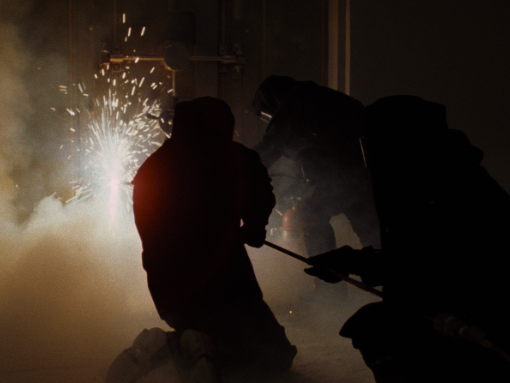
Colours can be surprisingly vibrant with no problems of bleeding or smearing, reds also looking to be rendered about as pure as one can expect on the format. Black levels are fairly deep, while still allowing for excellent shadow delineation and contrast is nicely balanced. The restoration work is phenomenal and I’m hard pressed to recall any blemishes, outside of some stray hairs and other problems more related to environment than anything else. A lot of work has been done on this and it has paid off: it looks striking!
(Note: Harrod Blank notes in one of the supplements that his father had actually made trims and edits to the film over the years, using his copy of the film, stating that his father would see the film at one of the “non-commercial” screenings and notice something he wanted to rework. This resulted in slight trims and even excising entire scenes—the film originally ran 104-minutes. The version that was released theatrically last year, and also presented here, is based on this final edit, though Harrod admits to adding some material back in that he felt should be here, like a short sequence where Blank asks Russell a number of questions about death and fear, which his father had cut out entirely.)
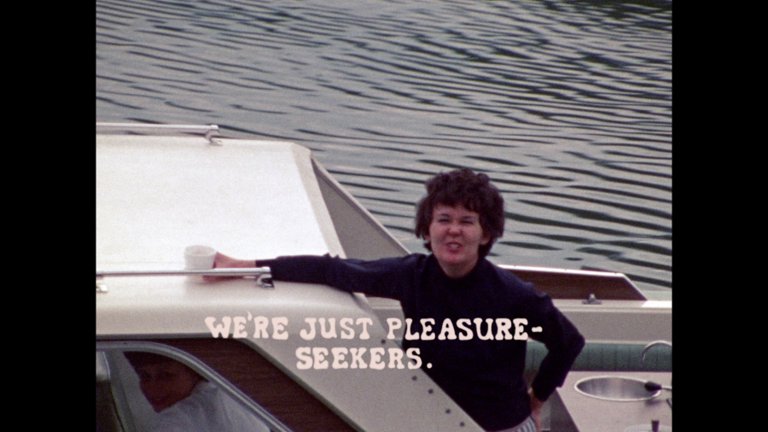
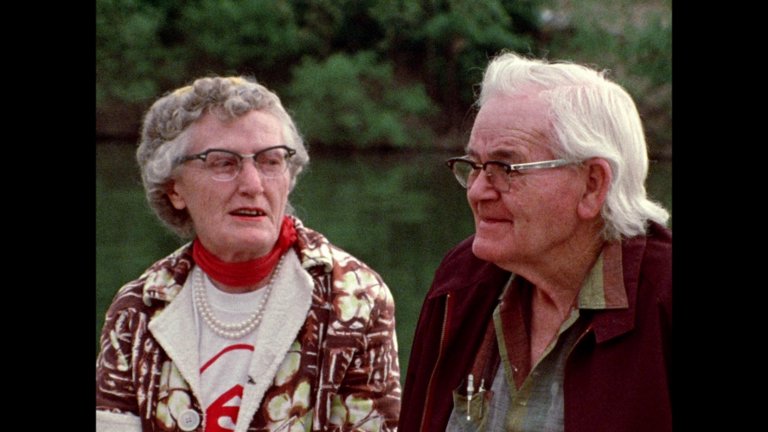
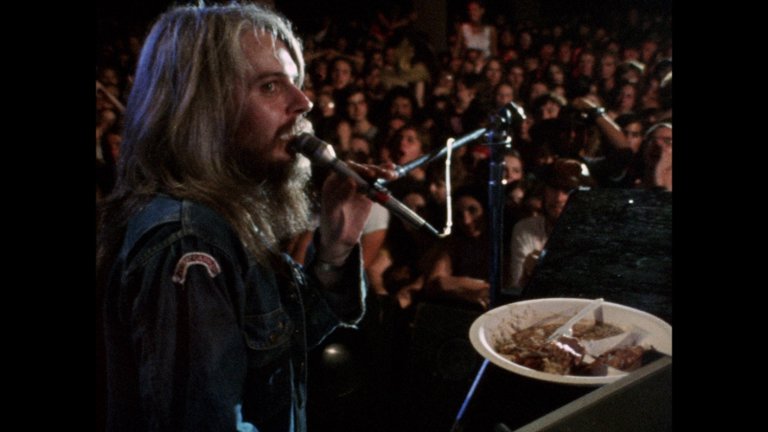
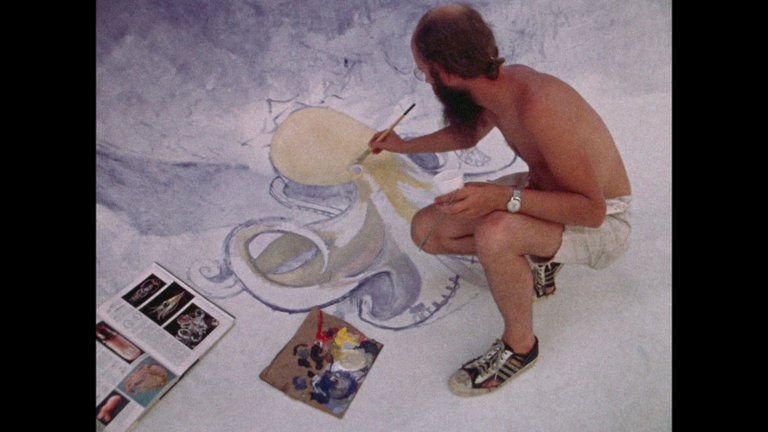
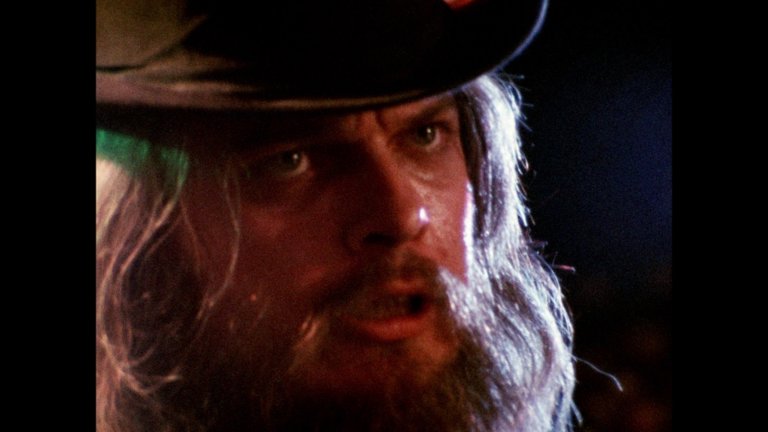
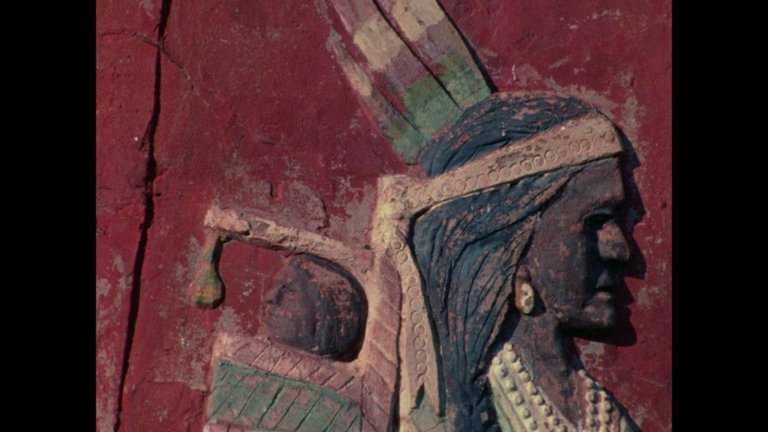
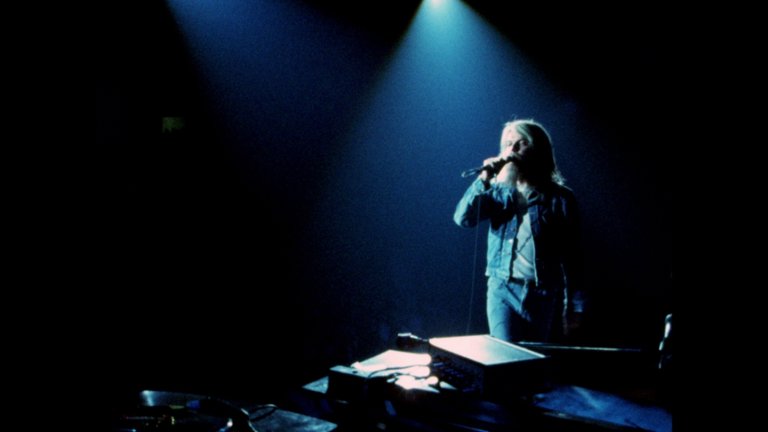
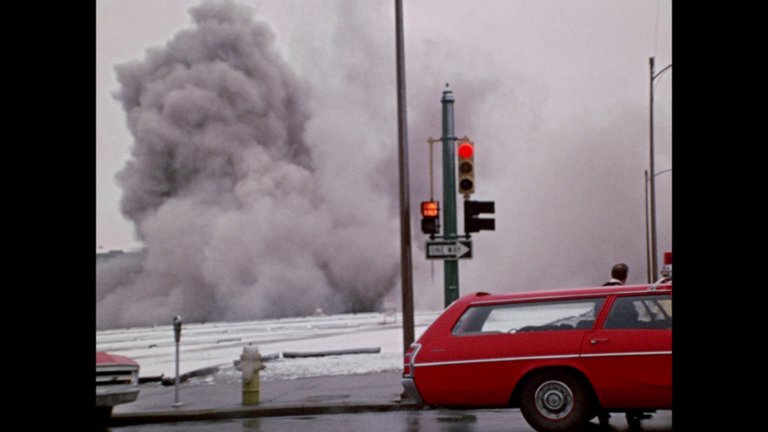
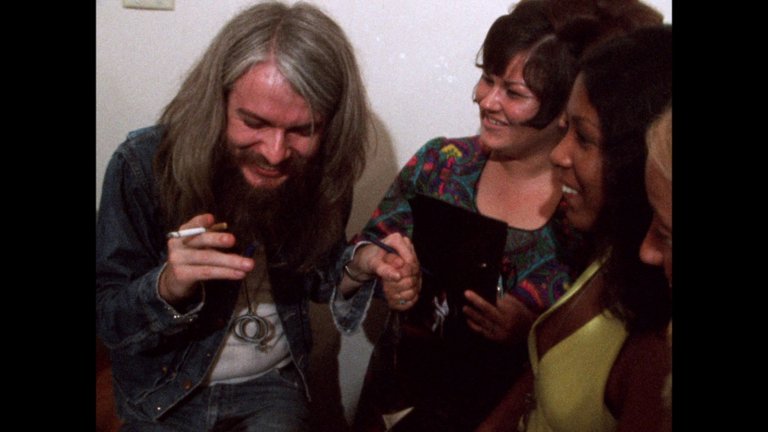
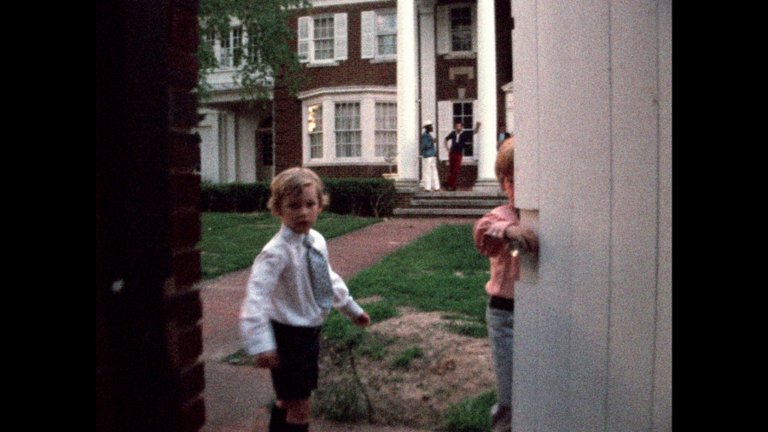
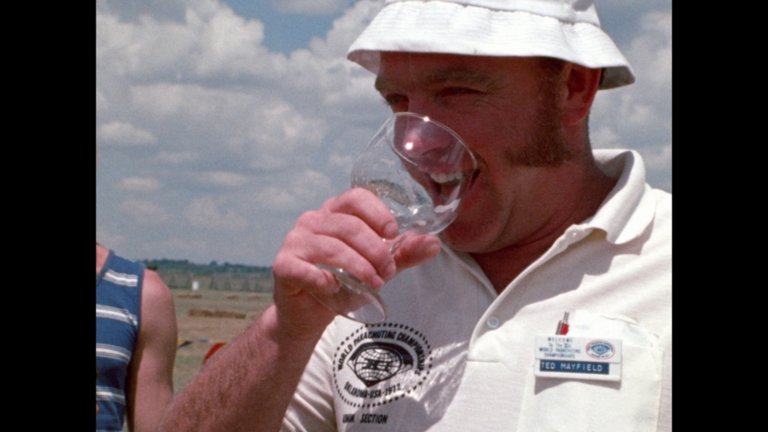
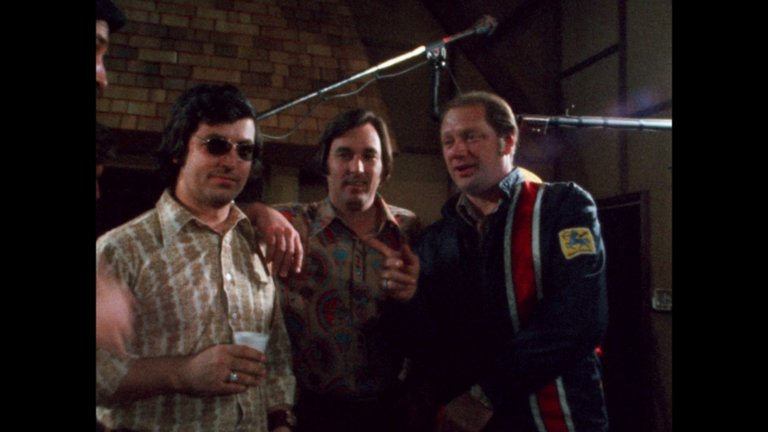
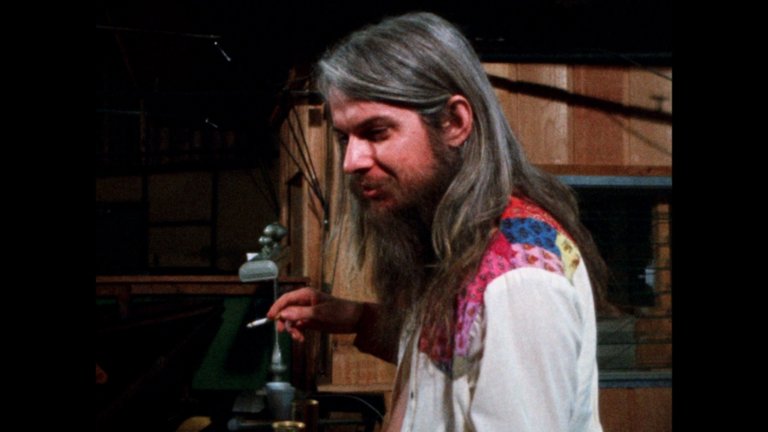
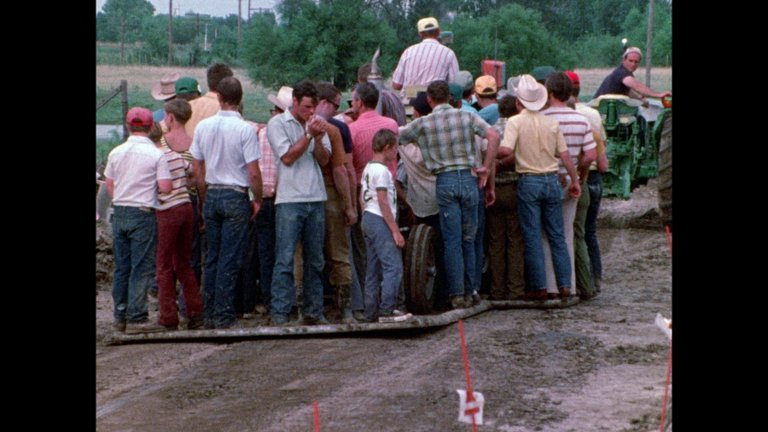
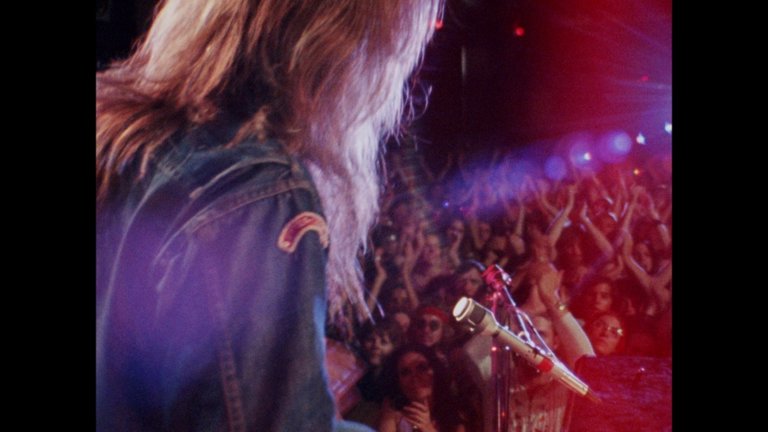
A Poem is a Naked Person - Screen Captures
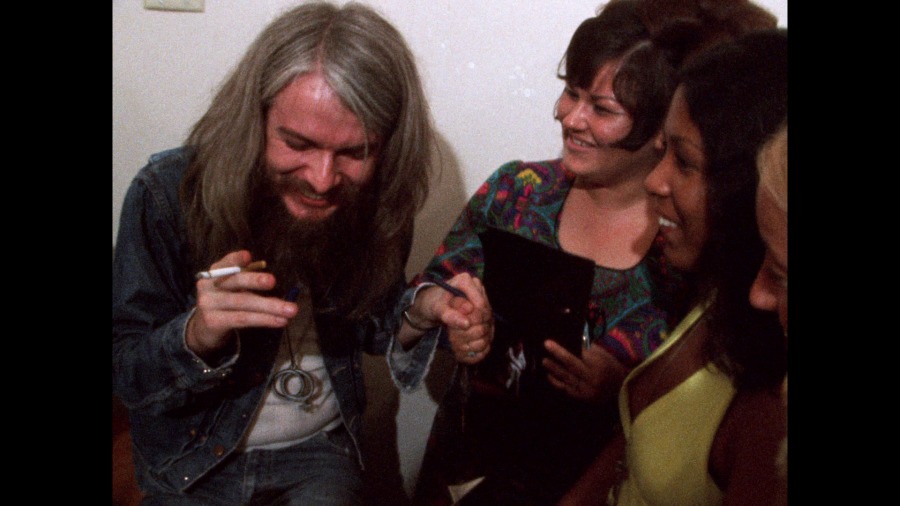
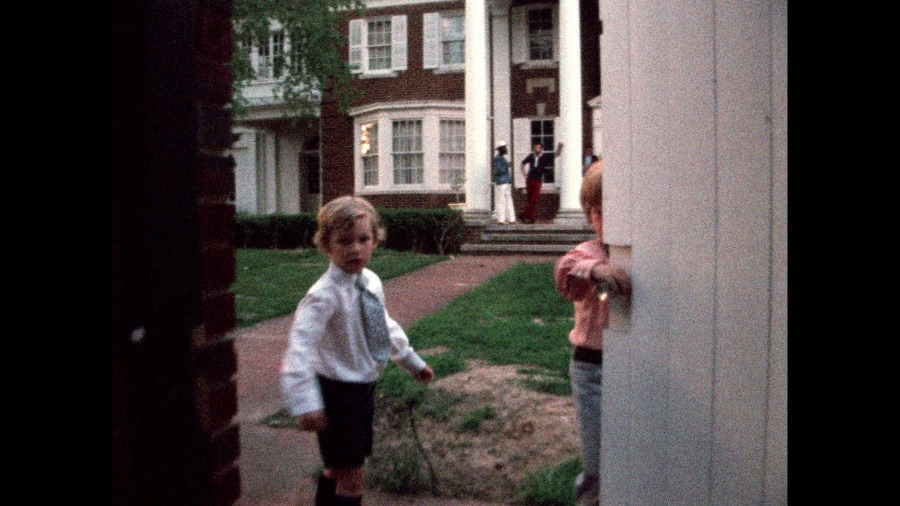
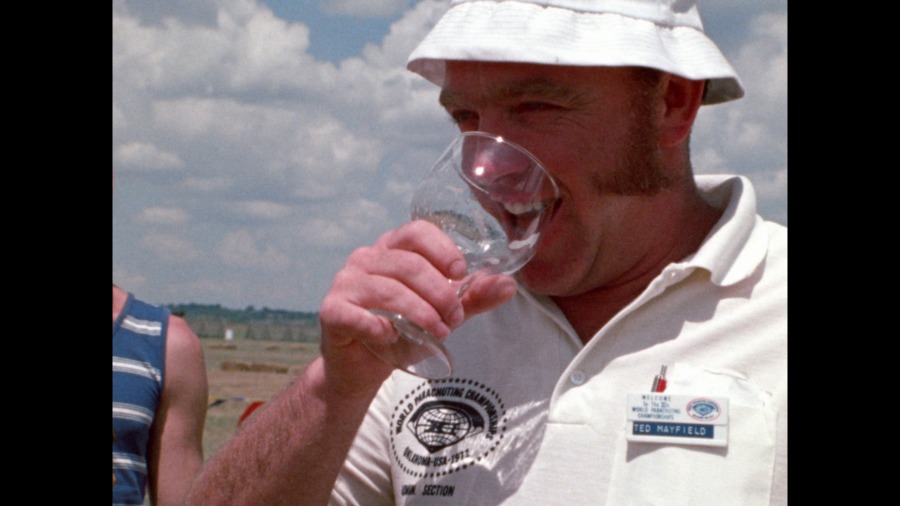
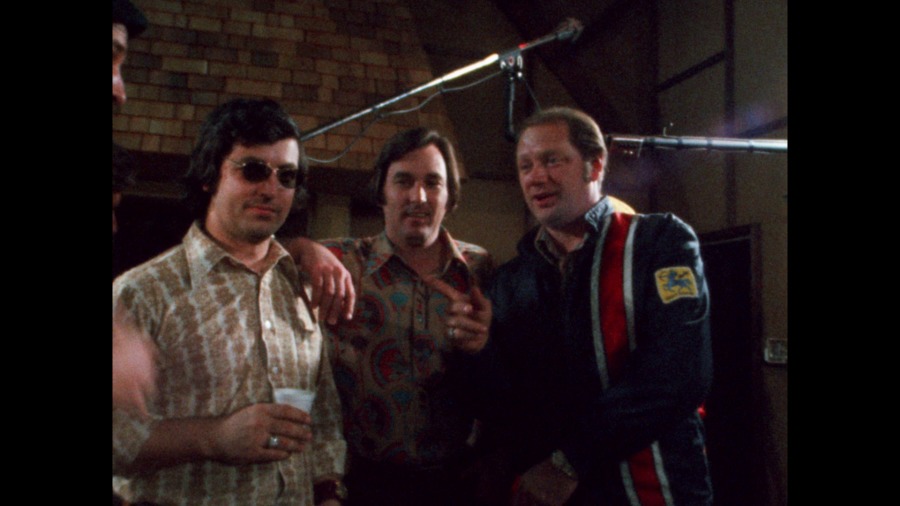
Audio 8/10
The audio was also a very pleasant surprise. It is a mono track, presented here in lossless PCM, but it’s a hell of a mono track. Considering how old the film is (again, its 40 years old) and how it’s probably just been sitting in storage for that time (though well cared for I’m sure) the audio sounds almost as though it could have been recorded just yesterday. Some dialogue is muffled, true, (and burned in subtitles translate this material), but most of it is clean and very easy to hear with a surprising level of fidelity to it. Music, whether recorded at a performance or during recording sessions, also sound rather spectacular and despite the lack of any surround channels (or left and right fronts even—I watched it with the sound directed solely to the center) the music still sounds dynamic and full, managing to immerse the viewer in its own way.
It sounds great, and this is probably the biggest surprise to this release.
Extras 7/10
A few supplements are included, starting with a conversation between Harrod Blank and Leon Russell. The 27-minute feature starts off with footage from what I assume is an interview conducted with the two at a screening of the film in 2015, then moving on to the two sitting together for this exclusive piece. They both reminisce about the period of shooting (Harrod actually went along with his dad and lived with him for a period), Russell talking quite a bit about his music at the time. They also talk fairly extensively about Russell’s record label, Shelter Records, and the music that was put out through it. Throughout all of this we get reasons as to why Russell didn’t like the film, his big criticism being that it was more about Blank than it was about himself (at one point Russell says he thought he’d come out looking like James Dean but instead came out looking like Jimmy Dean). Harrod also hints that Russell alone wasn’t the only reason why the film couldn’t be released, stating that there were legal hurdles behind the music in the film.
It’s obvious Russell likes Harrod (it was because he liked him that he was willing to work on getting the film released) but you get a sense throughout this interview (and the other features) that Russell probably disliked, maybe even hated, Les. Harrod attributes some of this to his father’s heavy drinking and cocaine use at the time, which Russell admits he had no patience for. Although it’s easy to see Russell wasn’t fond of Les Blank, he’s obviously holding back and it’s hard to get a true idea on his thoughts on the man. Because of this the conversation can be a little light as I think Russell tries to dance around a couple of things (at least it felt that way to me) but as a reflection on filming and the time period it’s a nice inclusion.
Criterion next includes footage from 2013 featuring Les Blank at a screening of the film at the Pixar Animation Studios. Shy of 9-minutes, it features Blank talking about the film, explaining to his audience why the film can only be shown at non-commercial venues with himself in attendance (it was something he had thankfully added to the contract before filming actually began, I’m guessing for educational purposes) and talks about how he came to make the film, which was done shortly after filming Spend it All and Dry Wood. An interesting little bit not mentioned anywhere else is that Russell’s manager, Danny Cordell, who hired Blank to make the film, actually liked the finished edit, stating that’s exactly what he expected, yet Russell hated it. When Cordell and Russell parted ways, Russell sued for ownership of the film, I’m assuming to keep it from getting released. At any rate, getting Blank’s memories and thoughts on the film prove invaluable in whatever form, so this is an excellent inclusion.
Criterion has next produced the 37-minute documentary, A Film’s Forty-Year Journey: The Making of A Poem is a Naked Person. It’s essentially a talking heads piece, gathering together Harrod Blank, sound recordist/assistant editor Maureen Gosling, and artist Jim Franklin (the one who paints the pool in the film, and also has that fairly hungry snake, the latter of which, unsurprisingly, gets a lot of mention in just about everything written about the film and just about every feature here—Russell especially hated that moment in the film). It’s a fairly standard making-of that covers the production, Harrod and Gosling first talking a bit about setting up shop there in a floating hotel, as they call it, and then talking about the overall experience. Franklin pops up as well to talk more about the work he did for Russell’s studio, and explains the idea behind the painting in the pool. Newcomers to the film get thrown off by it (I certainly did) since it’s not entirely focused on Russell and it spends a lot of time with the people and culture around the area, though Blank at least relates it to Russell’s music. It’s explained here that this was more or less came out of necessity because Russell would disappear, sometimes for months, leaving them with nothing else to shoot, so Blank ended up filming things that interested him. Gosling talks about some of these moments, like the building demolition, the gospel church, and the parachuting glass-eating guy (Gosling admits this latter item doesn’t relate to much of anything else in the film, but there it is), giving backstories how they came upon these. And there’s also some more detail about how Russell and Blank would get into all sorts of fights, and Harrod Blank gives more backstory on getting in touch with Russell in hopes of getting the film released, probably his father’s biggest wish before passing away.
Again it’s a fairly straight-forward talking-heads making-of, but it is packed with a lot of information and worth viewing if you’re interested in the film’s production and legal issues.
Criterion then includes Gosling’s short film, Out in the Woods, which is made up of Super 8 footage she filmed while working on A Poem is a Naked Person. Throughout the film she inserts subtitles reprinting letters she had written to her parents about working on the film, which gives an excellent account of the production. The sound design to the film is a bit obnoxious as it comes off overly artificial, which I assume was purposely done, but this feature serves as a great behind-the-scenes document, where we get to see this floating hotel that is referred to throughout the features, as well as some more footage of Russell’s studio and its construction. It runs 13-minutes.
The disc features then close with three theatrical trailers, one of which was actually never used, and then the included insert features an essay by Kent Jones, who gives the only third party scholarly contribution to the release, going over the film’s history, it’s unusual structure, and what he feels Blank was going for with it.
Though maybe the features are missing that certain “bang” one usually hopes from Criterion, they do offer a decent account of the film’s rather fascinating history and I did enjoy going through all of the material.
Closing
Criterion again helps in preserving a nearly forgotten film for the ages by delivering a top-notch presentation and a nice set of features. For fans of Blank and his work this release comes with an easy recommendation.
BUY AT: