Broken Lullaby
BUY AT:

See more details, packaging, or compare
Synopsis
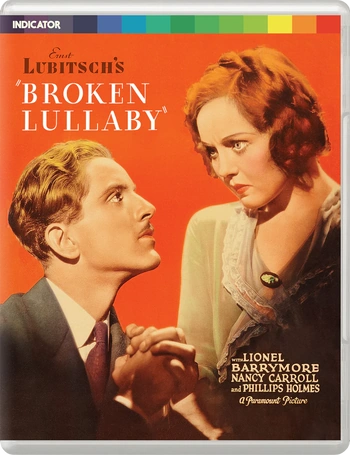
Often overlooked amongst director Ernst Lubitsch’s comedies and musicals, Broken Lullaby is a riveting and brilliant romantic drama from the pre-Code era, starring Lionel Barrymore (It’s a Wonderful Life), Nancy Carroll (The Kiss Before the Mirror), and Phillips Holmes (The Criminal Code).
Musician Paul Renard is haunted by the memory of Walter, a German soldier he killed during the First World War. He travels to Walter’s home town, and, passing himself off as a friend of the deceased, is taken in by his grieving family. But when he finds himself falling in love with Elsa, Walter’s fiancée, he becomes worried that the truth will emerge...
With a screenplay by regular Lubitsch collaborator Samson Raphaelson (The Shop Around the Corner, Heaven Can Wait), Broken Lullaby was rapturously received by critics at the time, with one describing it as ‘the most unusual and dramatic situation the screen has presented’.
Picture 6/10
Indicator brings Ernst Lubitsch’s Broken Lullaby to Blu-ray, presenting it on a single-layer disc in its original aspect ratio of 1.37:1 with a 1080p/24hz high-definition encode. This is a UK release, and the disc has been locked to region B.
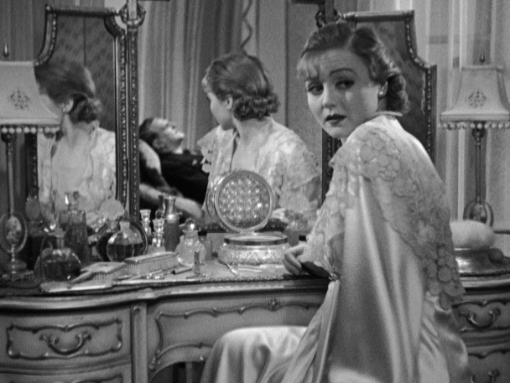
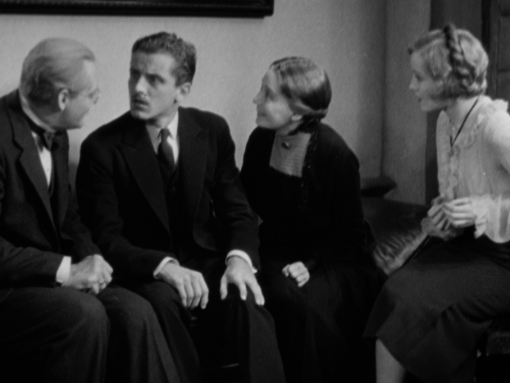
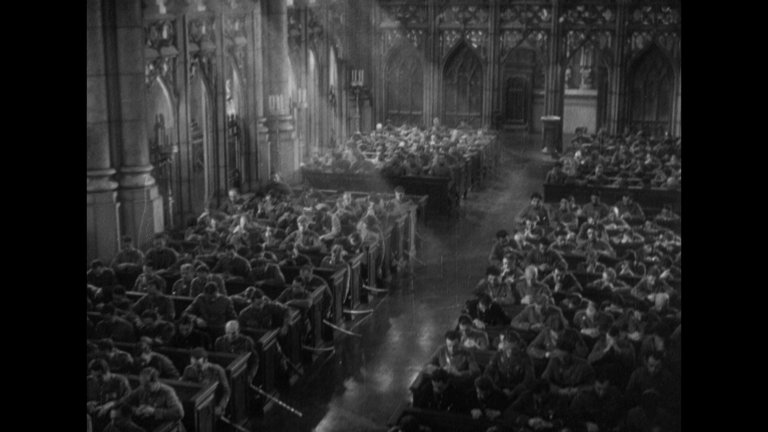
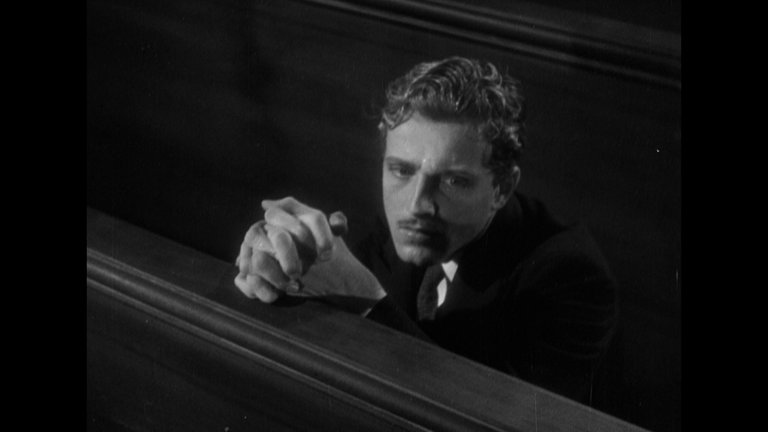
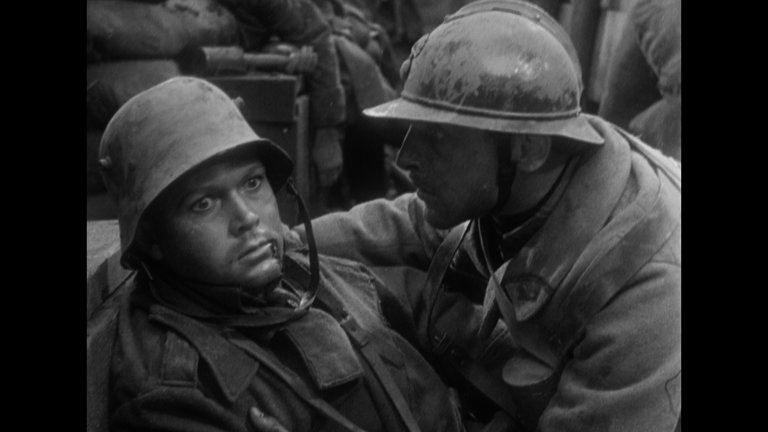
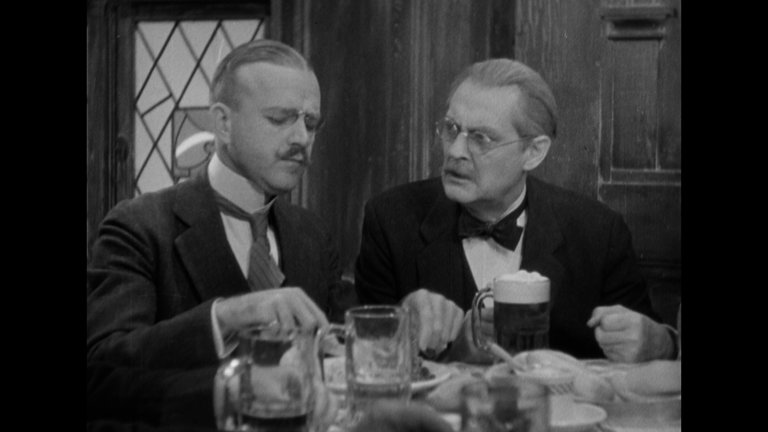
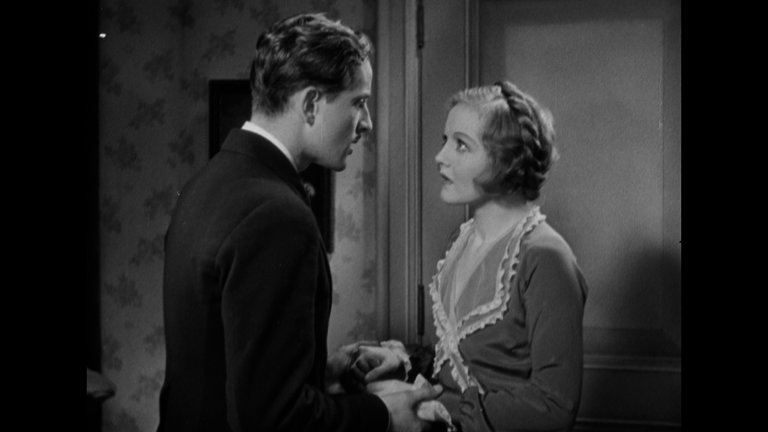
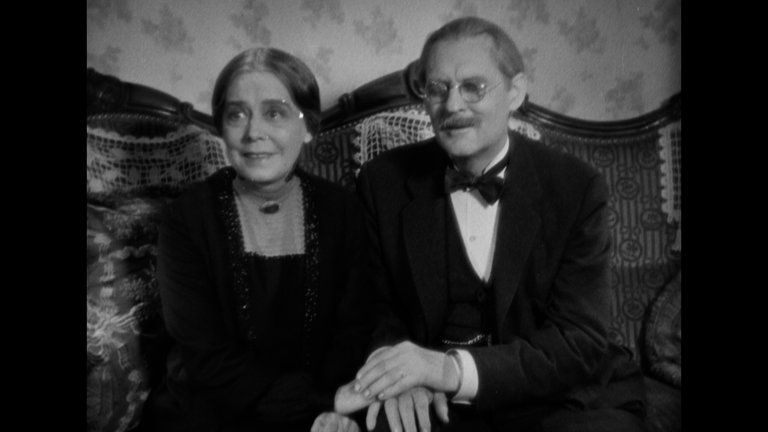
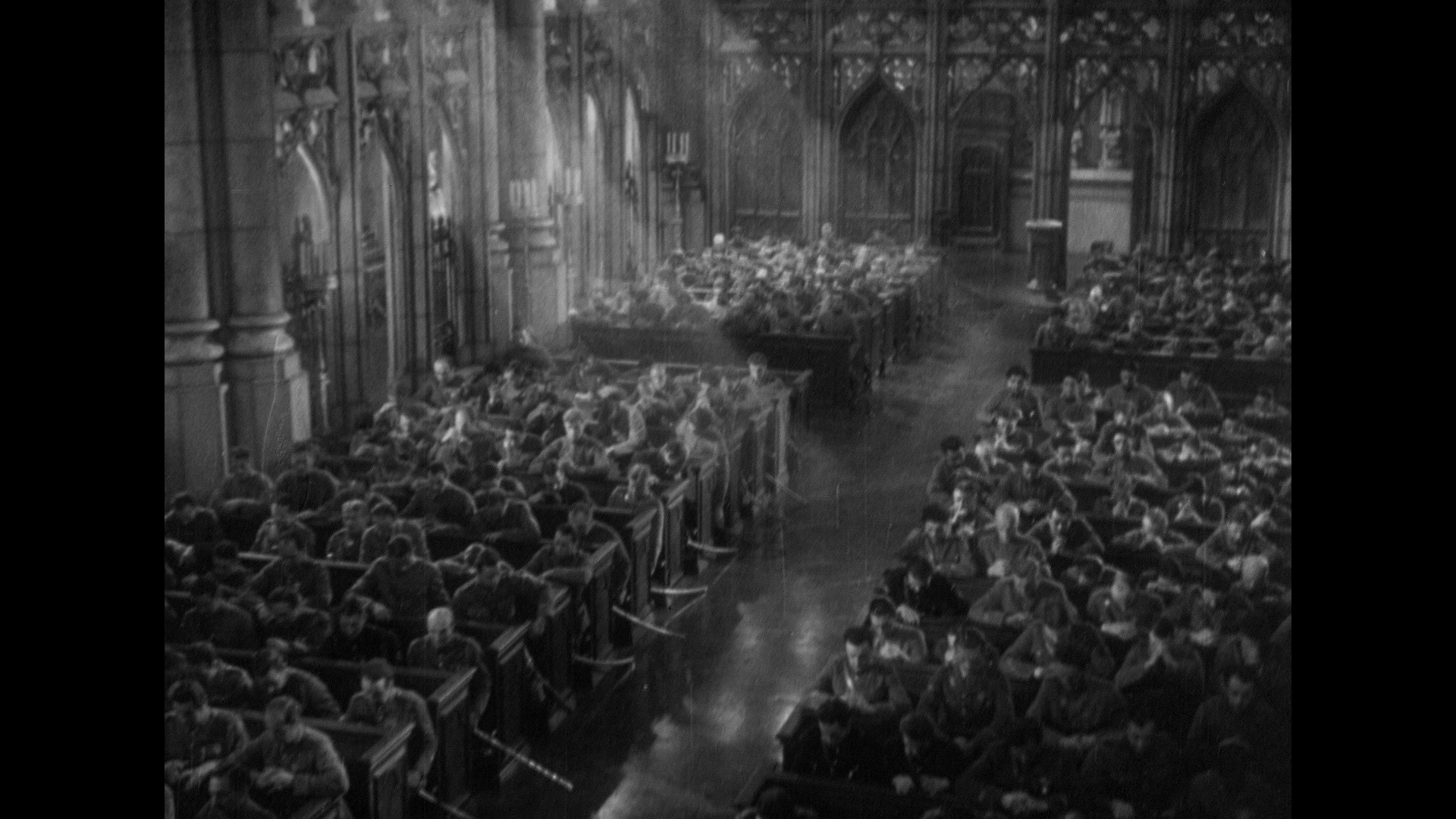
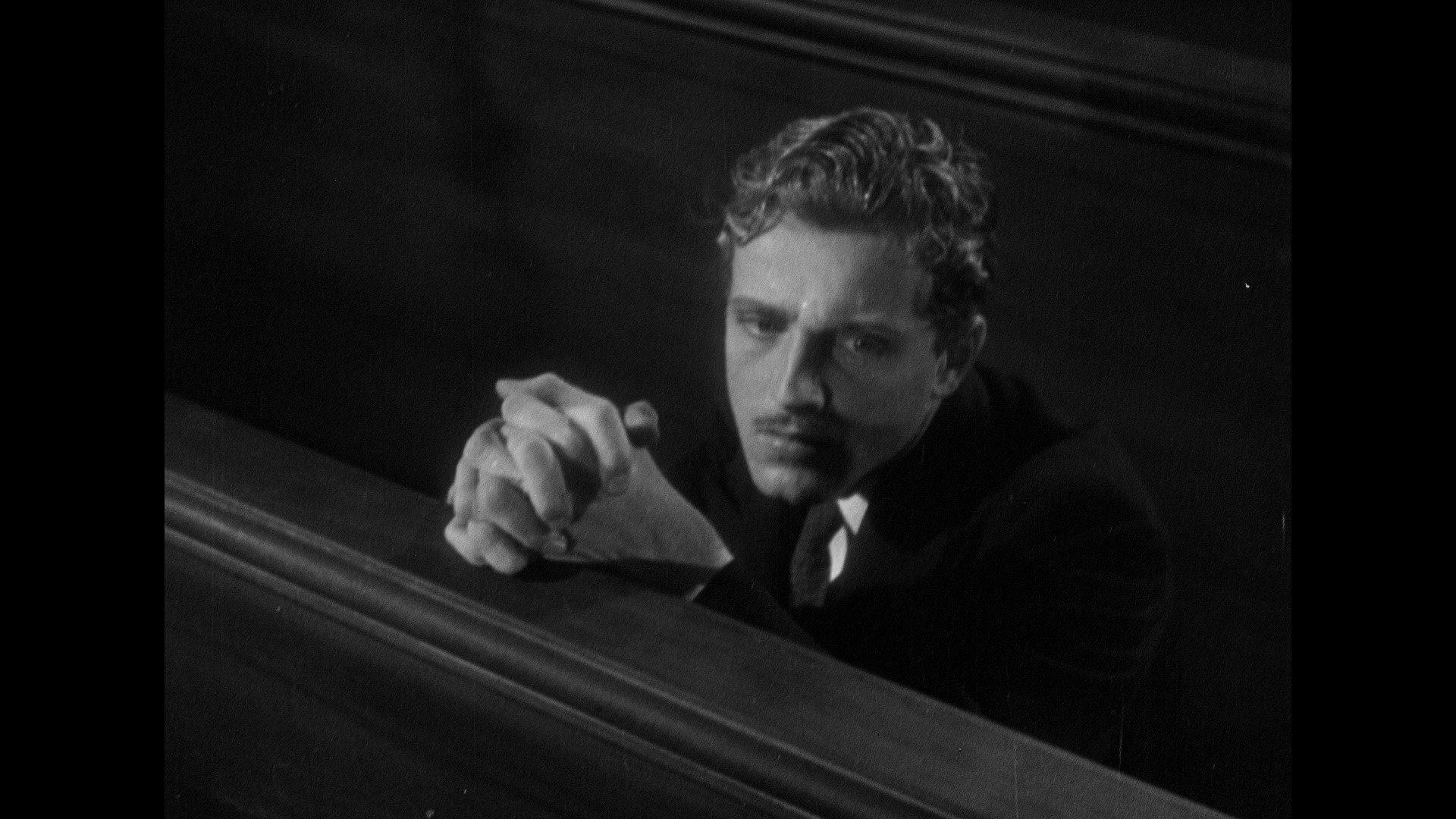
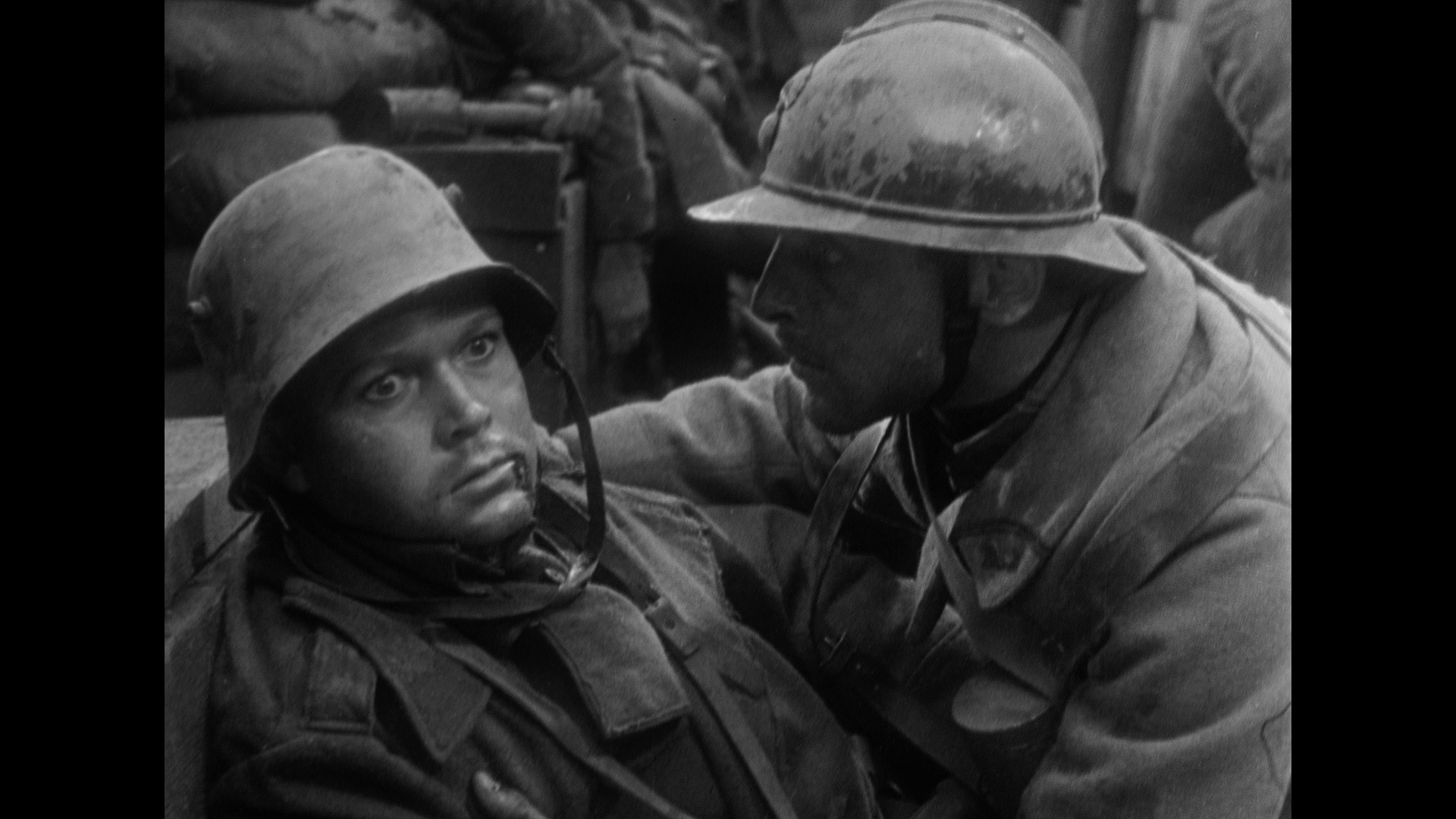
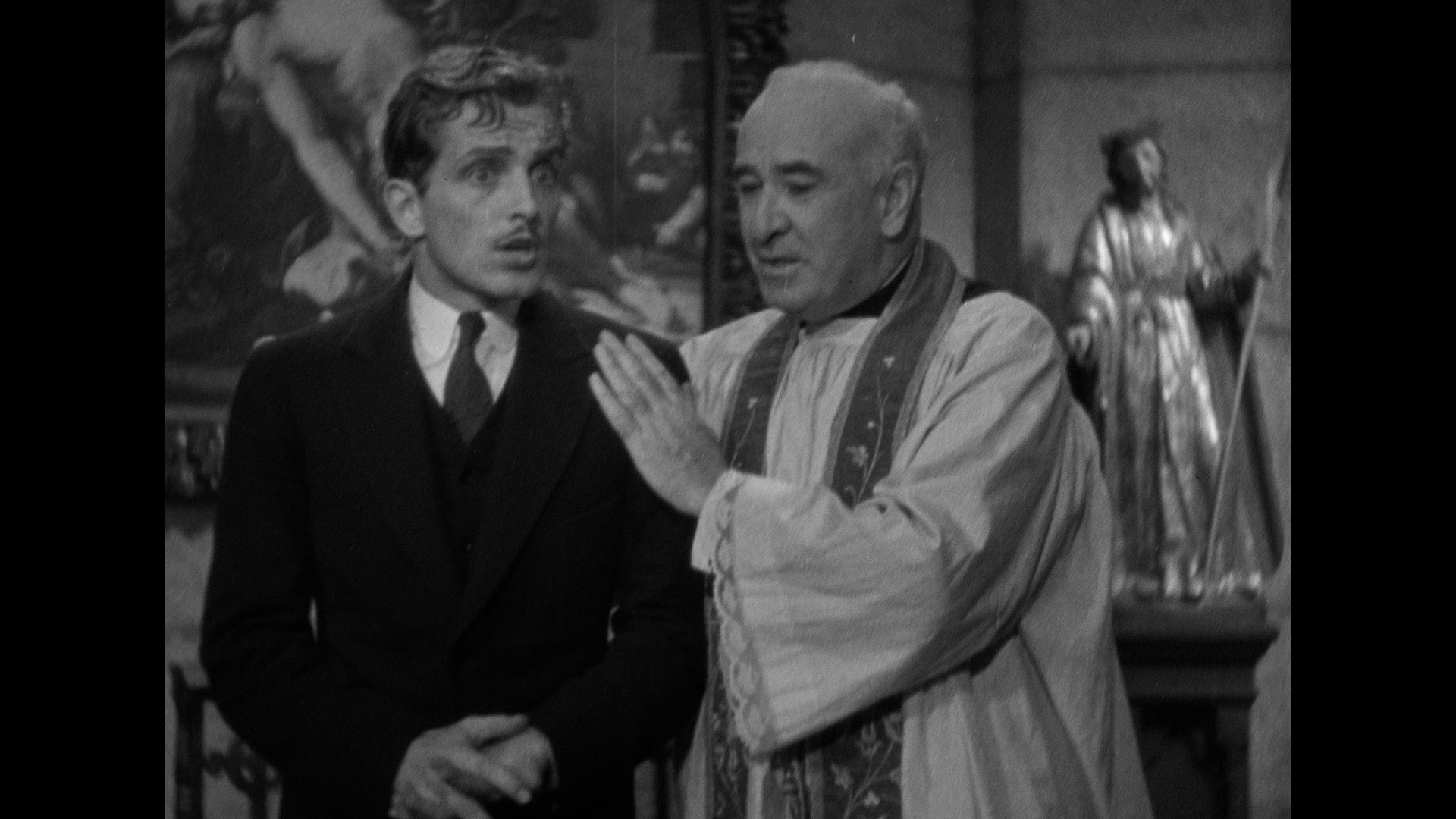
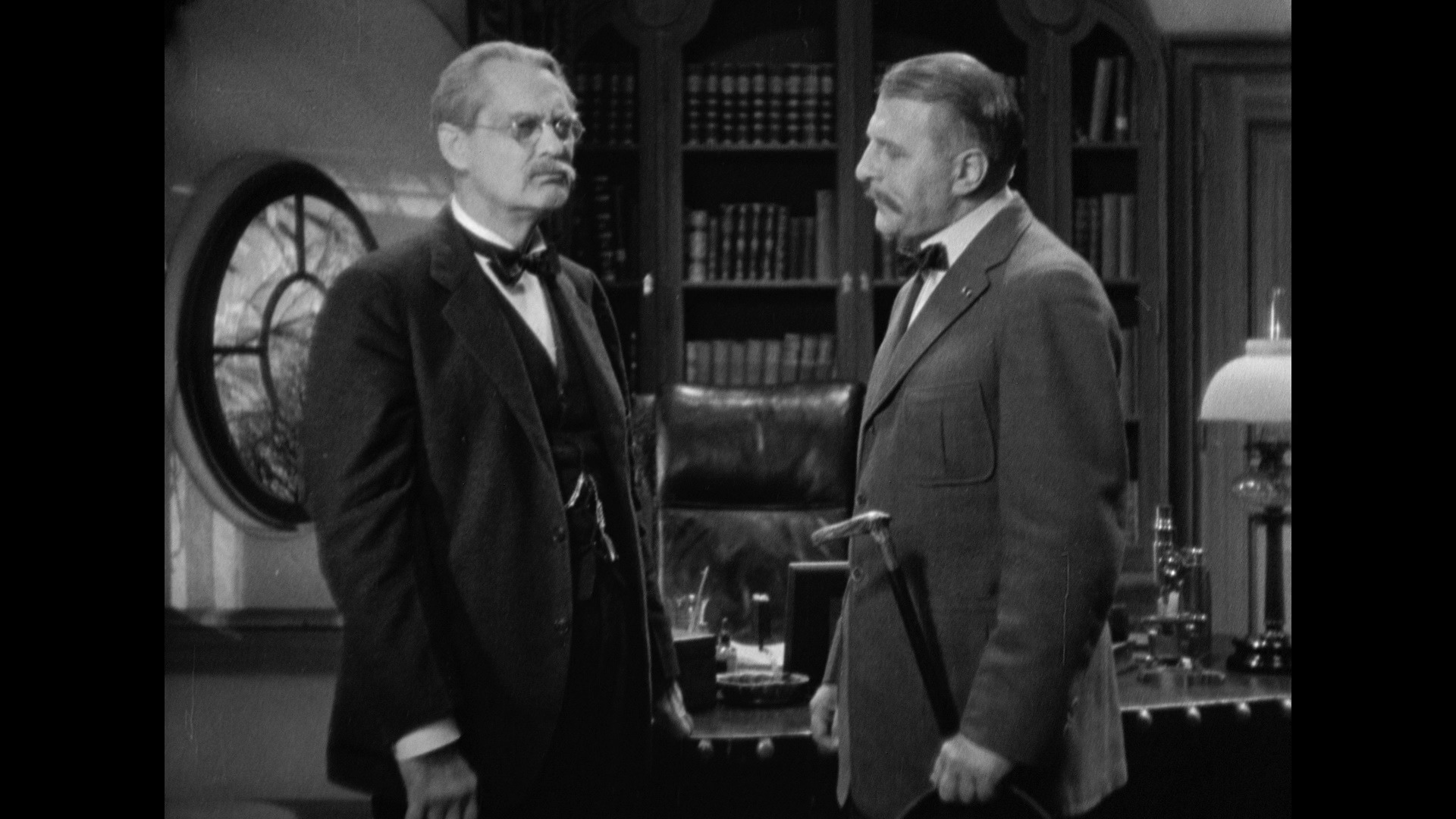
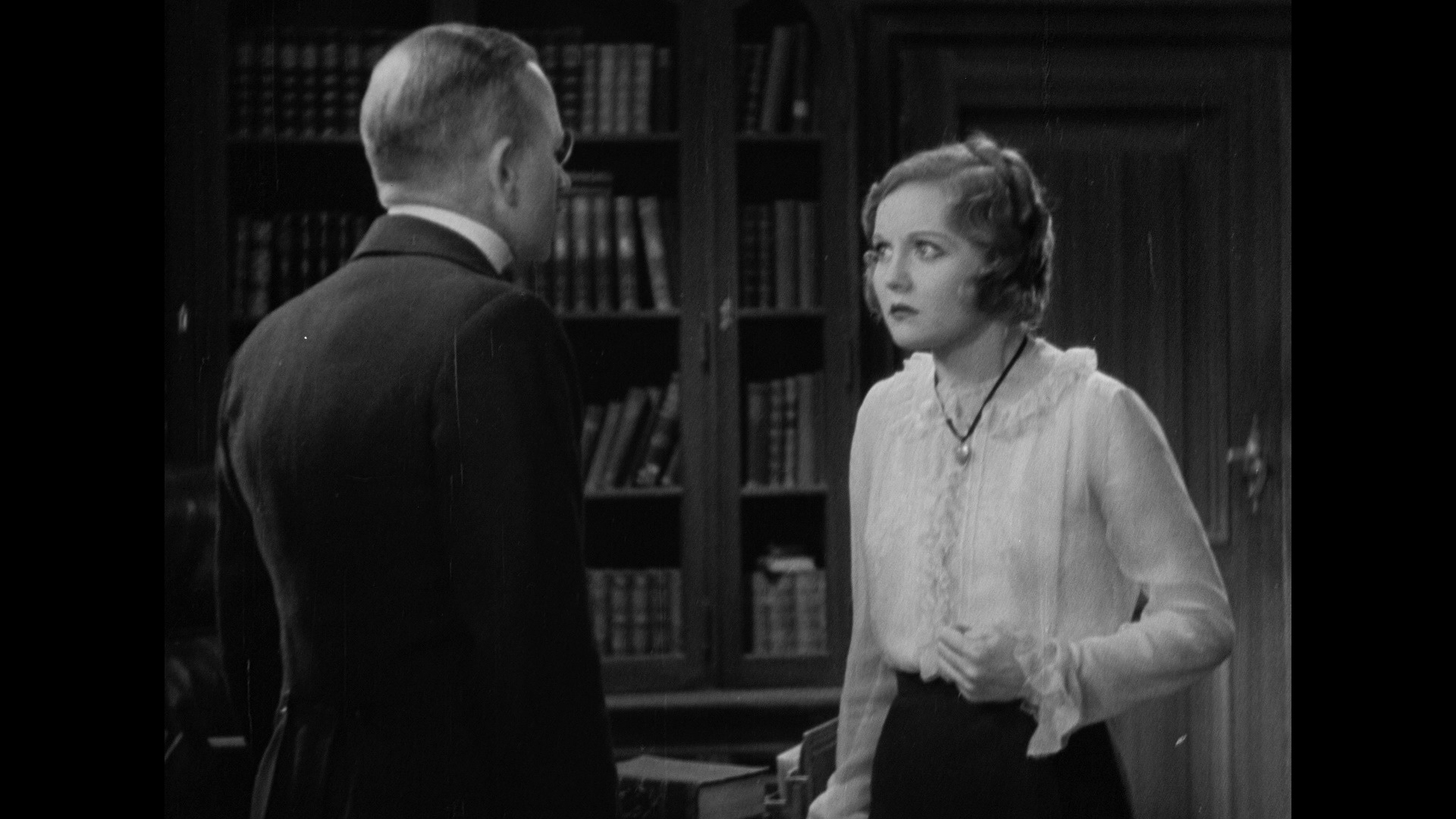
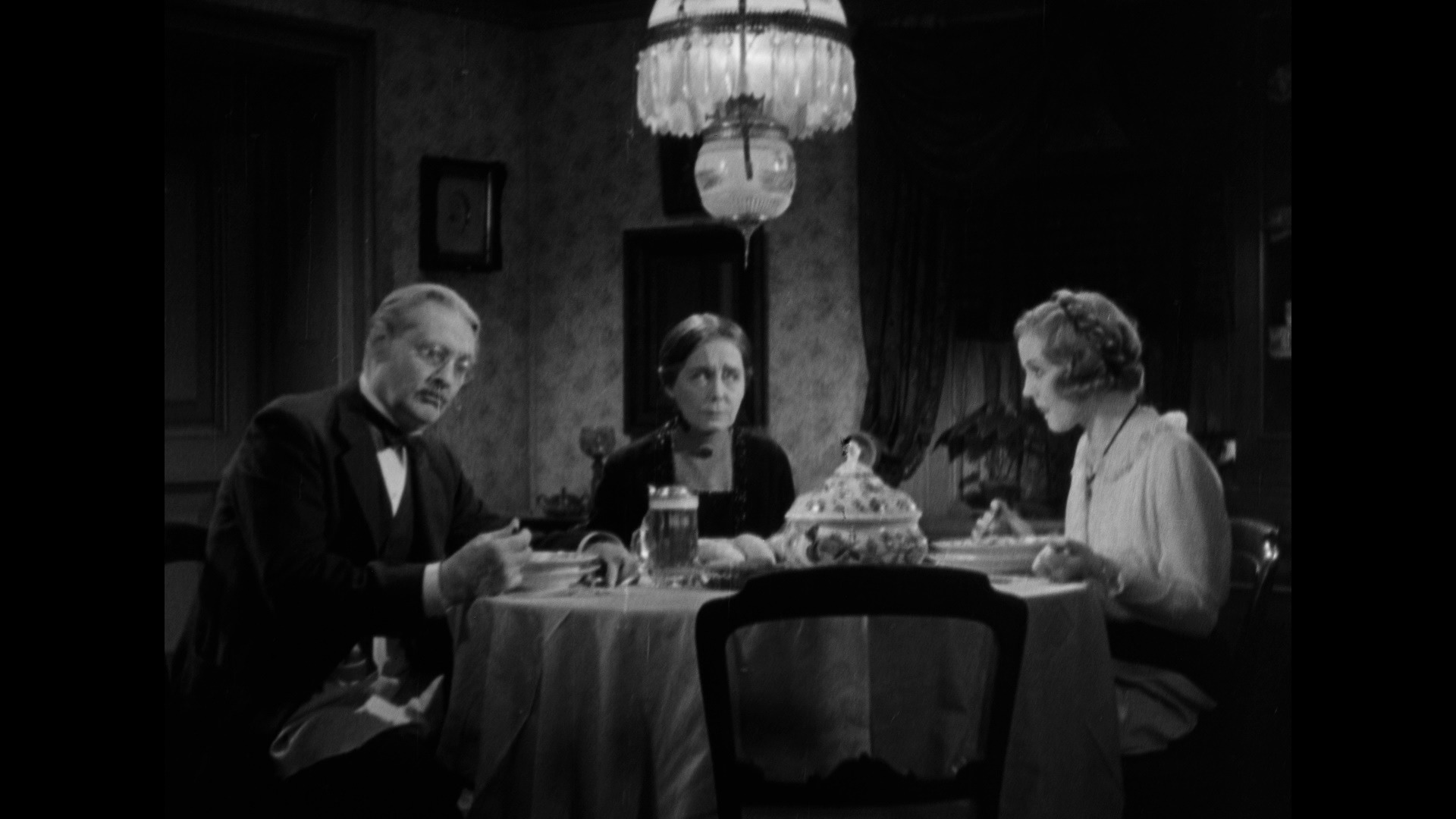
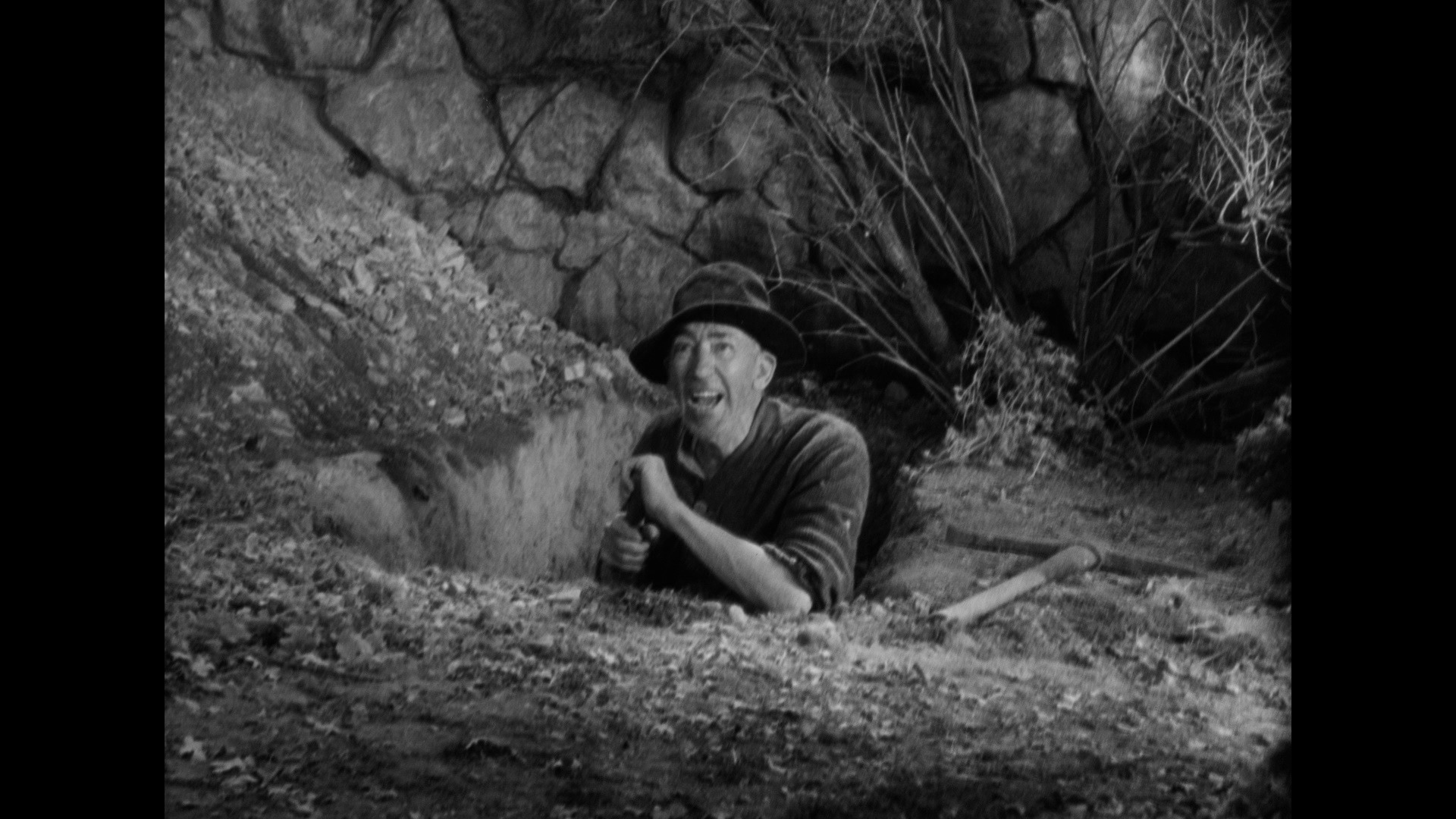
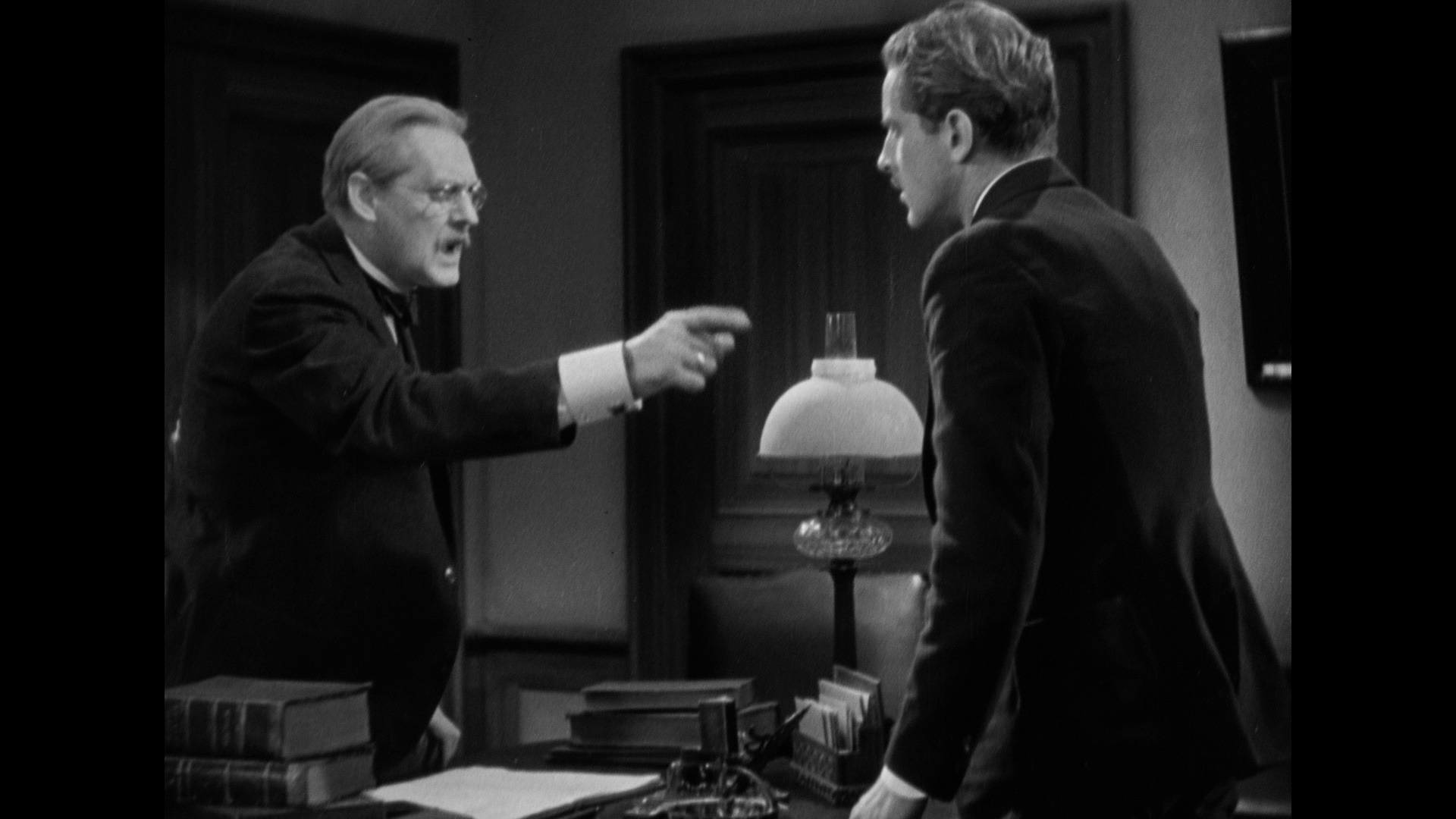
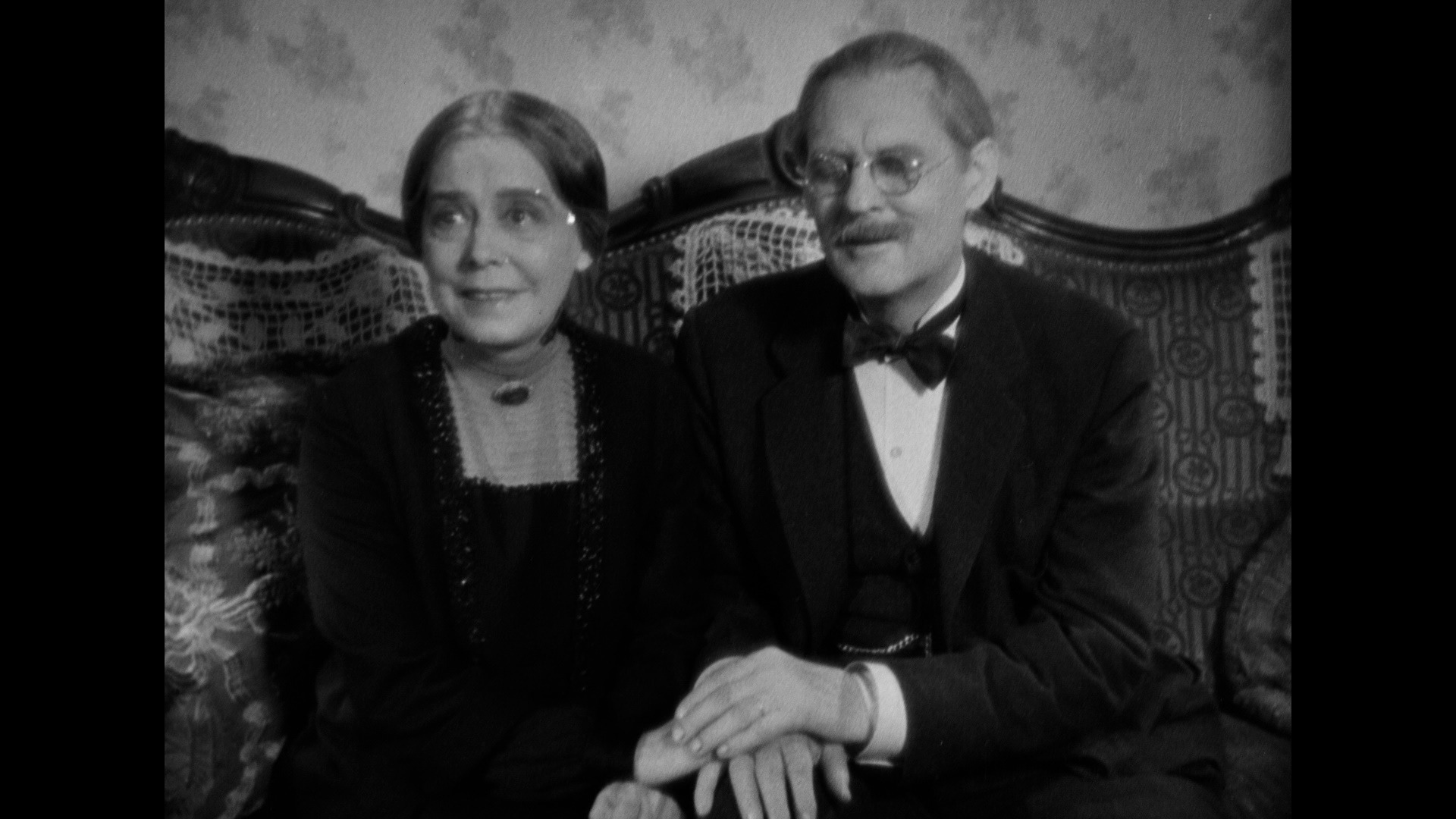
The notes state the presentation comes from a recent 2K restoration performed by Universal, sourced from a 35mm composite fine-grain print. However, as one will see immediately, the restoration work has been minimal. At best, the image appears to have been stabilized with some other minor clean-up. Yet, the damage remains heavy throughout the presentation, with scratches, marks, and assorted stains raining through consistently. I suspect that the conditions of the materials proved too problematic to simply run a quick algorithm against without impacting the picture in other negative ways (leading to a more “digital” looking appearance) that it was just seen not to be worth risking. It’s a shame, but it ultimately is what it is.
The good news is that the base scan, and the end digital presentation, are both solid. Though the conditions of the materials can impact the final results to varying degrees, there is still an impressive level of detail in most of the film’s running time, and film grain has been captured and rendered successfully. Also remarkable is the grayscale, which (outside of some of the dupey-looking archival material inserted here and there) can be shockingly wide with clean gradients. Black levels are also strong, as are whites.
No, it’s not ideal, but the digital presentation doesn’t exasperate the inherent problems of the source materials, and there is still a sharp film texture to the results.
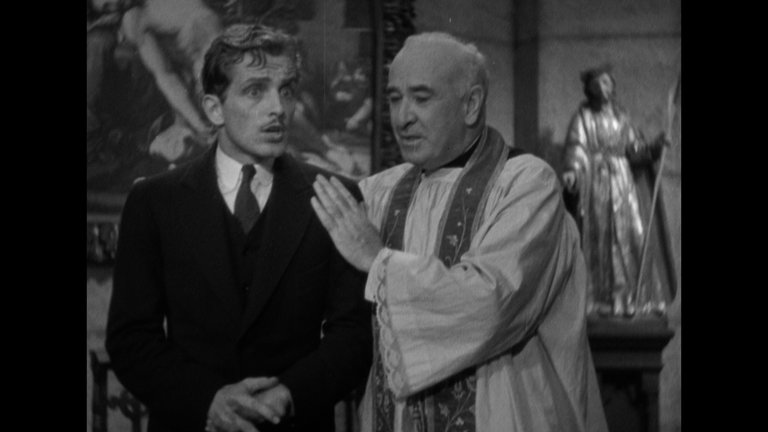
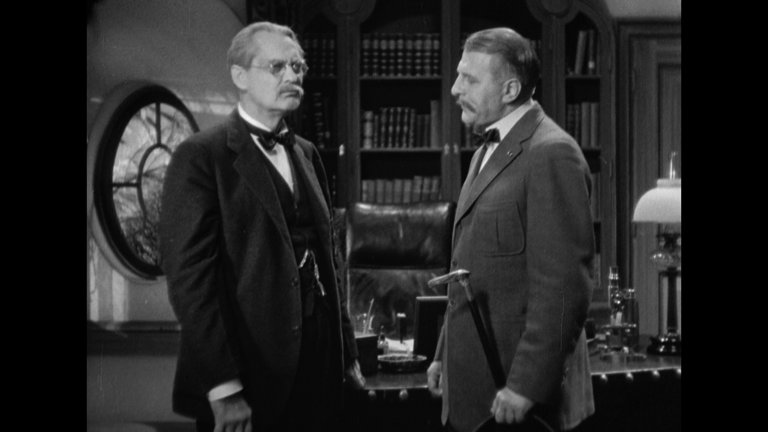
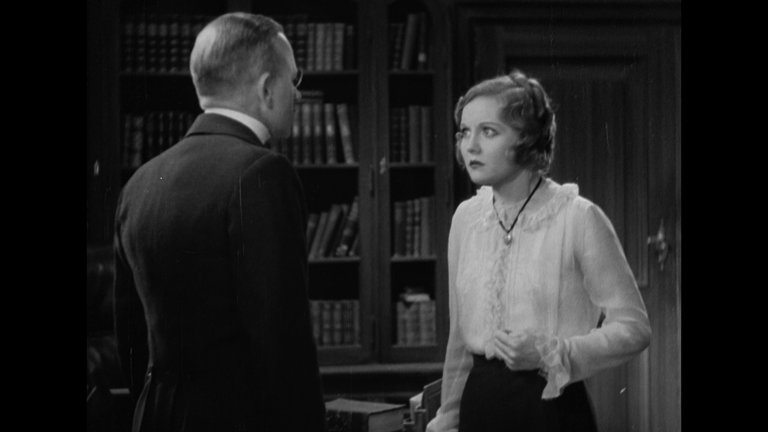
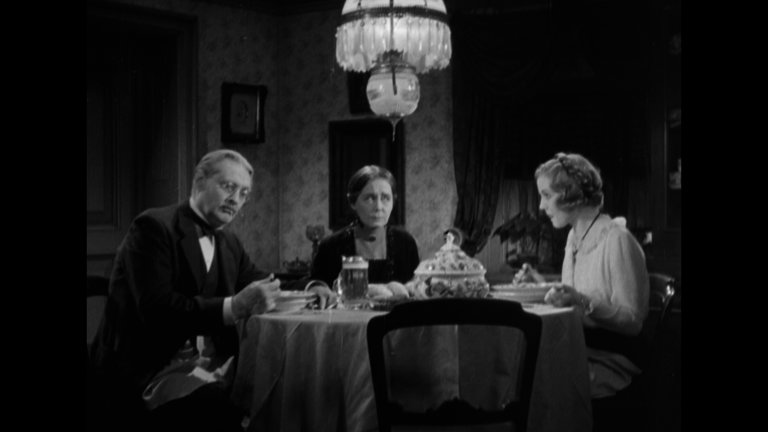
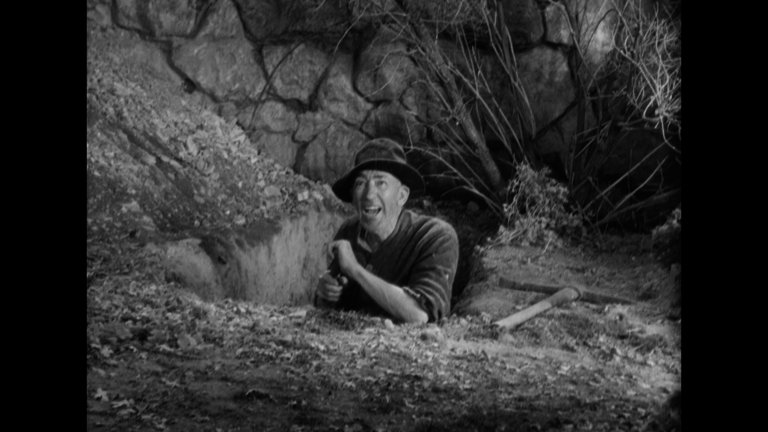
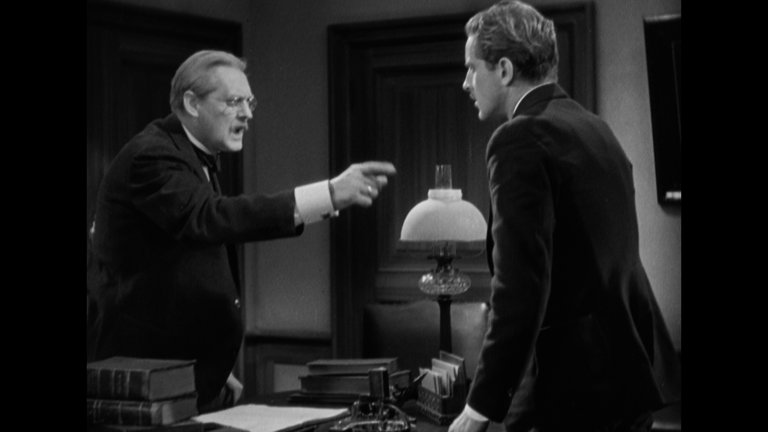
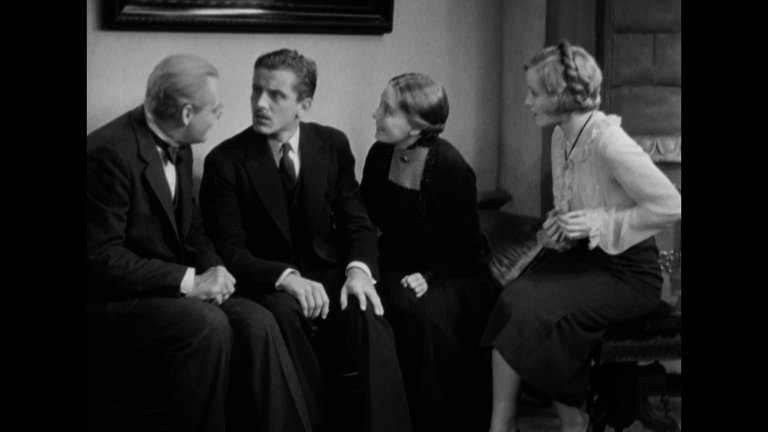
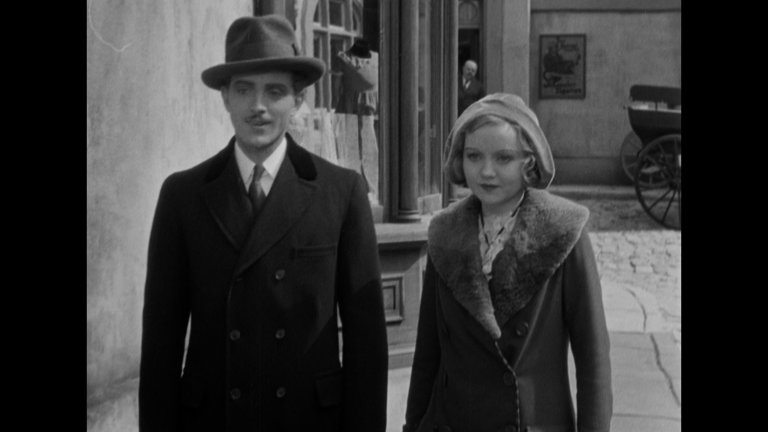
Broken Lullaby - Screen Captures
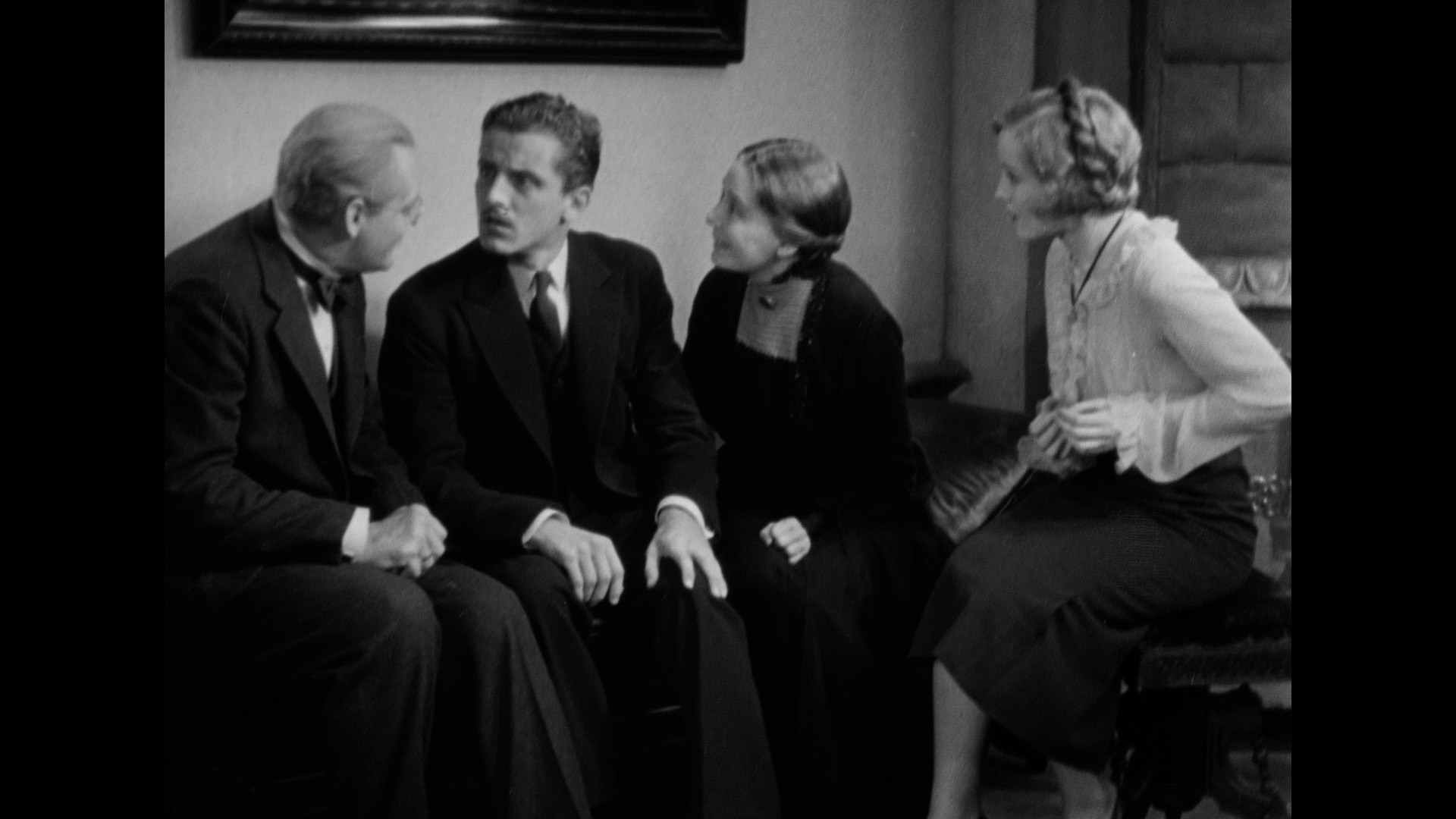
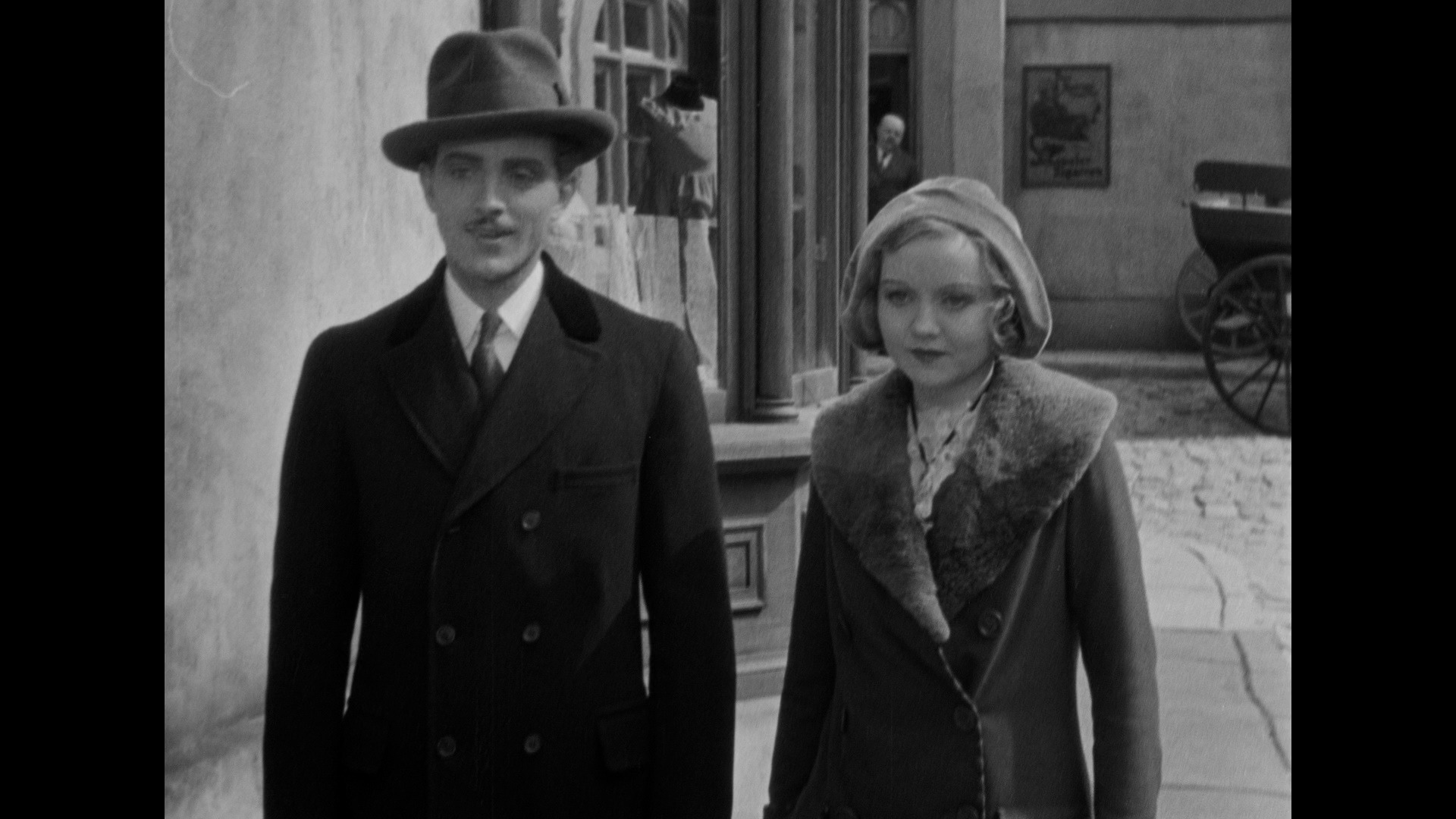
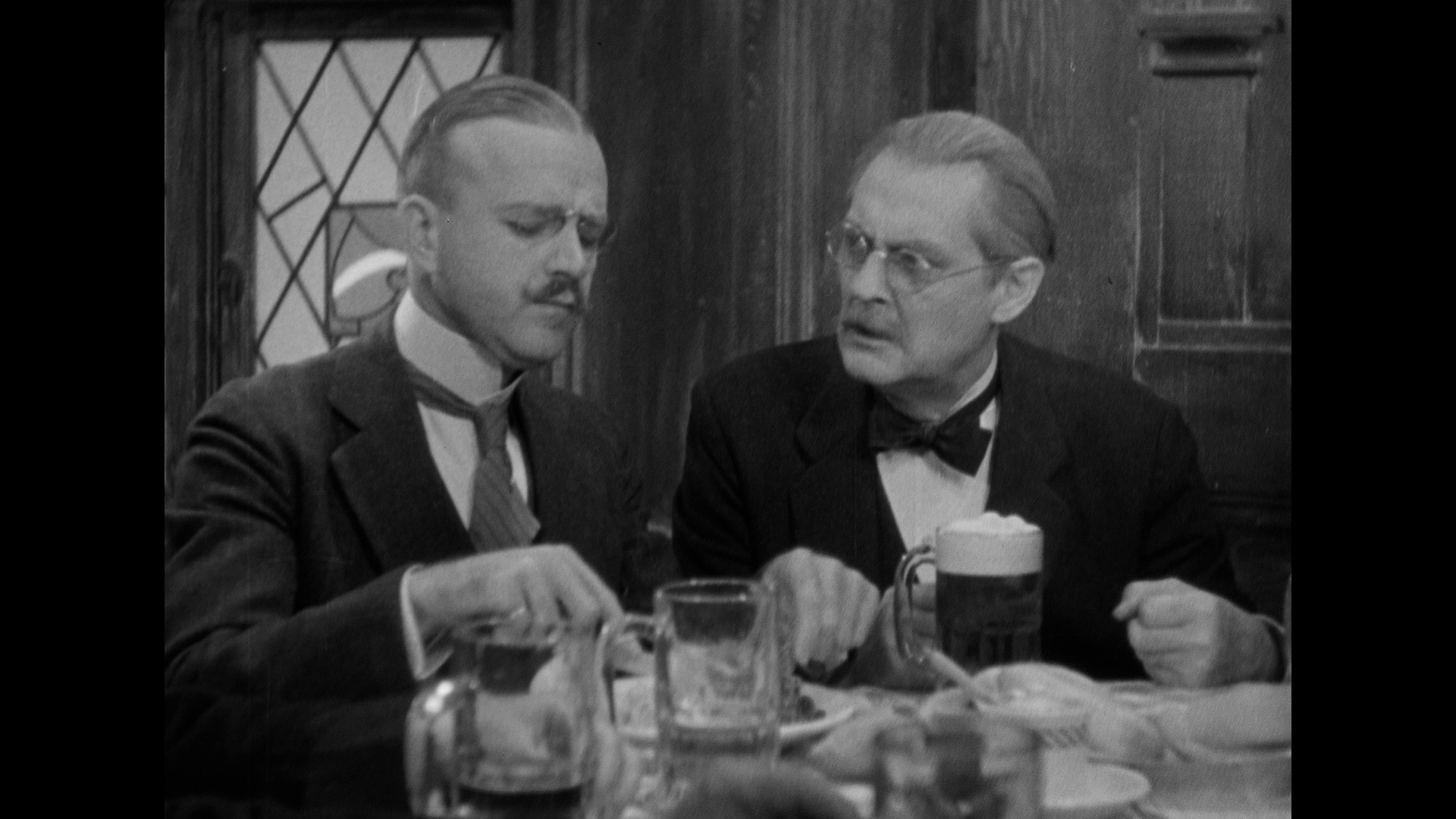
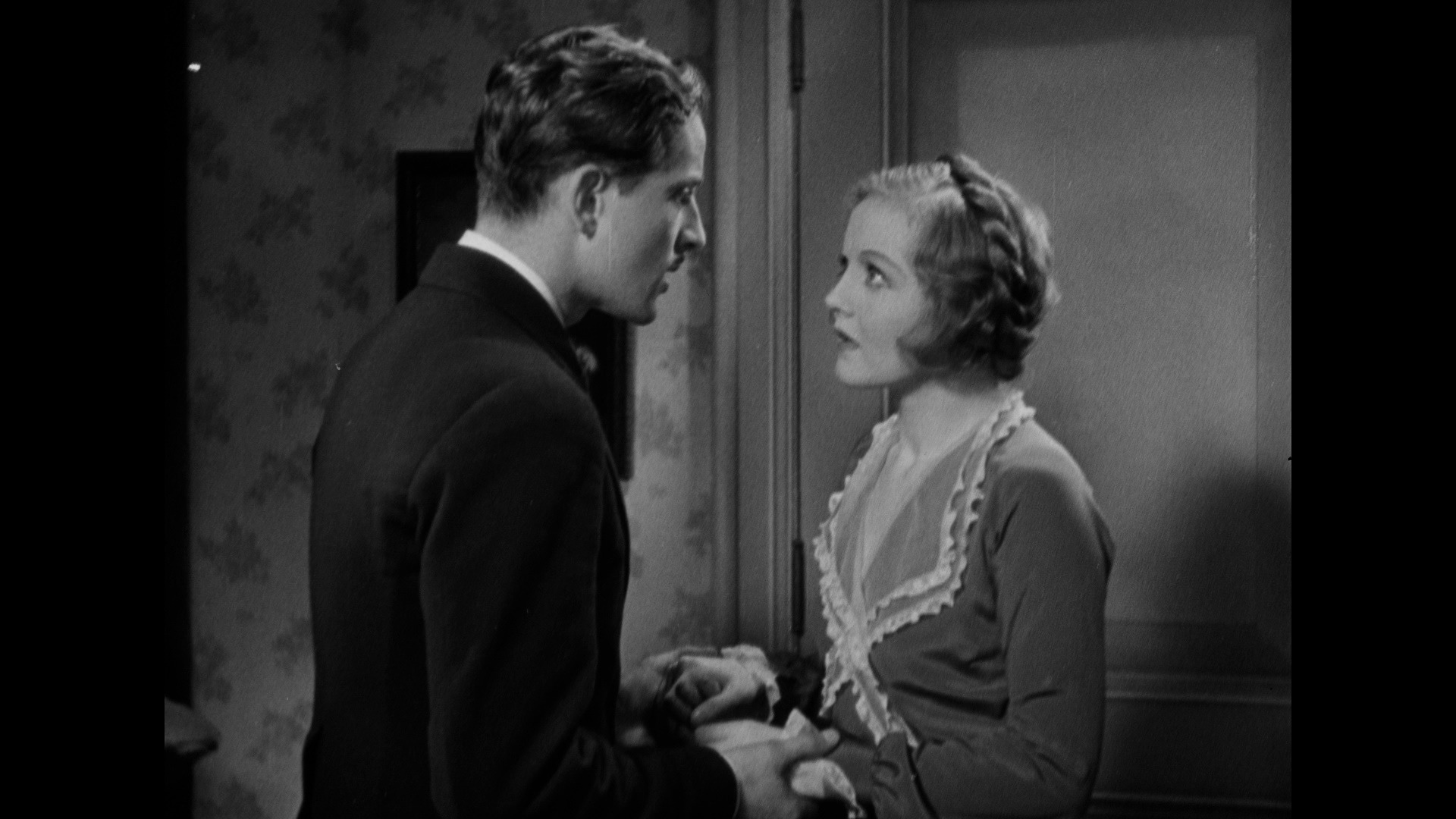
Audio 5/10
It's nowhere near as harsh as I was expecting, but the film’s soundtrack (presented in lossless PCM) still shows its age. The damage has been cleaned up, and I don’t recall anything significant or worth noting. There is some audible background noise, but that is to be expected, and it doesn’t sound like any excessive filtering has been applied to hide it. Dialogue and music sound sharp, though a harsh edge can be present; a shush late in the film sounds particularly rough.
Extras 7/10
Overlooked through the years, Indicator gives the film special attention through this edition’s features, starting with an all-new audio commentary from Joseph McBride. McBride does have slight reservations about the film, which he frequently brings up. It seems to mainly come down to him finding the film a bit blunt in its messaging with “heavy-handed” acting to match, characteristics he points out as unusual for the typically subtle Lubitsch. When he can get past this, he does provide an excellent overview of the film and its production, covering the original play, The Man I Killed, and the adaptation process. He even goes over how the title was changed because audiences would have expected a war film, which this wasn’t (the title remained unchanged in most other territories). He also brings up the film’s themes, primarily “survivor’s guilt,” and mentions François Ozon’s 2016 remake, Frantz. McBride then references reviews of the time as his track winds down, most being praise. Somewhat humorously, he questions these positive responses and the critics that made them, leading to him discussing critics of the period and their expectations. Despite his hesitations, McBride can still address the film’s and story’s strengths and keep things engaging and informative.
Also presented as an alternate audio track is a 2001 recording of Scott Eyman lecturing on Lubitsch’s work. It ends up being a decent crash course on his life and work, starting with the director’s Marriage Circle and moving on. He shows clips throughout to an audience and discusses the sequences he has just demonstrated, though the actual clips have been edited out from this presentation, as I would expect—a good find for this release.
Also found here is a new video essay by Michael Brooke entitled The Men I Killed. Presented as text and accompanied by photos and clips, it’s incredibly dense at only 13 minutes, thoroughly covering the history of the play, how it was adjusted to fit the times, and Lubitsch’s adaptation of it. Surprisingly, most of the essay is devoted to comparing Lubitsch’s film and Ozon’s remake Frantz, brought up by McBride in his commentary. One should take heed before viewing, though, as there are spoilers aplenty (as the opening of the essay warns) since it draws comparisons to the structure of both films (for example, Ozon’s doesn’t initially explain why the French protagonist is in Germany to begin with while Lubitsch somewhat clumsily lays out all the details beforehand in his) and the different paths each one takes to tackle the subject matter from different perspectives. It’s nicely edited and shockingly thorough, but again, don’t view it if you want to avoid spoilers for Frantz.
The release then closes with an on-disc gallery featuring a decent round-up of archival material (production photos, lobby cards, posters, press book), some of it including the original title. It also comes with one of Indicator’s wonderfully assembled booklets. It starts with an essay on the film and the source play, followed by a couple of 1932 profiles: one for Lubitsch, written by Fred Pasley, and the other for Lionel Barrymore, written by Alice Alden for her “Great Moments in the Lives of Great People” column. This is followed by a short profile on writer Samson Raphaelson constructed from a couple of article excerpts, including one from the San Francisco Examiner with a humorous recollection of Raphaelson’s first story conference for The Man I Killed, aka Broken Lullaby. It then closes with a few review excerpts.
As usual, it’s a terrific booklet loaded with great material. And though it only features a few items, the disc features are solid and worth going through.
Closing
The restoration has been chiefly “hands-off,” leaving behind a lot of damage. Still, the digital presentation is solid, thanks primarily to a stable base scan and terrific encoding.
BUY AT: