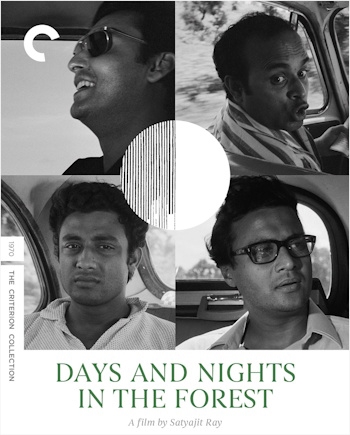
Days and Nights in the Forest
BUY AT:


See more details, packaging, or compare
Synopsis
One of director Satyajit Ray’s greatest achievements begins with the deceptively easy grace of a buddy comedy—only to give way to darker moral shading. Seeking a weekend escape from the city, four friends from Kolkata embark on a driving trip to the countryside, where their urban entitlement and prejudices are gradually exposed. Among these young bachelors is the overconfident Ashim (Soumitra Chatterjee), who finds his self-assurance shaken by Aparna (the radiant Sharmila Tagore), an enigmatic young woman whose cool intellect conceals turbulent emotional depths. Filmed luminously amid the sound-dappled splendor of the woodlands of India’s Palamu region, Days and Nights in the Forest deconstructs the masculine ego and India’s fraught class divisions with elegant complexity.
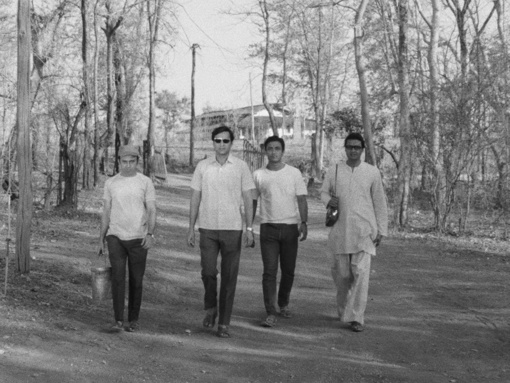
Picture 9/10
Satyajit Ray’s Days and Nights in the Forest makes its home video debut in North America through this brand new 4K UHD edition from The Criterion Collection, who present the film on a triple-layer disc in its original aspect ratio of 1.37:1. The SDR 2160p/24 ultra high-definition presentation comes from a new 4K restoration carried out by The Film Foundation’s World Cinema Project at L’Immagine Ritrovata, sourced (primarily) from the original 35mm camera negative. The release also includes a standard dual-layer Blu-ray featuring a 1080p presentation of the film and all special features.
As Film Heritage Foundation founder Shivendra Singh Dungarpur briefly explains in one of the included features, finding the best available elements for Indian films can be a whole task unto itself due to how original materials were often archived improperly; having access to the original camera negatives is practically unheard of. Shockingly, the negatives for this film were found, as Dungarpur notes, and—based on the results here—were largely intact, and that stroke of luck had led to what is ultimately a remarkable presentation.
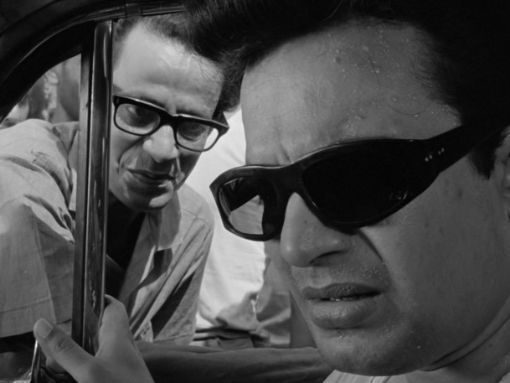
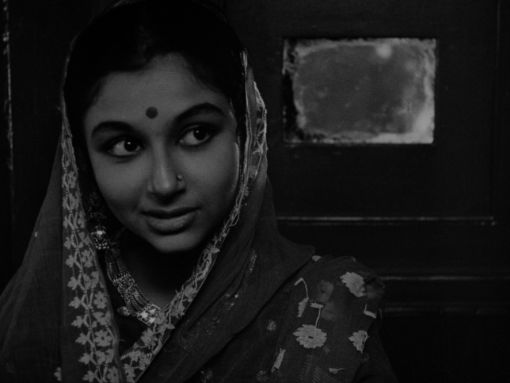
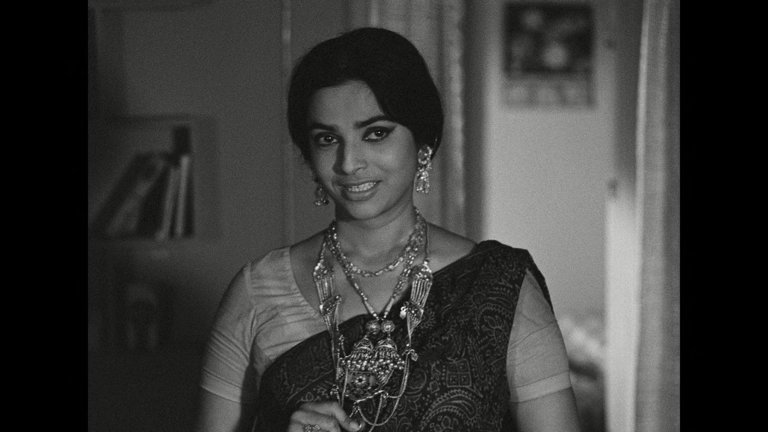
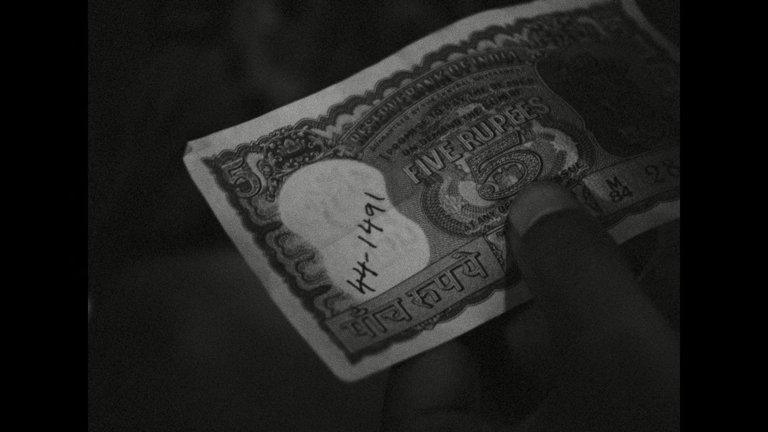
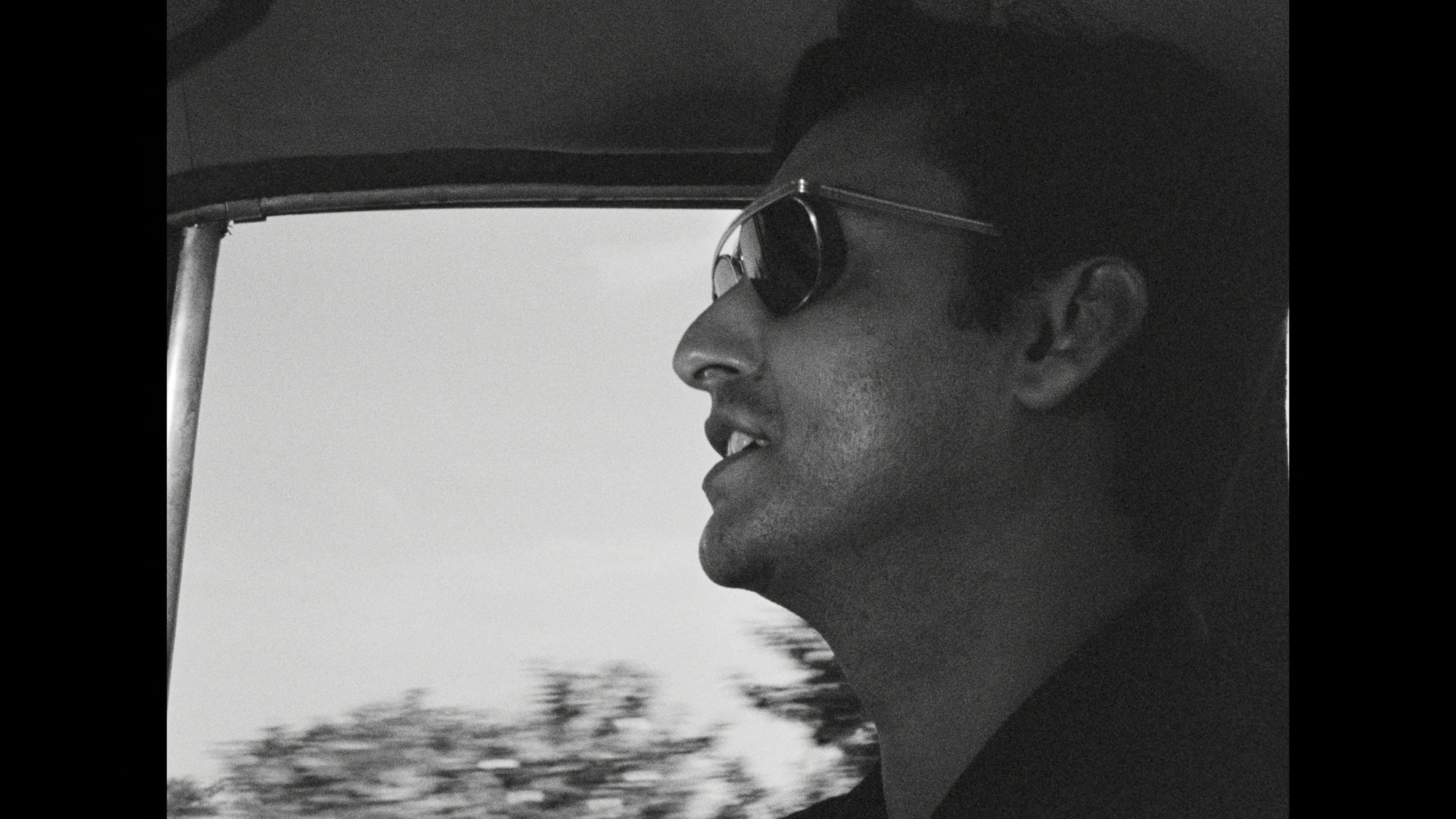
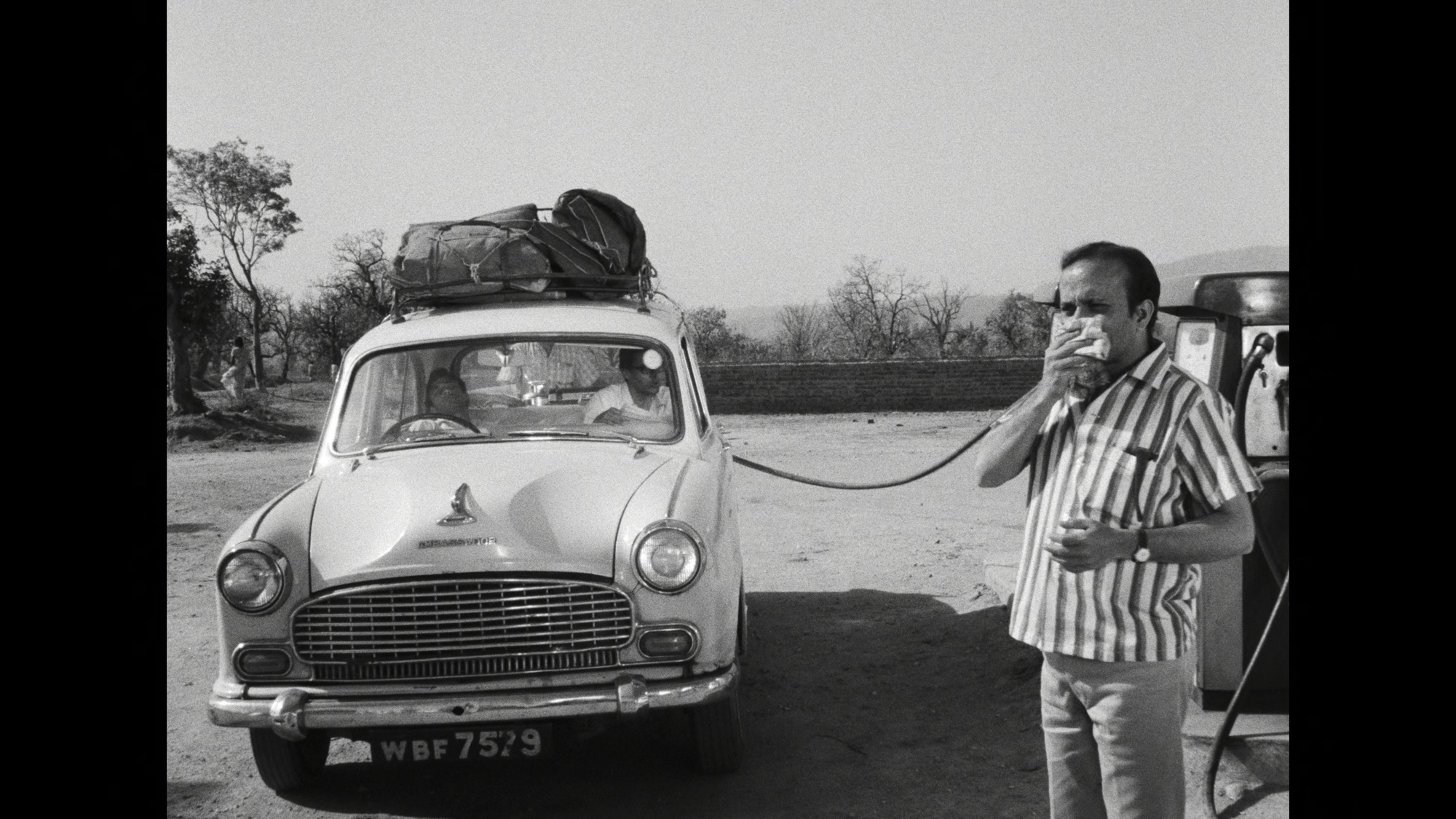
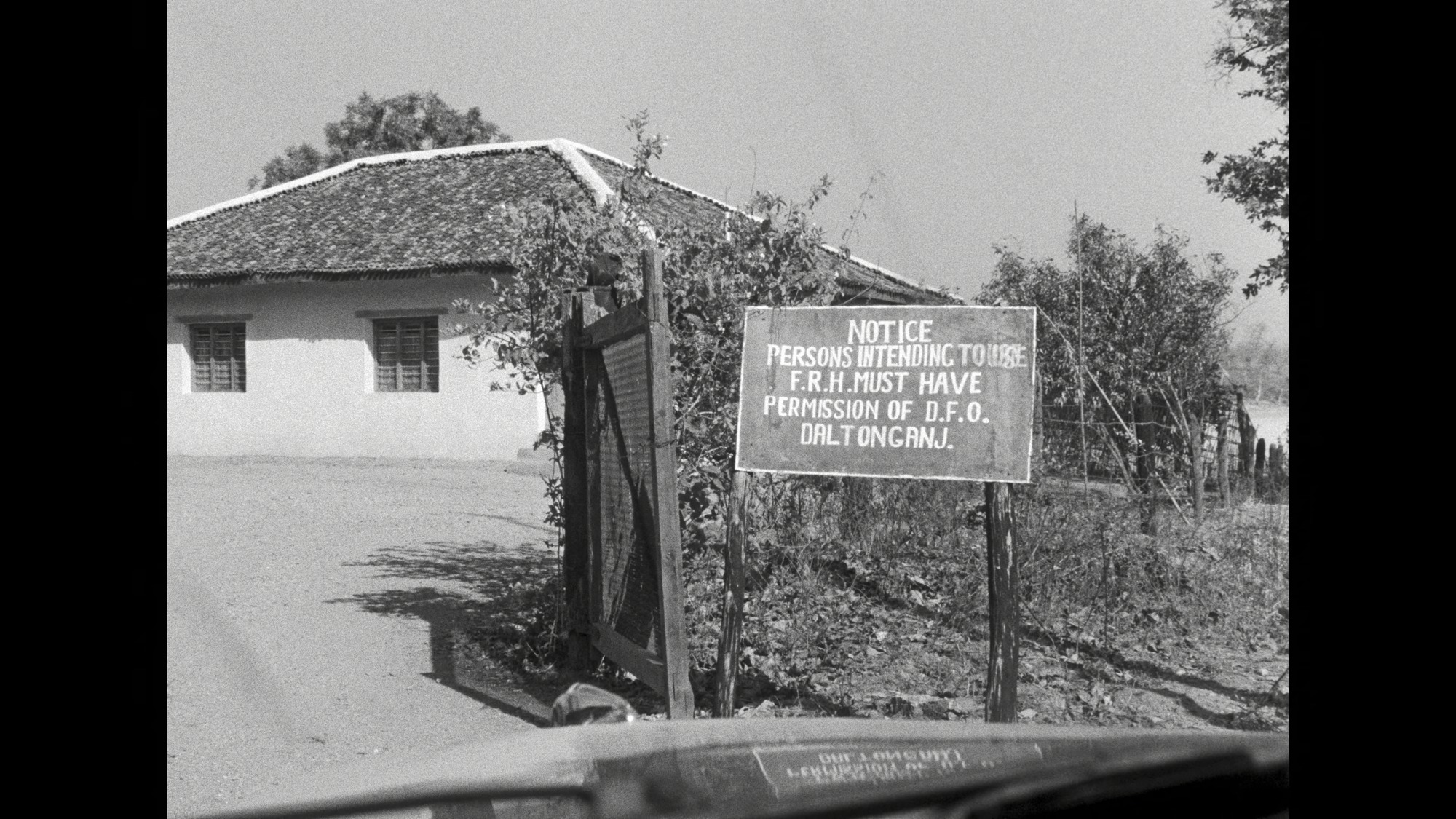
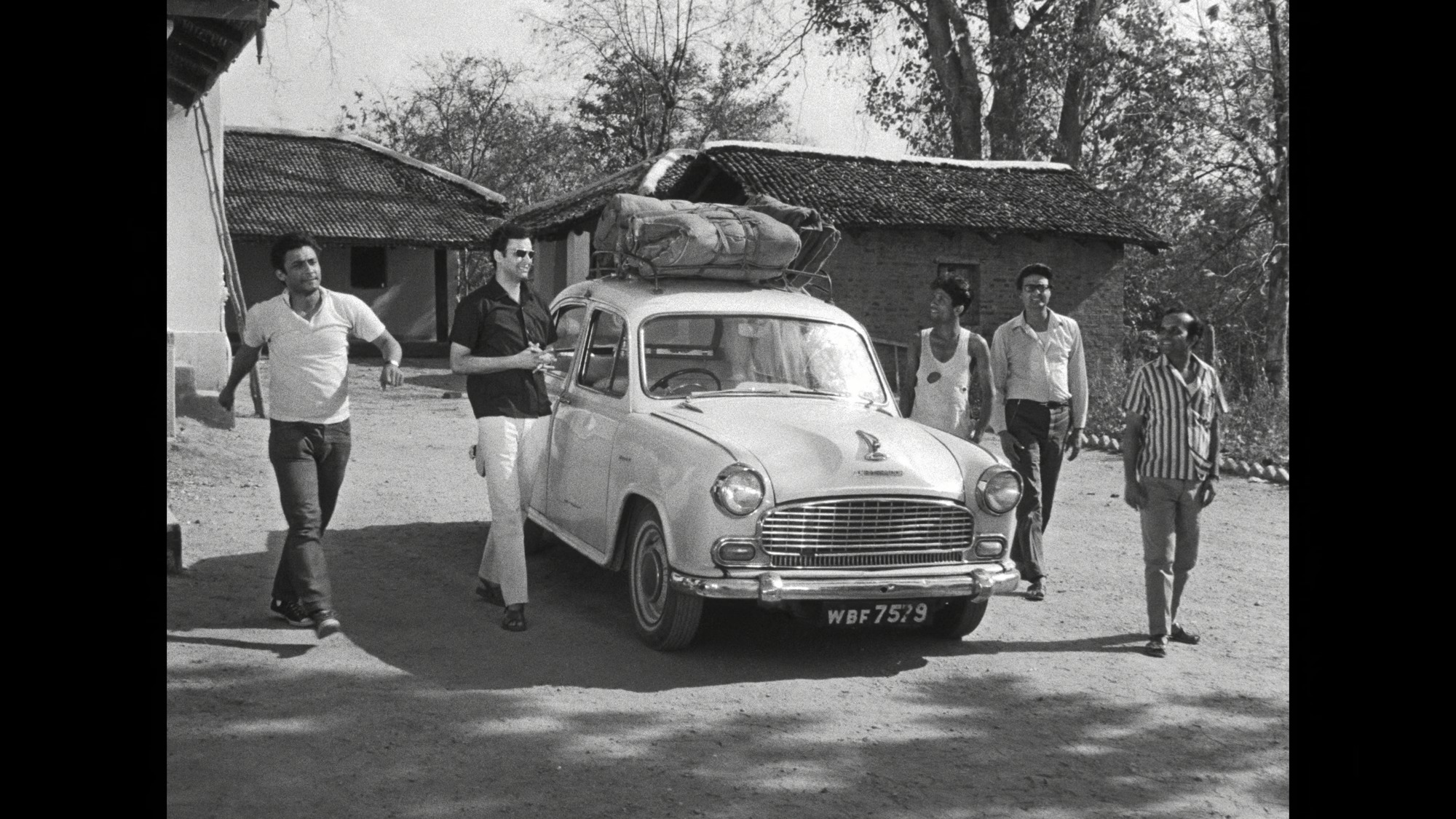
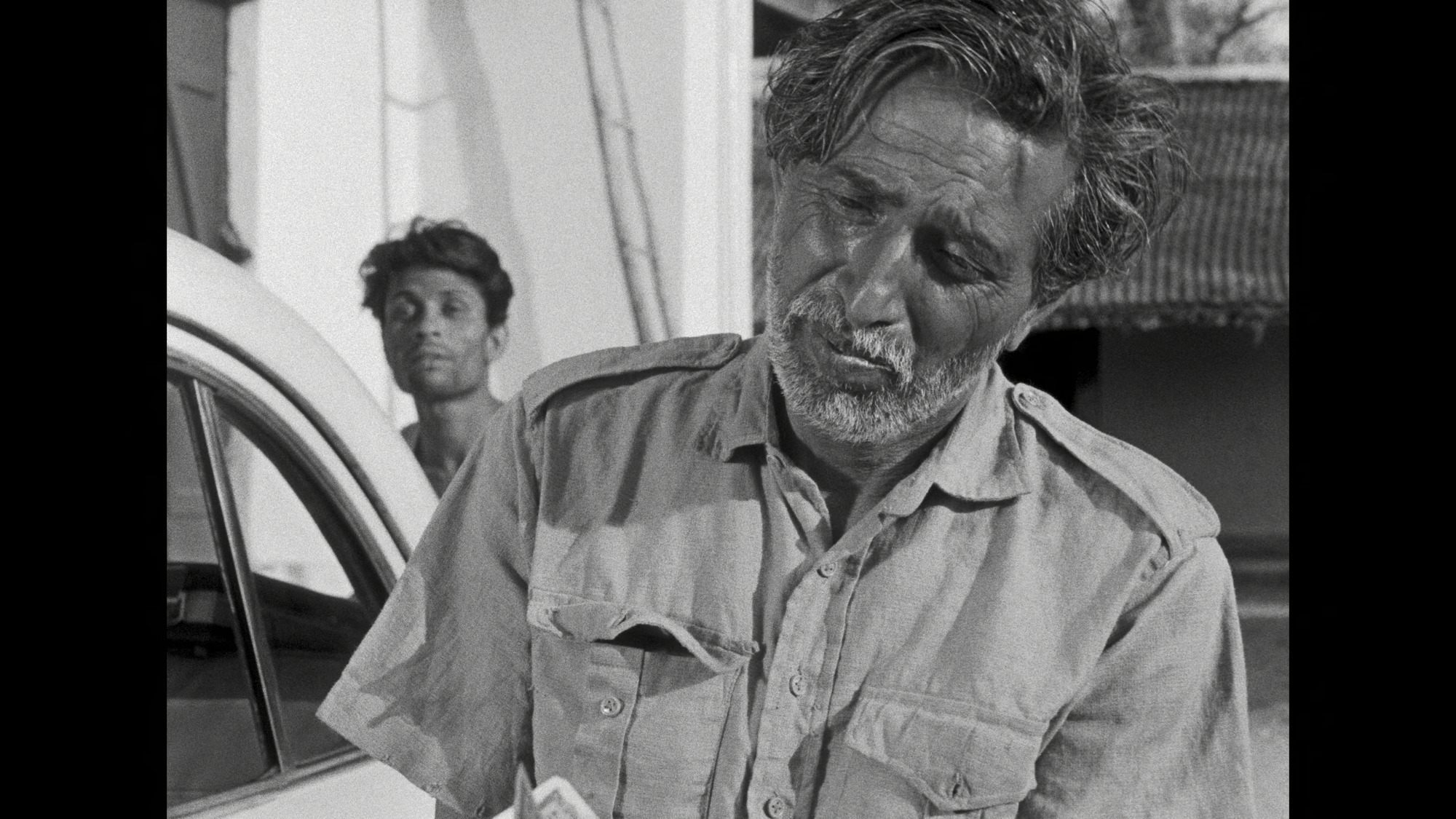
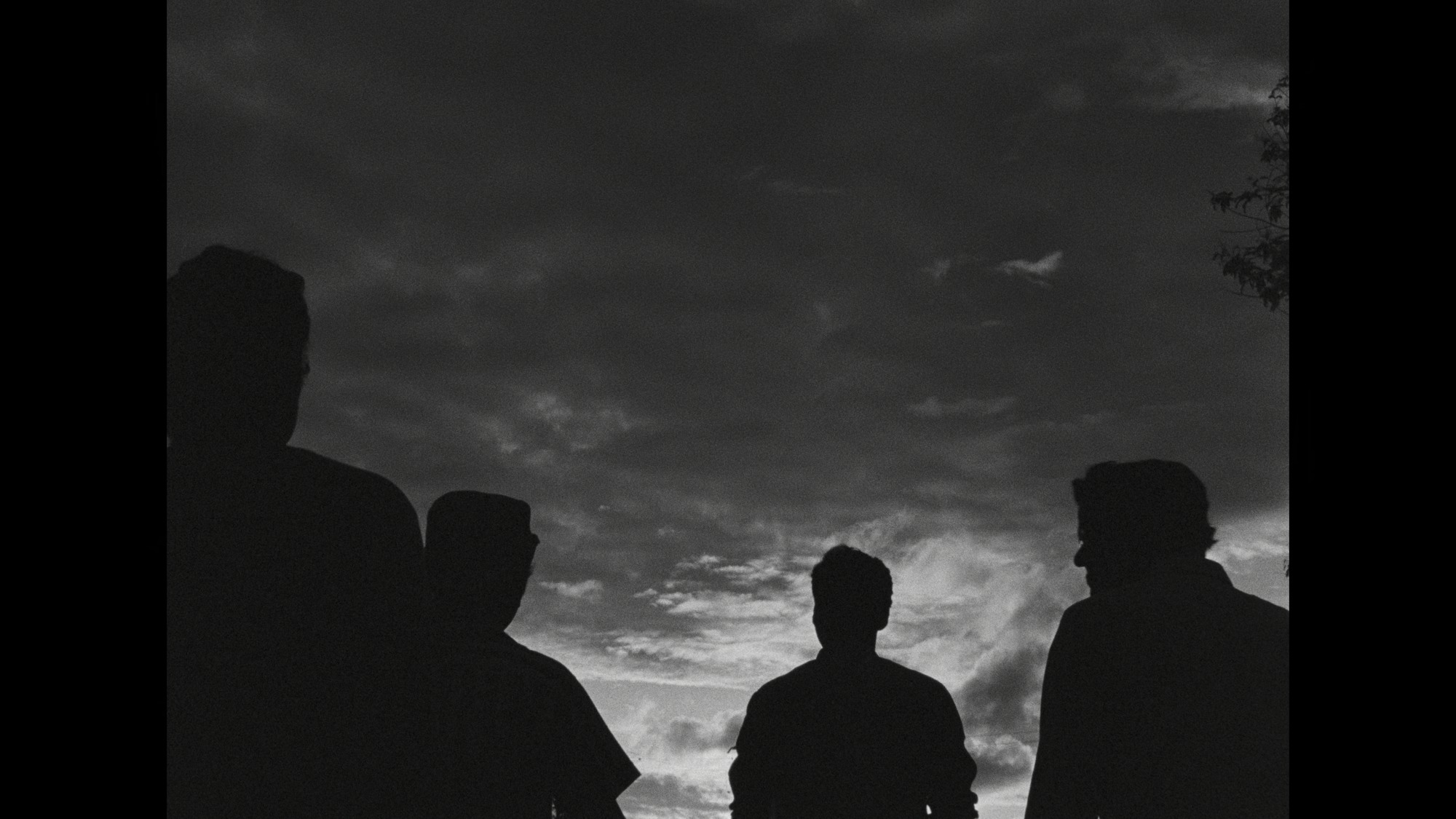
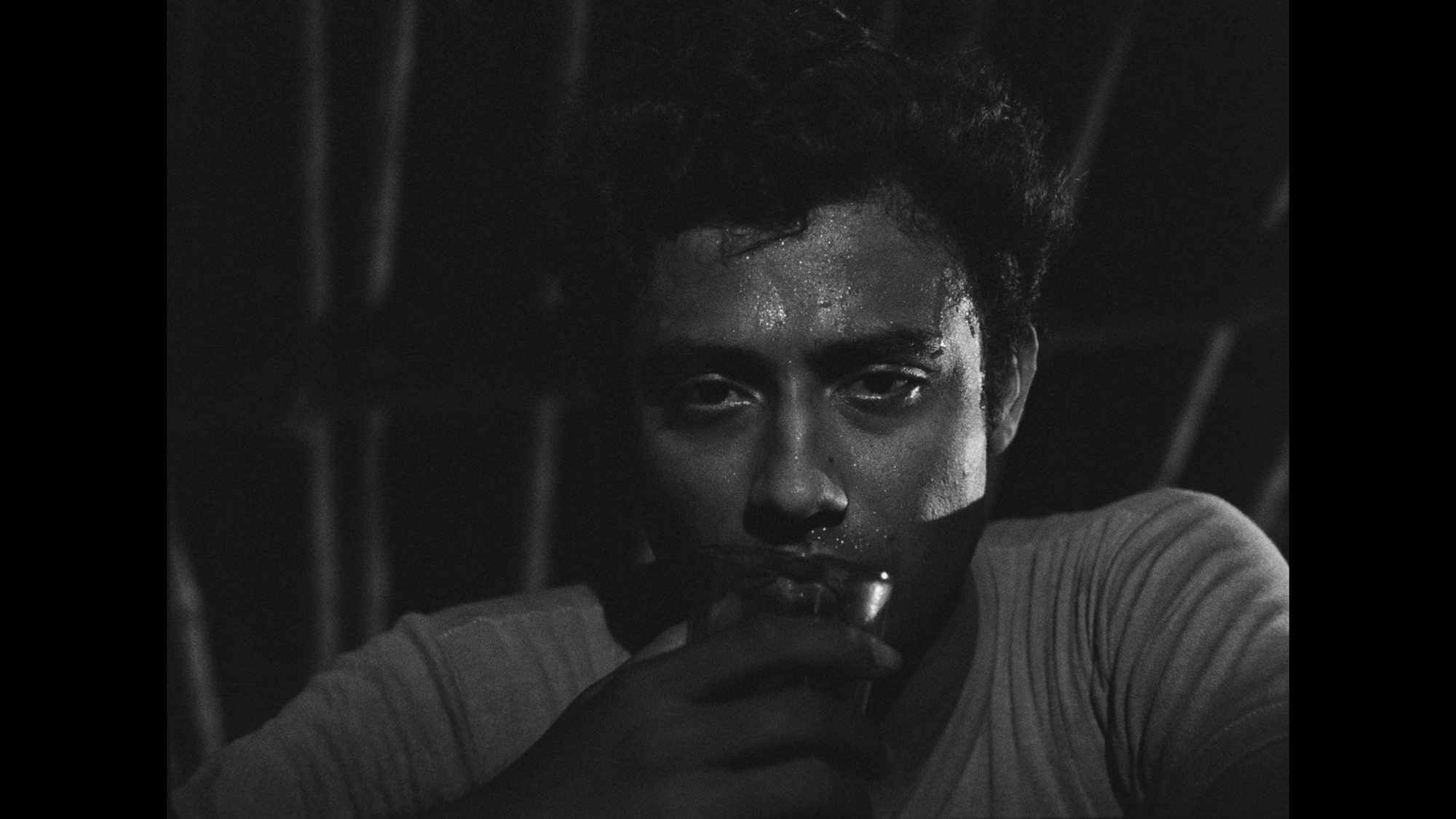
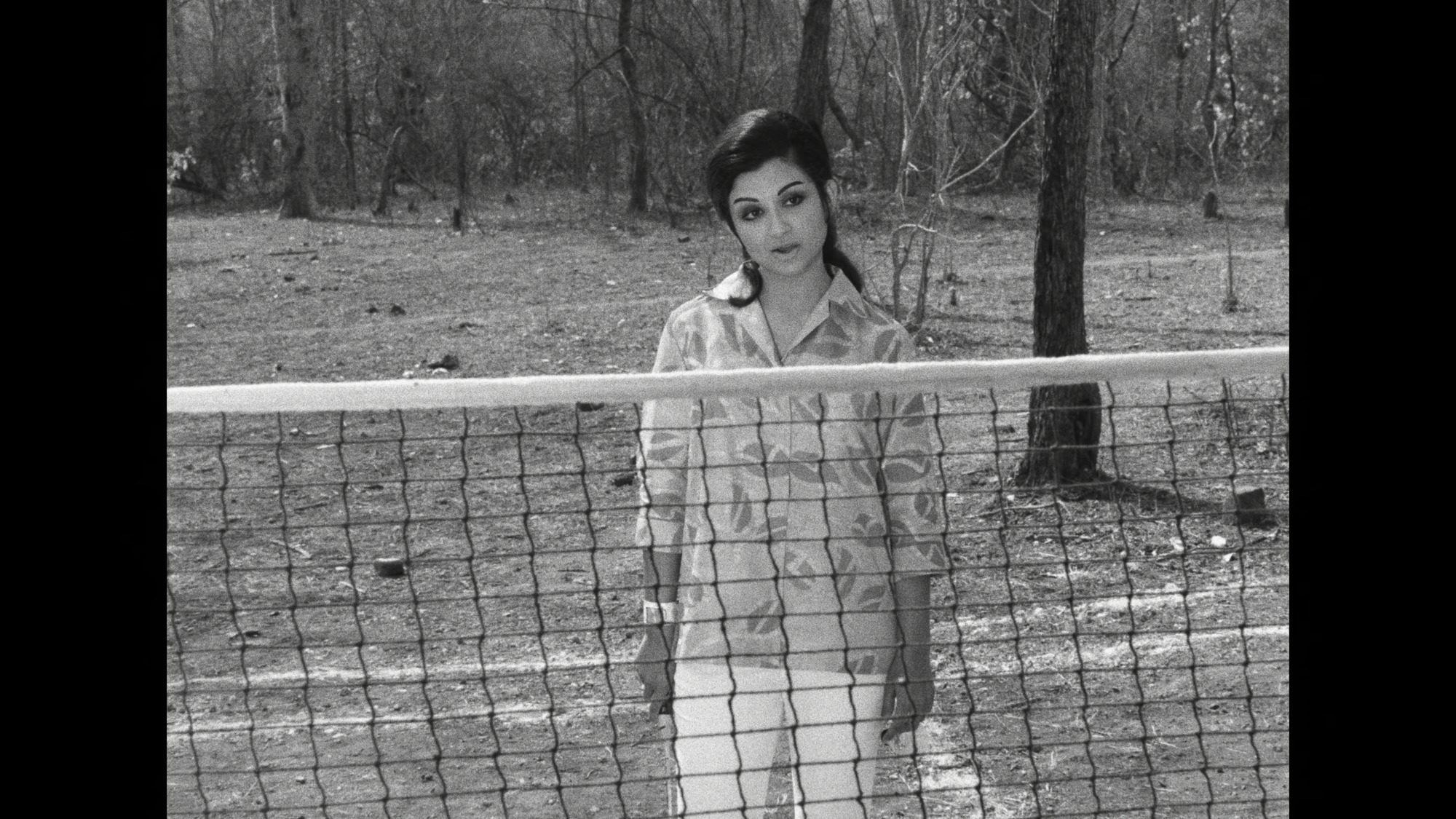
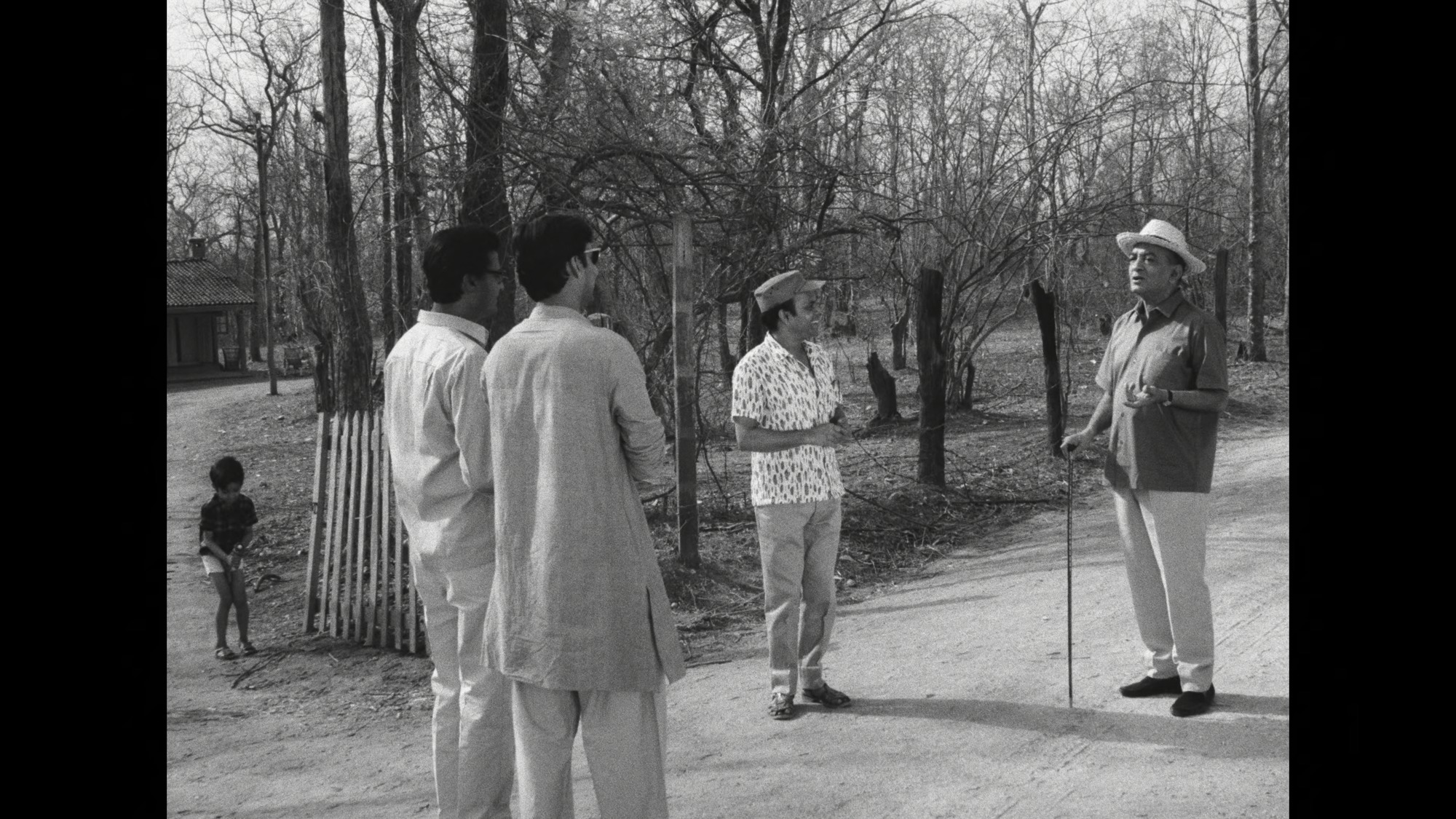
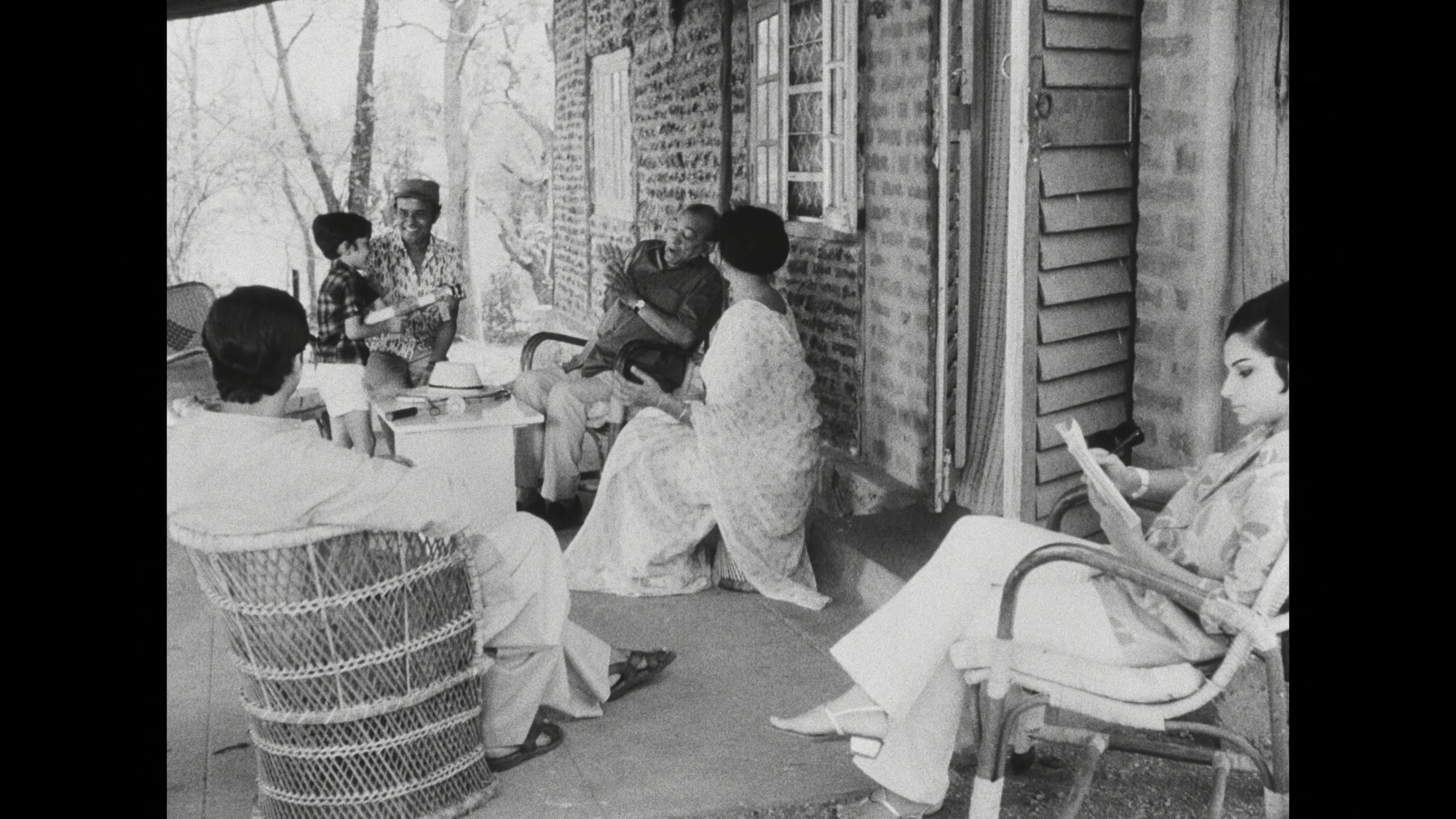
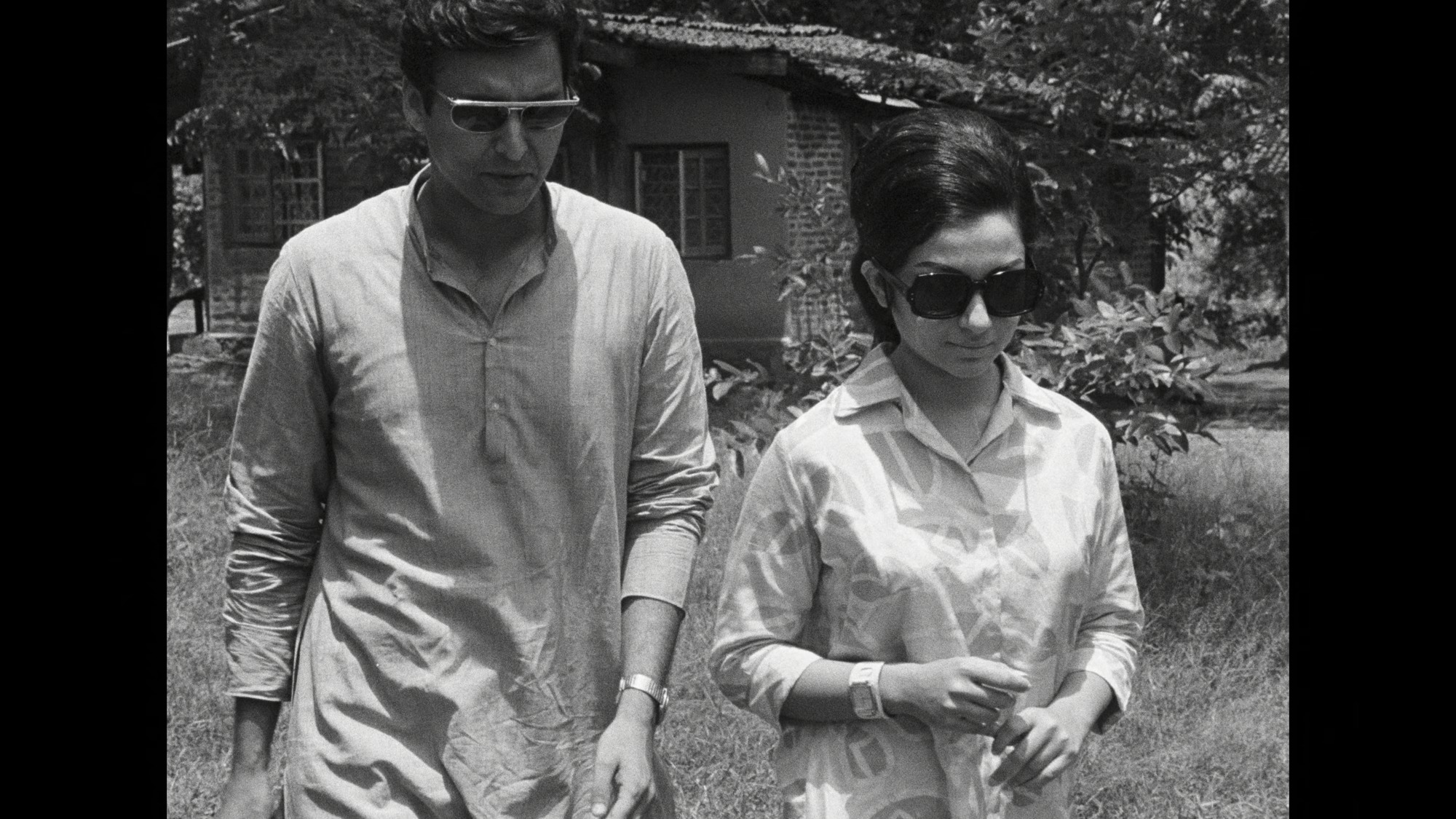
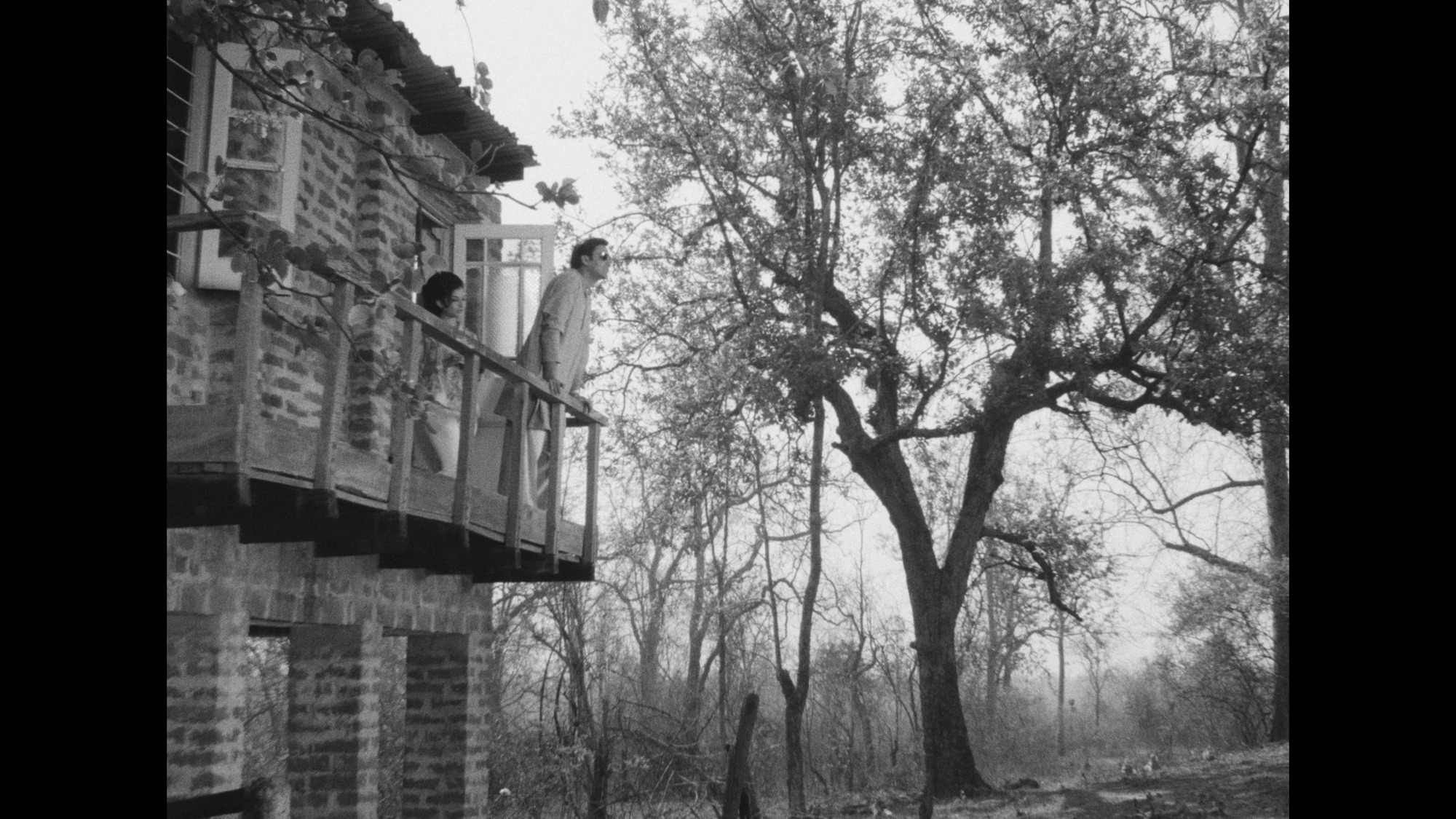
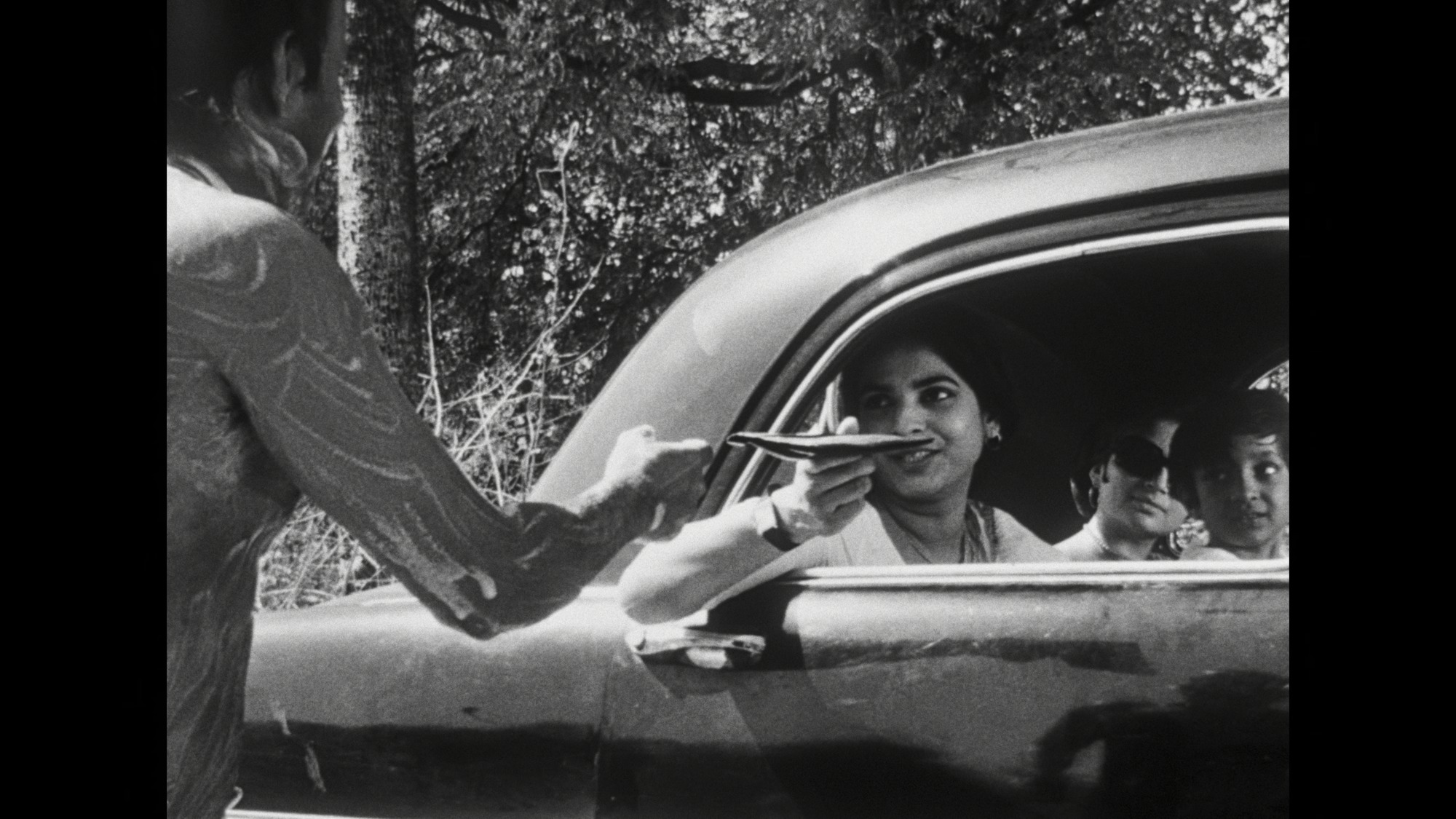
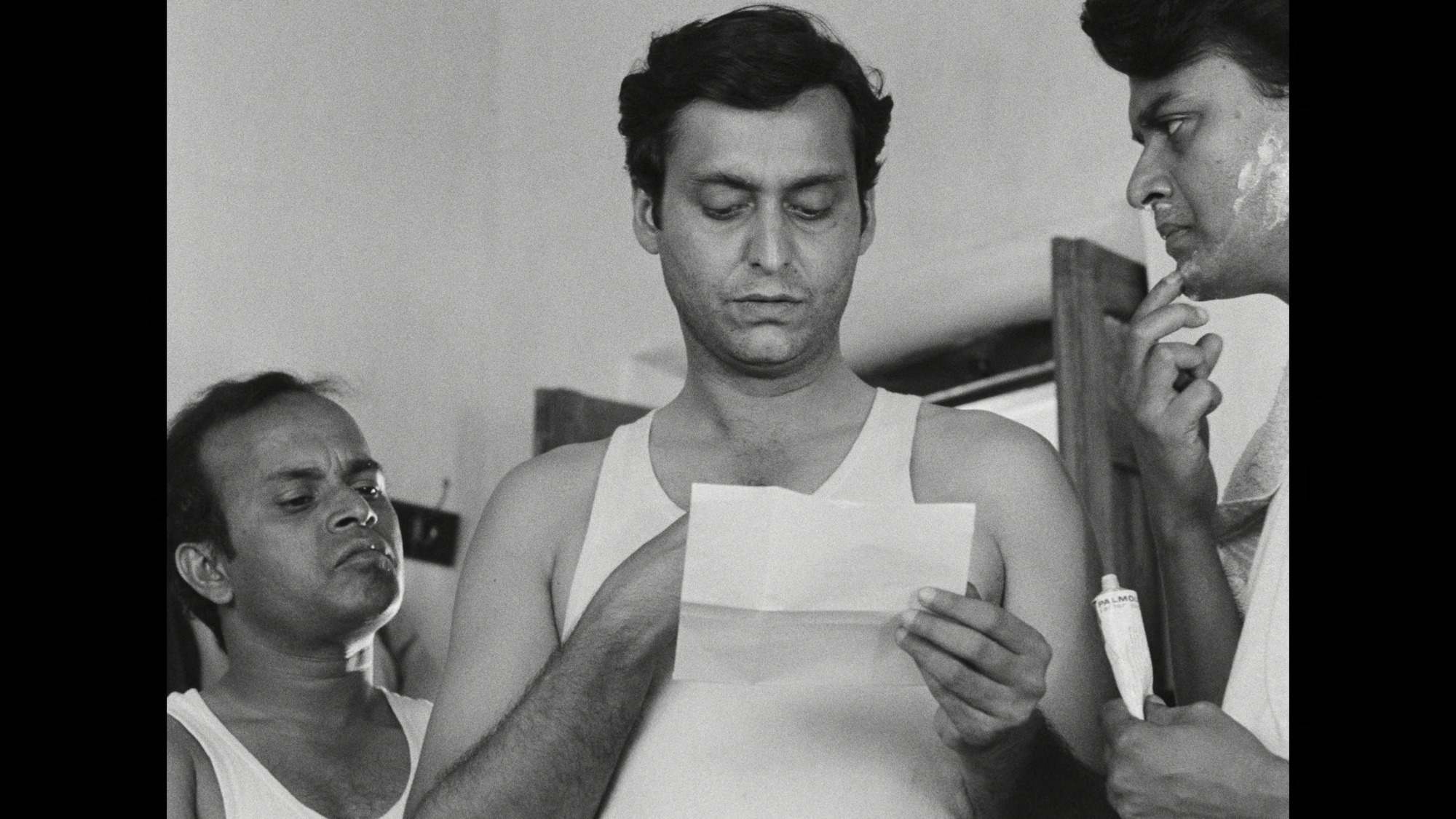
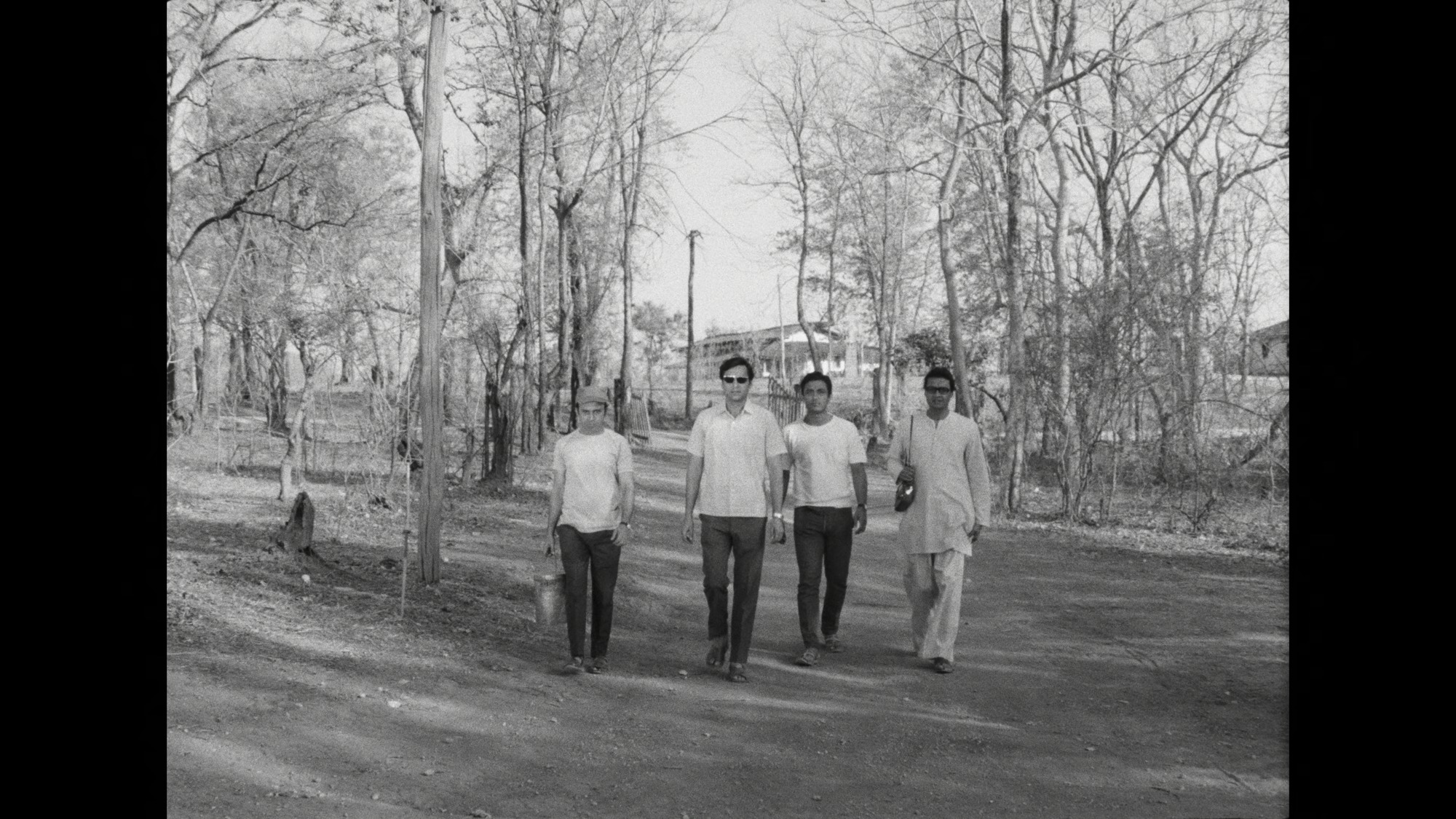
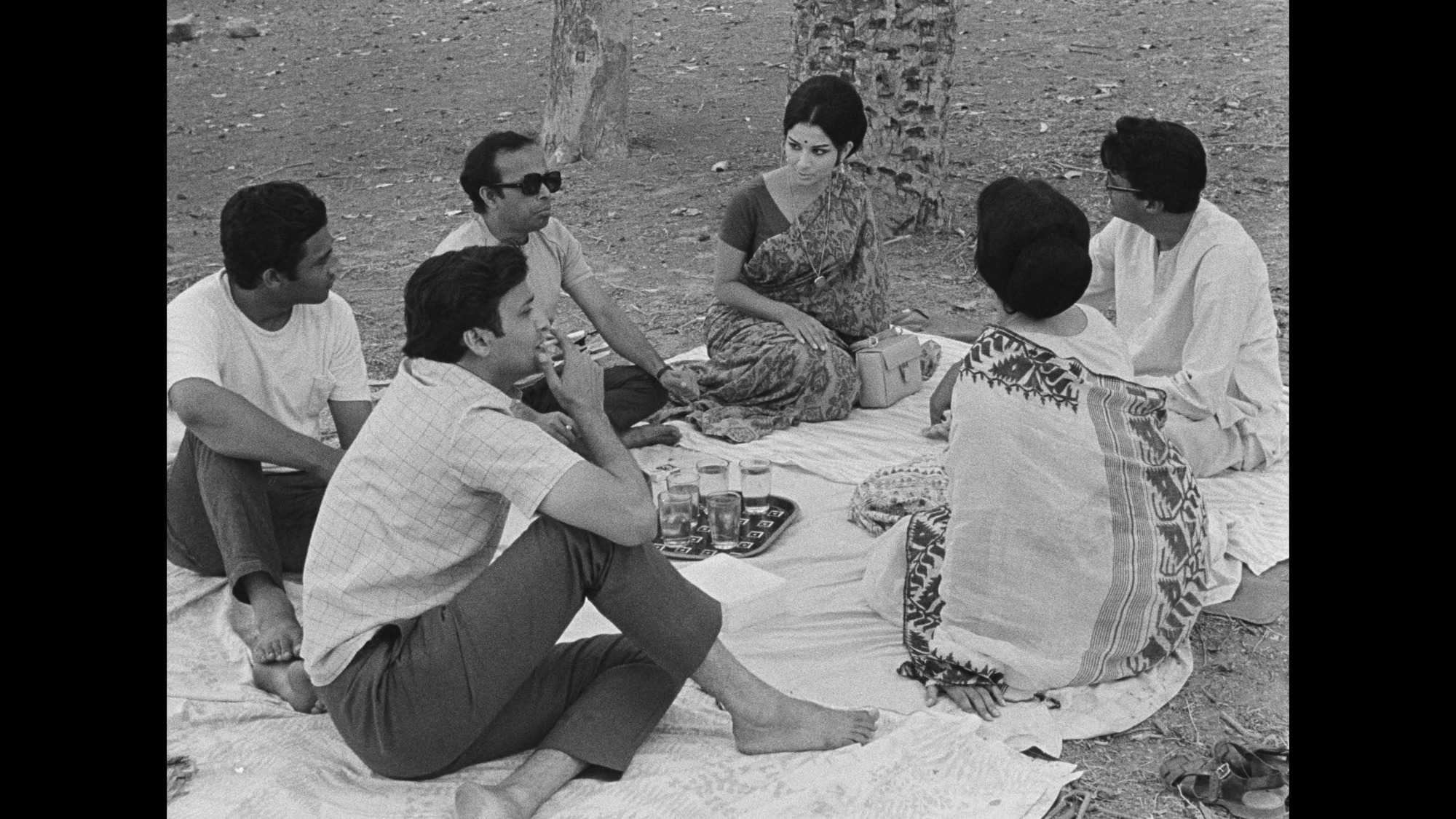
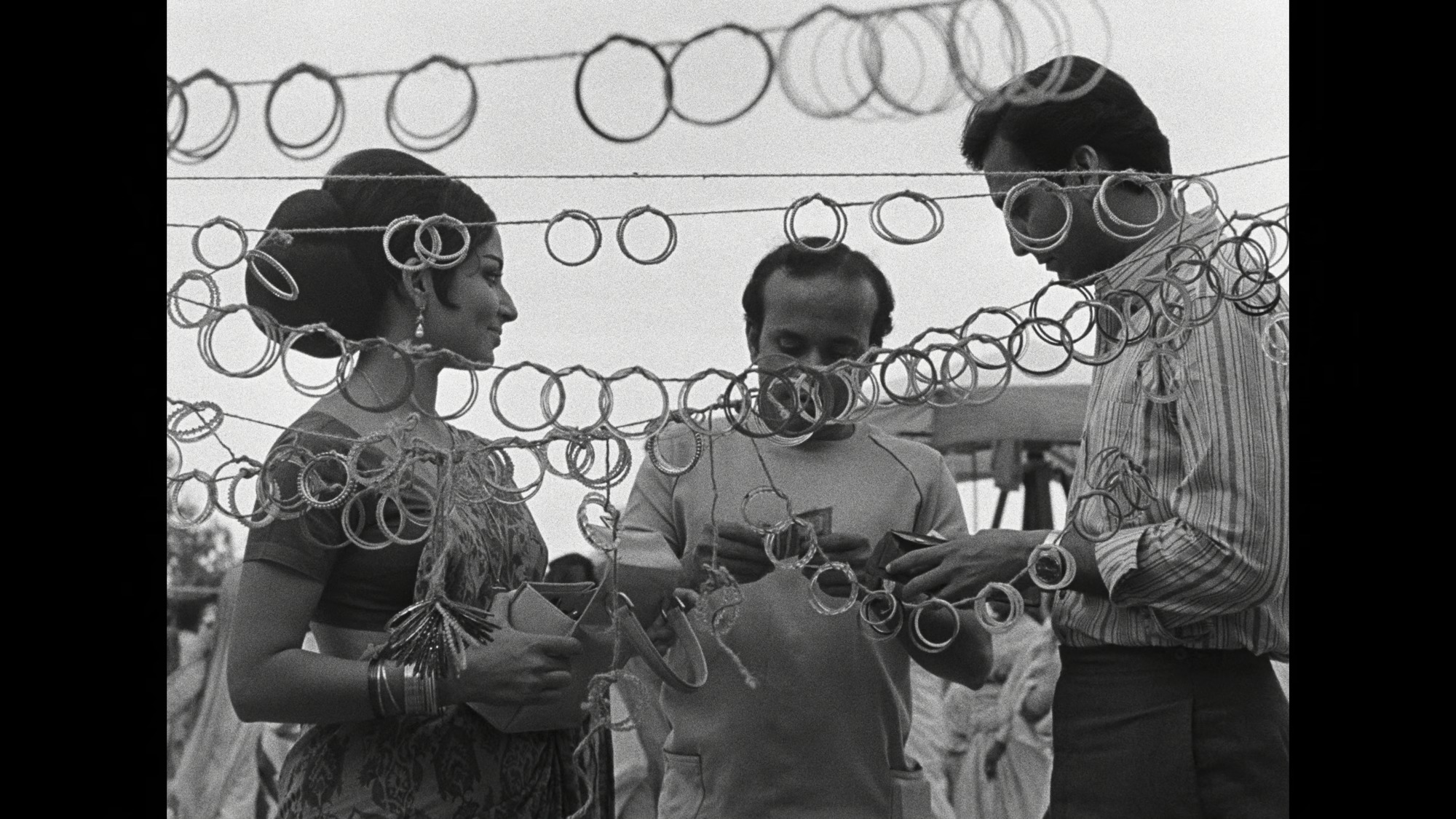
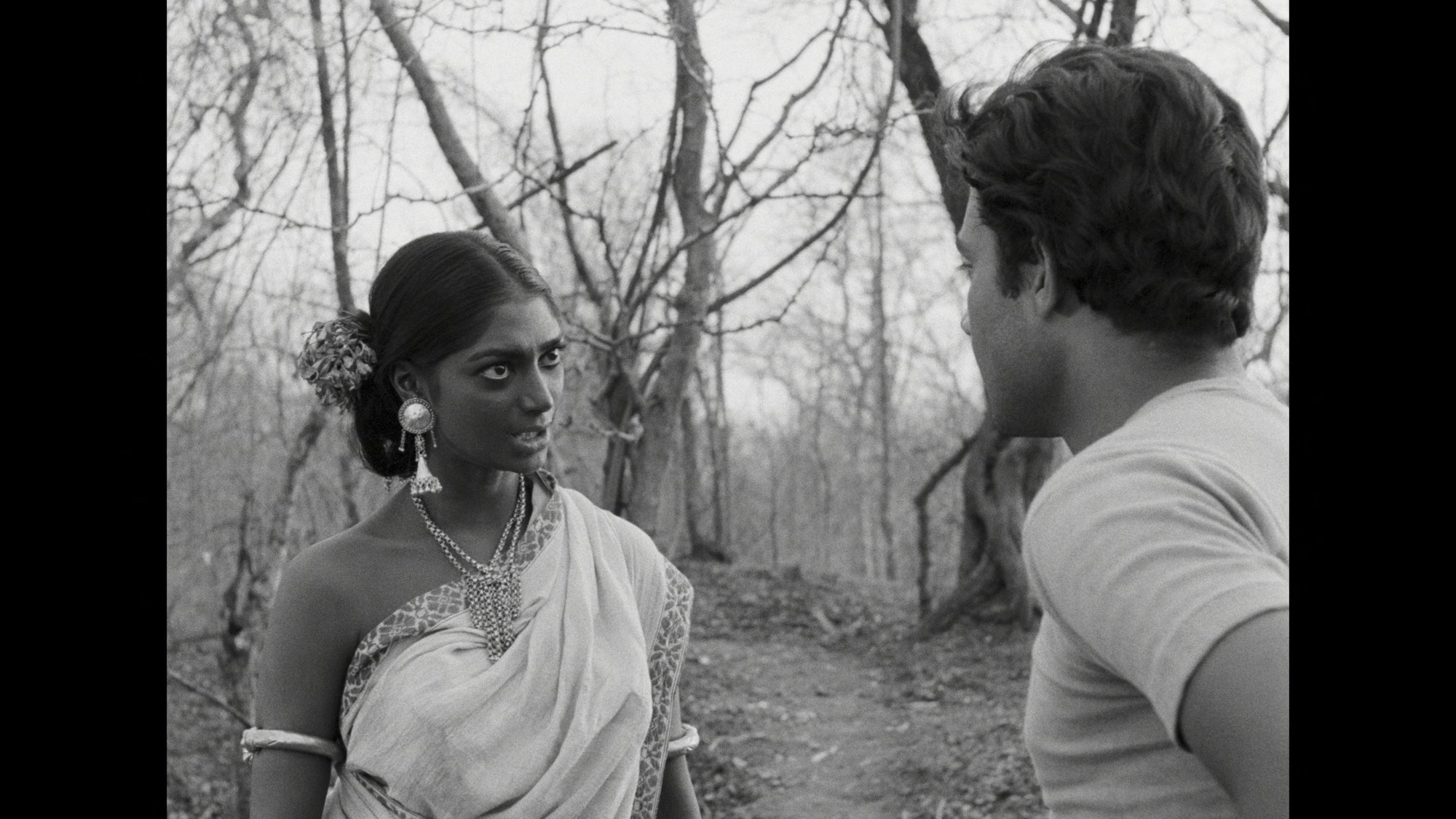
This is, without a doubt, the best restoration of one of Ray’s films I’ve seen yet. It really is shocking just how good this looks, from the base scan all the way down to the terrific encode. That base scan ends up being the backbone of the whole presentation, picking up every little detail in the elements, from the pebbles on the roadways to the stubble on the characters’ faces. It also captures the film’s inherent grain, which incredibly fine yet also unbelievably heavy. In lesser hands, this probably would have turned into a noisy mess, especially when the grain is laid over those pebbles or the leaves in the trees. Thankfully, Criterion pulls off yet another one of their strong encodes, rendering all of this cleanly and naturally, even in the brighter highlights and the darker shadows of the interiors.
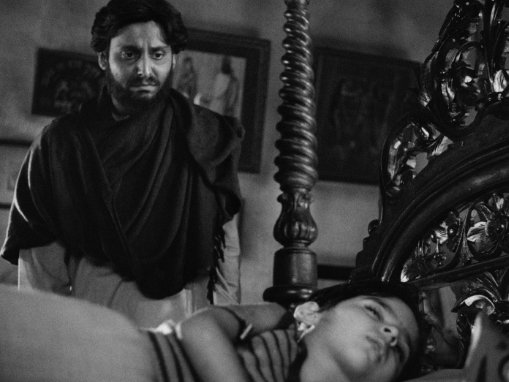
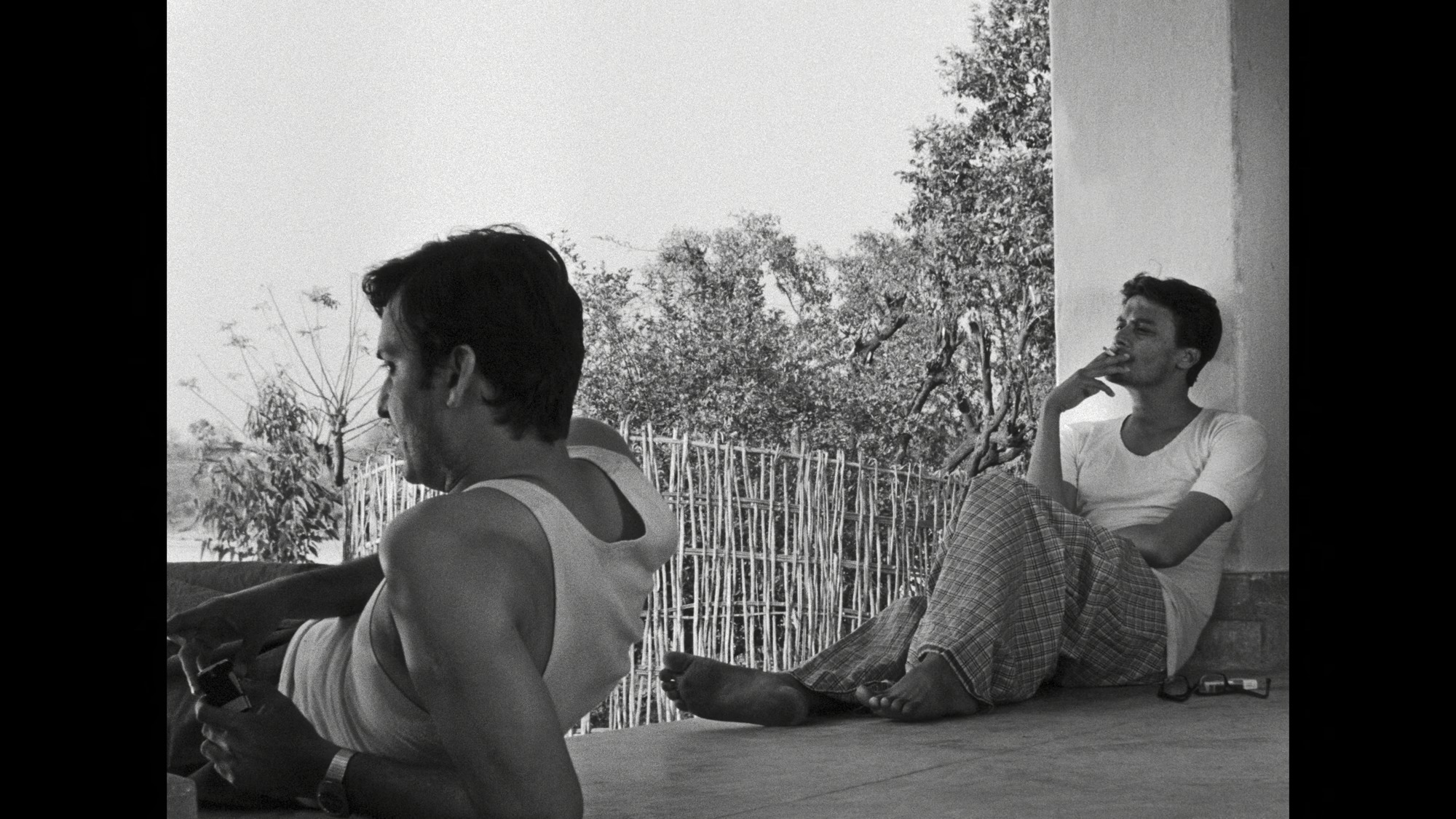
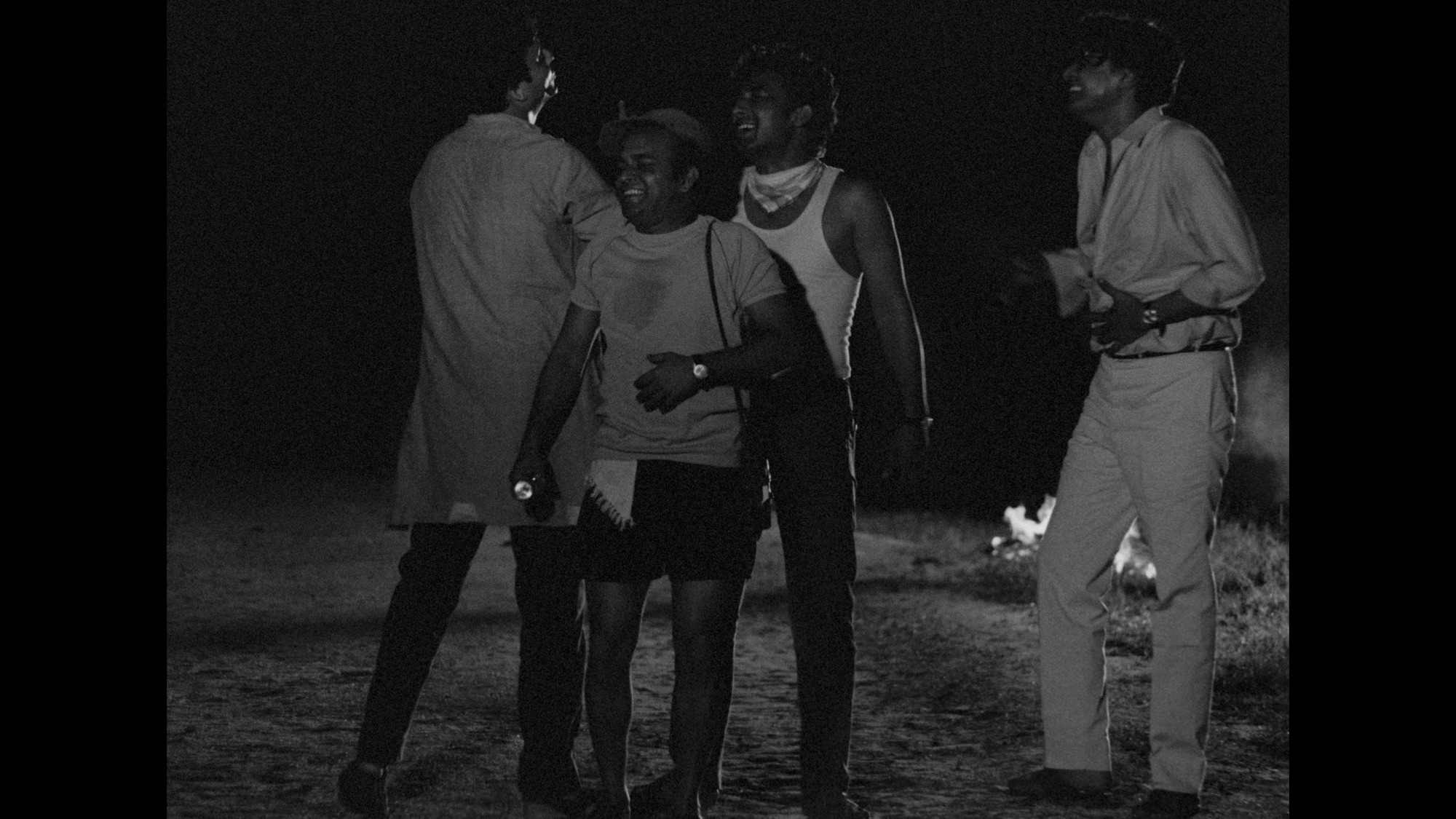
The tonal range is also wide, impressively so, with a nicely delineated grayscale despite the lack of HDR. Blacks are generally strong, though there are moments where they look a little murky, I'm sure more to do with the original lighting and the elements than with the restoration or encode. Whites, meanwhile, can be surprisingly bright, especially in shots of the sky, without blooming or clipping away detail. All of that fine grain is still present in these shots.
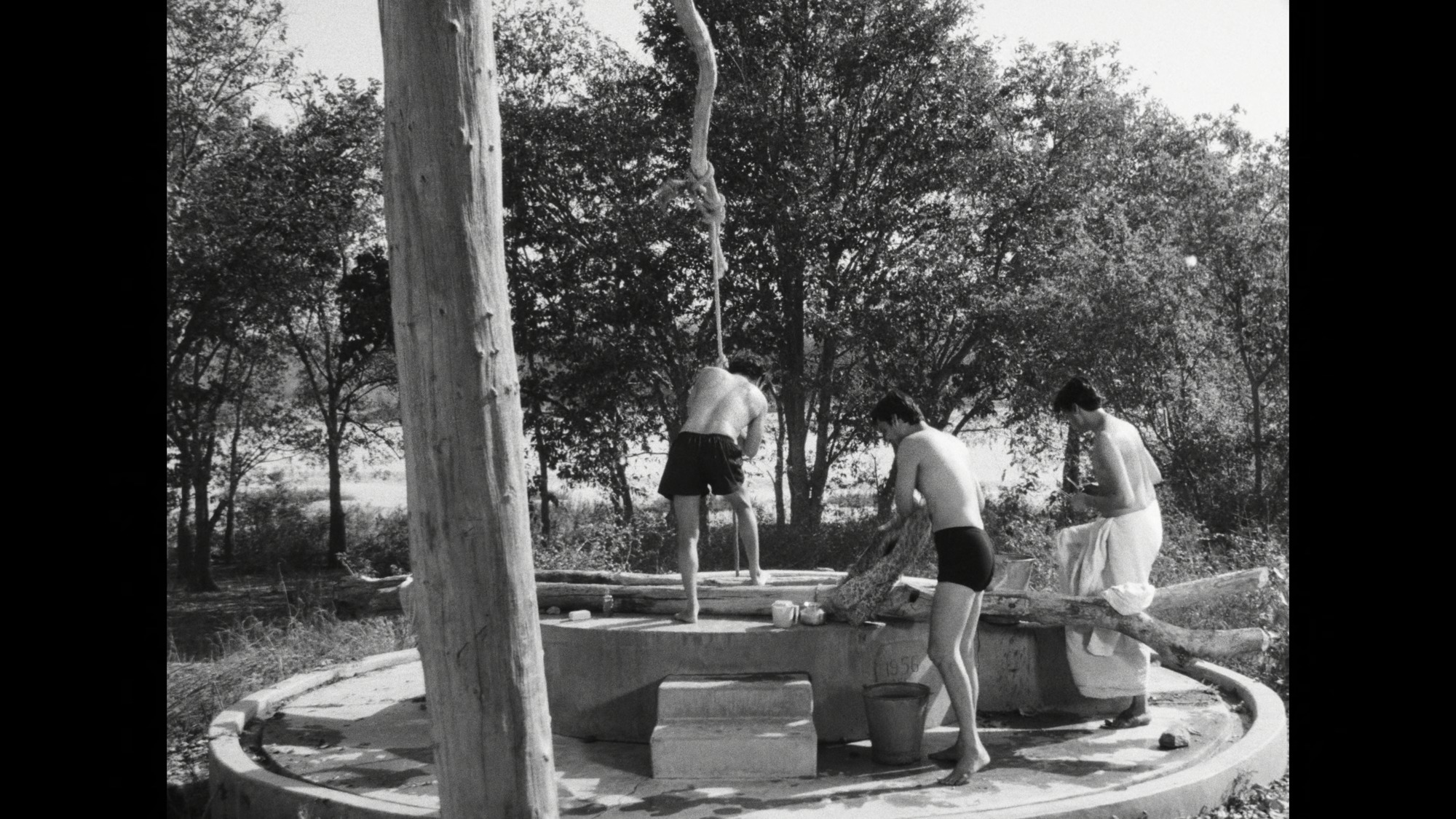
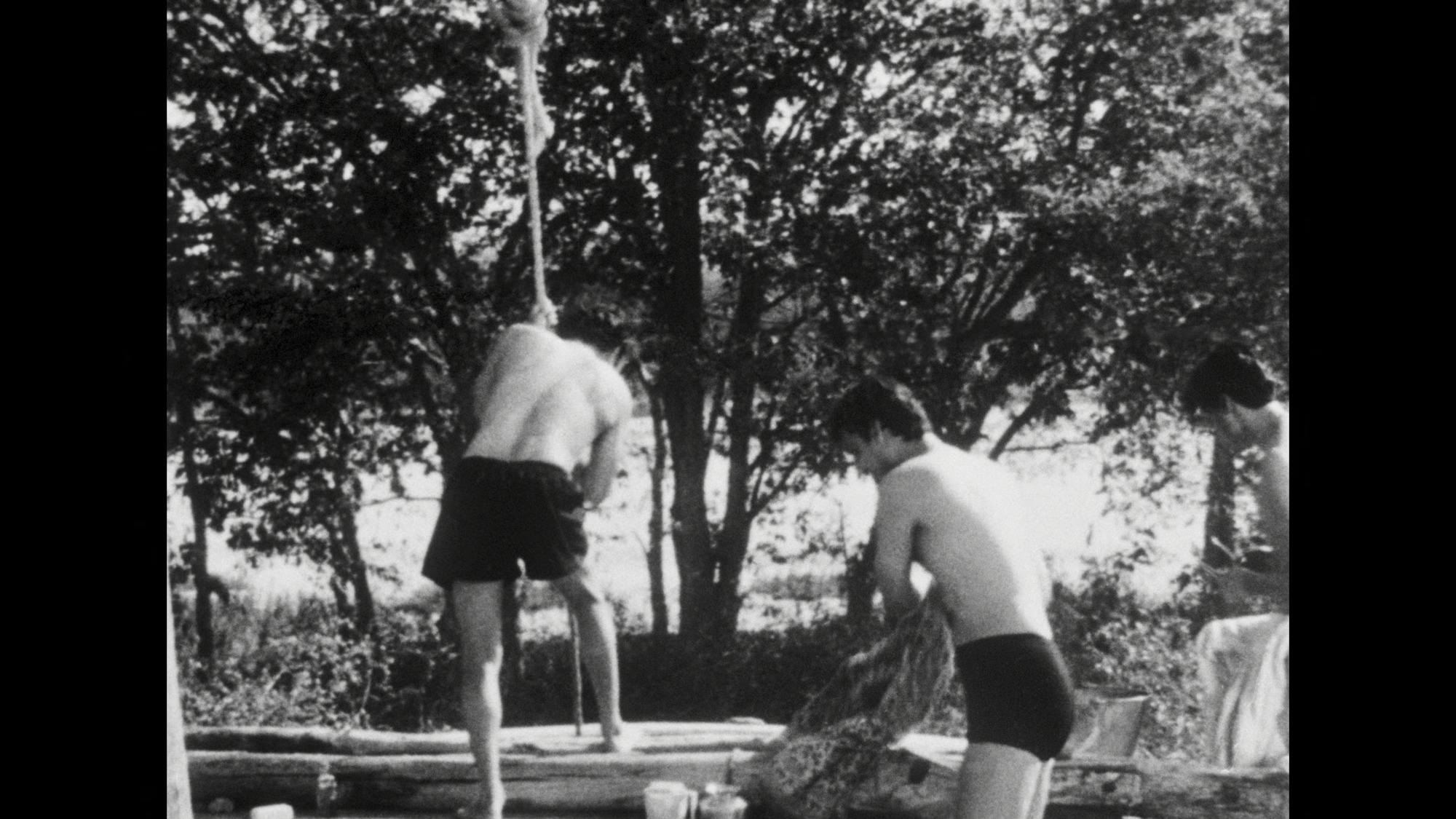
The restoration work has also thoroughly cleaned up the image, leaving very little print damage beyond a minor speck here and there. A few brief shots clearly come from sources other than the negative, though, and because most of the film looks so amazing, these moments stand out all the more. The most blatant example comes around the midway point, when three of the main characters are bathing at a well. The quality suddenly drops significantly for one shot, with the frame severely cropped (essentially zooming in on the composition) and detail clipped away. Contrast also takes a nosedive, leaving the grayscale noticeably flatter, on top of the image being significantly softer and fuzzier. I'm not sure where this would have been sourced from, but it's clear it's several generations removed from the negative. Another quick shot shortly afterward suffers the same fate, while an earlier shot, looking a little more blown out, appears to come from an element a generation or two removed.
Whatever the case, these are brief moments, and honestly, I’m impressed that that’s basically it. Outside of that minute’s worth of footage, the rest of the film looks unbelievable: crisp and clean, fresh and new. I’ve been impressed with a number of other restorations of Ray’s films, especially considering the limitations of the available materials, but this blows them all away. It looks outstanding.
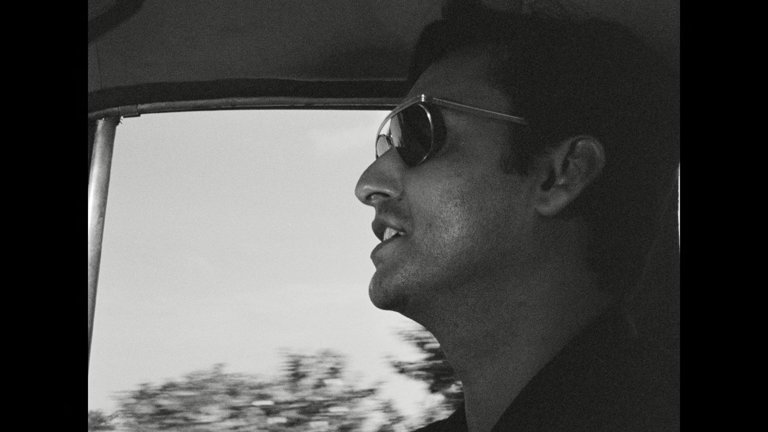
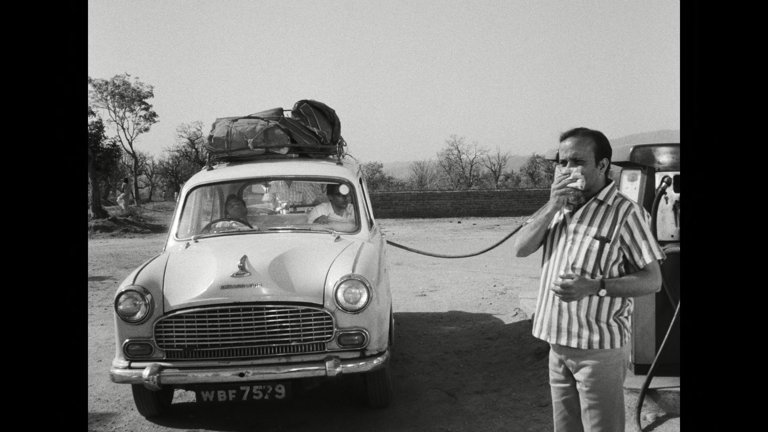
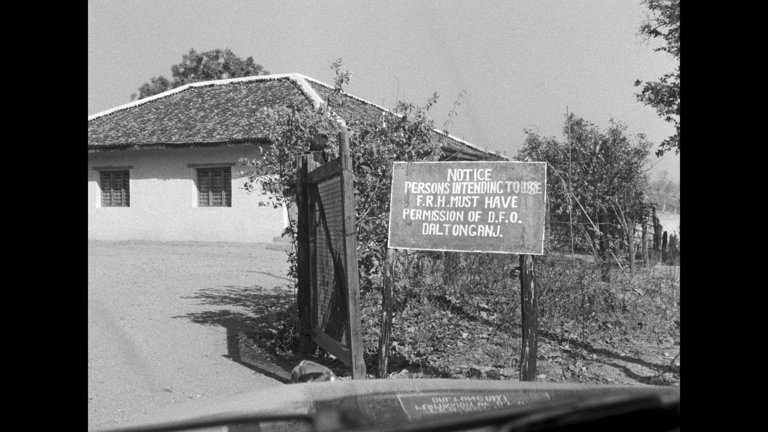
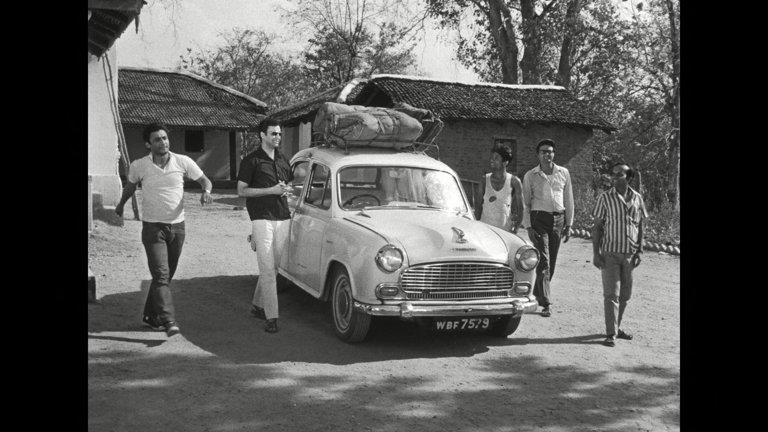
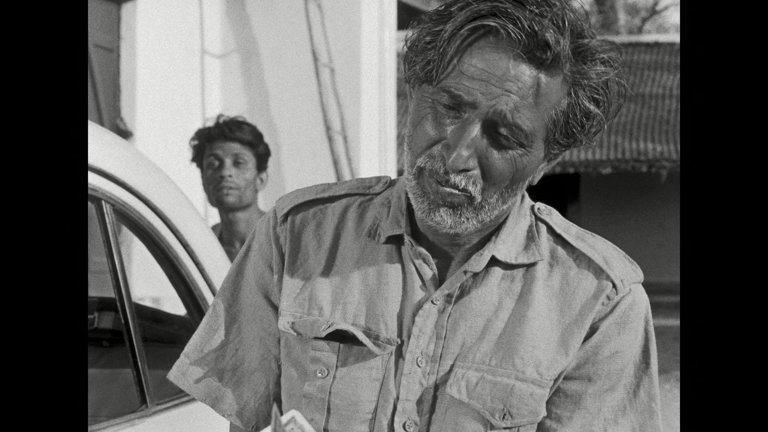
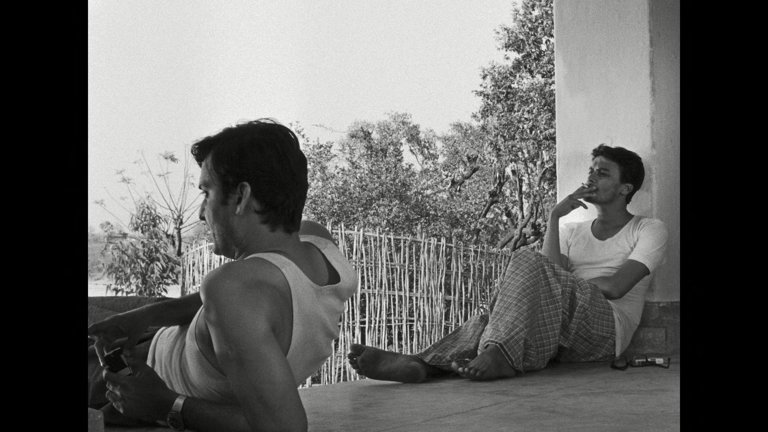
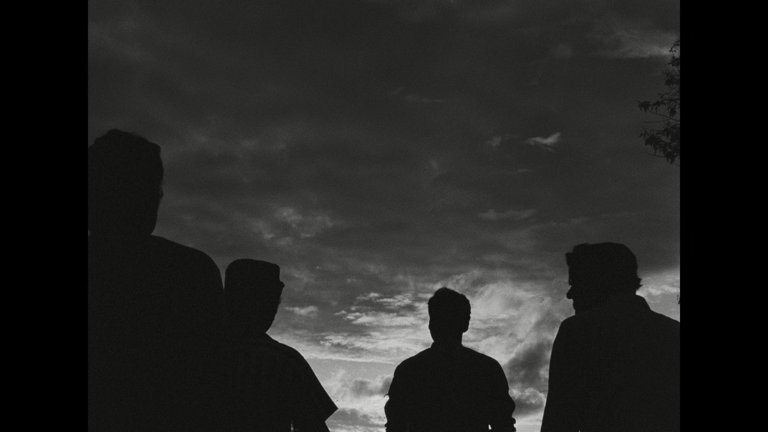
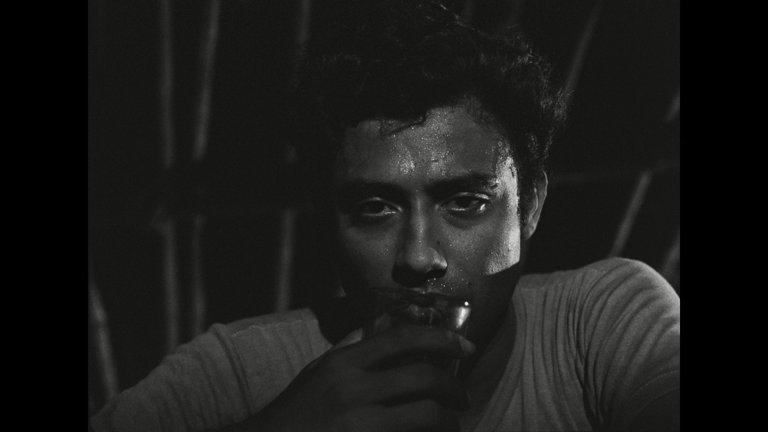
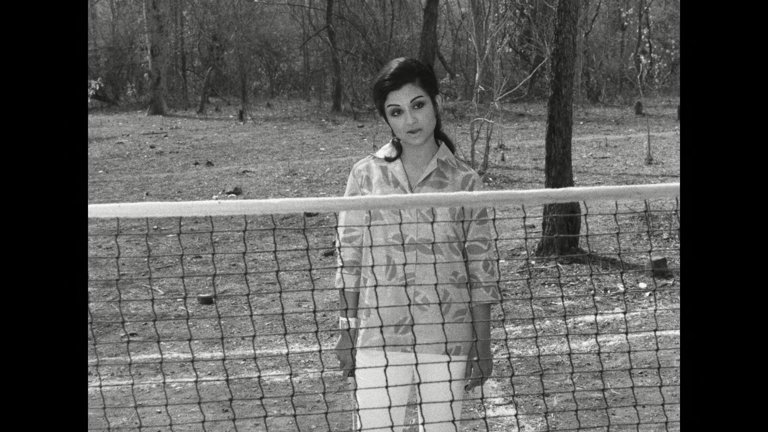
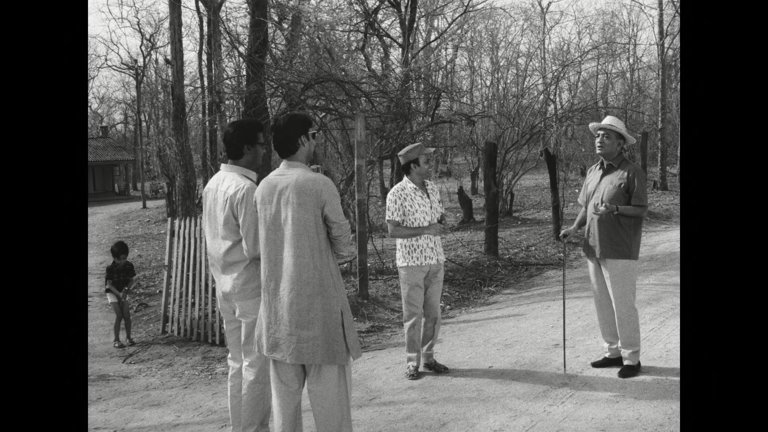
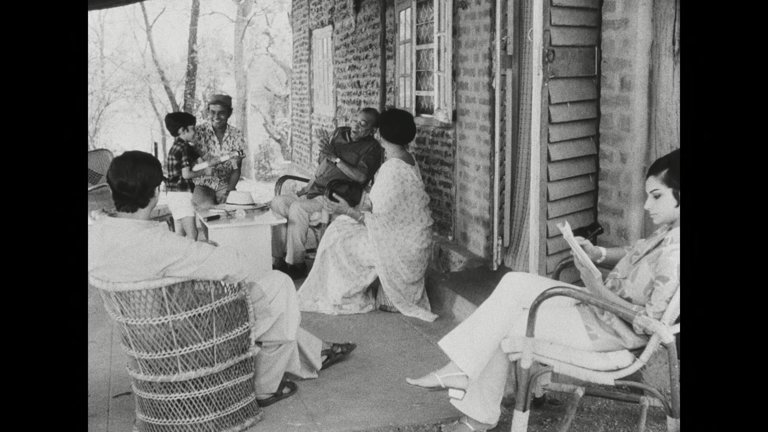
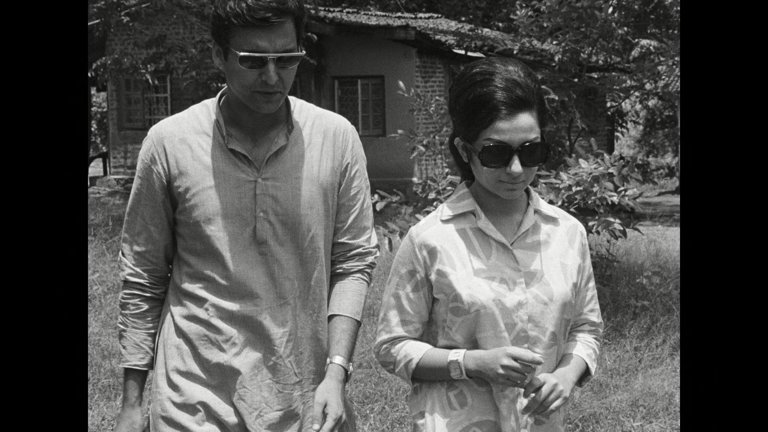
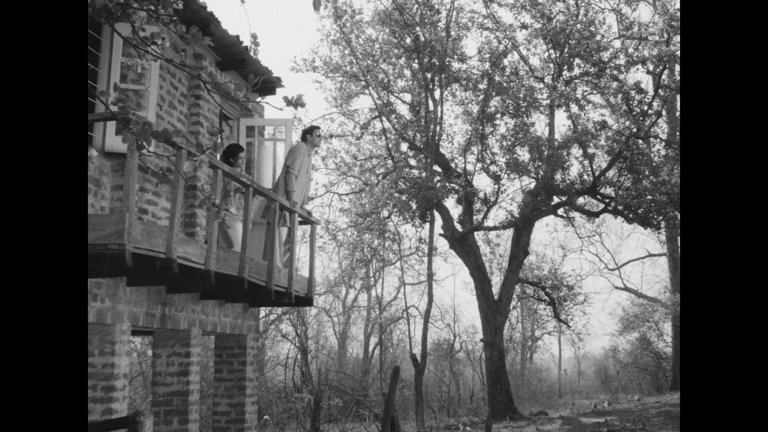
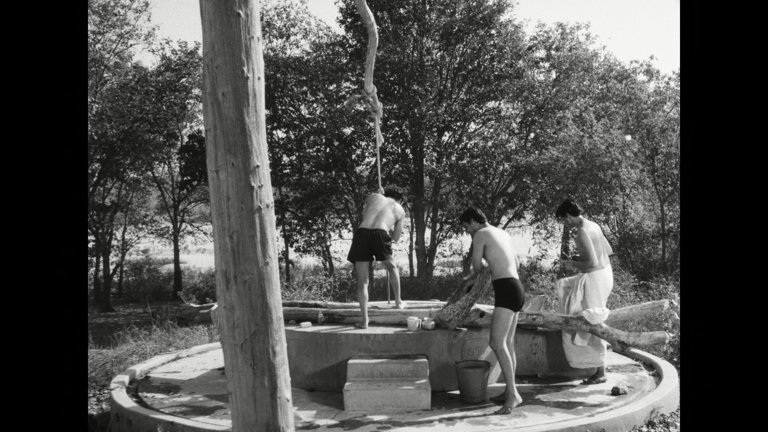
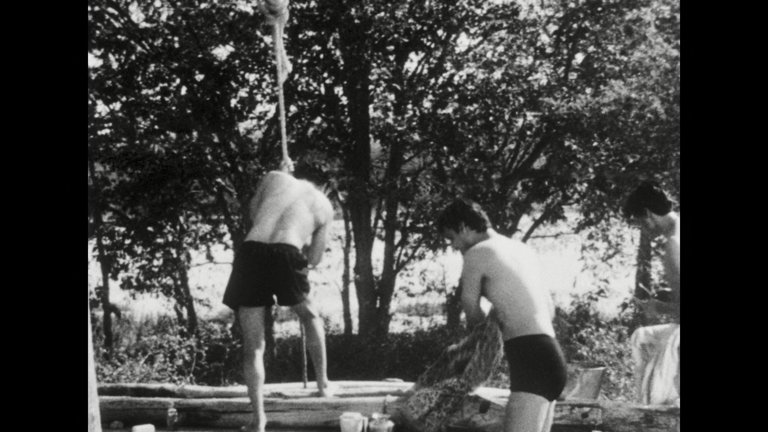
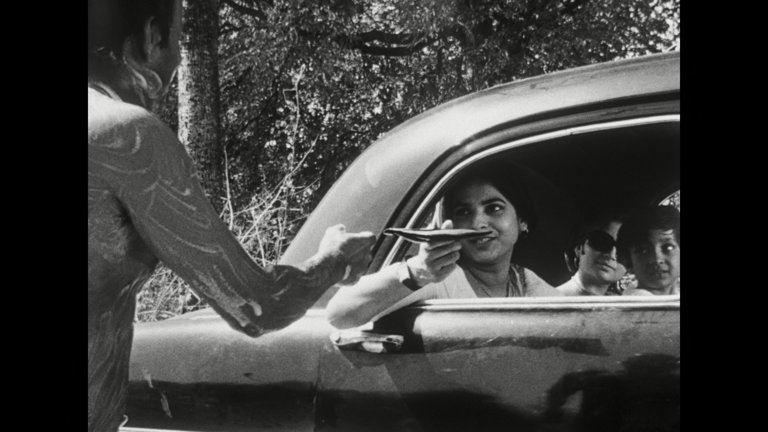
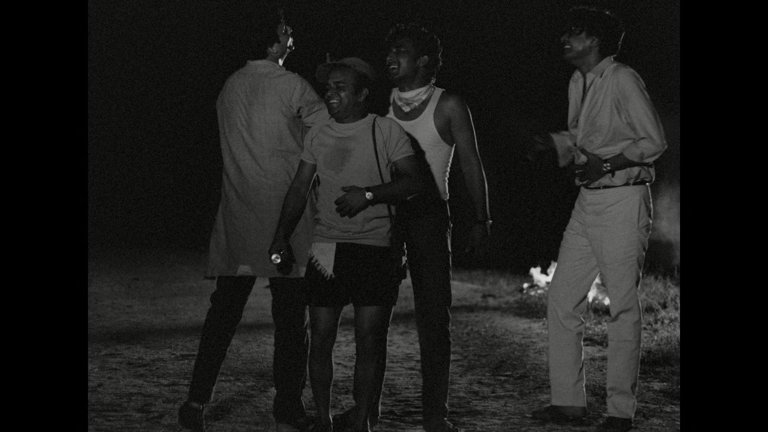
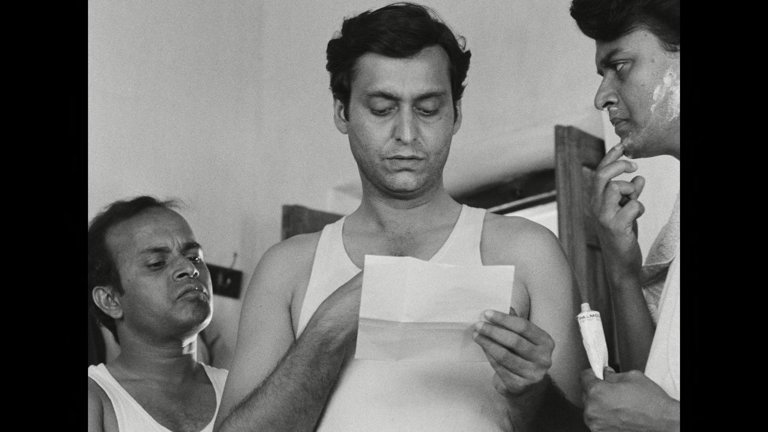
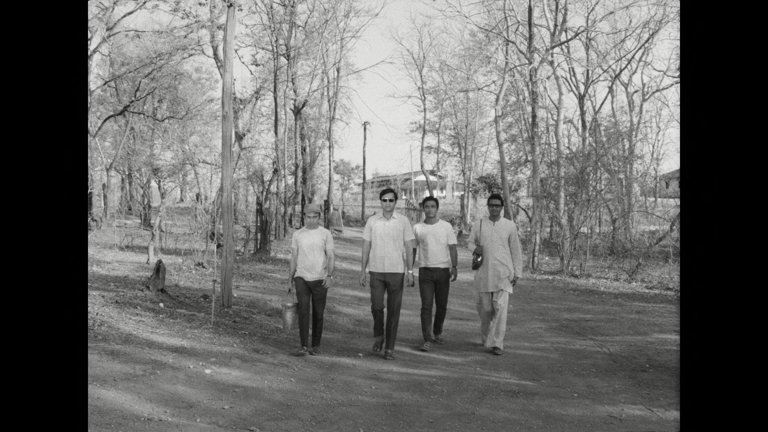
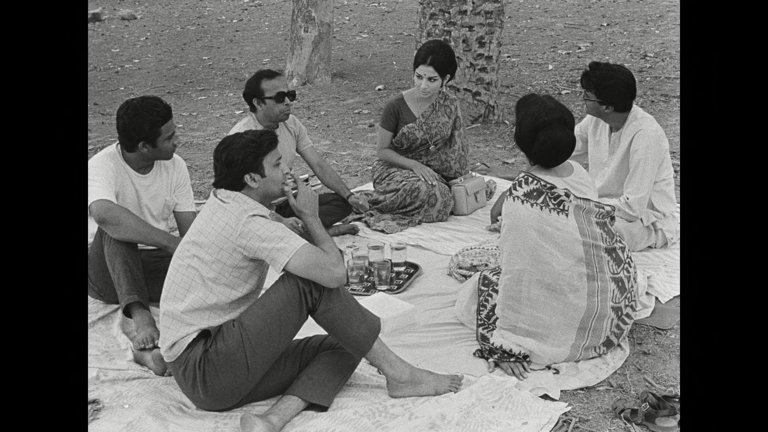
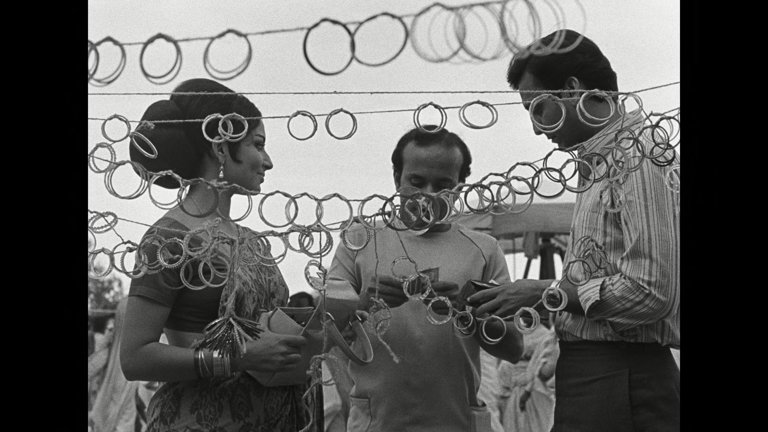
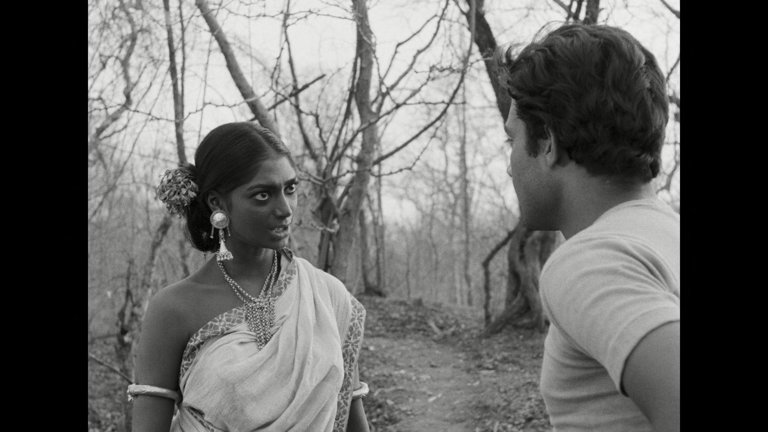
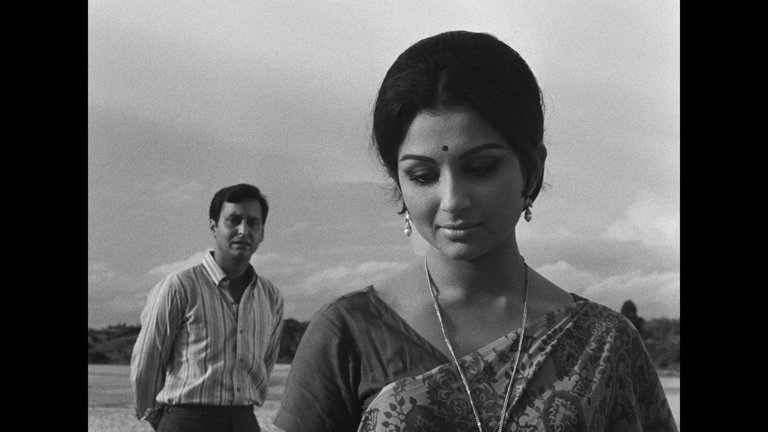
Days and Nights in the Forest - Screen Captures
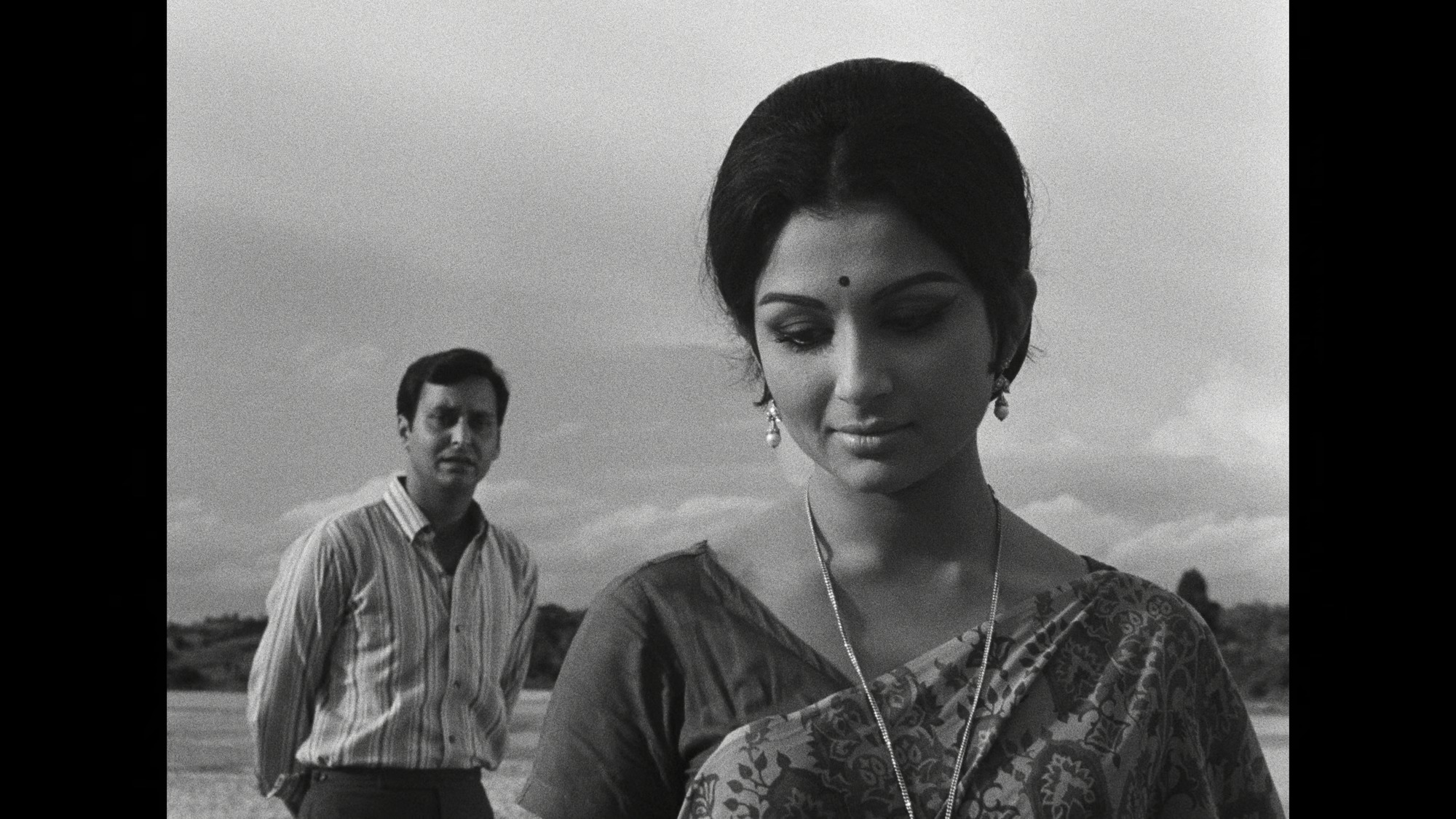
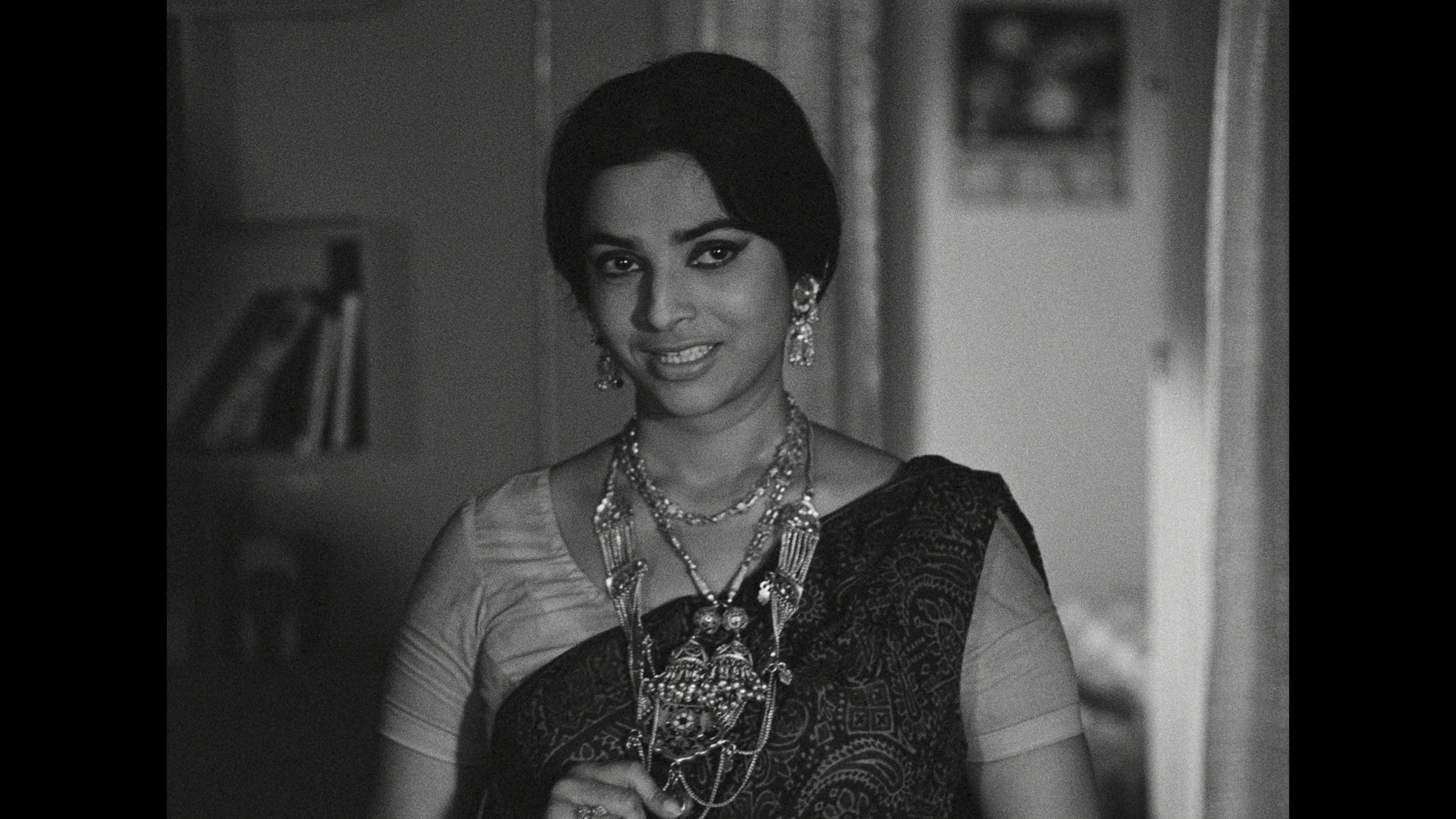
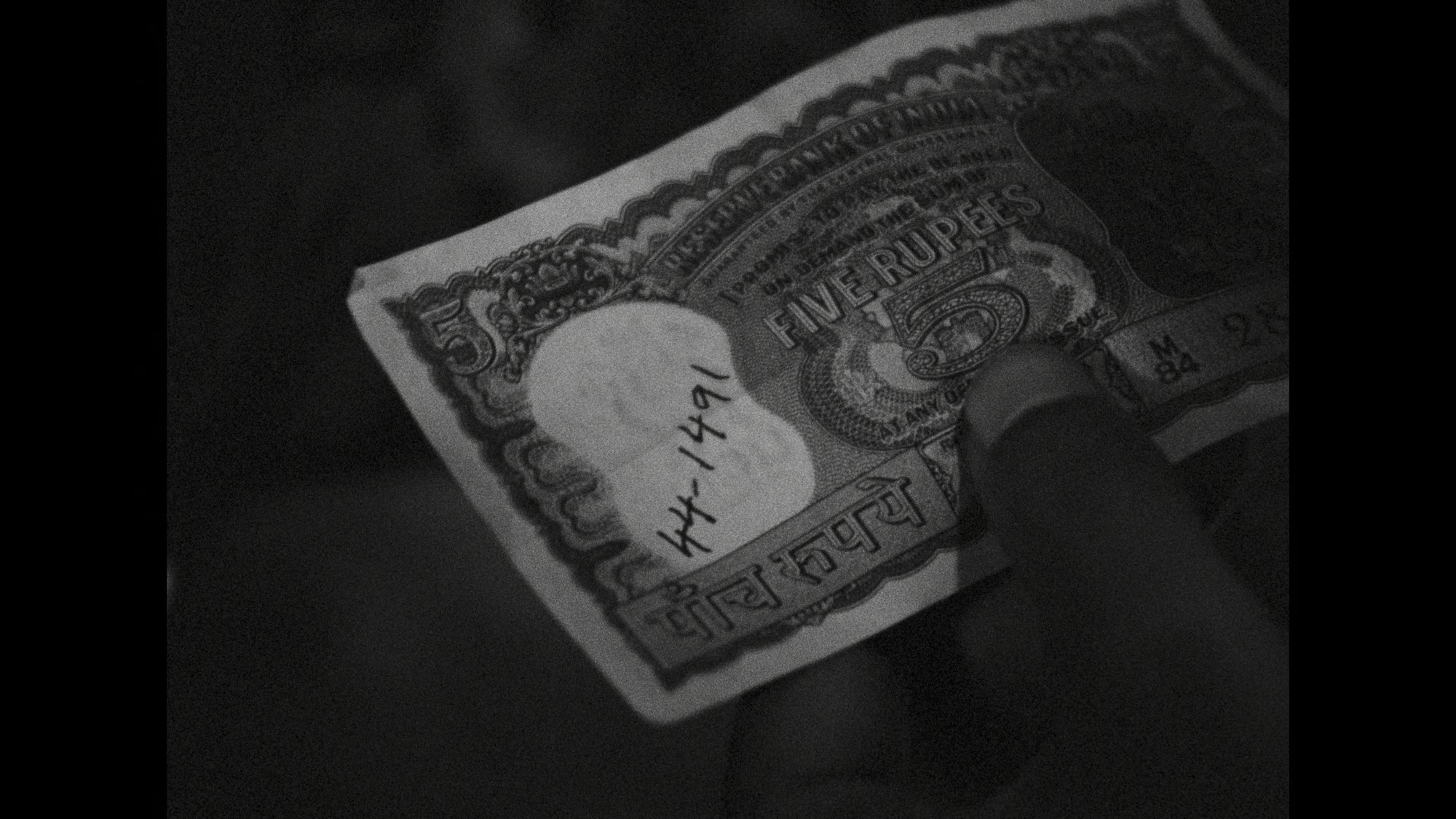
Audio 6/10
The audio is presented in lossless single-channel PCM mono. The track shows its age a little more, though I suspect this has more to do with the original recordings. It’s very clean overall, free of noise and heavy distortion, but still sounds flat. Dialogue has limited range, while the music reaches for the higher ends only to come off a wee bit edgy here and there. Still, it’s clear and probably sounds about as good as it ever will.
Extras 5/10
The release admittedly feels a bit slim, though Criterion has released a number of Ray’s films by this point, so I guess that shouldn’t be too big a shock. There is at least one surprise, though, and that’s a new introduction by Wes Anderson. It sounds as though Anderson was the one who pushed for this restoration after seeing the film and falling in love with it, despite watching a horrendous bootleg with terrible subtitles that he was positive had been created by someone who spoke neither Bengali nor English. Here, he records himself reading from printed notes, explaining how he discovered the film (while looking to use Ray’s music in one of his own, so I’m guessing around the time of The Darjeeling Limited) and what grabbed him. He also sings the praises of Ray’s art, extending beyond his filmmaking, before getting into the storyline and admitting that he “stole” the memory game scene for one of his films. He doesn’t name it here, but it’s pretty obvious he's referring to Asteroid City. At only 6 minutes, it’s a brief but affectionate appreciation of the director and this film specifically.
Better is the 26-minute program Remembering “Days and Nights in the Forest”, featuring newer interviews with actor Sharmila Tagore and director of photography Soumendu Roy, alongside excerpts from archival interviews with Satyajit Ray (audio only) and actor Rabi Ghosh (from a television program). This ends up being more Tagore’s show, with her recalling her work with Ray up through Seemabaddha (the only film they made together that I believe Criterion has yet to release) before sharing stories about this production and what he was like as a director. She also talks about her co-star Soumitra Chatterjee and recalls shooting the memory game scene, which was not in the book and was probably the film’s most technically difficult sequence. Roy unfortunately gets very little time, though he does discuss a few sequences and Ray’s work as the camera operator. The archival excerpts feature Ray and Ghosh discussing the film, with Ray getting heavily into its themes. It’s ultimately a fairly run-of-the-mill making-of, but the recollections prove quite fascinating, and it’s nicely edited together.
The disc rounds things out with the trailer advertising the new restoration and a 20-minute interview from the restoration’s premiere at Cannes, featuring Anderson, Tagore, and Shivendra Singh Dungarpur speaking with The Hollywood Reporter India’s Anupama Chopra. Though it’s always great to hear from Tagore, this ultimately proves to be a bit of a dud, though that could have to do with my hope they would get more into the restoration. Dungarpur briefly touches on that work, but the conversation quickly shifts to Anderson’s involvement before moving on to Tagore’s recollections of the film and Ray. Her contribution is fine, though much of it repeats material from her other interview, while Anderson also covers ground from his introduction. It’s an okay addition, but I wouldn’t lose sleep over skipping it.
The lack of any academic material on the disc is a little maddening, though I did end up rather liking Devika Girish’s essay in the included insert, which explores the film’s characters and themes, particularly around class. It’s a nice addition, but some more on-disc content would have been most welcome.
Closing
The supplements could be better, but the 4K presentation is just gorgeous. It’s the most impressive presentation of a Satyajit Ray film I’ve seen yet.
BUY AT: