Dragon Inn
BUY AT:

See more details, packaging, or compare
Synopsis
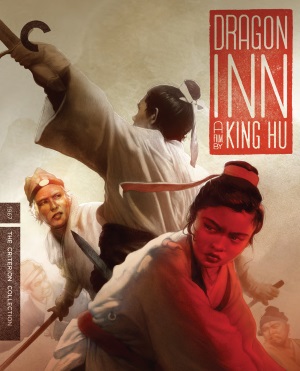
The art of martial-arts filmmaking took a leap into bold new territory with this action-packed tale of Ming-dynasty intrigue. After having the emperor’s minister of defense executed, a power-grabbing eunuch sends assassins to trail the victim’s children to a remote point on the northern Chinese border. But that bloodthirsty mission is confounded by a mysterious group of fighters who arrive on the scene, intent on delivering justice and defending the innocent. The first film King Hu made after moving to Taiwan from Hong Kong in search of more creative freedom, Dragon Inn combines rhythmic editing, meticulous choreography, and gorgeous widescreen compositions with a refinement that was new to the wuxia genre. Its blockbuster success breathed new life into a classic formula and established Hu as one of Chinese cinema’s most audacious innovators.
Picture 8/10
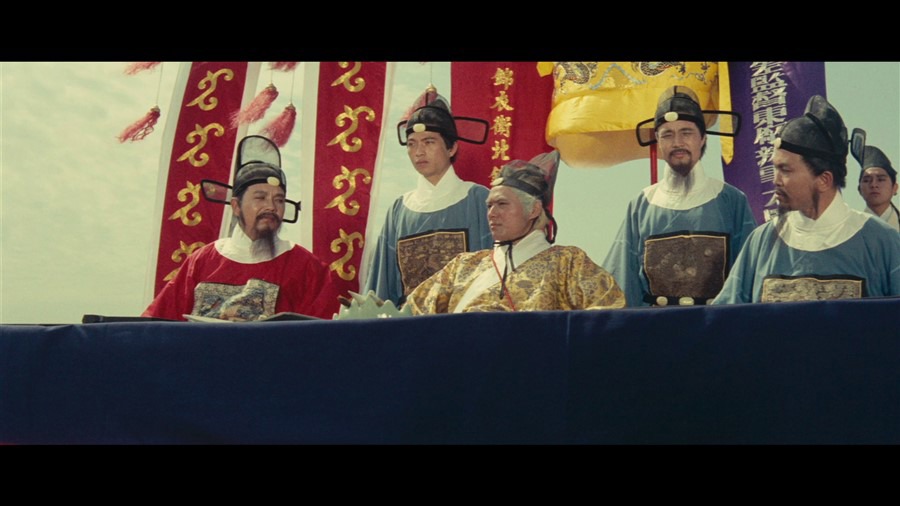
Just shy of two years after releasing King Hu’s landmark A Touch of Zen, the Criterion Collection presents another of Hu’s influential wuxia films, Dragon Inn. Taken from a 4K restoration scanned from the 35mm original negative, this 1080p/24hz high-definition presentation is delivered on a dual-layer disc in the film’s original aspect ratio of 2.35:1.
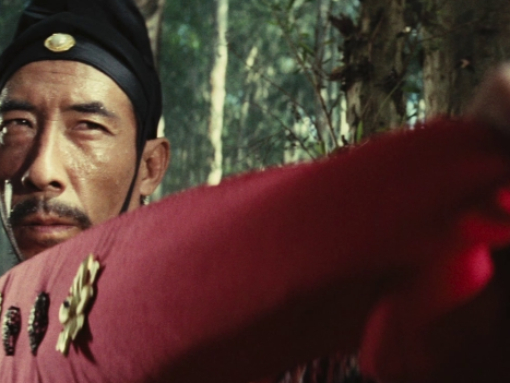
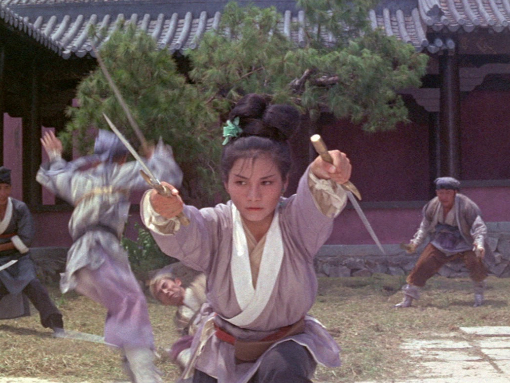
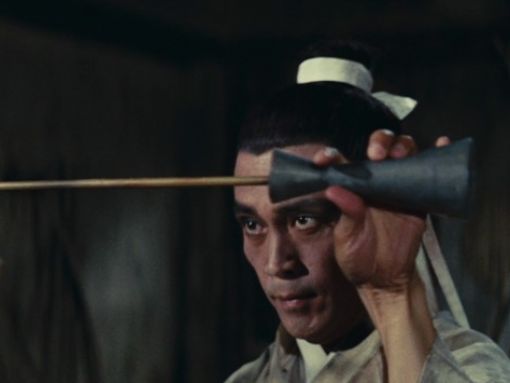
Much to my surprise I found the image for Dragon Inn to be far more pleasing in comparison to A Touch of Zen, which was primarily limited to (I assumed at the time and still do now) the source materials and shooting conditions. I found the picture here far cleaner overall, with better grain management and excellent fine-object detail, with the finer points of the dirty landscapes popping through.
One thing that threw me off a bit, though, were the colours, though not in the usual way I get thrown off by them when they lean too far one way or the other. A Touch of Zen had a heavy yellow tint to it and the notes for that release pointed out that there was no colour reference available for that film, so the colour reference for Dragon Inn was used instead. Because of that I expected this to look just as yellow but that’s not the case. Indeed, there is still a yellow tint to the whole thing, and this could be how the film is supposed to look, but it looks to be pulled back a bit. The skies end up having more of a blue tint to them in comparison to A Touch of Zen (well, closer to cyan anyways) and other colours come off looking natural enough. Whites are warmer, granted, but are not off by that much. Also, and this is a big plus in comparison to A Touch of Zen, the black levels look better here, a wee bit richer and managing to deliver some detail in the shadows. There are some darker interior shots where crush does sneak in there and they come off milky, but I still found A Touch of Zen worse in this regard.
Restoration wise this has also been cleaned up rather beautifully and nothing significant pops up. It really is in gorgeous condition, looking cleaner than the later film. It’s a pretty nice looking image and was a very pleasant surprise.
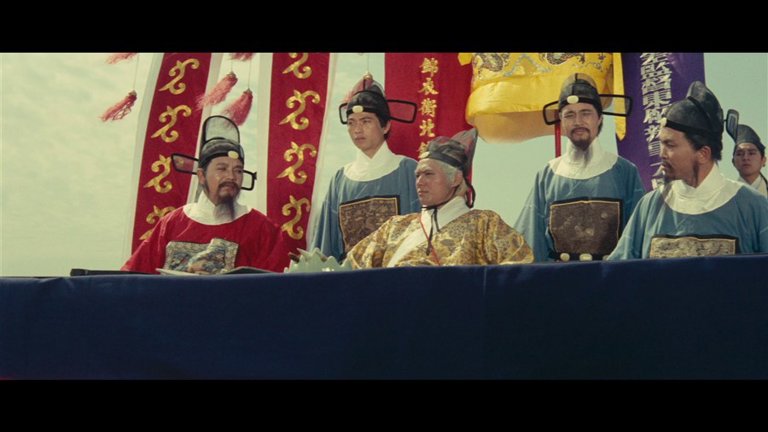
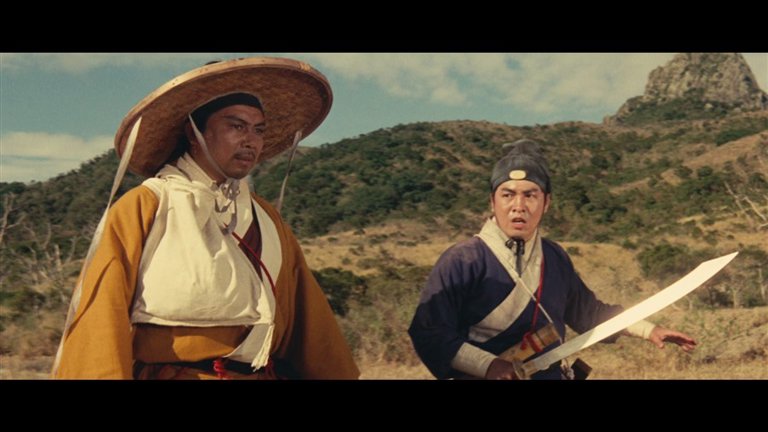
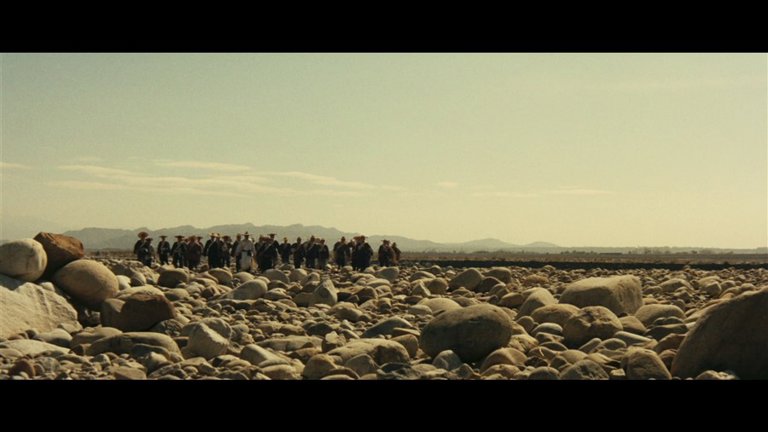
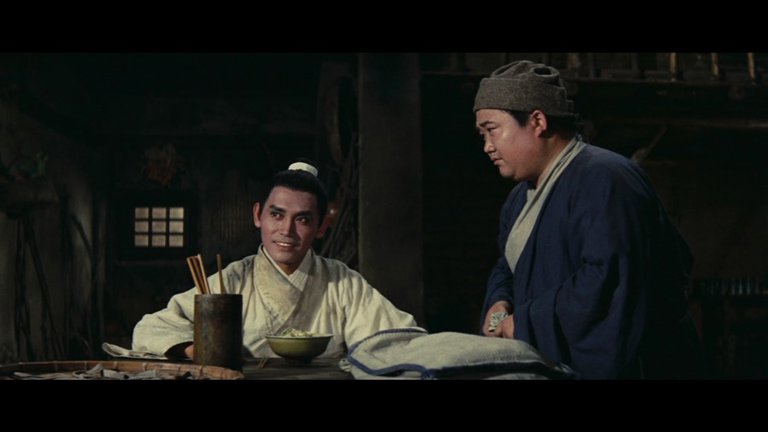
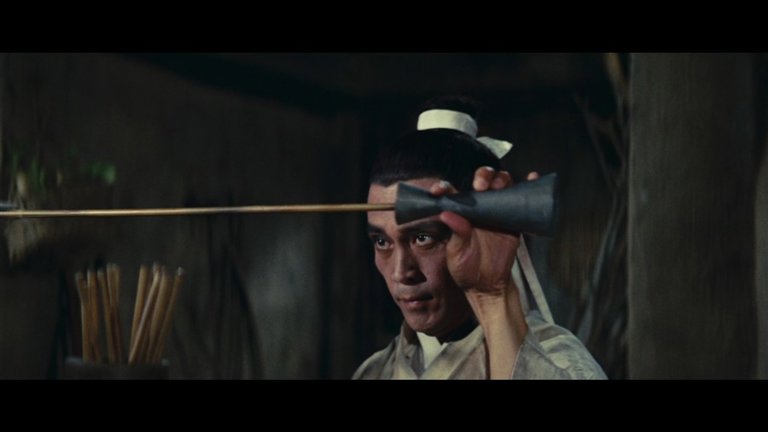
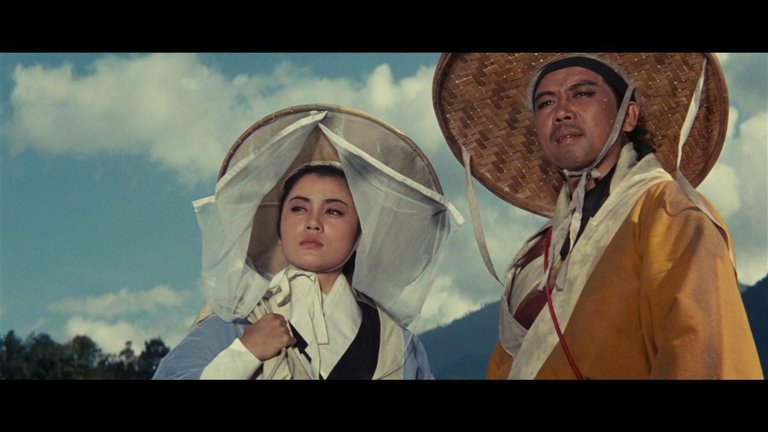
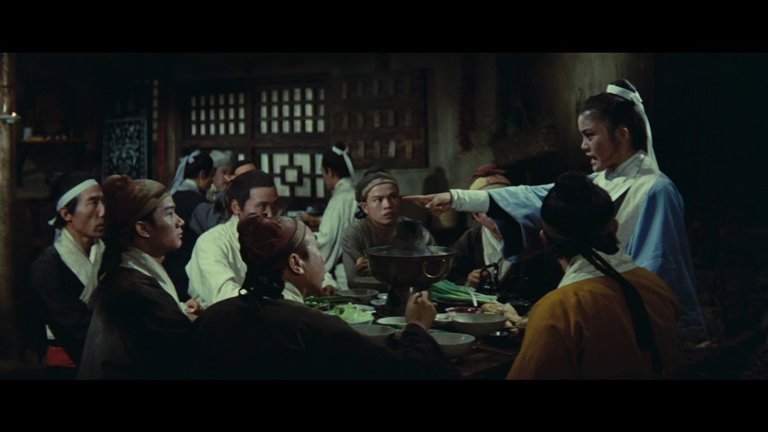
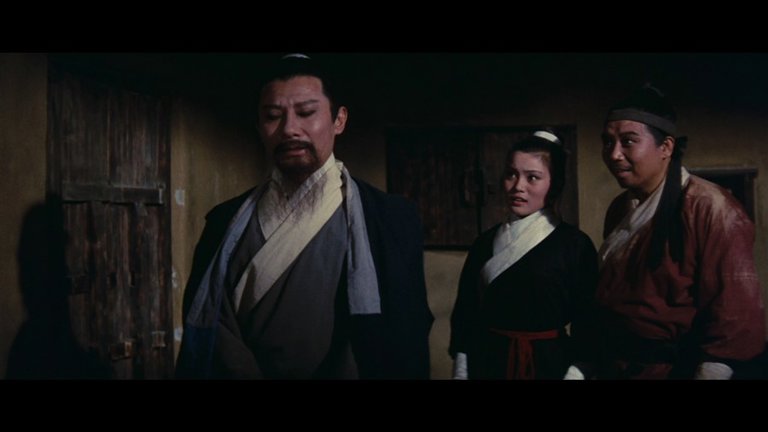
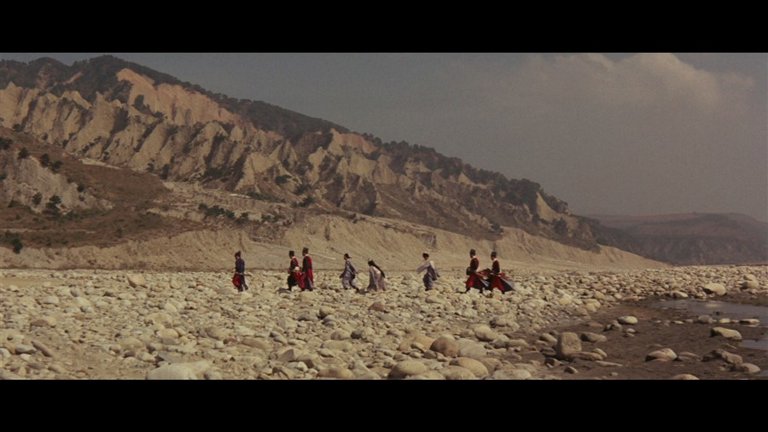
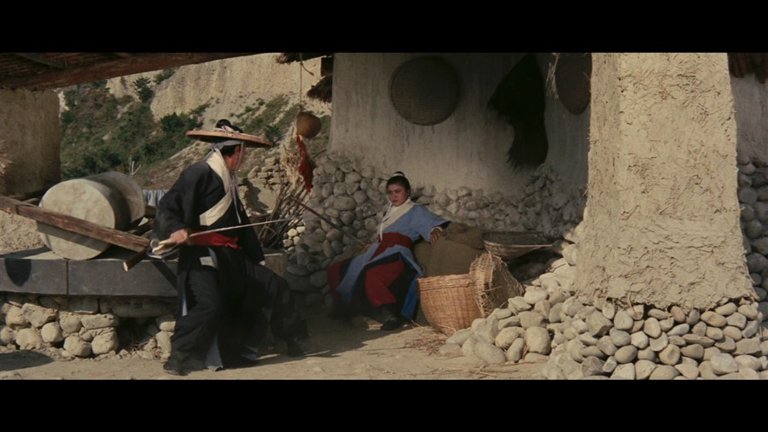
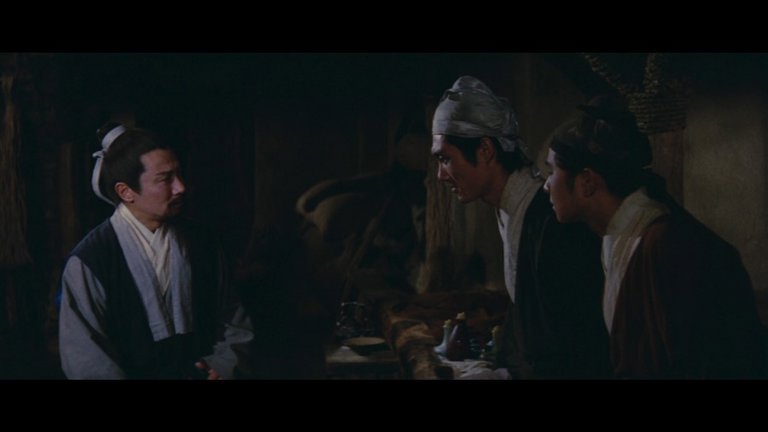
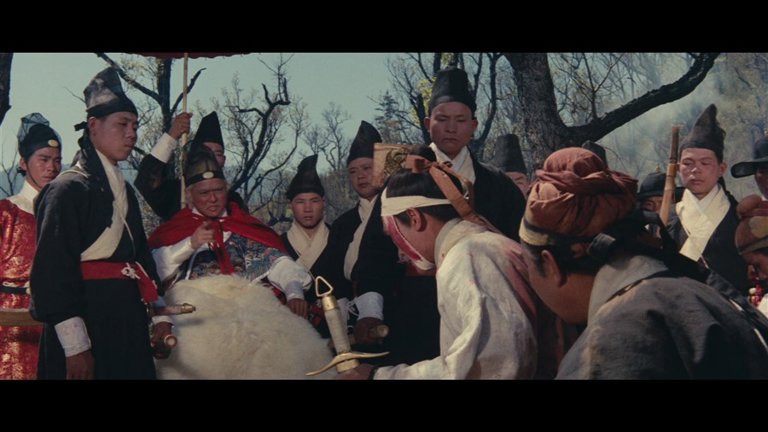
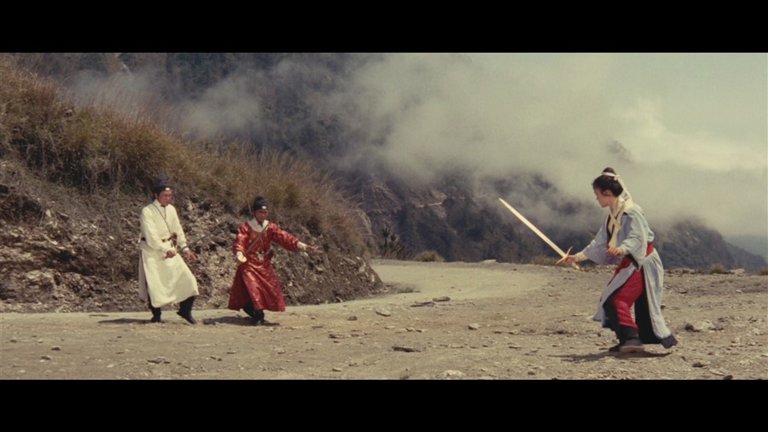
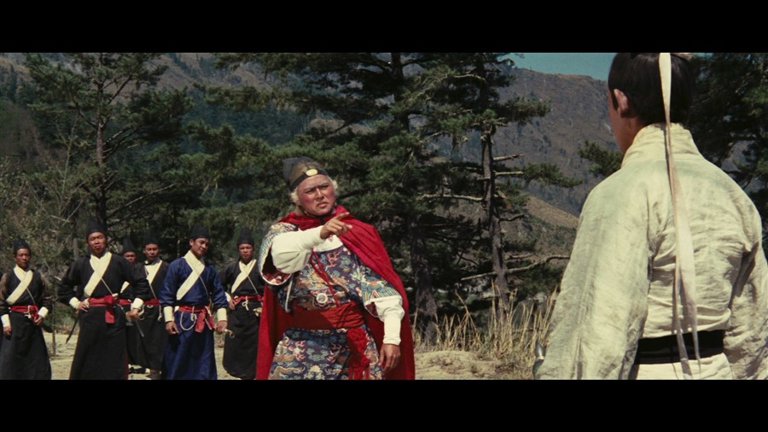
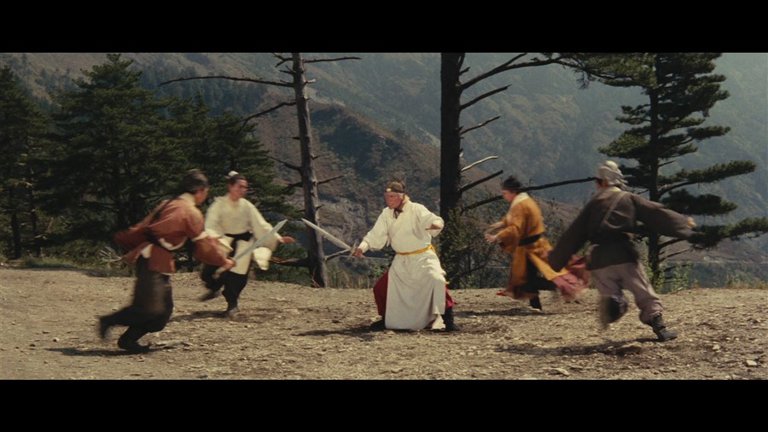
Dragon Inn - Screen Captures
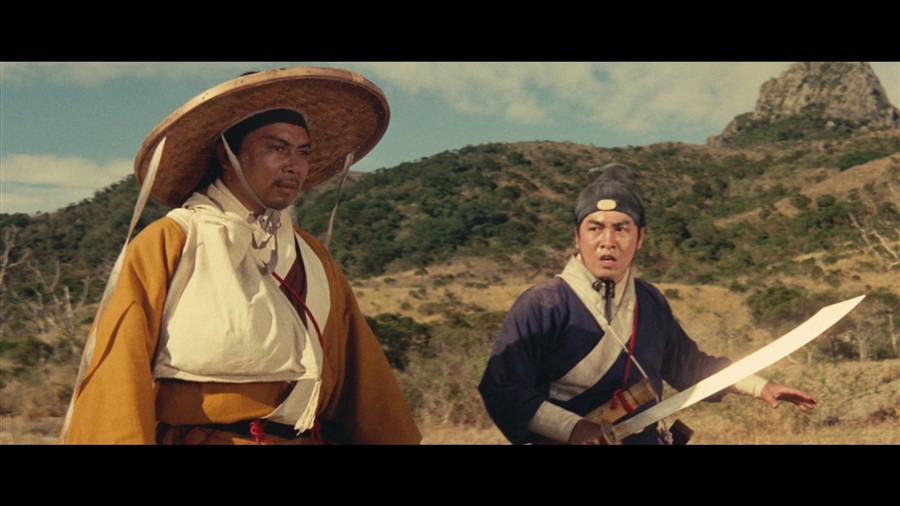
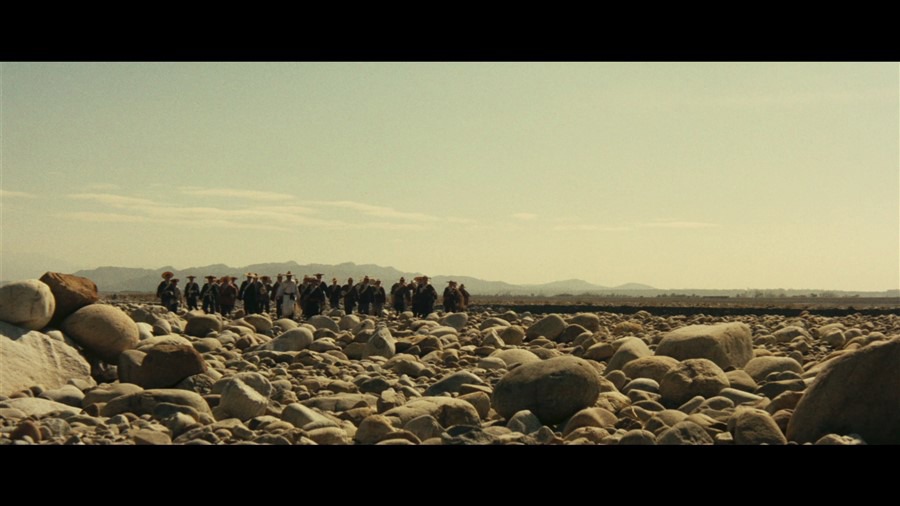
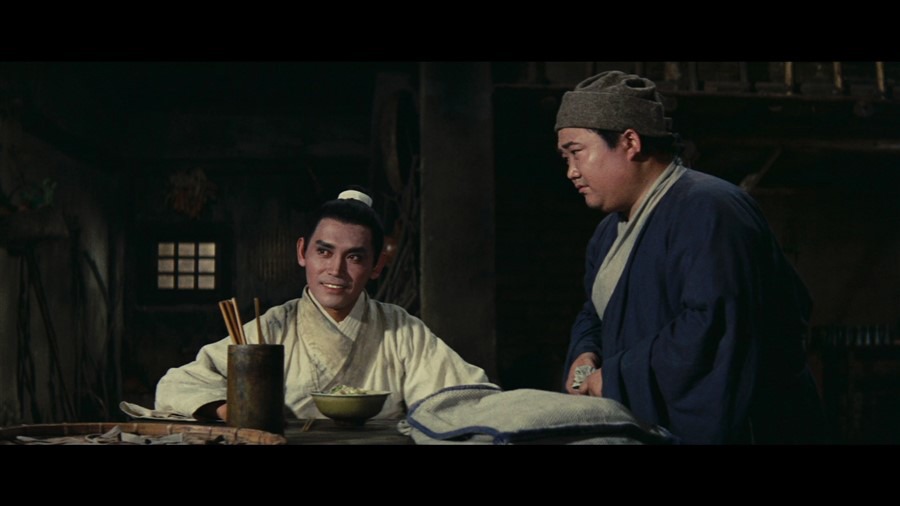
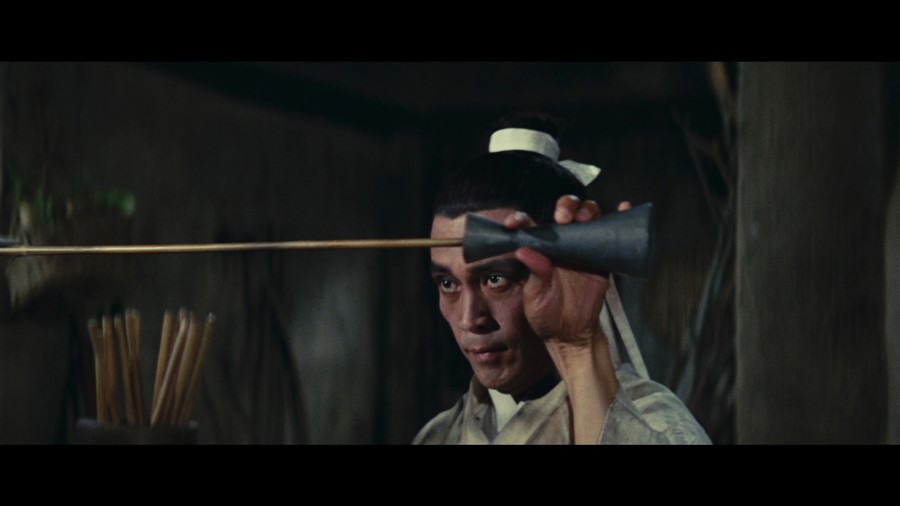
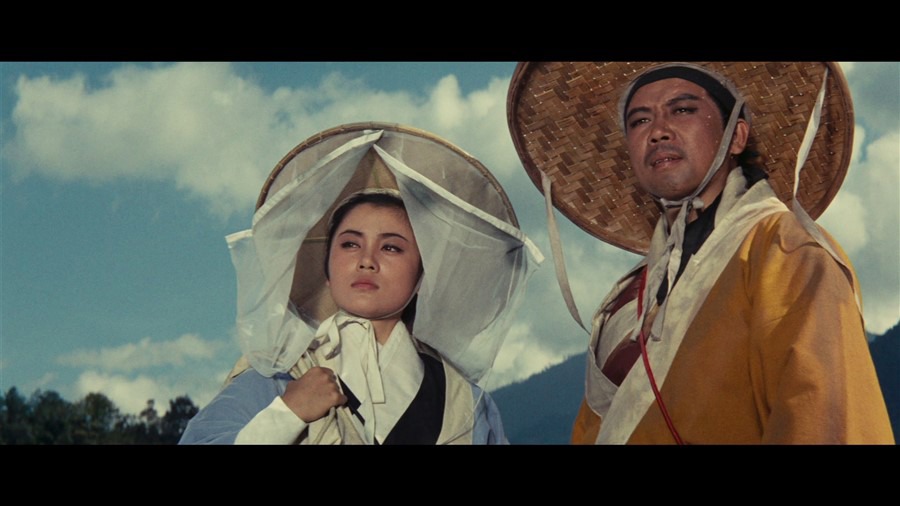
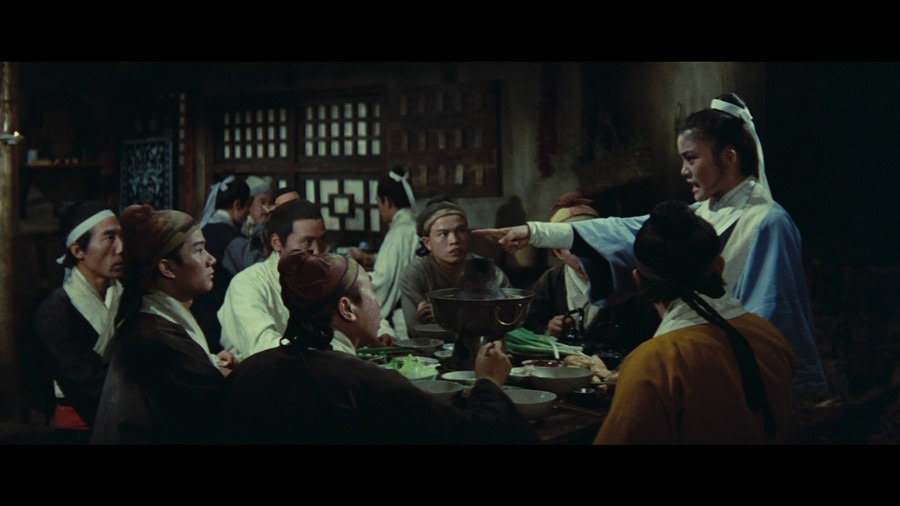
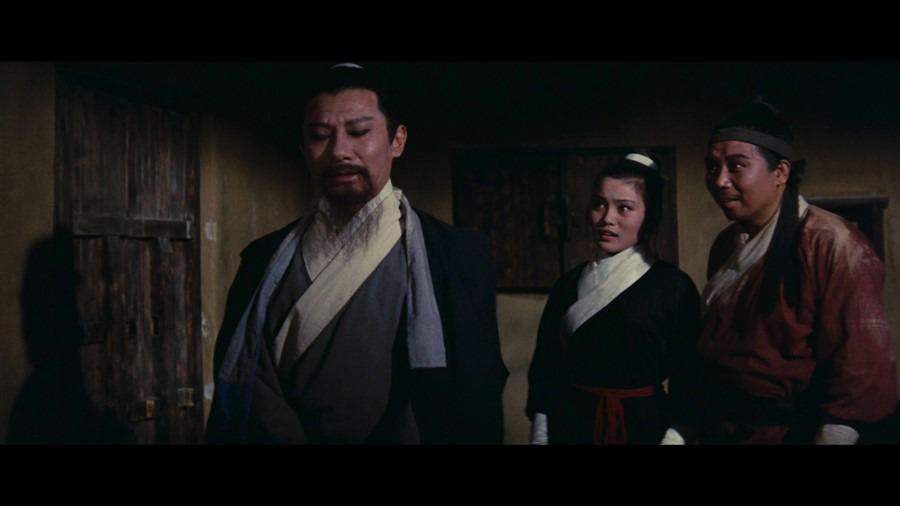
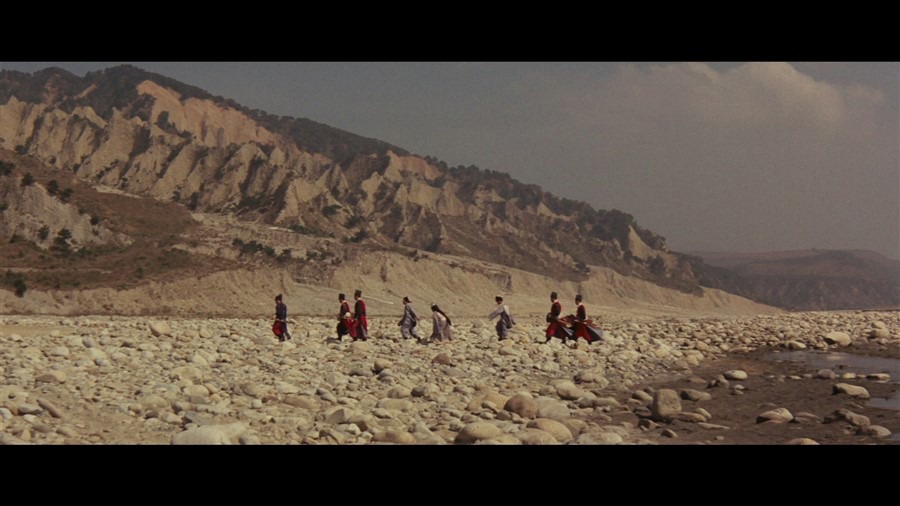
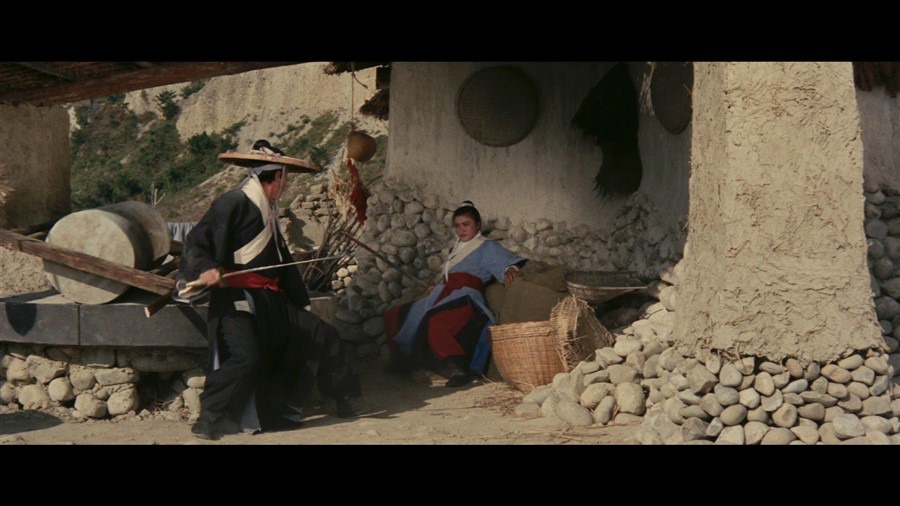
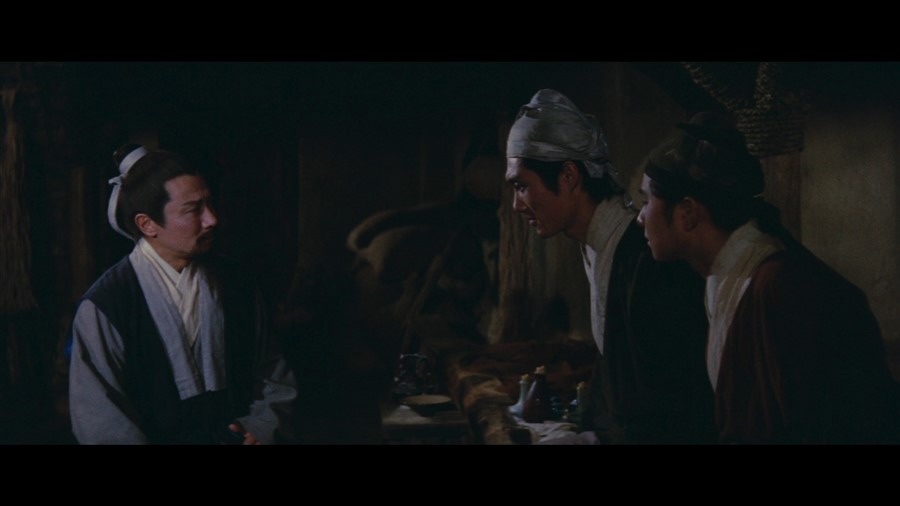
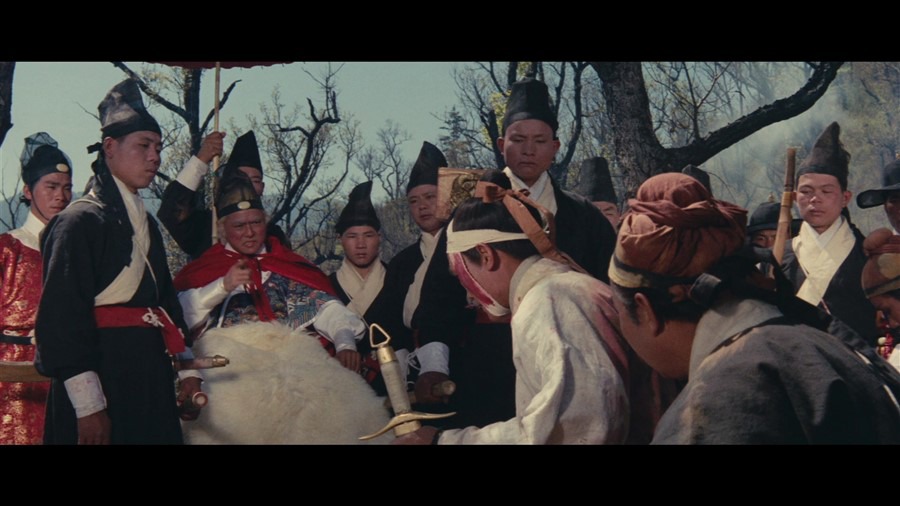
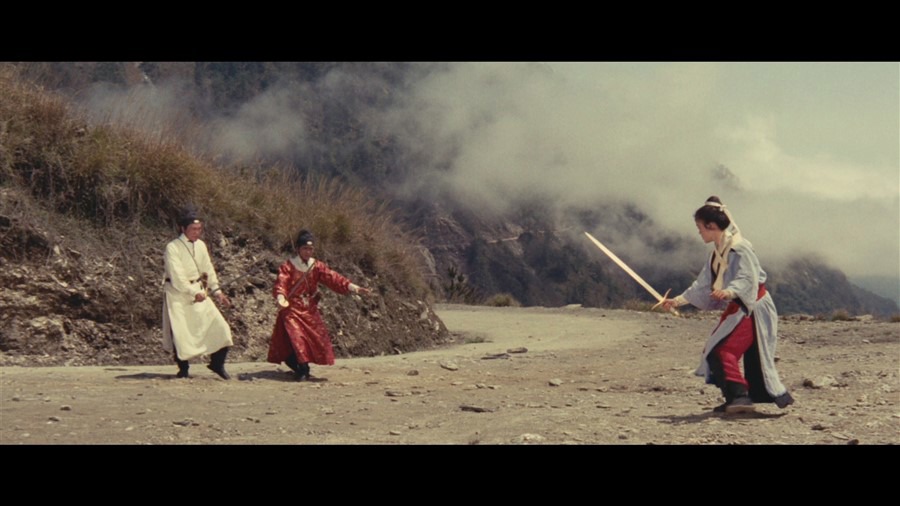
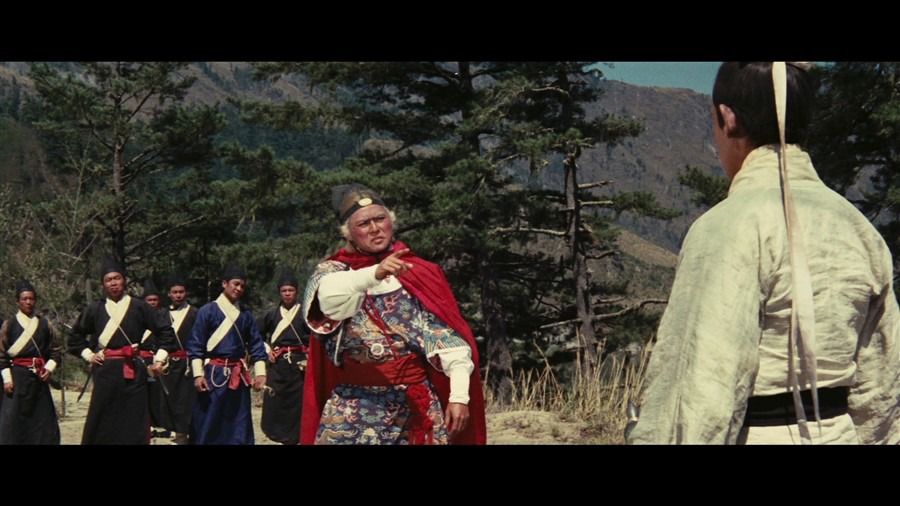
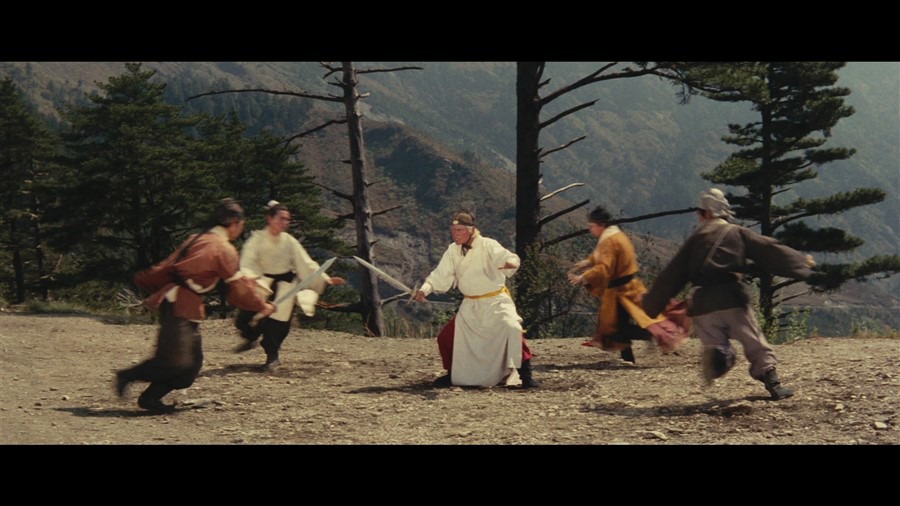
Audio 5/10
The film’s audio—presented in lossless PCM 1.0 mono—is about on par with A Touch of Zen. I didn’t note any pops, cracks, or drops while viewing the movie, just the occasional moment where a hiss is noticeable. The track is clean, though, just a bit flat. Dialogue is flat, lacking anything really in the way of dynamic range, while music and sound effects do have an edge to them. But like A Touch of Zen’s audio I attribute this to materials and doubt much could have been done during the restoration.
Extras 6/10
After a two year wait between the release of A Touch of Zen and this title the supplements here come off feeling a bit slim. Criterion first throws in a couple of cast interviews, one with Shangkuan Ling-fung and another with Shih Chun. Respectively recorded in 2018 and 2016, and running around 10-minutes and 11-minutes, the two recall the impact of the film, their work with Hu (who is described as being a very hands on filmmaker that was in on every aspect), and the training that was required for the fight scenes. Ling-fung even kept the training up, learning other styles of fighting and even doing more acting work in the genre. Of the two hers is more fun (she’s far more energized) but the two give a very clear indication on how new all of this was at the time, everyone coming into the film a complete novice.
This aspect of the film (the freshness of it at the time) is further explained by author and New York Asian Film Festival cofounder Grady Hendrix. Hendrix explains how this film laid the groundwork for future Kung-Fu films (and action films in general), from fight choreography (influenced by Beijing Opera) to simple editing tricks to suggest speed. After setting up the ground work Hendrix then breaks down a central fight sequence in the film (the lengthy one between Shangkuan Limg-fung’s and Han Ying-chich’s characters) to showcase the techniques employed by Hu and how it all comes together to allow the audience to easily follow the action on screen. It runs about 26-minutes.
Finally, the disc closes with a 2-minute newsreel from 1967 and shown in Taipei, covering the film’s premiere and its grand success, and then the theatrical trailer advertising the new restoration. The included poster insert features artwork by Greg Ruth, and on the other side an essay by Andrew Chan, which focuses a lot on the film’s economic storytelling, adding the interesting note that comparing the film to a musical is probably more apt than comparing it to other Western genres.
This does feel a little light, with A Touch of Zen getting more material in comparison, but what we do get here does sufficiently cover the influence this film has had since.
Closing
A bit of a lighter release in comparison to A Touch of Zen but I found the presentation to look a bit better than what we got for that film and it’s certainly worth picking up for that aspect alone.
BUY AT: