Gilda
BUY AT:


See more details, packaging, or compare
Synopsis
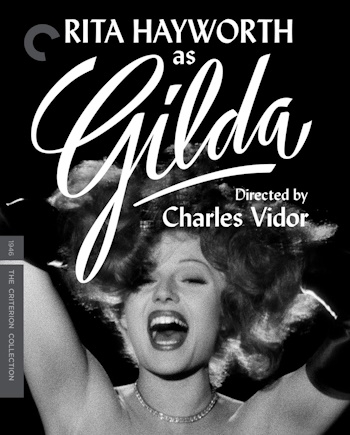
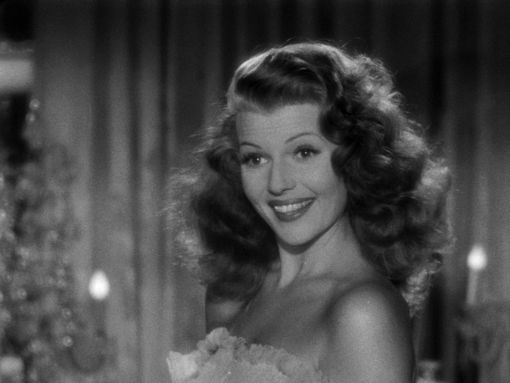
“Gilda, are you decent?” Rita Hayworth tosses her hair back and slyly responds, “Me?” in one of the great star entrances in movie history. Gilda, directed by Charles Vidor, features a sultry Hayworth in her most iconic role, as the much-lusted-after wife of a criminal kingpin (George Macready), as well as the former flame of his bitter henchman (Glenn Ford), and she drives them both mad with desire and jealousy. An ever-shifting battle of the sexes set on a Buenos Aires casino’s glittering floor and in its shadowy back rooms, Gilda is among the most sensual of all Hollywood noirs.
Picture 9/10
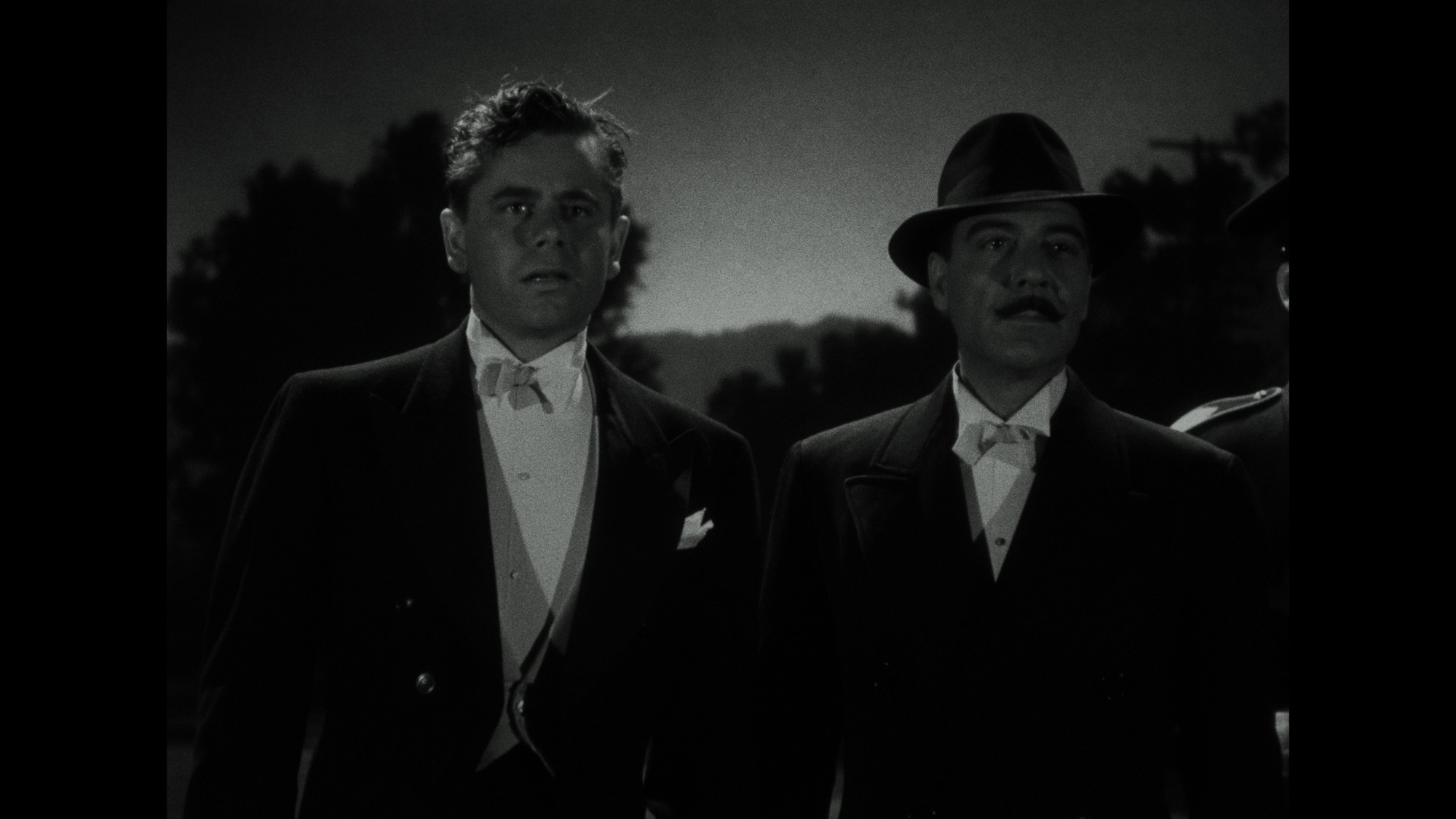
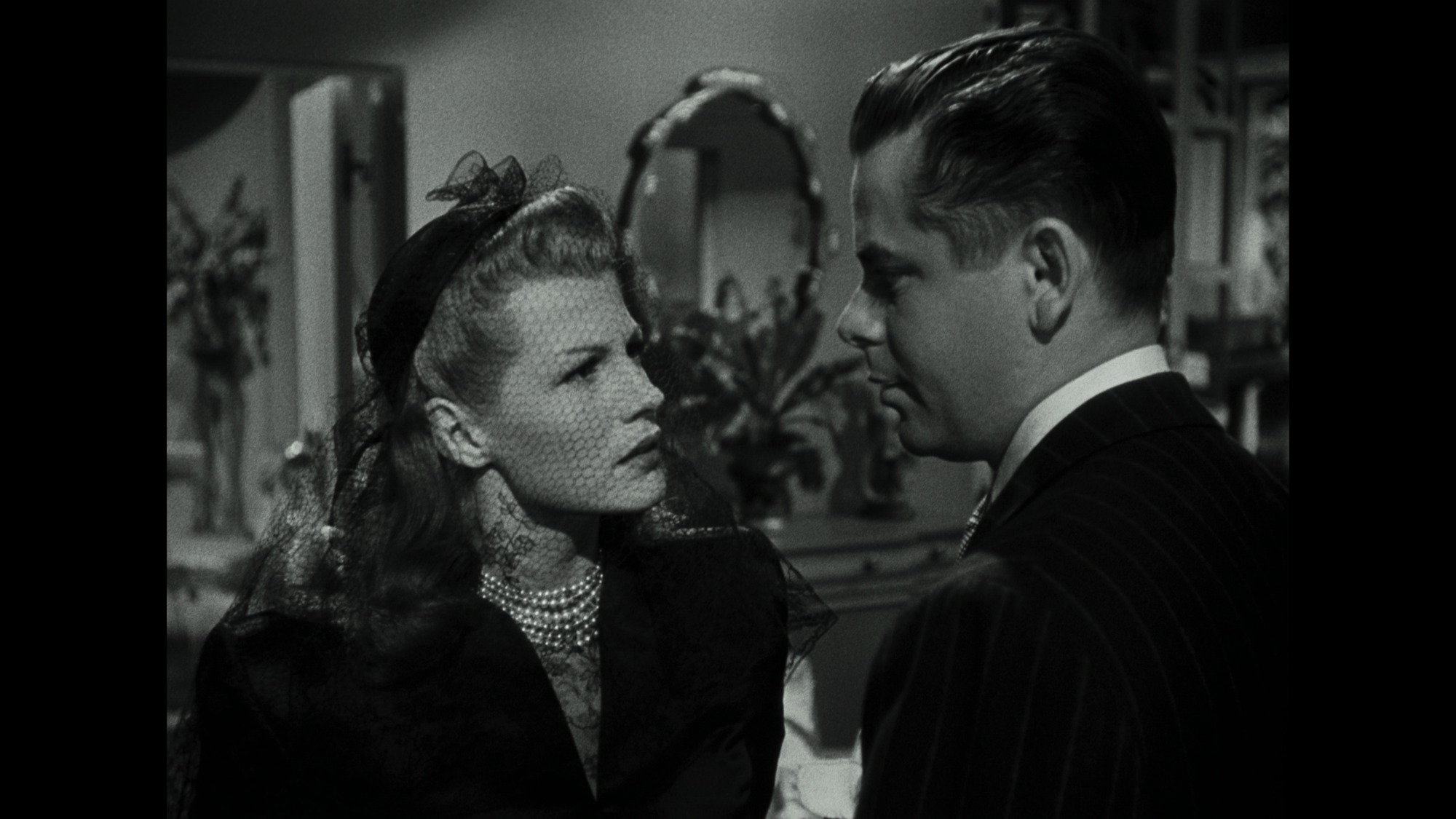
The Criterion Collection upgrades their Blu-ray edition of Charles Vidor’s Gilda to 4K UHD, presenting the film with Dolby Vision in 2160p/24hz ultra high-definition in its original aspect ratio of 1.37:1. The new 4K restoration was performed by Sony, sourced from scans of the 35mm original nitrate negative, with a nitrate duplicate negative used to fill in missing elements where needed. The release also includes a Blu-ray featuring all video supplements and a 1080p presentation of the film. This Blu-ray is a direct port of the 2016 edition and uses the older master, framed at 1.33:1.
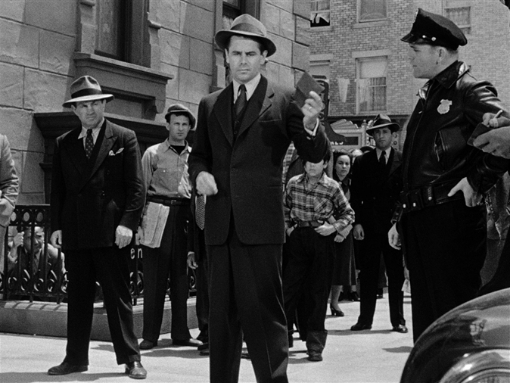
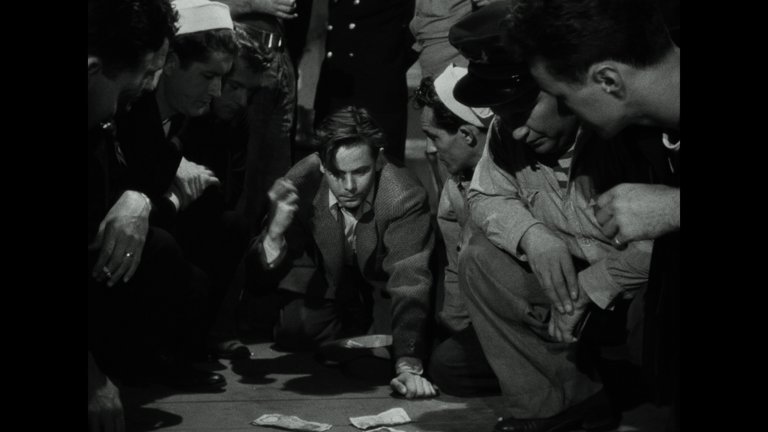
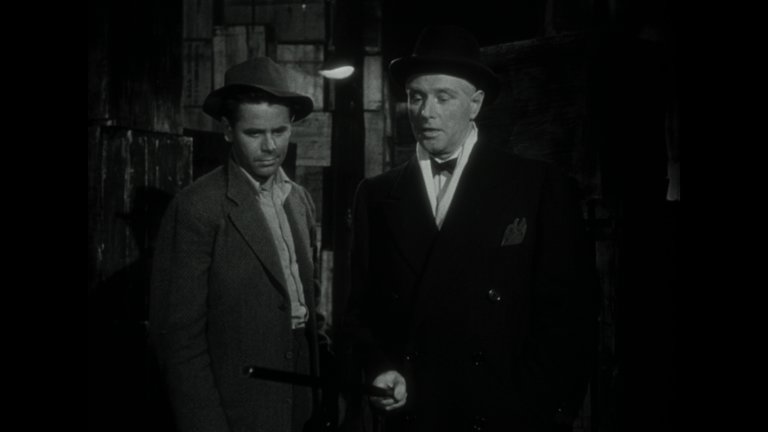
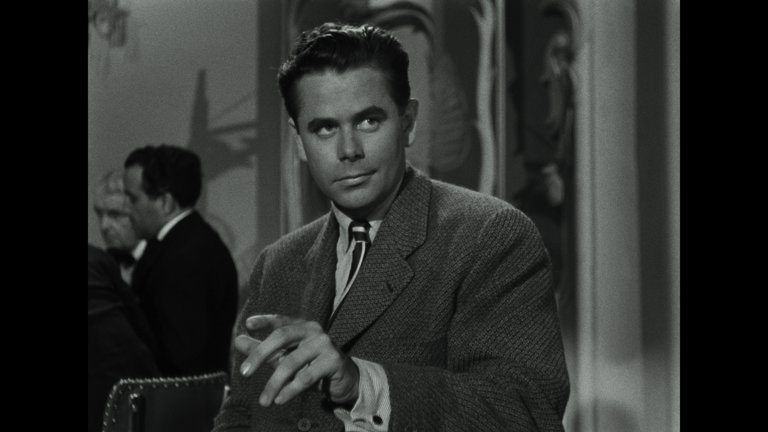
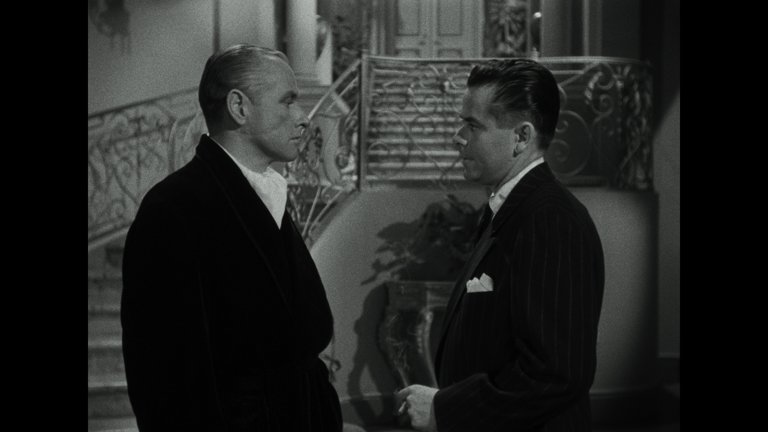
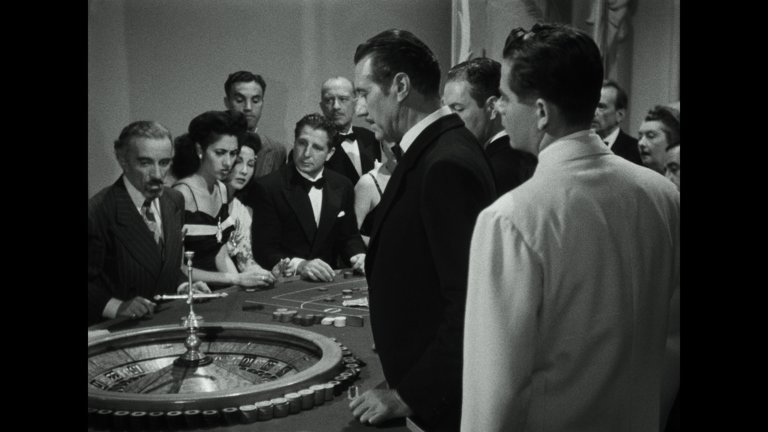
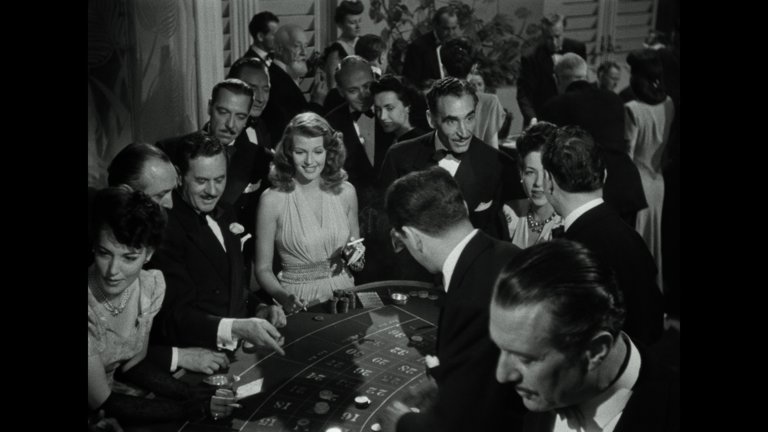
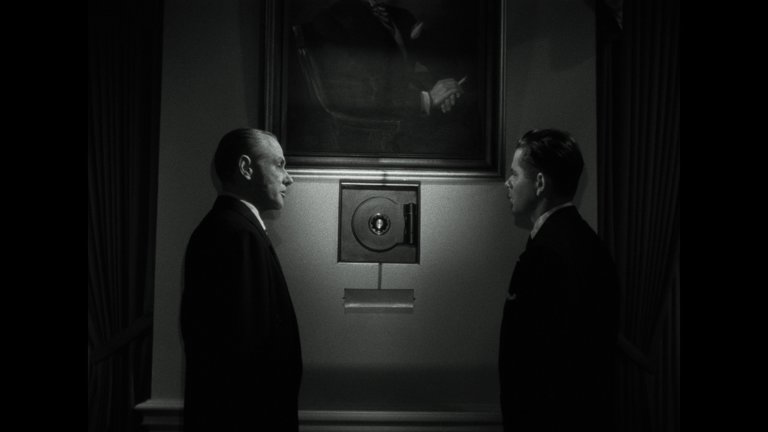
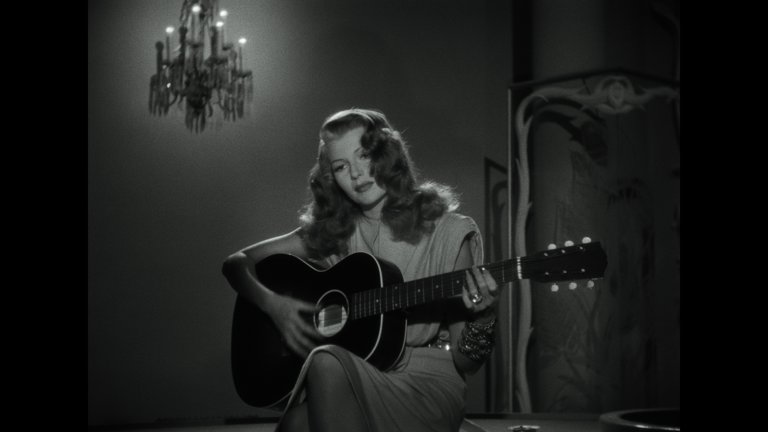
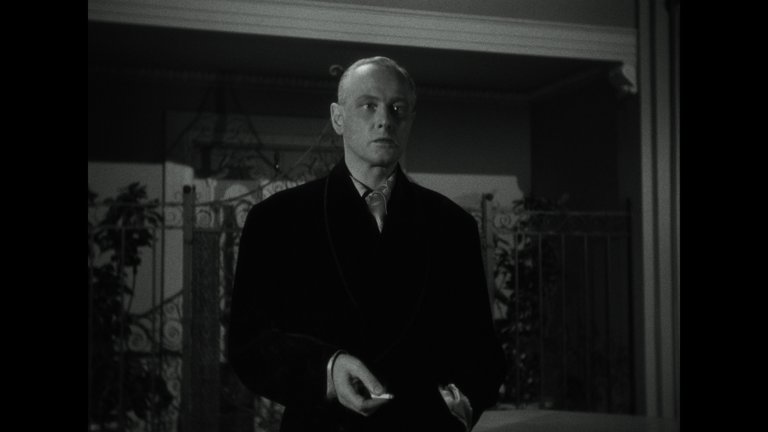
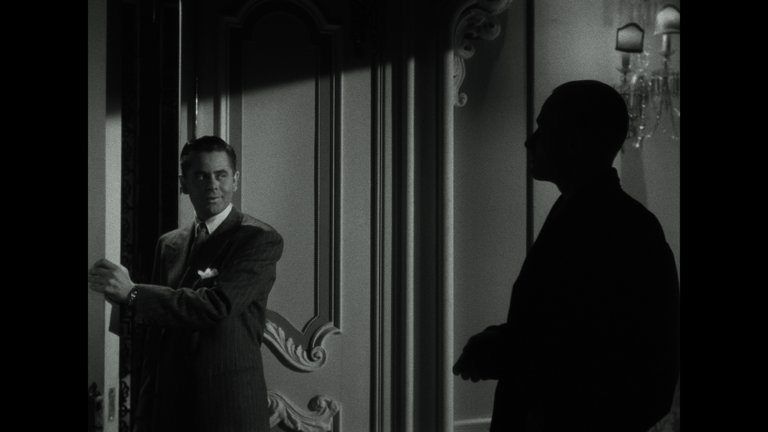
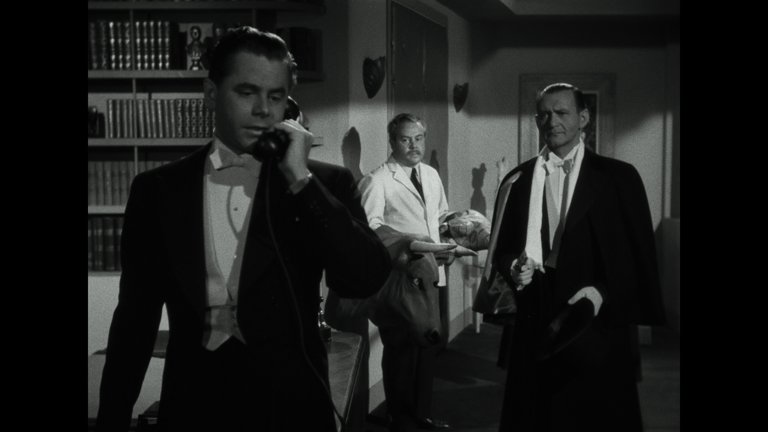
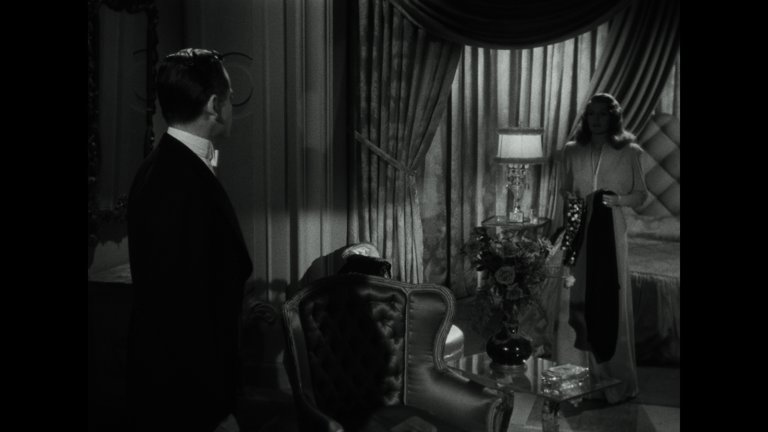
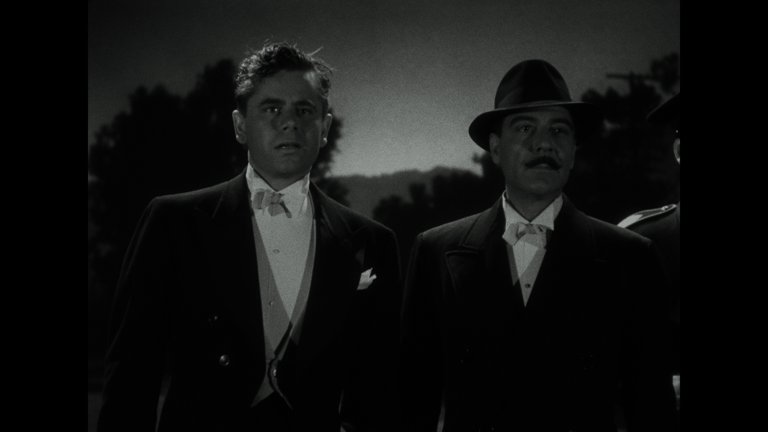
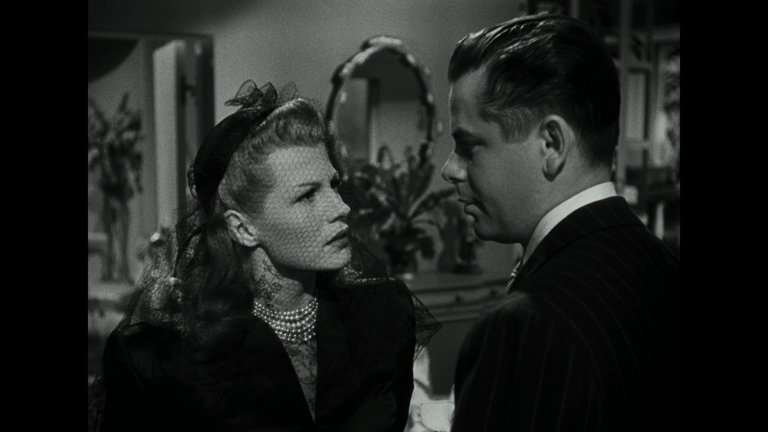
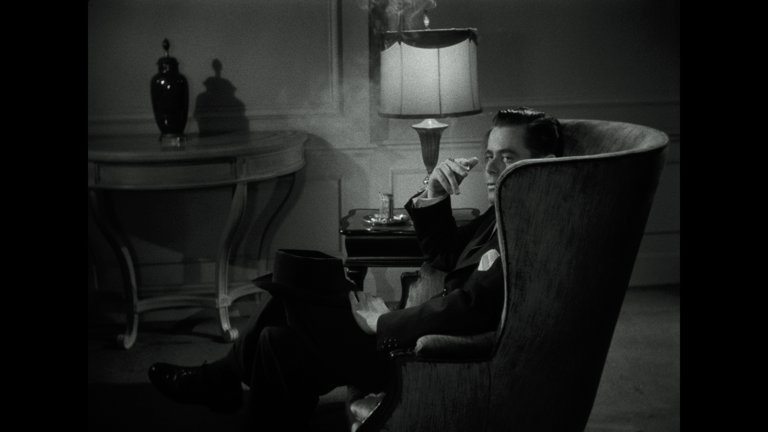
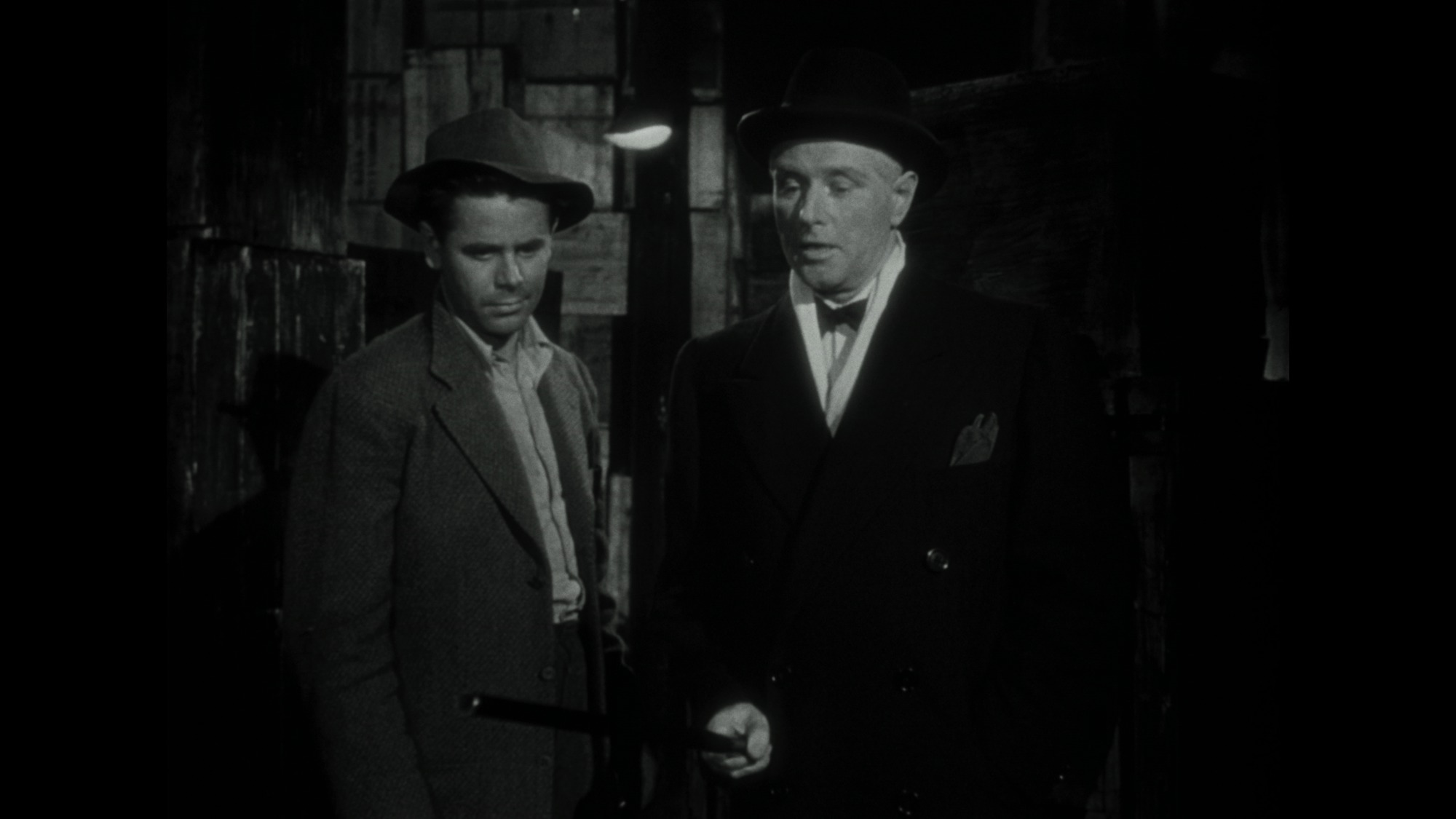
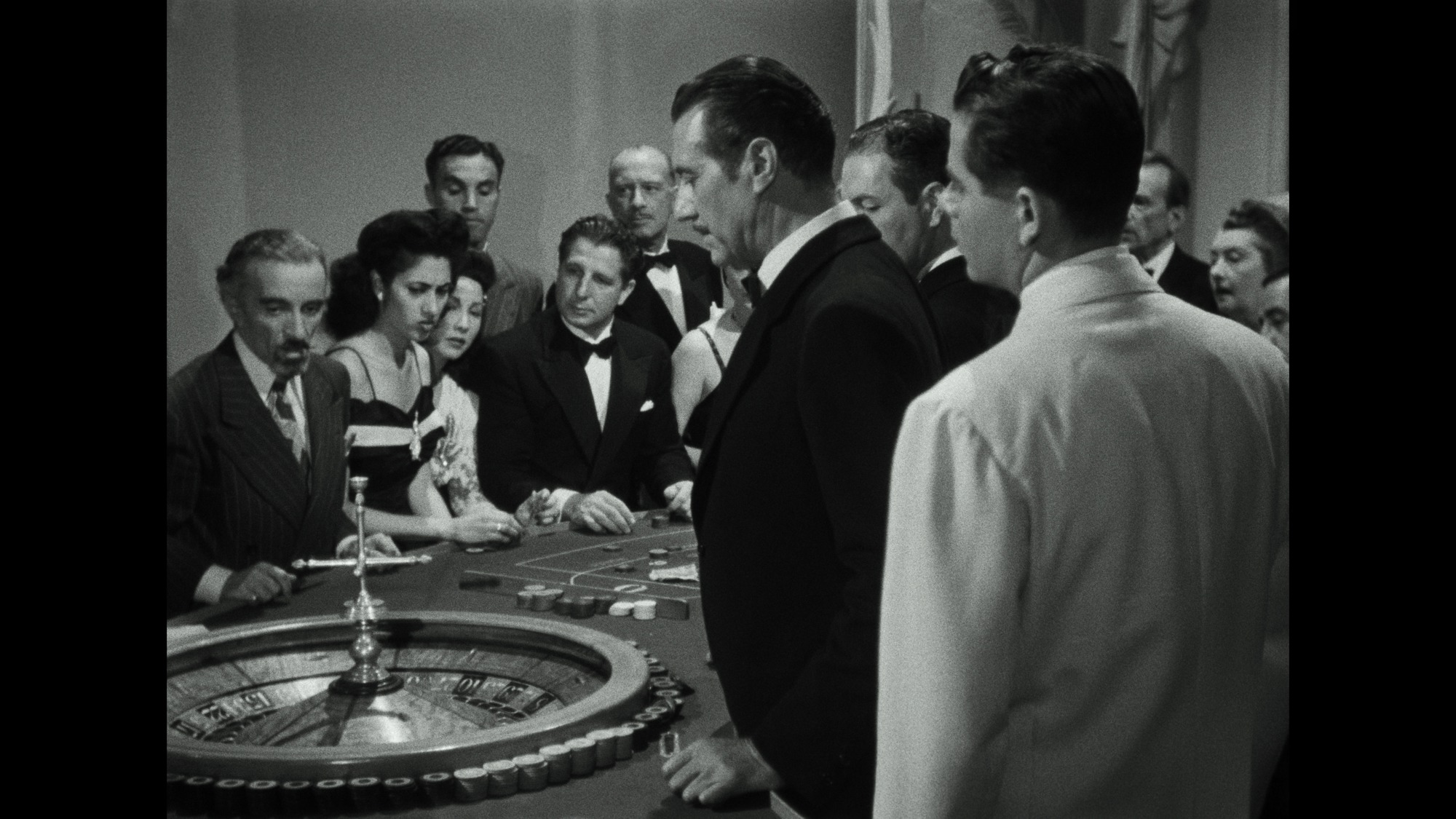
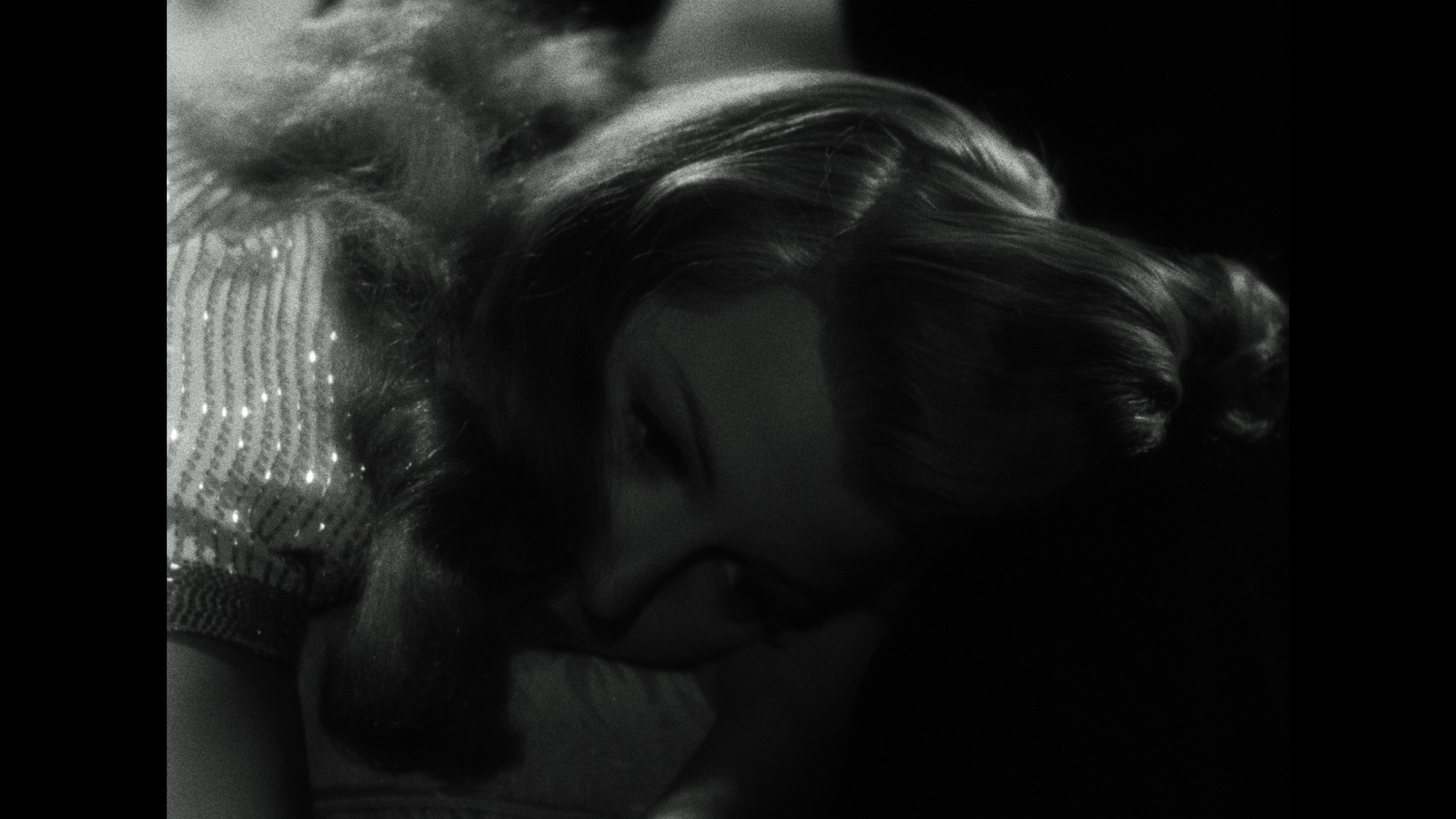
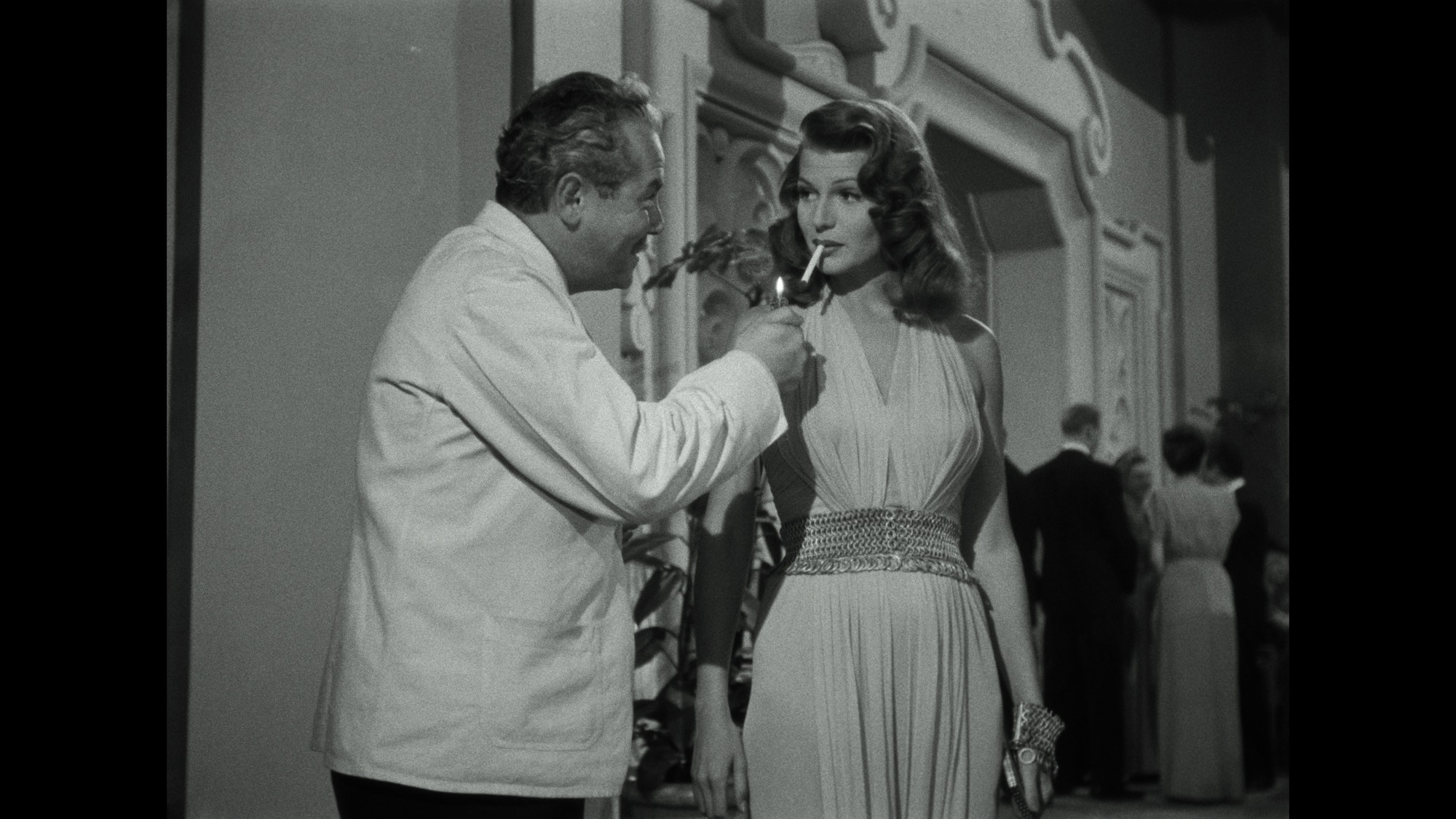
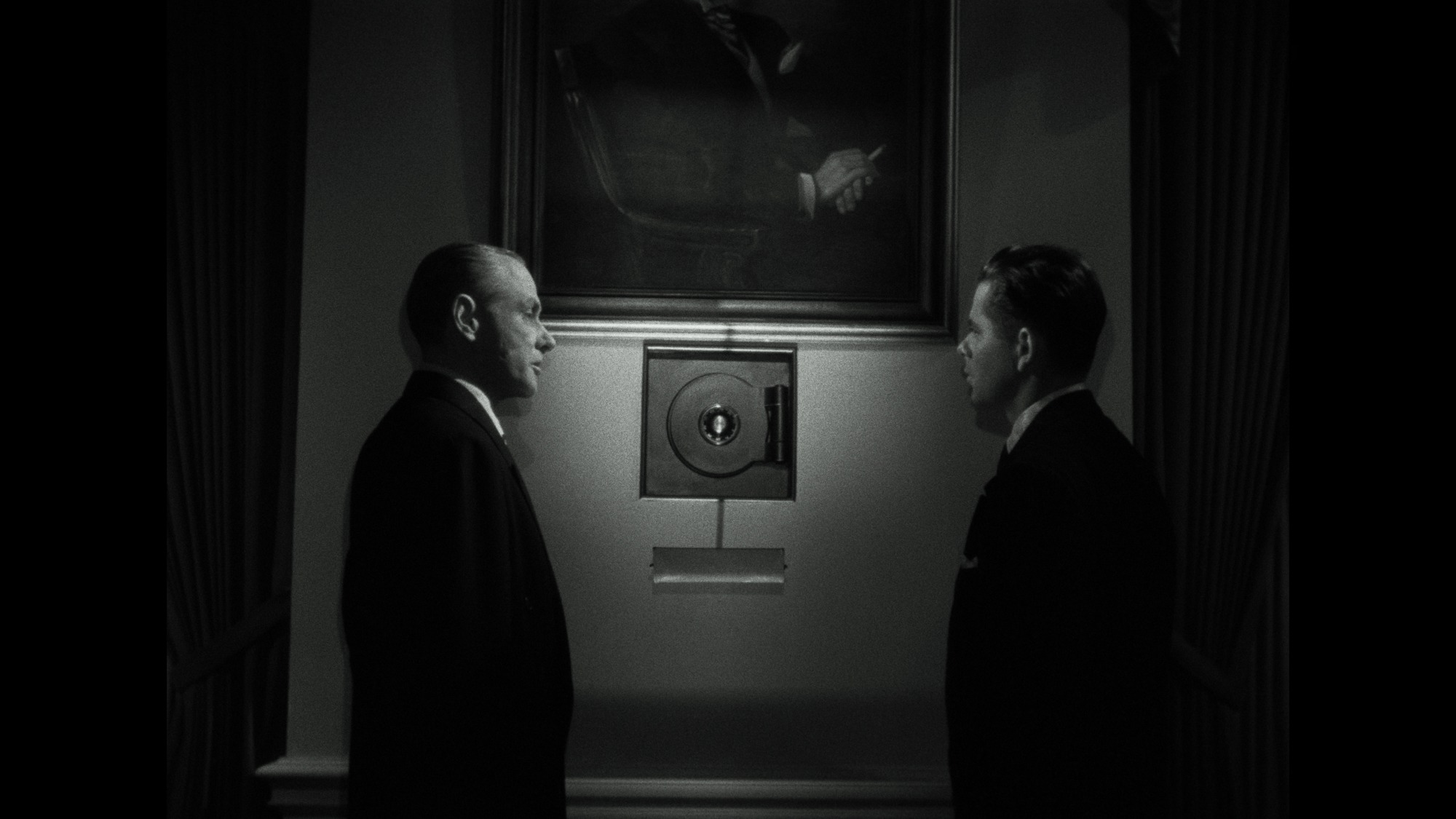
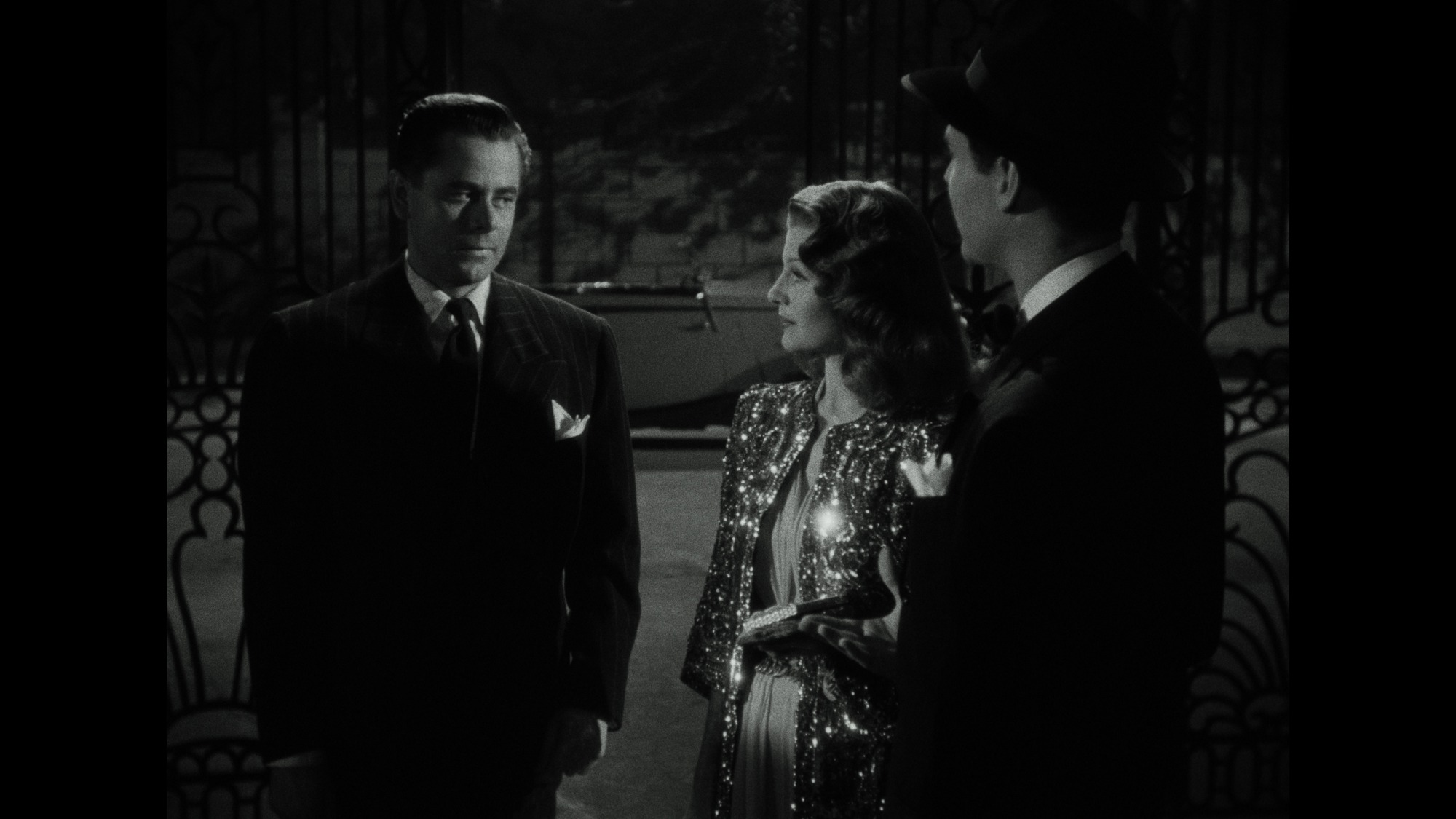
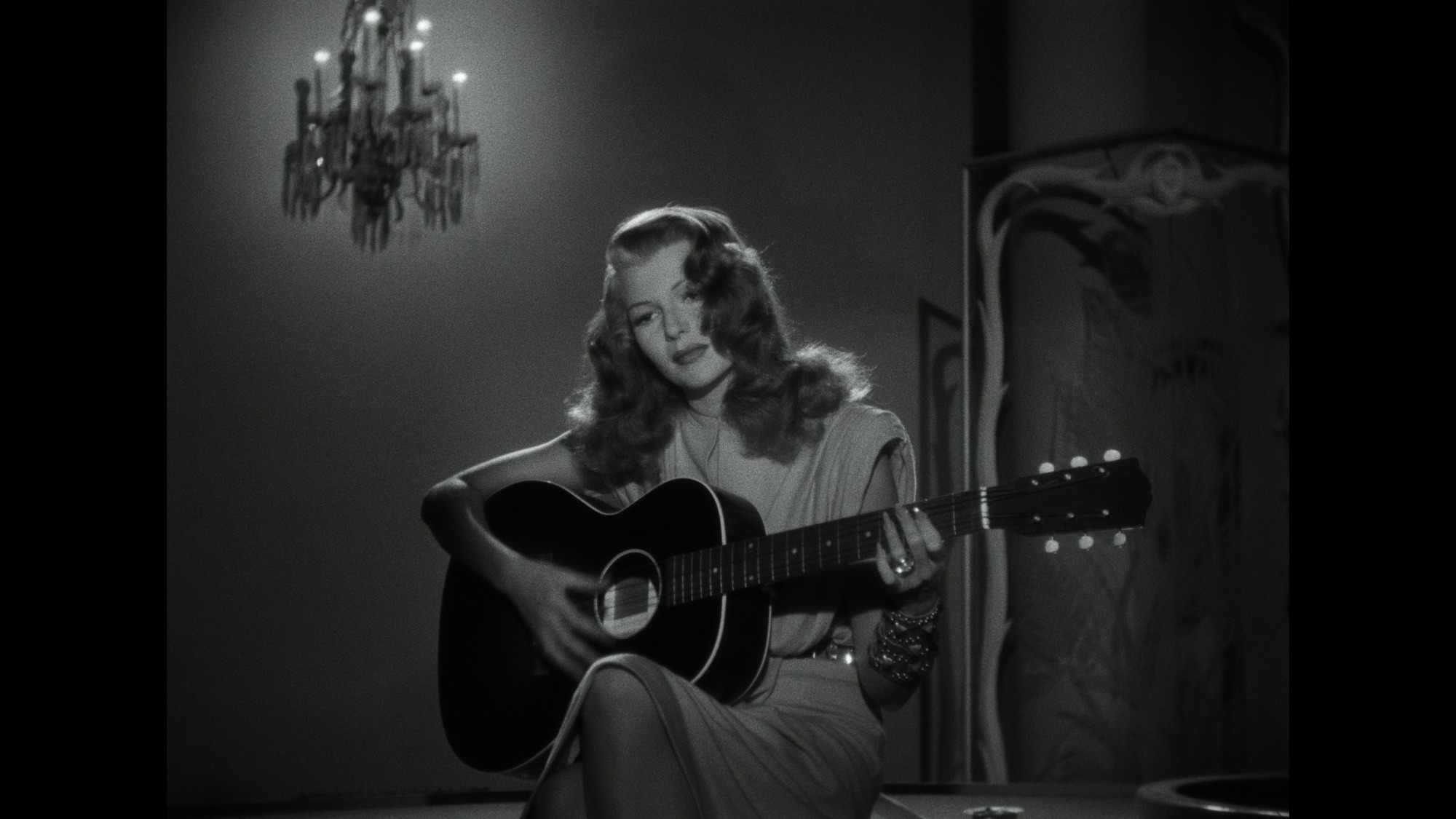
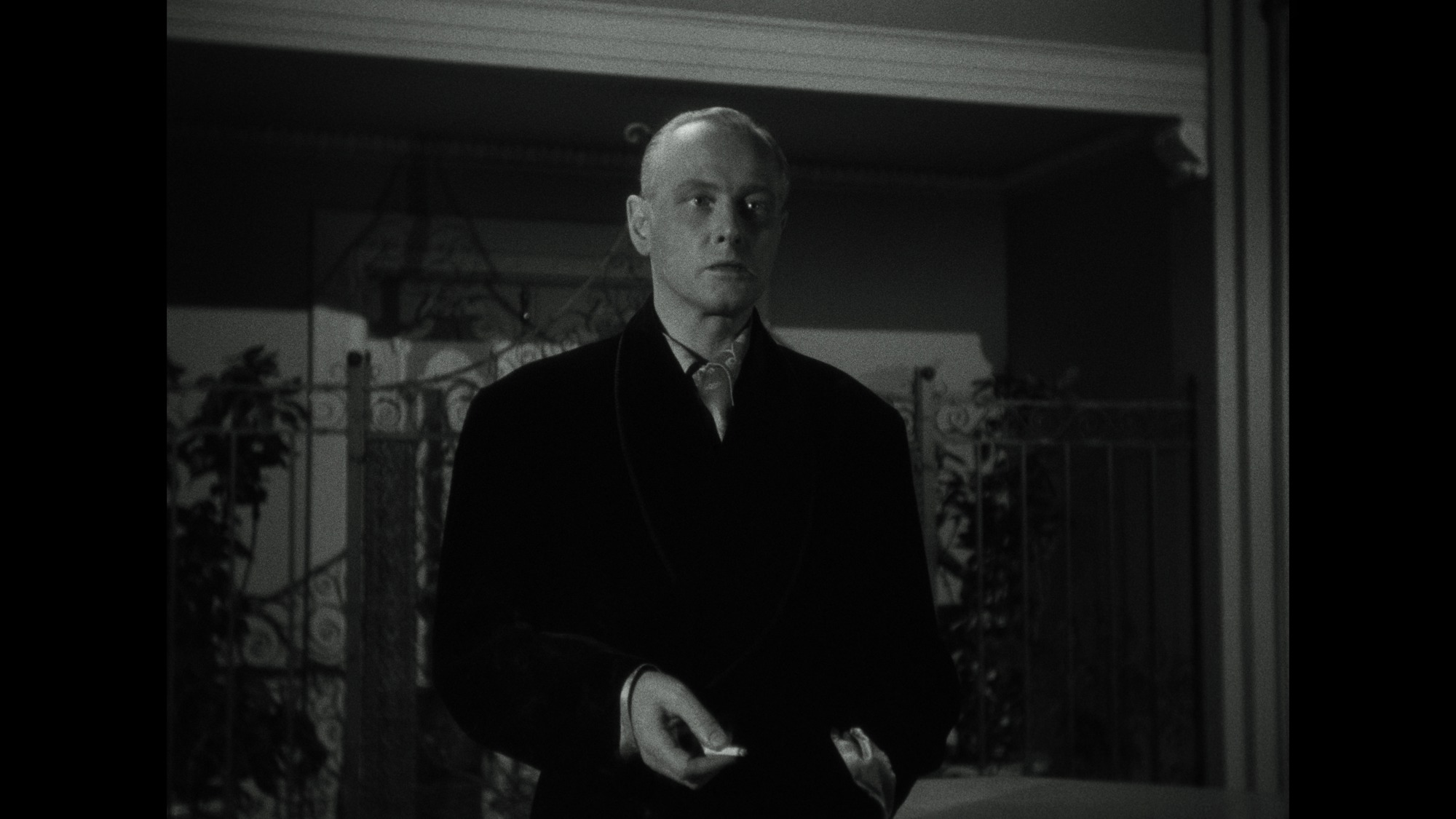
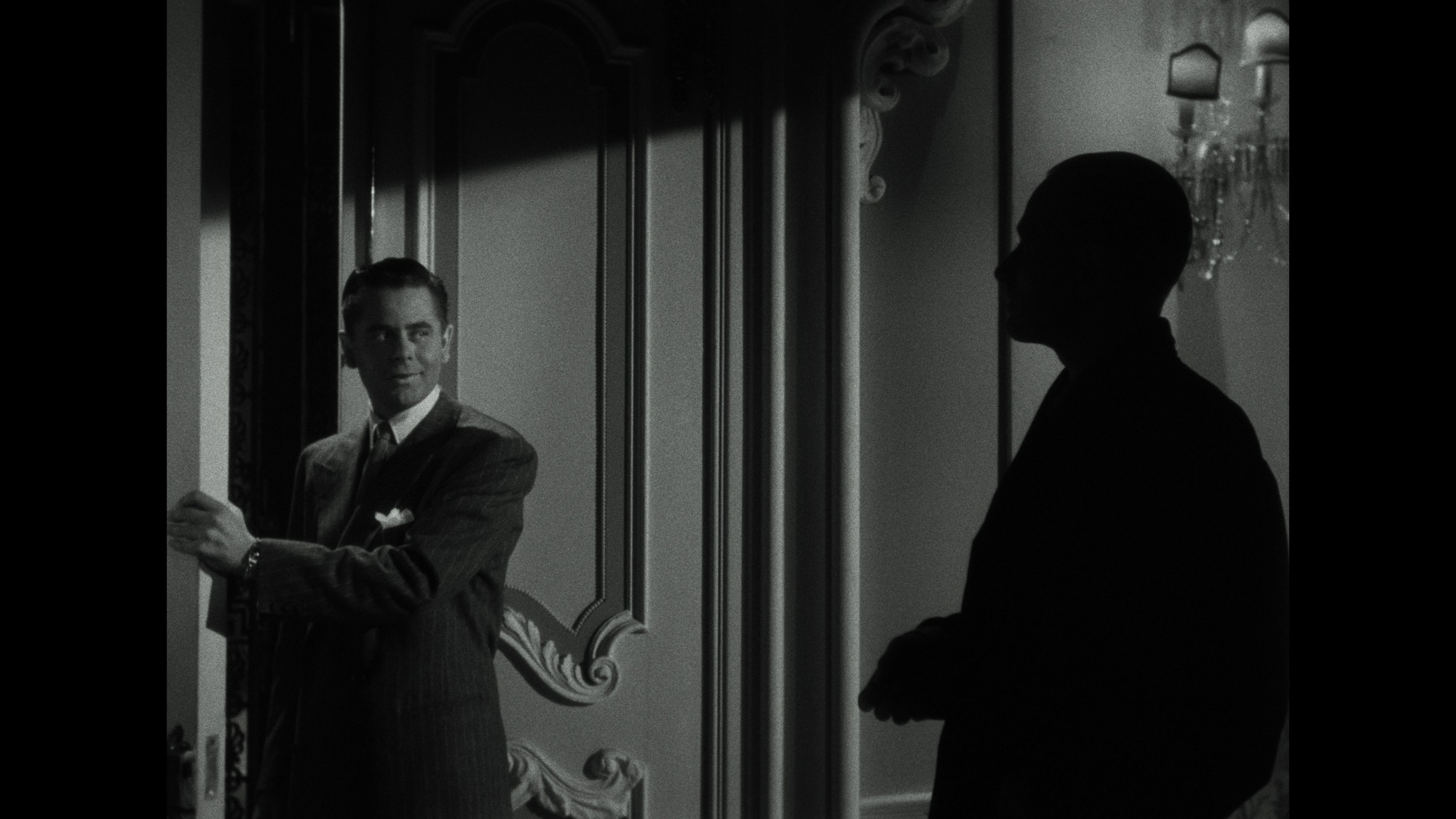
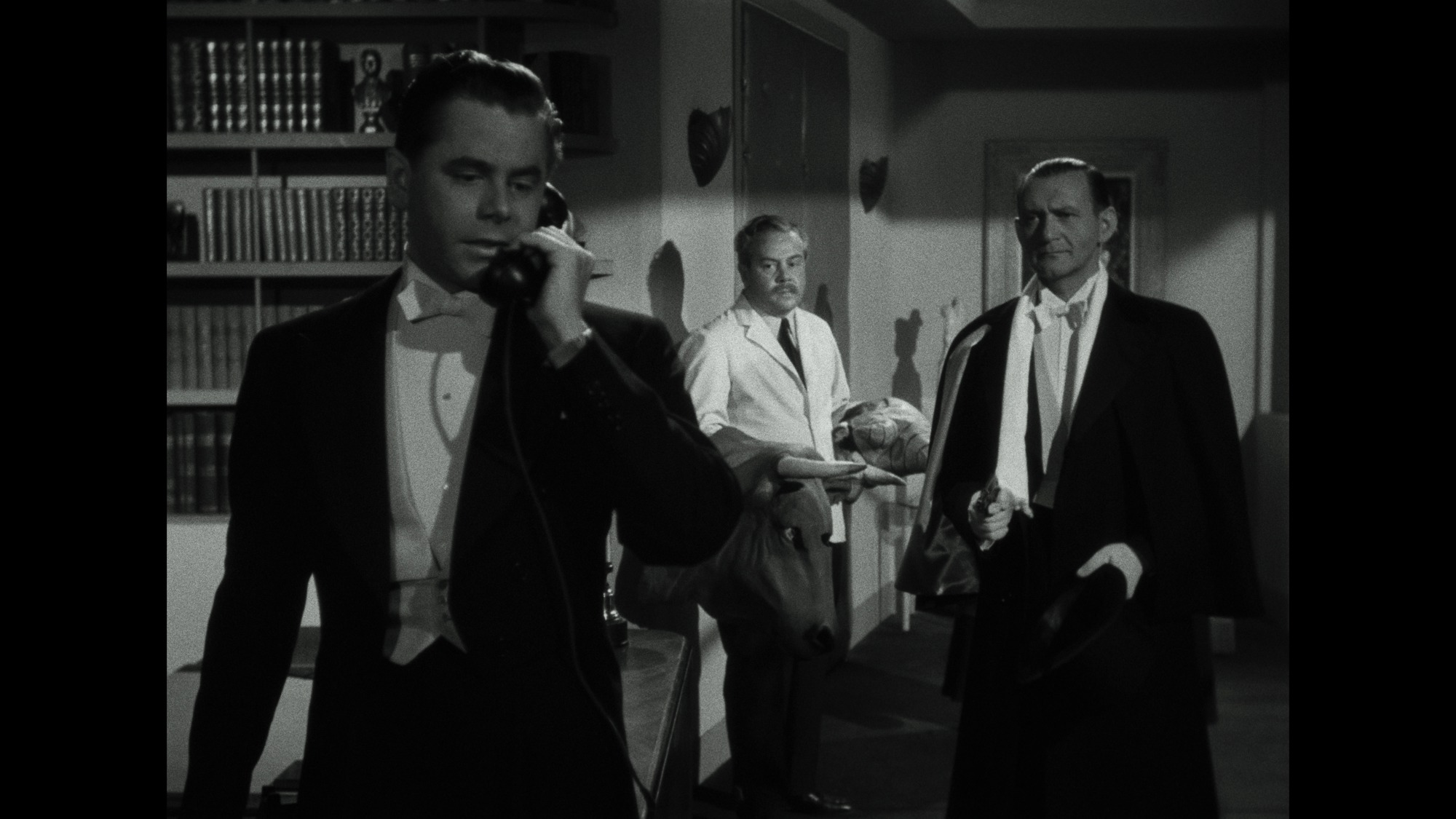
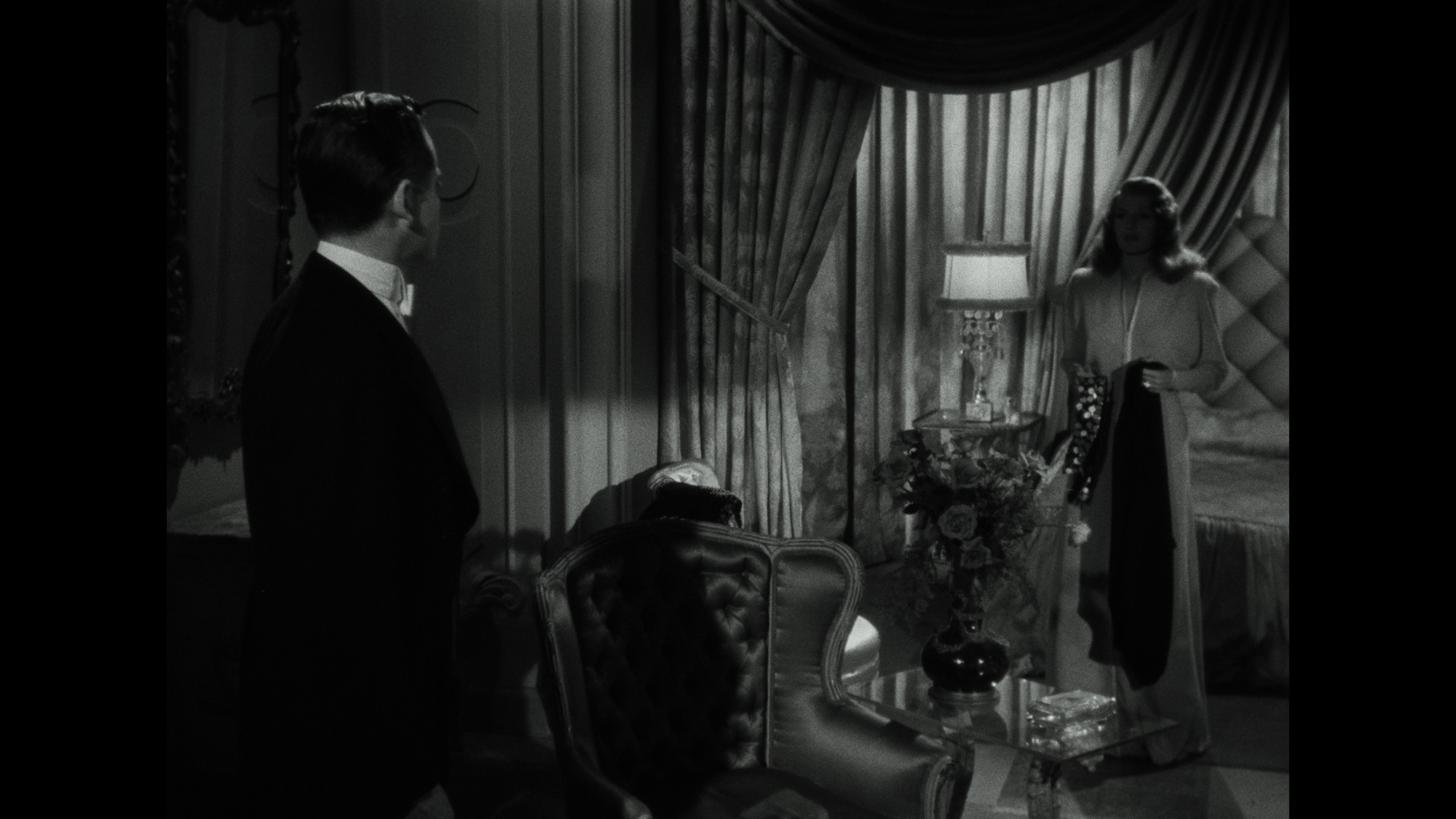
The previous Blu-ray looked fine enough, but it clearly stemmed from an older master and carried a somewhat digital appearance with clumpy grain and little shadow detail. It was always a little disappointing, so it’s a relief to see this new 4K presentation deliver such a substantial upgrade. It does start off a bit underwhelming, however, with a heavier, slightly dupey appearance, and it's likely this is one of the areas where the duplicate negative has been used. Contrast appears narrower, blacks look a little flat, and there’s a noticeable drop in fine detail, with grain coming off somewhat muddled. For a moment, it doesn’t look all that much better than the Blu-ray.
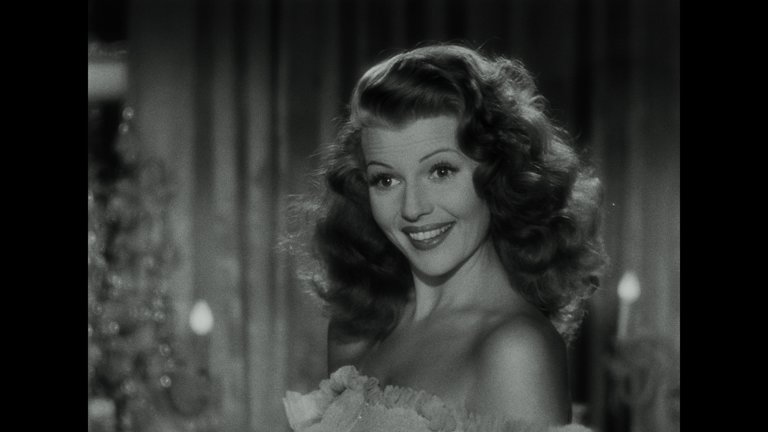
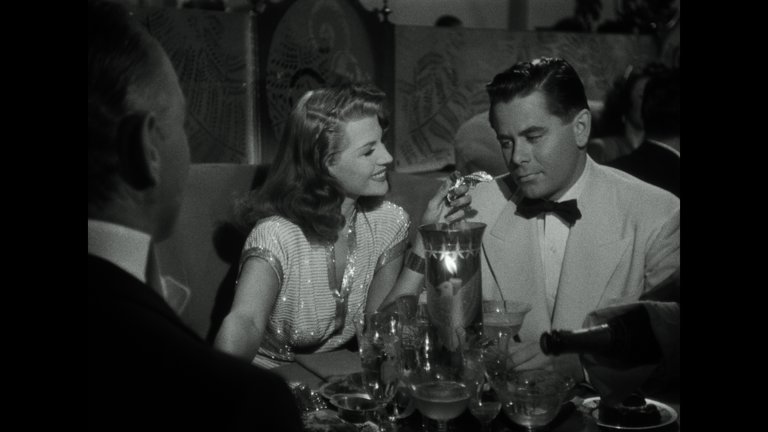
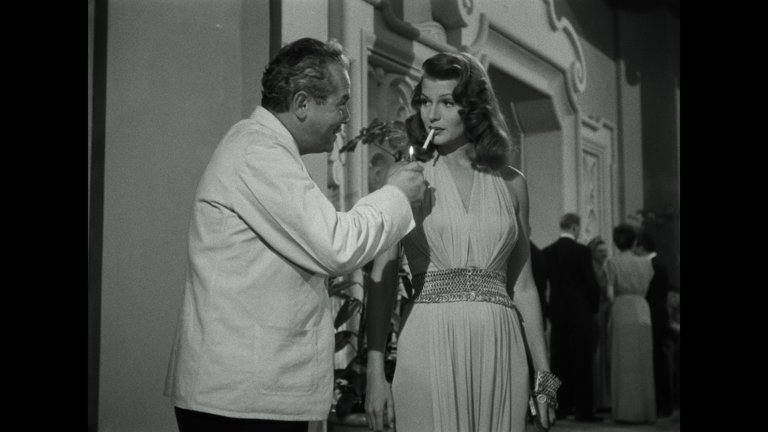
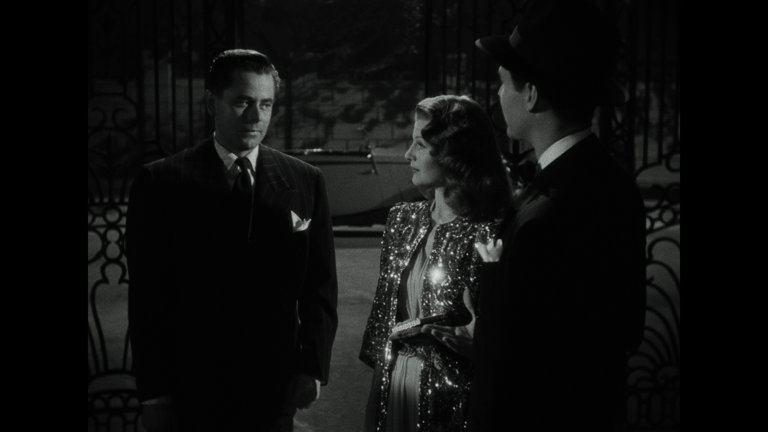
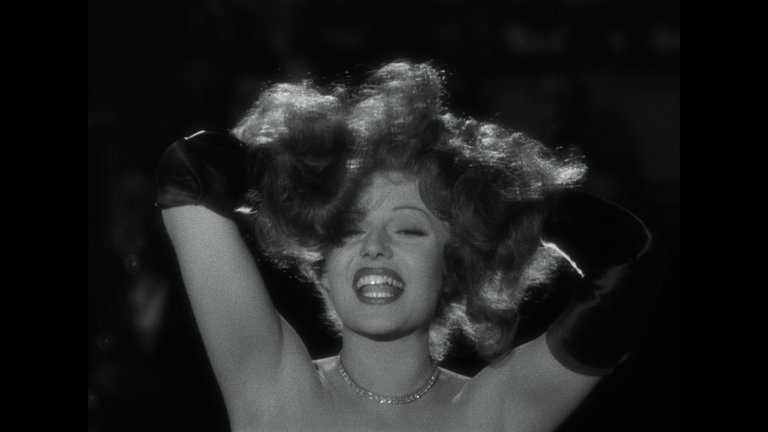
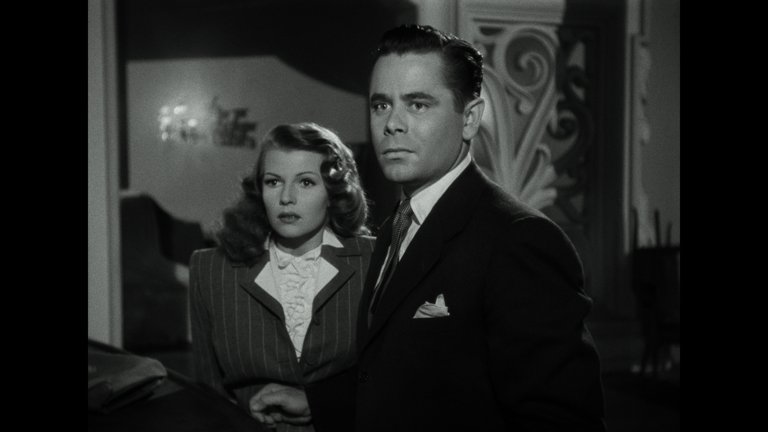
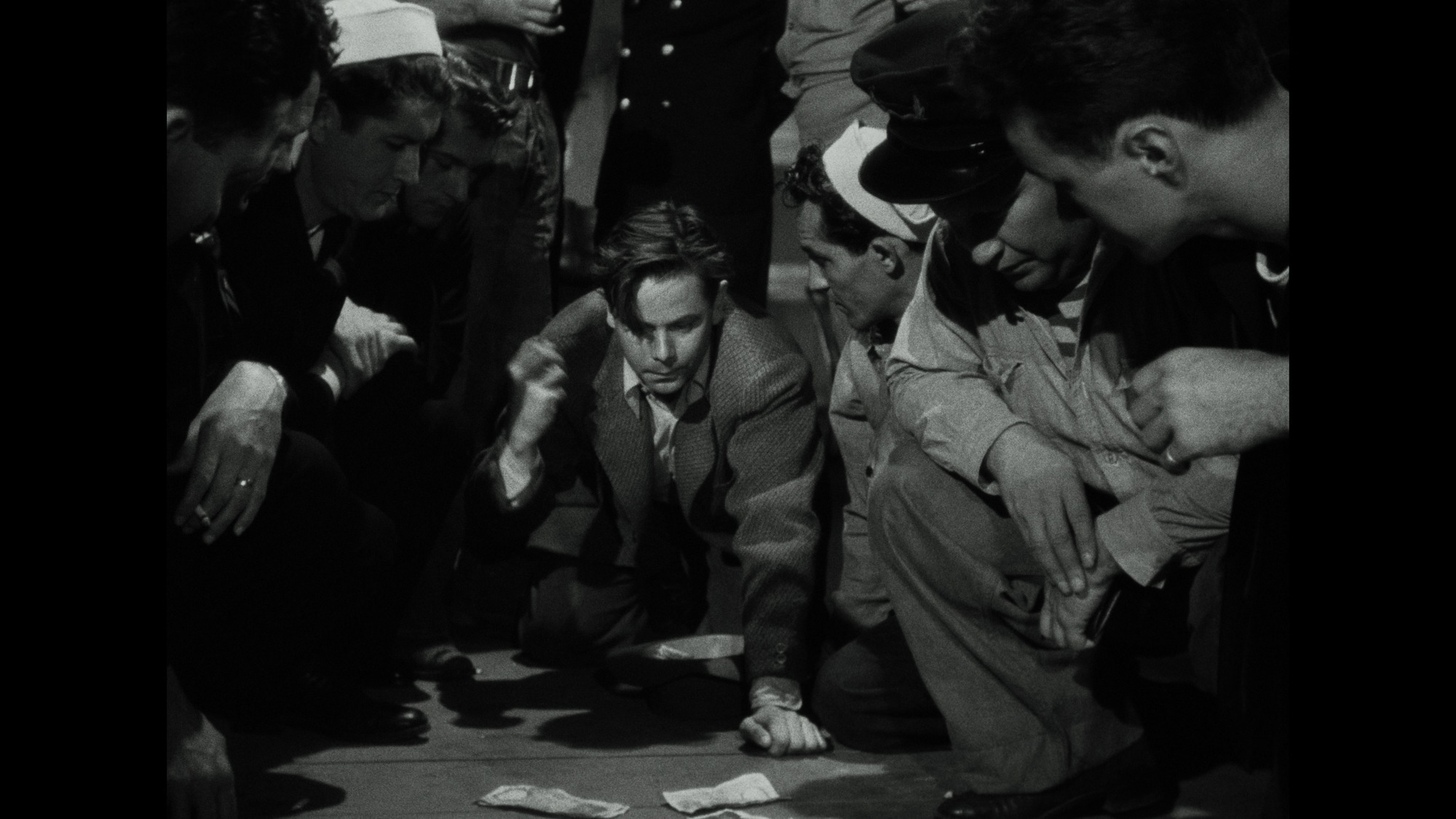
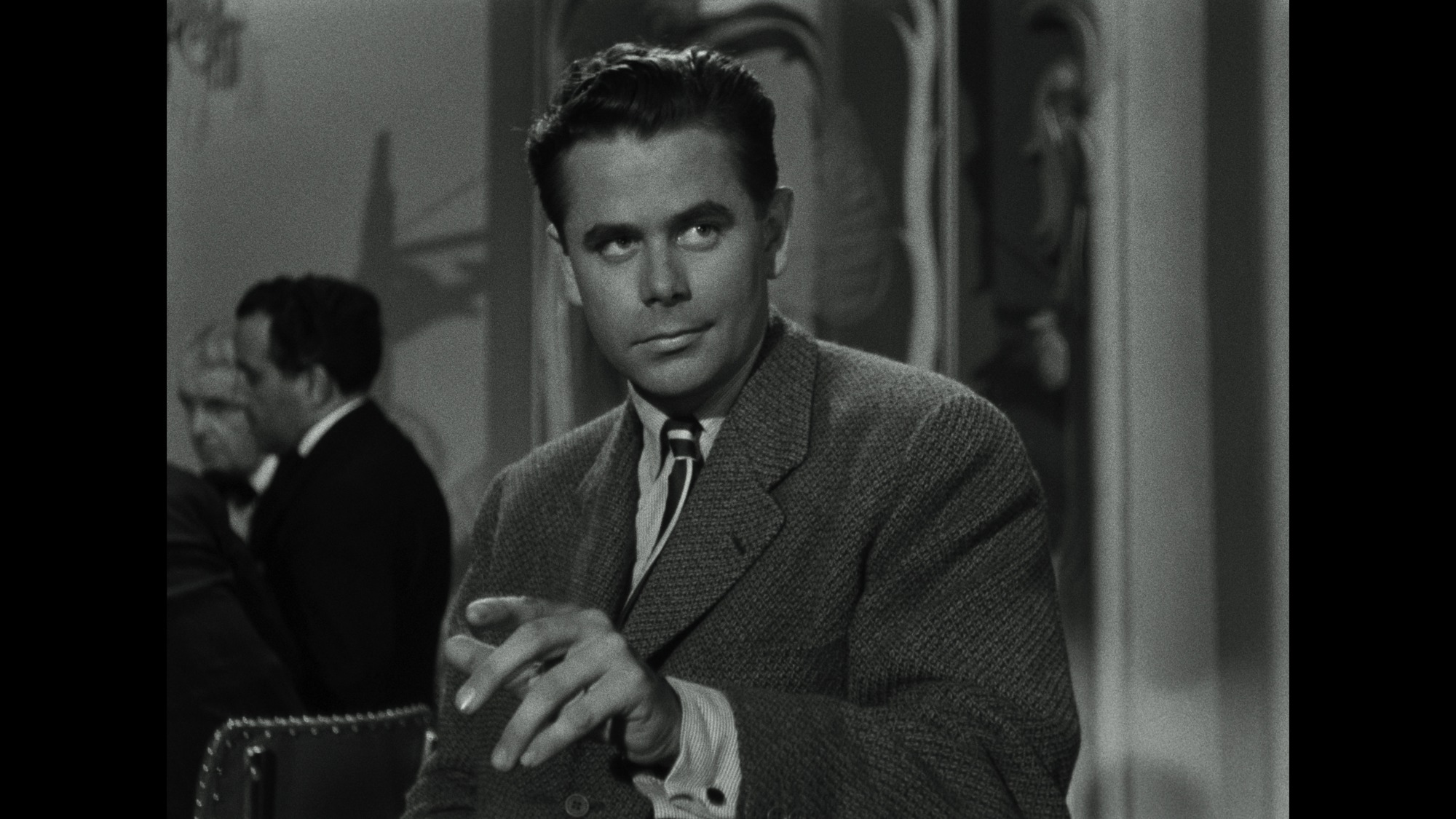
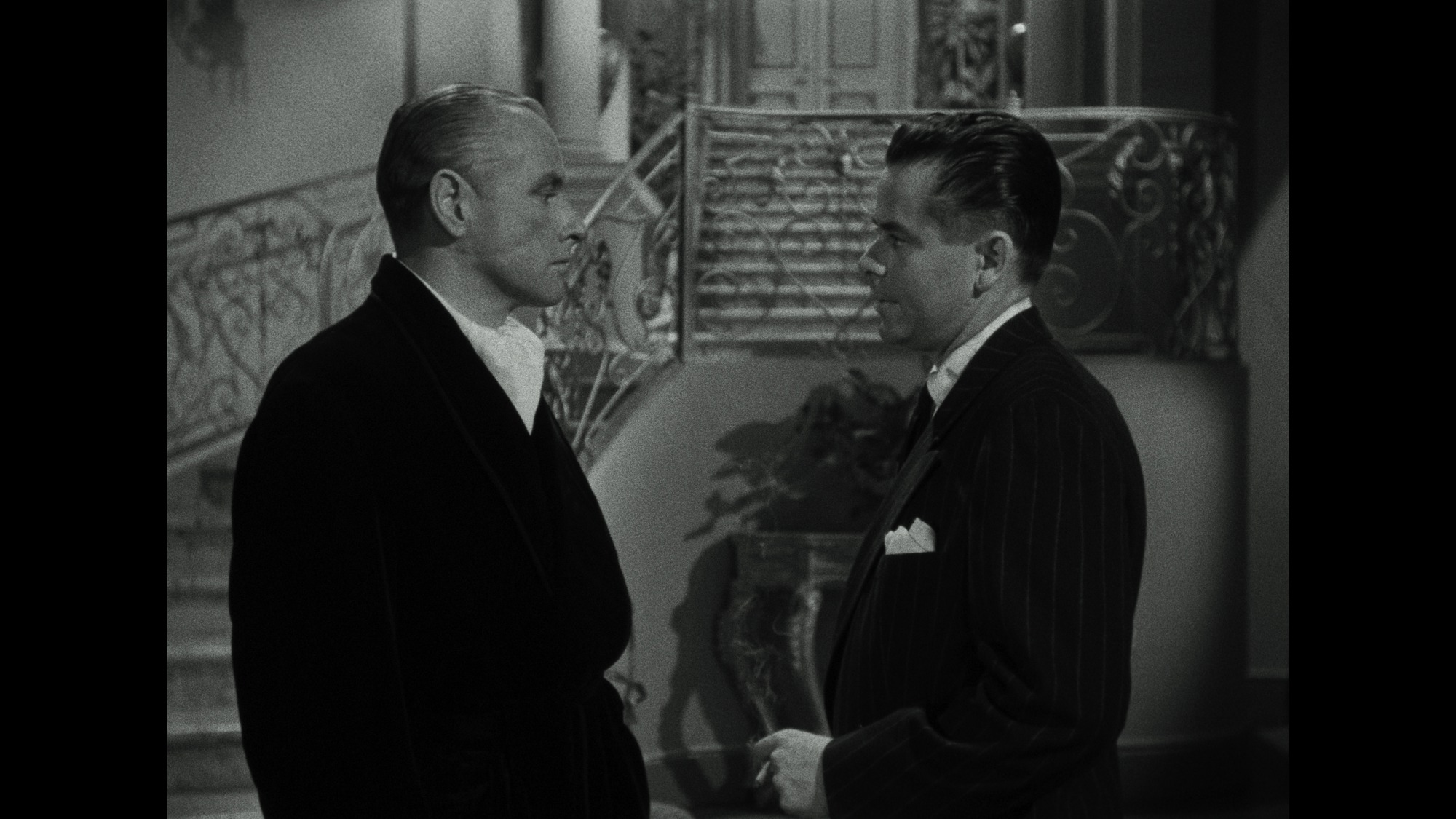
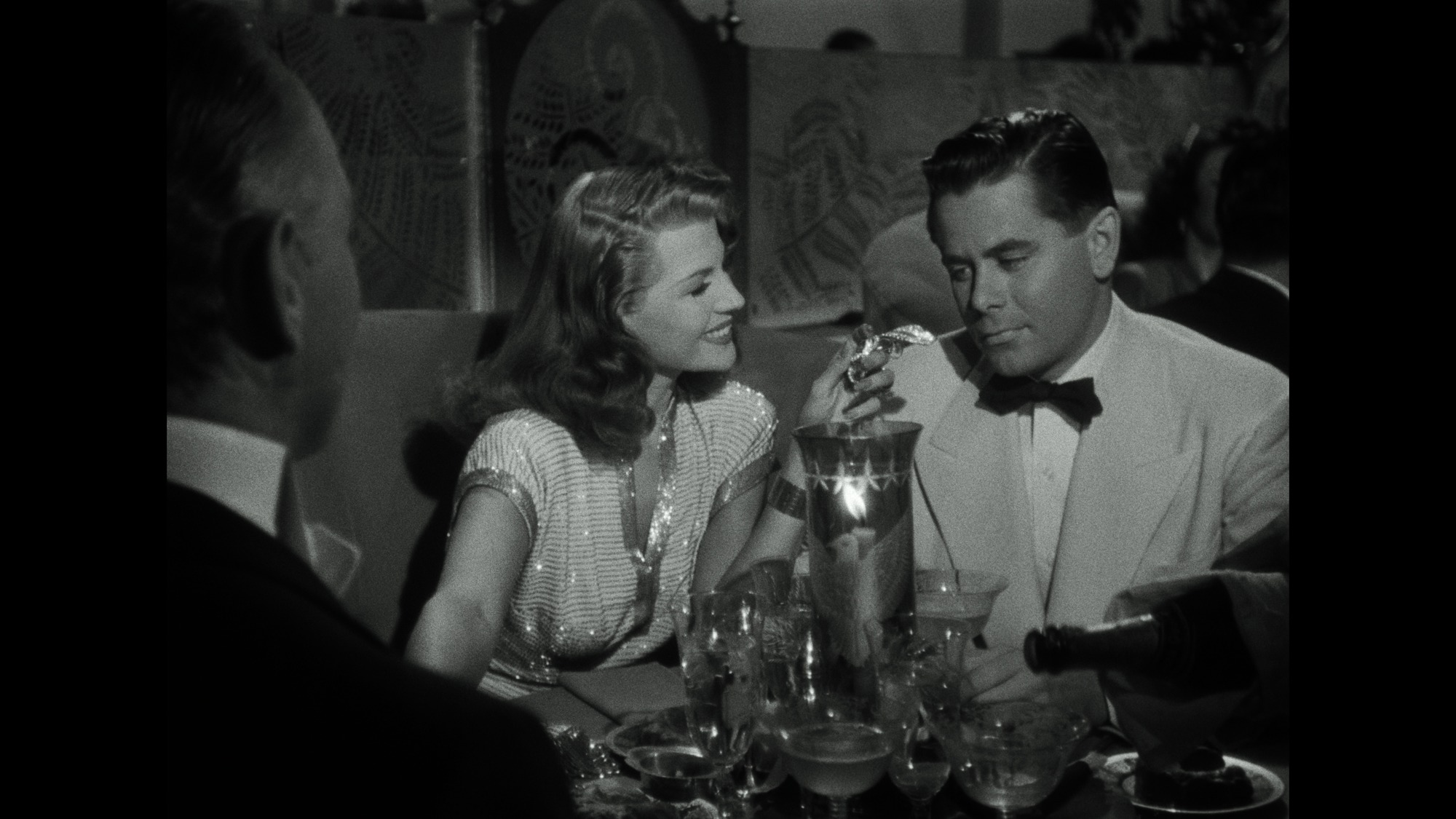
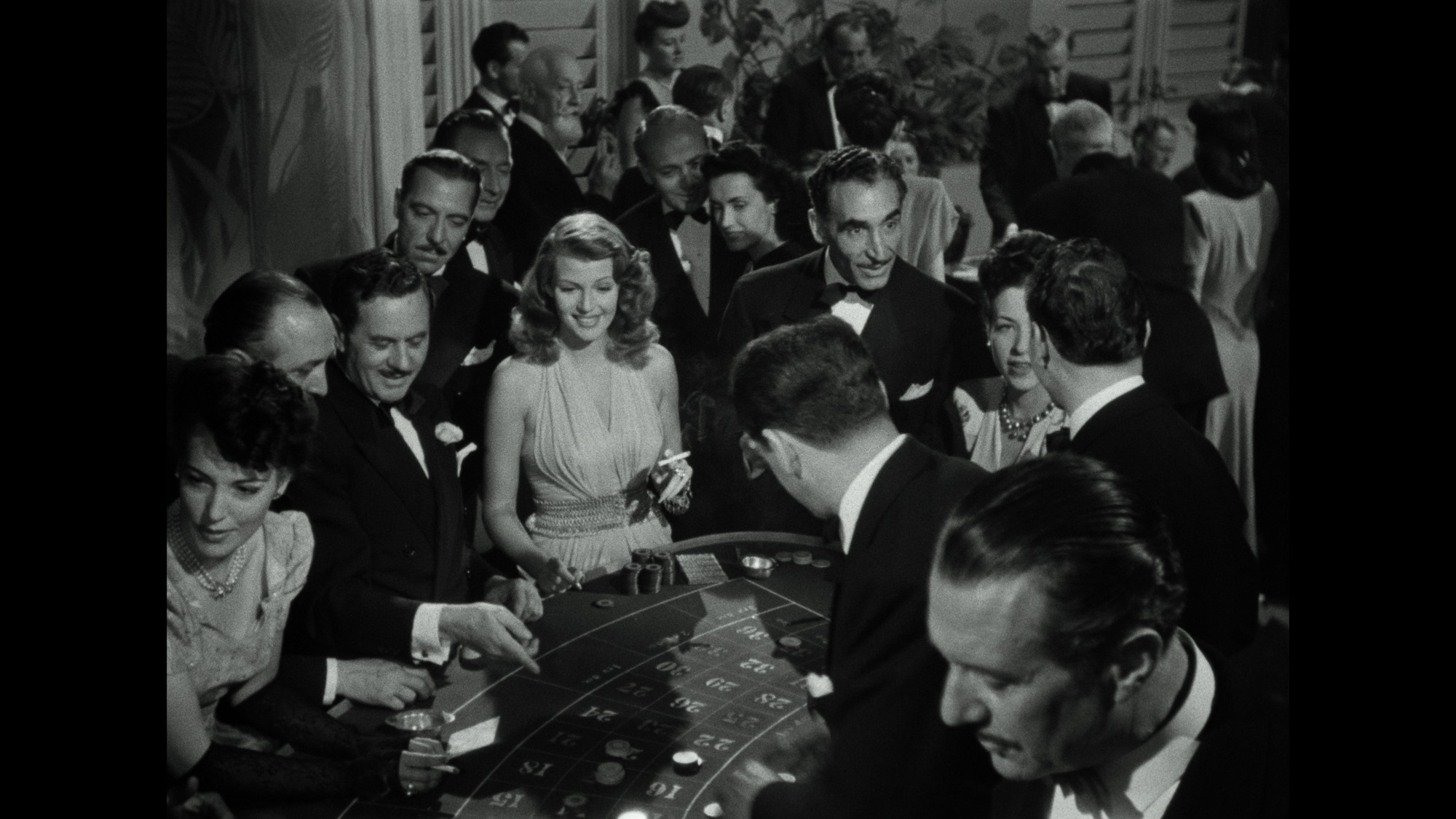
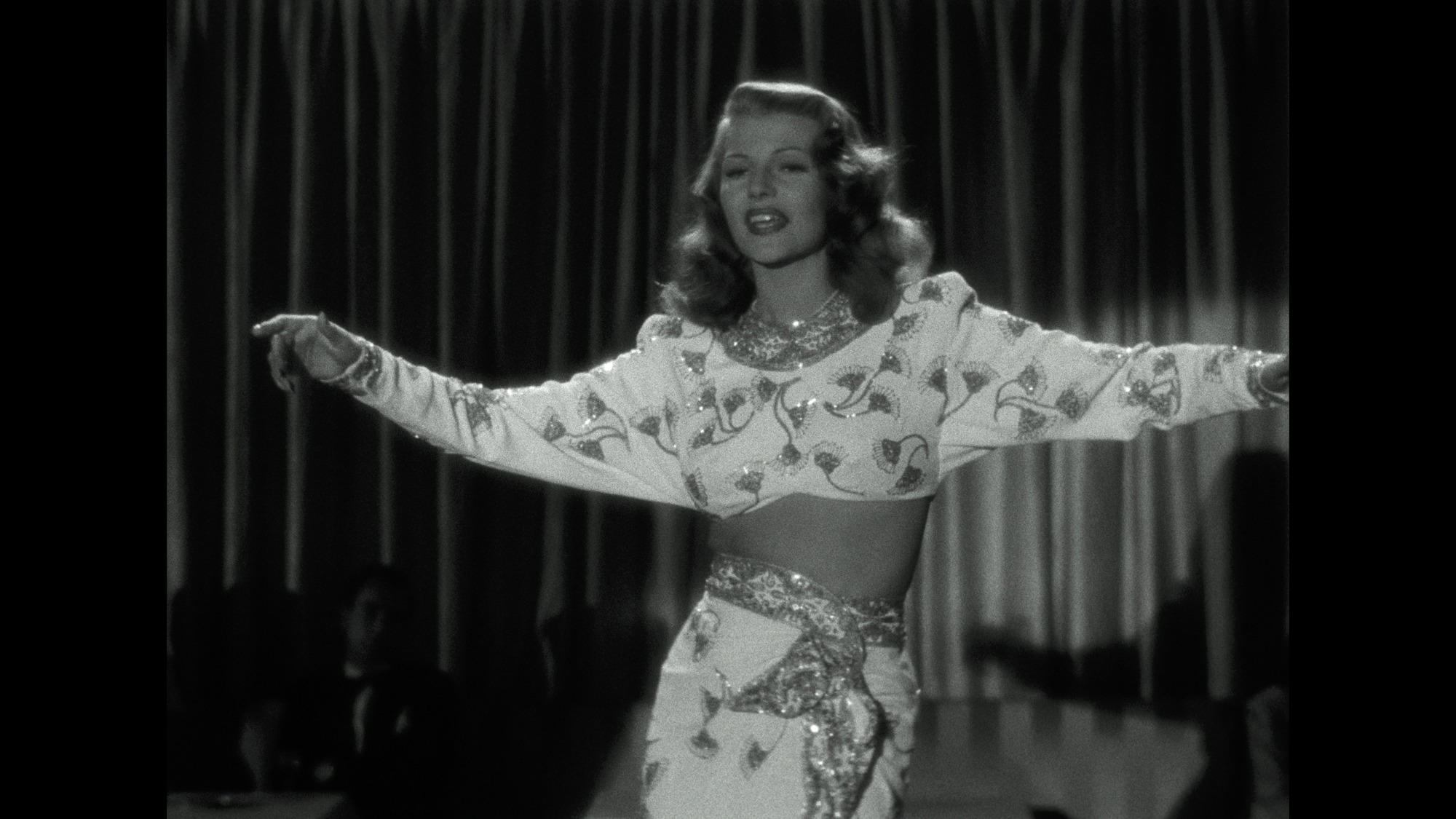
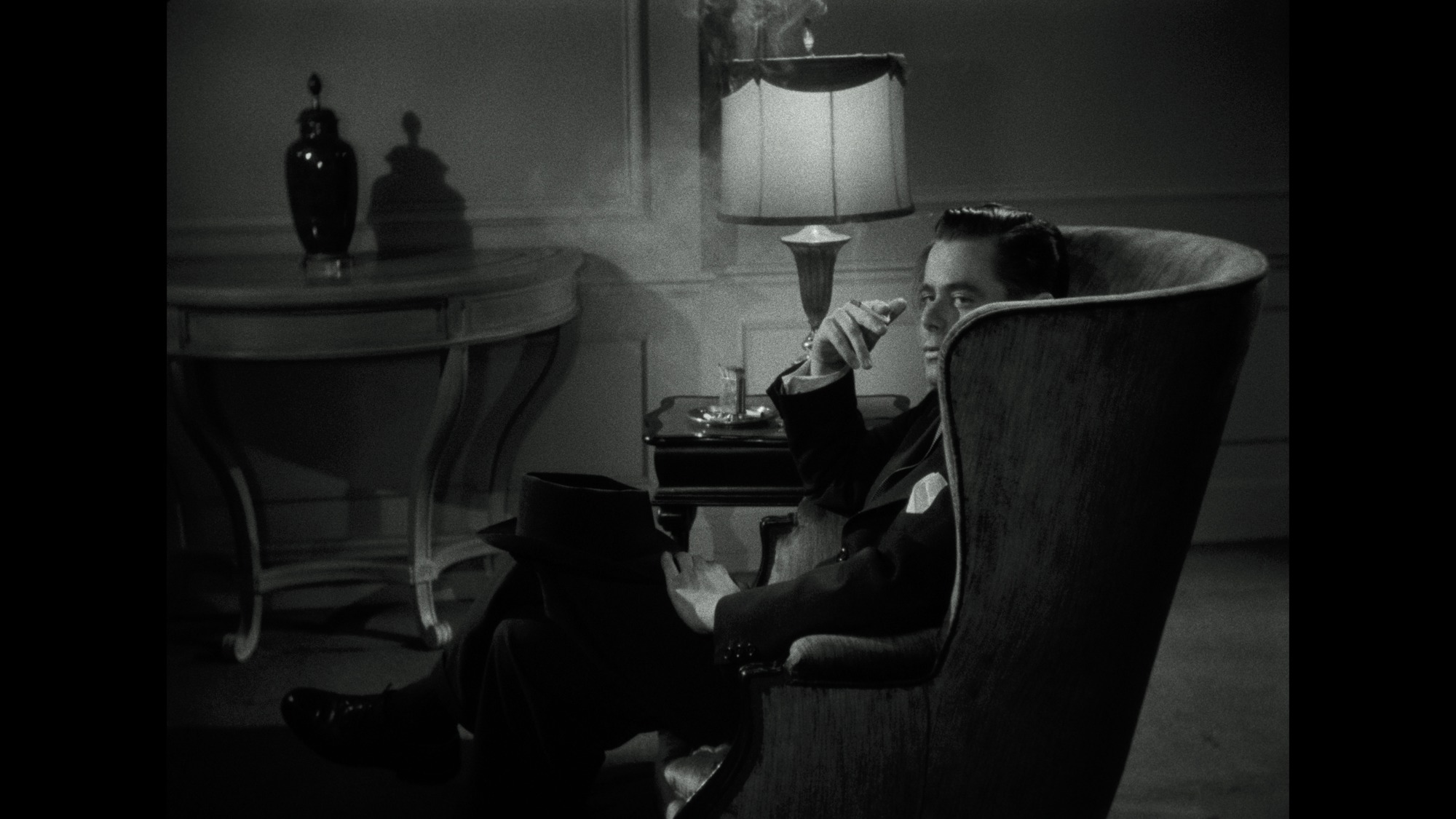
Thankfully, this is short-lived. Once past this opening stretch, the image improves dramatically and remains stunning for much of the film. The presentation is razor sharp for most of the runtime, with fine details and textures rendered beautifully. The film’s somewhat heavy yet fine grain structure is rendered cleanly without any signs of filtering or noise, and Criterion’s encode handles it all effortlessly, even in the highlights.
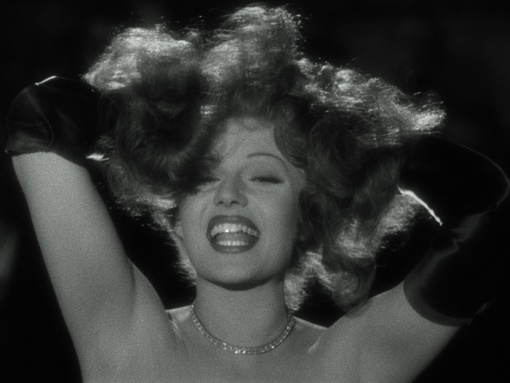
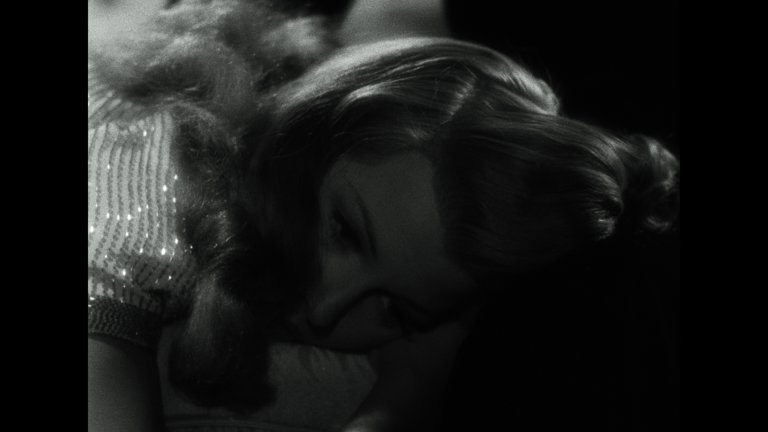
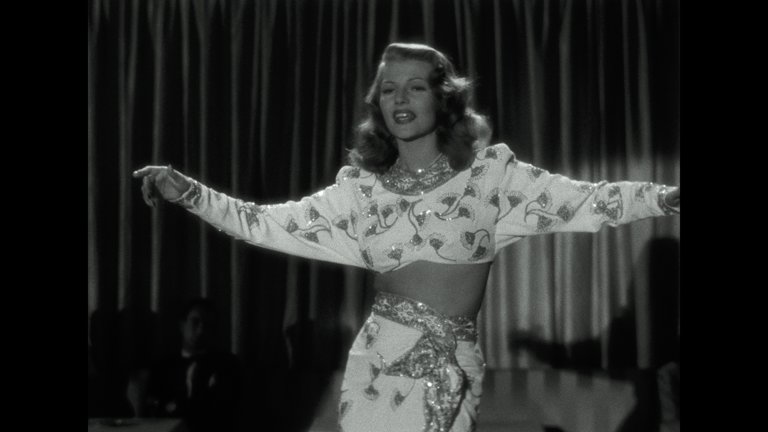
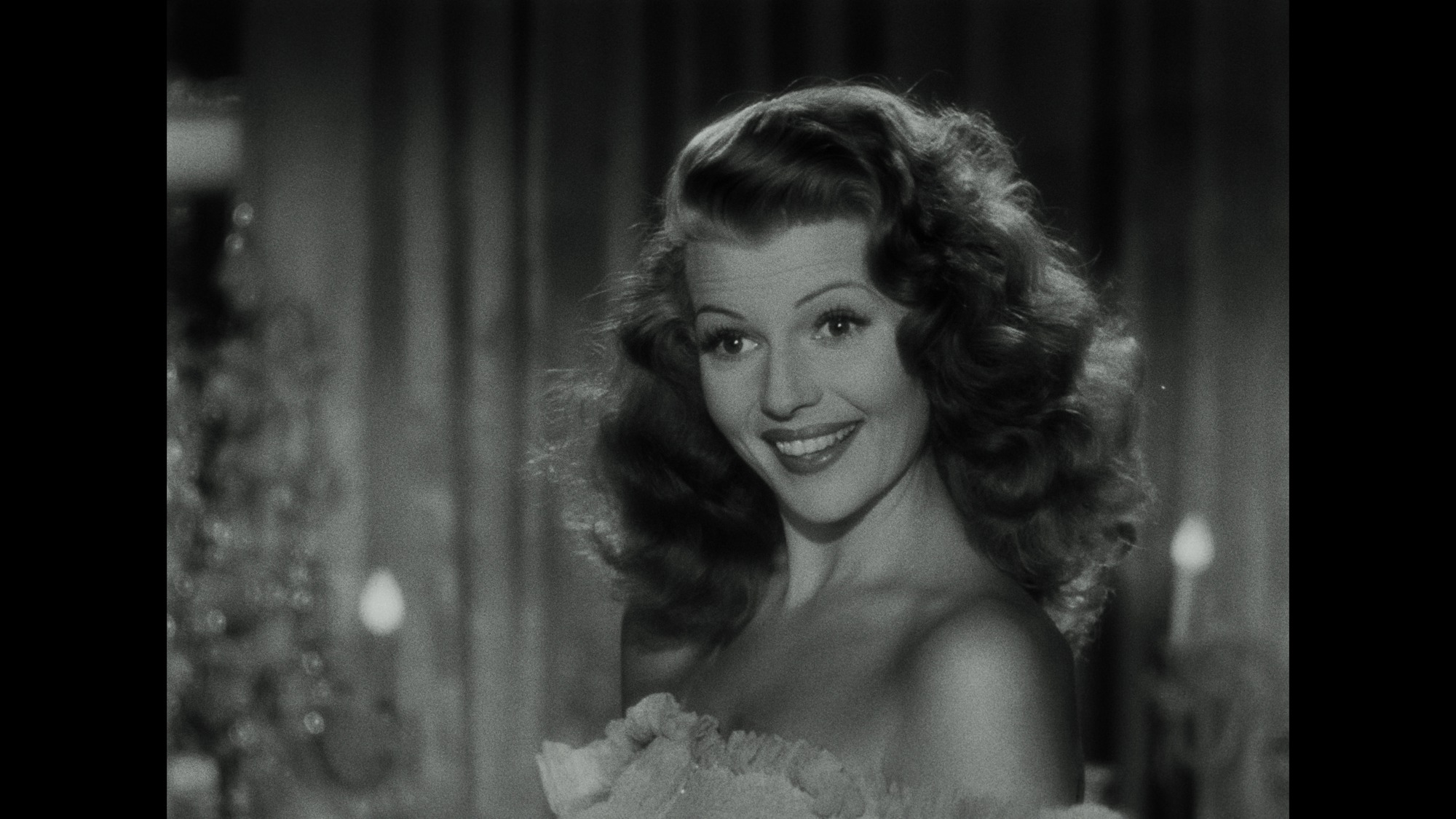
As with other recent Sony-sourced black-and-white Glenn Ford titles Criterion has brought to 4K (The Big Heat, 3:10 to Yuma), HDR provides the most significant improvement. While contrast on the Blu-ray was decent enough (at least for a dated master), the grayscale here is notably expanded, with smoother and more natural transitions throughout. The increased dynamic range also enhances moments like the light shimmering off Rita Hayworth’s sequin dresses, as well as the striking white gown in her later performance, pushing right up to the edge of blooming without ever tipping over, while still preserving fine detail in the highlights.
Restoration work is also impressive across the board. The Blu-ray was already in decent shape in this regard (if not perfect), but this new presentation cleans things up further without compromising the image’s strengths. All told, it’s a gorgeous presentation and a significant upgrade over the previous high-definition release.
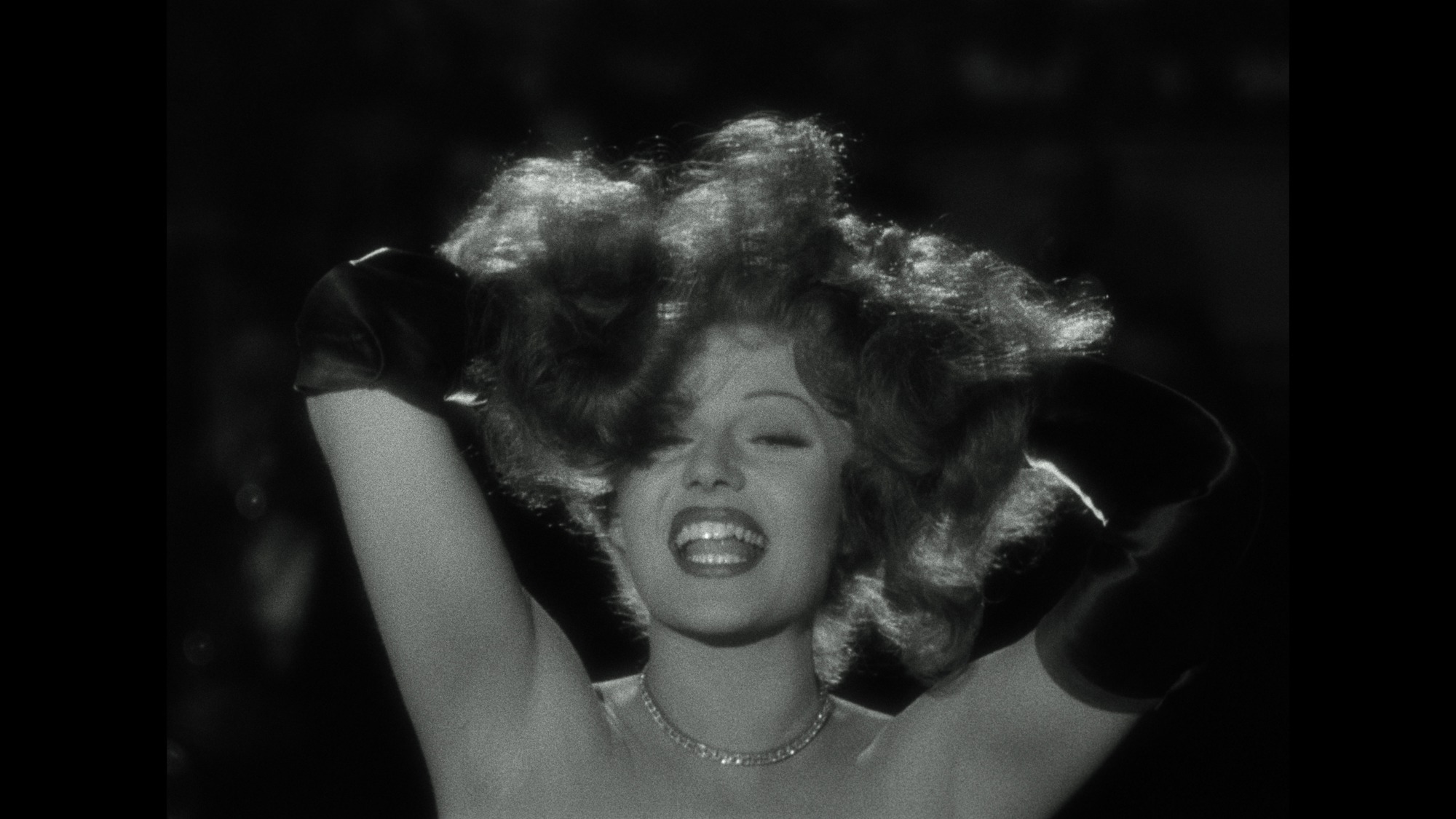
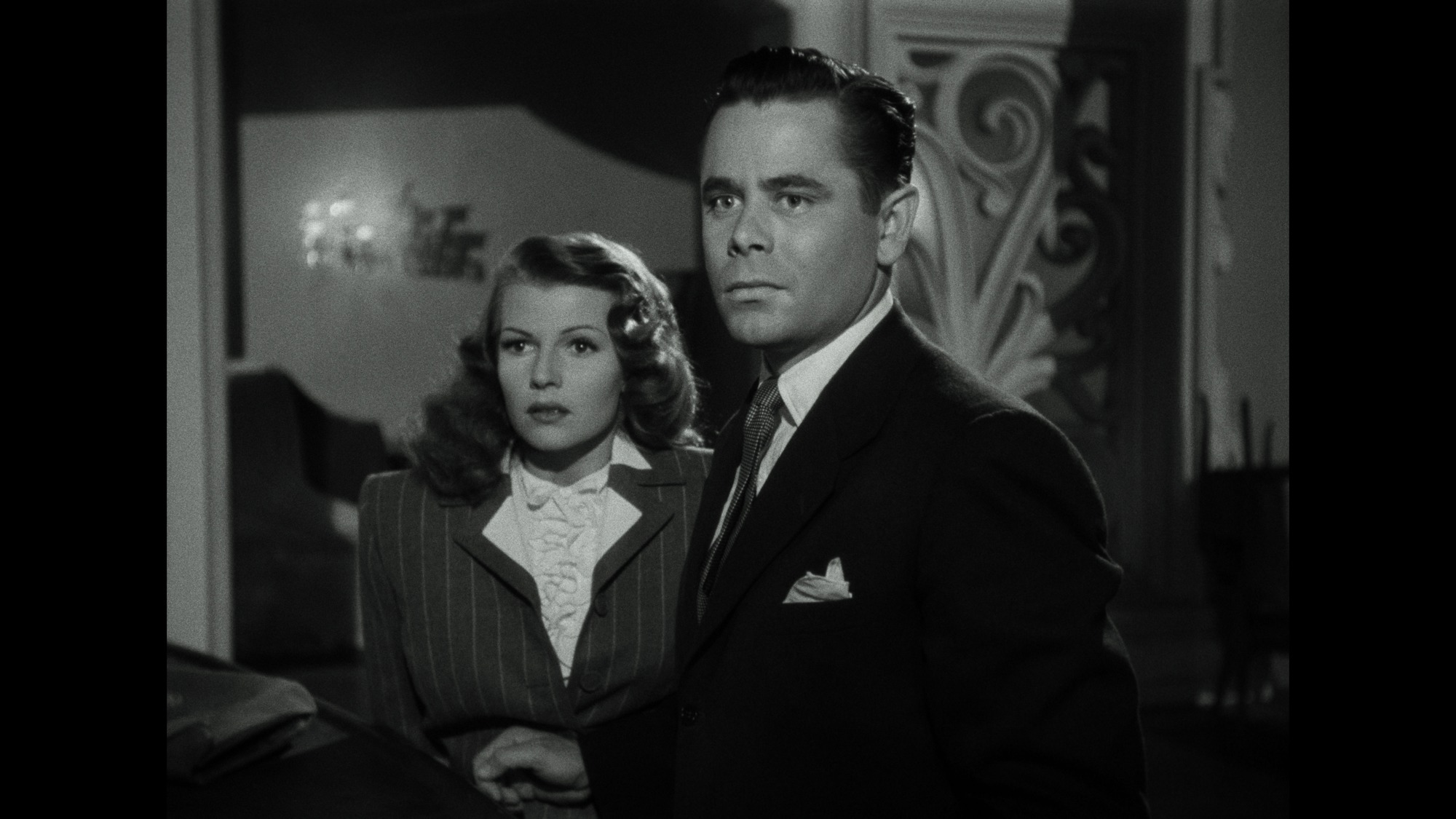
Audio 7/10
The soundtrack, presented in lossless single-channel PCM, also delivers a noticeable improvement. Range feels a bit wider overall, with less evidence of filtering. Dialogue comes through clean and sharp, while the music hits its highs without any distortion. Quite good.
Extras 6/10
Since Criterion is directly porting the 2016 Blu-ray over to this edition, all of the special features have been carried over, with nothing new added. Overall, I still find the supplements just as underwhelming as before, starting with the audio commentary by Richard Schickel. Originally recorded for a Sony DVD release, the track didn’t leave much of an impression on me the first time around, and I wondered if I might come around to it on a revisit, as I have with a few others recently. Unfortunately, that wasn’t the case.
The track isn’t terrible, but I still don't get much out of it. Schickel covers general topics like the careers of the performers (Hayworth in particular), whether the film can be considered a noir, the homoerotic undertones in the relationship between Ford's and Macready's characters, and offers a defense of Charles Vidor as a director, whom he feels has been unfairly dismissed. It’s all fine if never revelatory, but the commentary is weighed down by long stretches of dead air, with Schickel mostly chiming in sporadically without expanding much on his points. I still wish Criterion had commissioned a new track, maybe with Eddie Muller (who shows up elsewhere).
The commentary is included on both the 4K and Blu-ray discs, while the remaining features are housed on the Blu-ray. First up is the assembled introduction featuring directors Baz Luhrmann and Martin Scorsese (also produced for a previous Sony DVD). Luhrmann speaks more to the film’s appeal, particularly its classical style, while Scorsese focuses on Hayworth’s star power and how the film propelled her career. It’s a decent piece, with both directors offering insight and, whether intentionally or not, hinting at the film’s influence on their own work. Still, like Schickel’s commentary, it doesn’t feel especially illuminating.
Also carried over is a 1964 episode of Hollywood and the Stars, titled “The Odyssey of Rita Hayworth.” Produced around the time Hayworth was appearing in Circus World, when she had already been relegated to more maternal roles, the program offers a broad overview of her life and career, from dancer to “love goddess.” It touches briefly on her marriages (thankfully without veering into anything too salacious) and includes Hayworth speaking about her children and her hopes for them, adding a more personal aspect. Narrated by Joseph Cotten, the piece runs about 25 minutes and even retains its original commercial break placeholders. It’s a pleasant watch, though not especially in-depth.
Criterion’s exclusive interview with noir scholar Eddie Muller is still the standout, even if it, too, feels a bit light. Running 22 minutes, Muller discusses the relationship between Munson (Macready) and Farrell (Ford), suggesting the subtext is intentional but stops short of reading it as a physical relationship, instead framing it as a power dynamic. The piece incorporates clips highlighting the film’s more suggestive moments, including hints at Farrell’s possible bisexuality. Muller acknowledges that the film never states anything outright, noting that the production code would have prevented such explicit treatment. He also explores whether Gilda truly qualifies as noir and whether Hayworth’s character fits the mold of a femme fatale. Ultimately, he describes the film as something of an oddity, one he’s still not entirely sure how to interpret, and wonders how contemporary audiences reacted to it. While some will more than likely find fault in some of what he says, Muller still provides the most substantial analysis on the disc, making this the most satisfying supplement.
The release rounds out with the film’s theatrical trailer and a fold-out insert, identical to the one included with the Blu-ray. One side features a poster image of Hayworth, while the other presents an essay by Sheila O’Malley, covering the film’s success, its underlying themes, Hayworth’s star power, and offering yet another defense of Vidor as a director.
Muller’s contribution remains strong, but the rest of the material still feels somewhat lacking overall.
Closing
The features are still lacking, but the new 4K presentation is a clear upgrade over Criterion’s previous Blu-ray.
BUY AT: