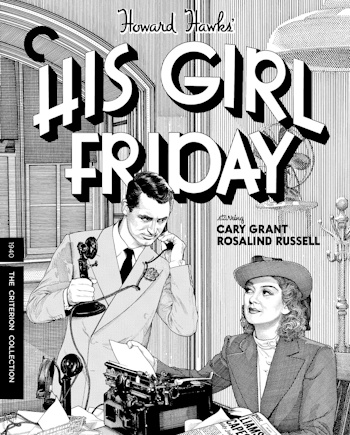
His Girl Friday
BUY AT:


See more details, packaging, or compare
Synopsis
One of the fastest, funniest, and most quotable films ever made, His Girl Friday stars Rosalind Russell as reporter Hildy Johnson, a standout among cinema’s powerful women. Hildy is matched in force only by her conniving but charismatic editor and ex-husband,Walter Burns (played by the peerless Cary Grant), who dangles the chance for her to scoop her fellow news writers with the story of an impending execution in order to keep her from hopping the train that’s supposed to take her to Albany and a new life as a housewife. When adapting Ben Hecht and Charles MacArthur’s smash-hit play The Front Page, director Howard Hawks had the inspired idea of turning star reporter Hildy Johnson into a woman, and the result is an immortal mix of hard-boiled newsroom setting with ebullient remarriage comedy. Also presented here is a restoration of the 1931 film The Front Page, Lewis Milestone’s famous pre-Code adaptation of the same material.
Picture 10/10
The Criterion Collection upgrades their edition of Howard Hawks’ His Girl Friday to 4K UHD, presenting the film in the aspect ratio of 1.37:1 on a triple-layer disc with Dolby Vision. The 2160p/24hz ultra high-definition presentation is sourced from a brand-new 4K restoration conducted by Sony Pictures Home Entertainment, taken from a scan of the 35mm original nitrate negative. The release also includes two standard dual-layer Blu-rays: one featuring a high-definition presentation of the film (replicating the 2017 Blu-ray release using an older master) along with the film’s special features, and a second disc containing a high-definition presentation of The Front Page and its accompanying extras.
Criterion’s original Blu-ray presentation was fine, but it was clearly sourced from an older master. Don’t get me wrong; for what it was, it still looked pretty good, with decent detail and a restoration that cleaned things up nicely. It was just wide open for improvement. Grain was generally intact but could take on a slightly blocky appearance at times, and the overall image carried a mild digital sheen that never quite went away.
I was always a bit surprised that Criterion didn’t wait for a new 4K restoration for the film before releasing their Blu-ray (and for Gilda, for that matter), though I assumed it simply wasn’t in the cards at the time, especially odd considering that The Front Page, included on both releases, had already received a 4K restoration. Well, Sony has finally gotten around to it, and the wait has absolutely been worth it, because this looks terrific.
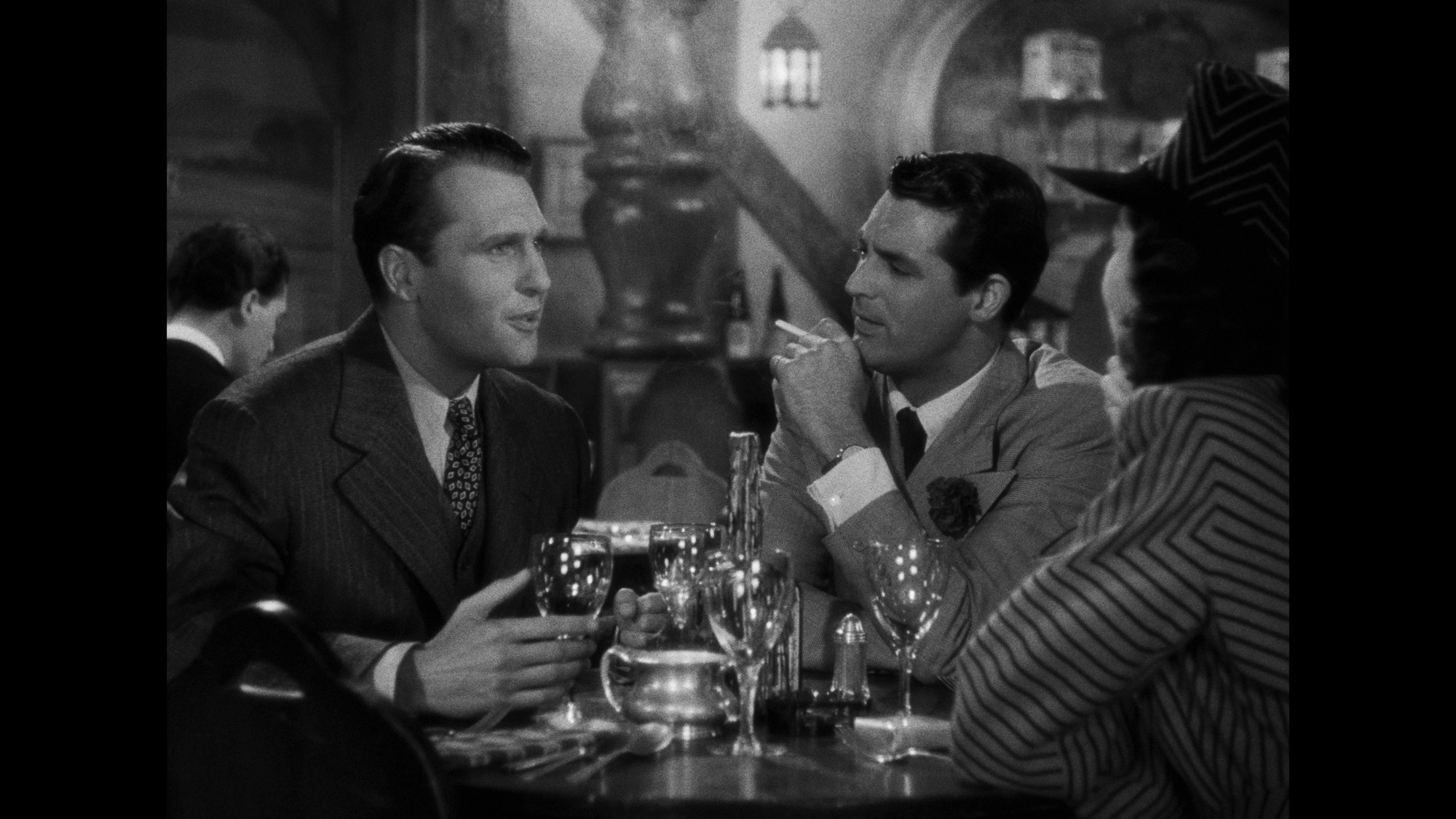
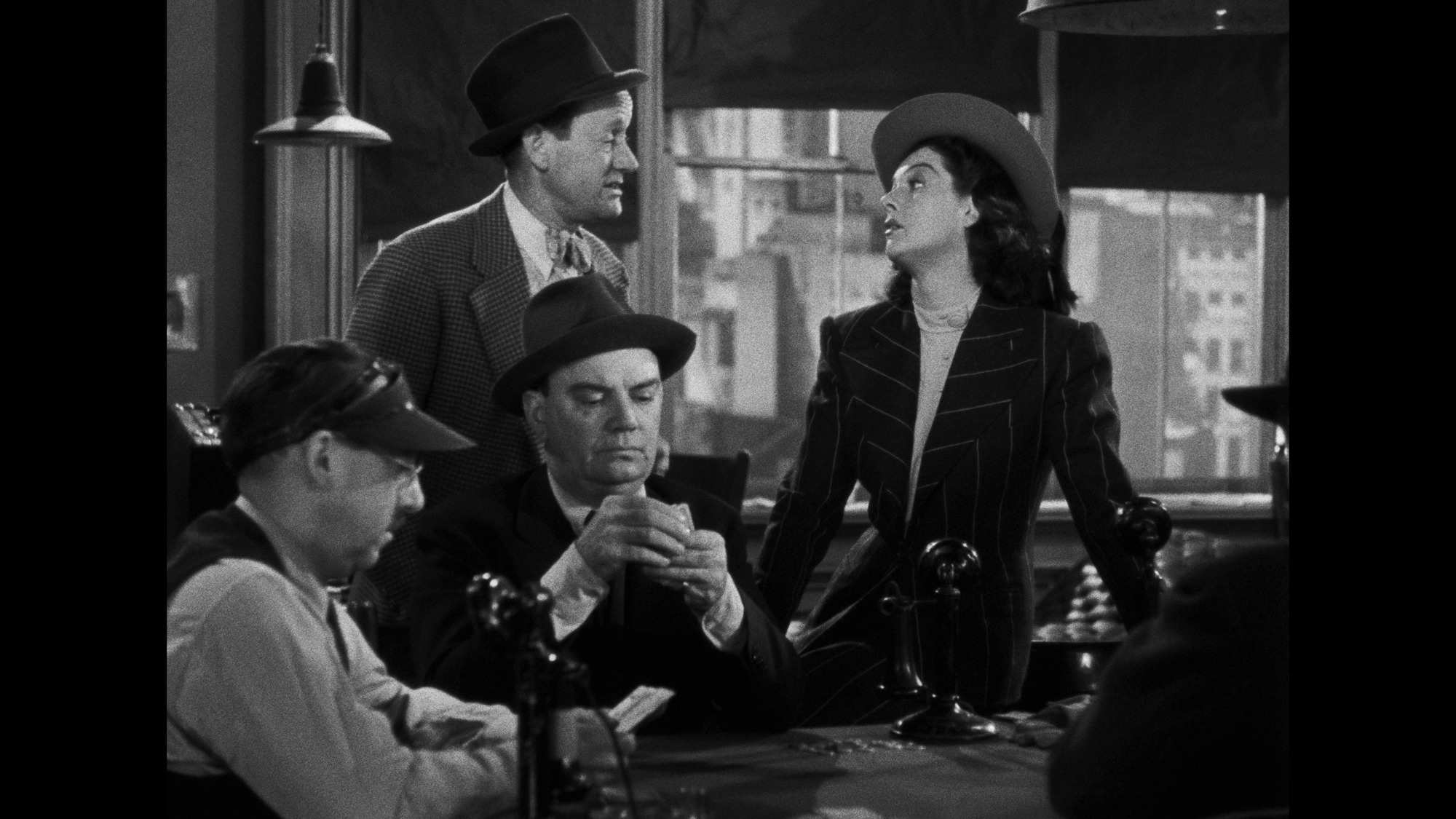
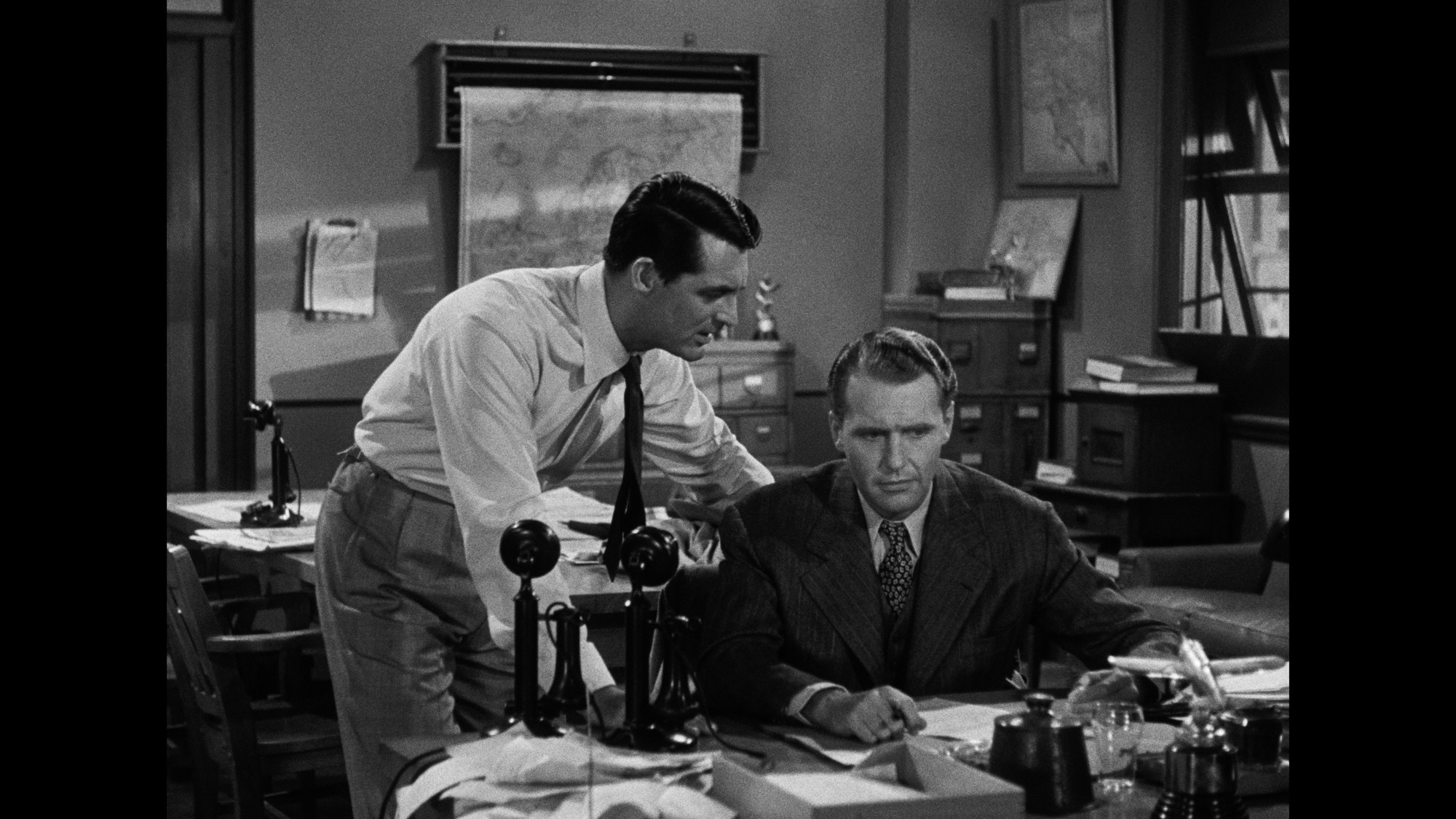
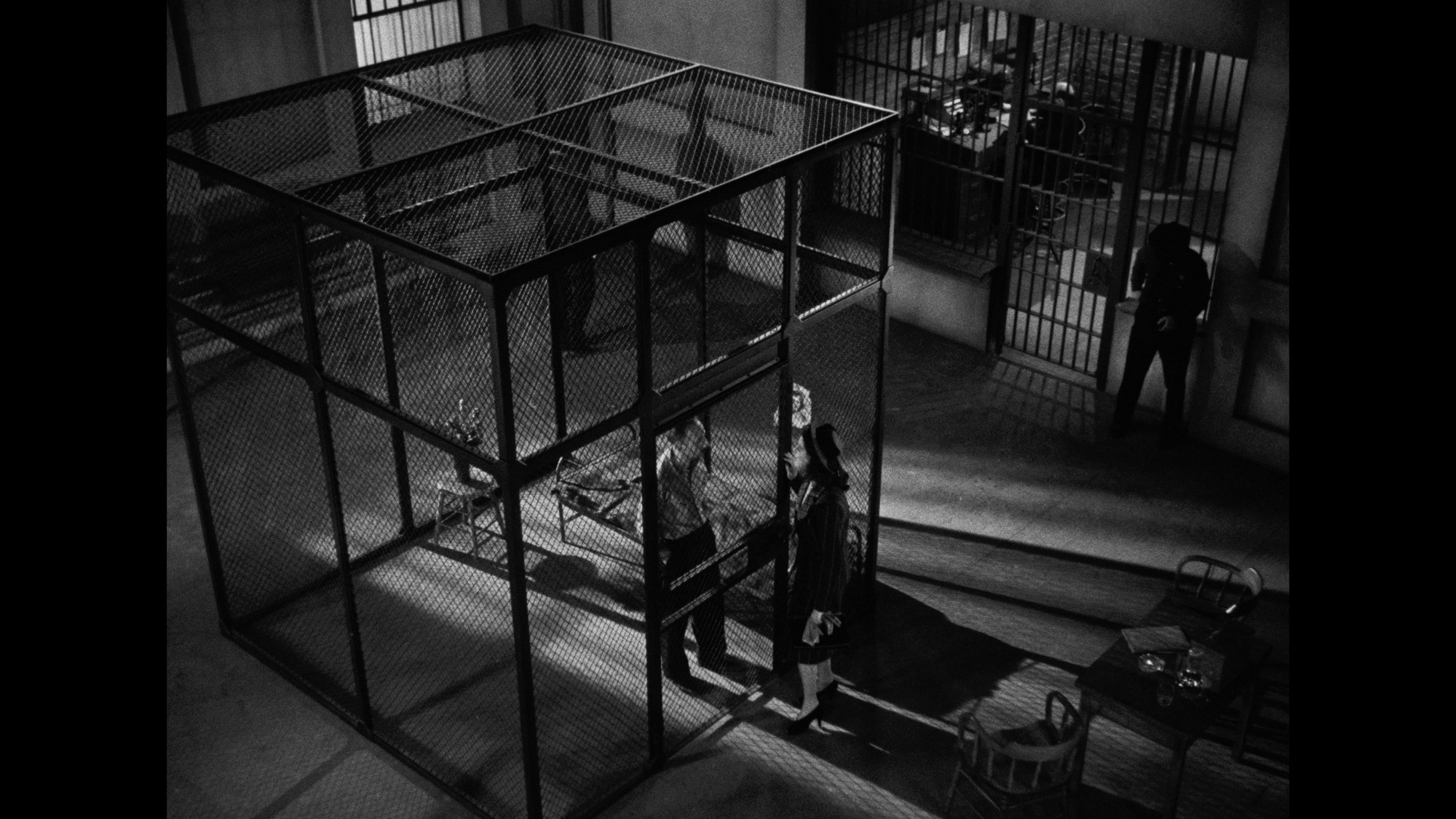
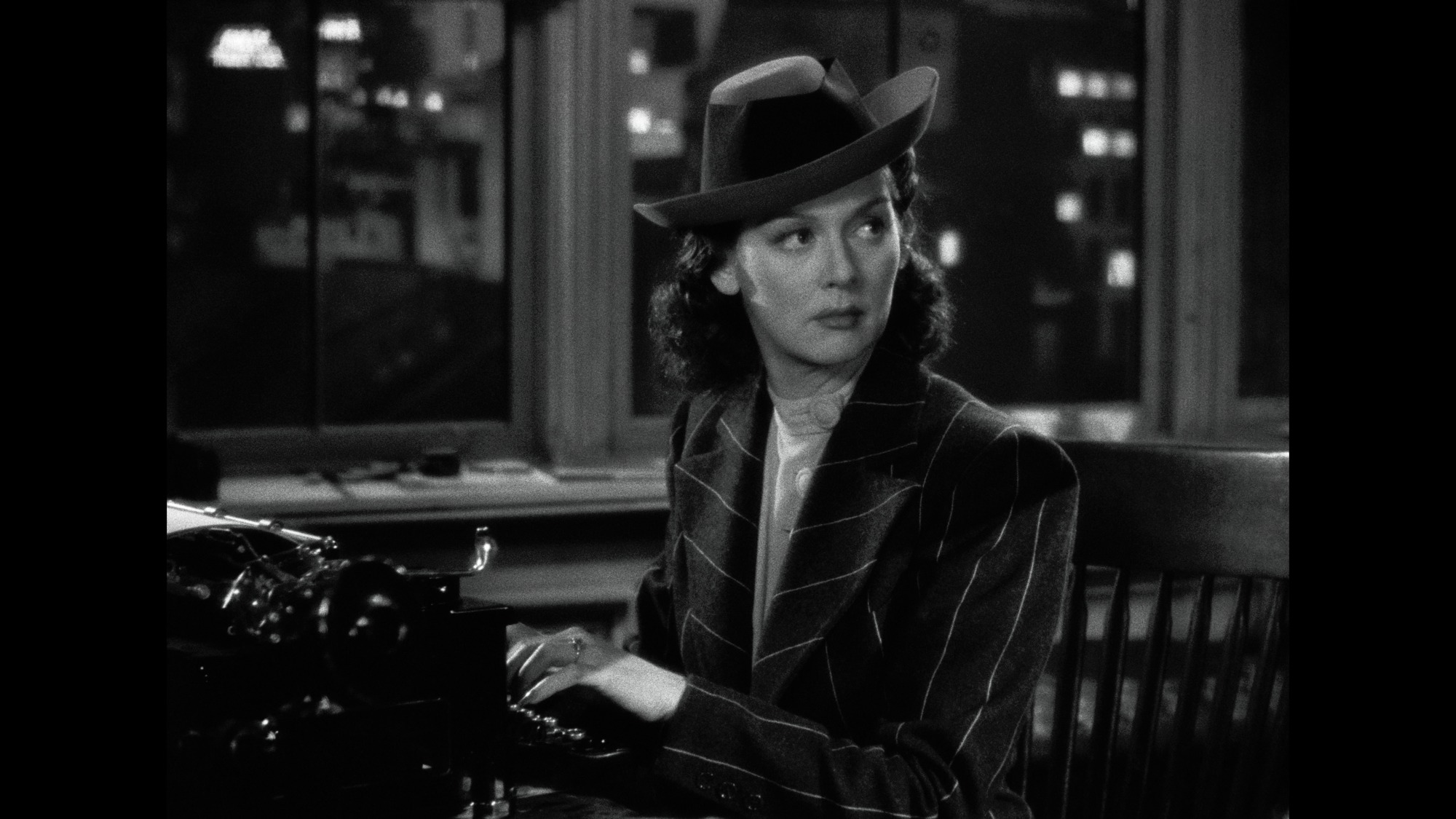
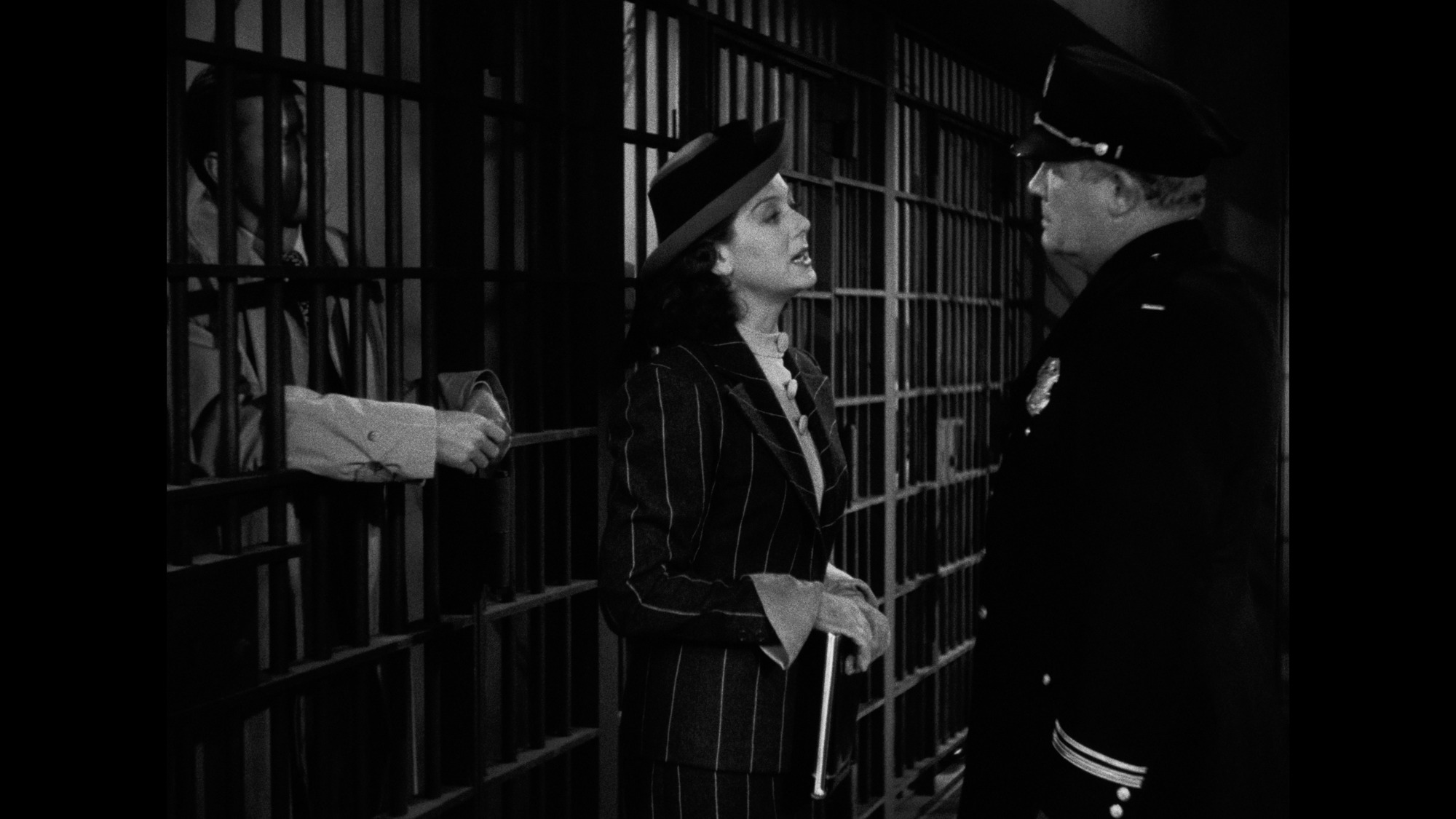
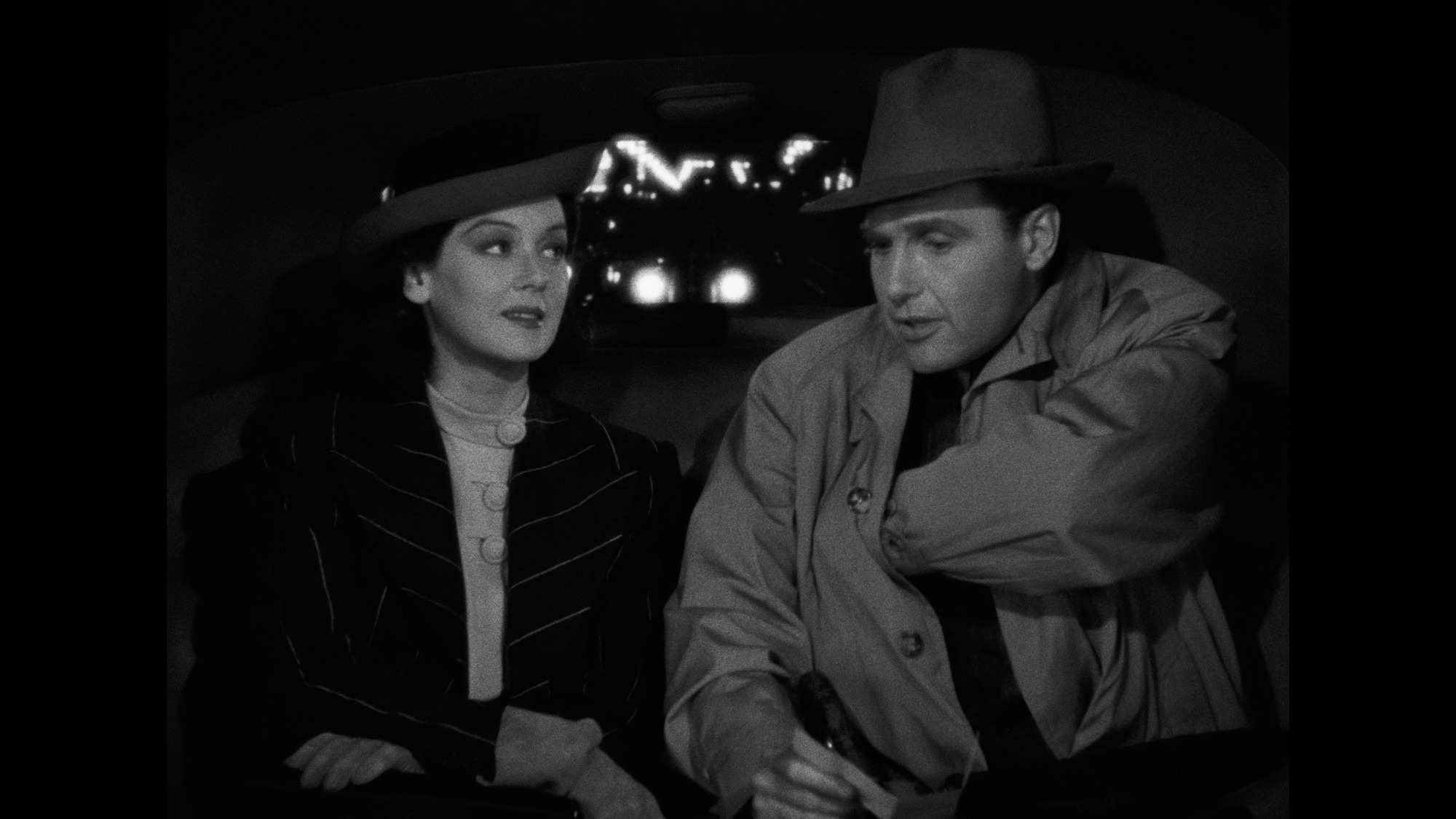
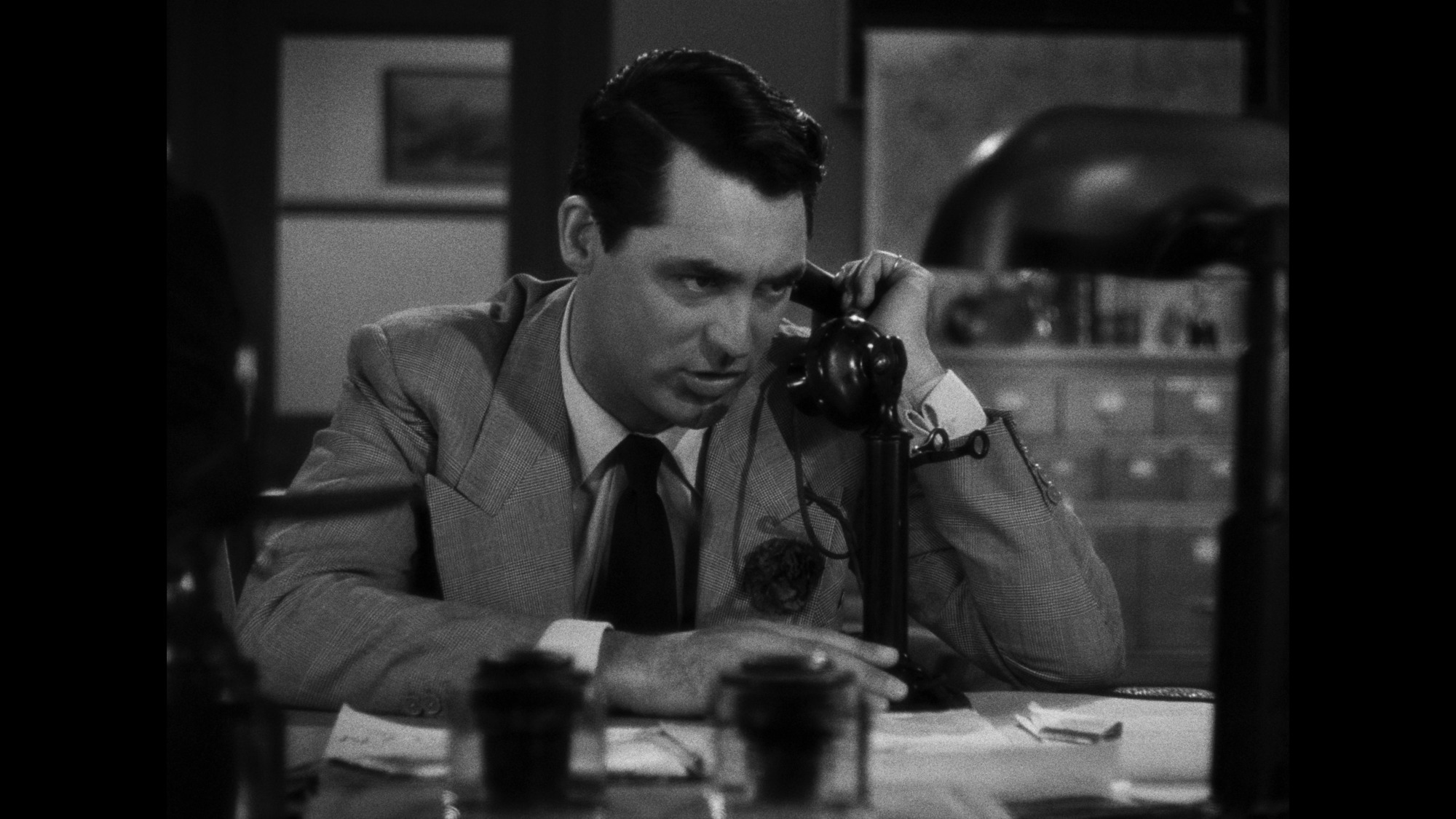
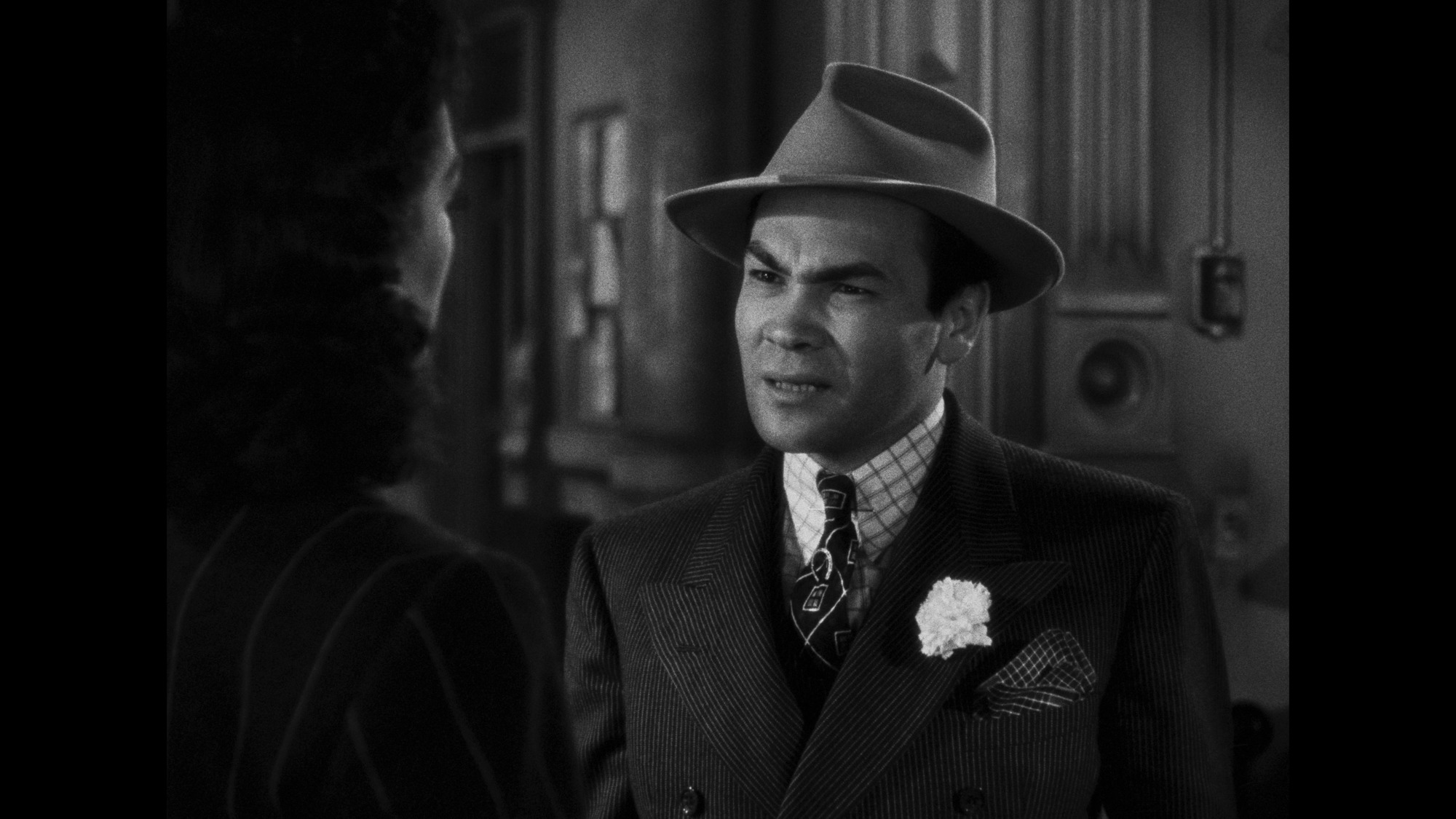
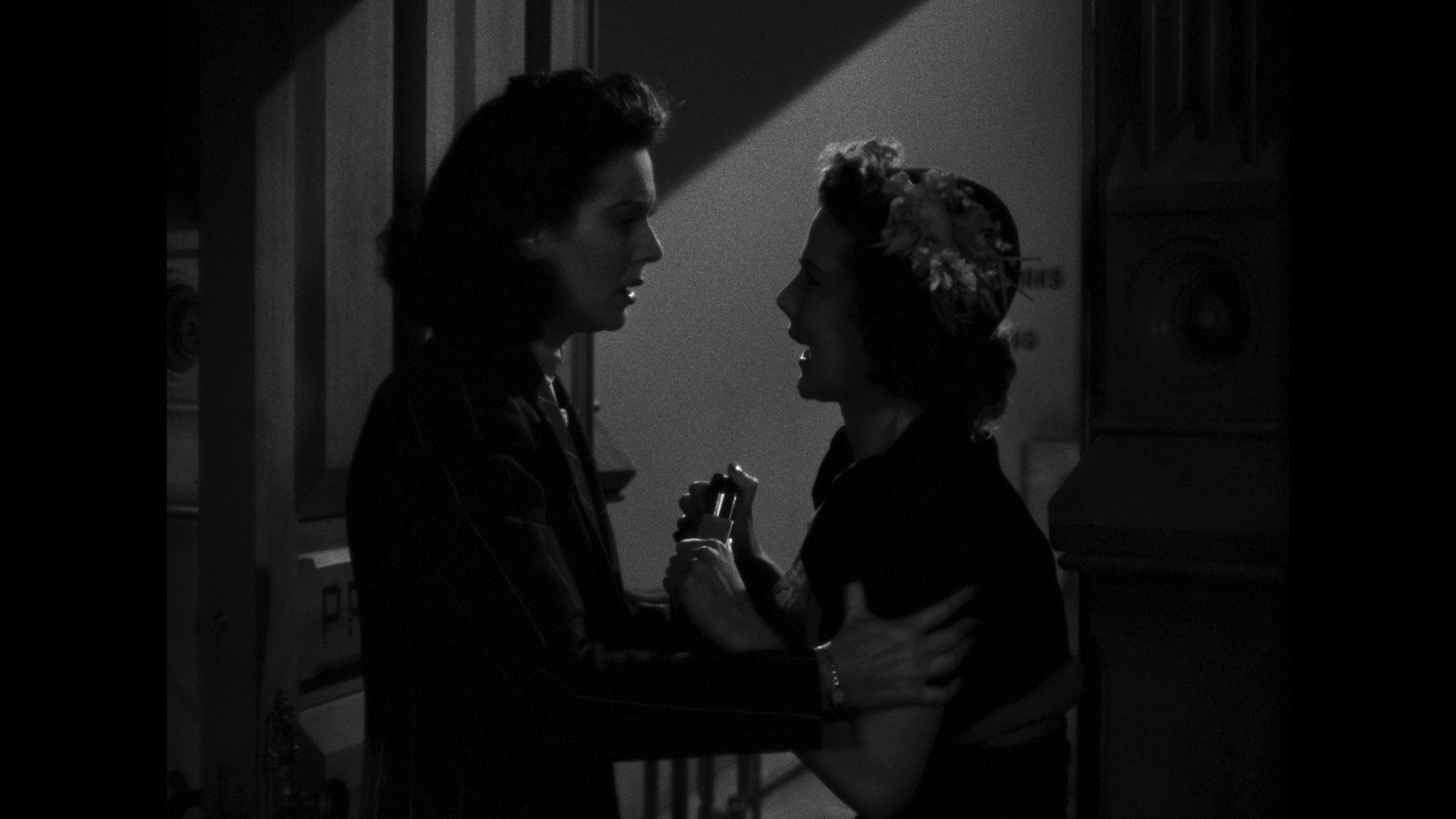
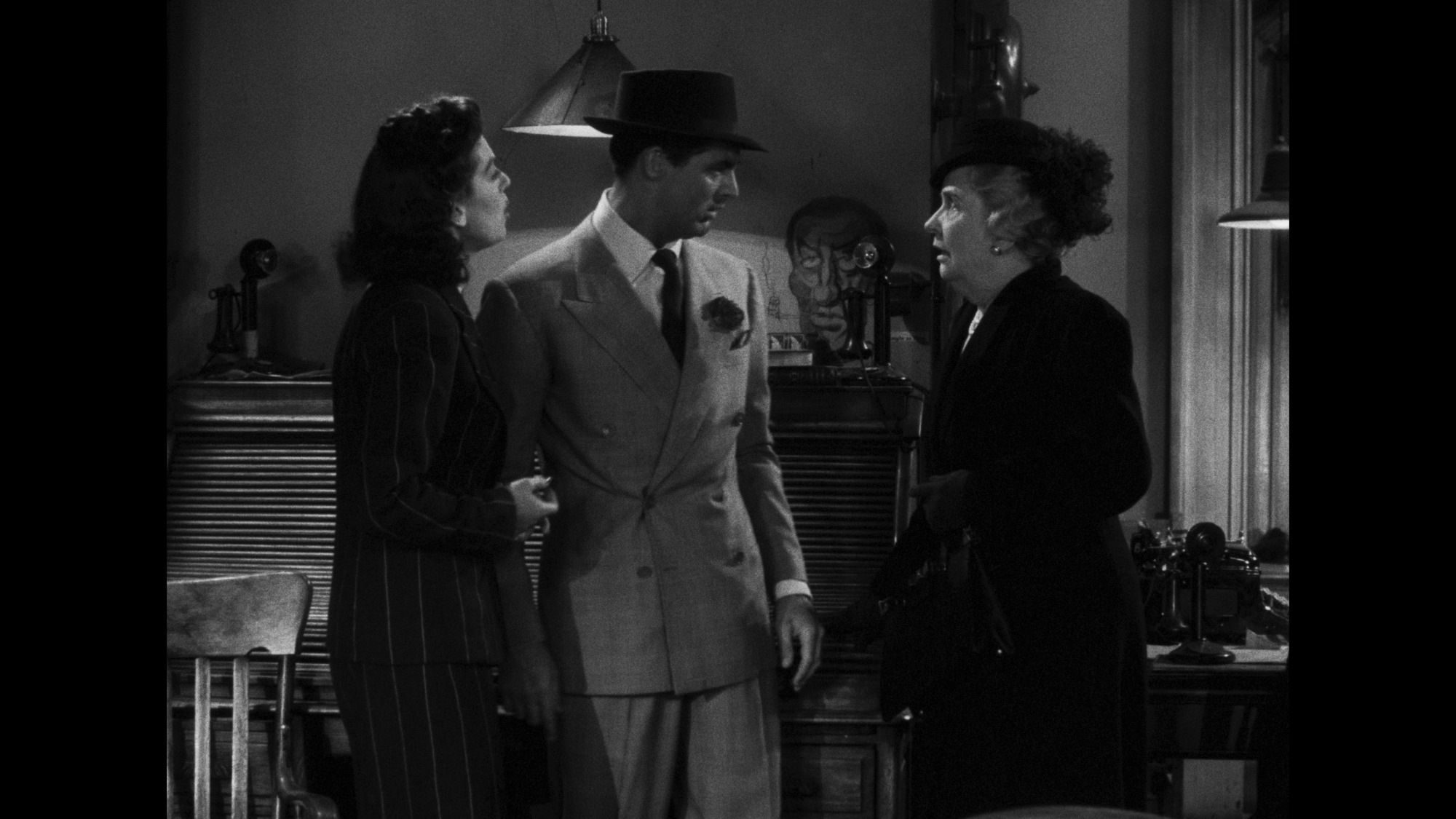
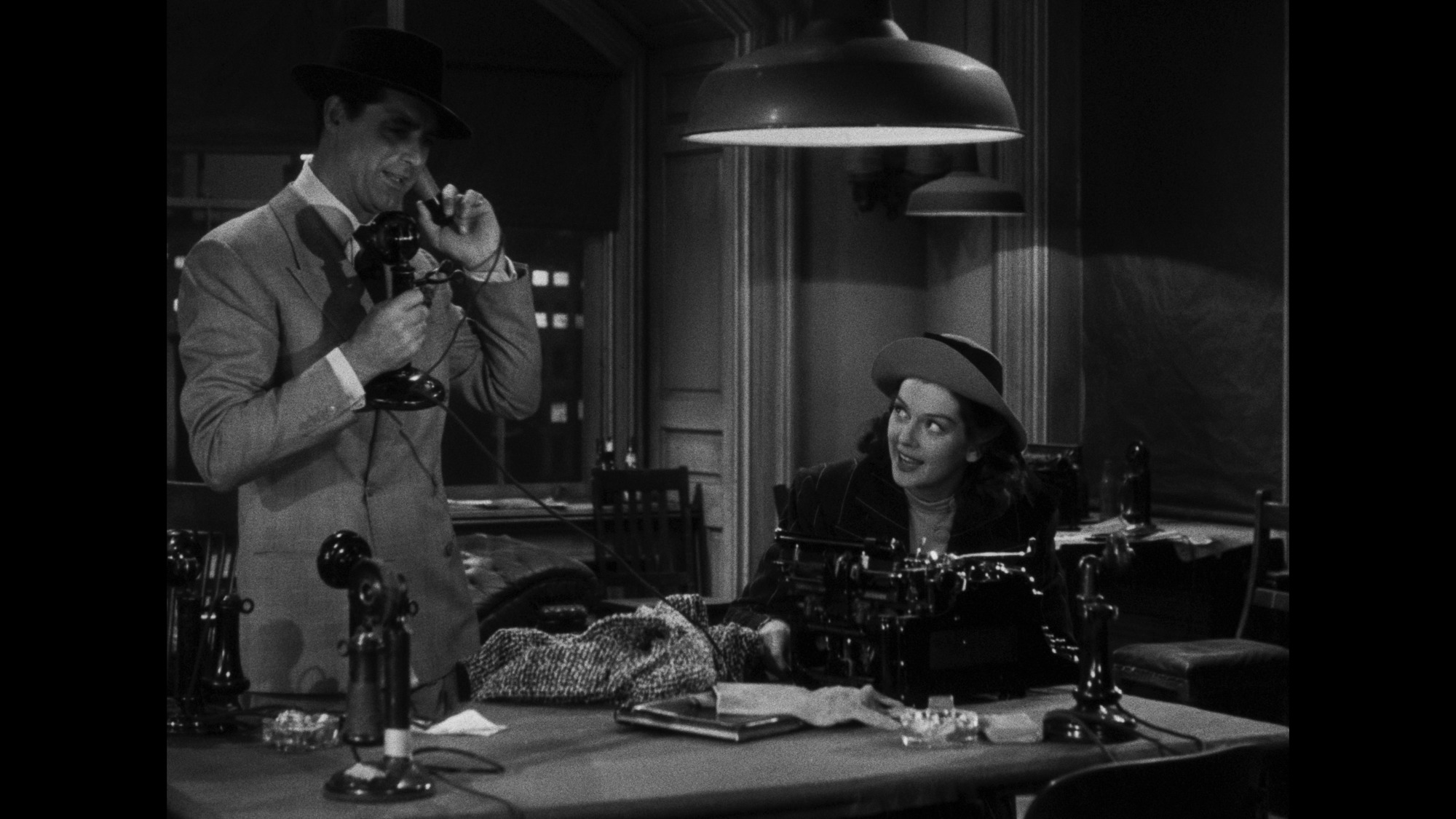
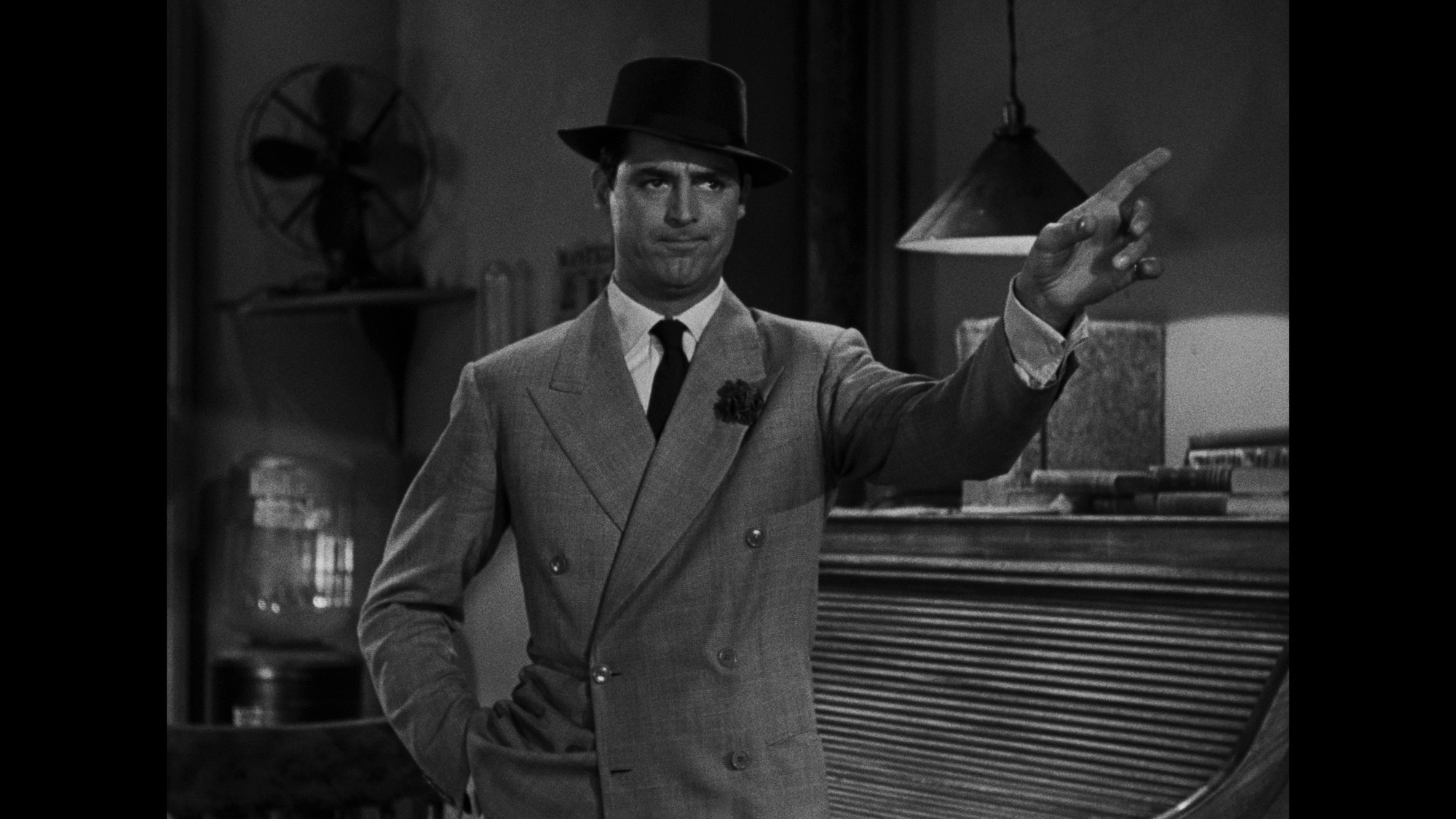
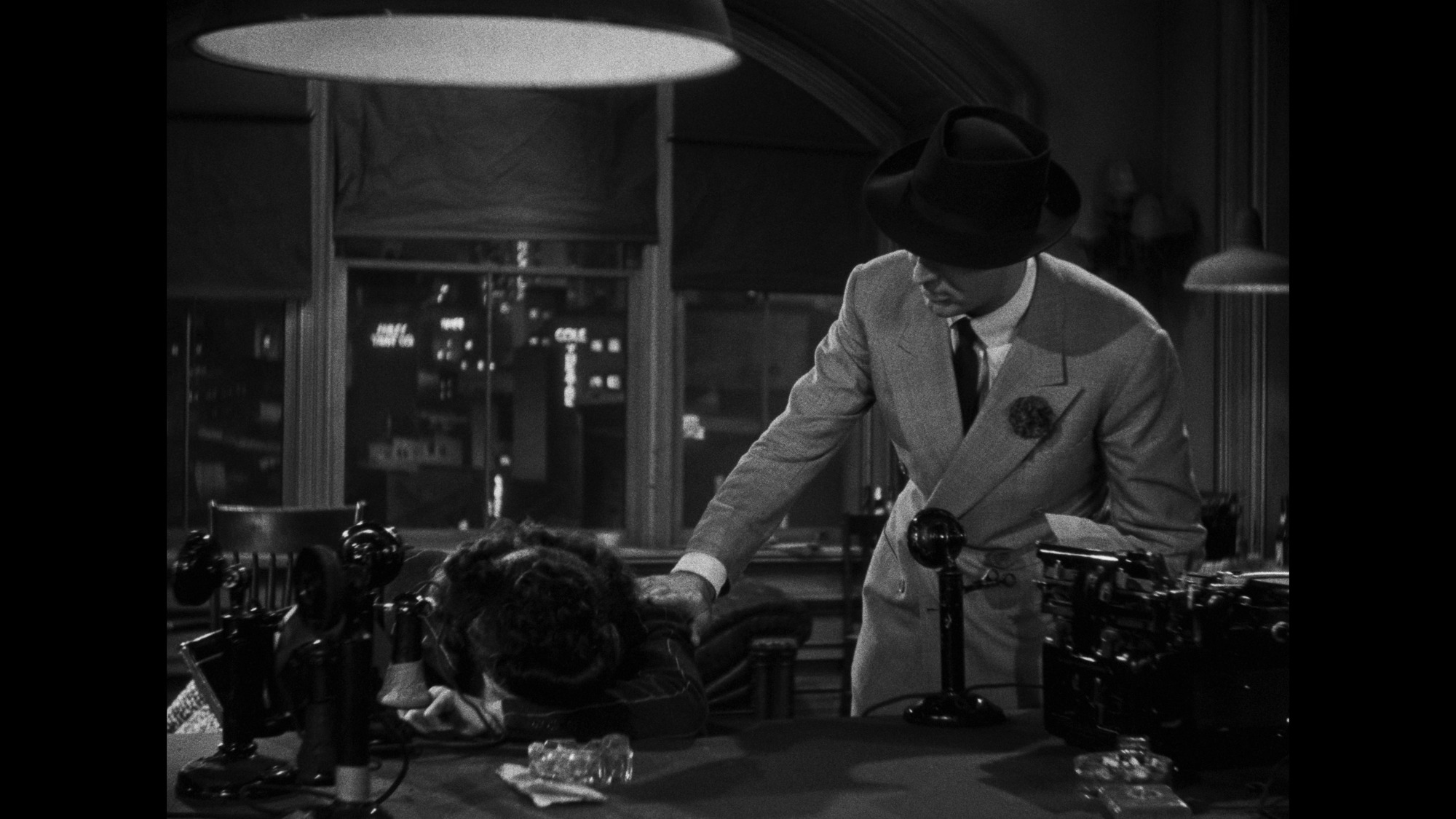
What’s striking is that, despite its shortcomings, the old Blu-ray holds up decently enough, yet the upgrade here is still massive. Yes, finer details pop more and the image is noticeably sharper, even handling tight suit patterns with ease (shimmering is thankfully a non-issue), but the most impressive improvement is just how much cleaner and more refined the presentation feels overall. And I don’t just mean in terms of restoration work (though it’s very clean on that front), but also in how every element of the image is rendered.
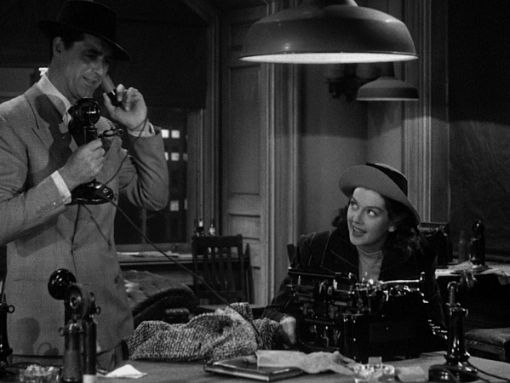
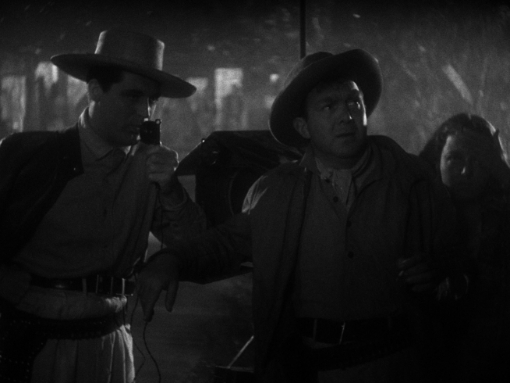
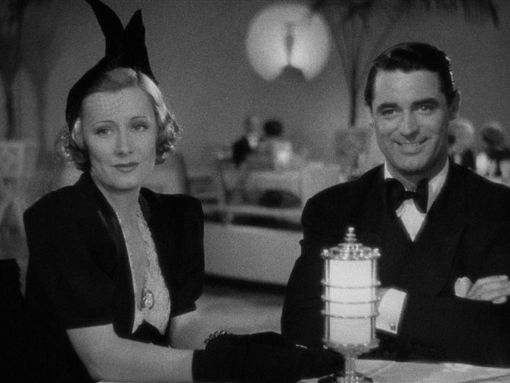
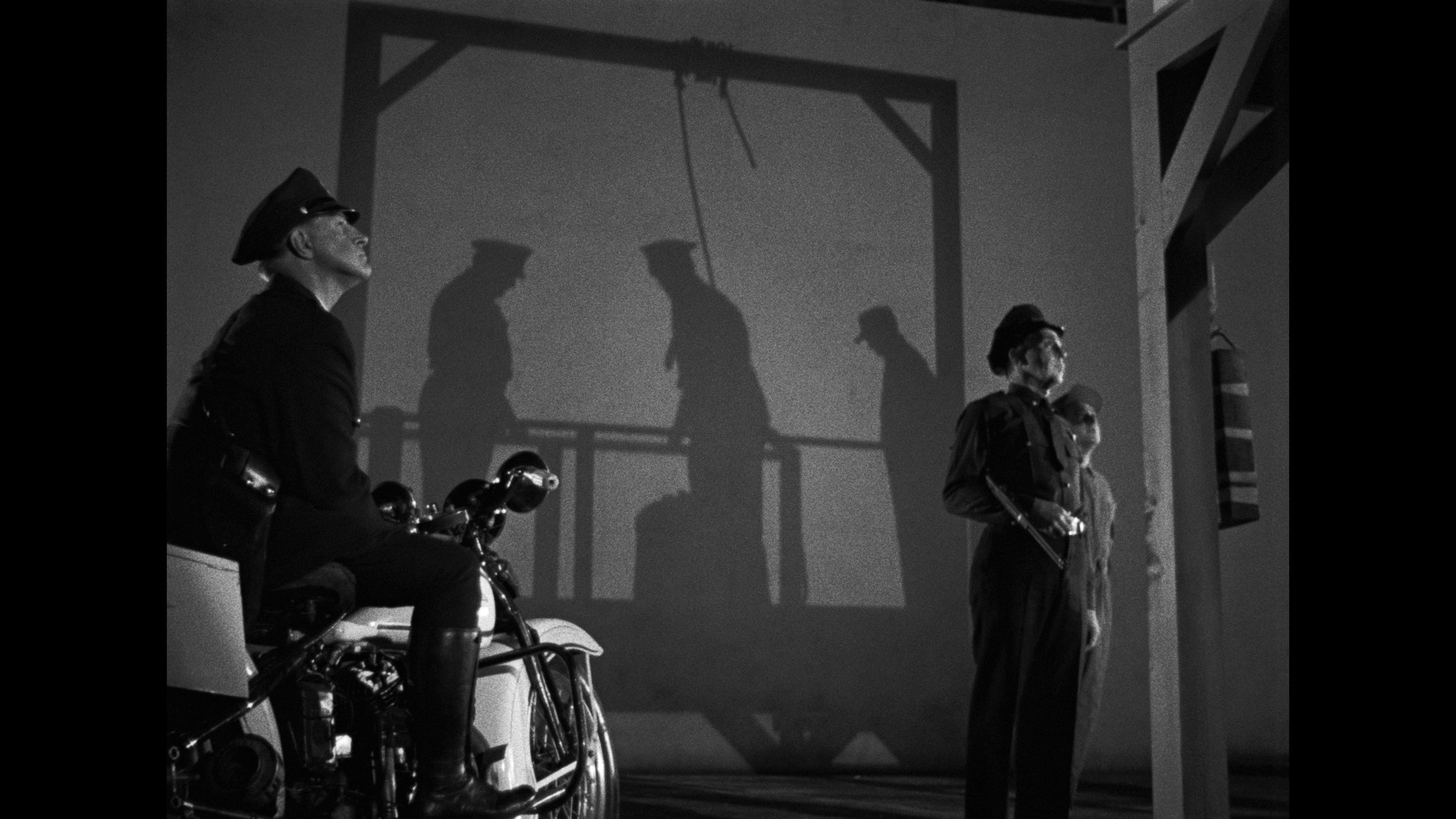
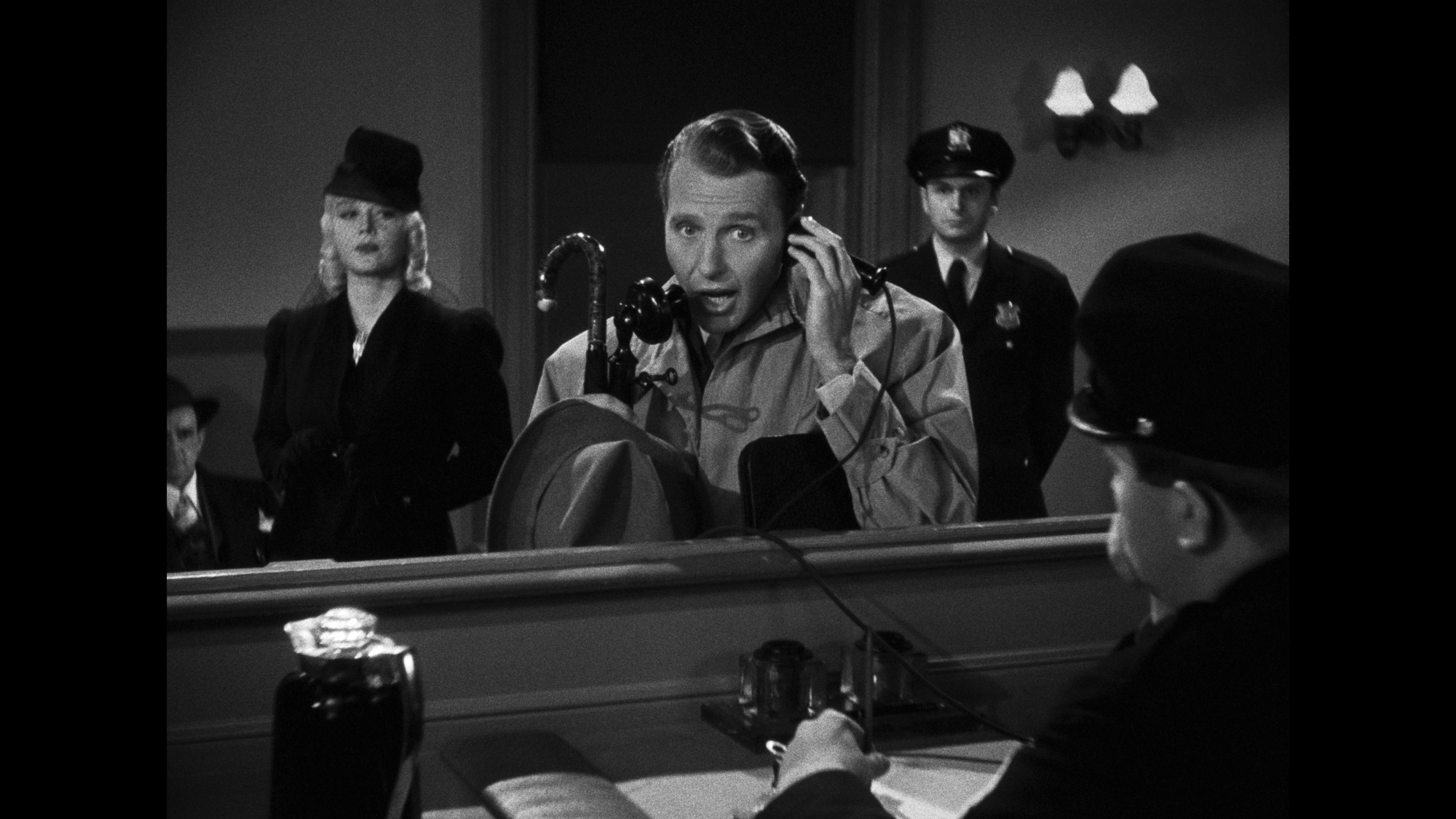
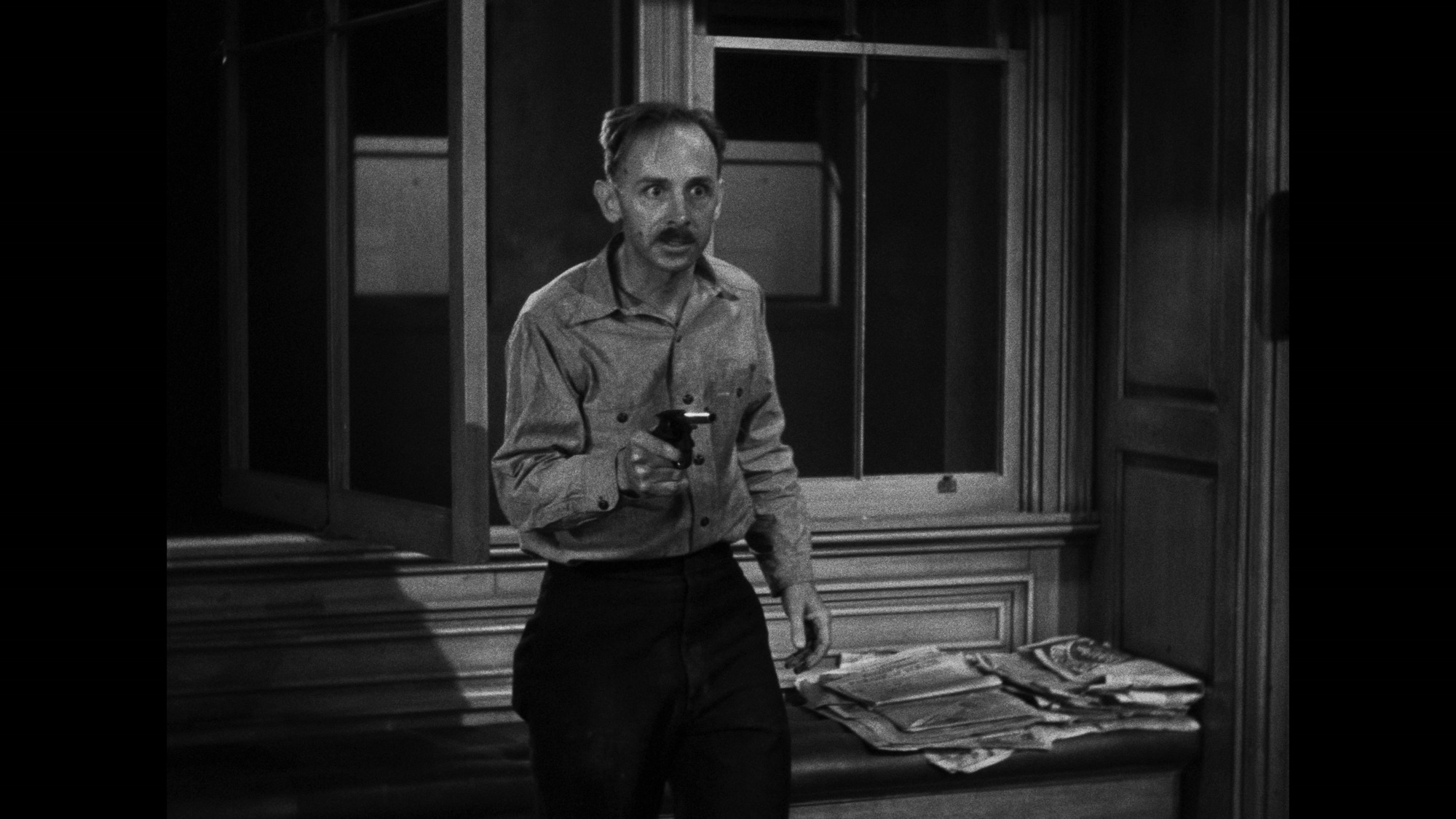
Film grain is far more natural and consistent here, retaining a lovely photographic look that was largely absent from the earlier high-def presentation. Grayscale and contrast are also significantly improved, with smoother gradations and a wider range in the mid-tones. Blacks are deep and stable, while whites are strong without ever blooming or clipping away detail.
HDR likely plays a role here, lending the image a subtle but welcome silver-screen quality that really suits black-and-white presentations of films from the period. It’s not showy, but it enhances depth and shadow detail in a way the old presentation could never dream of. The new restoration also appears to have replaced the dupey shots sourced from later-generation elements in the older master, with shifts in image quality either gone entirely or greatly minimized. Overall, this looks phenomenal and represents a substantial, unquestionable upgrade over Criterion’s previous Blu-ray.
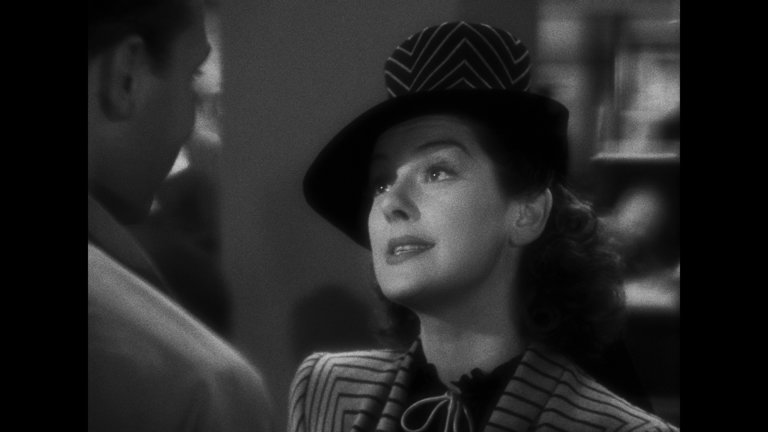
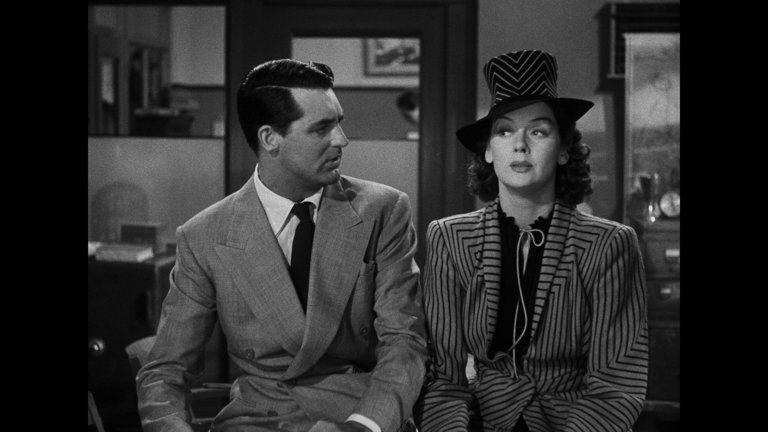
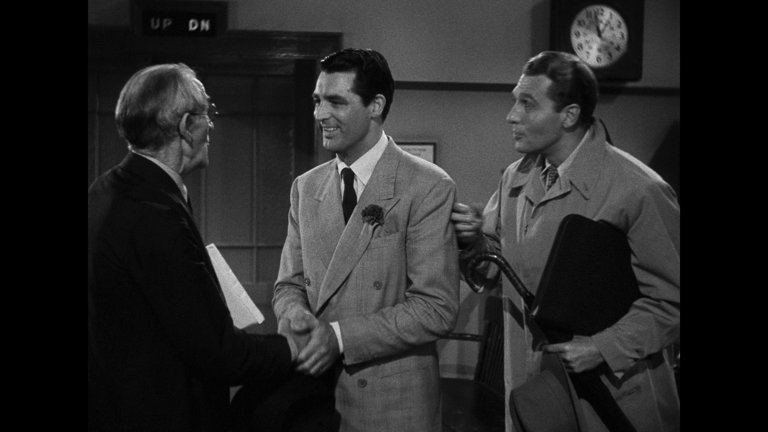
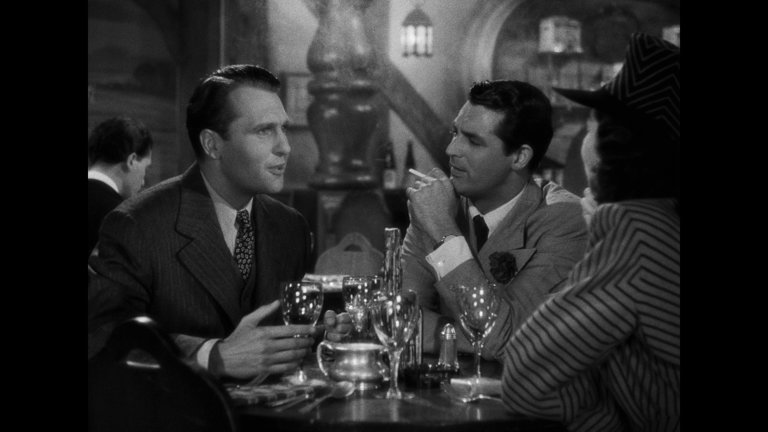
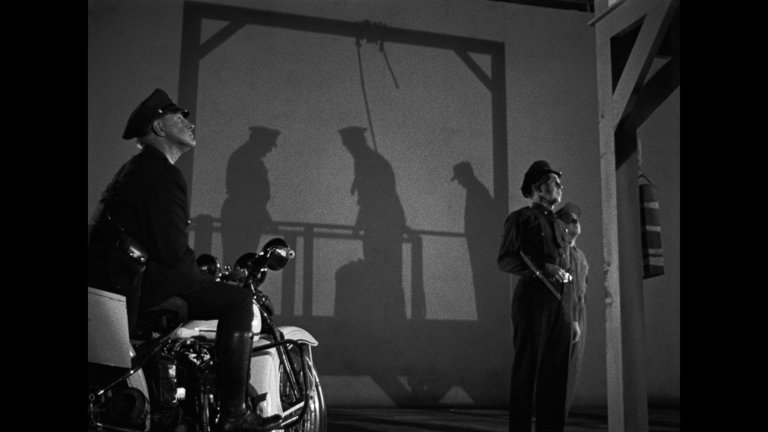
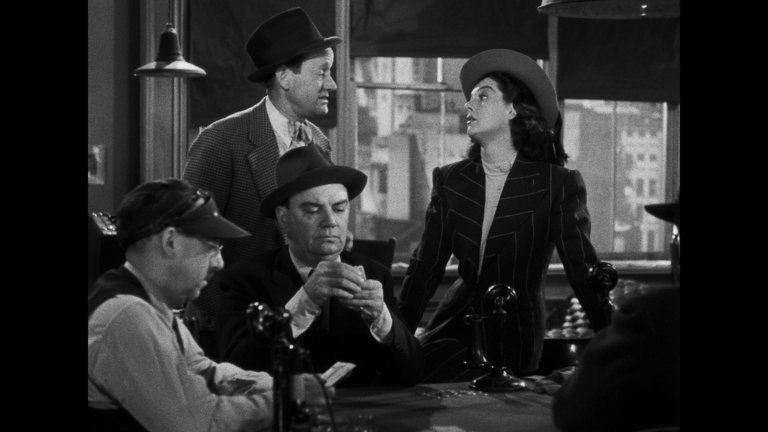
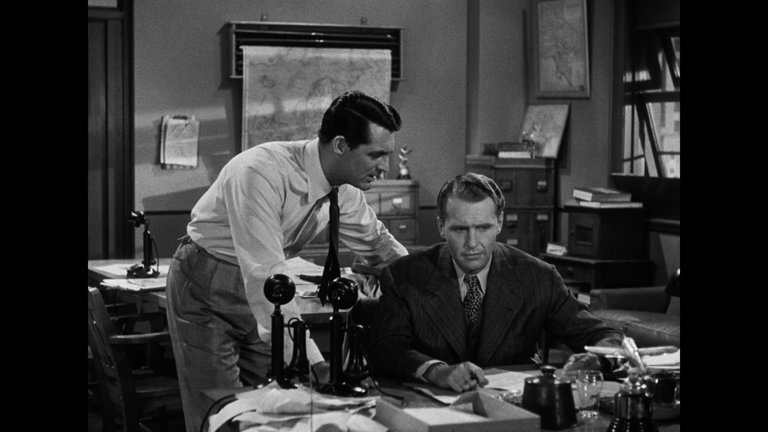
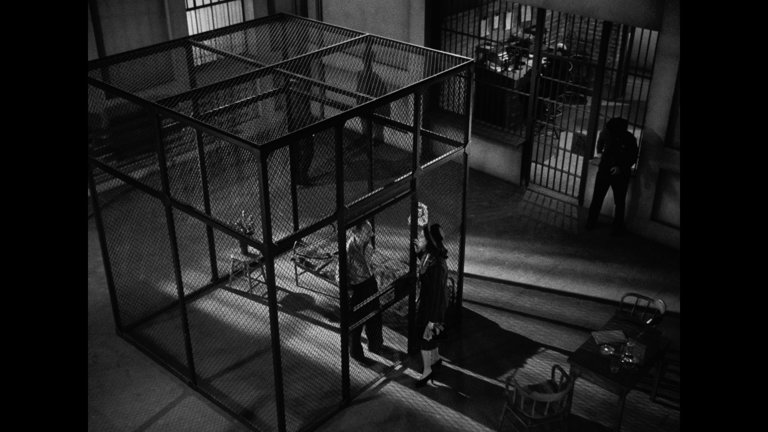
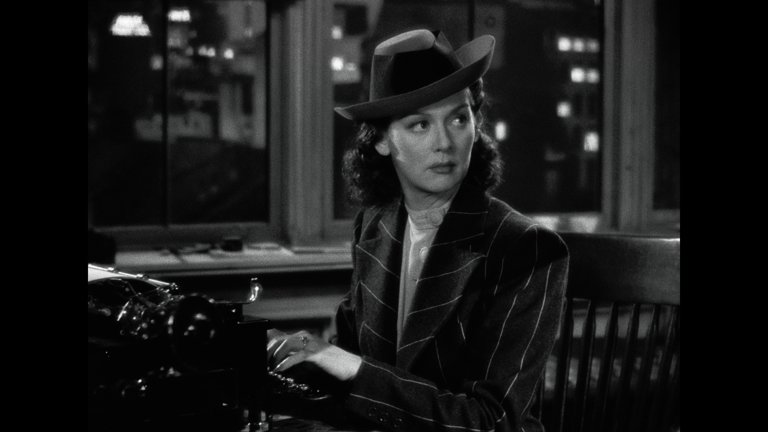
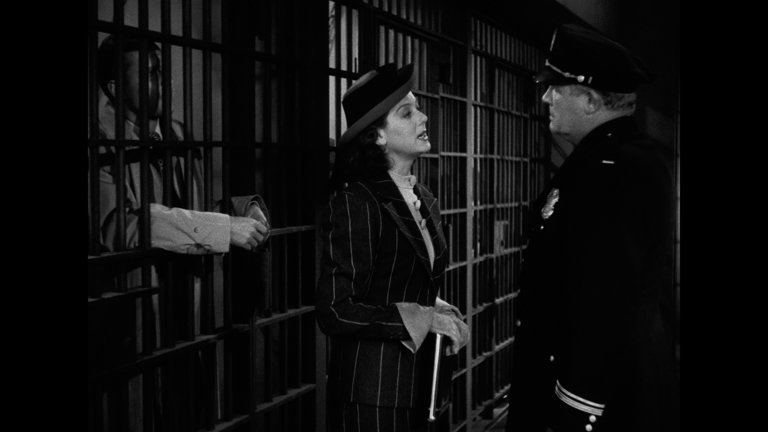
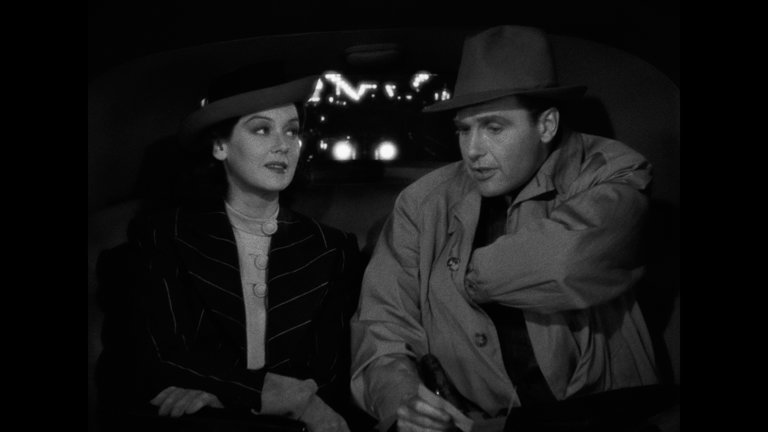
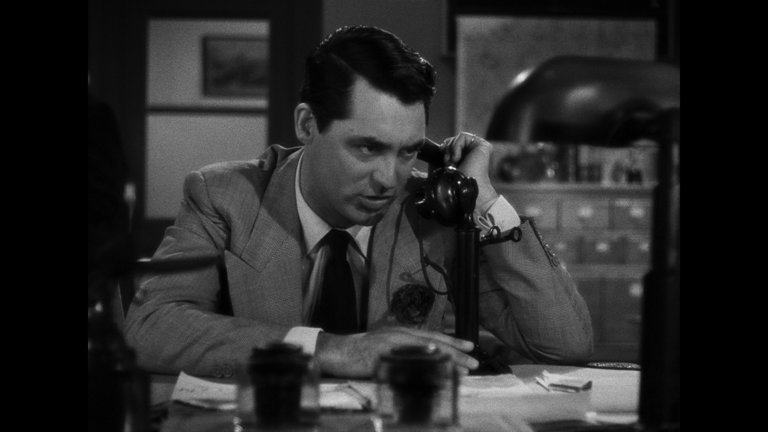
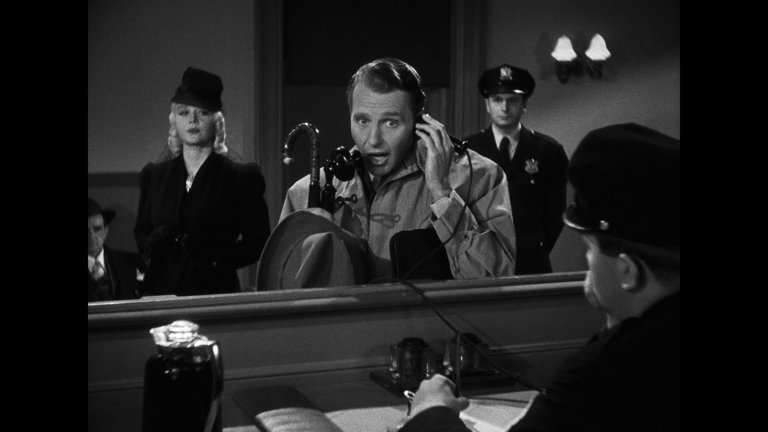
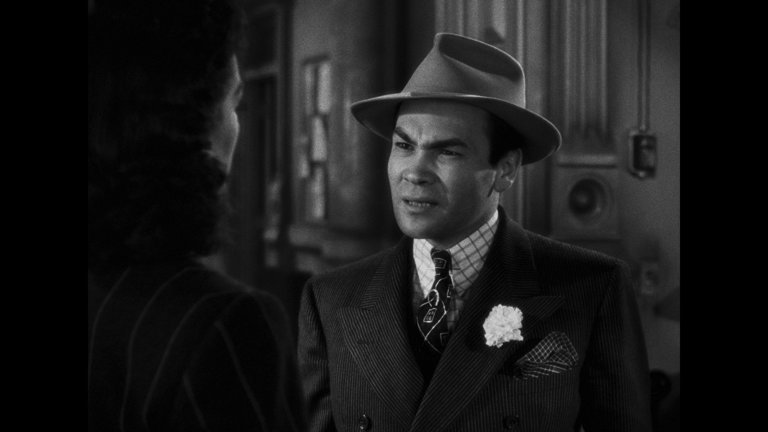
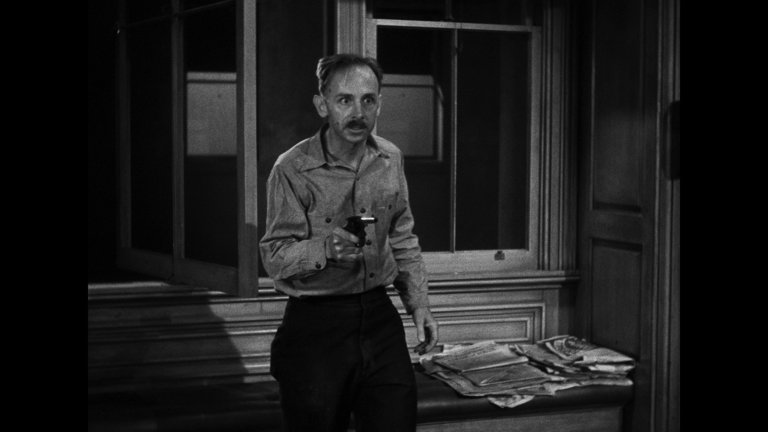
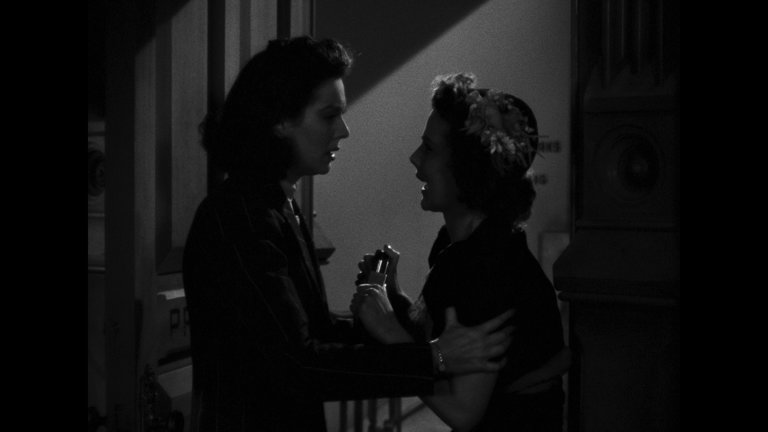
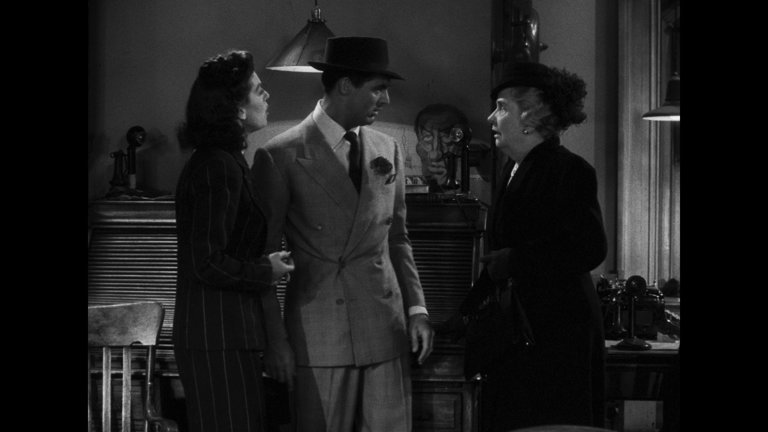
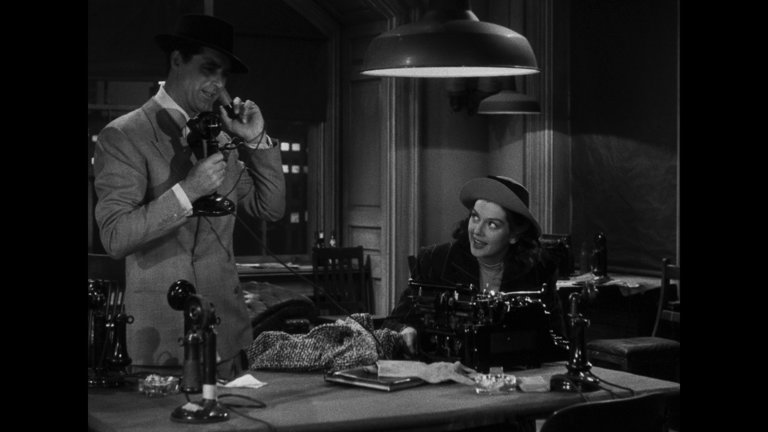
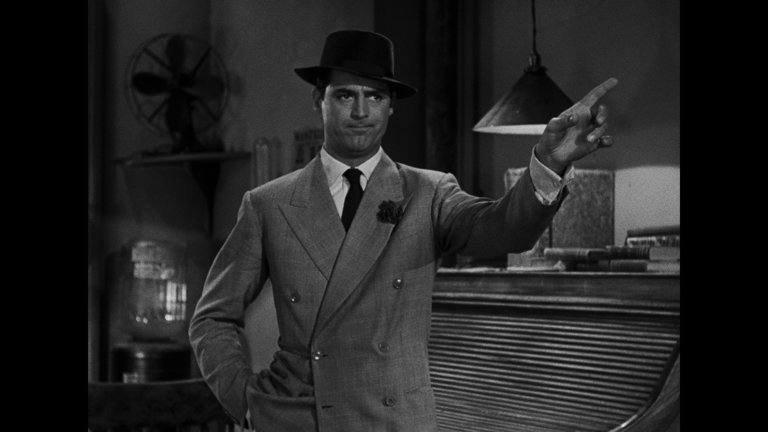
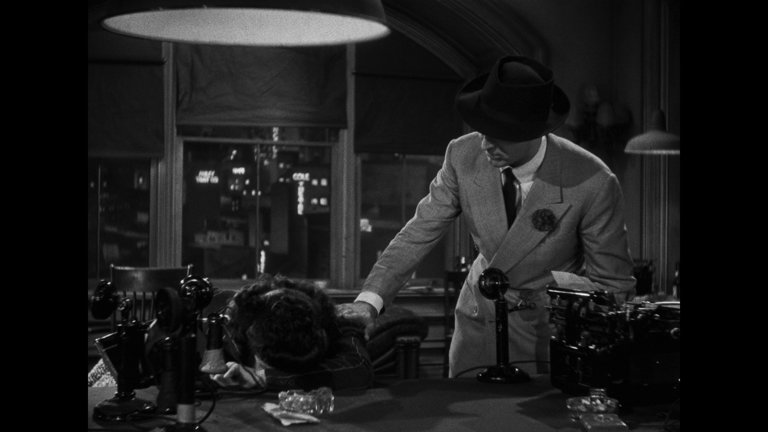
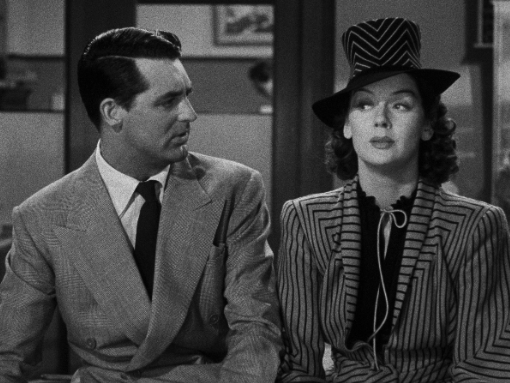
His Girl Friday - Screen Captures
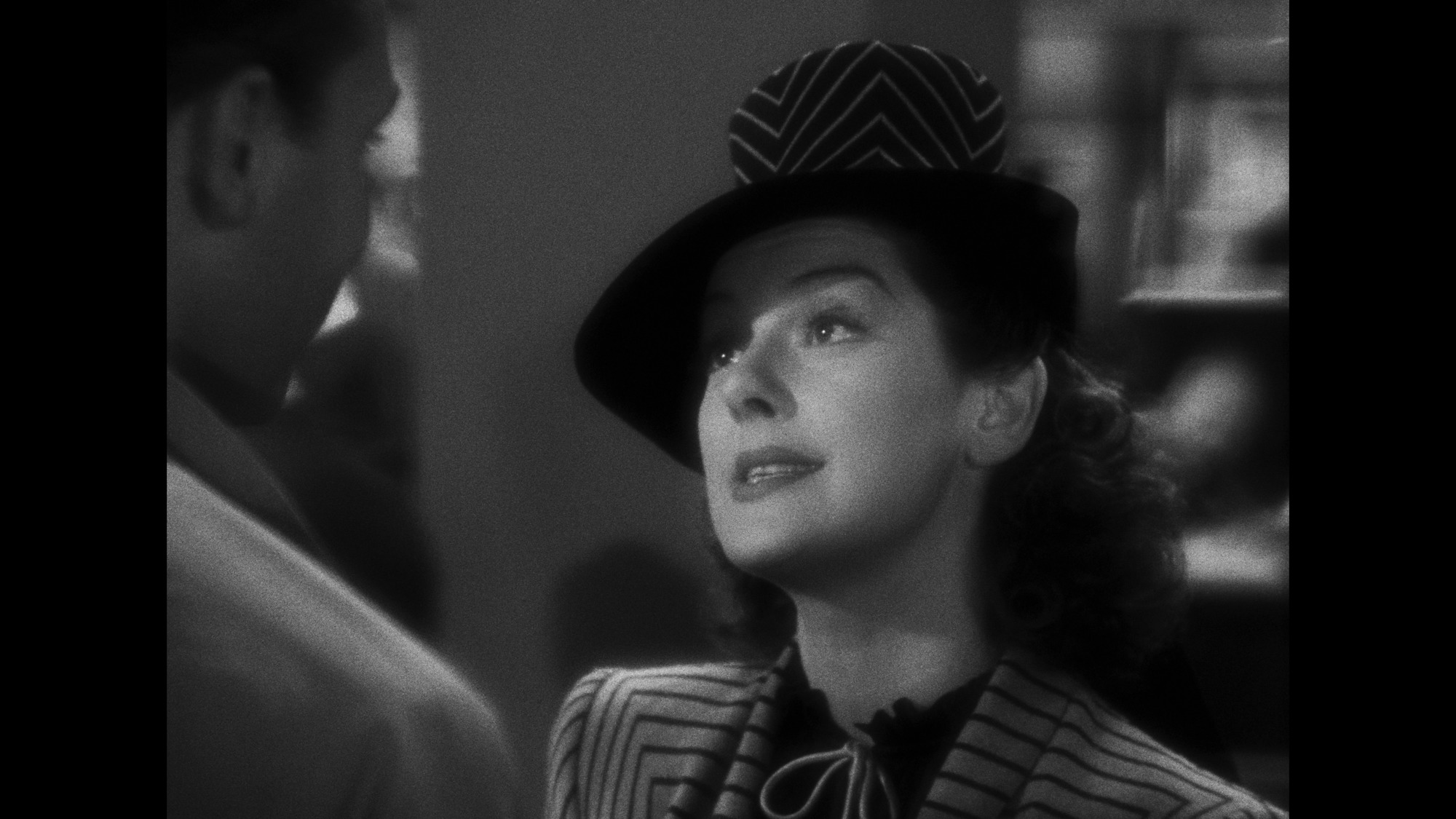
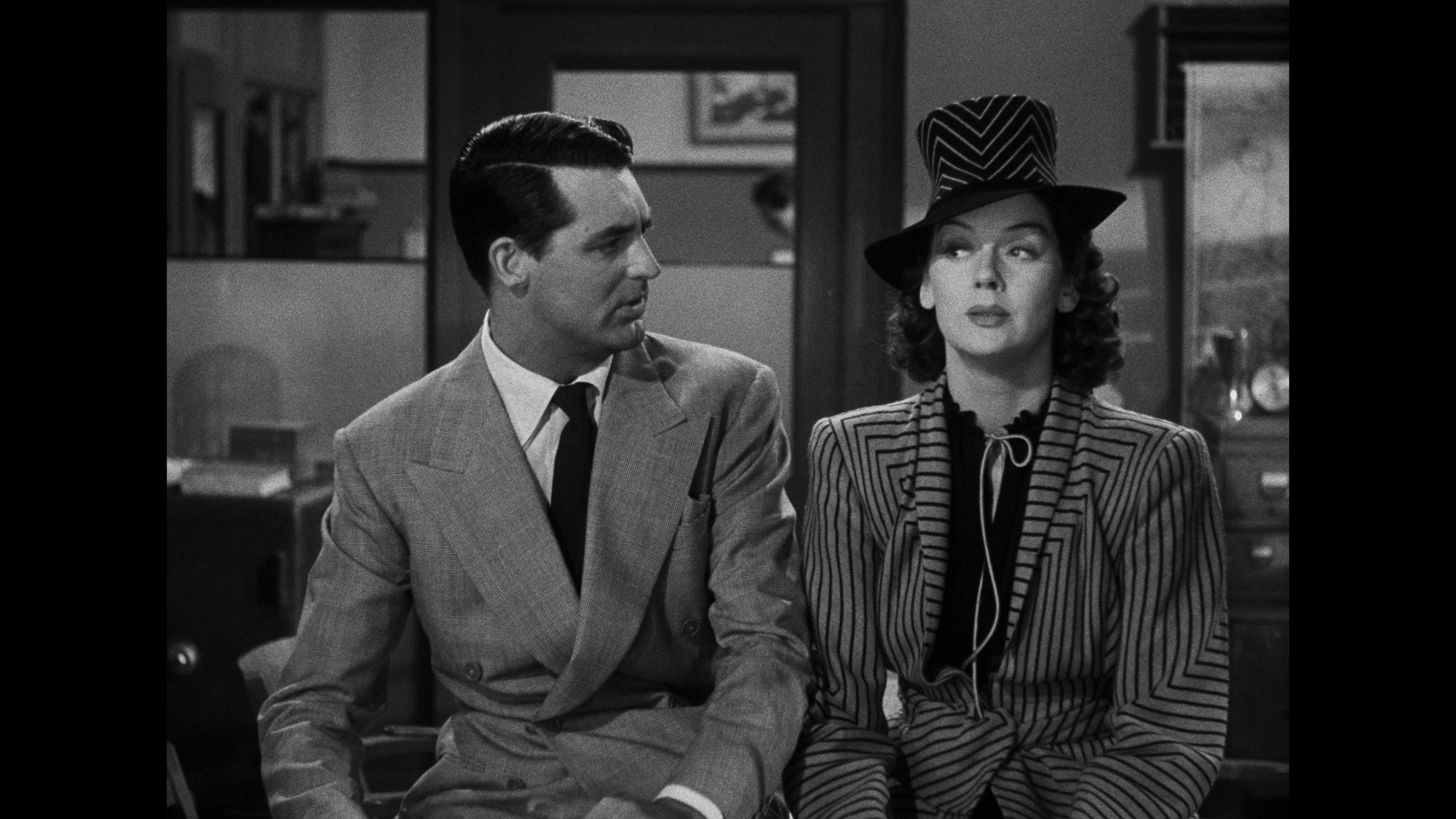
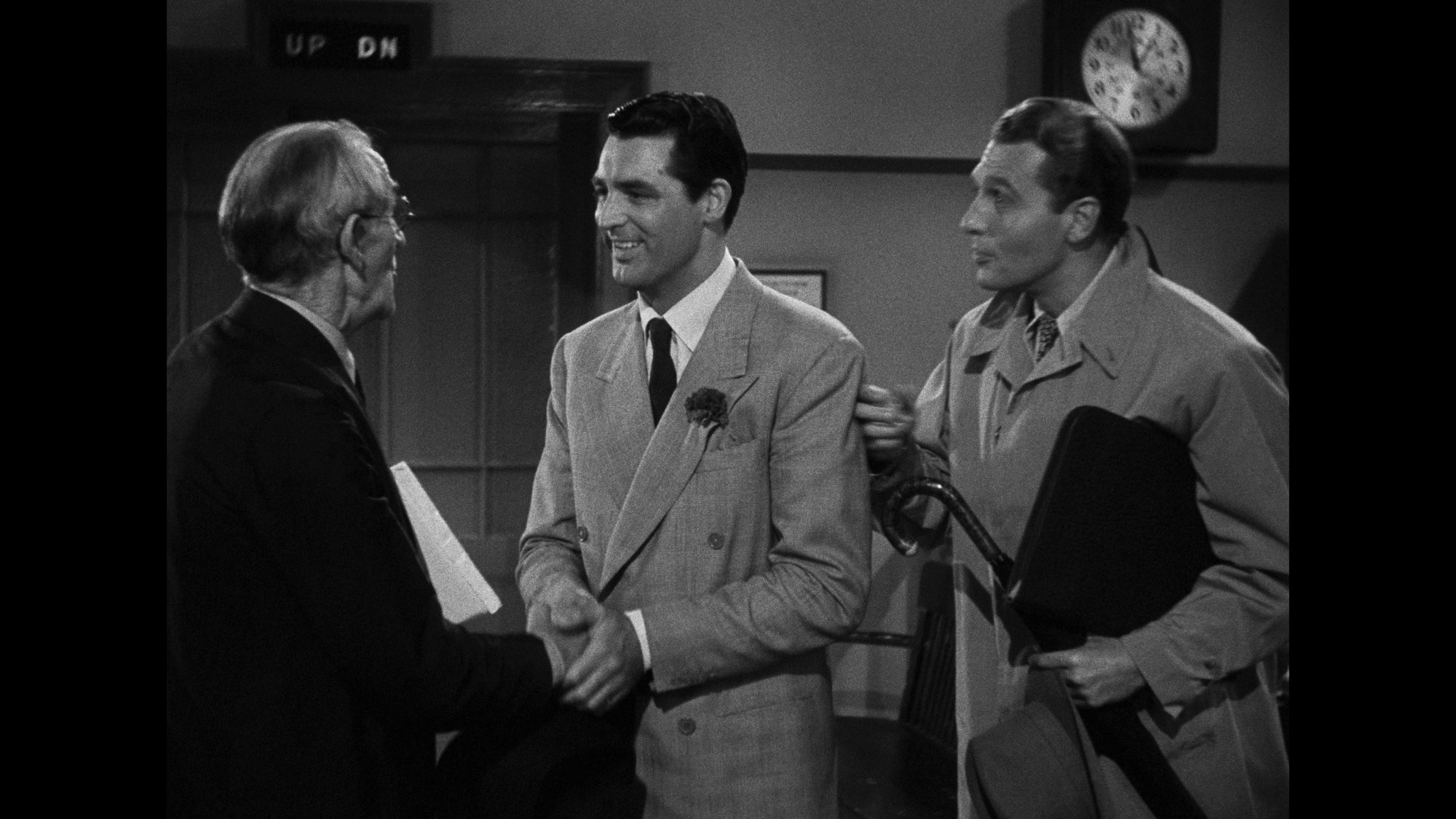
Audio 6/10
Audio—yet again presented in lossless single-channel PCM—shows a modest improvement. Fidelity and range sound a bit wider this time around, with dialogue coming across less filtered. Music fares slightly better as well, sounding cleaner and less edgy overall. Nothing special in the end, I guess, but it’s a solid presentation.
Extras 9/10
Criterion ports everything over from their 2017 Blu-ray edition, and in fact they’ve carried those two discs directly over here, meaning the 1080p presentation of the film on the standard Blu-ray still uses the older master. As usual, Criterion doesn’t include any features on the 4K disc, so all supplements are found on the two included Blu-rays.
Things start off again on the first Blu-ray with Hawks on Hawks, a 10-minute segment assembled from a 1972 audio interview between Howard Hawks and Peter Bogdanovich, along with a short clip from a filmed 1973 interview between Hawks and Richard Schickel. Through this edited piece (which uses still photos over the audio-only portions), Hawks discusses the development of His Girl Friday, explaining why sound films hadn’t previously featured overlapping dialogue and why it was so difficult to pull off. He also touches on The Front Page, both the original play and the 1931 film, which served as the basis for His Girl Friday. Hawks notes the earlier film’s reputation for being fast-paced, a claim he feels no longer holds up when compared to his own version, and Criterion even supports this with side-by-side comparisons of similar scenes, focusing on dialogue pacing and editing. His Girl Friday is clearly the quicker of the two by a fair margin. The interview is already well edited on its own, but I still appreciated the visual aids Criterion chose to add.
Another nicely assembled feature is a visual essay by David Bordwell titled Lighting Up with Hildy Johnson, which offers an in-depth examination of classical Hollywood storytelling techniques, using His Girl Friday as a kind of gold standard. Bordwell discusses story structure (often intertwining what are technically separate narratives), editing style, and what he describes as the film’s slightly mean-spirited yet romantic undertones. He also branches out into a few related areas, including how His Girl Friday became a staple of film school curricula, before briefly surveying the many genres Hawks worked in throughout his career. I found it a very breezy feature despite its 25-minute runtime, moving along quickly and never feeling heavy. What I found especially promising were some of the clips Bordwell pulls from Hawks’ other films, particularly Scarface and Twentieth Century. Criterion recently released Scarface, and hopefully Twentieth Century is one they’ll eventually get to as well.
Unfortunately, the new content specific to His Girl Friday ends there, and Criterion then reuses a number of featurettes that previously appeared on DVD editions: On Assignment: “His Girl Friday” (about 9 minutes), Howard Hawks: Reporter’s Notebook (about 3 minutes), Funny Pages (about 3 minutes), and Rosalind Russell: The Inside Scoop (also about 3 minutes). None of these are particularly in-depth, though they do provide basic overviews of the film’s production (On Assignment), Hawks’ career (Reporter’s Notebook), the original play The Front Page and the 1931 film adaptation, along with concerns over remaking it (Funny Pages), and Russell’s career (Inside Scoop). There’s some interesting information scattered throughout, but they’re ultimately fairly standard studio featurettes.
Criterion concludes the disc with the film’s teaser trailer and theatrical trailer, along with a Lux Radio Theatre adaptation of the film featuring Fred MacMurray as Burns and Claudette Colbert as Johnson (she was also considered for the film version before the role ultimately went to Russell). The 59-minute adaptation naturally rushes through certain scenes and drops others, but it remains quite faithful to the film overall.
Still, the biggest supplement here remains the inclusion of The Front Page, Lewis Milestone’s 1931 adaptation, which is found on the second standard dual-layer Blu-ray disc. It’s sourced from a 4K restoration taken from a scan of a 35mm safety print provided by the University of Nevada. Kino has also released the film on Blu-ray, but what’s particularly interesting about Criterion’s presentation (beyond the newer restoration) is that it represents a different version of the film, assembled from alternate takes and edits, and is likely closer to the original North American theatrical release (a point explained in one of the disc’s features). I admit I still prefer His Girl Friday, largely because of Grant and Russell, but this is nevertheless a fun adaptation of the fast-talking play, albeit a slower one, as another feature here points out. The two films are very similar overall, though they differ slightly in timelines, and The Front Page spends more time on details surrounding the central prison escape.
The digital presentation of The Front Page (framed at 1.33:1 and presented with lossless PCM audio) is also quite impressive. Grain is sharply rendered and the image looks properly film-like, with restoration work that’s cleaned things up thoroughly. Unfortunately, the main limitation still lies in the source materials themselves, which are inherently soft and somewhat fuzzy. Despite the clarity of the digital presentation itself, the image remains soft overall, which likely explains why Criterion didn’t bother upgrading it to 4K for this edition.
Criterion also includes several supplements specific to The Front Page, beginning with Restoring The Front Page, a 24-minute program detailing the history of this restoration. It traces the process from gaining access to Howard Hughes’ archive, locating the film materials, and discovering that this version differed from the more familiar Library of Congress print. Further research revealed that it wasn’t uncommon for studios to assemble multiple versions of a film for different markets, using alternate takes and edits. In this case, they determined that there were distinct North American, UK, and “rest of the world” versions. Most of the differences are subtle—variations in line readings, positioning, or edits—but a few are more significant. The most notable involves a moment where a reporter flips “the bird” in the Library of Congress version; here, the gesture is toned down, further suggesting this cut was intended for North American audiences.
As interesting as this material already is, the feature becomes even more fascinating once it turns to the audio restoration. The film was released during a transitional period when theaters were shifting from playing audio via separate records to optical sound printed directly on the film. While the audio track on the film print was in rough shape, the restoration team was able to locate the original metal discs used to press the records distributed to theaters. Since the vinyl records themselves degraded over time, having access to pristine metal plates proved invaluable.
Overall, it’s an excellent restoration feature, one of the more engaging I’ve seen, filled with fascinating details about the early days of sound cinema and how studios distributed films internationally.
Criterion next includes a new 26-minute feature on Ben Hecht, featuring historian David Brendel. Brendel discusses Hecht’s early career as a reporter and how that experience, including covering an actual prison break, influenced The Front Page. He then moves into Hecht’s transition to Hollywood, first as a screenwriter and later as a sought-after script doctor. It’s not a flashy piece, relying mostly on talking-head commentary with photos and clips, but it serves as a solid introduction to Hecht’s career and body of work.
Also included are two radio adaptations of the play. The first is a 1937 Lux Radio Theatre presentation running 59 minutes and starring Walter Winchell and James Gleason. The second is a much shorter, 31-minute adaptation featuring Pat O’Brien and Adolphe Menjou reprising their roles from the original film. The latter hews more closely to the film version, largely due to its cast, but it’s extremely condensed and rushes through the material. The former is a more direct adaptation of the play itself and, while still condensed, stays truer to the original text. There’s also an intriguing historical footnote attached to the 1937 broadcast: the program opens with an announcement that a planned guest, Amelia Earhart, was unable to appear because she had not yet returned from her “historic flight.” She was expected to appear the following week. As we now know, Earhart would disappear shortly thereafter.
Criterion also reproduces the full fold-out newspaper-style insert from the Blu-ray edition, once again printed on newspaper stock. There are two full sheets, an “A” section and a “B” section. The “A” section features an essay by Farran Smith Nehme on Hawks’ approach to adapting the play, praising the film’s rapid pace and minimal reliance on music. The “B” section, printed on pinkish paper again, includes an essay by Michael Sragow covering the play, both film adaptations, and the fascinating history behind this particular restoration. It remains a fun and distinctive inclusion.
I’m still a bit surprised Criterion didn’t port over Todd McCarthy’s audio commentary from the Sony DVD, especially given that they still retained some of the mediocre featurettes. I haven’t listened to the commentary myself, but it’s odd that it wasn’t carried over, particularly since Sony included it in the fourth volume of their Columbia Classics set. A commentary feels like it would have rounded things out nicely here.
That said, this is still a solid and worthwhile set of supplements, with the inclusion of The Front Page continuing to be one of the major selling points of the package.
Closing
Still a wonderful edition for the film, now with a superior 4K presentation. For that upgrade alone, this disc is well worth te upgrade.
BUY AT: