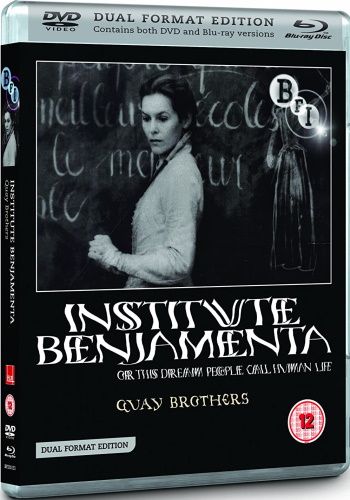
Institute Benjamenta
BUY AT:

See more details, packaging, or compare
Synopsis
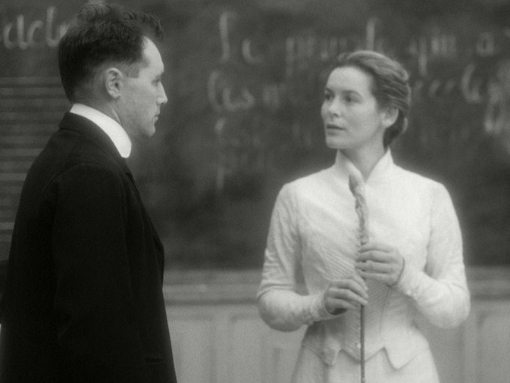
Jakob (Mark Rylance) wants to be of service. Admitted to a peculiar school for servants run by domineering Johannes (Gottfried John) and his sorrowful sister Lisa (Alice Krige), Jakob gradually uncovers the mystical Institute's secrets and, by extension, those of life itself.
Presented in a new, director approved transfer, this striking live-action feature is an exquisitely realised anti-fairy tale, a fragile world shimmering with luminous energy and hypnotic beauty.
Picture 9/10
BFI video presents the Quay Brothers’ indescribable 1995 film Institute Benjamenta in the aspect ratio of 1.66:1 on this dual-layer Blu-ray disc. The transfer is presented in 1080p/24hz.
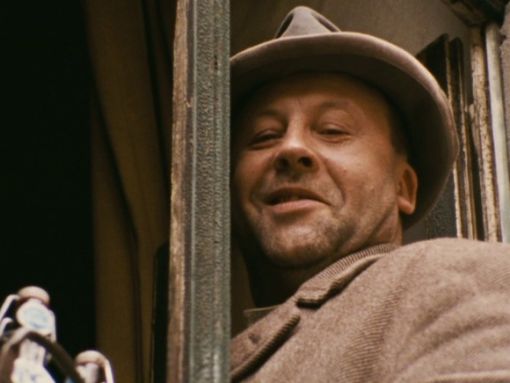
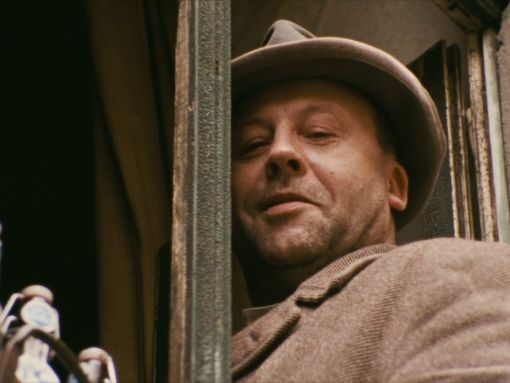
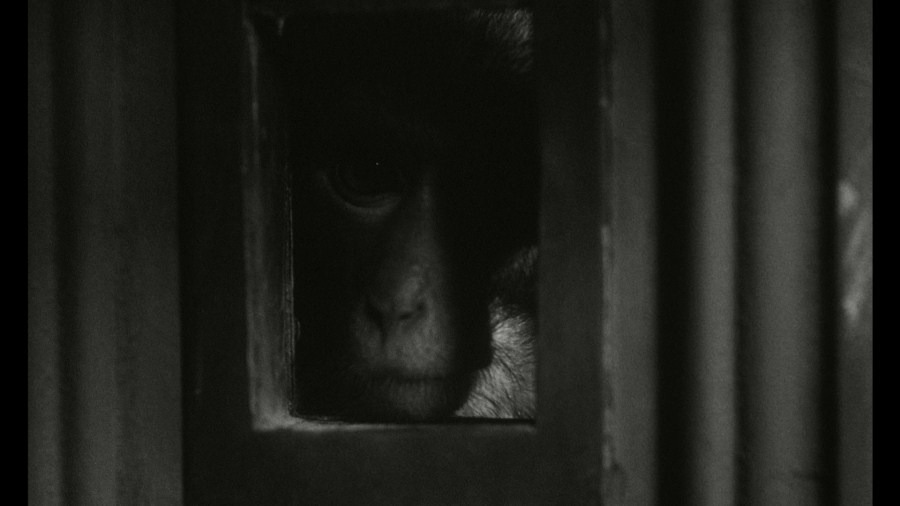
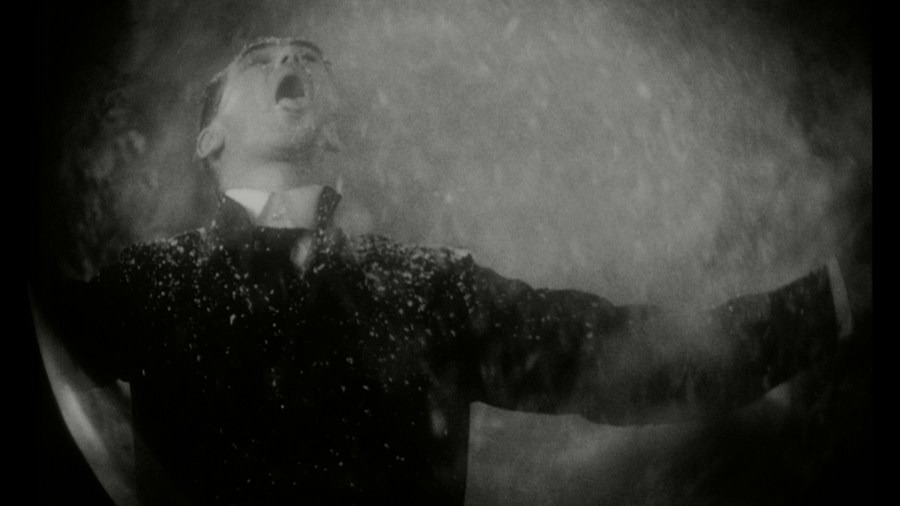
BFI again outdo themselves with the black-and-white transfer found here, presenting a true representation of the film. The film looks to be shot through a haze at times so a good chunk of the film does lack real definition, but this is the stylistic choice and has nothing to do with the transfer itself. But when the picture is sharp fine details are apparent and grain is noticeable throughout, the image retaining a natural, film-like look that hasn’t been severely worked over digitally. Contrast looks very good with distinct and beautifully rendered gray levels and fairly deep blacks. The condition of the source material is excellent, with only a few minor imperfections here and there.
In all another beautiful job by the folks at BFI, stunning and perfect for the film.
(Note: BFI’s edition of Institute Benjamenta is a dual-format release, containing not only this Blu-ray disc but also containing a DVD with a standard definition transfer of the film. This review is based on a check disc of the Blu-ray and I did not receive the DVD version so I cannot comment on its transfer or its region coding. As to the Blu-ray’s region coding, though a UK release, the Blu-ray is region free and should play on all players worldwide. I had no issue playing it on my North American PS3 system.)
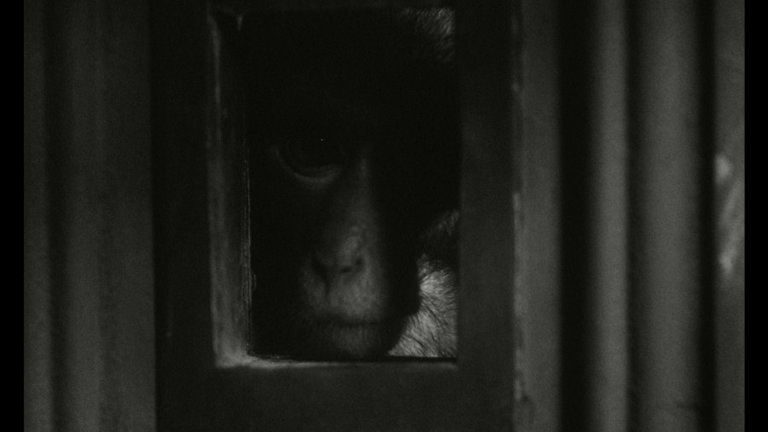
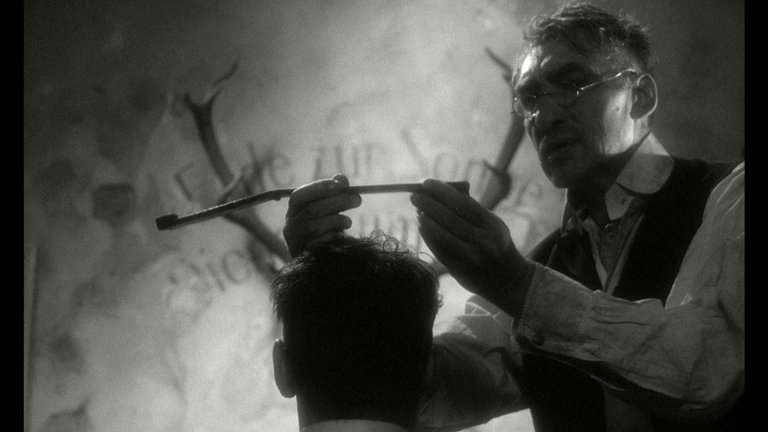
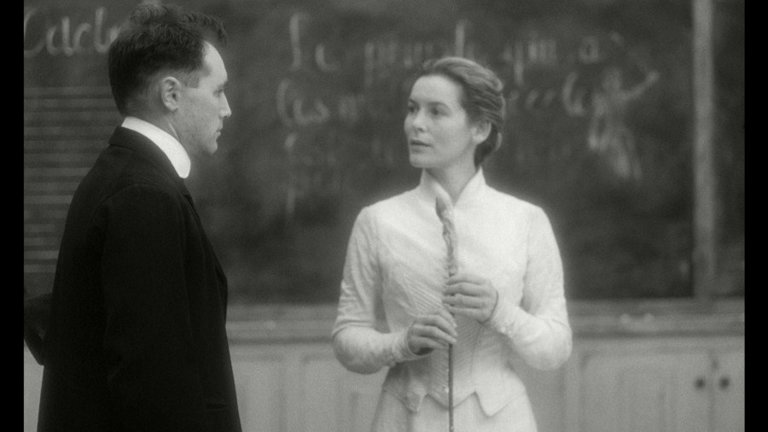
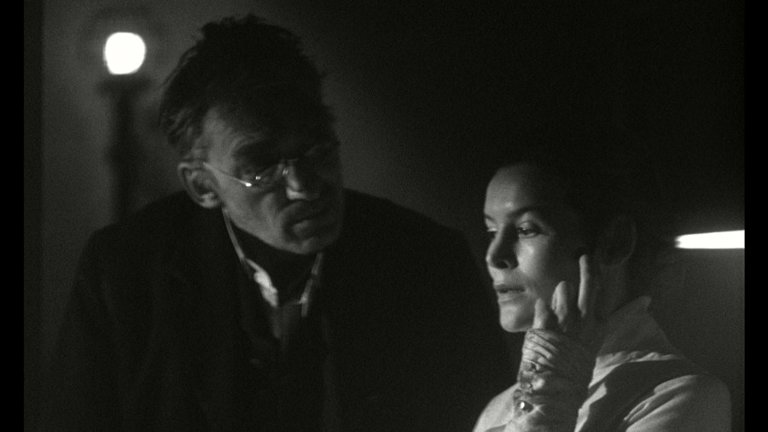
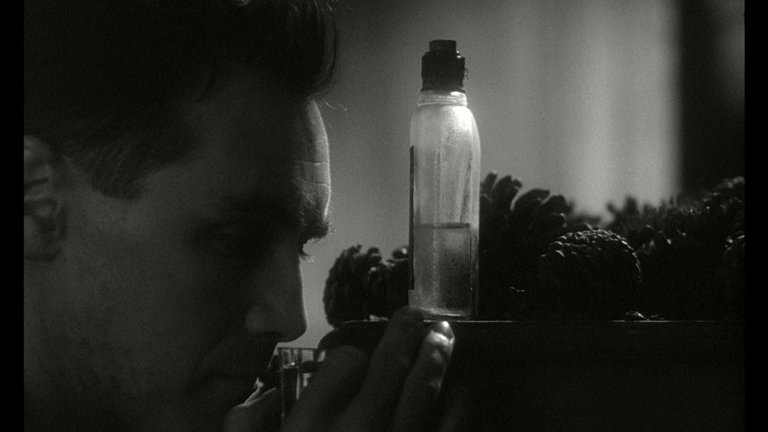
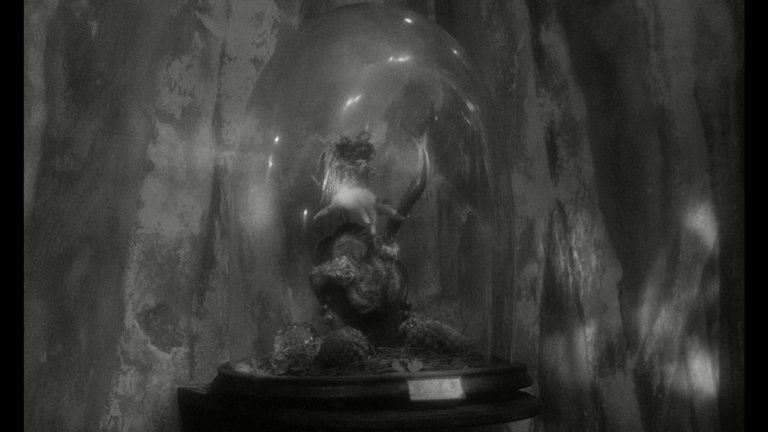
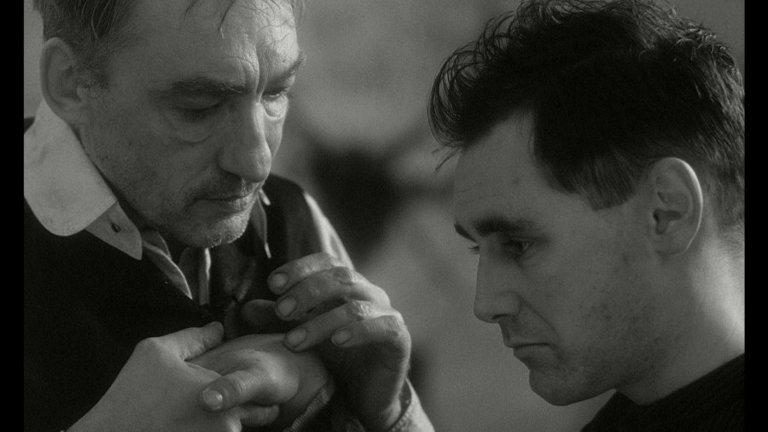
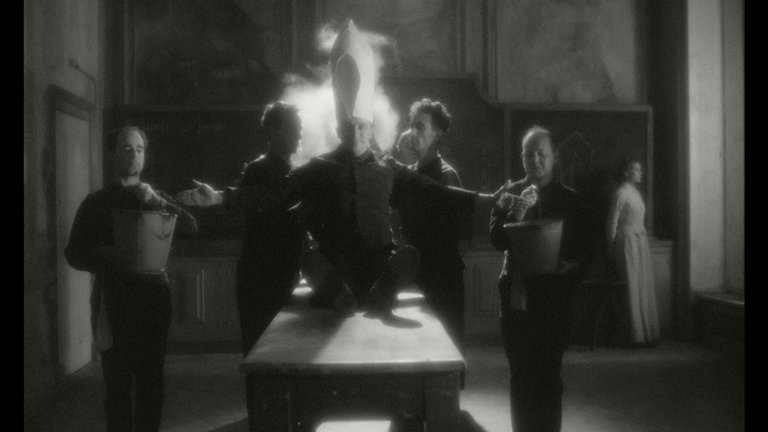
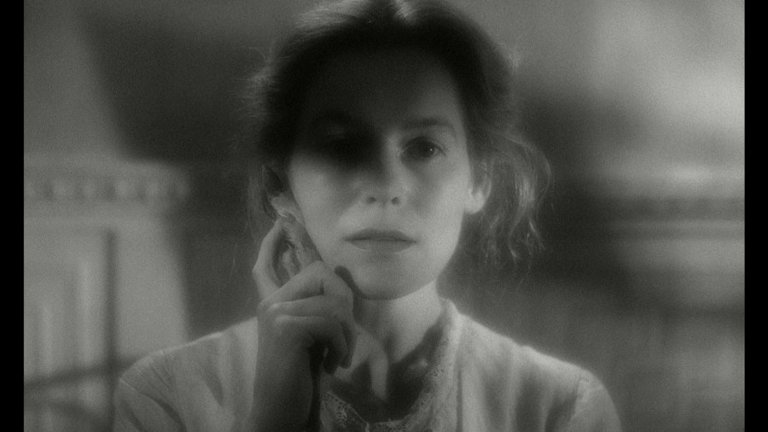
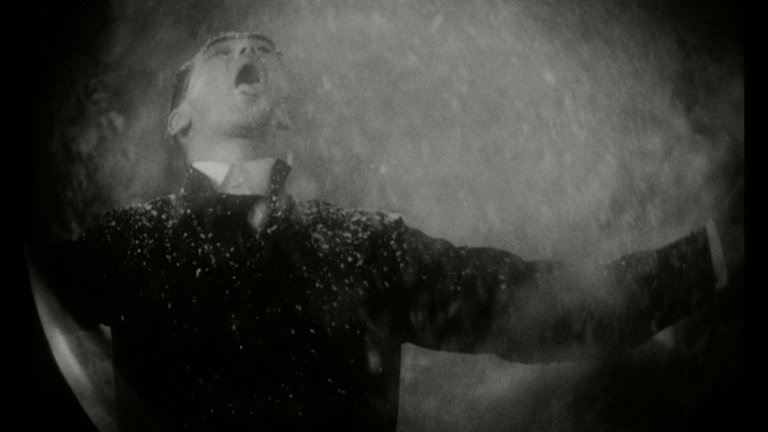
Institute Benjamenta - Screen Captures
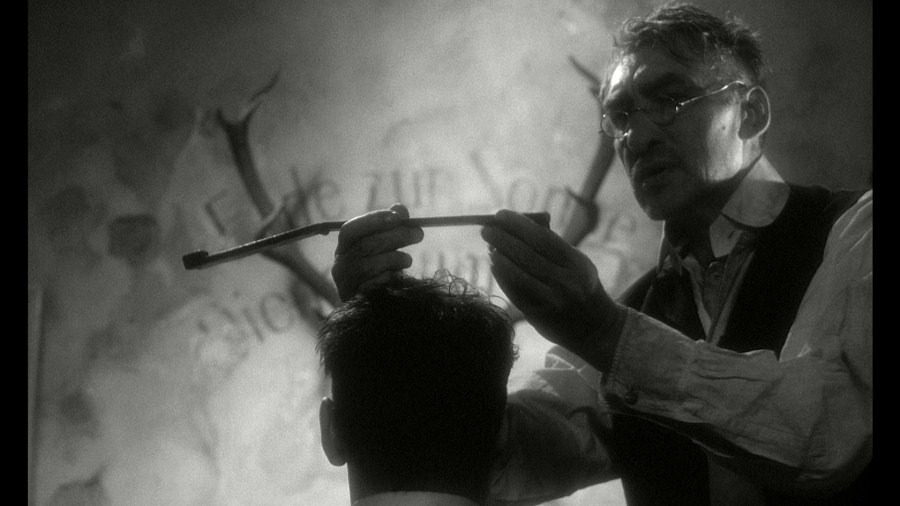
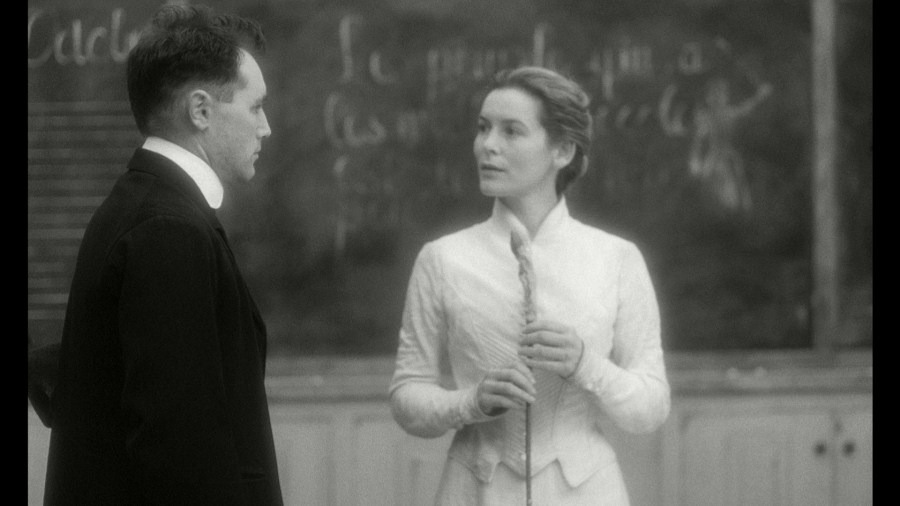
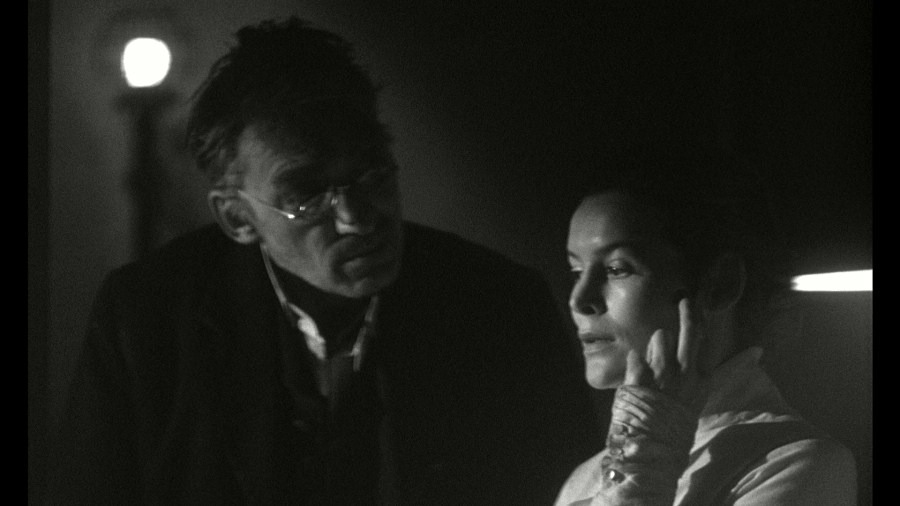
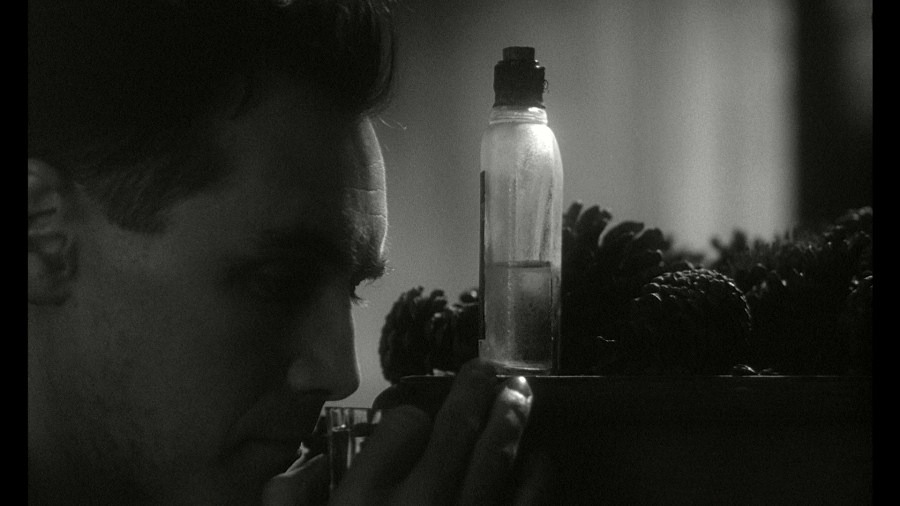
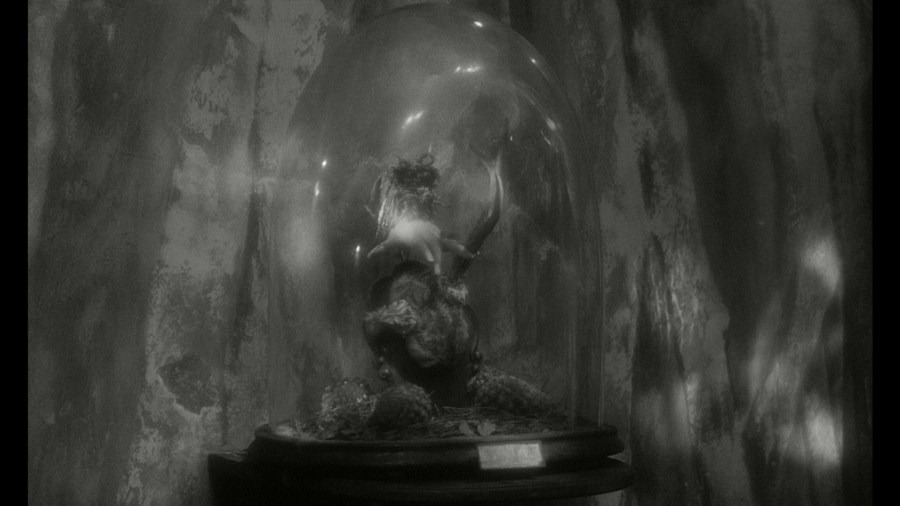
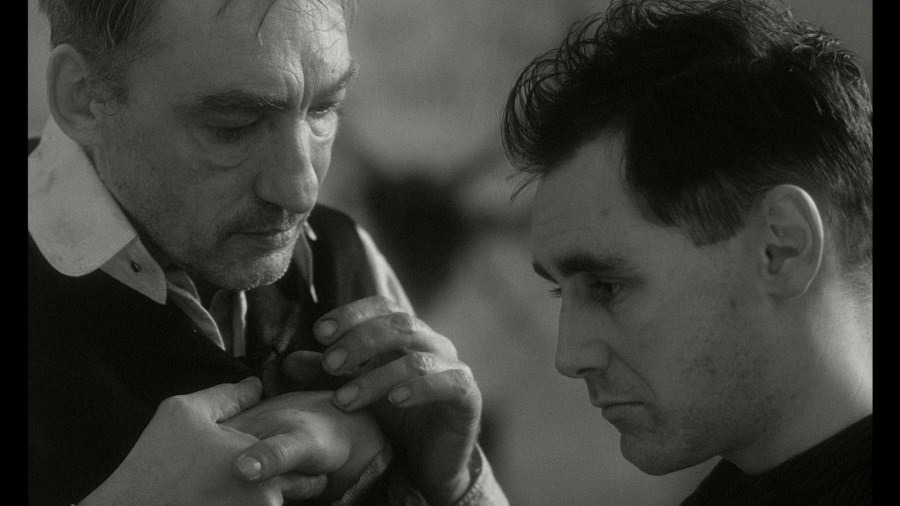
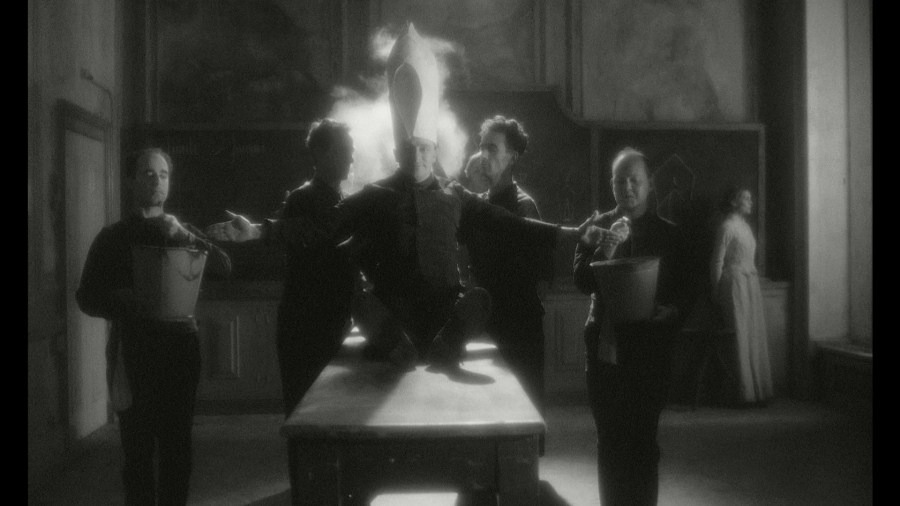
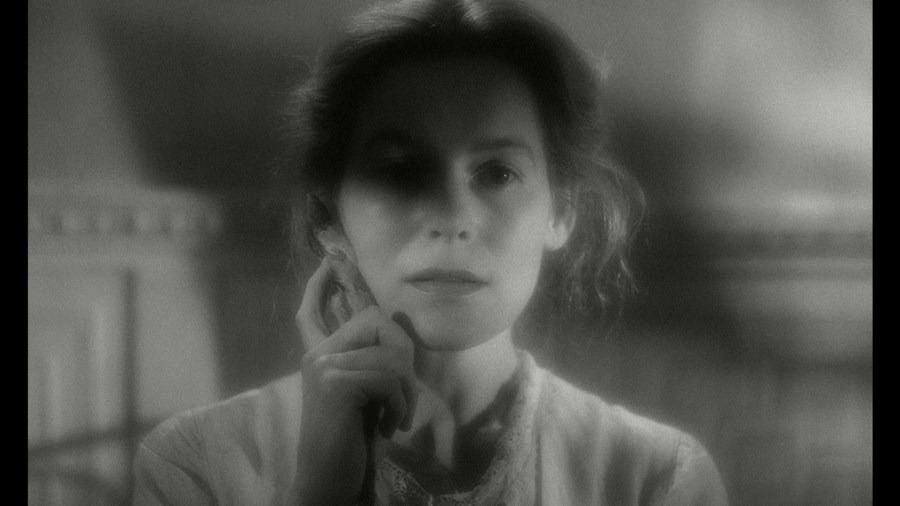
Audio 7/10
BFI includes a DTS-HD Master Audio 2.0 track that suits the film perfectly. I can’t say I noticed any discernable damage to the track, but it’s very clear and clean, dialogue sounding natural and very easy to hear, and the haunting music, which is used to beautiful effect in this very dreamlike film, is incredibly crisp. It sounds quite beautiful.
Extras 7/10
BFI has put together some wonderful supplements for this release (all of which are presented in 1080p on the Blu-ray disc) starting with a great 31-minute “making-of” called Inside the Institute: An In-Between World. The interview features the Quay Brothers, writer Alan Passes, actors Alice Krige and Mark Rylance, cinematographer Nic Knowland and editor Larry Sider. Though entirely a “talking-heads” piece it’s an interesting look into the making of the film. The brothers explain how they moved on to making a feature film, looking for a “narrative” and going to the writings of Robert Walser for inspiration, the two, along with writer Passes, explaining the film is a sort of portrait of Walser entering the mental home, which he would stay in, eventually dying from a heart attack while on a walk outside the institution. Krige and Rylance talk about their confusion over the script but their excitement over doing something this original, and even talk about their characters’ relationship. There’s only a little in the way about miniature work but Knowland and the Brothers do talk about the look of the film which includes the sets (the inspiration for one set in the film being a little shocking) and the lighting, and by the sounds of it some of the more beautiful looking shots in the film were caught accidentally or by chance. There’s also some details about the differences between filming live action and miniatures. Sider then talks about the editing, specifically the use of sound, which was inspired by the sound that was used in the Quays’ short film, The Comb (also included as a supplement on this disc.) It’s a decent little making-of that is certainly more technical in nature, but it also offers some analysis and possible meanings to the film as well.
Next is a short 1-minute-and-21-second trailer for the film, completely done with miniatures and creepy, to say the least.
But the real gem on here would certainly have to be the three short films by the Quay Brothers. BFI includes The Comb (18-minutes), Songs for Dead Children (24-minutes), and Eurydice, She so Beloved (11-minutes). Songs for Dead Children, which is stop-motion animation set against music by composer Steve Martland, is visually the most stunning with a very creative use of light (and a fairly morbid wood model near its conclusion.) Eurydice is an operatic take on the Orpheus myth, told from Eurydice’s point of view while in the underworld. But The Comb may be the most fascinating, which is a bizarre fairy tale of sorts following a doll making his way up a variety of ladders, intercut with the image of a woman sleeping in bed. It’s somewhat eerie, certainly poetic, but I’ll admit I didn’t completely understand it. Still it’s imagery is striking and fascinating, as it is in all of the films, all of which make great companion pieces to the film.
BFI then includes one of their wonderful booklets. Samuel Frederick offers a wonderful essay on the film, the Quays’ work in general, and how Walser’s writings have inspired their work. Michael Brooke then offers a short piece covering the Quay’s work since their early days, touching a bit on their move to a feature film with Insititute Benjamenta. The next piece is interesting and somewhat bizarre (rather suiting to the release in all honesty) in that it’s apparently an e-mail sent from producer Keith Griffiths to the Brothers Quay not too long ago (March 15, 2010 to be precise.) In it he mentions he was contacted by the BFI to provide an edited version of his entry from the book Inside Stories: Diaries of British Film-makers at Work, and ten amusingly proceeds to talk about that entry, and then about the Brothers’ work, Benjamenta, and whatever else seemed to enter his head at that moment. It’s actually a great little inclusion. The booklet then concludes with a bio on Griffiths, notes on the music in the film, and then a bio of sorts on photographer Jill Furmanovsky, who shot many of the still photos for Institute Benjamenta, used in publicity and throughout this booklet. Like always, the booklet is a strong and important inclusion for this BFI release and is definitely worth reading through.
The final release of this edition (again, I am working from a check disc of the Blu-ray) will also include a DVD, which will contain a standard-def version of the film, along with all of the supplements found on the Blu-ray. The DVD will also contain an exclusive feature, a short 2000 piece called On the set of Institute Benjamenta. Since I do not have the DVD I cannot comment on it but people who purchase this should be aware that it’s there.
A solid set of supplements, the shorts being a gem.
Closing
I couldn’t help but think of David Lynch or Salvador Dali while watching Institute Benjamenta, which feels like a dream unfolding, but the style and look to the film is still all the Quay’s own. It’s a unique looking film and not something I’ve really ever seen before. Yet while its imagery is heavy and poetic, the film is adventurous and actually a little playful, even amusing. It’s actually quite a bit of fun if you can let yourself just go with it. And BFI’s Blu-ray presents it beautifully. The transfer is absolutely gorgeous, and the supplements add a bit to the film. A high recommendation.
BUY AT: