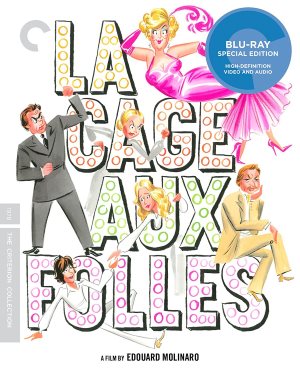
La Cage aux Folles
BUY AT:


See more details, packaging, or compare
Synopsis
Renato (Ugo Tognazzi) and Albin (Michel Serrault)—a middle-aged gay couple who are the manager and star performer at a glitzy drag club in Saint-Tropez—agree to hide their sexual identities, along with their flamboyant personalities and home decor, when the ultraconservative parents of Renato’s son’s fiancée come for a visit. This elegant comic scenario kicks off a wild and warmhearted French farce about the importance of nonconformity and being true to oneself. A breakout art-house smash in America, Edouard Molinaro’s La Cage aux Folles inspired a major Broadway musical and the blockbuster remake The Birdcage. But with its hilarious performances and ahead-of-its-time social message, there’s nothing like the audacious, dazzling original movie.
Picture 8/10
The Criterion Collection presents Edouard Molinaro’s La Cage aux Folles on Blu-ray in its original aspect ratio of about 1.66:1 on a dual-layer disc. The new high-definition transfer is presented in 1080p/24hz.
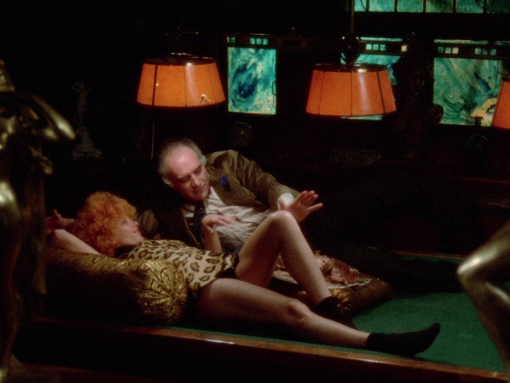
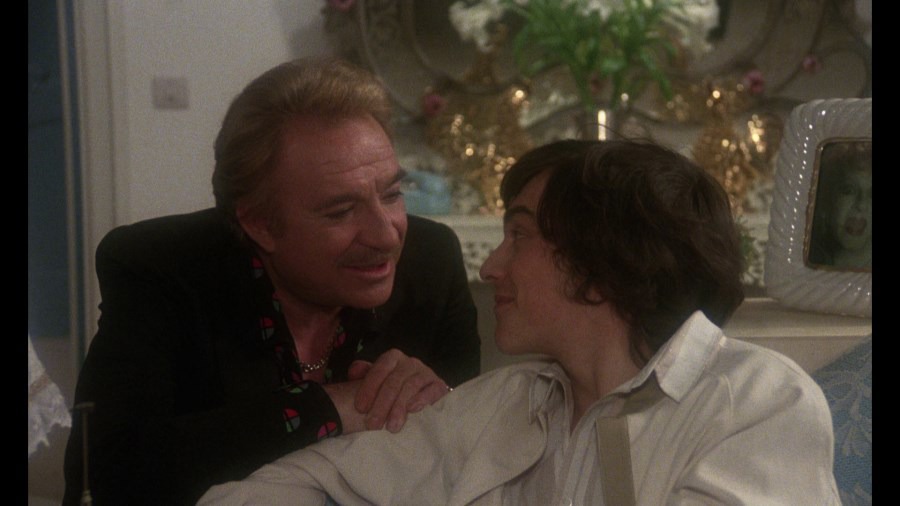
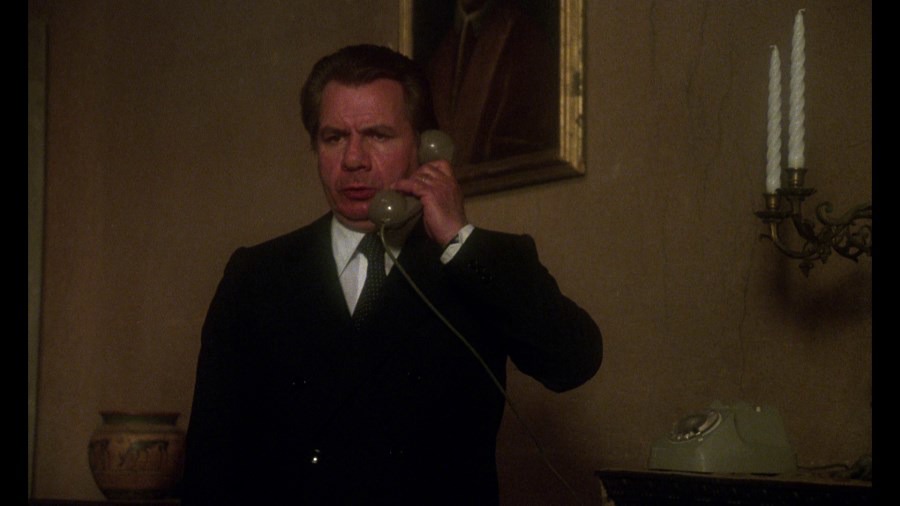
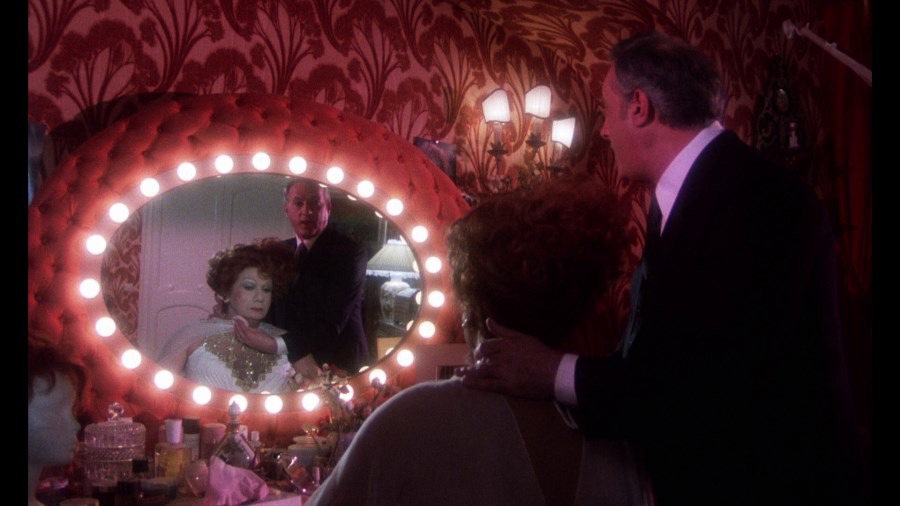
Though generally pleasing the film looks like it’s a product of the 70s, specifically in the night club sequences. These sequences are foggy and dimly lit, obscuring details and creating a largely hazy image in turn. This is ultimately an issue with the source materials and shooting conditions, not an issue with the transfer.
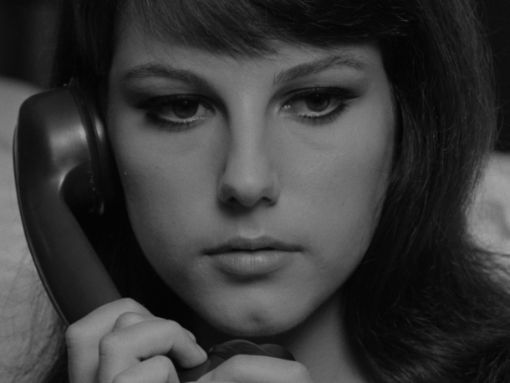
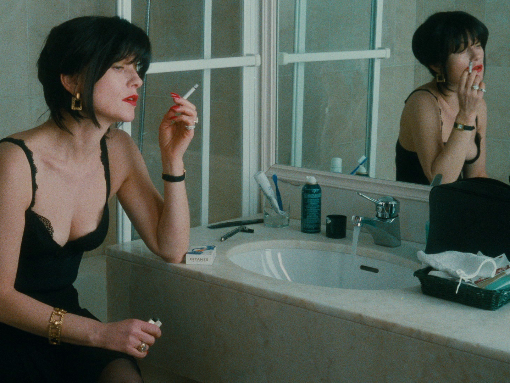
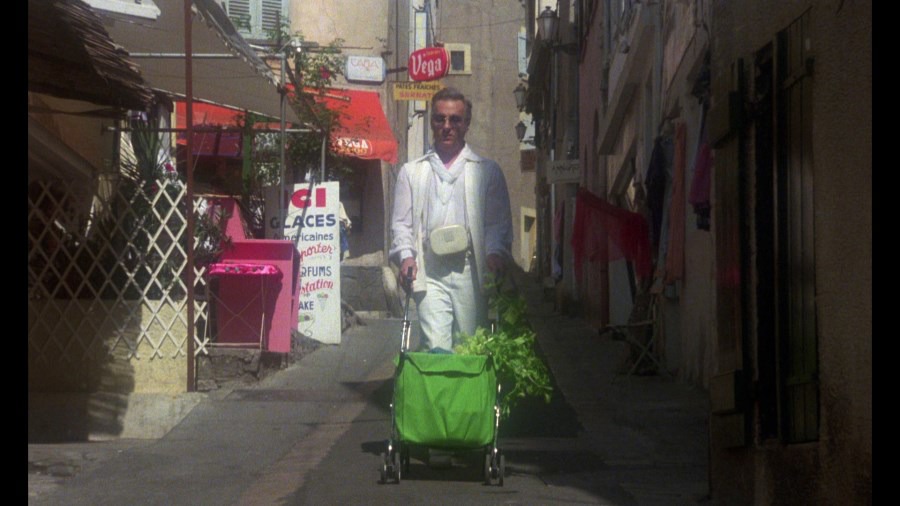
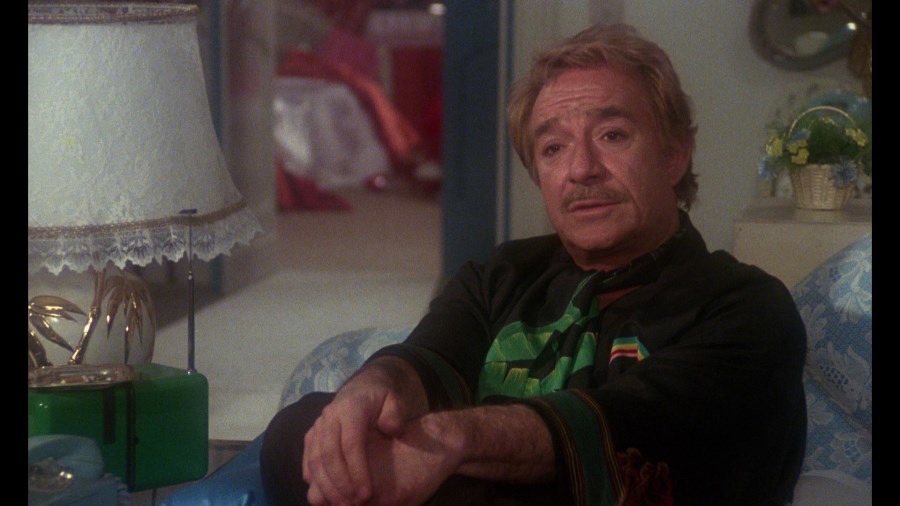
The high-definition digital transfer itself is extremely strong: it’s stable, cleanly renders film grain, lacks any noticeable artifacts, and appears to produce colours and black levels accurately. Also, during better looking moments, where it doesn’t appear a soft focus is being used, fine details show through distinctly.
I don’t recall a single blemish worth mentioning, and in general the restoration work has been very thorough. Short of some stylistic choices and being a product of its time, Criterion’s presentation is still very impressive.
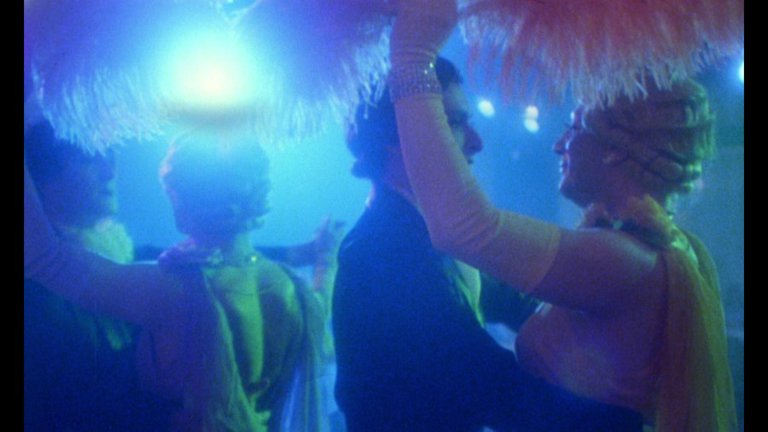
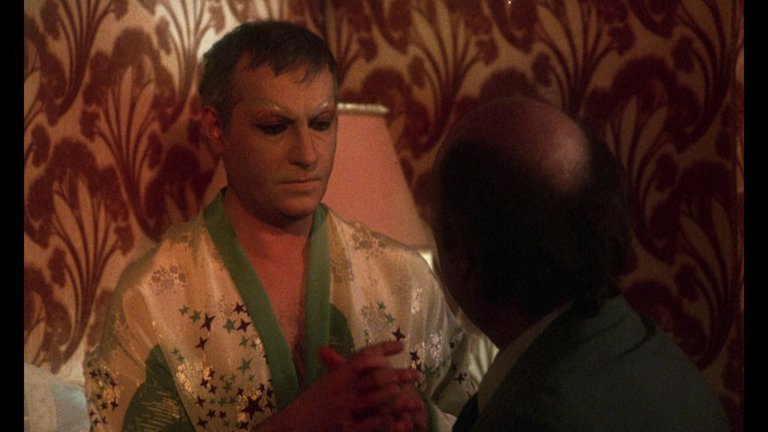
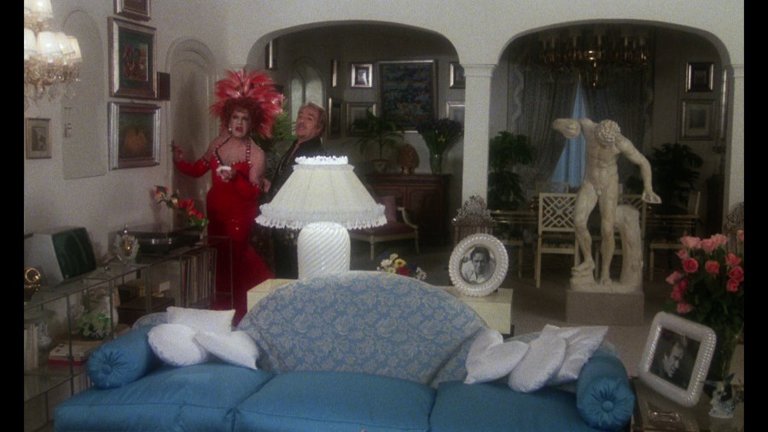
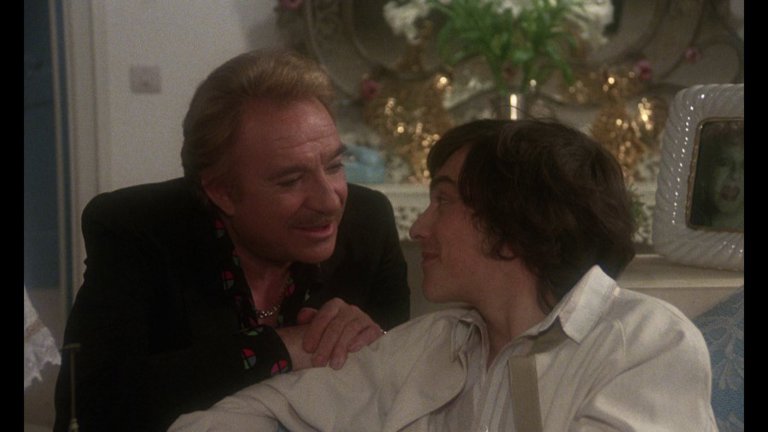
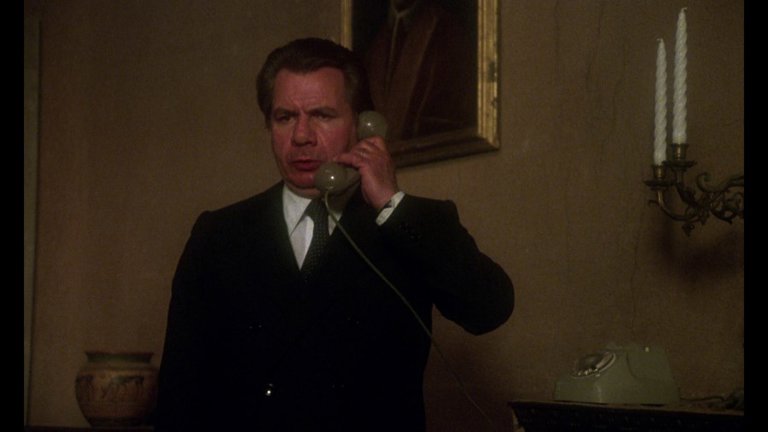
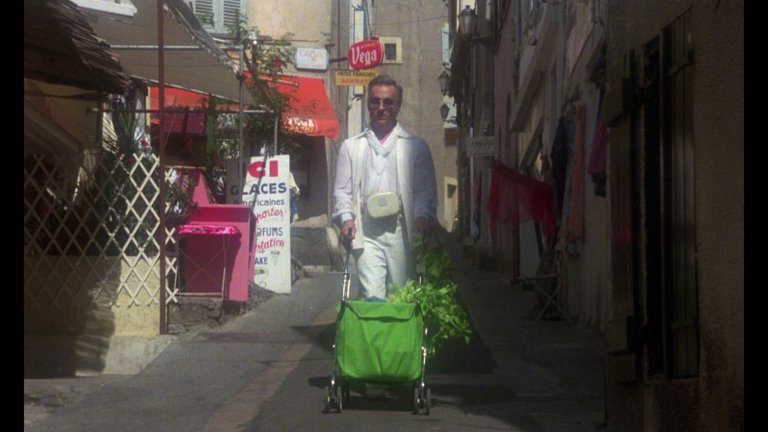
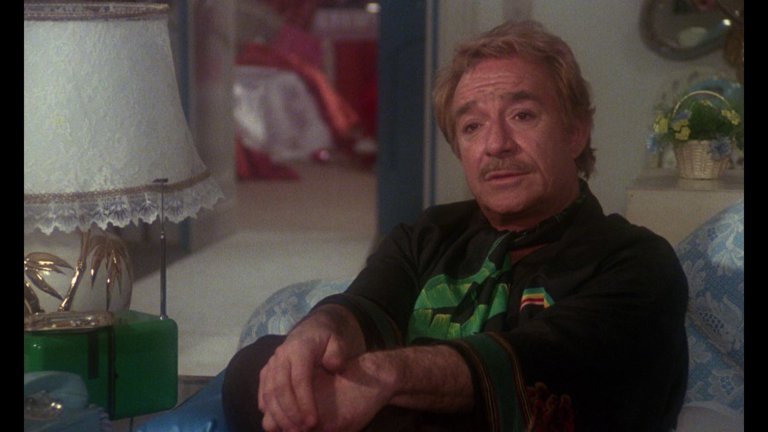
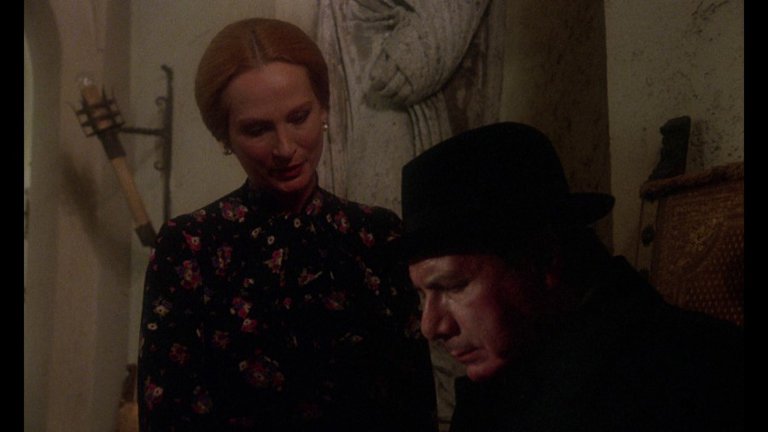
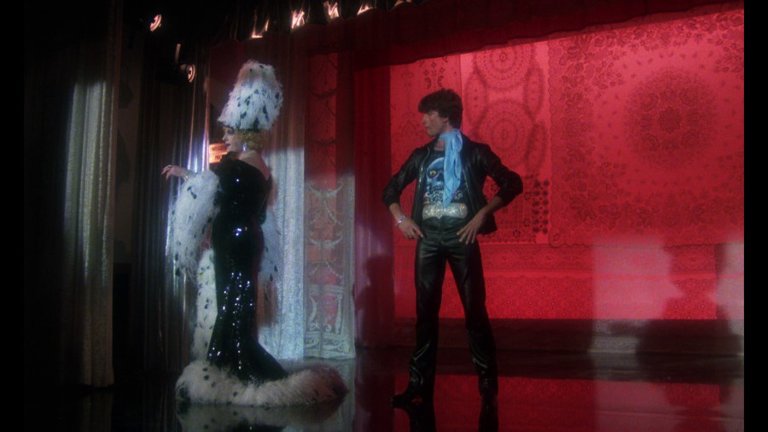
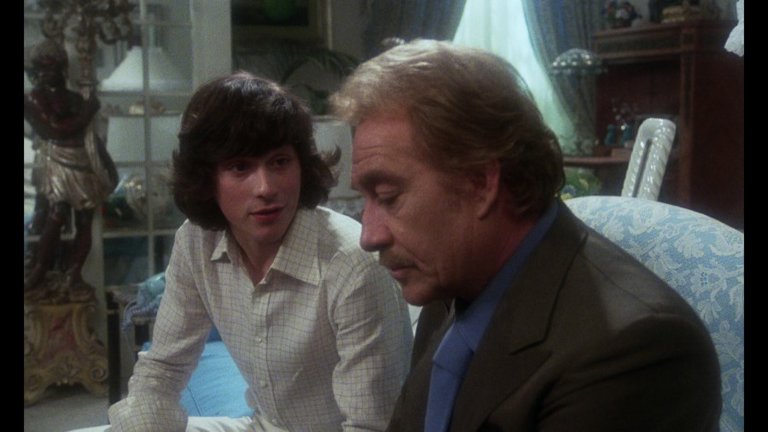
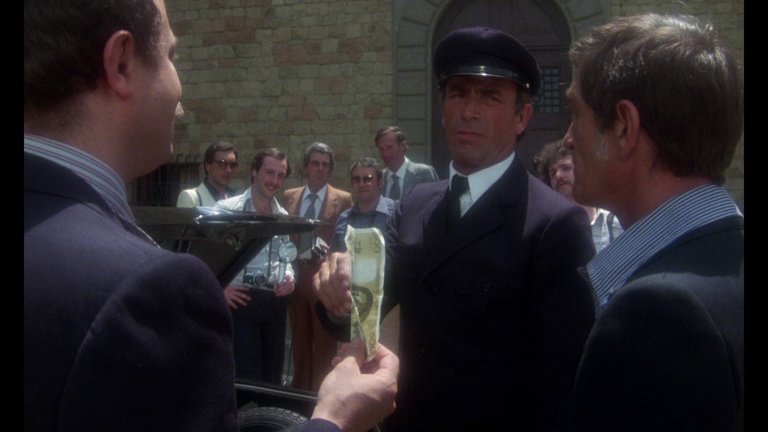
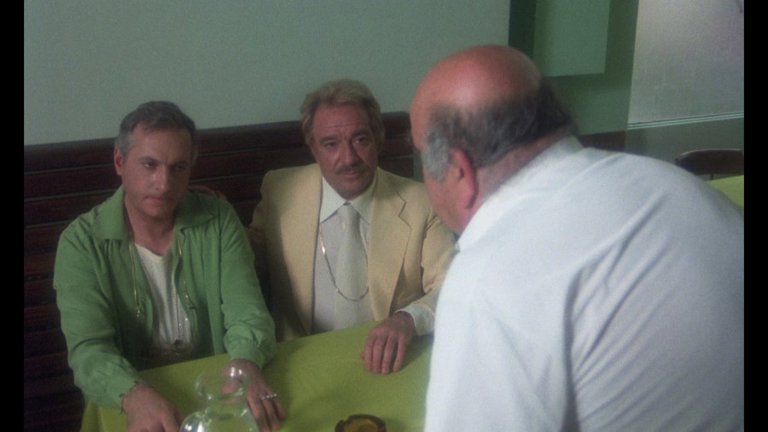
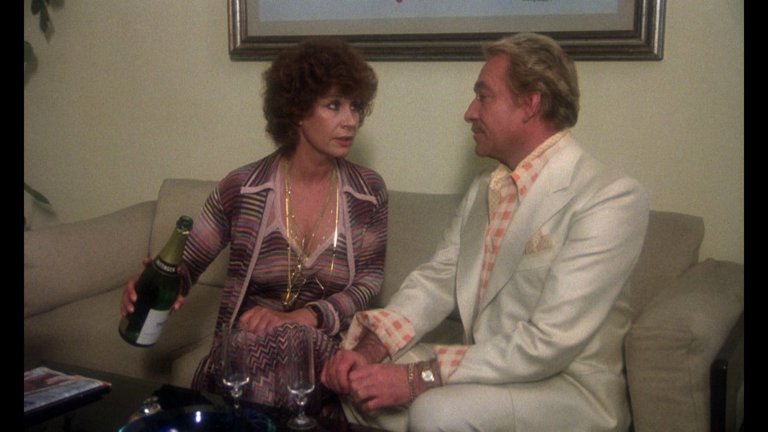
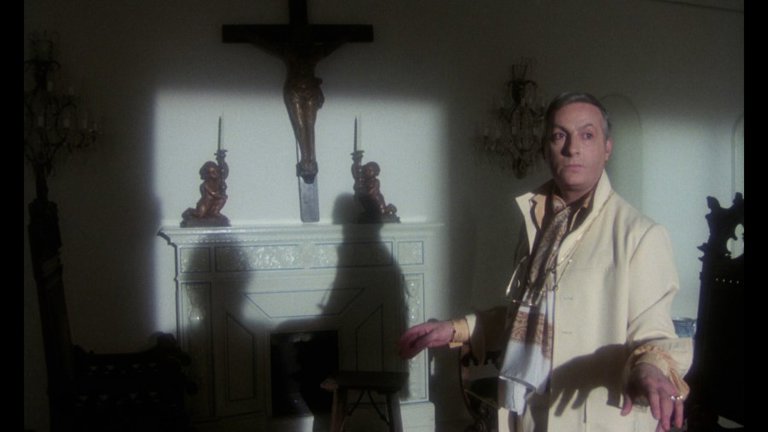
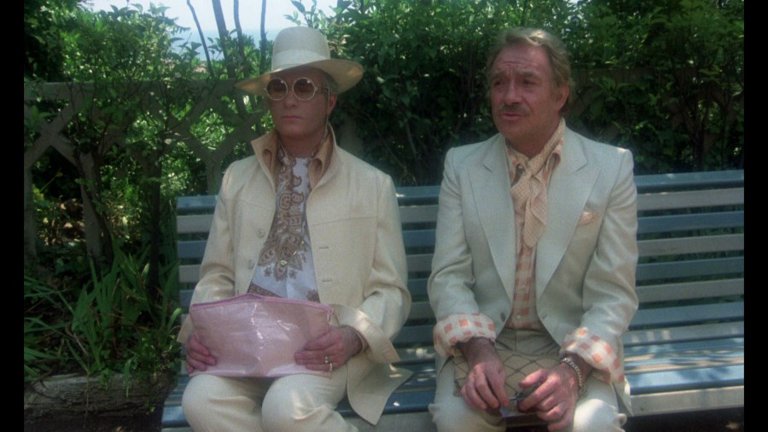
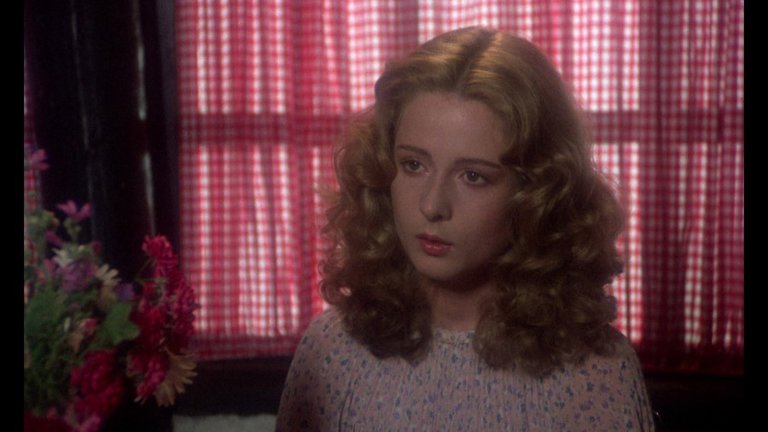
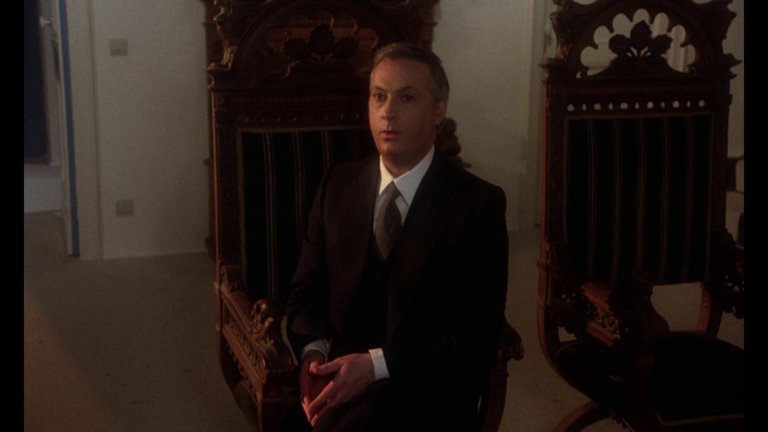
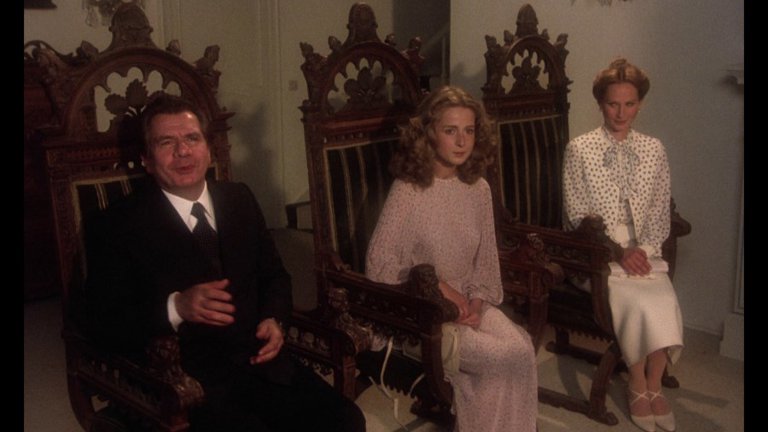
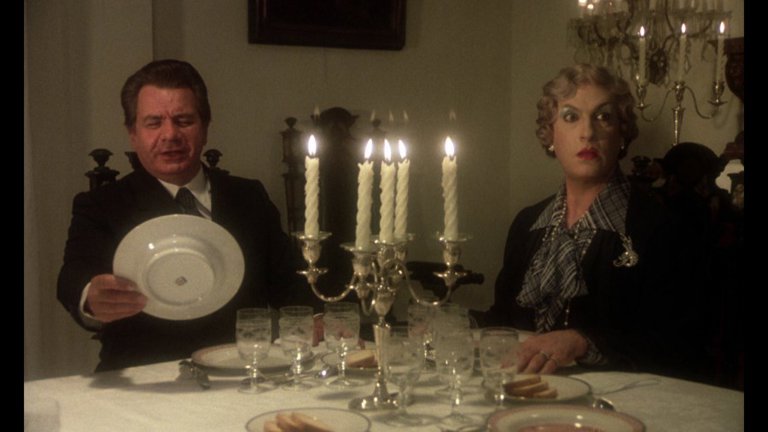
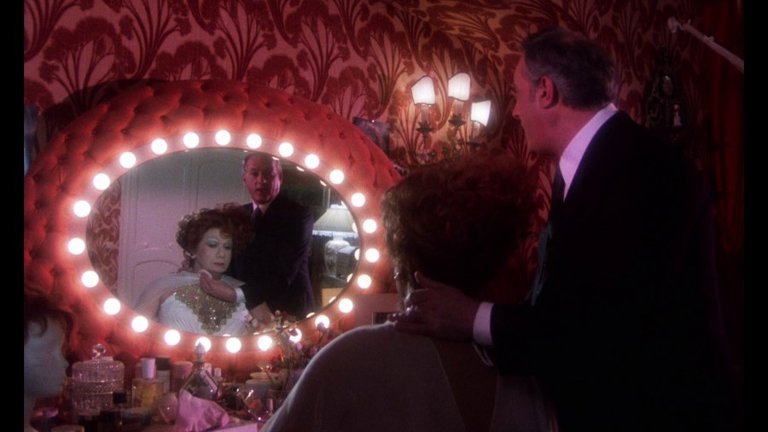
La Cage aux Folles - Screen Captures
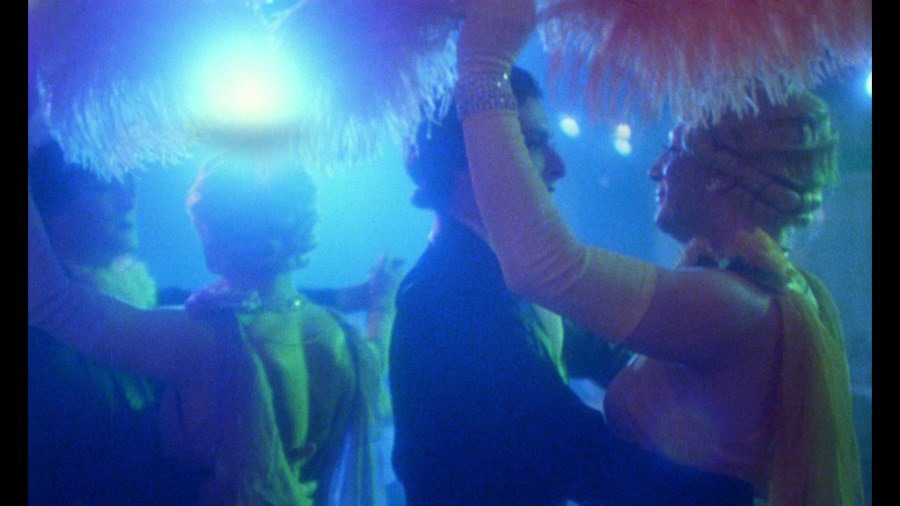
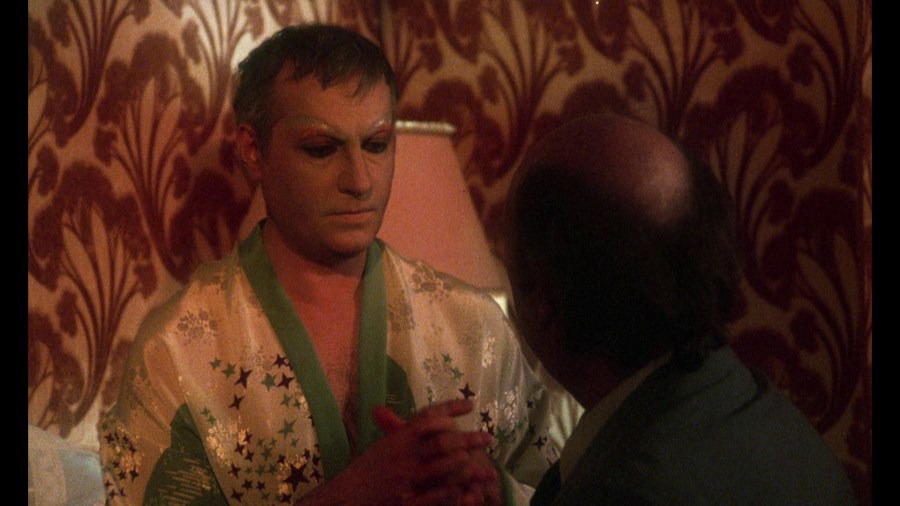
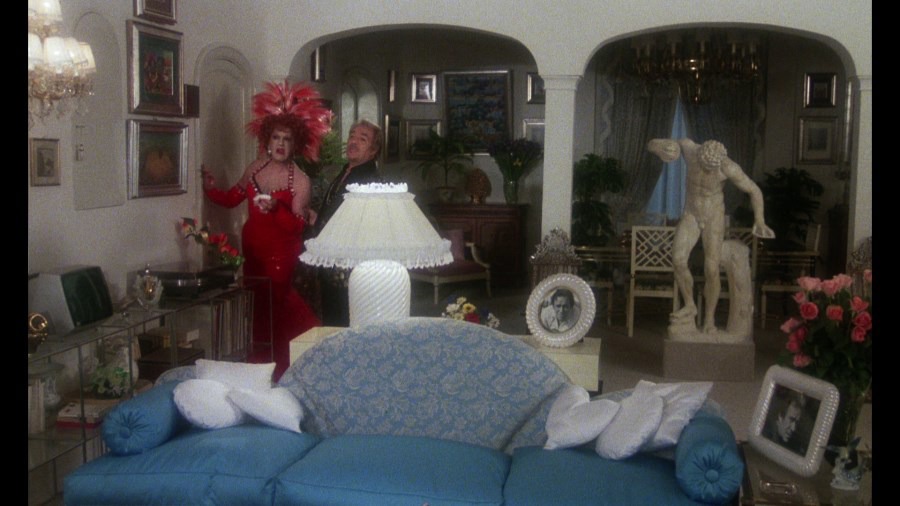
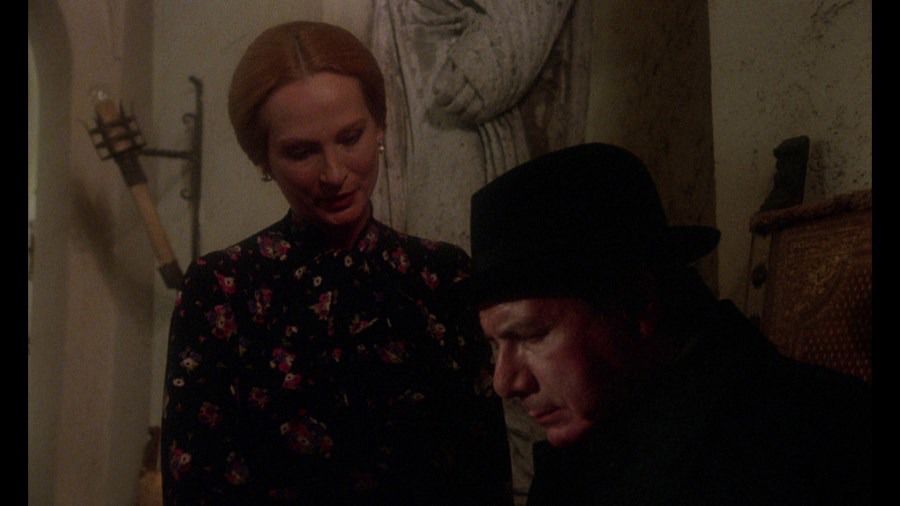
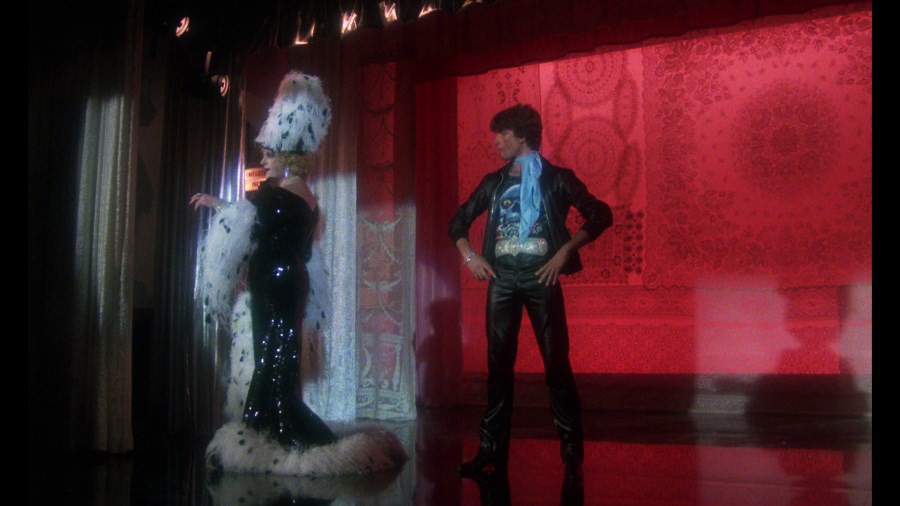
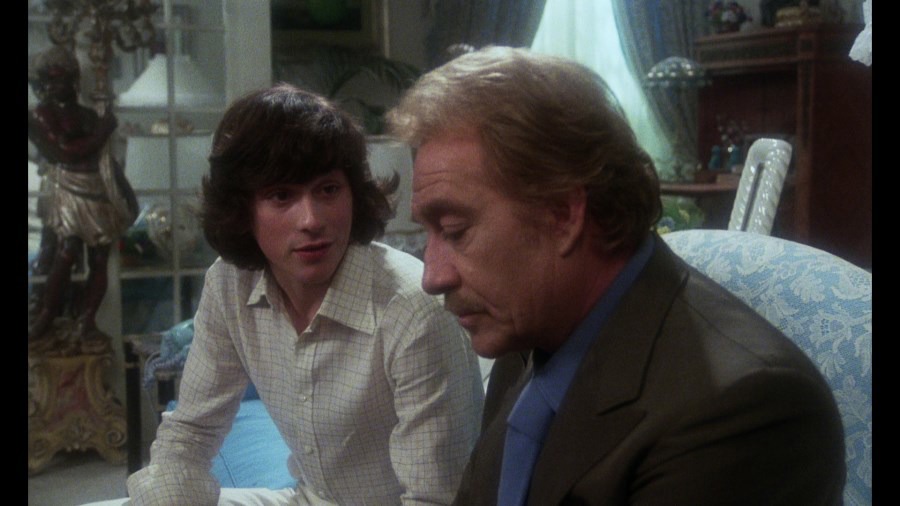
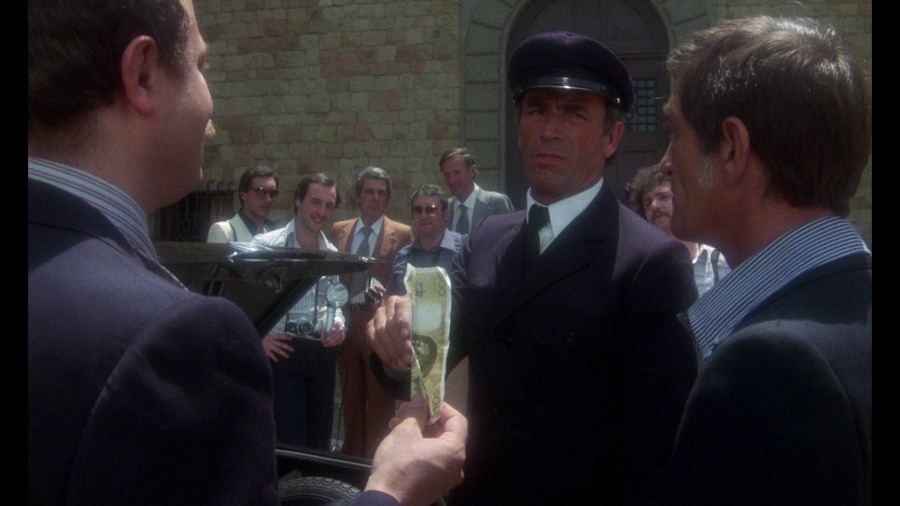
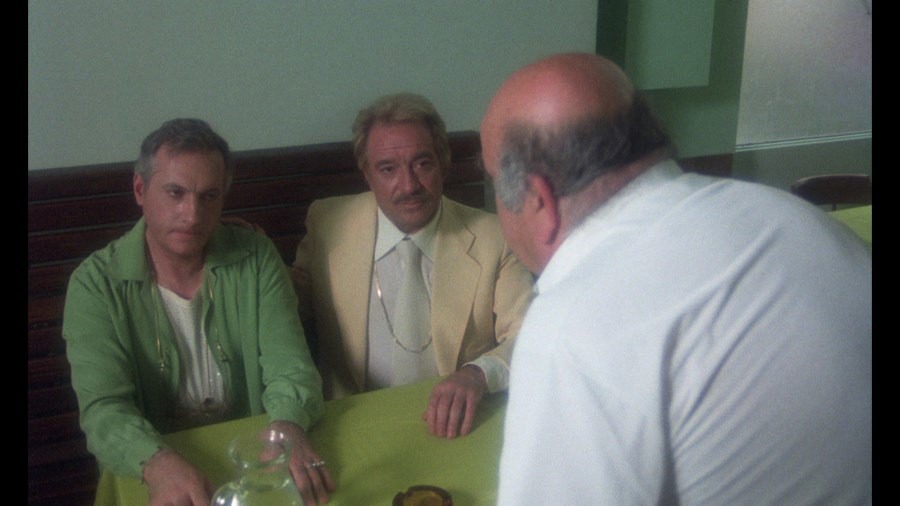
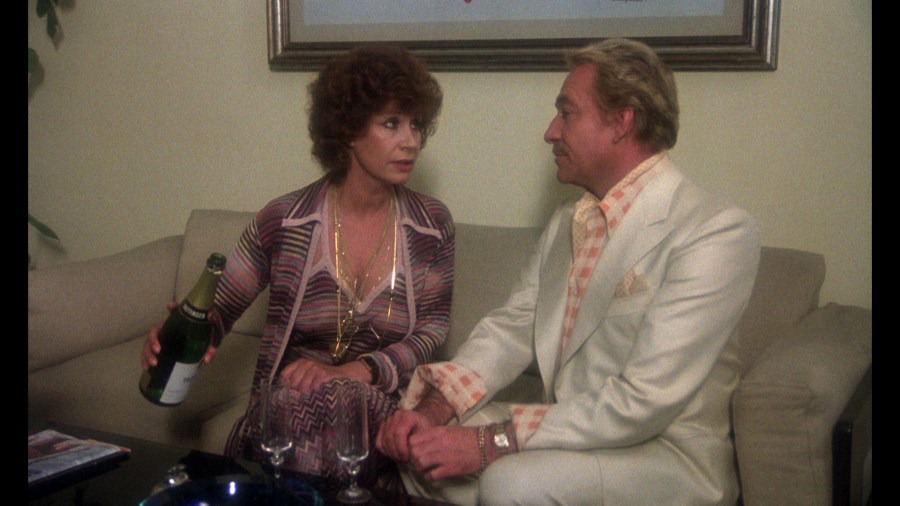
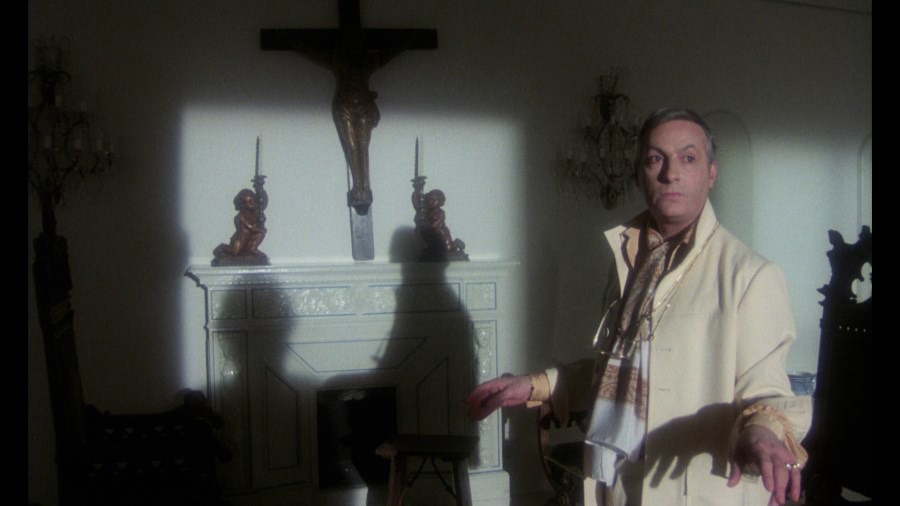
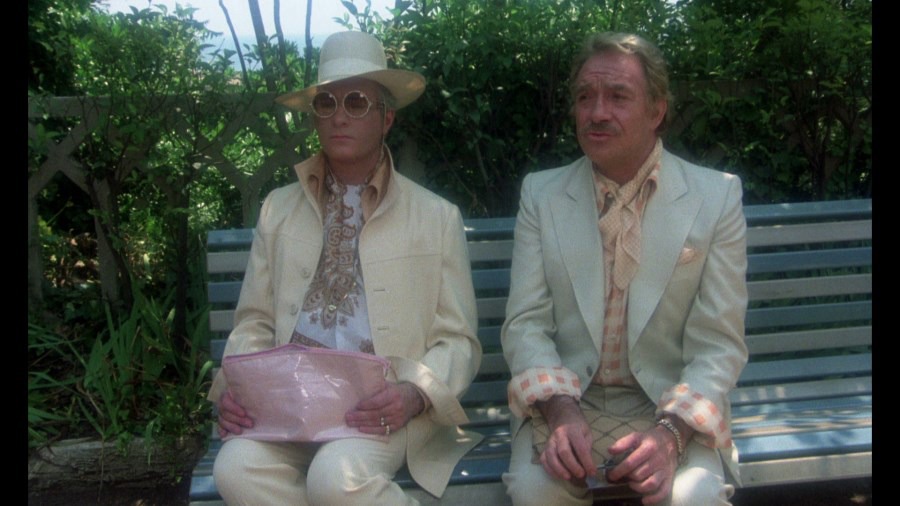
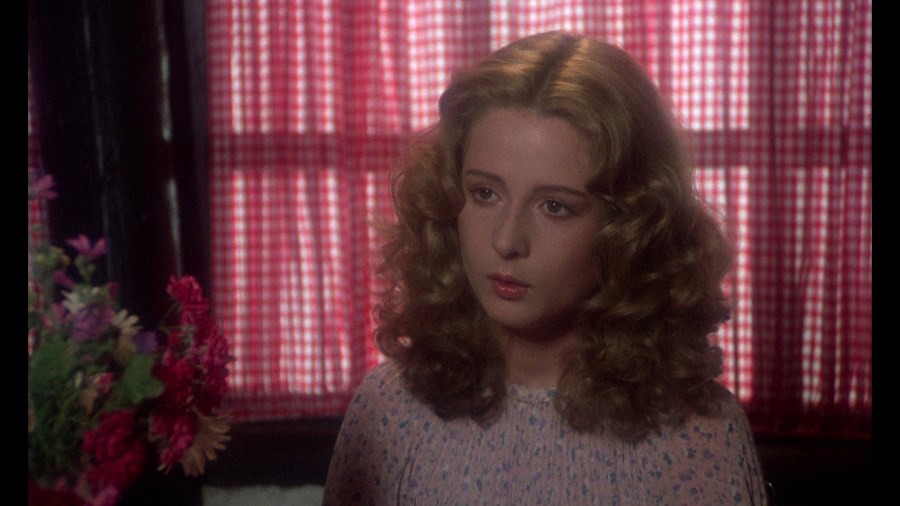
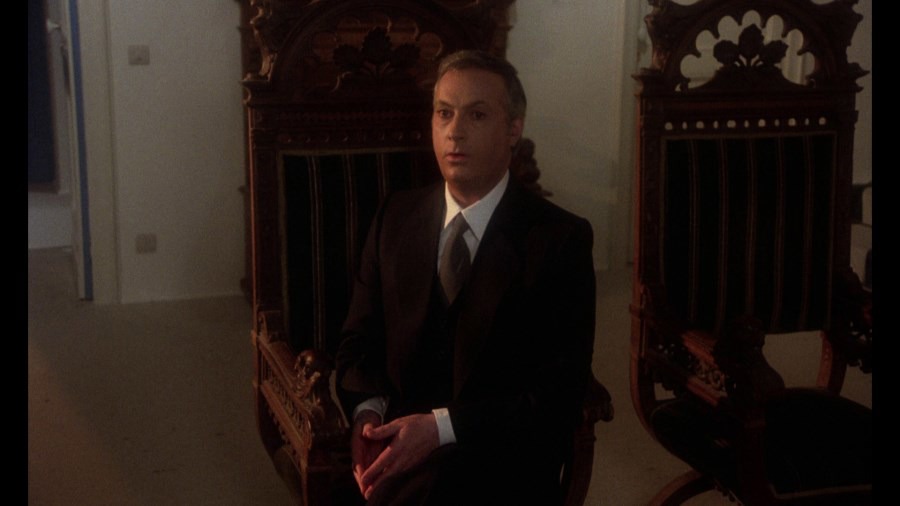
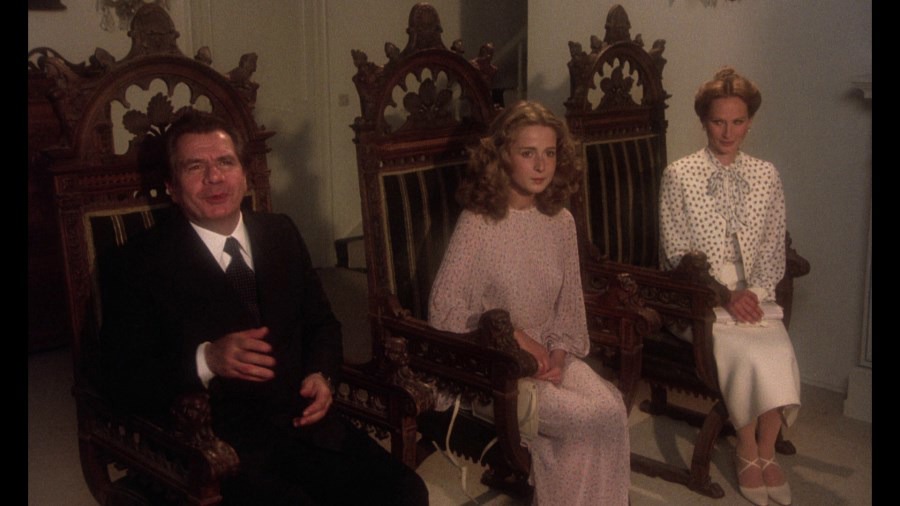
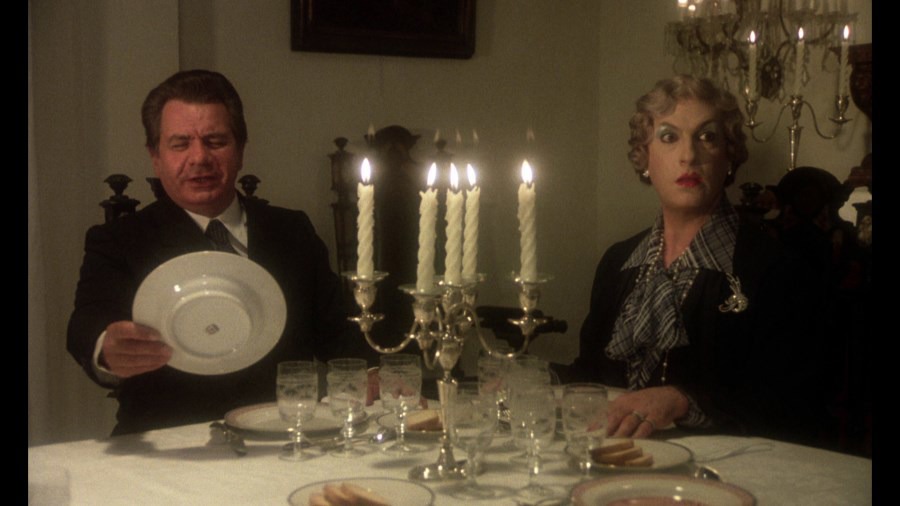
Audio 6/10
A bit flat but Criterion’s lossless PCM 1.0 mono track still manages to handle the film’s fairly energetic audio. Dialogue is a bit hollow and lacks fidelity but Ennio Morricone’s fun score manages to overcome some of the track’s limitations and deliver a more robust and dynamic sound.
Extras 6/10
The supplements are fairly light, which is a disappointment, but there’s still some great, insightful material to be found here.
Director Edouard Molinaro delivers a very frank and honest interview, talking about his early career, where he was “pigeonholed” into doing detective films, and his reasons for doing La Cage aux Folles. Interestingly, while he was involved in the project in one way or another early on, he had no intention to direct it and really didn’t want to. Eventually he became the director but admits he only did it because he felt the film would be a hit and he needed one after a string of failures or he may have never worked again. What’s most interesting about this interview is the fact it appears no one involved was truly excited about it and were all sure the film would be a disaster. I find this surprising as, despite what one’s thoughts on the film may be, the film has a certain energy that suggests all those involved were thrilled with the project and excited to do it. Yet this was not the case. Not only was the director begrudgingly doing the film but both of the film’s stars were hesitant: Ugo Tognazzi , only brought on to help with international box office, hated the script and only did what he was told when it was threatened his pay would be held back, while Michel Serrault, a devout Christian (who also played the role of Albin on stage,) had issues with Molinaro’s desire to make the character more human and relatable (he seemed to only think the character was worth playing as a stereotypical “queen” and didn’t like to think of Albin as an actual person.) Because of this and the farcical nature of the film, Molinaro thought he had a disaster on his hands (and French critics were apparently unfriendly) but he was shocked how well it ultimately did, especially in America where he feels audiences and critics actually understood the social aspects and what he was trying to do a bit better. On top of all of this he also covers the translation to screen, the lighting, Morricone’s score, and more. It’s only shy of 19-minutes but Molinaro packs in a lot and keeps it interesting. It’s a rather fascinating interview.
Criterion then digs up some archival material related to Michel Surrault and Jean Poiret. Poiret was the writer of the play La Cage aux Folles and also played Renato on stage (he was replaced by Tognazzi in the film version.) Here Criterion presents two skits performed by the two on television in 1959: Les antiquaries has the two playing rather colourful antique dealers trying to assist a customer, while Le monsieur qui veut vendre sa voiture is, as the title suggests, about a man trying to sell his car back to the original dealer, more or less. The skits run 11-minutes and 6-minutes respectively. Criterion also includes a 10-minute excerpt from a recording of a 1973 performance of the stage version of La Cage aux Folles, which is the scene where Albin suspects Renato is trying to get rid of him for unsavory reasons.
There’s surprisingly very little about the play and Poiret on this edition, so it was nice to get some material featuring him while also showing the chemistry he and Serrault had, which I’m sure helped lead to the stage play’s success. Though the first skit did little for me the other two pieces are fairly amusing.
Laurence Senelick, author of The Changing Room: Sex, Drag and Theatre, then spends about 23-minutes talking about how drag has played a role throughout the history of theatre, from men playing women in plays for centuries to rock stars in the 70s to, of course, La Cage aux Folles. It’s surprisingly not that insightful a feature and I’m somewhat at a loss as to why it was included. It’s the one feature on here I could give or take.
The disc then closes with two theatrical trailers: the French trailer and then the American one.
Disappointingly there is a real lack of analytical features, with only David Ehrenstein’s essay (found in the included booklet) addressing the importance of the film, primarily in the fact it’s an early film that didn’t judge its homosexual characters and presented them as a family. It also may have been interesting to hear more dissenting opinions, apart from the film’s director who gives the impression he’s still not completely sold on the film.
Unfortunately it’s slim but the director’s comments and the archival footage are strong additions.
Closing
Both the video and sound are a product of the film’s time, but the transfers themselves are both strong and deliver the film as best they can. The supplements are light but there are a few fascinating inclusions on here. It does offer a strong improvement over MGM's previous DVD edition but it's still not the most spectacular of releases.
BUY AT: