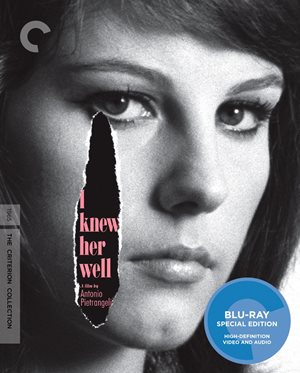
I Knew Her Well
BUY AT:


See more details, packaging, or compare
Synopsis
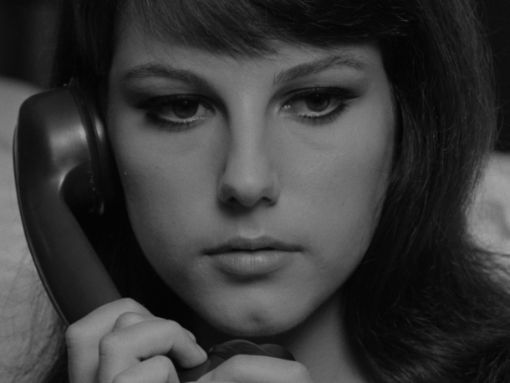
This prismatic portrait of the days and nights of a party girl in sixties Rome is a revelation. On the surface, I Knew Her Well, directed by Antonio Pietrangeli, plays like an inversion of La dolce vita with a woman at its center, following the gorgeous, seemingly liberated Adriana (Stefania Sandrelli) as she dallies with a wide variety of men, attends parties, goes to modeling gigs, and circulates among the rich and famous. But despite its often light tone, the film ultimately becomes a stealth portrait of a suffocating culture that dehumanizes people, especially women. A character study that never strays from its complicated central figure, while keeping us at an emotional remove, I Knew Her Well is one of the most overlooked films of the sixties, by turns funny, tragic, and altogether jaw-dropping.
Picture 8/10
Antonio Pietrangeli’s I Knew Her Well makes its North American home video debut through Criterion, who present it on Blu-ray in its original aspect ratio of about 1.85:1. The new 1080p/24hz high-definition presentation comes from a new 4K scan of the original negative and a fine-grain master positive.
There are a couple of shifts in quality scattered about but on the whole I was very impressed with what we get. The restoration work has been especially thorough here, wiping out just about every blemish. Other than the opening credit sequence and a handful of scenes scattered about the image is very sharp and fine object details are clearly rendered. Film grain is fine but present, and it’s nicely managed so that it remains looking natural throughout; no artifacts or compression issues are noticeable. Contrast might be boosted a bit but gray levels are still decent and blacks are fairly rich without details getting washed out.
In all, despite a few tiny issues, it’s a sharp looking presentation, and another nice little surprise.
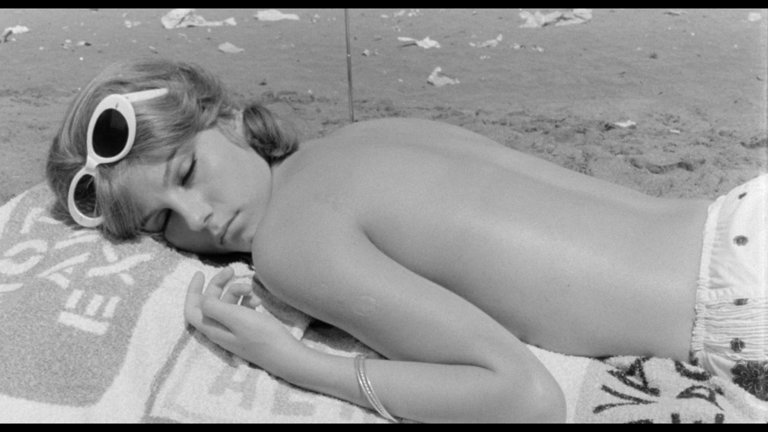
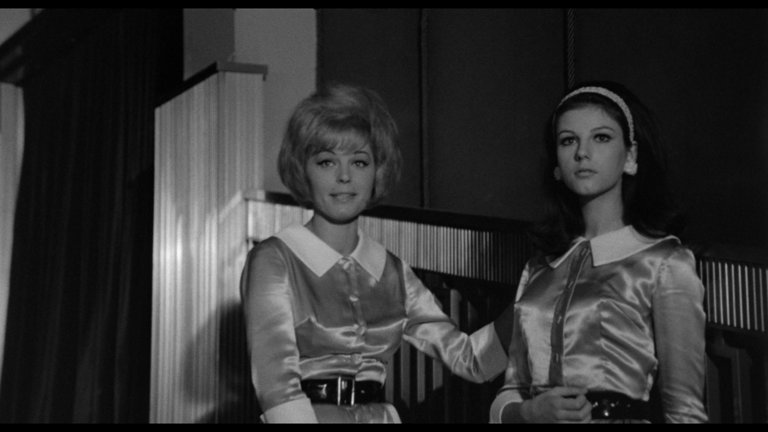
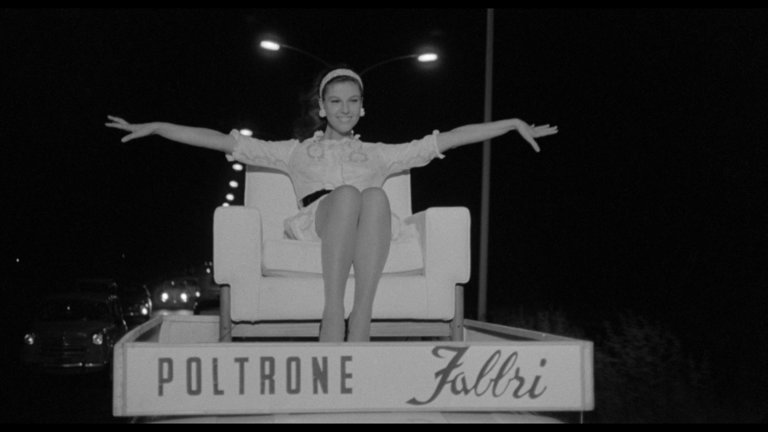
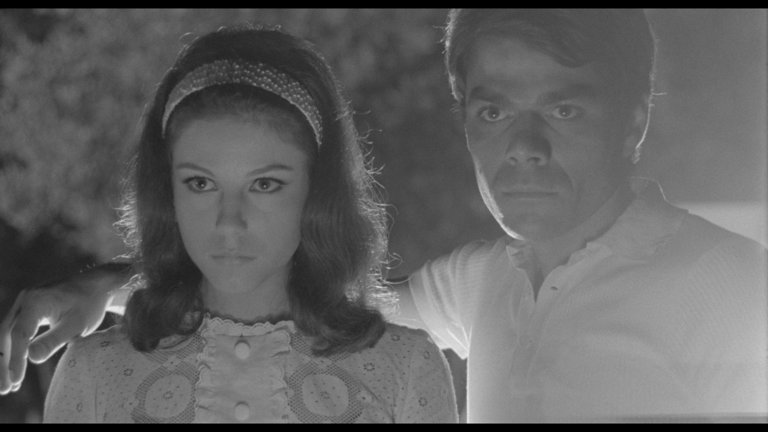
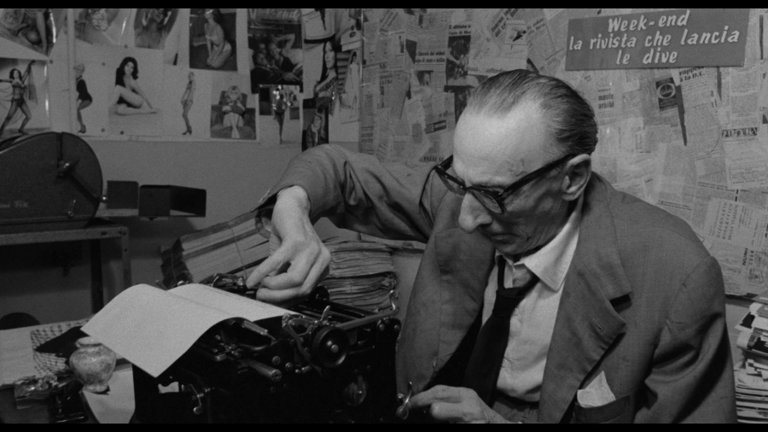
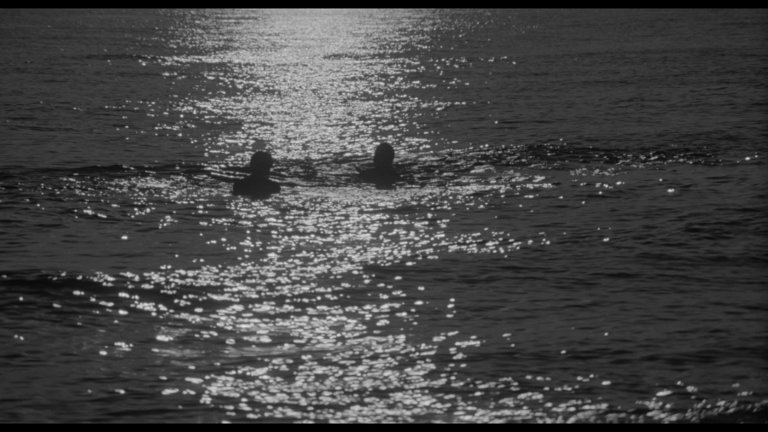
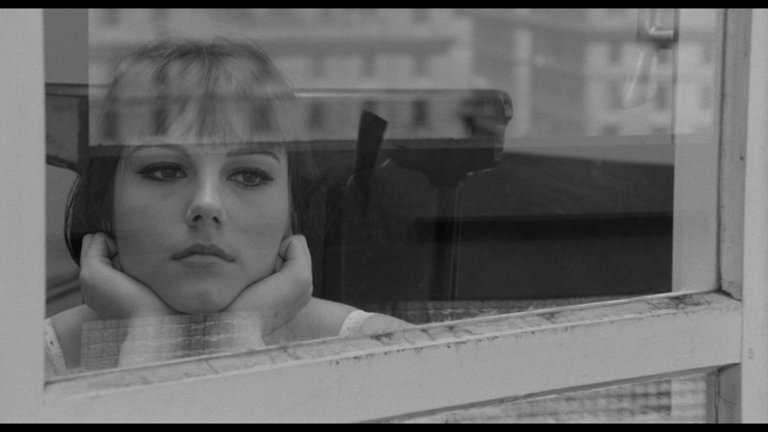
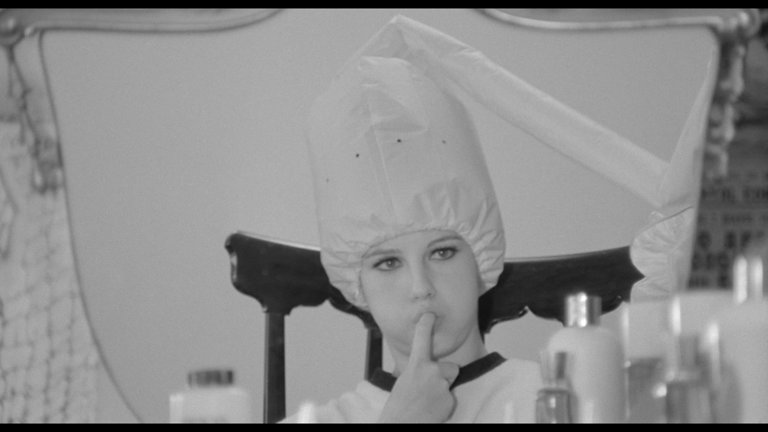
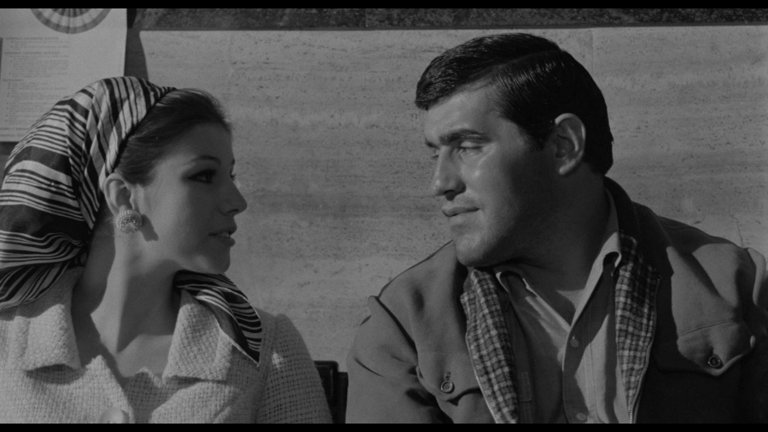
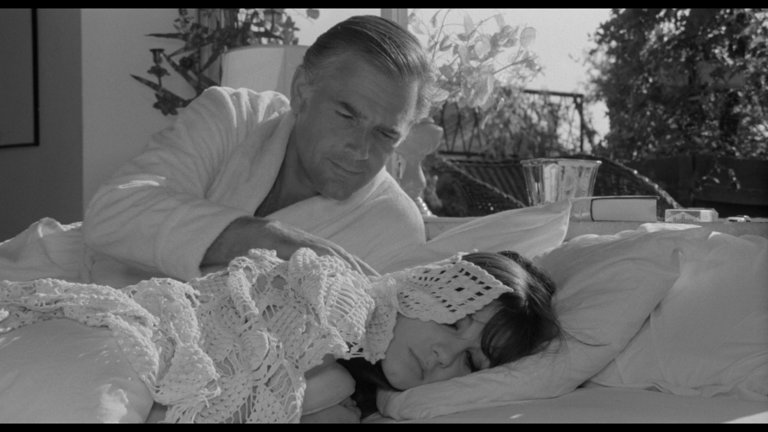
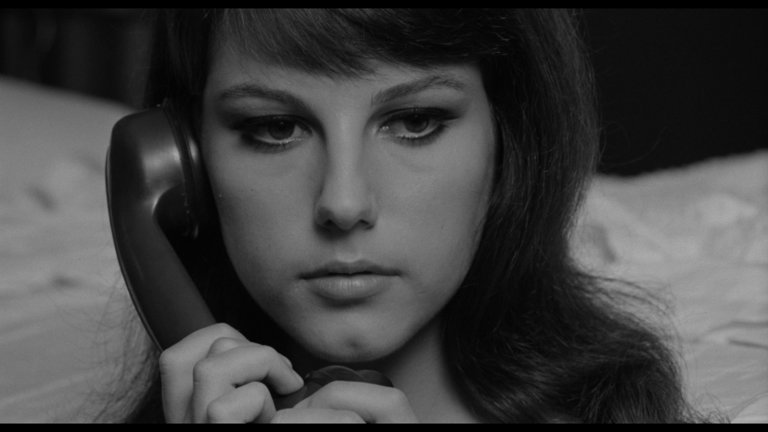
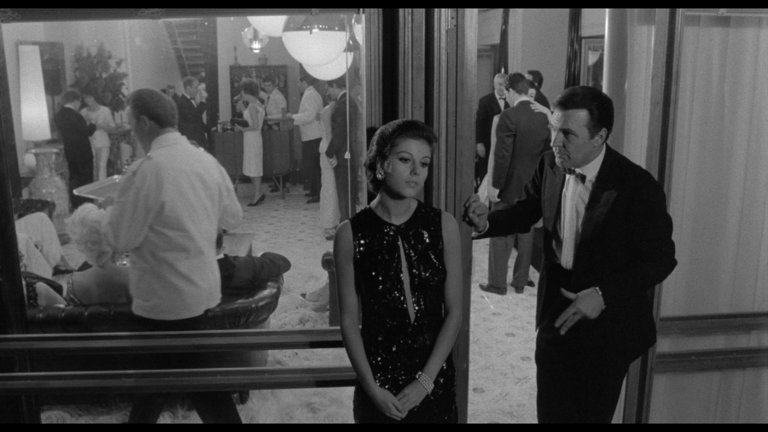
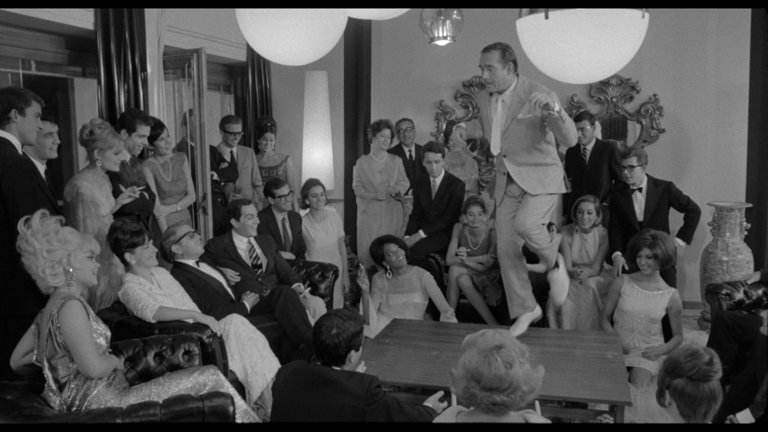
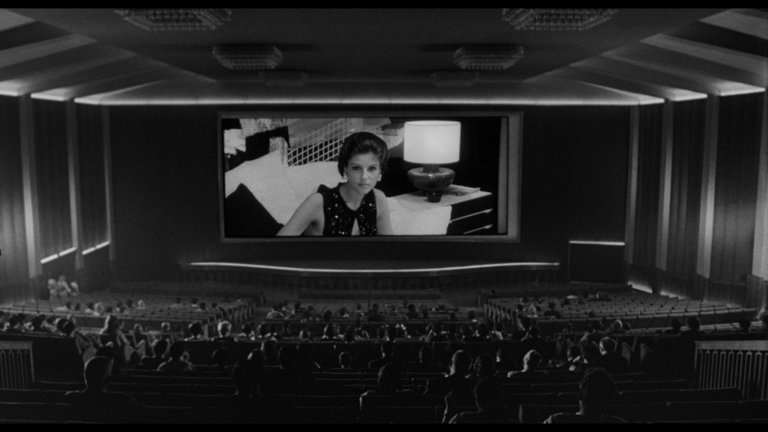
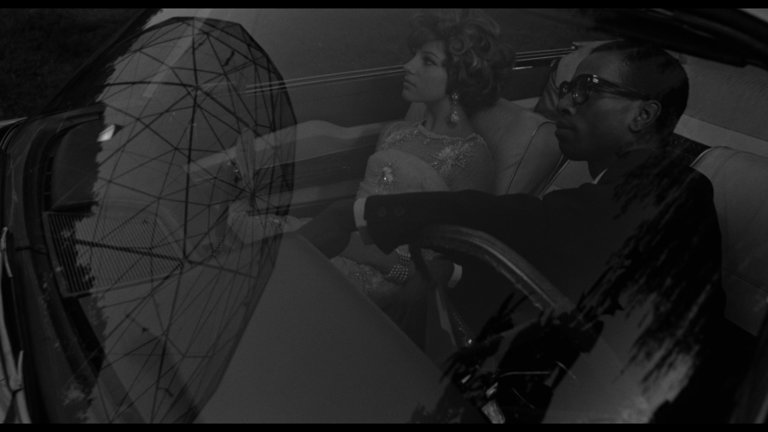
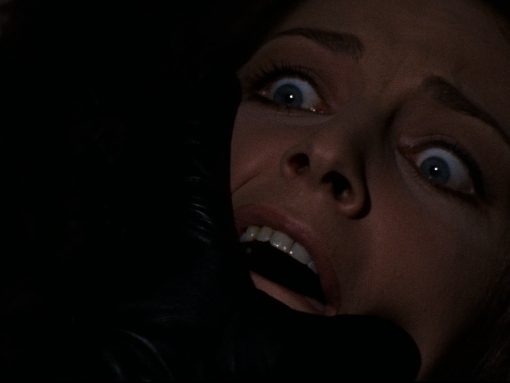
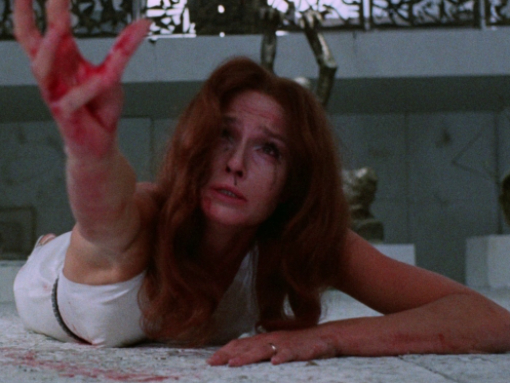
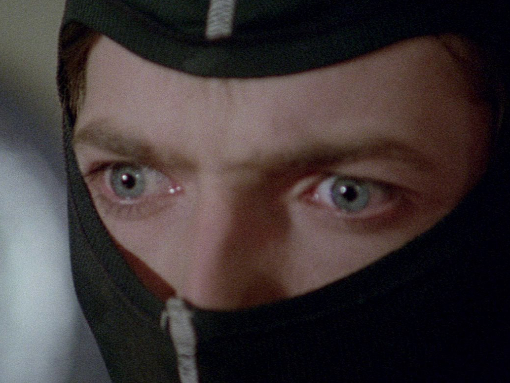
I Knew Her Well - Screen Captures
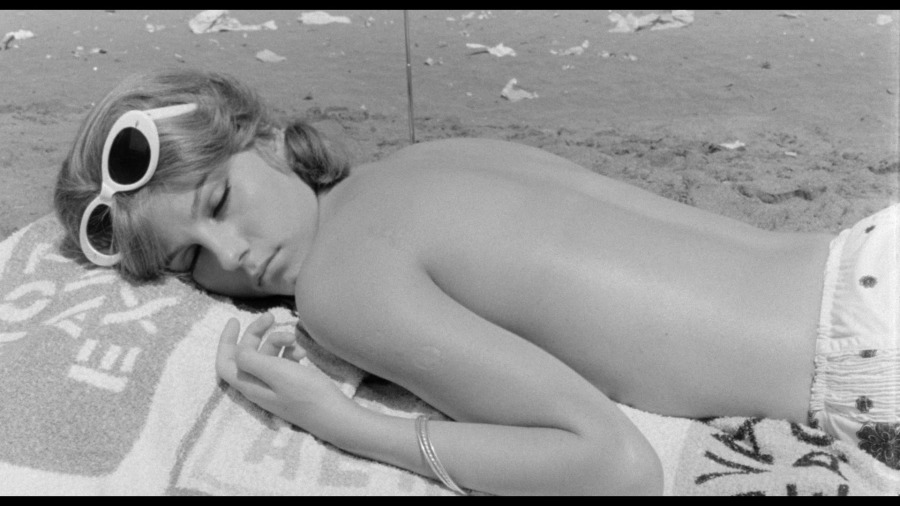
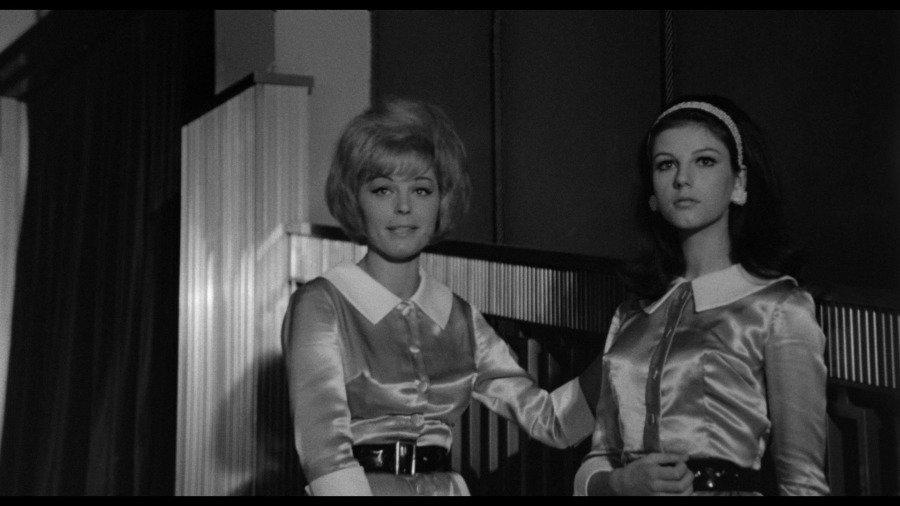
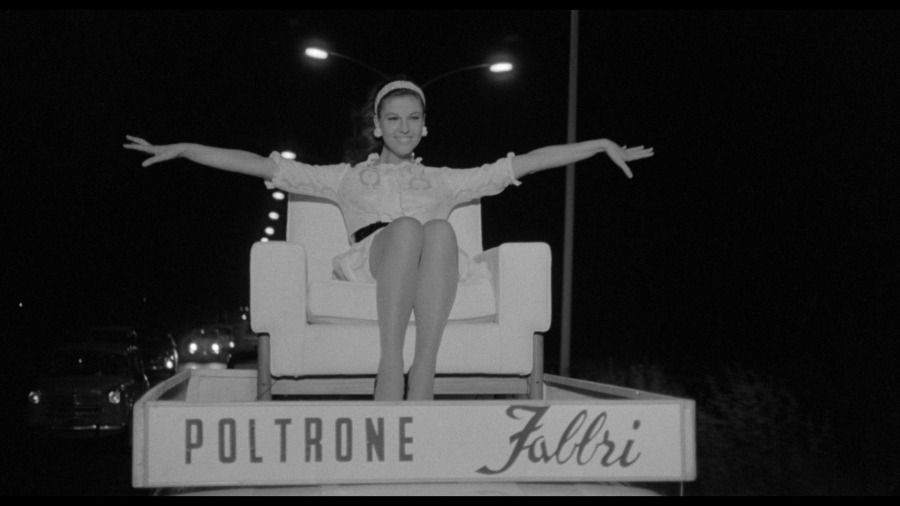
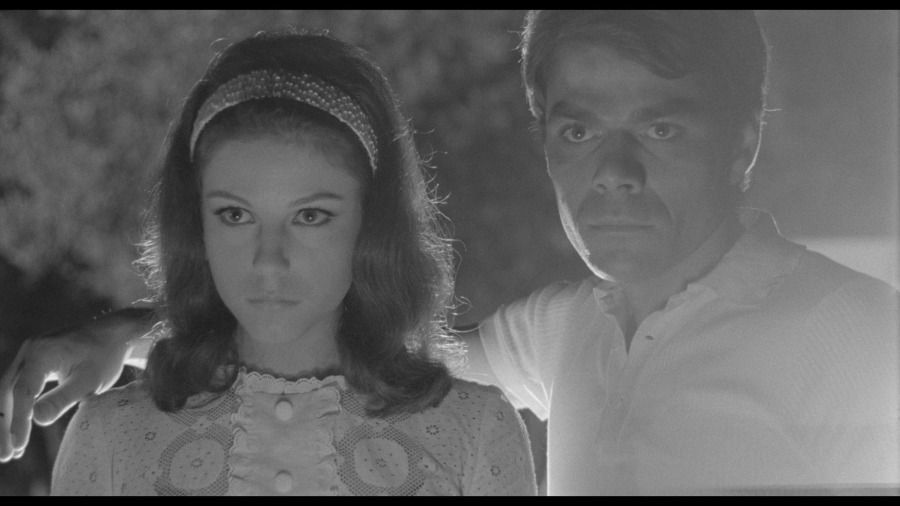
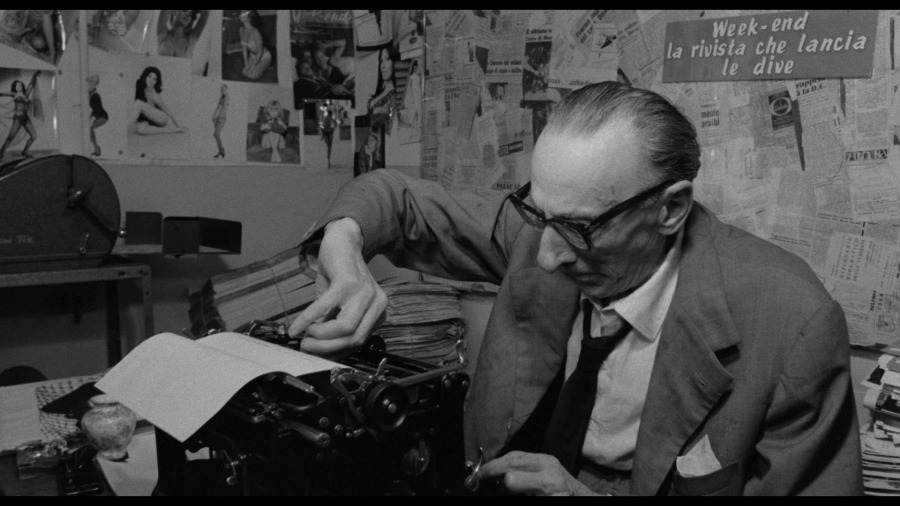
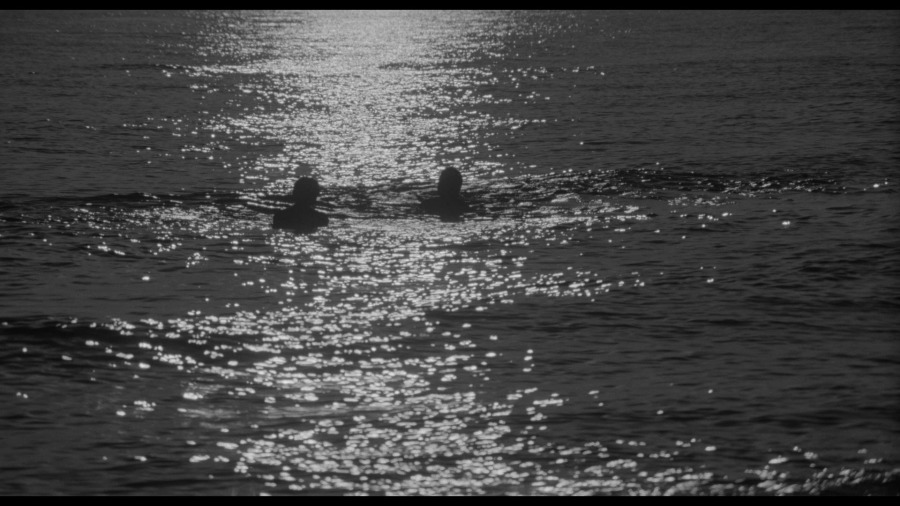
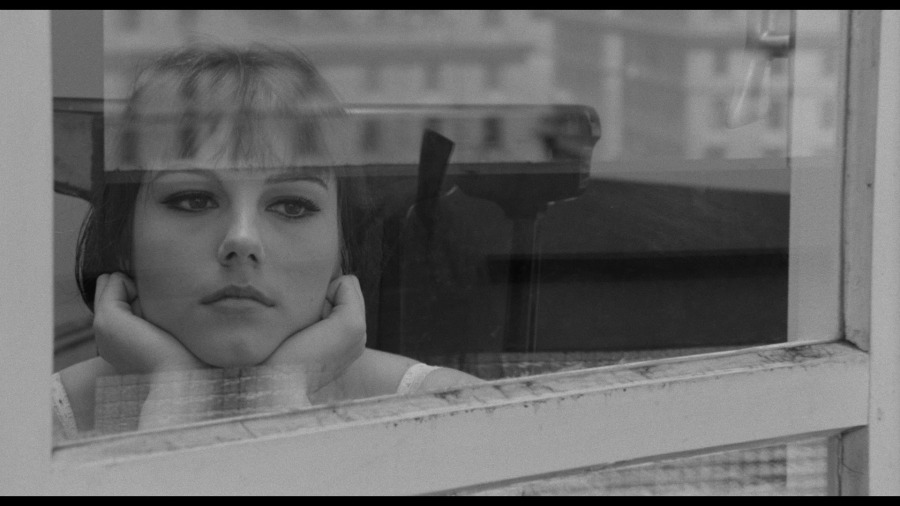
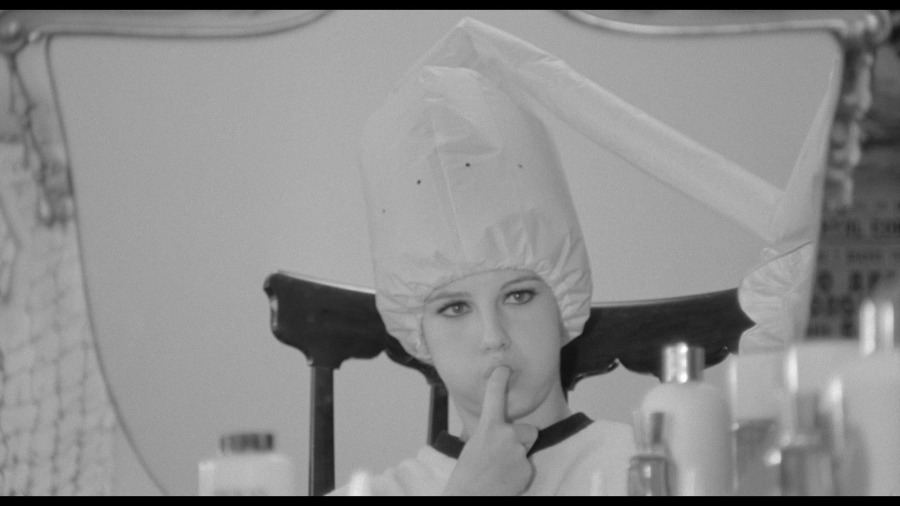
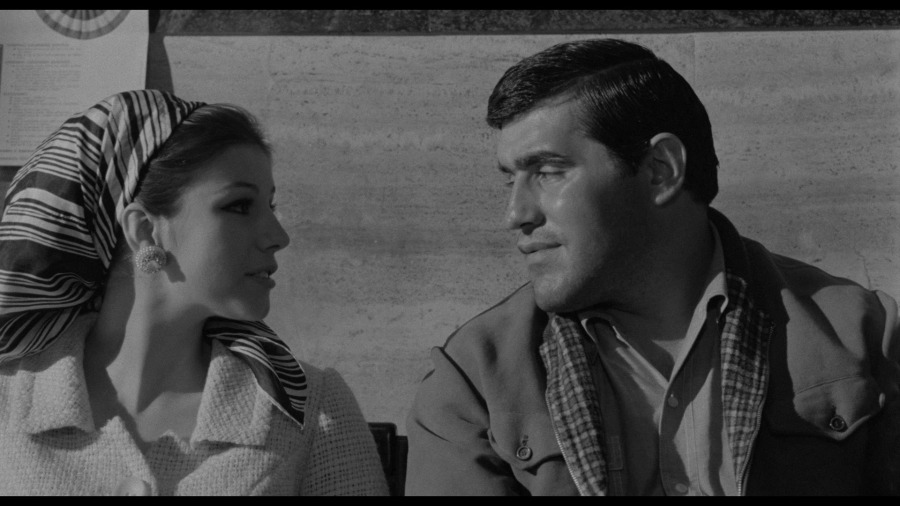
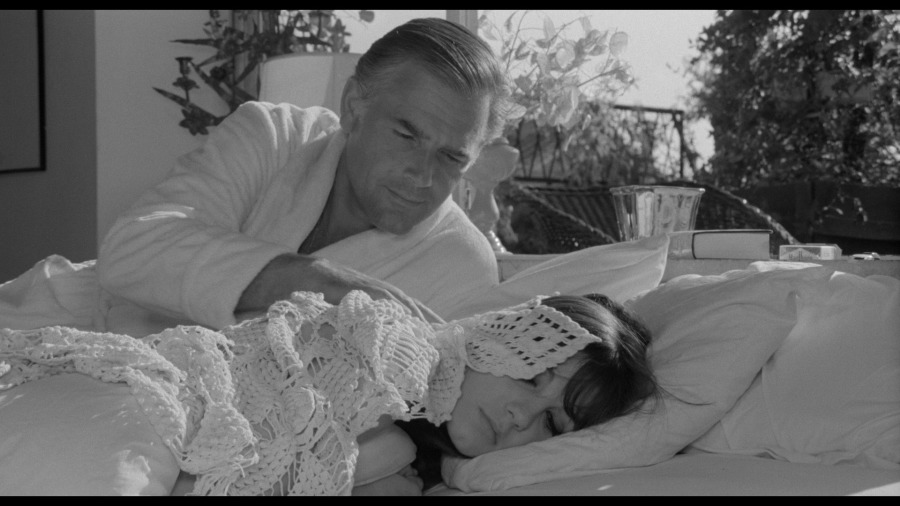
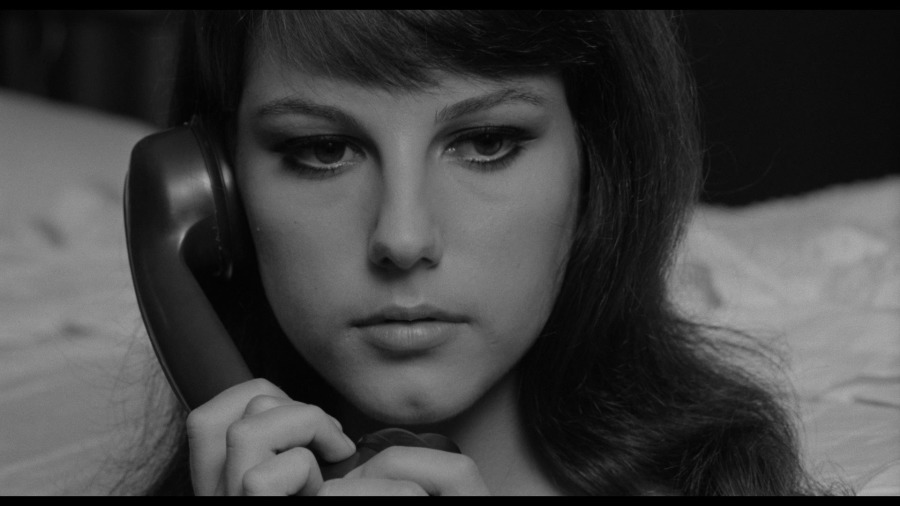
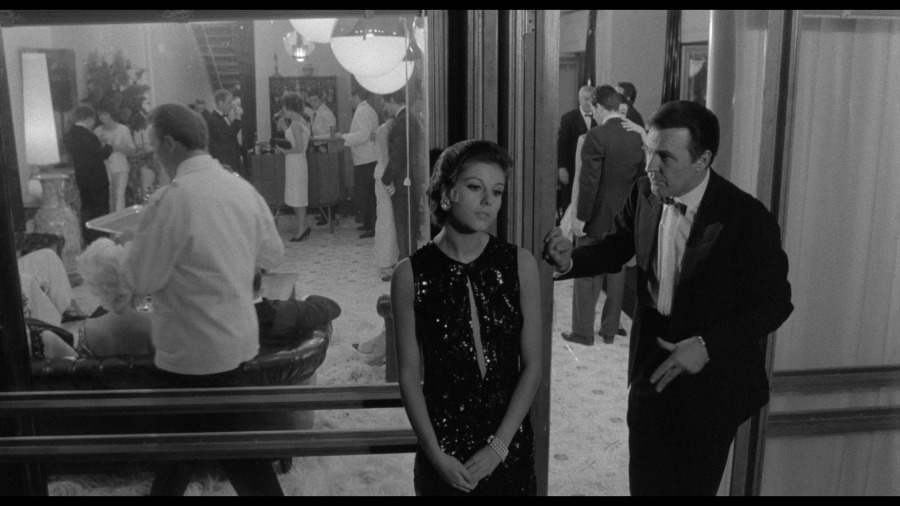
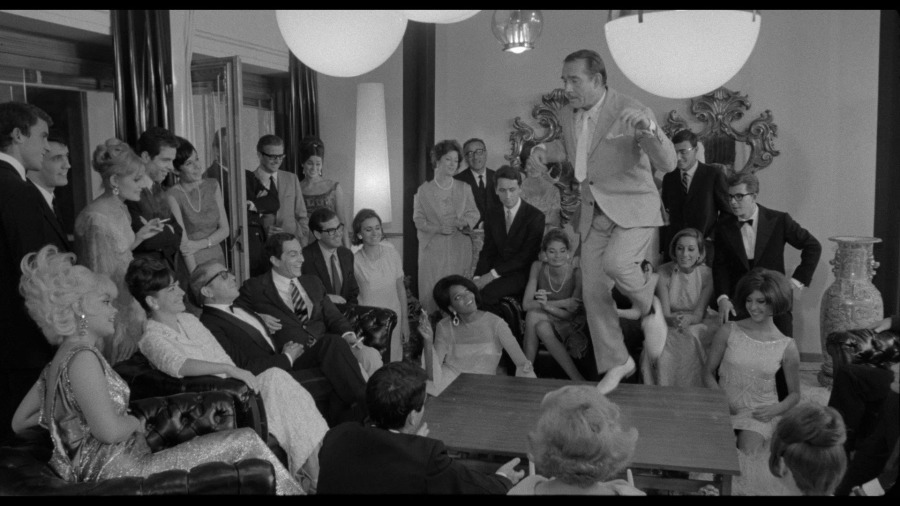
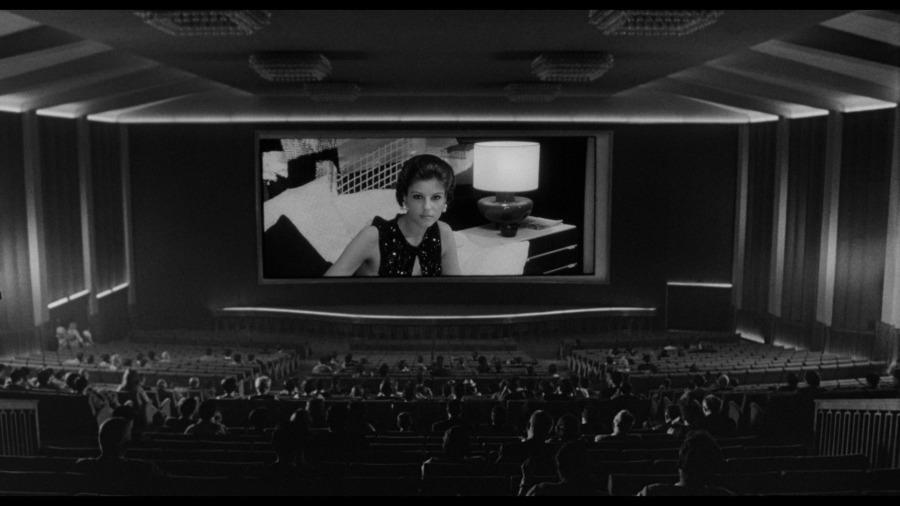
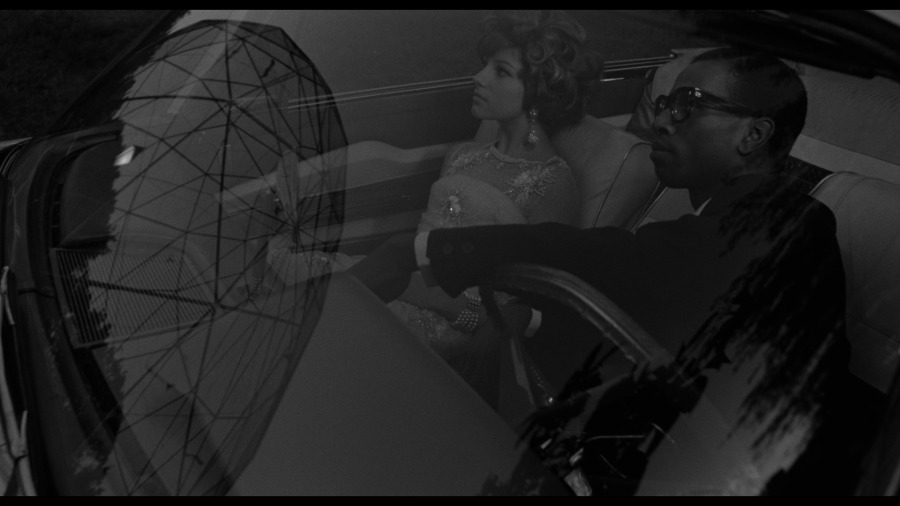
Audio 6/10
The film’s Italian soundtrack is presented here in lossless PCM 1.0 mono. It’s still a product of its age, sounding a bit flat and tinny, but the restoration work has also been thorough here and I didn’t notice any glaring problems.
(At around the 1:21:00 mark I noticed what might be a subtitle error when someone is translated as saying “He finally he told her” which I’m guessing should have been maybe something like “He finally then told her” but I am unsure. It was the only possible error that popped out at me.)
Extras 3/10
The supplements are a bit disappointing here. The only significant features here are two interviews: one with actress Stefania Sandrelli and another with film scholar Luca Barattoni, which run 9-minutes and 22-minutes respectively. Barattoni’s contribution actually disappointed me a bit since we don’t get a lot about Pietrangeli and this feature seems to be here to give a bit of introduction to him and his work. Barattoni is a great admirer of the filmmaker, ranking him up there with the other Italian masters like Fellini, Pasolini, and Antonioni, but this analysis of his work and how he presented women in his films felt awfully superficial and light on content. He also makes comparisons between this film and La Dolce Vita but again even these feel somewhat superficial since the commonalities between the two films really comes down to the episodic nature, the party scene, and their respective characters wandering around a modern Rome. But in all fairness, all told, this release seems to be really trying to push the link to Fellini’s classic since the back blurb on the package mentions it, as does the essay by Alexander Stille found in the included insert.
Sandrelli’s interview is the better one, though surprisingly short. She talks about getting the role and developing the character with writer Ettore Scola. She could also relate to the character in ways, even though she actually got lucky in her career (she broke out when she landed the role as Marcello Mastroianni’s object of affection in Divorce Italian Style), but she was well aware of the “underside” of the movie business in Rome. She also talks about the film’s unusual presentation of women at the time. I felt I got more out of this brief interview than Barattoni’s contribution.
The disc also features Sandrelli’s audition footage, running 5-minutes along with the film’s theatrical trailer. And as mentioned before the insert that accompanies this release features a new essay on the film by Alexander Stille. He also speaks highly of Pietrangeli and his work, going over how his early films slowly built up to I Knew Her Well, which he, and even Barattoni, say is a bit of a departure from his previous work (this film marks my introduction to the filmmaker). I found it a better academic feature than the Barattoni interview.
Though I at least enjoyed a couple of aspects here the supplements are still a fairly large letdown.
Closing
The image is certainly nice but I was quite underwhelmed by the edition in the end, thanks to a mediocre set of supplements.
BUY AT: