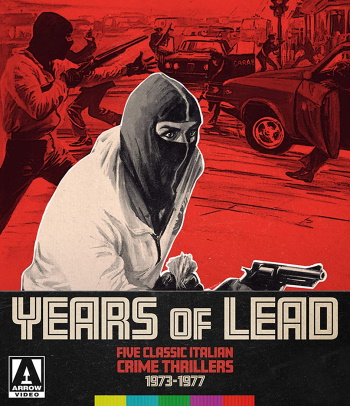
Years Of Lead: Five Classic Italian Crime Thrillers 1973-1977
BUY AT:



See more details, packaging, or compare
Synopsis
The 1970s were a time of intense uncertainty and instability in Italy. Political corruption and widespread acts of left and right-wing terrorism, alongside a breakdown in social cohesion and a loss of trust in public institutions such as the government and police, created a febrile atmosphere of cynicism, paranoia and unexploded rage. Throughout this period, these sentiments found expression in a series of brutal, often morally ambiguous crime thrillers which tapped into the atmosphere of violence and instability that defined the so-called Years of Lead.
This box set gathers five films from the heyday of the “poliziotteschi” – the umbrella term used to describe this diverse body of films. In Vittorio Salerno’s Savage Three (1975) and Mario Imperoli’s Like Rabid Dogs (1976), random acts of violence committed by vicious young sociopaths threaten the fragile fabric of respectable society. In Massimo Dallamano’s Colt 38 Special Squad (1976) and Stelvio Massi’s Highway Racer (1977), renegade cops battling against red tape and political corruption turn to new and morally dubious methods to dispense justice. Finally, class dynamics are explored in Salerno’s No, the Case is Happily Resolved (1973) as an innocent man finds himself under suspicion for a savage crime committed by a highly respected member of society.
Decried by critics for their supposedly fascistic overtones, the poliziotteschi were in fact more ideologically varied and often considerably more nuanced than such superficial readings would suggest, and proved a huge hit with theatergoers, who responded to their articulation of present-day social concerns.
Picture 7/10
Arrow Video's box set devoted to the Italian Poliziotteschi films of the 70's, Years of Lead: Five Classic Italian Crime Thrillers 1973 - 1977, presents Vittorio Salerno's two films No, the Case is Happily Resolved and Savage Three (both in the aspect ratio of 1.85:1), Mario Imperoli's Like Rabid Dogs (in the aspect ratio of 2.39:1), Massimo Dallamano's Colt 38 Special Squad (also 2.39:1), and Stelvio Massi's Highway Racer (in 1.85:1). All five films receive 1080p/24hz high-definition encodes and are spread over three dual-layer discs.
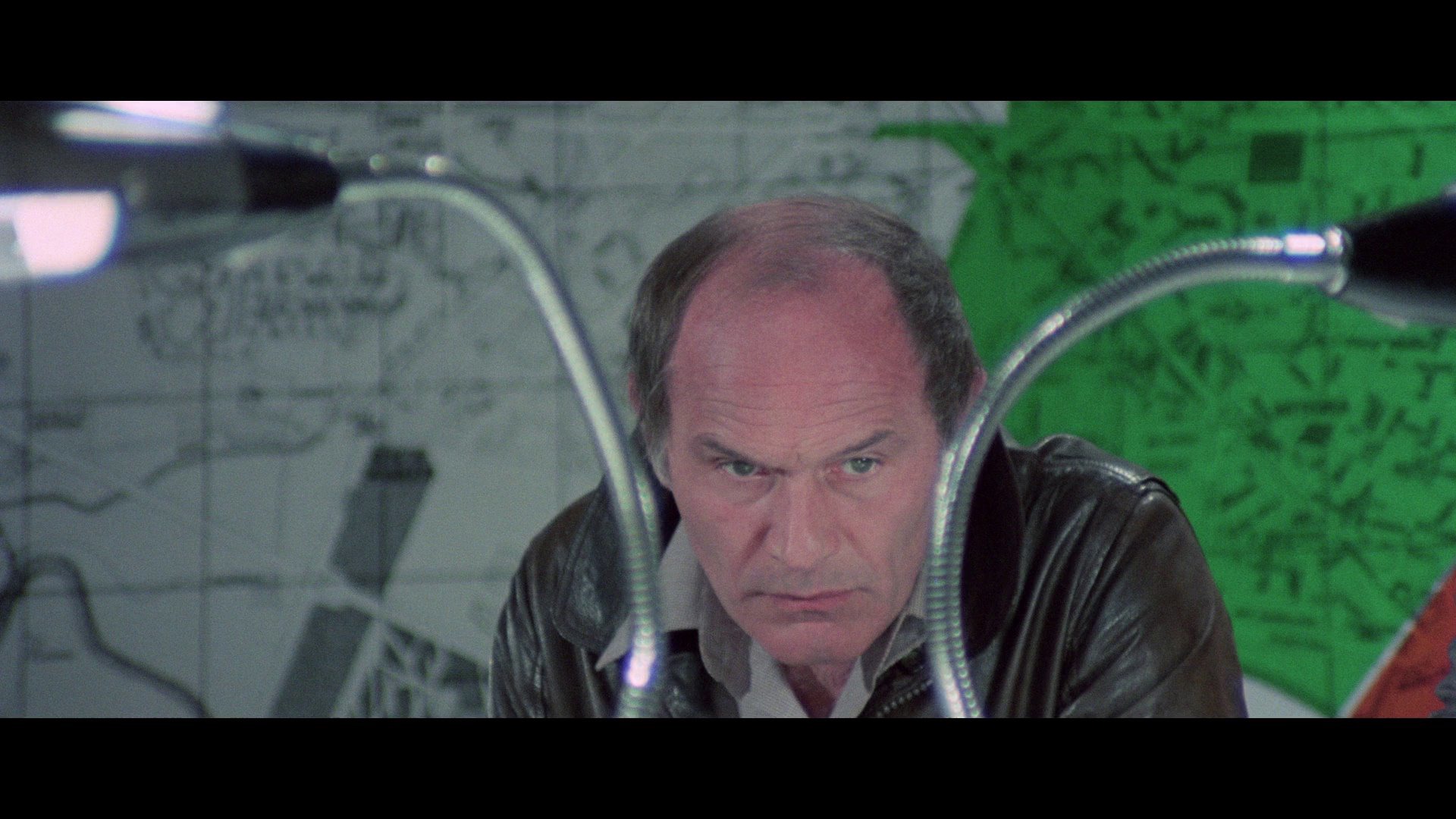
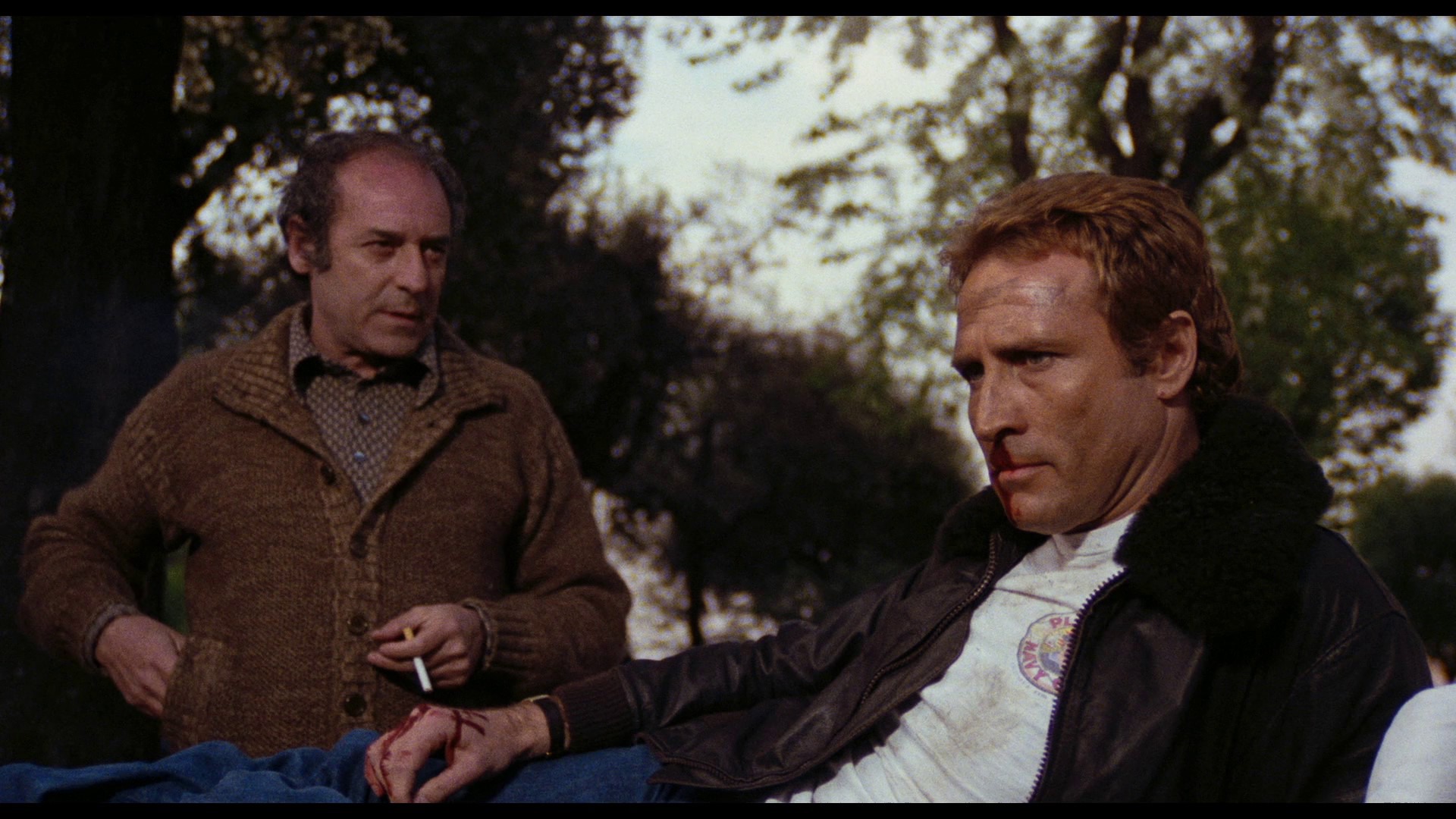
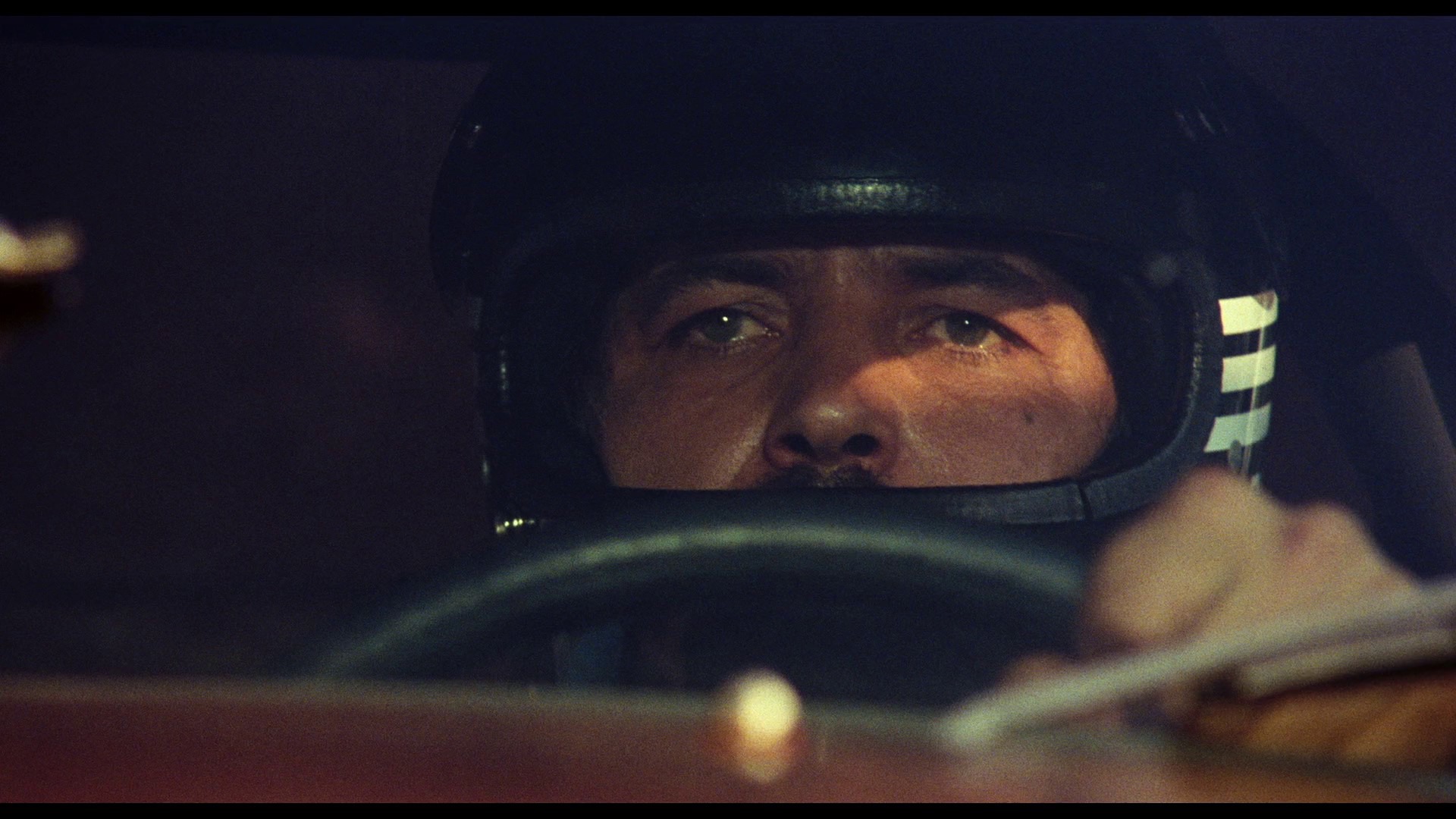
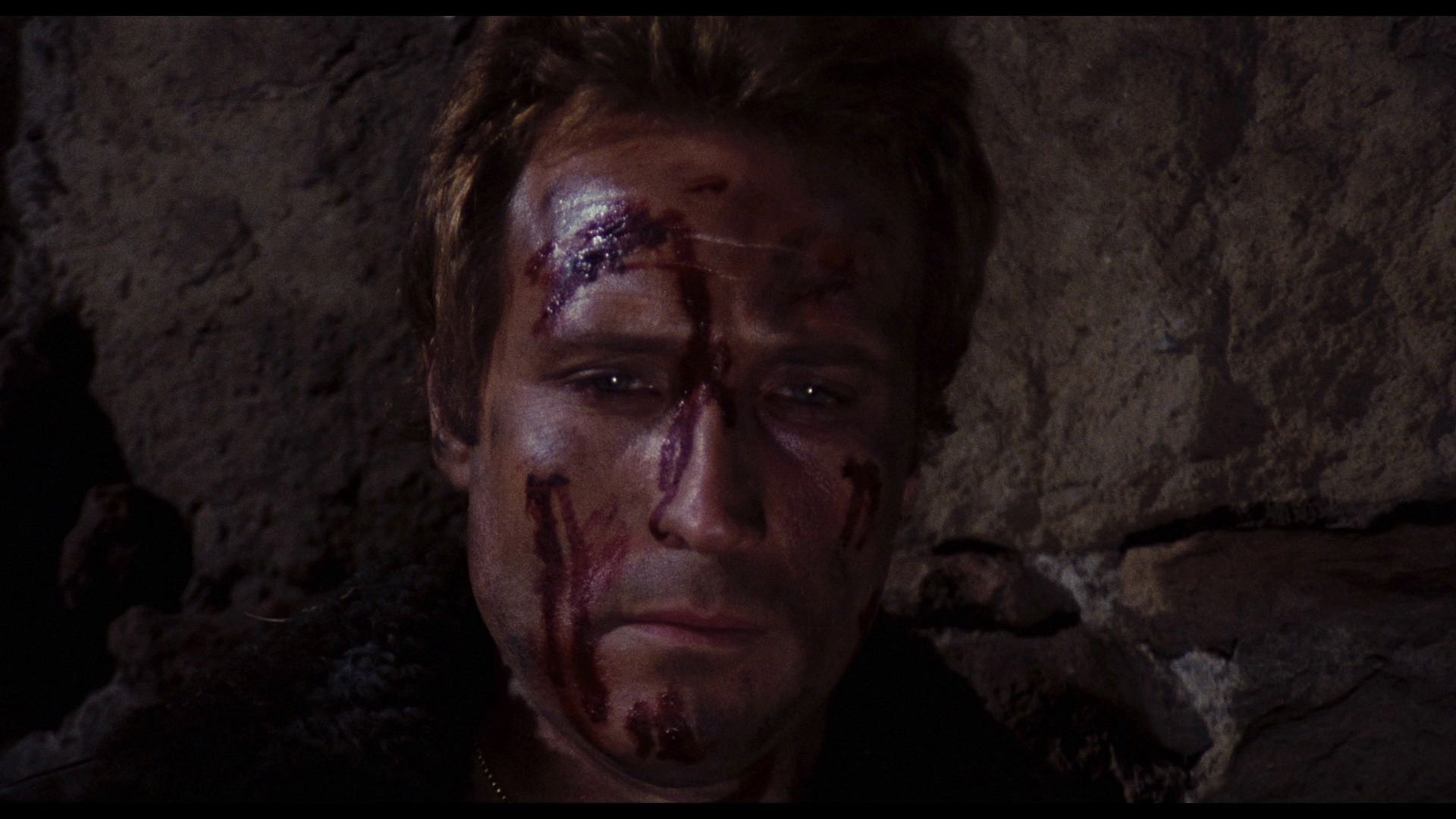
Colt 38 is the only film to have received a newer restoration, a 2K one sourced from the 35mm original camera negative, and unsurprisingly it's the best looking of the lot. It features more of a film-like texture of the five films, rendering grain cleanly and delivering the sharper details. Highway Racer ends up coming out looking pretty good, too, black levels maybe coming out a little too heavy at times.
The other three have the more obviously dated masters, but when all is said and done they still don't come out looking too bad. The images are still quite sharp and fine-object detail can be impressive, and motion is clean.
Restoration-wise all five films look to have been cleaned up thoroughly, though minor marks and faint scratches show up in places. All five films lean warmer when it comes to colours, though they never really take on that yellow look that can be commonplace in a lot of recent Italian restorations. Arrow's booklet states that they did do colour correction on a few titles, and I suspect that Arrow may have adjusted this aspect. In the end the colours, which rarely come off as what I would call vivid, look good.
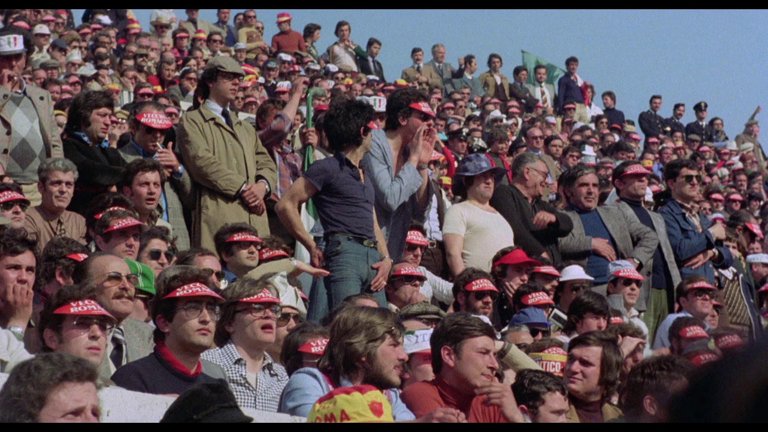
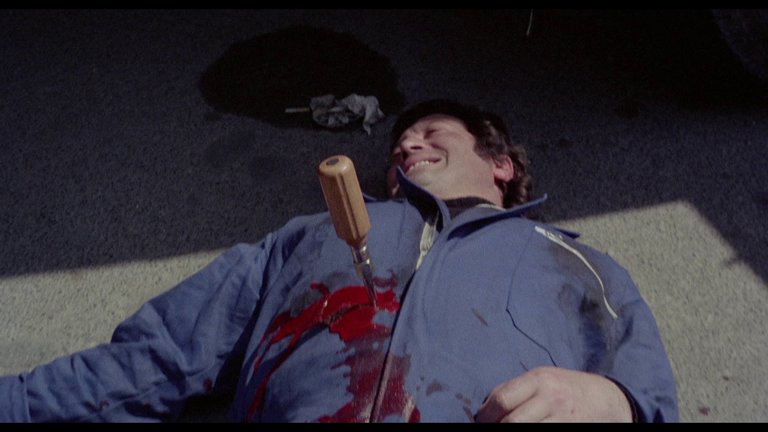
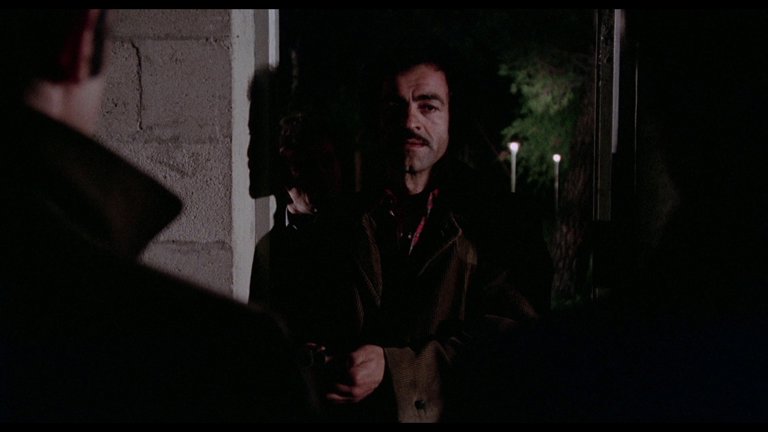
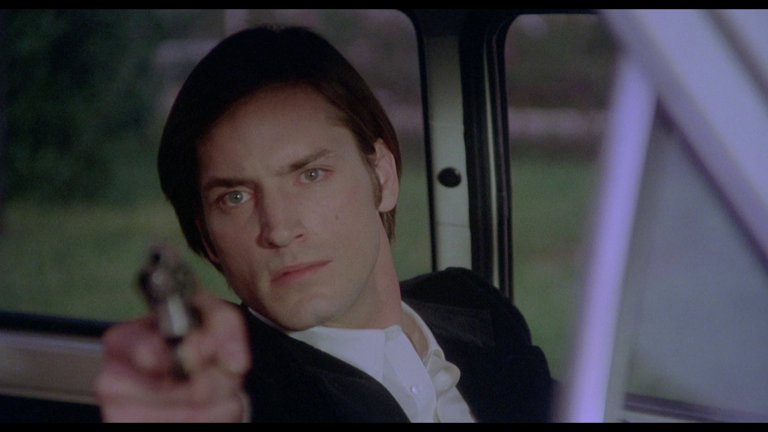
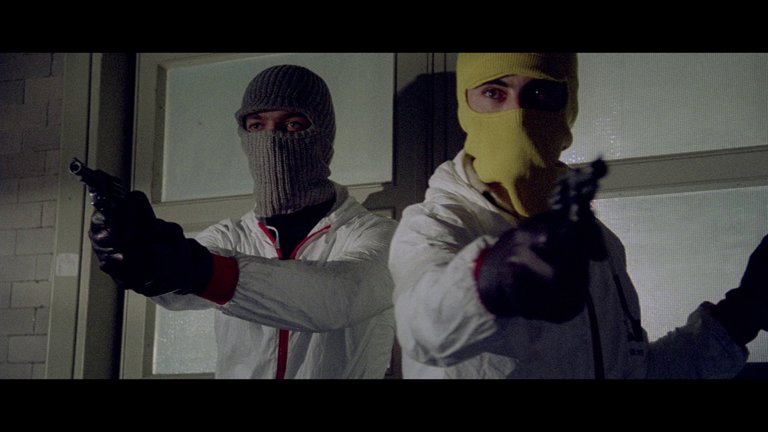
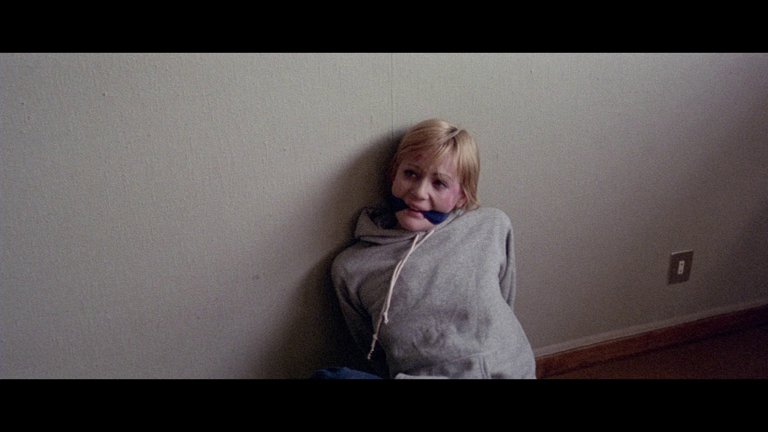
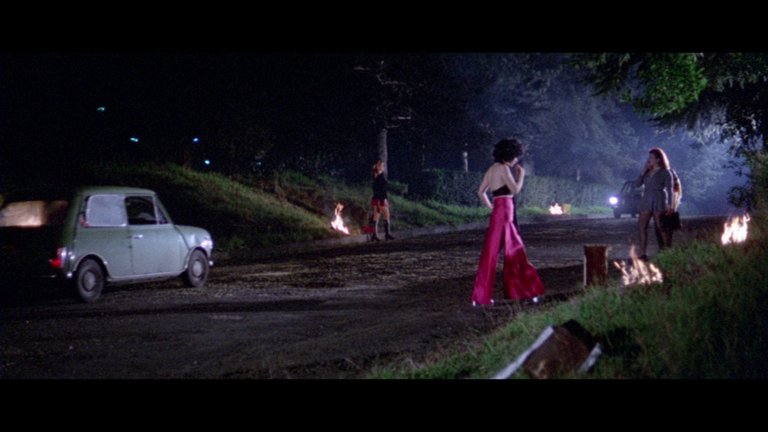
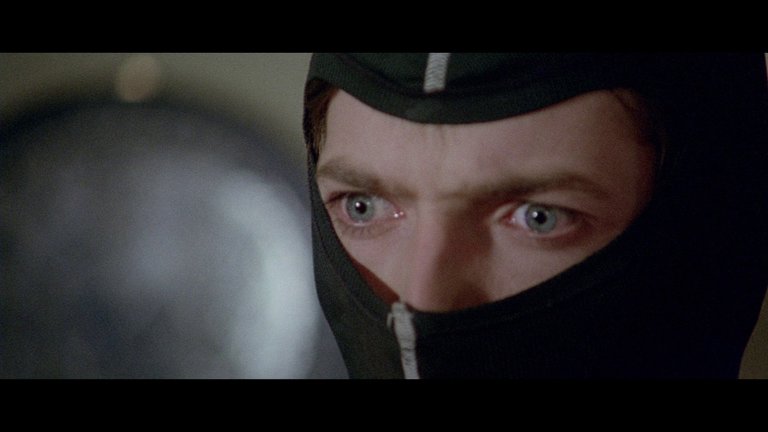
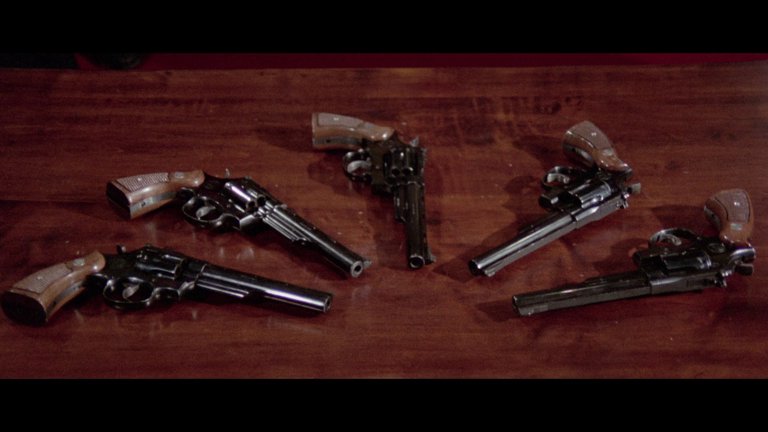
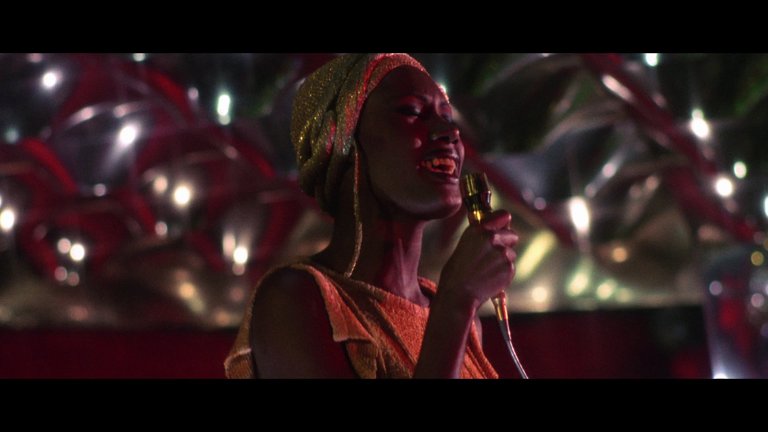
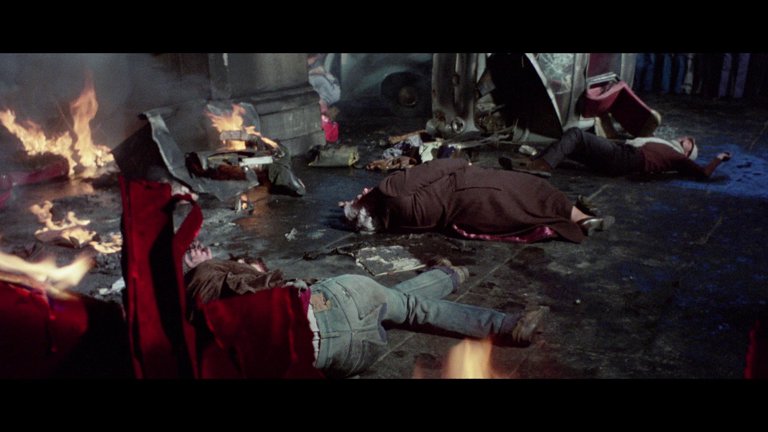
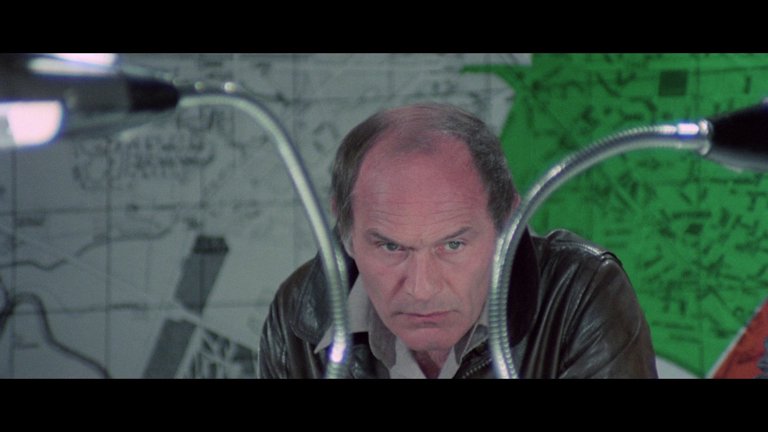
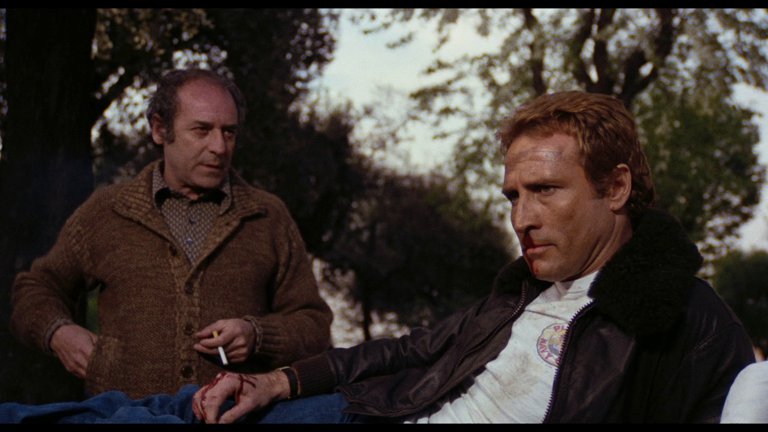
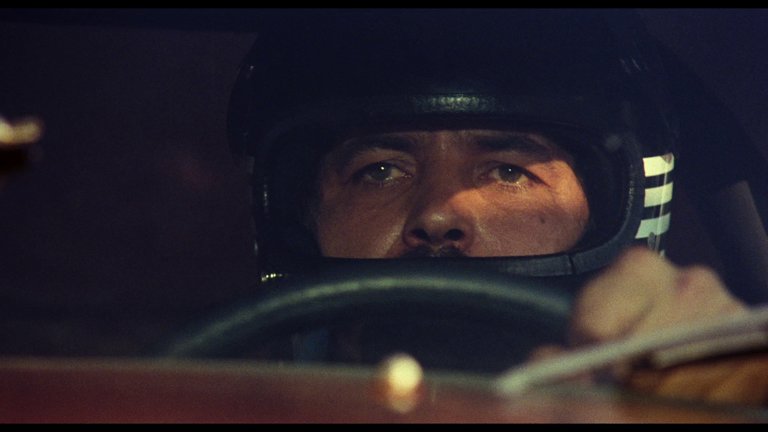
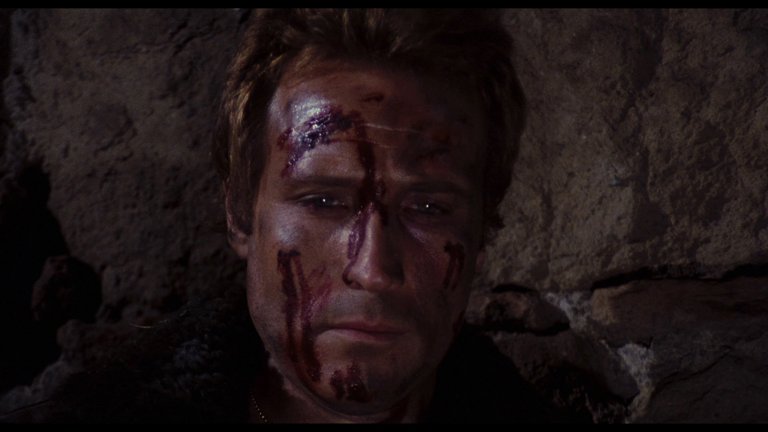
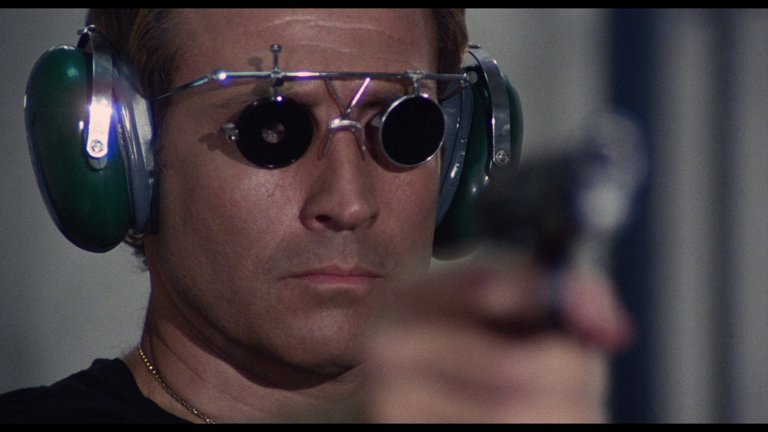
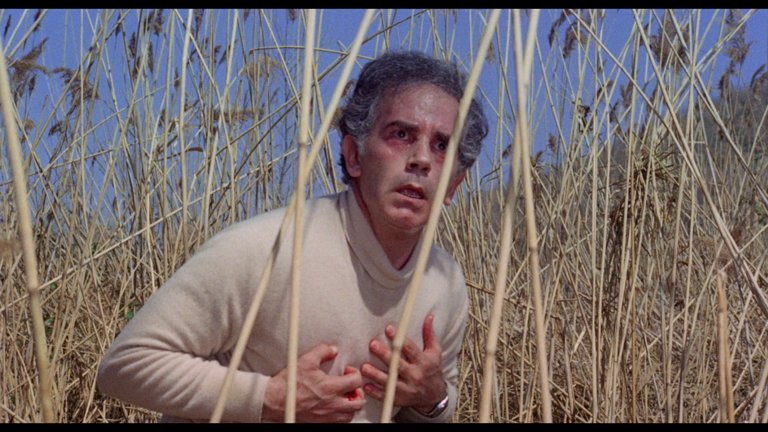
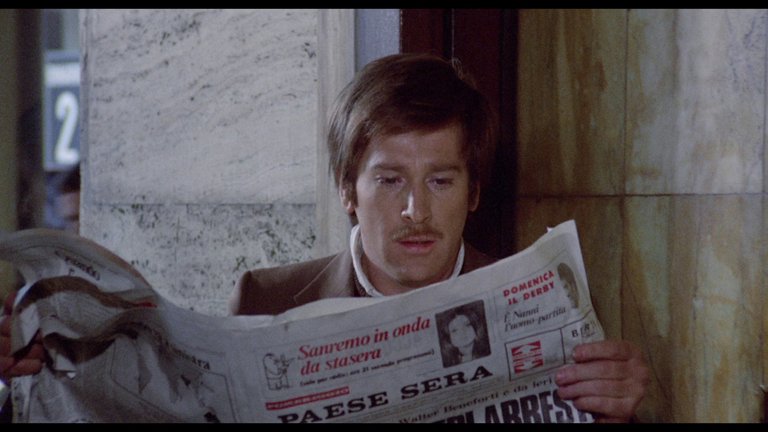
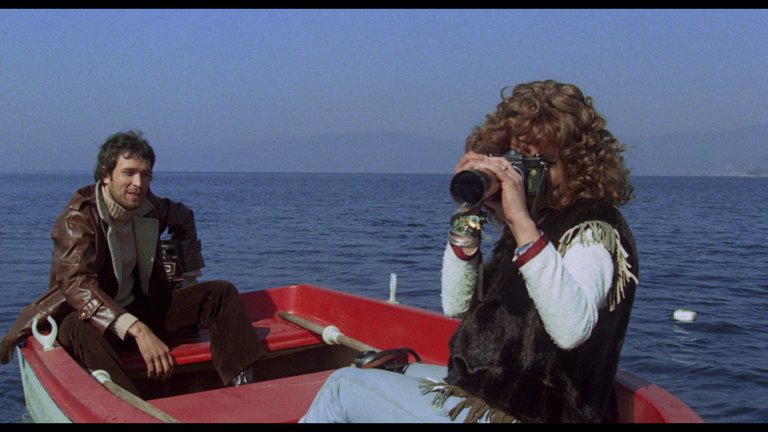
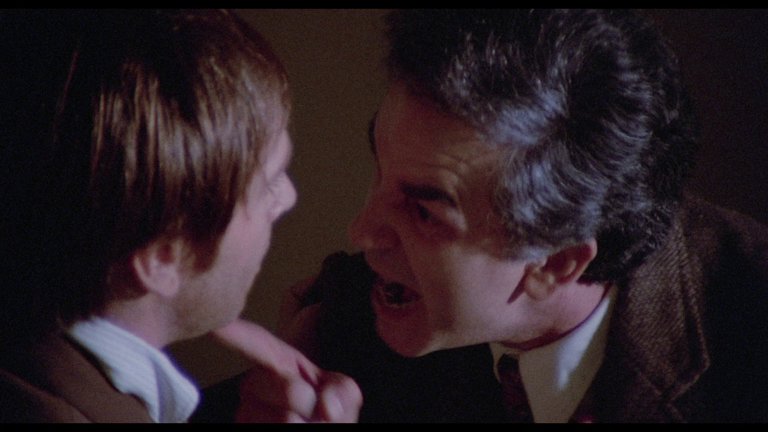
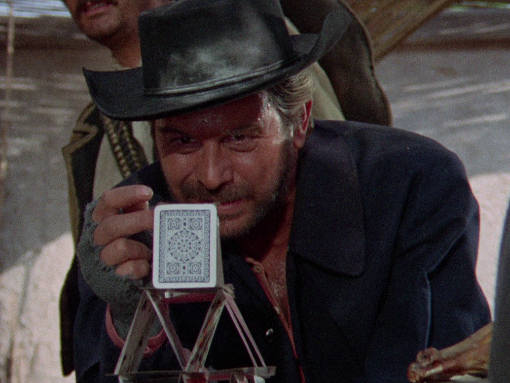
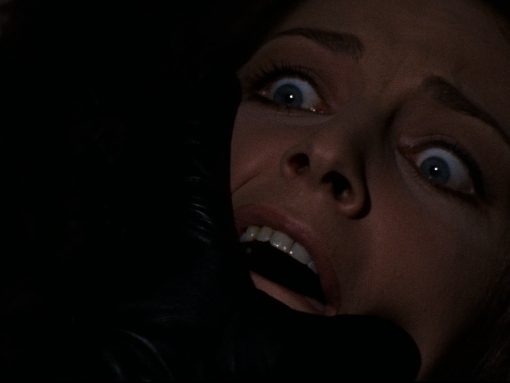
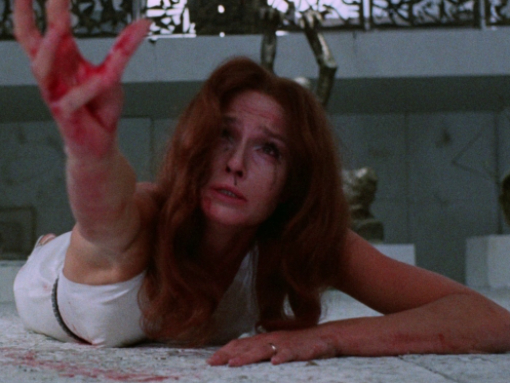
Years Of Lead: Five Classic Italian Crime Thrillers 1973-1977 - Screen Captures
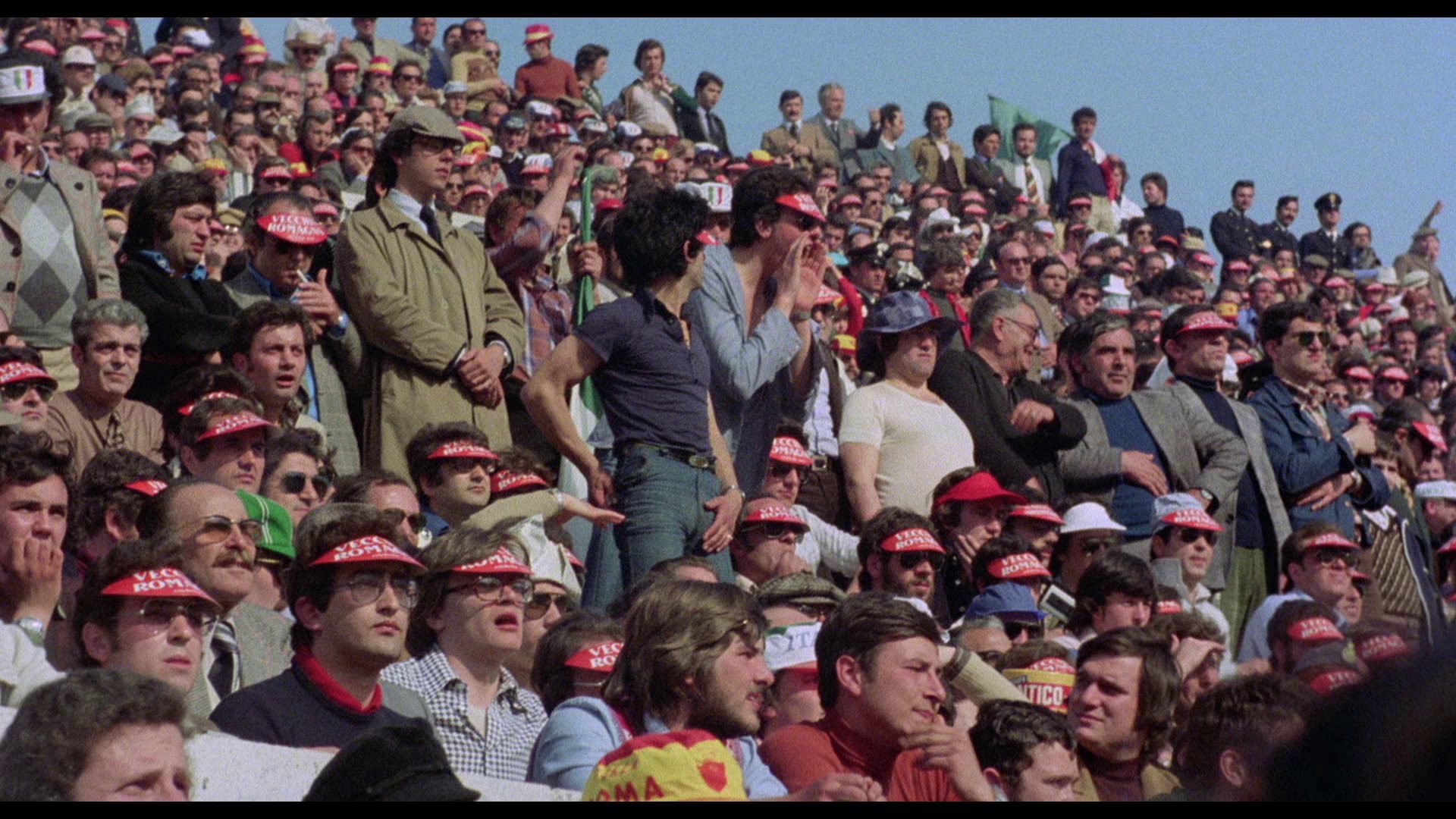
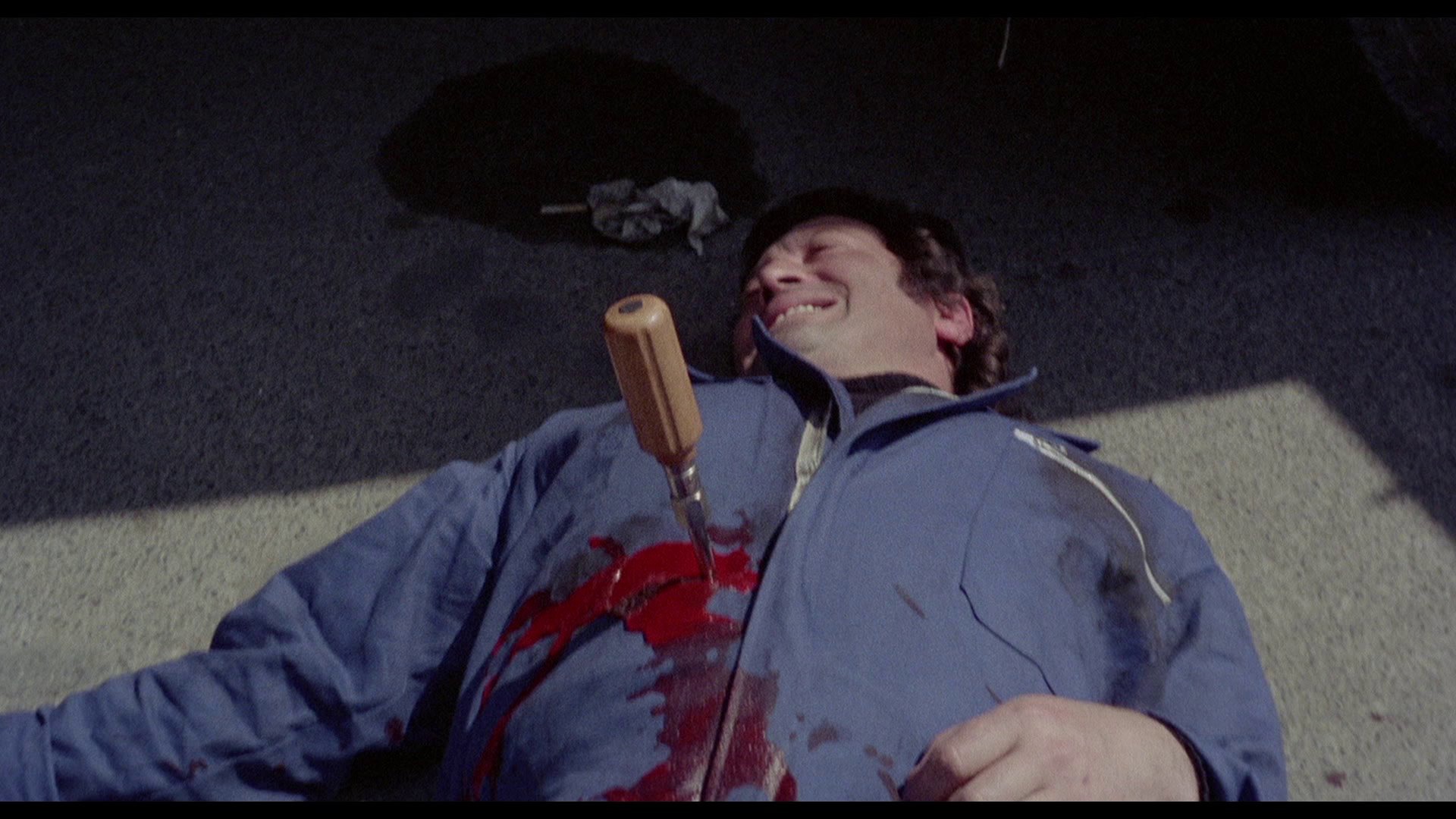
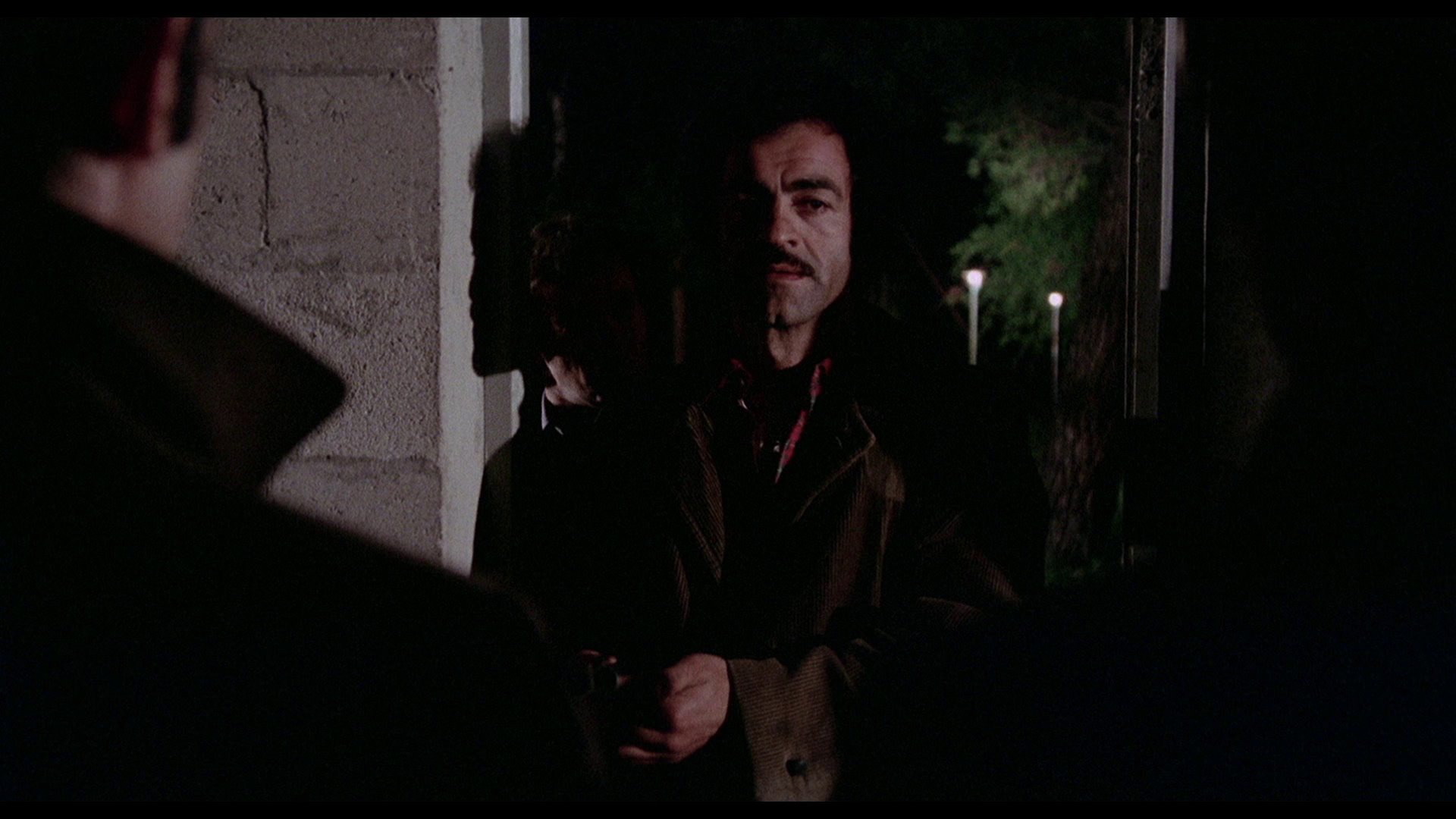
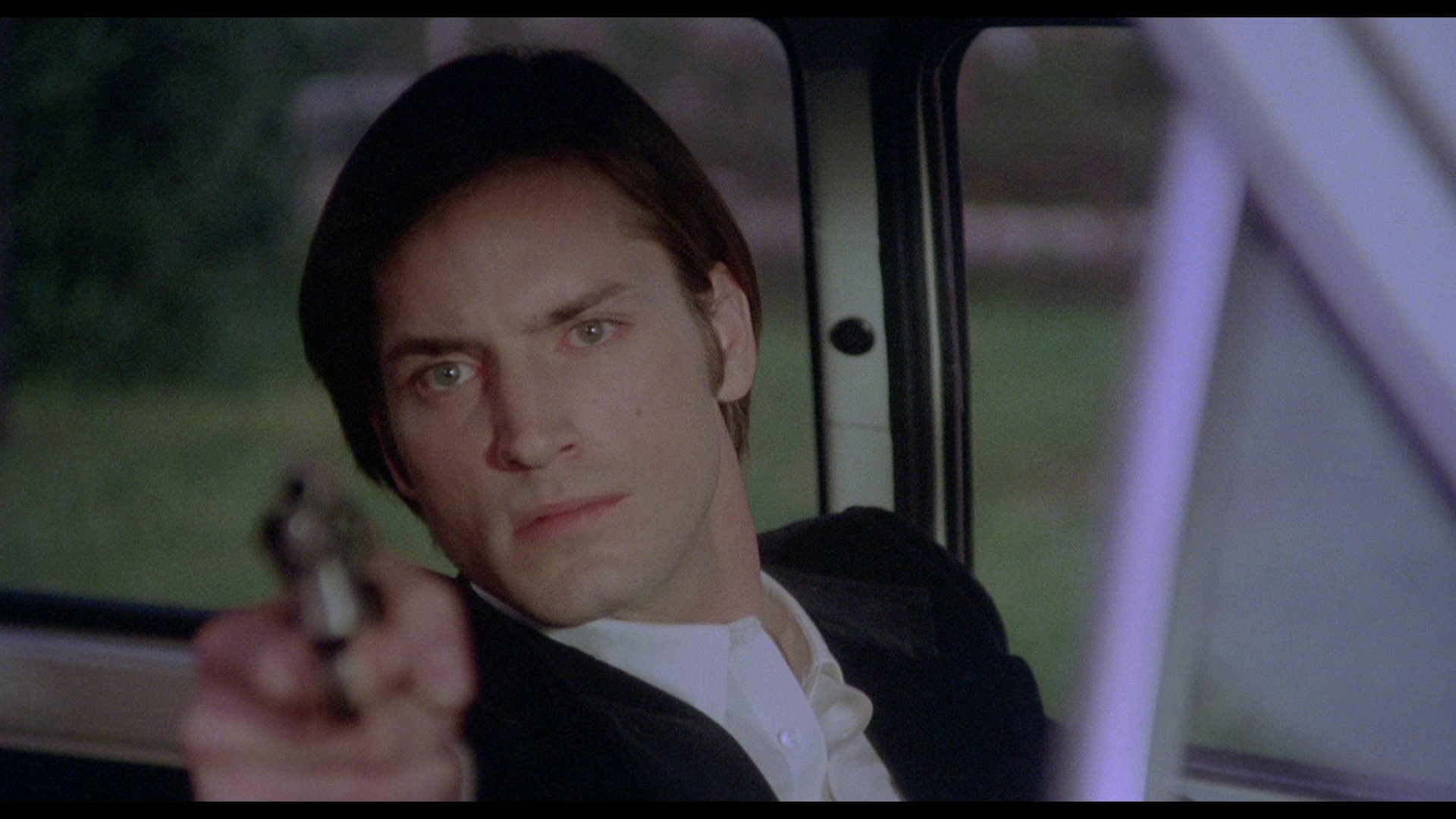
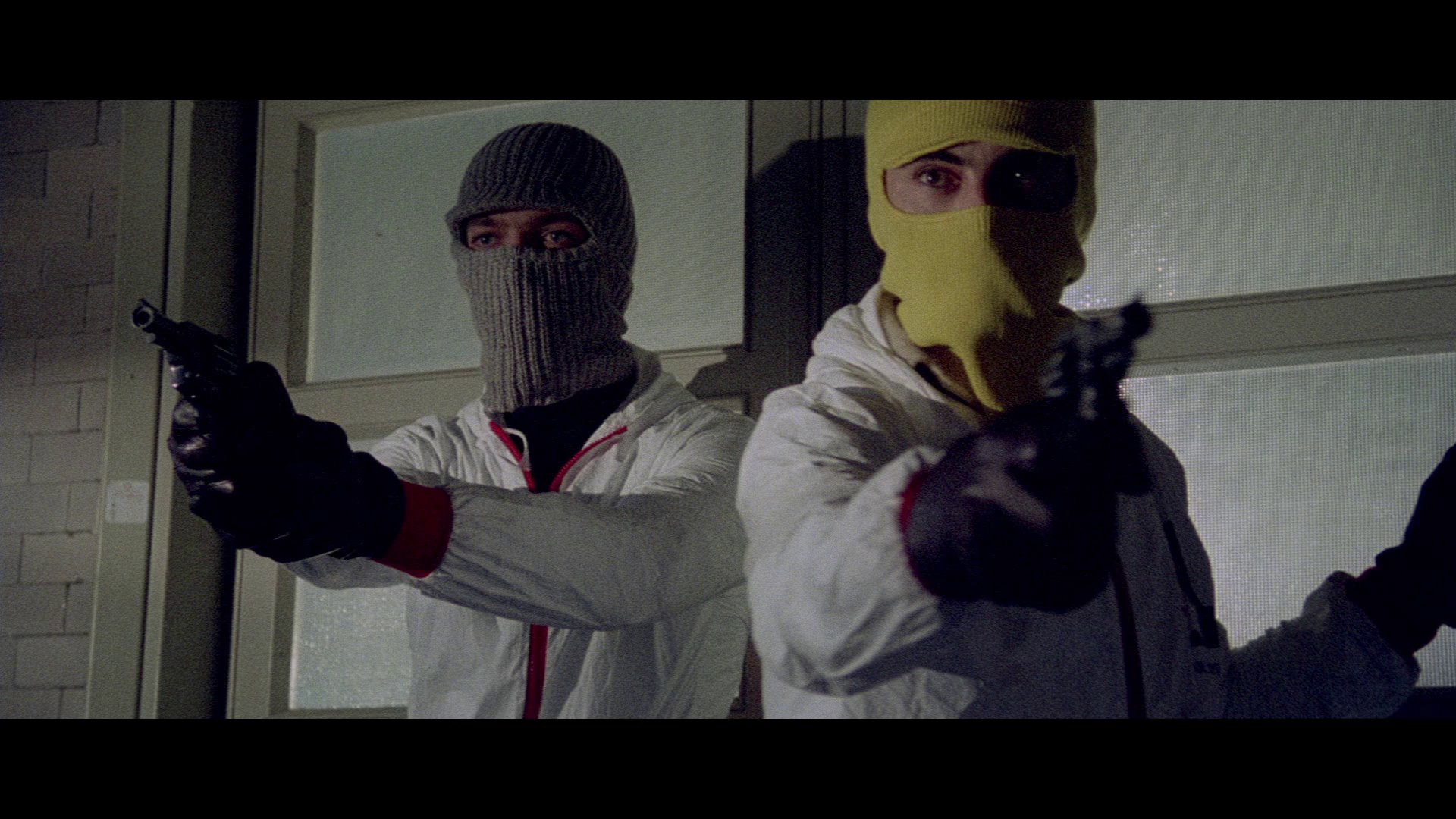
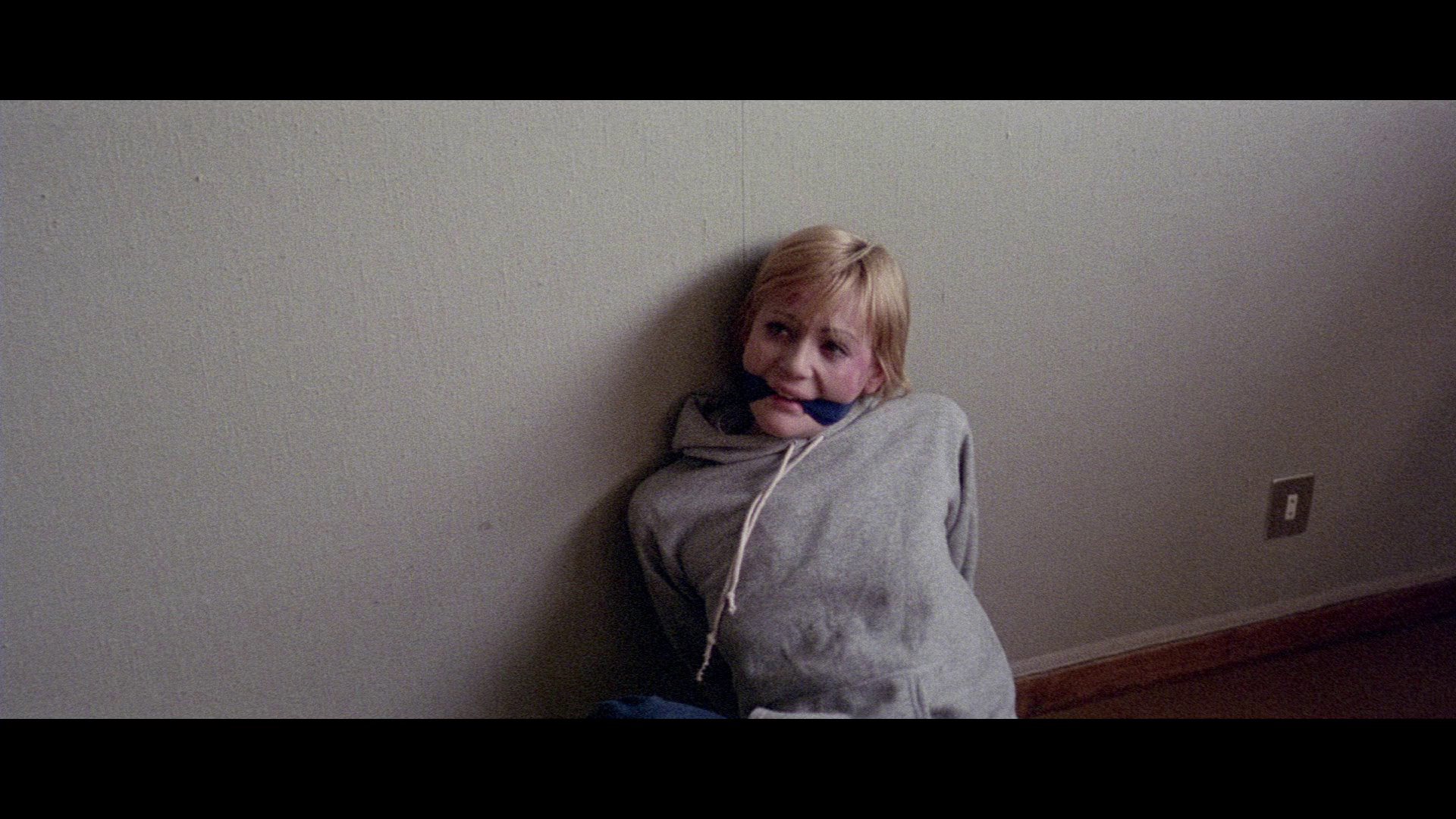
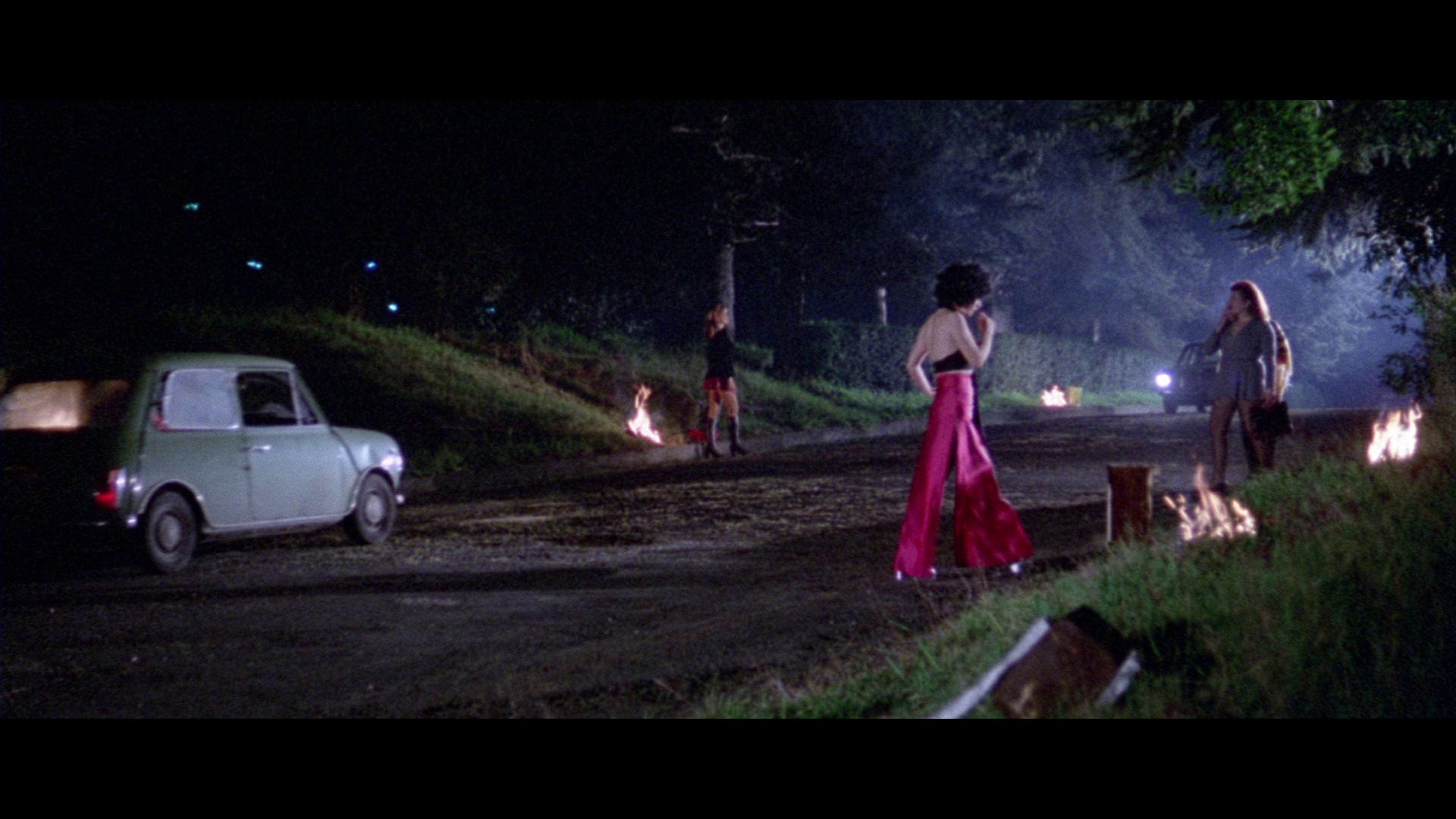
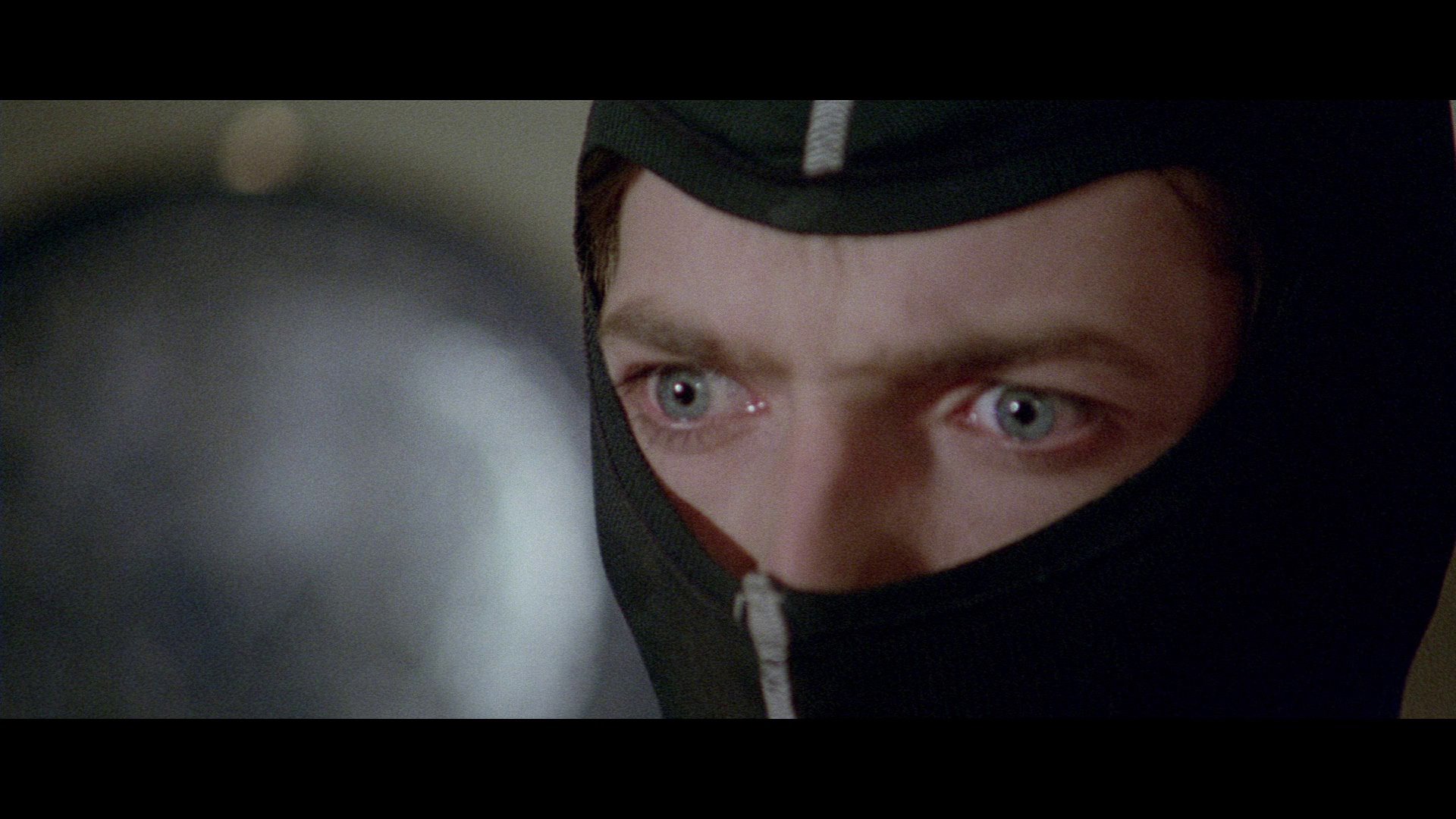
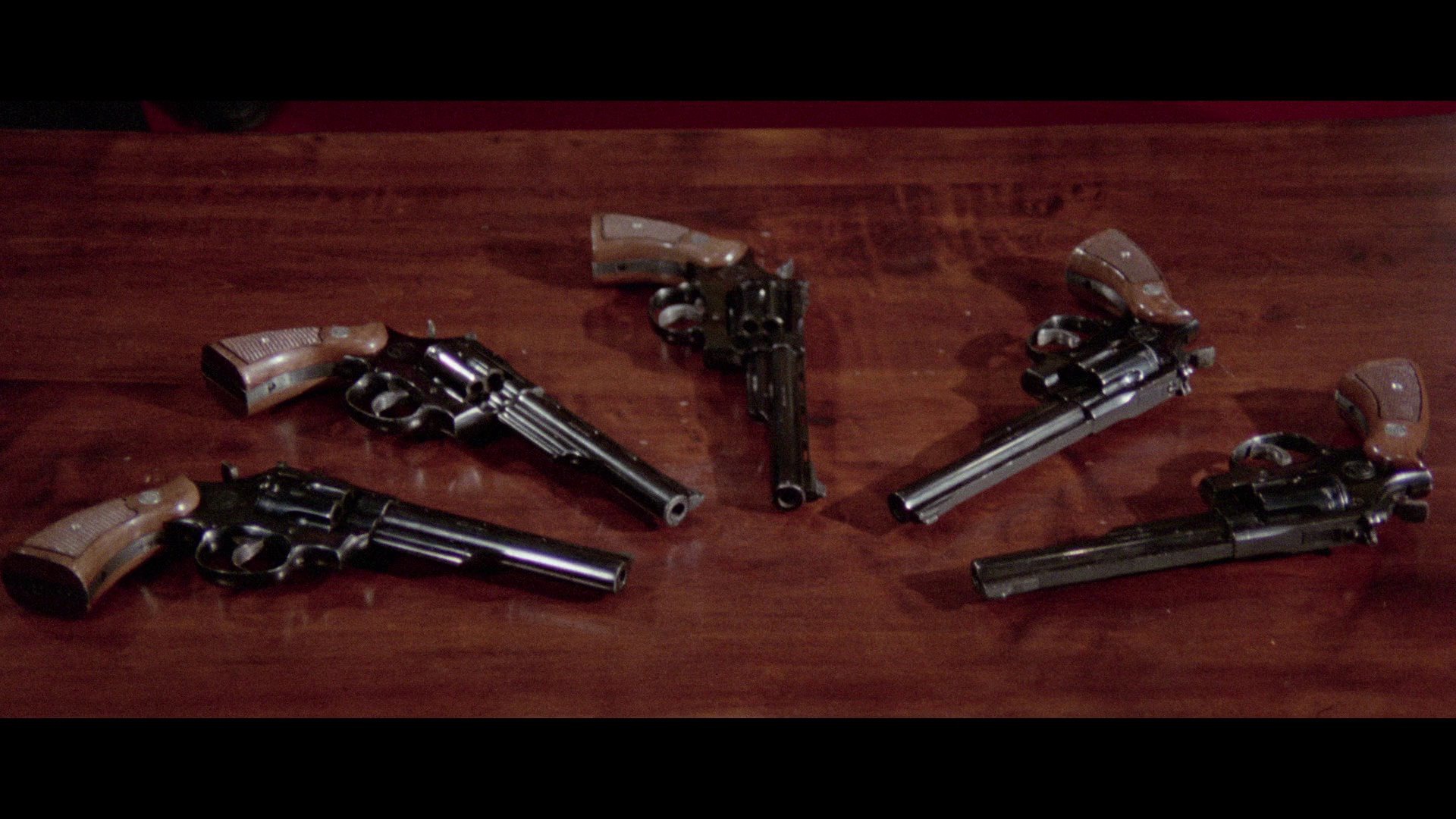
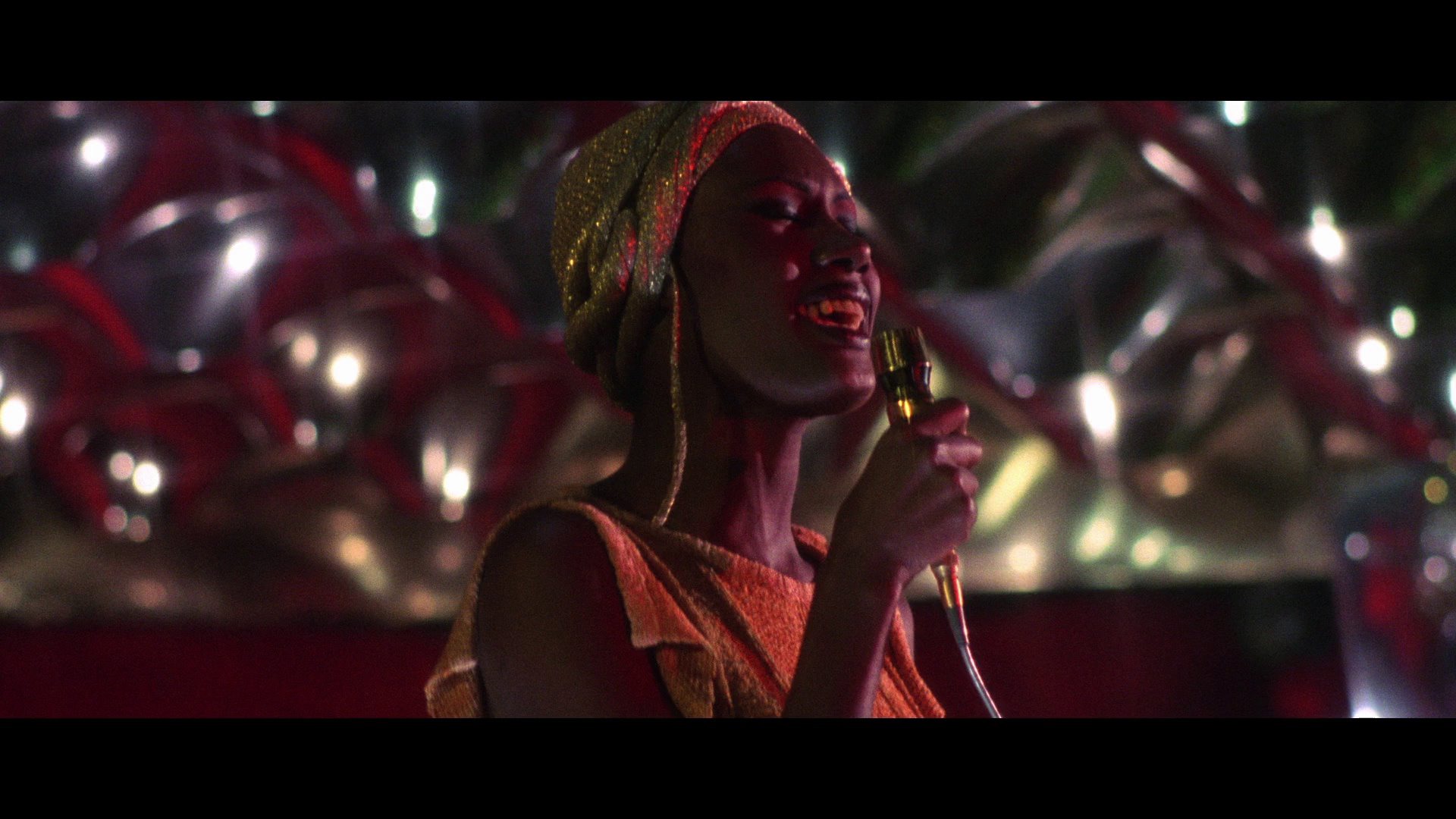
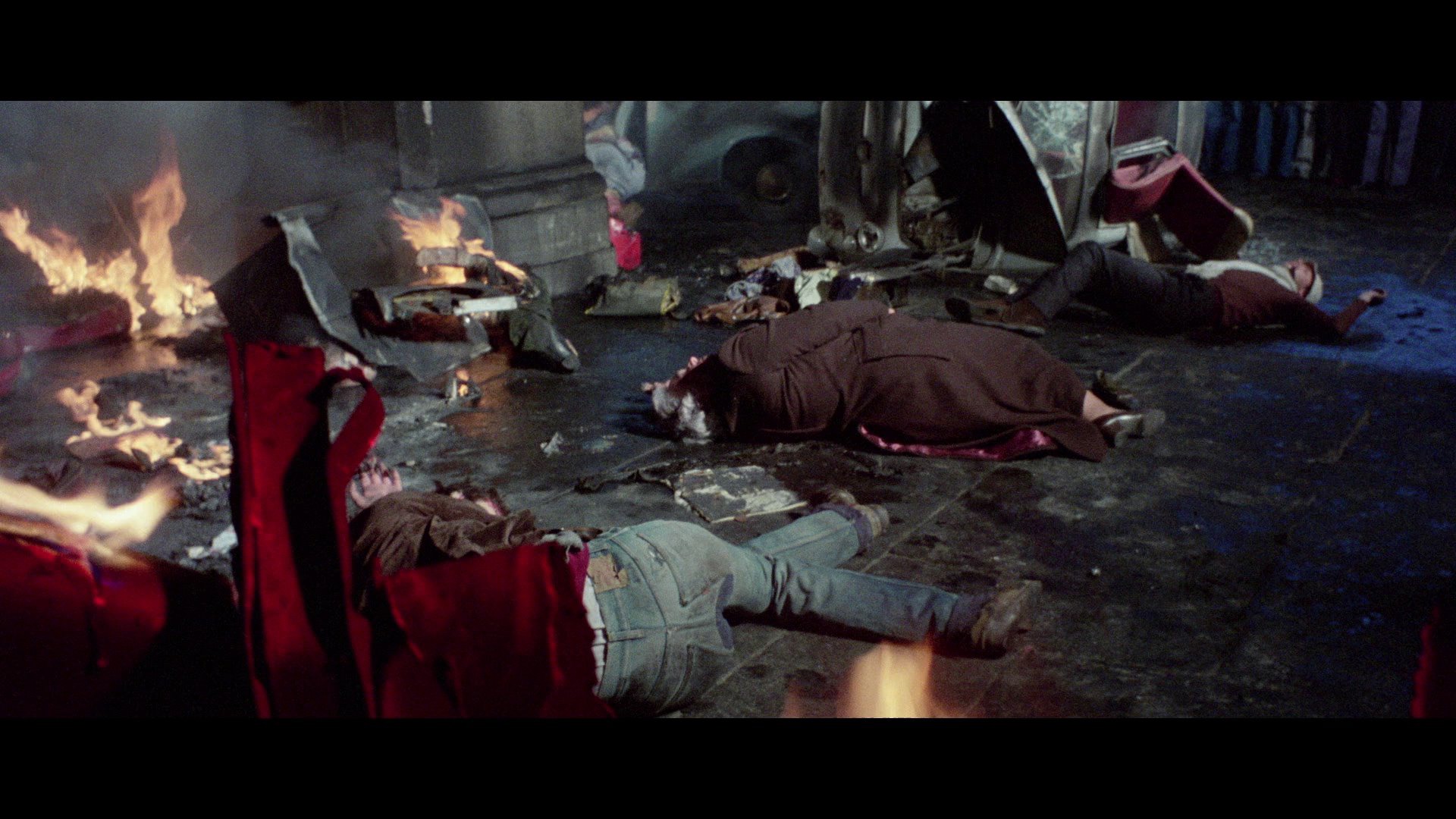
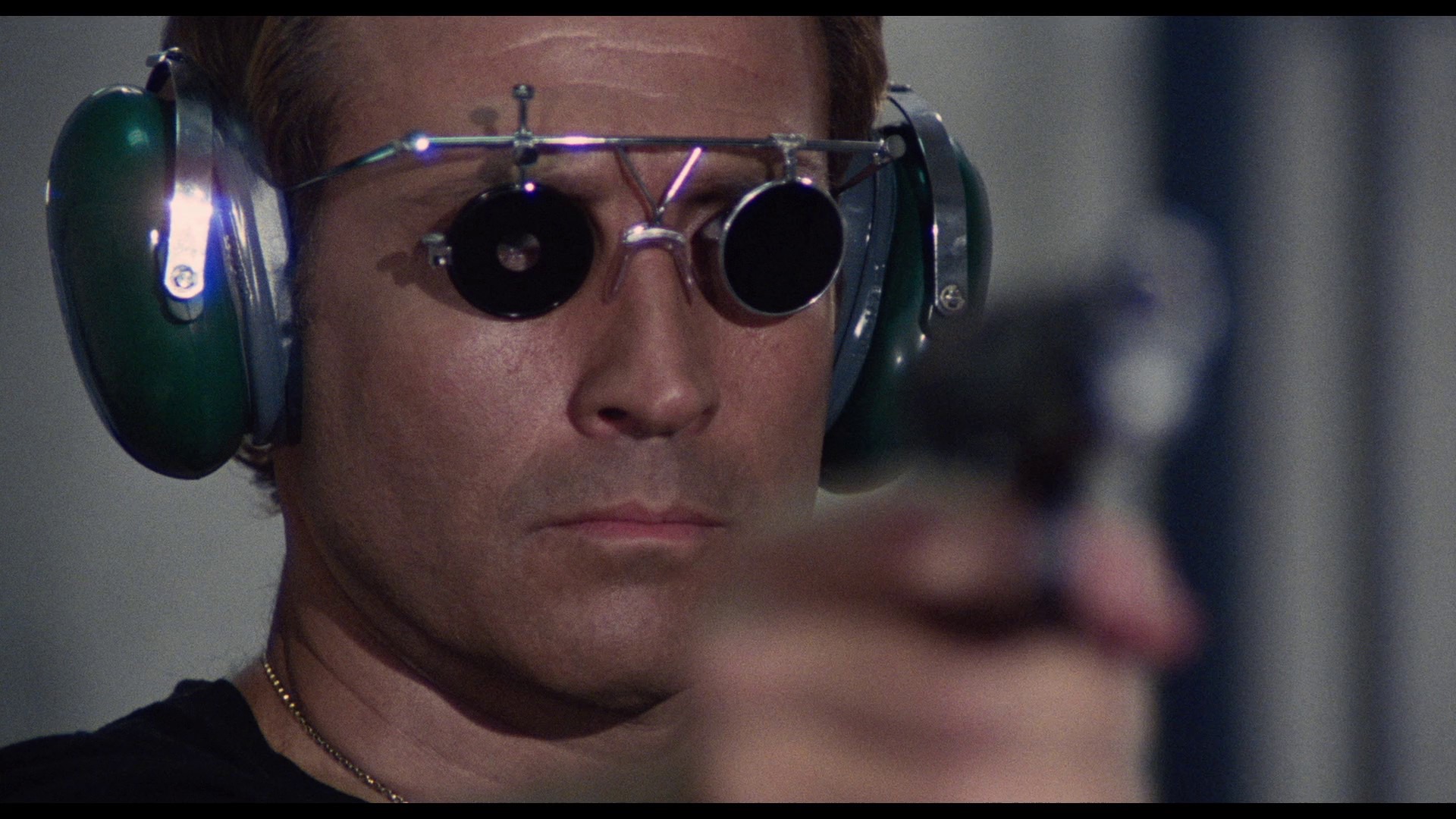
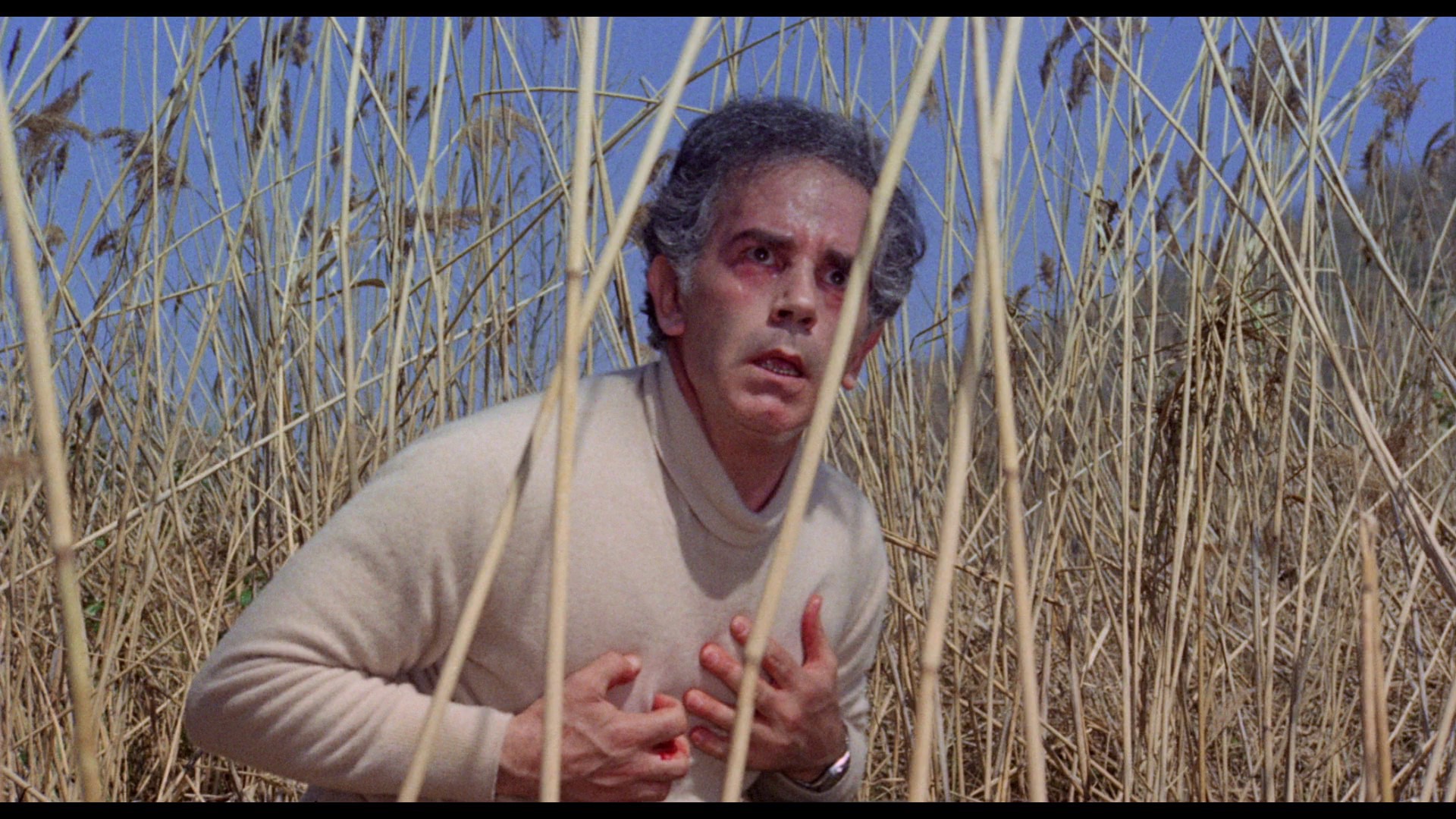
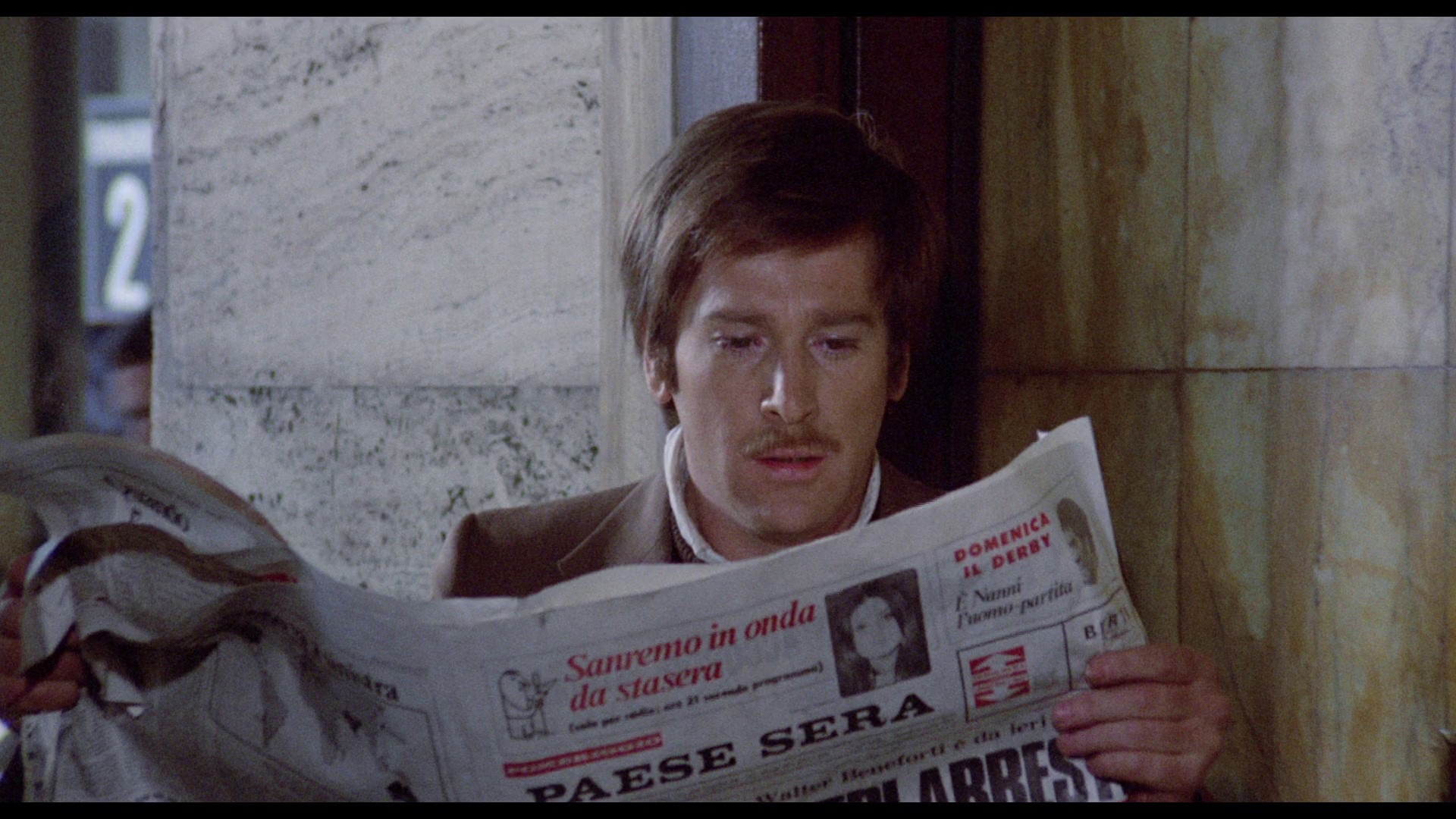
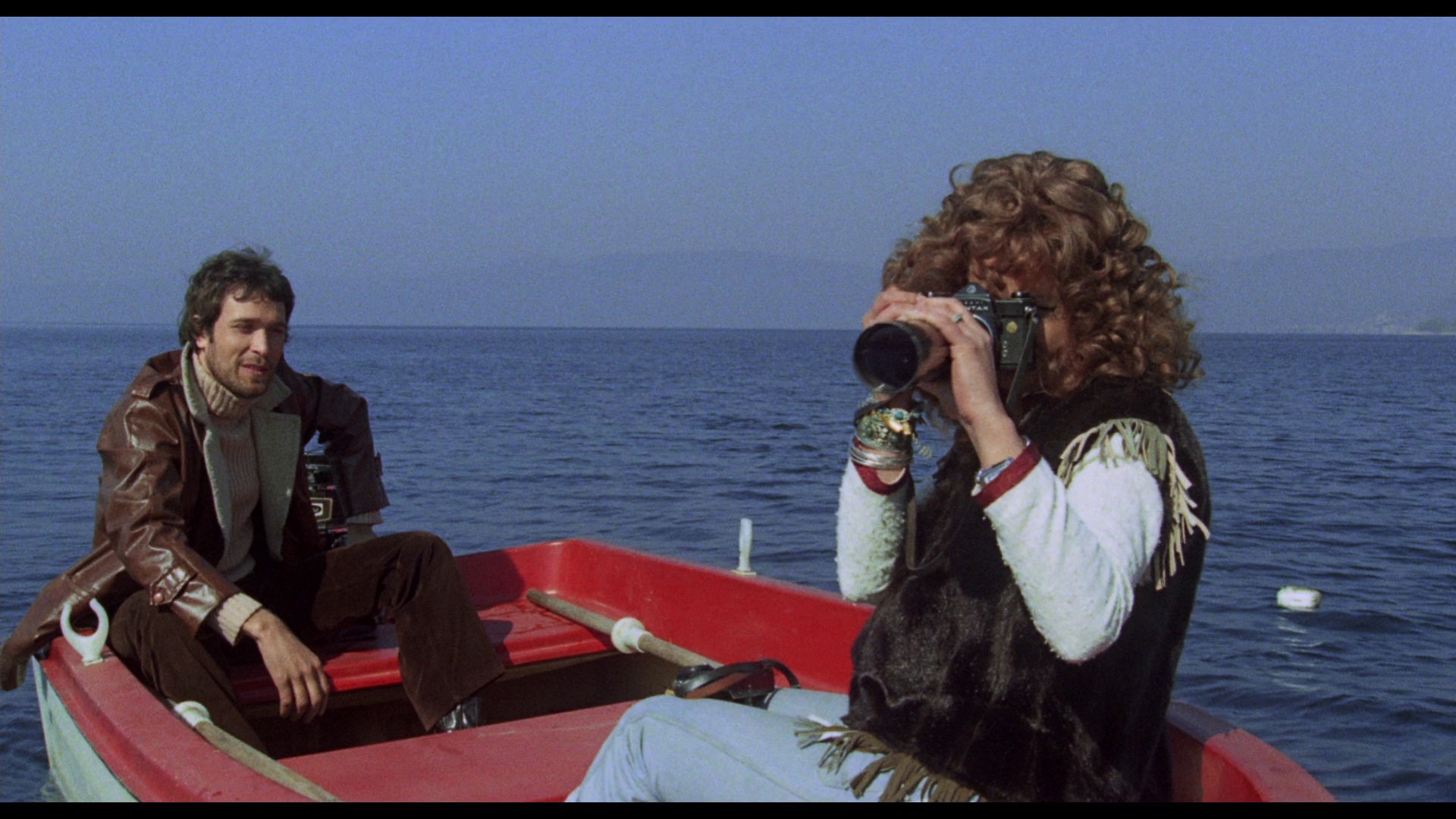
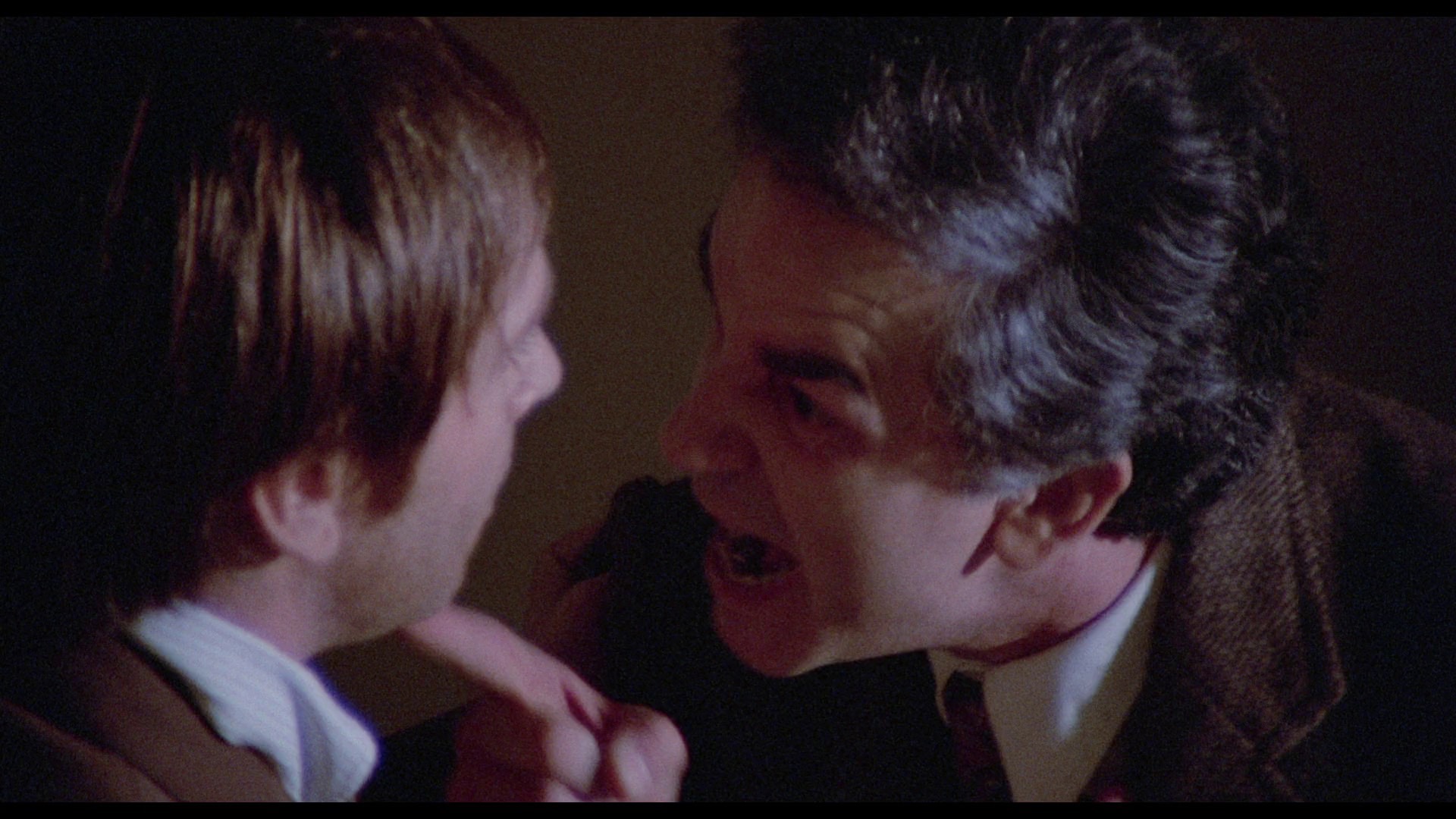
Audio 6/10
Savage Three, Like Rabid Dogs, and No, the Case is Happily Resolved all come with Italian 1.0 DTS-HD MA monaural soundtracks. Colt 38 Special Squad and Highway Racer come with English and Italian options in 1.0 PCM. All of them have that canned/dubbed sound thanks to the fact all of the films were dubbed over in post-production no matter the language (a common practice for Italian films of the time), so most of them have a fairly flat sound.
Savage Three ends up coming of the worst of the three, though, and that's mostly thanks to this central rock song that comes off as a heavily distorted mess whenever it pops up.
Extras 8/10
Arrow spreads supplements across all of the discs, matching them with their respective films where its suiting. Other than No, the Case is Happily Resolved, which appears on its own disc, the films are paired with one another across the other two discs, asking viewers to select the film they wish to view from the main menu. I suspect Arrow paired the films in such a way to match how Will Webb groups the films in his video essay, Poliziotteschi: Violence and Justice in the Years of Lead, found on the third disc with No, the Case is Happily Resolved. In offering an analysis of the poliziotteschi in the 20-minute segment, he categorizes the films into three different type, those showing how society can lead to criminals (Savage Three and Like Rabid Dogs, found on disc one), those showing how "technology" can aid in fighting crime (Colt 38 Special Squad and Highway Racer on disc two), and those showing how the law can treat citizens from different social classes (No, the Case is Happily Resolved on disc three). He also examines how the films reflect the socio-political strife at the time in Italy, which leads to the common themes and plot points found between all of the films.
It ends up being the only on-disc supplement that really looks at the genre on the whole, the only new supplement, and one of the very few academic features. The remaining features are all carry-overs from previous releases for the films, with the other academic inclusions being interviews with film historians Fabio Melelli and Roberto Curti, found on Like Rabid Dogs and Highway Racer respectively. Curti's contribution comes off more like a general overview of the film and it's place within the poliziotteschi films, but he also confirms that the ending was tacked on after a stunt went wrong (while watching you can sense something is off about the ending). Melelli's contribution is amusingly intercut with interview footage featuring cinematographer Romano Albani, who clearly hates the film he worked on, Like Rabid Dogs. This leads to a couple of odd moments where it feels like Albani is kind of undercutting what Melelli is saying.
The remaining interviews are all with directors, cast, and crew. Director Vittorio Salerno appears in two interviews in the set, along with actor Martine Brochard, for Savage Three and No, the Case is Happily Resolved, both running a lengthy 40-minutes and dutifully covering each film's production. Assistant director Claudio Bernabei shows up to talk about Like Rabid Dogs, which proves to be more fruitful and interesting than Melelli's academic attempt. Composer Stelvio Cipriani and editor Antonio Sicilliano come in to talk about their respective duties on Colt 38 Special Squad, the former even providing a short introduction.
Other supplements are scattered about the set: each film receives a poster gallery showcasing posters for the film (Savage Three only features ONE poster, though) and Like Rabid Dogs, Colt 38 Special Squad and No, the Case is Happily Resolved feature trailers. Like Rabid Dogs also comes with a soundtrack sampling of two full compositions from the film, while Happily Resolved features a more downbeat alternate ending.
The best feature by far, though, is a 40-minute interview with actor Joe Dallesandro, found on the first disc with Savage Three:
It’s about what I expected from the cult star, who is pretty blunt and doesn’t hold back. Thankfully the interview is more along the lines of a career retrospective, Dallesandro recalling how he first went down to see “that soup guy” (Andy Warhol obviously) making a film before getting roped into appearing in that same film, all with the expectation of maybe getting some soup out of the deal (it sounds as though he thought Warhol worked for Campbell). This then led to other Warhol films including those directed by Paul Morrissey, before severing ties and making his way to Italy, where he got a steady bit of work. He ends up being amazed at what he remembers about the time, confessing to being a heavy drinker then, but he talks about his work in Italy (including this film), the directors of his films, his co-stars (referring to Savage Three he says Brochard was a “nice lady” and Enrico Maria Salerno was “an asshole”), and then his “stunt work.” On this latter topic he recalls the numerous times he was hurt thanks to “pretty stupid stunt guys” and a number of other “stupid things” that happened to him. Amusingly enough it sounds as though the star has never seen the films, and when talking about the fork lift scene in Savage Three (which he thought was one of the more bizarre things he ever filmed) he still had no idea how the sequence ended.
If you only watch one supplement in this entire set, make sure it's this one!
For each film the material can feel a bit slim but when taken altogether it does feel a little more satisfying. Thankfully, whatever gaps are left are filled in by the set's booklet, which presents essays covering each film more in-depth. Troy Howarth provides a nice write-up for No, the Case is Happily Resolved, examining its two main characters from their very different social groups and how the film addresses how the law may view them differently (bringing up Investigation of Citizen Above Suspicion in a loose comparison) before touching on some of its production problems. Michael Mackenzie writes up on the social messages found in Savage Three, followed by Rachael Nisbet on Colt 38 Special Squad and its exploration of "the fallacies of radical policing during a period of great socio-political uncertainty," along with more details around the film's director, Massimo Dallamono. Kat Ellinger takes on the duties of covering the film I "enjoyed" least in the set, Like Rabid Dogs, and she almost got me to appreciate it more as she works her way through its heavy, misogynistic undertones. And then James Oliver closes the booklet off with coverage of Highway Racer (by far the lightest film in the set), its themes, and its action sequences, calling the film's stuntman Remy Julienne a "variable Bob Fosse of car choreography," Julienne going on to do work in Bond films.
The booklet ends up wrapping the supplements up wonderfully.
Closing
The presentations are generally fine, with only a couple really standing out, but the supplements found in Arrow's set, which includes the excellent booklet, do a commendable job in introducing those completely ignorant (like myself) this Italian sub-genre, the poliziotteschi. For the curious, this set makes a terrific starting point.
BUY AT: