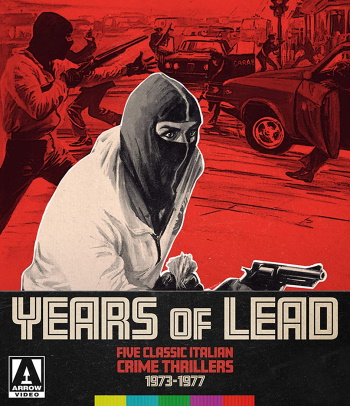
Years Of Lead: Five Classic Italian Crime Thrillers 1973-1977
Highway Racer
BUY AT:



See more details, packaging, or compare
Synopsis
The 1970s were a time of intense uncertainty and instability in Italy. Political corruption and widespread acts of left and right-wing terrorism, alongside a breakdown in social cohesion and a loss of trust in public institutions such as the government and police, created a febrile atmosphere of cynicism, paranoia and unexploded rage. Throughout this period, these sentiments found expression in a series of brutal, often morally ambiguous crime thrillers which tapped into the atmosphere of violence and instability that defined the so-called Years of Lead.
This box set gathers five films from the heyday of the “poliziotteschi” – the umbrella term used to describe this diverse body of films. In Vittorio Salerno’s Savage Three (1975) and Mario Imperoli’s Like Rabid Dogs (1976), random acts of violence committed by vicious young sociopaths threaten the fragile fabric of respectable society. In Massimo Dallamano’s Colt 38 Special Squad (1976) and Stelvio Massi’s Highway Racer (1977), renegade cops battling against red tape and political corruption turn to new and morally dubious methods to dispense justice. Finally, class dynamics are explored in Salerno’s No, the Case is Happily Resolved (1973) as an innocent man finds himself under suspicion for a savage crime committed by a highly respected member of society.
Decried by critics for their supposedly fascistic overtones, the poliziotteschi were in fact more ideologically varied and often considerably more nuanced than such superficial readings would suggest, and proved a huge hit with theatergoers, who responded to their articulation of present-day social concerns.
Picture 8/10
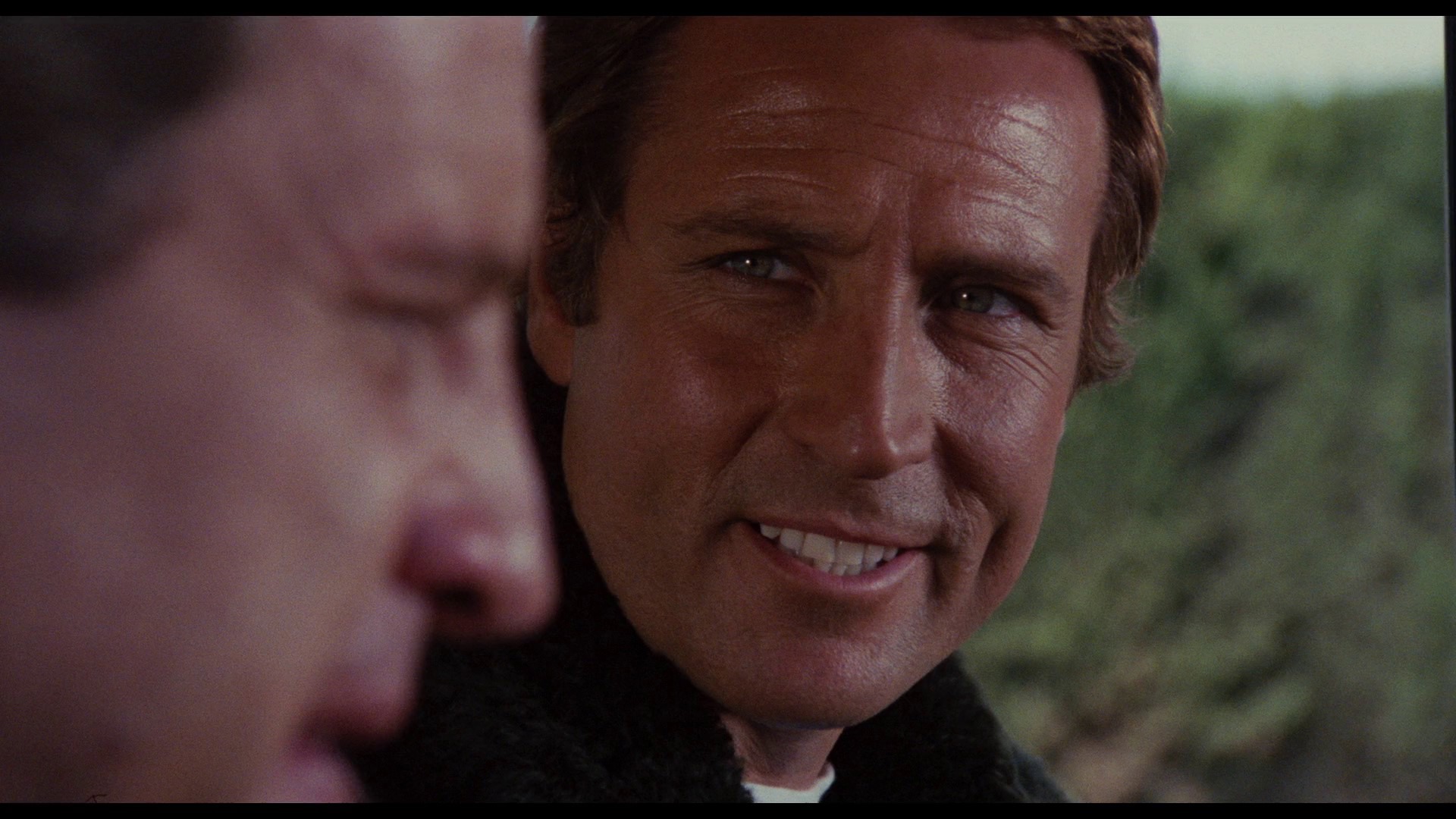
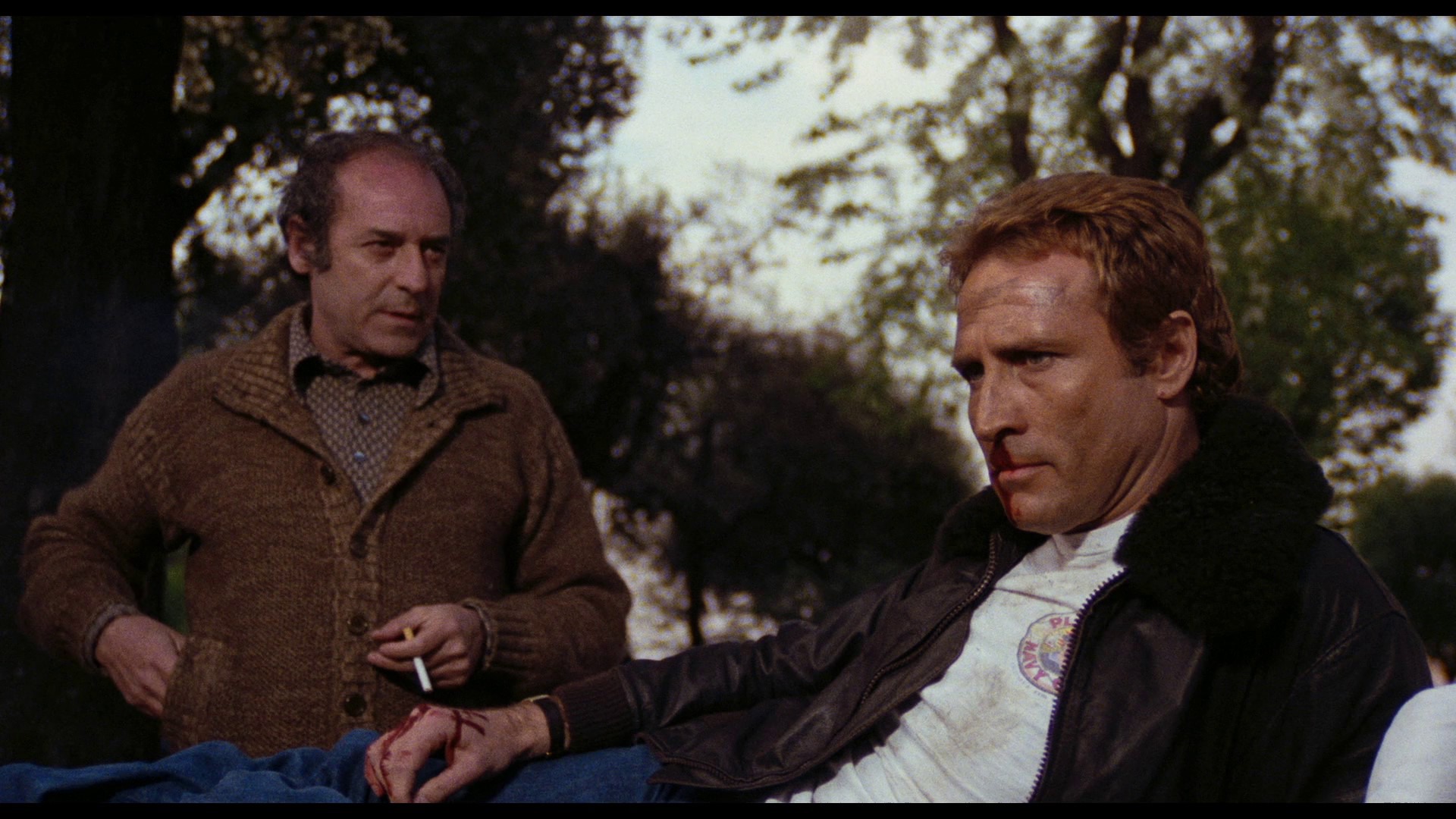
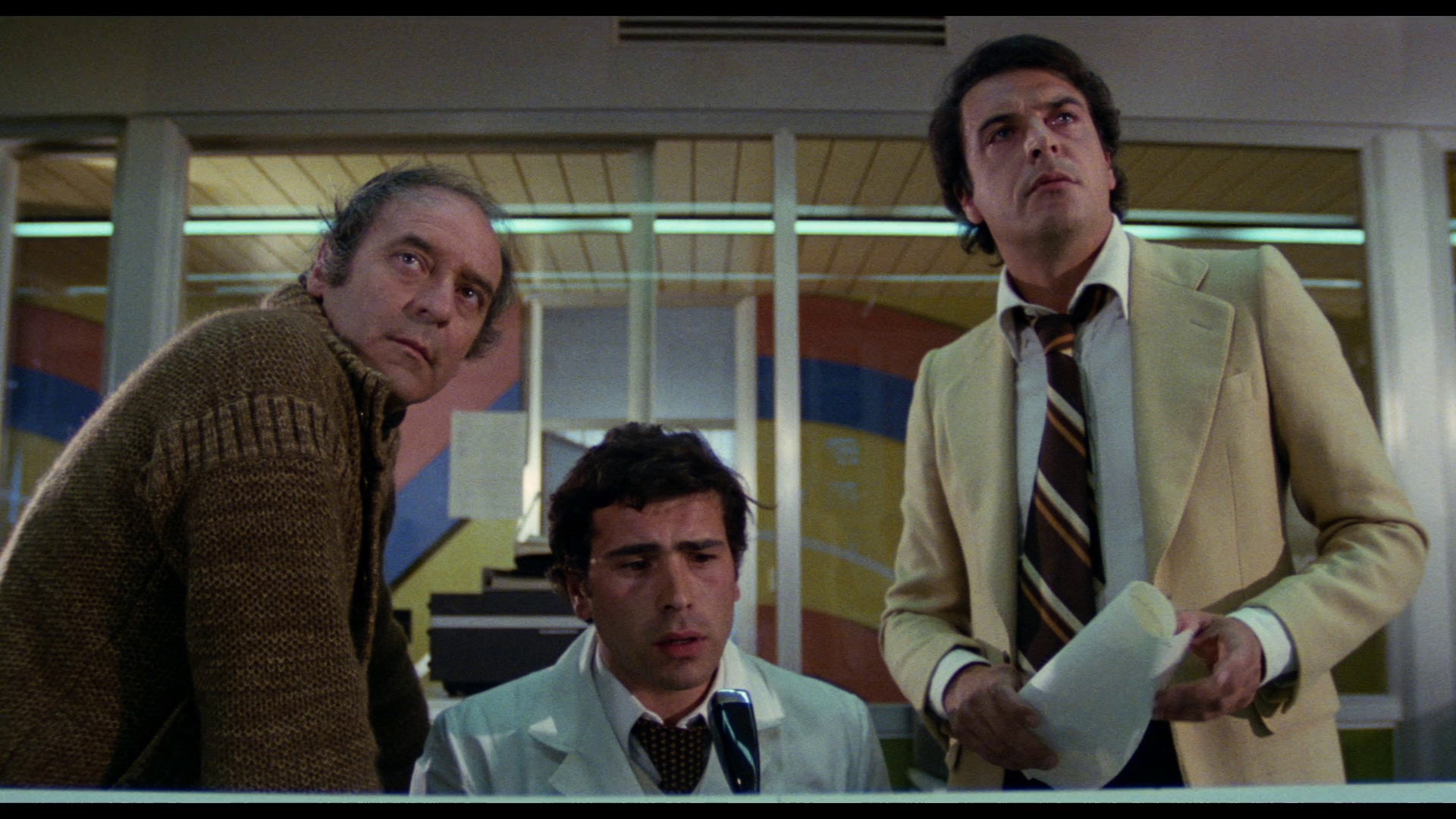
Maurizio Merli's Highway Racer is presented in its original aspect ratio of 1.85:1 on the second dual-layer disc of Arrow's box set Years of Lead. The film has been given a 1080p/24hz high-definition encode and is soured from a 2K restoration, the master of which was provided to Arrow by Intramovies. The film shares the same disc with Colt 38 Special Squad.
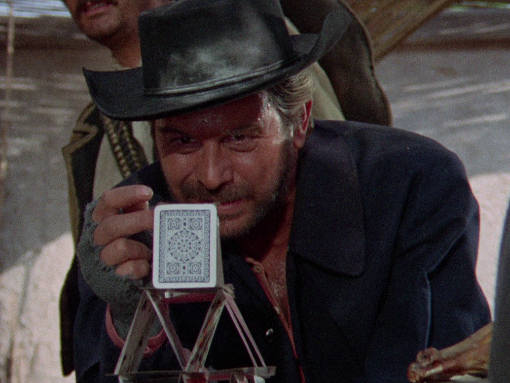
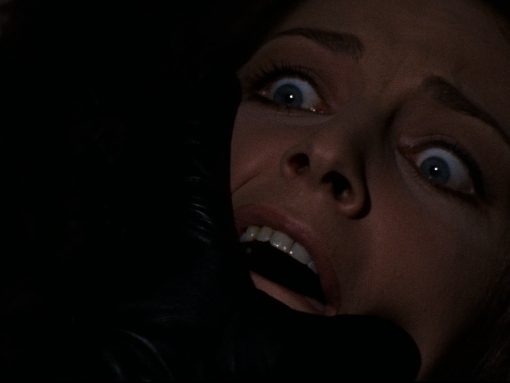
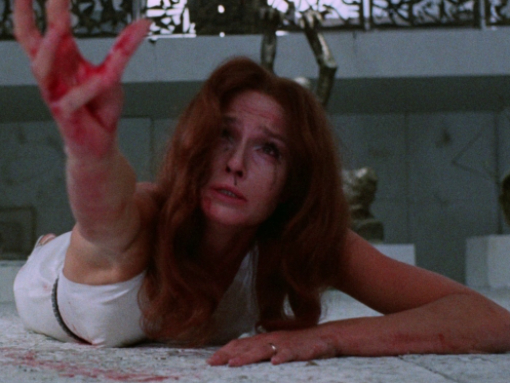
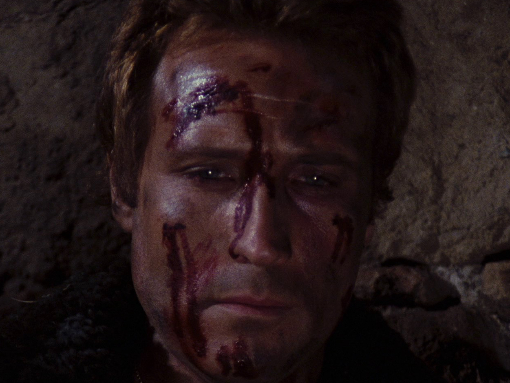
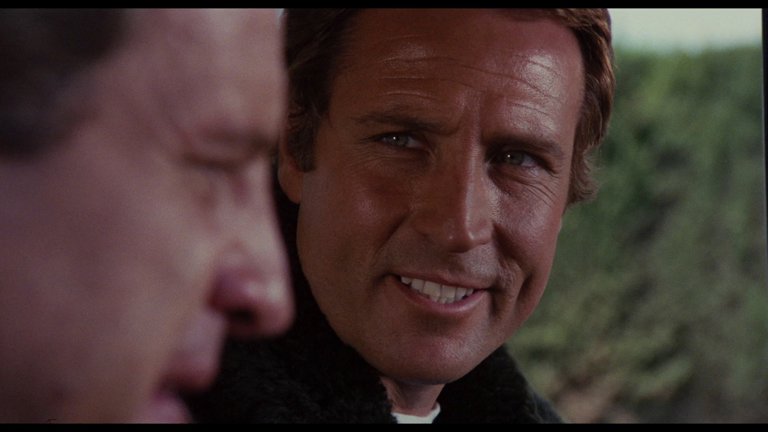
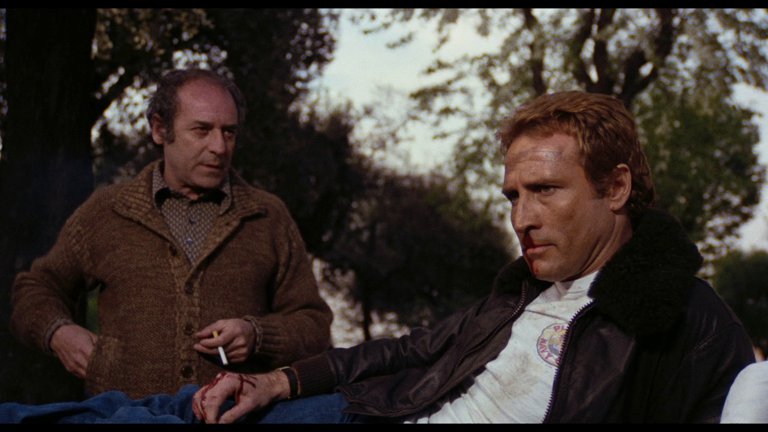
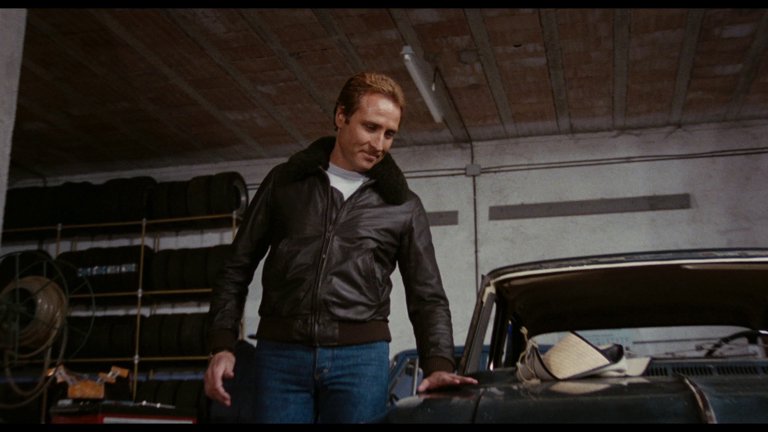
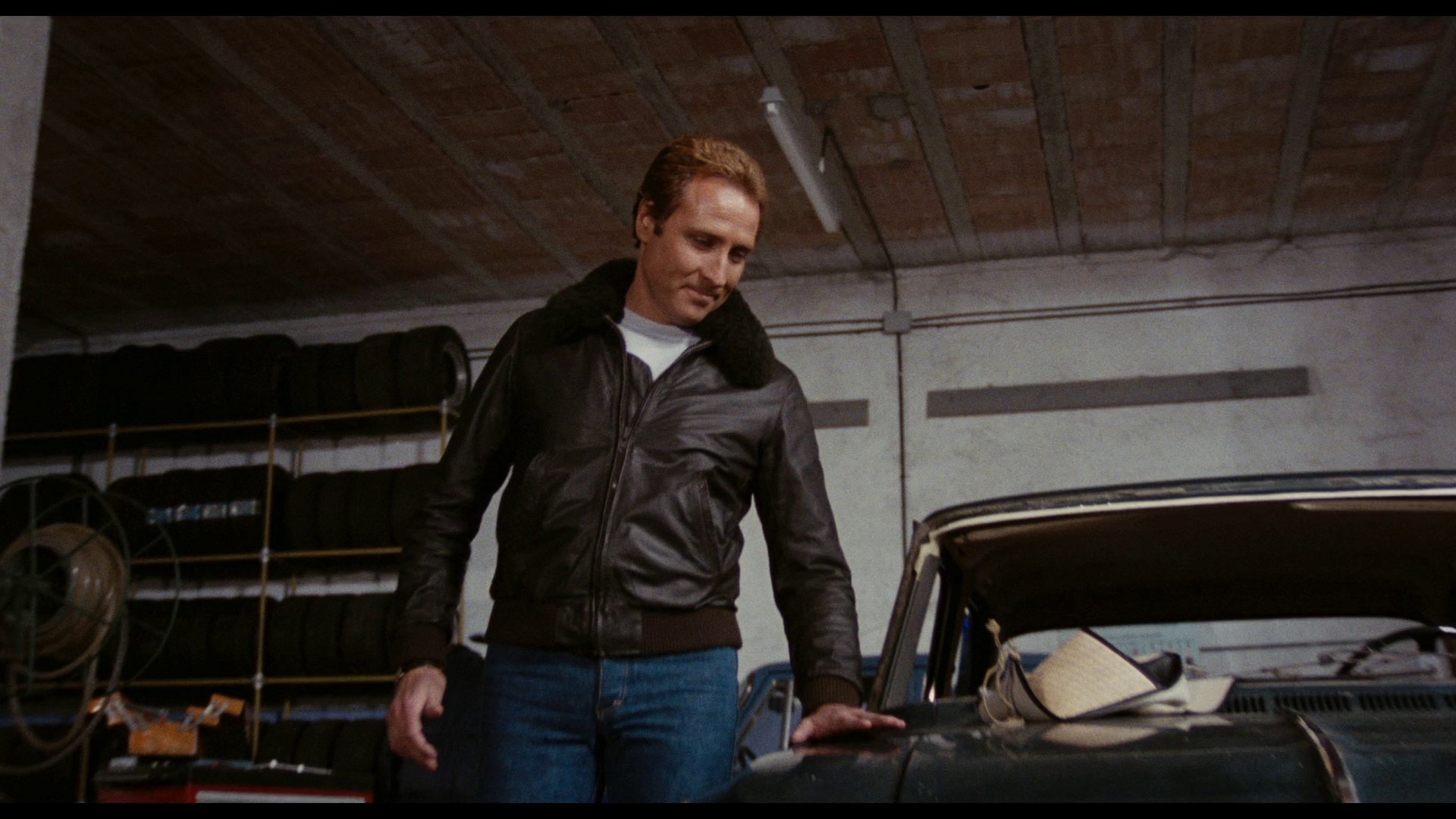
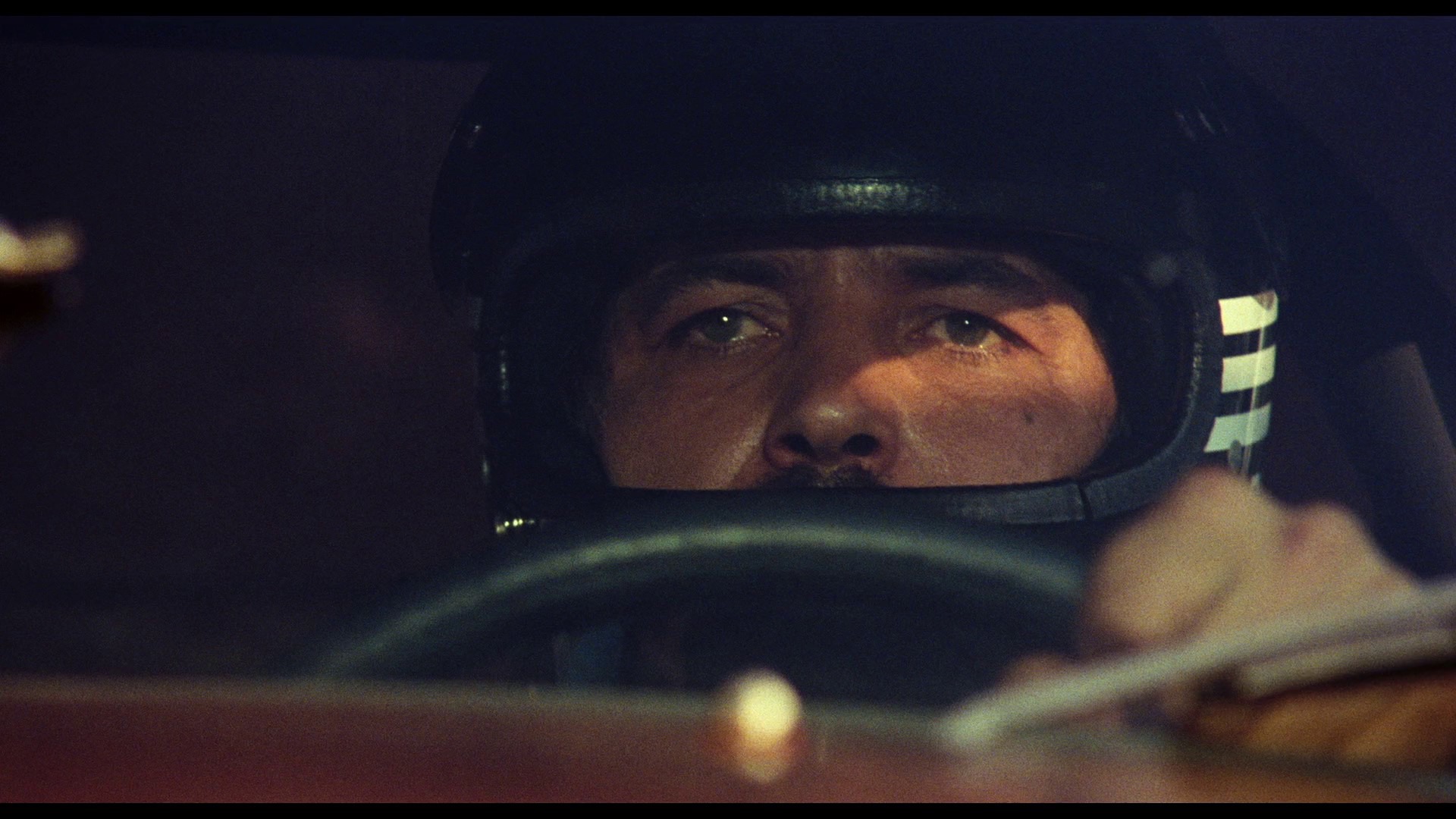
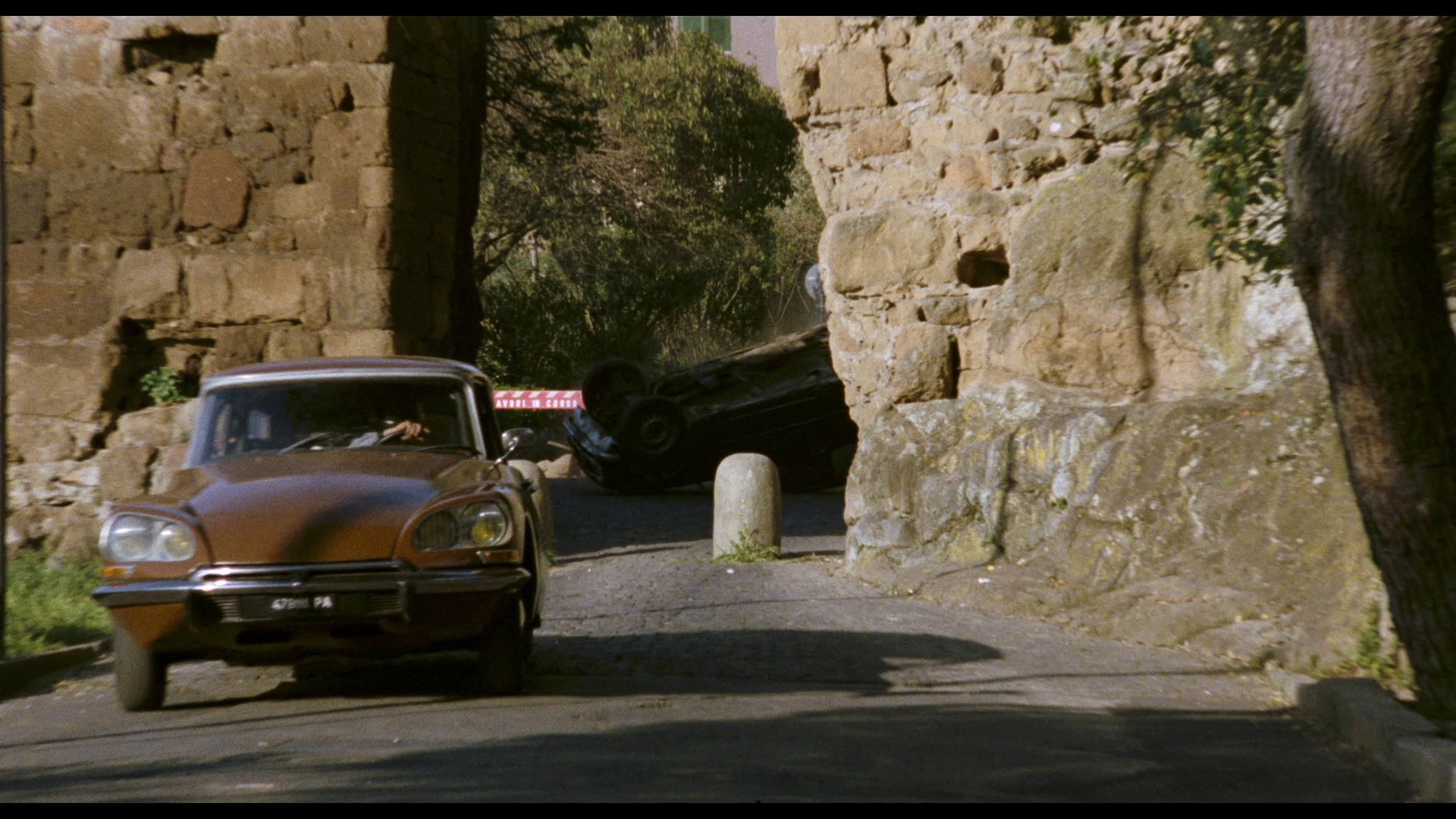
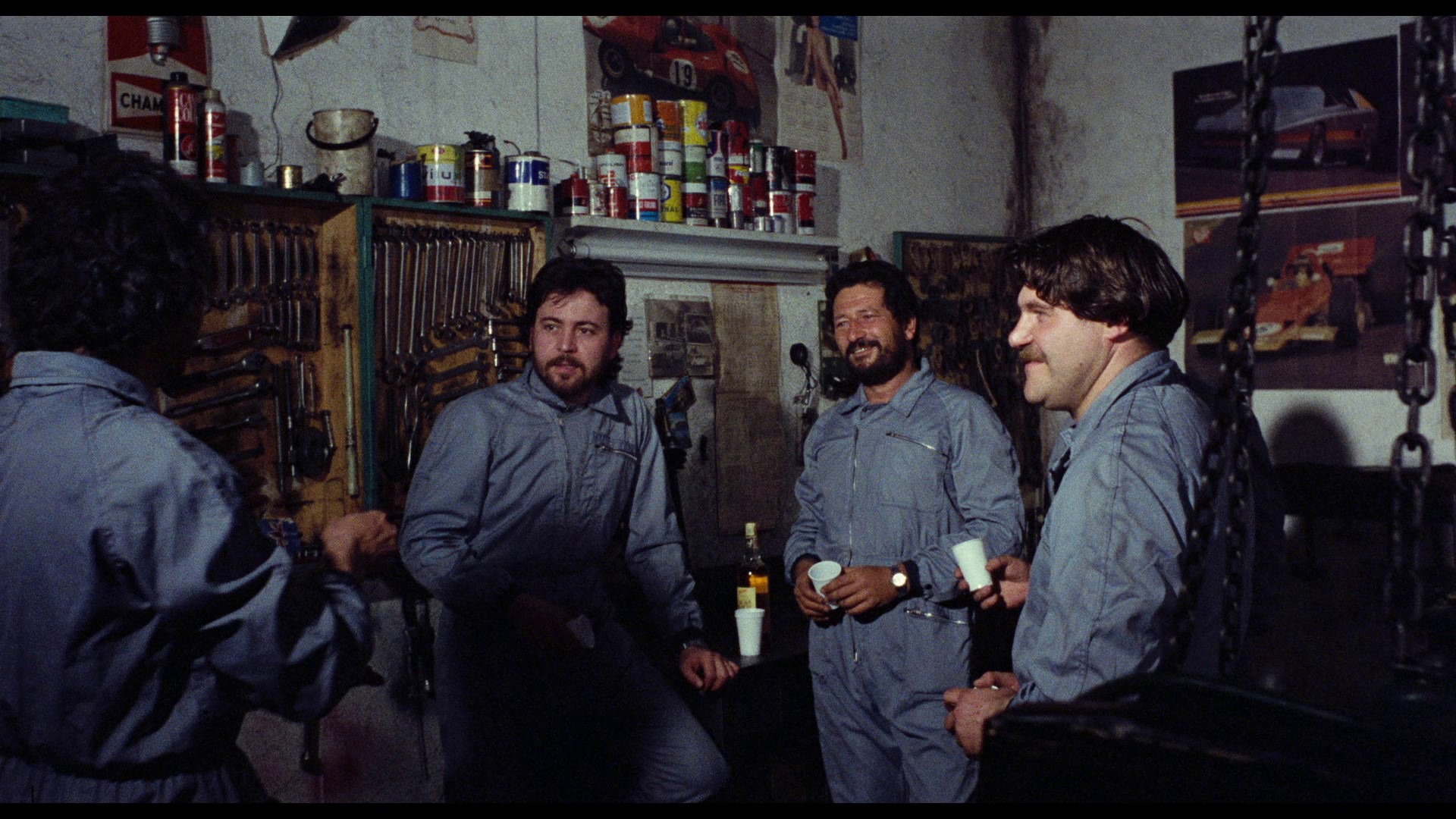
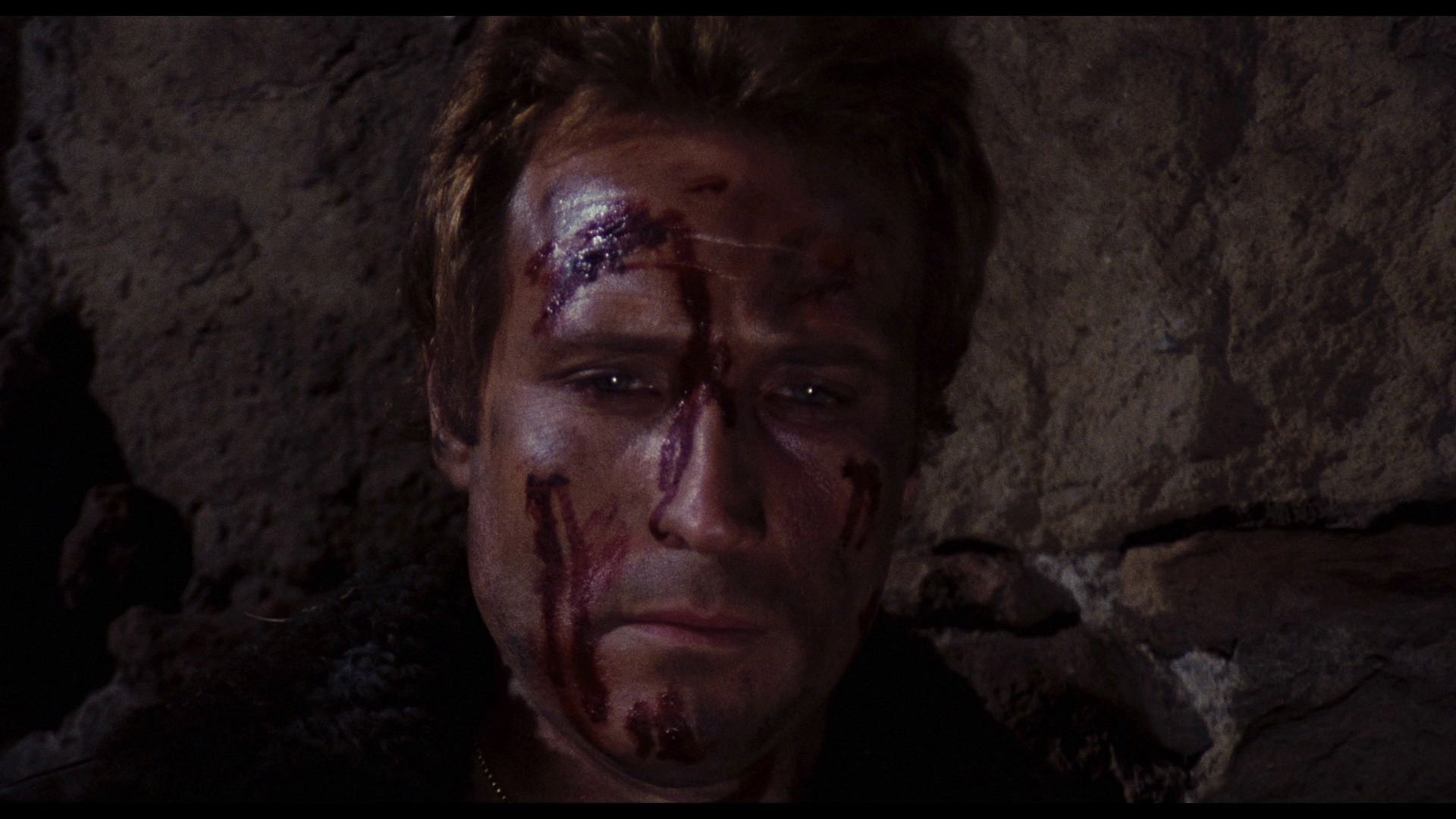
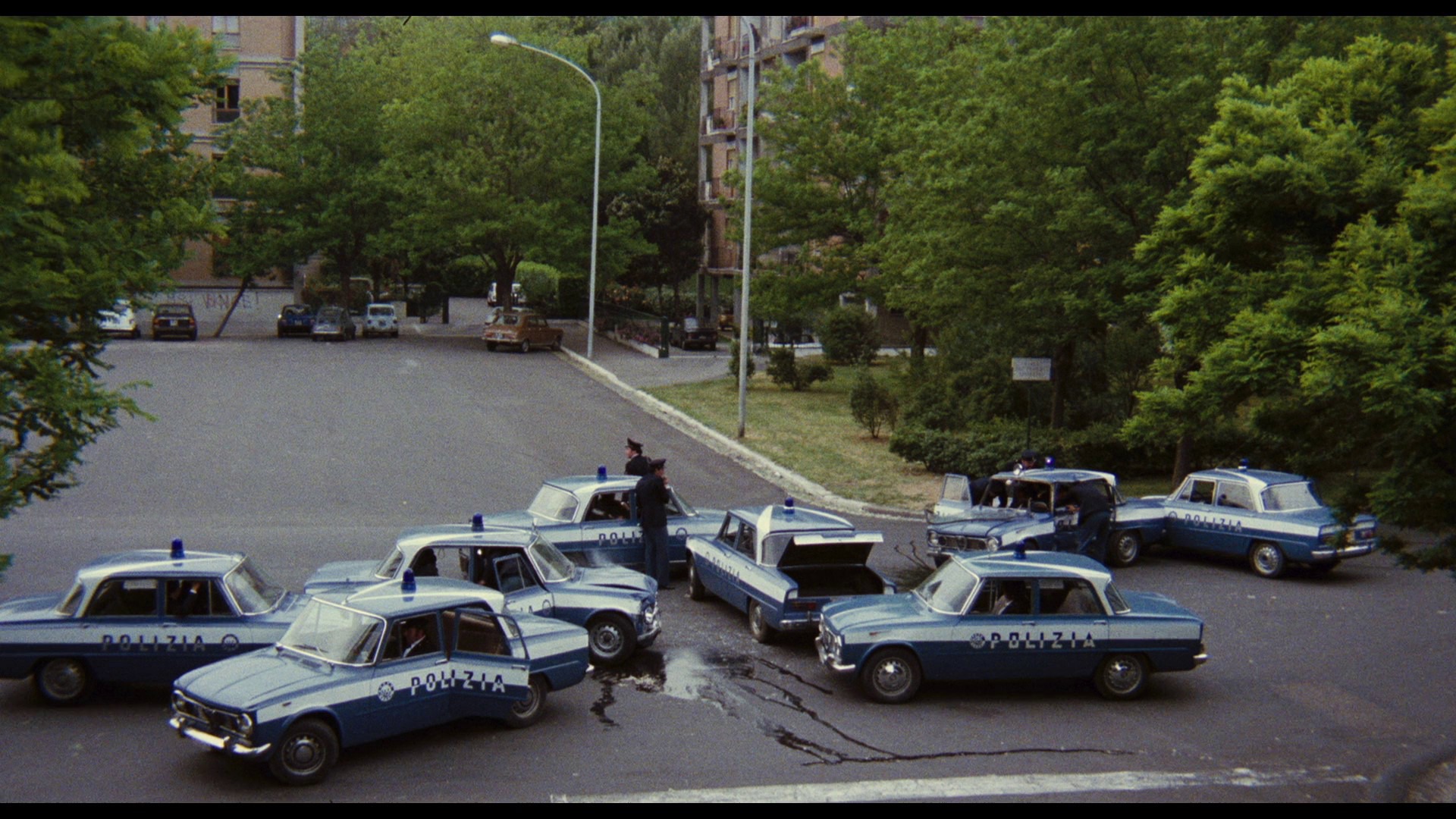
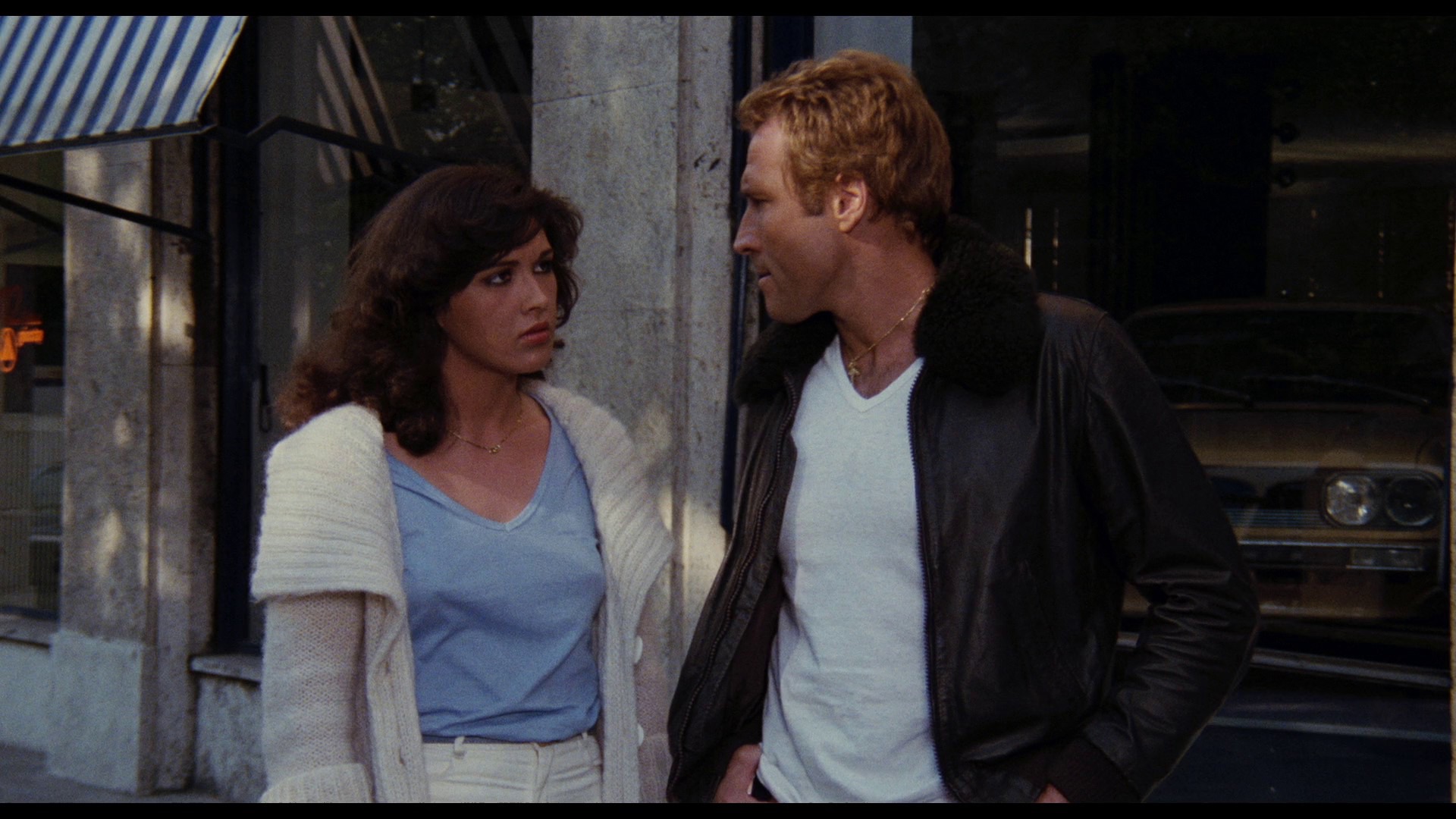
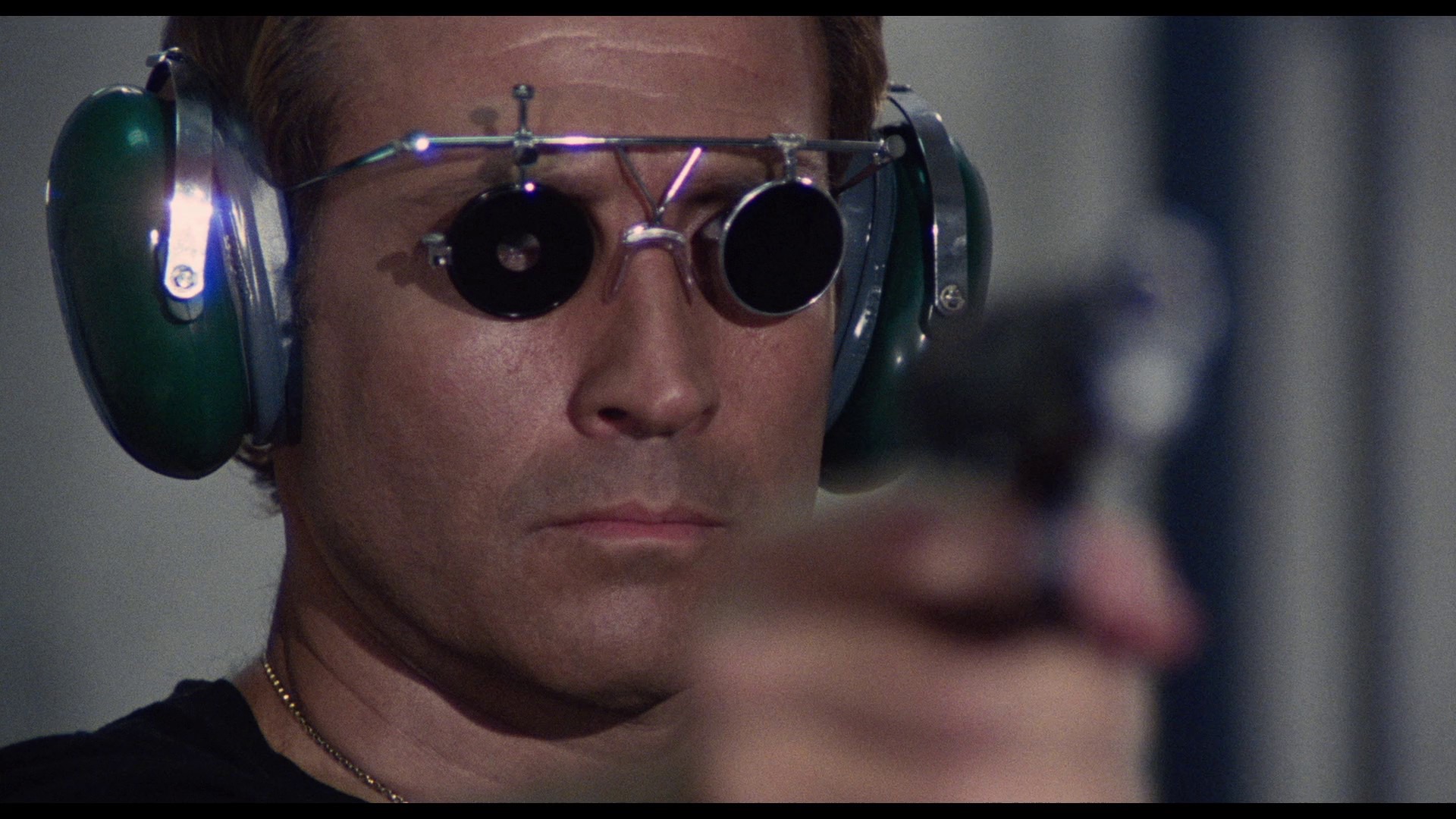
Much to my surprise the presentation for Highway Racer is a solid one, looking to have been done more recently than some of the other titles in the set. More than likely sourced from the negative, it delivers a staggering amount of detail throughout, textures perfectly rendered, most notably in the protagonist's signature (almost comically so) leather jacket. Fine object detail pops and grain is rendered incredibly well. The film is packed with an impressive number of action scenes like car chases and motion looks superb, no trailing or other artifacts present. Digitally, the presentation is one of the sharper ones in the set. As a bit of a sidenote in regards to the action, this film is easily the tamest one in the set, keeping the blood to a minimal level and depending more on some rather impressive car chases.
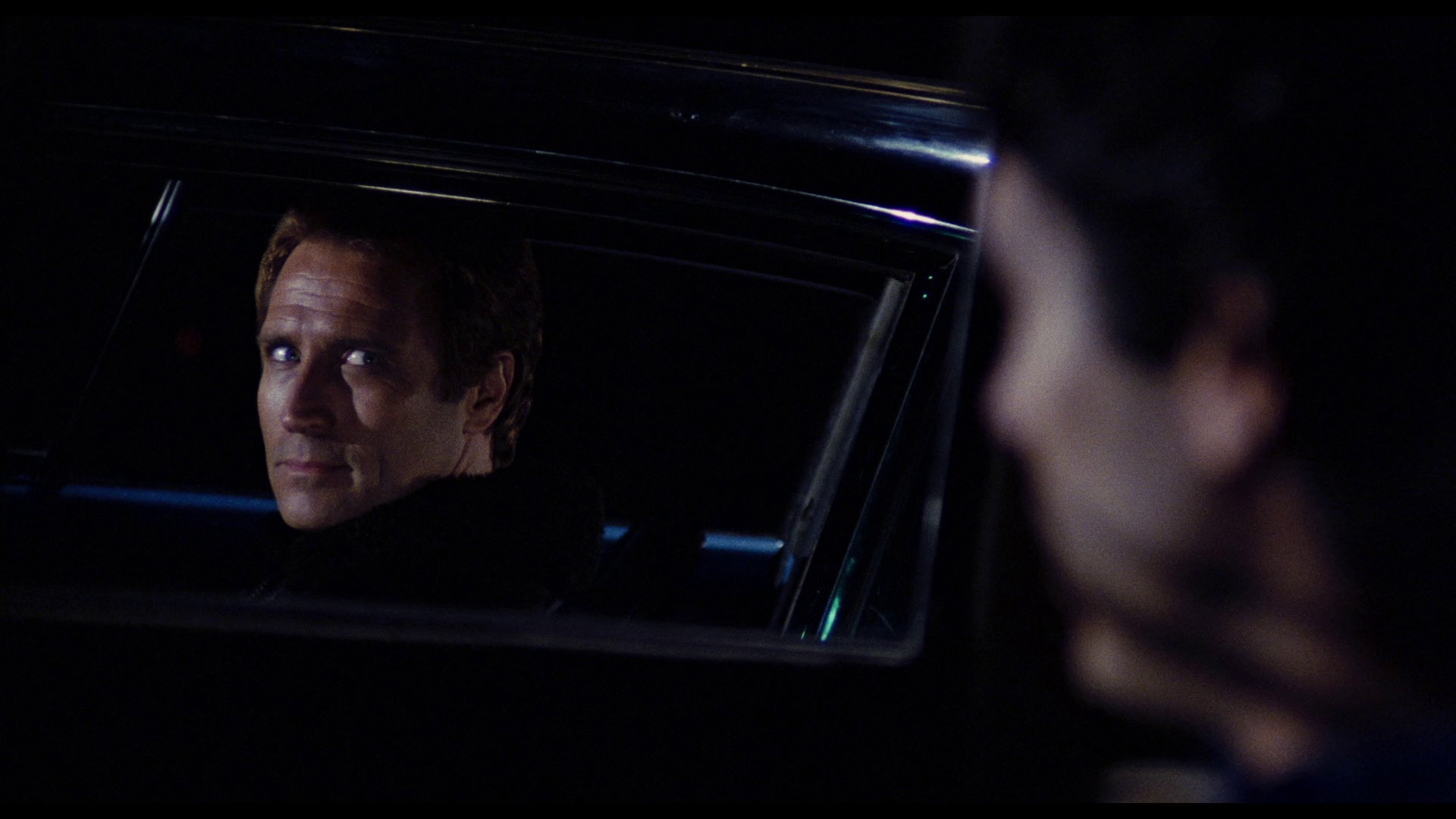
The restoration has cleaned things up quite well, very little damage remaining outside of a handful of minor blemishes. Colours almost lean a green-ish/teal/yellow, though it's not grating and whites still have a decent white look. Black levels can get a little thick here and there in the night sequences but shadow details is still good enough. In all it looks very good.
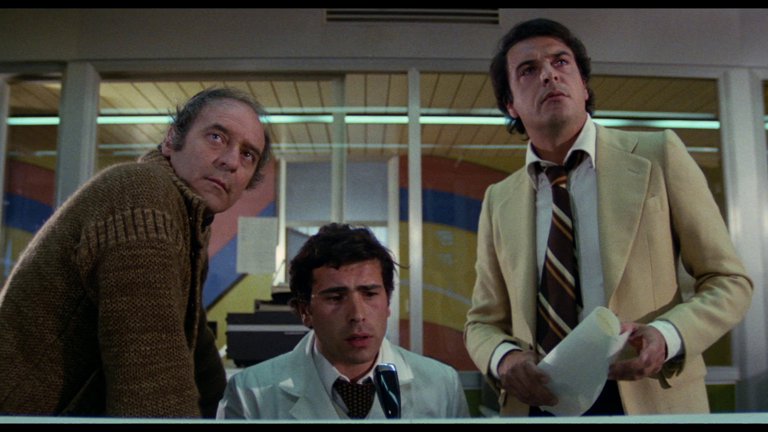
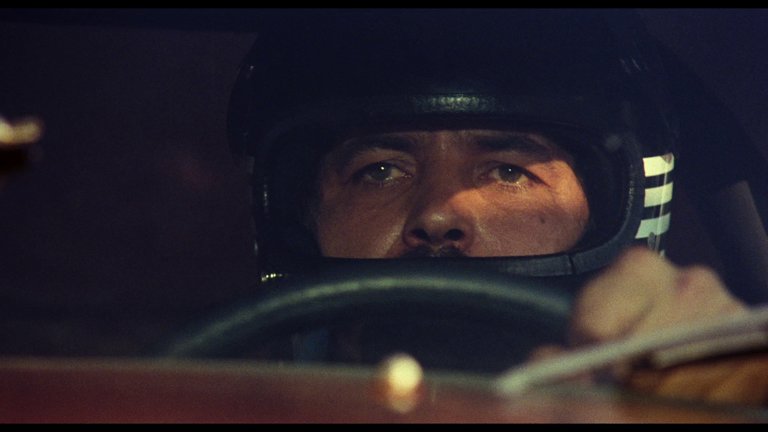
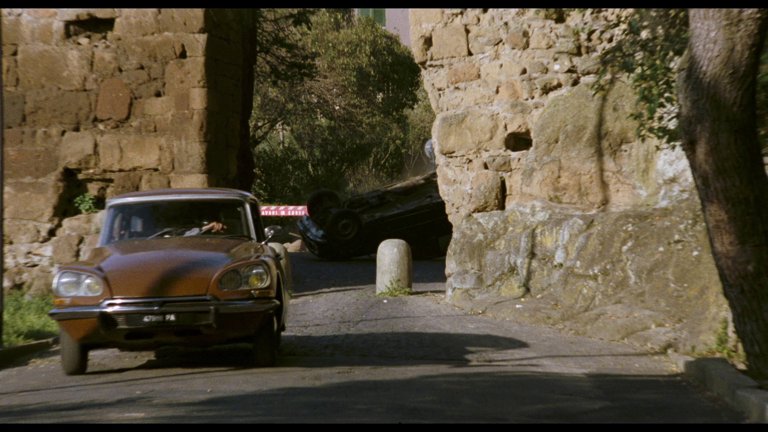
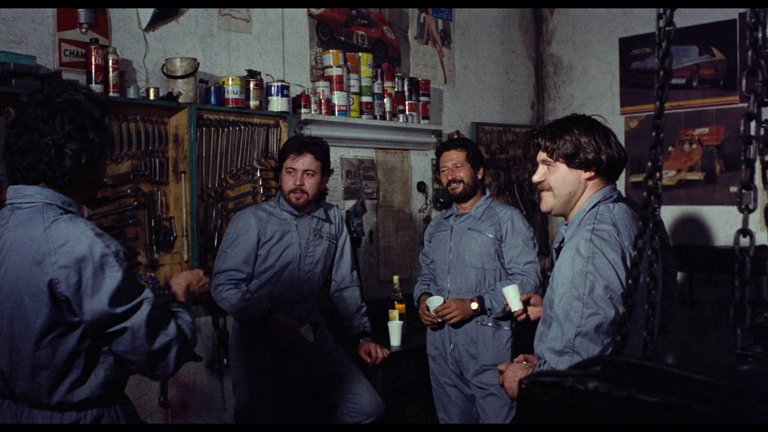
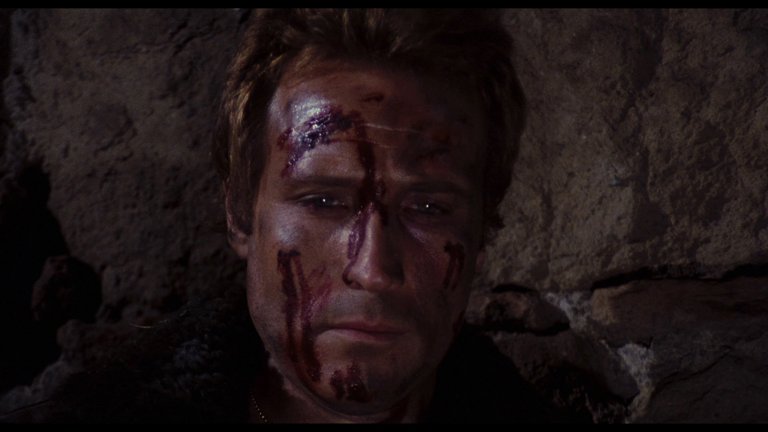
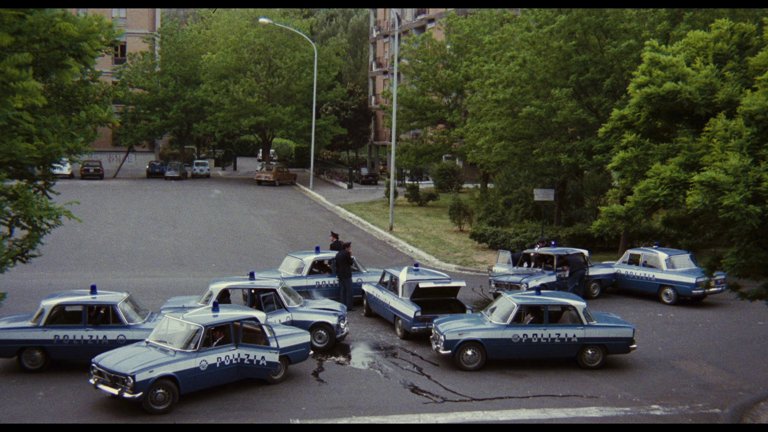
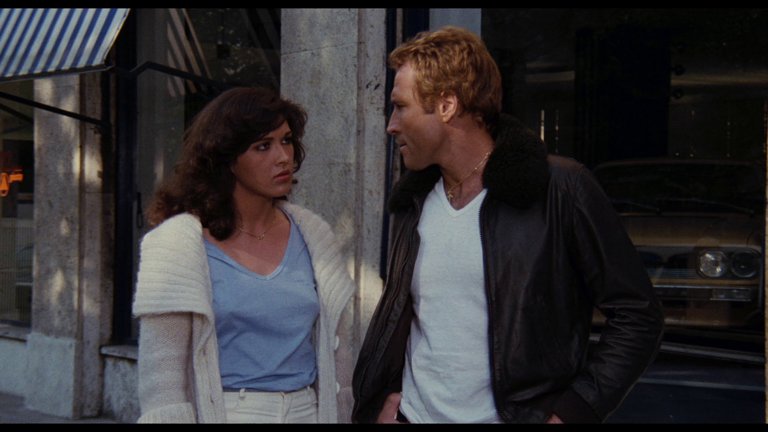
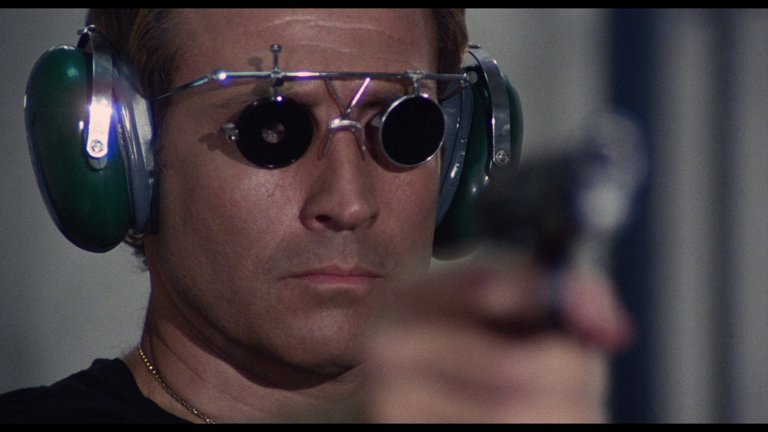
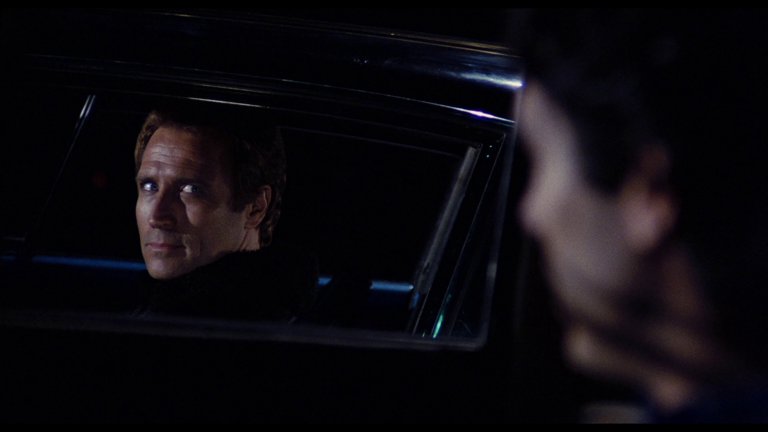
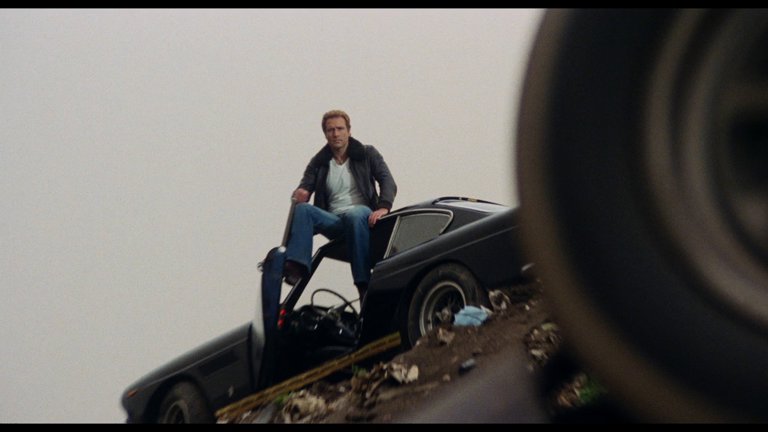
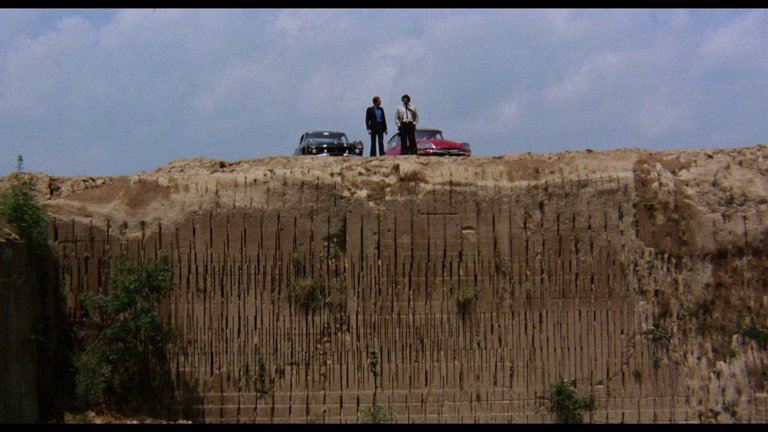
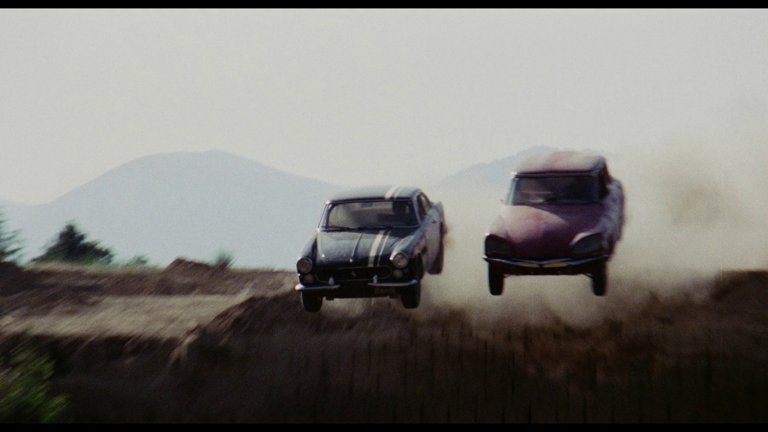
Years Of Lead: Five Classic Italian Crime Thrillers 1973-1977 - Screen Captures
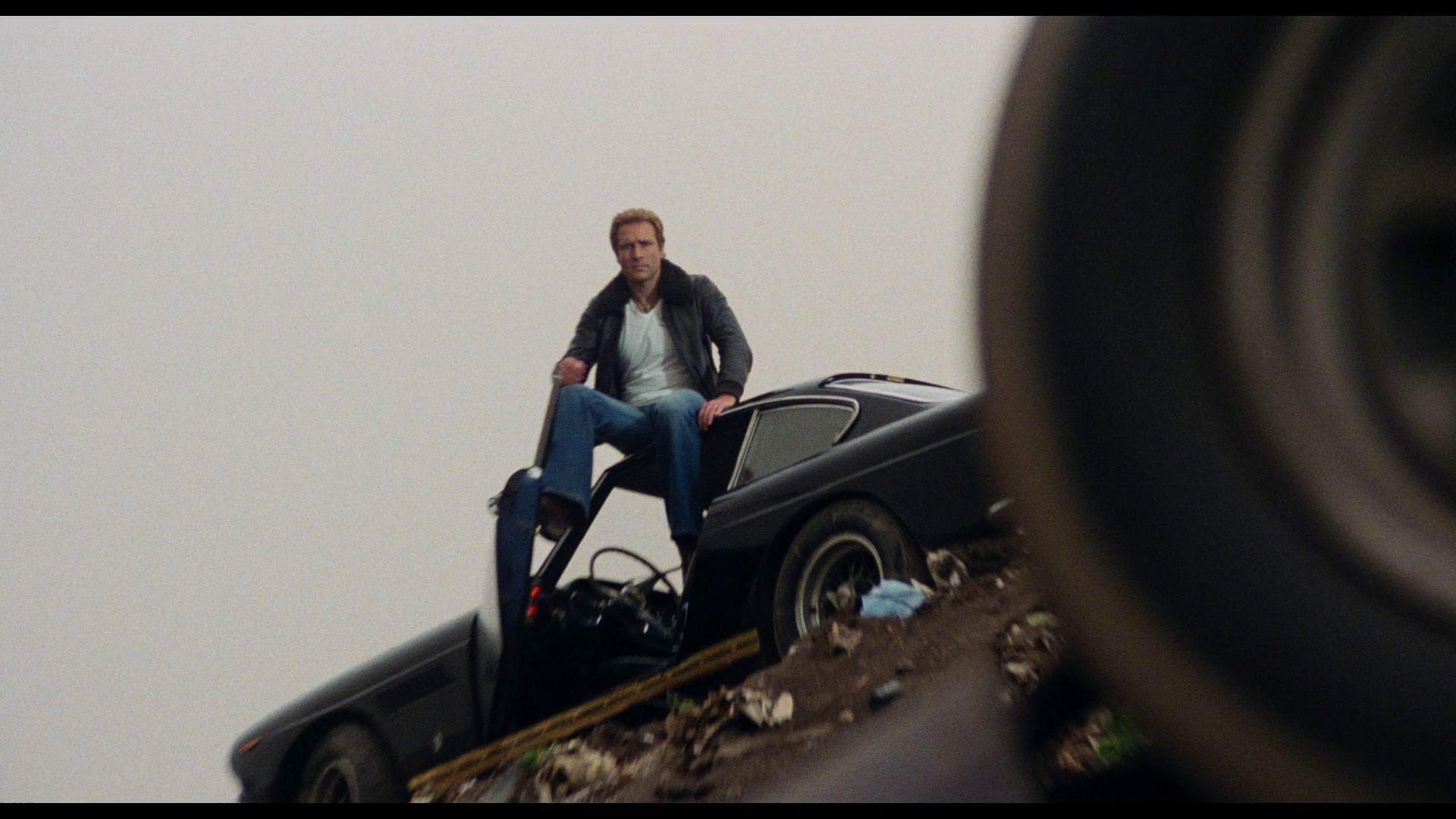
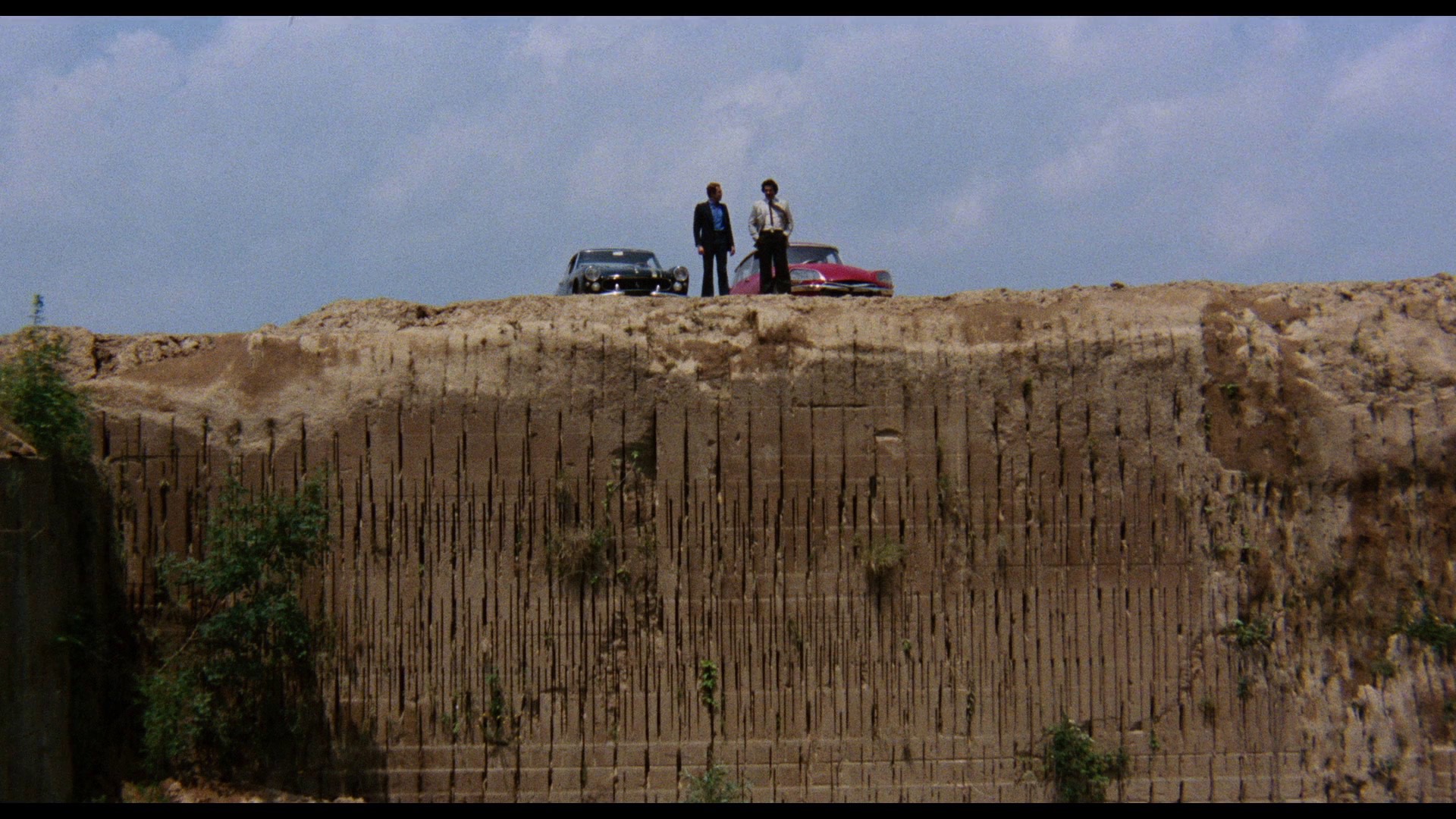
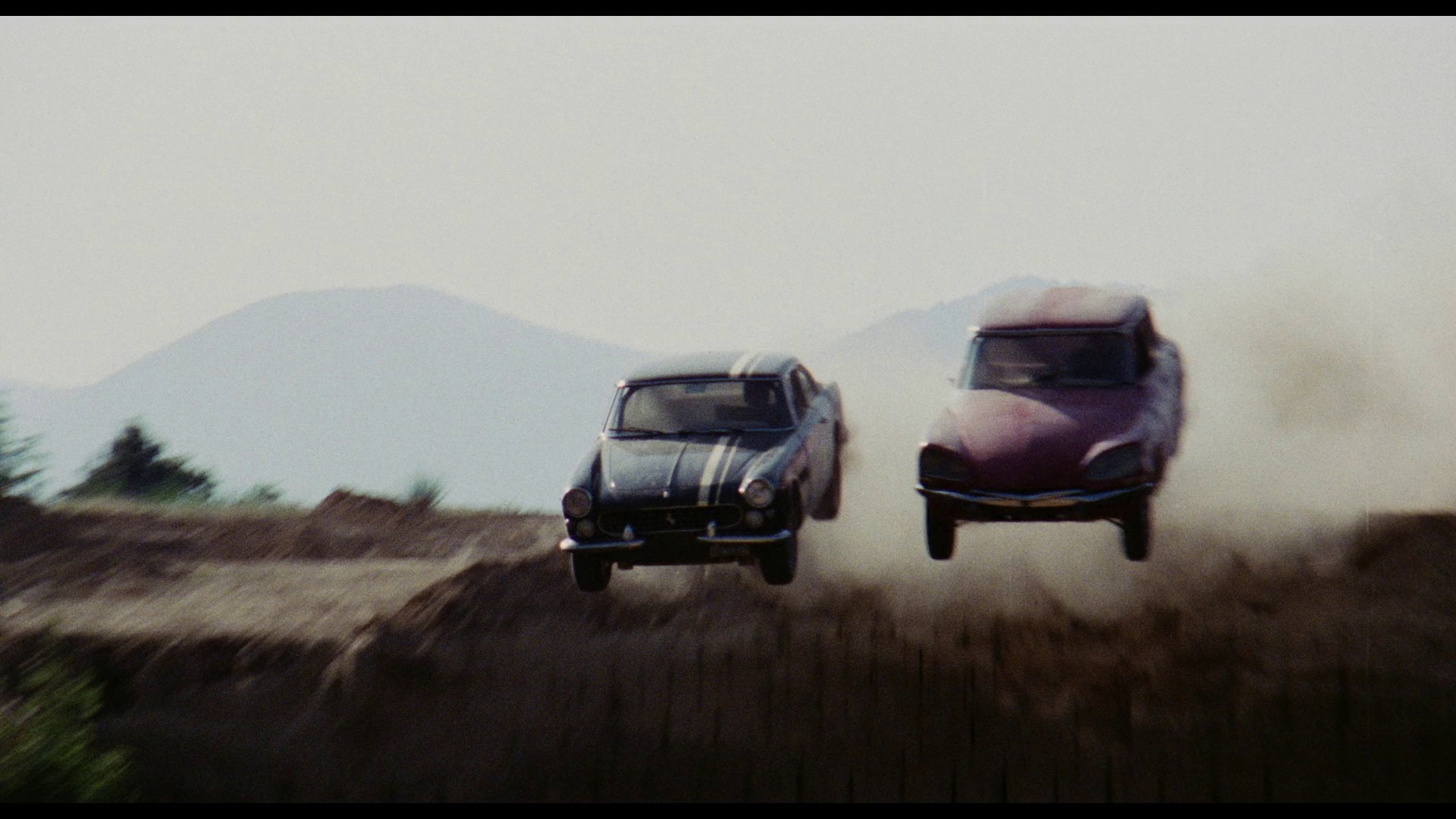
Audio 6/10
The film includes two audio tracks, both in lossless PCM 1.0 monaural: the original Italian and an English dub. Both have that post-synch look/sound, so neither is better than the other in that regard, but the Italian one is a bit sharper with better range and fidelity. The English has a flatter sound. Still, neither shows any heavy damage and in the end it will come down to preference.
Extras 3/10
The film doesn't receive much in the way of supplements: outside of a small gallery presenting three original Italian posters, the film simply receives a 19-minute interview with Italian film historian Roberto Curti. He offers a general overview of the film, it's place in the wave of poliziotteschi films coming out at the time, and talks about the director and actors. He also confirms my suspicion about the film's final stunt: I'll avoid spoilers, but it's clear during the film's final stunt that this was a one-and-done deal (based on the many camera angles) and that the stunt went wrong, leading to the director changing the ending.
It's a fine overview of the film but doesn't stick out as more than that.
Closing
The film gets the shaft with supplements but I found the presentation to be one of the stronger ones.
BUY AT: