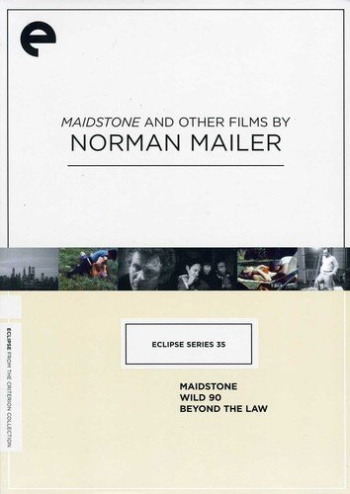
Maidstone and Other Films by Norman Mailer
BUY AT:


See more details, packaging, or compare
Synopsis
Norman Mailer is remembered for many things— his novels, his essays, his articles, his activism, his ego. one largely forgotten chapter of his life, however, is his late-sixties kamikaze-style plunge into making experimental films. These rough-hewn, self-financed, largely improvised metafictions are works of madness and bravado, all starring Mailer himself and with technical assistance from cinema verité trailblazers D. A. Pennebaker and Richard Leacock. The most fully realized of his directorial efforts is the blustering, brawling Maidstone, a shocking sign of the political times, in which Mailer plays a filmmaker and presidential candidate who may be the target of an assassination attempt. Along with Mailer’s other films of the period—Wild 90 and Beyond the Law—it shows an uncompromising artist in thrall to both himself and a new medium.
Picture 4/10
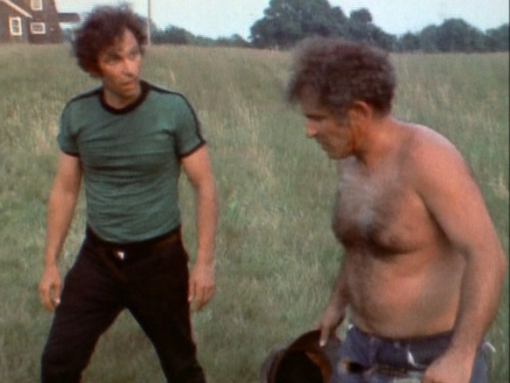
The 35th release in Criterion’s Eclipse line presents three of the four films directed by Norman Mailer in this set aptly titled Maidstone and Other Films by Norman Mailer. The set includes Maidstone, Wild 90, and Beyond the Law. All three films are presented in their original aspect ratios of 1.33:1 and none of them have been windowboxed. Maidstone is presented on its own dual-layer DVD while the other two films share the second dual-layer disc.
If there has been any restoration to these titles it has been minimal. Each film is littered with damage to varying degrees. The two black and white films, Wild 90 and Beyond the Law look particularly bad, Wild 90 more so, each presenting plenty of scratches, tears, dirt, debris, and huge stains. Contrast can also look a little off and the films can look a bit blown because of it. Sharpness varies wildly as well: there are moments where the image is crisp and clean around the edges but most of the time the films look to be either out of focus or simply just soft.
Maidstone, the one colour film in the set, is in better shape but it still presents its own set of scratches, stains, tears and more, just to a lesser extent. Colours also look a bit washed and nothing ever really pops.
The heavy damage is unfortunate but this aspect can be less of a problem and easy to overlook if the transfers hold up but this is not the case I'm sad to say. Wild 90’s and Beyond the Law’s transfers can look good when they want to. There are moments in both where the image is crystal clear with a high amount of detail, but the images for both mostly look soft and mushy. At times it almost looks like Beyond the Law could be sourced from a VHS tape. But these transfers are at least progressive. Maidstone’s transfer is interlaced and it can show in places. Jaggies can be visible and ghosting is apparent during quick movements.
Keeping true to the budget idea of the Eclipse line it appears no restoration work has been done but even then the digital transfers themselves can leave a lot to be desired.
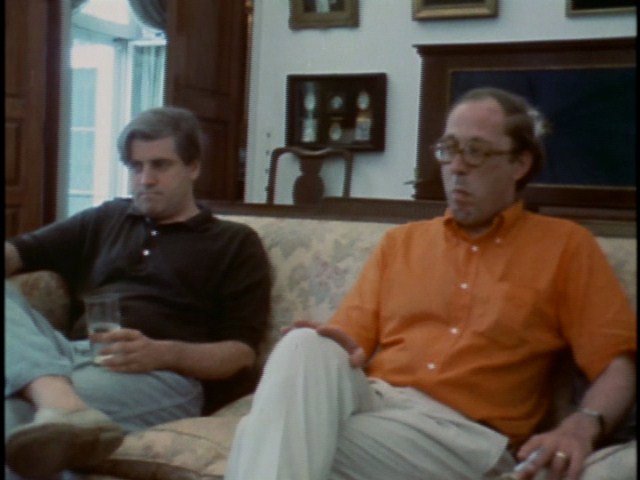
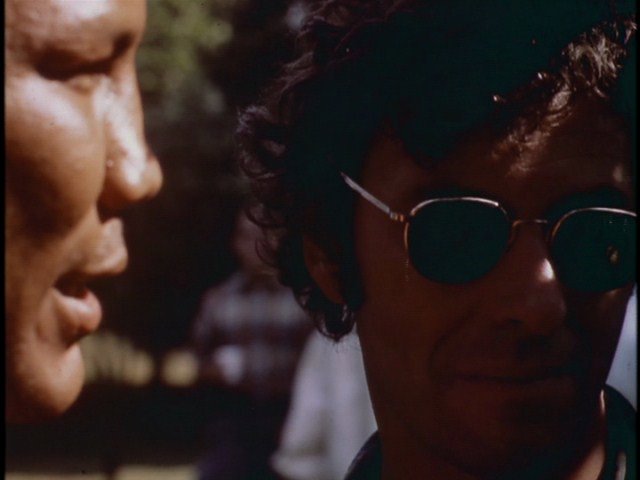
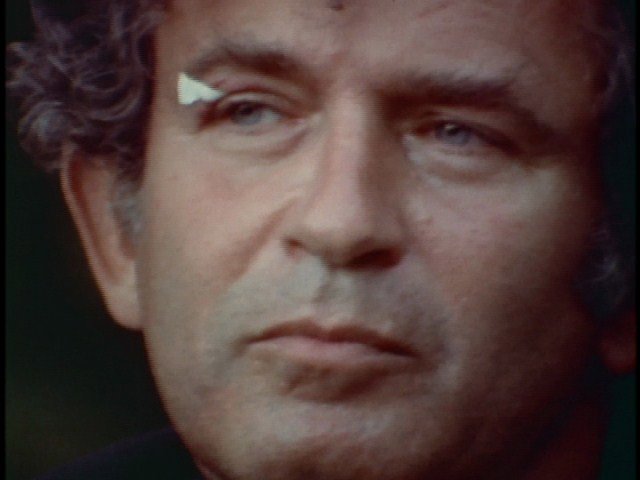
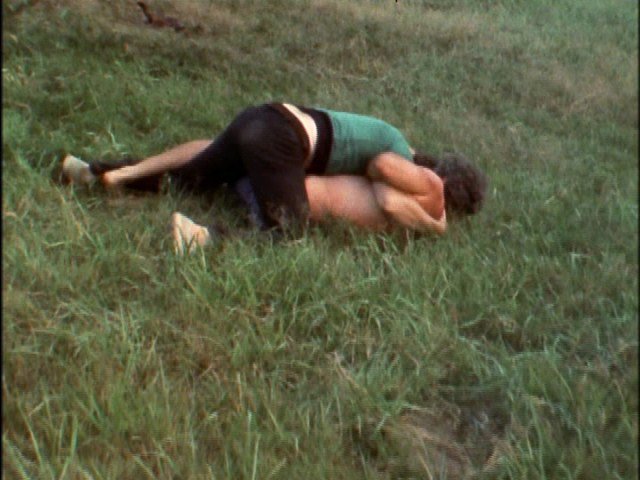
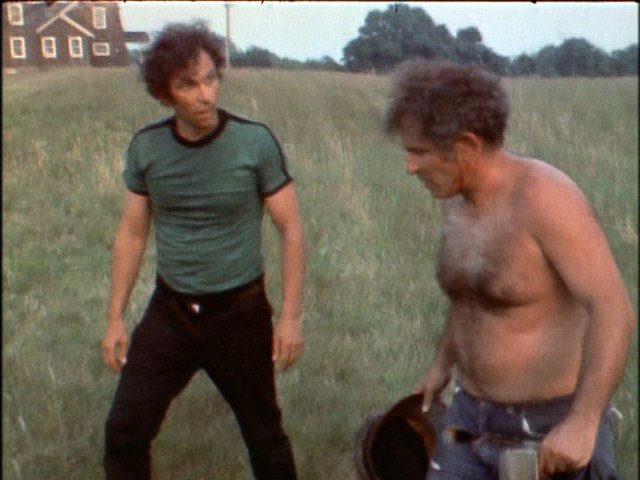

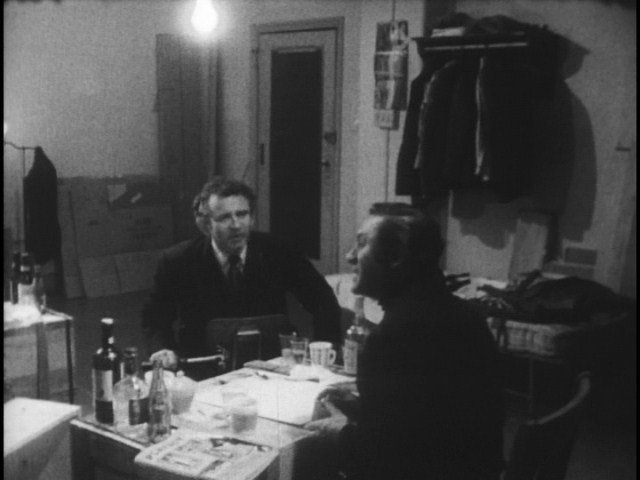
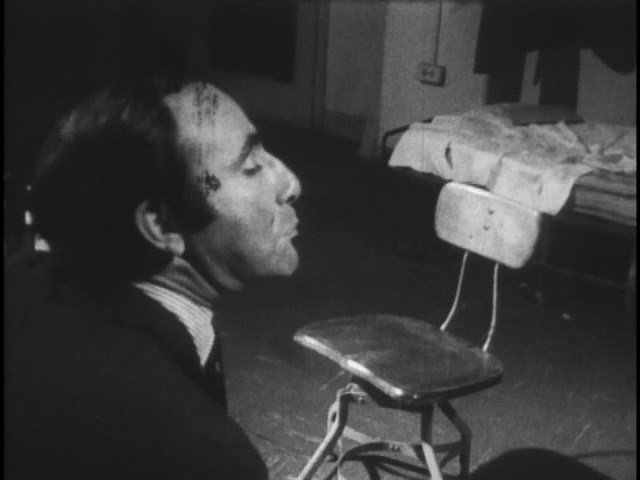
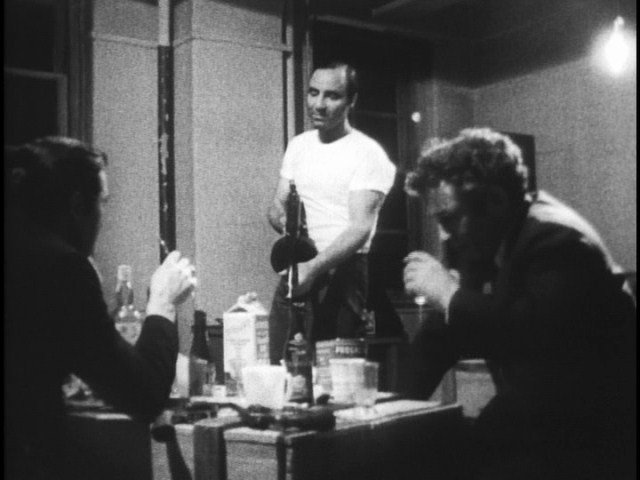

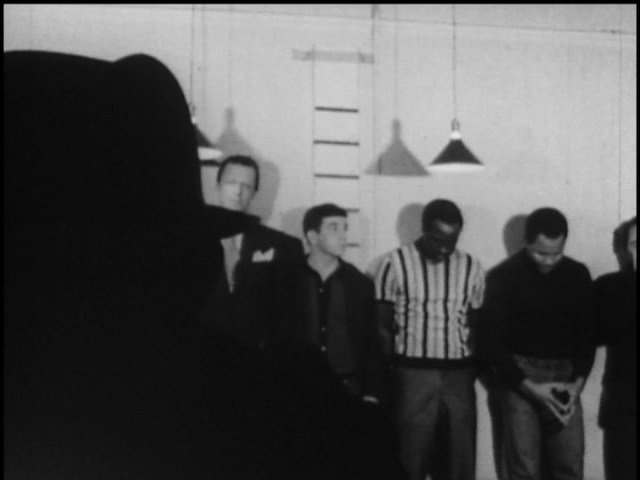

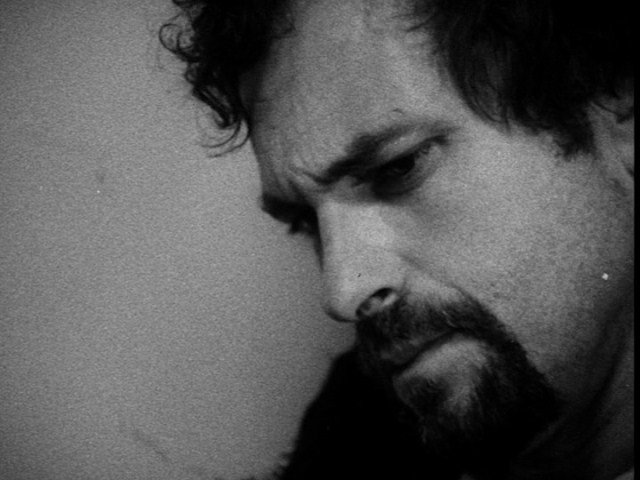
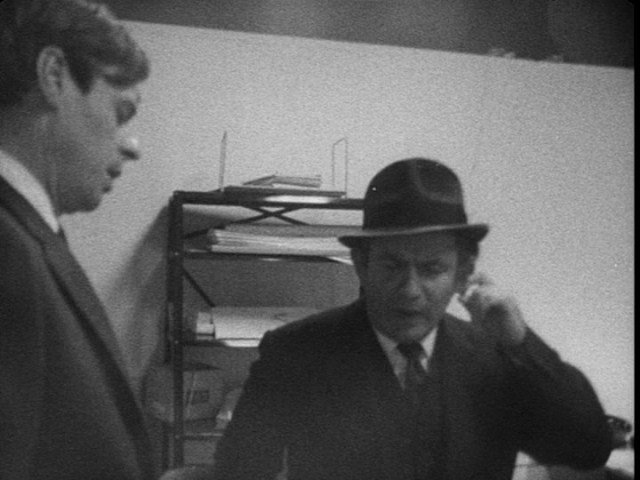
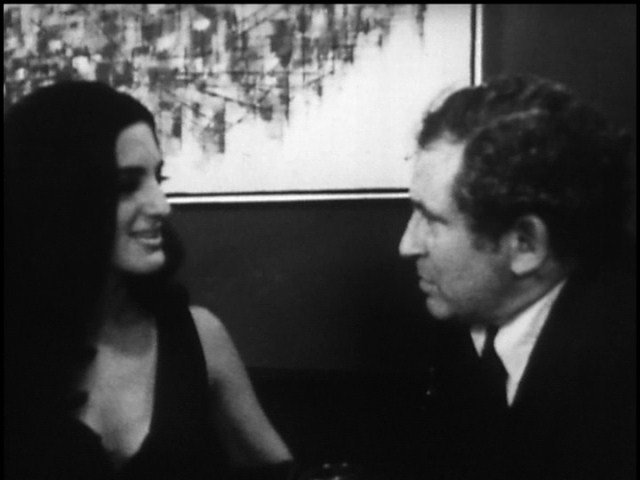
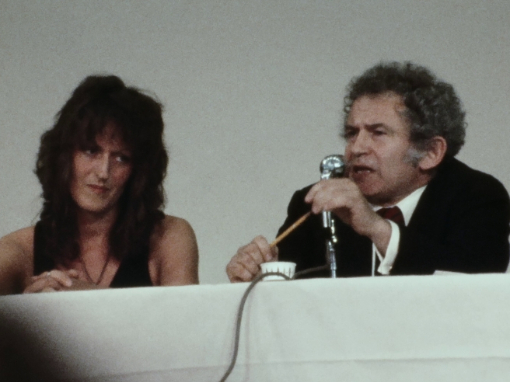
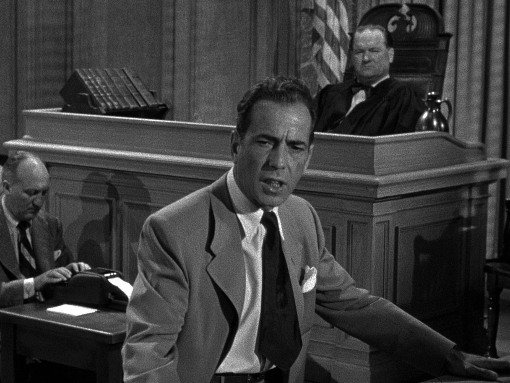
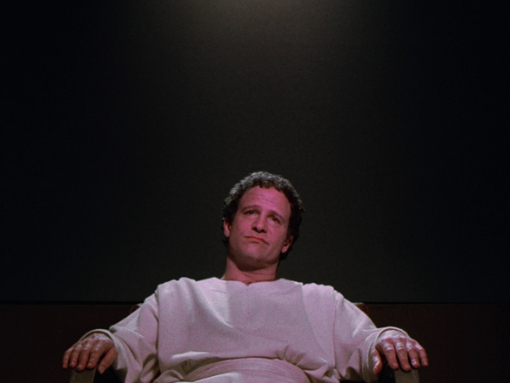
Maidstone and Other Films by Norman Mailer - Screen Captures
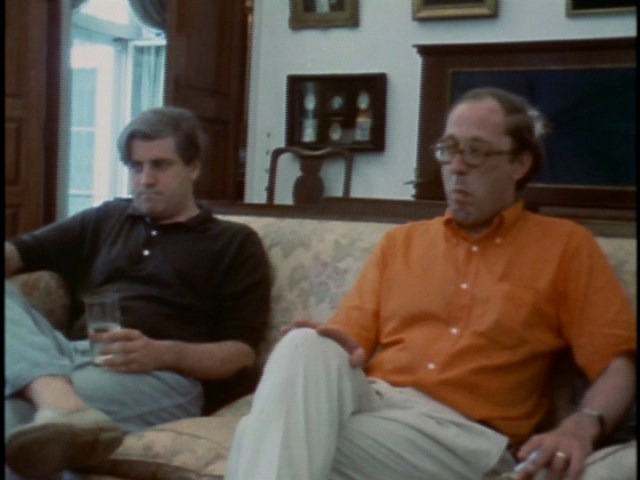
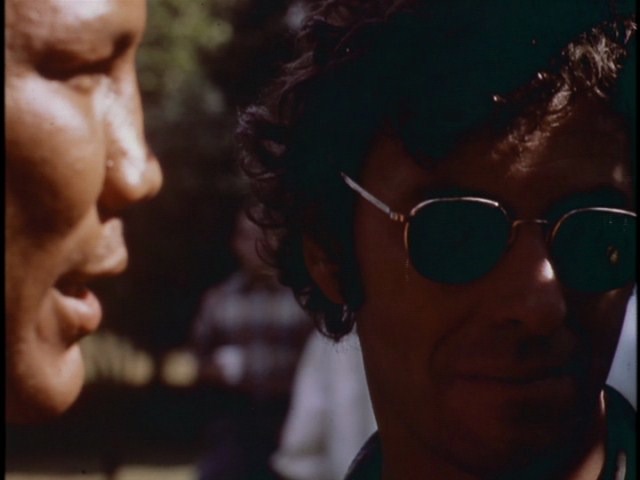
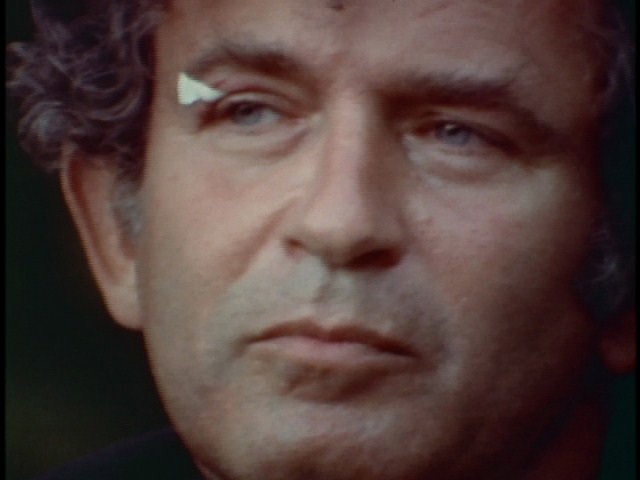
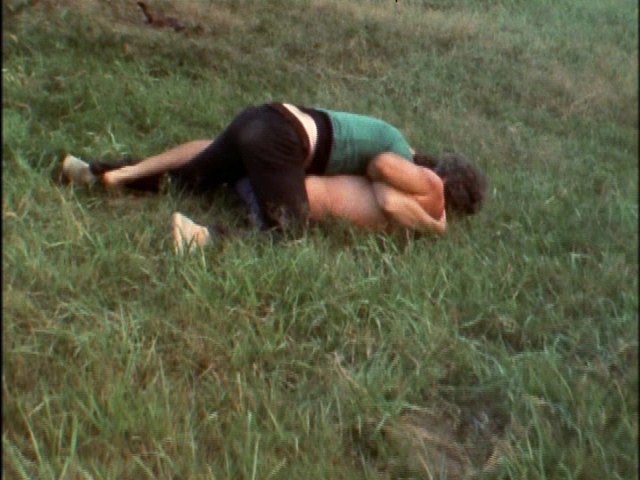
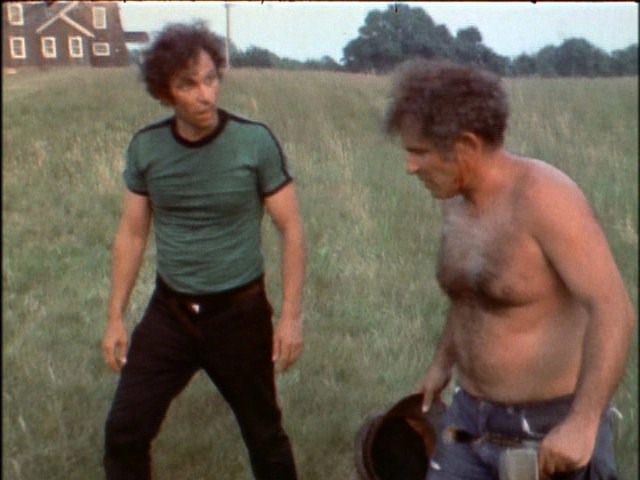

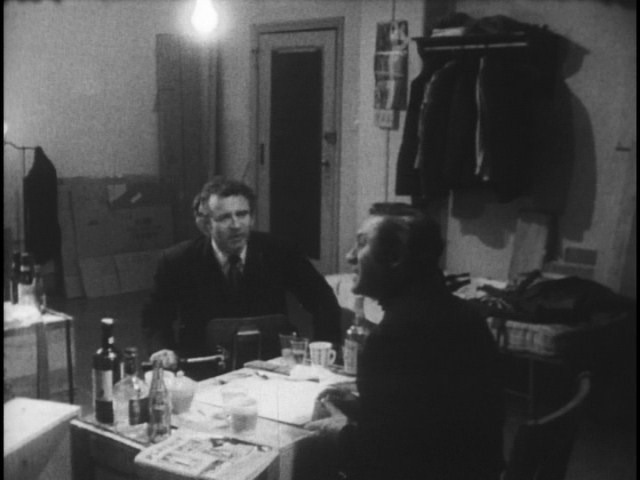
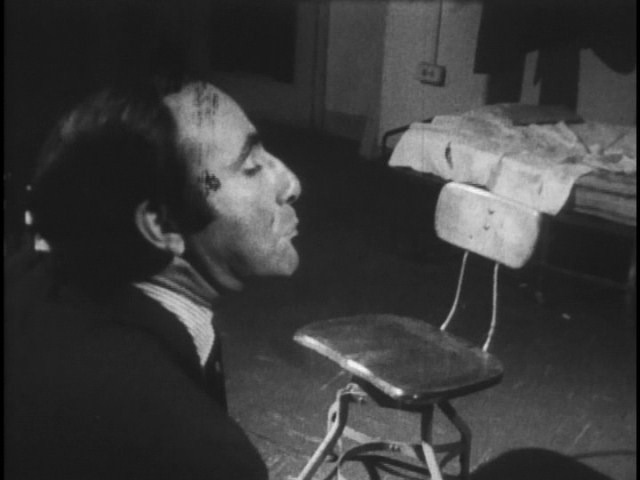
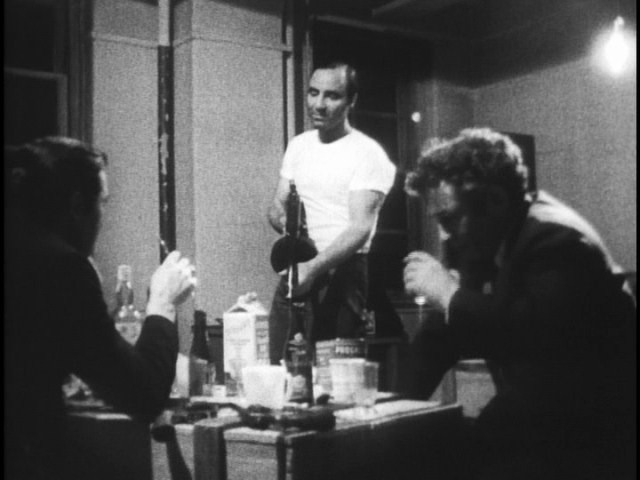
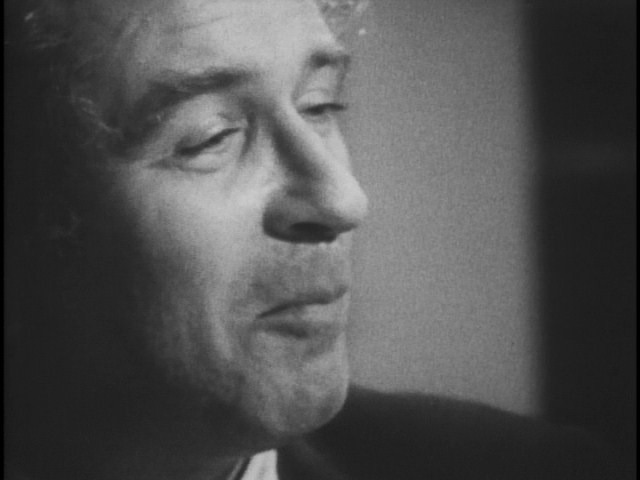
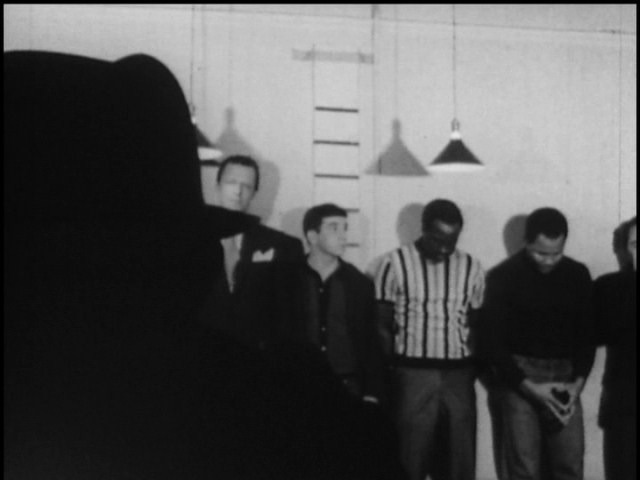
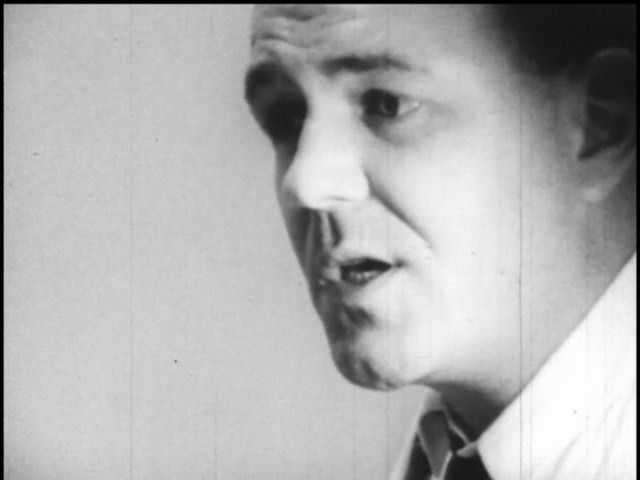
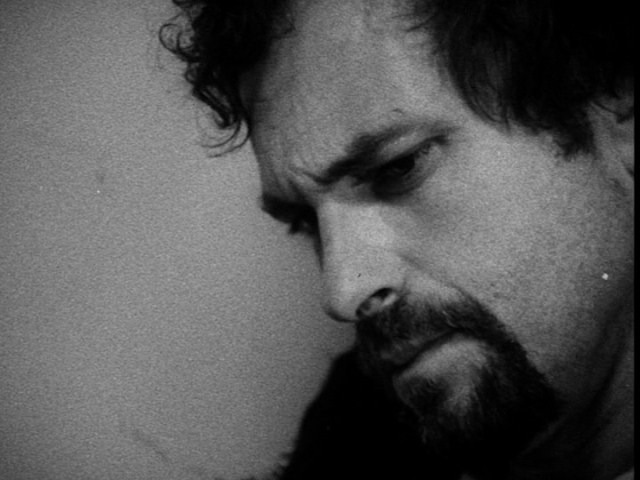
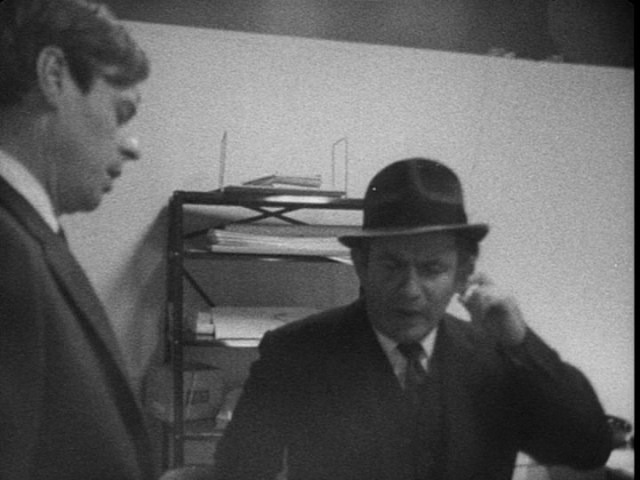
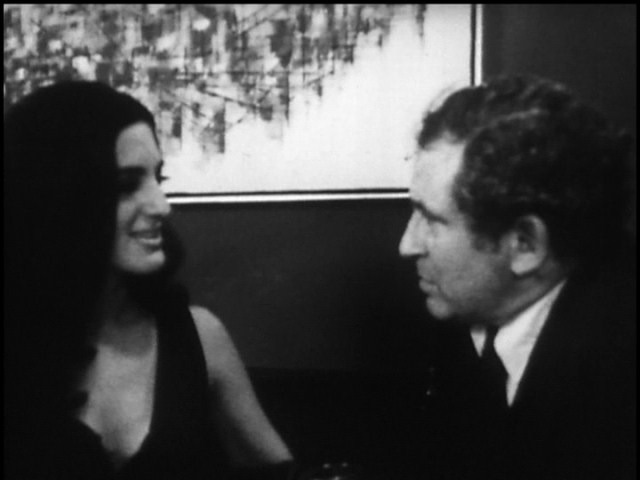
Audio 4/10
Each film’s Dolby Digital 1.0 mono track is pretty atrocious, with Maidstone’s possibly being the best of the bunch, but this is of course faint praise. It’s a bit flat and edgy with a little bit of background noise. Despite these shortcomings one can at least make out the dialogue.
Wild 90’s dialogue is impossible to make out and I had to switch subtitles on. It’s so edgy and distorted along with being incredibly quiet. The essays included point out this more than likely has to do with the original recording as it mentions the sound man was drunk through all of the filming and Mailer was horrified once he actually heard the film.
Beyond the Law’s track sits somewhere in the middle, filled with its own share of problems with noise and weakness, but at least dialogue was a little easier to make out.
Overall all three films’ audio tracks vary in quality but it comes down to the condition of the materials and how they were originally recorded, though maybe some restoration work could have cleaned them up a bit; it doesn’t sound like much was done to begin with, if any.
Extras 1/10
True to most Eclipse sets this release is supplement free save for two inserts that contain a couple of great essays by Michael Chaiken on the included films, which all offer great insights into the films and Mailer’s work as a whole. Ultimately I found these writings more engaging and interesting than the finished films themselves.
Closing
The films are unfortunately not my cup of tea, and I found myself checking the time throughout each of the films, but the included notes do open me up a little more to them. Unfortunately the presentations for each film aren’t entirely up to snuff, limited by rough source materials and transfers that range from pretty bad to mediocre. Not one of the better Eclipse releases and I can only recommend it to Mailer devotees, if even them.
BUY AT: