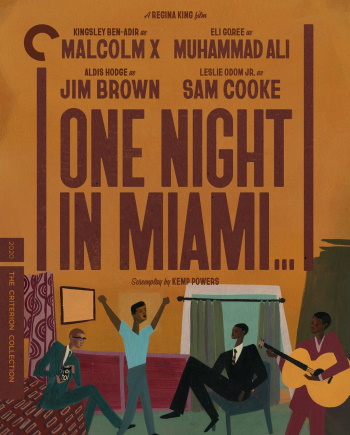
One Night in Miami...
BUY AT:


See more details, packaging, or compare
Synopsis
Adapted by Kemp Powers from his acclaimed play, the feature directorial debut of Academy Award–winning actor Regina King puts viewers in a room with four icons at the forefront of Black American culture as they carouse, clash, bare their souls, and grapple with their places within the sweeping change of the civil rights movement. February 25, 1964, has gone down in history as the day that the brash young boxer Muhammad Ali (then known as Cassius Clay) defeated Sonny Liston, but what happened after the fight was perhaps even more incredible: Ali, civil rights leader Malcolm X, NFL great Jim Brown, and “King of Soul” Sam Cooke all came together at a Miami motel. Electric with big ideas and activist spirit, One Night in Miami . . . plunges us into the midst of an intimate, ongoing conversation—and a defining moment in American history.
Picture 9/10
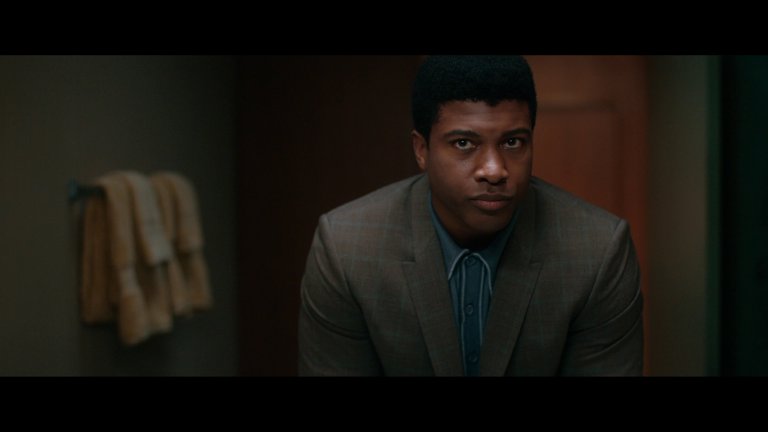
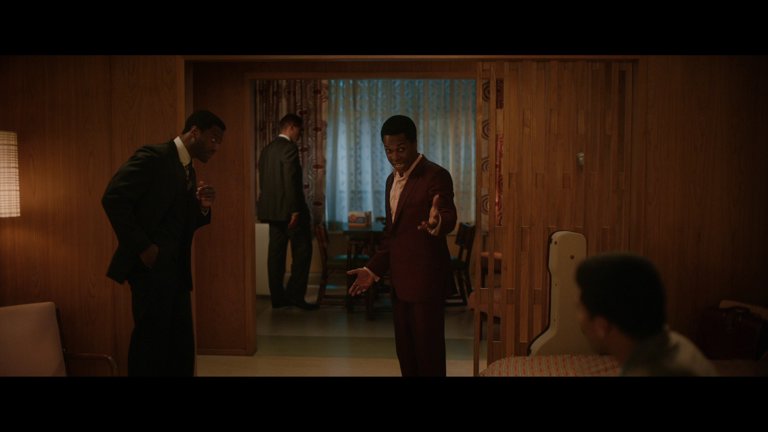
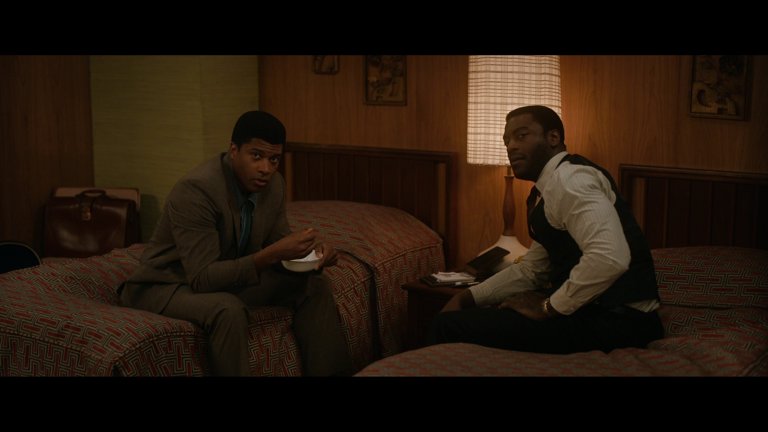
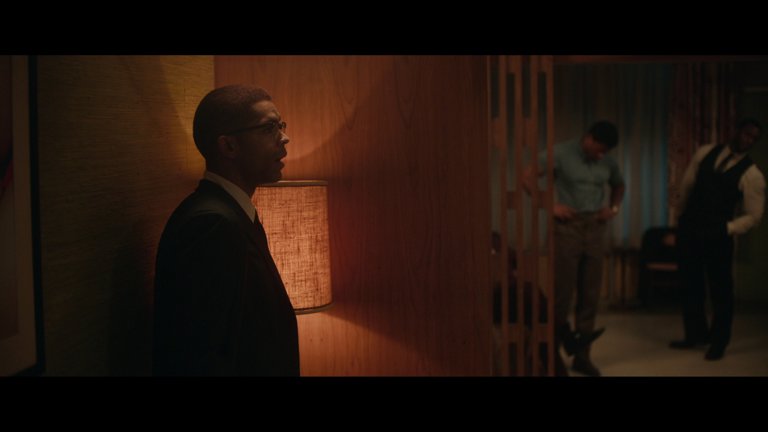
The Criterion Collection presents Regina King’s feature directorial debut, One Night in Miami…, on Blu-ray in its original aspect ratio of 2.39:1 on a dual-layer disc. With the film having been completed through an entirely digital workflow, the 1080p/24hz high-definition presentation is sourced from a 4K master supplied by Amazon Studios.
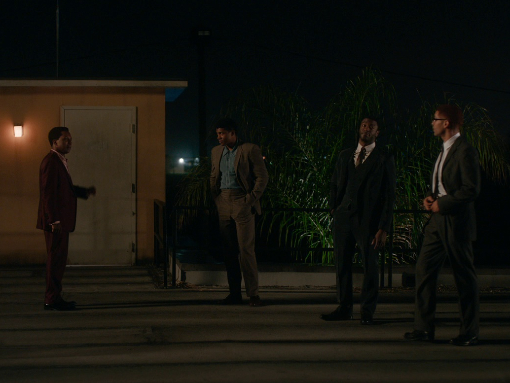
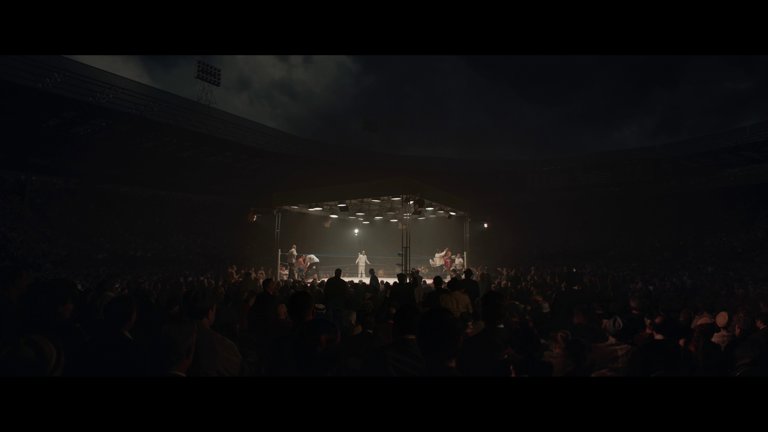
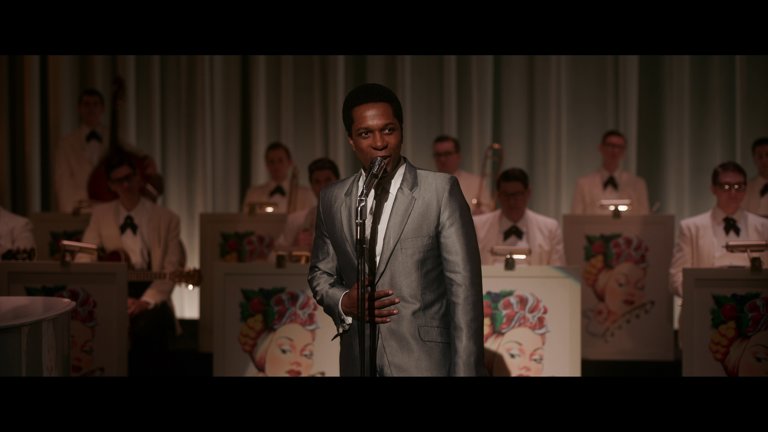
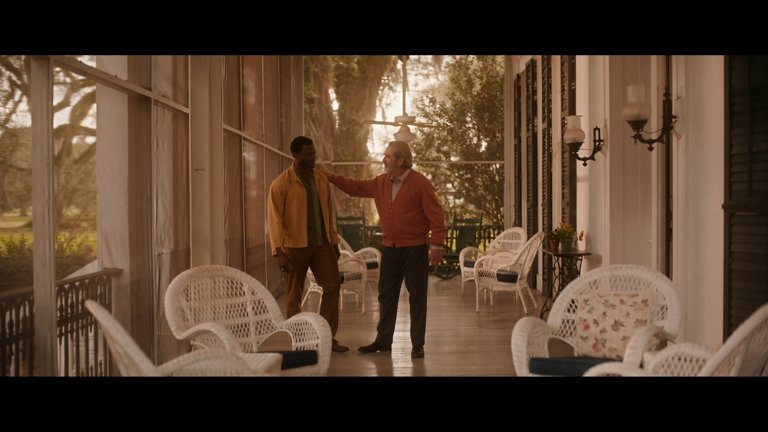
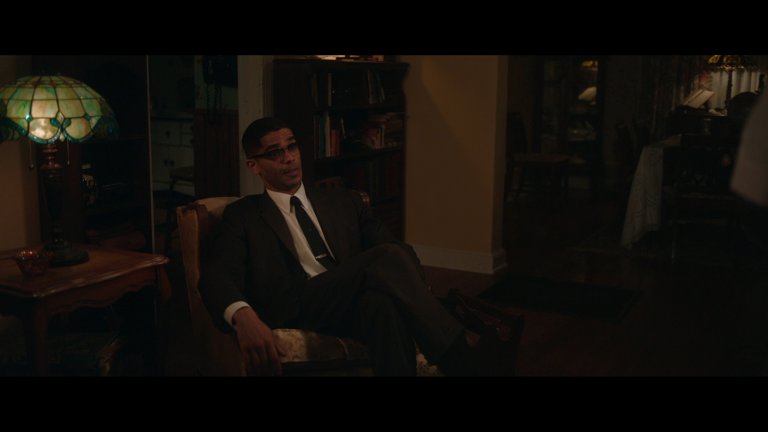
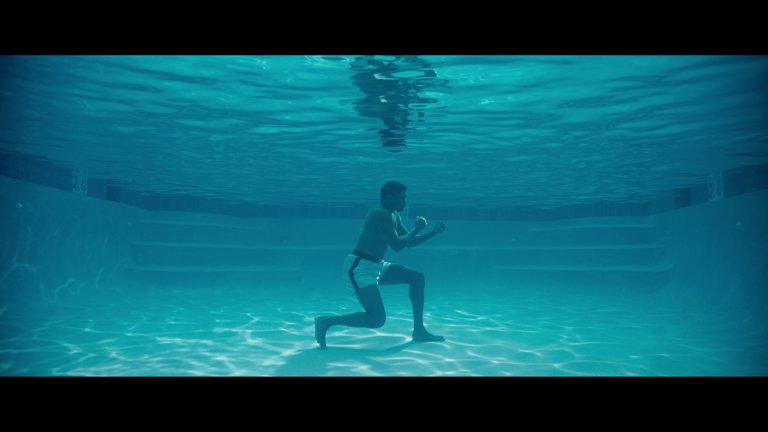
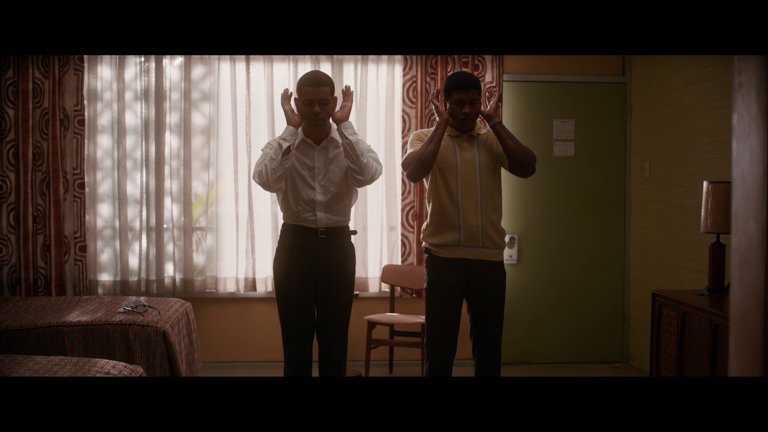
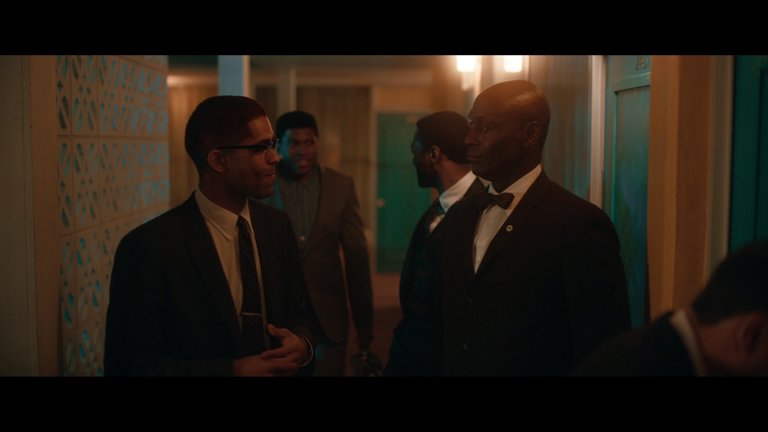
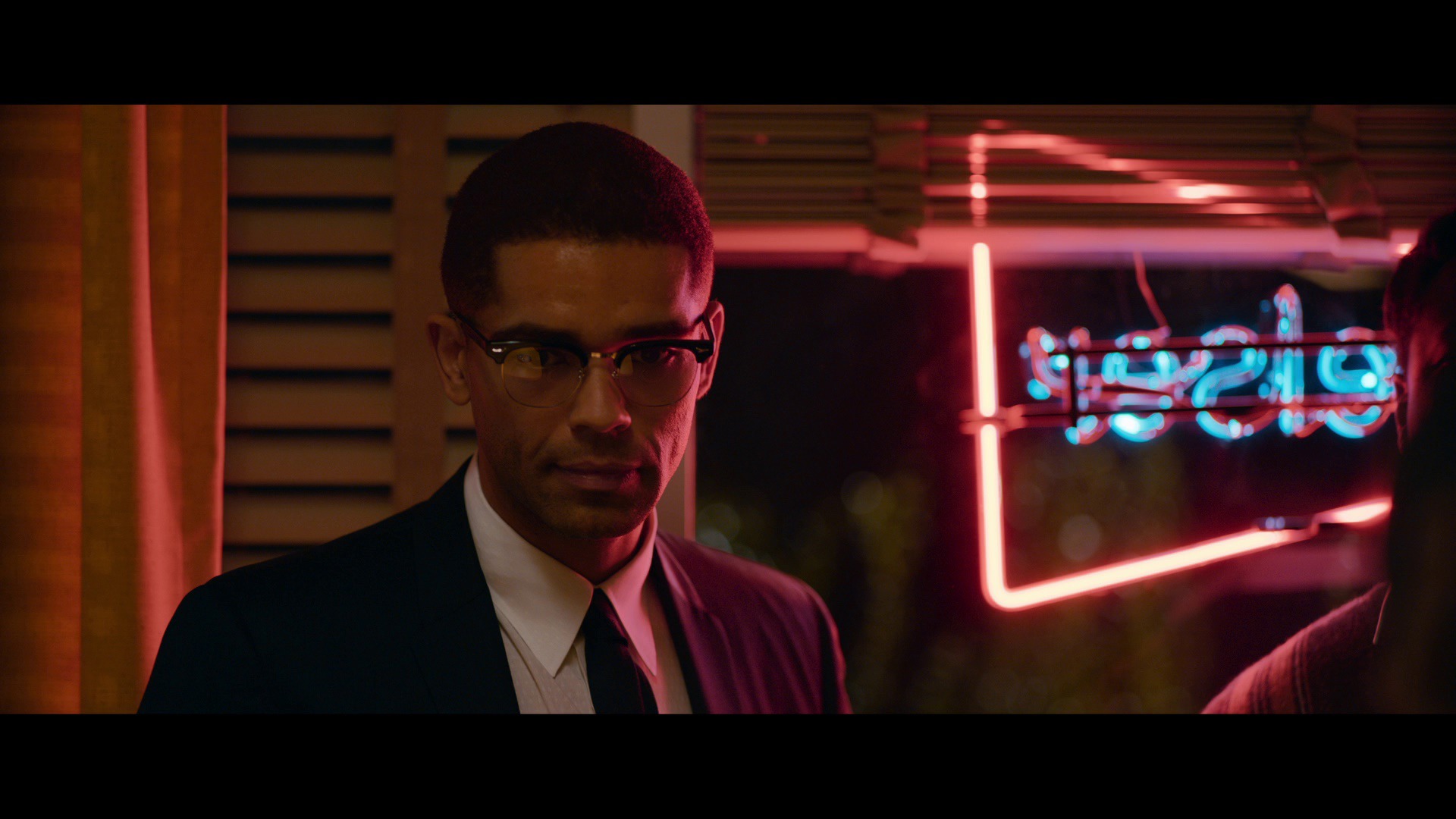
Based on a stage play, the film can admittedly have a stagey feel, though King notably counters that by giving the film as much visual flair she can, whether it be using intense mod colours, enhancing shadows in darker scenes, or even through the camerawork. That all translates mostly well here, especially the colours, which, despite saturation looking off (by design), pop wonderfully with surprisingly wide range, leading to wonderful shadow detail.
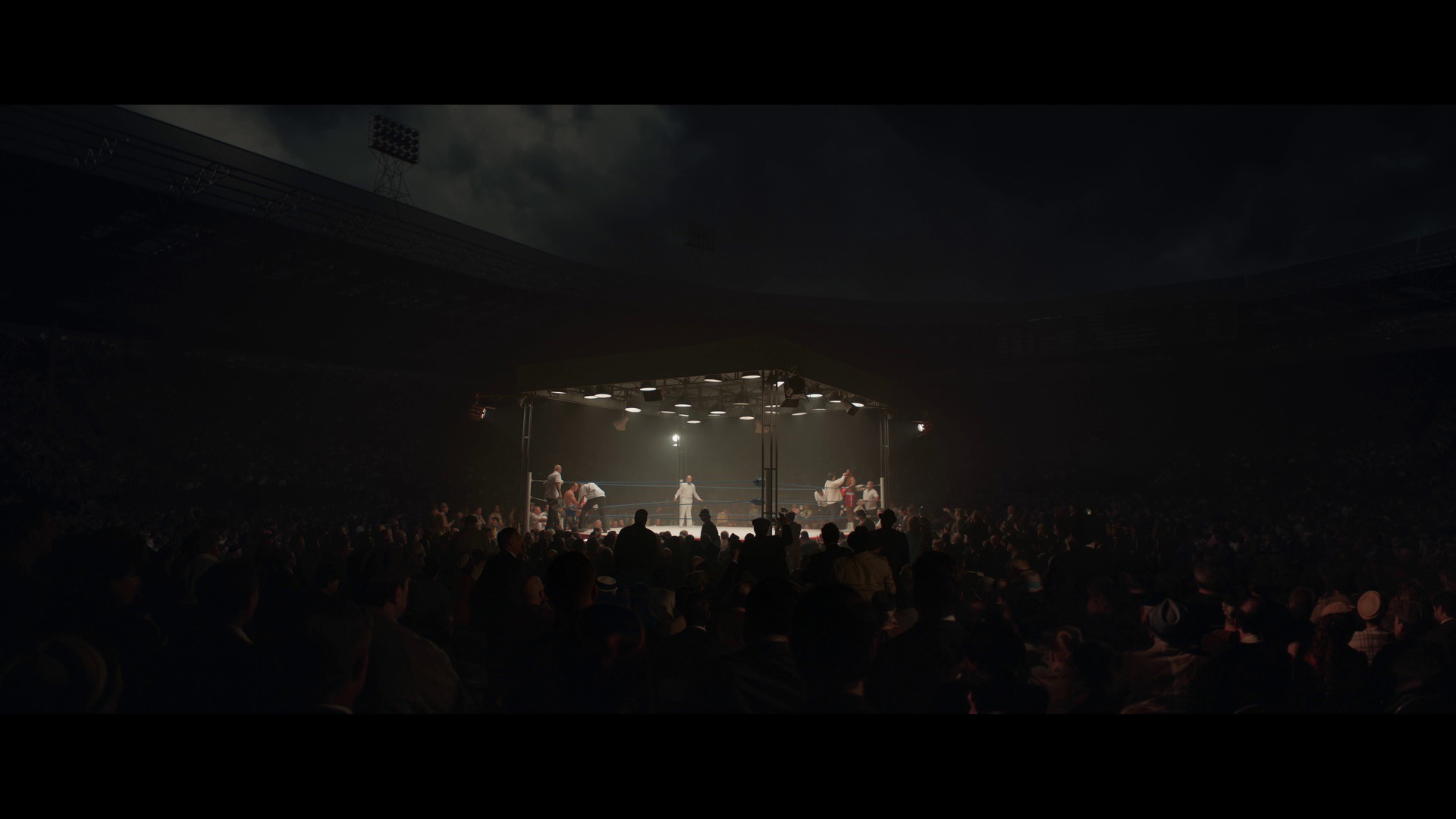
The picture does have that smooth digital look, lacking a film texture obviously, but the finer details are delivered impeccably, and the picture always looks razor sharp. Some artifacts do sneak in there, and it’s hard to say whether it’s an encode issue or related to the original photography, or even the master supplied to Criterion, but mild banding pops in there on occasion and is most notable in some of the rooftop shots. Yet, to be fair, this sneaks in there on the Amazon stream as well. Black levels can get a bit murky in some of the darker shots, which could more than likely just be an artifact found in the original digital photography, though it should be said the 4K streaming version on Amazon does seem to handle this aspect a little better.
Still, noise doesn’t appear to be an issue and the encode otherwise seems clean. Compared to the standard high-definition version on Amazon I found this presentation sharper and cleaner. It looks very good here in the end.
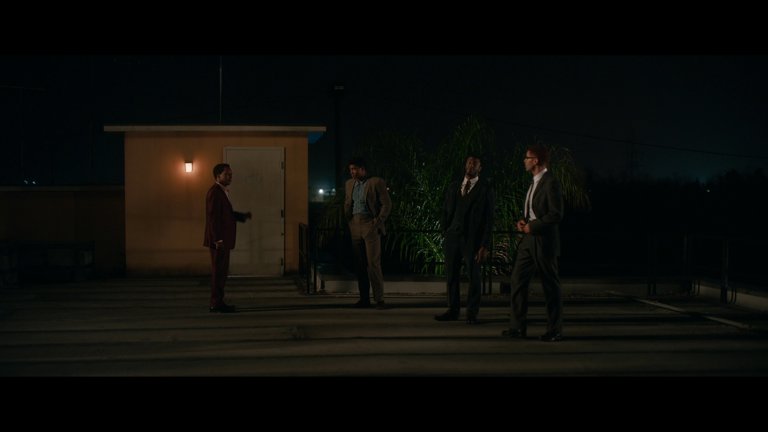
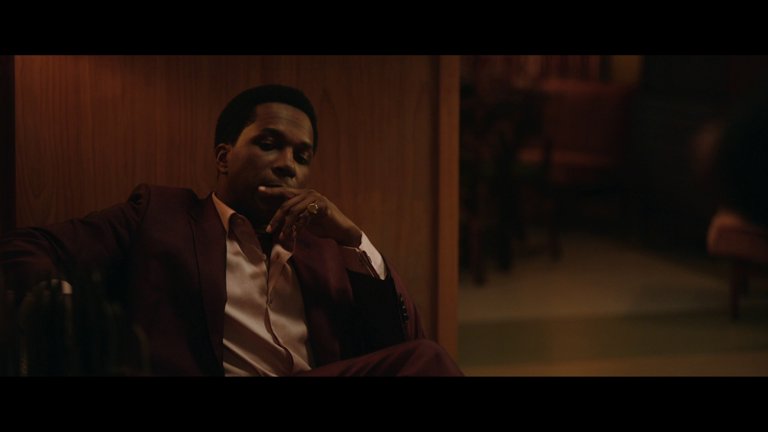
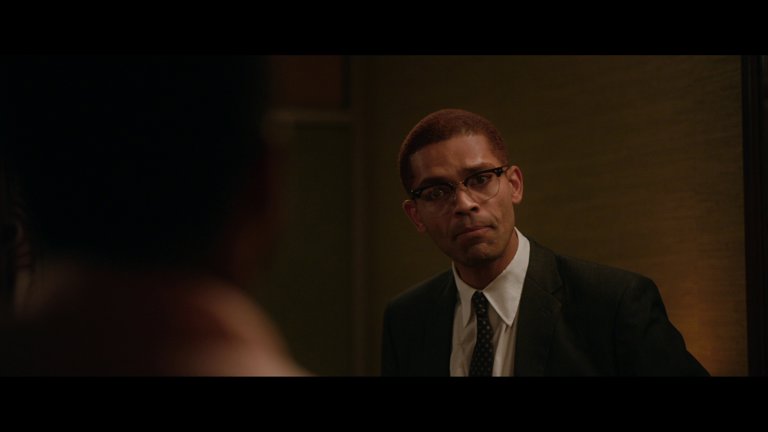
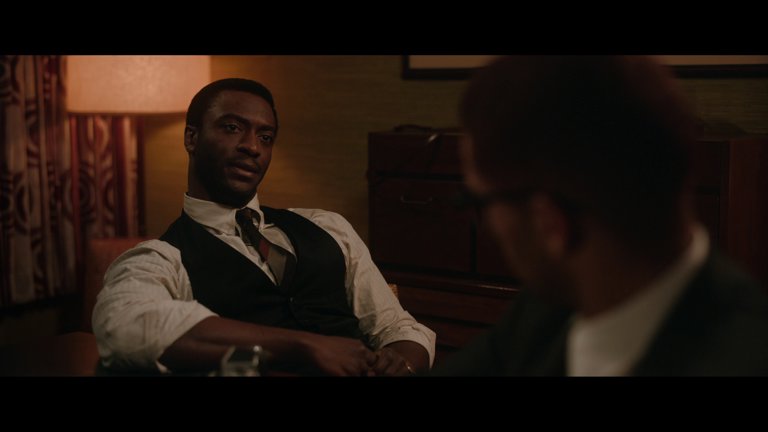
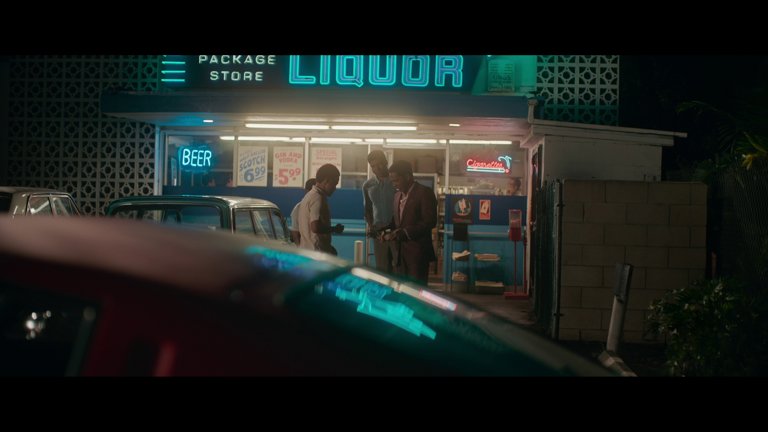
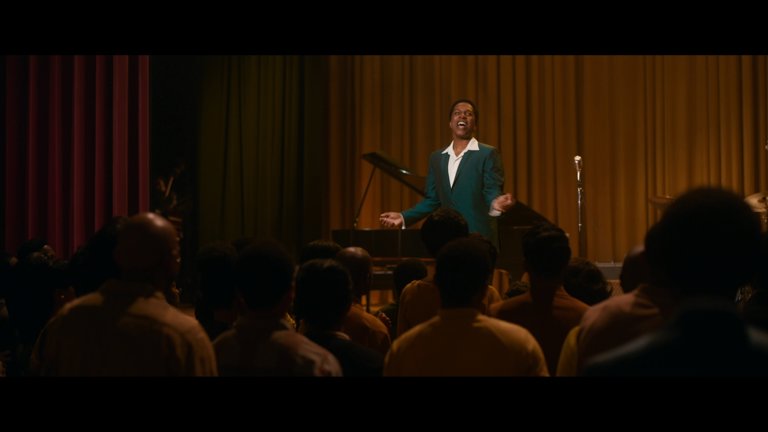
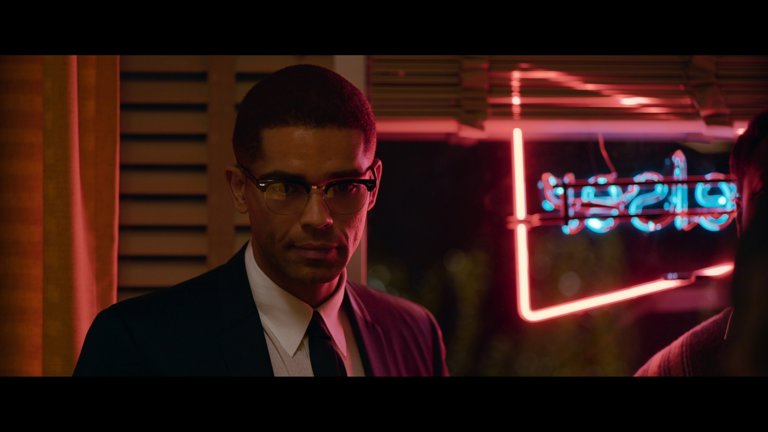
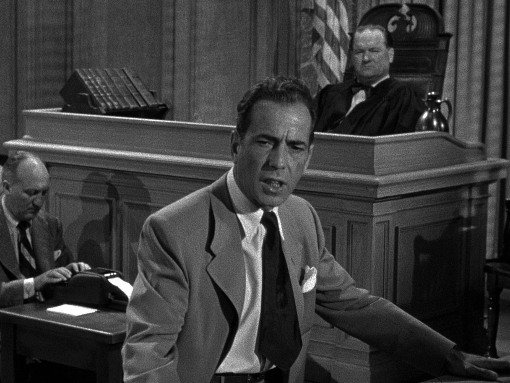
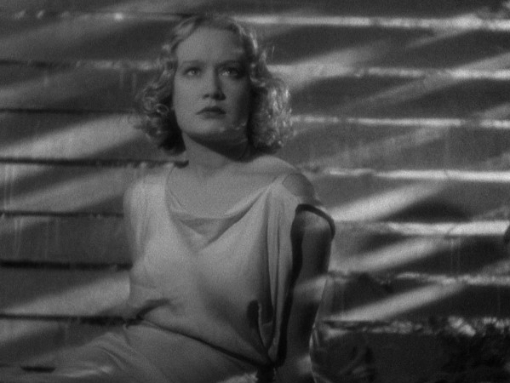
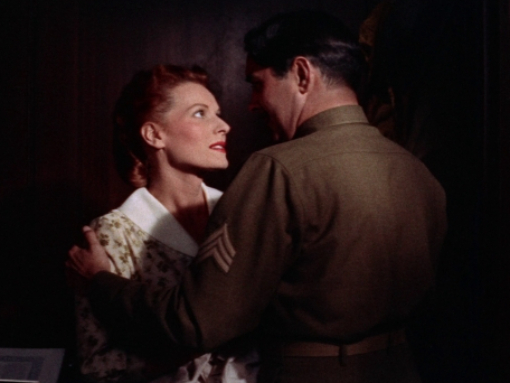
One Night in Miami... - Screen Captures
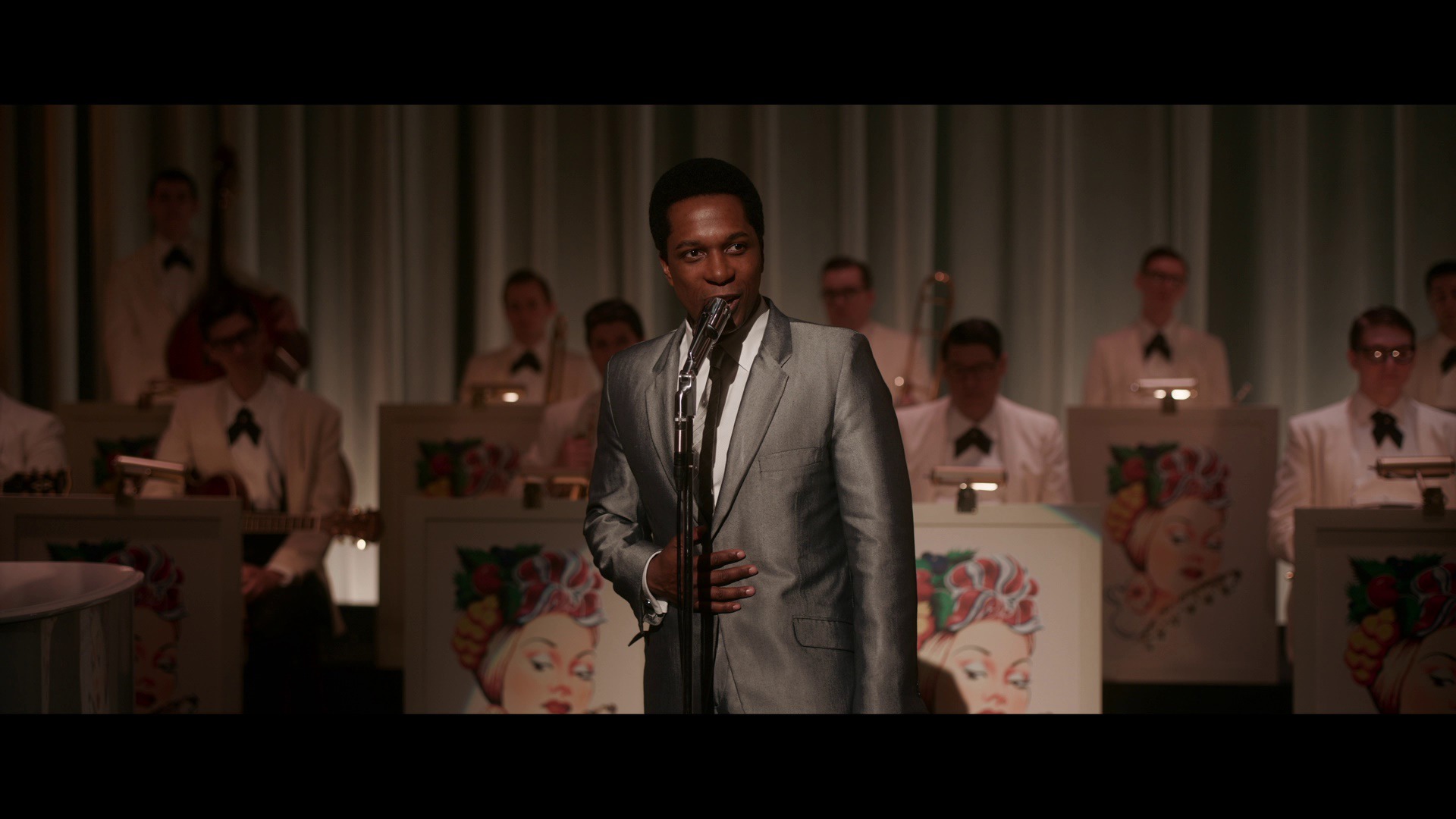
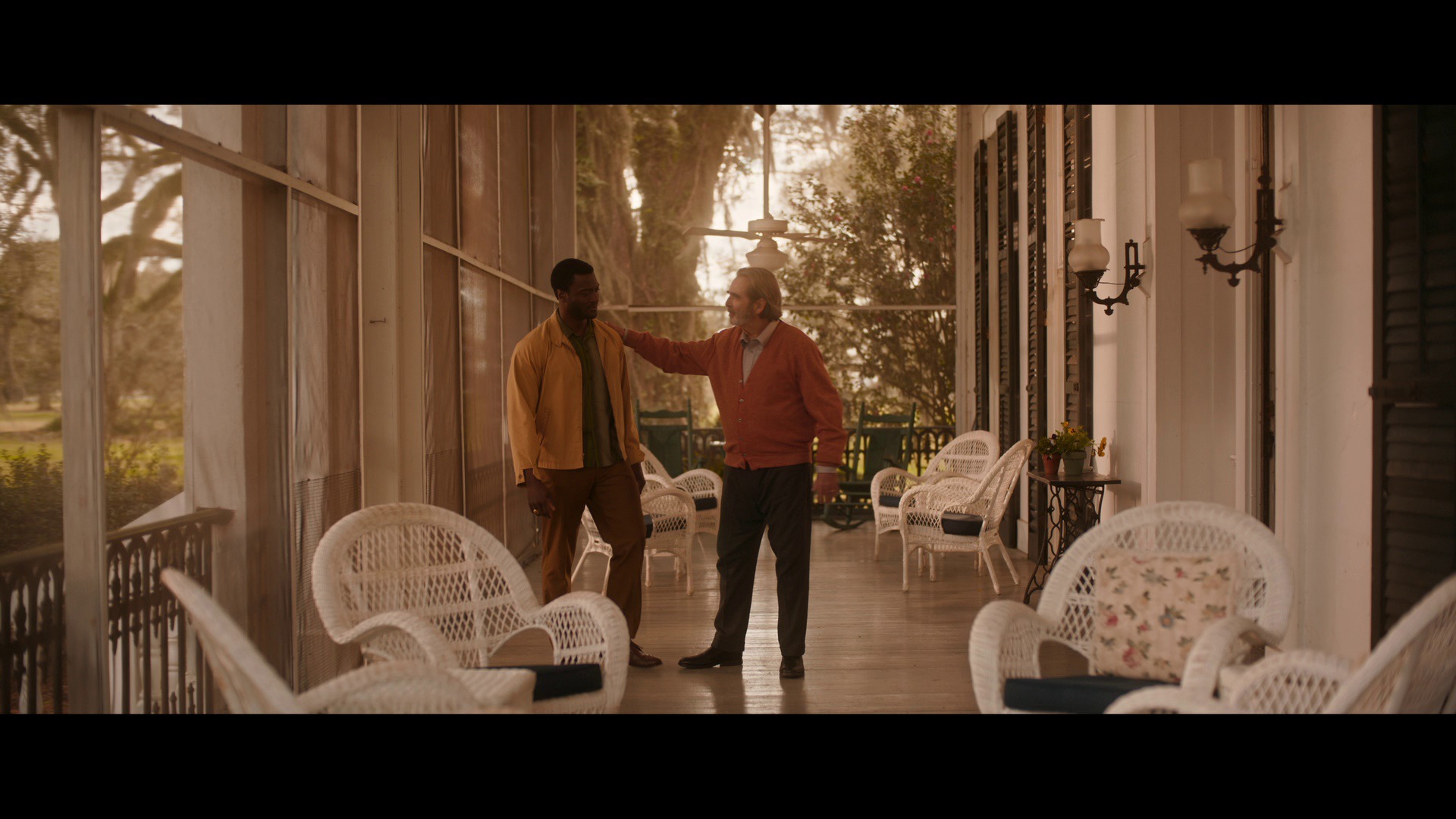
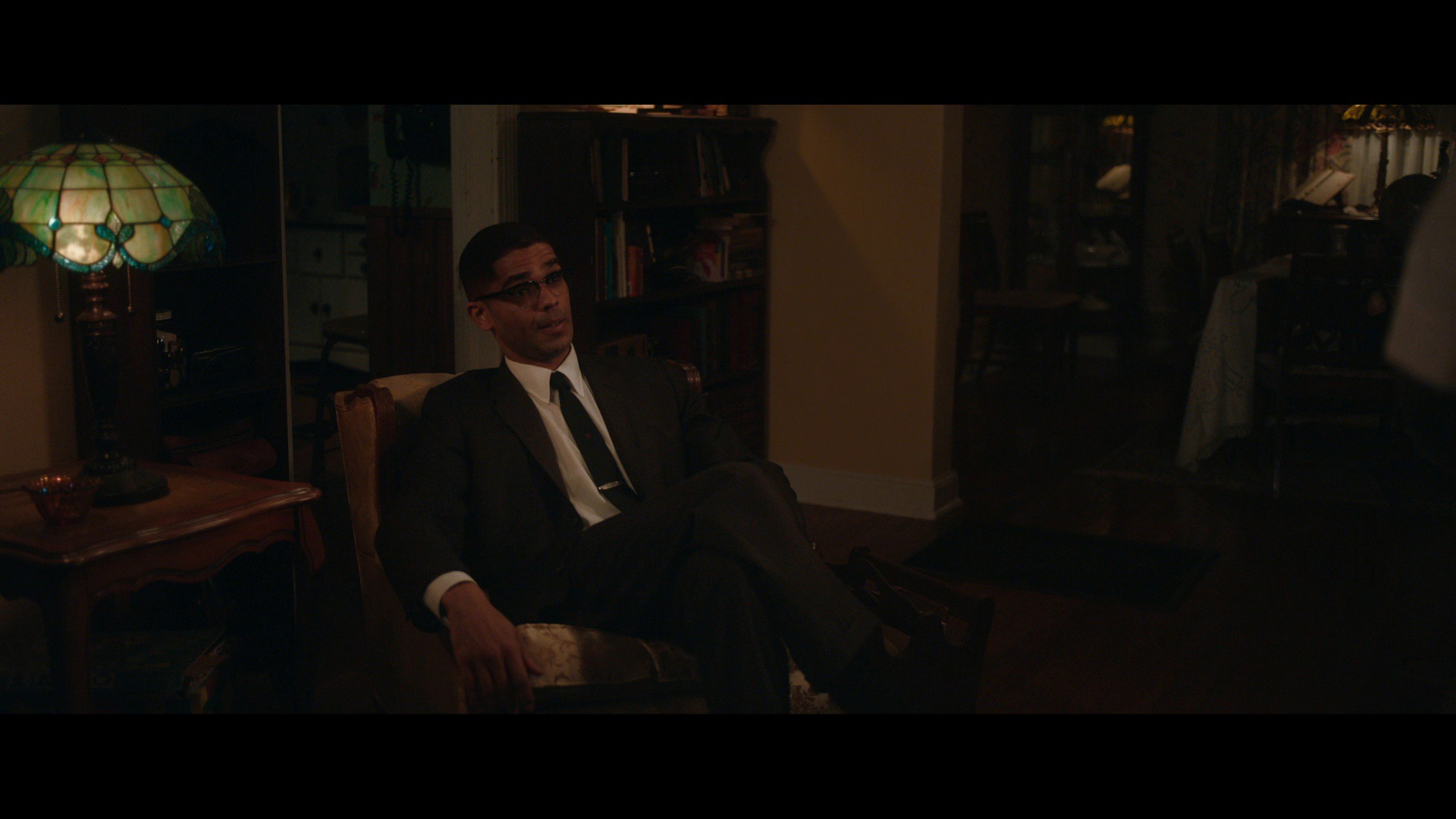
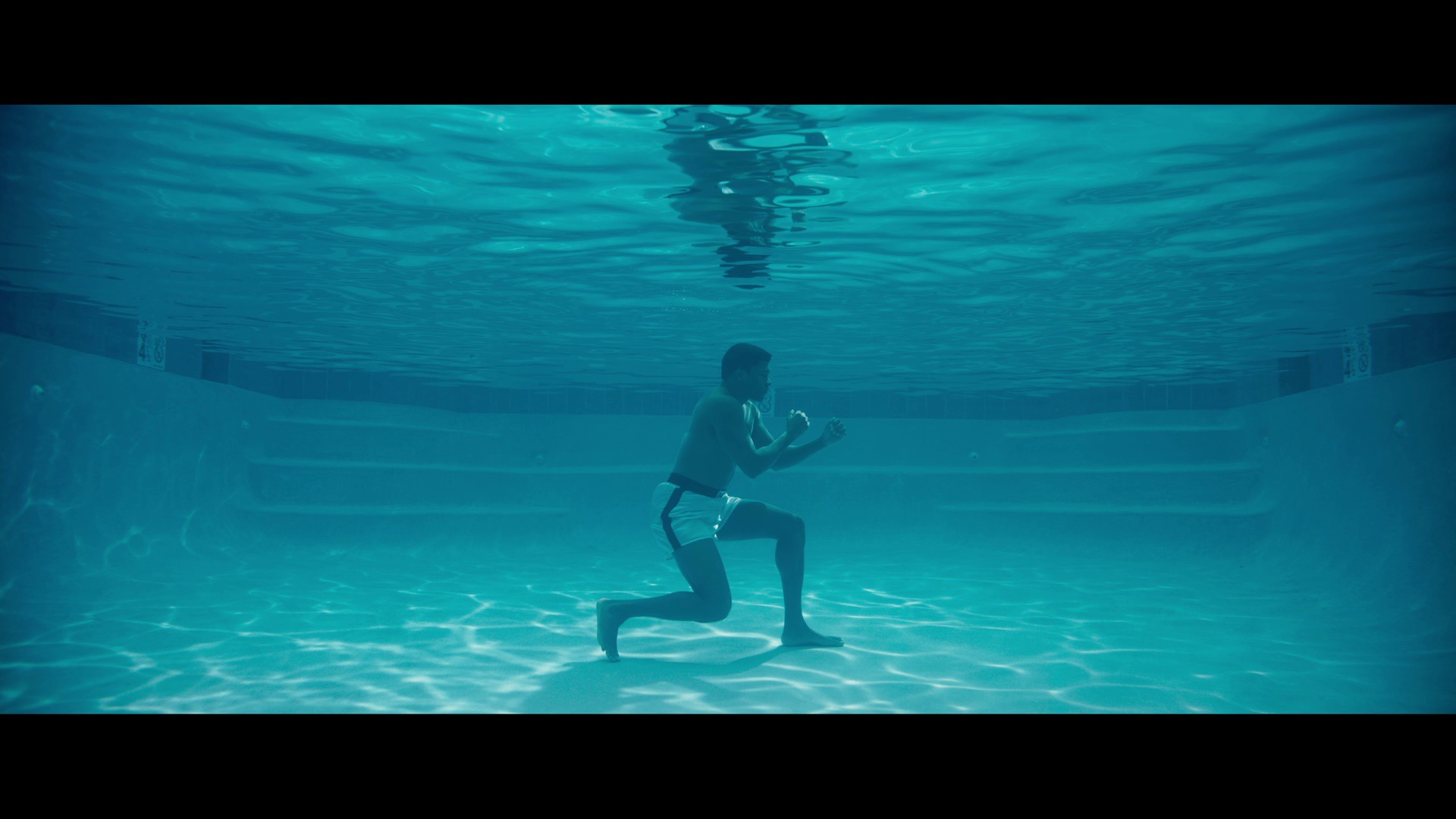
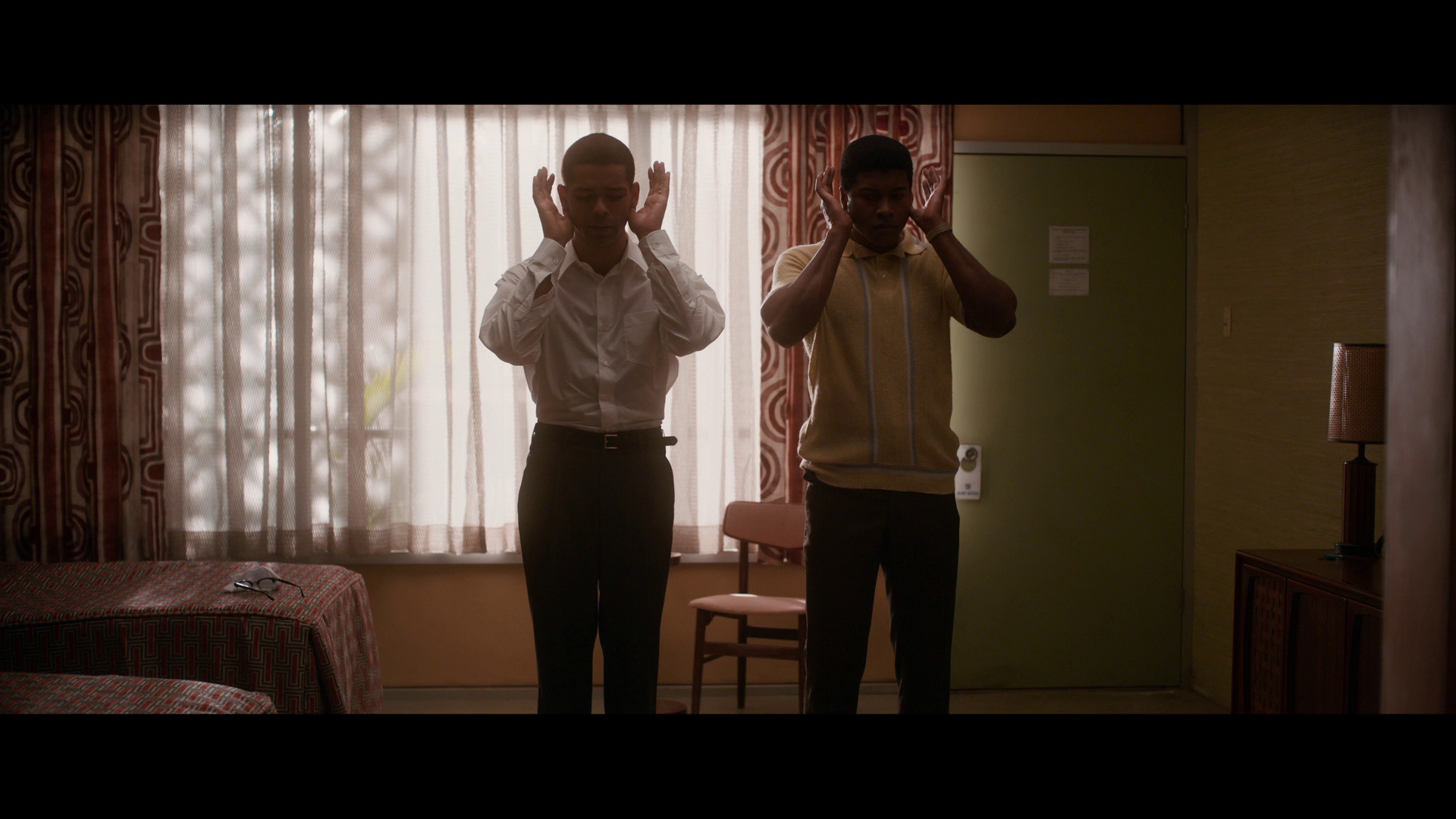
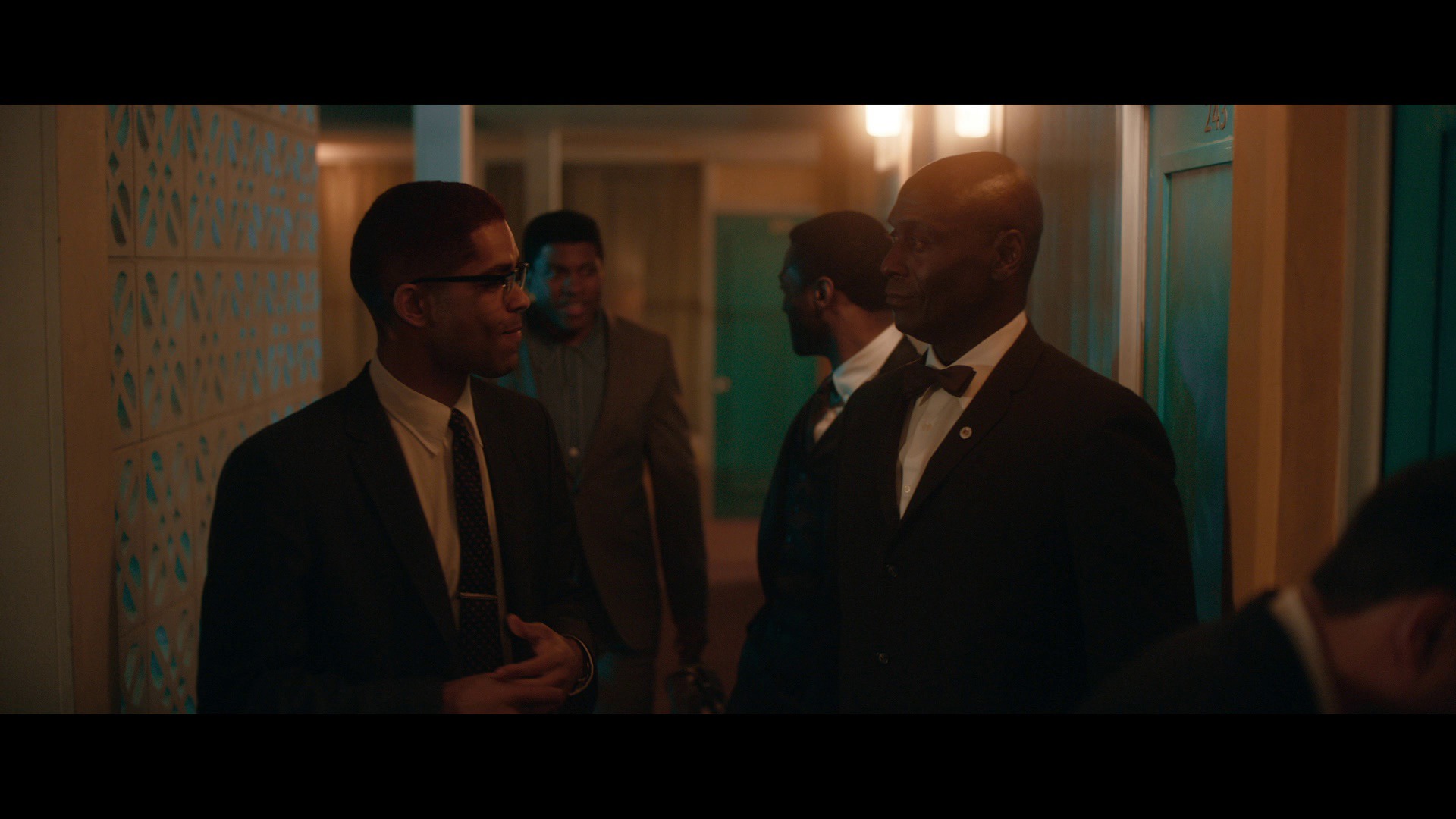
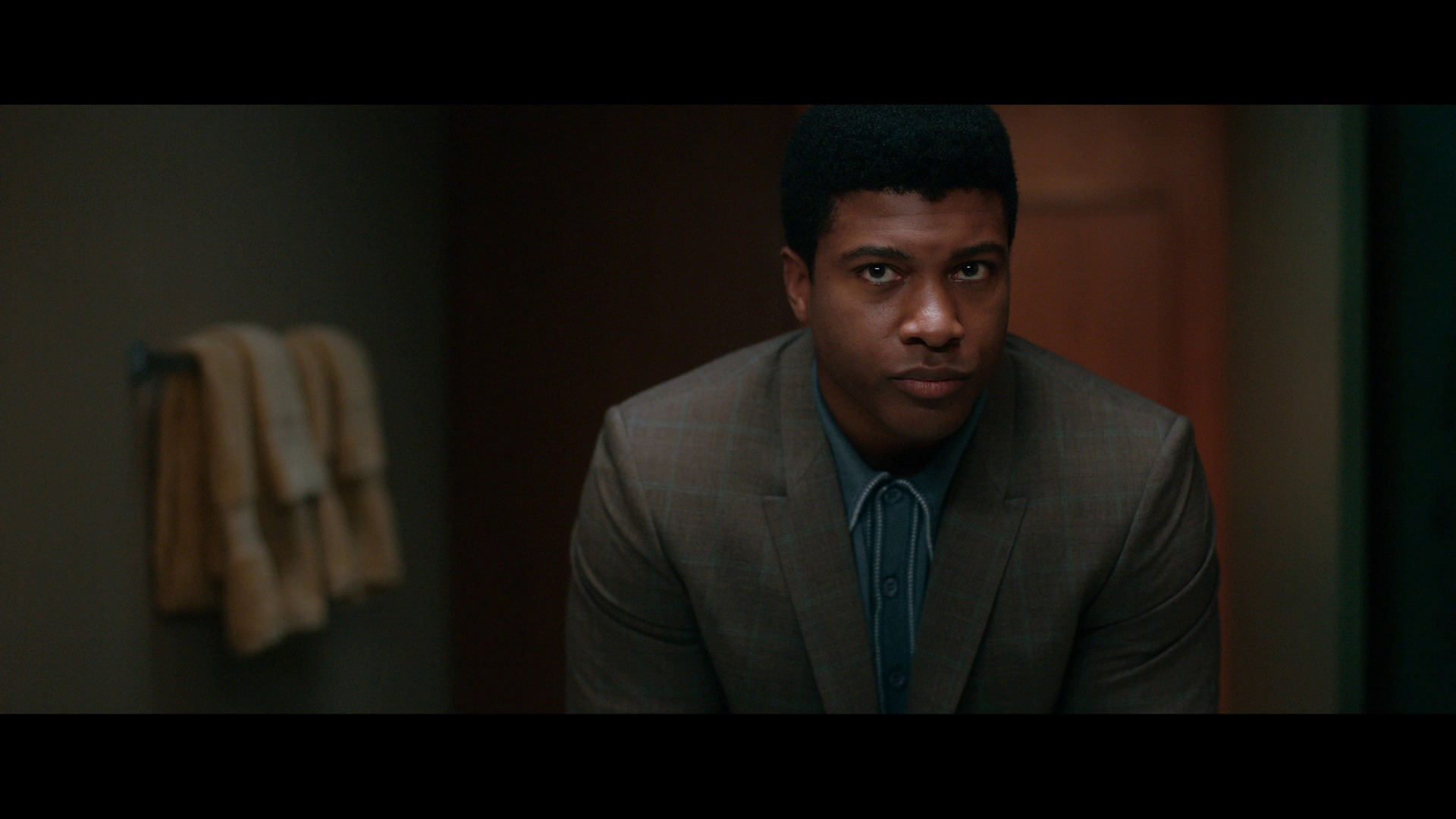
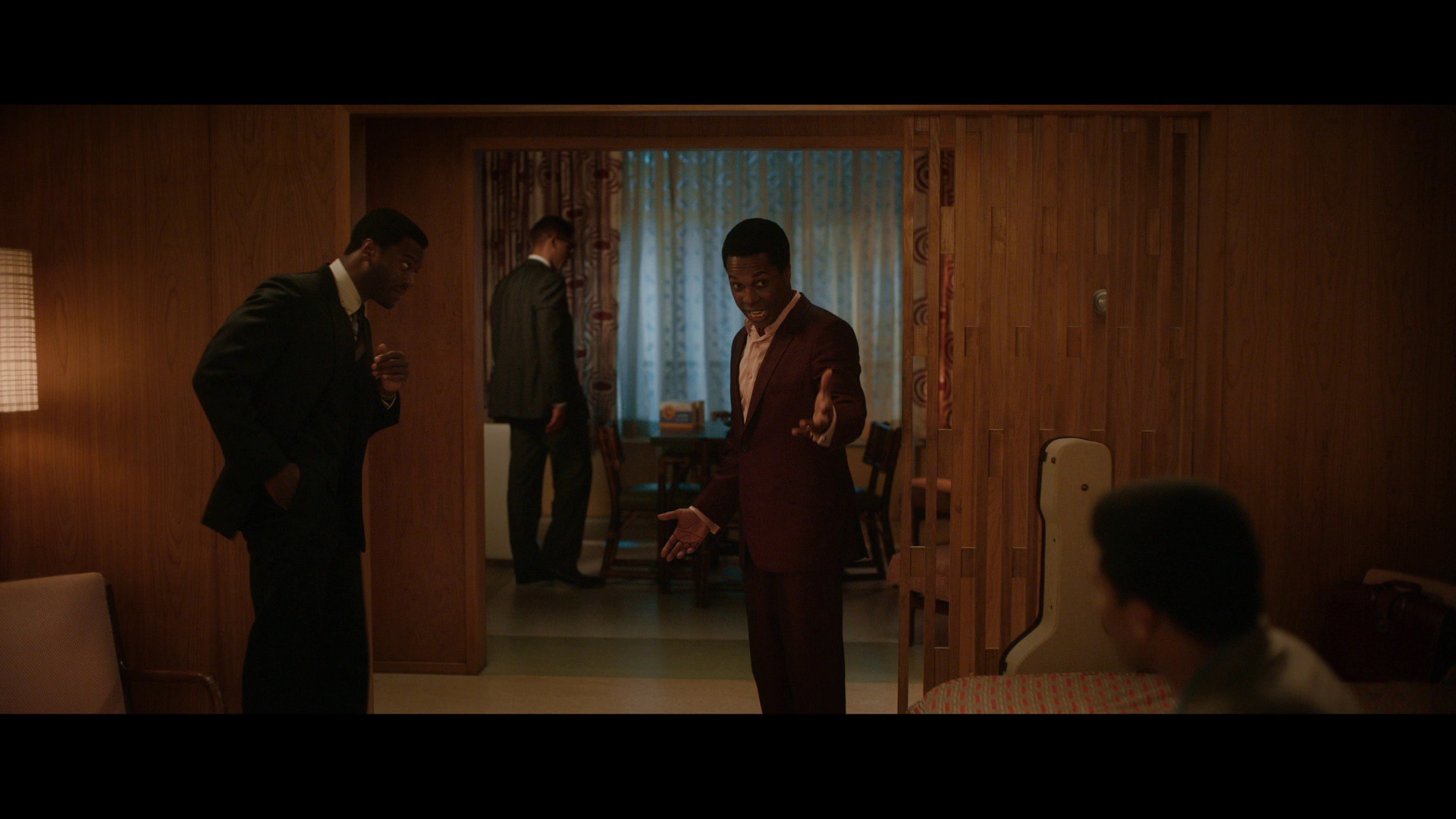
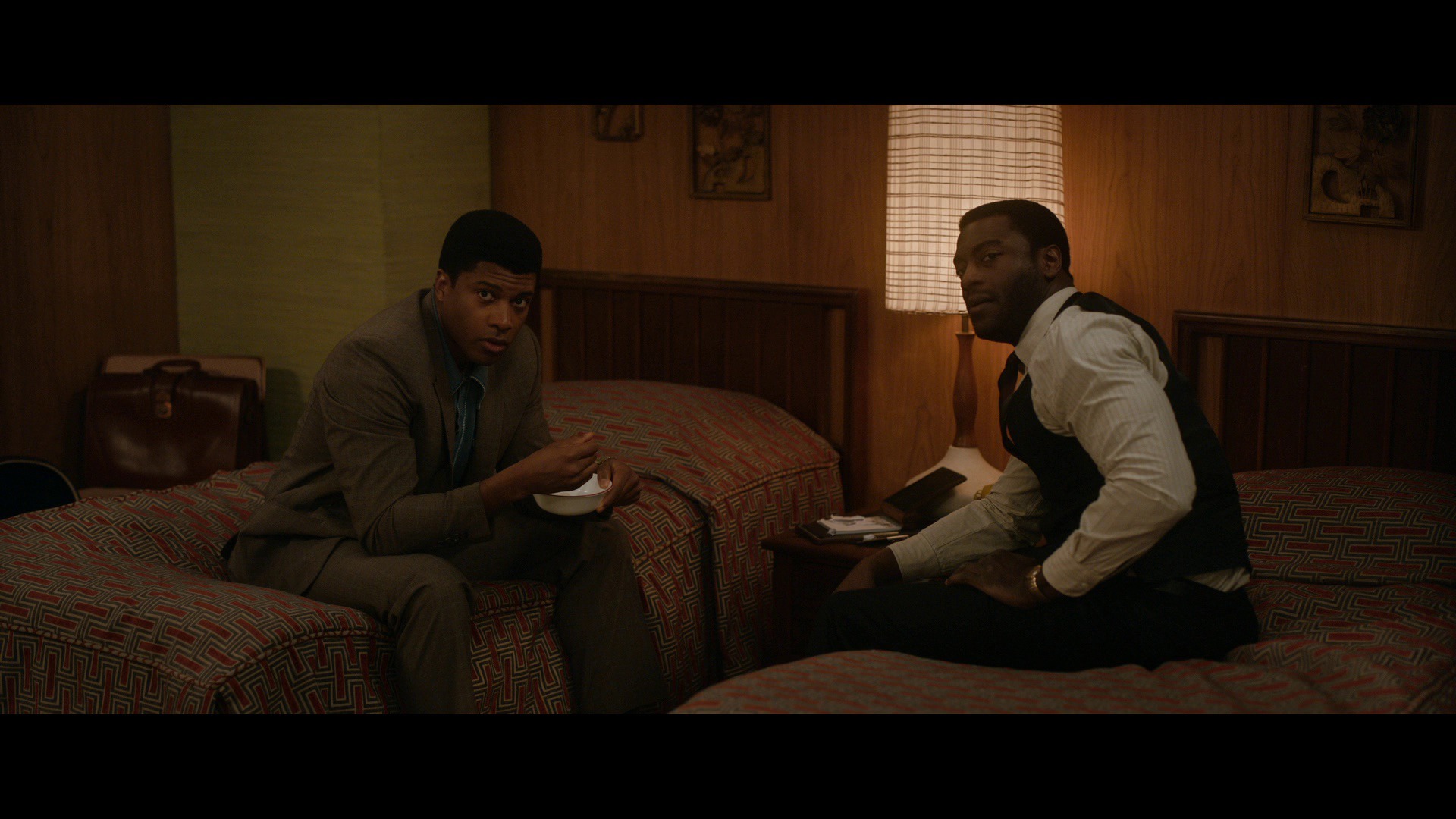
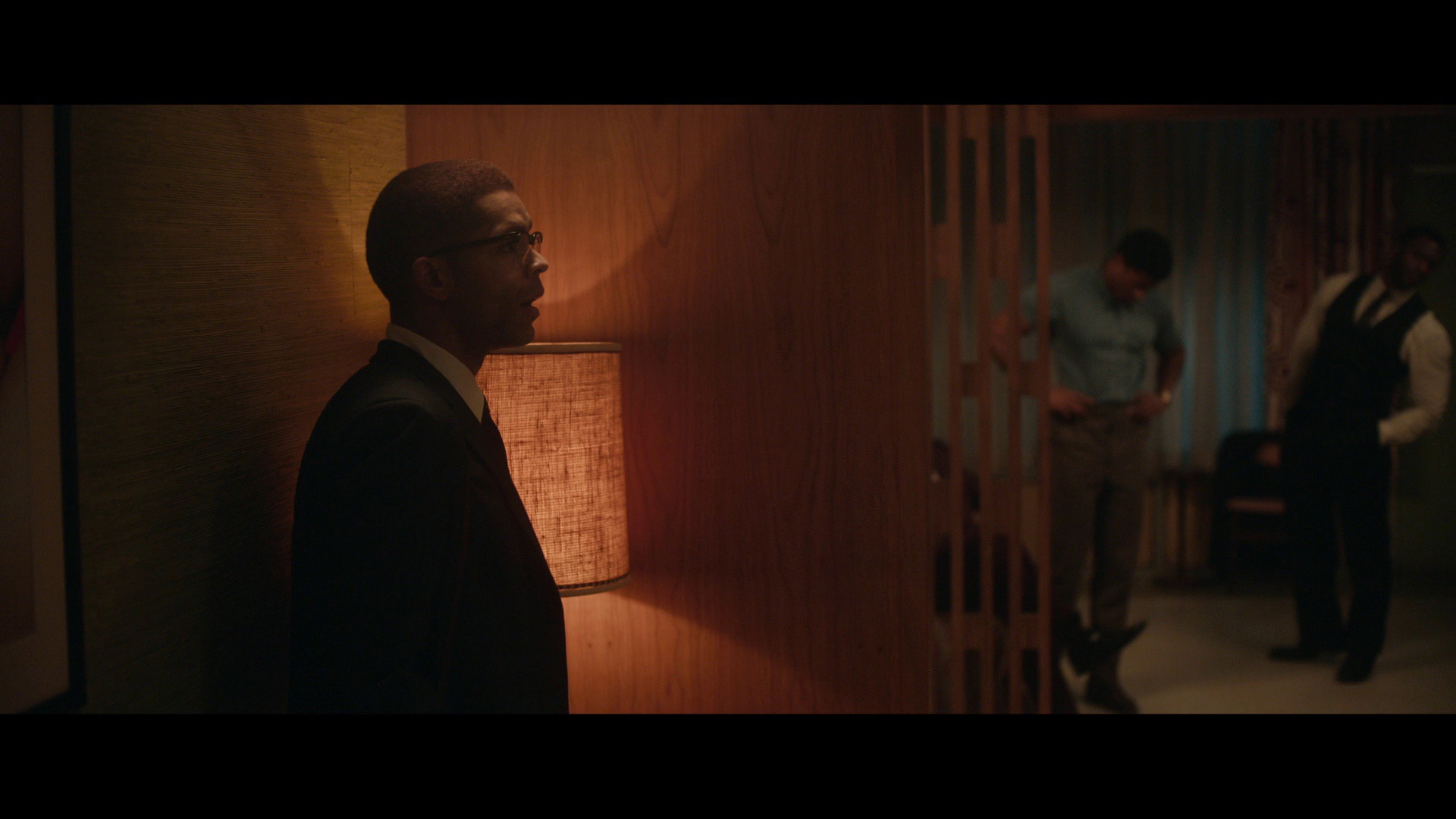
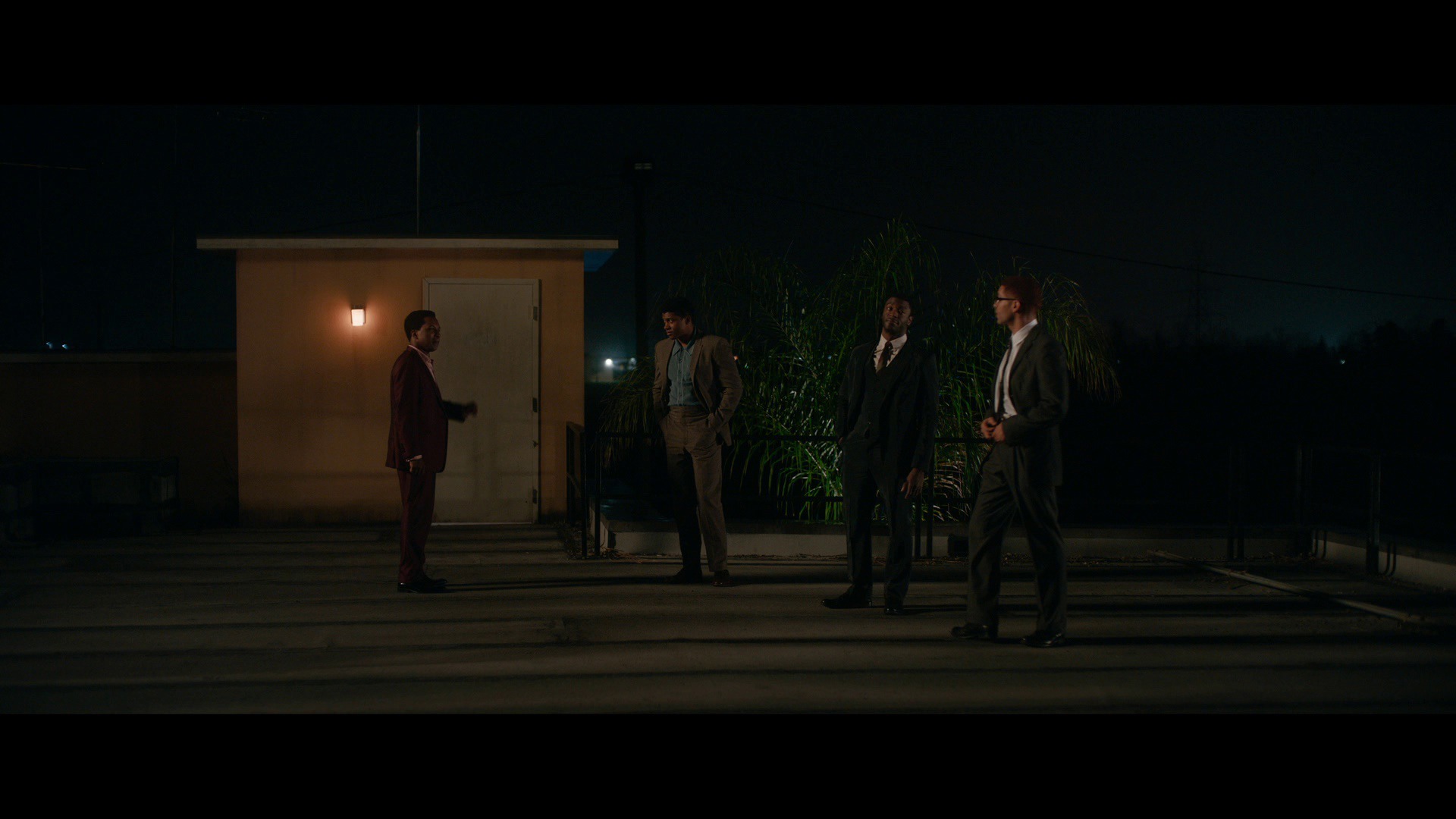
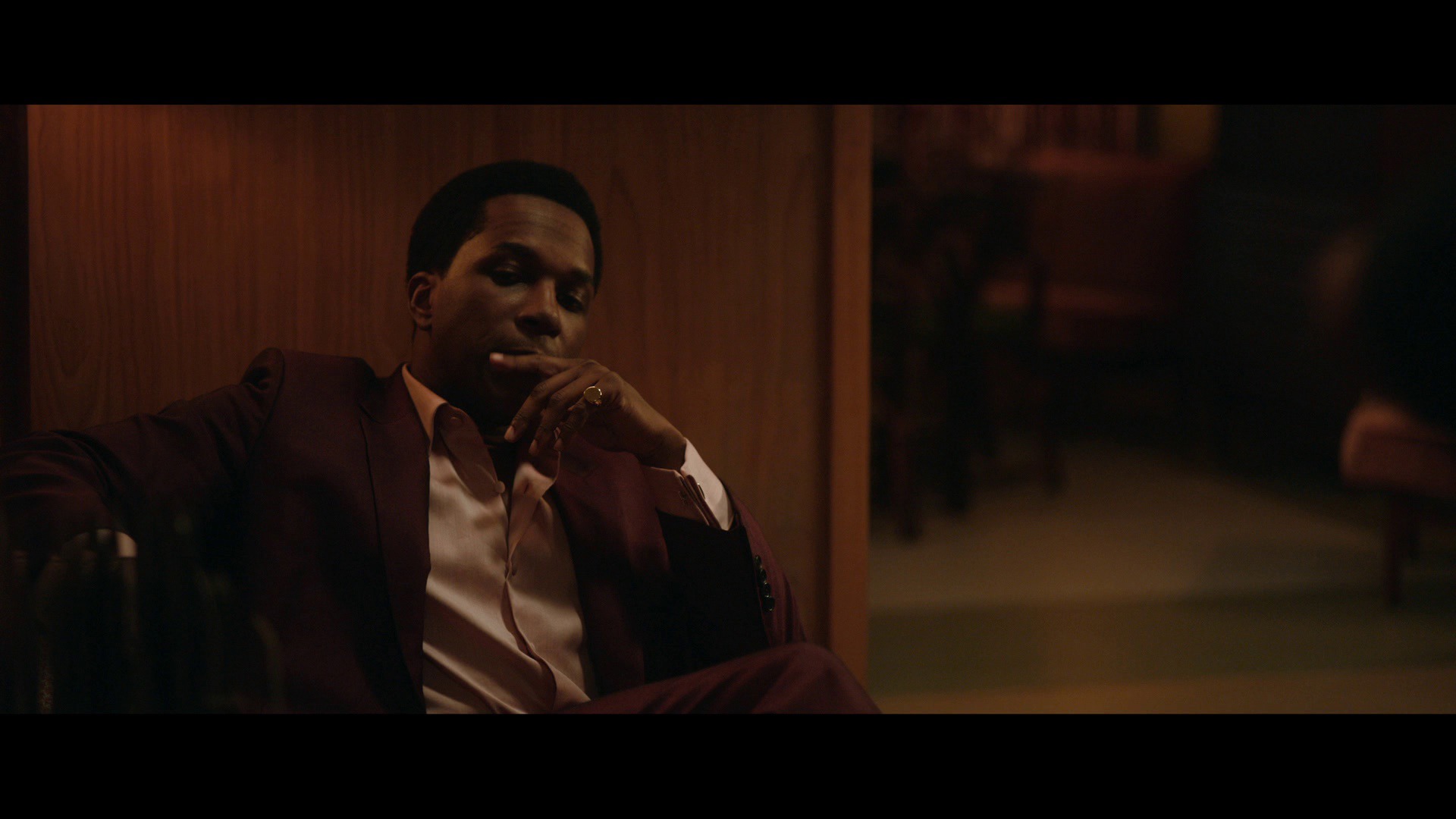
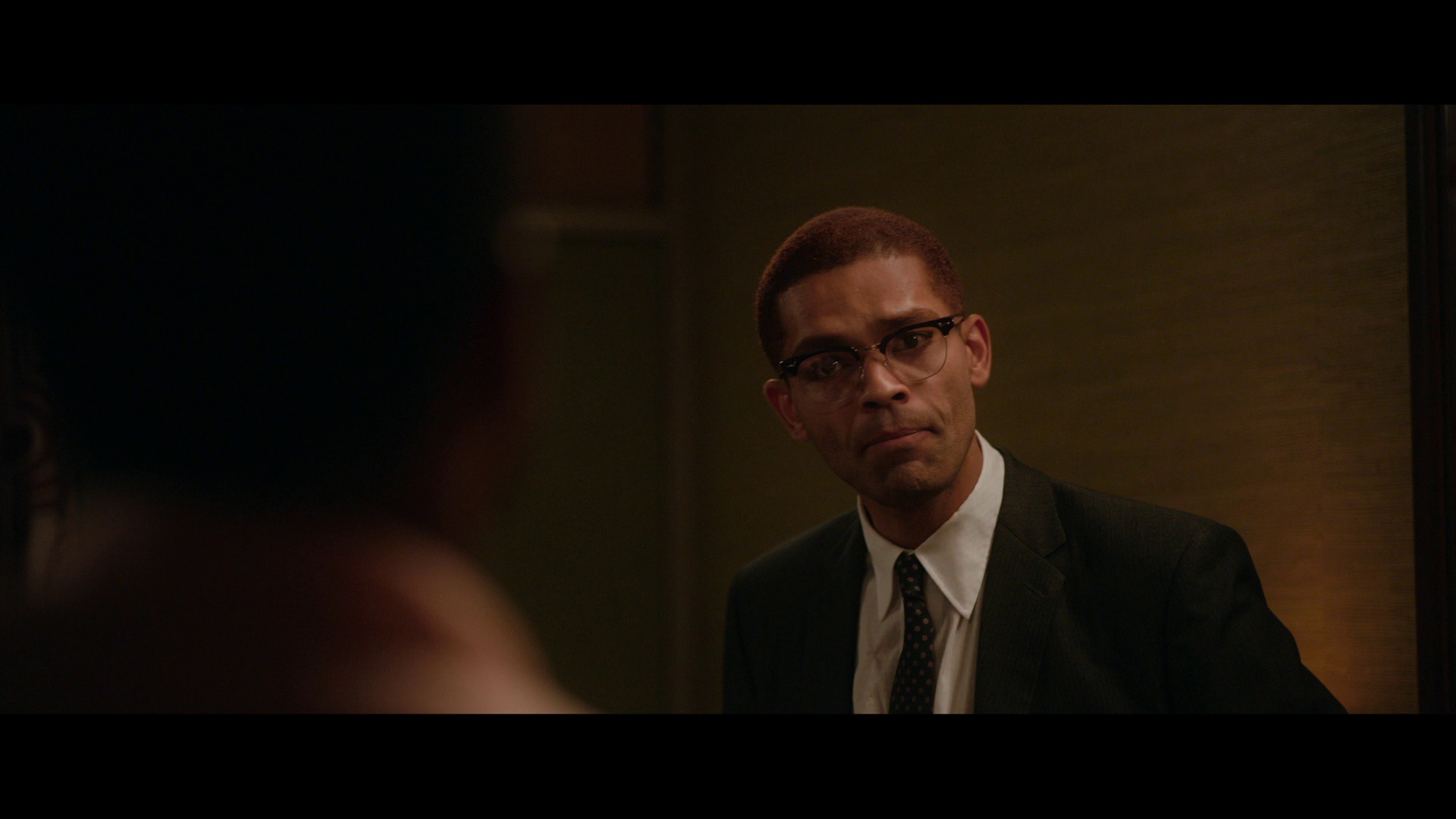
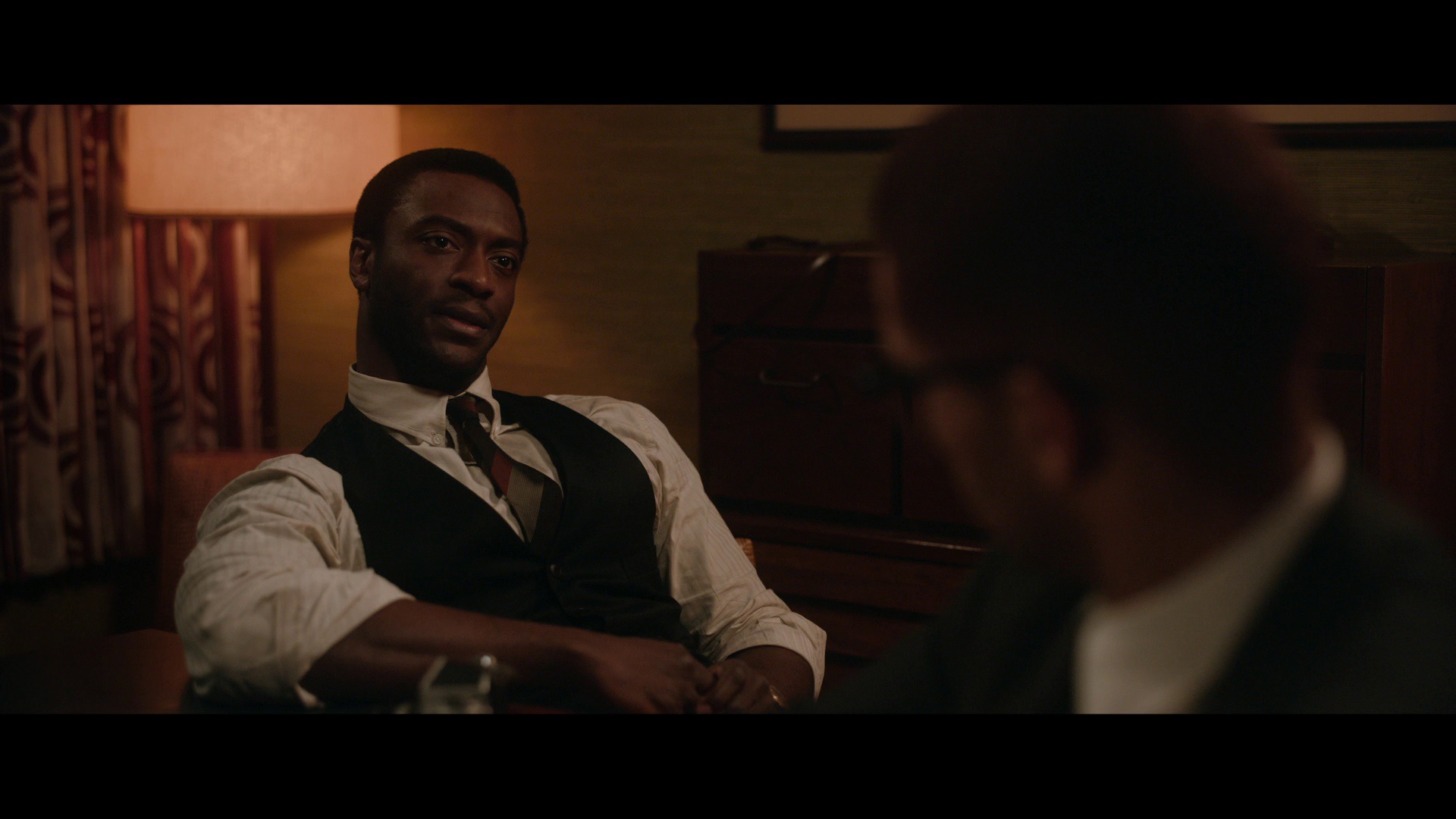
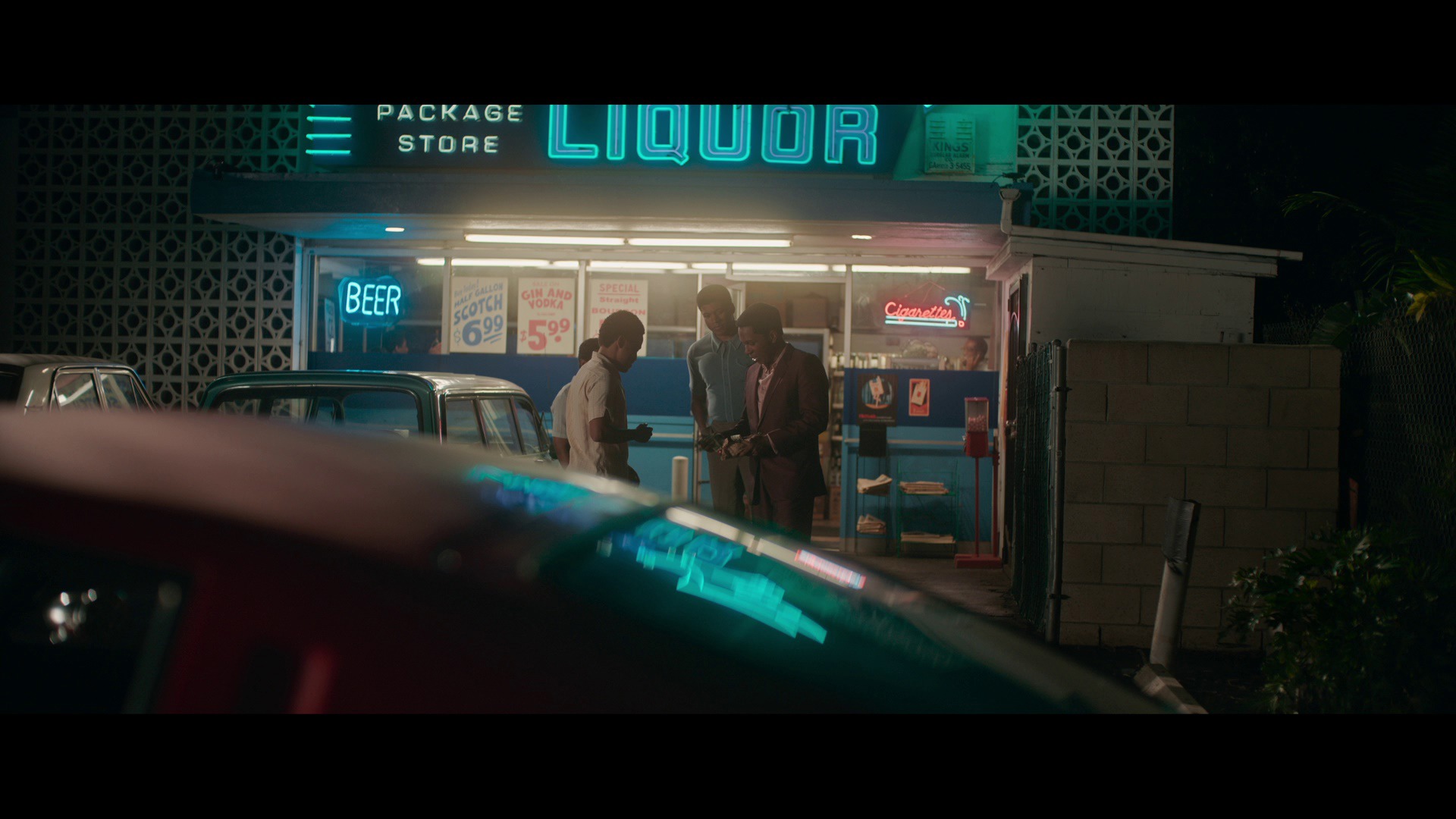
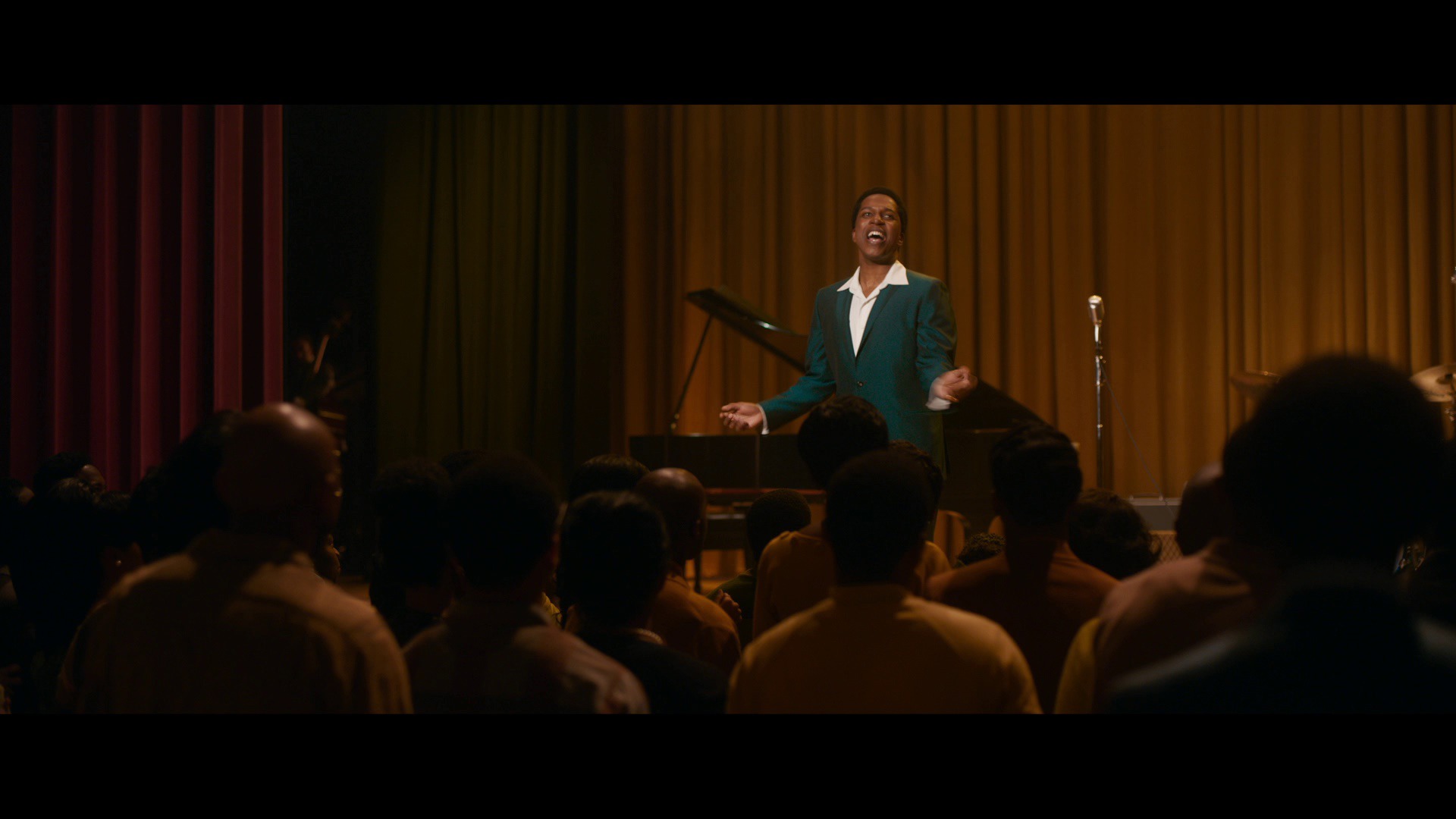
Audio 8/10
The disc comes with 5.1 surround soundtrack, delivered in DTS-HD MA. Considering its stagey structure and talky nature I wasn’t expecting much from this track, but it goes above and beyond. Much of the film takes place in a hotel room but the acoustics are good, dialogue is sharp and clear, and there is some notable ambient activity. There are some louder, more active scenes scattered about, like scenes taking place at a concert or at a boxing match, and the activity from both move cleanly through the surround environment. Range is surprisingly wide, fidelity is excellent, and there are no issues of note.
Extras 9/10
I didn’t have high expectations for the supplements due to the film being so new and the hit-and-miss nature around their supplements for the titles from the other streaming service Criterion has partnered with, Netflix. I'm happy to say that Criterion has put in an impressive effort here.
The features start out with a new 29-minute interview about the play and film adaptation featuring writer Kemp Powers and director Regina King, conducted by film critic Gil Robertson. Kemp first explains how he came up with the idea for the play, which was borne out of learning that the four people portrayed in the film—Malcom X, Muhammad Ali, Jim Brown, and Sam Cooke—hung out one evening in a hotel room. He tried to imagine what these four icons would be talking about in the early days of the Civil Rights movement (there’s no record of anything) and he went from there. His primary concern, of course, was around the fact that there would be a lot of "talk" and he wasn’t sure if that would work, but the fact that films like 12 Angry Men exist made him realize it was possible. Adapting it to a film was a whole other issue, though, and both King and Powers talk about that process, King having scenes added or modified to allow for something more “cinematic,” and there is discussion about the grueling casting process. The discussion also veers into how the production changed when COVID and all related restrictions hit, which led to having to edit the film remotely. It’s a little disappointing that this part of the discussion doesn’t get more focus elsewhere in the extras, as it would have been a great opportunity for Criterion to explore how the film industry adjusted during the time, but as it is this is a great intro to the play itself.
Following that Criterion includes a solo interview with director Regina King talking with filmmaker Kasi Lemmons. King talks a little about her acting career and what pushed her to get into directing, John Singleton, Spike Lee, John Woo, Jonathan Demme, and Barry Jenkins sounding to have been big influences and/or mentors. It’s an enjoyable conversation, the two sharing stories about their experiences, especially as black women in the industry, and they get into a good conversation about whether a director should only be allowed to tackle subject matter limited to their own background and experiences, neither liking the idea of being pigeonholed as artists. The interview runs 30-minutes.
Next is a remote discussion between King and filmmaker Barry Jenkins that was performed in 2021 for an episode of The Director’s Cut, more than likely as promotion for the film. The 42-minute conversation ends up expanding a bit on the previous two features, King talking a bit more about her approach to the subject matter and the challenge in portraying the four people/characters properly in the film. It’s also here that she gets a bit more into her decisions around the modifications that were made to the play in order to translate it better to film, Jenkins sharing his own thoughts as a director.
Criterion has also put together a collection of interviews (filmed either by Criterion or Amazon, I’m not entirely sure) with the film’s actors, Kingsley Ben-Adir, Eli Goree, Aldis Hodge, and Leslie Odom Jr, running about 24-minutes in total. It’s mentioned that Malcolm X was seen as the film’s center, so that put a lot of pressure on the casting for that role, with Ben-Adir up to the task. It sounds like after finding that center the rest of it became a bit easier, and all four recount their individual castings and share the research they conducted, Hodge referencing archival interviews featuring Brown, clips from his Dick Cavett interview opposite Lester Maddox edited in to the feature, Brown impressively holding his composure against the former Georgia governor (disappointingly the whole segment is not included). There are also a couple of humourous stories, like how Goree had tried out for the role of Cassius Clay in another project but was beat out by Ben-Adir (it sounds as though that project ultimately fell apart).
There are then a couple of more features around the making-of the film and its technical aspects. There’s a 31-minute making-of featuring King and Powers yet again, alongside director of photography Tami Reiker, editor Tariq Anwar, producer Jody Klein, costume designer Francine Jamison-Tanchuck, and set decorator Janessa Hitsman. This feature delves more into the technical aspects of the film, especially in getting the appropriate look and recreating the central hotel room. King mentions in her one interview how Anwar saved the day during editing (which again was done remotely during lockdown) when he was able to properly finish the final montage at the end: they were missing a necessary shot that they were unable to reshoot due to restrictions at the time and Anwar was able to dig up and insert an outtake from another scene.
To add on to these technical details, Criterion also throws in a 24-minute feature around the film’s sound design, including interviews with sound editor Andy Hay, sound mixer Paul Ledford, and music producer Nick Baxter. This aspect ended up being far more interesting than I was expecting as I didn’t really think about the technical limitations that would come with filming the sequence on the hotel room set. To allow movement of the actors through the setting microphones were placed on the actors but this also presented scraping effects due to the movements, so boom microphones also had to come into play to counter that, which then had to be moved around the set. They also get into working on the mixes for the auditorium/fight match sequences and get into the use of Sam Cooke’s music. I was wondering why this subject wasn’t mixed in with the previous making-of, but the sound design was clearly its own monumental task it deserves a focus of its own.
Closing off the release is the film’s Amazon Prime trailer along with a booklet featuring a rather lengthy essay by film critic and jazz reviewer Gene Seymour, who offers a rather wonderful analysis of the film and the subjects that come up within it. The essay manages to satisfyingly fill the Academic gap that is otherwise missing, but I’m still a bit disappointed there isn’t more material specific to the men portrayed in the film, whether through some historical or contextualizing feature(s). It feels like something that would have been an obvious thing to include, and they were part way there with the clips from the Dick Cavett episode featuring Brown. Why they also didn’t include the full clip is a bit of head scratcher. Despite that one little frustrating aspect, Criterion has still managed to put together one impressive special edition for the film.
Closing
The presentation is good though not a huge upgrade over the Amazon Prime streaming presentation that also offers a 4K option. What makes this release stand-out is the impressive efforts that went into the special features, which should push anyone looking to own the film into picking this edition up.
BUY AT: