BUY AT:


See more details, packaging, or compare
Synopsis
Roberto Rossellini’s follow-up to his breakout Rome Open City was the ambitious, enormously moving Paisan (Paisa), which consists of six episodes set during the liberation of Italy at the end of World War II, and taking place across the country, from Sicily to the northern Po Valley. With its documentary-like visuals and its intermingled cast of actors and nonprofessionals, Italians and their American liberators, this look at the struggles of different cultures to communicate and of people to live their everyday lives in extreme circumstances is equal parts charming sentiment and vivid reality. A long-missing treasure of Italian cinema, Paisan is available here in its full original release version.
Picture 7/10
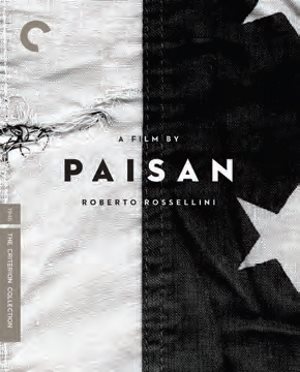
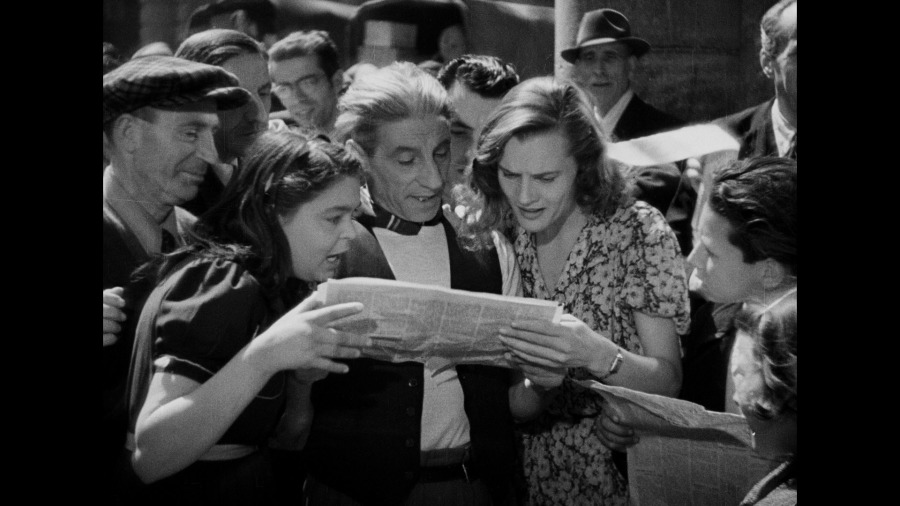
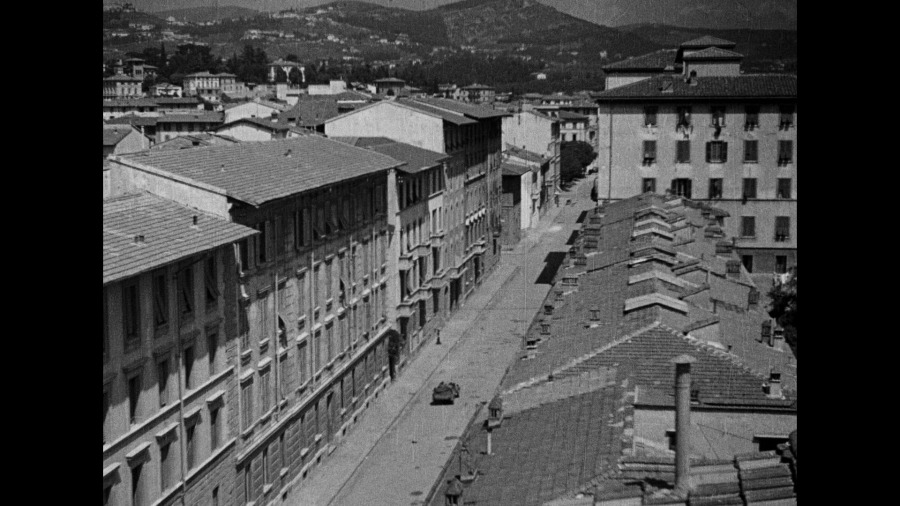
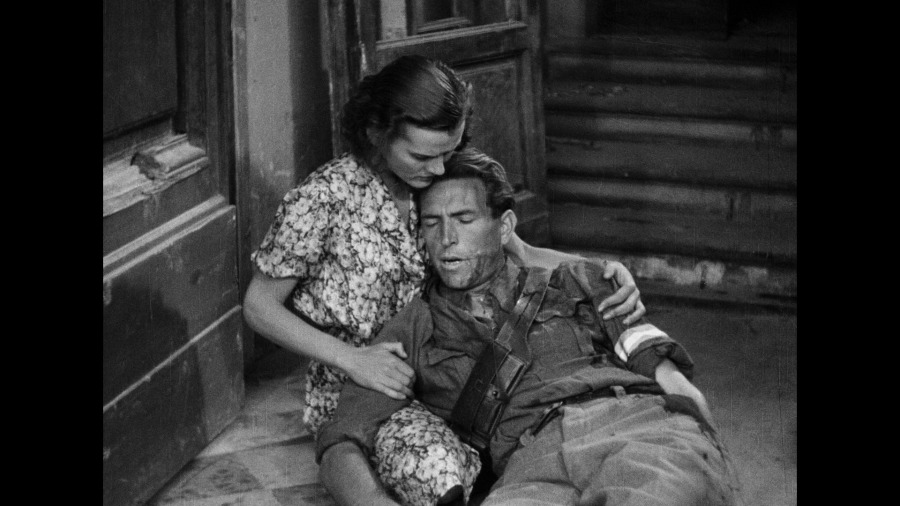
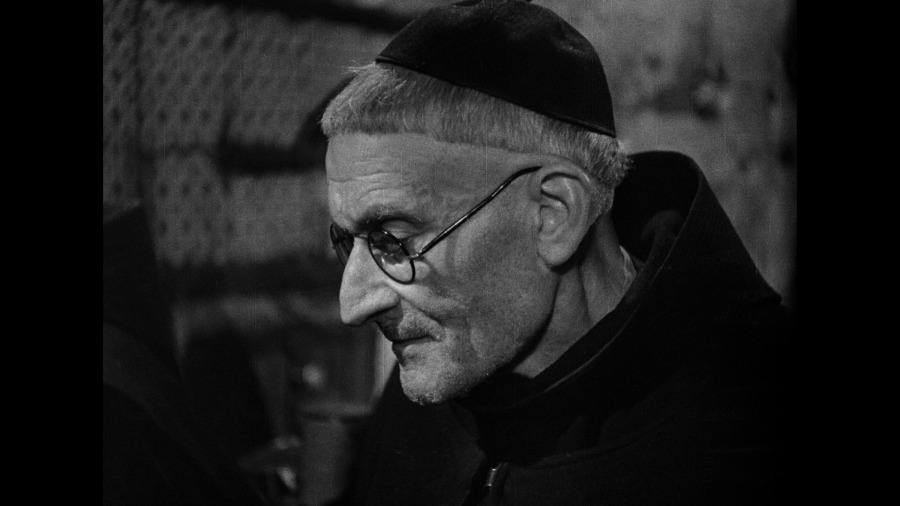
The Criterion Collection upgrades their DVD box set of Roberto Rossellini’s War Trilogy to Blu-ray. The second film in the set, Paisan, is presented on a dual-layer Blu-ray disc in the aspect ratio of 1.37:1, encoded at 1080p/24hz.
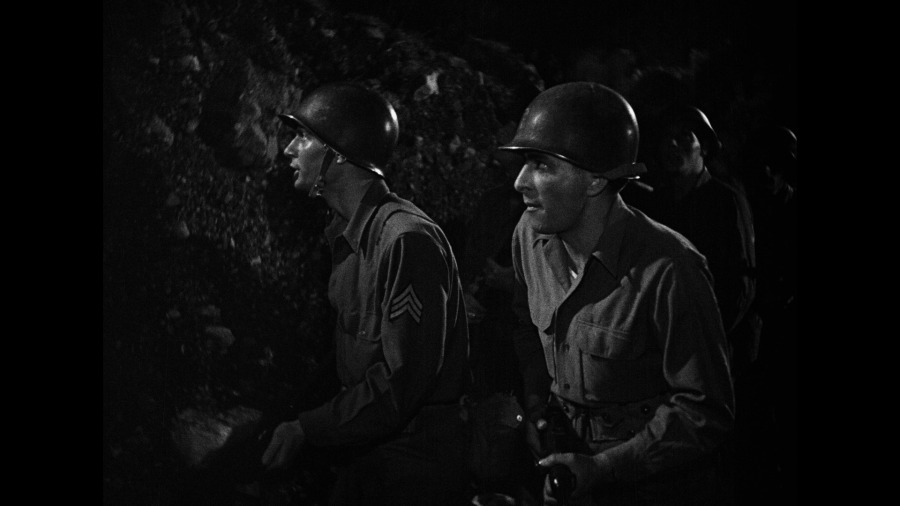
I’m a bit confused about the restoration itself: Criterion’s booklet mentions this is a 2K restoration taken from 35mm fine-grain master positive while the notes that precede the film on the disc state it’s a 4K restoration taken from 35mm nitrate “of the period.” I’m not sure whether the end results would differ that much (the images would have to be downscaled to 1920x1080) but either way I’m still rather impressed with the end results, even if the overall image is weaker than what we get for the first film, Rome Open City.
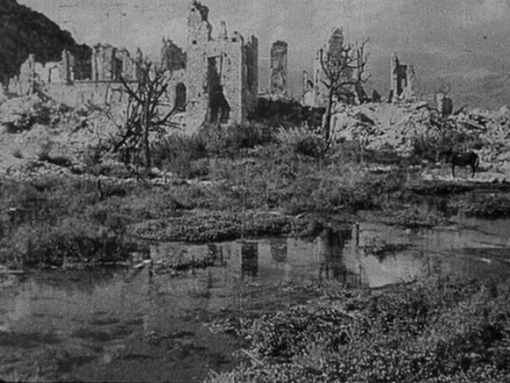
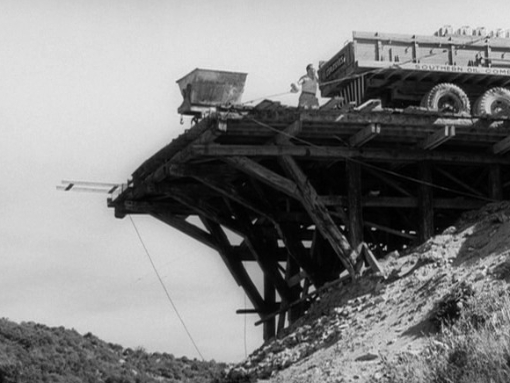
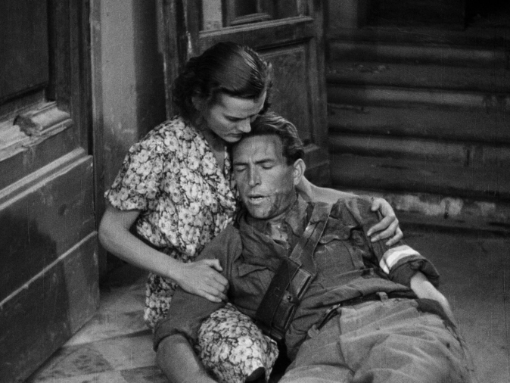
The original DVD showed a film in very rough condition and looking at that disc now its compression seems to exasperate the problems. It doesn’t look particularly good but I think a straight high-definition upgrade would have alleviated things. Thankfully, with the film getting an all new restoration, the improvements are quite significant, even if problems remain. The image here certainly looks far more filmic in comparison to that old DVD, and it delivers the details it can (there are times where the picture can look a little soft or out-of-focus) while also rendering grain rather well. I also found contrast quite good, with nice looking black levels and found the tonal shifts in the gray levels excellent and natural.
As well, the restoration has cleaned up a significant amount of damage that was present on the DVD and I was impressed at what they were able to accomplish. Having said that there are still notable source issues. A lot of archival war footage is used throughout the film and these sequences are heavily scratched and damaged (and thanks to the excellent encode these fine scratches are crisp and clear, and I’ll leave that up to you whether that is a good thing or a bad thing) and there are heavy scratches during some transitions between scenes. Throughout the rest of the film there is a noticeable flicker and pulse in areas of the frame, along with fading, and other scratches and marks pop up occasionally but again not to the degree as what is on the DVD. I can only assume the damage was too much or it was too difficult to make corrections without harming the image further. Despite this the restoration work has been far more thorough here.
Unfortunately Paisan doesn’t look as good as Rome Open City but it’s still a drastic improvement over the previous DVD edition. I found the image more filmic and it’s definitely cleaner, and I am more than happy to replace that DVD with it.
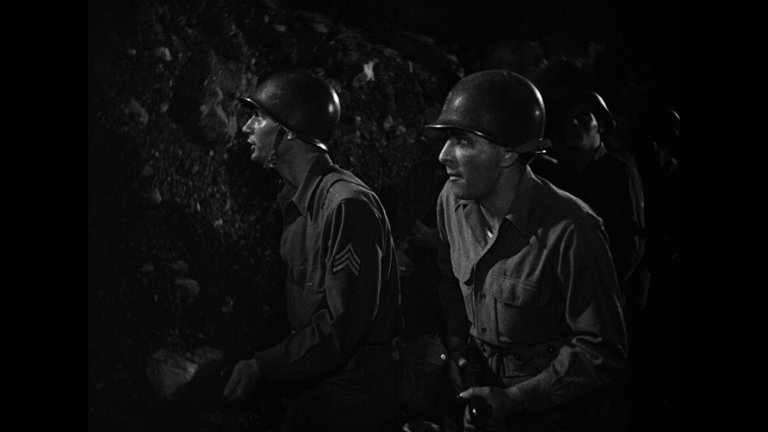
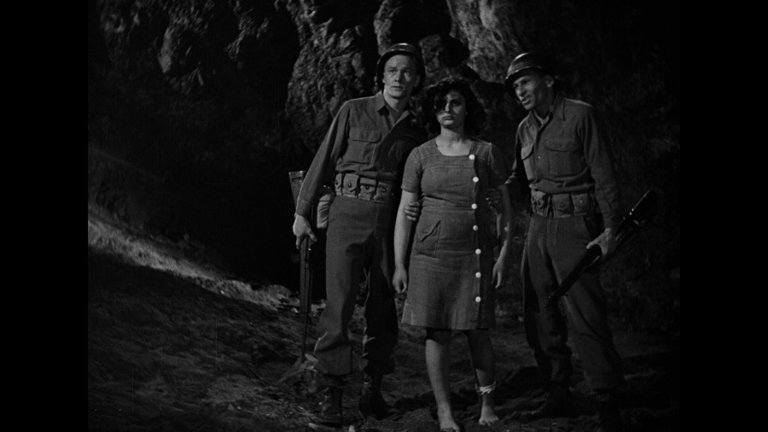
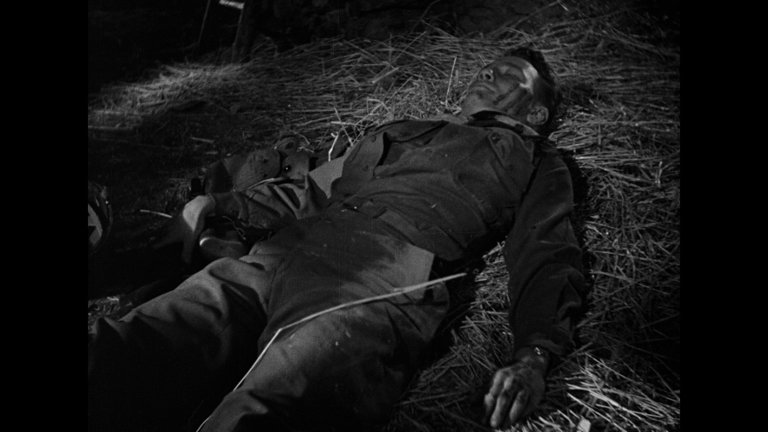
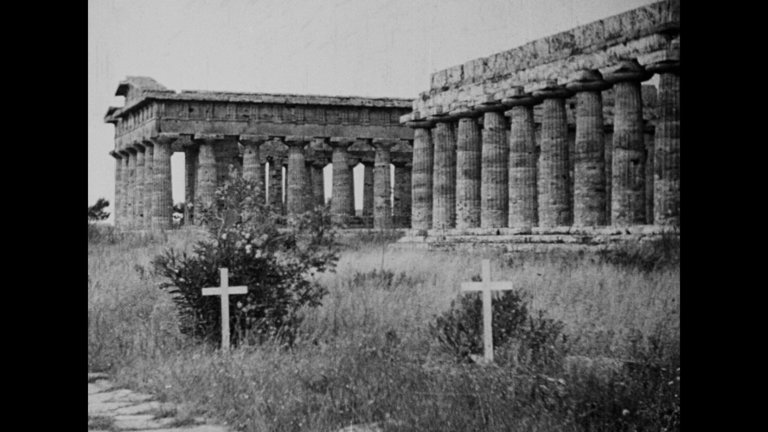
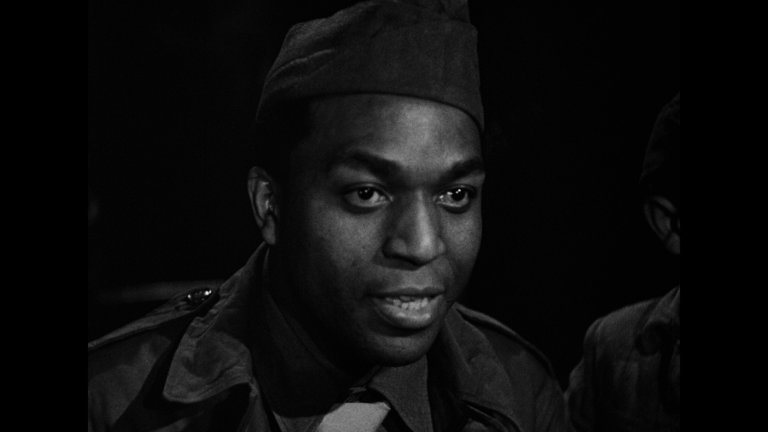
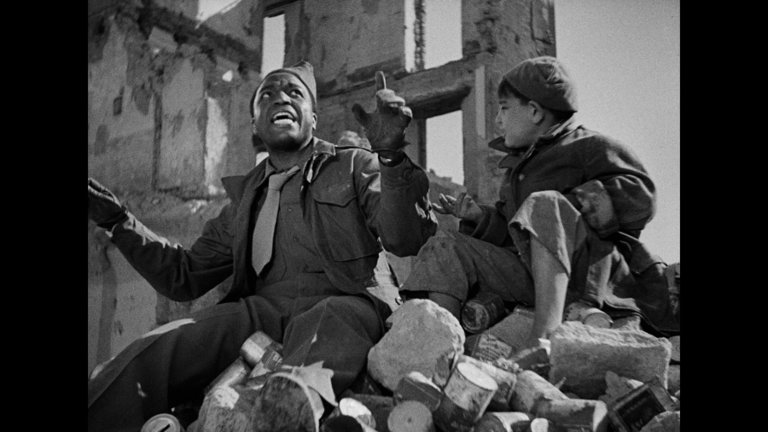
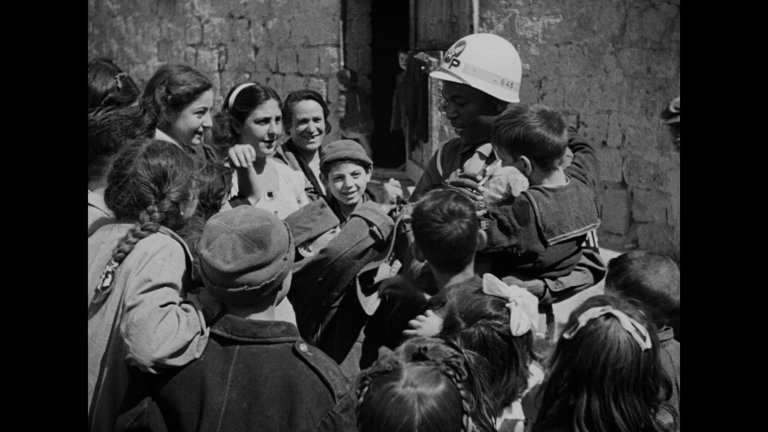
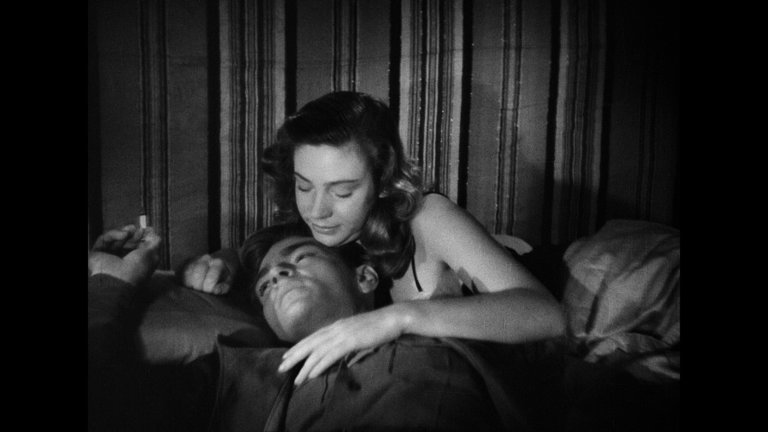
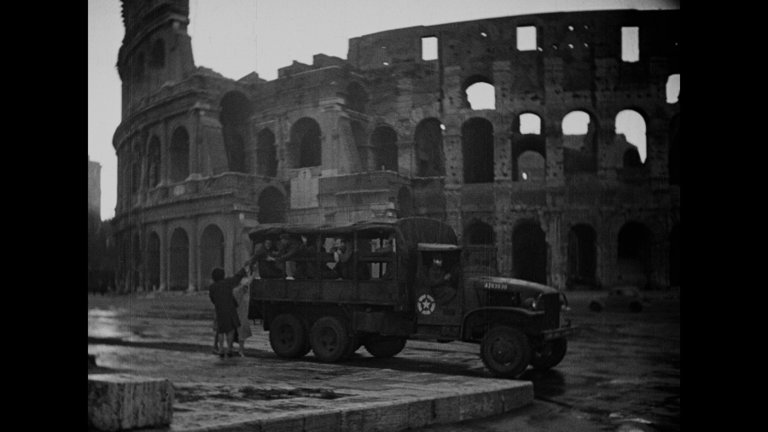
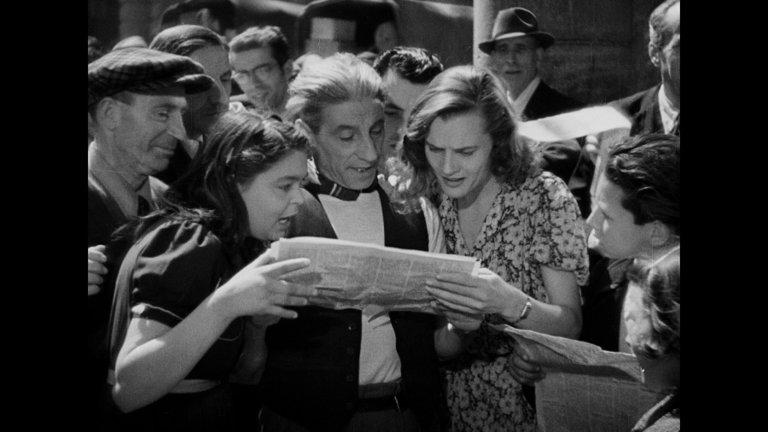
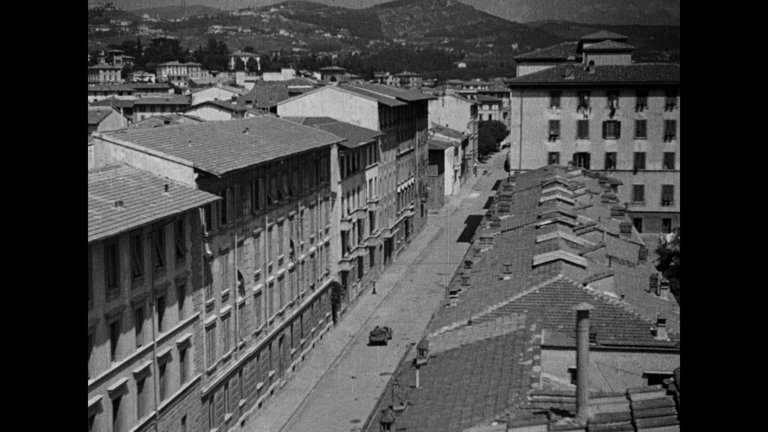
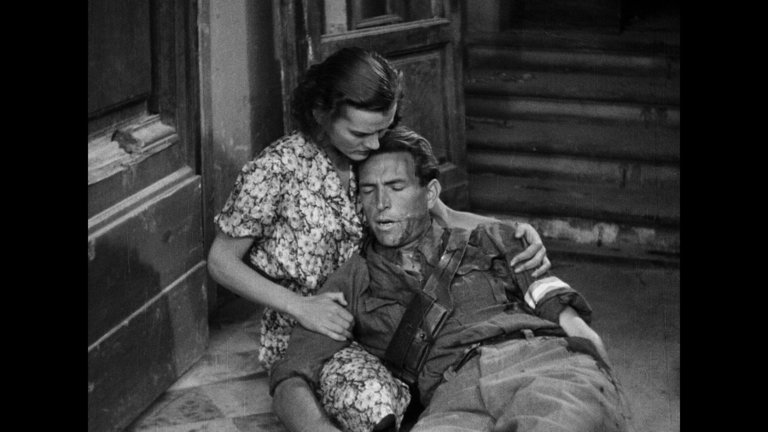
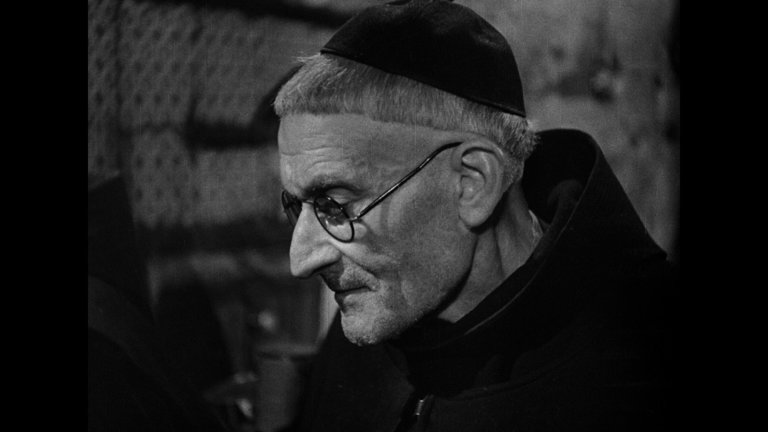
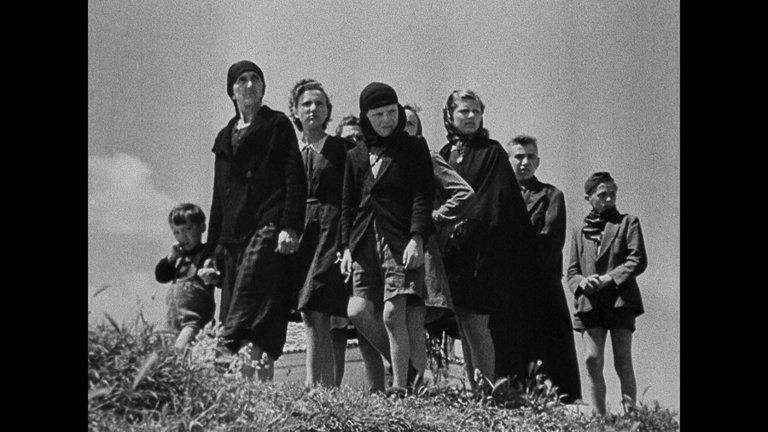
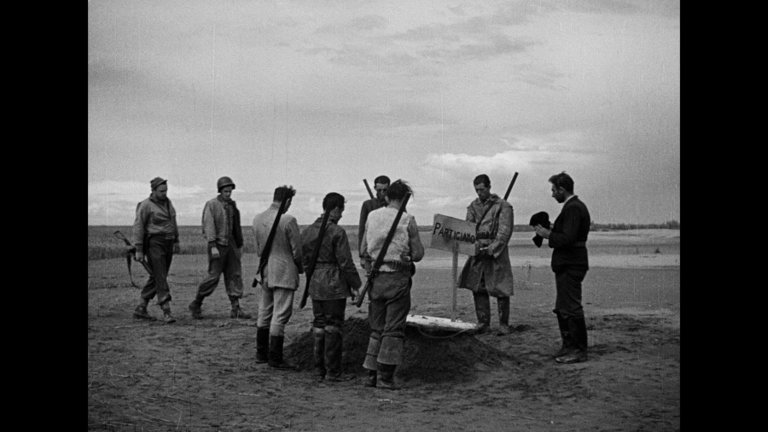
Paisan - Screen Captures
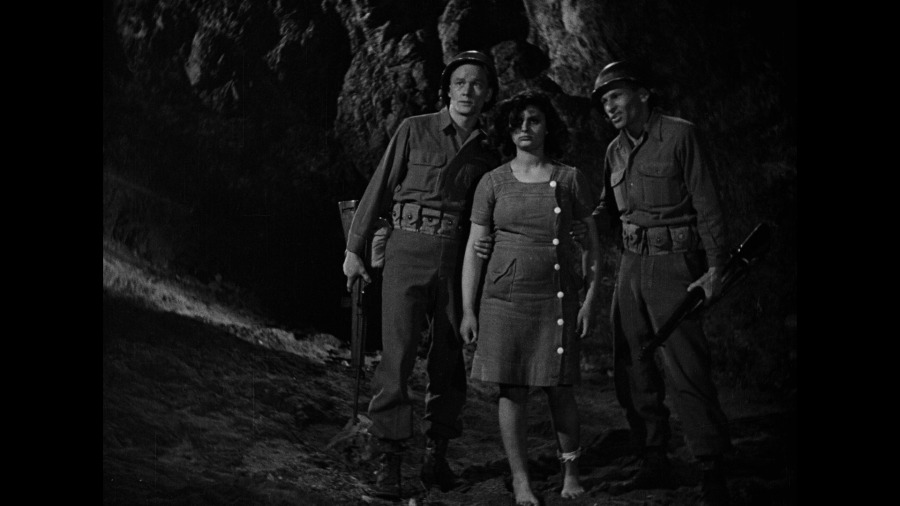
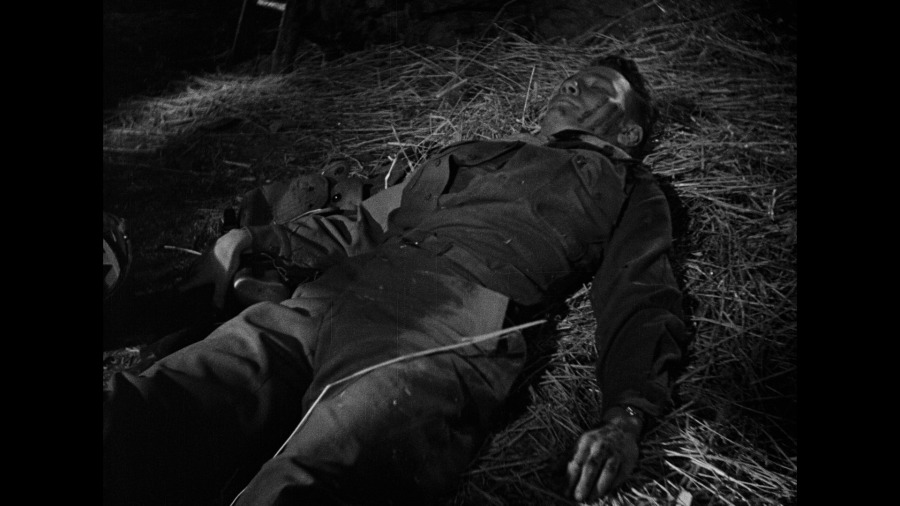
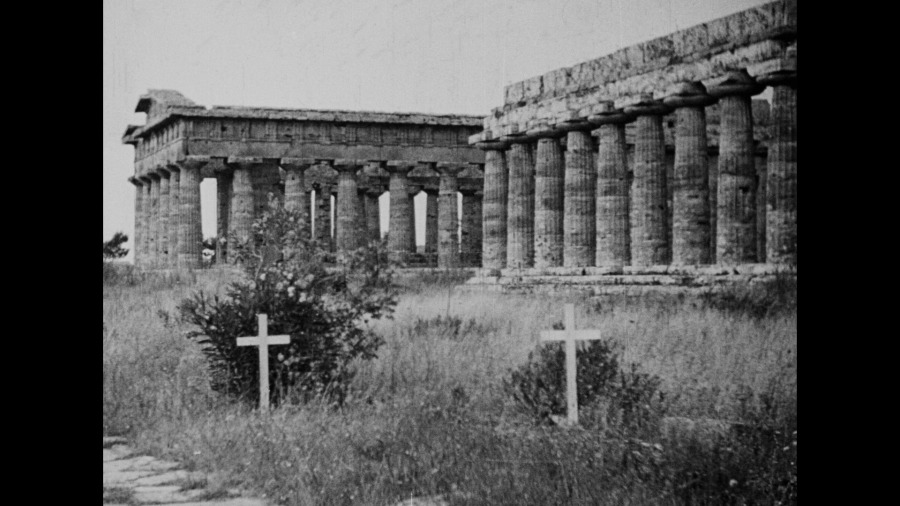
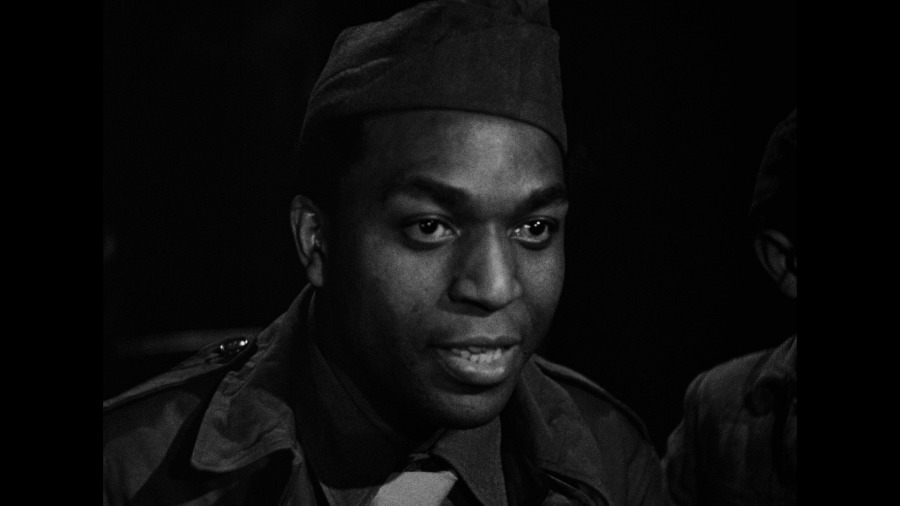
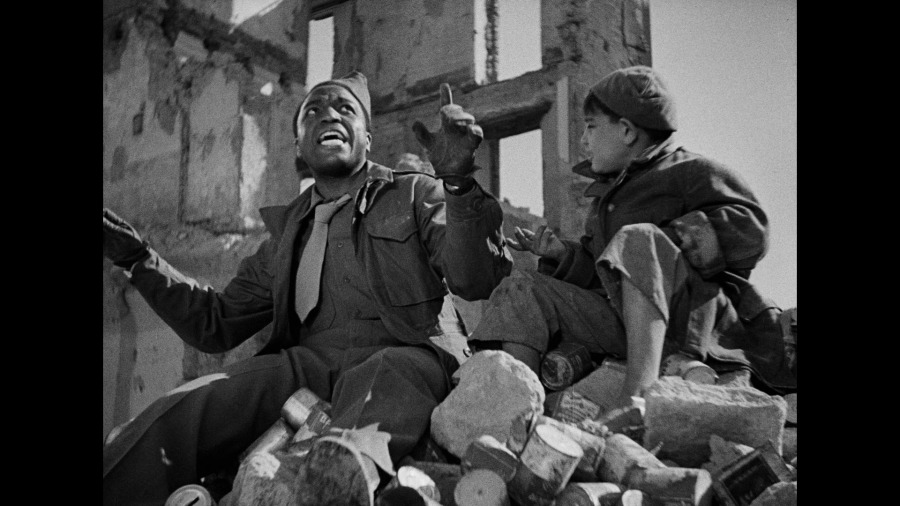
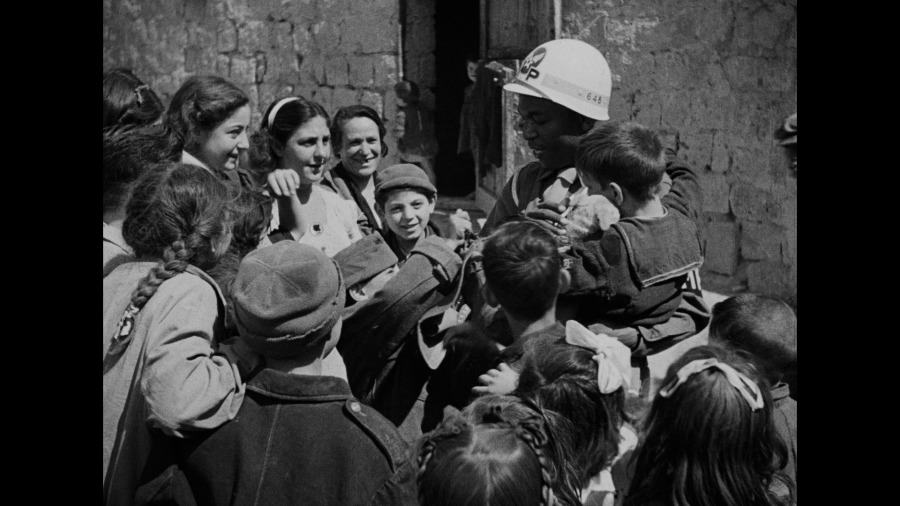
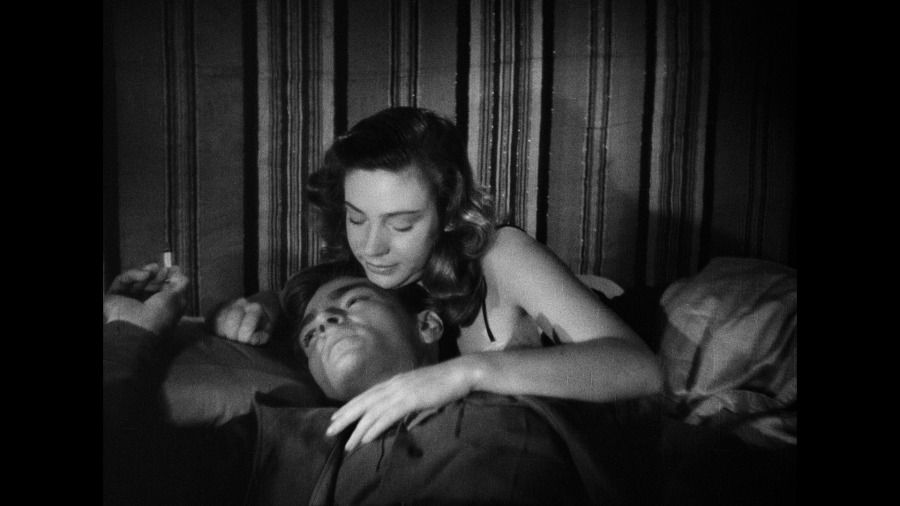
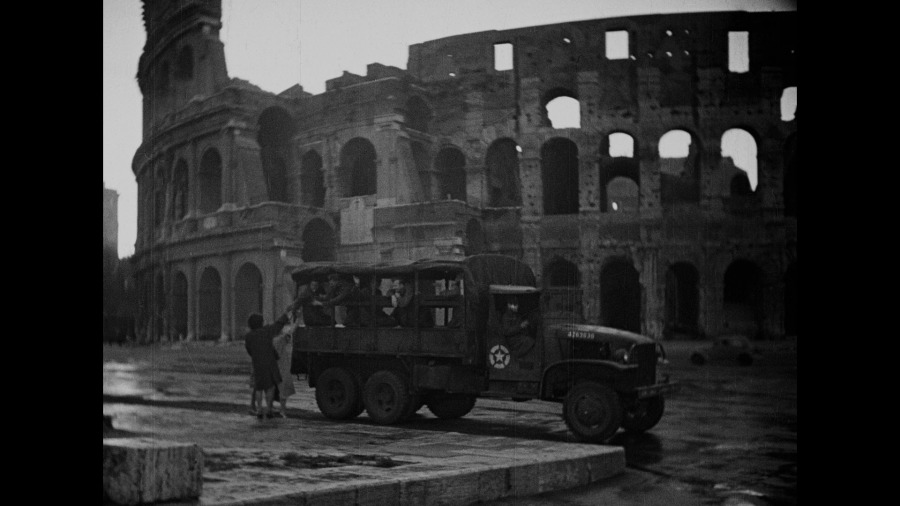
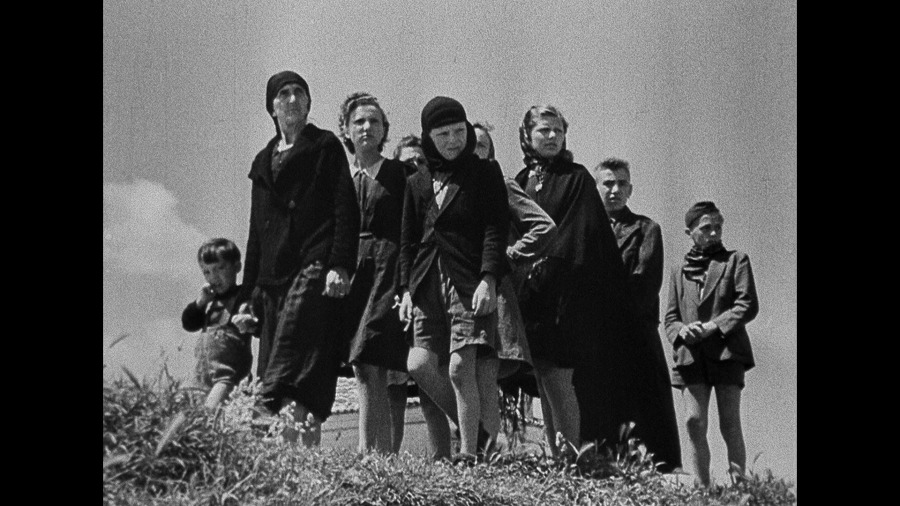
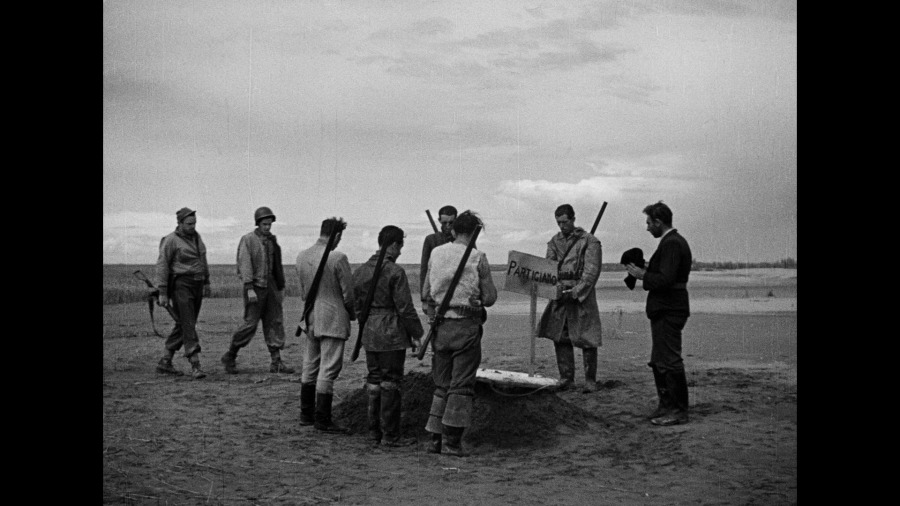
Audio 5/10
Unfortunately I can’t say the lossless Italian PCM audio track sounds any better than the DVD’s Dolby Digital one. It’s very tinny and edgy, with heavily distorted music and dialogue. There’s some noise in the background but it’s easy to overlook thanks to all of the other problems present. I’m going to blame this on source materials, though, and not on the transfer or restoration, and I feel this is probably as good as it gets.
Extras 8/10
Paisan comes available exclusively in Criterion’s War Trilogy box set. Supplements are spread out over the three discs in the set but this review will be specific to those available on Paisan. Since they are the same as what was on the DVD I’m going to be very lazy and pretty much copy from my review of the DVD.
Like the other discs in the set it comes with a brief introduction by Roberto Rossellini, which was shot for a 1963 French television program showing his films. It’s a brief 3-minutes and the director covers the basic premise of the film and the themes with in it, specifically the inability of people to communicate. Not an eye-opening piece by any means, as it doesn’t add anything new for anyone who has already watched the film, but it’s always nice having the director talk about one of his films.
Adriano Aprà gives another interview piece, this time focusing on Paisan. The longest of the three segments by him on the set, running 17-minutes, he talks briefly about the production, which had a script that went through the hands of a few American writers, and also had more money thanks to an American G.I. He also breaks down each episode within the film, offering a nice analysis for them and bringing the themes up front, and then talks about the different styles that appear in each or the use of space to disorient the viewer. While the lack of a commentary for this film is disappointing this brief interview actually covers the film fairly well.
Rossellini at Rice University offers 13-minutes of excerpts from video taken of the director during a showing of his films at the university (some of these appear in the documentary on the disc for Rome Open City.) I will mention the audio is rather poor so I had to strain at times to hear what the director was saying. He’s asked about the possible influences of French expressionism on his films and also asked about the script to the film they viewed (which I assume is Paisan.) He also talks about the actors and the use of improvisation, and even talks a bit about the individual segments in Paisan. It’s disappointing that more of the footage isn’t included here, though I assume it might be because there’s discussion about other films. But, despite the audio being hard to hear at times, I was glad at the inclusion of what we do get, getting more about the film from Rossellini himself.
The best feature on here, though, is Tag Gallagher’s 30-minute illustrated essay called Into the Future, which offers a surprisingly thorough examination of all three films in the War Trilogy, stepping through each film. He offers a thorough examination of the techniques used, the editing, and even makes comparisons to the script. He brings up some of the themes found in the films, how Italians and Americans would perceive the films (specifically Paisan, and then offers a great analysis of the character of Edmund from Germany Year Zero (and it should be noted that there are SPOILERS in this segment for that film, so if you haven’t seen the film yet you may want to skip the feature until you view it.) It’s a great feature, one of the best ones in the release, and I’m a tad disappointed there wasn’t more from Gallagher to be found on this set.
In comparison with the rest of the discs it has the fewest number of supplements but it might have the strongest one in Gallagher’s essay.
Closing
On its own it’s a very good edition, delivering a very strong digital video presentation (though limited by the source materials) and a nice set of supplements, Gallagher’s essay being the stand out. A very solid upgrade over the old DVD.
BUY AT: