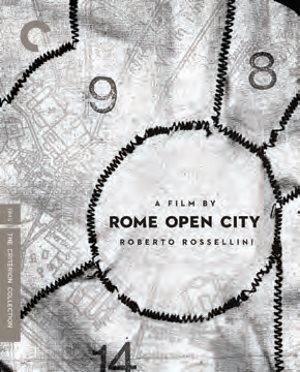
Rome Open City
BUY AT:


See more details, packaging, or compare
Synopsis
This was Roberto Rossellini’s revelation, a harrowing drama about the Nazi occupation of Rome and the brave few who struggled against it. Though told with more melodramatic flair than the other films that would form this trilogy and starring some well-known actors—Aldo Fabrizi as a priest helping the partisan cause and Anna Magnani in her breakthrough role as the fiancée of a resistance member—Rome Open City (Roma città aperta) is a shockingly authentic experience, conceived and directed amid the ruin of World War II, with immediacy in every frame. Marking a watershed moment in Italian cinema, this galvanic work garnered awards around the globe and left the beginnings of a new film movement in its wake.
Picture 8/10
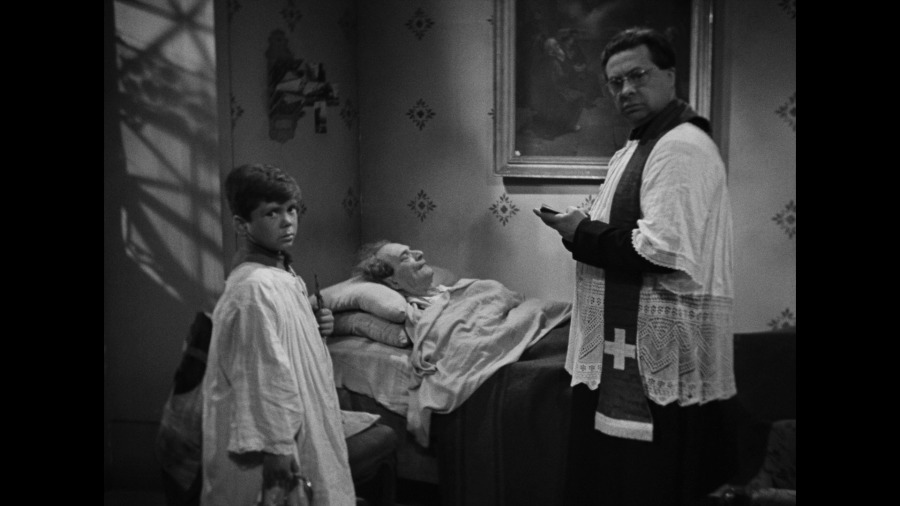
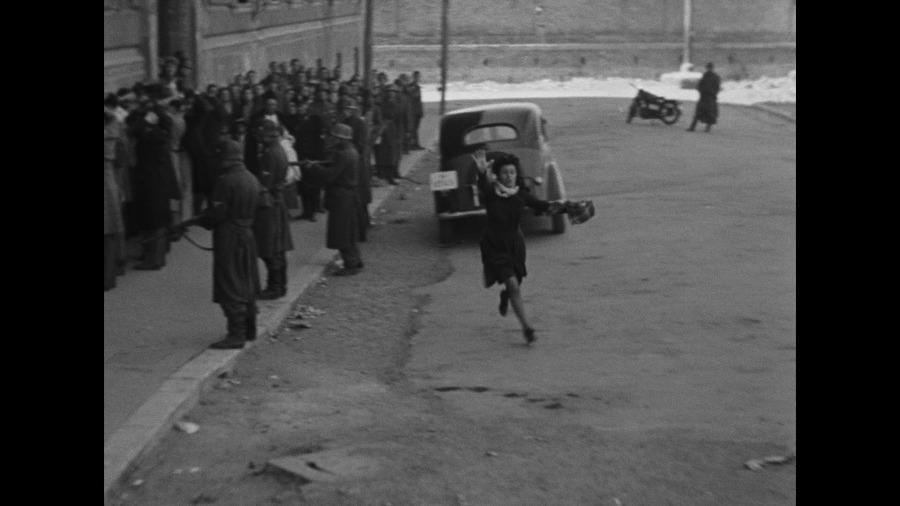
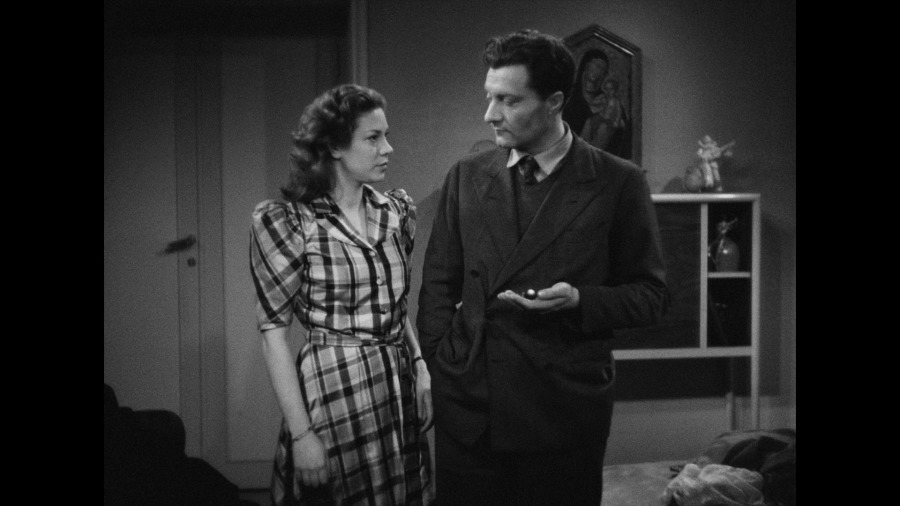
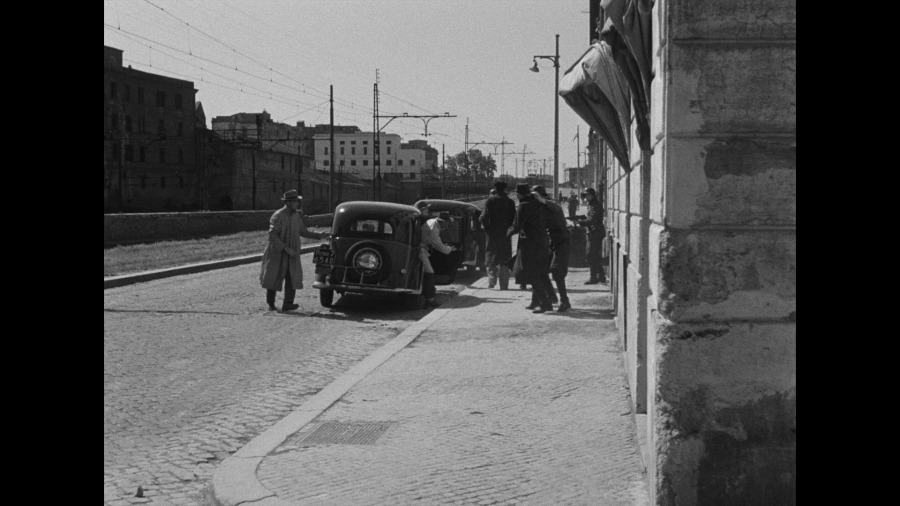
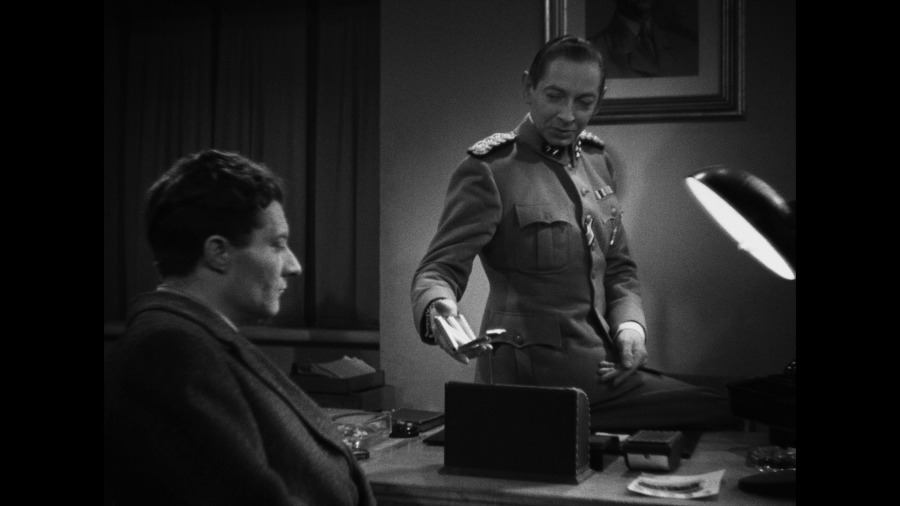
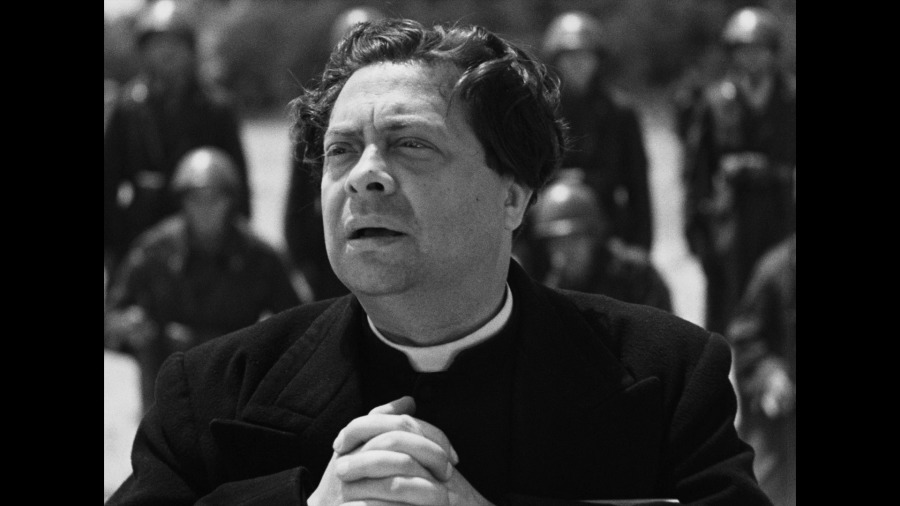
The Criterion Collection upgrades their DVD box set of Roberto Rossellini’s War Trilogy to Blu-ray. The first film in the set, Rome Open City, is presented on a dual-layer Blu-ray disc in the aspect ratio of 1.37:1. The 1080p/24hz high-definition presentation comes from a 4K restoration (I believe the same one used for the BFI edition) scanned from the 35mm original camera negative and a 35mm fine-grain positive.
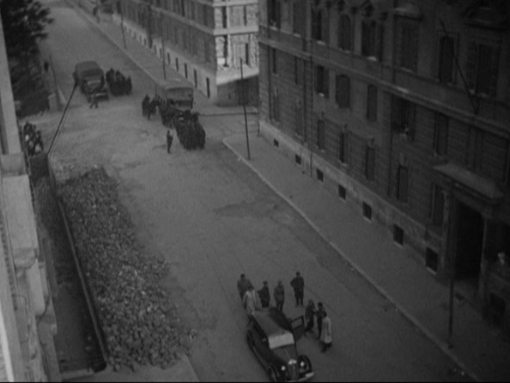
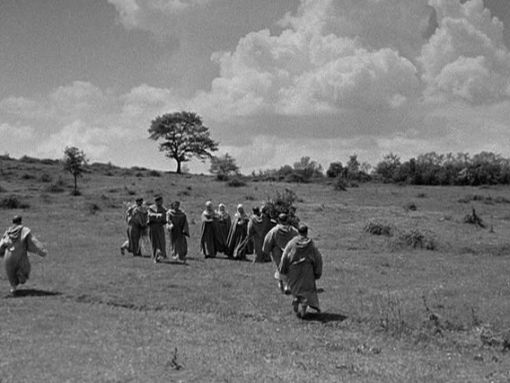
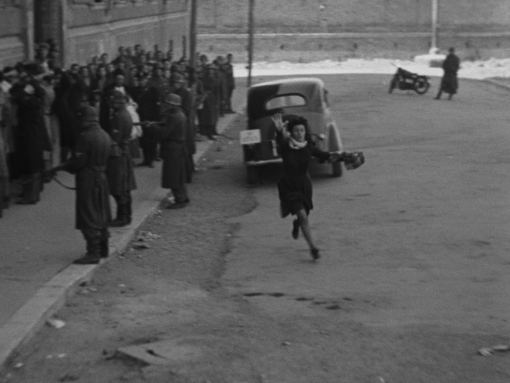
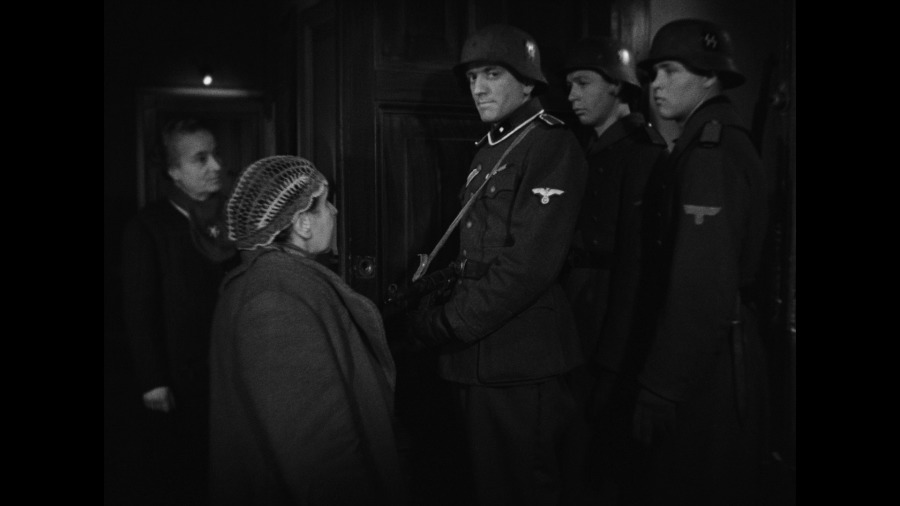
Contrast and black levels maybe look a bit different but overall this doesn’t look too different from the BFI edition and looks significantly better than Criterion’s previous DVD. The old DVD still presented a fairly significant amount of damage with scratches and debris but other than maybe a few tram lines and minor marks the image here is extraordinarily clean, and the best looking title in the set.
The digital presentation itself also presents a marked improvement over the old DVD, delivering a far cleaner and more film-like looking image in comparison. Where the source allows details are remarkably crisp, down to the various textures in clothing and on the settings. Contrast levels look nice and I might actually prefer them to the BFI’s, though as to which is more correct I can’t say. Black levels are nice and I found the shifts in the grays quite pleasing.
Overall it’s a sharp upgrade over the previous DVD and is easily the best the film has looked on home video. It’s disappointing the rest of the films in the set didn’t get the same amount of love.
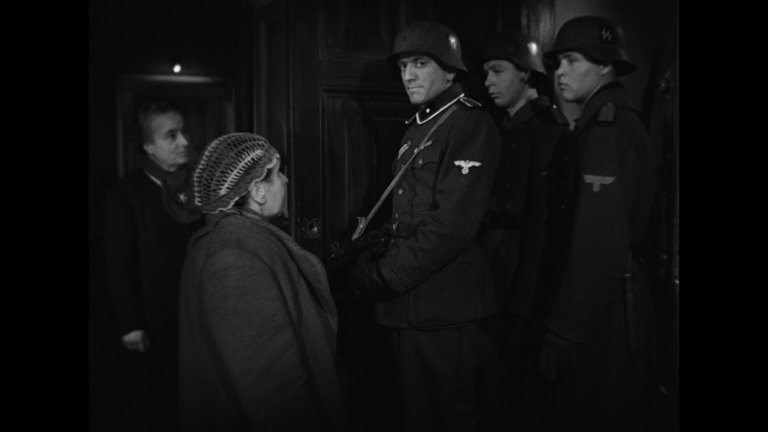
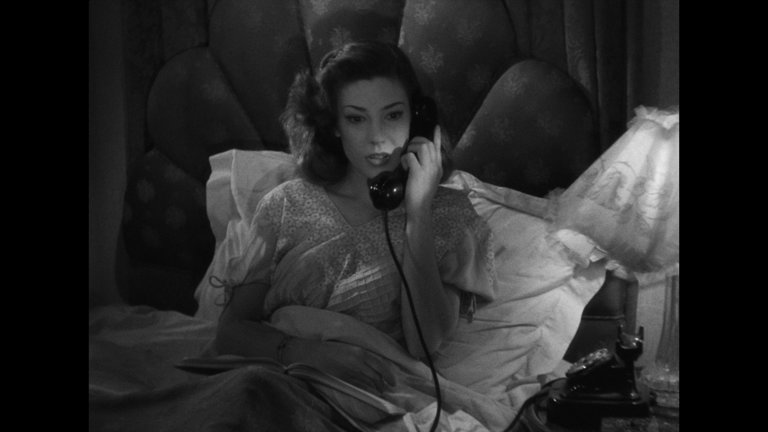
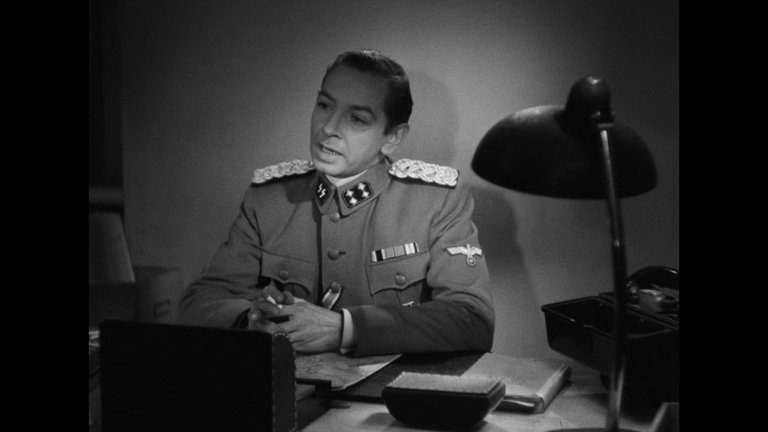
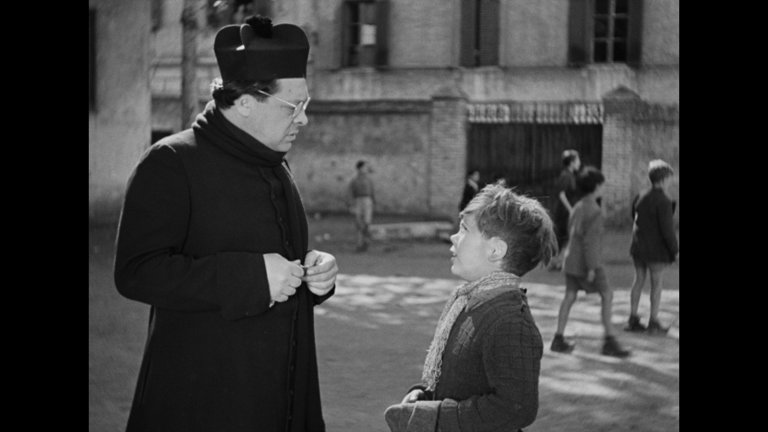
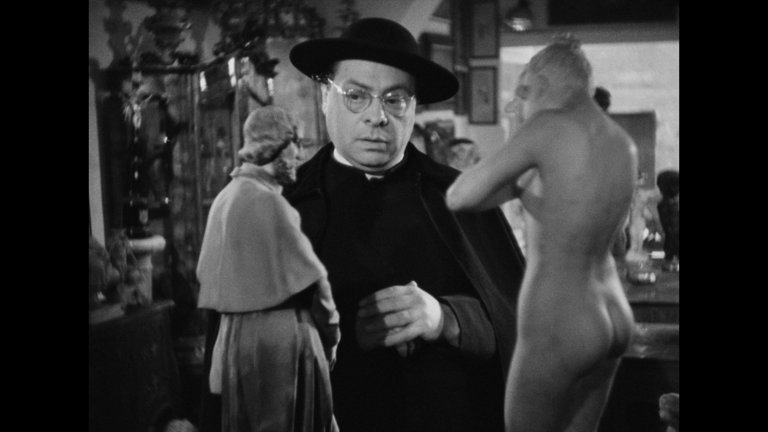
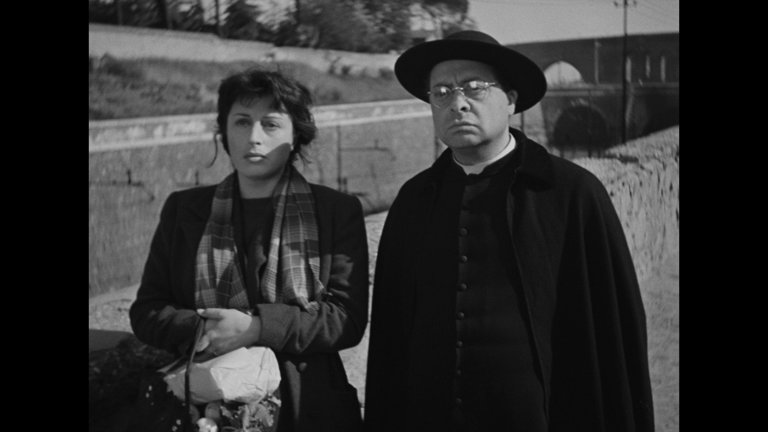
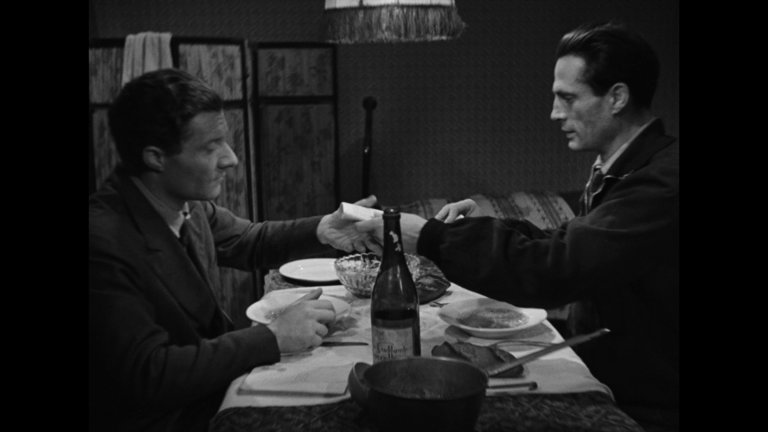
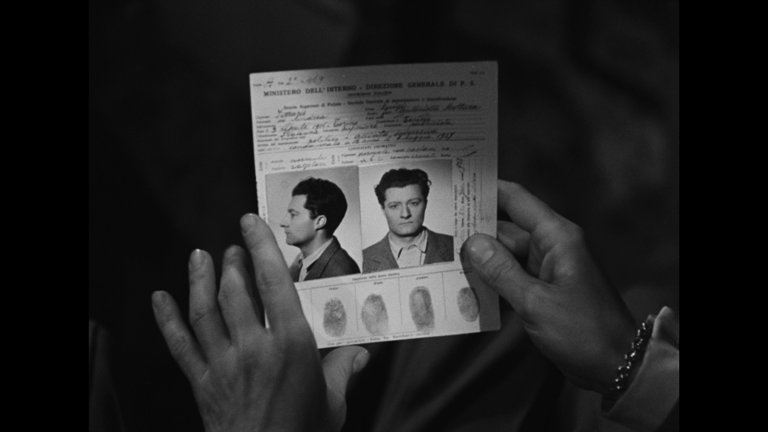
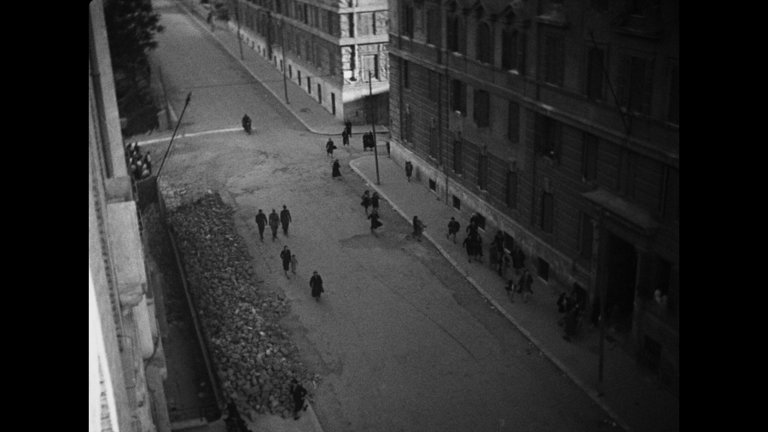
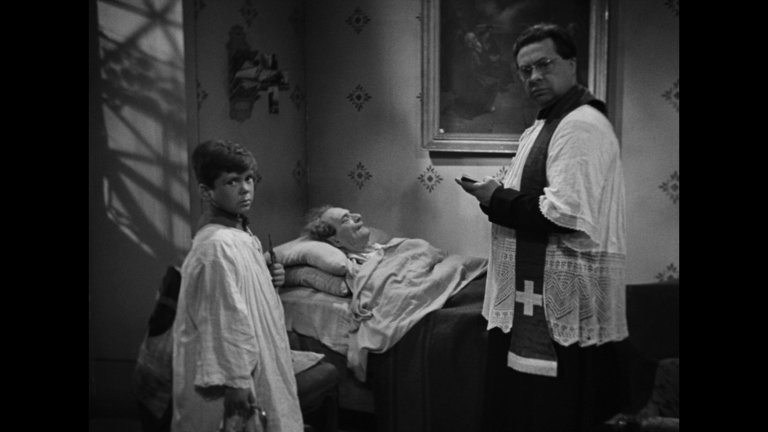
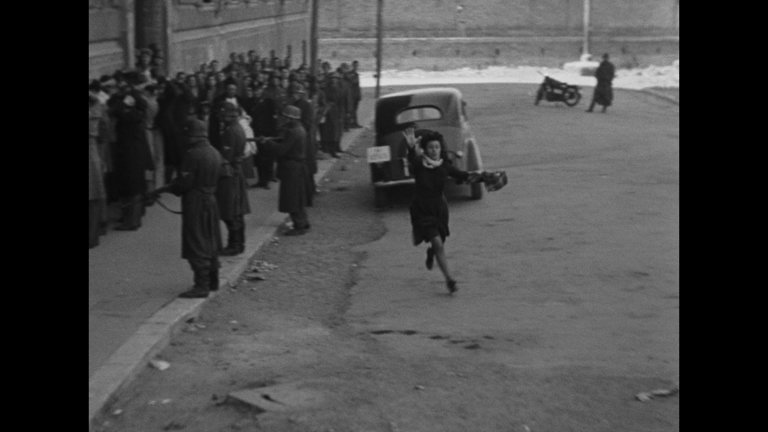
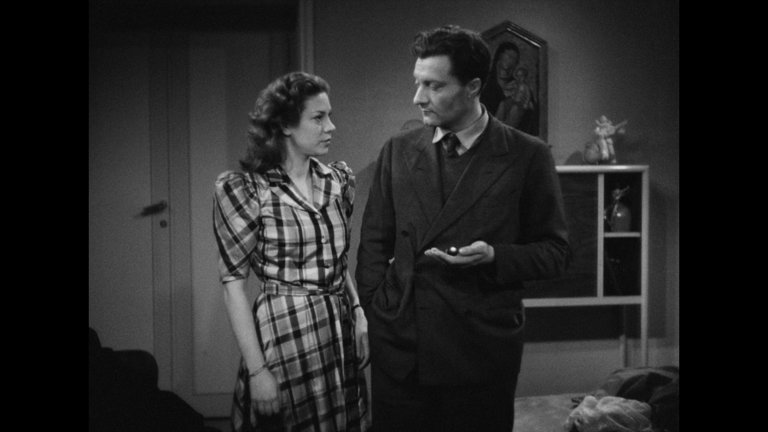
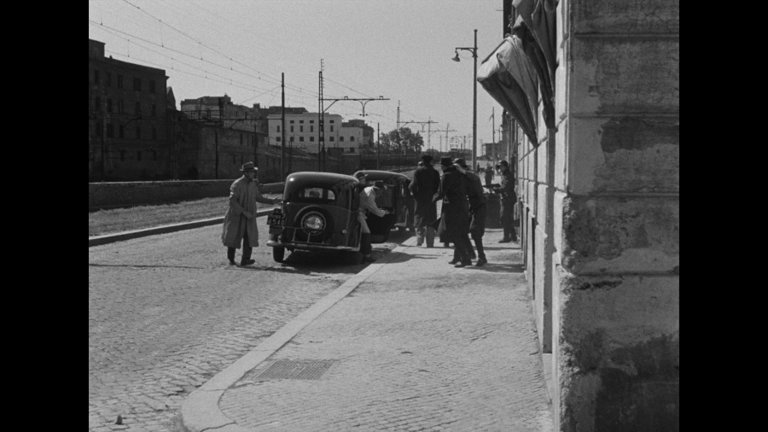
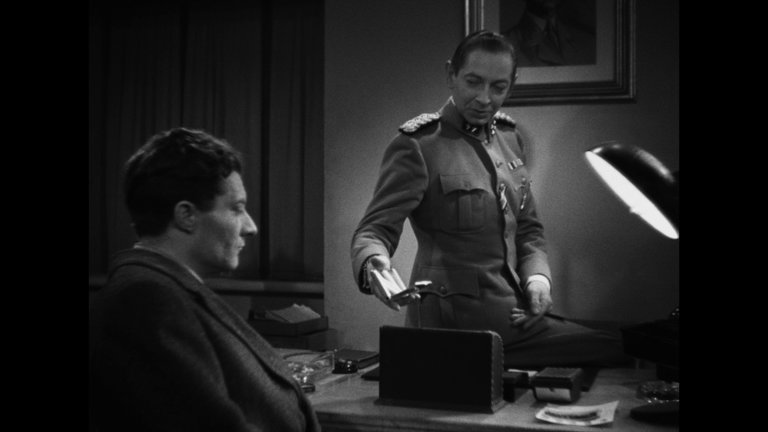
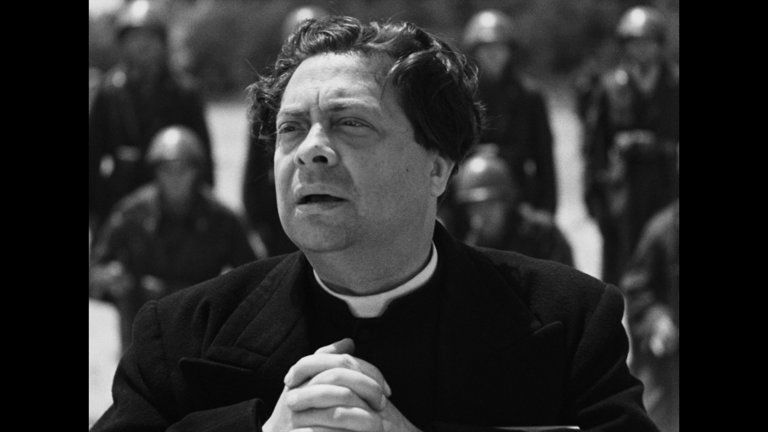
Rome Open City - Screen Captures
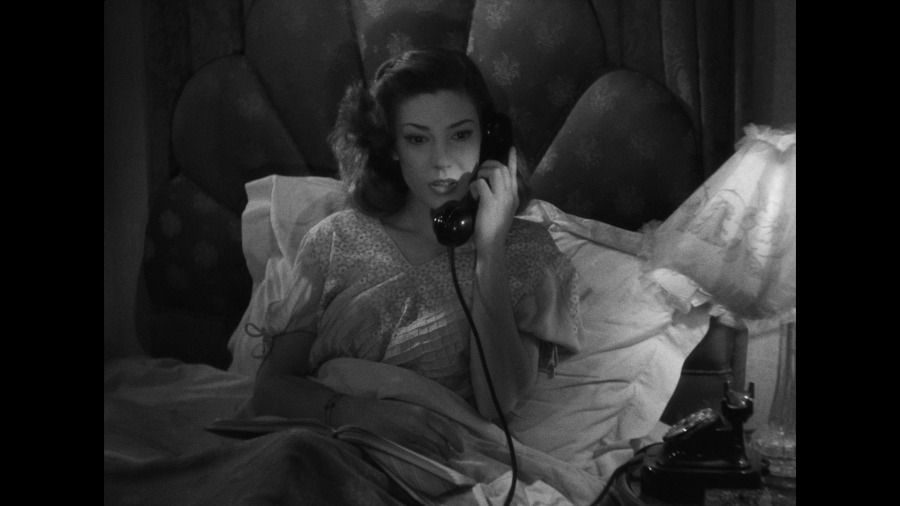
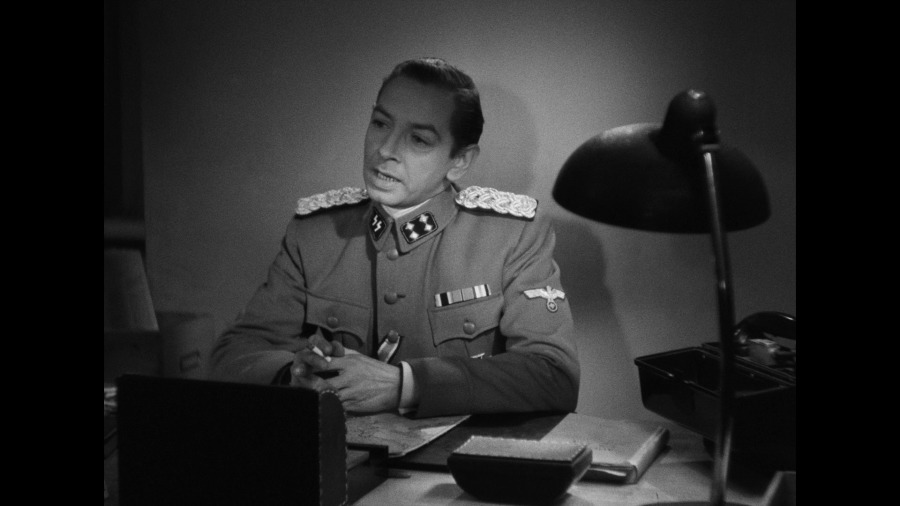
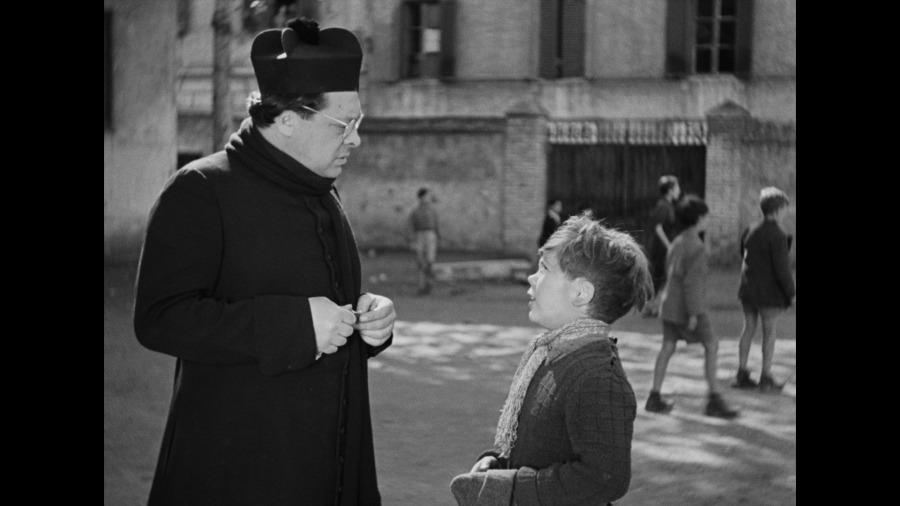
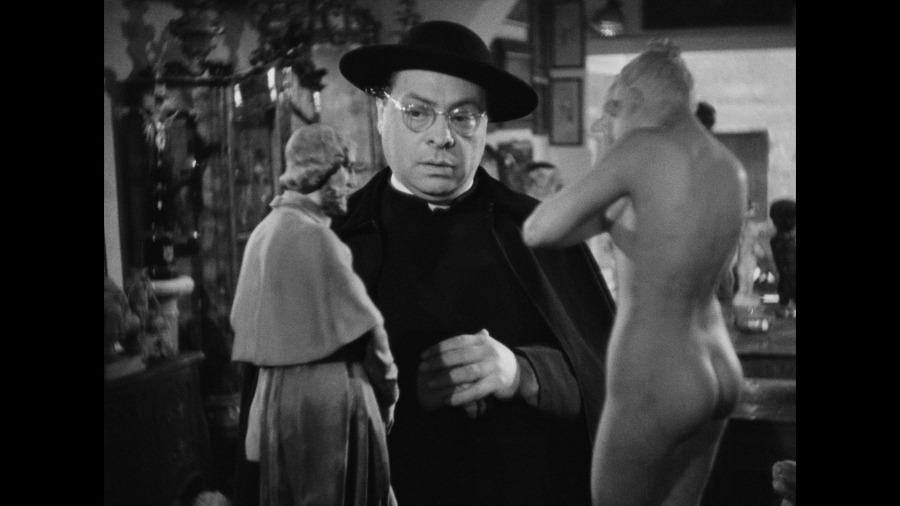
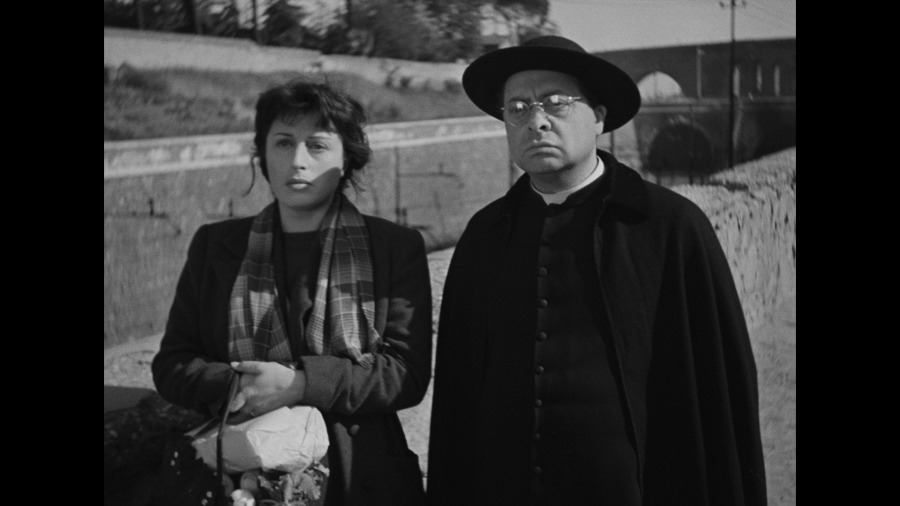
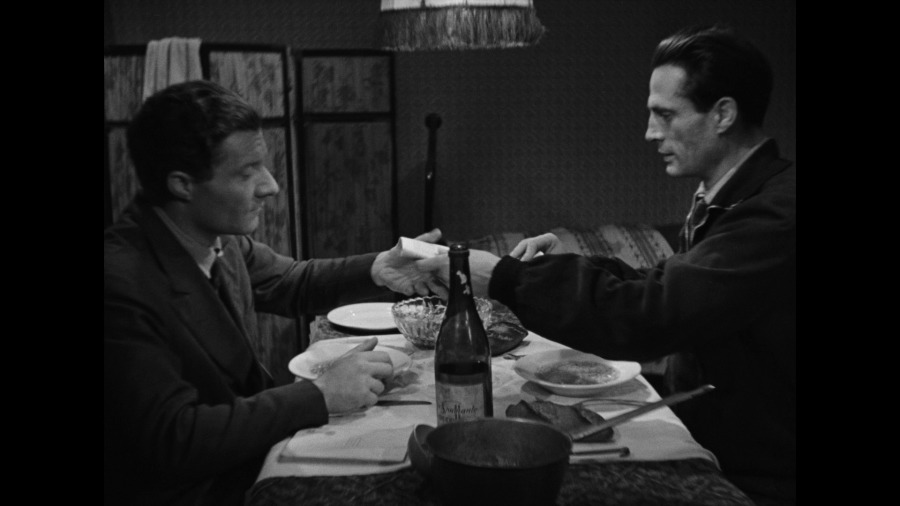
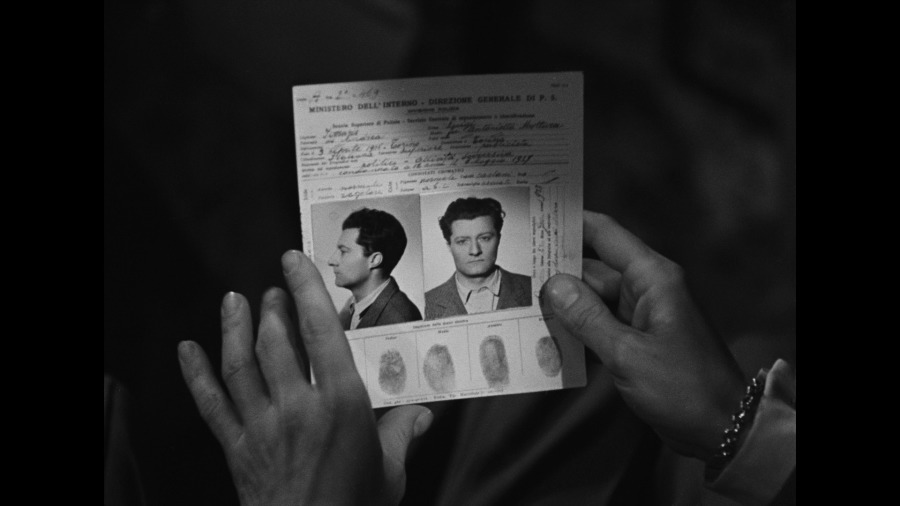
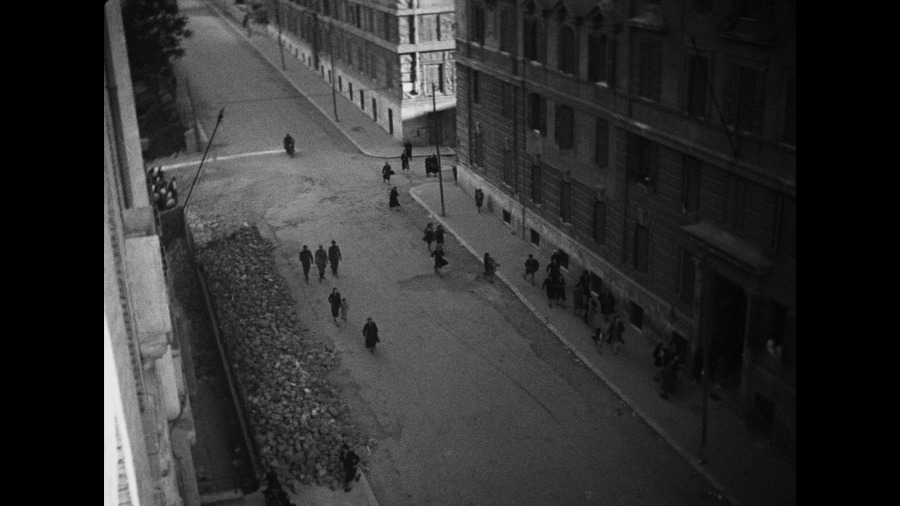
Audio 5/10
The lossless PCM 1.0 monaural audio track offers a bit of an improvement over the previous DVD edition though it still has its problems. Music is still a bit edgy and dialogue is hollow, but I thought the track was still cleaner than the older one. There is still some audible background noise, like a hiss, but in the end it’s fine enough.
Extras 10/10
Rome Open City comes available exclusively in Criterion’s War Trilogy box set. Supplements are spread out over the three discs in the set but this review will be specific to those available on Rome Open City.
The features from the previous DVD edition have all been carried over and again the disc opens with an Introduction by Roberto Rossellini, a 3-minute segment originally made for a French television program in 1963. Criterion has included one for each film on the set. In this one Rossellini talks a bit about the development of the script and their limited resources (specifically having to purchase scraps of film) and then its reception at Cannes. The material is covered elsewhere but it’s great getting footage of Rossellini talking about his own films, even if it’s brief.
Carried over from Criterion’s laserdisc (and unavailable since then) is the audio commentary by film scholar Peter Bondanella. It’s a fairly good scholarly track covering the film’s production, editing style and look, as well as neorealist cinema in general. He also covers Italian cinema and the industry before and around the time of Rome Open City, and also covers war time in Italy. It can be a touch dry at times, and there are moments where he falls into the trap of simply describing on screen events, but it’s a strong track, one certainly worth listening to.
One of the bigger features in the set is the 2006 documentary Once Upon a Time… “Rome Open City.” Running 52-minutes (and broken down into 7 chapters) it works as a making-of bringing together new interviews and archived interviews covering the production of the film. There’s footage of Rossellini in Italy recalling war time and the shoot, and there’s some intriguing anecdotes about filming on location, particularly one incident where passengers on a bus confused the filming of German soldiers arresting a priest as the real thing (one passenger apparently drawing a pistol.) It unfortunately feels a need to move on to the affair between Roberto Rossellini and actress Ingrid Bergman (though it does at least allow Isabella to recall memories about her mother and father) but other than this aspect it’s a decent documentary on the film and the war trilogy in general.
Next is a 12-minute interview with film historian and “Rossellini expert” Adriano Aprà. He covers similar subjects covered elsewhere (the limited resources, the film’s reception) but talks a little more about the actors, including Aldo Fabrizi and Anna Magnani (known more for their comedic roles.) He also goes over the meaning of the title, which I appreciated since, as I’ll freely admit, I never understood the significance of the title.
Rossellini and the City is a “video essay” by Mike Shiel covering the use of locations throughout the three films, covering the geography, space, monuments, and architecture and how they work in the films, as well as camera positions and framing. It’s not a “video essay” as I’m used to from other releases, feeling more like an interview with Shiel accompanied by clips and stills. At 25-minutes it might be a little long but it’s a fairly interesting examination of the locations used for the trilogy. Just as a warning this feature not only contains spoilers for Rome Open City but the other films in the set as well.
The disc then concludes with a short 5-minute interview with Father Virgilio Fantuzzi (who, along with Aprà, offered interviews on Criterion’s DVD for Rossellini’s The Flowers of Saint Francis.) In it he mentions how Rossellini wasn’t a believer but there are religious elements in all of his films, looking specifically at those found in Rome Open City, which includes poses of the actors and even some artwork.
While it only represents a portion of the supplements found in the set as a whole, the material here still manages to thoroughly cover Rome Open City and aspects from the other films in the trilogy all on its own.
Closing
The best upgrade in the set, it yet again features the same excellent supplements while offering a significant improvement in terms of presentation. For those looking to upgrade from the old Criterion DVD (or getting the film for the first time) it may be worth picking this set up.
BUY AT: