BUY AT:


See more details, packaging, or compare
Synopsis
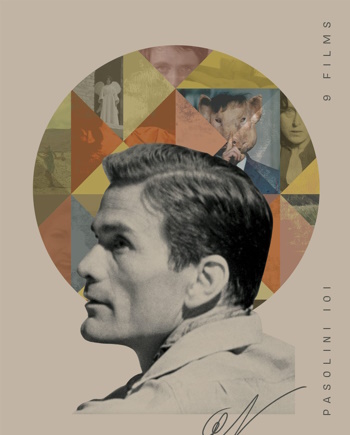
One of the most original and controversial thinkers of the twentieth century, Italian polymath Pier Paolo Pasolini embodied a multitude of often seemingly contradictory ideologies and identities—and he expressed them all in his provocative, lyrical, and indelible films. Relentlessly concerned with society’s downtrodden and marginalized, he elevated pimps, hustlers, sex workers, and vagabonds to the realm of saints, while depicting actual saints with a radical earthiness. Traversing the sacred and the profane, the ancient and the modern, the mythic and the personal, the nine uncompromising, often scandal-inciting features he made in the 1960s still stand—on this, the 101st anniversary of his birth—as a monument to his daring vision of cinema as a form of resistance.
Picture 8/10
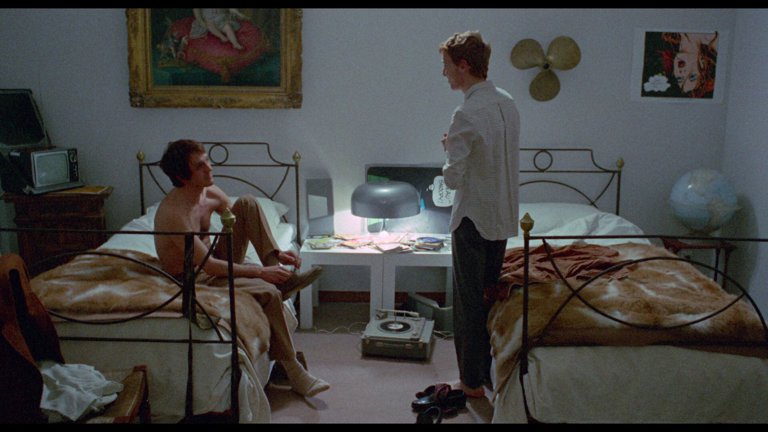
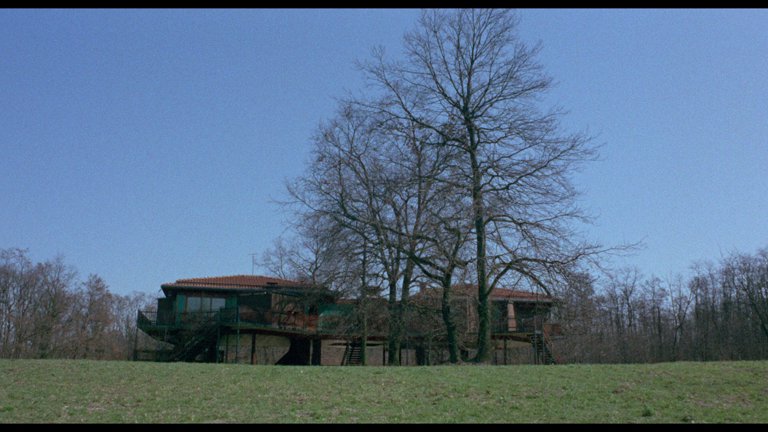
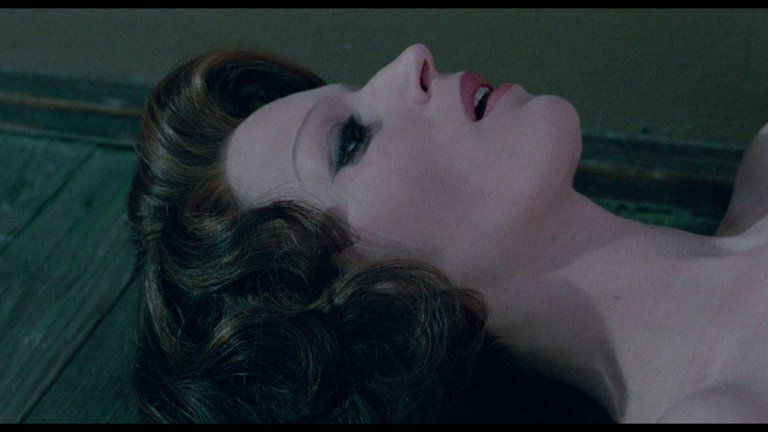
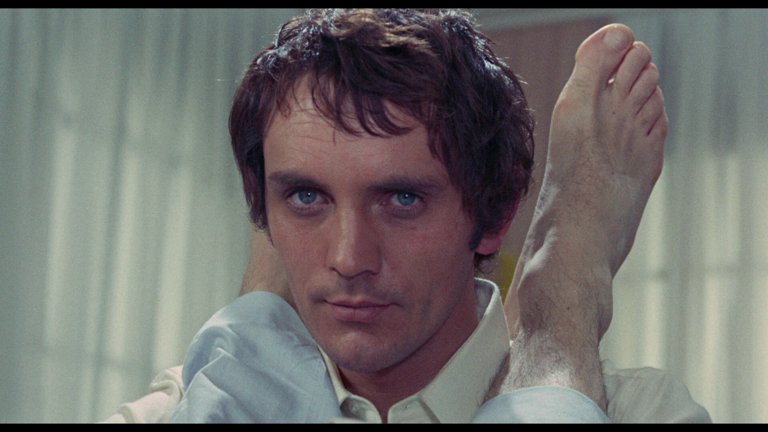
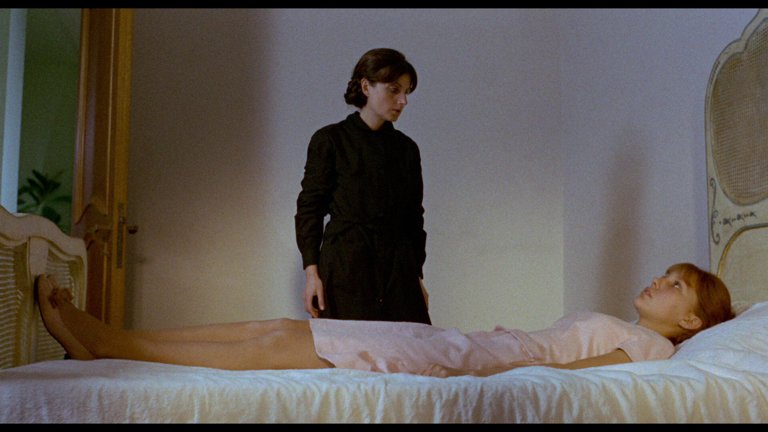
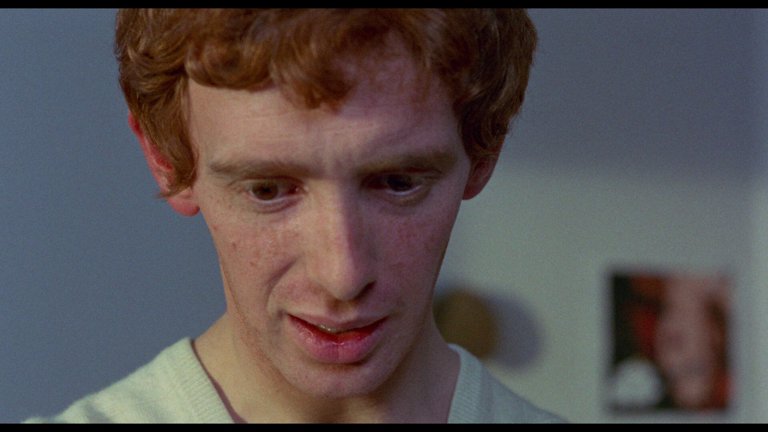
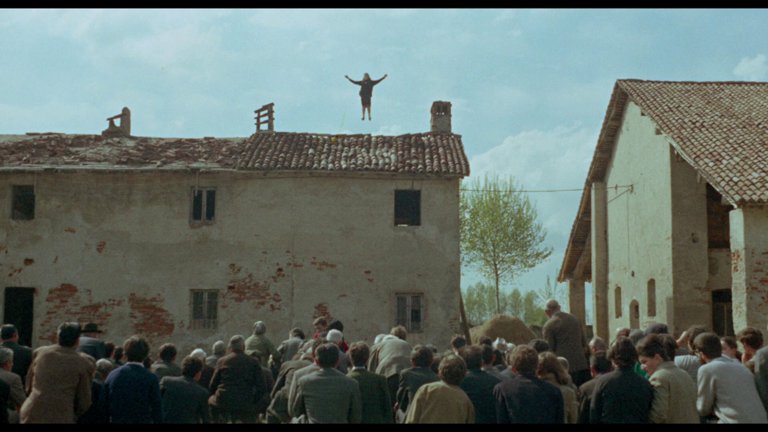
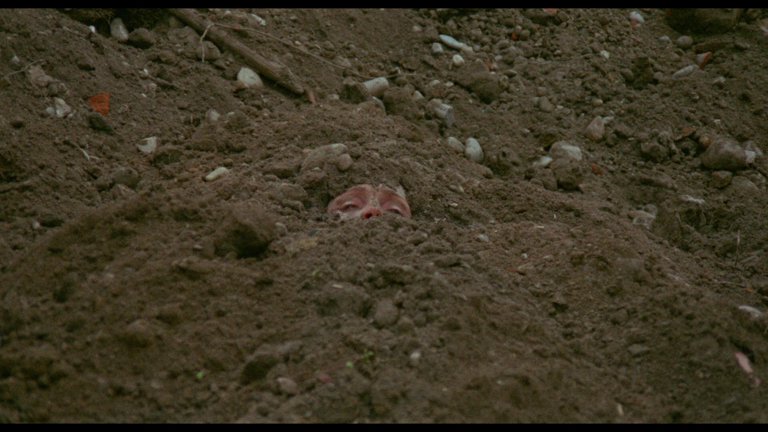
For the seventh film in their box set Pasolini 101, Criterion presents Teorema on a dual-layer disc in its original aspect ratio of 1.85:1. Criterion released the film separately on Blu-ray back in 2020, and this disc appears to replicate that release exactly, outside of changes to the menu screens to match the design of the set.
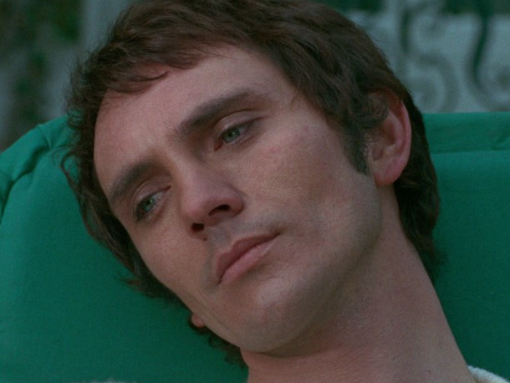
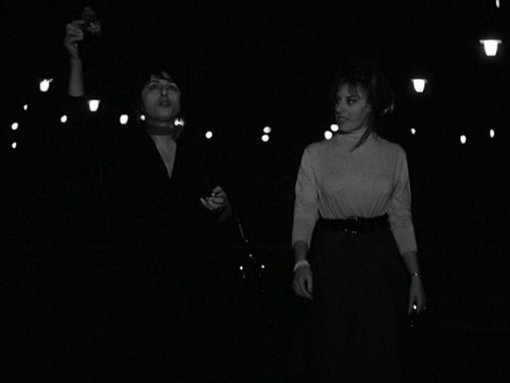
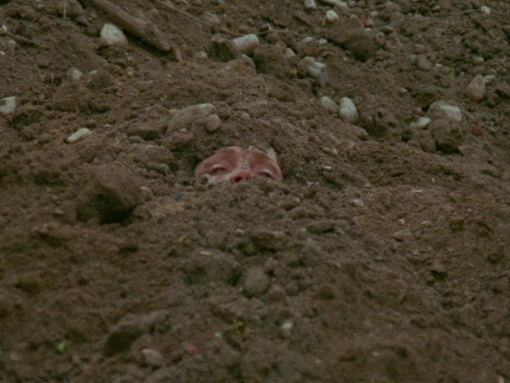
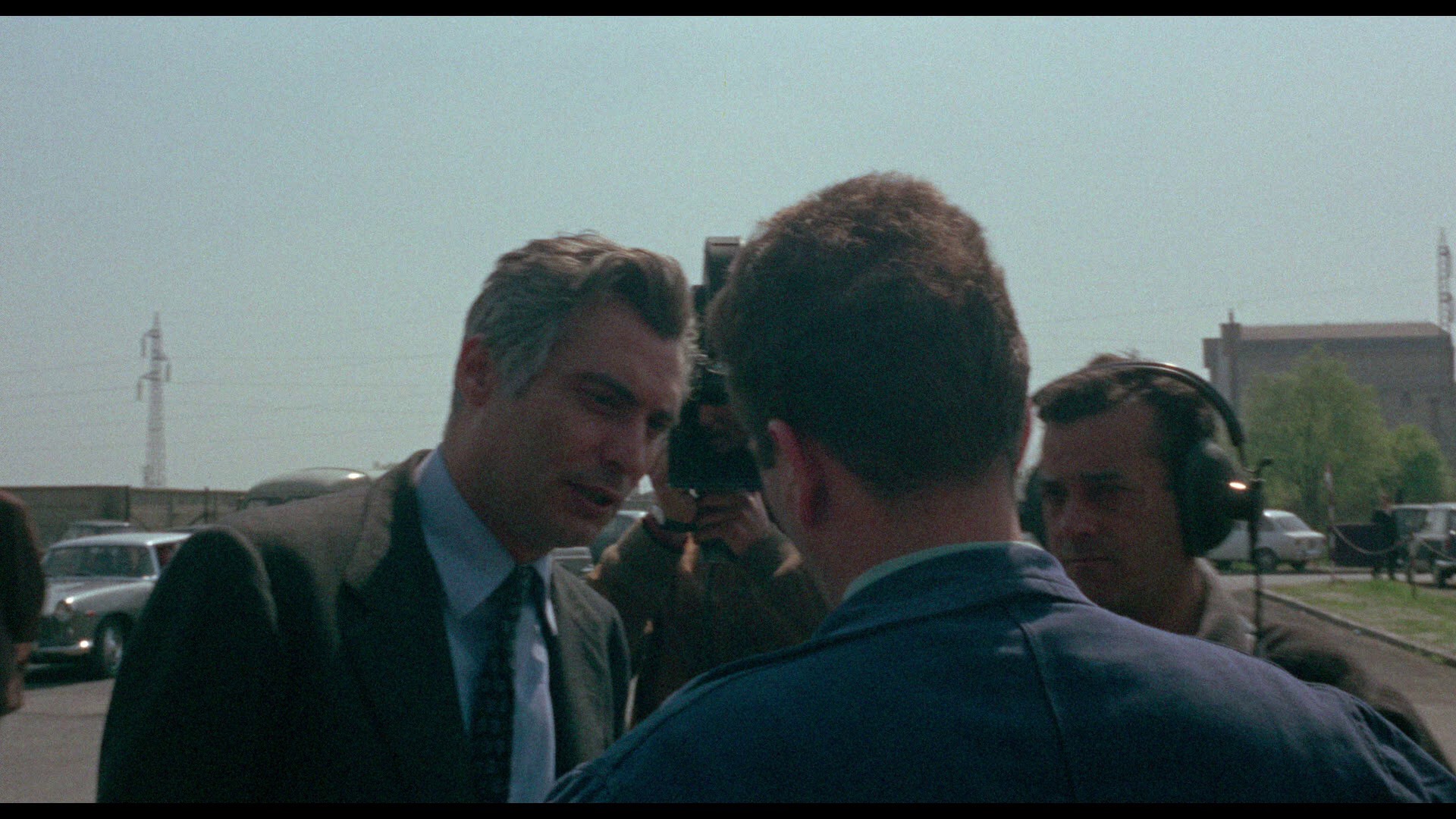
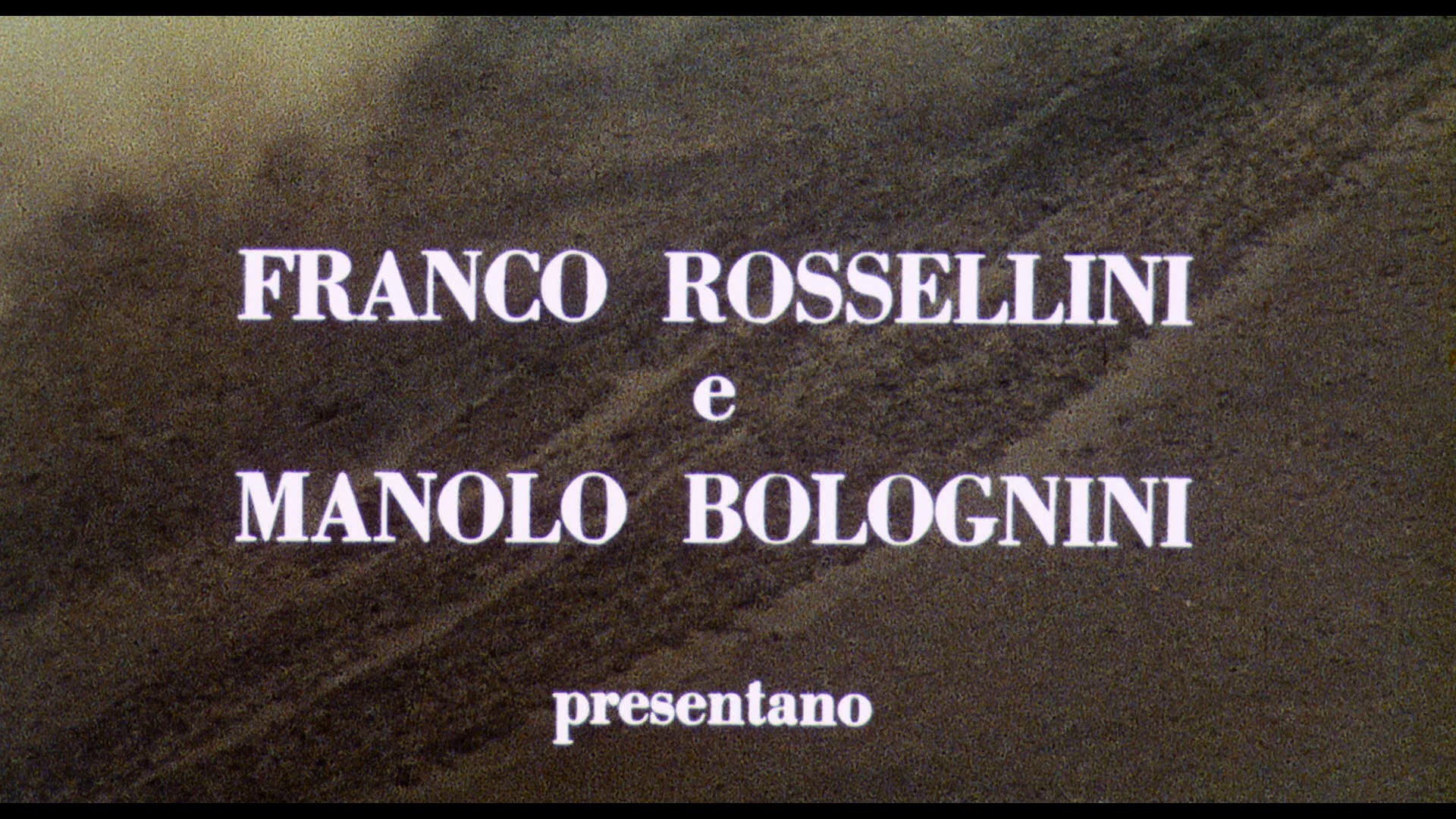
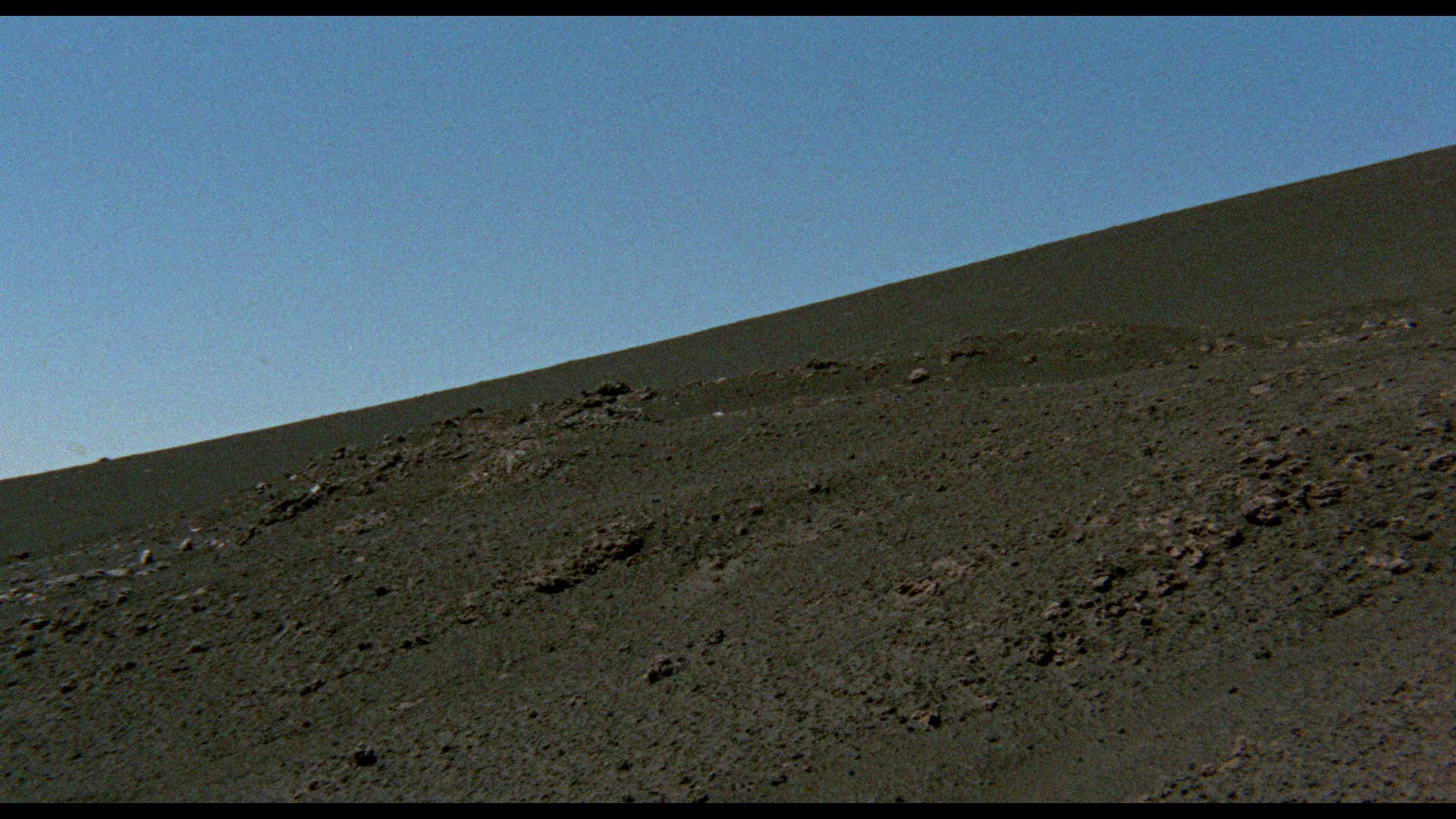
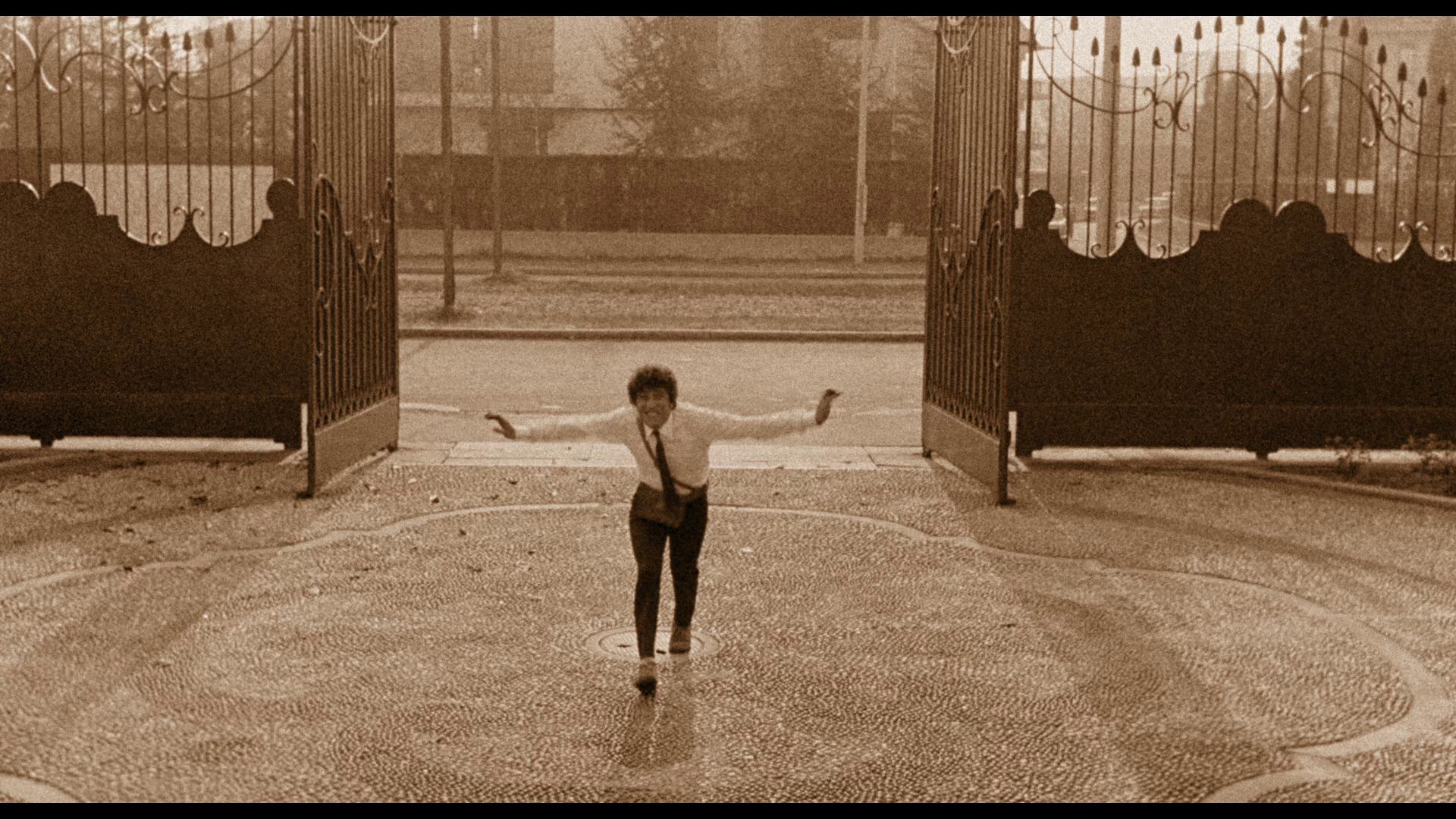
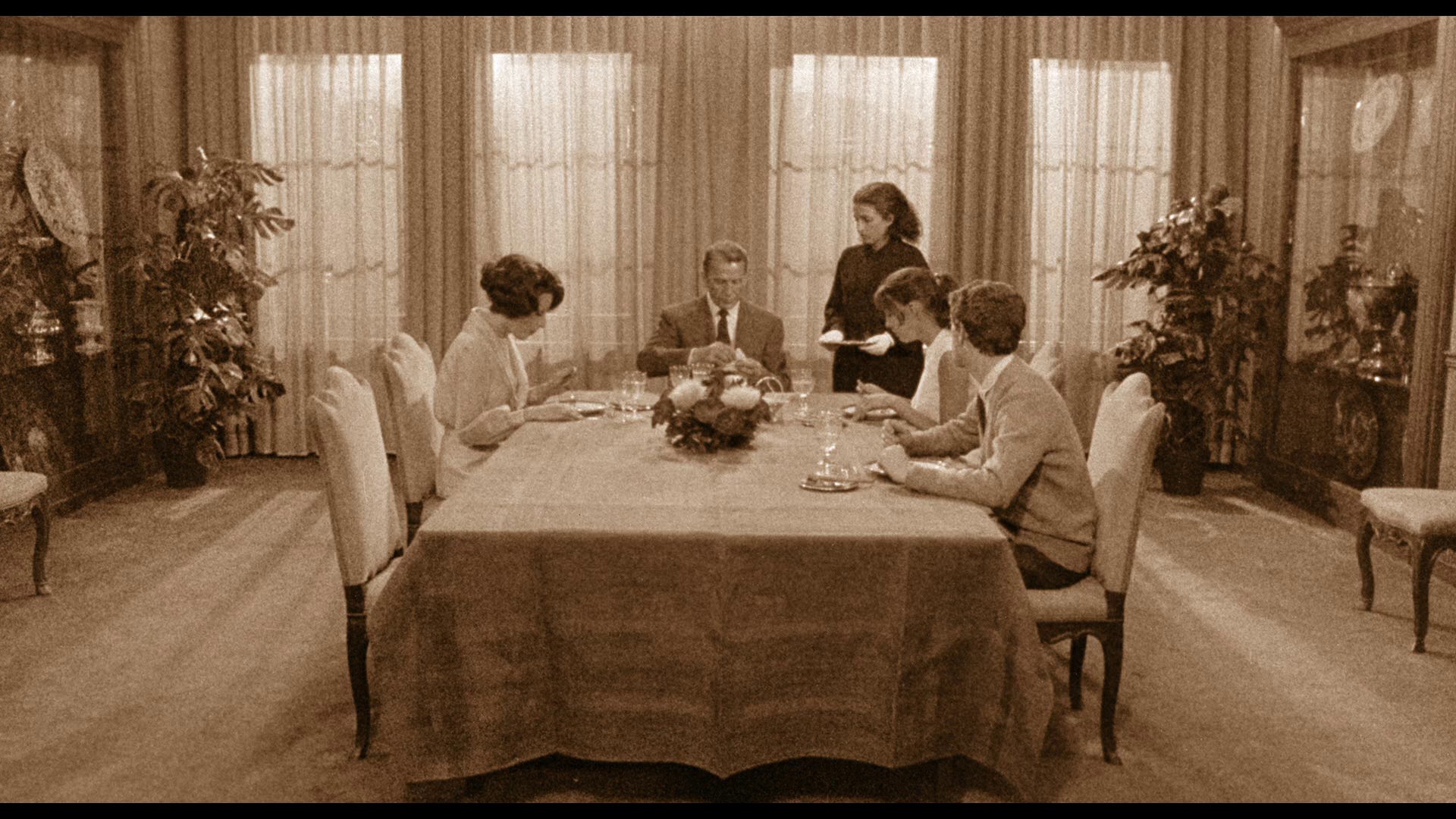
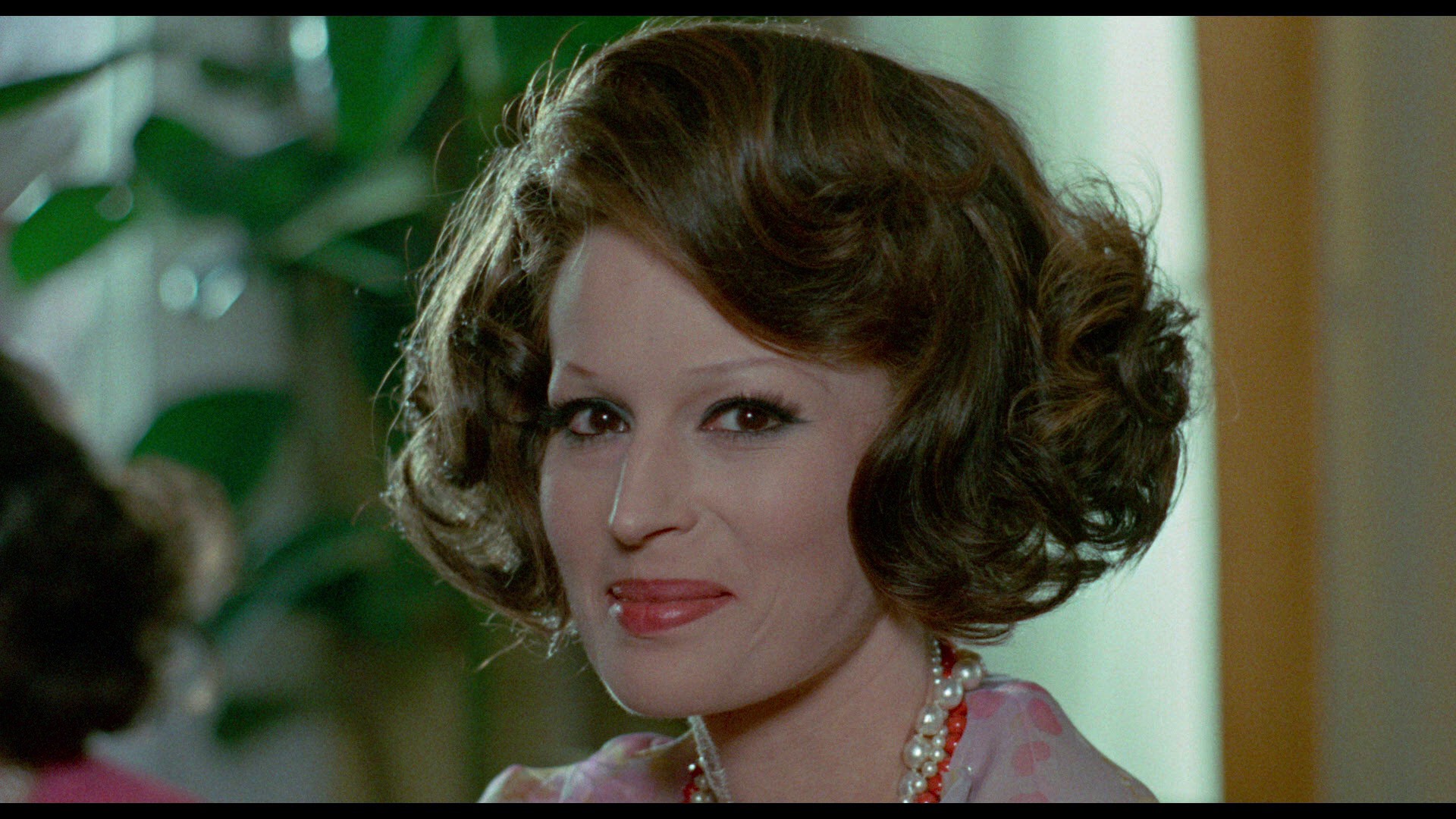
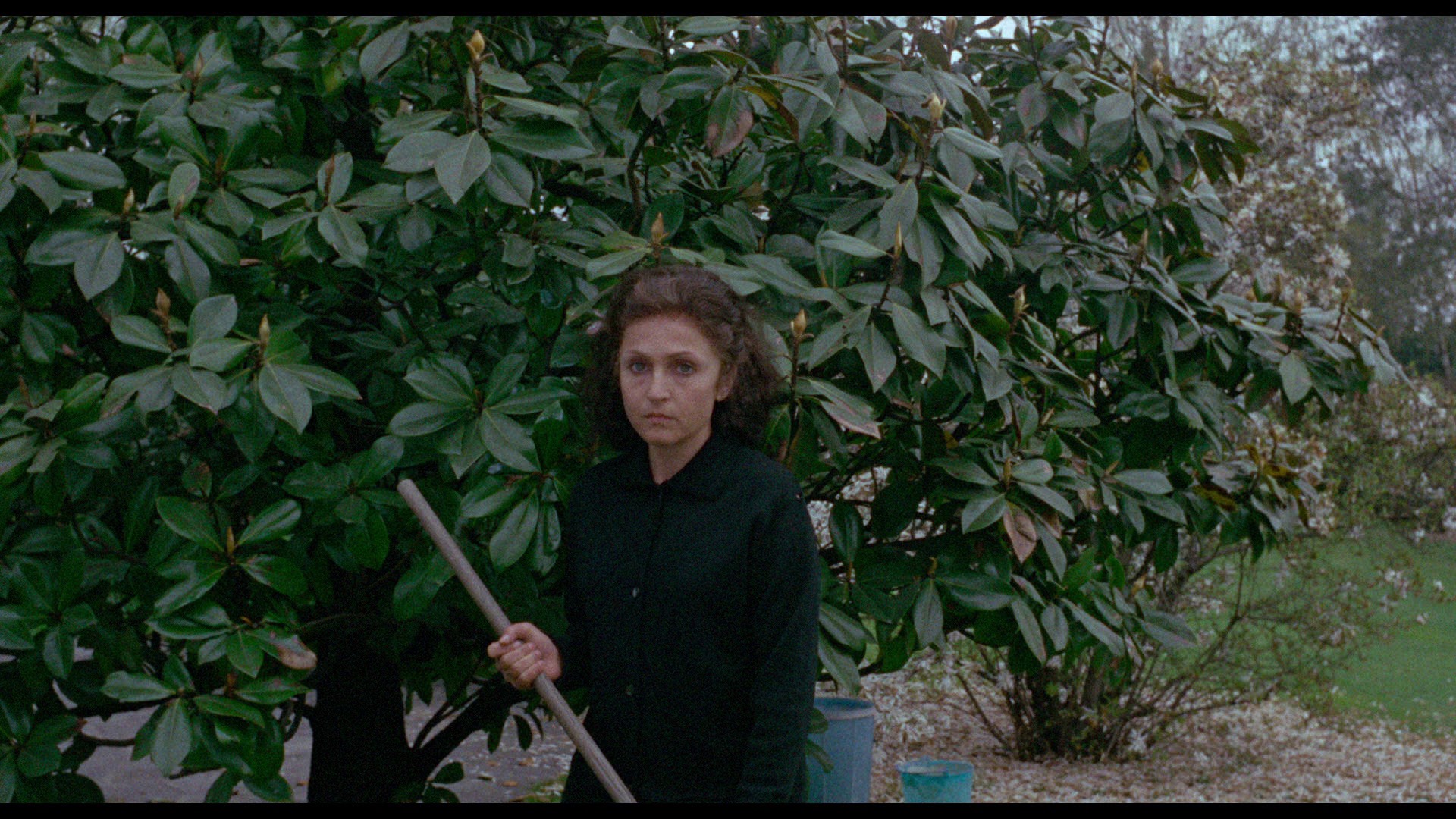
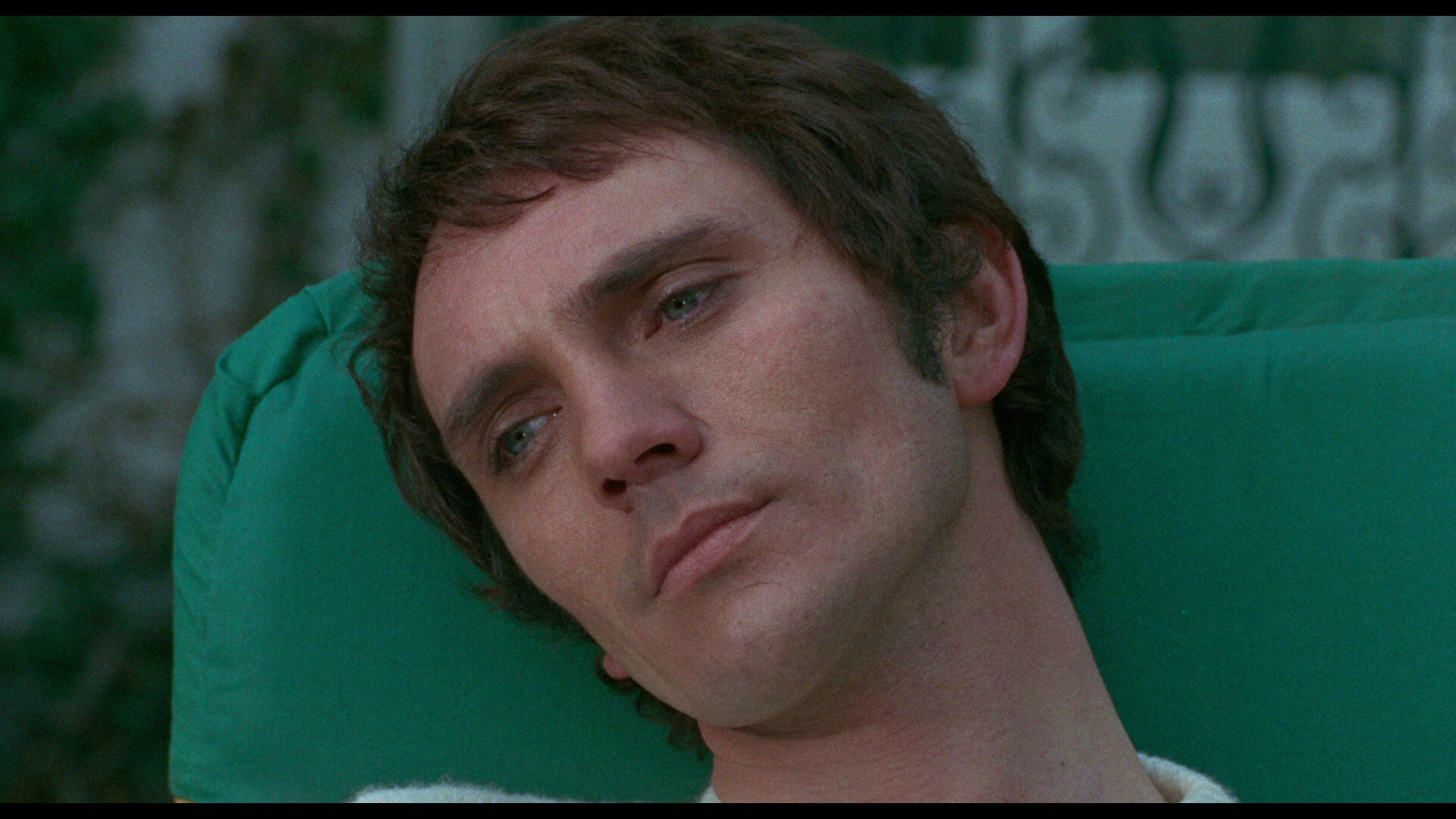
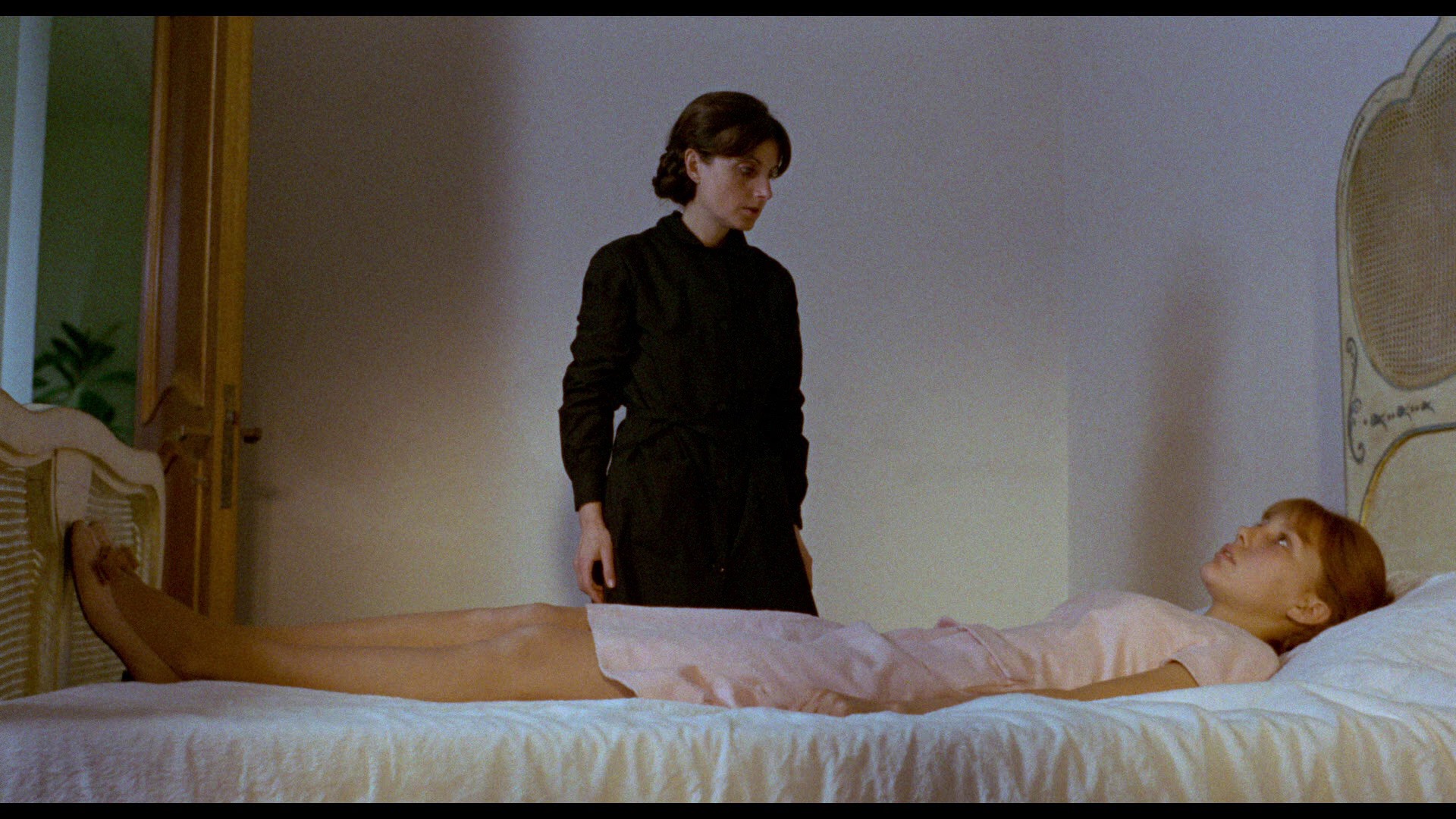
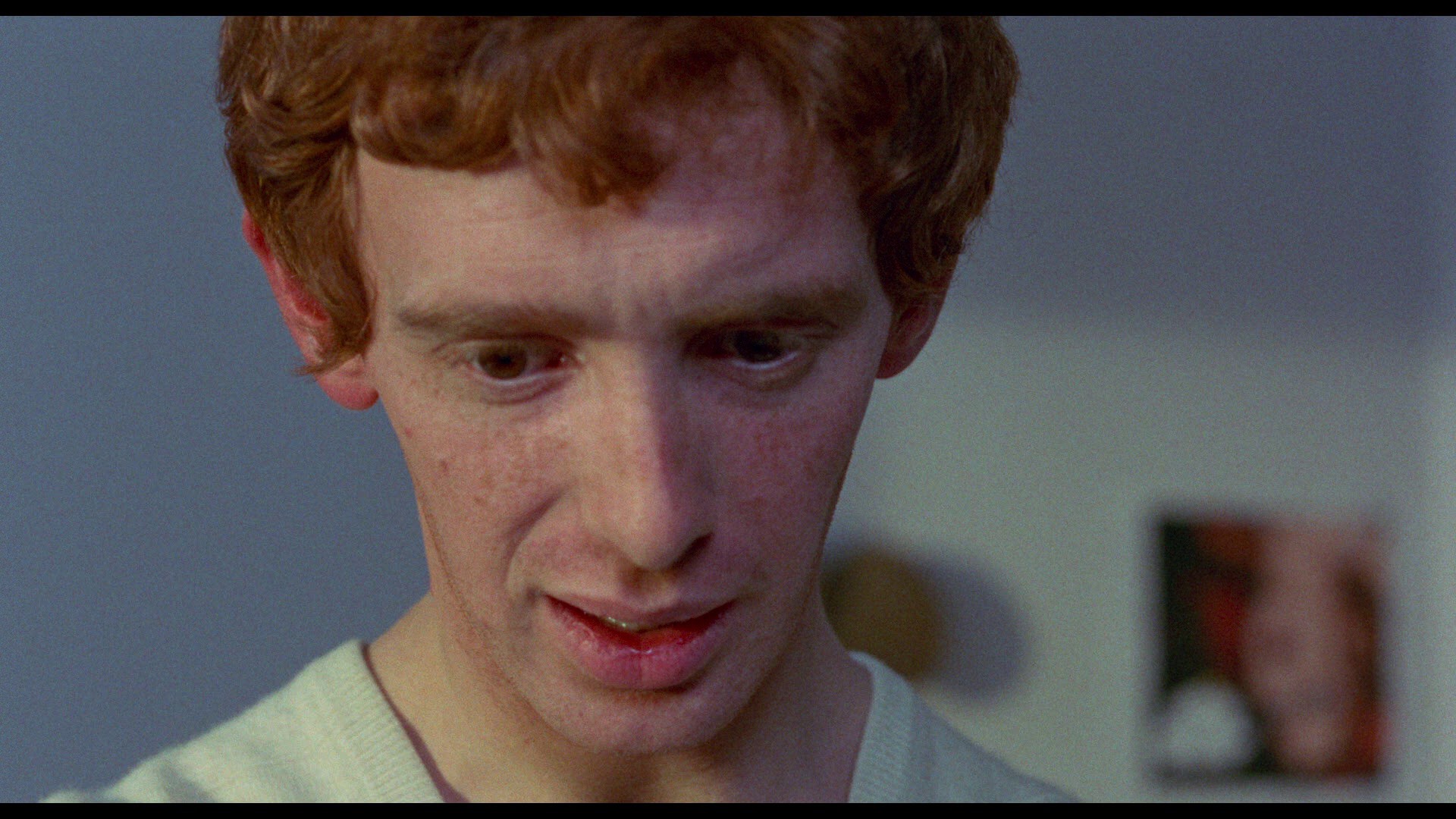
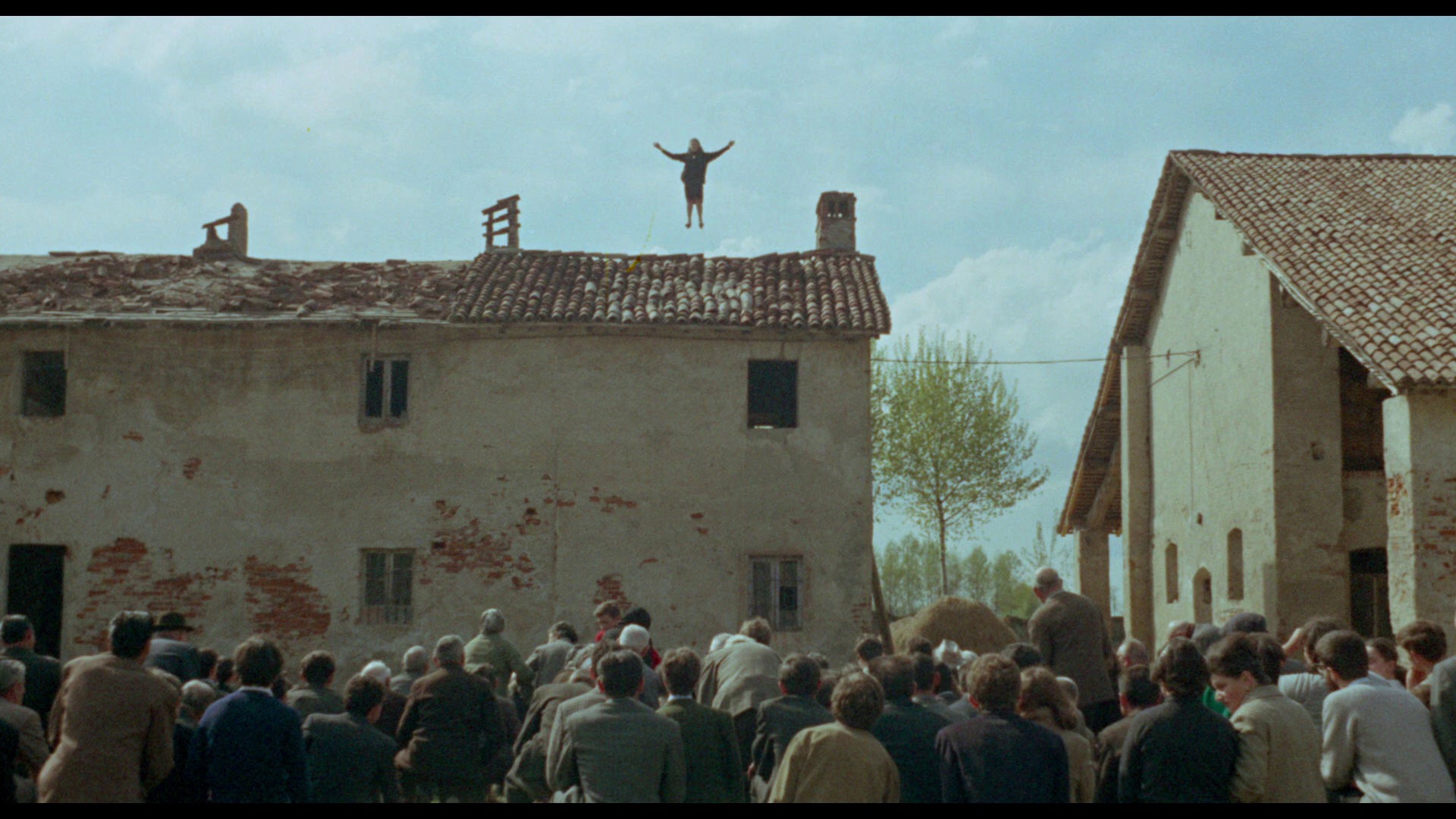
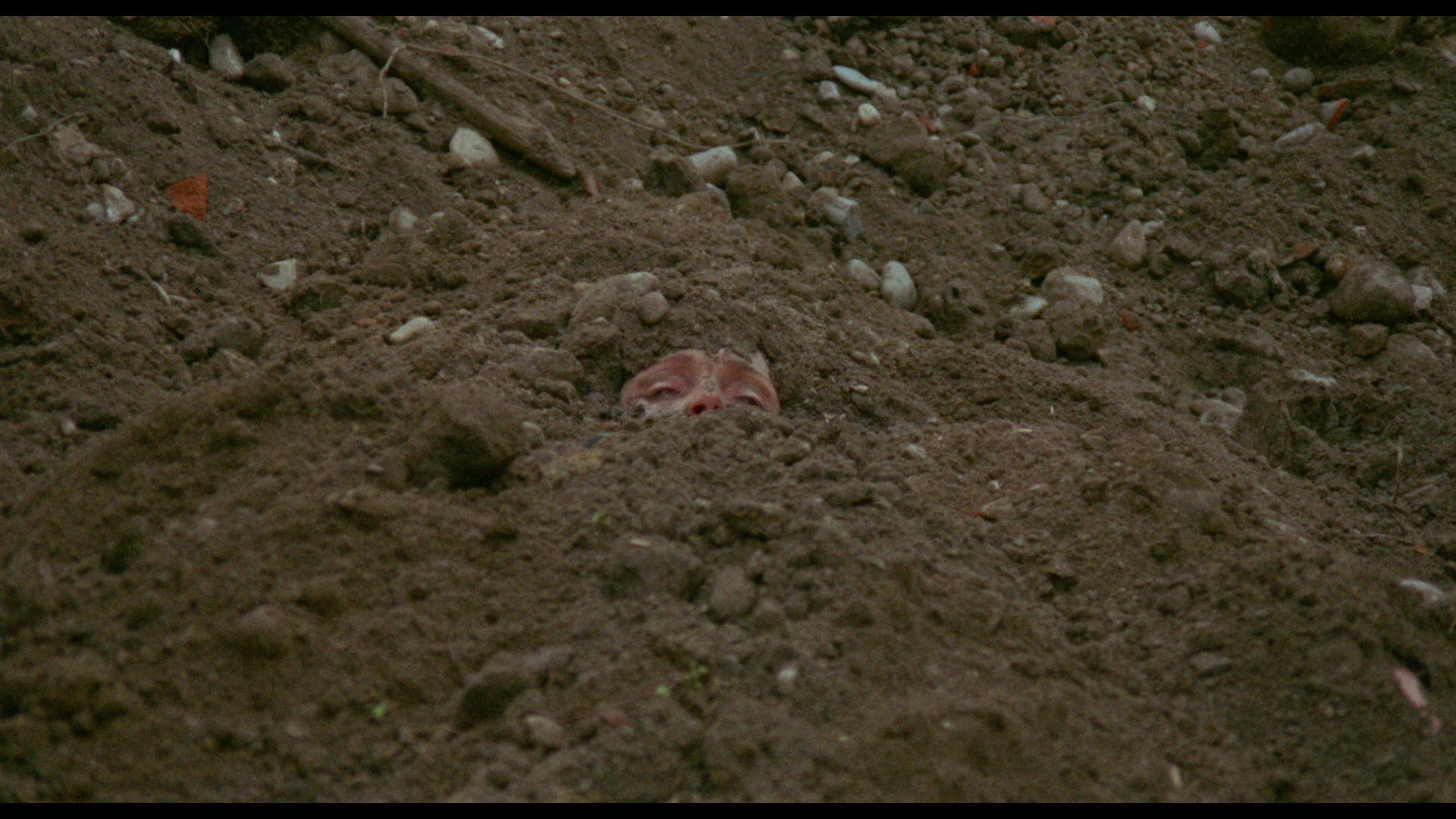
Criterion’s previous release stated its 1080p presentation was sourced from a 4K restoration, while the notes for this one state it is sourced from a 2K restoration. I’m unsure which is correct, but I’m sure Criterion is reusing the same master for this release, as they look identical. Returning to it, I’m still quite pleased with how it has all turned out, though at least one thing stood out more this time. Overall, it’s still an impressive-looking restoration that cleans up just about all damage, with only a few minor blemishes remaining. Details are sharp, and the image remains crisp and clean throughout.
There can be a bit of a yellow/green tint to the colors, but I didn’t find the tint too excessive. Whites still look white, mostly, and blues have a nice pop. Blacks also look deep without crushing finer details out. A few sepia-tinted scenes also show strong range and gradation.
The encoding ended up looking a bit weaker to me this time, despite it not looking any different compared to Criterion’s previous edition. The image seems a little noisier when rendering the film’s grain. Evidently, this didn’t bother me as much when I initially viewed Criterion’s 2020 edition, and I’m unsure why (it could be because the other encodes in this set are just cleaner, and it sticks out more now). Whatever the case, it was just more noticeable this time around. It’s not heavy and not at all distracting, but it’s there.
Ultimately, it’s a sharp presentation that still features a film-like texture.
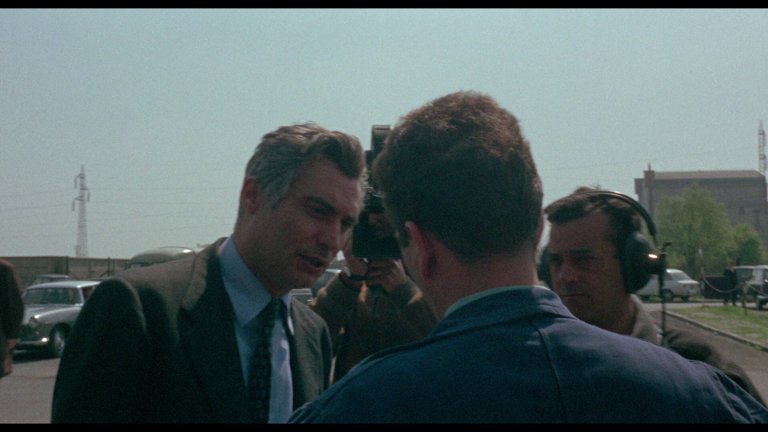
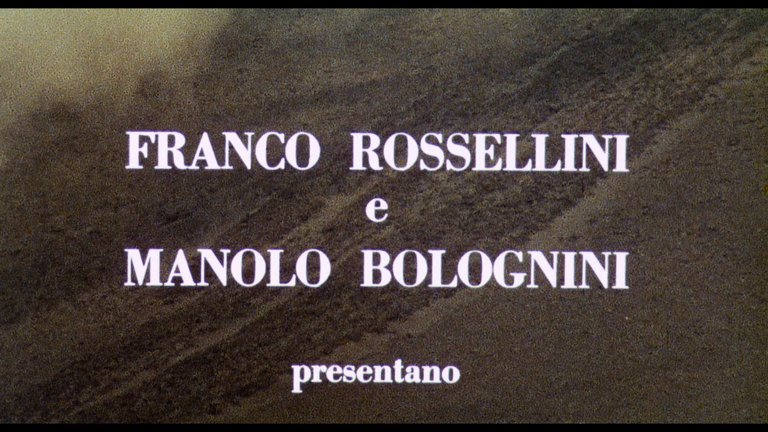
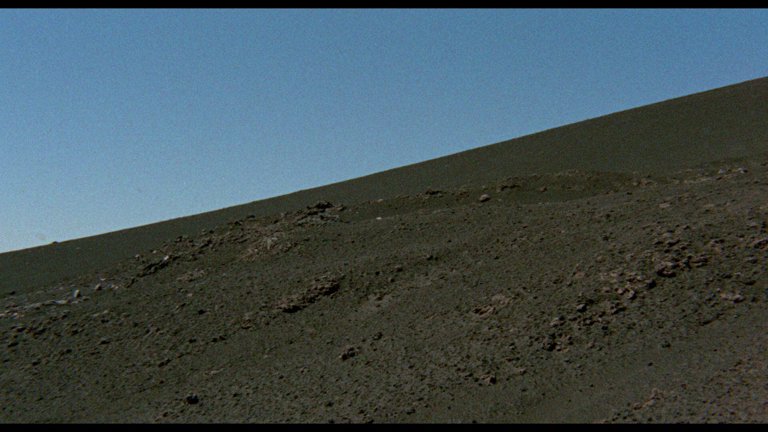
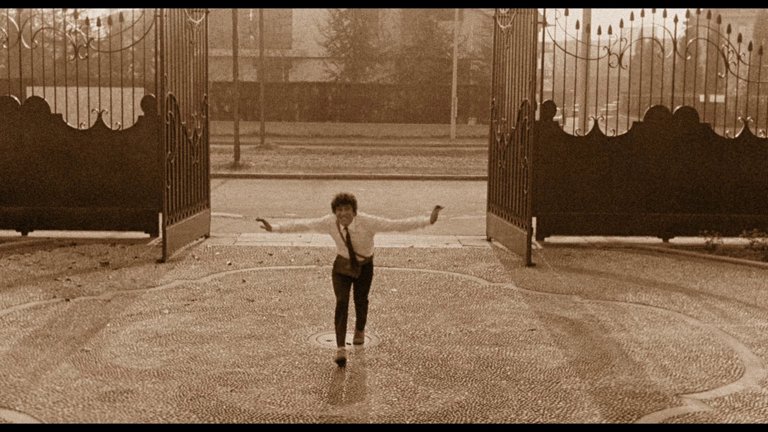
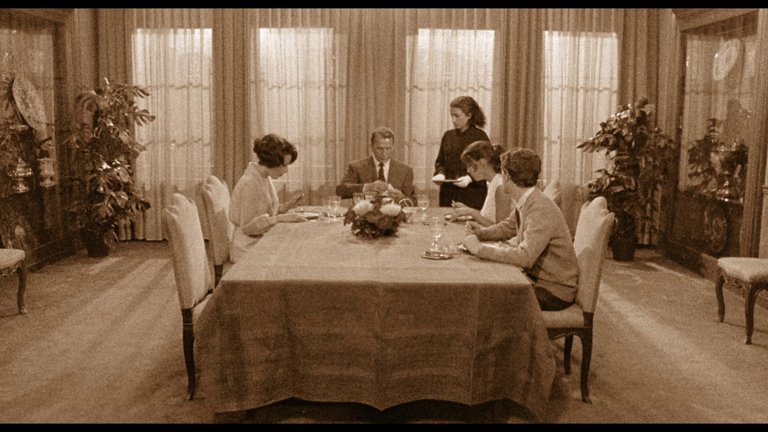
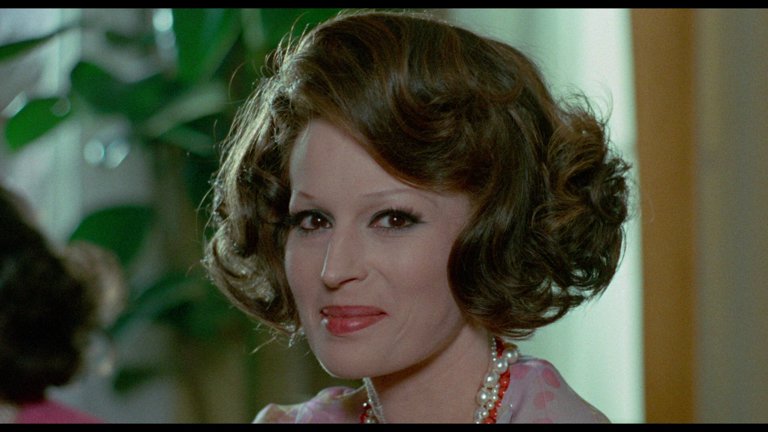
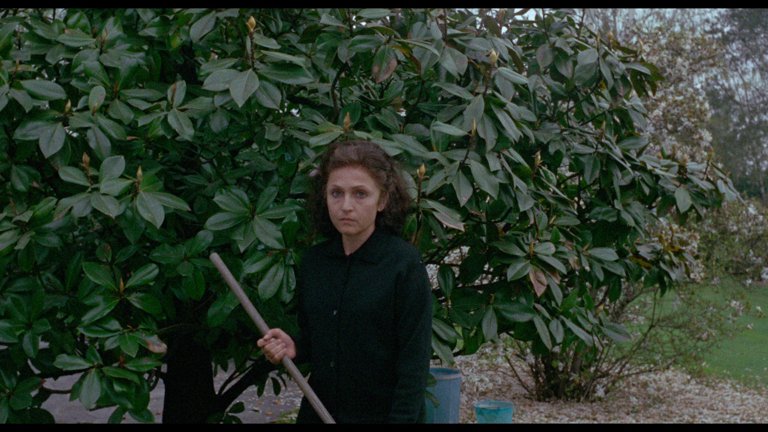
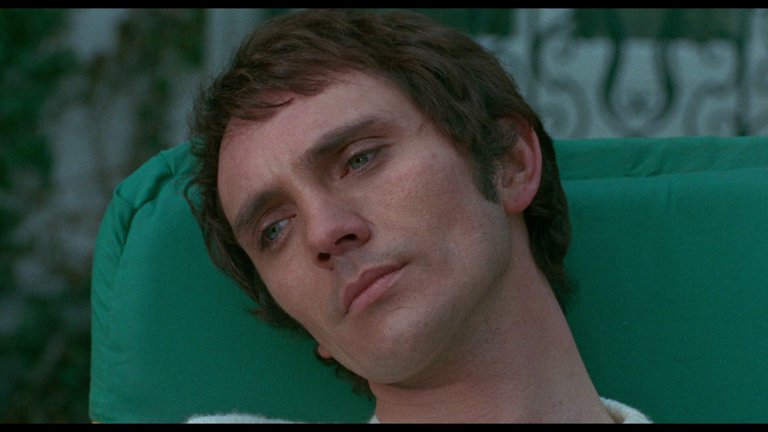
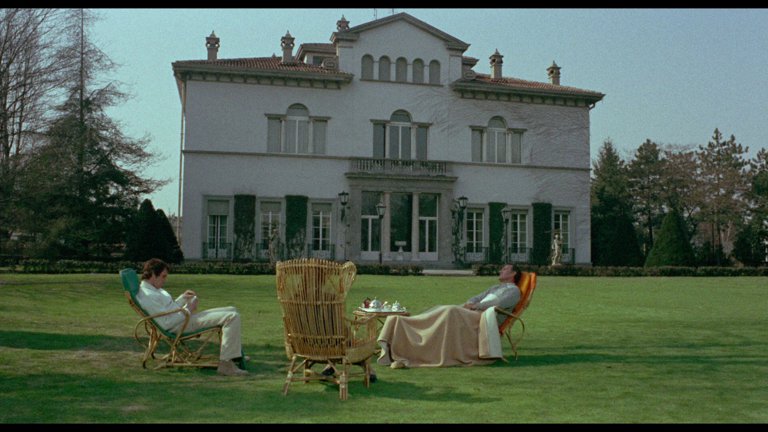
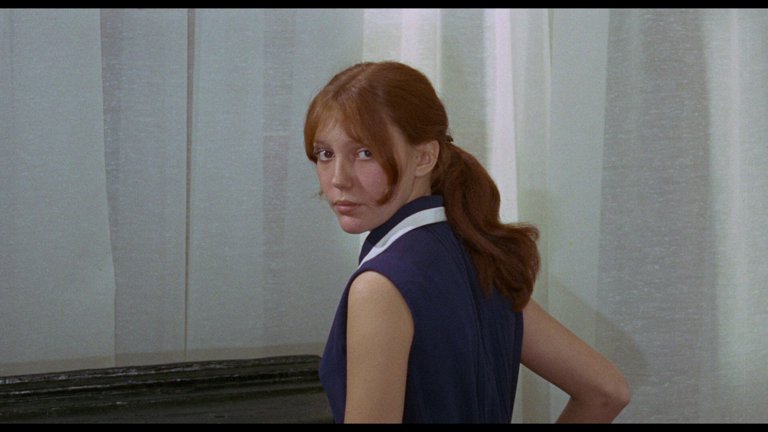
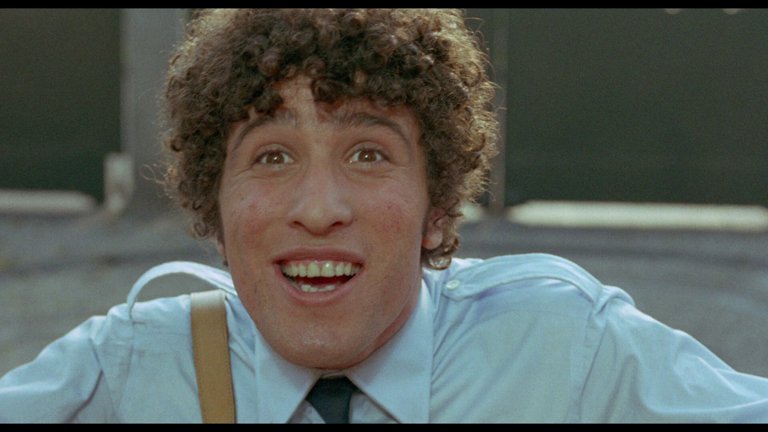
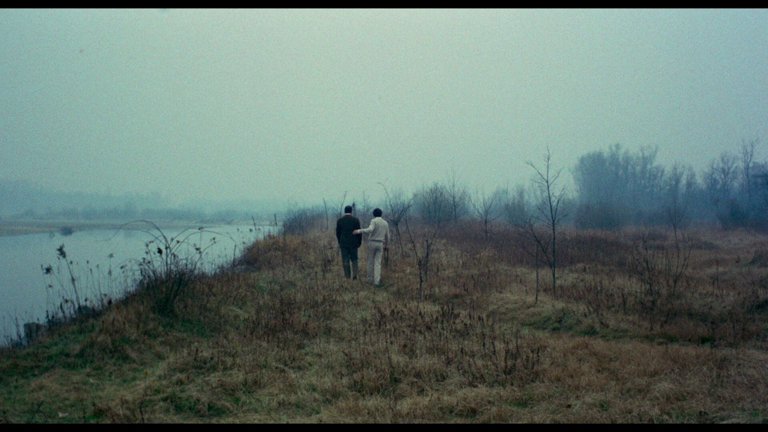
Pasolini 101 - Screen Captures
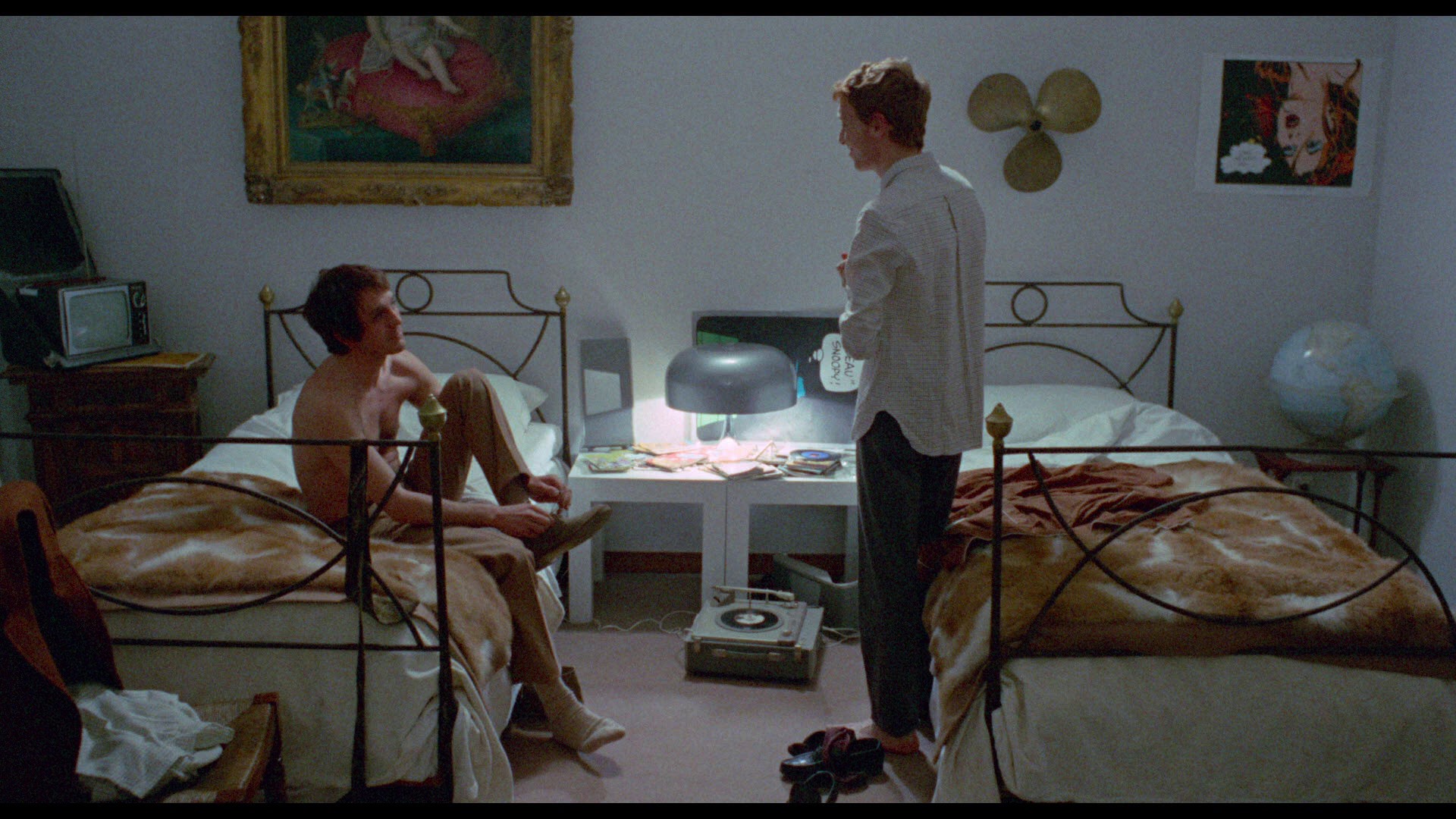
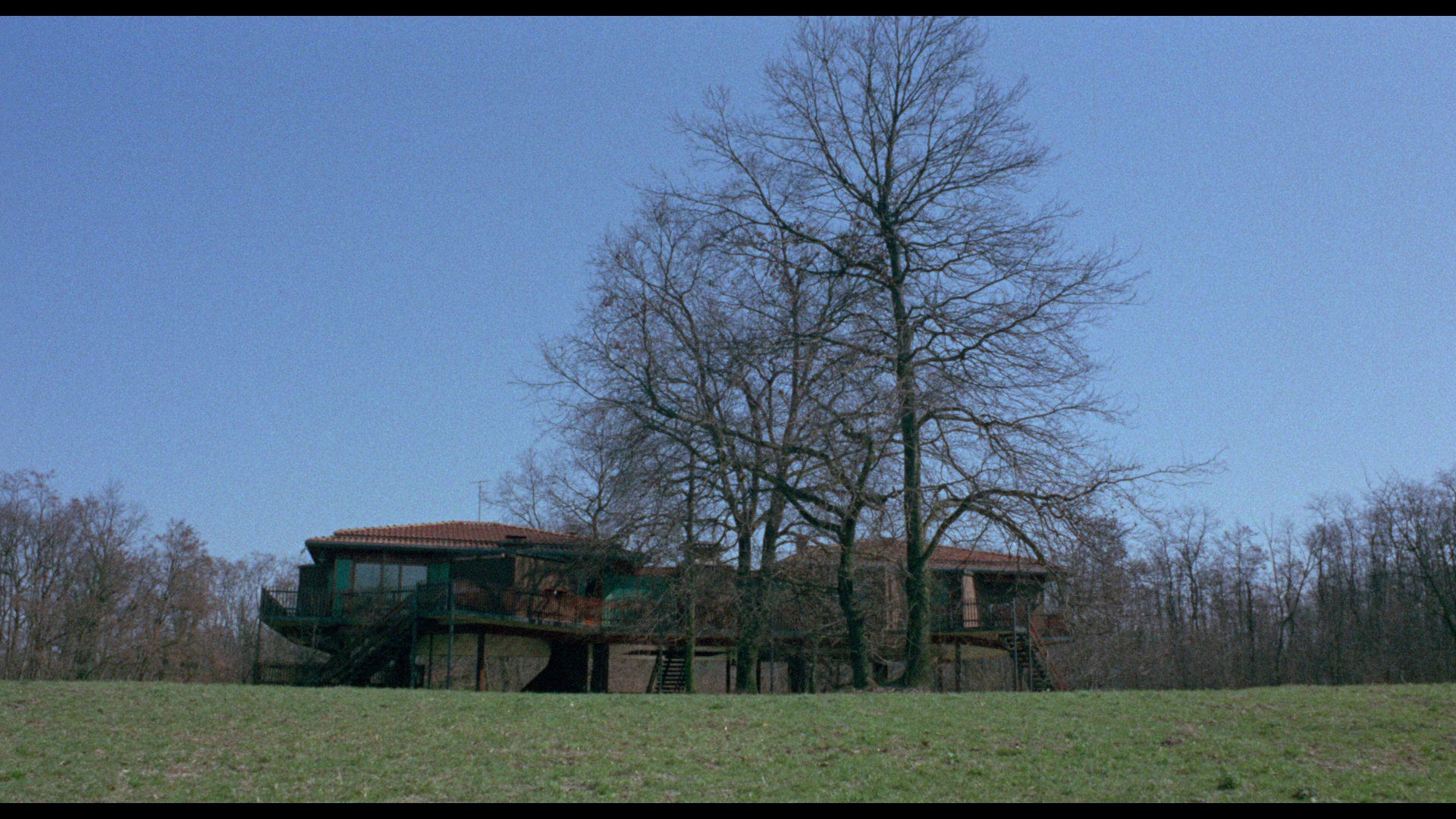
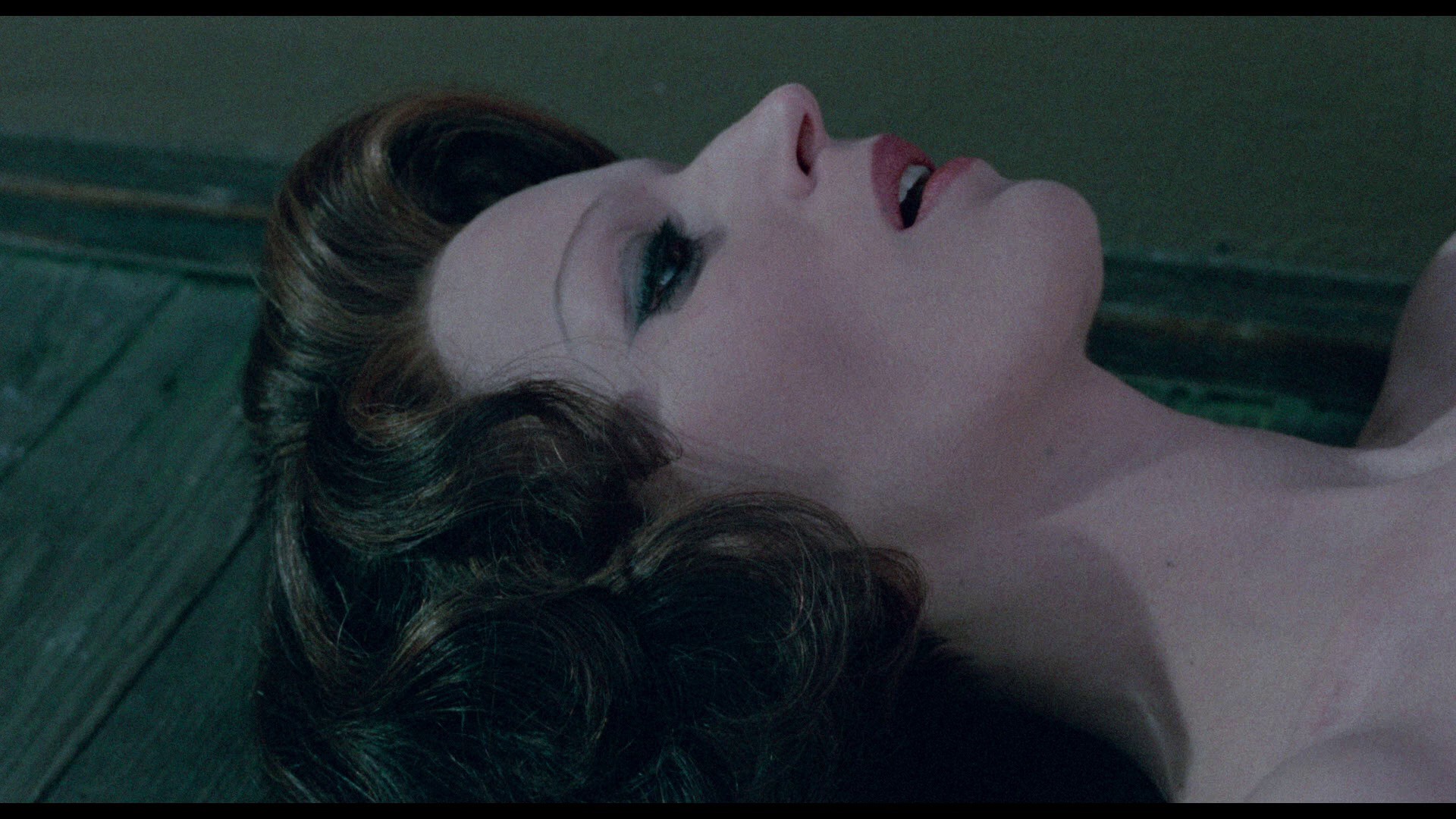
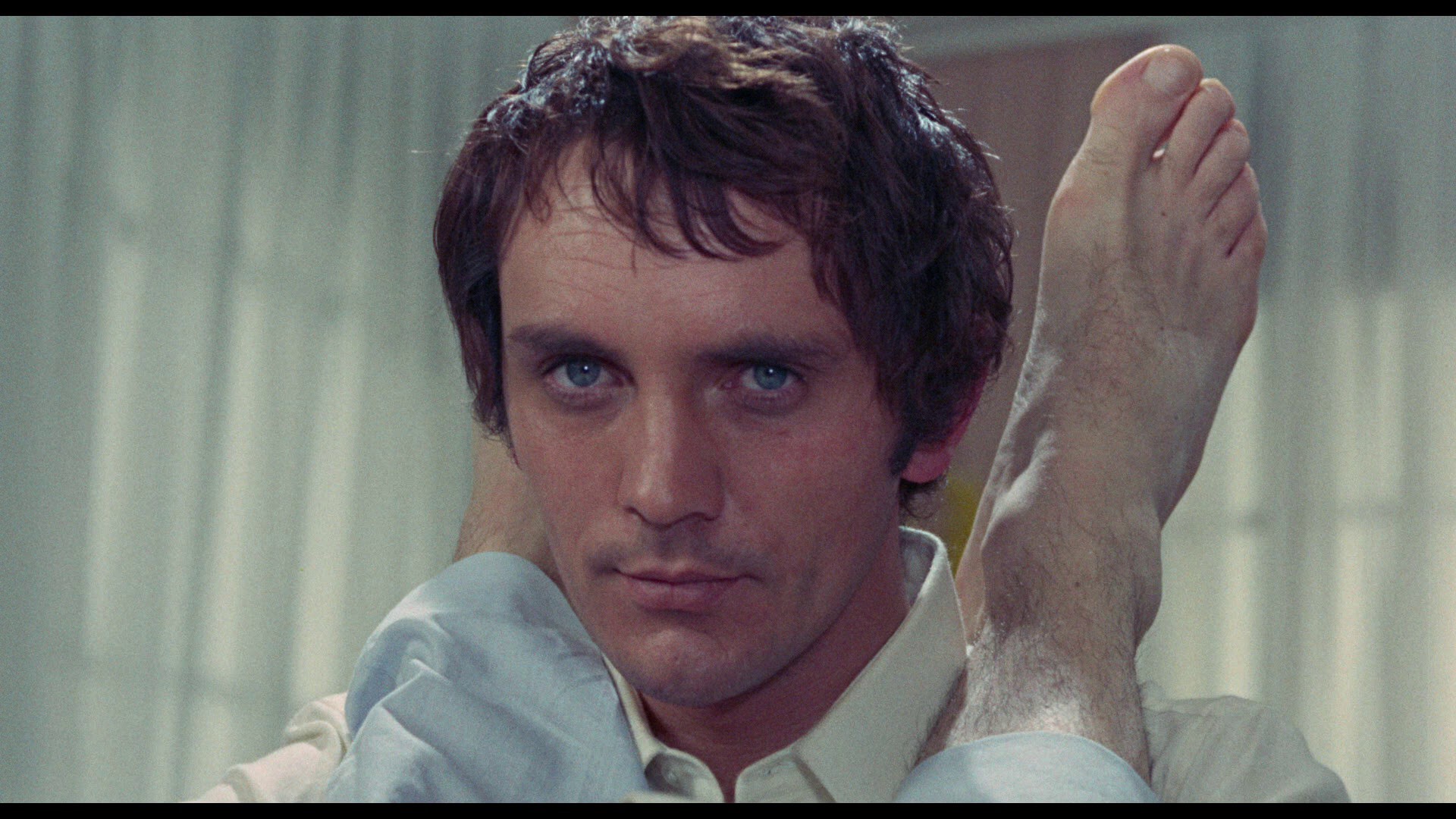
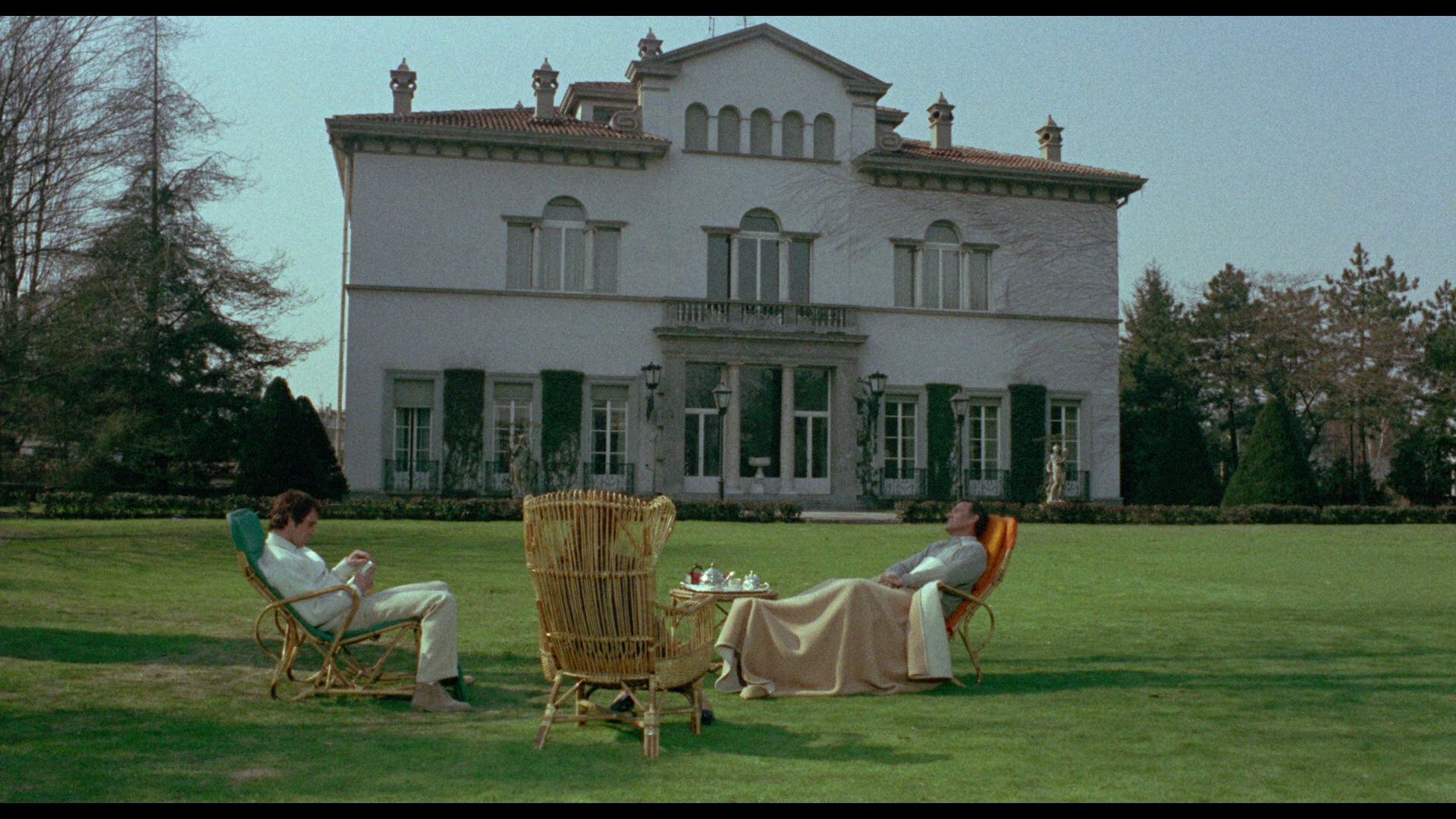
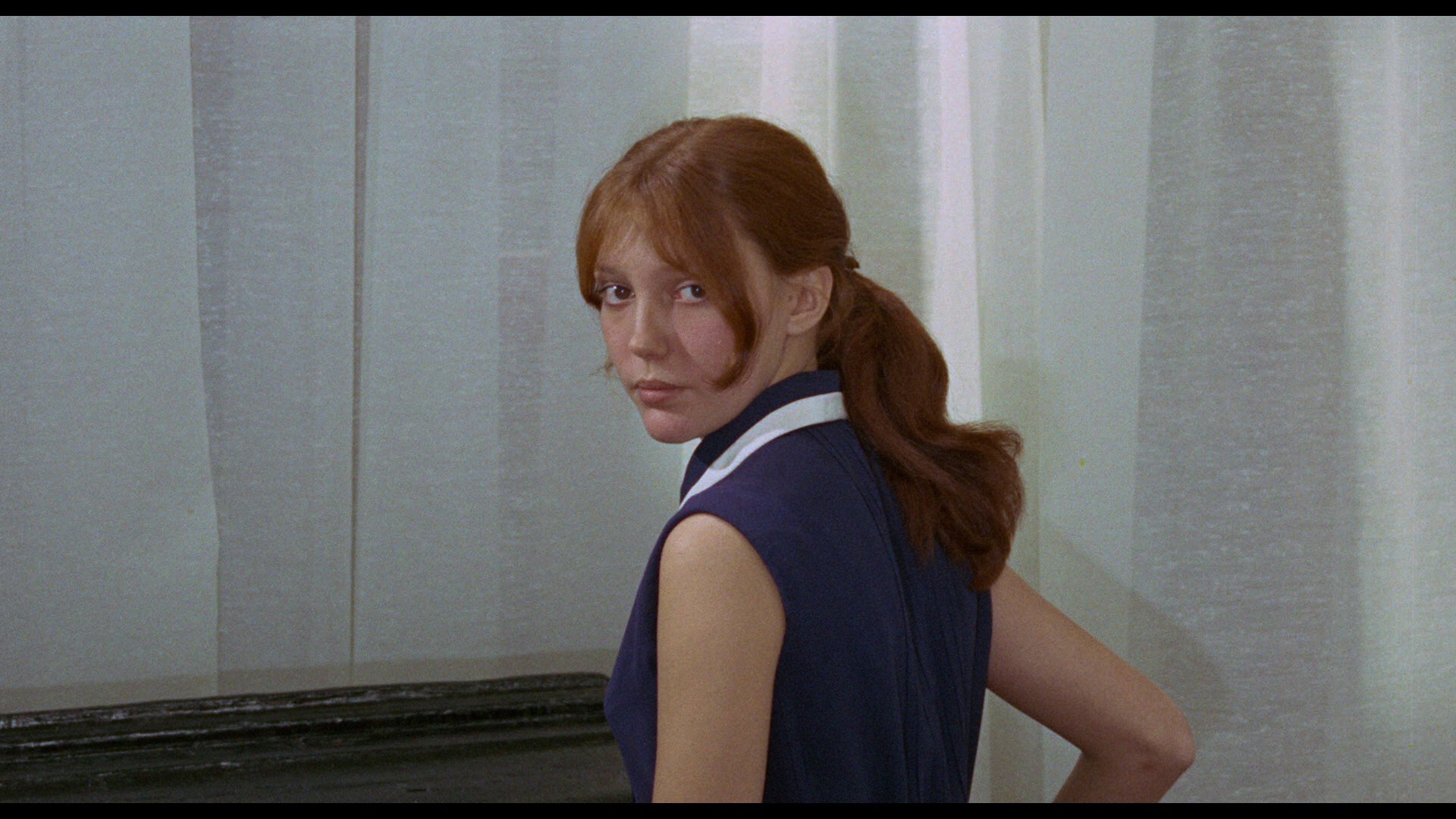
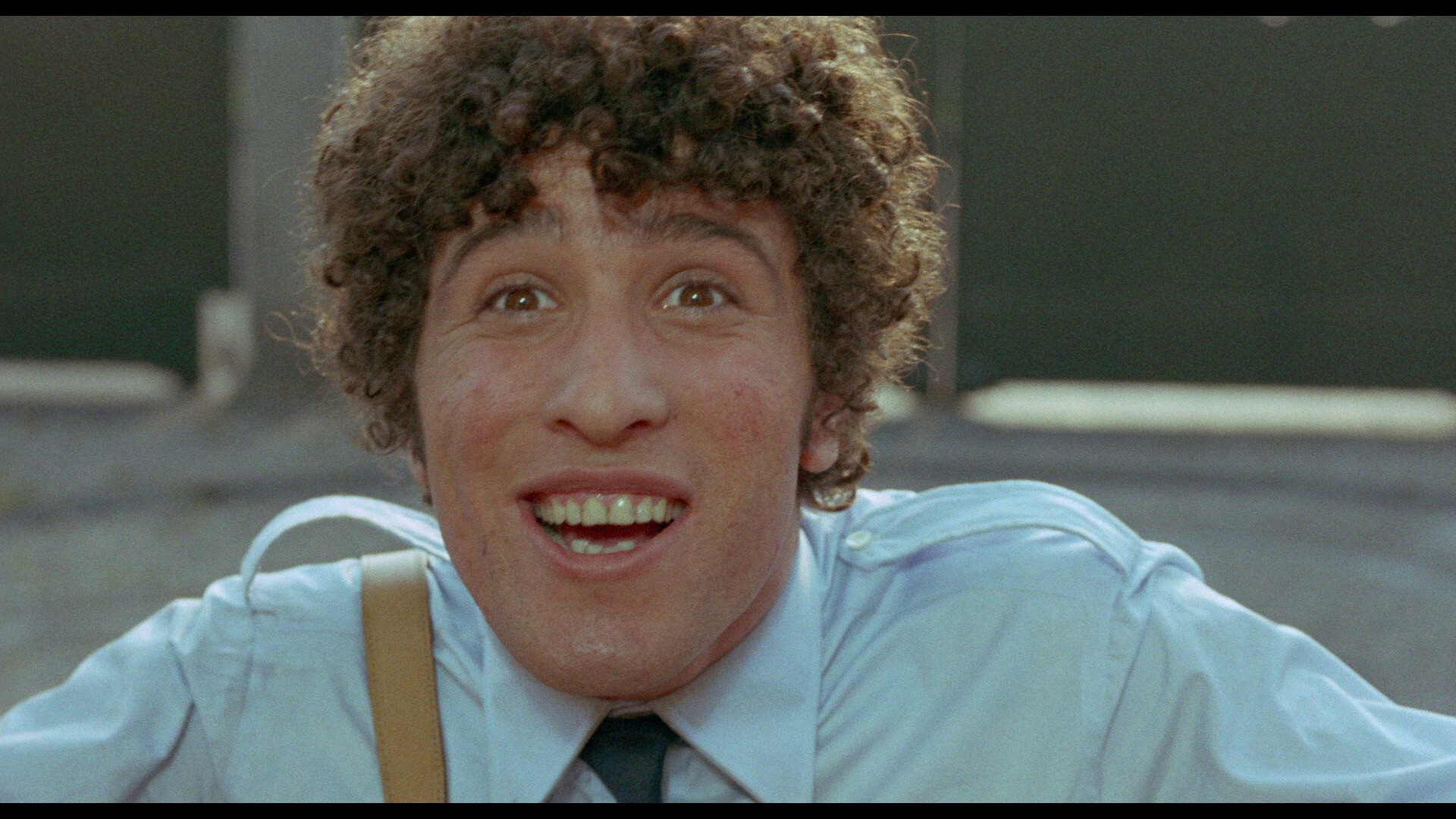
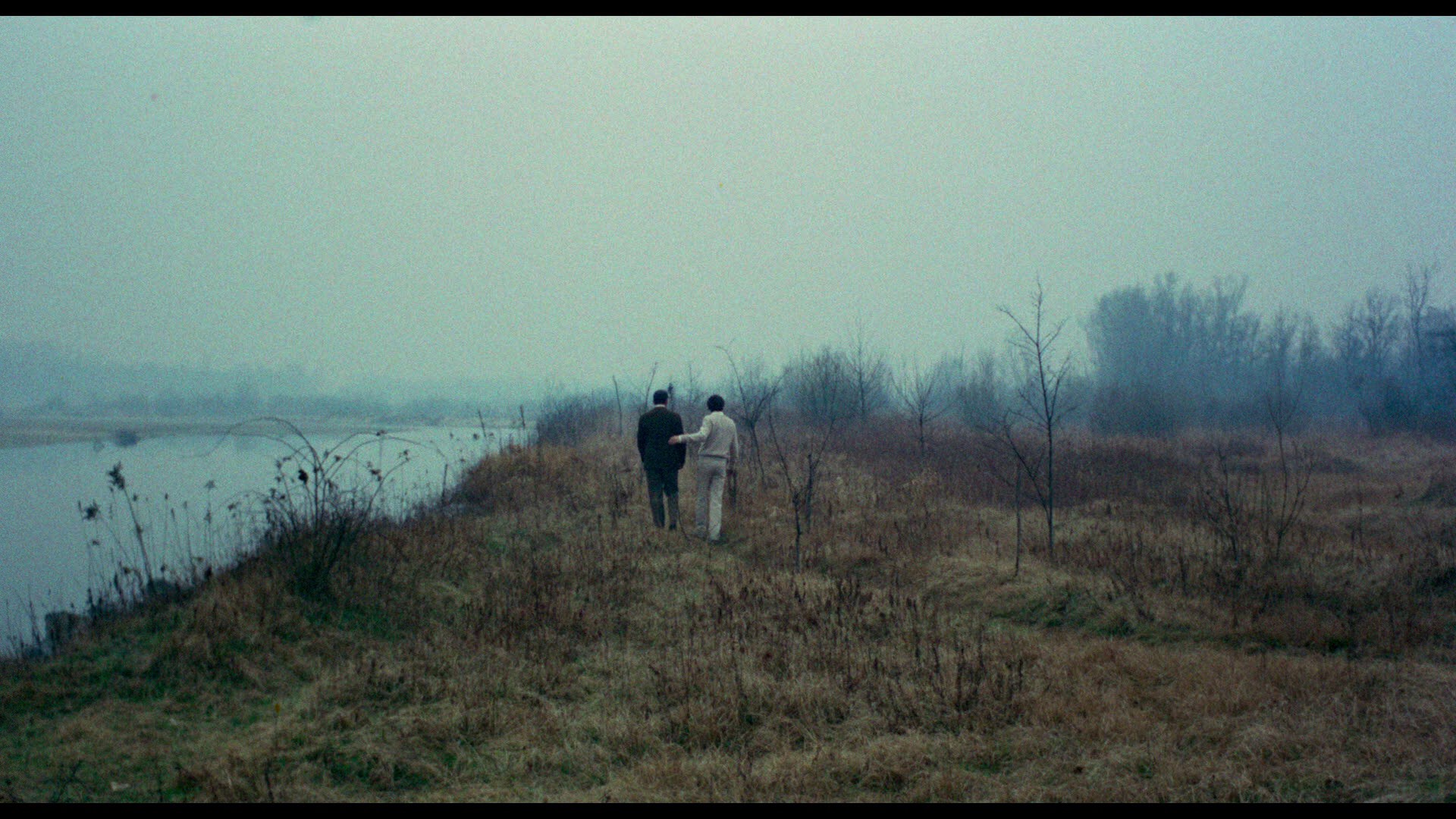
Audio 6/10
As with the previous edition, Criterion includes both the Italian and English monaural soundtracks, respectively in 1.0 PCM and 1.0 Dolby Digital. As noted in the features, the film was shot primarily in English, so of the two dubs the English one appears to synch the best with the film, though it’s still not perfect. Unfortunately, it ends up being the weaker of the two, with limited range and fidelity and a bit of an edge.
The Italian soundtrack ends up being cleaner, with dialogue sounding more dynamic when compared to the English one. Of the two, I still prefer the Italian one.
Extras 8/10
Since the disc replicates Criterion’s previous edition, everything gets ported over, starting with an “introduction” by Pasolini. This ends up simply being a 3-minute excerpt from a television interview with the director, where he is asked to explain the film. Surprisingly he’s not that cryptic about it. Also, here are the two prominent features Criterion had previously ported over from BFI’s UK (and region-locked) DVD and Blu-ray editions for the film: an audio commentary featuring scholar Robert Gordon and a 2007 interview with actor Terrance Stamp.
The commentary is about as Academic and dry as you might fear, but I must admit it helped in working through this film. I think I’m clicking more with Pasolini’s films as I work through them (this new set especially), but even though I kind of “got” some of his targets in this satire, I admit I was still a bit perplexed at what he was trying to say. Gordon’s commentary does help sort this out. He does fall into the trap of simply reiterating what is going on onscreen here and there, but it’s all in an attempt to explain the visual language of the film and how Pasolini is presenting his theorem: what happens when Stamp’s stranger (X) is inserted into this predictable bourgeois family, all before being promptly removed. Gordon also talks about the director’s other work and touches on the background of the actors as they appear. Again, it can be incredibly dry at times (I find the film funny, at least in its basic premise, and the track can suck that out), but I still appreciated Gordon’s contribution, and I’m glad Criterion was able to license it (again) for this release.
Stamp’s 34-minute interview is also a great addition. Stamp is down-to-earth and very open, and the interview has a surprisingly personal edge. He explains how he came to be involved with the film, admitting he was going through a rough time after a bad breakup. He was first offered a role in Fellini’s Toby Dammit segment of the omnibus film Spirits of the Dead (after Peter O’Toole dropped out in a hostile manner), and he took it, not exactly sure what he was getting into. While in Italy, he would then run into Silvana Mangano on the street (whom he confesses he had an insane crush on), and upon meeting him, she said he would be perfect for “Pier’s film.” Here Stamp then talks about the experience and how he got screwed out of money for the film (he claims he has not received one penny from it), and then the surprise of his career taking off afterward (like getting the Superman offer). It’s a wonderful interview, with Stamp being very open about the time and how it built him and his career.
Criterion also includes their exclusive 17-minute interview with John David Rhodes, who offers his summation of the film and what Pasolini is trying to say with it. He also gets into some of the controversies around the film at the time of its release, though does also feel the unfortunate need to justify some of Pasolini's choices that might be questionable to modern audiences. I think the commentary is the better of the two, but if you start it and don’t think you can sit through it, Rhodes’ contribution is an excellent substitute.
Not a packed edition, but the features do a fantastic job of helping one decipher the film.
Closing
Replicating the disc from their previous 2020 edition, Criterion's disc still delivers a sharp presentation with features that will help newcomers decipher Pasolini's theorem.
BUY AT: