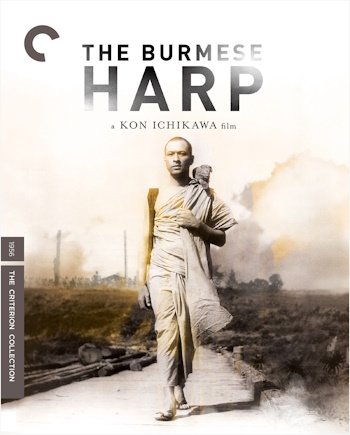
The Burmese Harp
BUY AT:


See more details, packaging, or compare
Synopsis
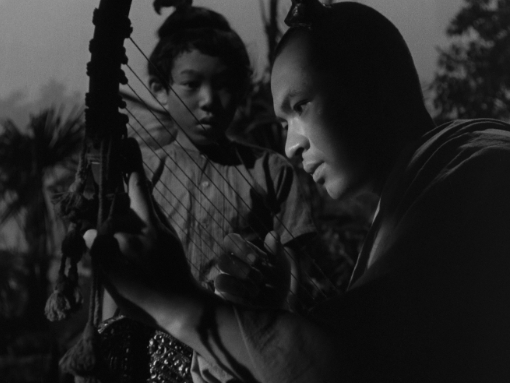
An Imperial Japanese Army regiment surrenders to British forces in Burma at the close of World War II and finds harmony through song. A private, thought to be dead, disguises himself as a Buddhist monk and stumbles upon spiritual enlightenment. Magnificently shot in hushed black and white, Kon Ichikawa’s The Burmese Harp is an eloquent meditation on beauty coexisting with death and remains one of Japanese cinema’s most overwhelming antiwar sentiments, both tender and brutal in its grappling with Japan’s wartime legacy.
Picture 9/10
The Criterion Collection upgrades their DVD edition of Kon Ichikawa’s The Burmese Harp to 4K UHD, presenting the film in its original aspect ratio of 1.37:1 on a triple-layer disc. The SDR 2160p/24Hz ultra high-definition presentation is sourced from a new 4K restoration taken from scans of two 35mm master positives. The release also includes a standard dual-layer Blu-ray featuring a 1080p presentation of the film (from the same restoration) and all accompanying features.
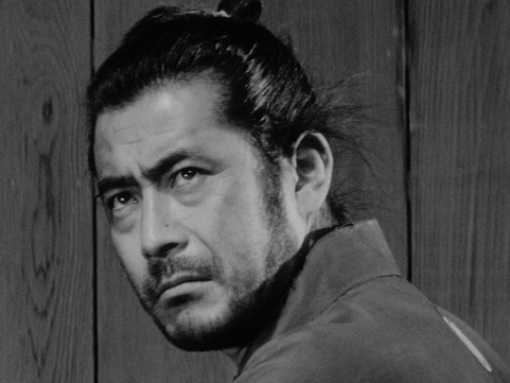
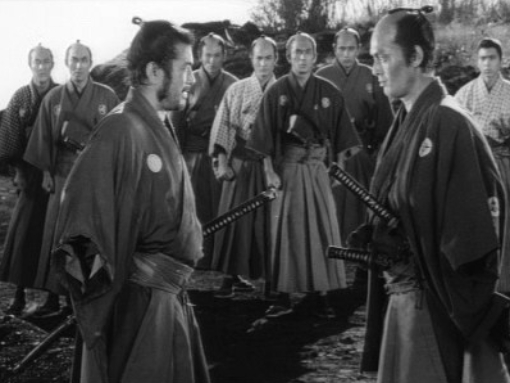
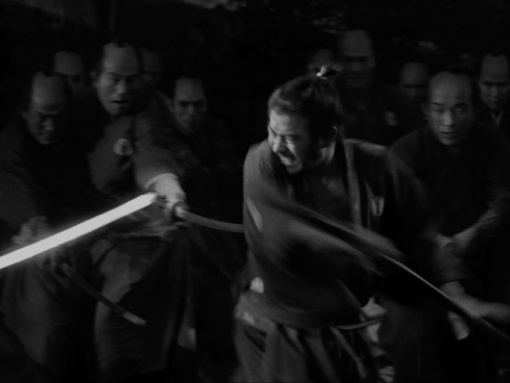
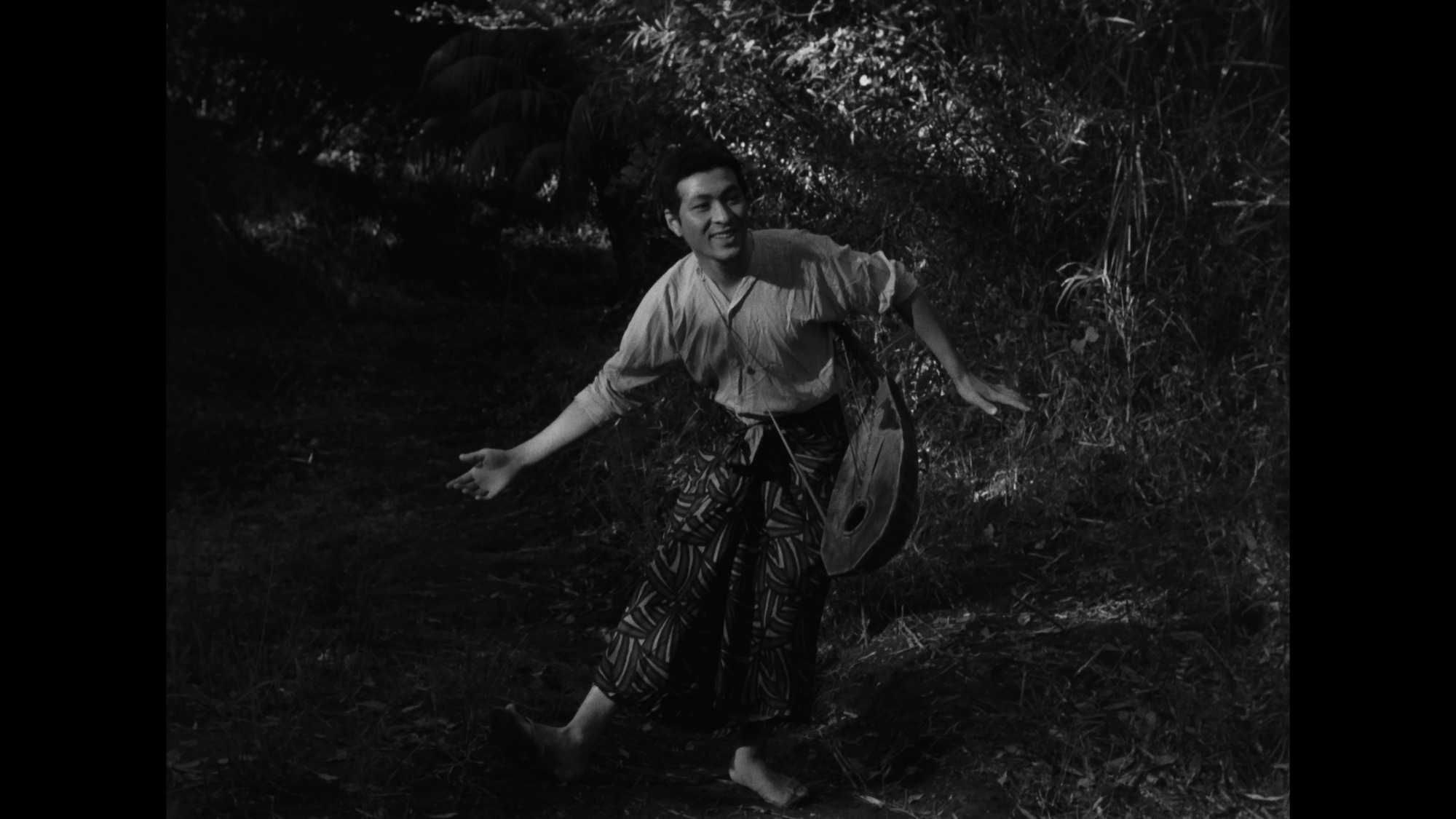
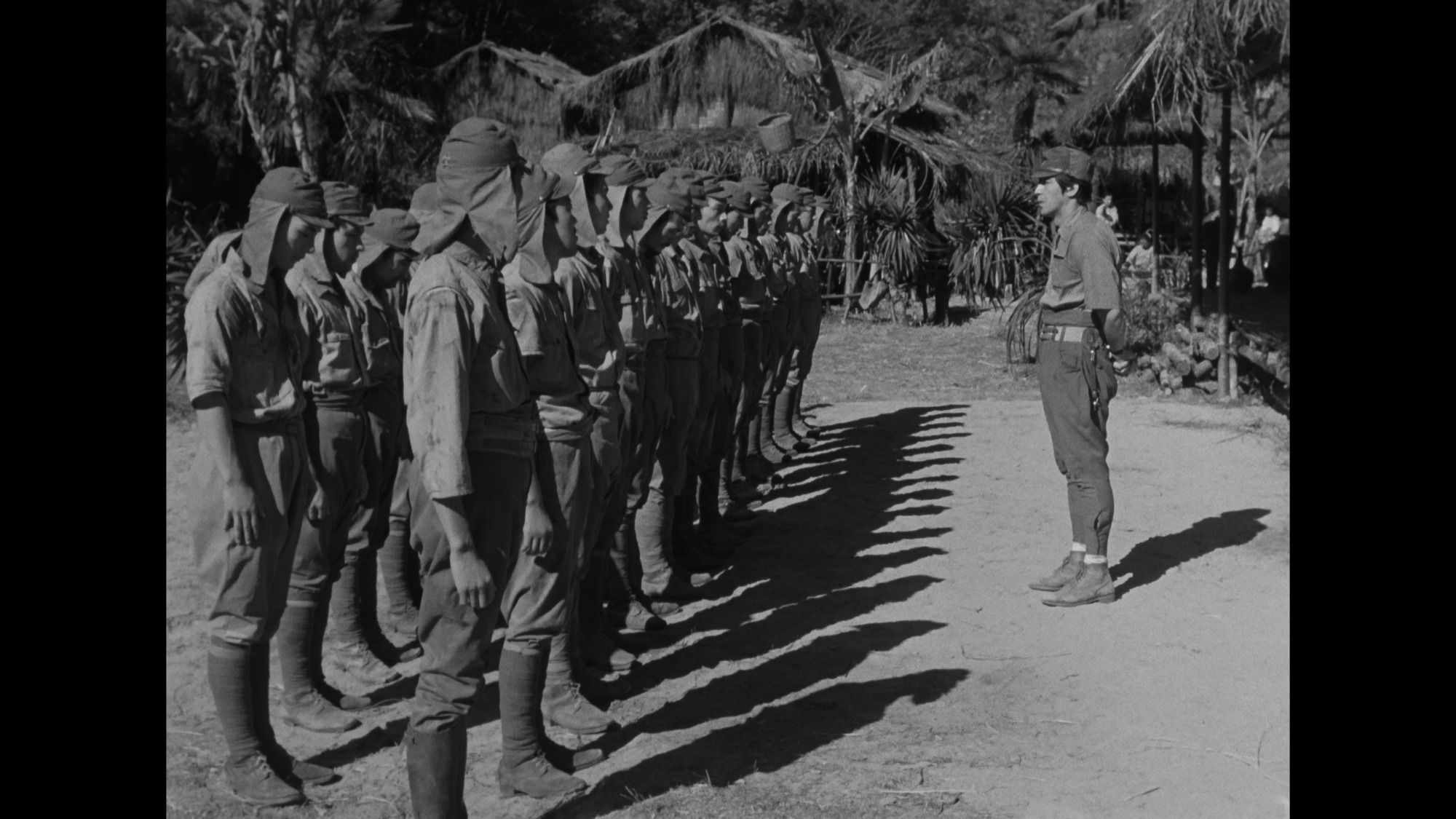
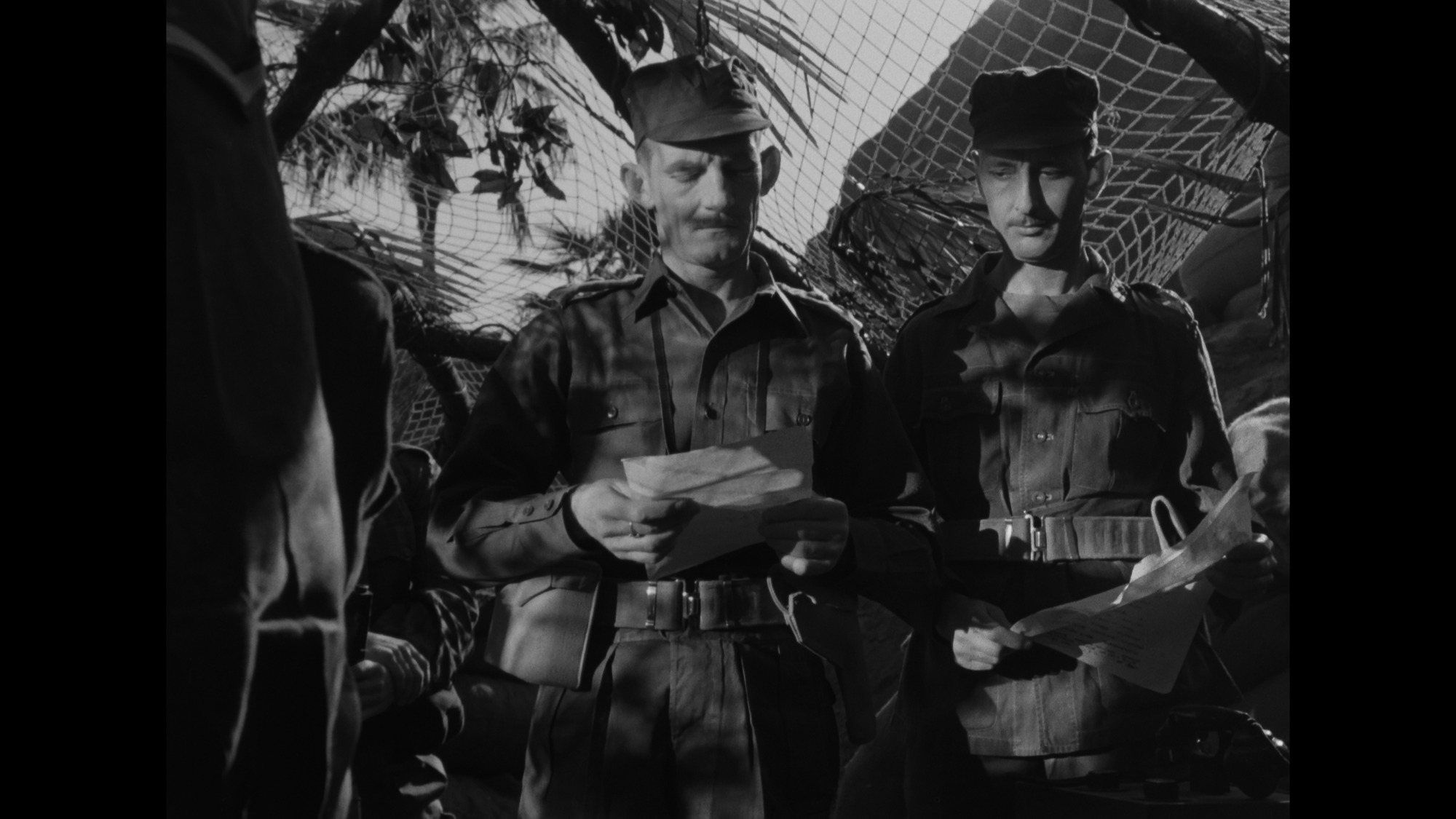
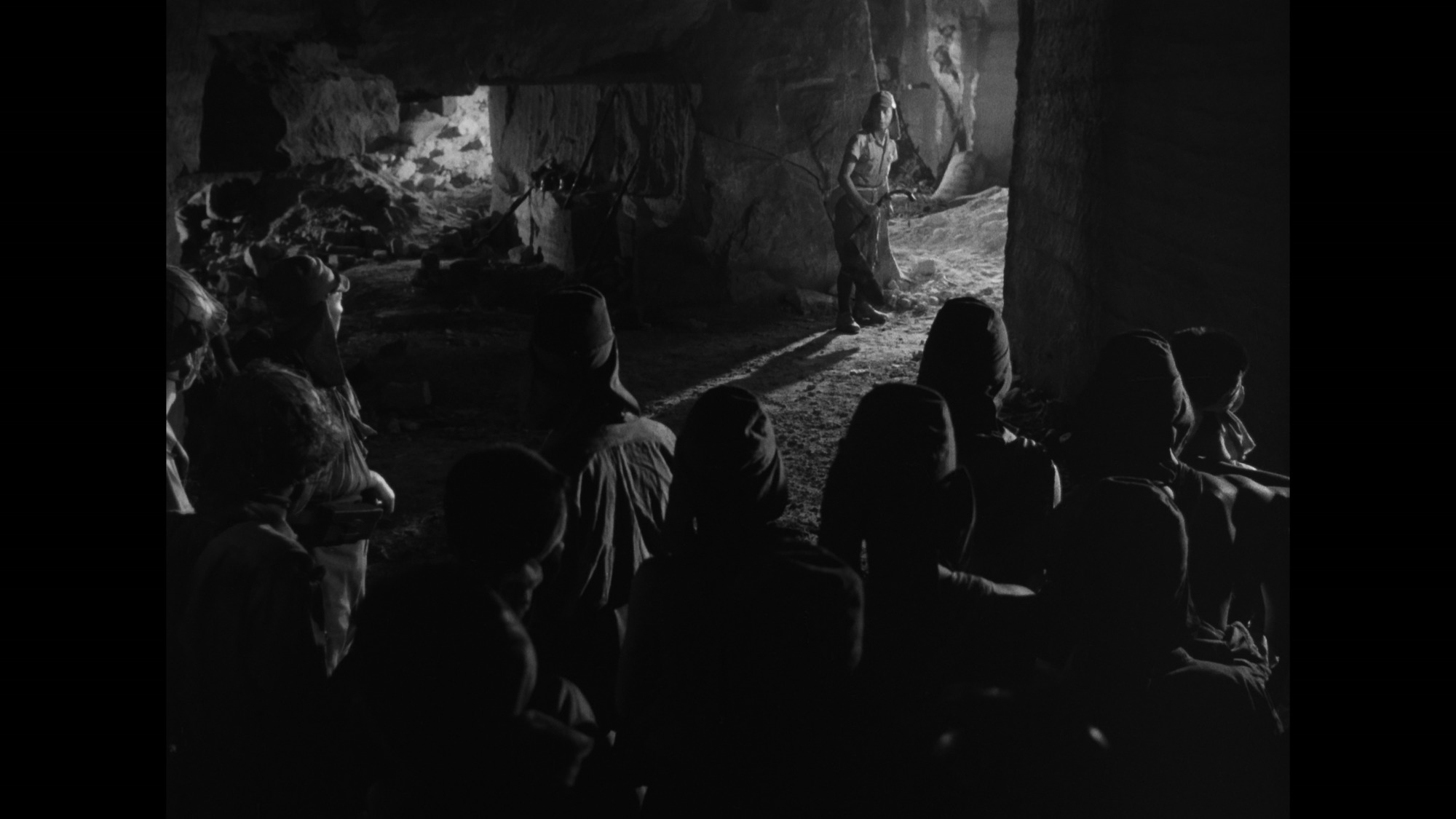
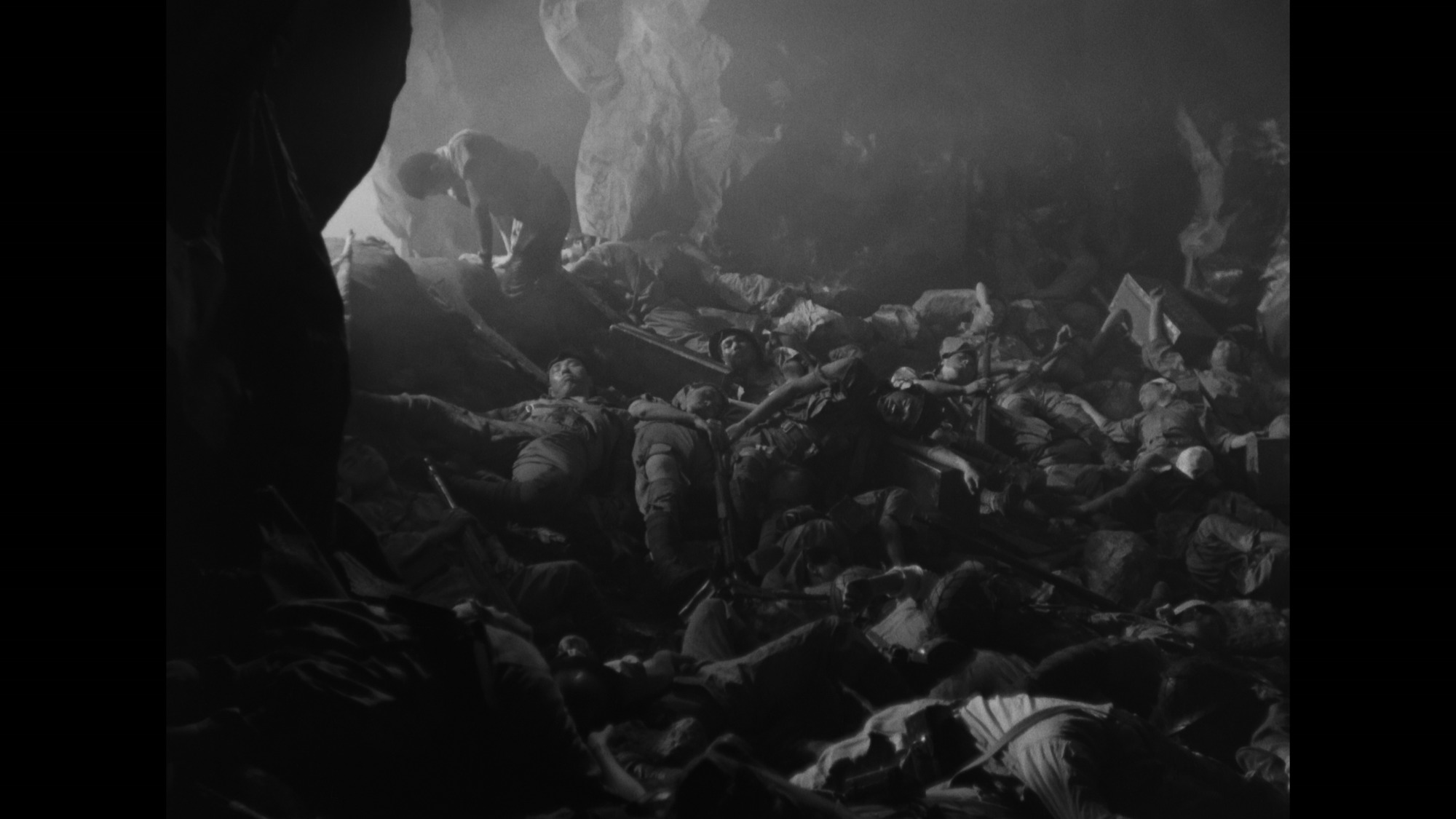
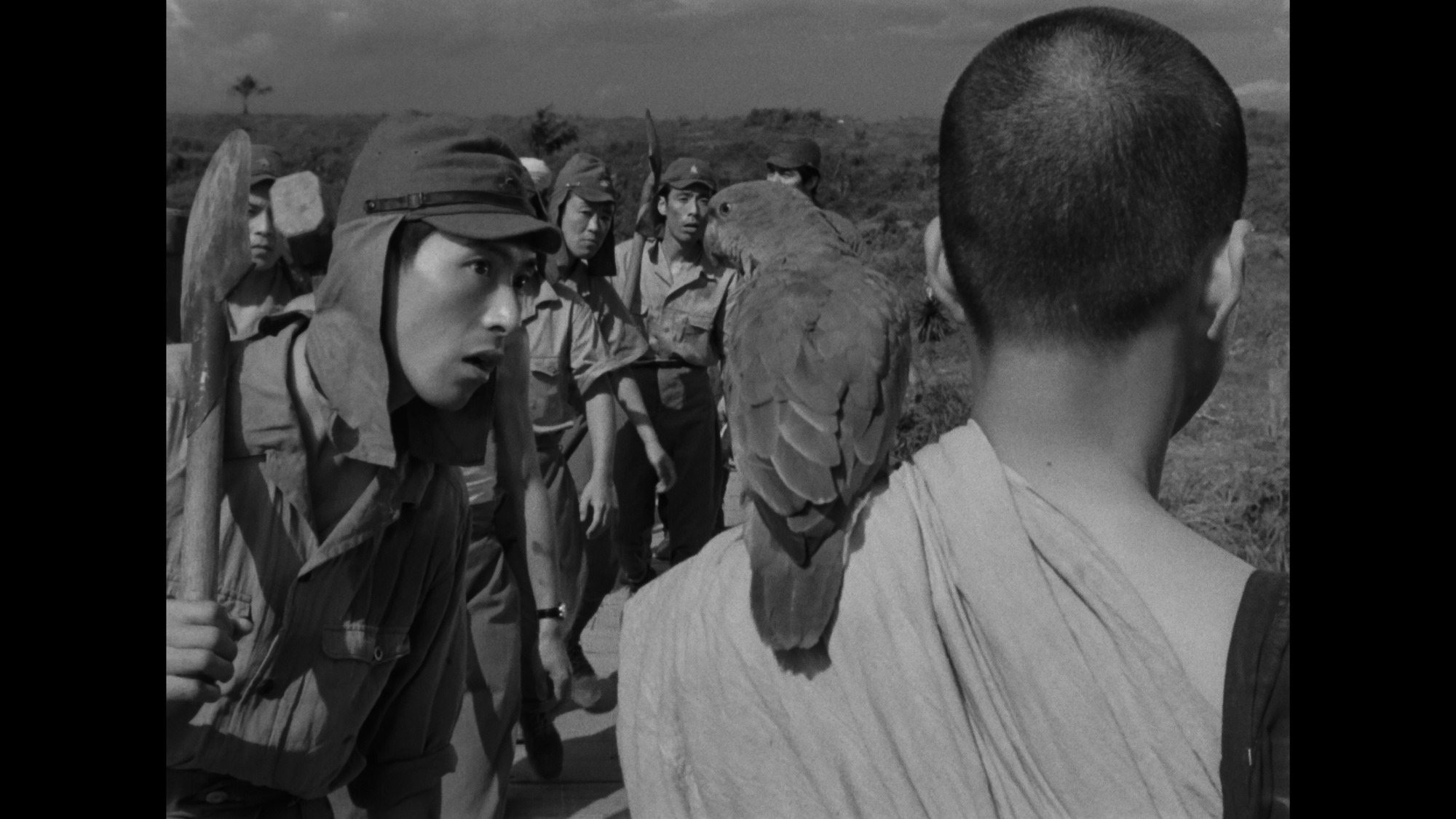
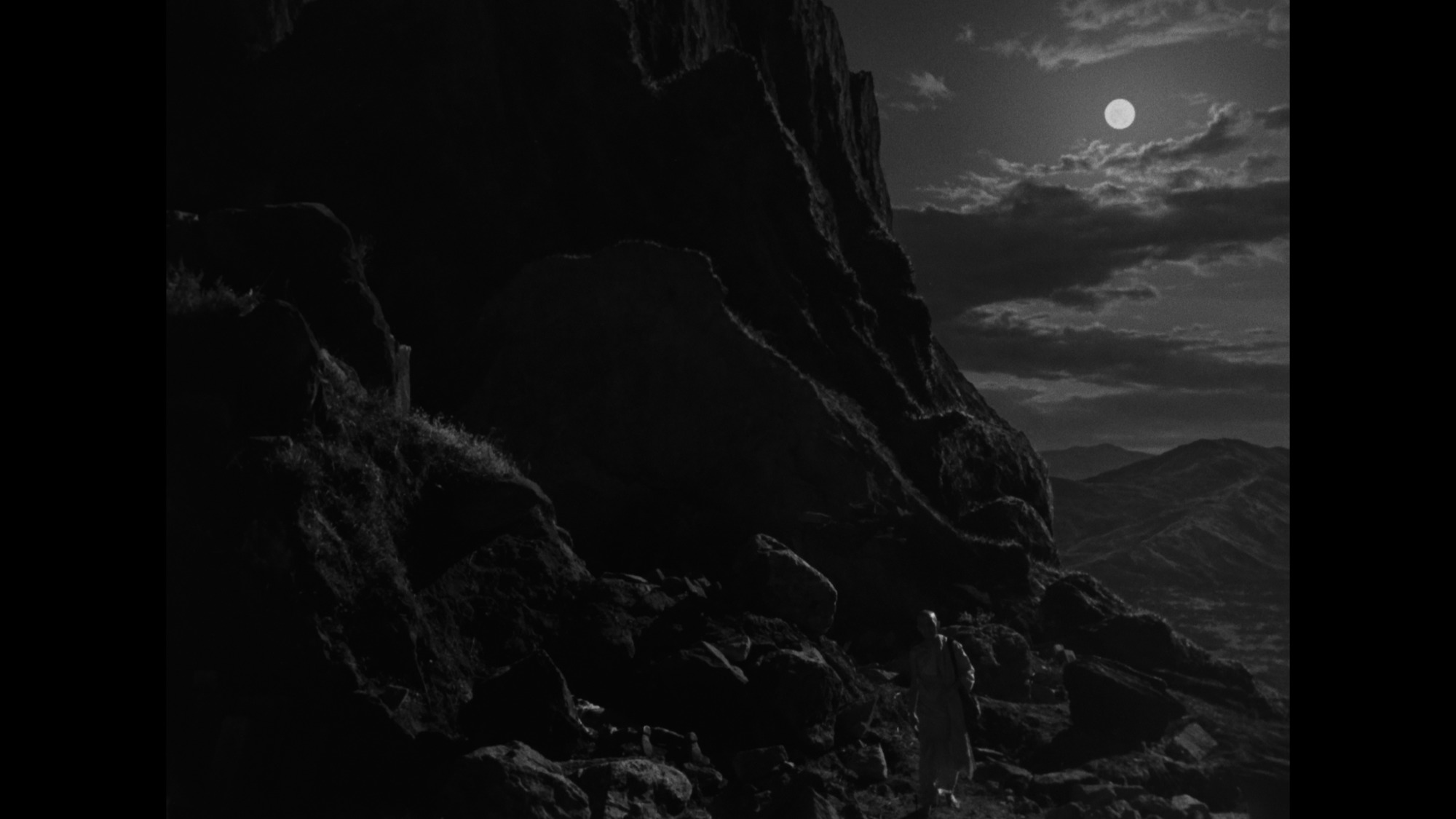
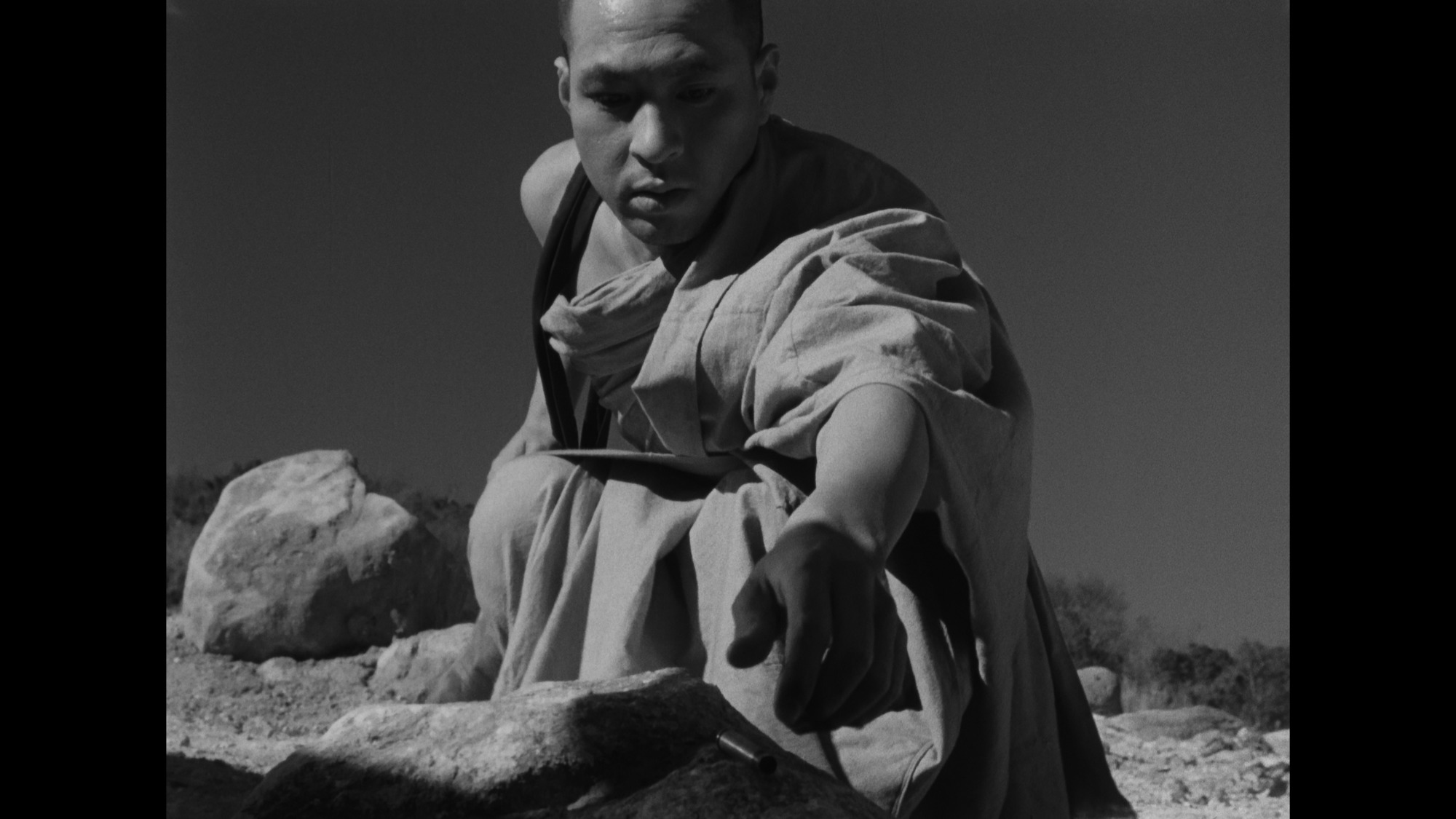
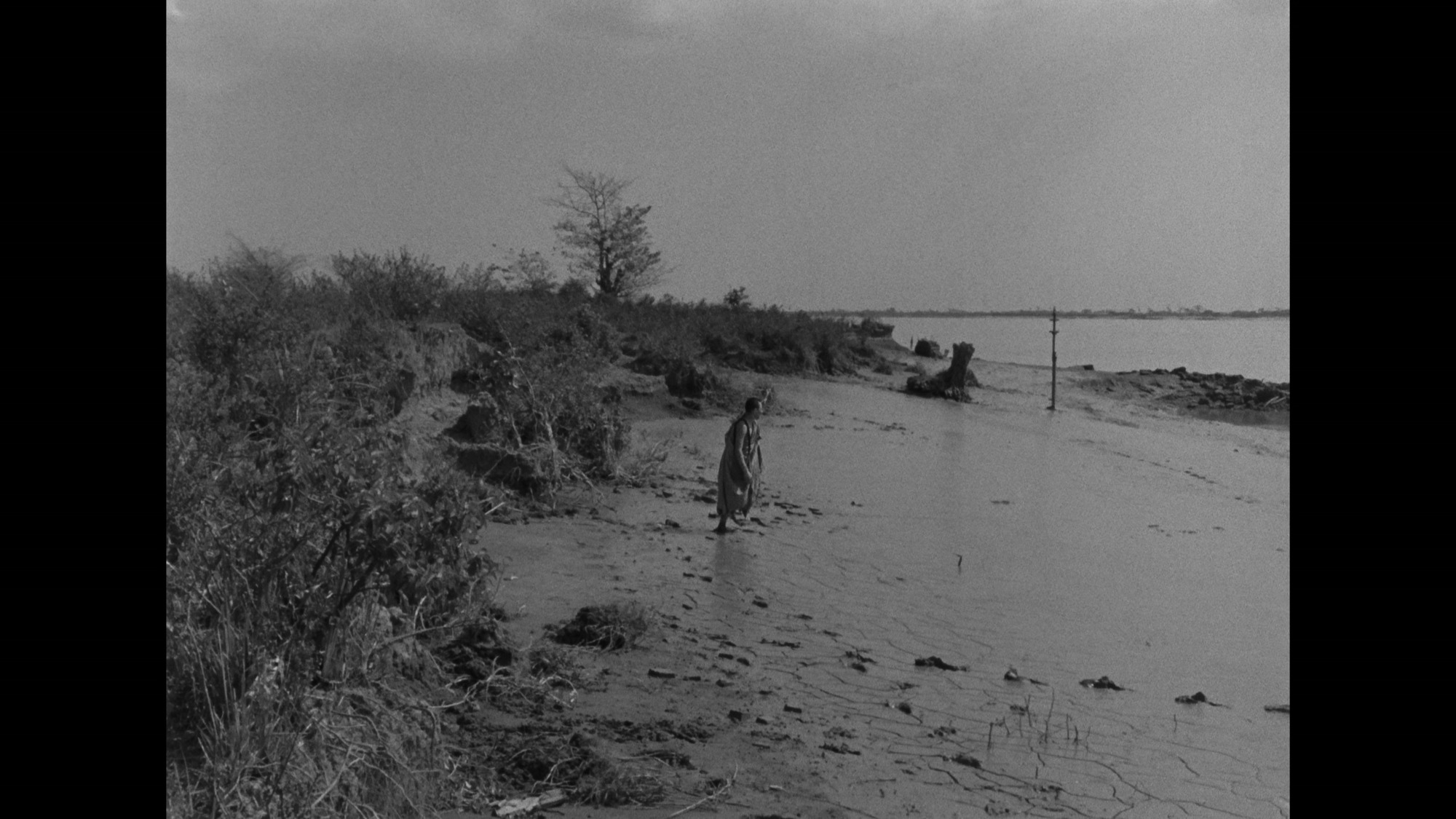
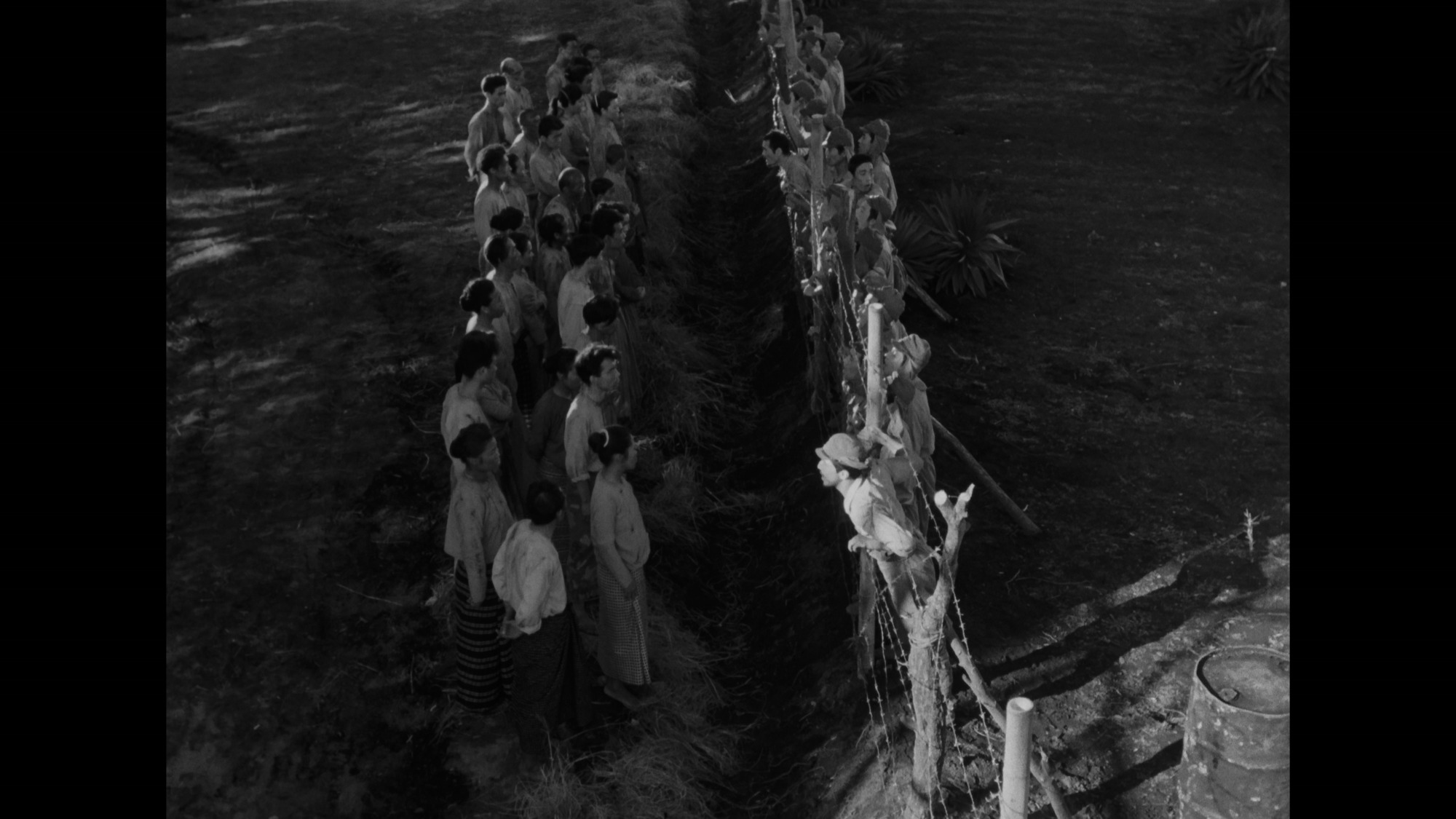
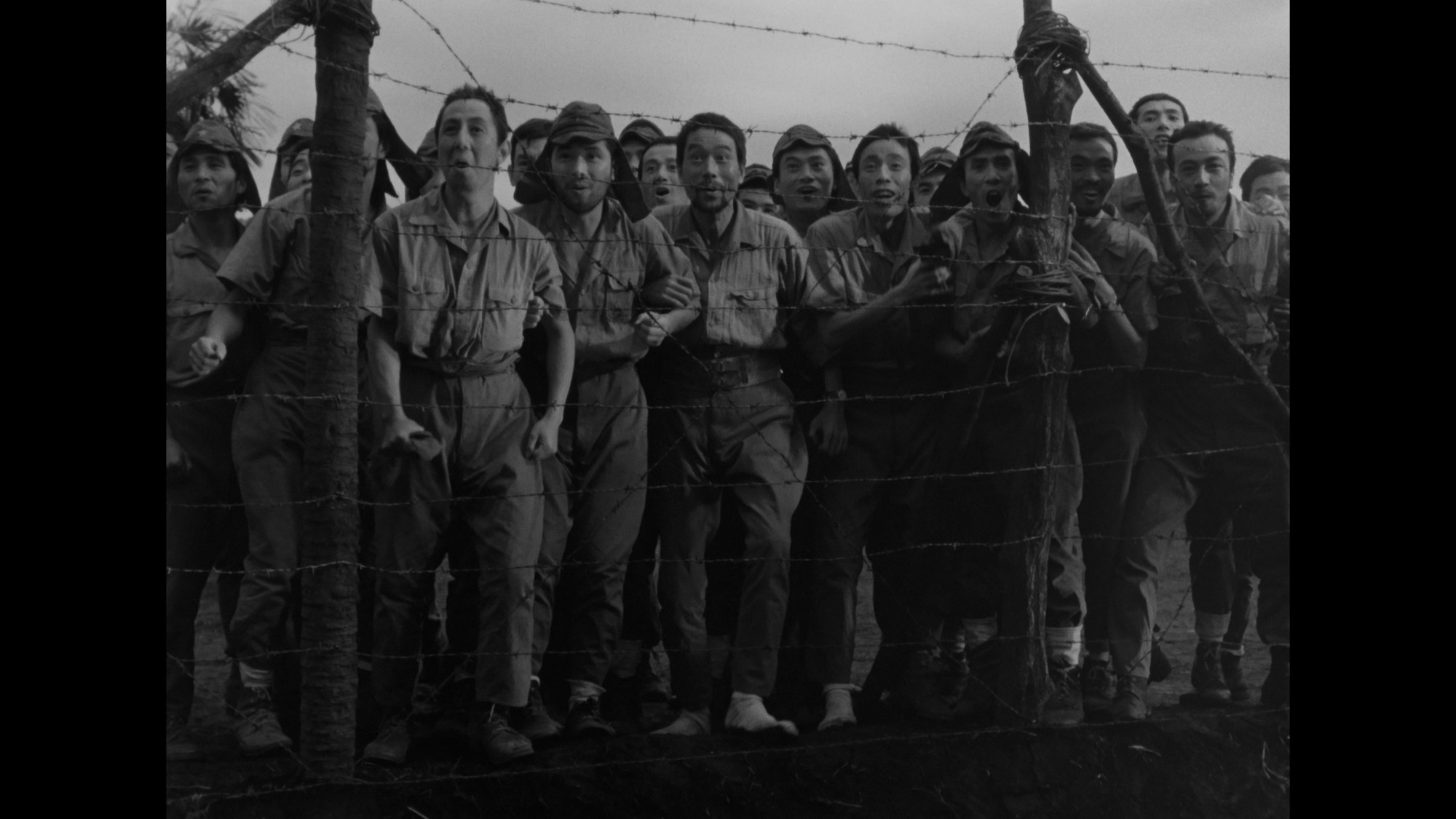
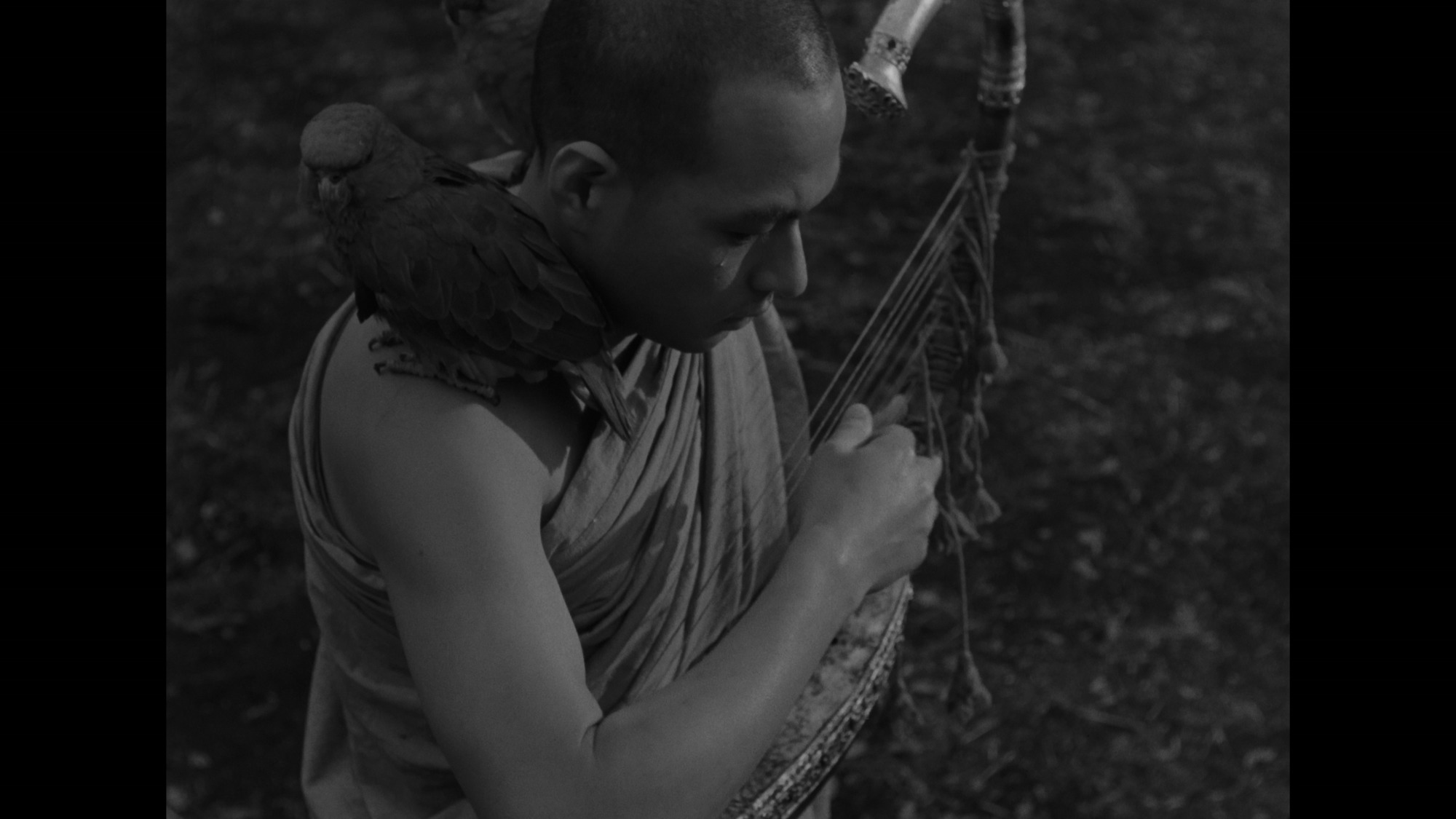
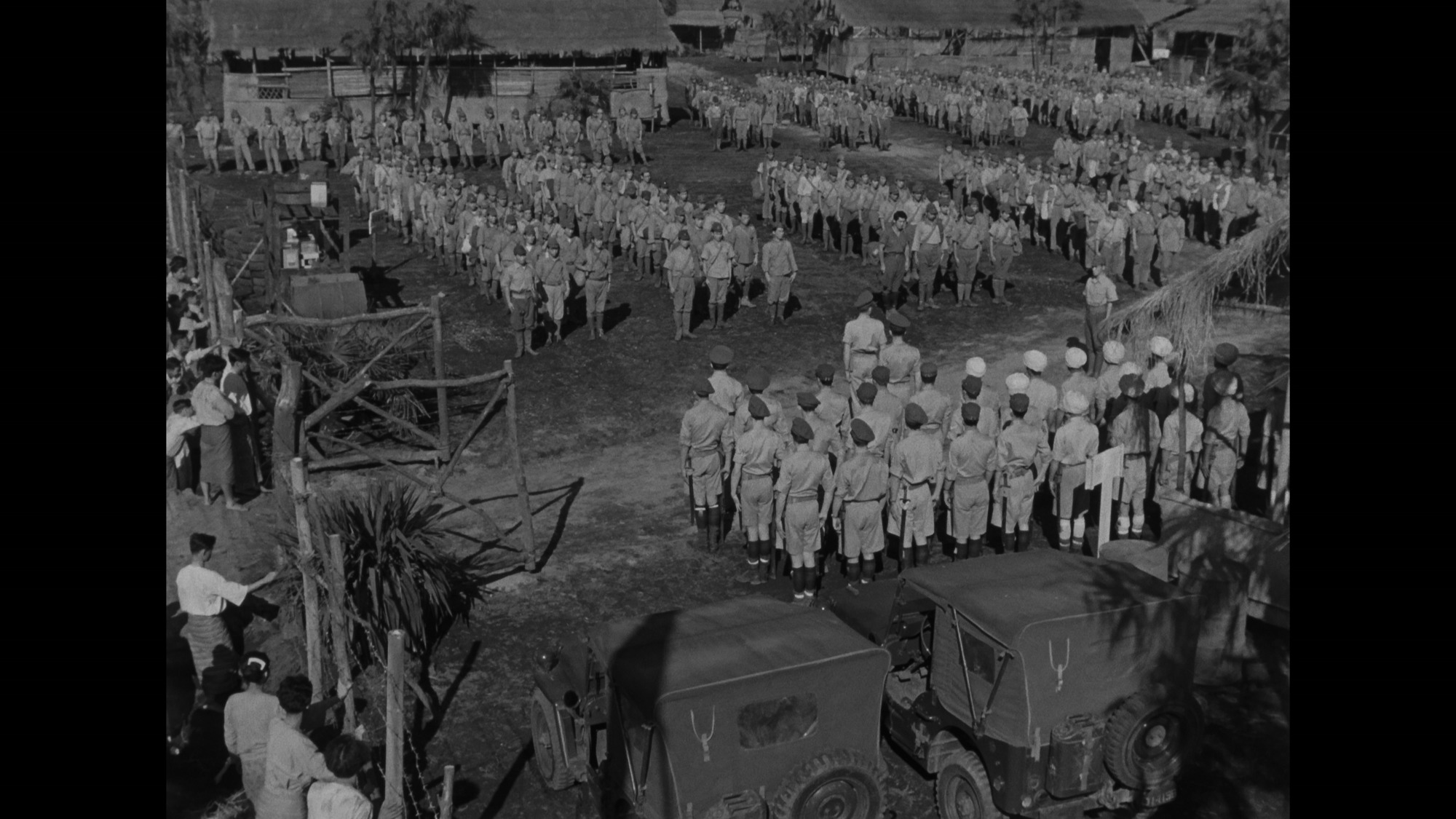
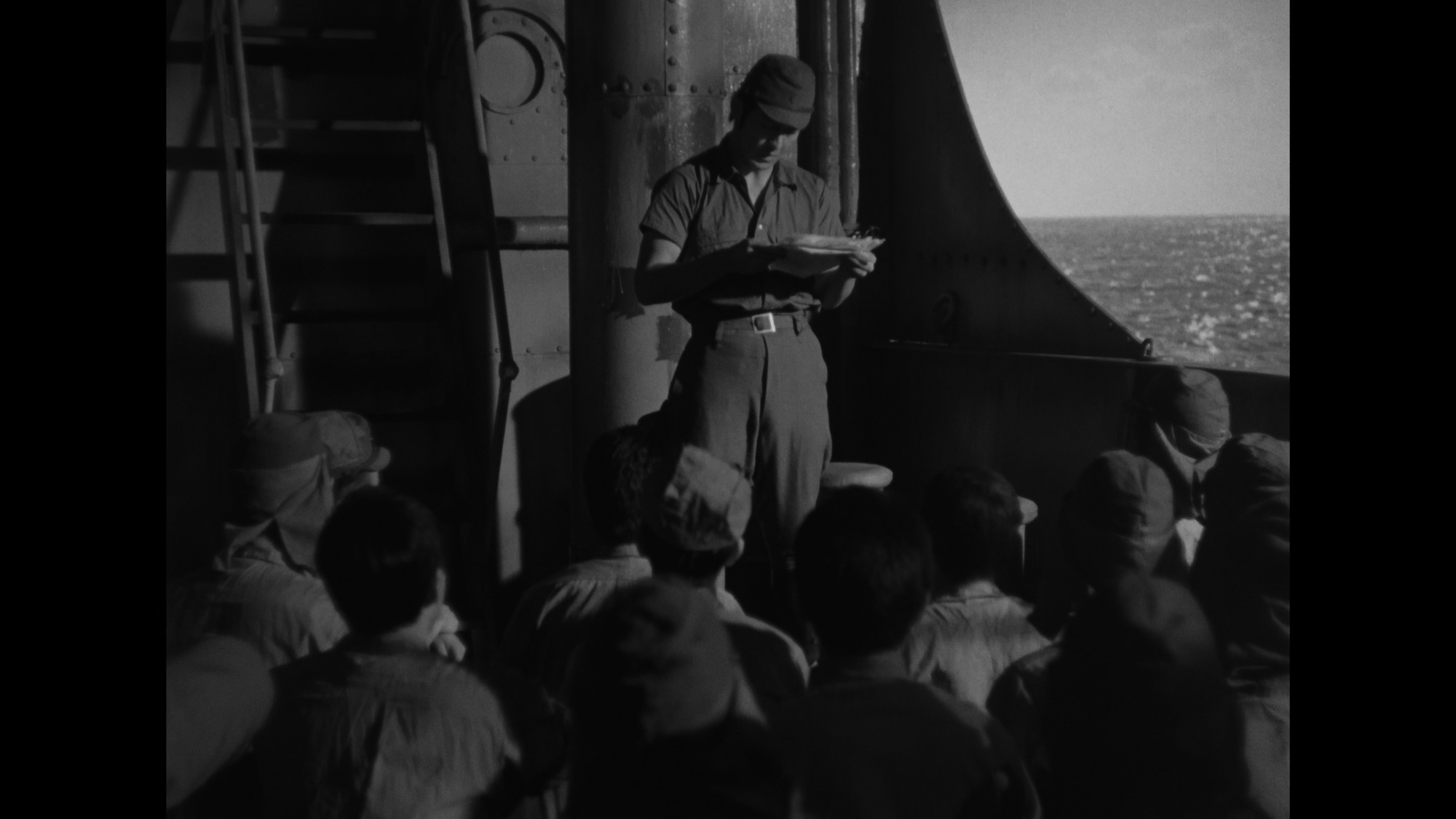
Criterion’s original DVD, though solid, was the rougher-looking of the two Ichikawa releases from that period (the other being Fires on the Plain). The digital encode was fine and still looks decent when upscaled, but the image showed heavier wear and tear, with the source elements clearly in worse condition than those for Fires on the Plain, and that held the presentation back a bit. Restoration technology has advanced considerably since, so I had no doubt this new 4K presentation would look vastly better. Still, it is impressive just how much cleaner things end up looking. There are still a few faint scratches and blemishes, but overall, the restoration work has eliminated most issues, while the grayscale delivers a wider range and stronger separation of tones.
Compared to Fires on the Plain’s 4K image, this one isn’t quite as razor-sharp, likely due to the source materials, but fine details are still noticeably clearer and better defined than they ever were on the DVD (as one would expect). Grain also looks better, appearing clean and natural without any sign of noise or compression artifacts, and the image maintains a lovely film-like quality throughout.
In the end, it’s a sharp, beautiful upgrade, well worth picking up.
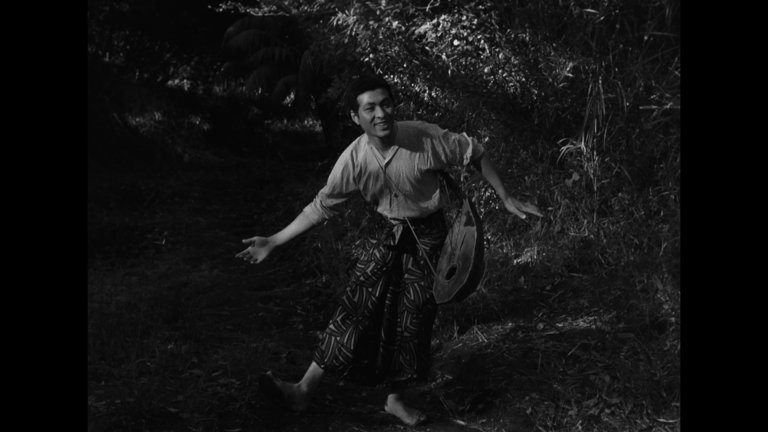
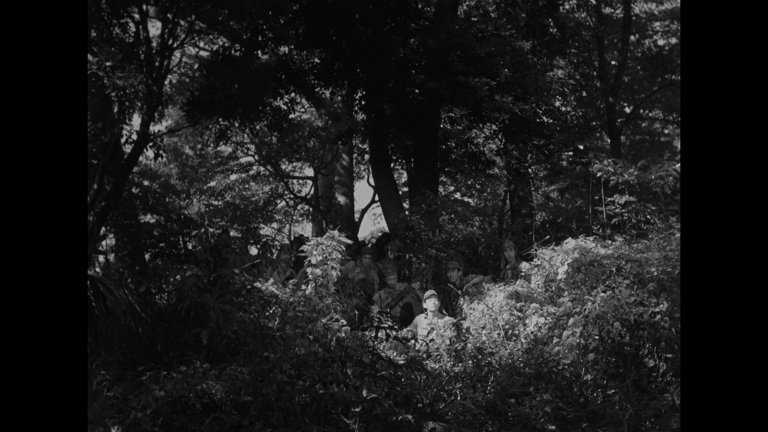
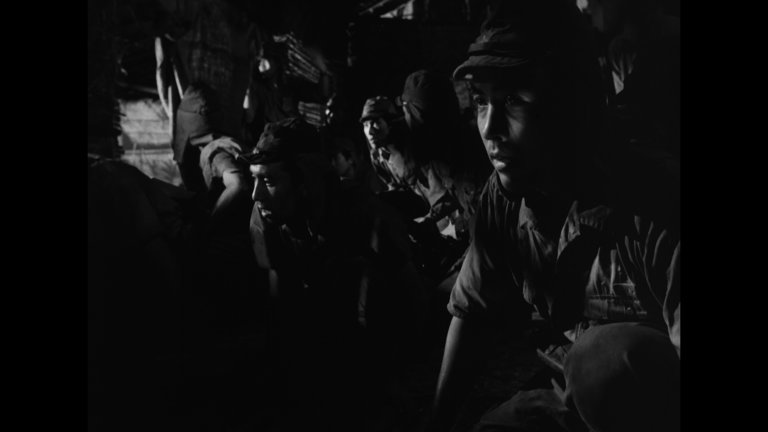
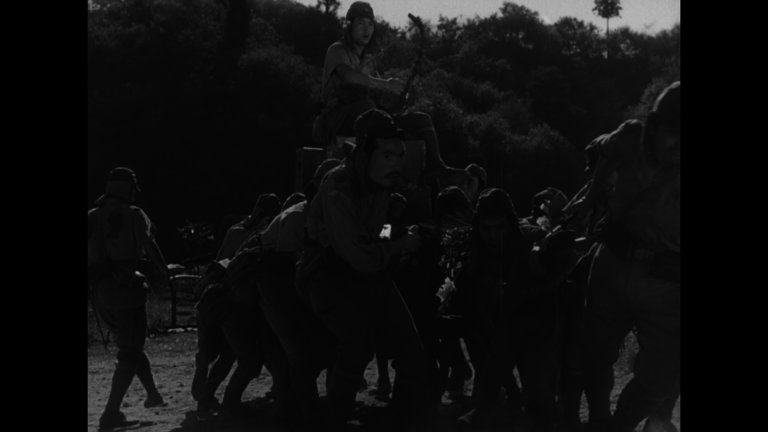
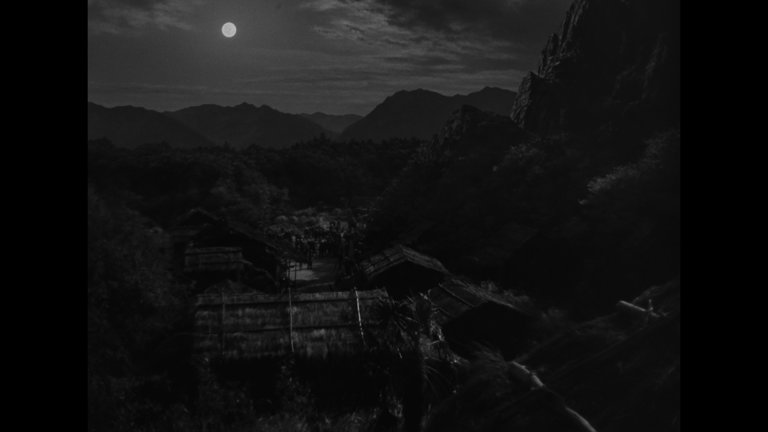
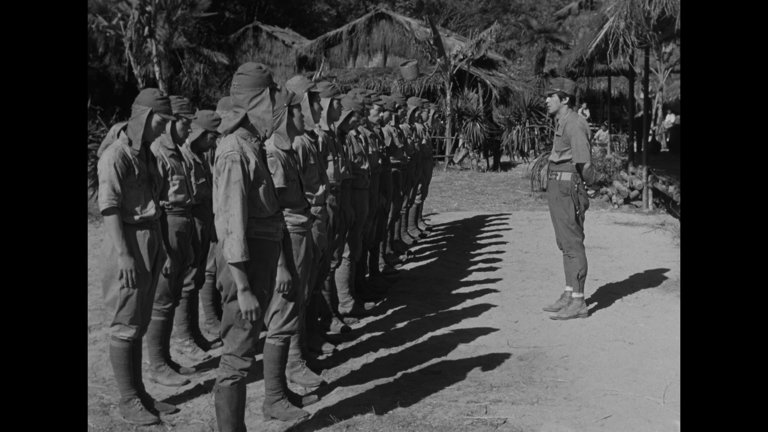
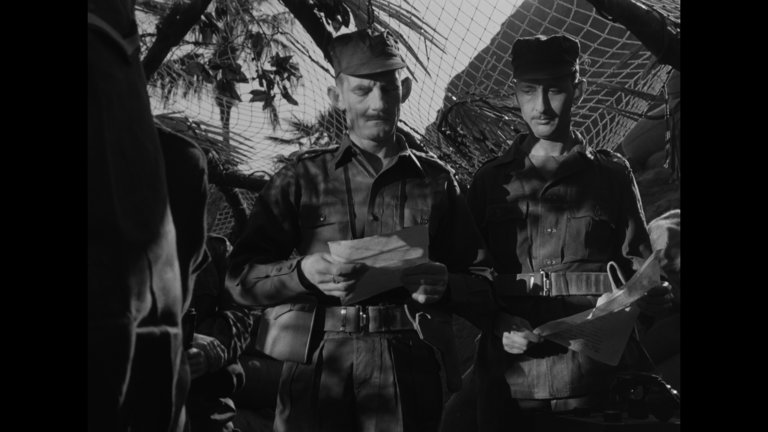
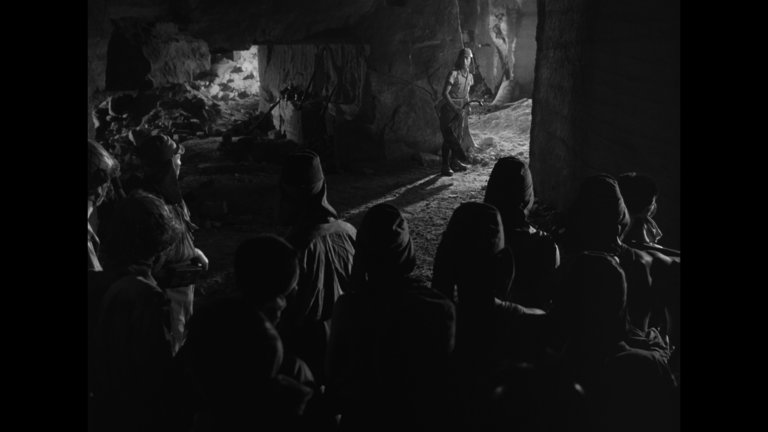
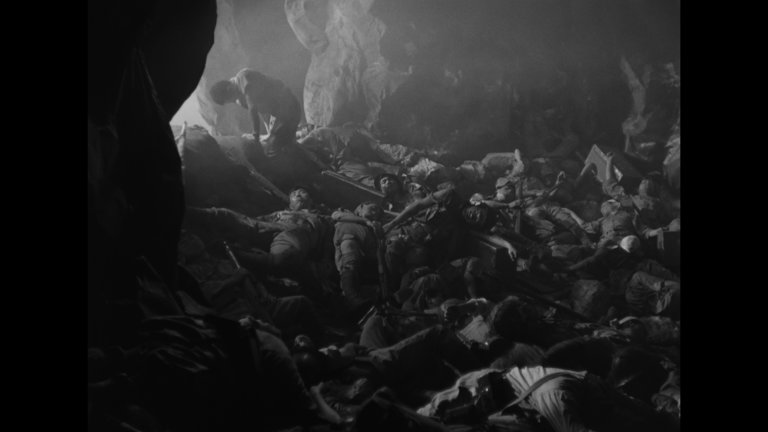
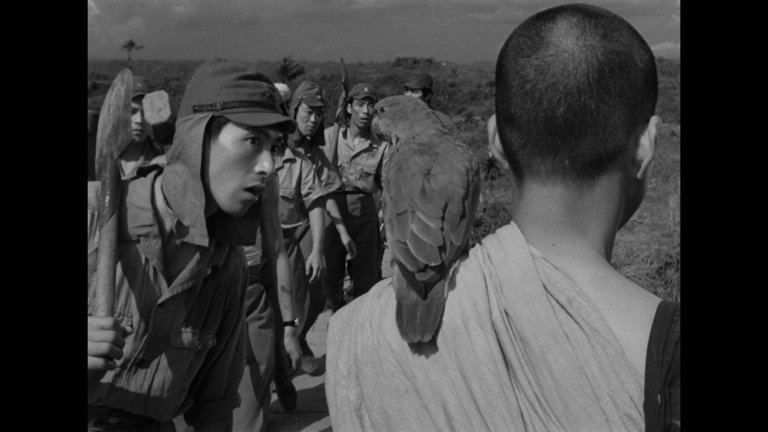
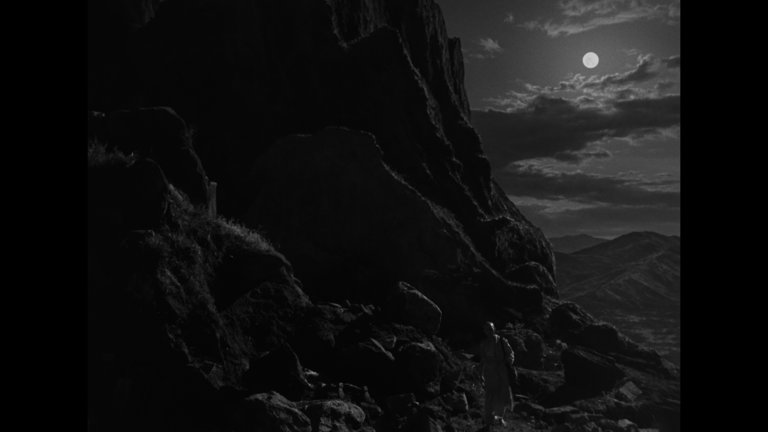
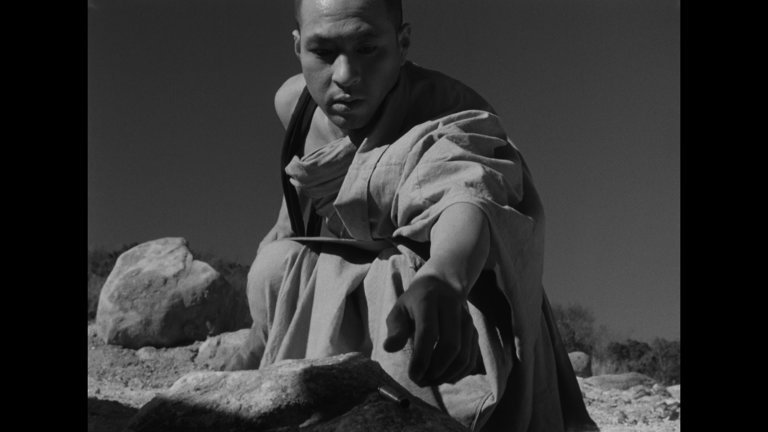
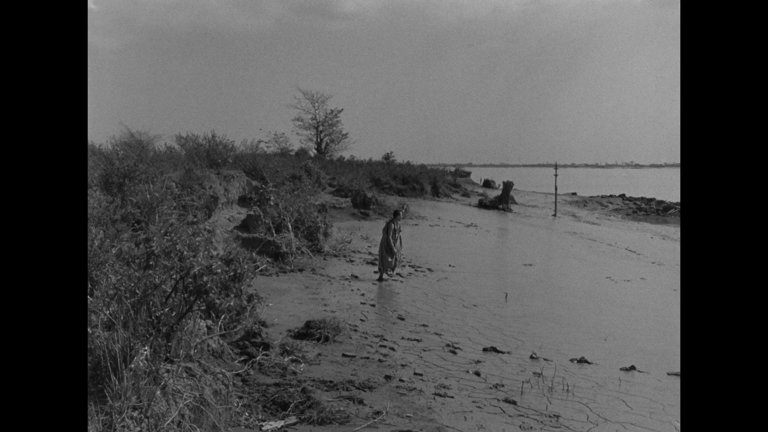
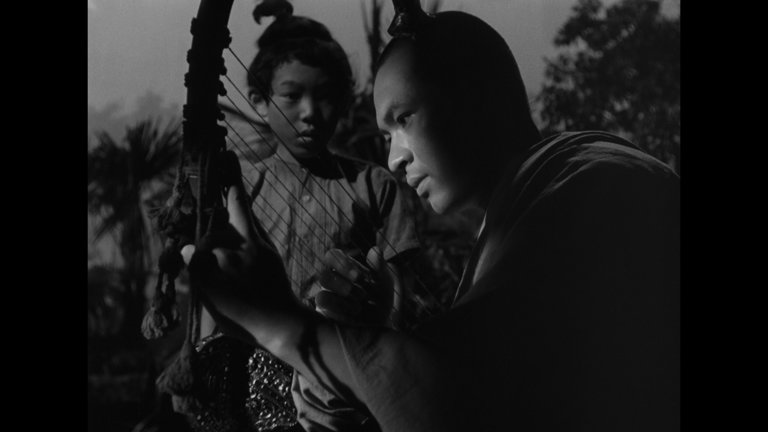
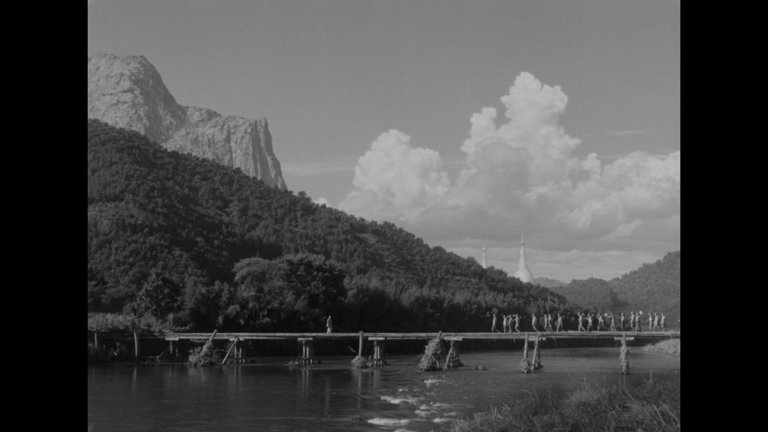
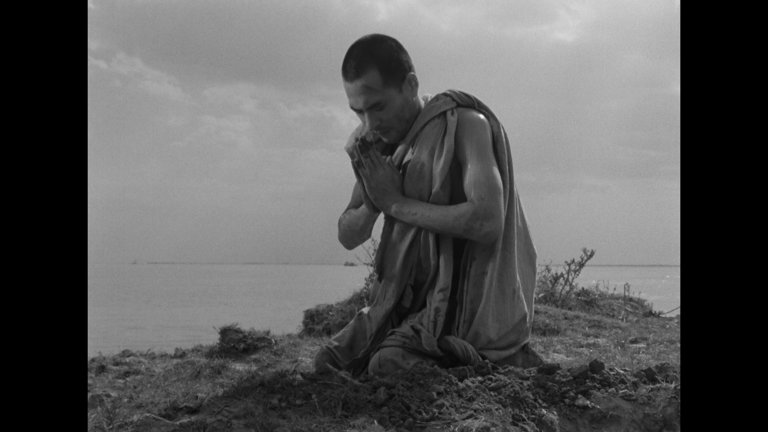
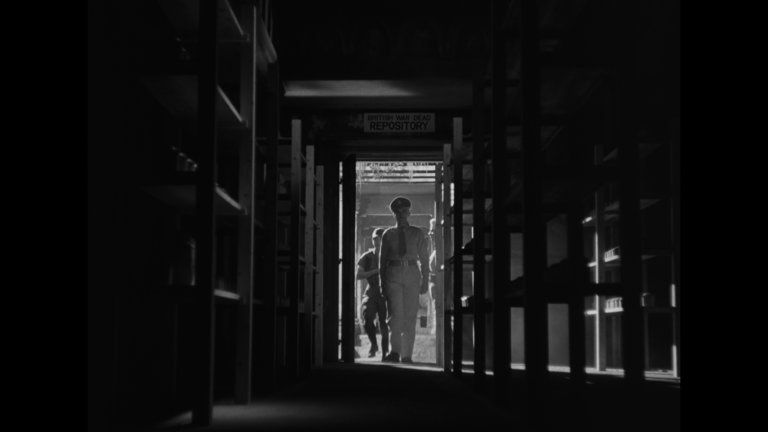
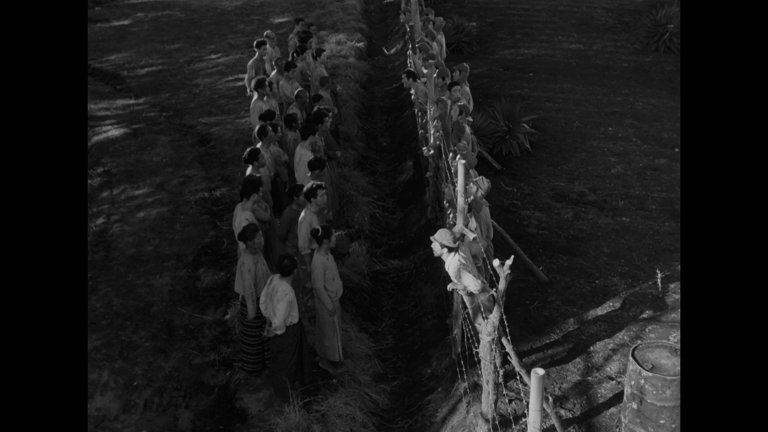
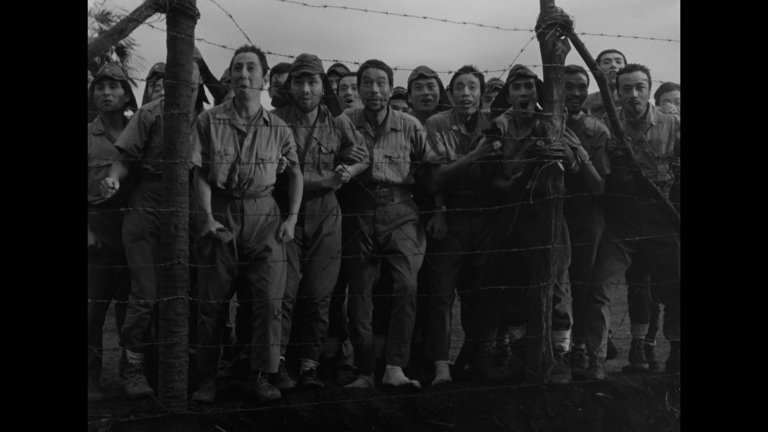
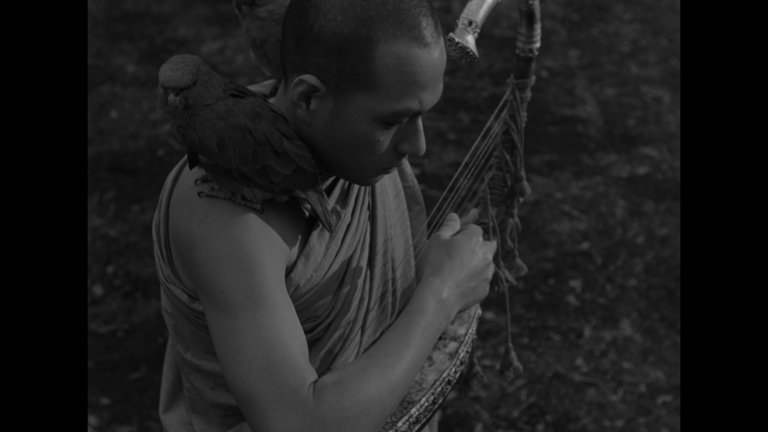
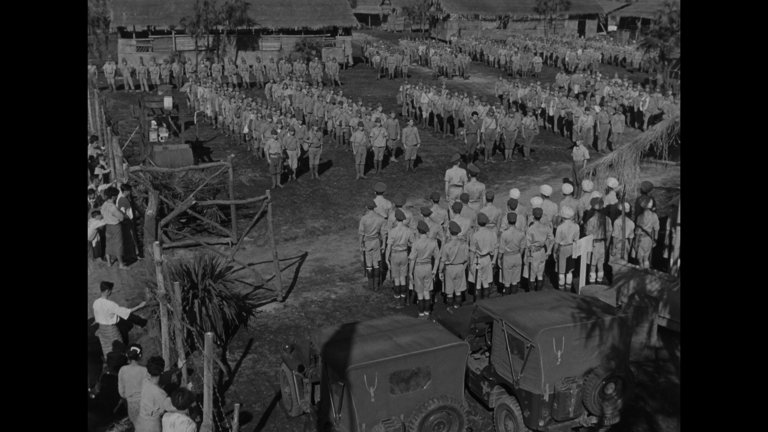
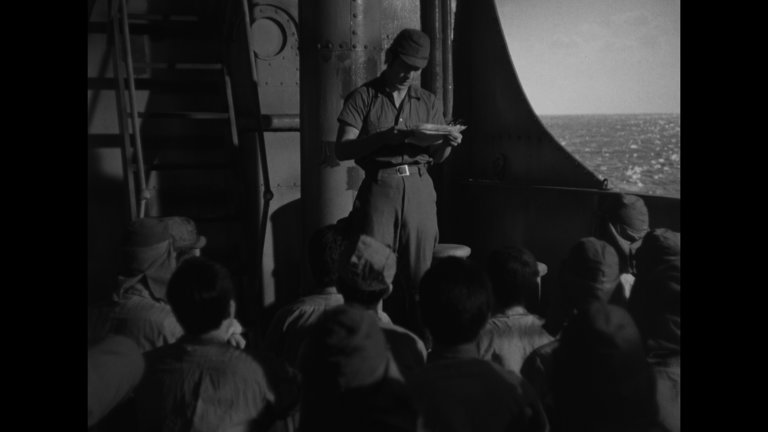
The Burmese Harp - Screen Captures
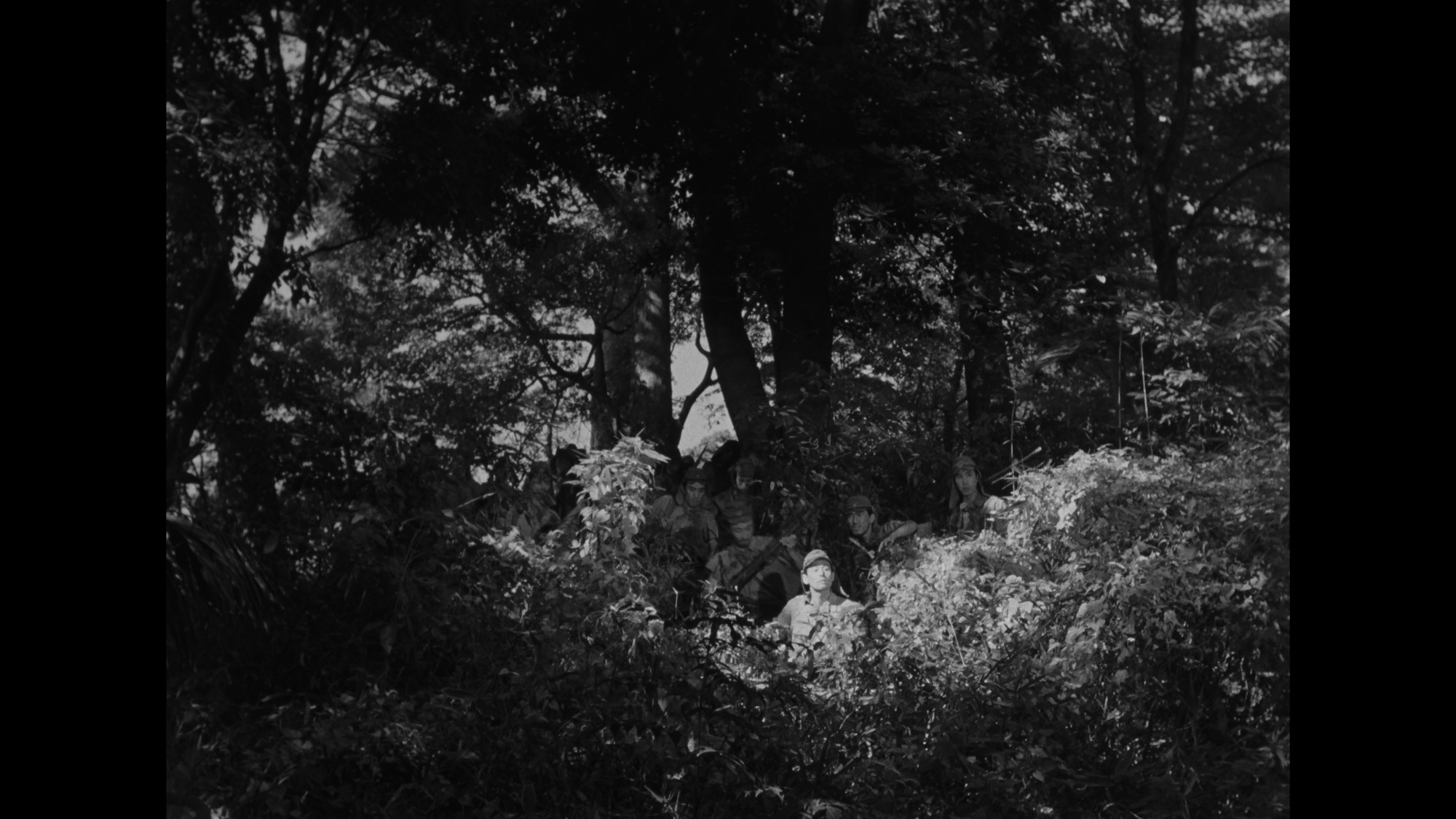
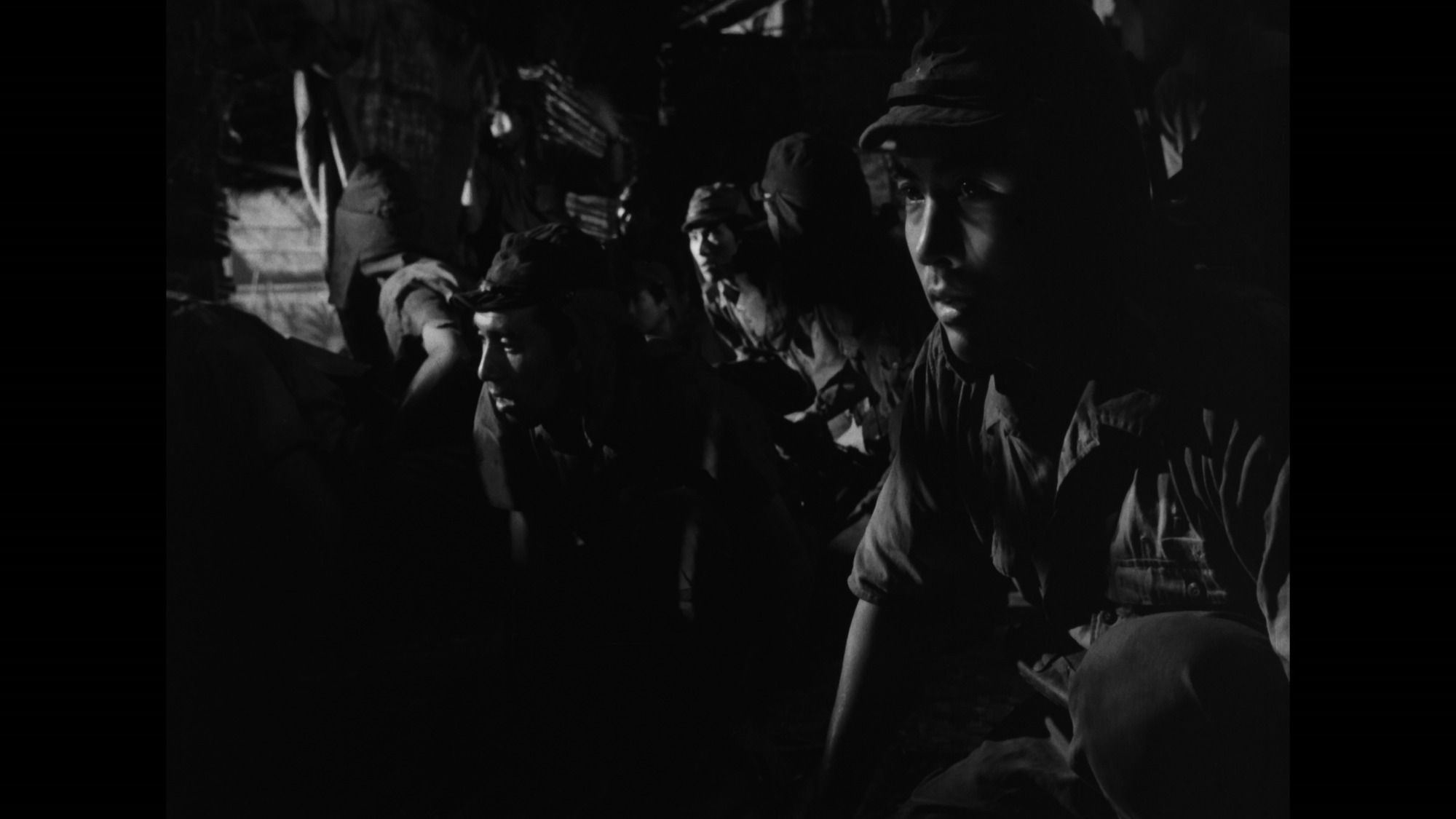
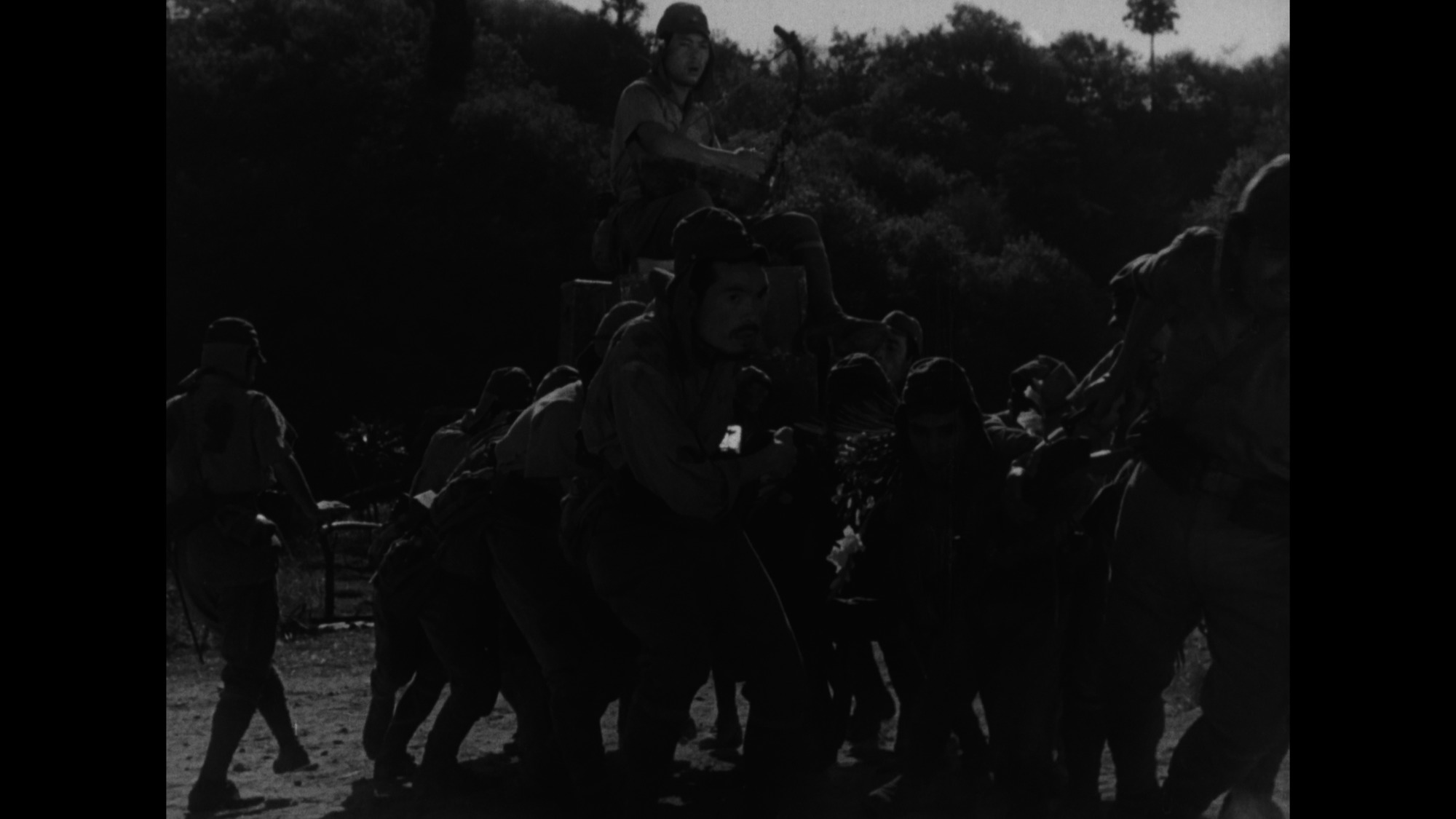
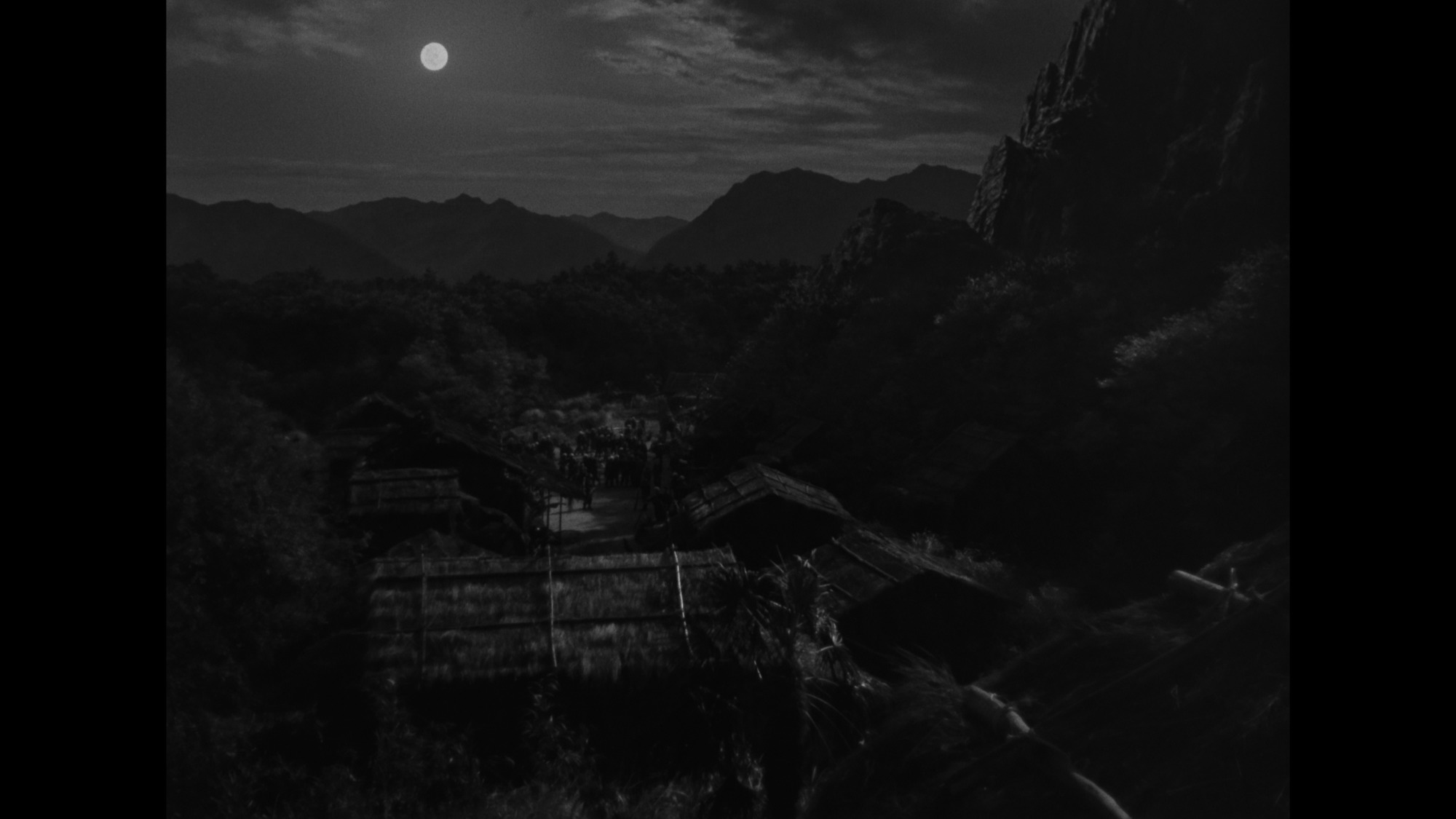
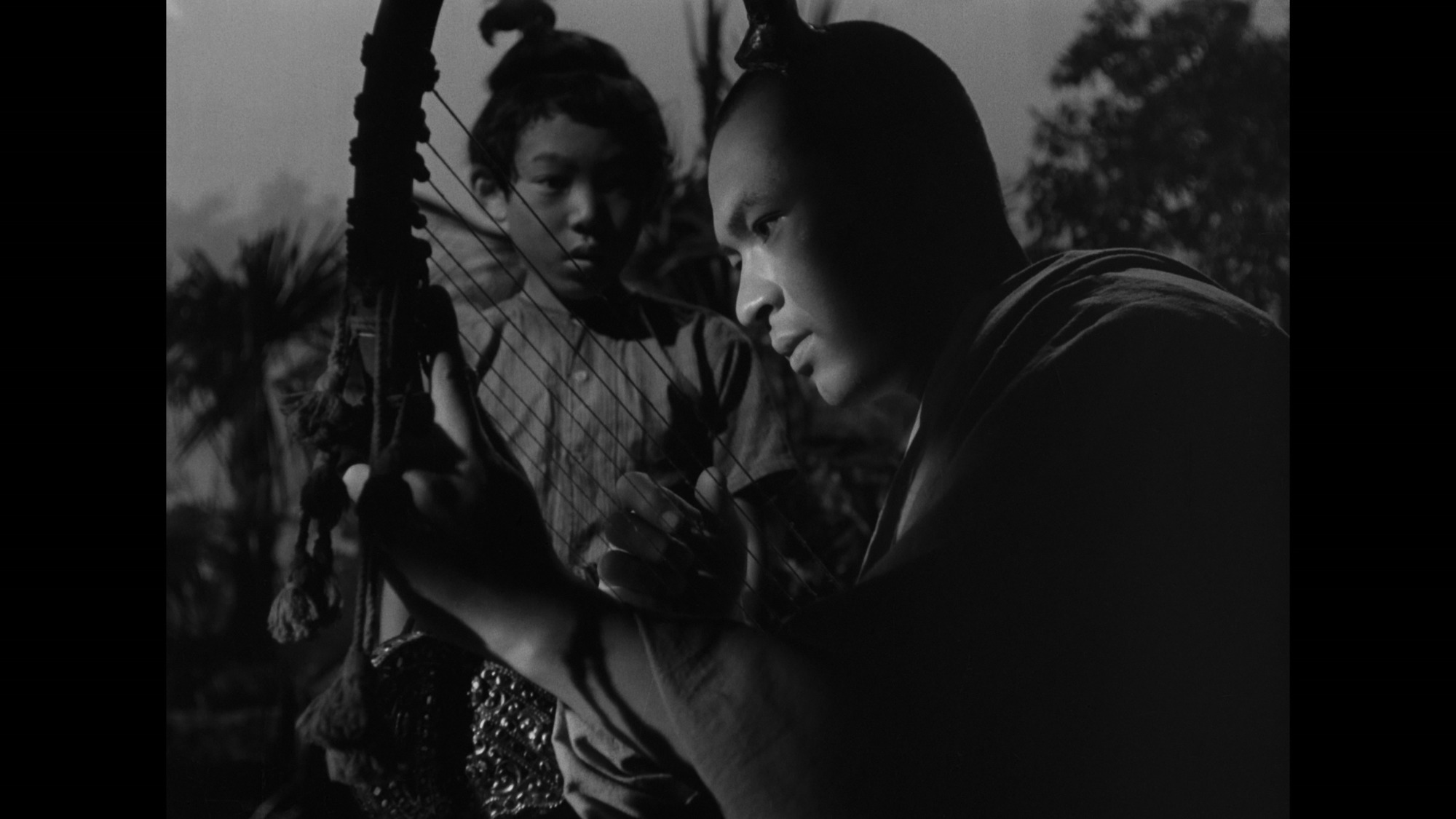
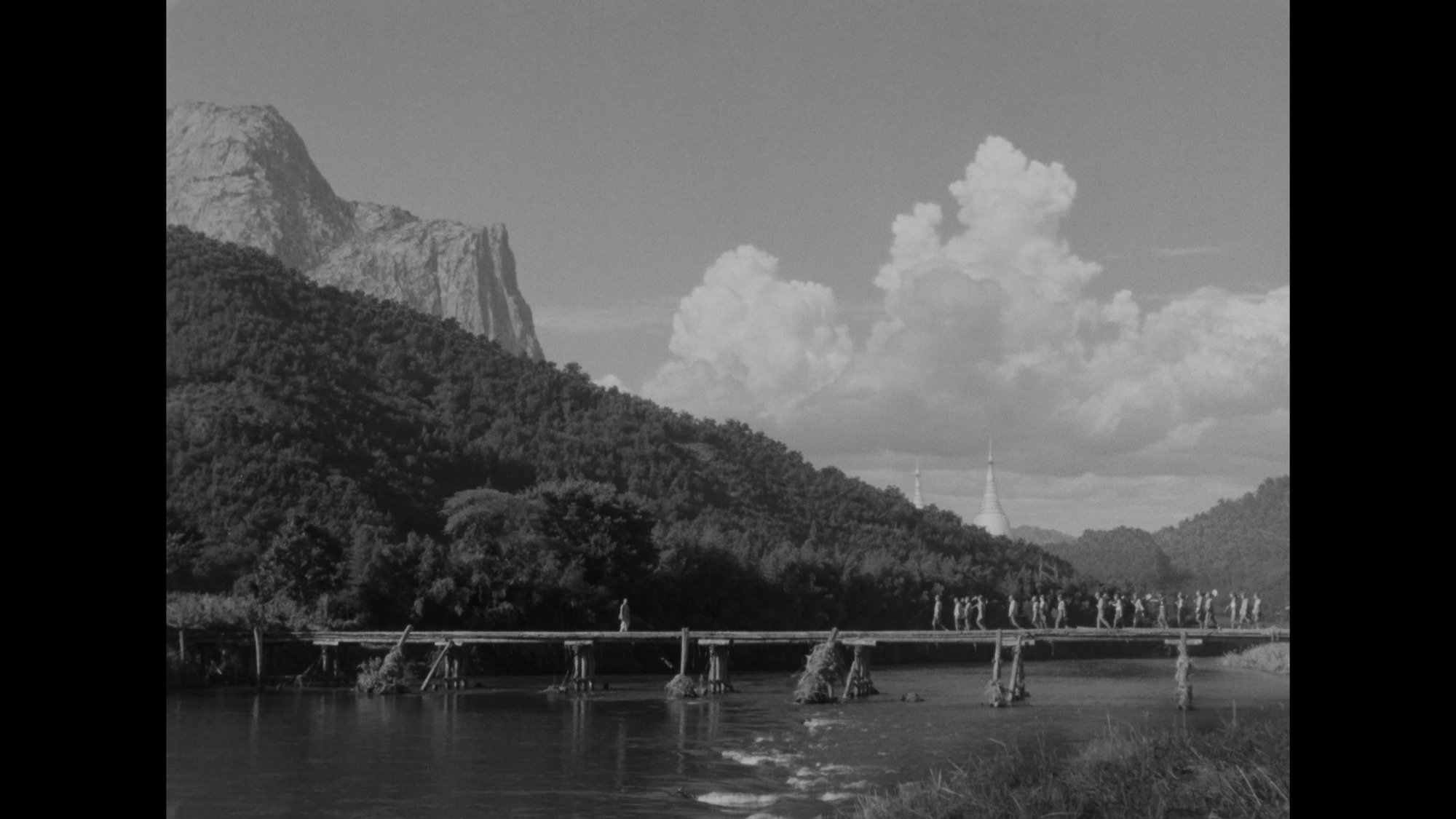
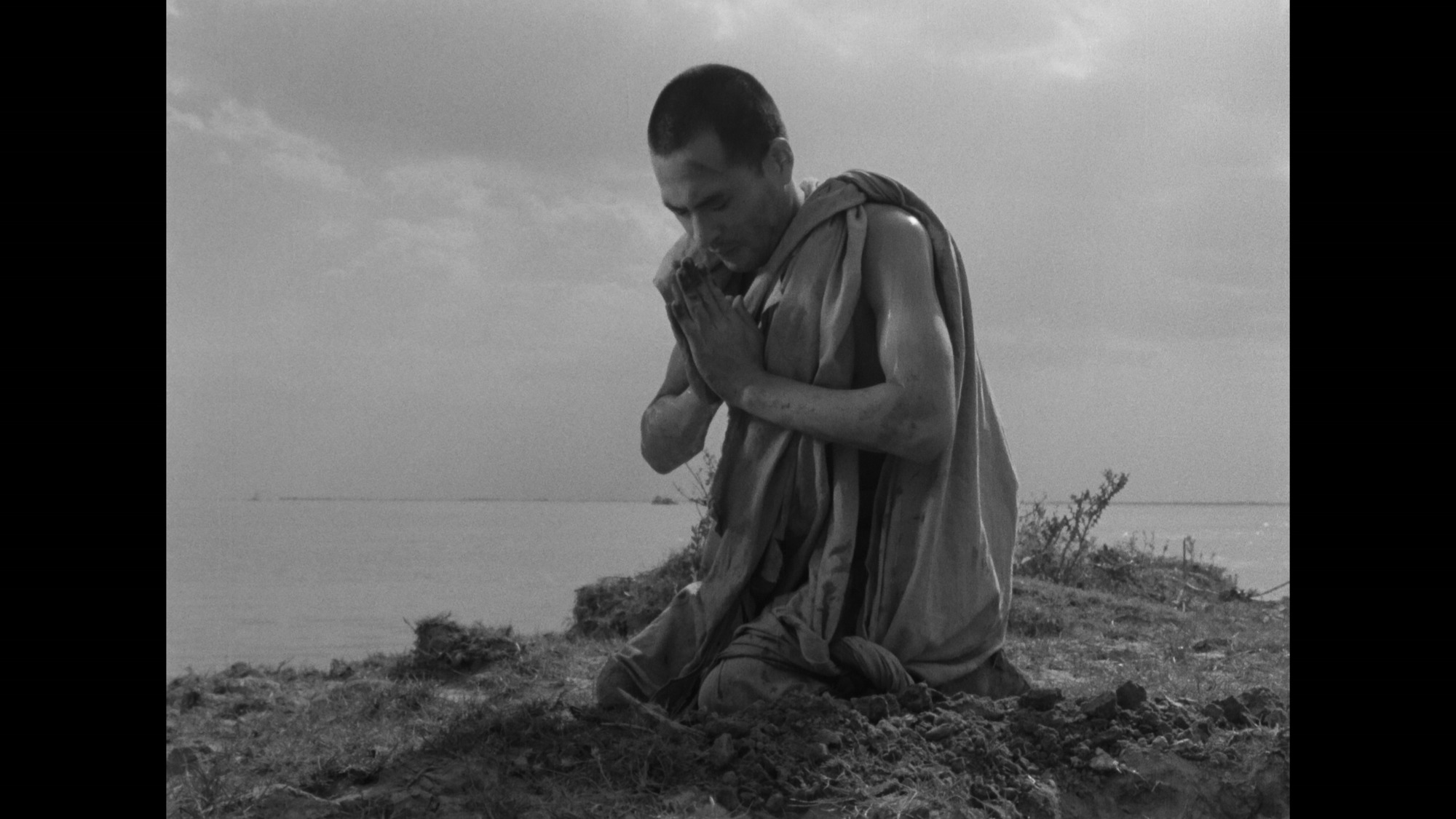
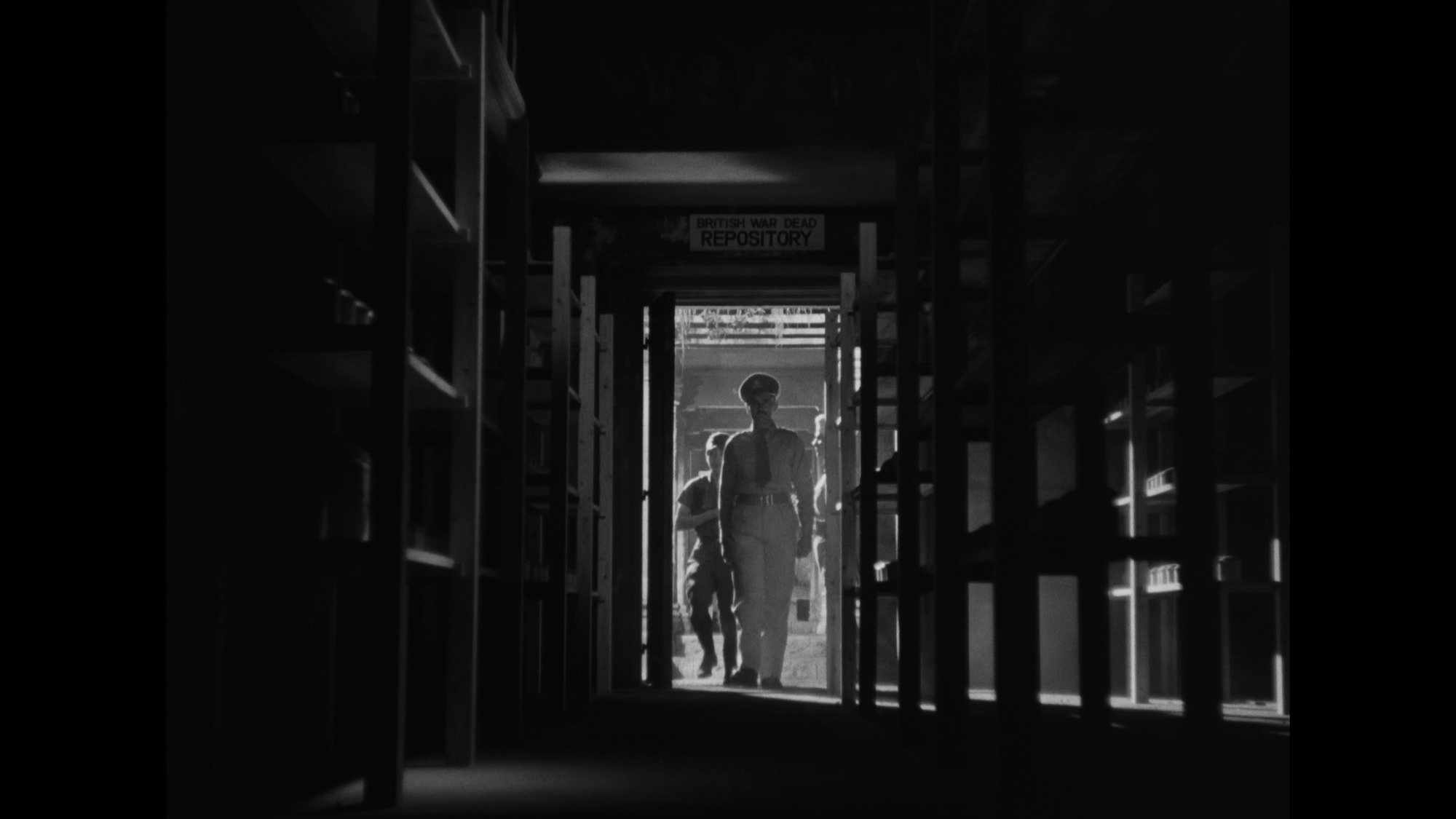
Audio 6/10
The new PCM monaural single-channel soundtrack sounds a bit cleaner and sharper than the DVDs, although it’s still limited by the age of the materials. Dialogue is clear with decent fidelity, and the music (of which there is plenty) also comes through clean and crisp. Dynamic range is still limited, but the track does what it can with what it has.
Extras 4/10
As with their 4K edition of Fires on the Plain, Criterion opts to simply port over the features from the previous DVD without any updates. This is especially disappointing since there wasn’t much to begin with. Alongside the film’s trailer, the disc includes a 16-minute interview with Kon Ichikawa and a 12-minute interview with actor Rentaro Mikuni.
Ichikawa’s contribution ends up being a bit more general about his career, with the director discussing what first drew him to filmmaking (Disney cartoons played a surprisingly large role) as well as the filmmakers who influenced him, mostly American and French, along with Lubitsch and Japanese contemporaries like Kurosawa and Mizoguchi. From there he moves on to The Burmese Harp, recalling first reading the novel and his approach to adapting it. He explains why he chose to omit certain elements (cannibalism among them, ironically enough, since he would eventually make Fires on the Plain) to preserve the fairy-tale feel he wanted. Interestingly, the film was originally intended to be shot in color, but the equipment required for the 3-strip Konicolor process were too large to bring to Burma, forcing a switch to black-and-white (this stands in contrast to Fires on the Plain, where Ichikawa had to fight the studio to shoot in black-and-white).
Despite its short runtime, the interview proves rather dense with information. Mikuni’s contribution complements it well, as he talks about working with Ichikawa and the director’s style, along with his own approach to the story and its anti-war themes. Surprisingly, he doesn’t linger much on his performance, saying he was simply there to “cooperate” and do as he was told, though it does sound like he and Ichikawa did butt heads at least once. He ultimately adds another perspective on the production, but nothing much about his character or performing.
Sadly, there’s no academic material beyond the infinitely dependable Tony Rayns, who provides an essay for the film in the included insert (downgraded from a booklet, though the text is still intact). It’s a solid read, but an updated interview with Rayns would have been excellent. As it stands, it’s an okay collection of material—just a very slim one.
Closing
As with Fires on the Plain, Criterion again chooses not to update their features, keeping them slim, but the new presentation is a marvel compared to their original DVD.
BUY AT: