The Hot Spot
BUY AT:


See more details, packaging, or compare
Synopsis
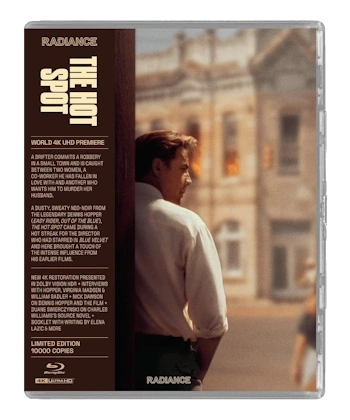
Harry, a drifter (Don Johnson, Miami Vice) rolls into town and talks his way into a job at a car dealership where he becomes caught between two beautiful women: the boss's conniving wife Dolly (Virginia Madsen, Candyman) and Gloria (Jennifer Connelly, Requiem for a Dream), a naive young accountant whose life is complicated by blackmail. When Harry plans to rob the local bank, he becomes enmeshed in a lethal web of lust, greed and extortion, whose only escape is murder.
Adapted from Hell Hath No Fury by Charles Williams, The Hot Spot is a dusty, sweaty modern noir that updates the pulp formula of twists and turns with an intensity to match director Dennis Hopper's earlier film roles. Directed by Hopper (Easy Rider, Out of the Blue) with verve, the stellar cast are supported by William Sadler (The Shawshank Redemption), Charles Martin Smith (The Untouchables) and Jack Nance (Eraserhead), accompanied by a brilliant soundtrack featuring Miles Davis, John Lee Hooker, Taj Mahal and original music by Jack Nitzsche.
Picture 10/10
Releasing the film in North America, Radiance updates their previous (Region B-exclusive) Blu-ray edition for Dennis Hopper’s The Hot Spot to 4K UHD, presenting the film with Dolby Vision in its original aspect ratio of 1.85:1 on a triple-layer disc. The 2160p/24Hz ultra high-definition presentation is sourced from a brand-new 4K restoration, taken from a scan of the 35mm original camera negative. The included standard Blu-ray features a 1080p presentation of the film alongside all of the special features. Surprisingly, the high-def presentation found on that disc does not use the older master found on Radiance’s original Blu-ray and is instead sourced from the same new 4K restoration.
Though Radiance’s older Blu-ray release was clearly sourced from a dated master, it still looked half-decent for what it was. There were some anomalies baked into the base master, and it featured more of a digital, or video, look, but it was clean, Radiance at least doing a decent job encoding it, and I thought it held up well enough.
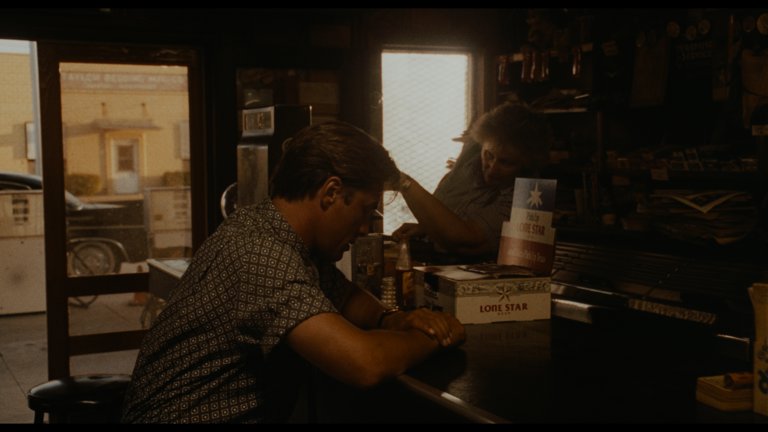
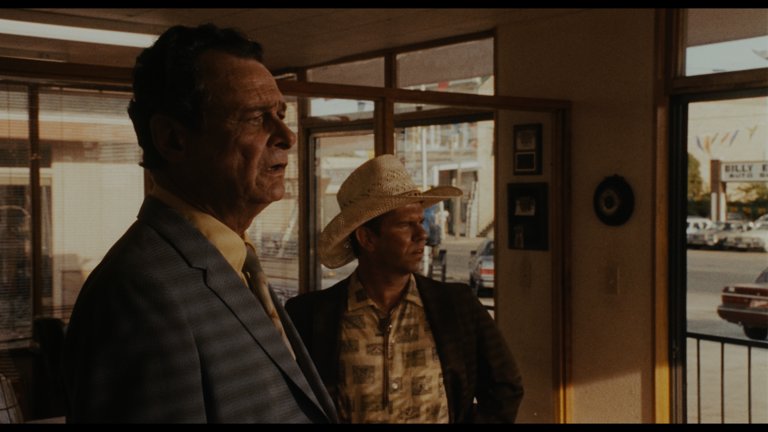
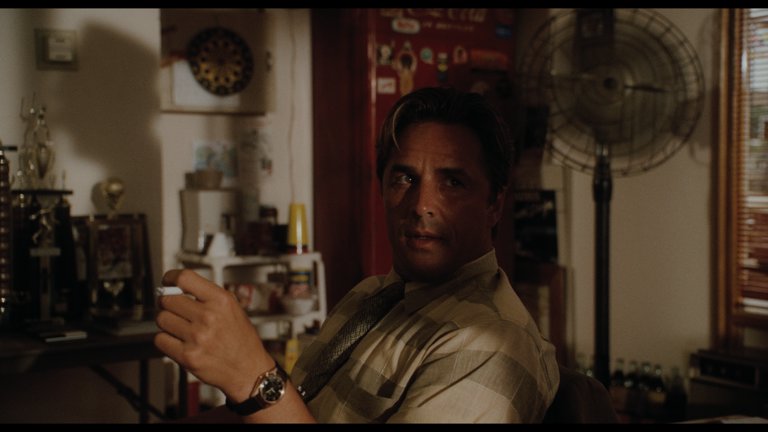
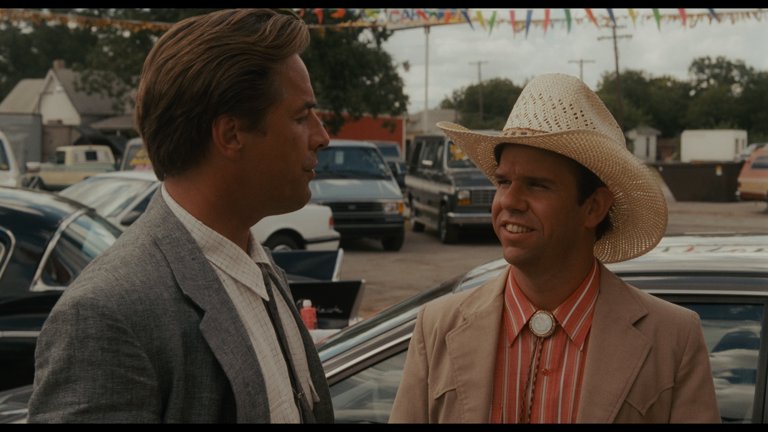
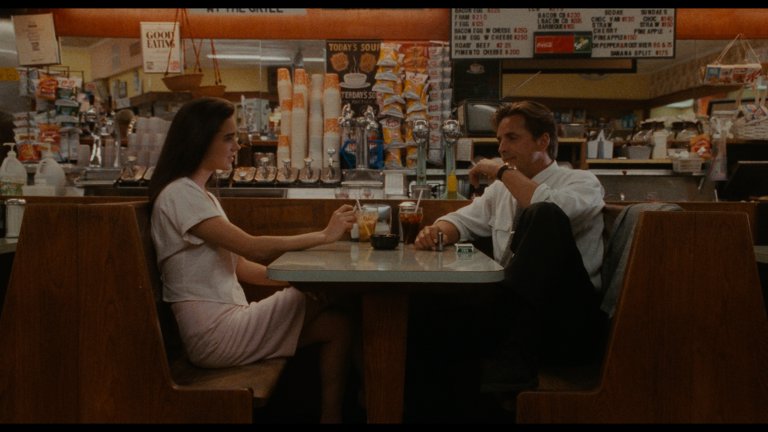
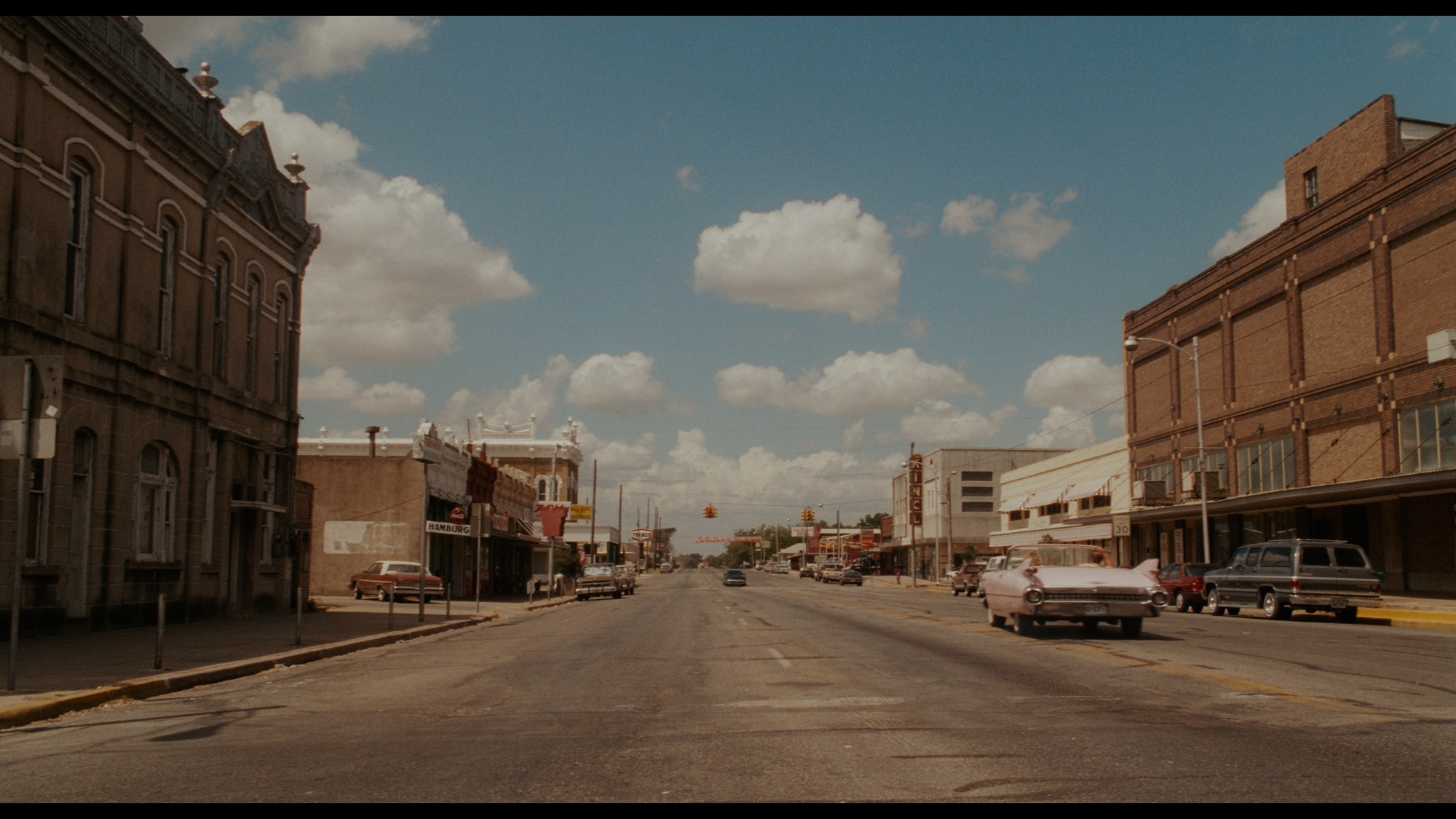
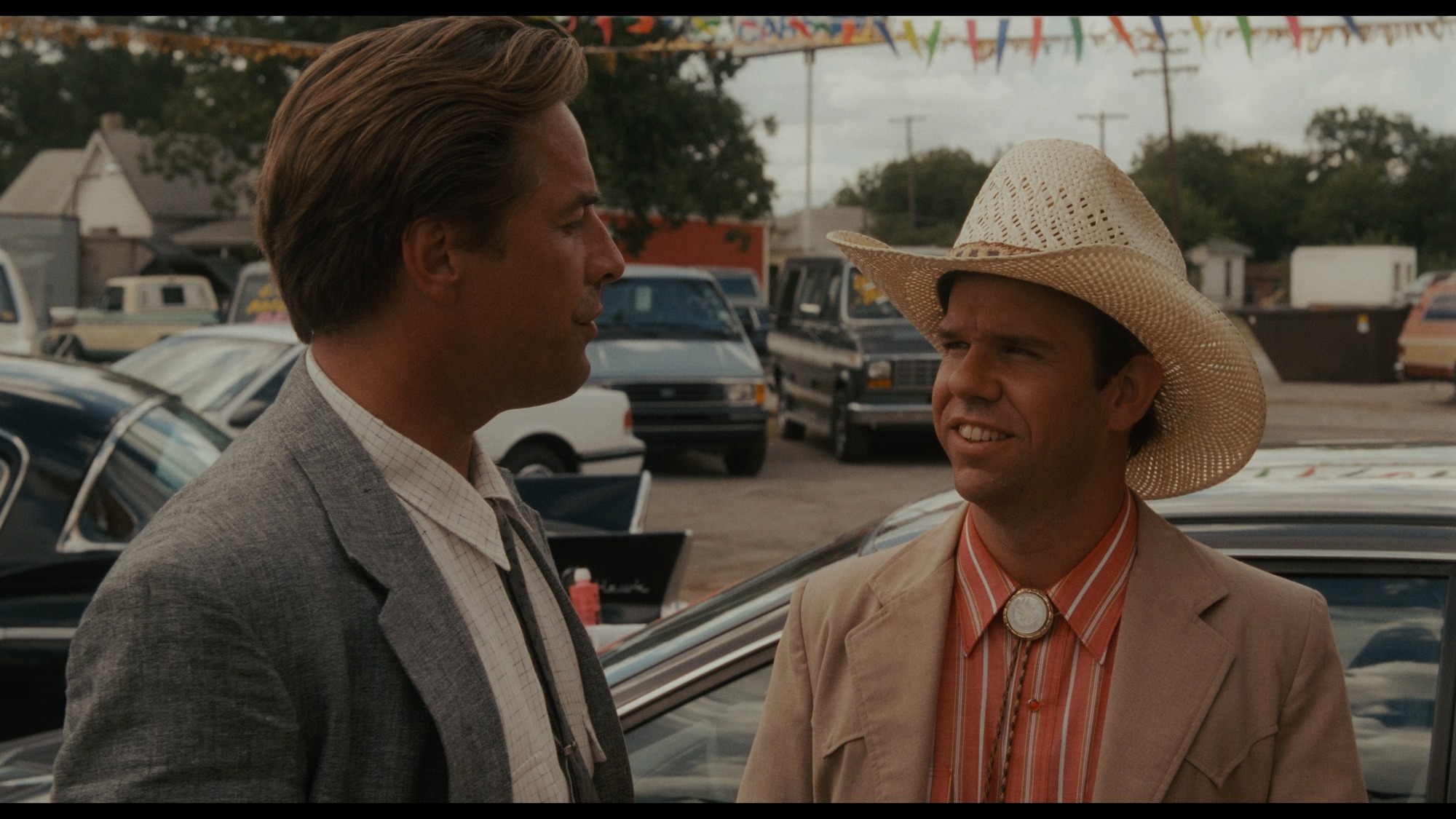
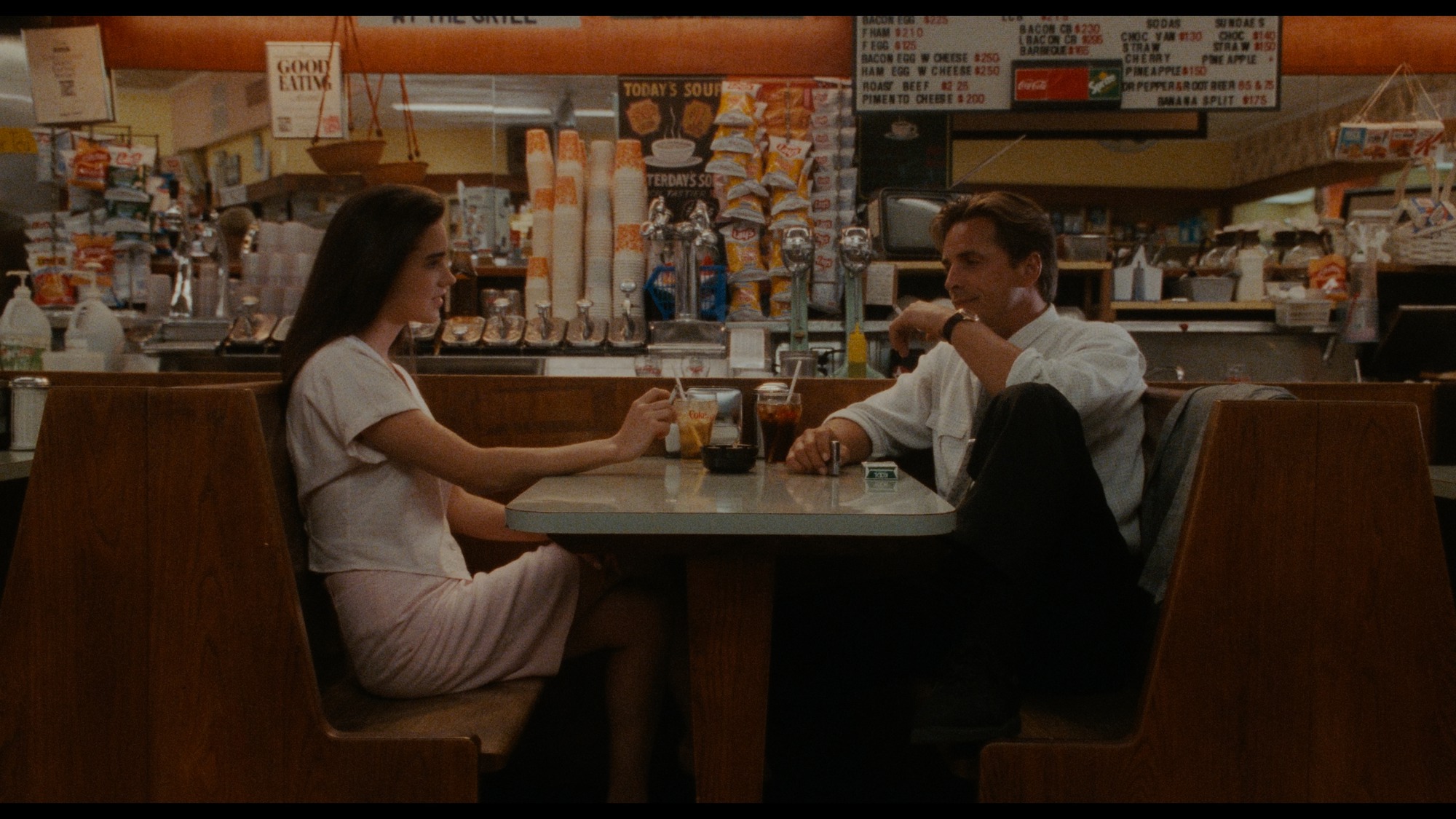
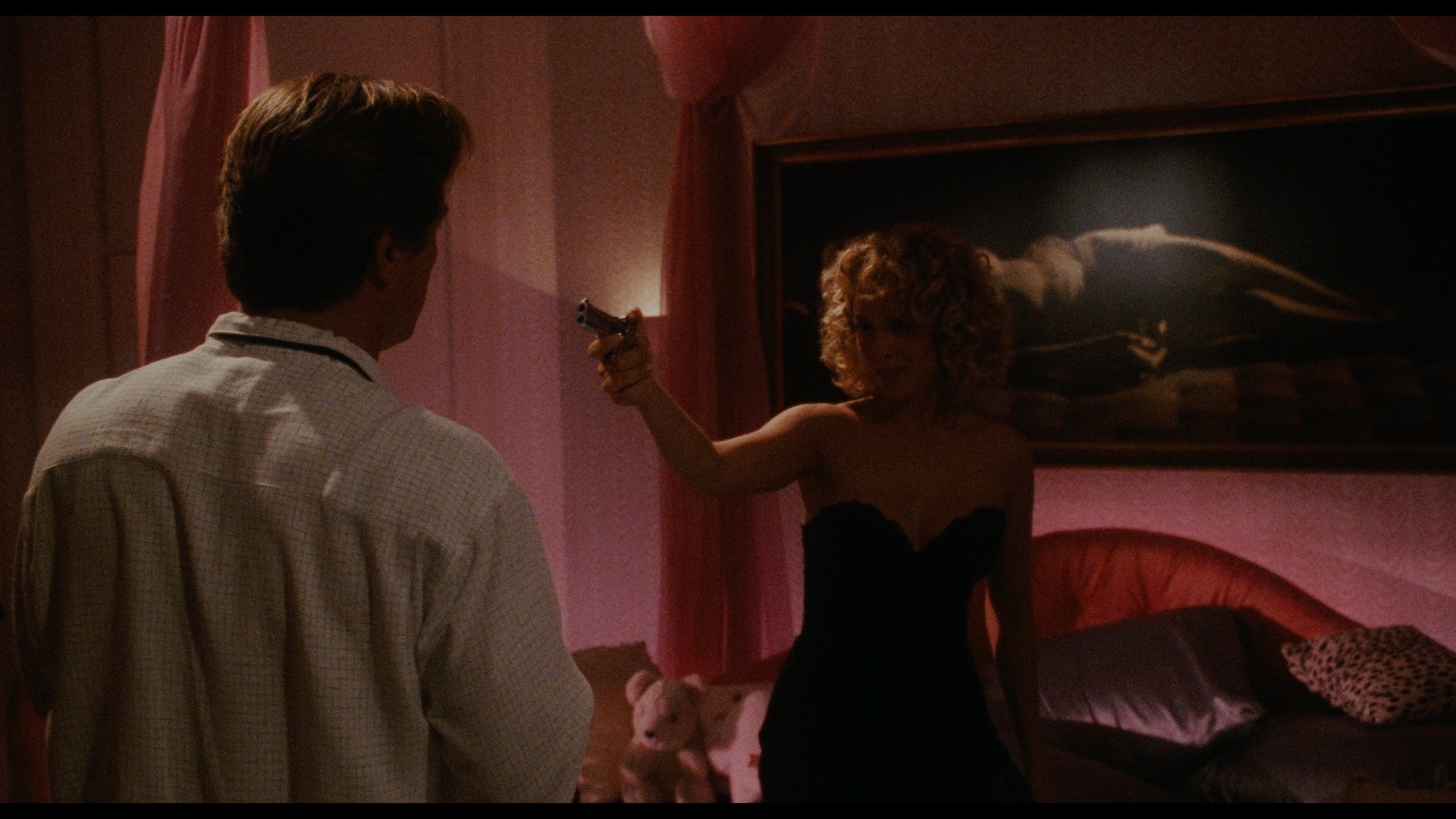
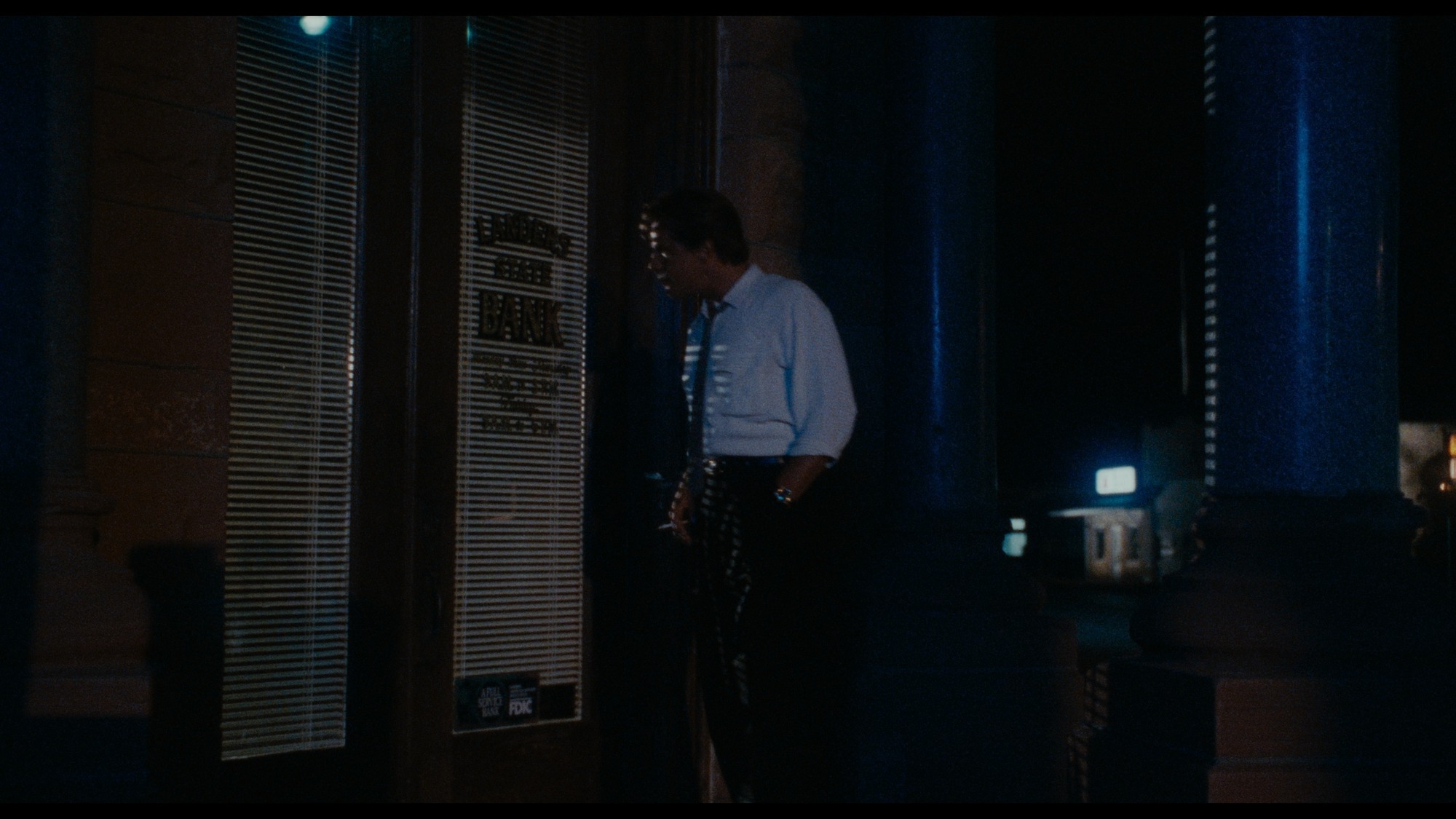
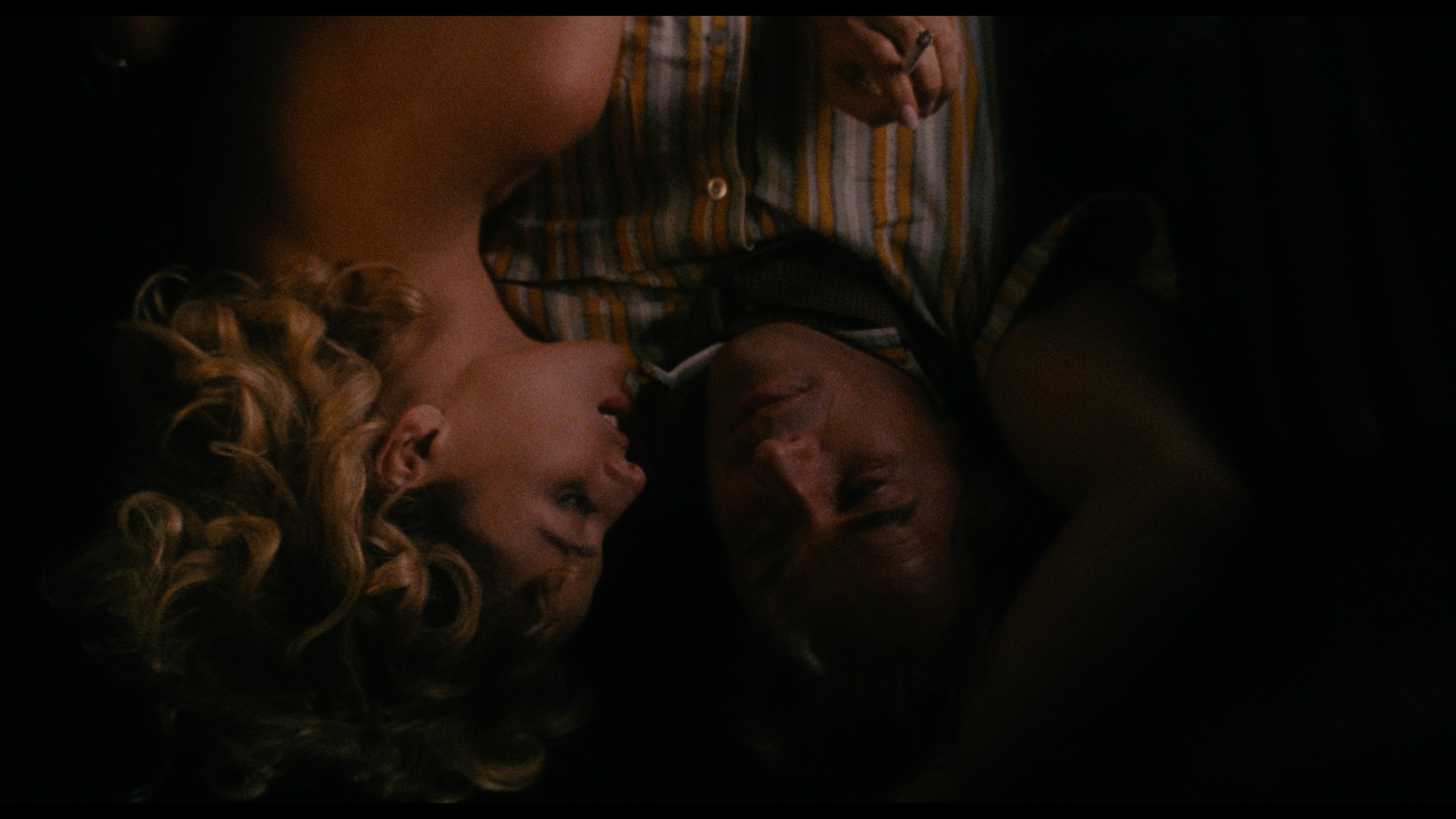
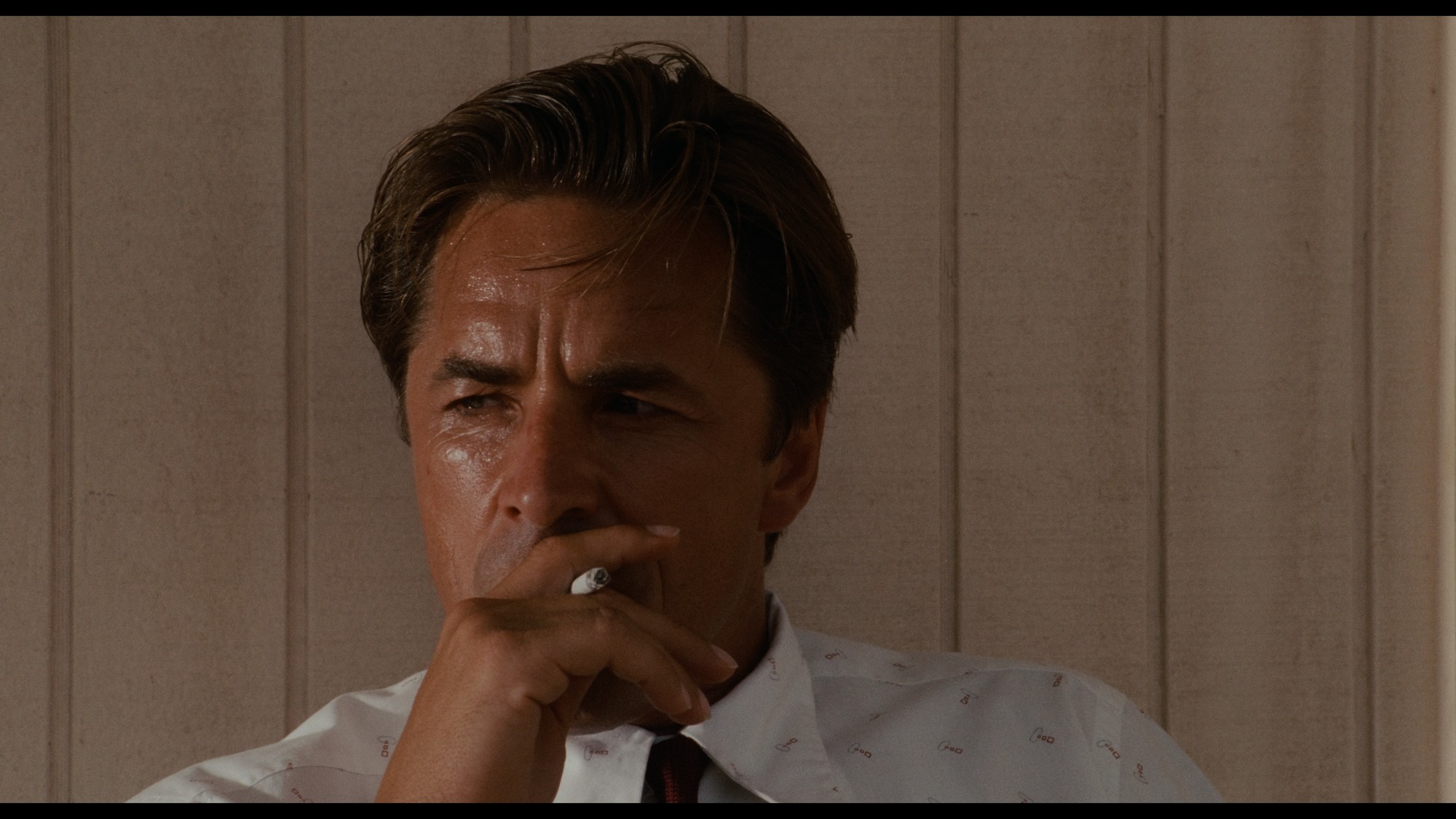
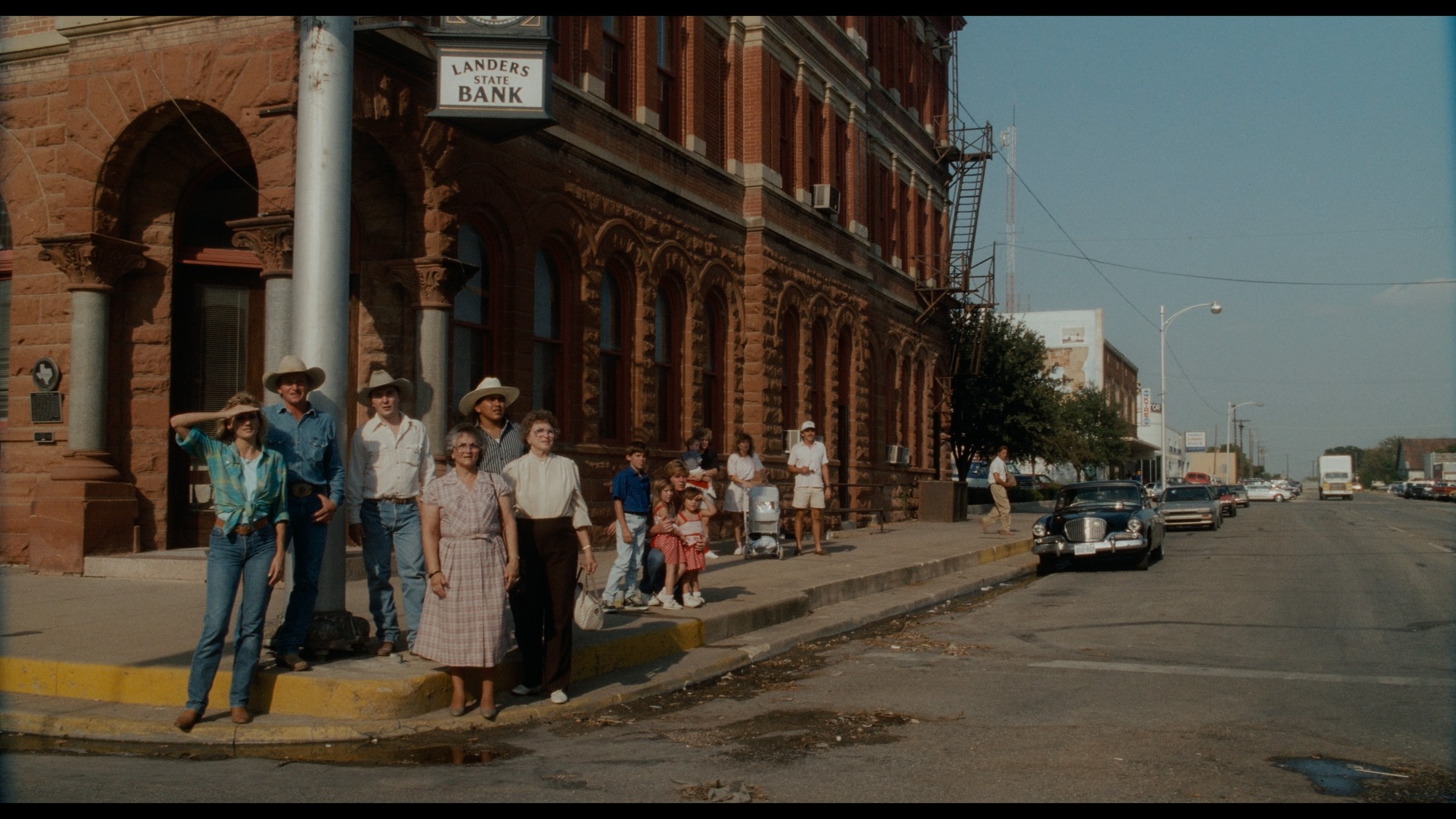
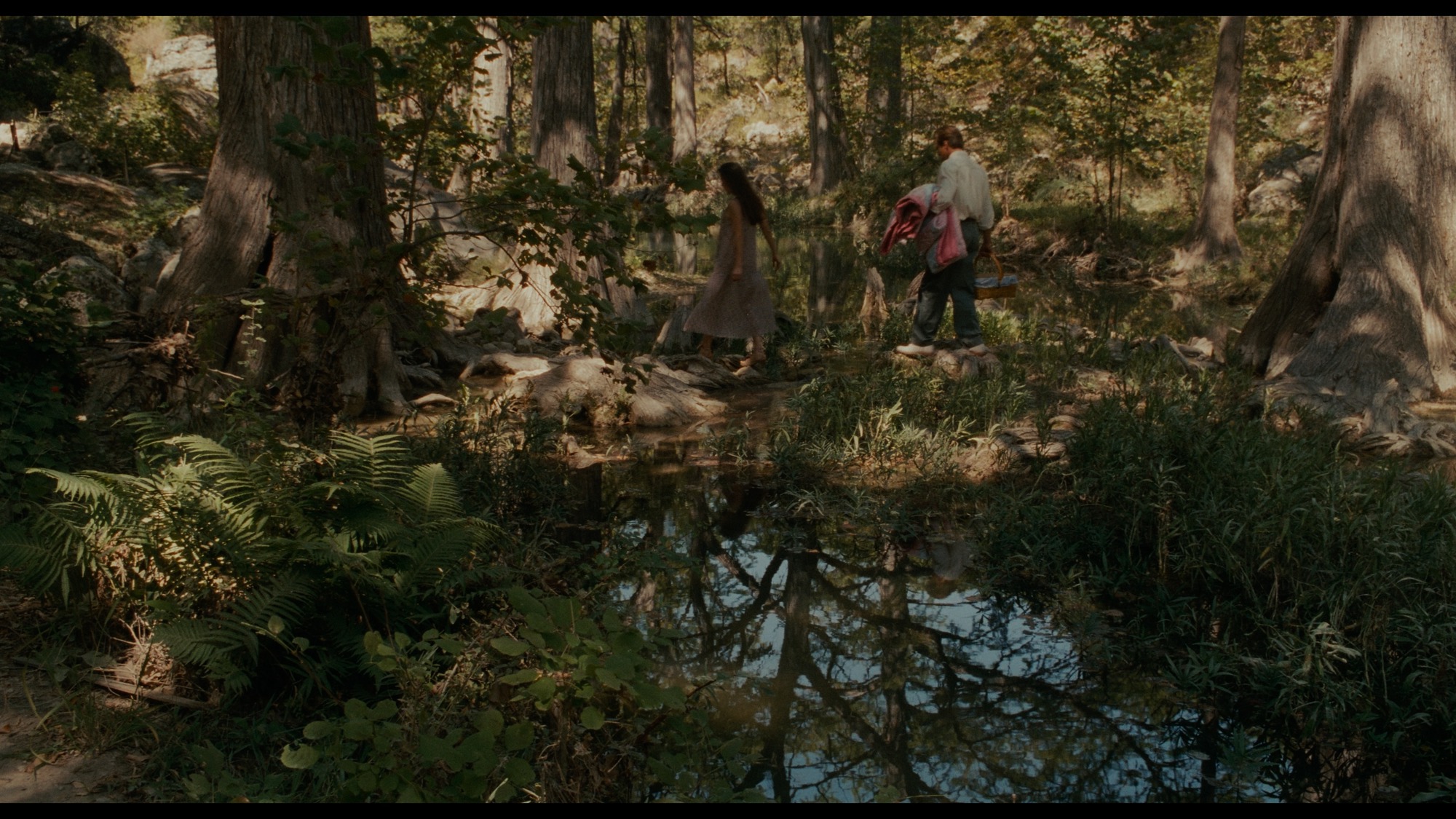
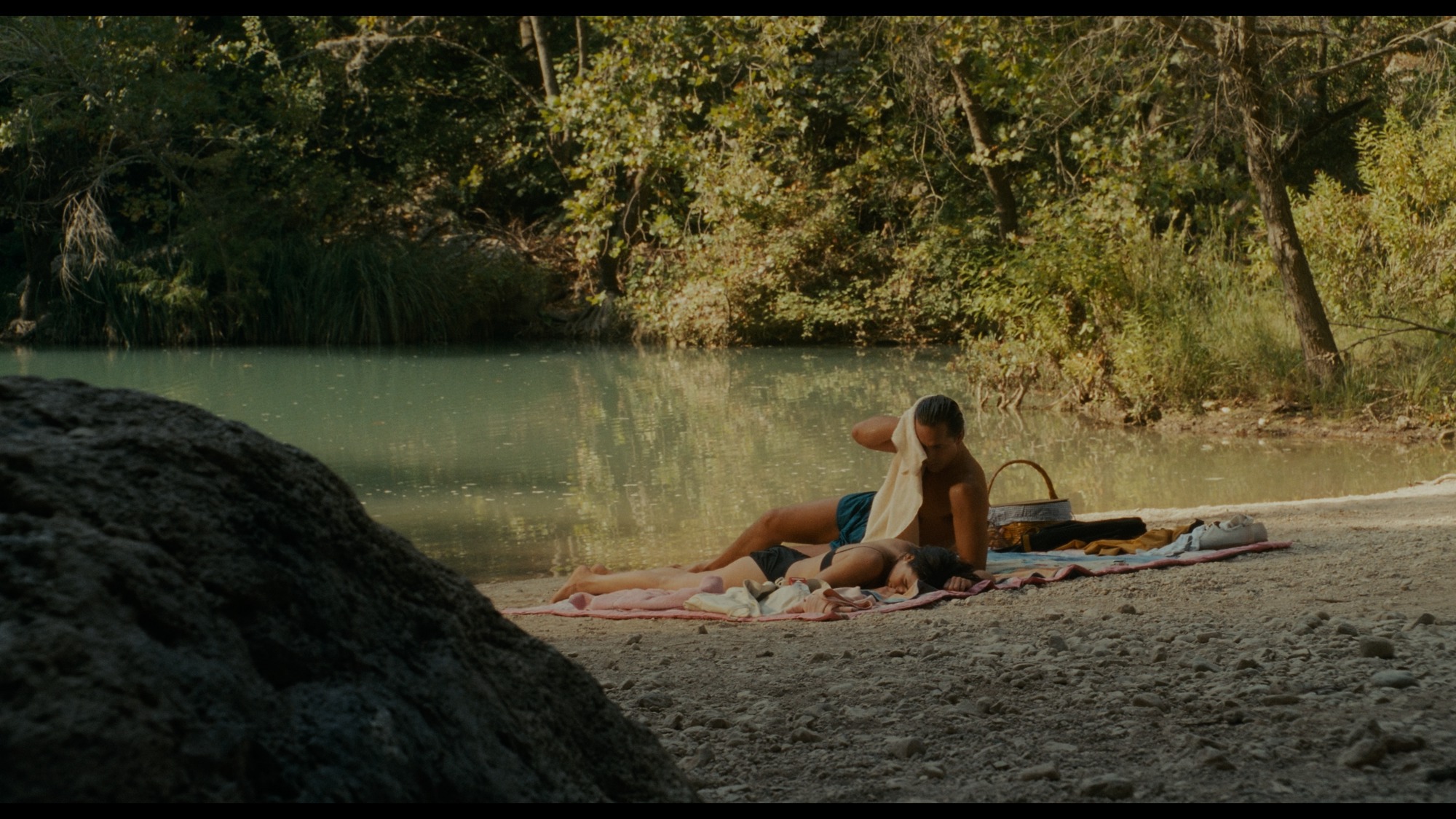
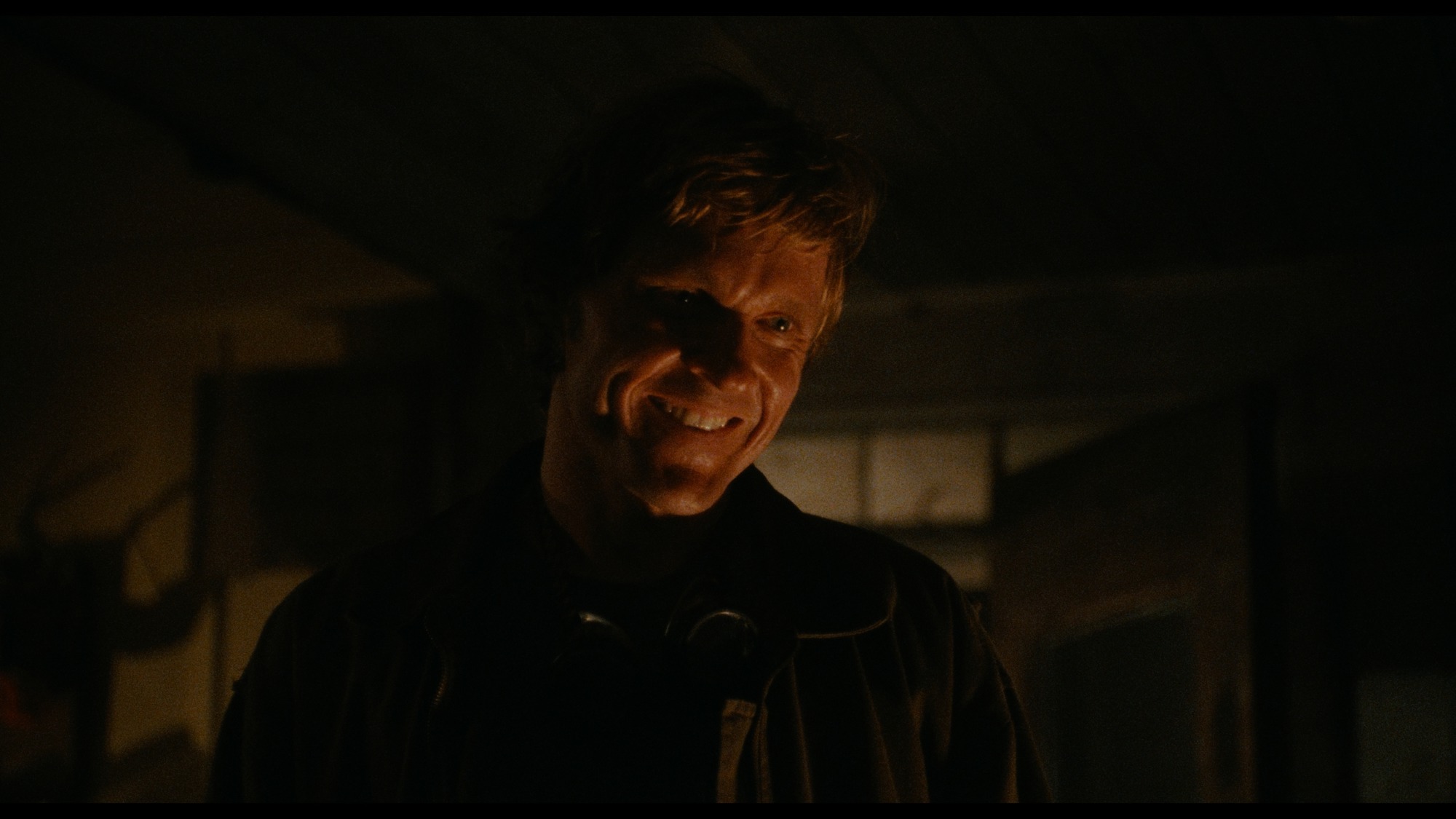
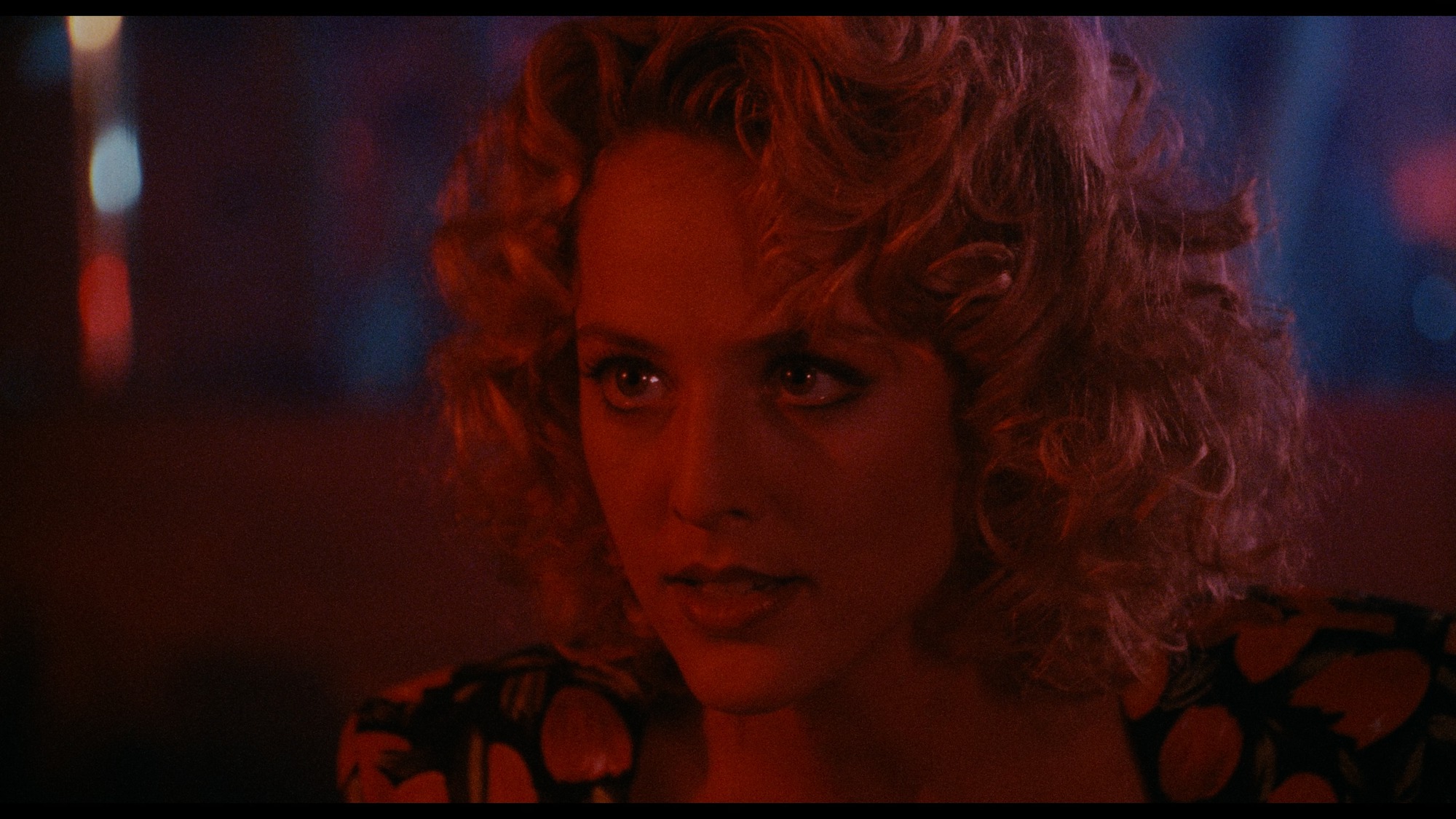
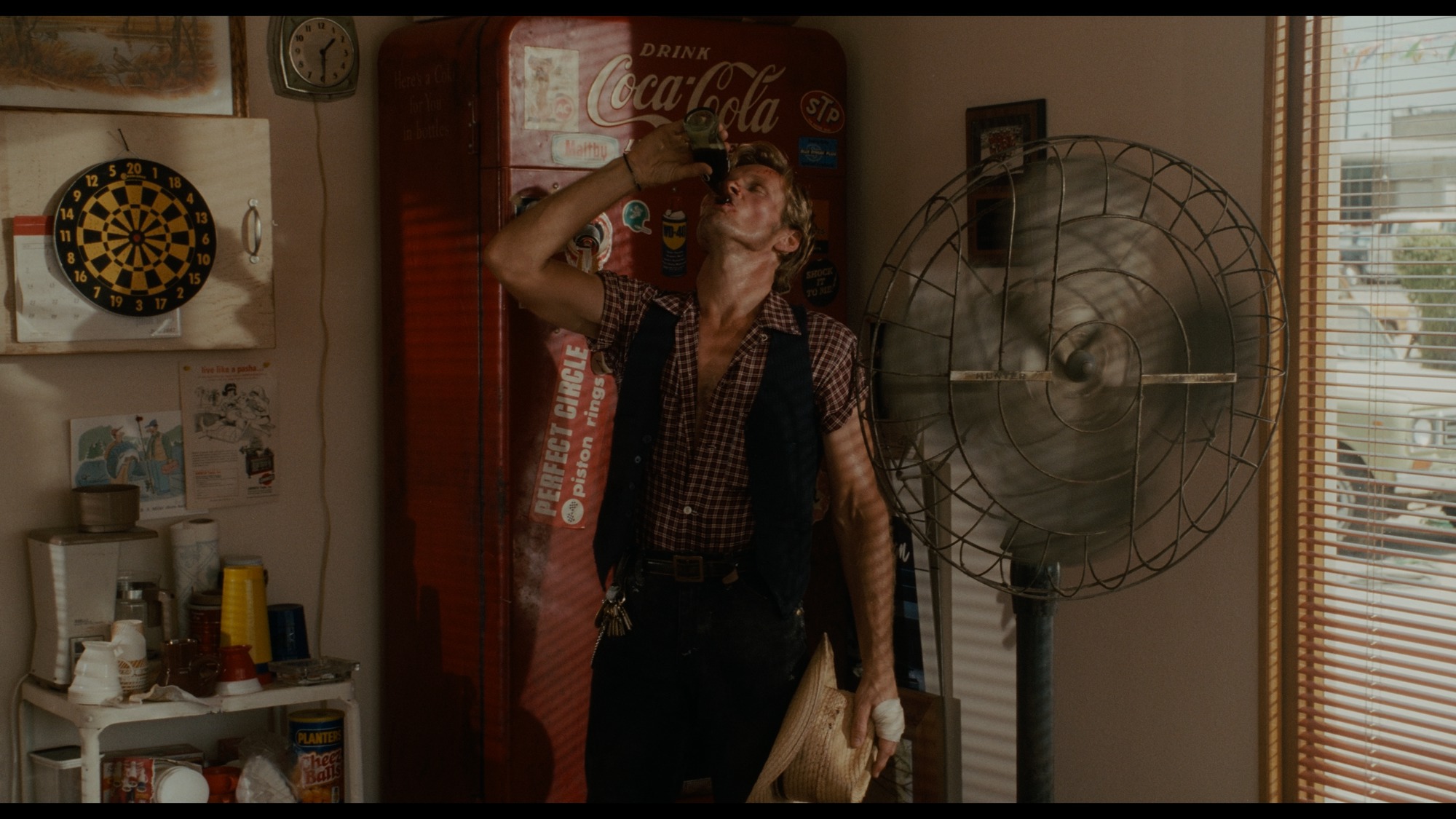
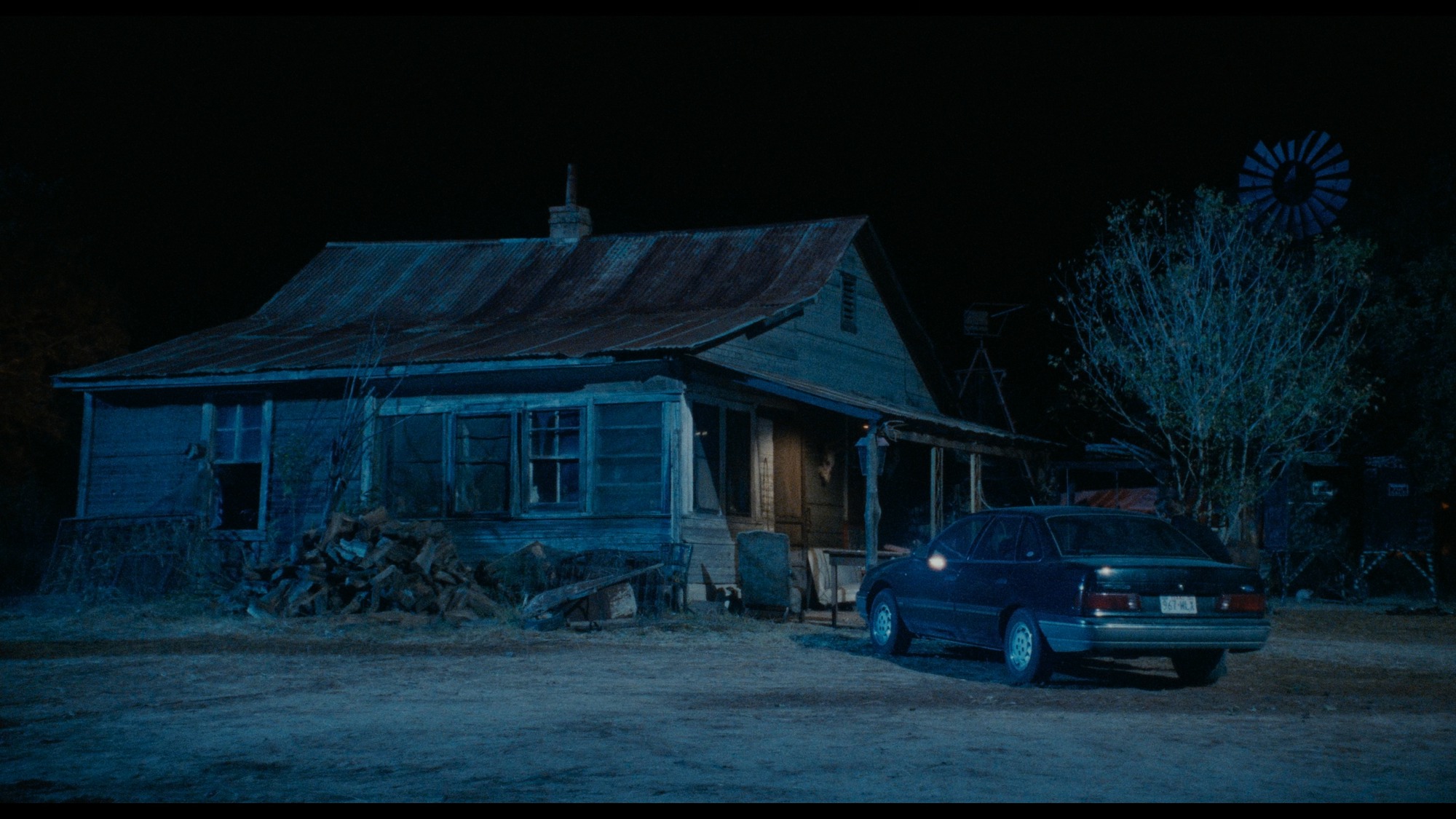
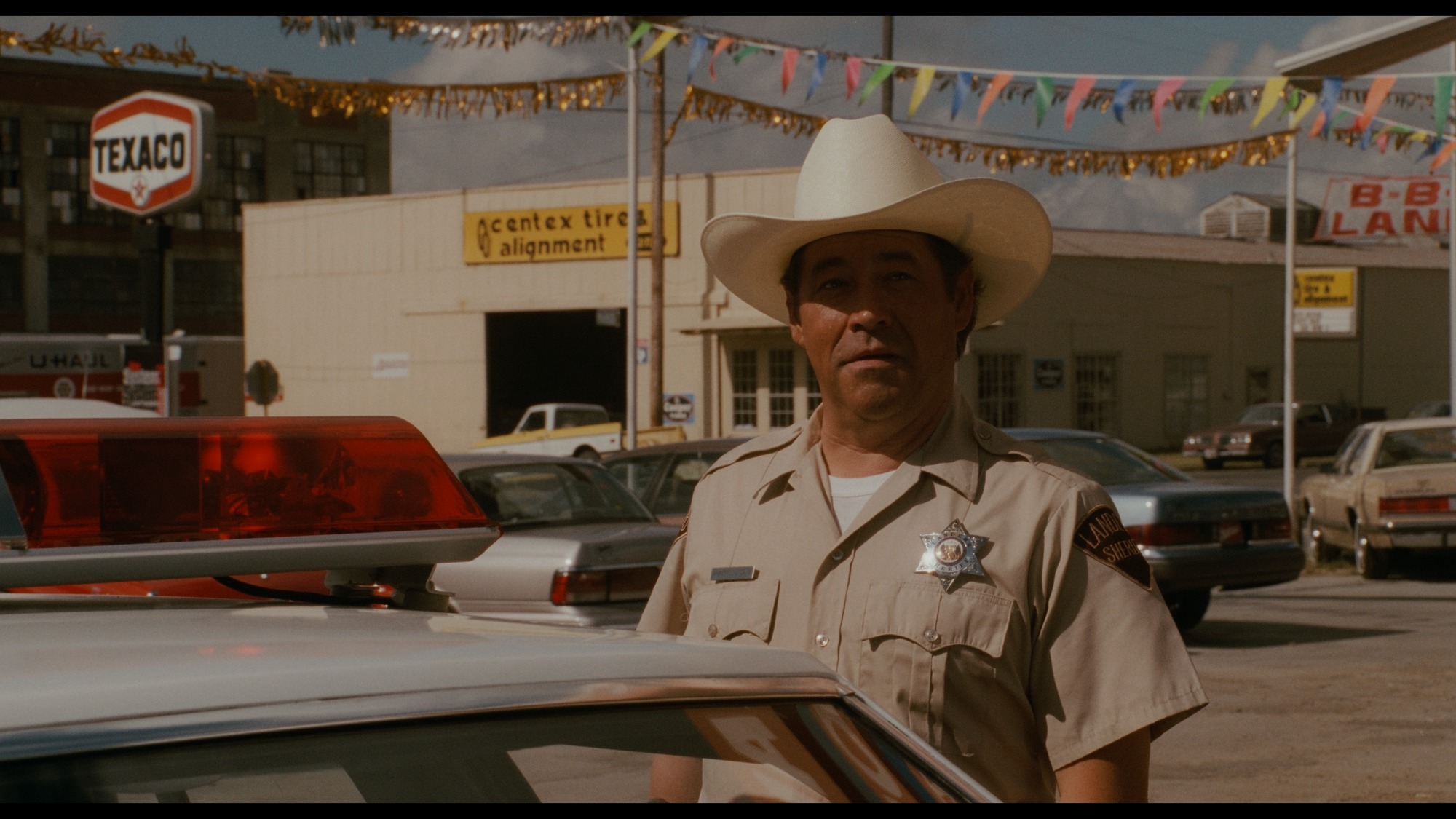
Well, as with other recent 4K upgrades, especially ones where we’ve been stuck with dated masters, this new presentation is a whole different beast entirely, leading to a very different experience. Out of the box, yes, the new scan of the negative and increased resolution deliver all of the expected returns: increased detail, an overall sharper image, and better, more natural-looking grain. There is a film-like quality that’s been previously missing, while the meticulous restoration work has cleaned the image up thoroughly. Together, this leads to the film looking as though it could have been made within the last few years.
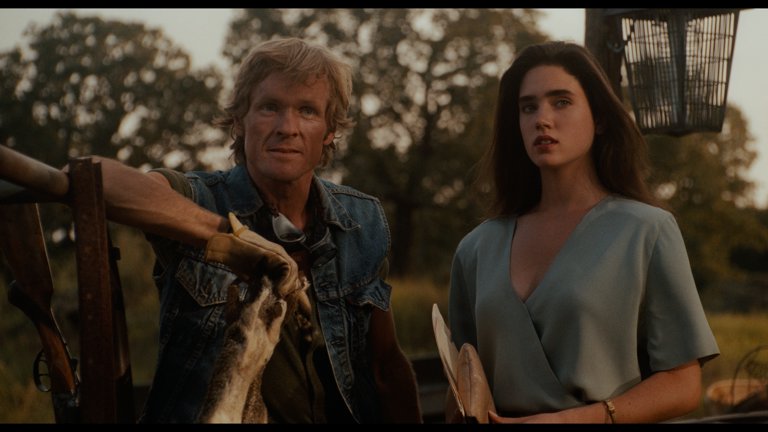
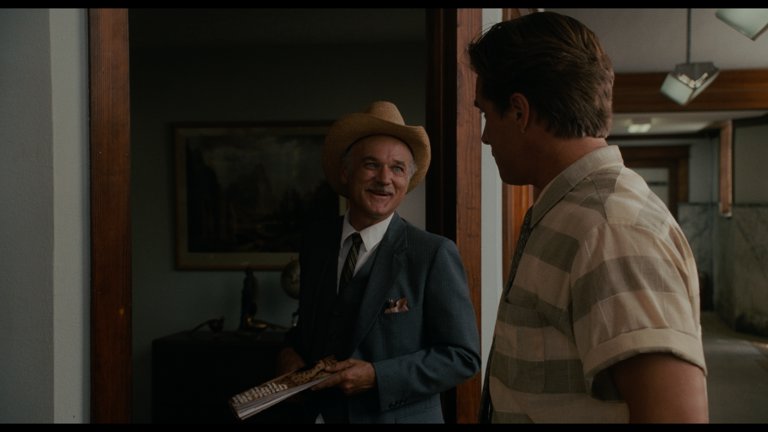
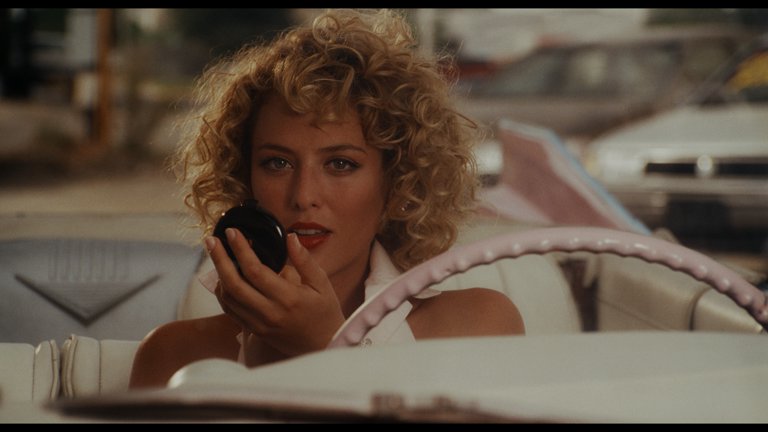
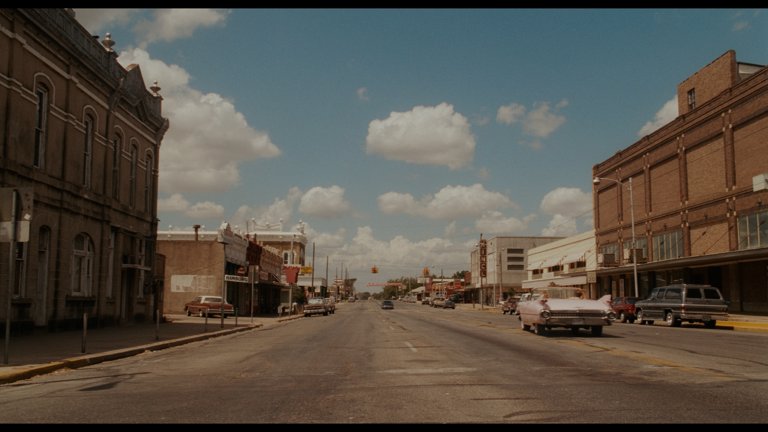
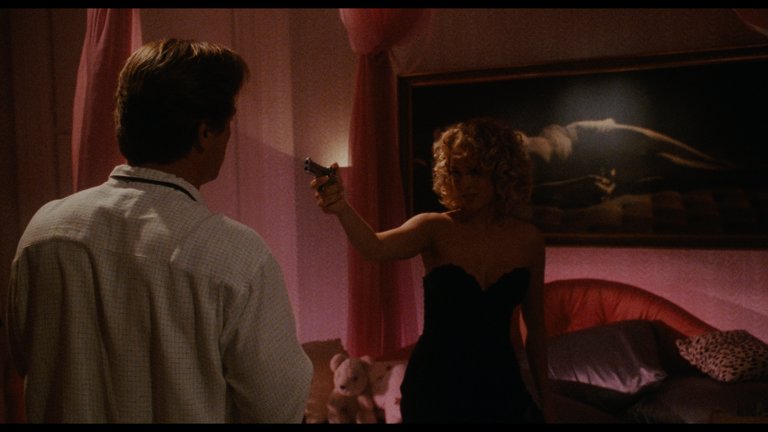
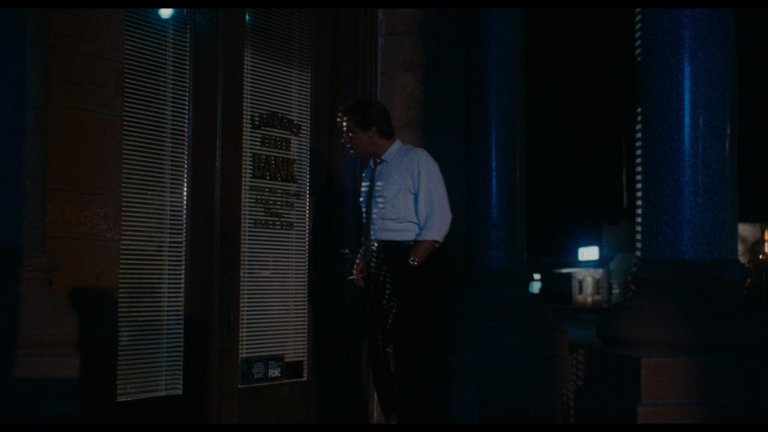
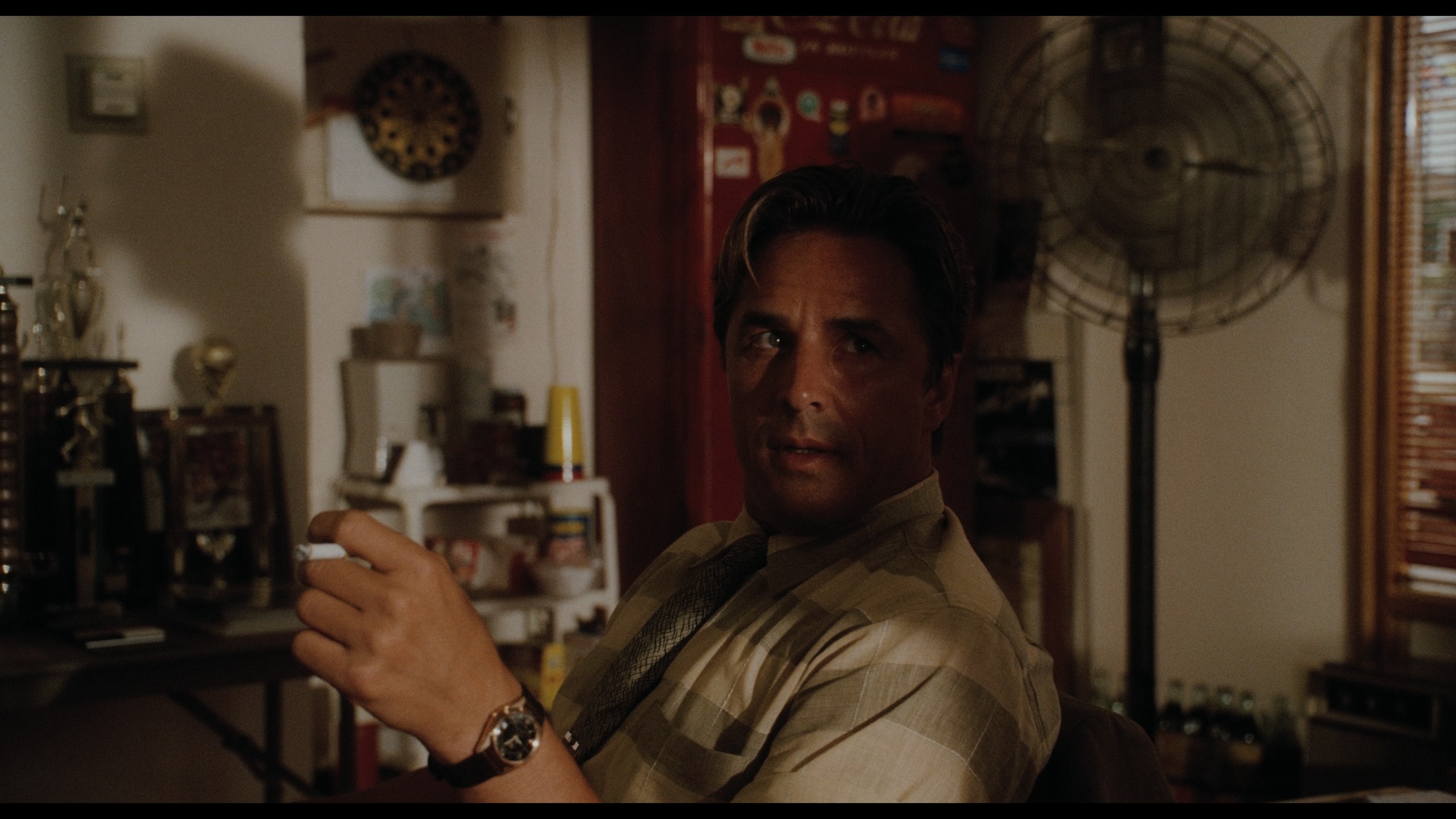
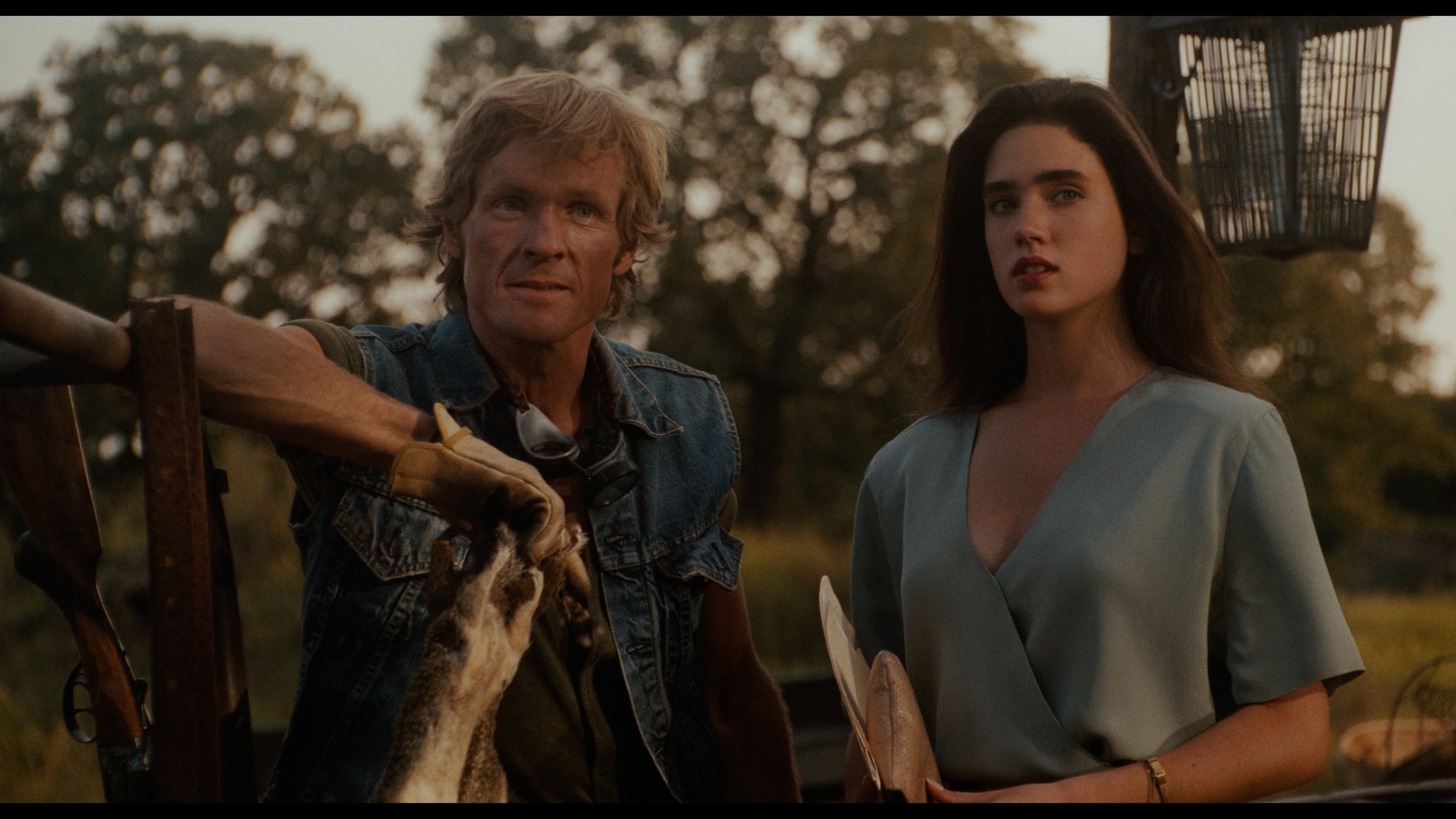
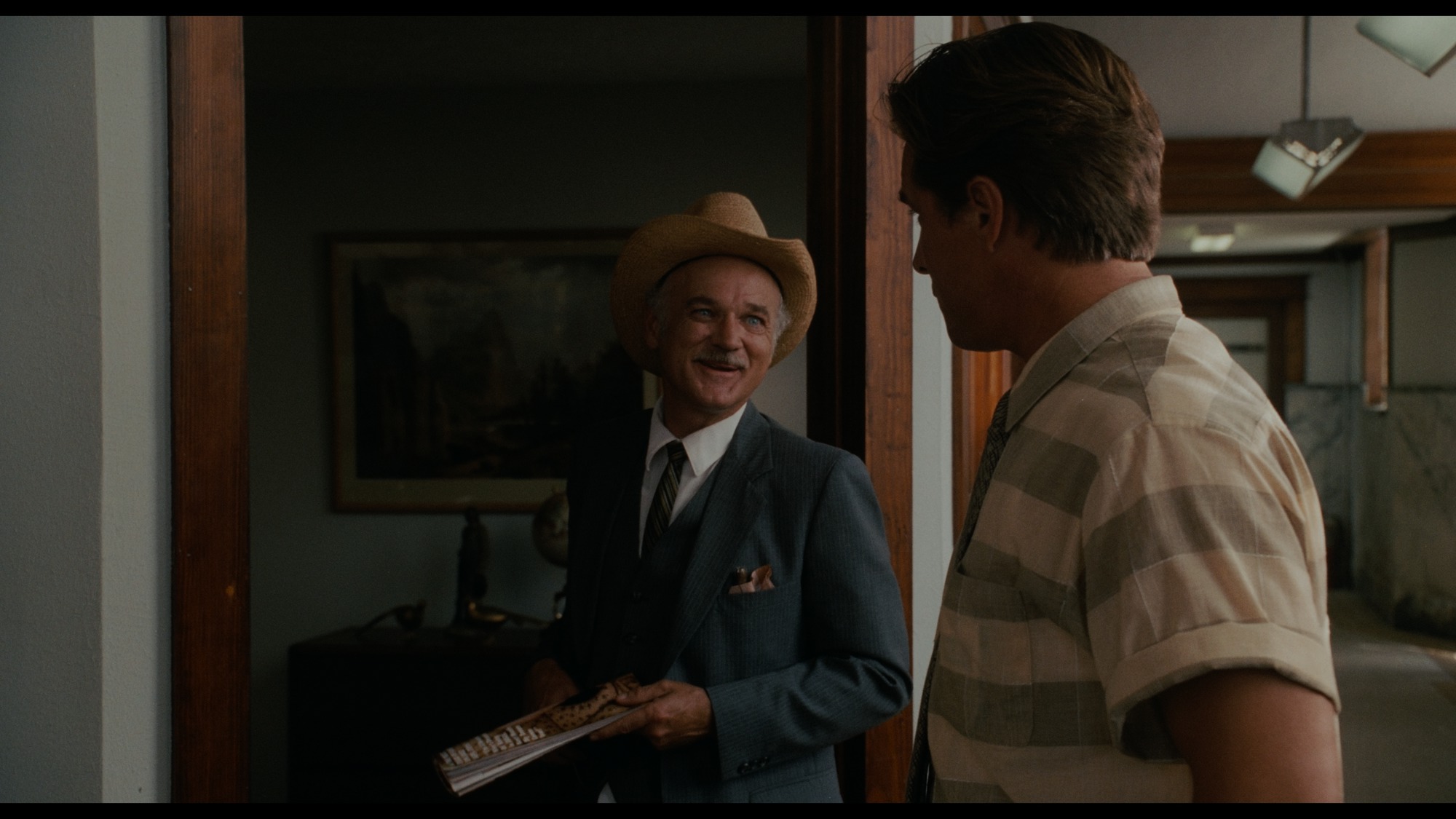
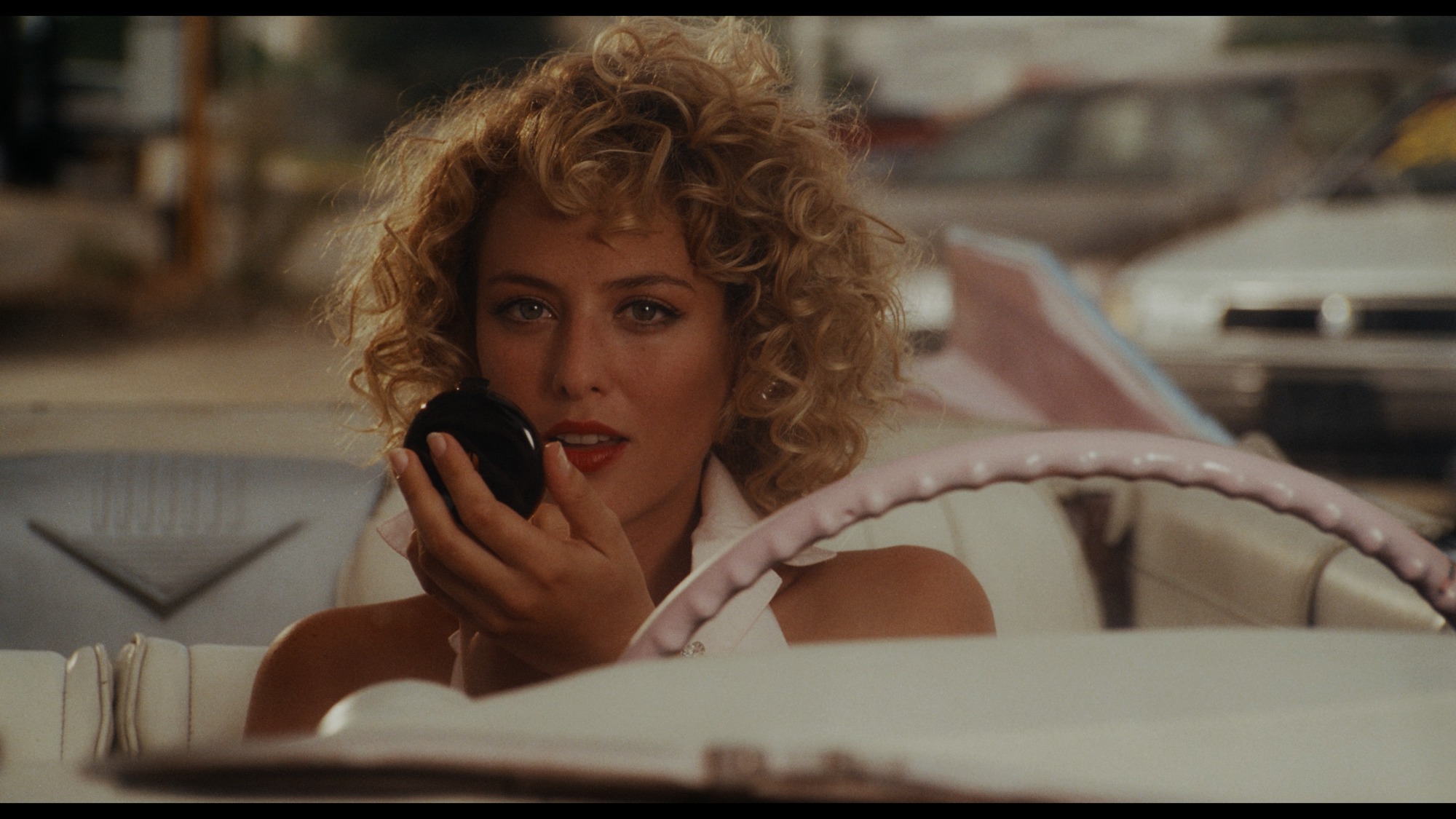
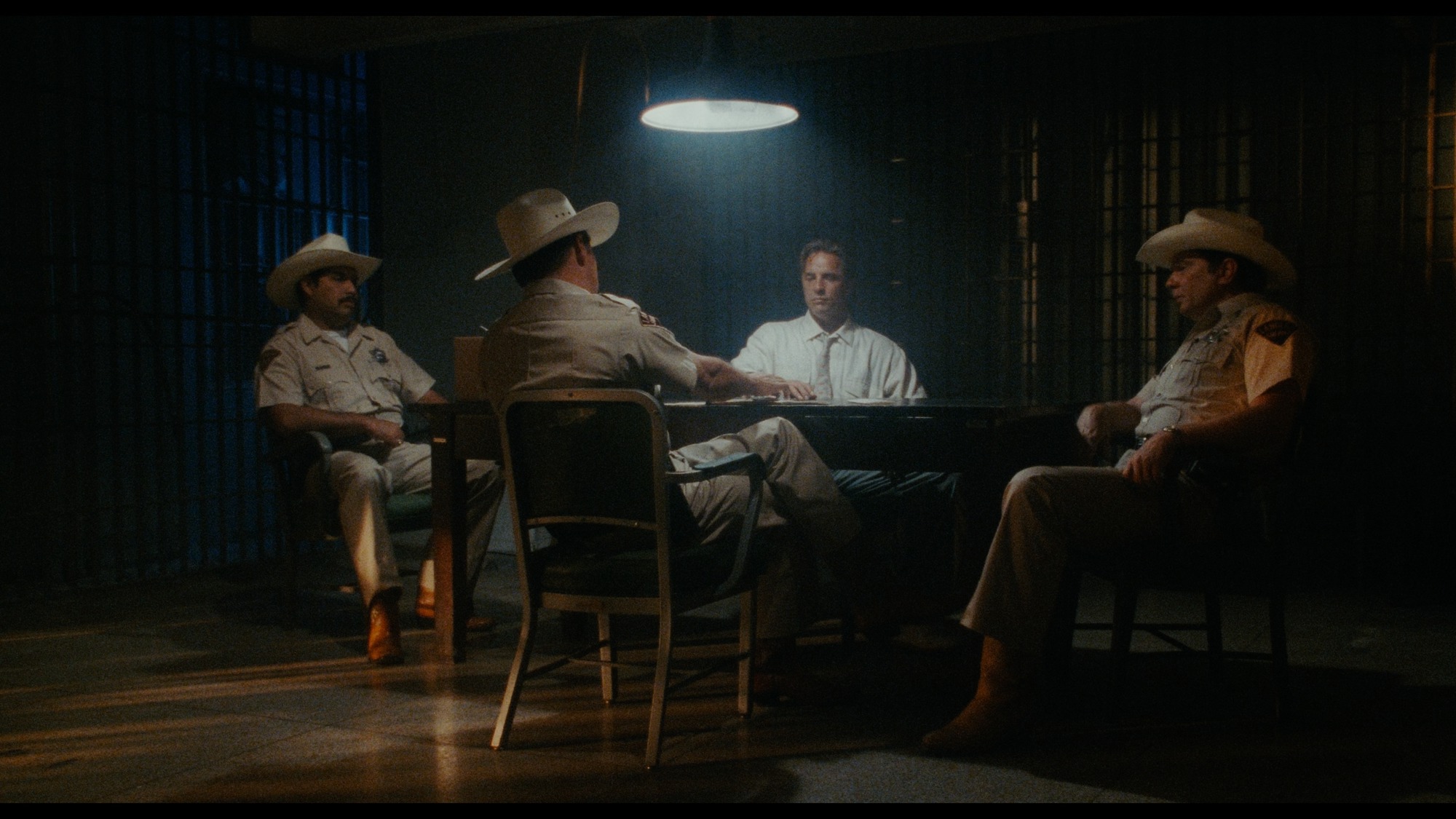
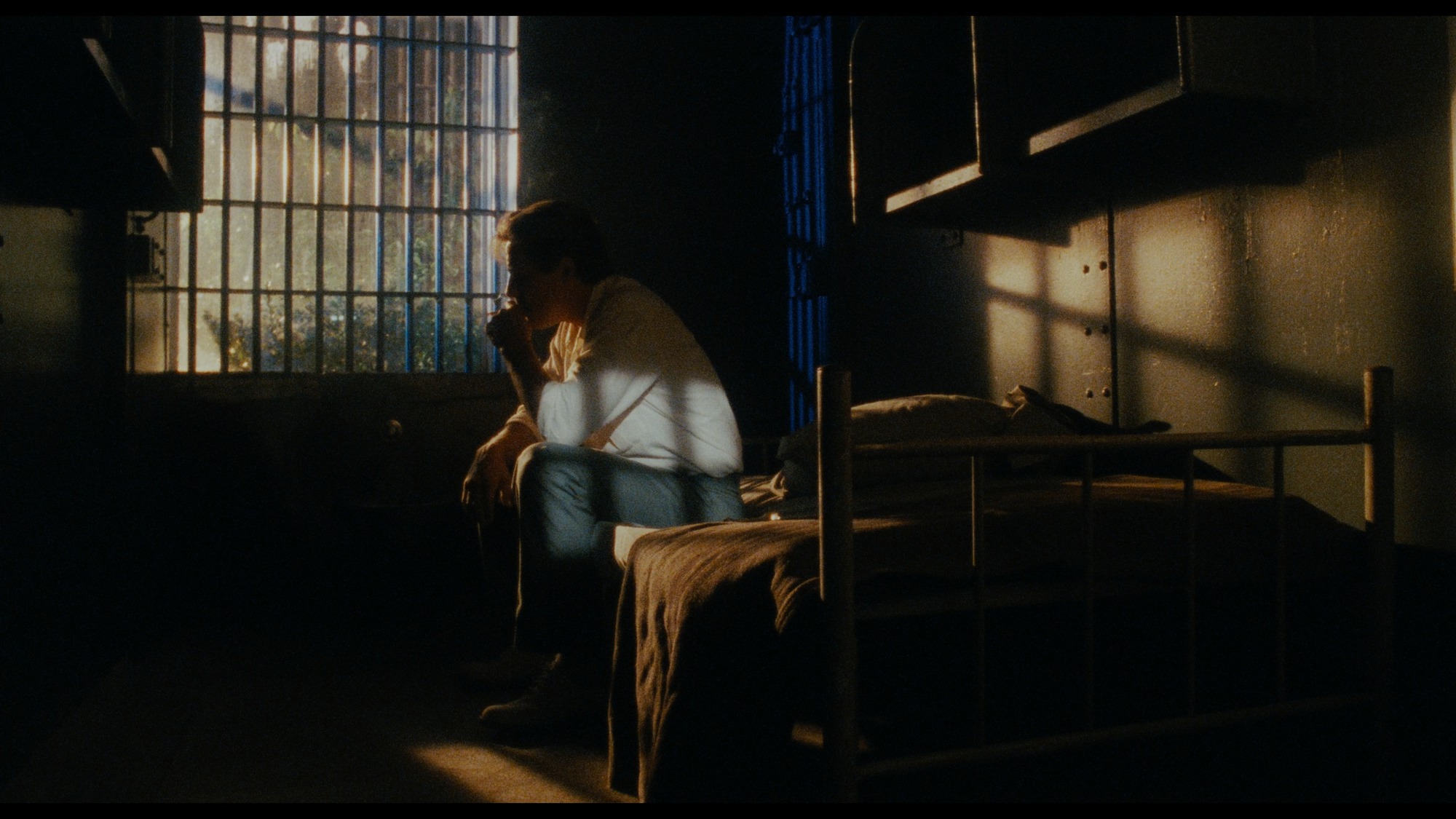
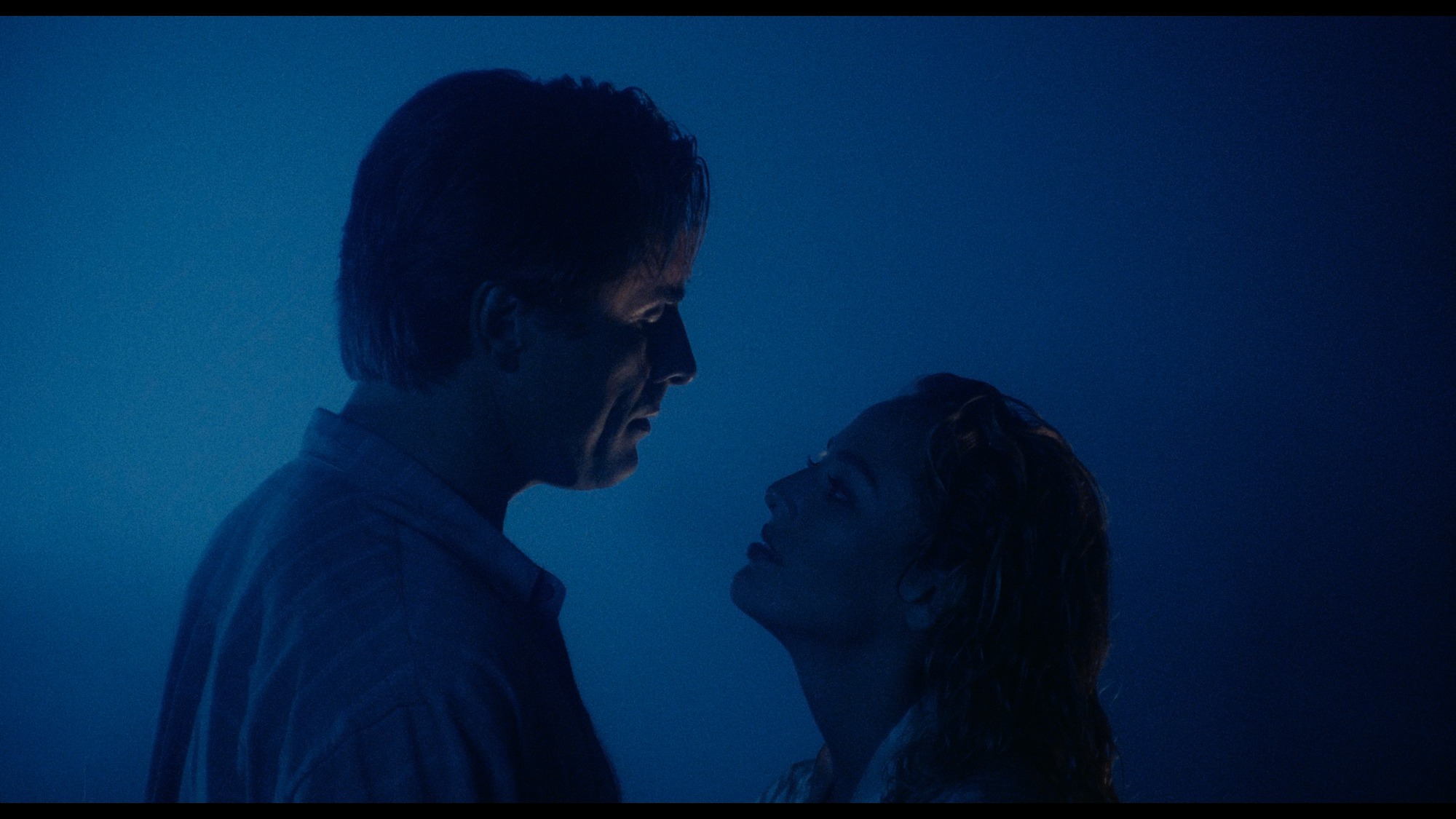
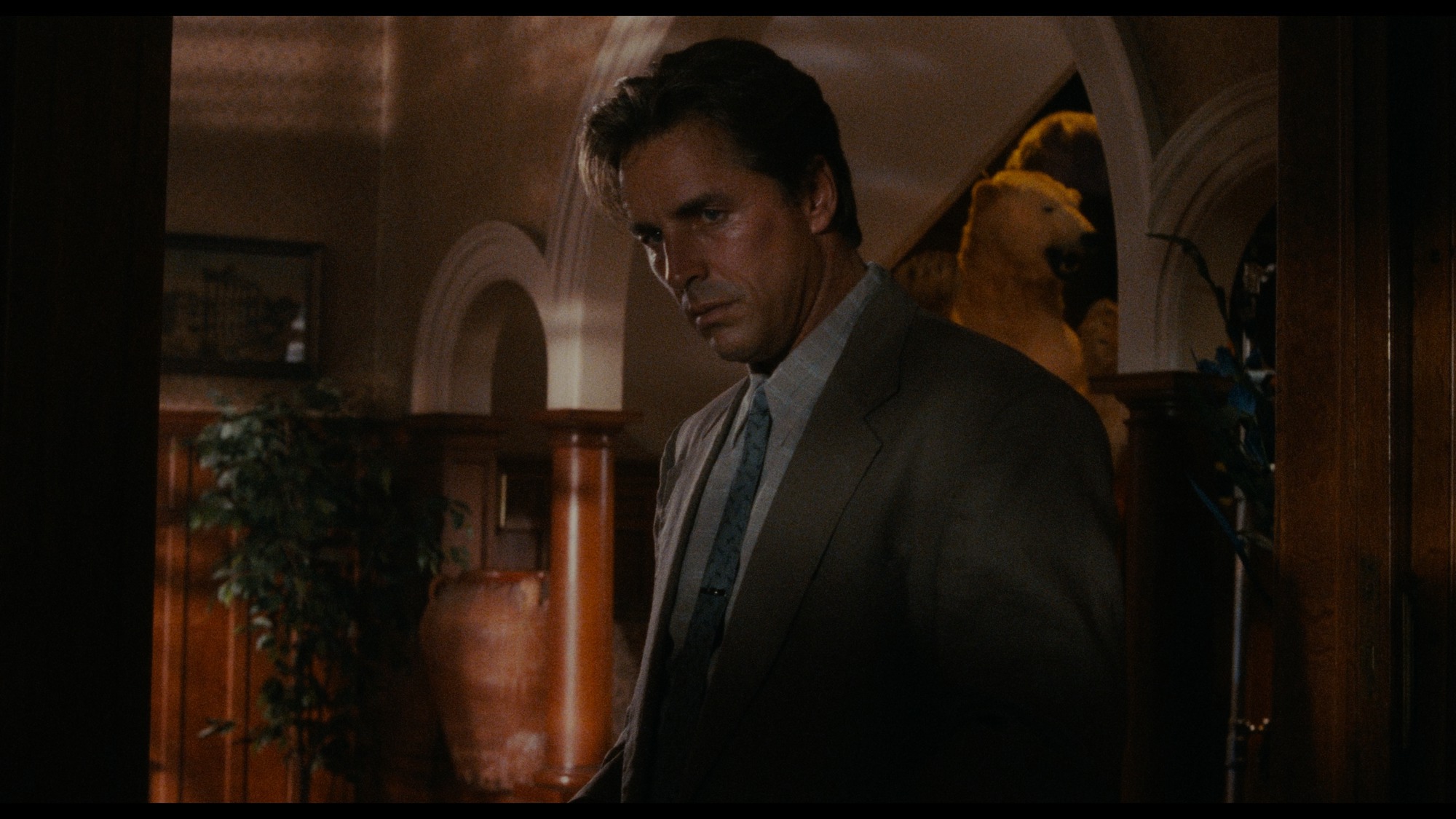
But, again, like other recent presentations, it’s not just the increased resolution and all of that other stuff leading to a new experience when watching the film. No, by far the biggest improvement is what the wider dynamic range afforded by HDR and Dolby Vision brings to the table, particularly with the film’s noir-inspired lighting. I love how the light coming through blinds illuminates faces or spreads through a darkened room, and I also love how cleanly the light is rendered in smokier interiors, especially the sheriff’s station during an interrogation. The lighting also looks wonderful in several nighttime exteriors, particularly one that finds Don Johnson’s and Virginia Madsen’s characters bathed in blue light. The gradations are cleanly rendered and have a smooth photographic quality.
I was also quite fond of the color grading, which definitely leans warmer but looks far more natural compared to the older video master and feels like something that could have been achieved photochemically. Even the blues look better here, I feel, with the overall hue suiting the film’s look and setting as perfectly as can be. The included Blu-ray’s presentation carries over a lot of these improvements as well, but the wider range of the 4K presentation really does wonders when it comes to the lighting specifically.
In the end, it really is a wonderful-looking new presentation: far sharper and far more photographic in appearance. It ends up being a fairly different experience compared to past presentations, and an especially striking upgrade over Radiance’s previous Blu-ray.
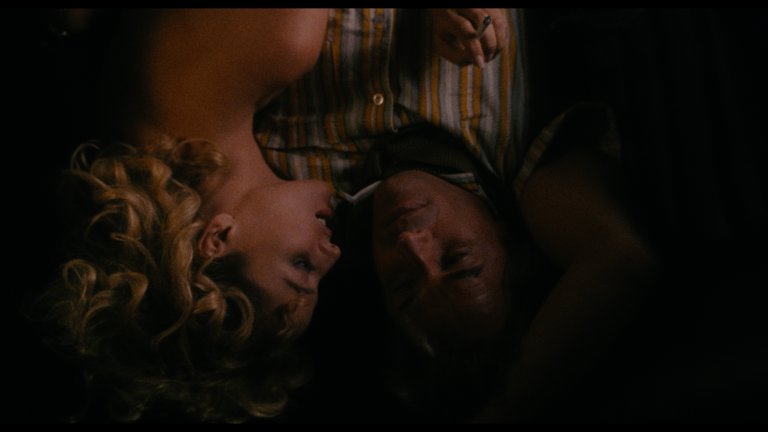
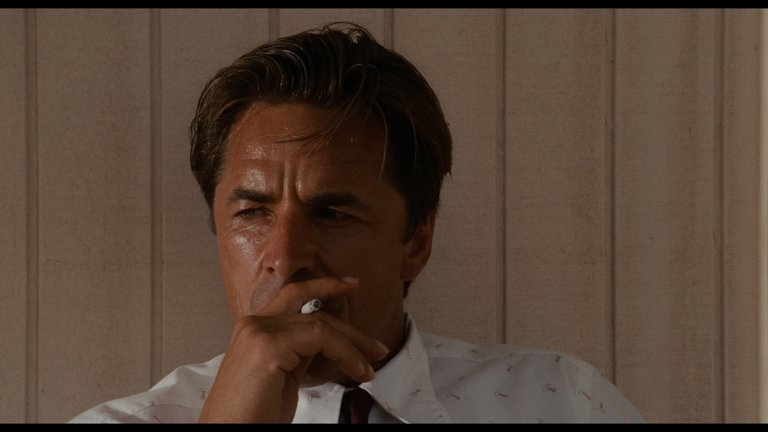
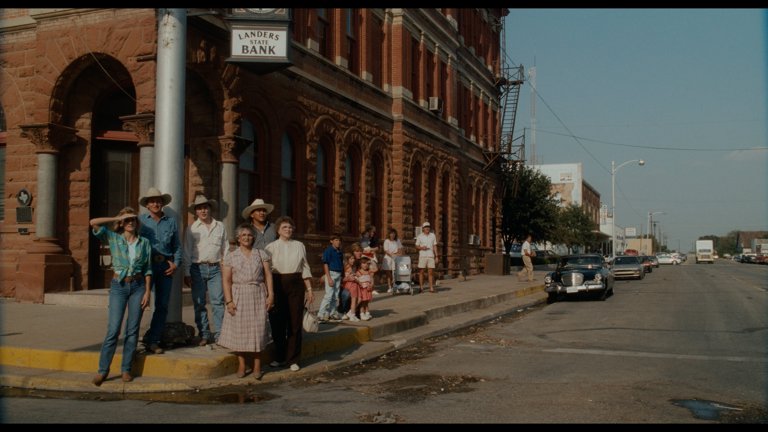
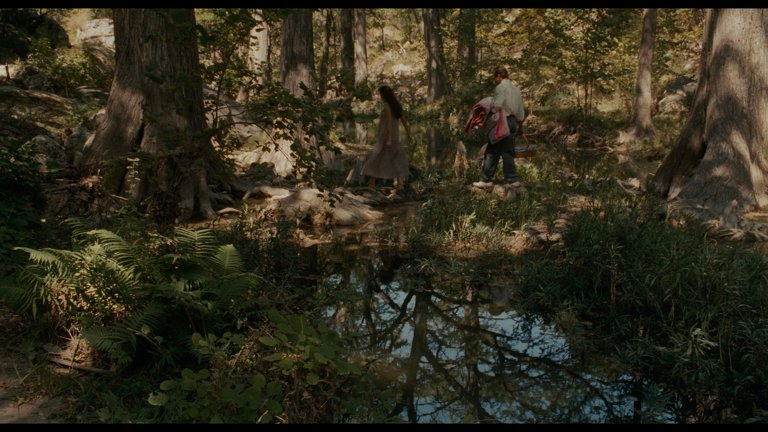
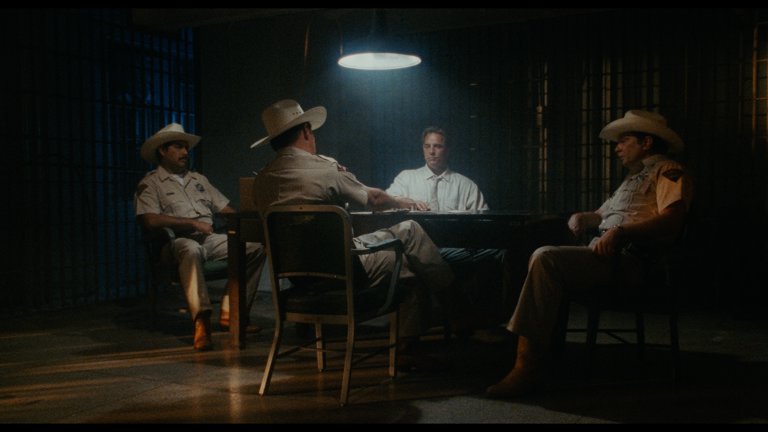
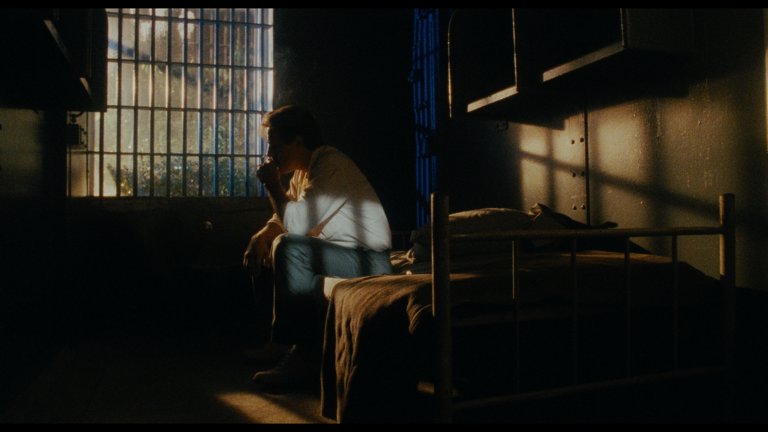
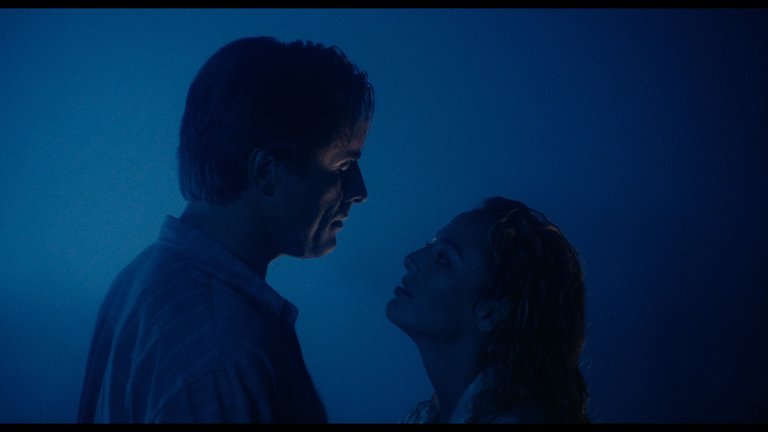
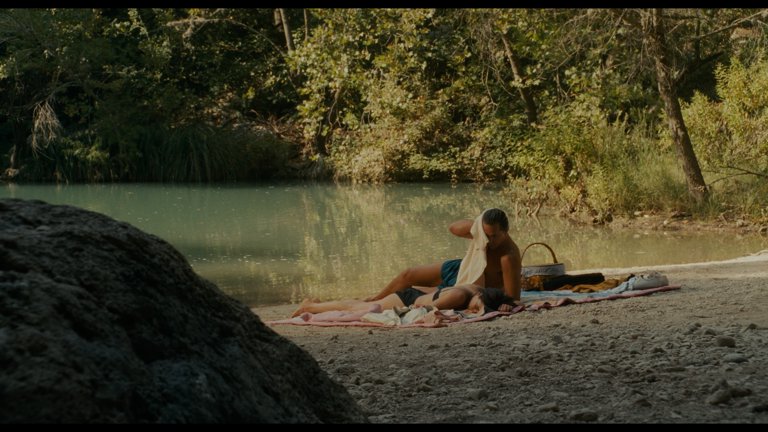
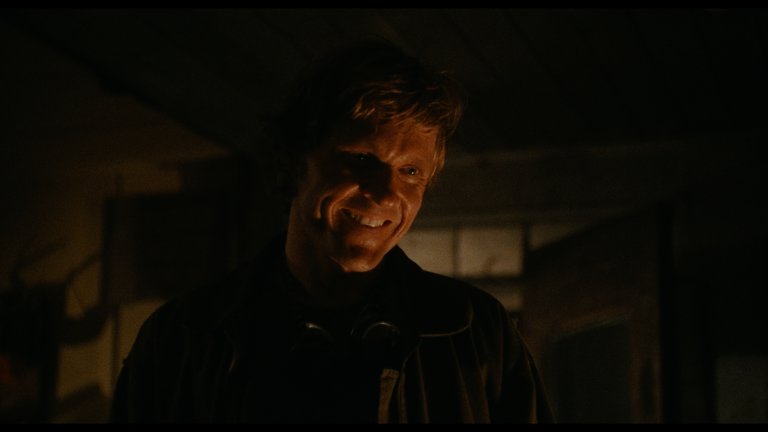
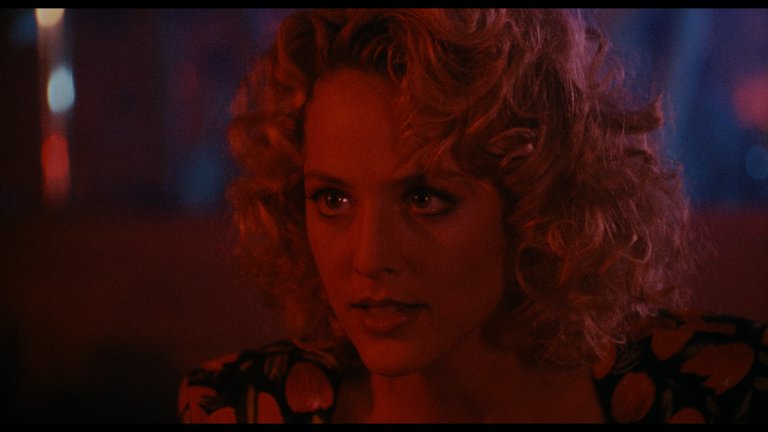
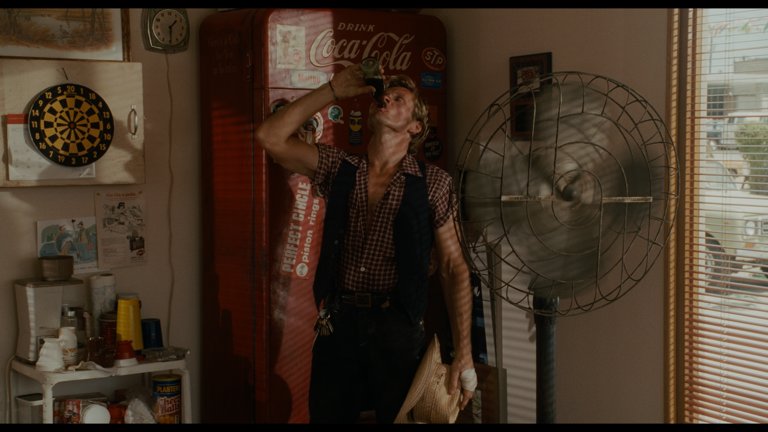
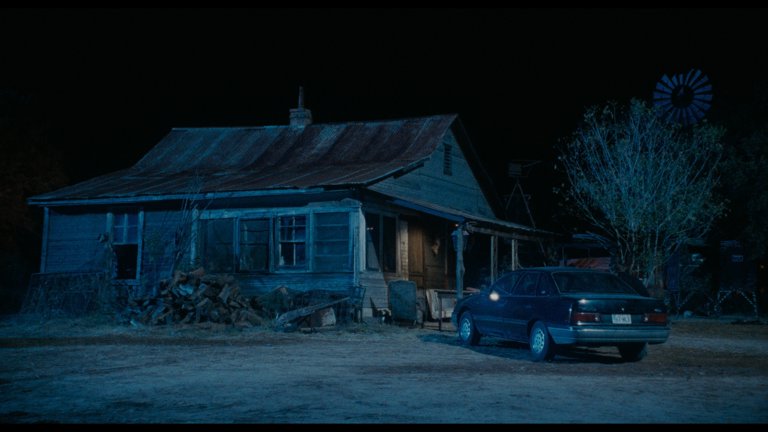
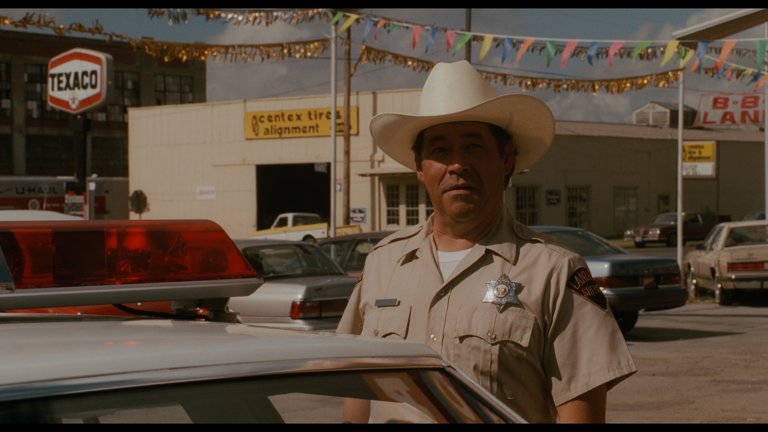
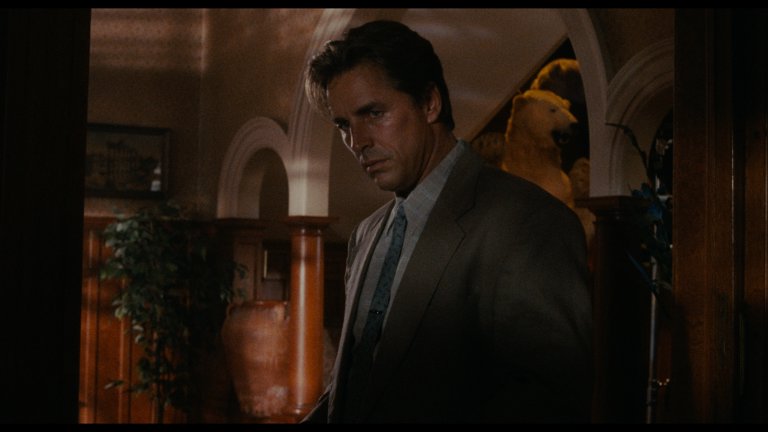
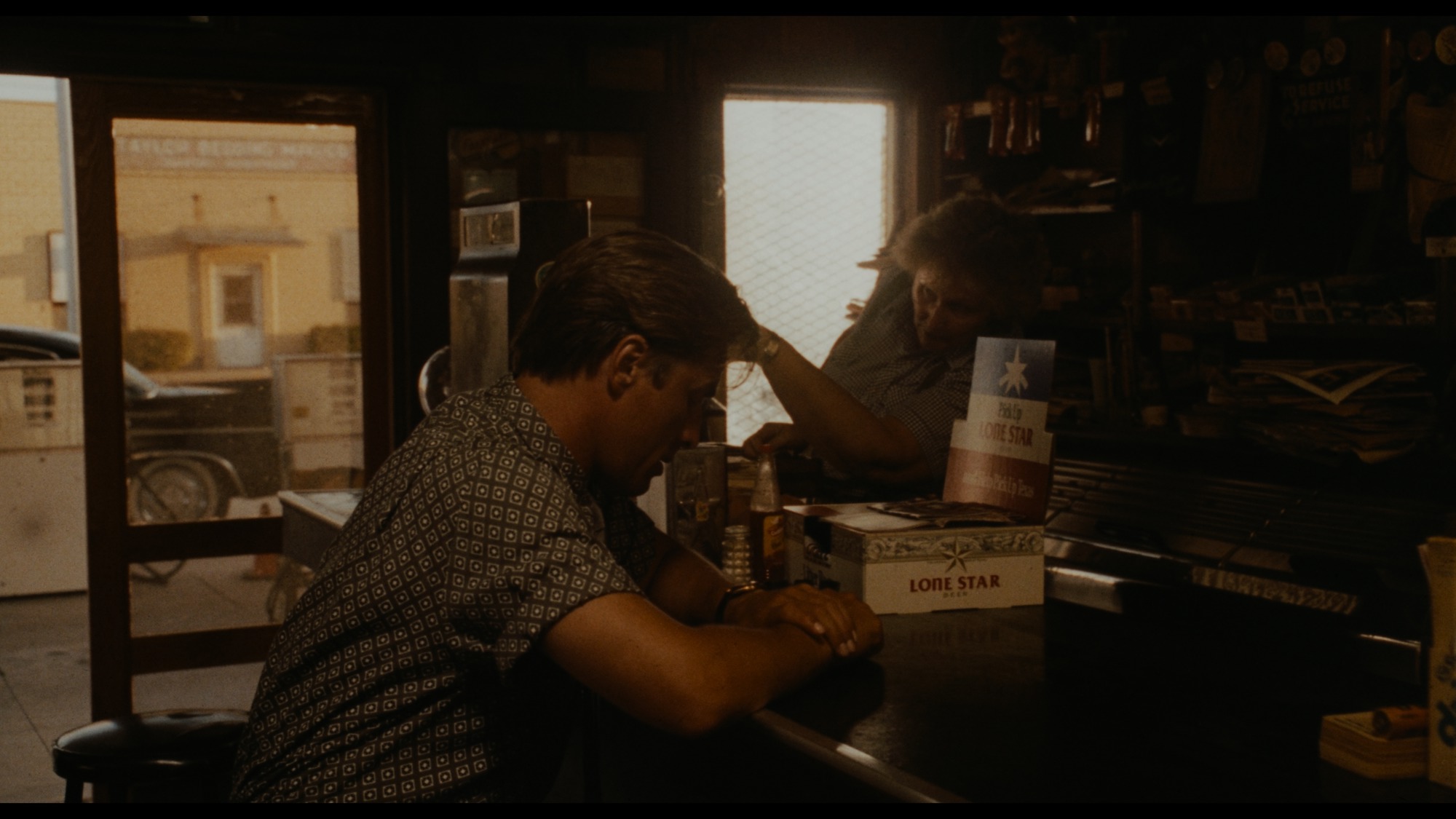
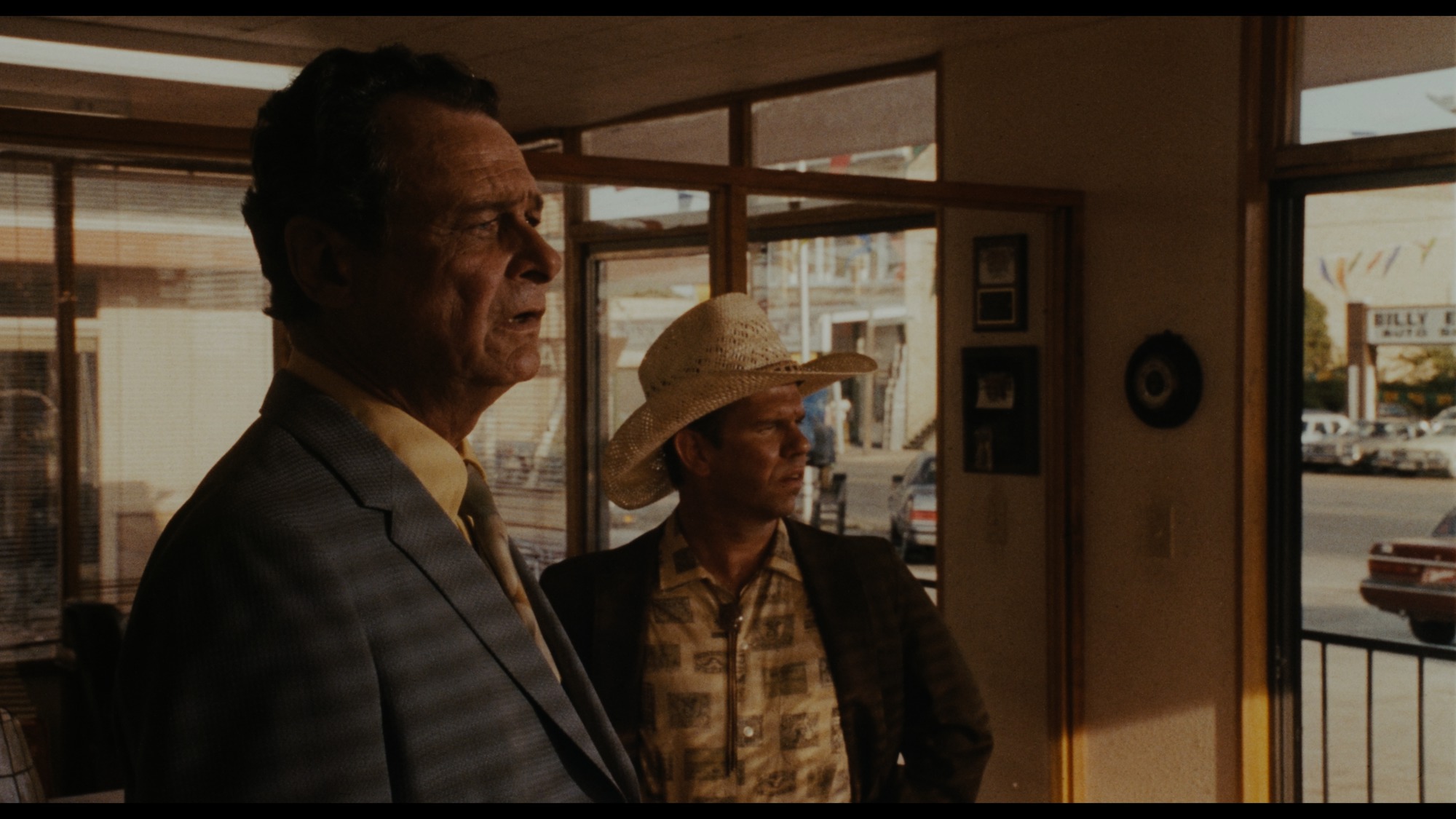
The Hot Spot - Screen Captures
Audio 8/10
Radiance presents the film with a DTS-HD MA 2.0 audio soundtrack (though it’s listed as PCM). It ends up being a surprisingly dynamic presentation, best demonstrated through the film’s score and some of the louder set pieces (the strip joint, the central scene around the fire, and so on). Dialogue is also clean and sharp, and no filtering sounds to have been applied. All in all, it sounds quite good for what it is.
Extras 7/10
Radiance ports all supplements over from their previous edition, which in turn carried over material from Kino’s Blu-ray. That material includes interviews with actors Virginia Madsen and William Sadler, running 7 and 6 minutes respectively (Sadler appearing over a conference call due to COVID restrictions at the time). Both recall being cast and talk about their characters before getting into some of the difficulties experienced during filming, particularly for Madsen, who mentions the hot temperatures among other things. Sadler also recalls his choice to drink a full bottle of Coke in one scene, which Hopper thought was great, though Sadler immediately regretted it when he had to do multiple takes. I was a little surprised by Madsen’s comments about not liking her performance in the film (I actually think she’s one of the stronger elements in it, but that may just be me), but I liked the honesty and enjoyed both interviews in the end.
Radiance also includes a 4-minute clip from a 1991 French television episode of a program called Rapido, featuring Hopper at Roissy airport talking about his career and the film (it sounds as though he was in France to promote it). Though Hopper’s fun, it’s ultimately a fluff piece and annoyingly edited, as Hopper walks and talks with the crew through the terminal.
Better are Radiance’s exclusive features, including a 20-minute interview with Nick Dawson, author of the book Dennis Hopper: Interviews. He covers how Hopper became involved after the film had already been in development for a long while, with Hopper reworking the script that the film’s original director, Mike Figgis, had developed as a heist film, making it more in line with a classic noir. Dawson talks about the production, issues that arose during shooting, and even its eventual release, where the film’s two stars refused to promote it for differing reasons. He then takes the time to get into the film’s performances, production design, and various strengths, expressing hope that these new editions will help the film reach a wider audience.
It’s a strong appreciation, though it doesn’t get much into the original novel, with the disc leaving that up to writer Duane Swierczynski, who is here to talk about Charles Williams, author of The Hot Spot (originally published as Hell Hath No Fury), and the book itself. He makes comparisons between the novel and film while also getting a bit more into the original Figgis script. He even covers other attempted adaptations, including one that had Robert Mitchum involved.
The disc then closes with the film’s trailer, while the limited edition also comes with a 27-page booklet featuring essays by Elena Lazic and Leslie Byron Pitt. Lazic’s is a general appreciation of the film, while Pitt examines it within the context of the other late ’80s/early ’90s noirs and erotic thrillers (very popular at the time), and how Hopper manages to find a balance between them. There’s also a reprint of an article written by RJ Smith for Film Comment in 1990, covering the film’s production or, more specifically, Don Johnson’s involvement following Miami Vice.
It’s not packed, but I really liked Radiance’s contributions, as well as the booklet. A decent, if unspectacular, collection of material.
Closing
A decent special edition in the end, but the new 4K presentation makes this a must-own for those fond of the film.
BUY AT: